
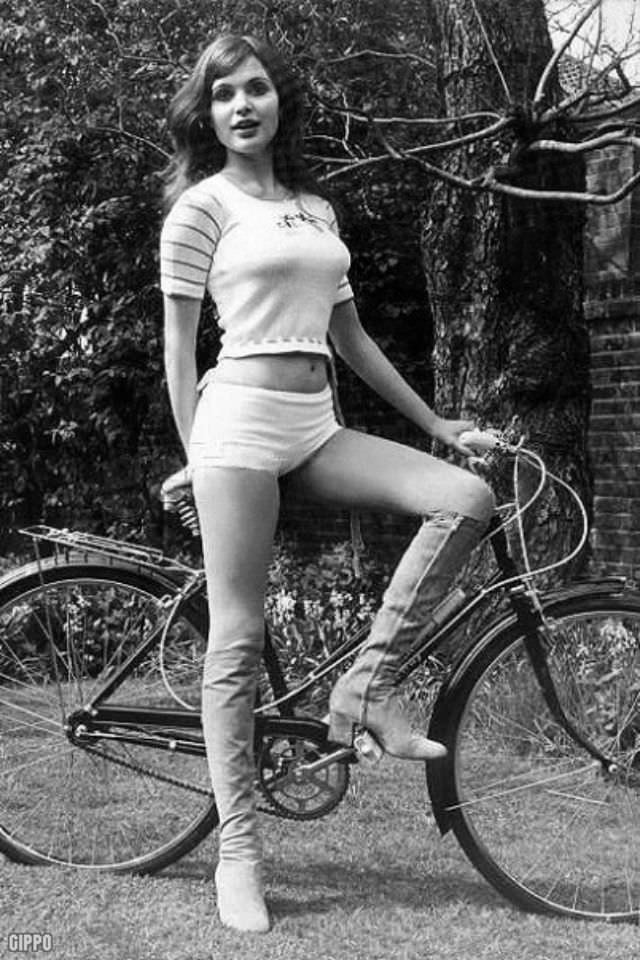
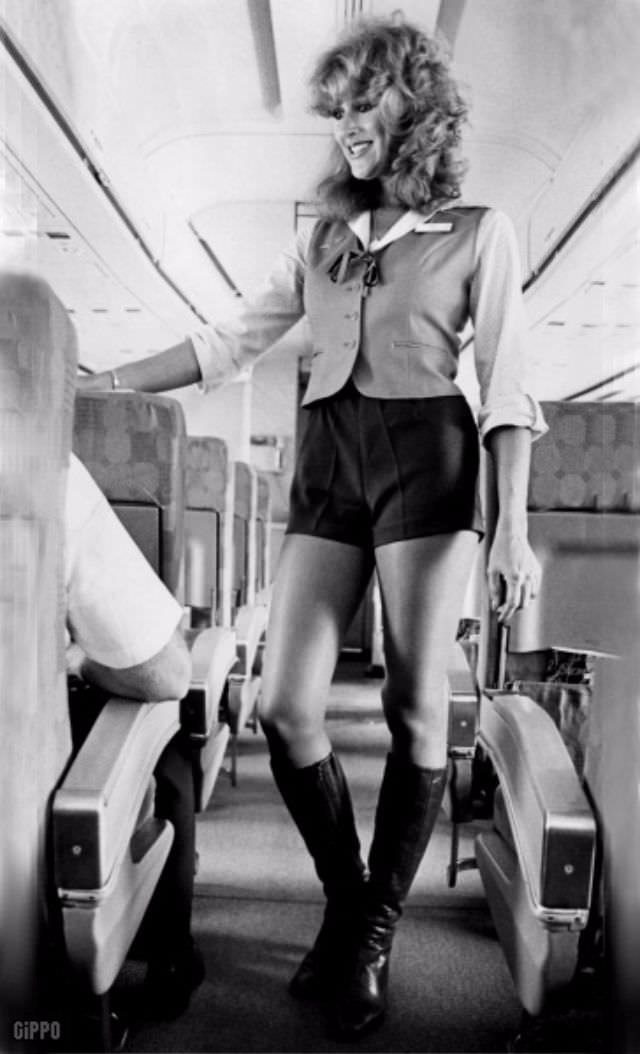
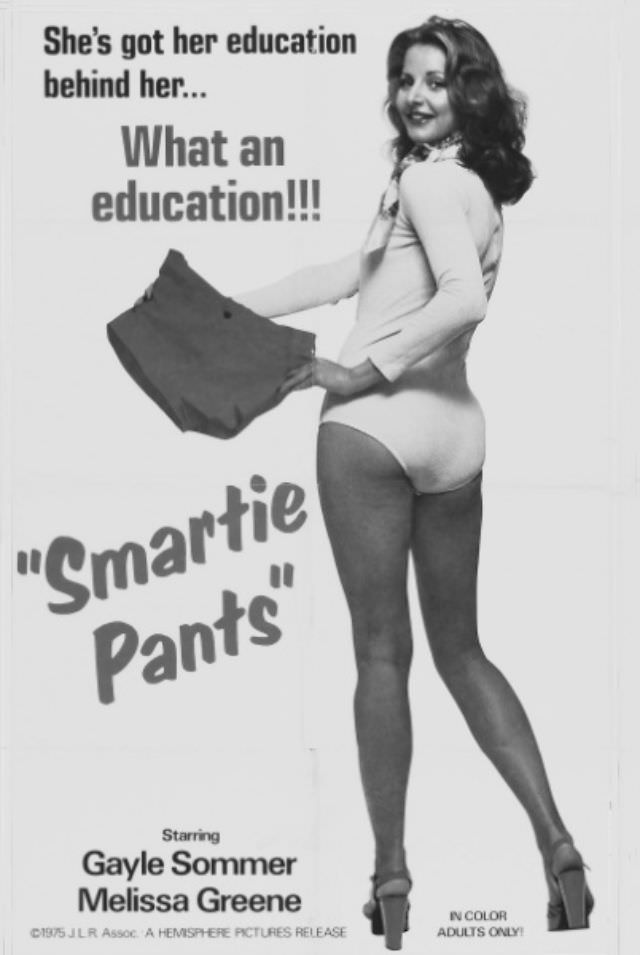
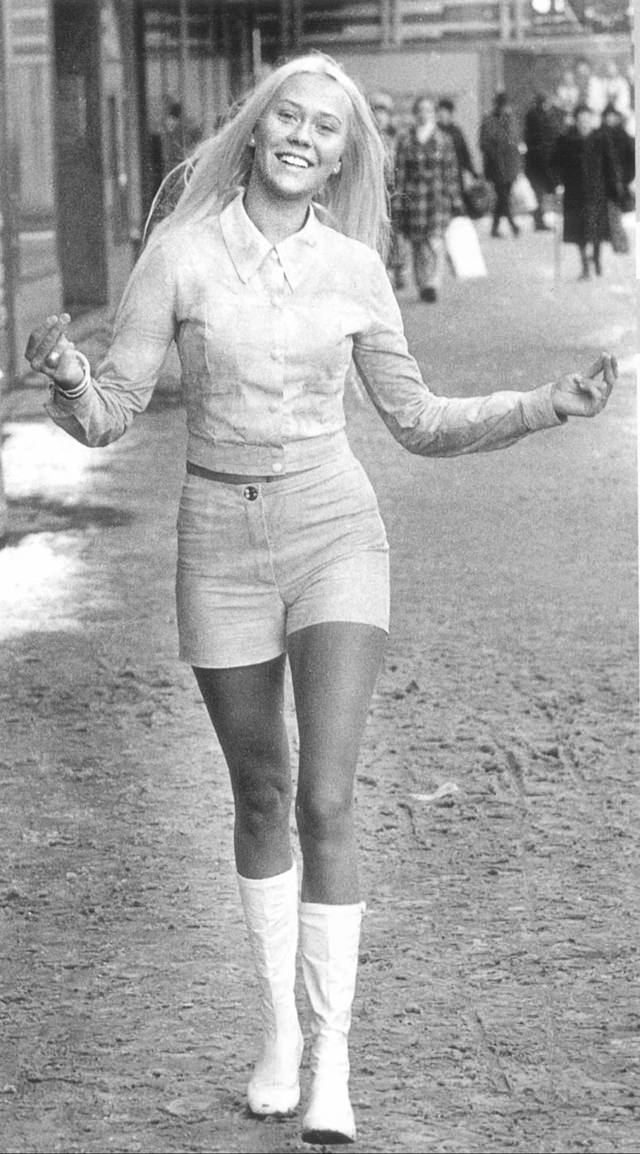
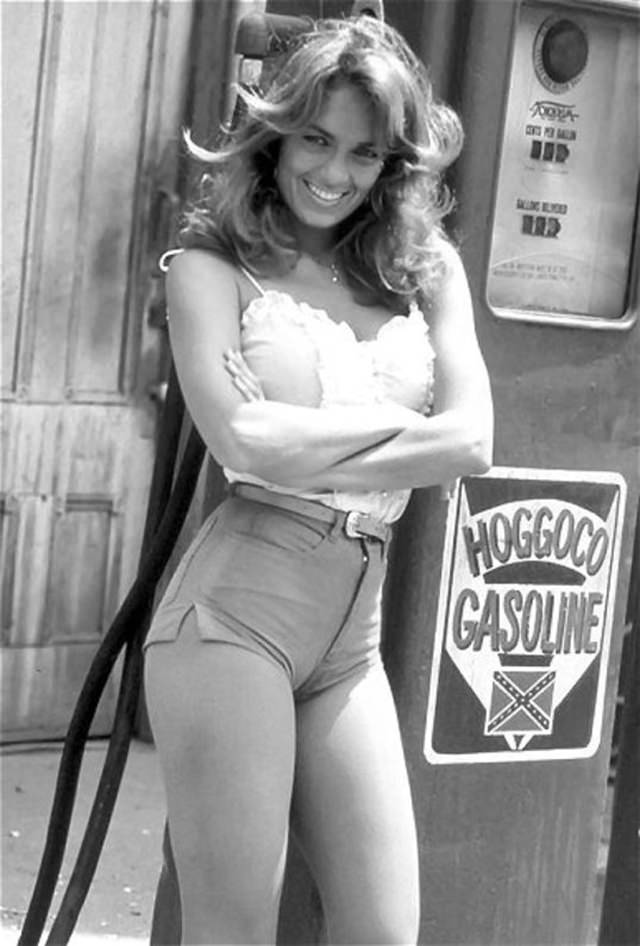
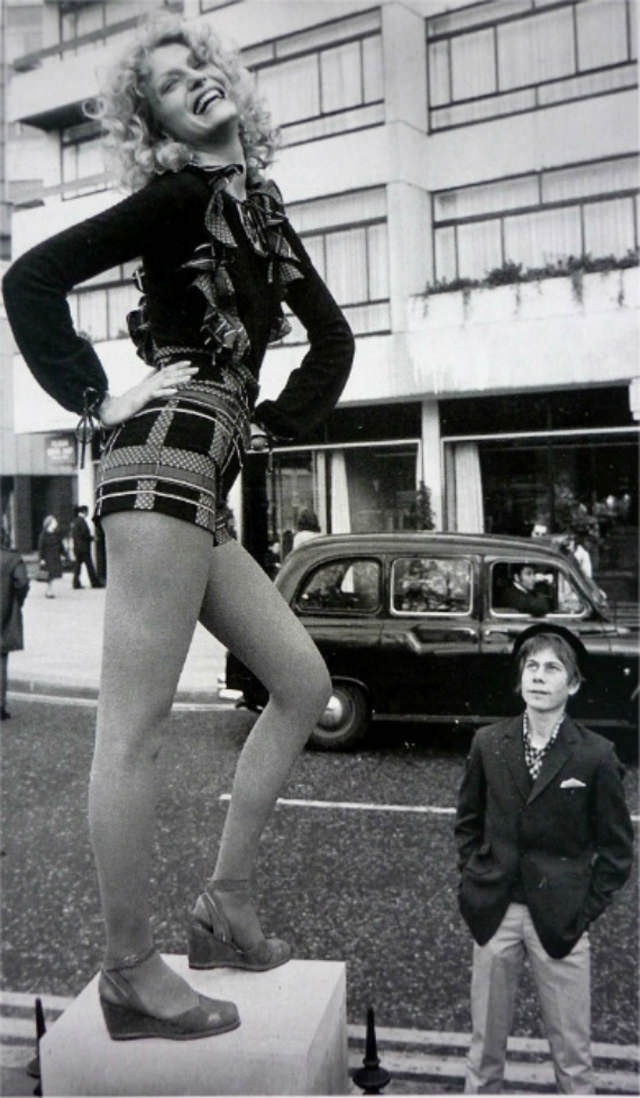
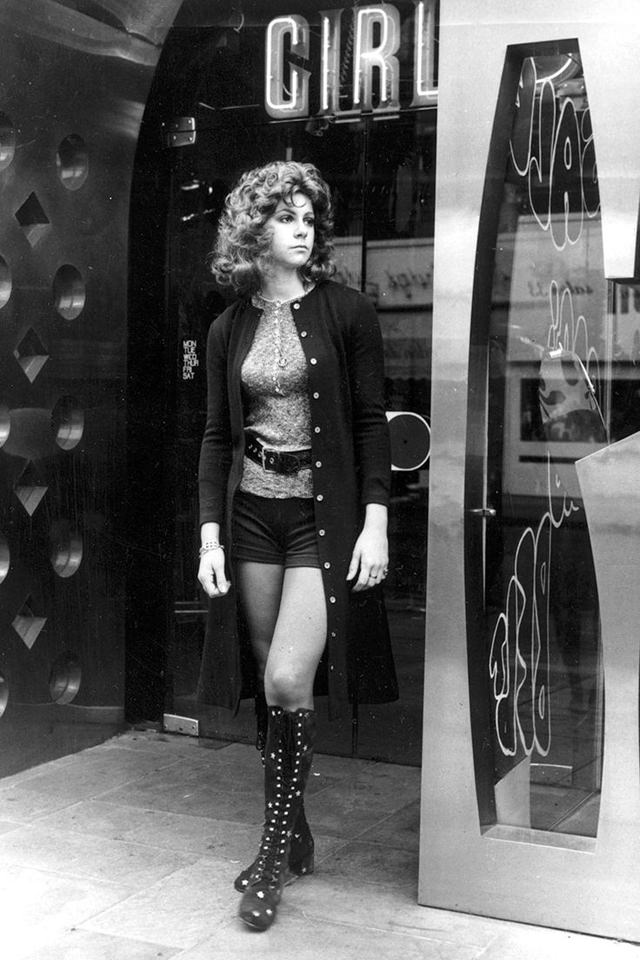
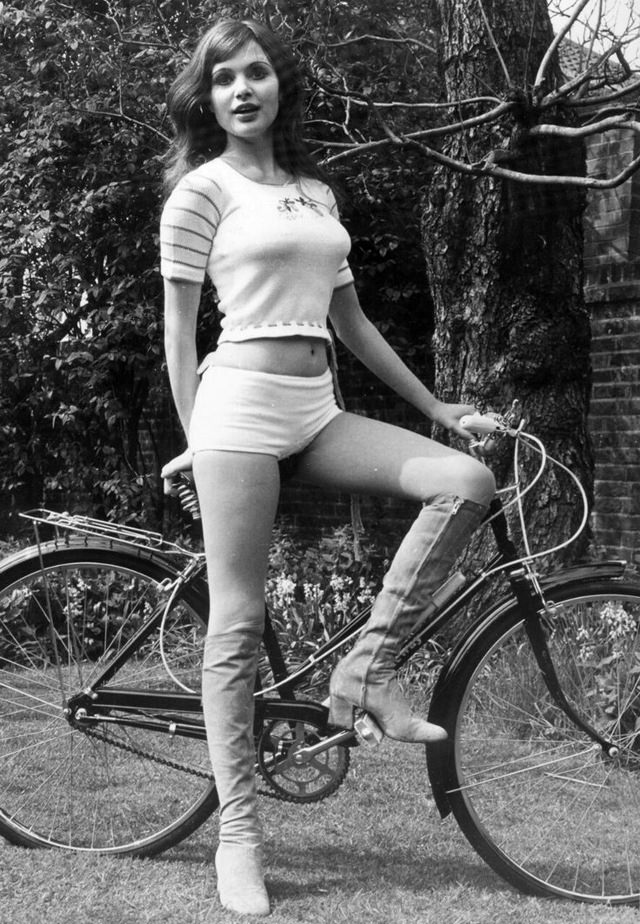
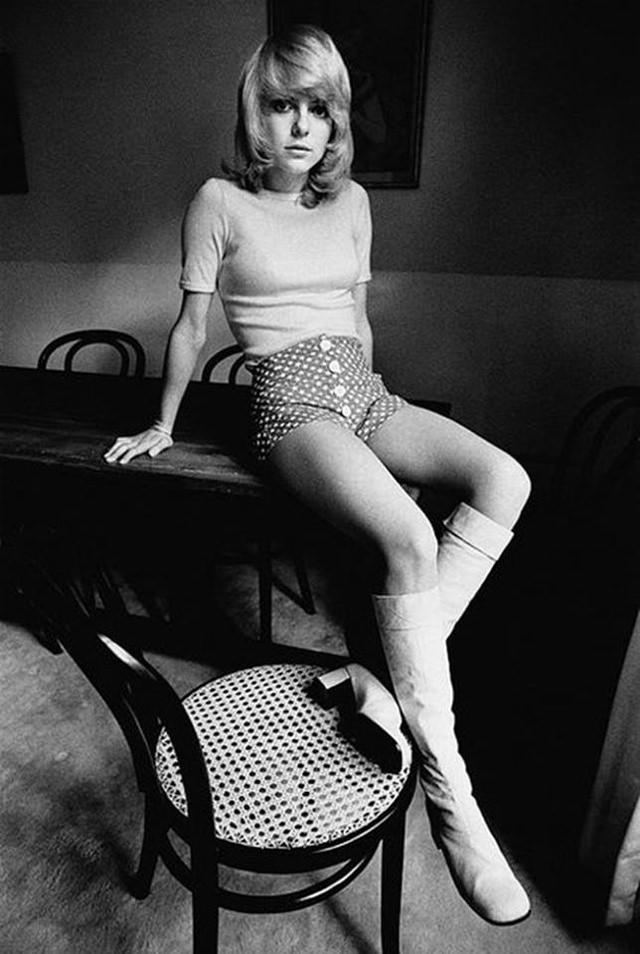
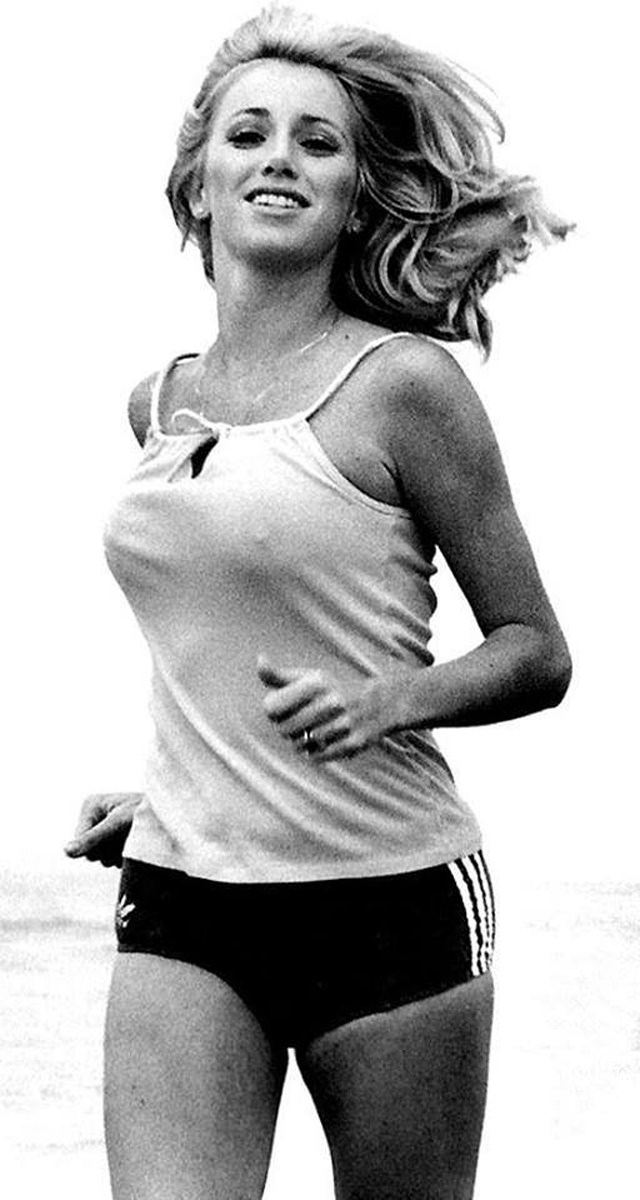
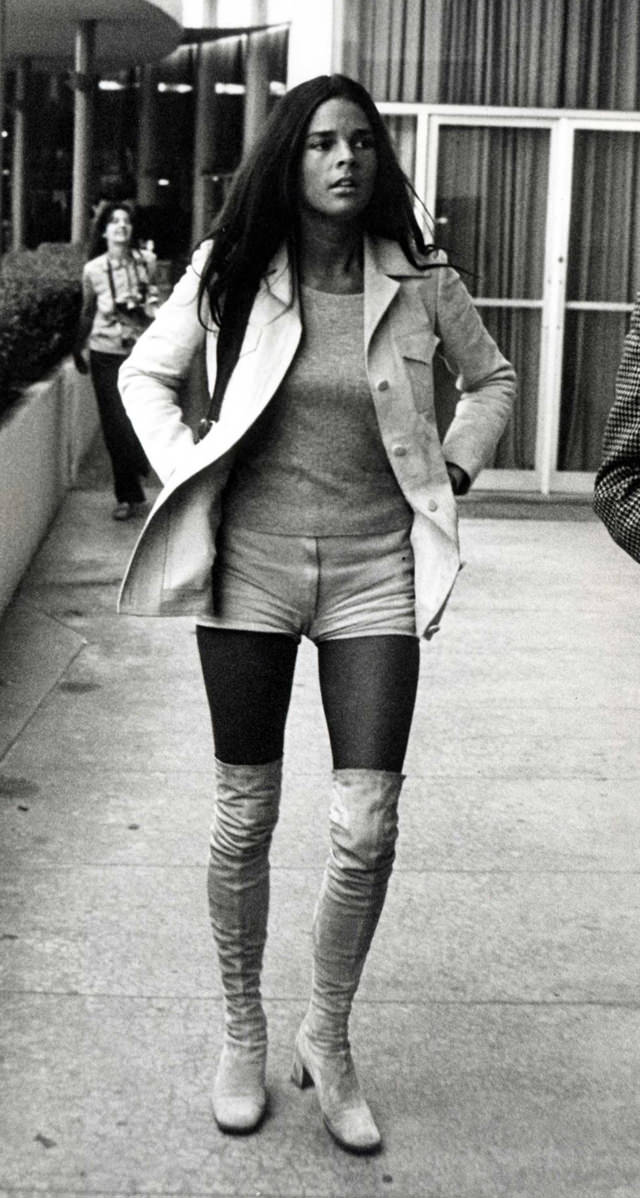
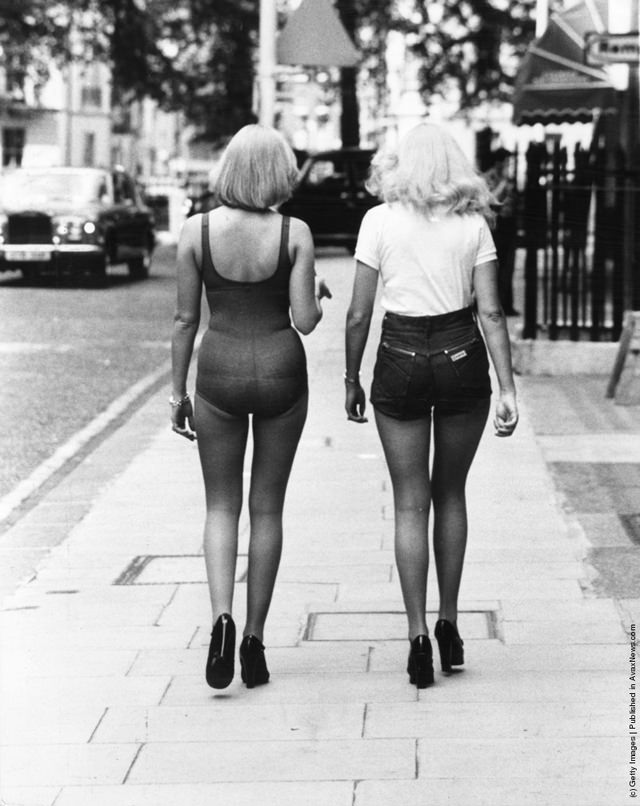
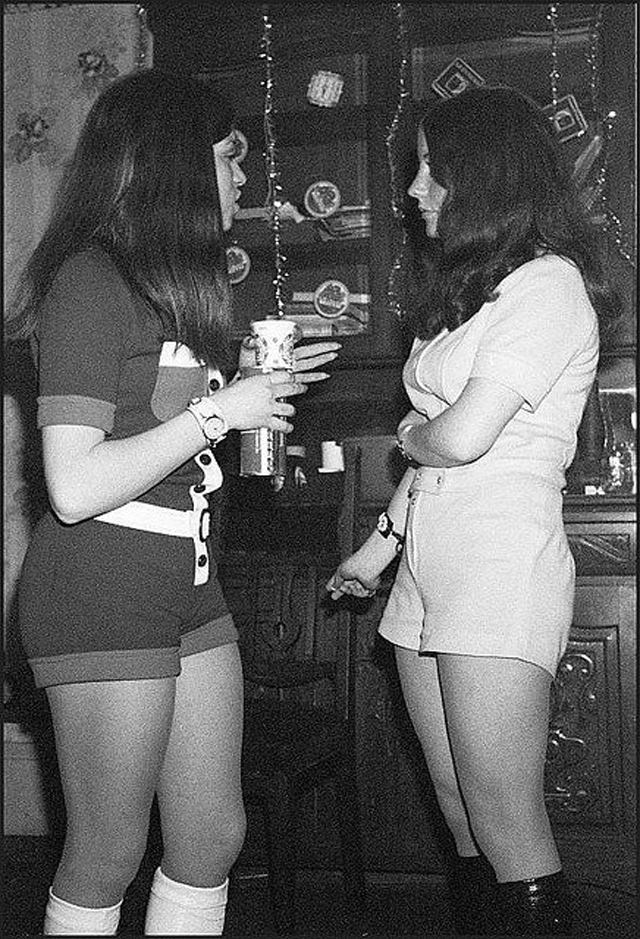
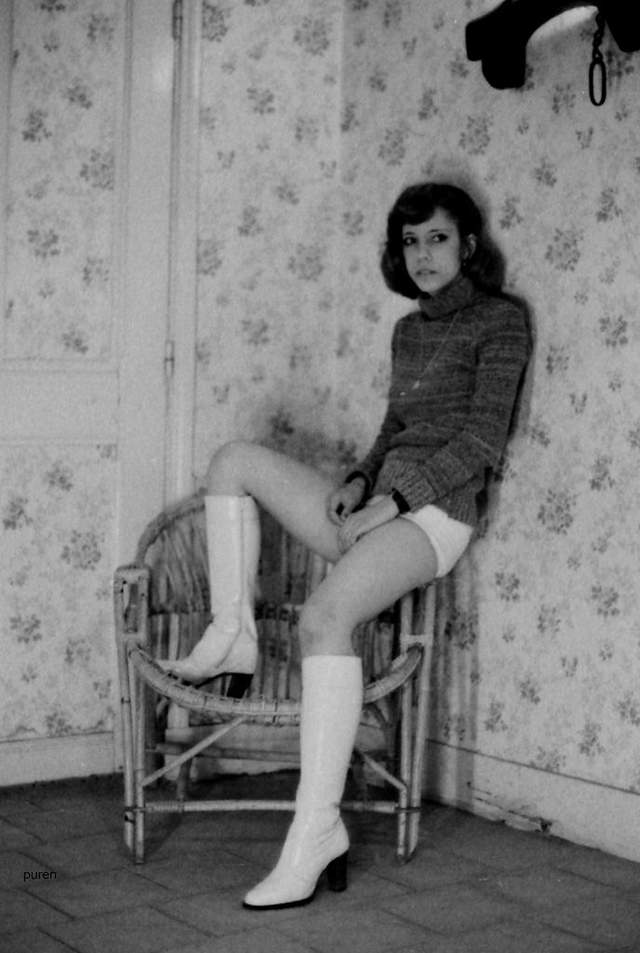
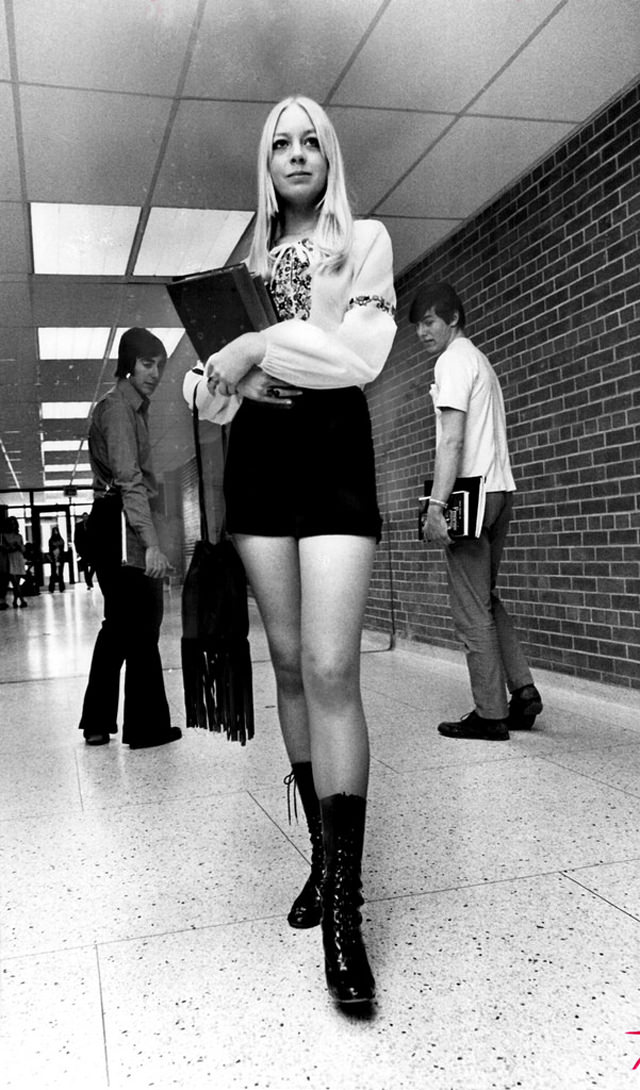
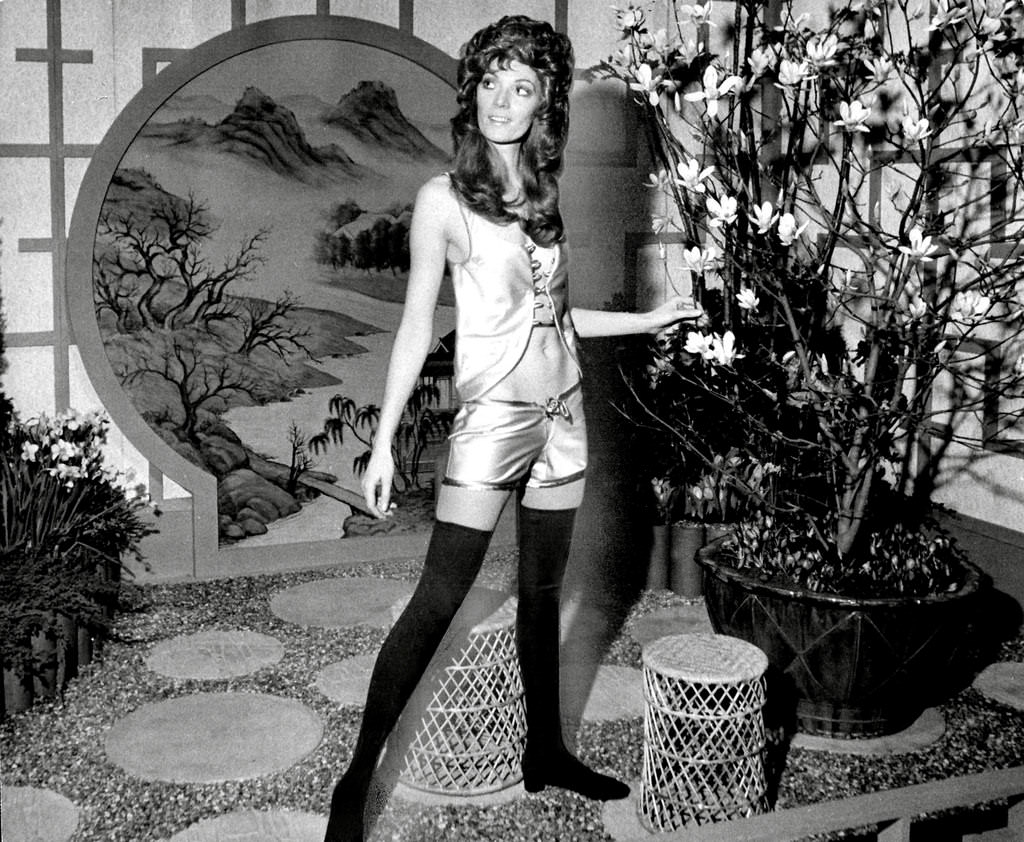
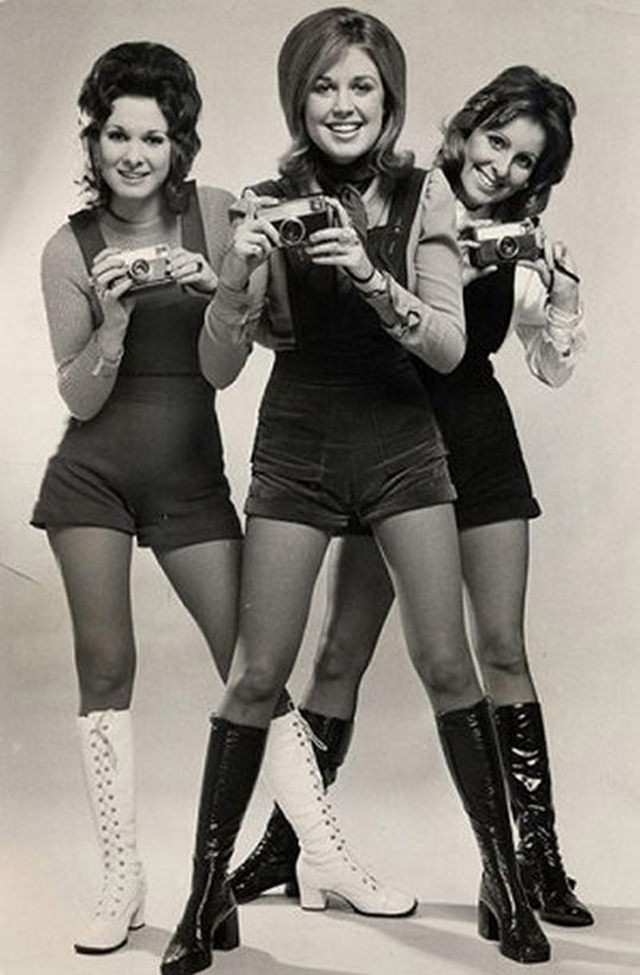
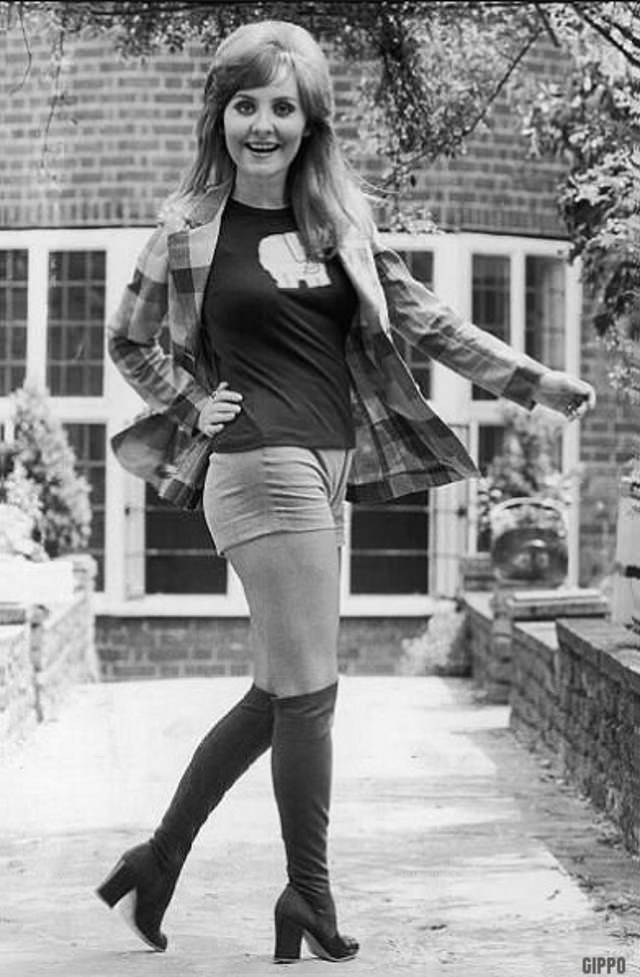
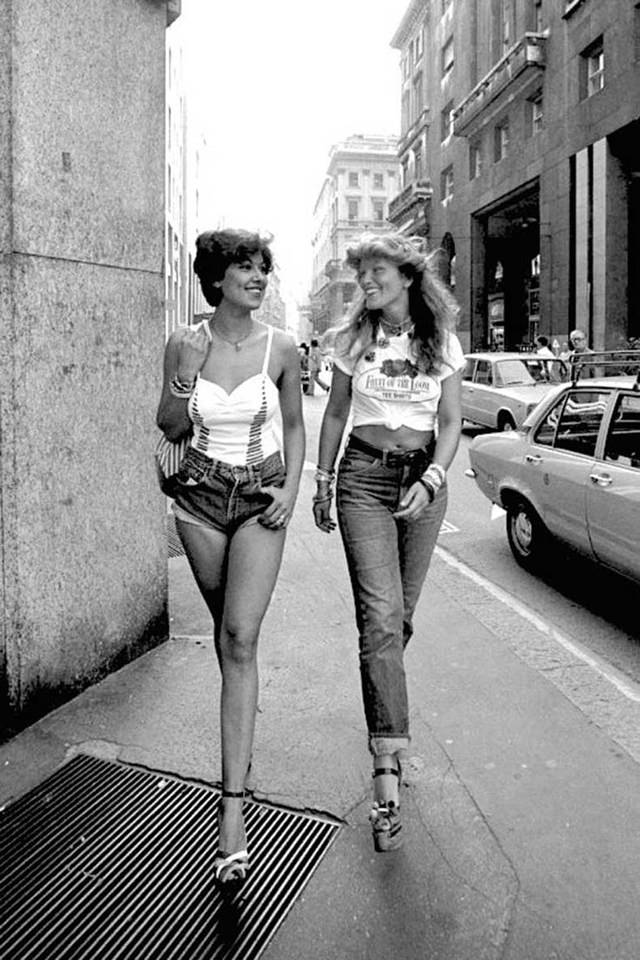
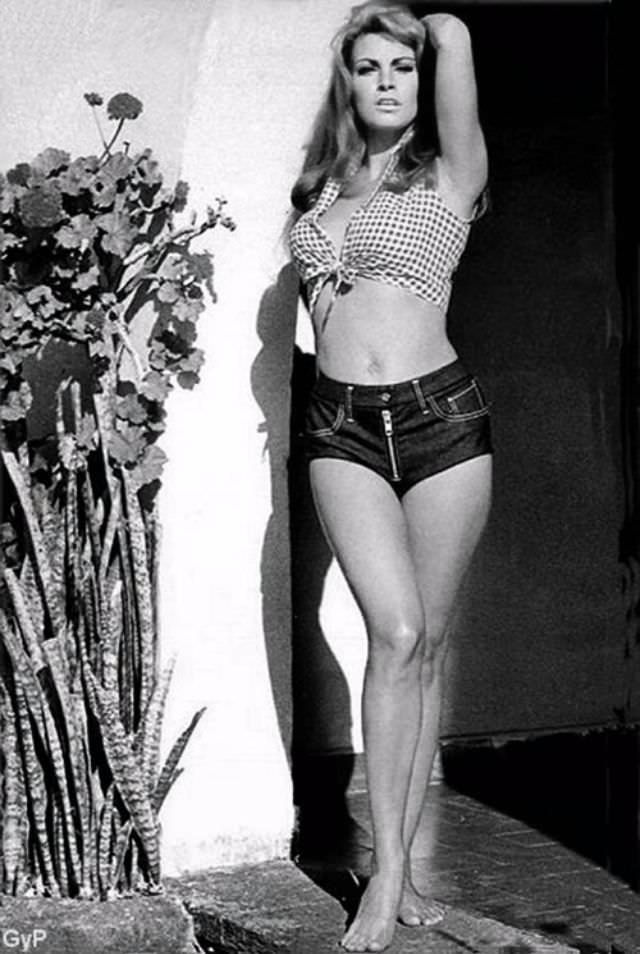
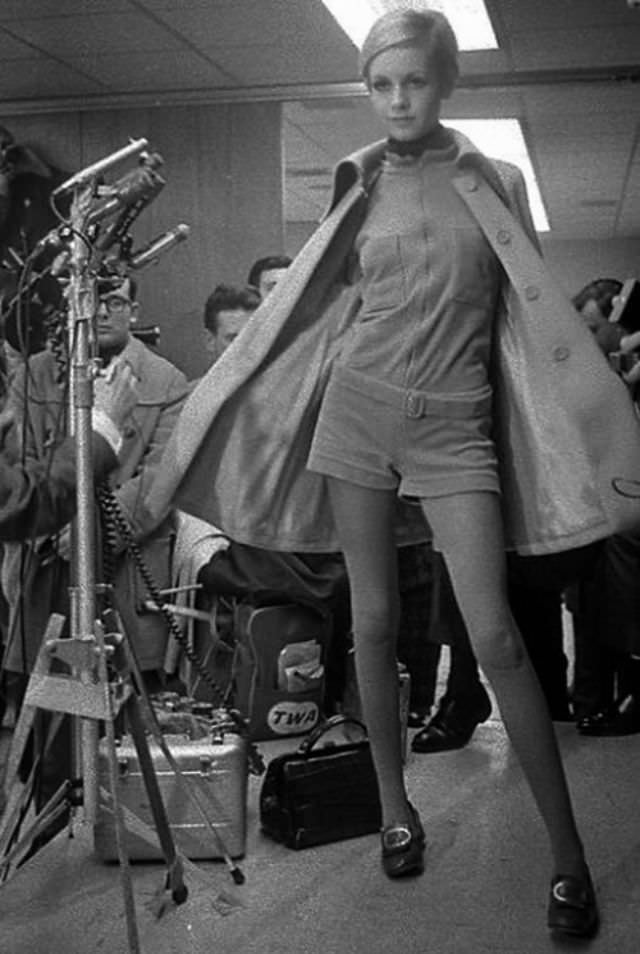
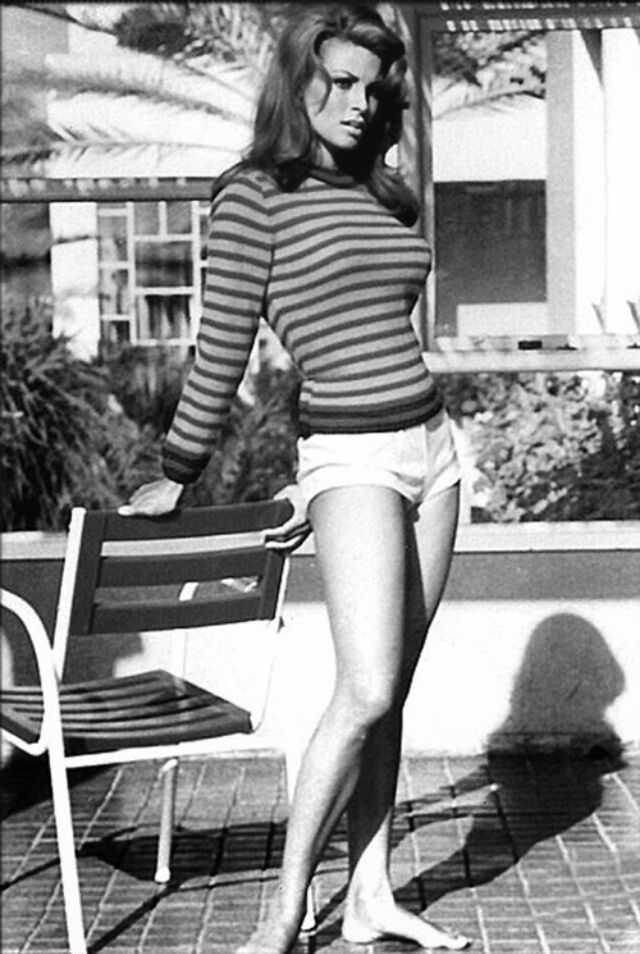
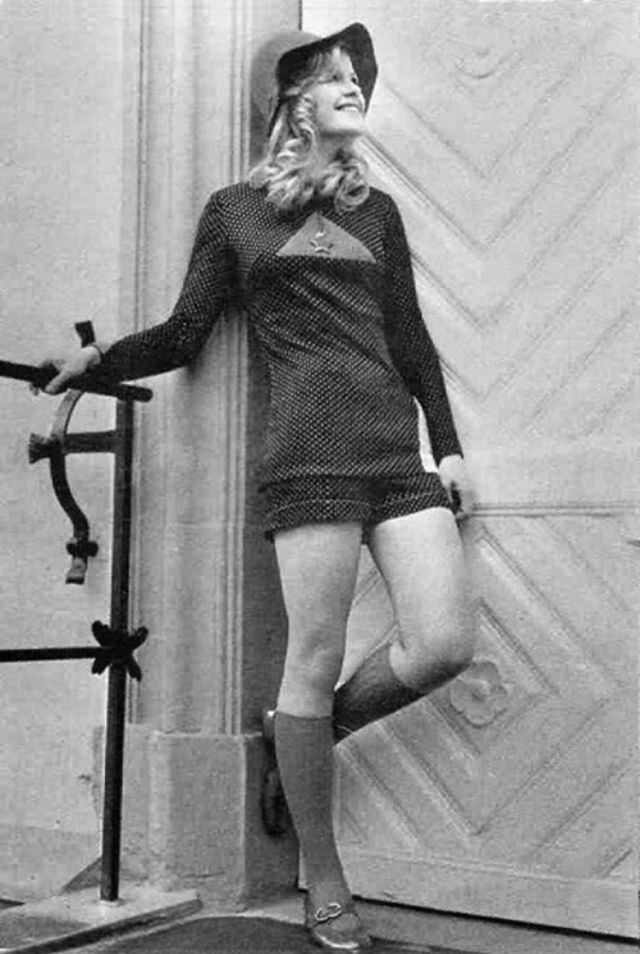
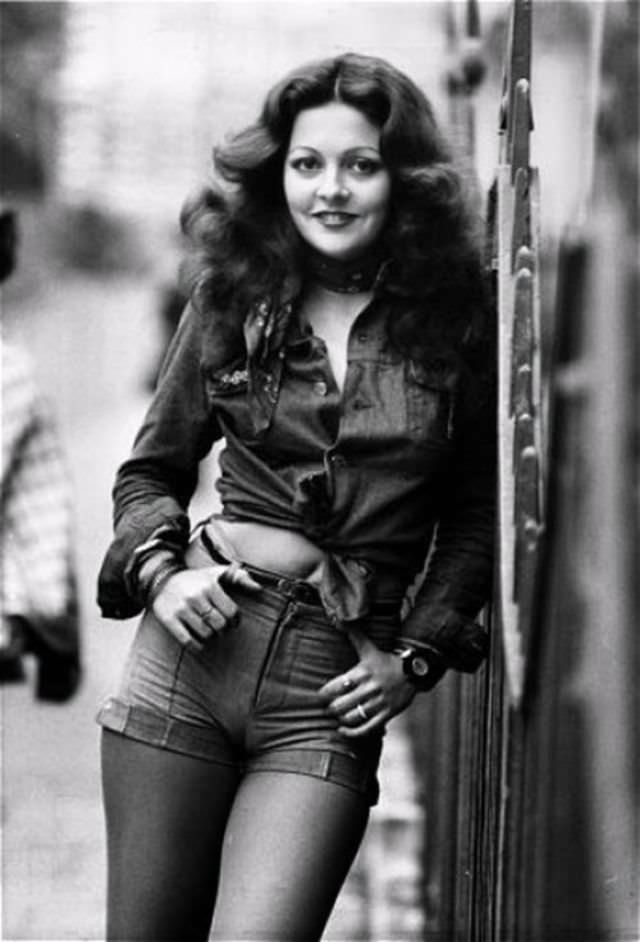
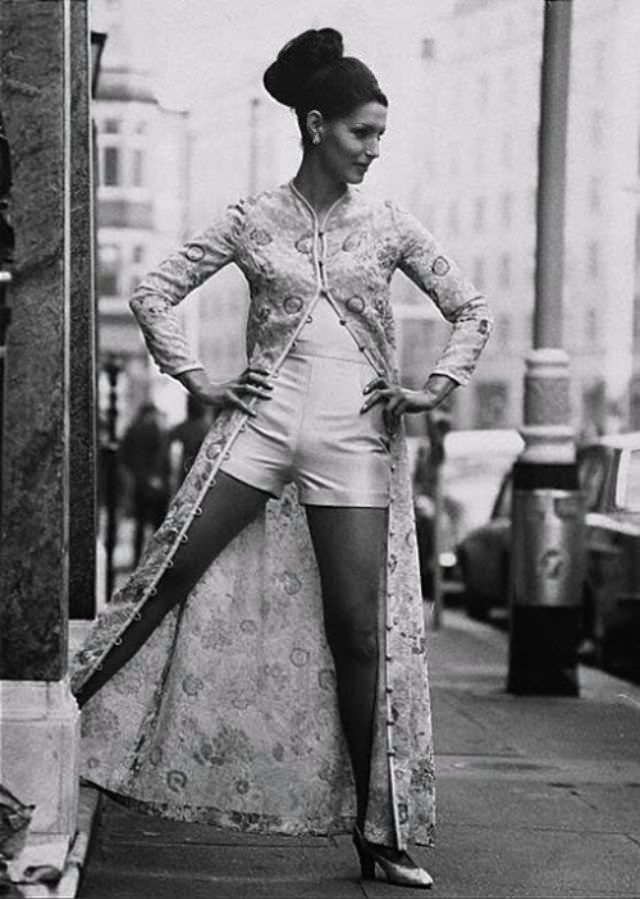
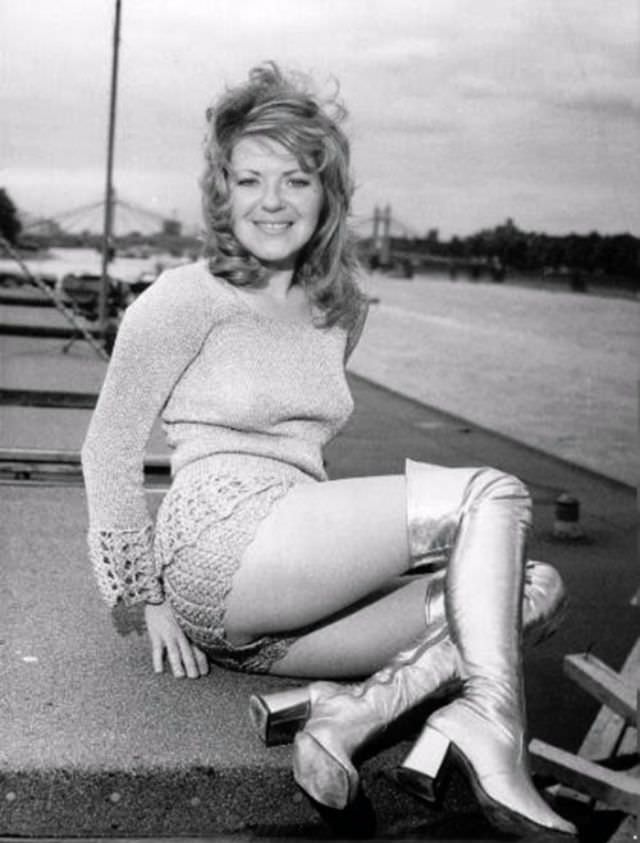
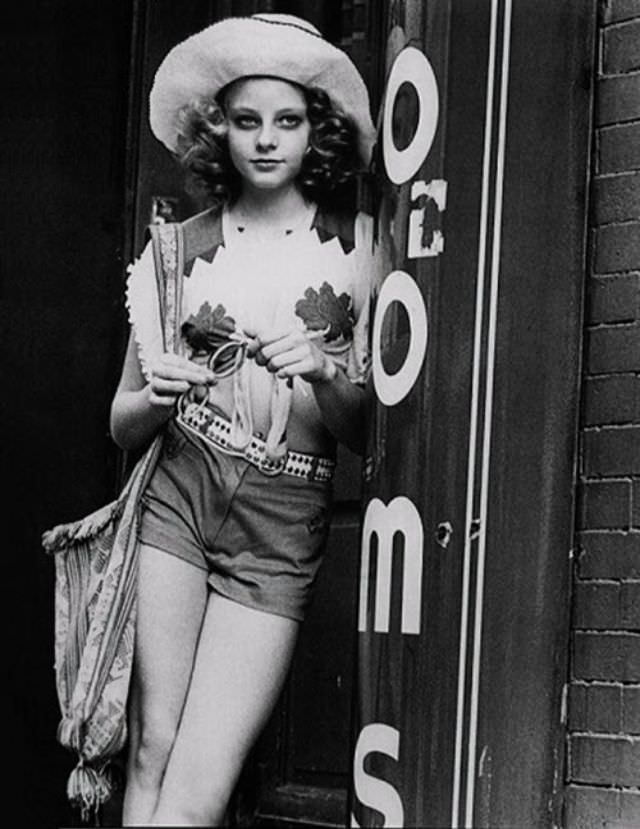
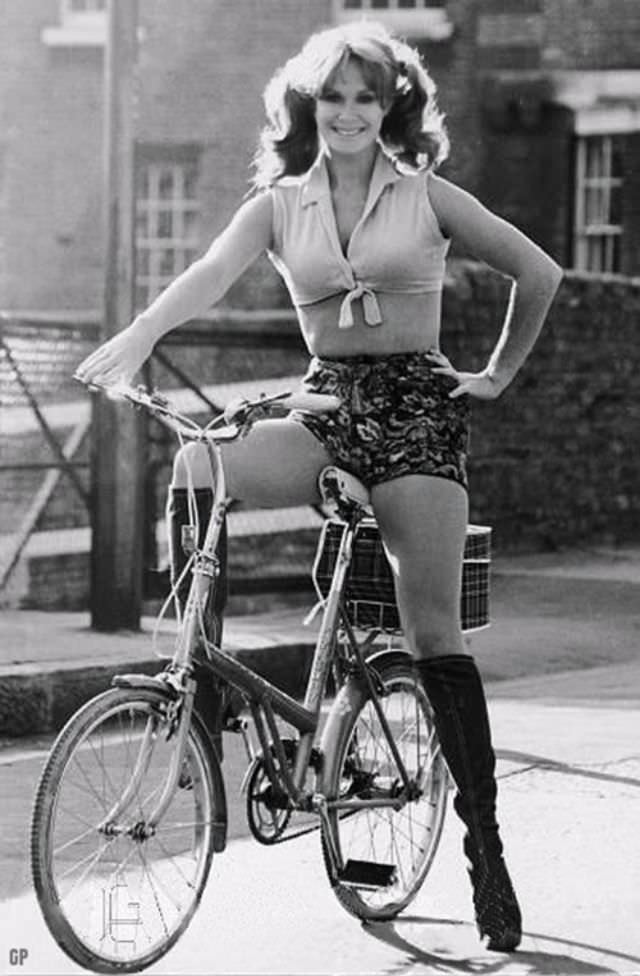
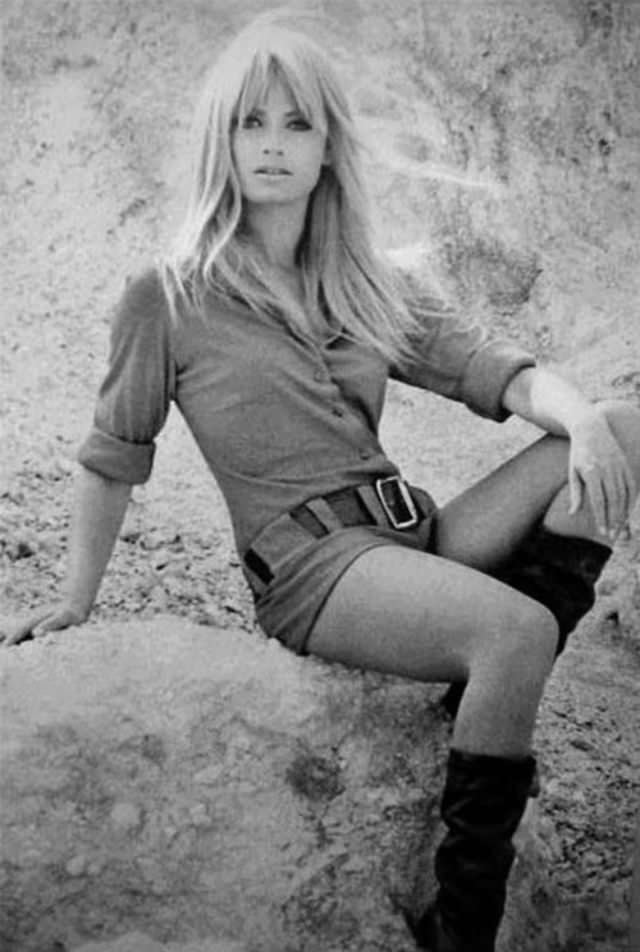
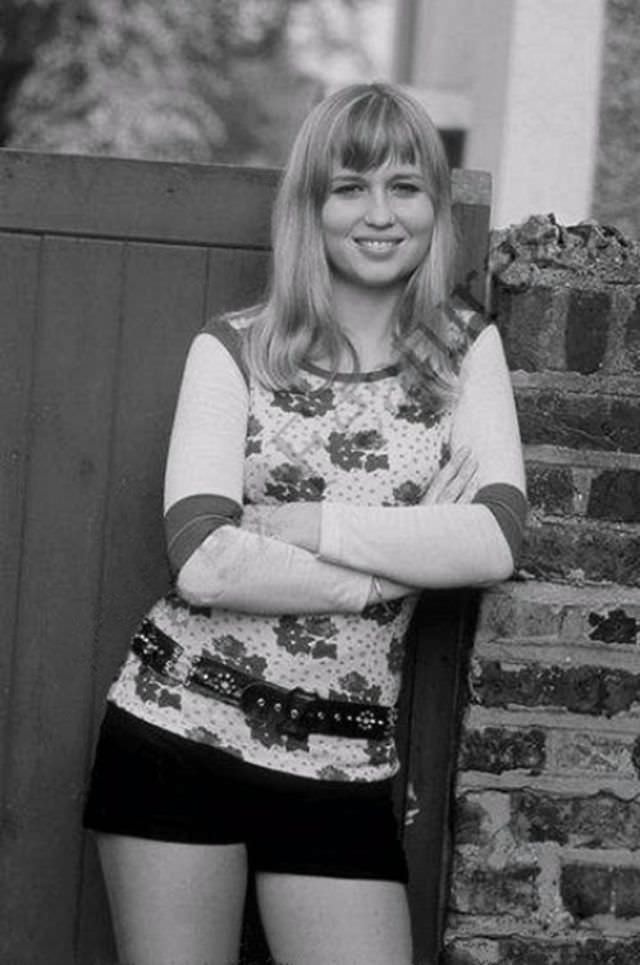
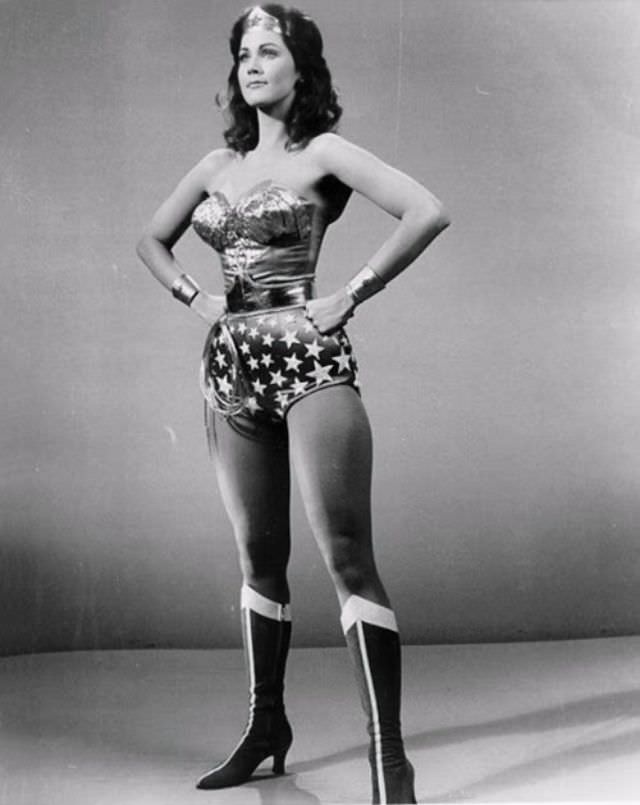
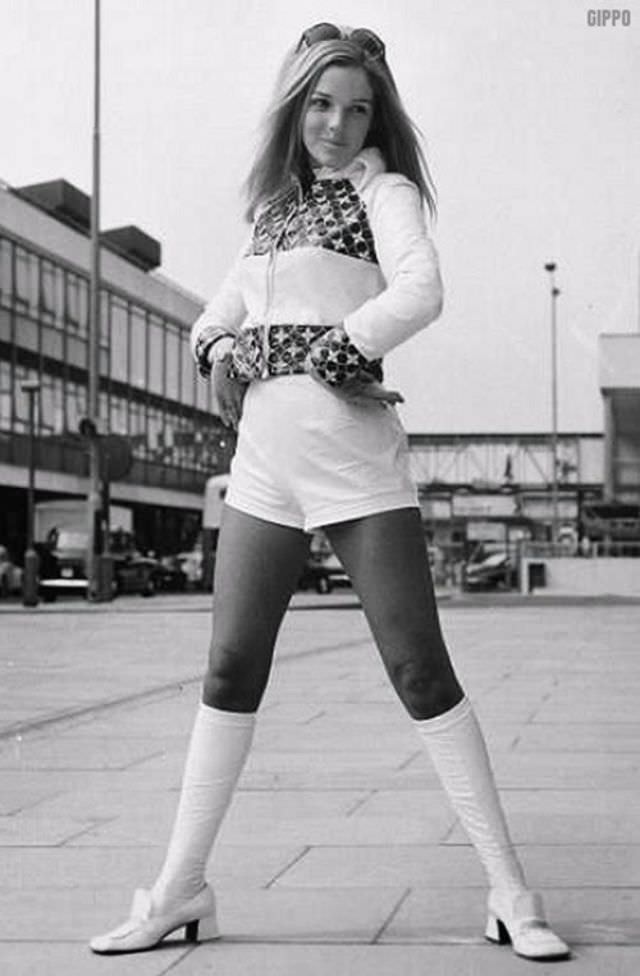
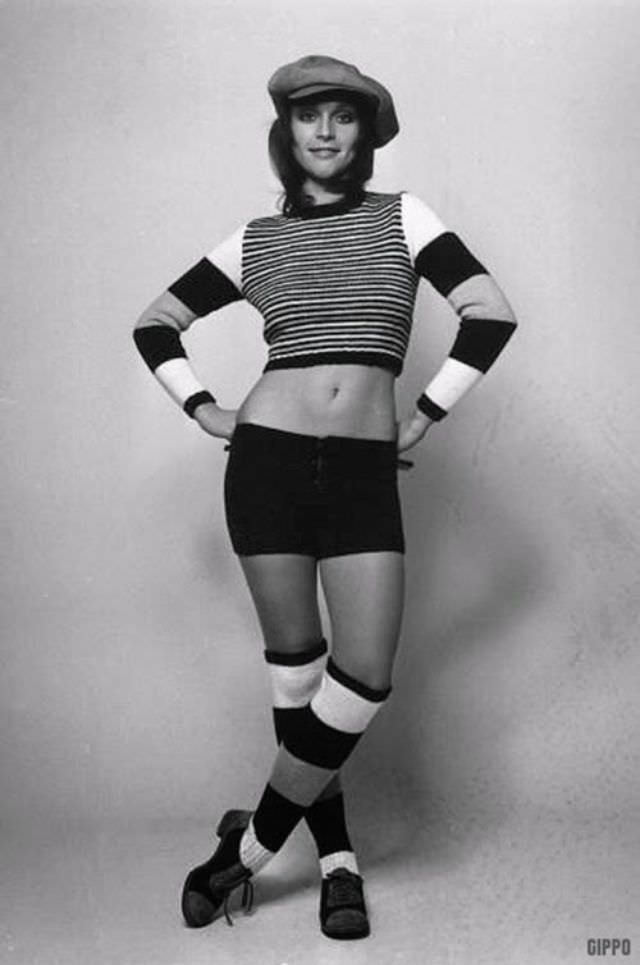
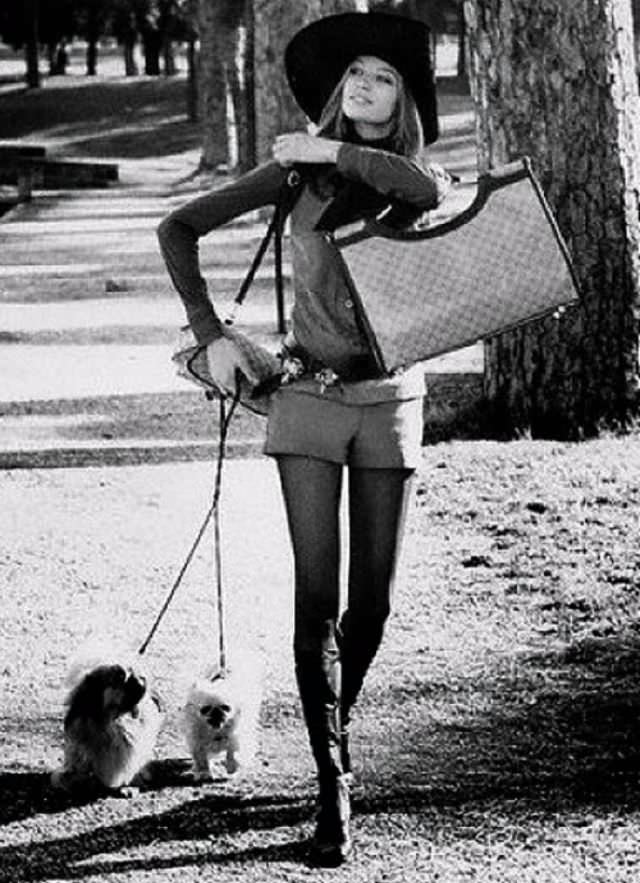
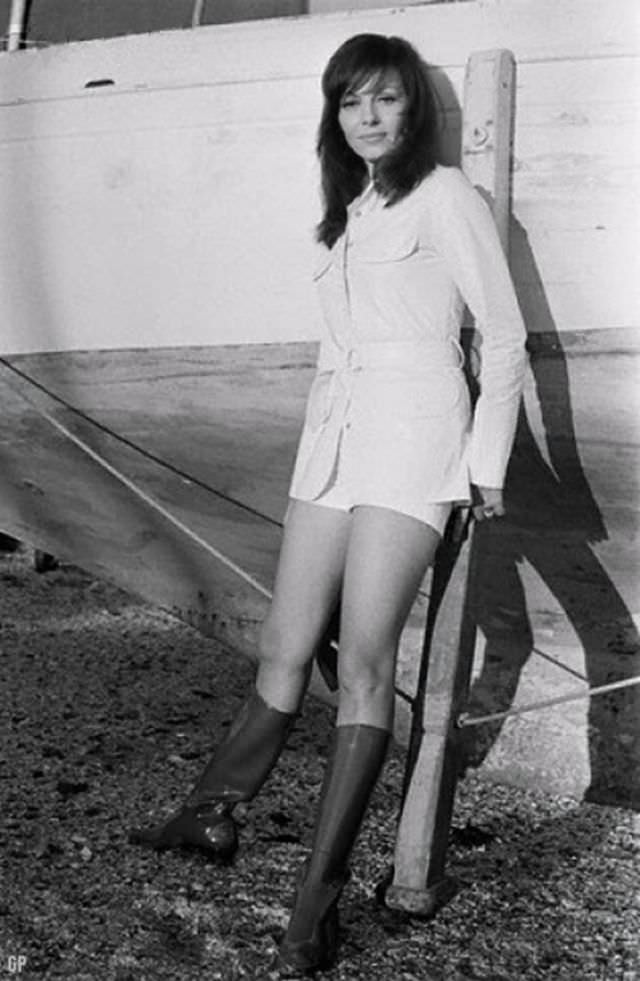
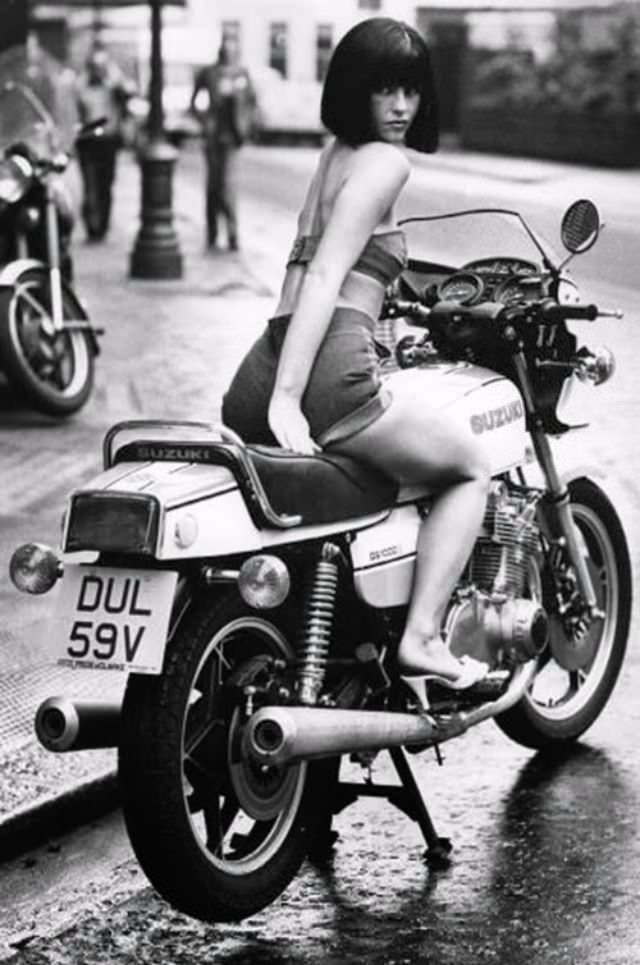
Few fashion trends have sparked as much excitement — and controversy — as hot pants. These extremely short shorts, cut high enough to sit just below the navel, became one of the defining looks of the 1970s. They were bold, body-hugging, and deeply connected to a wider cultural shift in how women dressed and presented themselves to the world.
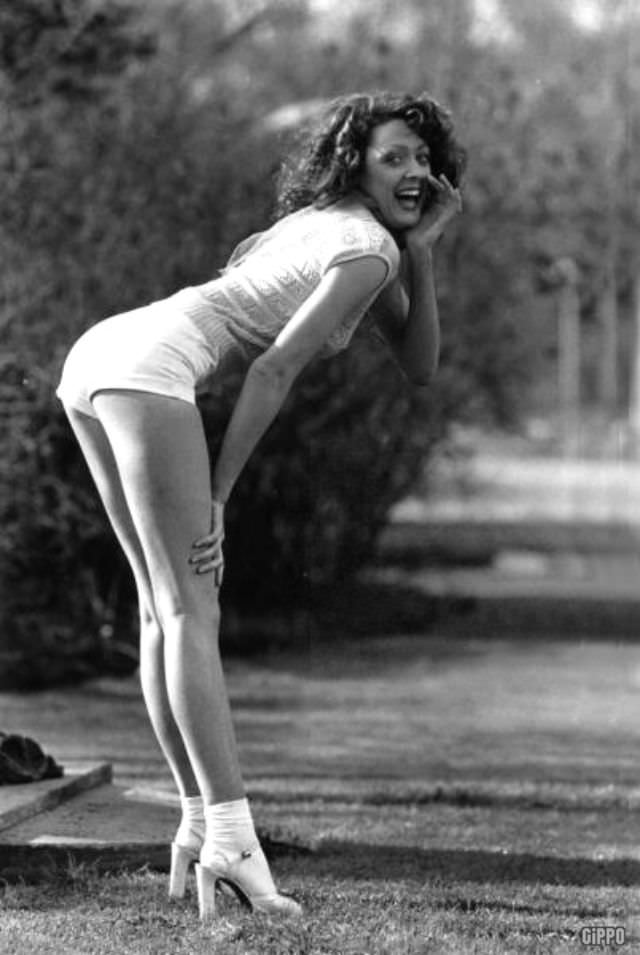
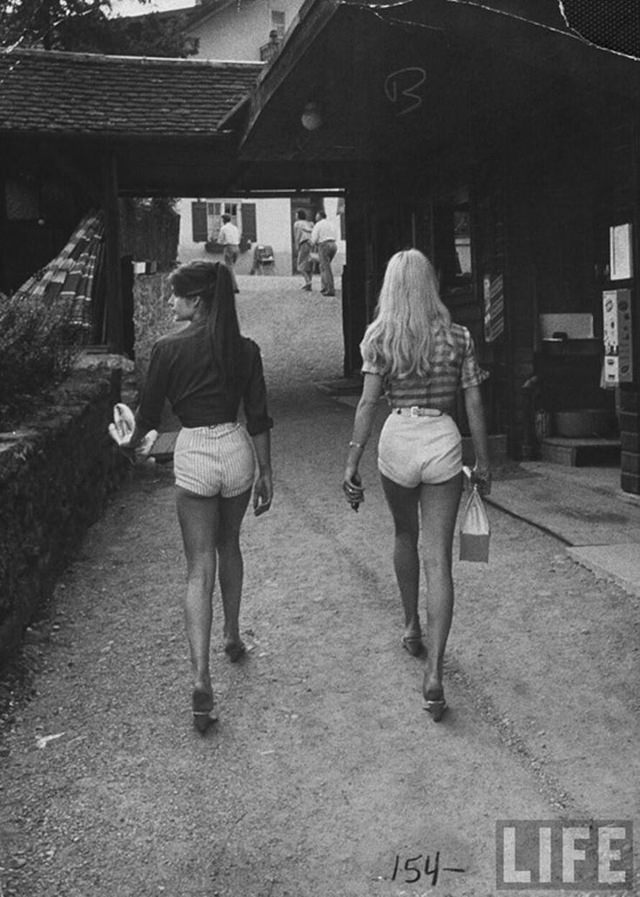
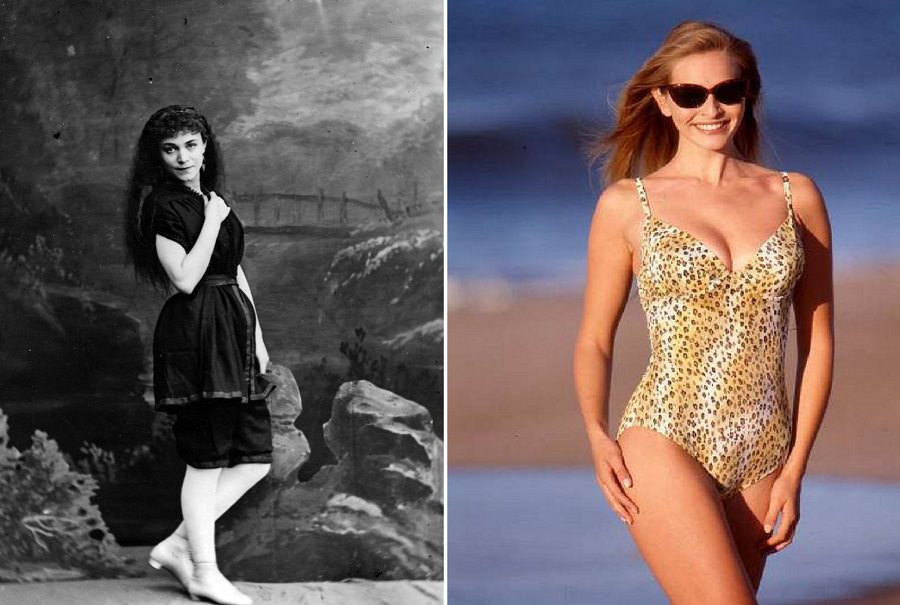
Hot pants didn’t appear out of thin air in the 70s. Women had been wearing very short shorts since the 1930s, mostly for sports, beach outings, and casual leisure. They were practical garments tied to physical activity, not street fashion. That changed over the following decades as the style slowly crept into everyday life.
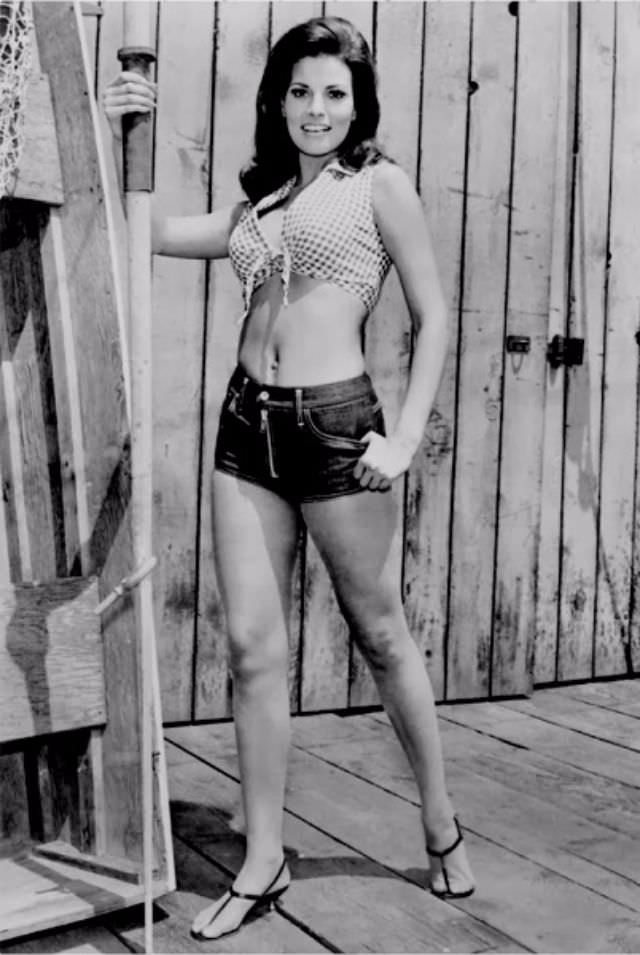
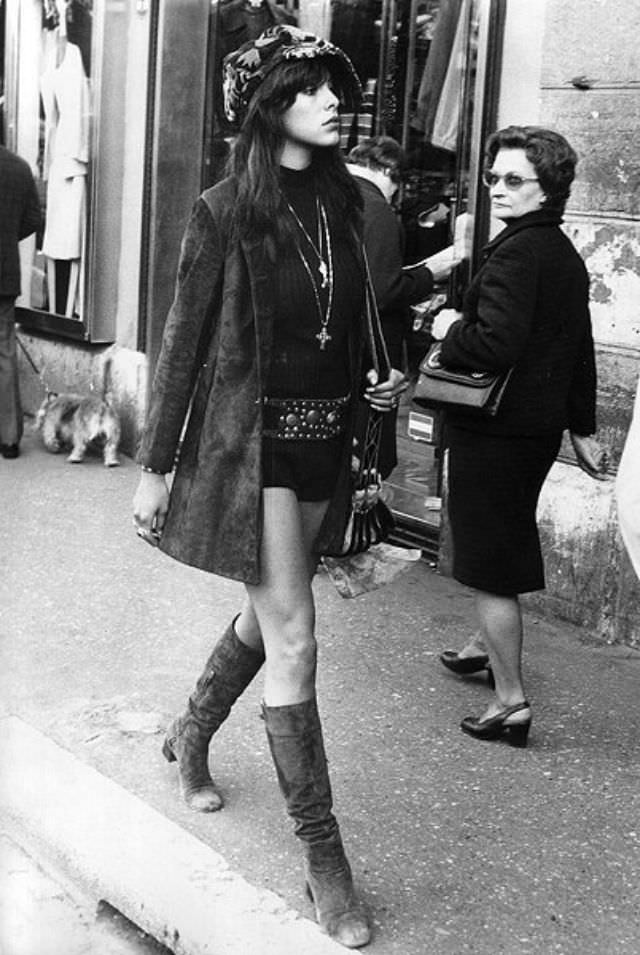
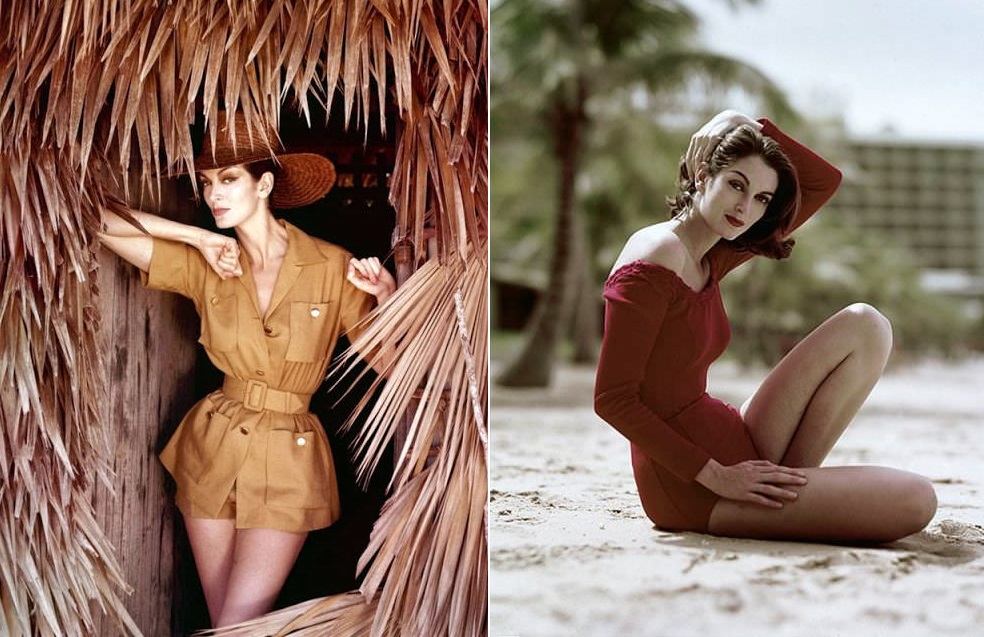
Classic Hollywood actresses in the 1950s and 60s were among the first to wear short shorts as a fashion statement rather than sportswear. They used the style to highlight their curves, and photos of these stars helped plant the look in popular culture. As the look migrated from film sets to city streets, worn especially by hippies and teenage girls, it drew sharp criticism from those who saw it as a breach of accepted dress standards.
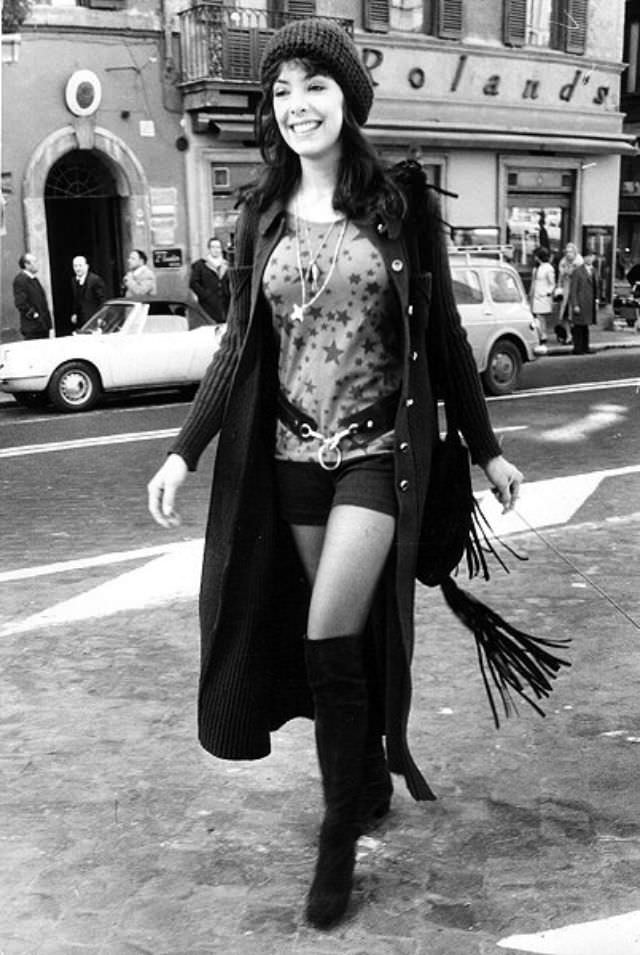
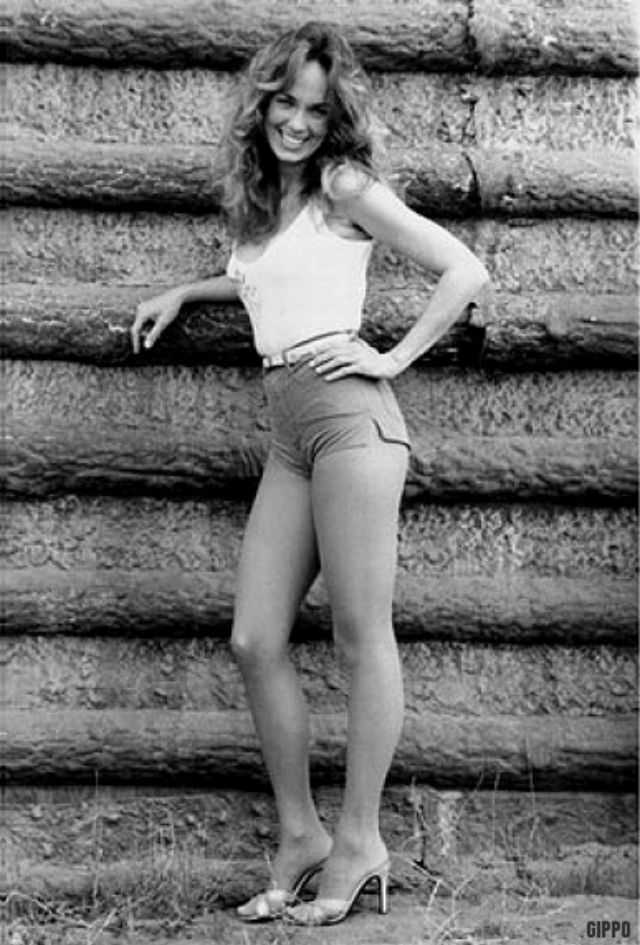
By the late 1960s, the fashion establishment pushed back. Midi-skirts — falling well below the knee — were introduced specifically as a longer, more conservative alternative for women who still wanted to follow trends without breaking dress codes. But the shorter styles refused to disappear.
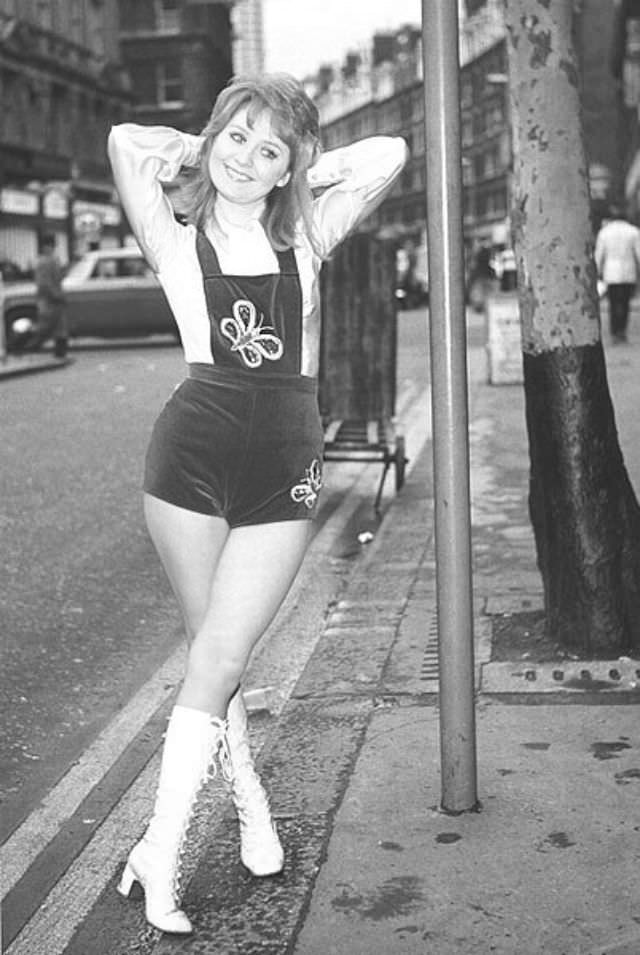
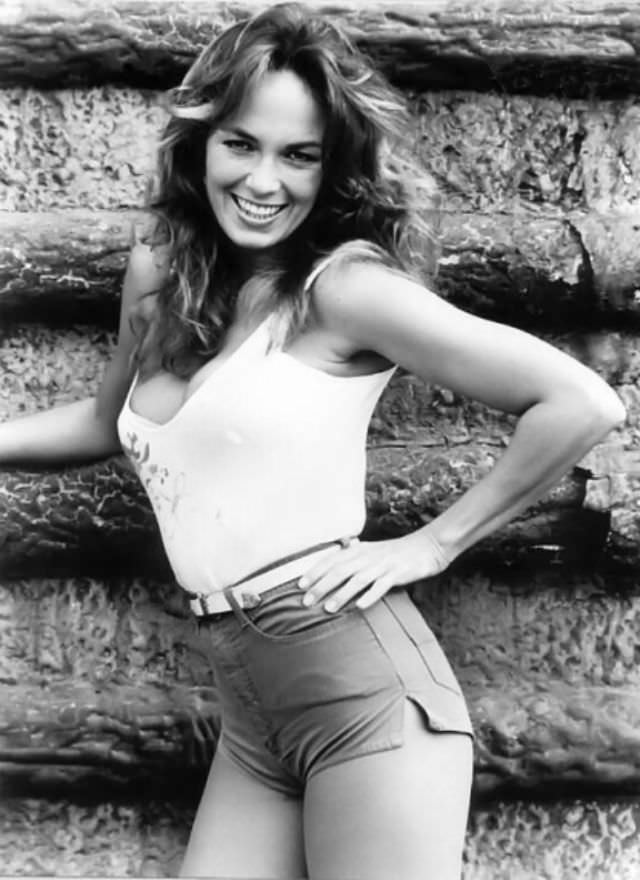
British designer Mary Quant played a major role in making hot pants a mainstream fashion item in the late 1960s. Already famous for popularizing the miniskirt, Quant brought the same daring energy to short shorts, cementing her place as one of Britain’s most influential fashion figures. Her work gave hot pants credibility in the fashion world and set the stage for their explosion in the following decade.
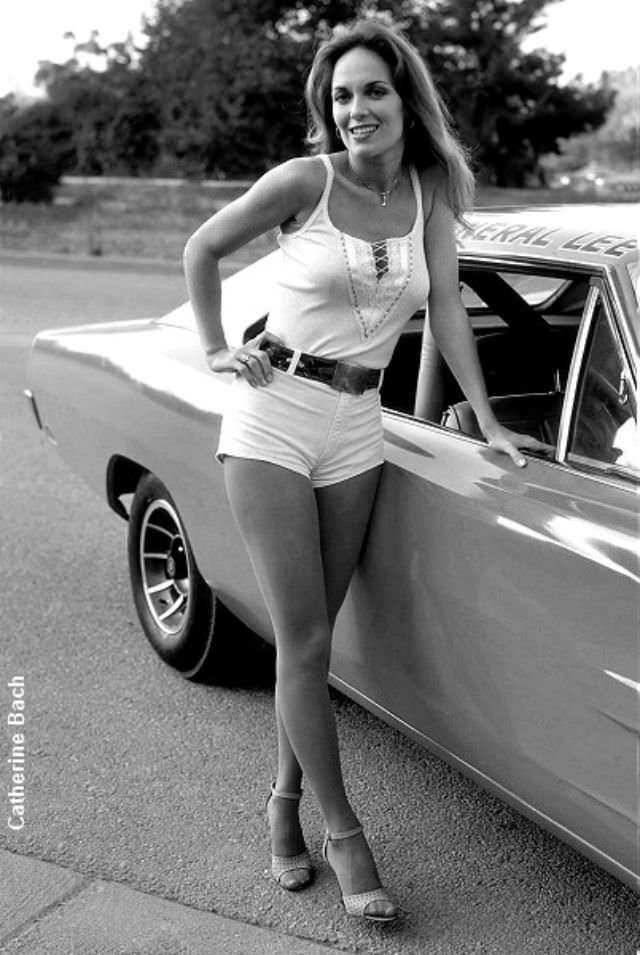
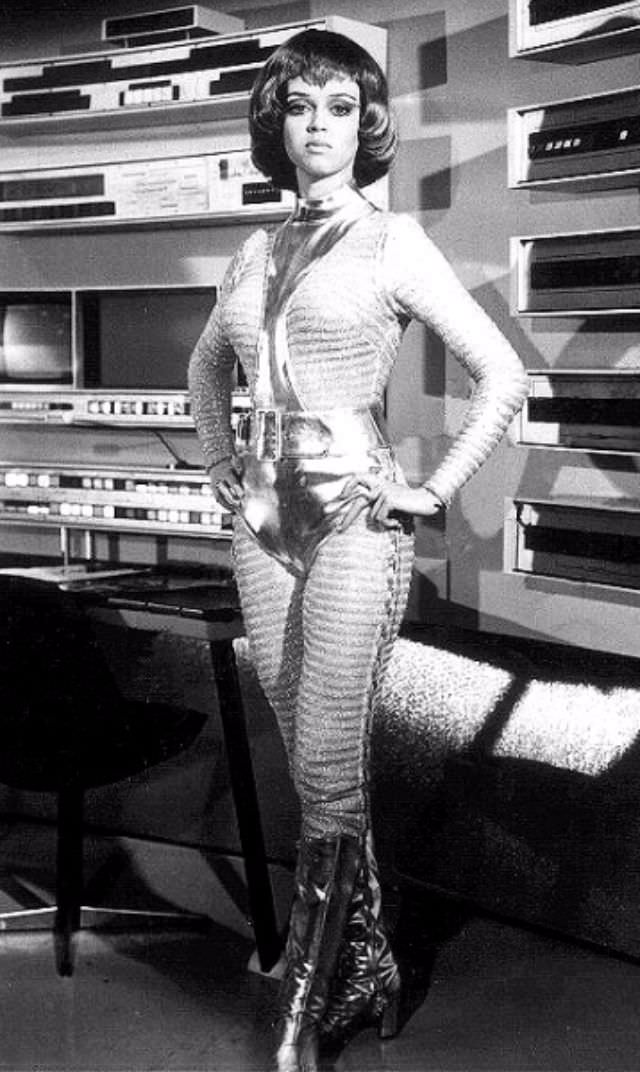
The term “hot pants” itself was coined by Women’s Wear Daily in 1970. The publication used it specifically to describe very short shorts made from luxury fabrics — silk, velvet, satin, and similar high-end materials. This distinguished them from ordinary casual shorts and positioned them as genuine fashion pieces worthy of high-street attention.
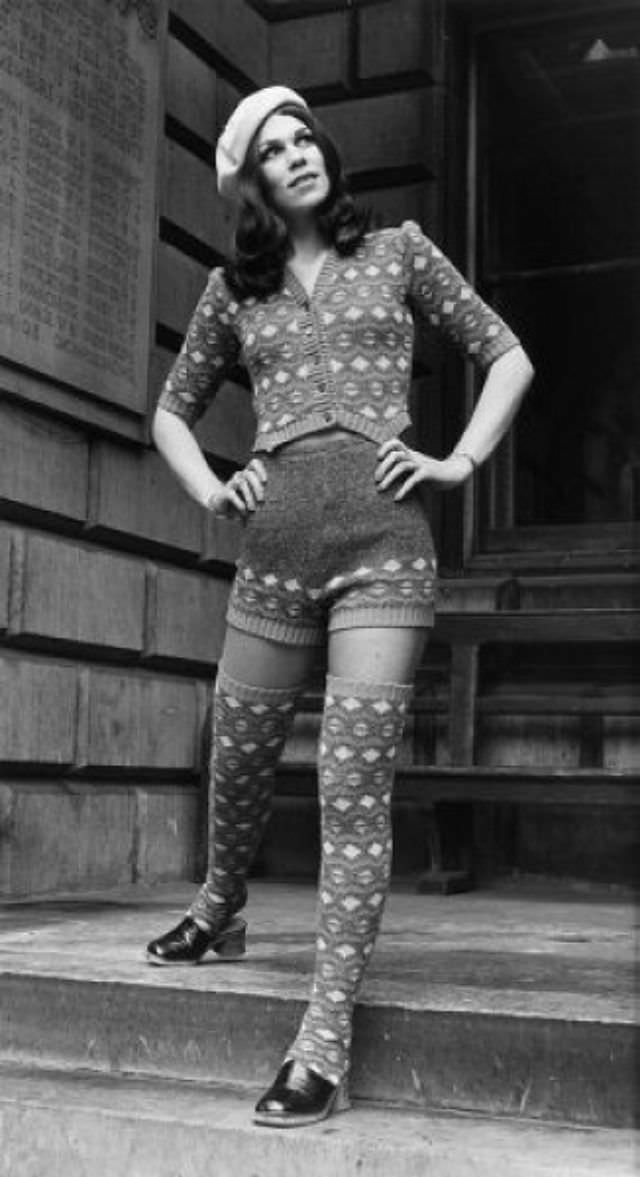
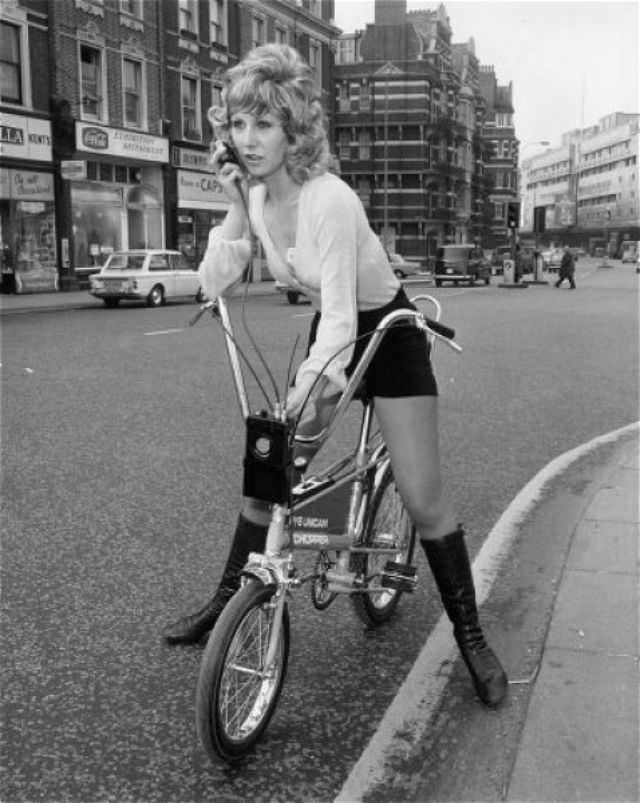
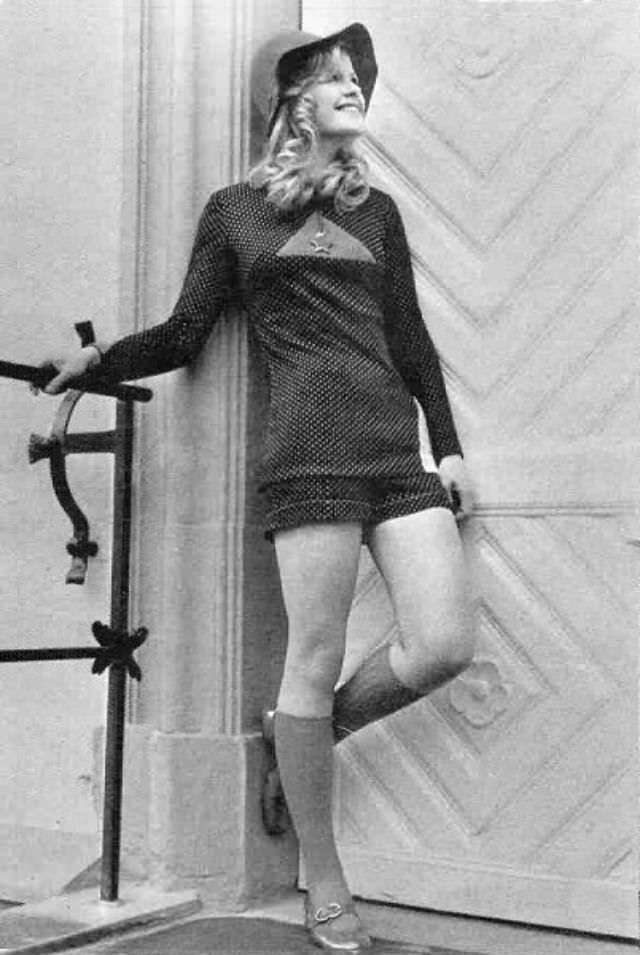
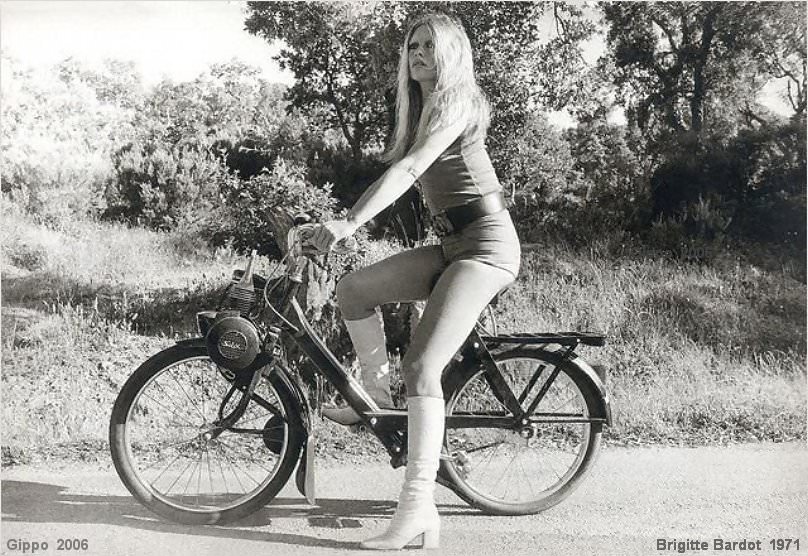
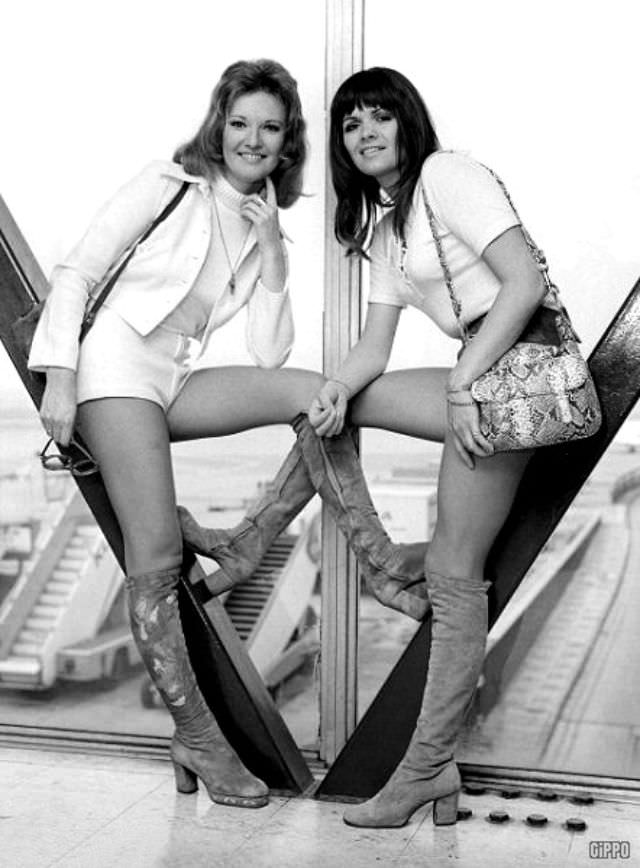
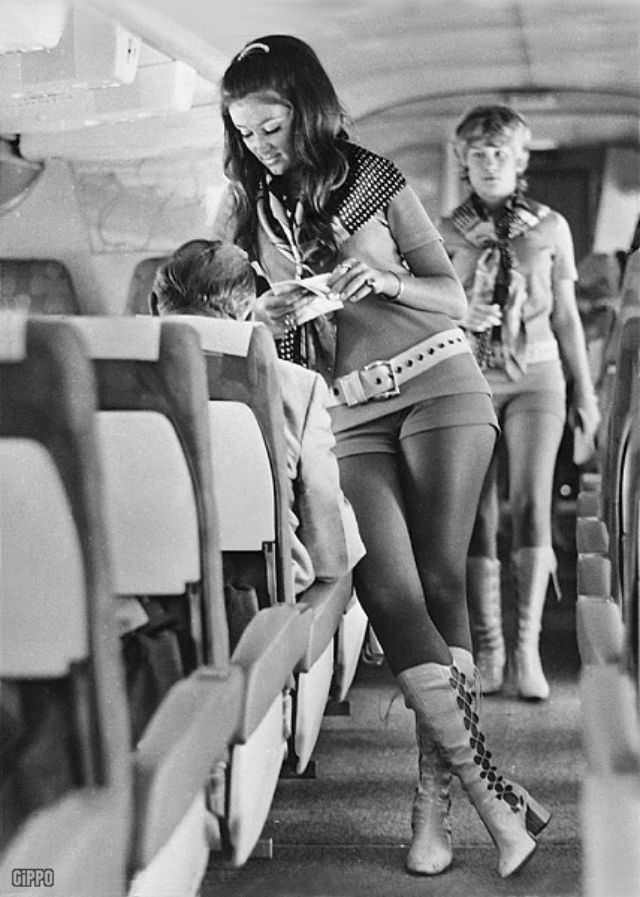
Through the early 1970s, hot pants spread rapidly across the United States, Europe, and beyond. They appeared in fashion magazines, on television, and in department stores at every price point. Teenage girls embraced them enthusiastically. The look paired easily with platform shoes, crop tops, and the other bold pieces that defined 70s style.
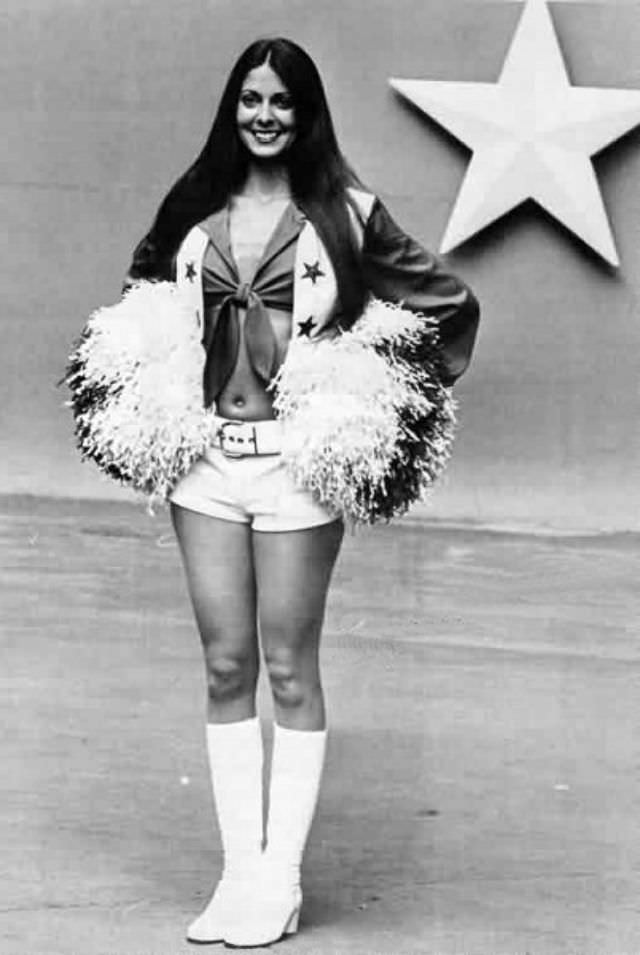
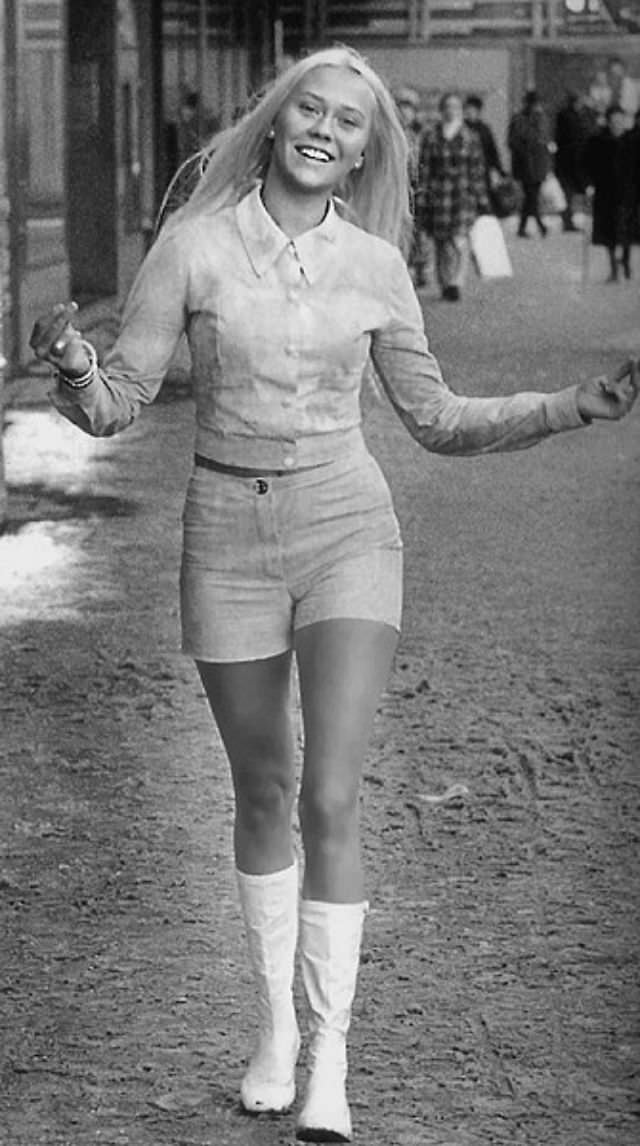
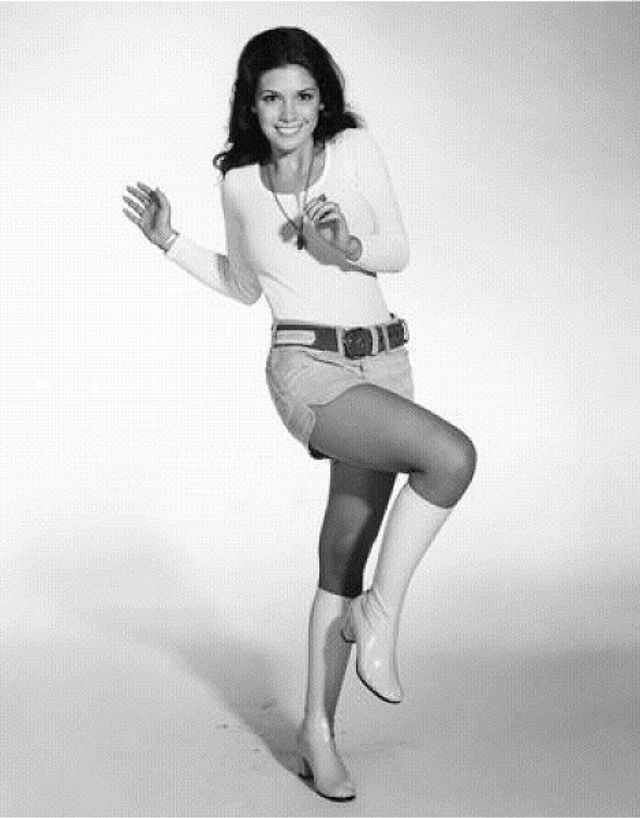
Hot pants were marketed primarily to women, but they were technically unisex. A handful of male musicians and performers took the style for a spin. David Bowie and Elton John both wore short shorts during this era as part of their flamboyant stage personas. Despite these high-profile examples, the trend never caught on widely among men and stayed firmly in the realm of women’s fashion.
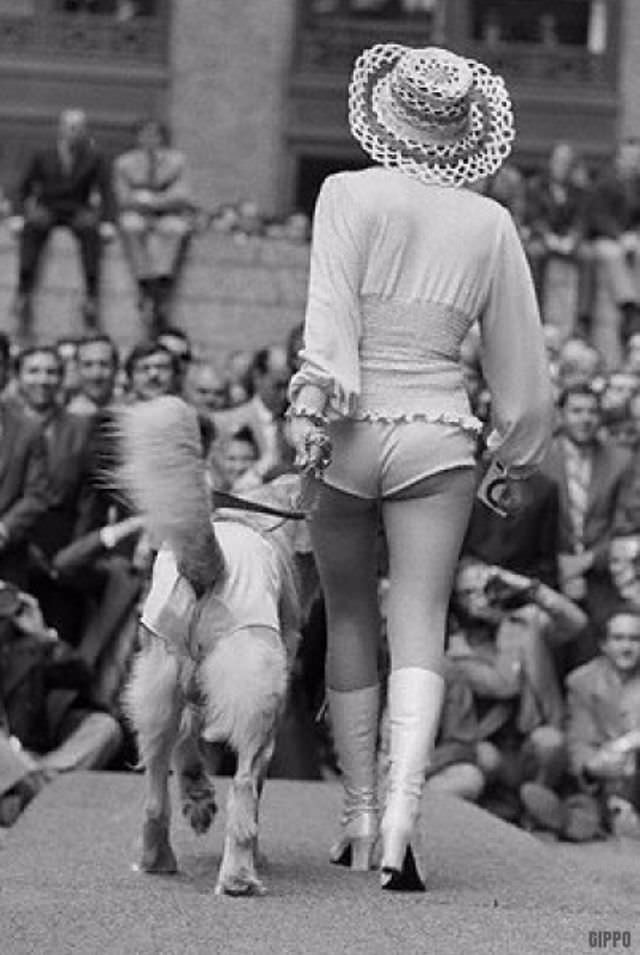
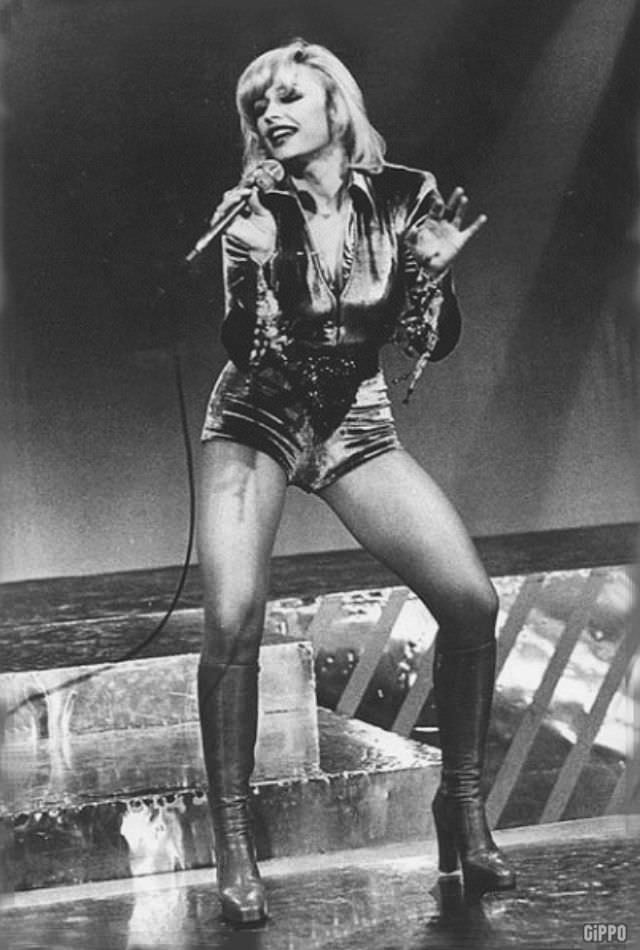
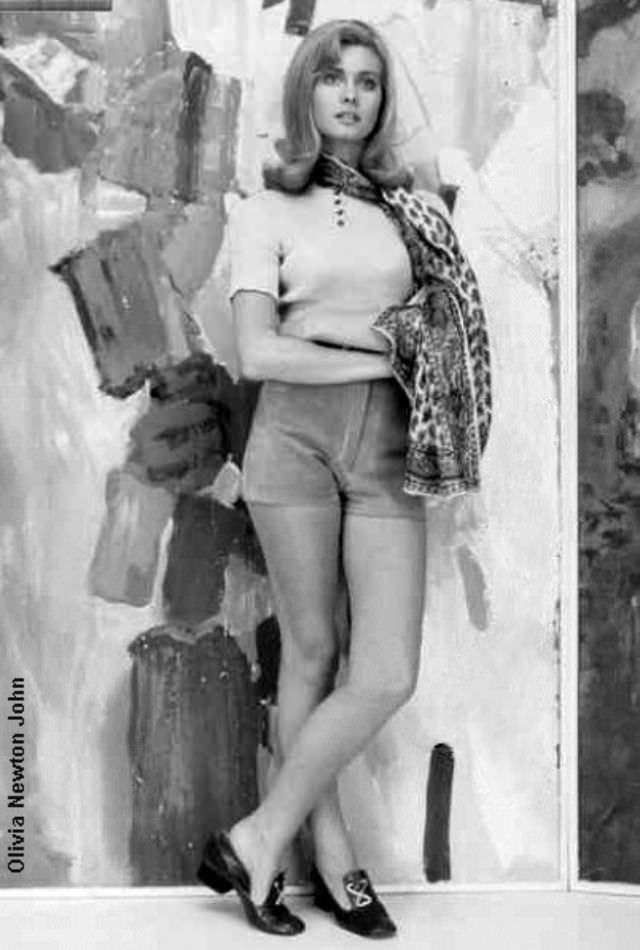
Hot pants also stood apart from other short styles of the era. Biker shorts, Bermuda shorts, and booty shorts each had their own distinct cut, culture, and purpose. Hot pants occupied a unique space — they were tied directly to a movement of women who rejected restrictive dress norms and chose to dress in ways that embraced their bodies on their own terms.
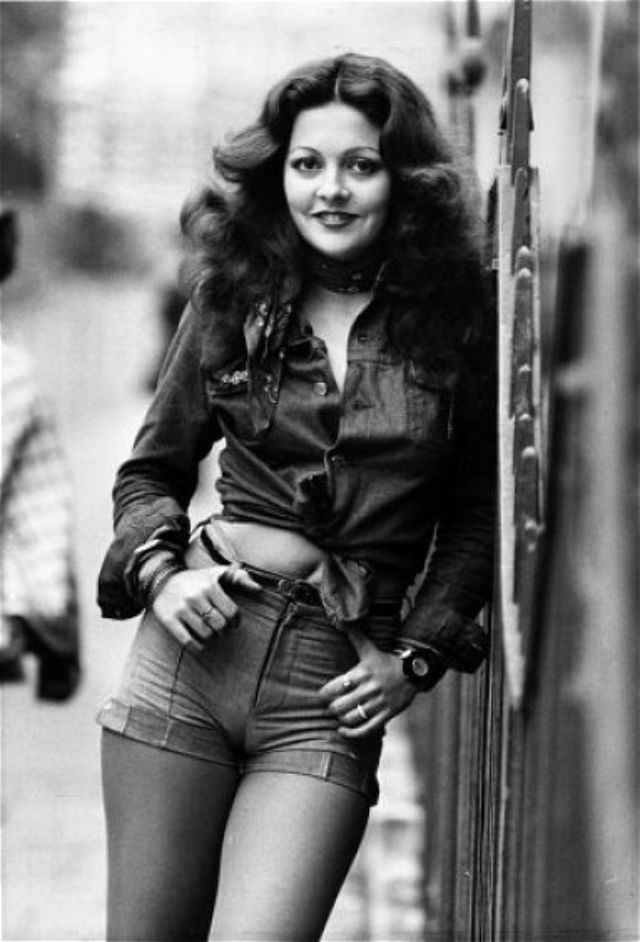
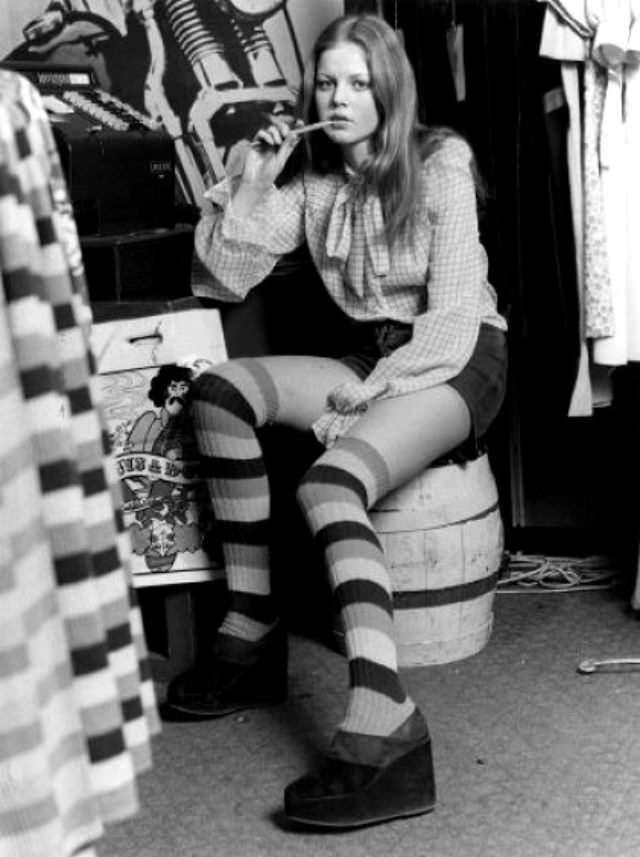
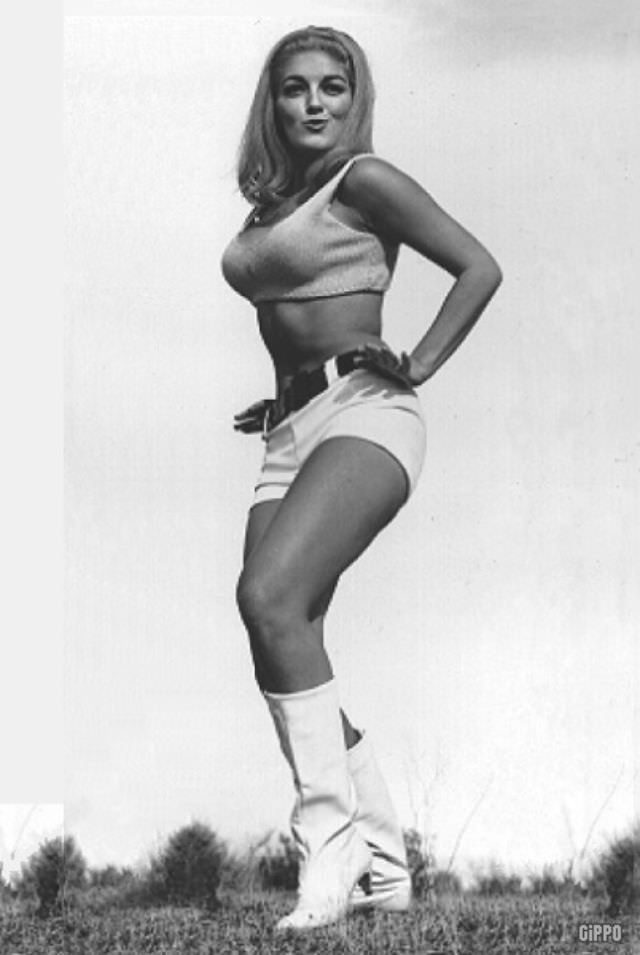
By the mid-1970s, the cultural associations surrounding hot pants began to shift. The garment became increasingly linked to prostitution and the sex industry. This connection damaged its reputation in mainstream fashion circles, and the trend faded from department store racks and everyday street wear as the decade progressed.
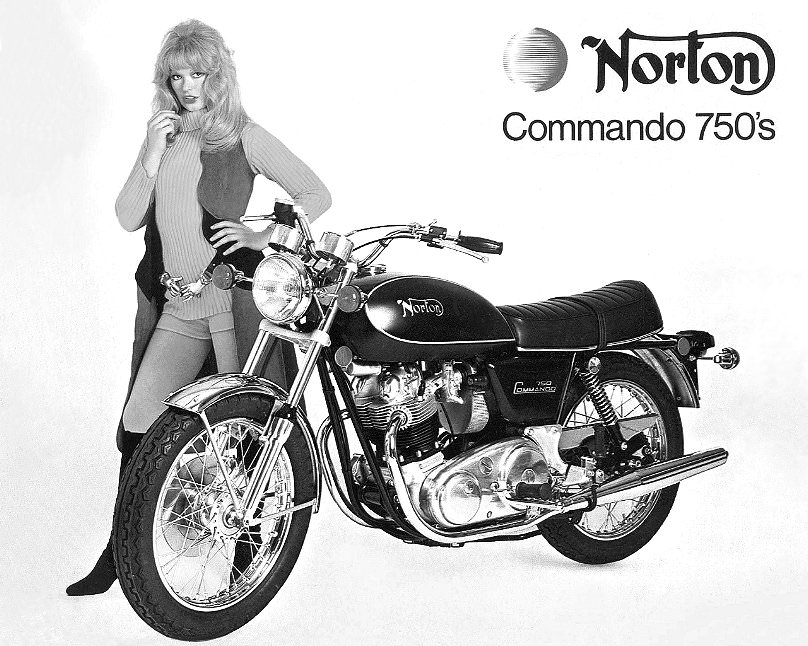
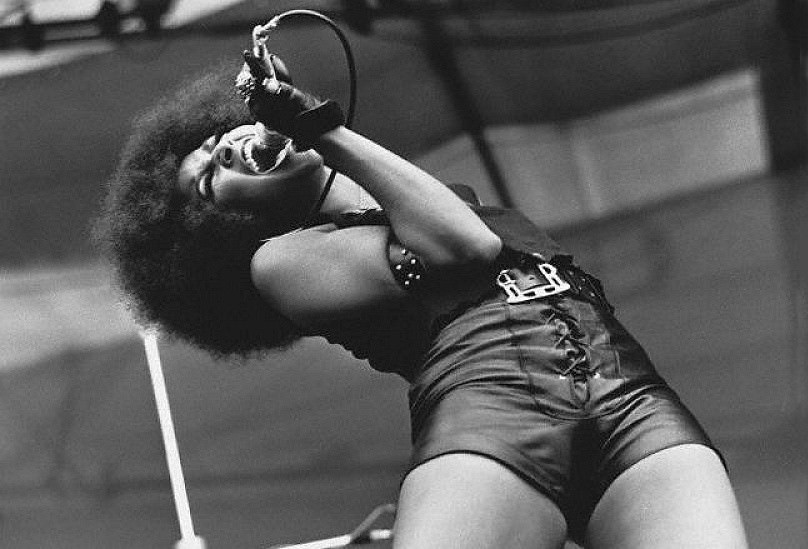
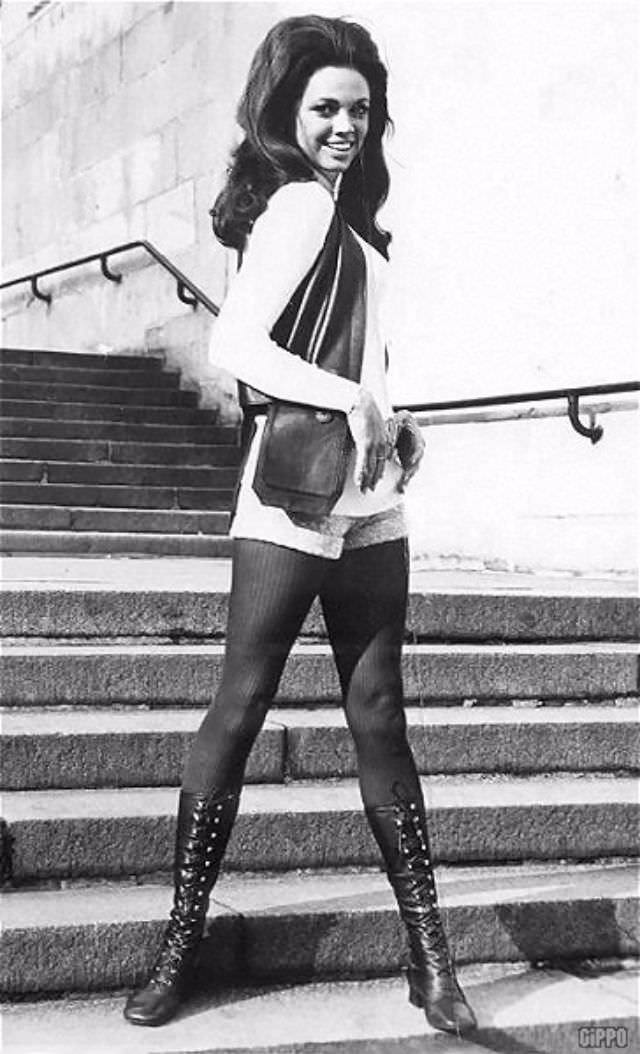
Even as hot pants fell out of everyday fashion, they held on in performance and entertainment. Cheerleaders, dancers, and stage performers continued wearing them as standard costume pieces. The garment’s practicality for movement — combined with its visual impact — made it a natural fit for those settings.


My favorite decade was the 70s. It’s so pretty. Sequins, flared pants, halter tops. Beautiful. It should definitely be brought back.
Totally agree!
There was so much experimentation with types and textures of fabrics.
The current fashion trends are my favorites, I think we have the most diversity and especially a lot of tech wear and cyberpunk influences. My favorite fashion influences are Korean, Chinese, and Japanese.
80s.. my curly hair would actually be back in style then 😂
My favorite style from the 1940s is the masculine look with ultra-feminine hair. High waisted slacks, big shoulder jackets, victory rolls, and red lips!
It seems to me that the 90s were pretty comfortable, as long as you avoided soaking wet flares.
My favorite era is the 70s. Despite some bad moments, I enjoyed Halston disco dresses, wrap dresses, and high-waisted jeans.
Definitely the 70s. There are so many styles from that time period that are now classics, such as mini skirts and Chelsea boots. The haircuts and makeup are still popular, as are the hats like baker boy caps.
404 pants not found
Hot Pants. I mean no pants
What pants?
Now those are short shorts.
Why did shorts get longer and longer over the decades? In the 70’s and 80’s, showing legs was the norm?
Reagan, Thatcher, and the Moral Majority led to a political and social swing to the right in 1980?
Are you being serious or sarcastic? Do you really believe conservatism dictates fashion? As a result of the loose fitting style and function of NBA shorts and the influence of Hip-Hop culture, shorts of today have become more popular. Politics are far less influential than pop culture. It is only possible for conservatives to dream of being able to influence world fashion in such a way.
I lived through the sixties and seventies, and the Moral Majority definitely created a backlash against the excesses of the seventies in the eighties. I wasn’t referring to where we are now.
How did the moral majority’s backlash affect shorts’ length? I also lived through those years. In the 80’s, Madonna and Cindy Lauper had a greater influence on fashion than Thatcher and Reagan. Madonna had kids wearing undergarments on the outside. I can’t for the life of me understand the connection between short length and political right. Why, then, is the fashion today still for longer lengths if this were true? It is unlikely that 13-30 year olds of today are still being influenced by the moral majority in a way that affects their fashion. Without the link, it’s hard to take anyone seriously. It’s like conservatives today saying “Thank you Obama” for everything. It is impossible to take their arguments seriously.
I grew up in the wrong decade.
Are you kidding me? There’s nothing better than leggings right now. It’s all ass with no obstructions.
These are more like short-shorts or jean-shorts. It is possible that hot pants were made from the same material that would have been used for slacks.
Came in to say exactly this. Not hot pants, just shorts.
Instead of high-waisted everything, can we bring back THIS style?
Then how will they all hide their guts?
Back then, a lot of things were high waisted. It’s not hard to find this rise. It’s especially difficult if you’re tall