
For much of the 18th and 19th centuries, physicians across Europe treated masturbation not as a private habit but as a medical catastrophe. They called it “self-pollution” and “onanism,” and they were convinced it destroyed the body from the inside out. The medical establishment believed it caused blindness, insanity, physical decay, and death. These were not fringe opinions held by quacks. They were published by respected doctors in widely read medical texts.
In 1745, Dr. Robert James — a well-known and well-regarded physician — stated plainly in his Medicinal Dictionary that masturbation was responsible for “the most deplorable and generally incurable disorders.” His words carried weight. James was a serious figure in British medicine, and his dictionary was a standard reference. When a man of his standing declared self-abuse a medical ruin, readers believed it.
By 1830, these fears had found a new and far more visceral form. A French book titled Le Livre Sans Titre — “The Book Without a Title” — took the warnings of earlier physicians and turned them into a visual horror story. Rather than dense medical prose, it used full-color illustrations to show, step by step, what happened to a boy who gave in to self-abuse. The boy started healthy. He did not stay that way for long.
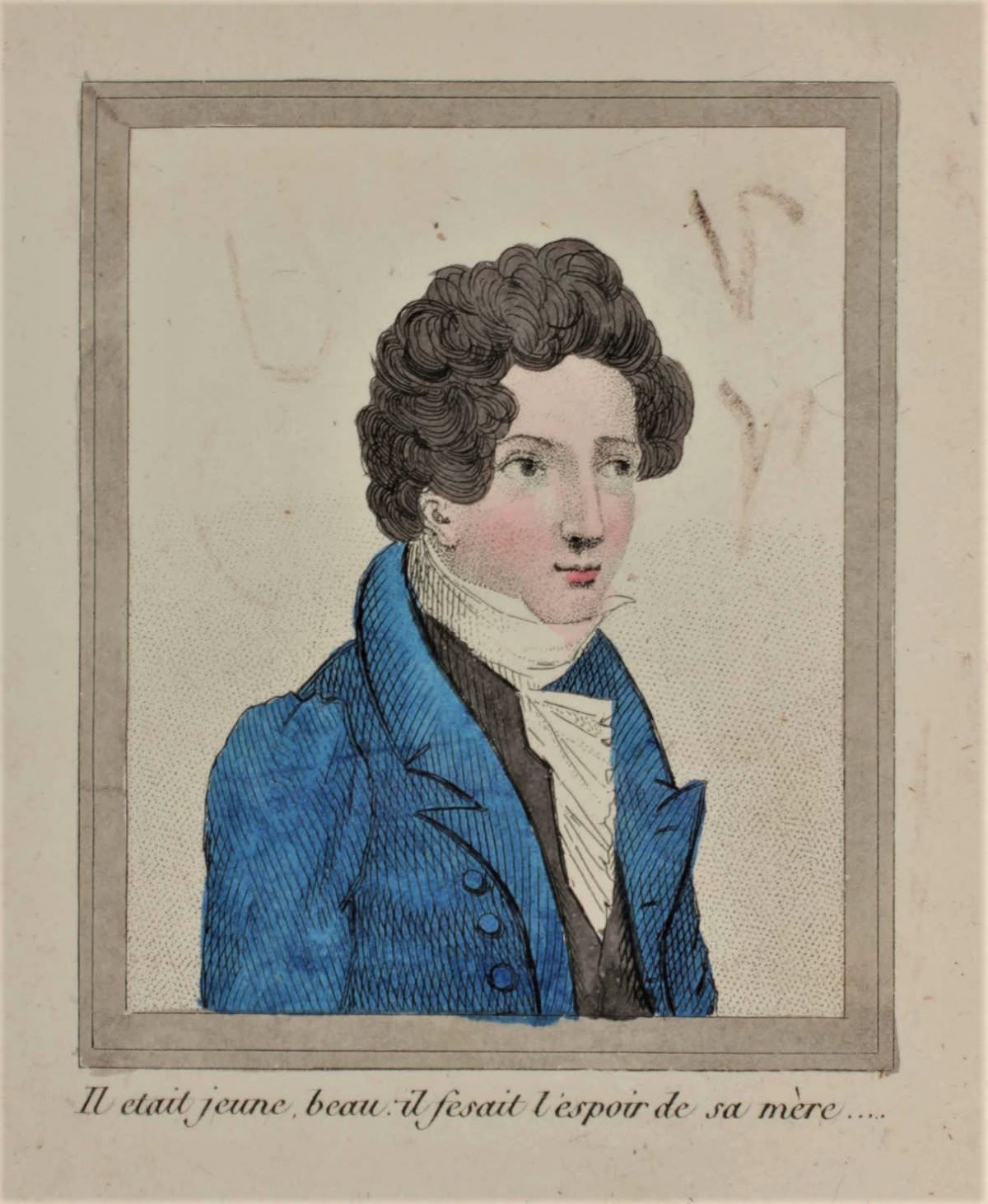
The story opens with a boy described as his mother’s pride and joy — young, handsome, full of promise. The book wastes no time establishing what is about to be lost. Once he falls into the habit of self-abuse, the illustrations track his decline with almost clinical precision, each plate showing another layer of his body giving way.
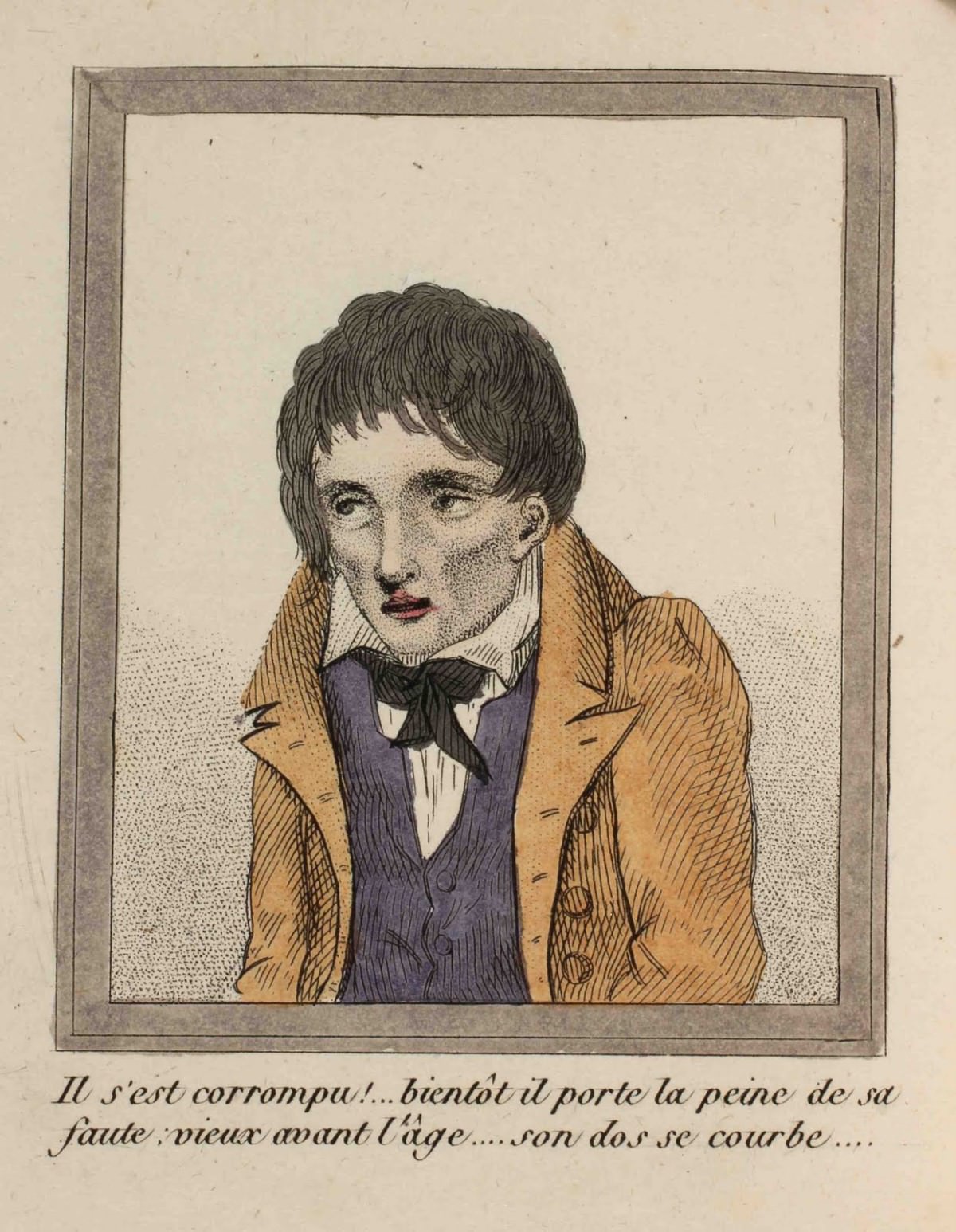
The physical collapse begins almost immediately. His posture deteriorates. His back hunches. He looks decades older than his actual age. The book frames this as the body betraying the sins of the mind — every symptom presented as a direct and deserved consequence of what the boy has done.
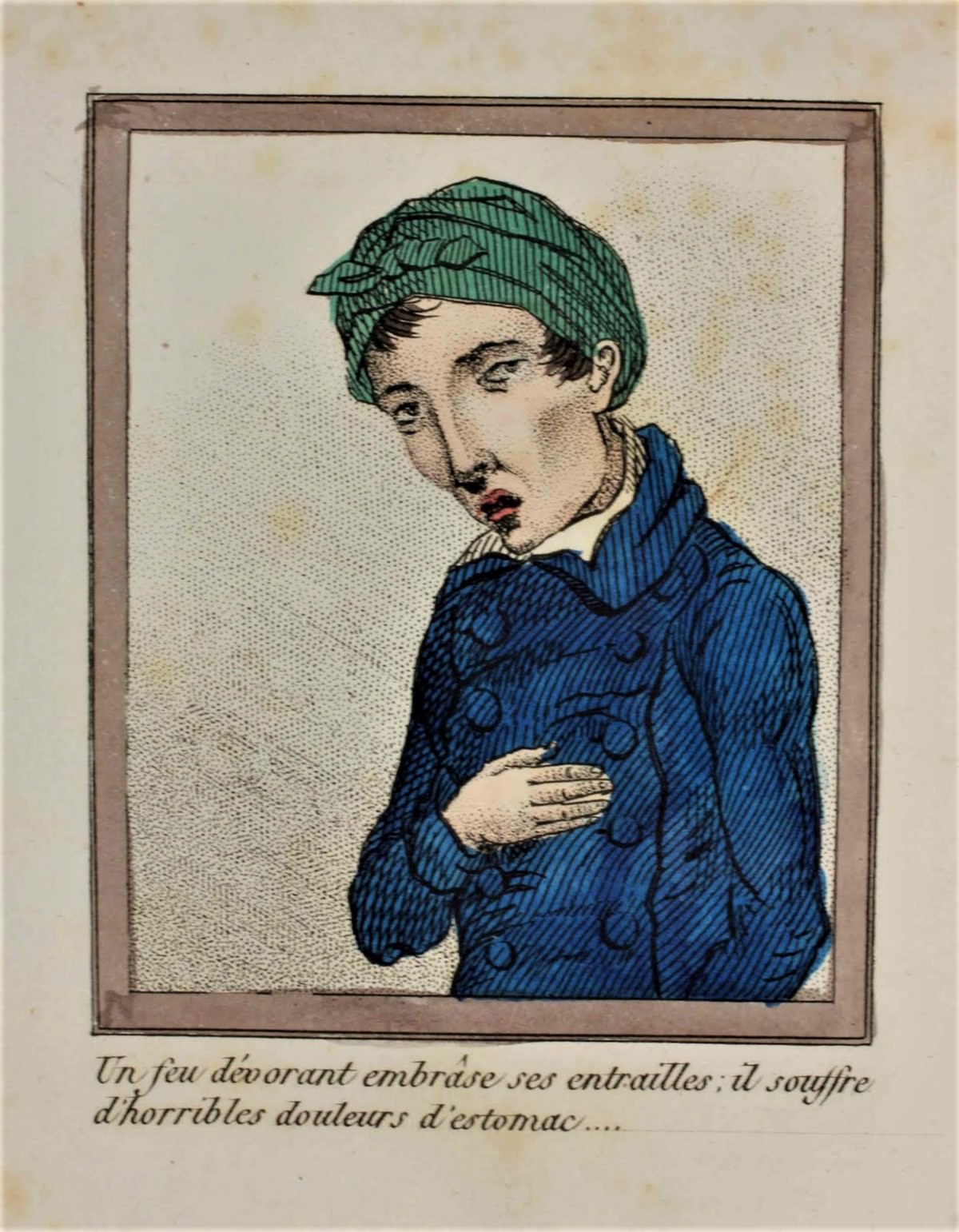
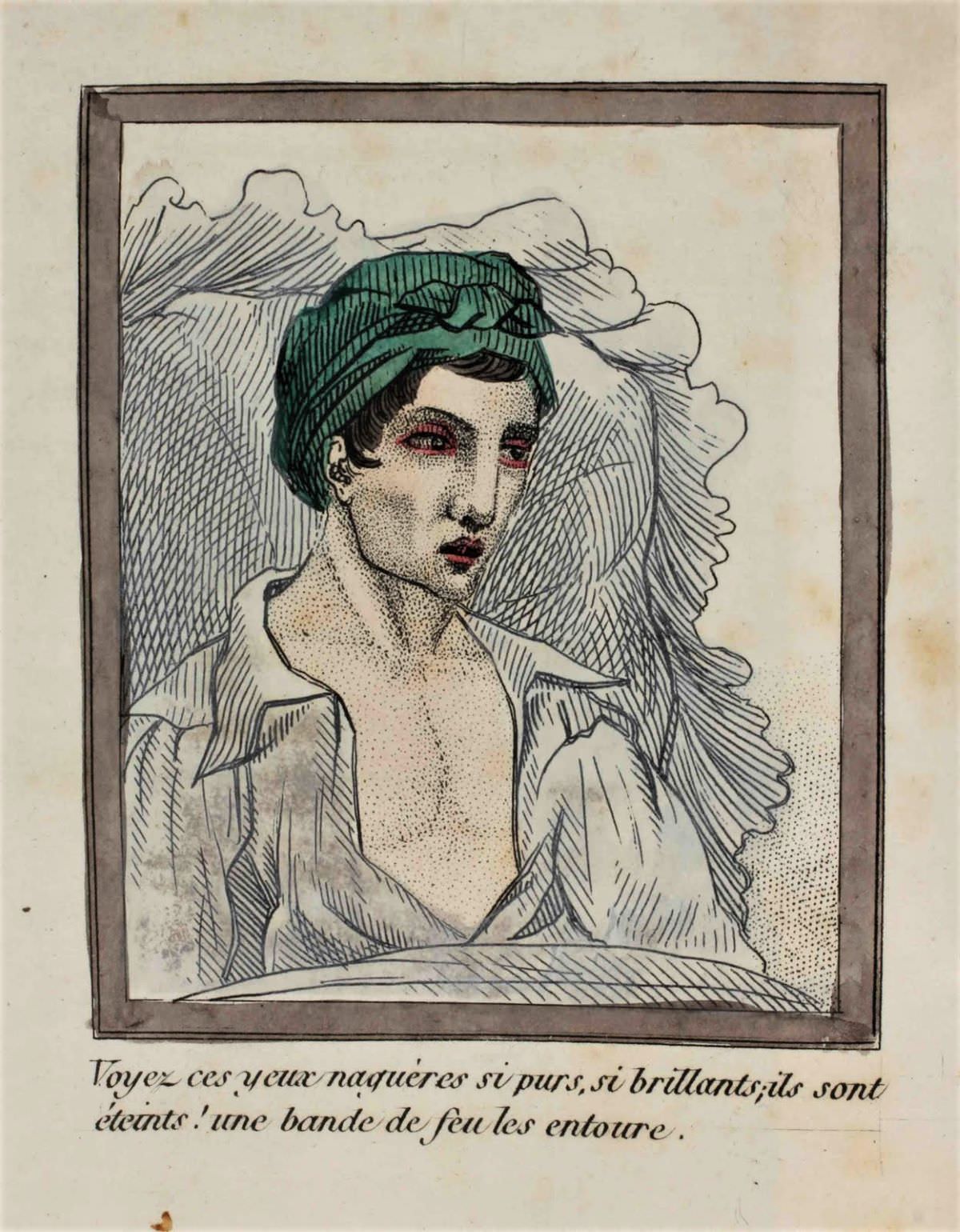
The internal suffering is illustrated in dramatic detail. Burning pain tears through his stomach. His eyes, once bright and clear, lose their light entirely. A ring of redness surrounds them. These were precisely the kinds of symptoms that 19th-century physicians listed in their case studies on masturbation — and illustrators here rendered them as vivid, undeniable fact.
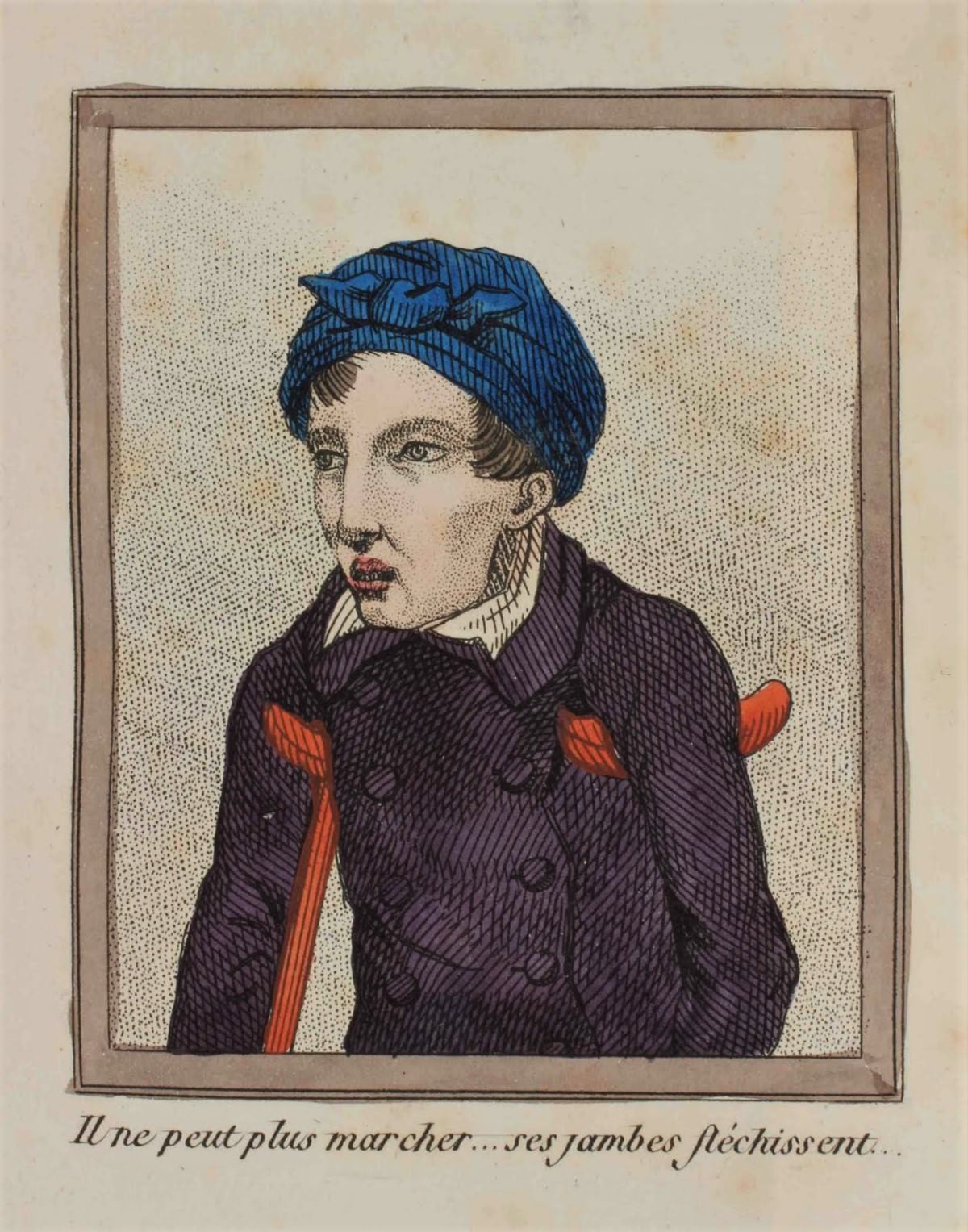
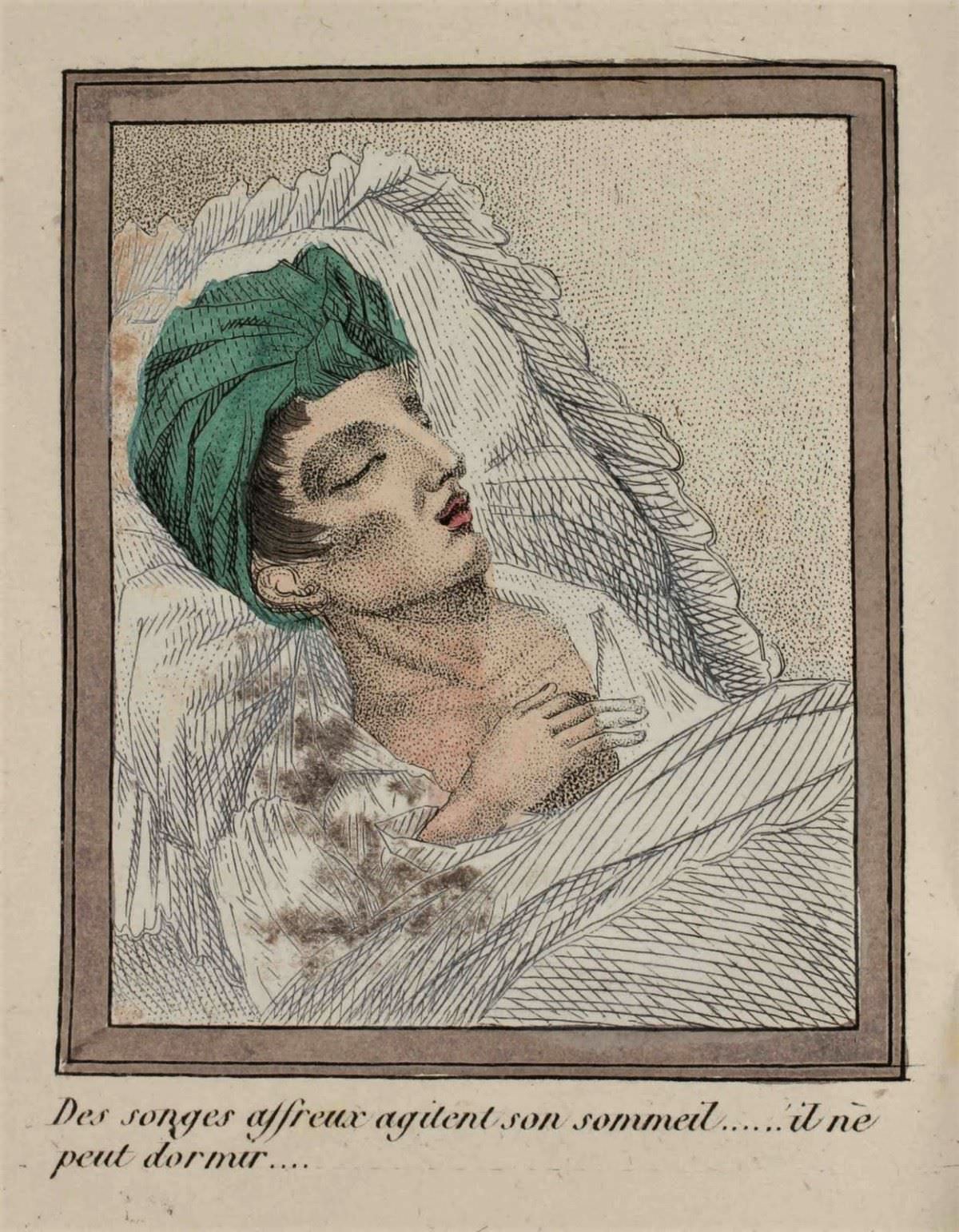
His legs weaken until they can no longer support him. Sleep offers no relief — nightmares consume every hour of rest he tries to take. The book presents total physical and mental breakdown as inevitable. There is no recovery shown, no moment where the boy pulls back from the edge. Each plate pushes him further toward his end.
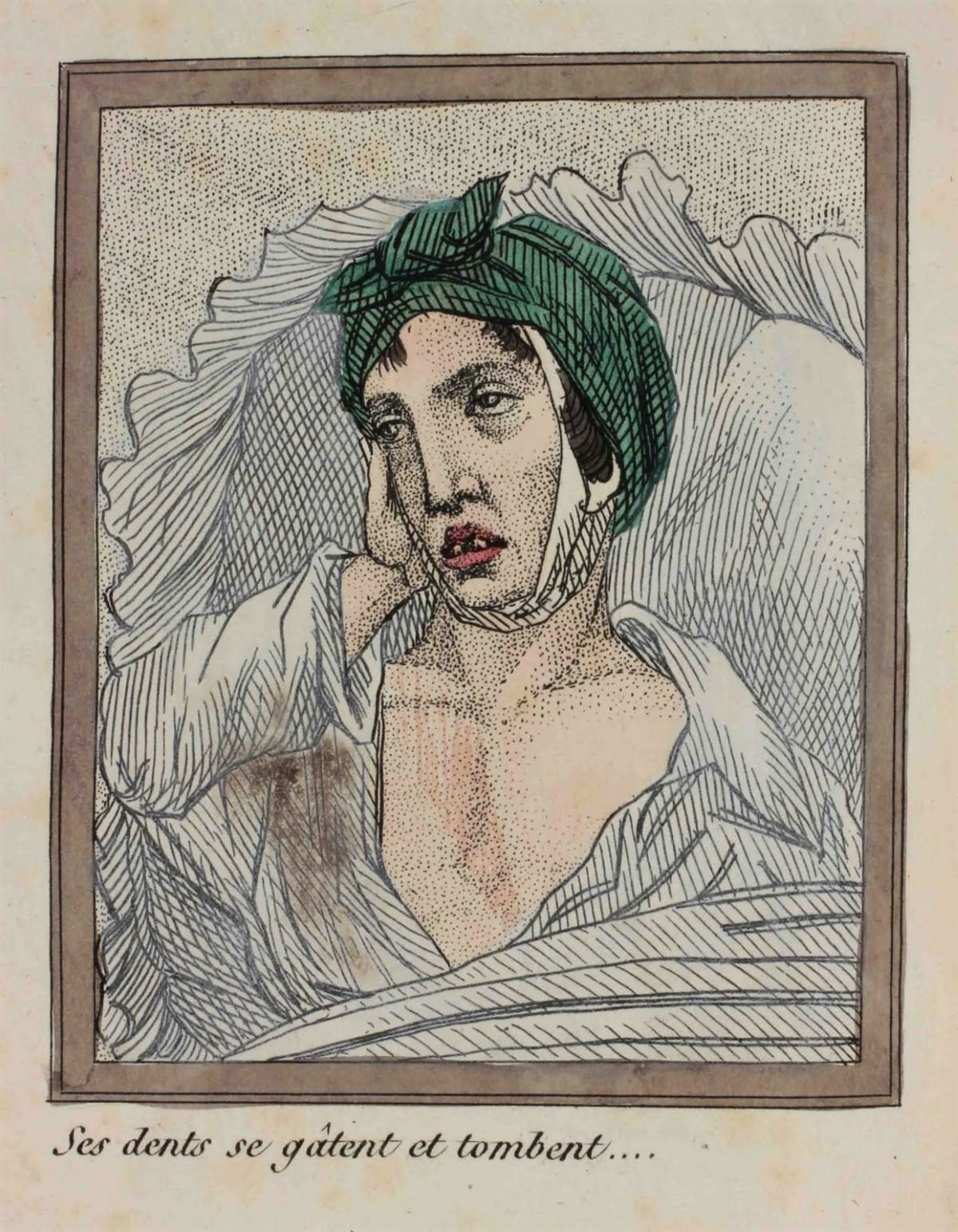
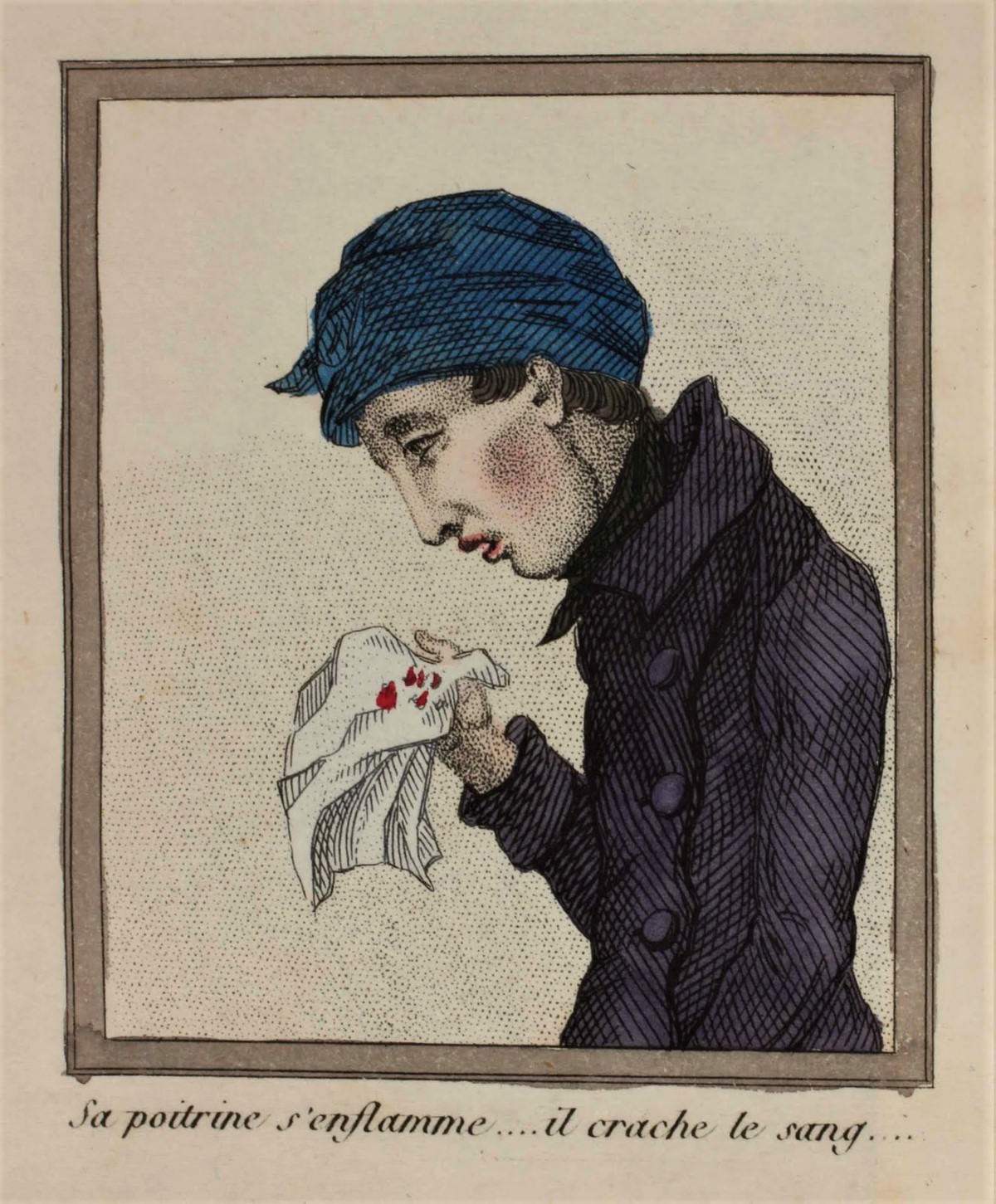
His teeth rot and fall from his mouth. His chest erupts in pain and he begins coughing up blood. The progression is relentless. Le Livre Sans Titre was designed to terrify, and it did not shy away from gore. The color illustrations made these scenes far more striking than anything a written description alone could achieve. A reader — especially a young one — could not look away easily.
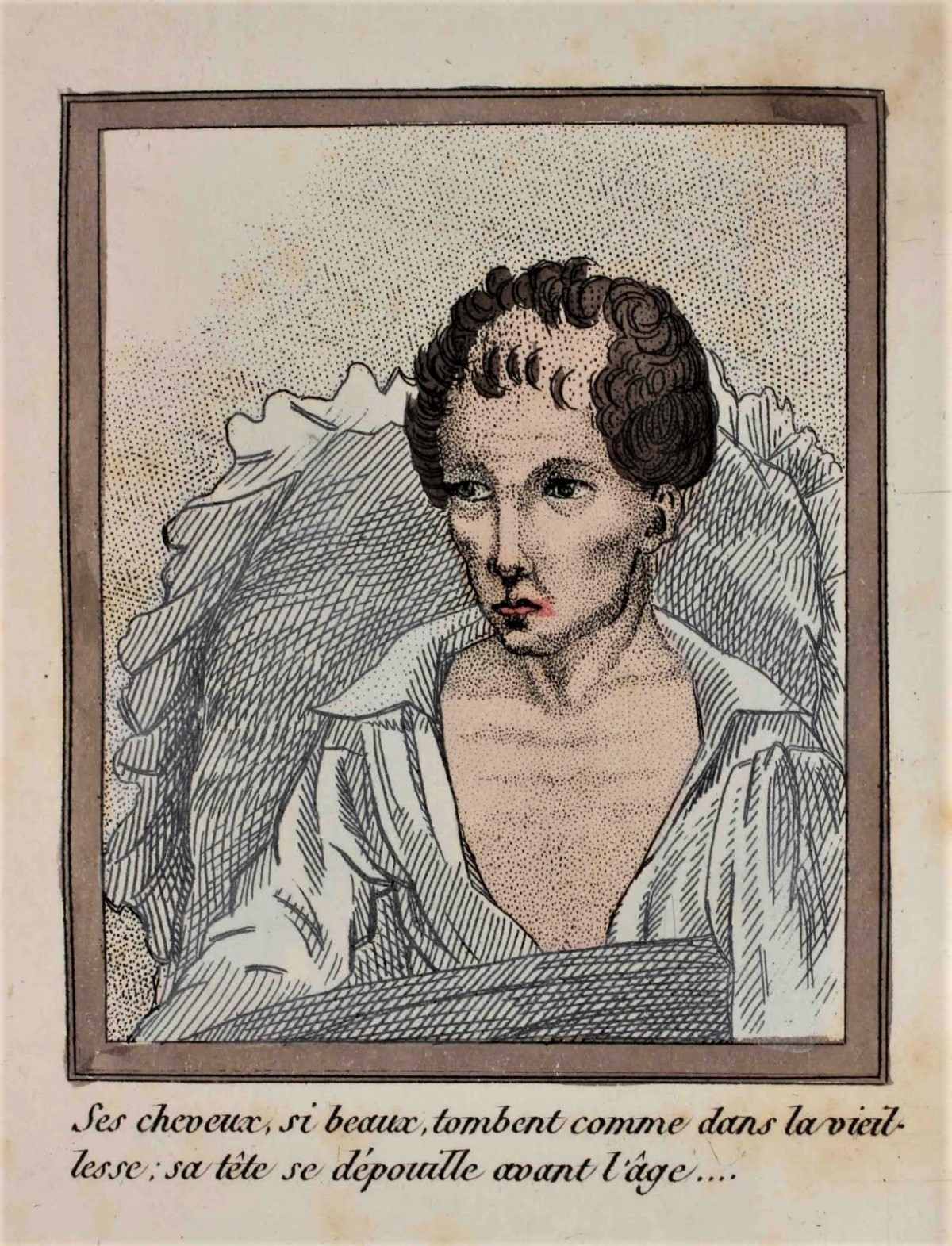
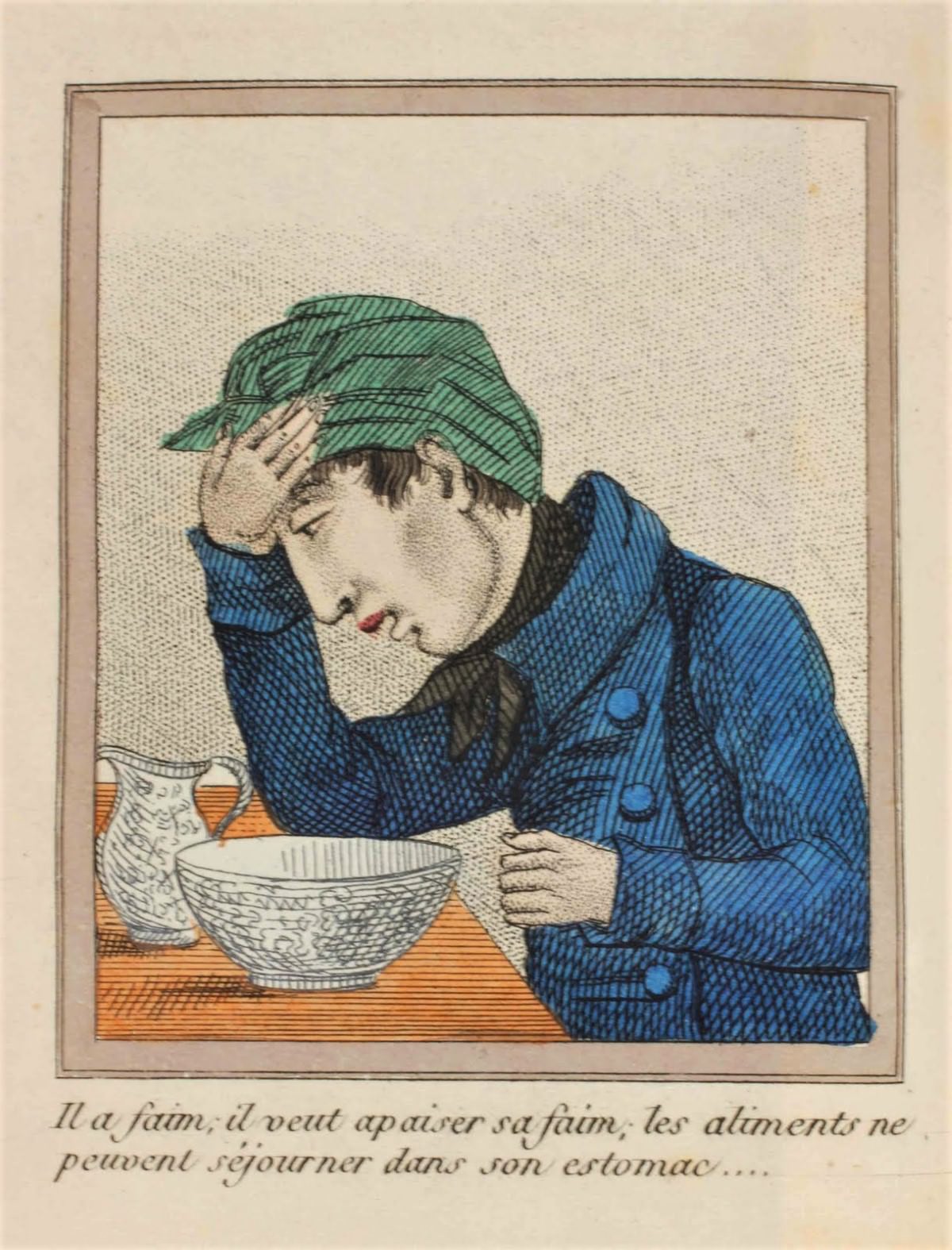
His hair falls out in clumps, leaving him looking like a frail old man rather than a teenager. His body can no longer absorb food. He feels hunger but cannot keep anything down. Starvation compounds every other symptom. The book is deliberate in piling one horror on top of another, ensuring the reader understands there is no single killing blow — only an accumulation of suffering.
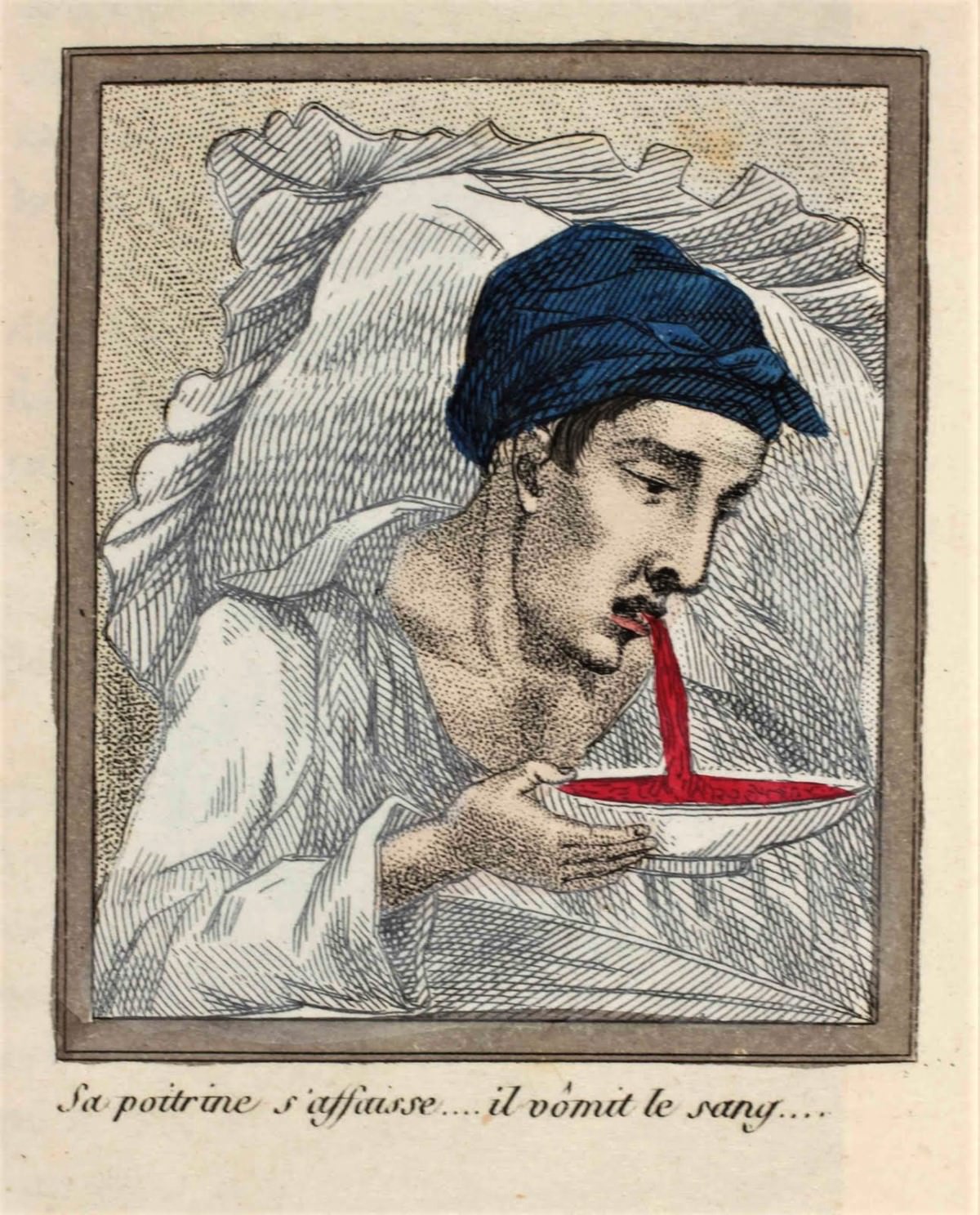
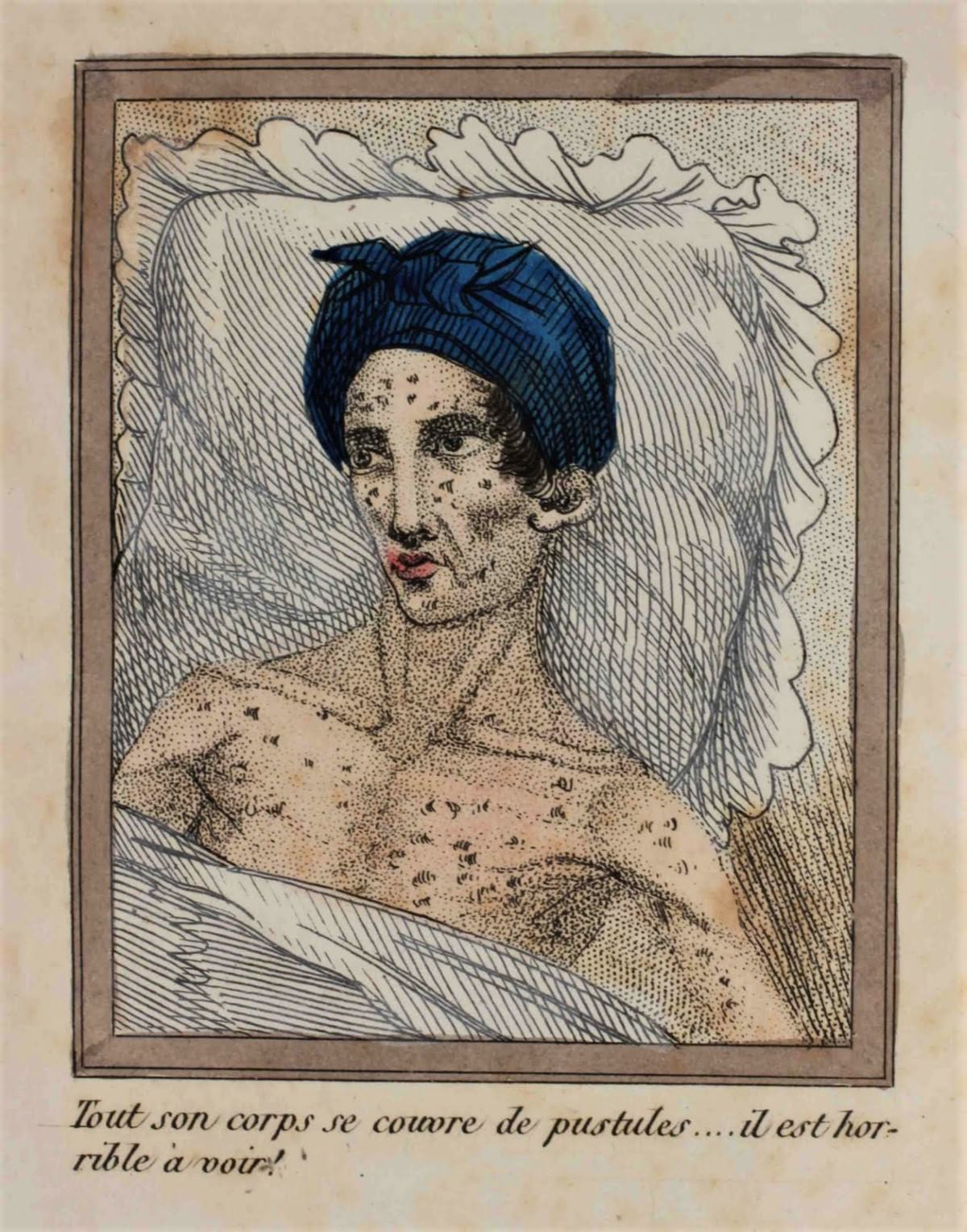
He vomits blood. Open, weeping sores break out across the skin that was once healthy. The illustrations at this stage are among the most graphic in the book. The boy is described plainly as “a horrible sight.” The text does not attempt to soften what is shown. This was intentional — the authors wanted the imagery to be burned into the reader’s memory.
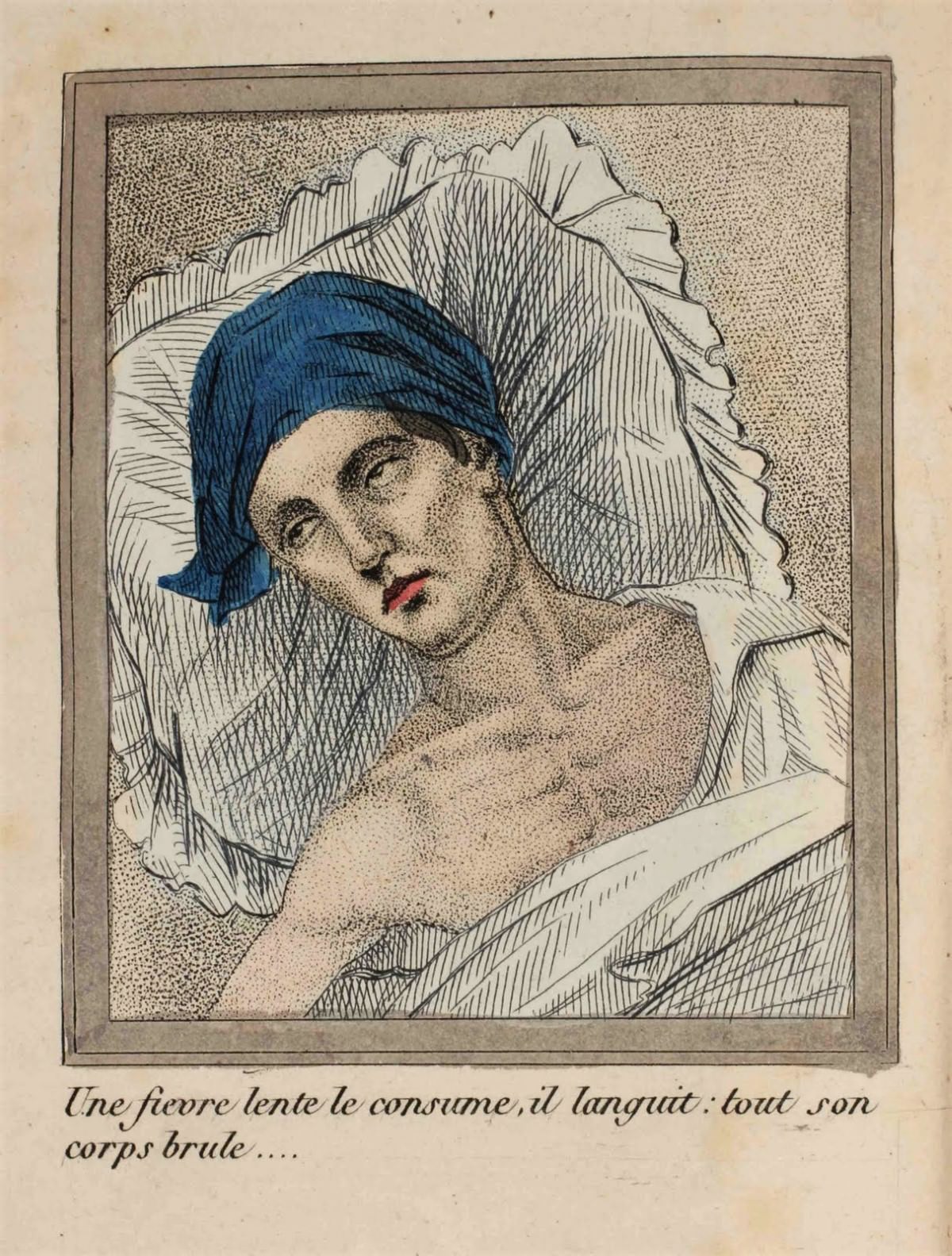
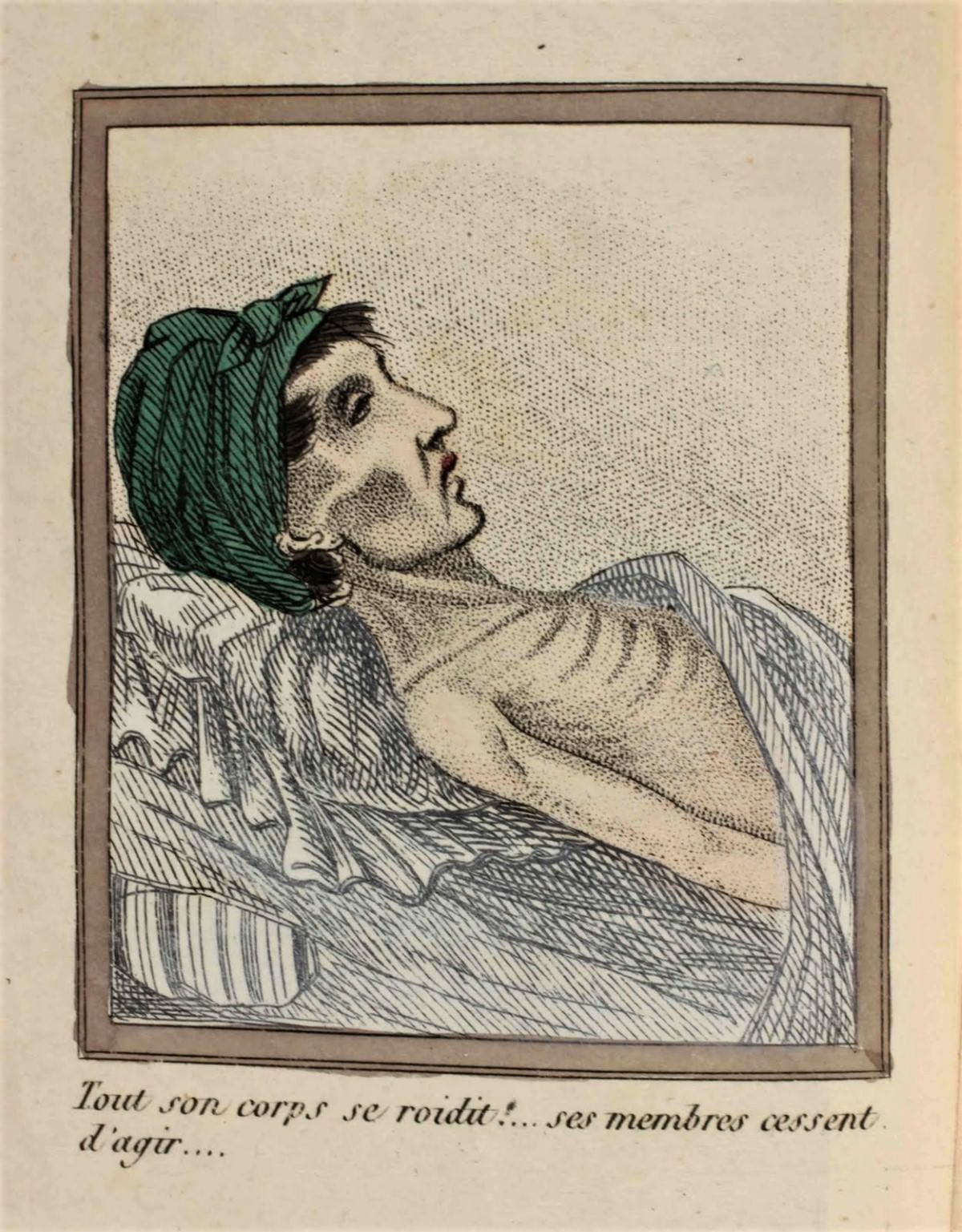
A consuming fever takes hold. His body stiffens. His senses begin to leave him. The death rattle — the labored, gurgling breathing that signals the body is shutting down — sets in. At this point in the narrative, the boy is no longer recognizable as the proud, handsome figure shown on the first plate. He has been entirely destroyed.
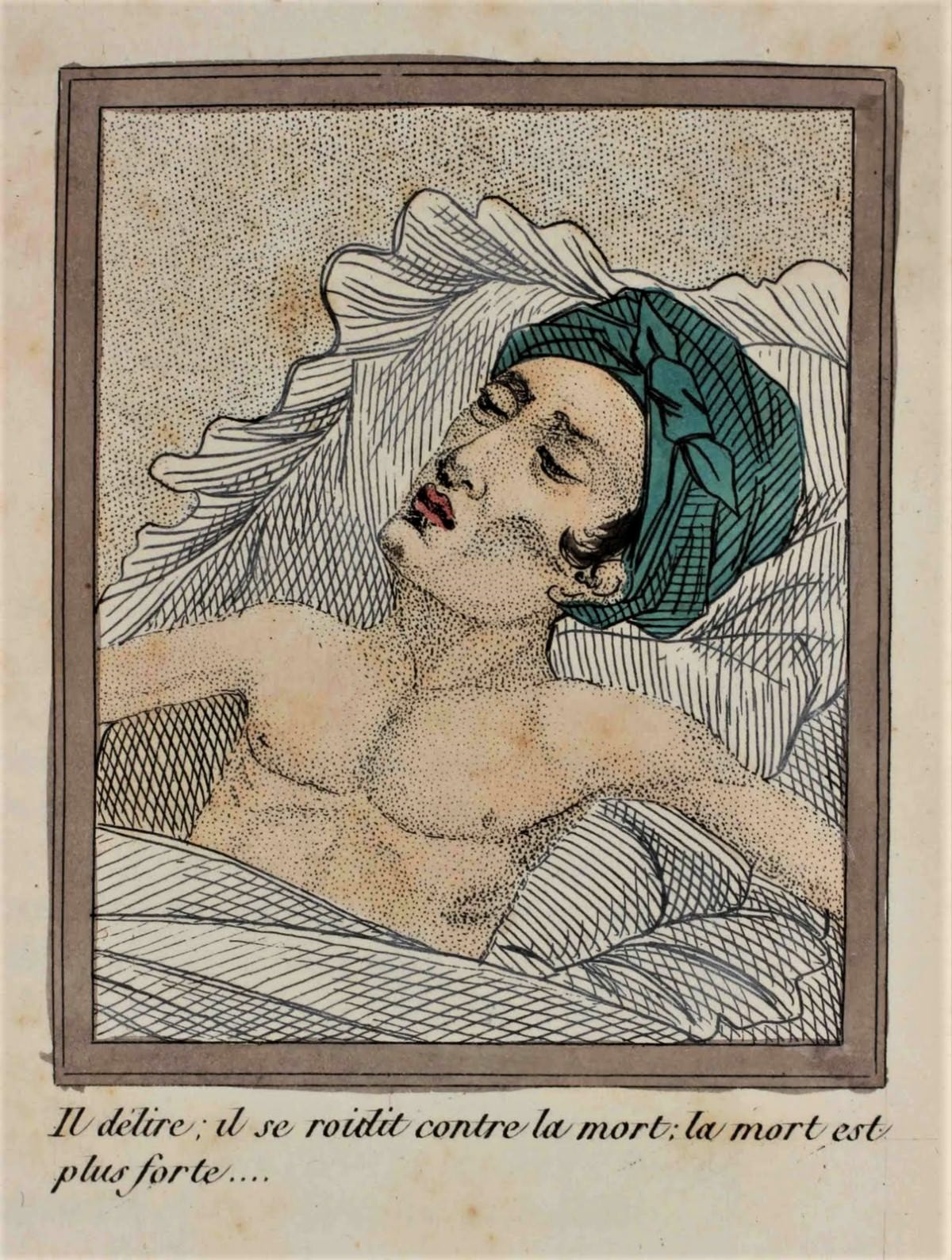
In his final hours, he raves and curses. His mind goes before his body does. The book makes clear that no doctor, no family member, and no prayer can stop what is happening. The outcome was sealed the moment he gave in to self-abuse. That was the moral the authors intended every reader to take away.
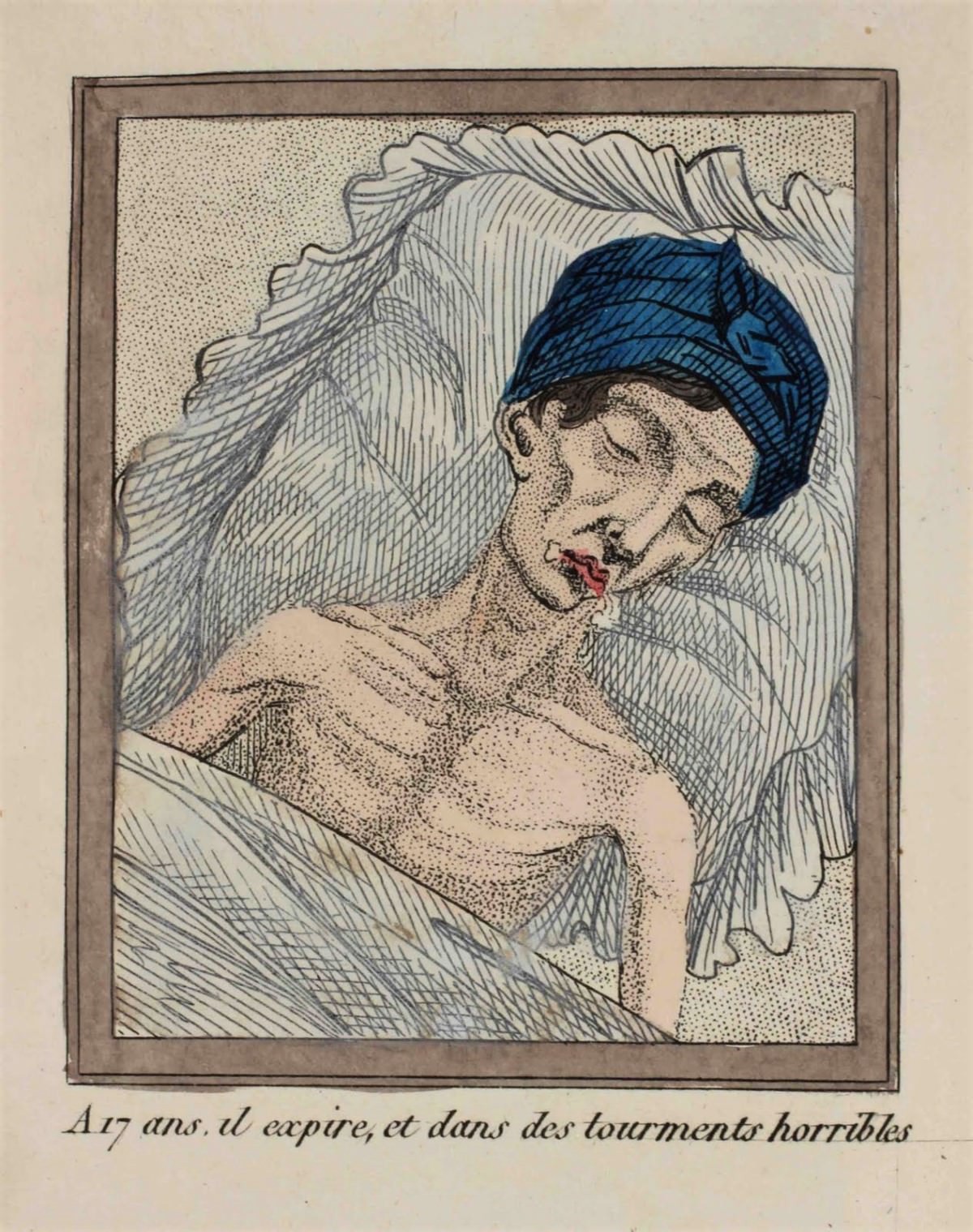
He dies at seventeen. The final illustration shows the boy expired in horrible torment, his brief life destroyed entirely by what the book’s authors categorized as a self-inflicted crime against his own body. Le Livre Sans Titre was not a work of fiction dressed up as medicine — it was presented as a factual account of what masturbation did to its victims, backed by the full authority of the medical thinking of its time. Doctors genuinely believed this. And for much of the 19th century, so did their patients.


It honestly makes me wonder how many people, especially men, actually believed this. As nearly all of them must have masturbated at some point and none of them would have experienced these results.
Misinformation like this can affect the very young (before they even understand what masturbation is) and the poorly socialized (if they are not exposed to the experiences and opinions of their peers).
I know right? Unless people took this stuff seriously, or at least seemed to, I find it difficult to believe people would have believed this. I suppose people back then suffered from something else, maybe bad nutrition or something, and thought there was a connection between those things. Is this only an issue for boys? Since mothers wouldn’t know how it affects (or doesn’t affect) males, they would probably believe those spreading the myth. The mothers would then pass this myth on to their sons, indoctrinating them from an early age.
It seems like withdrawal symptoms after going too long without whacking it.
When you consider that he kept getting worse because he refused to stop, it makes it even funnier. Coughing up blood? Can’t walk? Teeth falling out? When night falls, all that suddenly becomes less important when he remembers that someone flashed him an ankle earlier that day…
I used to be frightened by this, but now I just compare it to “hyper realistic” creepypastas. In full color, it looks even worse.
It’s quite possible that I’m immortal if this book is true based on all the times I’ve masturbated. Bow to me, mortals!
You should wash your hands.
YAHAHAHAHHAAHHA
The reason Tom Sawyer didn’t want to whitewash Aunt Polly’s fence must have been this.
I understand now where Oscar Wilde got the idea for The Picture of Dorian Gray.
Back then, correlation and causality were horrible.
It’s no wonder all his teeth rotted from eating all that armpit kielbasa.
He had tuberculosis.
Perhaps I should read it. That’ll teach me!