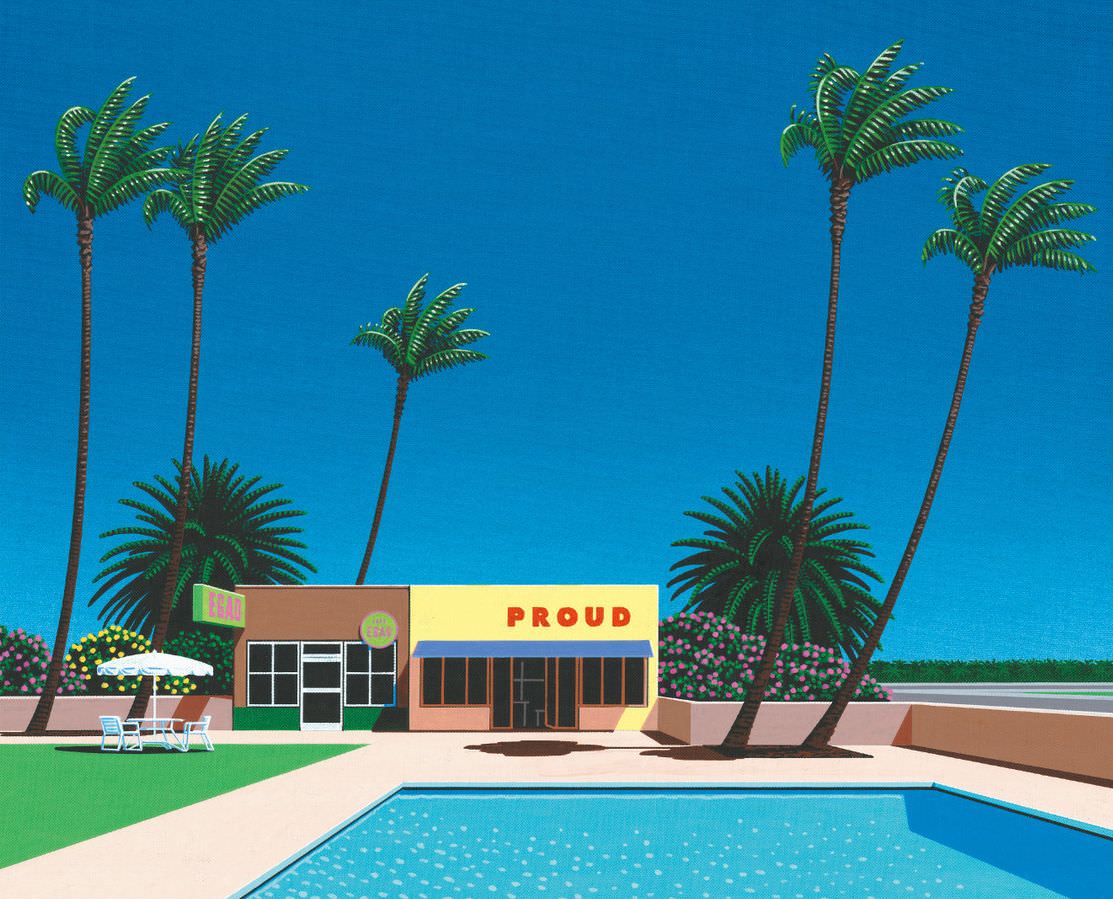
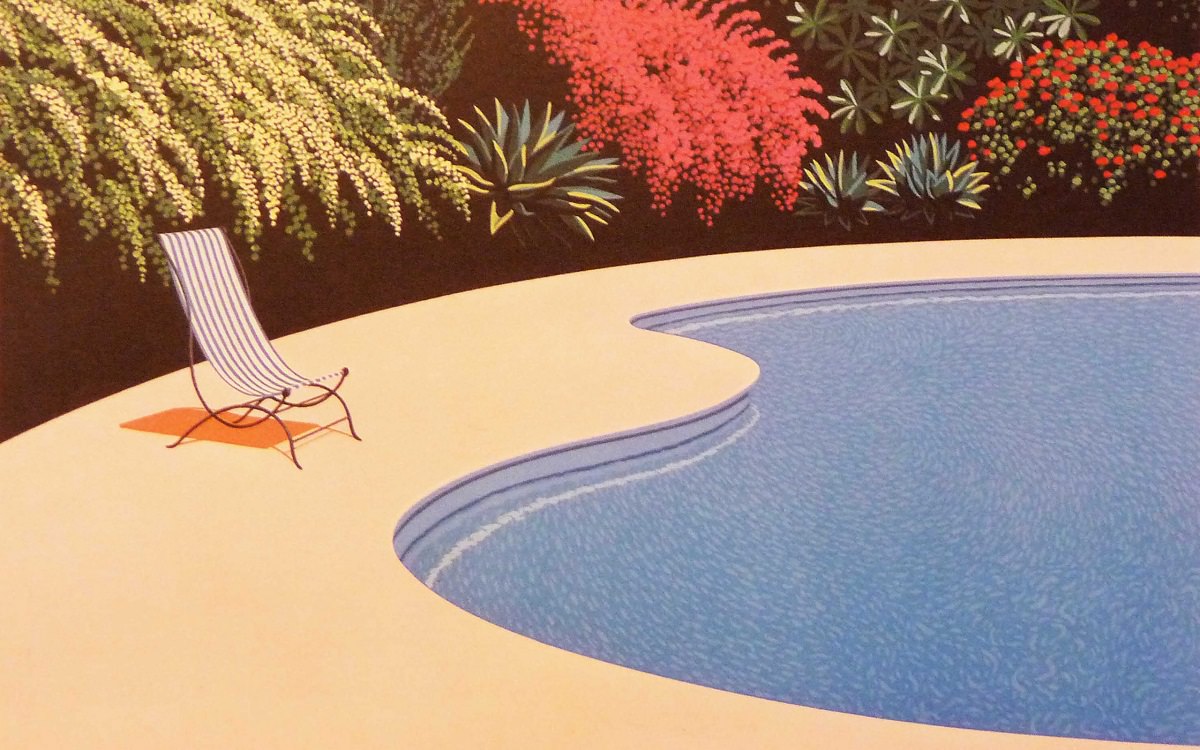
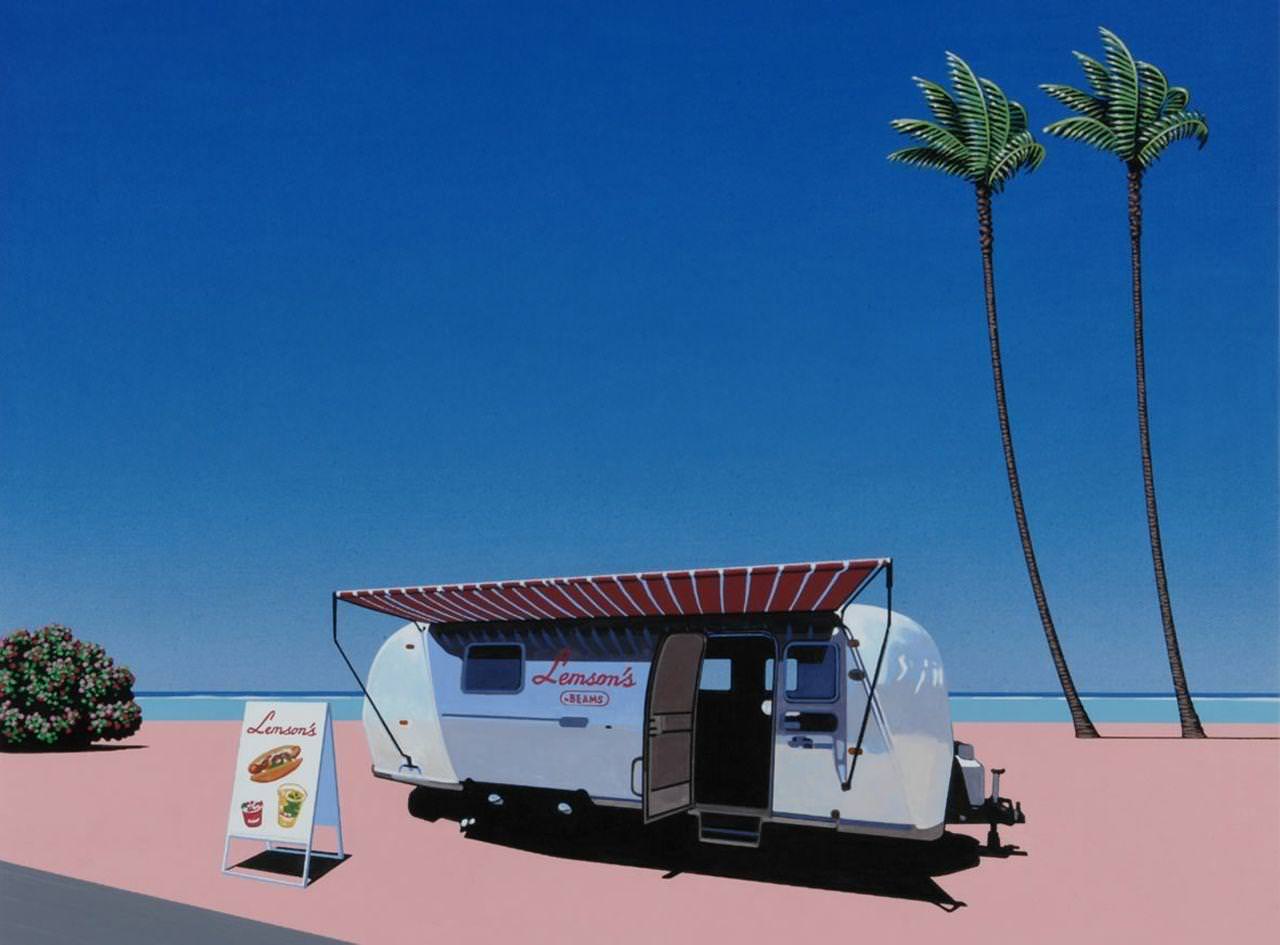
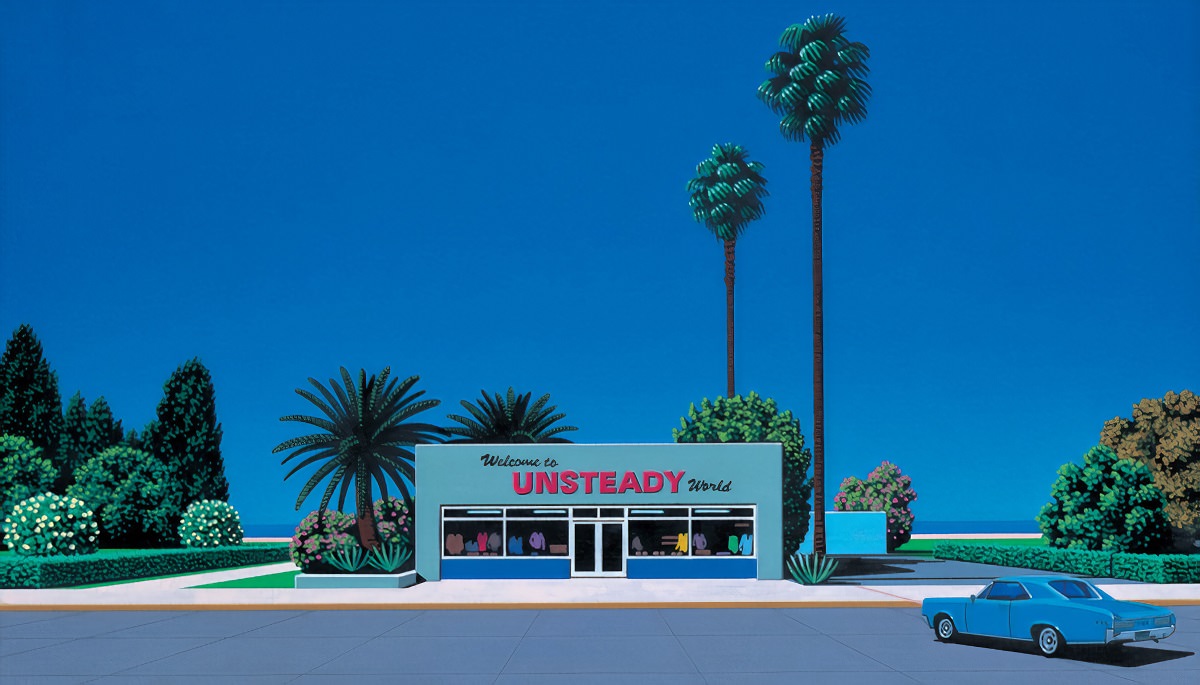
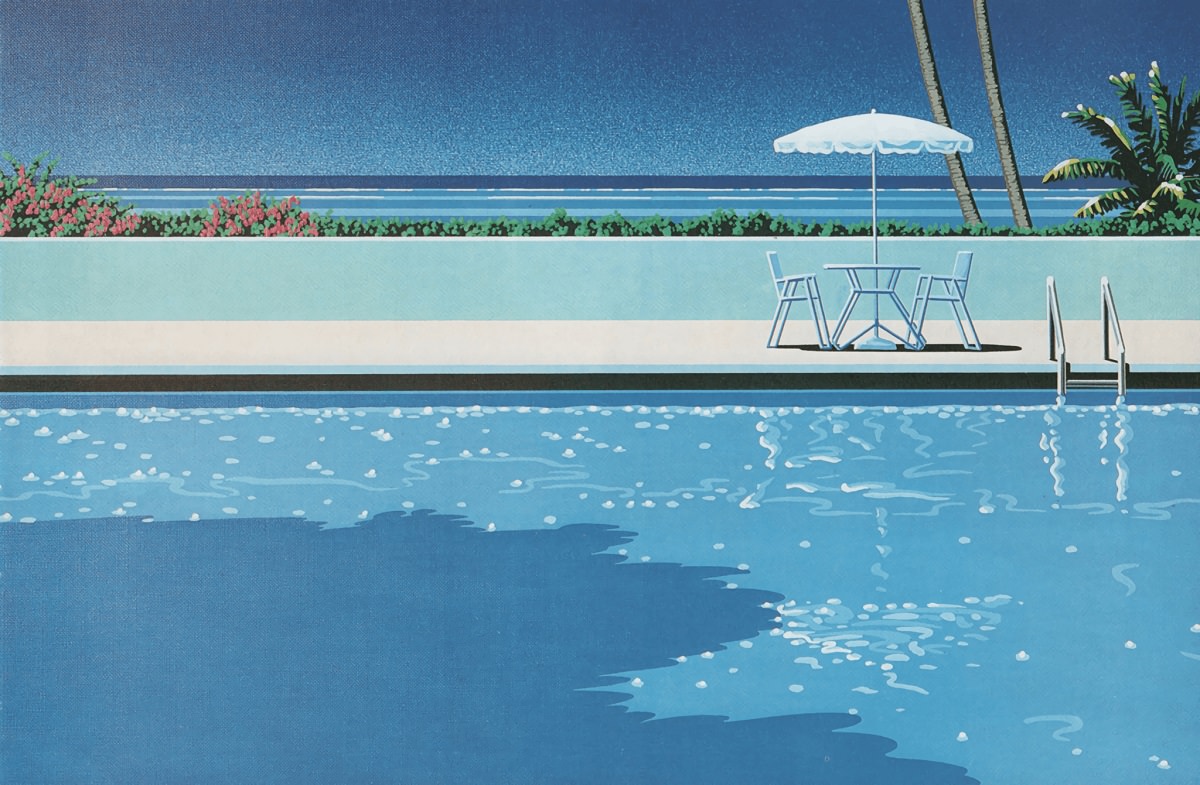
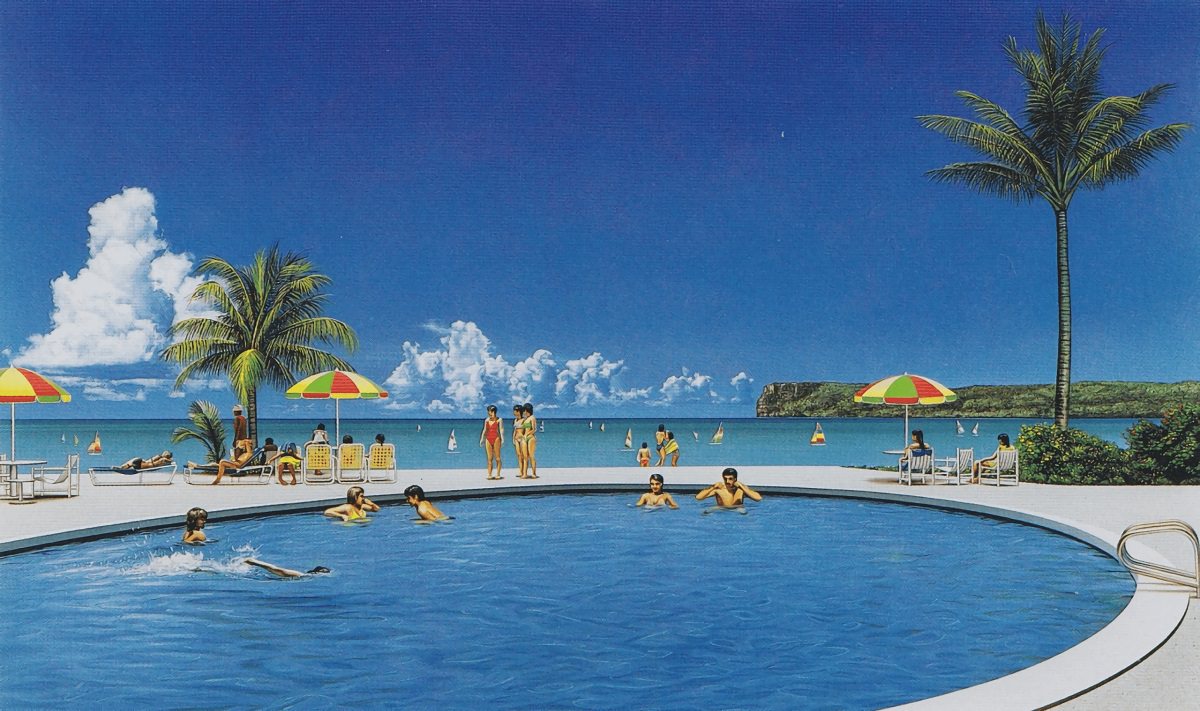
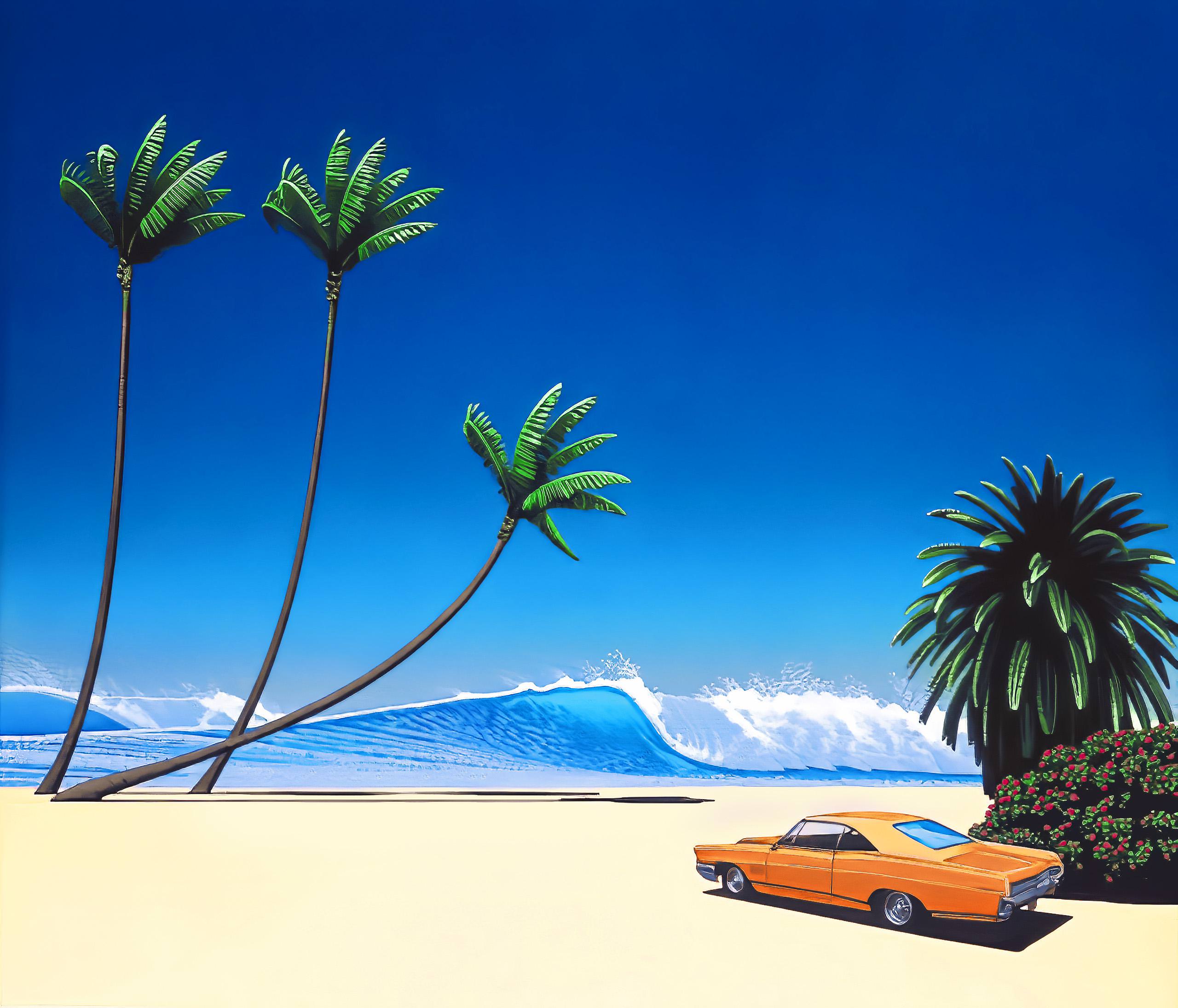
Hiroshi Nagai is a Japanese artist whose paintings are instantly recognizable. Bold colors, clean lines, and wide-open spaces define his work. Swimming pools shimmer under bright skies. Palm trees line quiet roads. Villas sit undisturbed beside the ocean. Every scene feels polished and sun-soaked, yet carries a quiet sense of solitude beneath its vivid surface.
Nagai was born in Tokushima Prefecture, Japan. He launched his career working in King Terry’s studio, where he developed the refined visual style that would define his later work. By the early 1980s, he had already made a strong name for himself in the commercial art world.
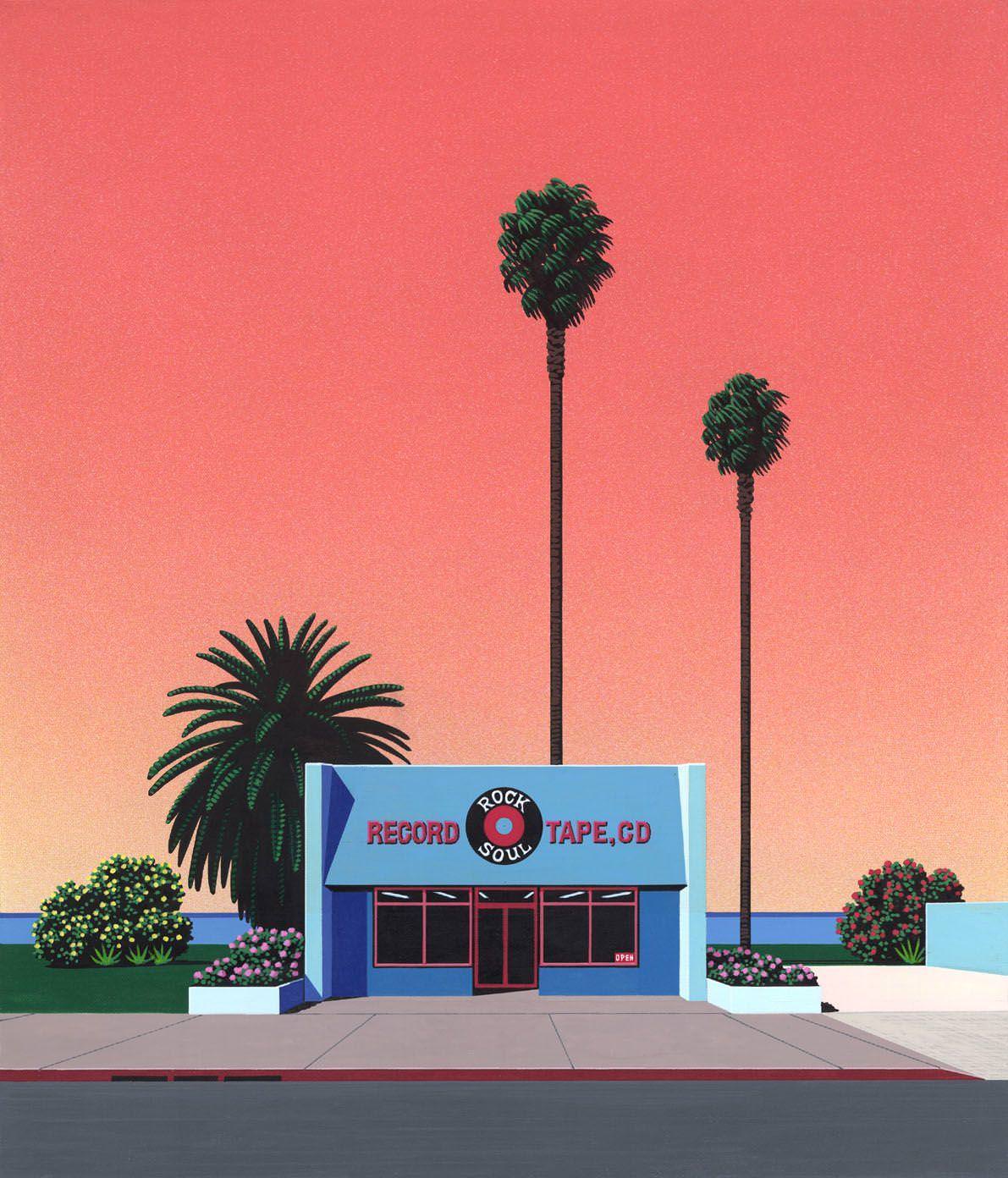
His work became closely tied to the City Pop movement, a genre of Japanese music and art that emerged in the 1970s. City Pop blended urban sophistication with a relaxed, resort-like aesthetic — and Nagai’s imagery captured that mood perfectly. Tennis courts, coastal roads, and open highways became recurring subjects.
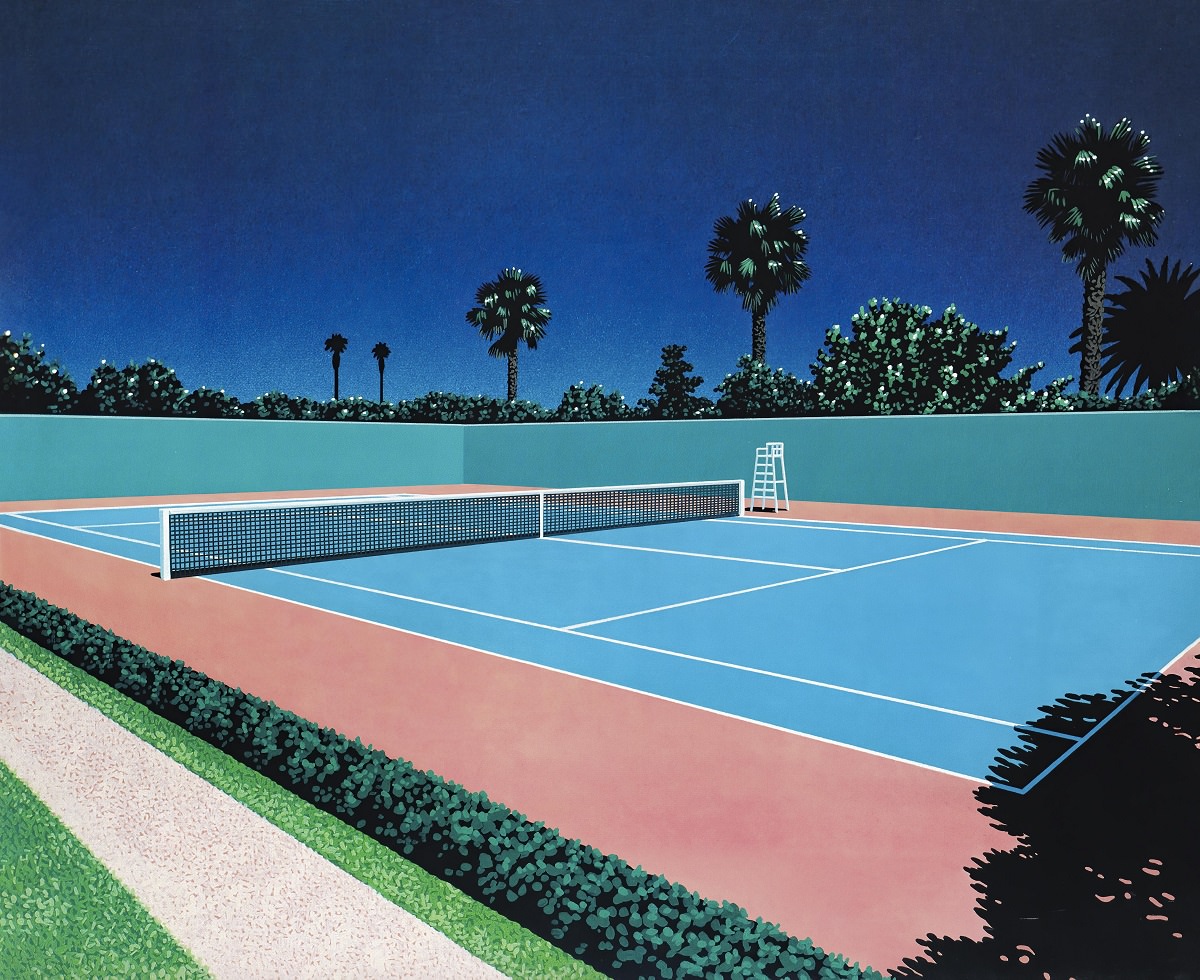
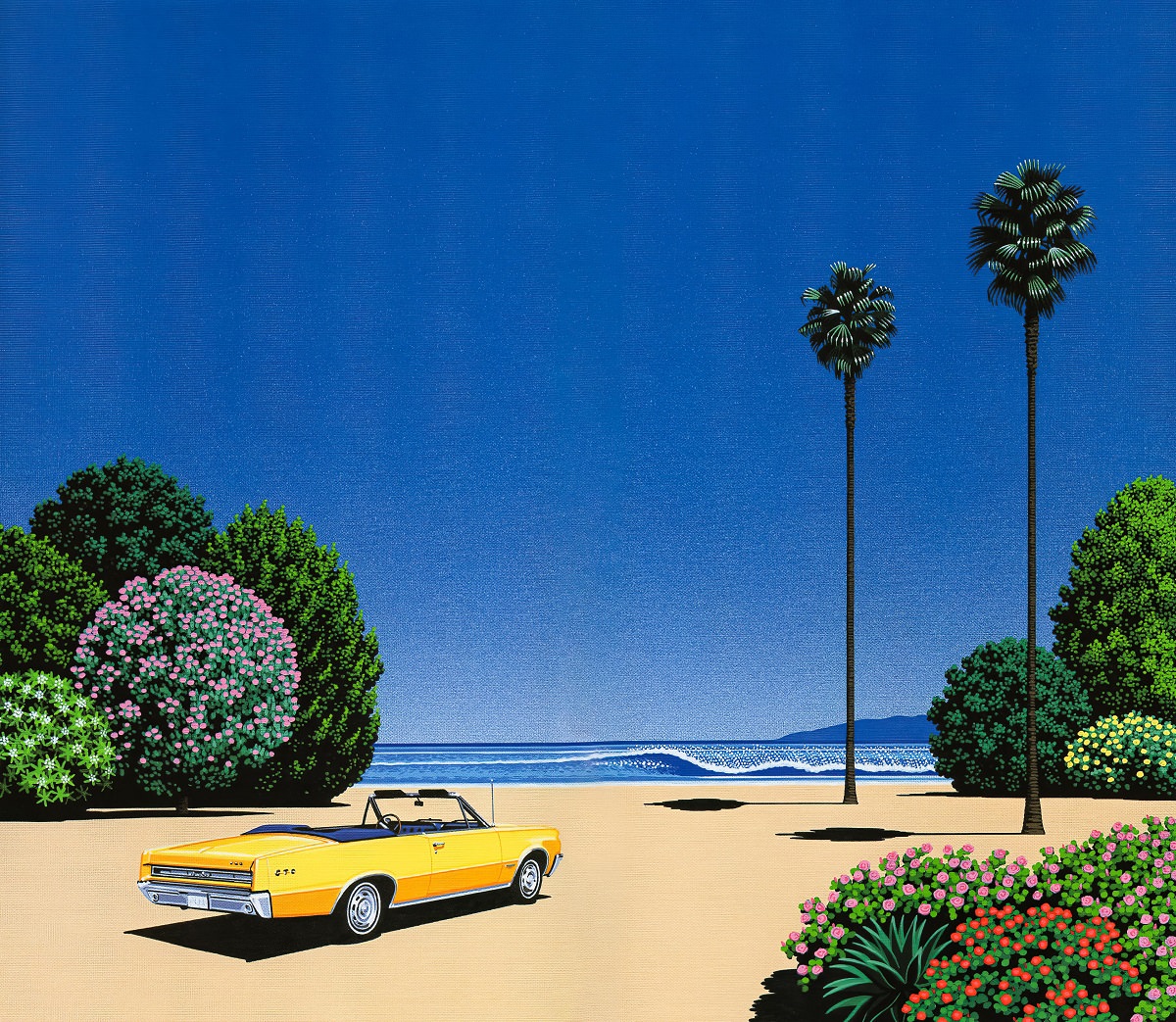
During the 1980s, Nagai worked with prominent Japanese record labels including Moon and Niagara. His paintings appeared on album covers that reached wide audiences across Japan. He also designed sleeve artwork for Japanese pressings of Max Romeo albums, extending his reach beyond the domestic market.
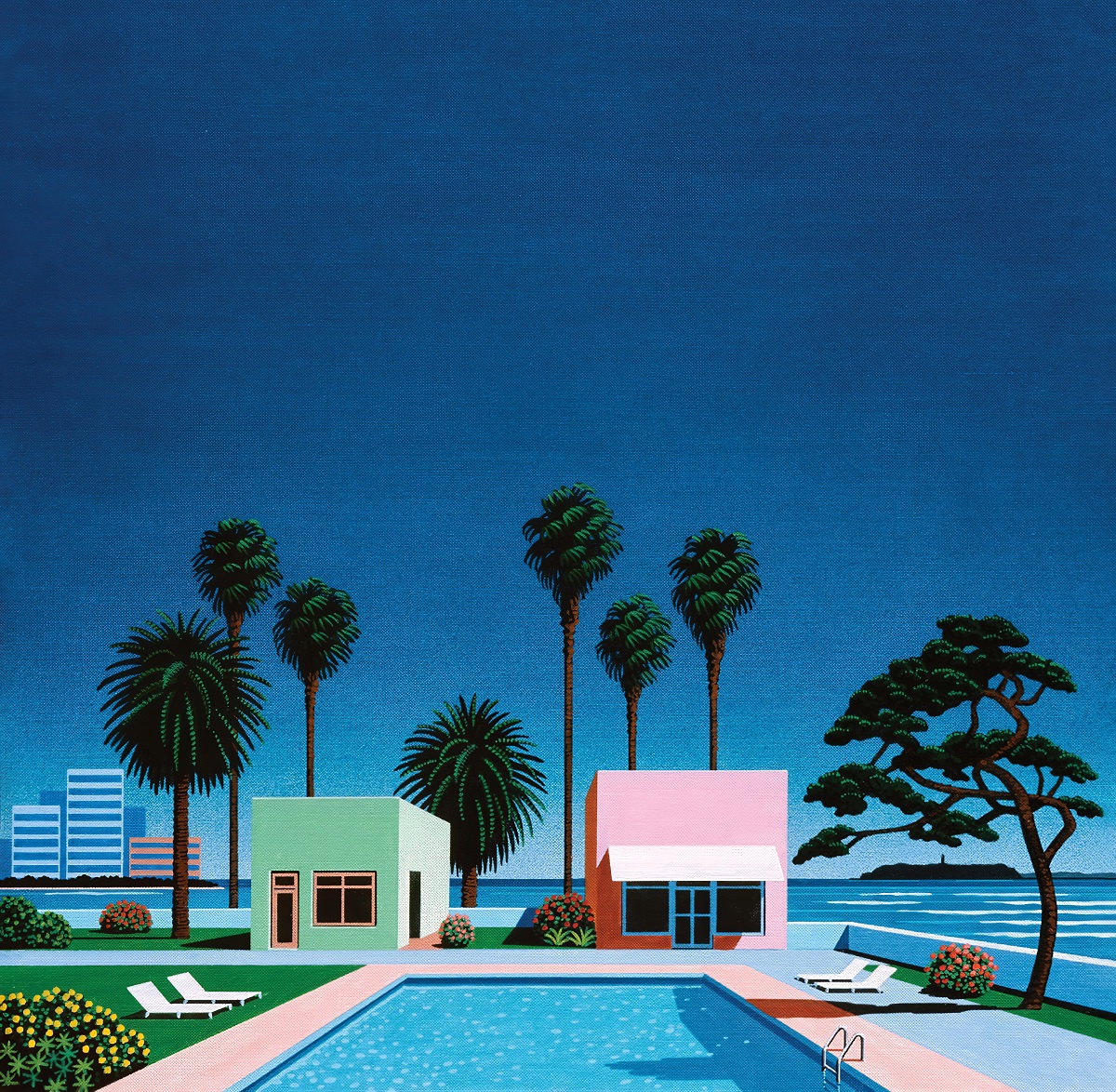
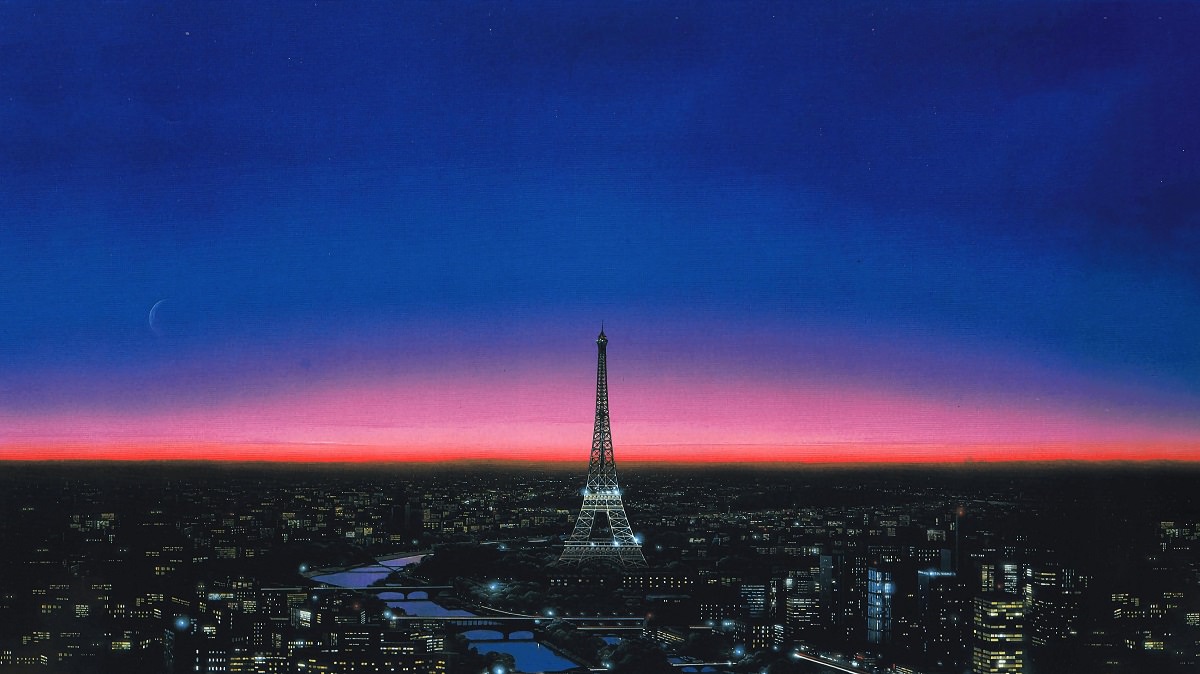
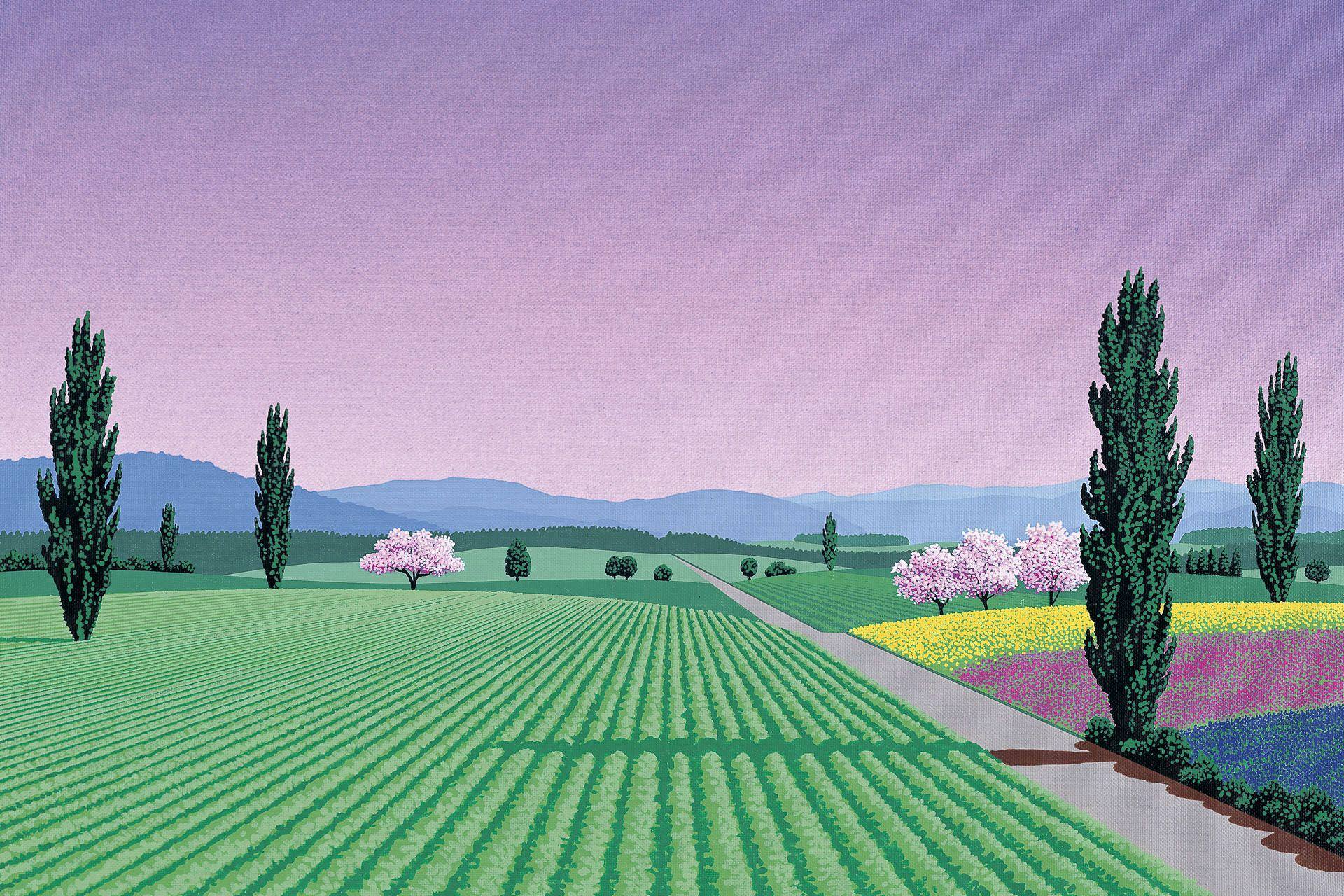
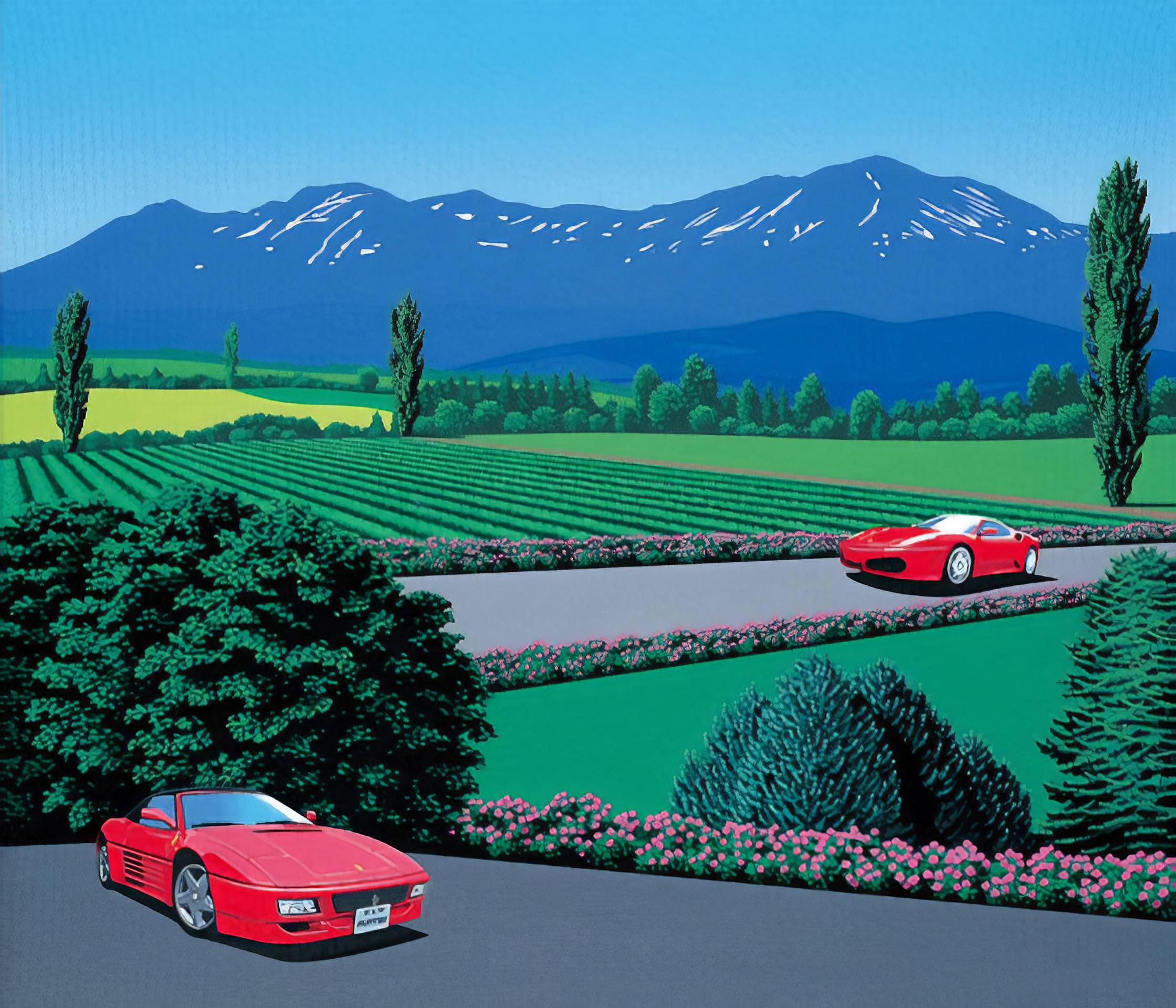
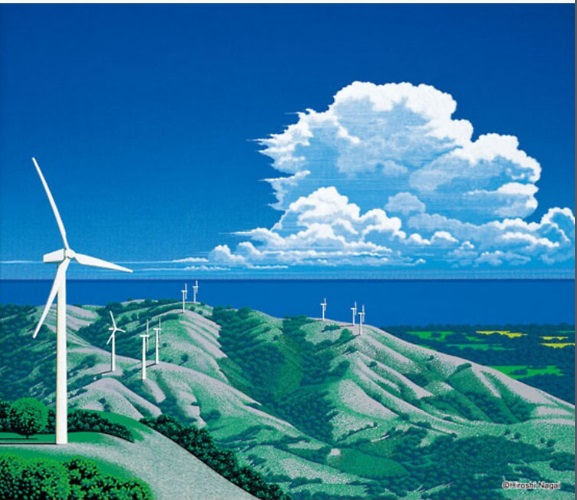
His subjects span a wide range of settings. Beachfronts, mountain ranges, urban freeways, and quiet gardens all appear in his portfolio. Despite that variety, each painting shares the same minimalist quality — never cluttered, always composed with care.
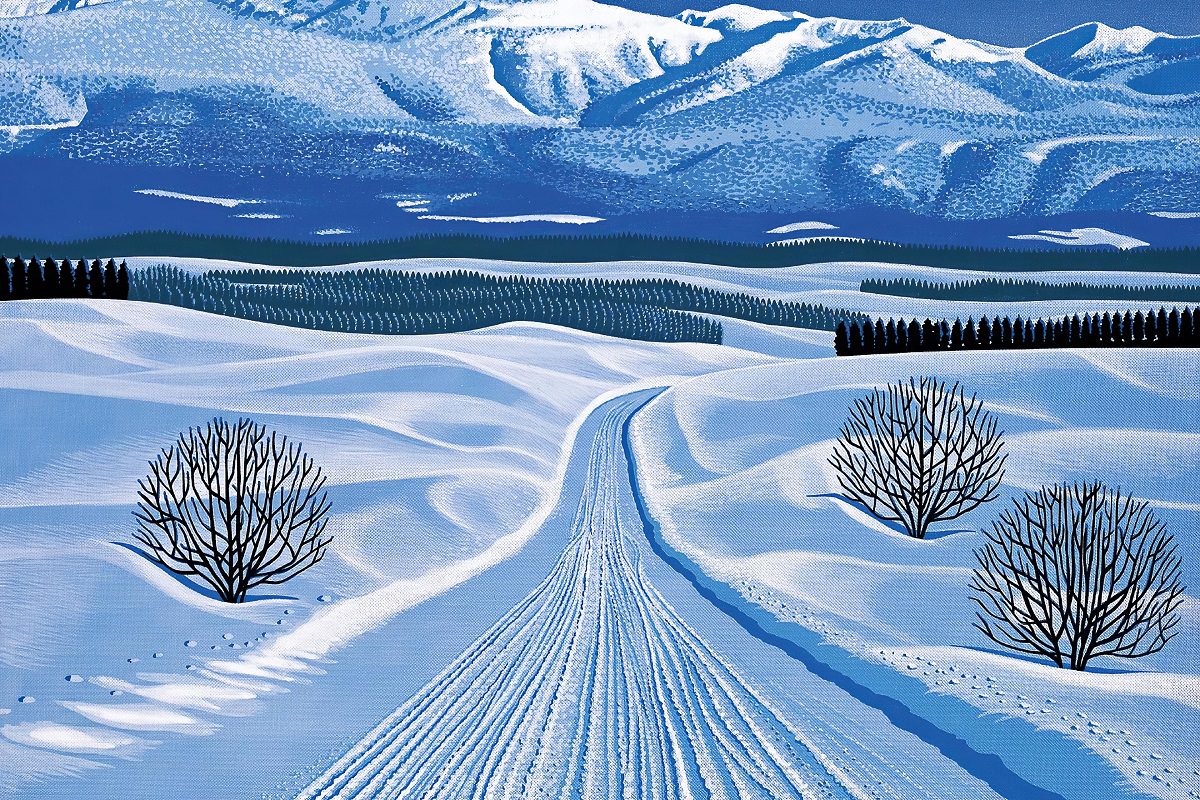
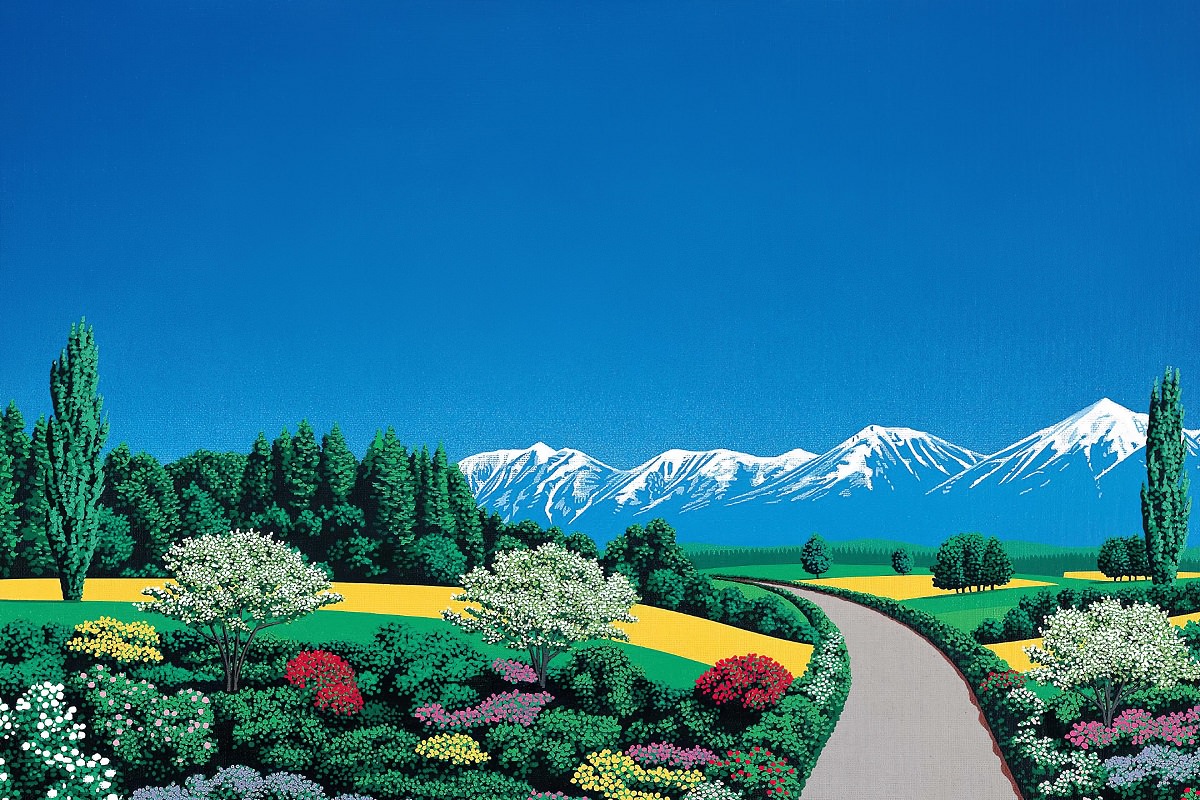
Nagai’s seasonal range is equally broad. Autumn foliage and winter roads receive the same luminous treatment as his tropical scenes, proving that his style transcends any single setting or time of year.
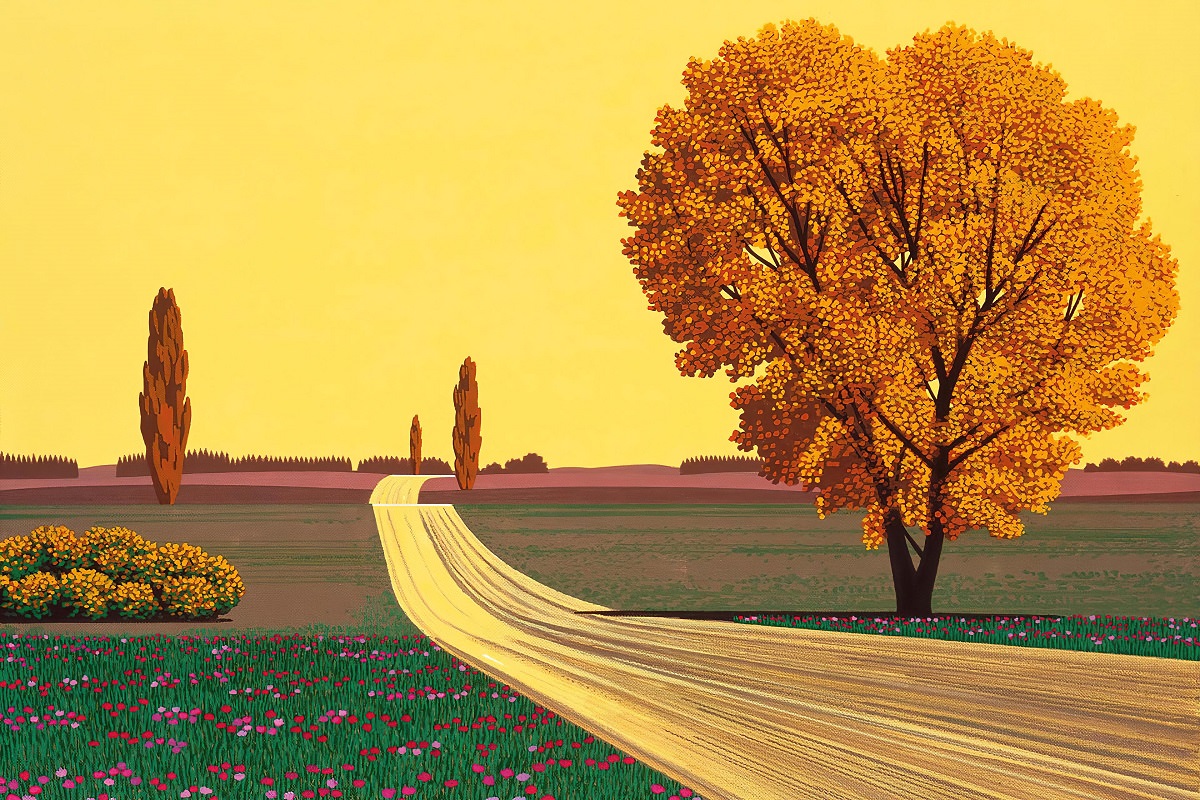
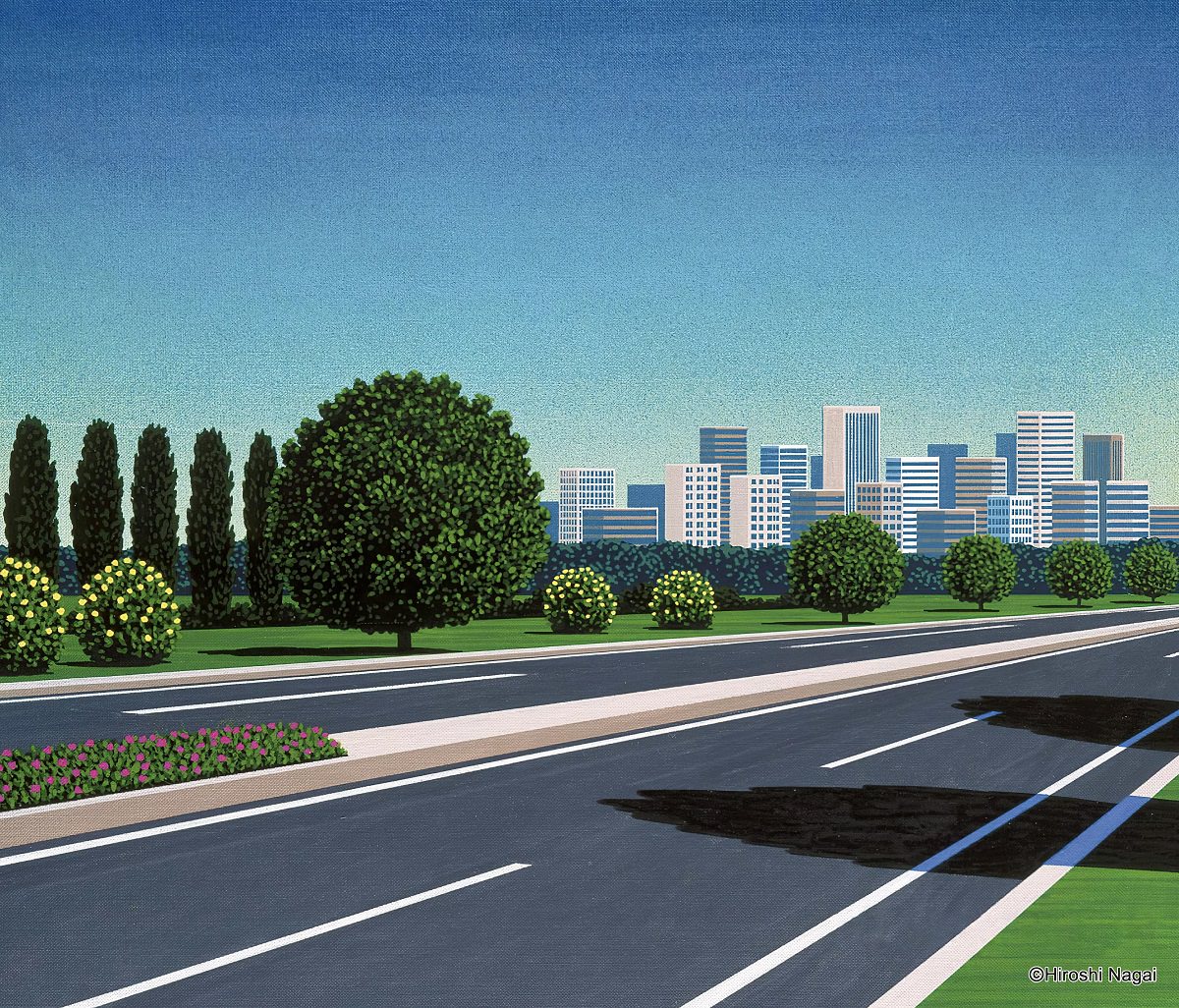
His album cover work remains among his most recognized output. From Eiichi Ohtaki’s releases to international collaborations, Nagai’s illustrations brought a distinct visual identity to the records they adorned. The cover art carried the same dreamlike calm found in all of his paintings.
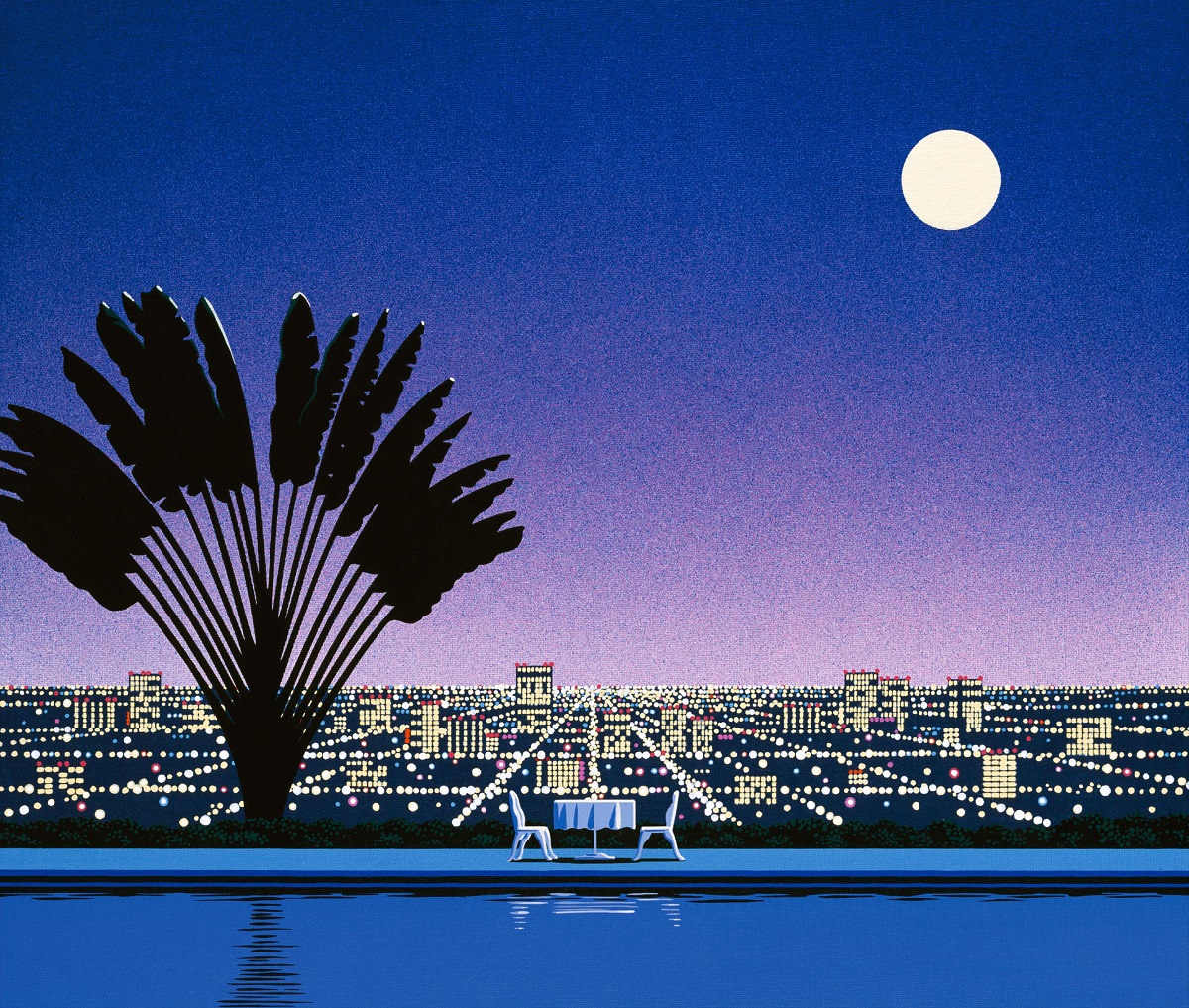
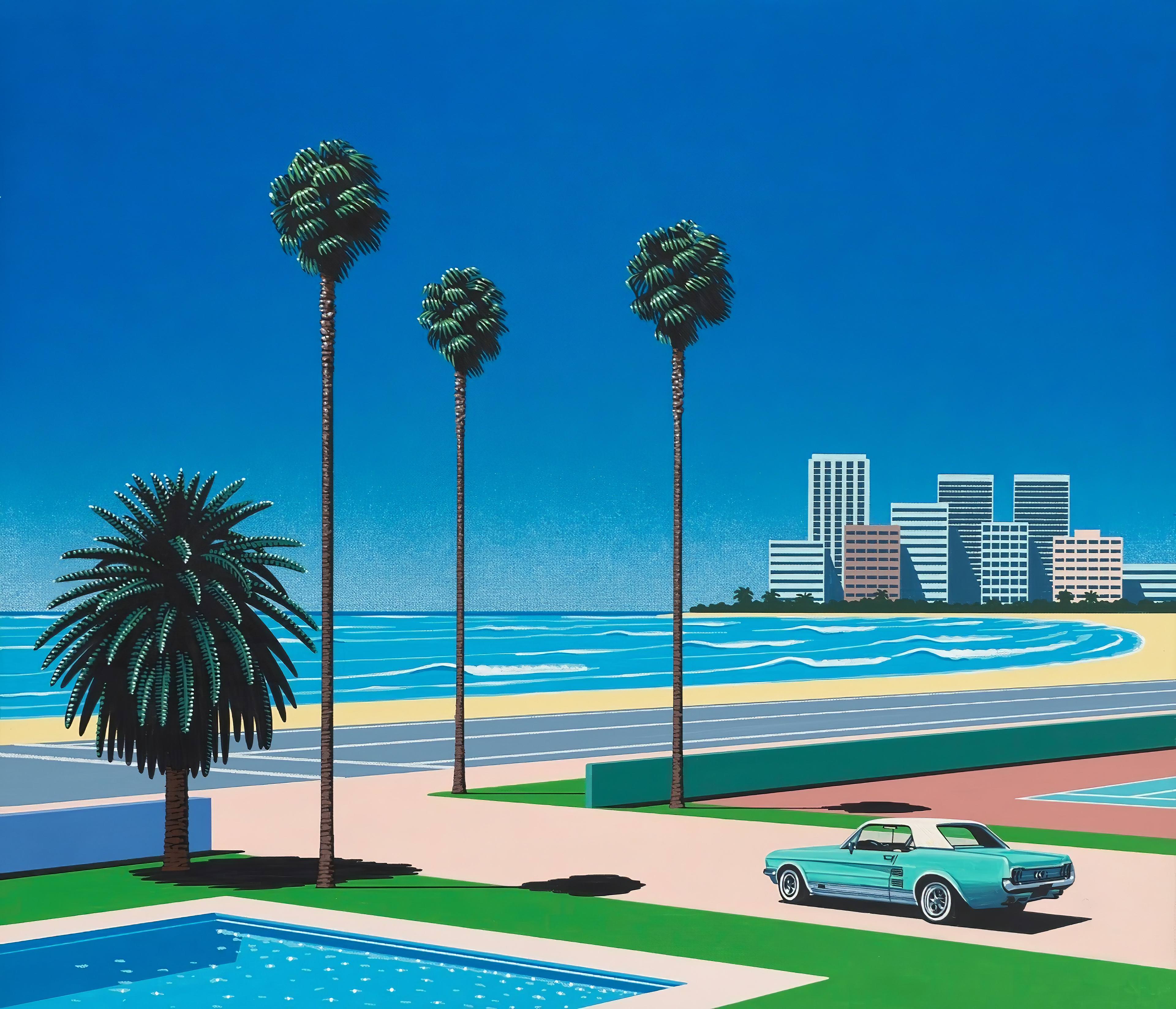
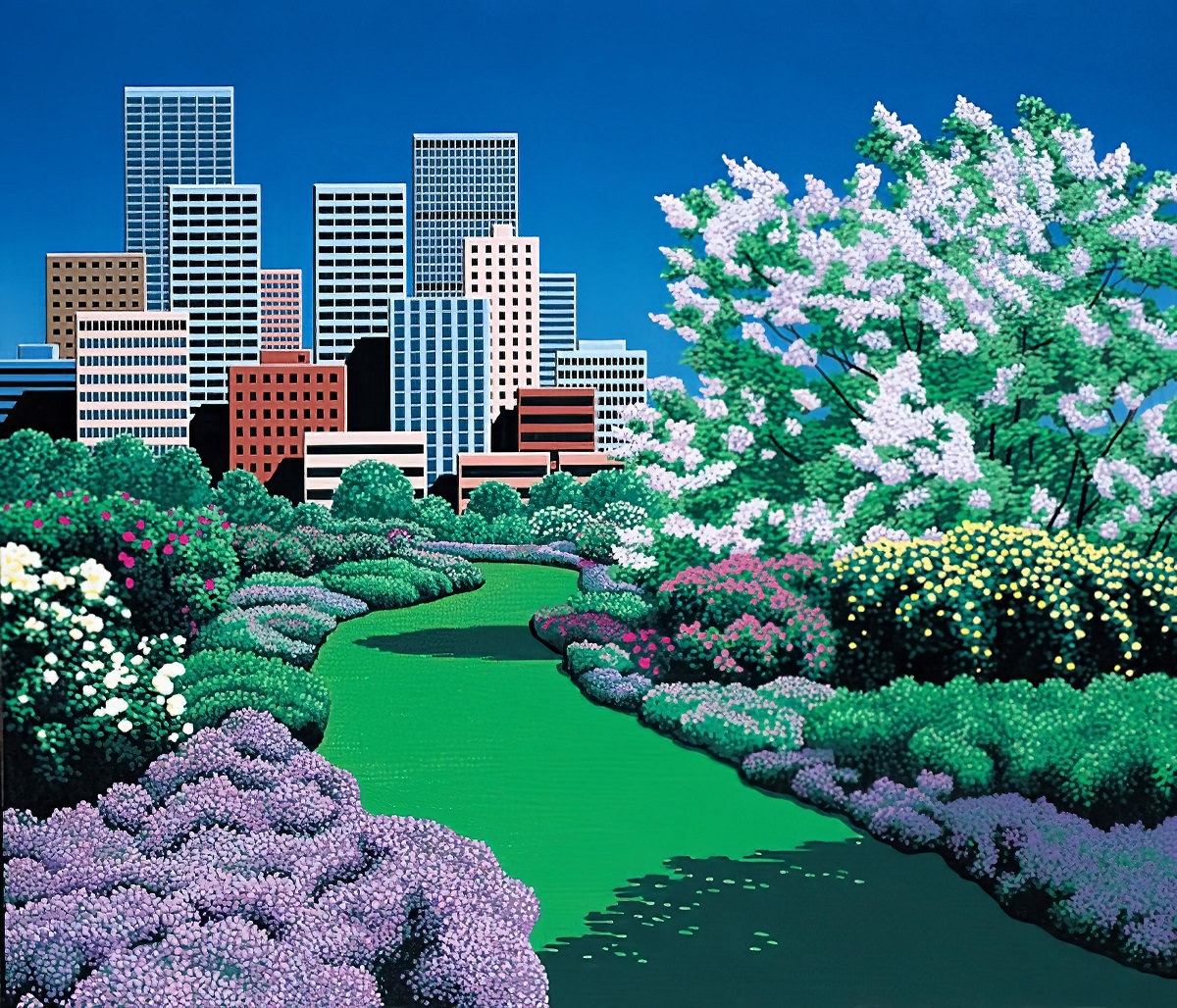
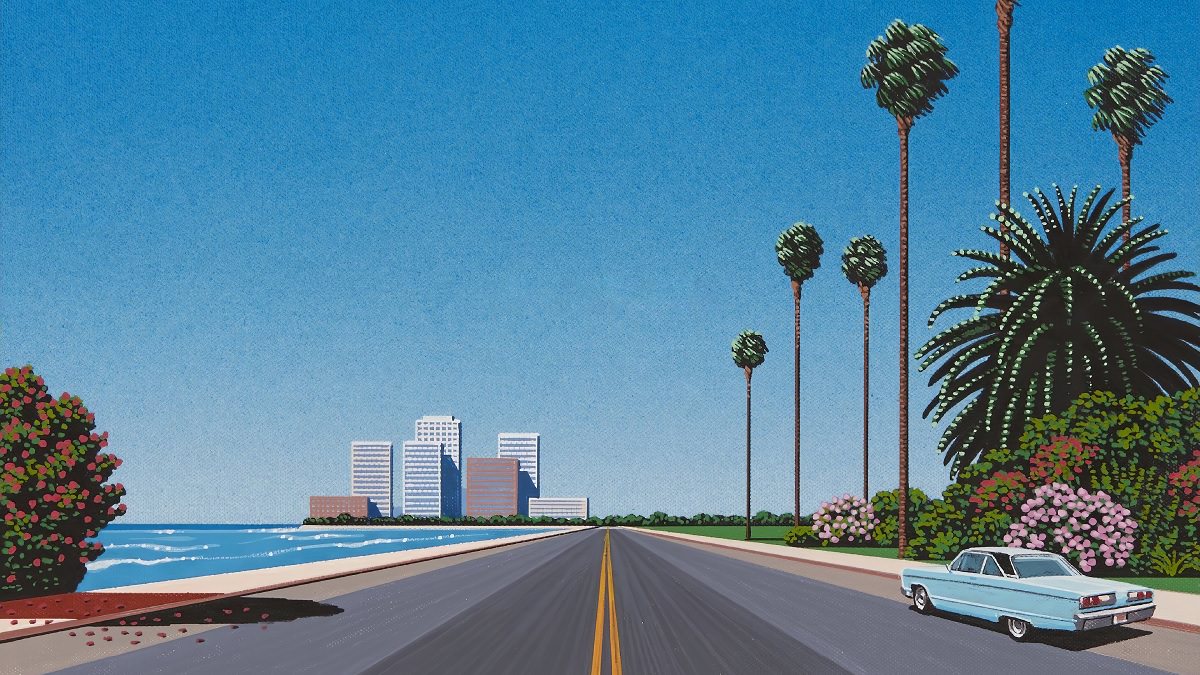
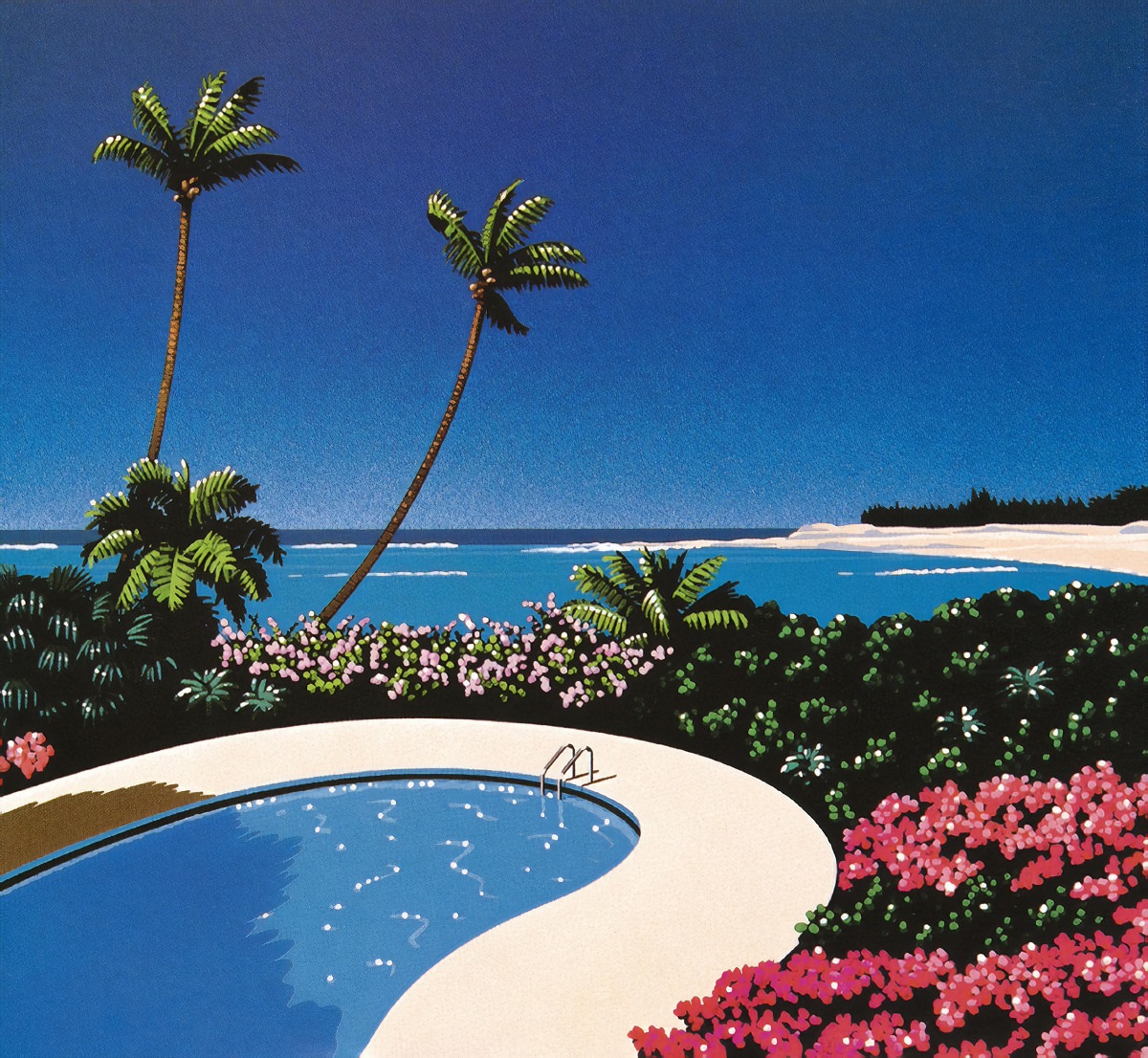
Whether depicting a quiet poolside or a busy city freeway at dusk, Nagai frames each scene with stillness. There are rarely crowds. Human presence, when it appears, feels small against wide skies and open landscapes. That contrast between vibrant color and serene emptiness is the heart of his work.