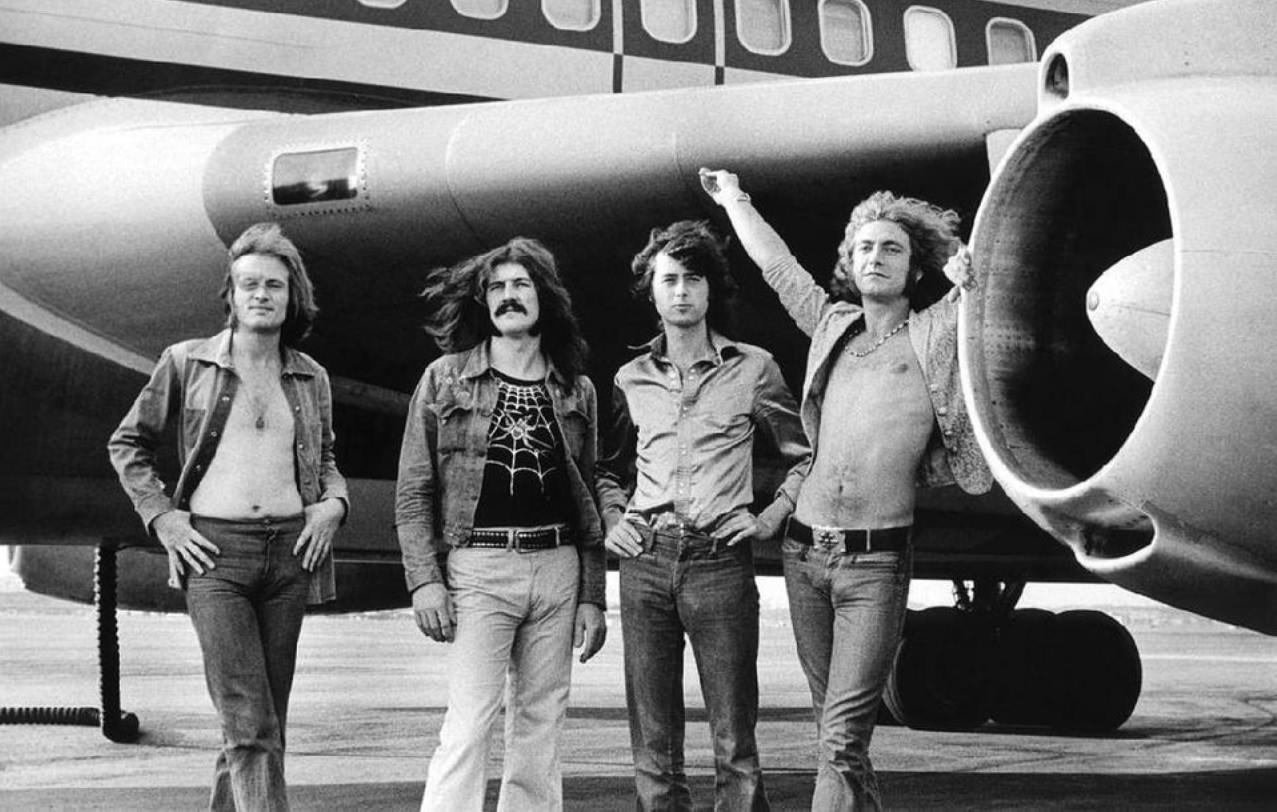
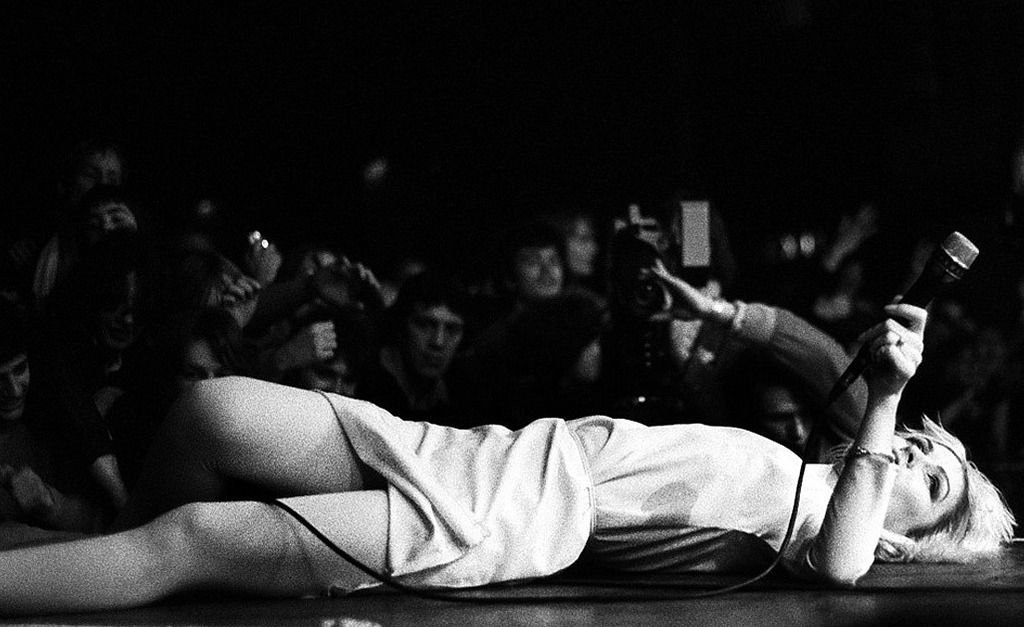
Raymond Boyd picked up a camera for the first time after his mother gave him a Kodak pocket camera in high school. That small gift set off a career that would span four decades and produce some of the most important photographs in American music history. A local newspaper editor befriended Boyd and hired him to cover concerts and entertainment across Chicago, putting him in rooms with artists who would go on to define an era. From 1983 to 1997, Boyd documented the rise of hip-hop and R&B with a closeness and consistency that few photographers could match. He shot many of these artists two or three times a year, and genuine friendships formed along the way.
His photographs are unfiltered. They capture sweat, energy, and the real weight of a live performance. They also preserve places that no longer exist — venues and record stores that were central to Chicago’s music culture before they closed or were torn down. Boyd still lives and works in Chicago today, though changing access restrictions at venues ended his concert photography run. What remains is an archive that is now a core part of the American pop culture record. Among the artists he photographed were Whitney Houston, Prince, Michael Jackson, LL Cool J, the Geto Boys, Biggie, and Eazy-E.
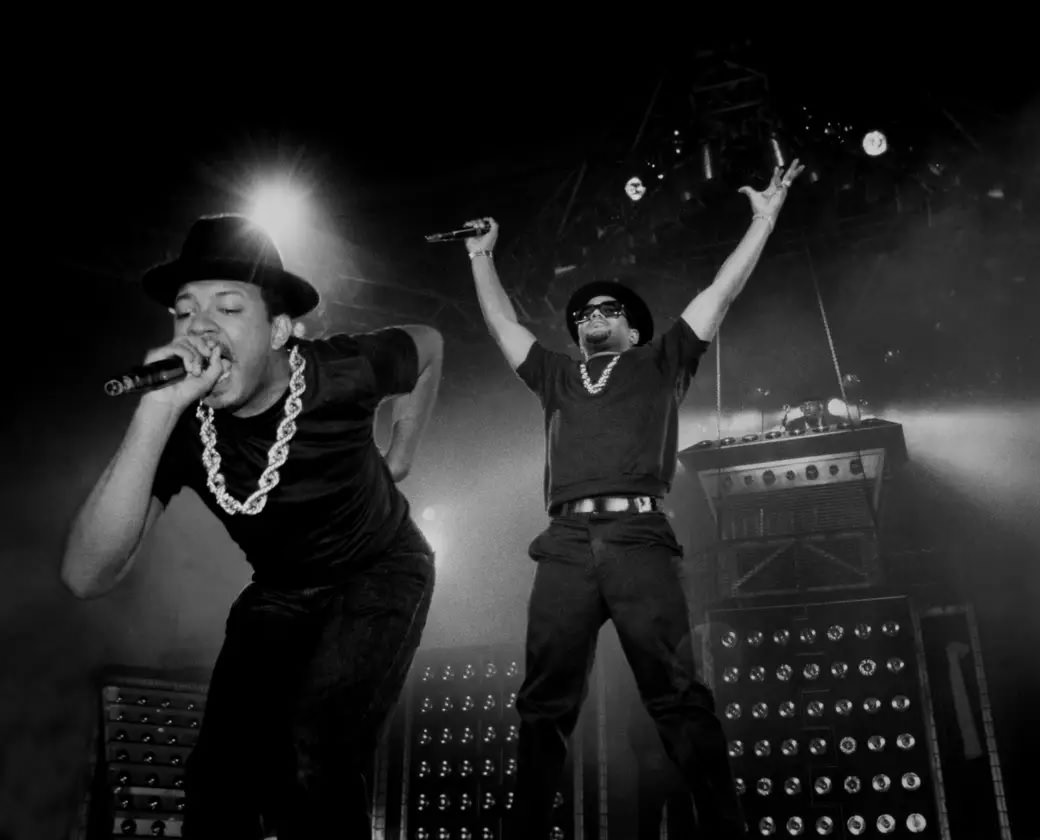
Run DMC were one of the defining acts of 1980s hip-hop, helping push the genre from the underground into arenas. Boyd was there to capture them at their peak.
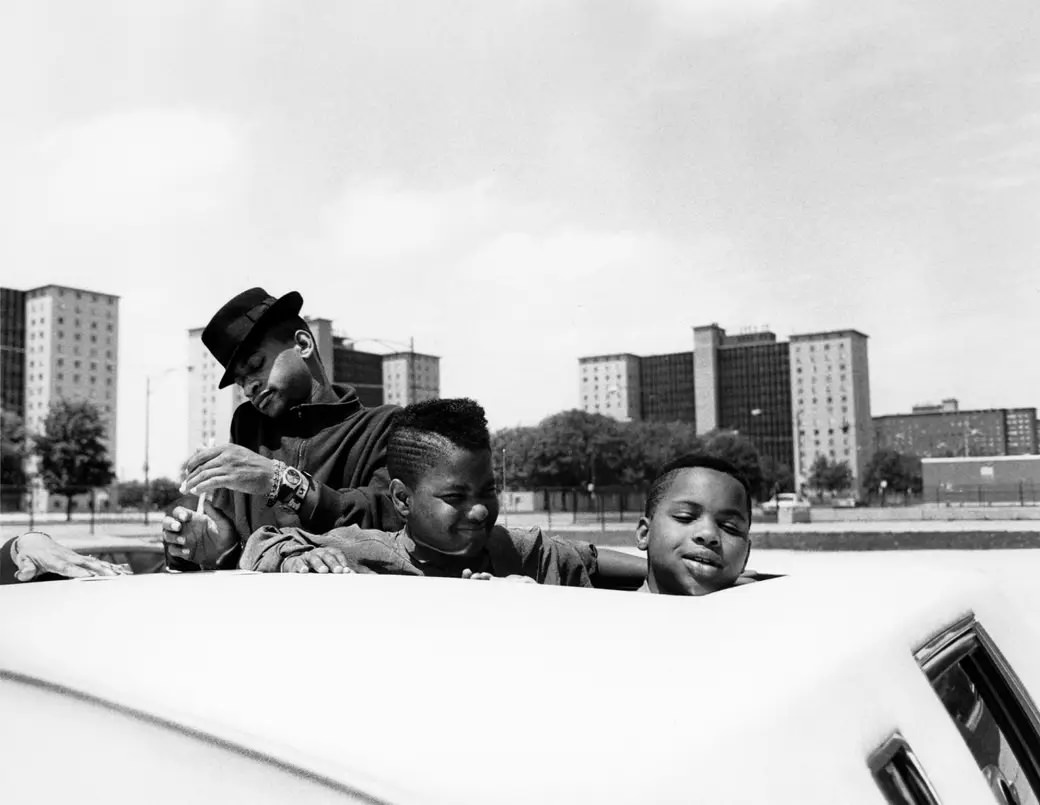
Not every shoot happened at a major venue. In May 1989, Boyd photographed the Boys — a young R&B group made up of brothers and cousins from Fresno, California — during a visit to a Chicago elementary school. The group had scored a major hit with “Dial My Heart” the year before and were touring the country at the time.
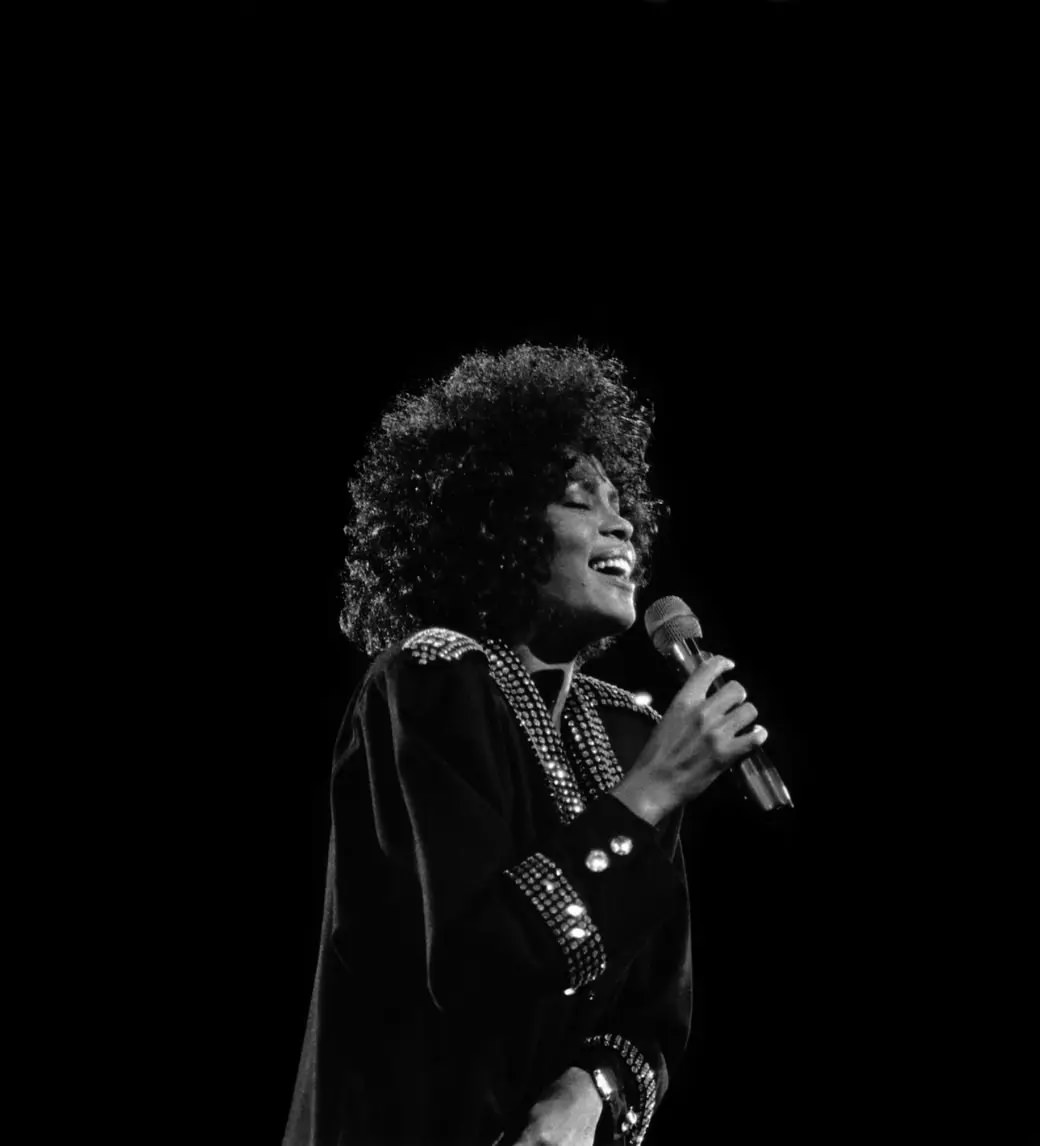
Whitney Houston was already a superstar by 1987, riding the success of her first two albums. Boyd captured her in performance at the Assembly Hall at the University of Illinois, a sold-out stop on what was one of the biggest tours of that year.
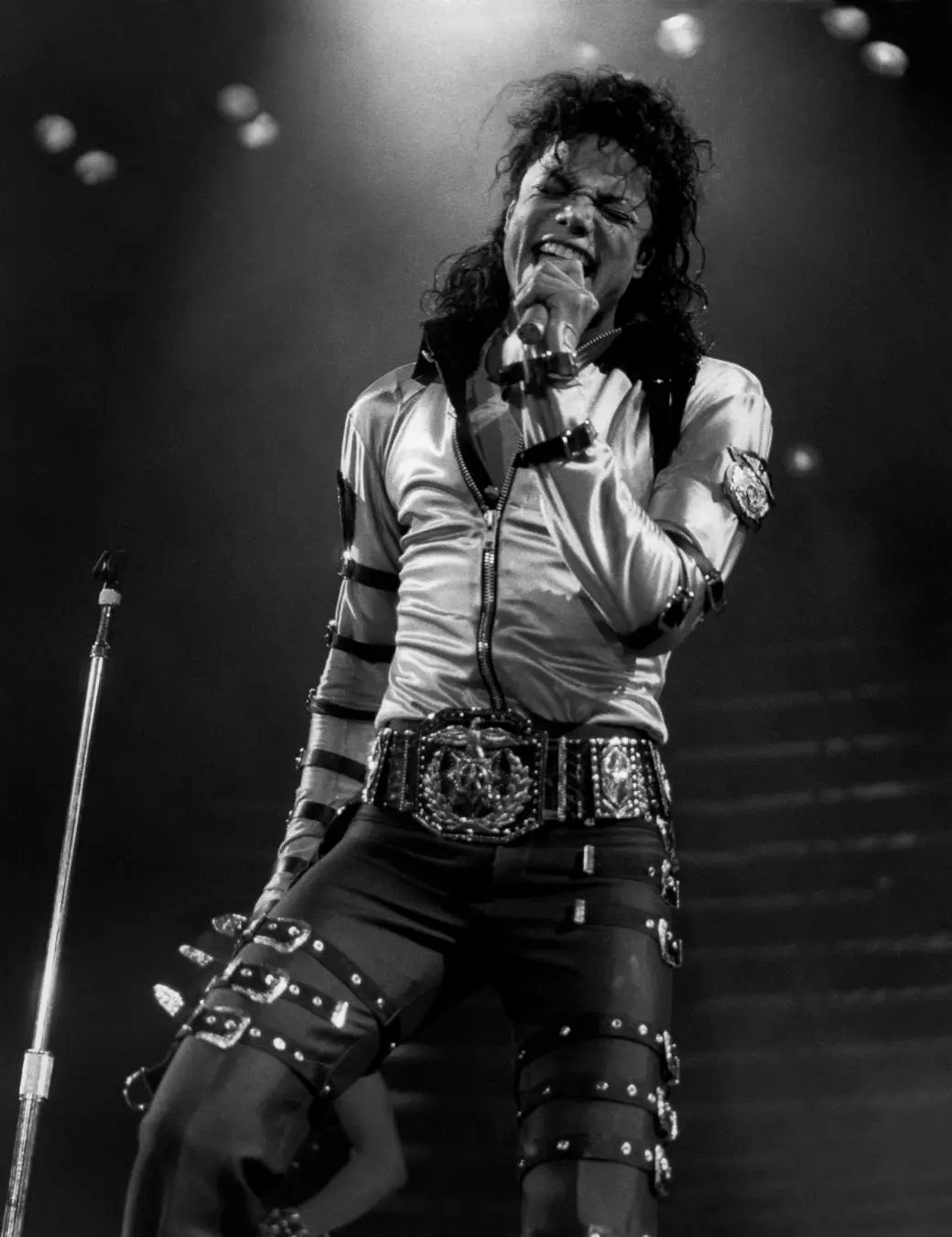
The following year, Michael Jackson brought his Bad tour to the Chicago area. On April 19, 1988, he performed in Rosemont, Illinois, in one of the most elaborately staged concerts of the decade. Boyd was in the crowd with his camera.
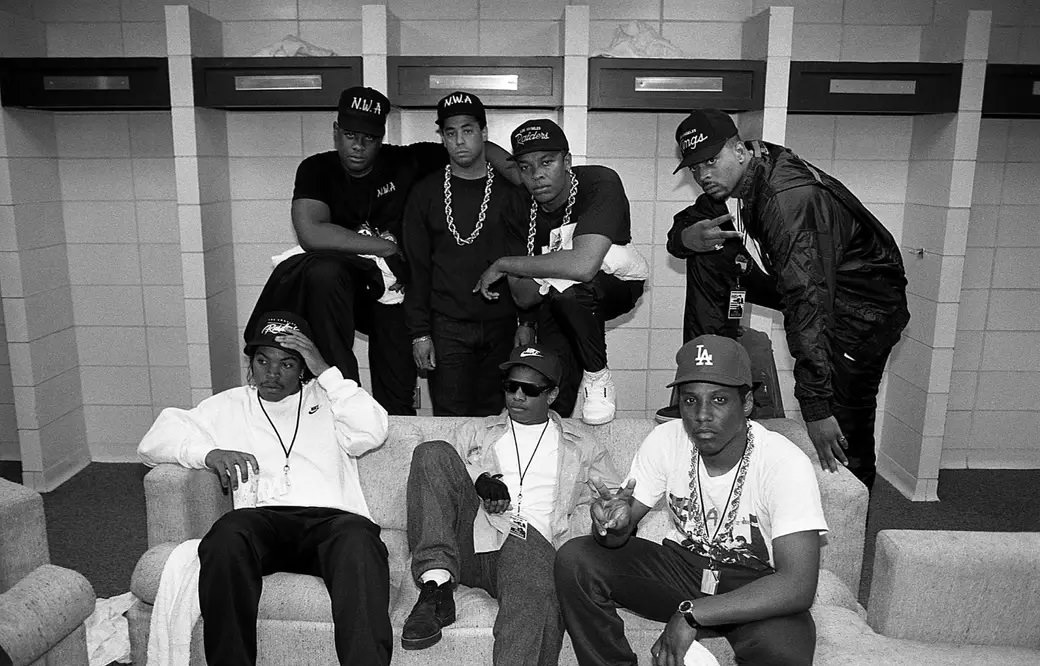
N.W.A. changed the sound and the subject matter of hip-hop when they burst onto the scene in the late 1980s. Boyd photographed the full group — Ice Cube, Eazy-E, MC Ren, DJ Yella, Dr. Dre, Laylaw, and the D.O.C. — in a group shot that puts the entire crew together in one frame.
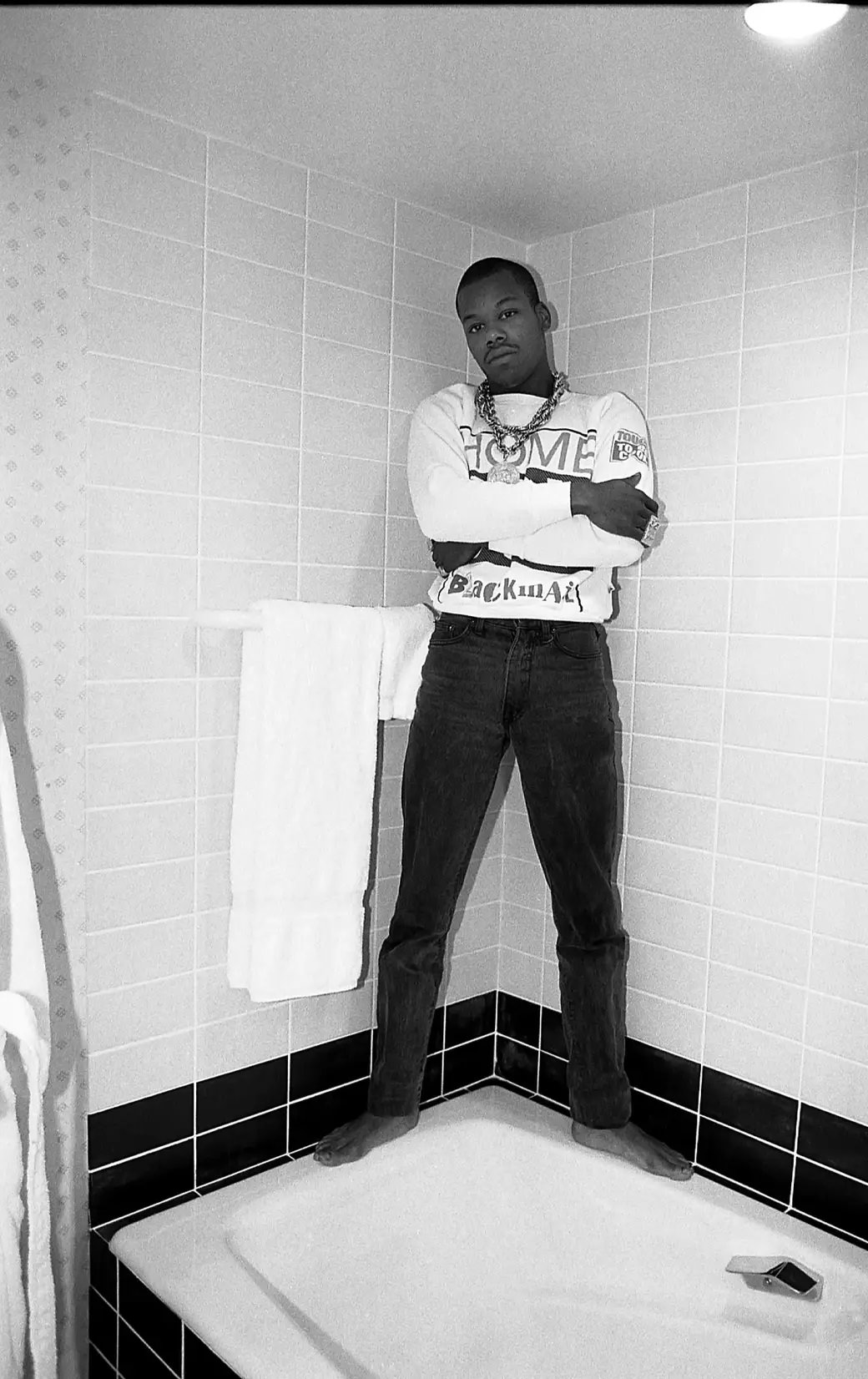
Too Short had been releasing music independently out of Oakland since the early 1980s and was known for his explicit, unapologetic style long before he signed to a major label. Boyd photographed him in Chicago in February 1989, just as his profile was rising nationally.
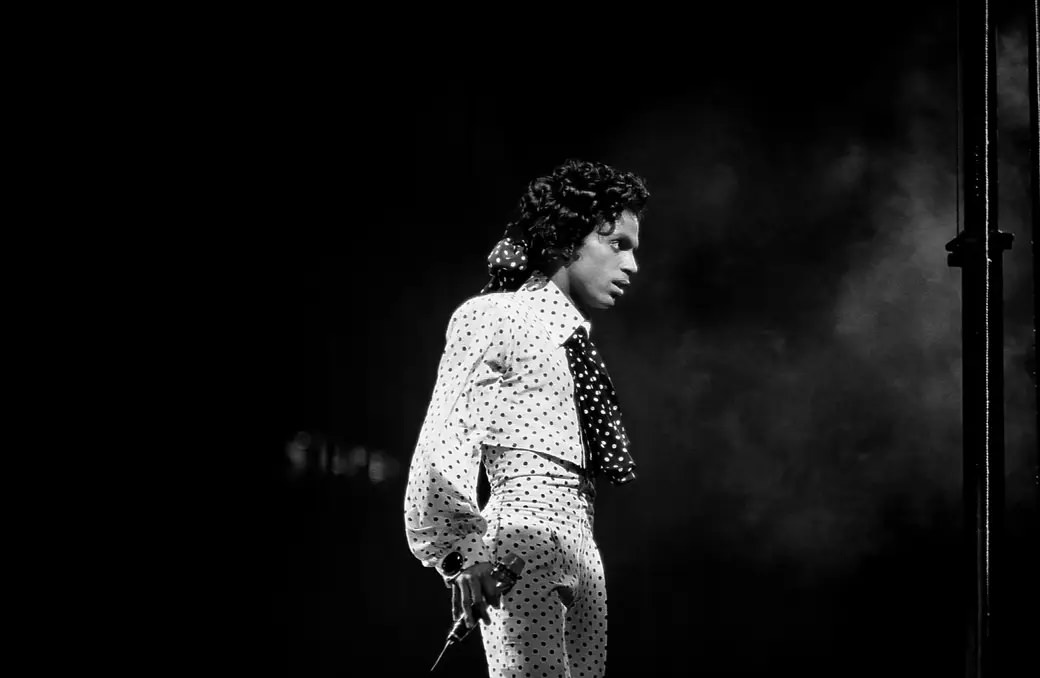
Prince performed at the Rosemont Horizon in September 1988, part of his Lovesexy tour. The tour followed the release of the album of the same name and was known for its elaborate stage design and Prince’s relentless, hours-long sets.
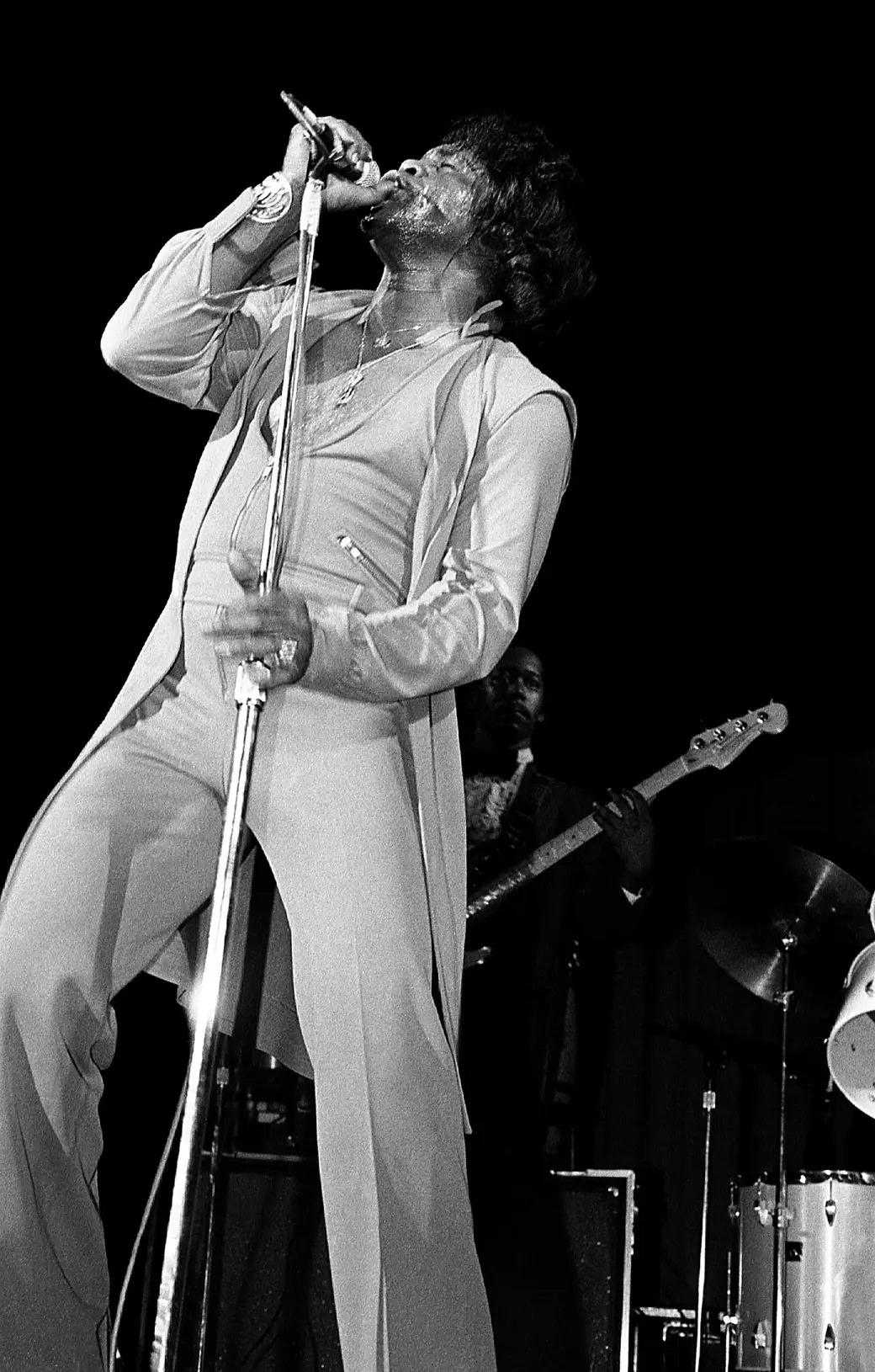
James Brown performed at Chicago’s Bismarck Theatre in January 1985. Brown had been performing since the 1950s and was still a commanding live act three decades into his career. Boyd’s image from that night shows the Godfather of Soul on his own turf.
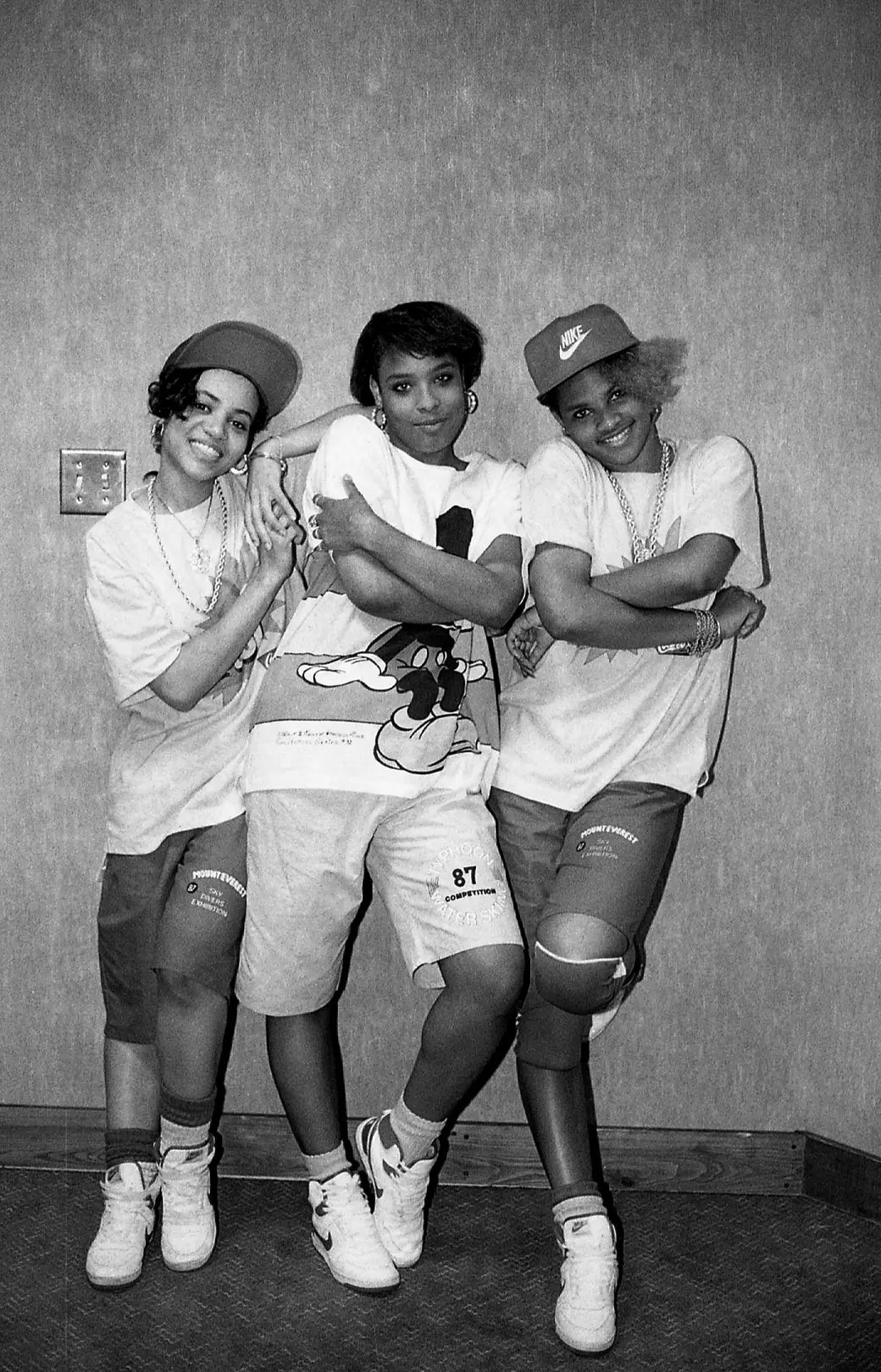
Salt-N-Pepa were one of the first all-female rap groups to achieve mainstream success, and by 1987 they were touring heavily behind their debut album. Boyd photographed Salt, Pepa, and DJ Spinderella backstage at the Holiday Star Theatre in Merrillville, Indiana, in June of that year.
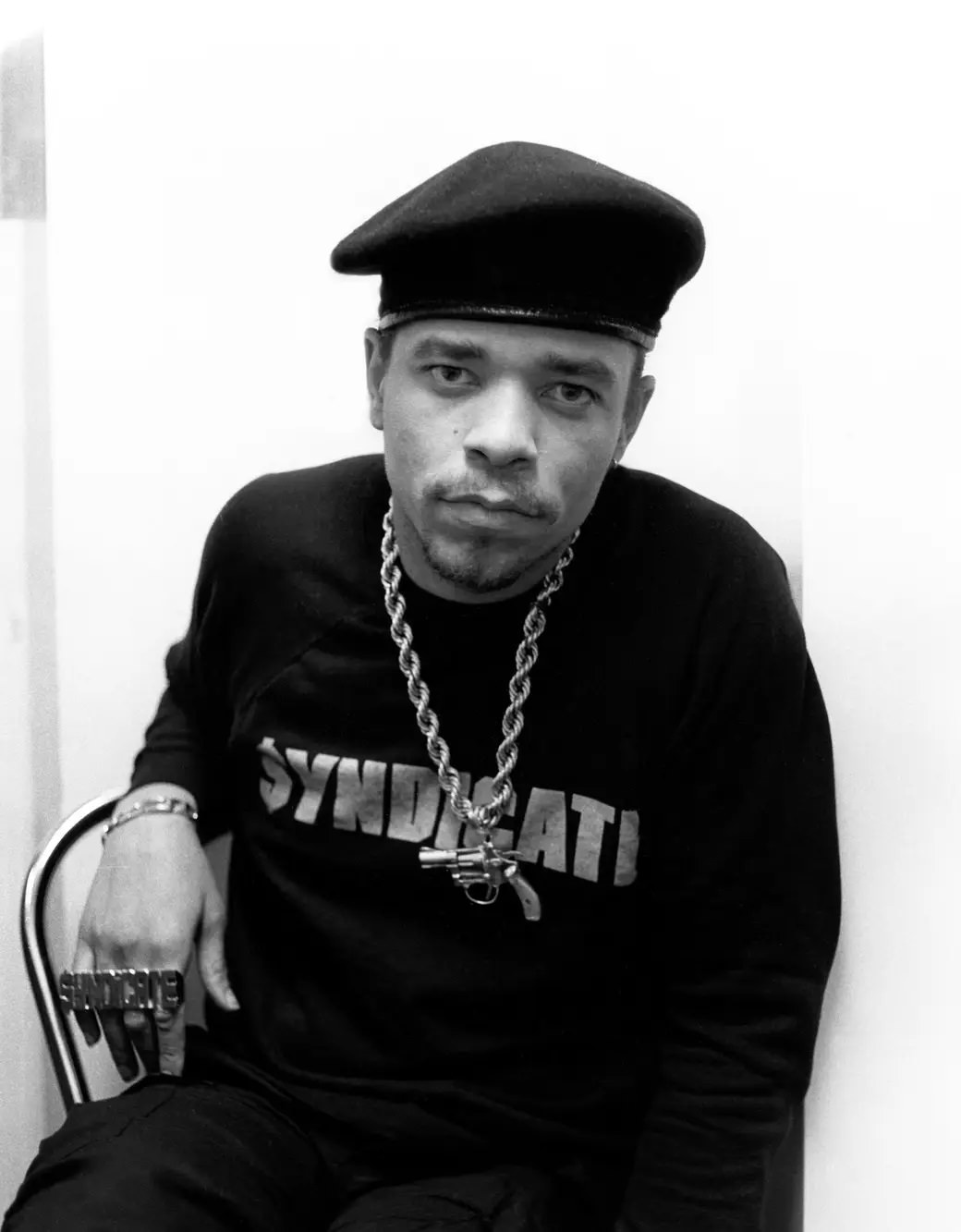
Ice-T was one of the earliest voices in West Coast rap, laying out street narratives with a directness that influenced the generation that followed him. After a performance at Chicago’s Regal Theater in 1988, Boyd caught him in a post-show portrait.
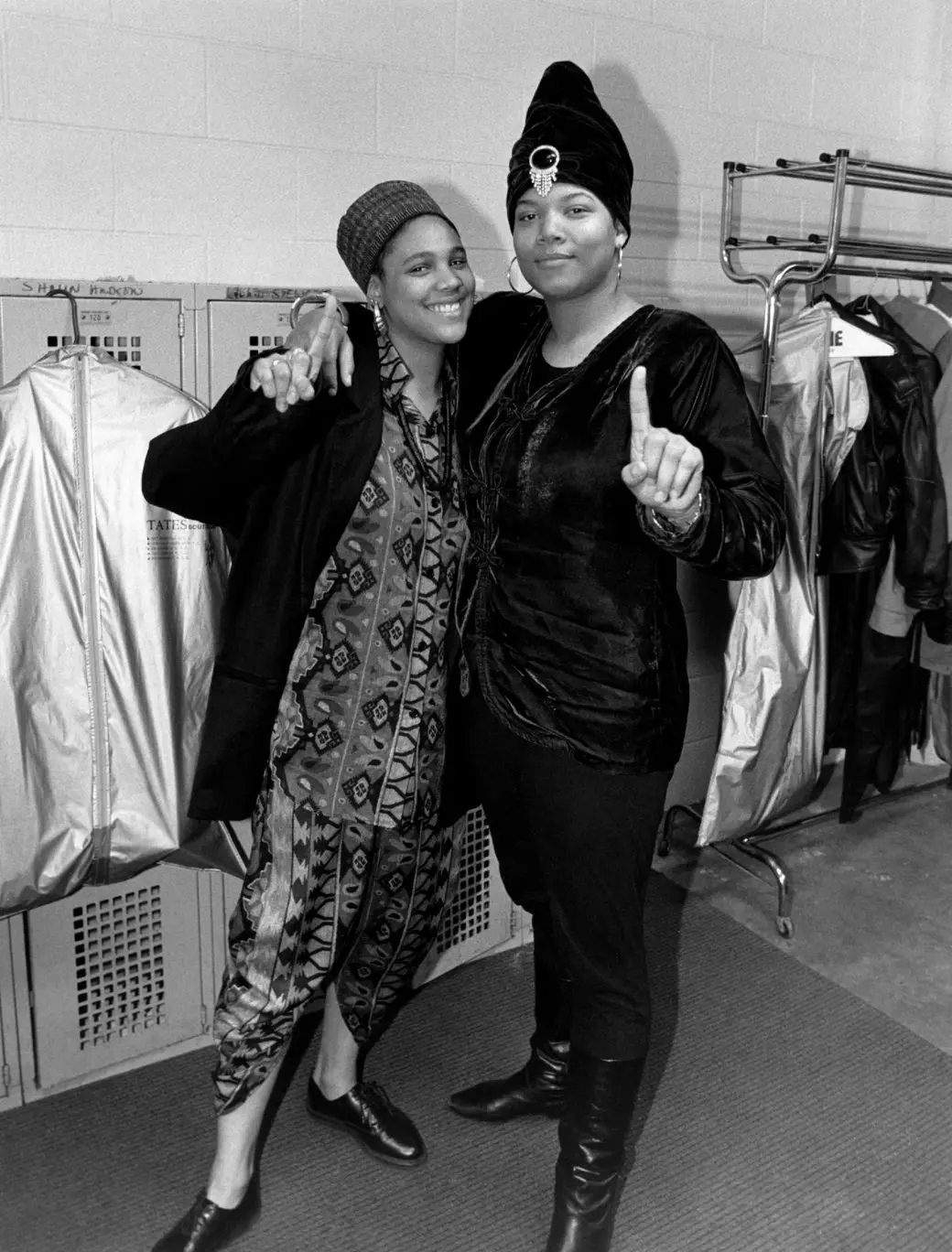
Queen Latifah and Monie Love were two of the most prominent female voices in hip-hop at the turn of the decade. Boyd photographed them together backstage at the Genesis Convention Center in Gary, Indiana, in February 1990.
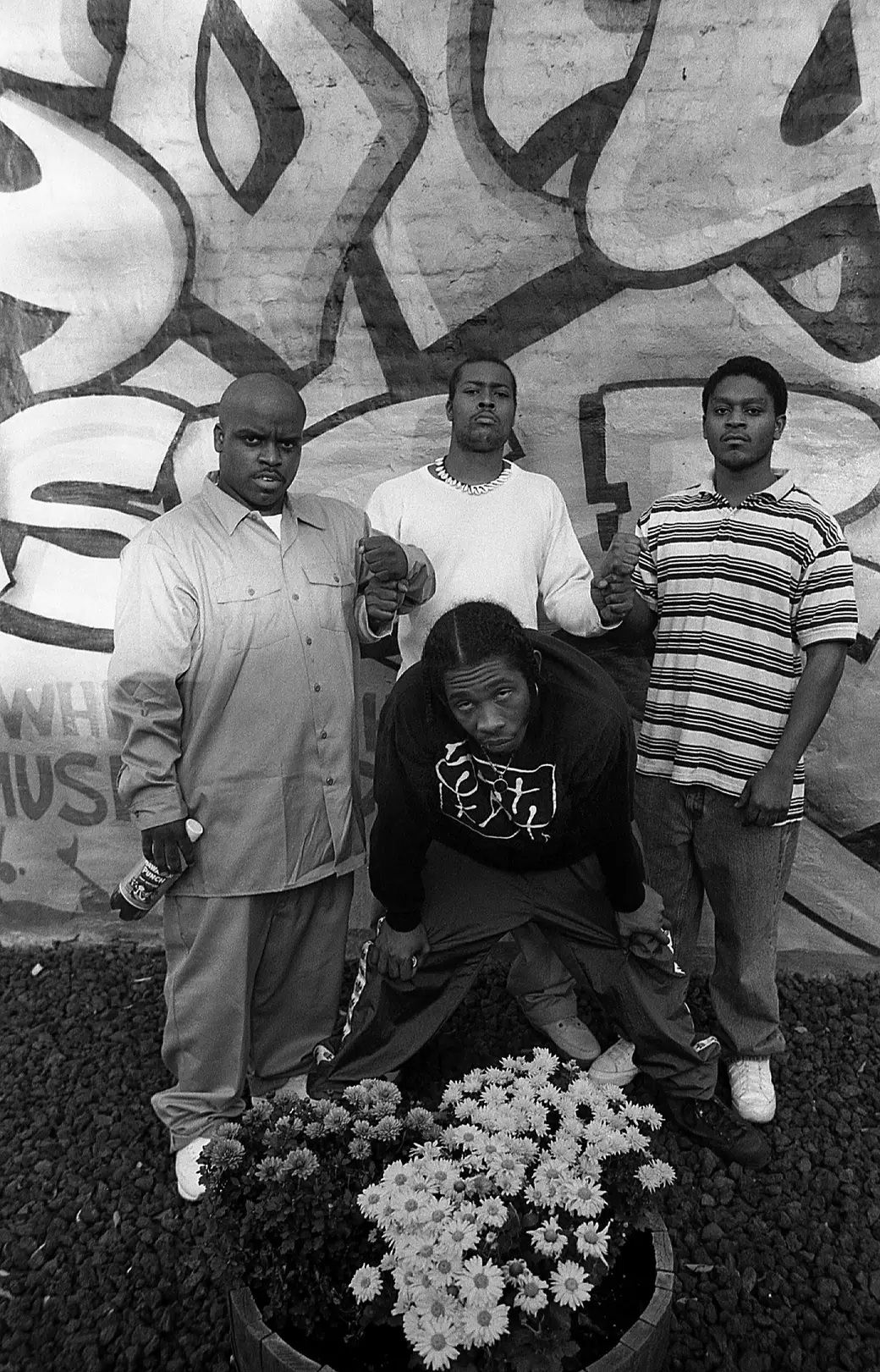
George’s Music Room was a legendary record store on Chicago’s West Side. It was a gathering point for artists and fans alike, and Boyd used it as a backdrop for several shoots. In October 1995, he photographed Goodie Mob there — CeeLo, Khujo, T-Mo, and Big Gipp — ahead of the release of their debut album, Soul Food.
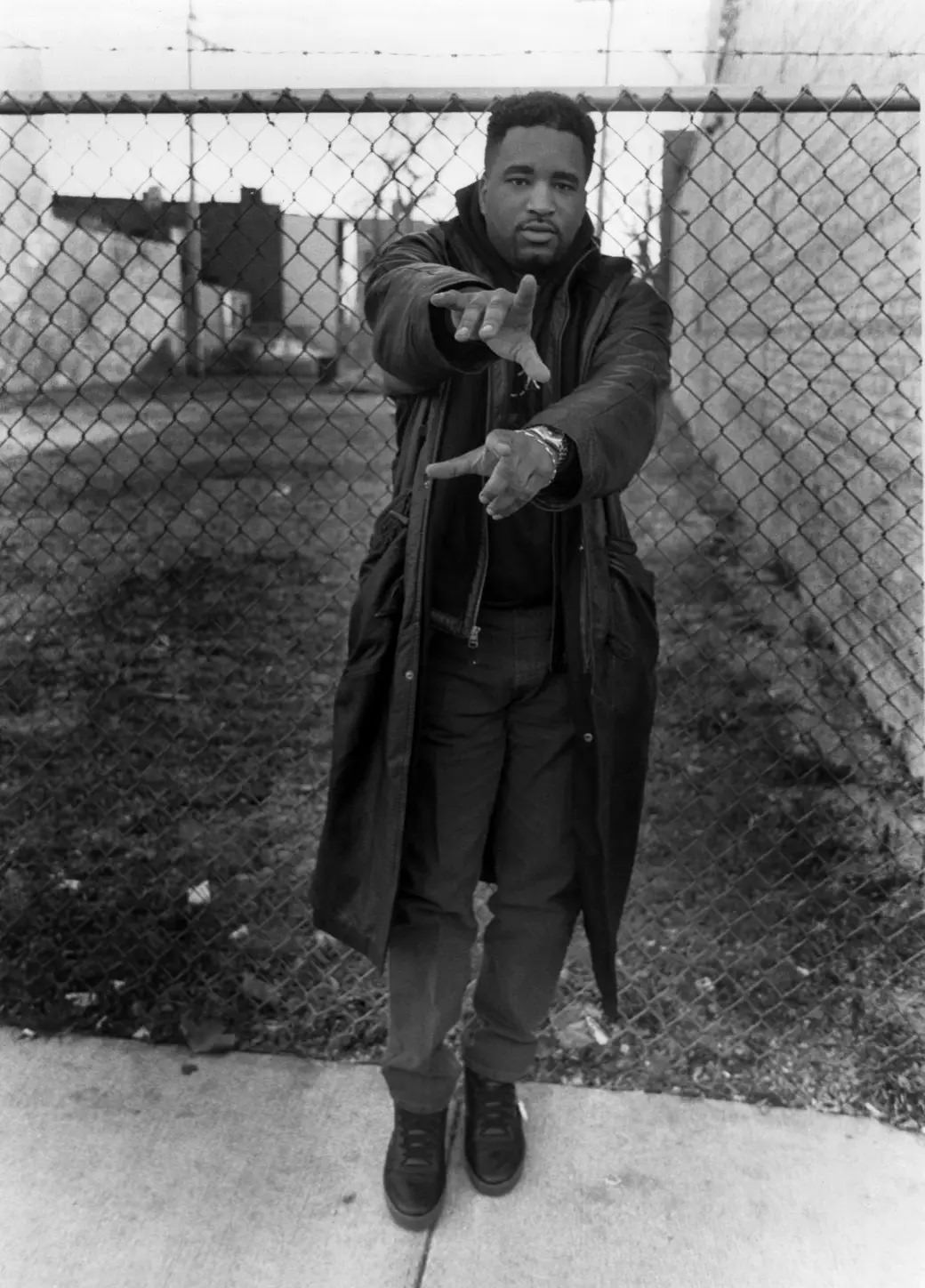
Marley Marl, born Marlon Williams, was one of the most influential producers in hip-hop during the late 1980s. His work with artists on the Juice Crew helped shape the sound of East Coast rap. Boyd photographed him at George’s Music Room in October 1991.
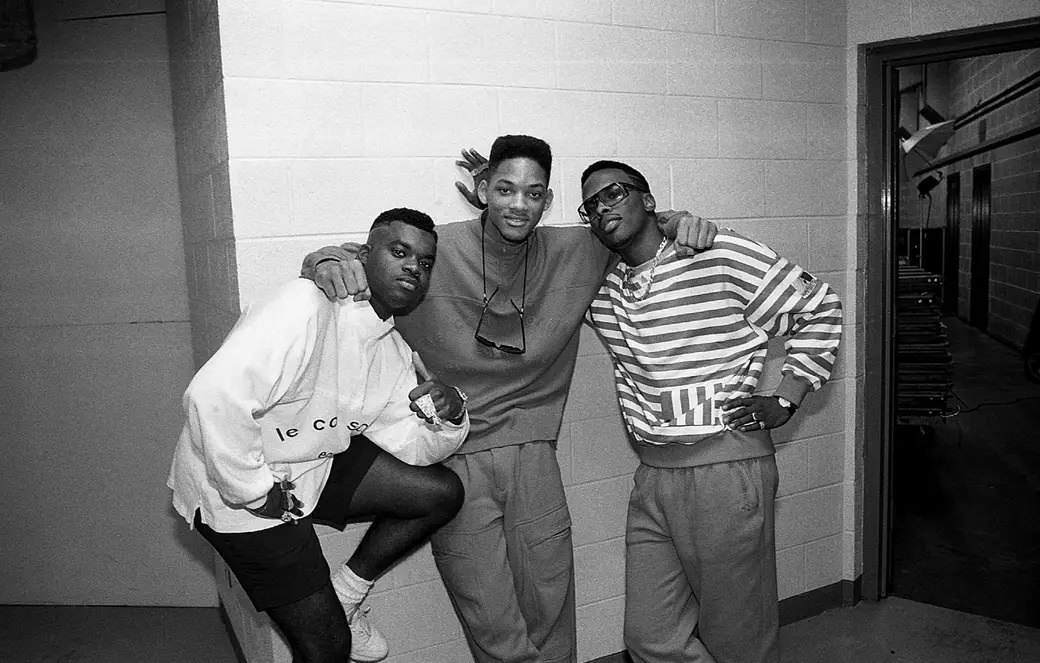
DJ Jazzy Jeff & the Fresh Prince — Jeff Townes and Will Smith — were backstage at the UIC Pavilion in July 1988 when Boyd took this photograph. They posed with their dancer Ready Rock C, a regular part of their live show during that period.
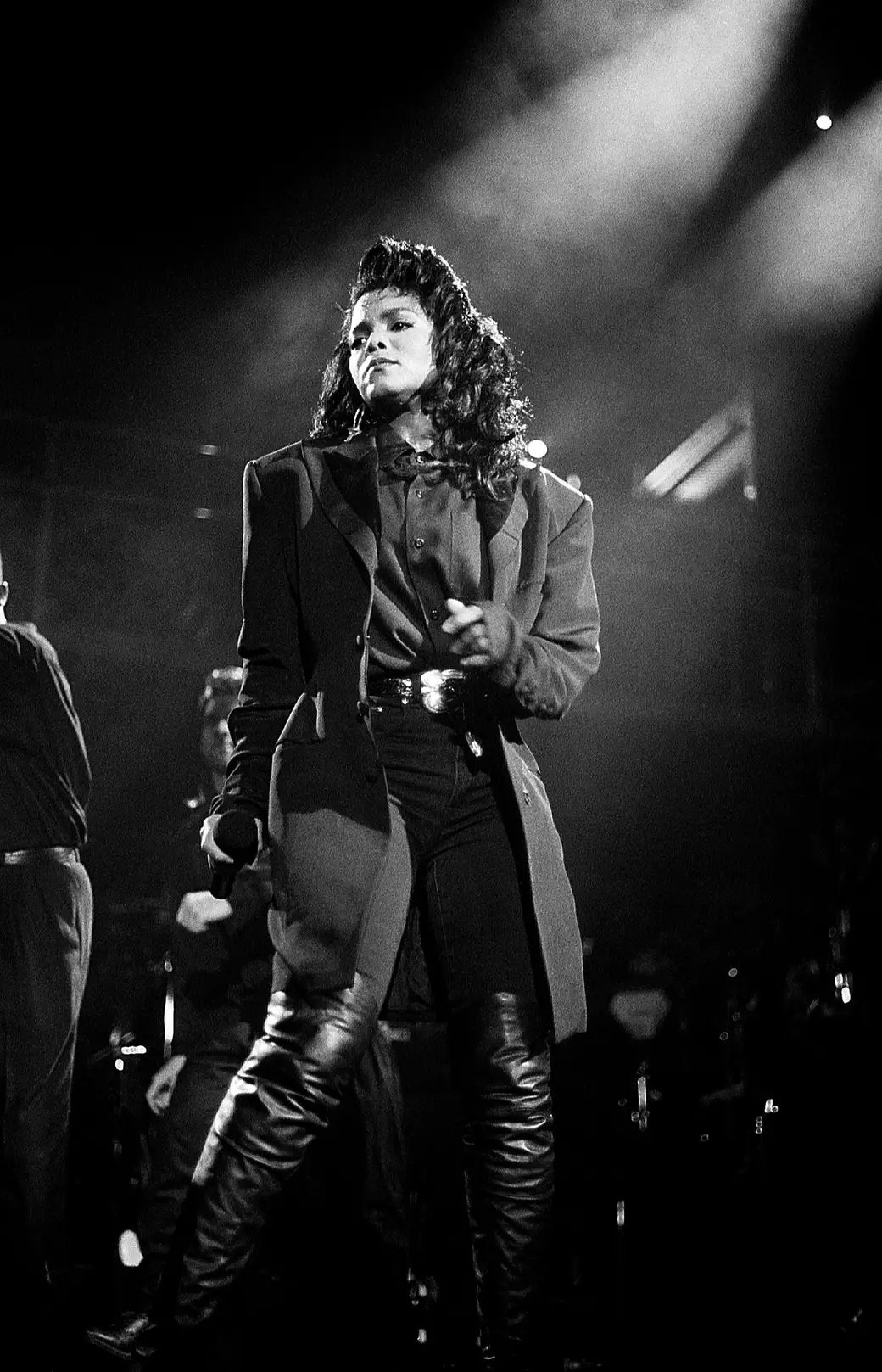
Janet Jackson’s Rhythm Nation 1814 tour in 1990 was one of the largest-grossing tours of that year. Boyd photographed her performing at the Cincinnati Coliseum, capturing a moment from a tour that set records and cemented her status as one of the premier live performers of her generation.