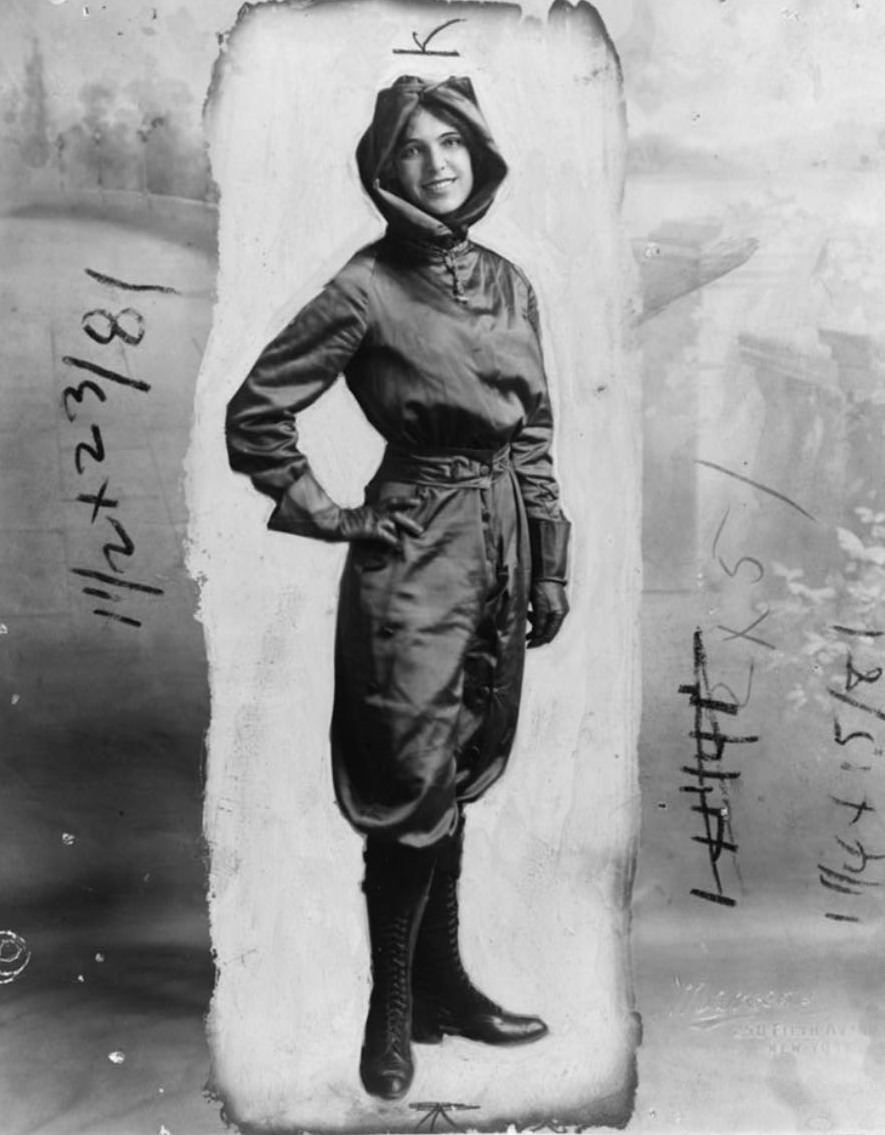
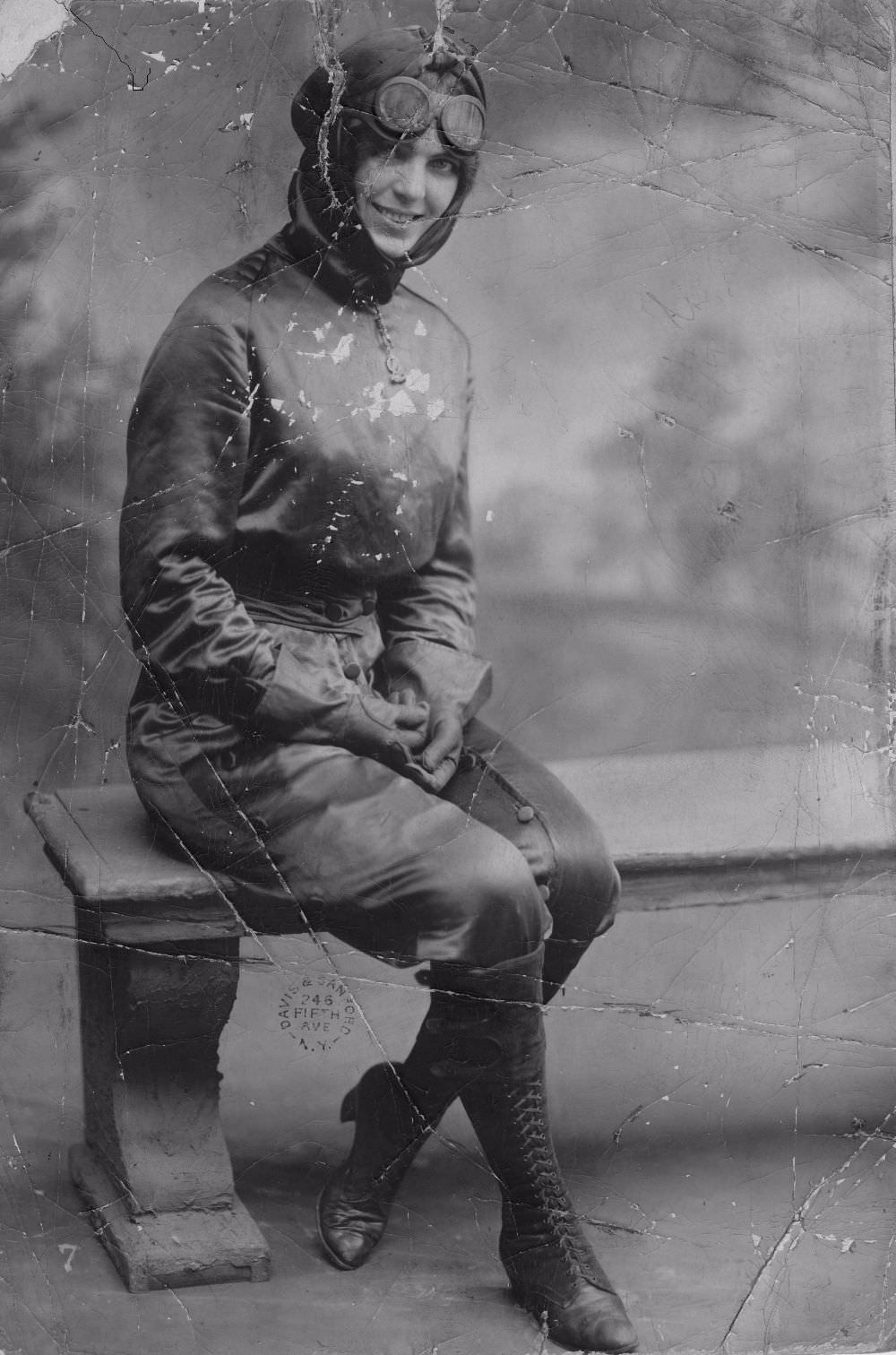
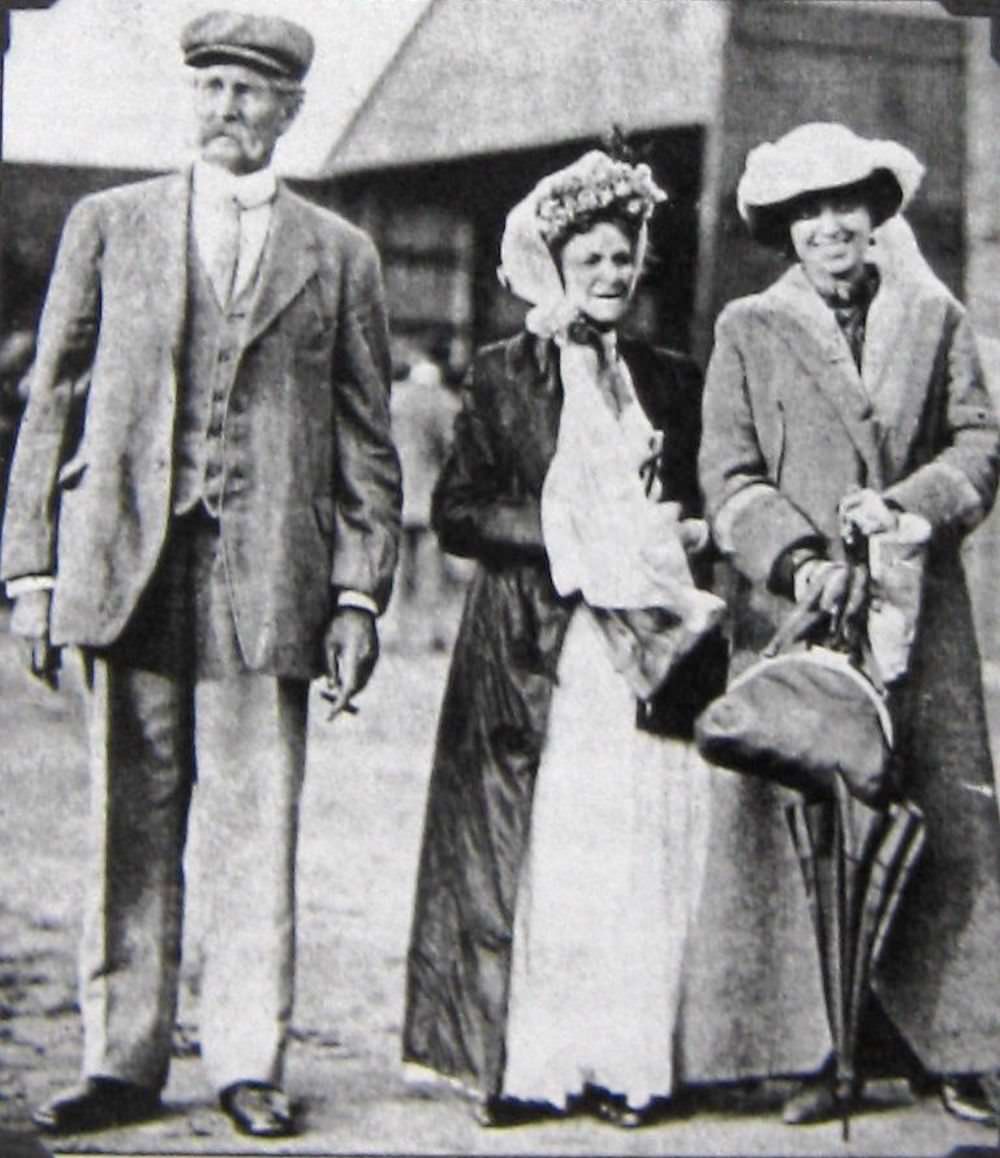
In 1911, while most American women were still navigating a world that offered them very few professional opportunities, Harriet Quimby was climbing into a cockpit. She earned her pilot’s license that year, becoming the first woman in the United States to do so — and only the second licensed female pilot in the entire world. Within a year, she had crossed the English Channel alone in a single-engine monoplane. Her flying career lasted less than two years, but the ground she covered in that time was extraordinary.
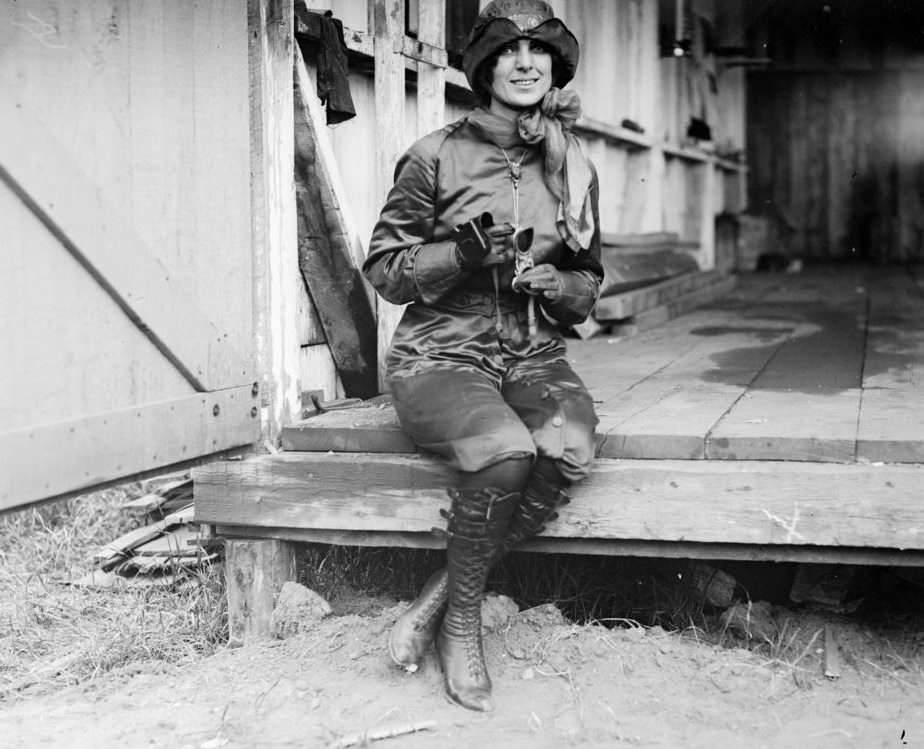
Quimby’s path to aviation began in October 1910, when she attended an international air meet at Belmont Park in New York. Watching aircraft race and climb overhead, she became immediately captivated. She was already a successful journalist and drama critic for Leslie’s Illustrated Weekly at the time, which gave her the platform and the income to pursue something most people — especially women — would never have considered. She decided she was going to learn to fly.
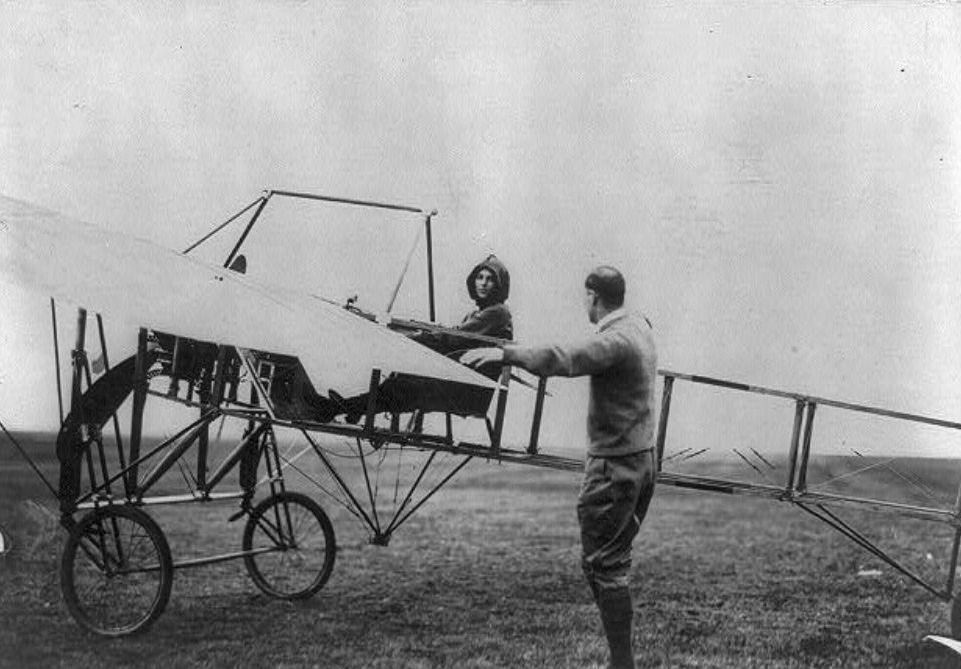
In the spring of 1911, Quimby enrolled at the Moisant School of Aviation on Hempstead Plains in Long Island, New York. The school was run by the Moisant International Aviators, a traveling air show troupe founded by John Moisant, who had died in a crash in December 1910. His sister Matilde also learned to fly there, becoming the second licensed female pilot in America shortly after Quimby earned her own certificate. The two women trained together, often drawing crowds of curious onlookers who had never seen a woman near a cockpit, let alone inside one.
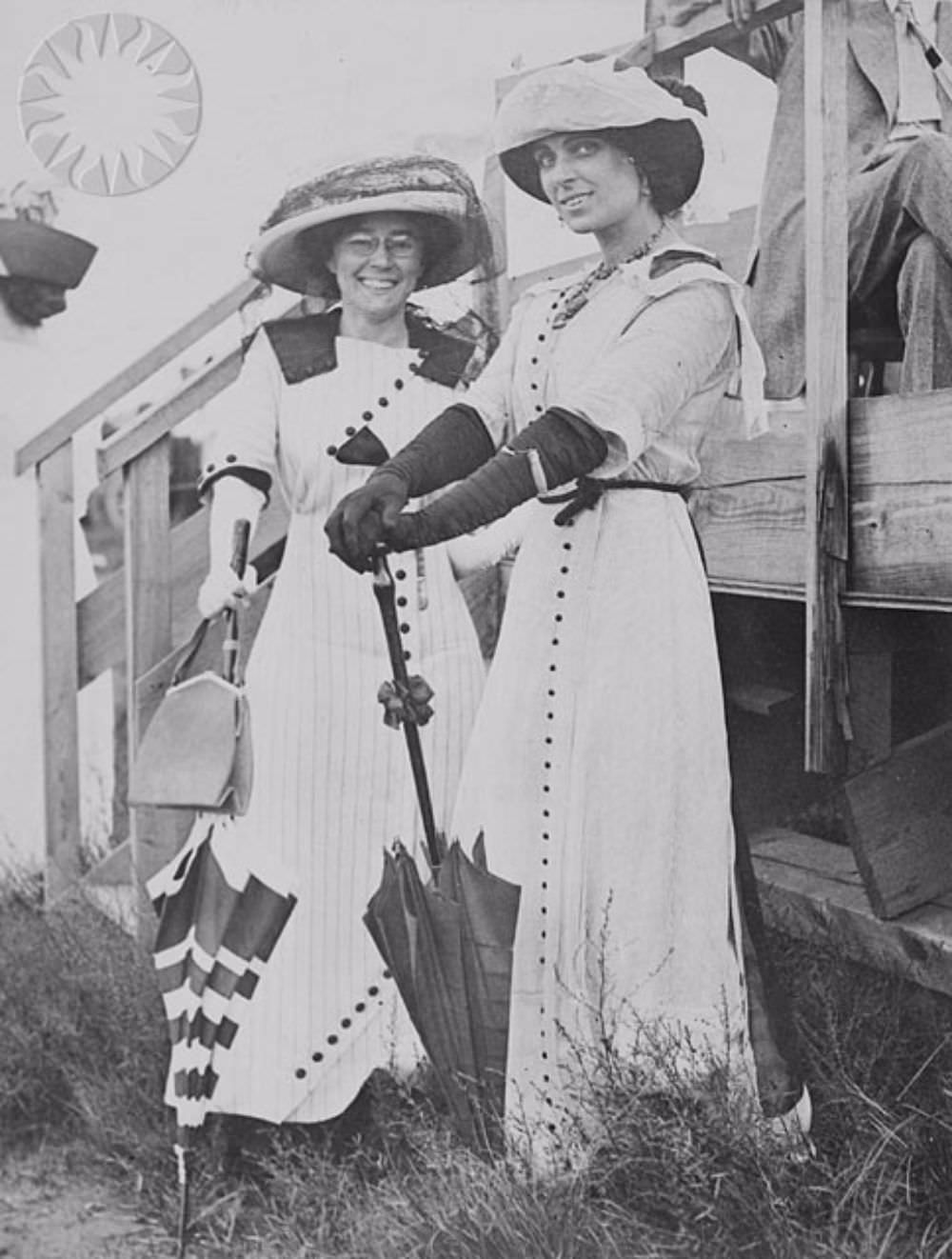
On August 1, 1911, Harriet Quimby received pilot’s license number 37 from the Aero Club of America, which served as the U.S. branch of the Fédération Aéronautique Internationale. She had passed every required test with precision. The only woman who had received an official pilot’s license before her was the Baroness Raymonde de la Roche of France, who was certified in 1910. Quimby’s achievement placed her squarely in aviation history — not as a curiosity, but as a fully qualified aviator.
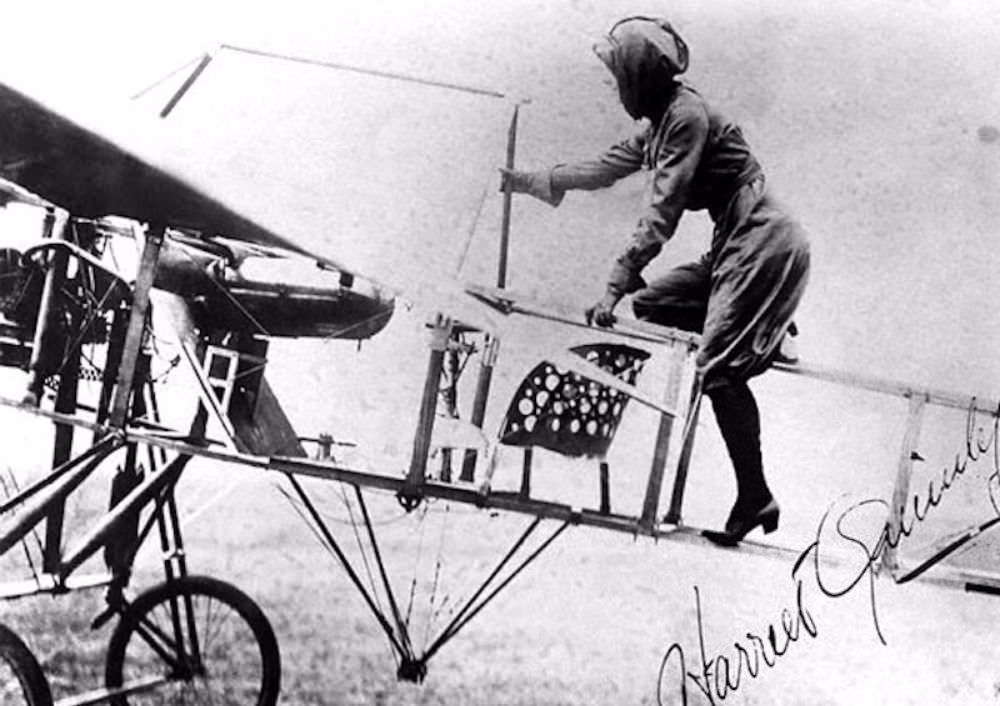
Quimby was known for her striking appearance in the air as much as her skill. She designed her own flying suit — a purple satin one-piece that was both functional and deliberate. At a time when women’s dress was a constant social battleground, Quimby built a garment that allowed her to move freely, mount an aircraft with ease, and avoid what she described as the indignity of an exposed ankle while clambering aboard a plane. She wore it every time she flew.
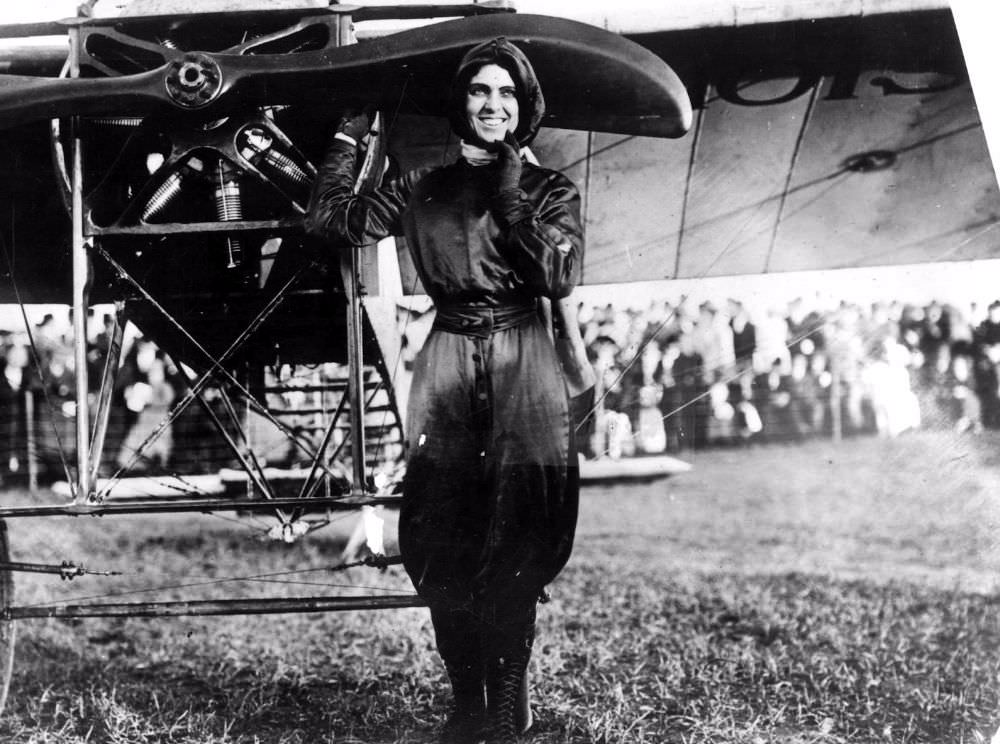
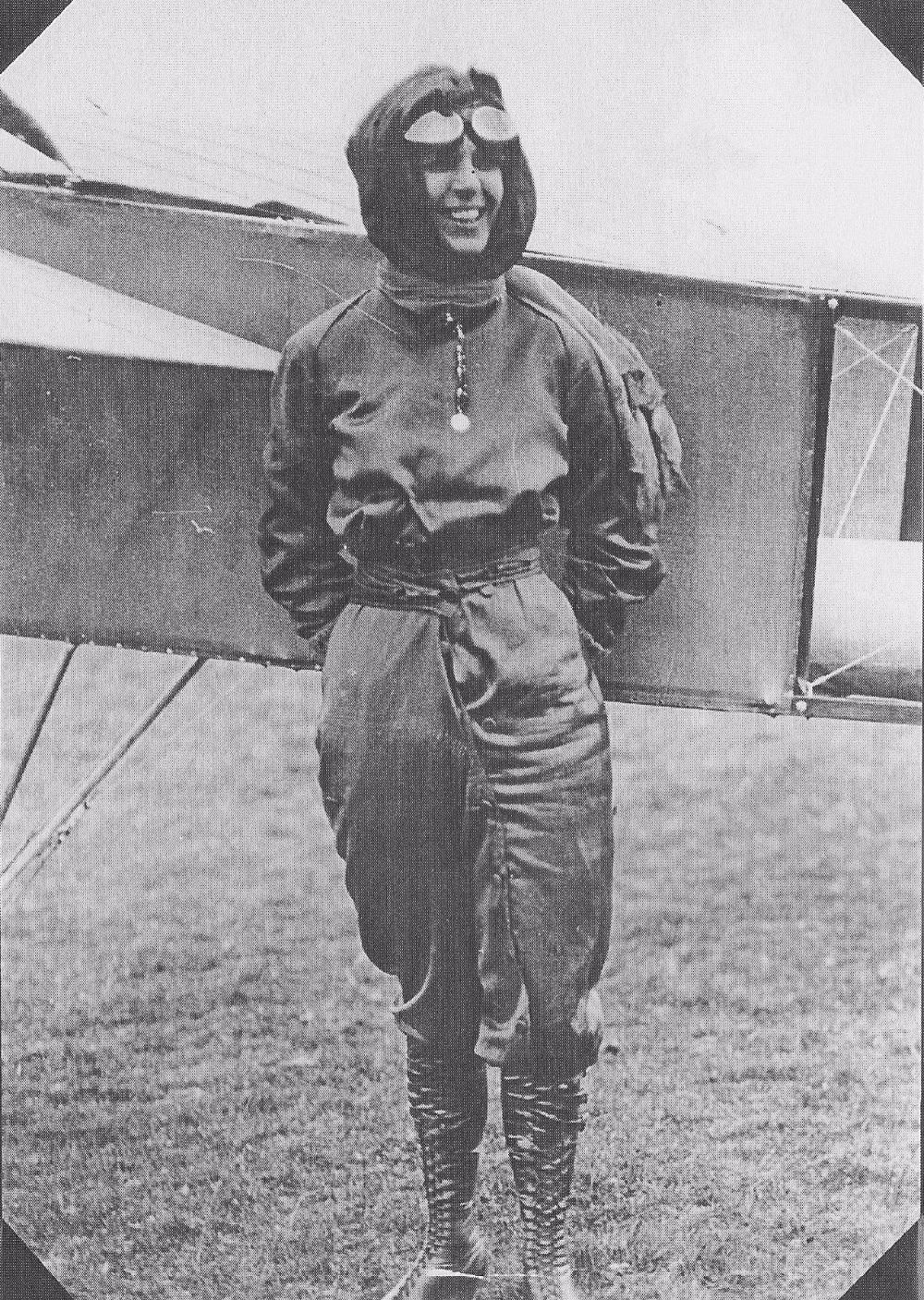
By early 1912, Quimby had set her sights on a far more ambitious goal: flying across the English Channel. Louis Blériot had done it in 1909, becoming the first person to make the crossing by air. No woman had done it. Quimby arranged to use a Blériot XI monoplane — the same model Blériot himself had flown — and planned her attempt in secret to avoid competition. She traveled to England and prepared at Dover, the traditional starting point for Channel crossings.
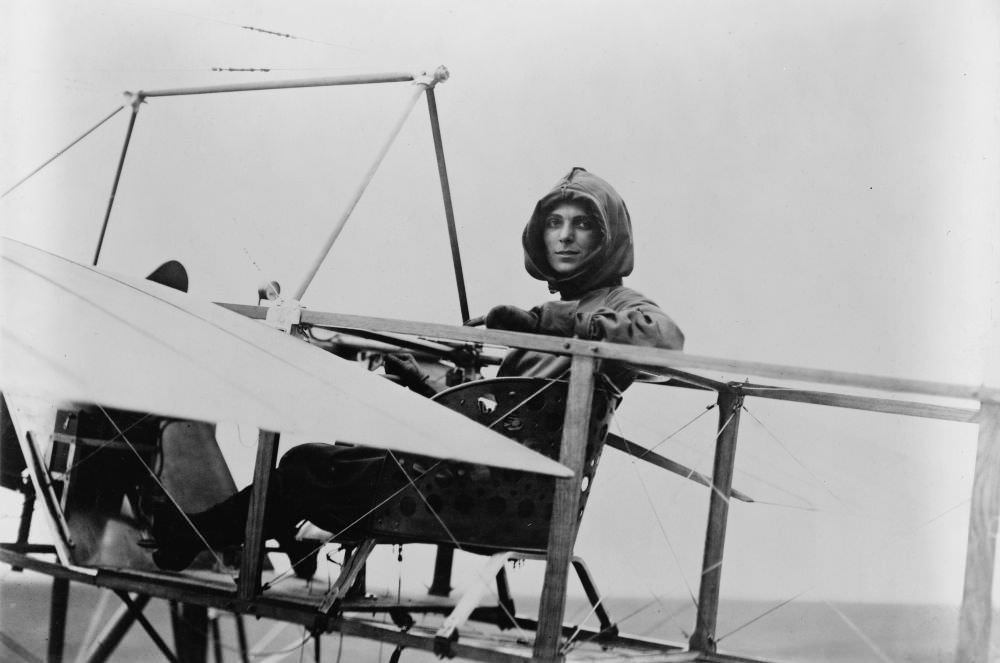
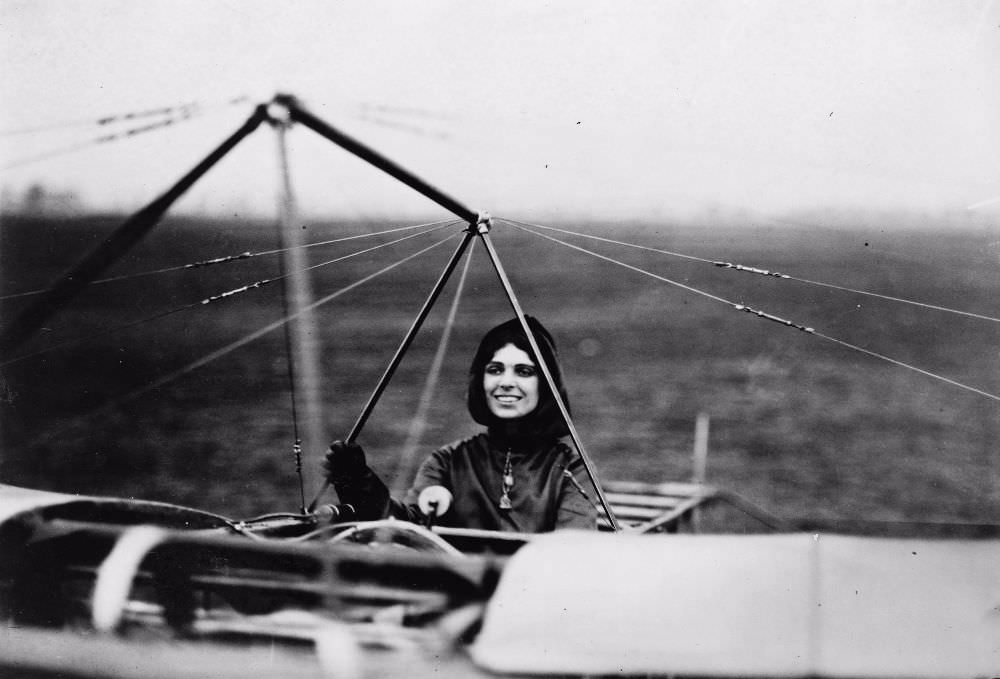
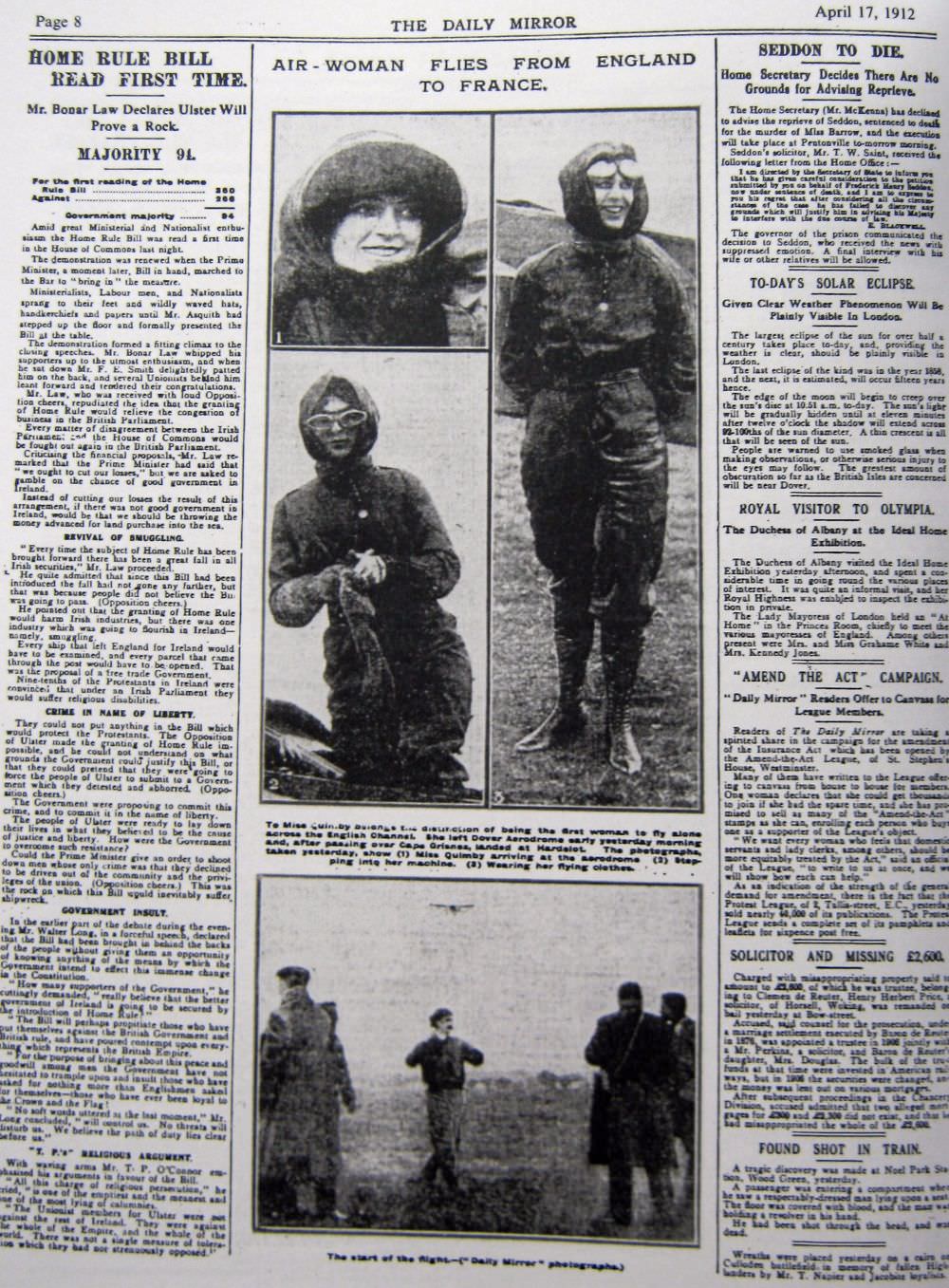
On April 16, 1912, Quimby took off from Dover in the early morning hours, flying into heavy overcast with limited visibility. She had no radio, no GPS, and no co-pilot. The Blériot XI was a small, open-cockpit aircraft powered by a three-cylinder Anzani engine. Navigation over water in poor weather was done largely by instinct and landmarks when they appeared through the clouds. Quimby flew for roughly 59 minutes before landing near Hardelot, France — slightly off her intended target at Calais, but safely across the Channel.
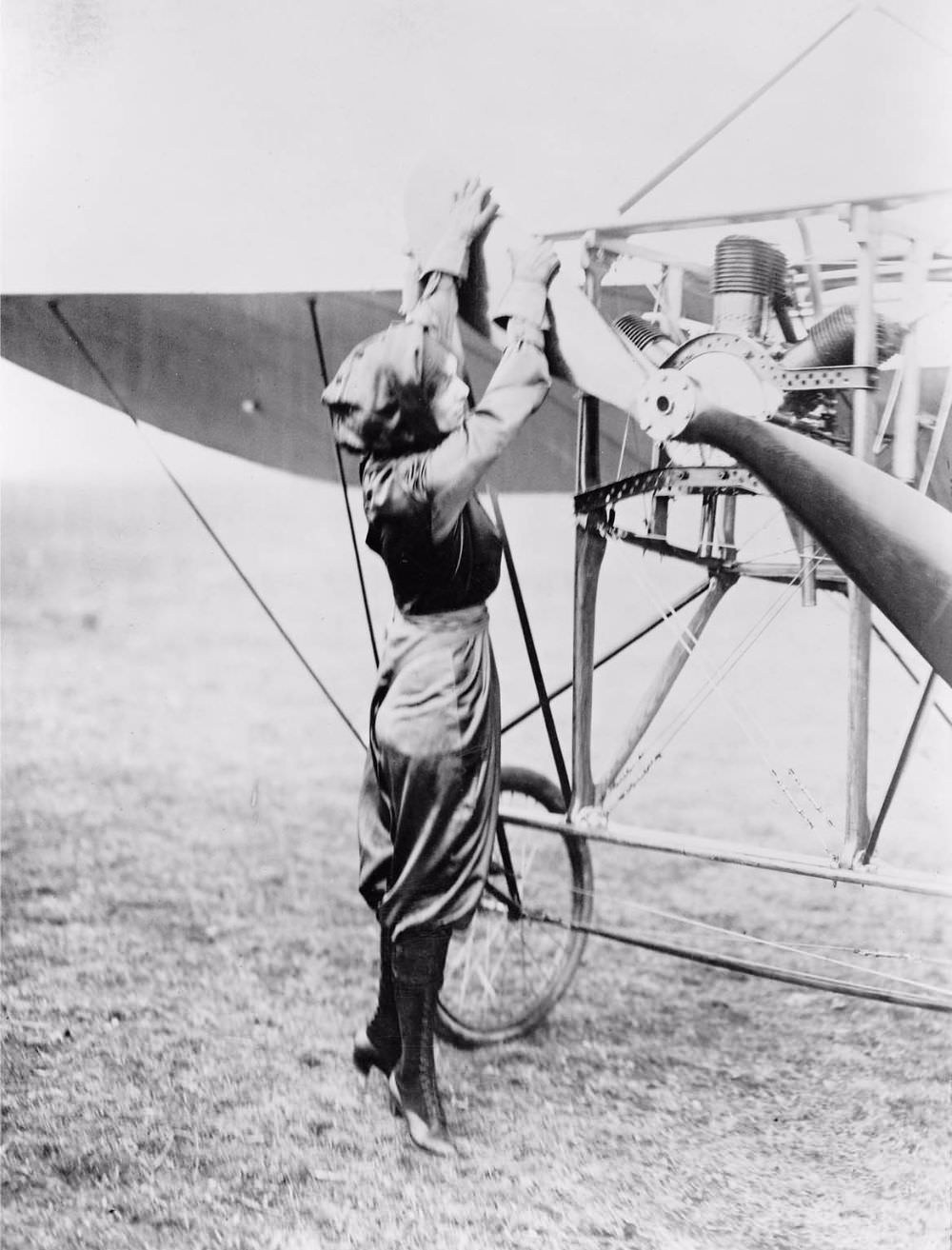
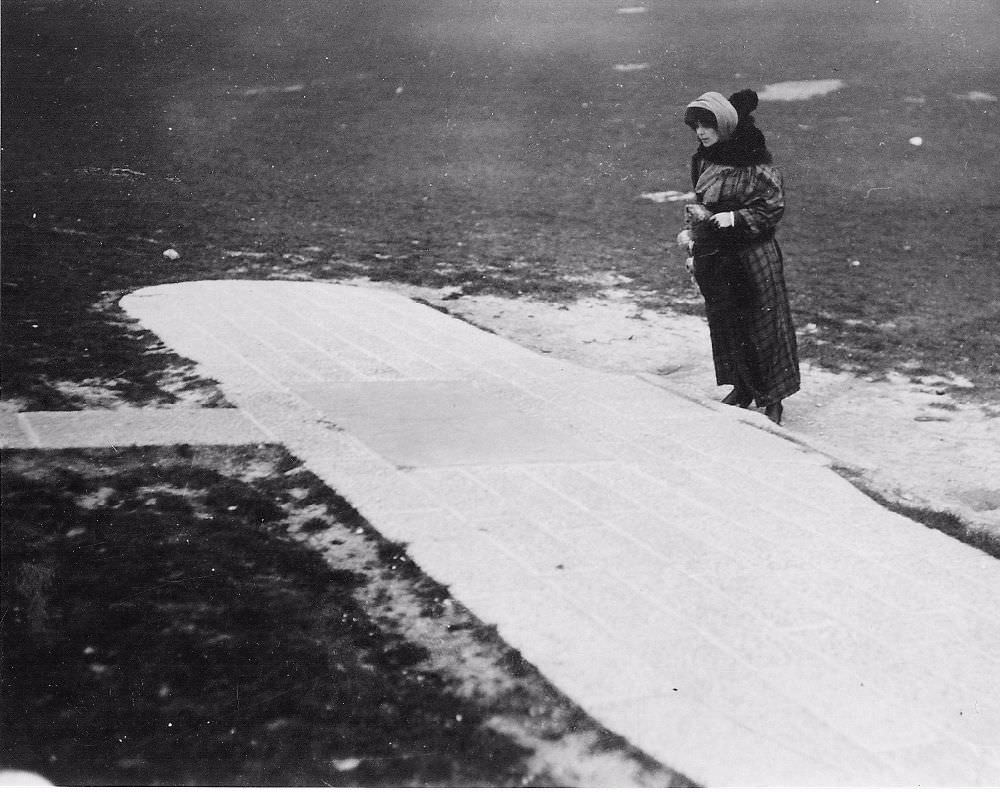
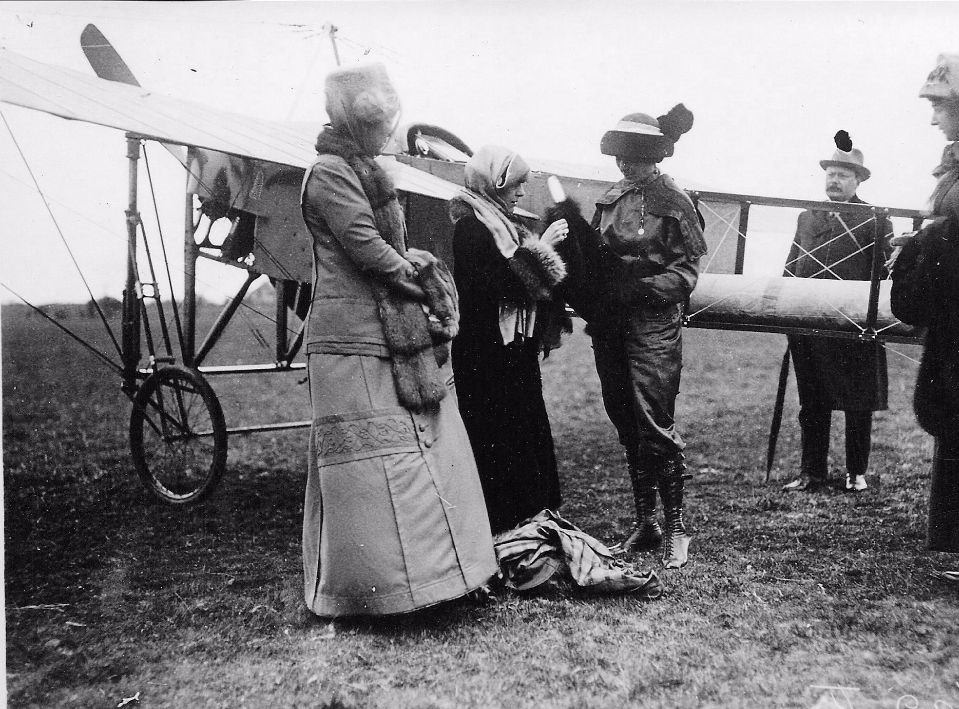
Her landing was met with celebration by local fishermen and villagers near Hardelot. Quimby had become the first woman to pilot an aircraft across the English Channel — a feat accomplished entirely solo, in difficult conditions, on an aircraft she had borrowed. Back in England, waiting reporters and officials who had known about the plan rushed to cover the story. The crossing was an undeniable achievement.
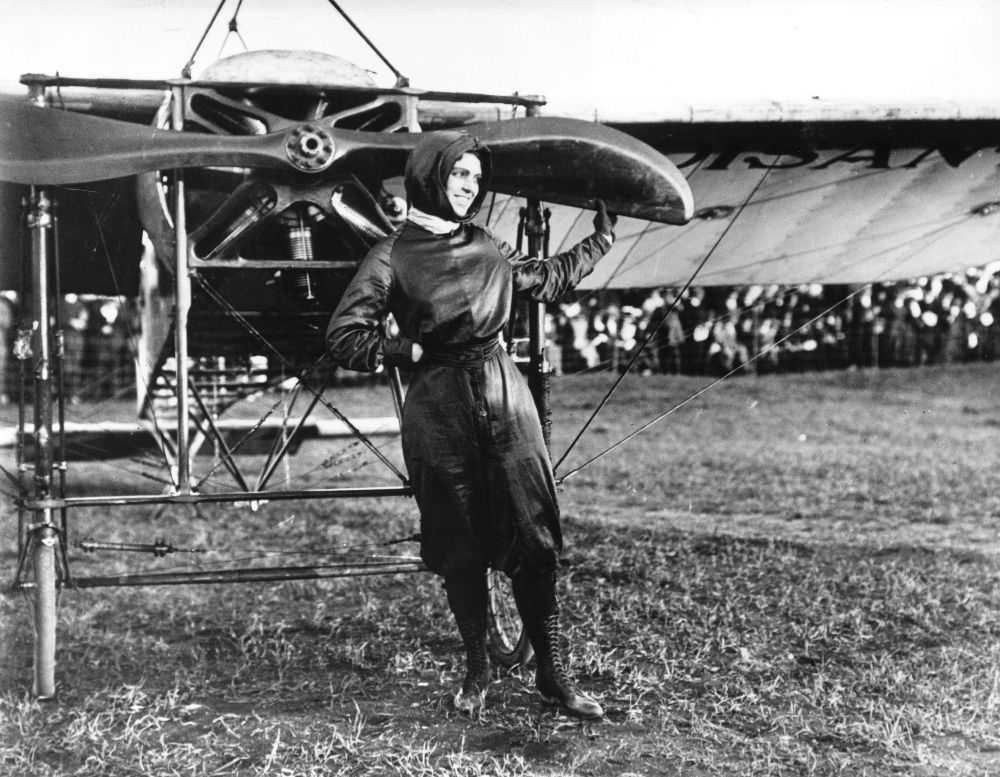
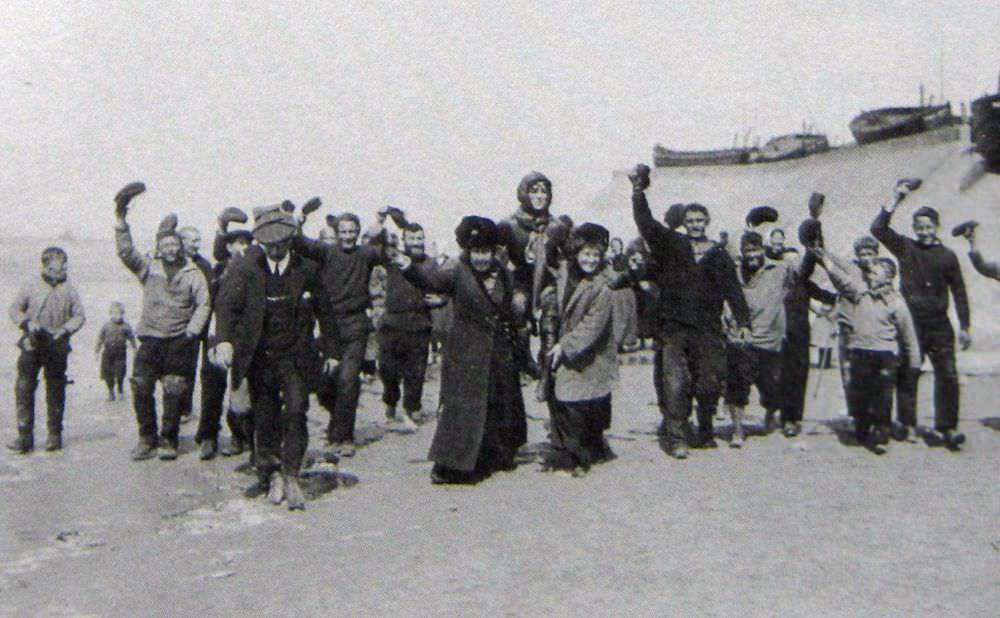
Despite the magnitude of her Channel crossing, news coverage in the United States was far thinner than it deserved to be. The RMS Titanic had sunk just the night before, on April 14–15, 1912, and the world’s attention was consumed by that disaster. Quimby’s historic flight was buried in newspapers that had no room left for anything else. The front pages that might have carried her name instead carried the Titanic’s death toll. The Daily Mirror in London, however, ran her story prominently on April 17.
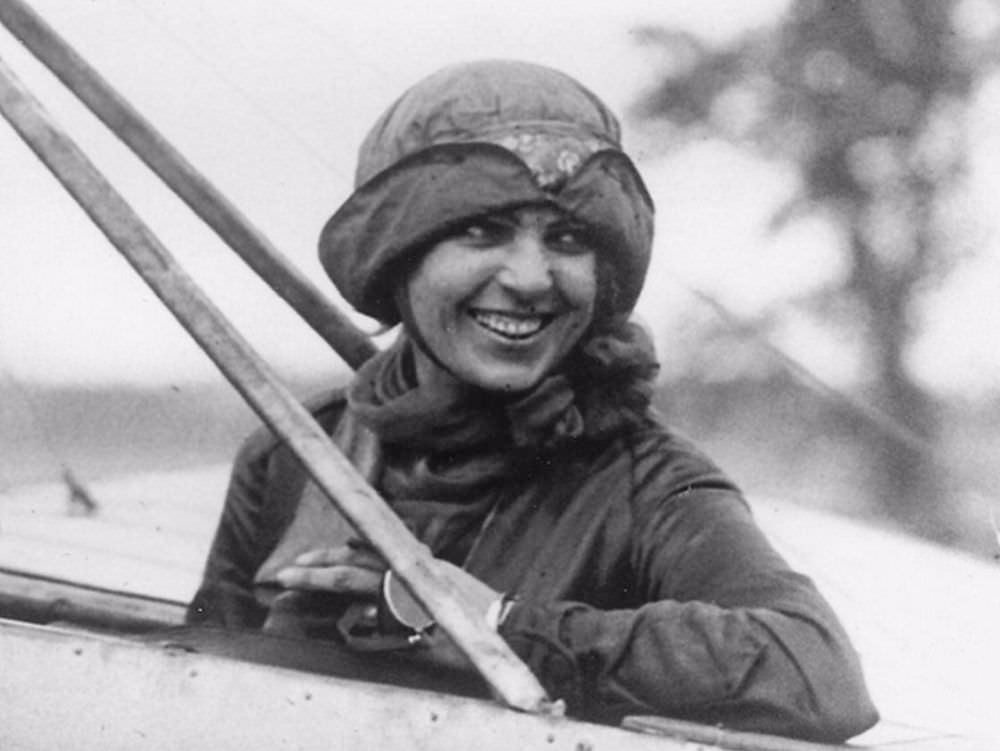
Quimby continued flying through the spring and into the summer of 1912. She competed in air meets across the northeastern United States and took on exhibition flights that drew large audiences. She was a polished public figure — confident, well-spoken, and skilled at managing both an aircraft and her own image. Her bylined articles about aviation appeared in Leslie’s, giving her a direct channel to educate and excite the American public about flight at a time when most people had never seen an airplane up close.
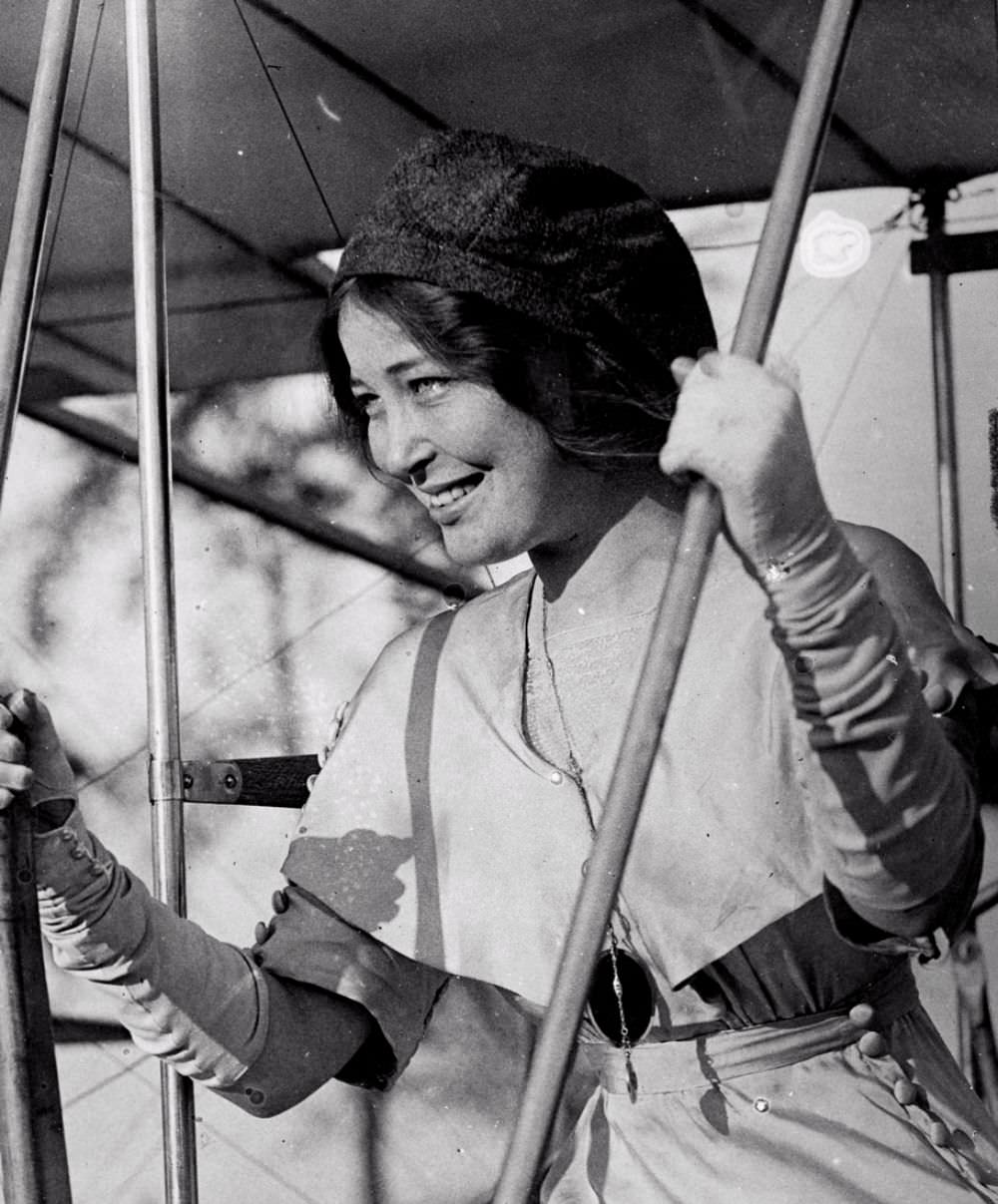
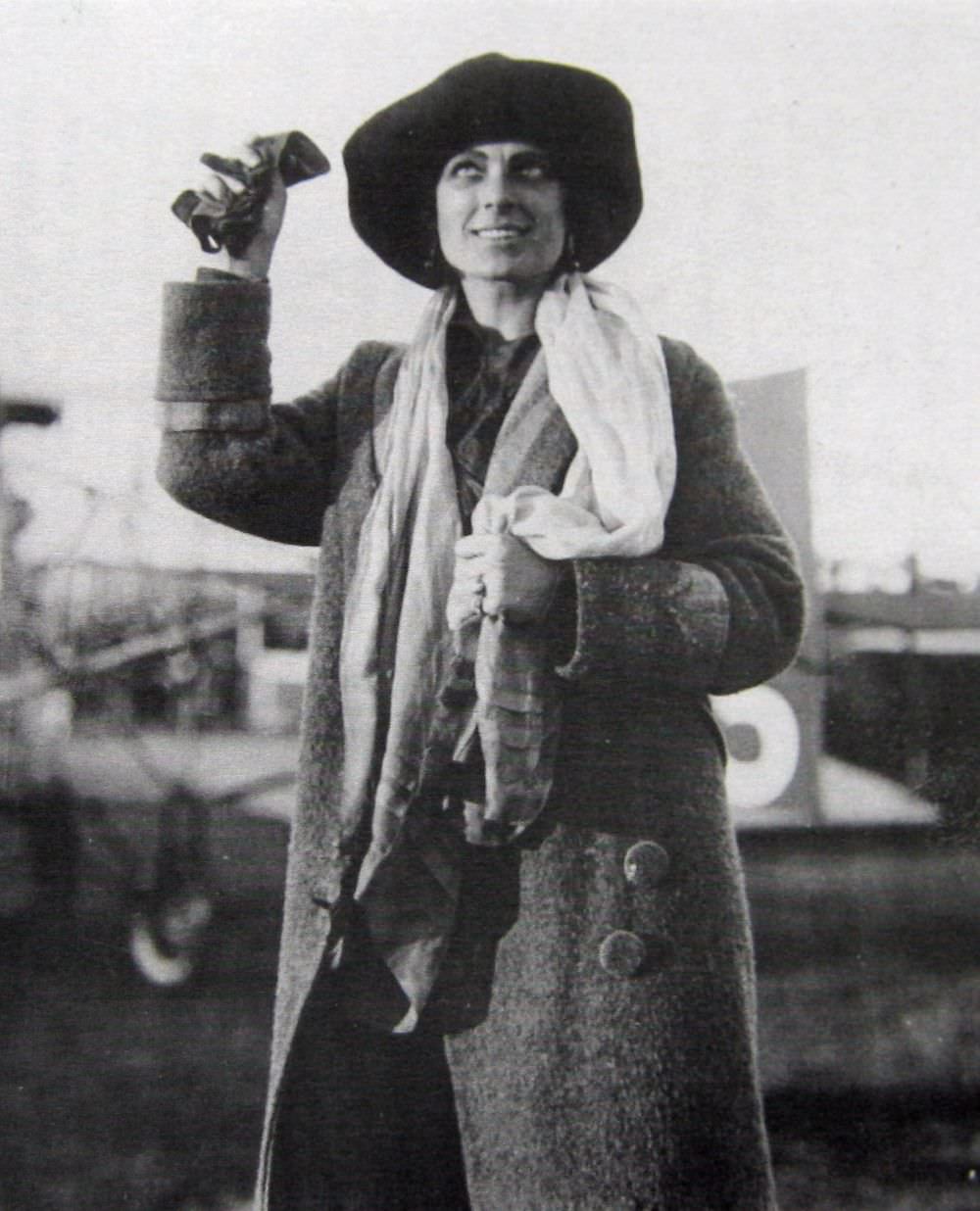
On July 1, 1912, Quimby was flying her Blériot monoplane over Dorchester Bay in Massachusetts, participating in the Third Annual Boston Aviation Meet. William Willard, the meet’s manager, was aboard as a passenger. During the flight, the aircraft pitched sharply and both Willard and Quimby were thrown from the open cockpit. Neither was wearing a safety harness — standard practice at the time, as pilots often feared being trapped in a crash more than being thrown. Both fell several hundred feet into the shallow waters of the bay and died. Quimby was 37 years old. The Blériot, without its occupants, glided down and landed on the beach largely intact.