Grainger Market in Newcastle upon Tyne opened its doors on 24 October 1835. It was built to replace the older markets on Grey Street, which were swept away as part of a major redevelopment of the city centre in the early 19th century. The architect John Dobson designed the building, and it was named after Richard Grainger, the developer behind the grand urban renewal project that gave the area its name — Grainger Town.
The market was divided into two distinct sections. The eastern side housed the meat market, arranged in long aisles where butchers set up their stalls. The western side was a large open-plan hall dedicated to vegetables and fresh produce. This split layout gave the market a clear sense of order, and shoppers knew exactly where to go depending on what they needed.
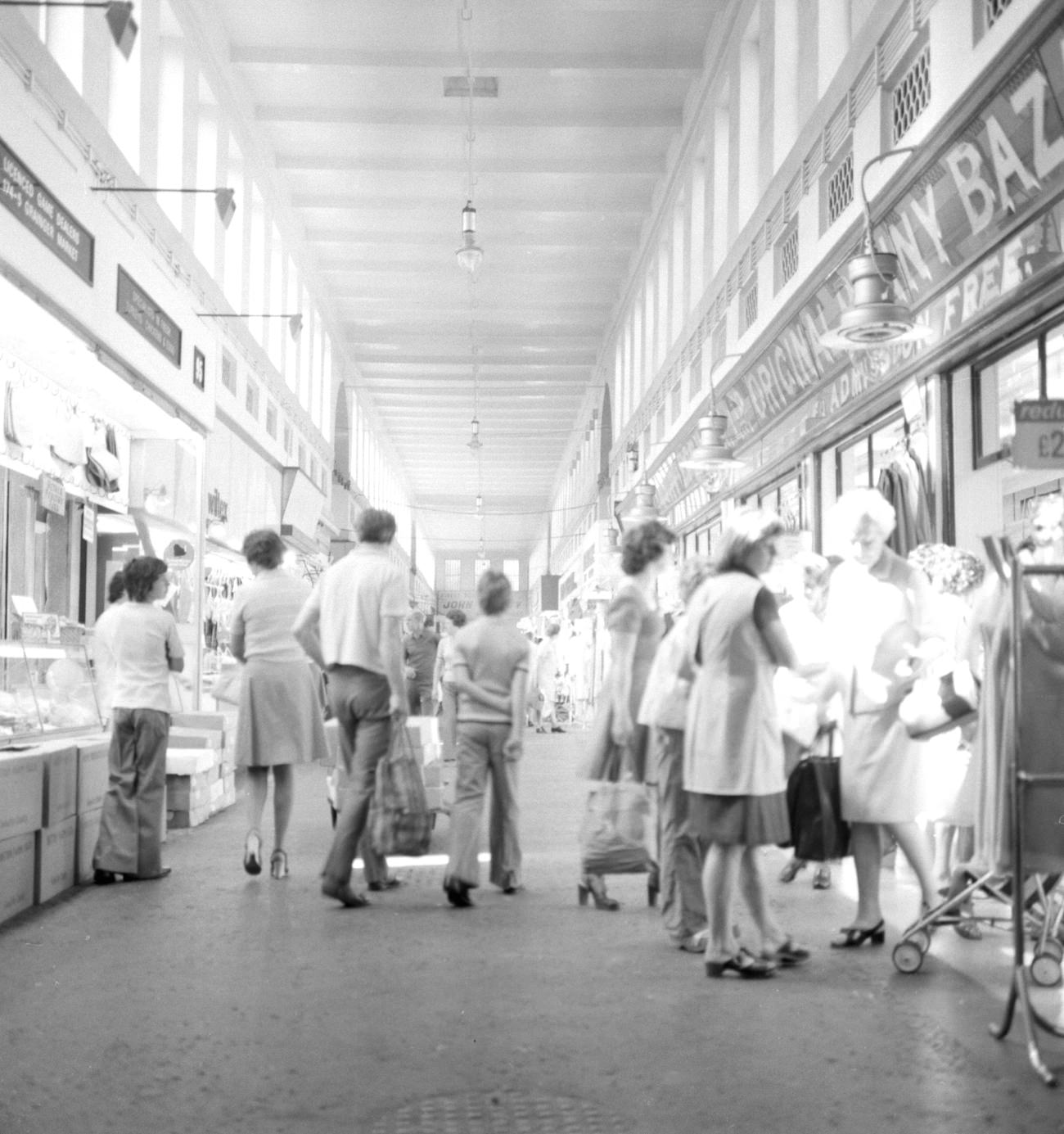
By the time the 1970s arrived, the market had been a fixture of Newcastle life for well over a century. Locals depended on it for everyday shopping, and the bustling atmosphere inside reflected the working-class character of the city. Stalls were packed close together, traders called out to passing customers, and the smell of fresh meat and vegetables filled the air.
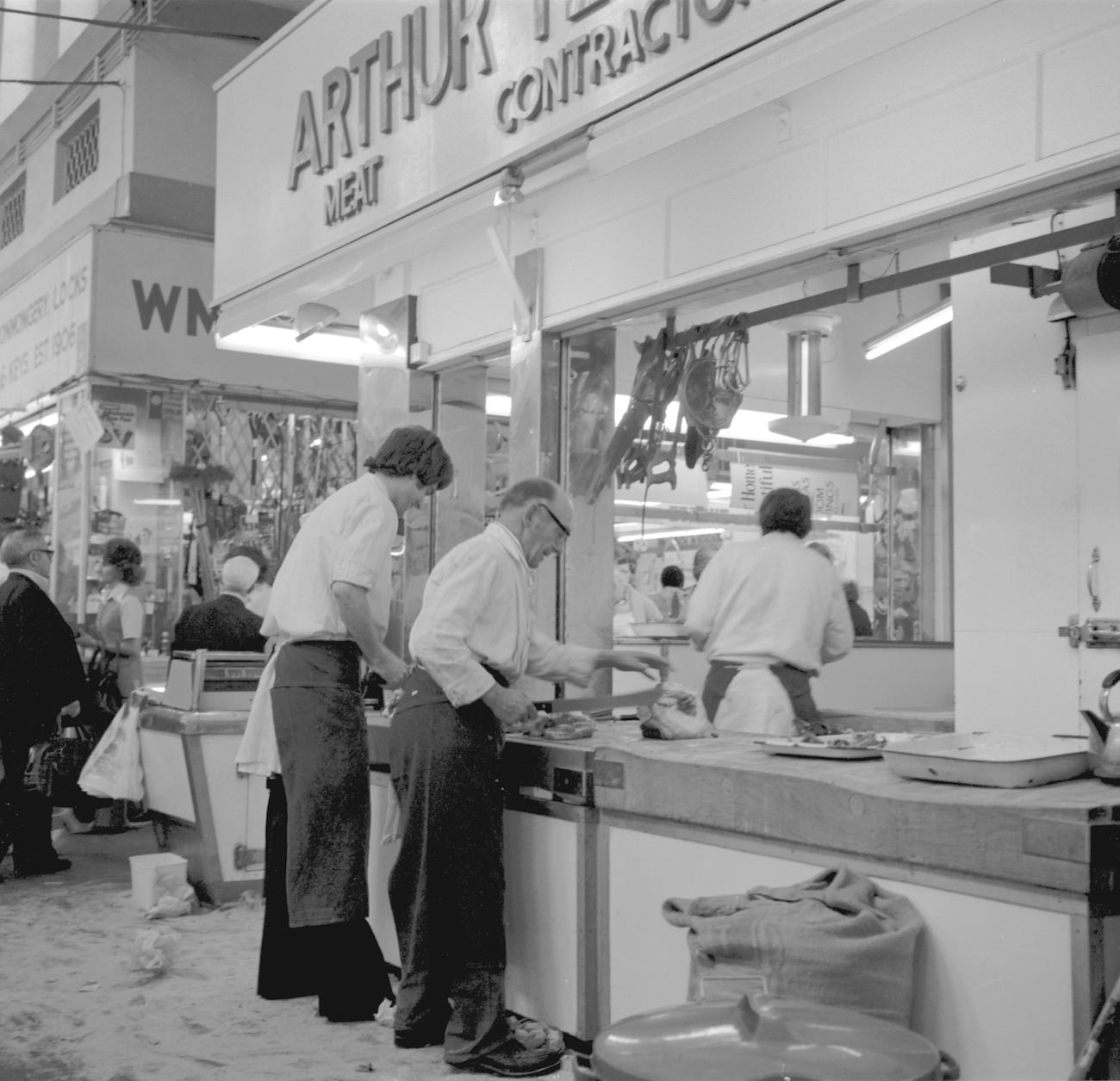
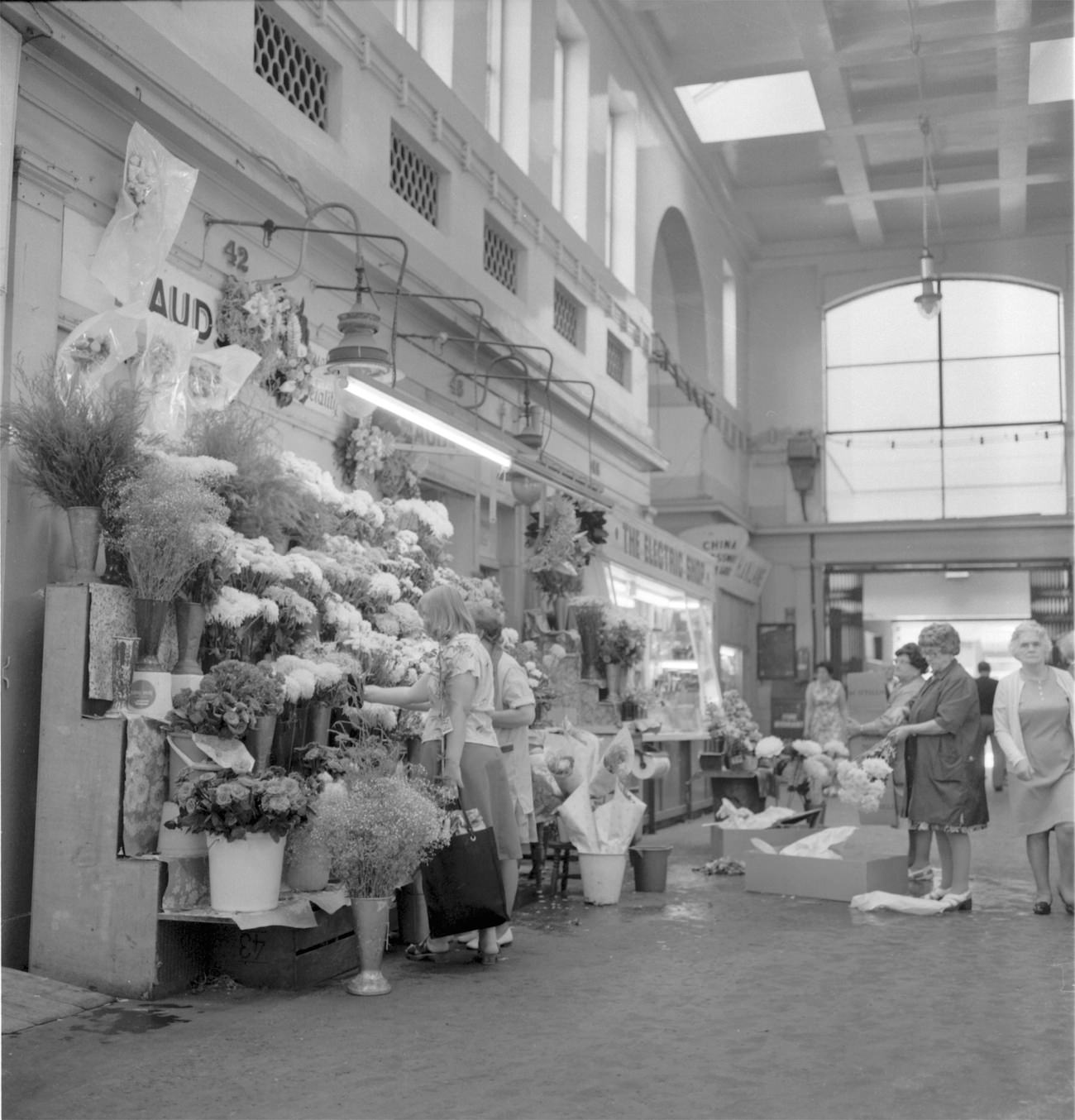
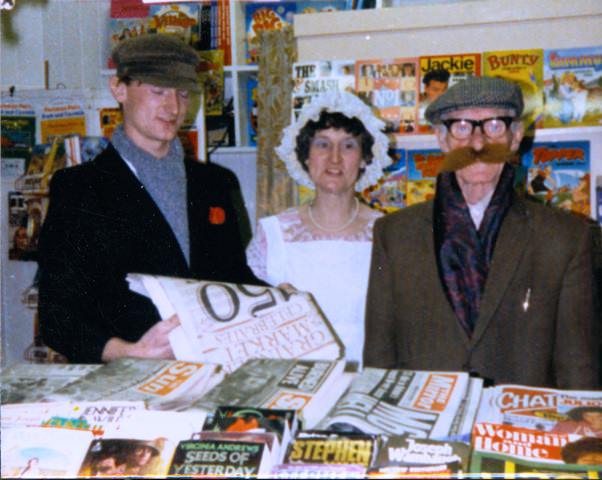
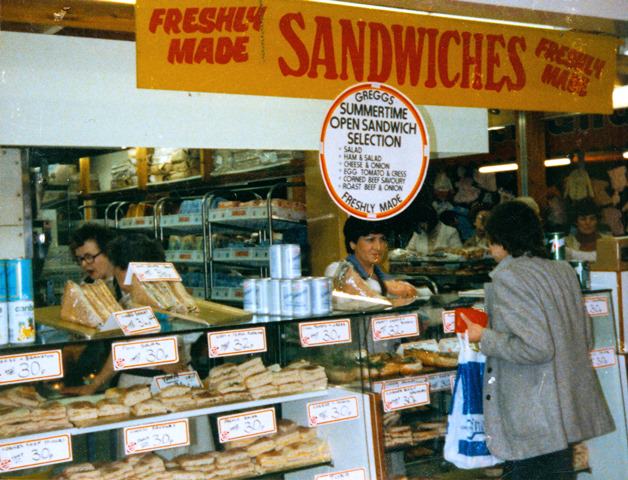
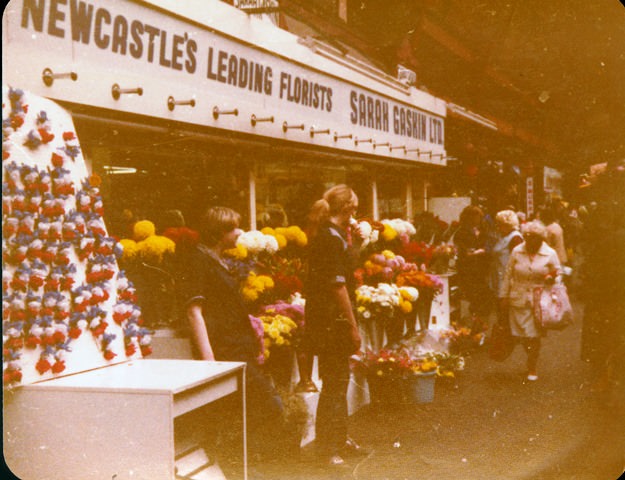
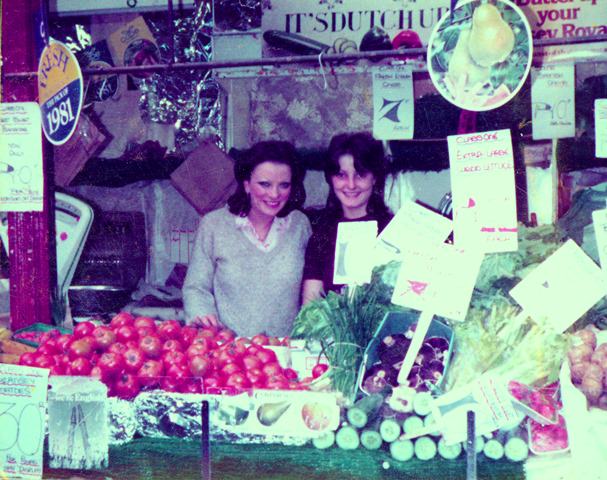
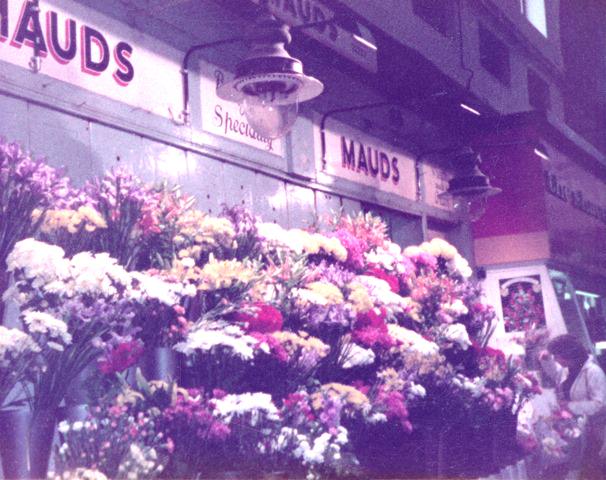
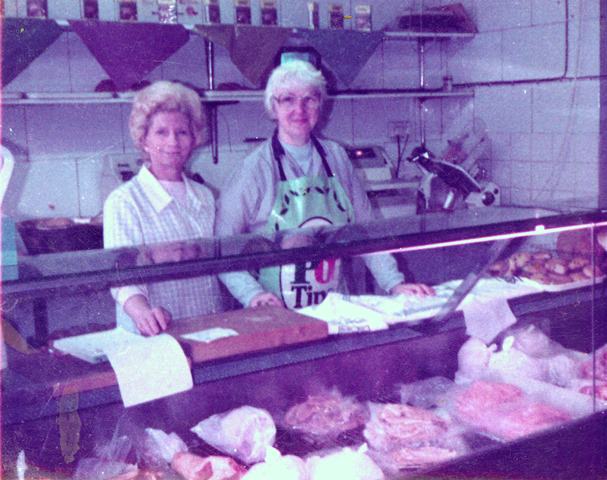
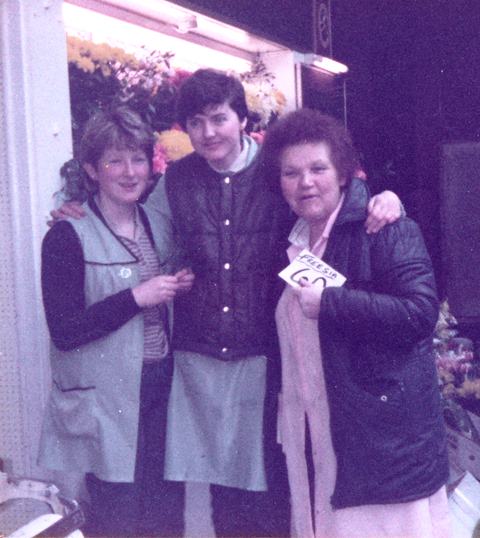
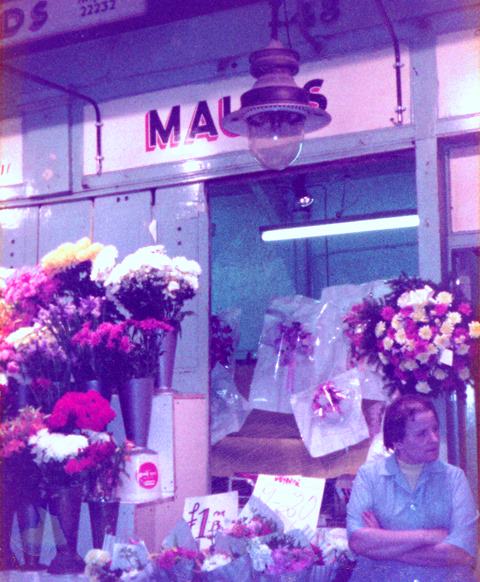
Photographers Jimmy Forsyth and Robert Hope captured the market during this era, documenting its everyday life across the 1970s and 1980s. Their photographs show traders behind their stalls, shoppers browsing the aisles, and the raw, unpolished energy of a working Victorian market still going strong more than a hundred years after it first opened.
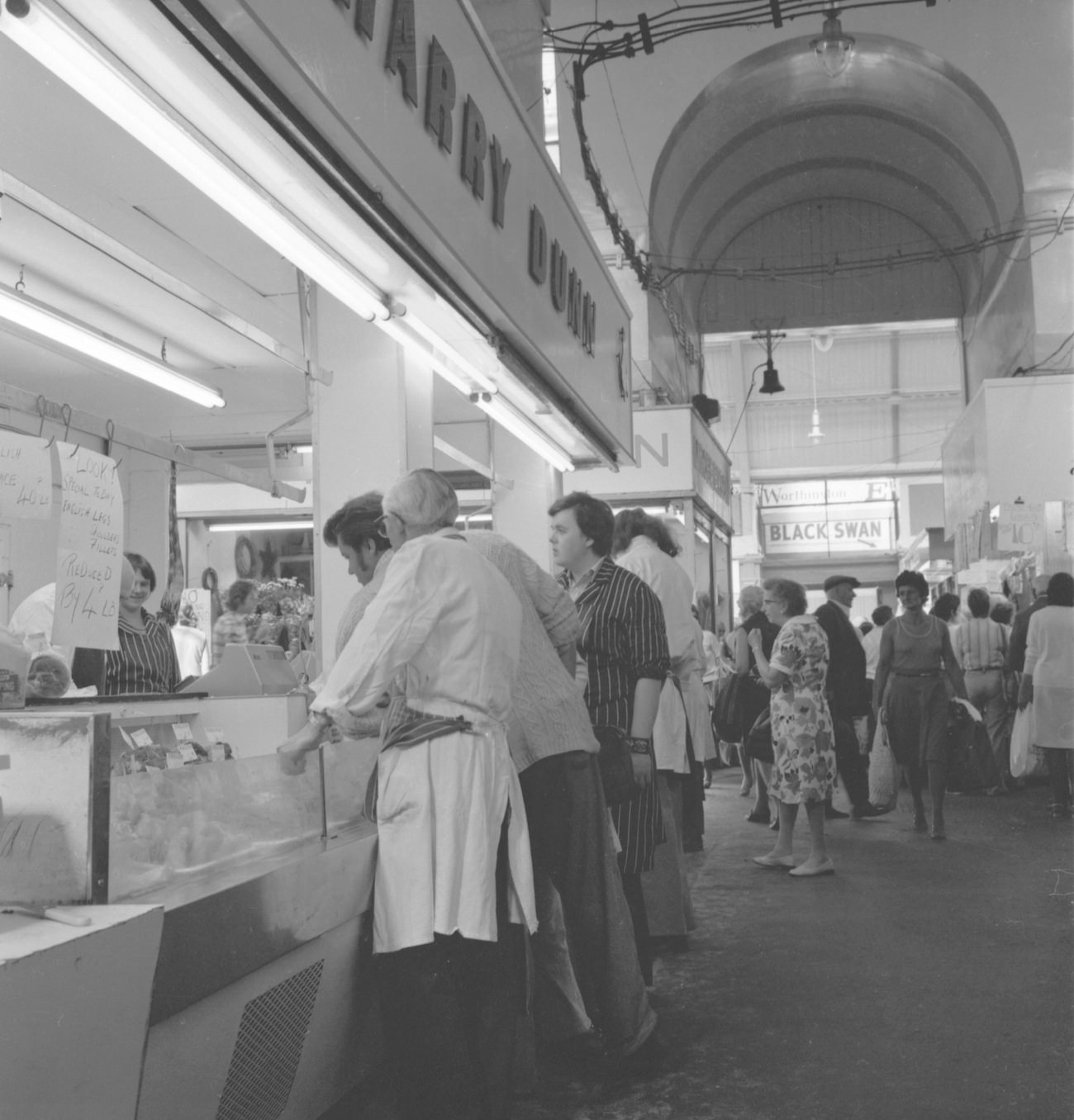
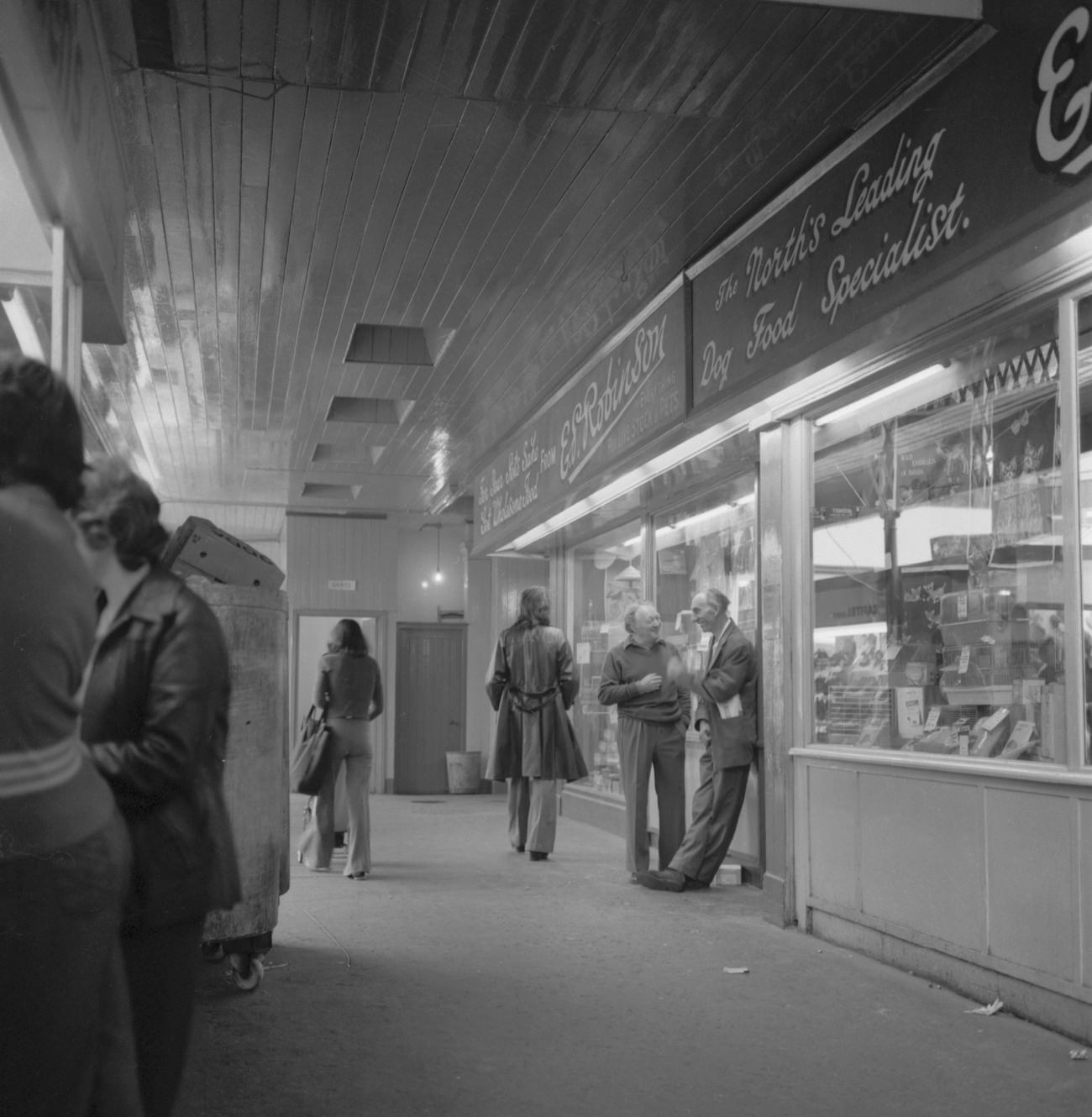
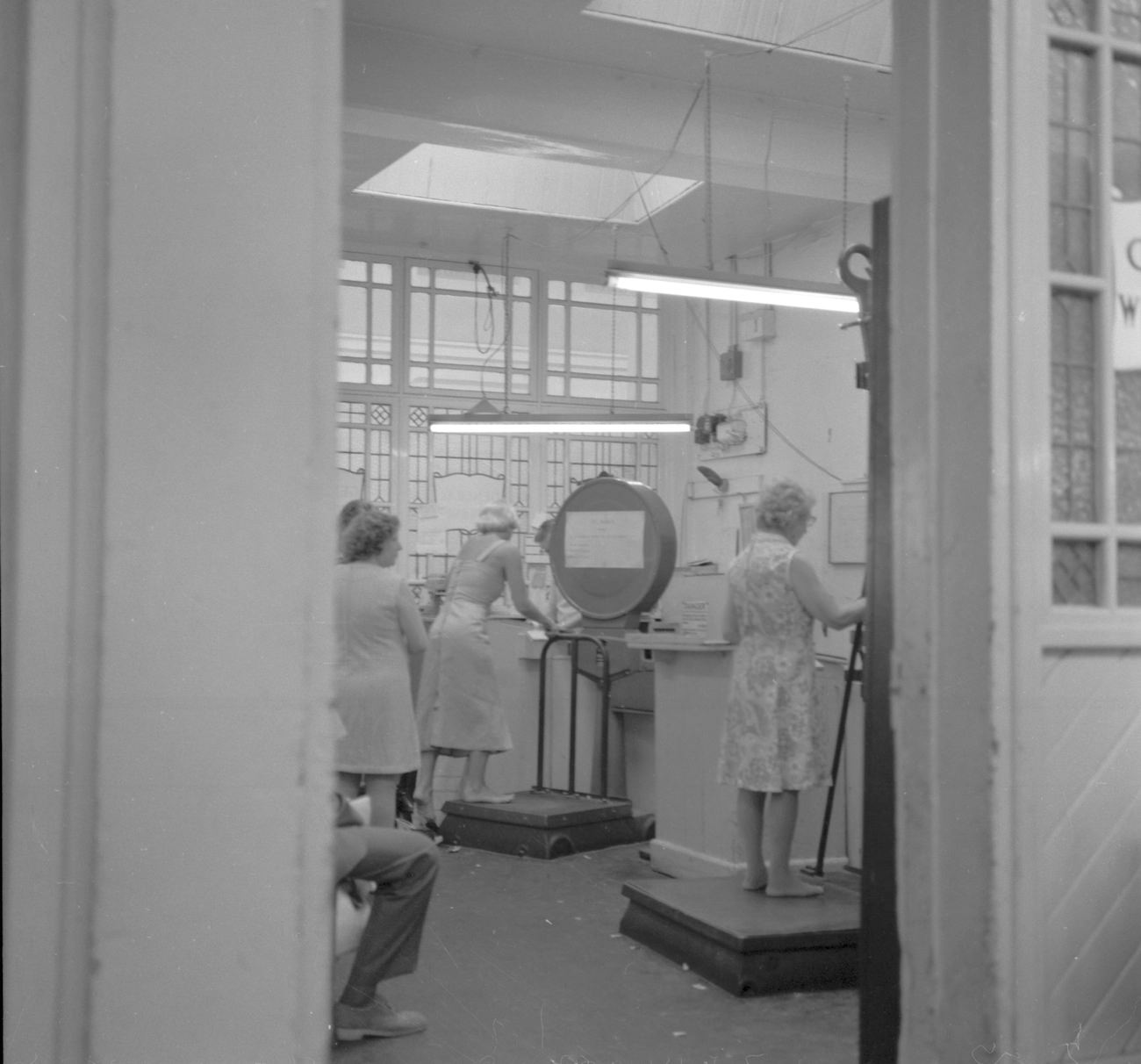
One of the most famous stalls inside Grainger Market is Marks & Spencer’s Original Penny Bazaar. It is widely believed to be the smallest Marks & Spencer branch in the world. The stall traces its roots back to the original penny bazaar concept that Michael Marks used when he first started selling goods from market stalls in the late 1800s. Its presence inside Grainger Market connects modern retail history directly to Victorian street trading.
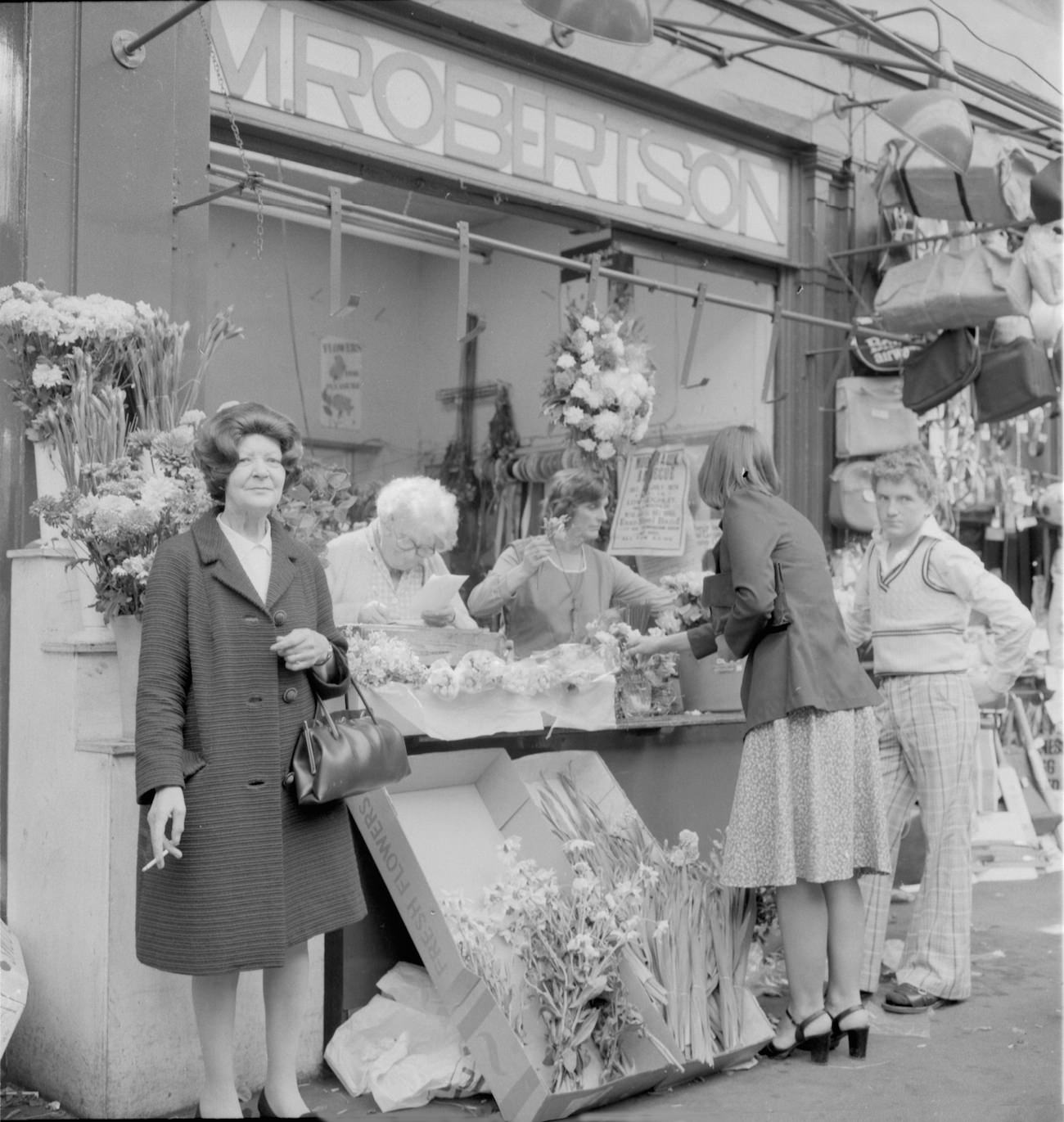
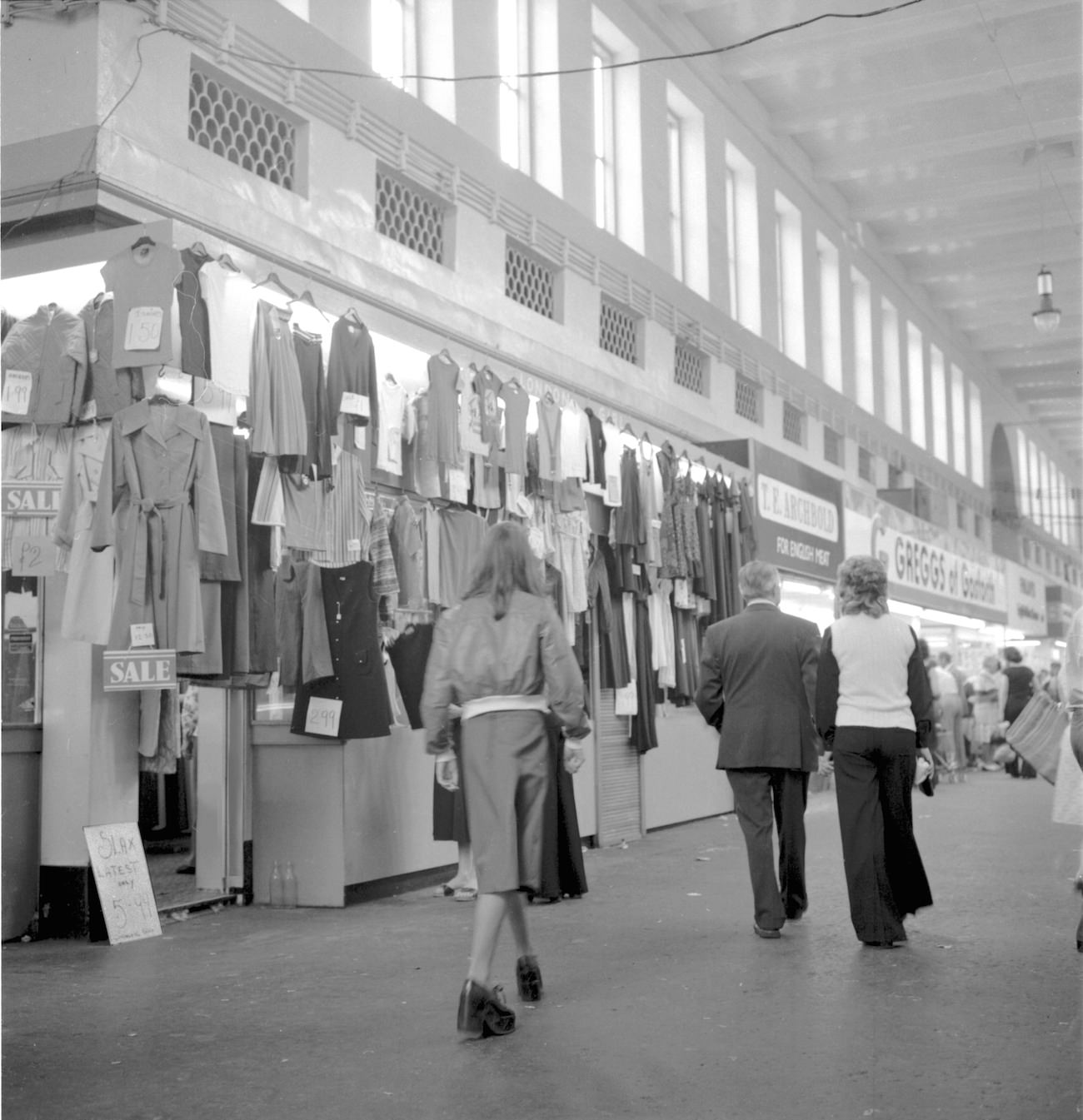
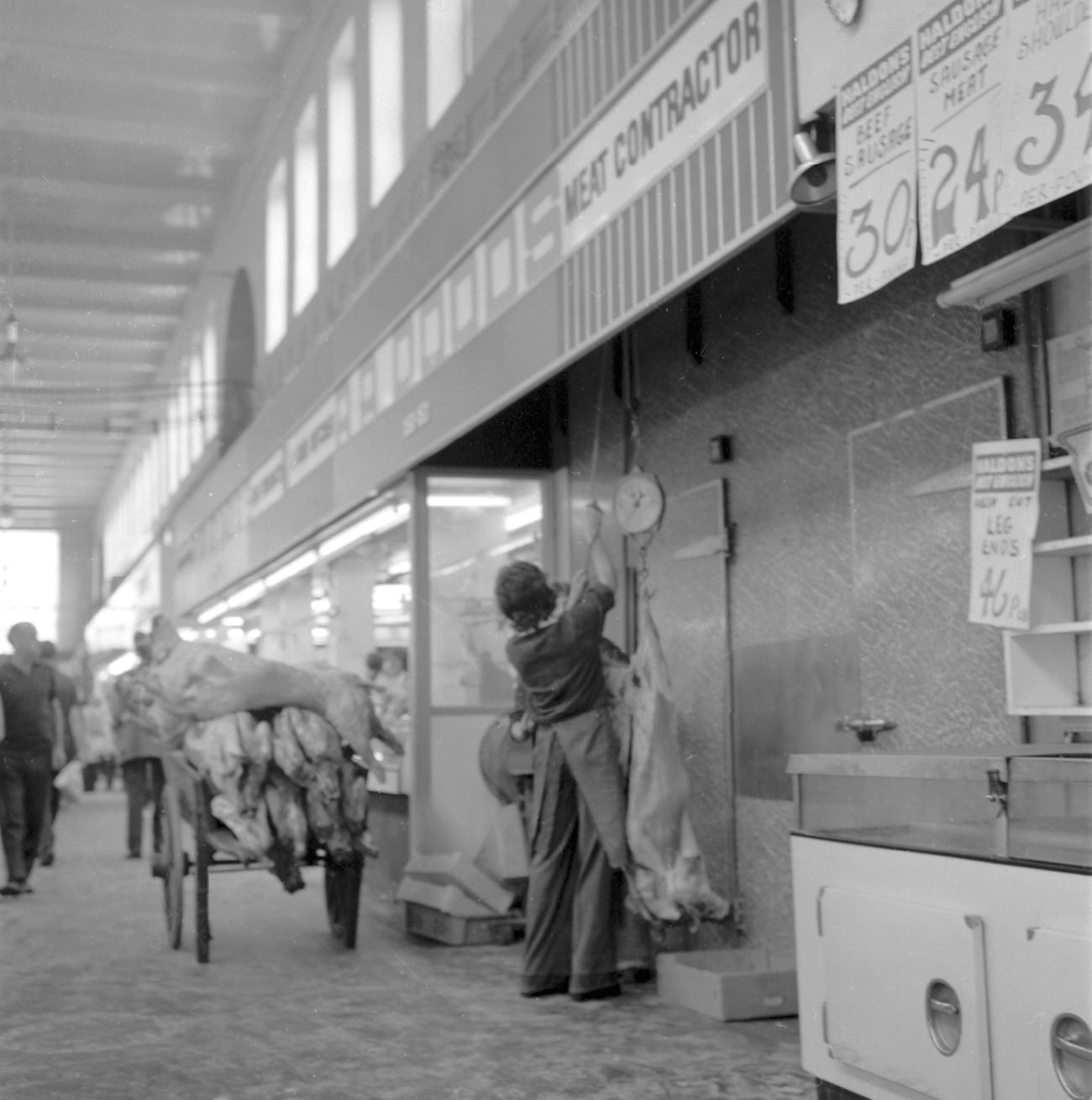
The butchers’ stalls in the meat market remained a key part of the building’s identity throughout the 20th century. Several of these stalls were still trading during the decades Forsyth and Hope photographed the market, giving their images a strong sense of continuity with the building’s original purpose from 1835.
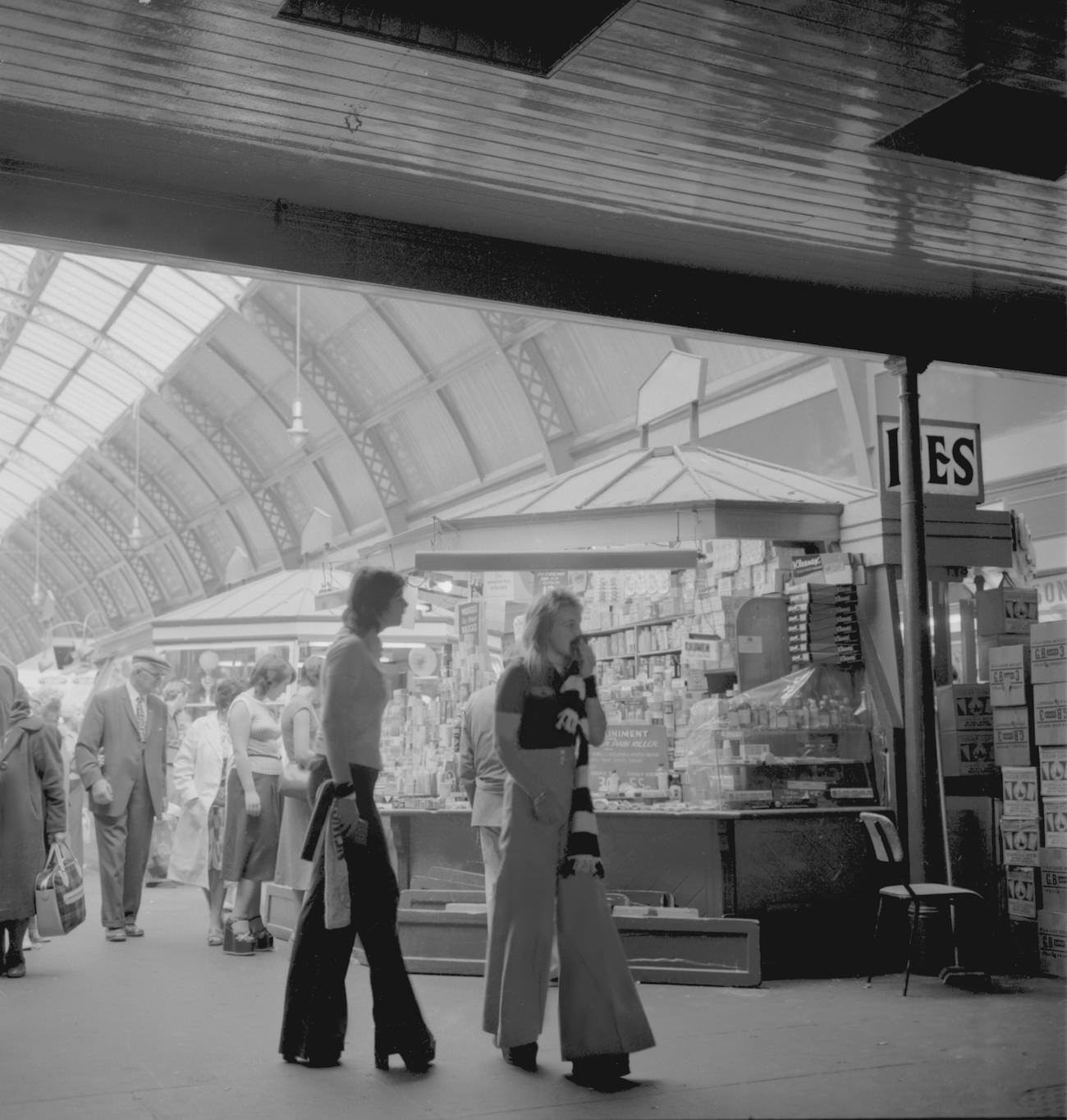
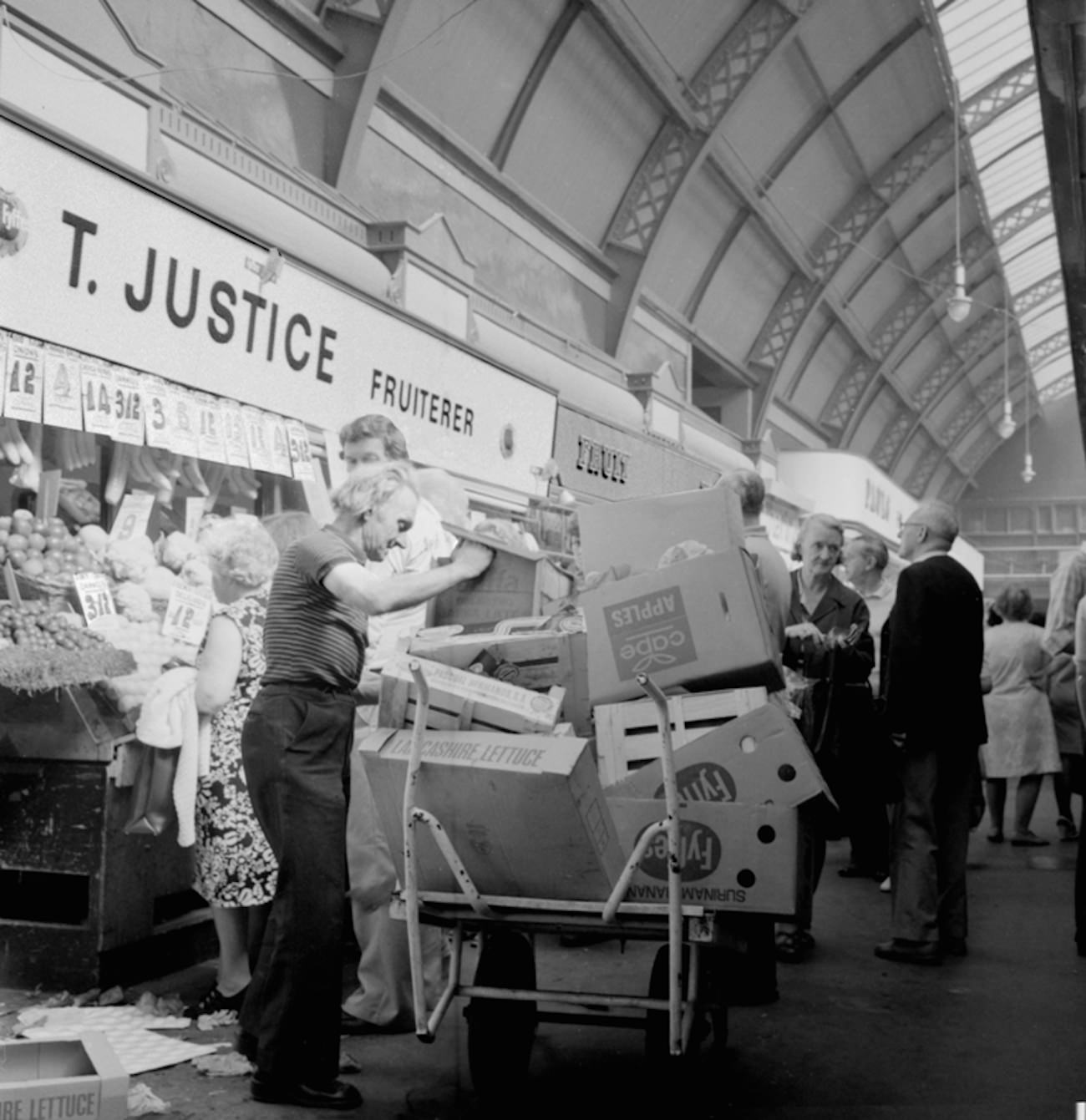
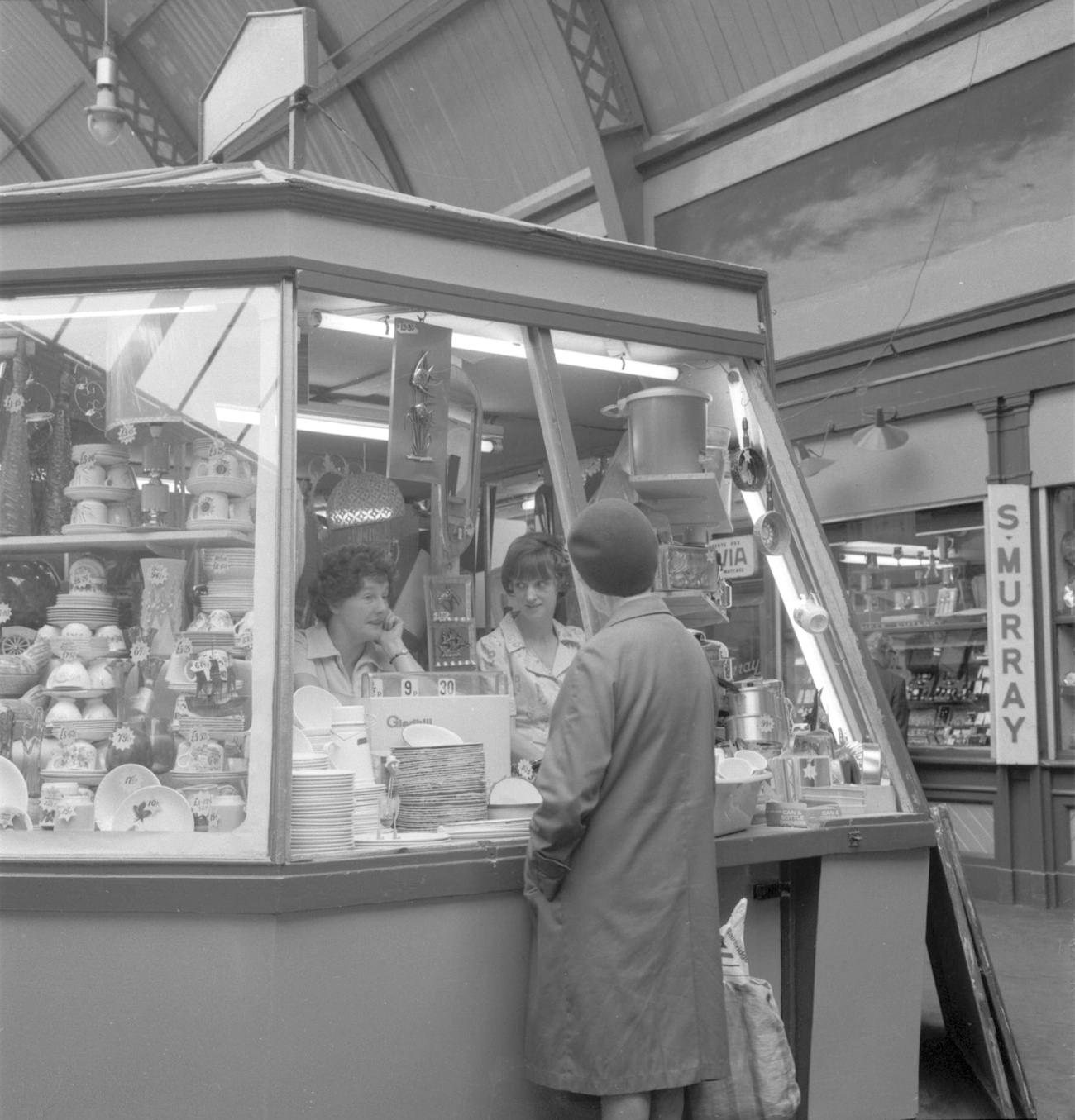
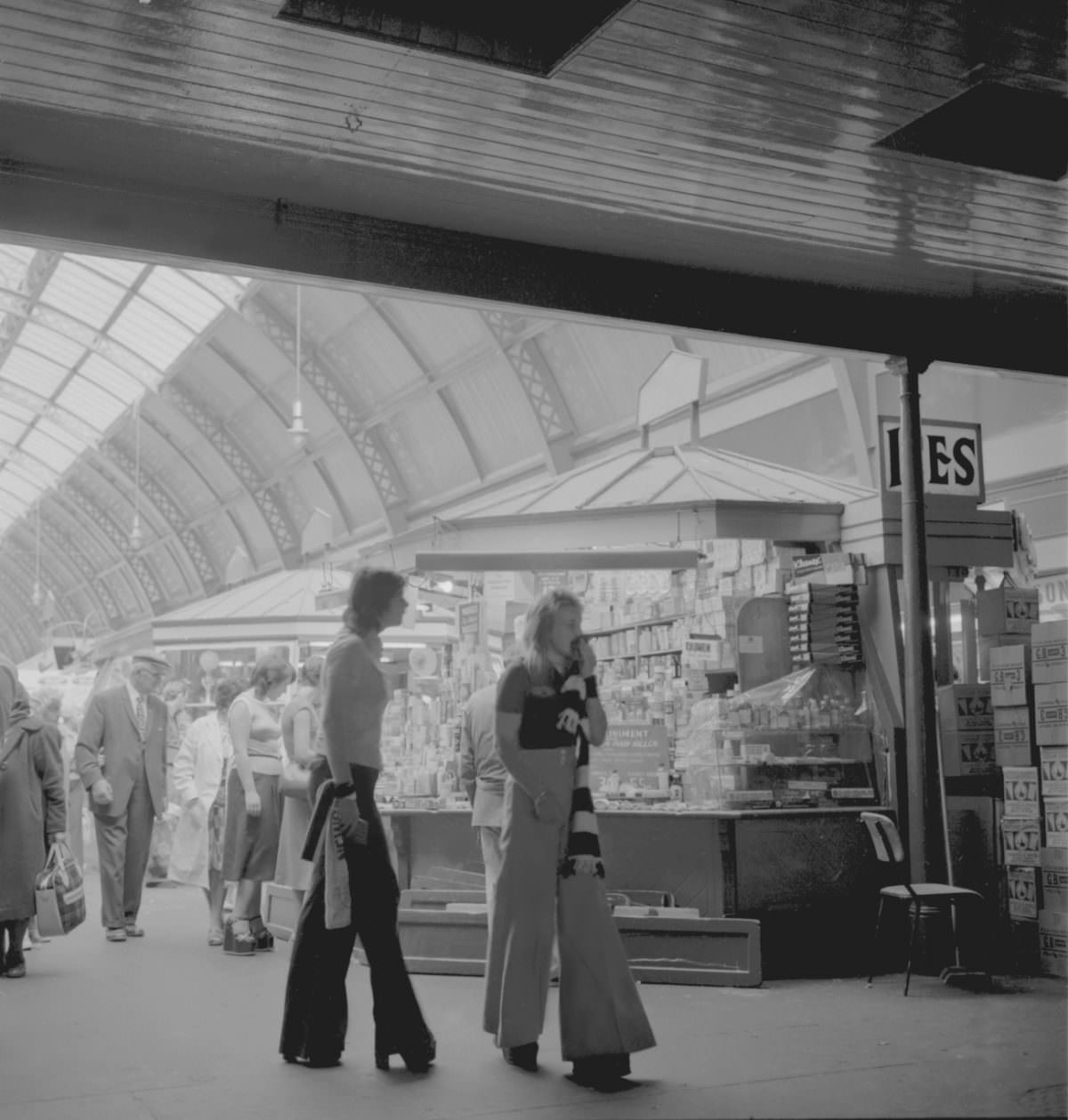
The market’s iron and glass structure, designed by Dobson, gave the interior a distinctive look. Natural light filtered through the roof, casting the stalls in a soft glow that the photographs capture well. The architecture itself was an achievement for its time — large, covered public markets of this scale were relatively new in Britain when Grainger Market was built.
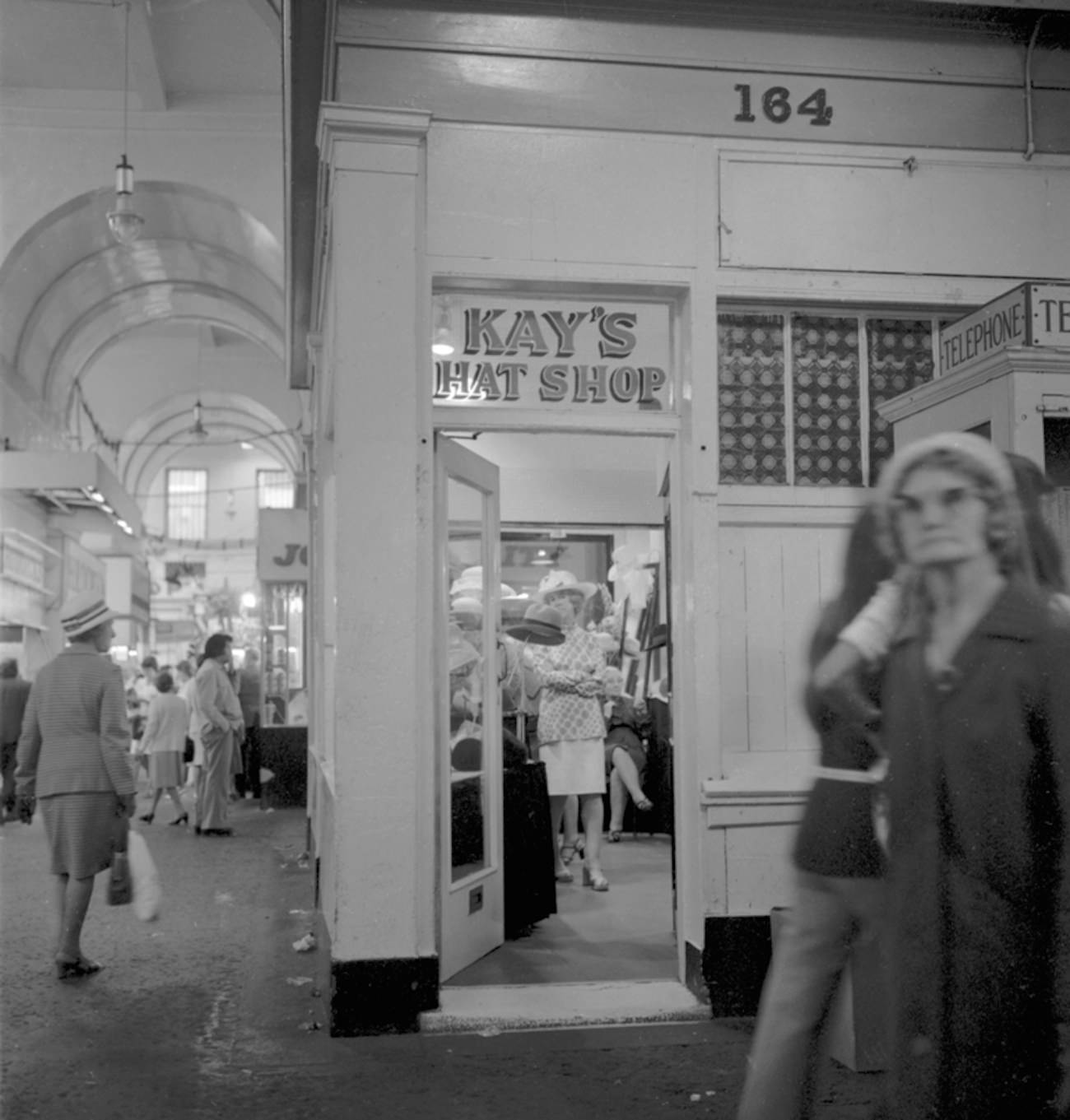
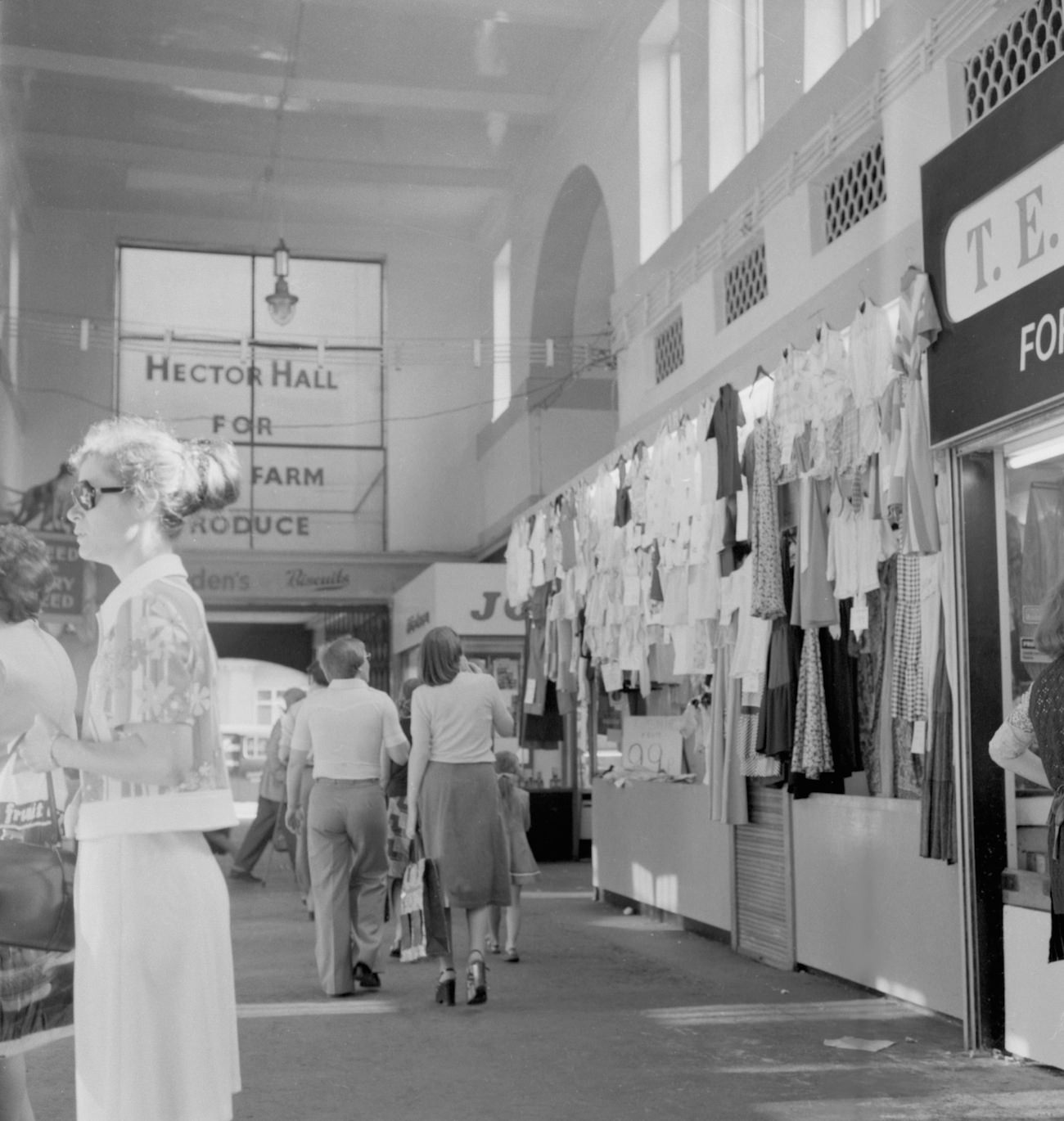
These vintage photographs show how much the market changed over the decades while still holding onto its core identity. New stalls appeared alongside old ones, signage evolved with the times, and the mix of goods on offer shifted to reflect changing tastes and consumer habits. Yet the bones of the building — the layout, the aisles, the open hall — remained the same.
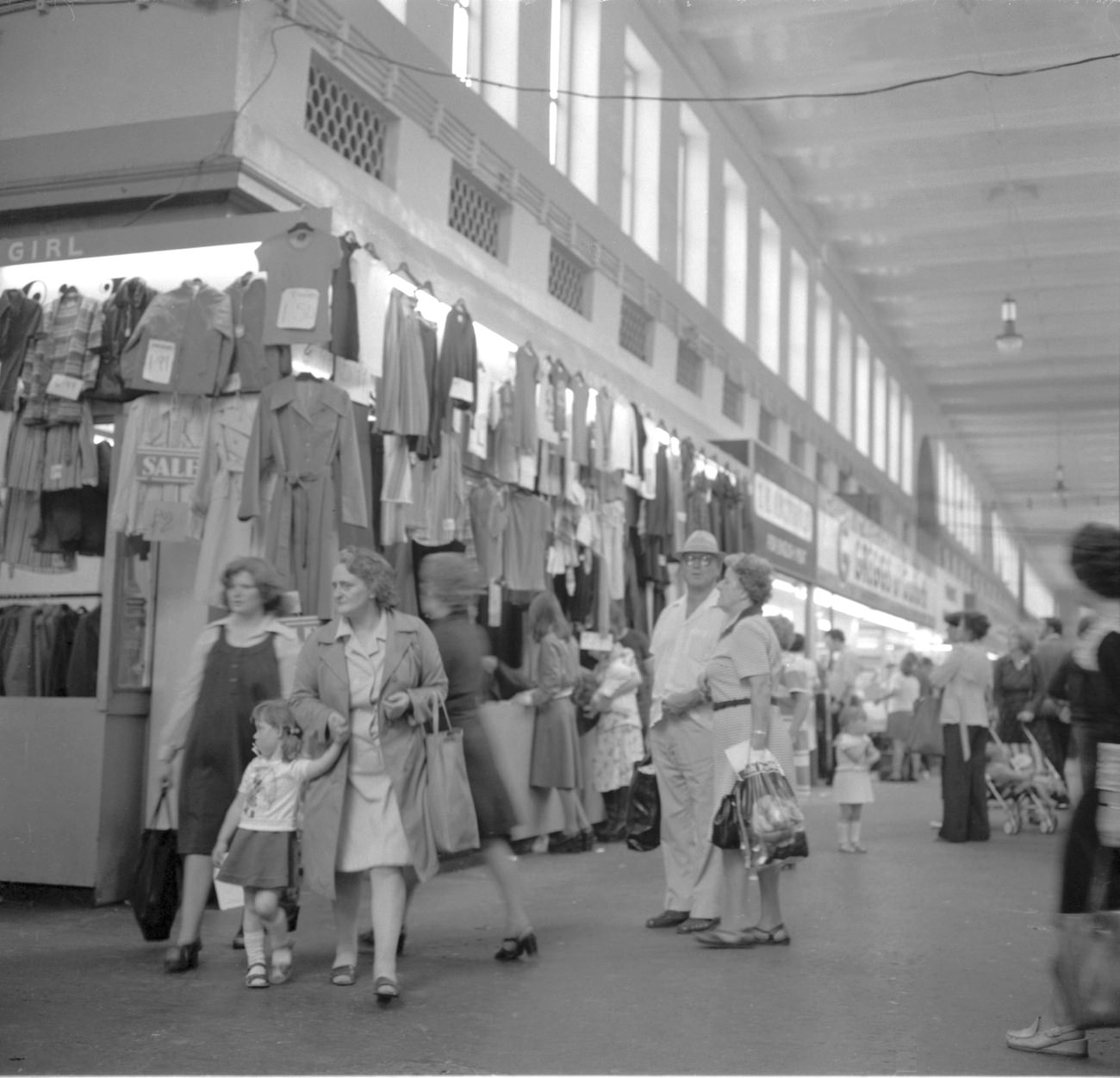
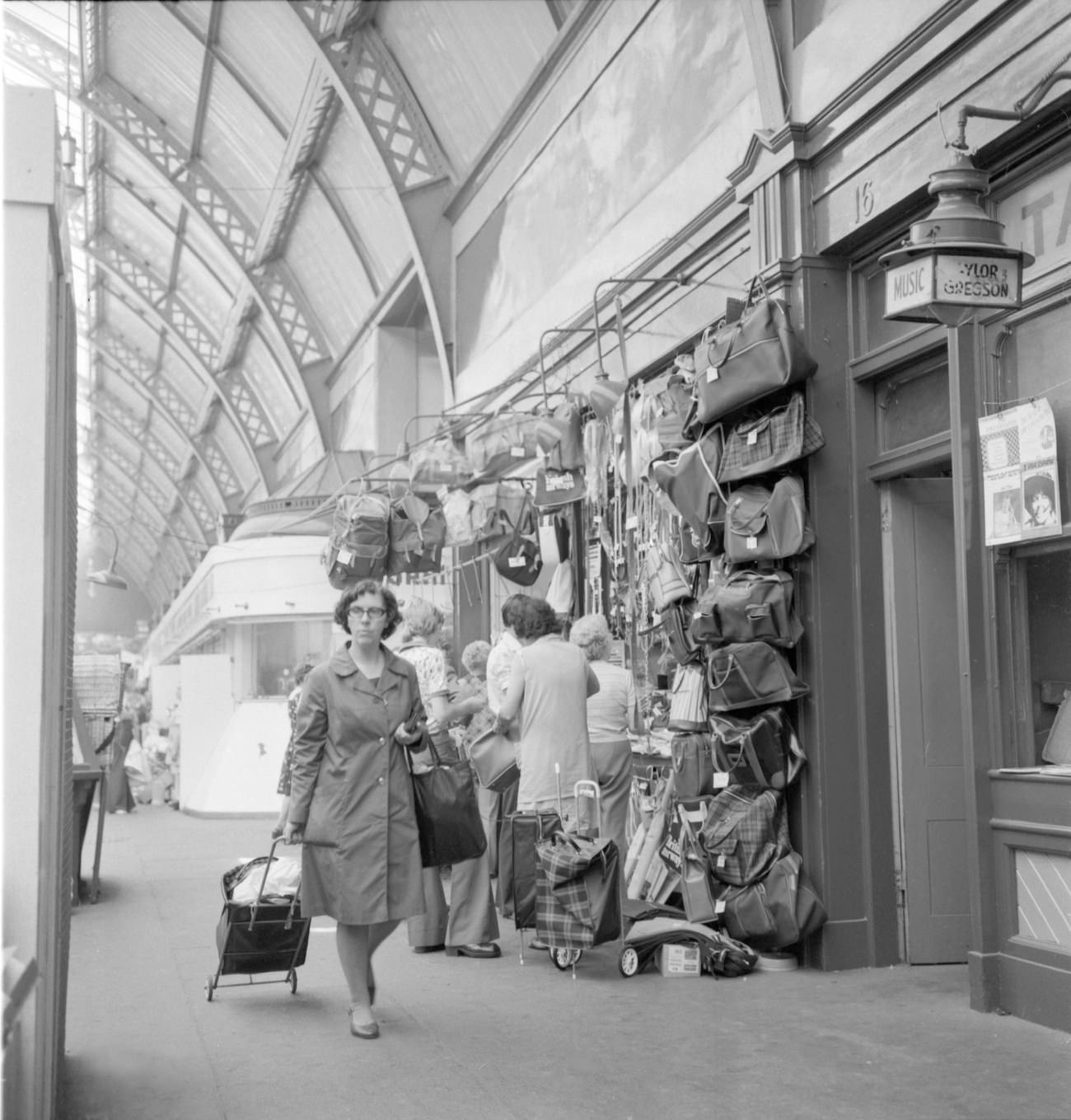
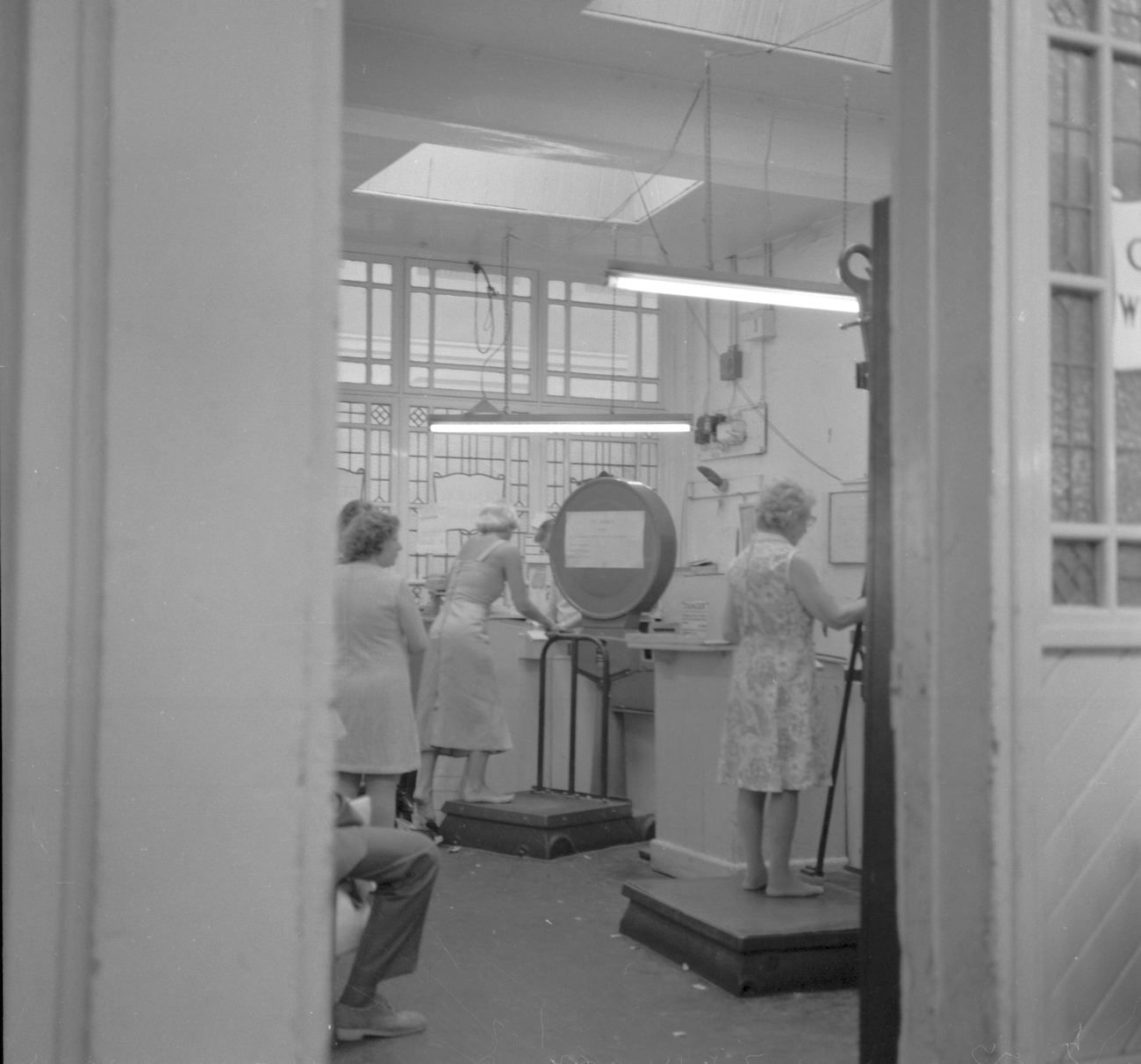
Jimmy Forsyth was well known for his documentary photography of Newcastle’s working-class communities. His work at Grainger Market fits into a broader body of images that recorded everyday life in the city during a period of significant social and economic change. Robert Hope brought a similar eye for detail to his own photographs of the market.
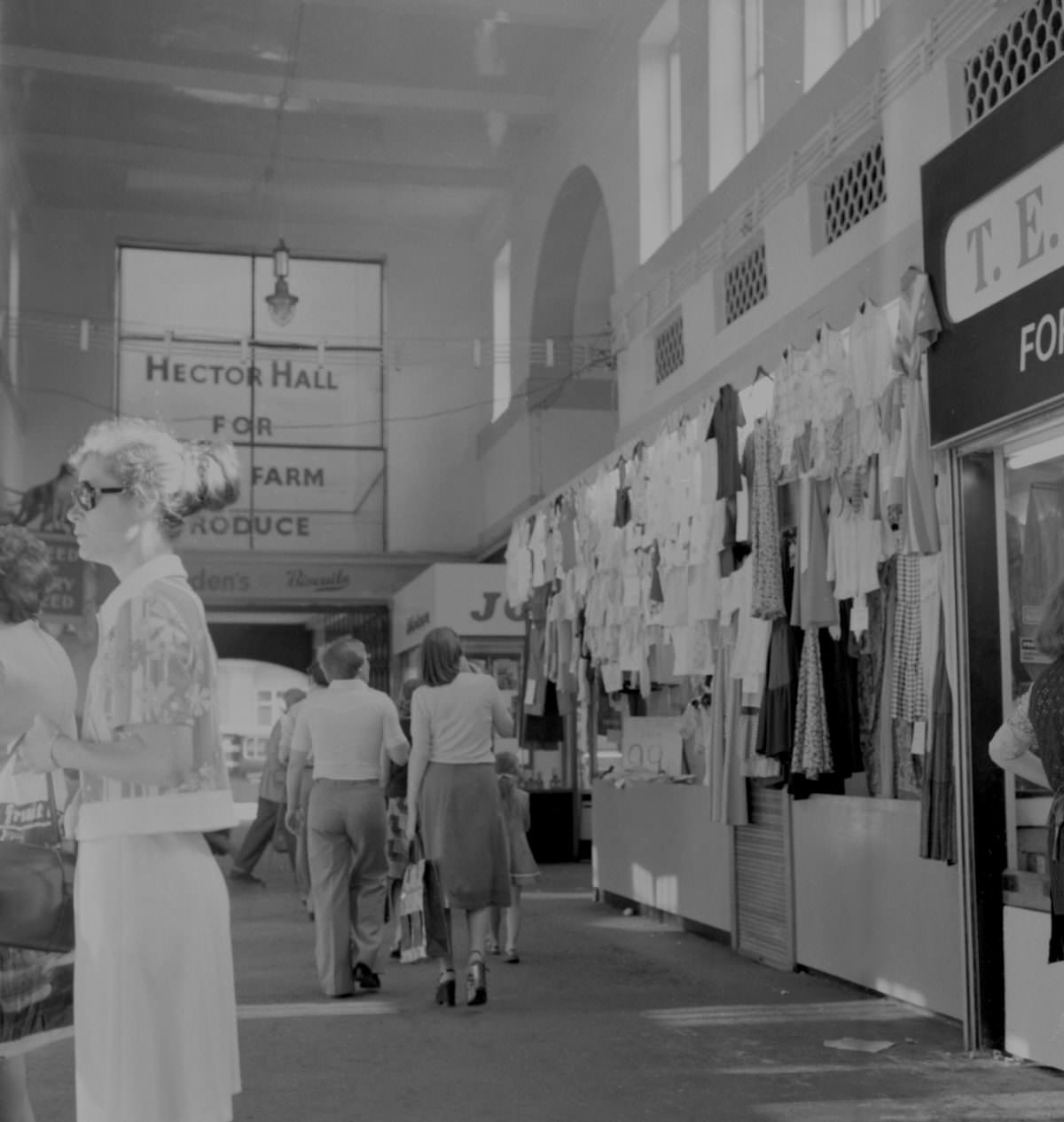
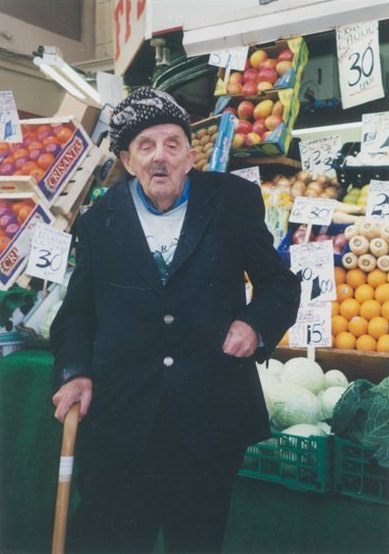
Together, their images form a detailed visual record of a beloved Newcastle institution at a specific moment in time. The market had already survived for well over a hundred years by the time these photographs were taken, and the traders and shoppers inside had no reason to think of it as anything unusual — it was simply part of daily life in the city.
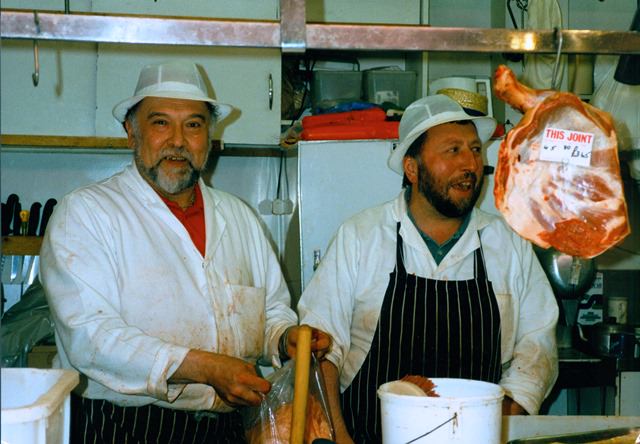
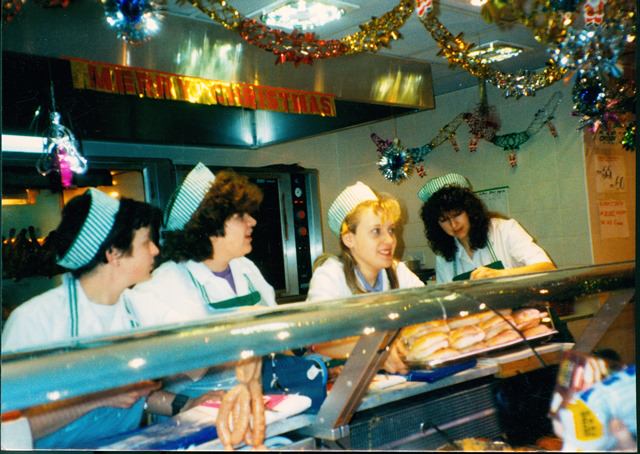
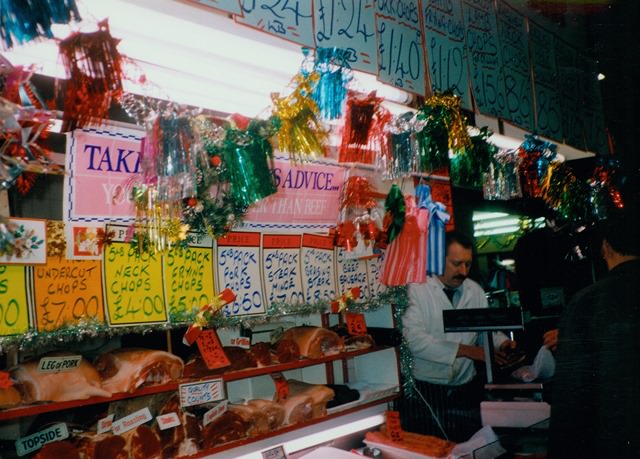
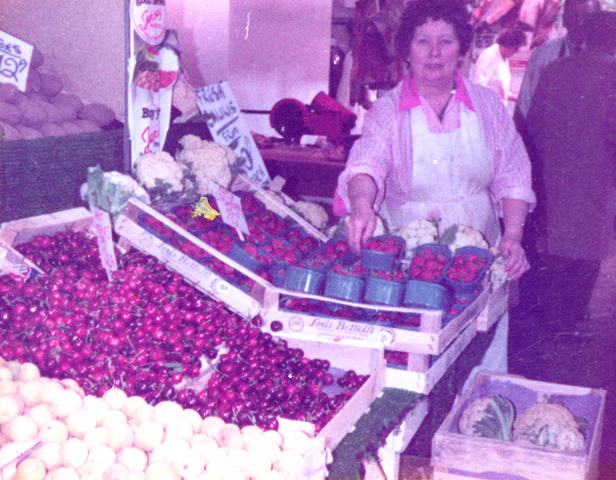
The vegetable market on the western side drew a different kind of shopper than the meat aisles to the east. Fresh produce stalls were laid out across the open hall, and the wide space gave the area a more relaxed, browsing atmosphere compared to the narrow corridors of the meat market.
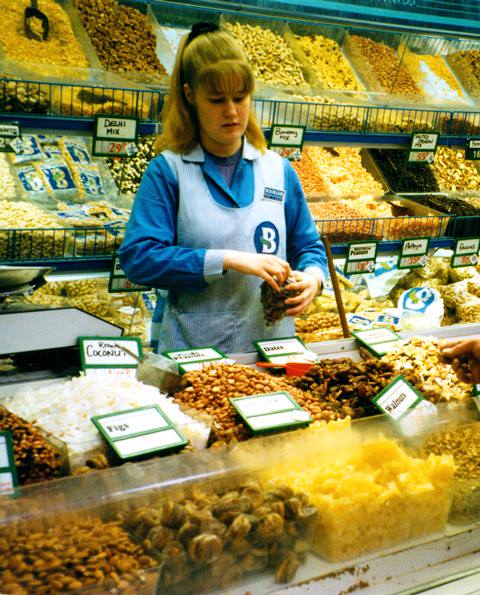
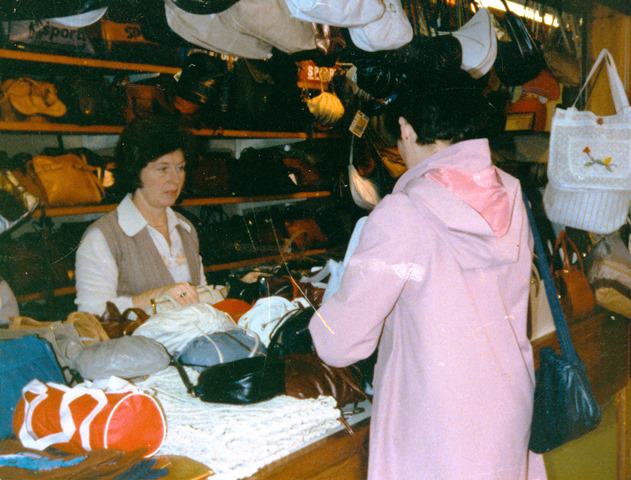
By the 1980s, Newcastle was going through significant economic changes. The decline of heavy industry affected many parts of the city, and markets like Grainger became even more important as affordable places to shop. The photographs from this period reflect that reality — busy stalls, practical goods, and crowds of ordinary people getting on with daily life.
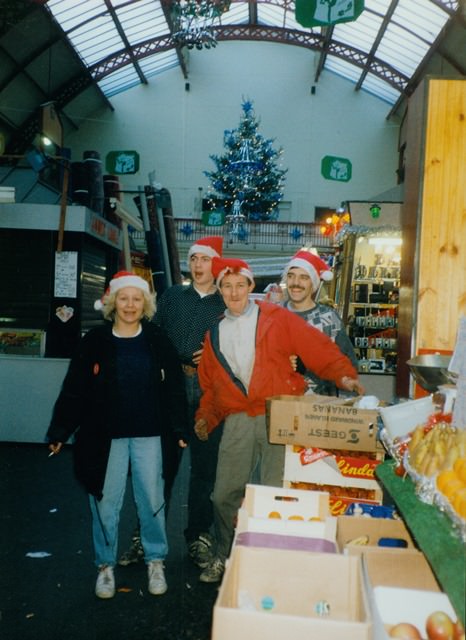
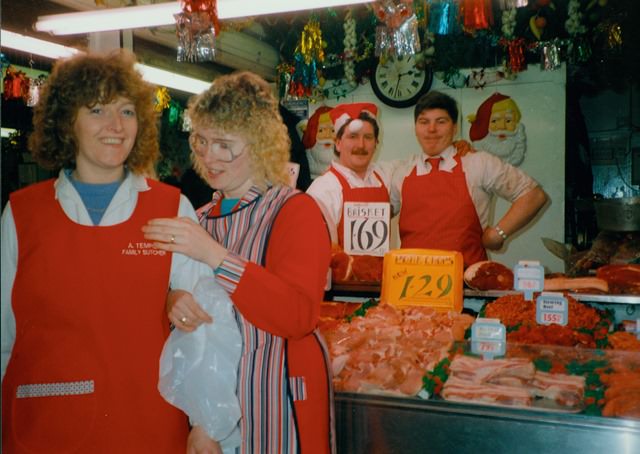
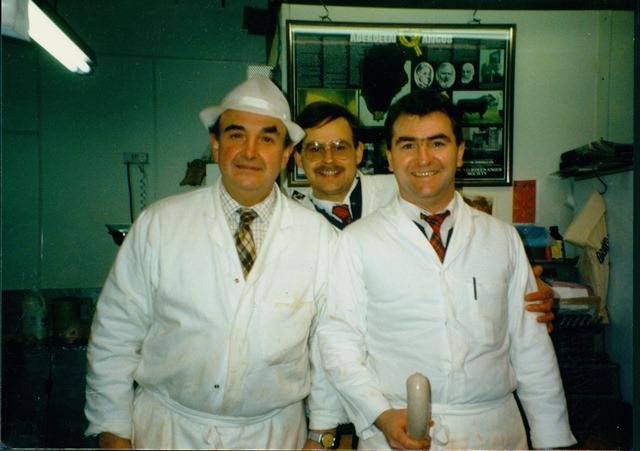
Richard Grainger’s redevelopment of Newcastle in the 1830s left a lasting mark on the city’s layout and architecture. The market bearing his name was one of the centrepieces of that project, and it still stands today as one of the finest surviving examples of a Victorian covered market in England.
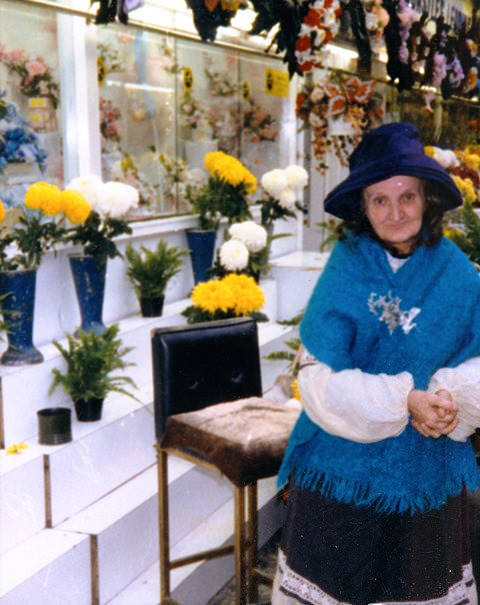
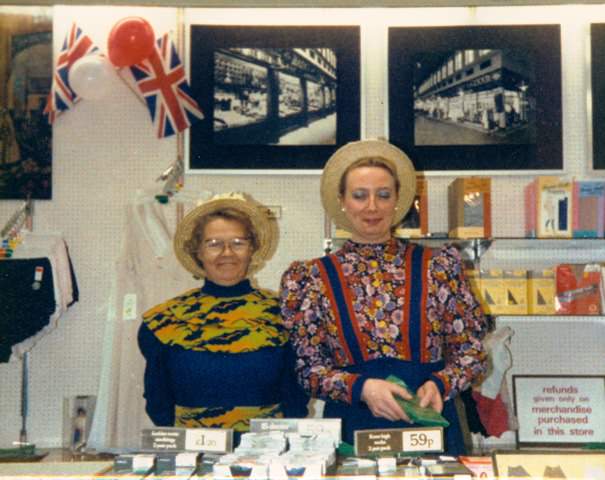
The faces and stalls captured by Forsyth and Hope across these two decades offer a rare, close-up look at what Grainger Market was really like during this period. The traders, the signs, the produce on display, and the shoppers moving through the aisles all tell a story that no written record alone could fully communicate.