
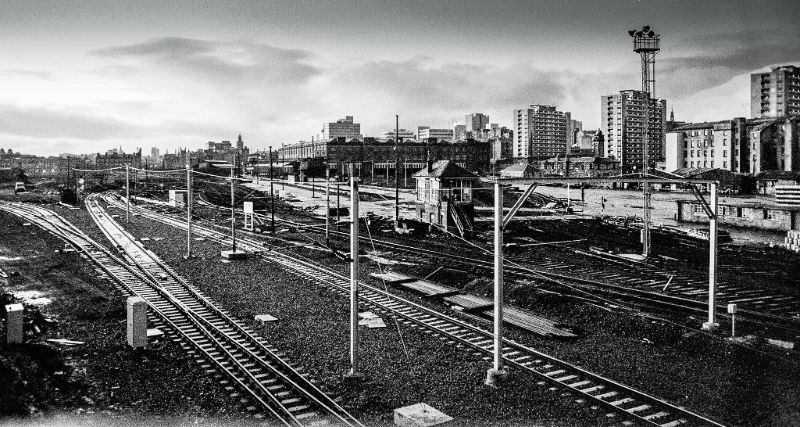
Glasgow is Scotland’s largest city, sitting along the River Clyde in the country’s western lowlands. What began as a small rural settlement on the riverbank grew over centuries into Scotland’s biggest seaport and one of Britain’s most important industrial cities. By the early 1980s, Glasgow was a city in transition — its shipbuilding industry had sharply declined, yet its streets, pubs, markets, and neighborhoods still buzzed with everyday life. Scottish photographer Grisly Bob captured that life in 1982, producing a remarkable set of street photographs that document the city at a very specific moment in time.
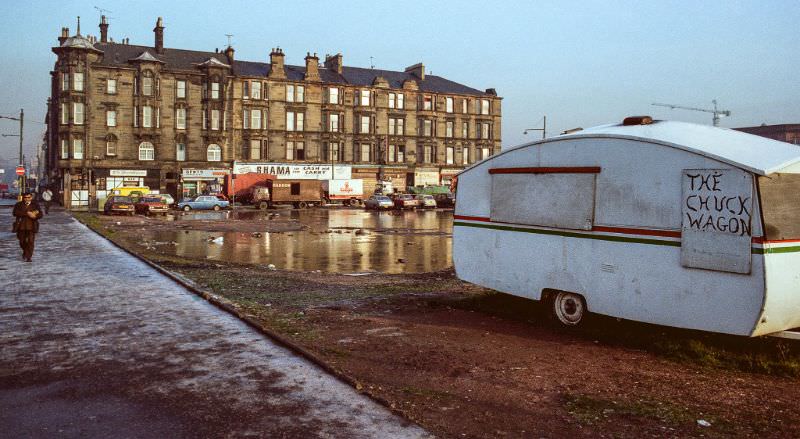
Glasgow has long been known for its bold architecture and rich artistic culture. The city is home to more than 20 museums and countless historical landmarks spread across its dense urban grid. In 1982, many of those streets still carried the grit and character of the city’s industrial past. Tenement buildings, stone facades, and hand-painted shop signs gave the neighborhoods a distinctive look that set Glasgow apart from other British cities.
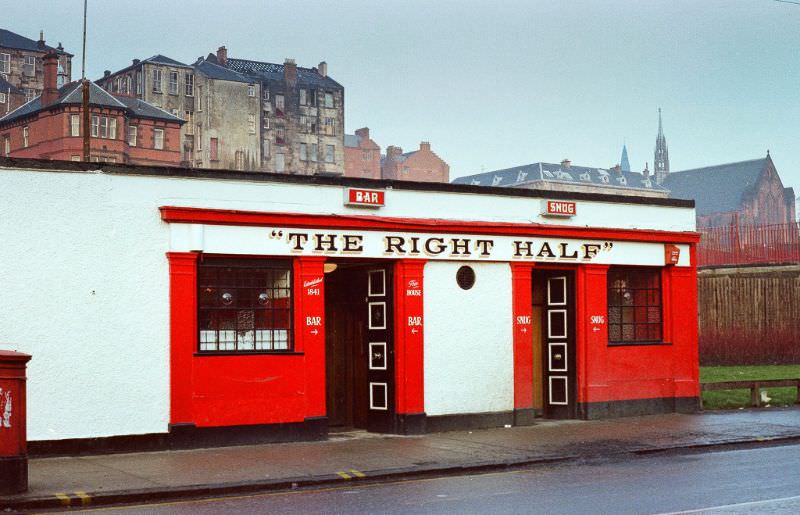
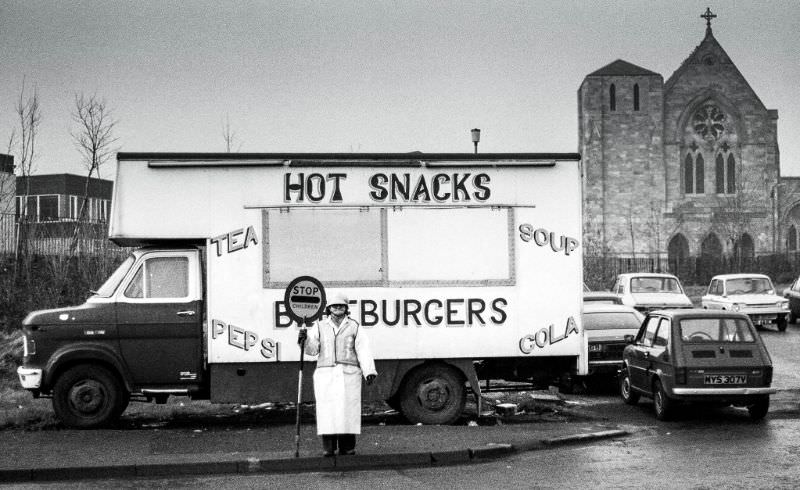
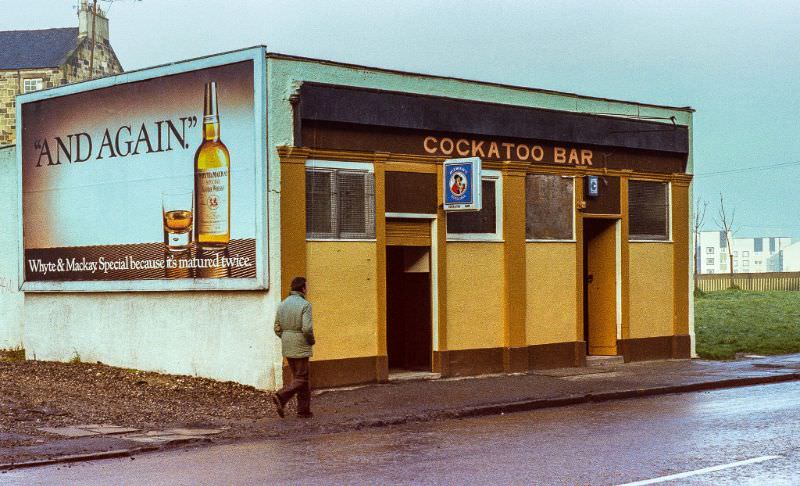
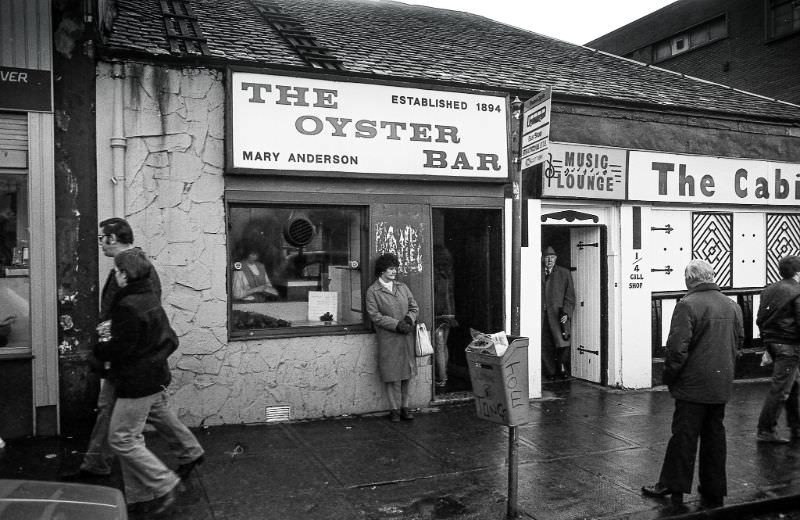
Pubs were a central part of Glasgow’s social fabric in 1982. Bars like The Right Half, the Cockatoo Bar, the Corunna Bar, and the Betty Bar and Lounge were neighborhood fixtures where locals gathered after work and on weekends. These weren’t glamorous establishments — they were working-class spaces with deep roots in the communities around them. Grisly Bob photographed their storefronts with the same attention he gave to the broader streetscape, treating them as equal parts of the city’s identity.
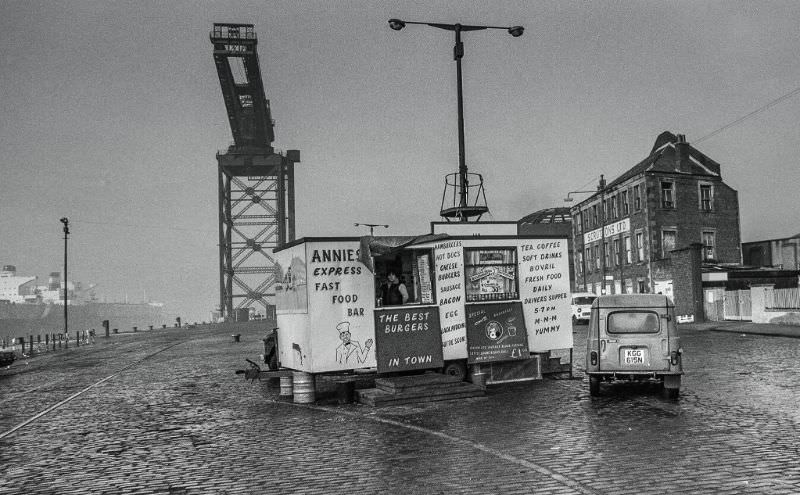
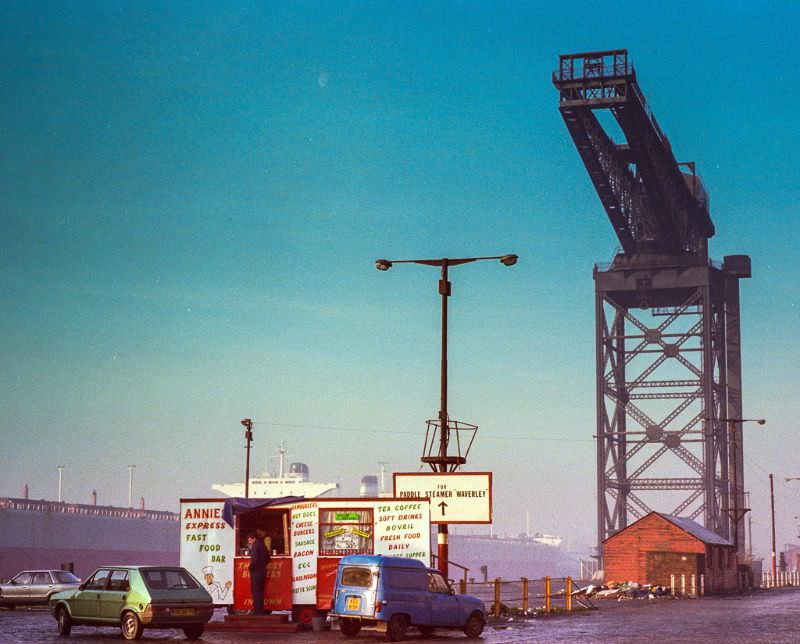
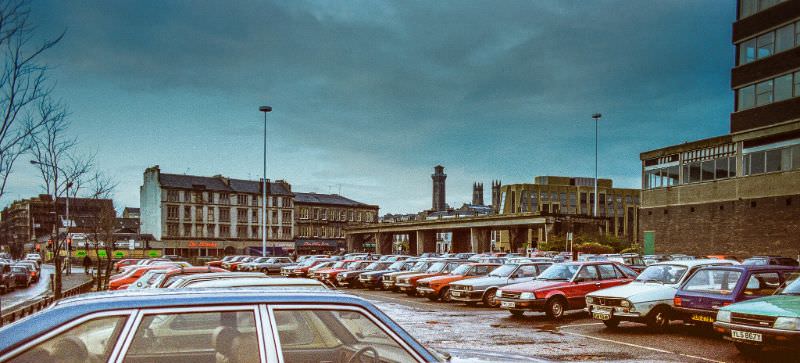
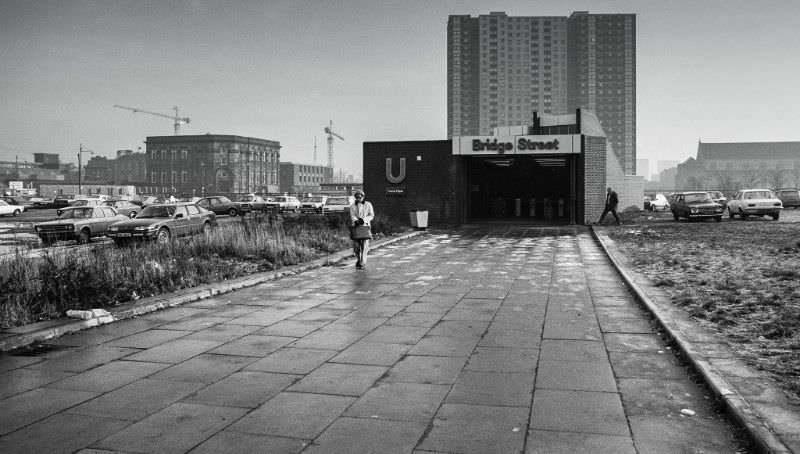
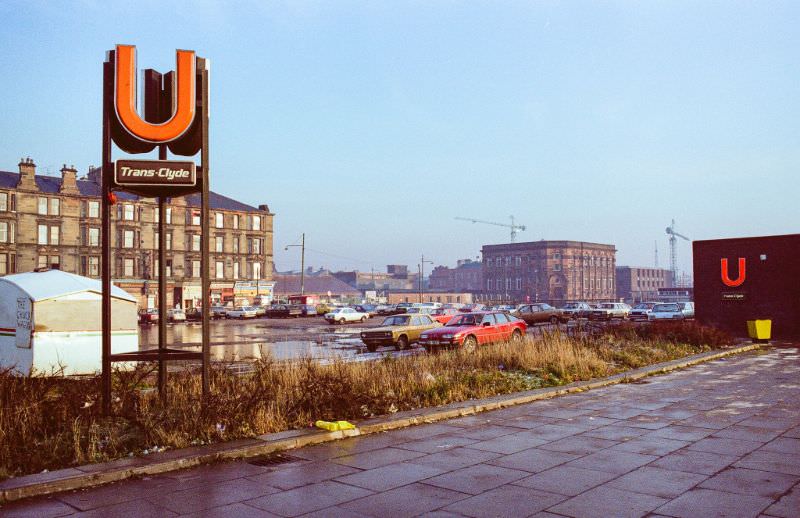
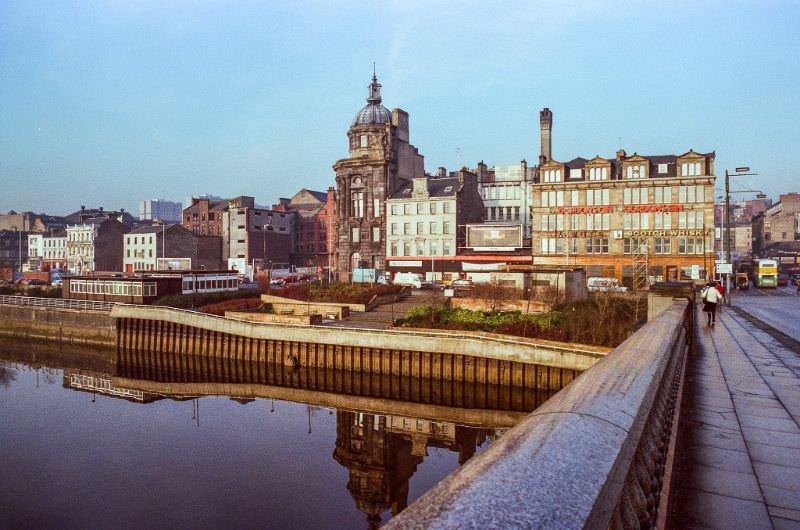
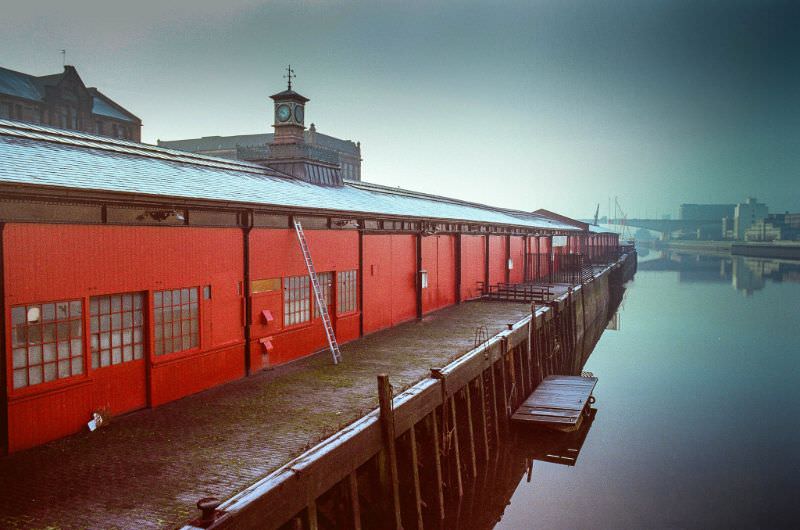
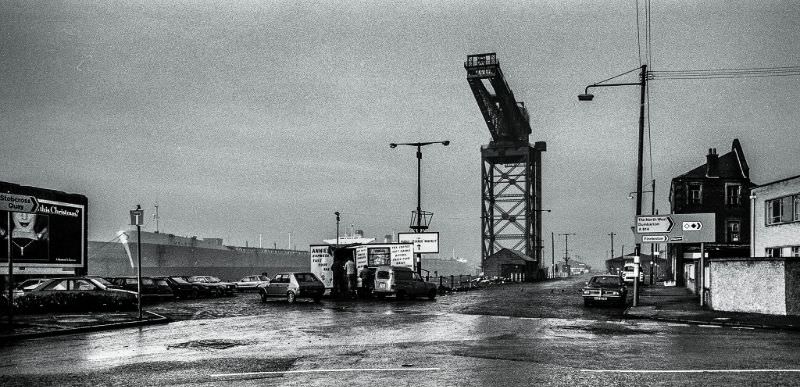
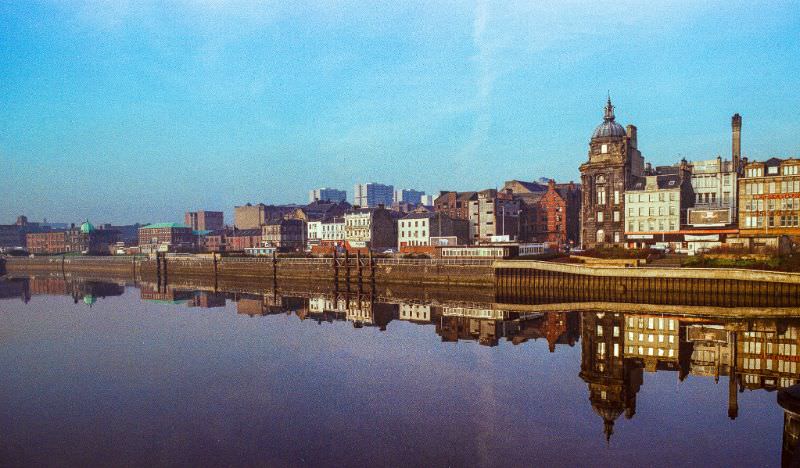
Argyll Street was one of Glasgow’s main commercial thoroughfares, lined with shops and foot traffic. Nearby, Bridge Street and the Broomielaw — the historic north bank of the River Clyde — showed the city’s close relationship with the water that had defined its growth for generations. The King George V Bridge offered a wide view over the Broomielaw, revealing just how dramatically the riverfront had changed since the peak of the shipbuilding era.
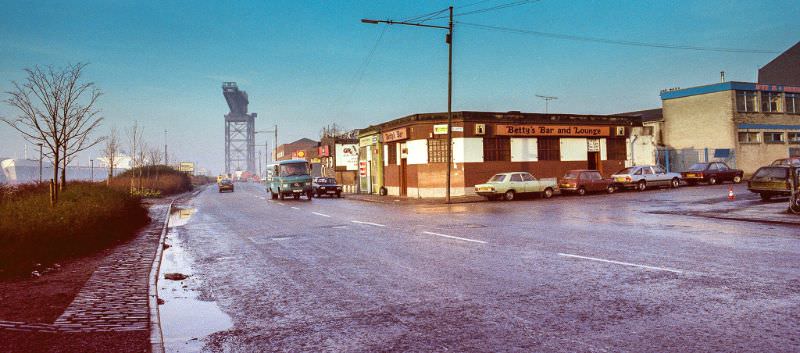
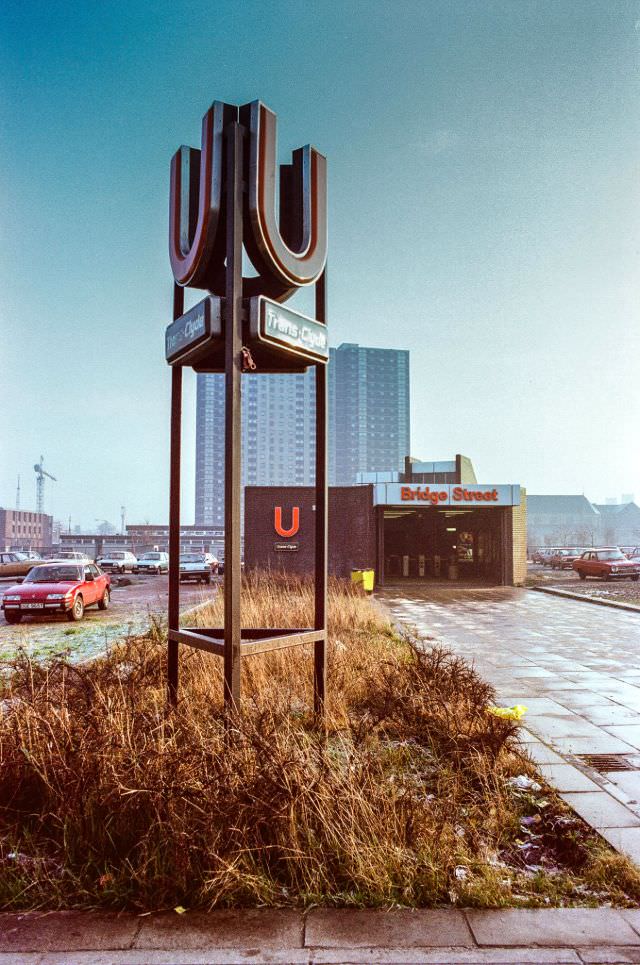
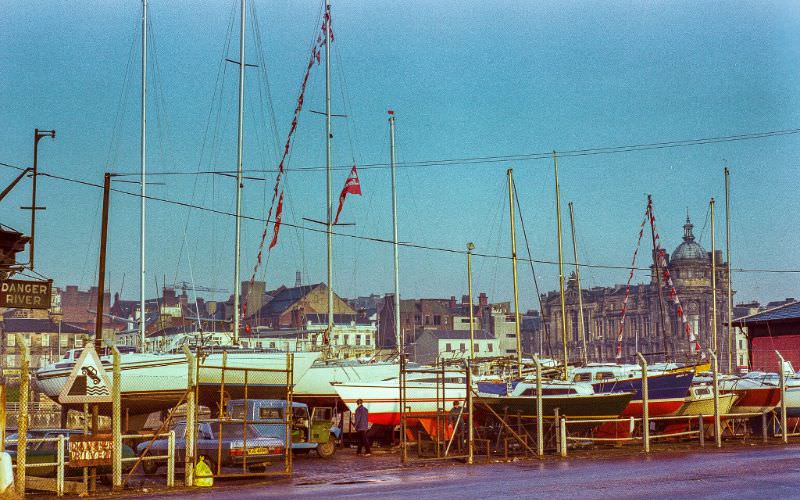
The Broomielaw itself appears in several of Grisly Bob’s photographs. Once the heart of Glasgow’s port activity, by 1982 it had taken on a quieter character. Stobcross Quay, further along the river, still carried echoes of the city’s maritime past. These riverside locations gave the photographer a chance to frame Glasgow’s skyline against the Clyde, capturing a cityscape that was physically shaped by water and industry.
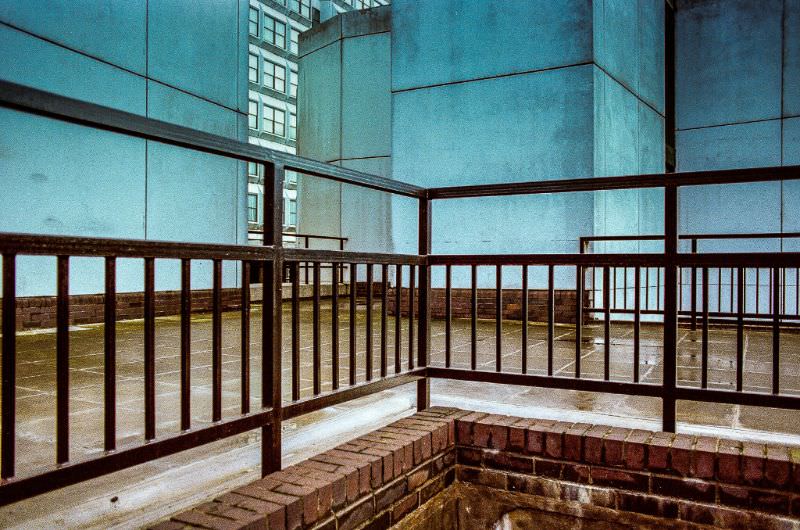
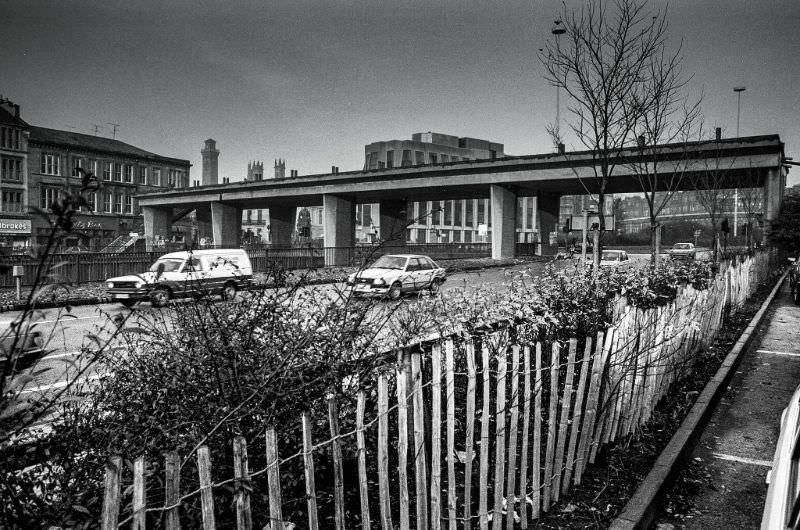
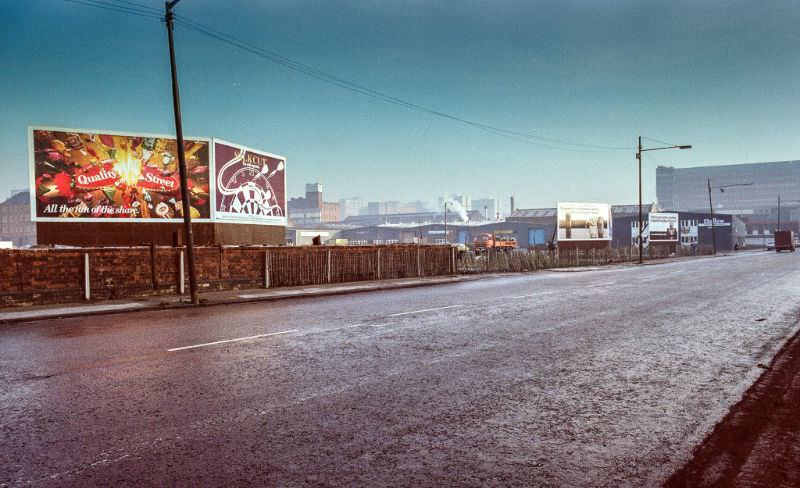
Charing Cross marked one of the city’s busiest intersections, where major roads converged near the M8 motorway — a stretch of urban highway that sliced through Glasgow’s inner neighborhoods when it was built in the 1960s and 70s. By 1982, the M8 was fully embedded in the city’s geography, and Grisly Bob photographed it as part of the everyday urban environment. It stood as a reminder of the large-scale redevelopment that had reshaped Glasgow in the decades prior.
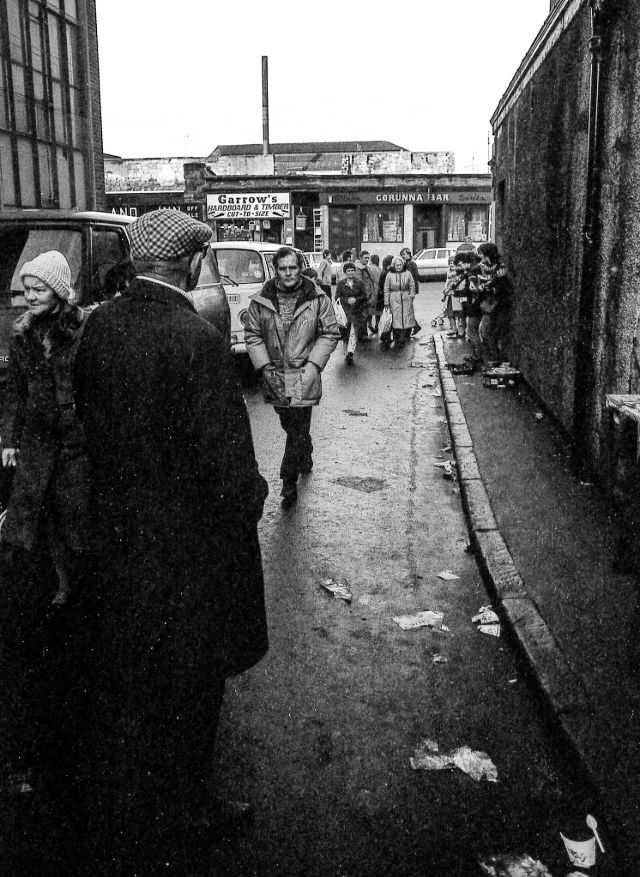
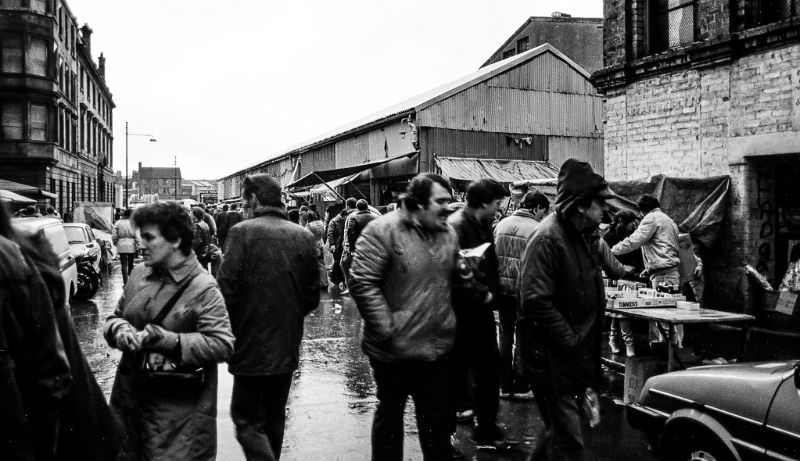
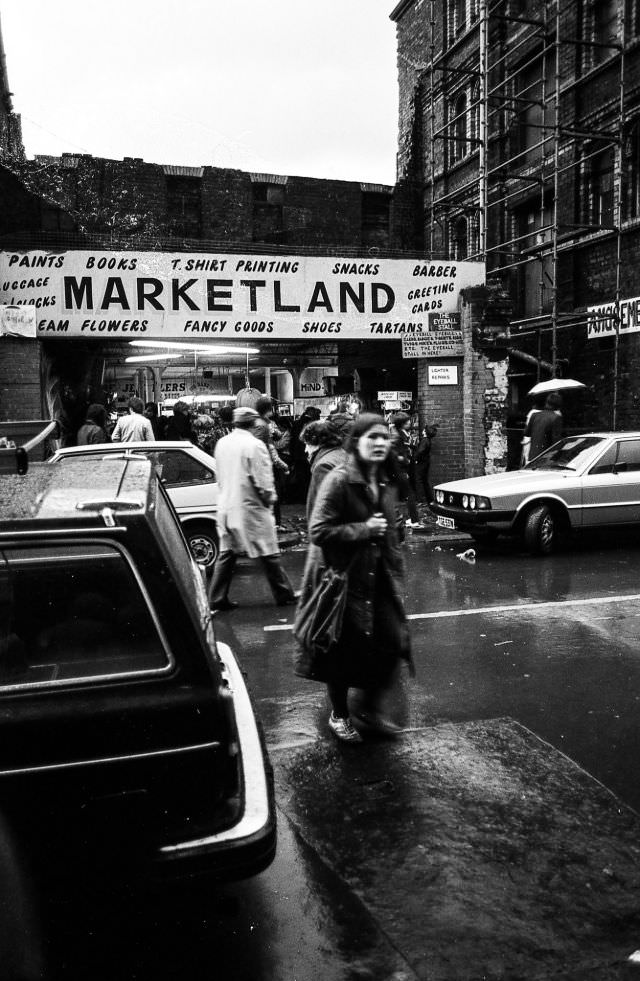
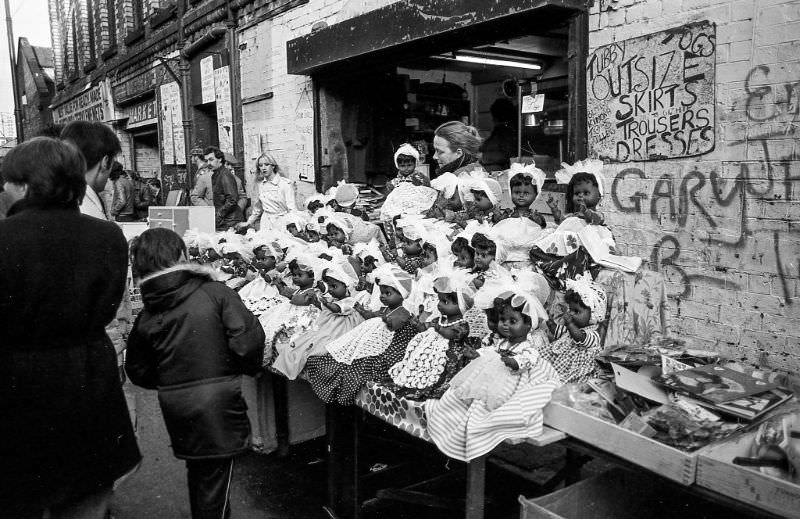
Markets were another vital part of daily life in 1982 Glasgow. Both indoor and outdoor markets gave residents a place to buy goods at low prices, and they drew large, diverse crowds. Marketland was one such hub, a sprawling indoor market space that thrived in the early 1980s. These markets reflected the economic pressures many Glaswegians faced during a period of high unemployment and industrial decline across the United Kingdom.
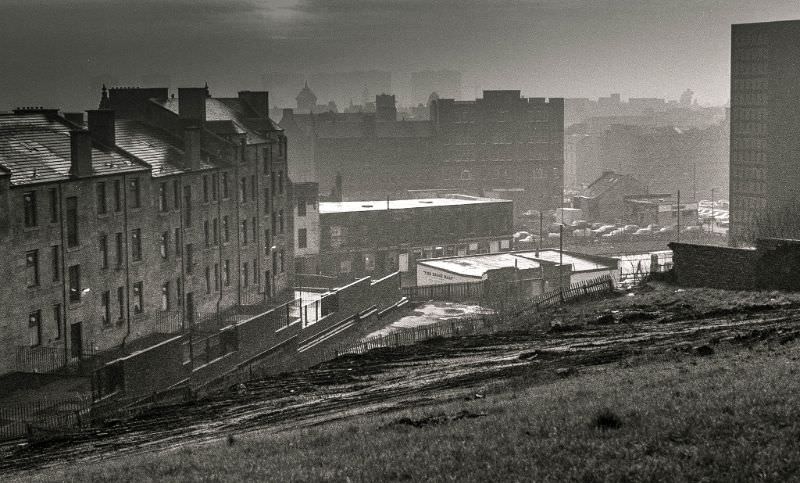
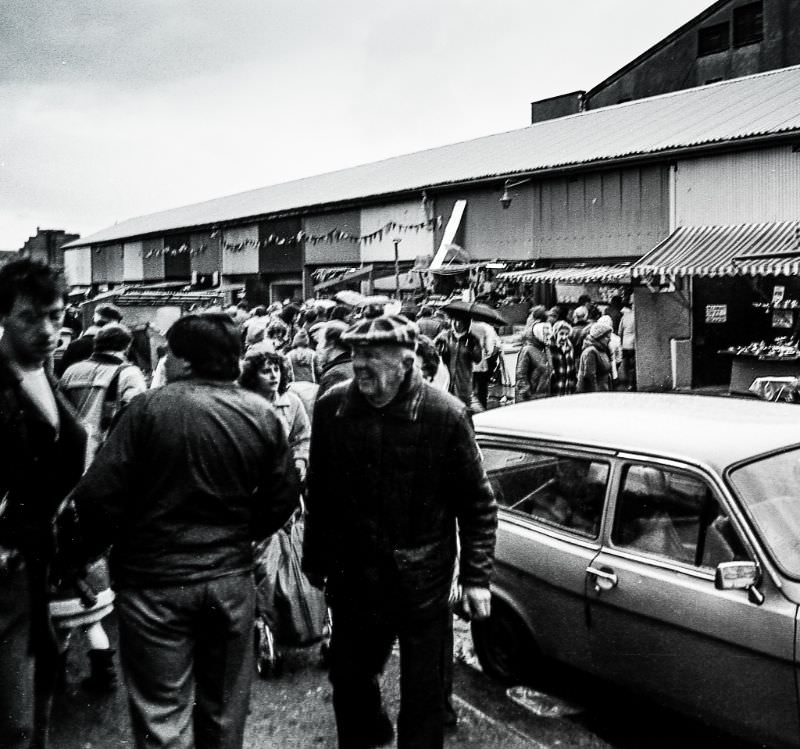
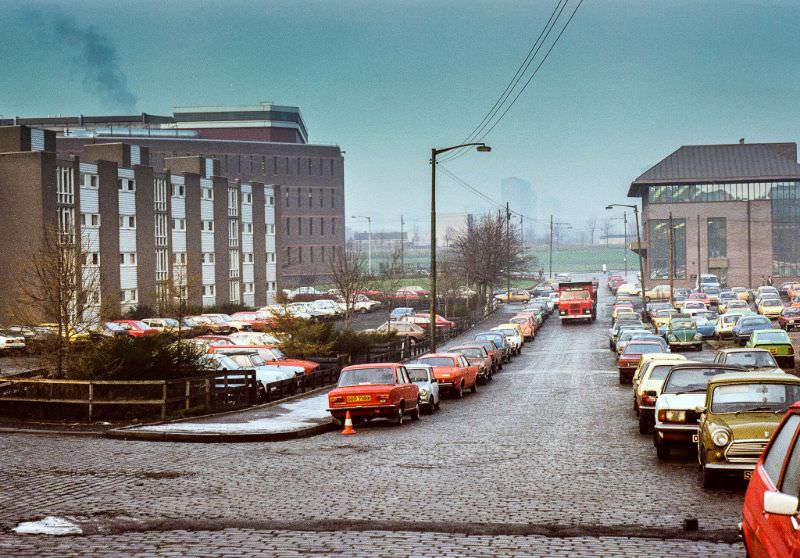
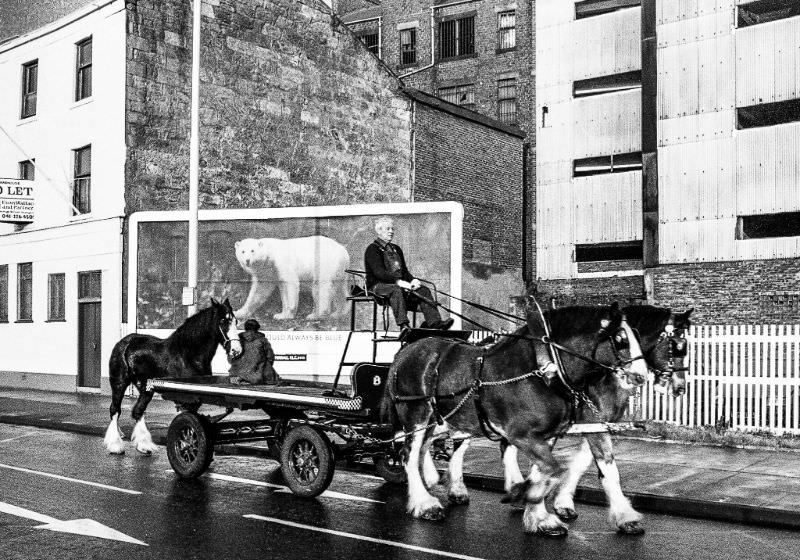
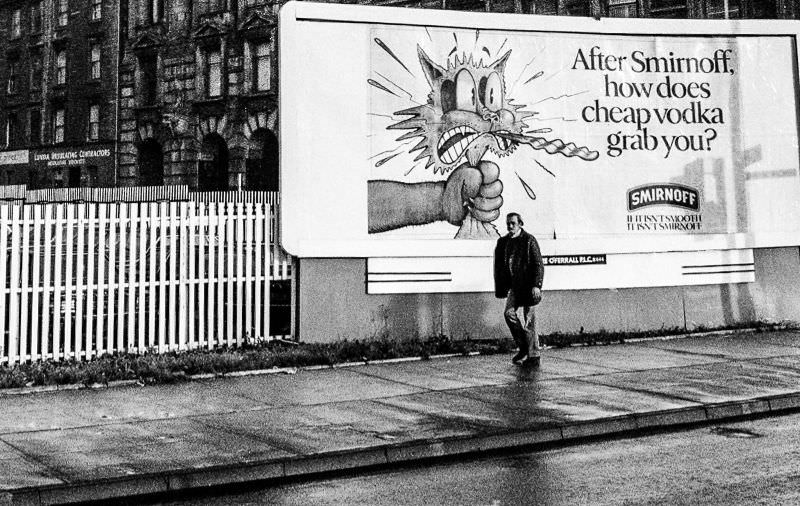
Throughout his photographs, Grisly Bob also turned his lens on individual people — a lone man on the street, pedestrians moving through busy intersections, figures framed against stone walls and shop windows. These portraits of ordinary Glaswegians ground the images in human detail, making the collection more than just a document of buildings and roads. Together, the photos build a precise and unfiltered portrait of a major Scottish city going about its daily life in 1982.
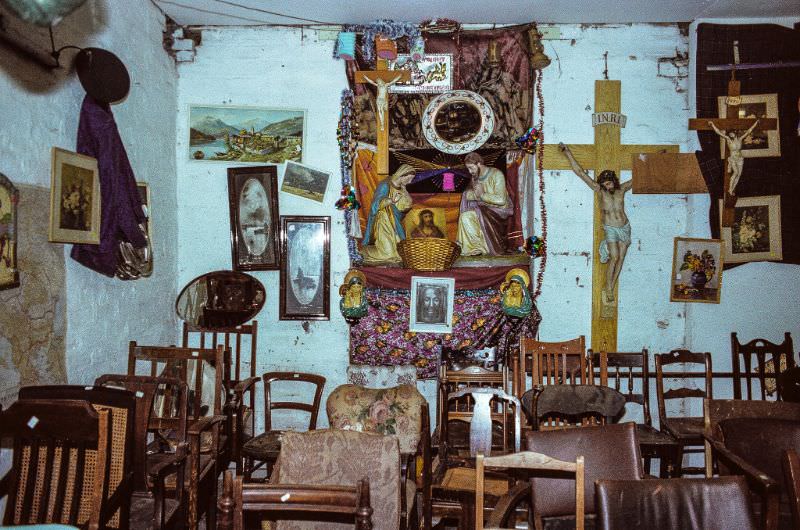
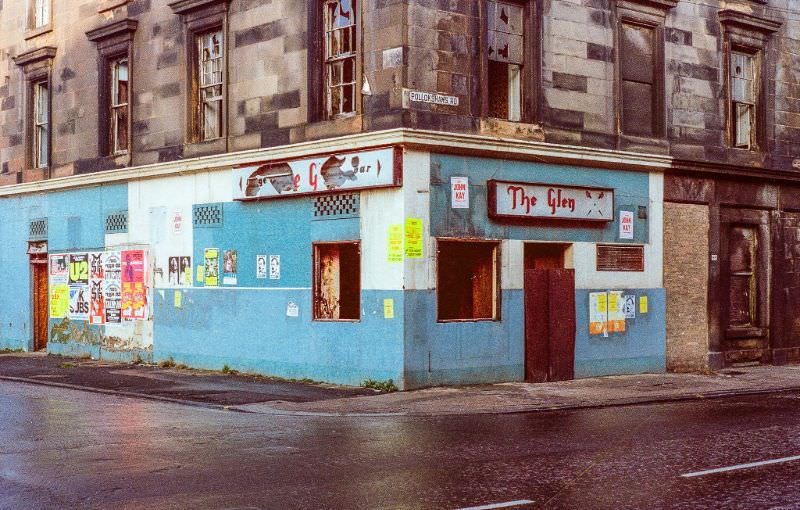





When we were growing up in the Soviet Union and Eastern Europe, we were always told how grim life was? Could it look worse than some parts of Glasgow in the 70s and 80s?
Keep this bookmarked for every time someone discusses Glasgow’s decline. Glasgow isn’t perfect these days, but some people don’t realize just how grim it used to be.
Remember Tinker, Tailor, Soldier, Spy with Alec Guiness? For a scene in what’s supposed to be an Eastern German shop, the old Watt Bros on Sauchiehall St was used. At the time, my friend’s wife worked there.
awesome pictures. Thanks for sharing