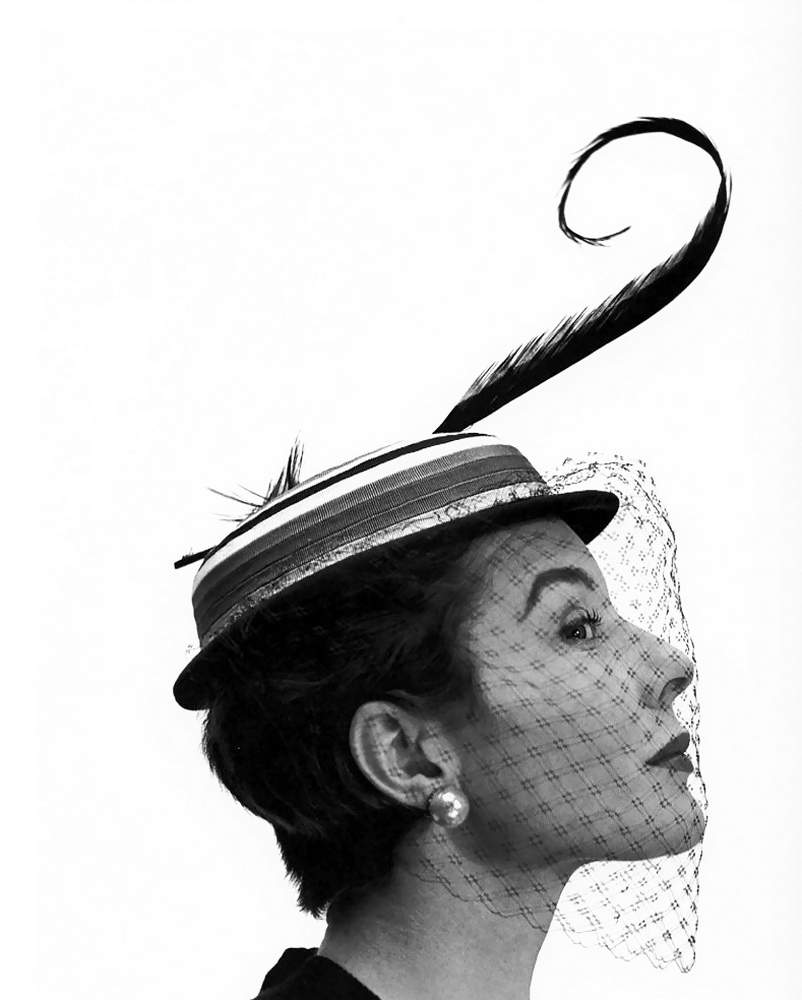
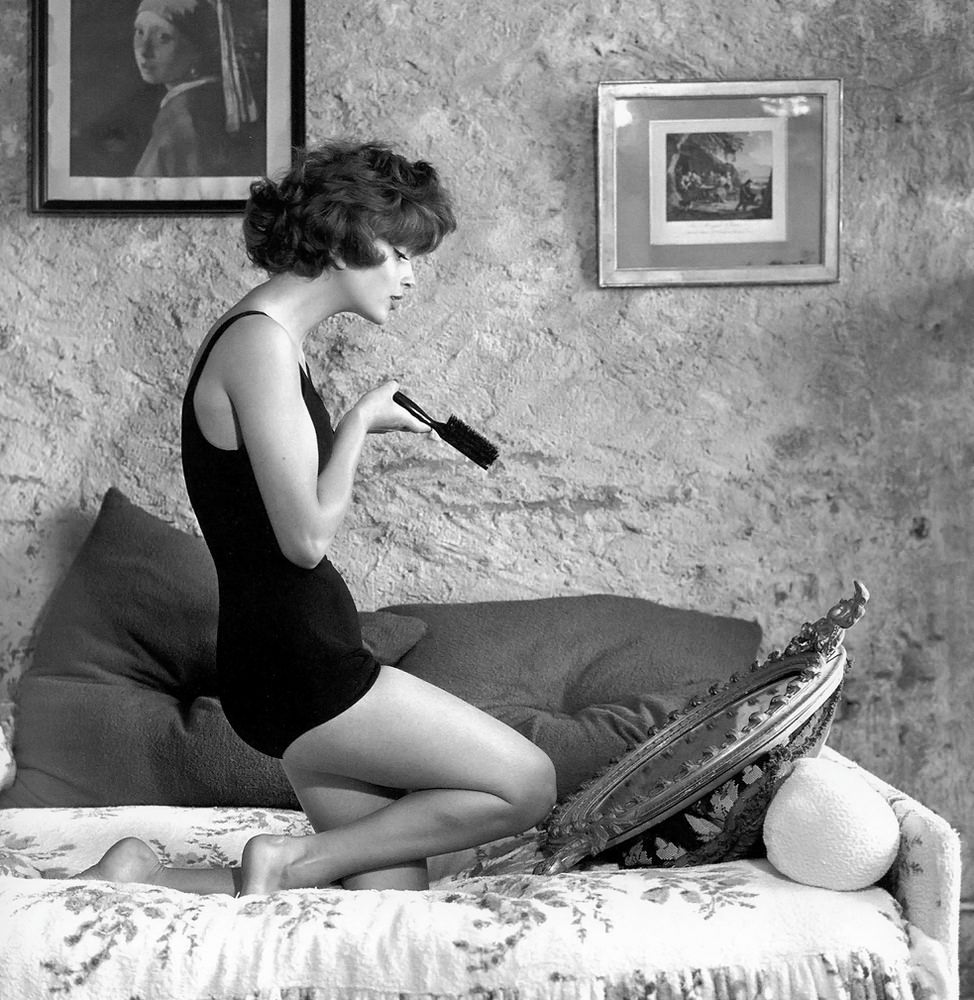
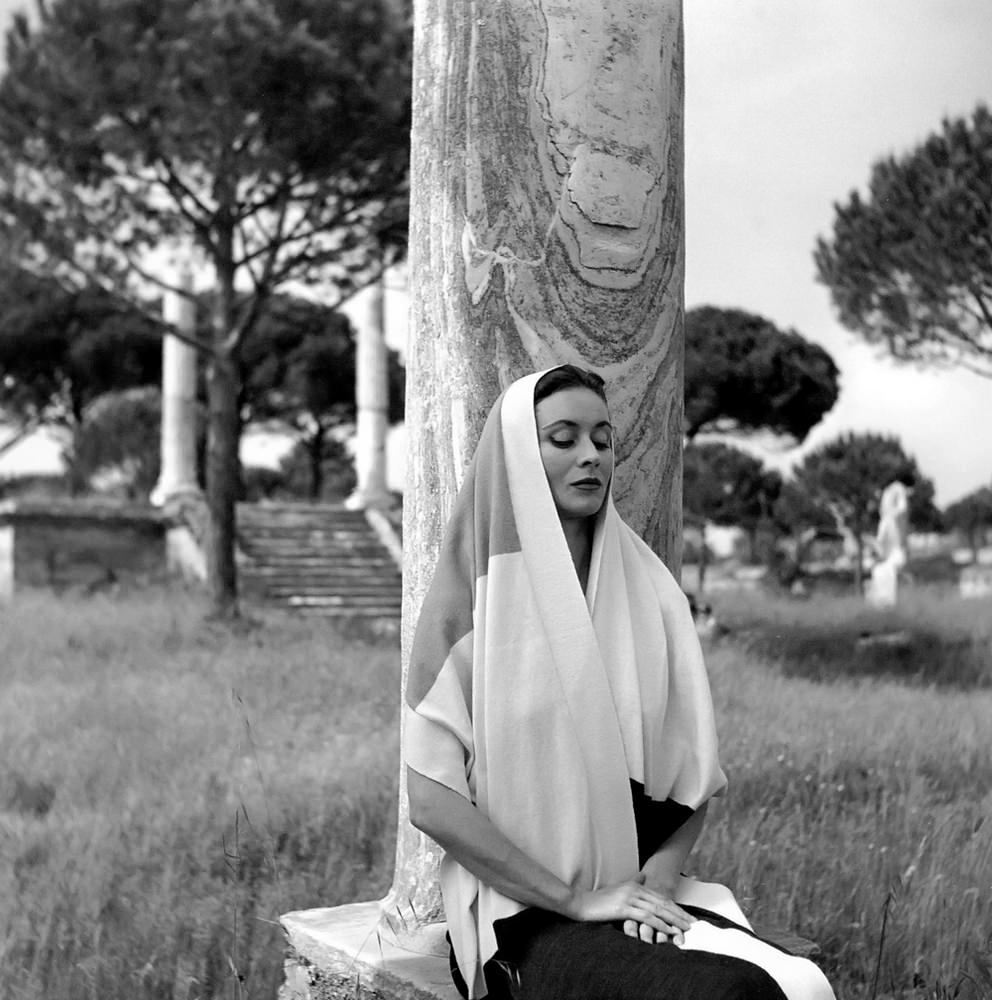
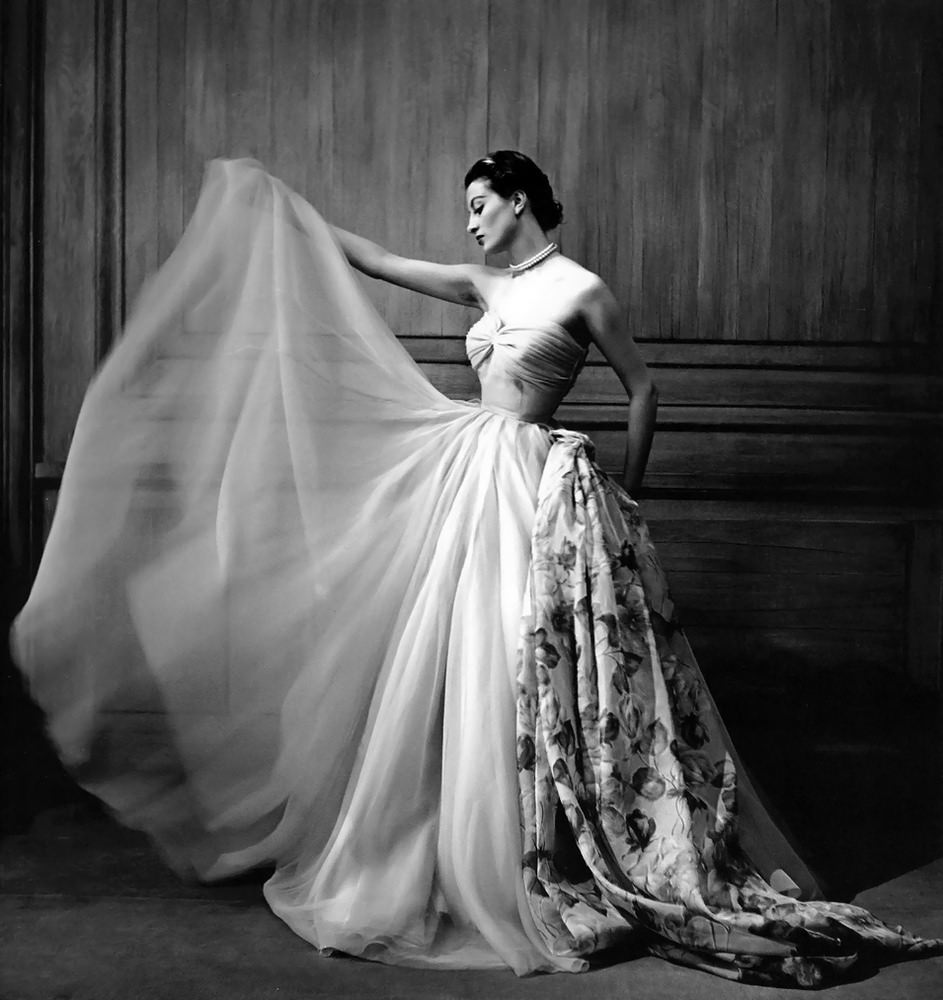
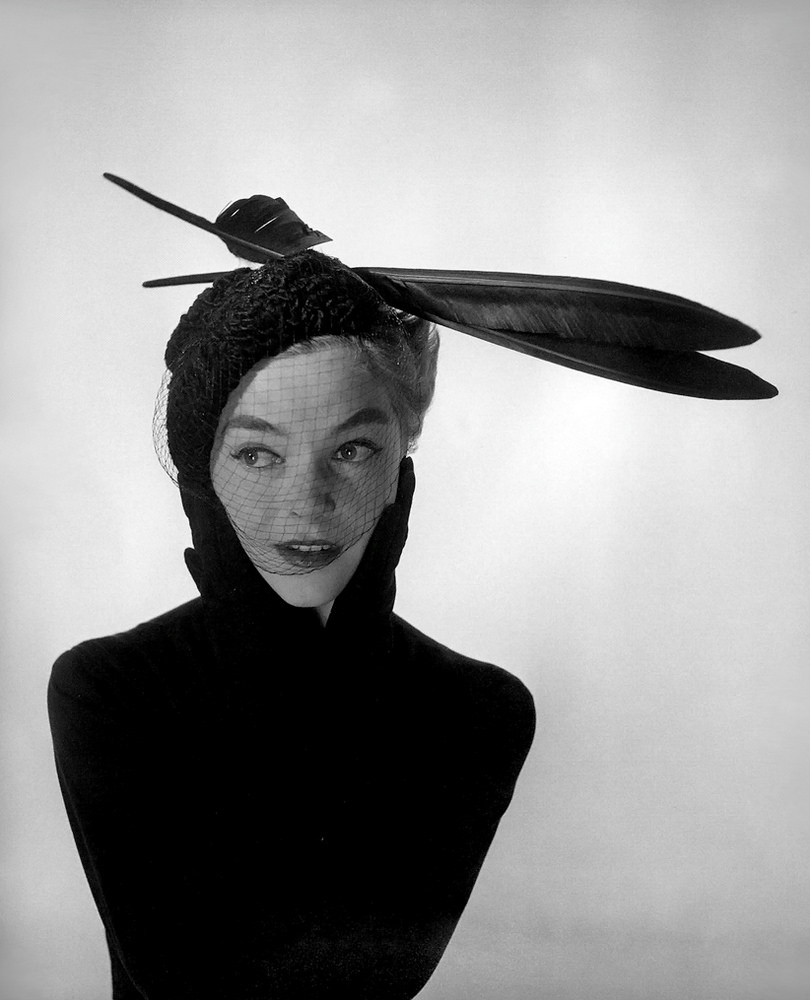
Georges Dambier was born in Paris in 1925, and his path into photography began right at the end of World War II. He met the rising photographer Willy Rizzo and worked alongside him, quickly absorbing the craft. Dambier had a natural eye for graphics and a clear attraction to stylish subjects, and it wasn’t long before fashion photography became his focus. Within just a few years, he was shooting some of the most recognized models of the era — Dorian Leigh, Suzy Parker, and Brigitte Bardot among them.
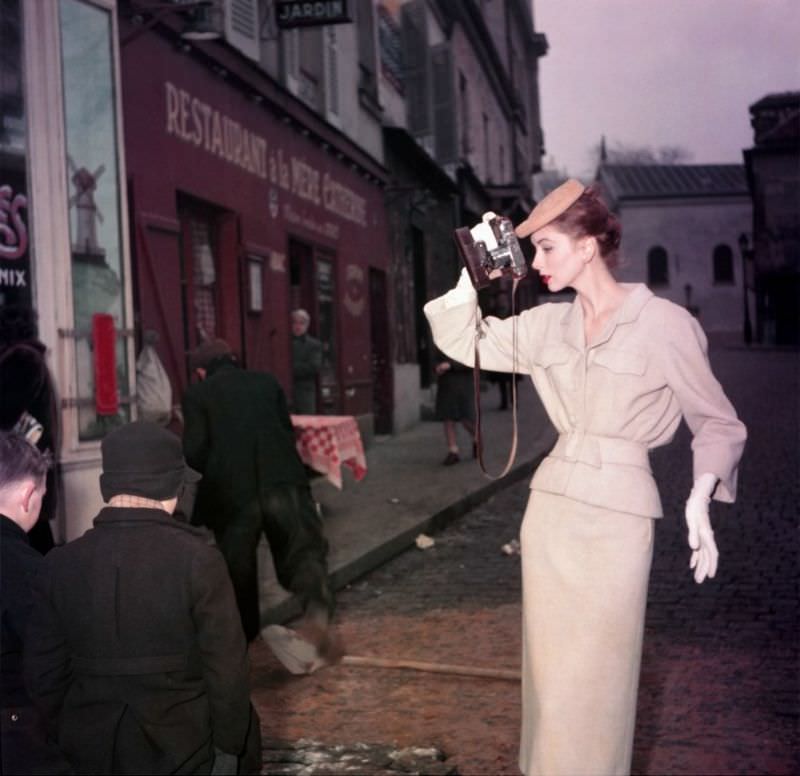
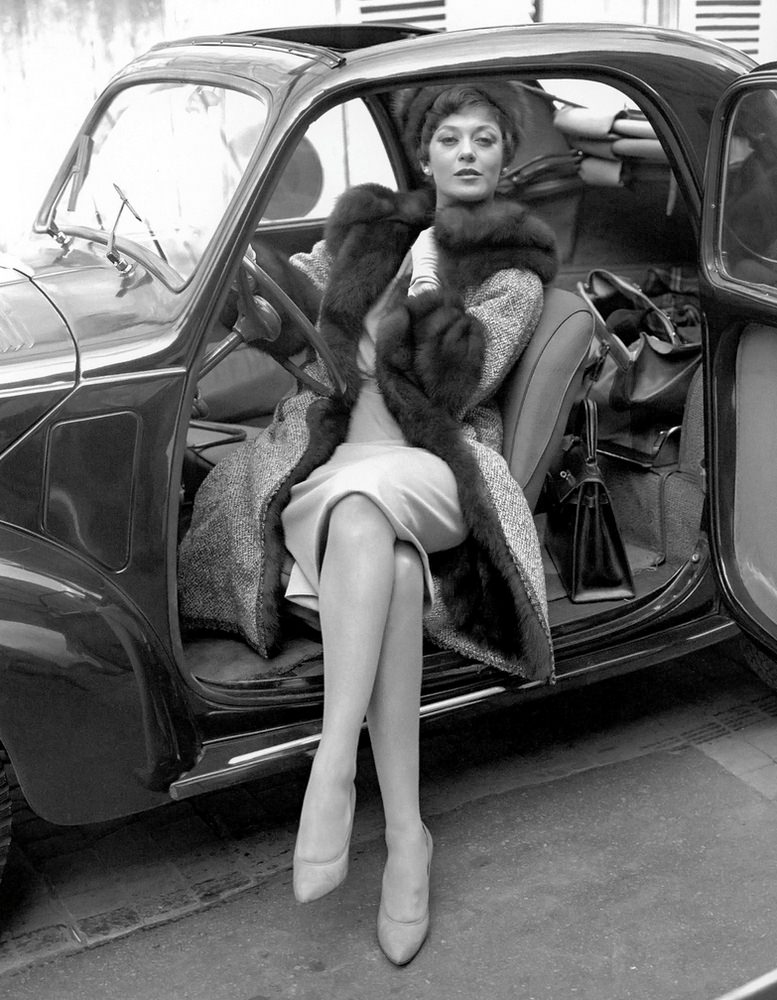
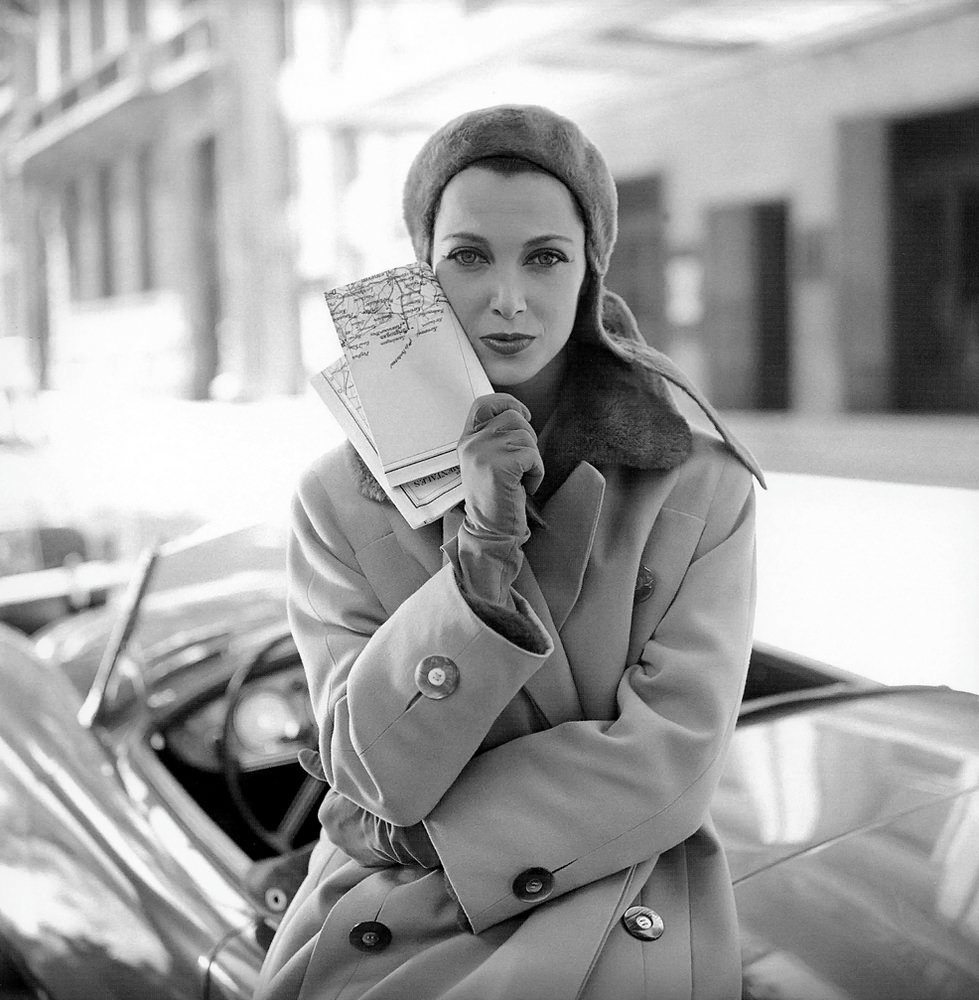
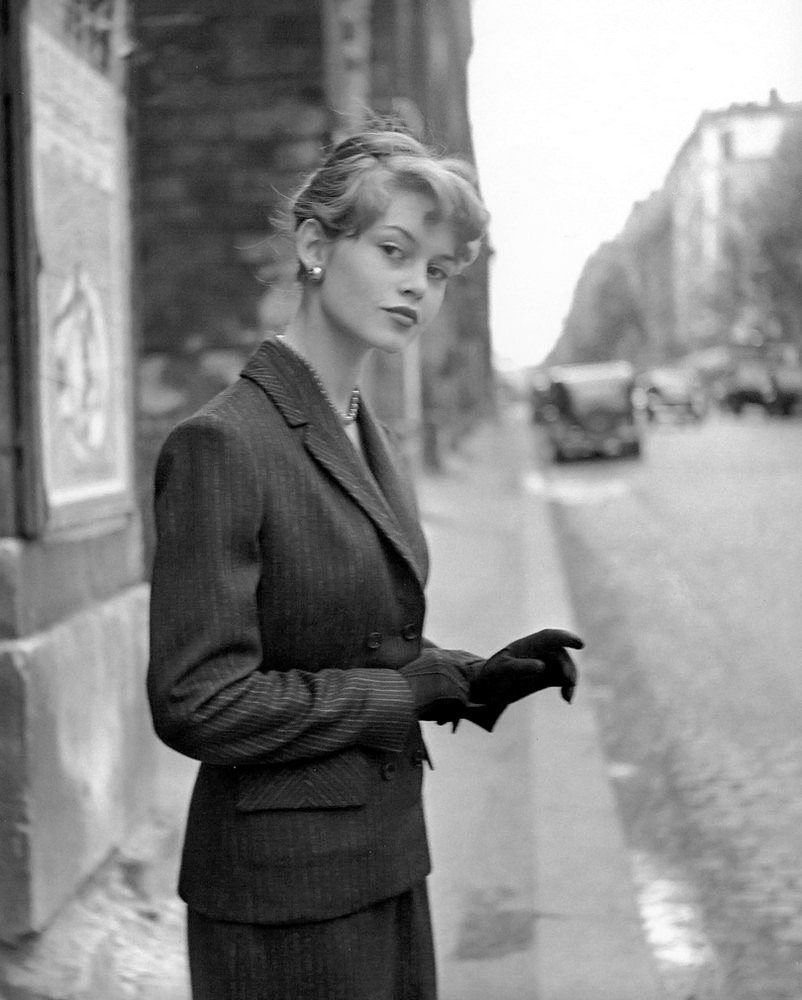
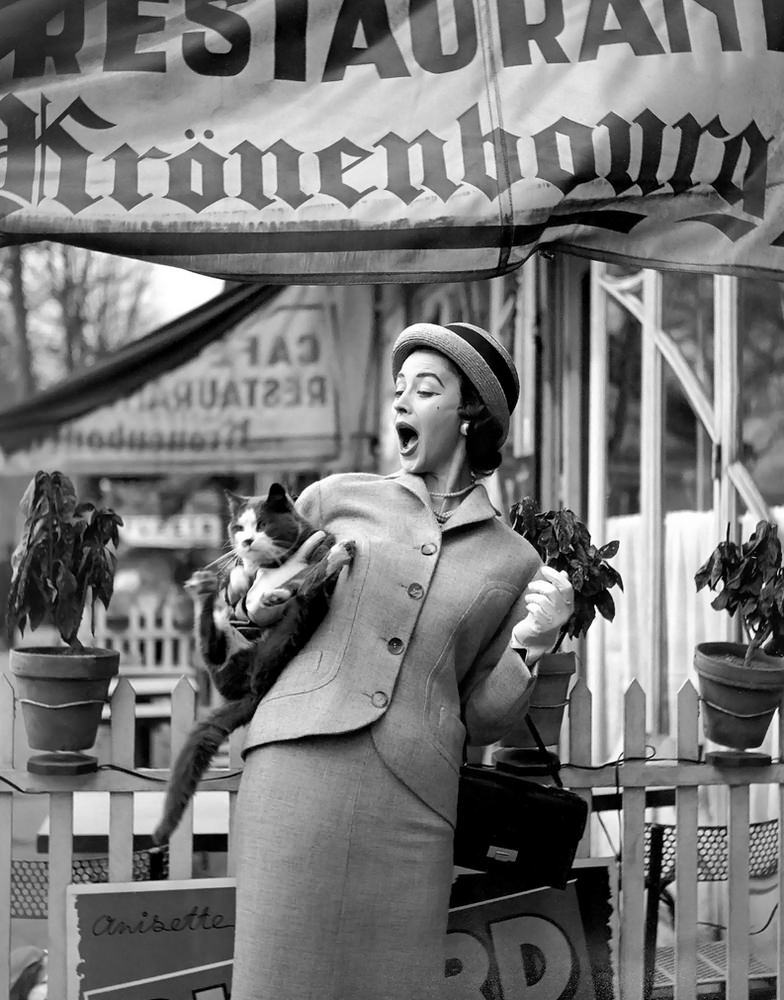
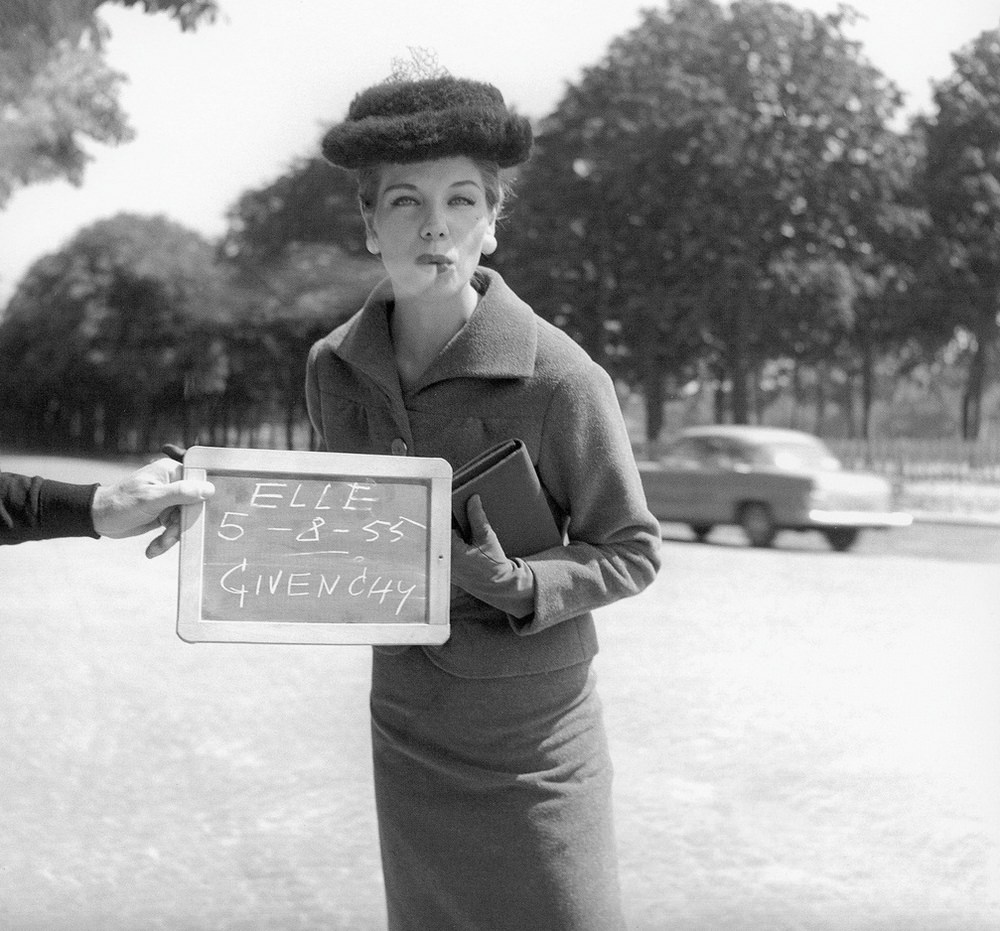
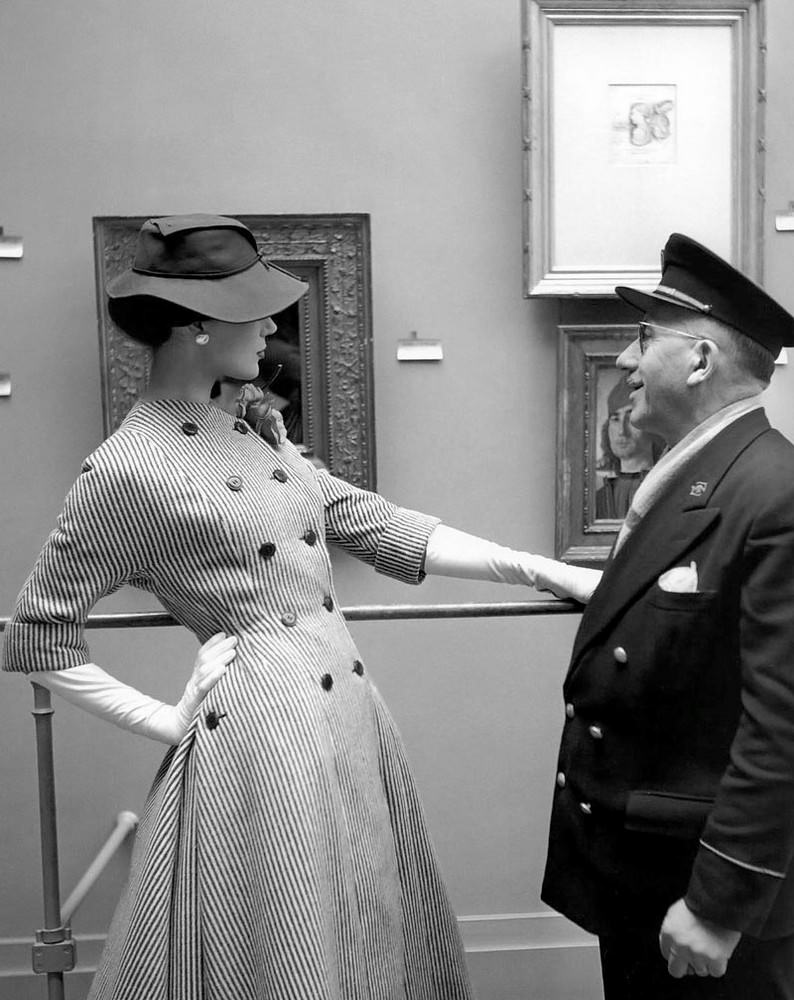
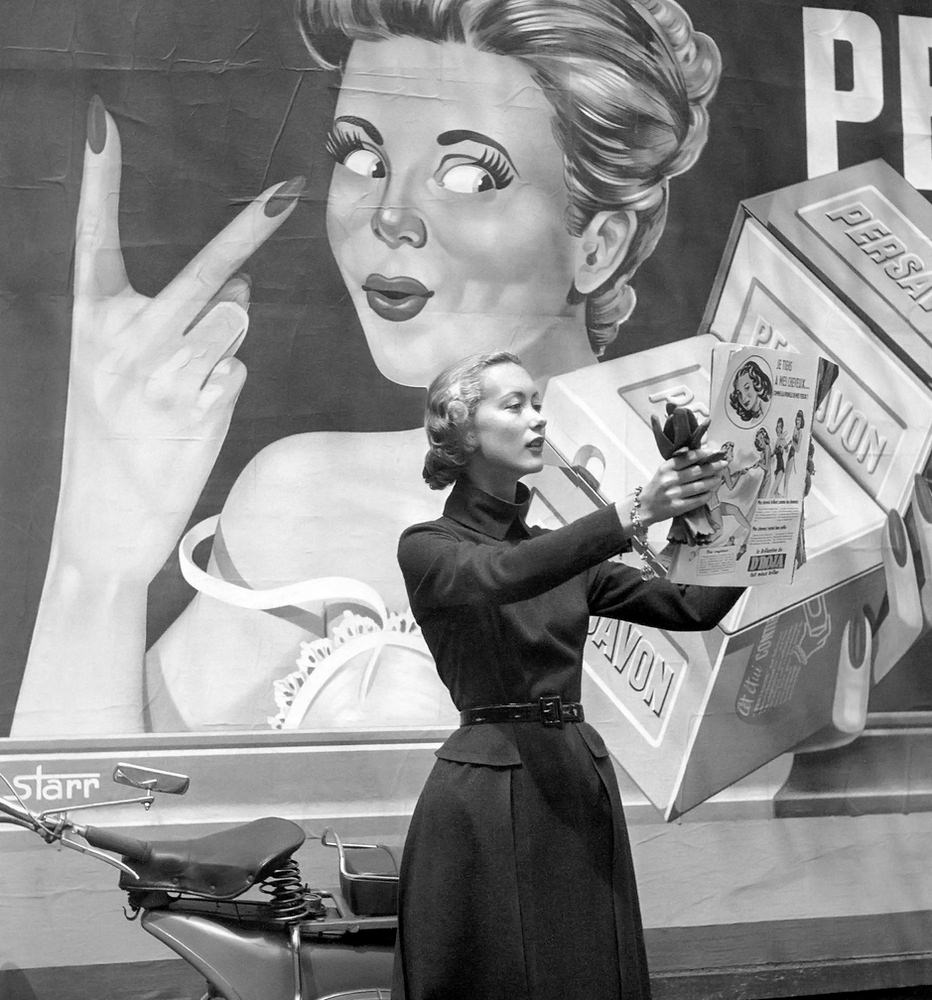
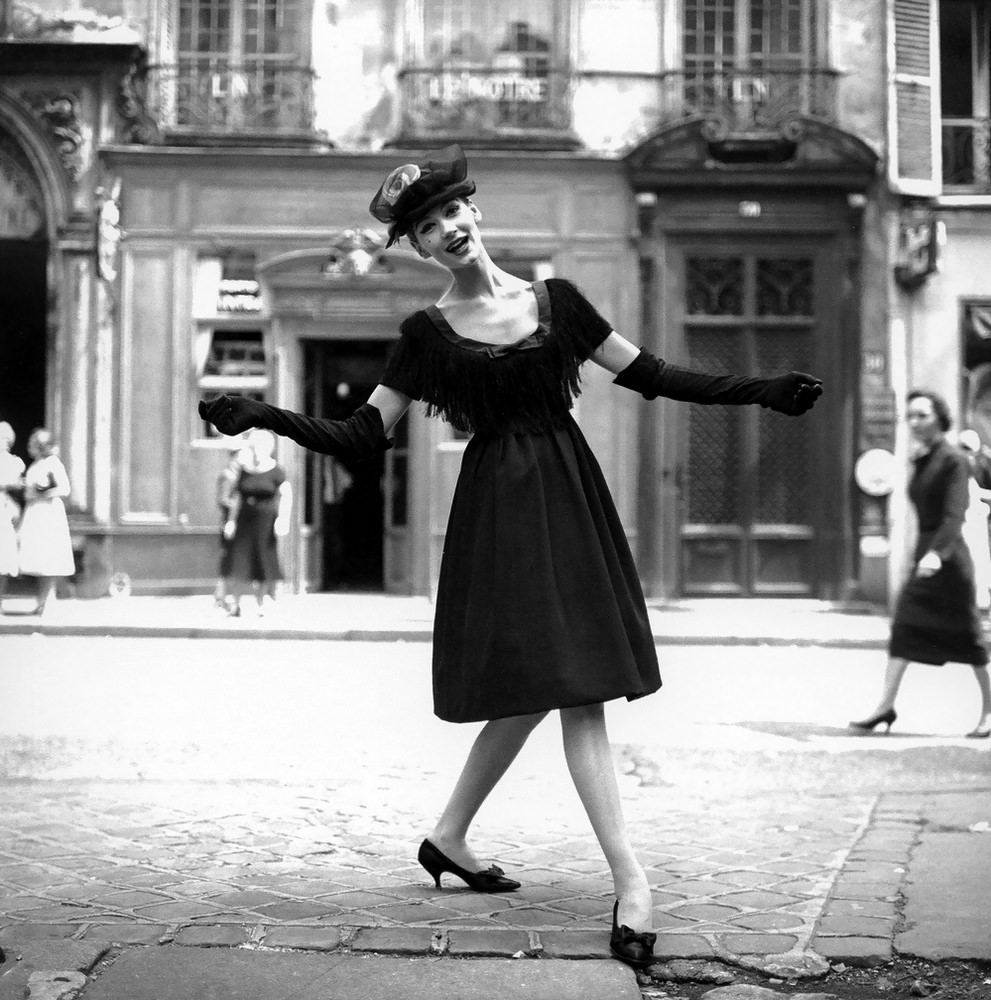
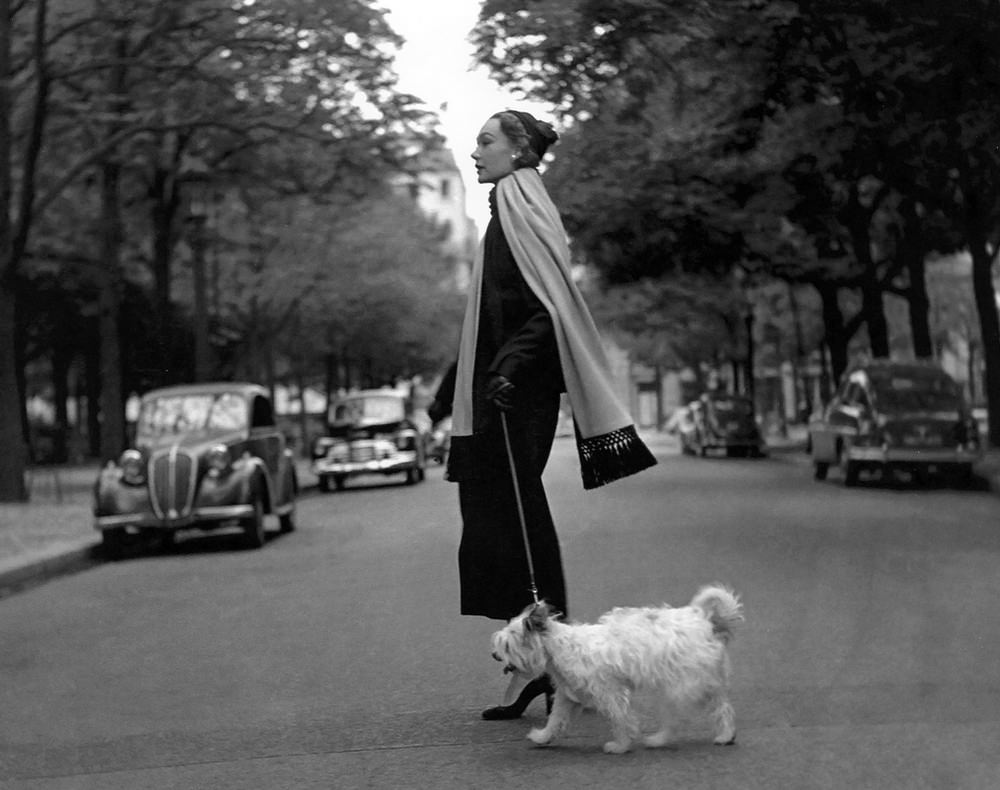
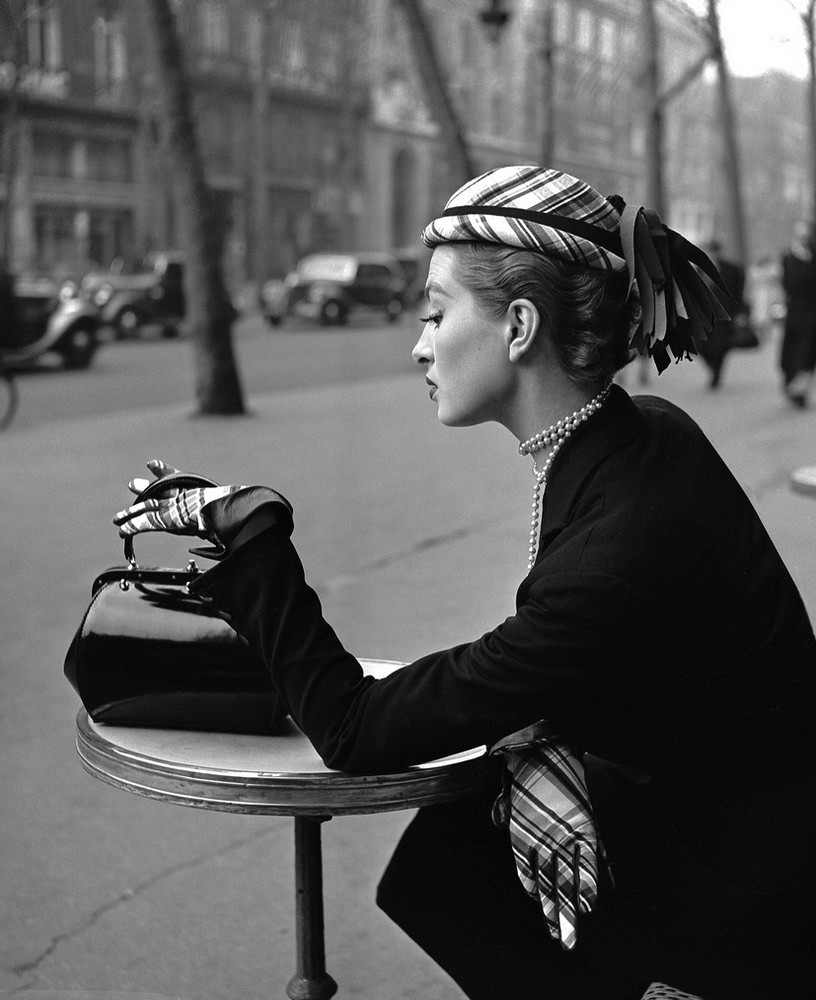
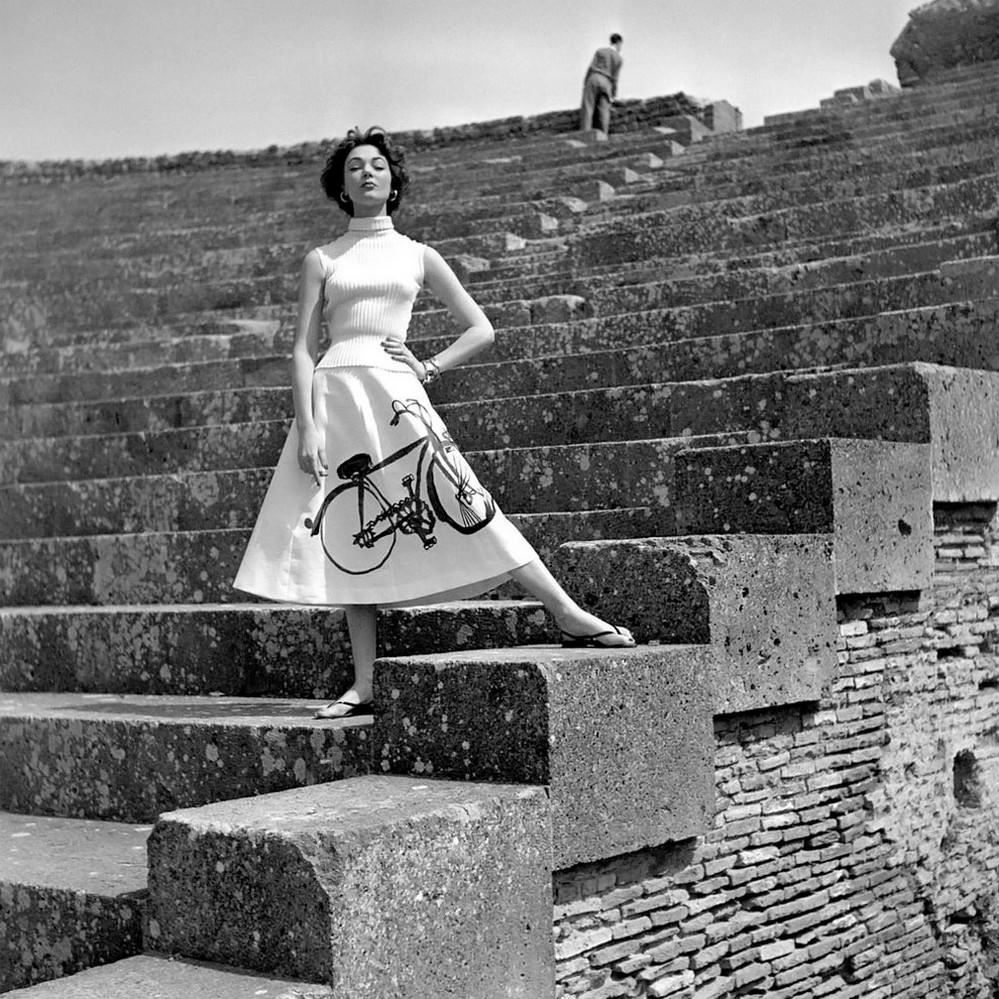
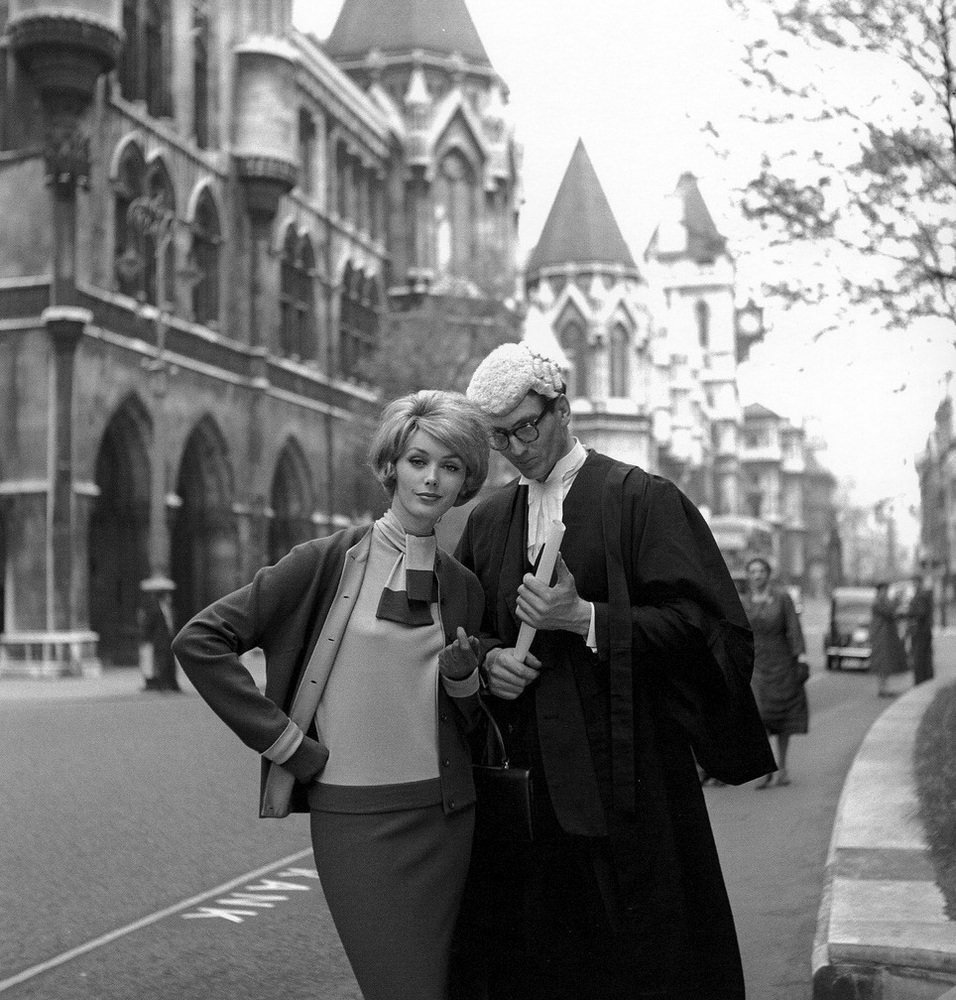
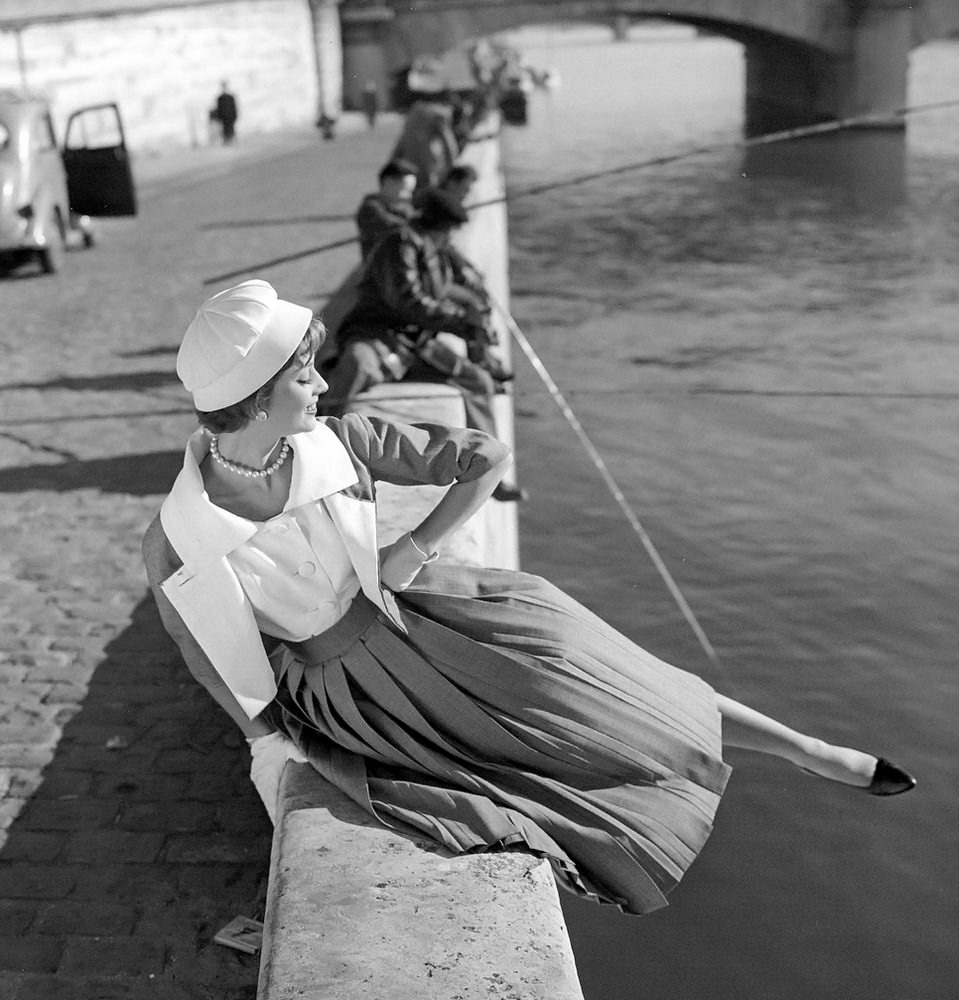
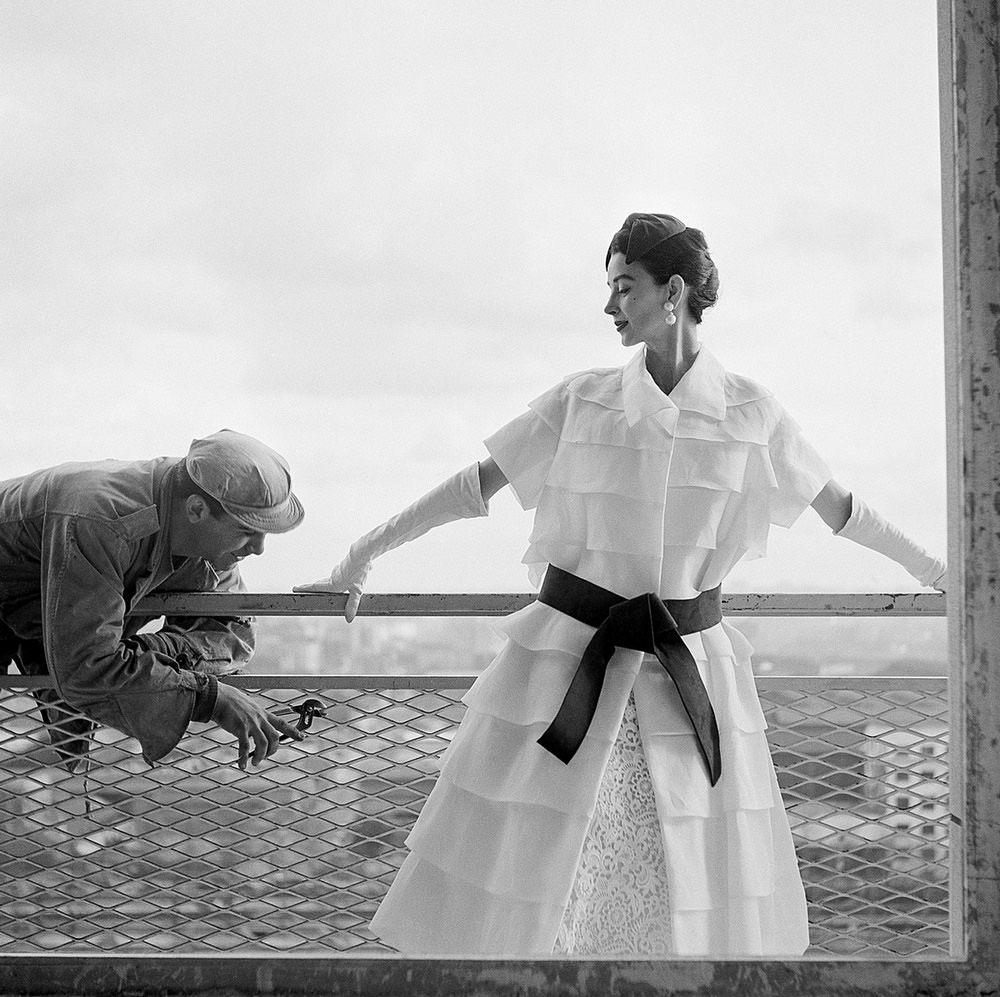
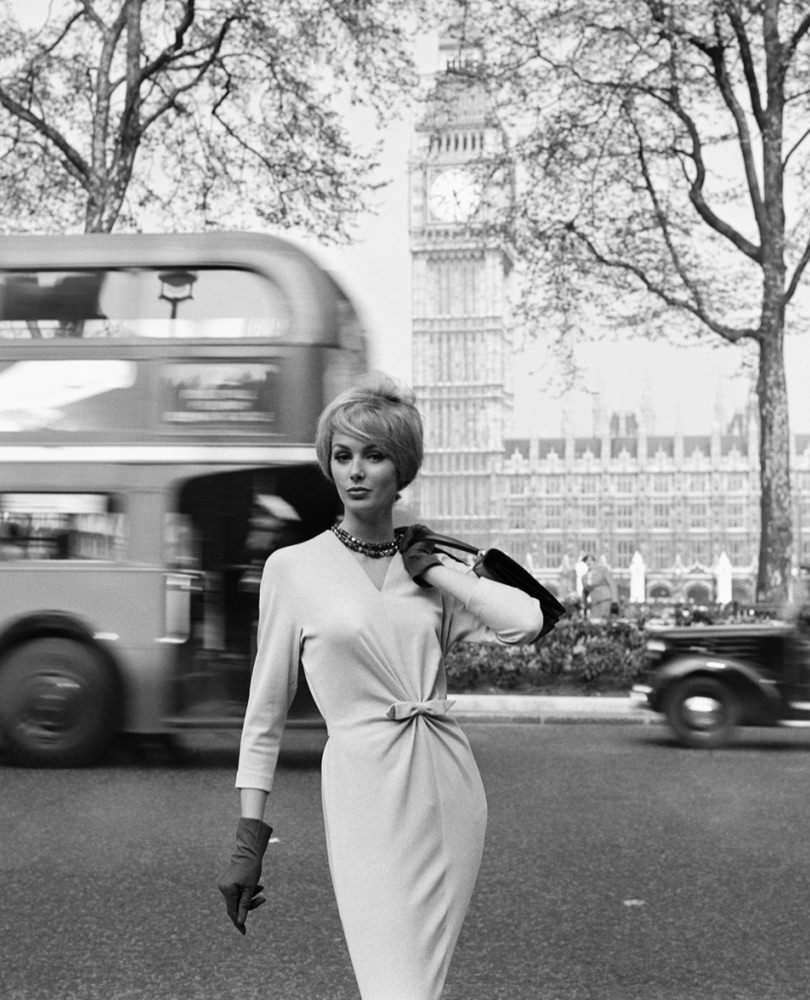
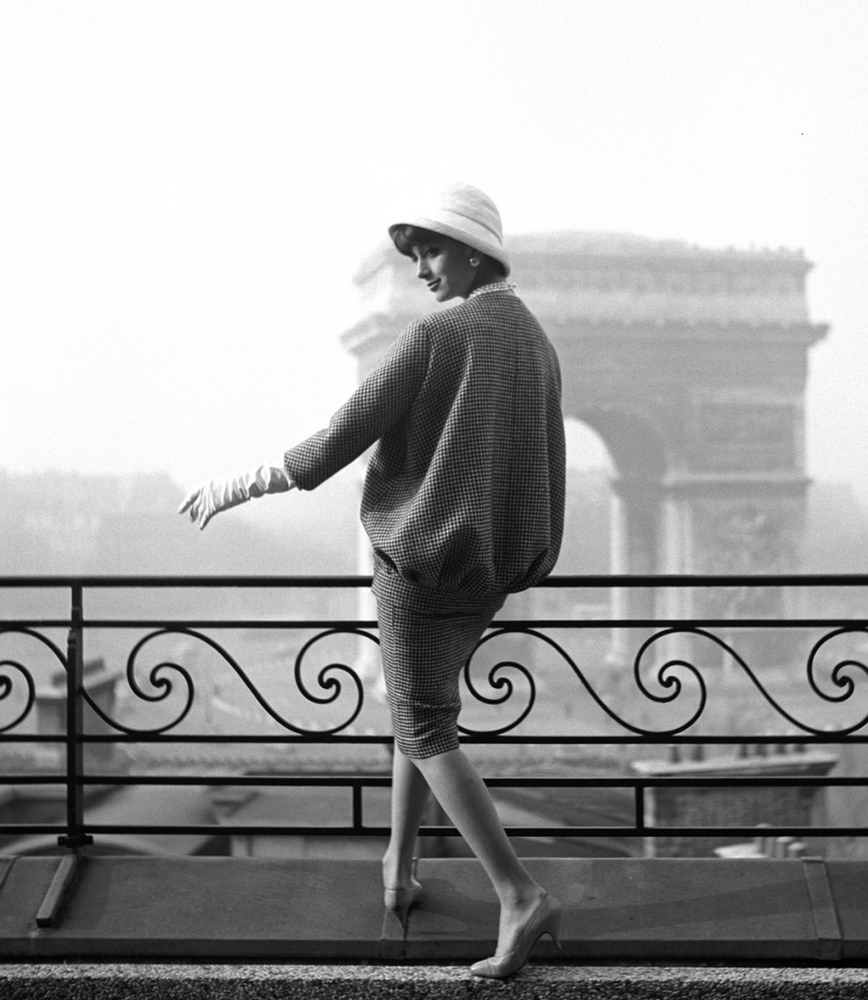
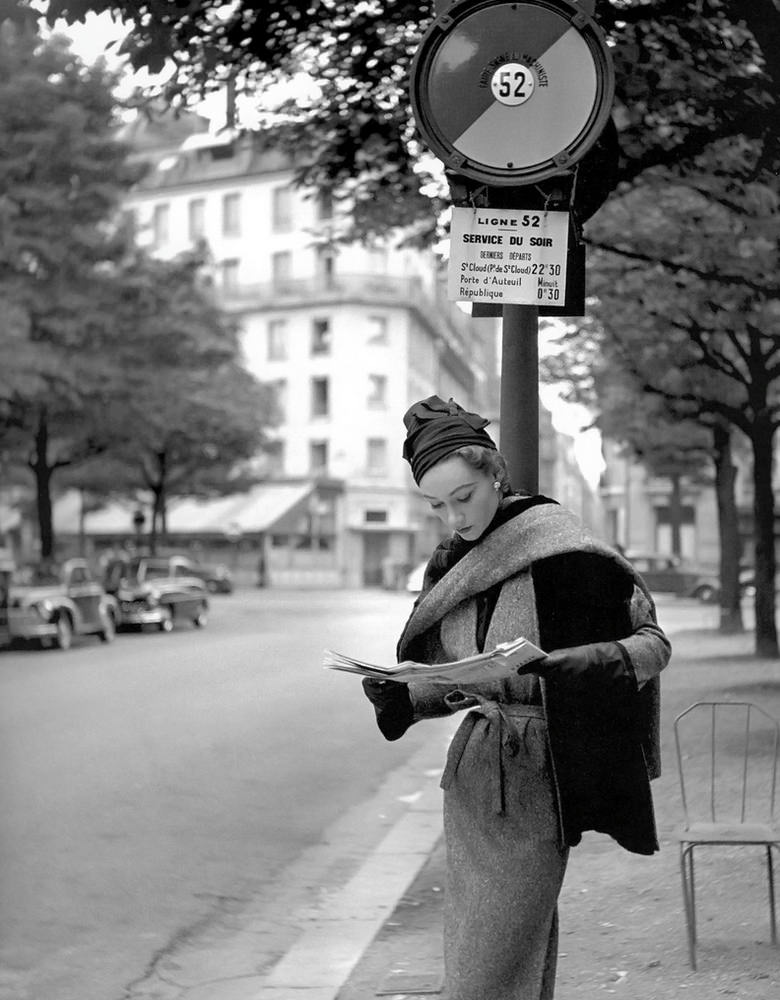
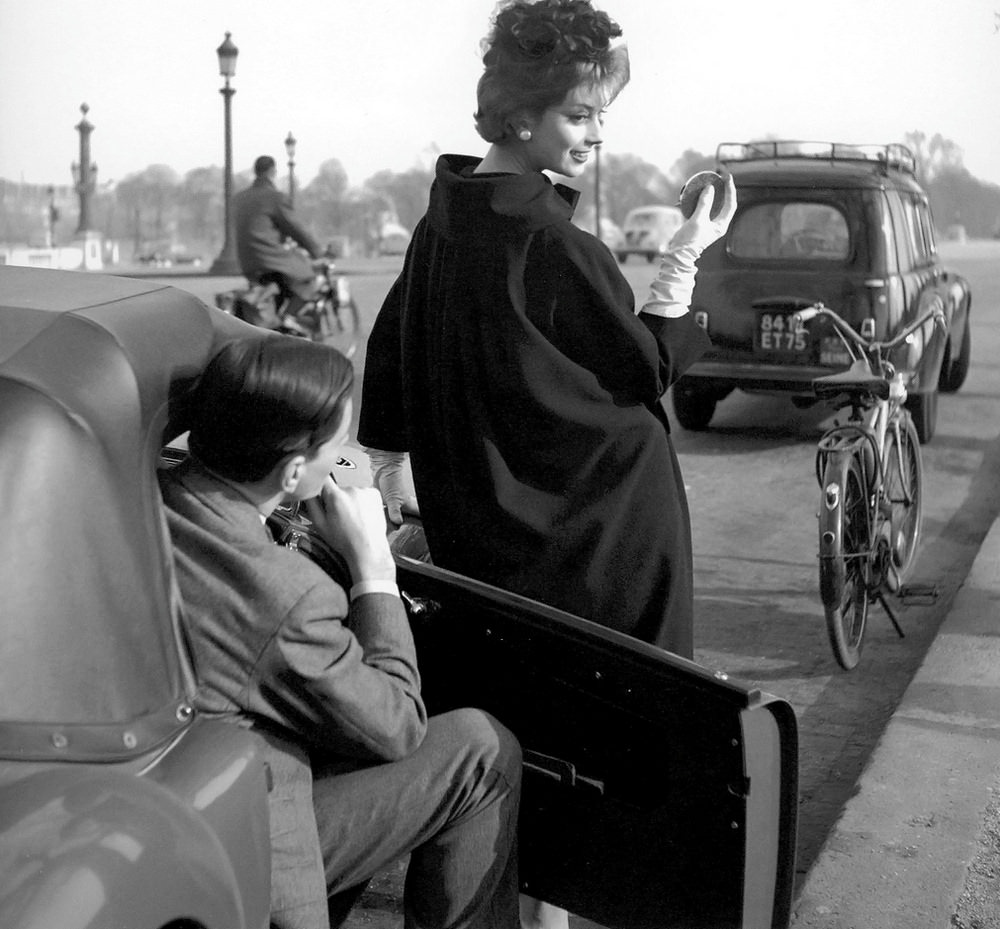
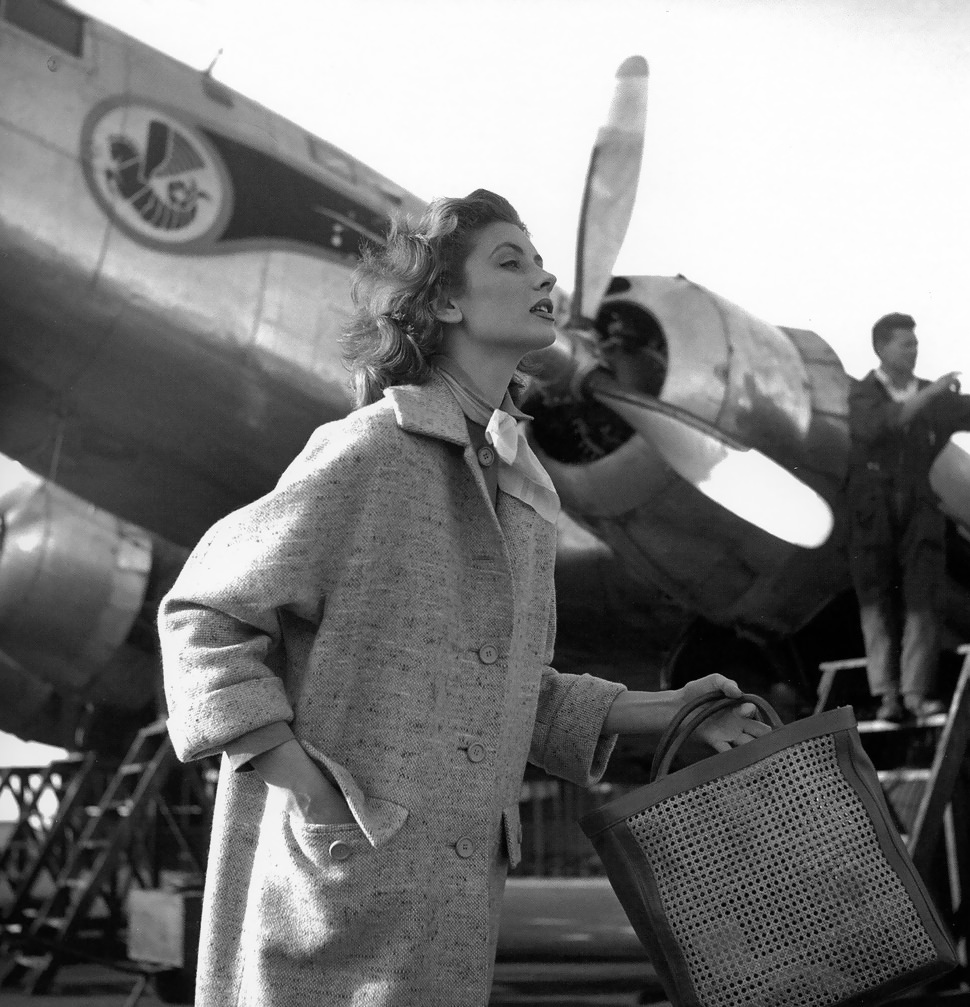
His talent caught the attention of Hélène Lazareff, the celebrated editor of Elle magazine, who offered him an editorial position. Dambier took the opportunity seriously. One of his most significant contributions during his time at Elle was his decision to move models out of the controlled environment of the studio and onto the streets of Paris. That shift gave his images a sense of life and movement that set them apart from most fashion photography of the time.
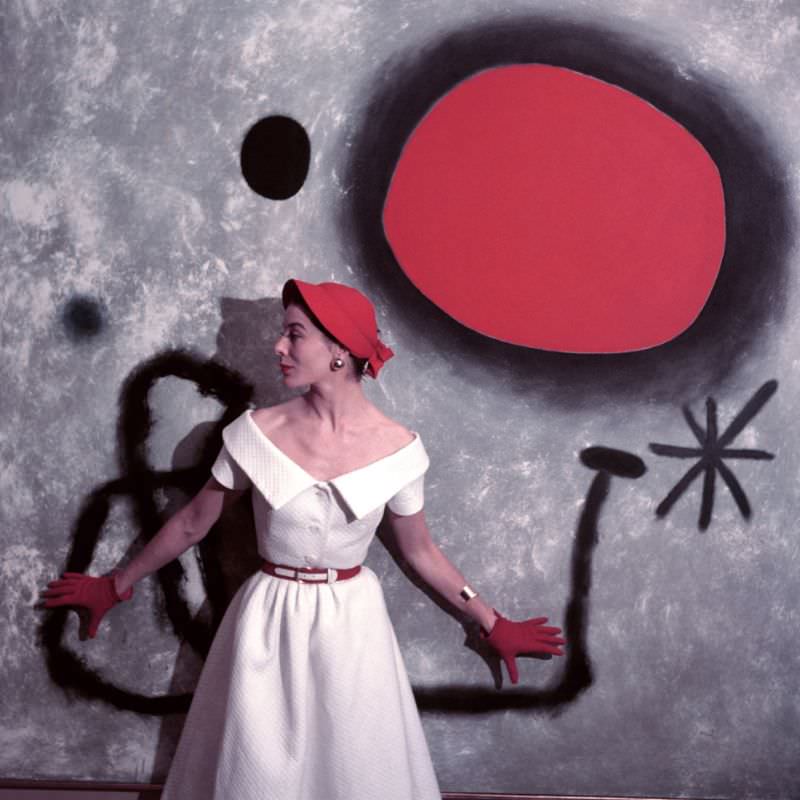
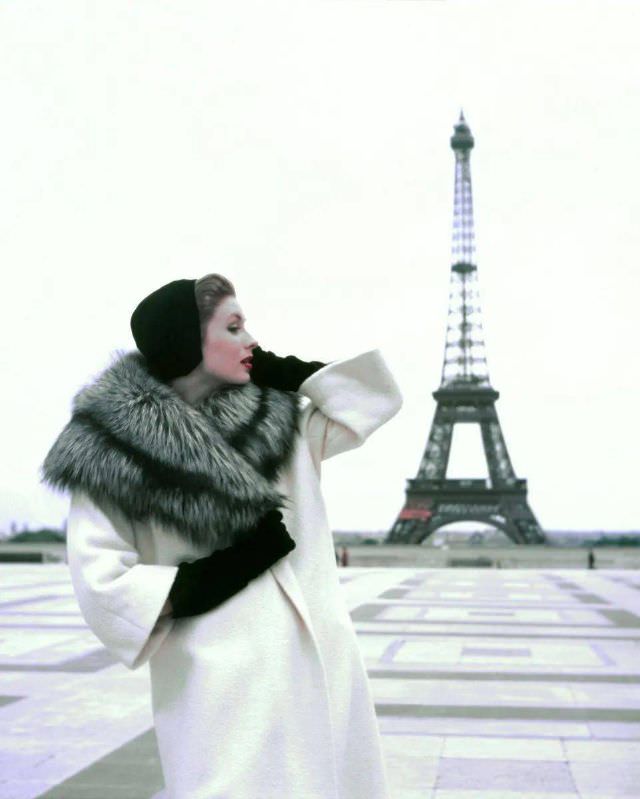
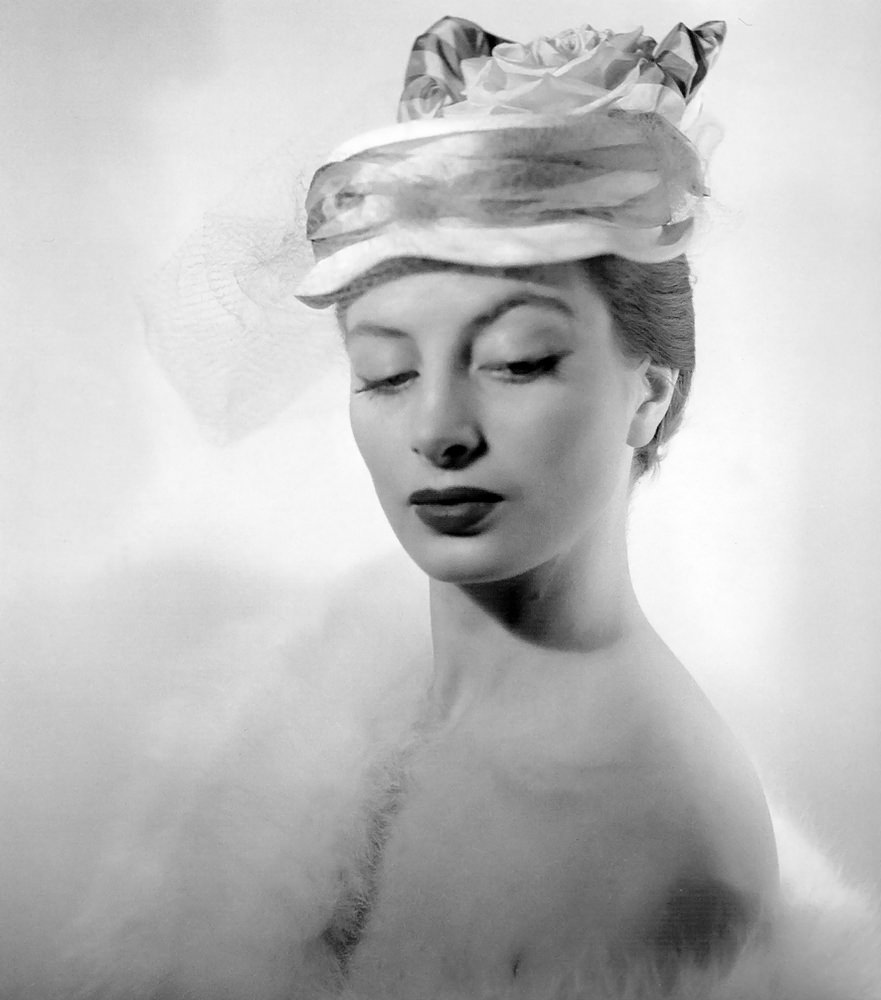
The streets, markets, and landmarks of Paris became his backdrop. His models weren’t posed in front of blank walls — they stood in real places, wearing real clothes, looking like they actually belonged there. The result was fashion photography that felt both aspirational and grounded. Dorian Leigh was one of his favorite subjects during this period, and their collaboration produced some of the most striking images of the early 1950s.
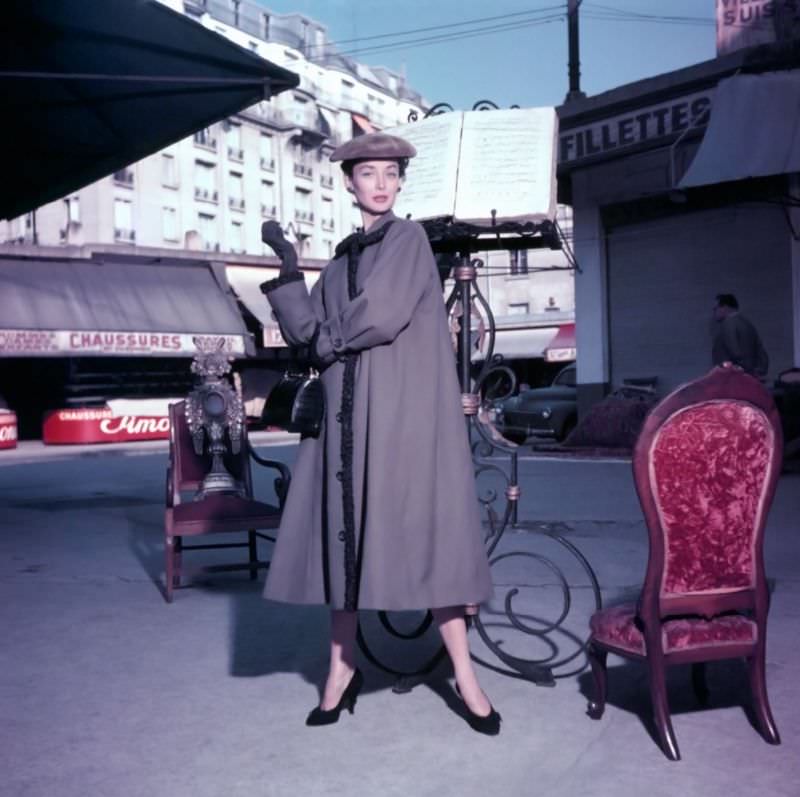
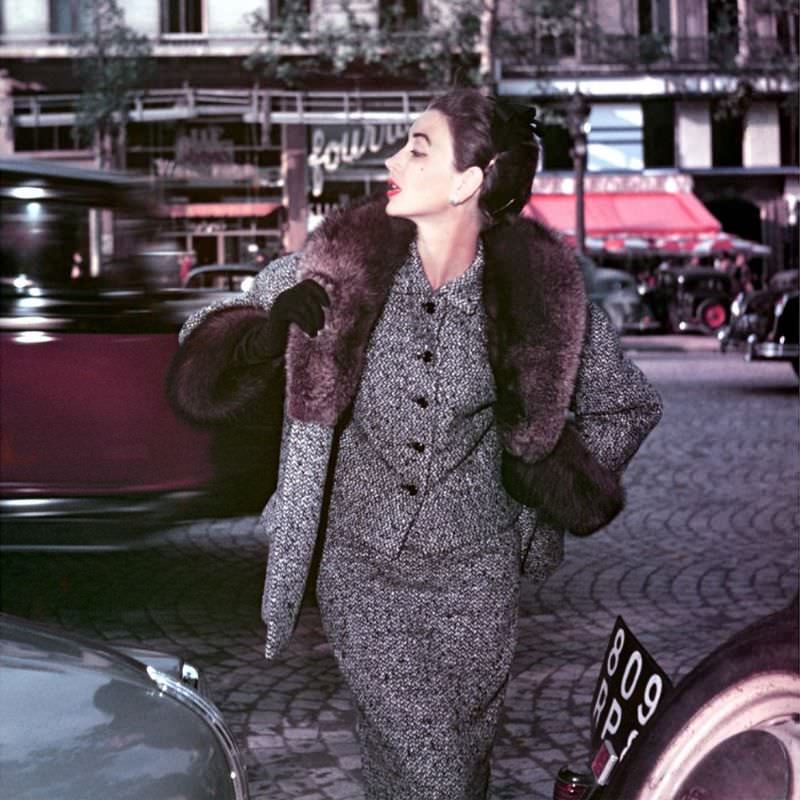
Leigh wasn’t the only model who brought Dambier’s vision to life. Fiona Campbell-Walter, a British model known for her cool, aristocratic look, also appeared in front of his lens during 1953. Each subject brought something different, and Dambier seemed to know exactly how to draw it out.
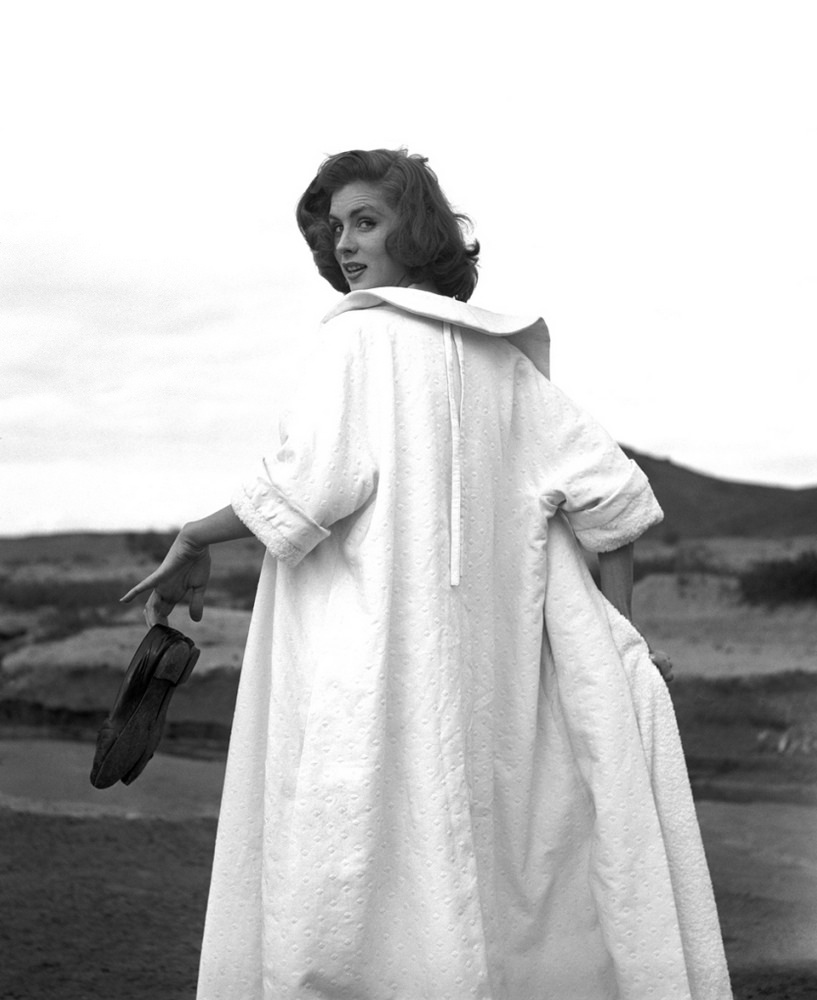
Suzy Parker was another constant presence in Dambier’s work. An American model based in Paris, Parker was one of the highest-paid models in the world during the 1950s and a regular face in the pages of Elle. Dambier photographed her repeatedly, and a series of shots from 1953 show her posed with flowers — daffodils, hydrangeas, and tulips — each image carrying a different mood.
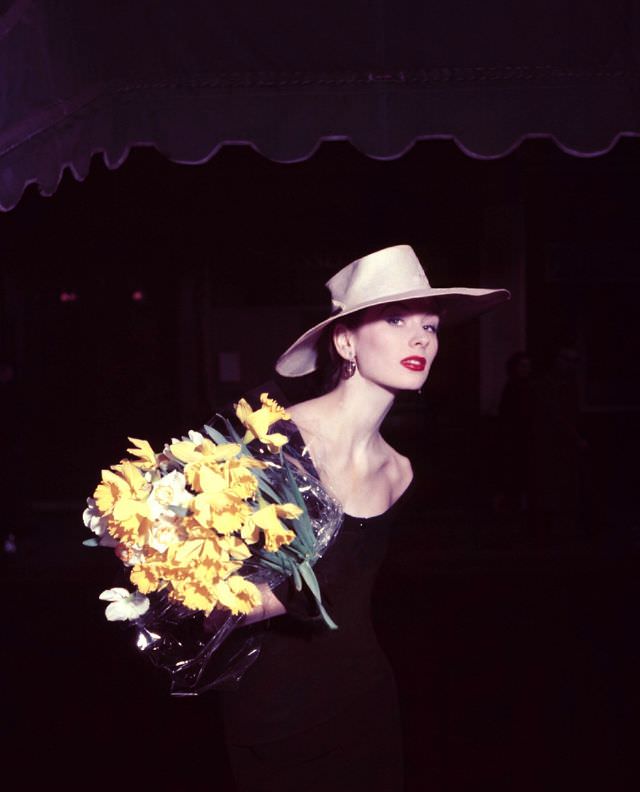
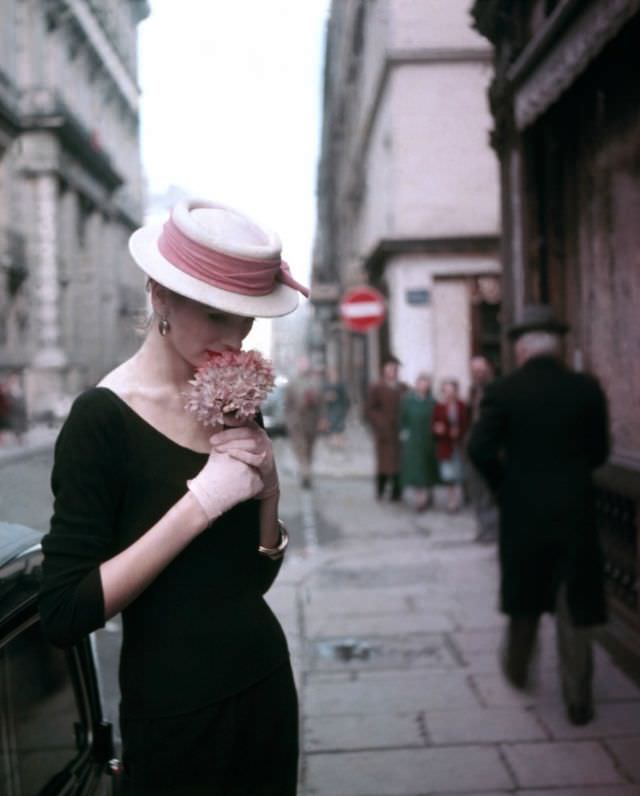
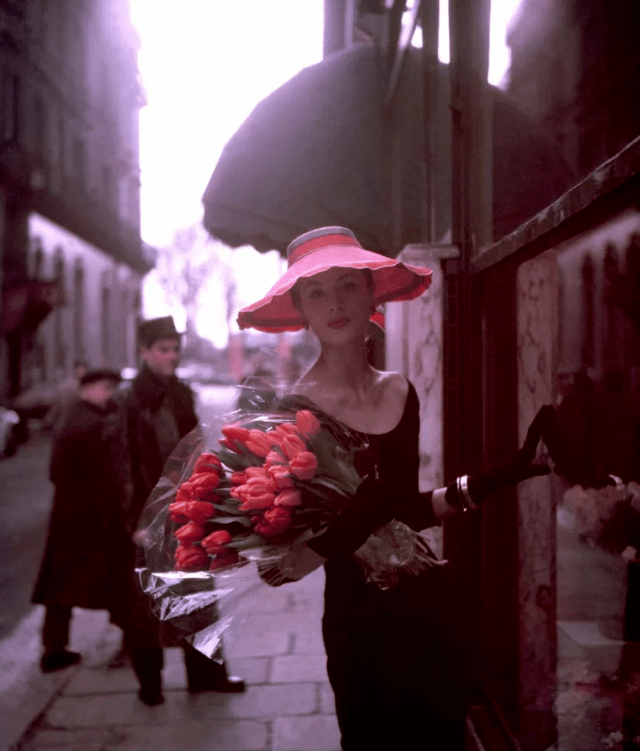
In 1954, the legendary war photographer Robert Capa approached Dambier with an idea: launching a dedicated fashion department within the Magnum Photos agency. It was an ambitious plan that would have brought high fashion into one of the most respected photographic agencies in the world. However, Capa was killed in Vietnam just days after their conversation, and the project never moved forward.
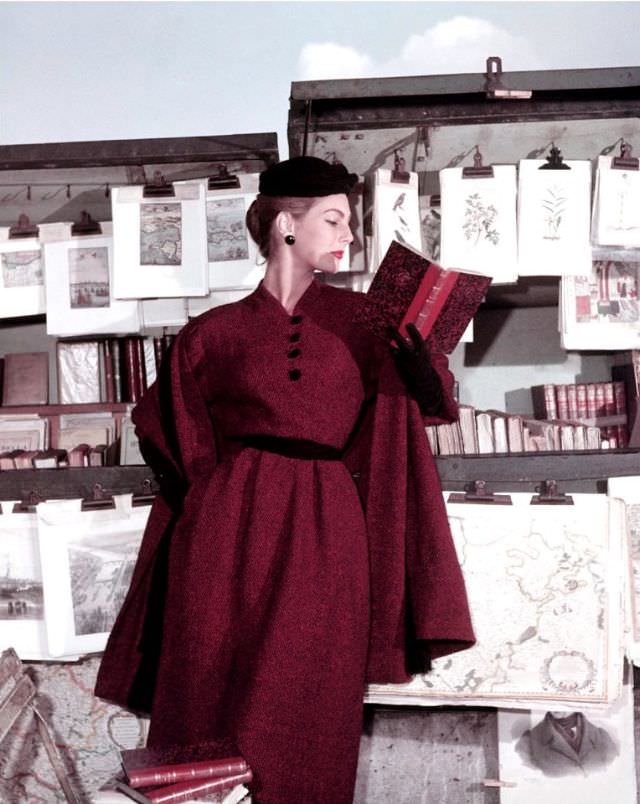
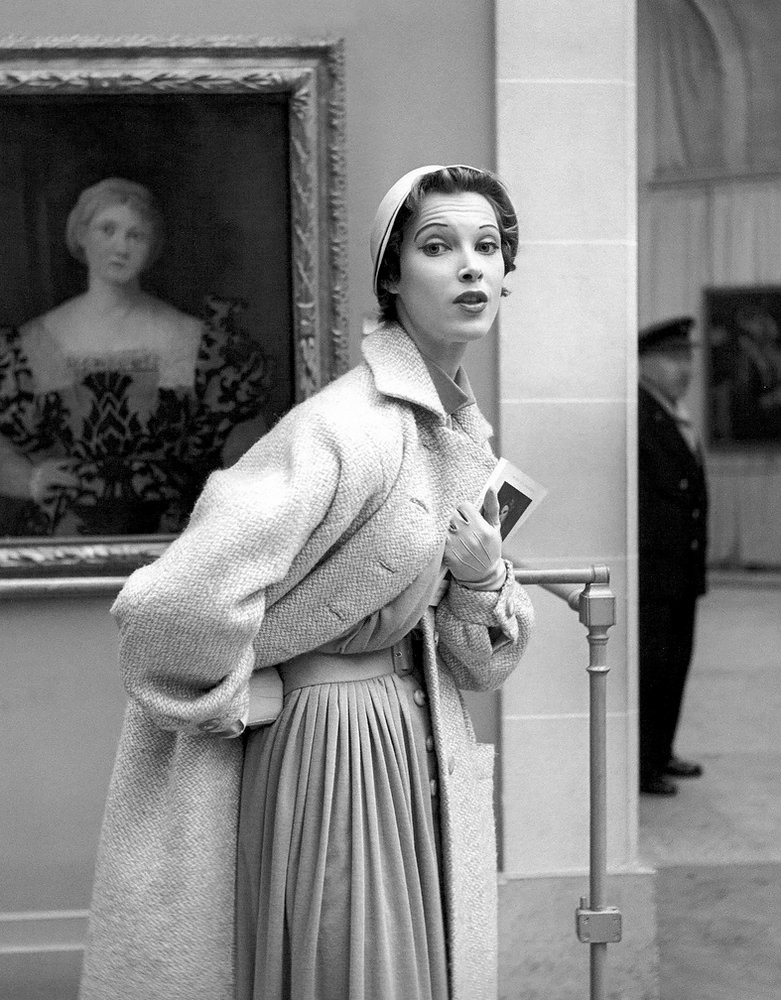
Dambier’s work in 1954 continued at full pace despite that loss. Carmen Dell’Orefice, then a teenager and already one of the most sought-after models in New York and Paris, appeared in one of his most refined shots that year — posed in a bookshop setting wearing a coat by Jacques Fath.
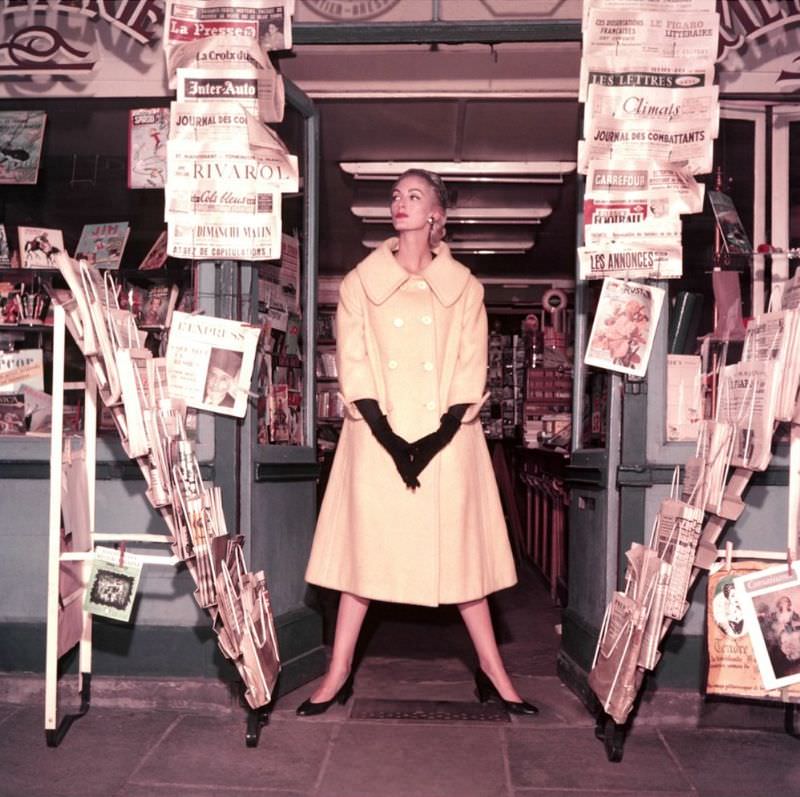
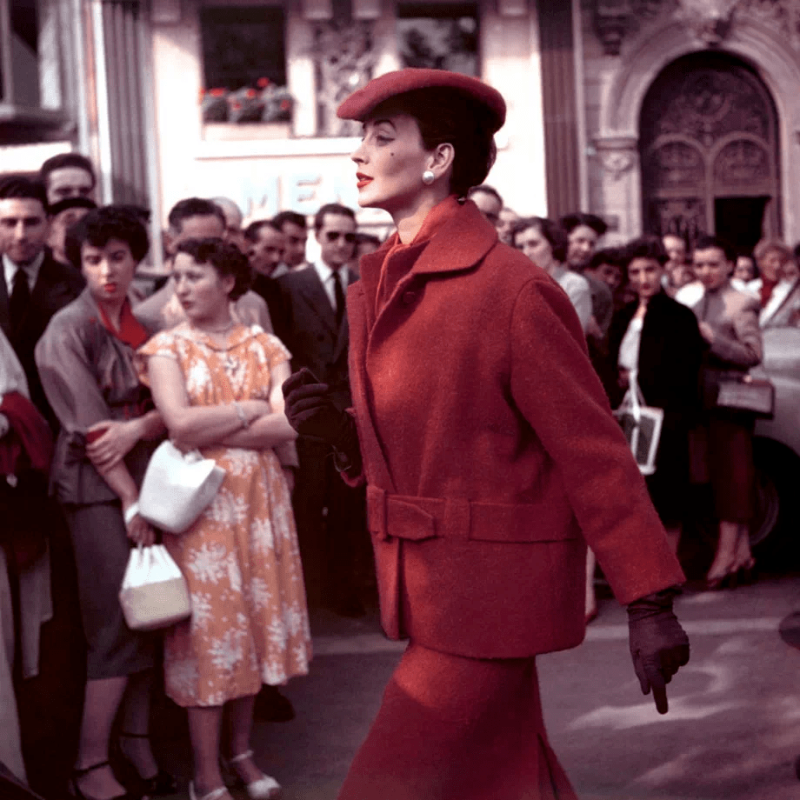
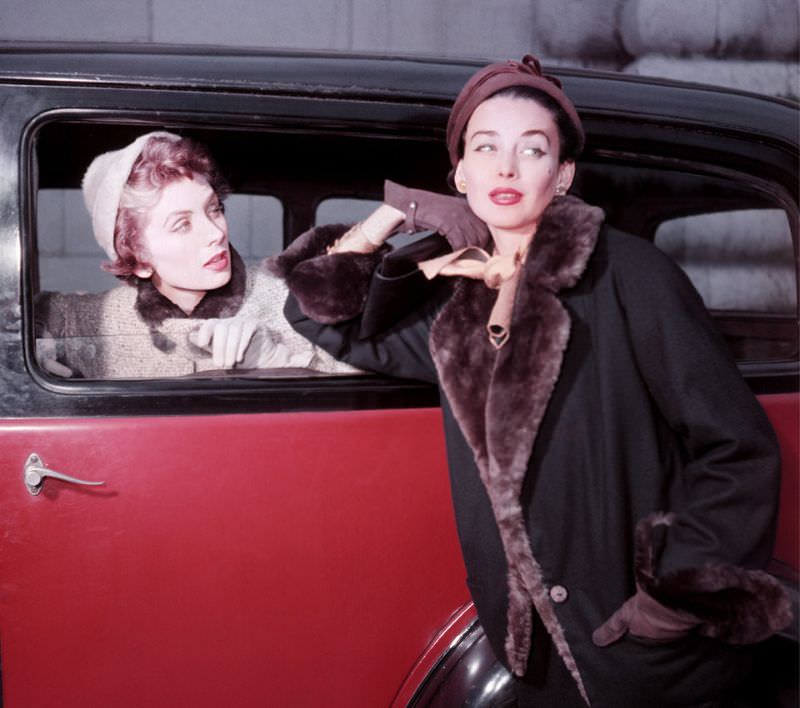
Suzy Parker appeared alongside Dorian Leigh in a 1954 photograph that brought together two of the decade’s most iconic faces. The two women were, in fact, sisters — a detail that added another layer of interest to the image. Parker also appeared solo that same year wearing Givenchy, a house that was still in its early years but already defining Parisian elegance.
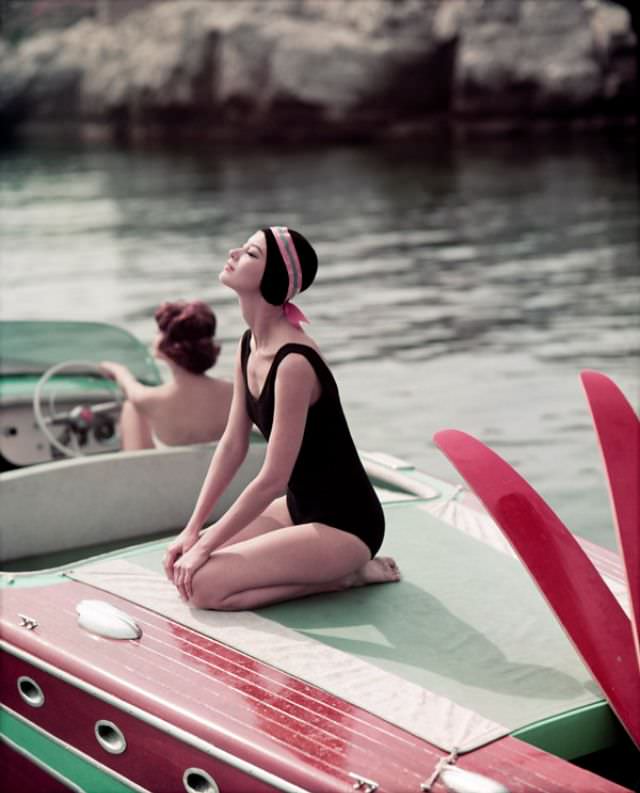
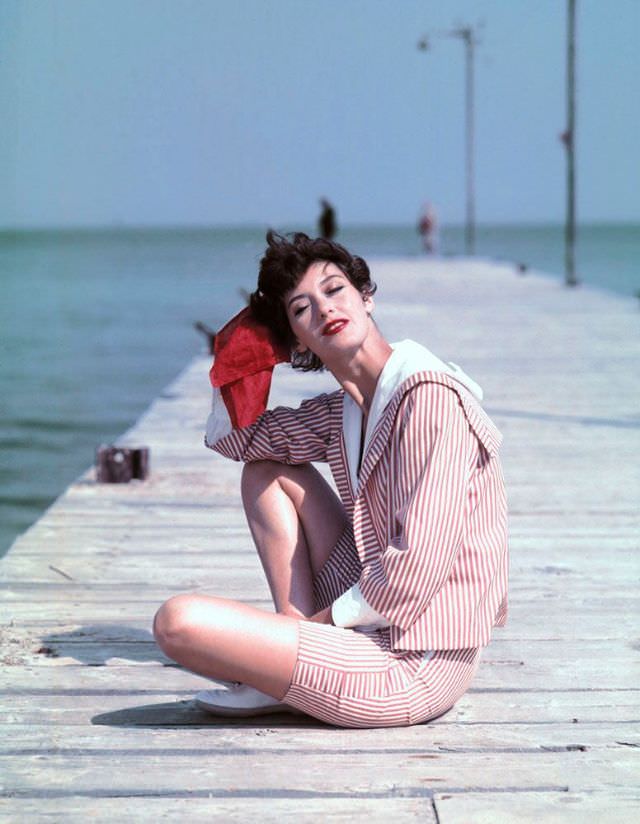
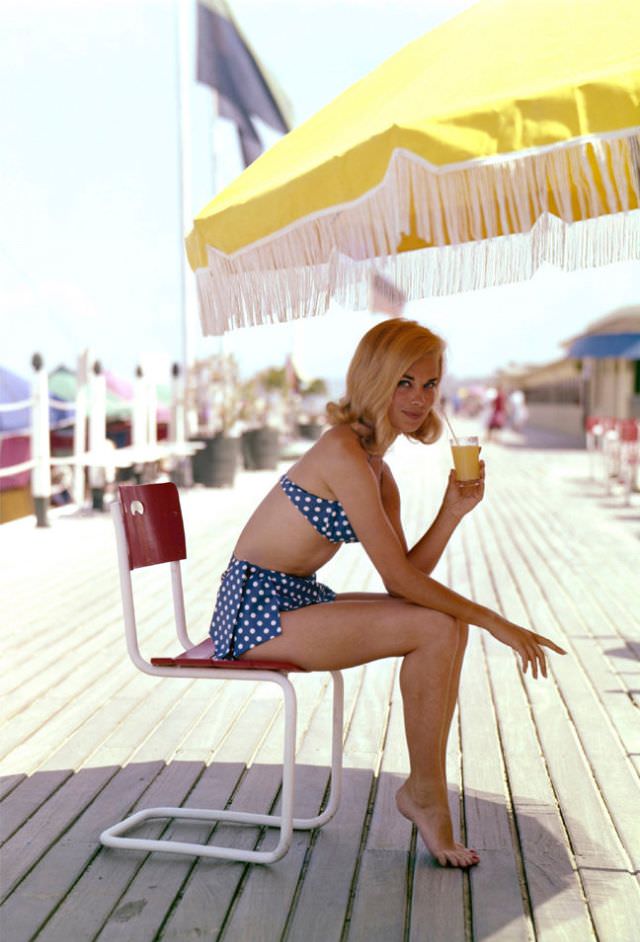
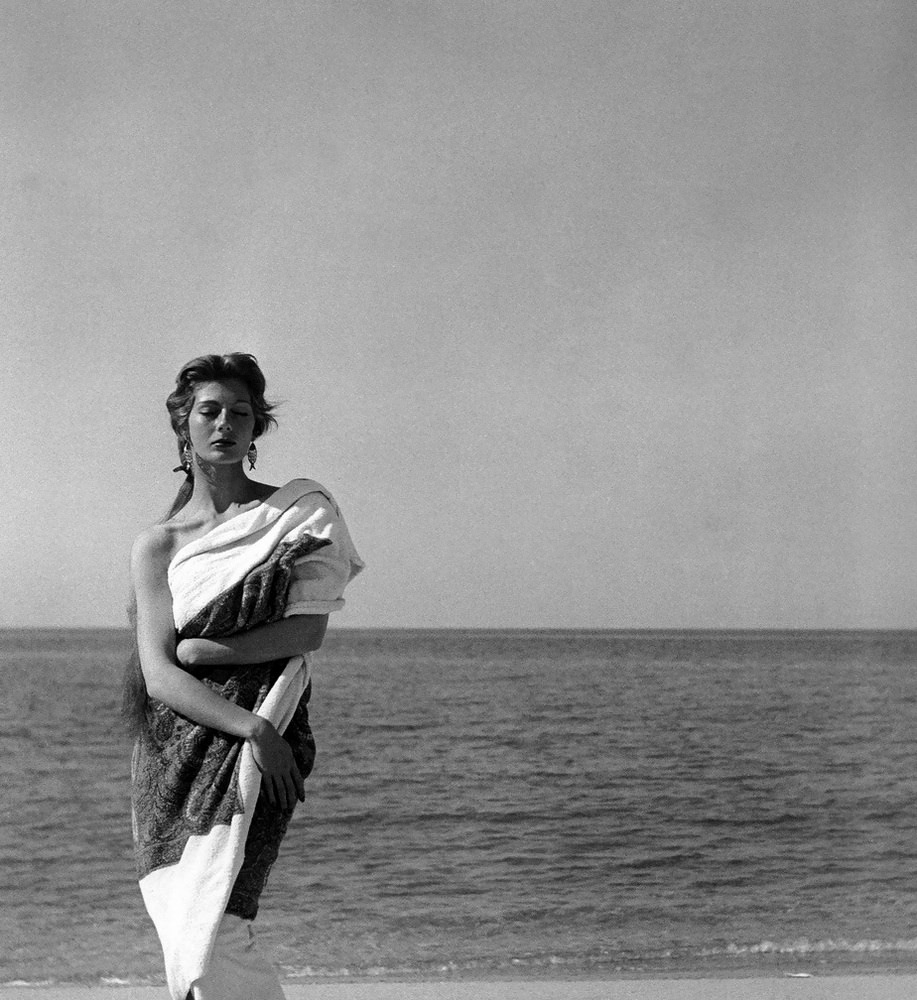
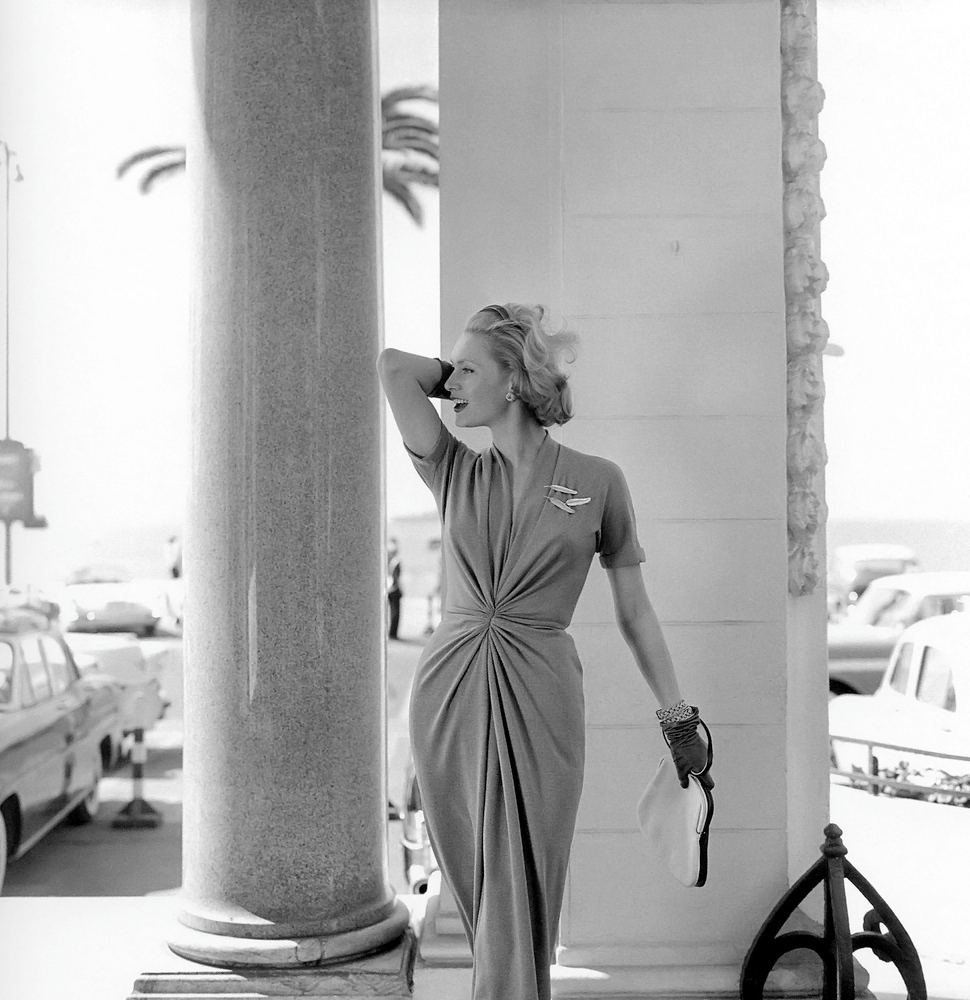
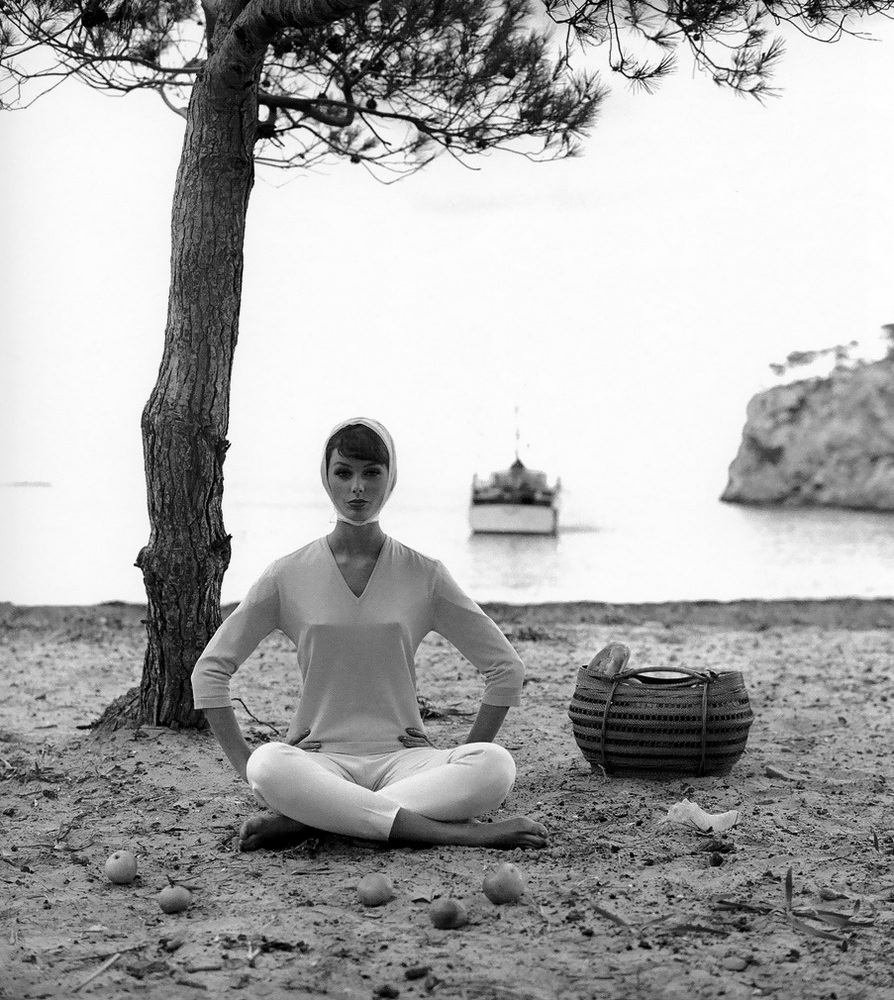
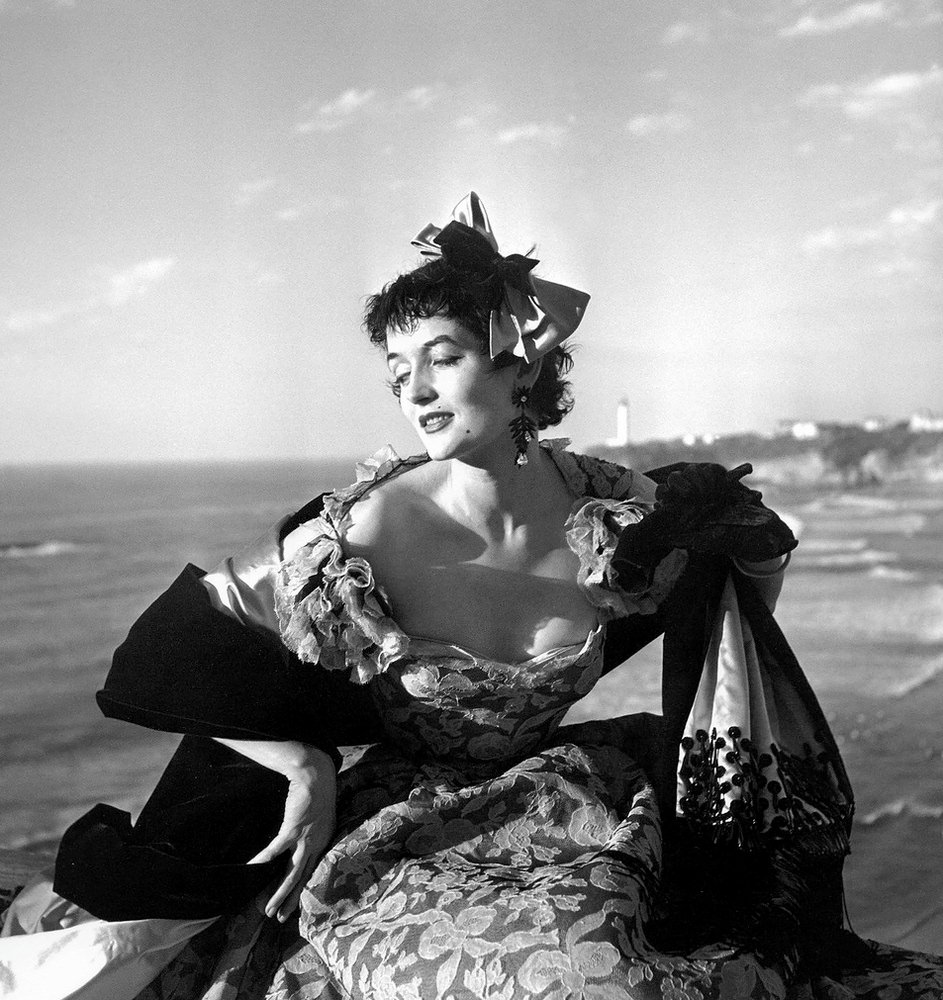
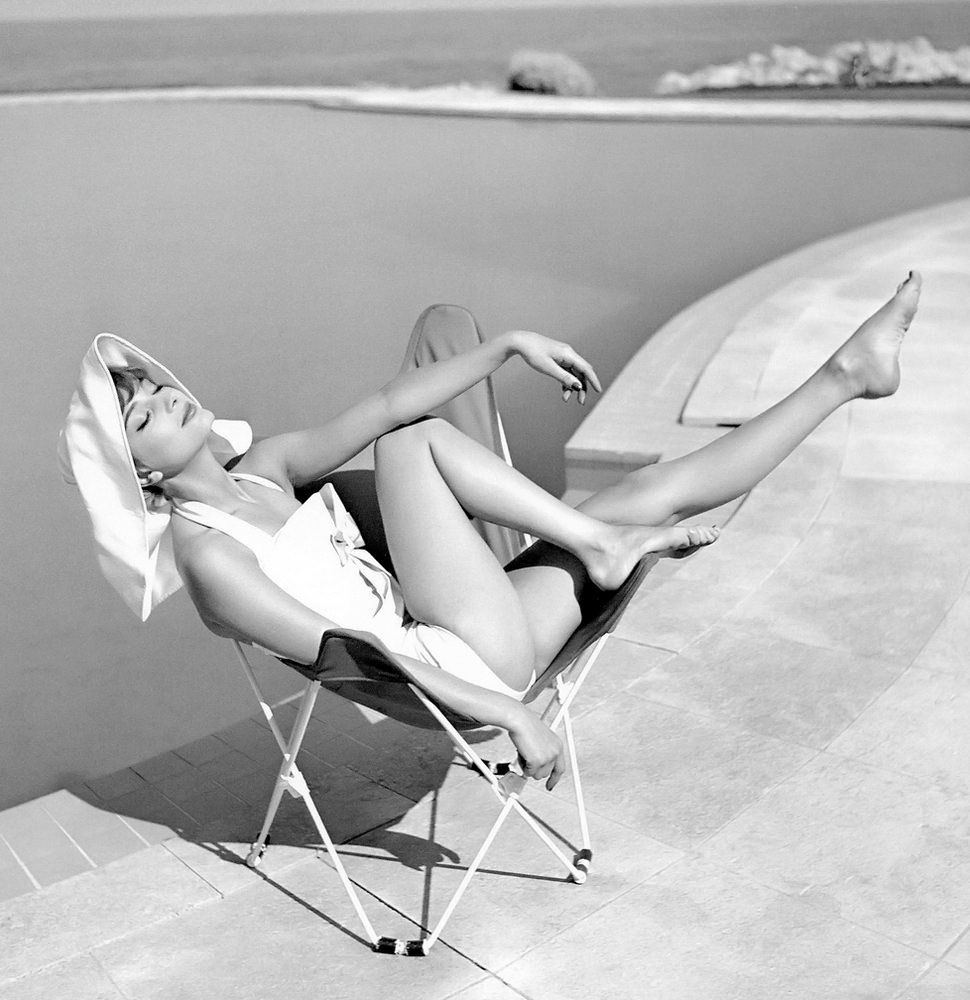
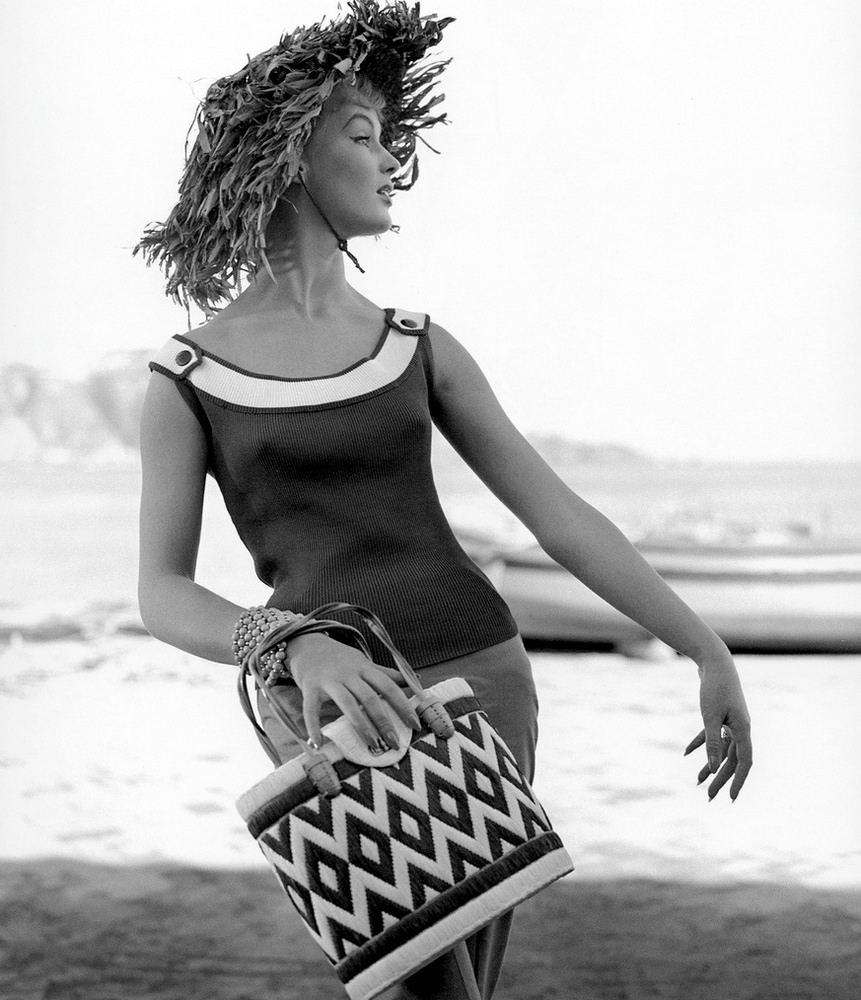
By the late 1950s, Dambier’s work had expanded well beyond Paris. He photographed Barbara Mullen at Eden Roc on the Cap d’Antibes and along the boardwalk in Saint-Tropez in 1957, capturing the easy glamour of the French Riviera. The coastal settings gave his images a warmth and openness that contrasted with his crisp Parisian street shots.
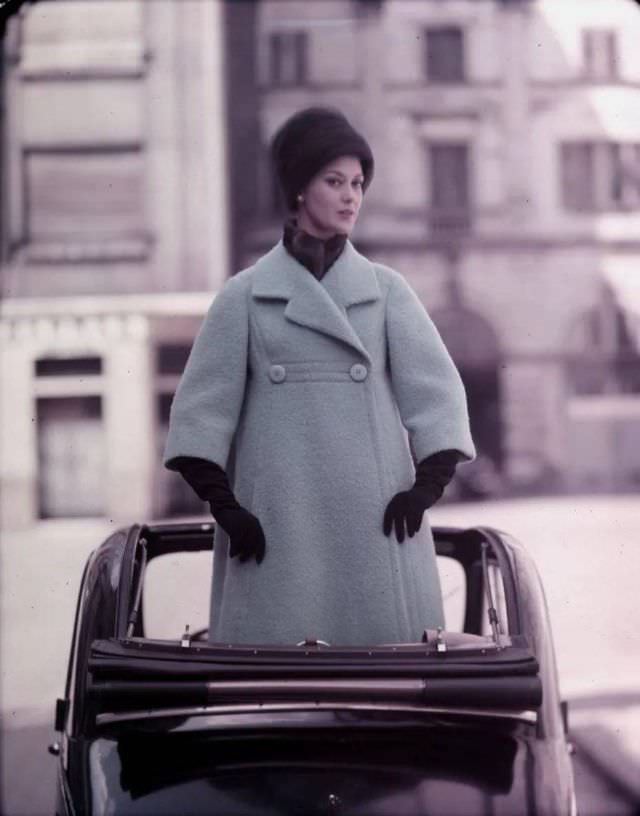
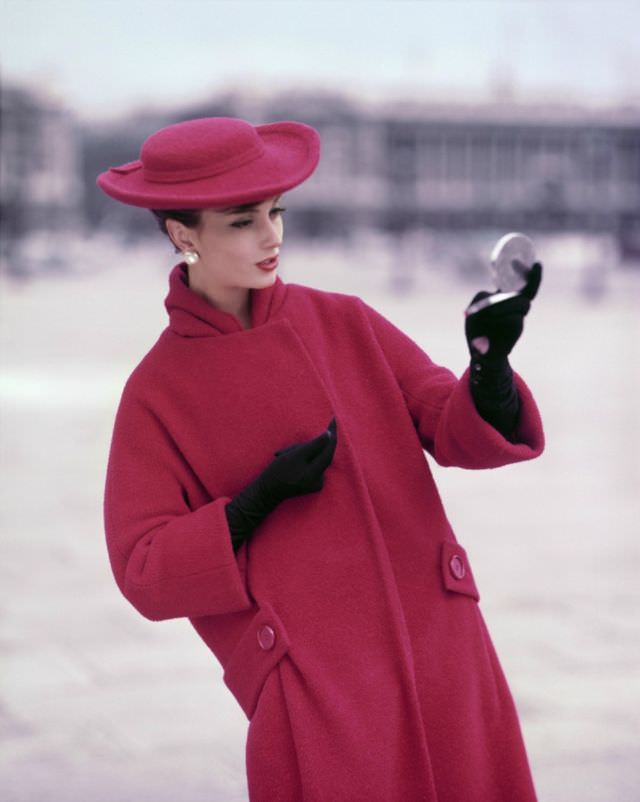
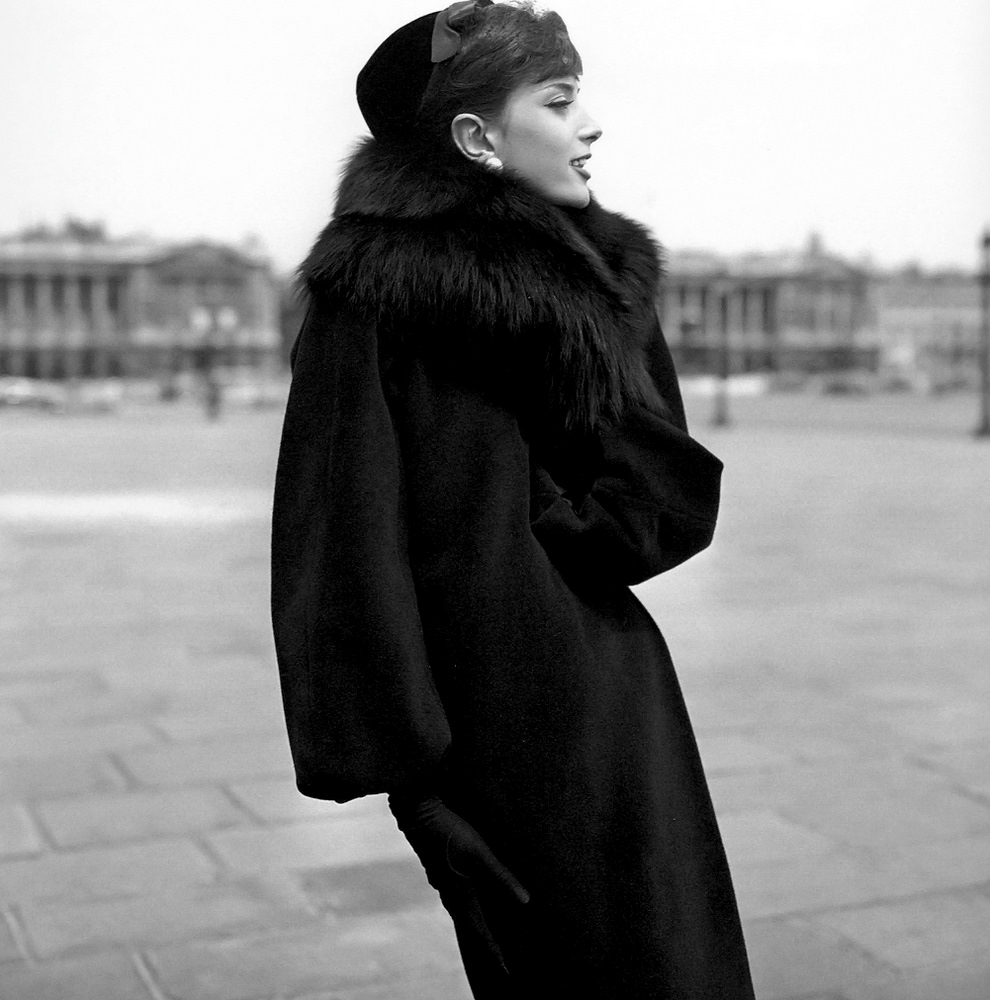
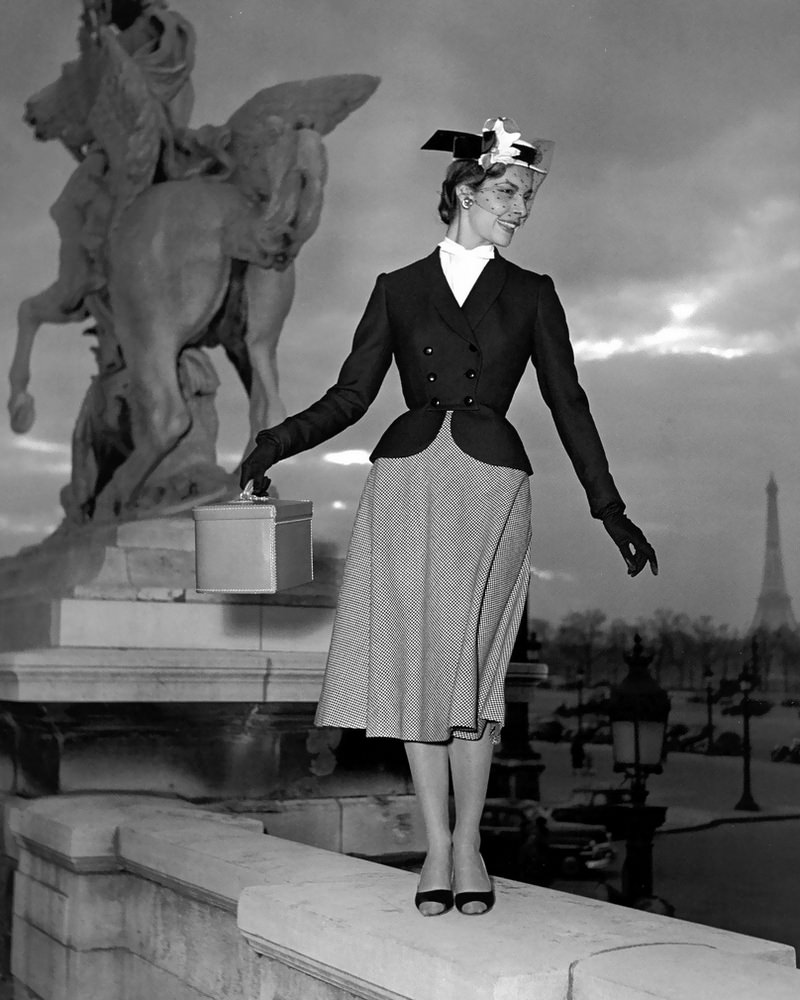
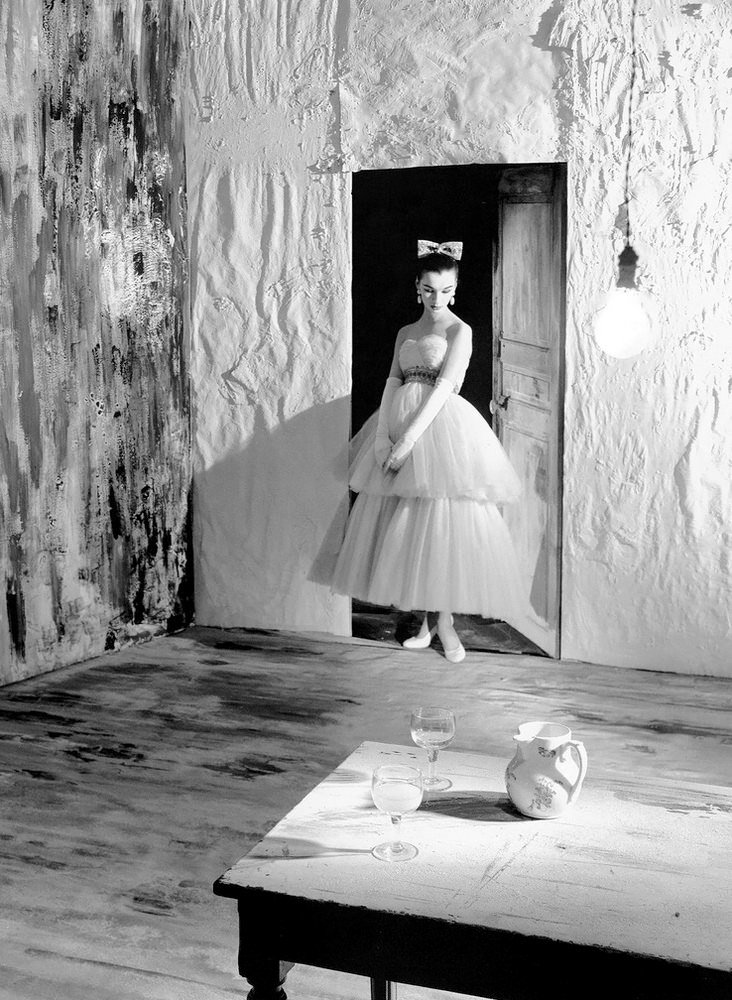
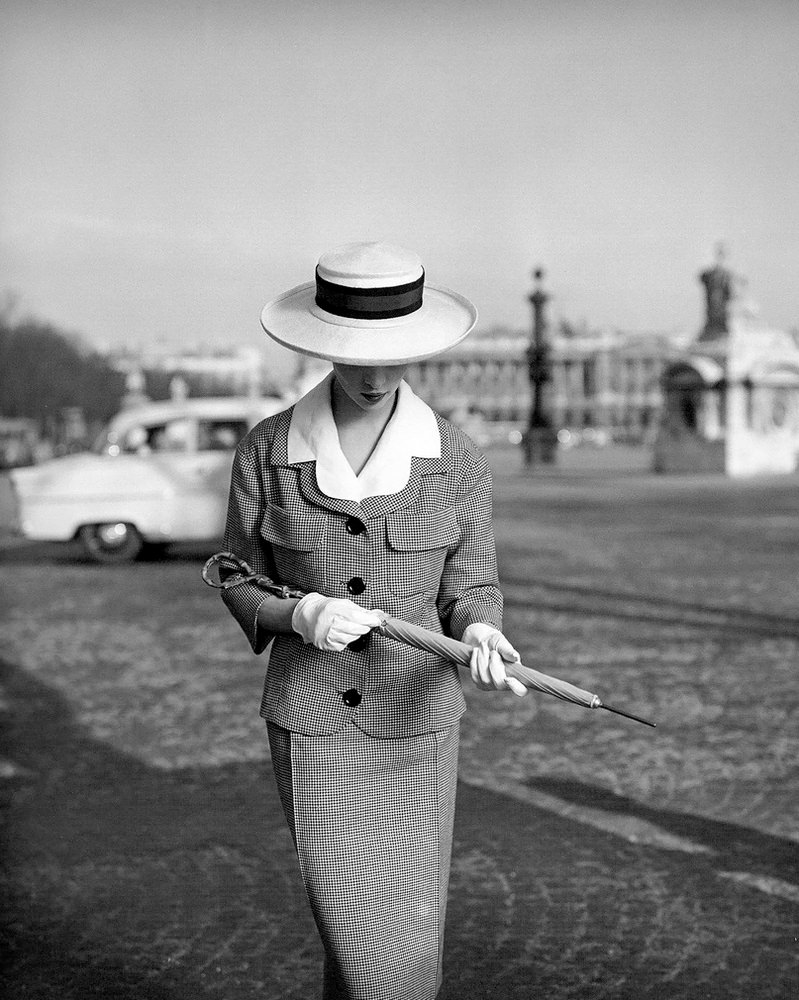
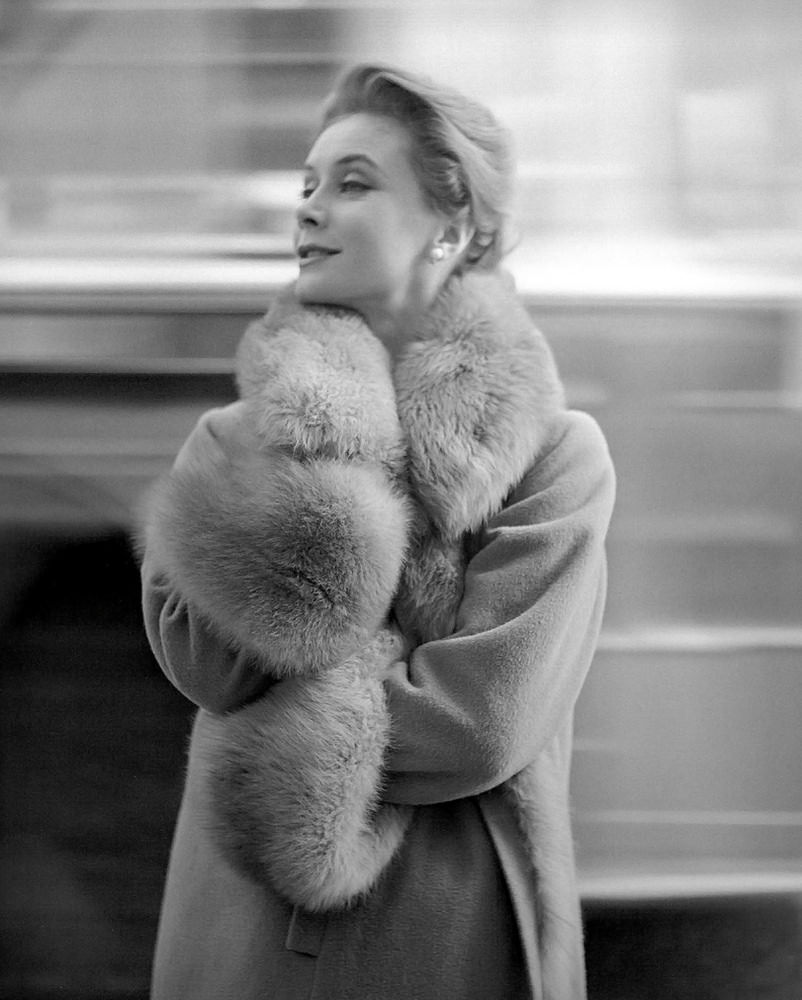
Back in Paris, Dambier was equally at home photographing against the city’s great landmarks. Marie-Hélène Arnaud, who would go on to become Coco Chanel’s favorite model, was photographed by Dambier at the Place de la Concorde in 1957. That same year, he shot models in structured winter coats and pale seasonal pieces — clothing that reflected the careful, deliberate silhouettes that defined mid-century French fashion.
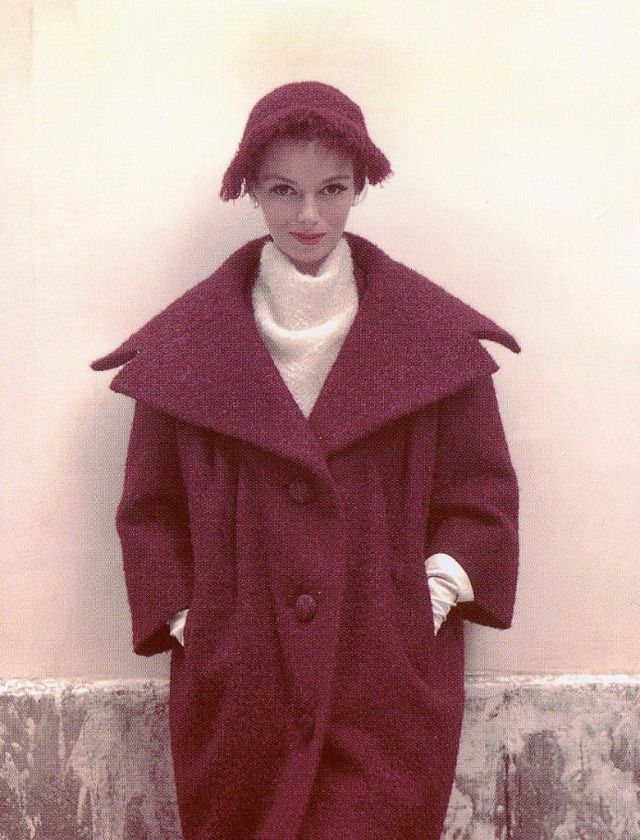
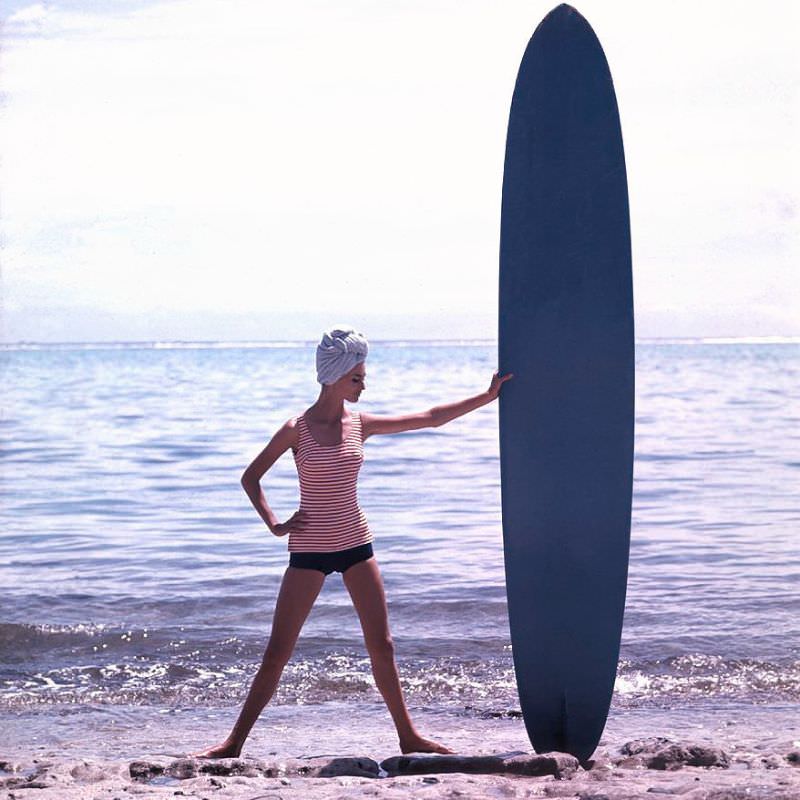
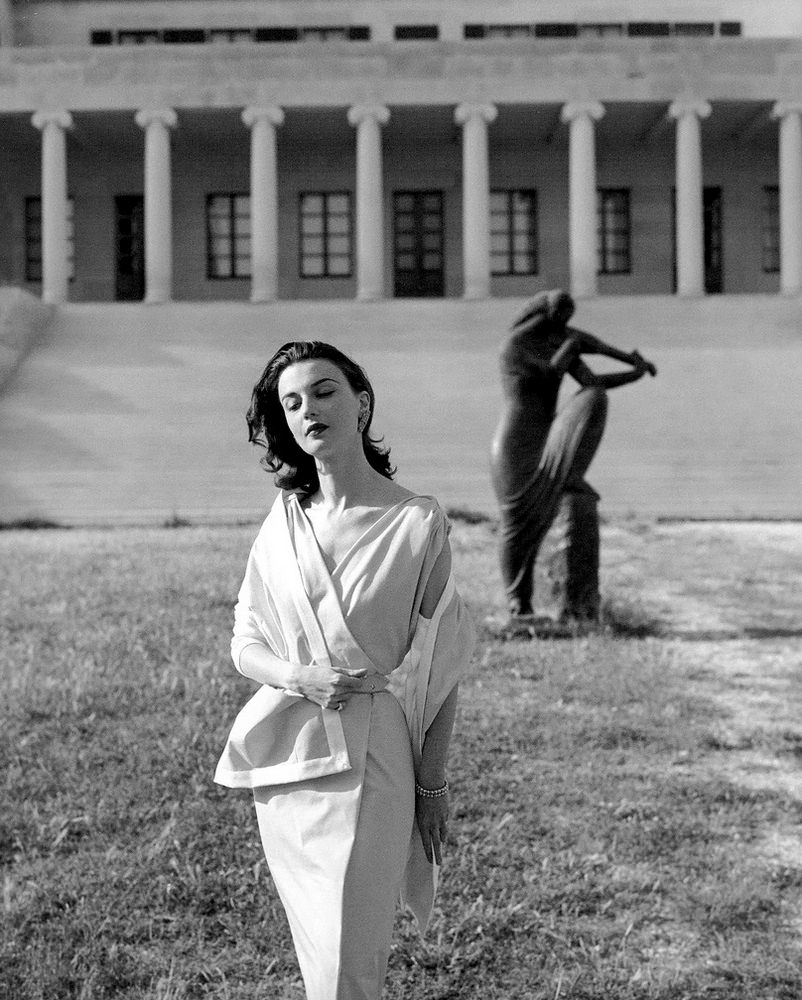
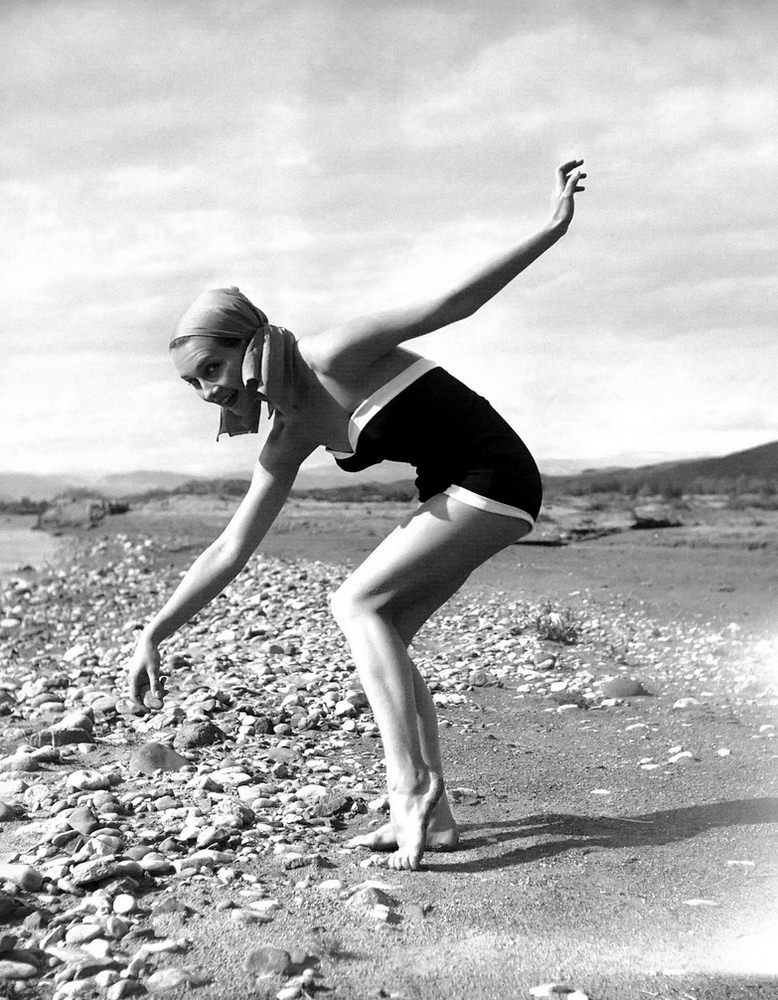
As the decade closed, Dambier’s range continued to show. His 1959 photographs move between polished portraits and more casual, sun-lit boardwalk shots — each one demonstrating the same compositional instinct that had defined his work since the early 1950s.
In 1964, Dambier launched his own magazine called Twenty, built around a new publishing idea: combining fashion and culture in a format aimed specifically at younger readers. The concept was ahead of its time for the early 1960s. Then in 1980, he became involved with V.S.D., a news magazine that shifted toward arts coverage and grew into France’s second most-read magazine over the following decade. Dambier remained active in publishing well into the later years of his career. He died in 2011 at the age of 86.