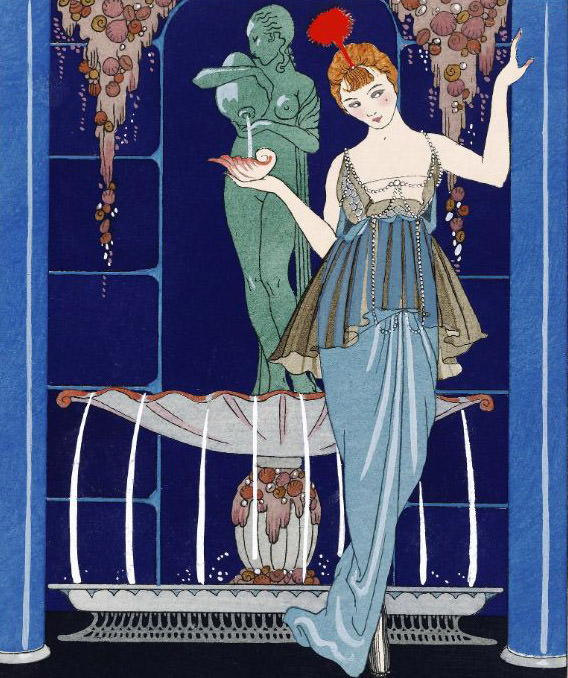
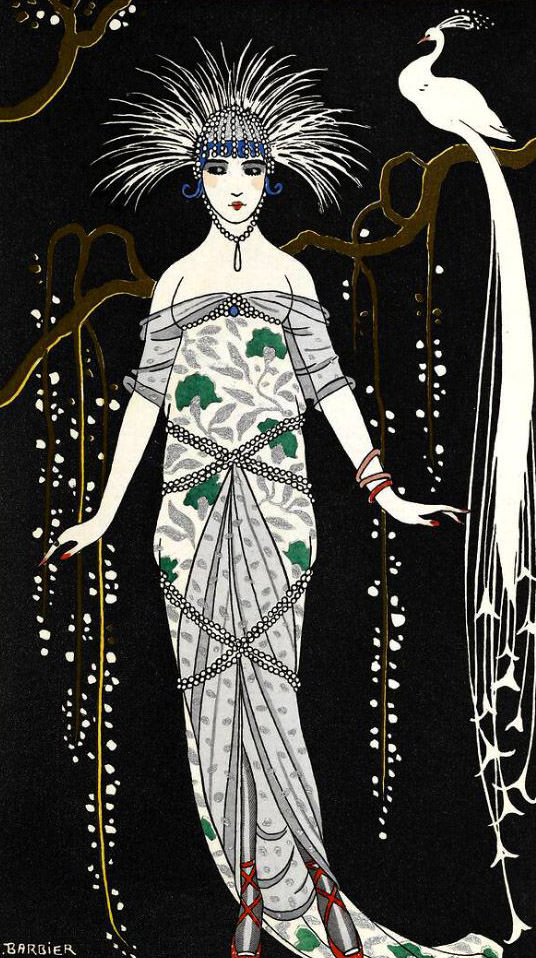
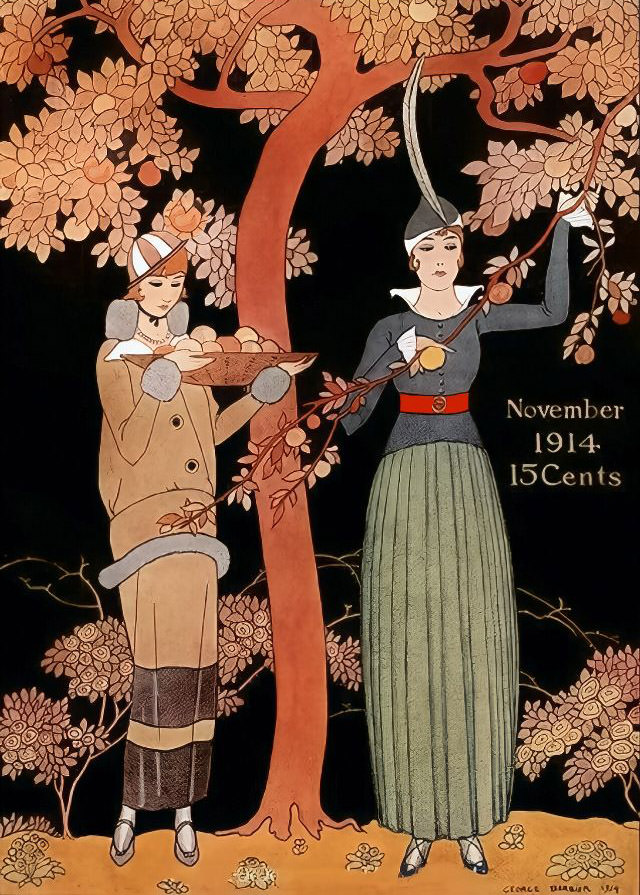
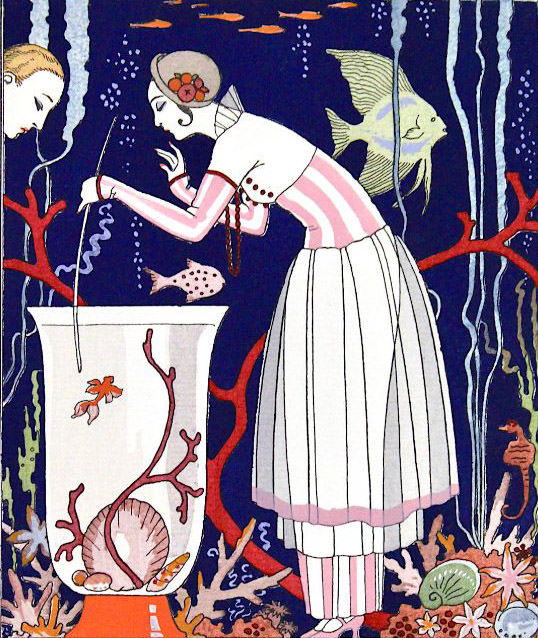
Born in the picturesque city of Nantes in 1882, George Barbier, one of the shining lights in French illustration, made an indelible mark on the art world of the early 20th century.
Barbier’s artistic journey began with a flourish at the age of 29, when he mounted his very first exhibition in 1911. This was not just an exhibition; it was a statement, a manifestation of his unique style, that would soon propel him to the forefront of his profession.
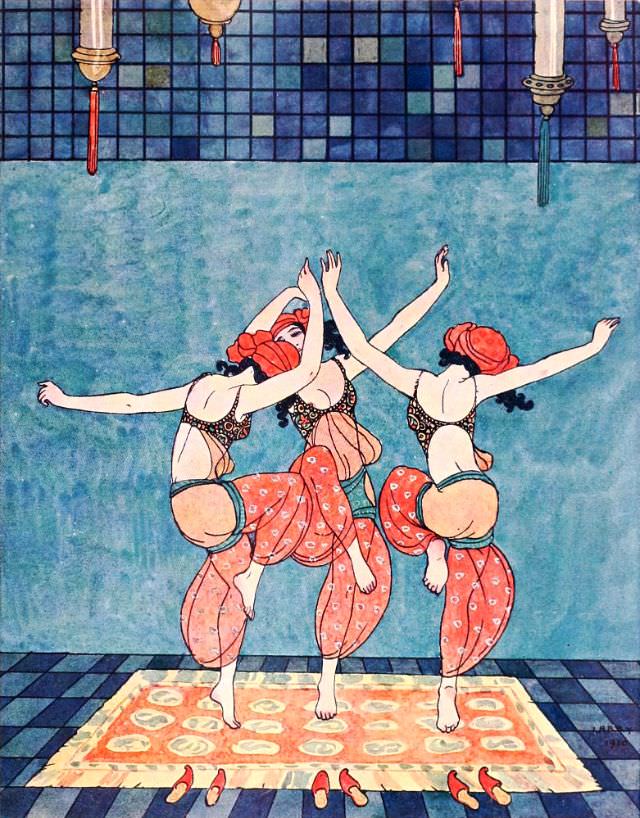
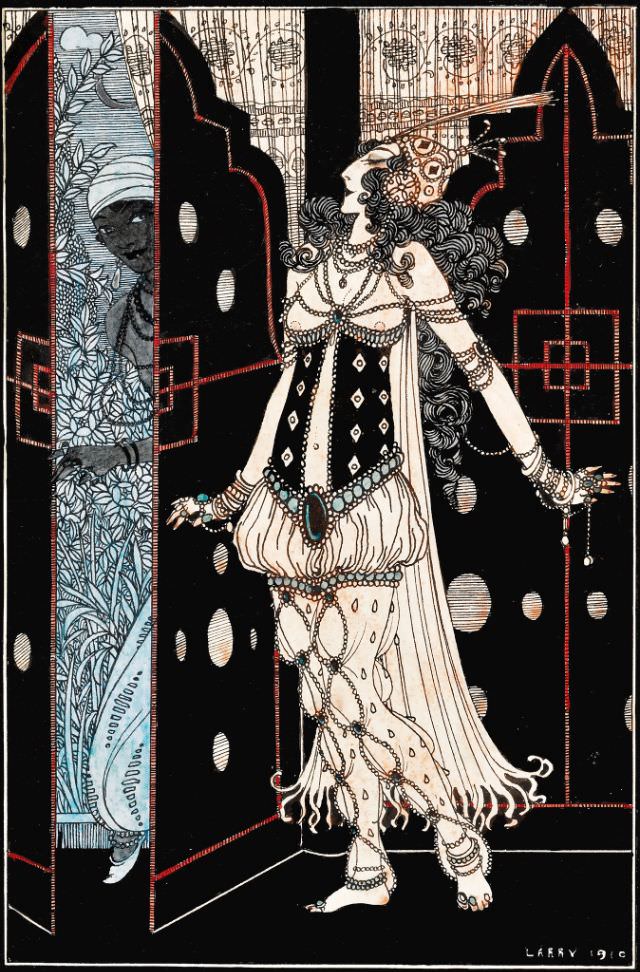
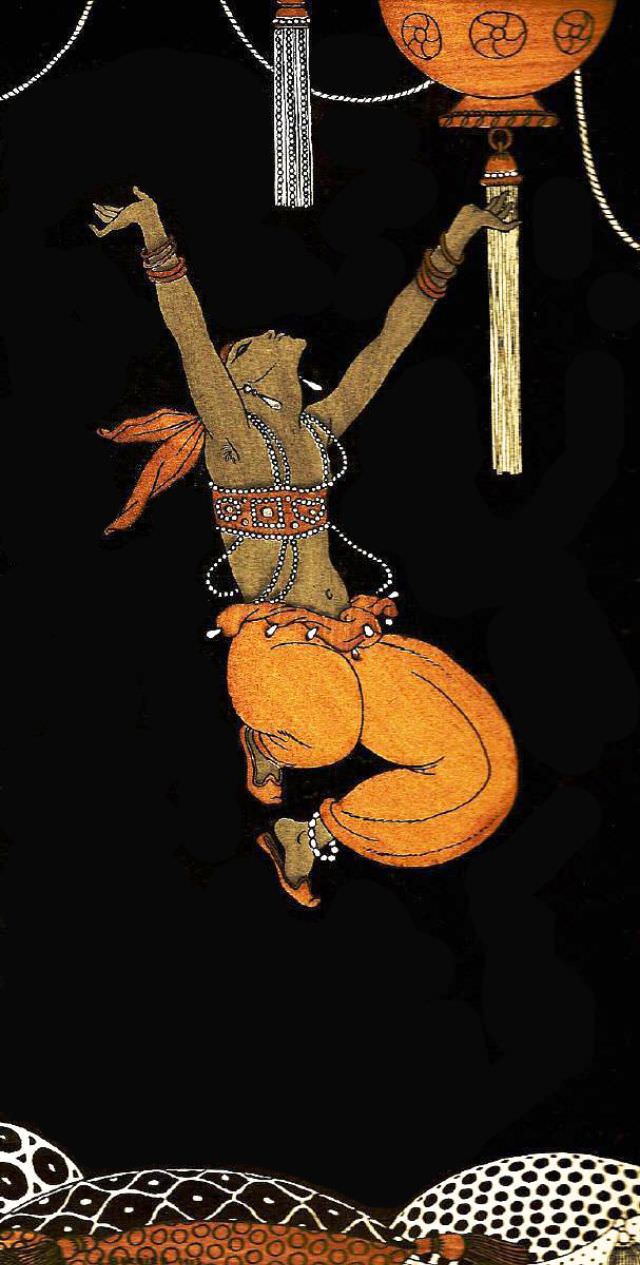
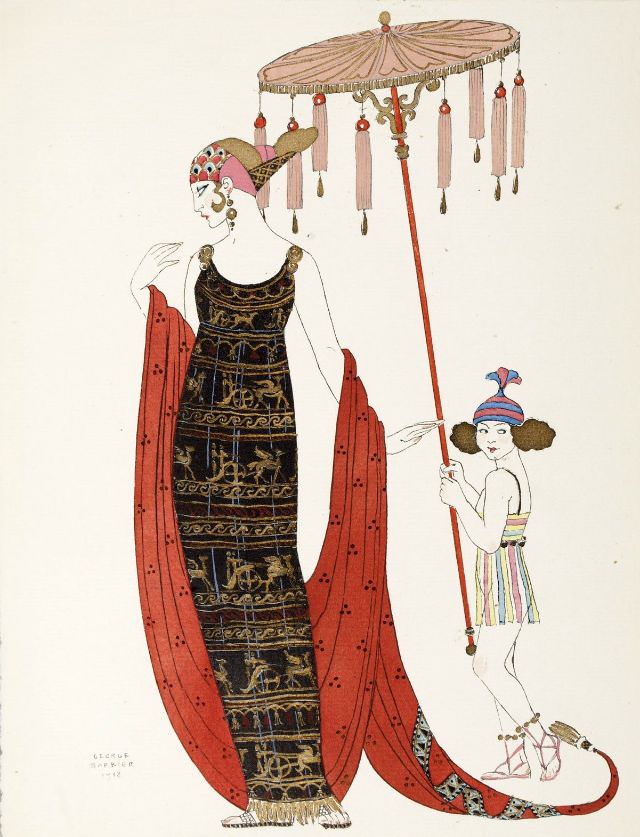
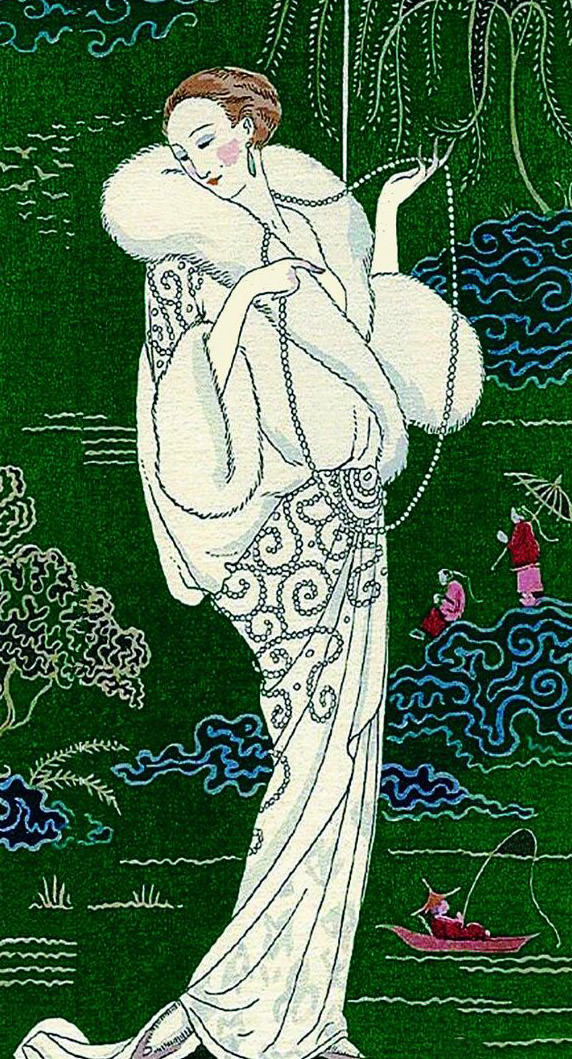
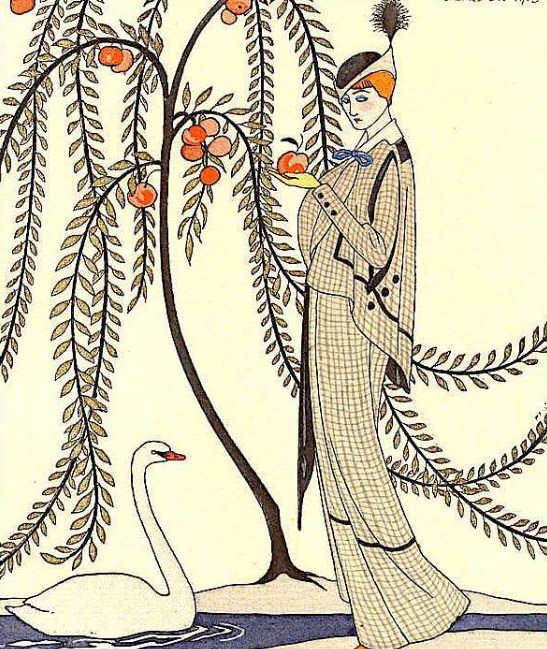
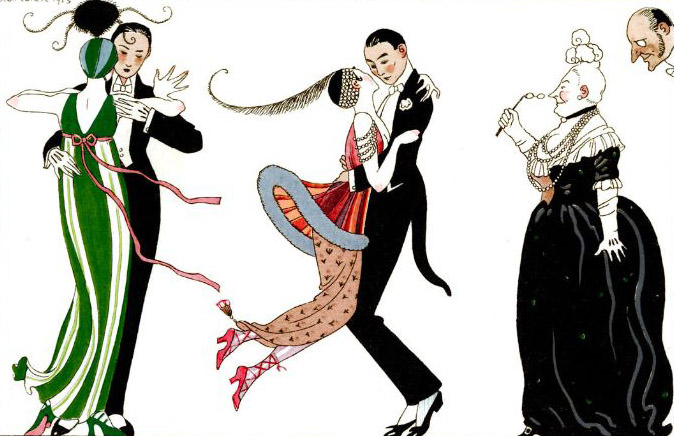
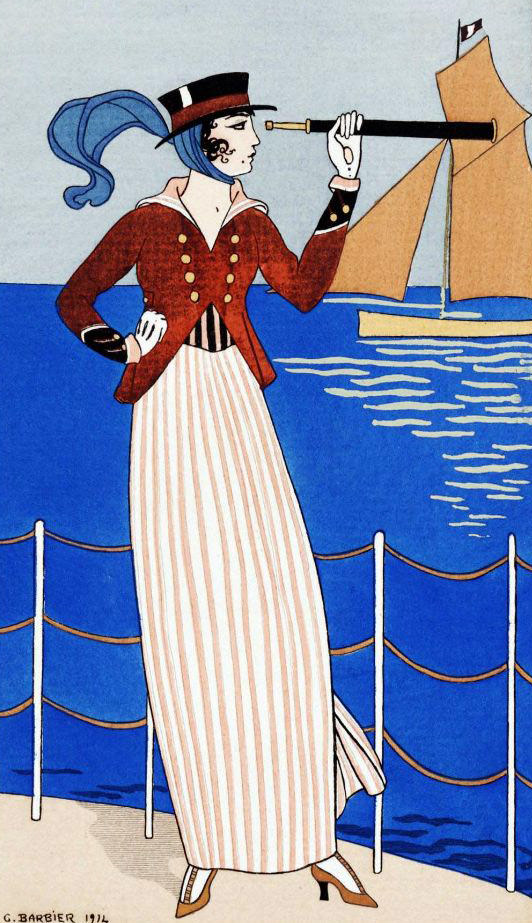
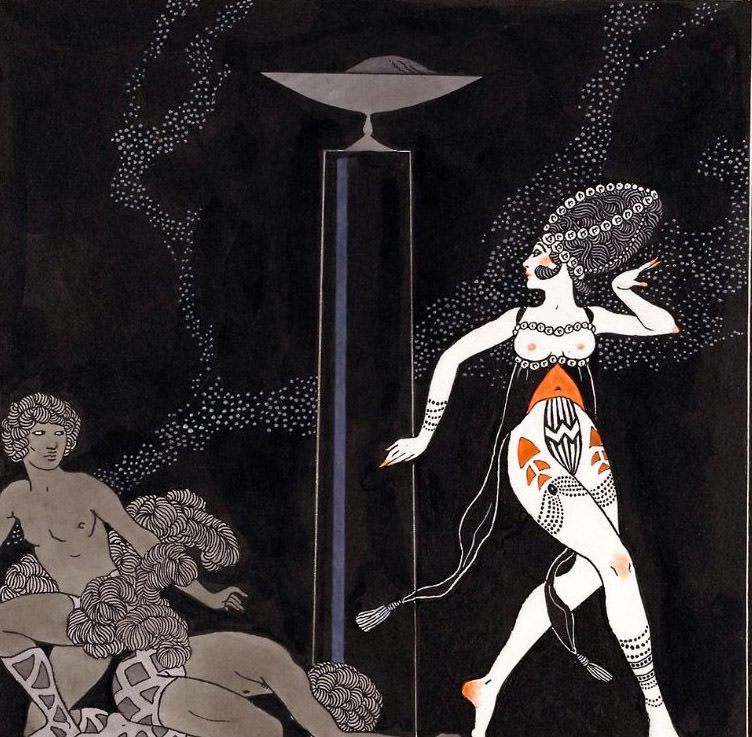
His flair and attention to detail were quickly recognized, and commissions started pouring in. He was tasked with designing theatre and ballet costumes, illustrating books, and producing haute couture fashion illustrations. The creativity he brought to each of these mediums added to his burgeoning reputation.
Leading the “Knights of the Bracelet”
But Barbier was not just an individual artist; he was a leader, an influencer. For the next 20 years, he led a select group of talented artists from the Ecole des Beaux Arts, who were lovingly nicknamed by Vogue as “The Knights of the Bracelet.” This name was a tribute to their fashionable and flamboyant mannerisms, as well as their distinguished style of dress.
Included in this elite circle were renowned artists like Bernard Boutet de Monvel and Pierre Brissaud, both of whom were Barbier’s first cousins. The group also included other luminaries like Paul Iribe, Georges Lepape, and Charles Martin. Together, they were a force, an inspiring symbol of creativity, innovation, and elegance in French art.
Contributions to Art and Fashion
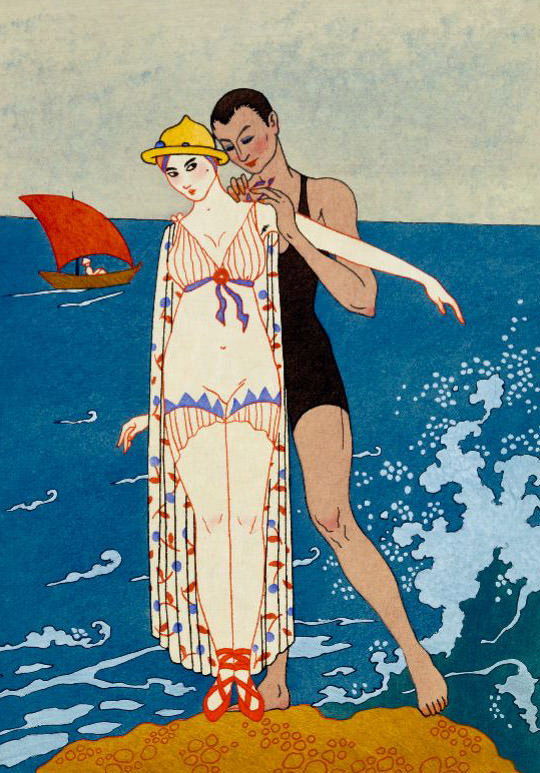
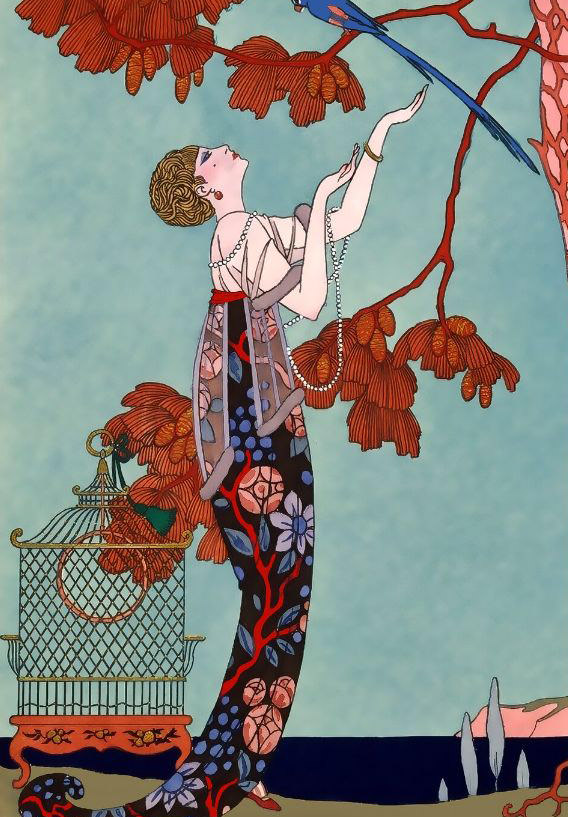
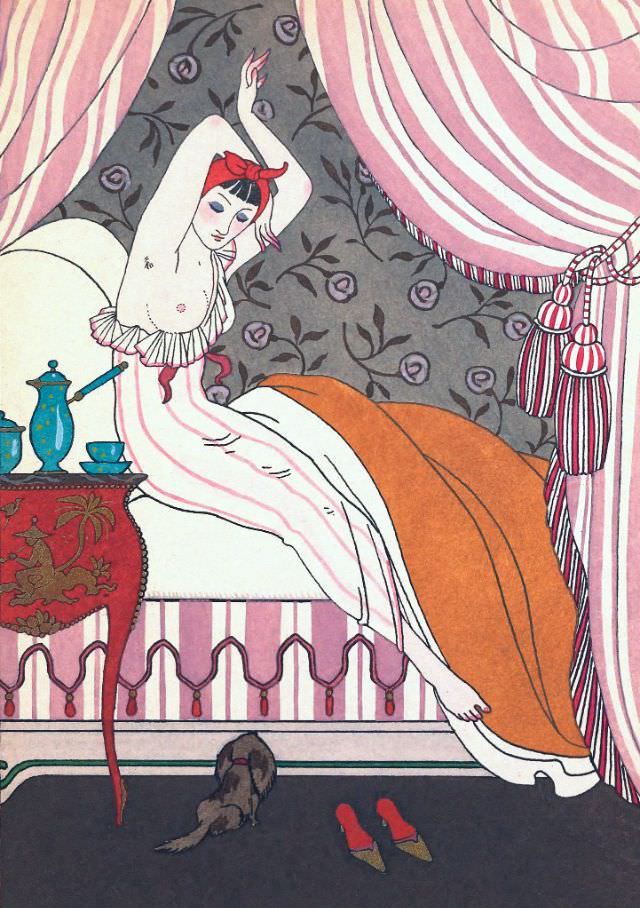
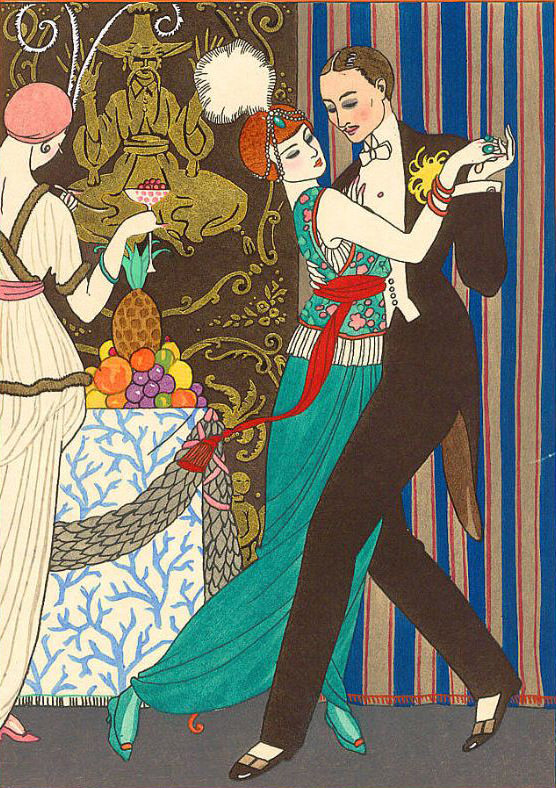
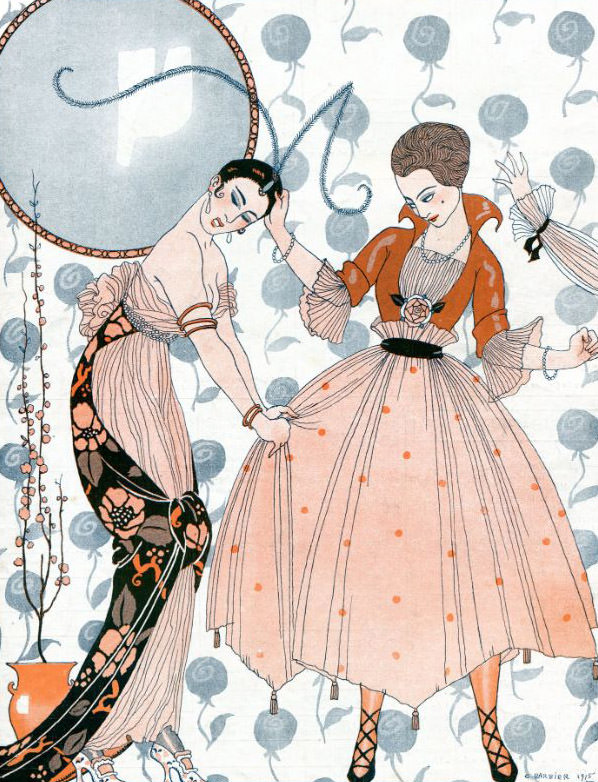
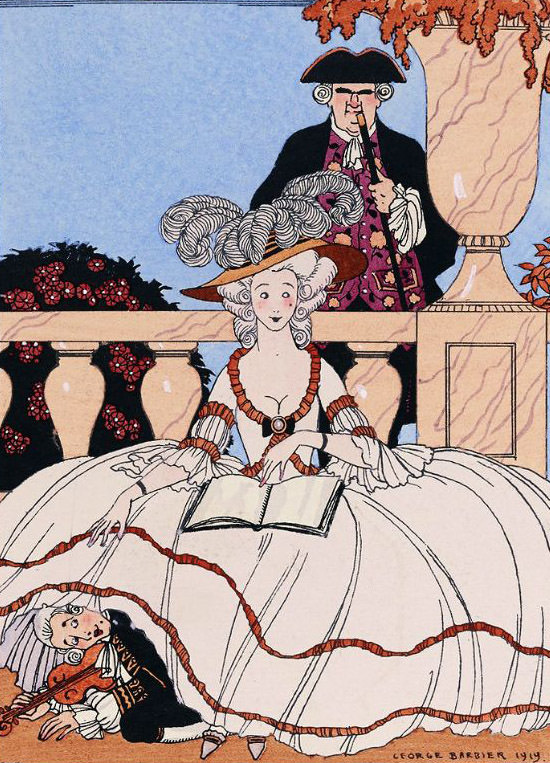
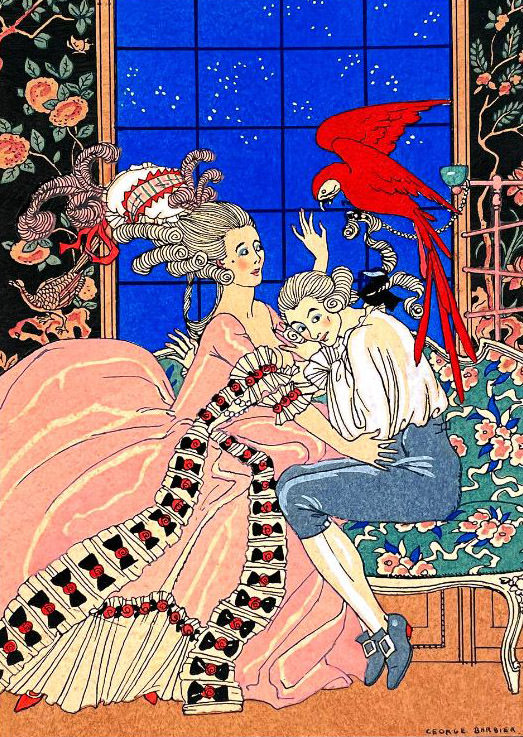
What made Barbier’s work so remarkable was not just the quality but the range of his contributions. From theatre to ballet, from books to fashion, he was a master of all. His designs were rich in detail, imbued with a sense of sophistication, yet they were also accessible and engaging. His fashion illustrations were seen as defining the aesthetics of the time.
The blending of classic techniques with a modern sensibility made Barbier’s work stand out. His influence can be seen not only in the arts of his time but continues to resonate in the works of contemporary artists.