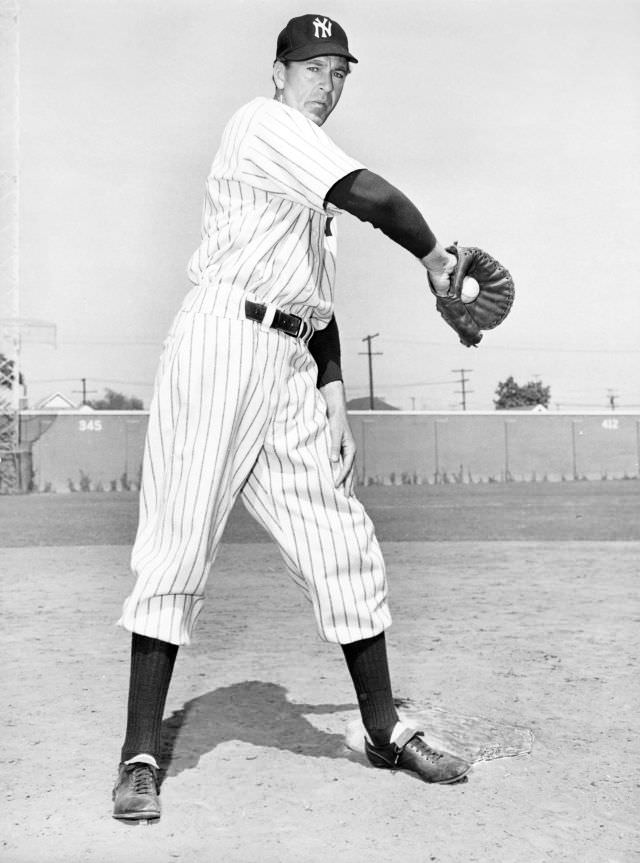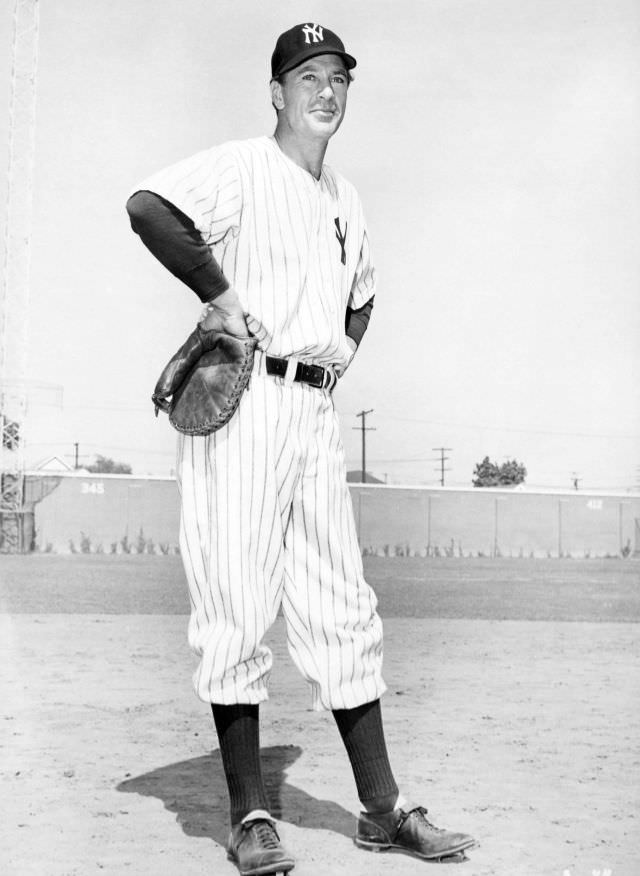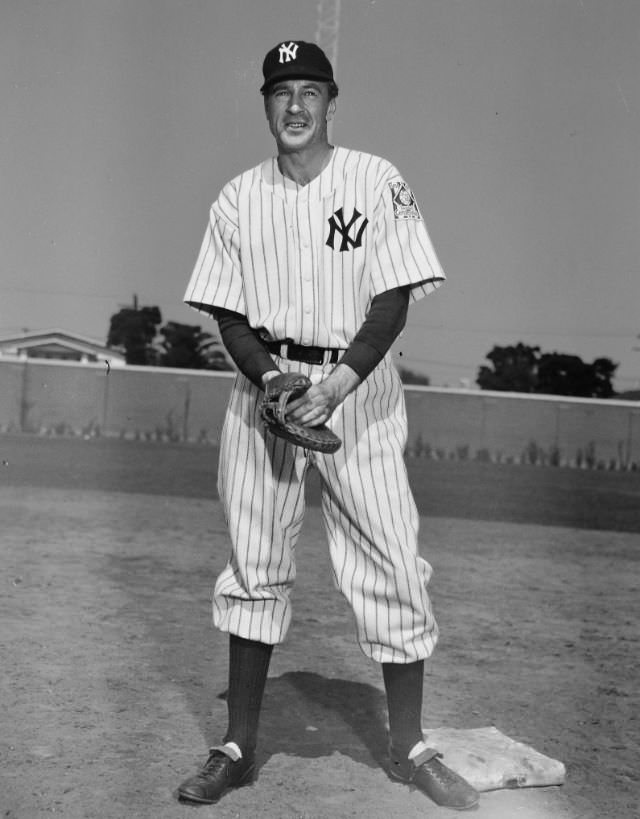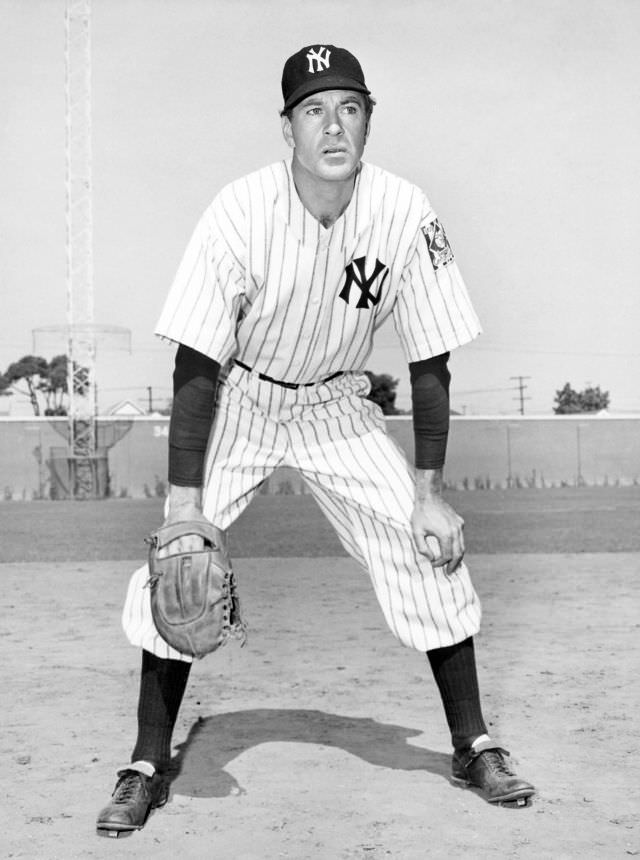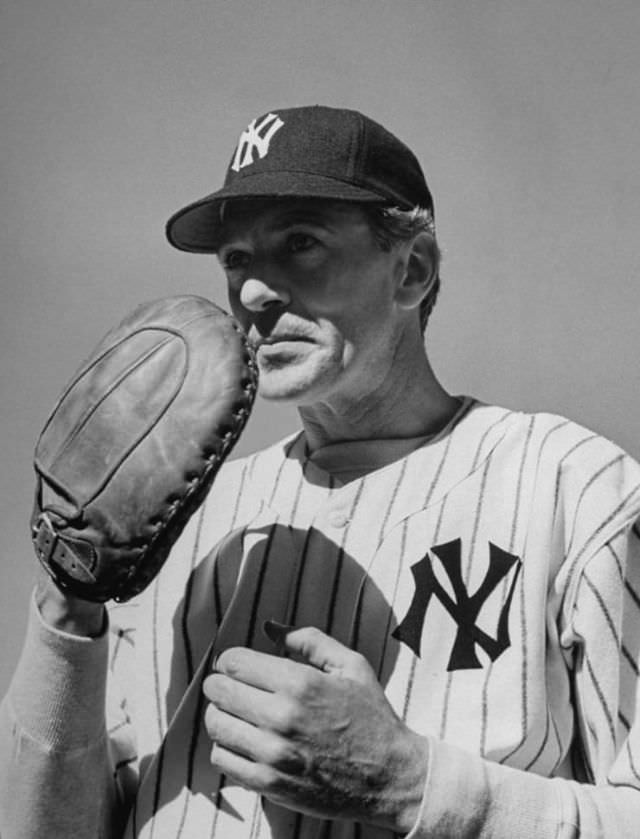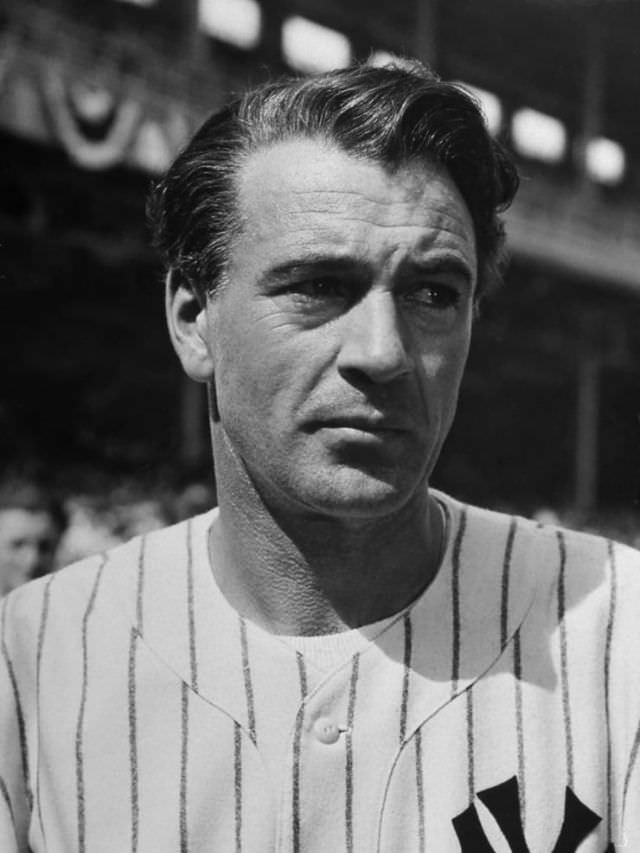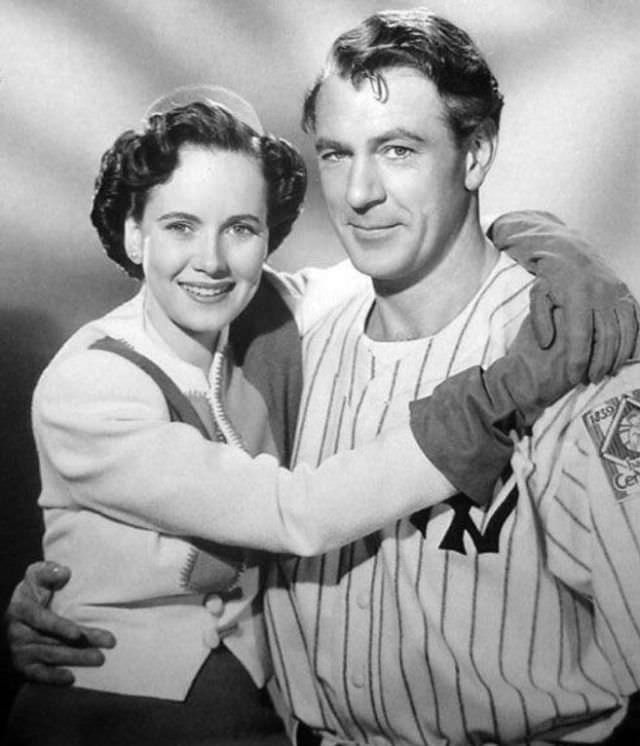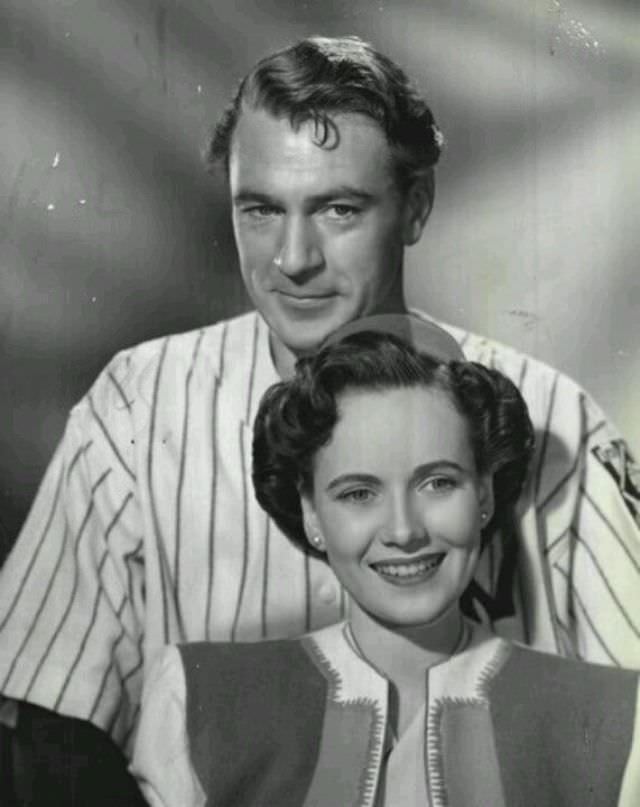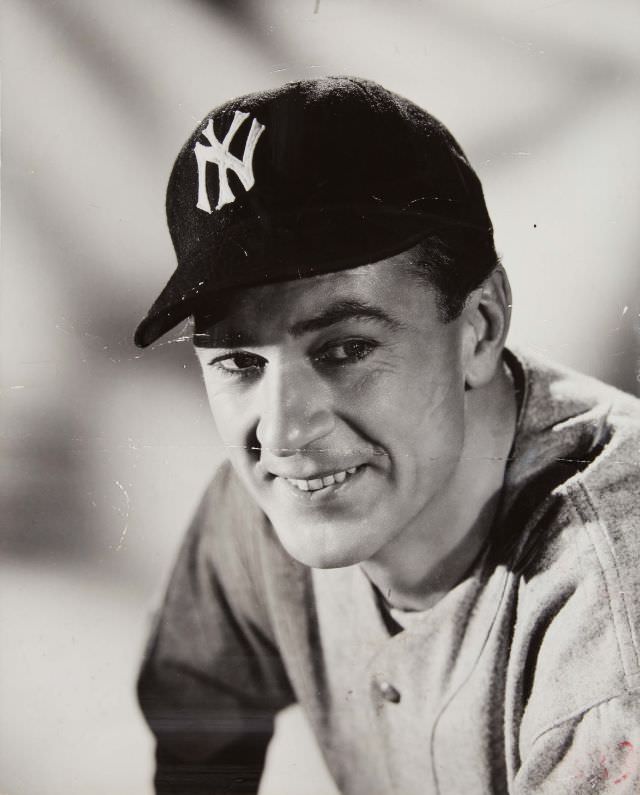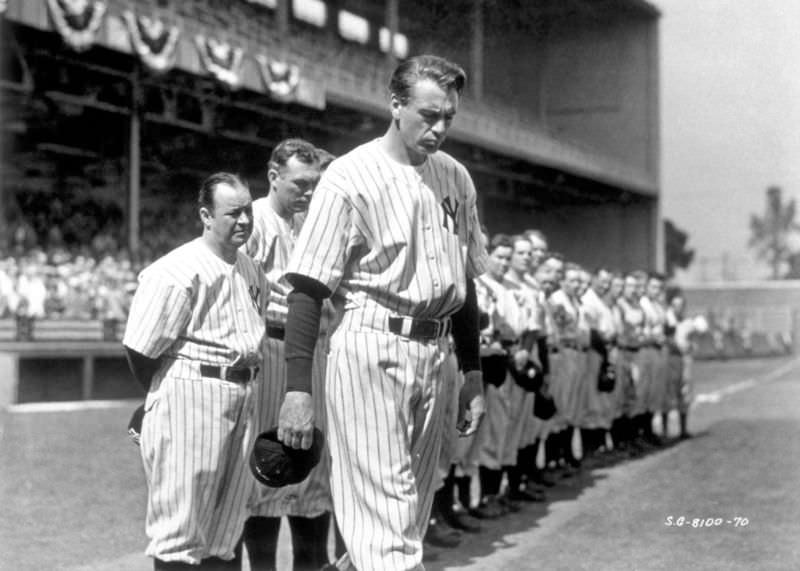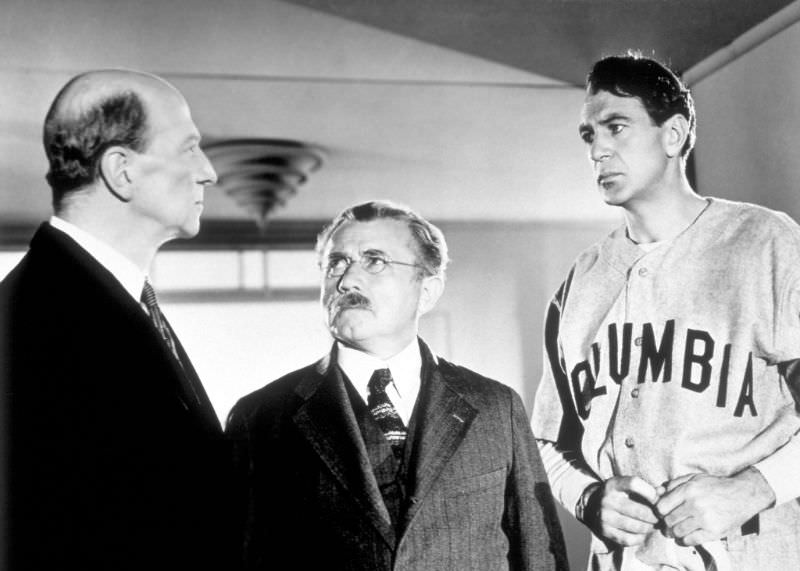

When RKO Pictures released The Pride of the Yankees in 1942, the film faced an immediate challenge: finding an actor who could convincingly play one of baseball’s most revered figures. Lou Gehrig had died just a year earlier, in June 1941, after a battle with ALS — a degenerative disease that had ended his legendary career with the New York Yankees. The studio chose Gary Cooper for the role, and Cooper took the responsibility seriously from the start.
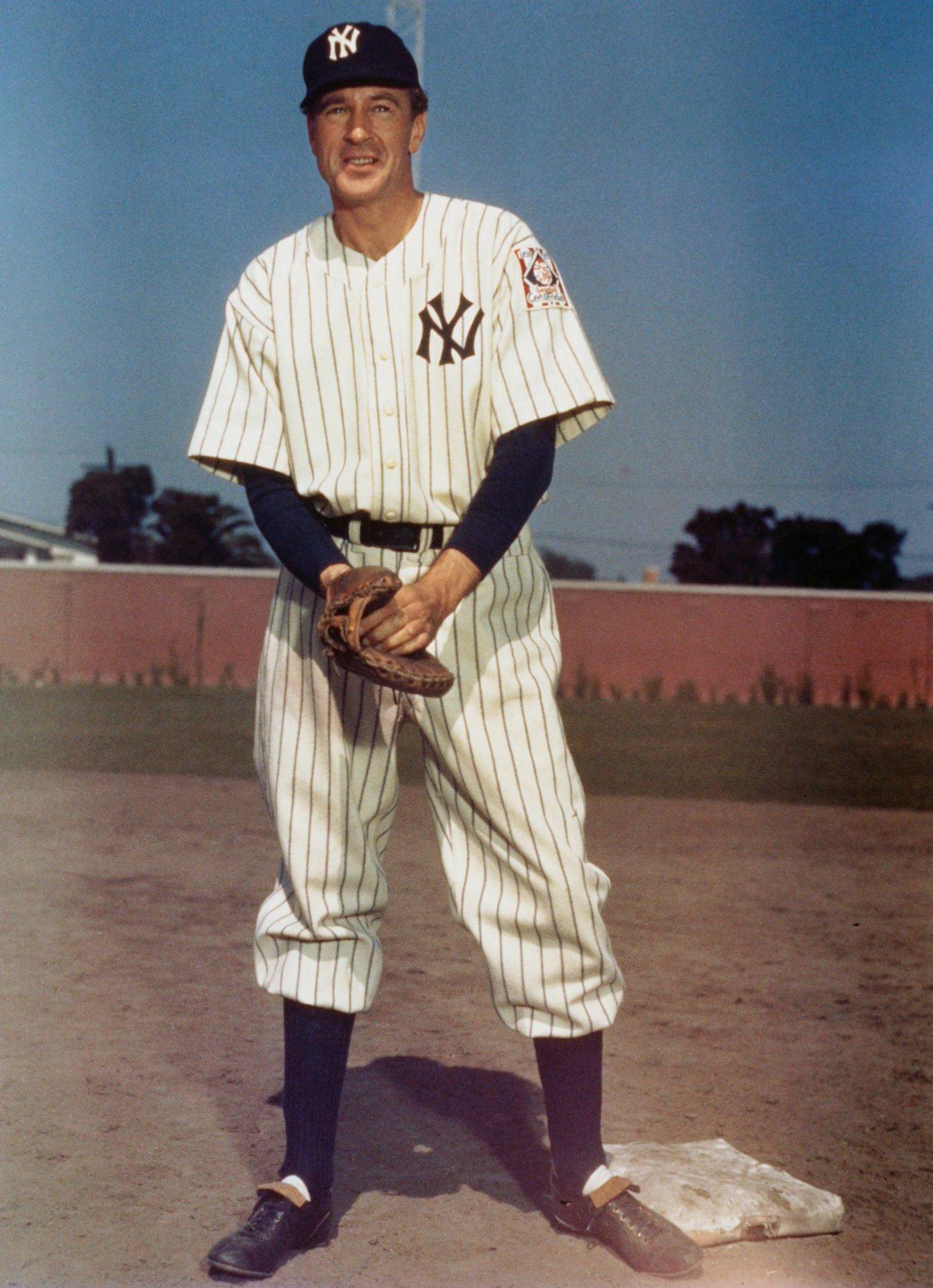
Cooper spent several weeks preparing before cameras ever rolled. He read biographies of Gehrig, studied old newsreels of the ballplayer in action, and sat down with Eleanor Gehrig, Lou’s widow, to understand the man on a personal level. Those conversations gave Cooper details no biography could provide — Gehrig’s habits, his humor, his quiet way of carrying himself.
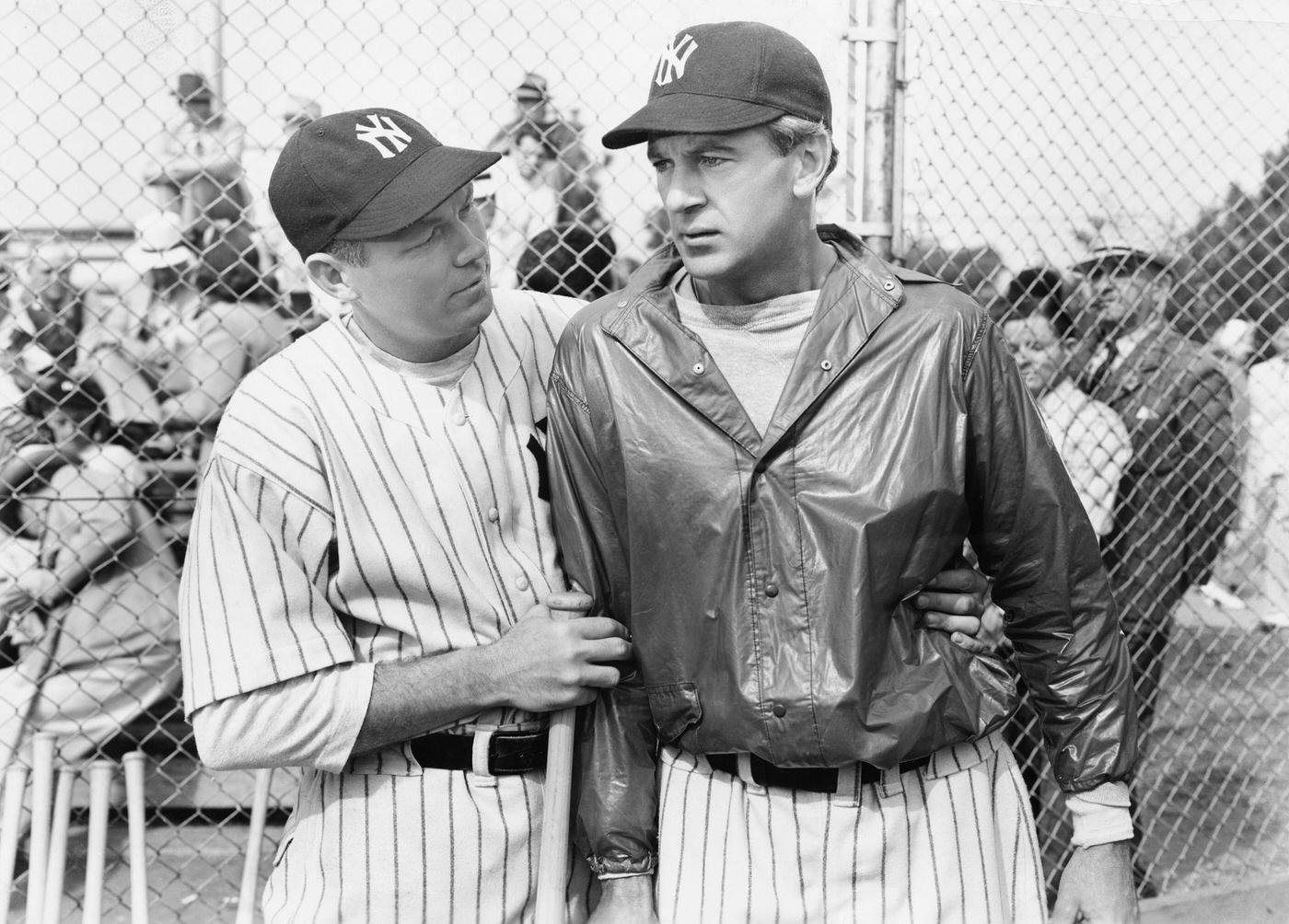
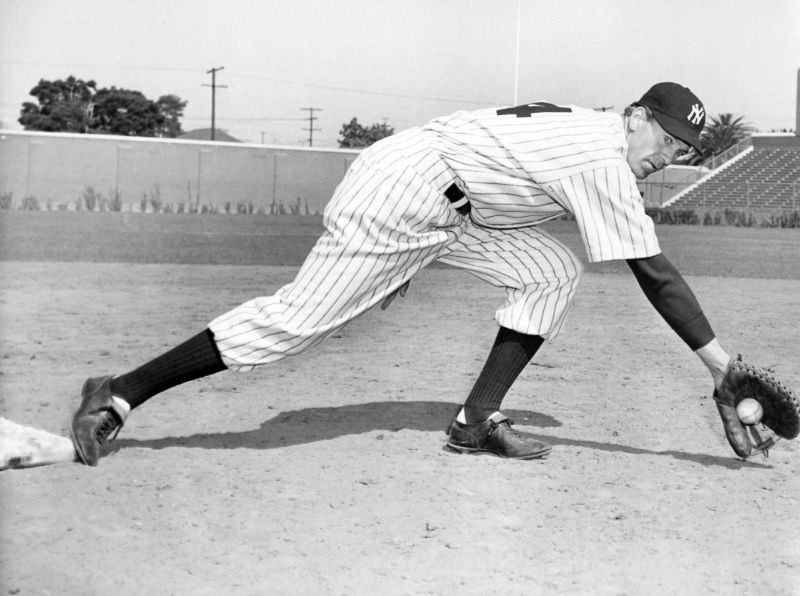
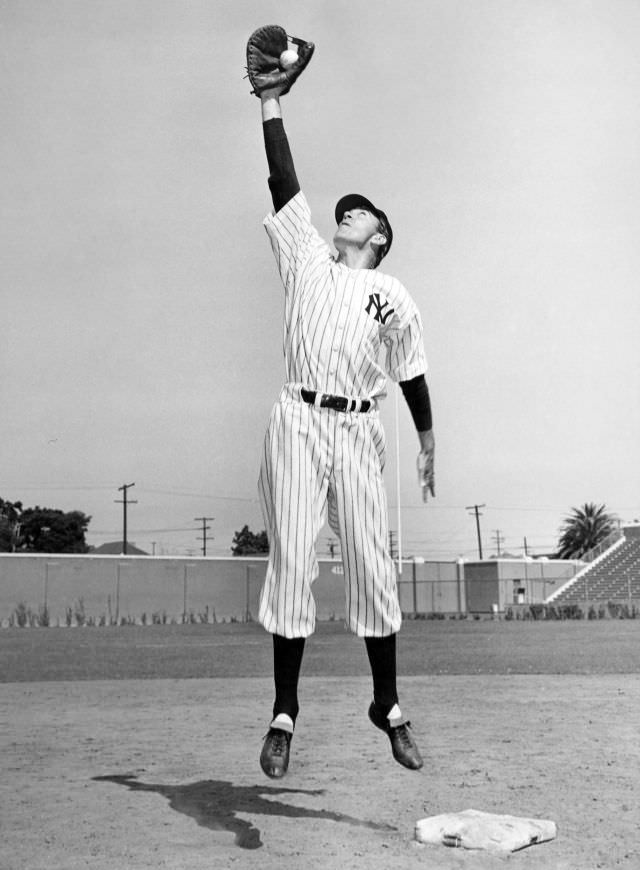
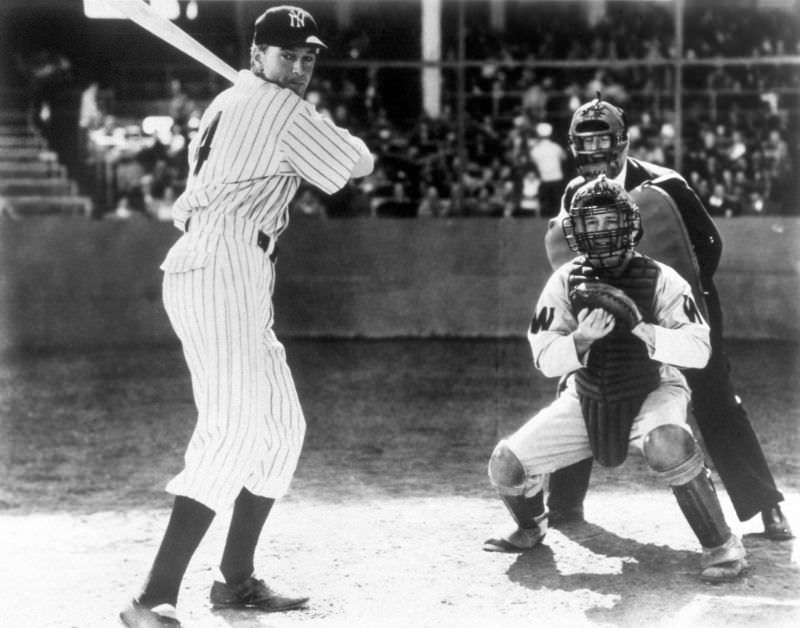
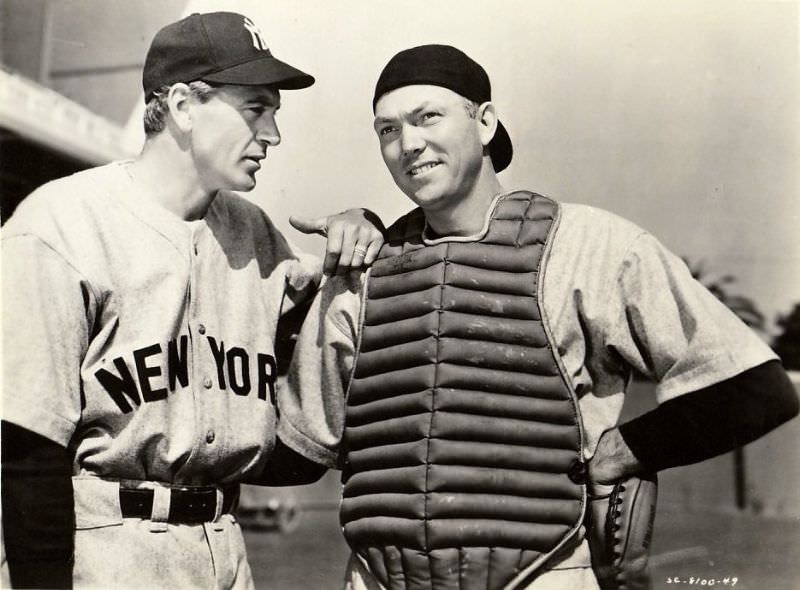
Director Sam Wood worked alongside Cooper throughout production. The two reviewed the script together, breaking down Gehrig’s speech patterns, his mannerisms, and how he presented himself in public. Cooper also worked with a baseball coach to sharpen his form on the field. Getting the physical mechanics right mattered — audiences familiar with Gehrig would notice anything that looked off.
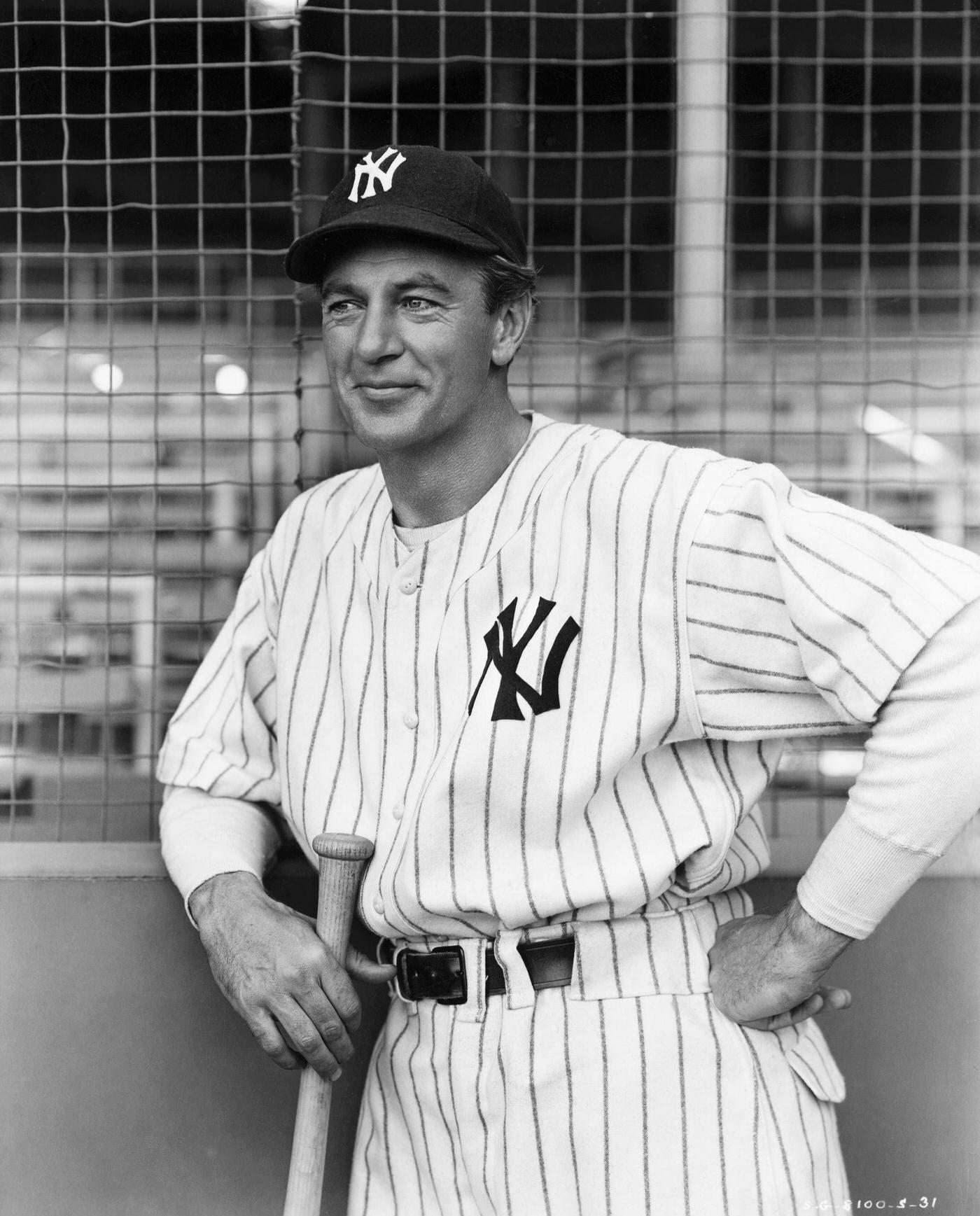
On screen, Cooper portrays Gehrig as a man more at ease on a baseball diamond than in front of a crowd. He speaks in short, measured sentences and carries a sense of quiet confidence. That restraint was deliberate — Gehrig was known for letting his play do the talking, and Cooper respected that in his performance.
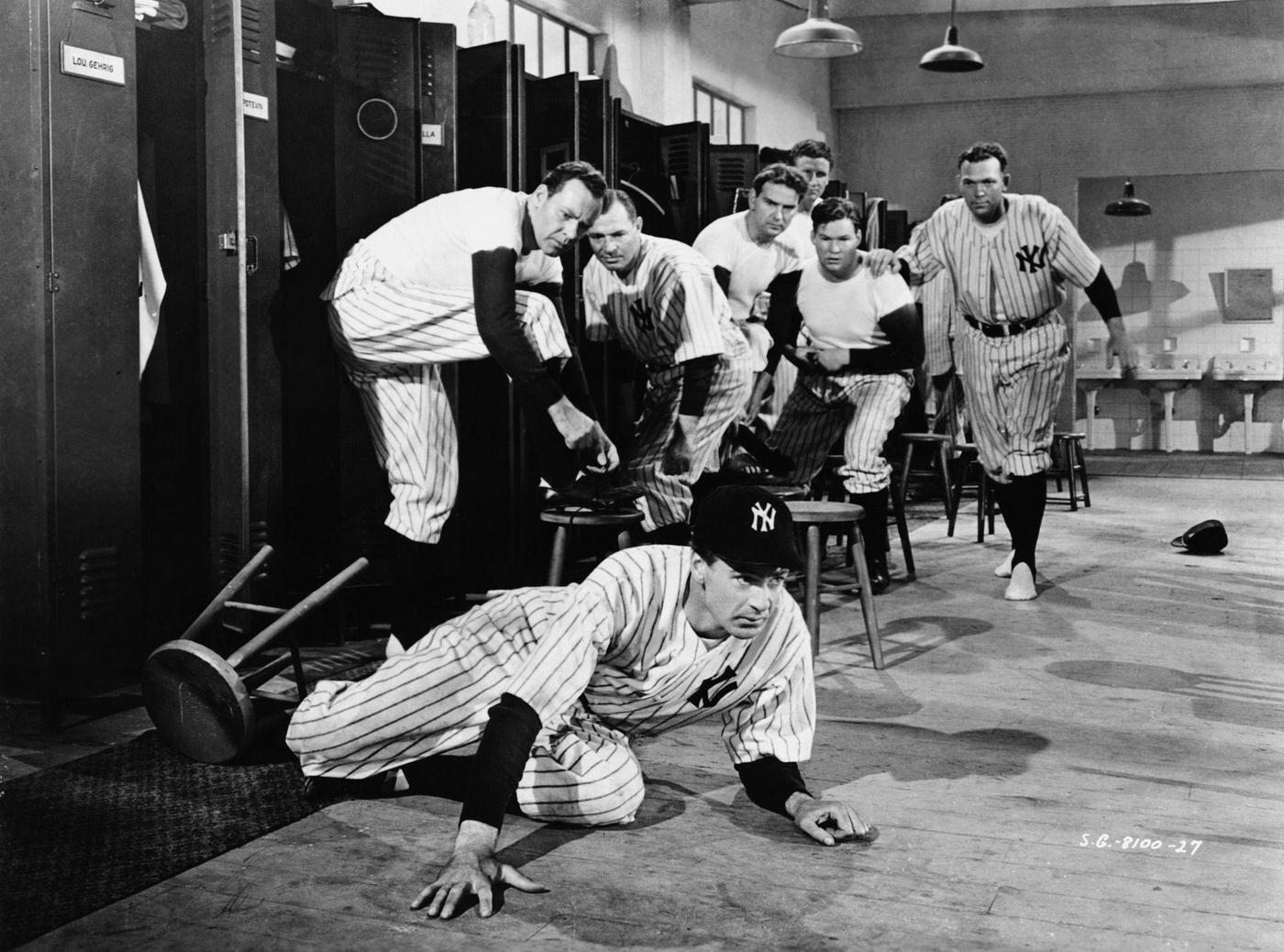
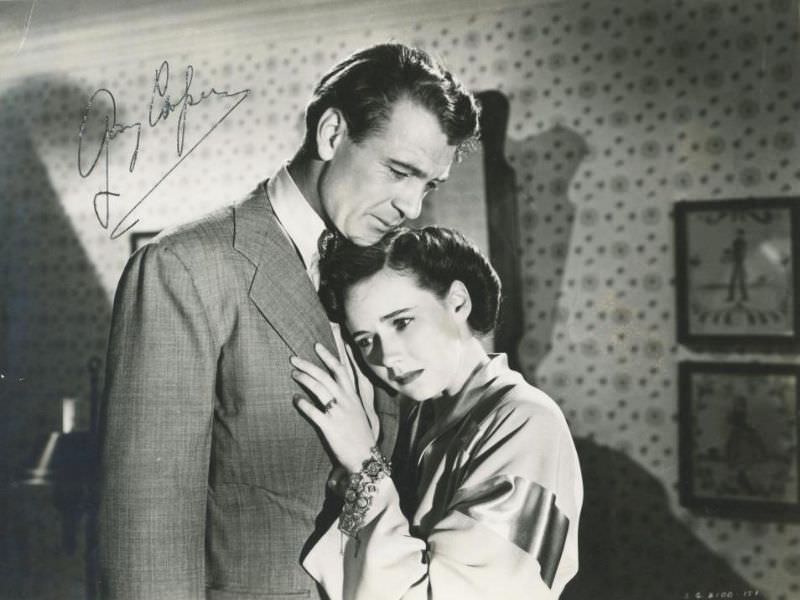
The film does not shy away from Gehrig’s illness. As ALS takes hold, Cooper plays the scenes with visible frustration and fear. Gehrig fought to keep playing for as long as his body allowed, and Cooper conveys that struggle without melodrama. The physical decline is shown plainly — a man watching his strength disappear while refusing to surrender without a fight.
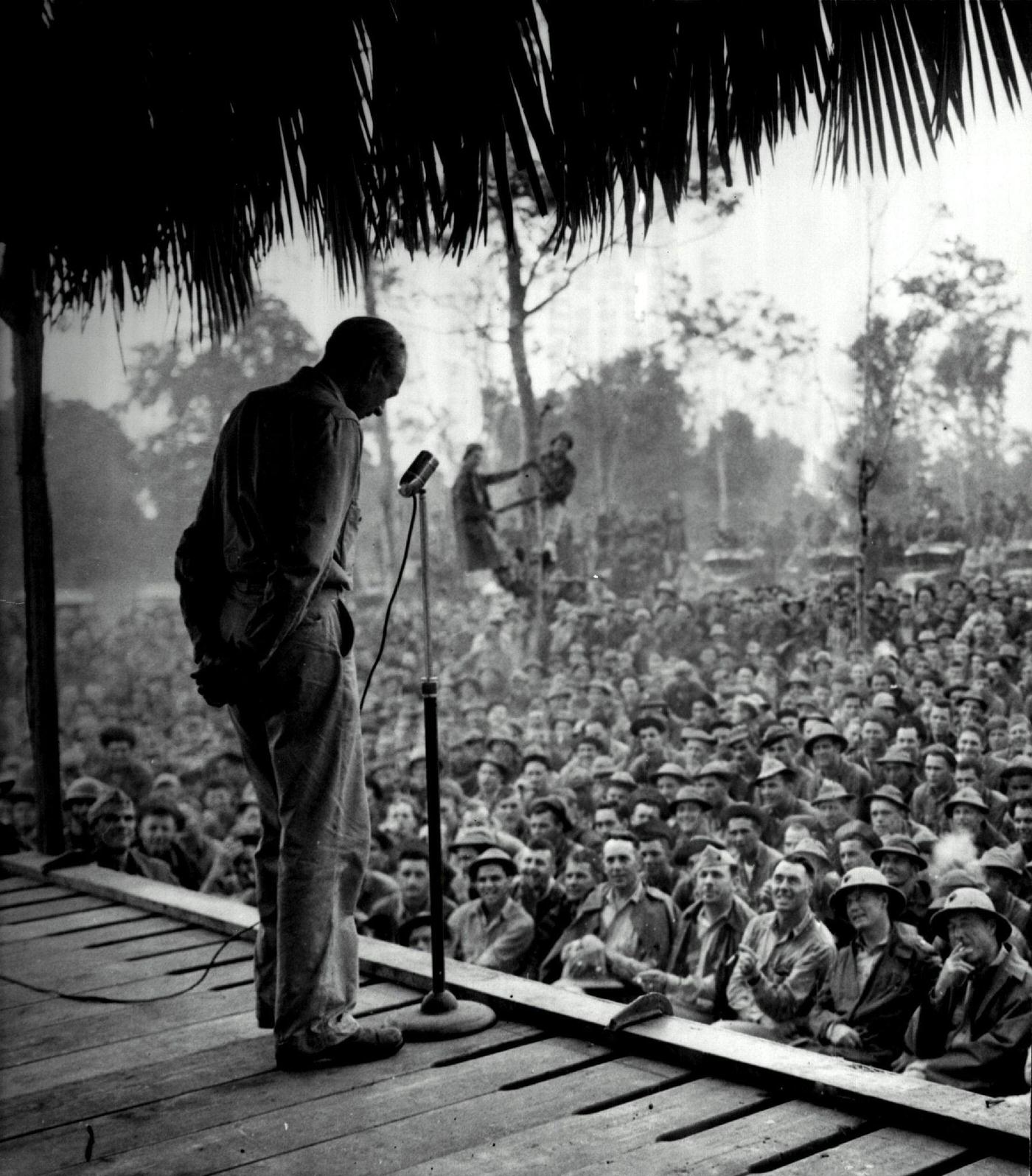
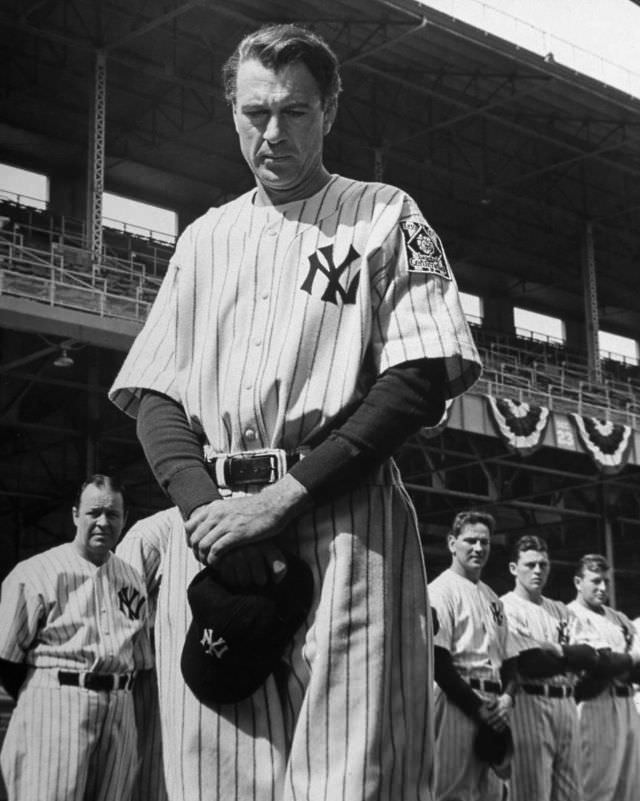
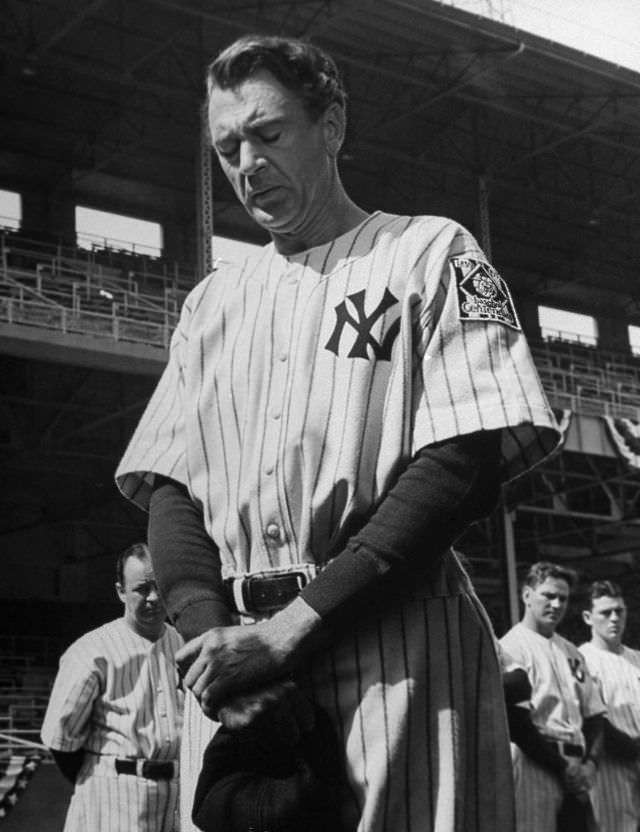
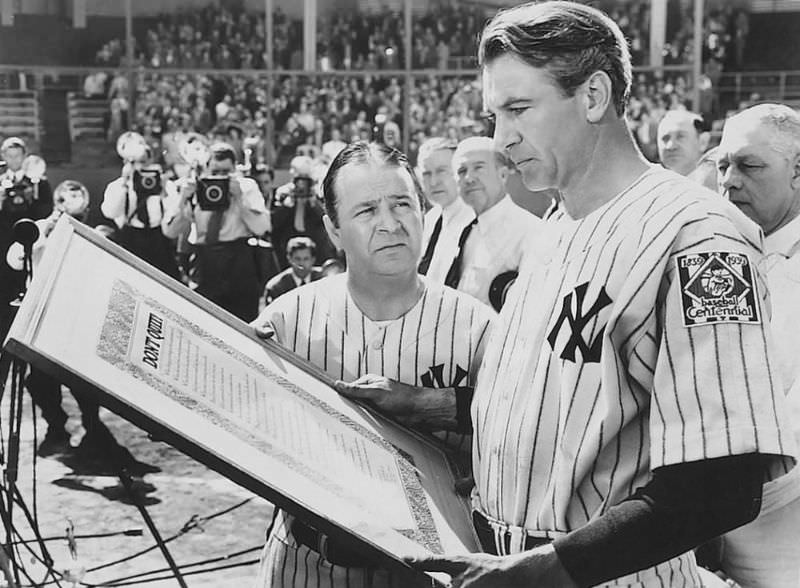
The film’s most recognized moment is Cooper delivering Gehrig’s farewell speech at Yankee Stadium. In real life, Gehrig gave that speech on July 4, 1939, calling himself the luckiest man on the face of the earth despite everything he faced. Cooper’s delivery of those words became one of the most replayed scenes in sports film history.
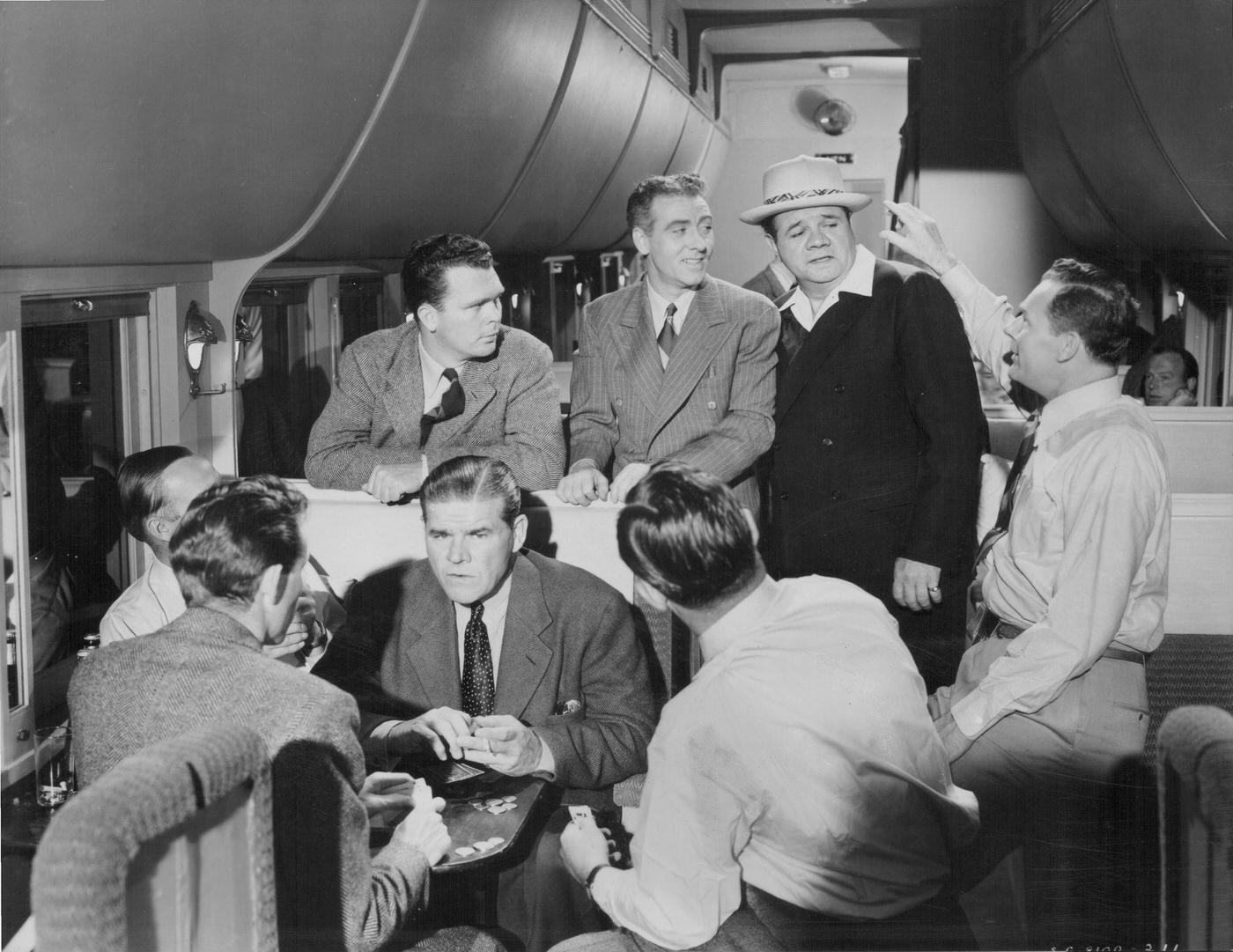
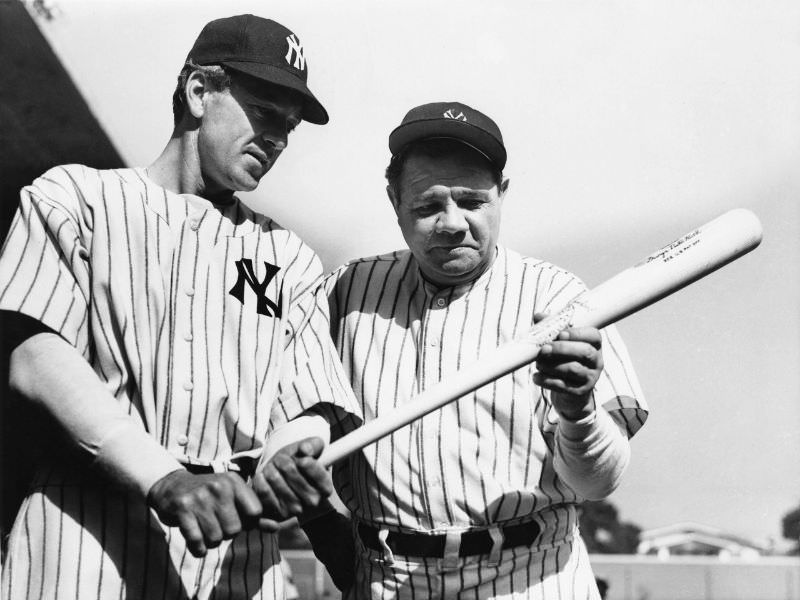
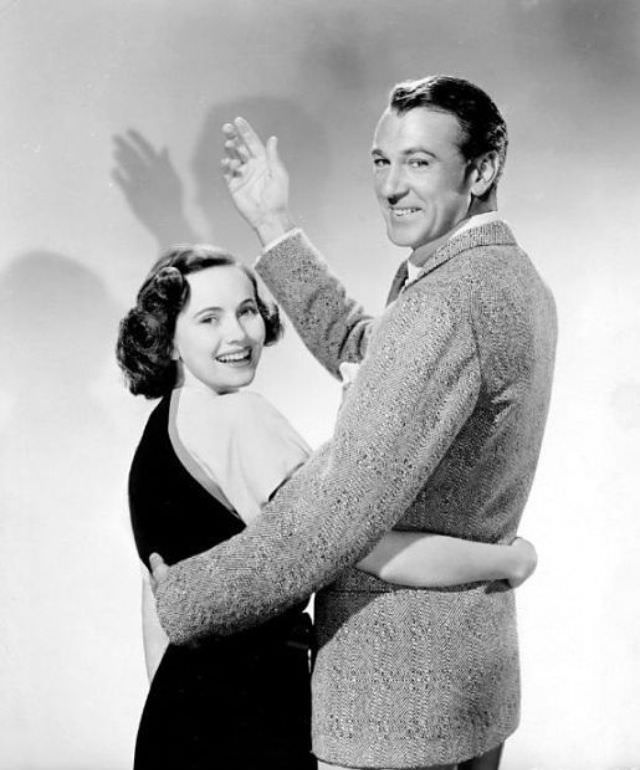
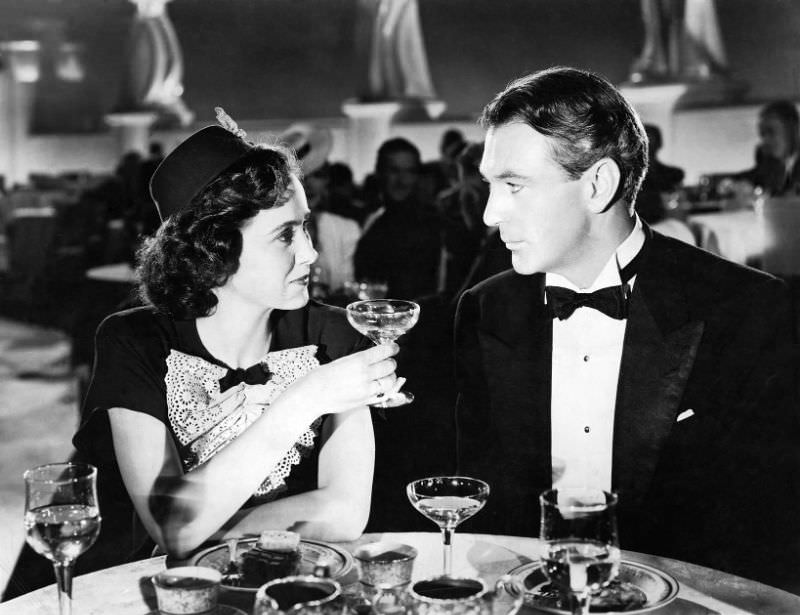
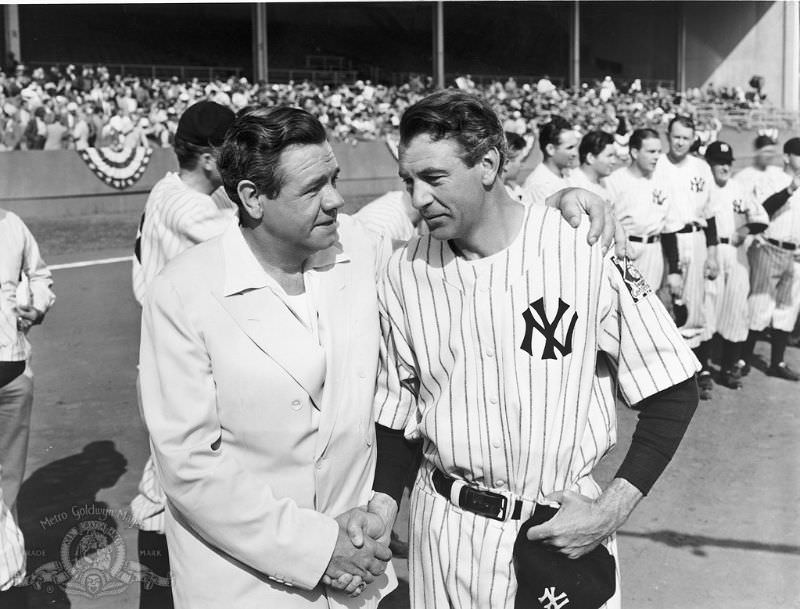
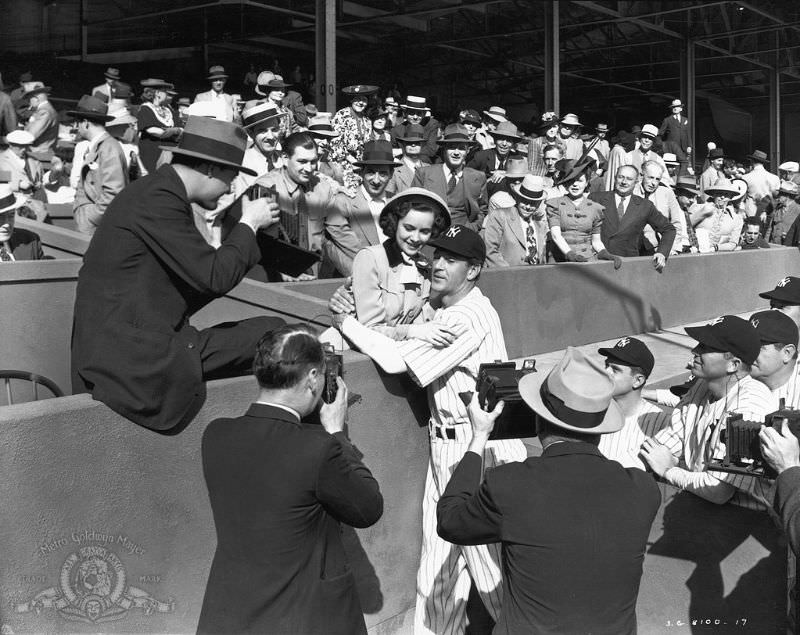
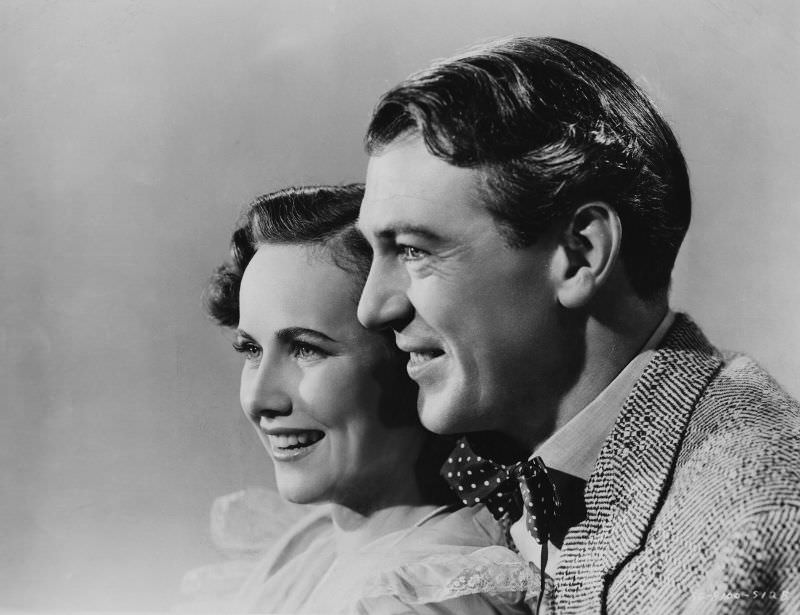
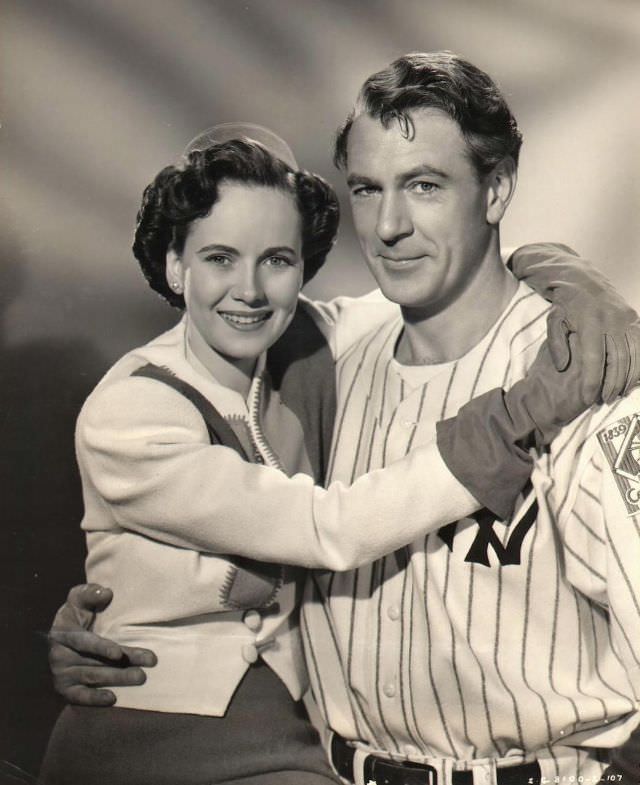
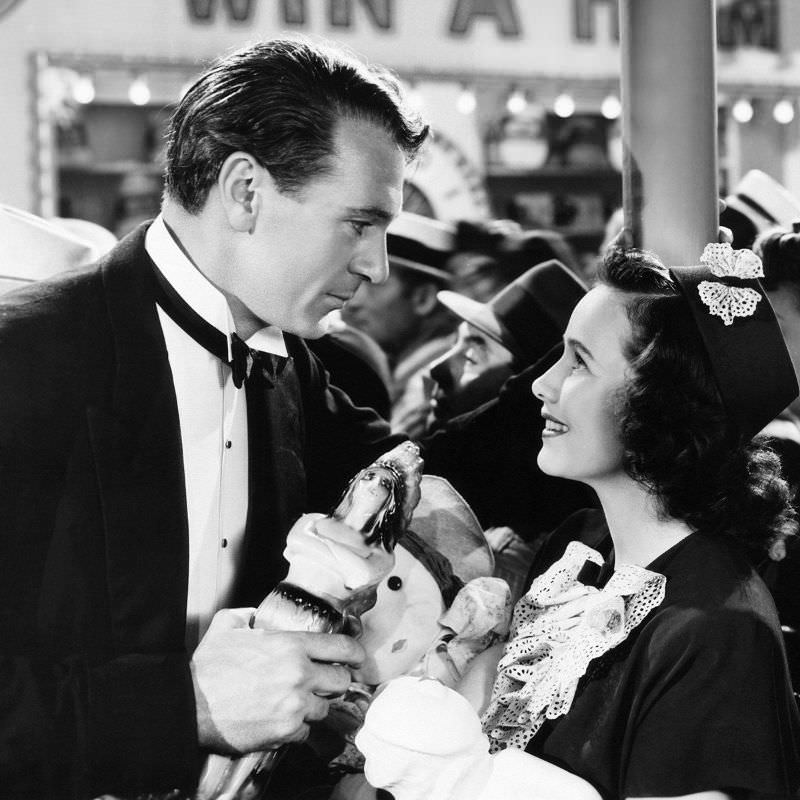
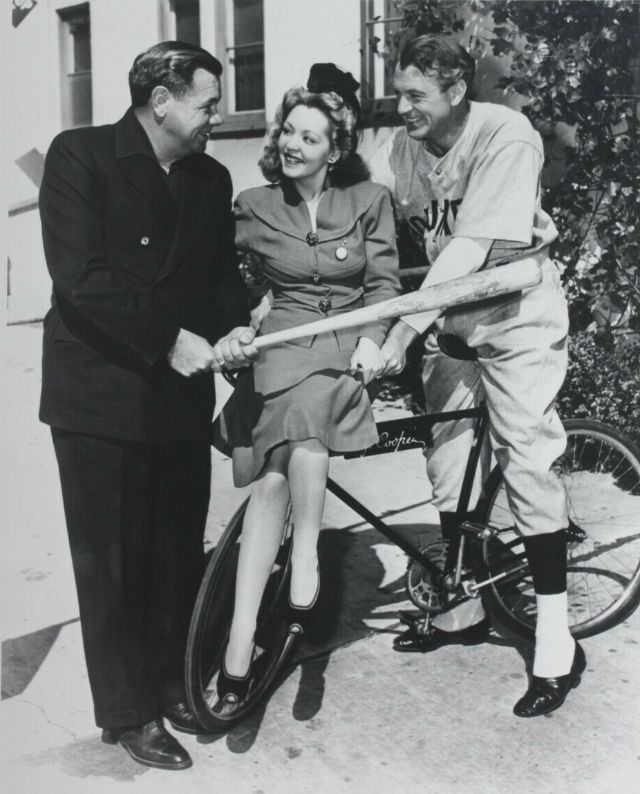
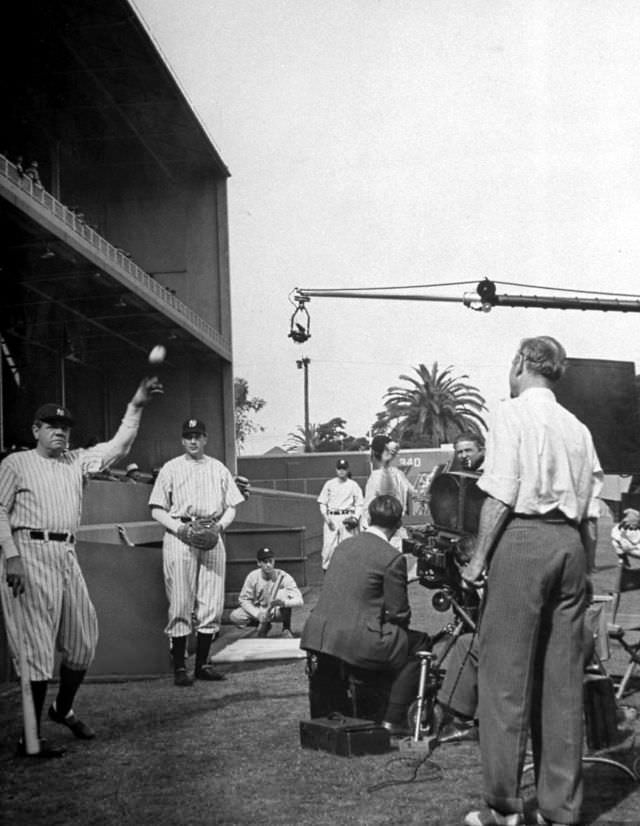
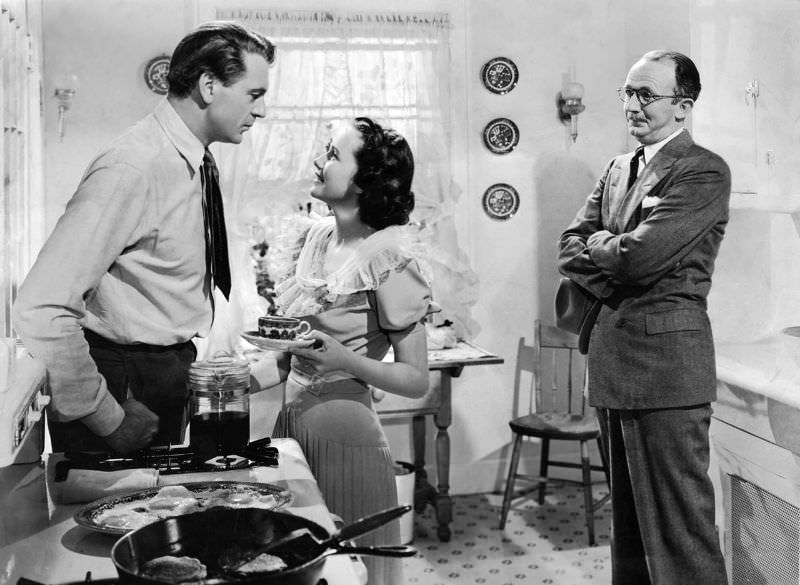
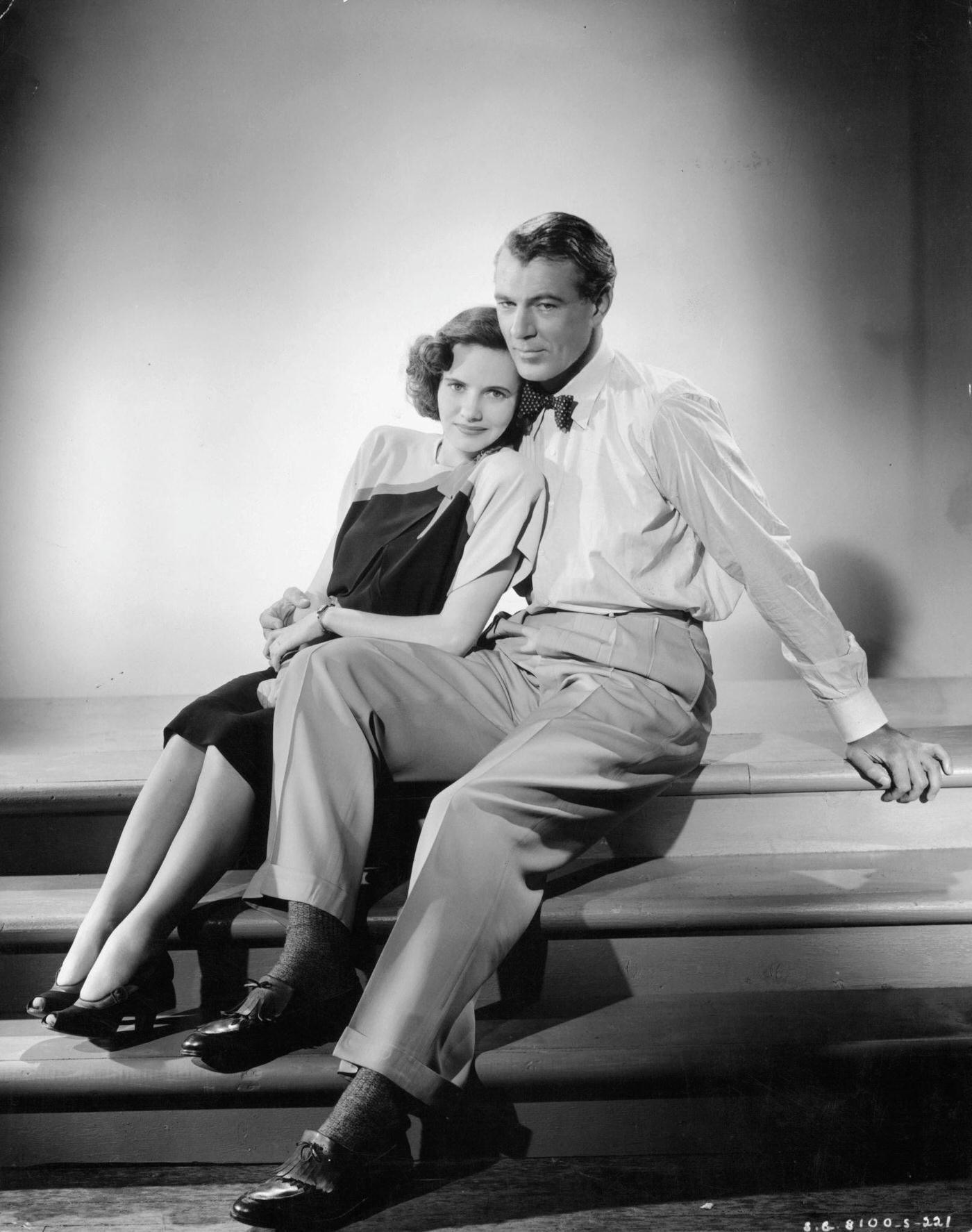
Babe Ruth appeared in the film playing himself, which added a layer of authenticity that no casting choice could have matched. Ruth and Gehrig had been teammates for years, and seeing Ruth on screen alongside Cooper grounded the story in real history. Teresa Wright played Eleanor Gehrig, and her chemistry with Cooper gave the film a strong emotional core.
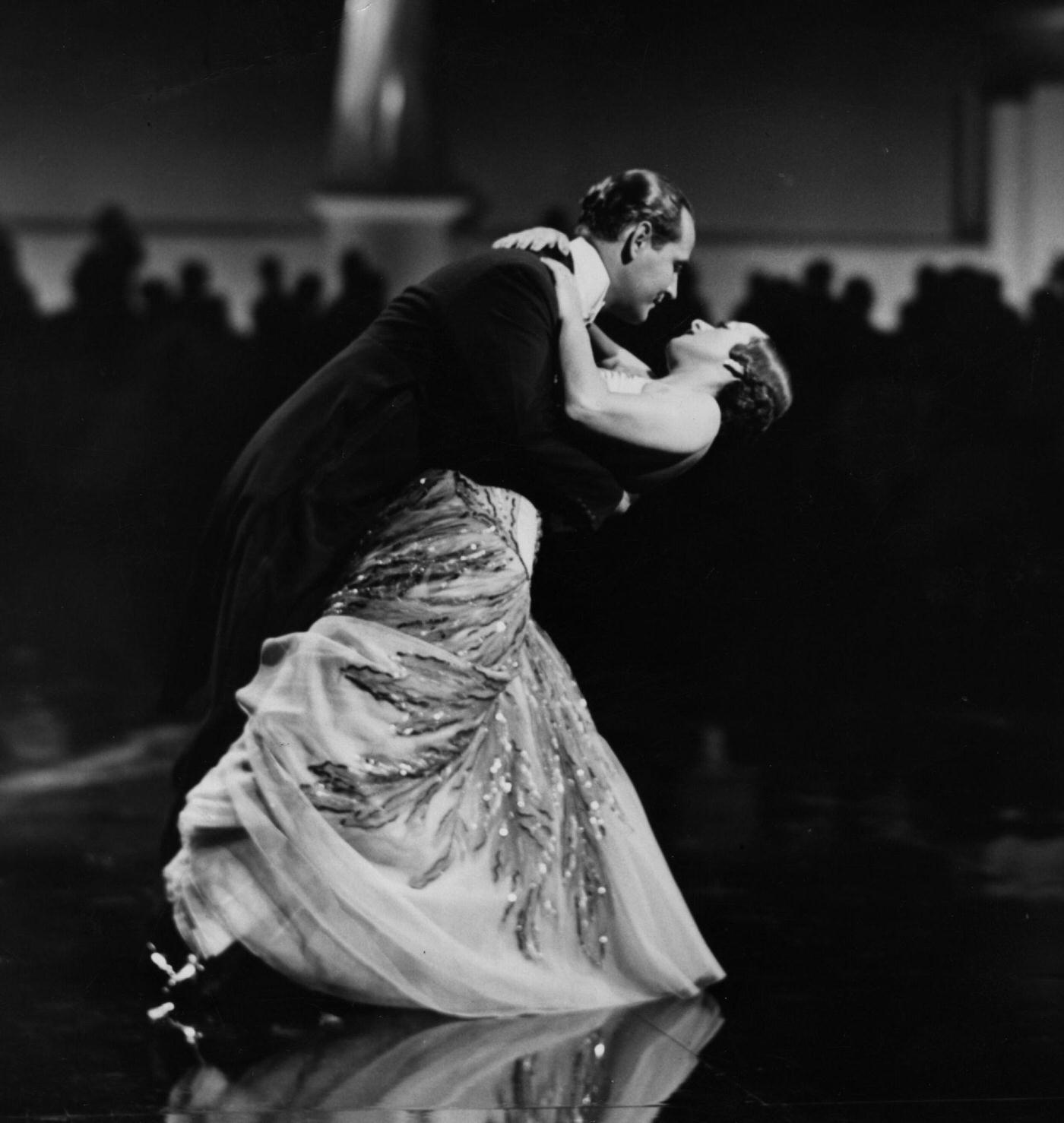
The film also featured lighter moments. A tango performance by cabaret duo Veloz and Yolanda appeared in one scene, showing that the production balanced the weight of Gehrig’s story with the energy of the era it depicted.
Cooper earned a nomination for the Academy Award for Best Actor for his work in the film. He lost to James Cagney, who won for Yankee Doodle Dandy that same year. Still, Cooper’s performance stood as one of the defining portrayals of a real-life athlete ever put on film.