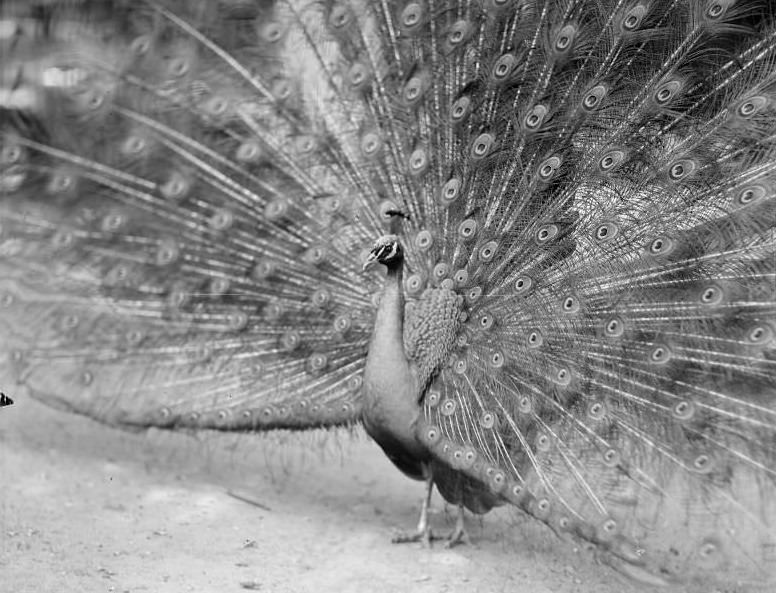
Franklin Park Zoo opened its gates to the public in 1912, sitting on 72 acres inside Franklin Park — Boston’s largest park and the final jewel in the city’s Emerald Necklace chain of parks. From its earliest days, the zoo drew crowds eager to see animals they would never encounter in their daily lives. American photographer Leslie Ronald Jones was there to document it all. Between the 1910s and 1930s, Jones captured a remarkable series of photographs that show the zoo’s animals, keepers, and visitors in vivid detail.
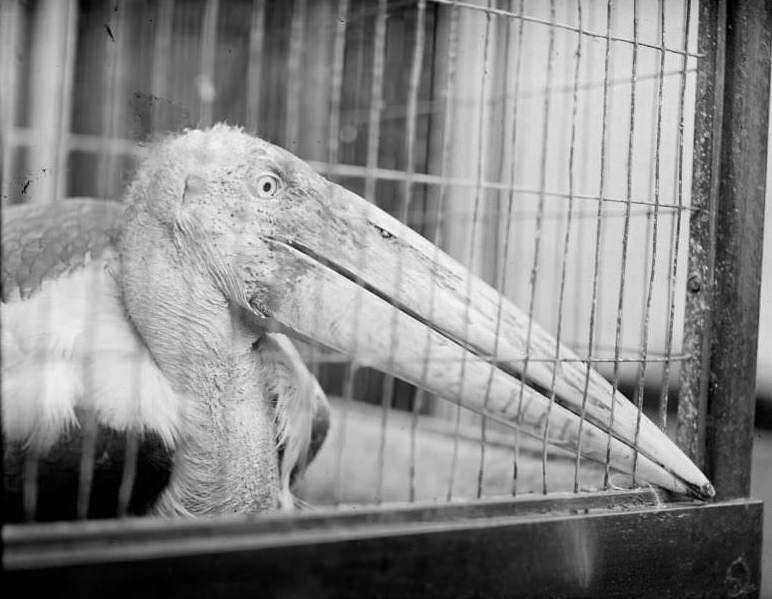
One of the zoo’s most striking early residents was the adjutant stork, a large wading bird native to South Asia. With its bald head, massive bill, and imposing height, it was unlike anything most Bostonians had ever seen up close.

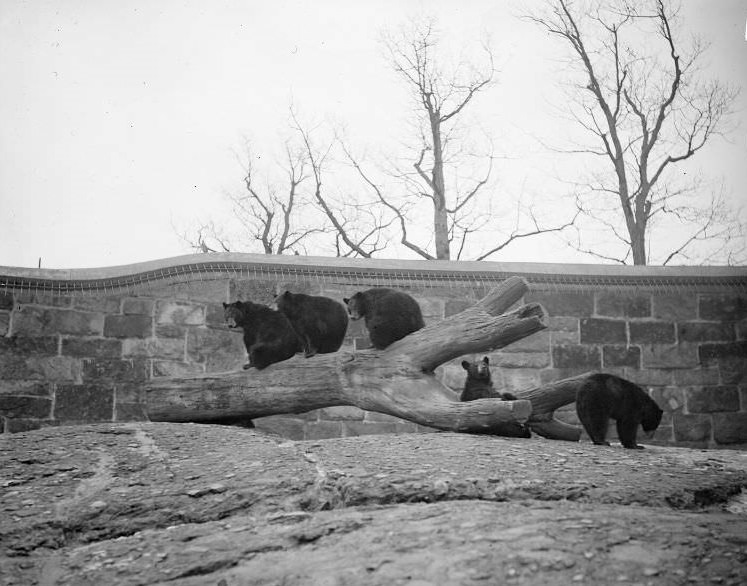
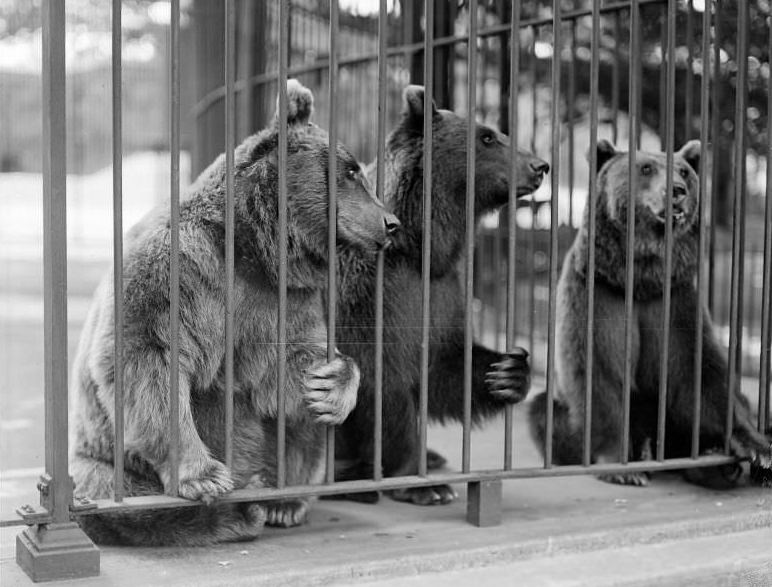
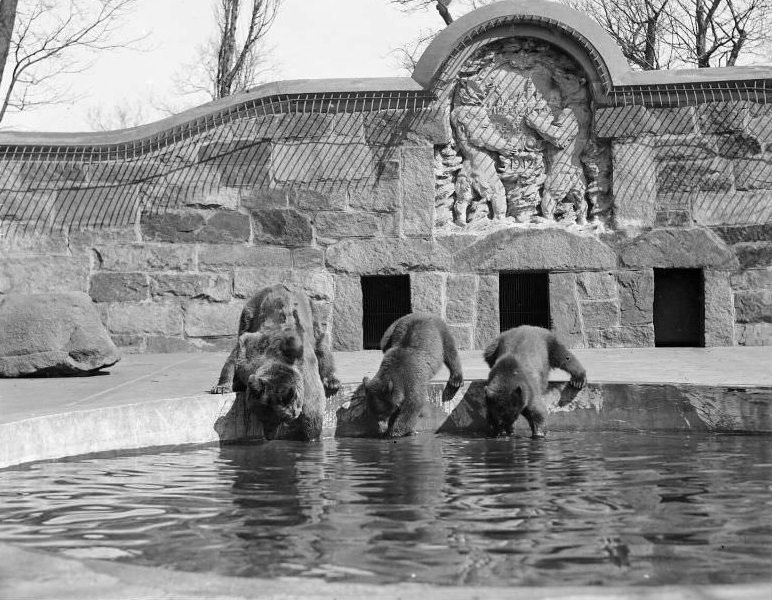
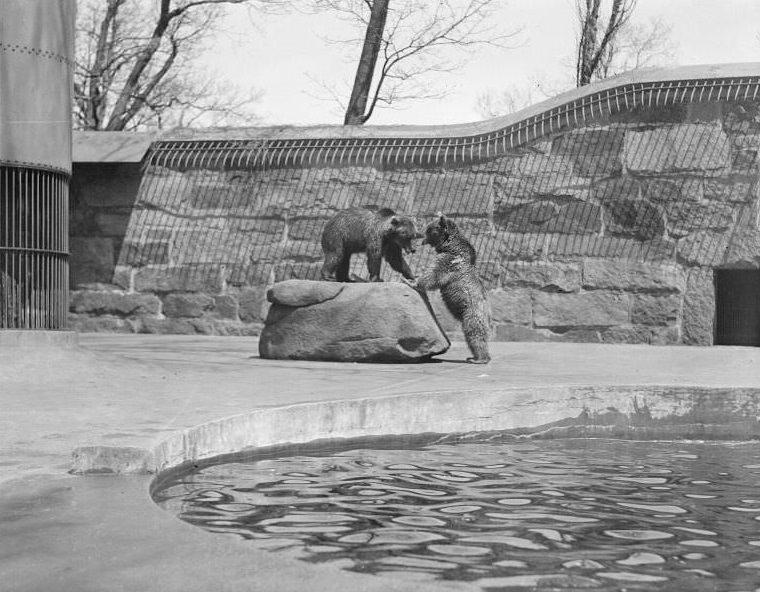
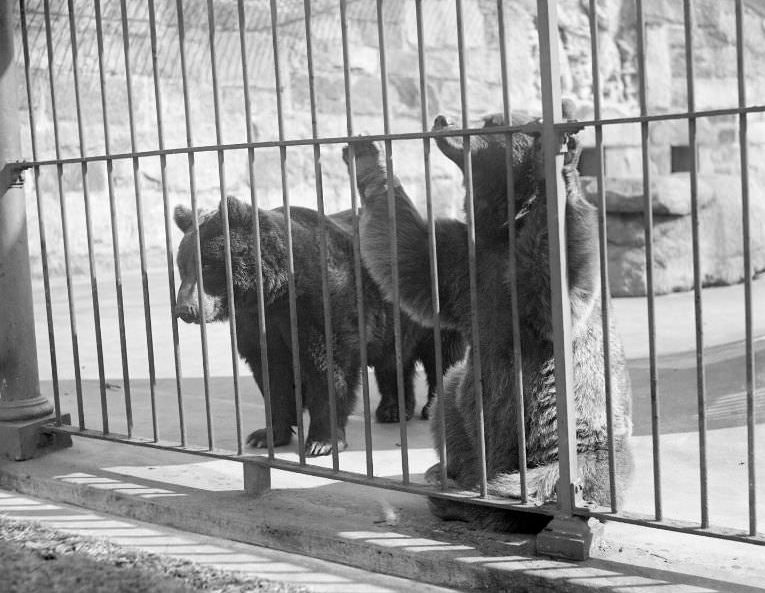
Bears were among the most popular attractions at Franklin Park. The zoo kept both black bears and brown bears, and Jones photographed them often. The named brown bears — Lizzie, Minka, and Lillie — were clearly well-known to regular visitors, treated almost like local celebrities.


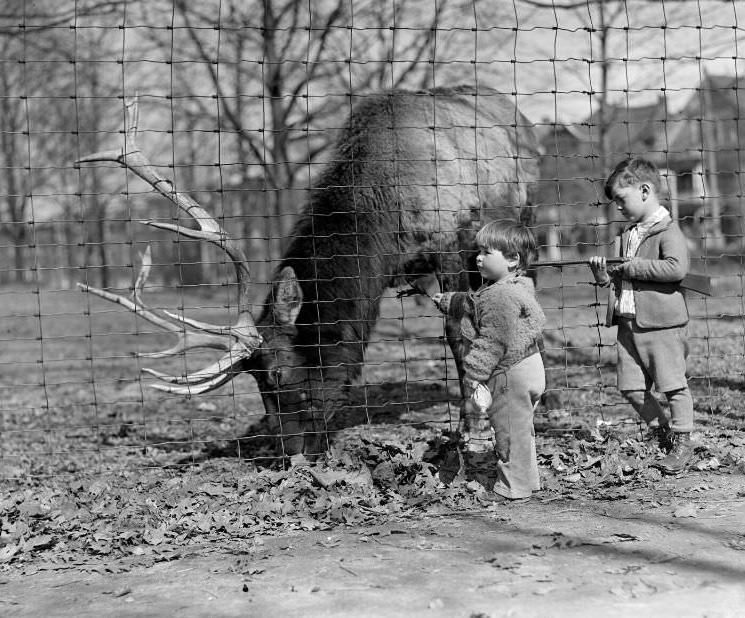
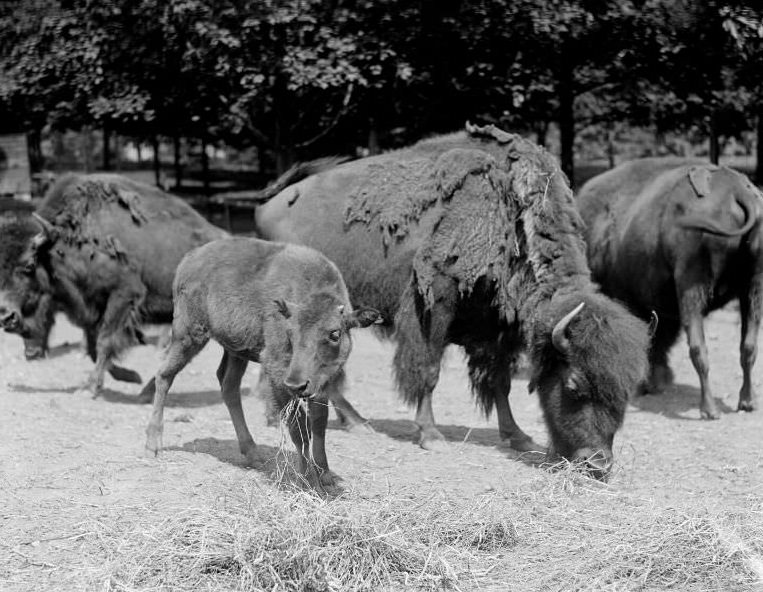
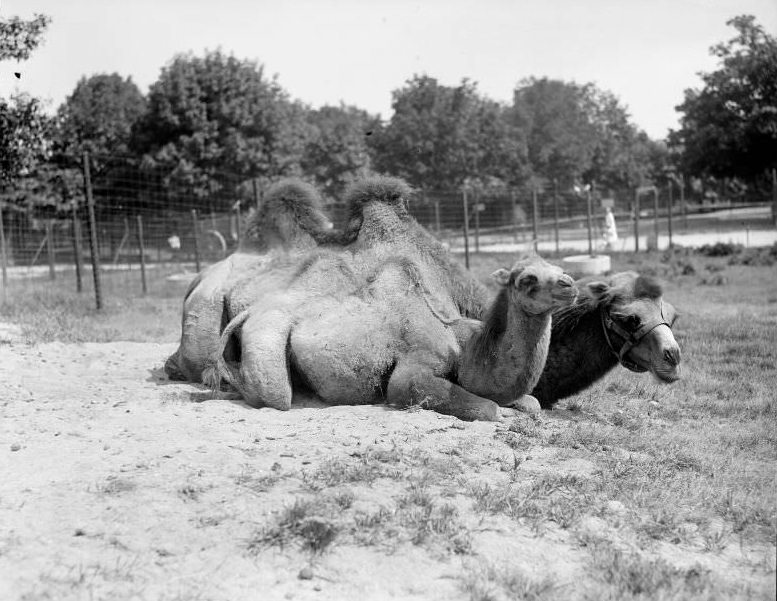
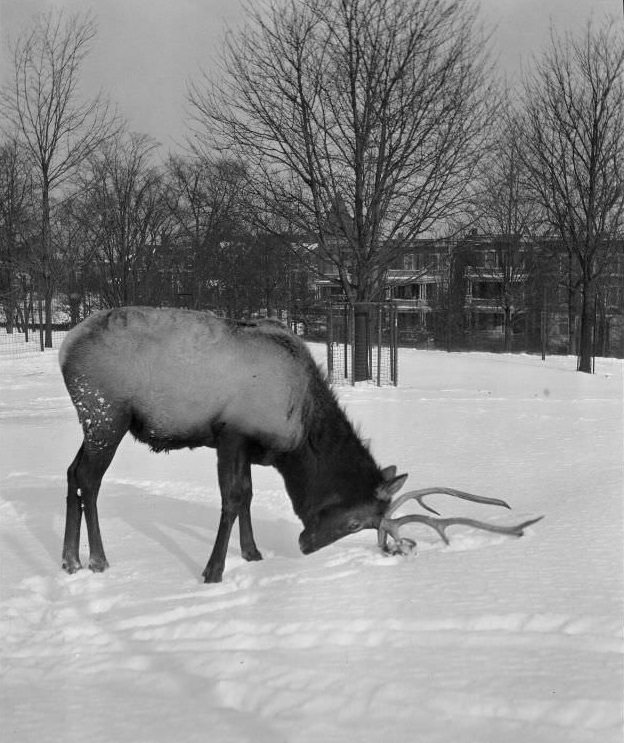
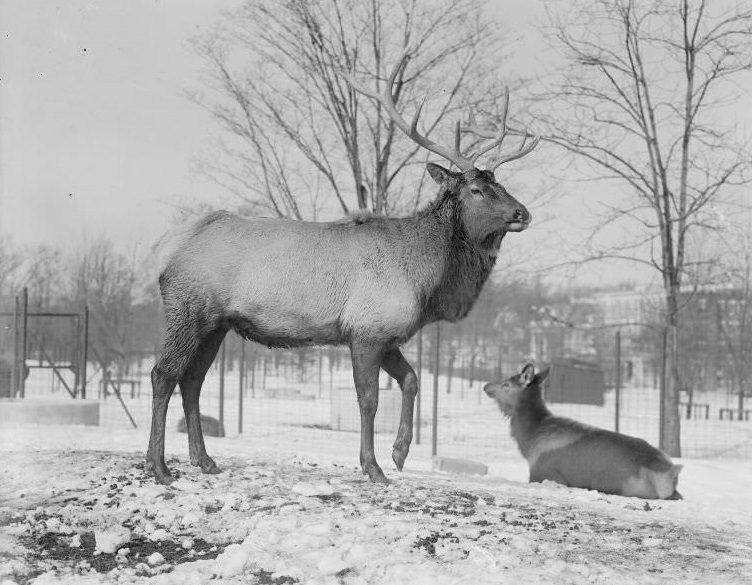
The zoo also housed large grazing animals that gave visitors a window into the American West and beyond. Buffalo mothers tended to their young, camels stood alongside their calves, and elk roamed their enclosures. Jones photographed these animals with a journalist’s eye — straightforward, close, and unposed.


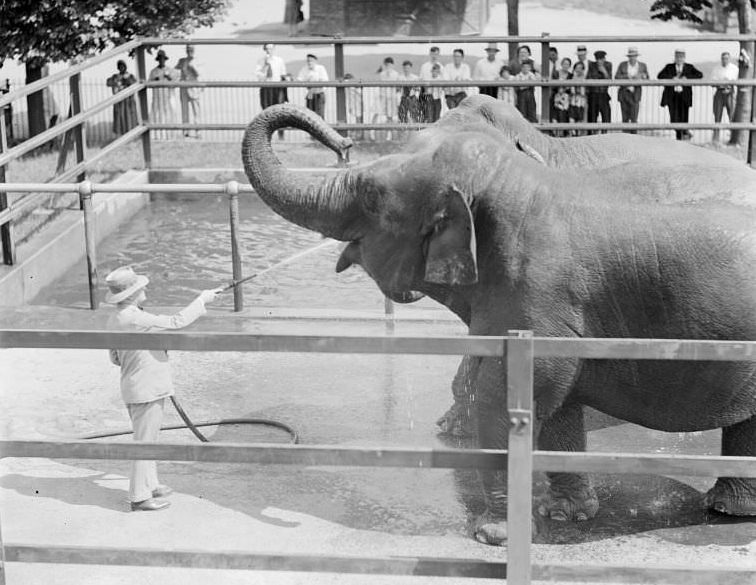
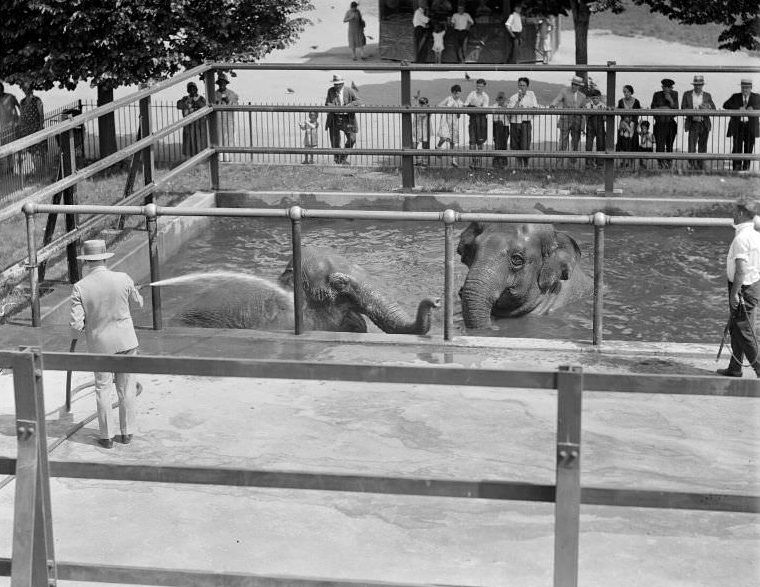
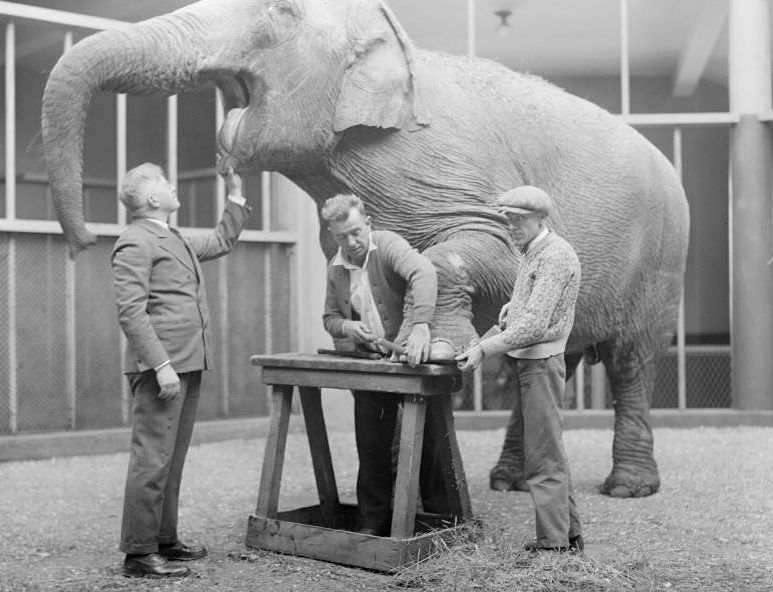
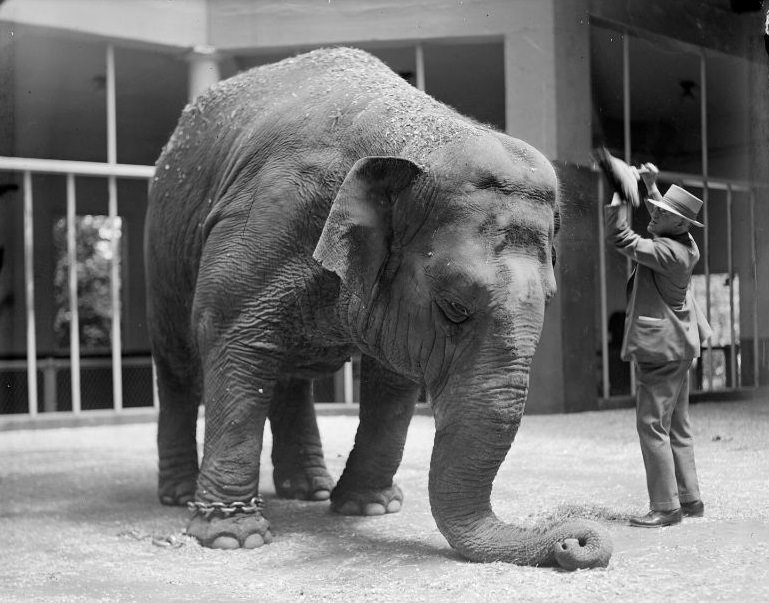
Elephants were a centerpiece of the zoo experience. Jones documented them being bathed — a routine task for keepers but a spectacle for onlookers. One photograph shows keeper Dan Harkins sweeping down Tony the elephant inside the elephant house, a glimpse into the daily labor that kept the zoo running.


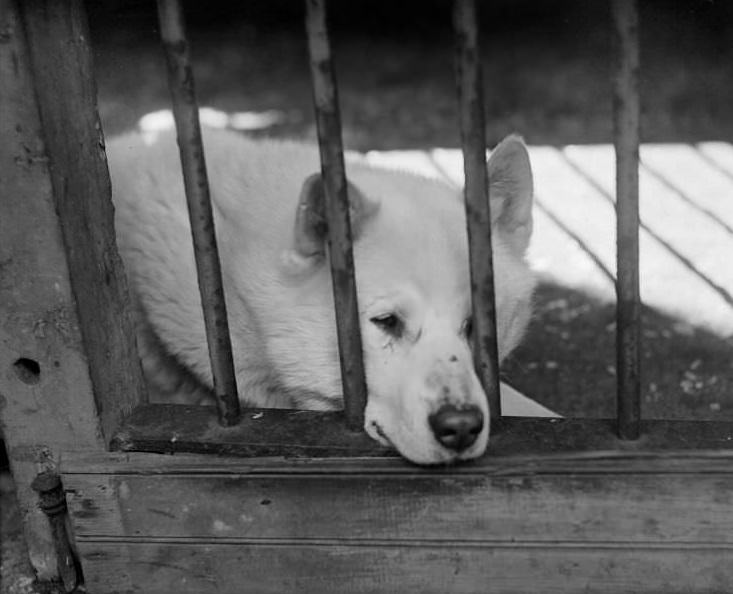
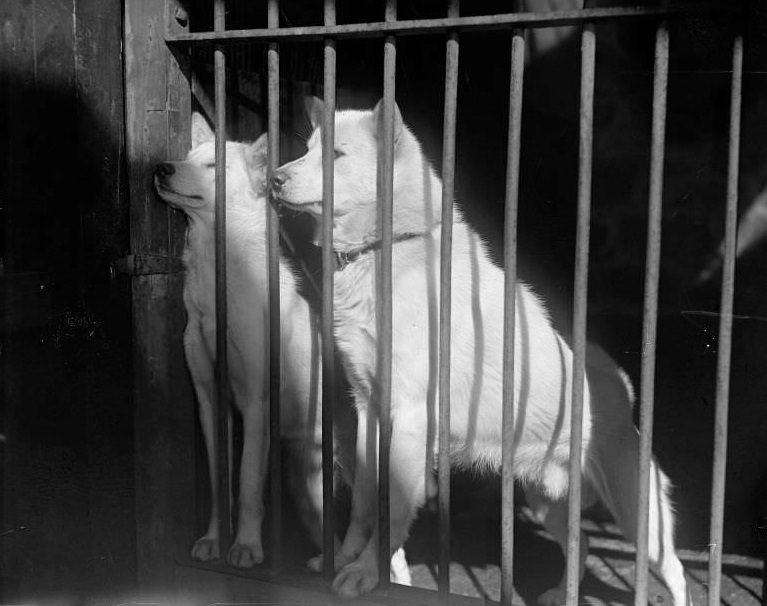
Among the more unusual animals on display were Eskimo dogs, bred for sled pulling in Arctic conditions. Their thick coats and powerful builds made them stand out sharply against the backdrop of a New England urban park. Jones photographed them on at least two separate occasions, suggesting they drew repeated public interest.


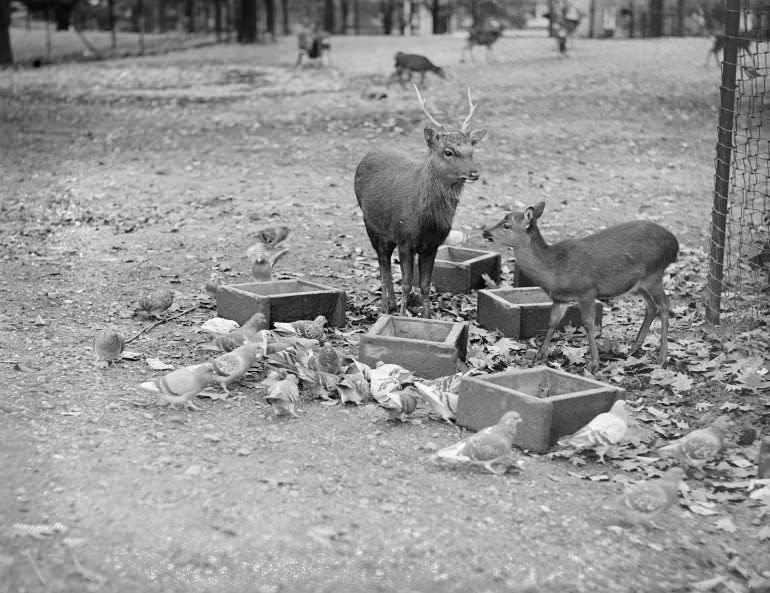
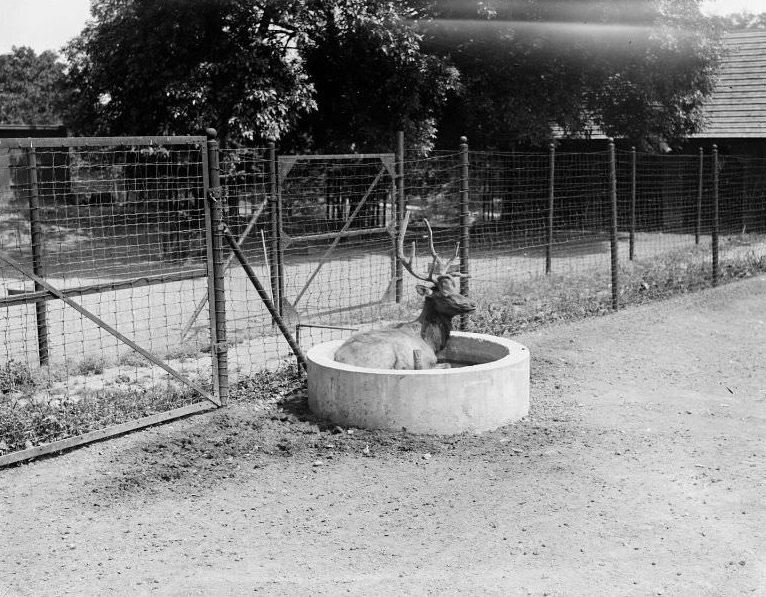
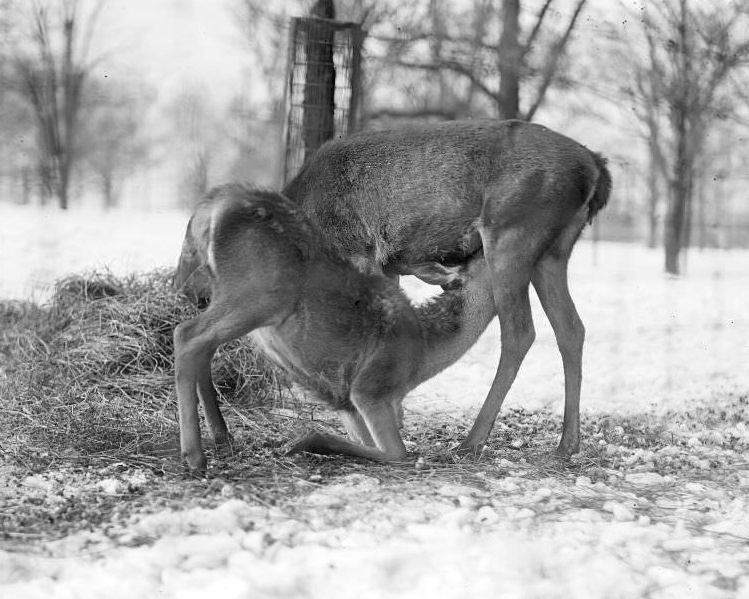
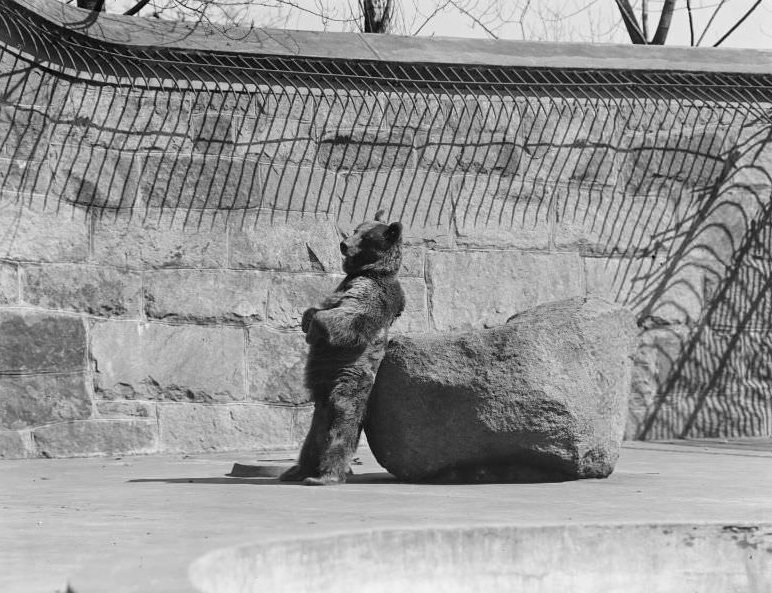
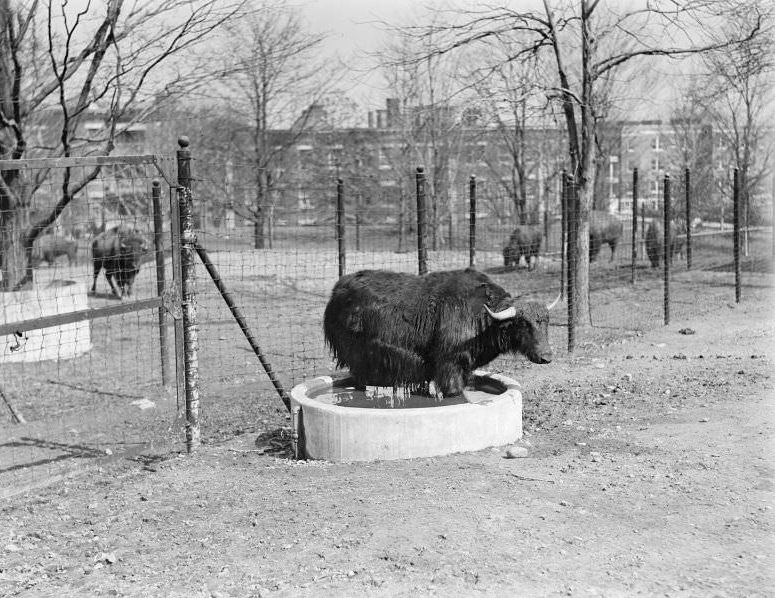
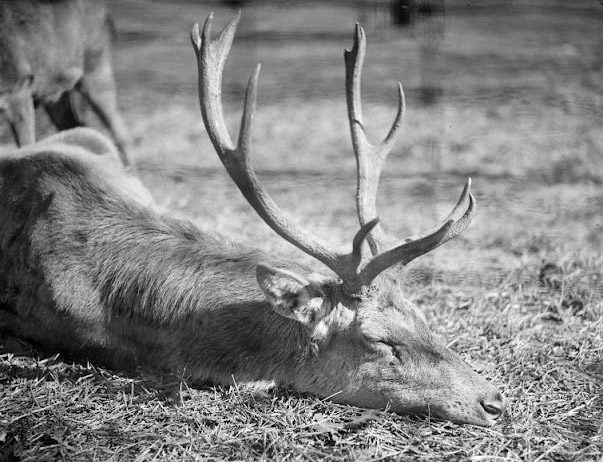
Hot summers in Boston meant keepers found creative ways to keep animals comfortable. Red deer cooled off in water troughs, and a yak was photographed standing directly in a trough to beat the heat. A baby deer was captured at feeding time, and a brown bear was caught mid-scratch, using a rock to relieve an itch — small moments that Jones had a talent for freezing in time.


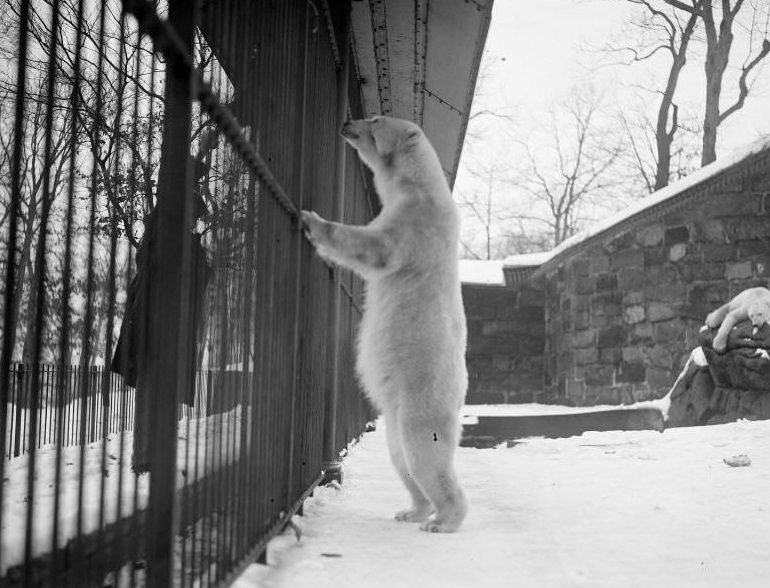
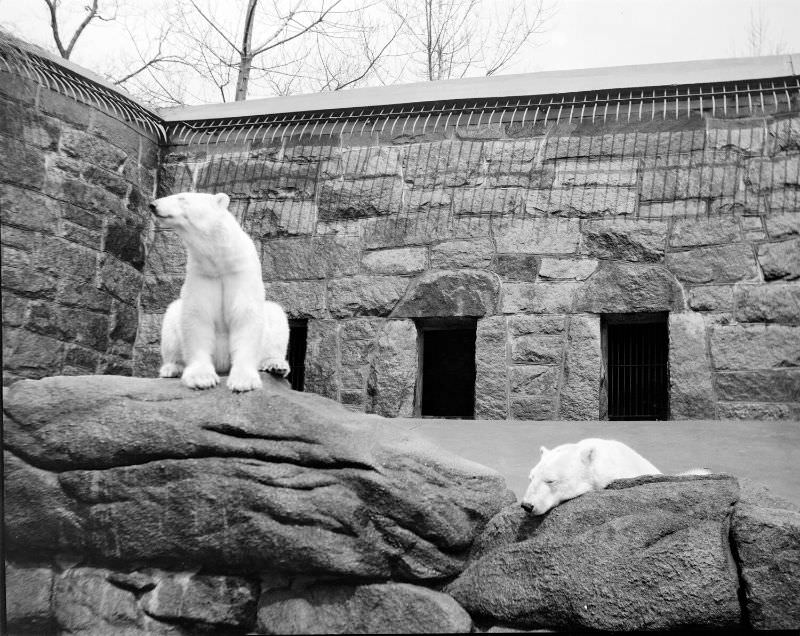
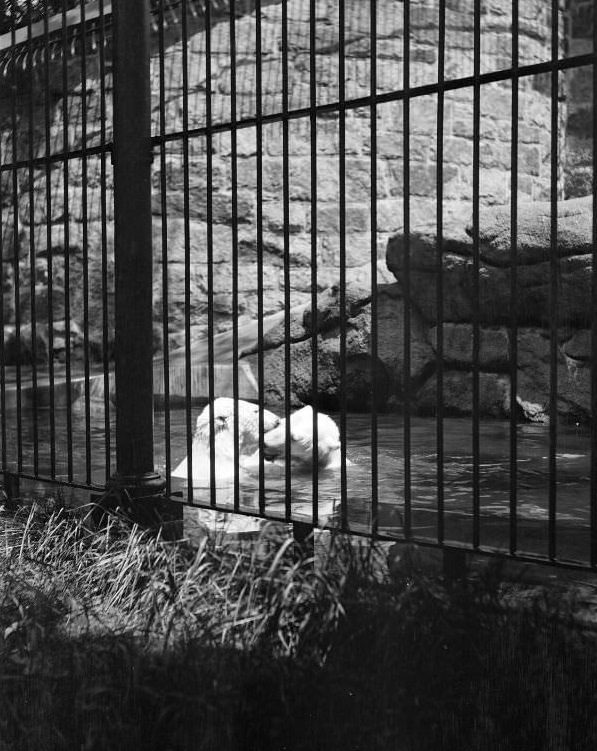
The zoo’s polar bears were also well-documented. Fatima, one of the named polar bears, was photographed standing upright on two feet — a pose that made her look almost human. Polar bears at Franklin Park consistently drew large crowds, their white fur and sheer size making them impossible to ignore.


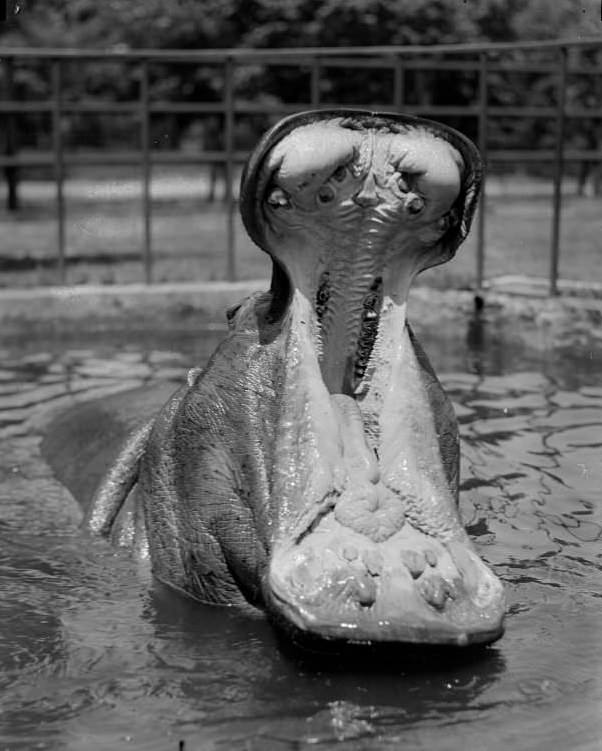
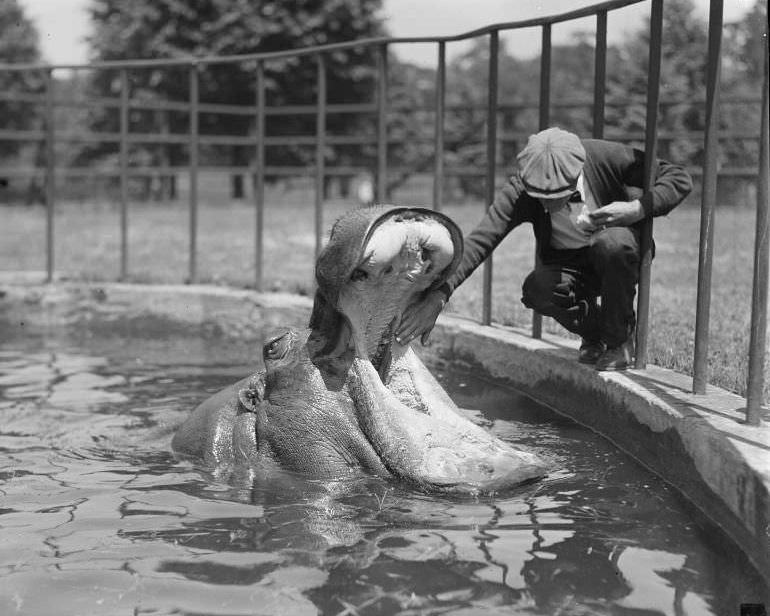
Happy the hippo was one of the zoo’s most recognizable animals. Jones photographed Happy mid-laugh — mouth wide open, teeth on full display. In another striking shot, a man reaches deep into the open mouth of a hippo, demonstrating a level of hands-on keeper interaction that would be unthinkable in a modern zoo setting.


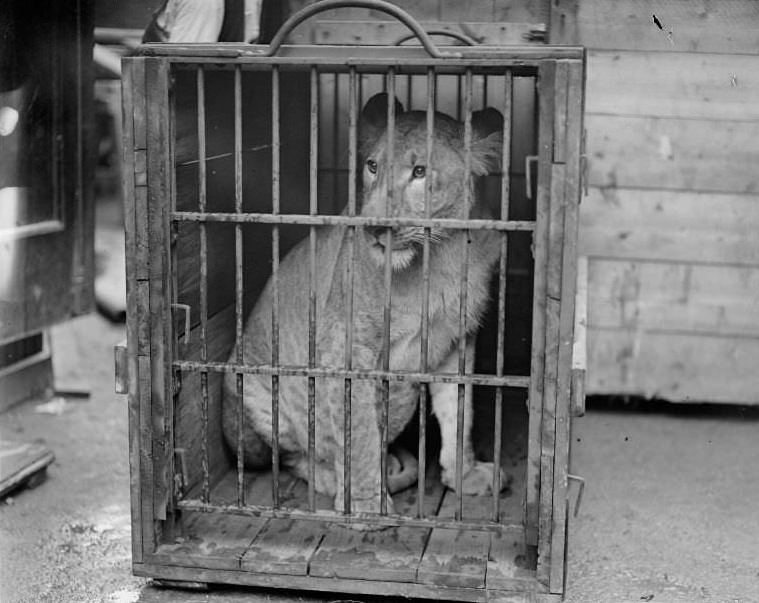
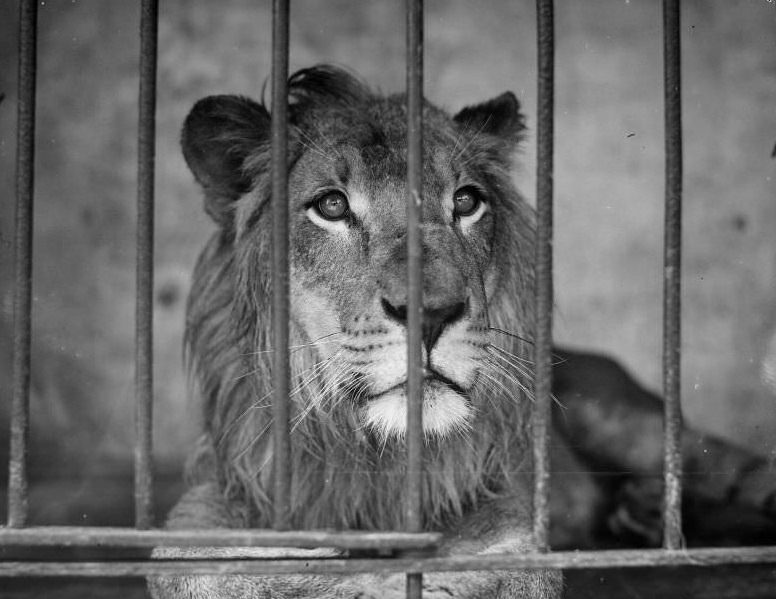
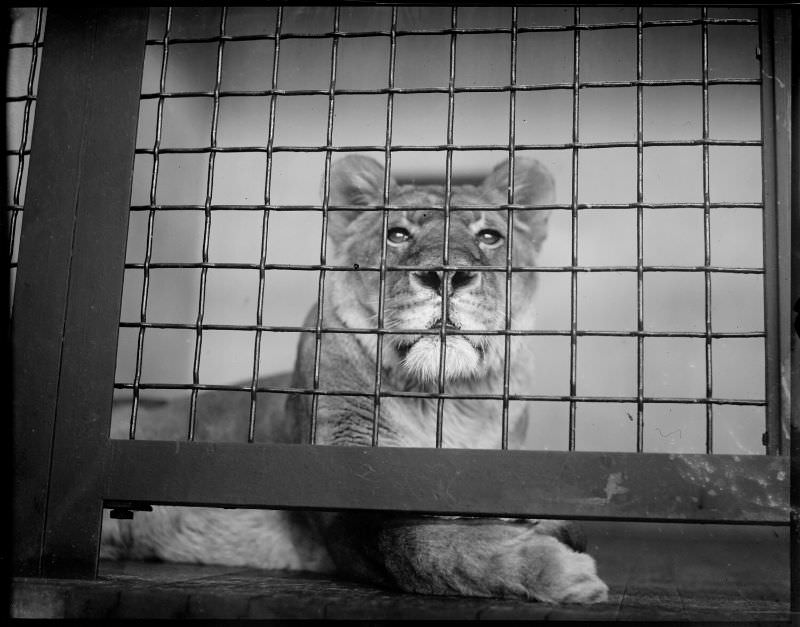
Lions were a major draw at Franklin Park. Tom the lion was photographed just after waking up, looking groggy and unbothered by the camera. Mame the lioness posed with a calm dignity that Jones captured perfectly. These big cats were kept in enclosures that allowed Jones to photograph them from close range, producing images with remarkable clarity.


Zoo maintenance in the early 20th century was hands-on in ways that are surprising by today’s standards. One photograph shows a keeper manicuring the toenails of an animal named Waddy — a routine task performed up close without the protective barriers that are standard today. These images reveal a working zoo where keepers had direct, unguarded contact with large animals daily.


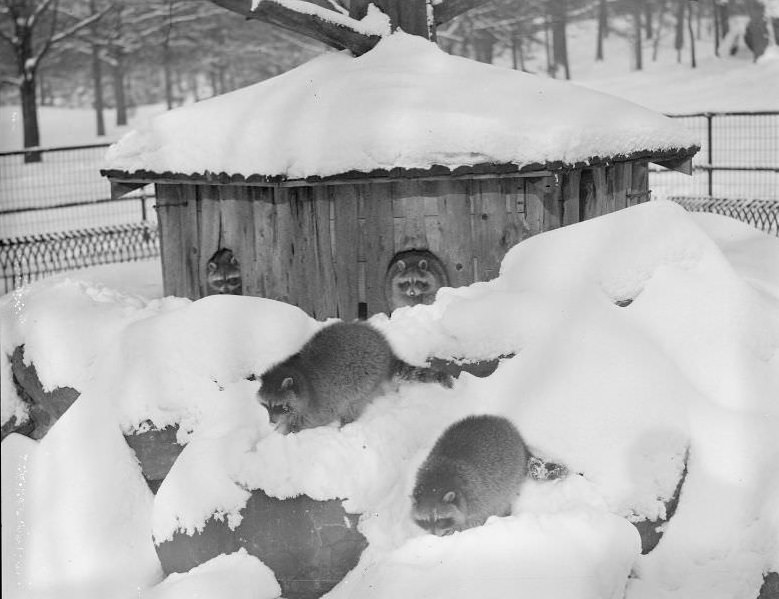
Raccoons, red deer, and Russian brown bears rounded out the zoo’s diverse collection. The raccoons were photographed in winter, their fur thick against the cold. The Russian brown bears, noted as drawing great interest from visitors, were among the larger and more impressive animals on the grounds.


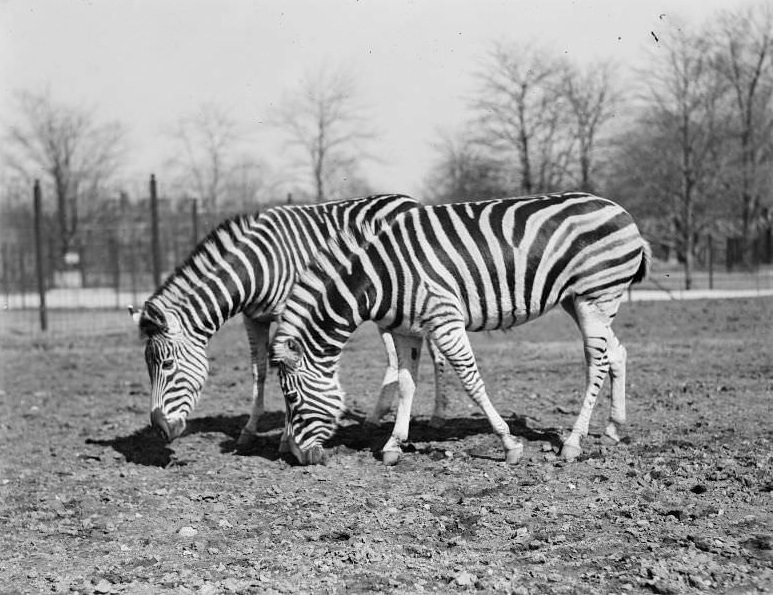
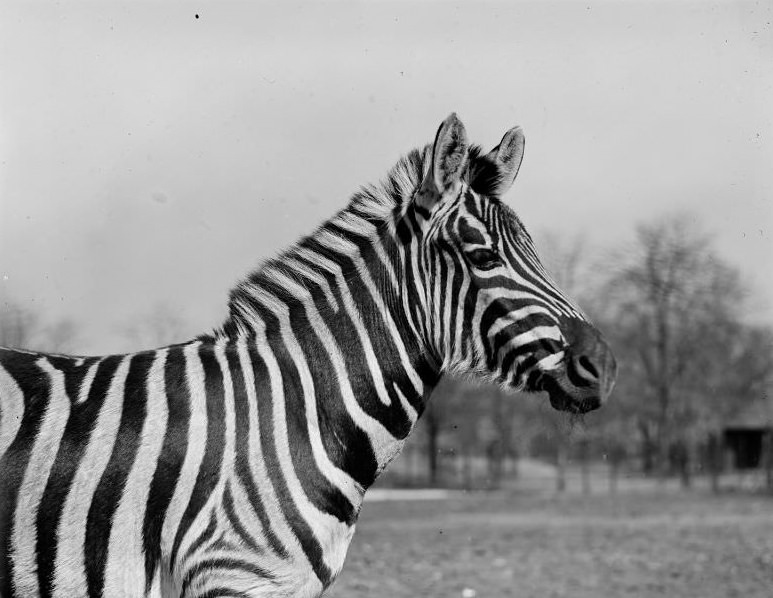
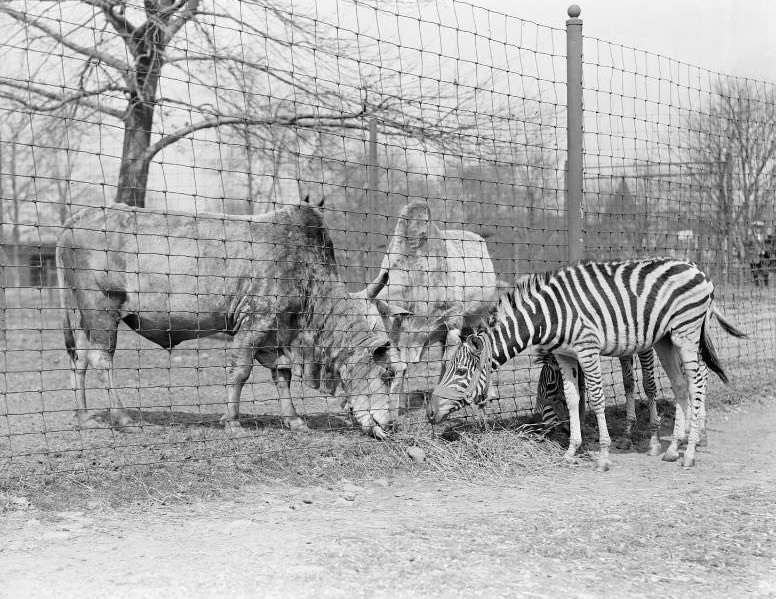
Zebras were among the most visually striking animals in Jones’s photographs. Franklin Park kept multiple zebras, and Jones captured them alone, in pairs, and even mingling with sacred cows — an unlikely pairing that drew its own share of attention from zoo visitors. These photographs, taken across two decades, form one of the most complete early visual records of any American urban zoo.