
Antonin Personnaz was an art collector with deep ties to the French Impressionist world. He personally knew painters like Edgar Degas, Claude Monet, Camille Pissarro, Albert Lebourg, Jean-François Raffaelli, and Paul Gachet. Those relationships shaped the way he saw the world — and eventually, the way he photographed it.
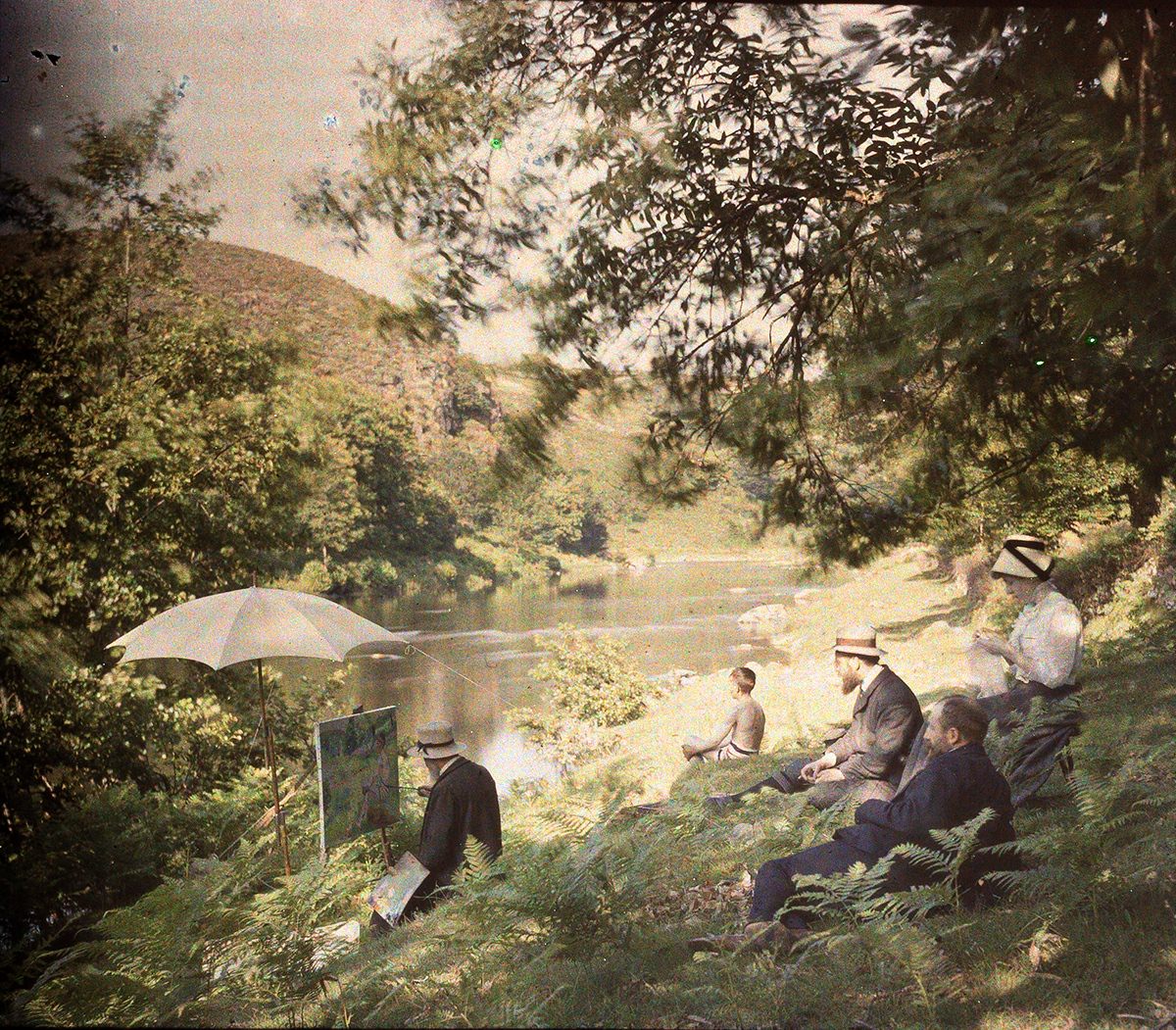
Personnaz joined the Société française de photographie in 1896, establishing himself early in France’s amateur photography circles. By 1900, he was also a member of the Société d’excursion des amateurs de photographie, a group that took photographers out into the landscape to work. Between 1903 and 1905, he wrote essays on Pissarro, art processes in photography, and documented Pissarro at work in his studio. After winning prizes in photography contests, he turned his attention to a new and exciting medium: the autochrome.
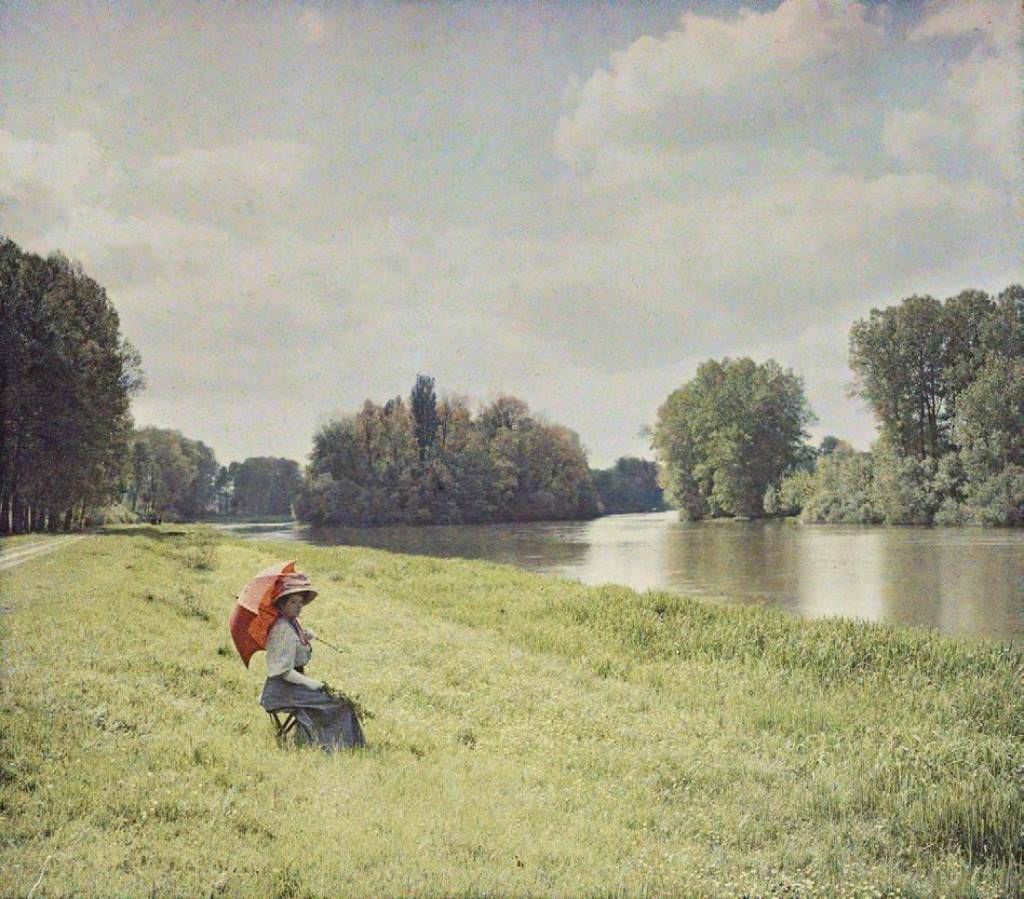
The autochrome process was invented by brothers Auguste and Louis Lumière and introduced in 1907. It used a glass plate coated with dyed starch grains — red, green, and blue — to capture color images. The result was grainy and soft, with a natural warmth that looked less like a mechanical photograph and more like a painting.
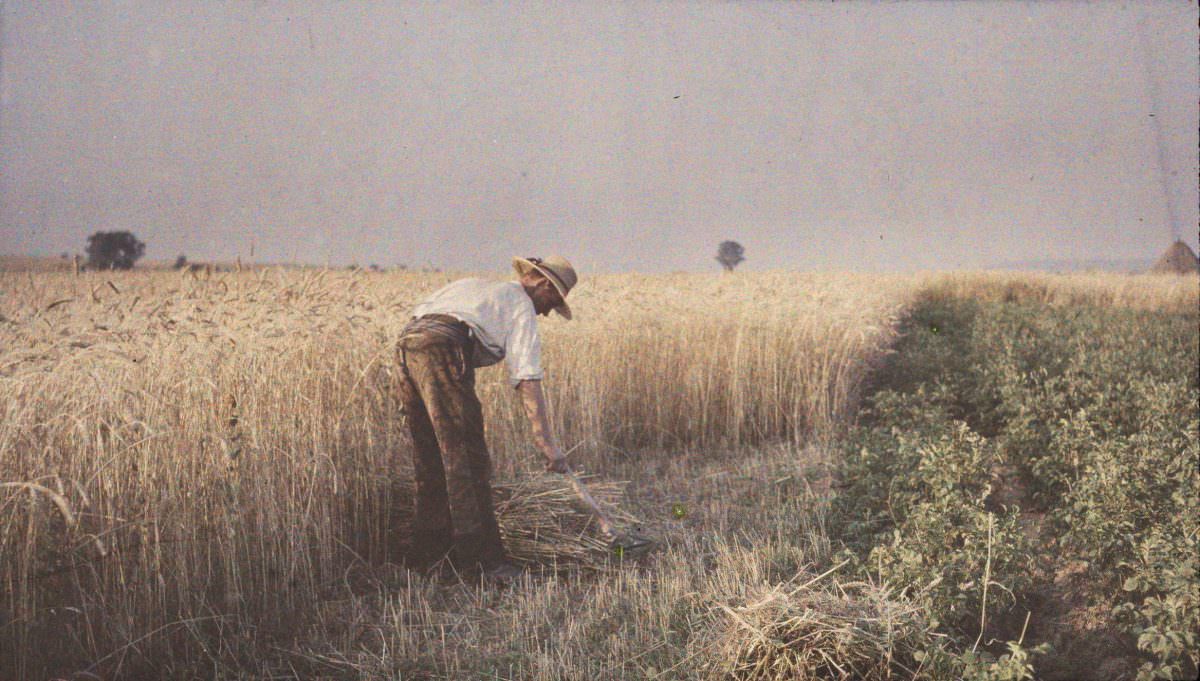
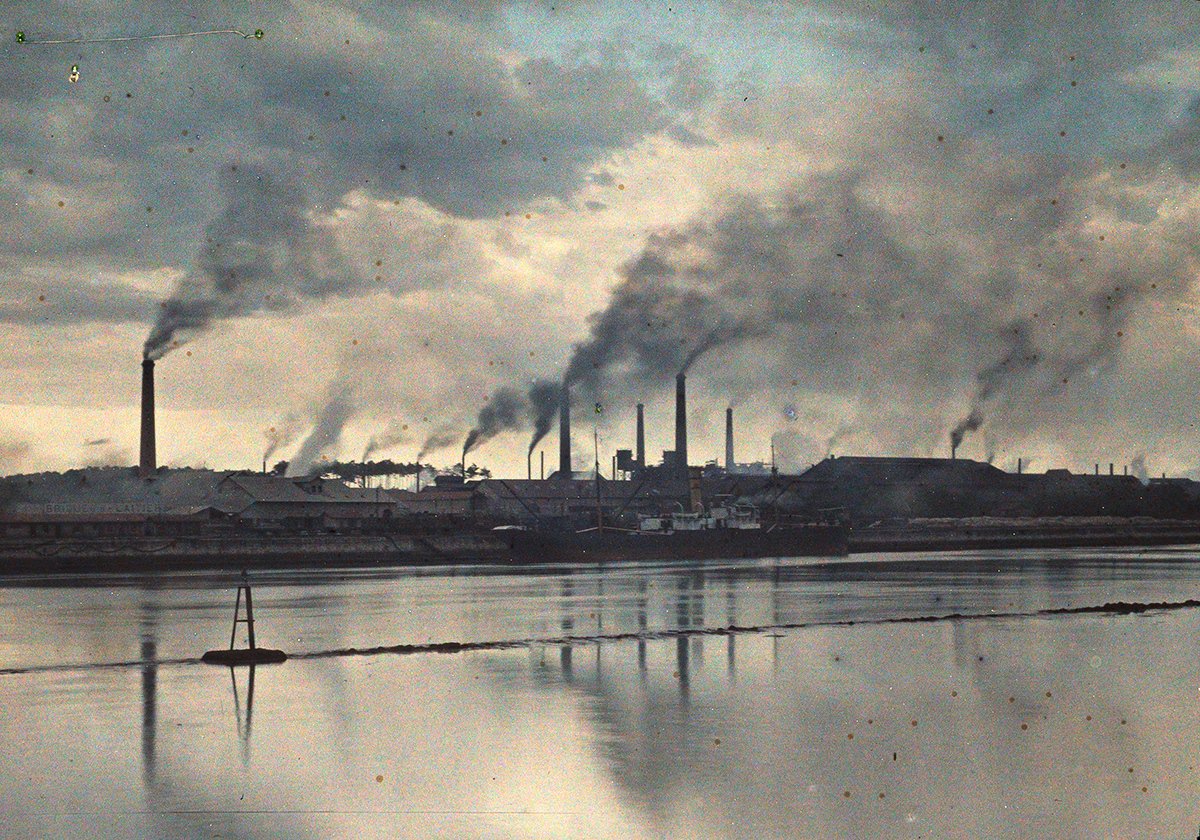
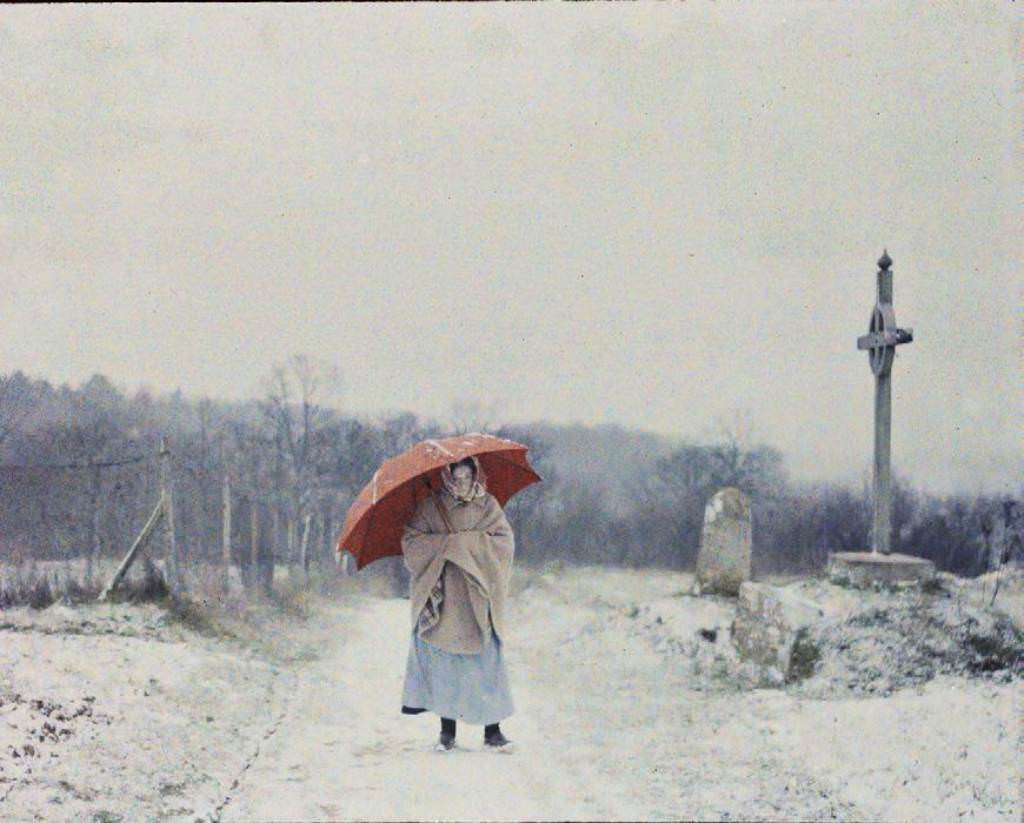
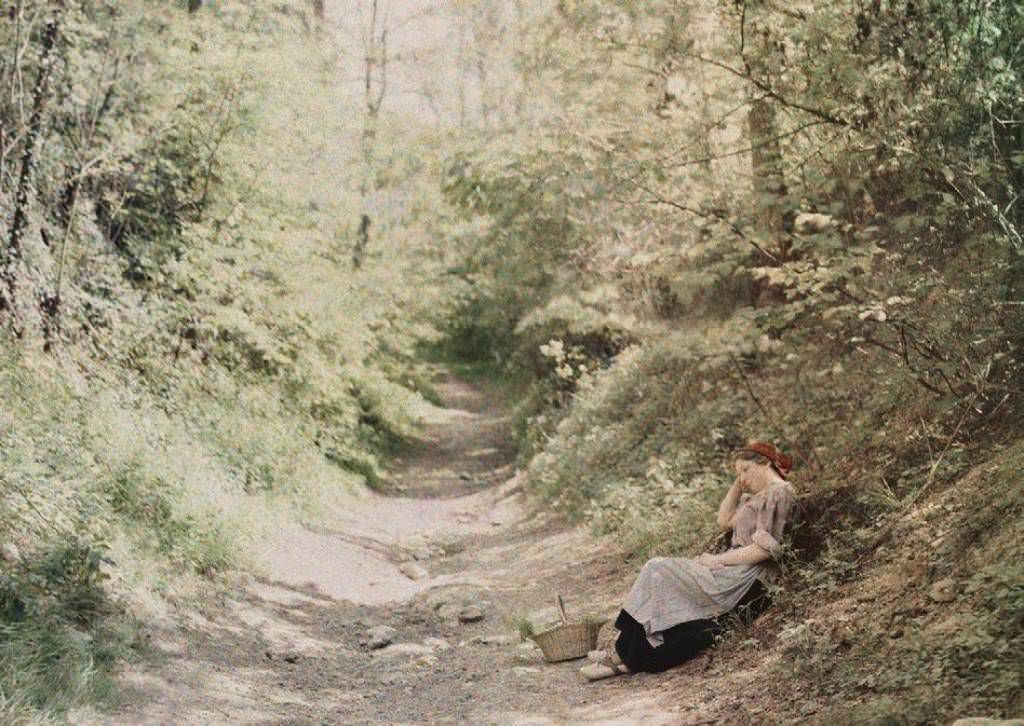
Personnaz took most of his autochrome work in the Oise Valley, a rural stretch of northern France that had long attracted Impressionist painters. He worked there between 1907 and 1914, producing more than a thousand plates. His subjects ranged from quiet wooded paths to river scenes and working people in the fields.
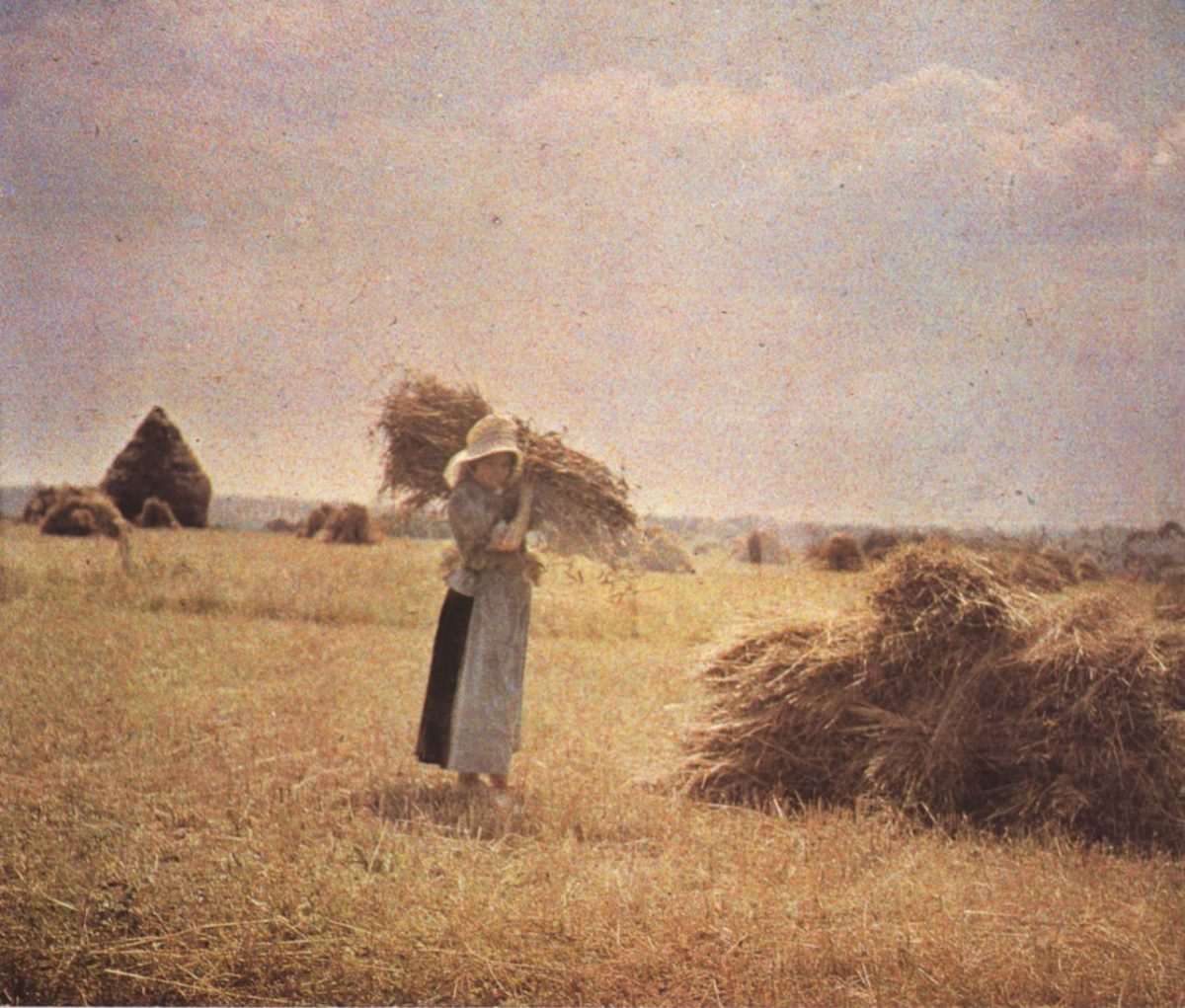
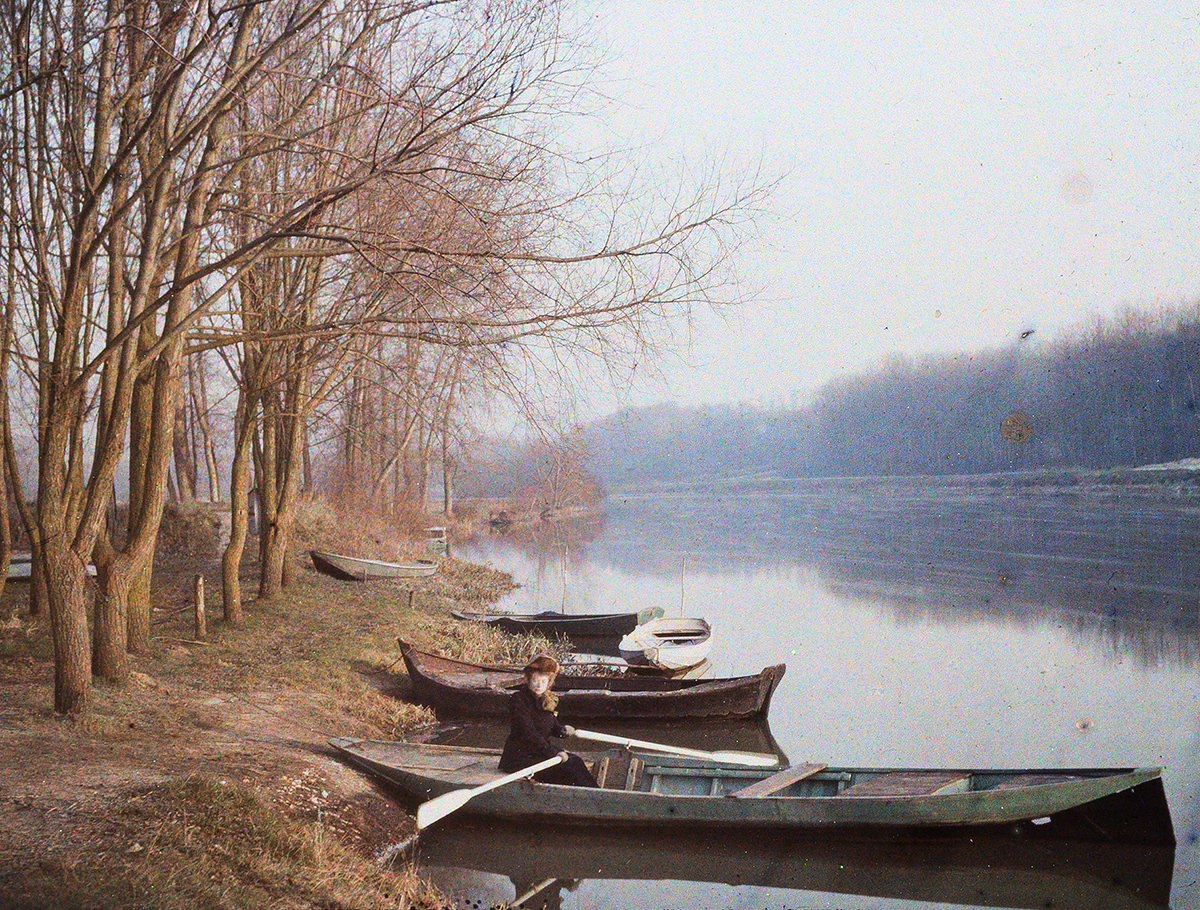
The grainy texture of the autochrome medium suited Personnaz perfectly. His compositions echoed the loose, light-filled style of the painters he admired. Figures appear softened by atmosphere. Trees blur into hazes of green and gold. The photographs feel less like records and more like impressions — which was very much the point.
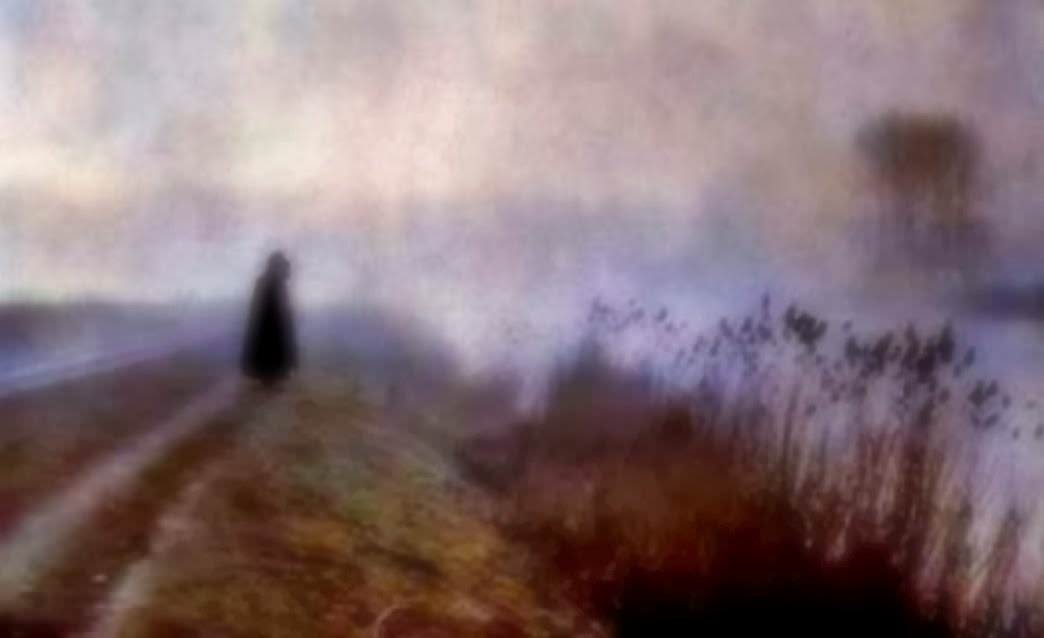
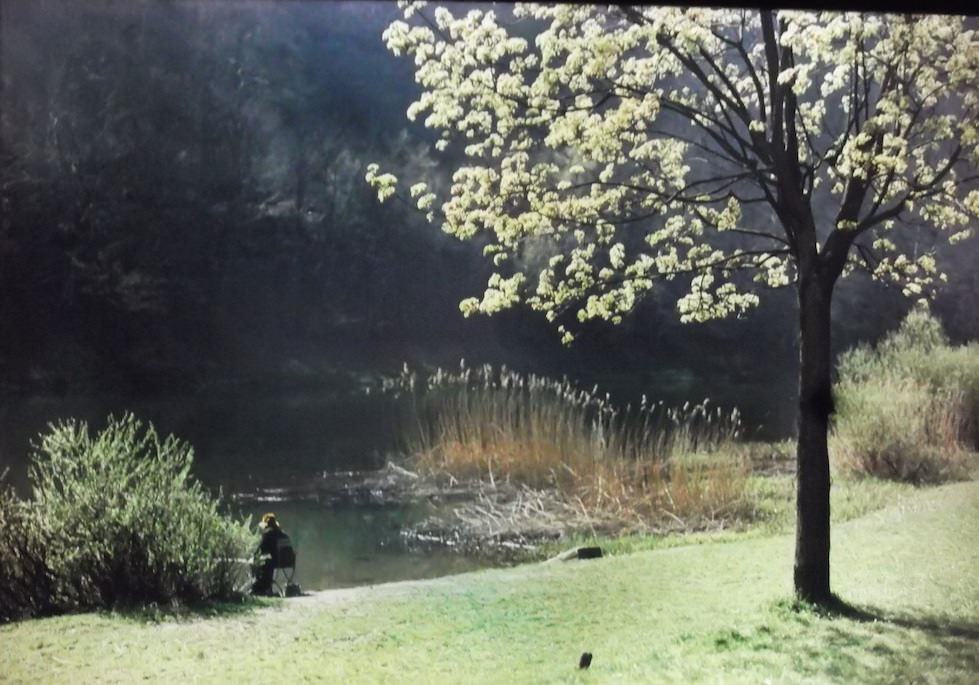
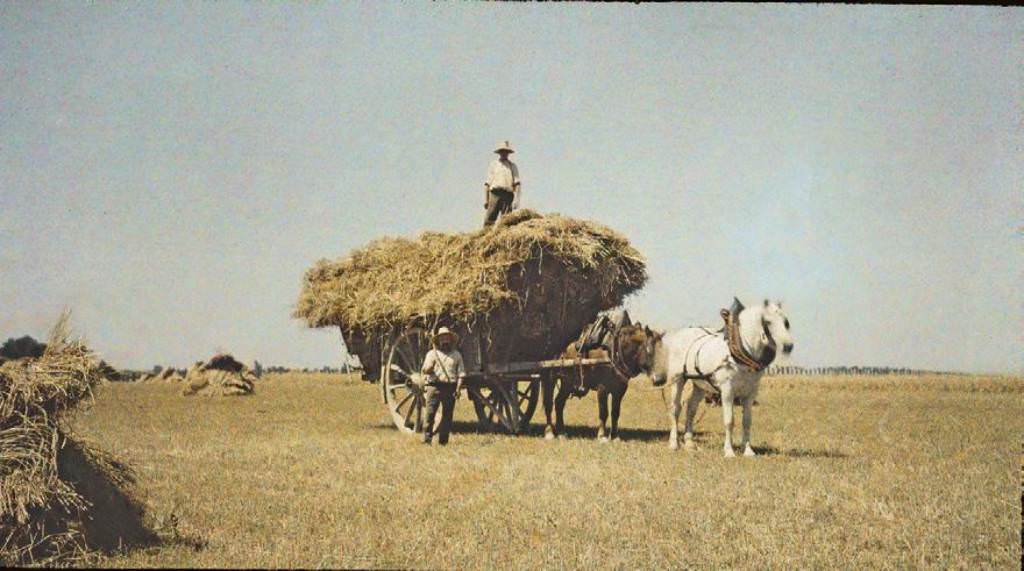
Personnaz photographed village streets, riverside landscapes, and everyday rural life with the same careful attention he brought to studying art. His street scenes capture the quiet rhythms of small-town France in the early 1900s — horse-drawn carts, pedestrians, and the particular quality of natural light that the Oise Valley painters had chased for decades before him.
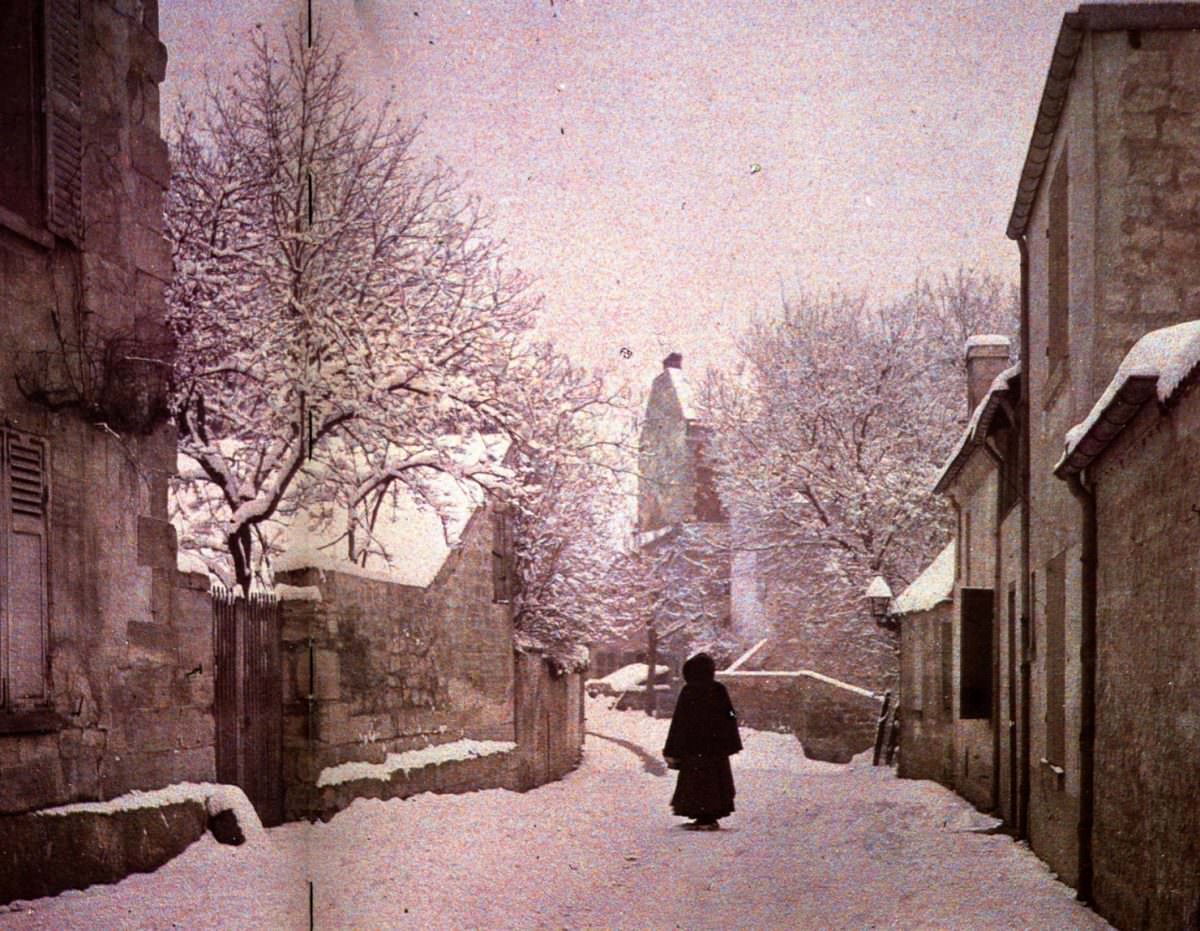
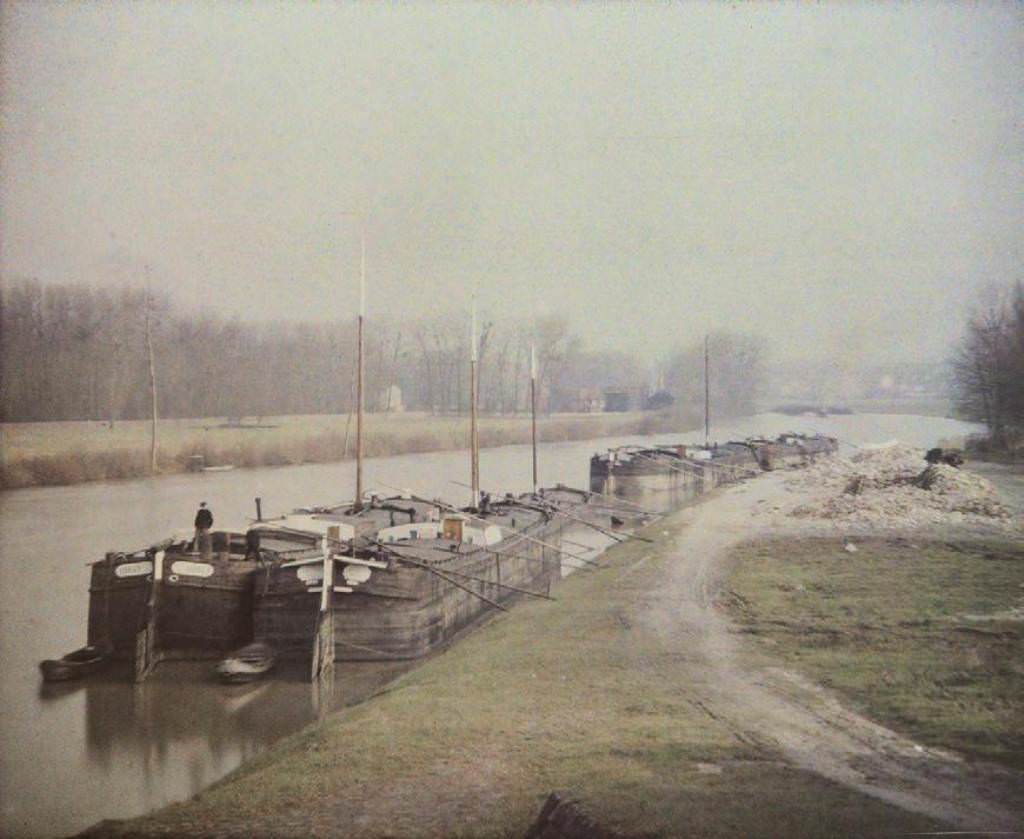
The village of Nesles-la-Vallée and the surrounding countryside appear repeatedly in his work from 1907. Sunlight filtering through tree canopies, a loaded cart on a dirt road, a peasant woman resting on a wooded path — these were the scenes Personnaz returned to again and again.
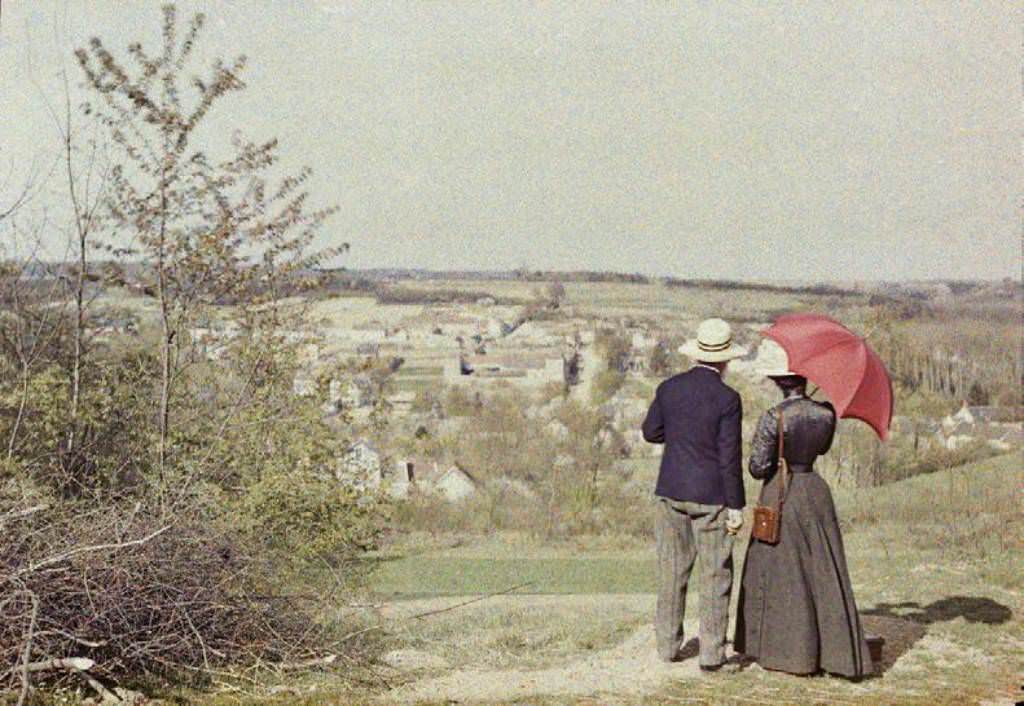
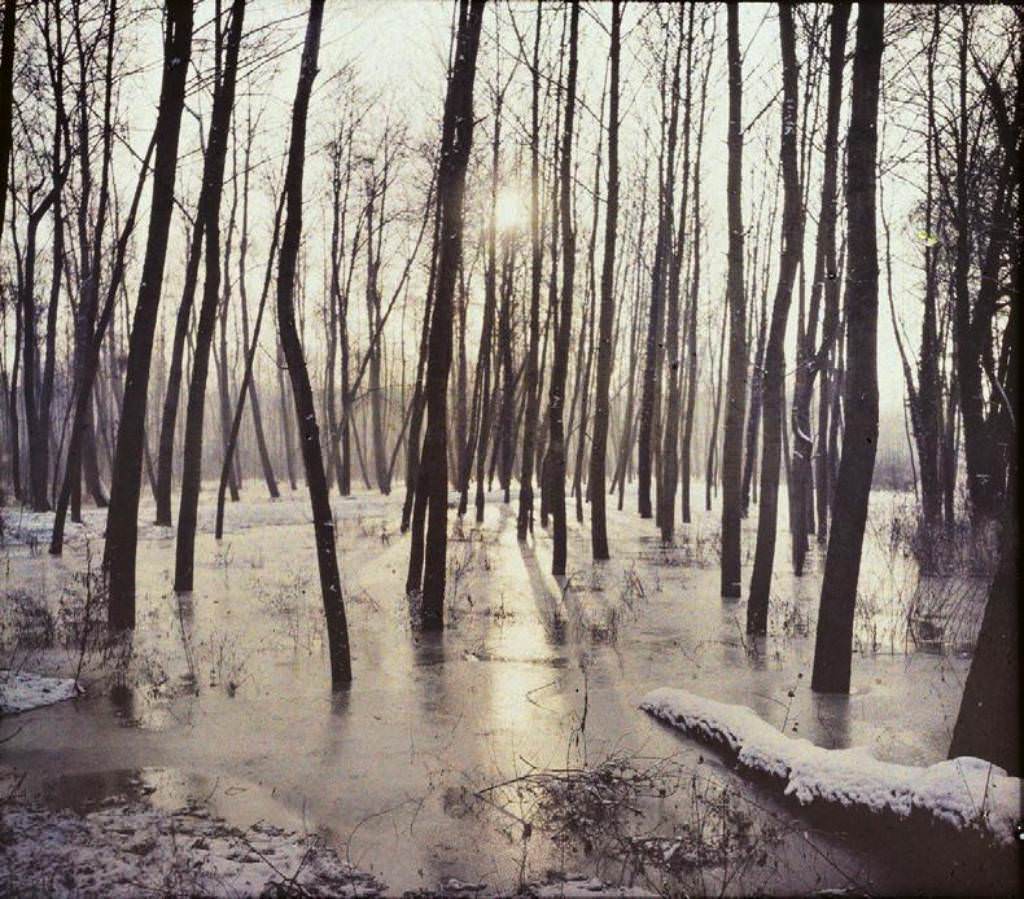



A fantastic collection, in the truest sense, as my rudimentary knowledge led me to believe that the oldest color photographs were those taken from Kodachrome positive film, roughly from 1940 onwards. I couldn’t even imagine that the genius of one person in the early 1900s could push so far as to achieve, even alone, such a high level of color quality and definition. As the introductory text suggests, Antonin Personnaz loved the figurative art of his time so much that he had acquired the ability to see as painters do; he had become a painter himself, even if only in spirit, a virtual painter as we might say today. The framing and composition of the scene were exactly as a true painter would have done. Thank you for this beautiful collection.