Before digital cameras and smartphones, photographers loaded film into their cameras and hoped for the best. One film that became a staple of mid-20th century photography was Ektachrome — a slide film made by Kodak that captured color with remarkable clarity and speed. Many of the everyday moments shot on Ektachrome ended up in shoeboxes, attics, and estate sales, slowly fading from memory. Collector and photographer Thomas Hawk has made it his mission to find, scan, and share these lost slides with the world, giving them a second life they would otherwise never have had.
Ektachrome was different from the better-known Kodachrome in one key way: speed. Kodachrome was a slower film, meaning it needed more light to produce a good exposure. Ektachrome handled a much wider range of lighting conditions, working well anywhere from a ten-second long exposure to a lightning-fast 1/10,000 of a second. That flexibility made it the go-to choice for professionals shooting in unpredictable environments.
National Geographic relied heavily on Ektachrome for its iconic color photographs for decades. The vivid, true-to-life colors that filled the magazine’s pages — from jungle landscapes to city streets — were largely the result of this film. Readers around the world grew up seeing the world through the lens of Ektachrome without ever knowing the name.

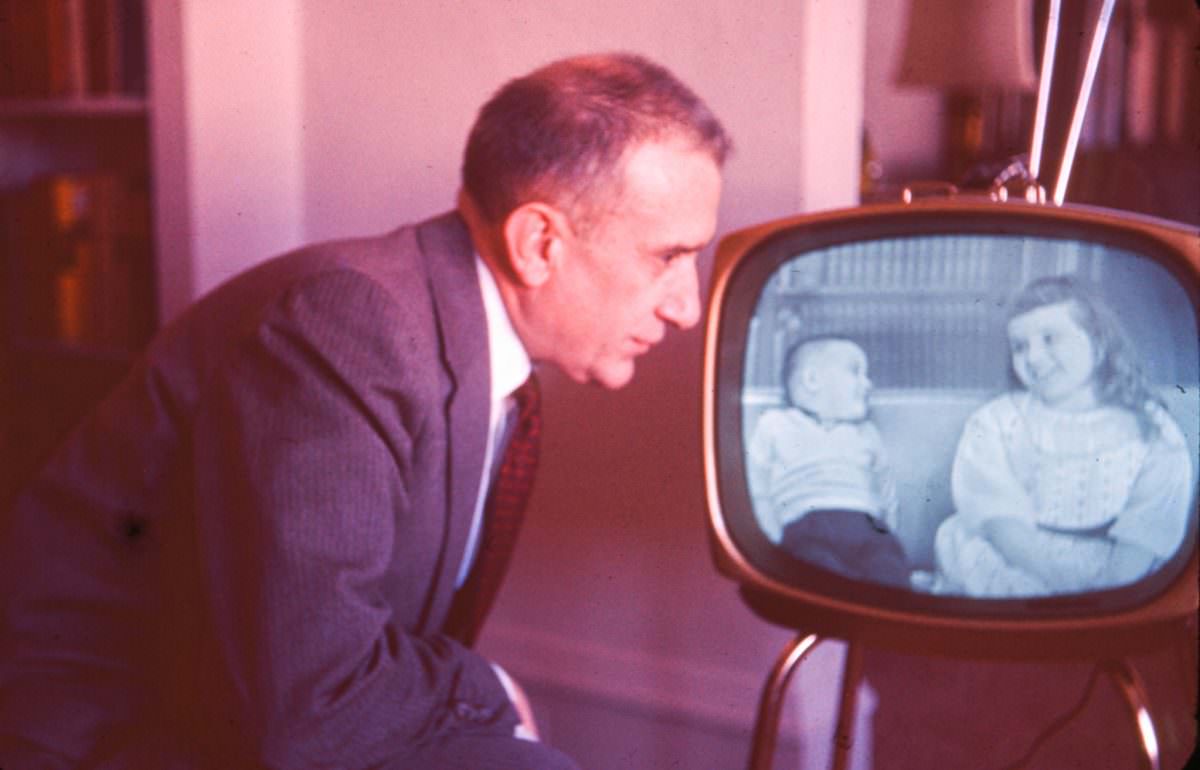
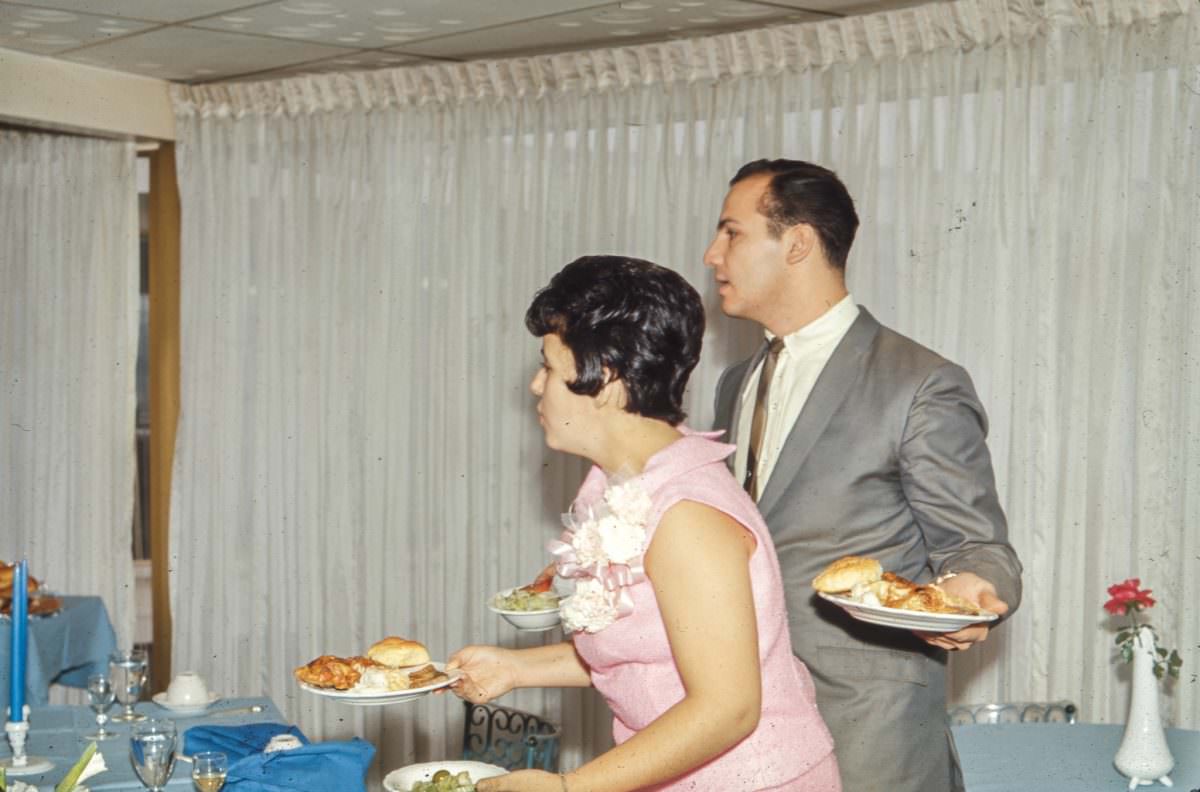
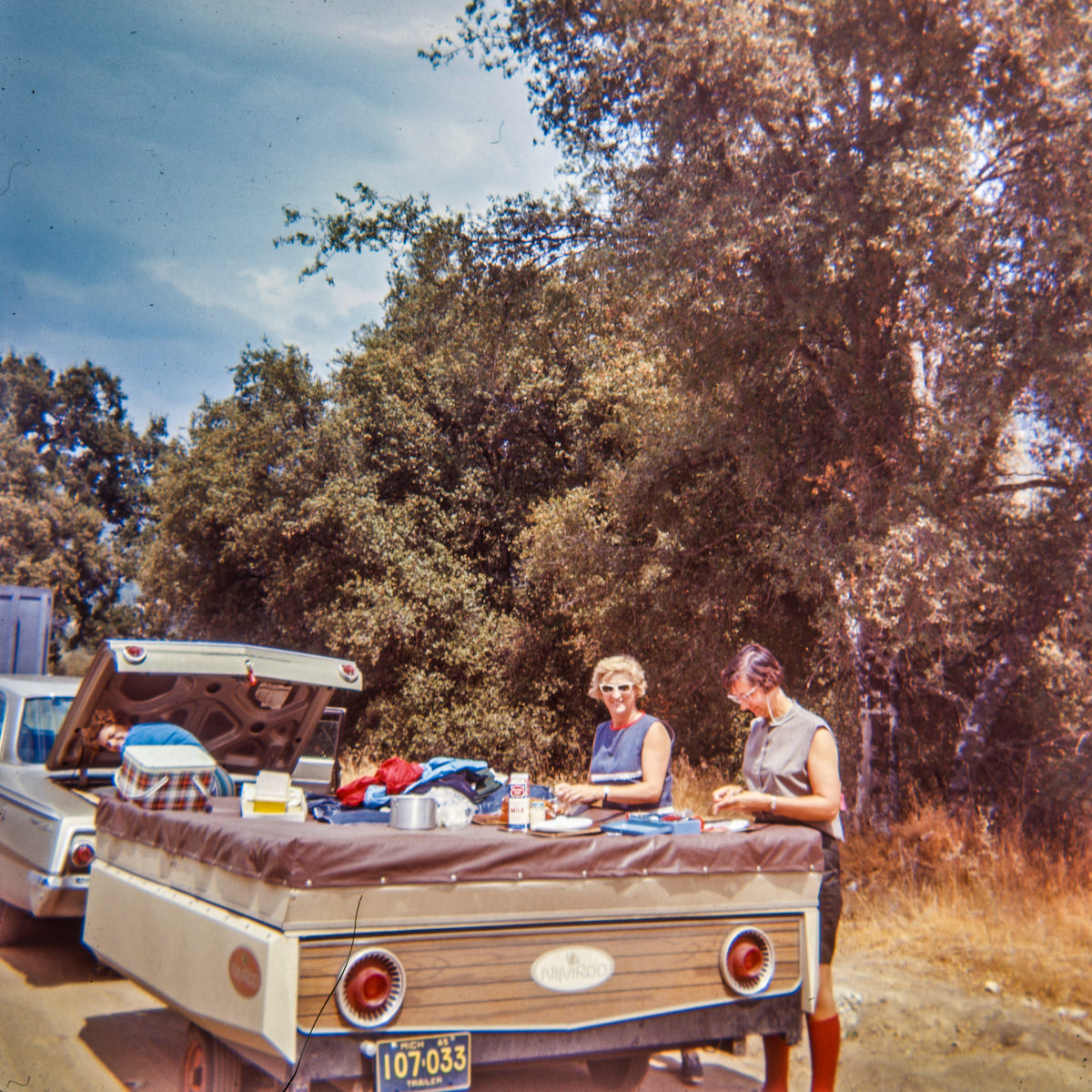
The slides Thomas Hawk collects come from all over — flea markets, thrift stores, and boxes left behind by people long gone. Each one is a small, rectangular window into someone’s real life. A family lunch on the road between Sequoia and Yosemite. A man watching television on a winter evening in 1958. A grandfather posing with a group of gypsies in December 1959. These are not posed studio portraits or historic events. They are ordinary moments that happened to get preserved on film.
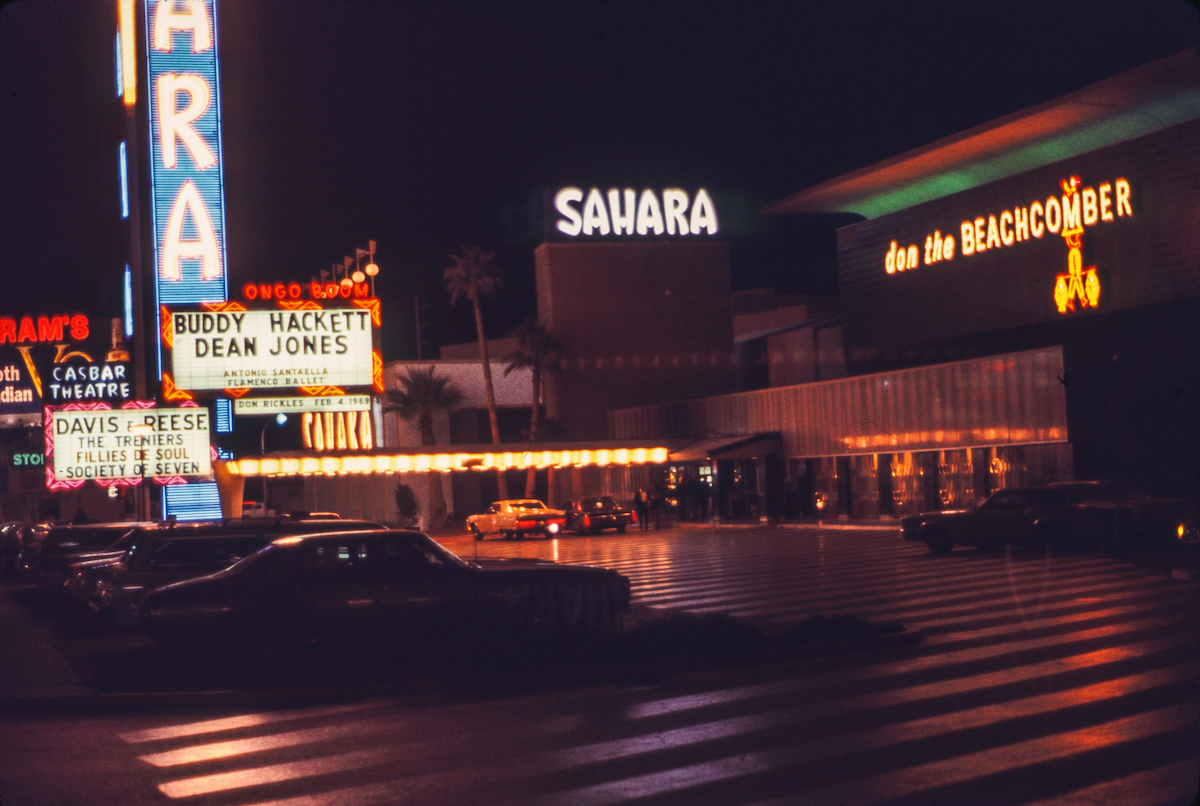
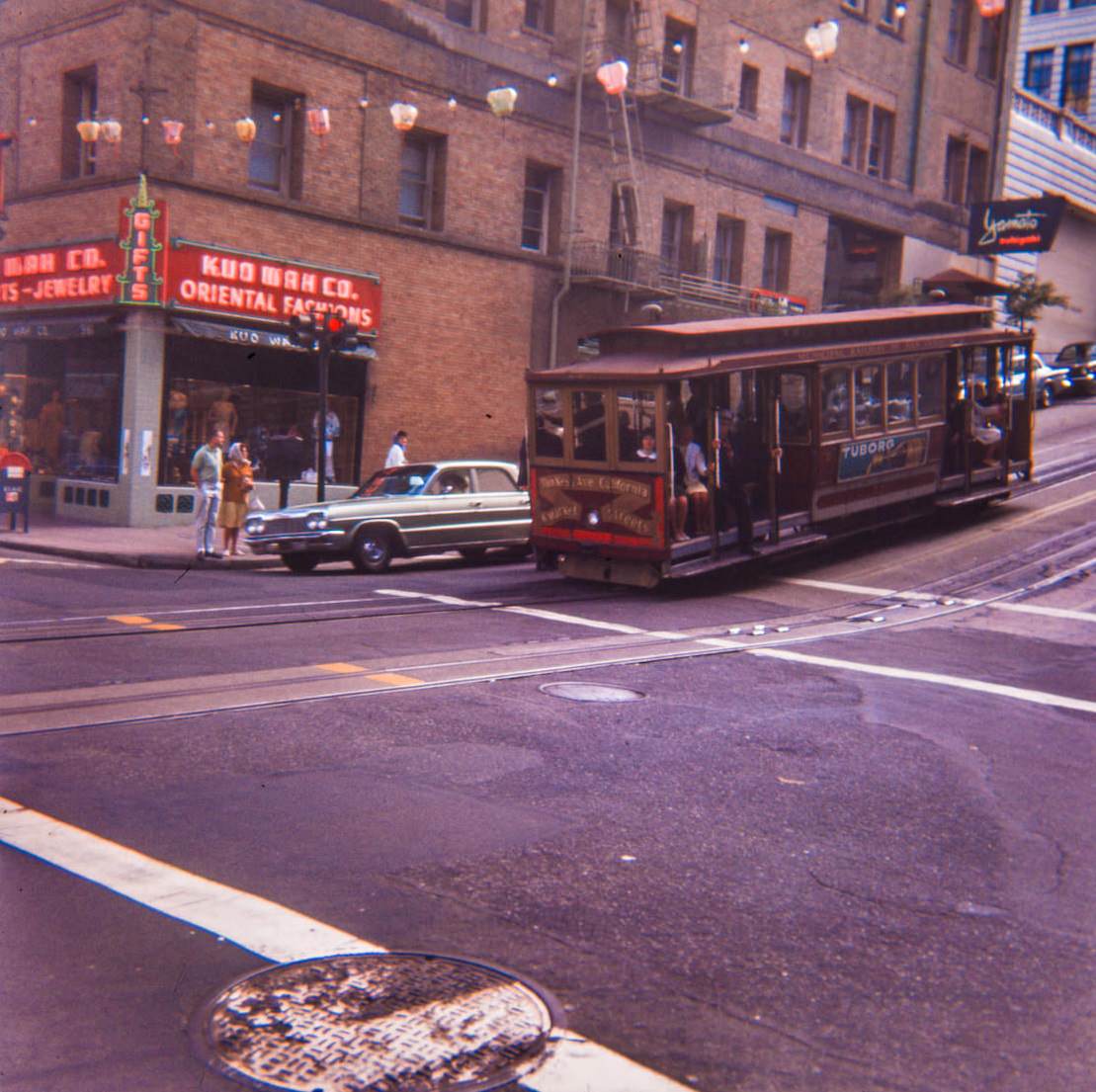
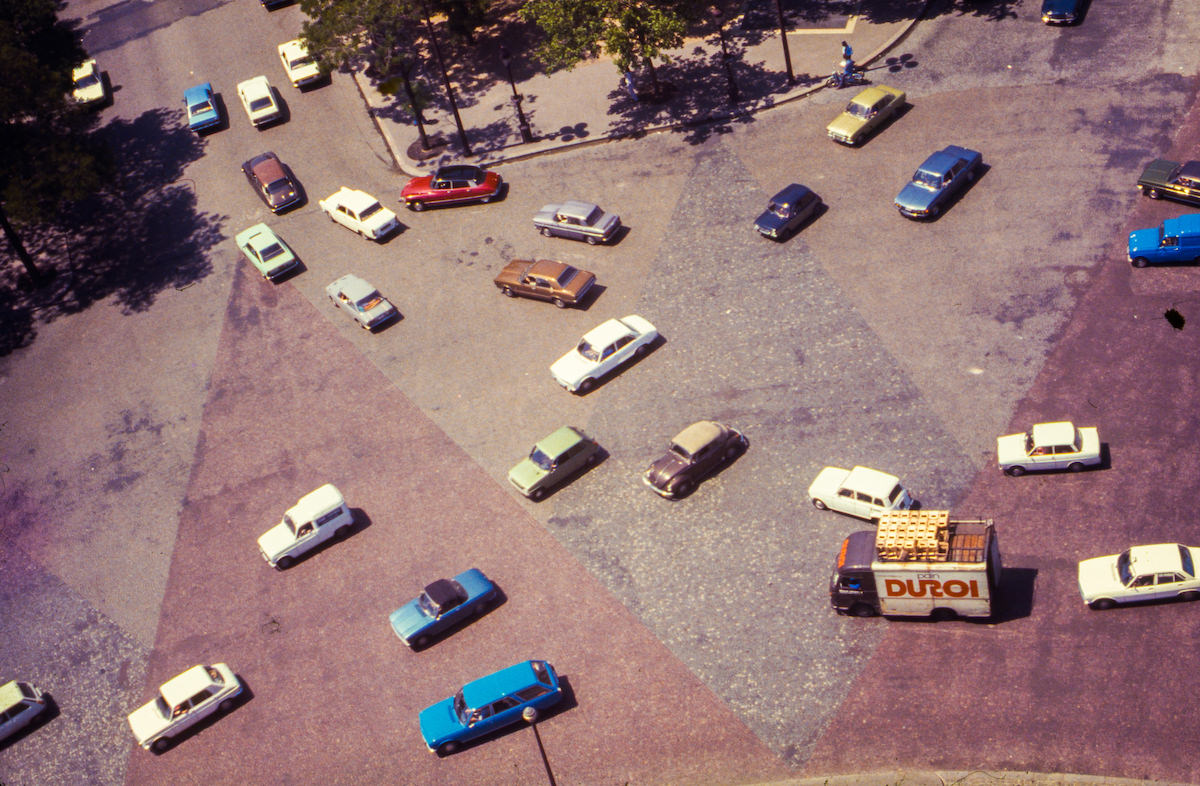
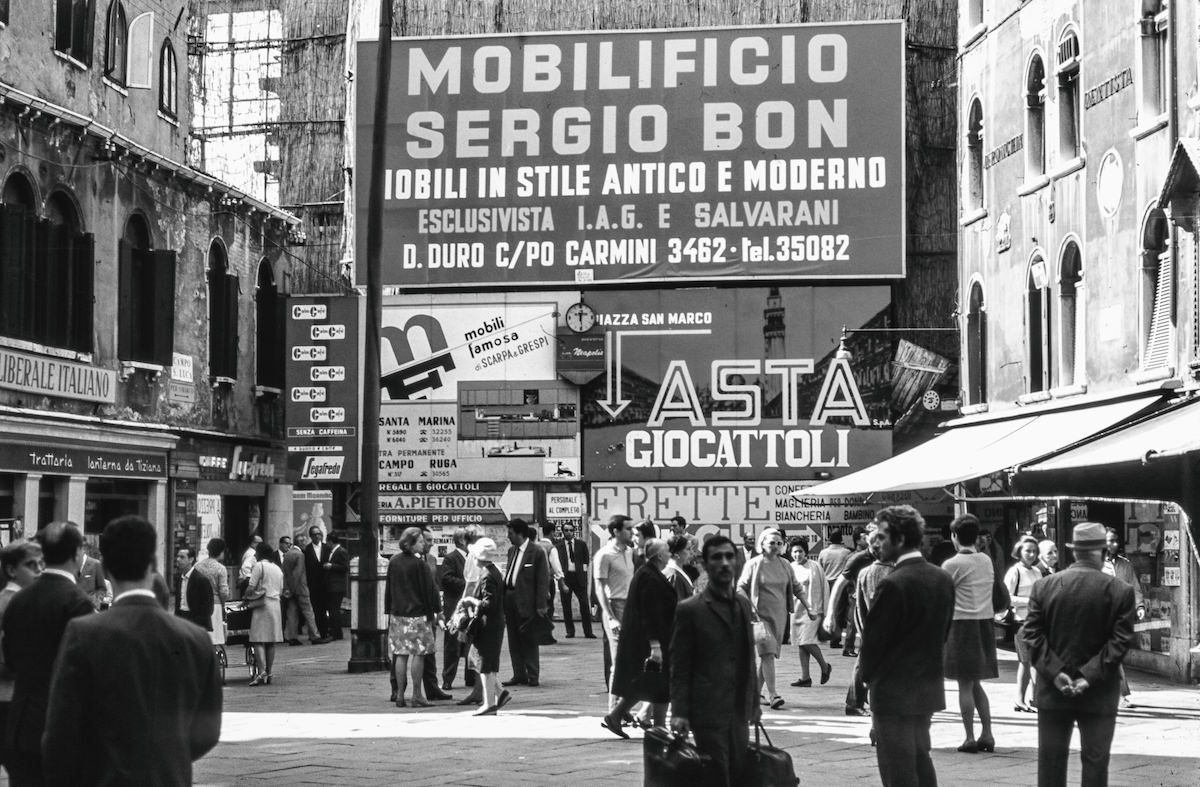
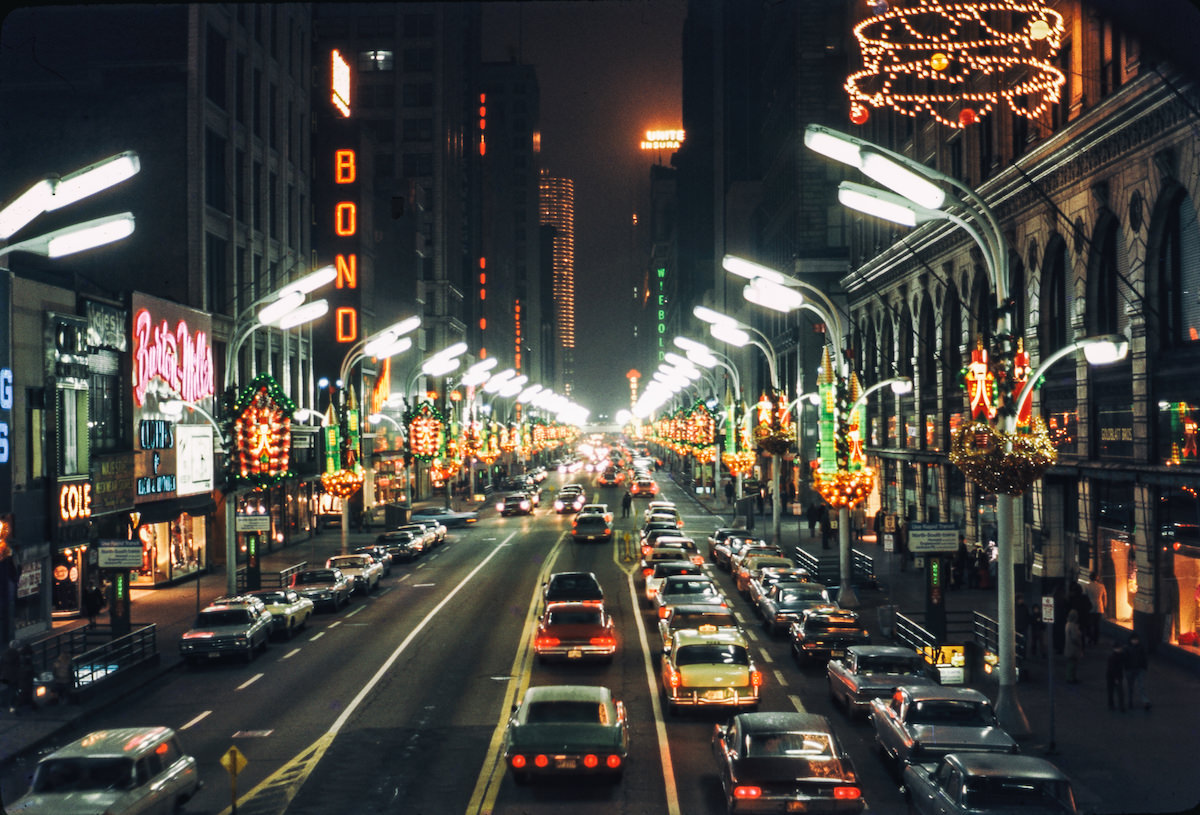
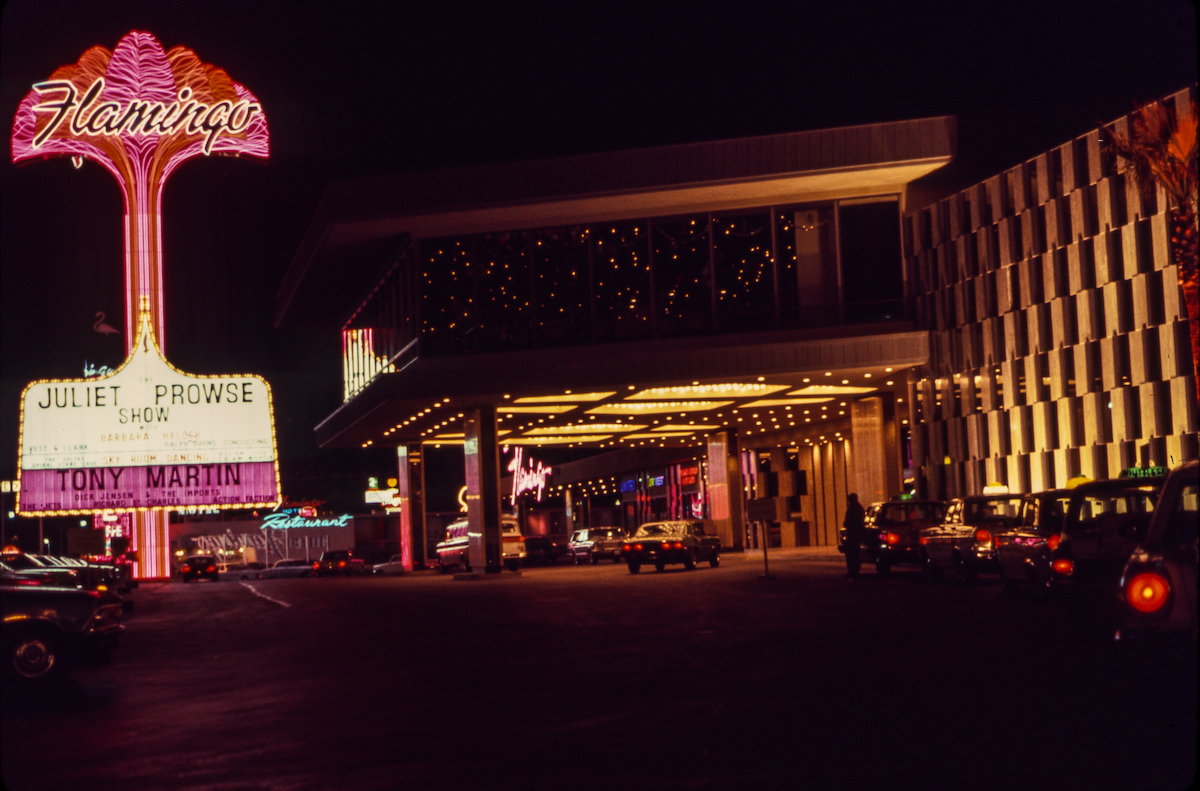
The range of locations in this collection is striking. San Francisco cable cars in 1965. The streets of Paris in August 1975. The neon glow of 1960s Las Vegas. Italy in the autumn of 1968. These images span continents and decades, yet they share the same warm, saturated quality that only Ektachrome could produce.
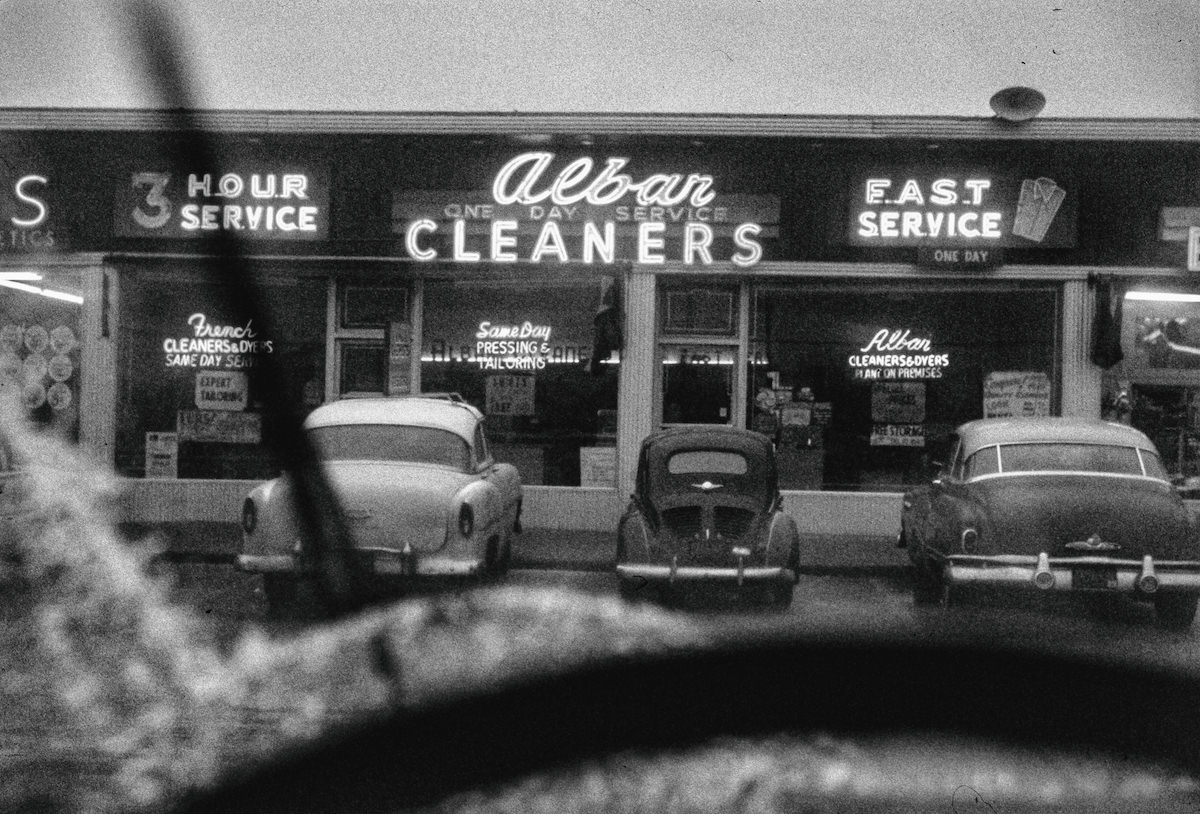
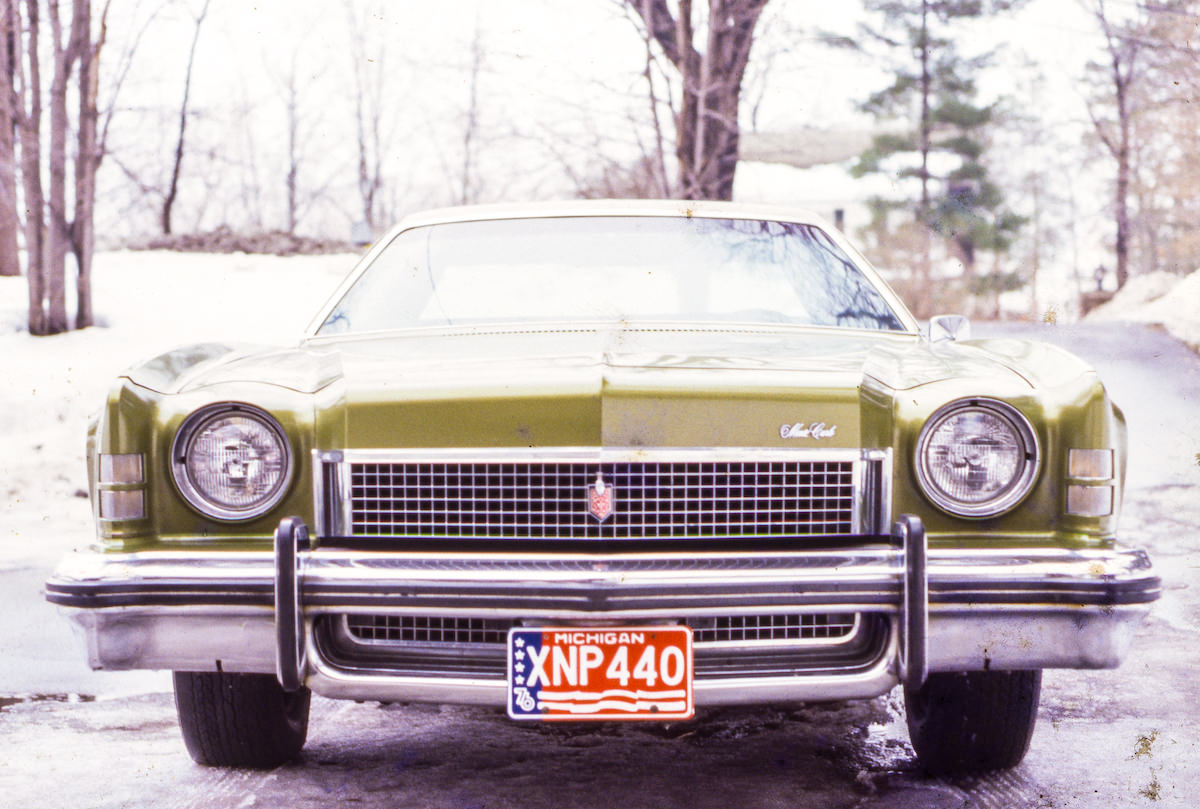
Without someone like Hawk stepping in, most of these slides would have deteriorated beyond saving. Photographic film breaks down over time — colors shift, the material becomes brittle, and eventually the image disappears entirely. Scanning and digitizing each slide stops that clock and locks the image in place permanently.
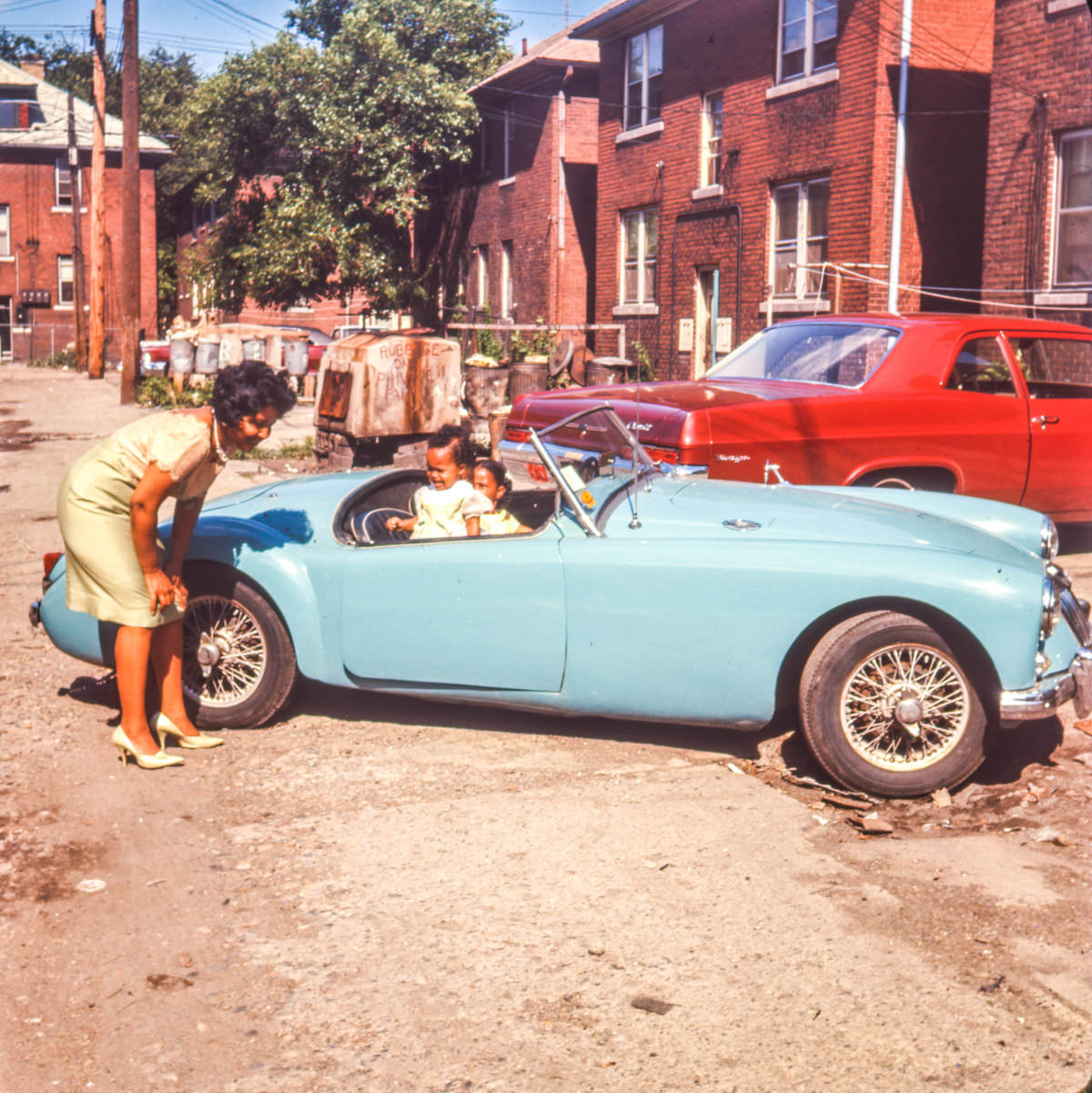
Some slides still carry their original date stamps, pressed into the cardboard mounts by the processing lab. April 1966. October 1978. May 1974. These tiny printed numbers are often the only clue about when and where a photo was taken. They turn an anonymous image into a dateable moment in history.
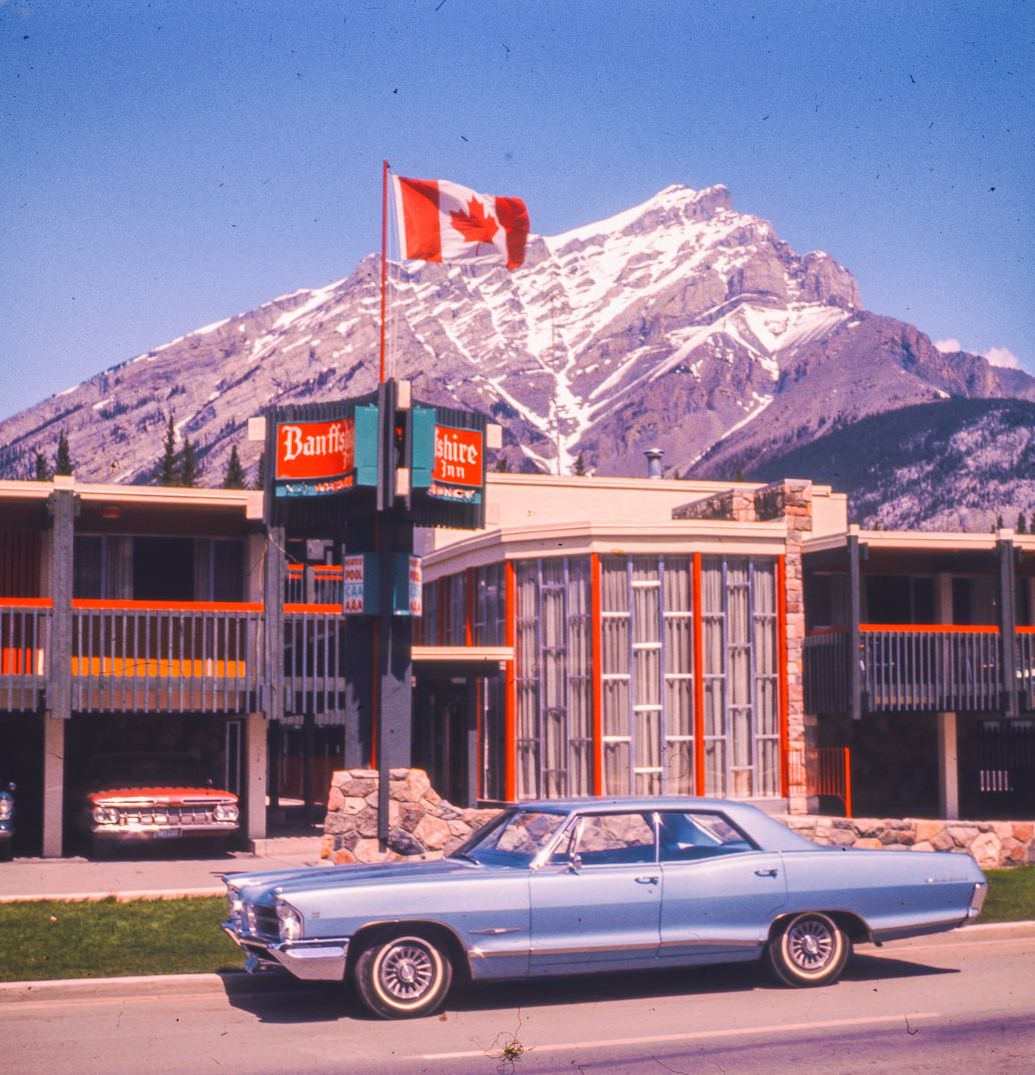
Some slides were clearly part of larger personal collections. One batch came labeled simply
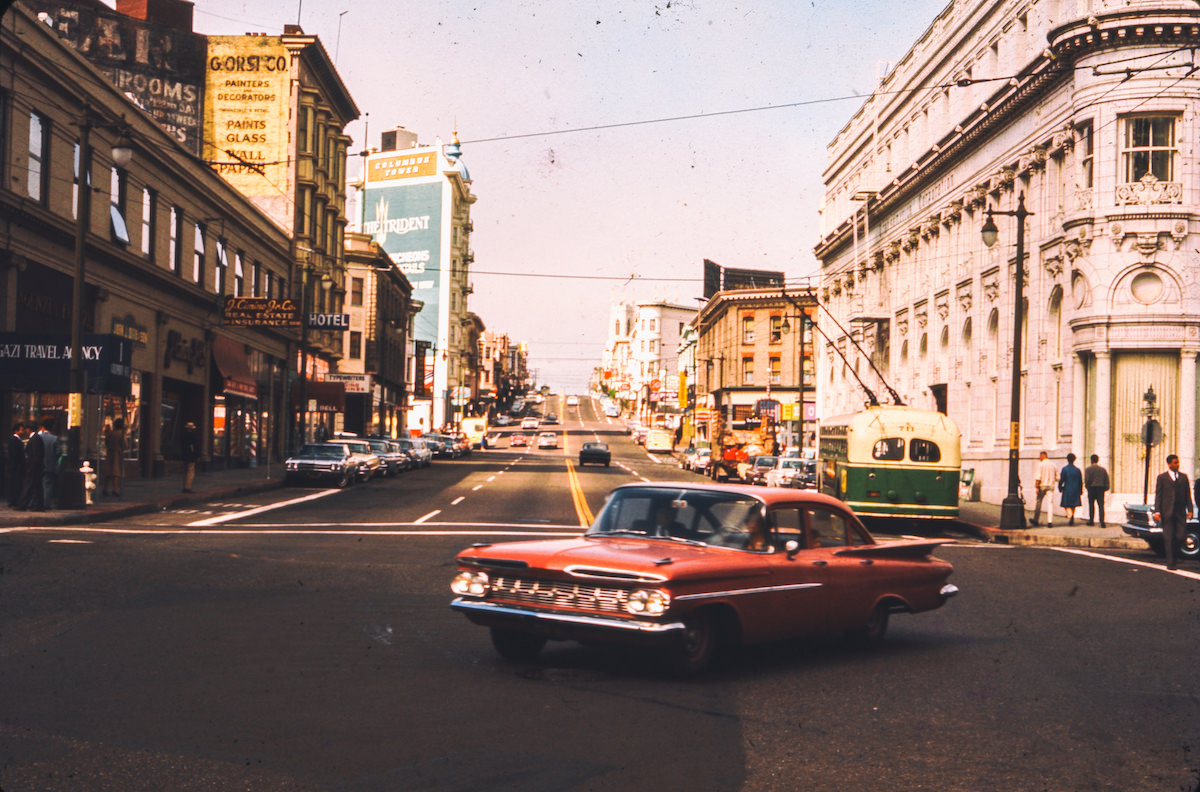
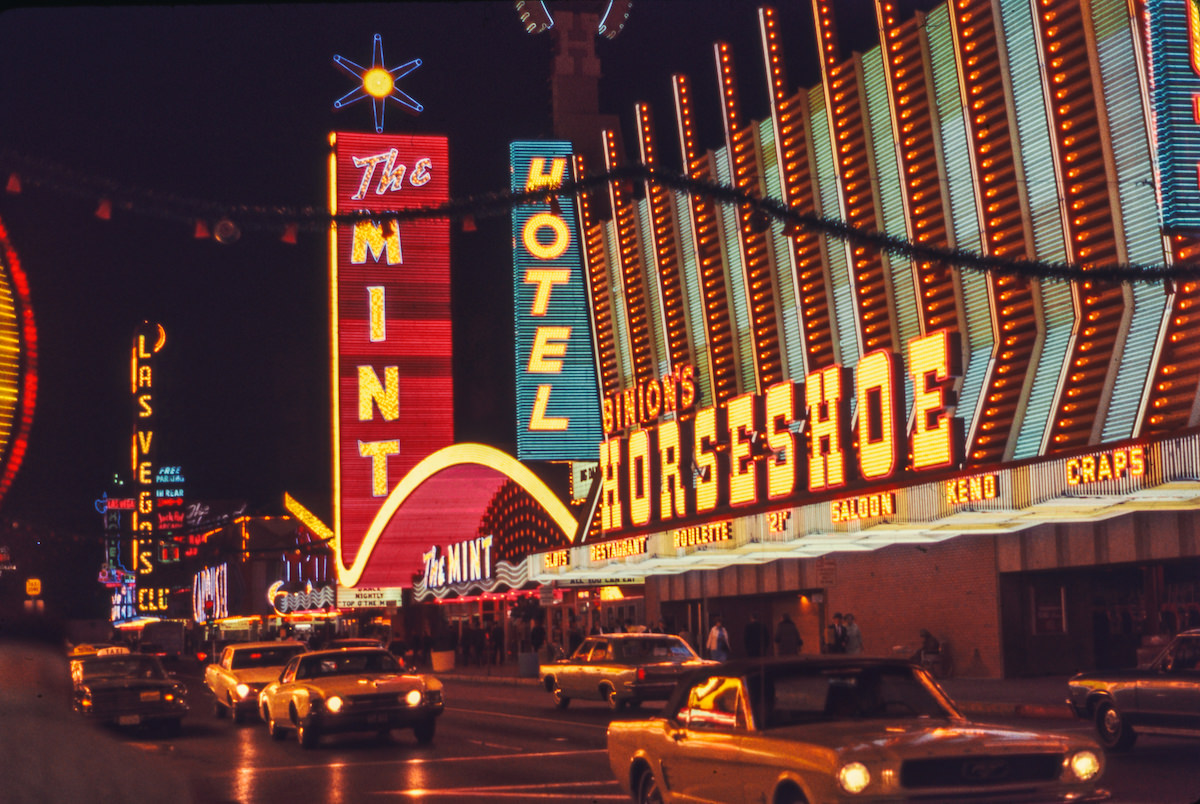
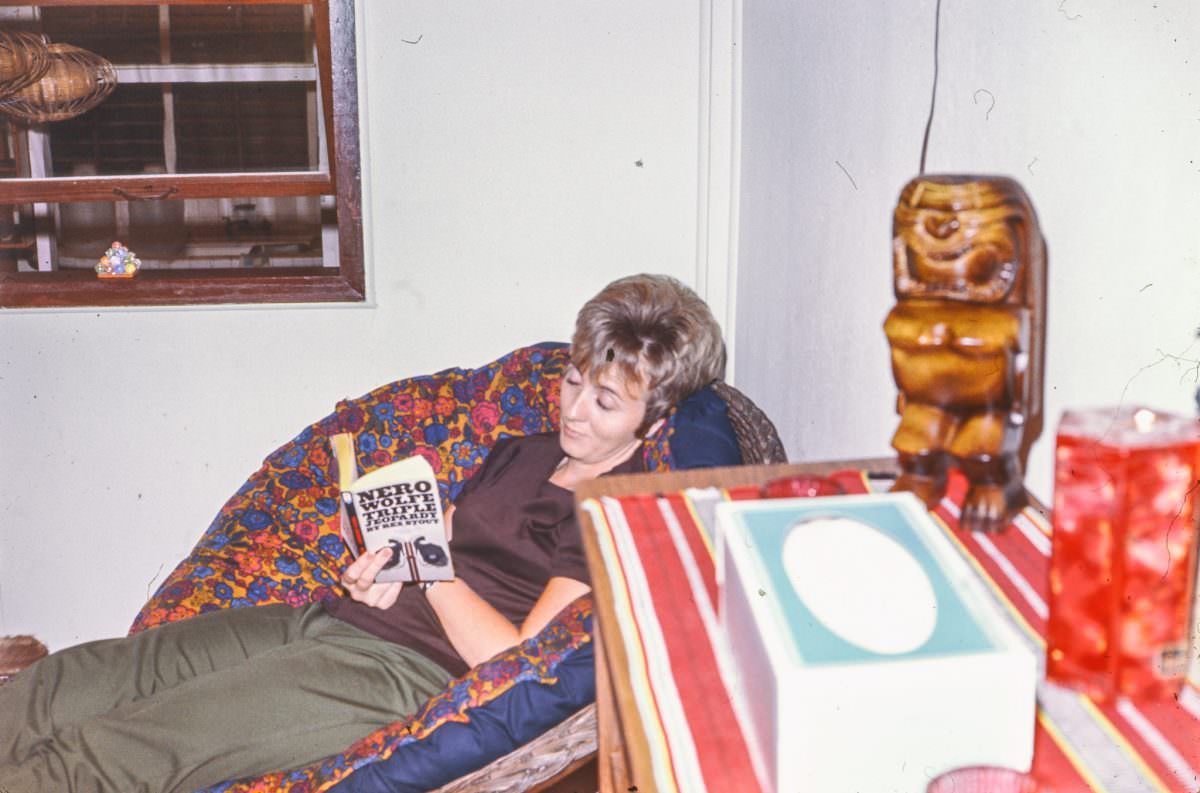
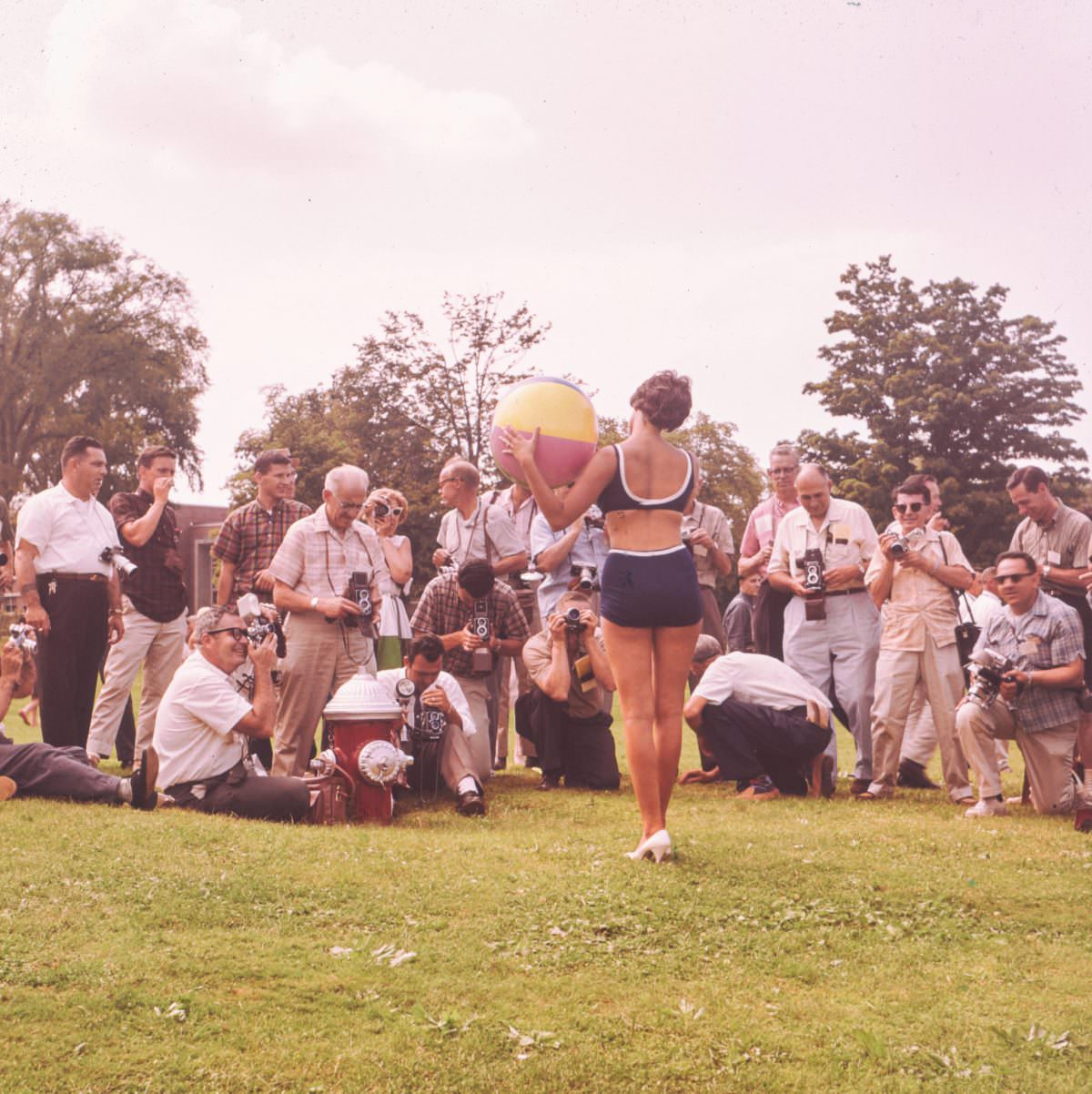
What makes this collection compelling is not any single photograph but the sheer volume of lives represented. Families on vacation. City scenes. Quiet domestic moments. Each slide was once projected on a living room wall for an audience of friends and family who are now gone. Sharing them online gives those images the widest audience they have ever had.
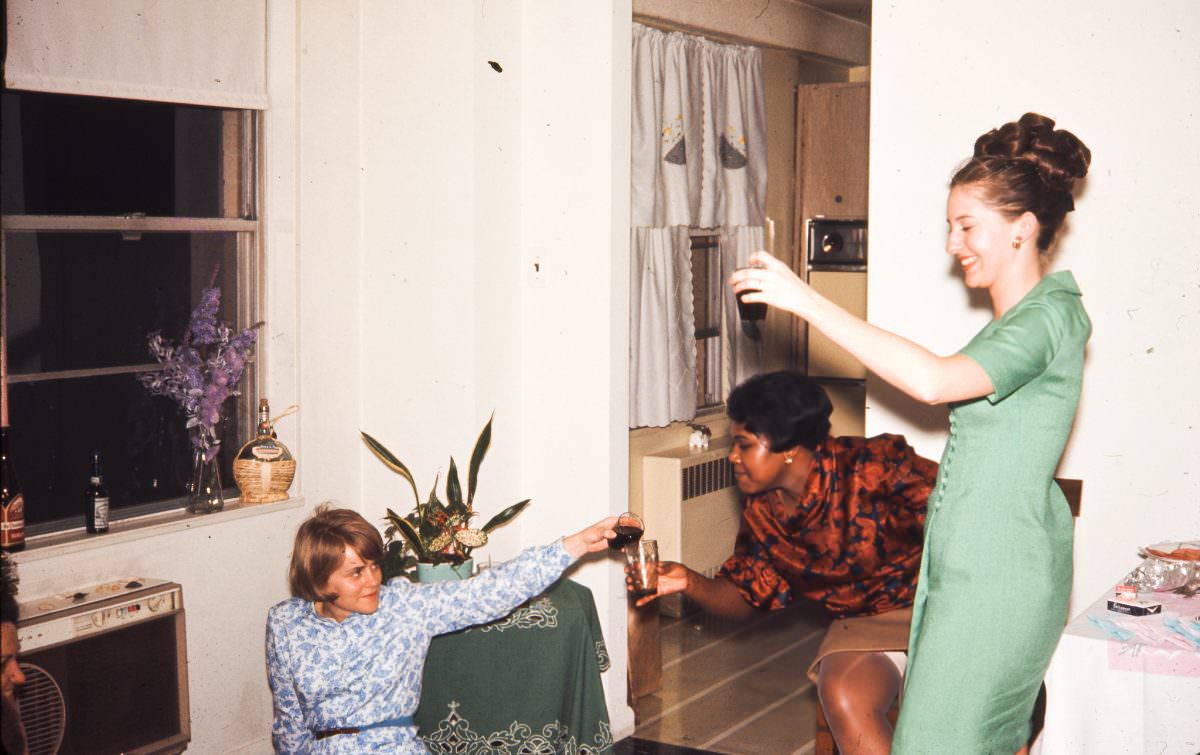

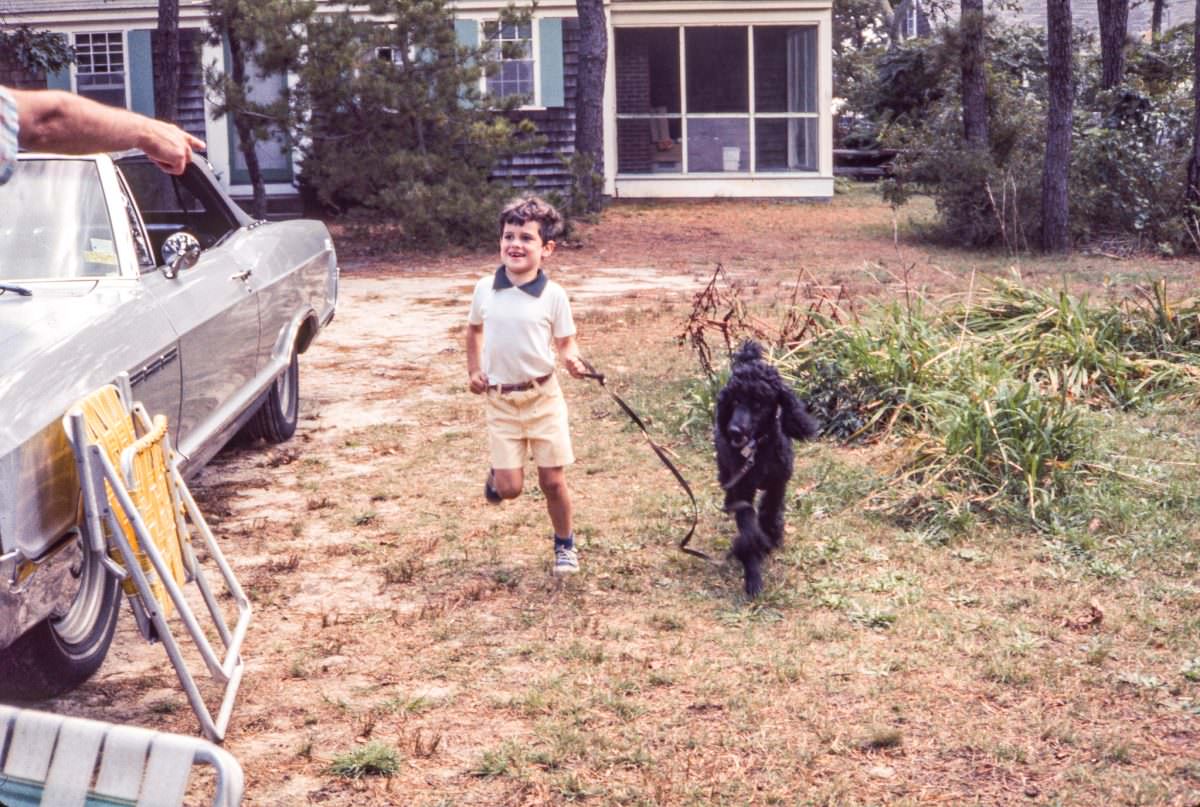
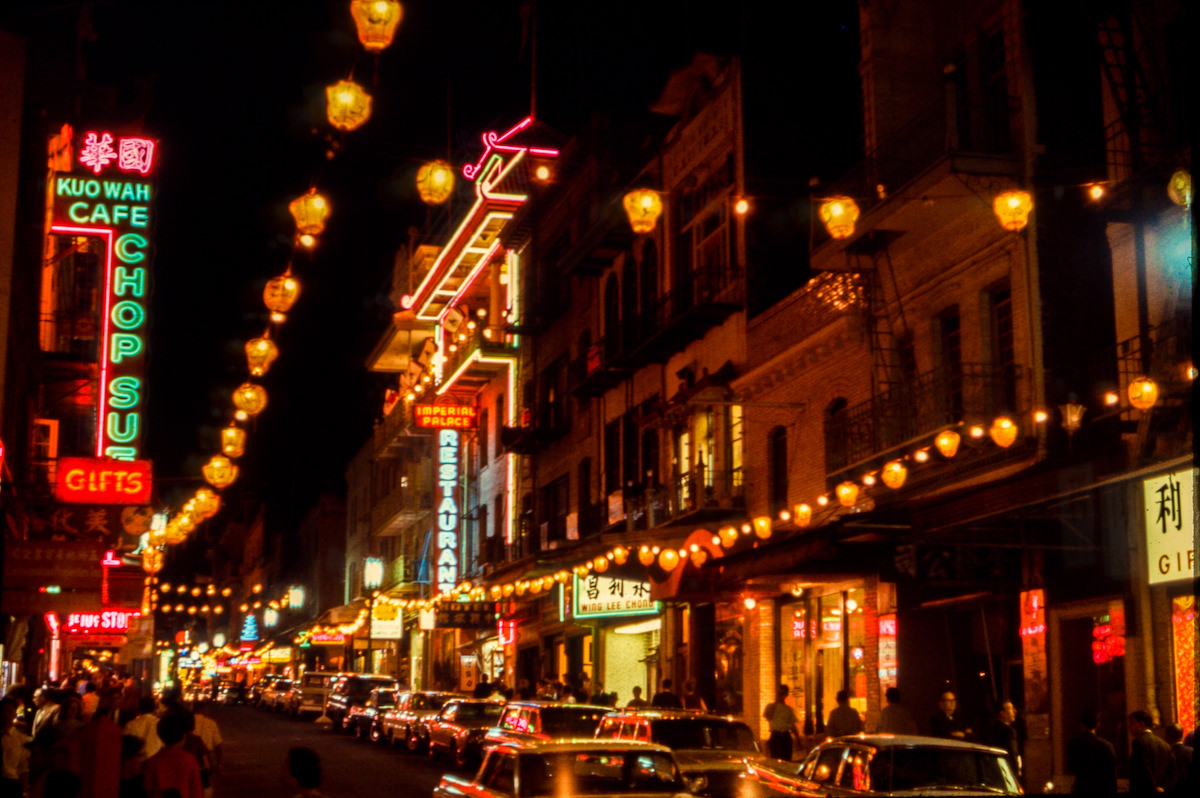
Hawk describes the act of scanning and sharing these images as giving them a second life — rescuing them from near-certain obscurity. That framing is accurate. Left in boxes or bins, these slides would have been thrown out, sold for pennies, or simply disintegrated. Digitized and published, they become part of a shared visual record of everyday American and European life in the middle of the 20th century.