The Ford Maverick is one of the more underrated success stories in American automotive history. Ford built and sold the Maverick as a compact car from 1970 to 1977, starting as a two-door sedan and later expanding to a four-door version. Both body styles rode on the same platform that underpinned the 1960 Ford Falcon, keeping the car familiar in its engineering while fresh in its look.
The name itself carries meaning. “Maverick” refers to unbranded range animals — livestock that roam free without an owner’s mark — and the car’s nameplate drives that point home with a Longhorn cattle head embossed right on it. It was a deliberate, bold identity choice that set the car apart on dealer lots.
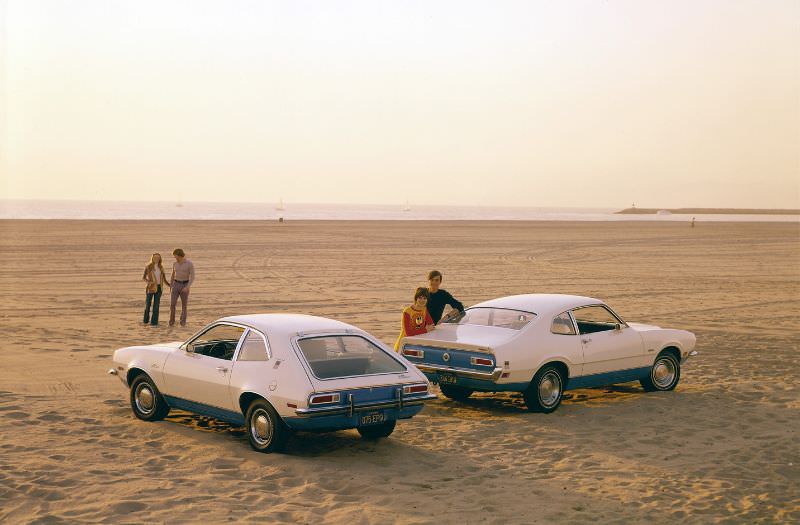
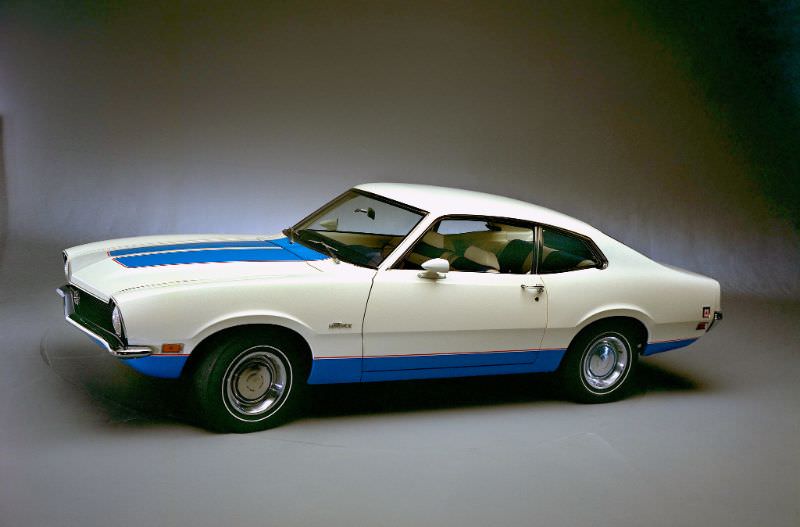
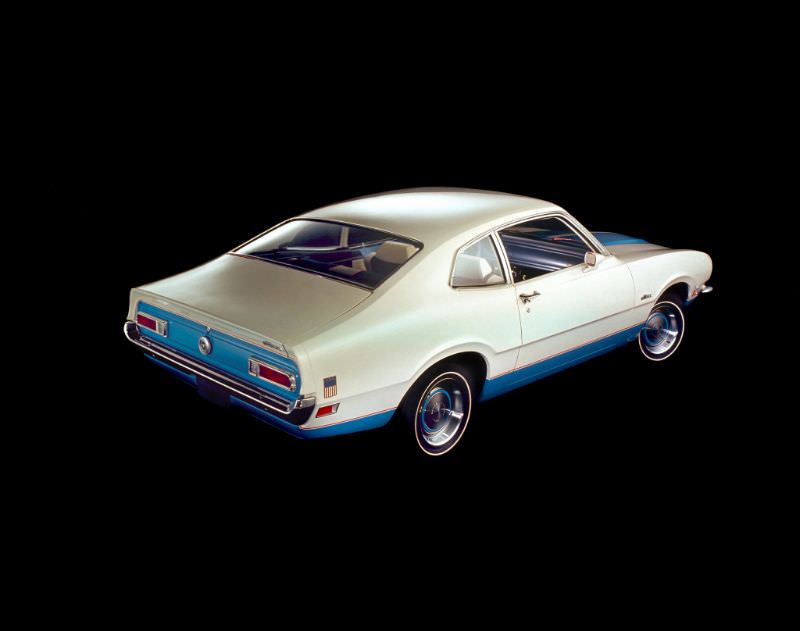
Styling on the Maverick drew directly from what made the Mustang so popular in the 1960s. The car featured a long hood, a fastback-style roofline, and a short rear deck. A 103-inch wheelbase kept it compact and maneuverable, while pop-out rear side windows added a distinctive touch that gave it a sportier feel than its price tag suggested. The design was clean, low-fuss, and visually appealing — exactly what budget-minded buyers wanted without feeling like they were settling.
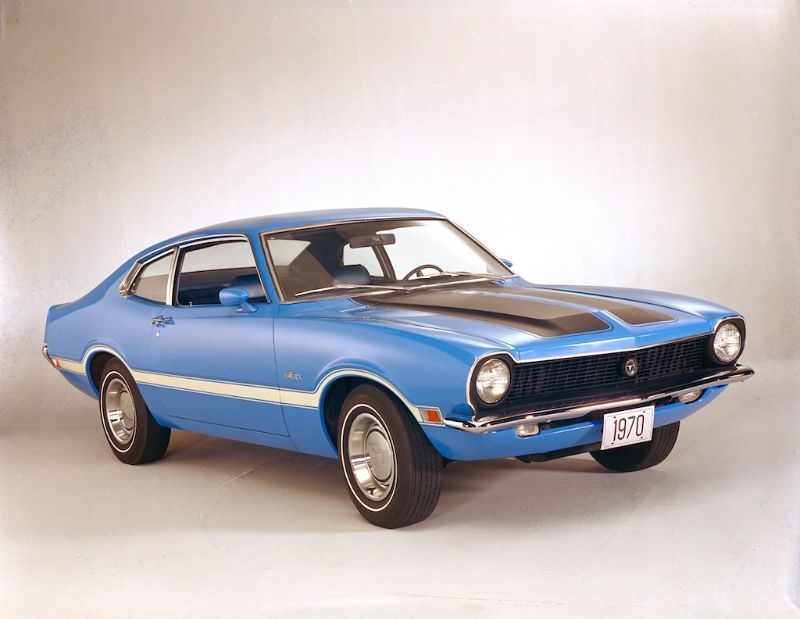
When the Maverick arrived for the 1970 model year, buyers responded immediately. Ford sold roughly 579,000 units in the first year alone. That number came strikingly close to the Mustang’s legendary first-year sales record of nearly 619,000 units — a benchmark the industry had never expected any Ford model to approach so quickly. Even more telling, the Maverick outsold the Mustang in 1970 itself, with the Mustang moving fewer than 200,000 units that year.
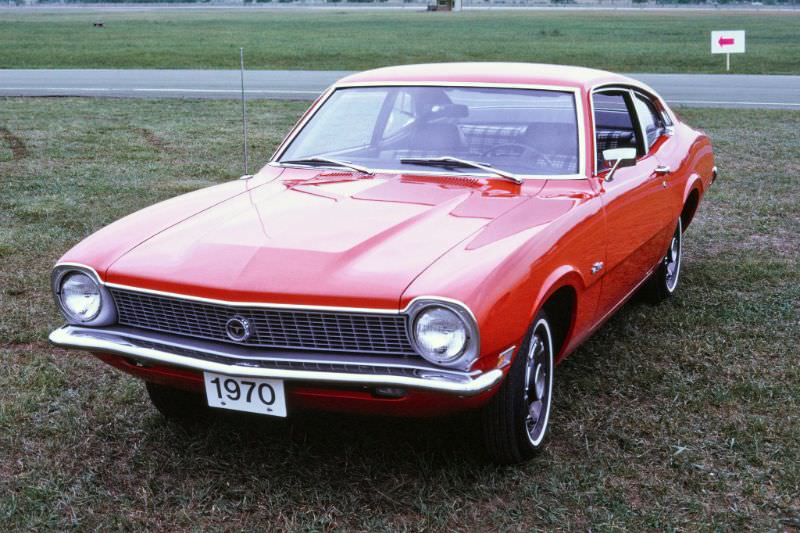
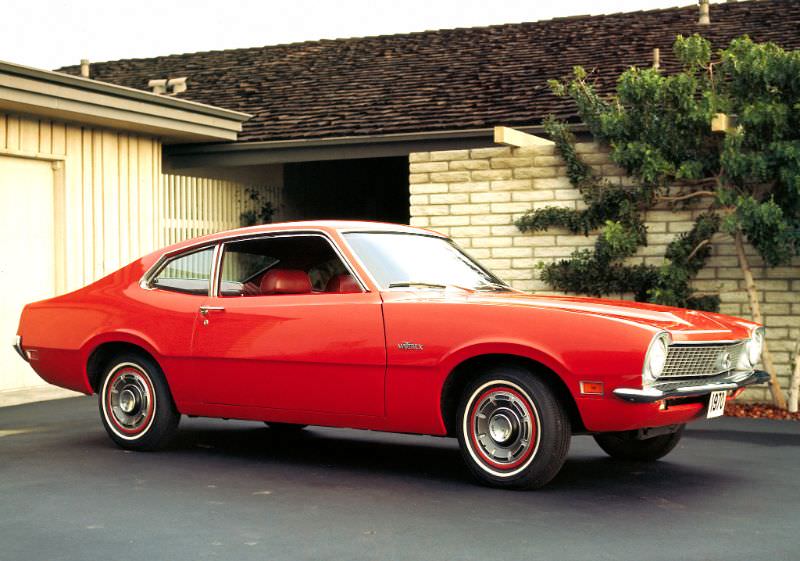
Between 1969 and 1977, Ford produced 2.1 million Mavericks across North America. That figure speaks to the model’s consistent demand throughout most of its run. Production wasn’t limited to the United States either — Mavericks rolled off assembly lines in Canada, Mexico, Venezuela, and Brazil between 1970 and 1979, giving the model a broad international footprint that few American compact cars of that era matched.
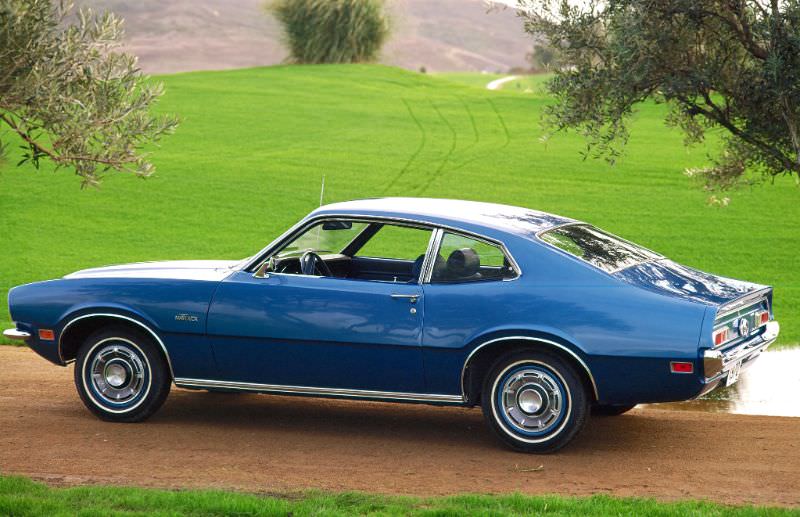
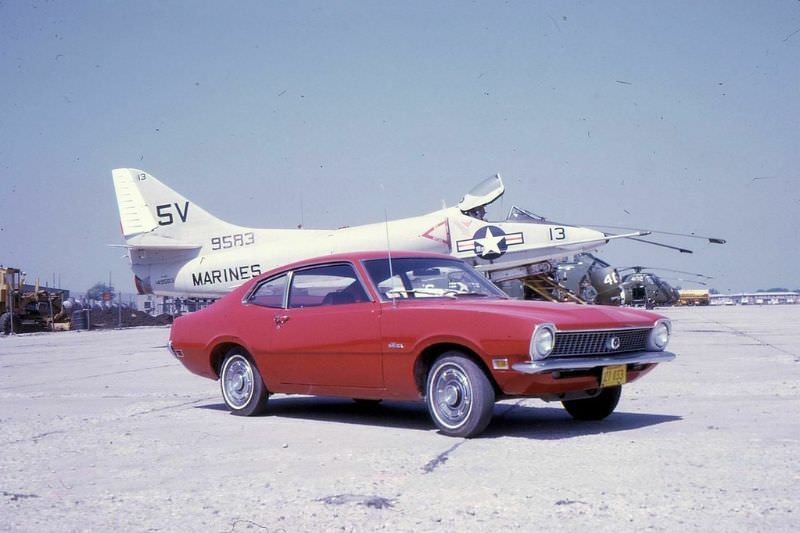
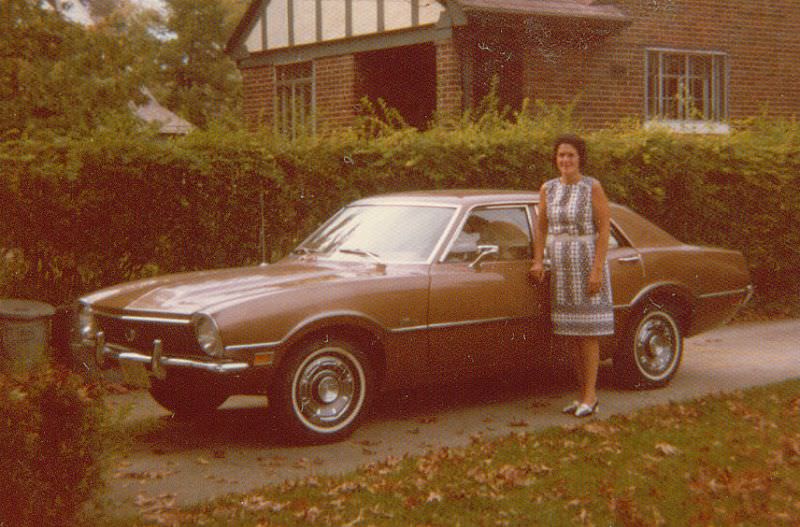
The early 1970 models established what the Maverick was all about — straightforward, attractive, and affordable. The two-door sedan body style defined the car’s original character, and the photos from those early production years show just how sharp the base model looked fresh off the line.
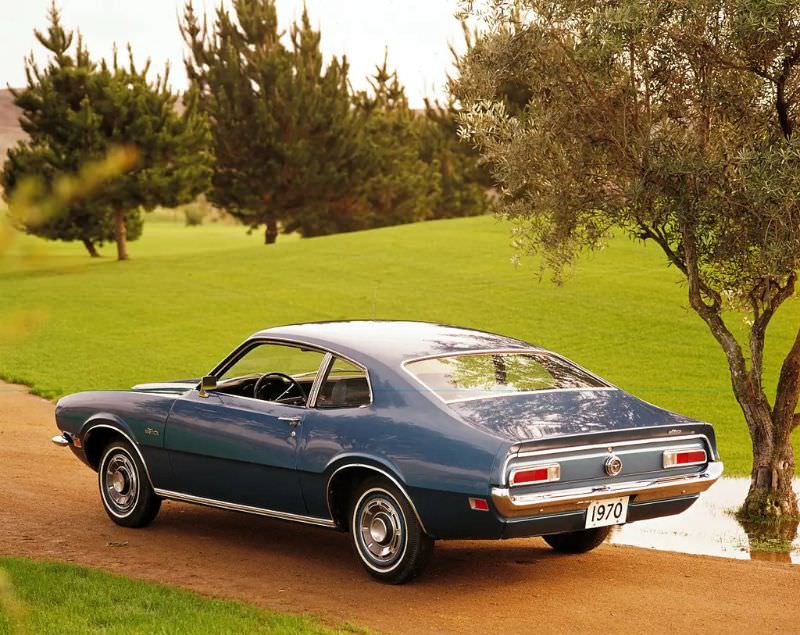
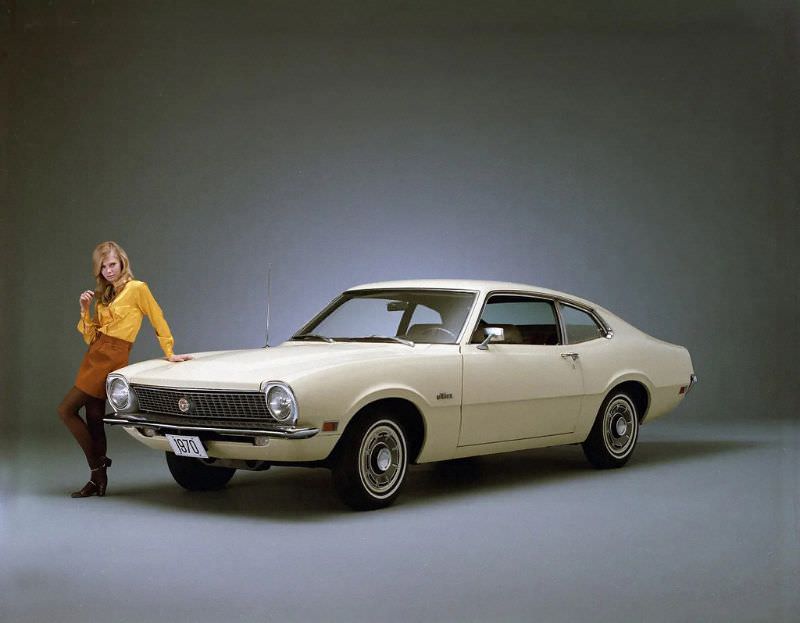
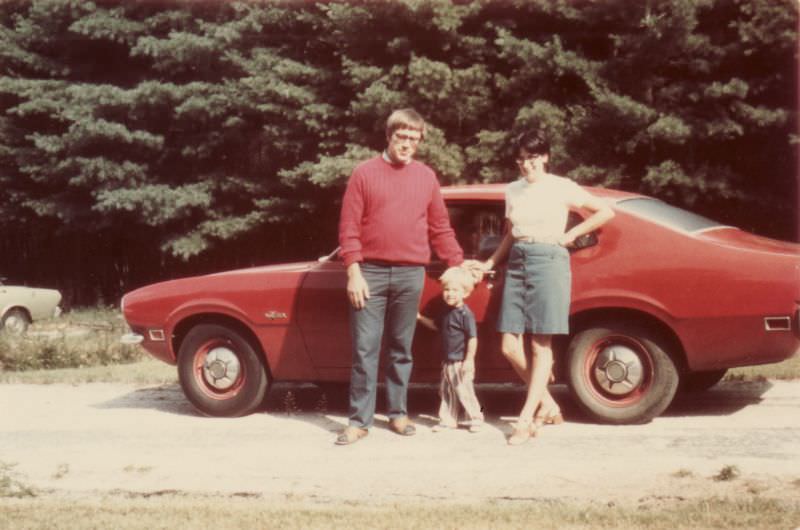
By 1971, Ford introduced the Maverick Grabber — a sportier trim level that gave the model more visual punch. Stripes, blacked-out styling elements, and performance-oriented options made the Grabber stand out from the standard sedan. It was Ford’s way of keeping the Maverick competitive as buyer tastes started pushing toward more expressive, performance-flavored compacts.
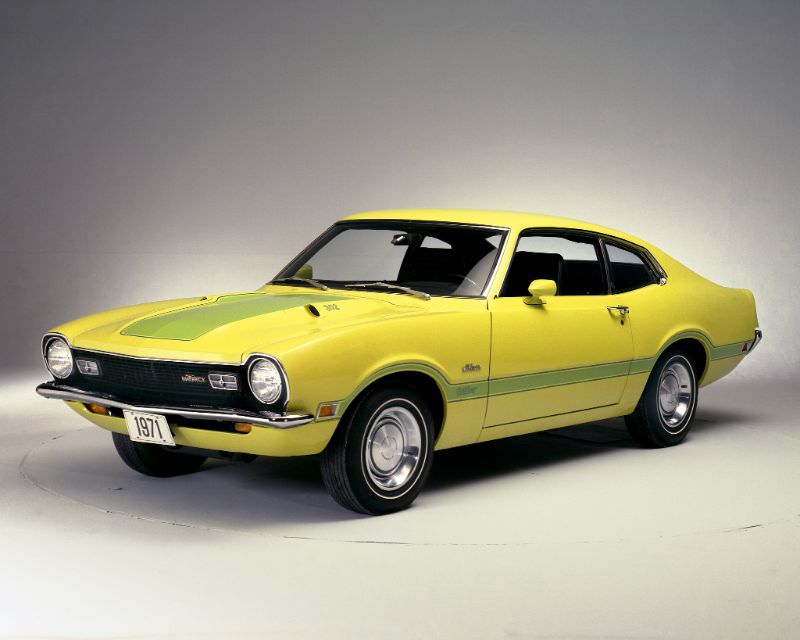
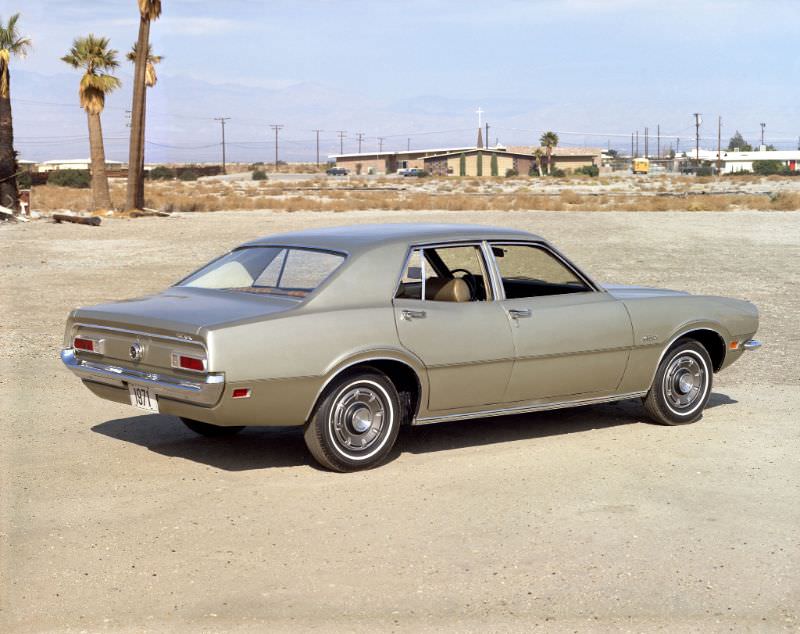
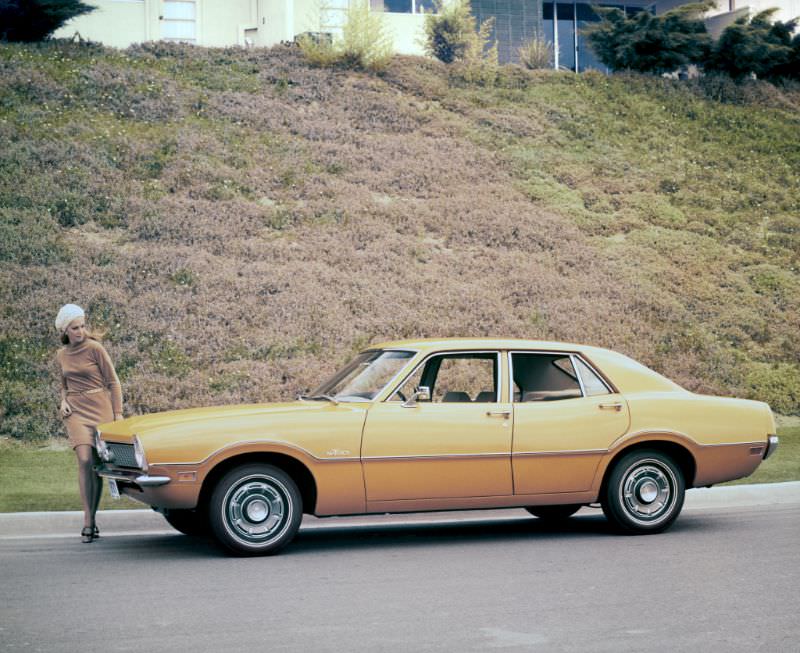
In 1972, Ford took the Grabber a step further with the Sprint package. The Maverick Sprint Grabber wore patriotic red, white, and blue graphics as part of a limited promotion tied to the 1972 Munich Olympics. The Sprint package was available on both the Maverick and the Pinto that year, making it a special edition that crossed two of Ford’s compact lines at once. The graphics were bold and unmistakable, and today these Sprint models are among the most visually distinctive Mavericks from the entire production run.