
Florida in the 1990s was a state of sharp contrasts. Quiet small towns sat just a short drive from world-famous theme parks. Strip malls and beachside cabanas lined the coasts, while the Kennedy Space Center launched rockets into orbit. These photos capture Florida during one of its most dynamic decades — a time when the state was growing fast, weathering disasters, and drawing visitors from around the world.
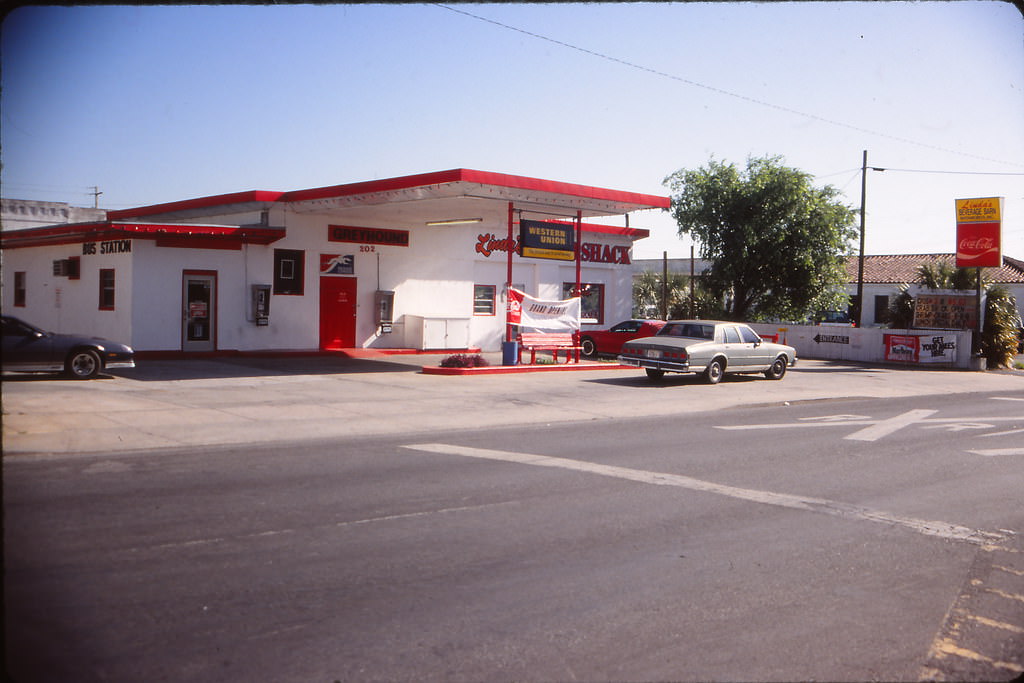
Plant City, located in Hillsborough County between Tampa and Lakeland, was a working community built on agriculture. Known as the “Winter Strawberry Capital of the World,” the town’s downtown streets in the 1990s reflected a modest but active local economy.
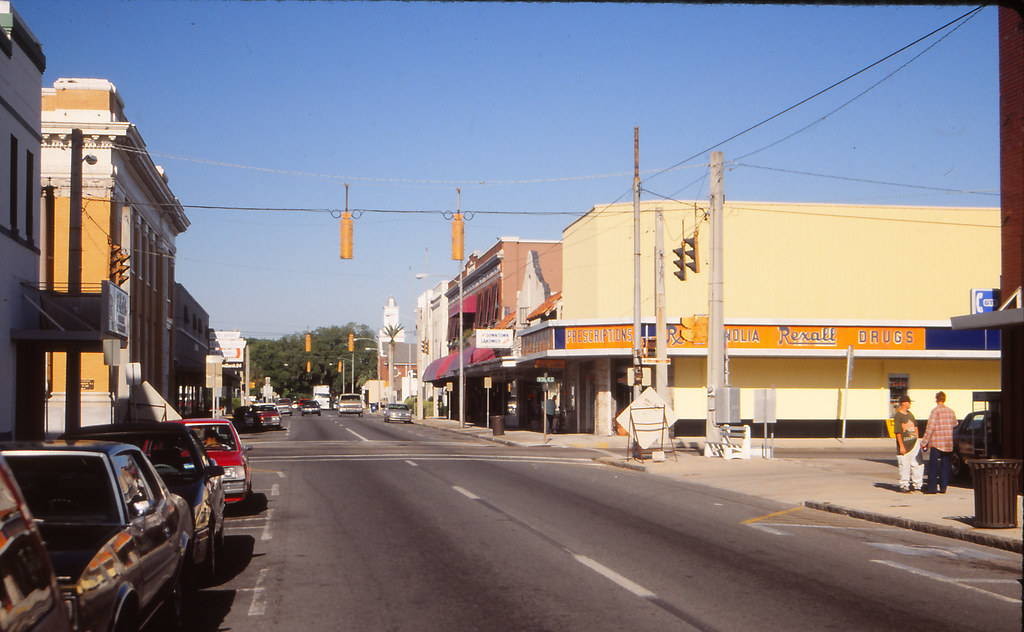
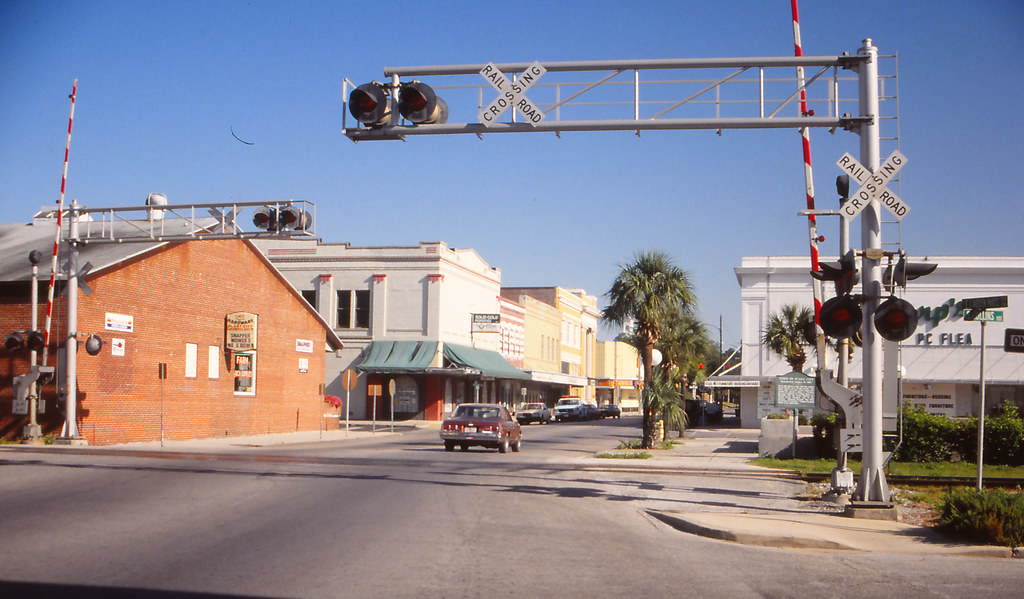
Downtown Plant City had the feel of an older Florida — brick storefronts, local bars, and railroad crossings that reminded residents of the town’s roots in the citrus and shipping trades.
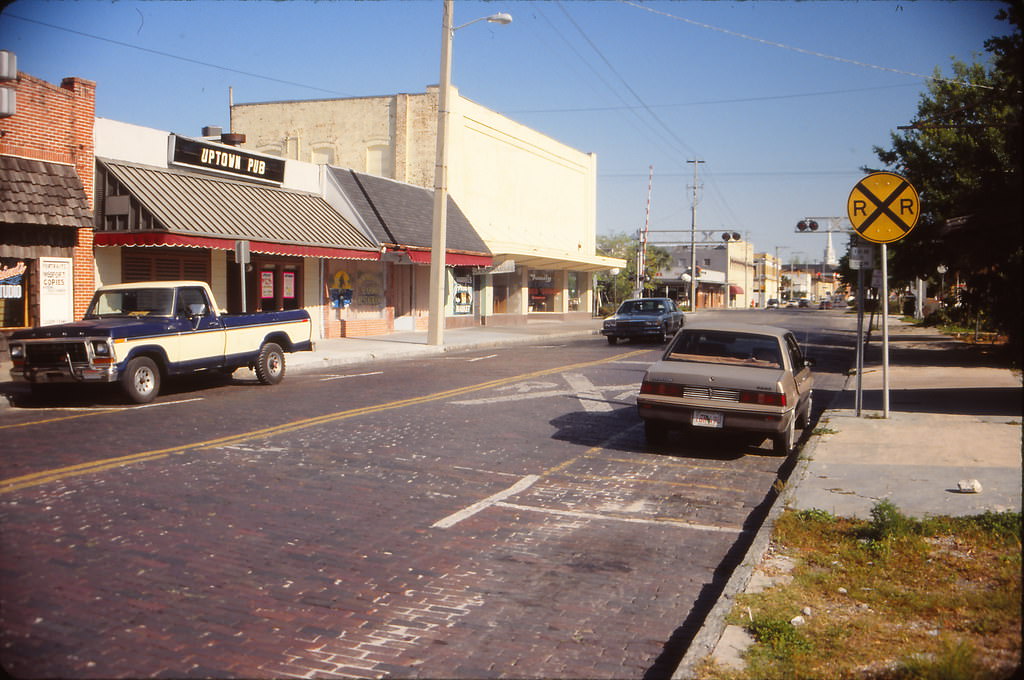
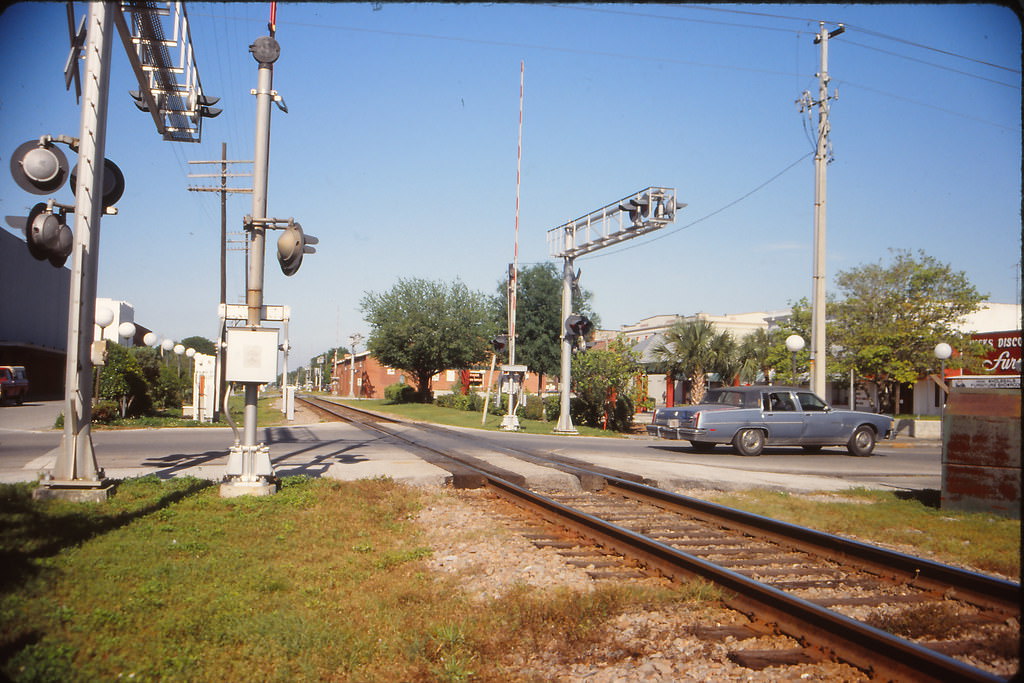
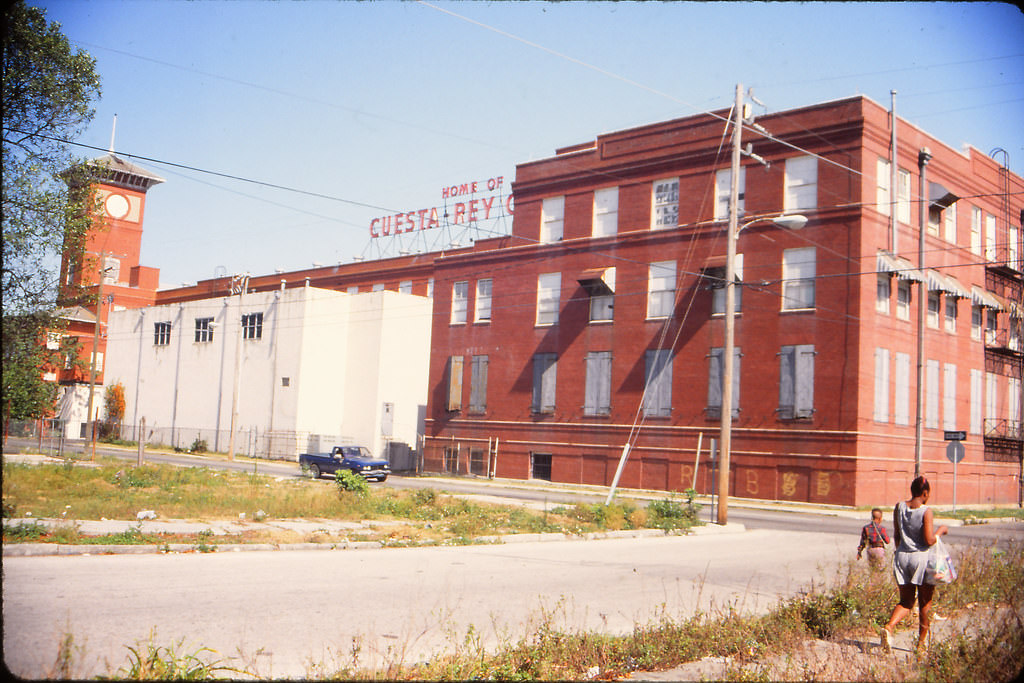
Just to the east of Tampa lay Ybor City, a historic neighborhood once at the heart of Florida’s cigar manufacturing industry. By the early 1990s, many of the old factories had closed or fallen into disrepair. The boarded-up buildings stood as reminders of the industry that had made Ybor City a major economic center in the late 1800s and early 1900s.
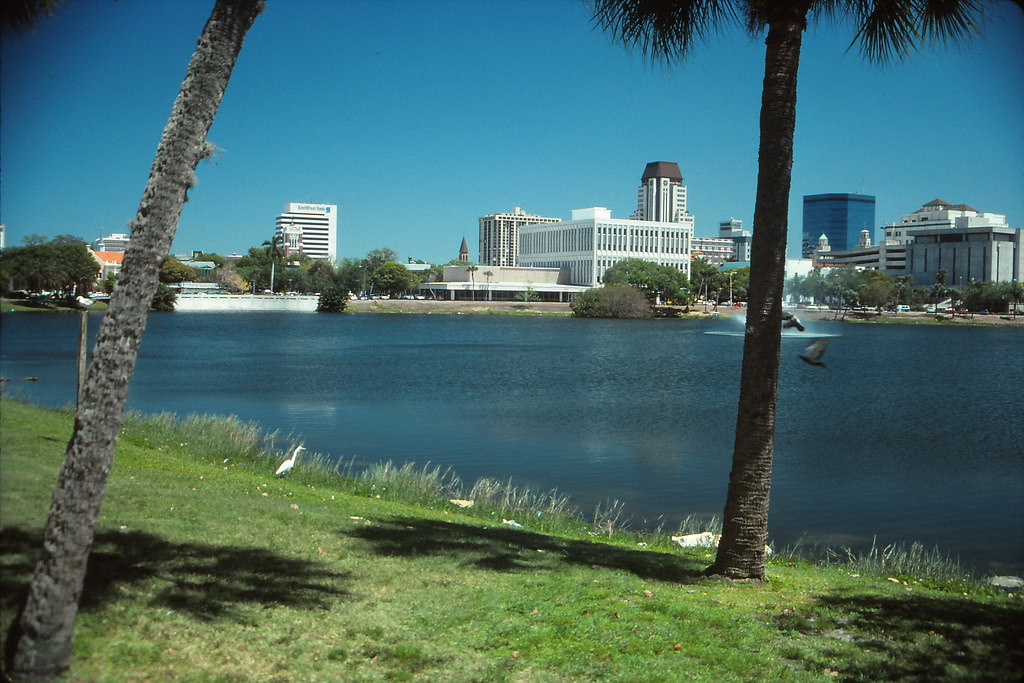
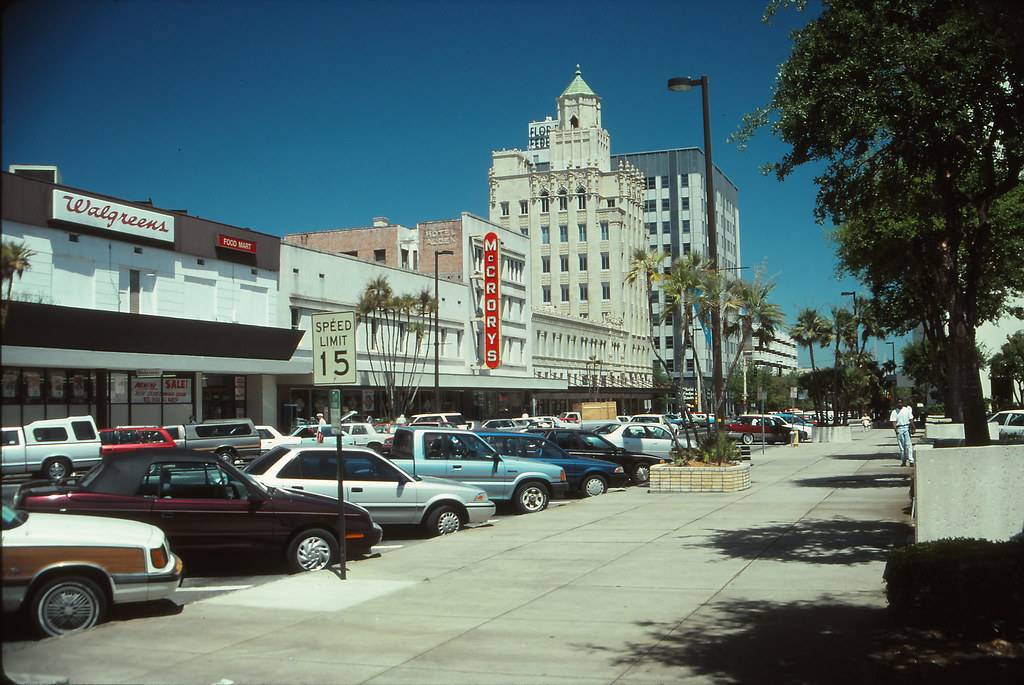
St. Petersburg, on Florida’s Gulf Coast, offered a different kind of Florida experience. The city sat along Tampa Bay with a skyline that reflected its steady growth throughout the 20th century. Mirror Lake, located near downtown, gave residents and visitors a peaceful spot in the middle of the urban landscape.
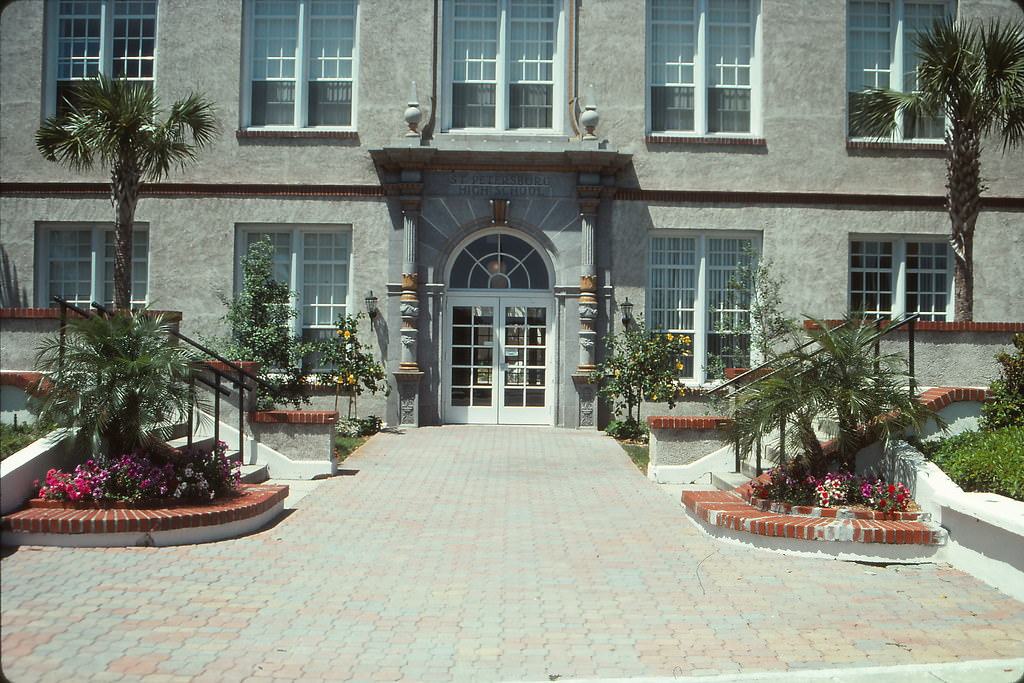
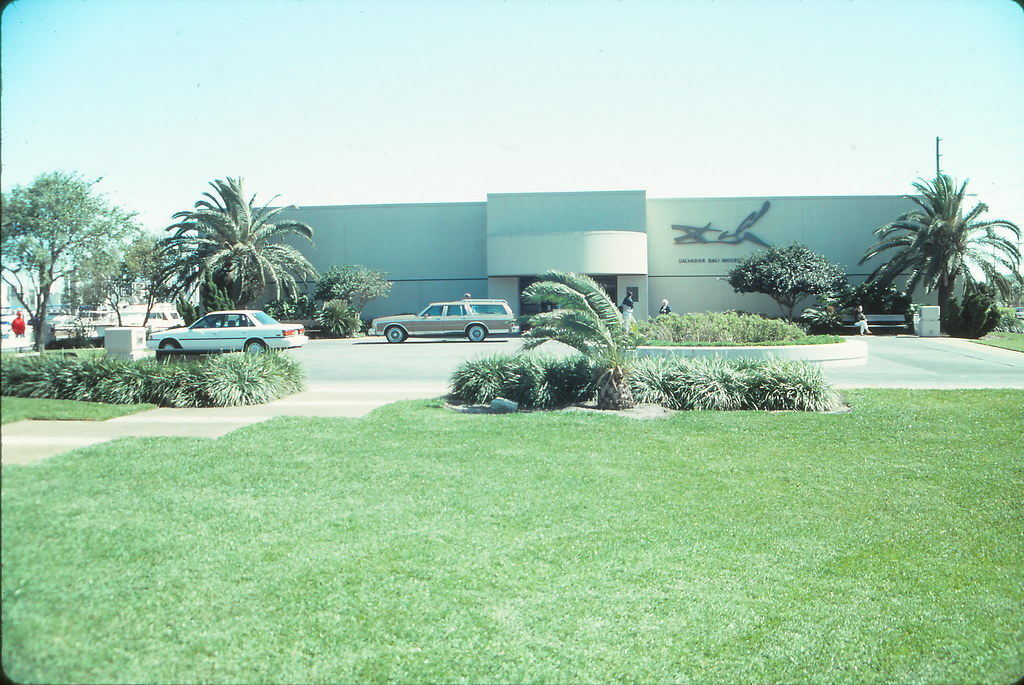
St. Petersburg was also home to the Salvador Dalí Museum, which moved to the city in 1982. By 1993, it housed one of the largest collections of Dalí’s work outside of Europe, drawing art lovers from across the country.
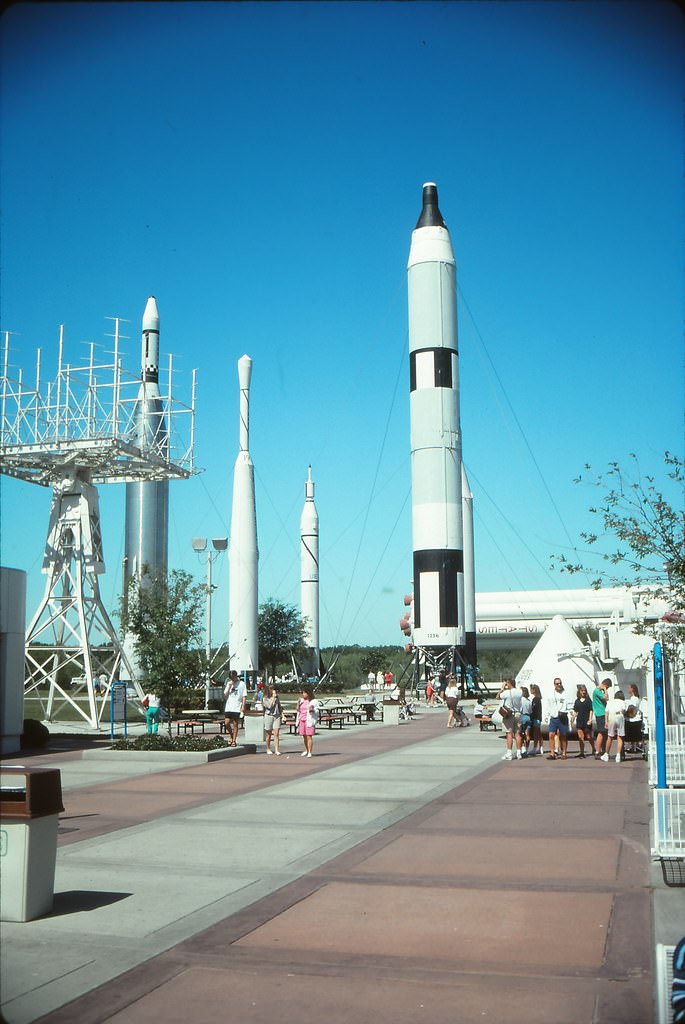
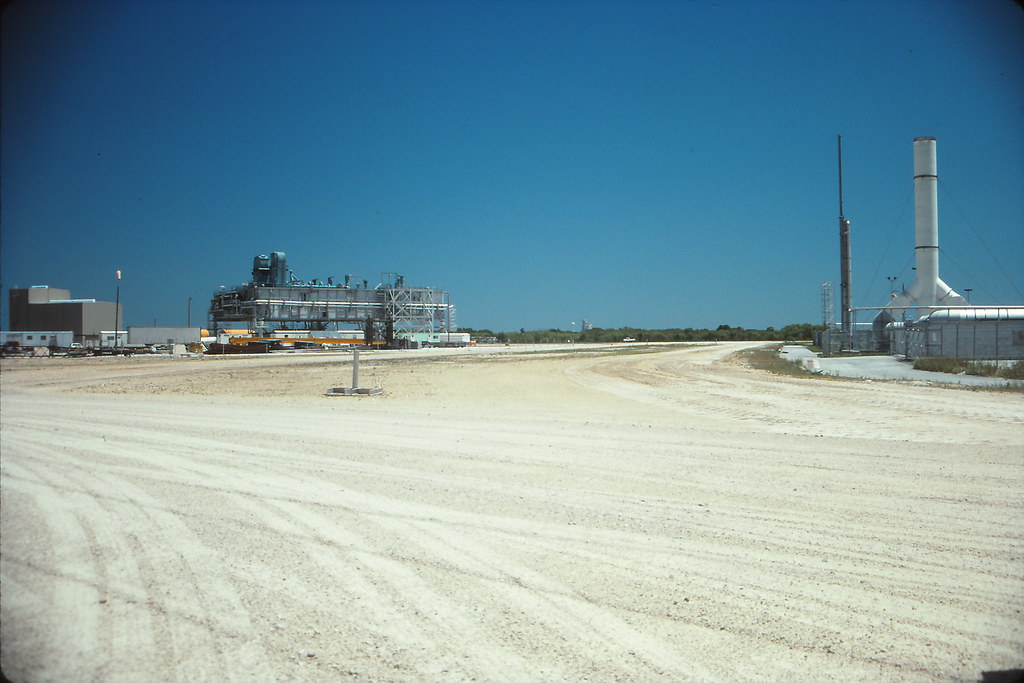
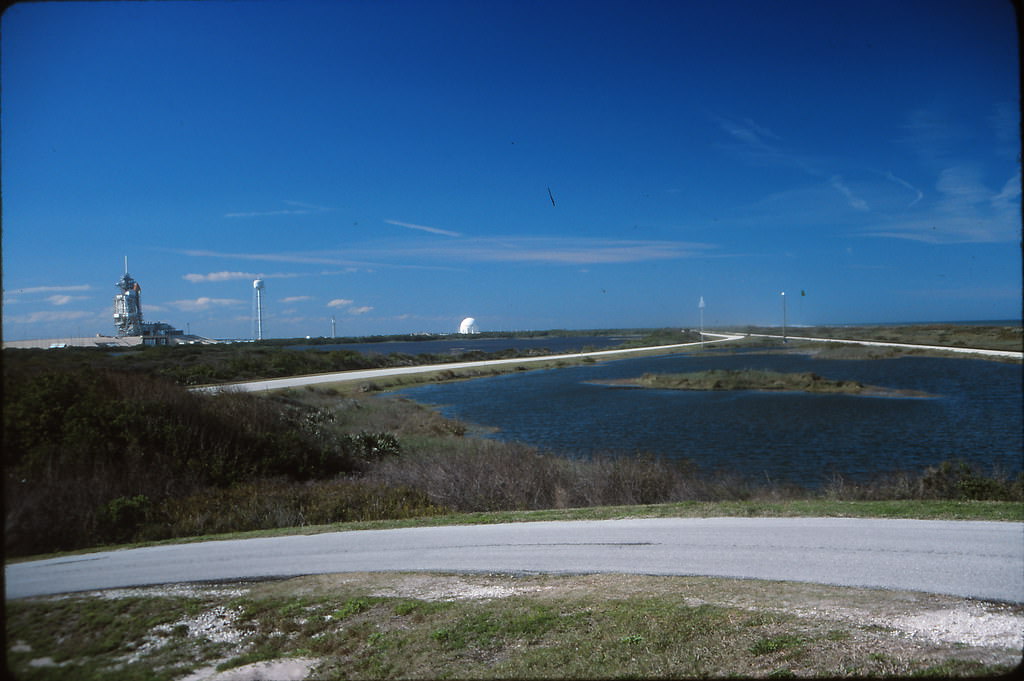
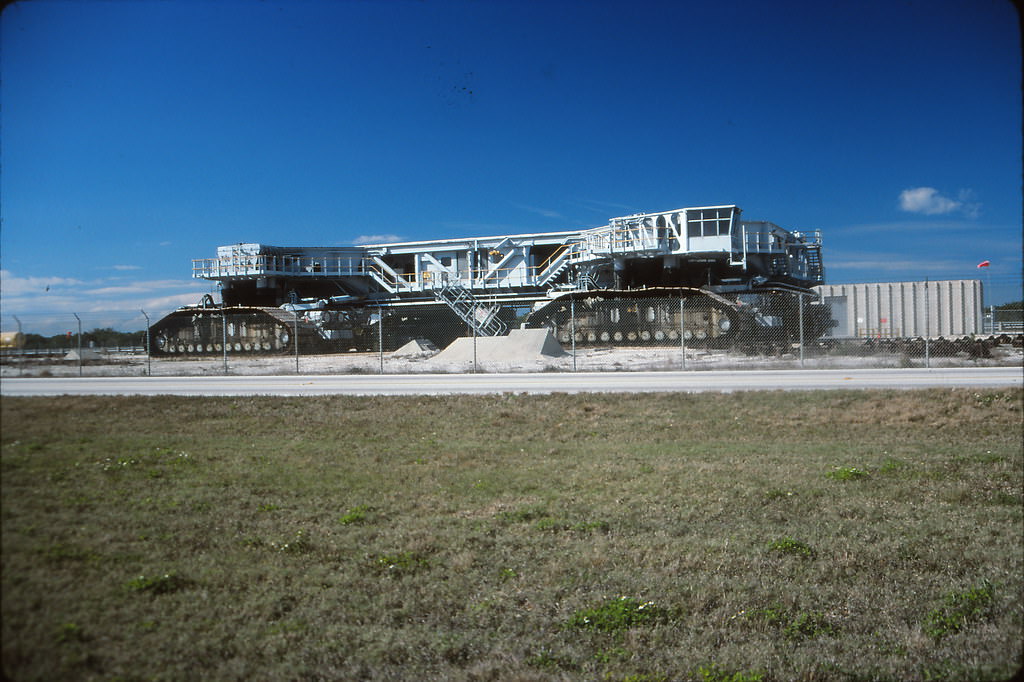
On Florida’s east coast, the Kennedy Space Center stood as one of the state’s most iconic landmarks. Since its establishment in the 1960s, it had been the launch point for NASA’s most important missions. By the 1990s, the Space Shuttle program was in full operation, and the center remained a major draw for tourists and space enthusiasts alike.
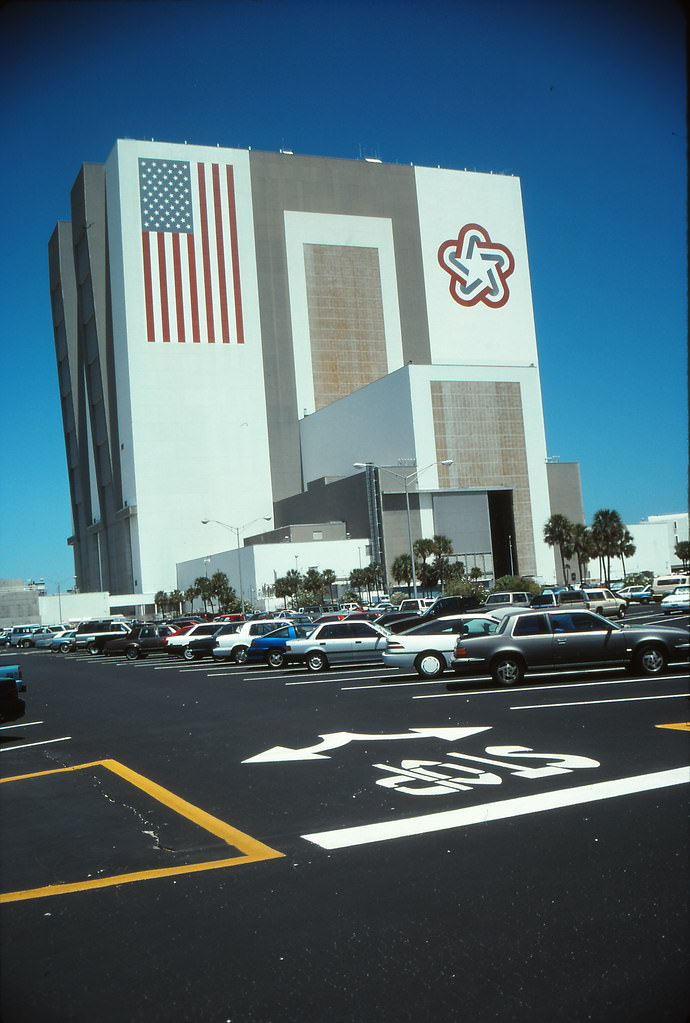
The Vehicle Assembly Building, or VAB, is one of the largest structures in the world by volume. Standing 526 feet tall, it was built to assemble the Saturn V rockets used during the Apollo program and later served the Space Shuttle. Its sheer size made it visible from miles away across the flat Florida landscape.
Orlando was the beating heart of Florida’s tourism industry. At the center of the city sat Lake Eola, a 23-acre lake surrounded by a park that locals used for walking, festivals, and relaxation. The lake’s famous fountain, installed in 1912, remained a fixture of the city’s identity.
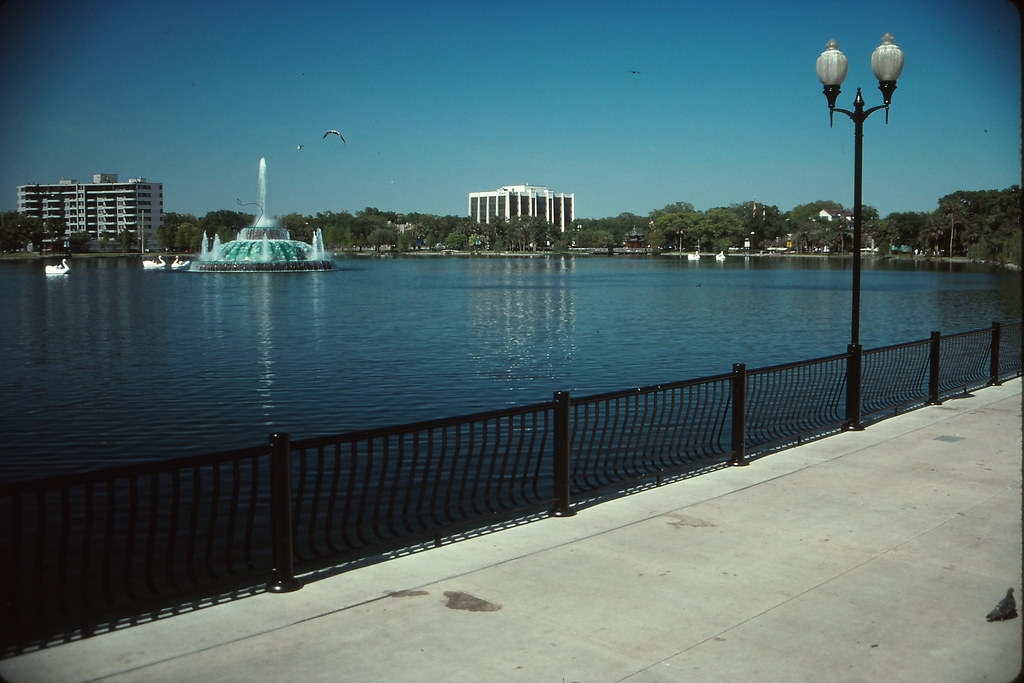
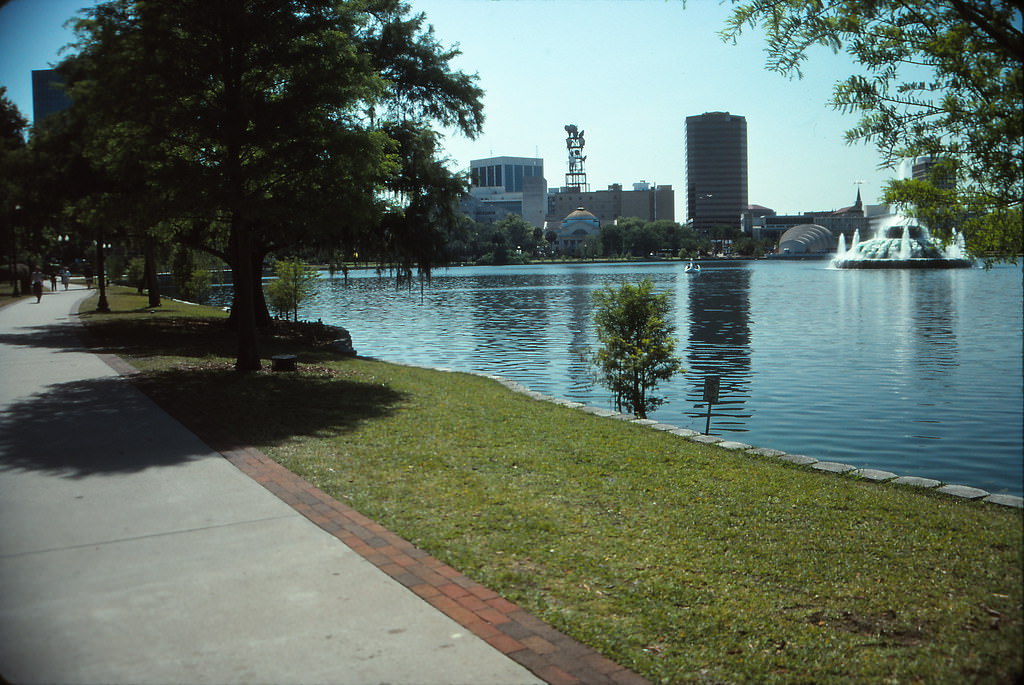
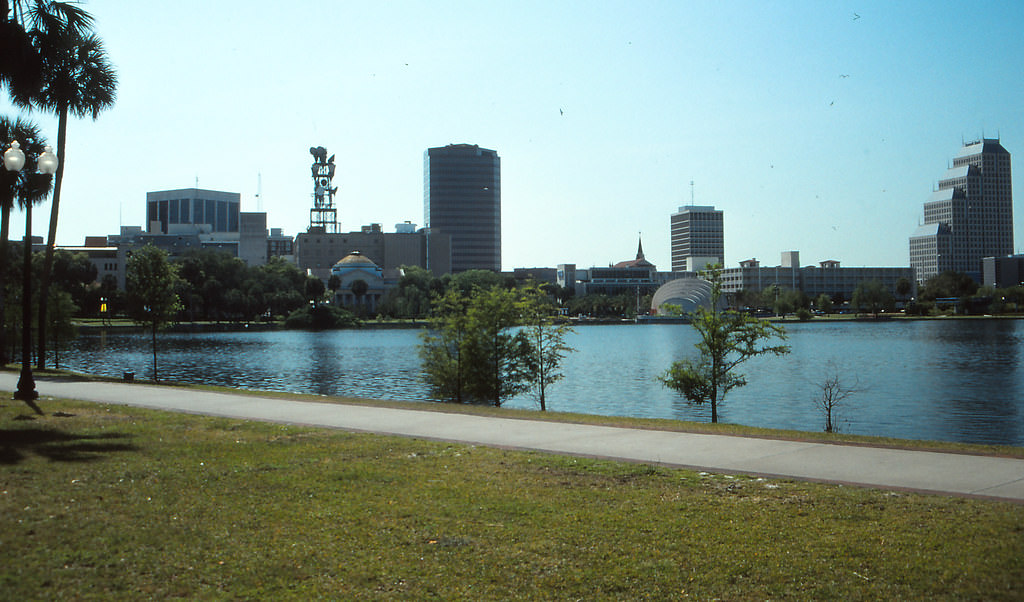
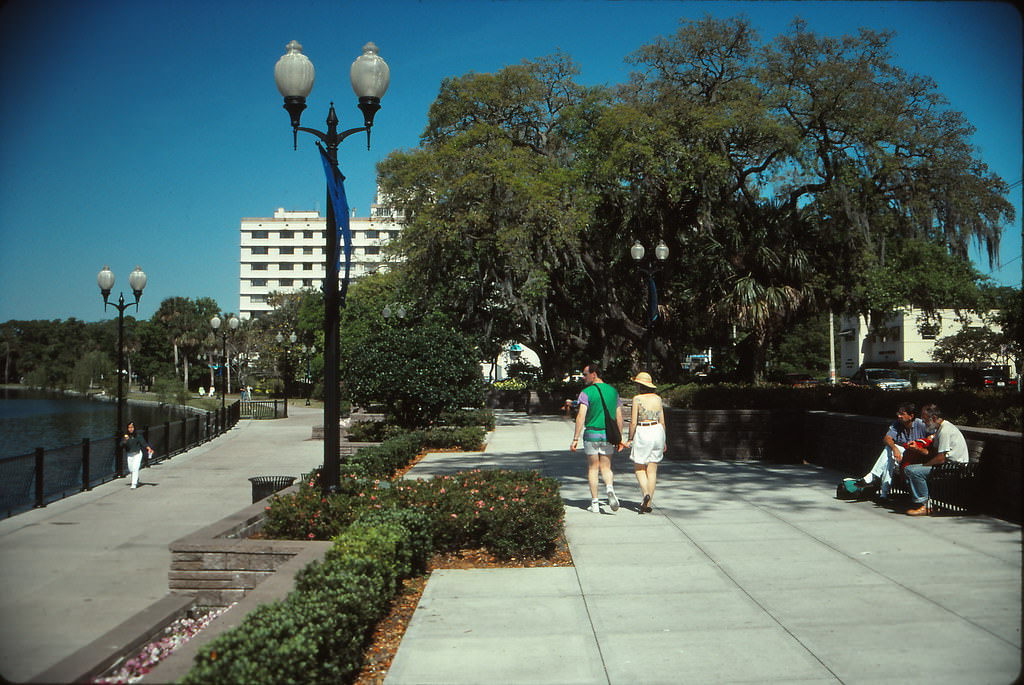
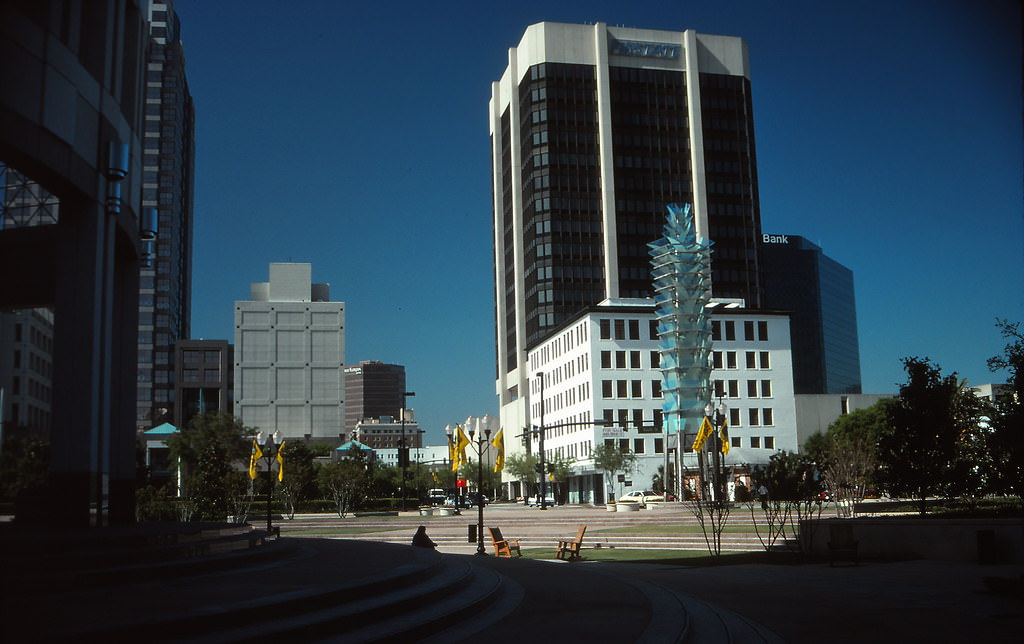
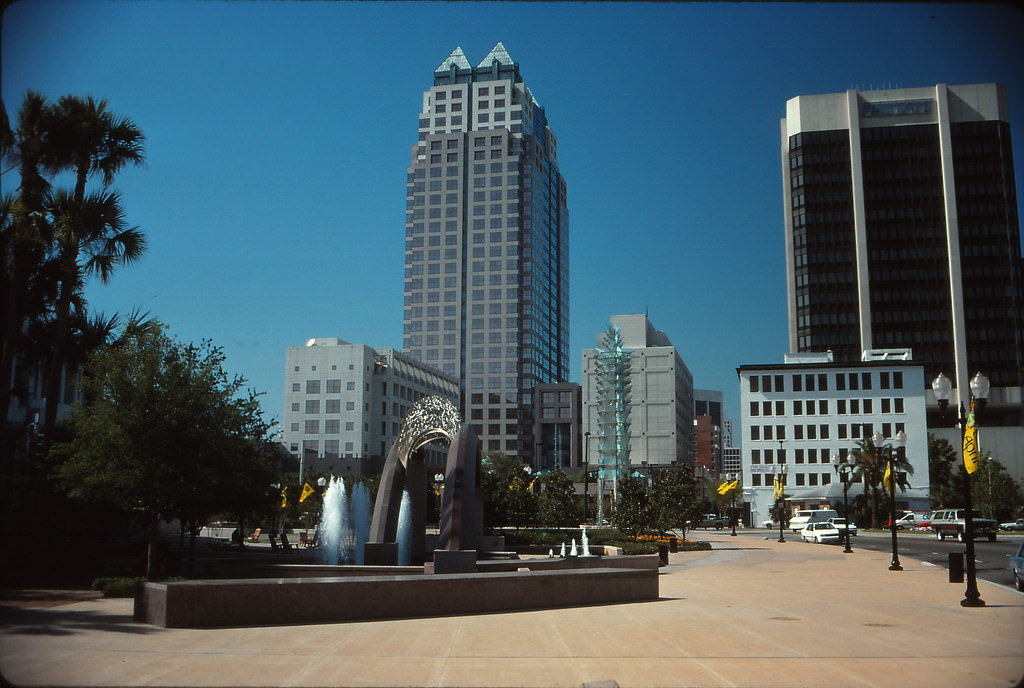
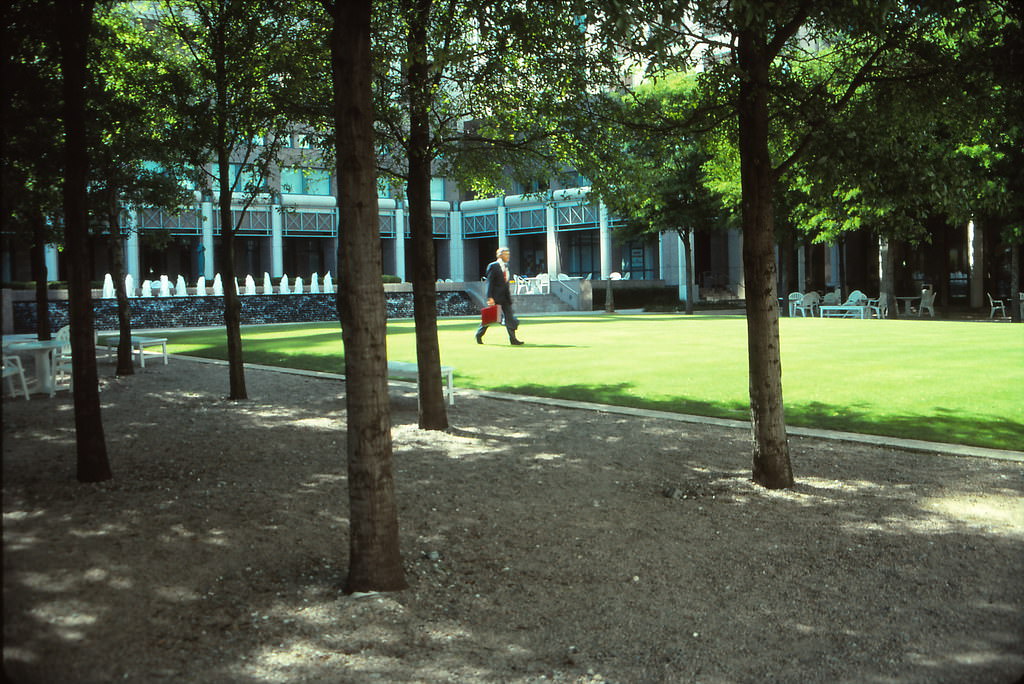
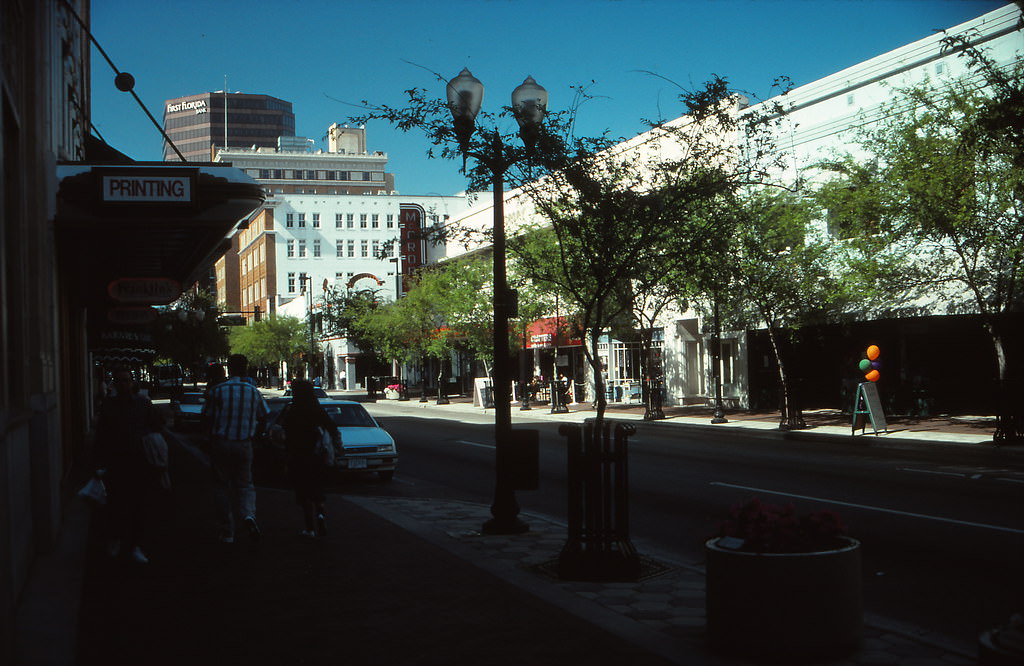
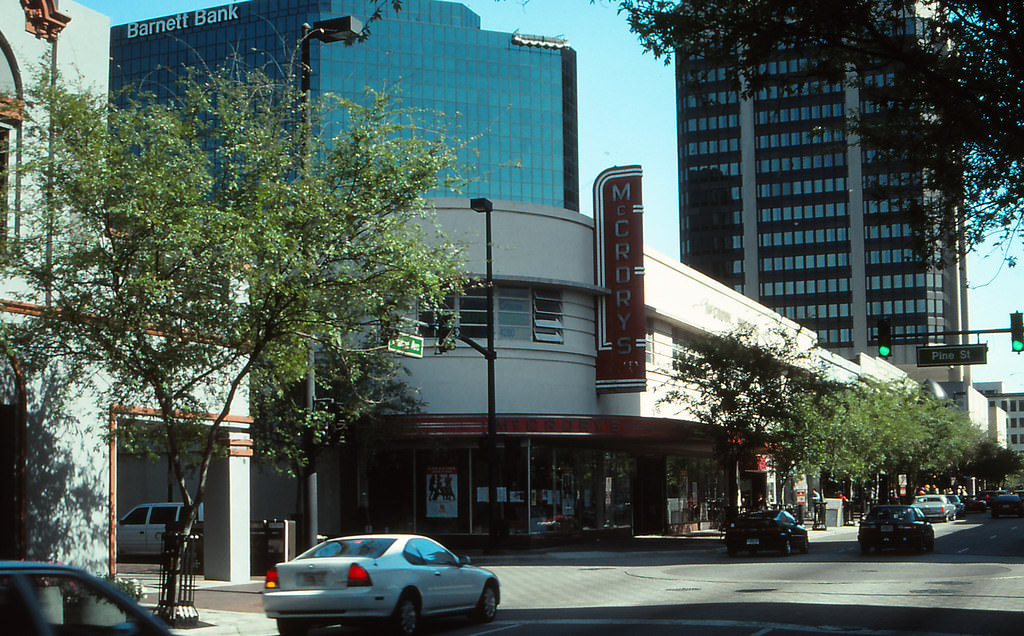
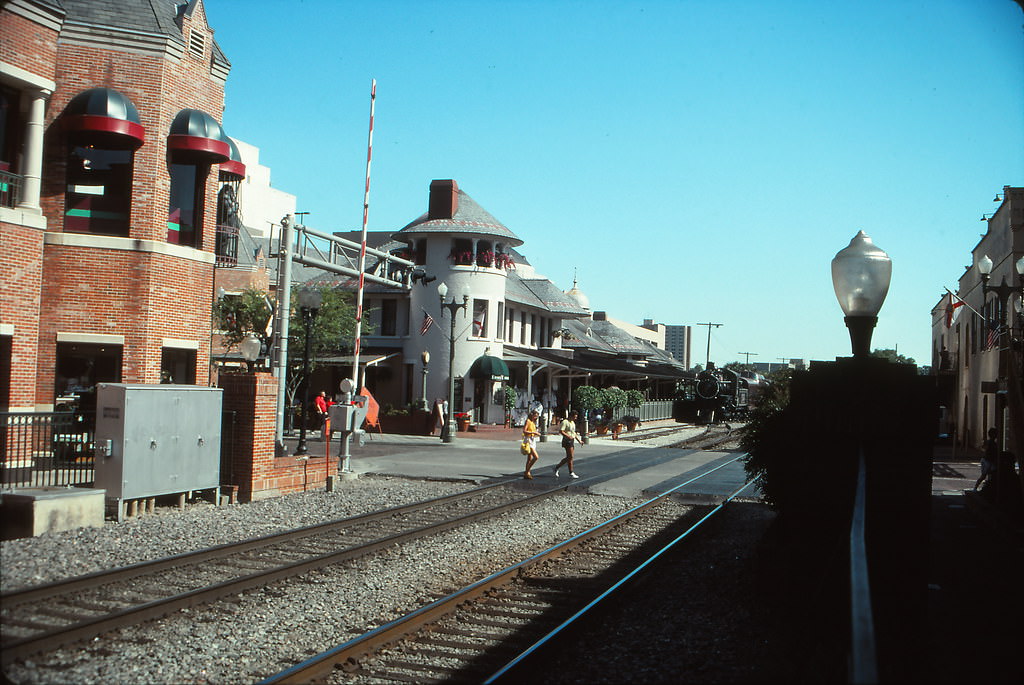
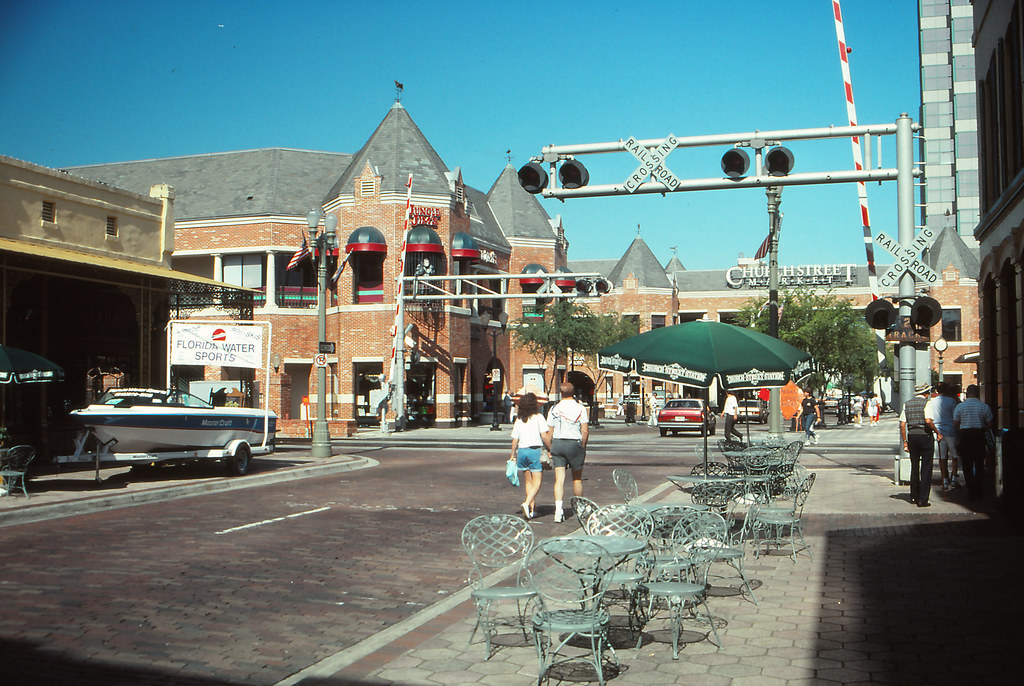
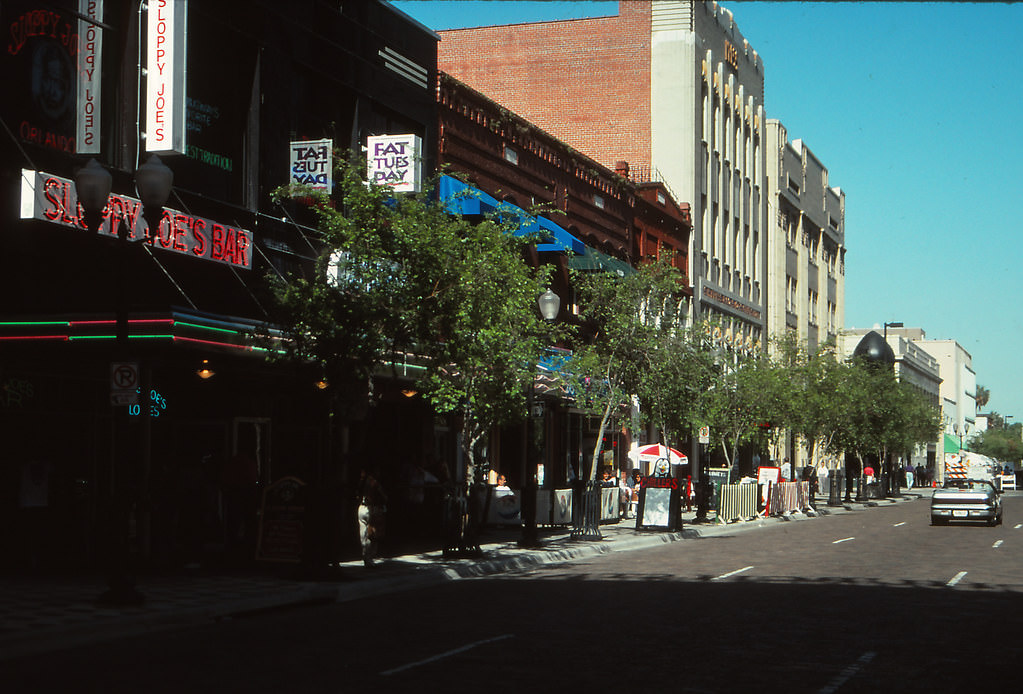
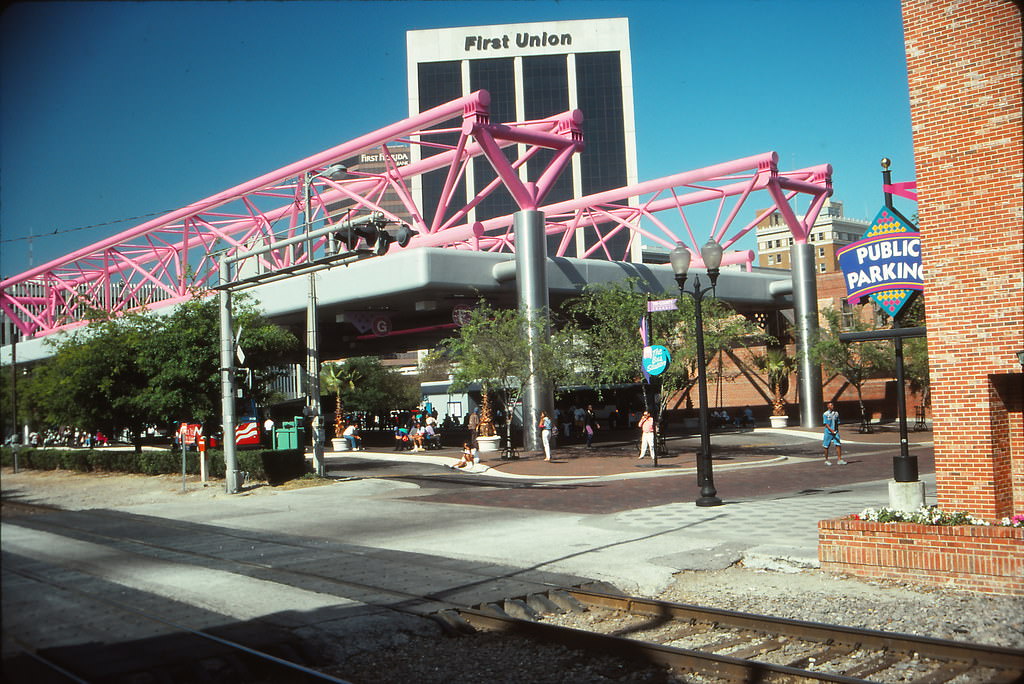
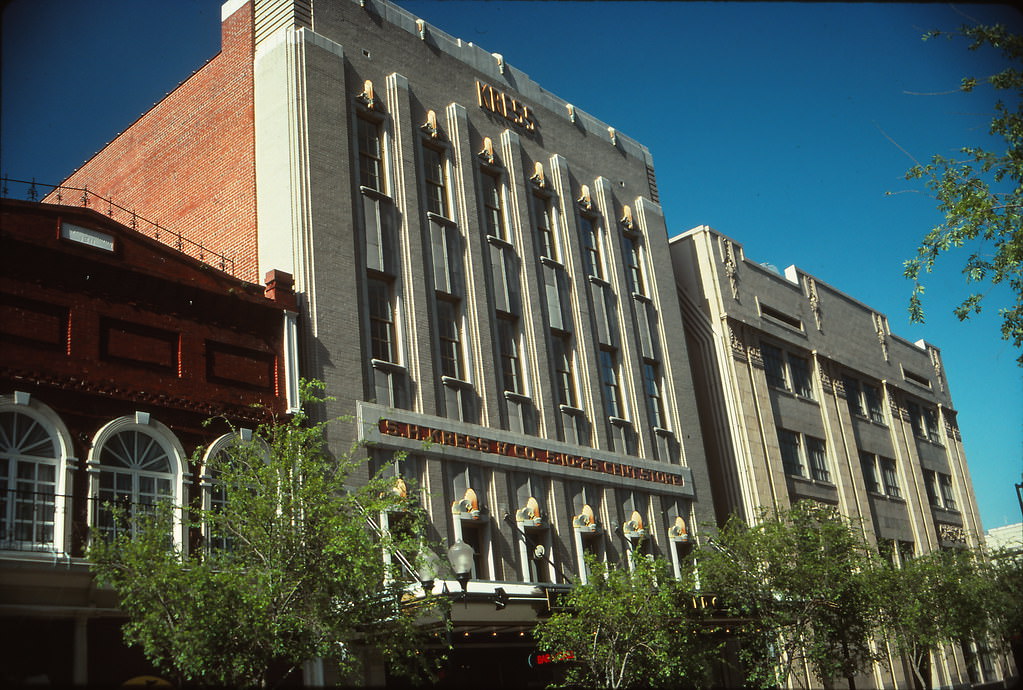
Downtown Orlando in the 1990s was a mix of old and new. Orange Avenue served as the main commercial spine, lined with department stores, office towers, and transit hubs. The Church Street Station area was a popular entertainment district, and landmarks like the Kress Building kept the architectural history of the city visible amid new development.
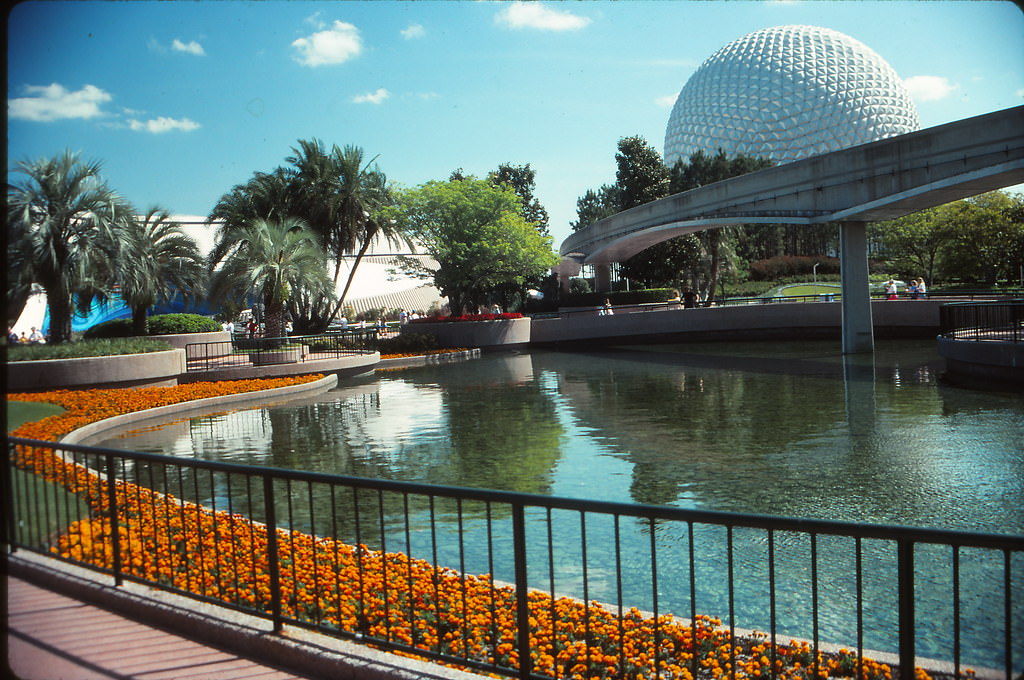
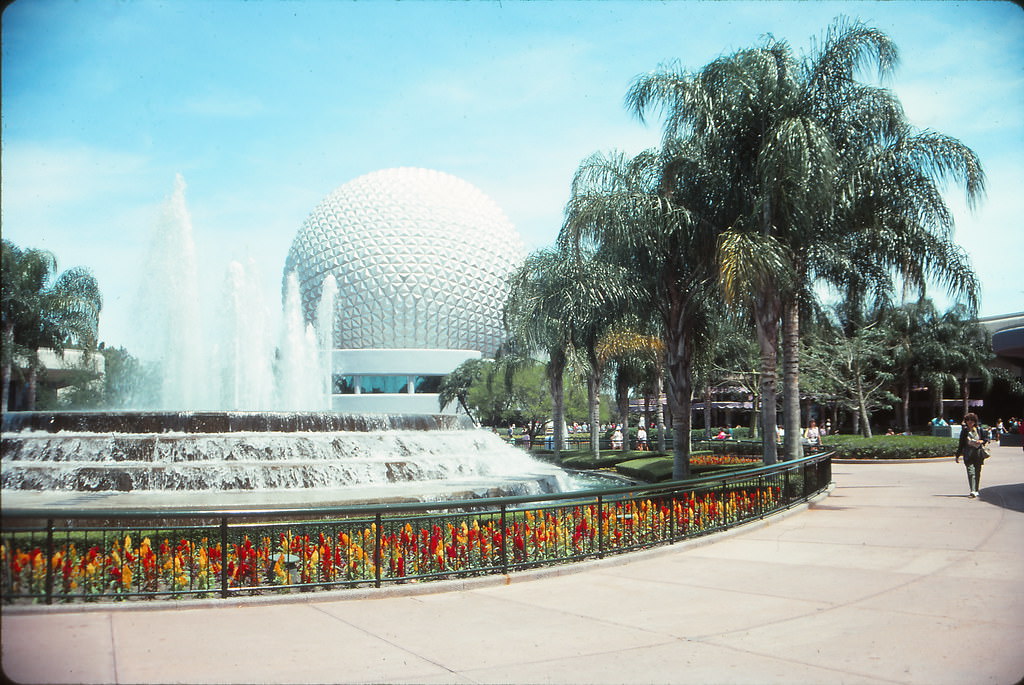
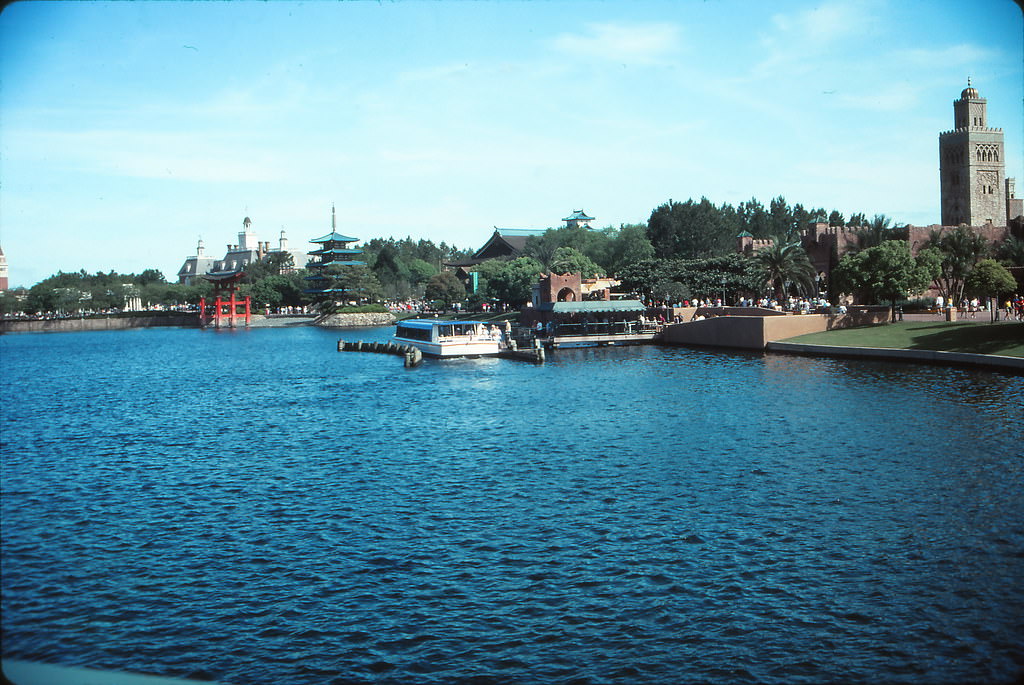
Walt Disney World dominated Orlando’s identity. EPCOT, which opened in 1982, was a key part of the resort — a park designed around future technology and world cultures. By the 1990s, it featured pavilions representing countries from Norway to China, along with popular attractions like Body Wars, a simulator ride that took guests on a journey through the human body.
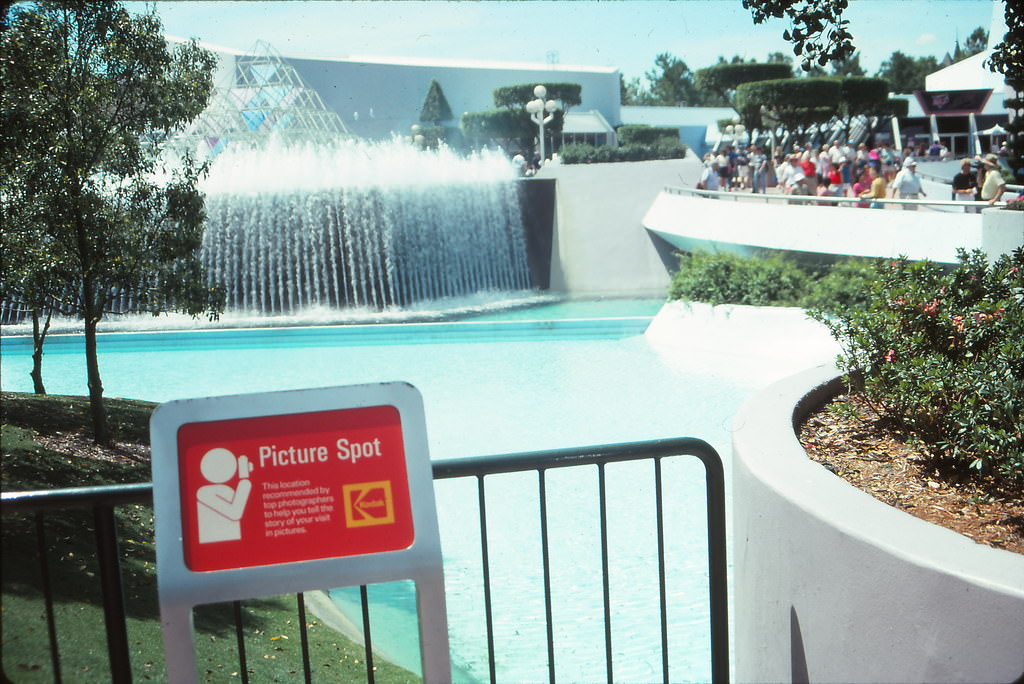
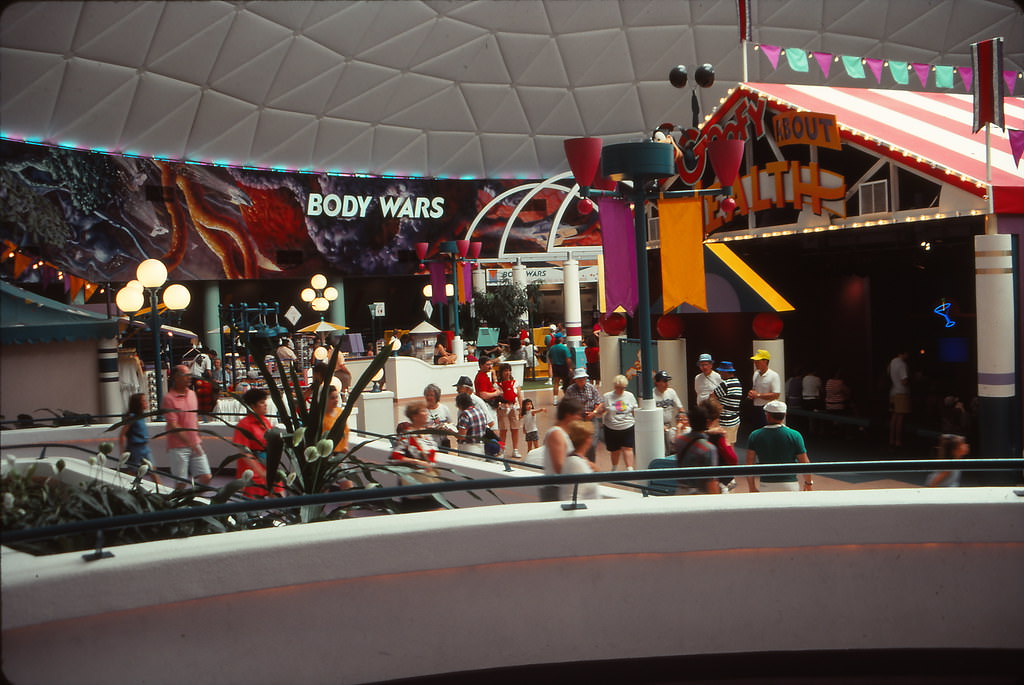
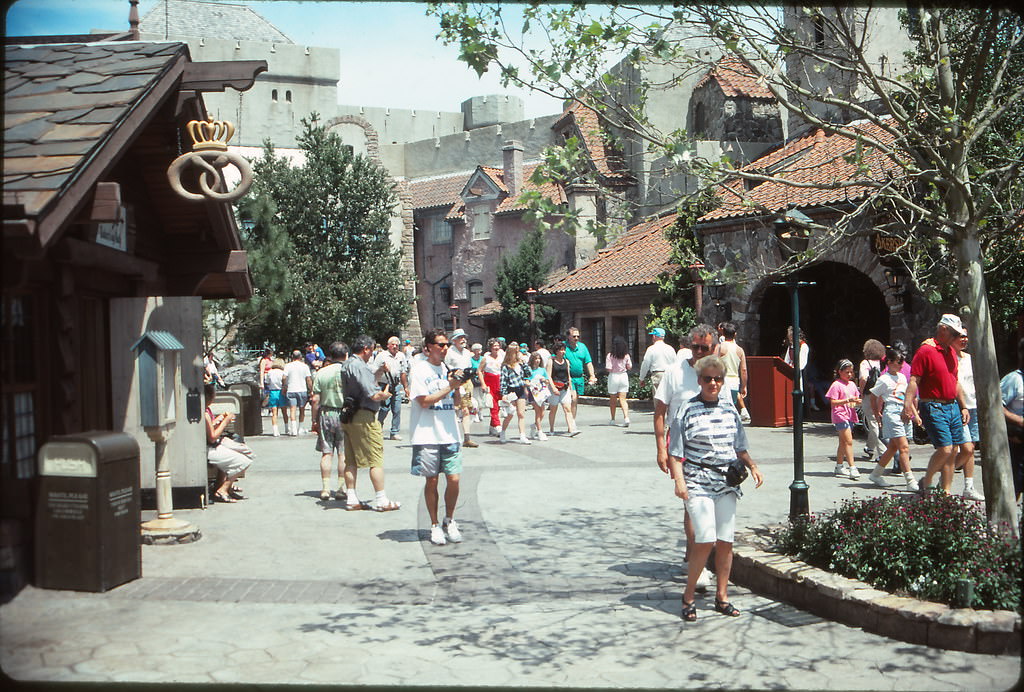
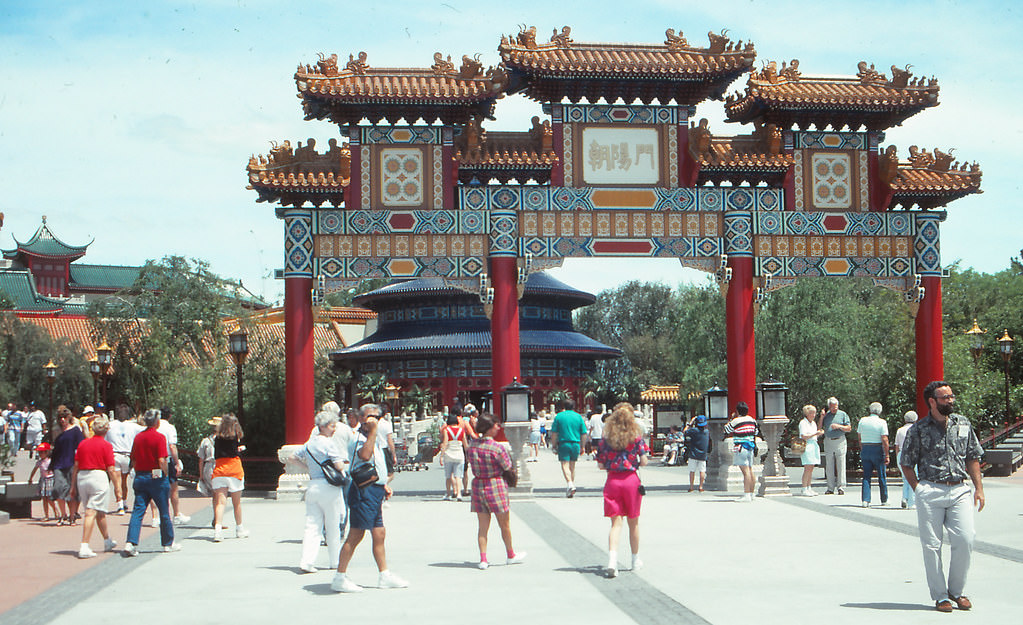
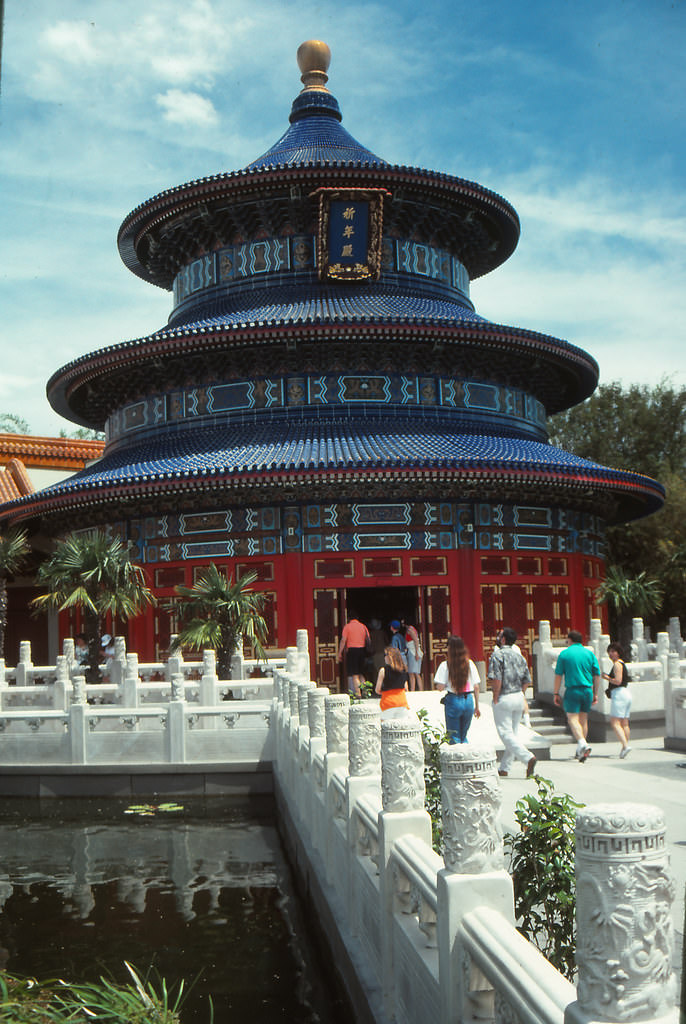
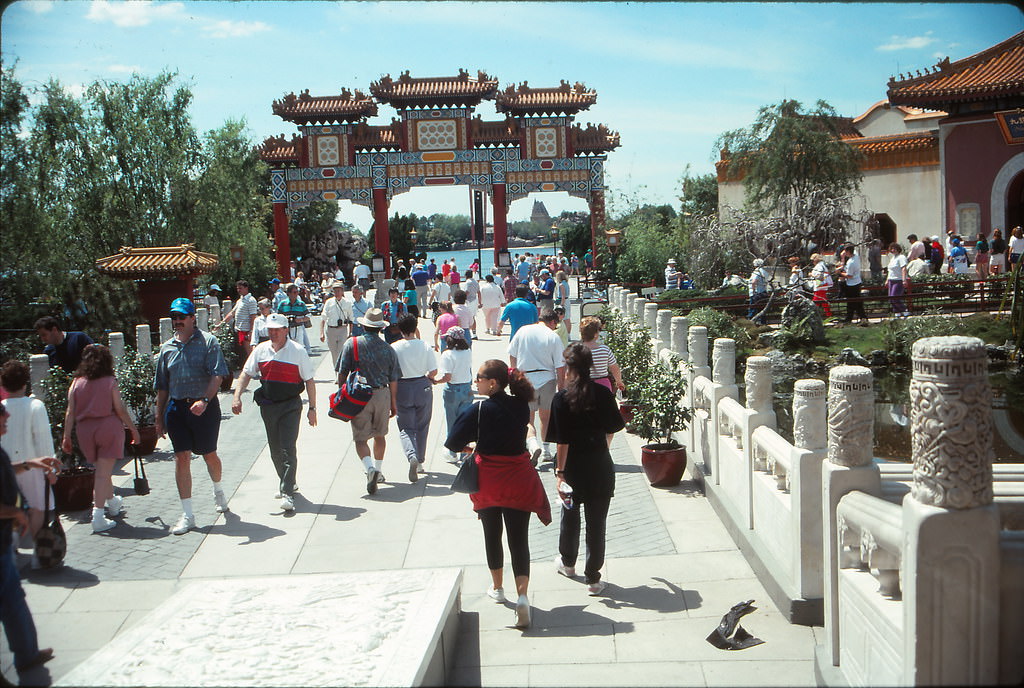
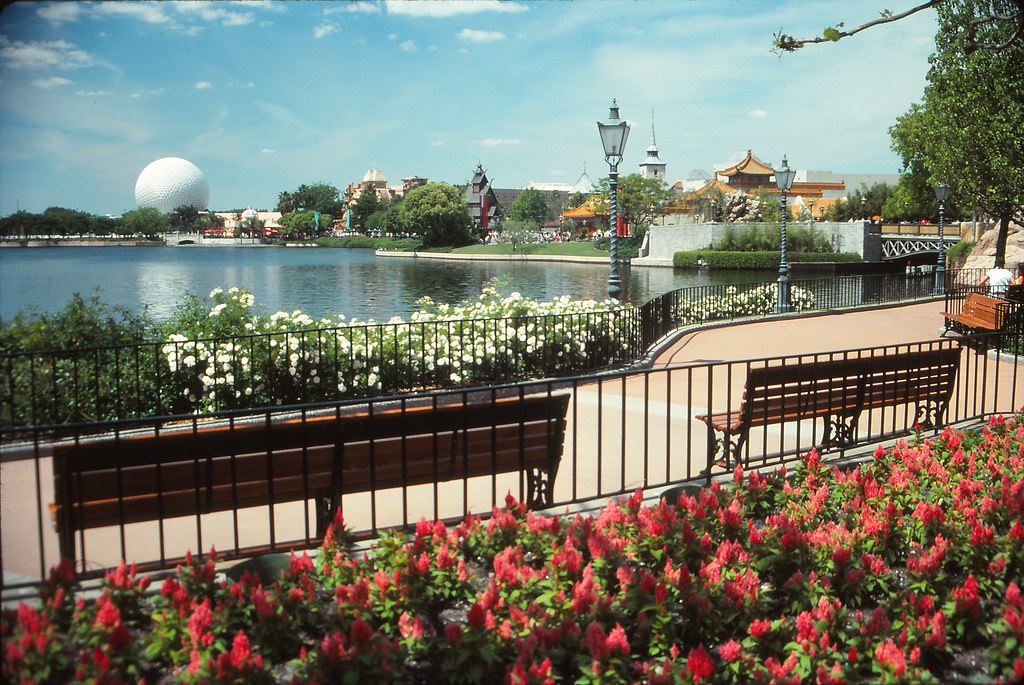
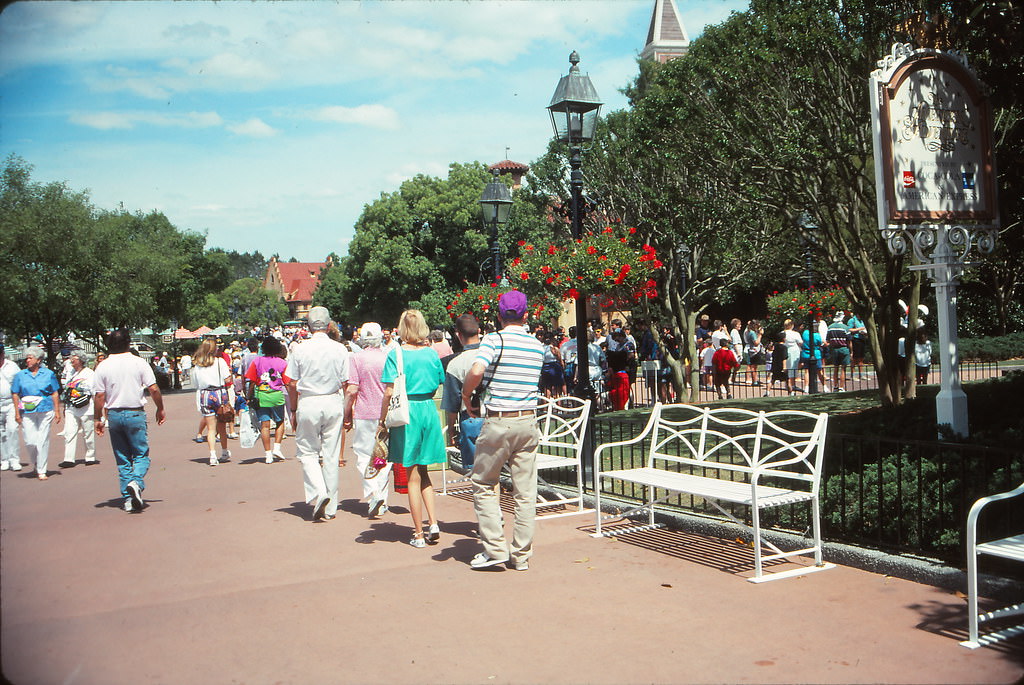
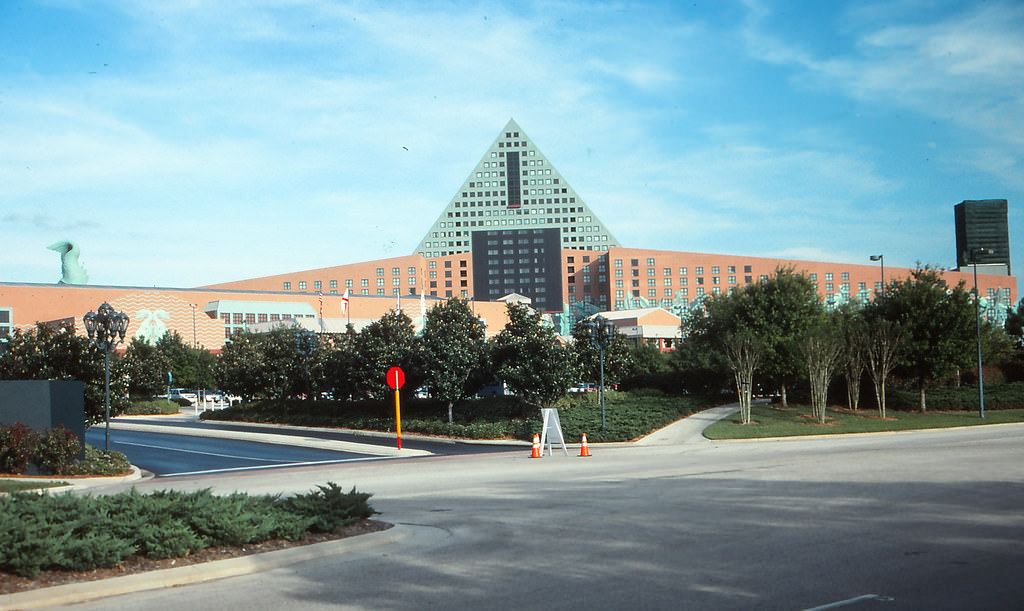
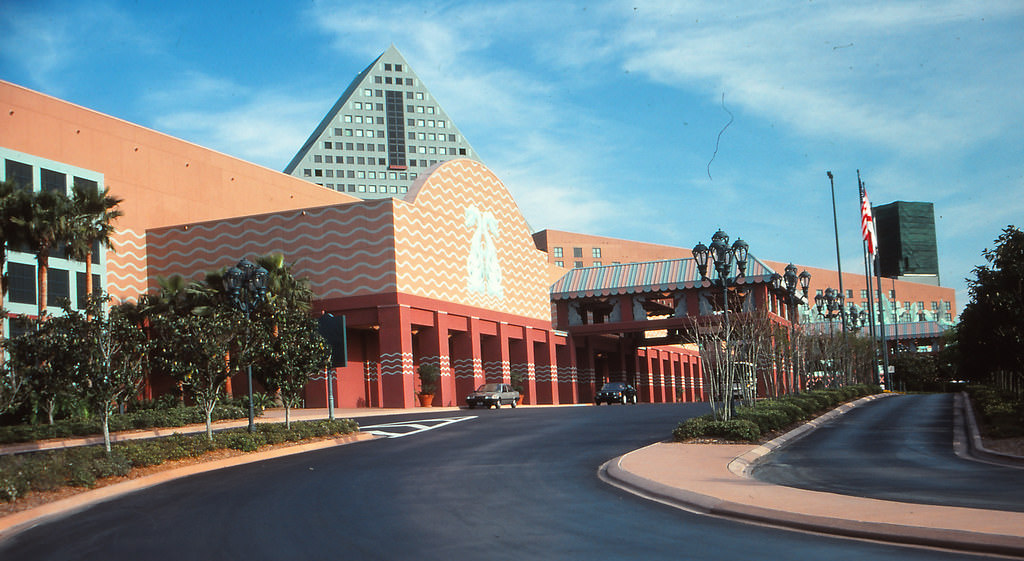
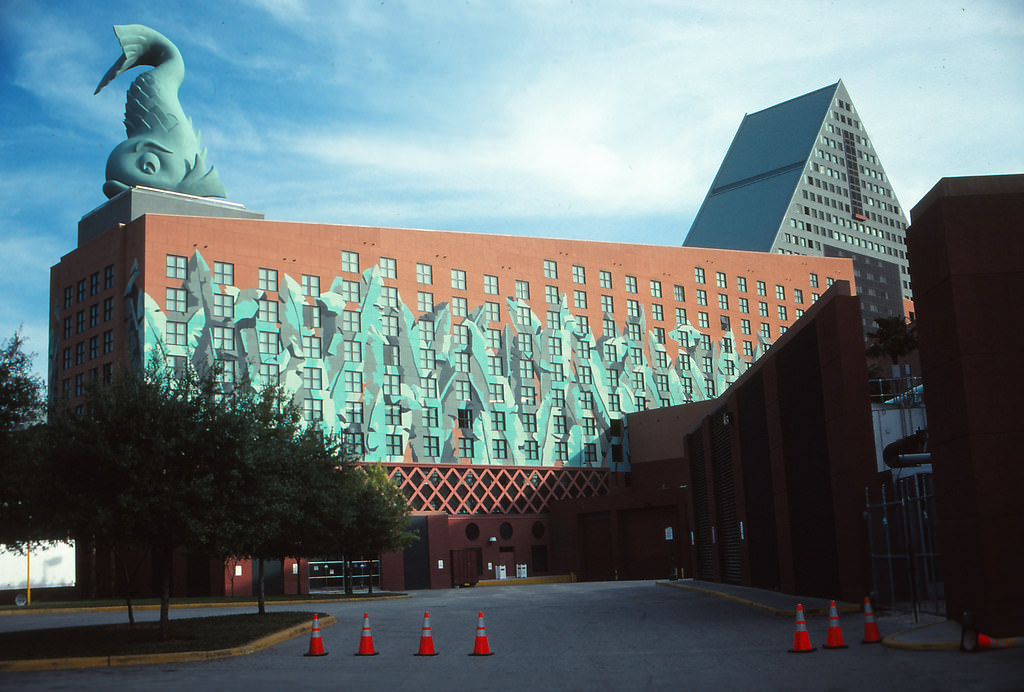
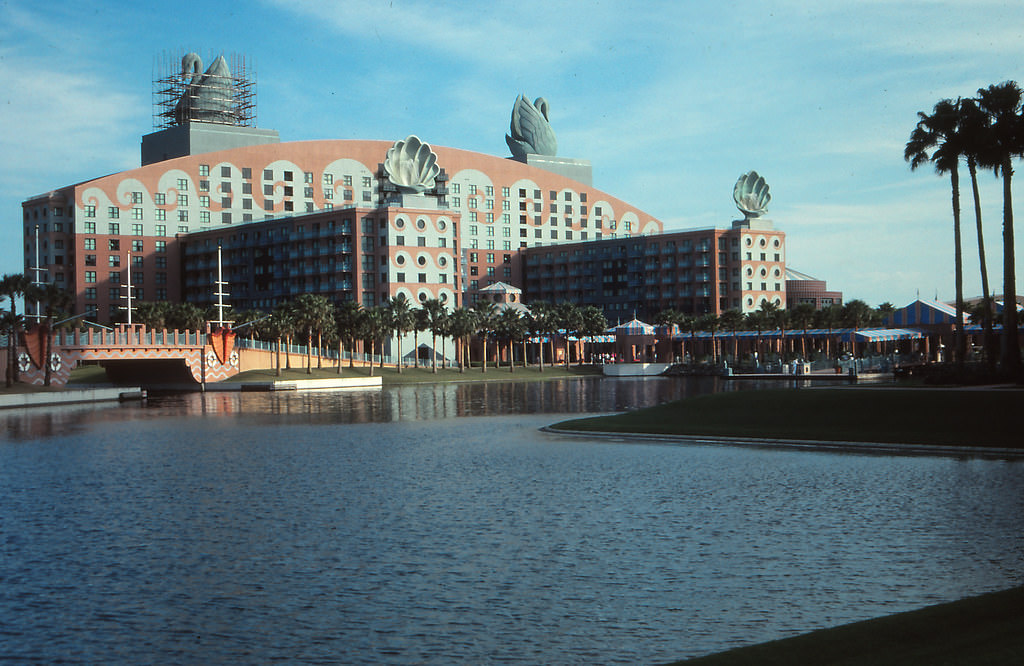
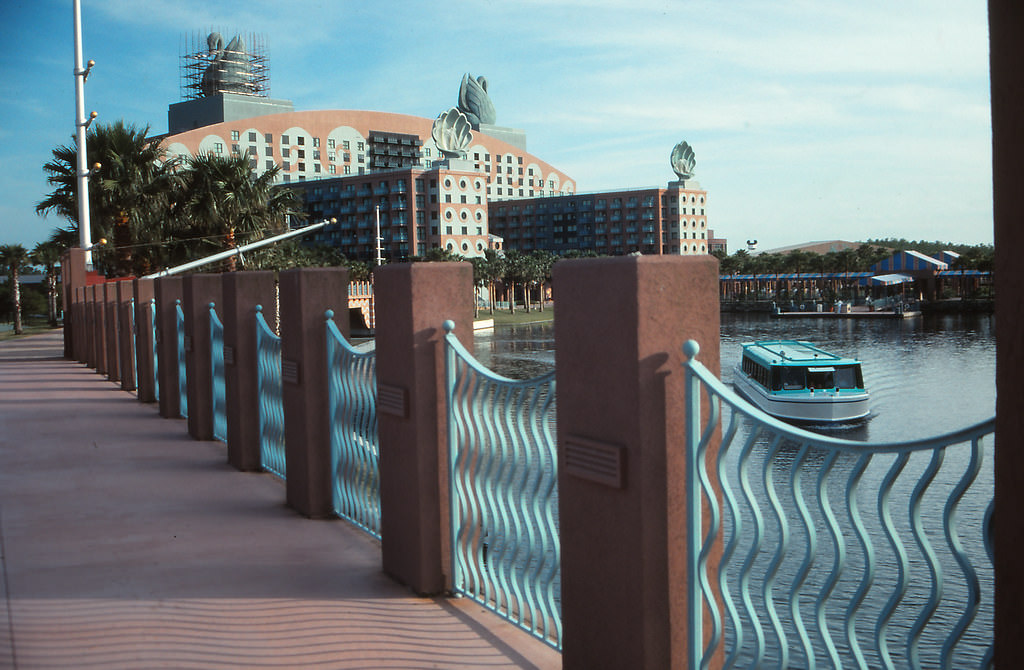
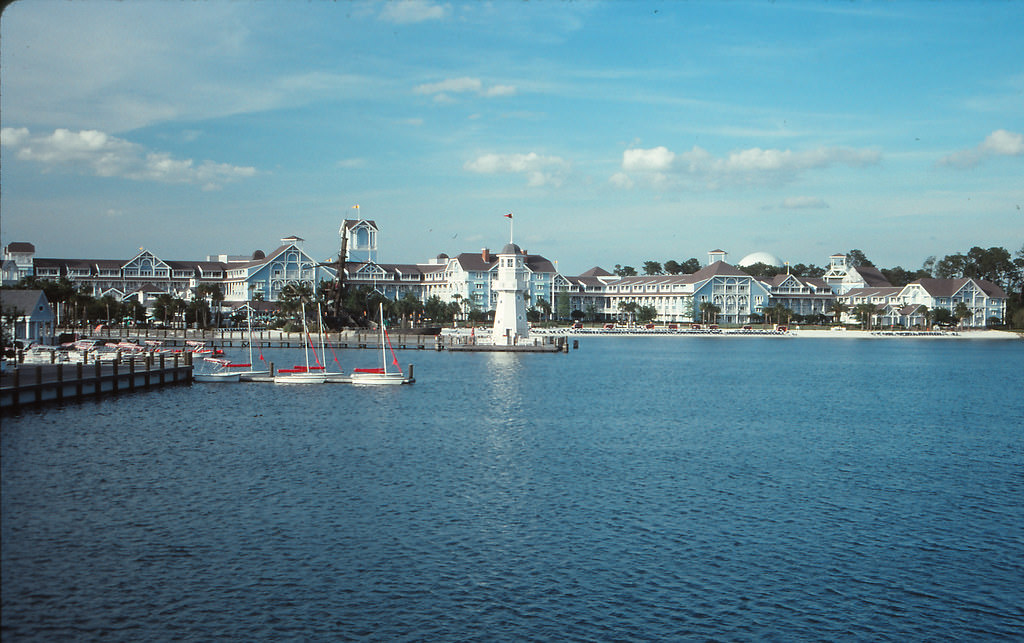
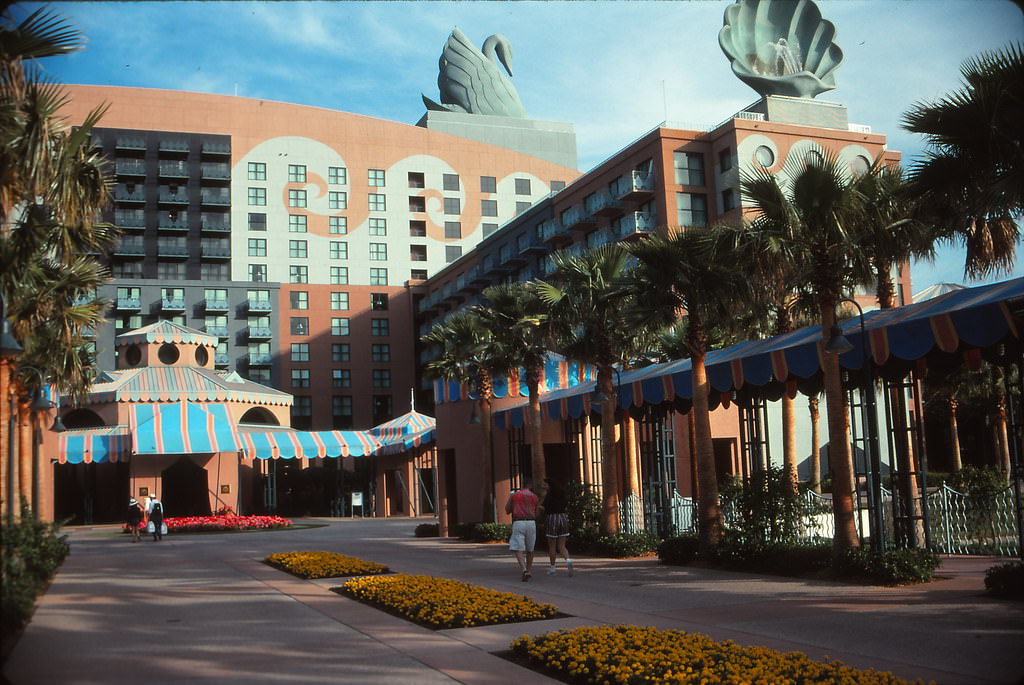
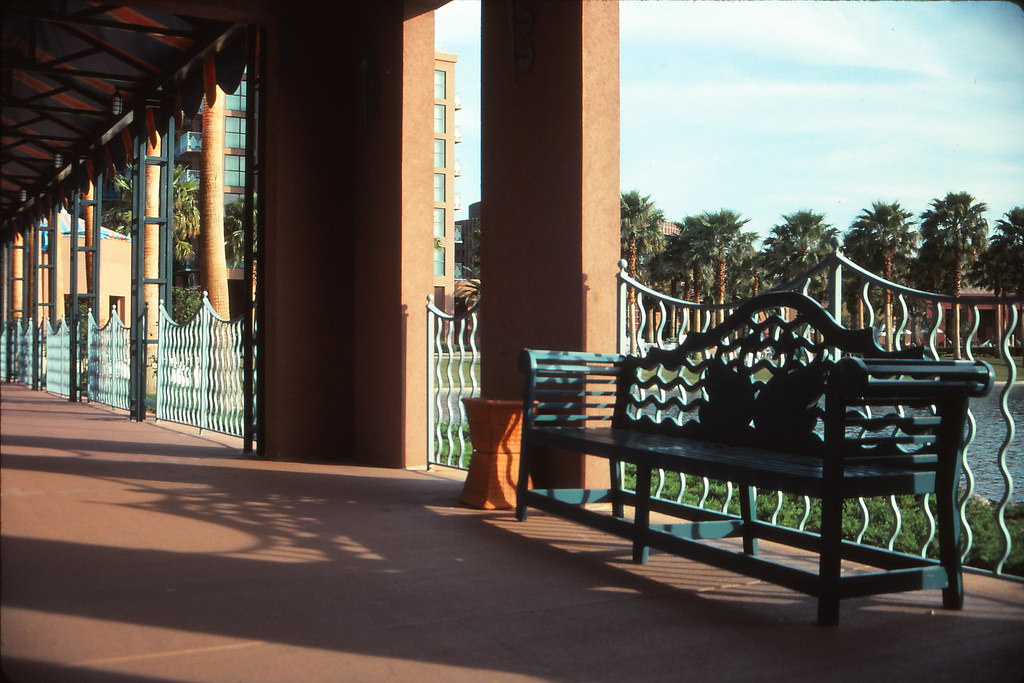
The Disney resort hotels near Bay Lake were architectural statements of their own. The Dolphin and Swan Resort Hotels, both designed by architect Michael Graves, opened in 1990. Their bold postmodern designs — featuring giant dolphin and swan sculptures — stood out sharply against the Florida sky and became landmarks within the Walt Disney World complex.
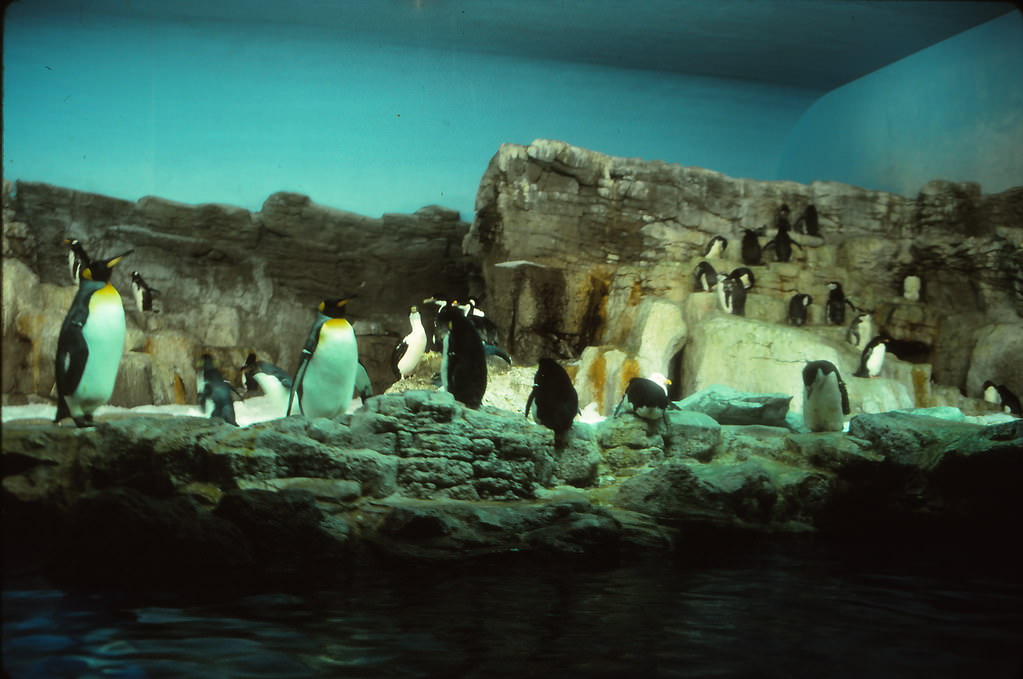
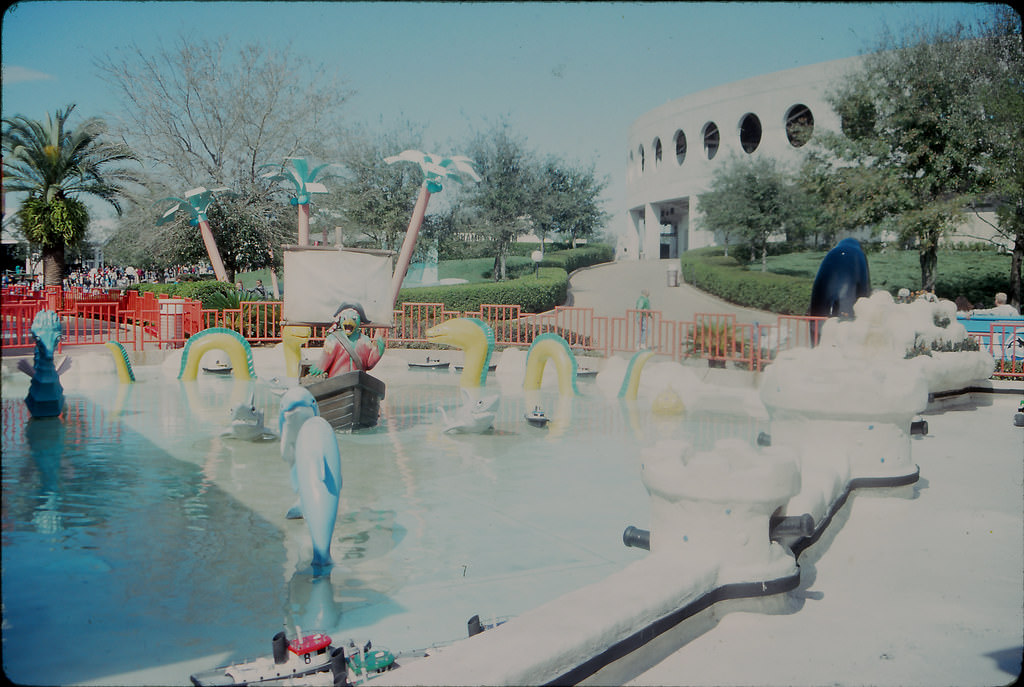
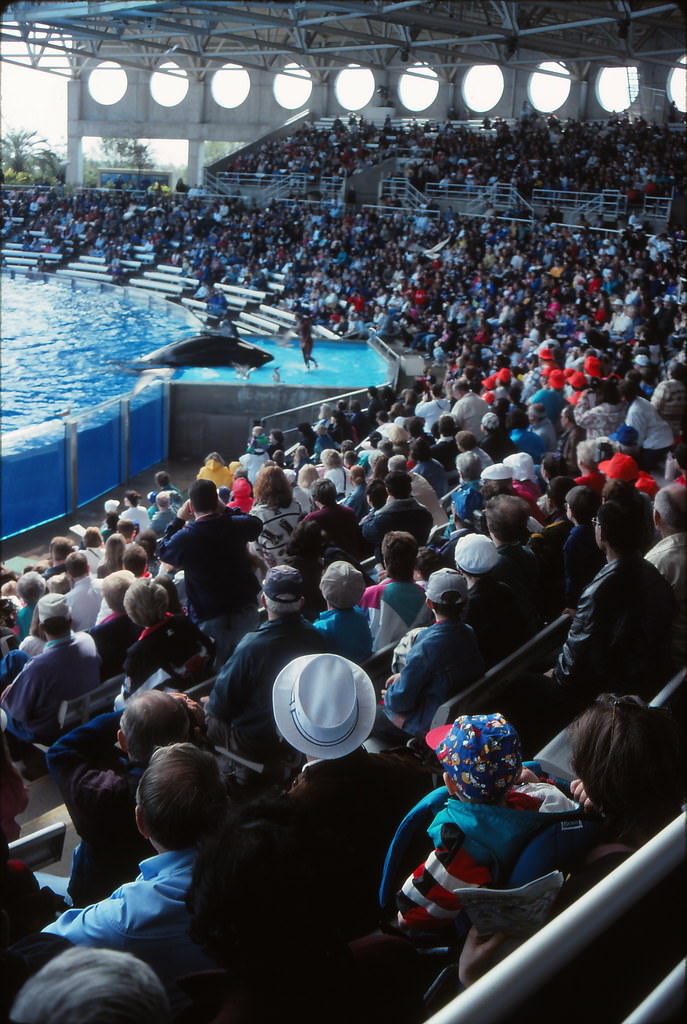
SeaWorld in Orlando was another major attraction drawing families throughout the decade. The park featured marine life exhibits, penguin habitats, and its famous killer whale shows starring Shamu. These shows packed massive stadiums and remained one of the most talked-about experiences in Central Florida throughout the 1990s.
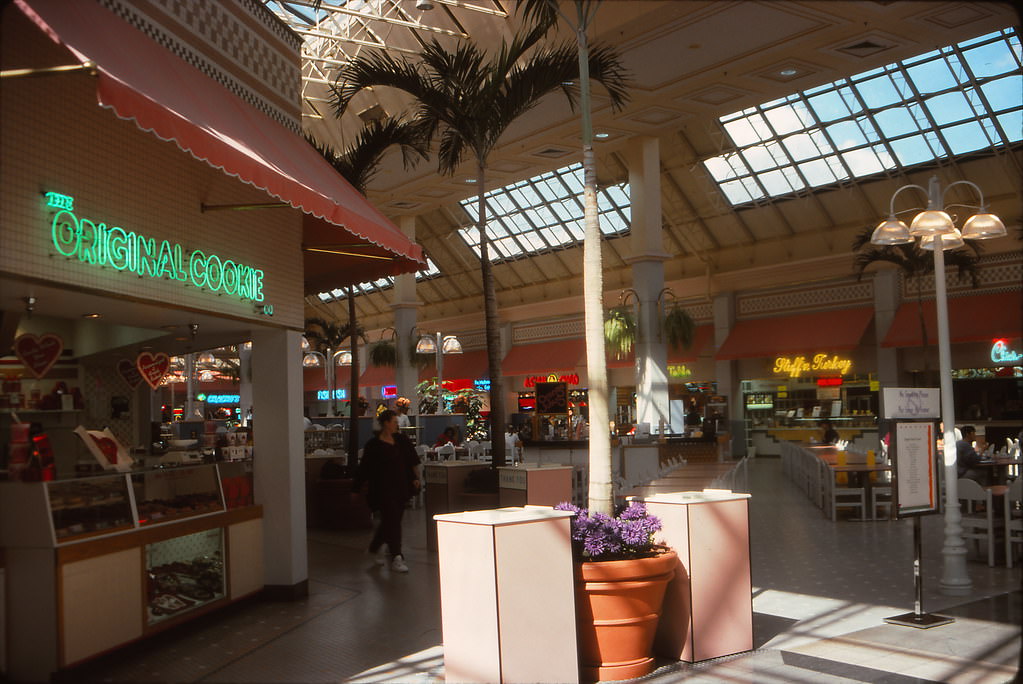
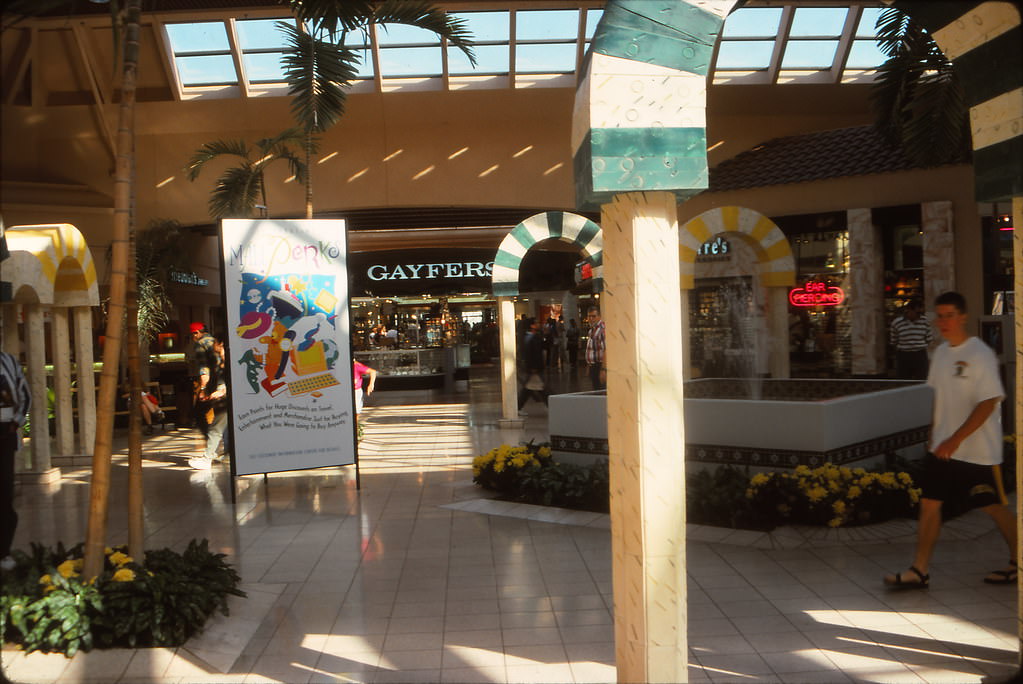
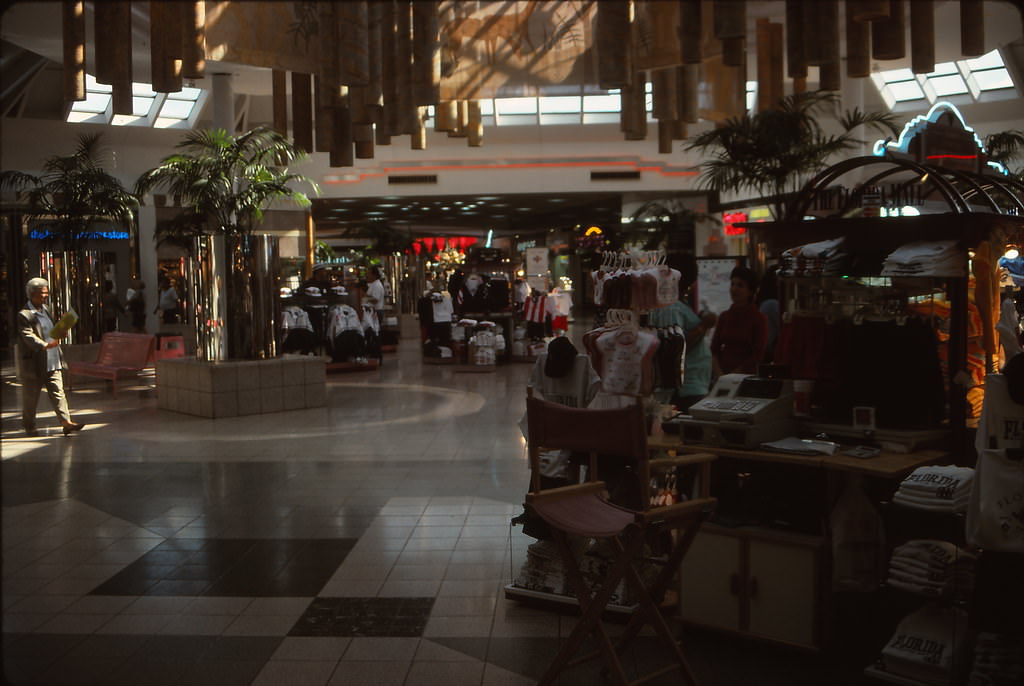
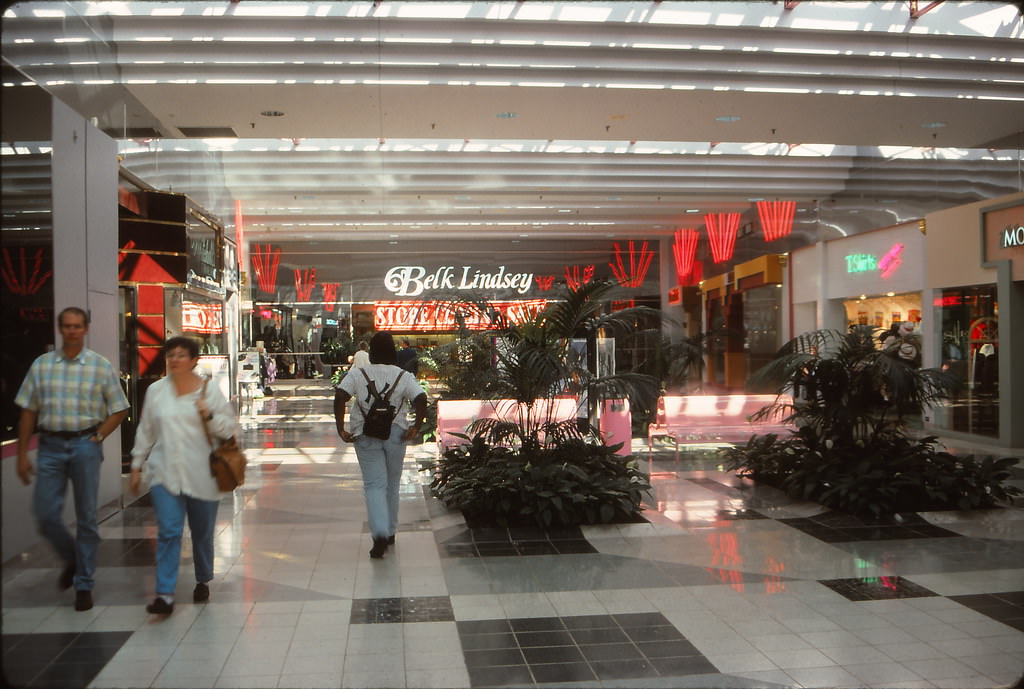
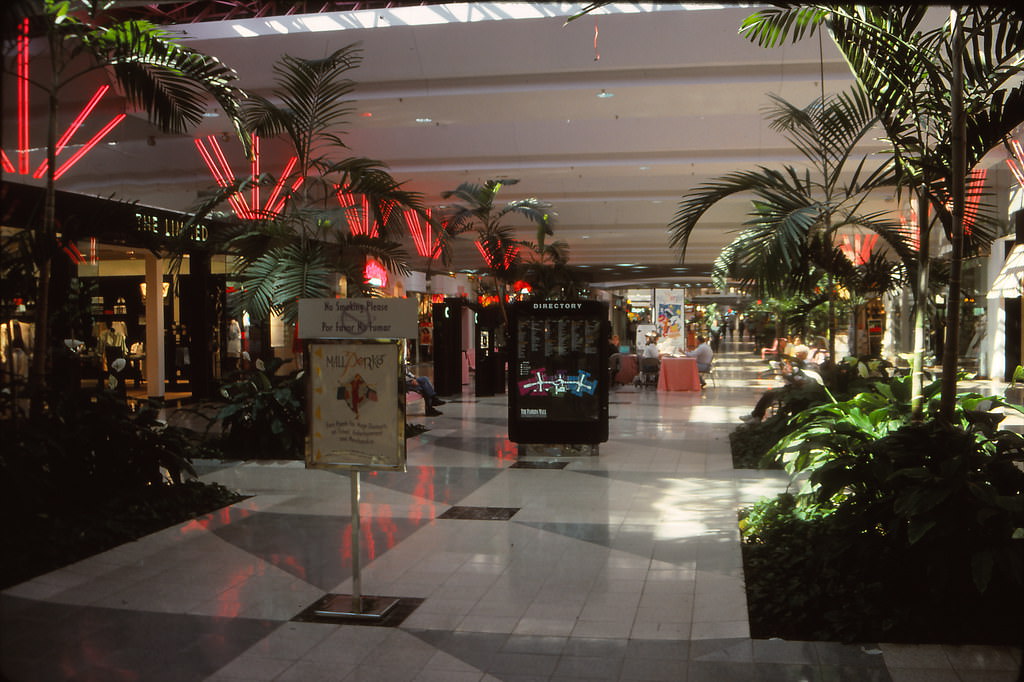
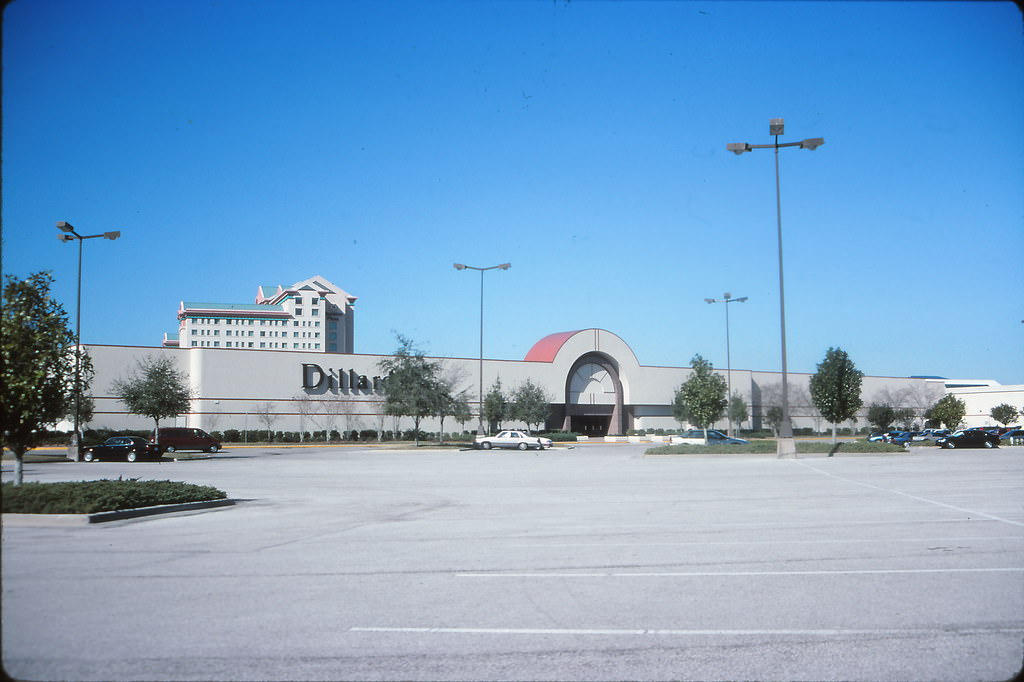
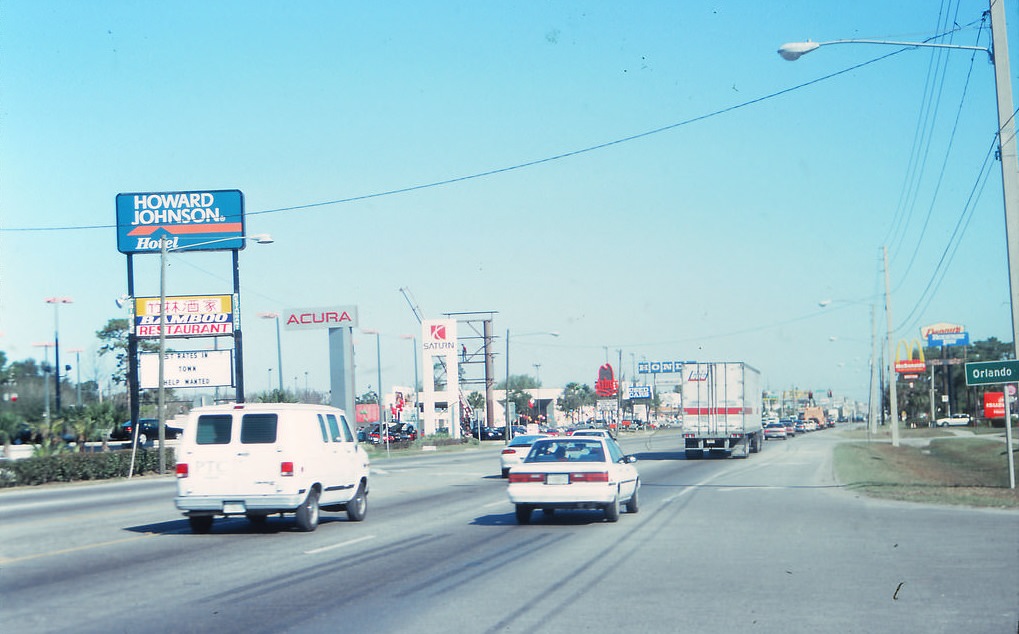
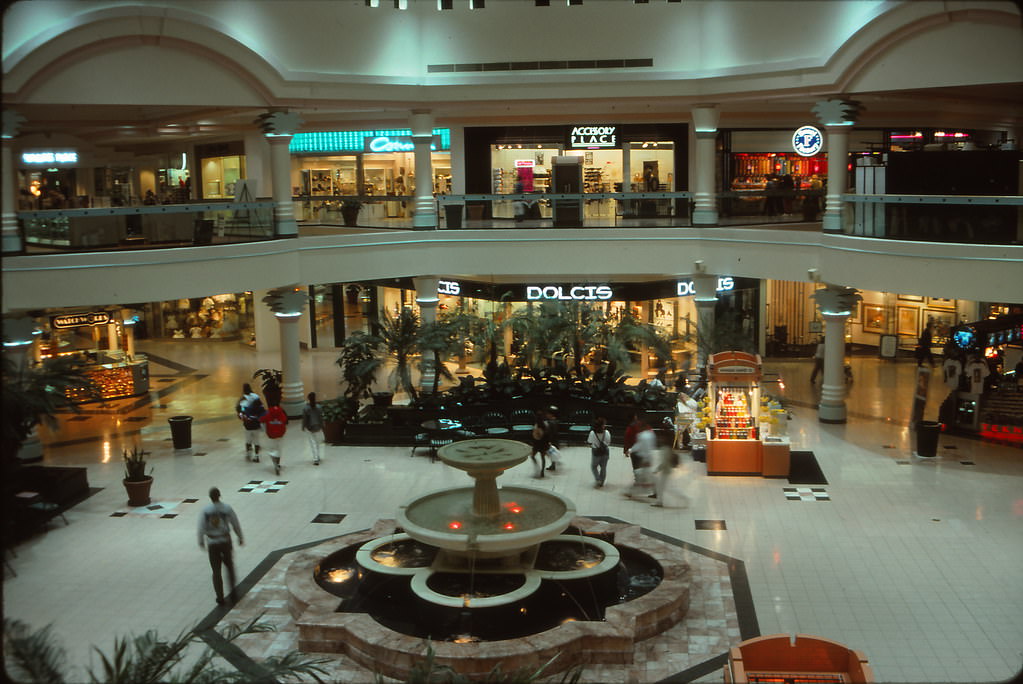
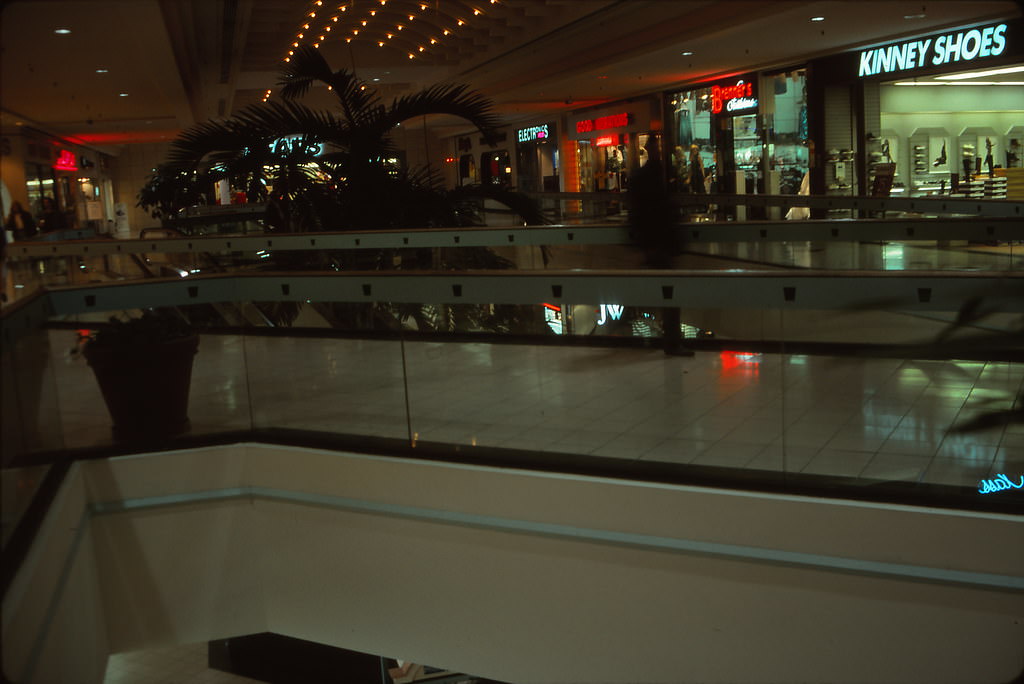
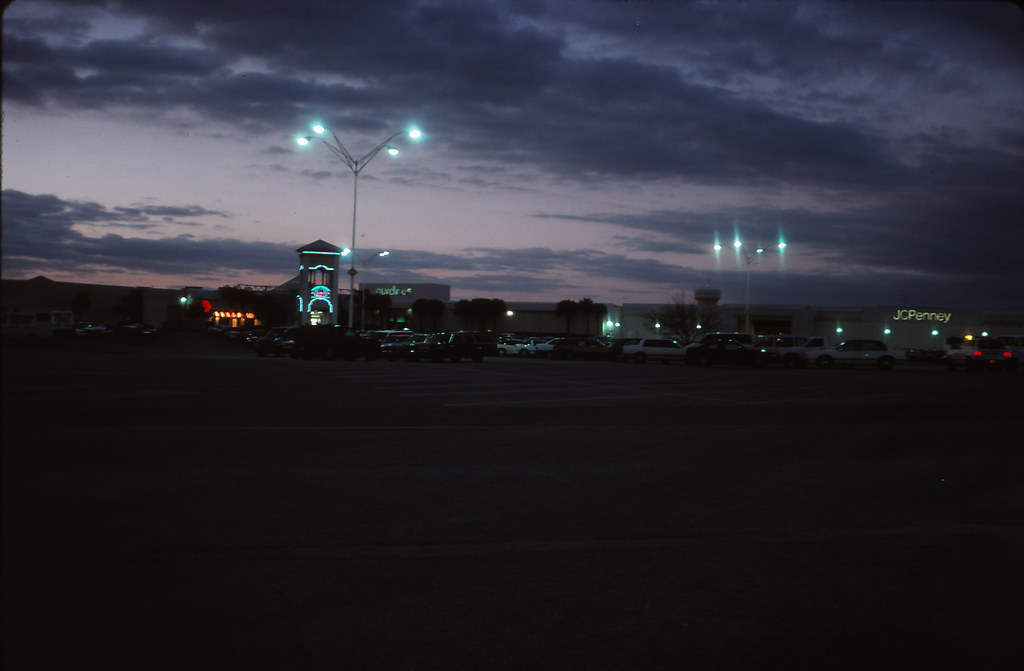
The Florida Mall and Altamonte Springs Mall were retail centers that defined suburban shopping life in the Orlando area during the 1990s. The Florida Mall, located on South Orange Blossom Trail, was one of the largest malls in the state. Stores like Belk Lindsey, which closed during this period, reflected the broader shifts happening in American retail throughout the decade.
In August 1992, Hurricane Andrew made landfall near Homestead, just south of Miami, as a Category 5 storm. It was the most powerful hurricane to hit the United States in decades. The storm killed 40 people, destroyed more than 100,000 homes, left over a million people without electricity, and caused between $20 and $30 billion in damage. South Florida’s natural vegetation was shredded across wide areas, and the region’s insurance industry was pushed to the edge of collapse by the volume of claims.
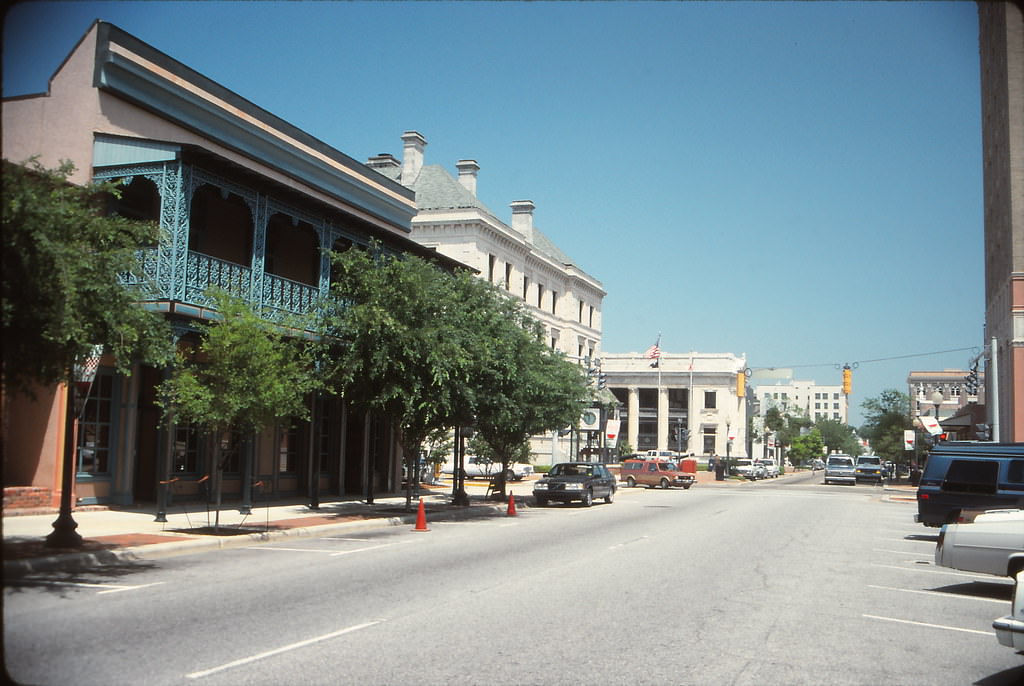
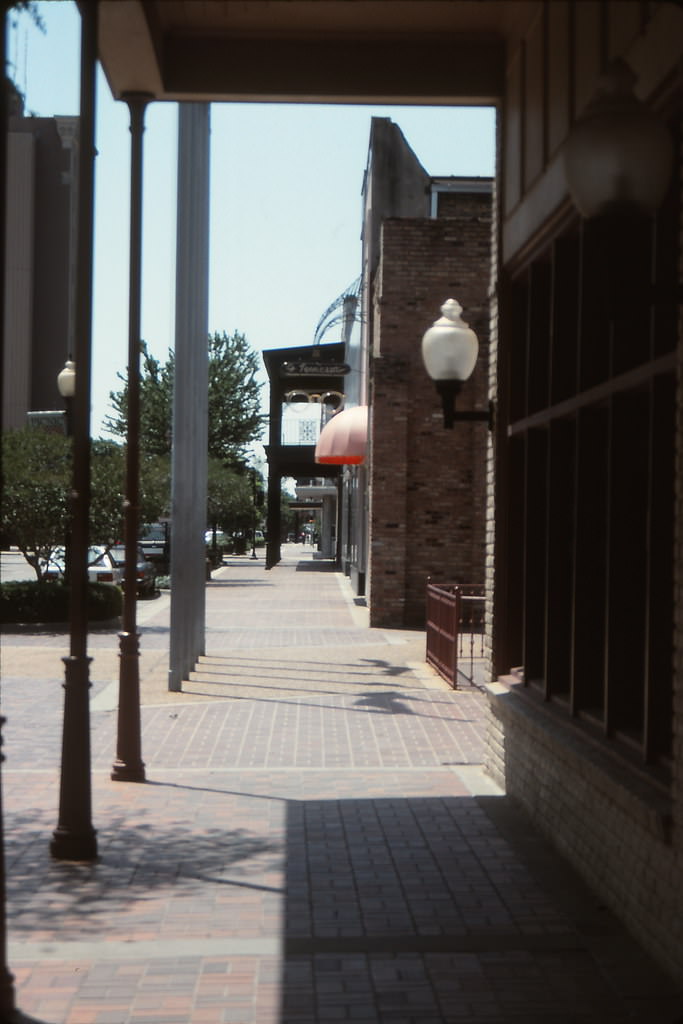
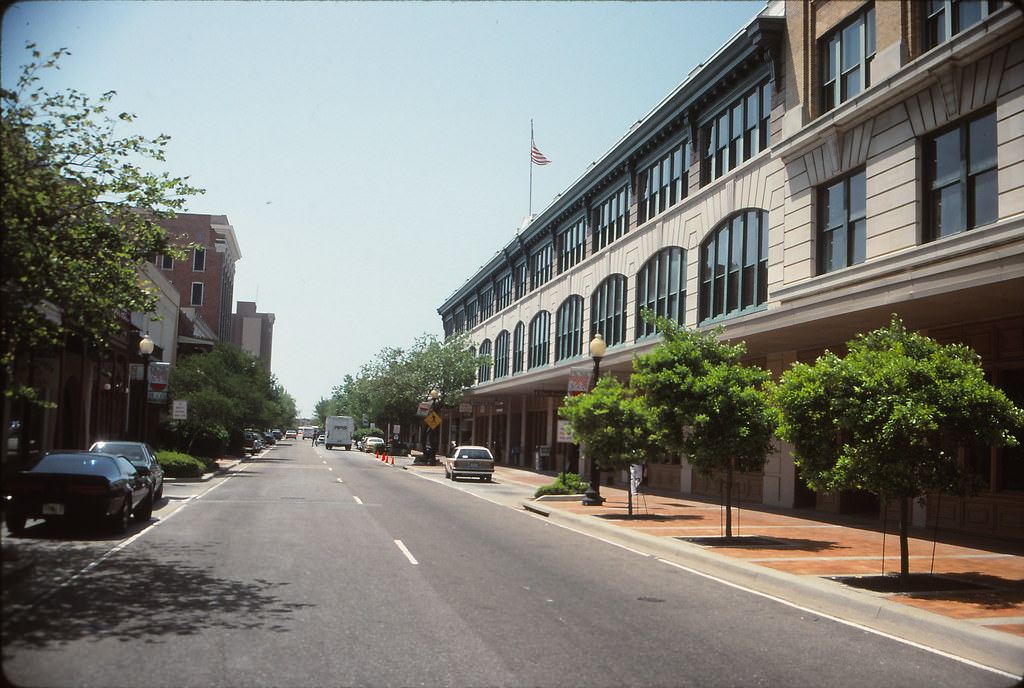
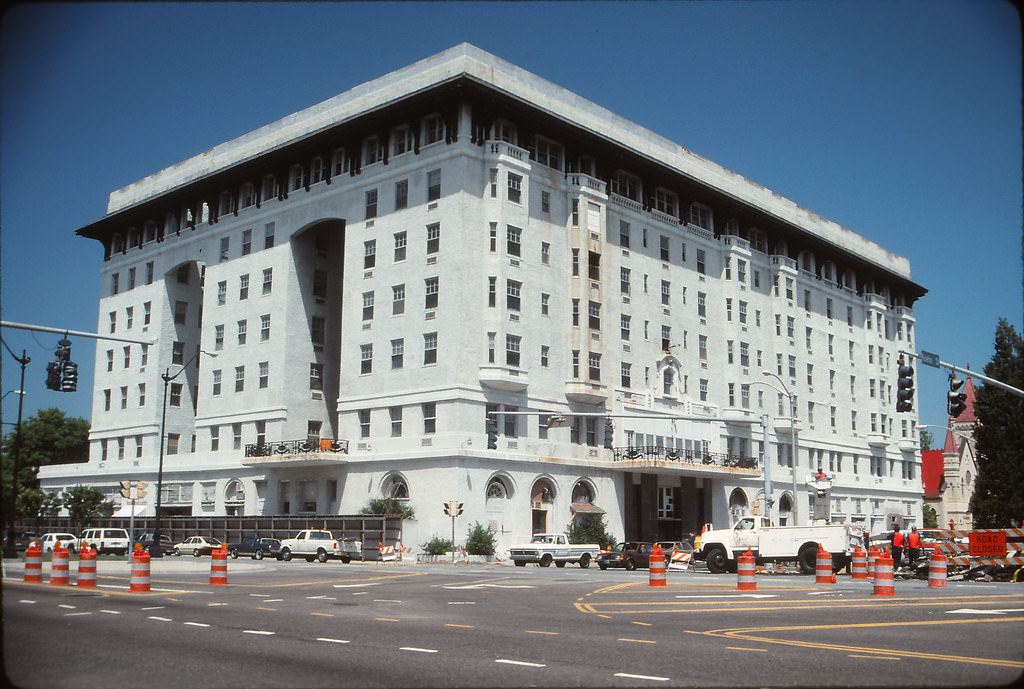
Northwest Florida offered a very different landscape. Pensacola, one of the oldest European settlements in North America, had a downtown defined by wrought iron balconies, shaded sidewalks, and historic hotels. Palafox Place served as the city’s main commercial street, anchored by buildings like the San Carlos Hotel.
Nearby Milton sat along the Blackwater River and had its own quiet downtown character. The riverwalk and streets like Willing Street gave the town a laid-back small-town atmosphere that was common across many parts of the Florida Panhandle.
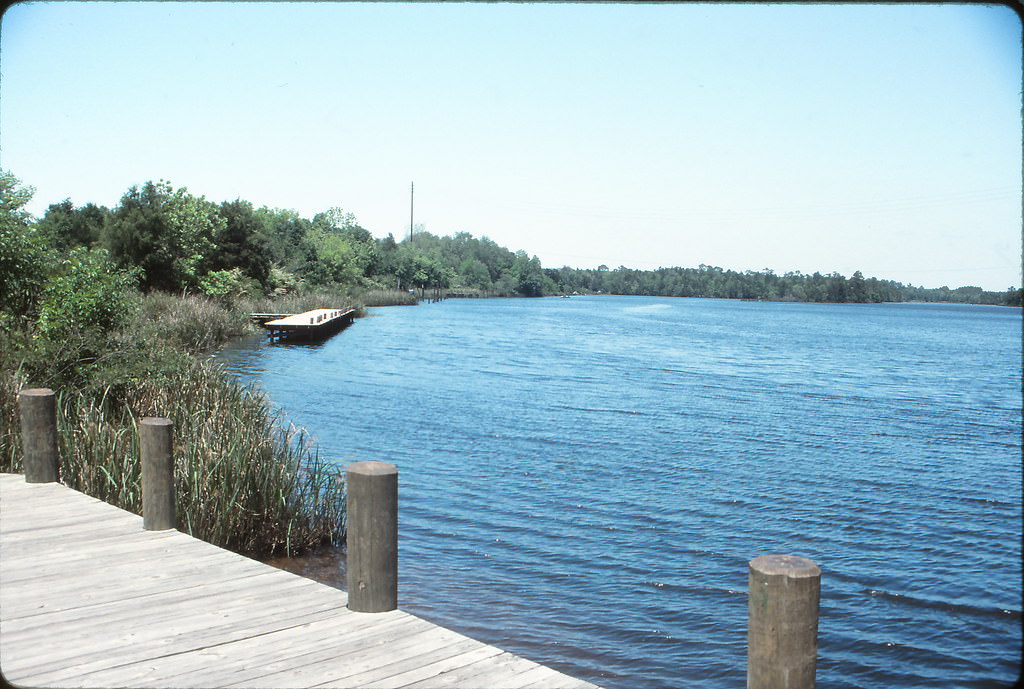
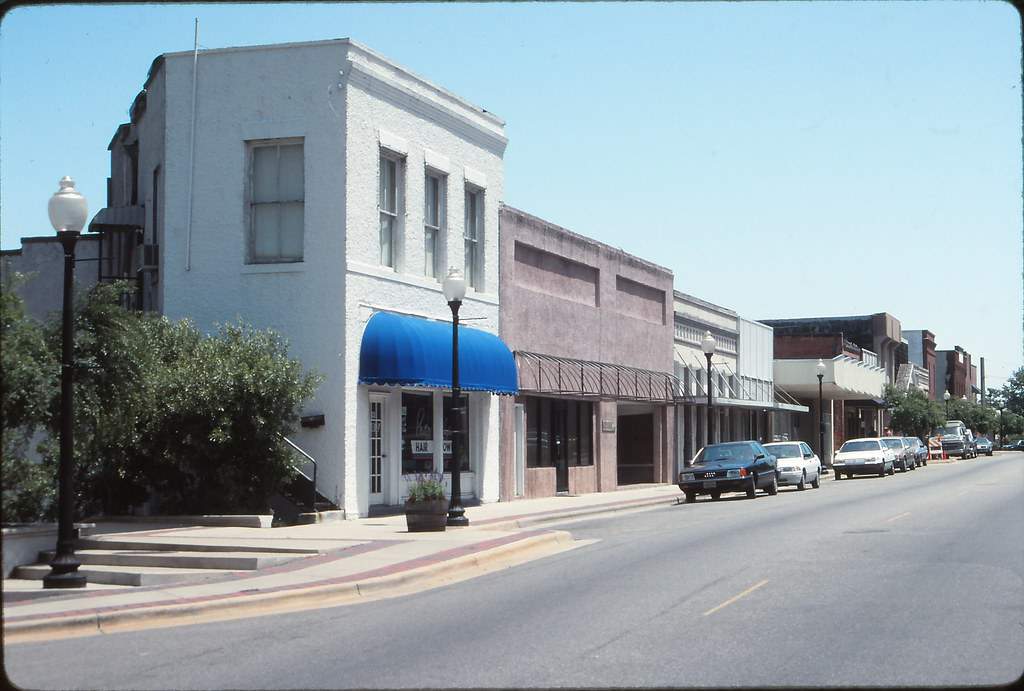
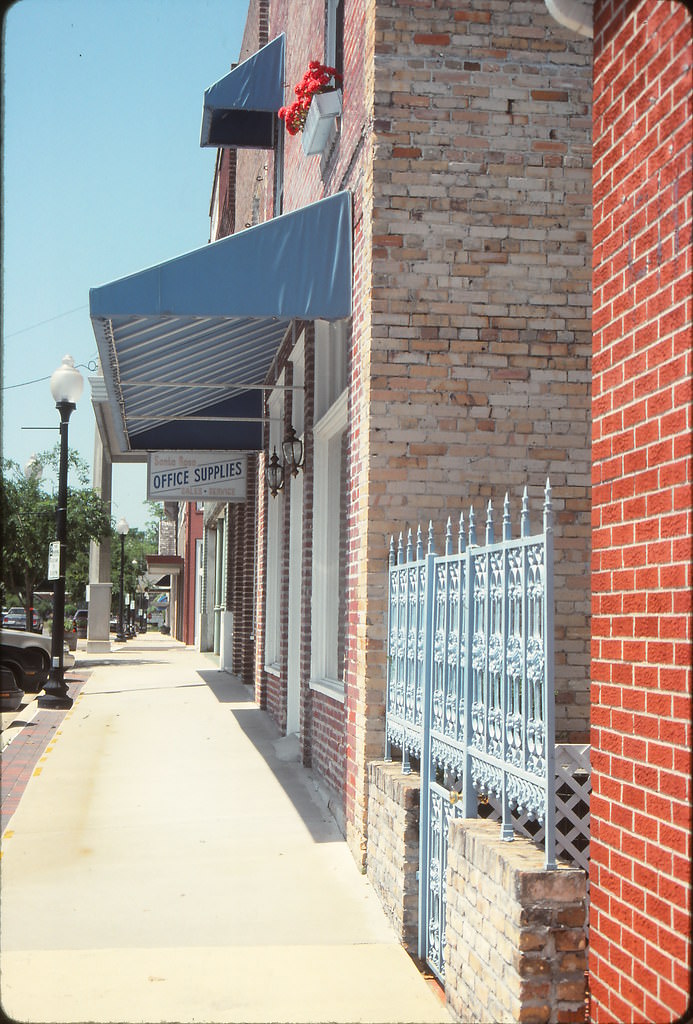
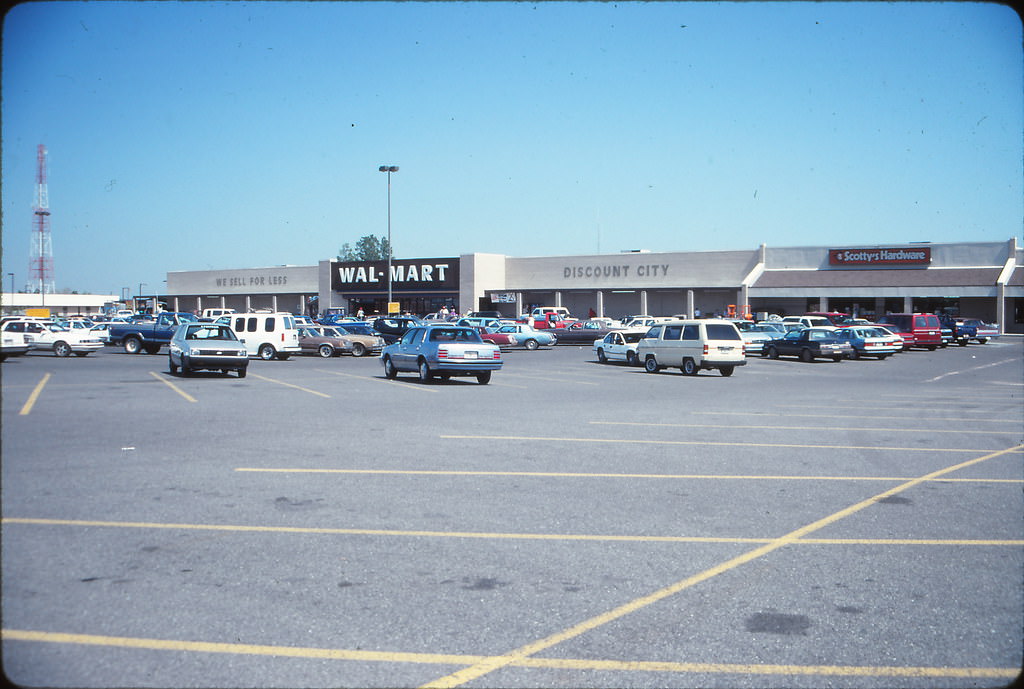
De Funiak Springs, a small Panhandle city, had an unusual claim to fame: it was home to one of only two perfectly round natural lakes in the world. The downtown area featured a Methodist Church and the Chautauqua Hall of Brotherhood, remnants of the city’s history as a 19th-century educational retreat. By 1992, a Wal-Mart had arrived on the edge of town, a sign of the commercial changes sweeping small-town America.
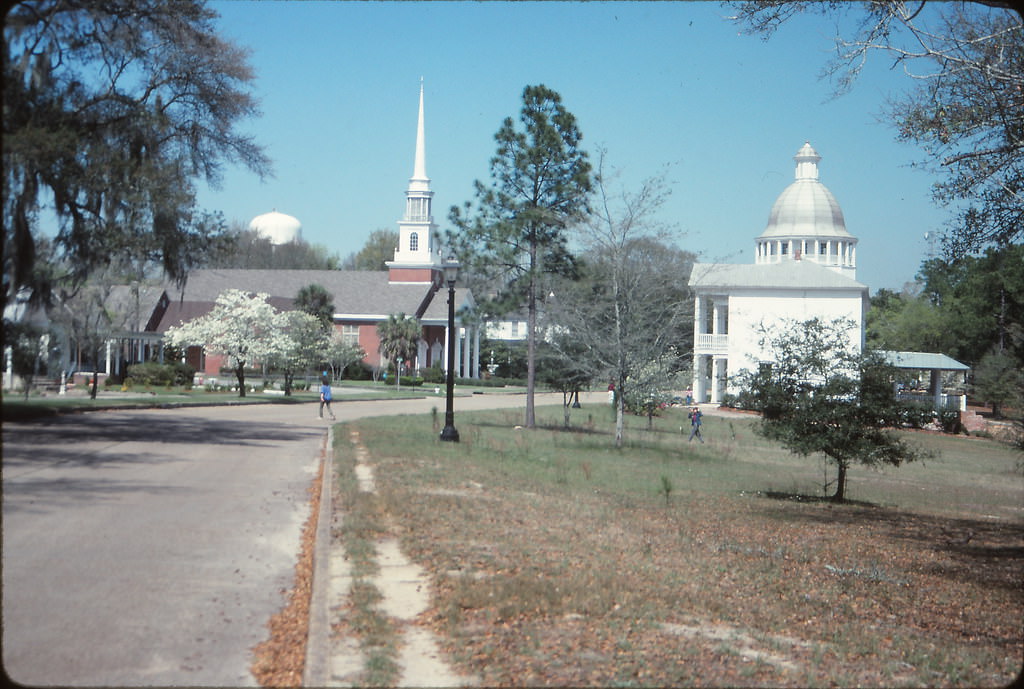
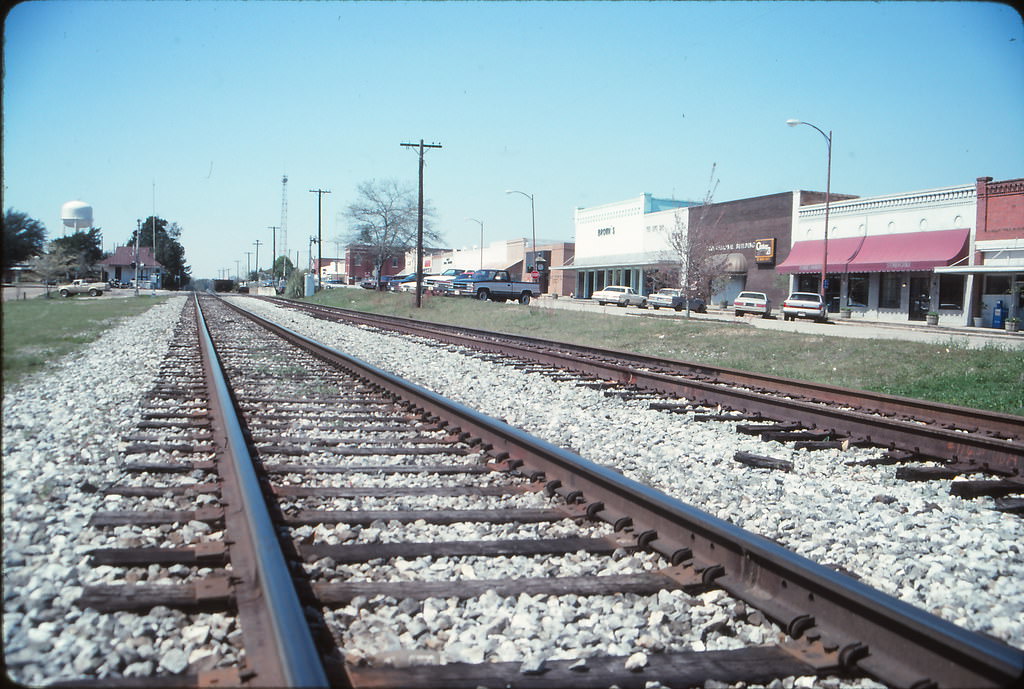
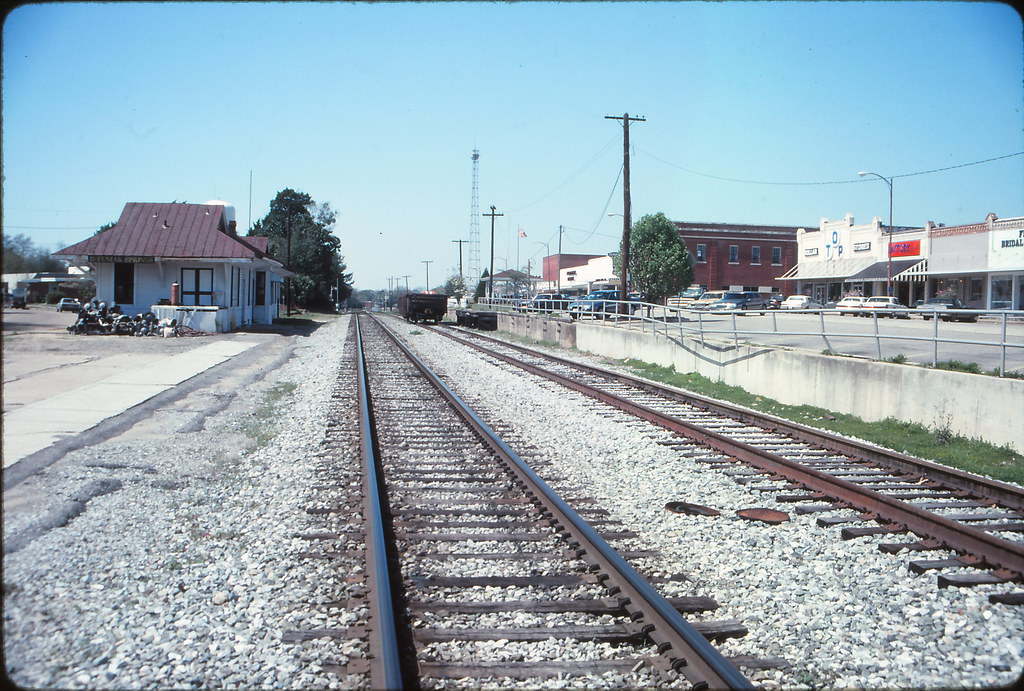
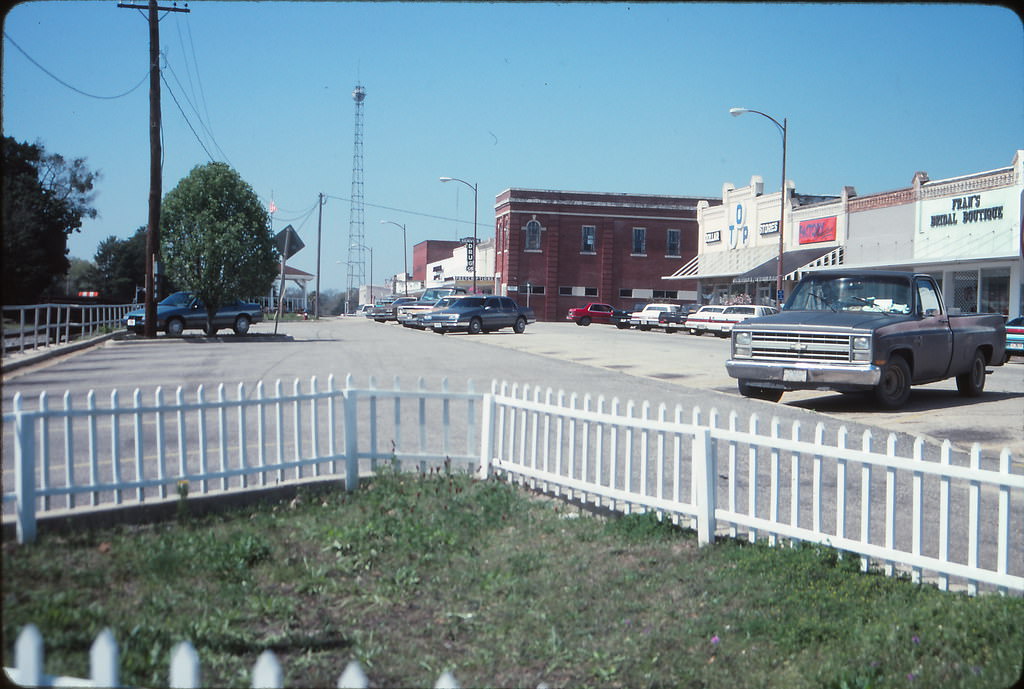
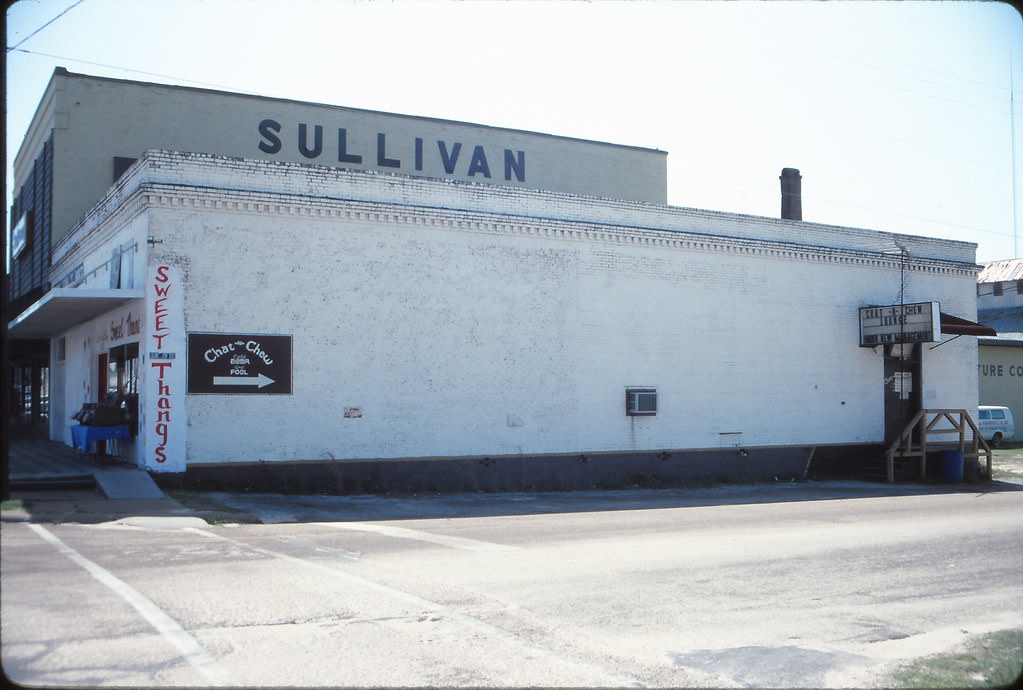
Just across the state line, the small Alabama town of Florala sat along Lake Jackson near the Florida border. In March 1992, its streets, lake shores, and local businesses like the Chat & Chew Lounge presented a picture of small Southern town life that closely mirrored communities just over the Florida line.
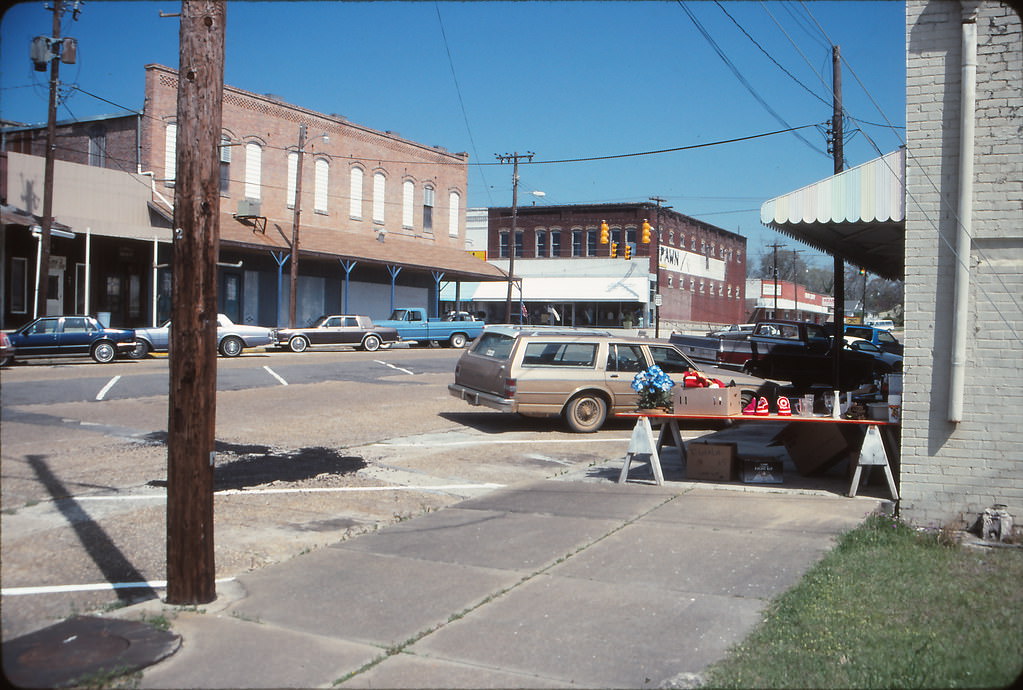
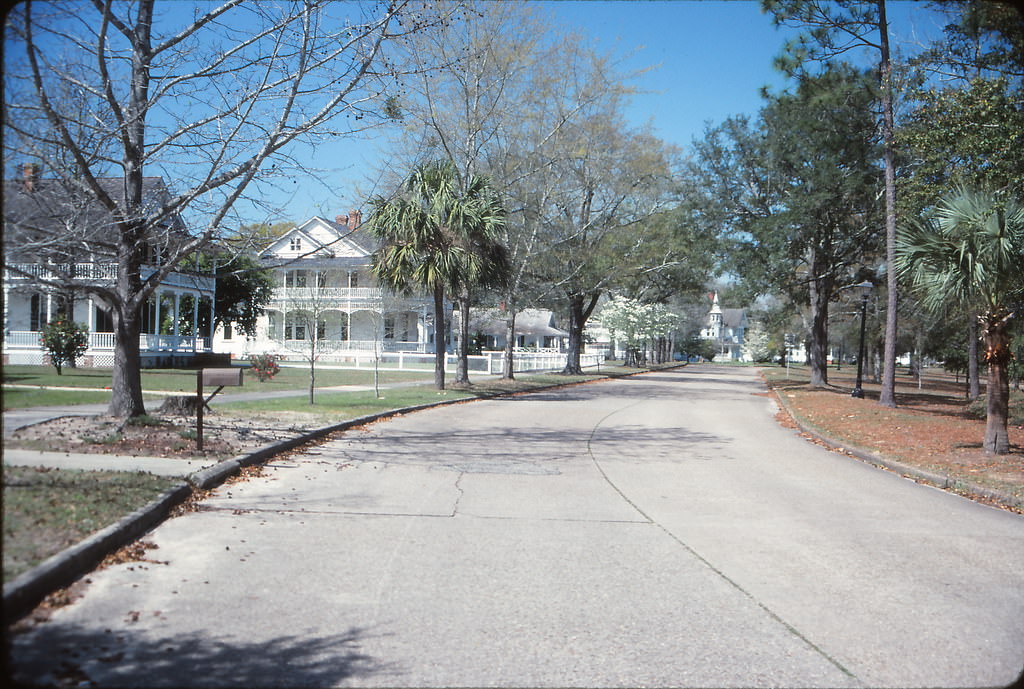
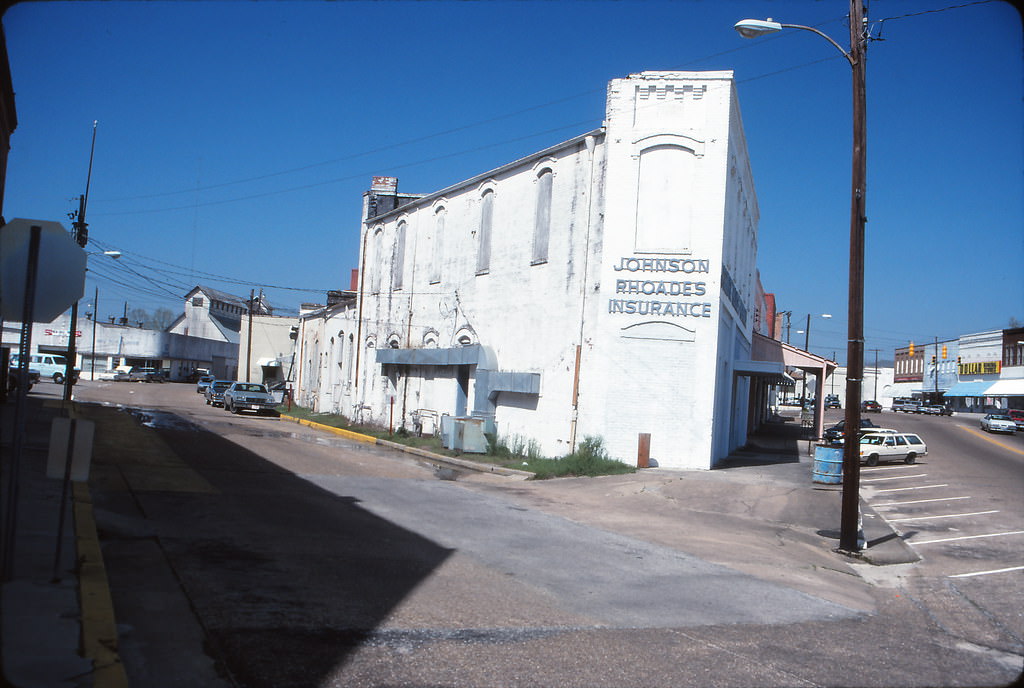
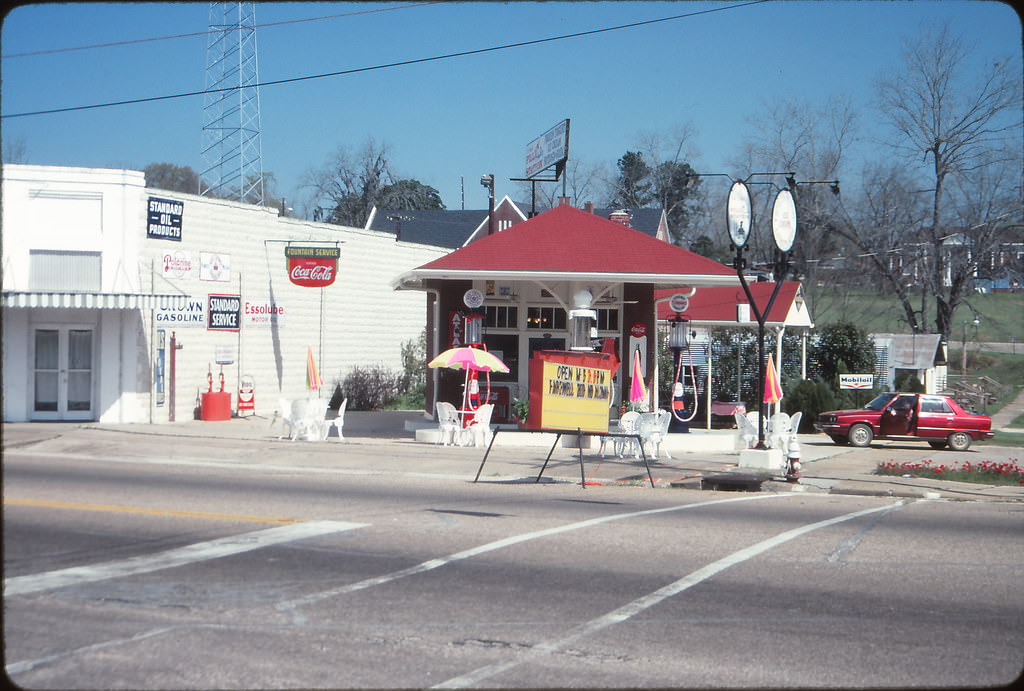
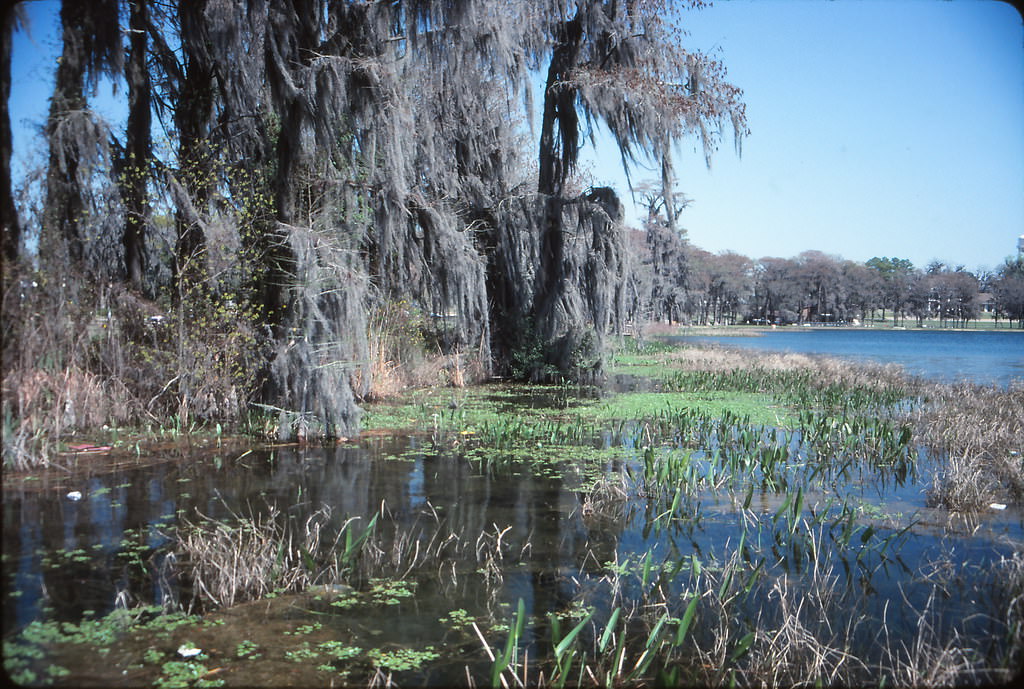
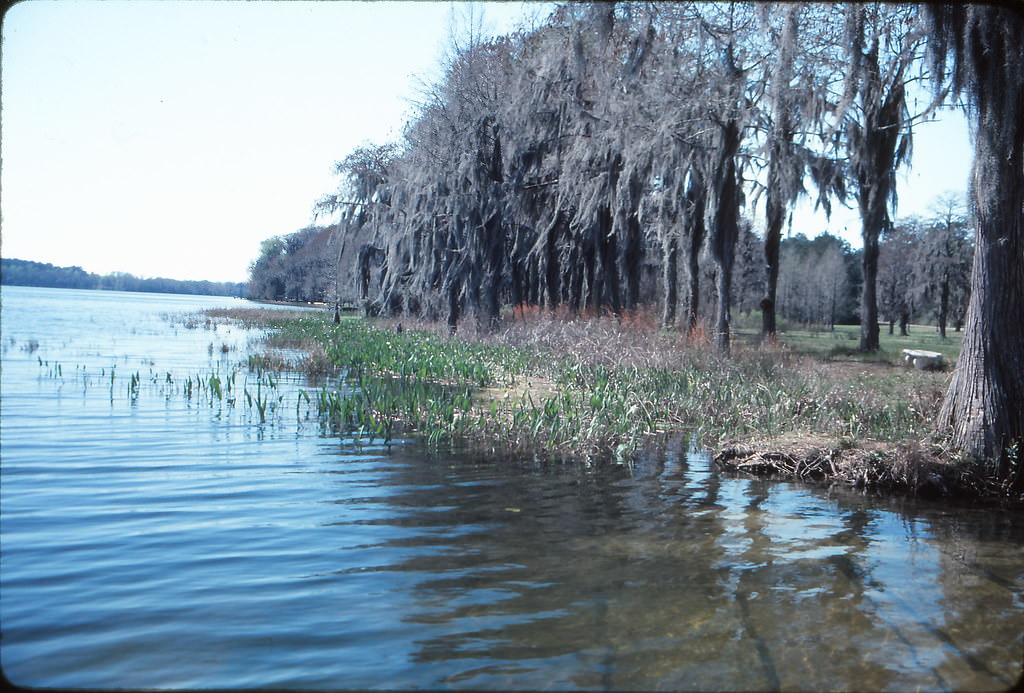
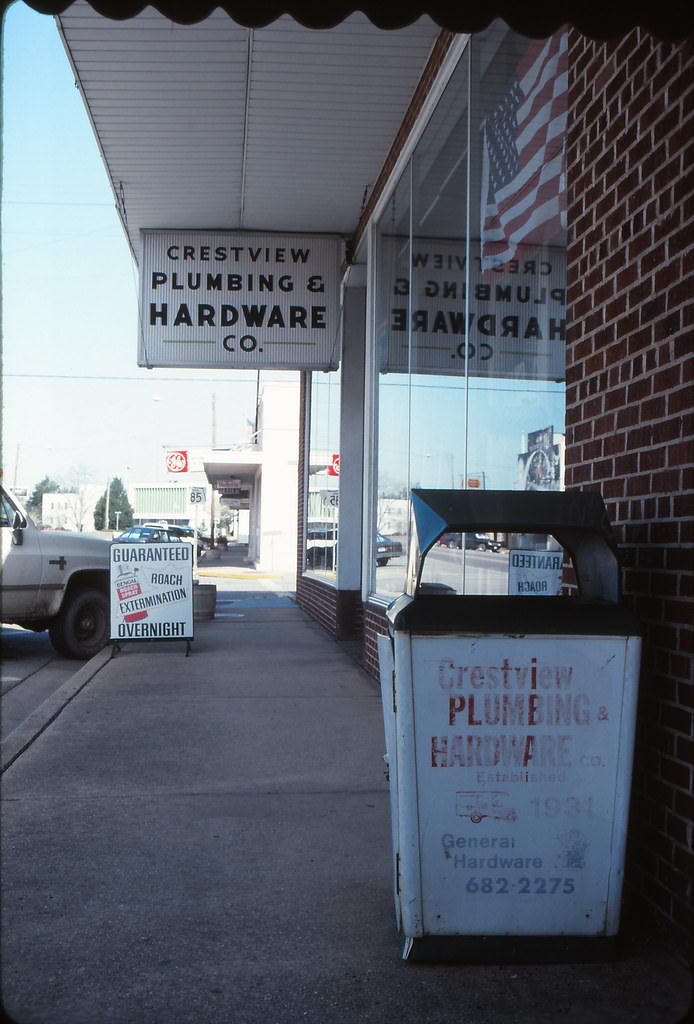
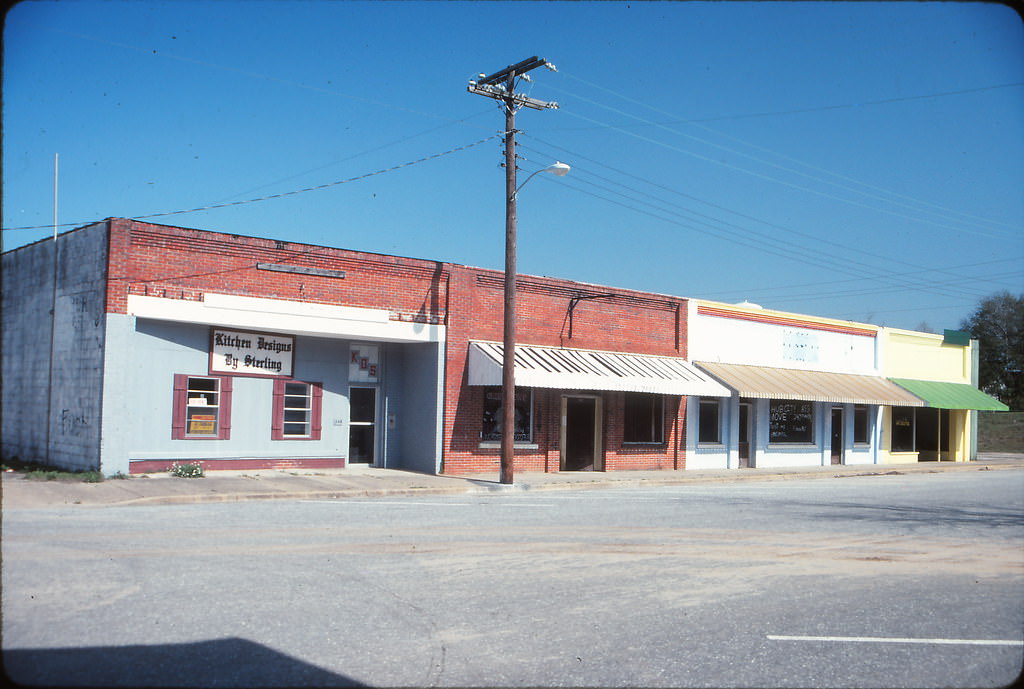
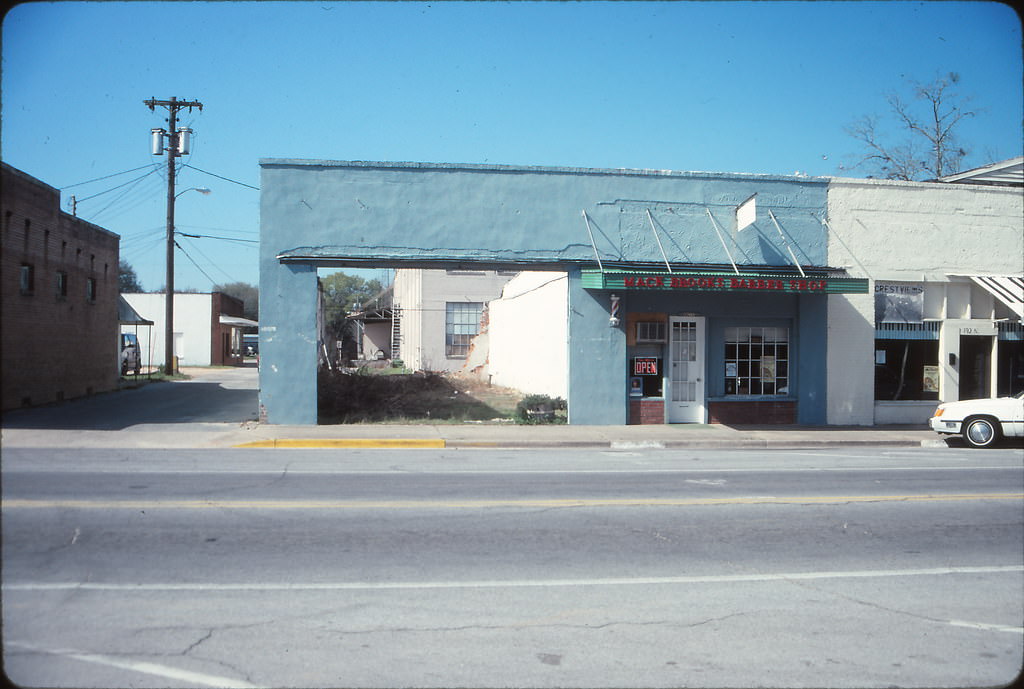
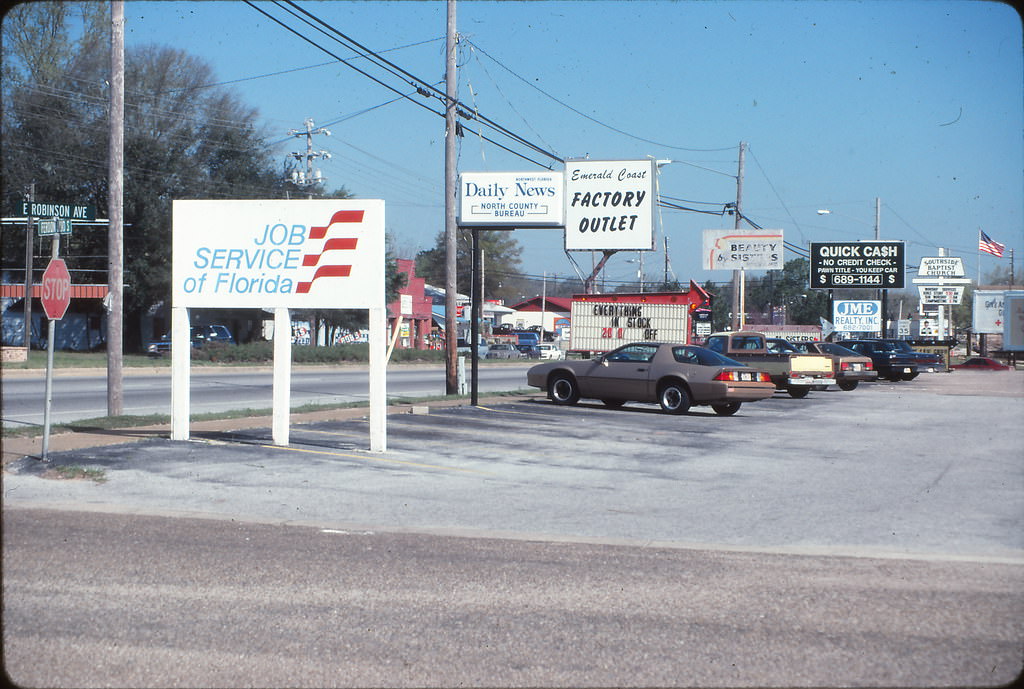
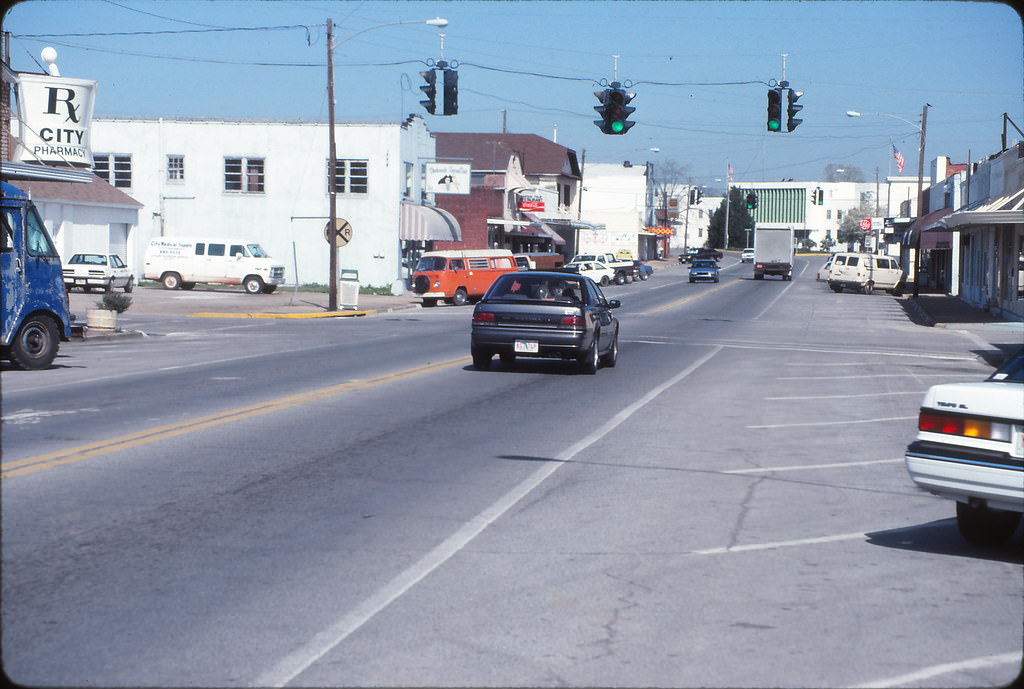
Crestview, in the Florida Panhandle, was a modest highway town in the early 1990s. Highway 85, known locally as Ferdon Boulevard, carried most of the commercial traffic through the area. Old gas stations sat alongside strip malls, vacant storefronts, and the local public library. A hardware store on Main Street advertised guaranteed overnight roach extermination — a distinctly Florida kind of problem.
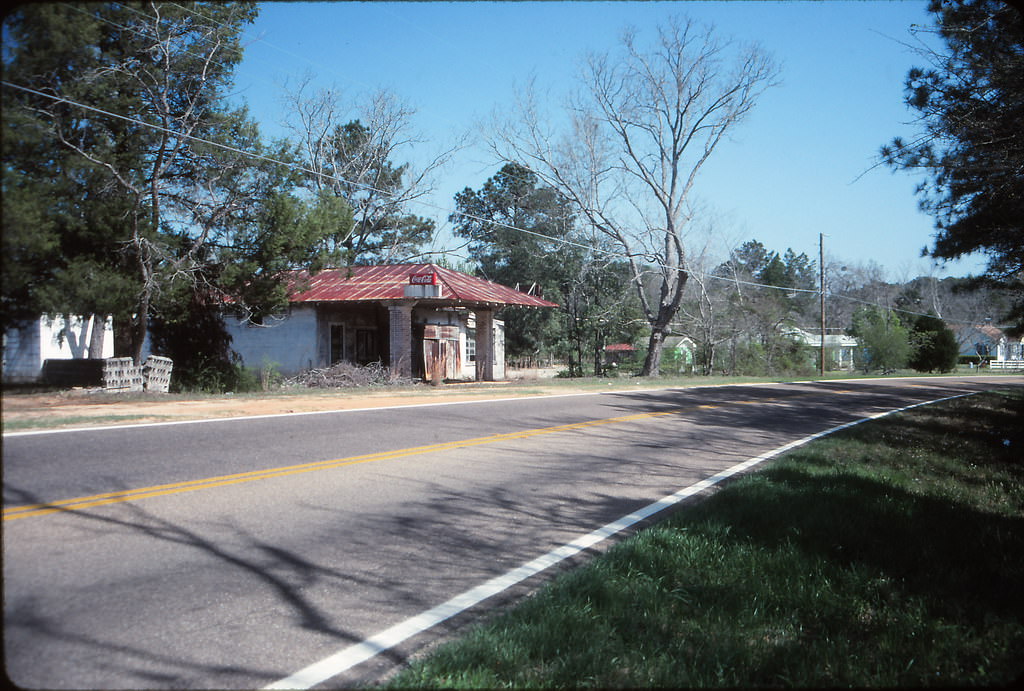
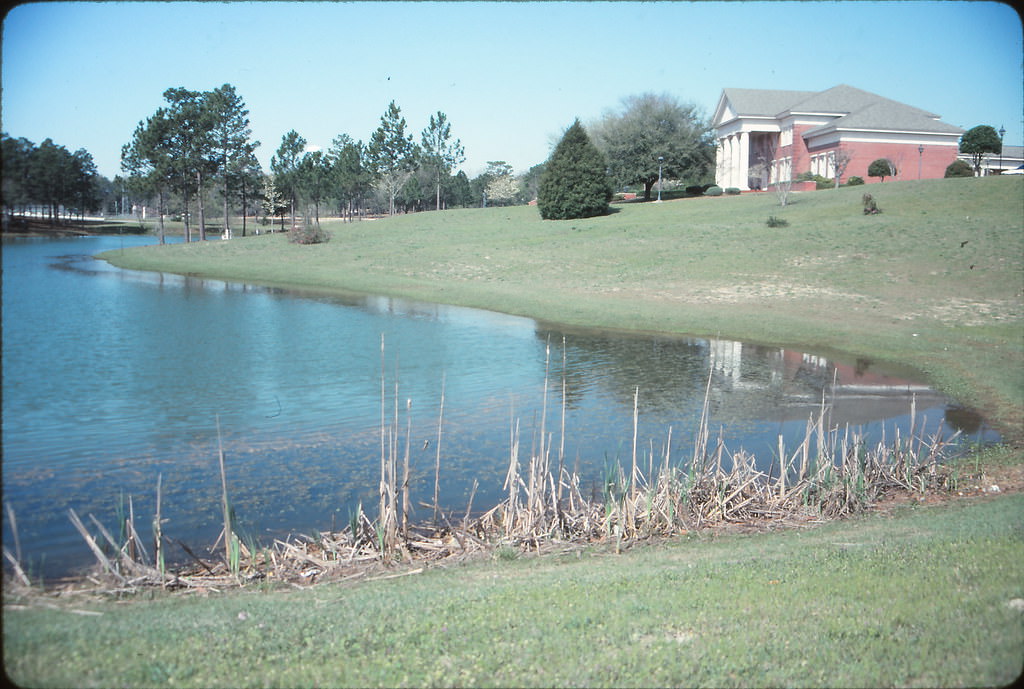
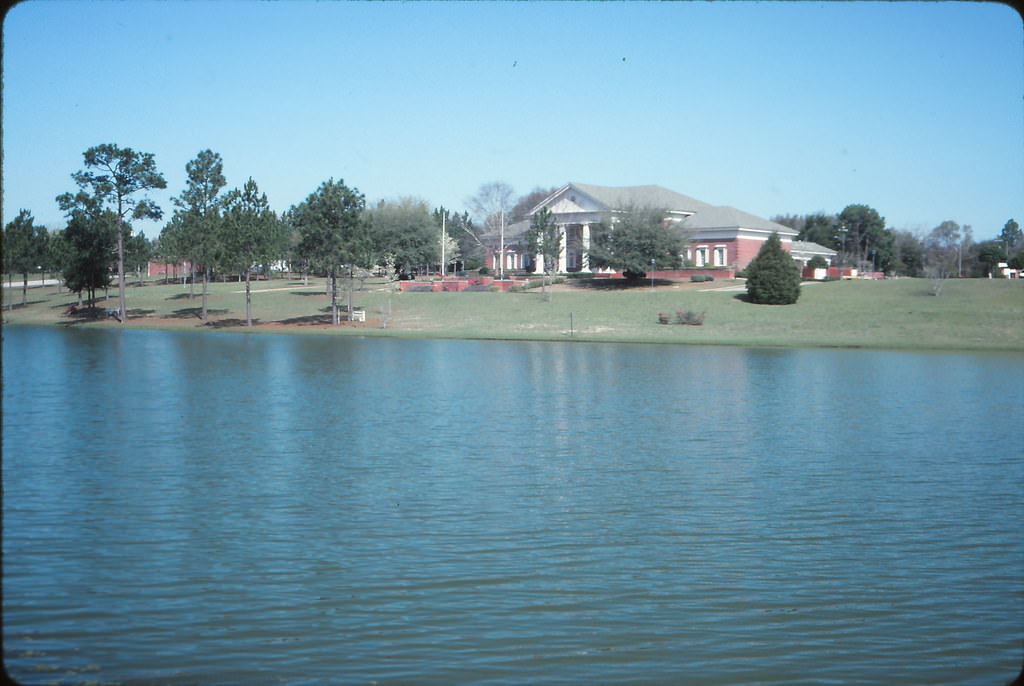
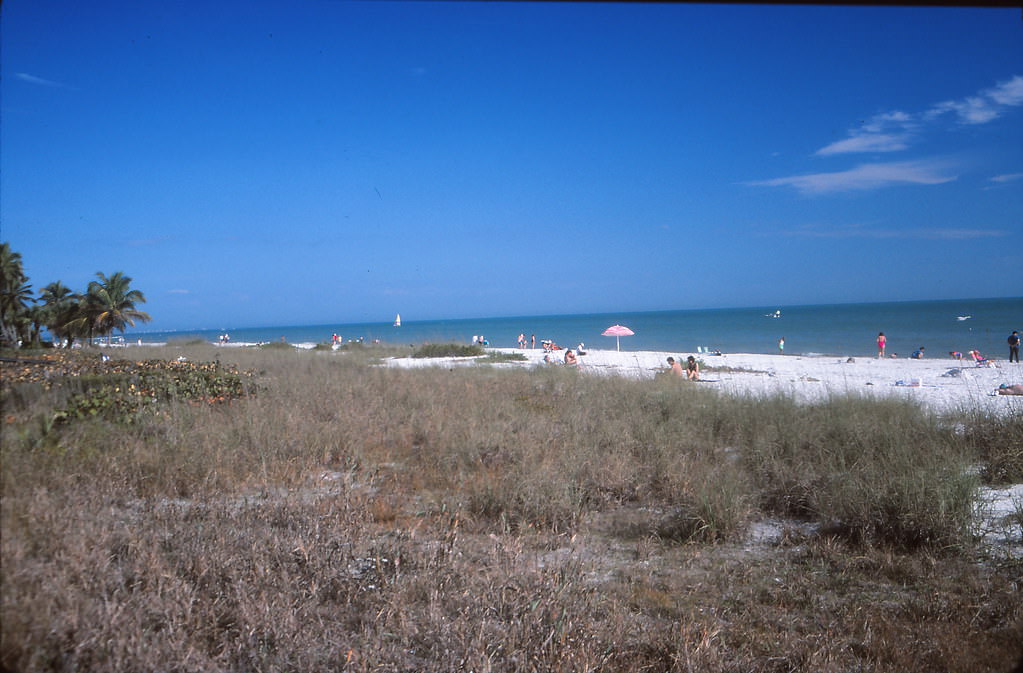
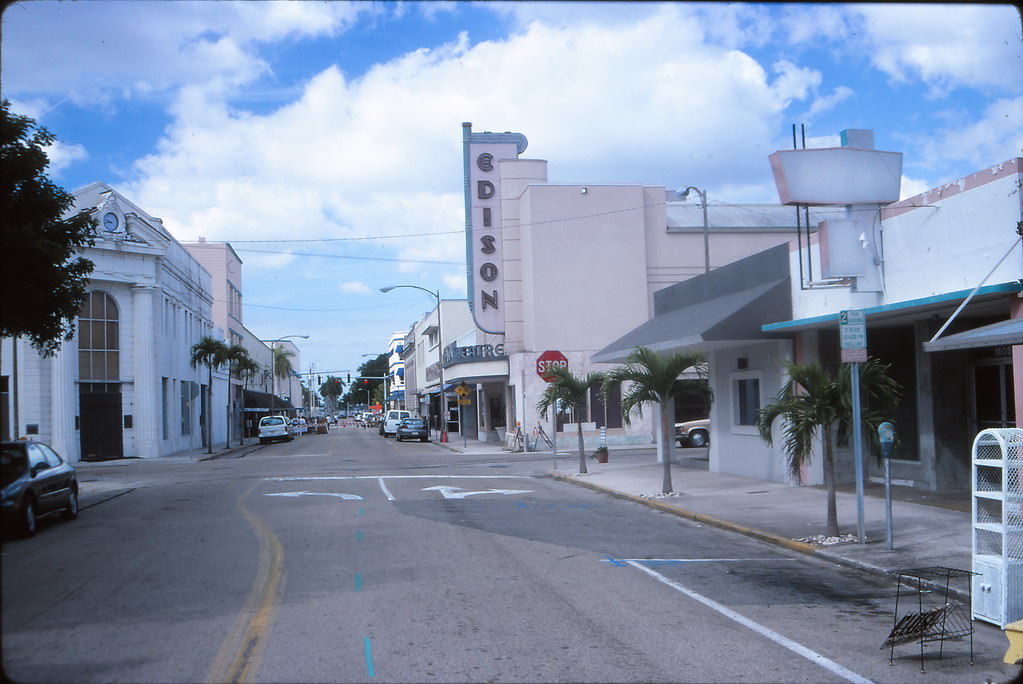
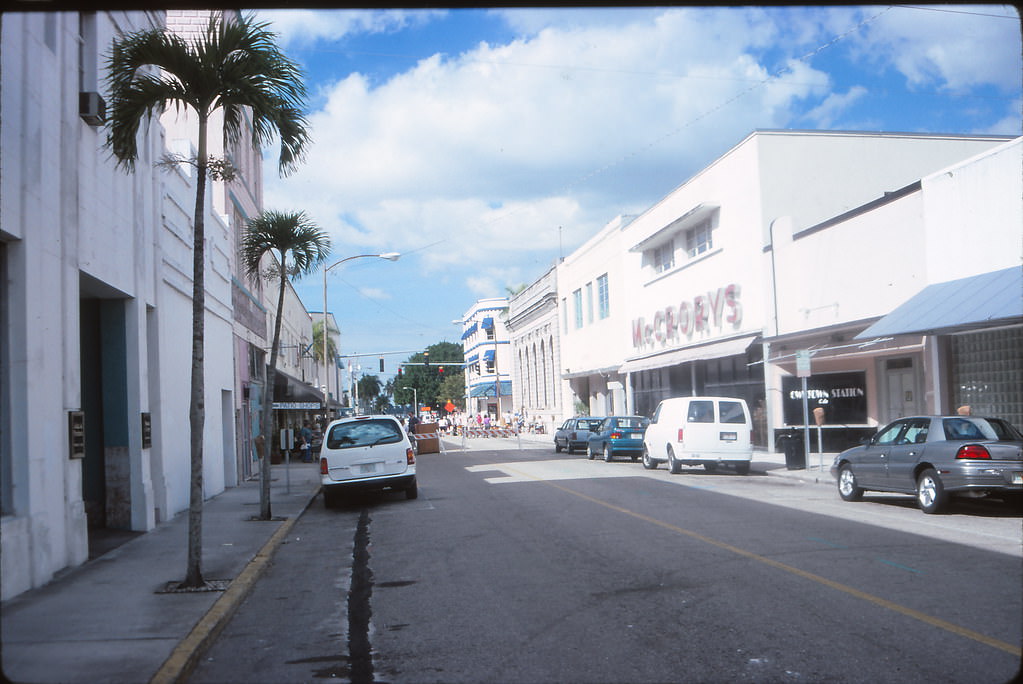
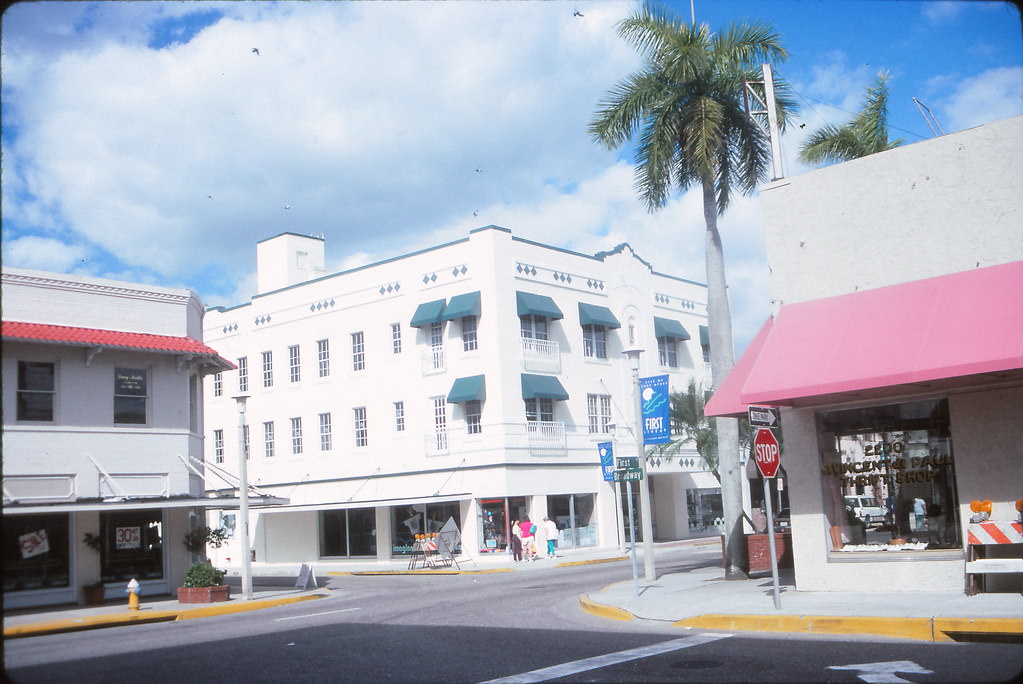
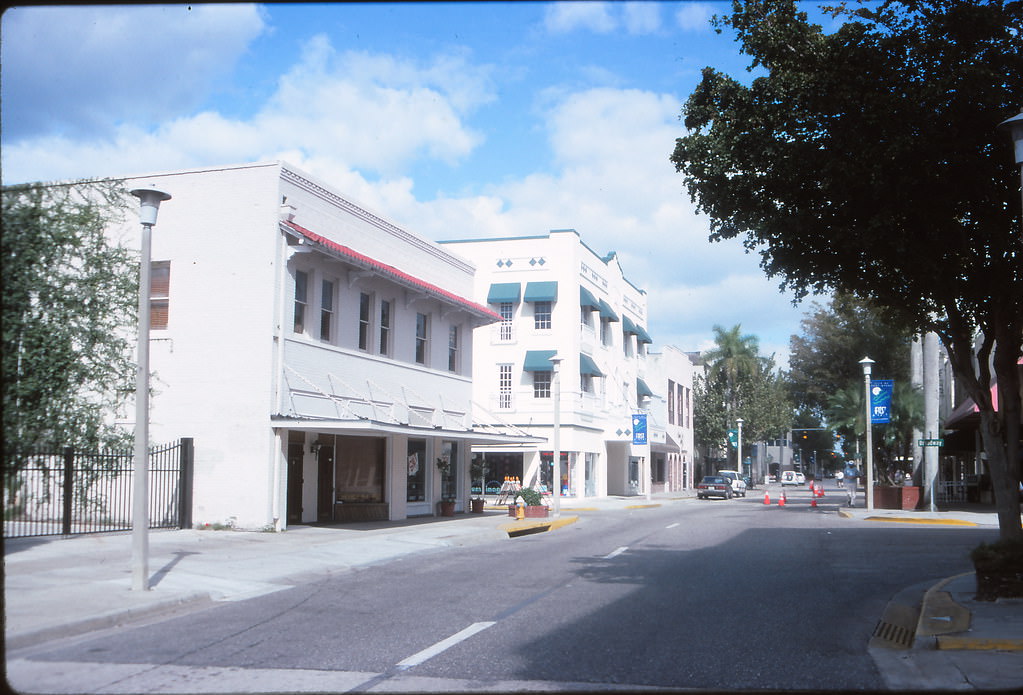
Along Florida’s Gulf Coast, Sanibel Island and Fort Myers offered a more relaxed pace. Sanibel was famous for its seashells and wildlife refuges, drawing nature tourists throughout the year. Fort Myers, the larger city to the north, had a compact downtown with streets like Hendry and Henry that retained some of their older commercial character through the decade.
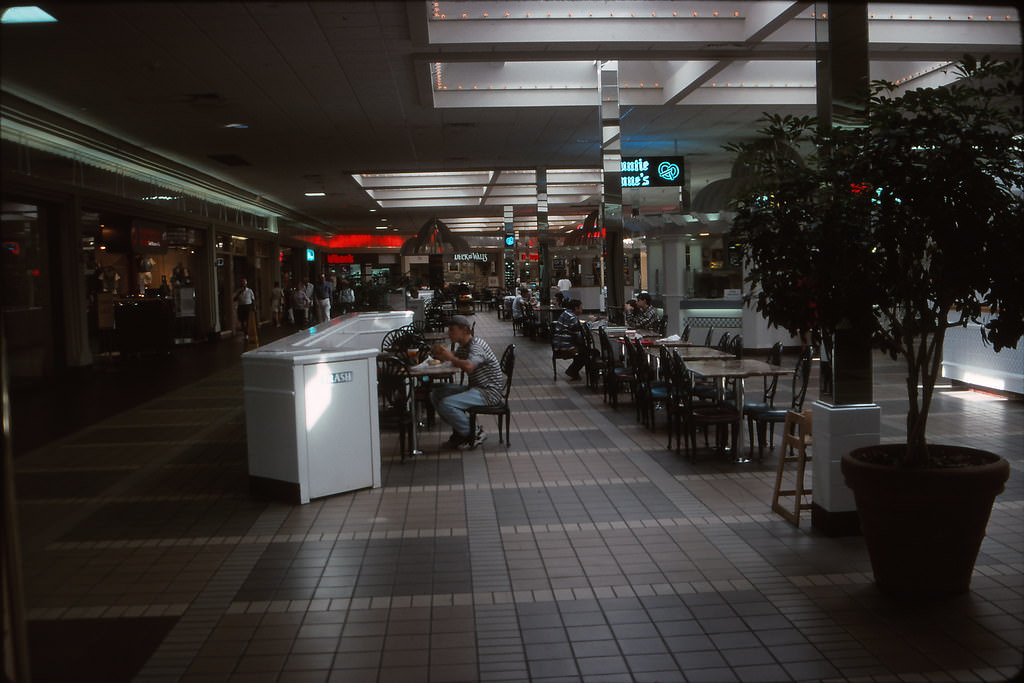
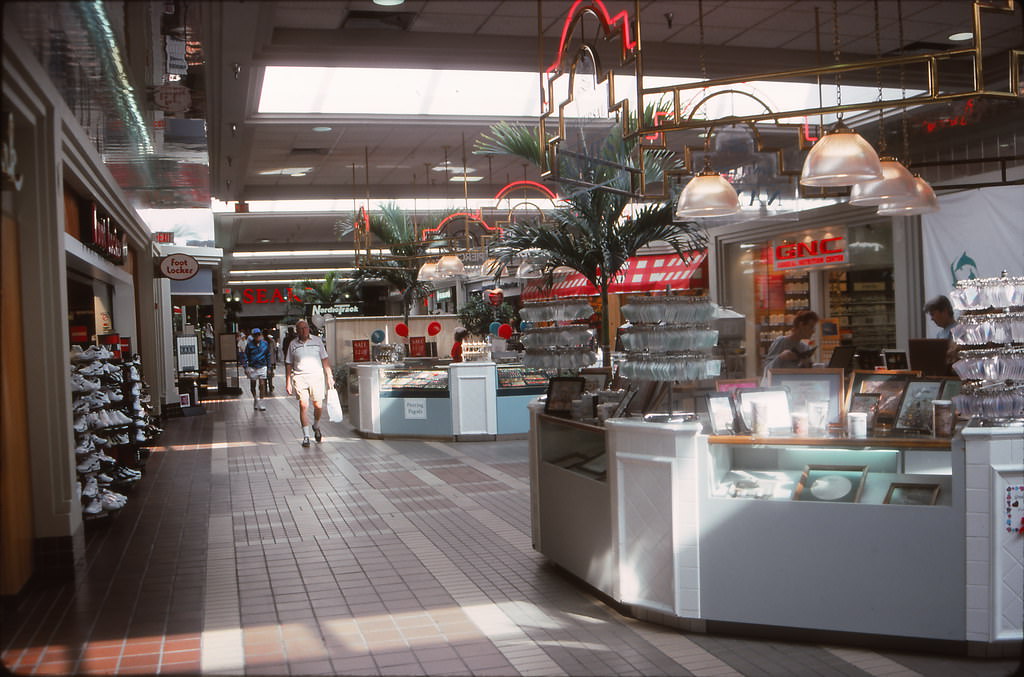
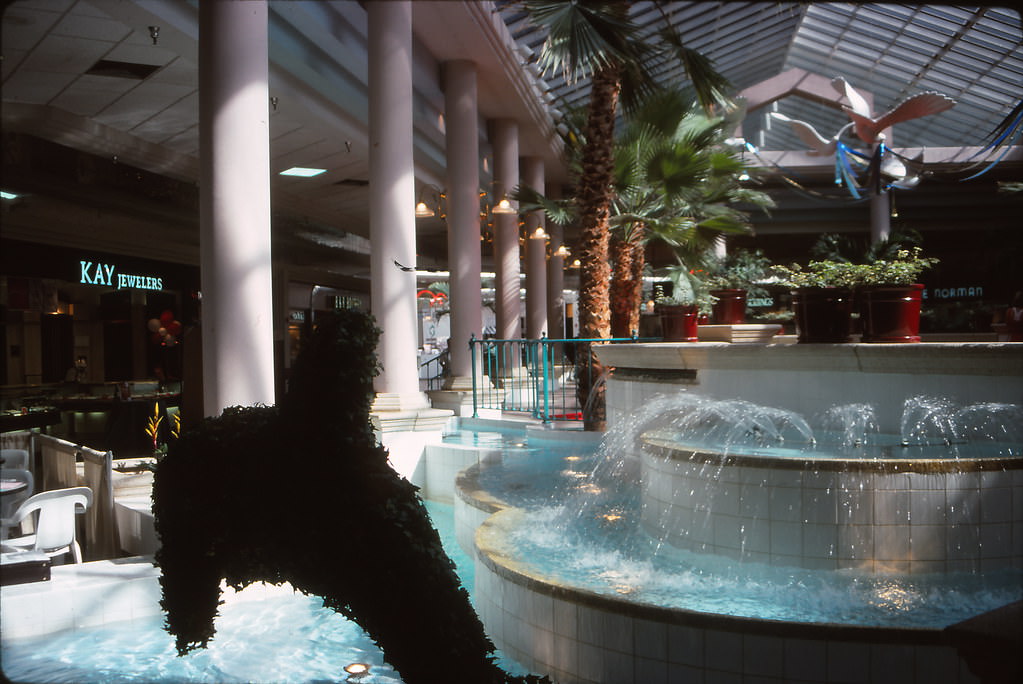
Sarasota, further north up the Gulf Coast, was home to the Sarasota Square Mall — a regional shopping center that captured the typical 1990s mall experience. Wide corridors, anchor department stores, and food courts drew residents from throughout Sarasota County.
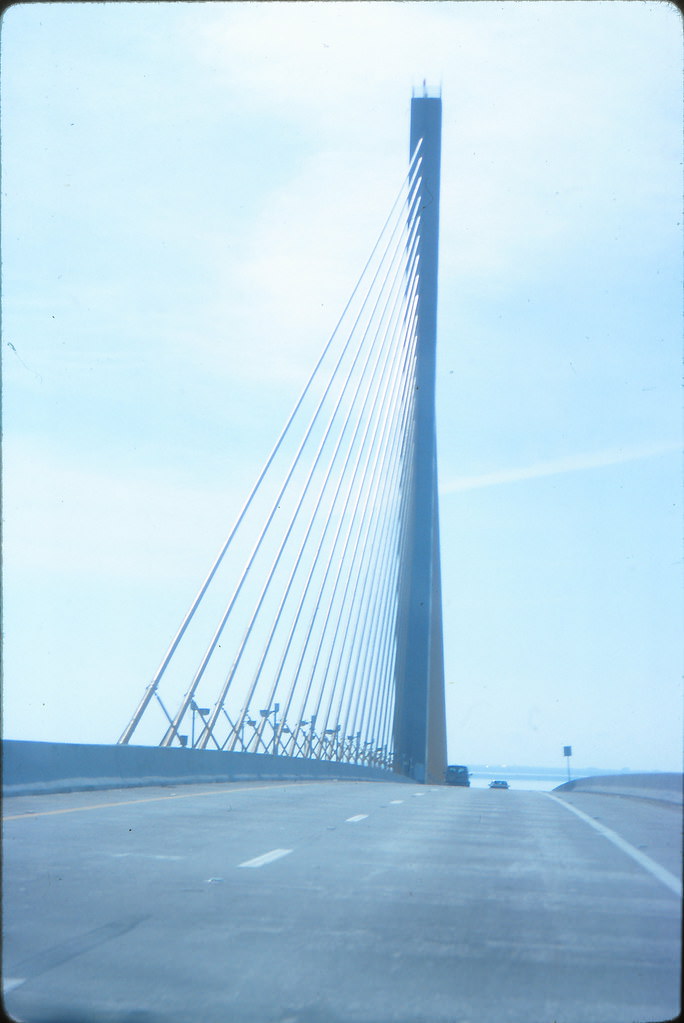
The Sunshine Skyway Bridge connected the Tampa Bay area to the Bradenton and Sarasota region by spanning Tampa Bay. The current cable-stayed bridge, which replaced an older structure after a deadly 1980 collision, was fully opened in 1987 and became one of Florida’s most recognizable structures.
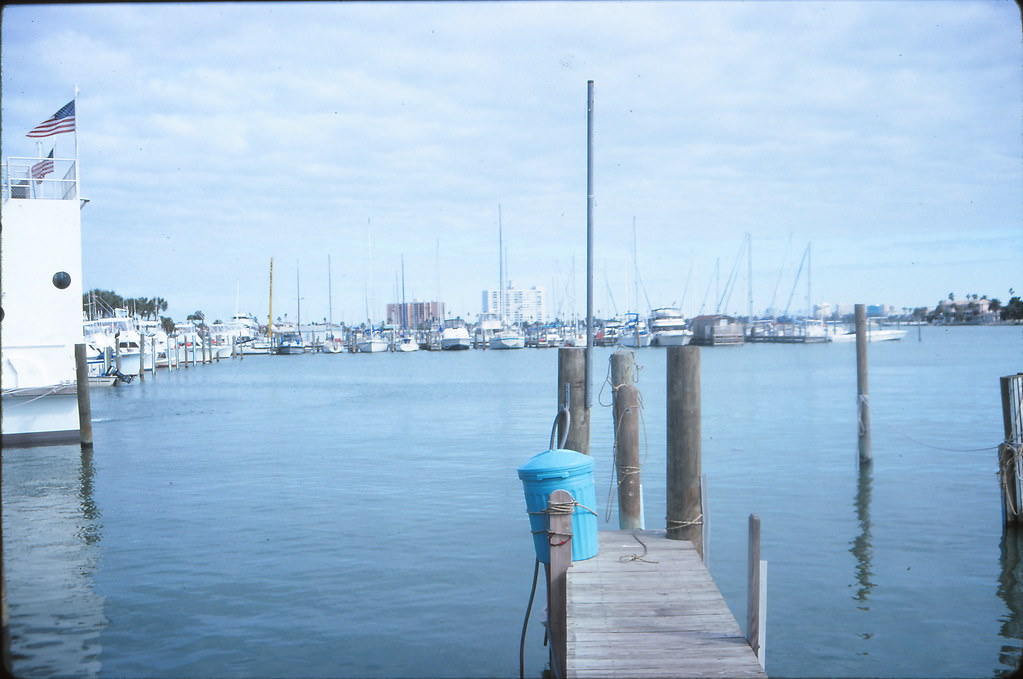
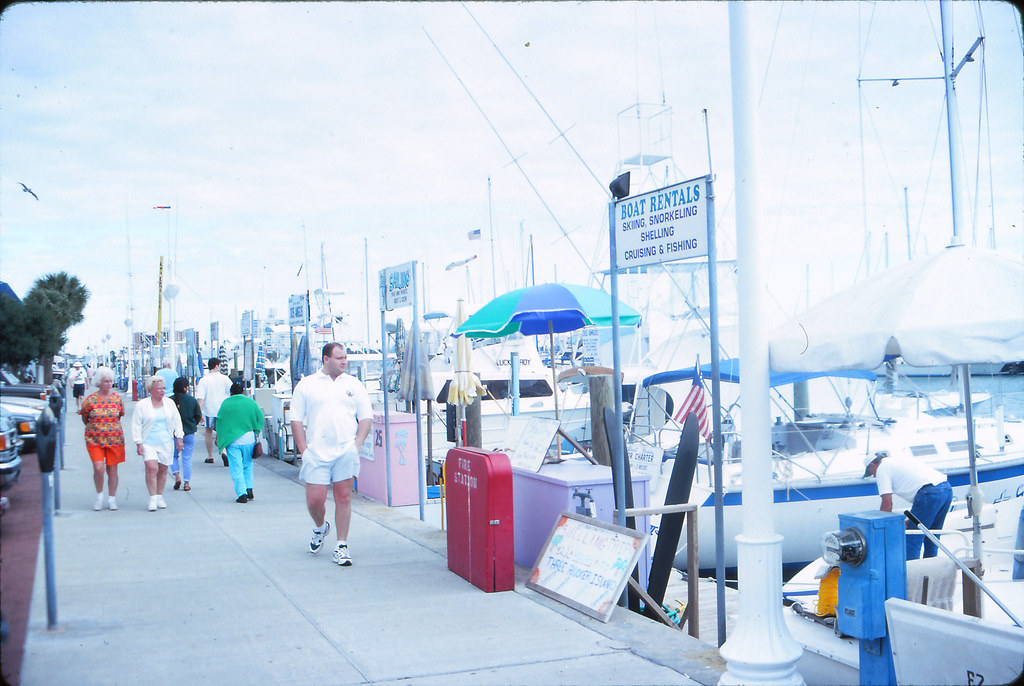
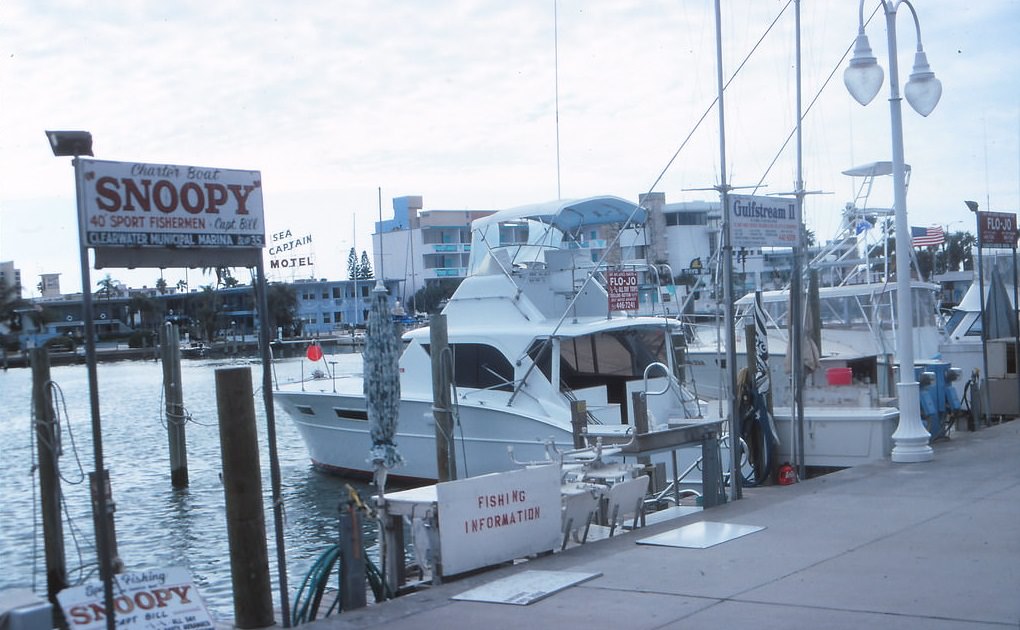
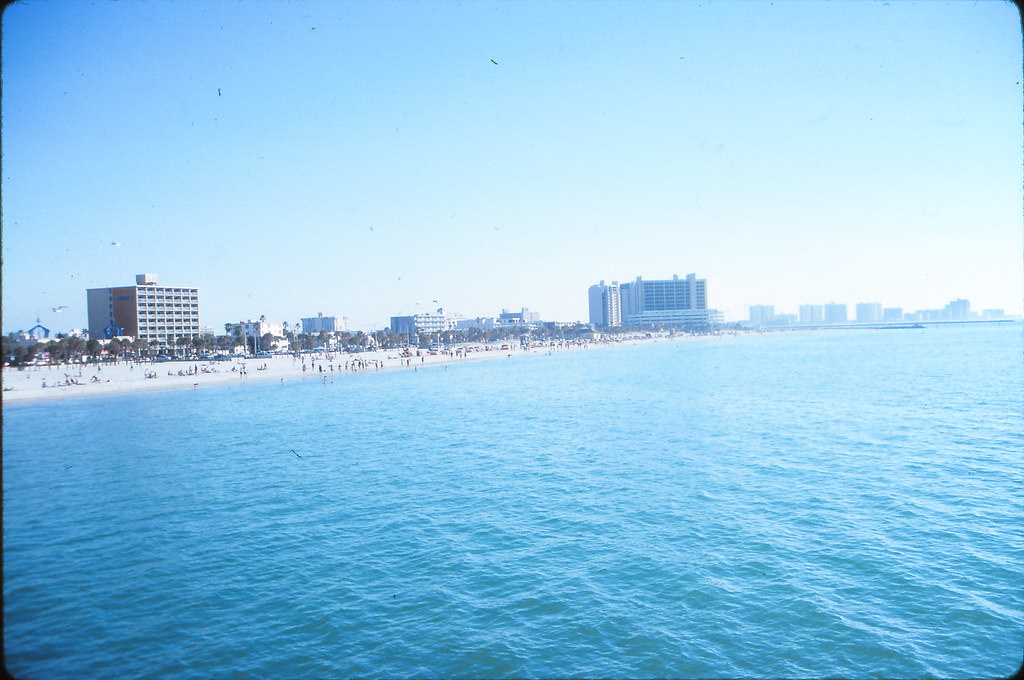
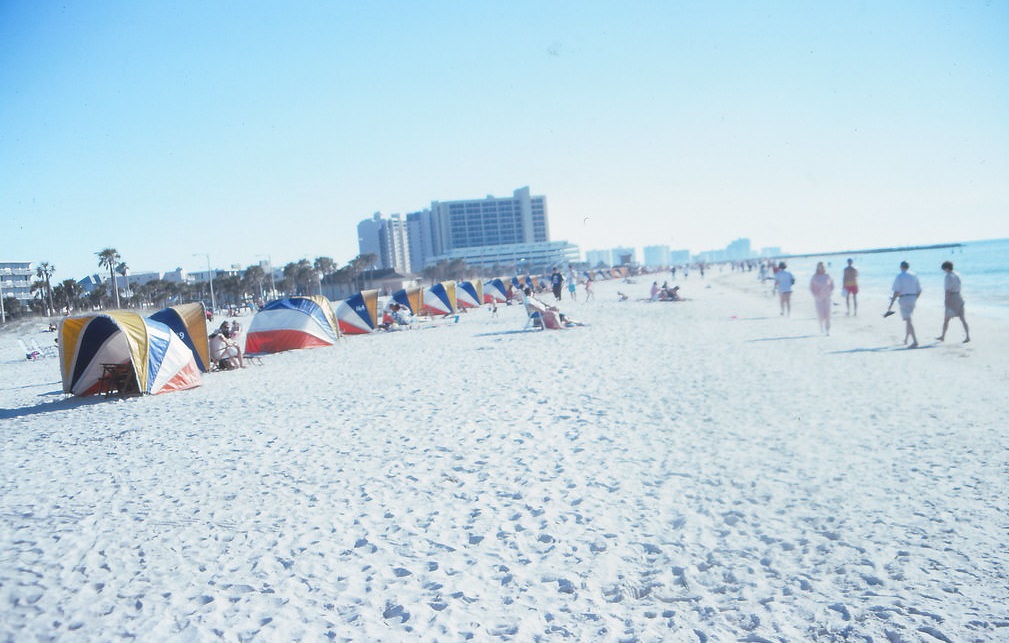
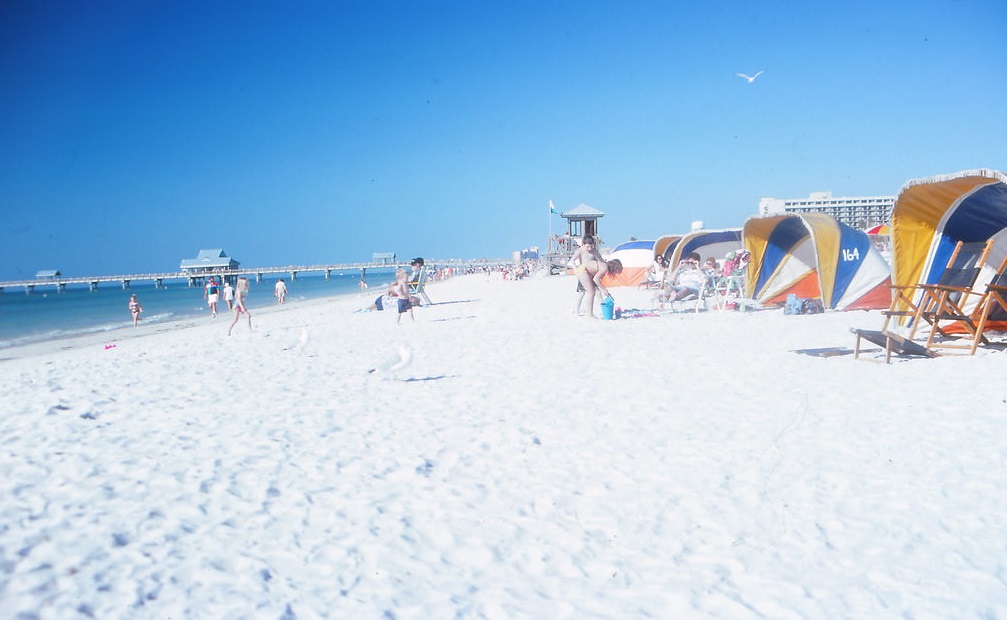
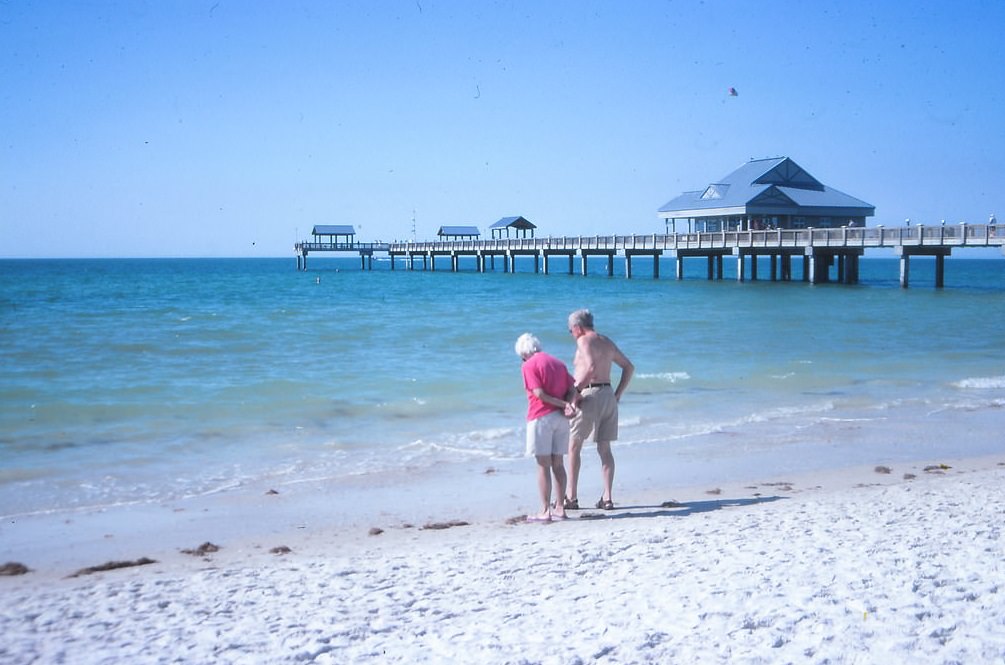
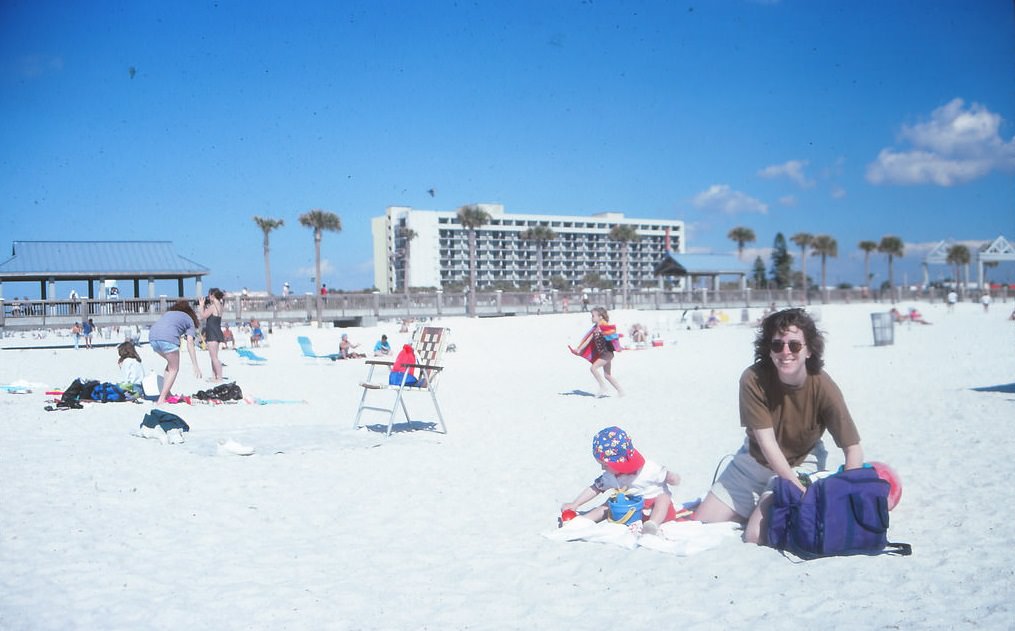
Clearwater Beach, on a barrier island off the coast of Clearwater, was one of Florida’s most visited beaches. White sand, calm Gulf waters, beach cabanas, and a long pier made it a favorite destination for both tourists and locals. By the 1990s, it was regularly recognized as one of the top beaches in the United States.
Fort Lauderdale, on Florida’s Atlantic coast, was known for its network of canals — earning it the nickname “the Venice of America.” The Galleria at Fort Lauderdale served as the city’s premier upscale shopping destination, anchored by stores like Saks Fifth Avenue. The mix of waterways, high-rises, and retail development illustrated how South Florida’s urban centers were expanding through the decade.
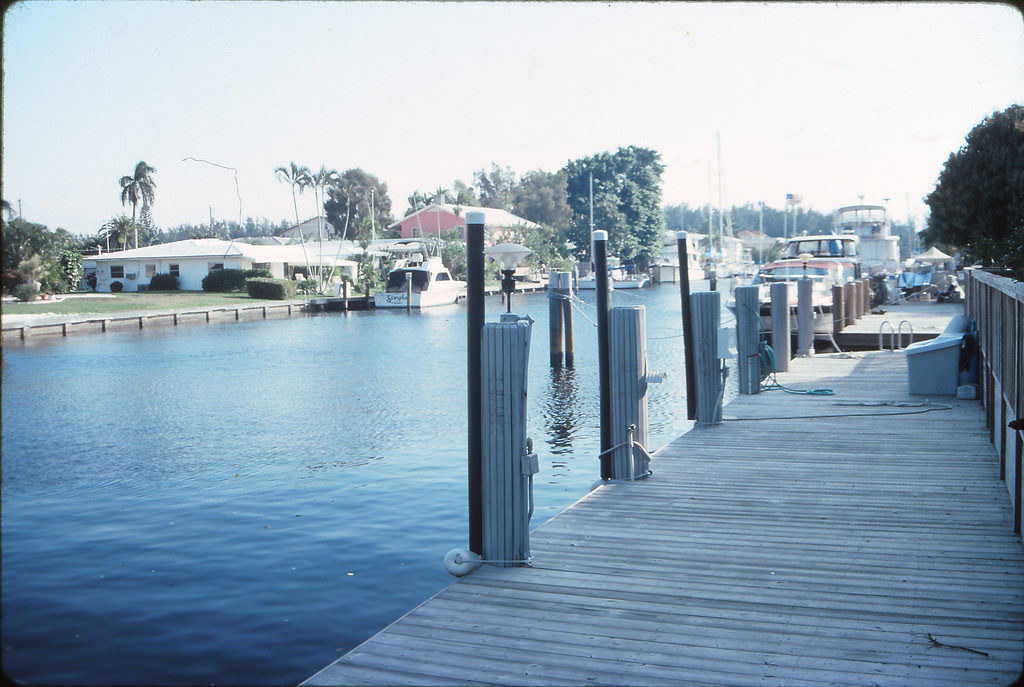
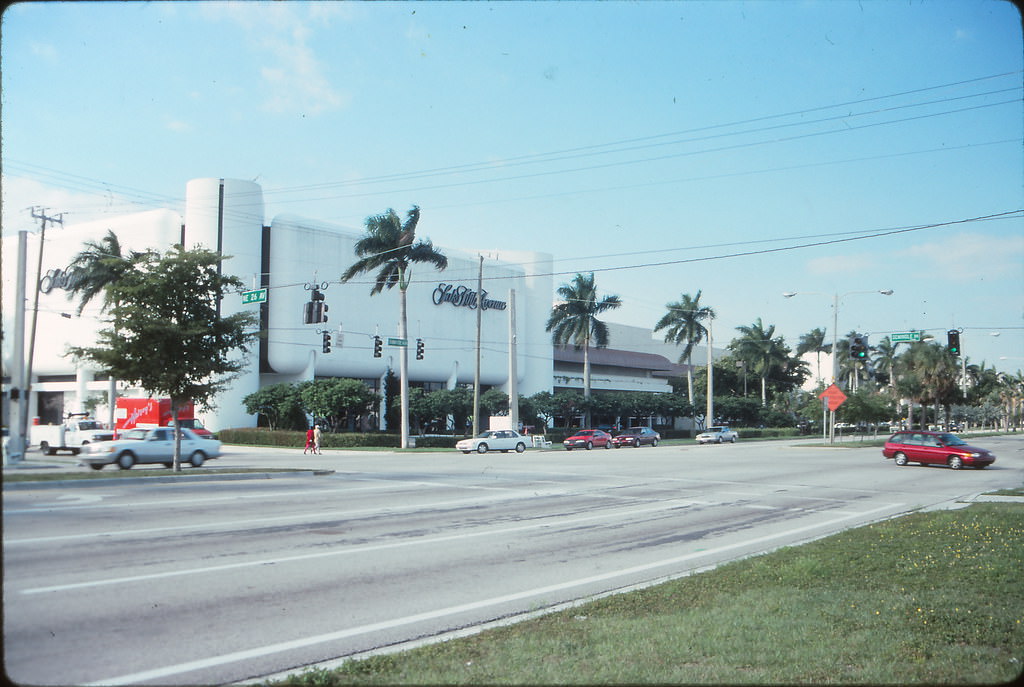
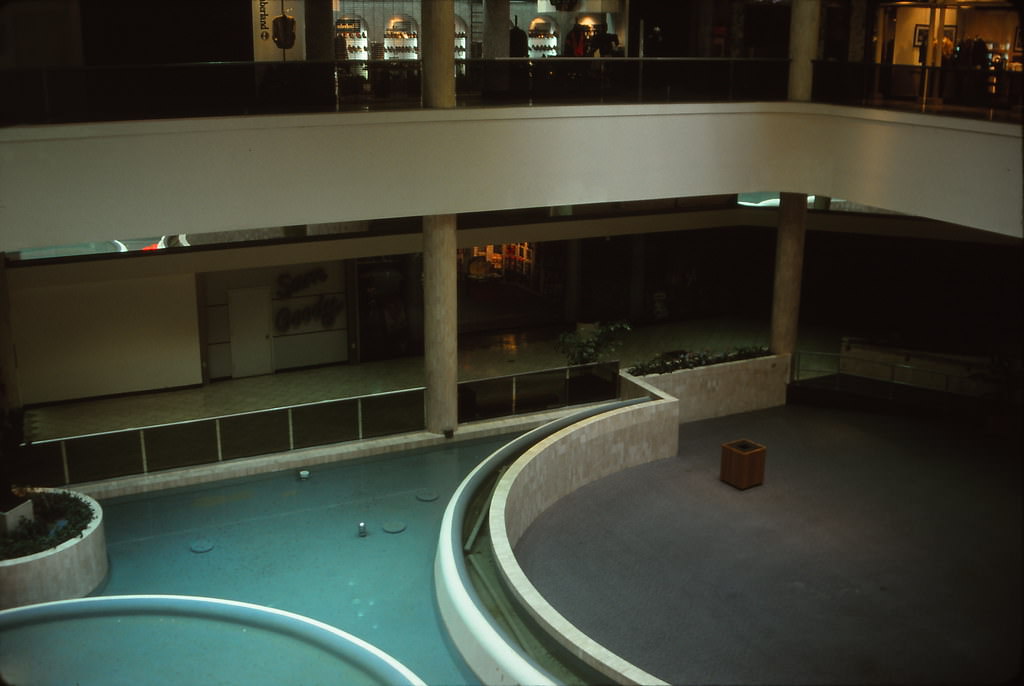
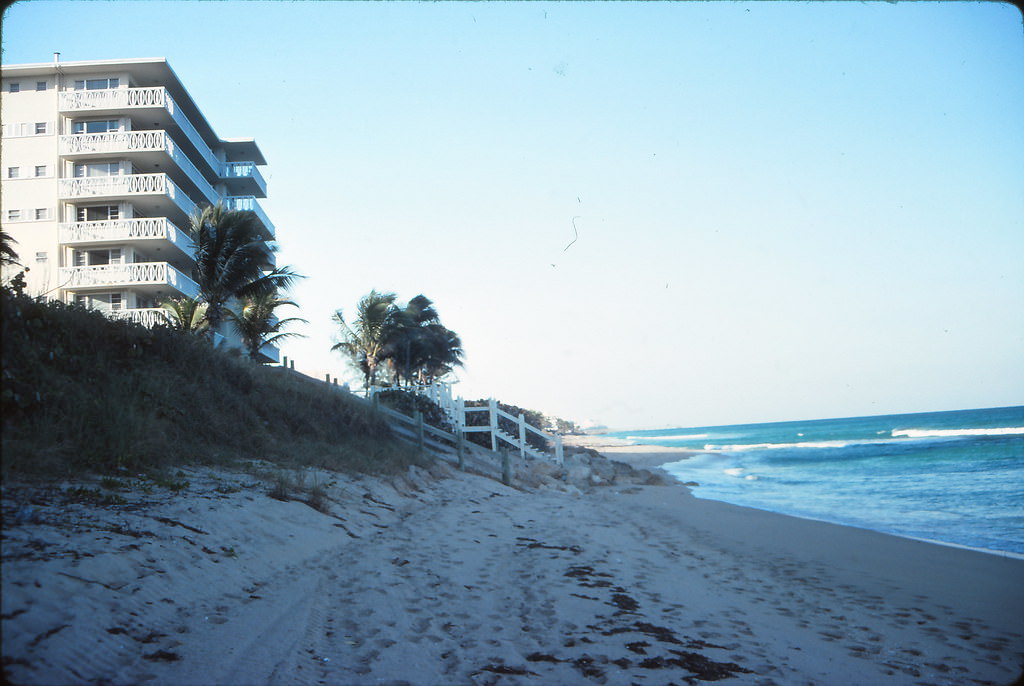
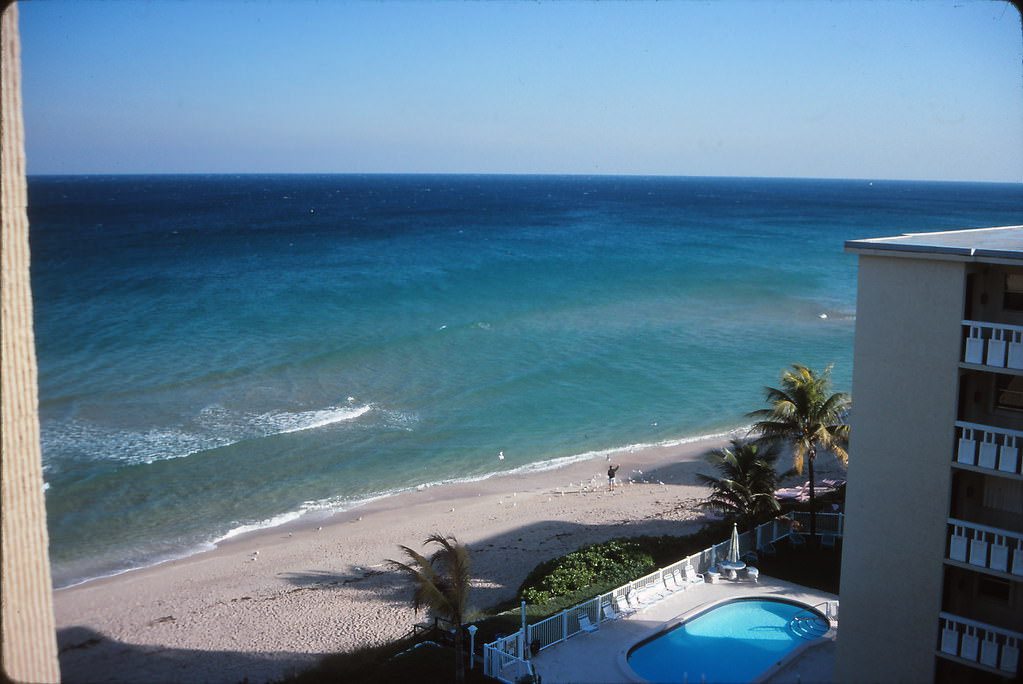
Hillsborough Beach, a small town on a barrier island in Broward County, showed the dense development that characterized much of South Florida’s coastline. Condominiums towered alongside single-family homes, with the Atlantic Ocean just steps away. This layered development pattern was common across communities stretching from Miami to Palm Beach.





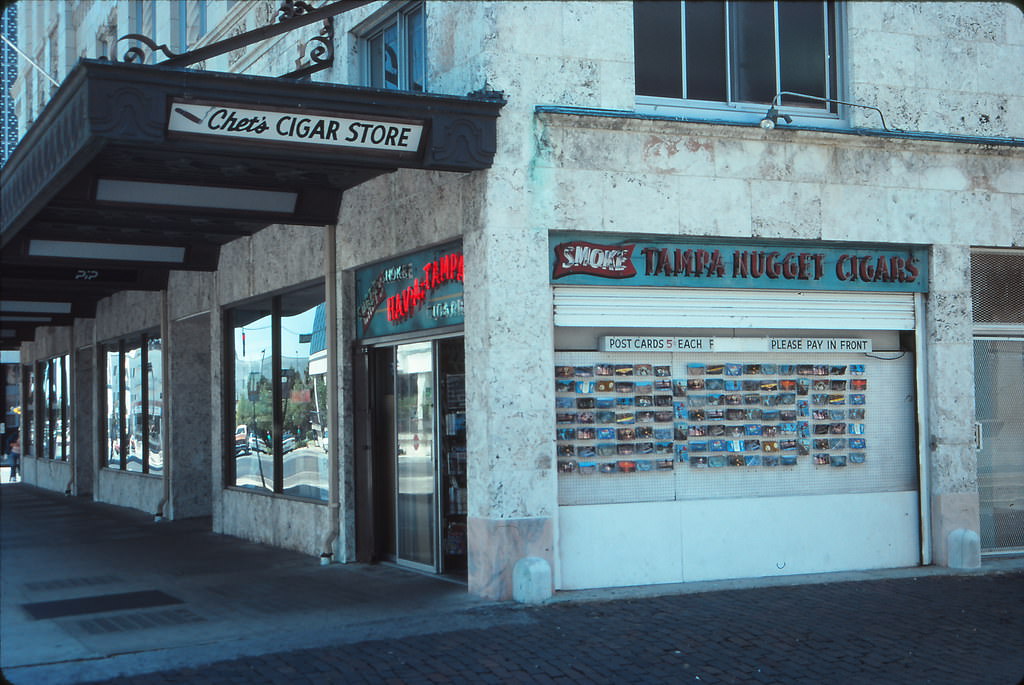
I used to buy clove cigarettes at Chet’s in st Pete. I remember as a kid I thought 4th and central looked “ like a real city” there was even a hotdog stand on the corner most days.
Plant city still looks the same.