Félix Nadar was born in Paris in 1820, at a time when photography was still a new and largely untested art form. While most portrait artists of the era still relied on painted likenesses — slow, expensive, and often stiff — Nadar saw the camera as something far more powerful. He believed photography could reveal a person’s true character in a way no painting ever could.
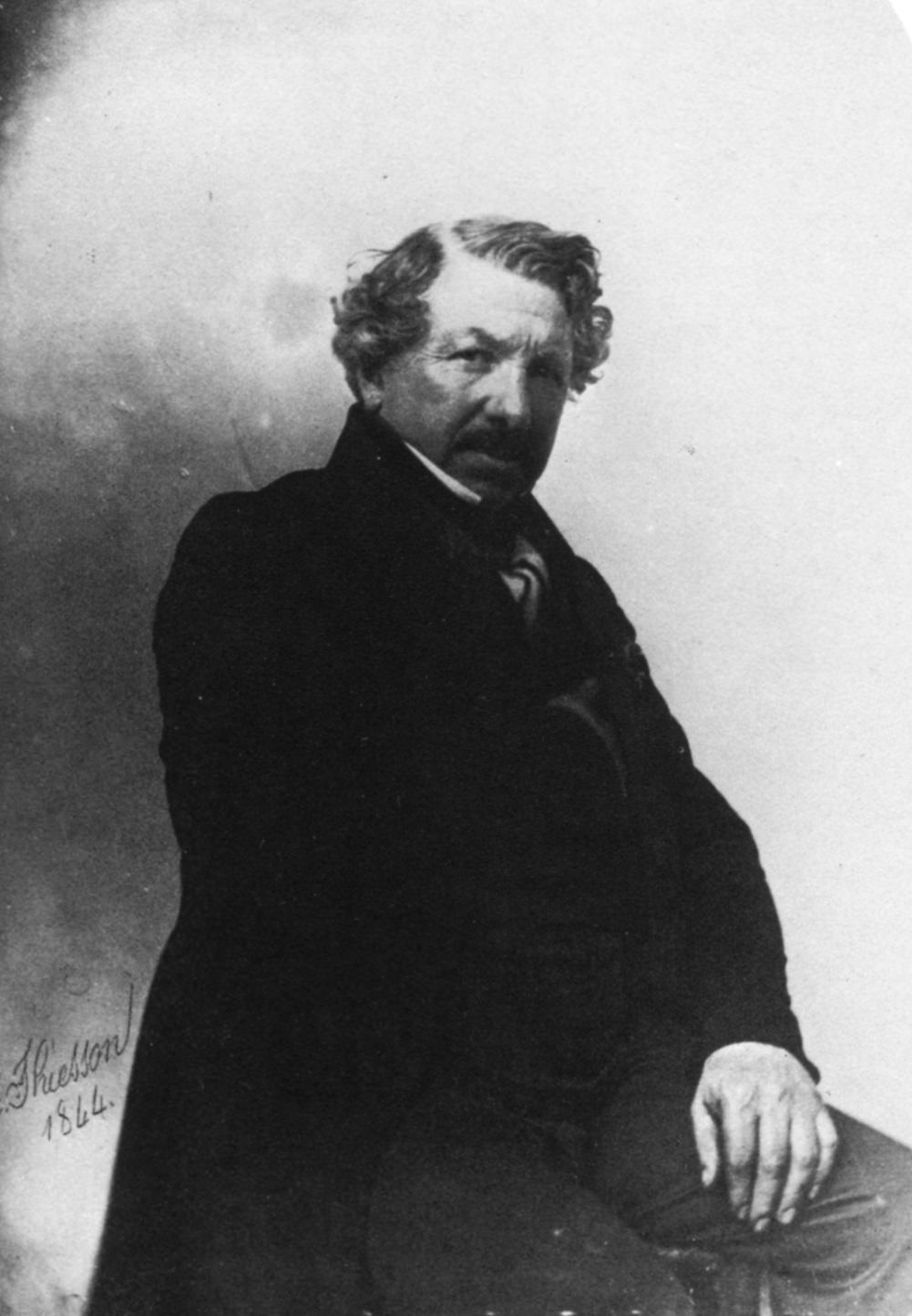
Nadar broke from the conventions of his time. Rather than shooting full-body poses that mimicked painted portraits, he moved in close, focusing on faces and expressions. This shift in framing drew attention to emotion and personality. He also worked with artificial lighting — a real technical challenge in the 19th century — to create dramatic, carefully lit images that made his subjects come alive on paper.
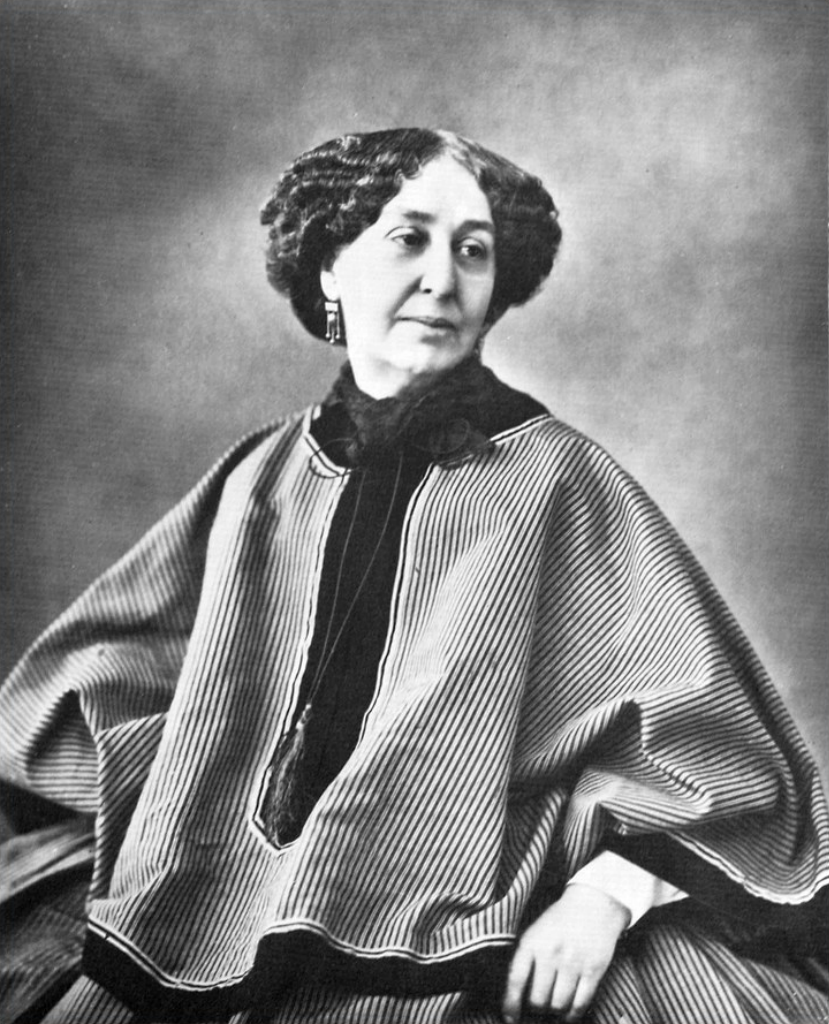
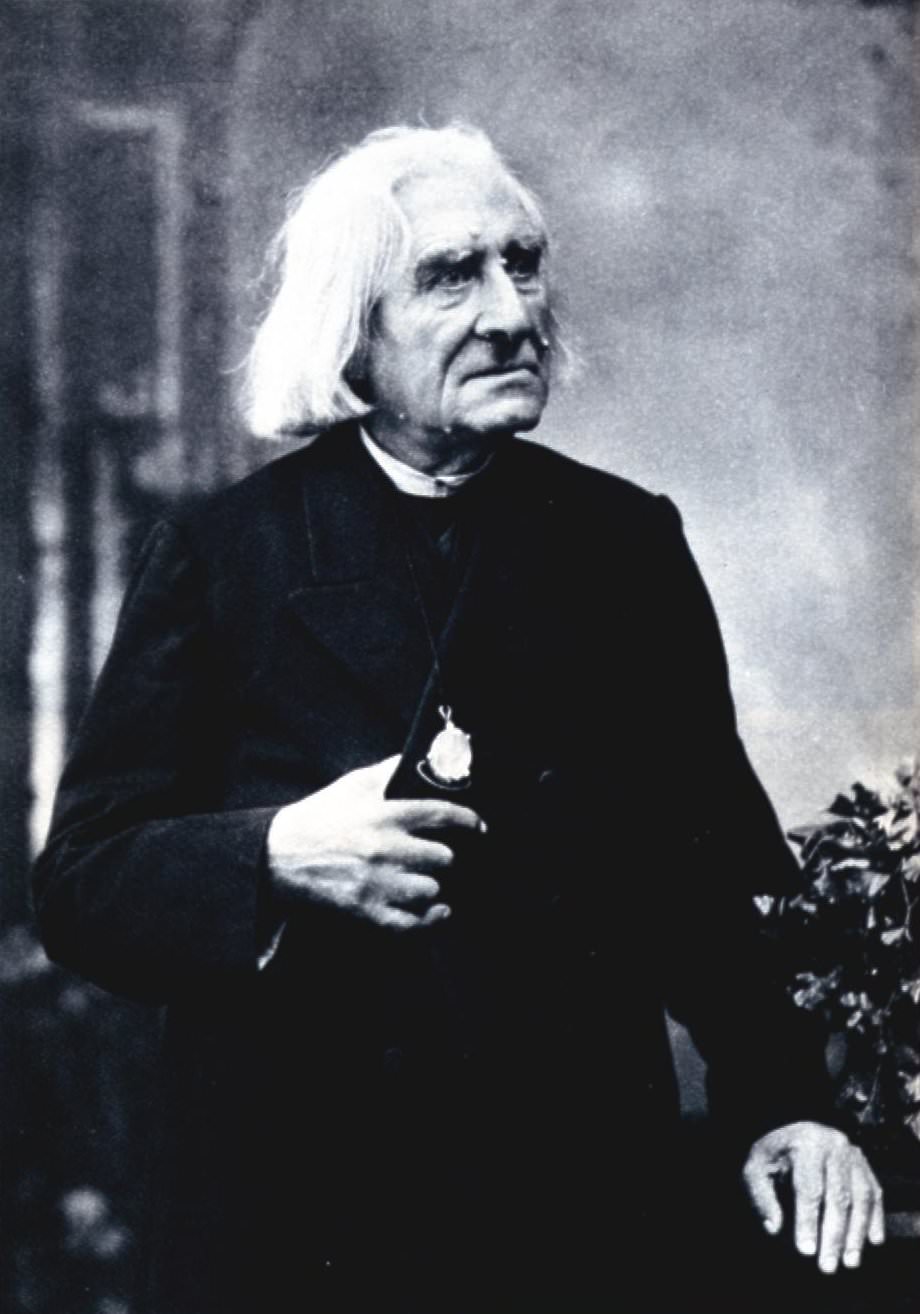
His studio in Paris attracted the most celebrated figures of the age. Writers, painters, composers, scientists, and politicians all sat before his lens. Nadar had a rare talent for putting his subjects at ease, and that comfort showed. The people in his photographs don’t look posed — they look present.
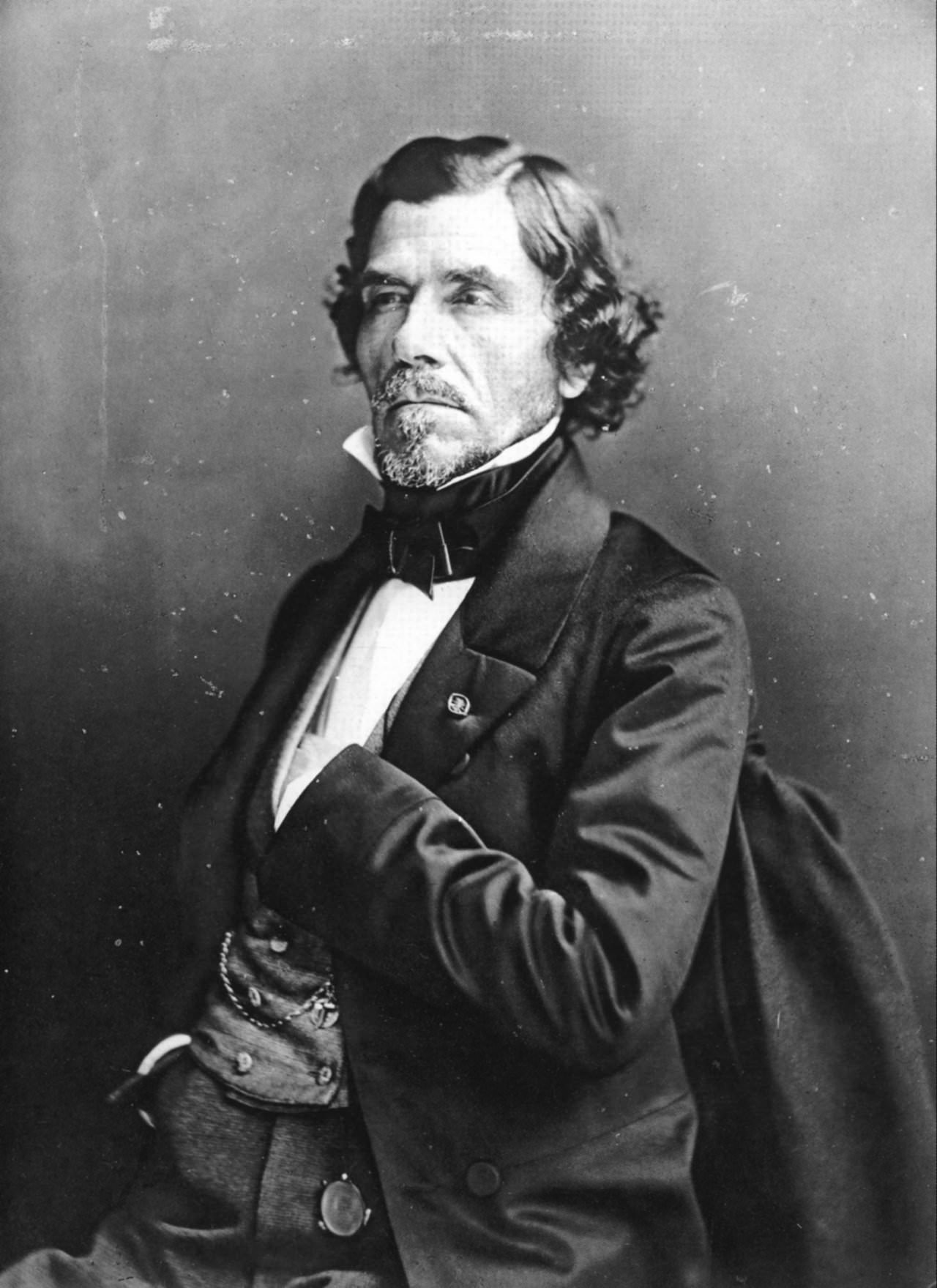
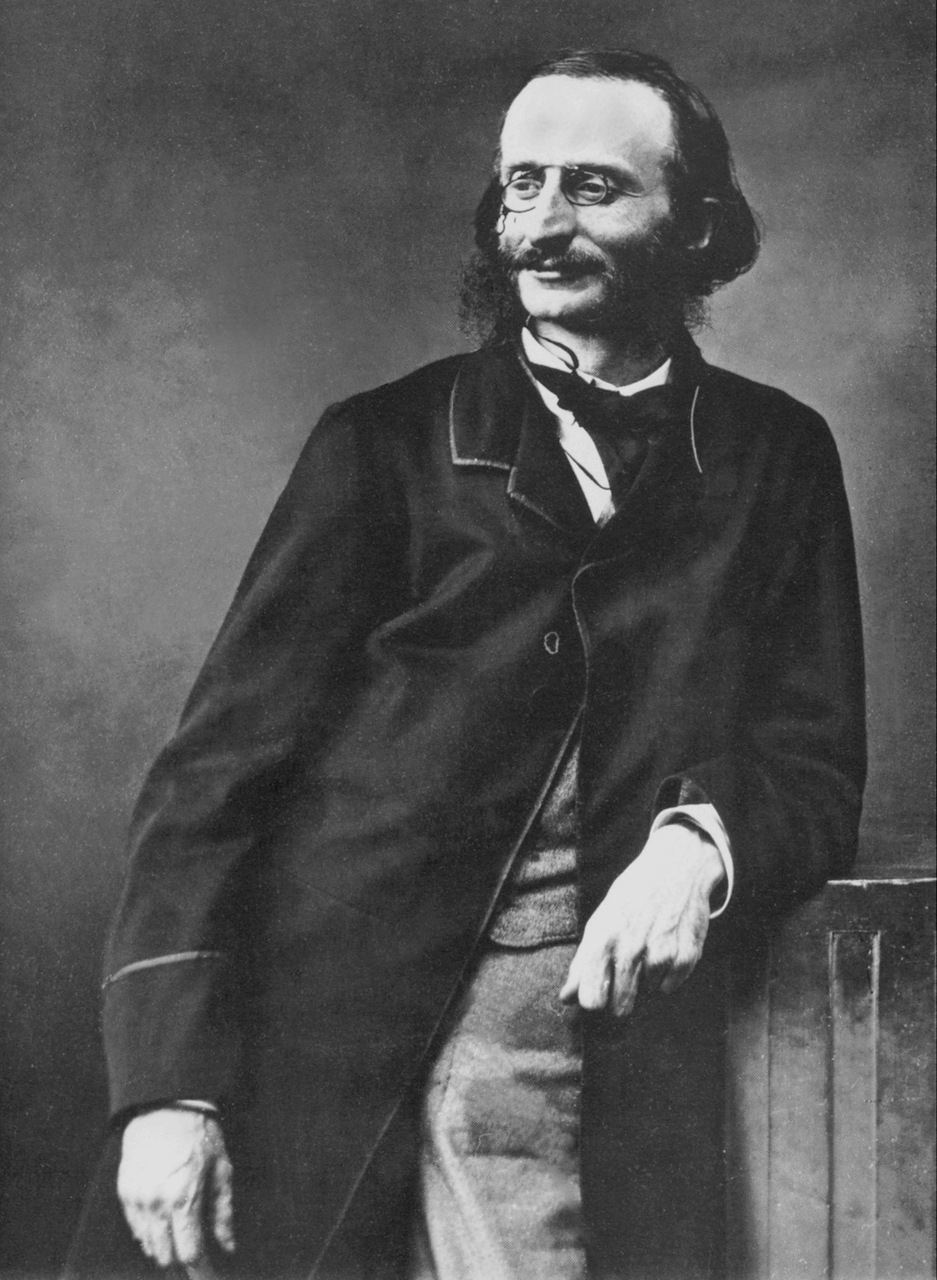
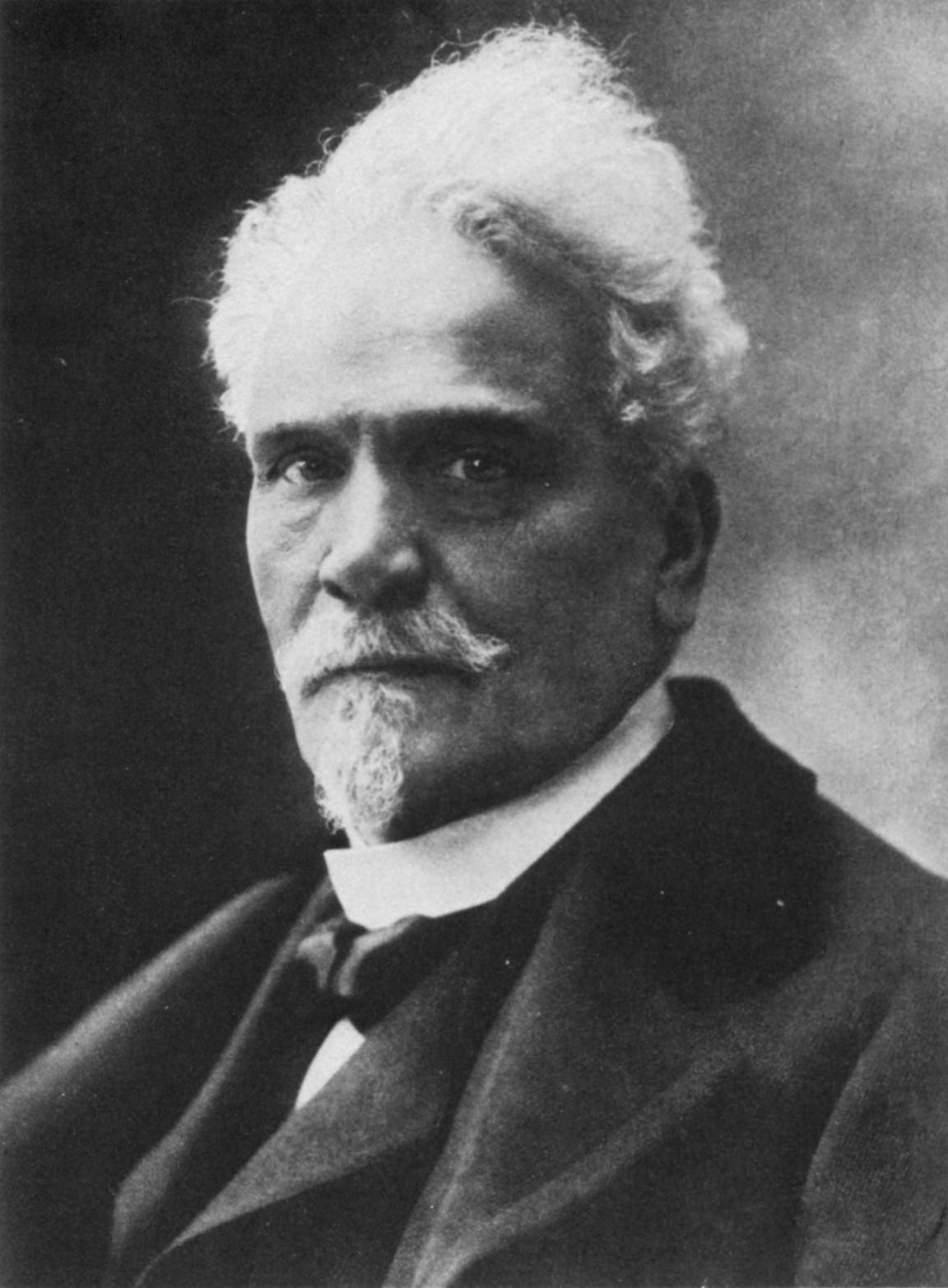
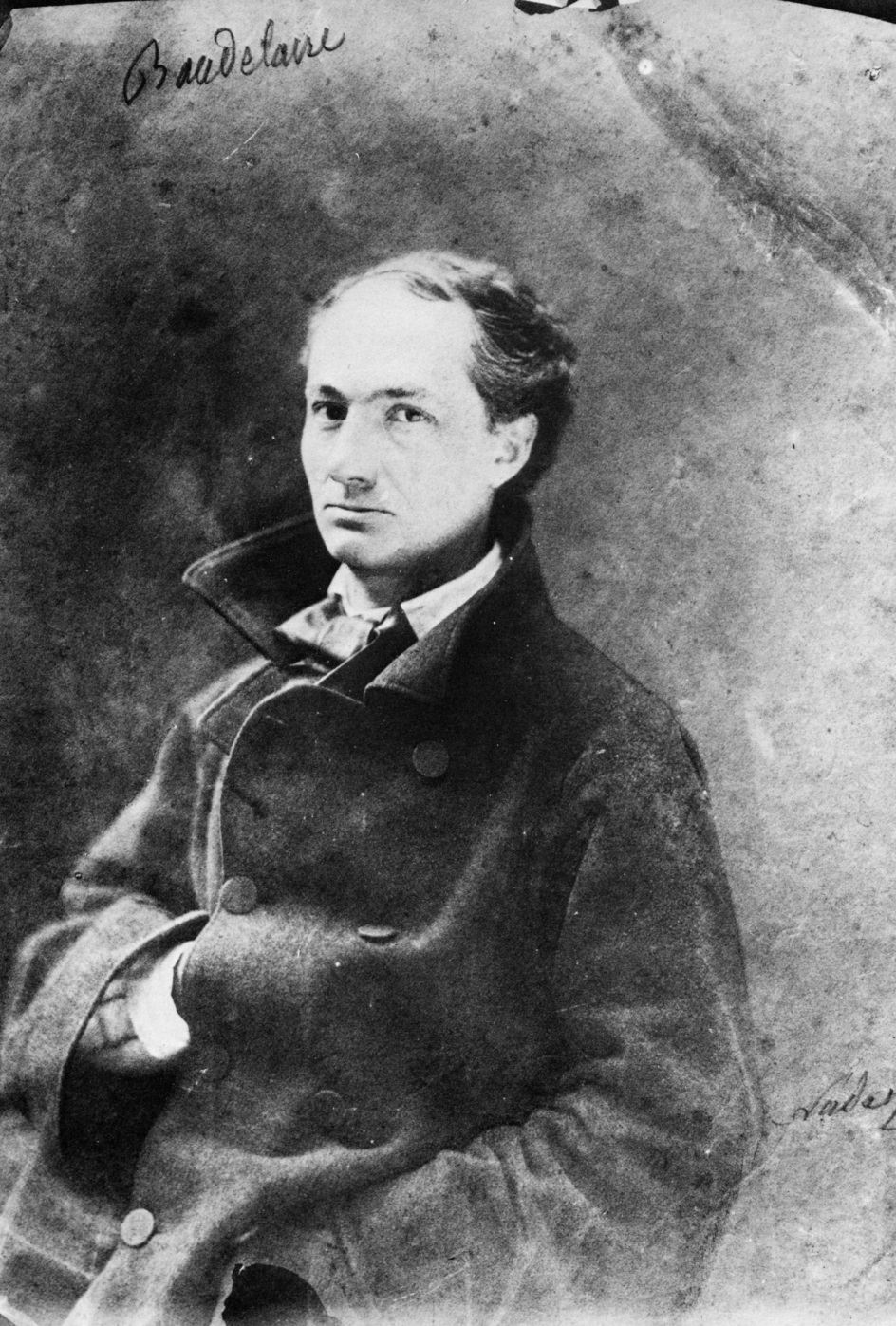
His 1855 portrait of poet Charles Baudelaire remains one of the most recognized photographs of the 19th century. Baudelaire’s sharp, intense gaze fills the frame, projecting the restless intelligence he was known for. It’s a portrait that feels less like a photograph and more like a confrontation.
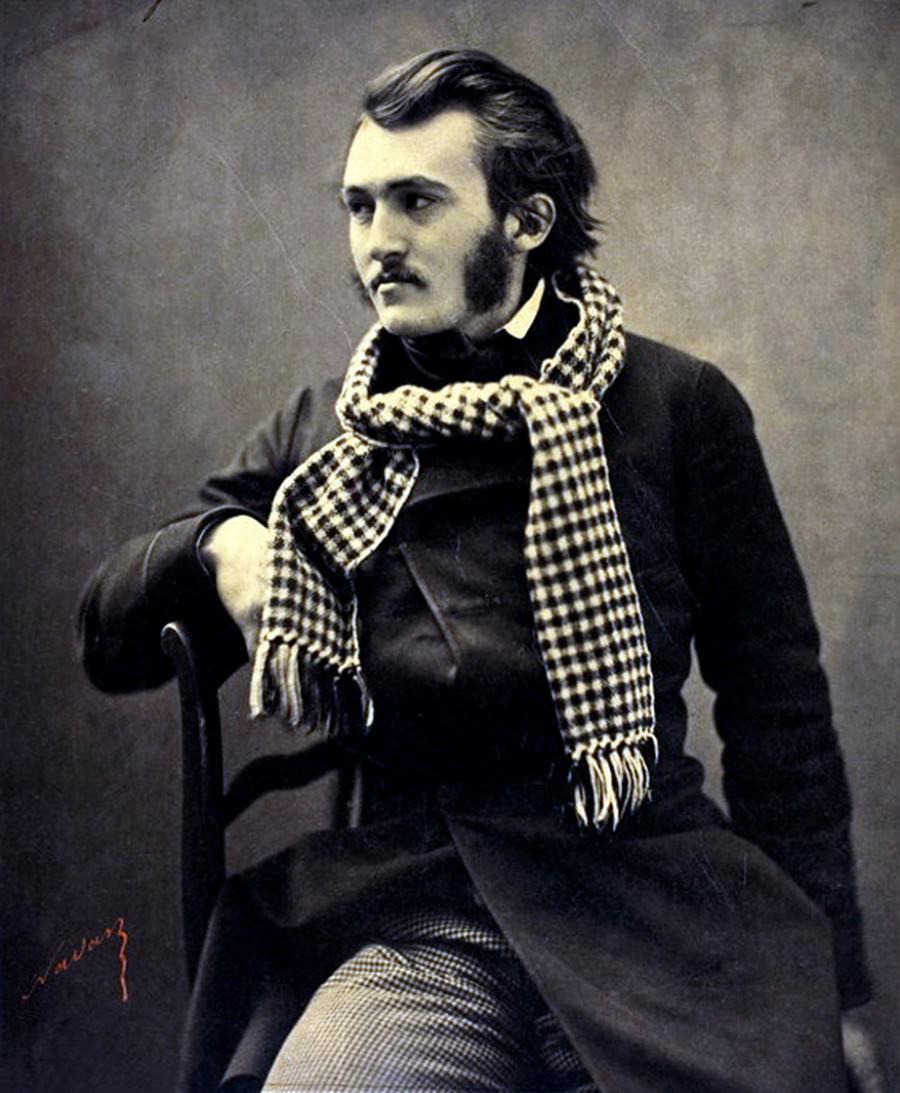
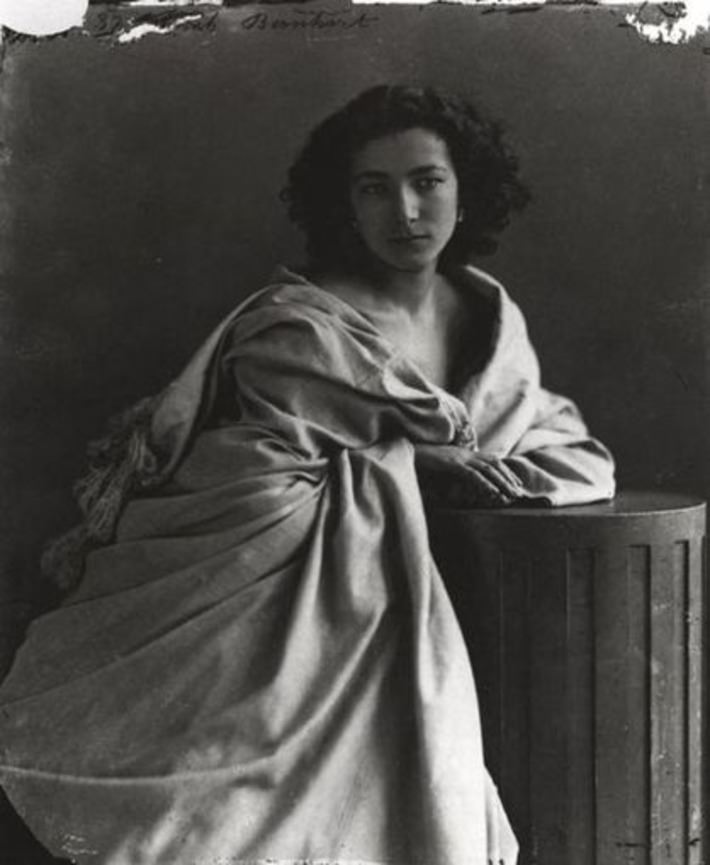
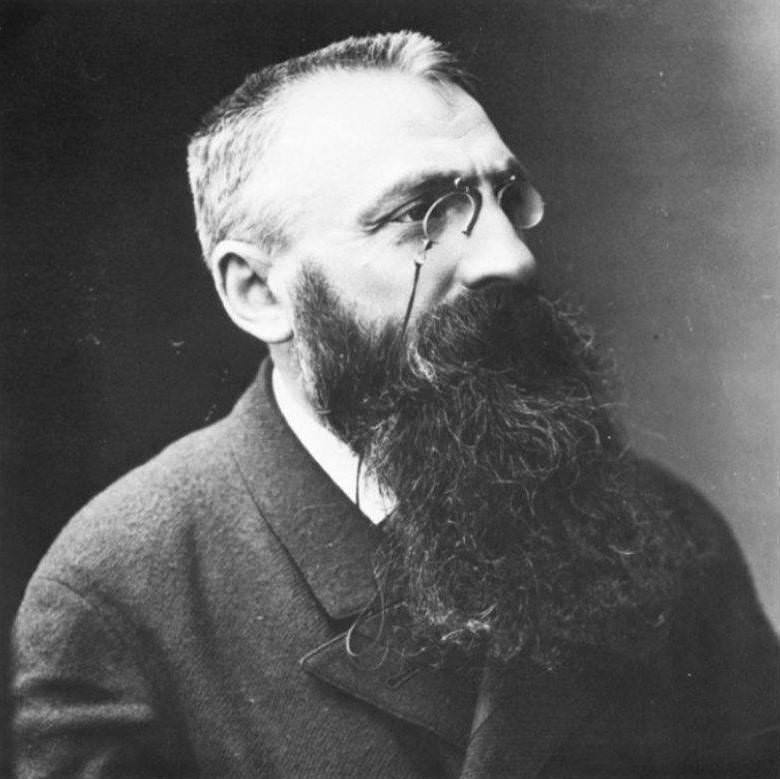
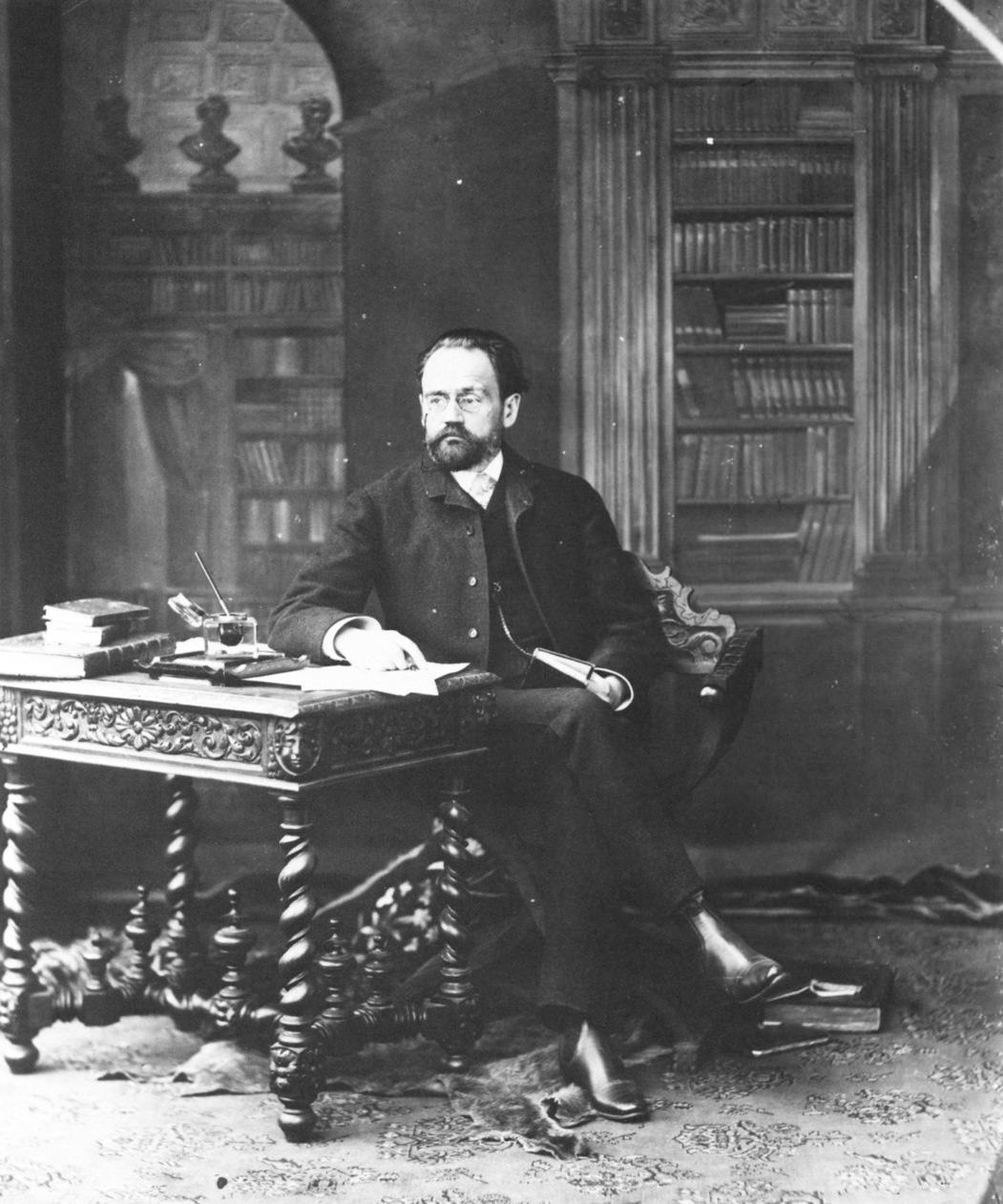
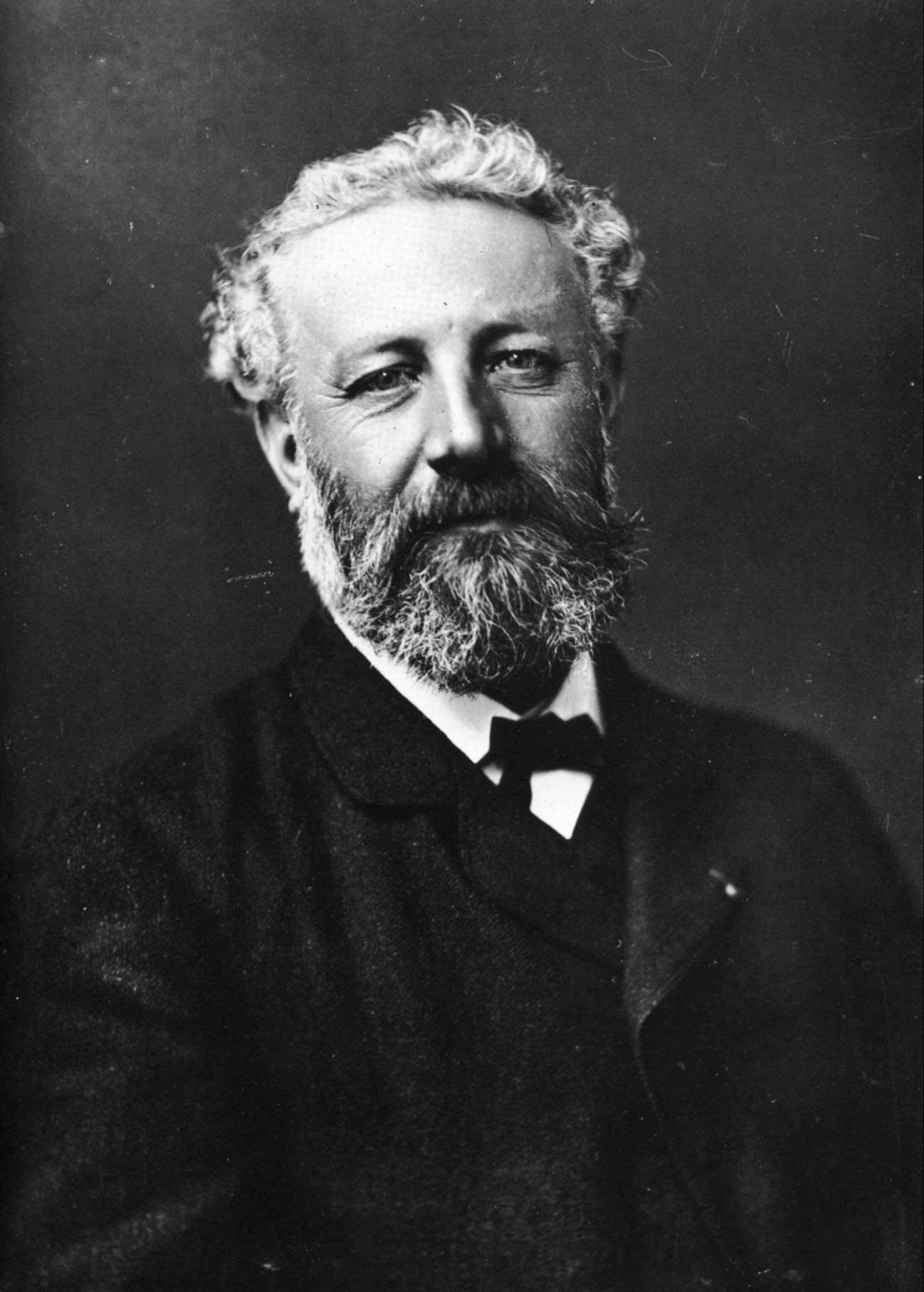
Nadar photographed sculptor Auguste Rodin, novelist Émile Zola, and science fiction pioneer Jules Verne — each portrait distinct in mood and composition. His lighting choices shifted from subject to subject, shaped by the personality sitting before him.
Political thinkers and geographers sat alongside literary figures in Nadar’s portfolio. Peter Kropotkin, Alexandre Dumas, and Élisée Reclus all appear in his archive, their faces preserved with the same careful attention he gave to every subject.
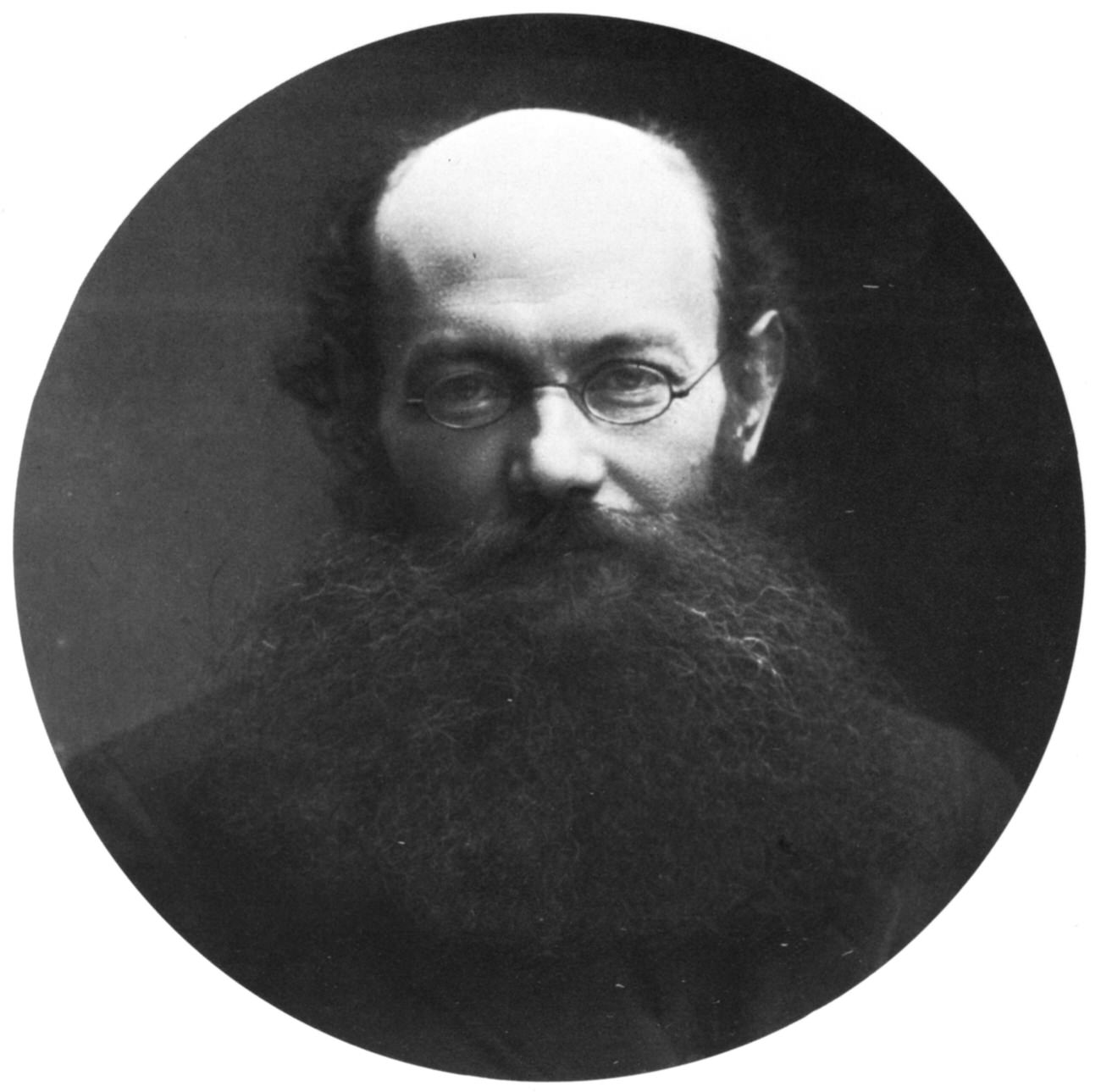
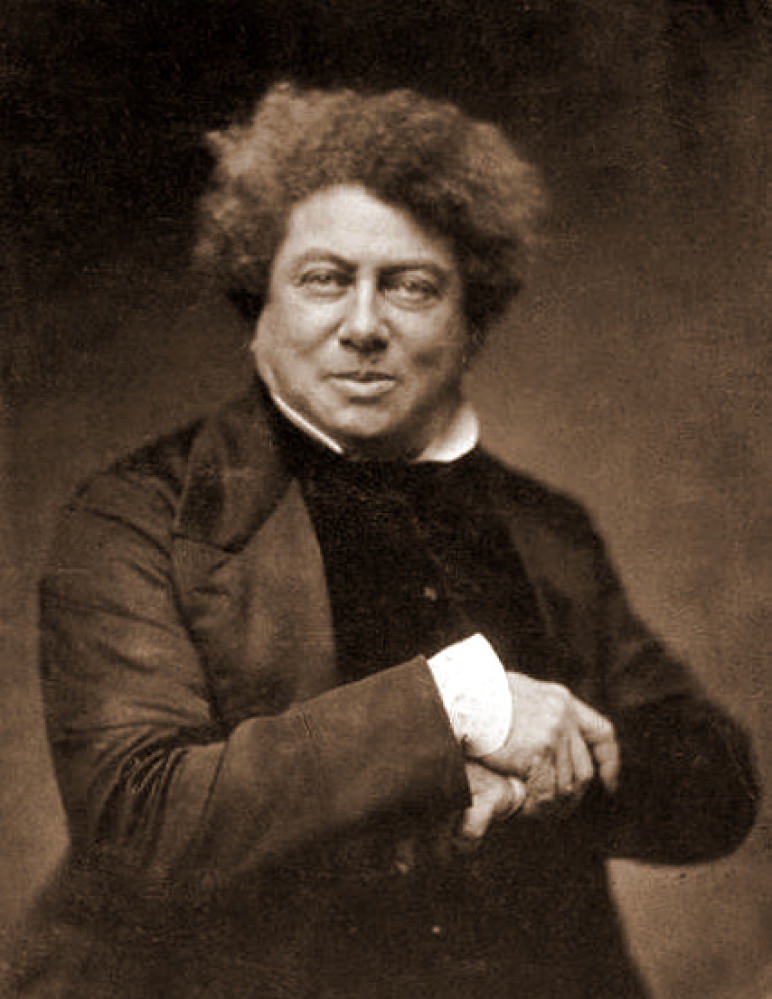
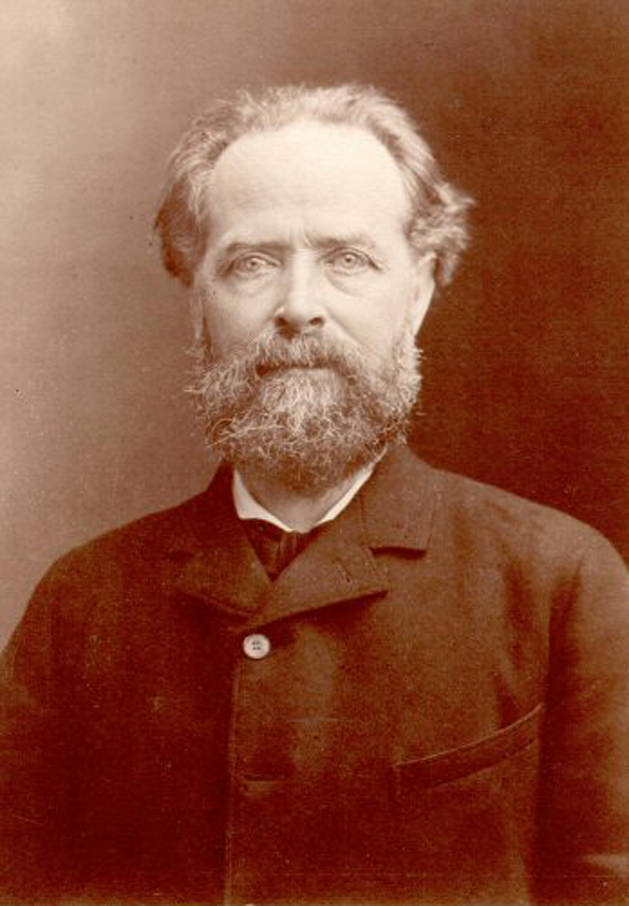
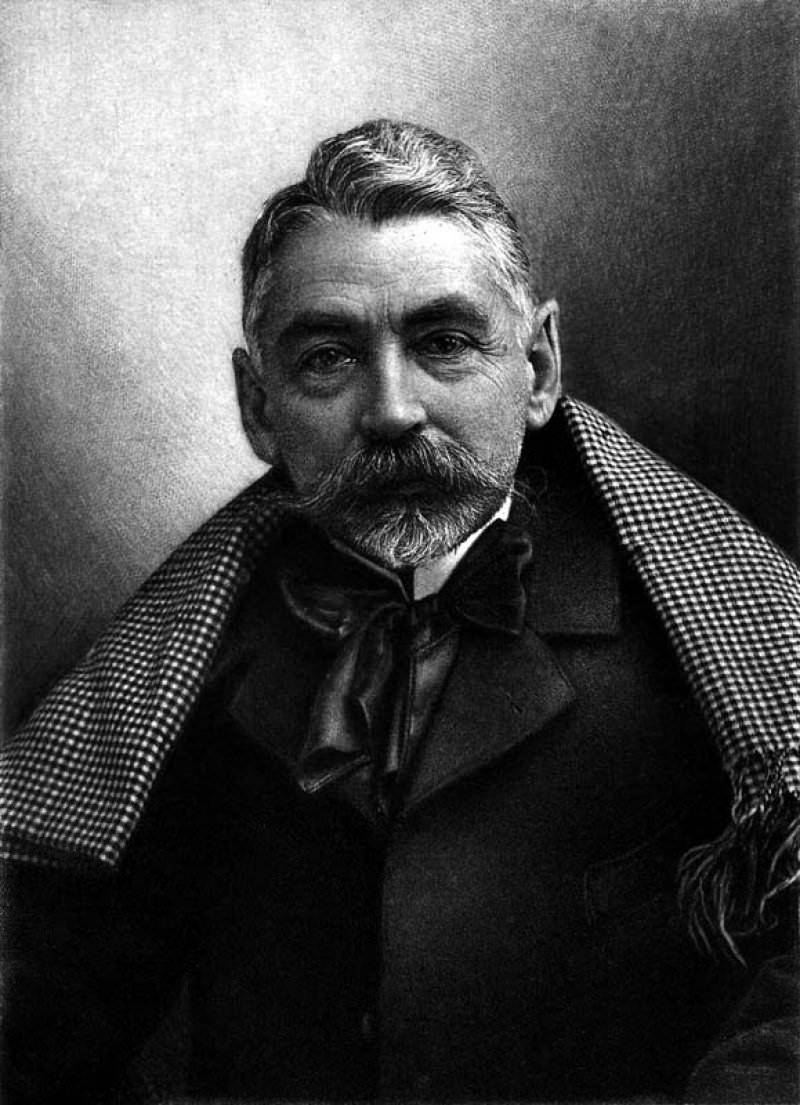
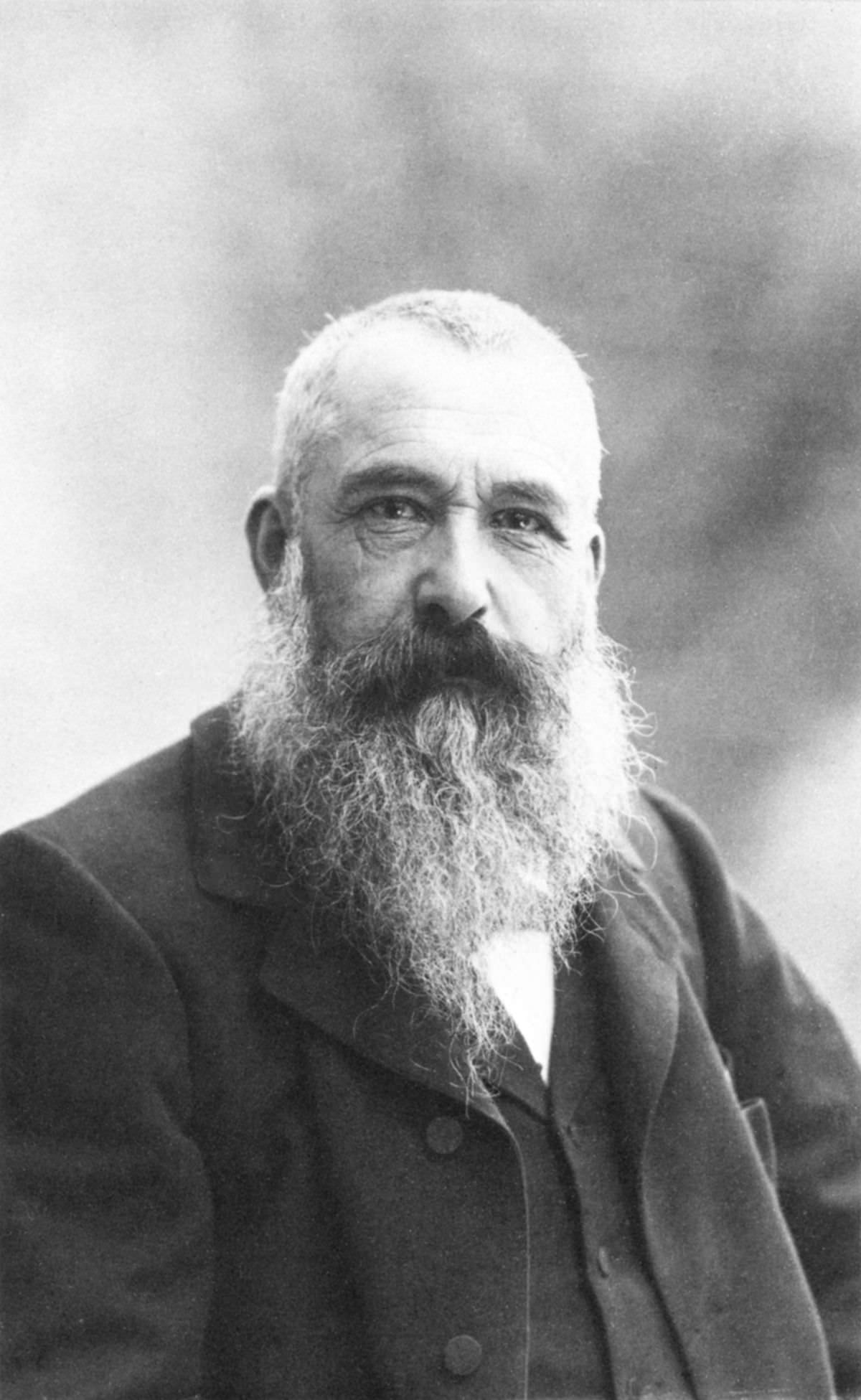
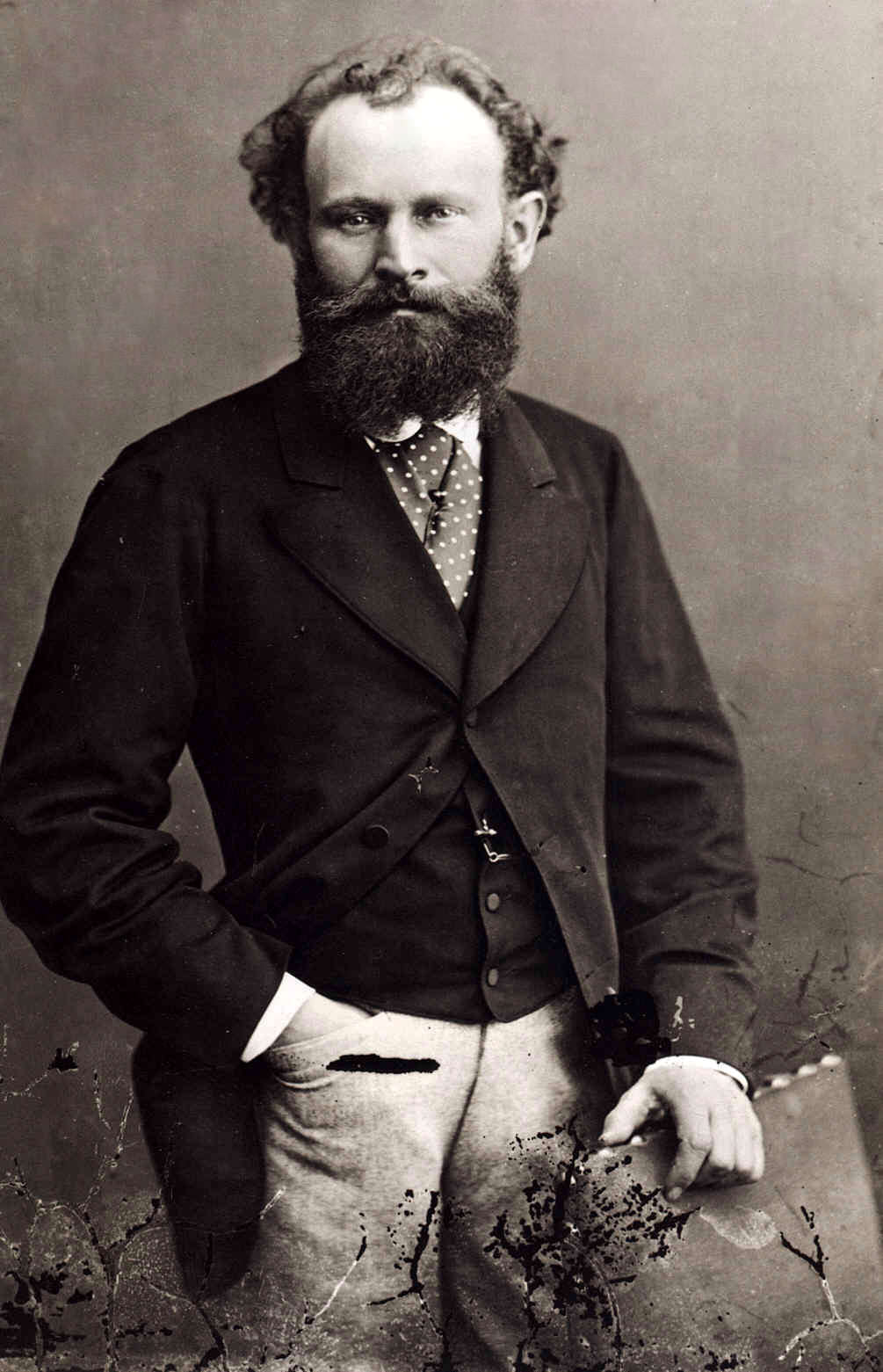
By the final decades of the 19th century, Nadar’s lens had captured some of the most remarkable minds of the era. Poet Stéphane Mallarmé, painter Claude Monet, and Édouard Manet all appear in his later work — each image a direct window into who they were.