Sante Forlano built one of the most respected careers in American fashion photography during the 1950s and 1960s. His images appeared in some of the country’s most widely read fashion magazines, including Vogue, Glamour, Seventeen, and Redbook. Before his photography career took off in the United States, Forlano spent nearly a decade in Europe. From 1946 to 1954, he served as creative director at Christian Dior’s Paris and Rome offices — a role that placed him at the very center of postwar haute couture. When he returned to the U.S., he opened his own studio and began producing the bold, polished images that would define his legacy. He died of a heart attack at his home at 327 Lexington Avenue at the age of 49.
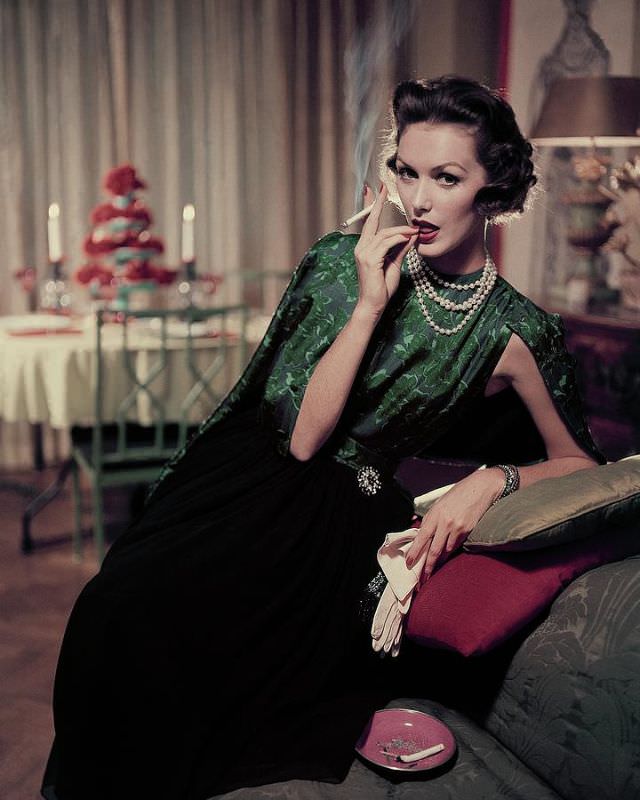
Forlano’s 1956 work shows the clean elegance that defined mid-decade fashion. Florals, structured coats, and fine lingerie sets were all on display that year.
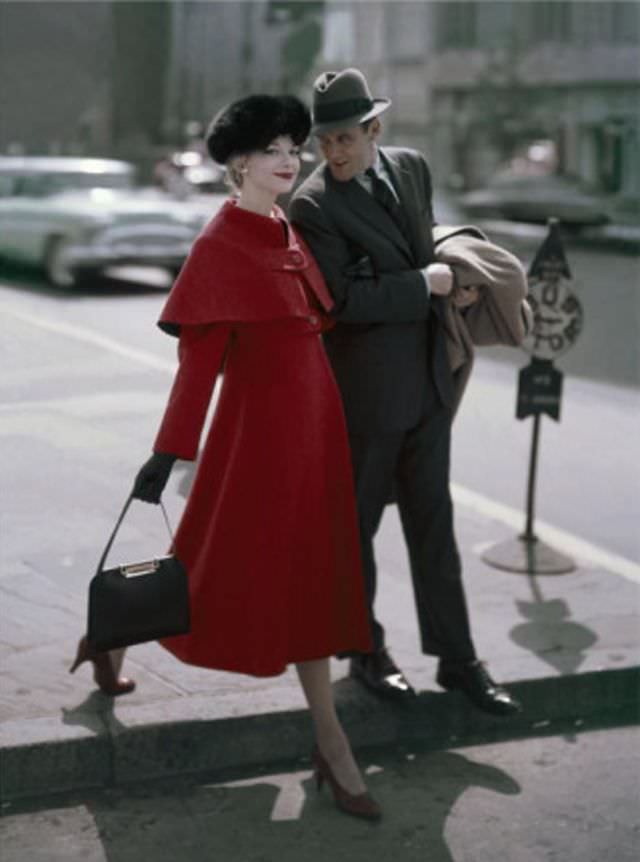
The crimson coat and fox hat combination seen in one 1956 shot captures the theatrical boldness that defined fashion that year. Young Couture’s high-waisted buttoned-on cape and a fox hat by Emme made for a striking pairing. Forlano knew how to frame strong garments without letting the setting overshadow them.
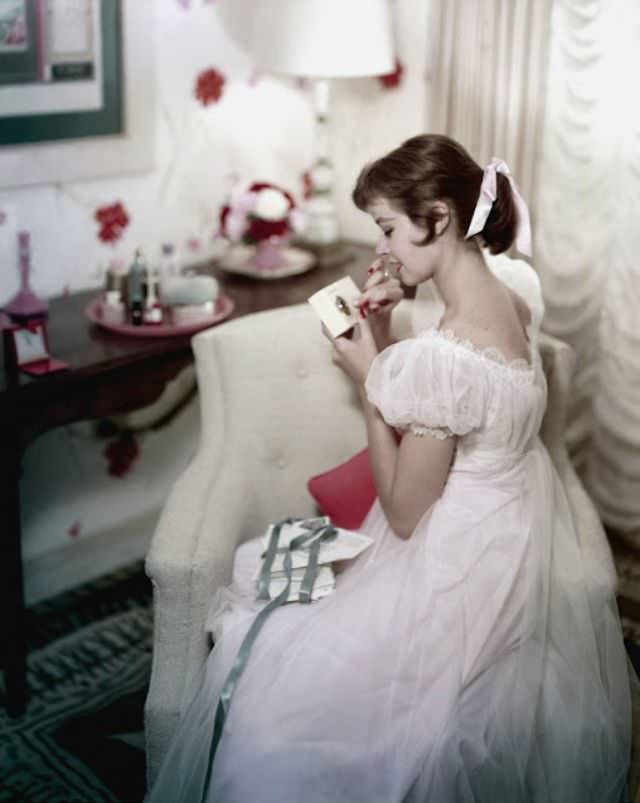
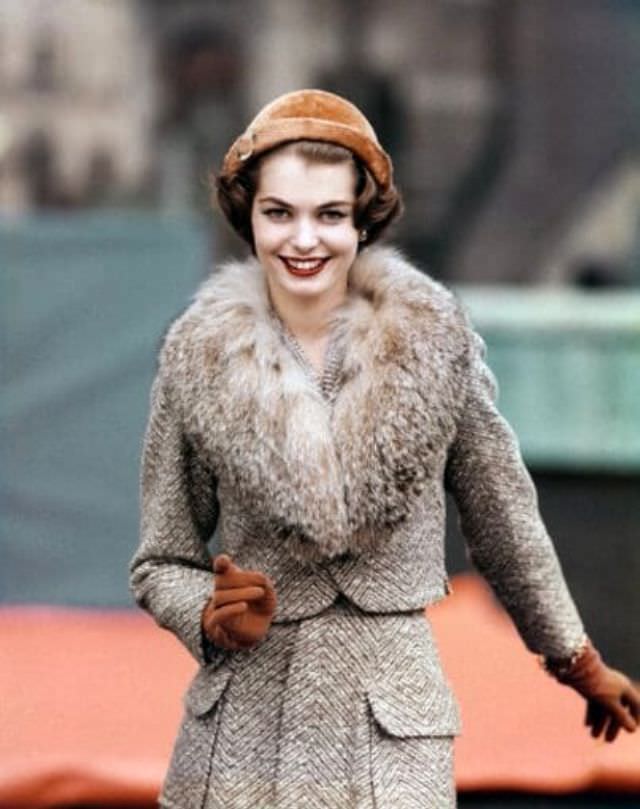
By 1957, Forlano was shooting for major beauty and fashion campaigns. His portraits of models wearing Charles of the Ritz makeup and tailored wool suits showed his ability to blend beauty editorial work with clothing photography seamlessly.
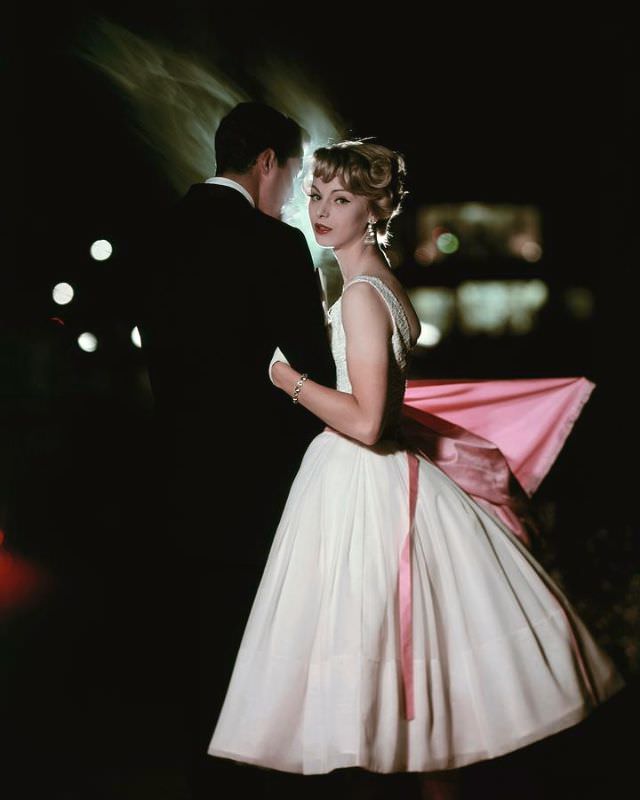
The white chiffon skirt paired with a cotton lace bodice from October 1957 is a good example of Forlano’s eye for texture contrast. He often used soft, light fabrics against more structured pieces to create visual interest within a single frame.
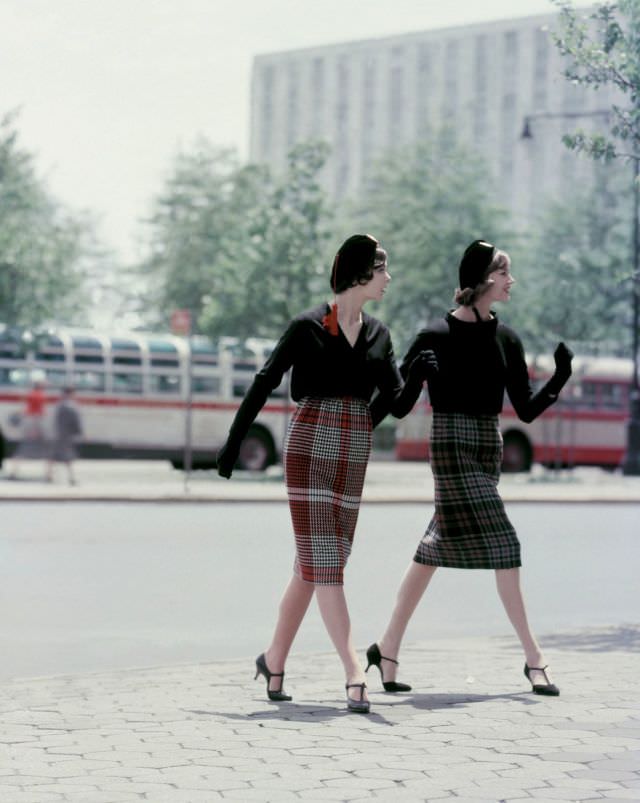
This 1958 Vogue shot featuring two models in matching plaid skirts and black worsted wool blouses, finished with black berets, shows Forlano’s skill with multi-model compositions. Coordinating two figures in editorial work requires careful attention to balance and posing, and Forlano made it look effortless.
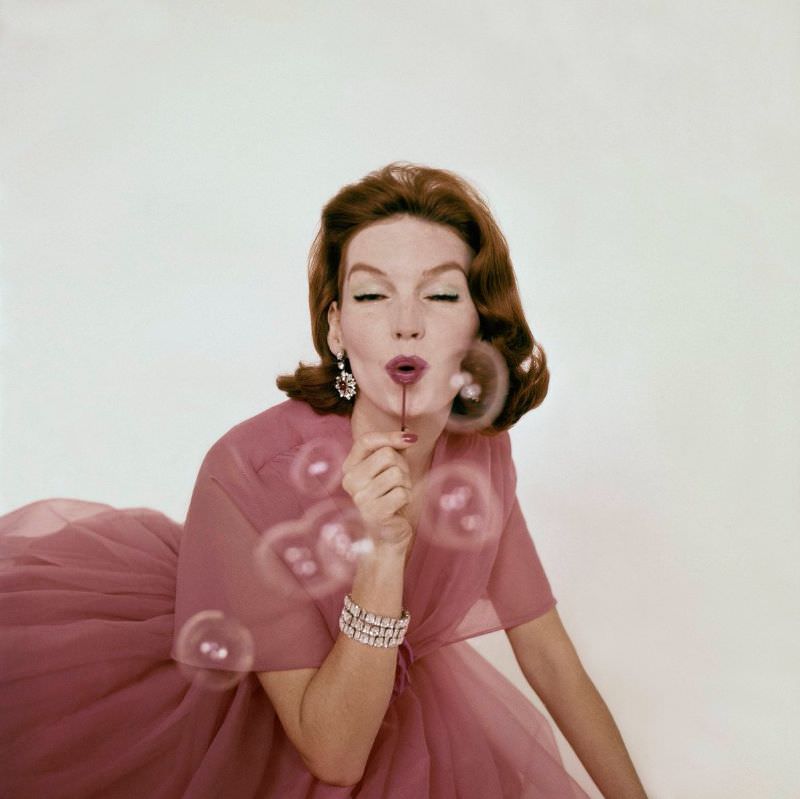
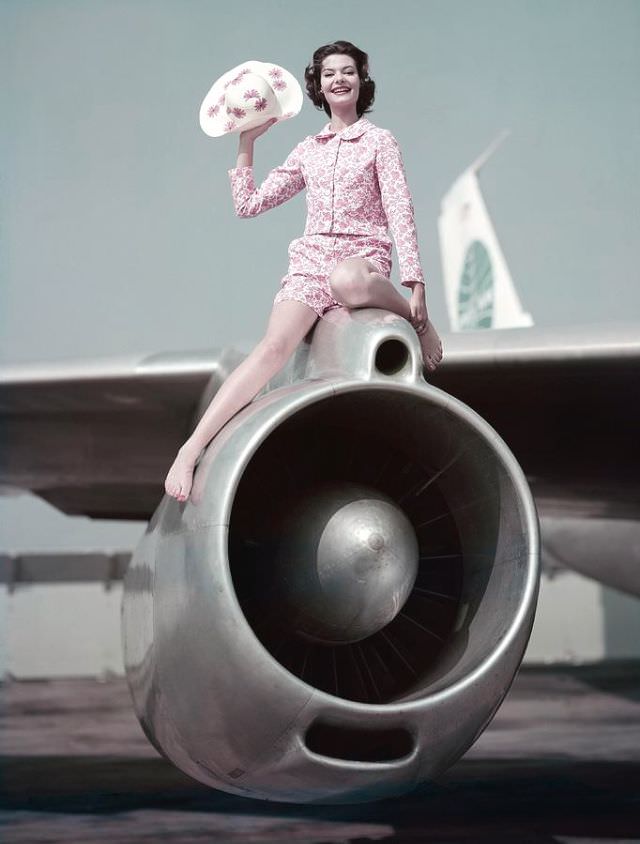
The year 1959 brought some of Forlano’s most inventive location shooting. One standout image placed a model directly atop the engine of a Pan American 707 Clipper jet, wearing a pink printed sharkskin jacket. The shot paired the sleek new age of jet travel with the glamour of contemporary fashion in a way that felt fresh and modern.
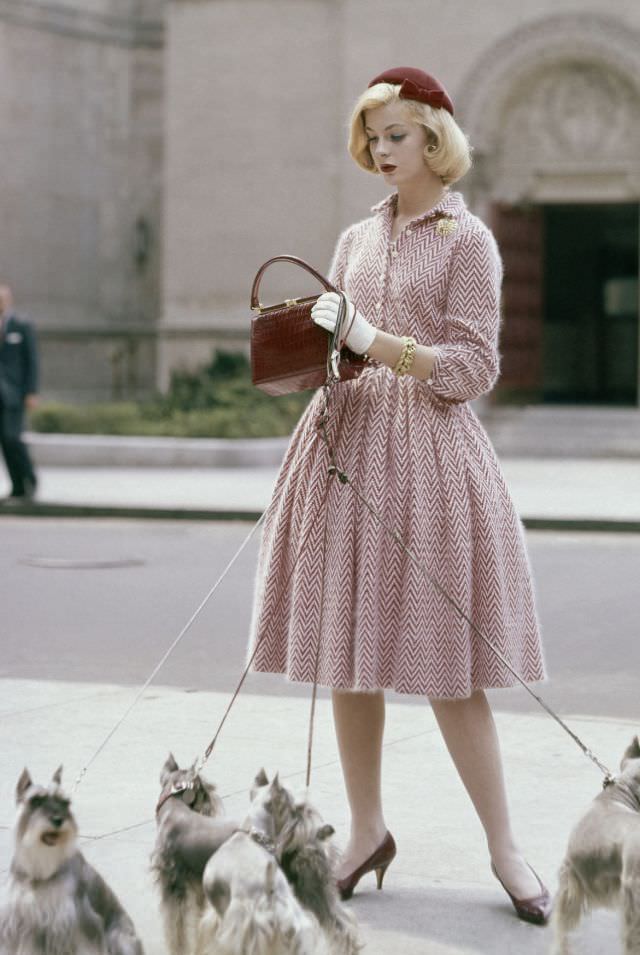
Anne Fogarty was one of the designers Forlano photographed more than once. Her knitted dress, paired with a velvet hat by Emme and an alligator bag by Lucille, gave Forlano a strong set of textures and shapes to work with in 1959.
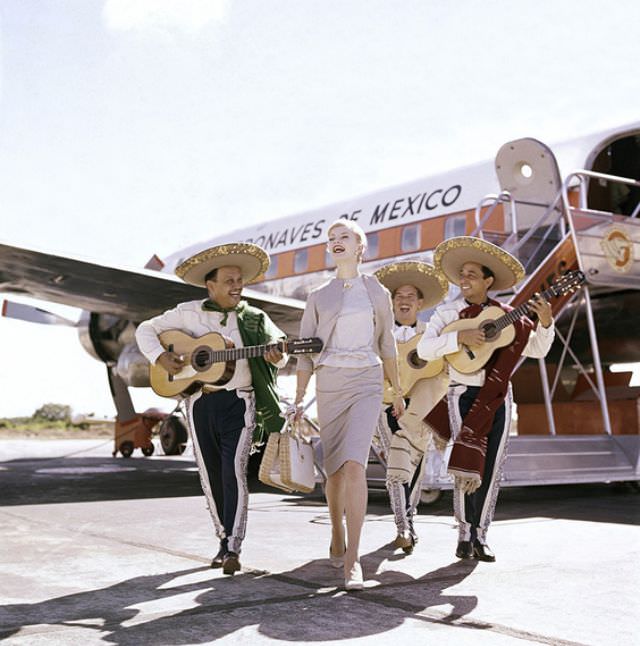
Forlano took his camera on the road in 1960, shooting a model arriving in Acapulco, Mexico. She wore a Sportwhirl suit, carried a Ronay canvas bag, and accessorized with gold jewelry by Tiffany & Co. and a pink silk hat by Products of India. The mix of luxury American brands against a Mexican travel backdrop was a classic editorial move of the era.
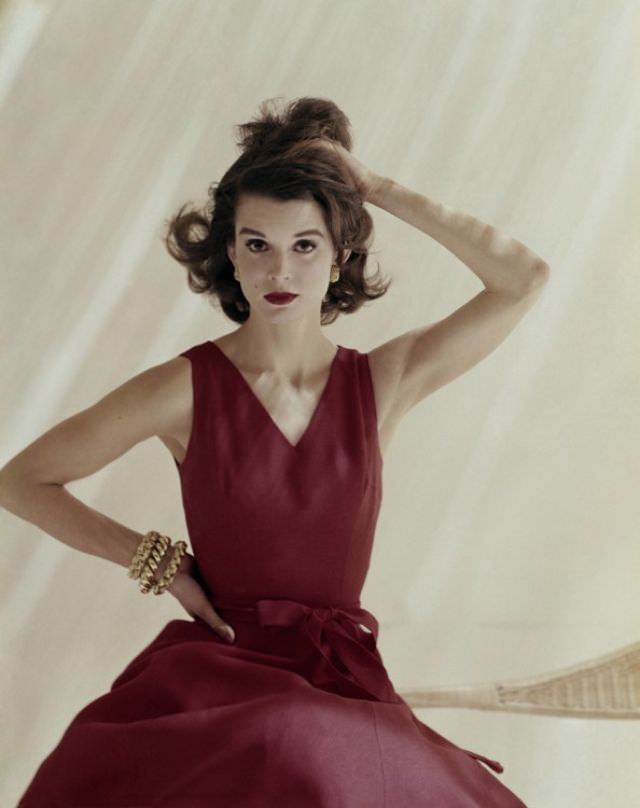
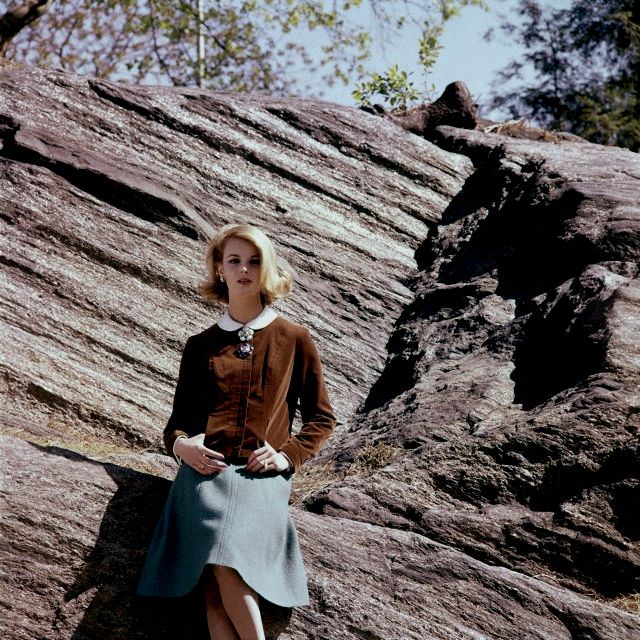
The early 1960s brought a shift toward richer fabrics and more layered looks. Forlano’s 1962 work includes a velveteen cardigan jacket paired with an Irish linen blouse — a combination that blended warm texture with crisp structure.
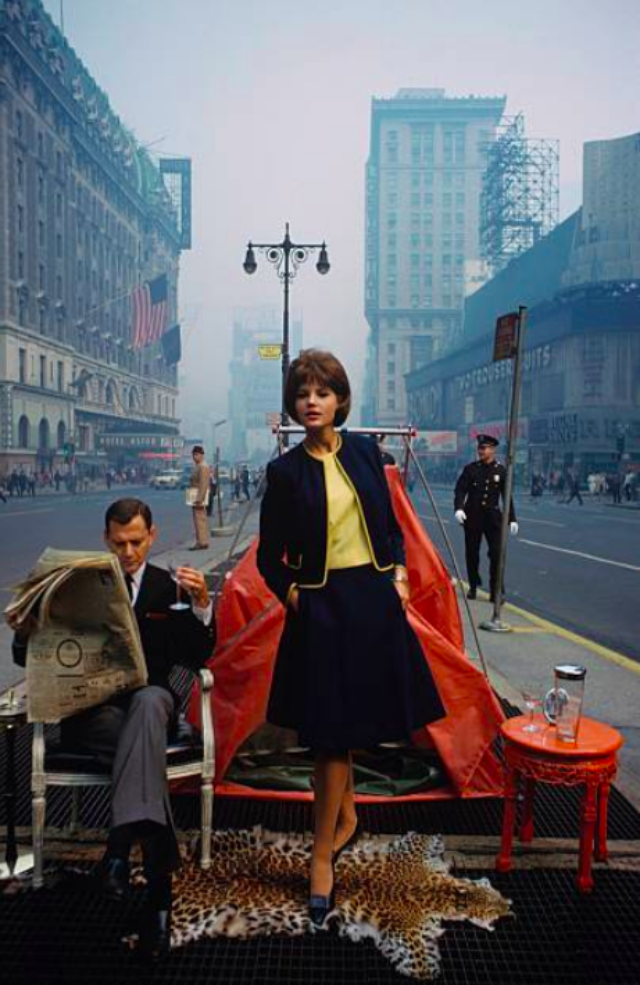
In January 1963, Forlano staged one of his more theatrical shoots. Actor Tony Randall joined a model in the middle of Times Square for a playful “playing house” scene set right in the heart of Manhattan. The contrast between a domestic setup and one of the busiest intersections in the world made for an instantly memorable image.
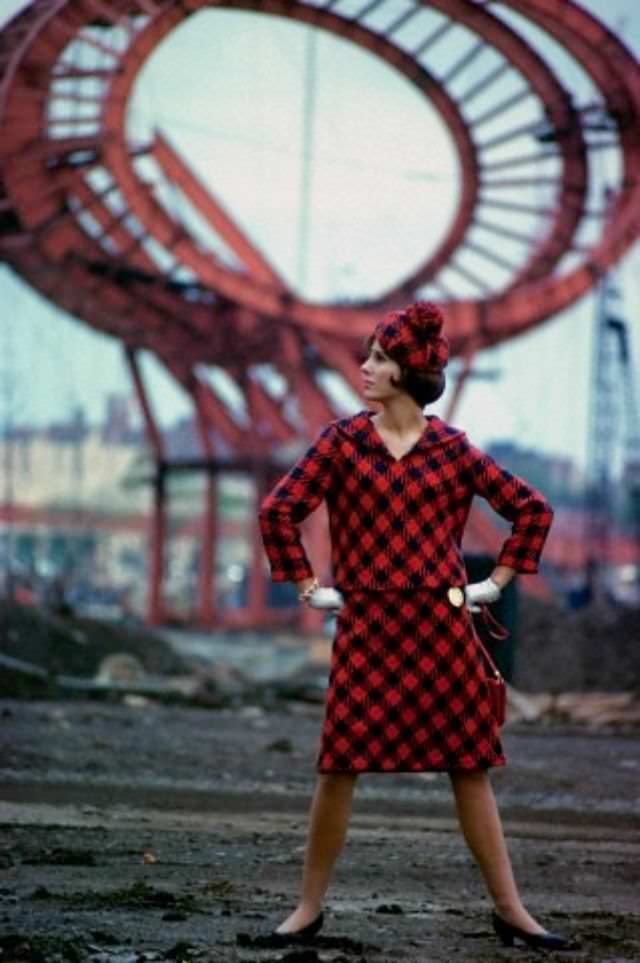
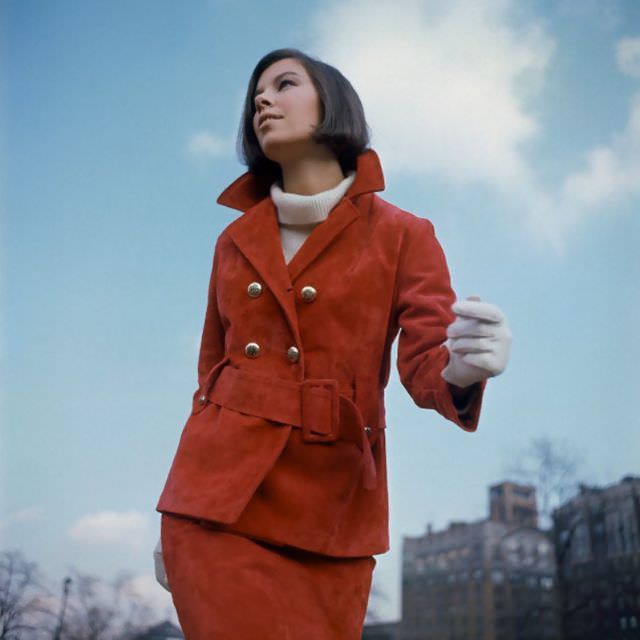
By 1964, Forlano was shooting rich autumnal palettes. A red suede suit by Highlander worn over a cashmere sweater by de Loux gave the image both warmth and sophistication. His ability to capture the weight and softness of luxury fabrics through still photography was a consistent strength throughout his career.
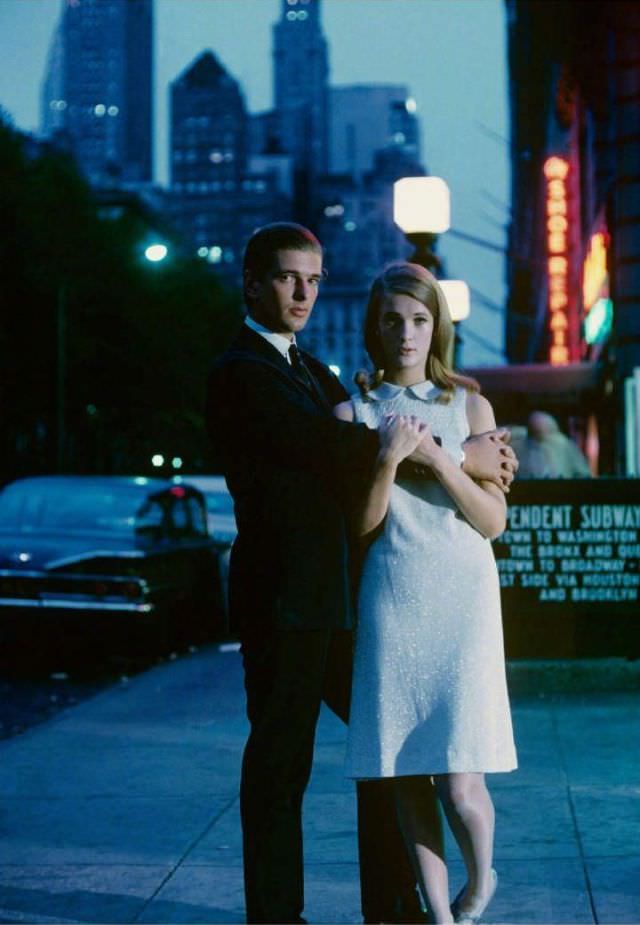
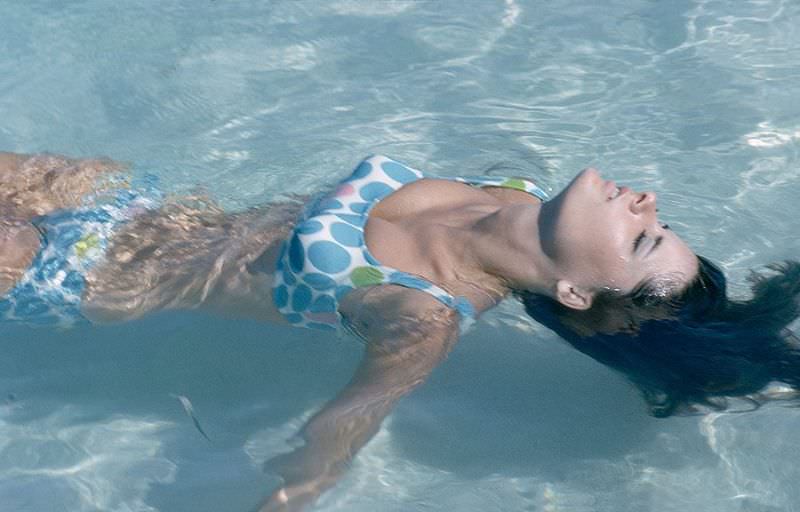
1965 showed Forlano’s range clearly. He moved from a shimmery Loomtogs baby doll dress to a polka-dot bikini by Rose Marie Reid in the same year — two completely different looks and moods, each captured with the same confident eye.
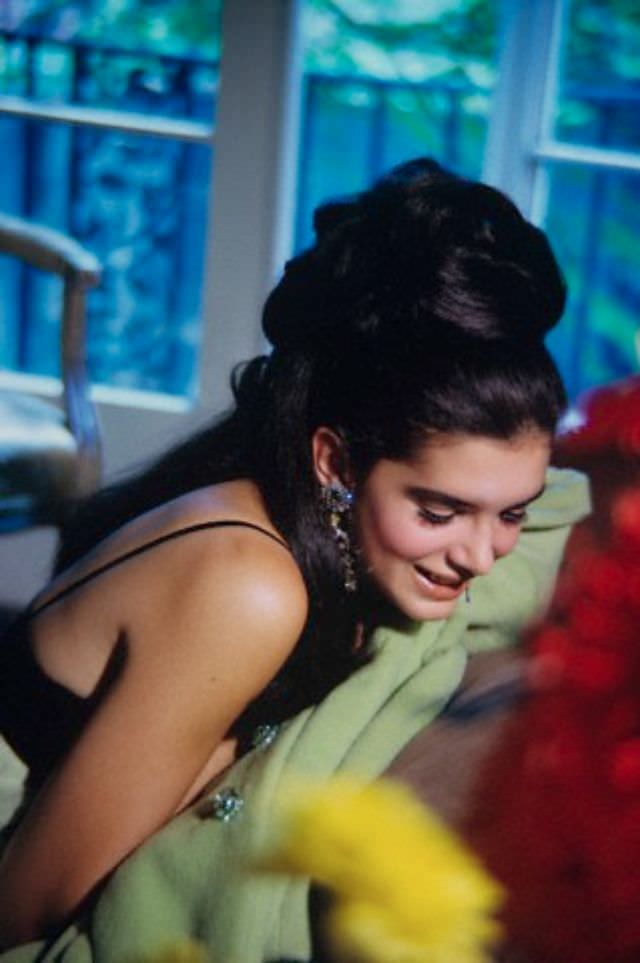
The mid-1960s brought bolder colors into Forlano’s frame. A lime green wool melton coat by Jr. Sophisticates worn by Alexandra Hawley in 1966 is a strong example of the vivid, eye-catching tones that defined fashion photography of that period.
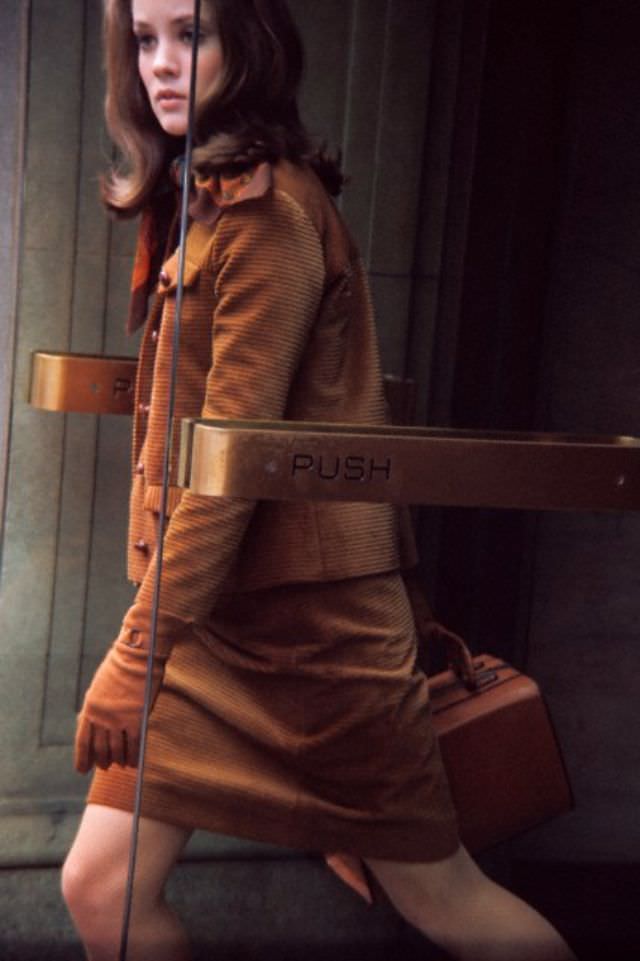
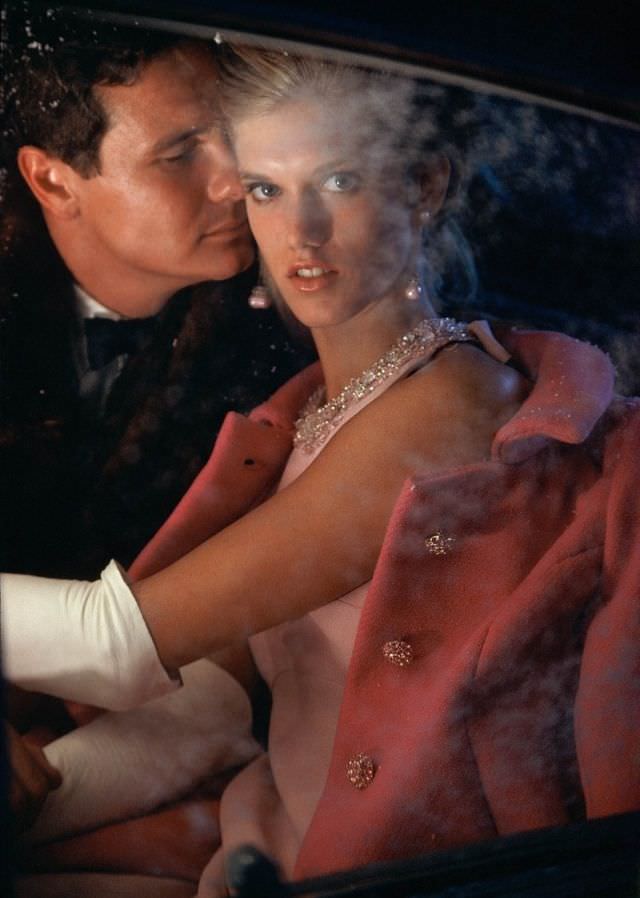
Also in 1966, Forlano photographed a long pink dress with a jeweled halter neck paired with a shocking pink wool evening coat, both by Pab Ltd. The monochromatic approach — using two different shades of pink together — was a bold styling choice that Forlano’s camera handled with precision.
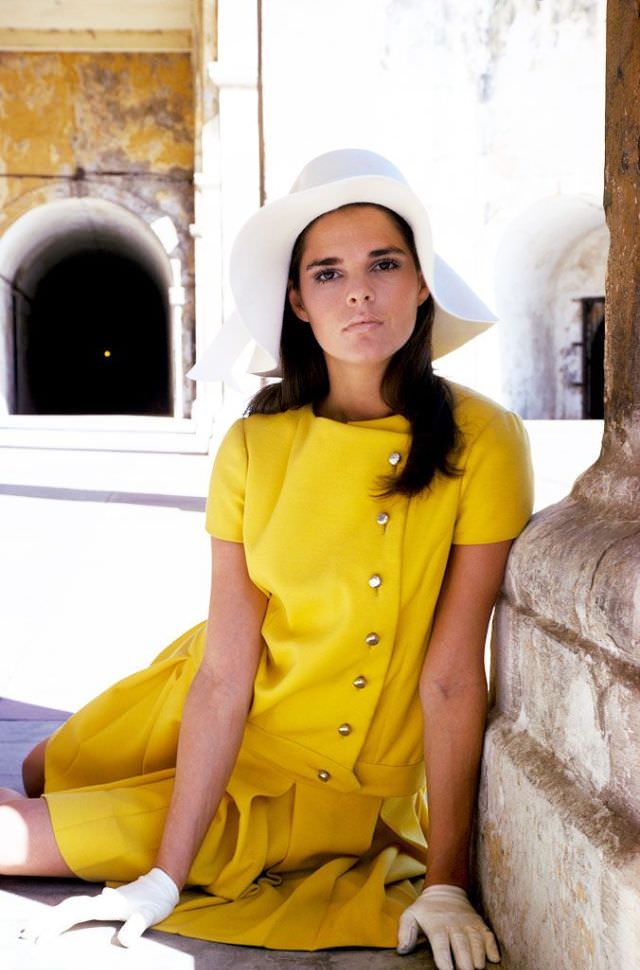
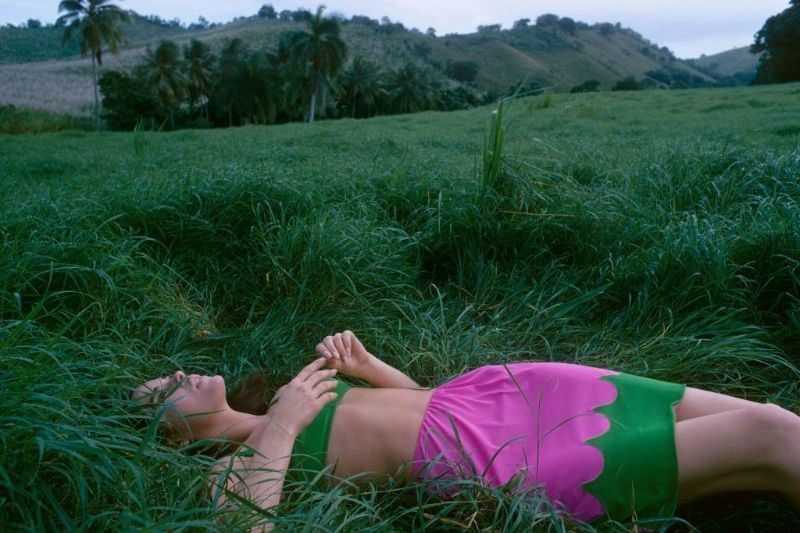
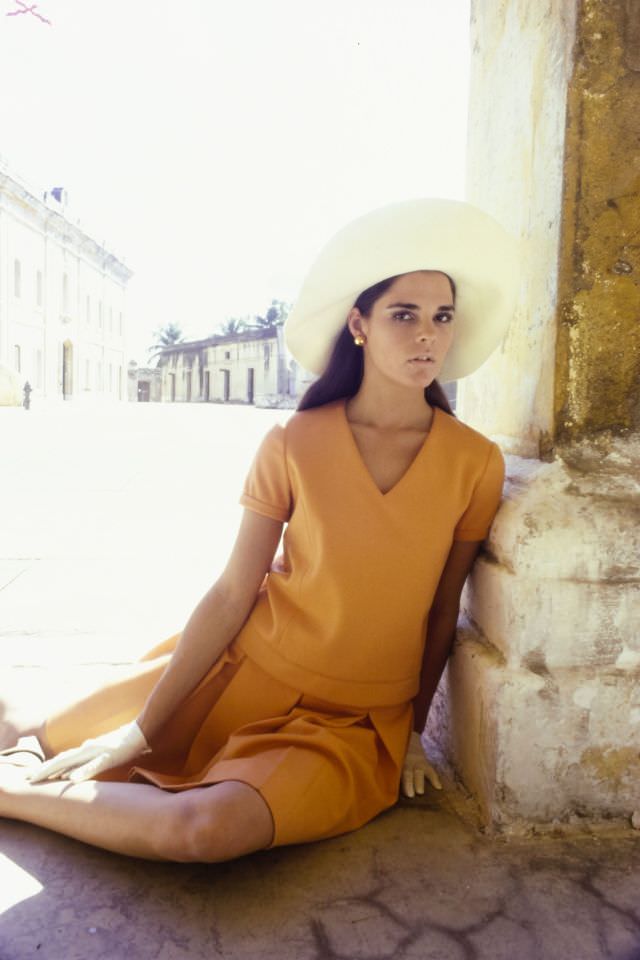
In 1967, Forlano photographed a young Ali MacGraw before she became a household name as an actress. The shoots captured her in a yellow wool suit by Jacques Tiffeau with a white felt floppy hat by Emme, as well as an orange suit and a relaxed outdoor shot lying in the grass.
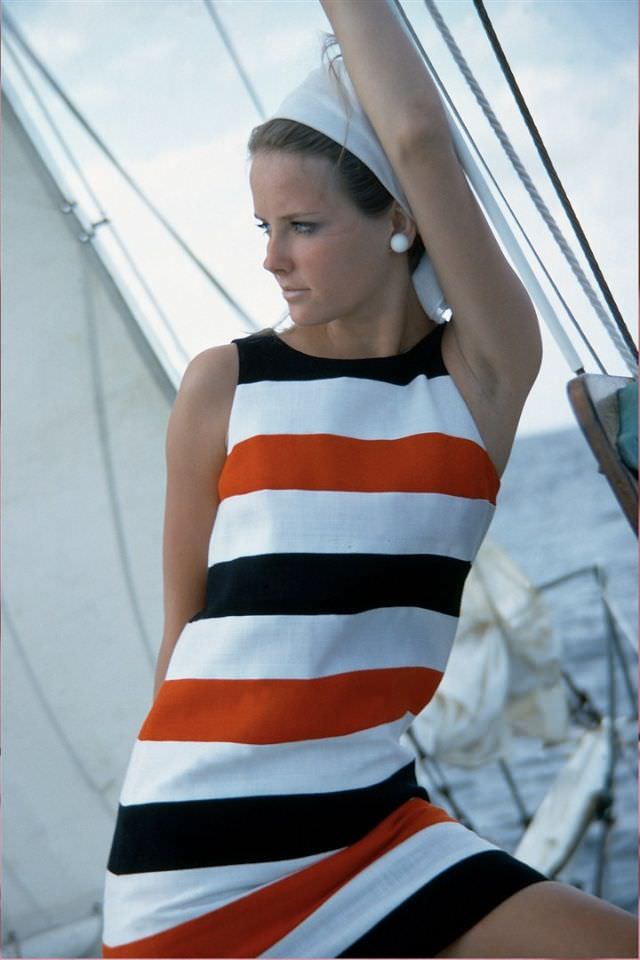
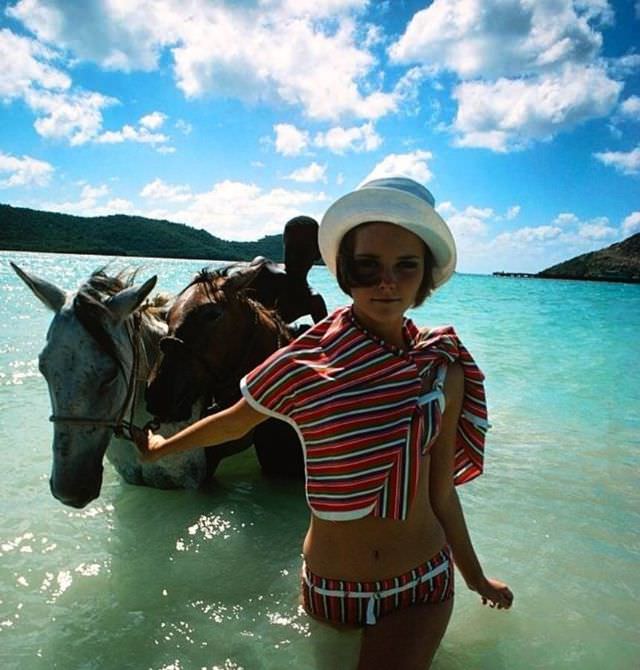
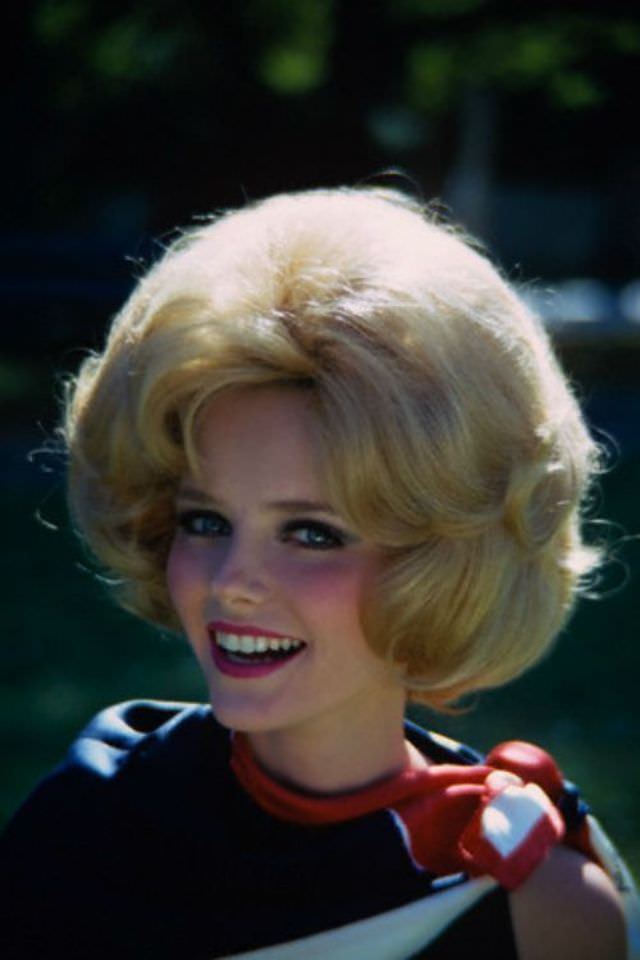
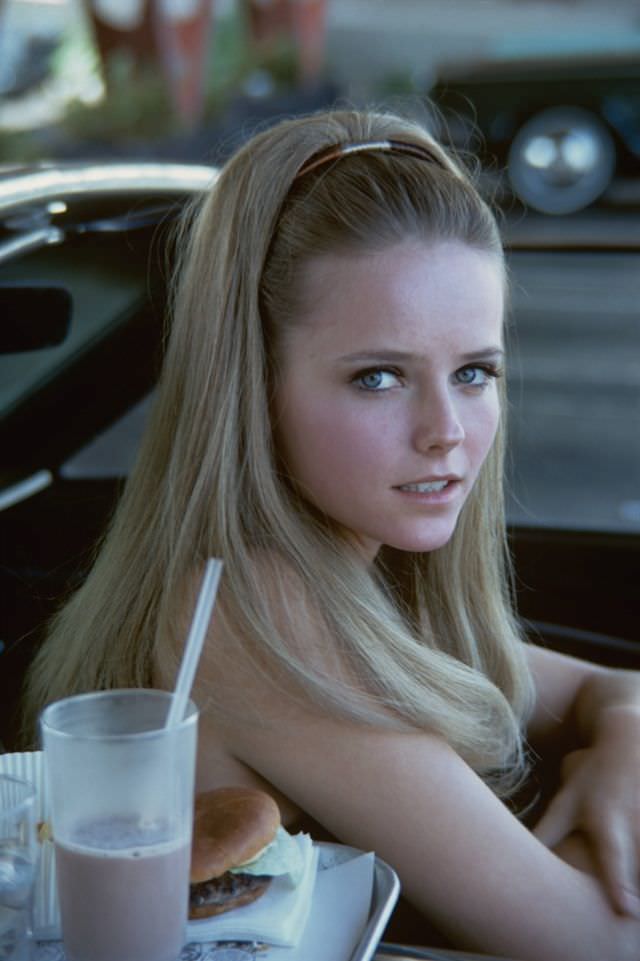
That same year, Forlano began working with Cheryl Tiegs, who was just beginning her rise as one of America’s most recognized models. His 1967 images of her show both versatility and presence — from a striped sleeveless dress to a tailored two-piece suit with a matching Emme hat.
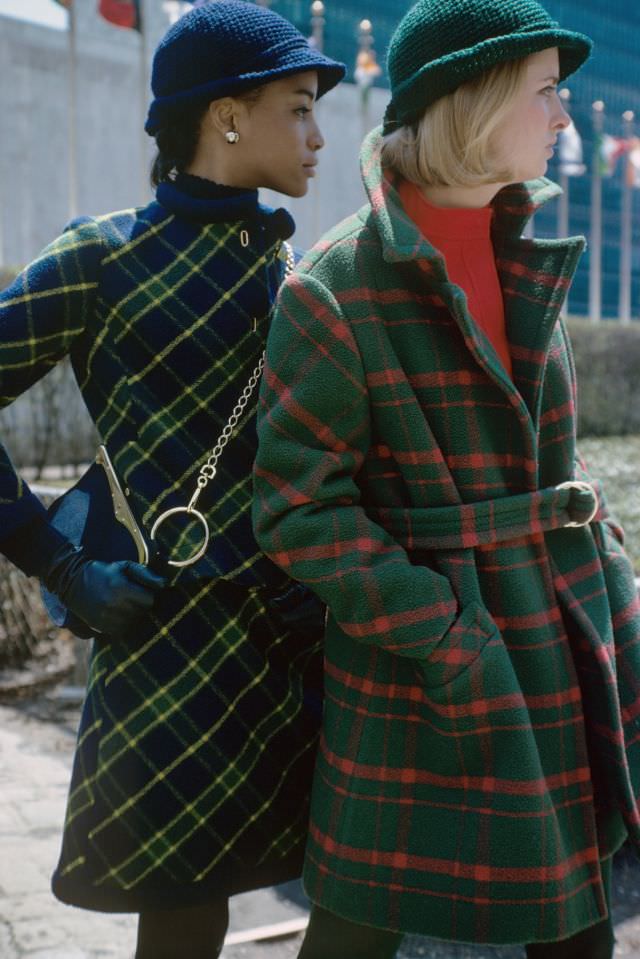
Also in 1967, Forlano staged an editorial in front of the United Nations Headquarters in New York City. Two models posed in coordinated plaid looks — one in a blue and green wool suit by Louis Clausen, the other in a green and red plaid belted coat by Don Simonelli for Modelia. The UN building provided a grand, recognizable backdrop that added a sense of occasion to the shot.
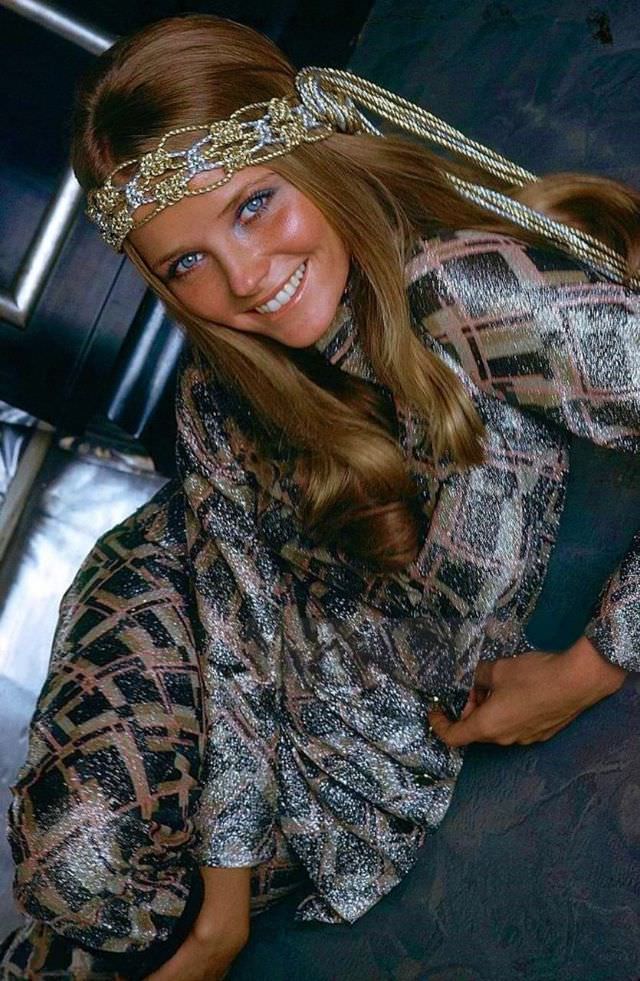
Forlano’s final years of work carried the same attention to detail and styling that defined his earlier career. His 1969 shoot with Cheryl Tiegs showed a decidedly late-decade energy — she wore a Lurex smoking suit by Victor Joris and a silver and gold belt worn as a headband by Myra Harding. It was a look that belonged entirely to its moment.