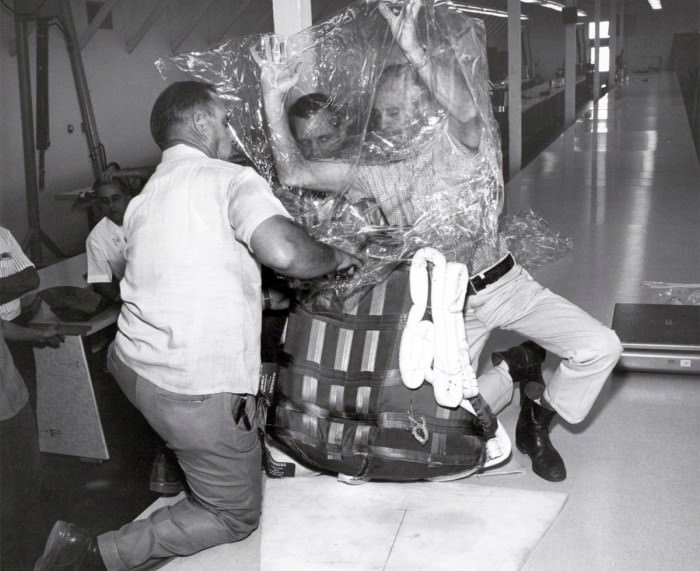
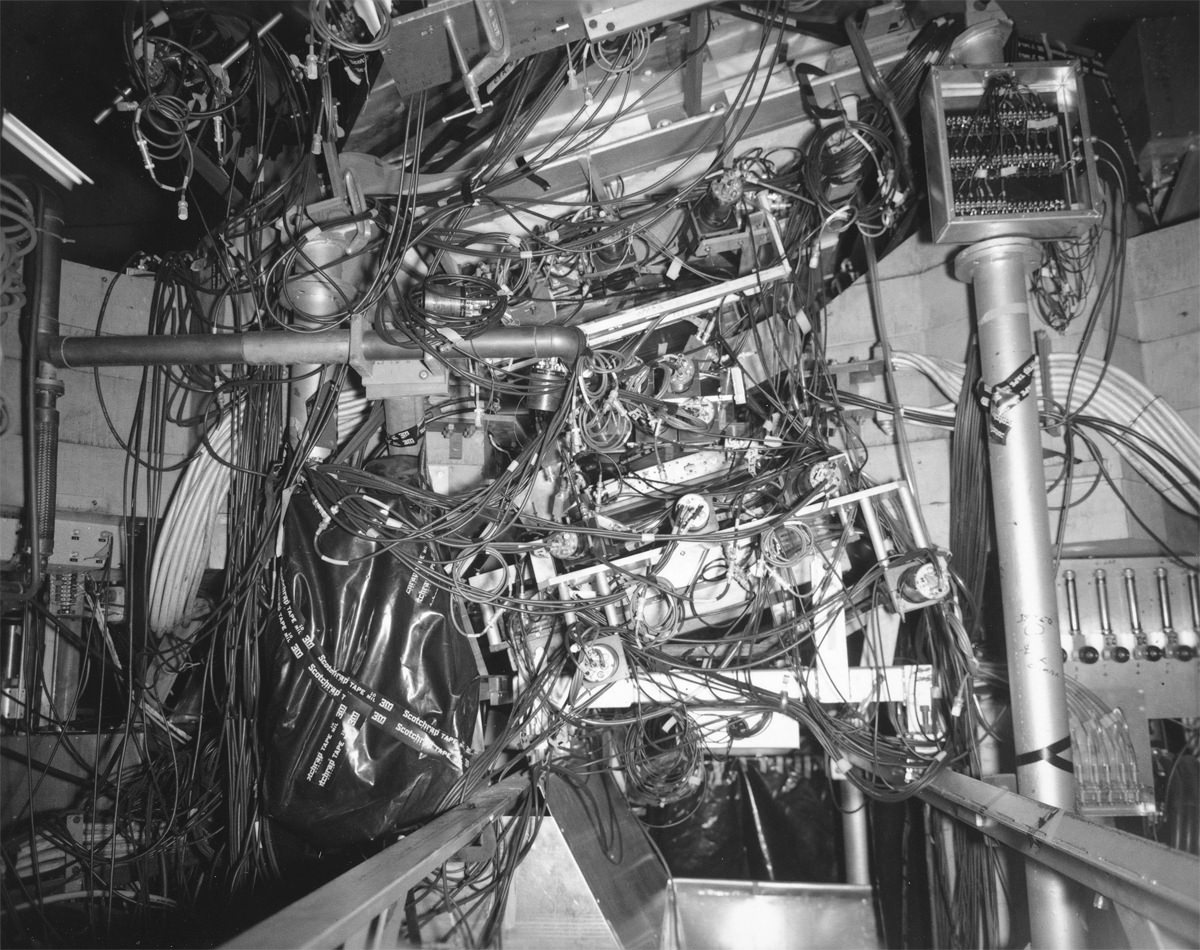
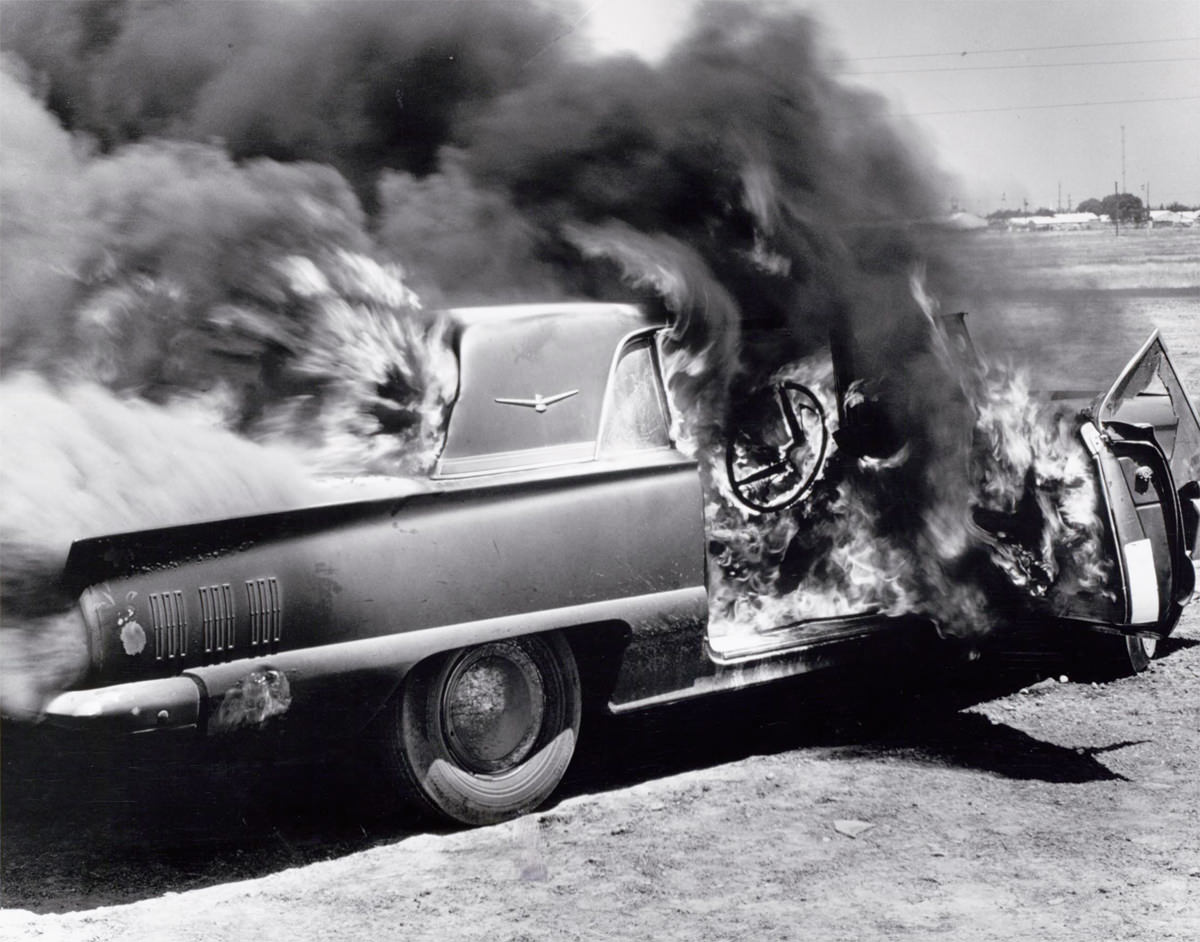
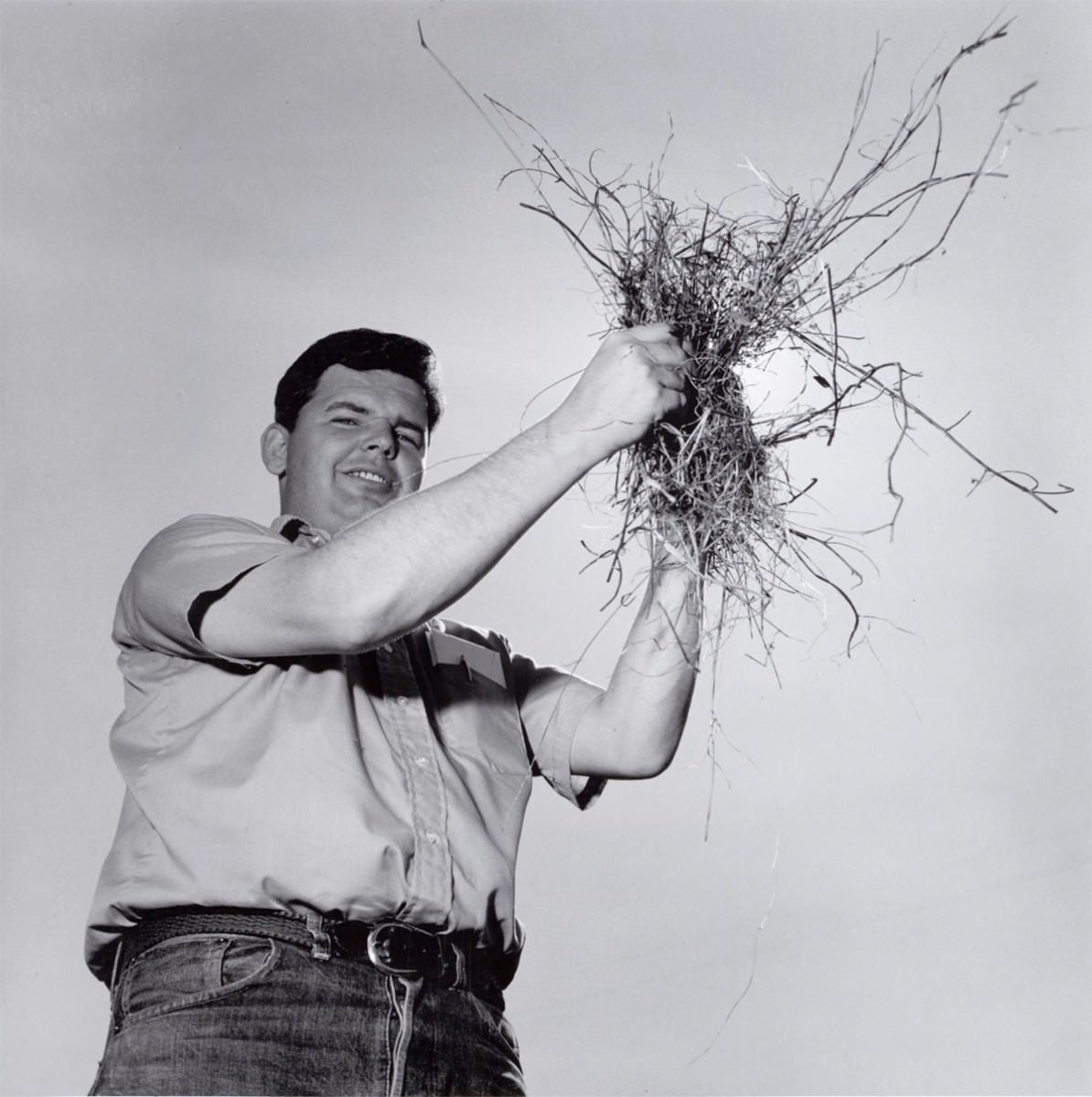
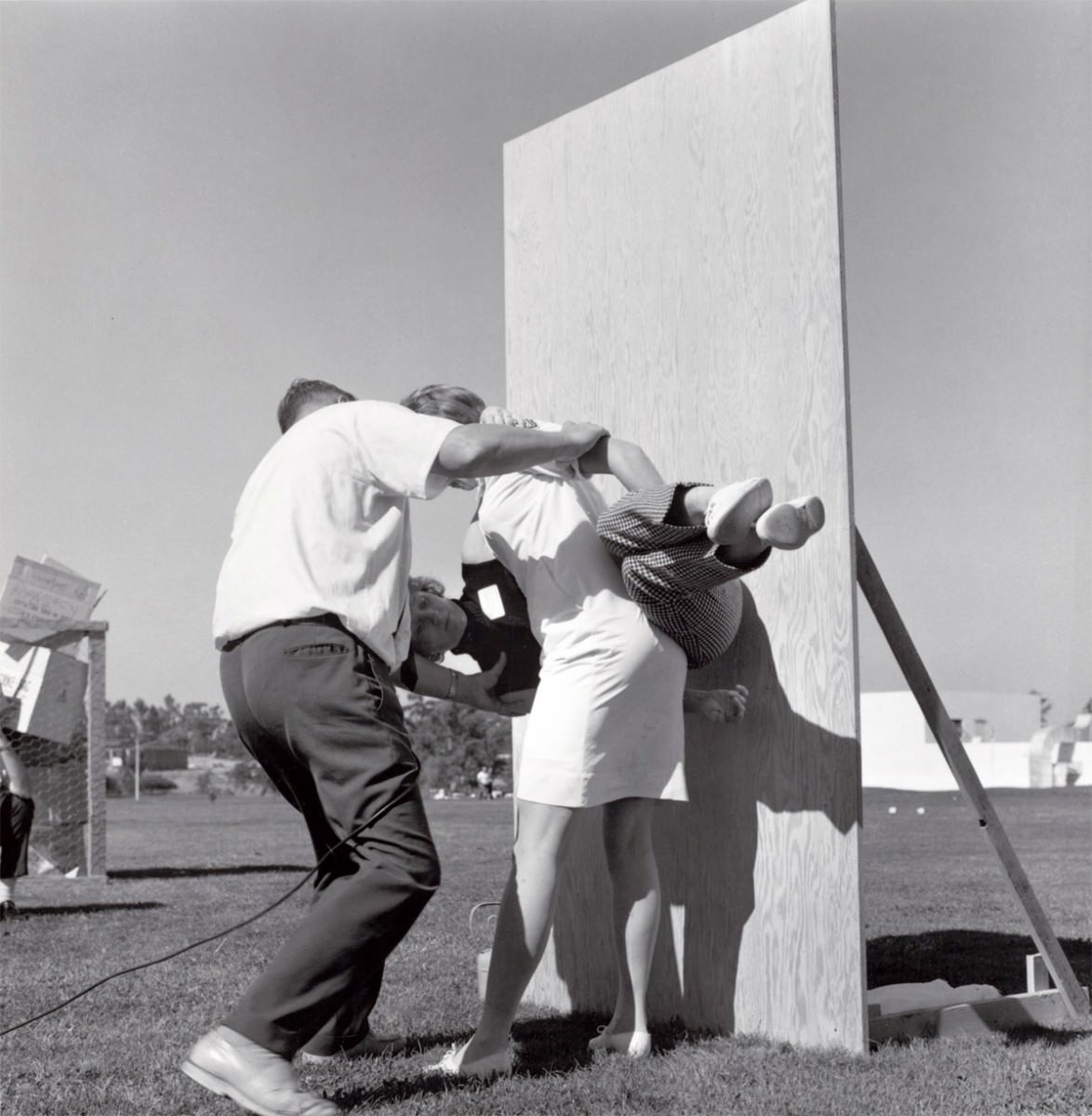
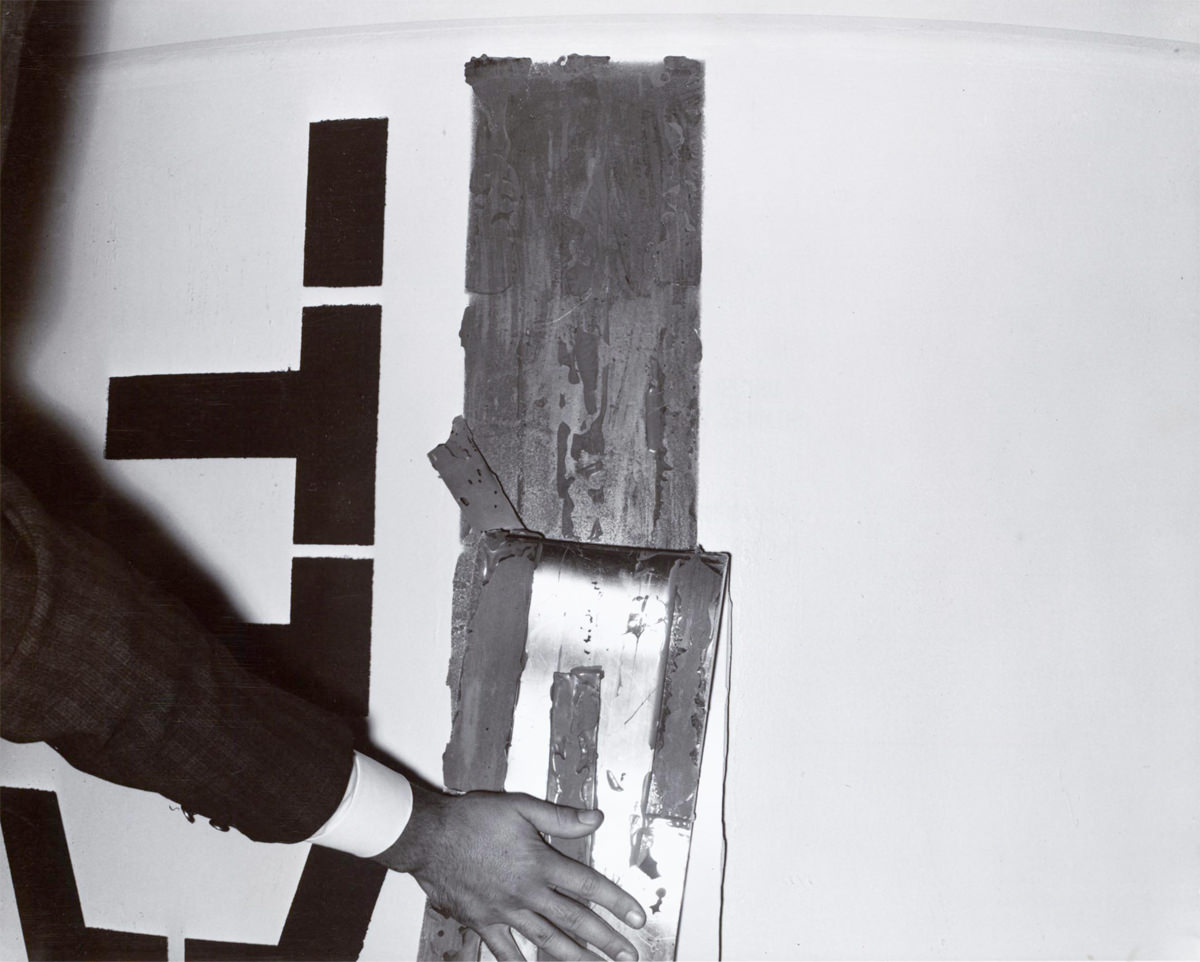
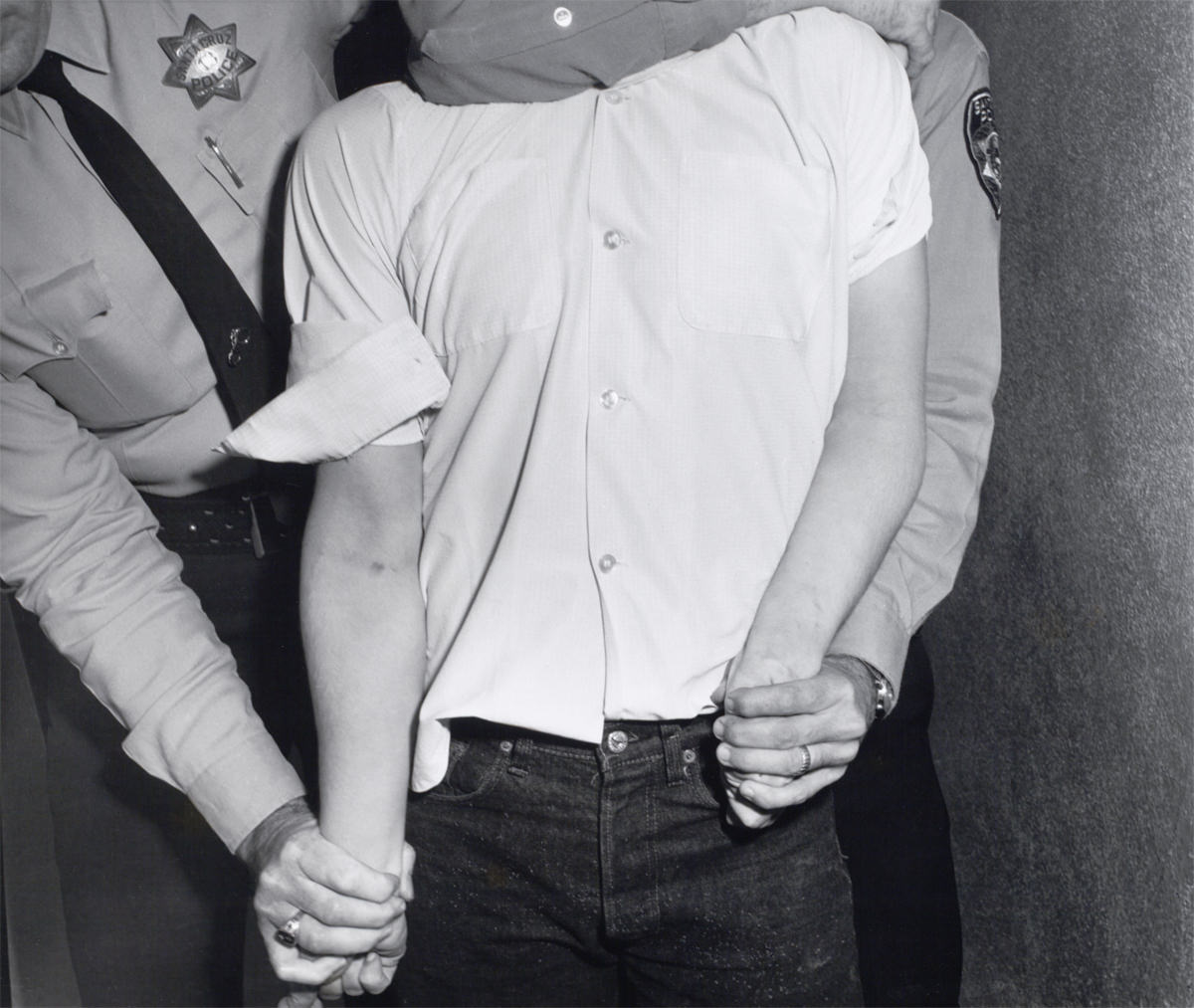
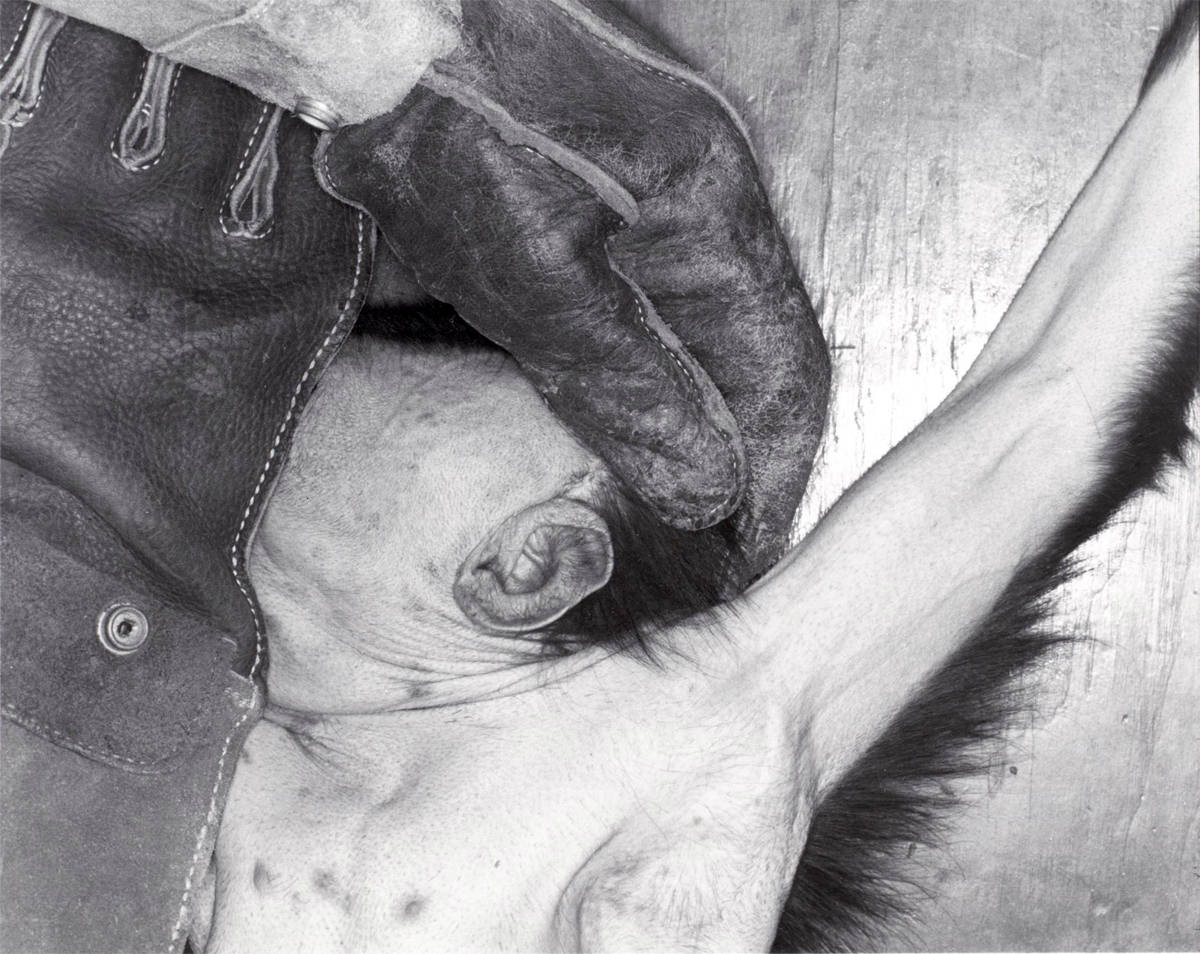
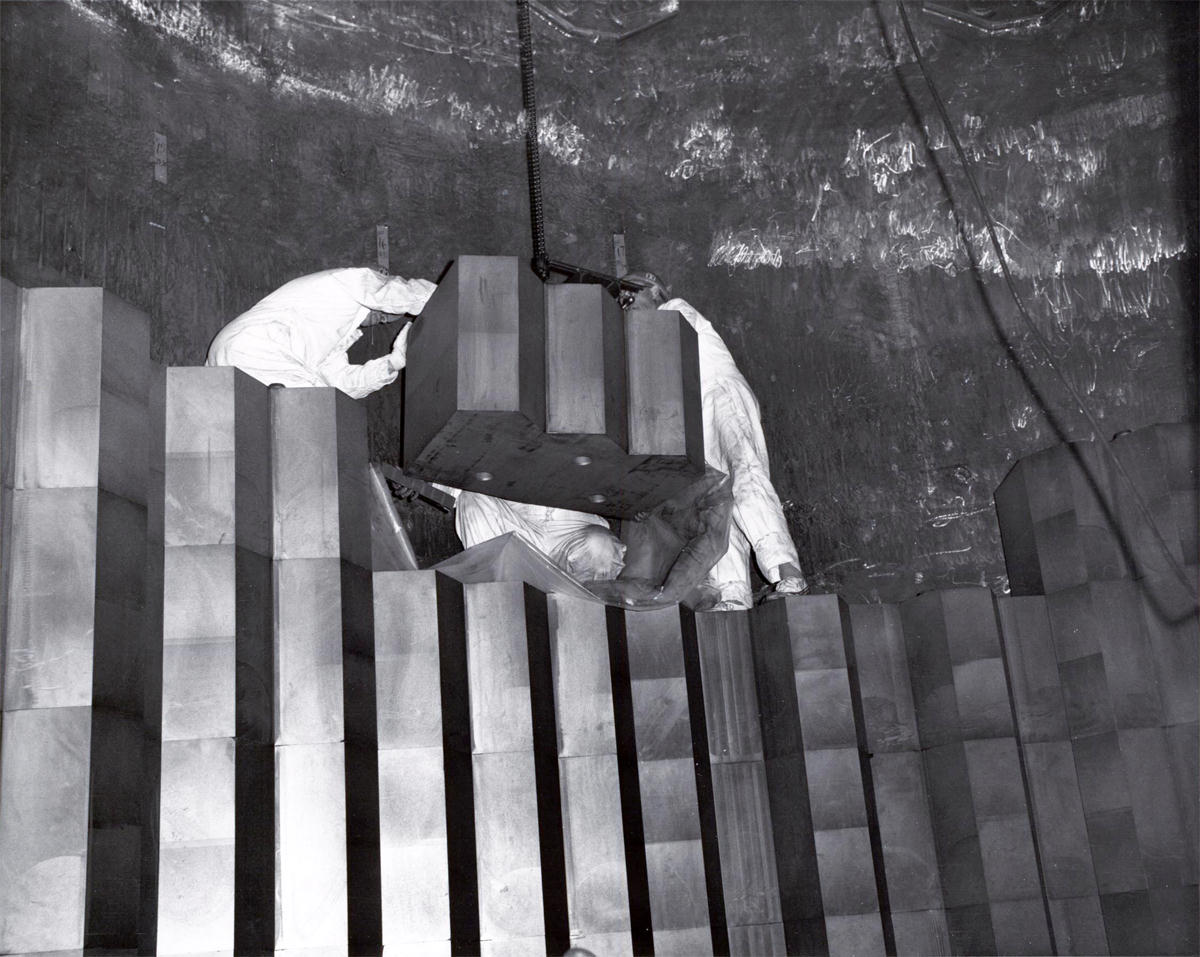
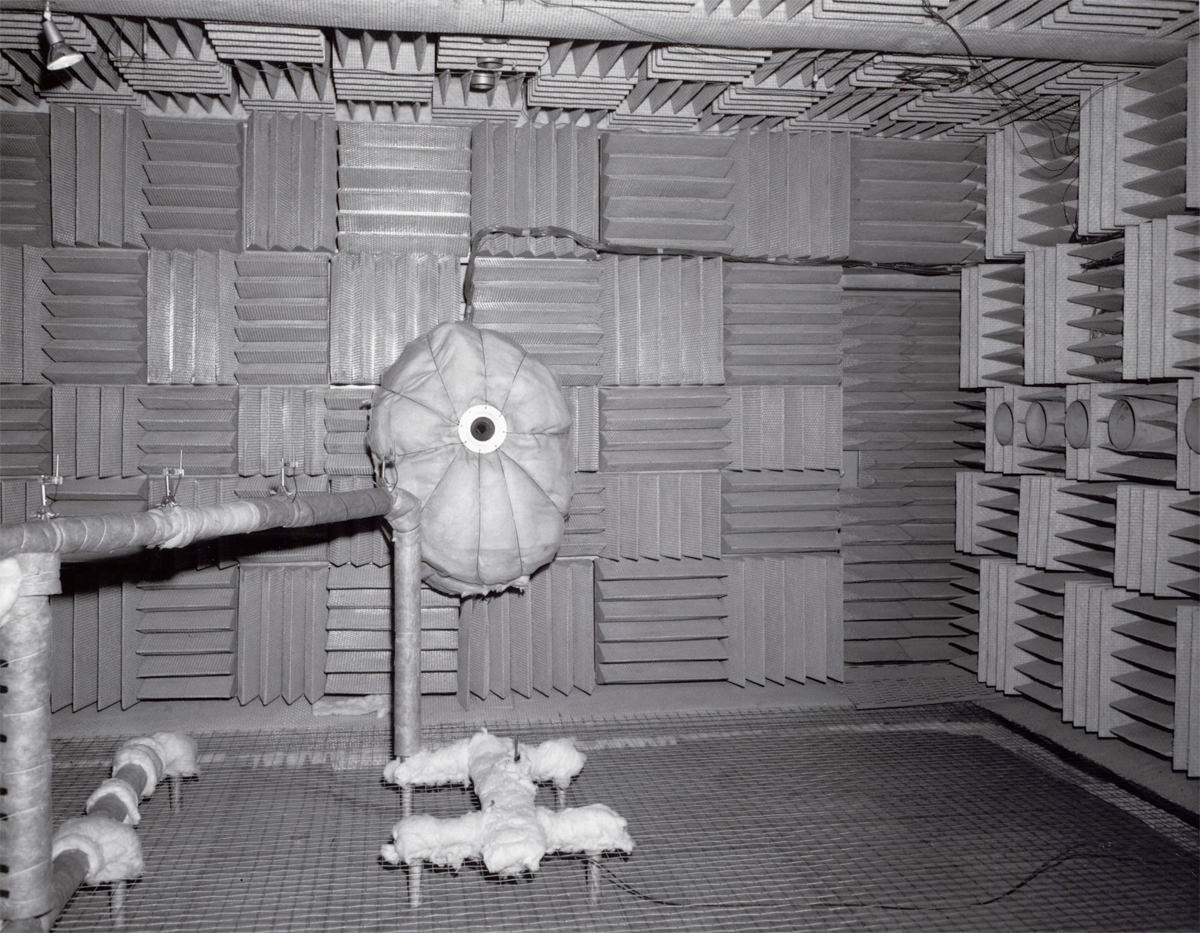
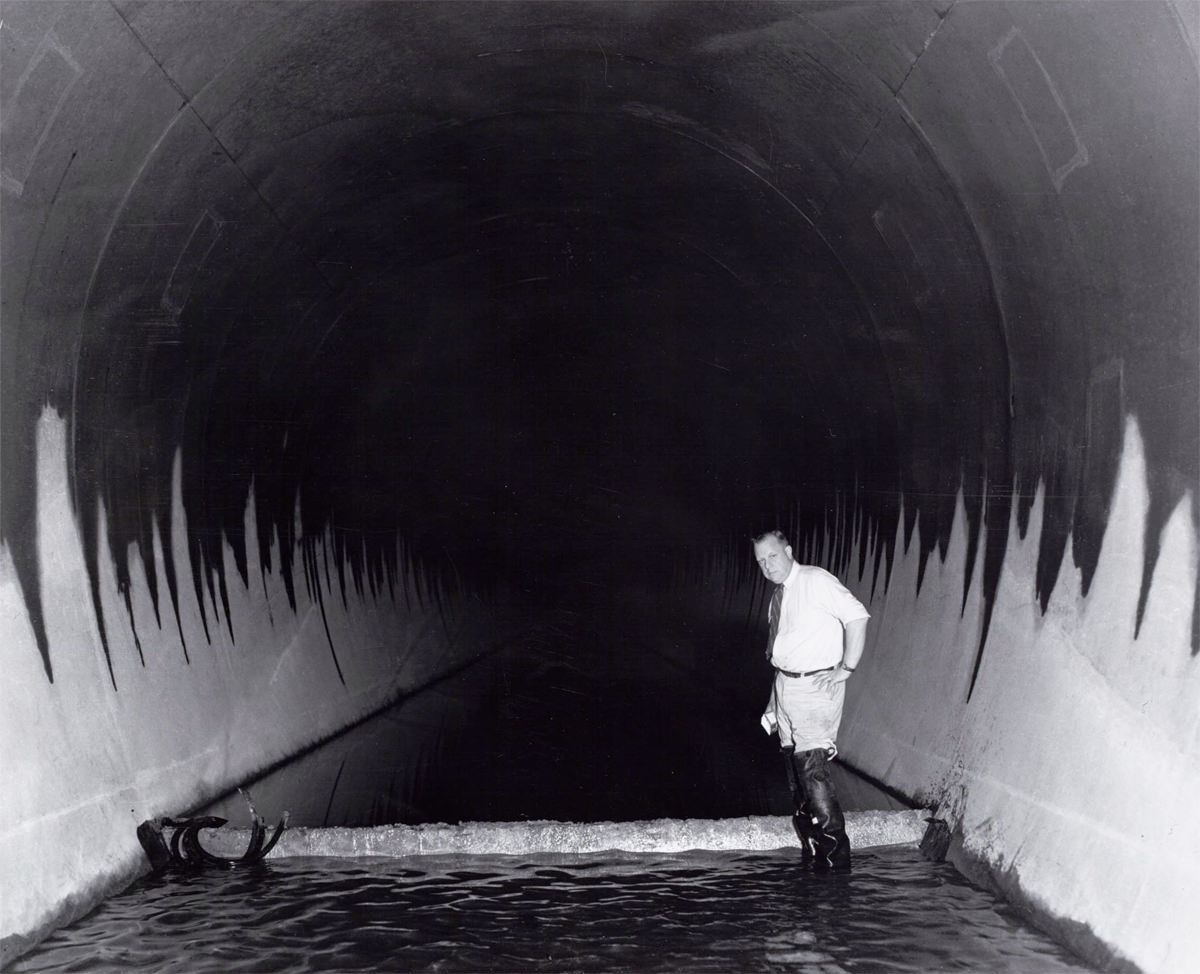
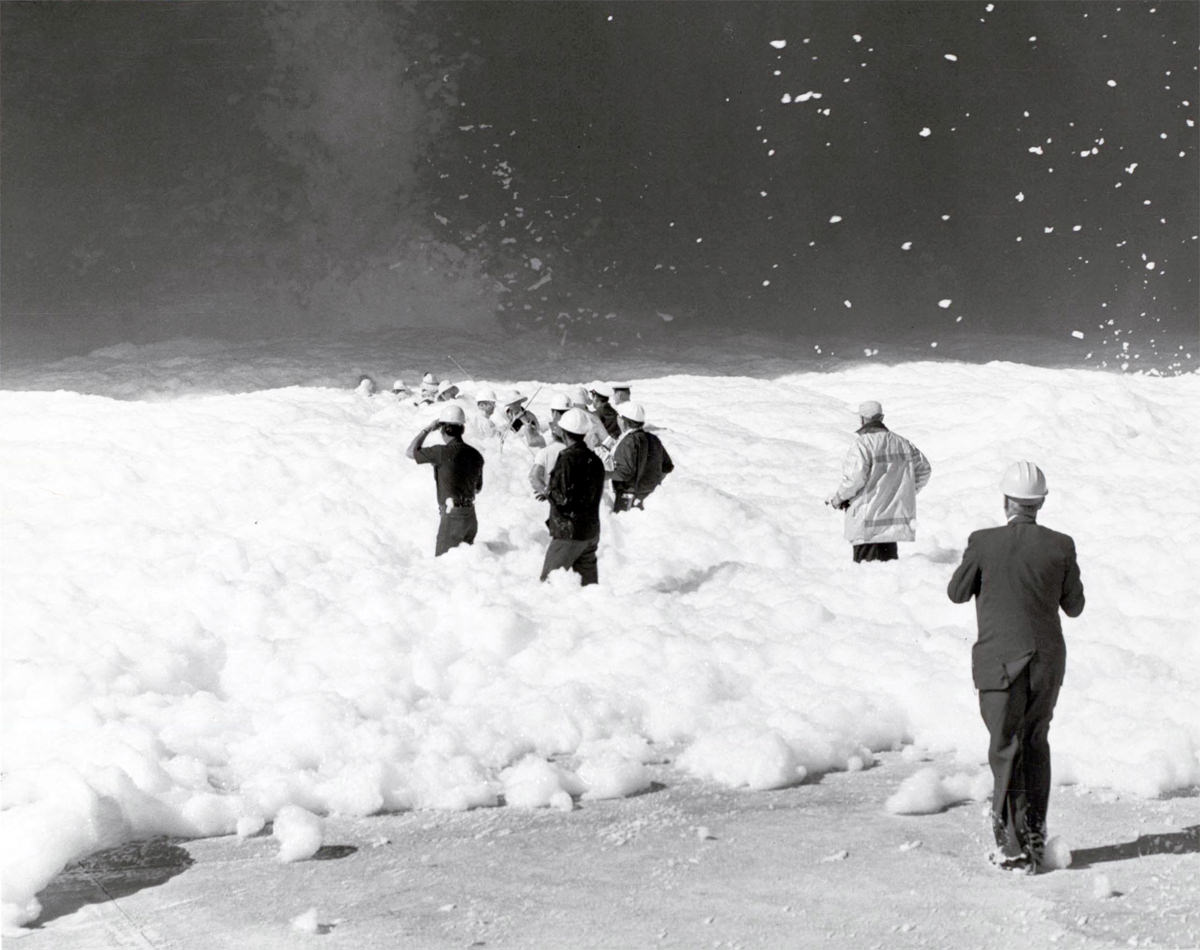
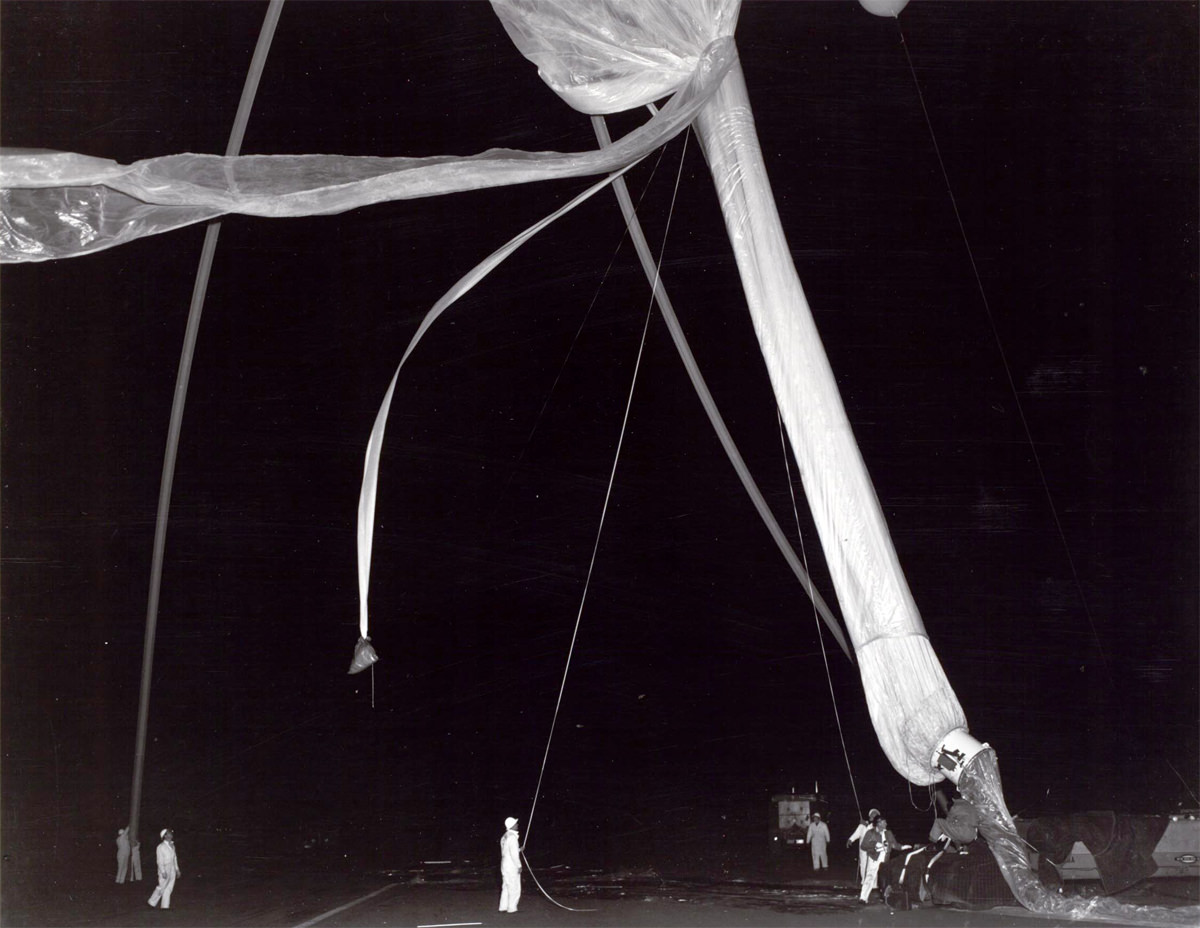
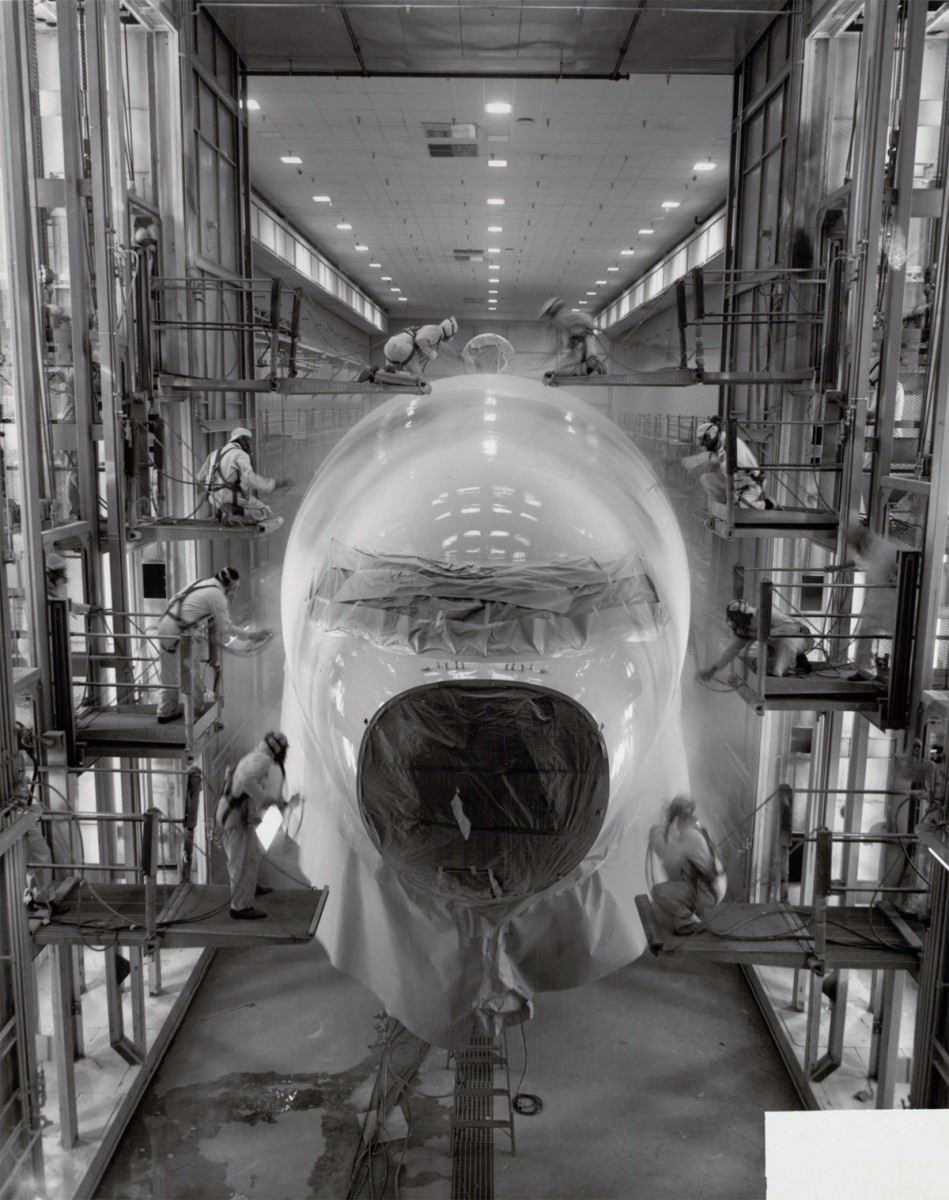
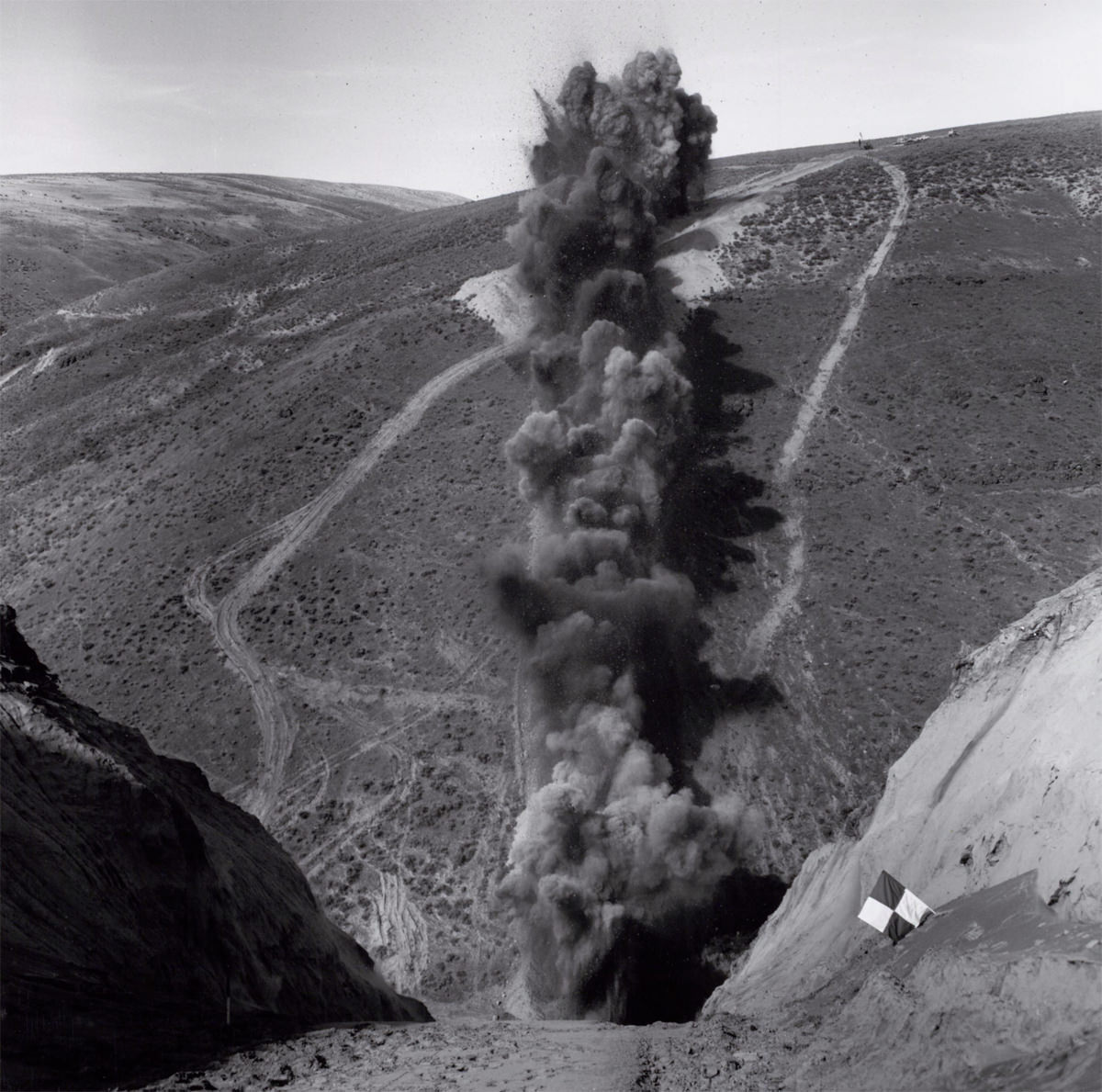
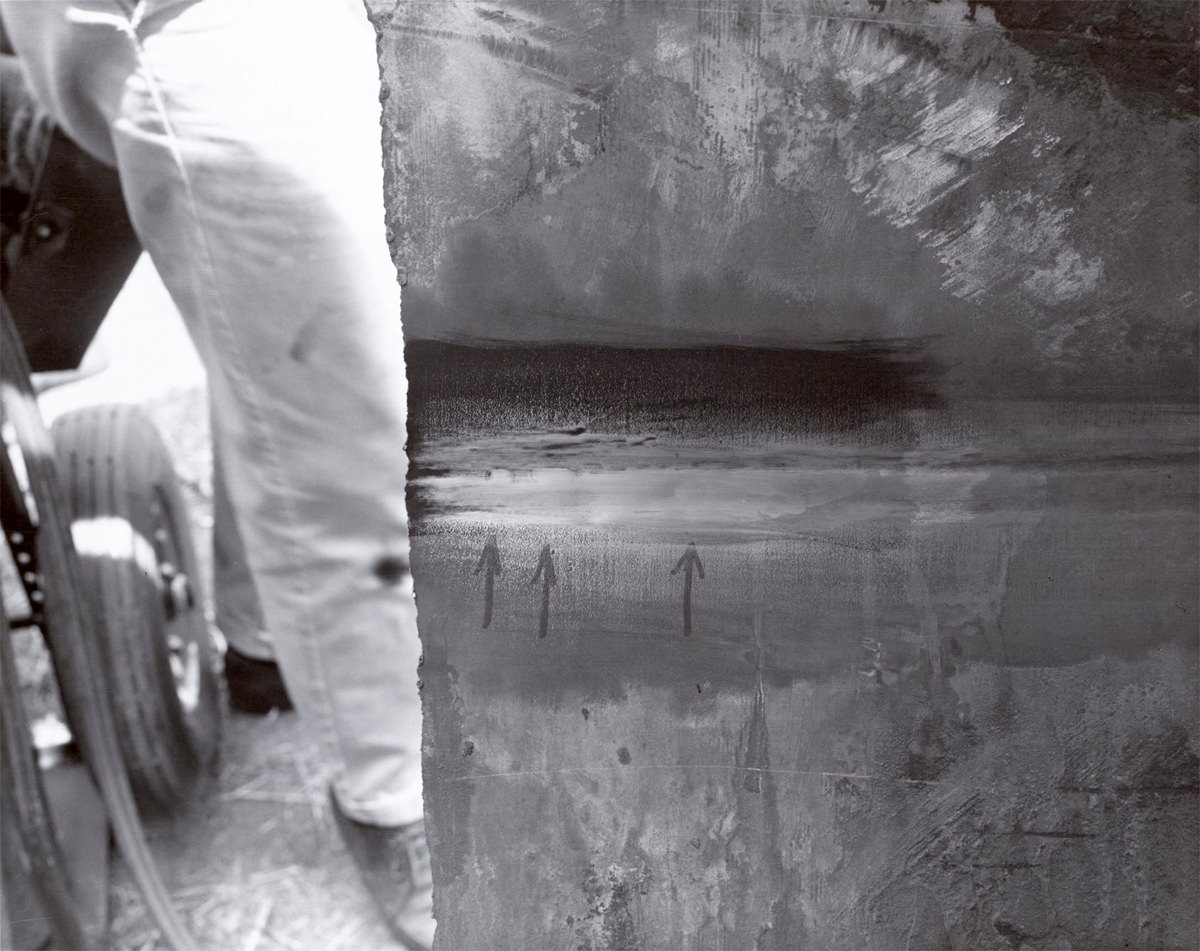
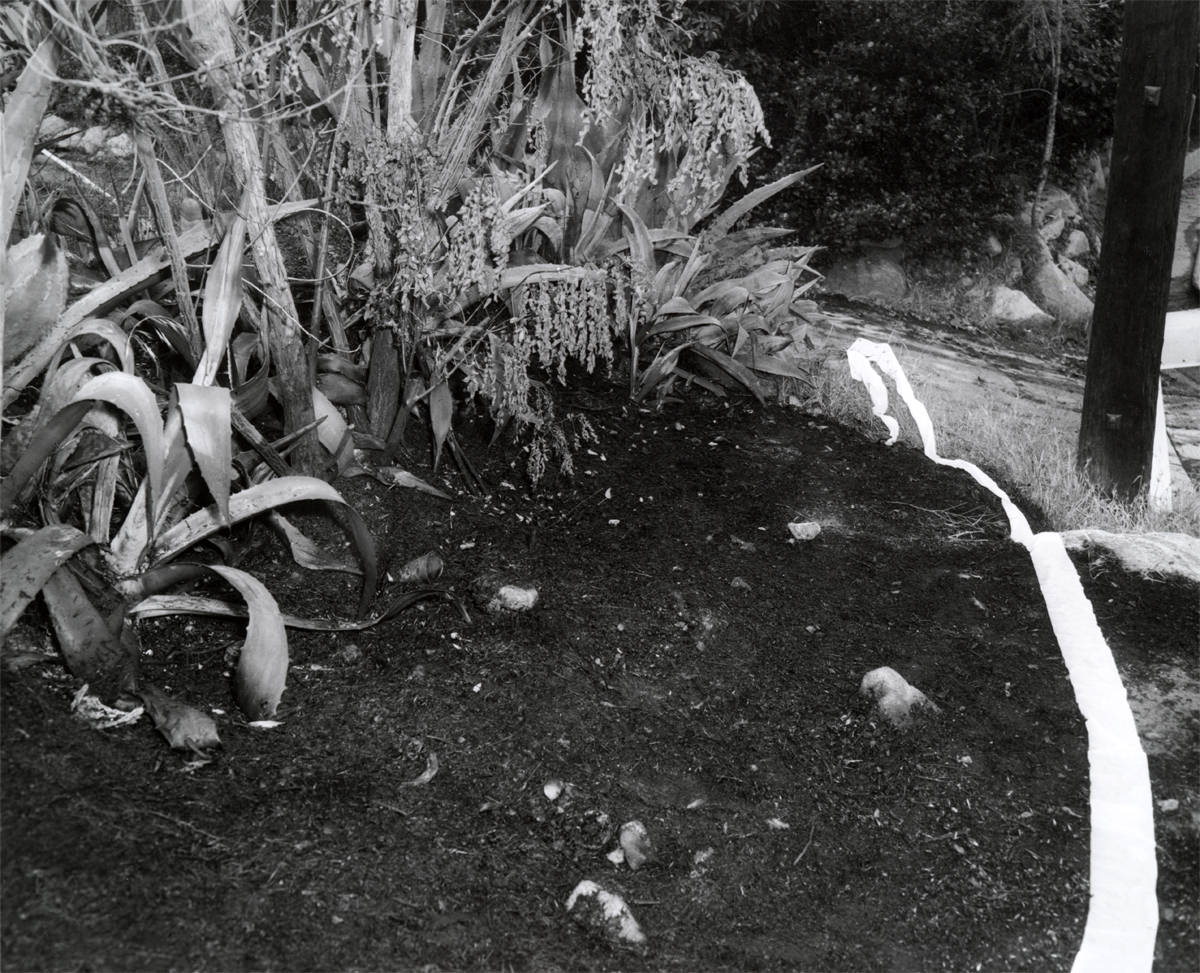
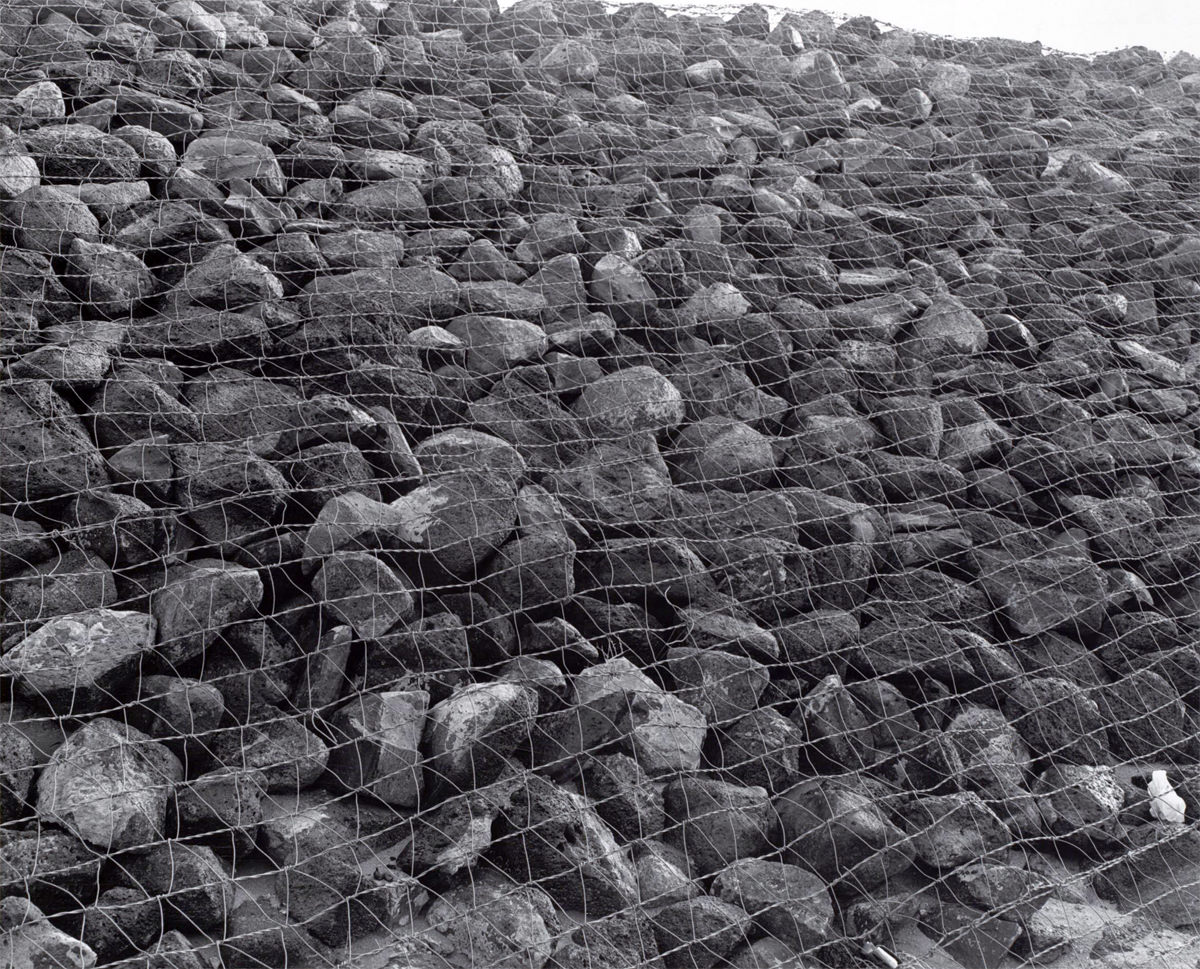
In 1977, photographers Larry Sultan and Mike Mandel did something that had rarely been done before in the art world. They dug into the photo archives of US government agencies and major corporations, pulled out images that were never meant to be seen as art, and turned them into exactly that. The result was a book called Evidence — a project that forced viewers to question what a photograph actually proves.
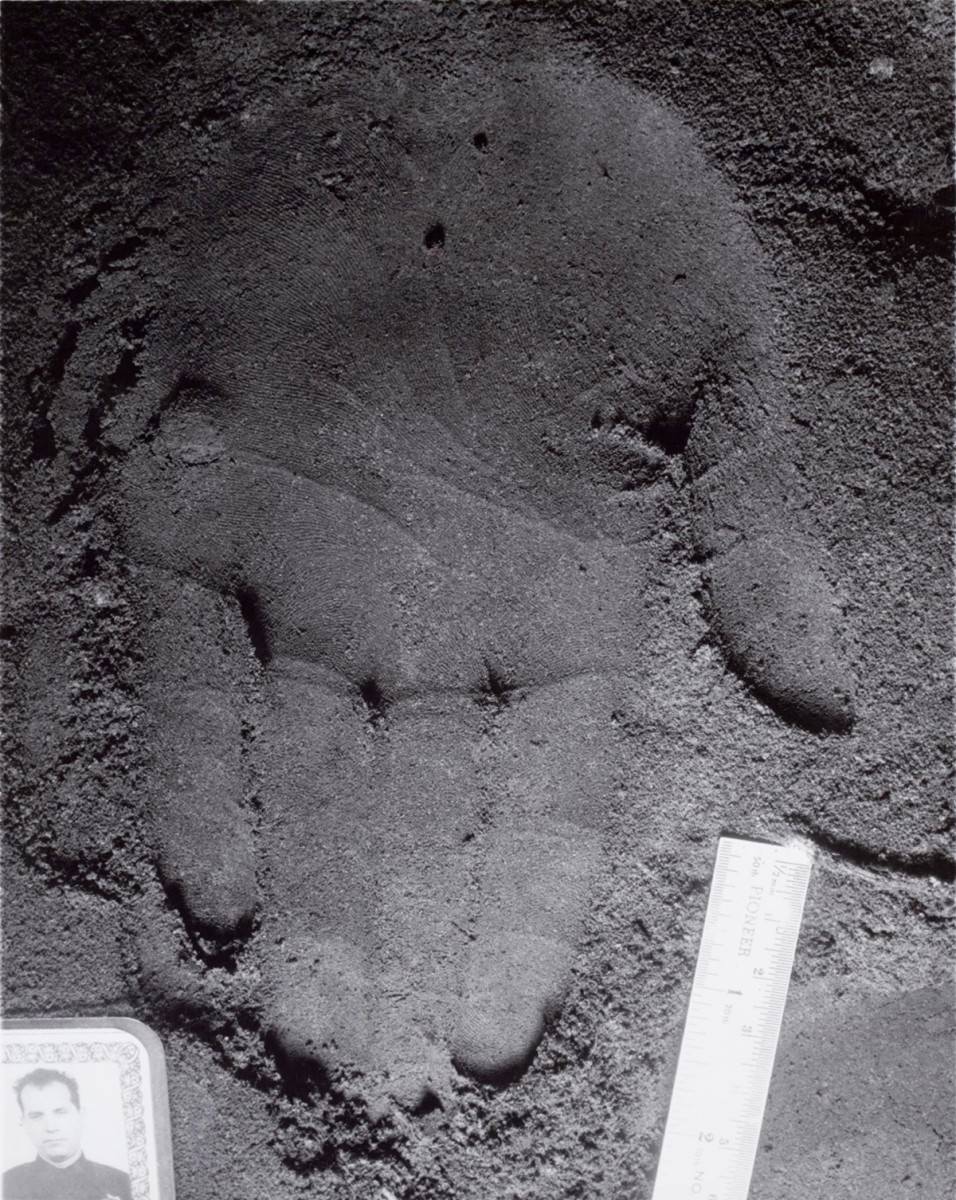
Sultan and Mandel sourced their images from a wide range of institutions. The archives they combed through belonged to organizations like the Bechtel Corporation, various police departments, General Atomic Company, the Jet Propulsion Laboratory, Pacific Gas, the Stanford Research Institute, and several other corporations. These were not artistic institutions. They were technical, scientific, and law enforcement bodies that used photography as a working tool.
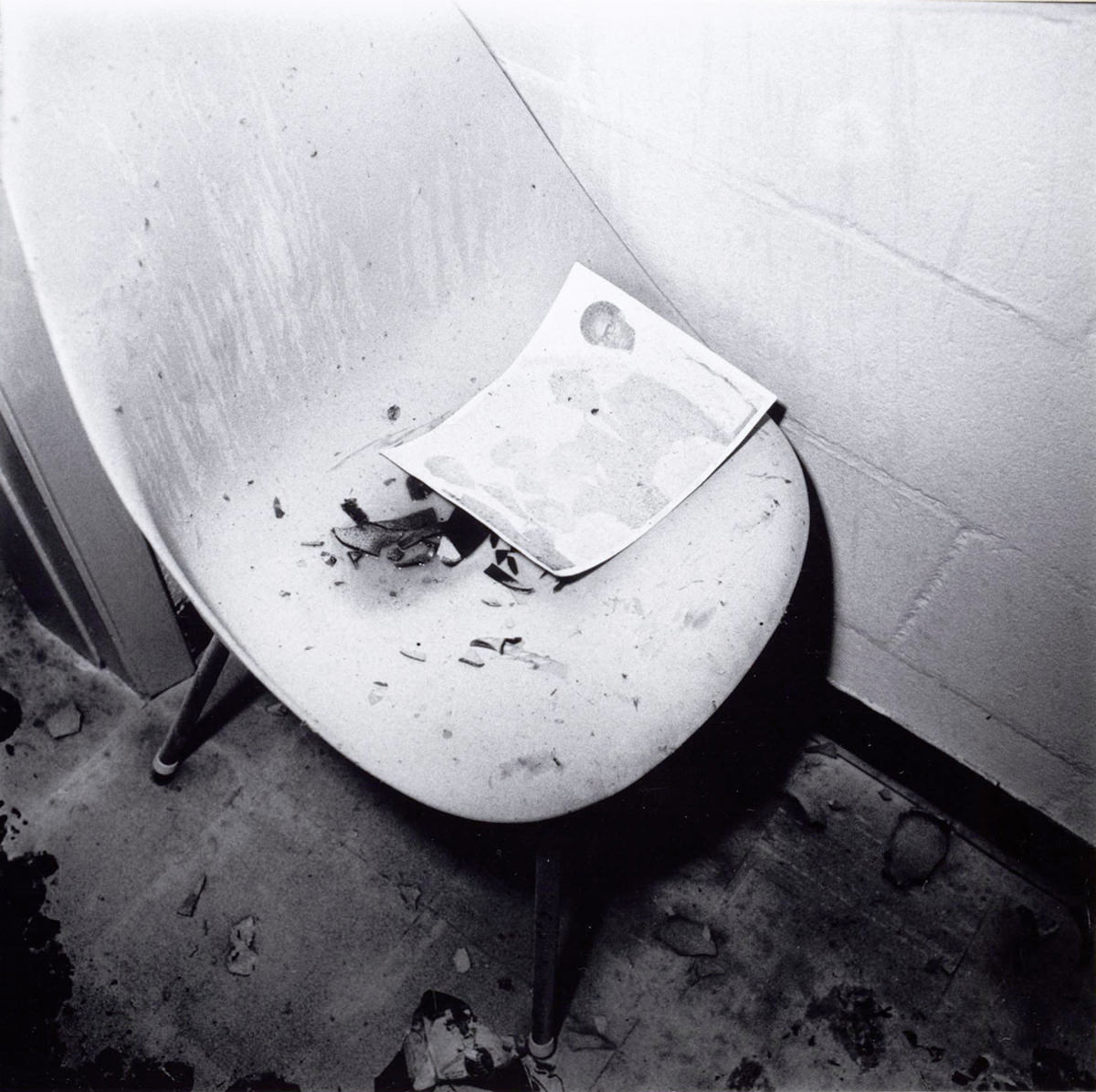
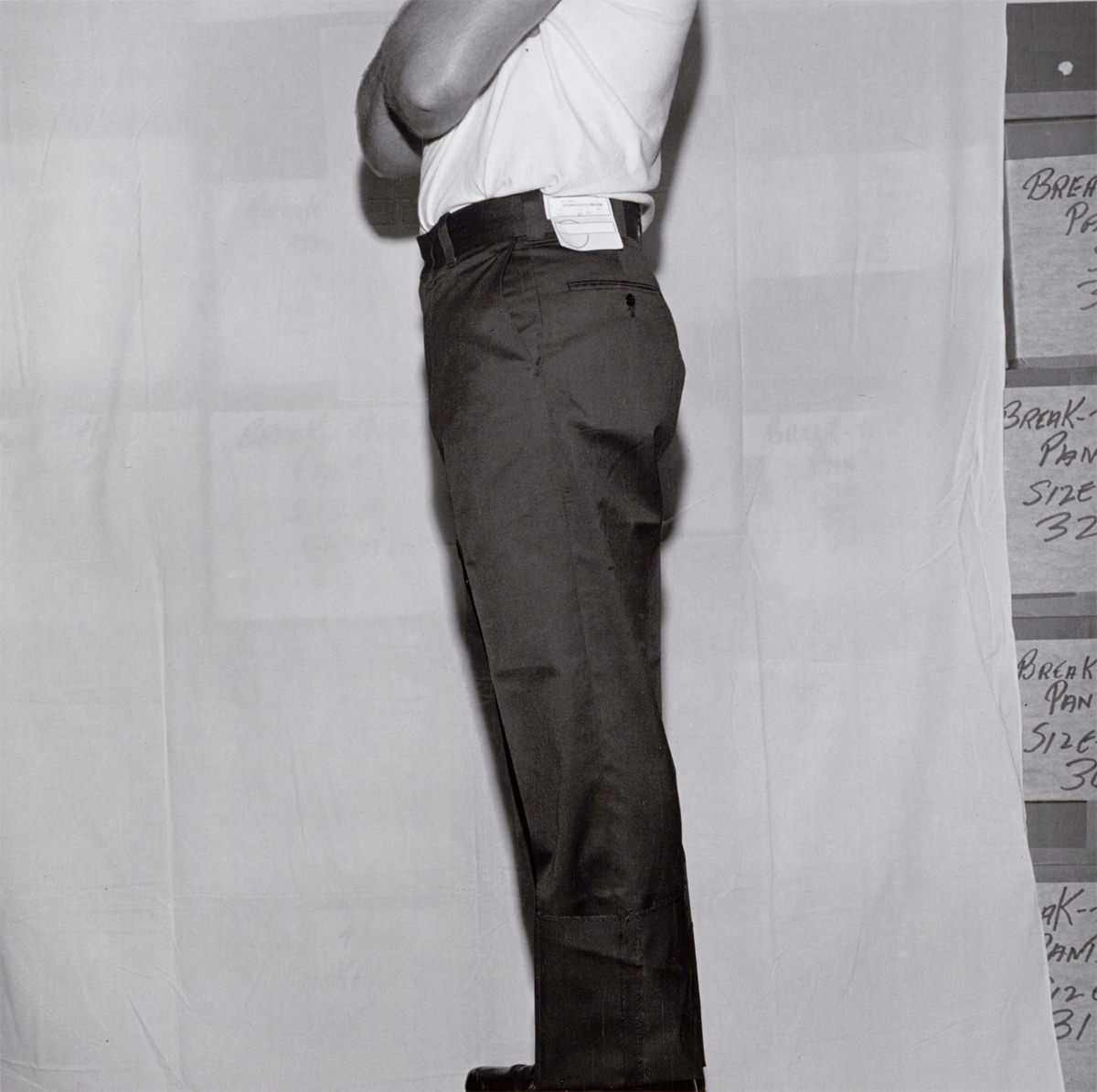
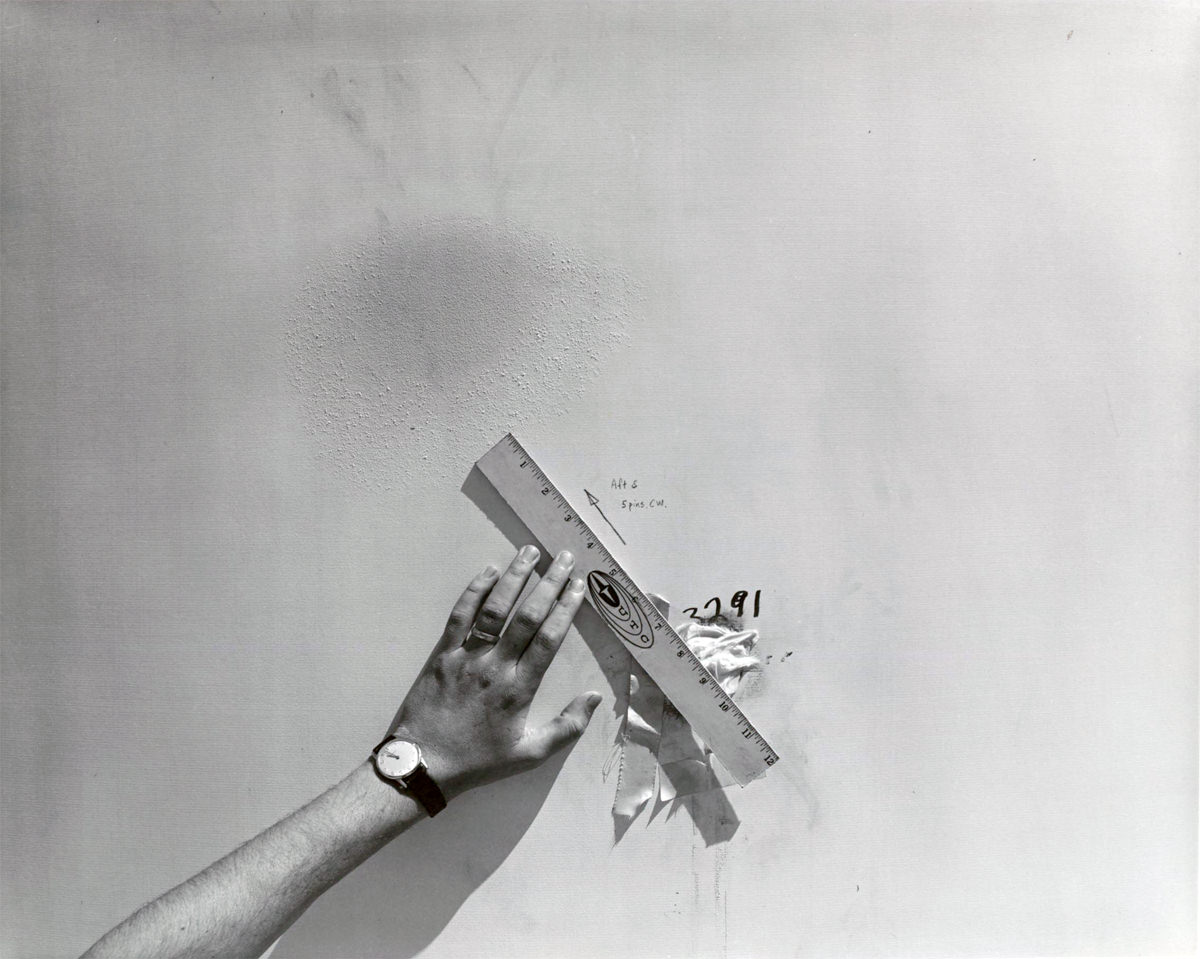
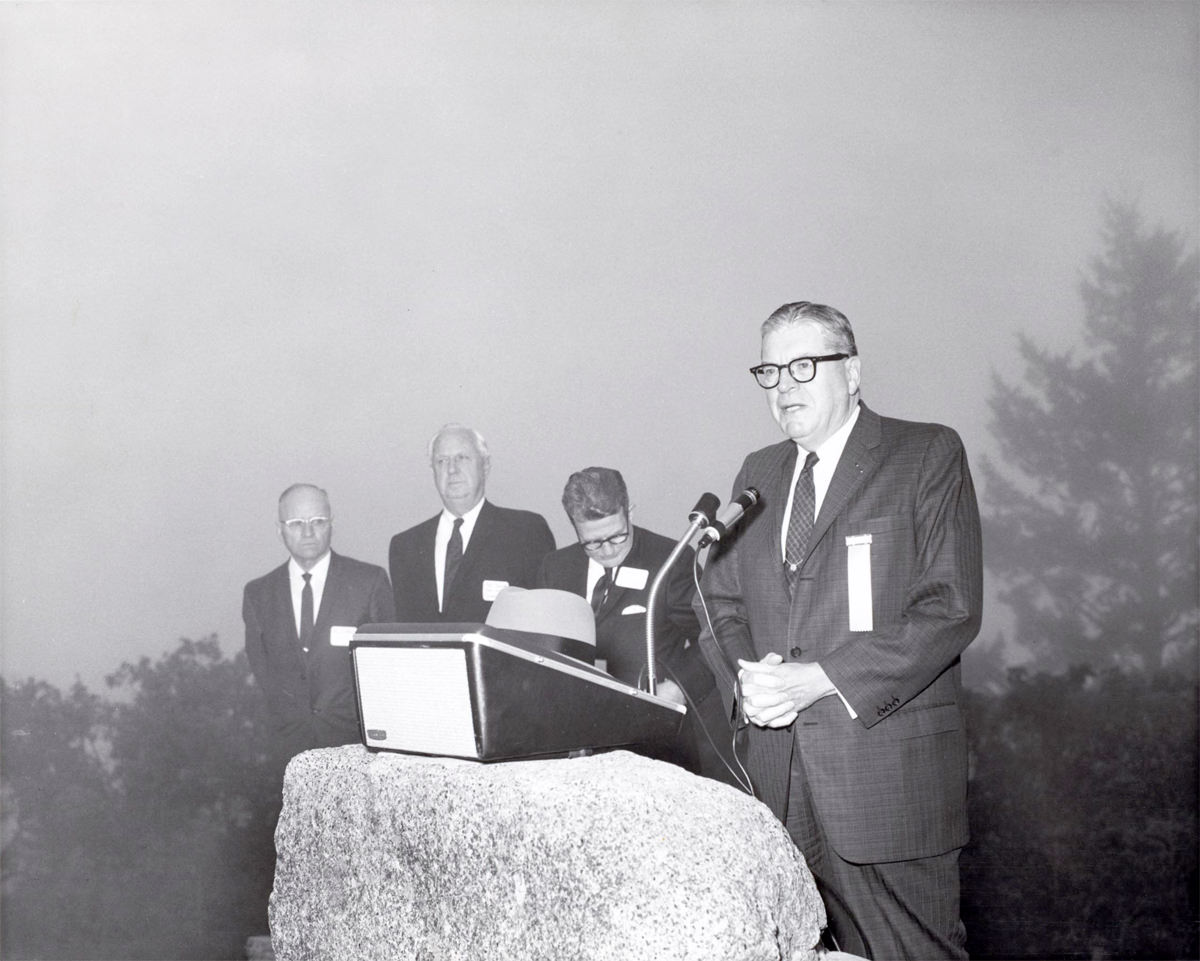
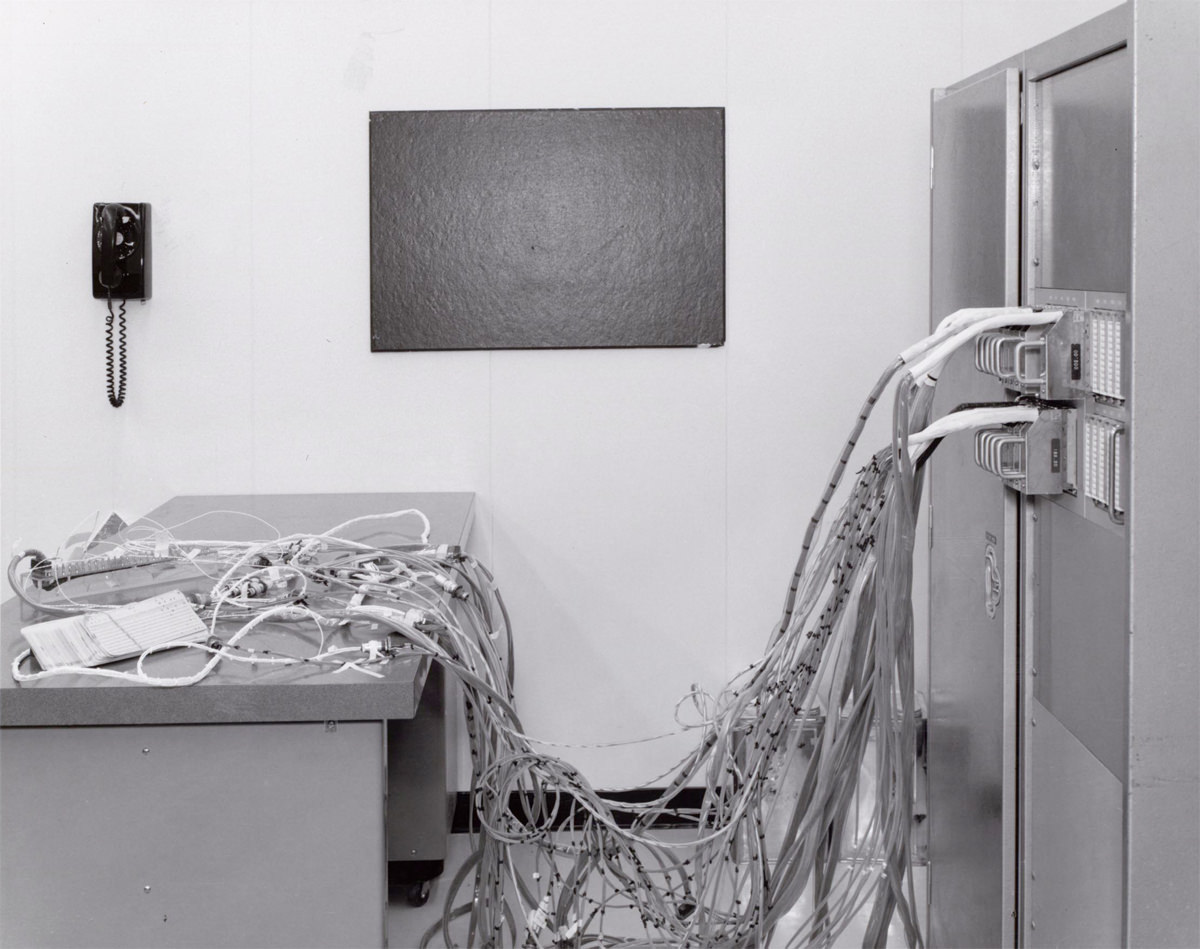
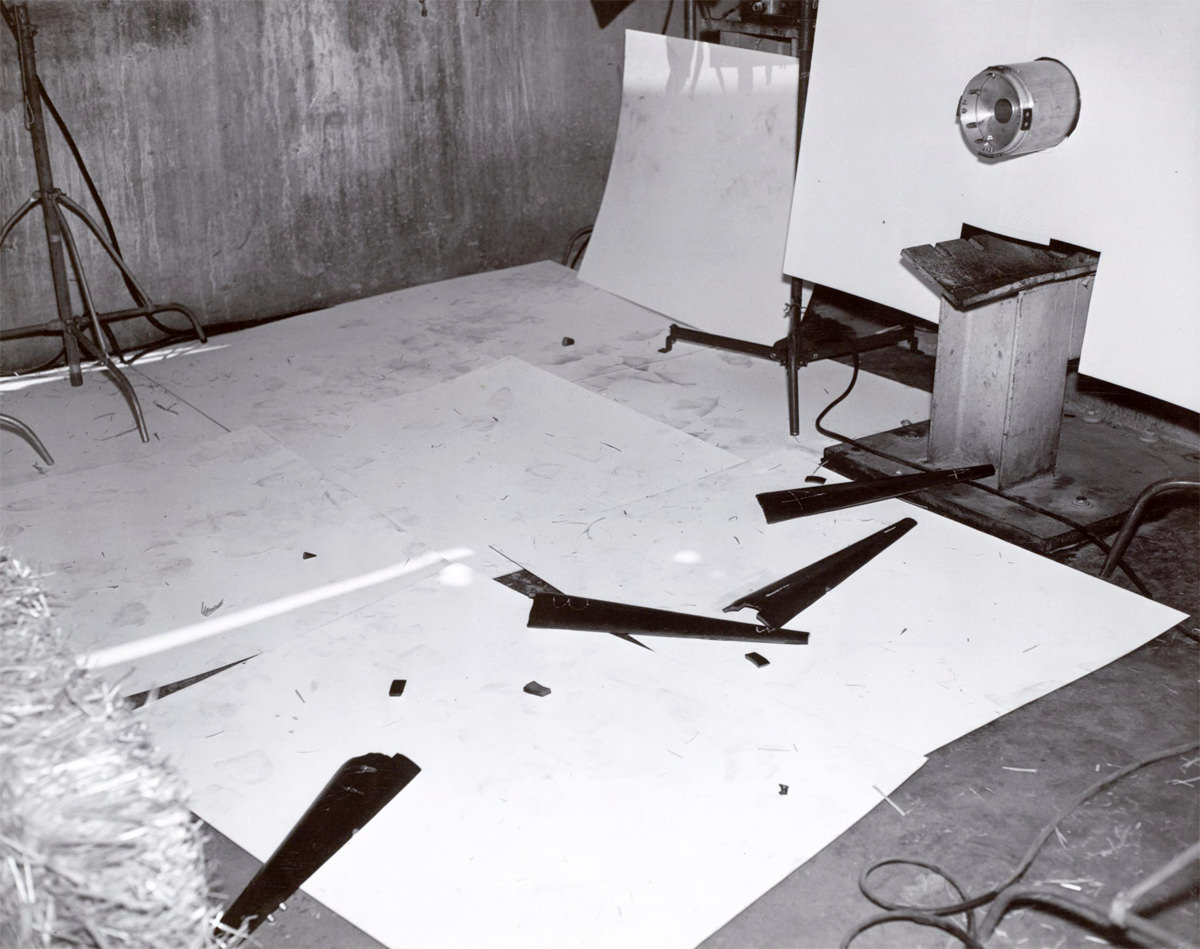
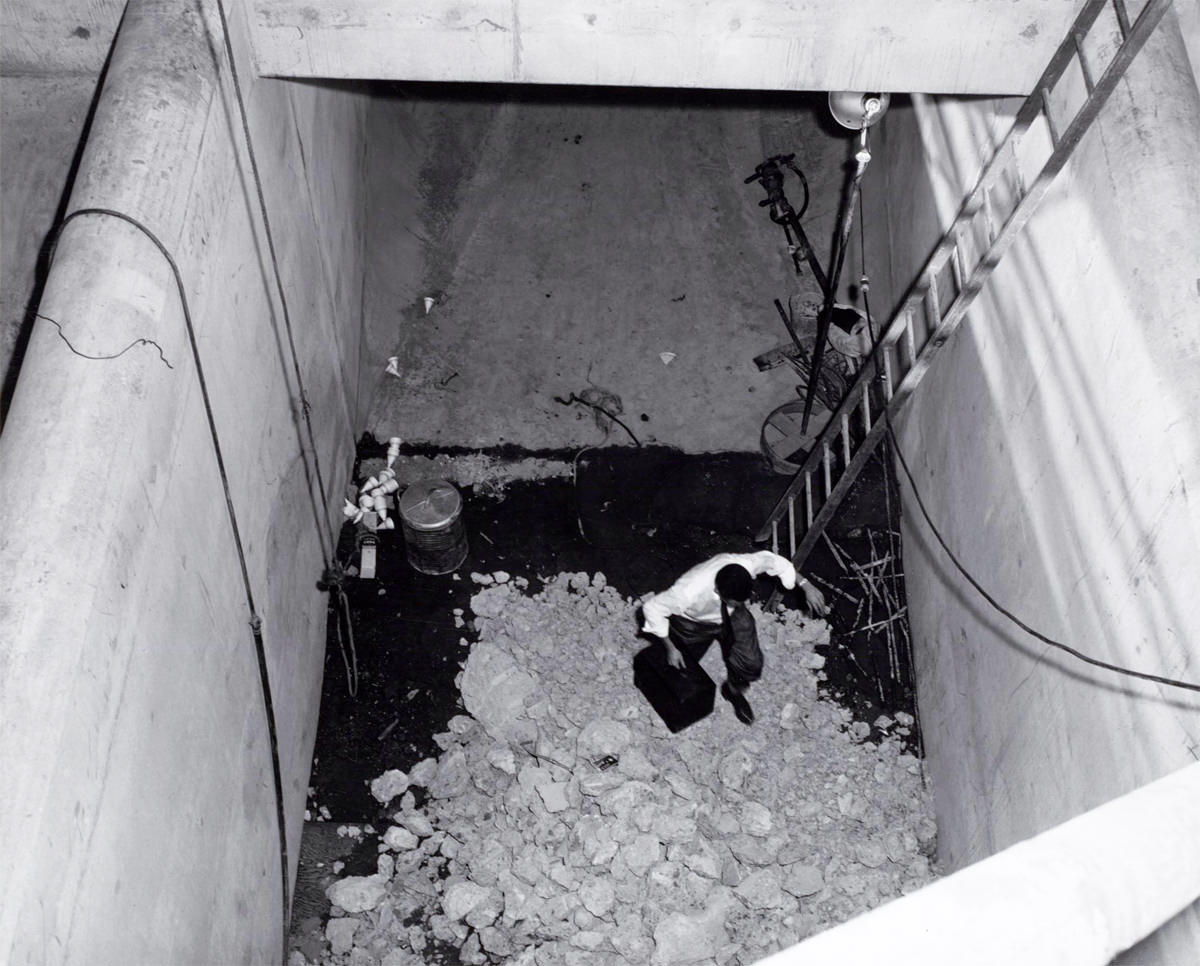
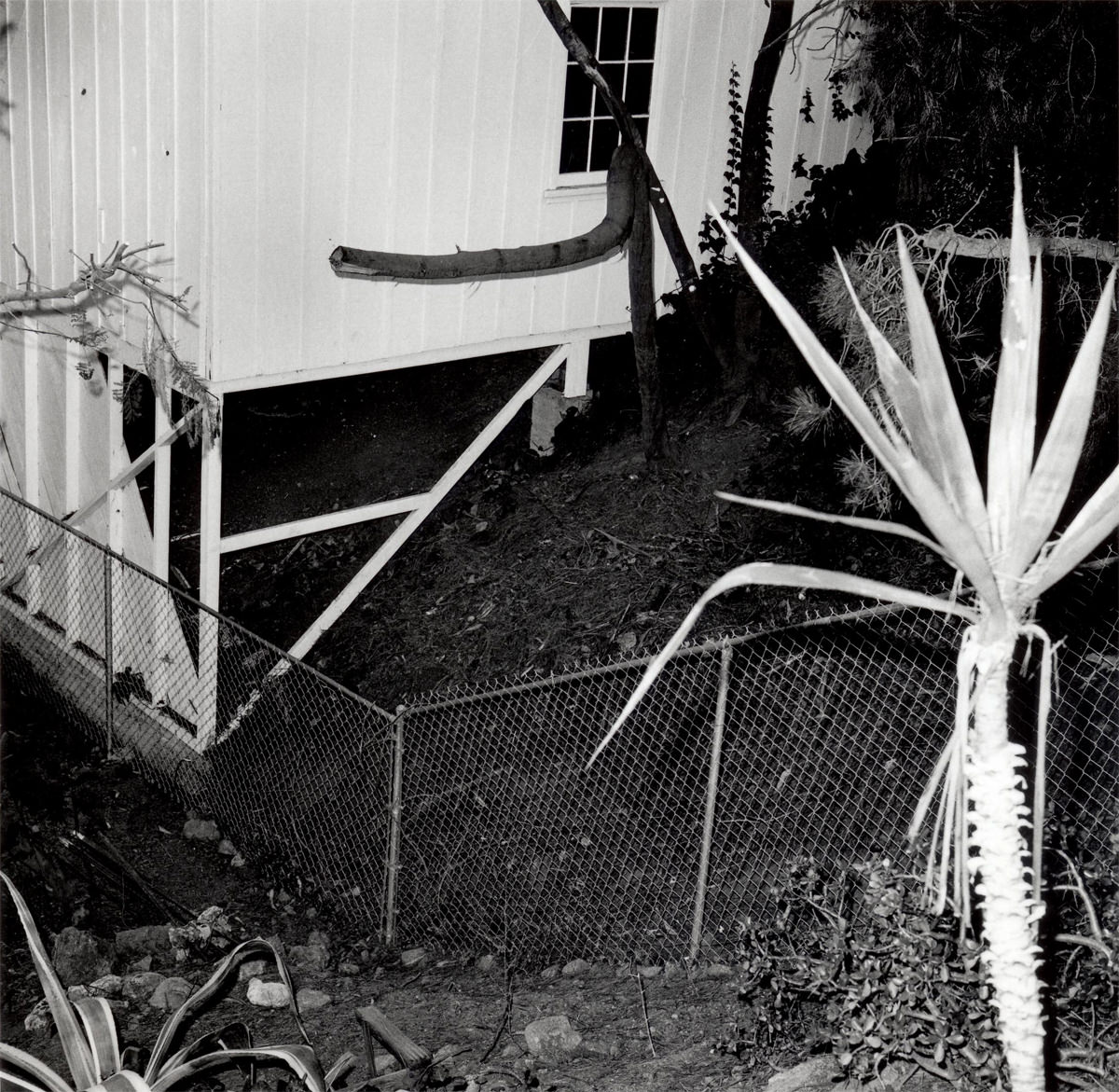
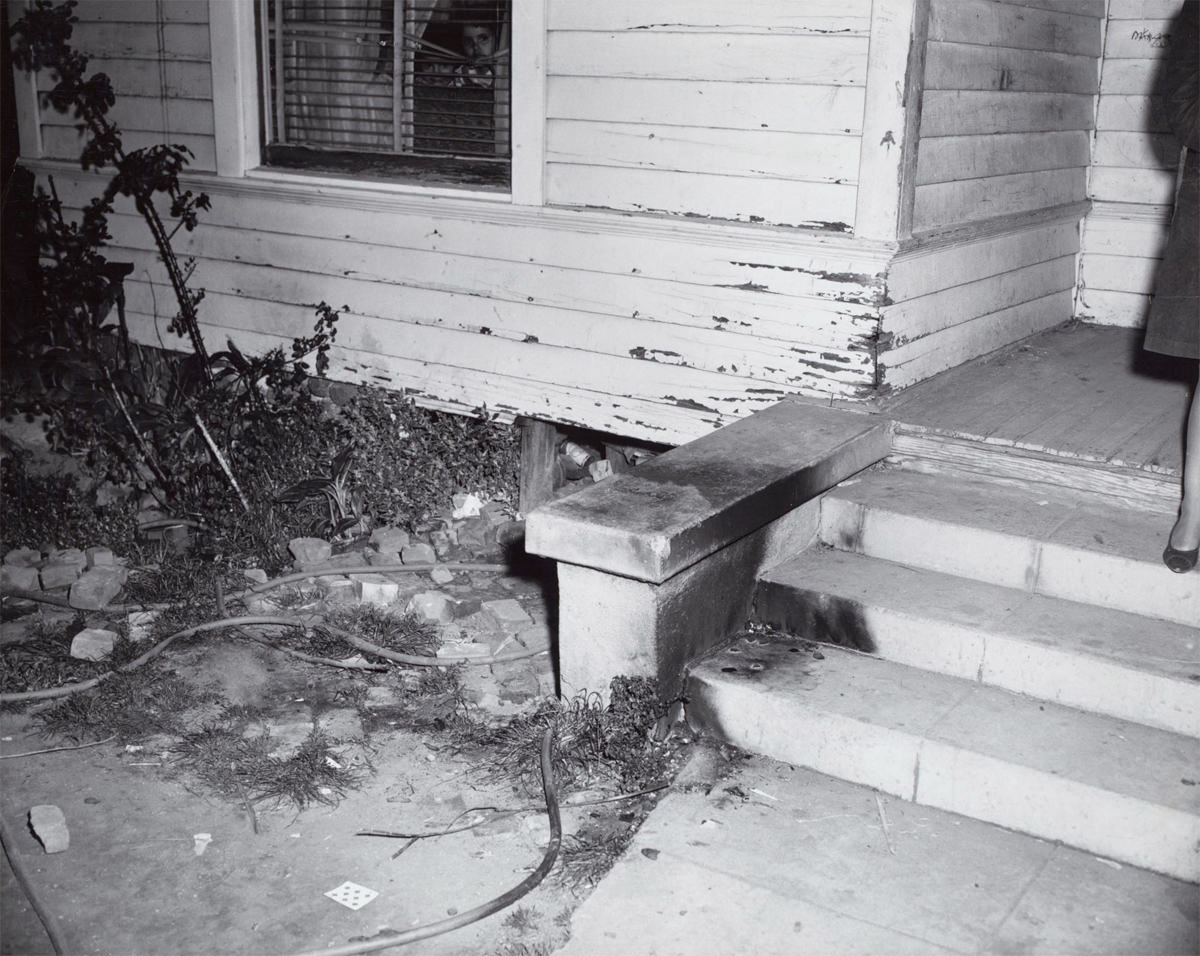
The photographs in these archives documented things like crime scenes, aeronautical engineering tests, and industrial experiments. Each image had originally served a clear, functional purpose — to record something, to prove something, to explain something. They were made as objective records, not as art. That distinction is exactly what Sultan and Mandel wanted to explore.
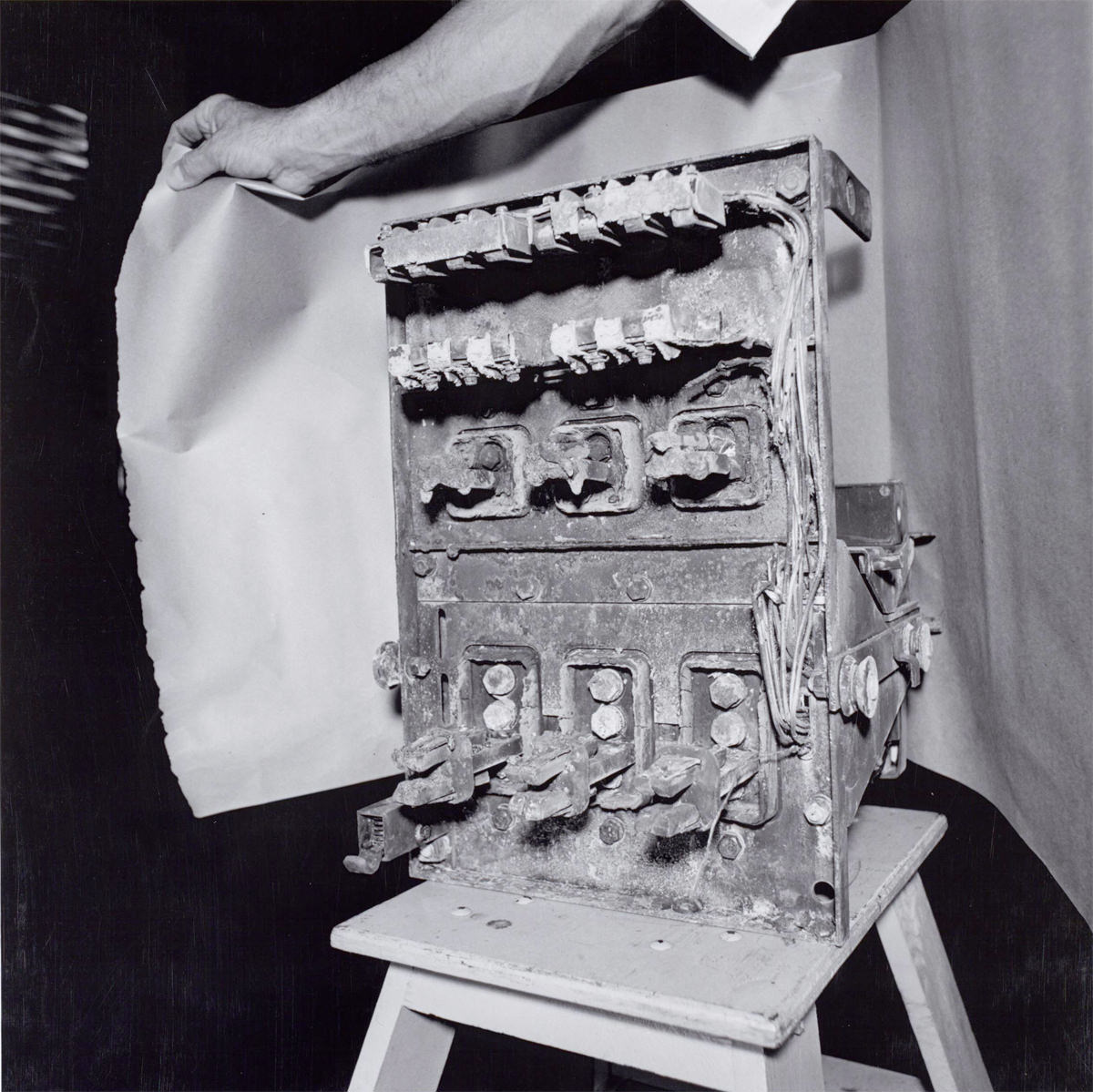
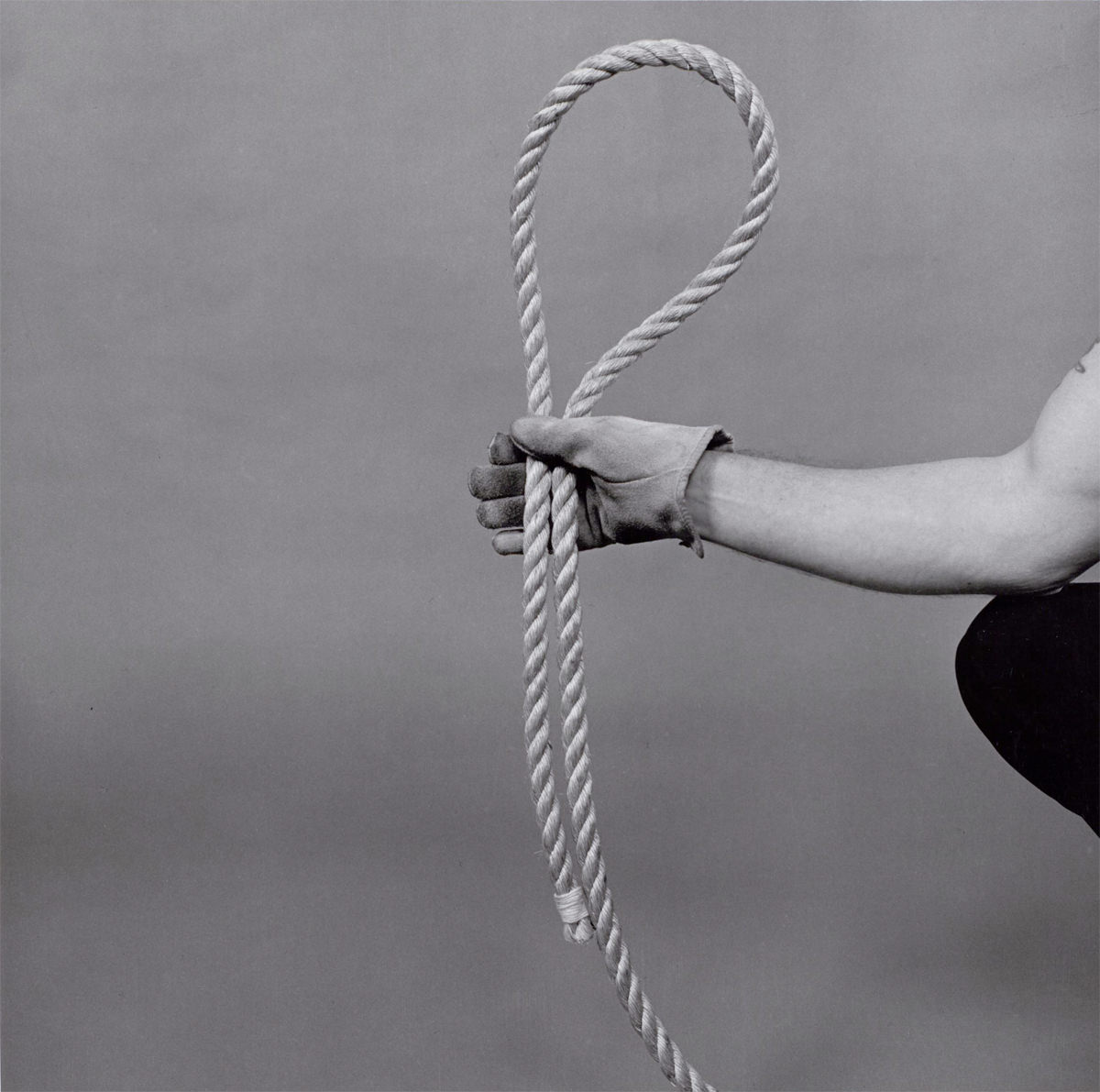
To find the right images, the two photographers sifted through approximately two million photographs. That number is not an exaggeration — it reflects the sheer scale of the institutional archives they accessed. From that enormous pool, they selected just 60 images. Every choice was deliberate. The final sequence was arranged carefully, with each image placed in relation to the ones around it.
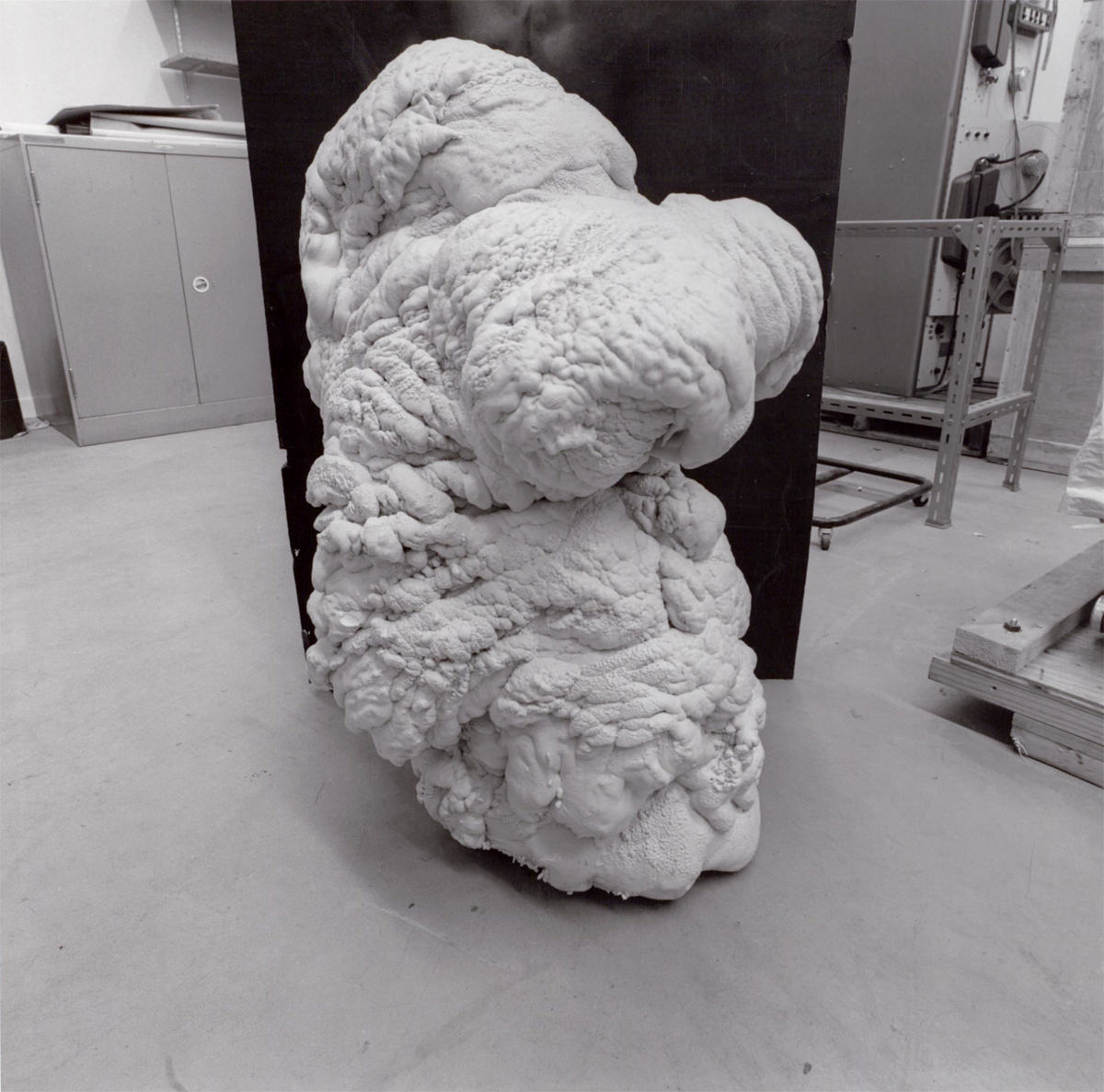
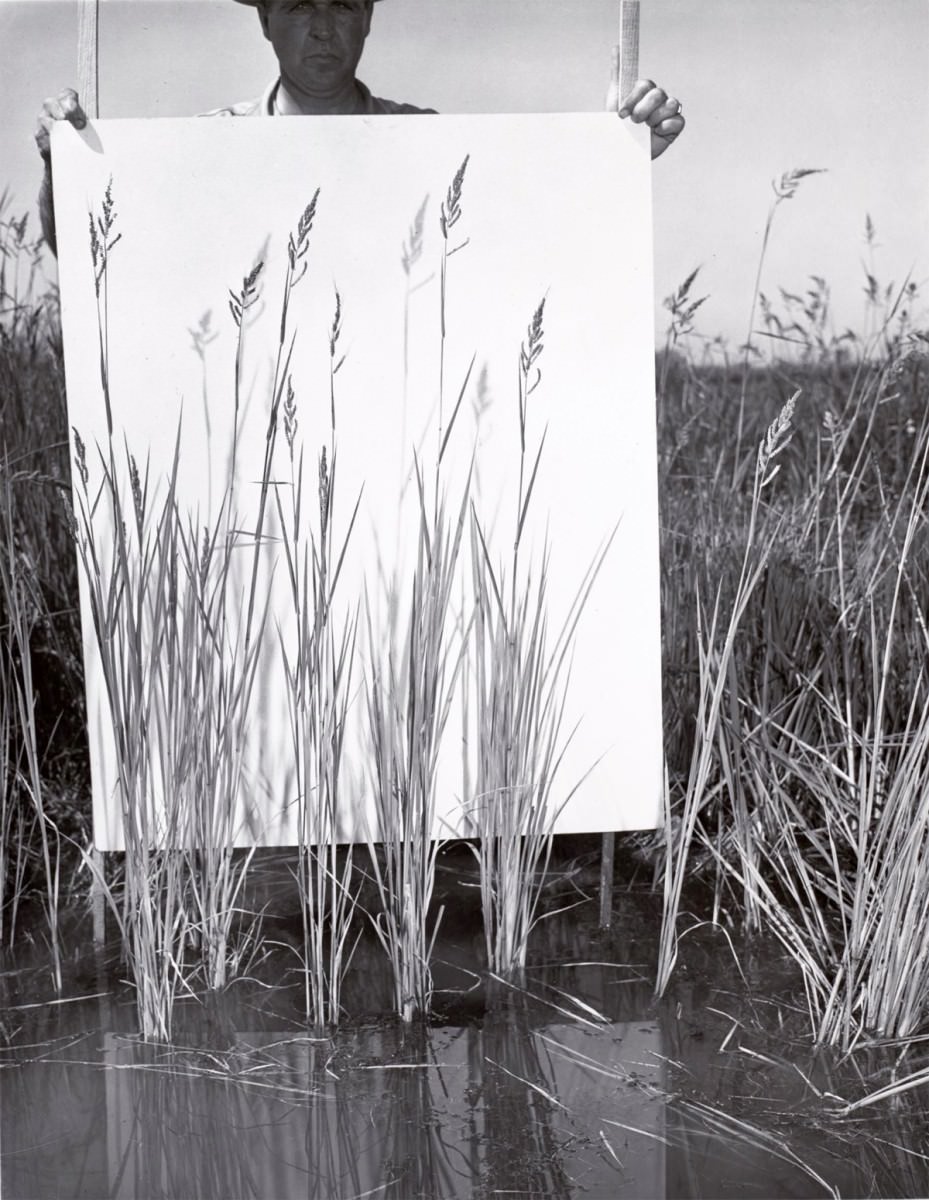
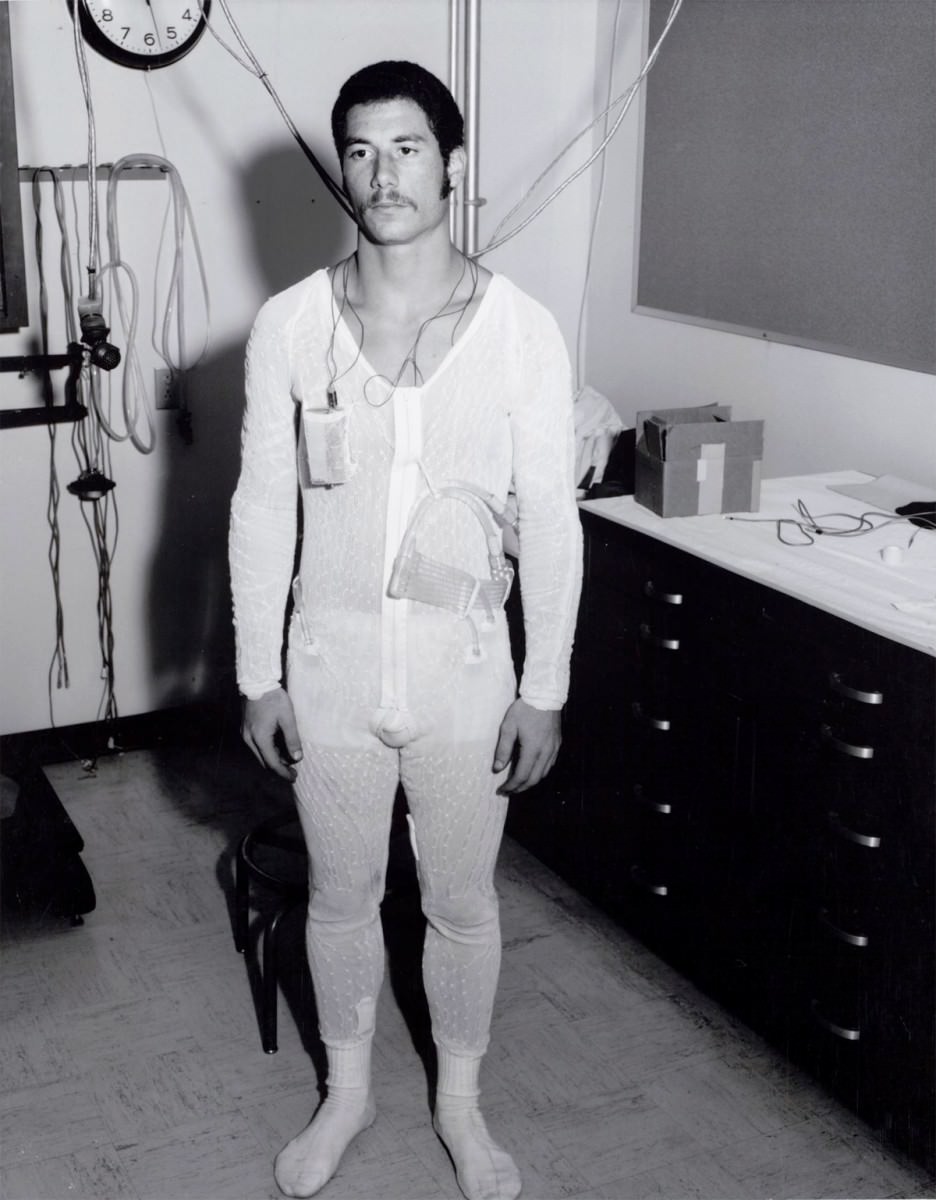
When the book was published, Sultan and Mandel made a firm editorial decision: no explanations. There are no captions, no labels, no dates, no names of the agencies that originally took the photos. Every piece of context that once gave these images meaning was stripped away. What remains are photographs of human activity that feel simultaneously familiar and deeply strange.
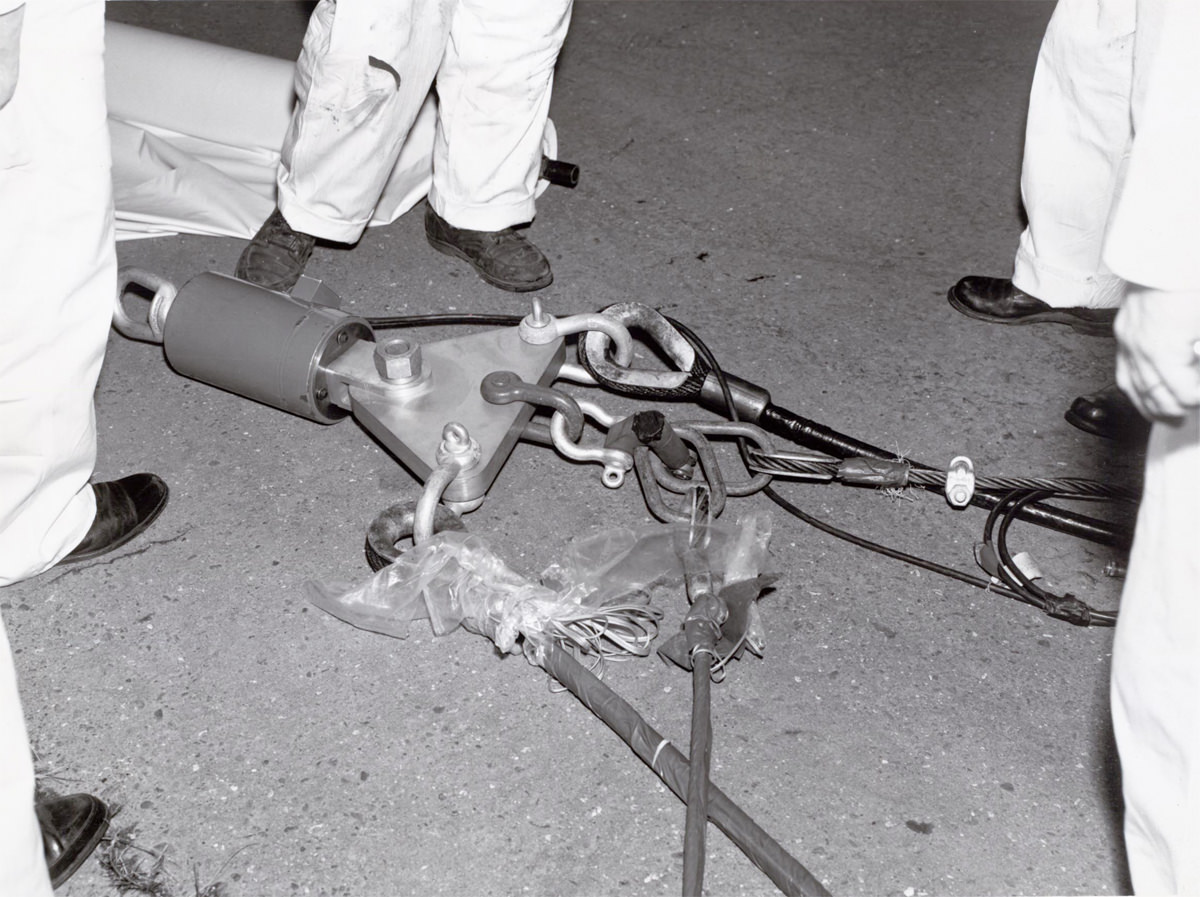
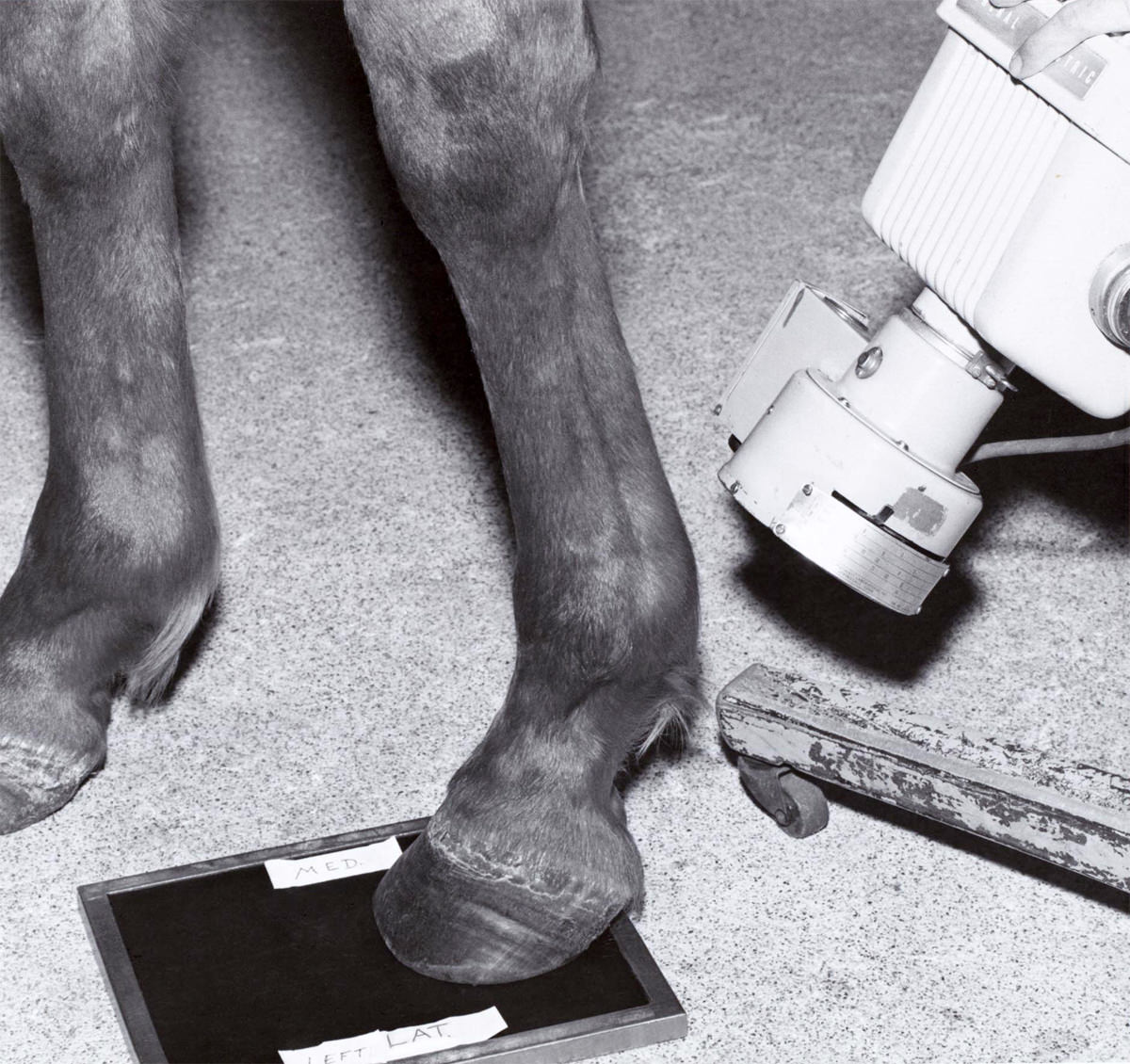
That strangeness is the point. A photograph of a man in a white lab coat standing beside a piece of machinery tells you very little on its own. Is it a safety test? A weapons experiment? A routine inspection? Without context, the viewer has no way to know. The image looks official and purposeful, but its meaning becomes completely open. Sultan and Mandel understood that this openness reveals something true about photography itself — that it records the surface of things, not their meaning.
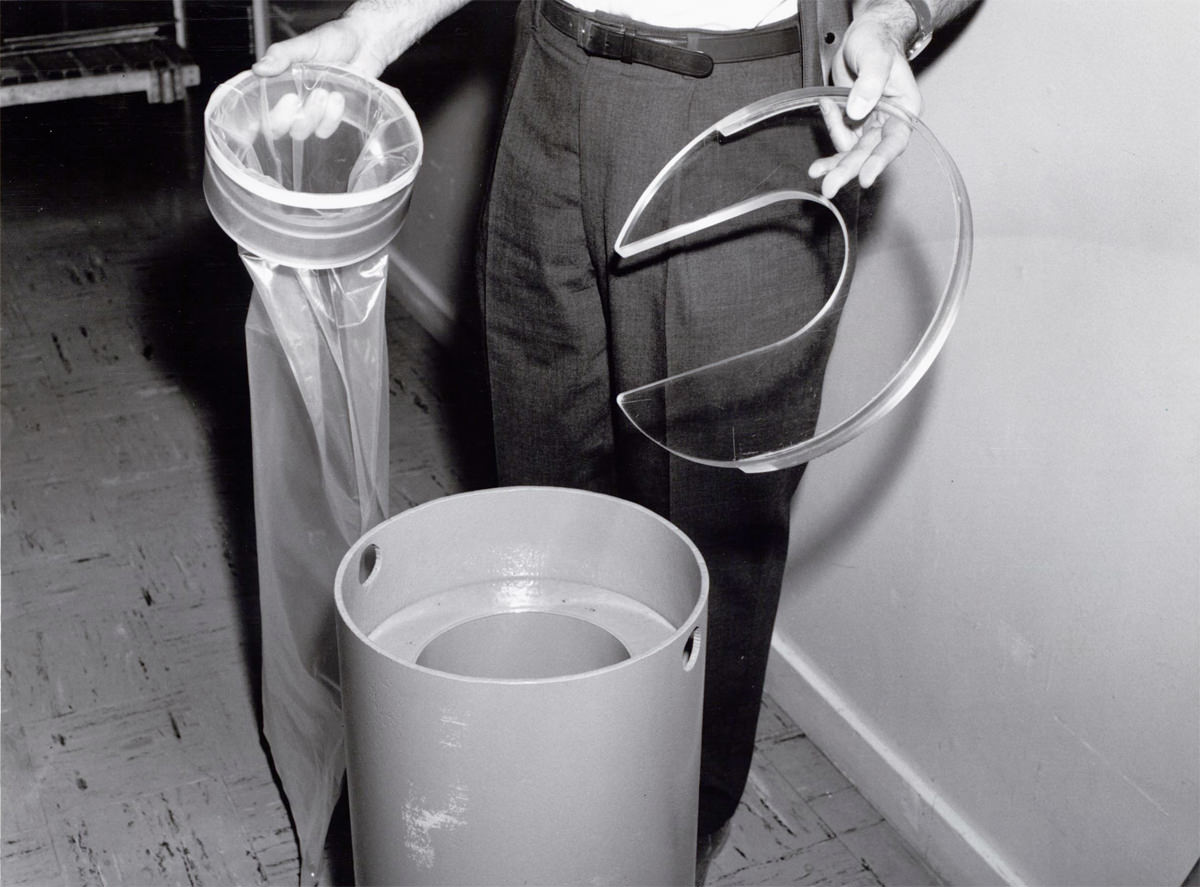
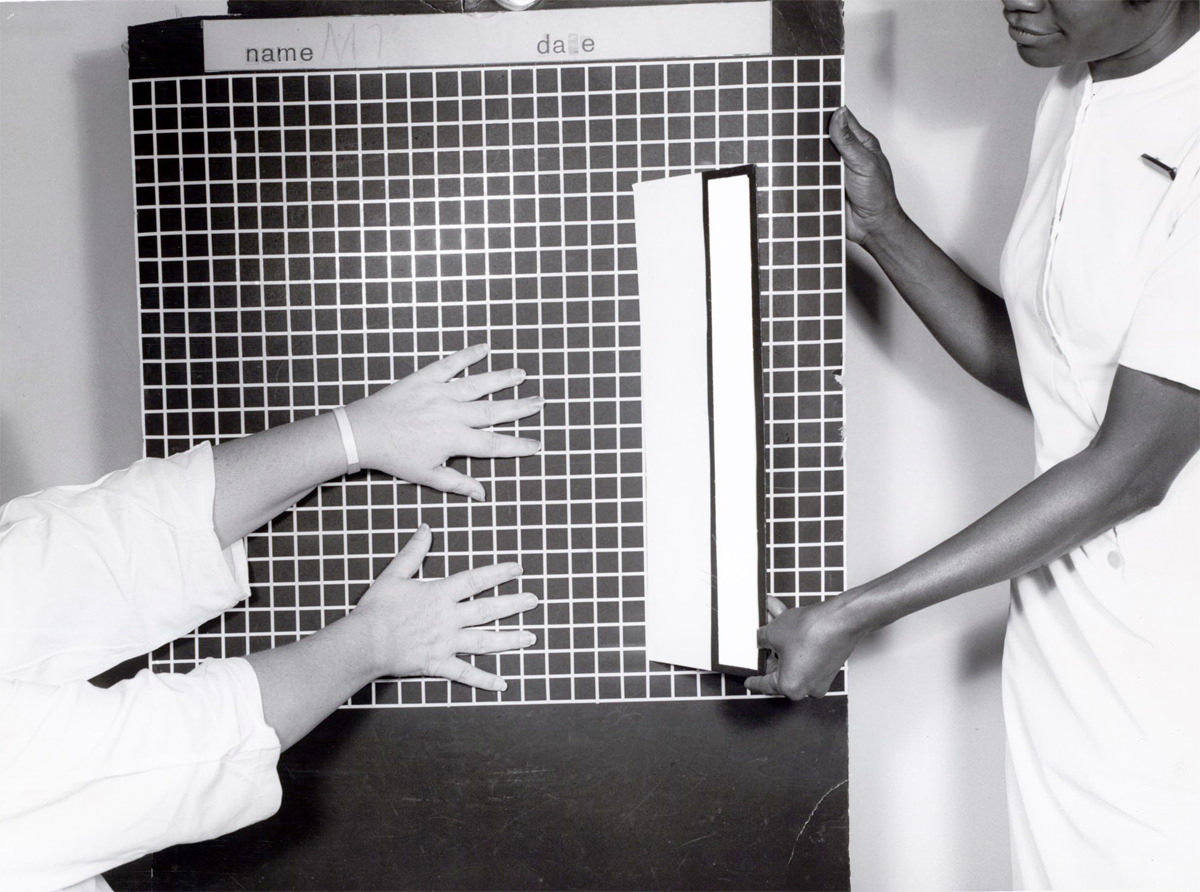
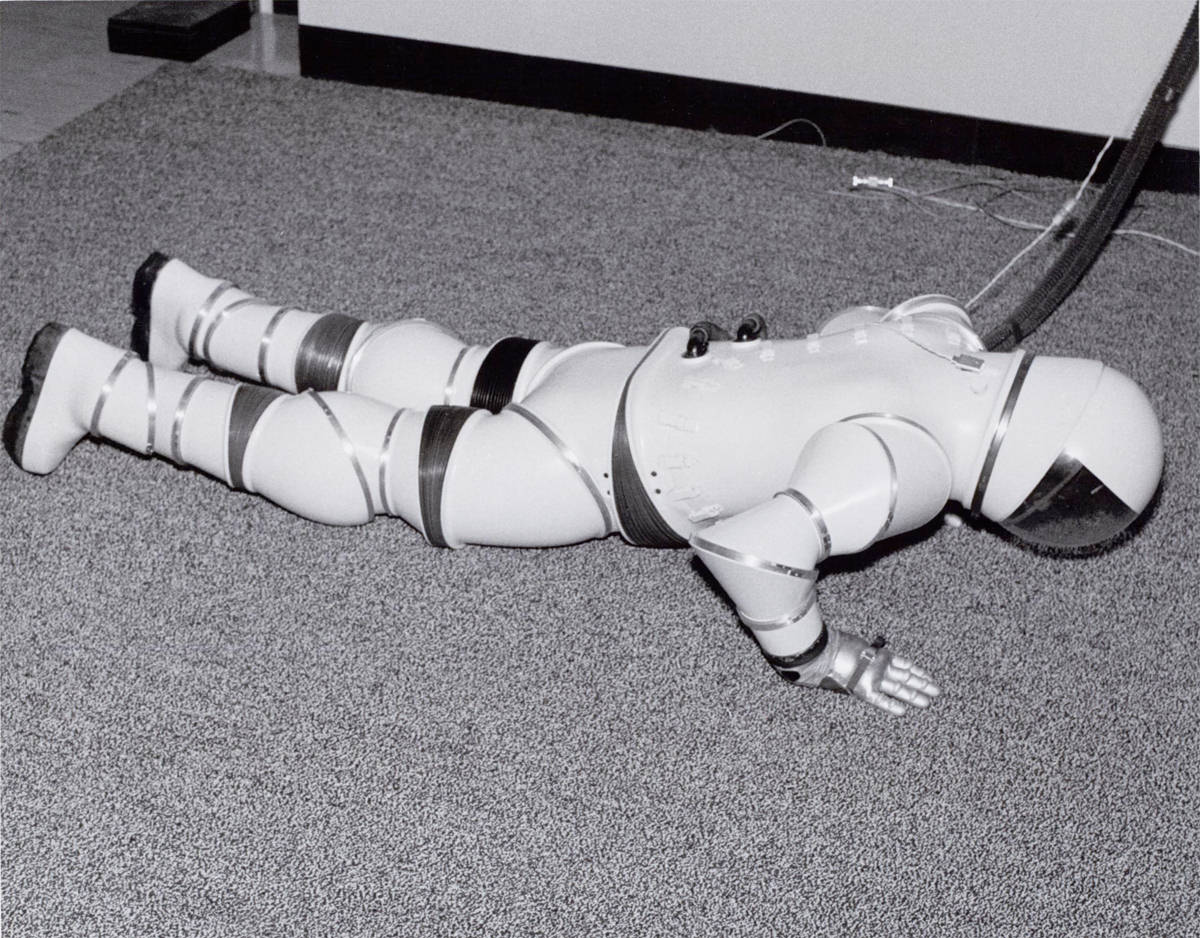
The book was released alongside an exhibition at the San Francisco Museum of Modern Art in 1977. Showing the images in a gallery setting reinforced how dramatically context shapes perception. These photographs, pulled from filing cabinets where they had served administrative purposes, now hung on museum walls and demanded the kind of attention usually given to paintings and fine art prints.
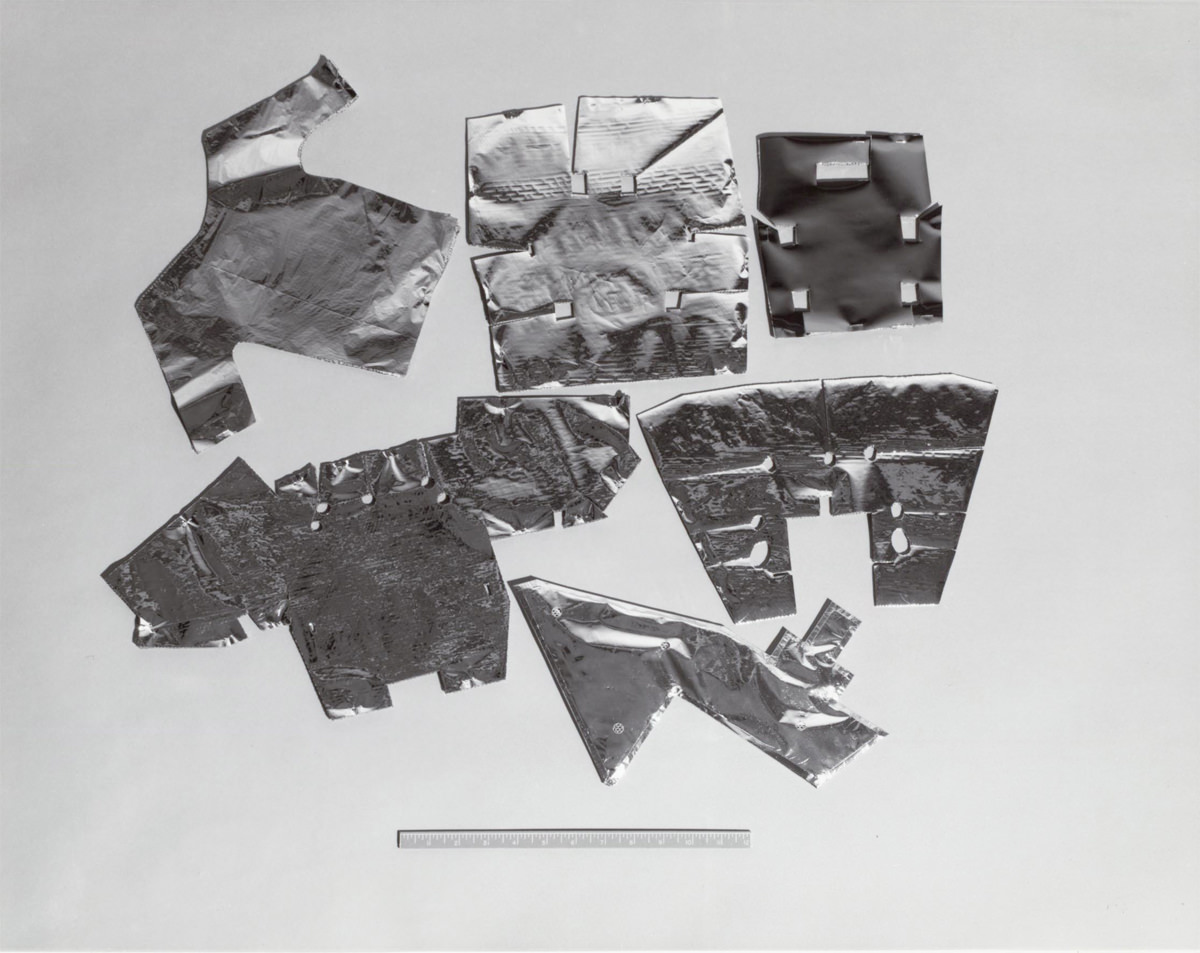
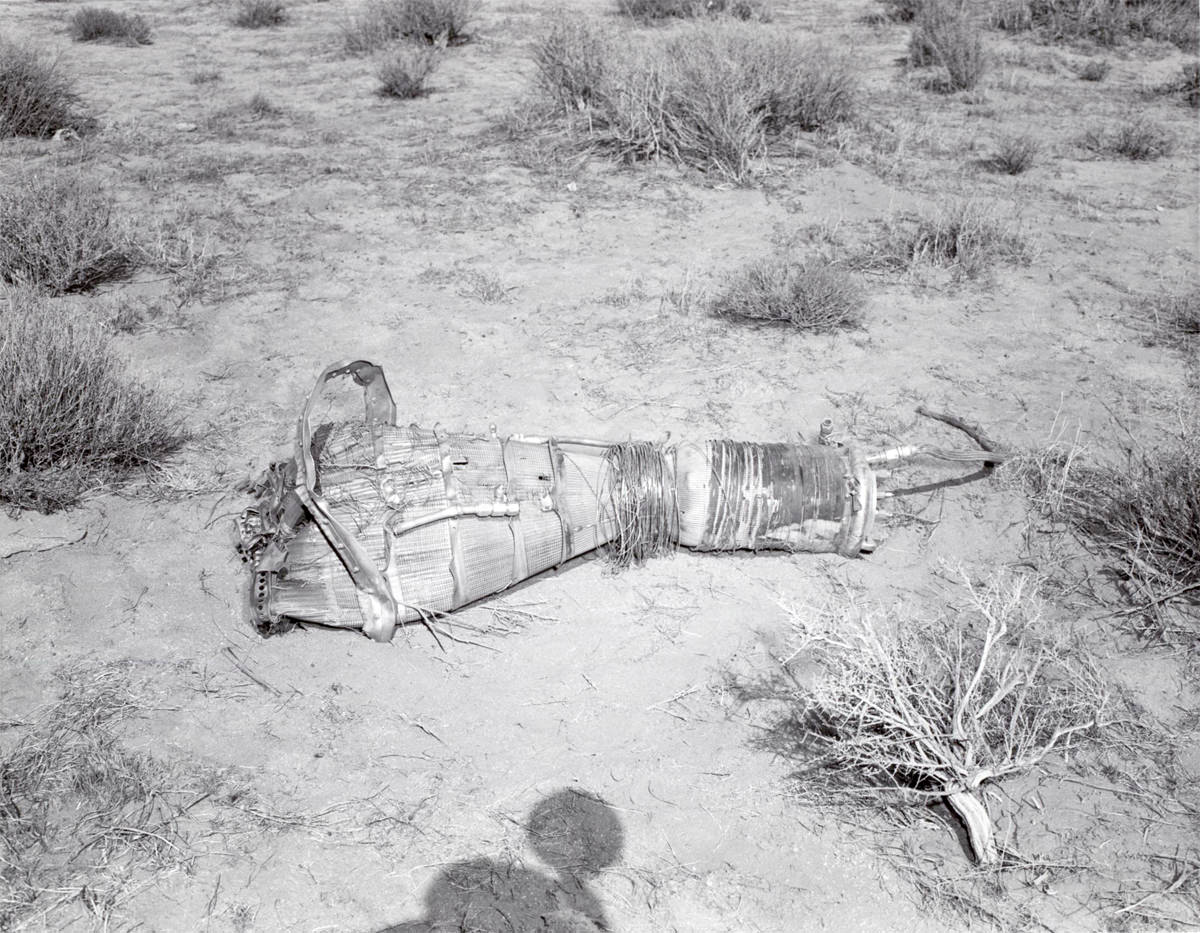
The concept behind Evidence was direct: take photographs that were made to function as objective evidence and show that objectivity is never guaranteed. The moment a photograph loses its label, its filing number, its institutional home — it stops being evidence and becomes something else entirely. It becomes a question.
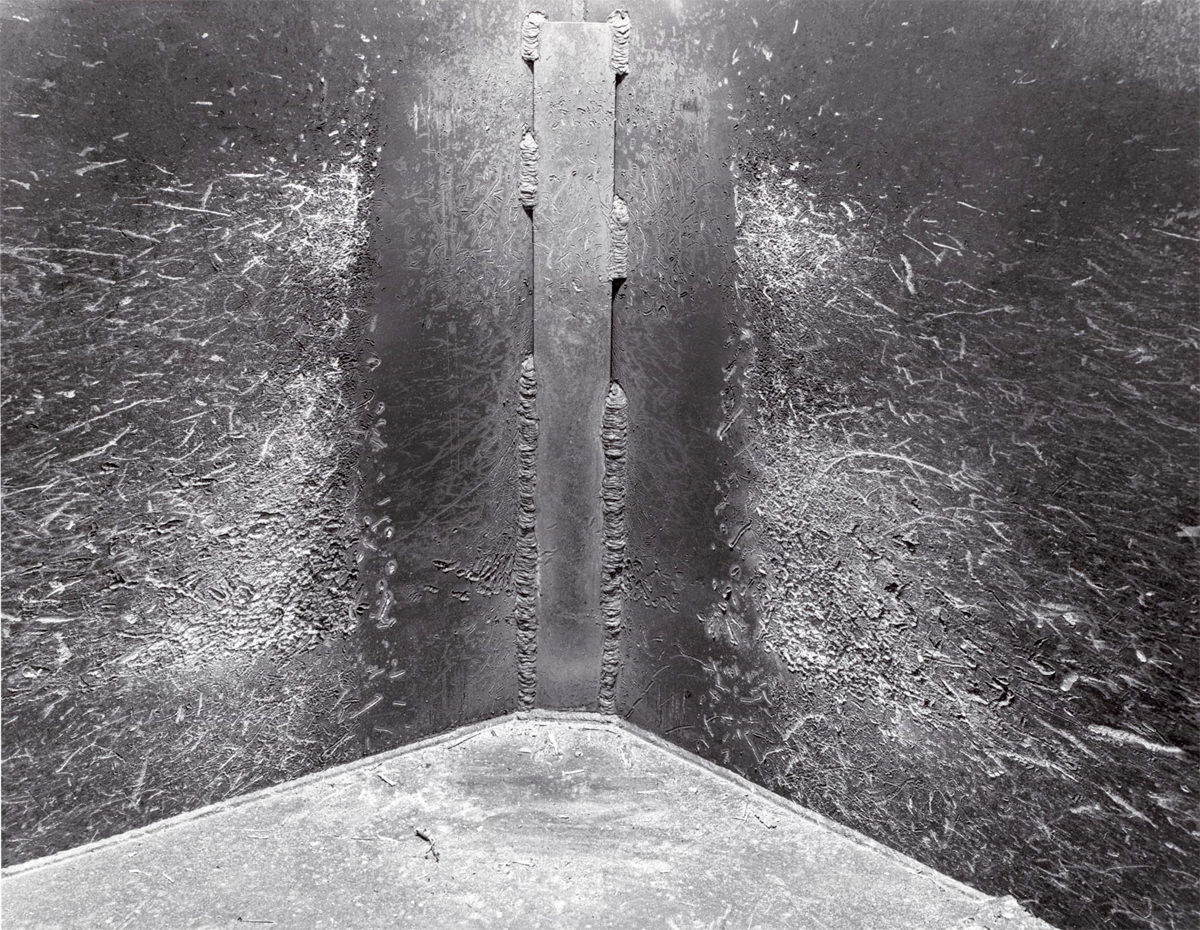
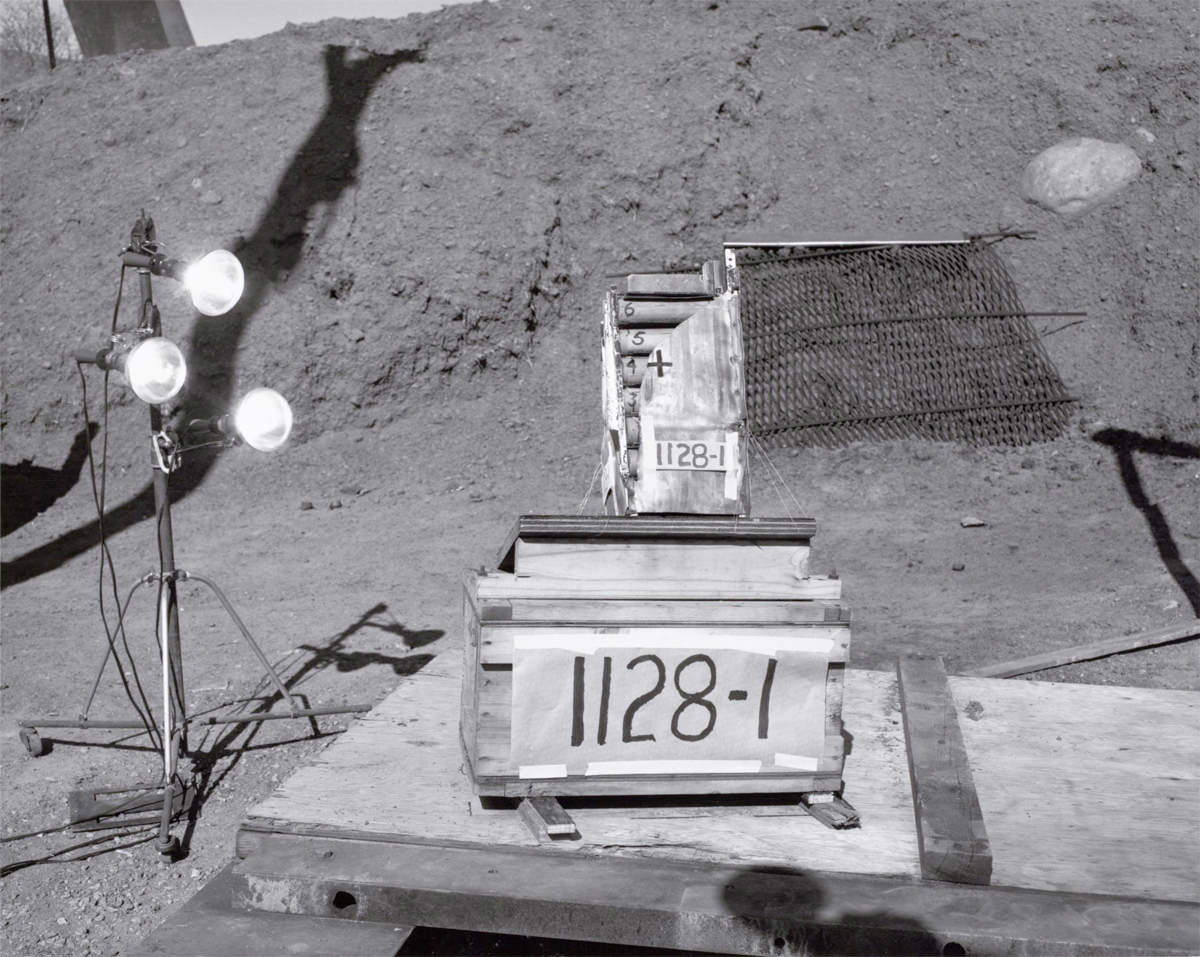
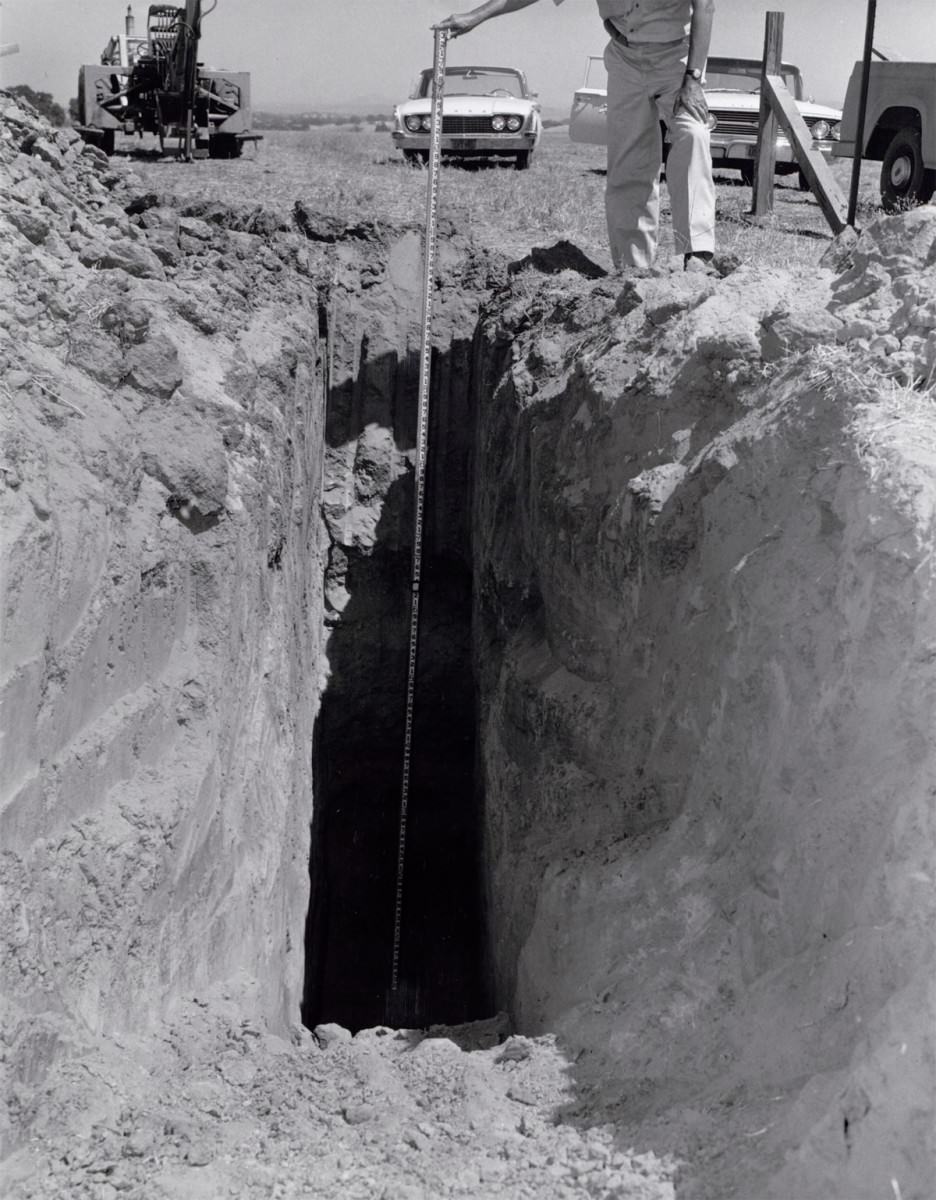
This idea sits at the heart of found photography as a practice. Found photography refers to the use of pre-existing photographs — images the artist did not take — as raw material for a new work. Sultan and Mandel were among the most rigorous practitioners of this approach. They did not alter the photographs. They did not crop them, retouch them, or manipulate them. The transformation came entirely through selection and arrangement.
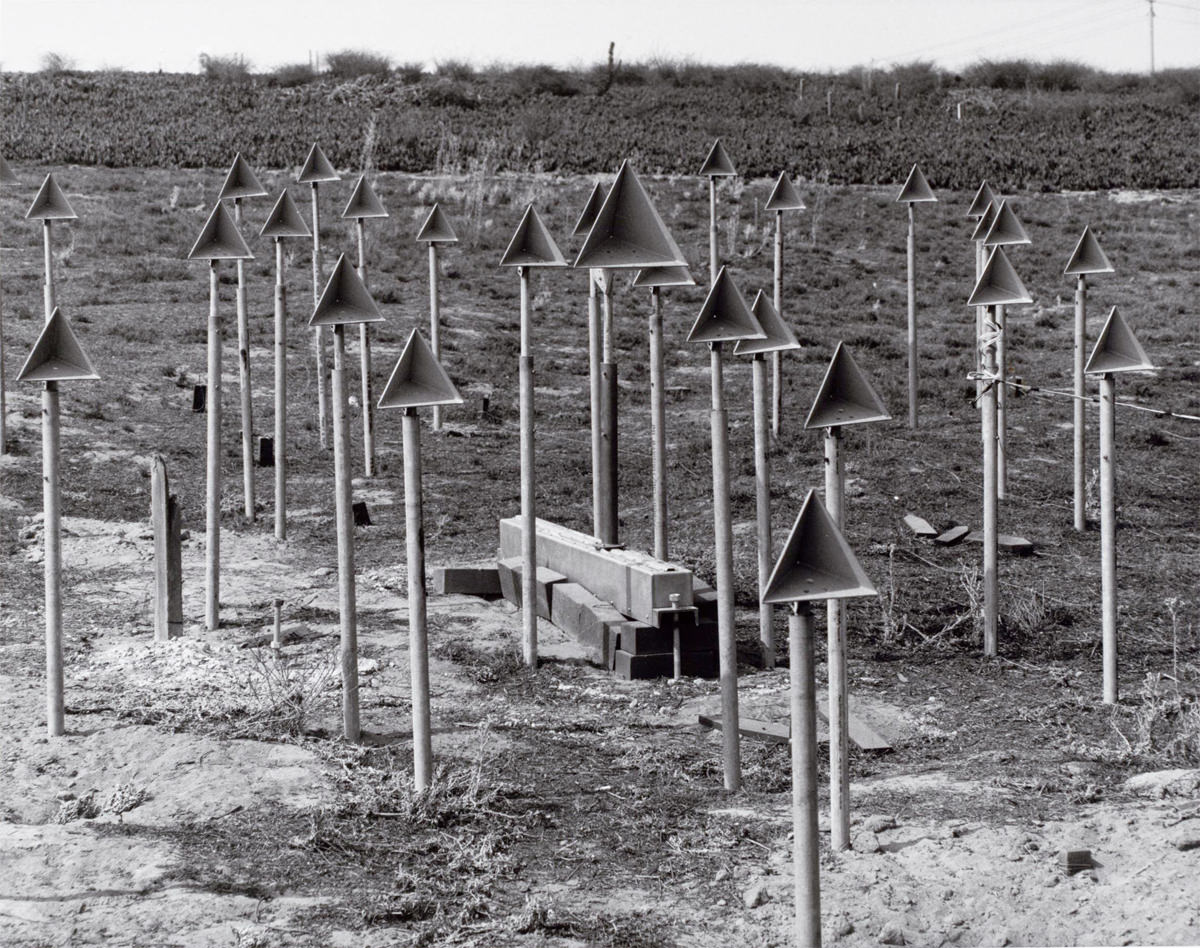
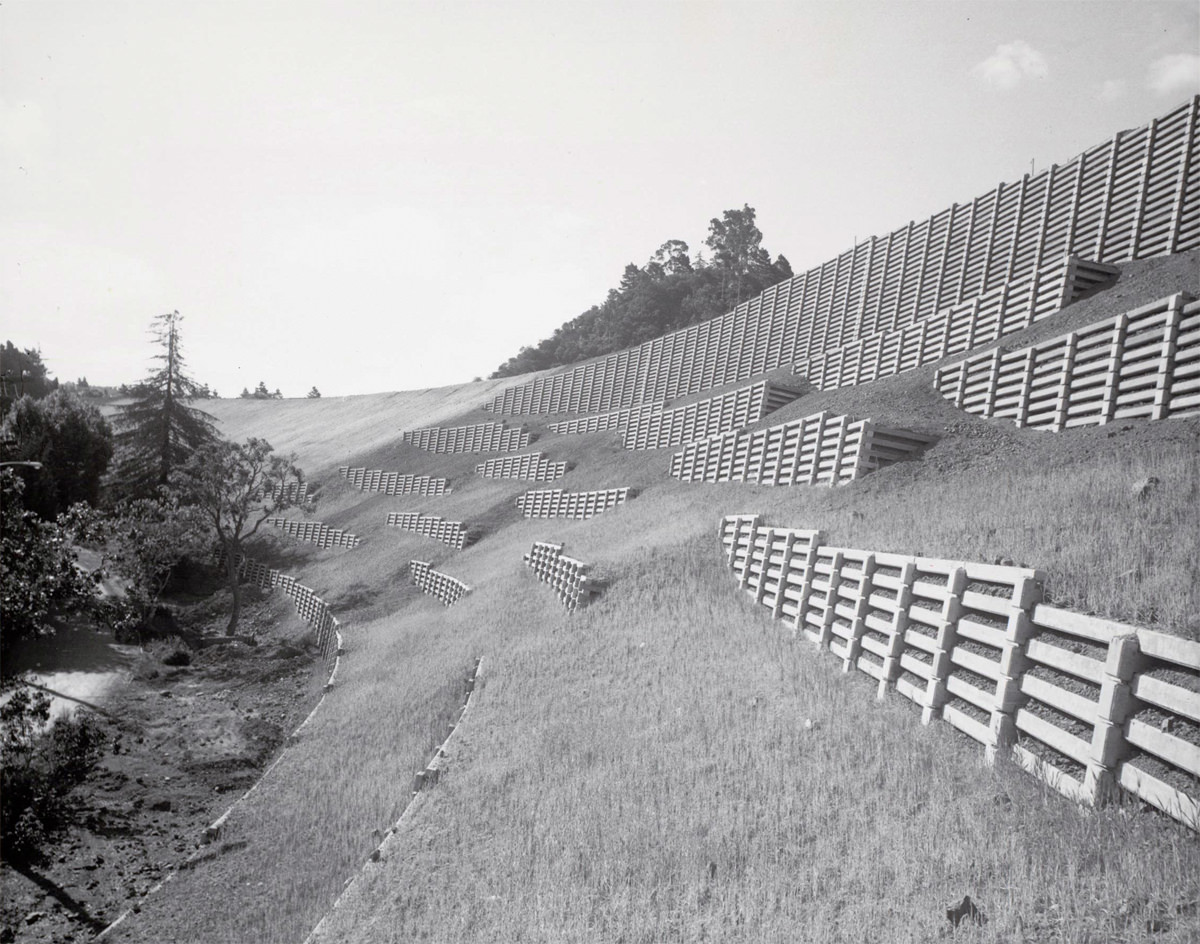
Each image in the book carries the visual grammar of bureaucratic photography — flat lighting, centered subjects, a no-nonsense compositional style. These were not photographs made by artists trying to create atmosphere. They were made by technicians trying to document facts. And yet, removed from their files and placed in sequence, they accumulate a strange weight. One image follows another with no explanation, and the viewer is left to build a story that the book never provides.
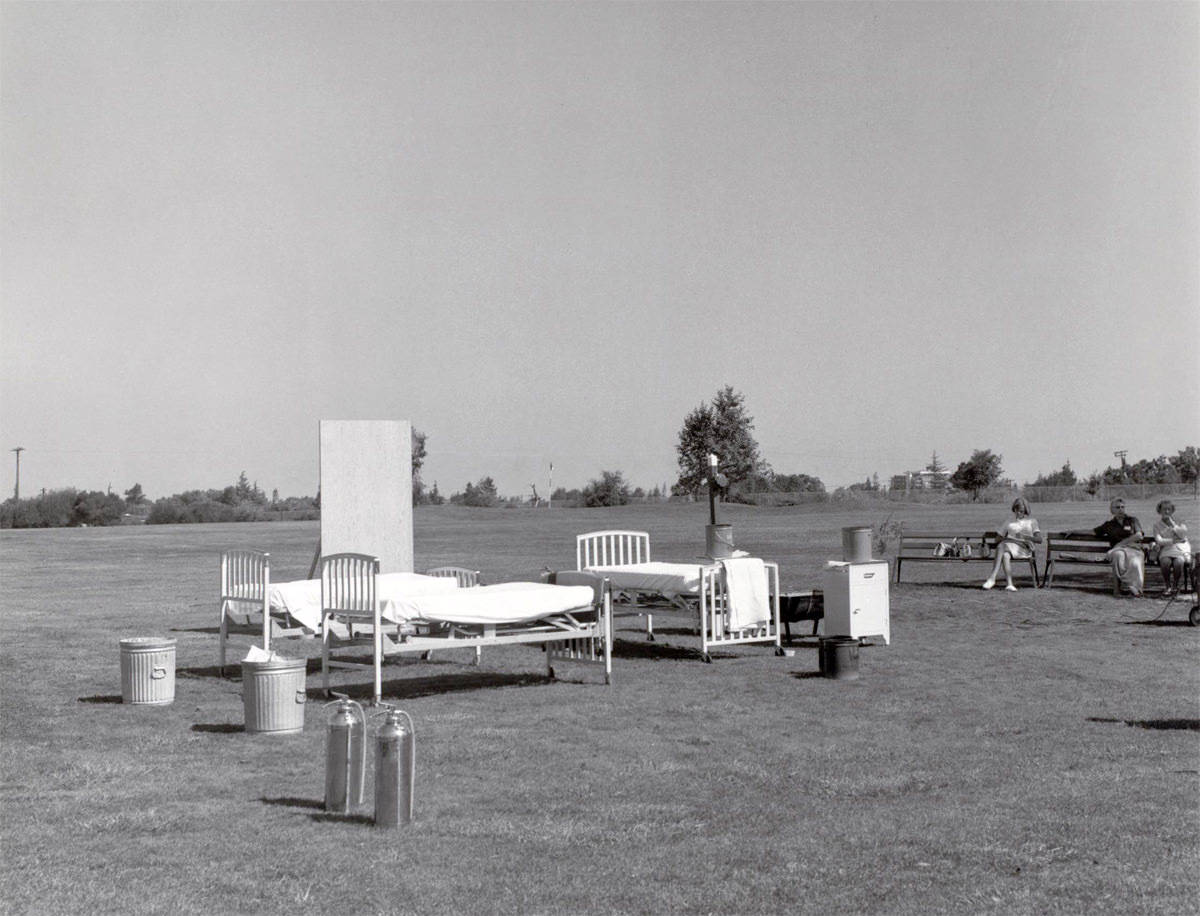
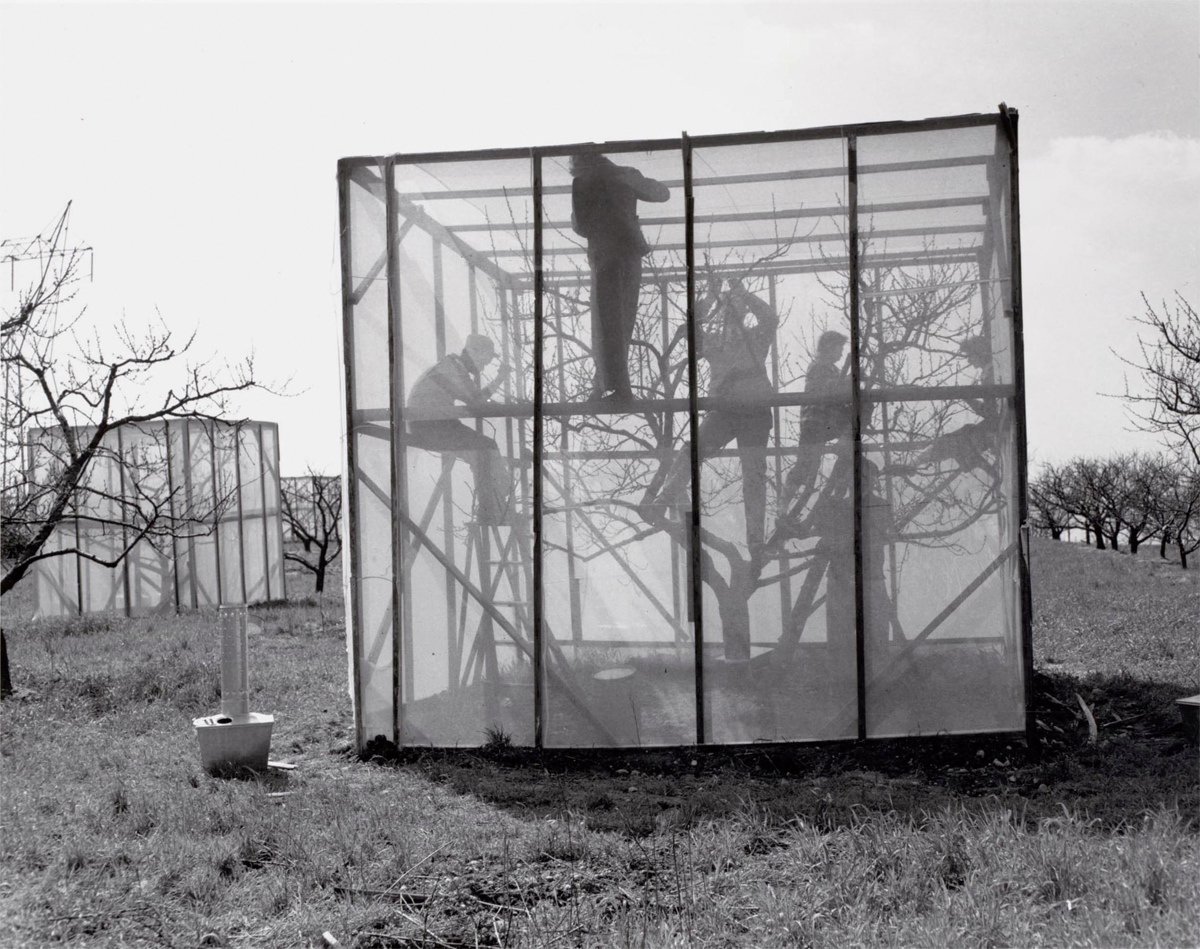
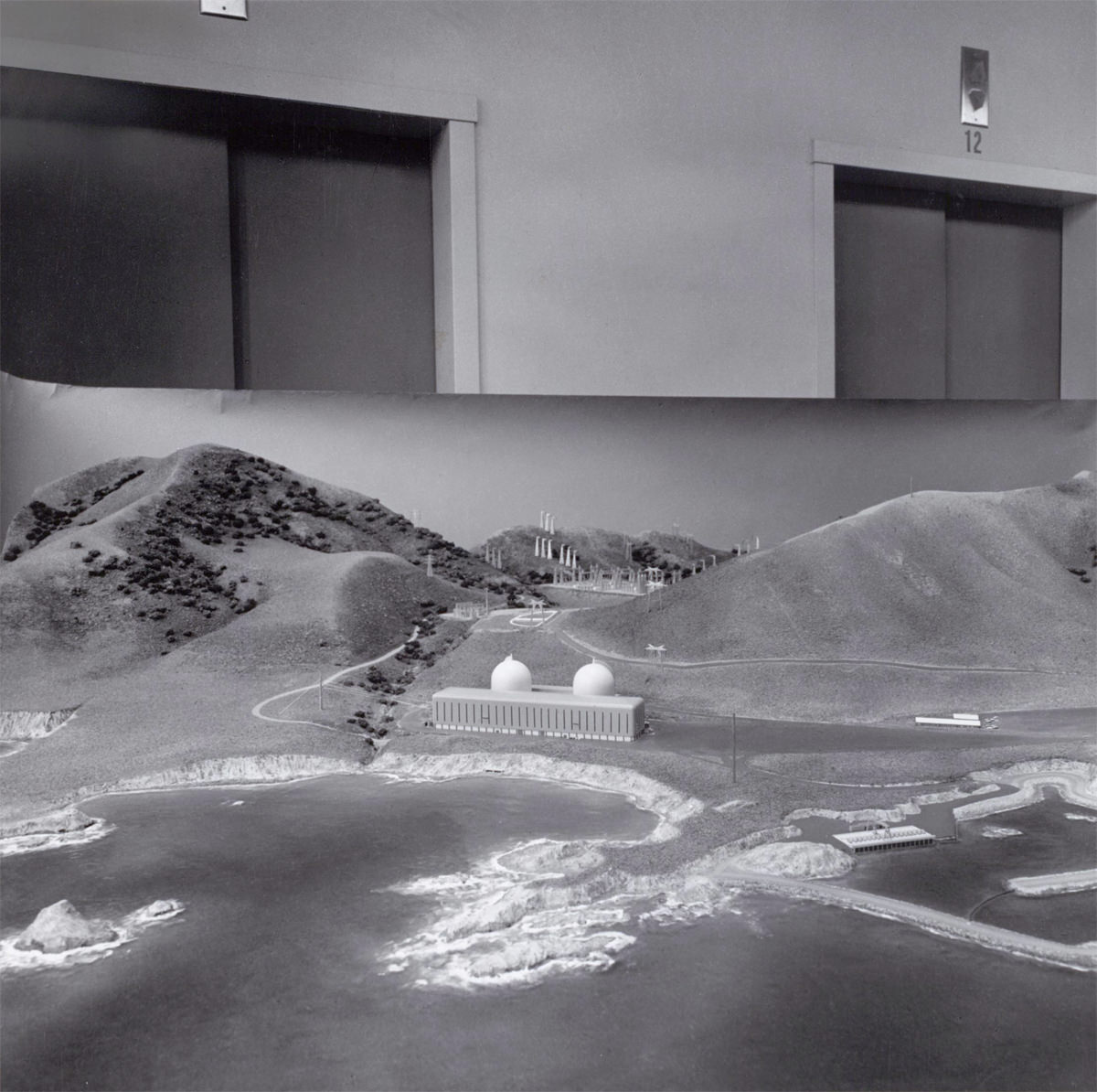
Some images in Evidence depict scenes that look alarming out of context. A burned field, a person sprawled on a surface, a piece of equipment mid-explosion — these could be disasters or controlled tests. The viewer cannot tell. That uncertainty is not accidental. Sultan and Mandel selected images that resist easy reading, images where the gap between what is shown and what it means is as wide as possible.
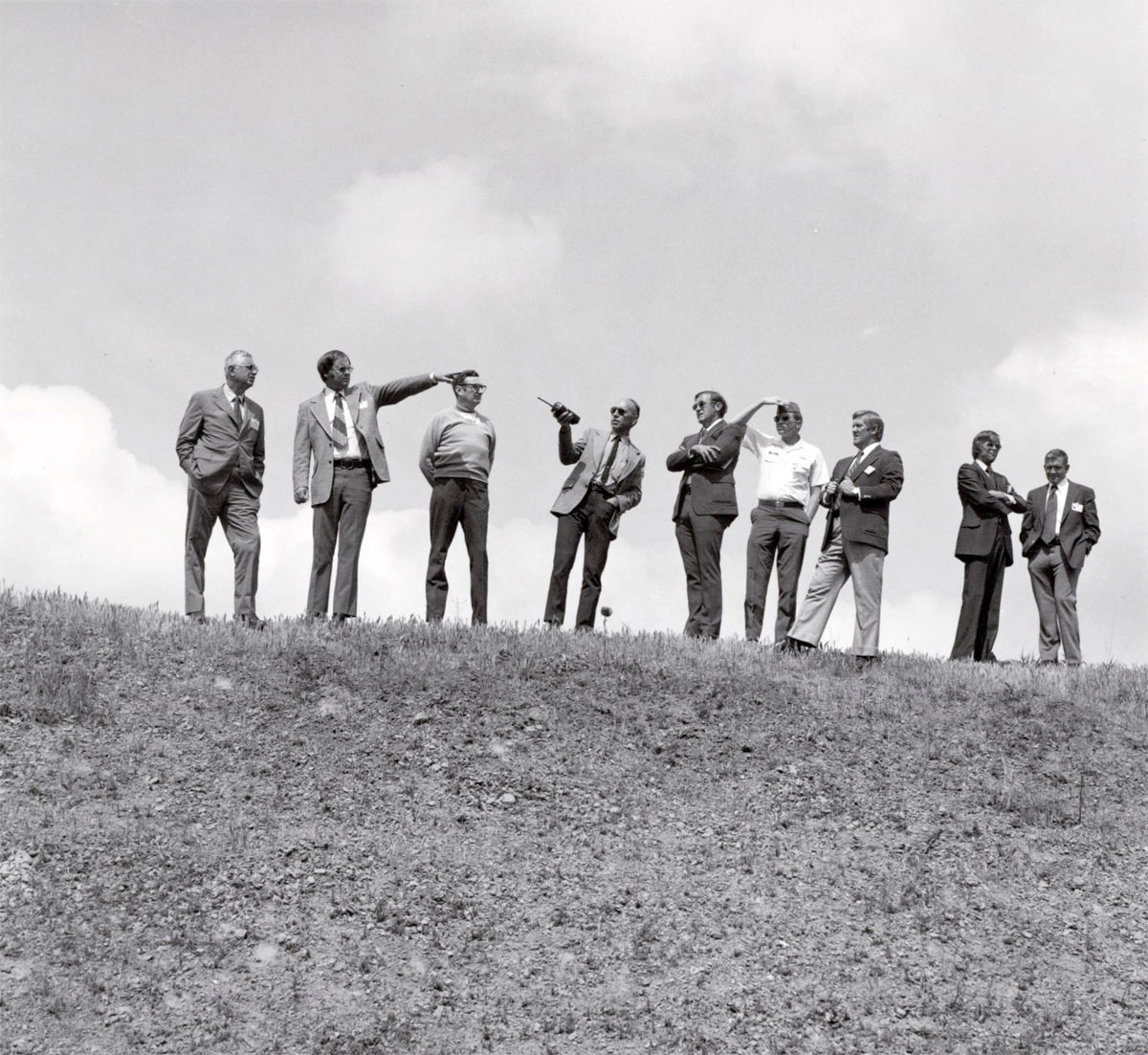
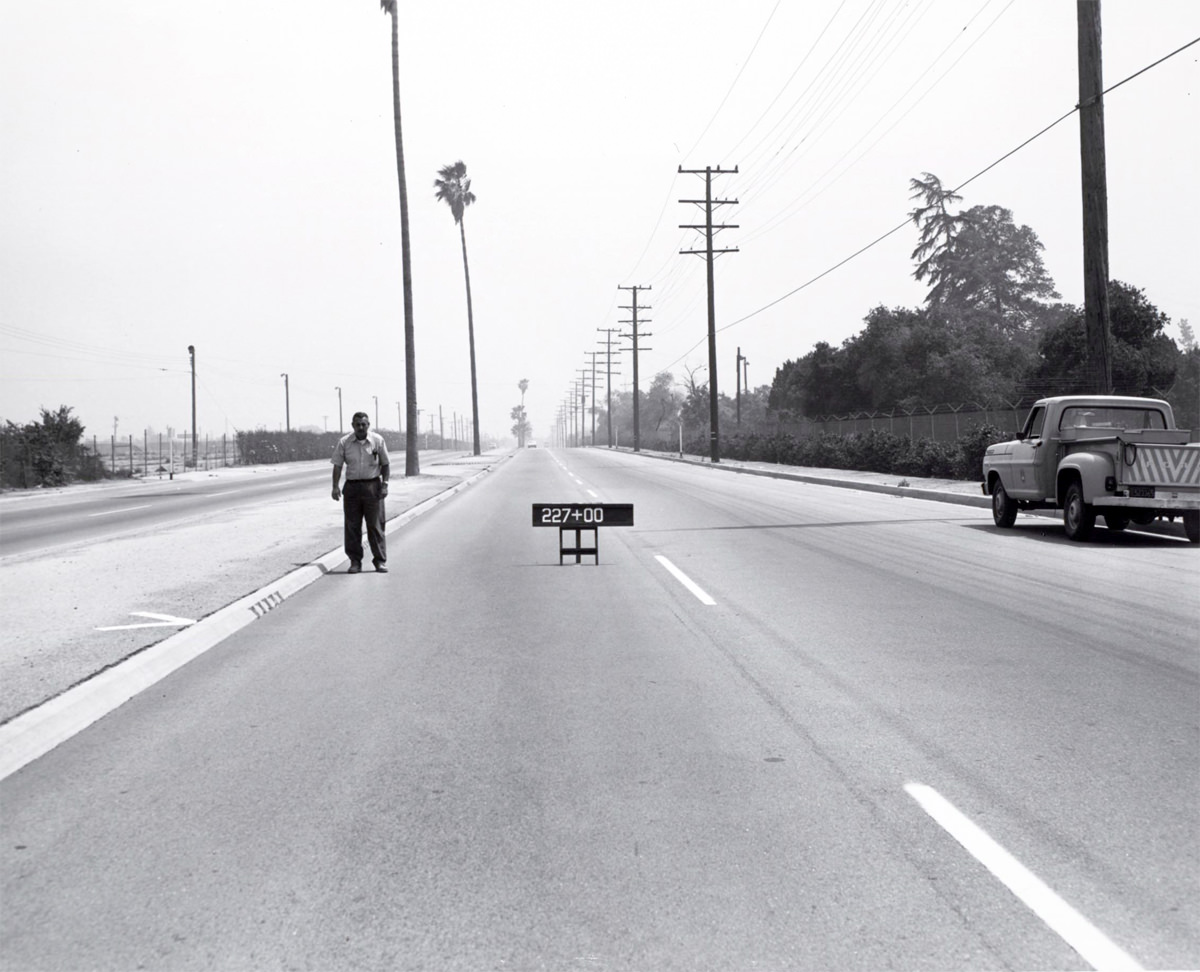
The institutions whose archives Sultan and Mandel accessed were, in many cases, organizations trusted with significant public power — police forces, energy companies, aerospace laboratories. These were bodies that used photography to build and maintain records of authority and accountability. Evidence quietly undermines that authority by showing how fragile the meaning of a photograph actually is.
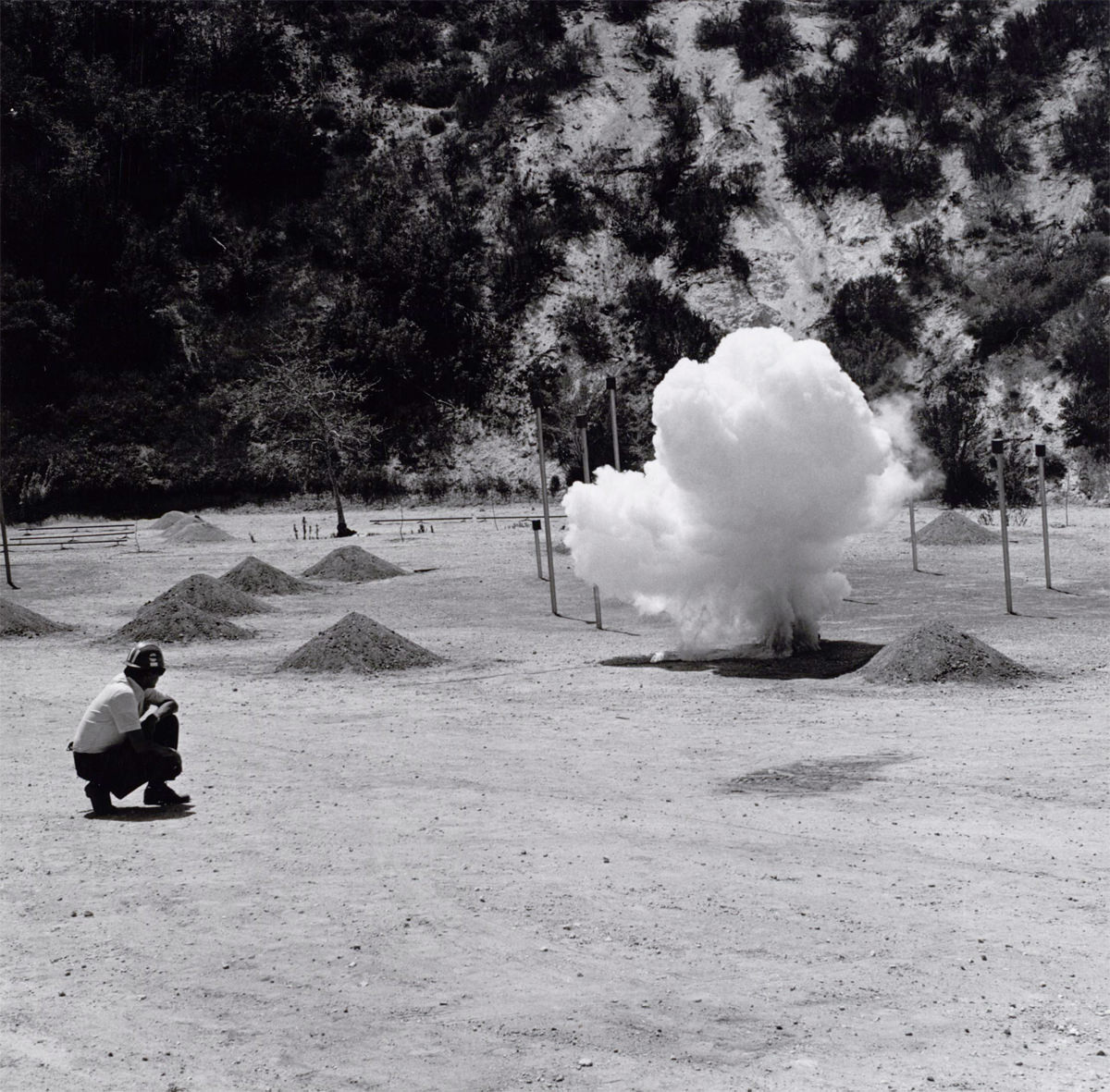
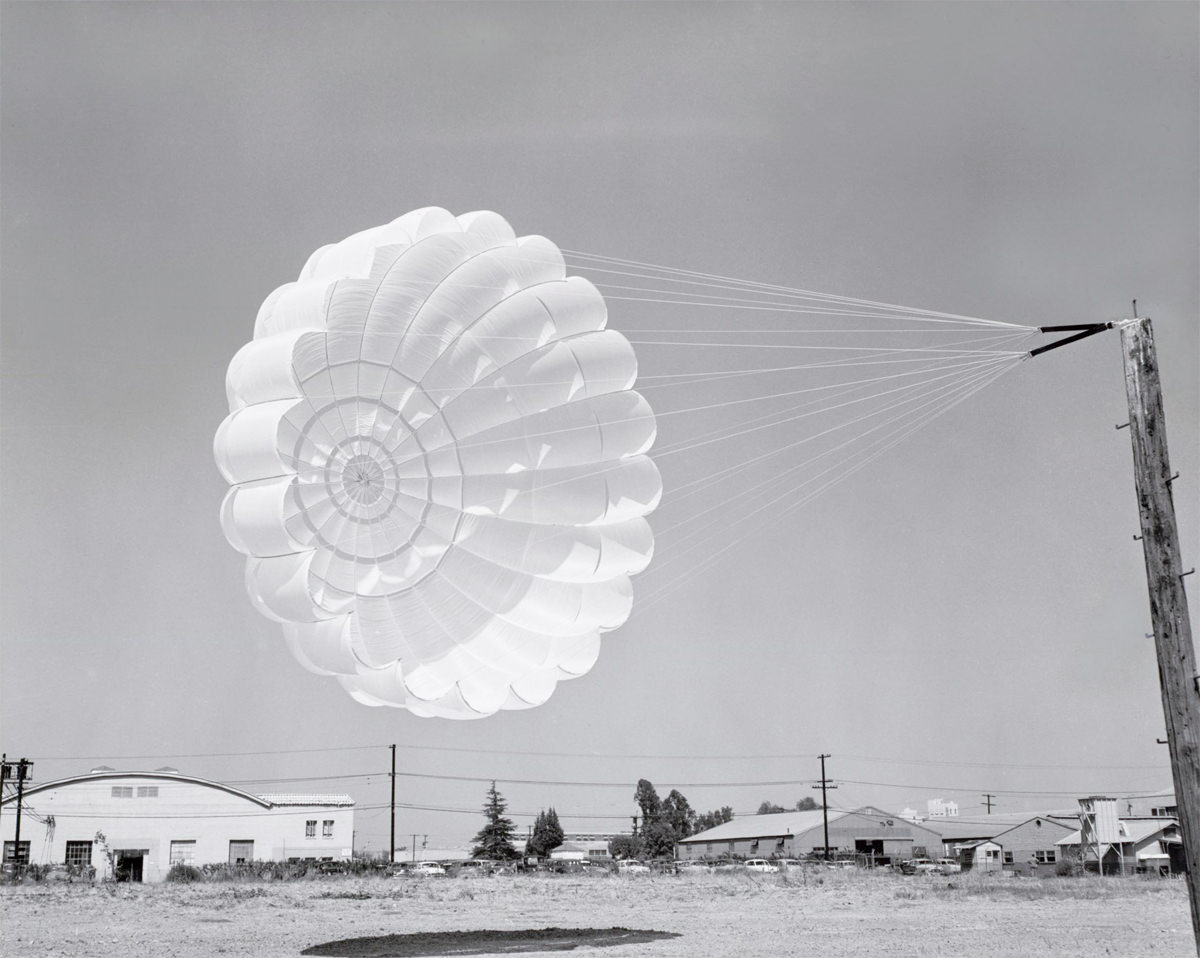
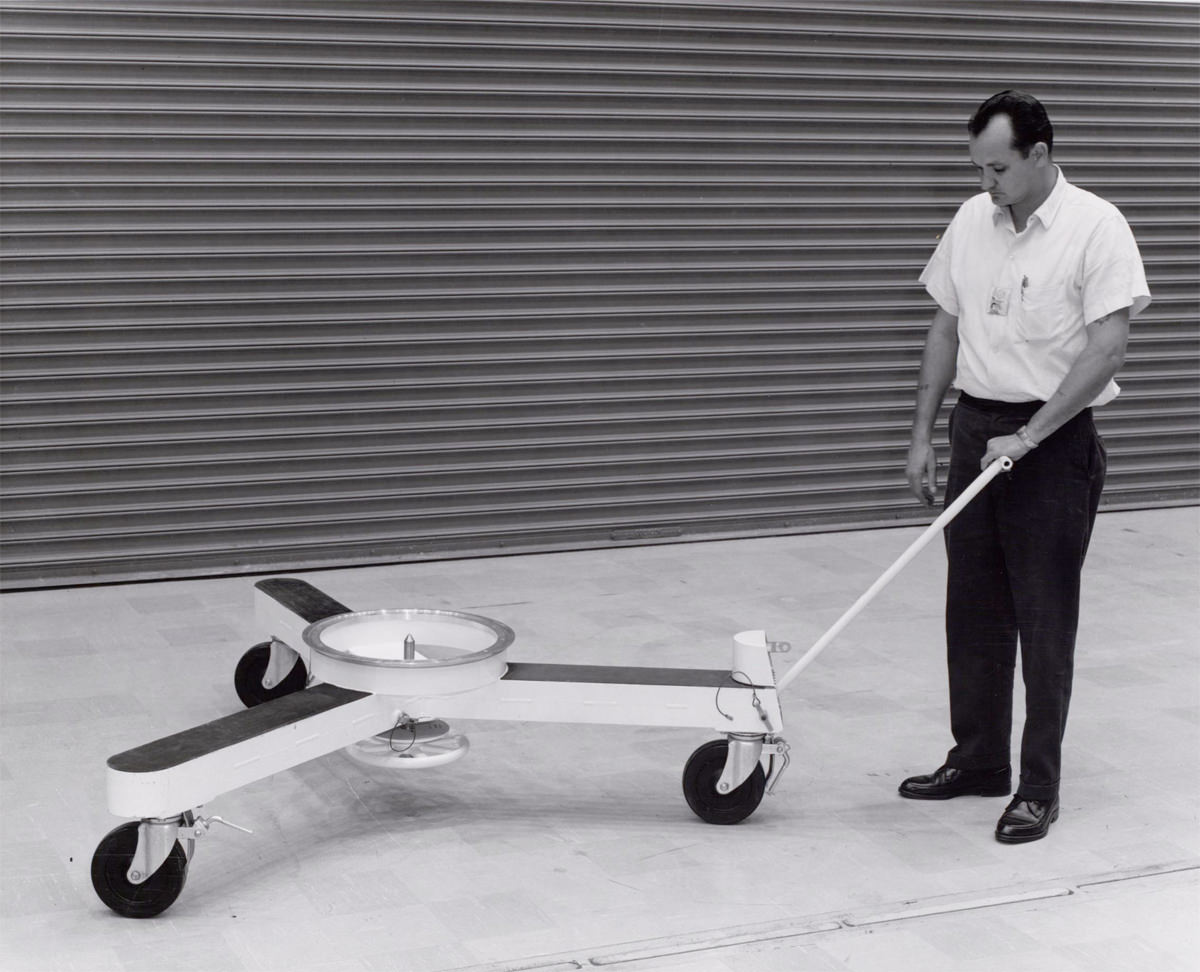
The scale of the research matters here. Two million photographs is an almost incomprehensible number. Most of those images will never be seen by the public. They exist in folders and filing systems, sorted by date or case number, performing their documentary function in the dark. Sultan and Mandel’s project brought 60 of them into the light — but in doing so, erased the very system that gave them meaning.
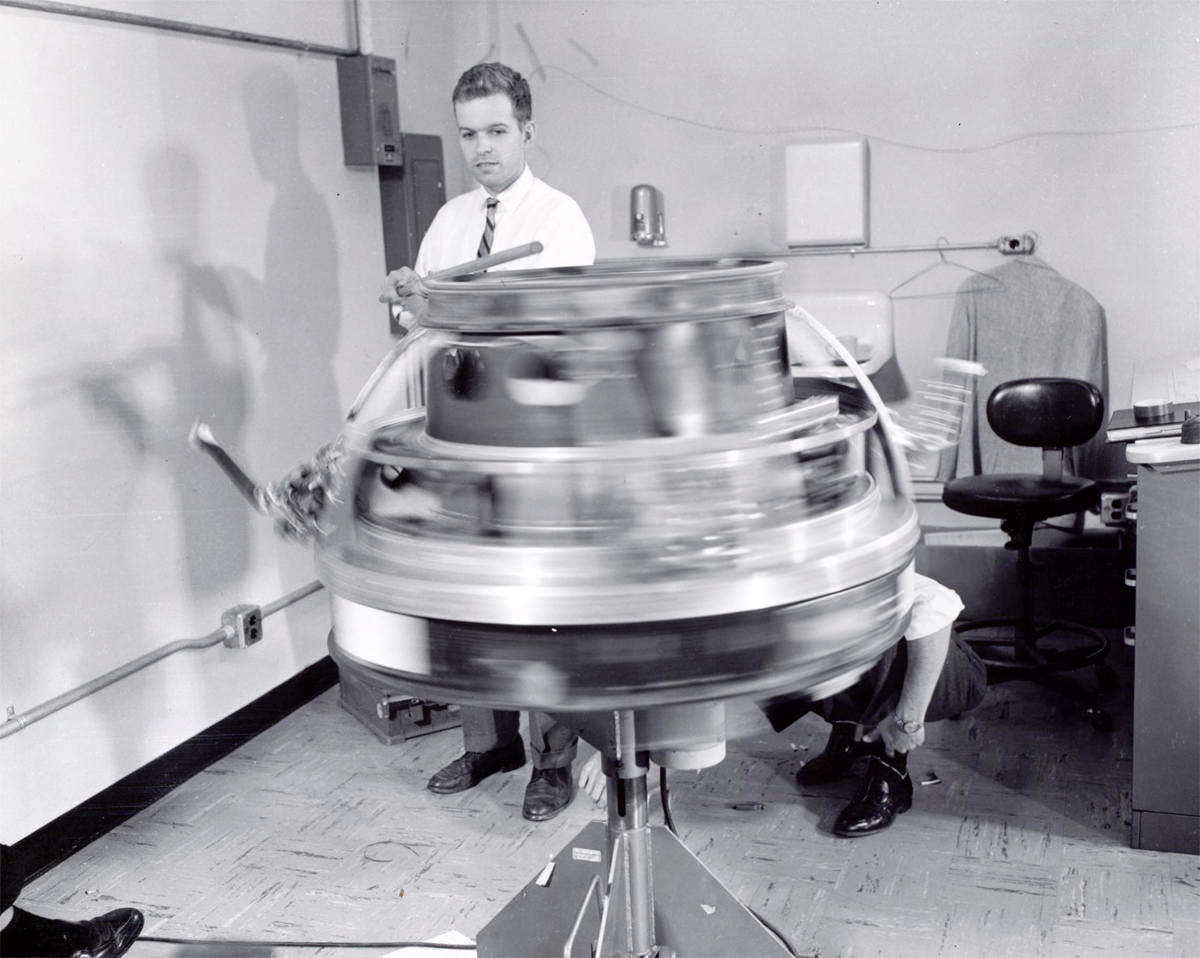
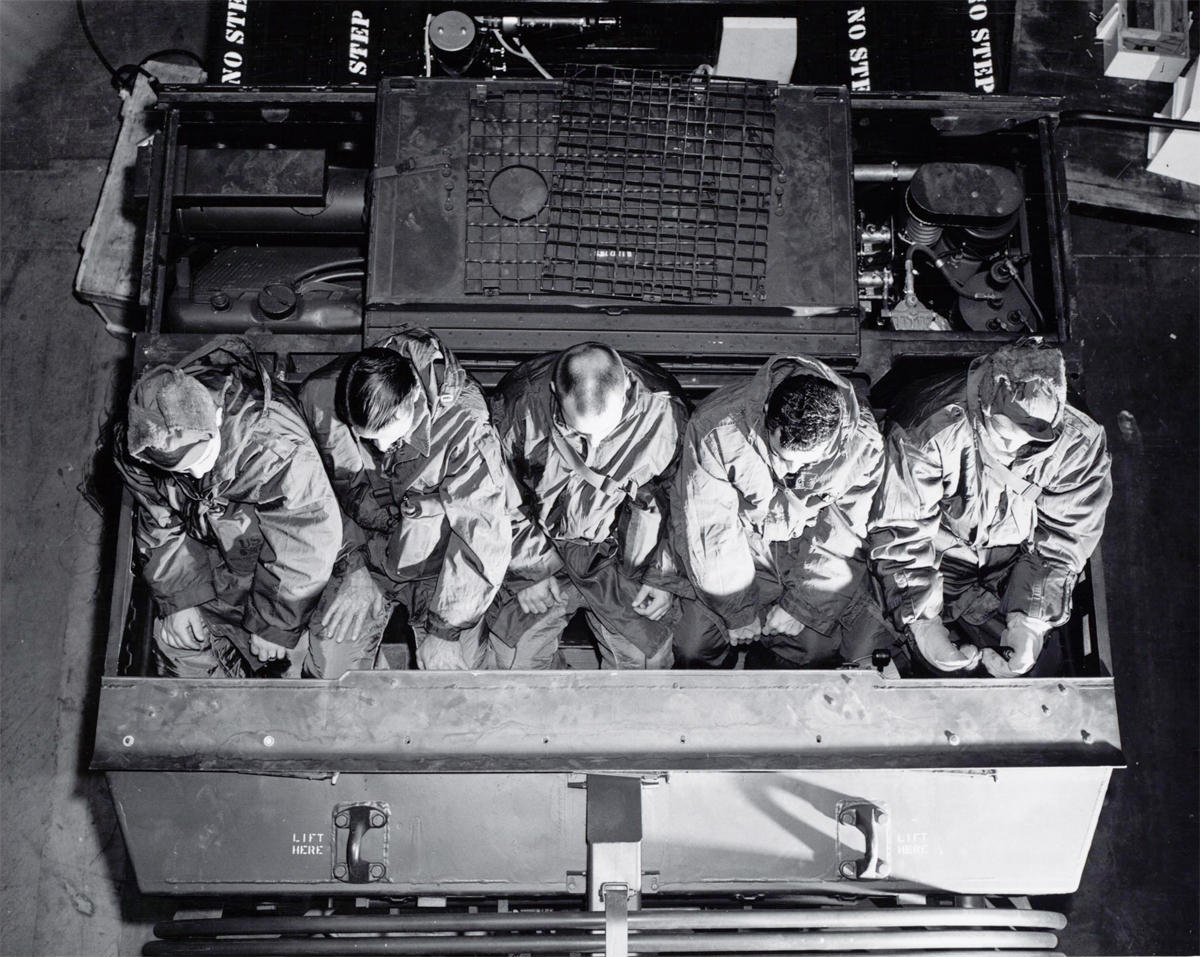
The sequencing of the 60 selected images was not random. Sultan and Mandel arranged them so that visual and thematic echoes emerge across the pages. A shape in one image reappears in a different context in the next. A tone of light, a gesture, a kind of space — these threads run through the book and create a reading experience that feels almost like a narrative, even though no story is ever told.
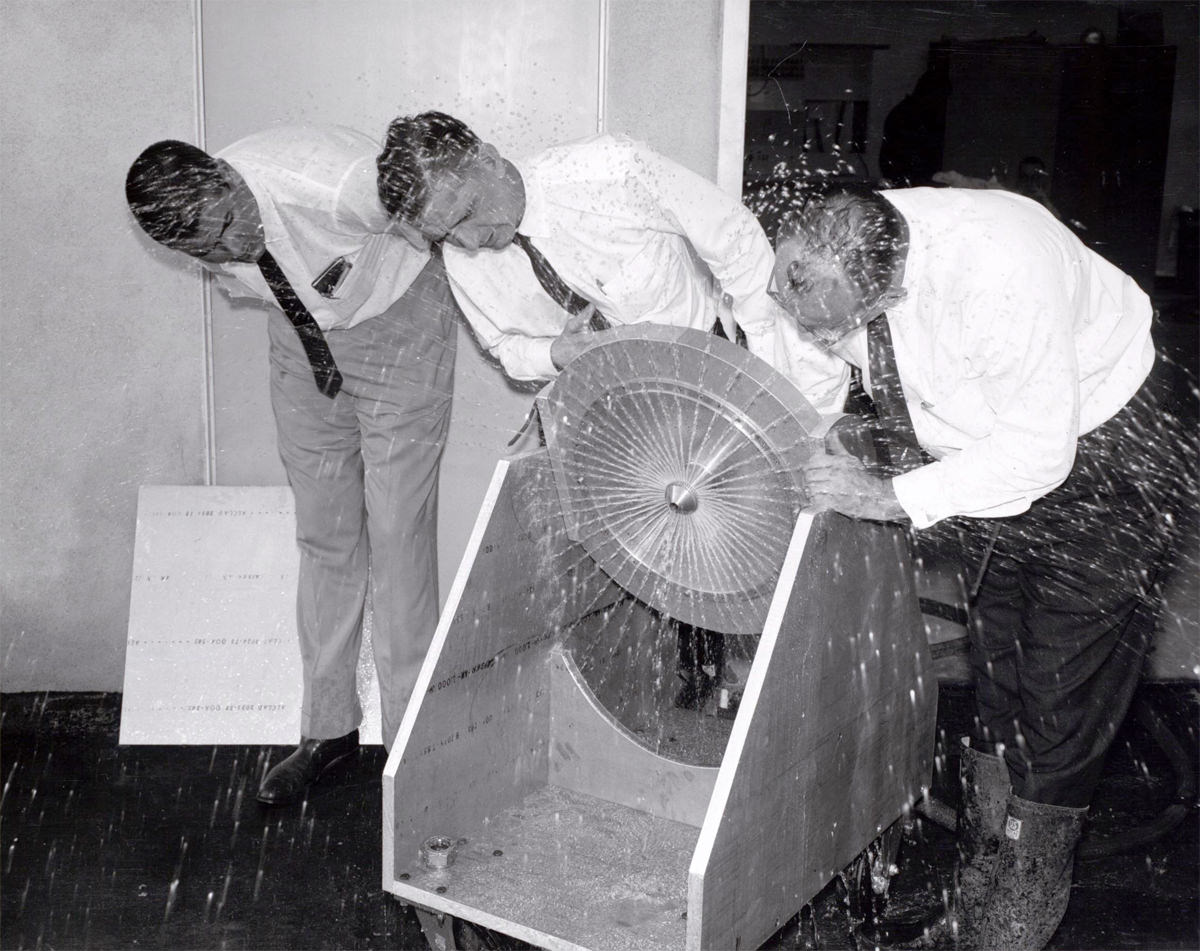
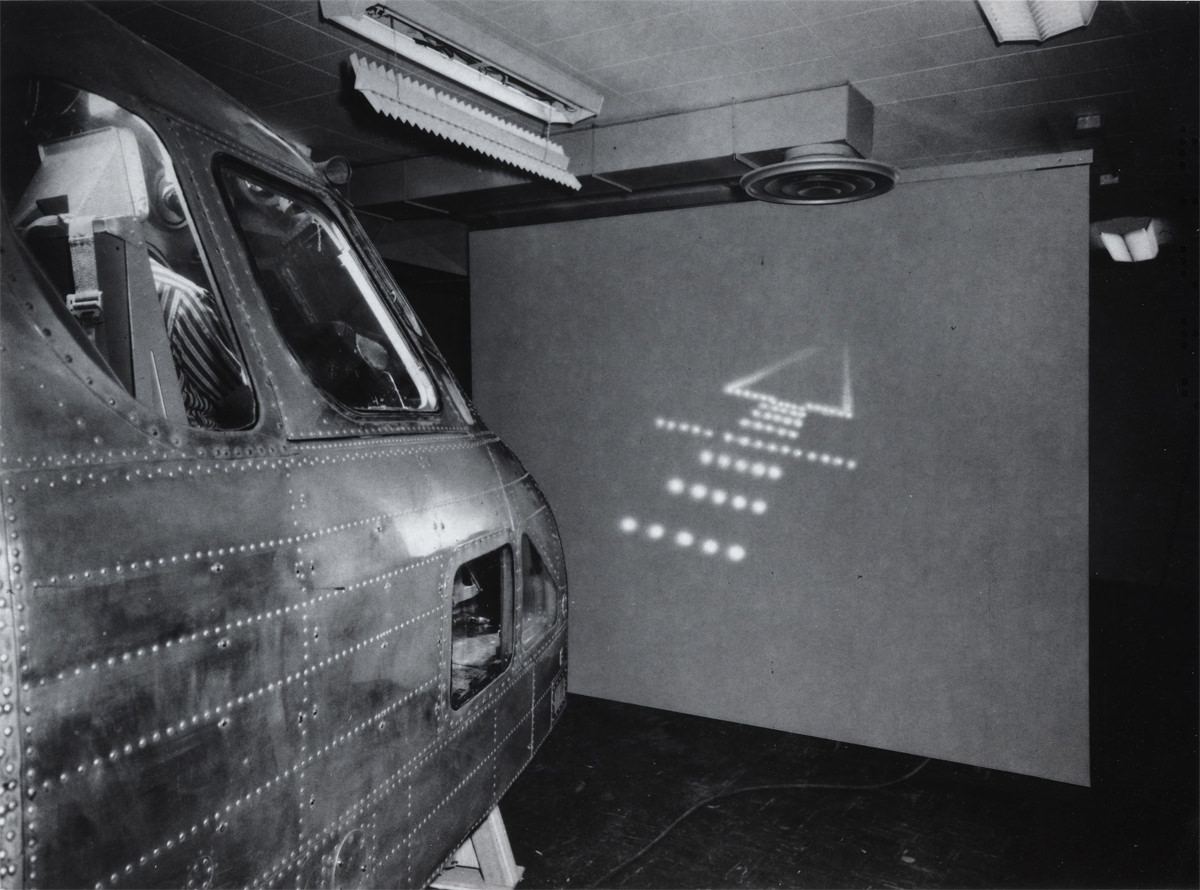
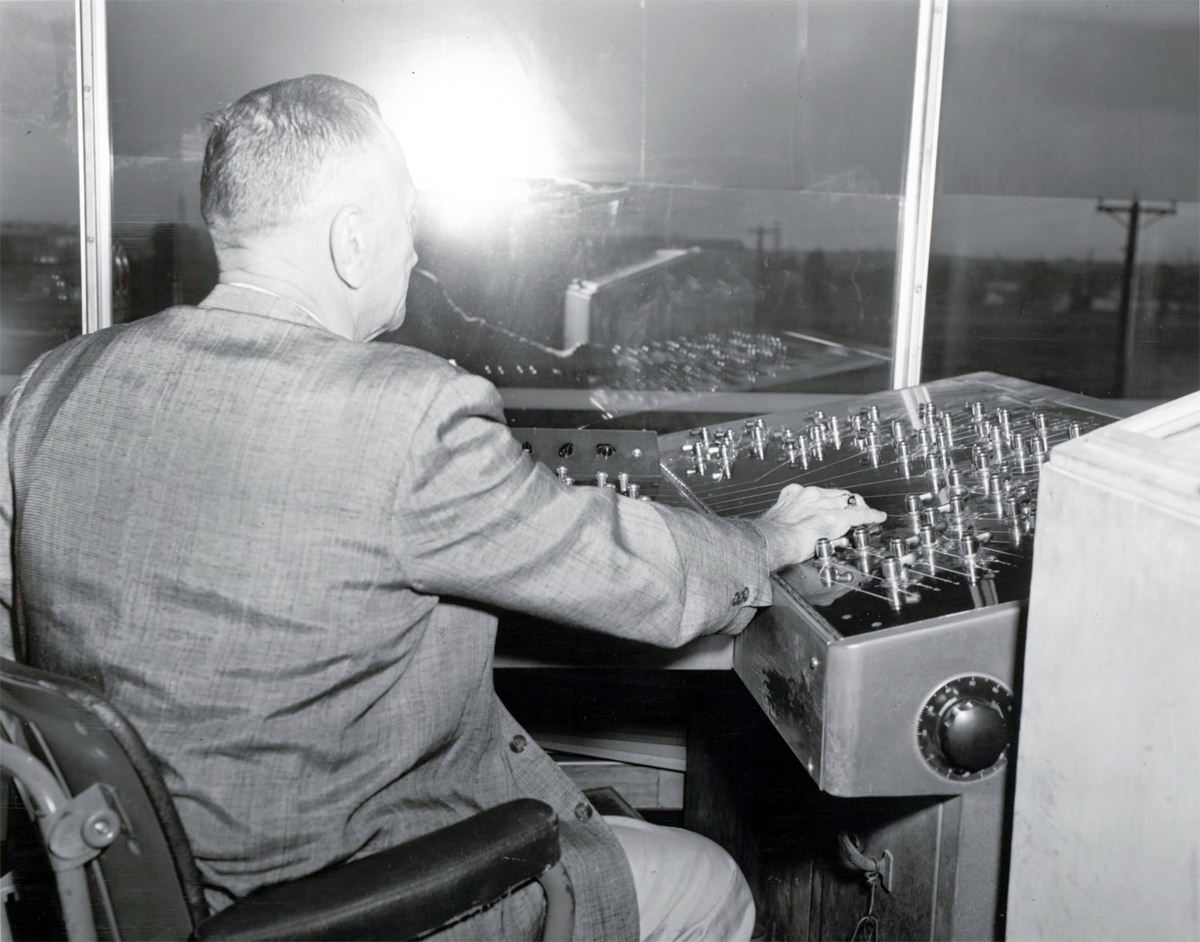
What Evidence ultimately presents is a document about documentation itself. These photographs were made to record facts. Instead, they reveal how much a photograph depends on the information surrounding it — the label, the file, the institution, the purpose. Strip those away, and even the most straightforward image becomes a mystery.