
World War II left Europe in ruins. Cities were bombed out, economies were shattered, and millions of people were displaced. But by 1950, something remarkable was already underway. Across the continent, nations were rebuilding — physically, economically, and socially. The photographs taken during this decade capture a Europe that was simultaneously scarred by the past and energized by the future.
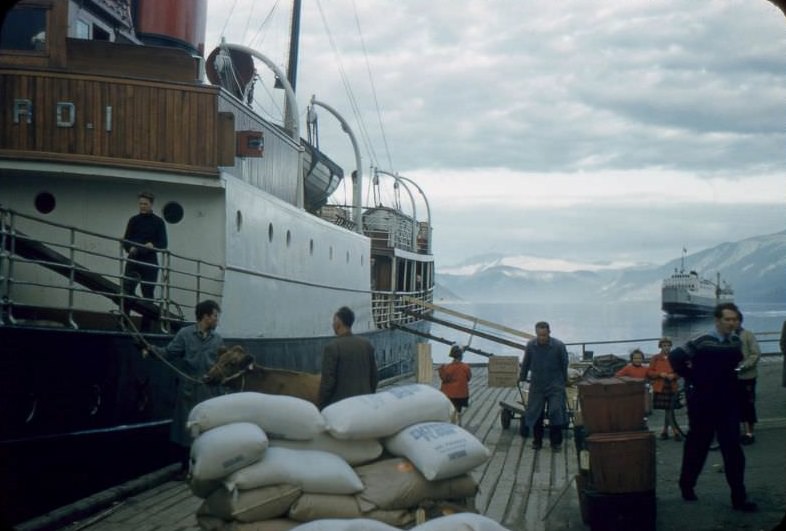
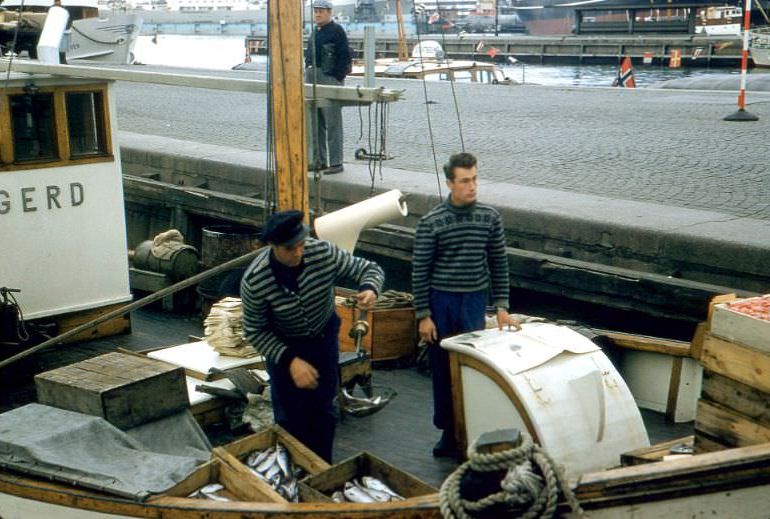
In Scandinavia, the postwar years brought a calm that contrasted sharply with the destruction further south. Norway’s fjord towns, like Balestrand and Bergen, carried on with a quiet dignity. Fishing remained central to daily life along the Norwegian coast, with small crews heading out on wooden boats just as their fathers had done.
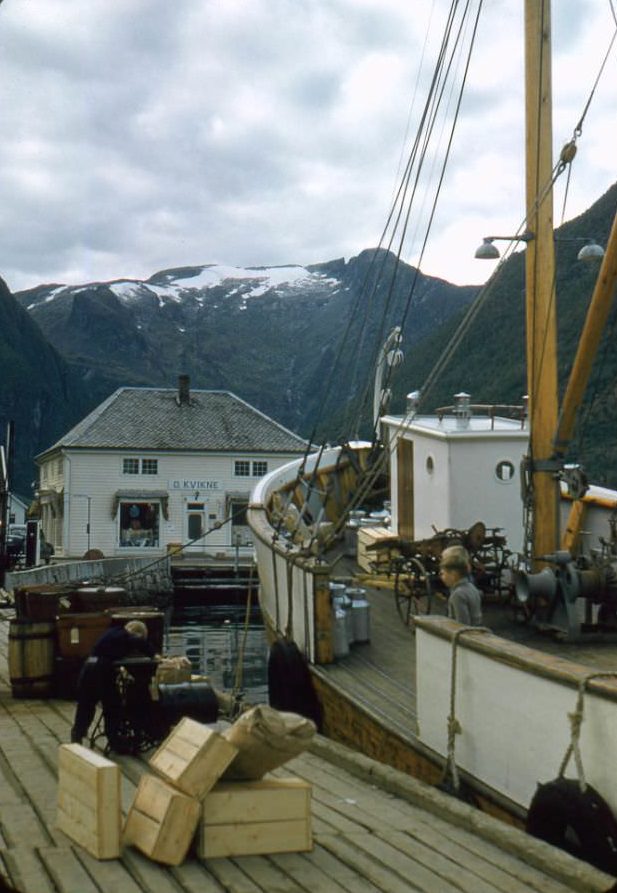
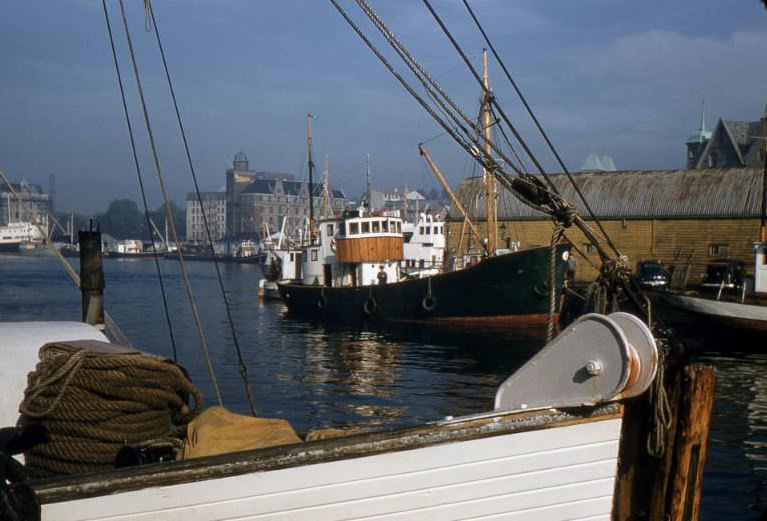
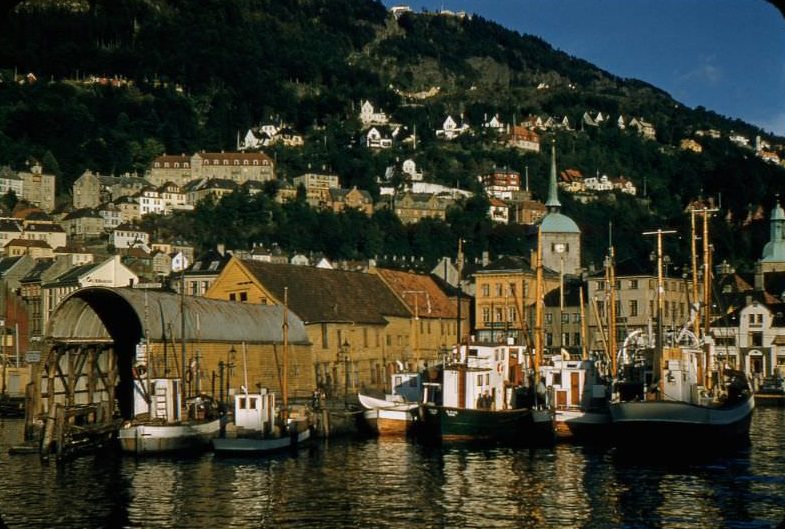
Bergen, Norway’s second-largest city, showed off its historic wooden wharf buildings and busy harbor. The city had survived the war largely intact, and by the 1950s it was a working port full of activity. Fishing boats, merchants, and everyday Norwegians filled its streets and docks.
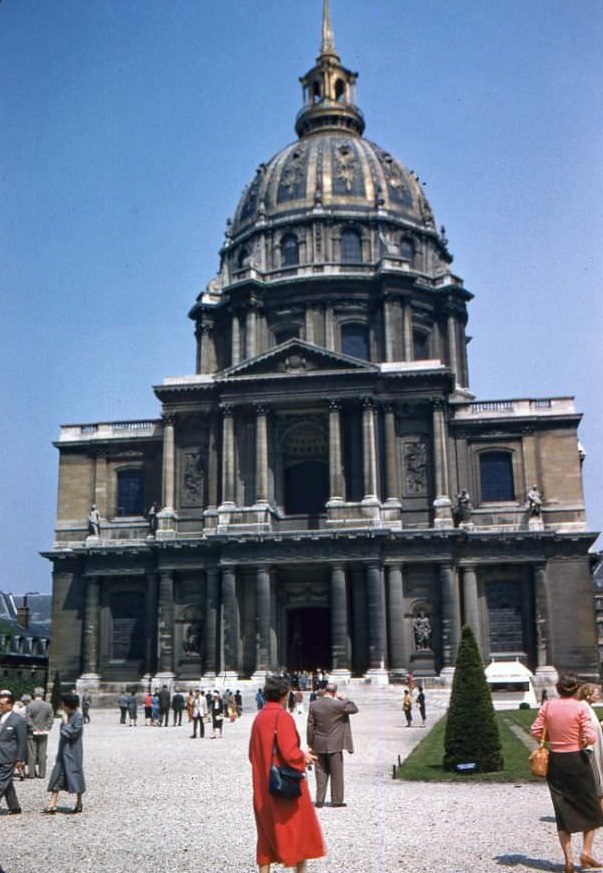
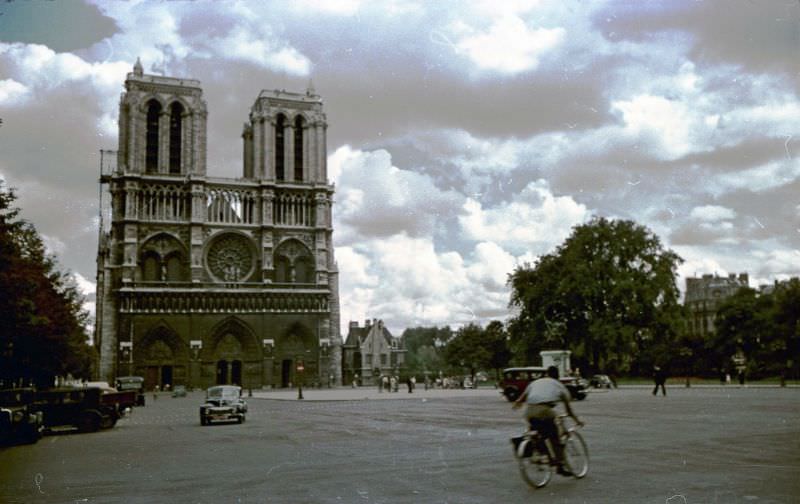
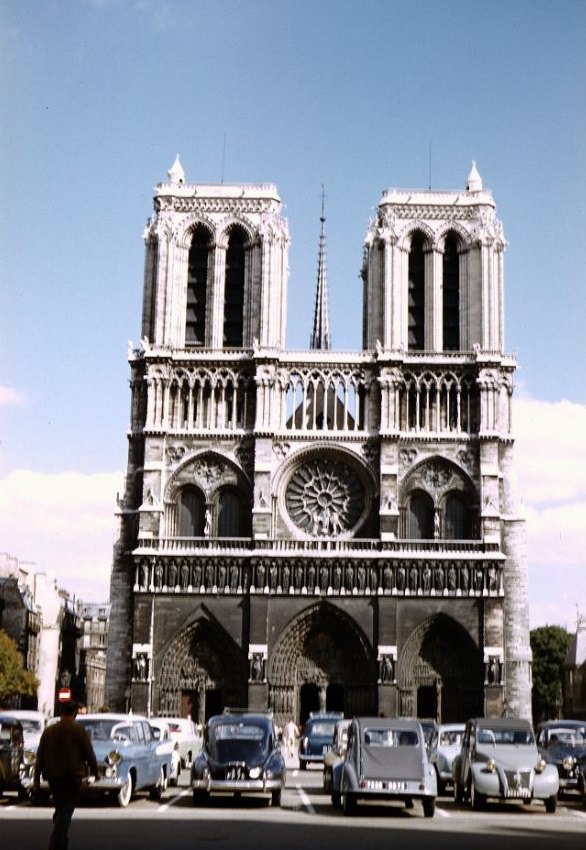
Paris in the 1950s was magnetic. The city drew tourists, artists, and diplomats from around the world. Its grand monuments — the Arc de Triomphe, Notre-Dame, the Eiffel Tower, and the gilded Dôme des Invalides — stood largely undamaged from the war. Napoleon’s tomb beneath the Dôme remained one of the most visited sites in France.
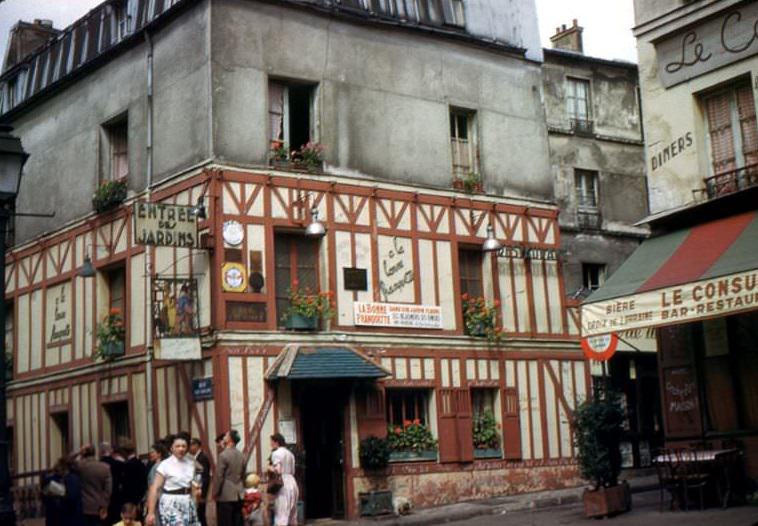
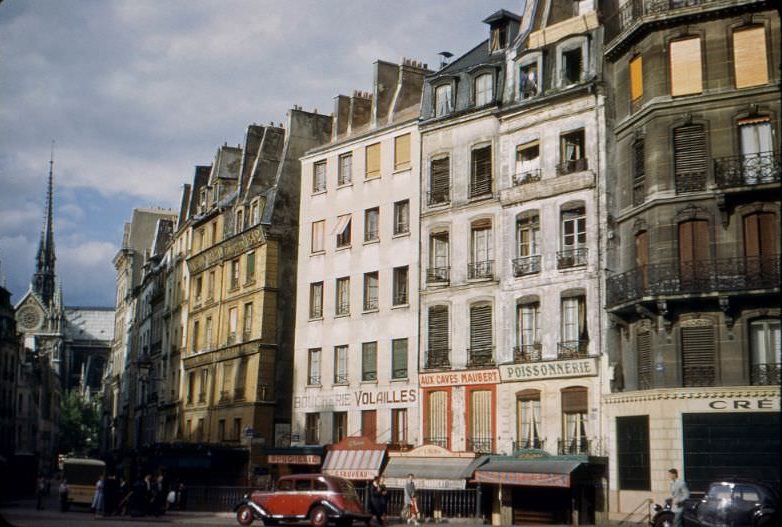
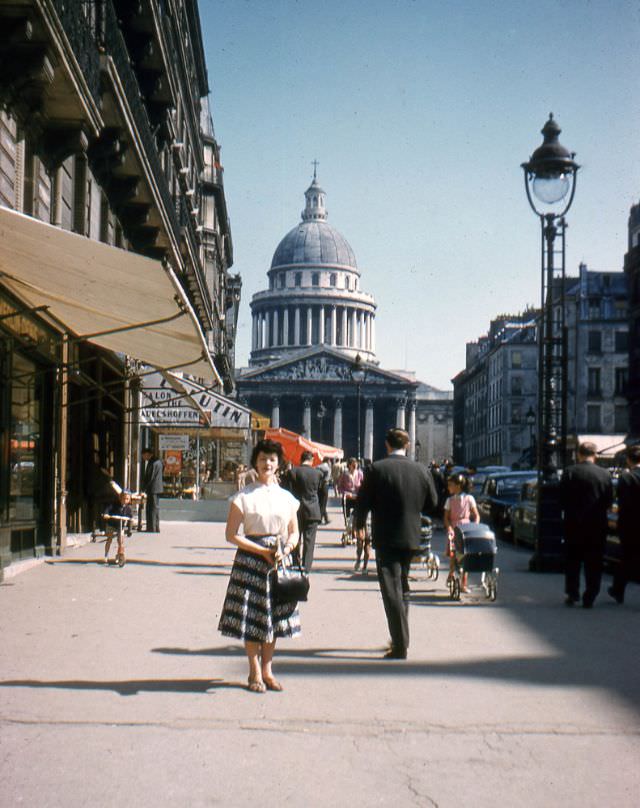
Montmartre retained its reputation as an artists’ neighborhood. Cafés like La Bonne Franquette had been gathering places for painters and writers since the 19th century, and in the 1950s they still buzzed with conversation. Nearby, the narrow streets of the Latin Quarter — like Rue Frédéric Sauton — showed the lived-in texture of a city that prized its history.
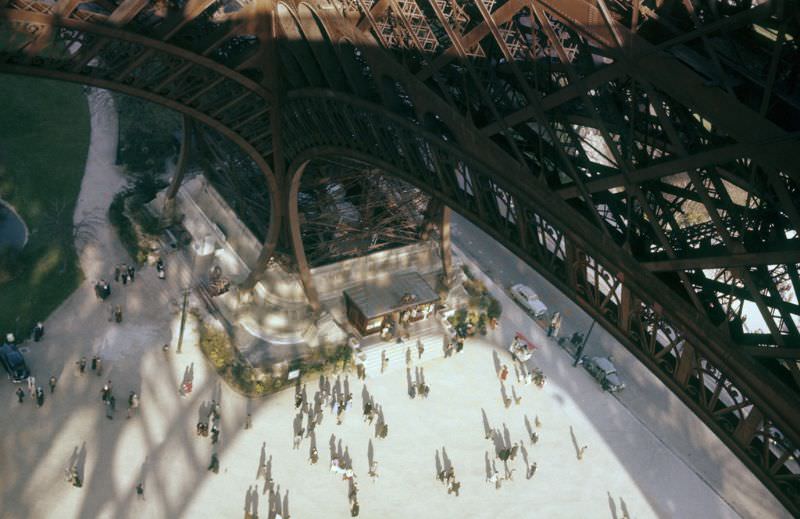
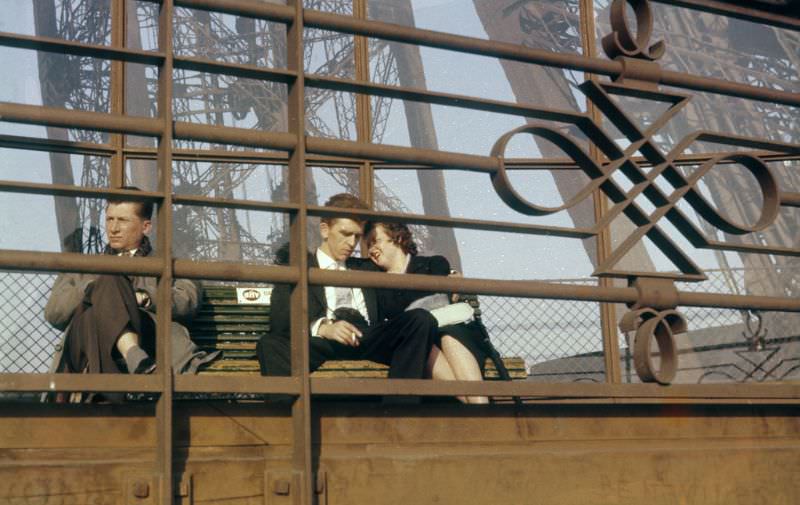
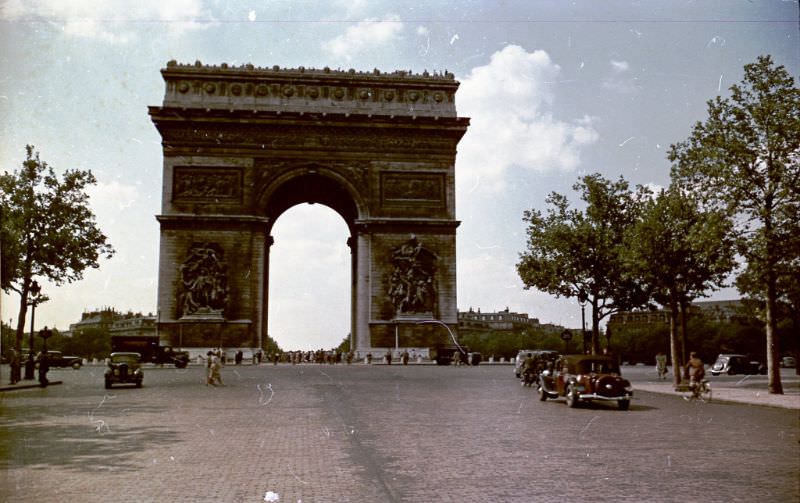
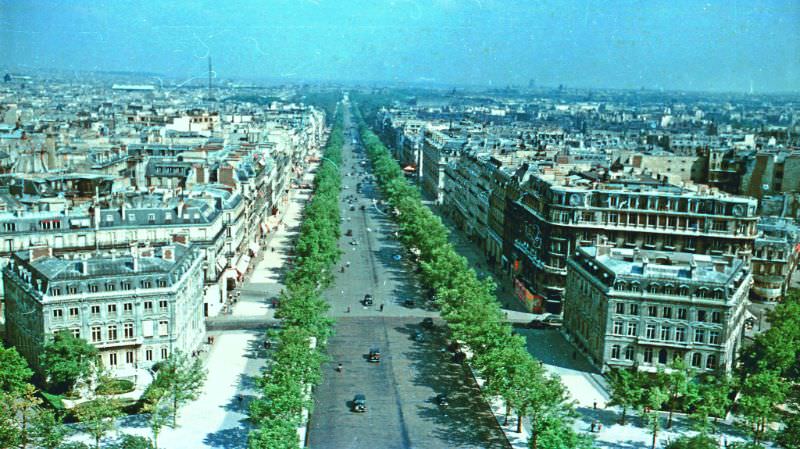
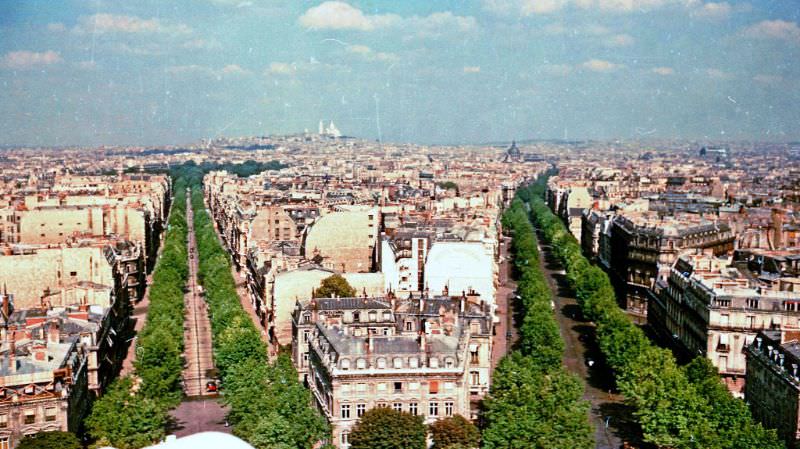
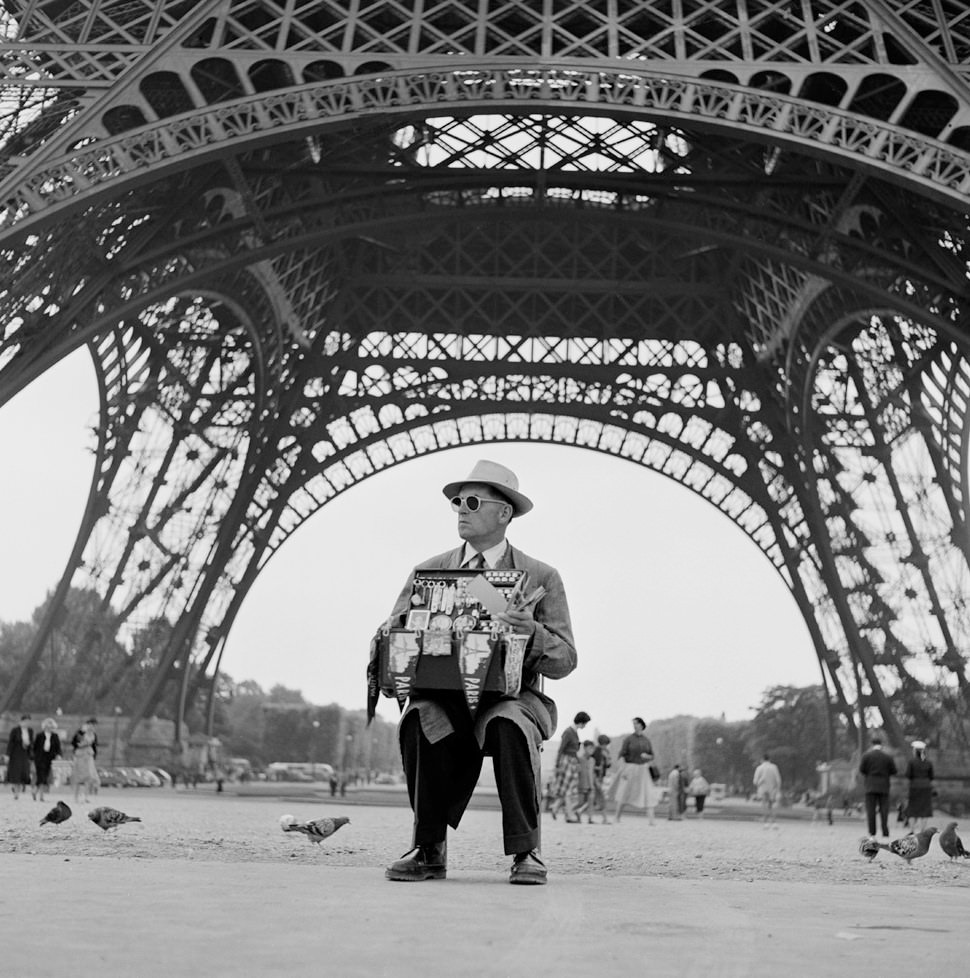
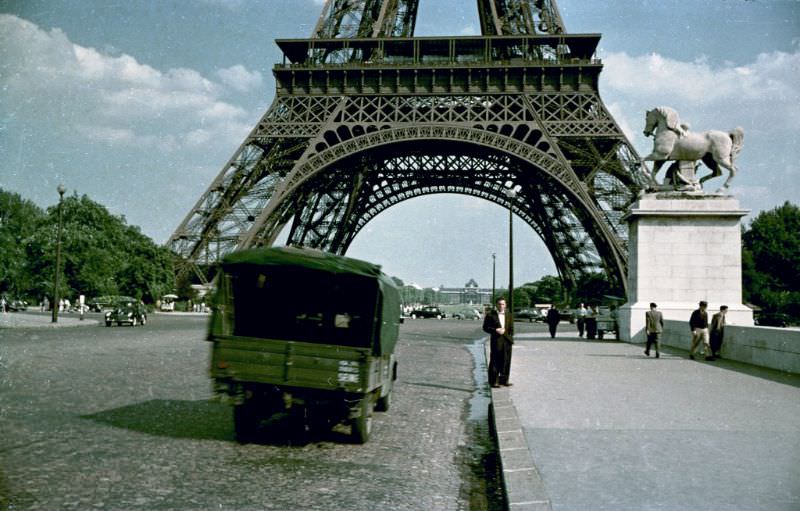
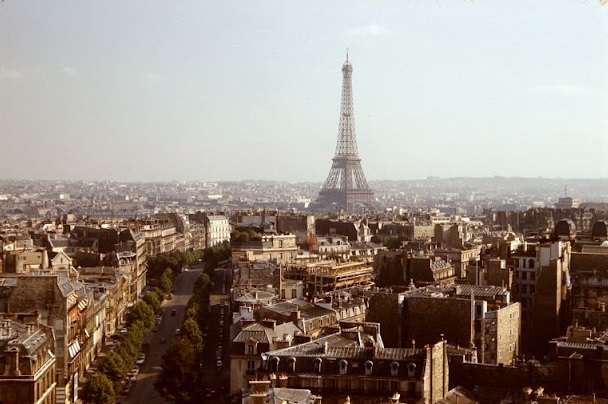
The Eiffel Tower had become an enduring symbol of France itself. Tourists climbed it, photographed it, and stood beneath it in wonder. The Pont d’Iéna below it, the Arc de Triomphe looming over the Champs-Élysées, and the sweeping view from the top of the arch gave visitors a sense of Paris as one of the world’s great planned cities.
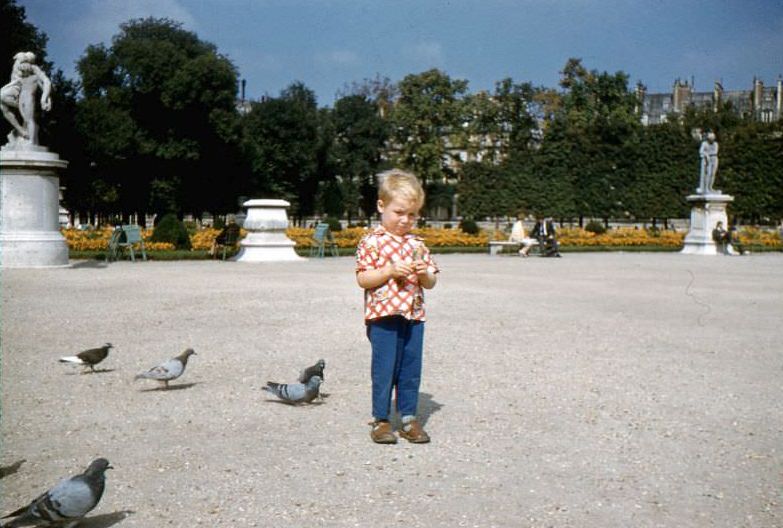
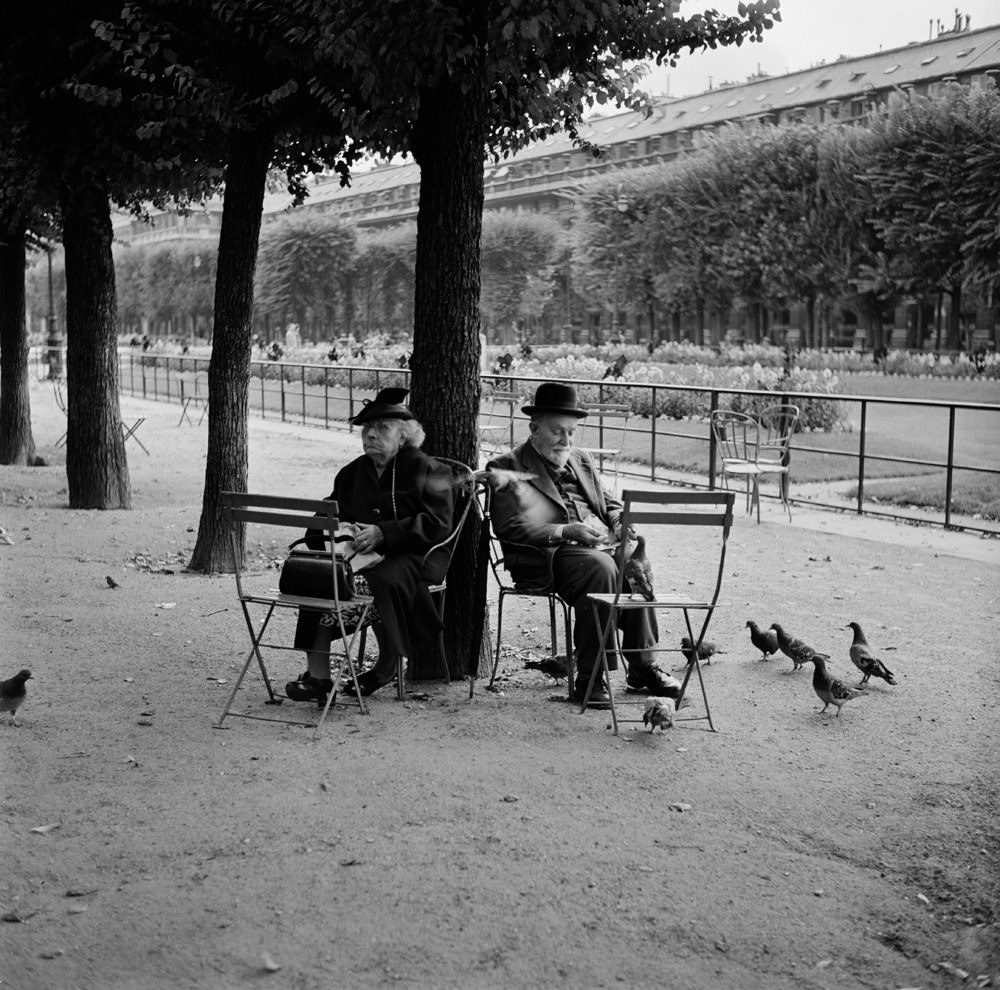
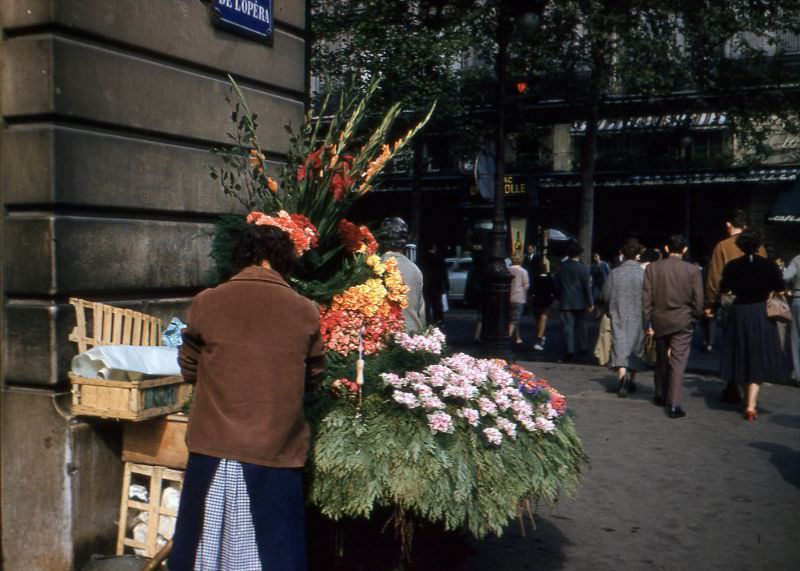
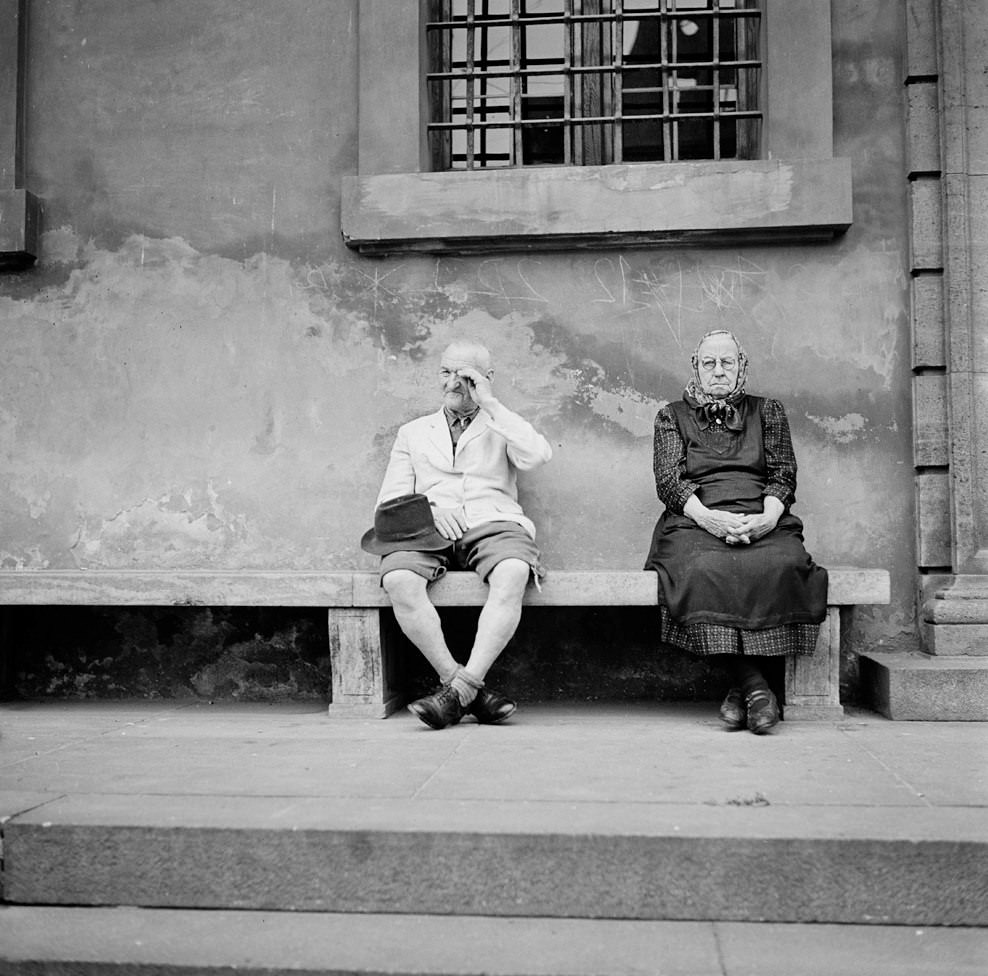
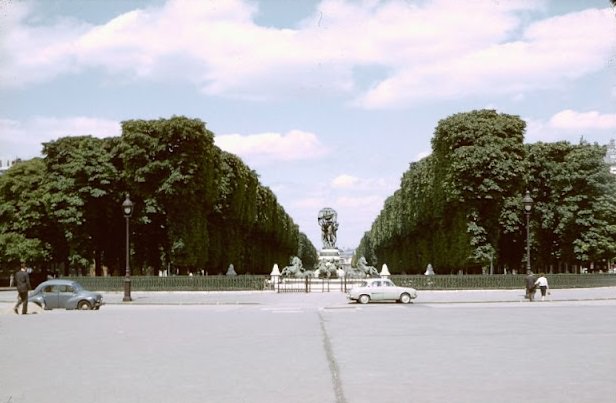
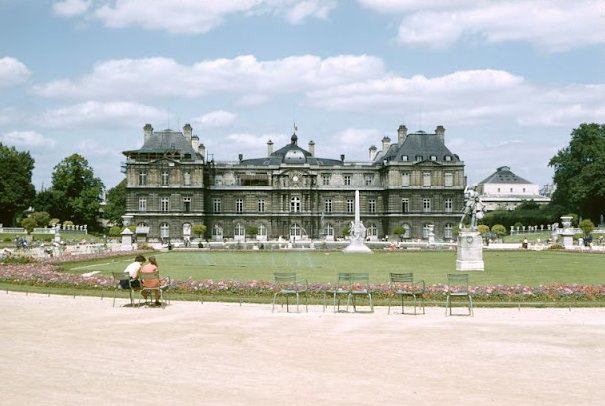
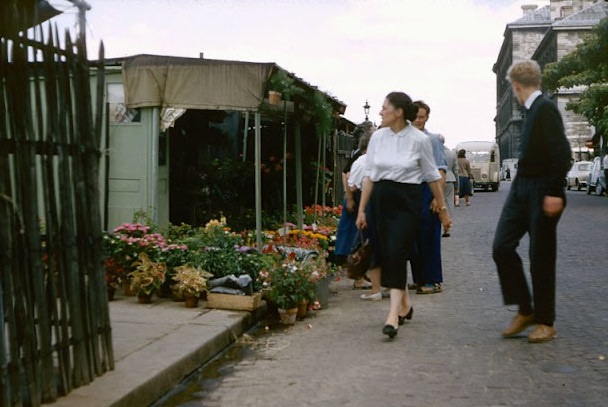
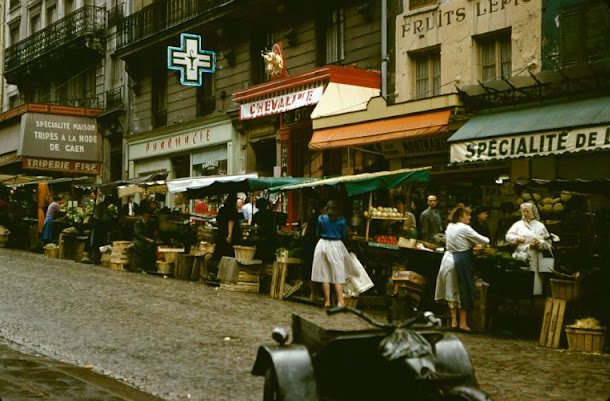
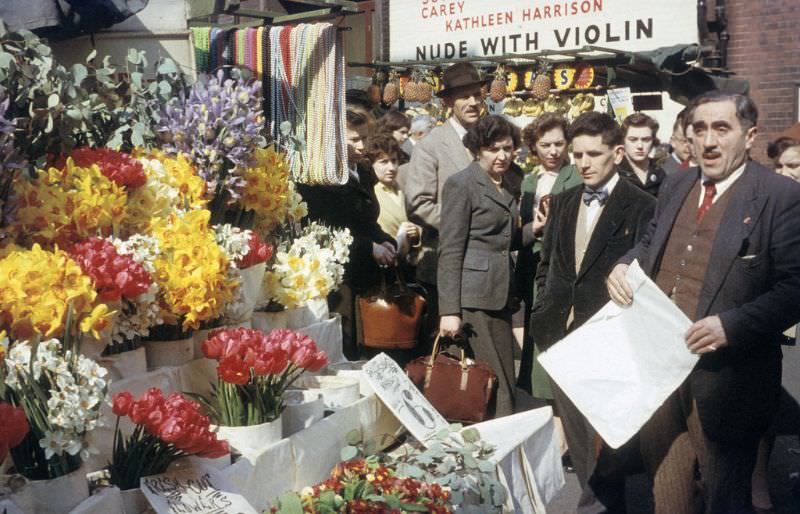
Street life in Paris was rich and varied. Flower stalls, market streets, and outdoor cafés kept sidewalks full at all hours. The Jardin des Tuileries and the Luxembourg Palace and Gardens offered green spaces where Parisians and visitors alike strolled, sat, and watched the world go by. Old couples shared park benches in comfortable silence.
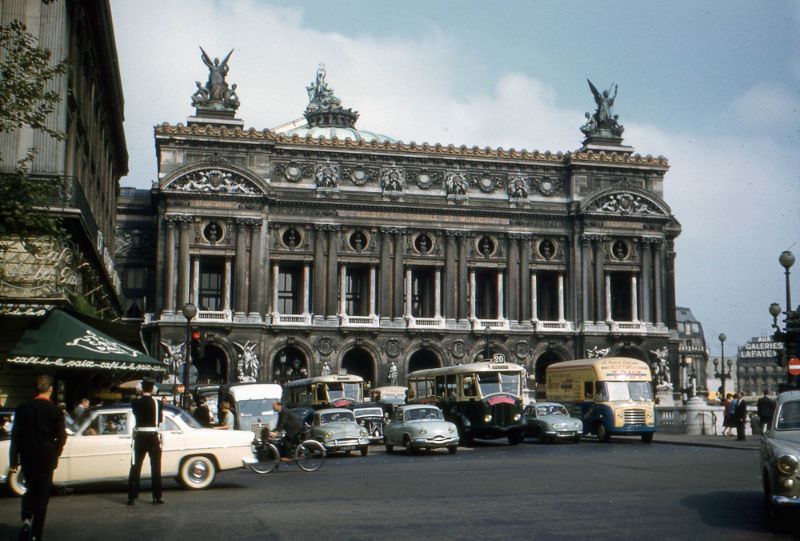
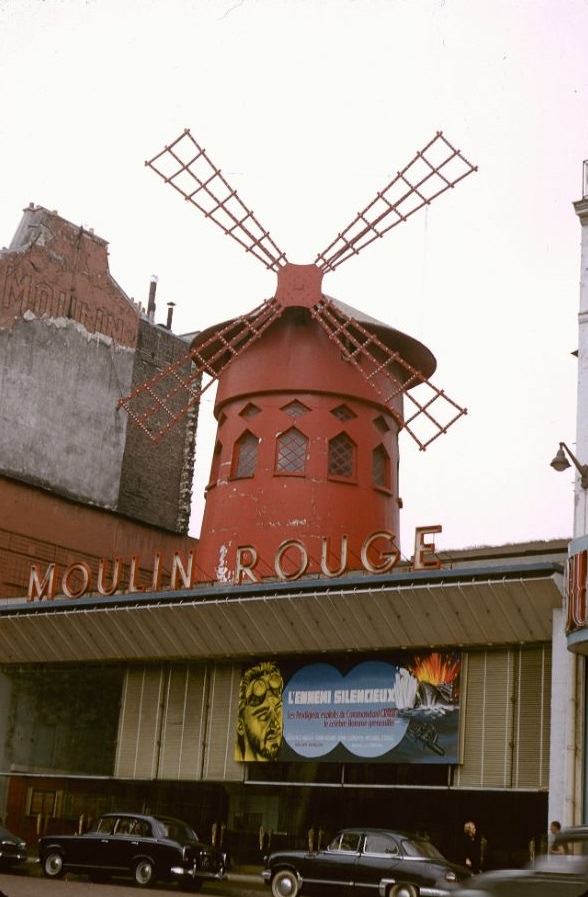
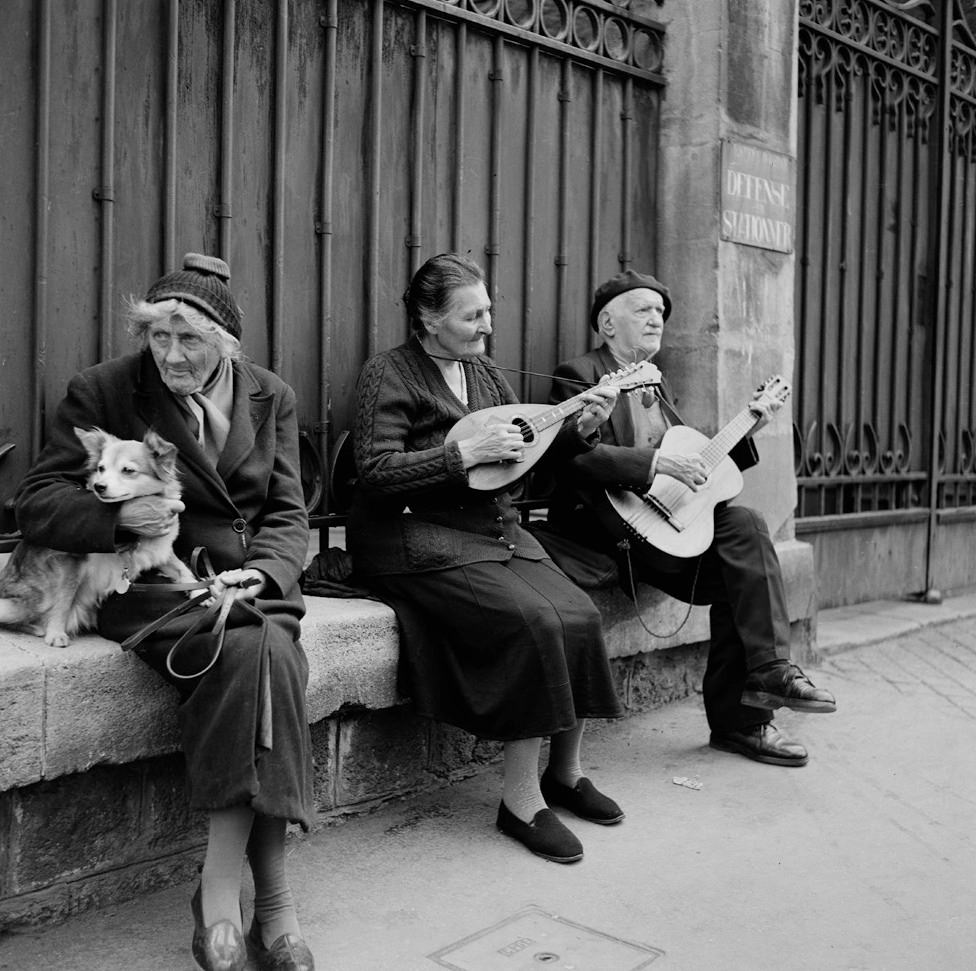
Paris also had its theatrical side. The Palais Garnier, one of Europe’s most ornate opera houses, anchored the Place de l’Opéra. The Moulin Rouge in Montmartre continued drawing audiences to its famous cabaret shows. Street musicians played in public squares, and the city’s cultural energy was impossible to miss.
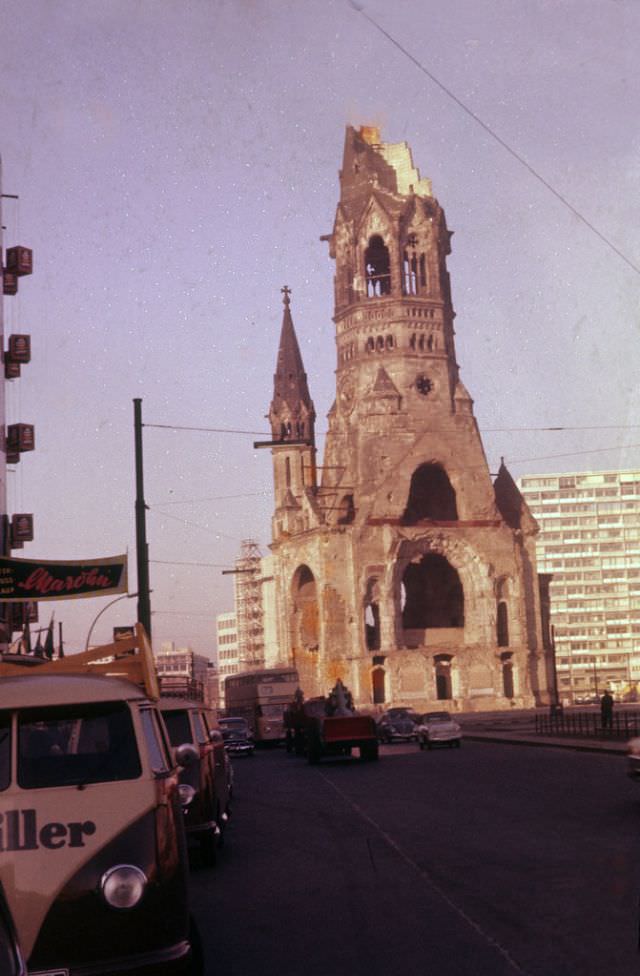
Germany in the 1950s presented a striking contrast. The country was divided between West Germany, aligned with NATO and receiving Marshall Plan aid, and East Germany, under Soviet control. In Berlin, the scars of war were still visible. The Kaiser Wilhelm Memorial Church in West Berlin was left partially destroyed as a deliberate reminder of what bombing had done to the city.
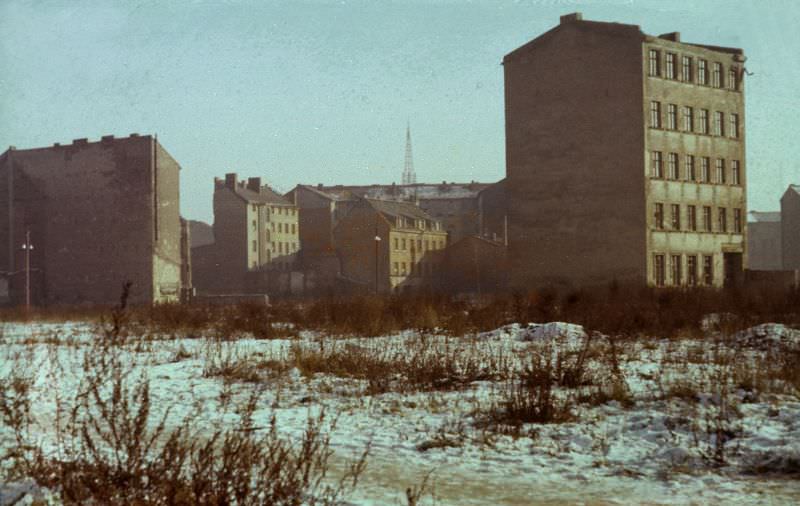
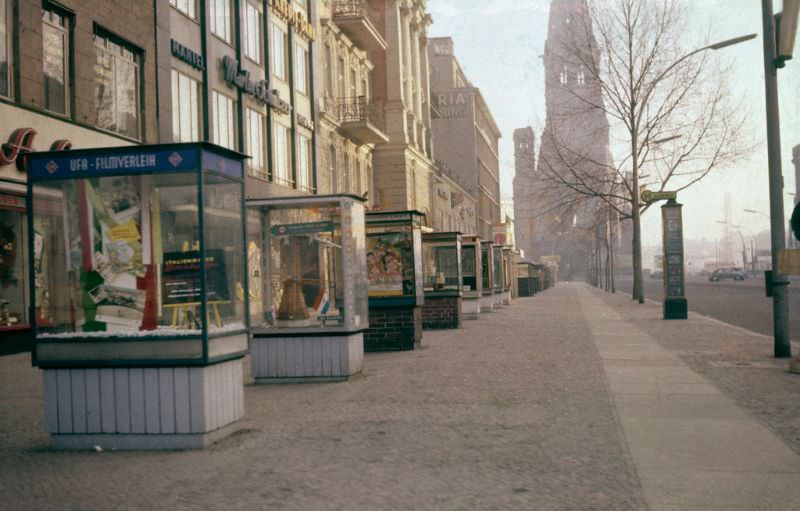
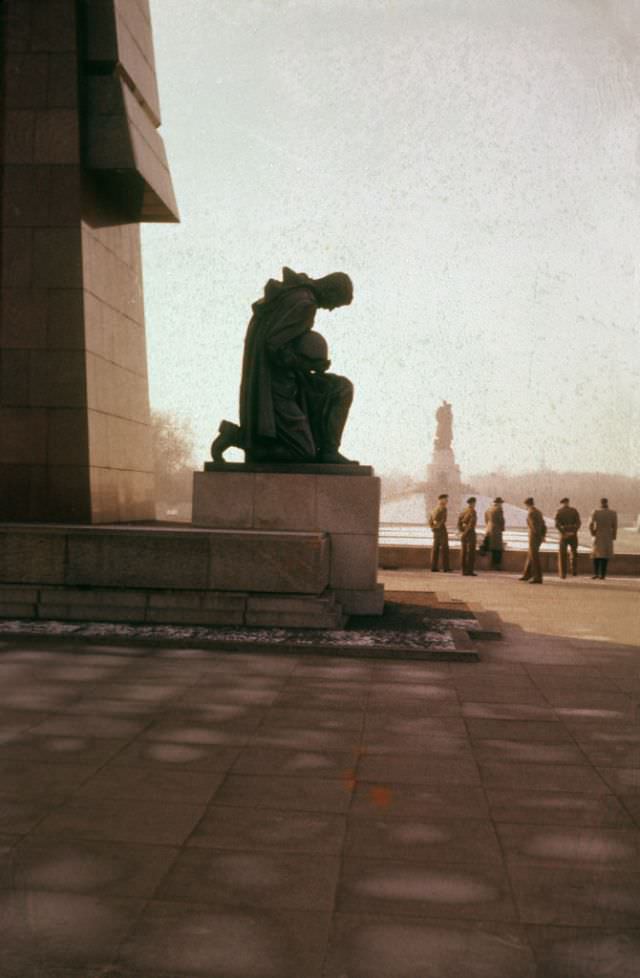
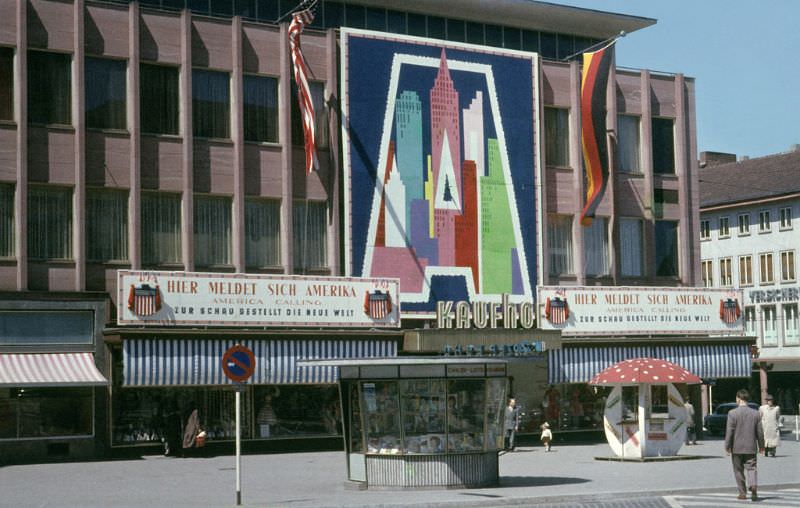
The Kurfürstendamm, West Berlin’s main commercial boulevard, was being rebuilt and modernized. New shops and cafés replaced bombed-out lots. Meanwhile, in the Soviet sector, the Red Army’s World War II Memorial stood as a stark symbol of Soviet sacrifice and power. The Olympic Stadium, built for the 1936 Games, still dominated the cityscape on the western side.
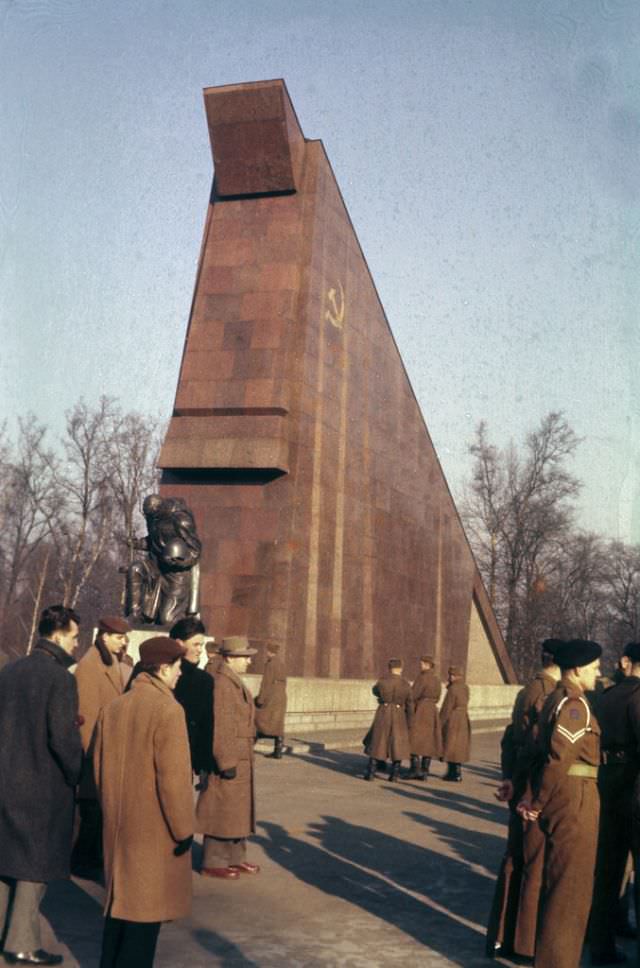
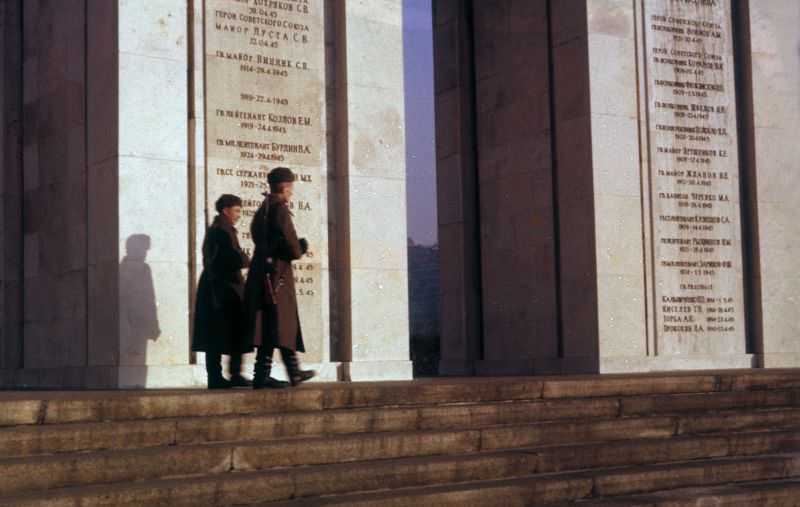
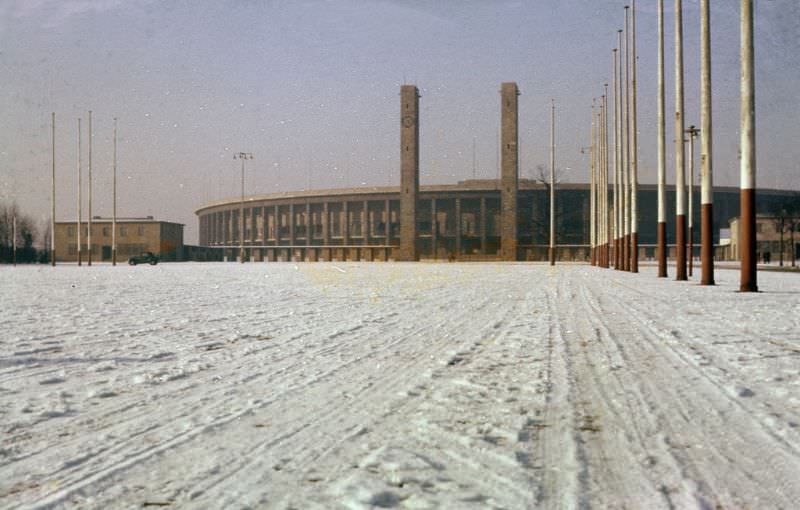
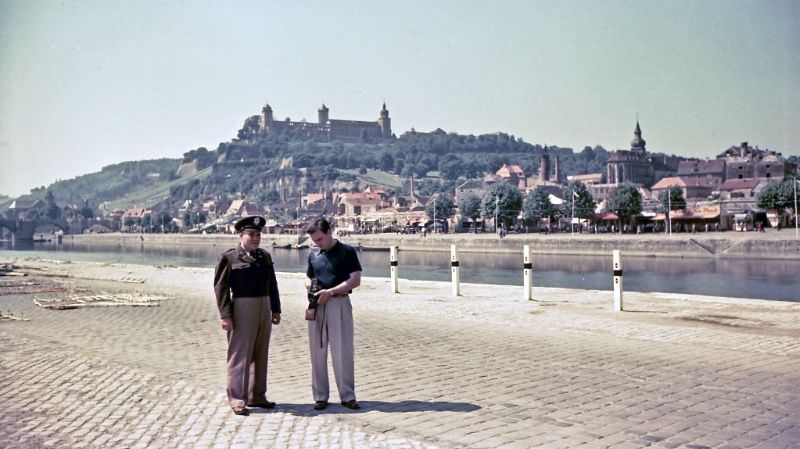
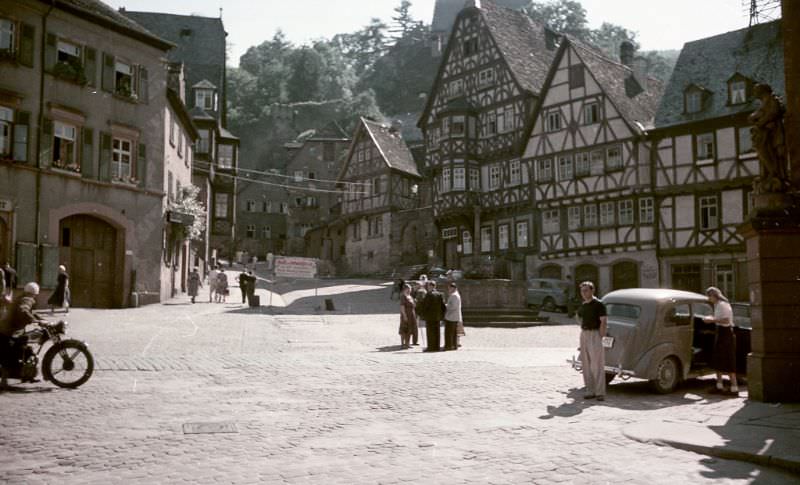
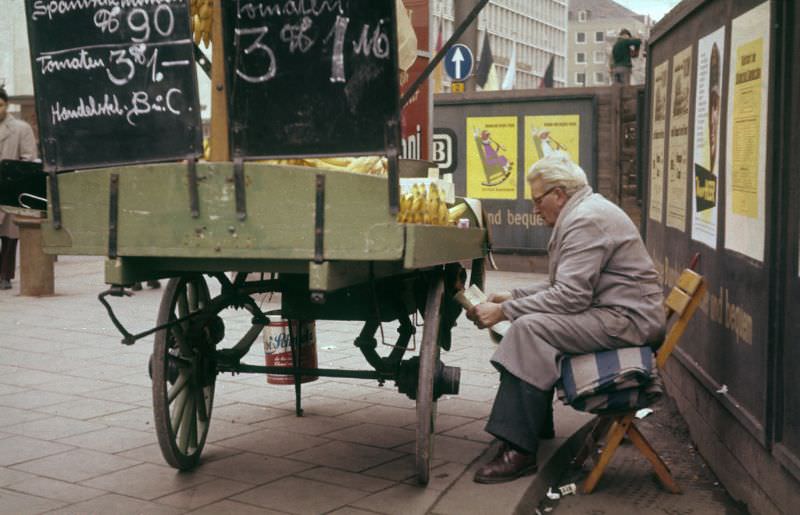
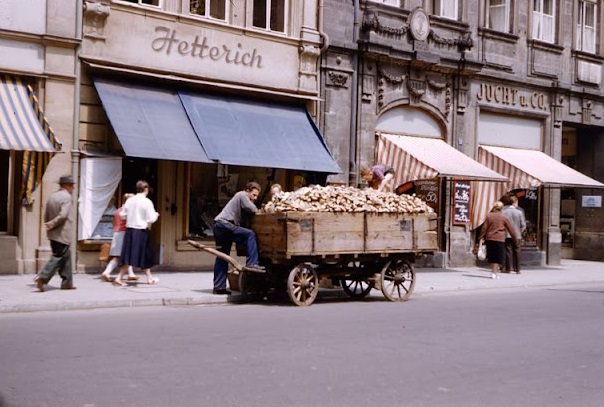
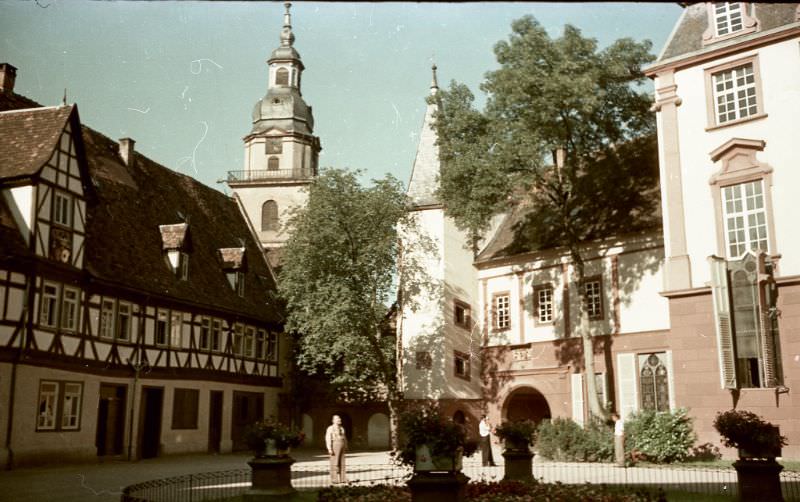
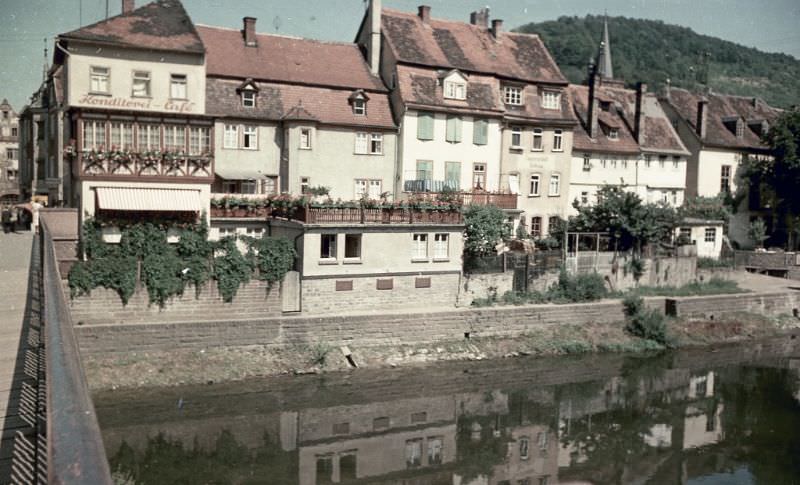
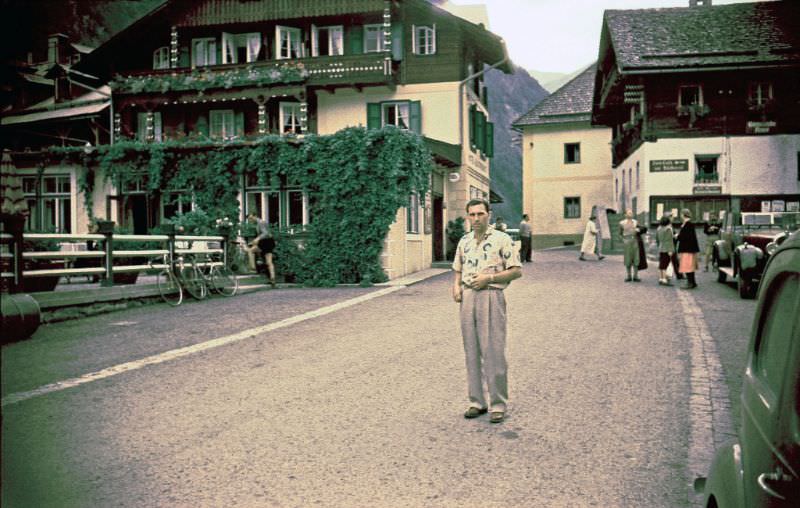
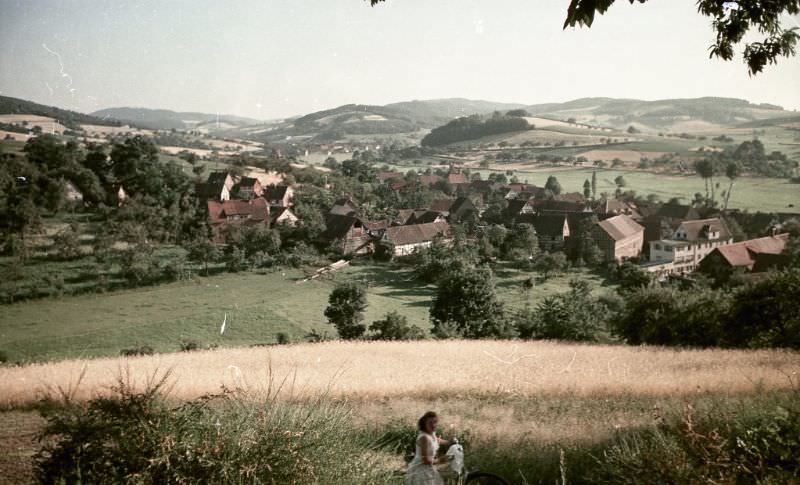
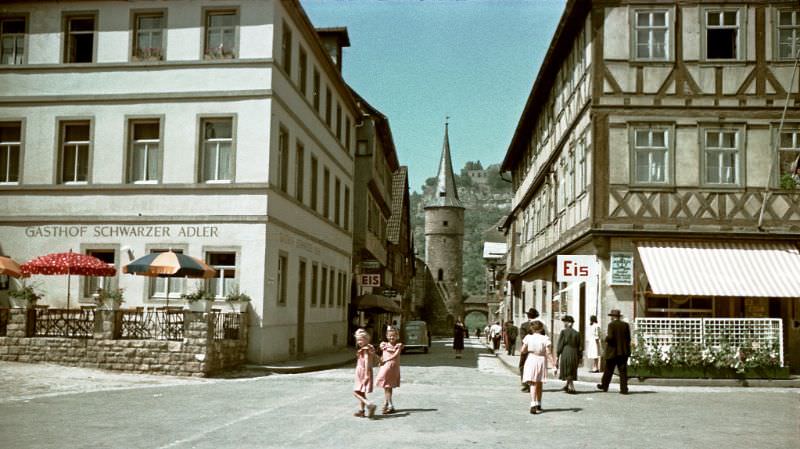
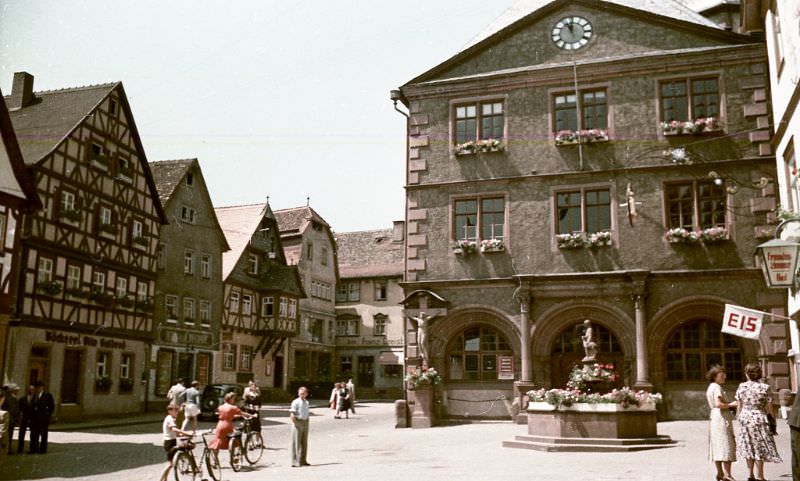
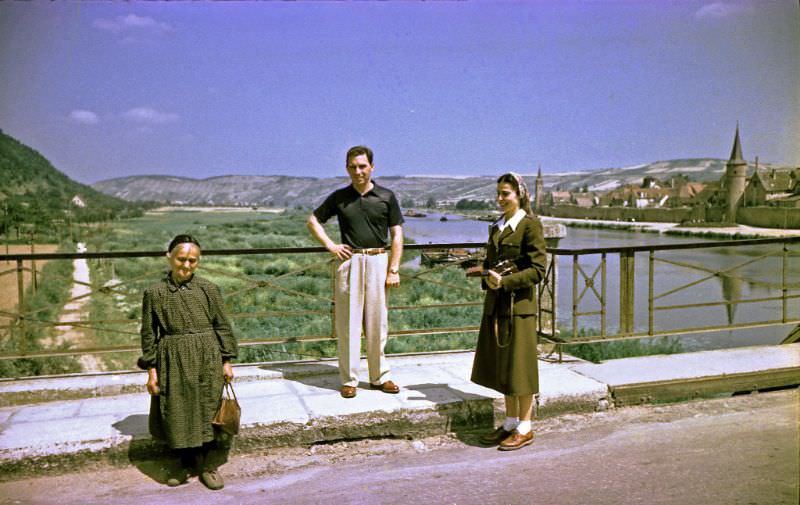
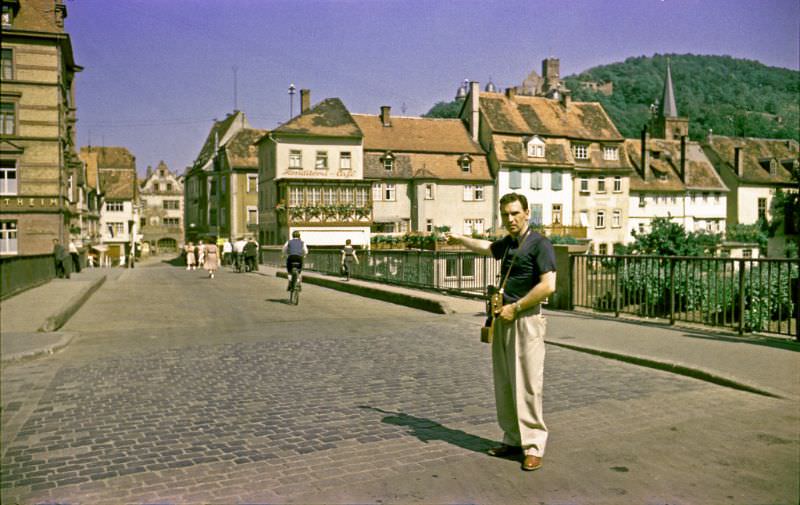
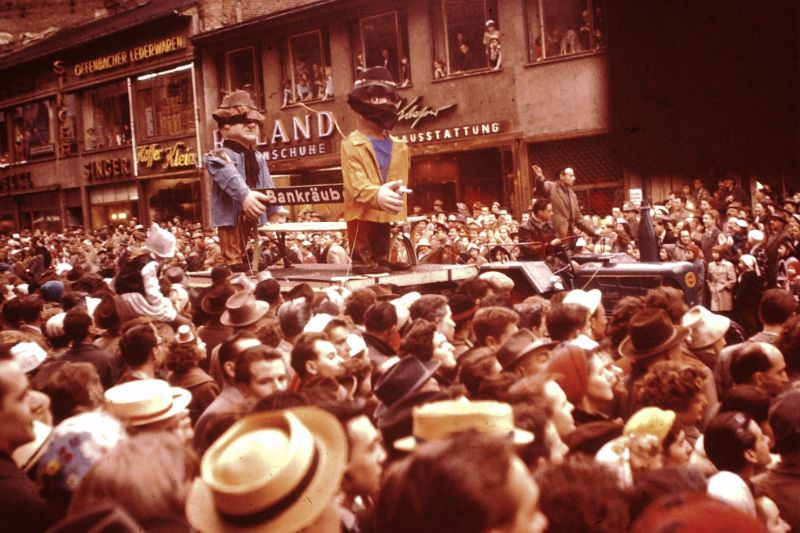
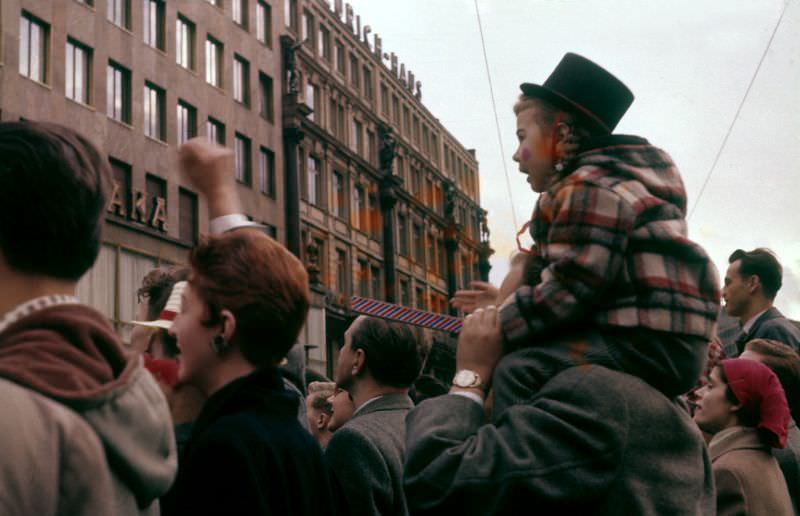
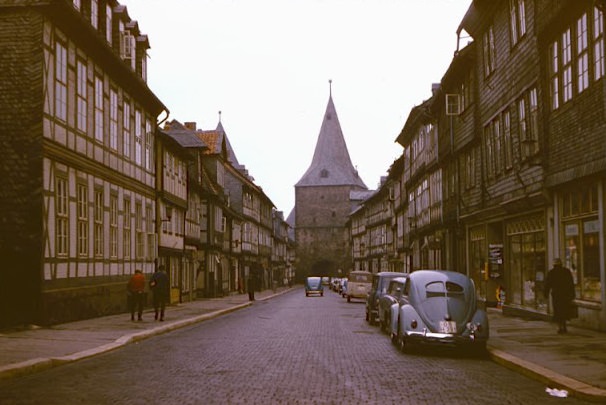
Outside Berlin, Germany showed a different face. In Bavaria, small towns along the Main River — Miltenberg, Wertheim, Karlstadt, Lohr am Main — preserved their medieval half-timbered architecture. The Marienberg Fortress rose above Würzburg. Parades marched through Frankfurt. In the countryside, a horse-drawn sugar beet wagon and a fruit cart still served a population that had not yet fully motorized.
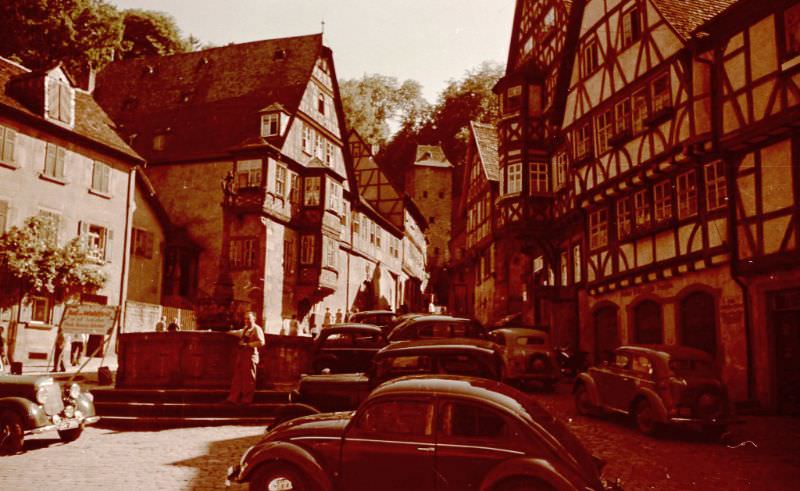
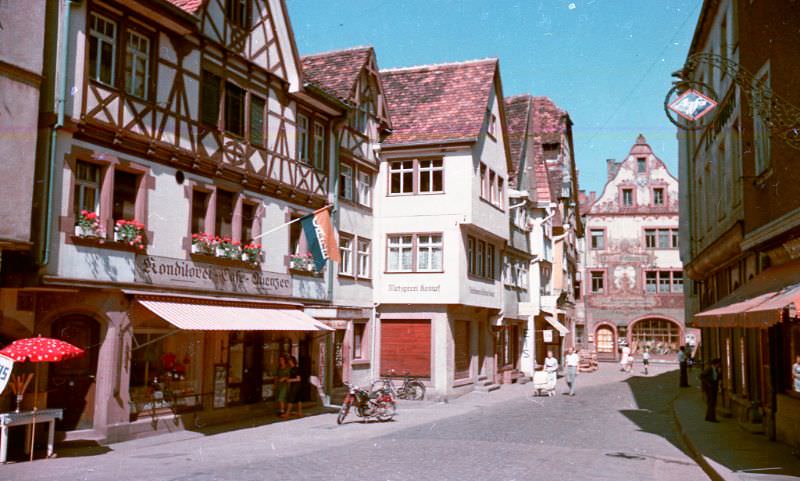
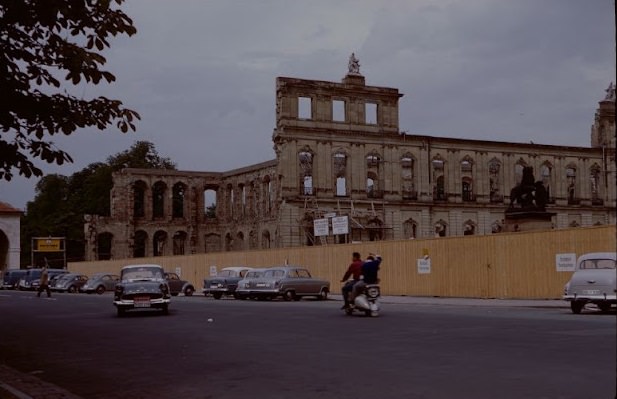
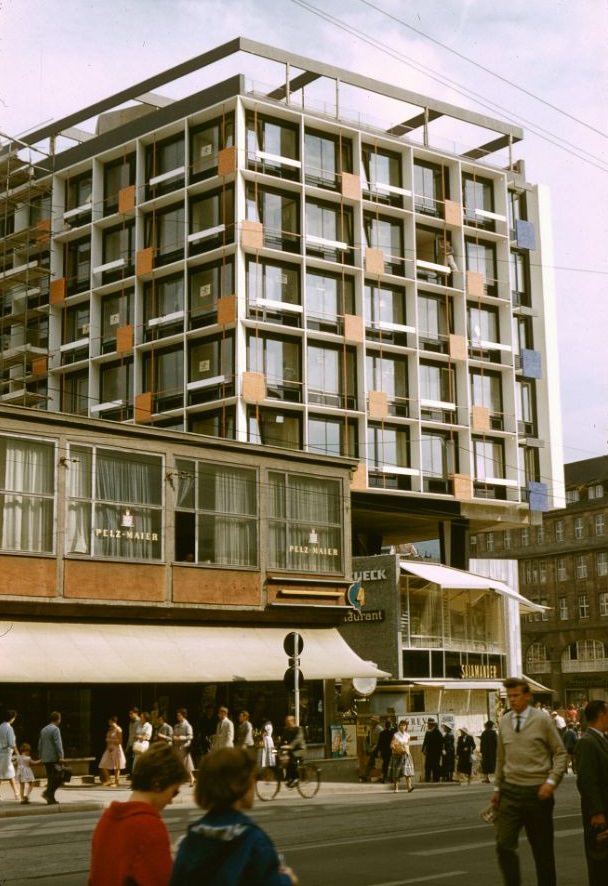
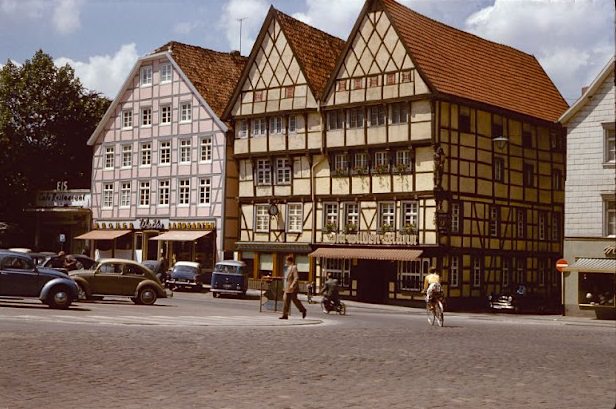
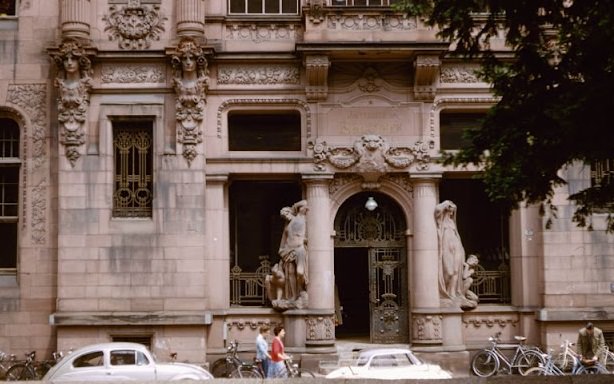
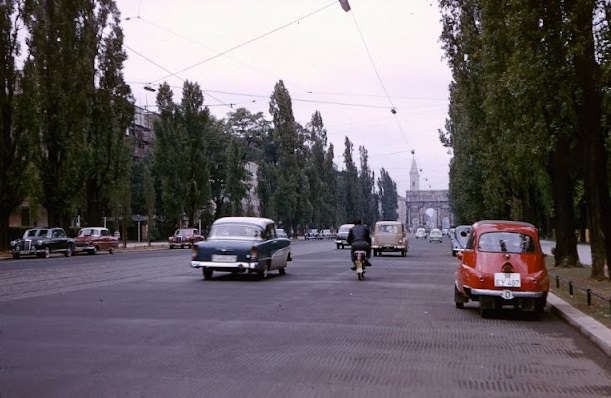
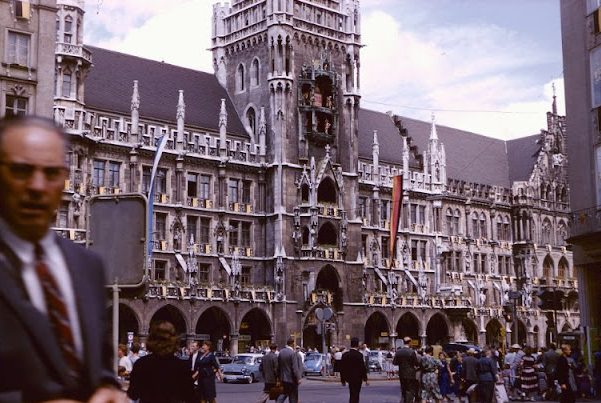
Stuttgart was actively rebuilding. The New Palace was under reconstruction, while new modernist buildings rose alongside the remnants of the old city. In Soest, half-timbered buildings from centuries earlier still lined the streets. In Heidelberg, the university library stood as a center of academic life. Munich’s town hall anchored its famous central square, with traffic already filling the streets around it.
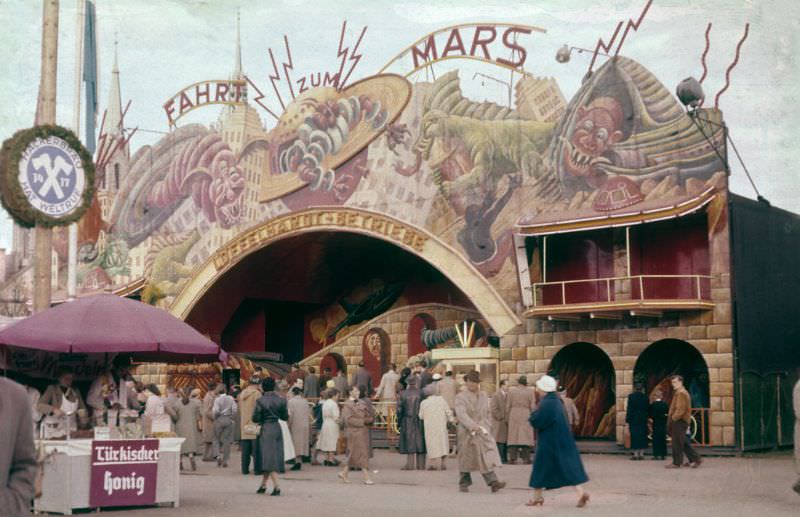
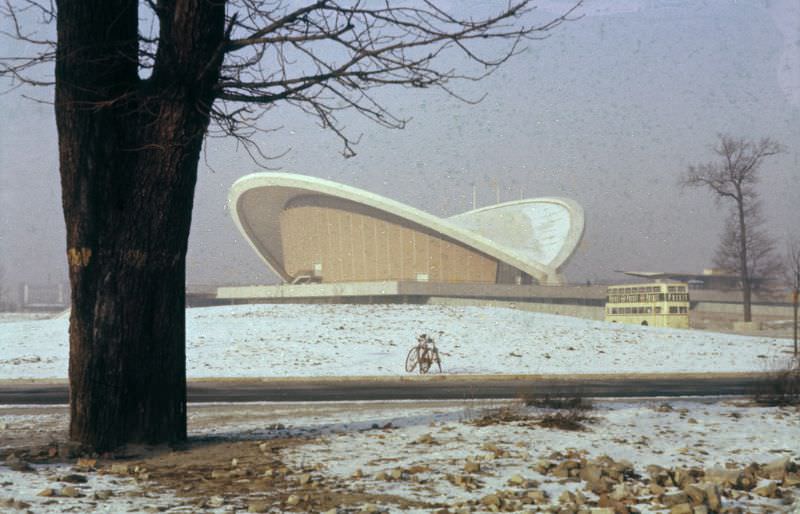
A futuristic billboard reading “Fahrt zum Mars!” — “Trip to Mars!” — captured the era’s optimism about technology and space. The Haus der Kulturen der Welt in Berlin, a modernist congress hall gifted by the United States in 1957, signaled the same forward-looking spirit. West Germany was not just rebuilding — it was reimagining itself.
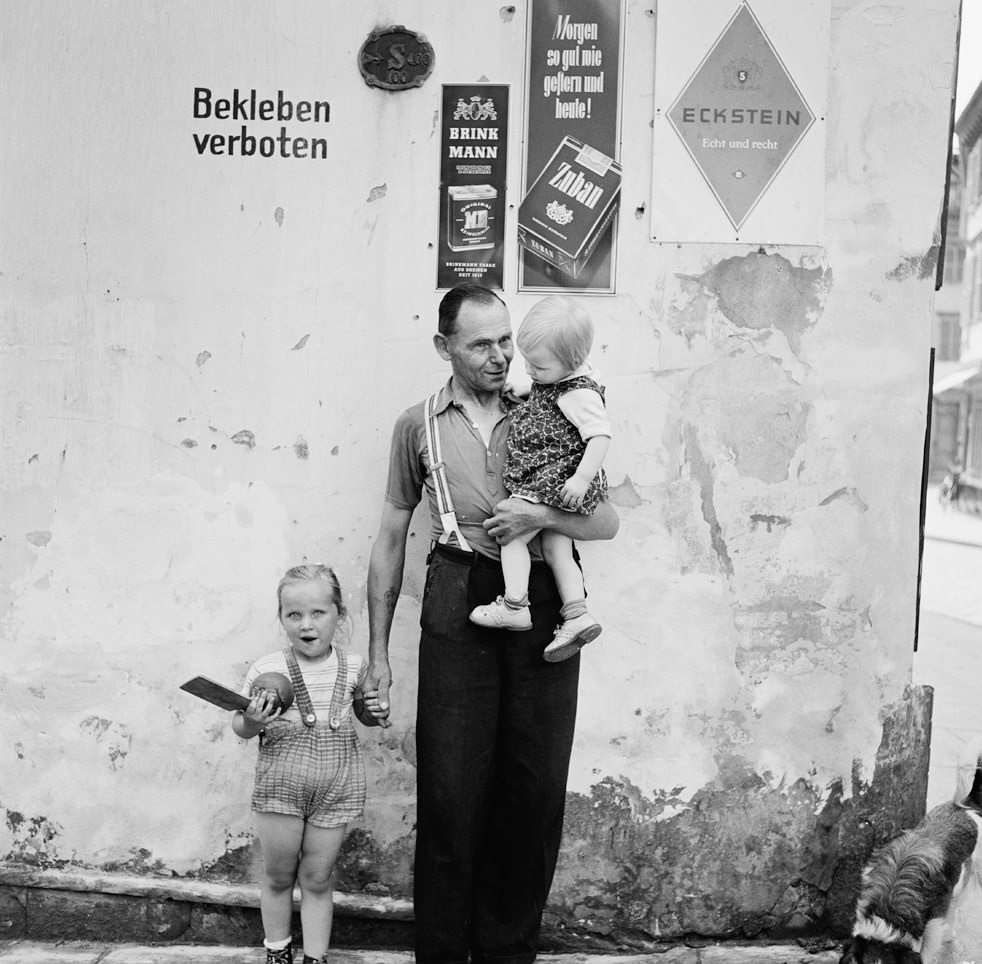
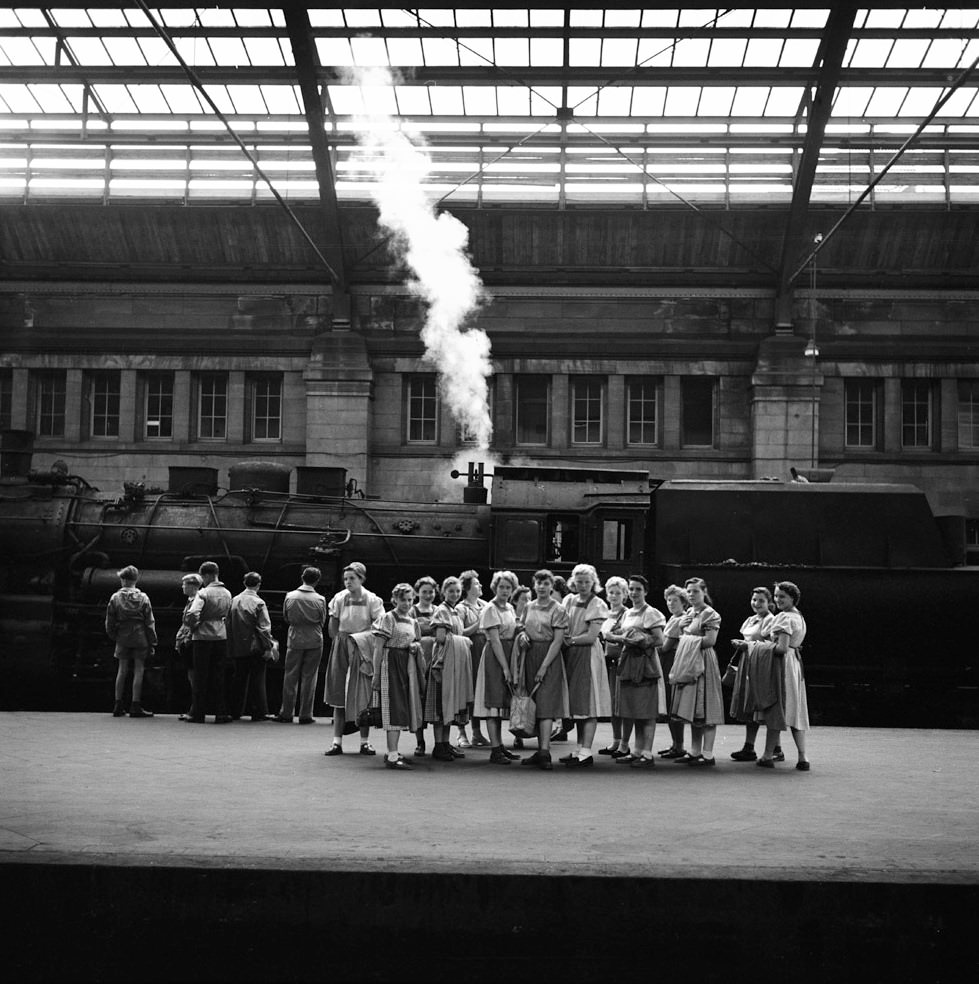
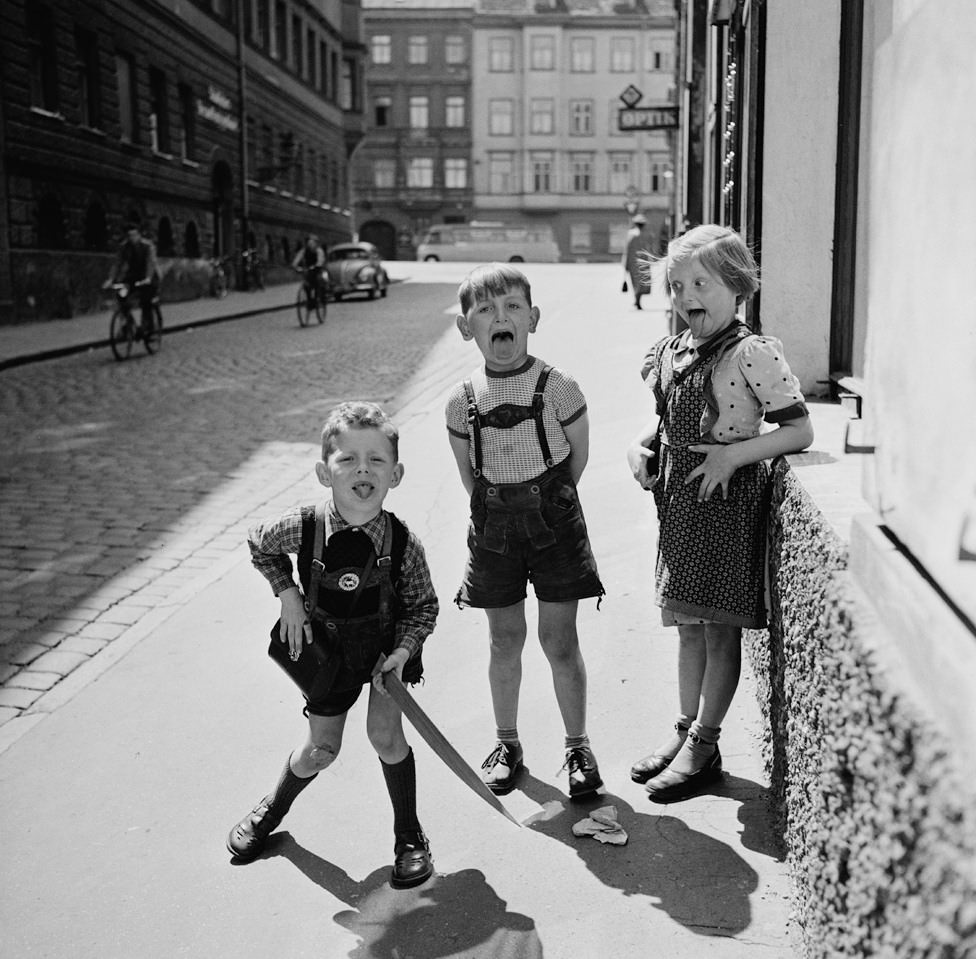
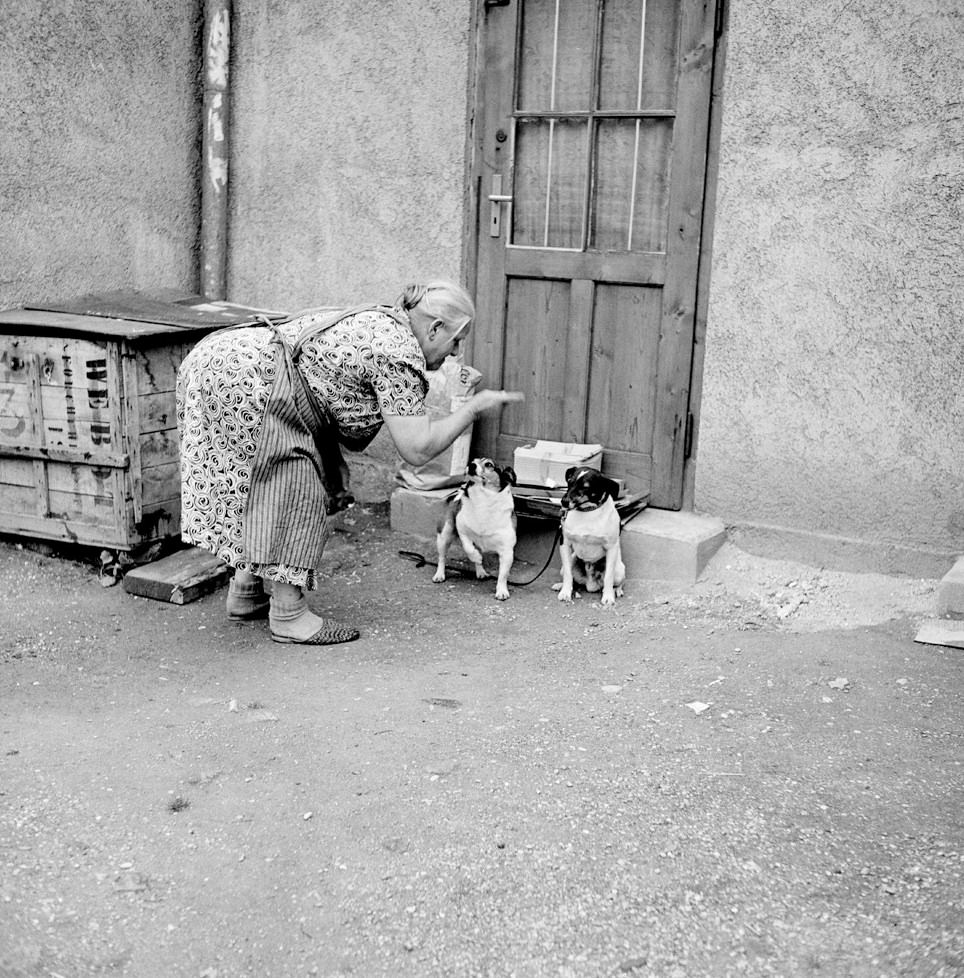
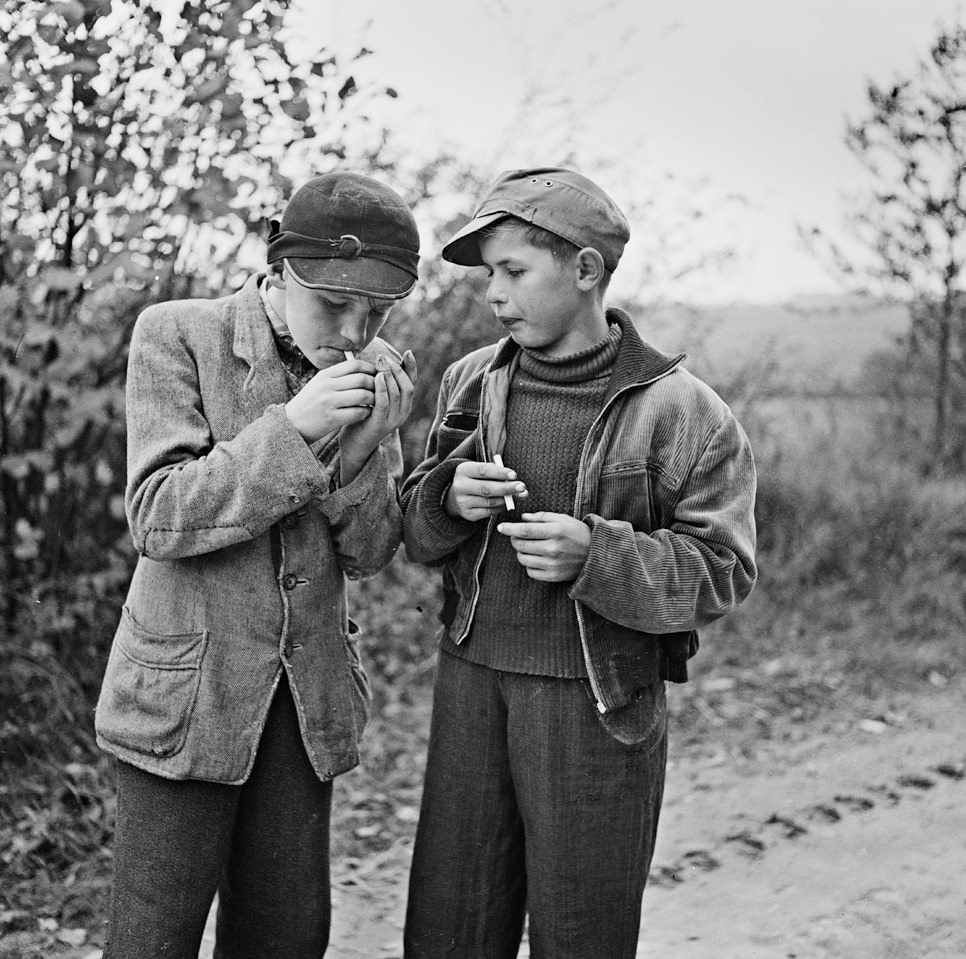
Everyday German life showed up in quieter photographs too. An old couple walked together. A father posed with two young children. Schoolgirls waited at a train station. A man opened his mouth wide at a dentist. A dog caused trouble — labeled simply “Naughty Dog.” American G.I.s, still stationed in West Germany, traded cigarettes with locals.
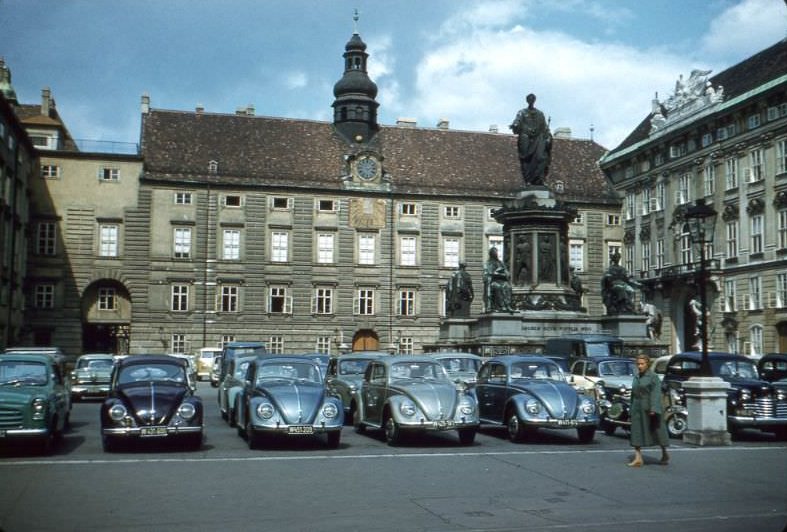
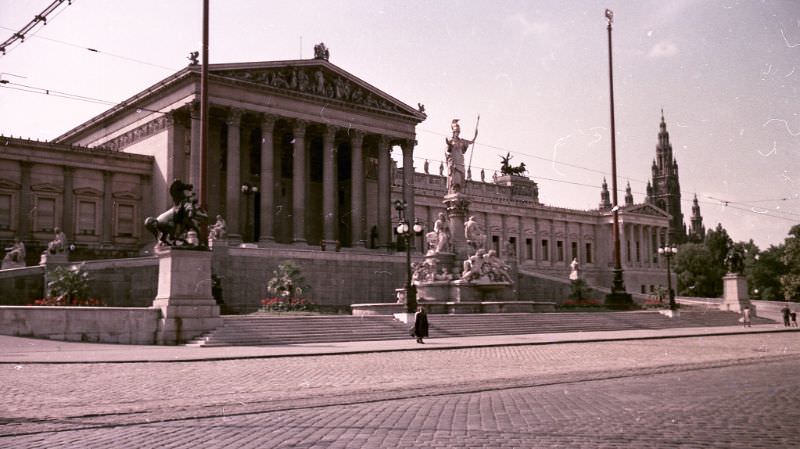
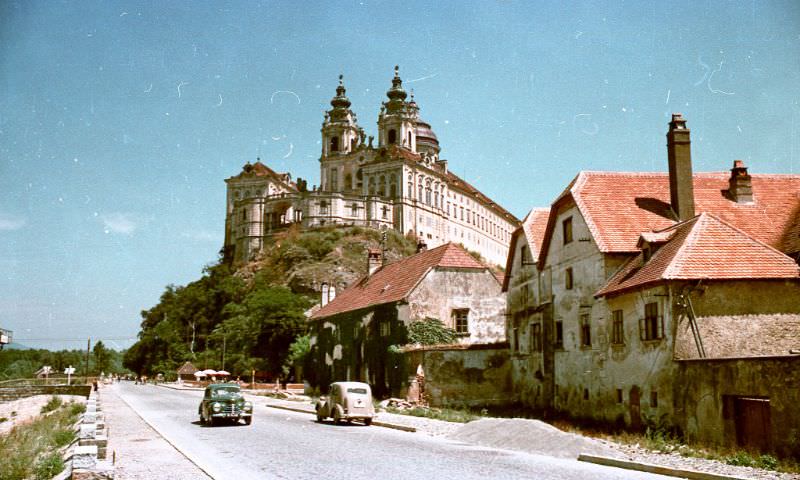
Austria in the 1950s was still under four-power occupation — divided between the US, UK, France, and the Soviet Union — until the State Treaty of 1955 restored full sovereignty. Vienna’s grand Hofburg Palace stood flanked by Volkswagen Beetles, the affordable German car that became a symbol of postwar recovery across the continent. The Parliament building and the Melk Abbey overlooking the Danube showed a country whose cultural heritage stretched back centuries.
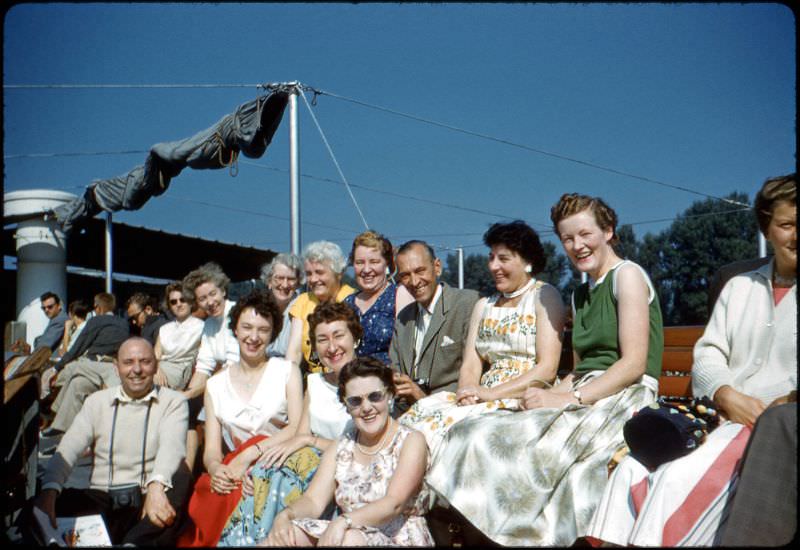
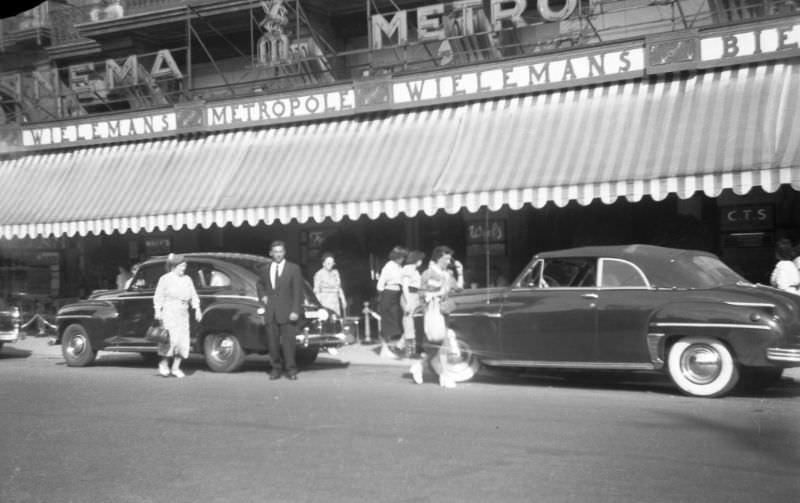
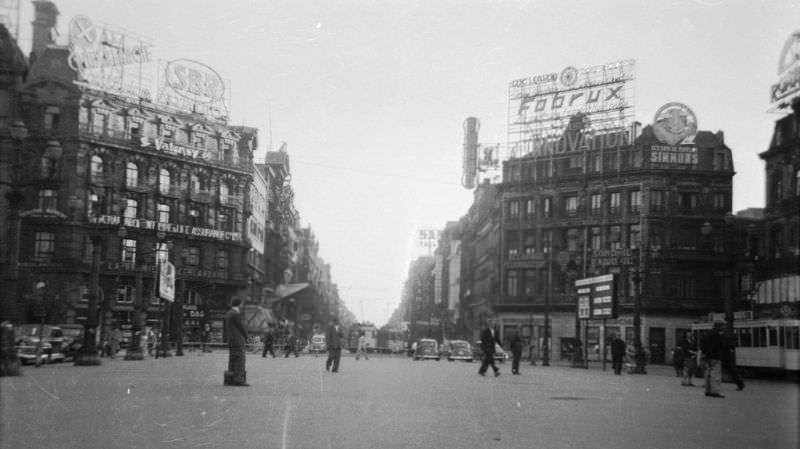
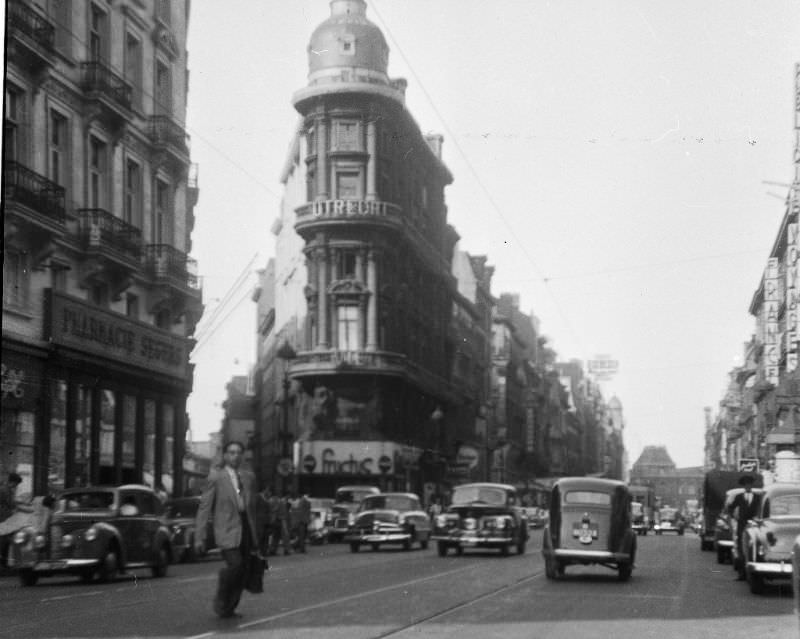
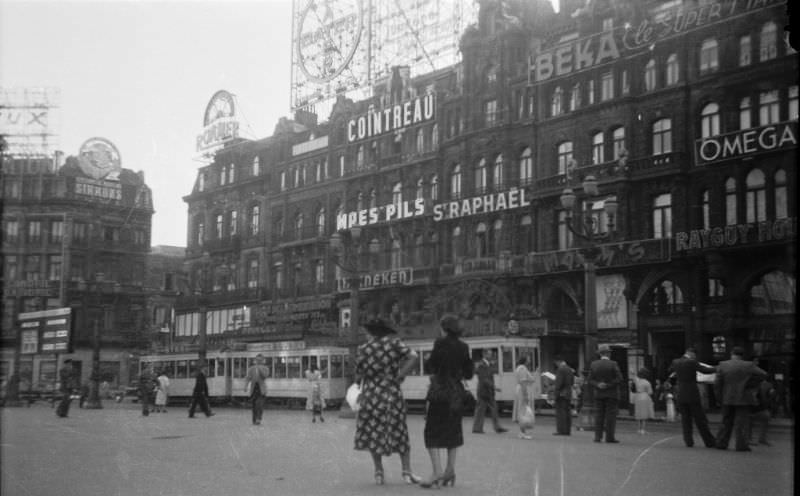
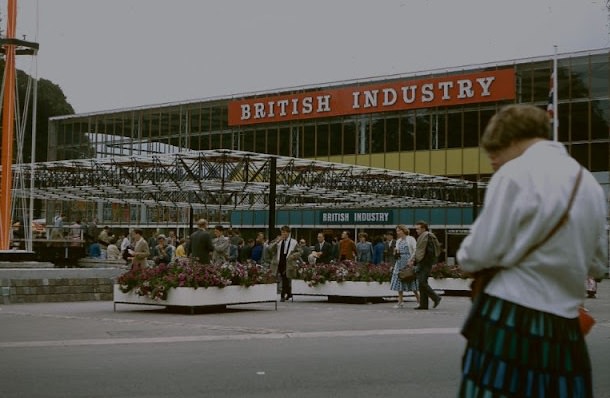
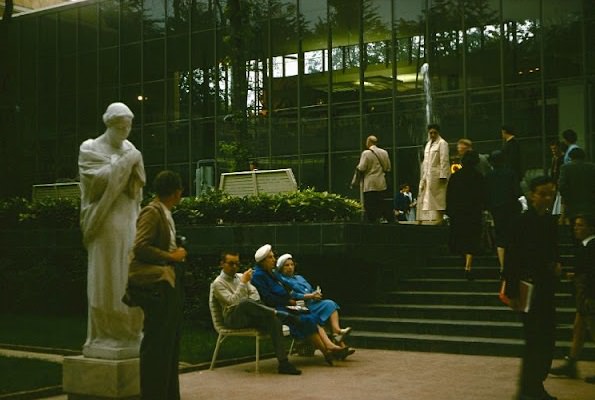
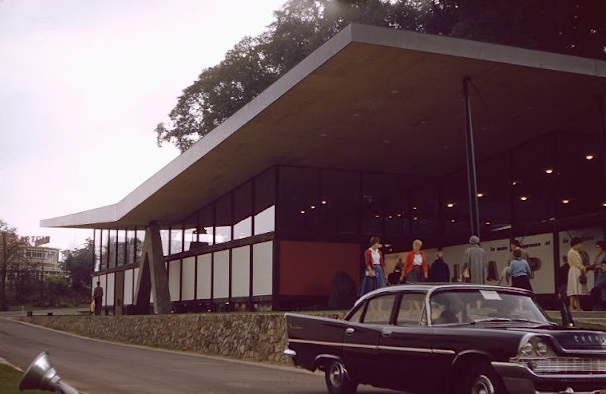
Belgium in 1950 was a busy, prosperous country. Brussels’ Place de Brouckère was the commercial heart of the capital, lined with grand hotels like the Hôtel Métropole and crisscrossed by electric trolleys. Eight years later, Brussels hosted the 1958 World’s Fair — Expo 58 — where nations from around the world built national pavilions to showcase their cultures and achievements. Britain, Czechoslovakia, and Japan all constructed striking structures that drew crowds throughout the summer.
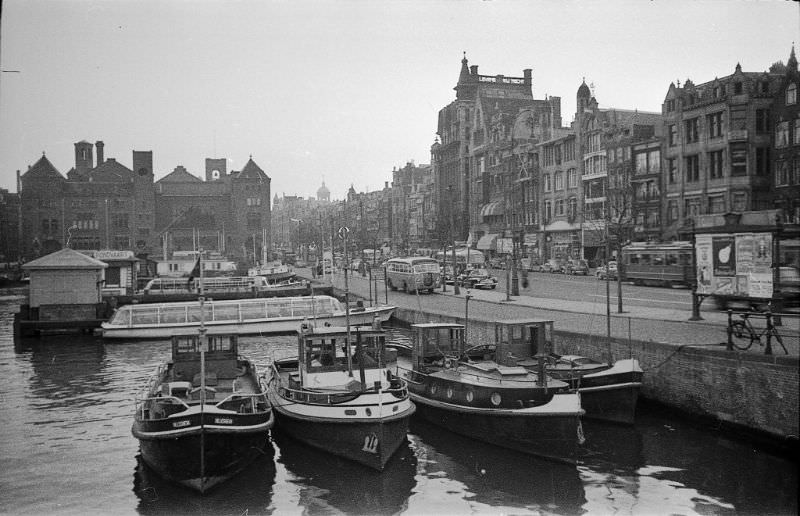
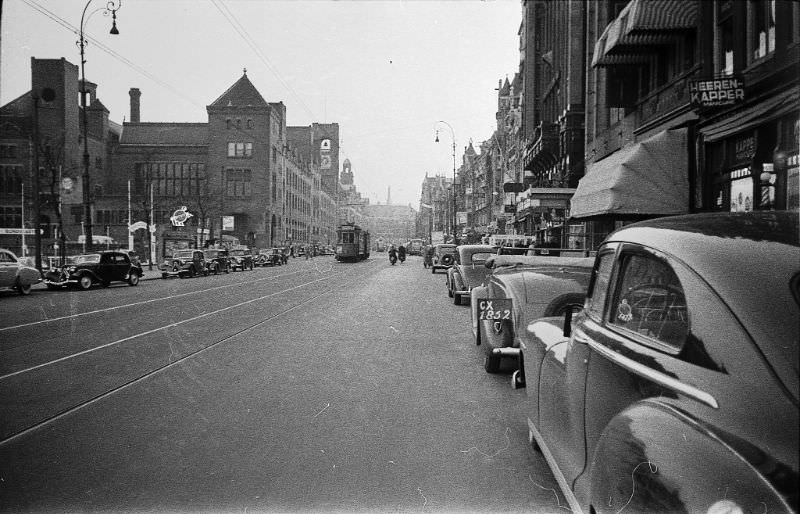
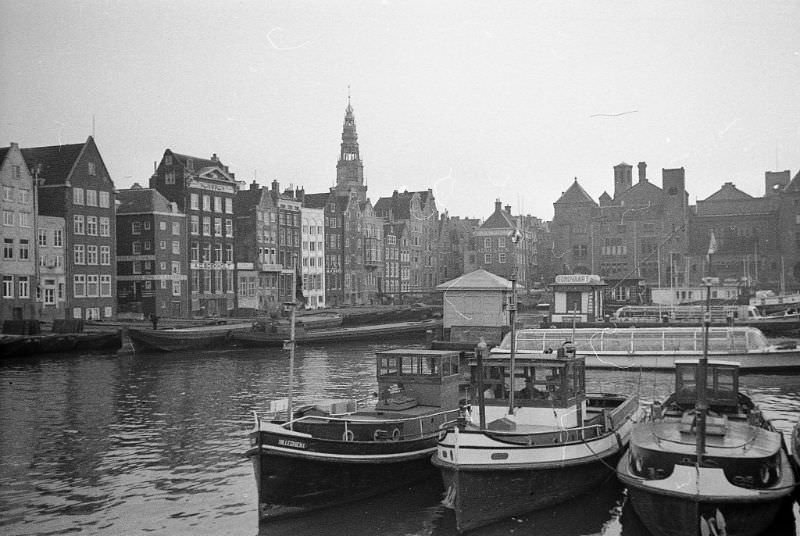
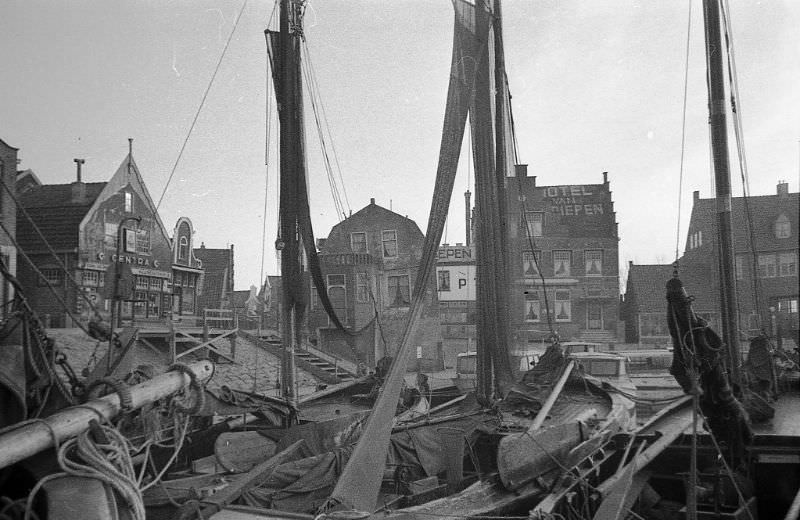
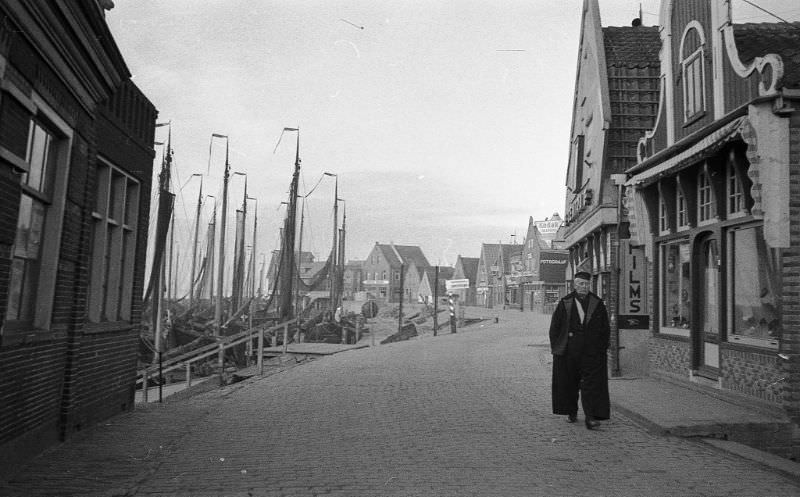
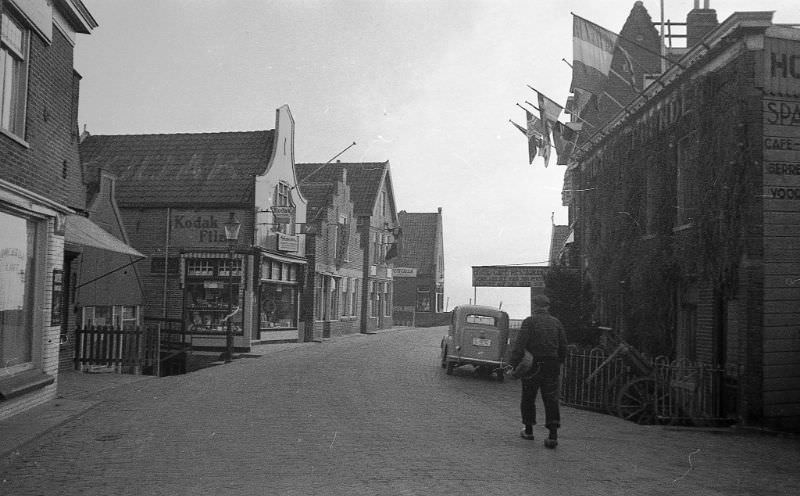
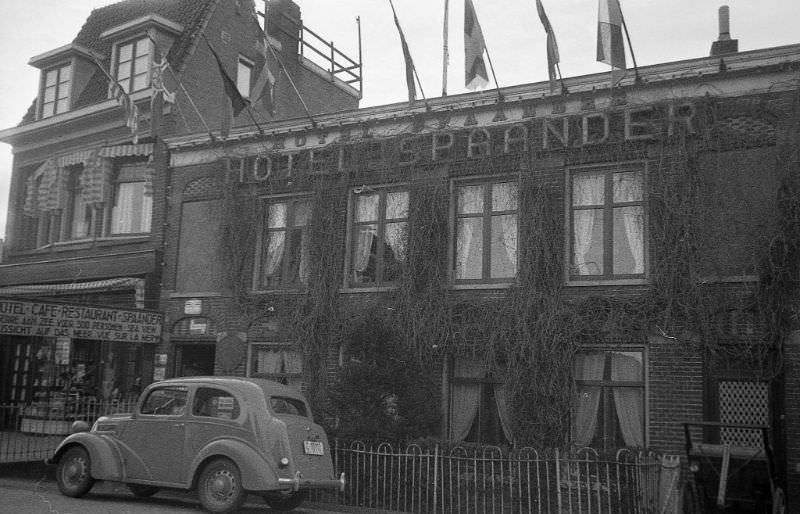
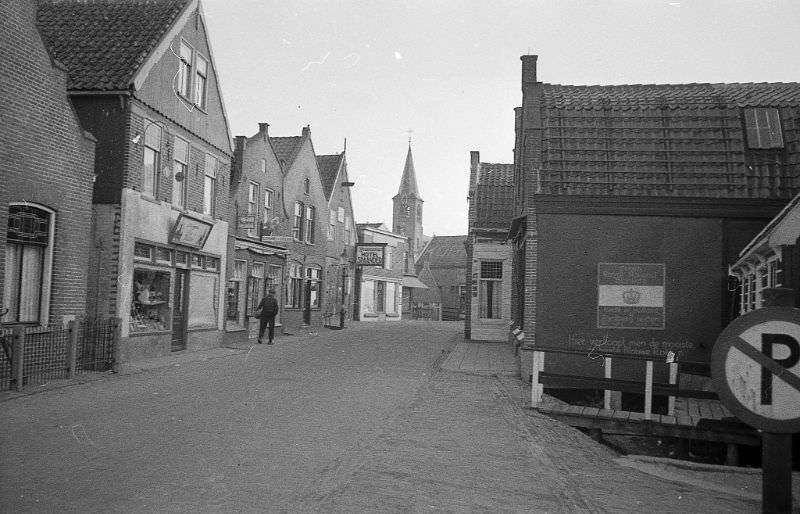
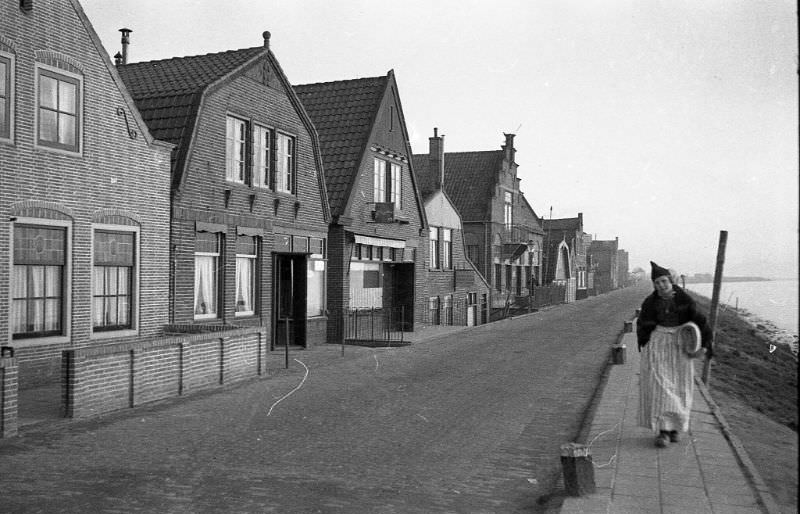
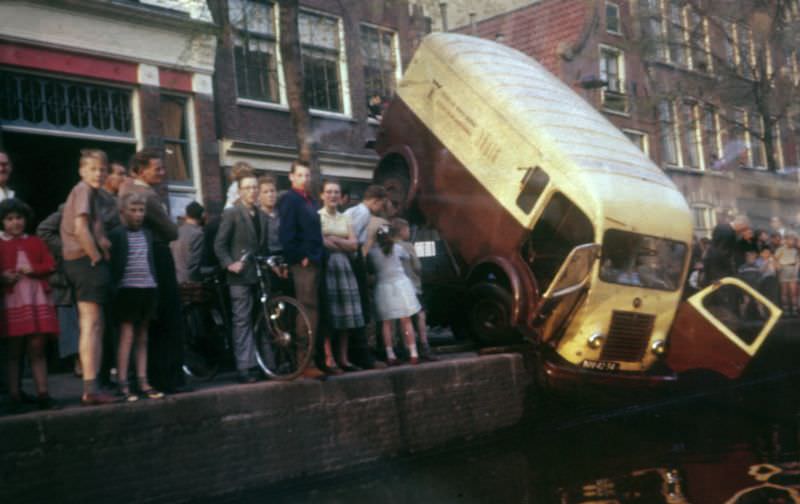
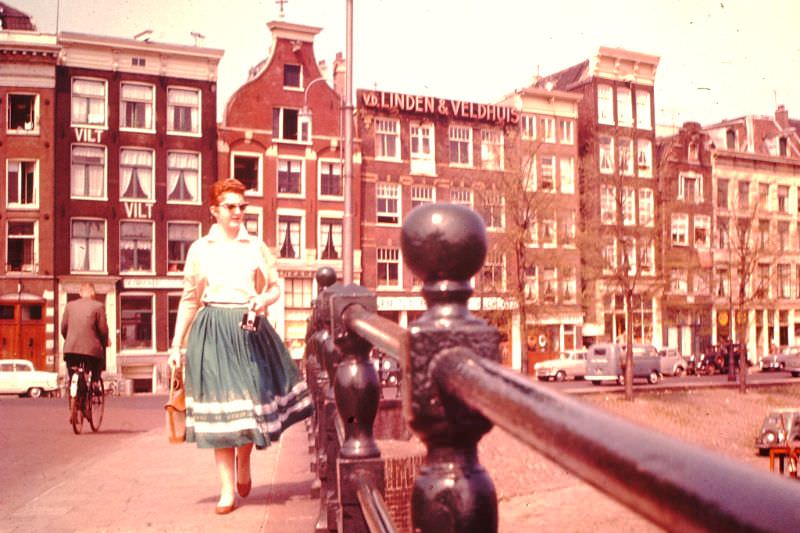
The Netherlands in the early 1950s balanced modern Amsterdam with traditional fishing villages like Volendam. Amsterdam’s Damrak harbor and inner waterways were alive with commercial boats. In Volendam, residents still wore traditional Dutch clothing and worked the harbor as they had for generations. The Hotel Spaander in Volendam, decorated with paintings given by visiting artists in exchange for meals, was a well-known local landmark.
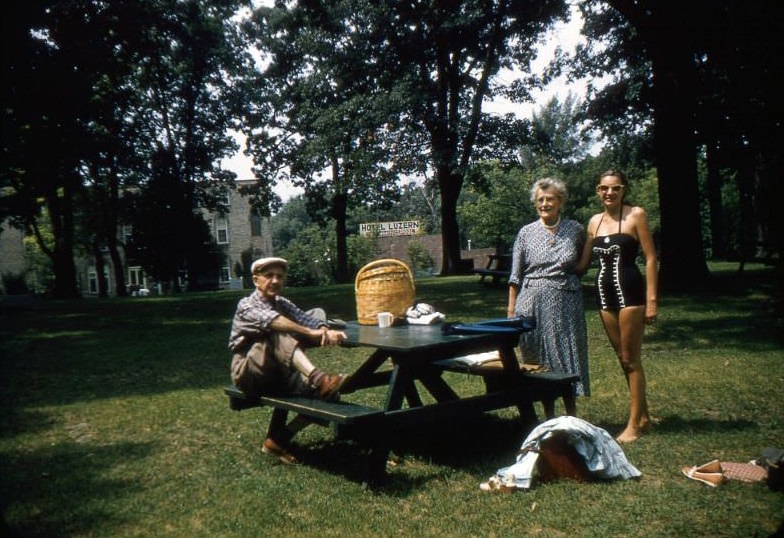
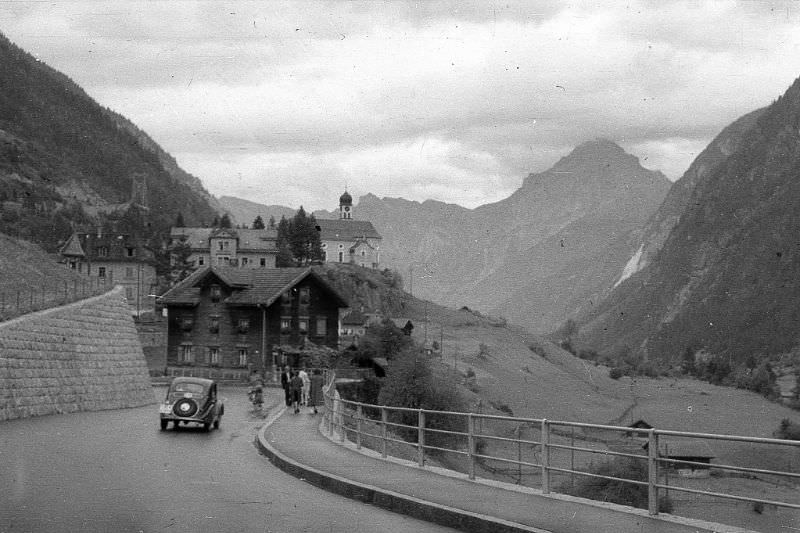
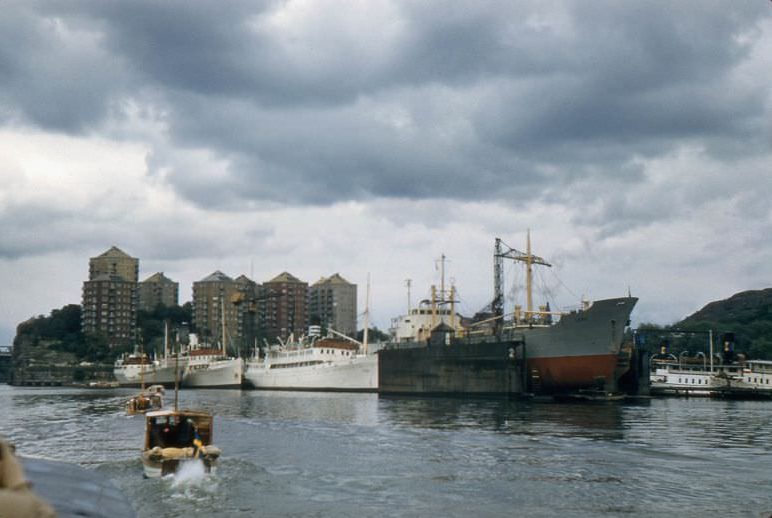
Switzerland in the 1950s offered a different kind of scenery. The lakeside setting near Hotel Luzern on Lake Geneva and the mountain village of Wassen in the Alps showed a country largely untouched by the devastation of the war. Sweden, too, had stayed neutral. Stockholm’s Danviksklippan — a rocky cliff overlooking the city’s harbor — was photographed in 1957 as a quiet, well-ordered Scandinavian capital.
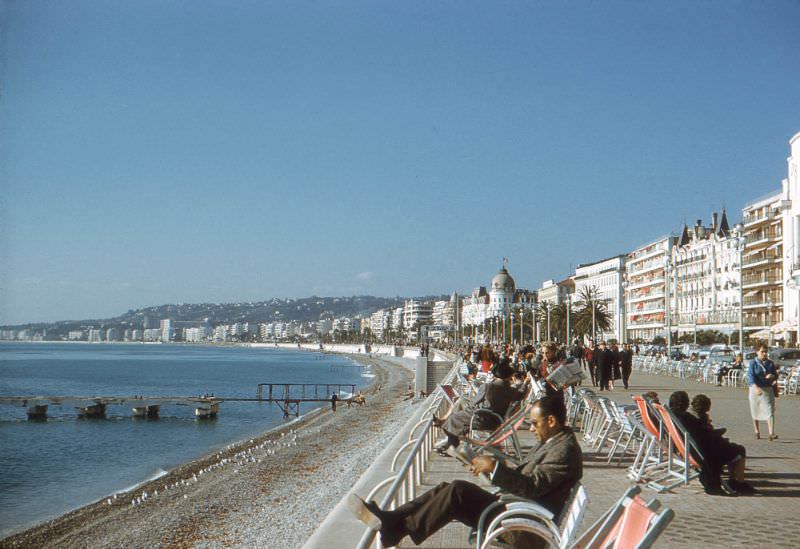
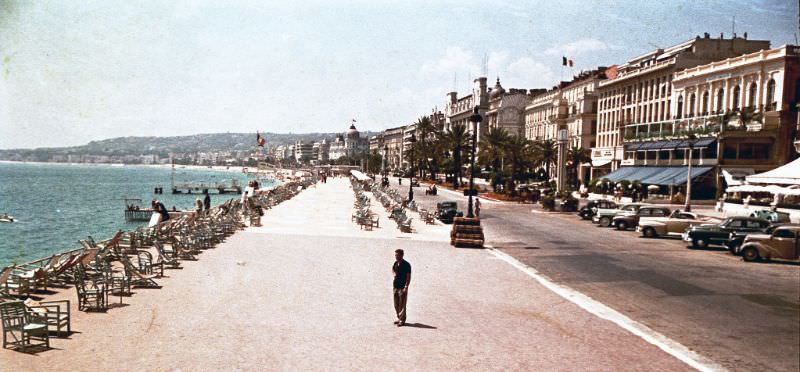
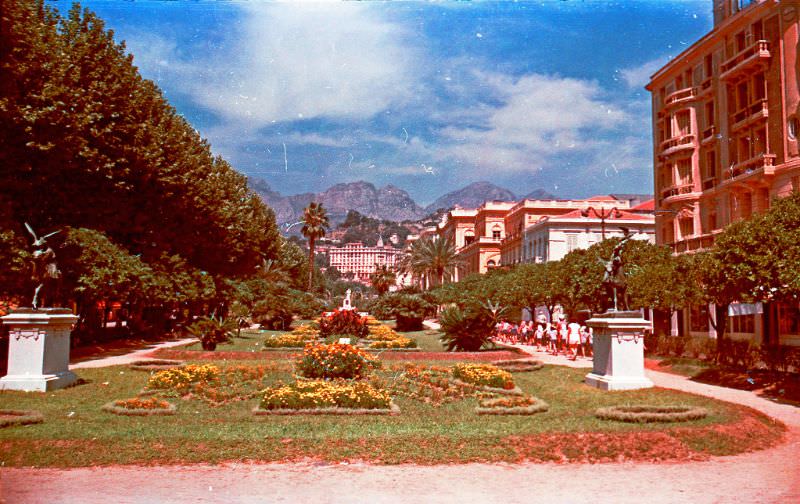
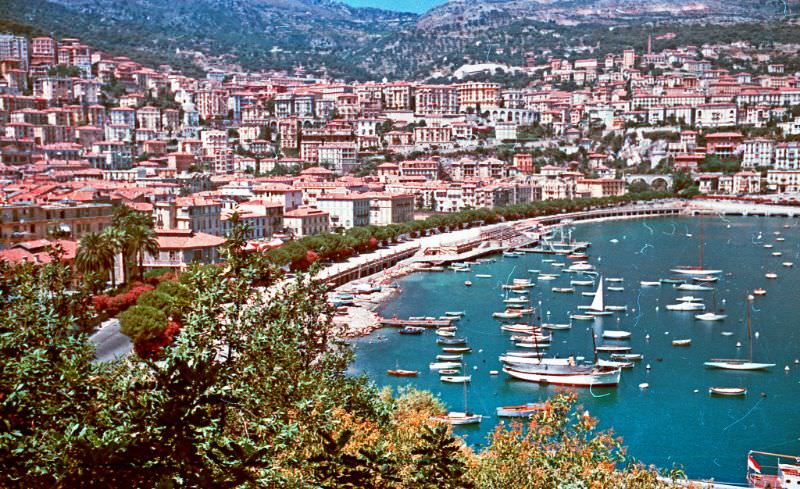
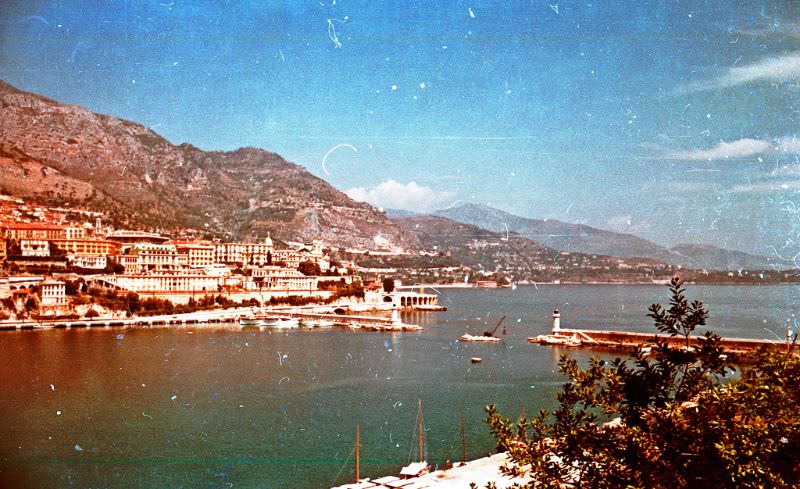
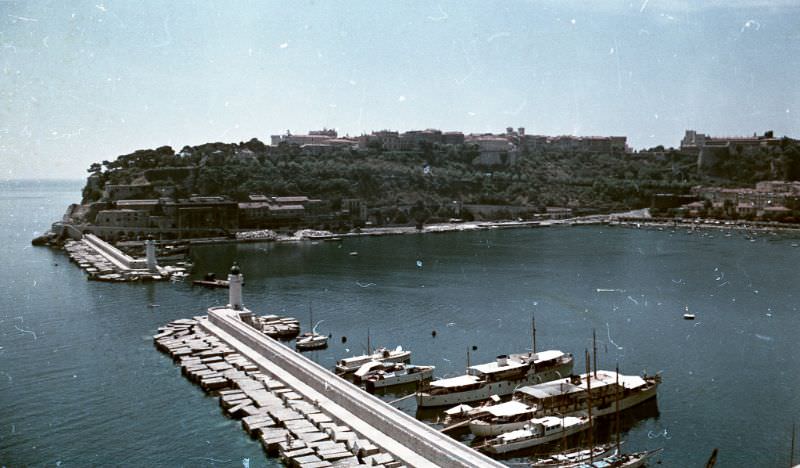
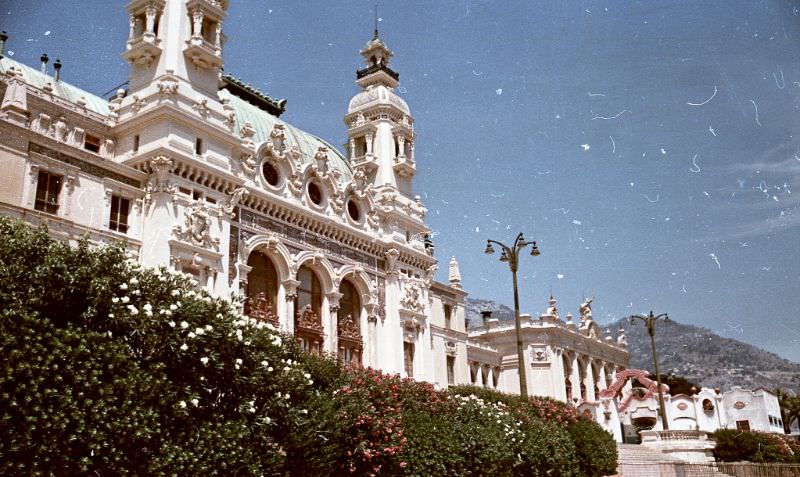
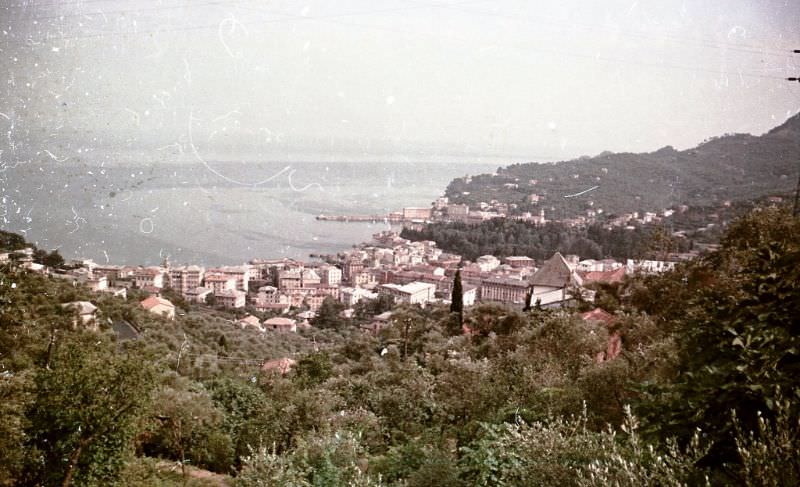
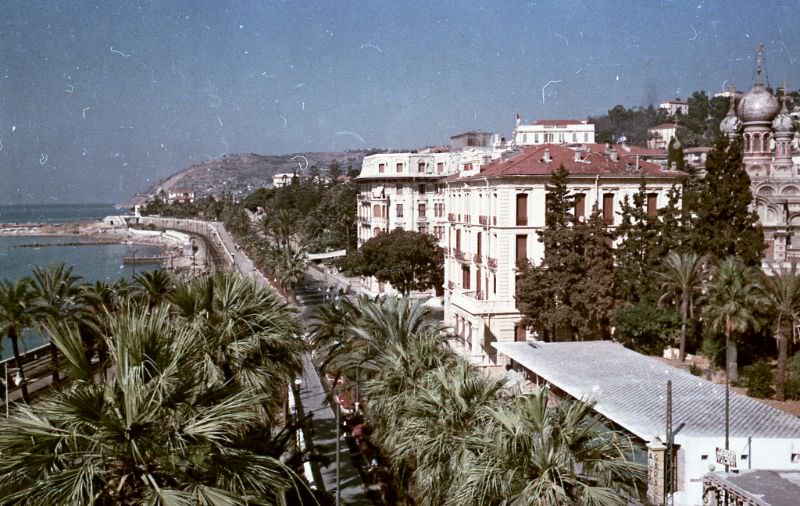
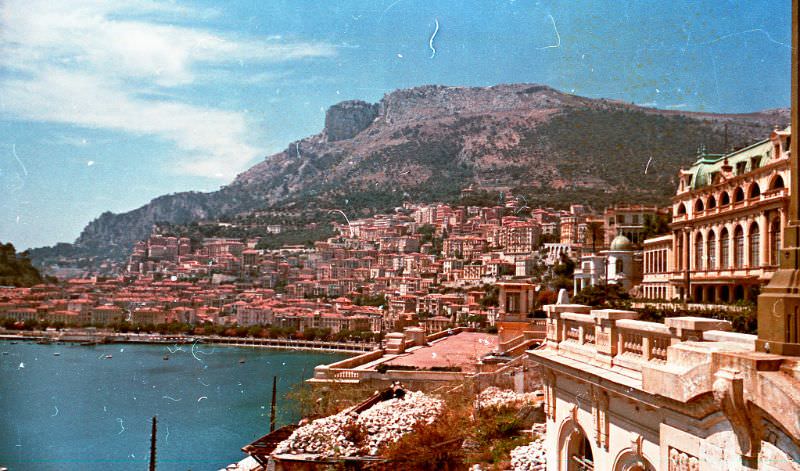
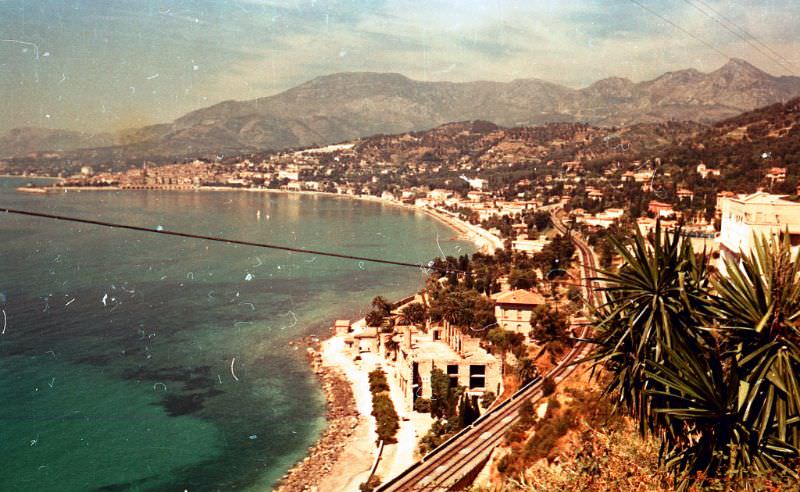
France’s southern coast — the Riviera — was already an international destination. Nice’s Promenade des Anglais ran along a sparkling beach, with the grand Hôtel Negresco anchoring the far end. Monaco’s harbor was filled with boats, and the Monte Carlo Casino drew wealthy visitors from across Europe and beyond. The coastal road near Ventimiglia on the Italian border offered some of the most striking scenery on the continent.
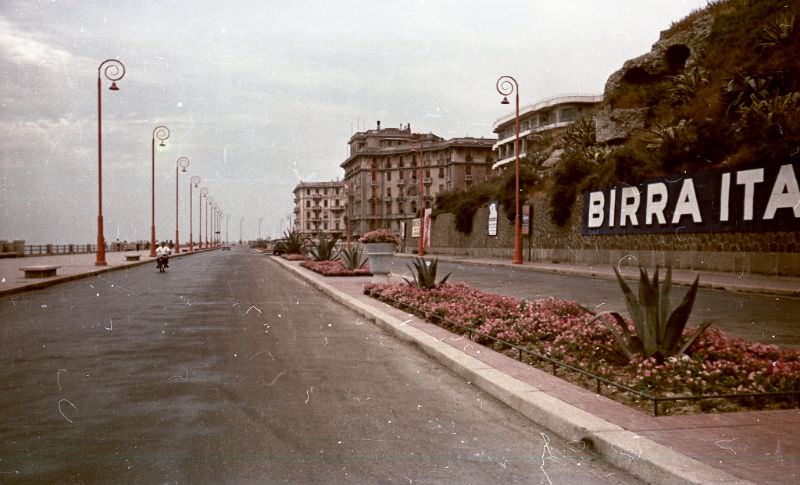
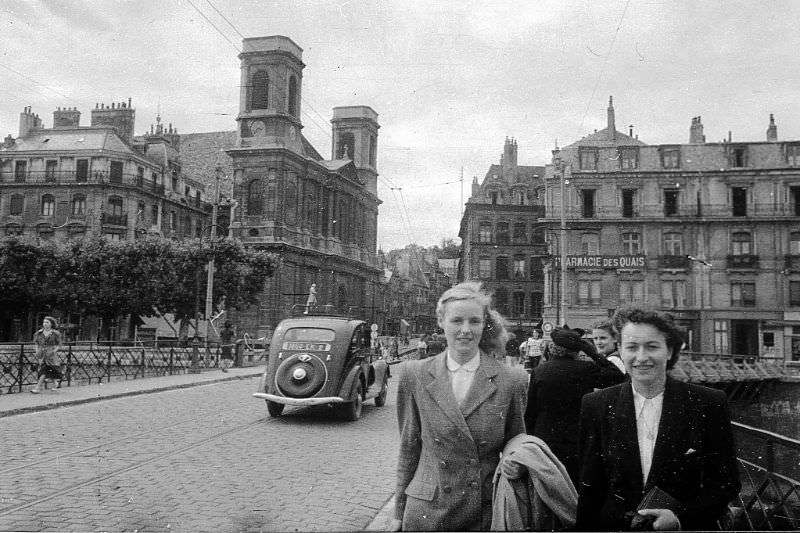
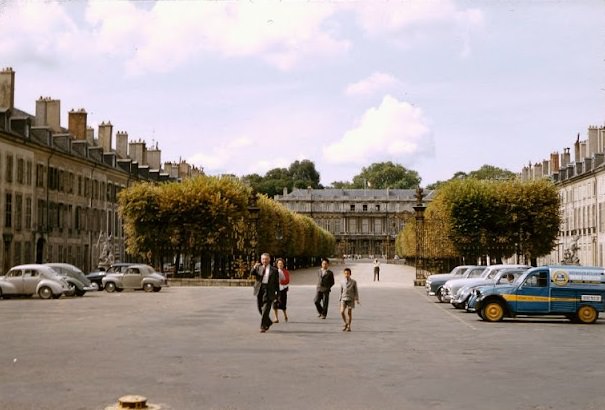
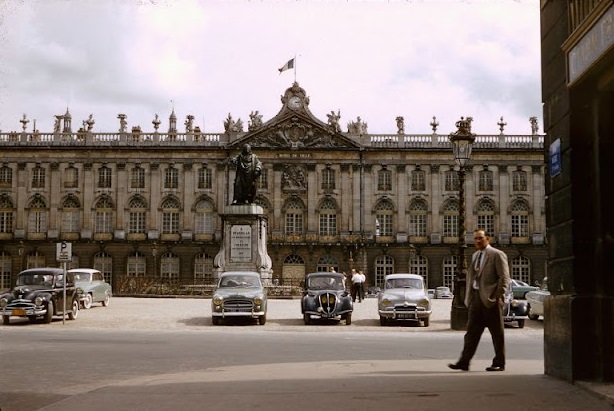
Inland France showed a slower pace. Donkey carts still carried goods in rural areas. Soldiers posed for photographs at a military base. The historic town of Besançon had its Pont Battant pedestrian bridge, and the eastern city of Nancy had its magnificent Place Stanislas — a UNESCO-recognized square framed by gilded iron gates, with a statue of Duke Stanisław Leszczyński at its center.
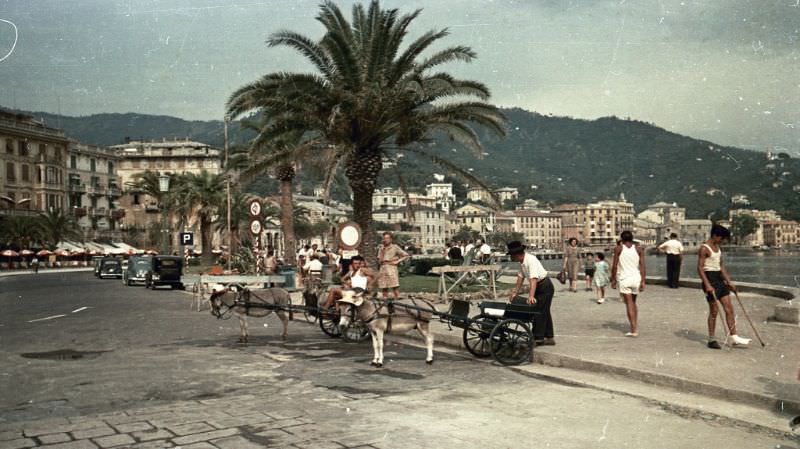
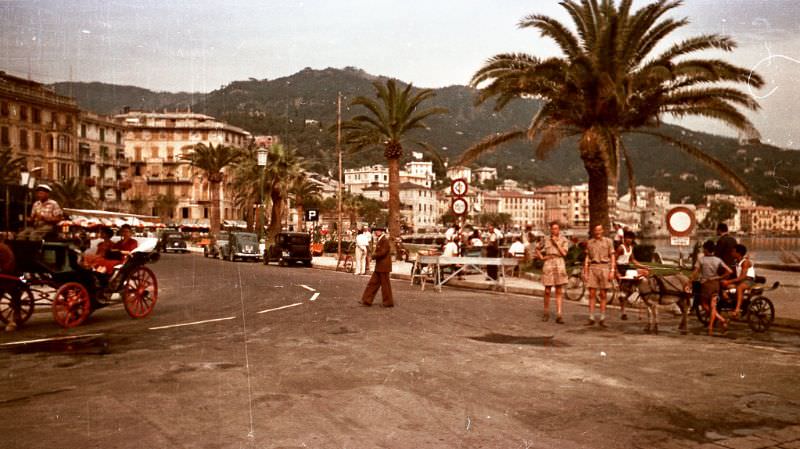
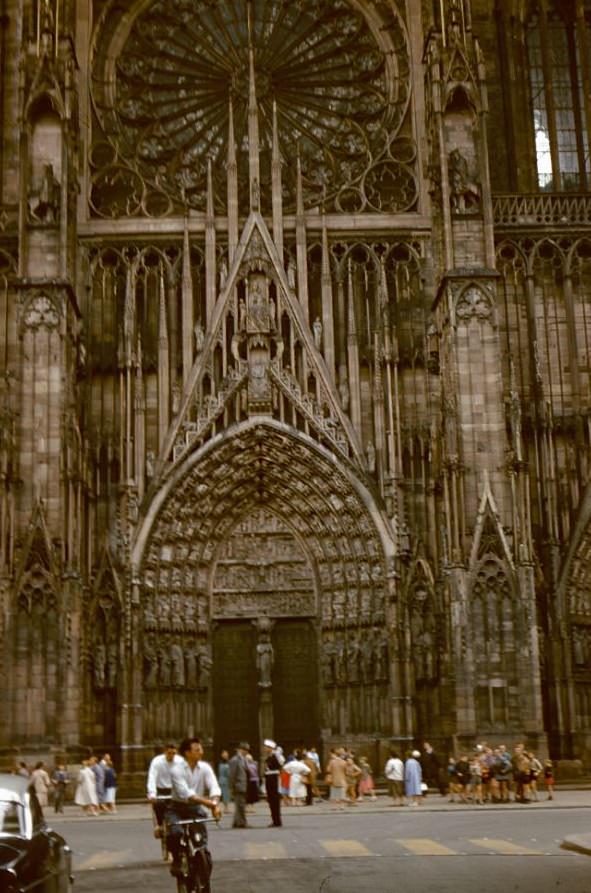
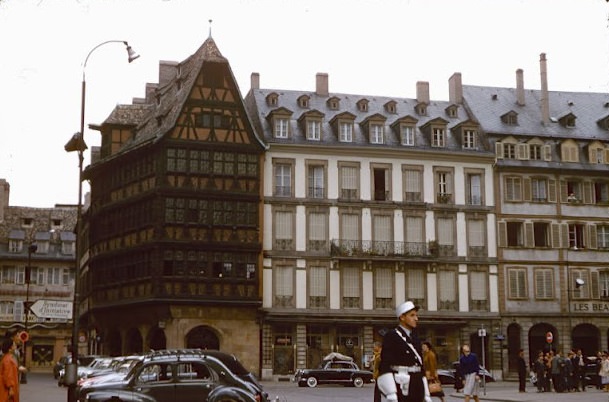
Strasbourg, sitting on the Rhine border between France and Germany, was a city with deep ties to both nations. Its towering Gothic cathedral dominated the skyline, and the city’s canals and half-timbered houses made it one of the most photographed places in eastern France.
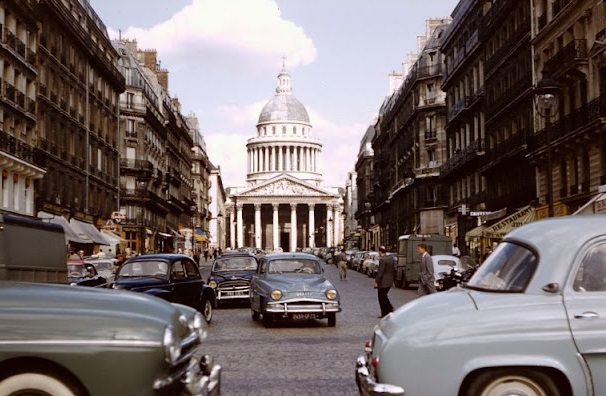
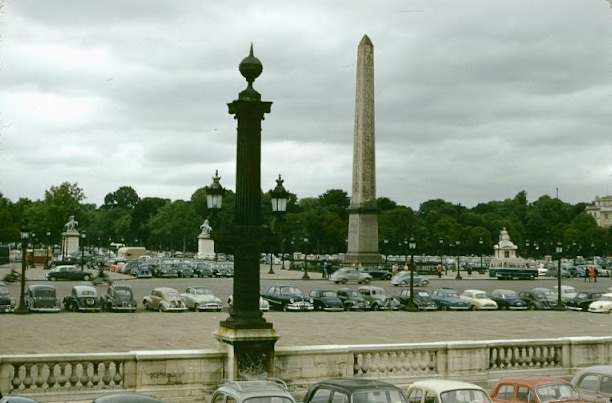
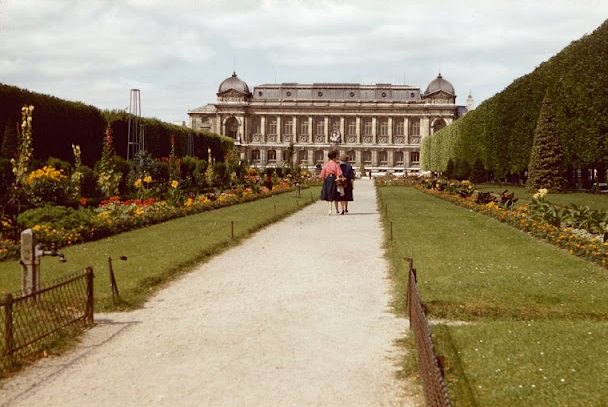
Paris offered an extraordinary concentration of landmarks in a small area. The Panthéon on the Left Bank honored France’s greatest citizens. The Fountain of the Observatory in the Jardin Marco Polo, the Luxor Obelisk at the Place de la Concorde, the Museum d’Histoire Naturelle, and the Notre-Dame Cathedral all appeared on the itineraries of visitors who flooded the city throughout the decade.
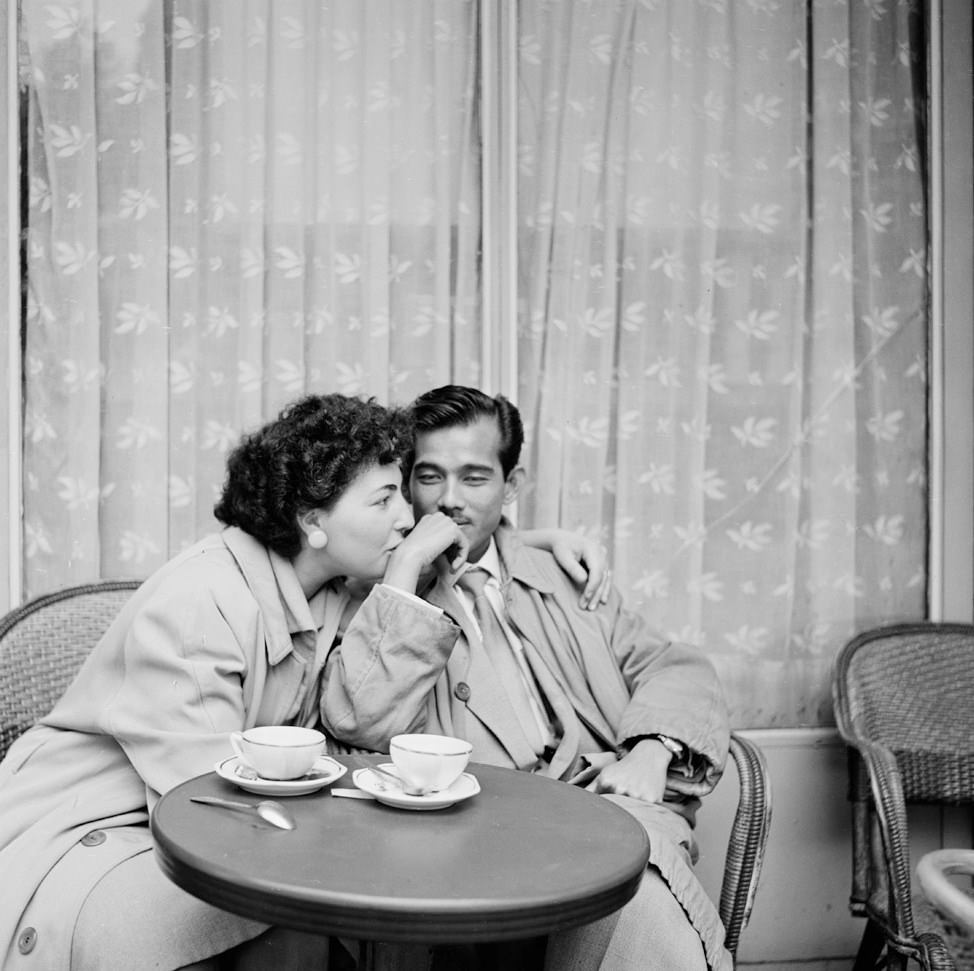
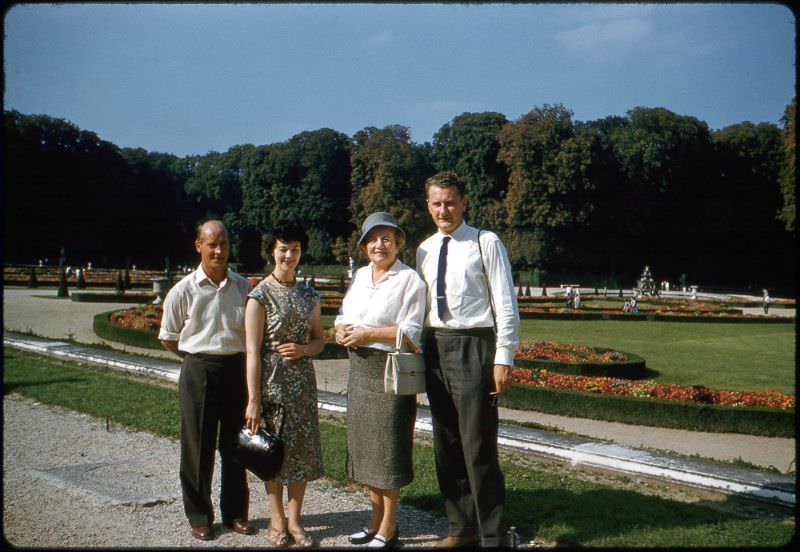
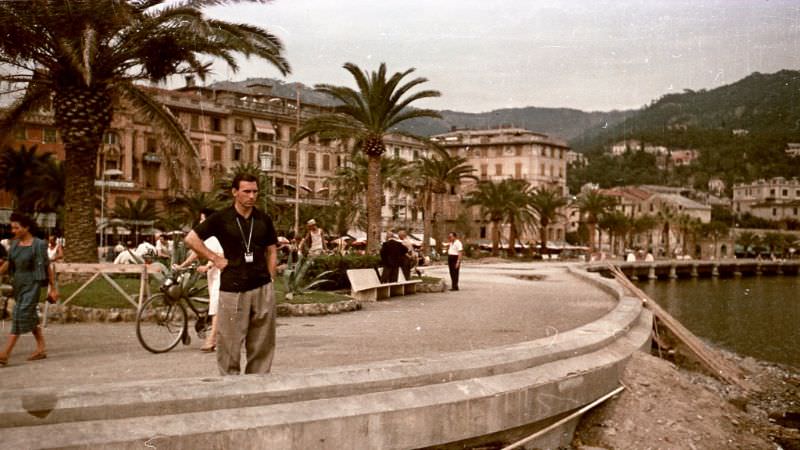
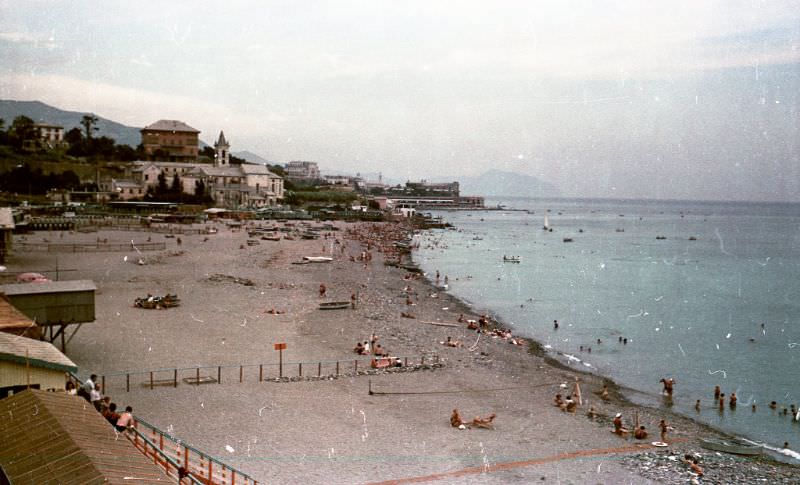
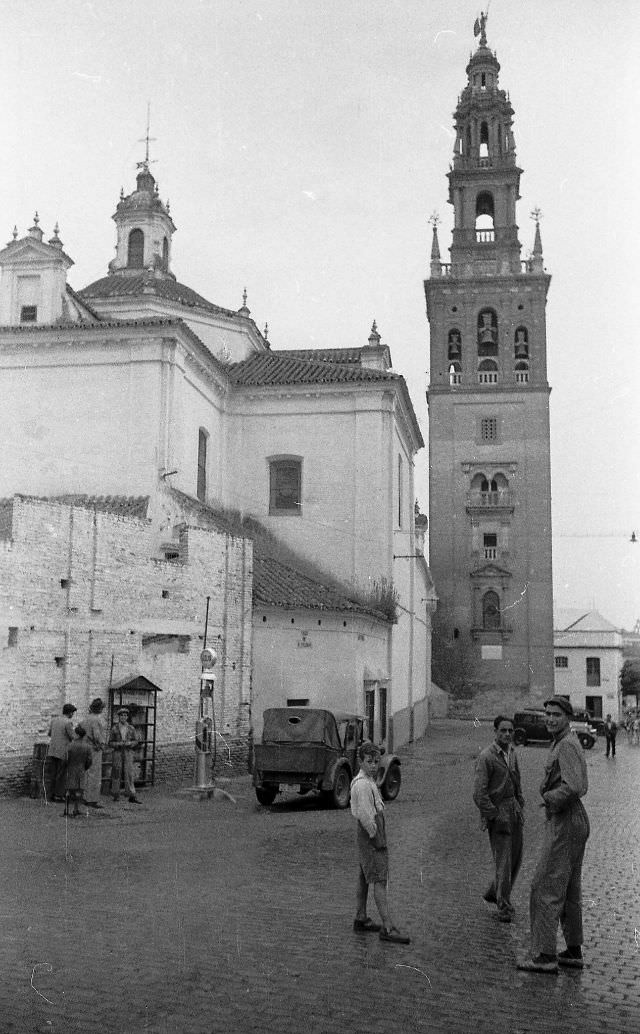
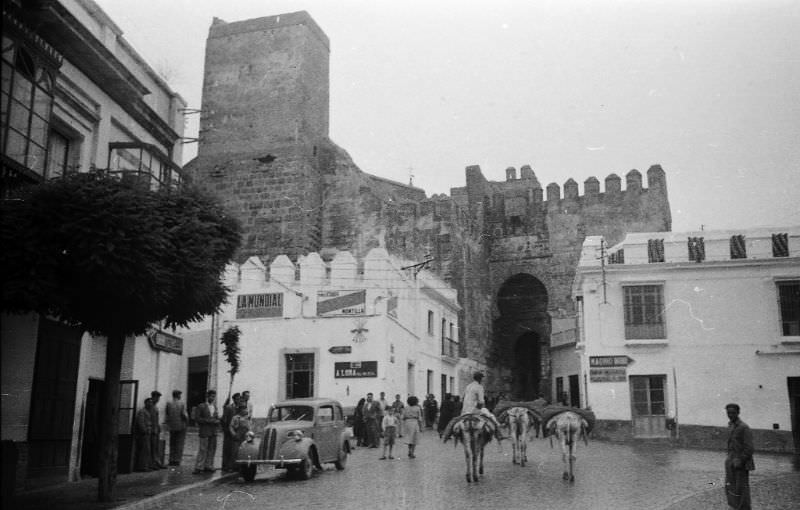
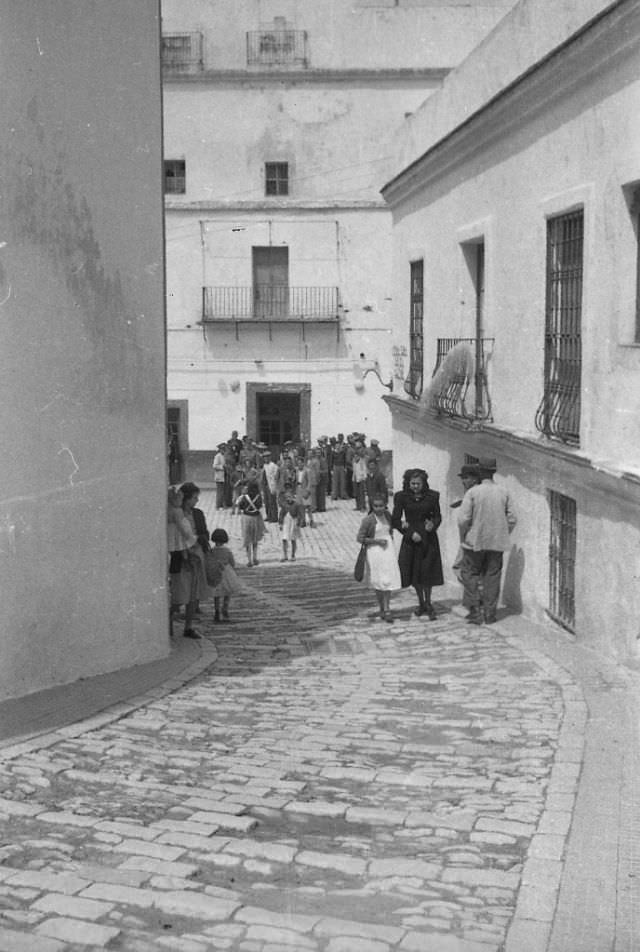
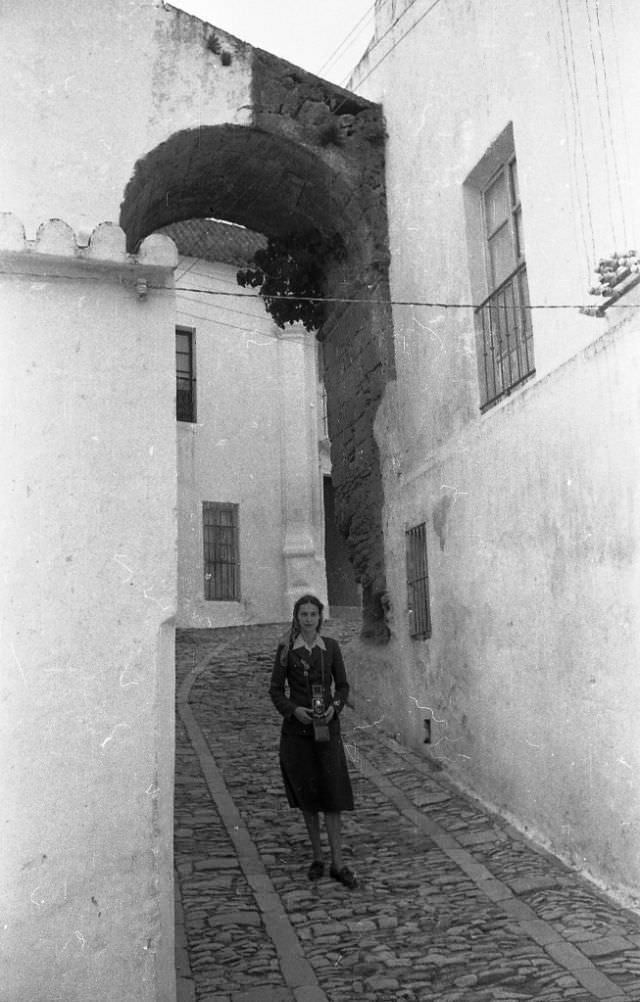
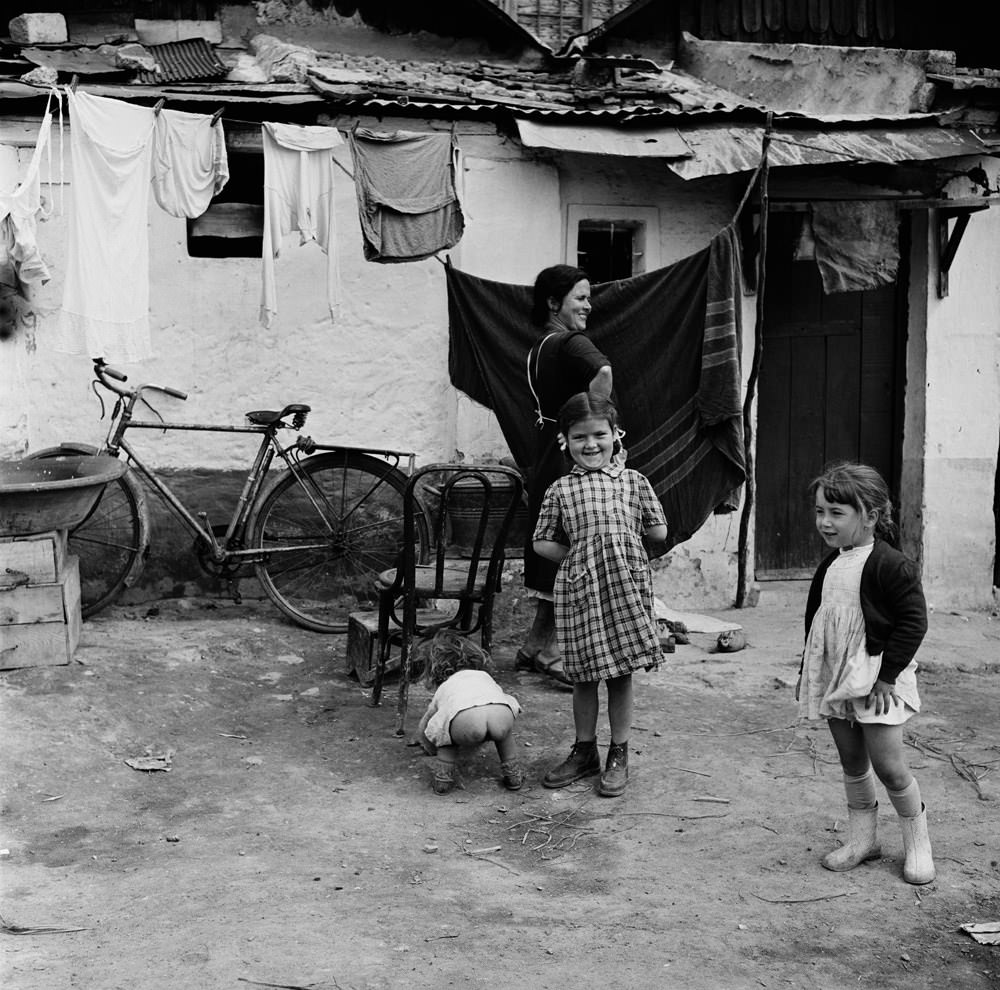
Spain under Francisco Franco in the 1950s was politically isolated from much of Western Europe, but its ancient towns and cities carried on their daily rhythms with little outward sign of strain. Carmona, a hilltop town in Andalusia, showed off its Roman and Moorish heritage — the Puerta de Sevilla, the church tower, the stone plazas. Narrow alleys held women and children going about ordinary days.
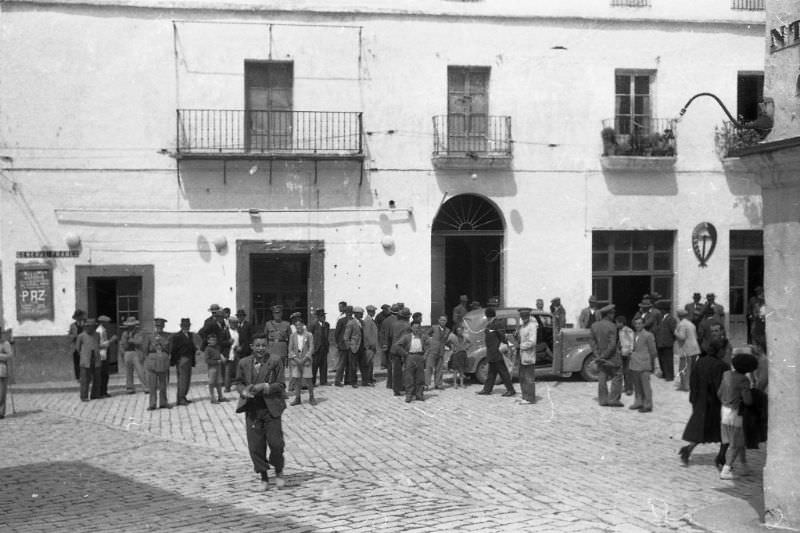
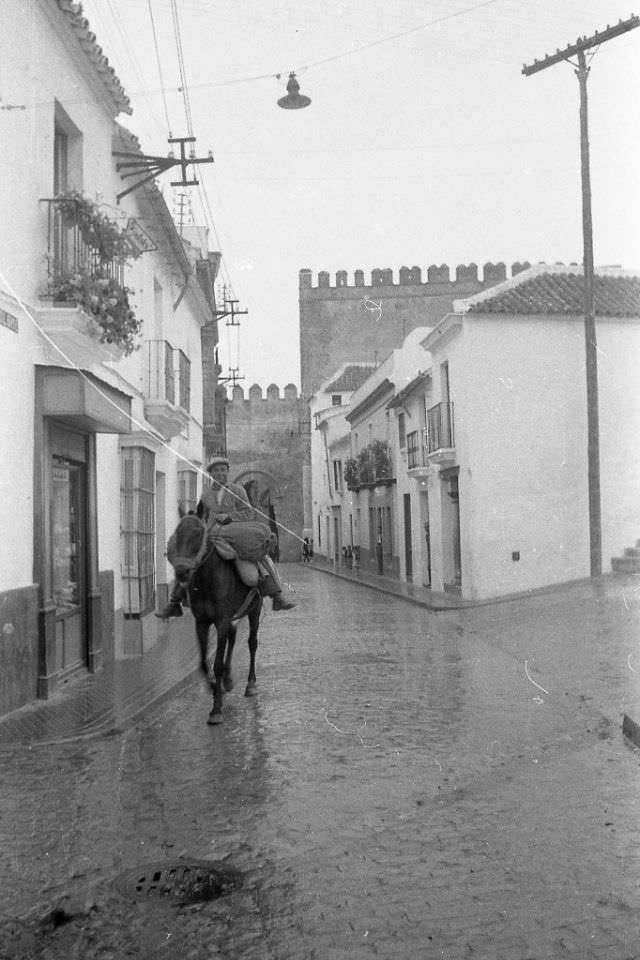
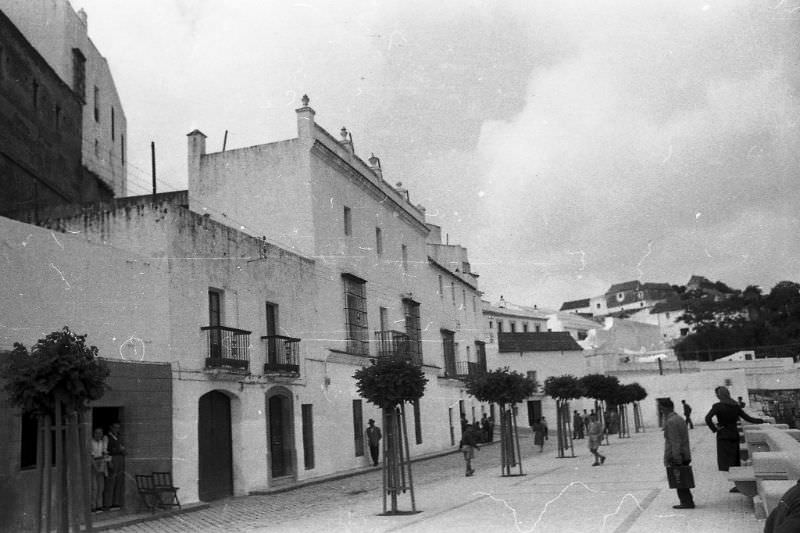
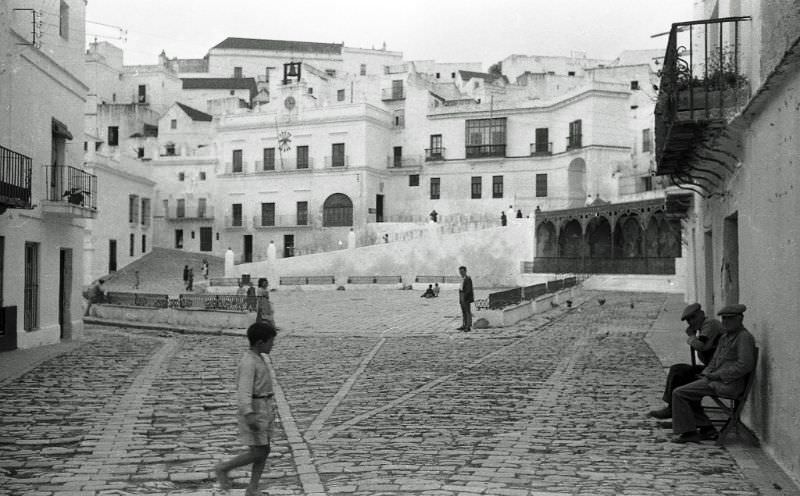
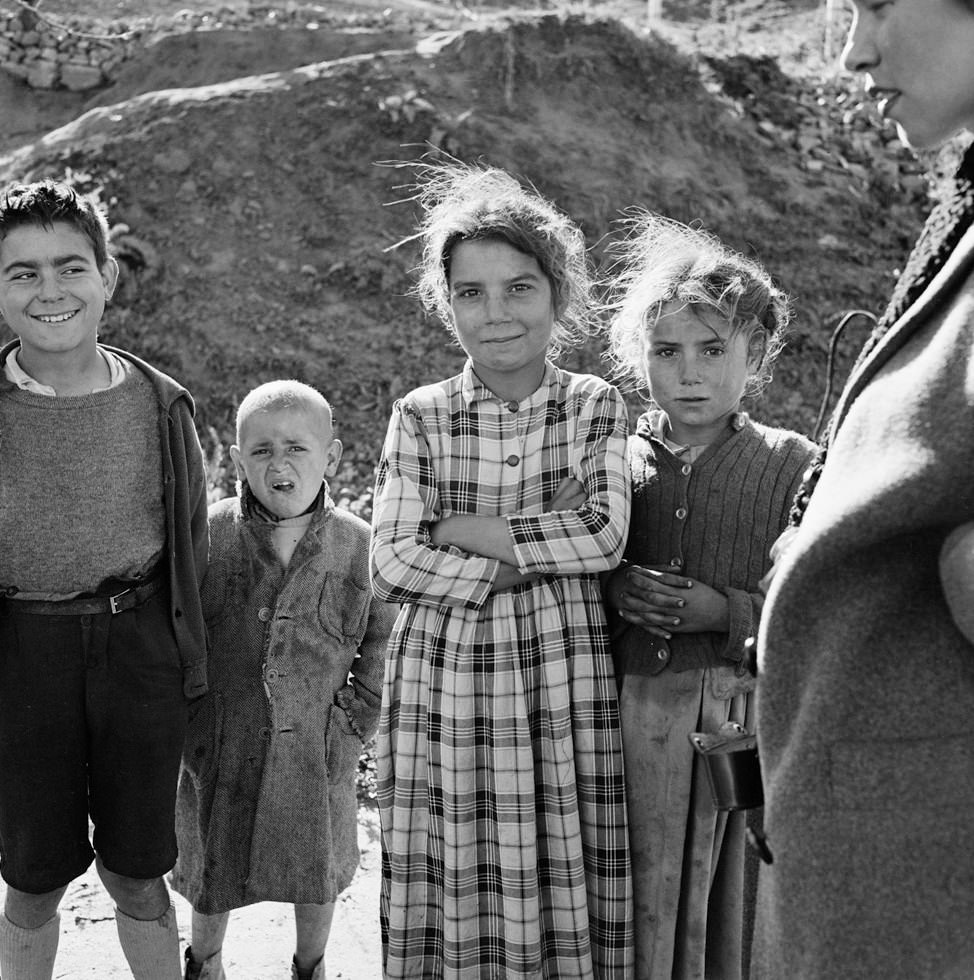
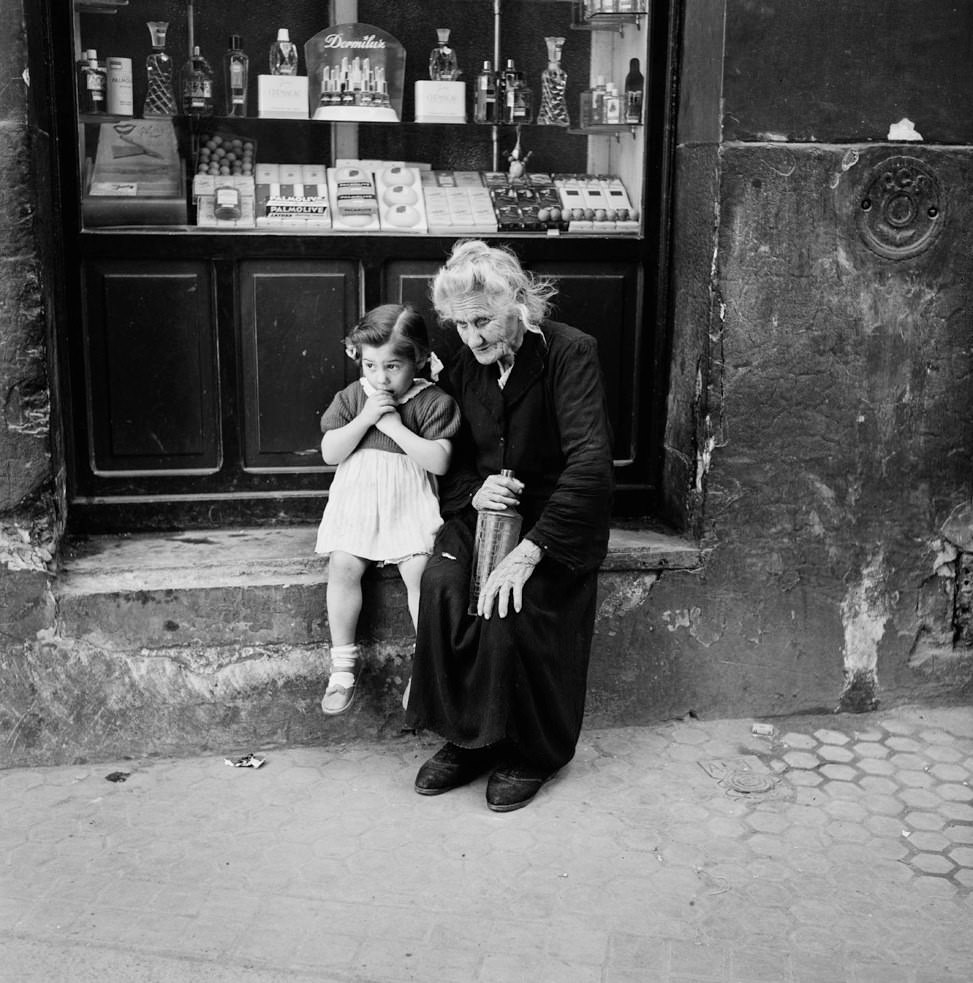
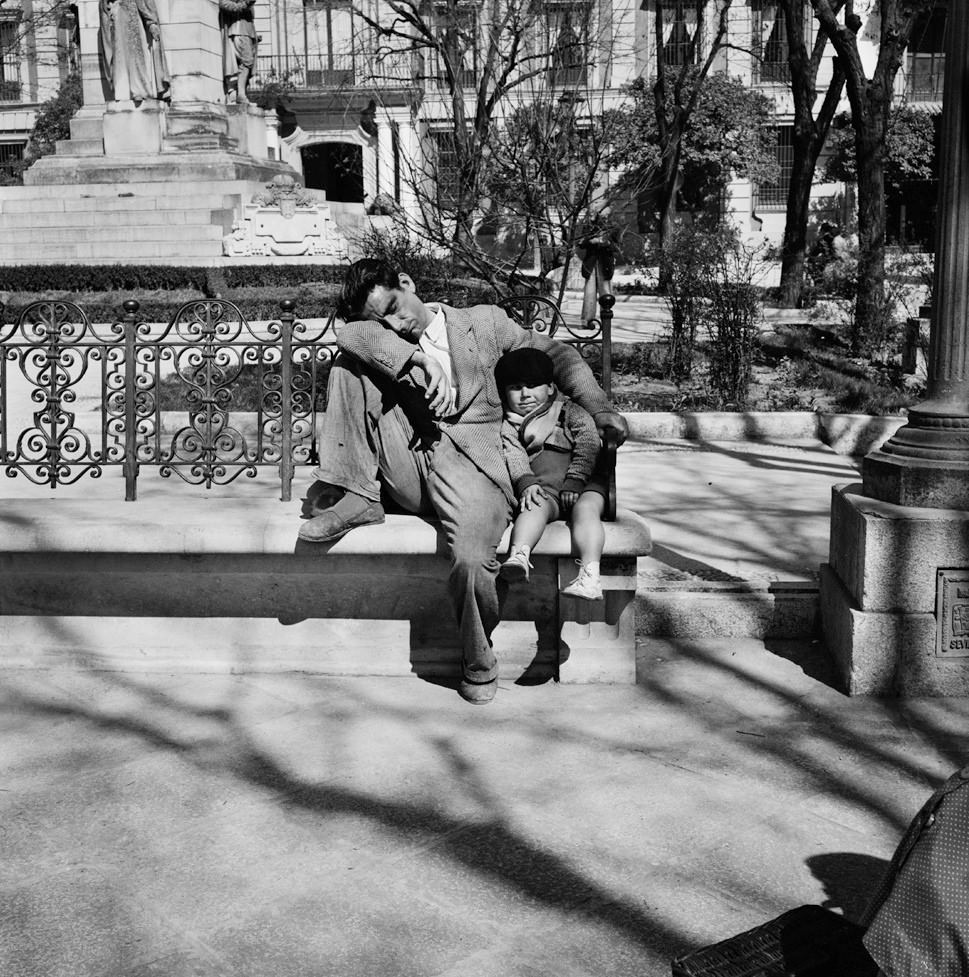
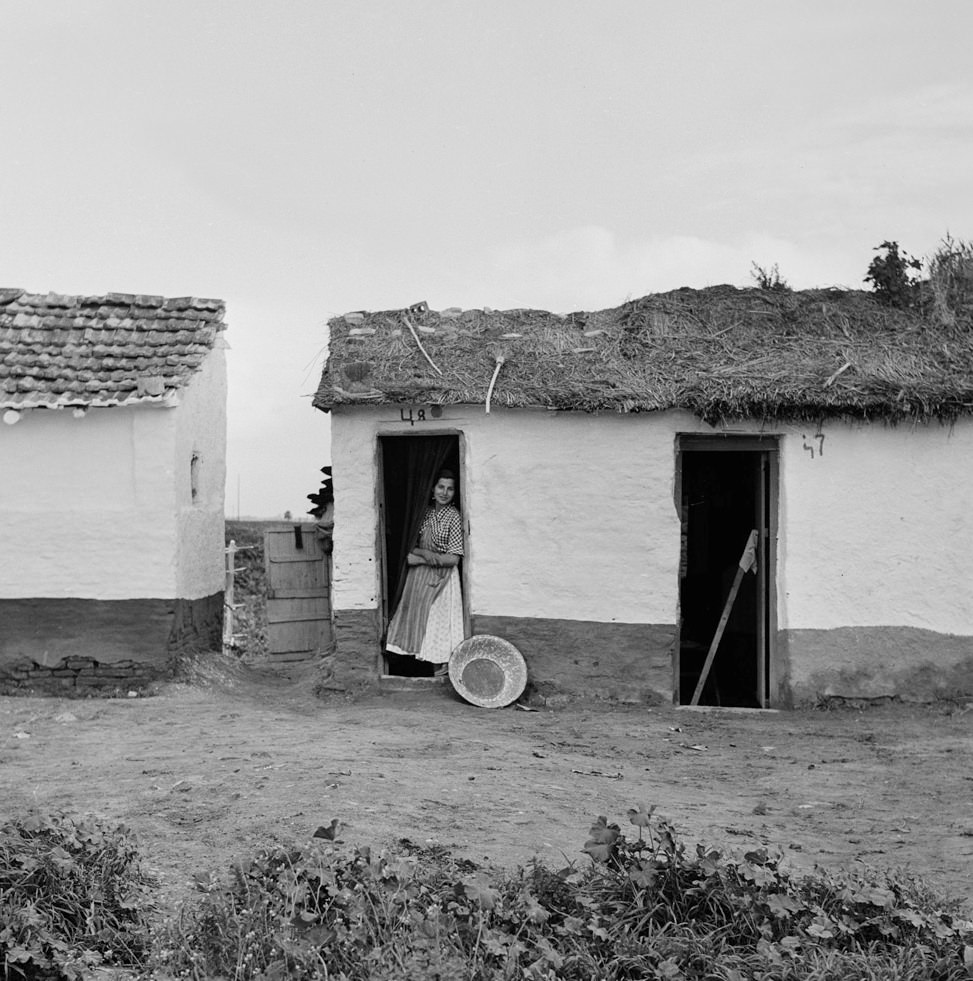
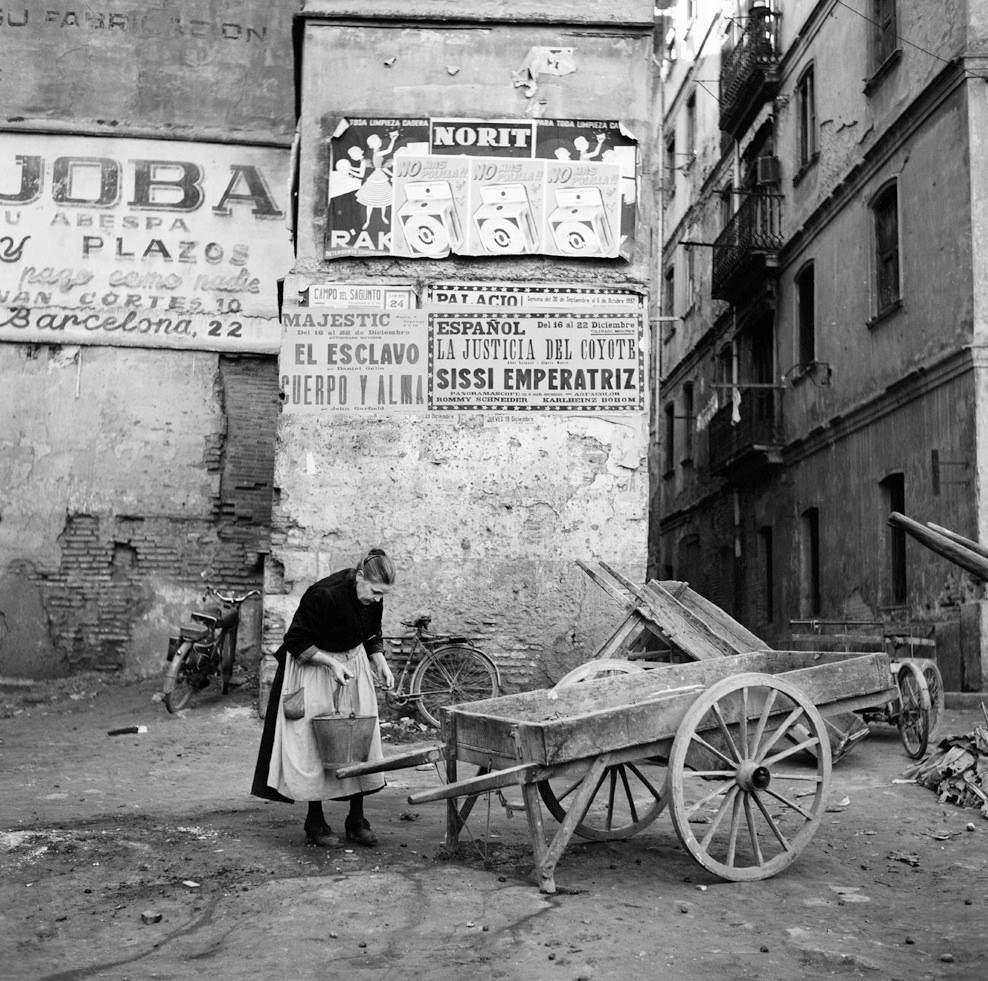
Four Romani children photographed in Spain in 1956 stared directly into the camera with an unguarded directness that photographs from that era often captured. A grandmother sat with a child. A father and son shared a bench. A woman stood in a doorway. Women loaded a wagon. These images show the lives of ordinary Spaniards far removed from political events.
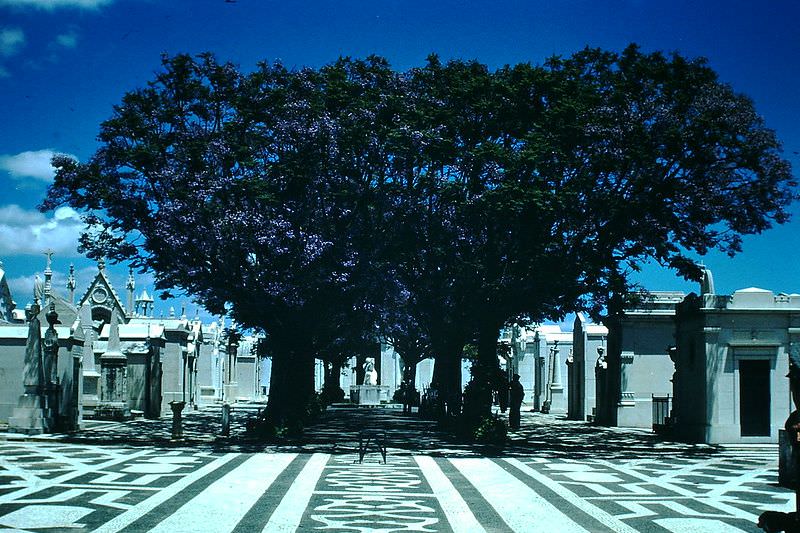
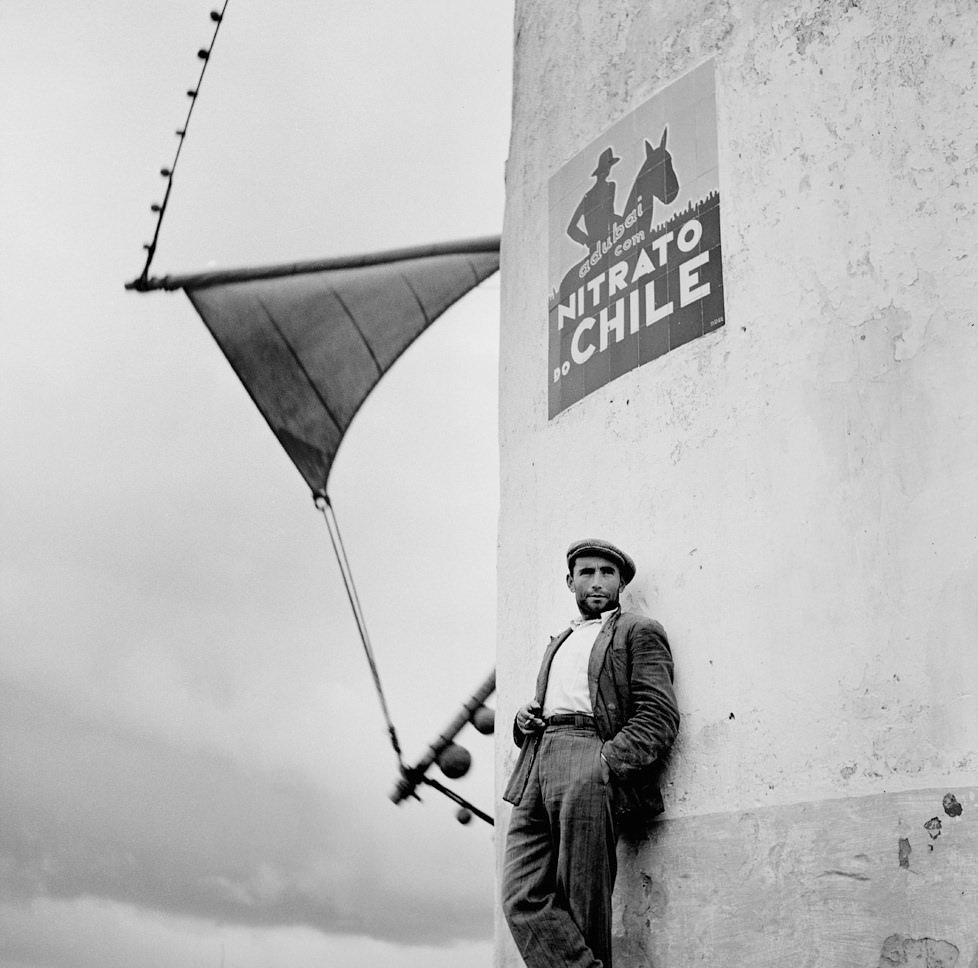
Portugal in the 1950s was also under an authoritarian government — António de Oliveira Salazar’s Estado Novo regime. Yet Lisbon’s streets, waterfront, and neighborhoods carried a beauty that visitors consistently recorded. The Tower of Belém stood on the Tagus River. The Moorish Quarter held its tight lanes and tile-faced buildings. The Avenue of Liberty was the city’s main boulevard, lined with cafés and statues. Across the estuary, the view back toward Lisbon showed a city spread across hills above a wide river.
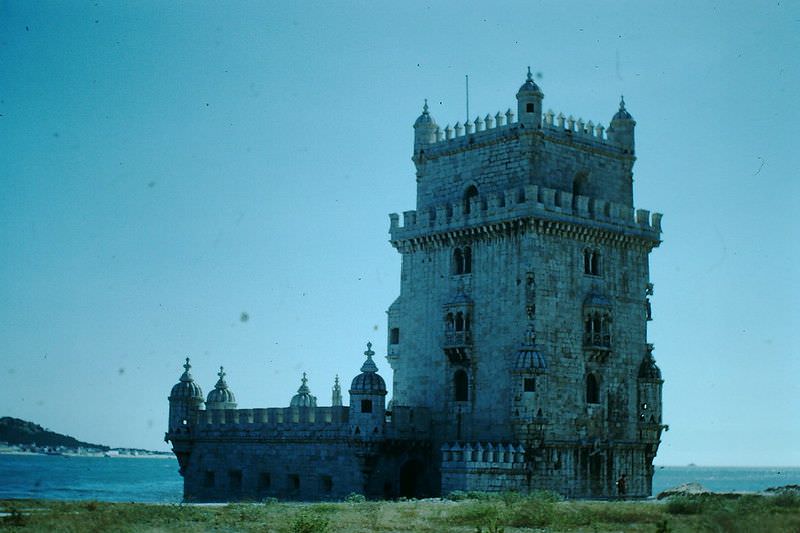
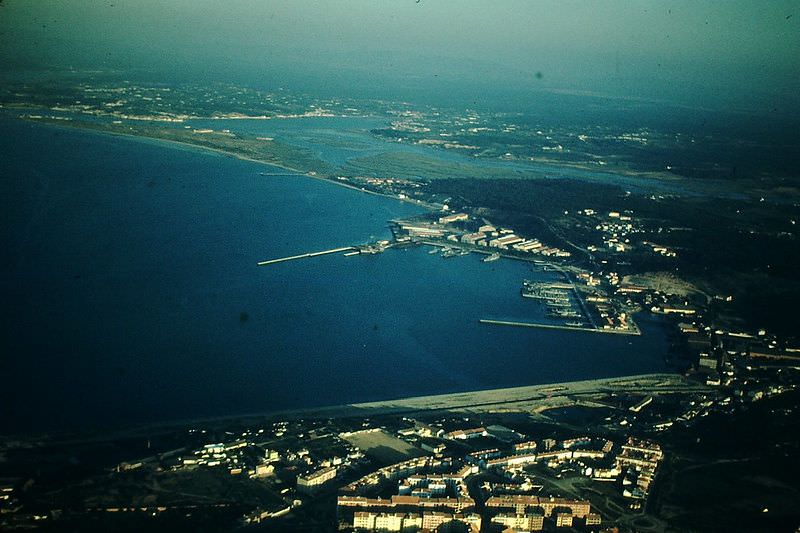
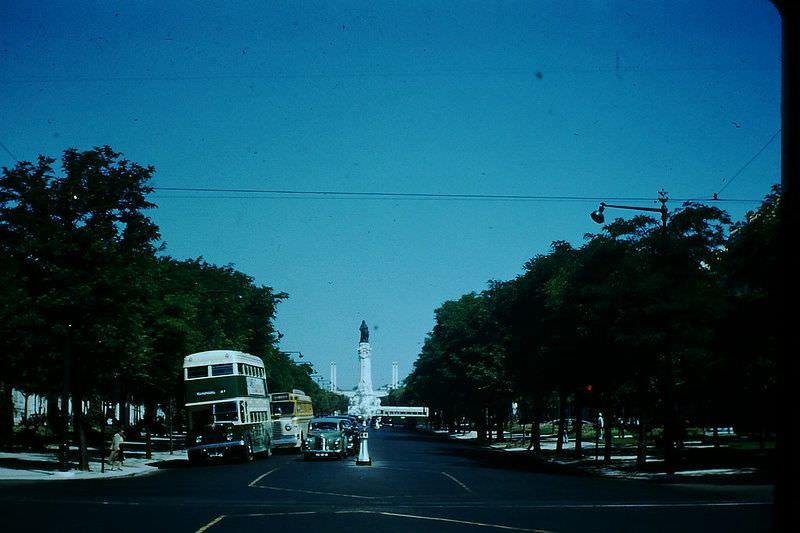
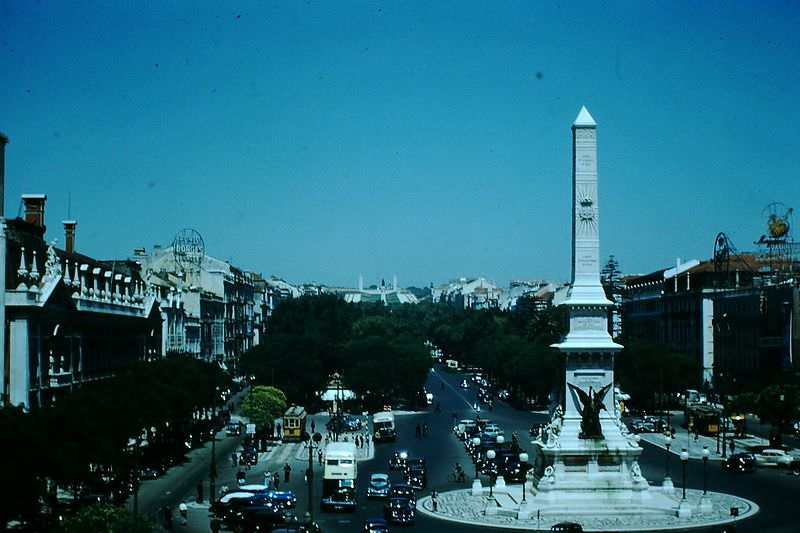
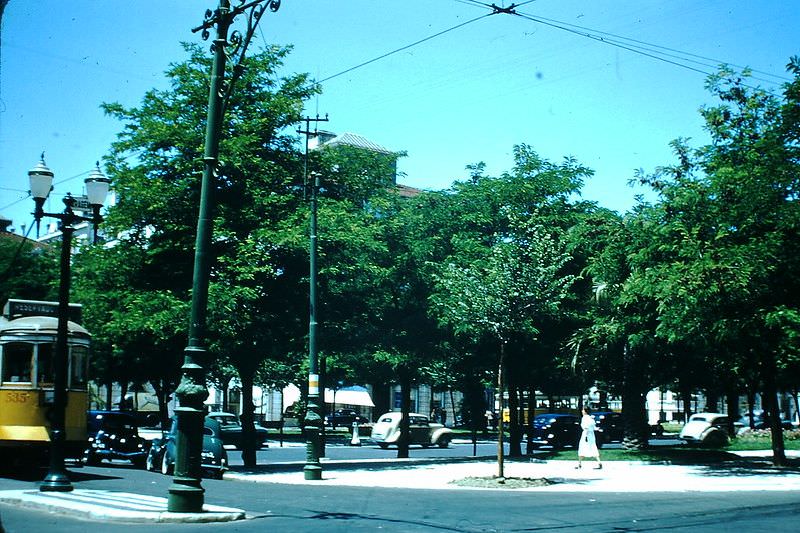
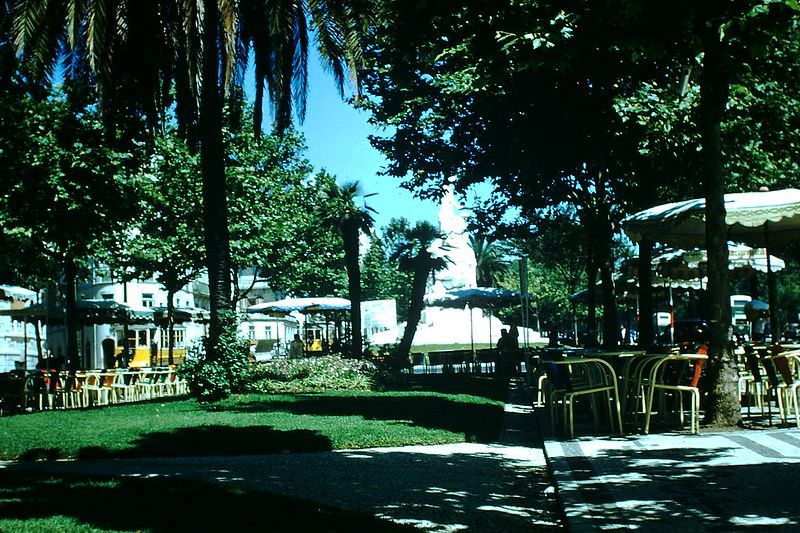
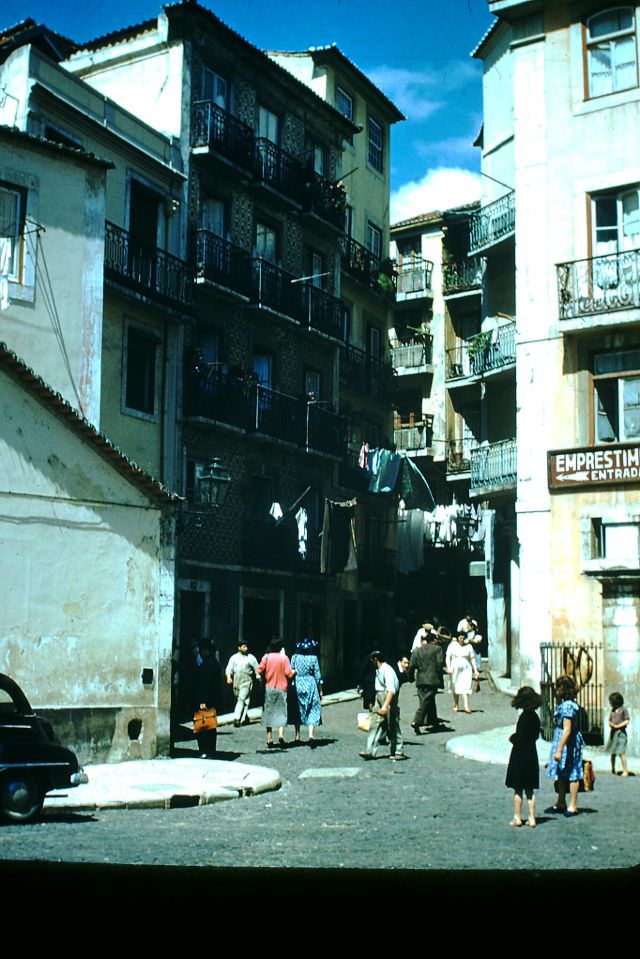
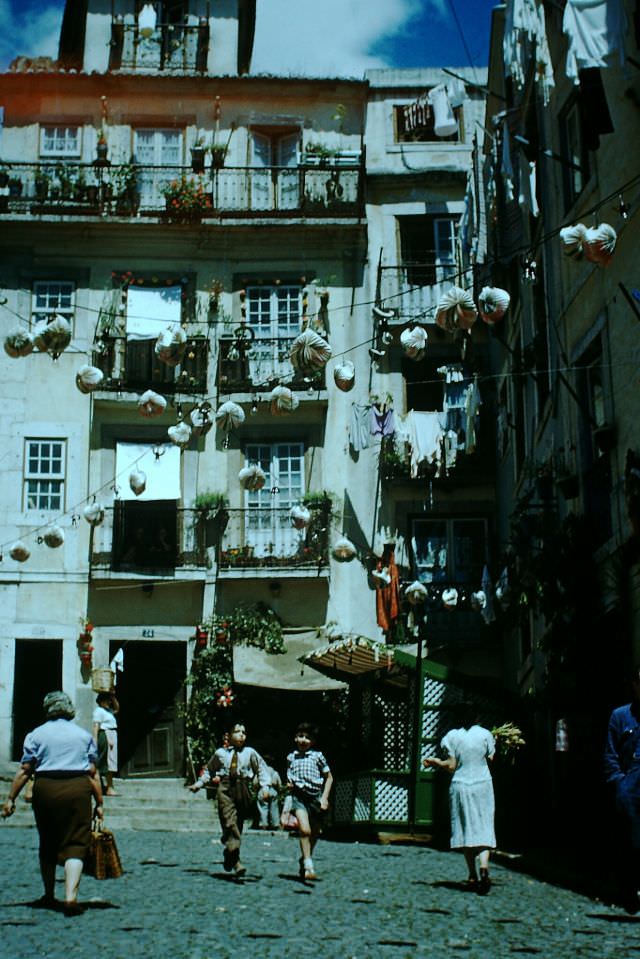
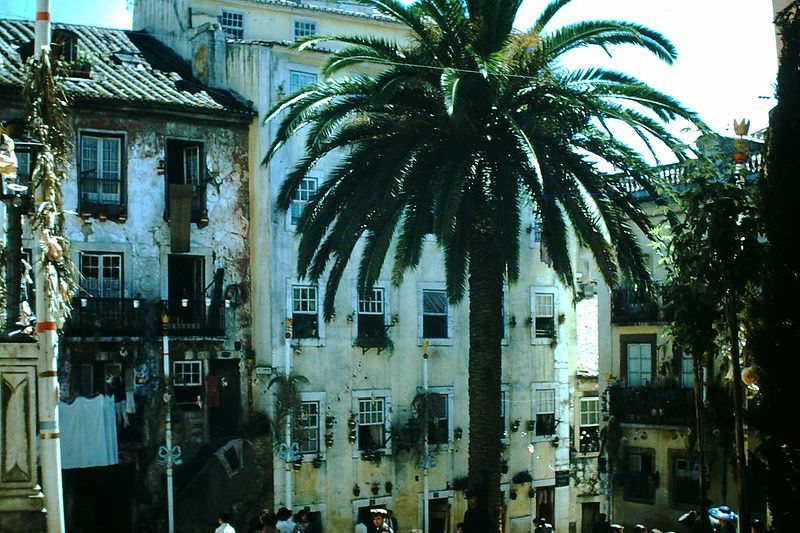
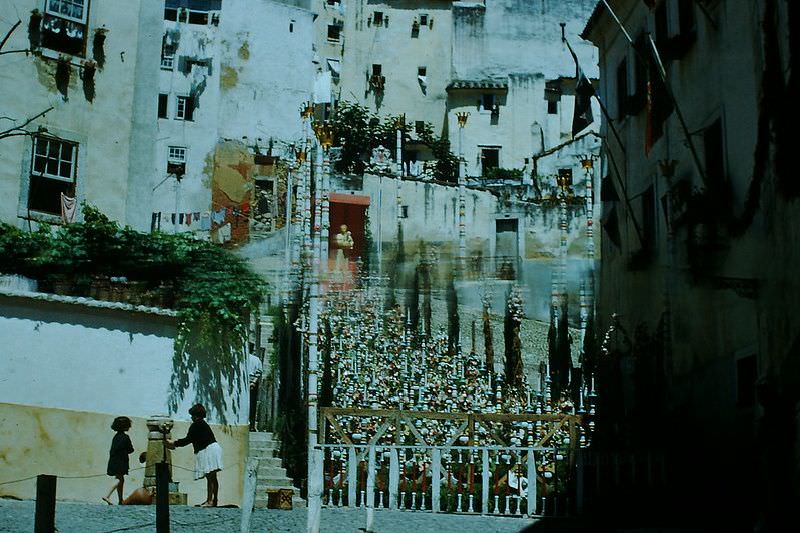
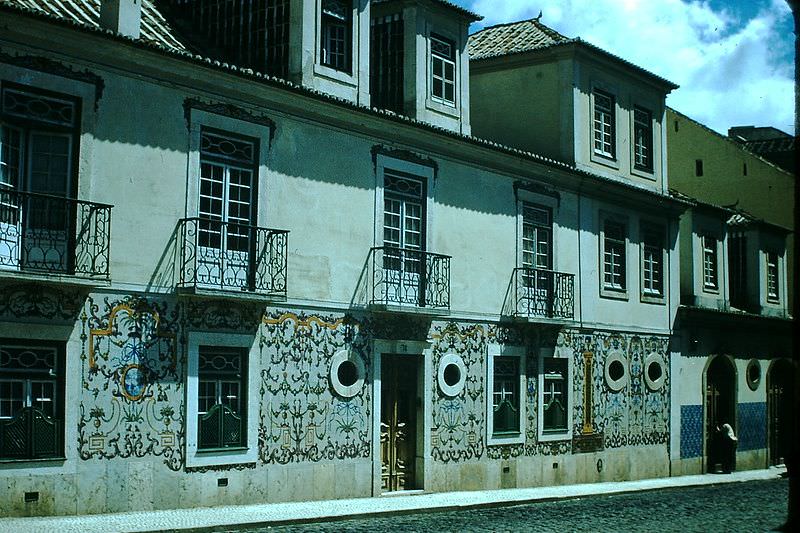
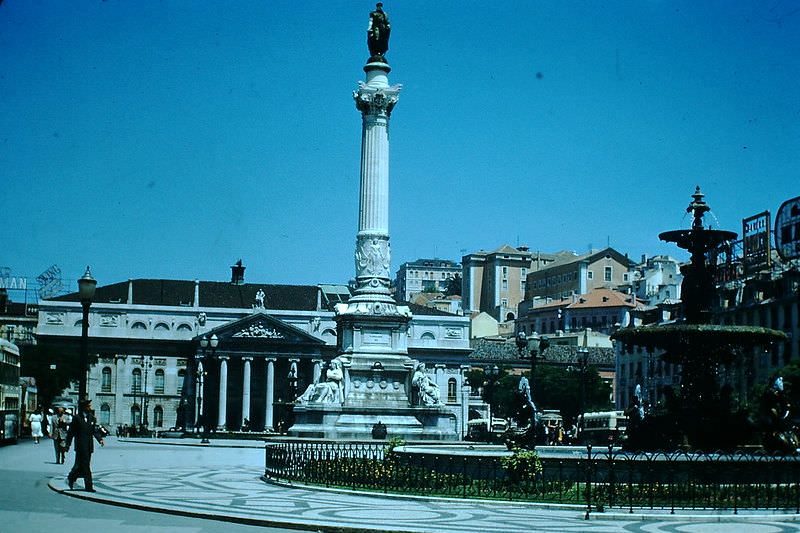
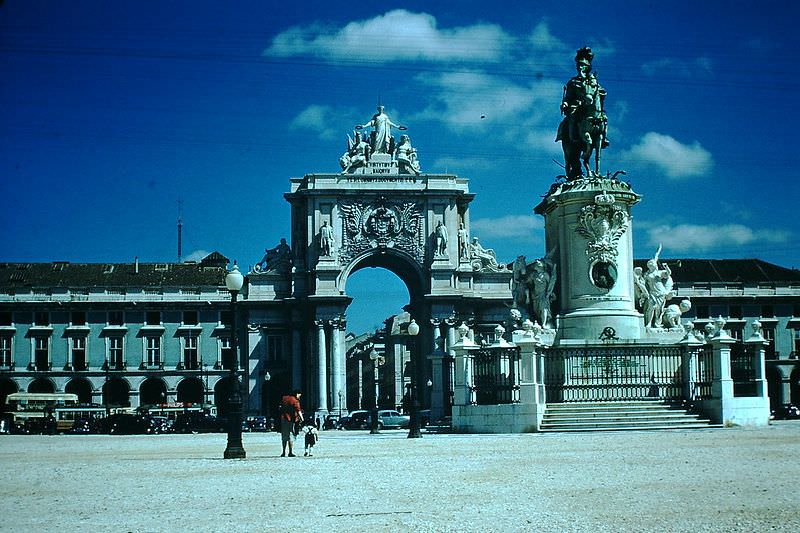
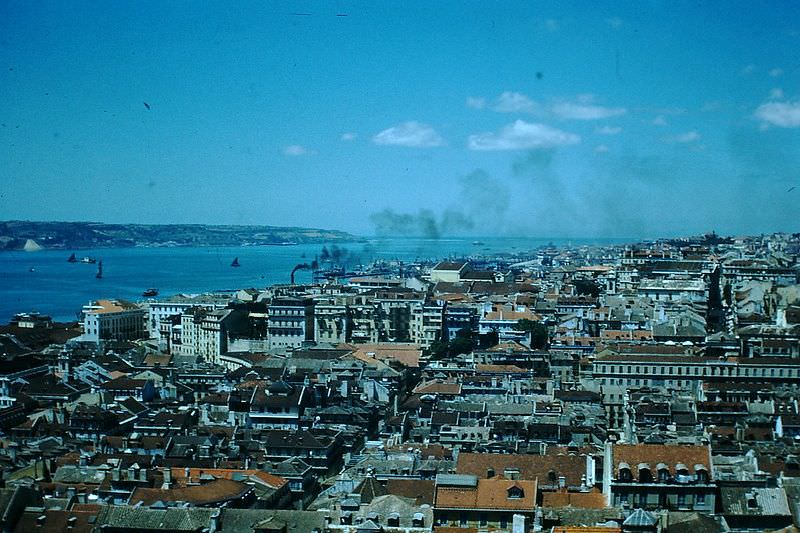
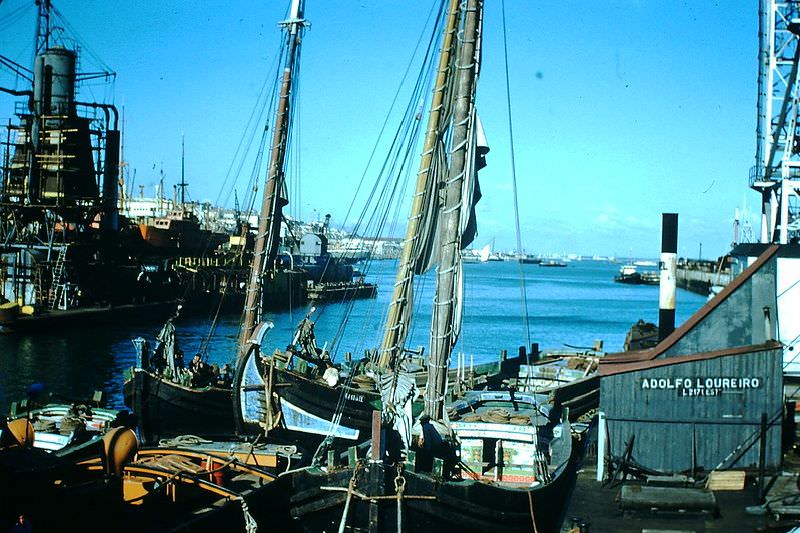
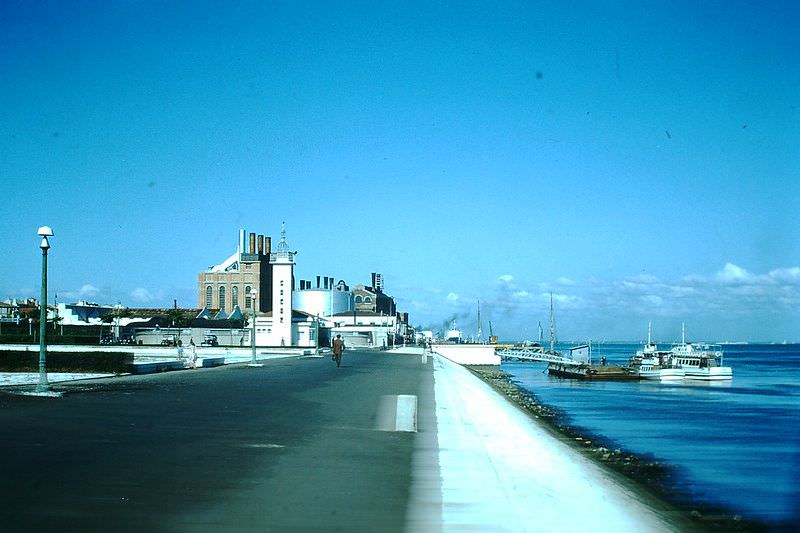
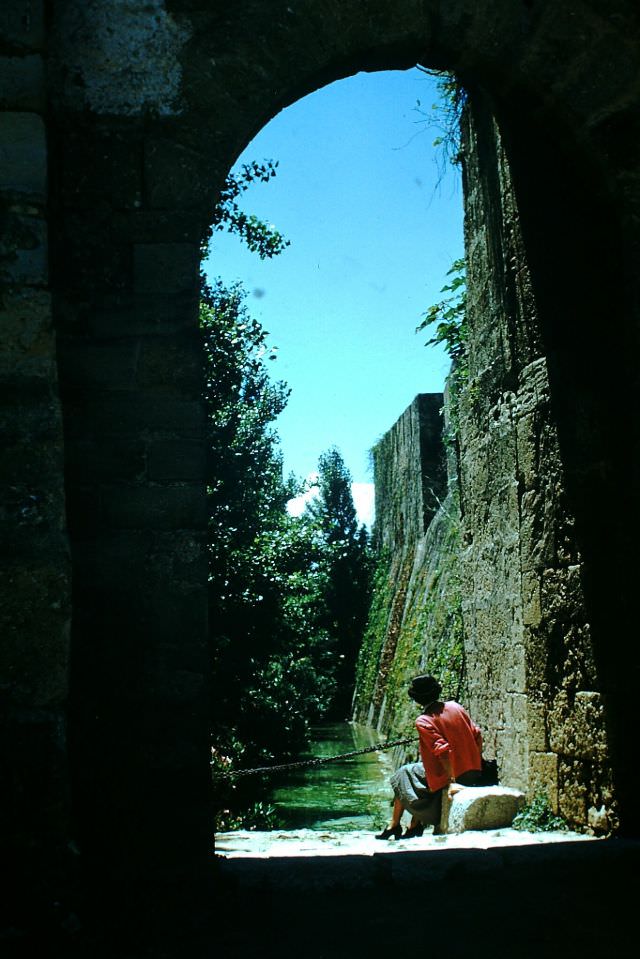
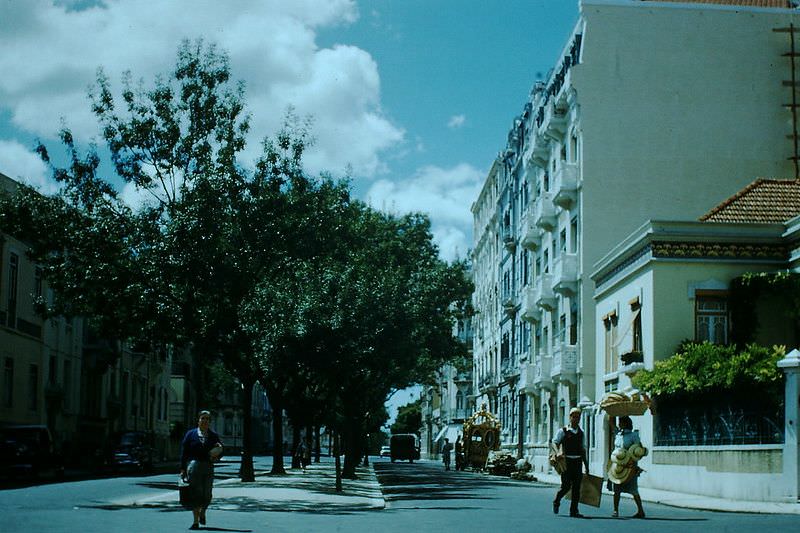
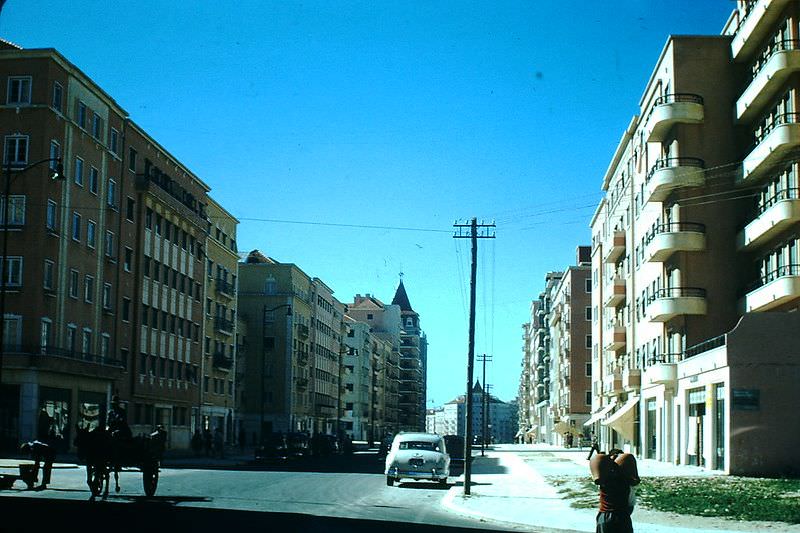
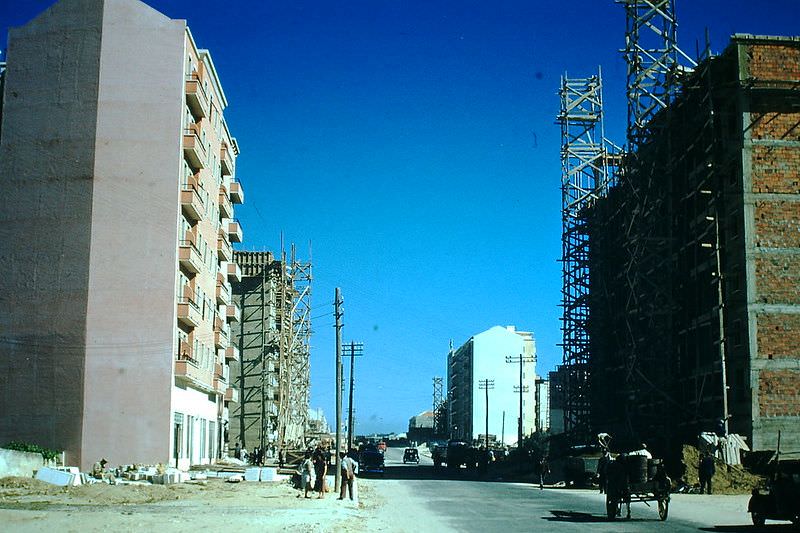
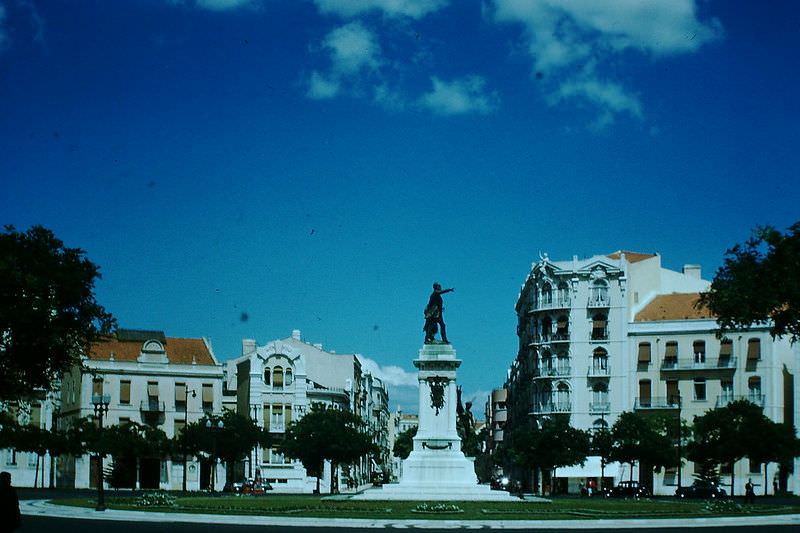
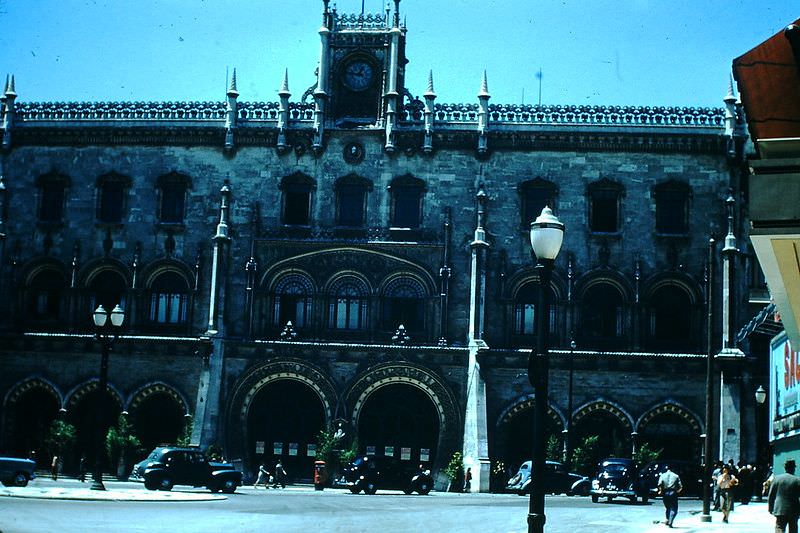
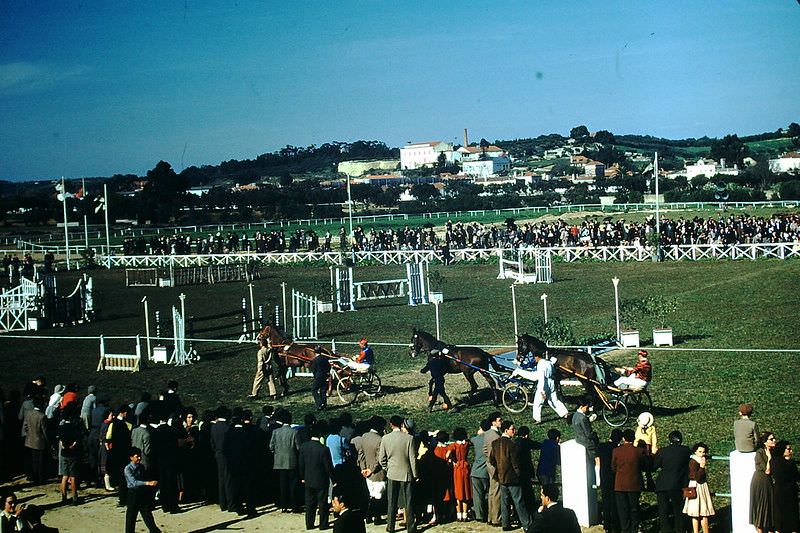
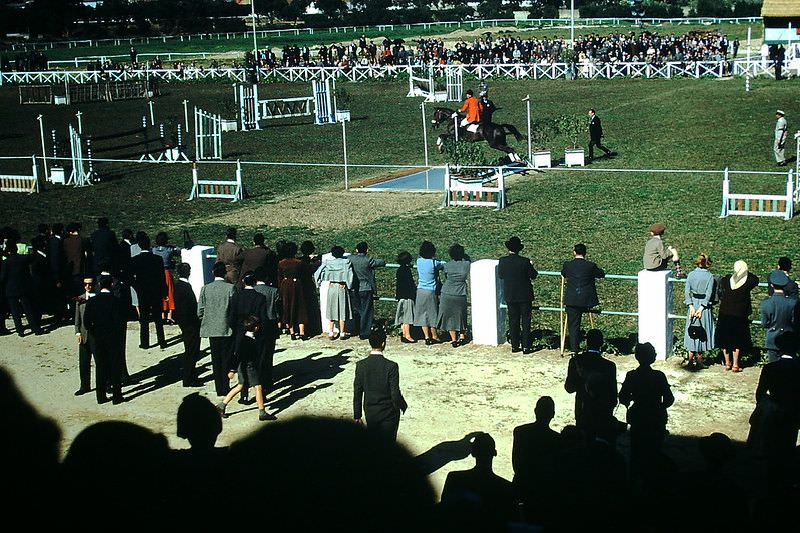
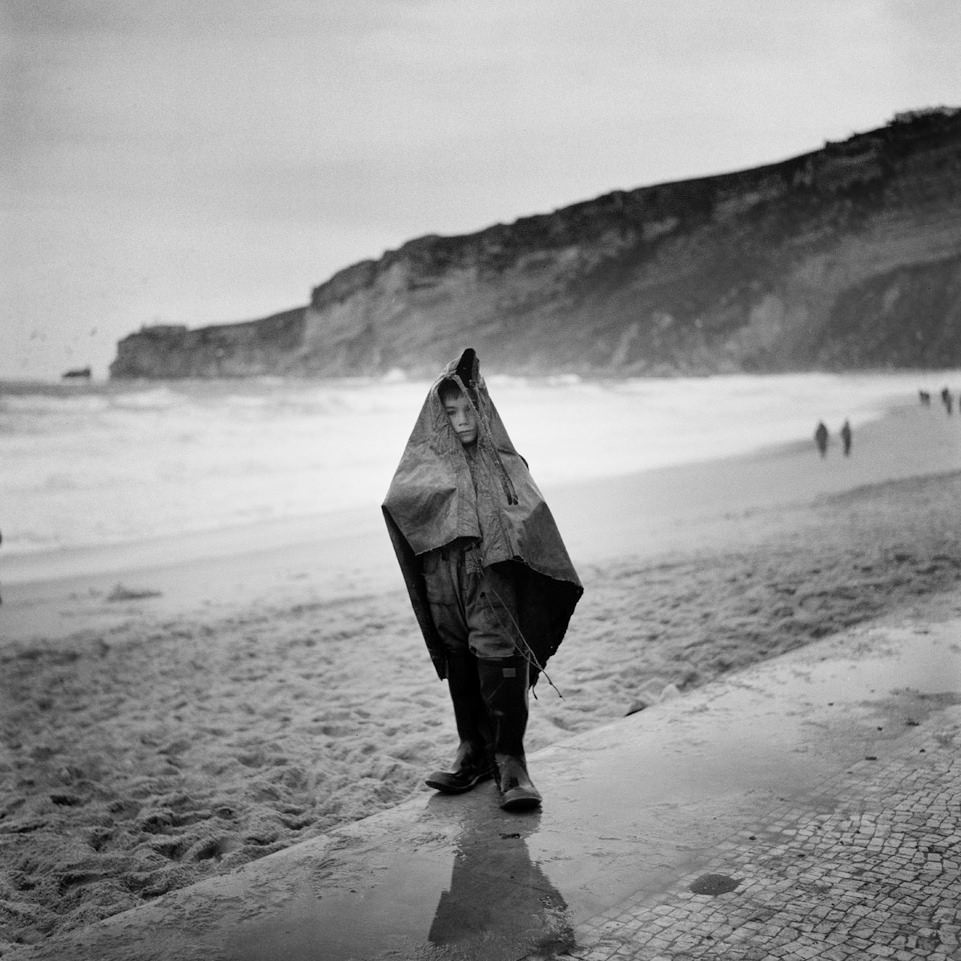
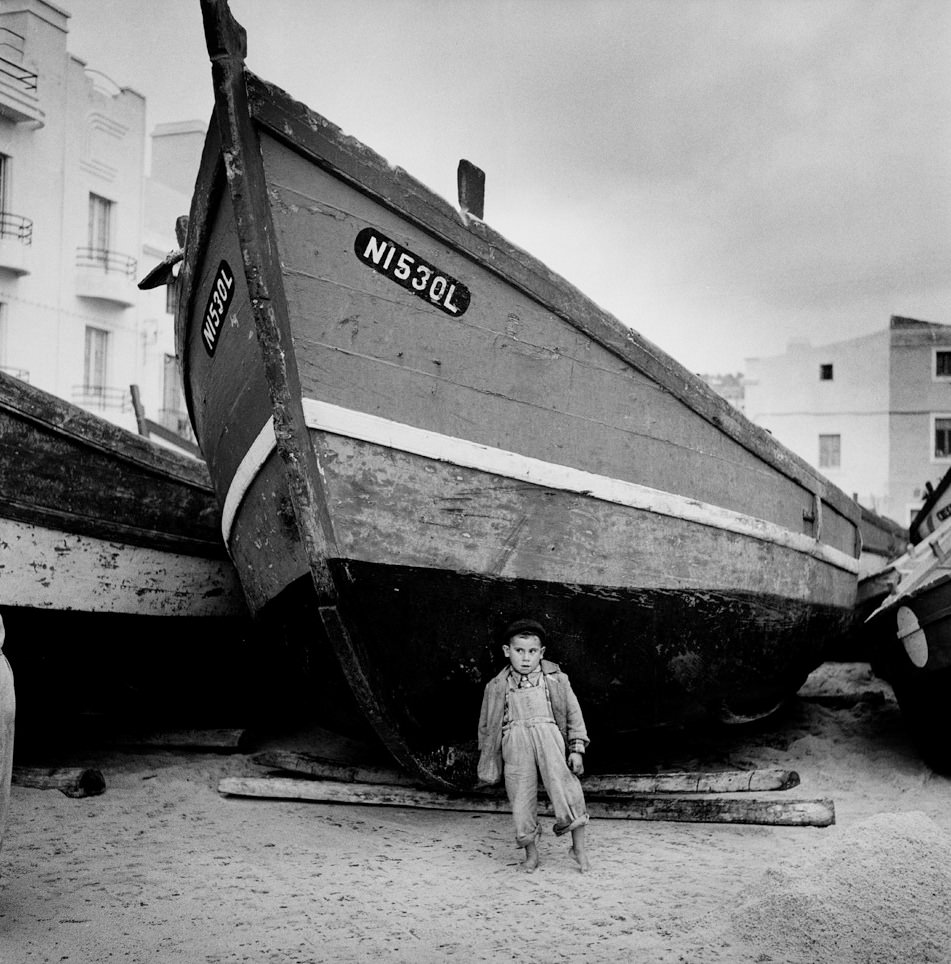
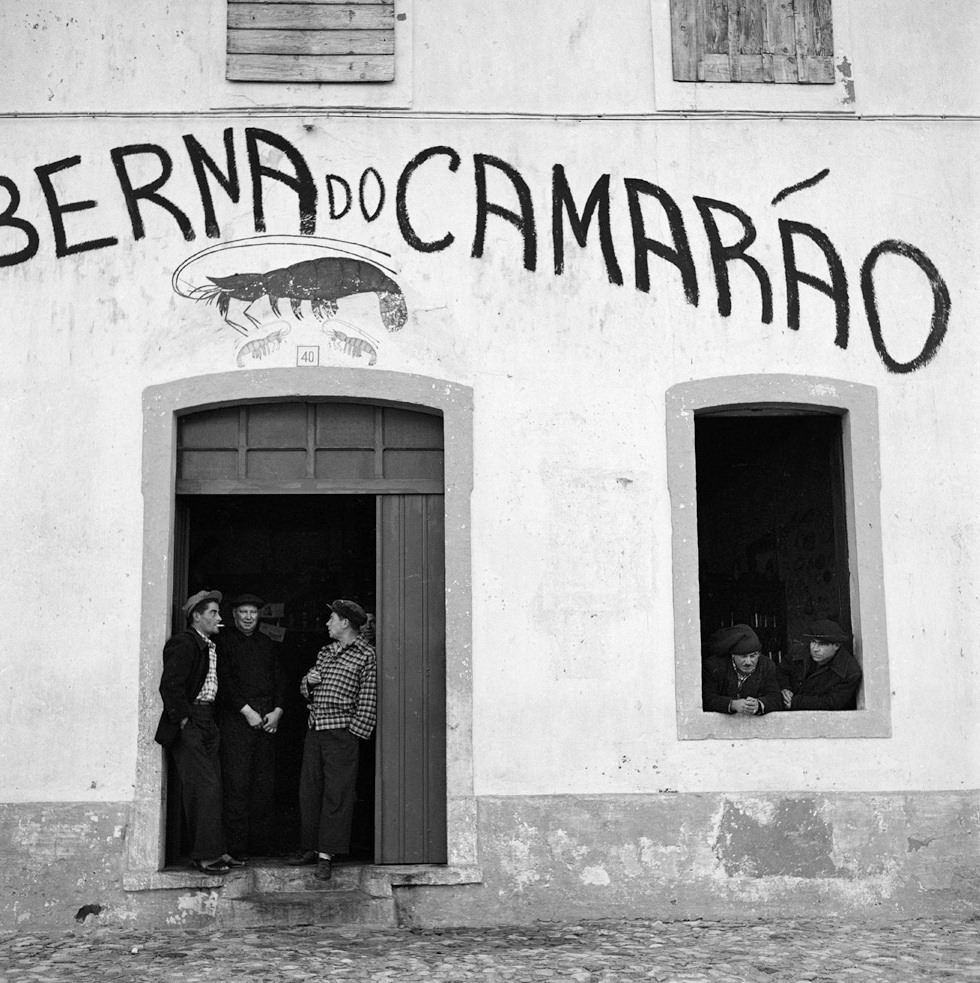
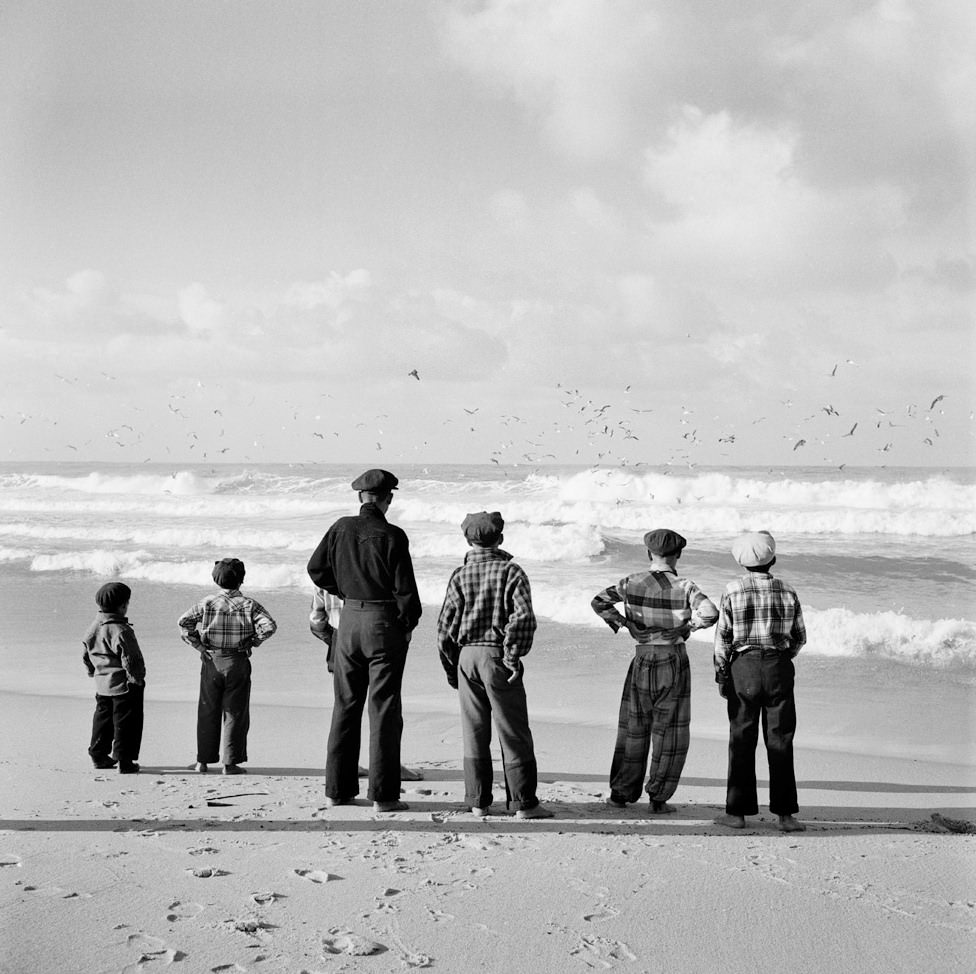
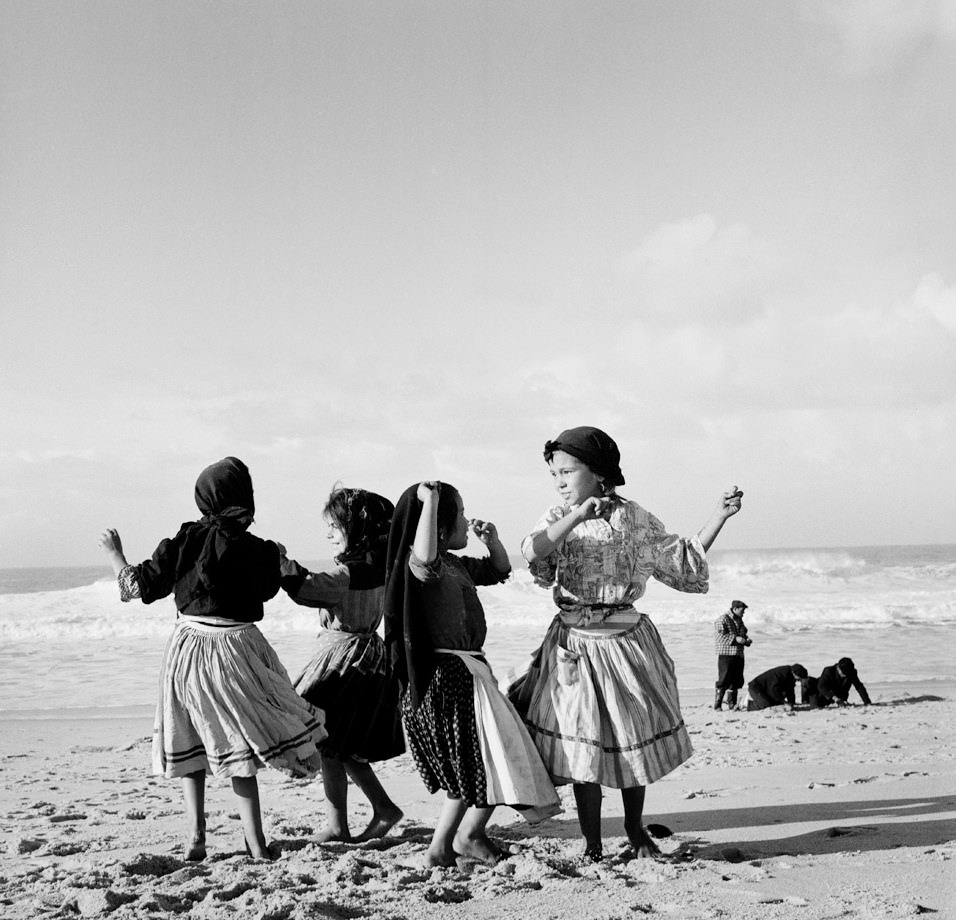
Along Portugal’s Atlantic coast, fishermen and their families lived close to the sea. A boy dug his toe into the sand. Men waited for weather to clear before heading out. A woman watched the waves. On a beach, people danced. These were the rhythms of Portuguese coastal life that had gone on for centuries and continued undisturbed through the political changes of the era.
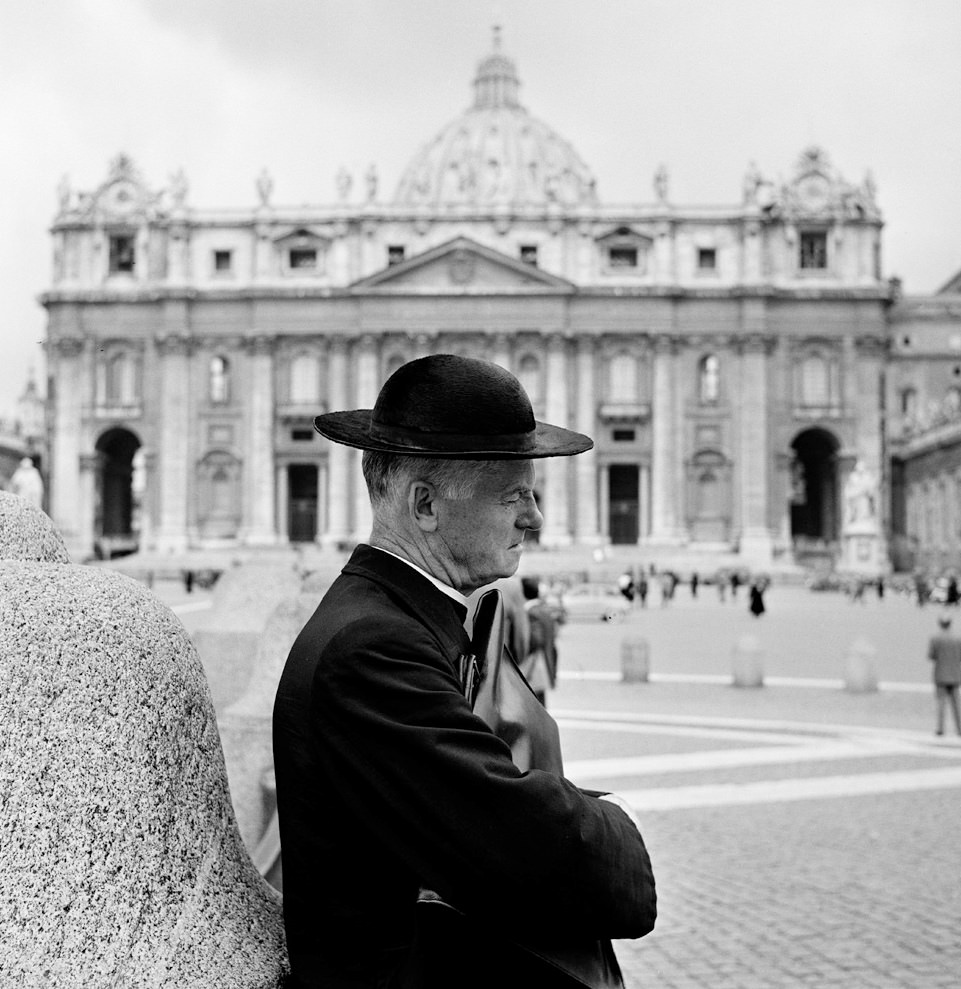
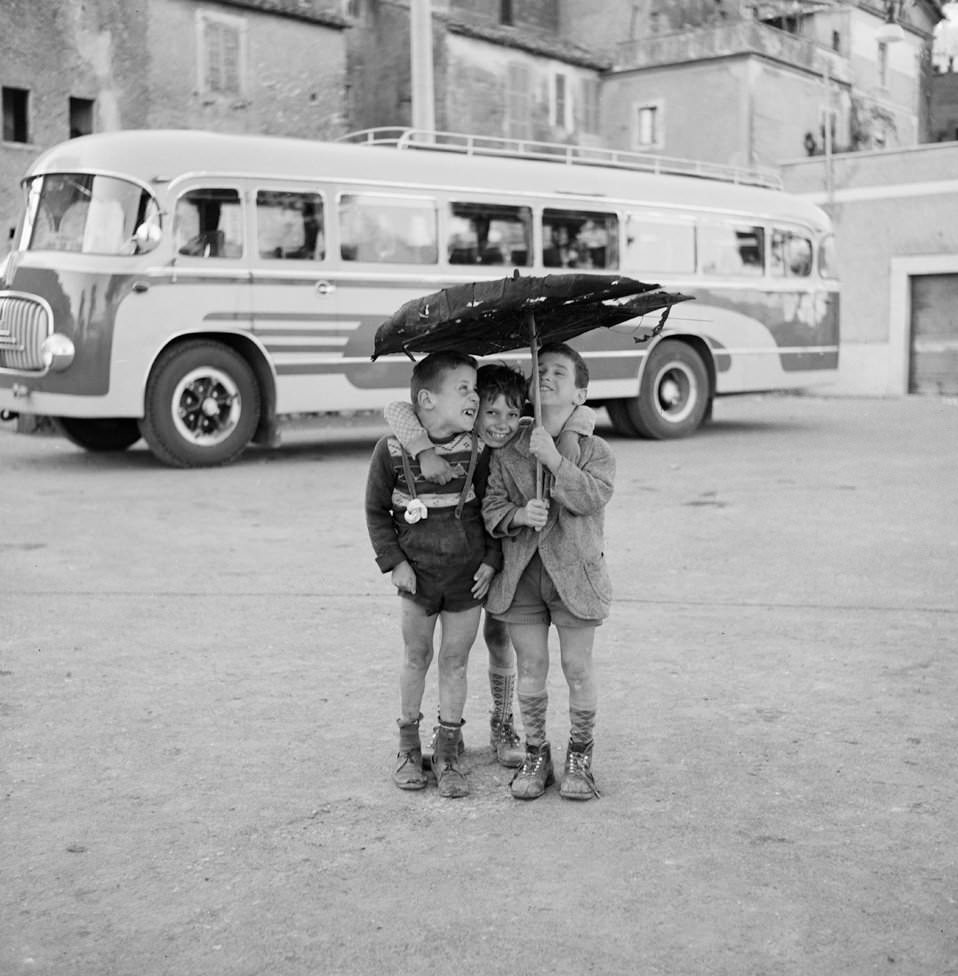
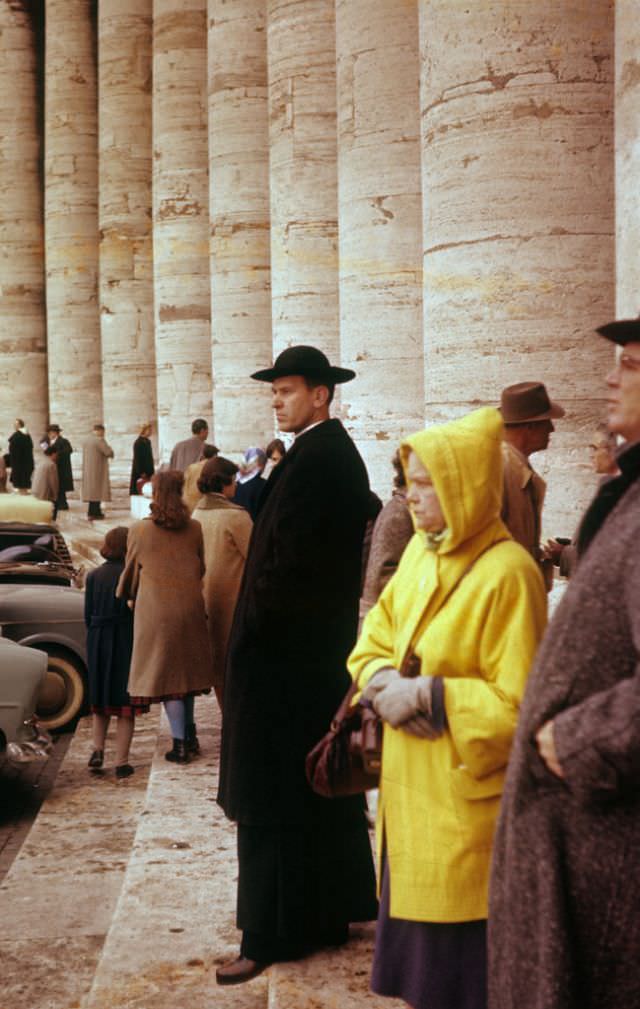
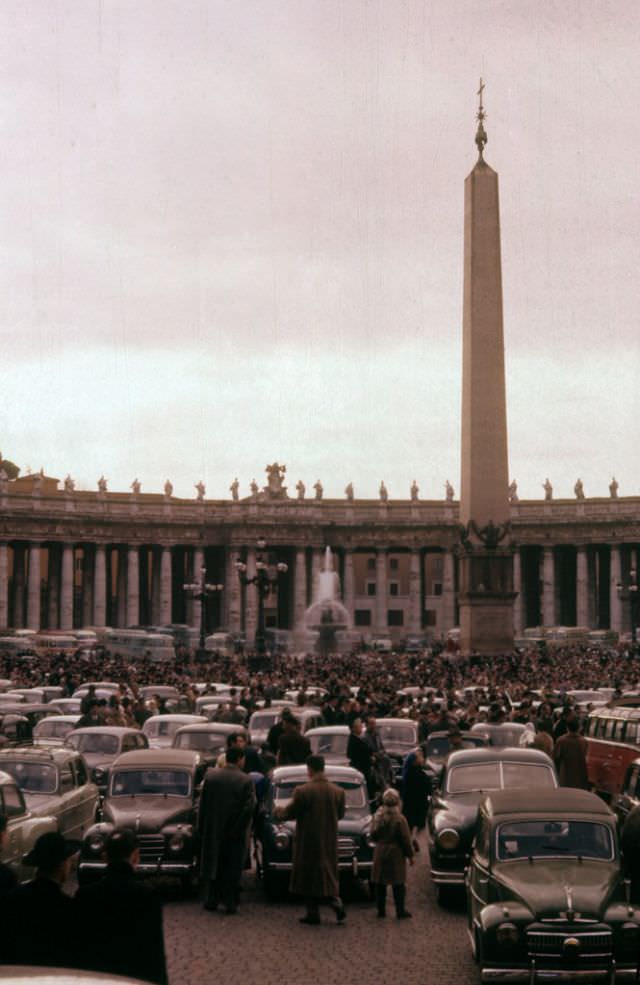
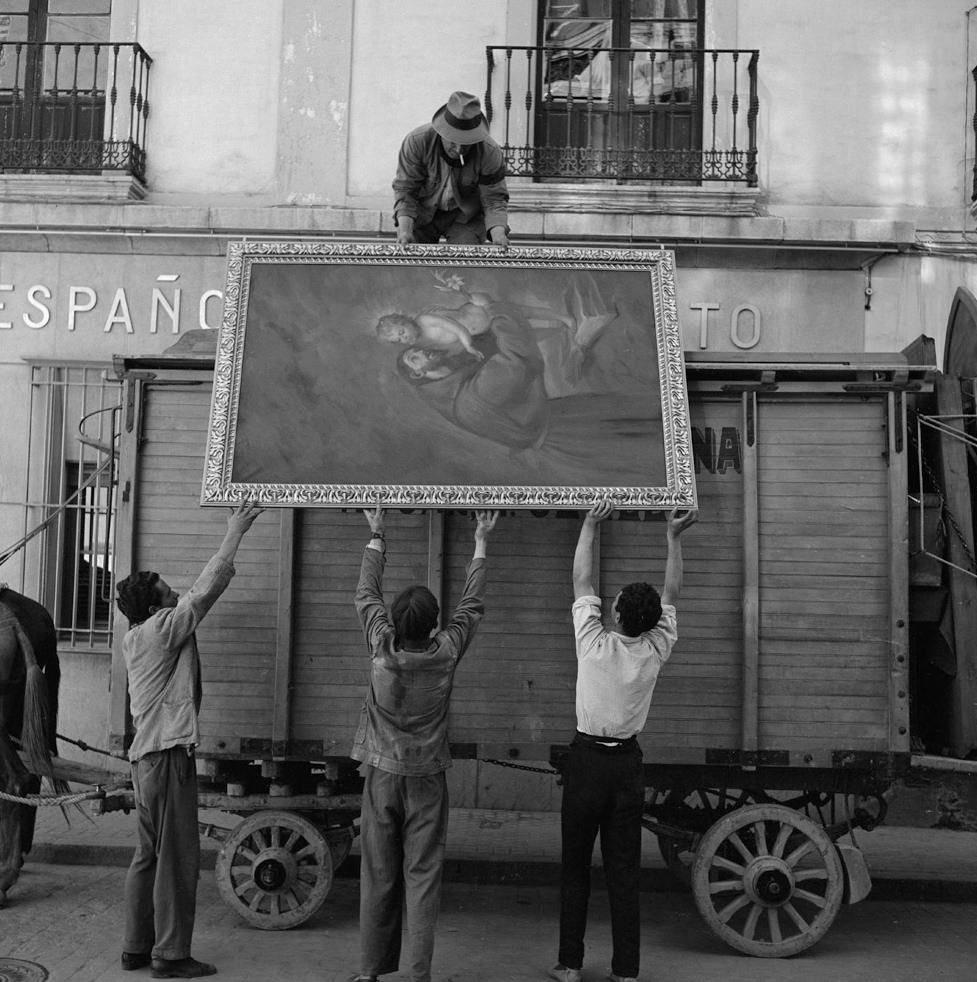
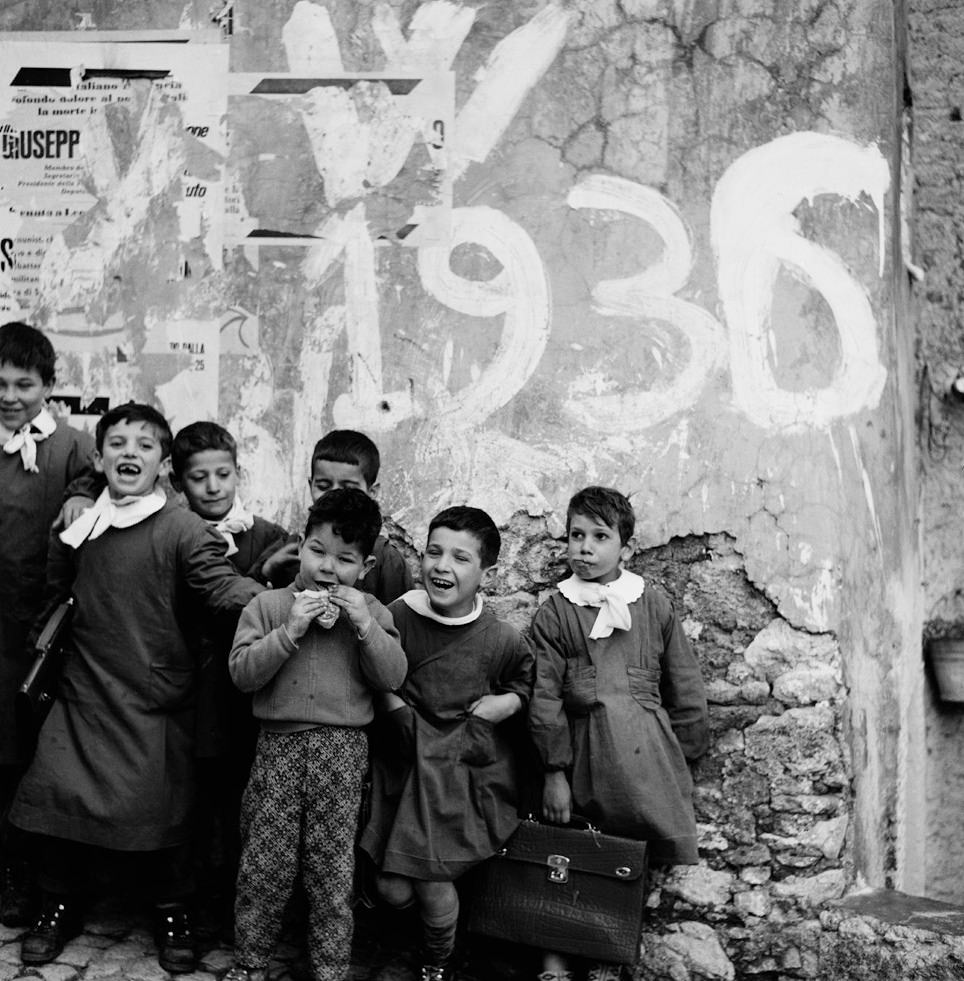
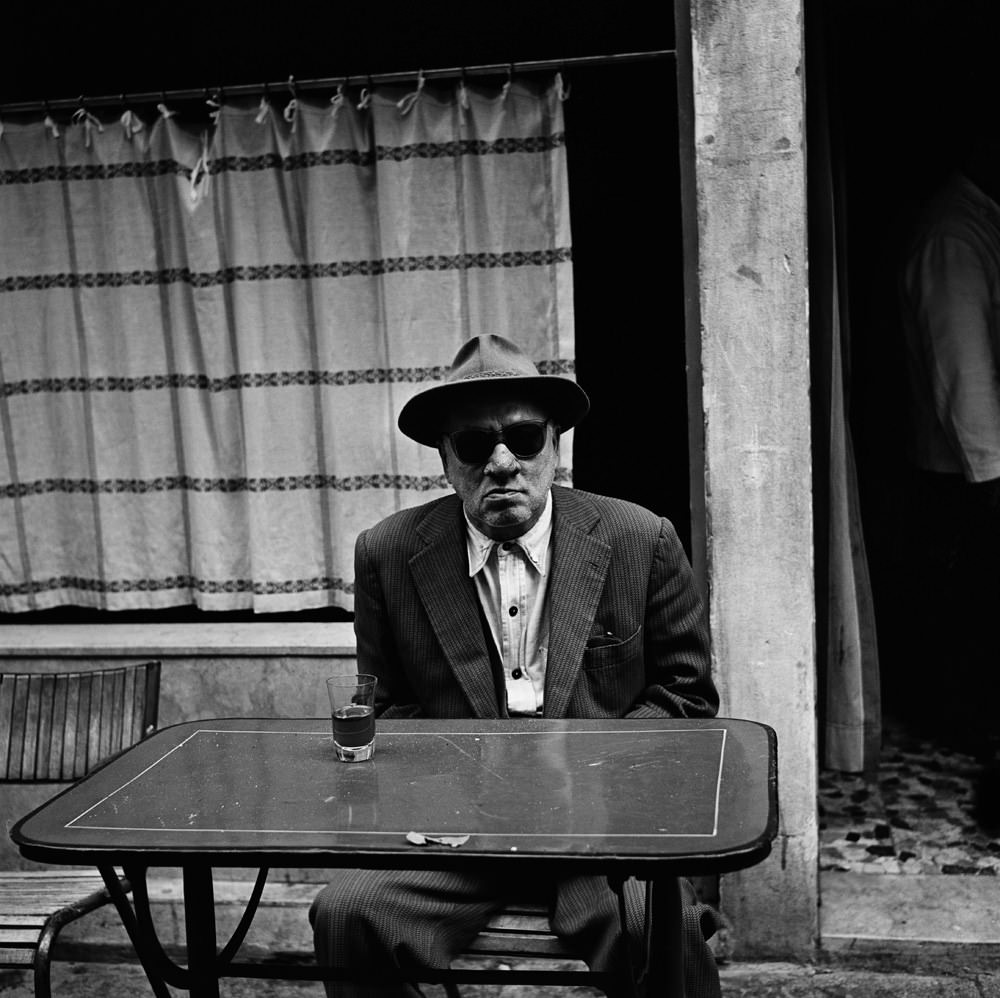
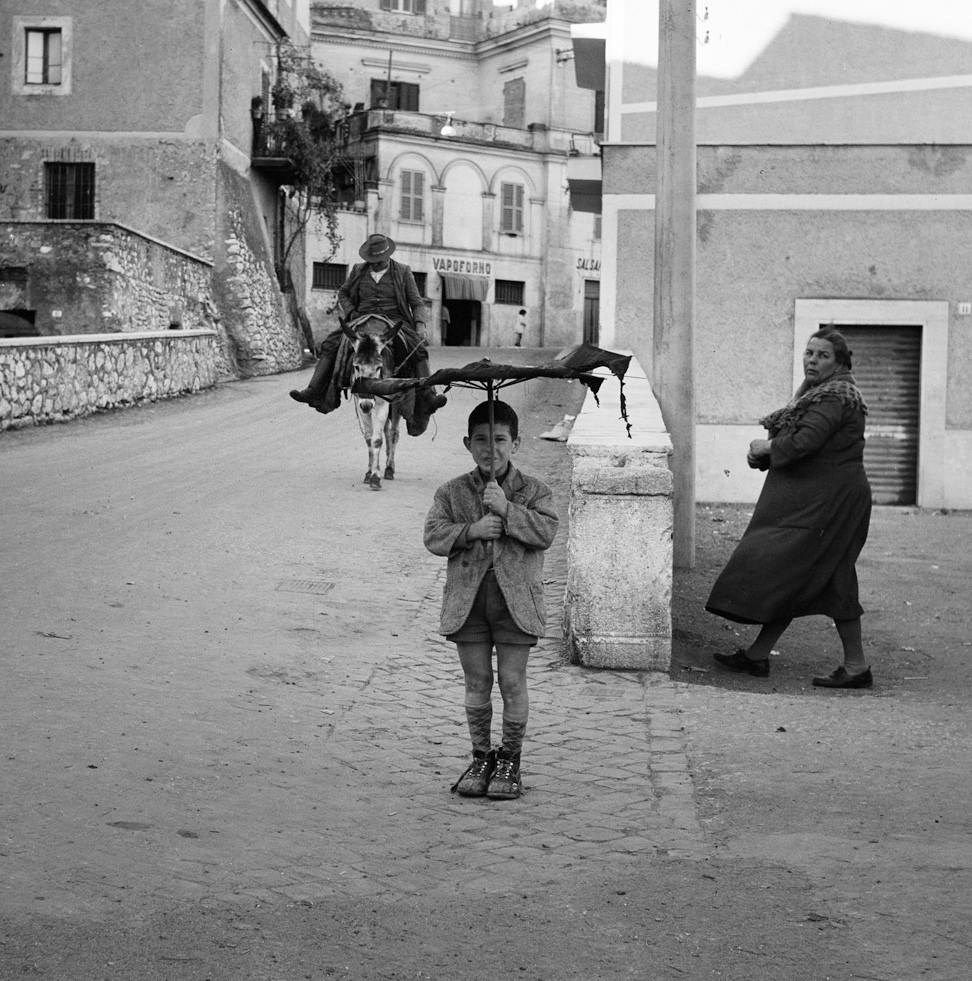
Italy in the 1950s mixed ancient grandeur with postwar recovery. In Rome, a priest knelt in prayer in front of St. Peter’s Basilica. Three boys huddled under a single umbrella in the rain. Vatican City remained the spiritual center of the Catholic world, drawing pilgrims and tourists alike. Men gathered around a painting. Schoolboys posed in a group. A man in dark glasses stood against an Italian street.
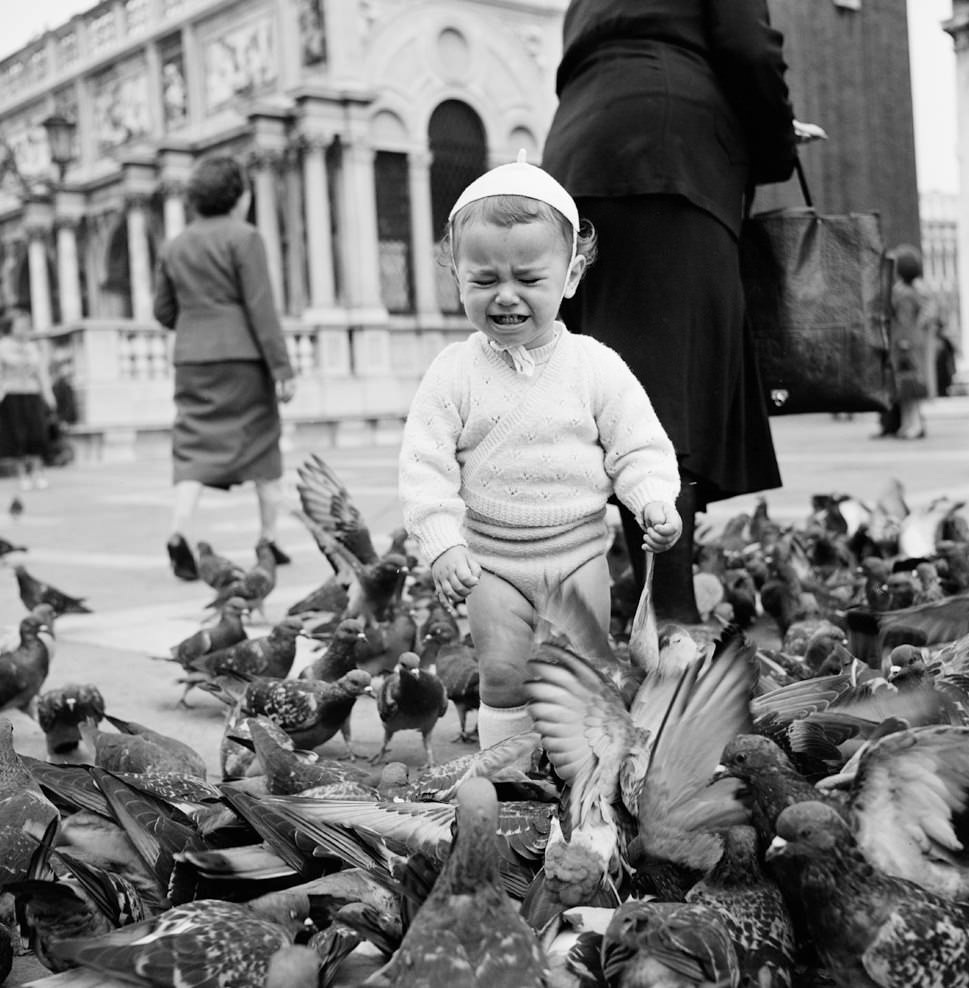
Venice was as dramatically beautiful as ever. A child’s encounter with St. Mark’s Square pigeons — captured in a photo titled “Pigeon Fright” — showed the human scale against the city’s enormous baroque backdrop. Venice had not been bombed during the war, and in the 1950s it still drew visitors who arrived by train or boat to navigate its canals.
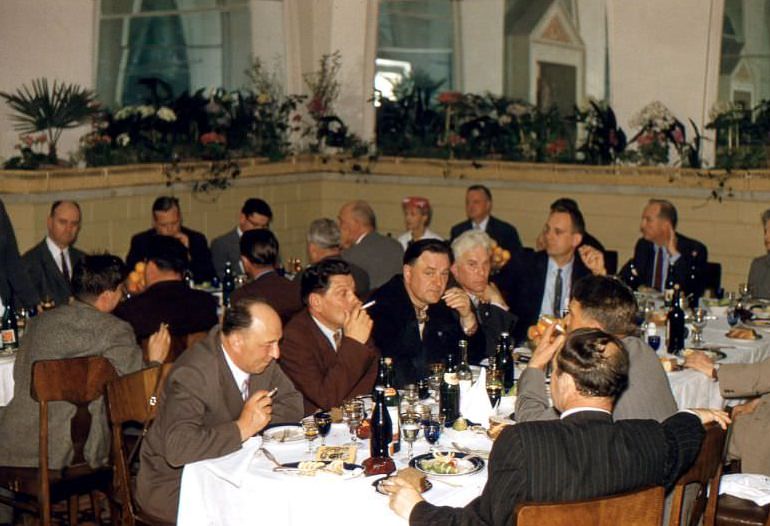
Moscow in 1958 gave a rare window into Soviet life. The Hotel Metropol, one of Moscow’s grandest prerevolutionary hotels, was still in use and hosted foreign guests. Lunch in its dining room showed a world carefully separated from the West — a formal, well-appointed space that the Soviet government used to project an image of stability and sophistication to visiting foreigners.
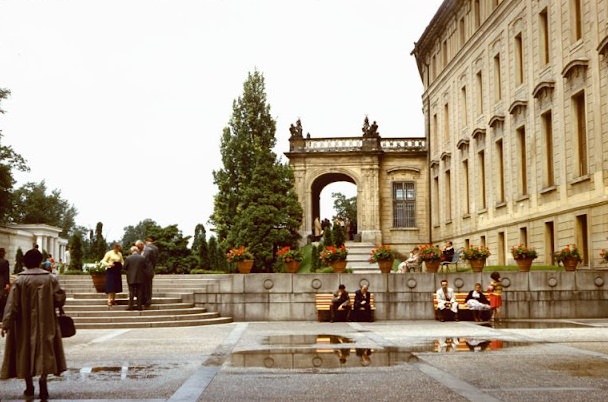
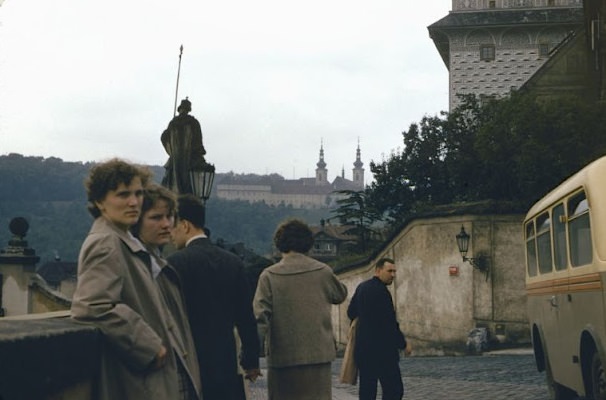
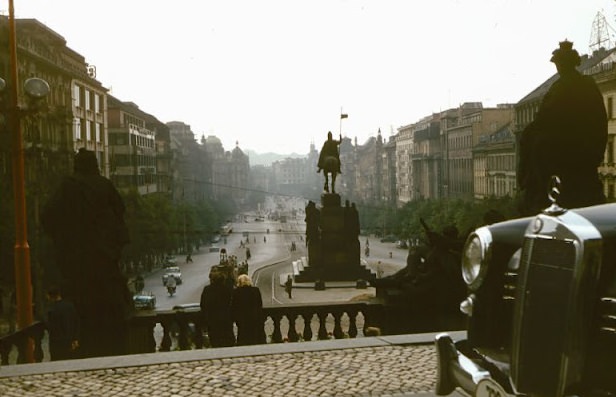
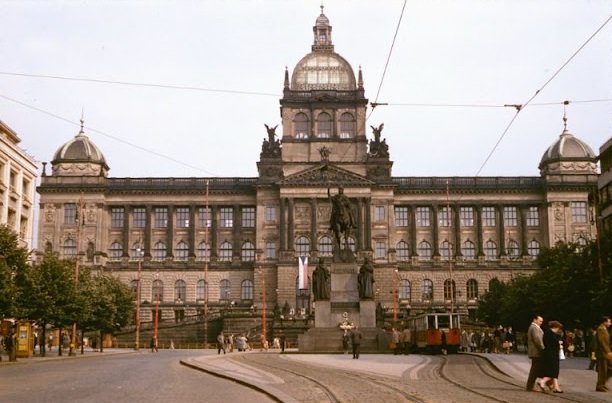
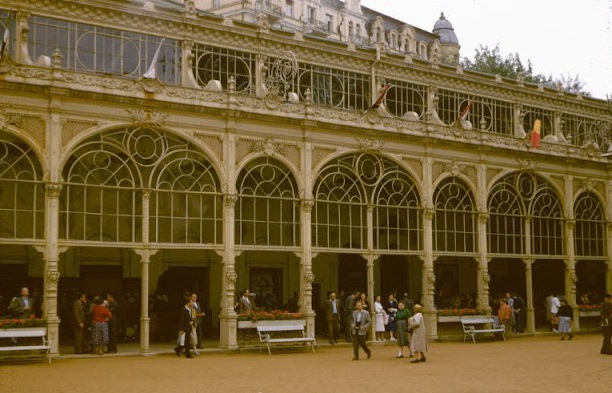
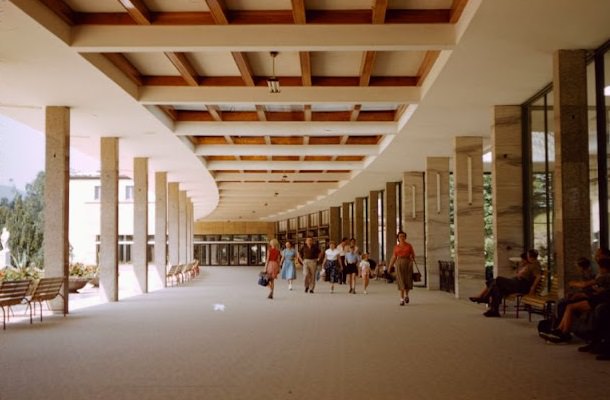
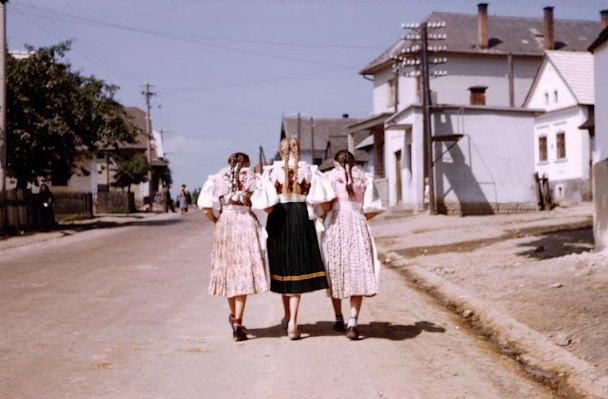
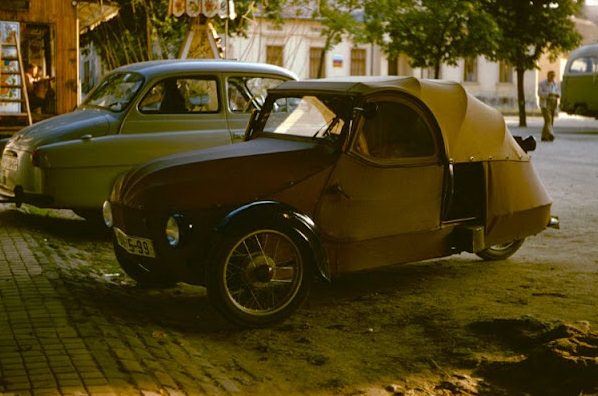
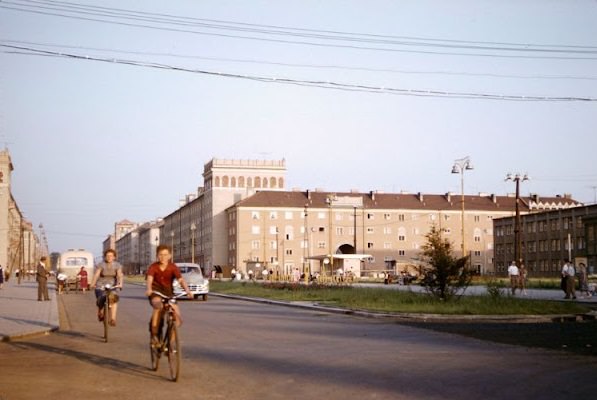
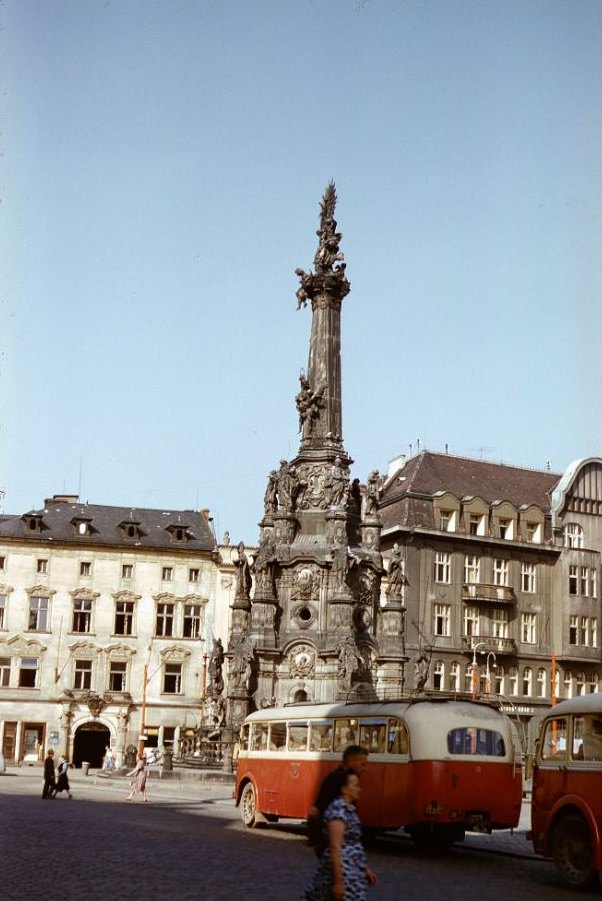
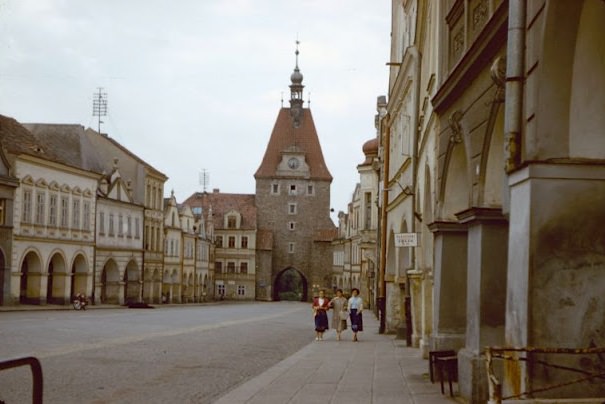
Czechoslovakia in 1958 was behind the Iron Curtain, under Soviet-backed Communist rule since 1948. Prague Castle dominated the city from its hilltop. Wenceslas Square stretched from the National Museum down through the heart of the city. In the spa town of Mariánské Lázně, the famous colonnade still stood, and visitors still came to take the mineral waters. In the Tatra Mountains, Slovak women wore traditional embroidered dress. The Velorex, a Czechoslovak three-wheeled car designed partly for disabled veterans, was spotted on the roads of southern Moravia.
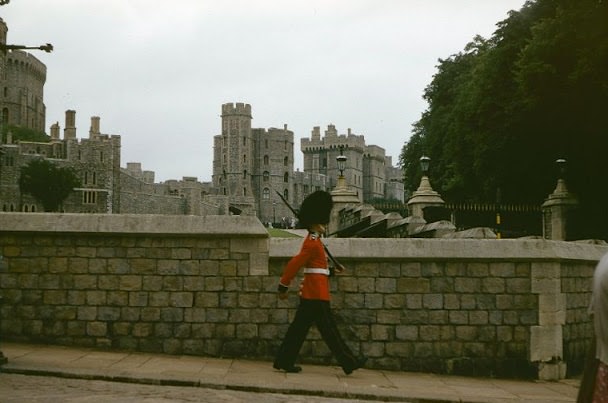
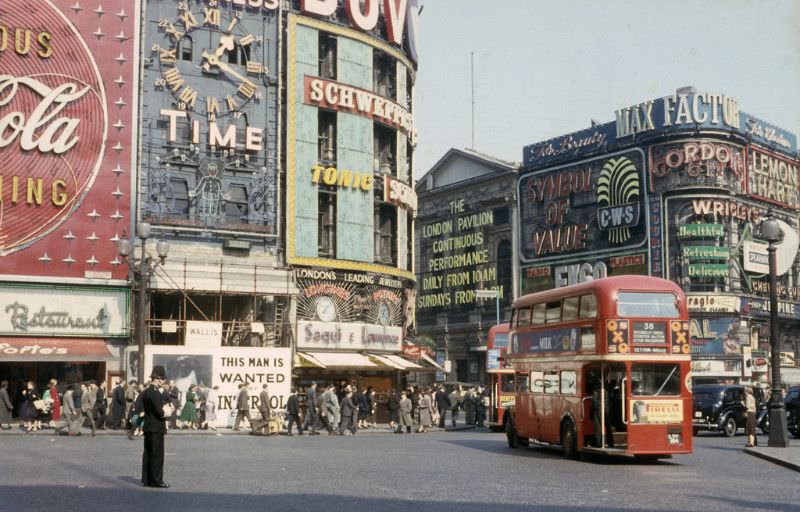
Britain in 1958 still carried the weight of wartime damage. In Coventry, the ruins of St. Michael’s Cathedral — bombed by the Luftwaffe in 1940 — stood preserved as a war memorial next to the new cathedral being built beside it. The statue of Lady Godiva nearby was a symbol of Coventry’s civic identity. London, by contrast, showed its most iconic faces: the Palace of Westminster with Big Ben, Tower Bridge over the Thames, and Buckingham Palace’s Victoria Memorial, all drawing enormous numbers of visitors.
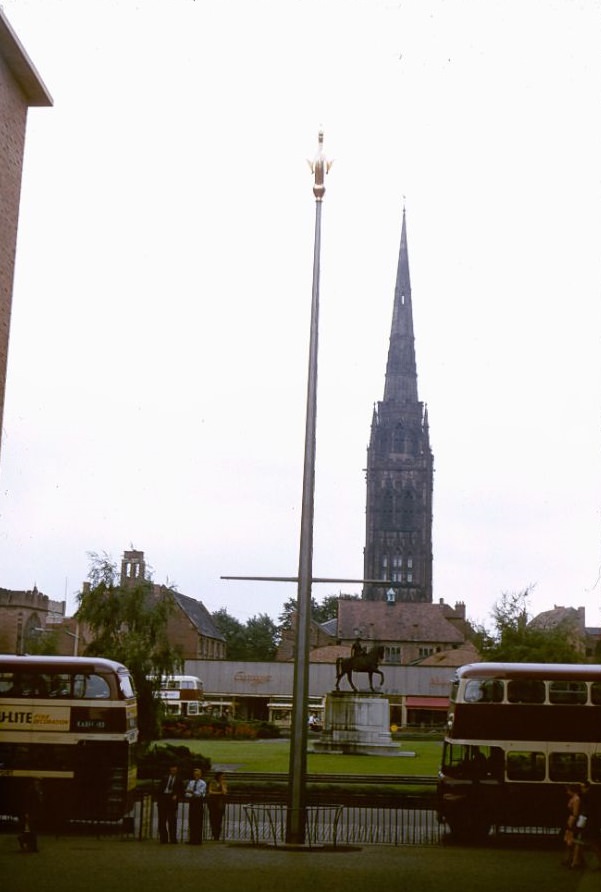
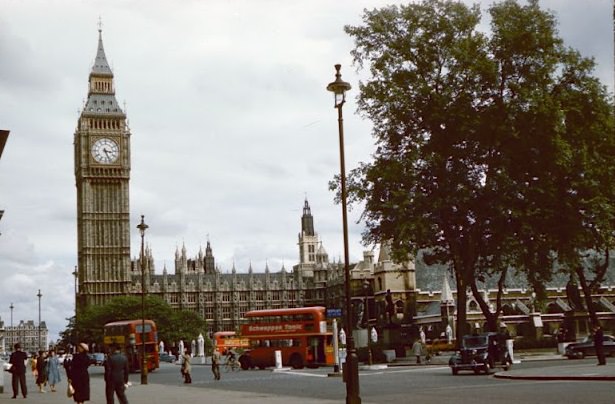
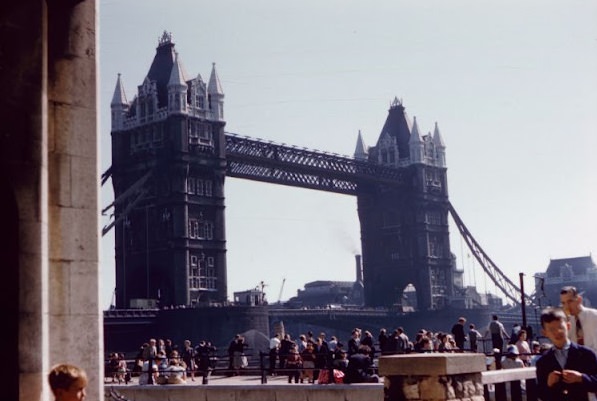
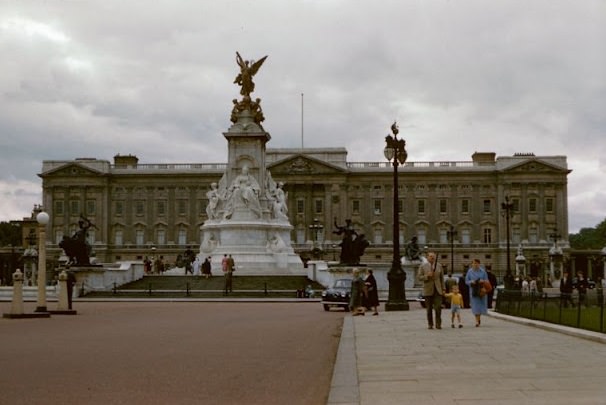
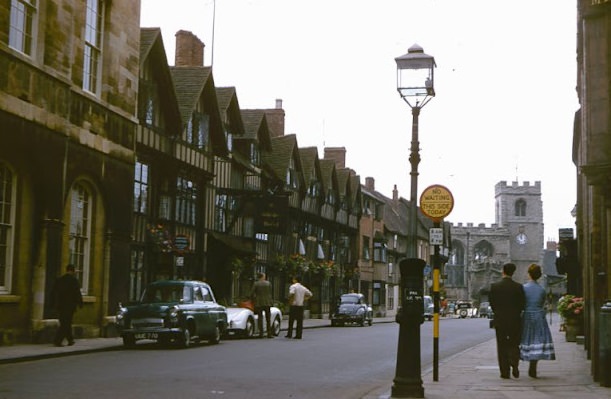
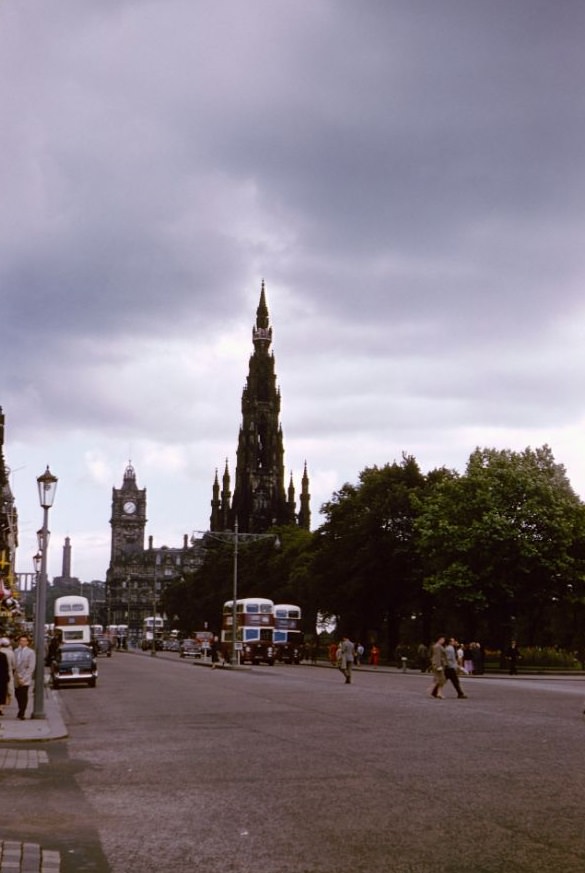
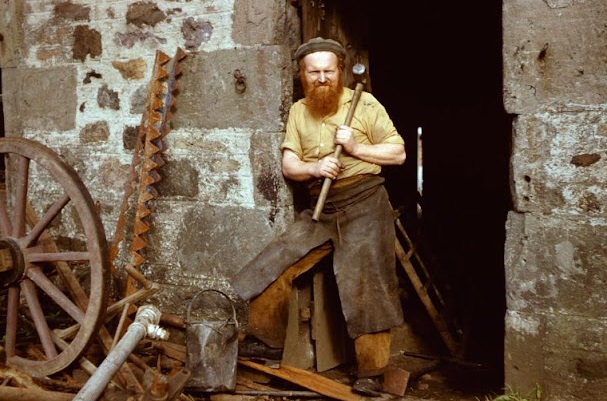
Stratford-upon-Avon drew visitors to Chapel Street, where the Shakespeare Hotel stood near the Guild Chapel. Edinburgh, Scotland’s capital, featured the towering Sir Walter Scott Monument on Princes Street — a Gothic spire honoring the novelist who had defined the romantic image of Scotland for the world. In the village of Glendoick, a blacksmith named Alexander Redford still worked his trade by hand.

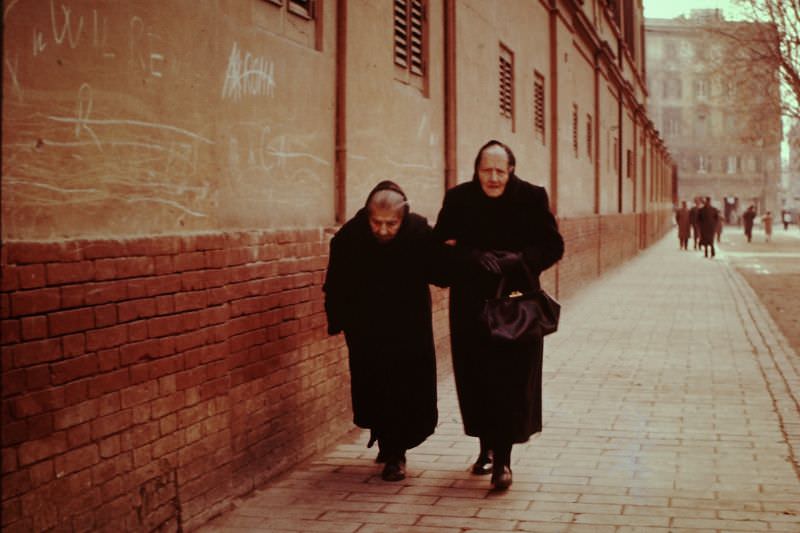
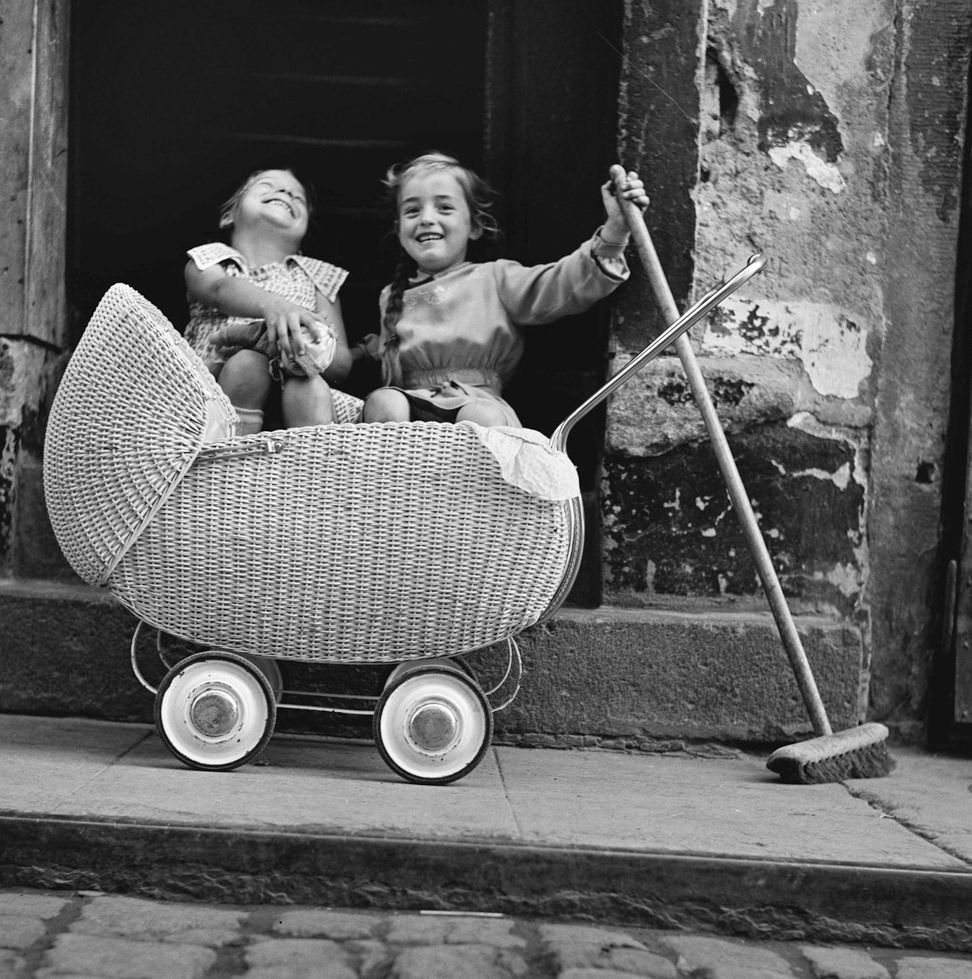
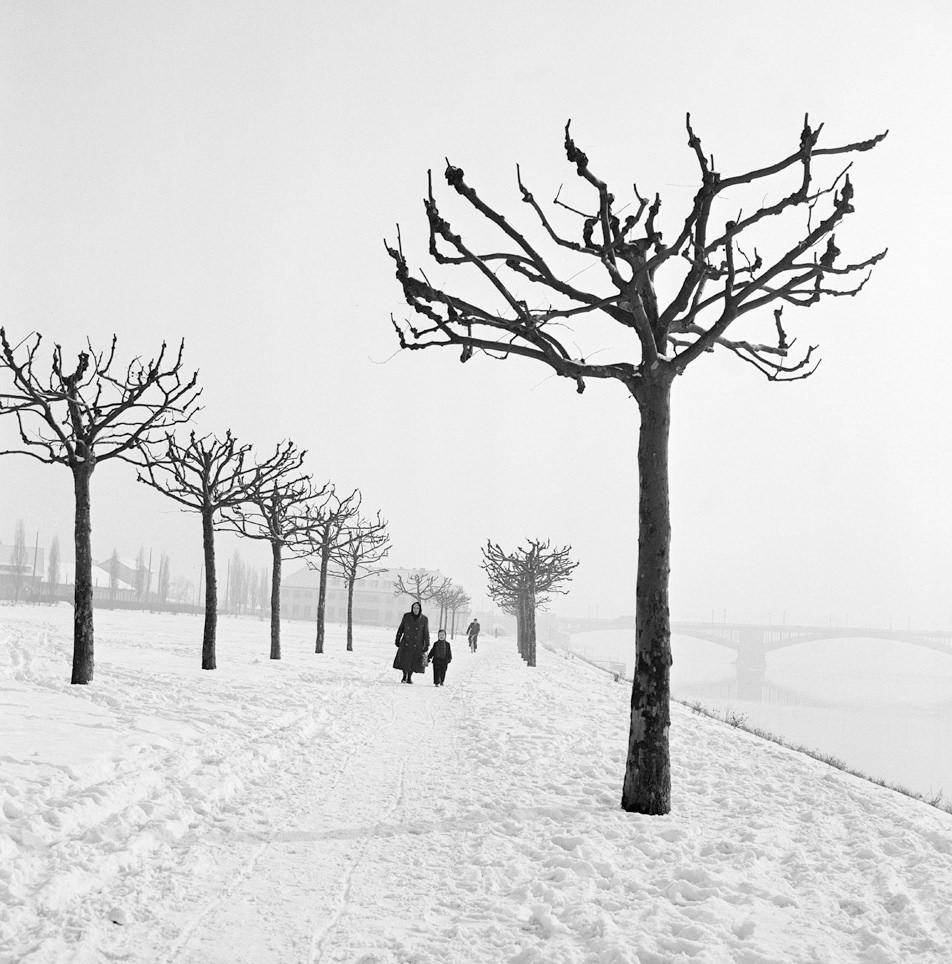
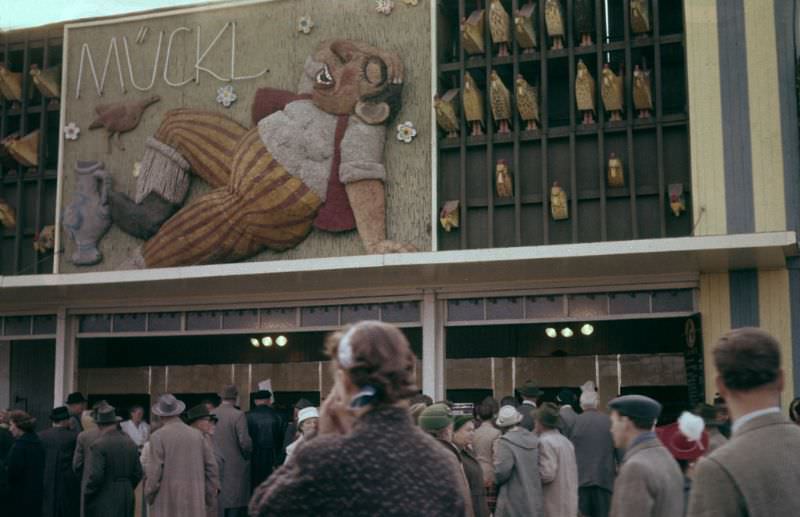
Across the continent, older women in headscarves — the babushka look common in Eastern and Central Europe — were a familiar sight in markets and squares. Carriage horses still pulled loads along German streets. A child sat in a traditional baby carriage. A man known as “Muckl” was photographed in Germany. These images capture a Europe still transitioning, where the old and the new existed side by side in the same street, the same square, the same decade.





Some of it was beautiful (the scenery, the buildings) and some of it wasn’t (the haircuts, extremely polluting cars and trains), but the set is fascinating indeed