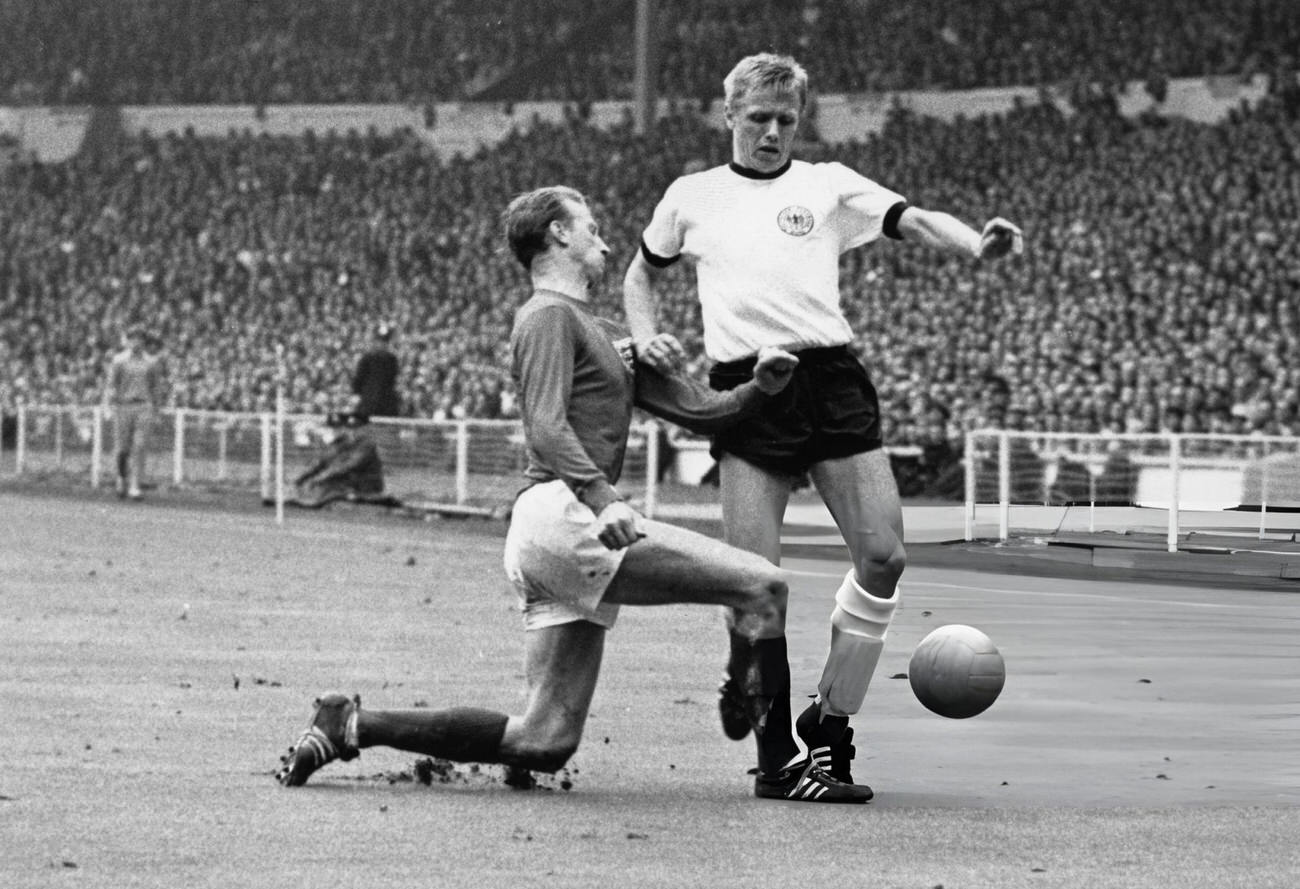
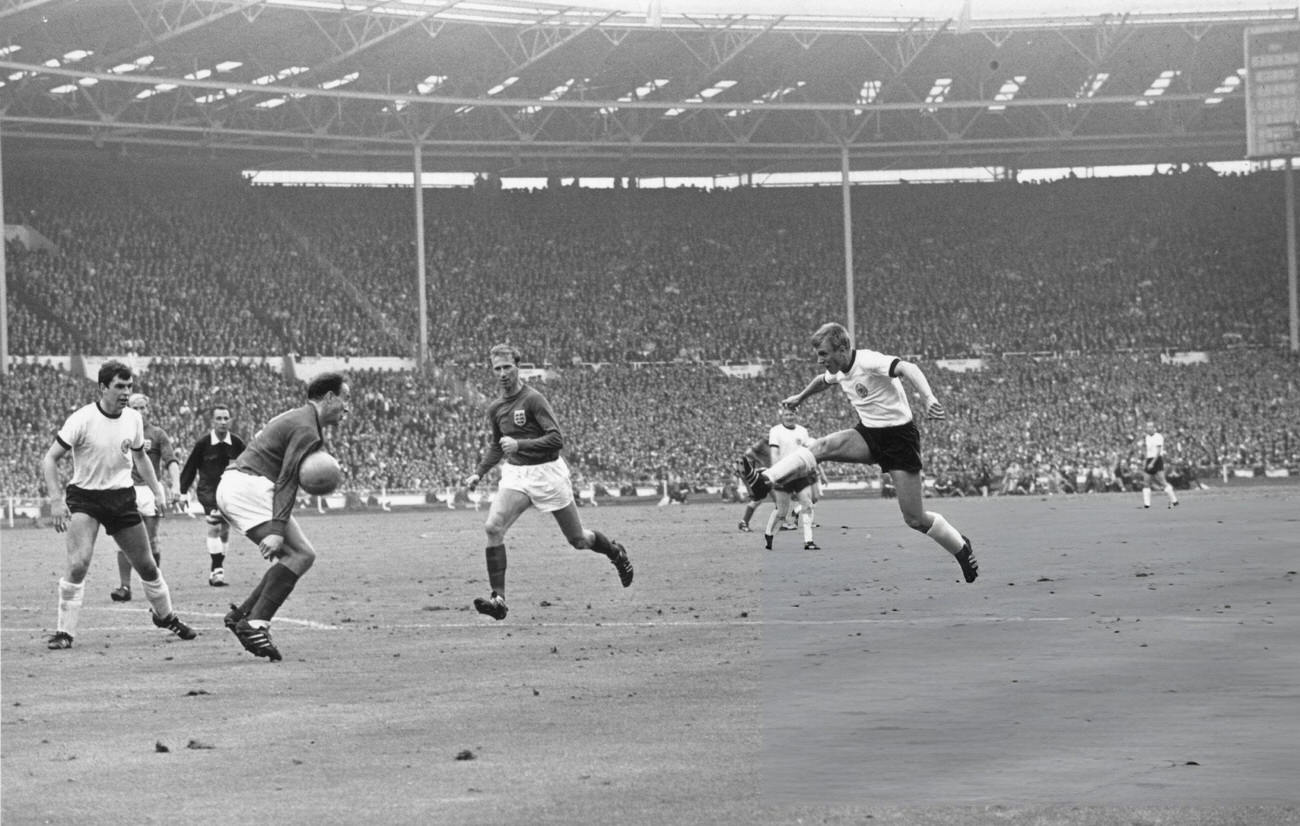
On July 30, 1966, Wembley Stadium hosted one of the most dramatic finals in World Cup history. England faced West Germany for the right to call themselves world champions. The stakes could not have been higher, and the match delivered every bit of the tension the occasion demanded.
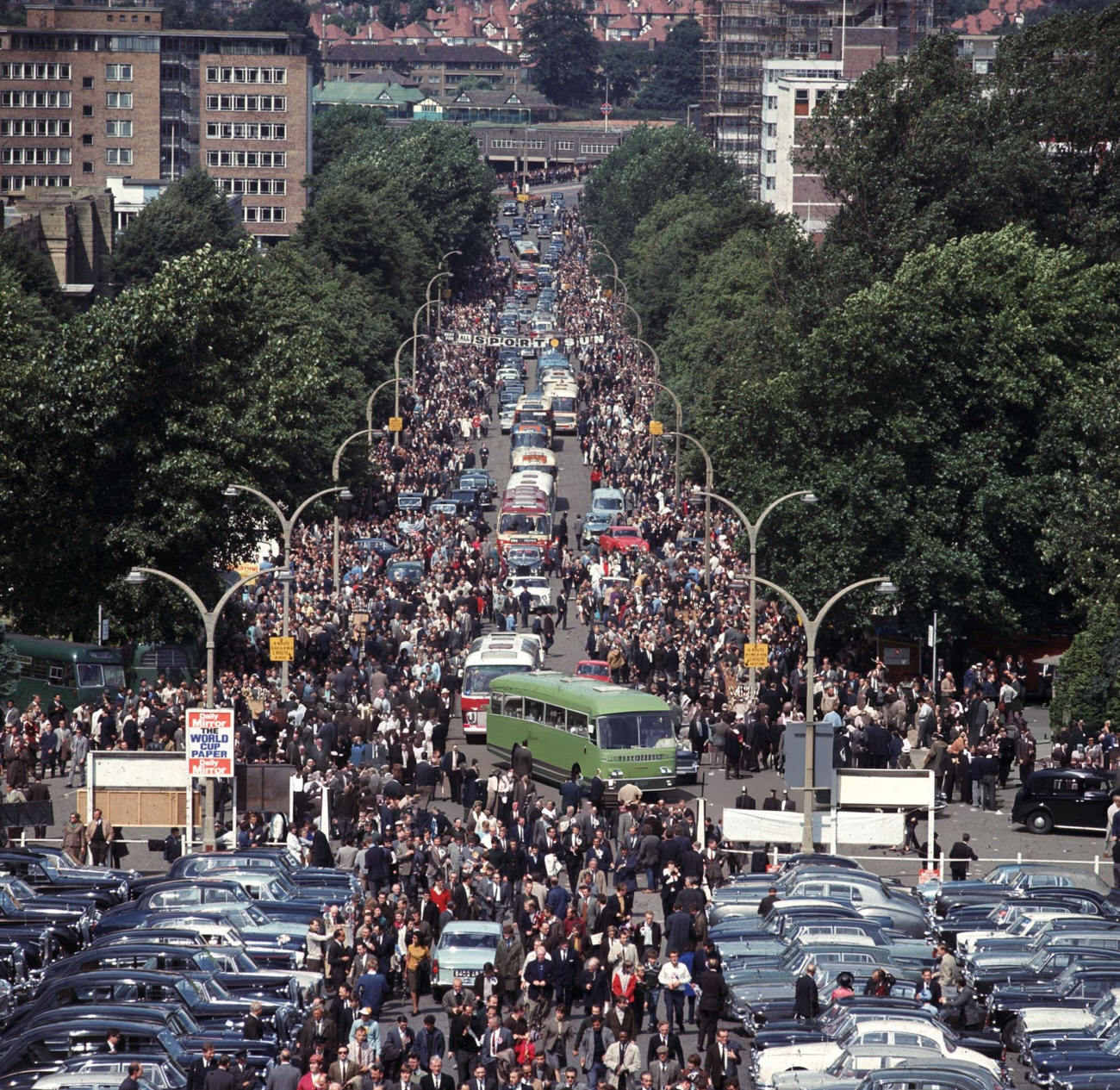
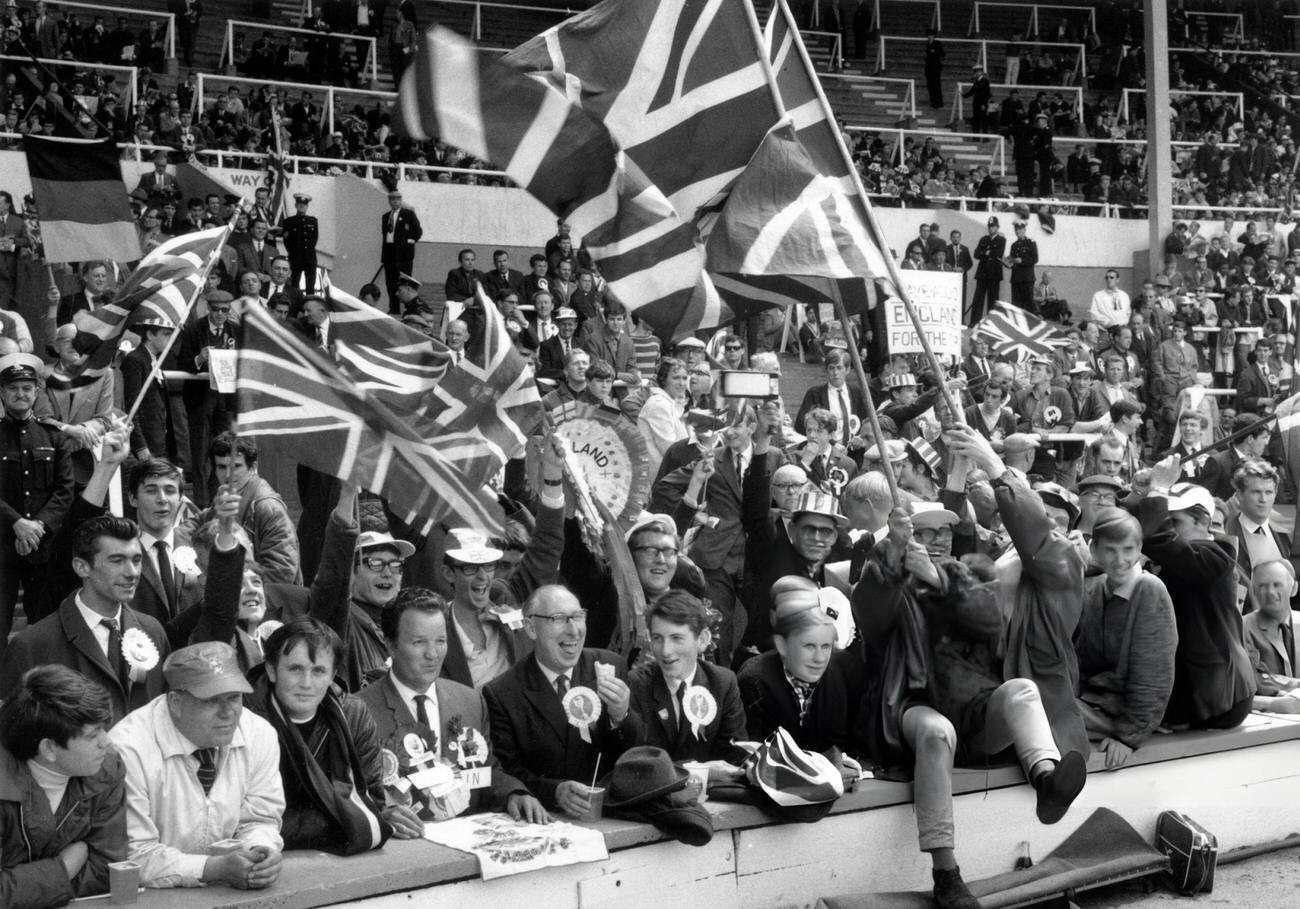
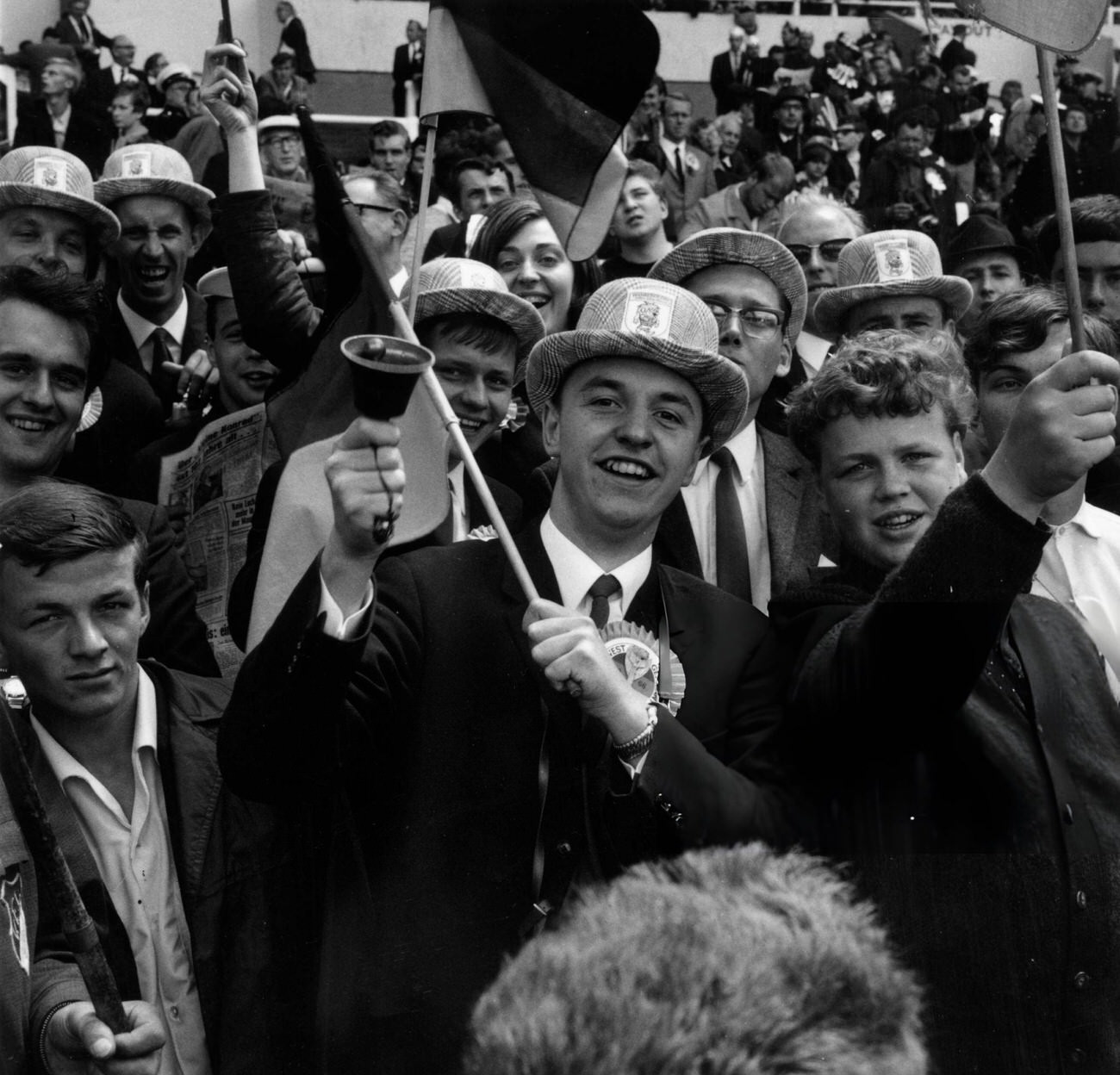
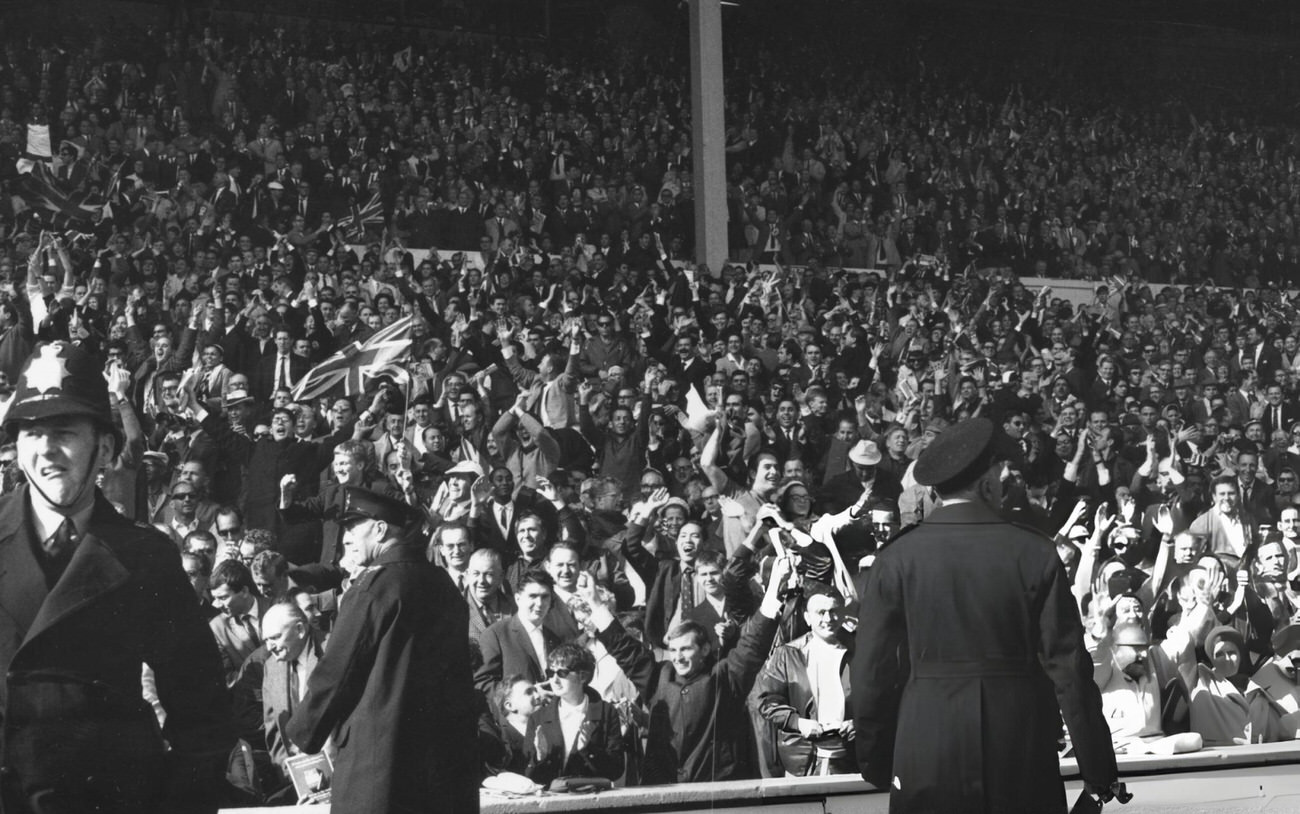
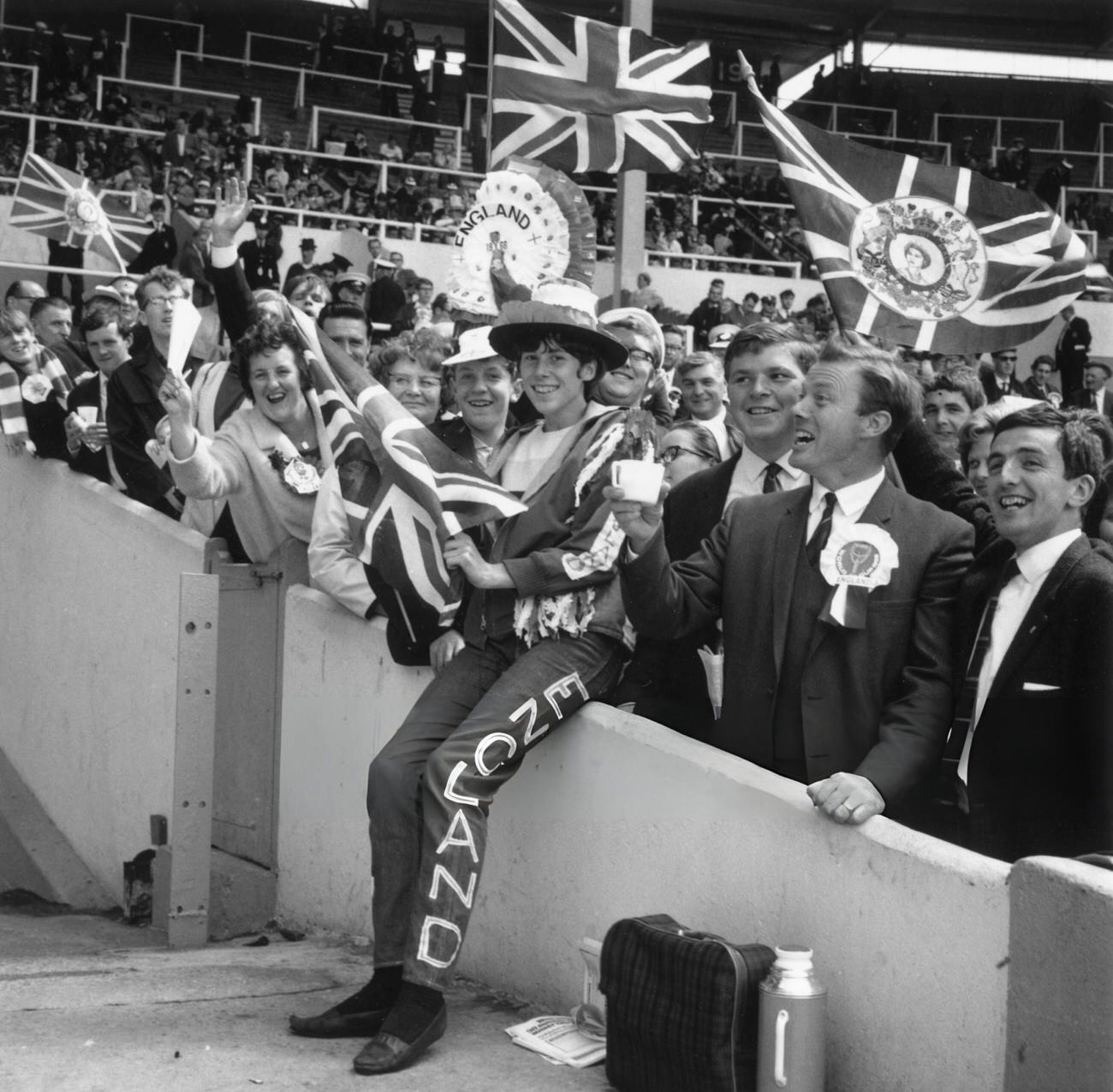
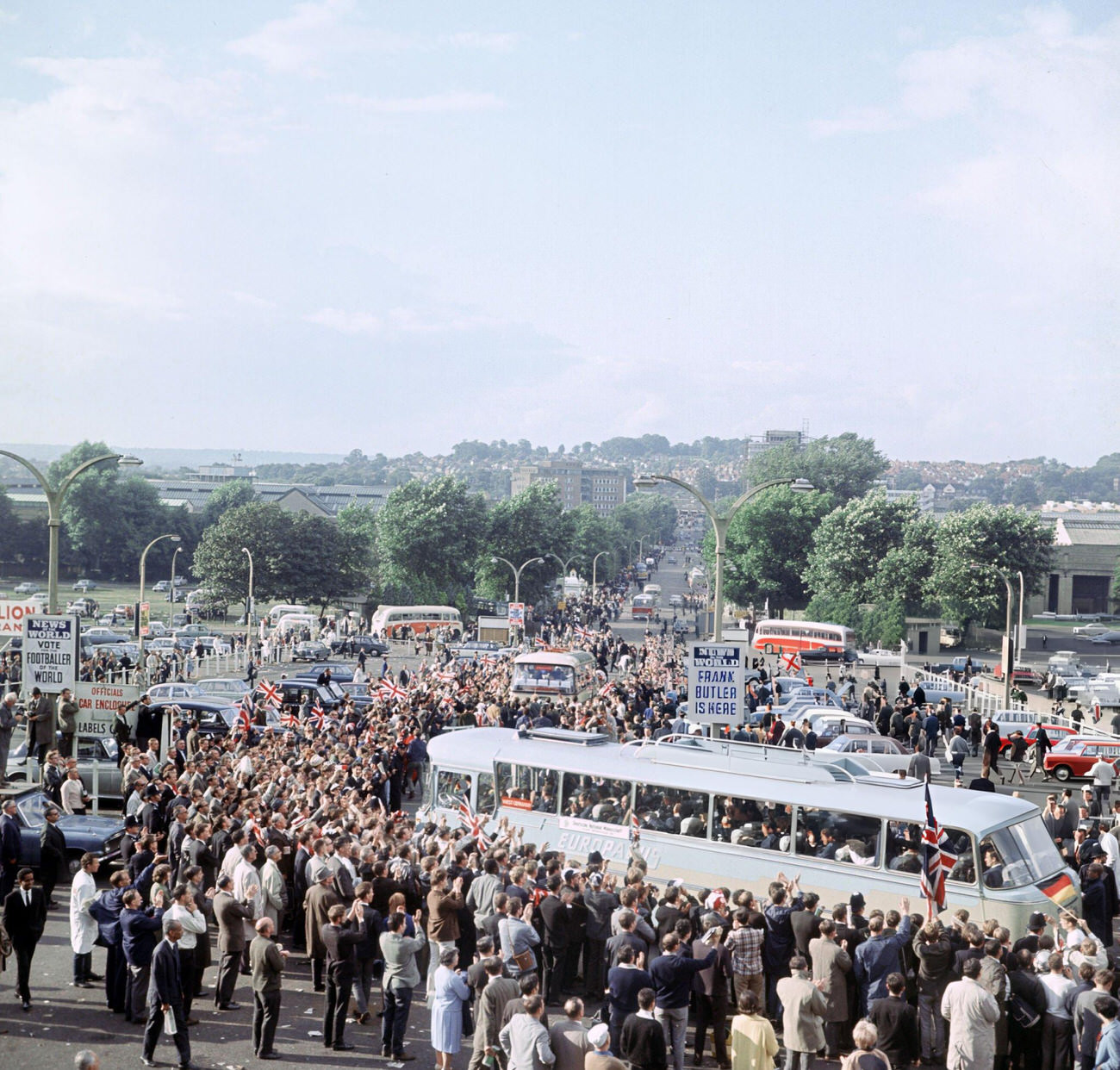
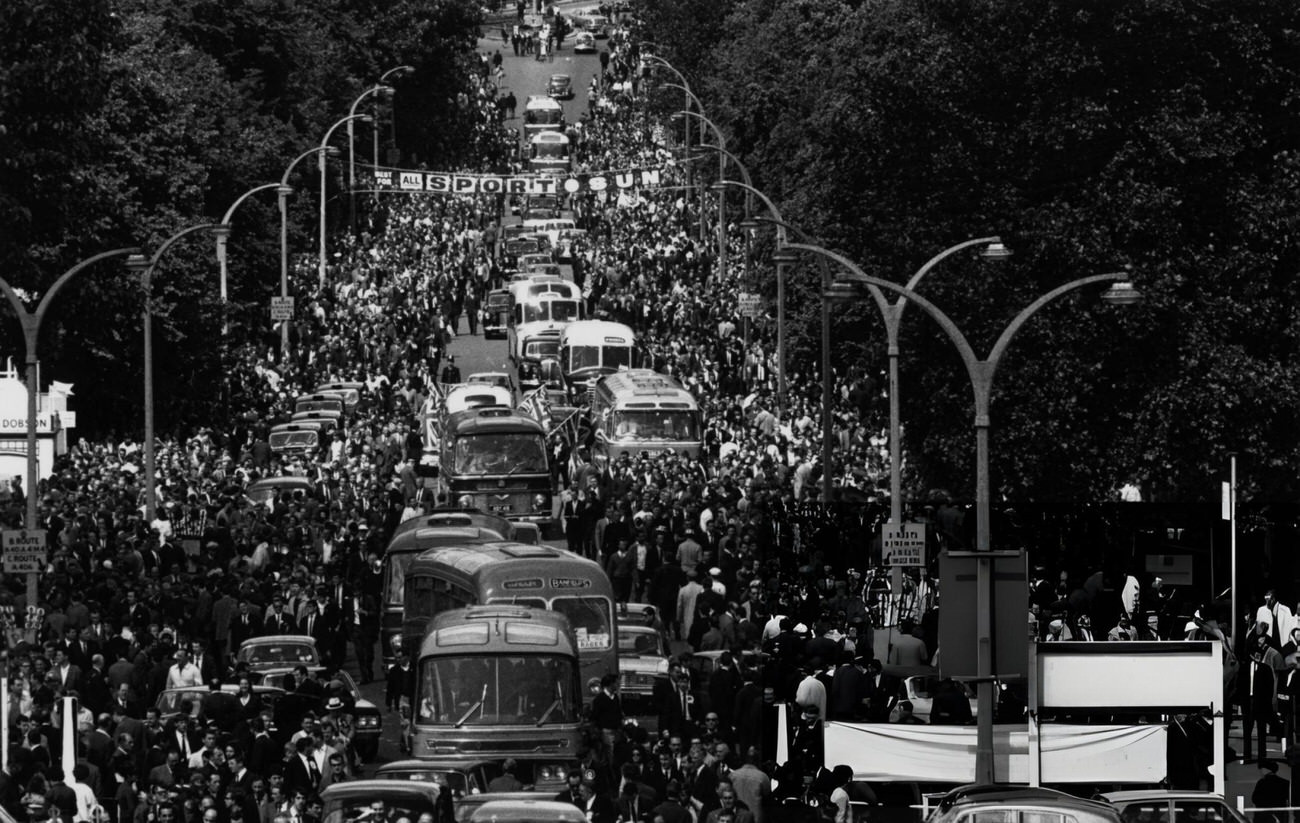
Fans had poured into Wembley from across the country and beyond. The terraces were a sea of colour, flags, and noise. Both sets of supporters were loud and expectant, though the majority of the 96,924 crowd was firmly behind the home side.
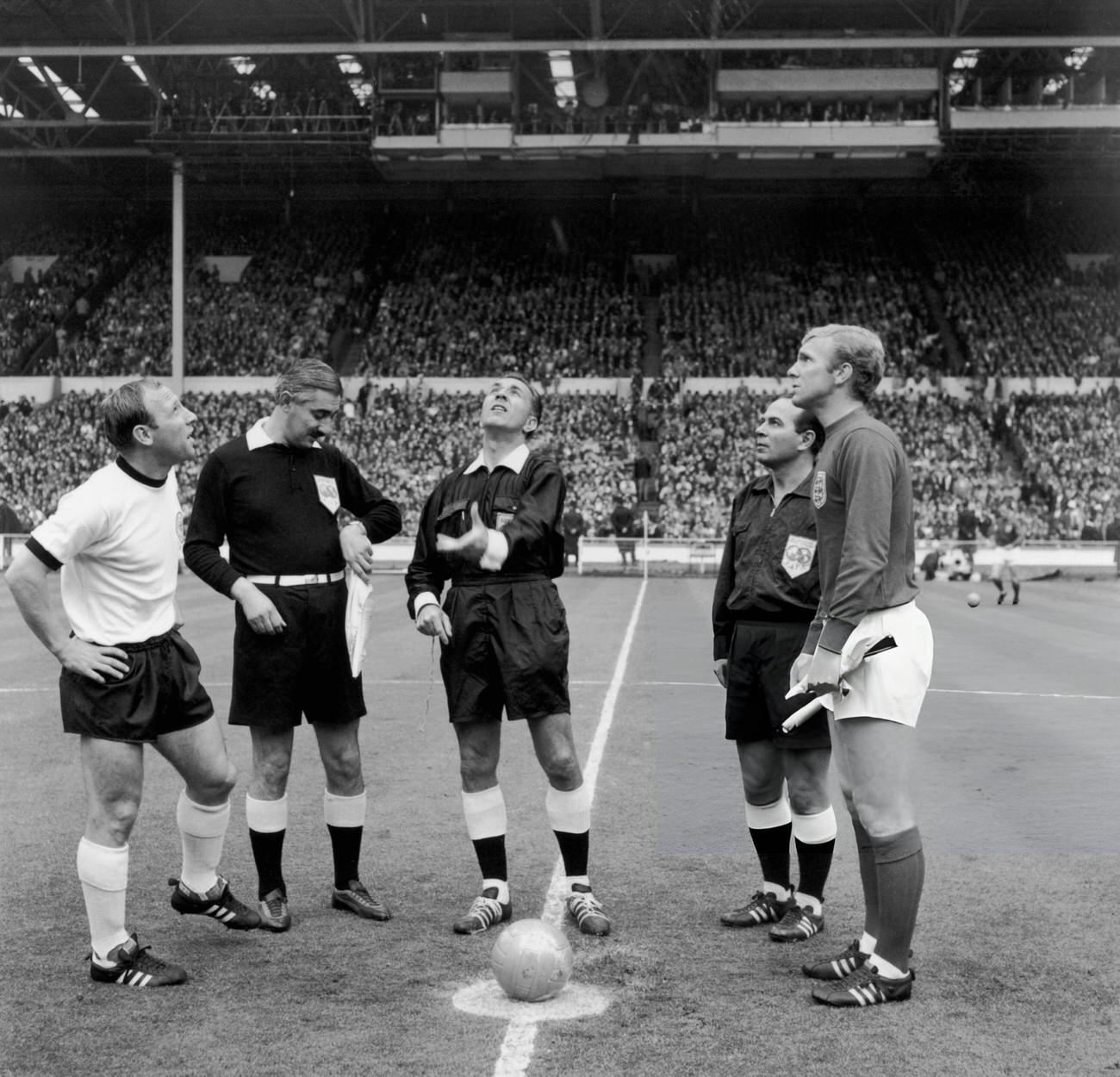
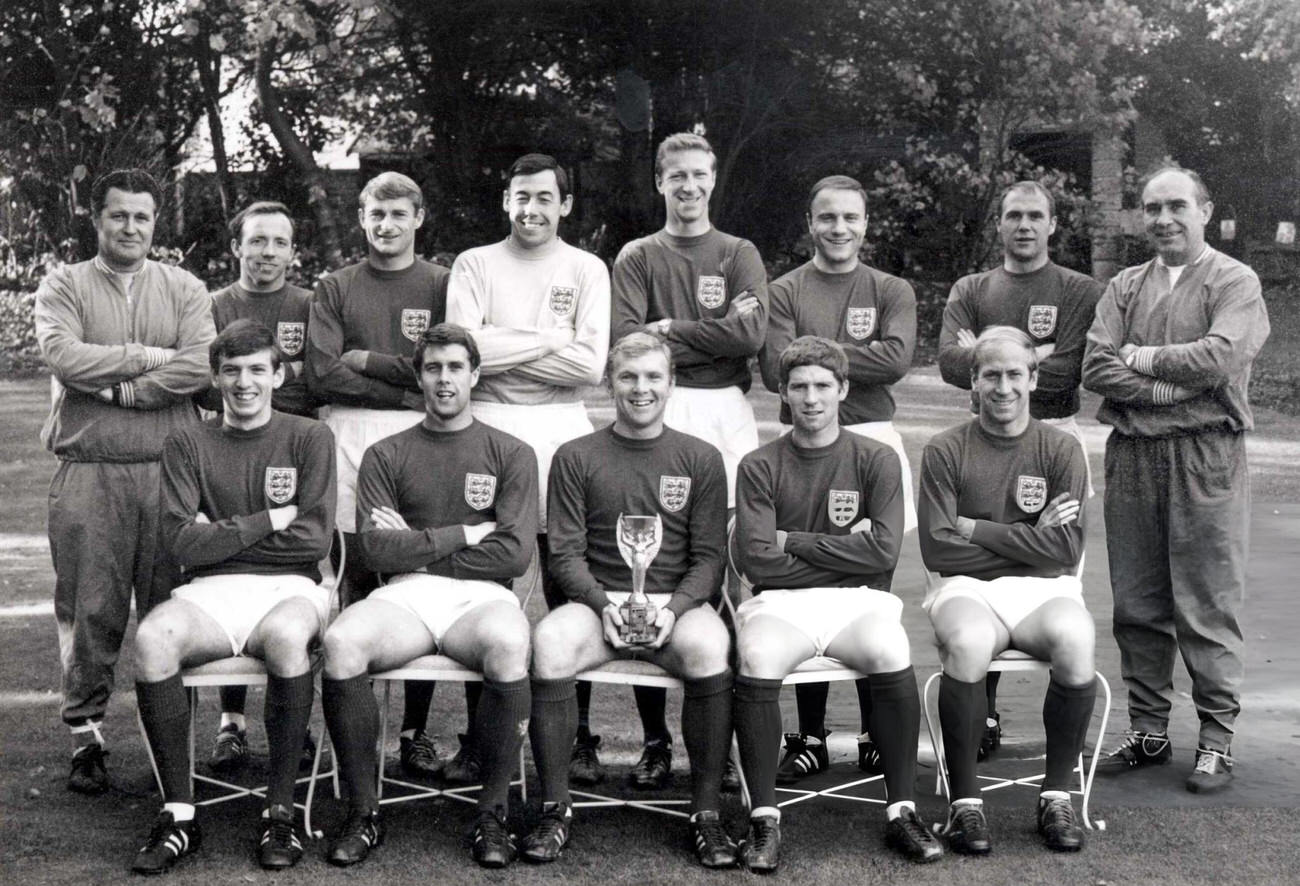
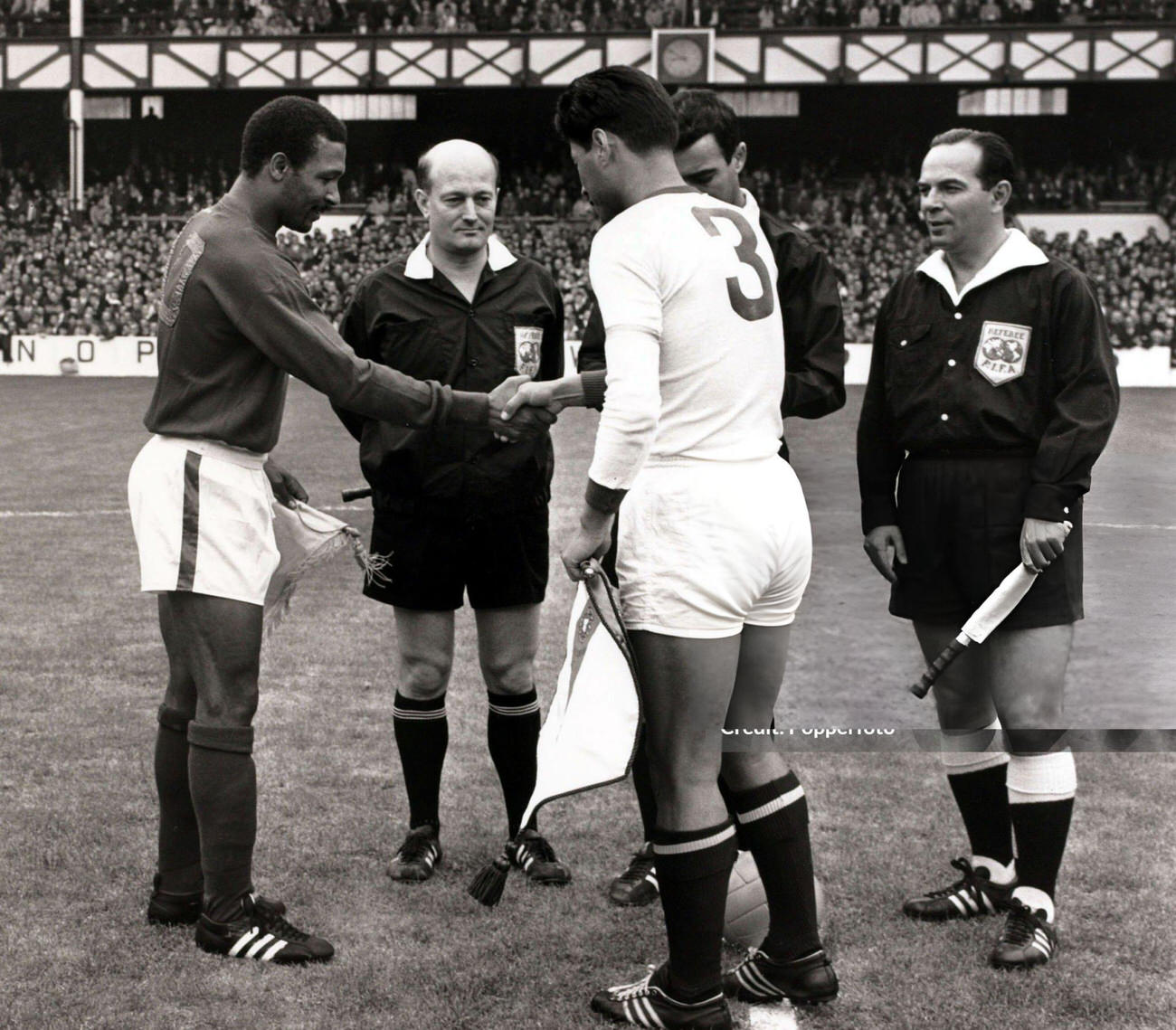
England’s manager Alf Ramsey had guided his squad through a composed and disciplined tournament. They had beaten Argentina and Mexico in the group stage before advancing to the final. West Germany were equally battle-hardened, having knocked out tough opposition to reach Wembley. Swiss referee Gottfried Dienst got proceedings underway after the customary coin toss on the pitch.
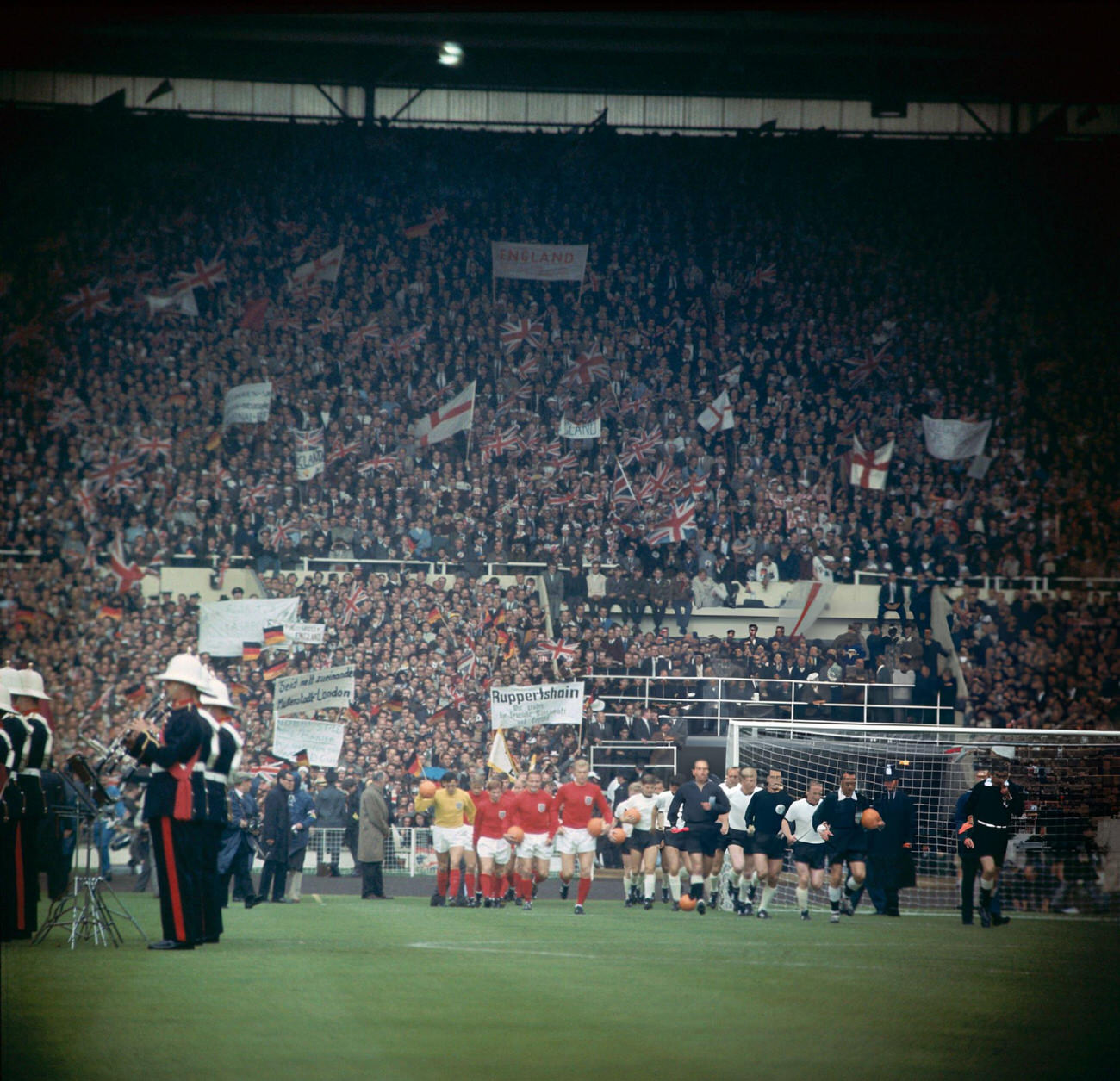
West Germany drew first blood. Helmut Haller opened the scoring in the 12th minute, catching England’s defence off guard. The German fans at Wembley erupted. England responded quickly, however. Geoff Hurst headed in from Bobby Moore’s free kick just six minutes later to level the score at 1-1. Martin Peters then put England ahead in the 78th minute, and Wembley roared.
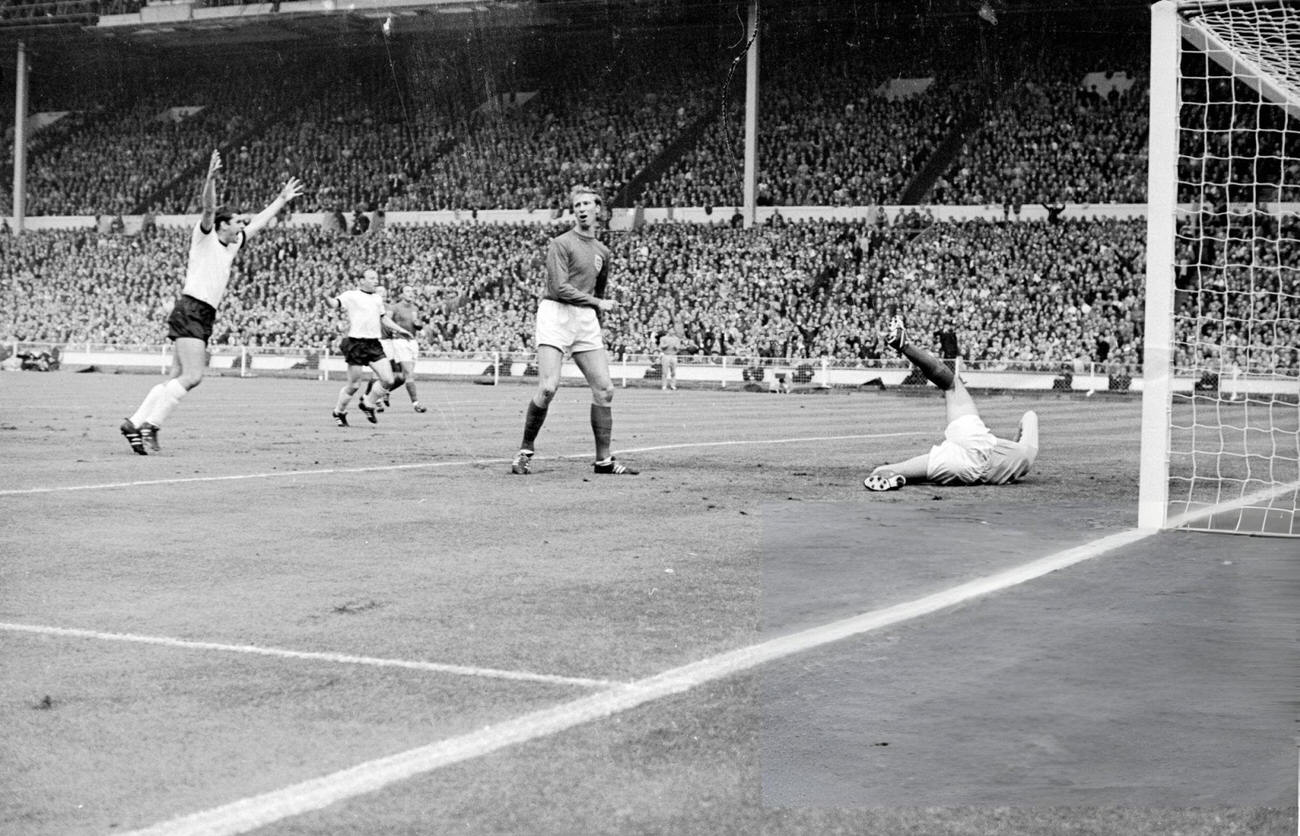
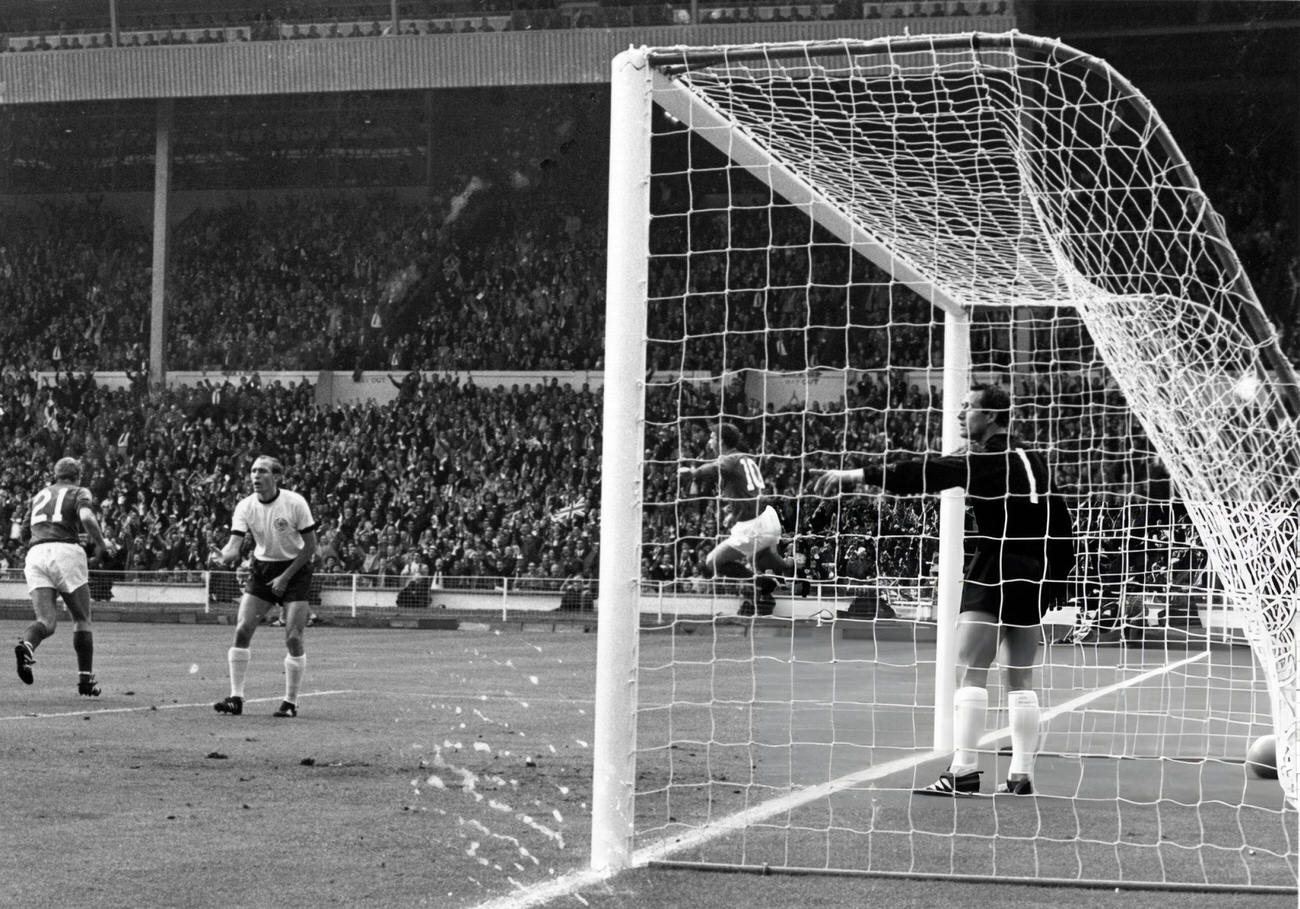
With seconds left in normal time, Wolfgang Weber stabbed the ball past Gordon Banks to make it 2-2, sending the match into extra time. It was a gut-punch for England, and the tension inside the stadium was almost unbearable.
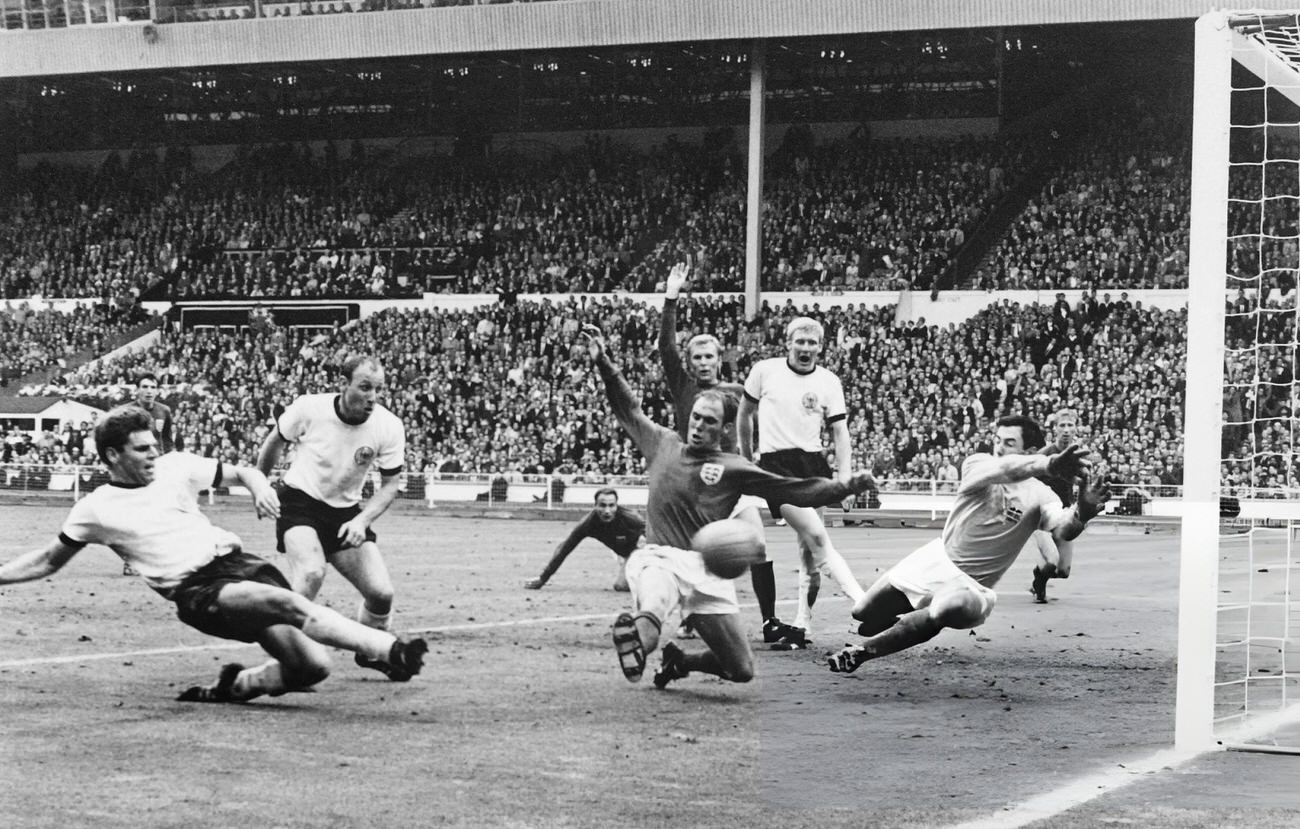
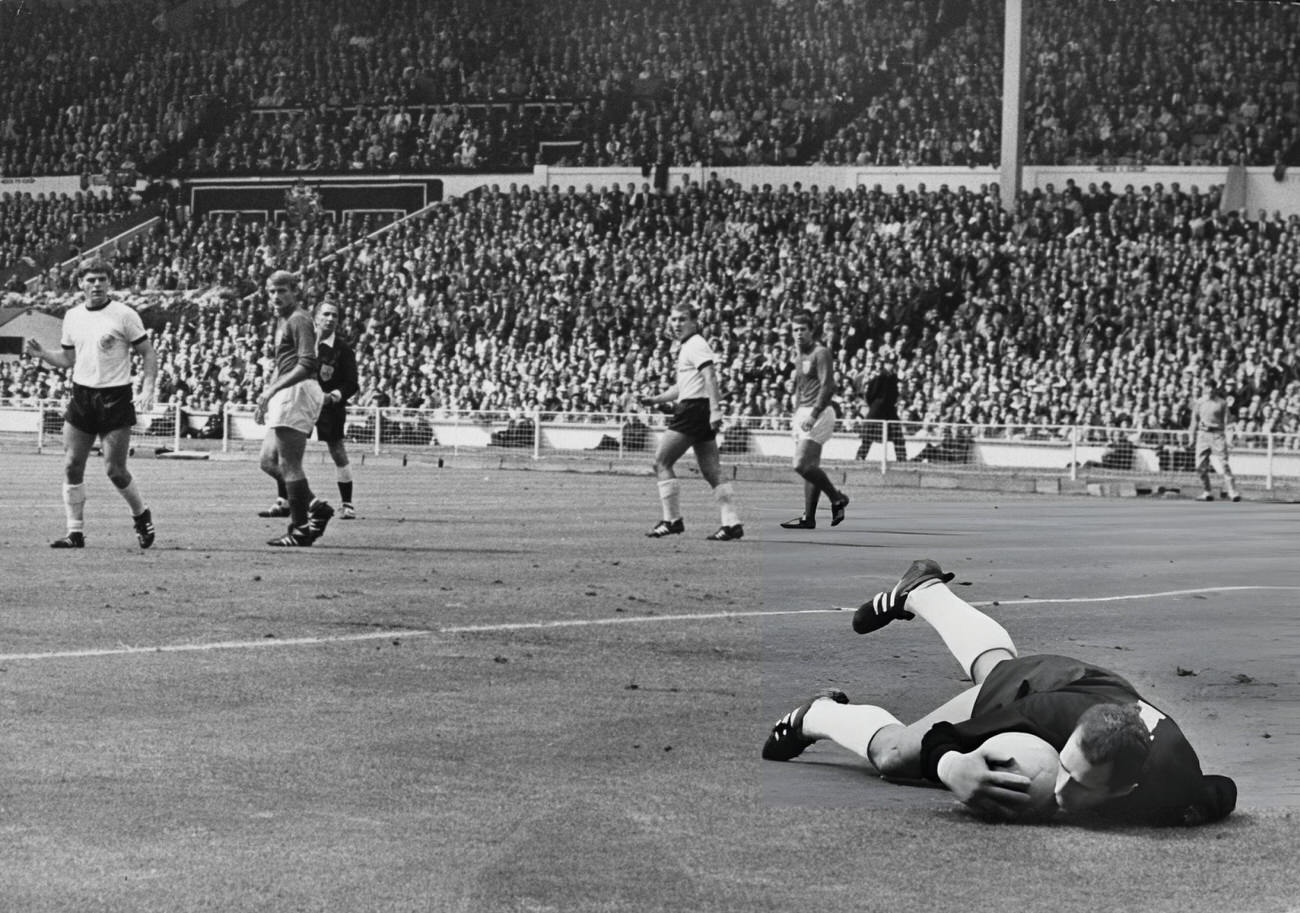
Throughout the match, both goalkeepers were tested repeatedly. Hans Tilkowski made a series of saves to keep West Germany in contention, while England’s forwards pressed hard for the decisive breakthrough.
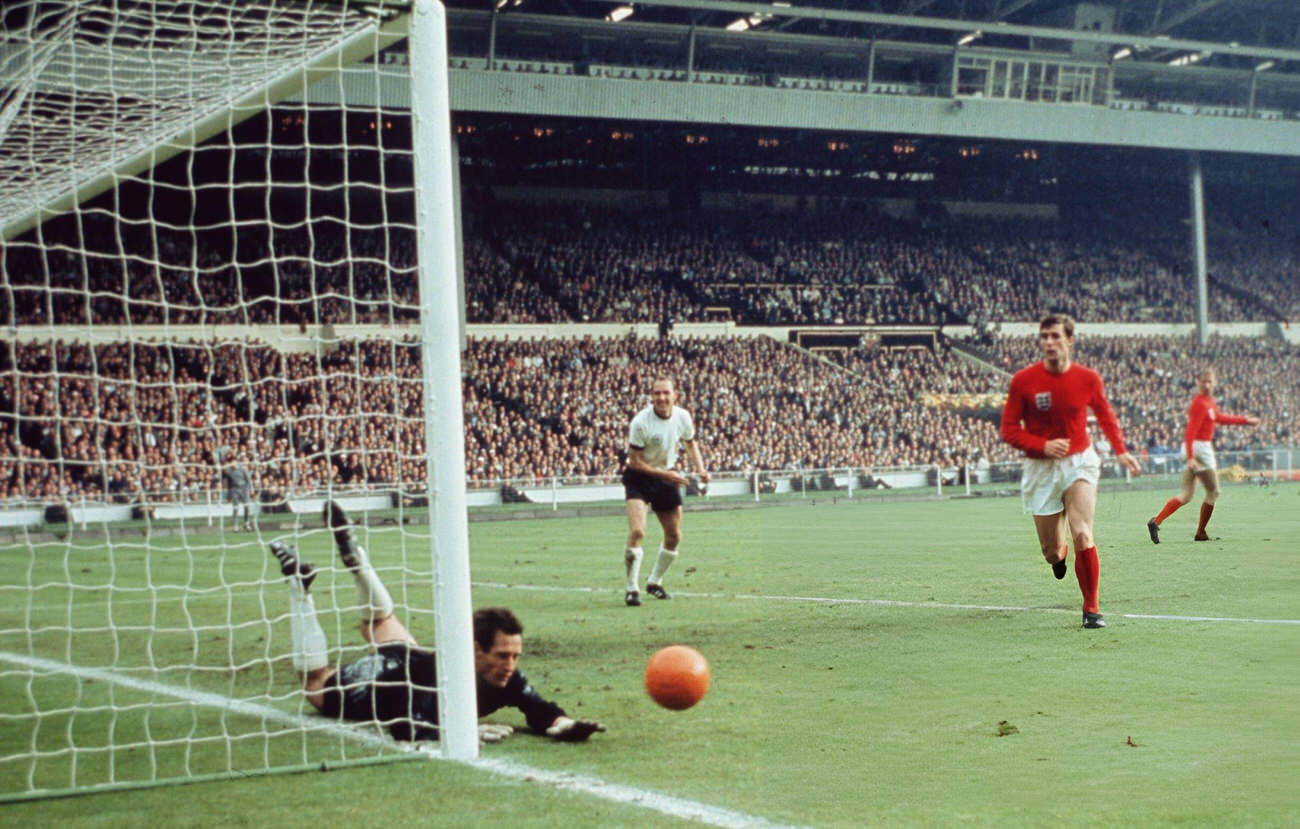
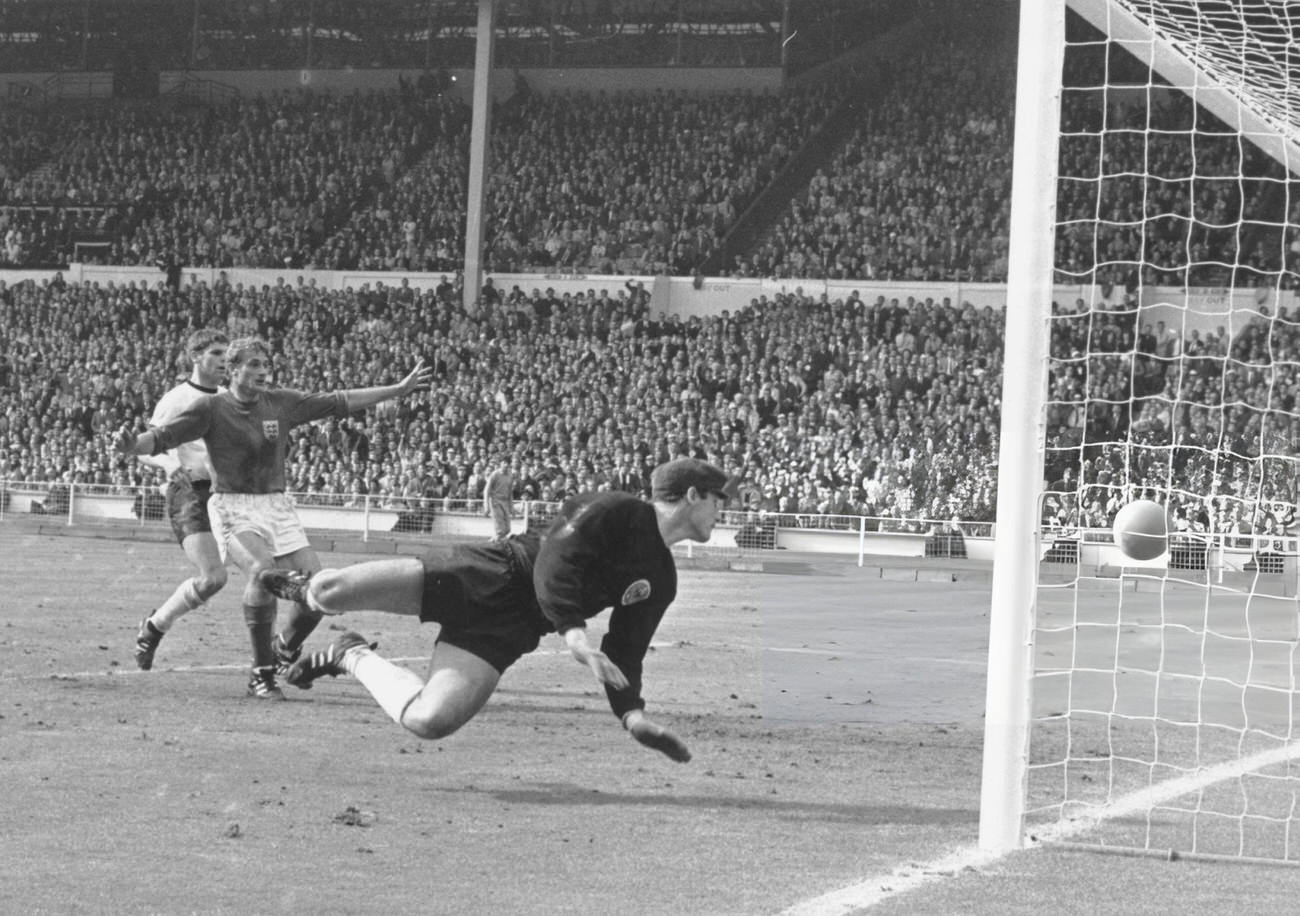
In extra time, Geoff Hurst struck the crossbar with a fierce shot in the 101st minute. The ball bounced down onto the goal line. After consulting with the Soviet linesman Tofiq Bahramov, referee Dienst awarded the goal. It remains one of the most debated calls in football history. England led 3-2.
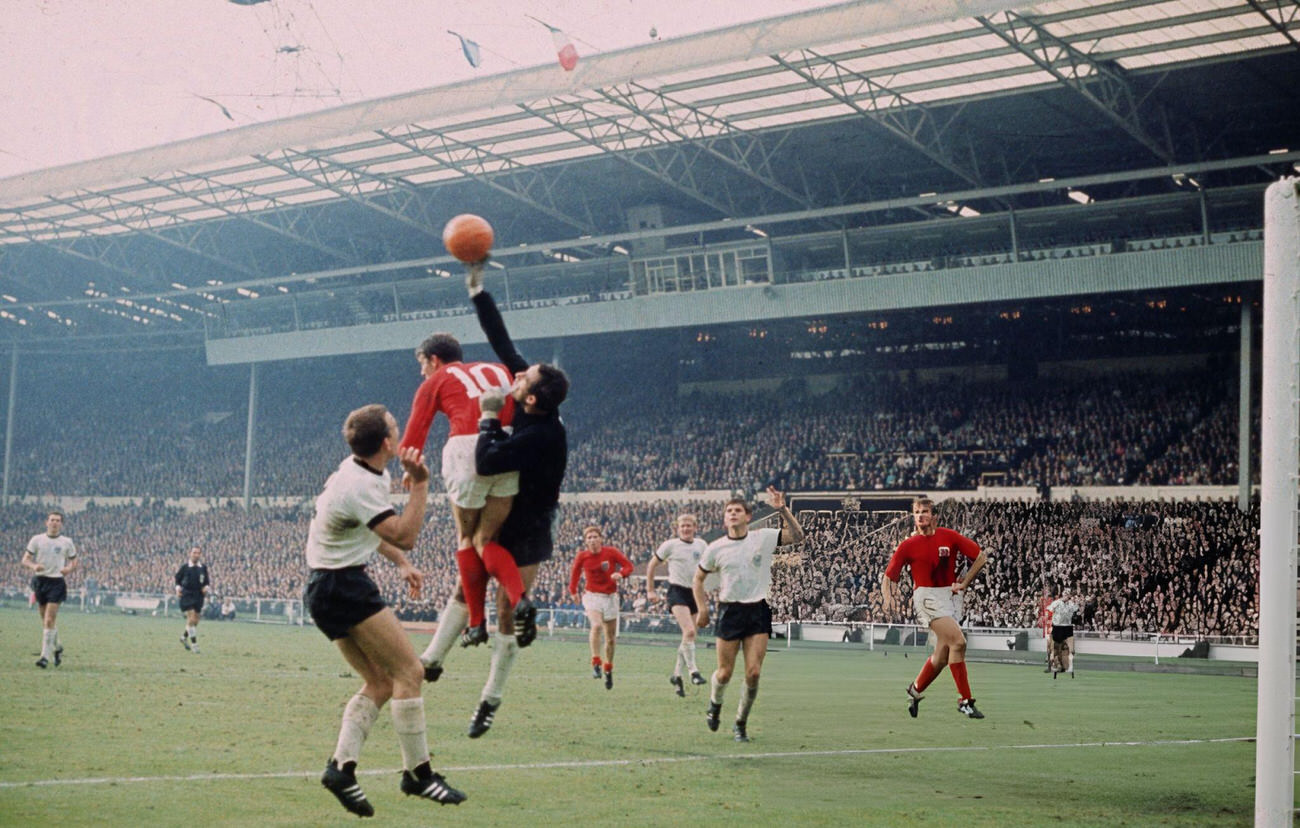
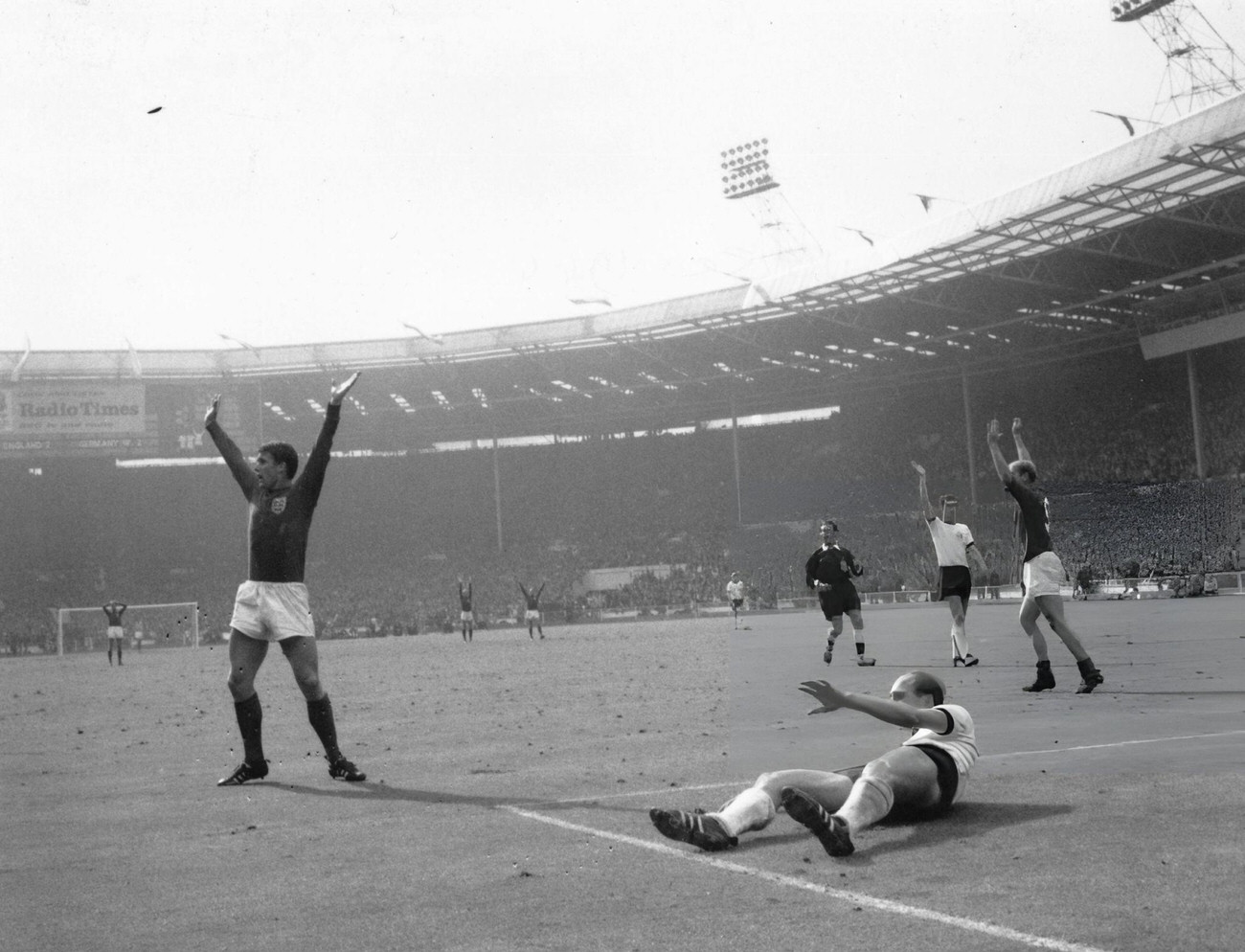
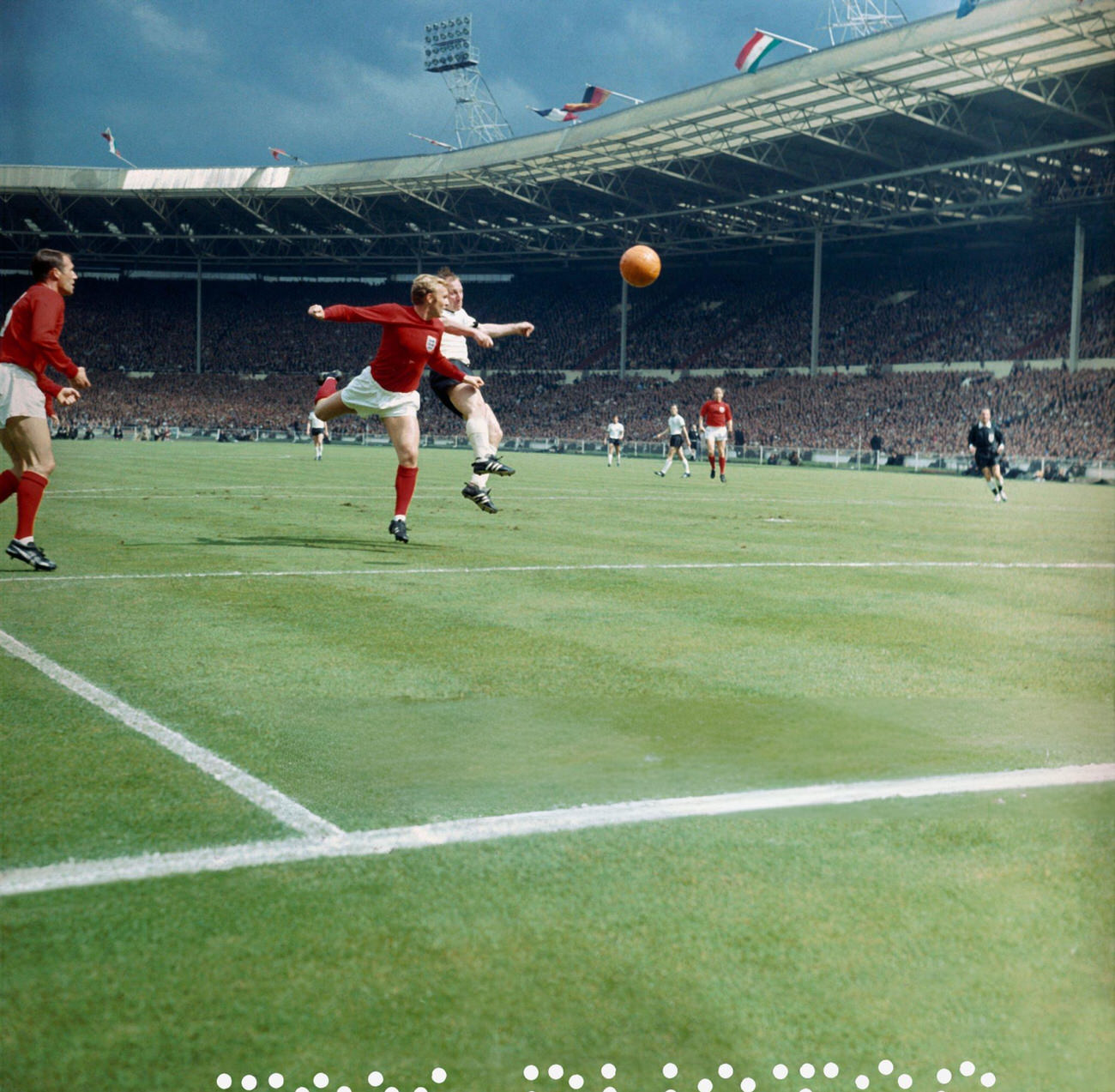
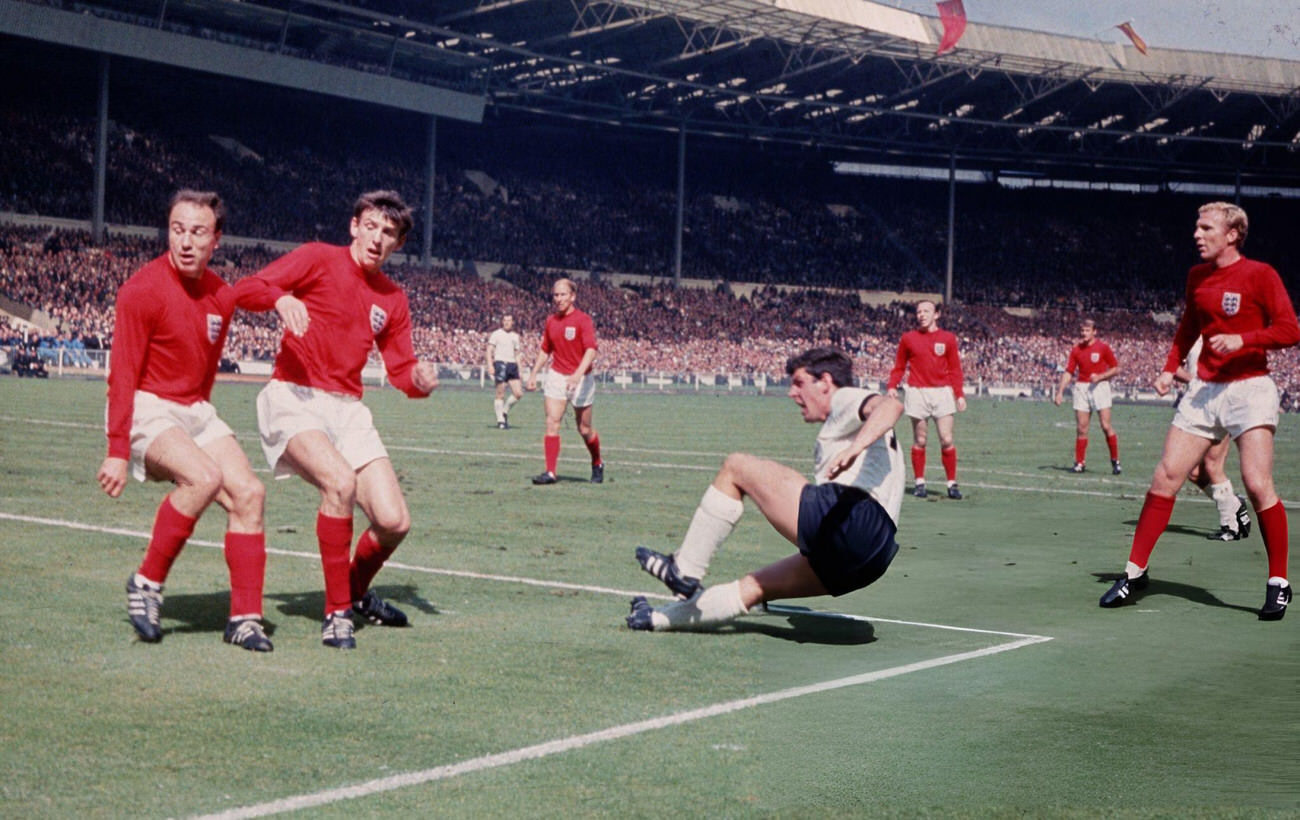
England’s players worked tirelessly across every inch of the pitch. Bobby Moore commanded the defence with authority, while Bobby Charlton drove forward in midfield. Jackie Charlton battled in the air, and George Cohen and Martin Peters covered every blade of grass.
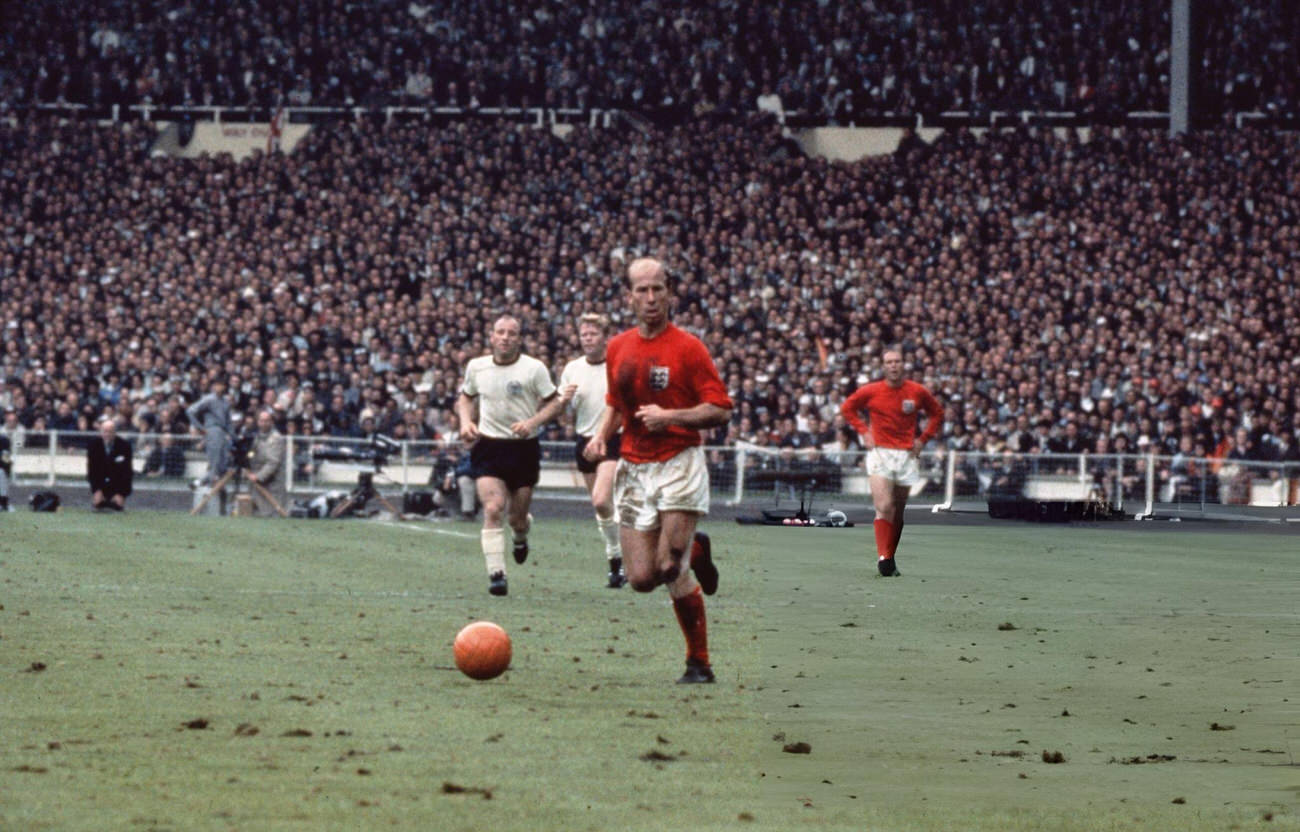
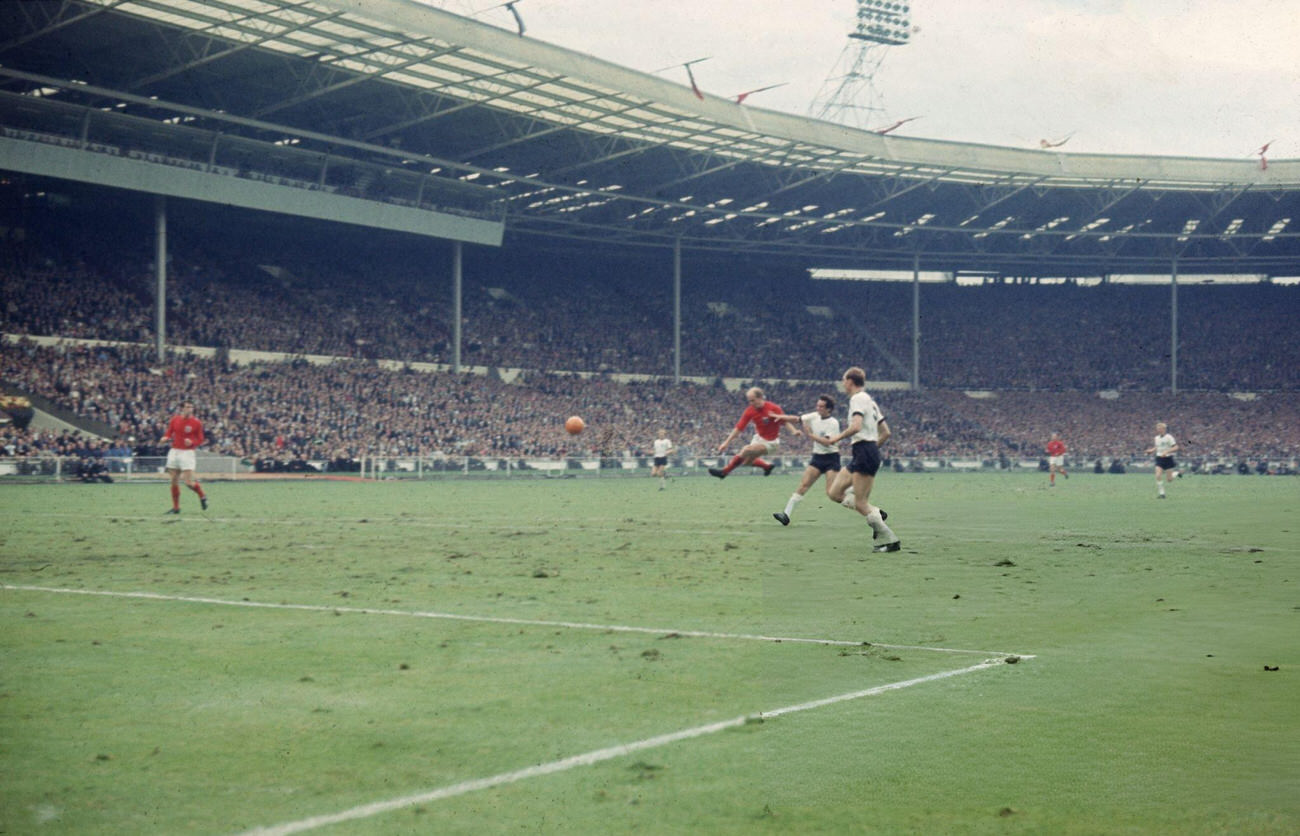
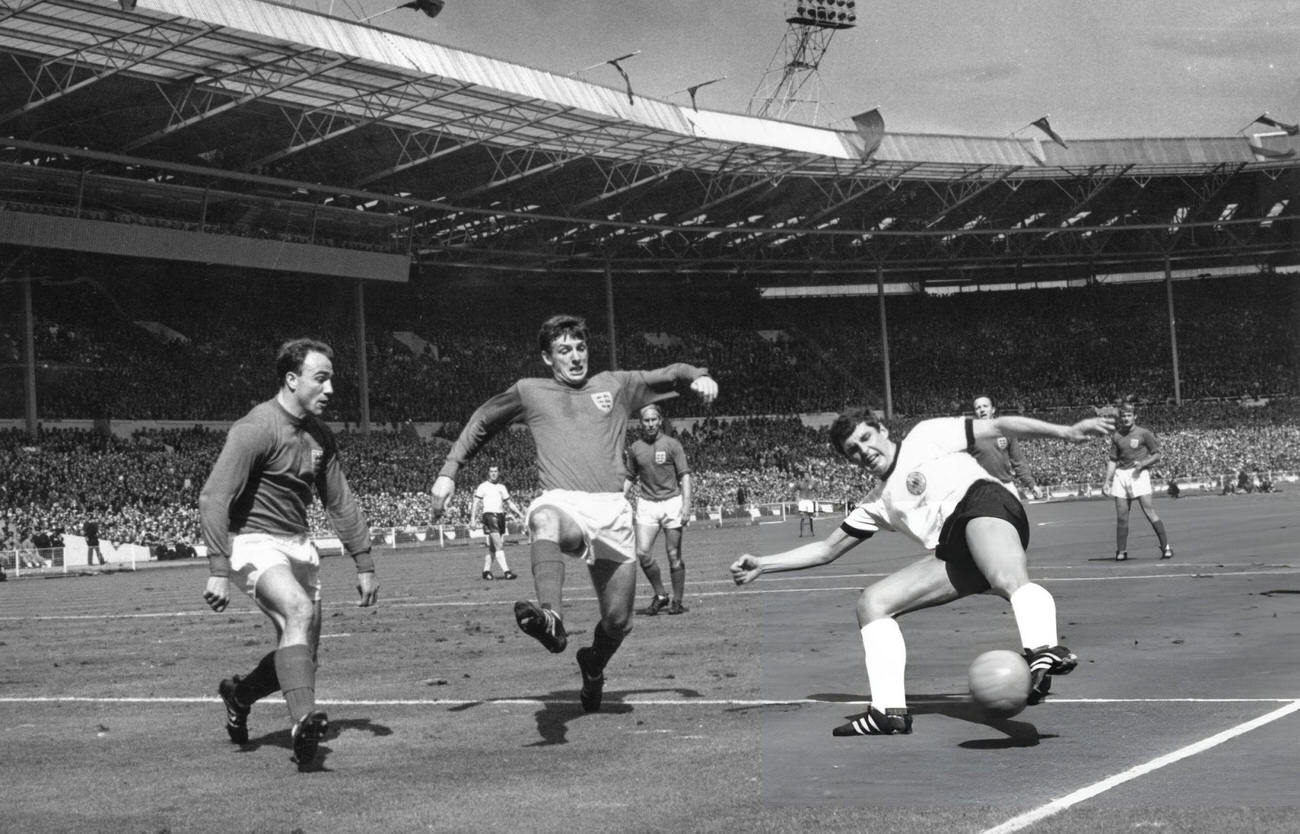
West Germany pressed desperately for another equaliser in the closing minutes. With fans spilling onto the touchlines, BBC commentator Kenneth Wolstenholme delivered his now-famous line. Geoff Hurst met a long ball, held off his marker, and drove it into the top corner to seal the match at 4-2. Hurst became the first — and still the only — player to score a hat-trick in a World Cup Final.
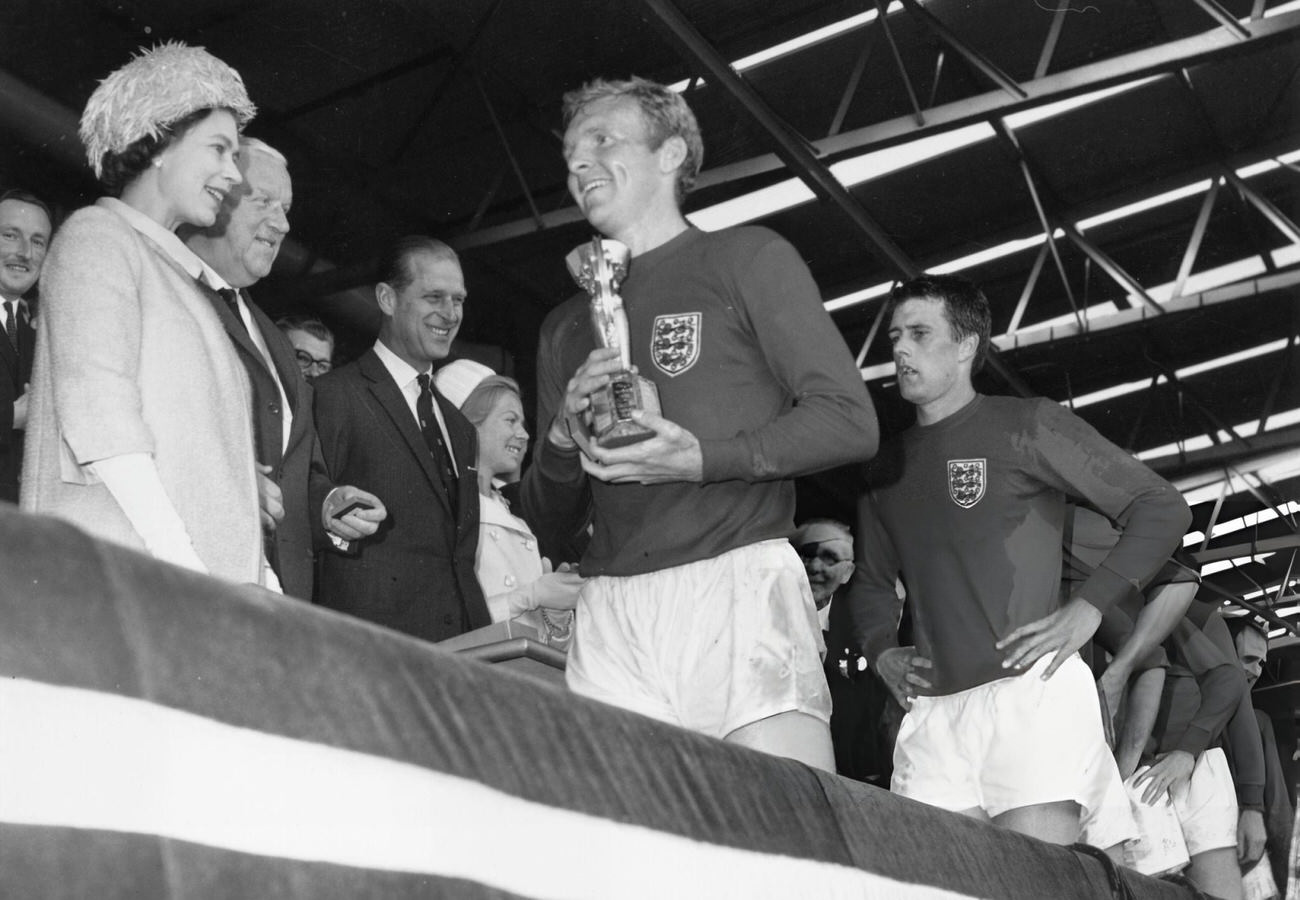
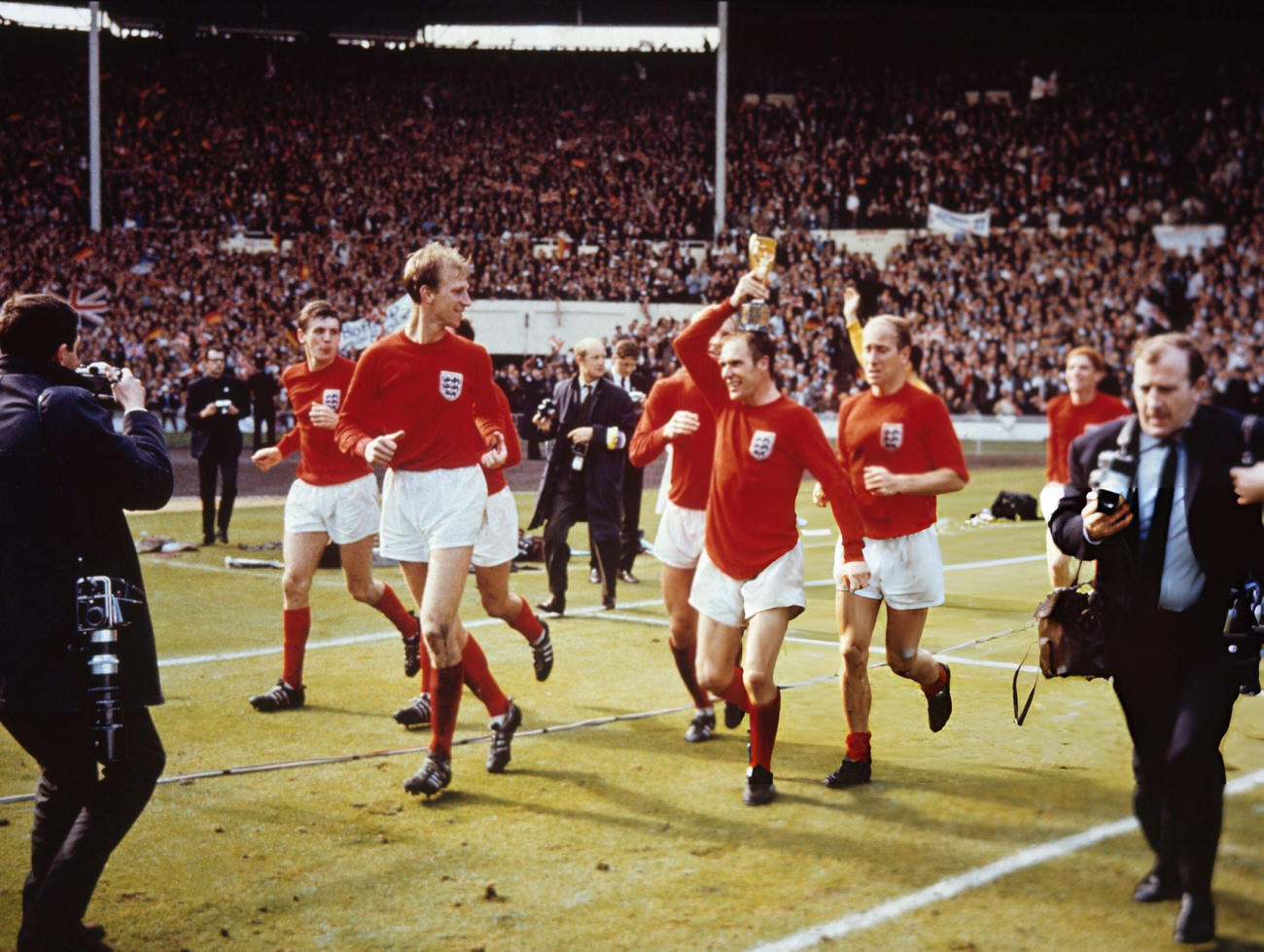
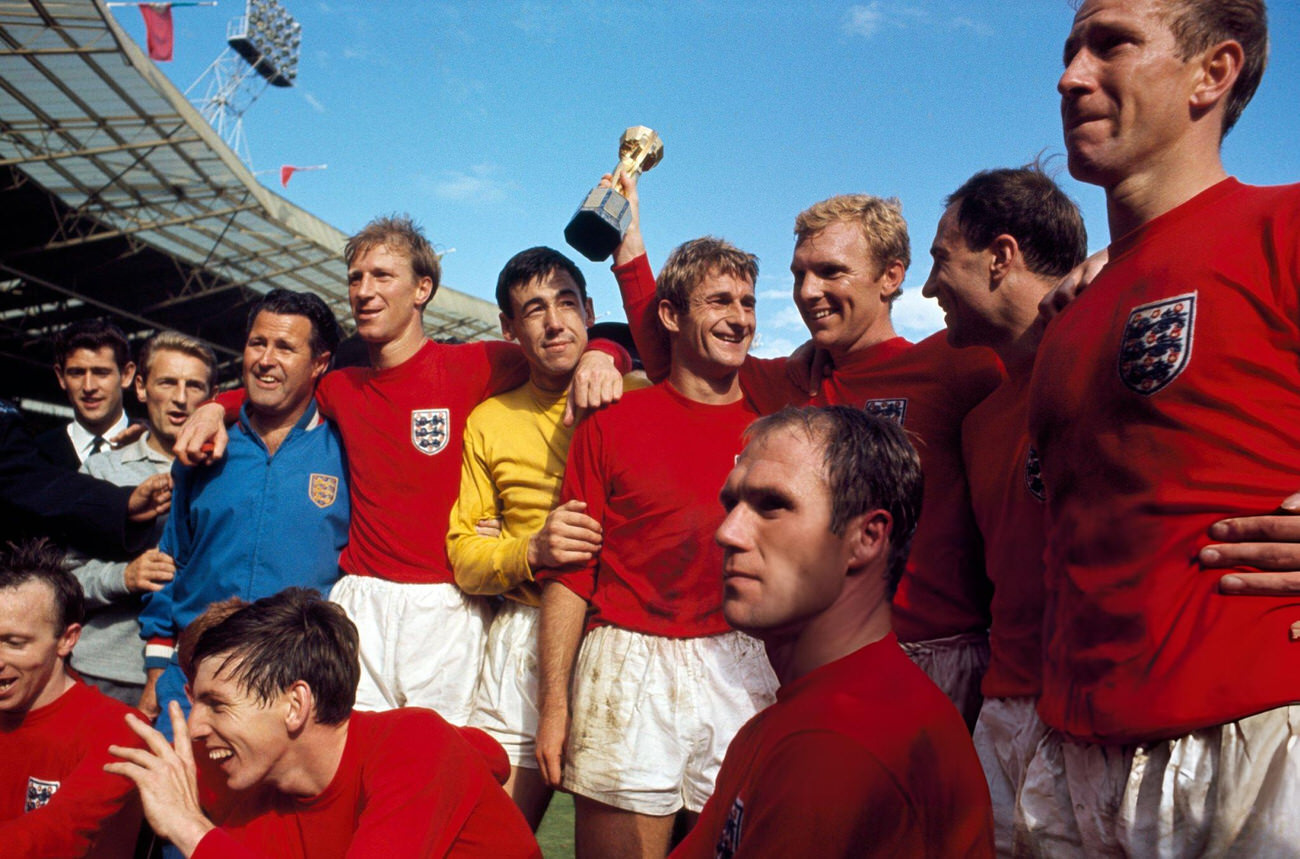
The final whistle sparked scenes of joy across Wembley. Queen Elizabeth II presented the Jules Rimet Trophy to England captain Bobby Moore, who received it in his typically composed manner — wiping his muddy hands on his shorts before accepting the cup.
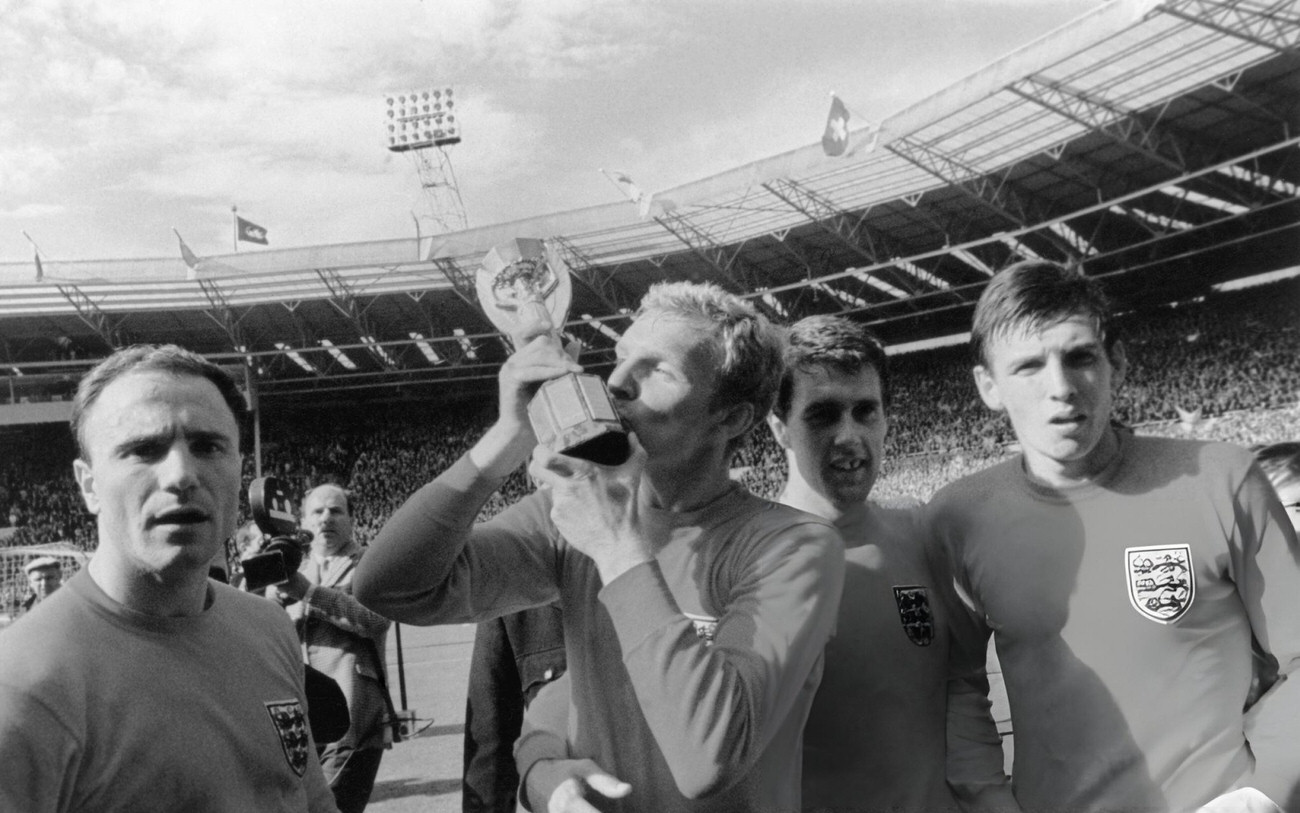
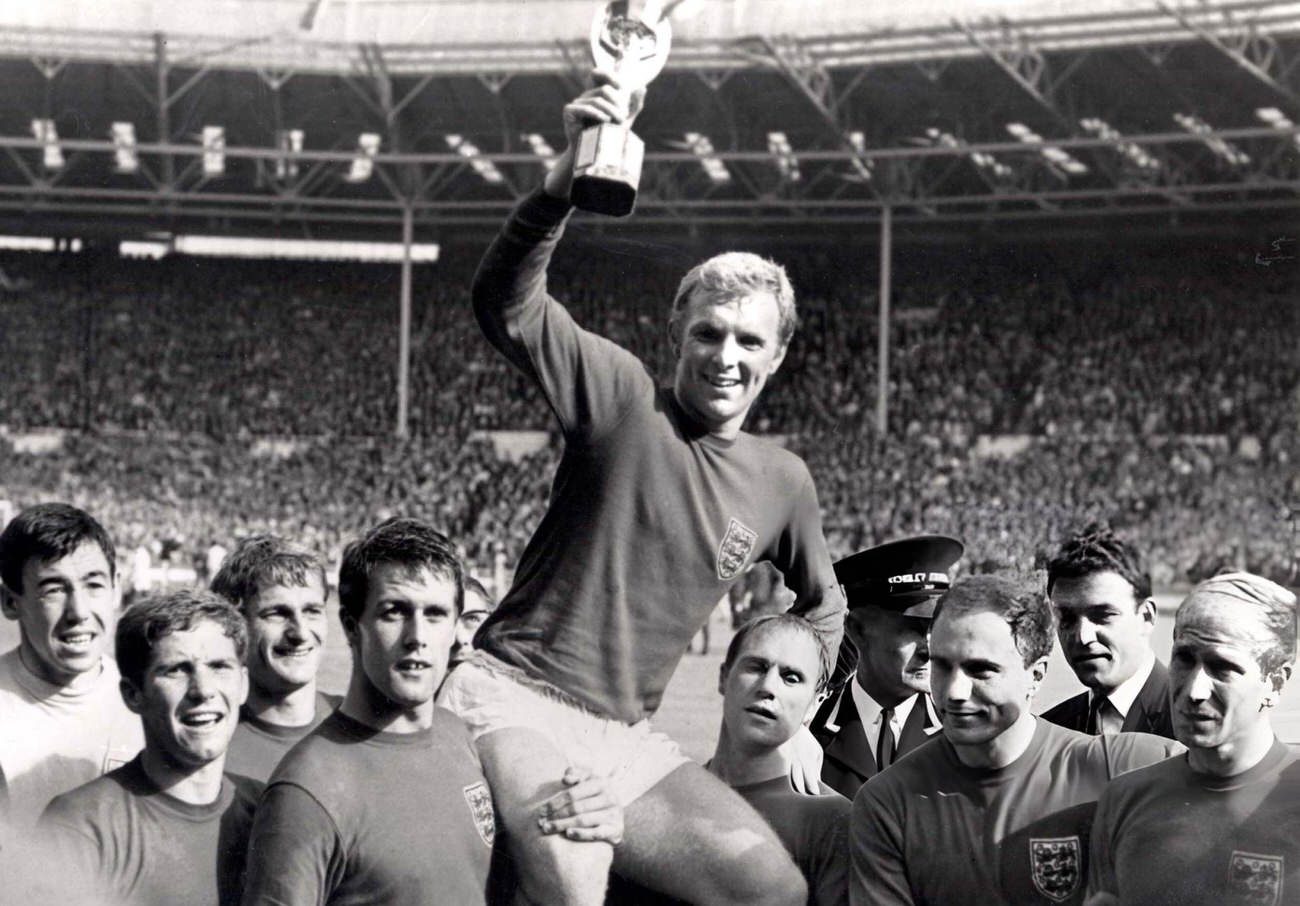
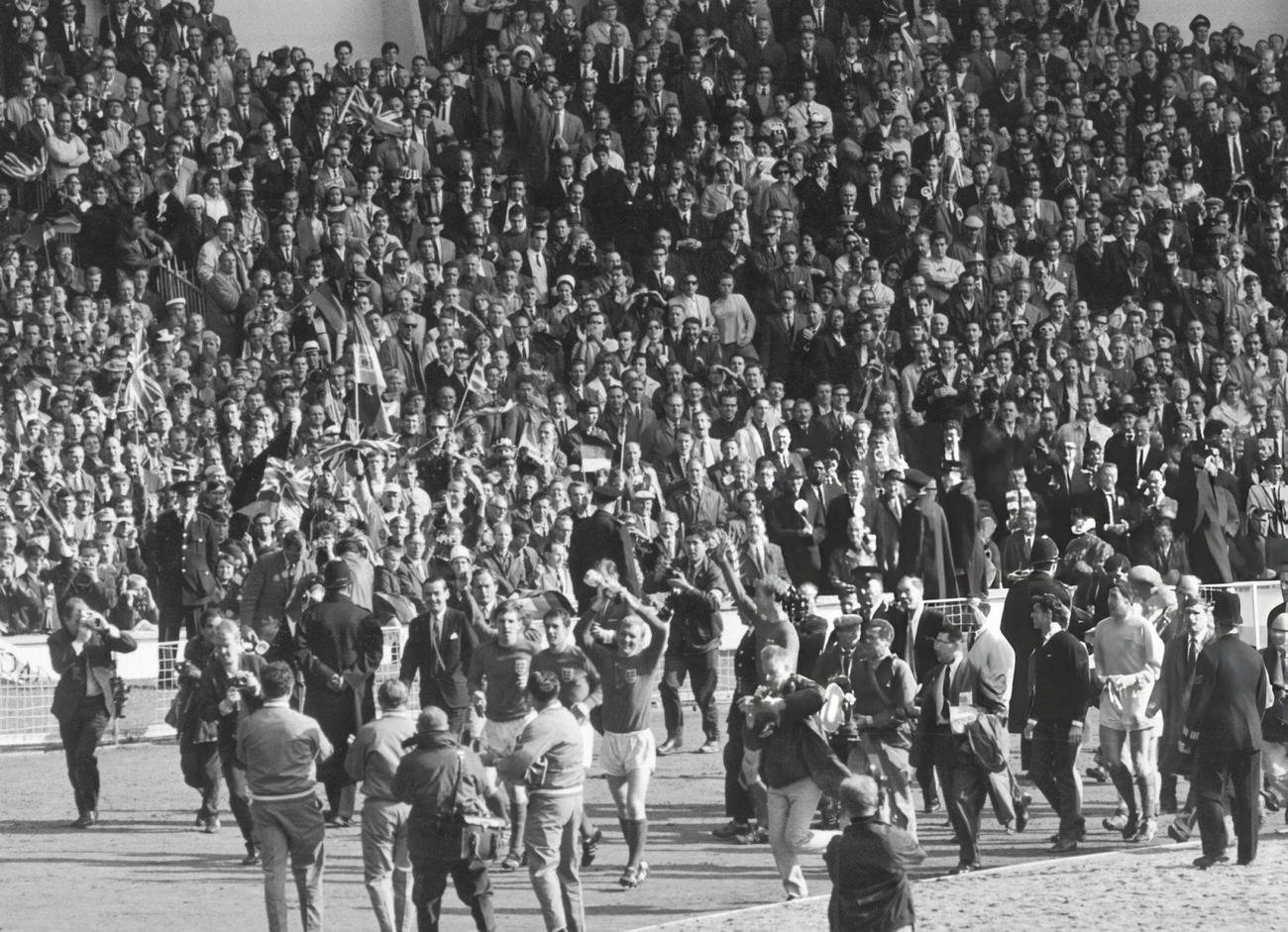
The players celebrated on the pitch with their supporters. Moore led the team around Wembley, trophy aloft, while the crowd sang and cheered. It was England’s first — and to this day only — World Cup title.
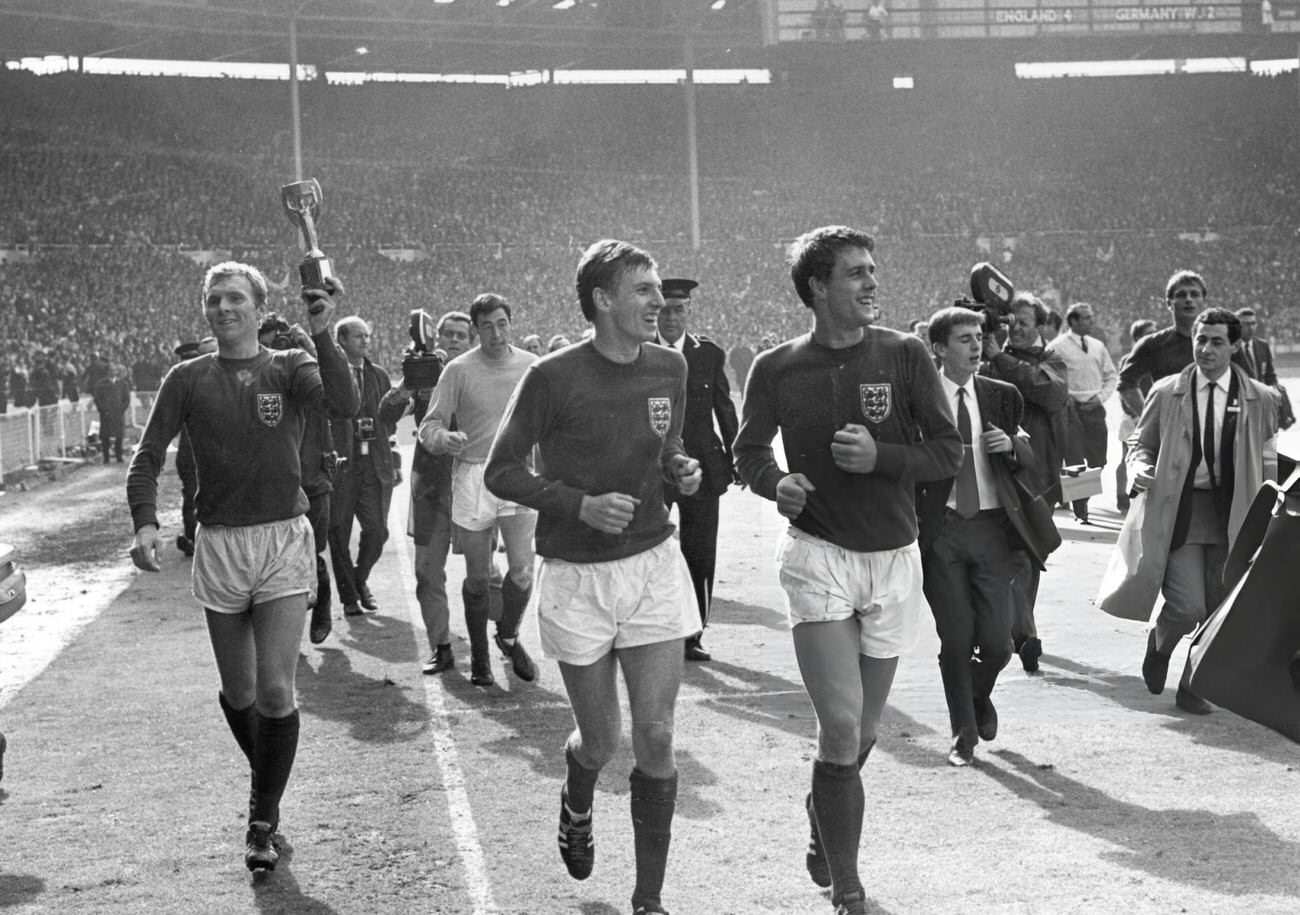
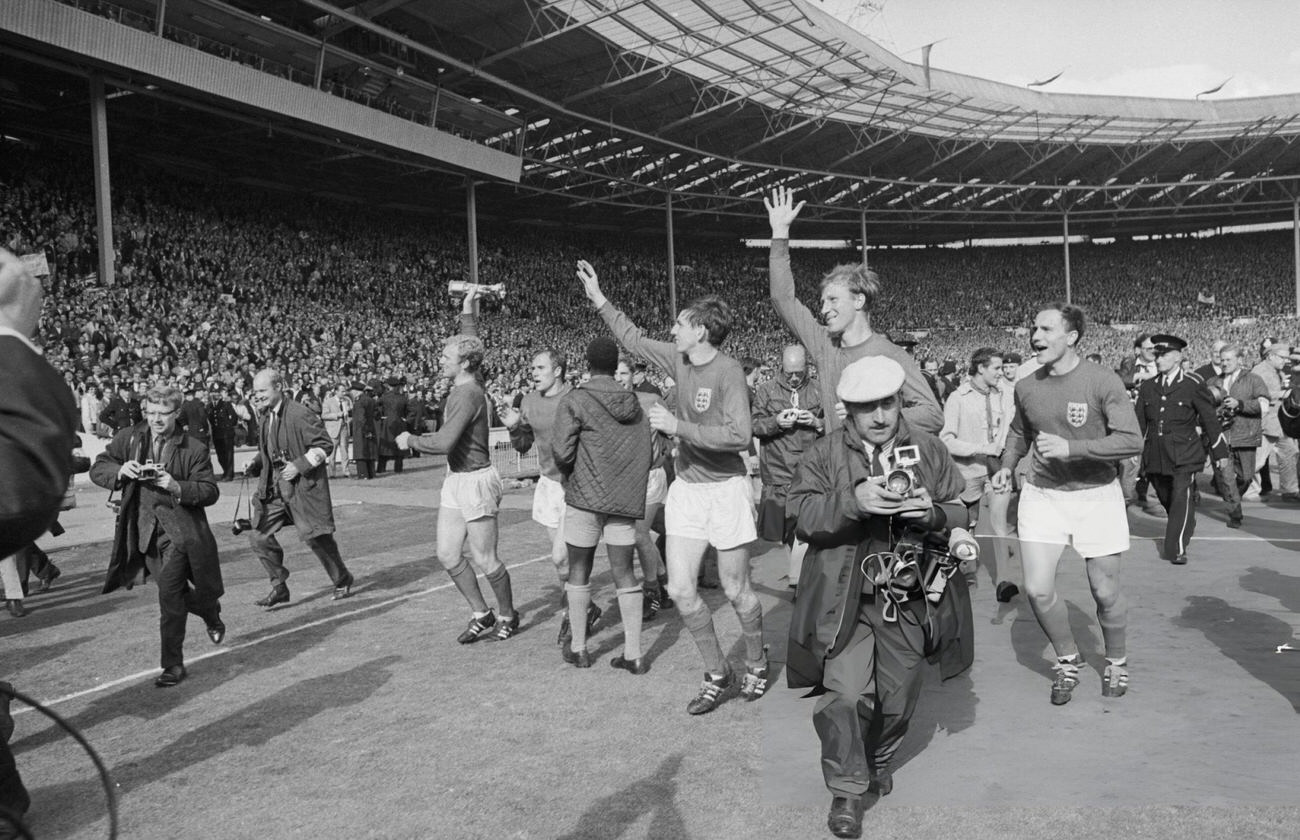
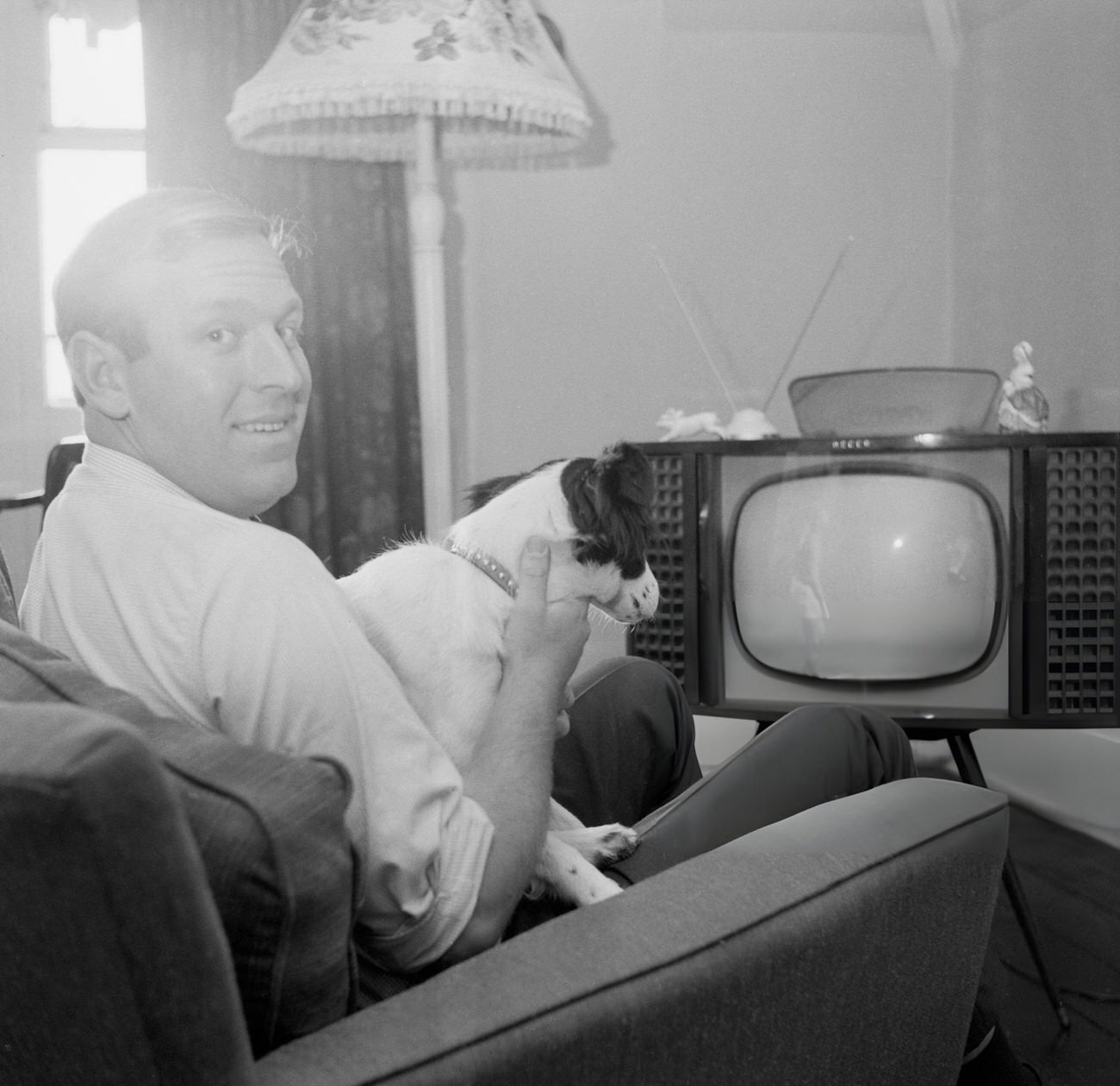
The celebrations spread far beyond Wembley. Across England, fans who had watched on television spilled into the streets. Among the more unusual stories surrounding the tournament was the theft — and recovery — of the Jules Rimet Trophy months earlier. A dog named Pickles had sniffed it out under a hedge in South London. His owner, David Corbett, watched the final on television, no doubt with a particular appreciation for what was being lifted at Wembley.
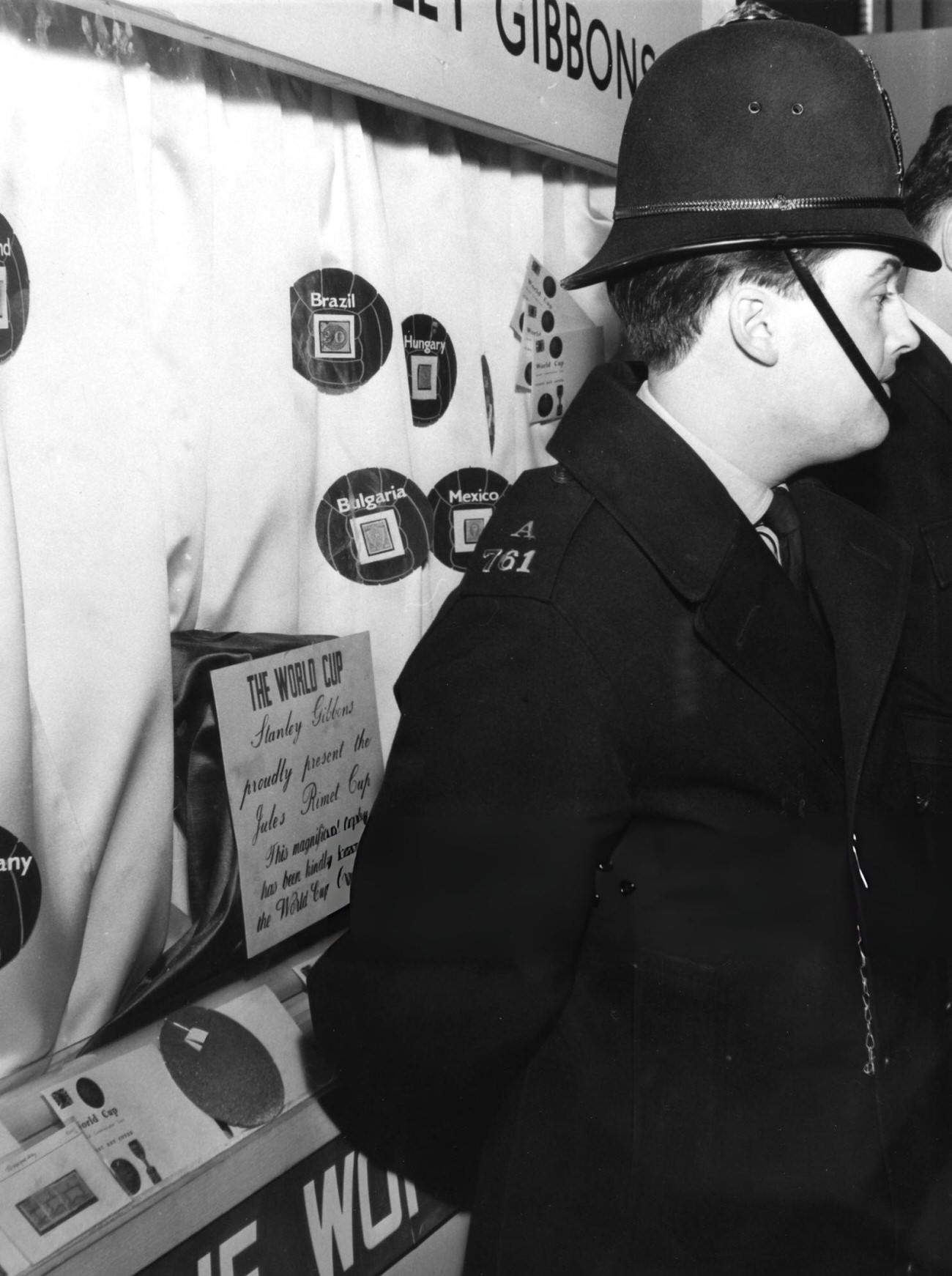
The tournament itself had produced a host of memorable moments beyond the final. North Korea had stunned the world by reaching the quarter-finals. Players like Mario Coluna of Portugal had graced the competition with their skill and sportsmanship.
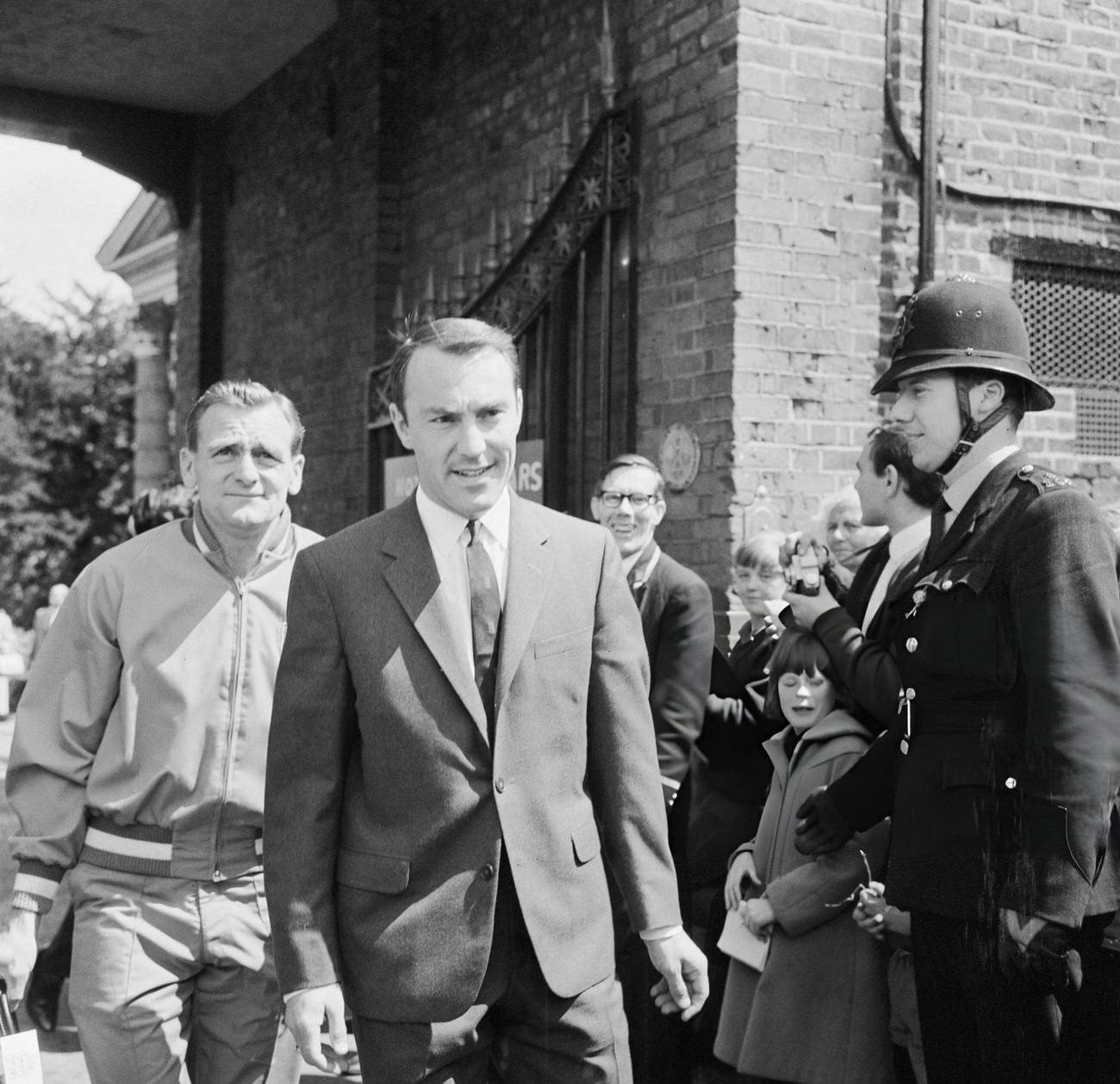
One notable absentee from England’s final squad was Jimmy Greaves. The Tottenham striker had been one of the country’s most feared goalscorers going into the tournament but missed out on selection for the final after losing his place through injury.
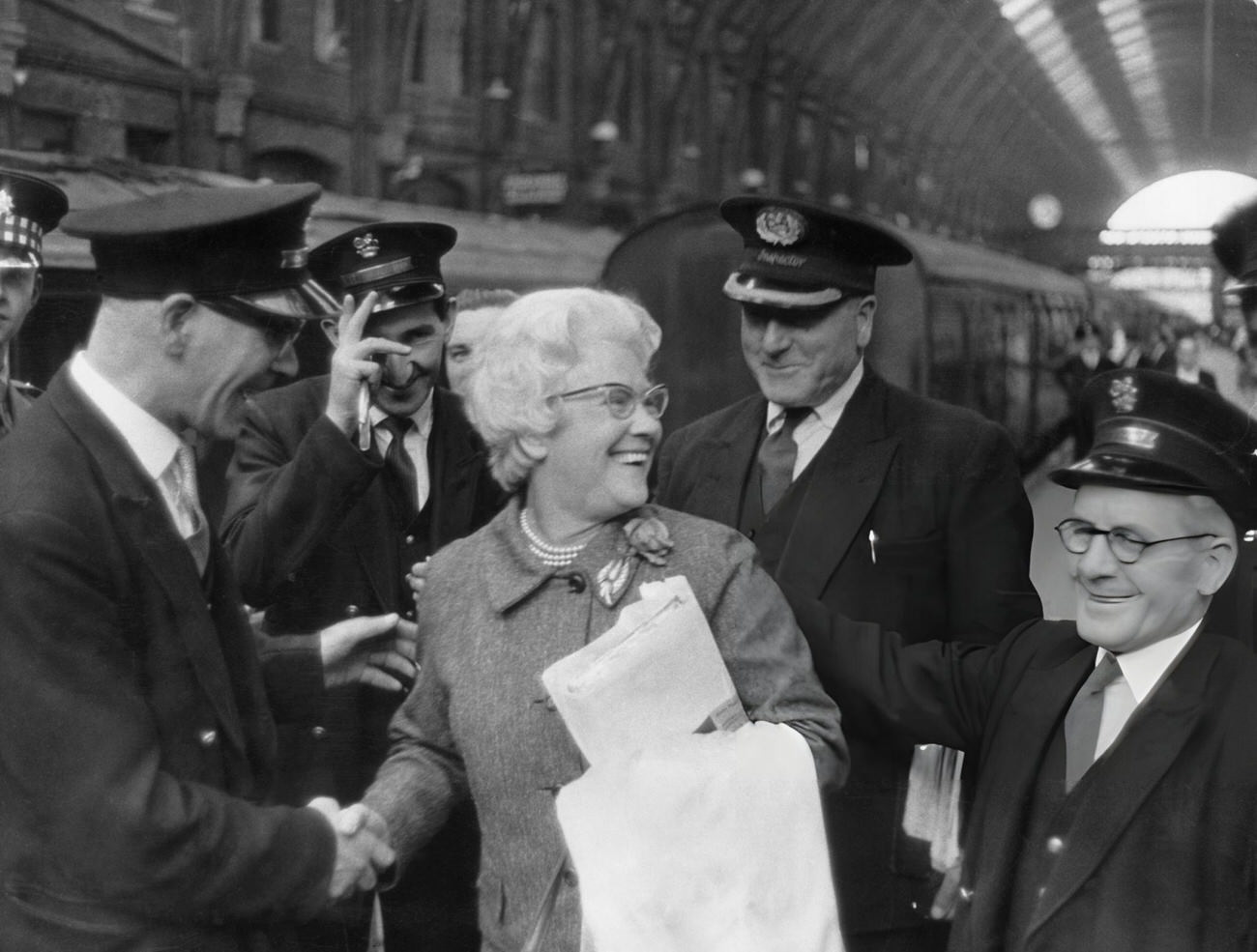
Friends and family of the England squad felt the pride just as keenly. Cissie Charlton, mother of Bobby and Jack, was among those swept up in the occasion, greeted warmly at King’s Cross station as the nation celebrated its footballing heroes.
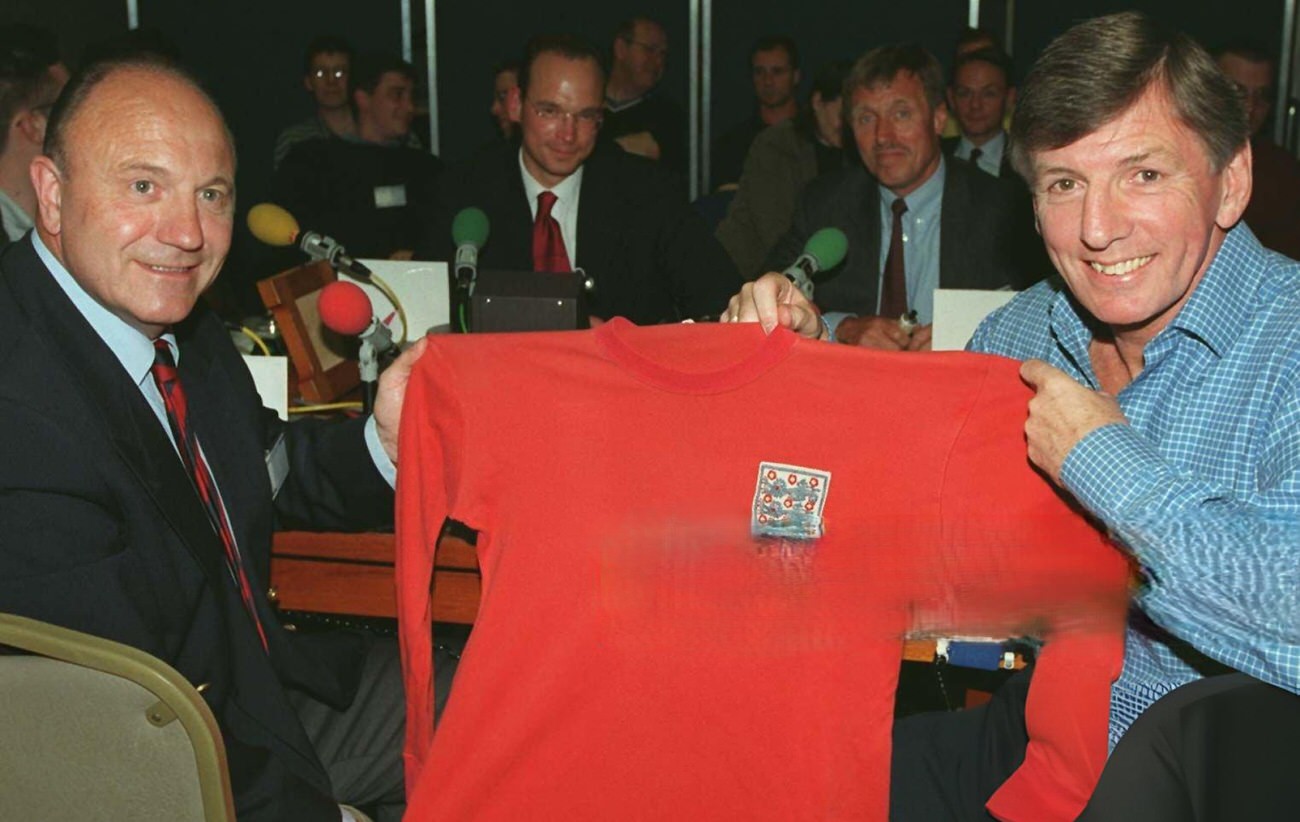
Years later, veterans of that England squad have reflected on the match and the bonds formed during the tournament. The jerseys, the memories, and the photographs endure as vivid reminders of a single afternoon at Wembley that captured a nation.