The Empire Gas and Electric Company was founded in 1911 and quickly grew into one of New York State’s leading utility providers. It delivered electric light, power, and gas to an estimated population of 130,000 across several New York localities. The company’s expansion was rapid and deliberate — it absorbed the Central New York Gas and Electric Company in 1916 and acquired the Empire Coke Company’s by-product plant in 1920.
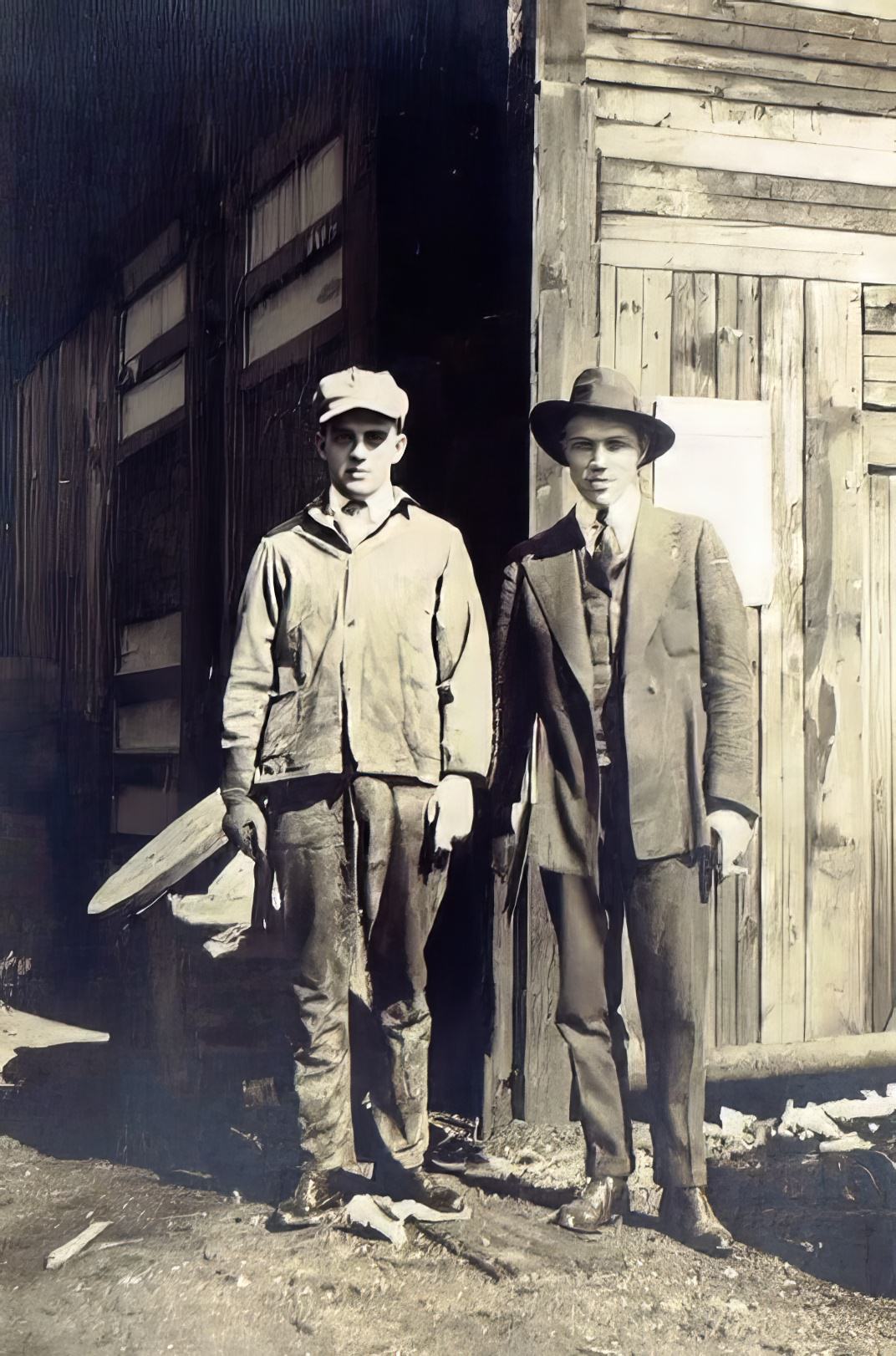
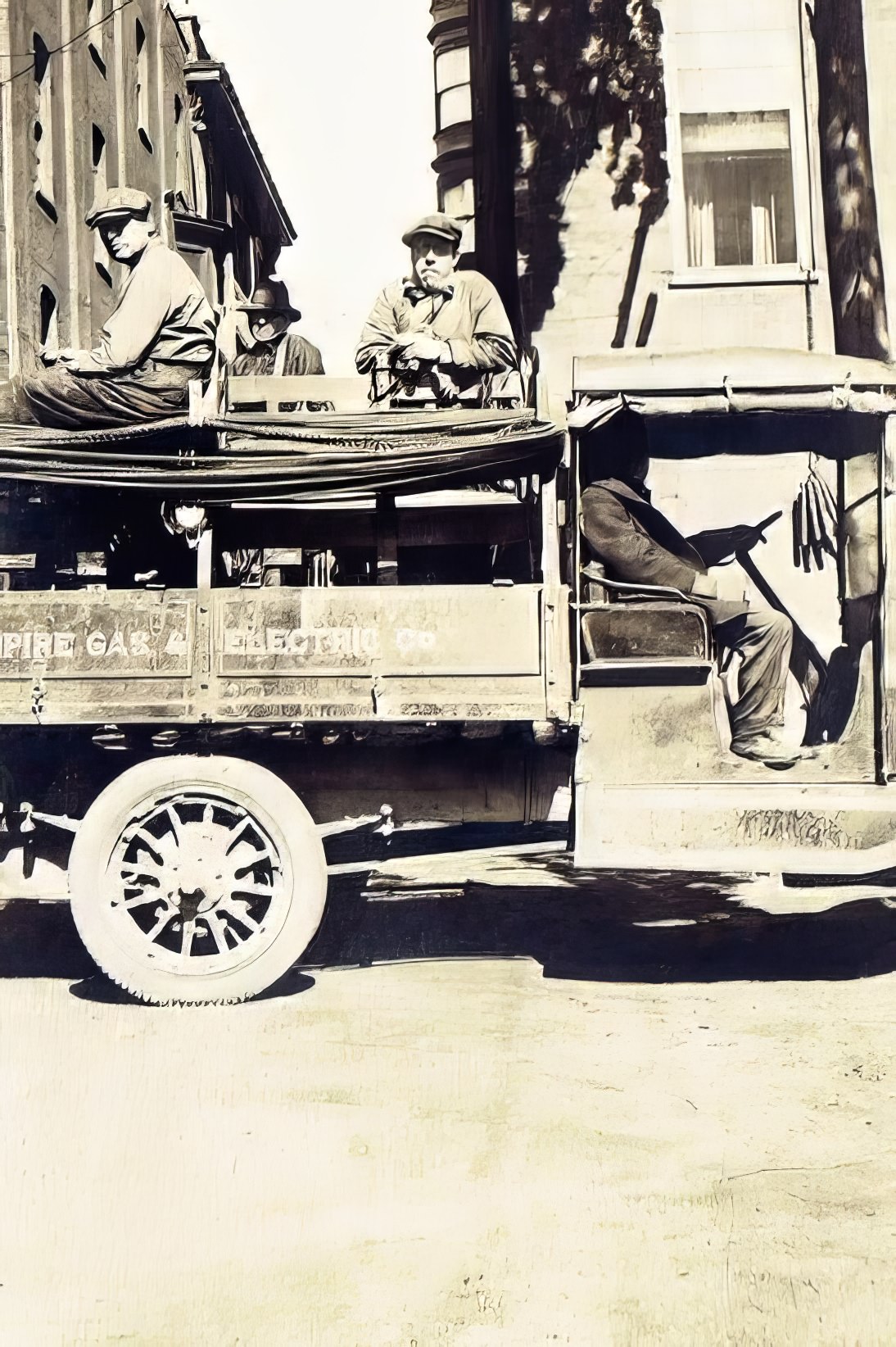
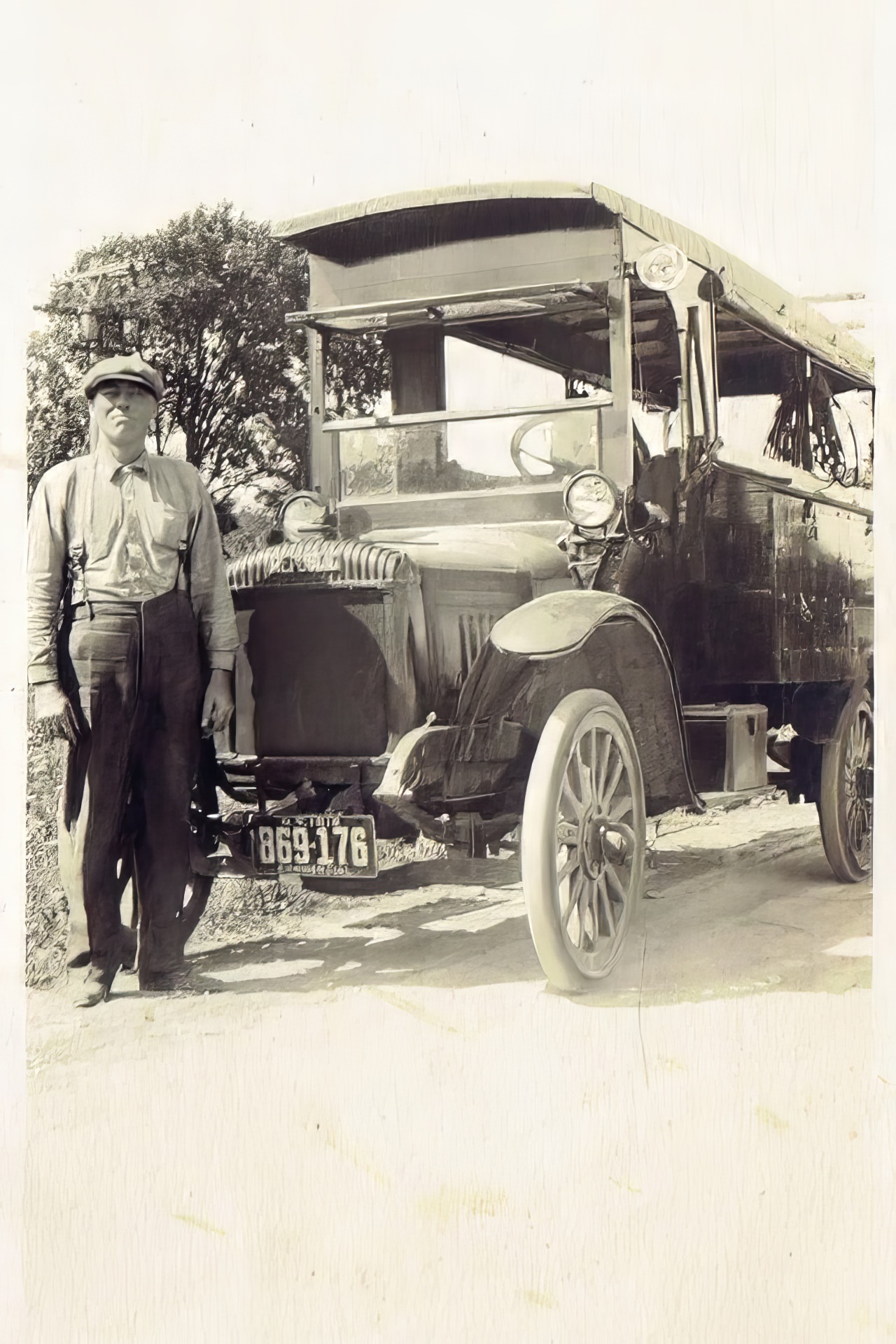
Photographer Guy Clinch documented the company’s workforce between 1916 and 1918, producing a remarkable set of portraits across multiple locations, including Auburn, Geneva, Newark, Waterloo, Lyons, Palmyra, and Seneca Falls. These images show the people who kept gas lines running, meters calibrated, and electric service operational across the region. Early employees like Fred Jordan, pictured with a company Republic Truck in Auburn, represent the hands-on labor that made the utility function day to day.
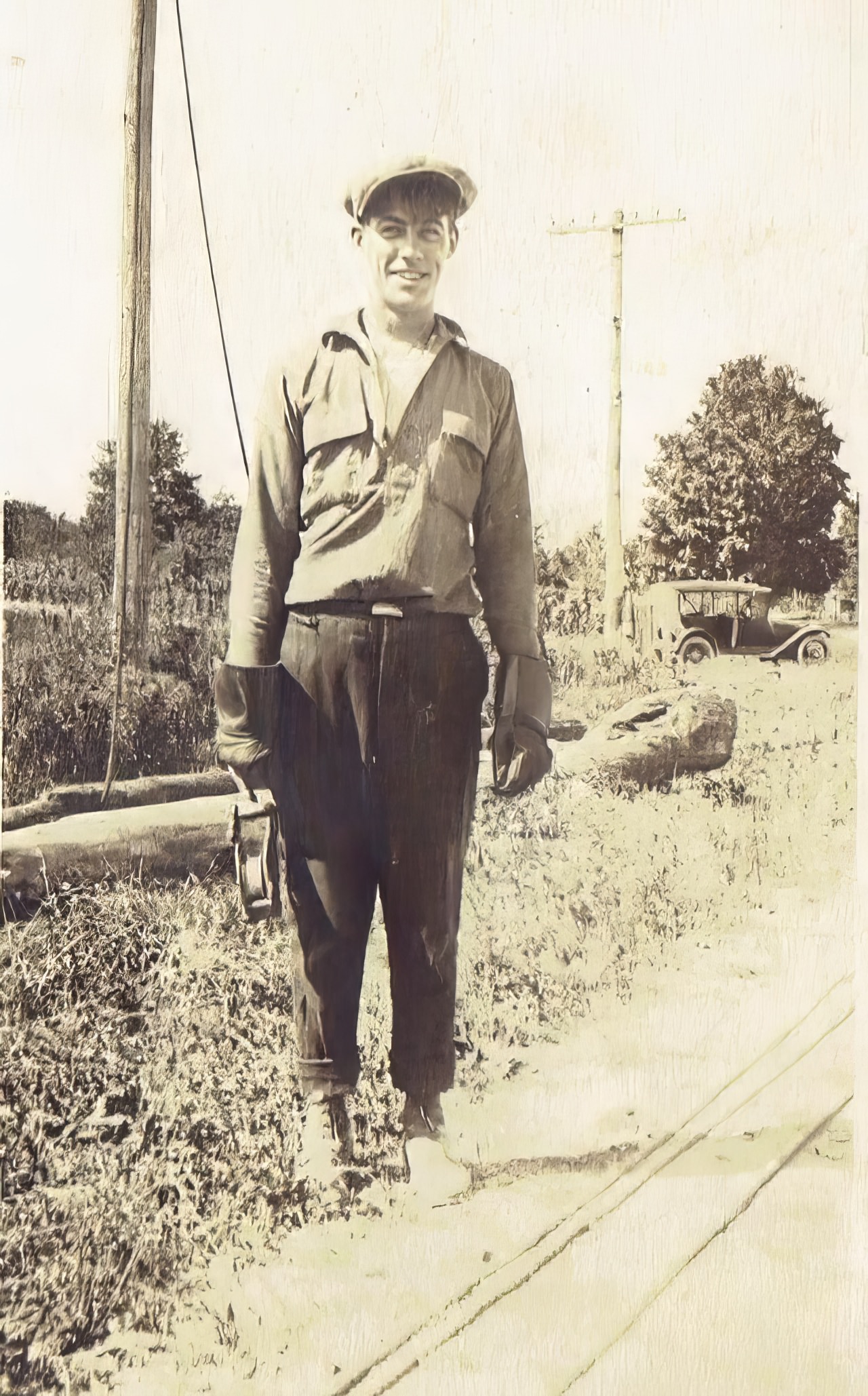
Workers like John M. Bassette, photographed holding a pulley in Auburn, and W.S. Kidney reflect the technical demands of the trade. The Auburn crew formed a core part of the company’s early operations.
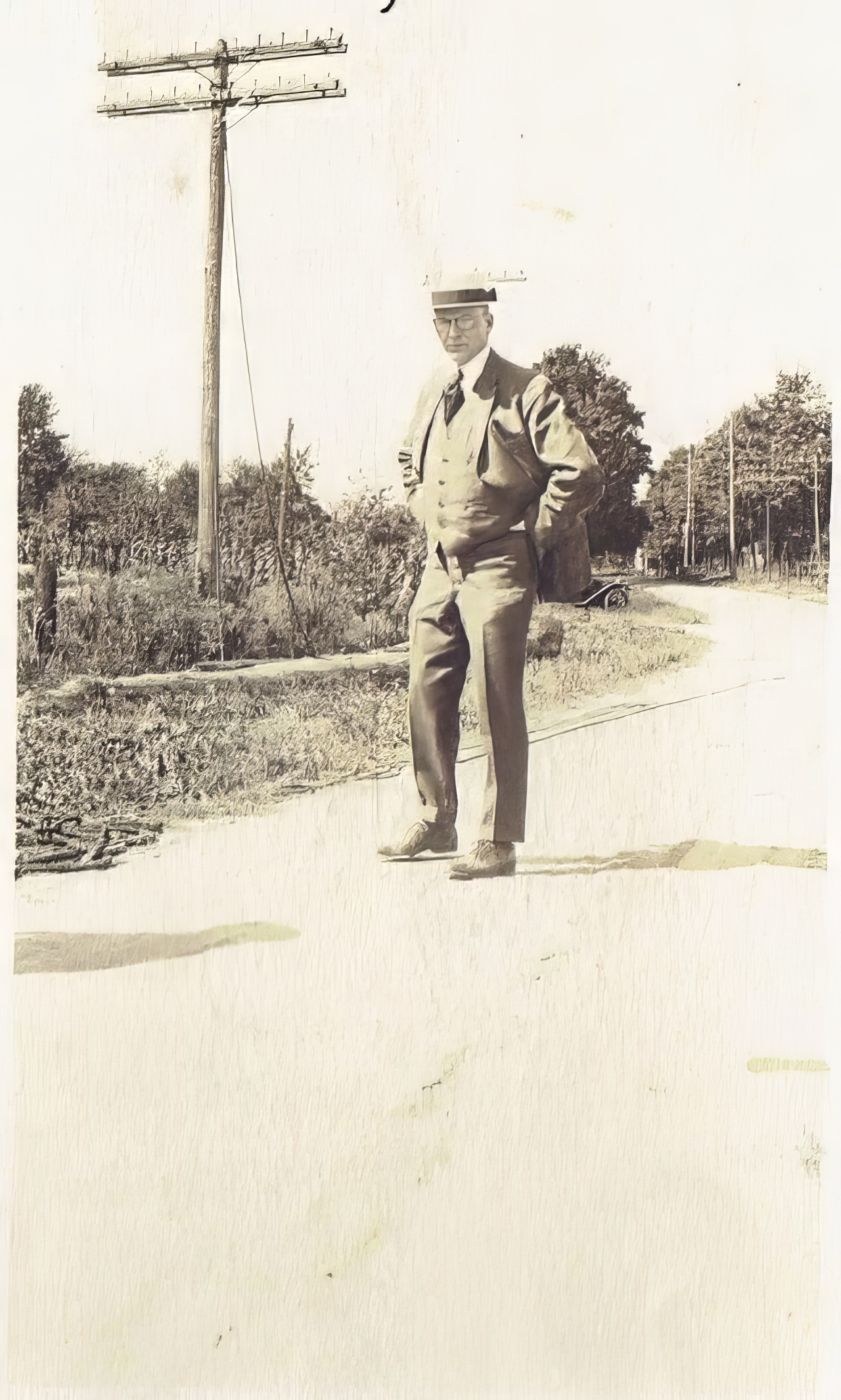
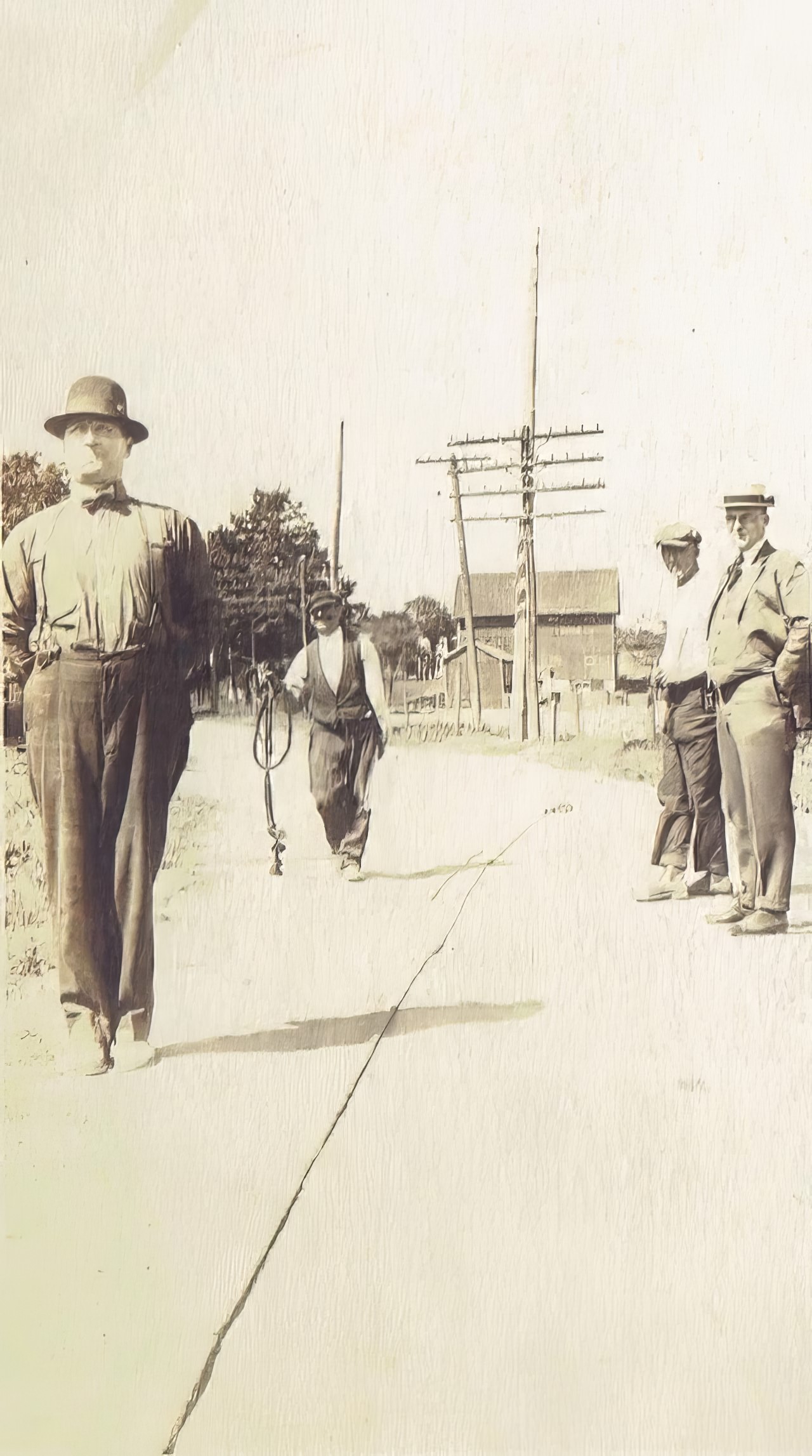
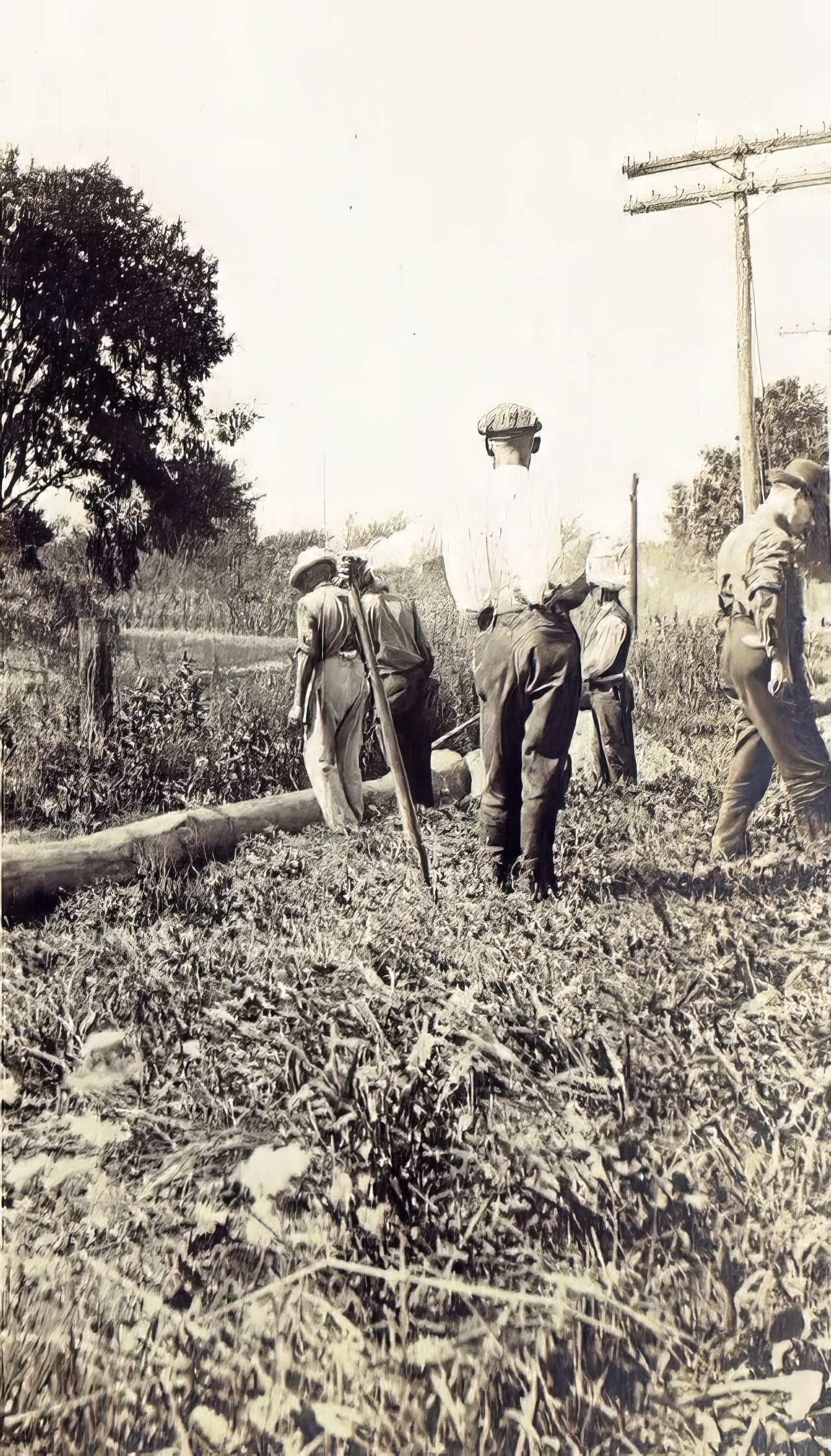
By 1917, the workforce had expanded noticeably. Portraits from that year span multiple towns and capture a wider cross-section of employees, from linemen to office staff.
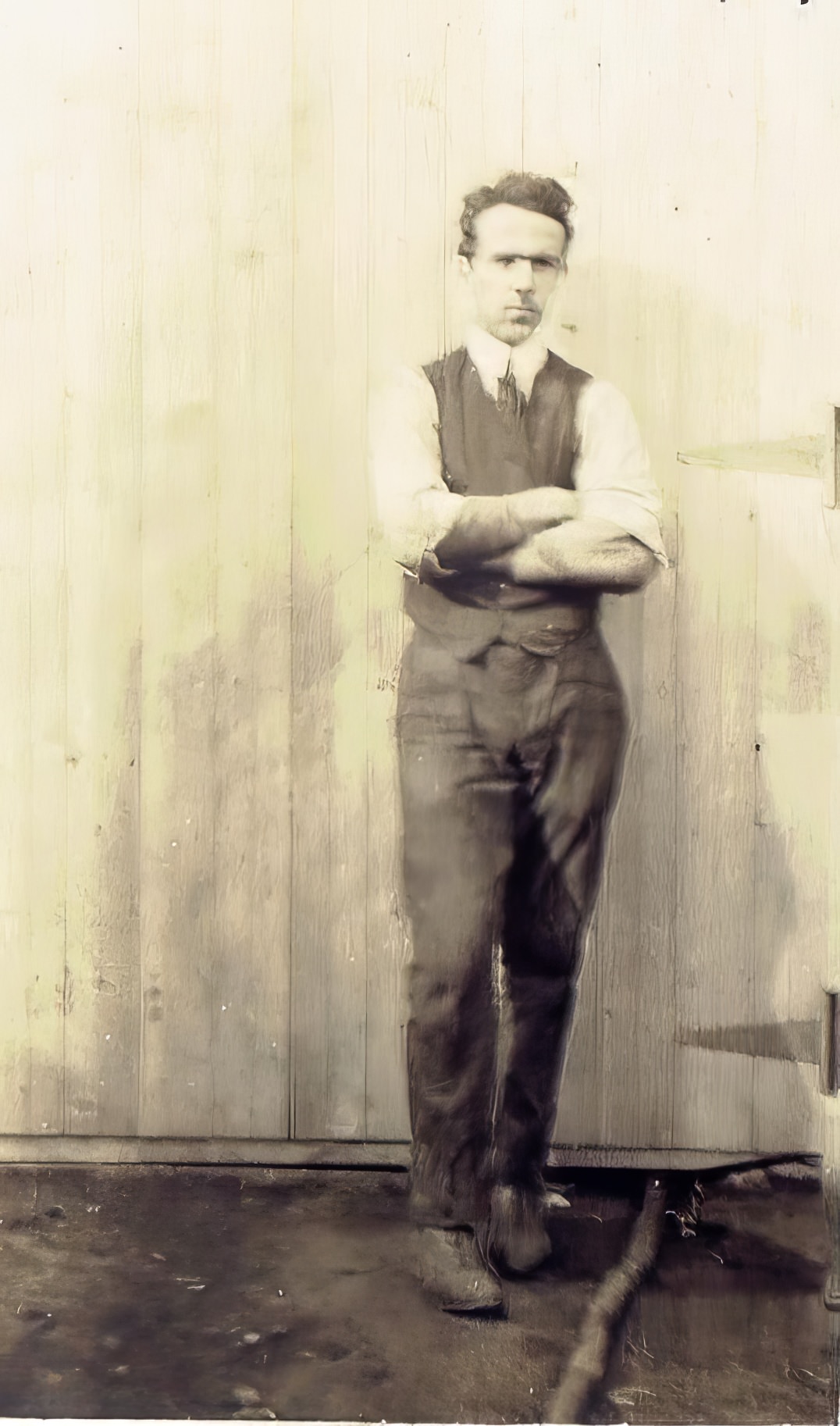
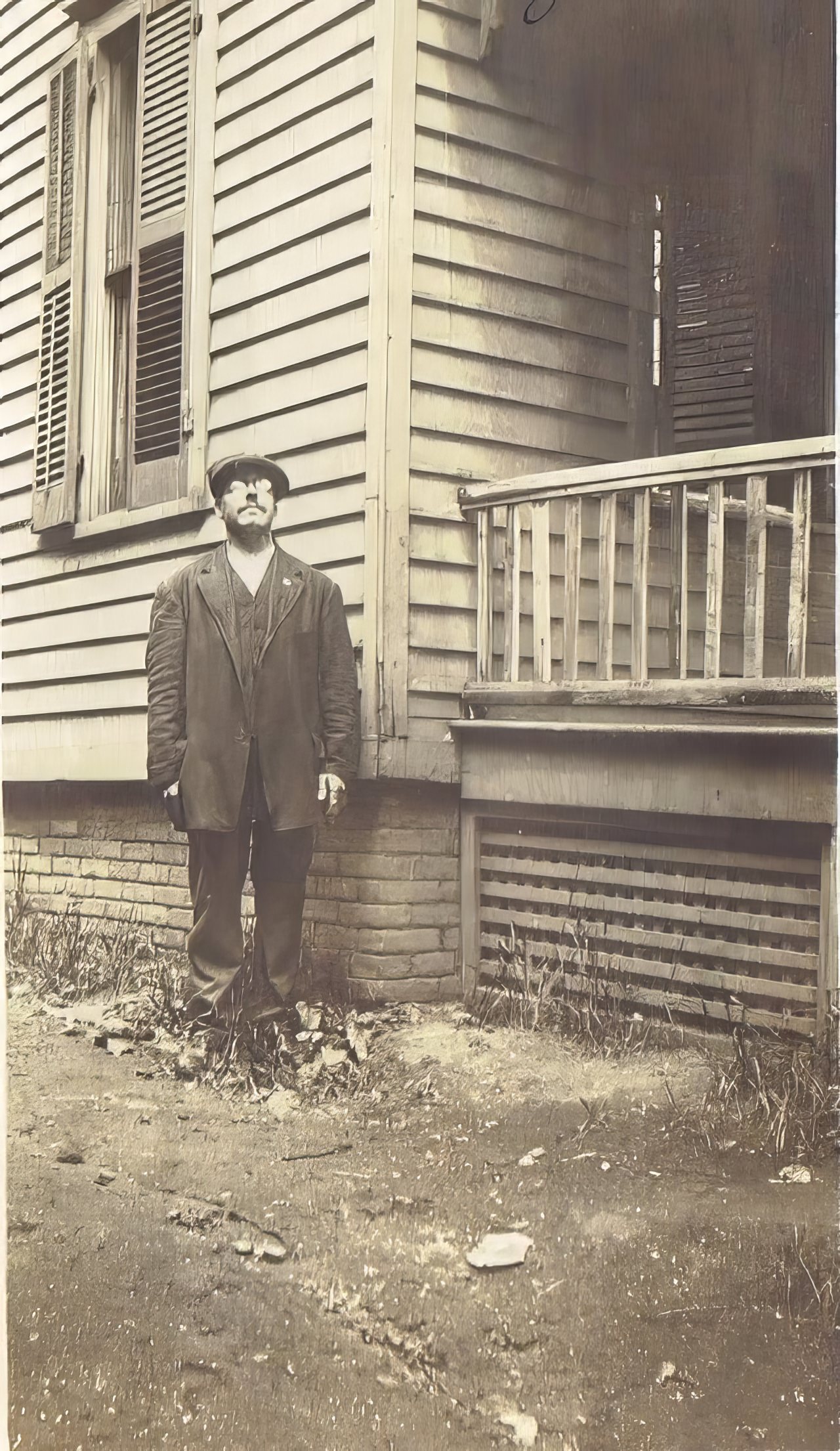
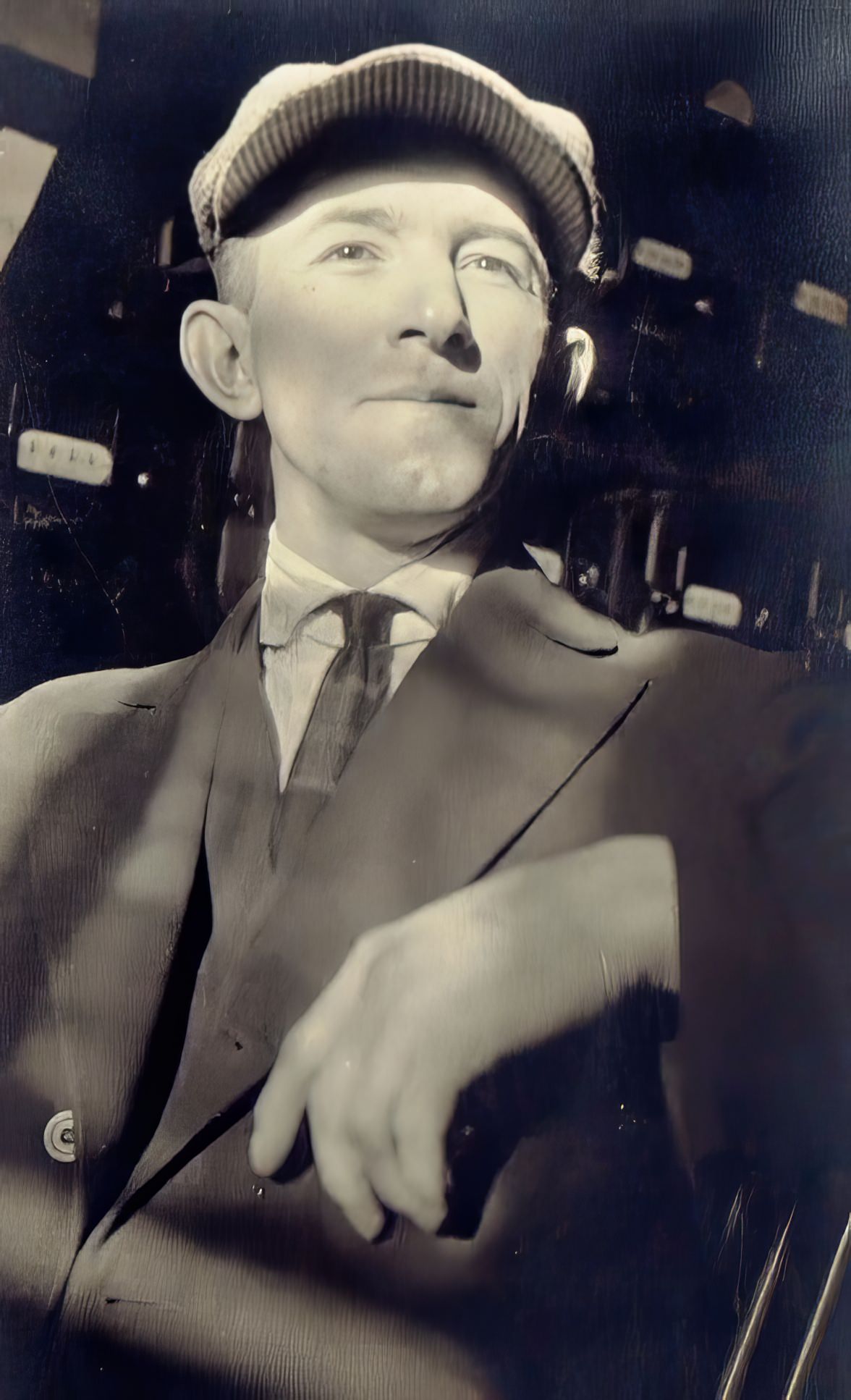
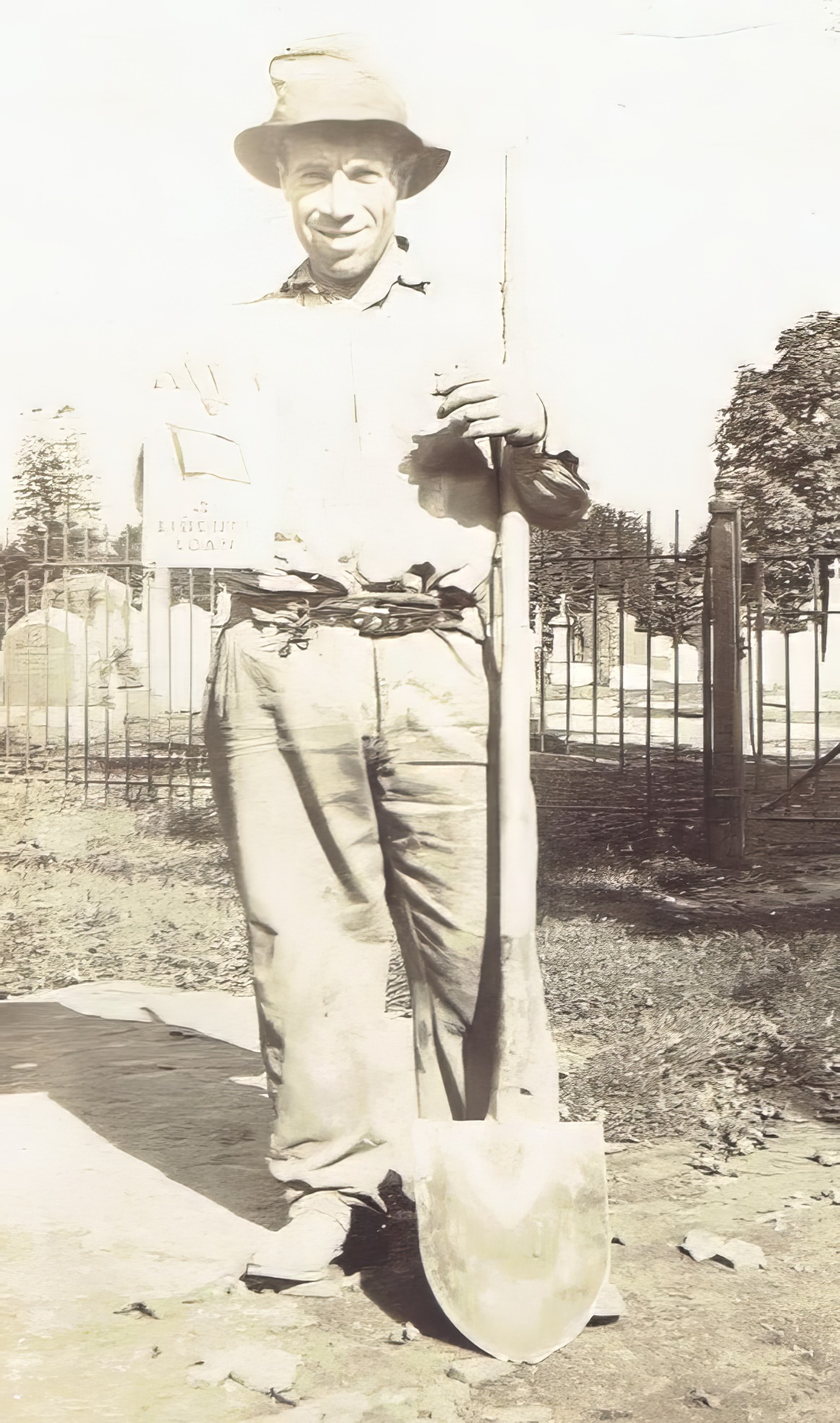
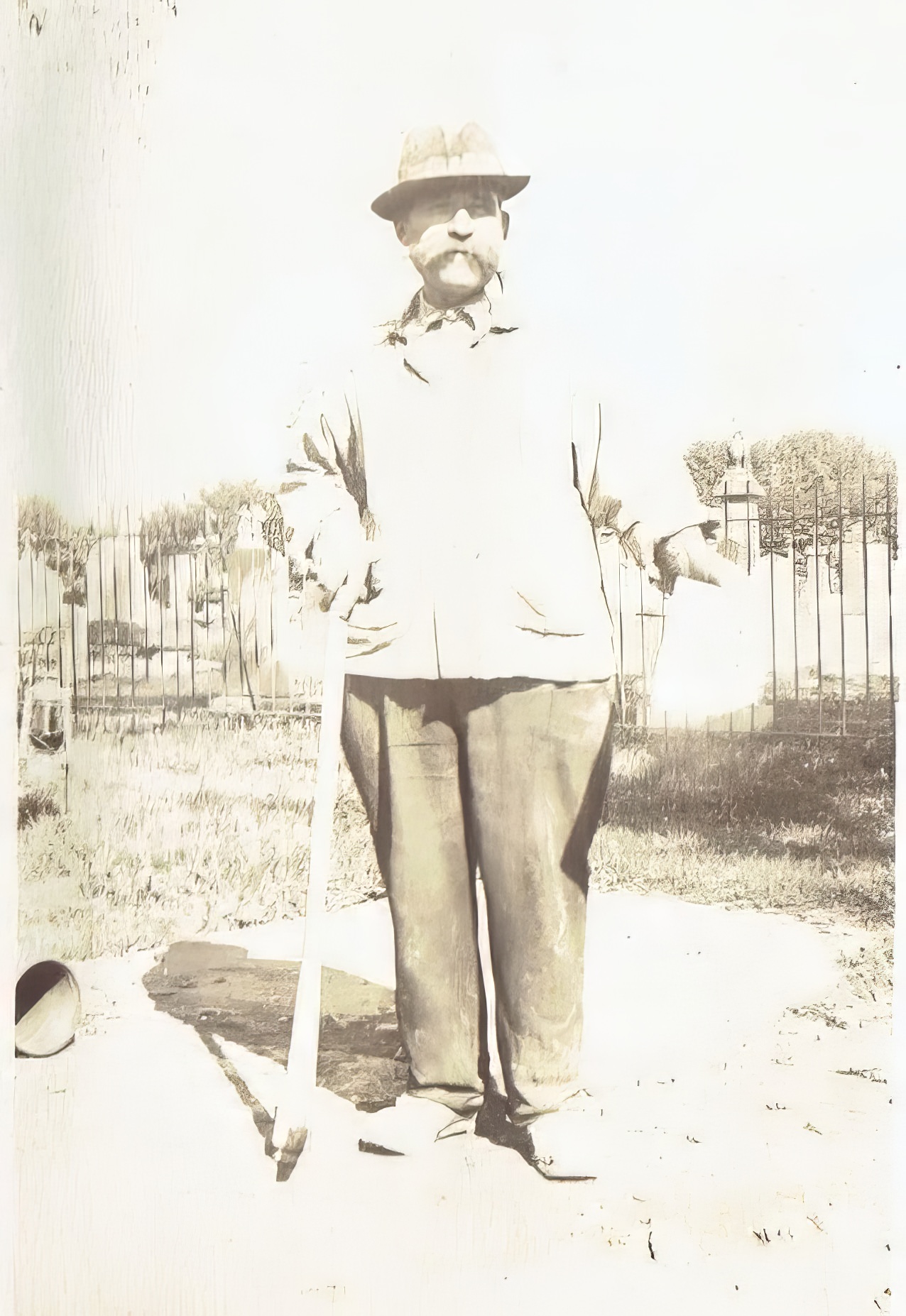
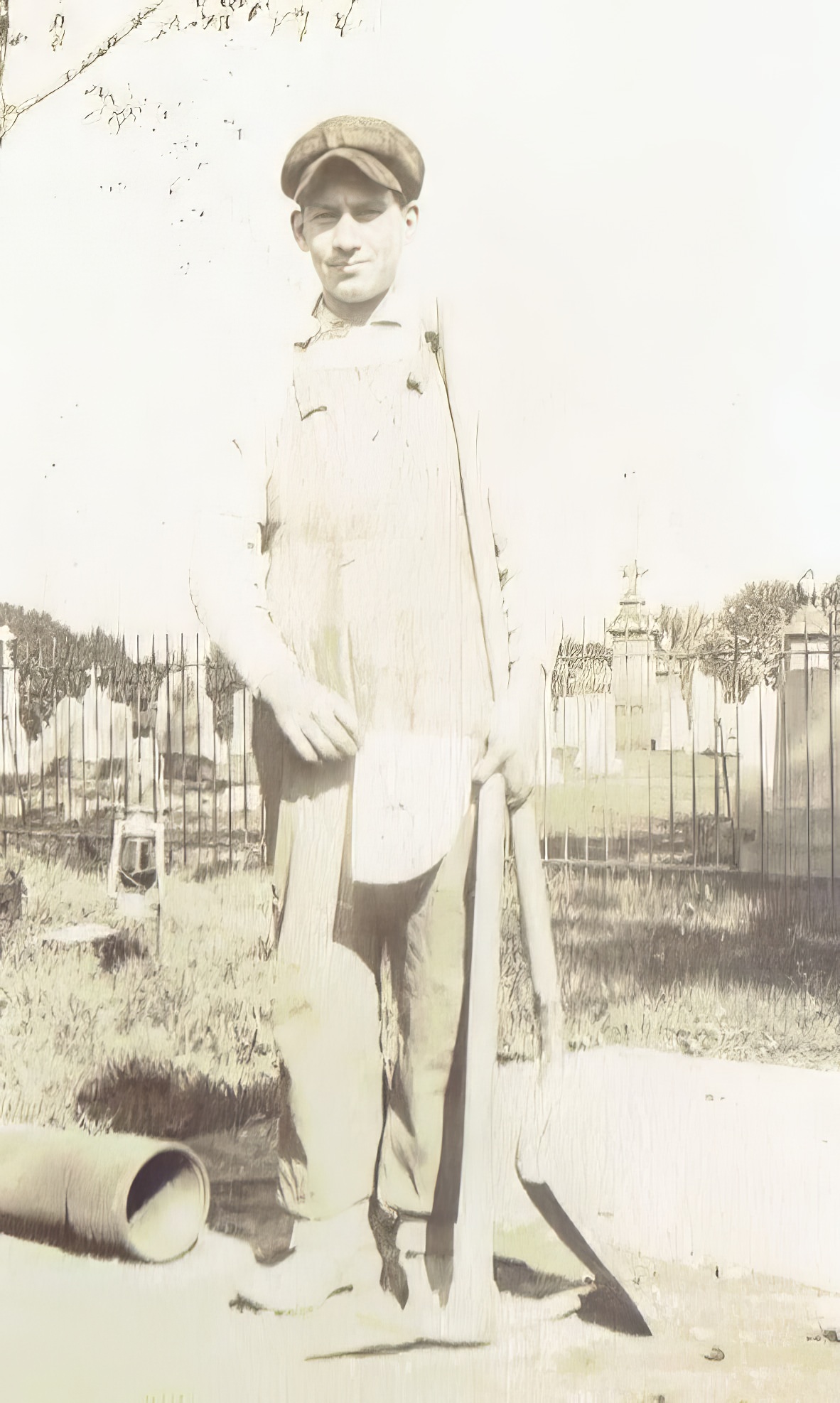
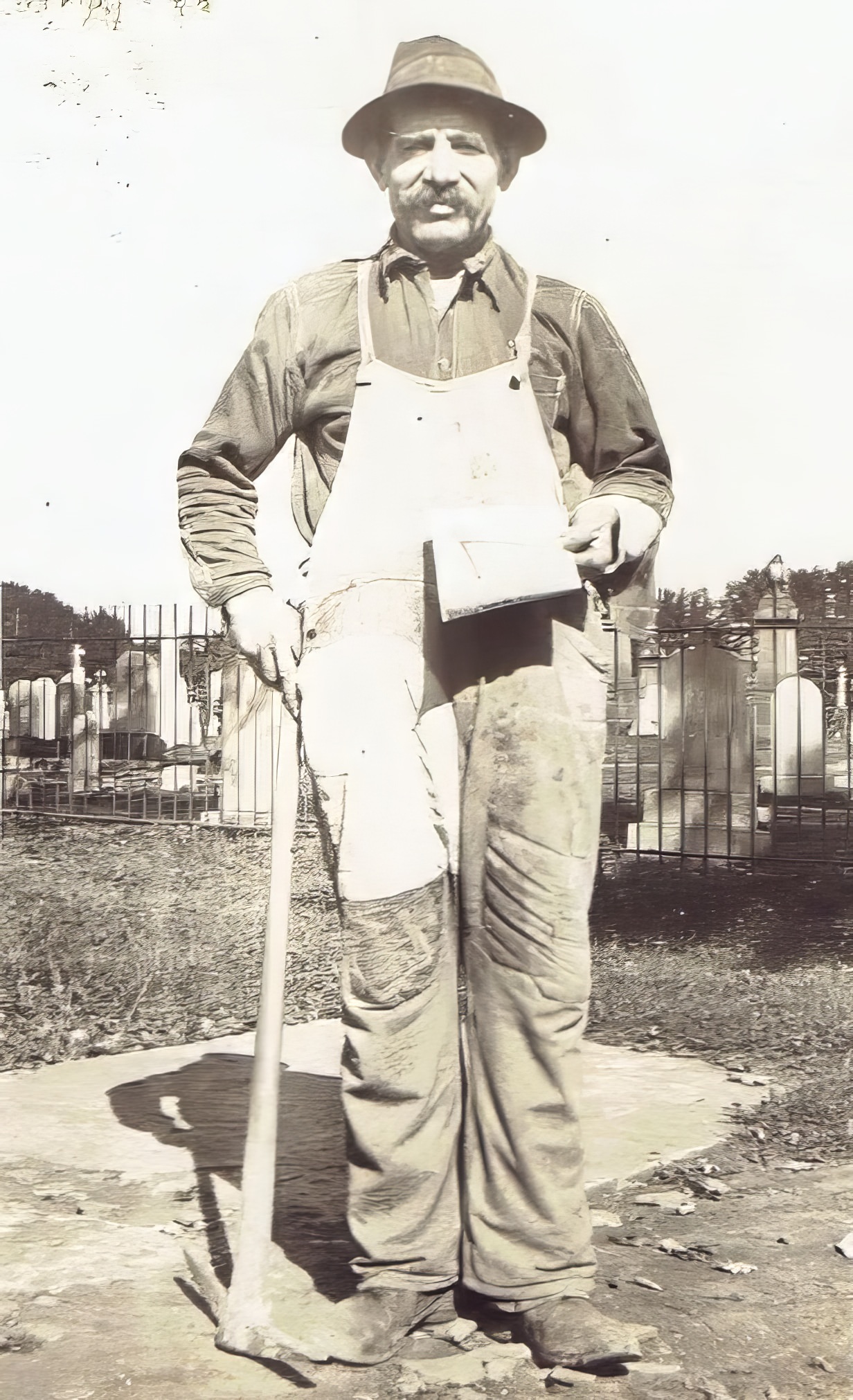
Several Geneva employees participated in the Liberty Bond campaign in 1917, raising funds to support the Allied forces in World War I. James Taney, Mike Mozzona, Pat Ross, Rocco Felix, Tony Massa, and Tony Pacello were all photographed near St. Patrick’s Cemetery in Geneva as part of this effort, showing how the company’s workers were engaged with the war effort beyond their daily jobs.
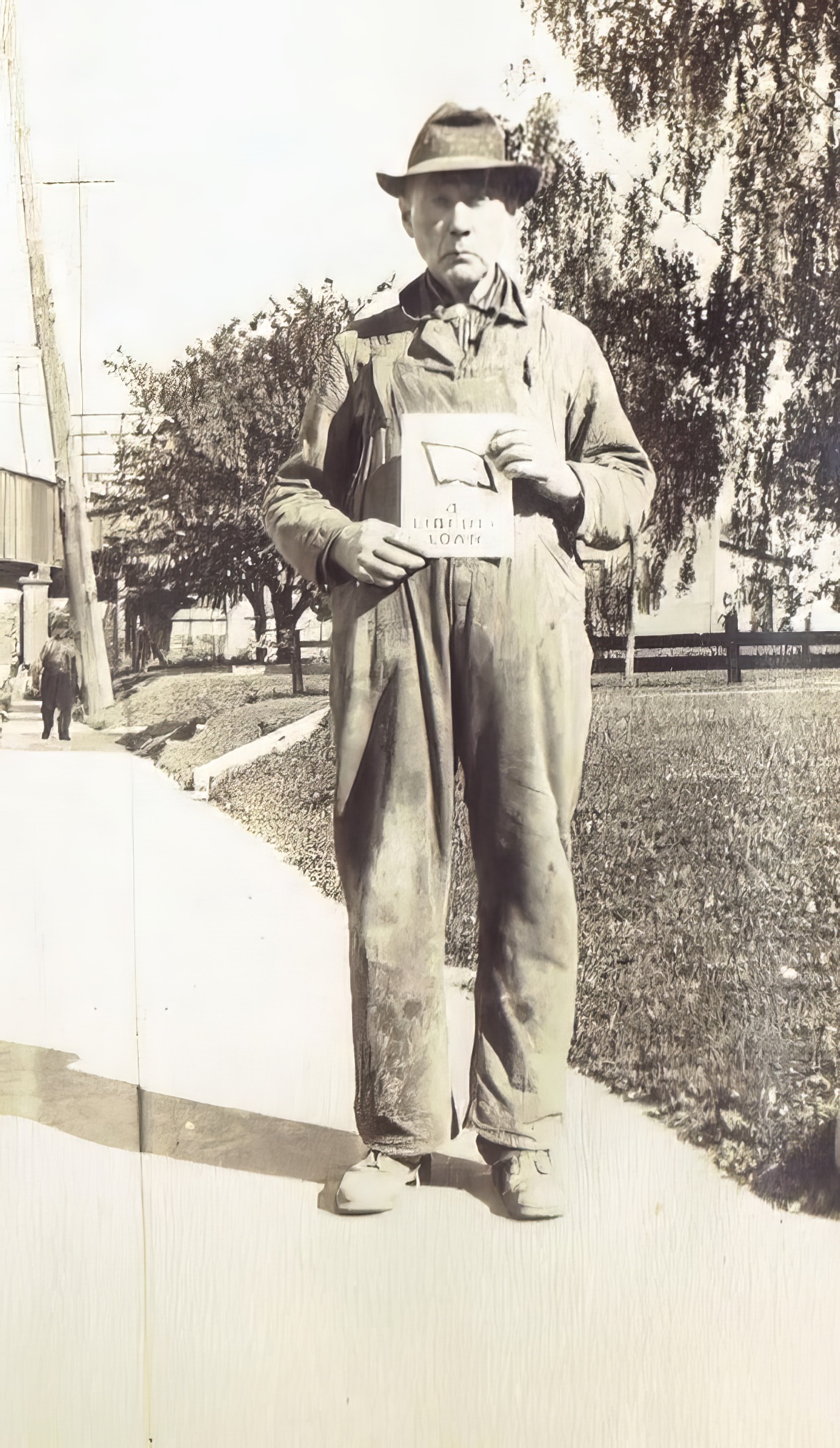
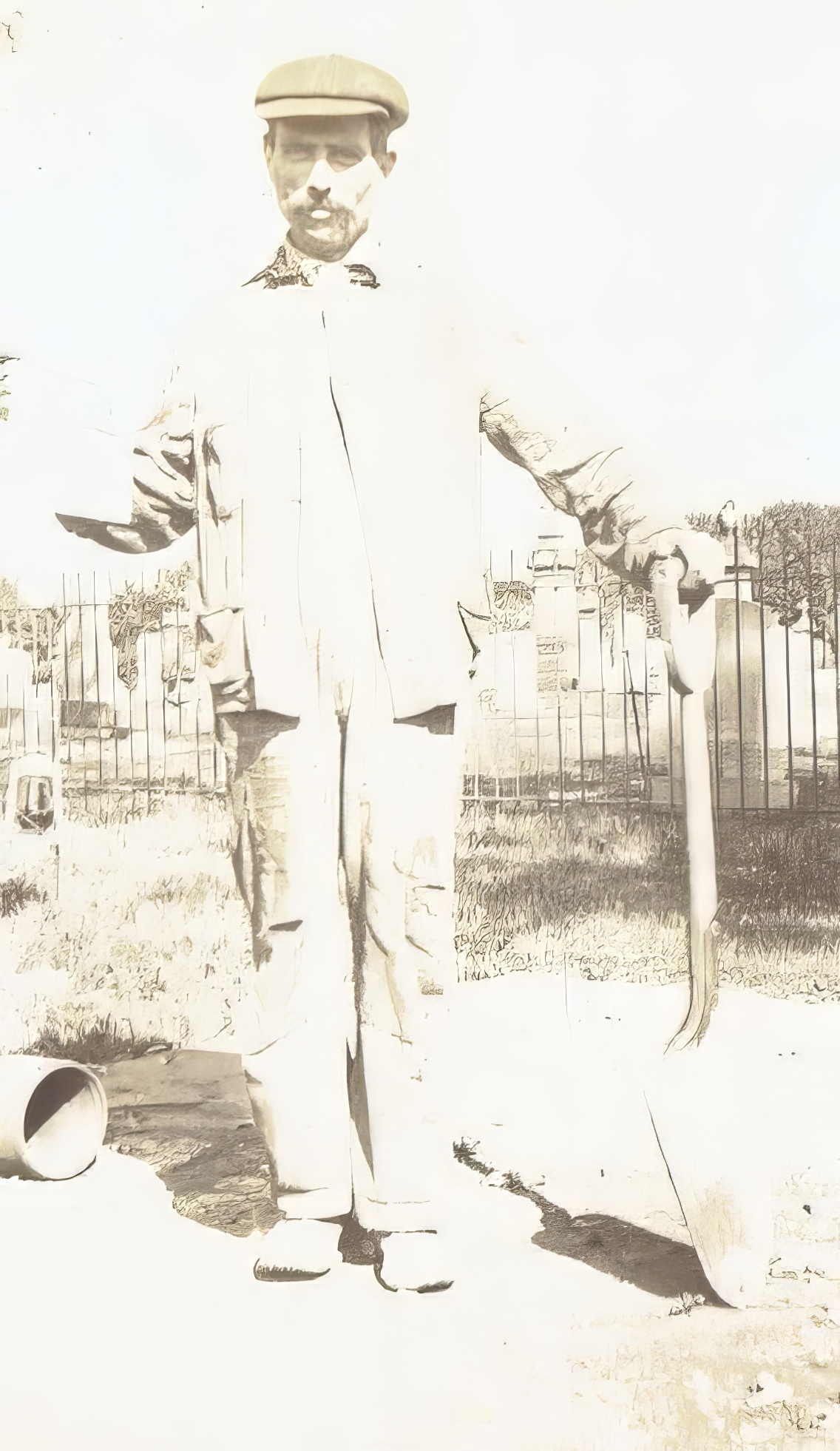
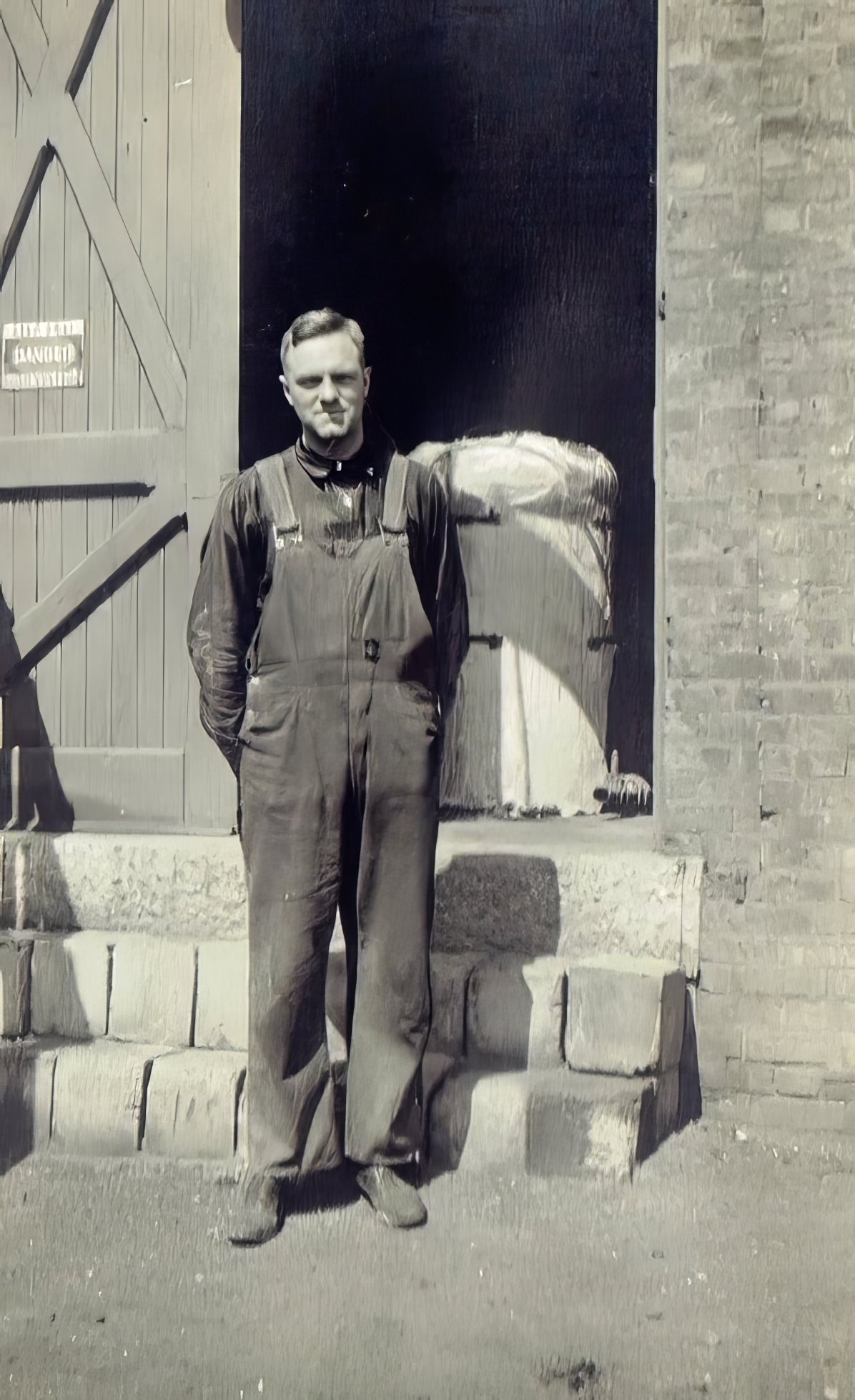
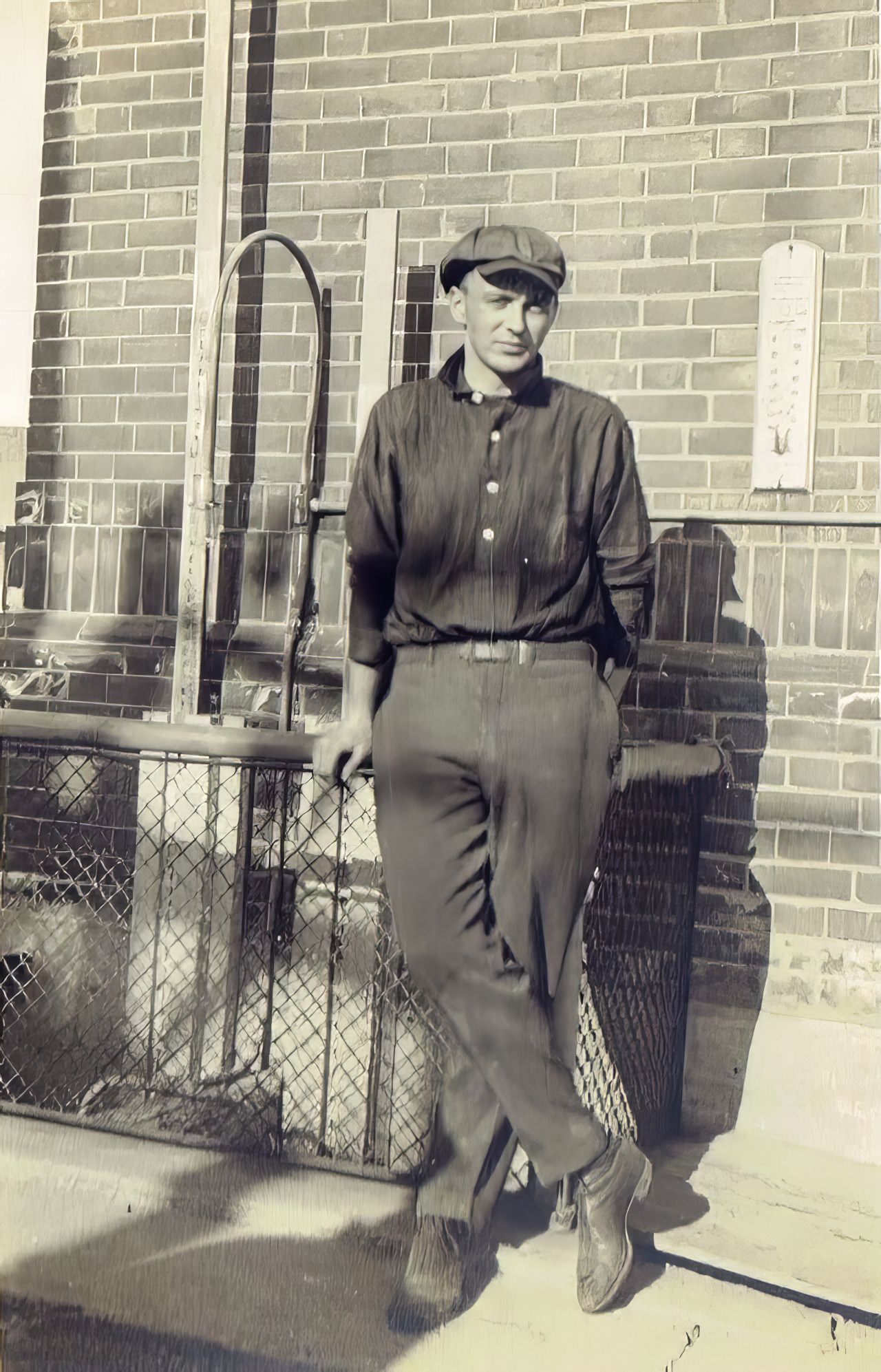
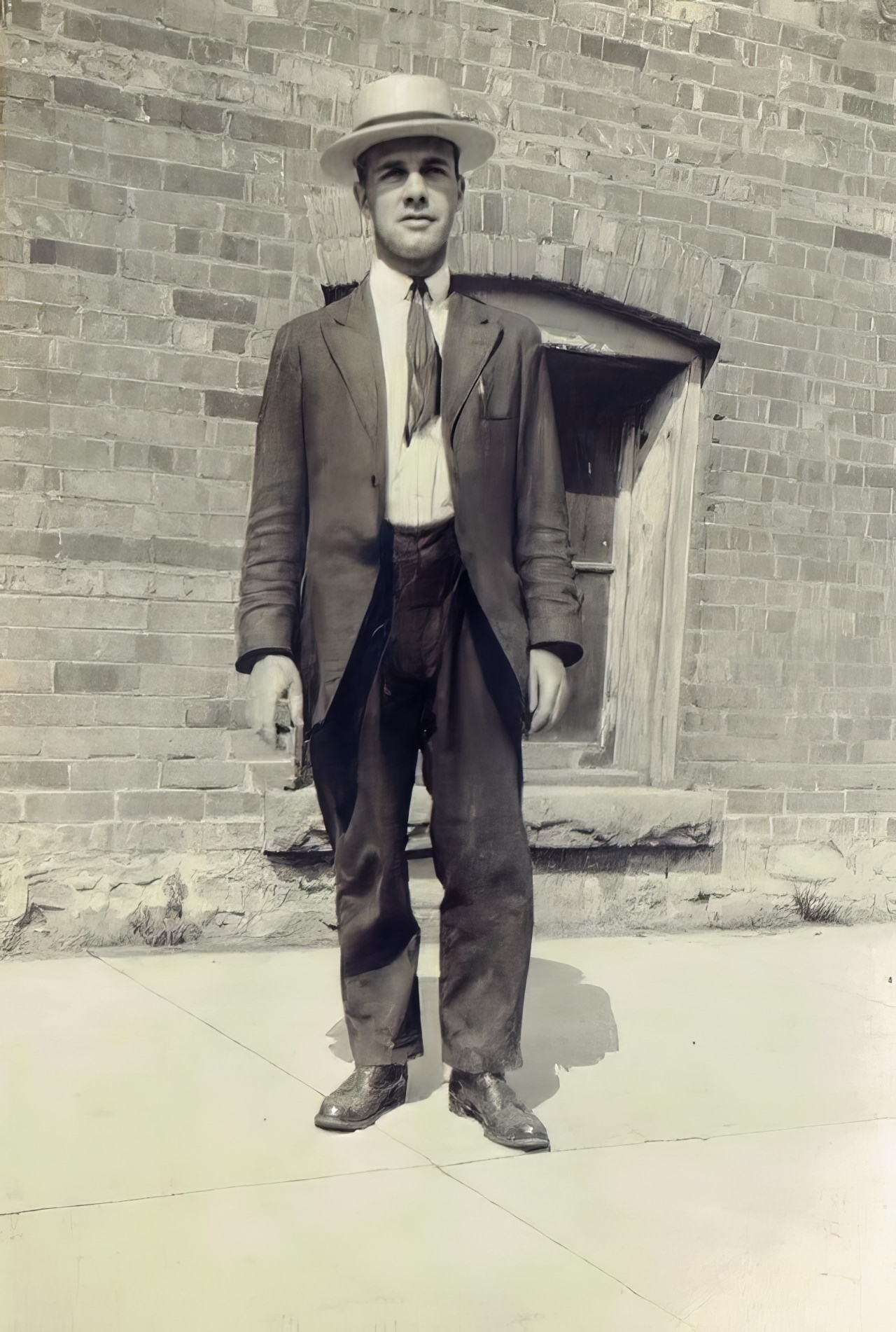
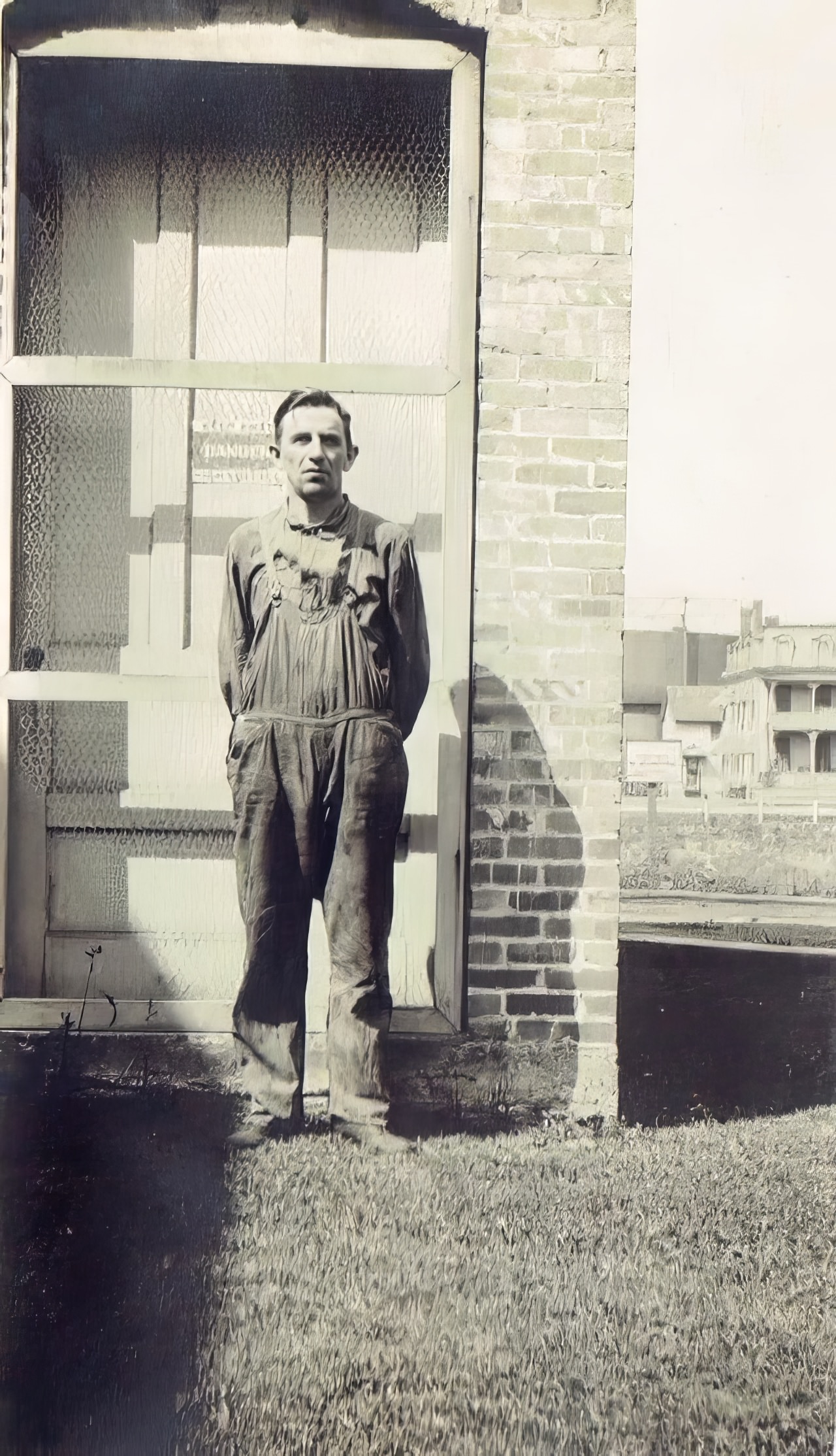
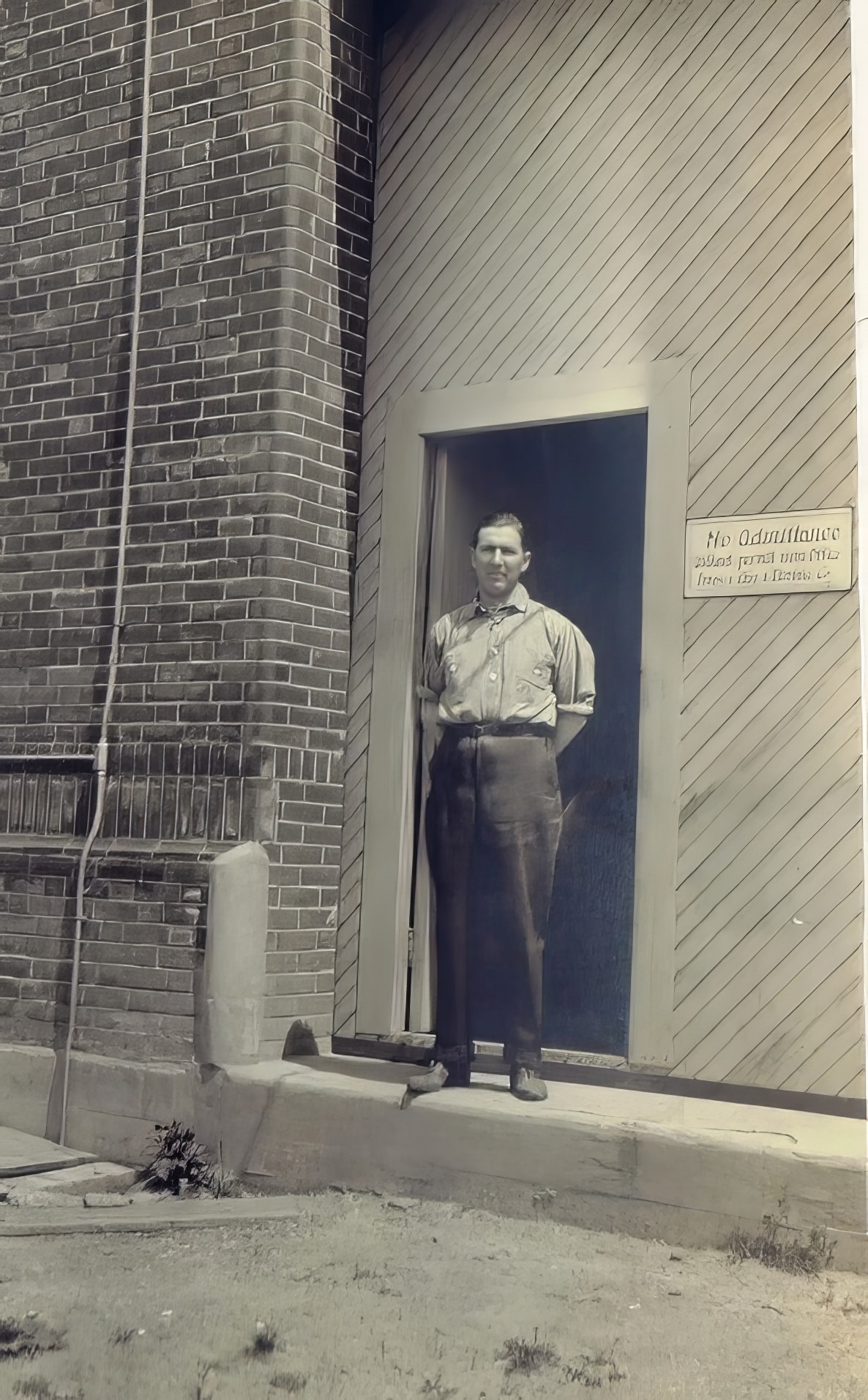
Some portraits captured small groups rather than individuals. Lyme Reed, Harold Smith, and H. Austin were photographed together in Geneva in 1917, offering a glimpse at the camaraderie within the workforce.
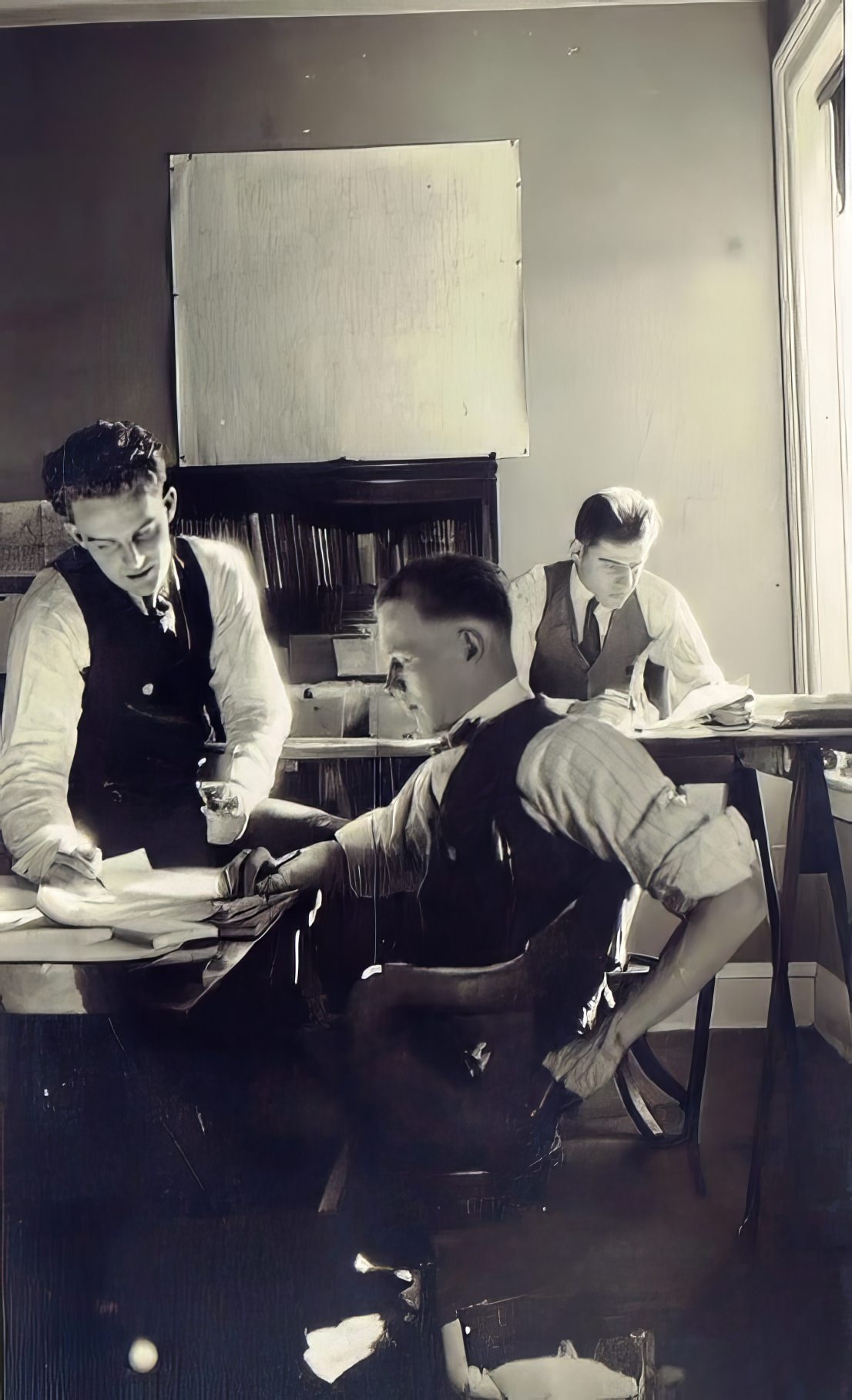
The 1918 portraits are the most numerous, reflecting the company’s growth across Geneva, Newark, Lyons, Palmyra, and Seneca Falls. Employees like Abe Fields, Bart Frank, and Benjamin Finney were among those documented that year.
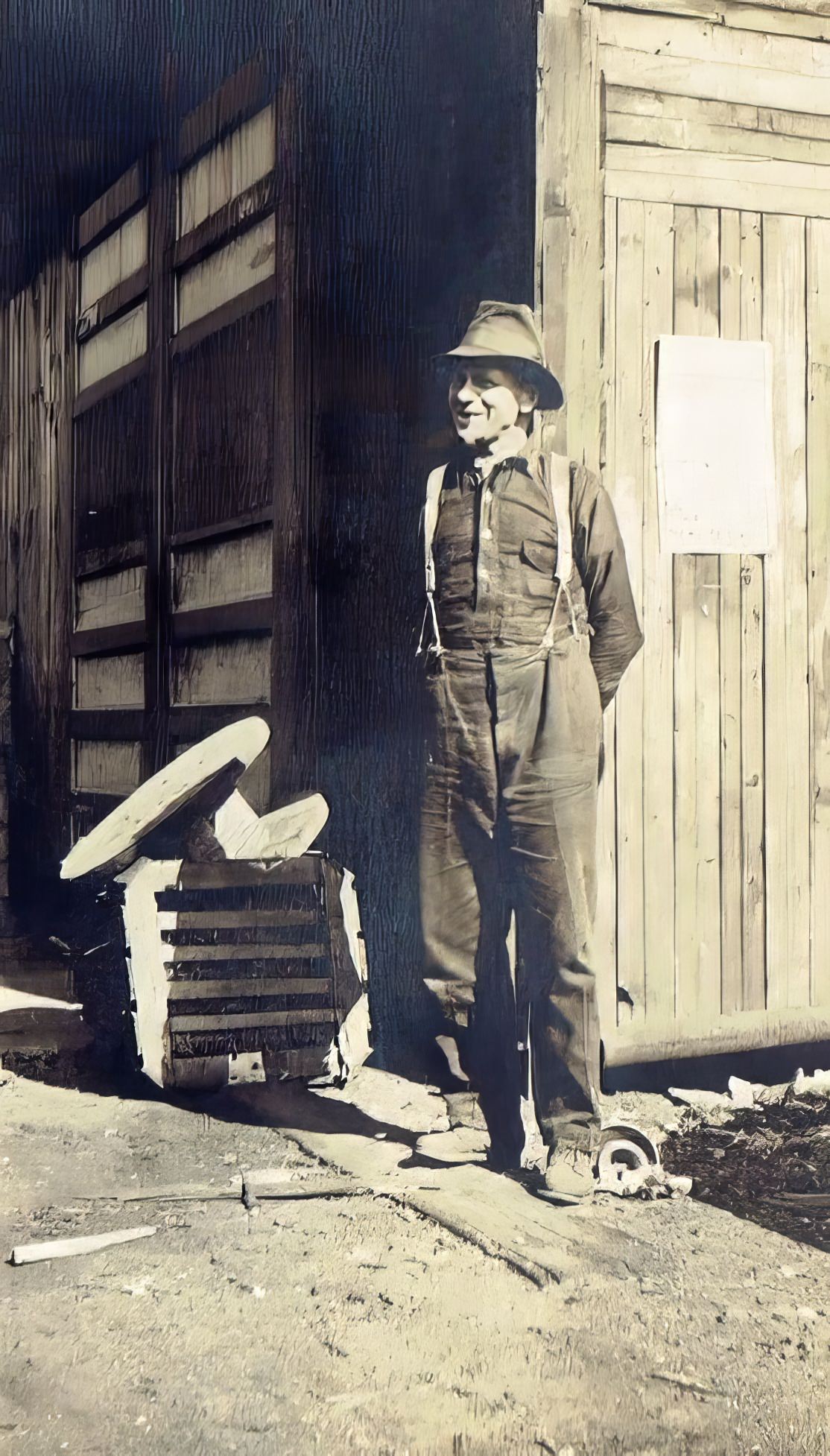
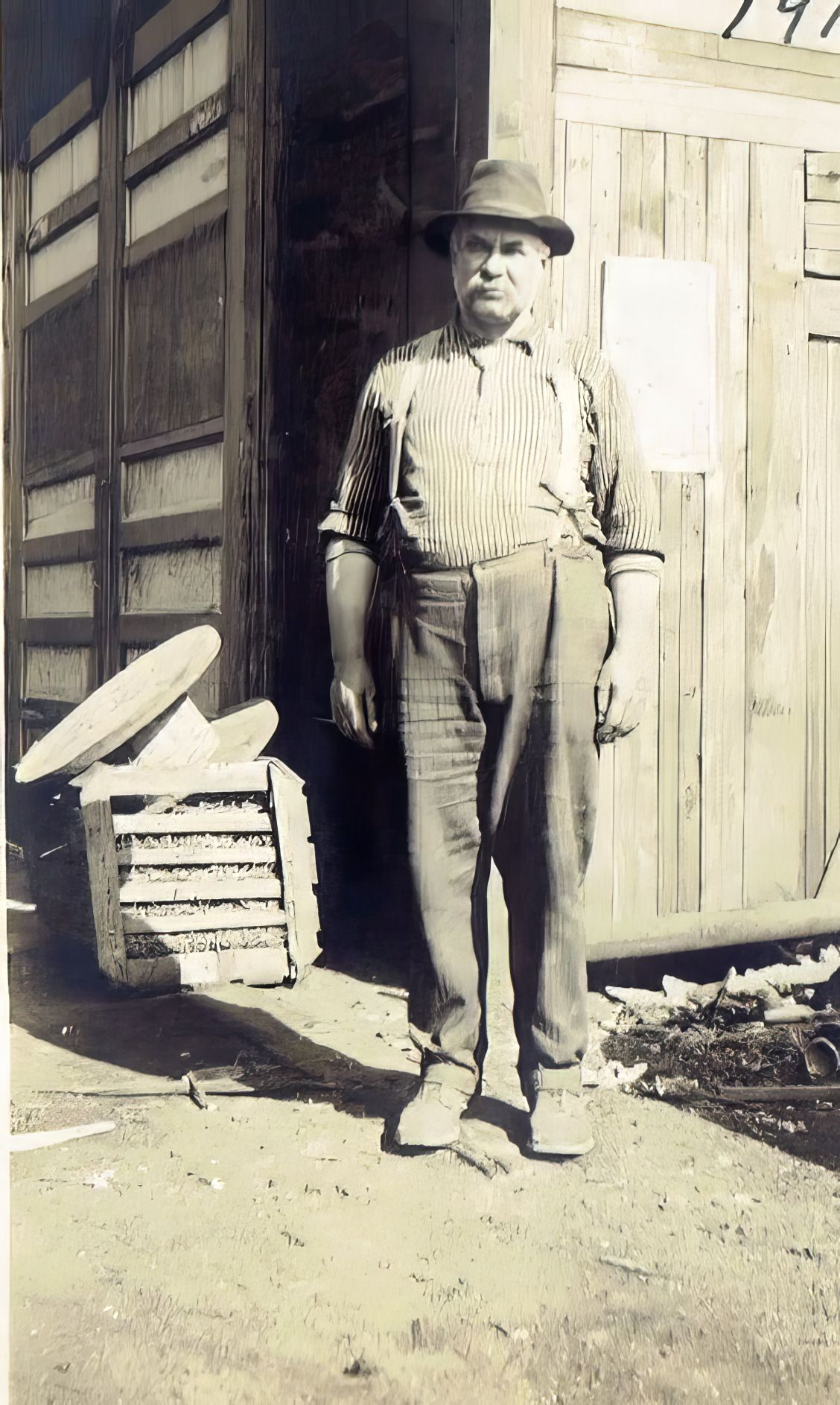
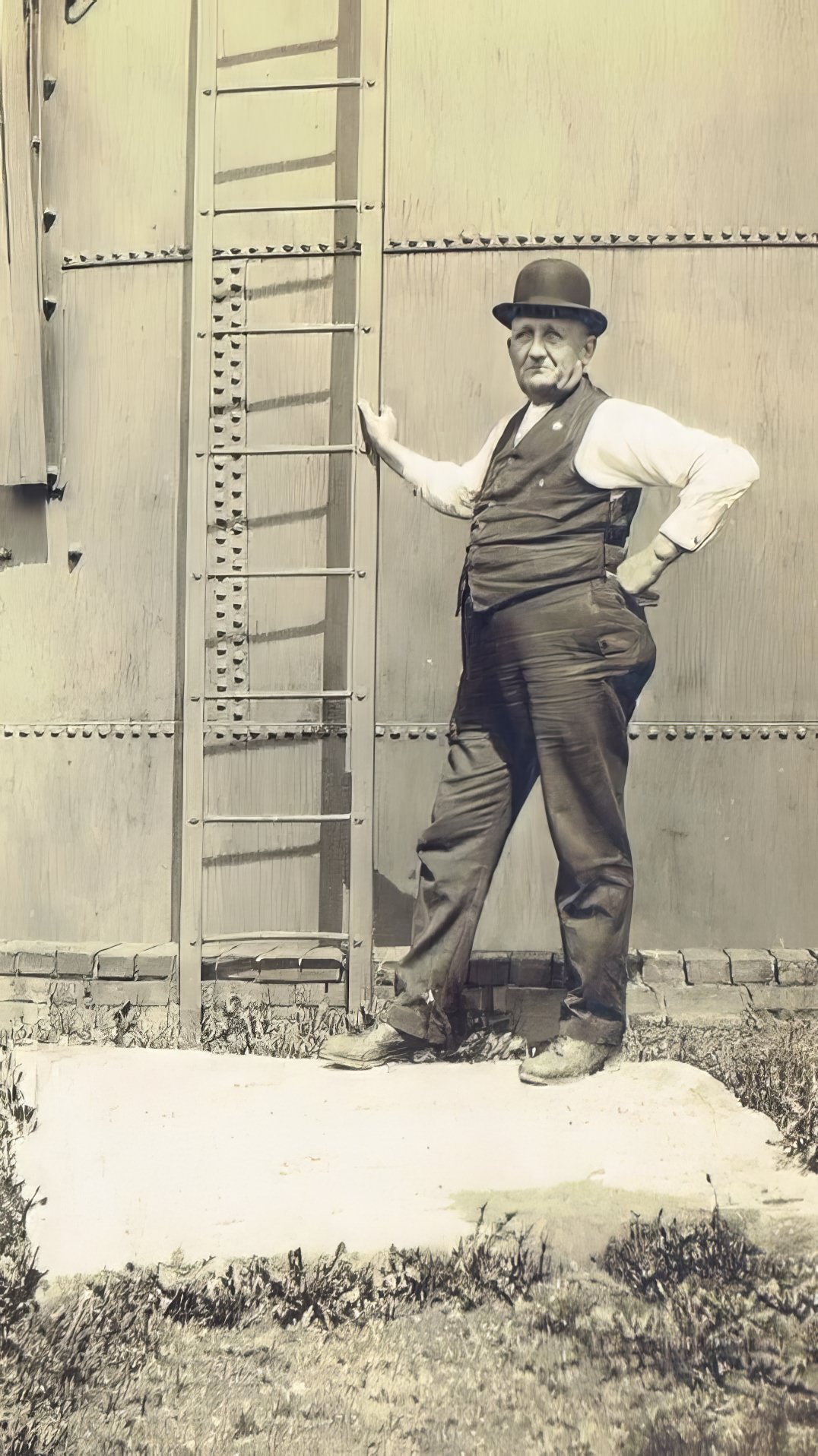
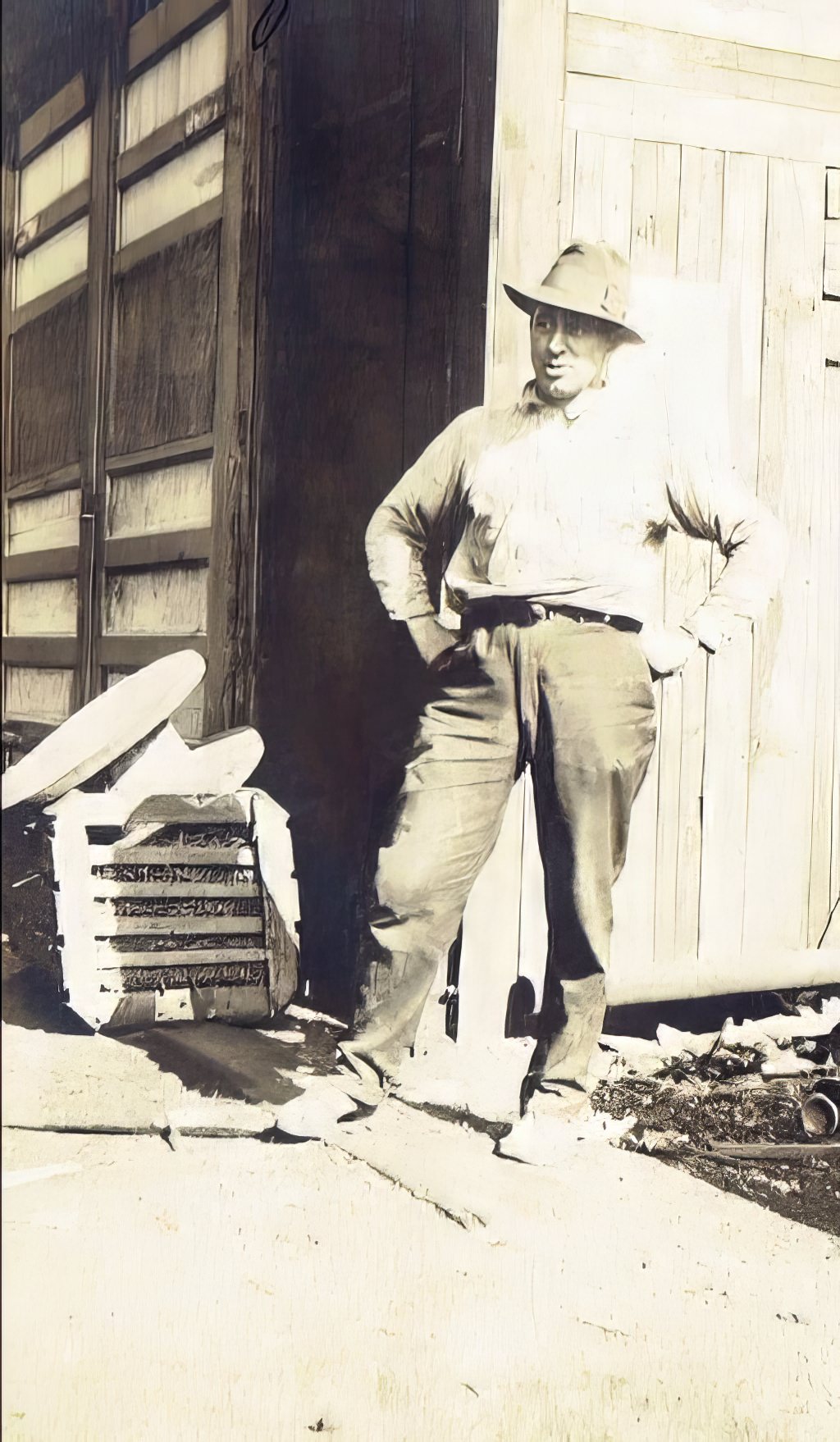
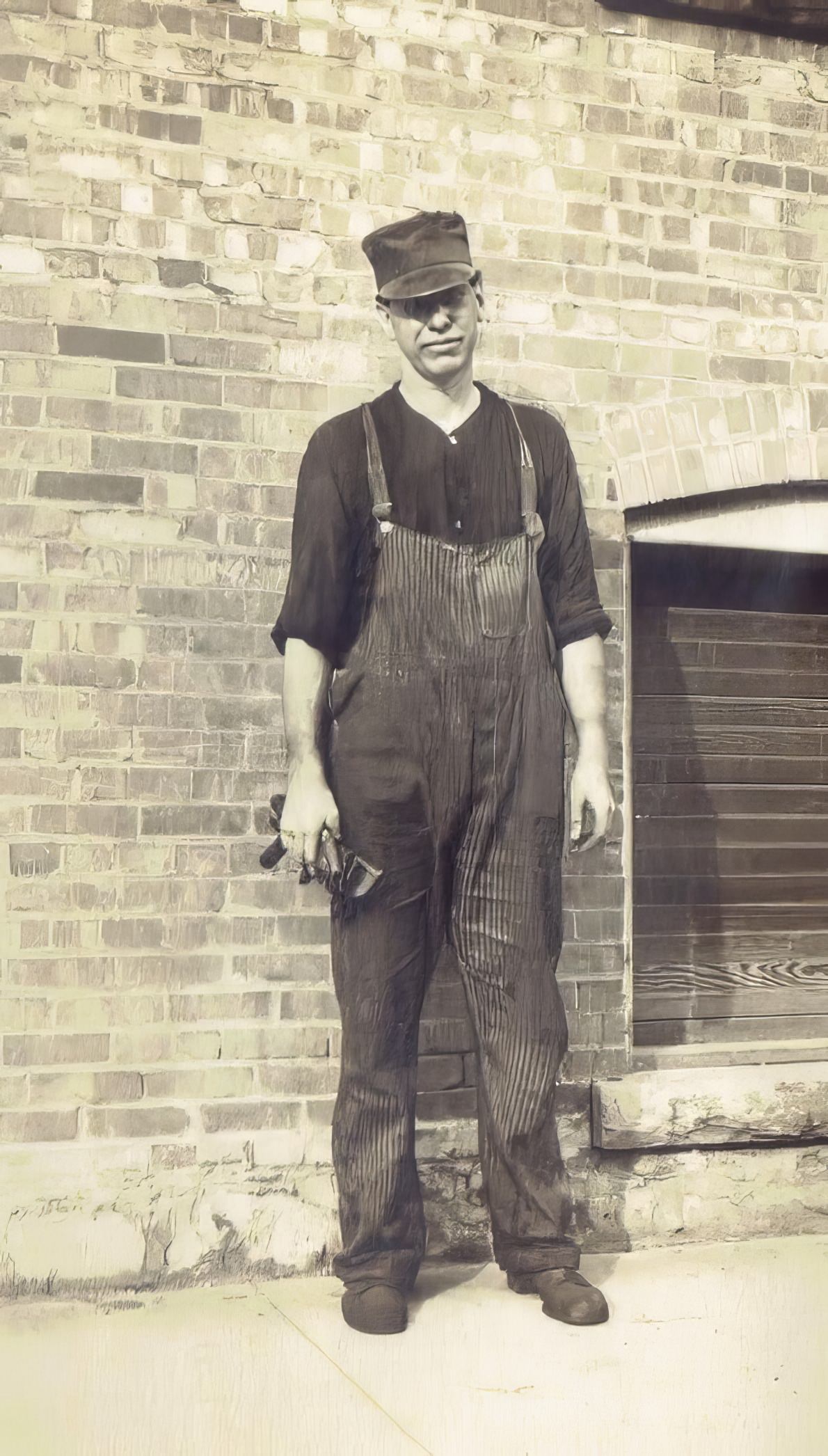
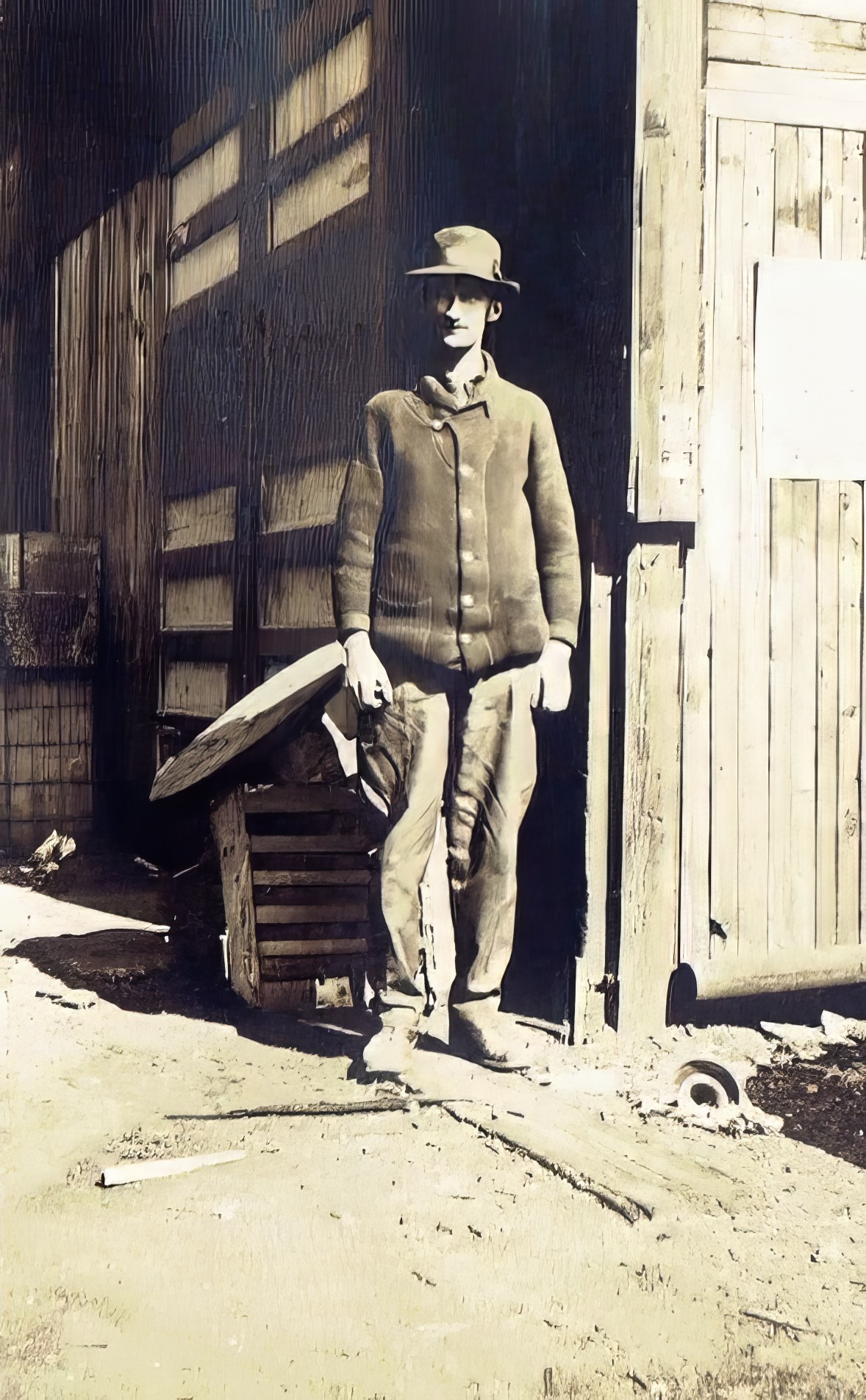
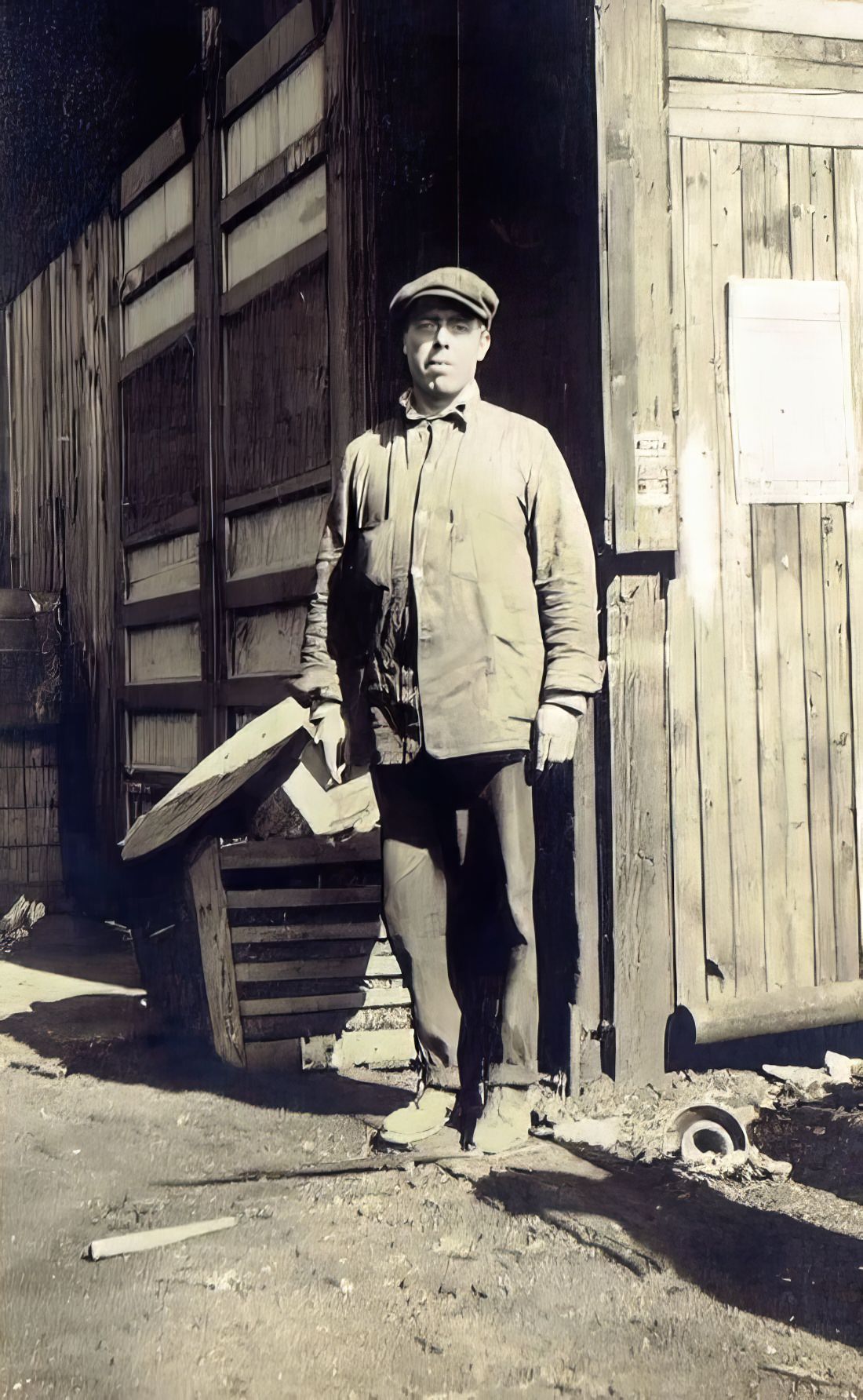
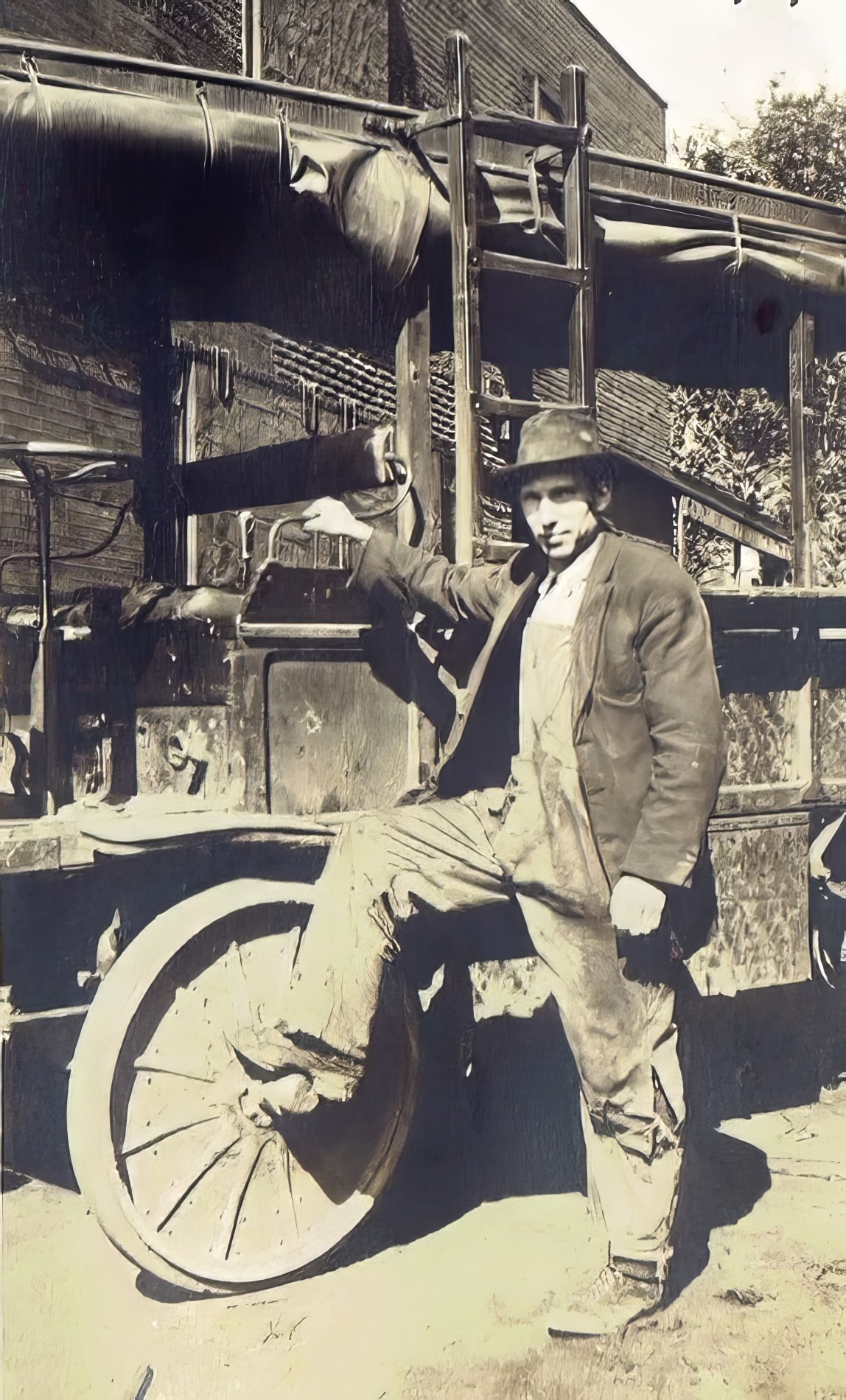
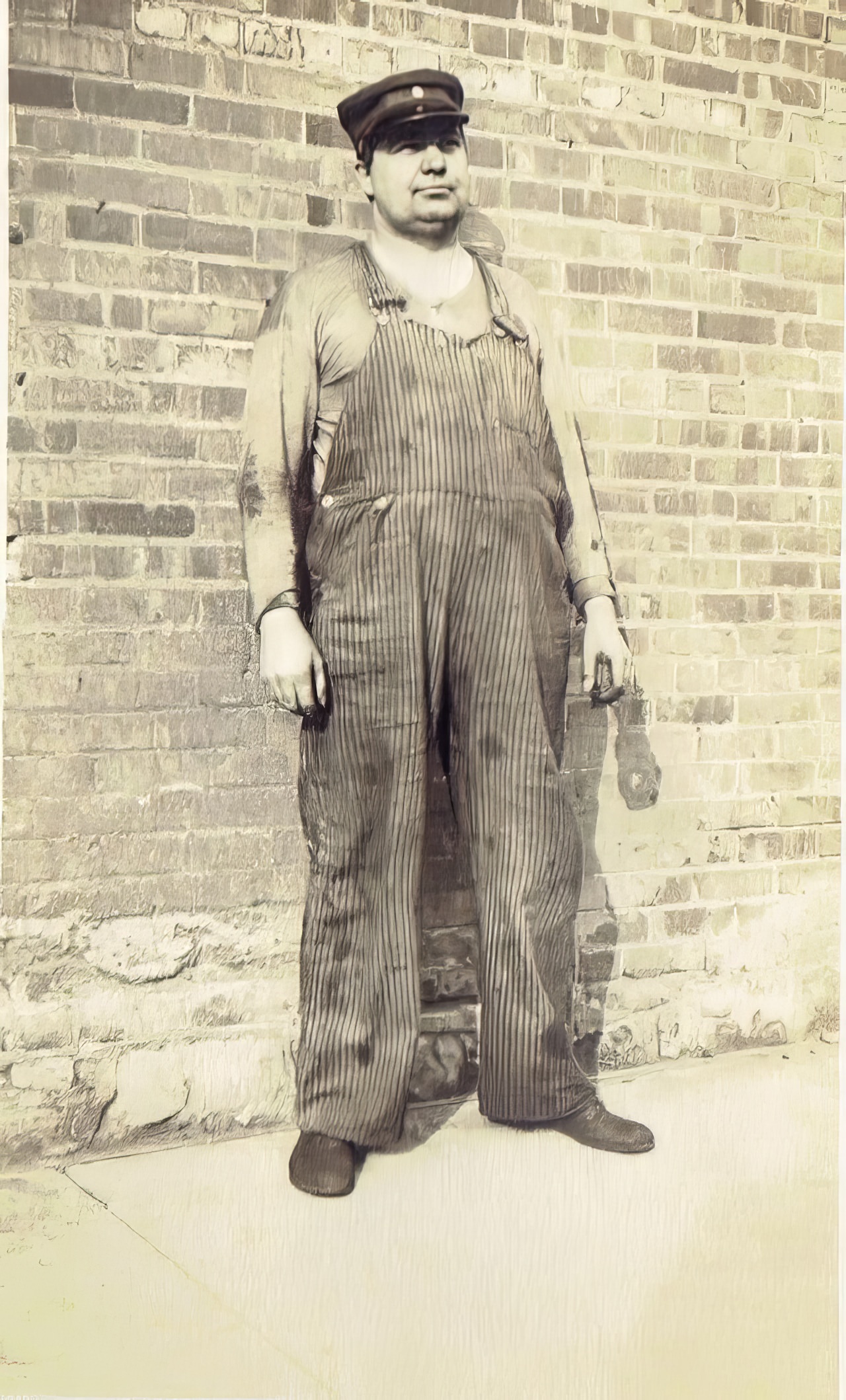
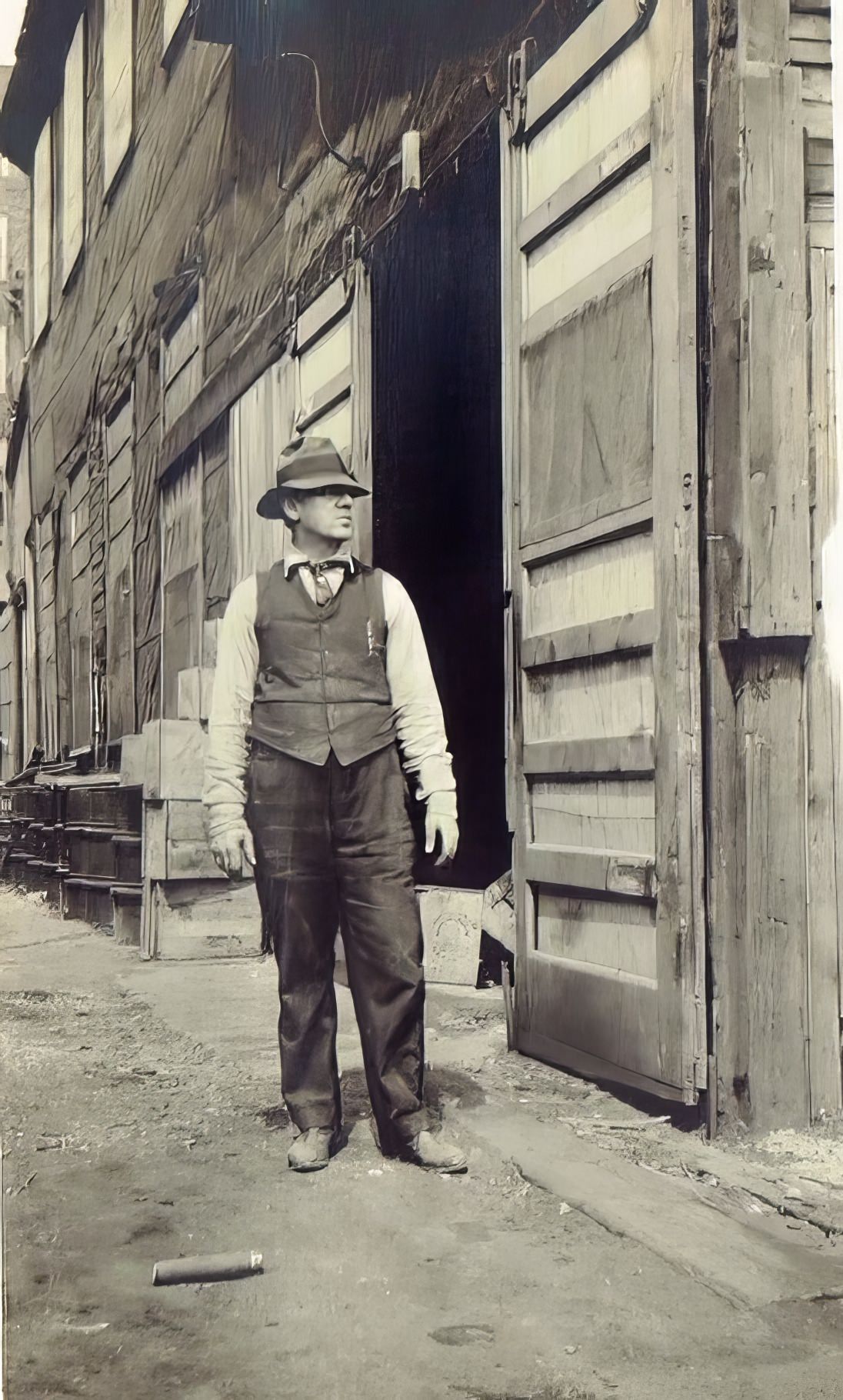
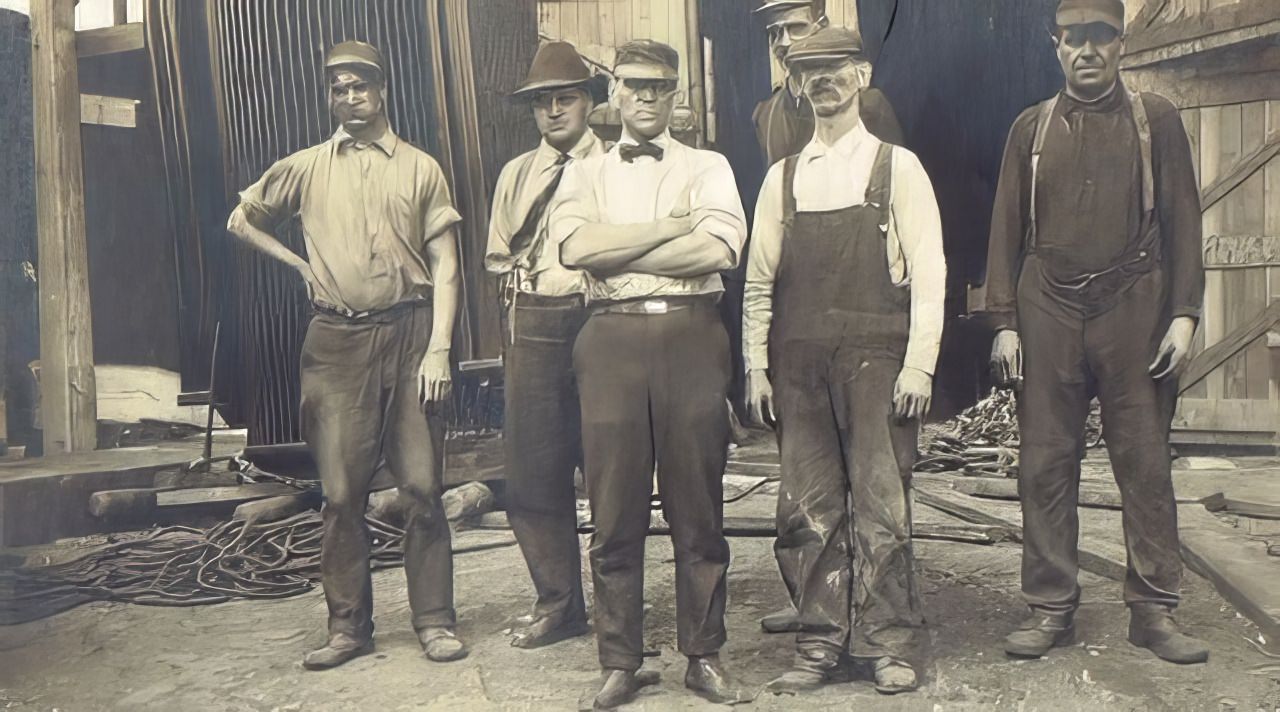
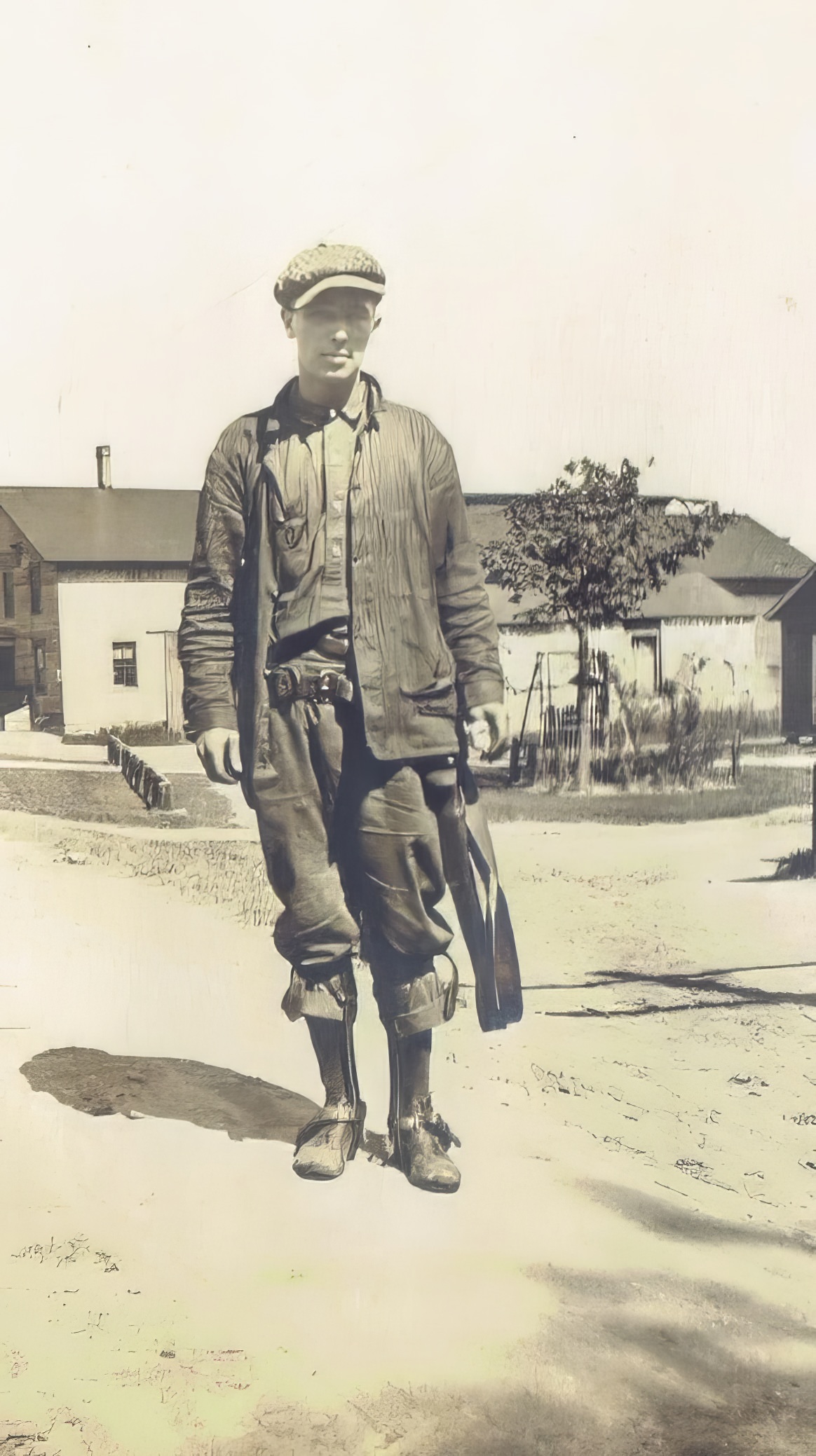
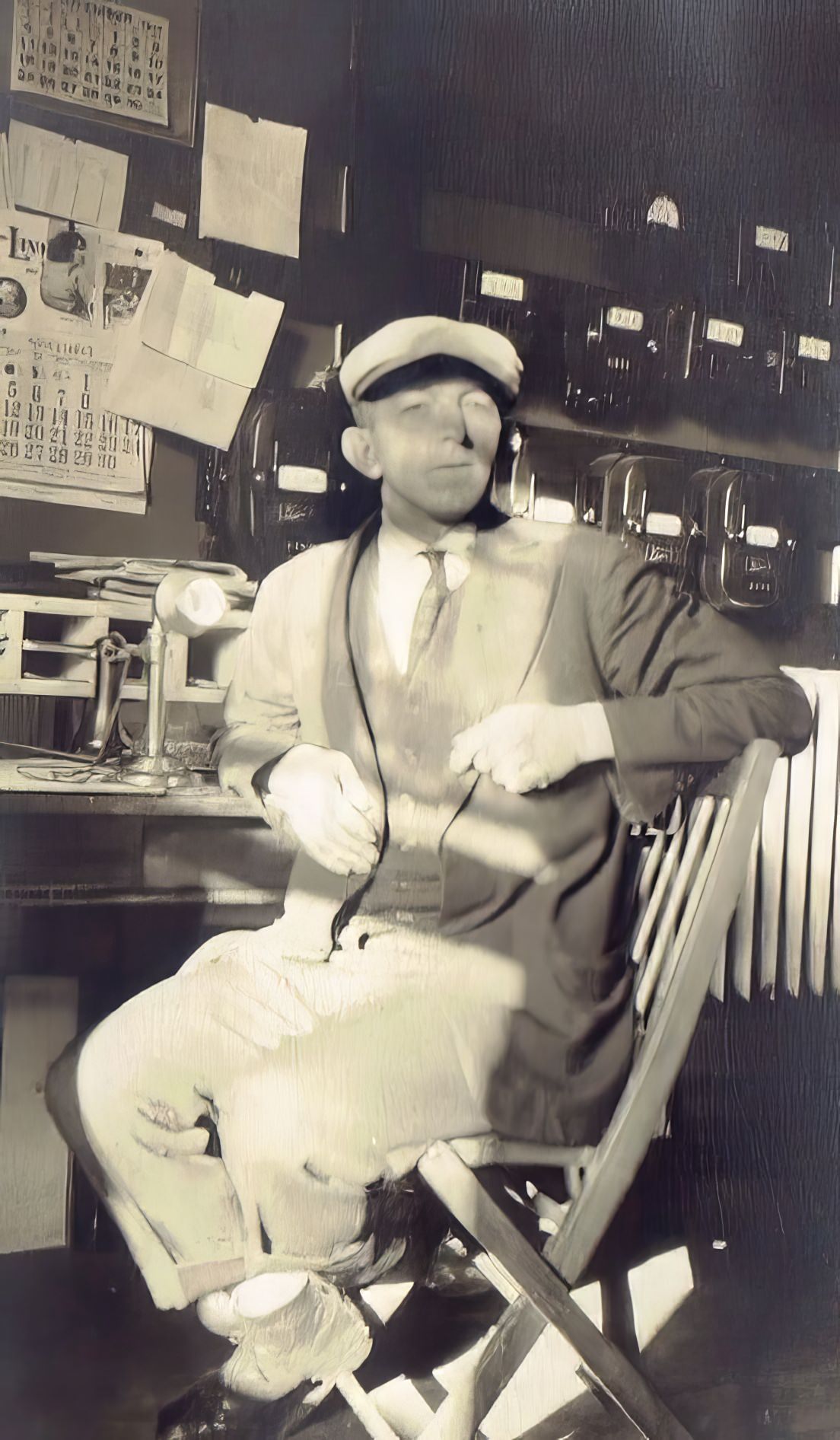
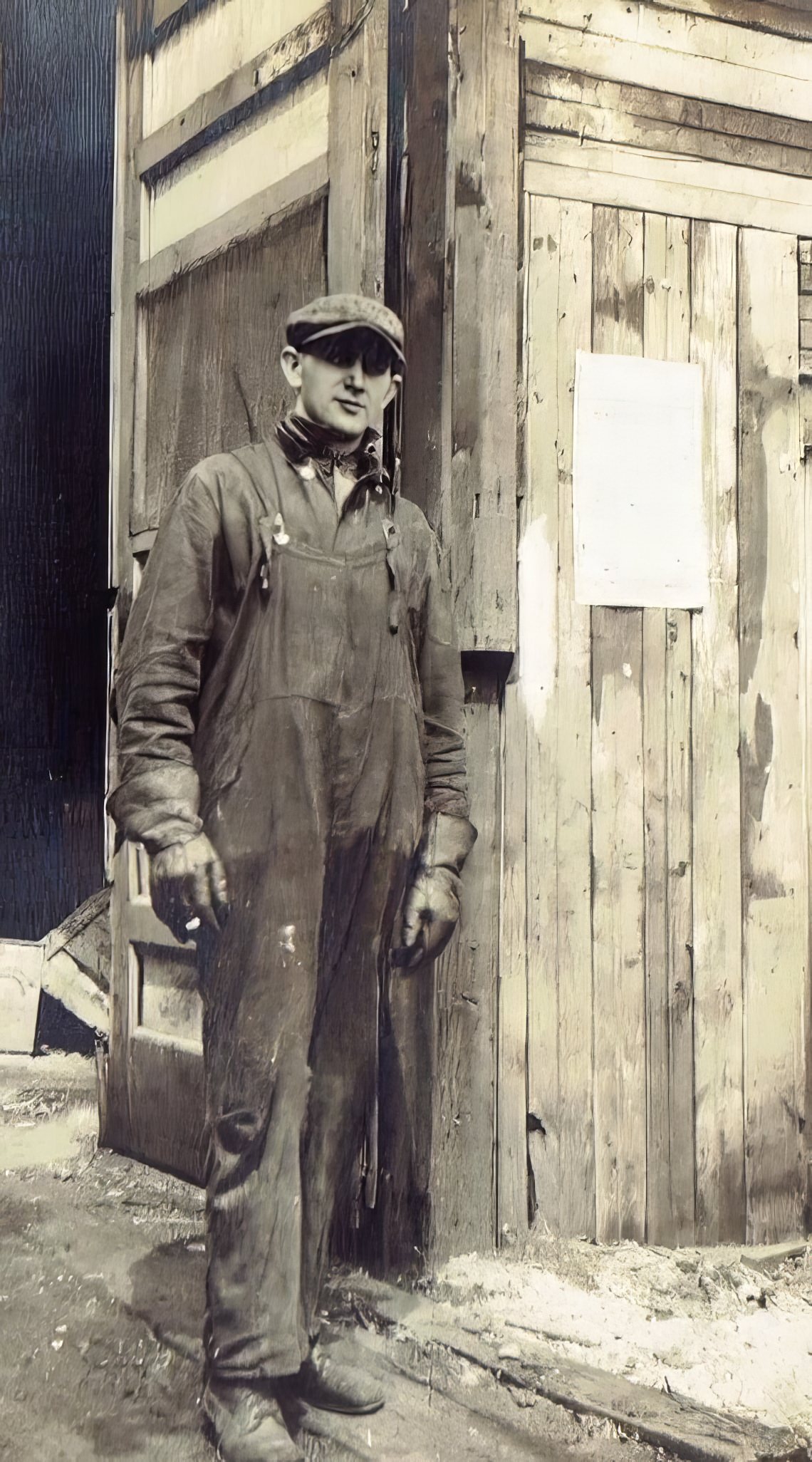
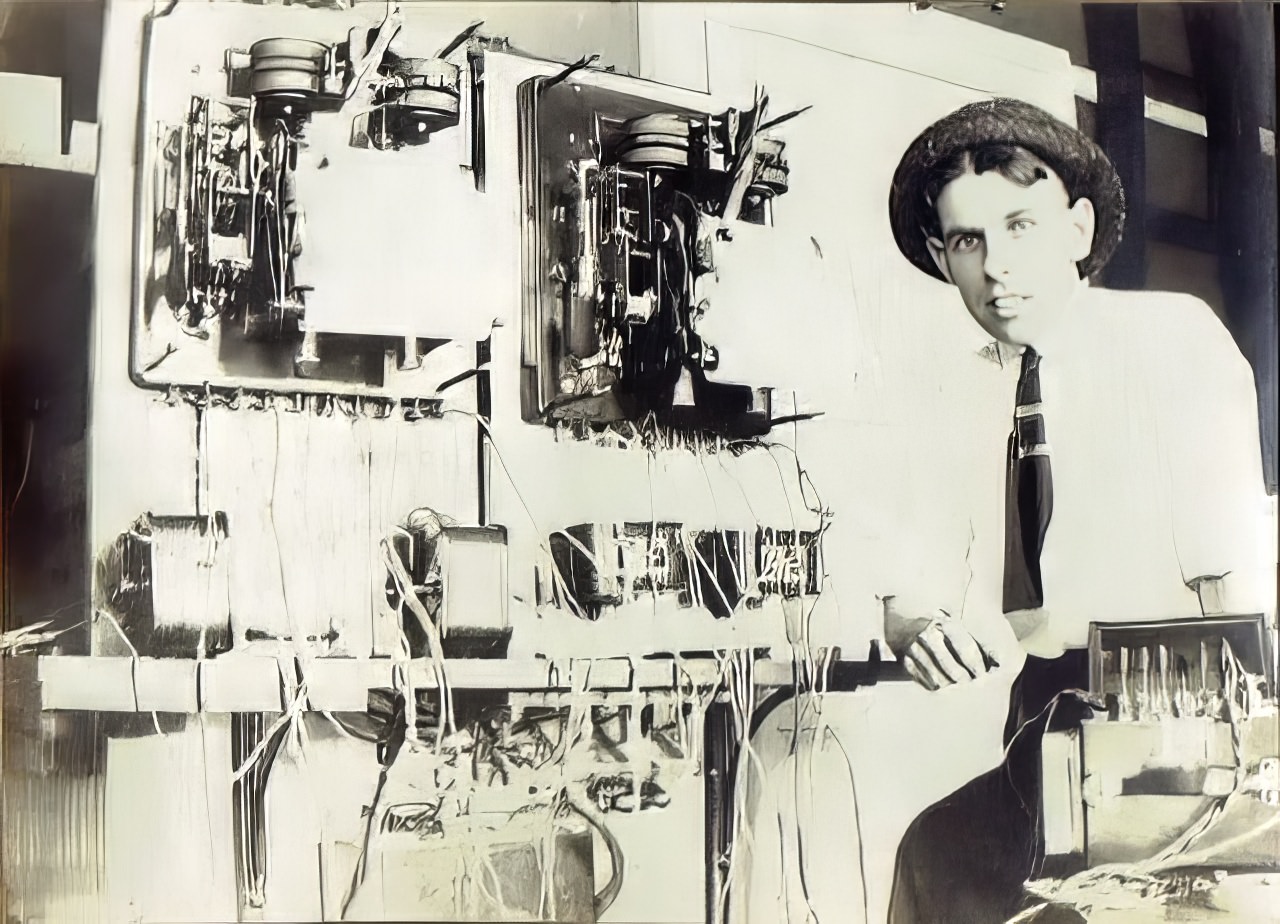
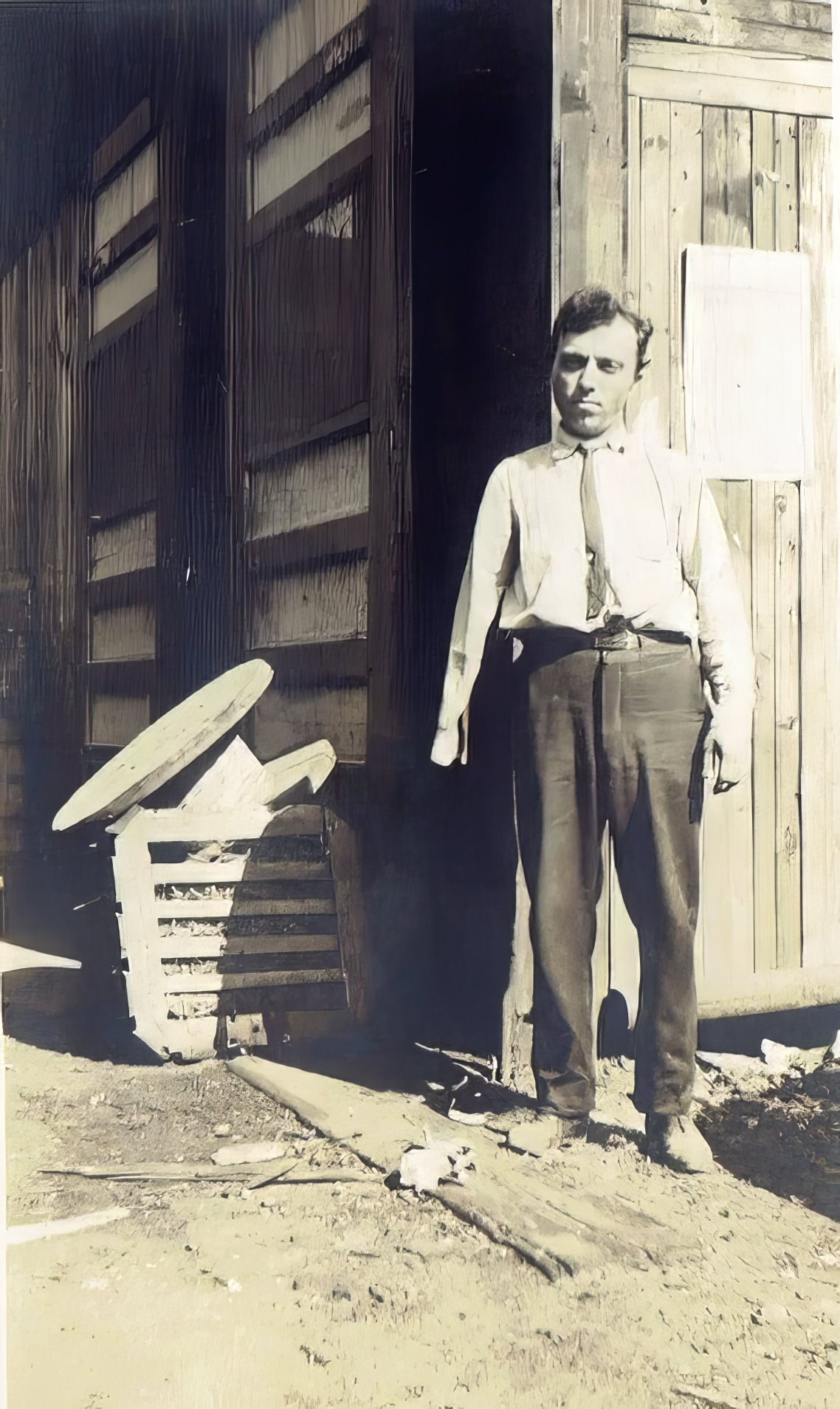
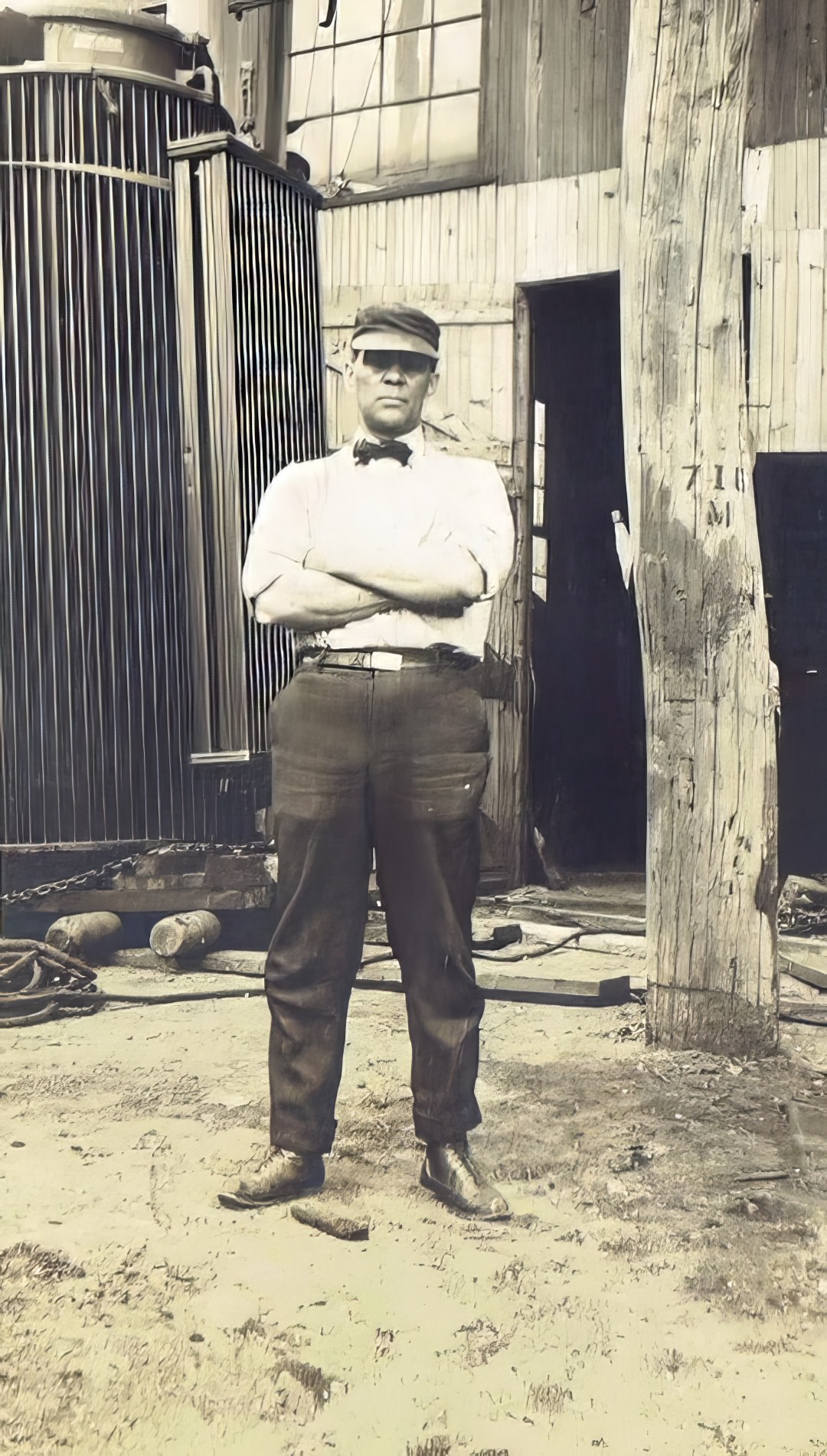
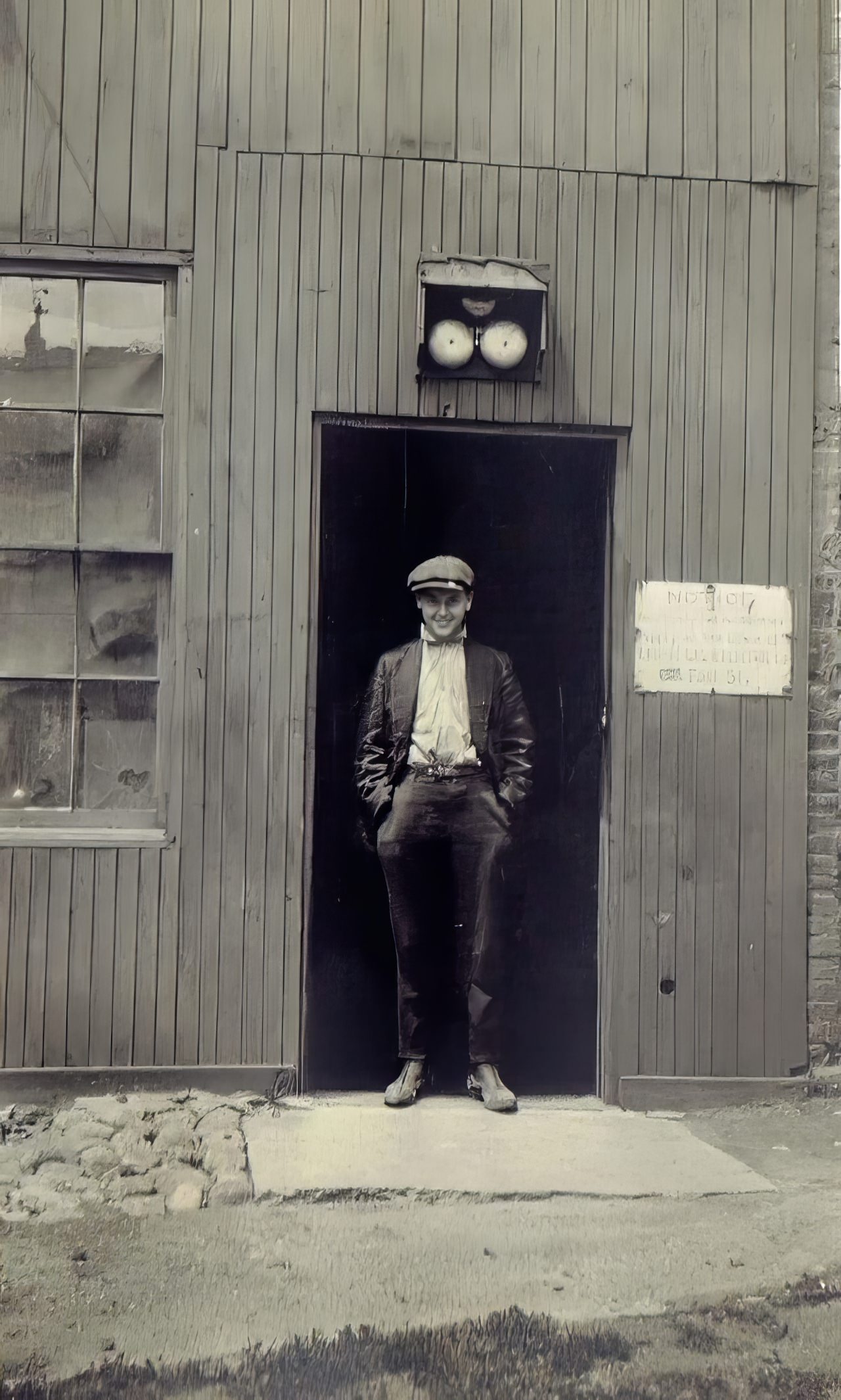
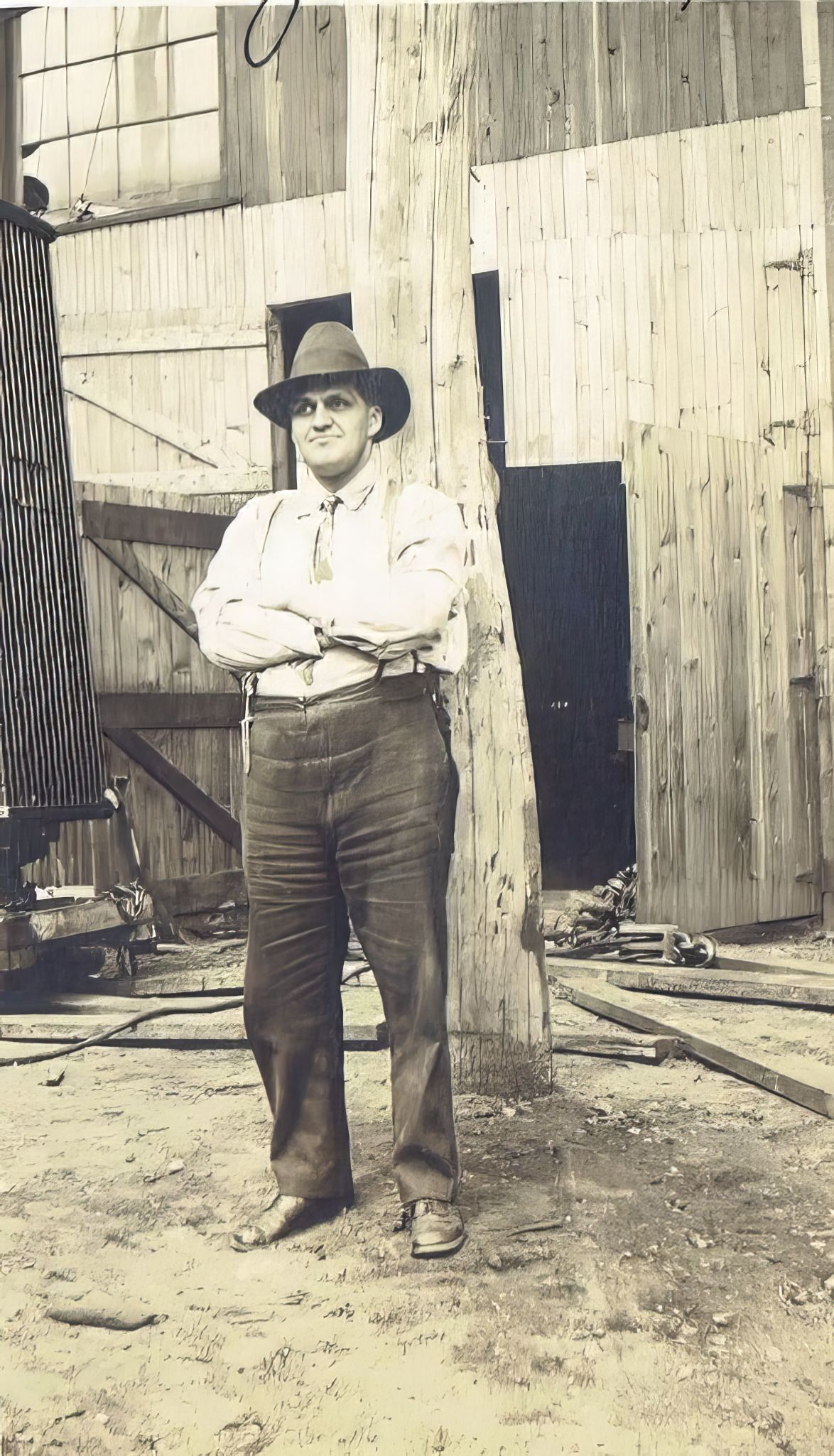
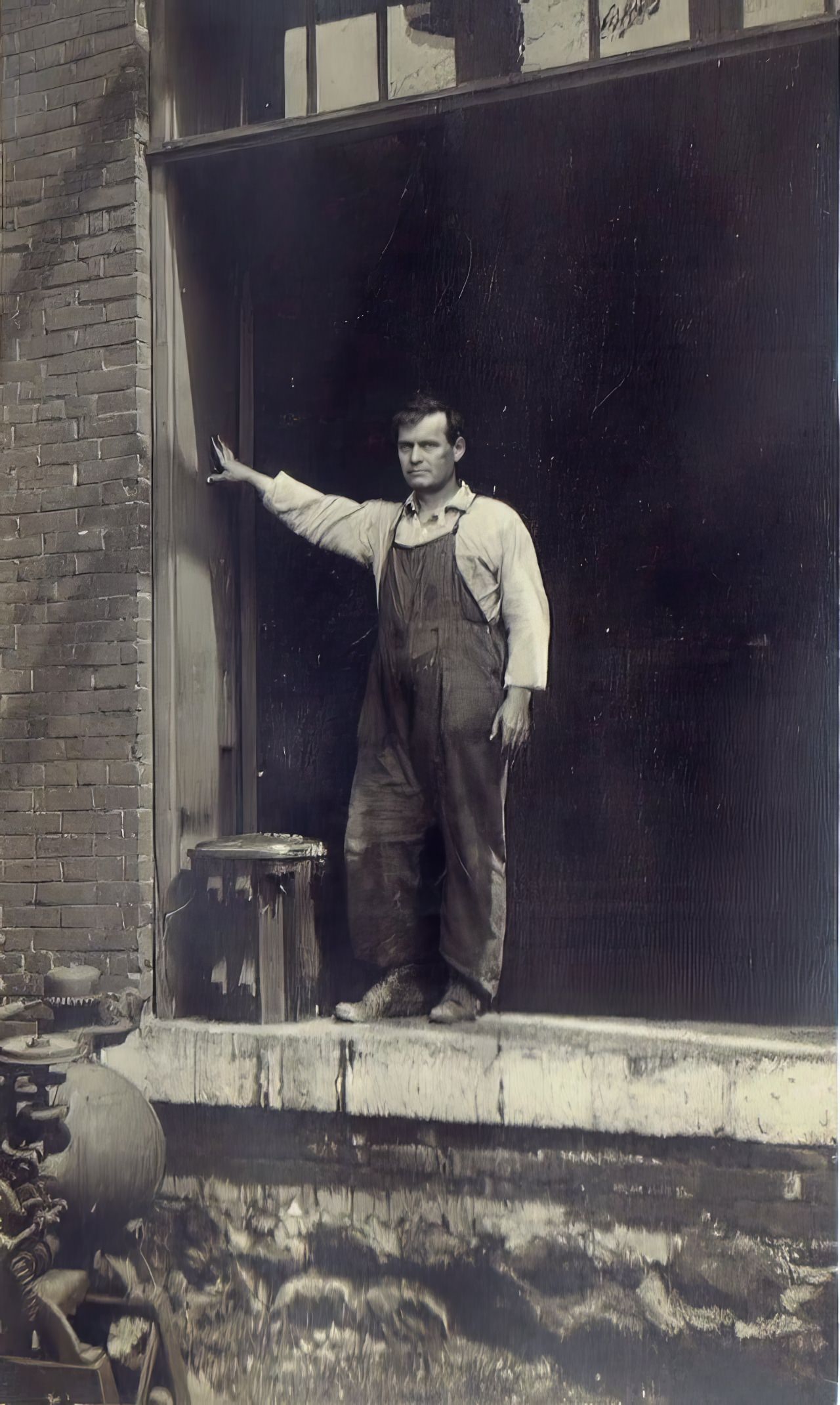
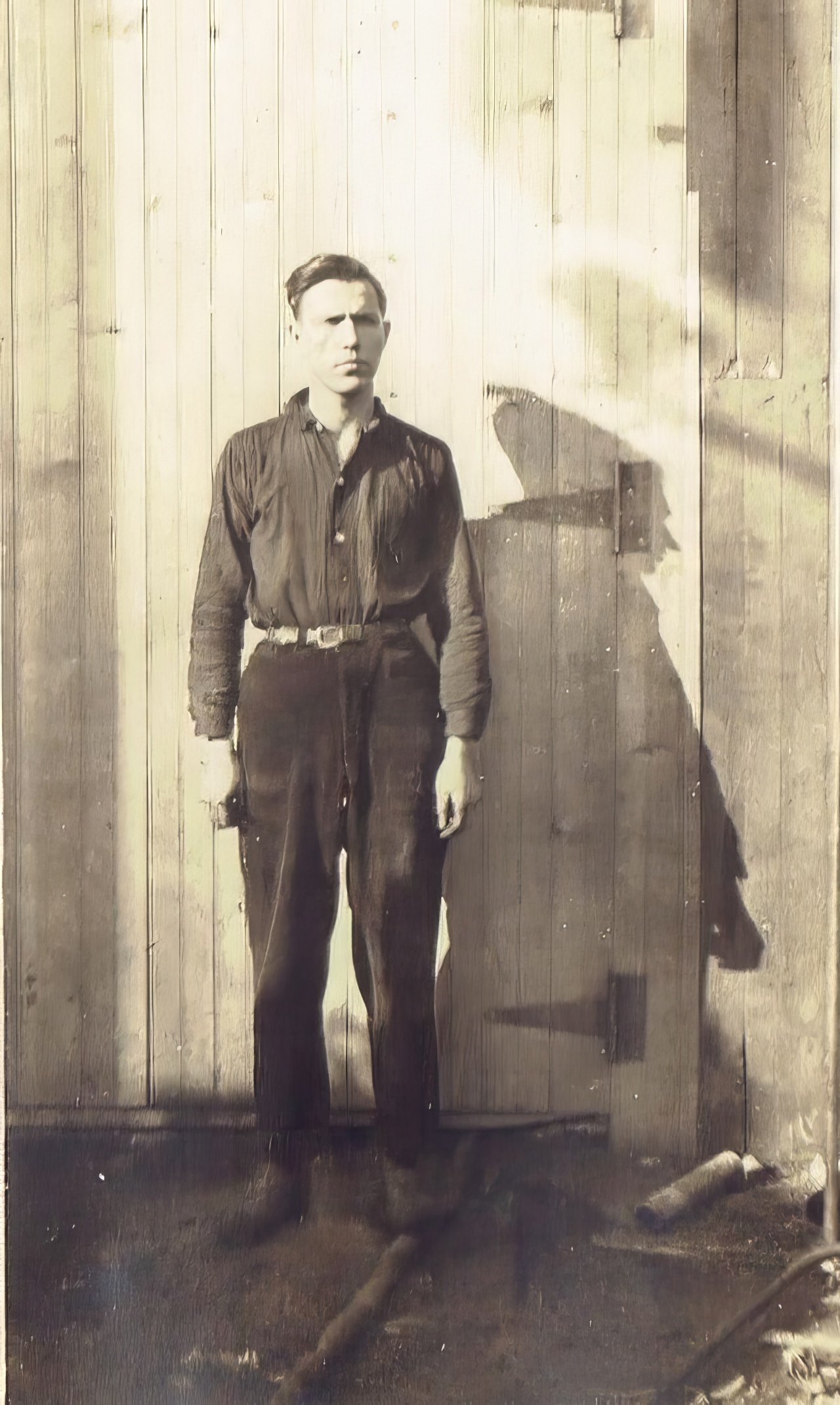
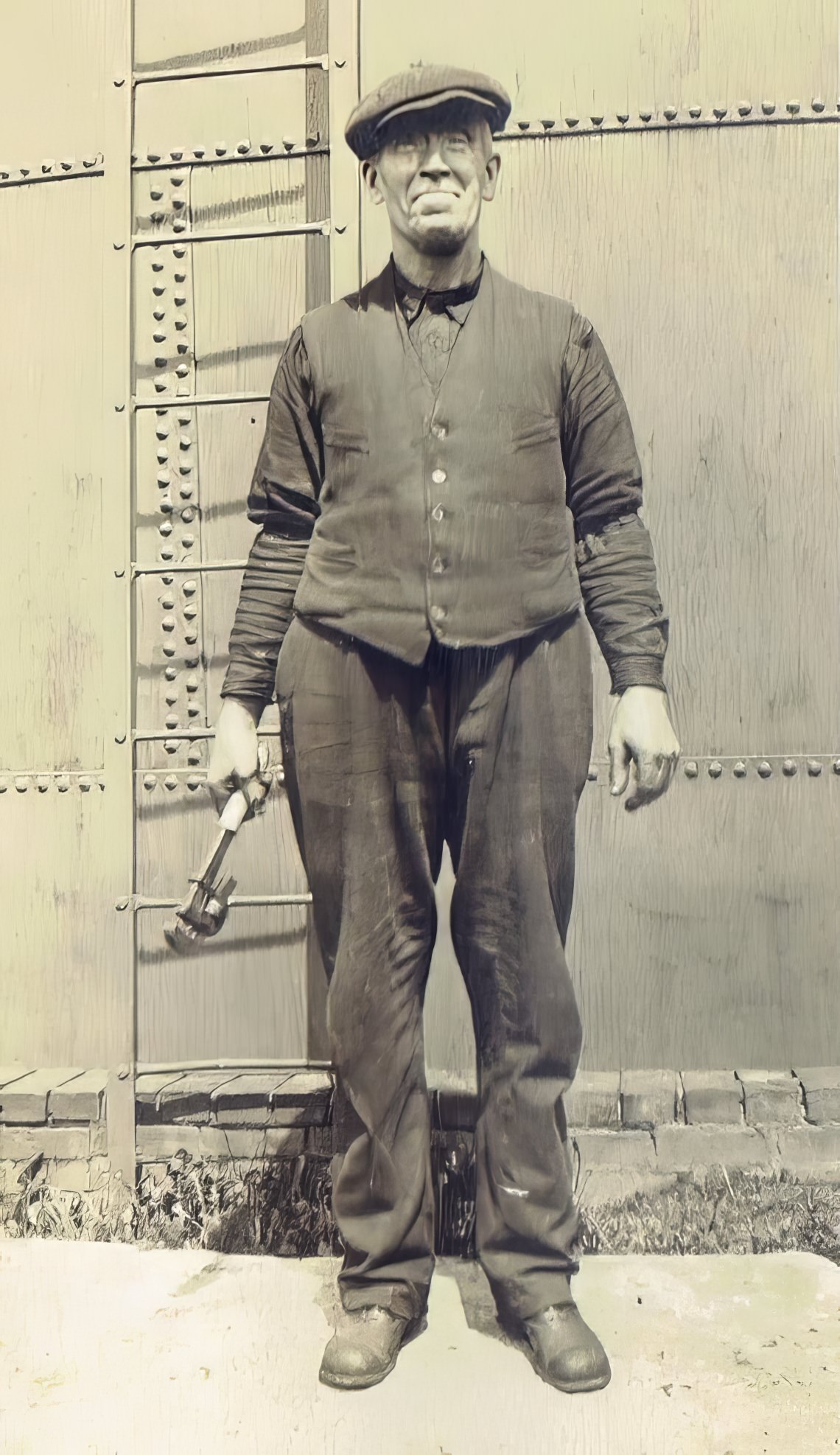
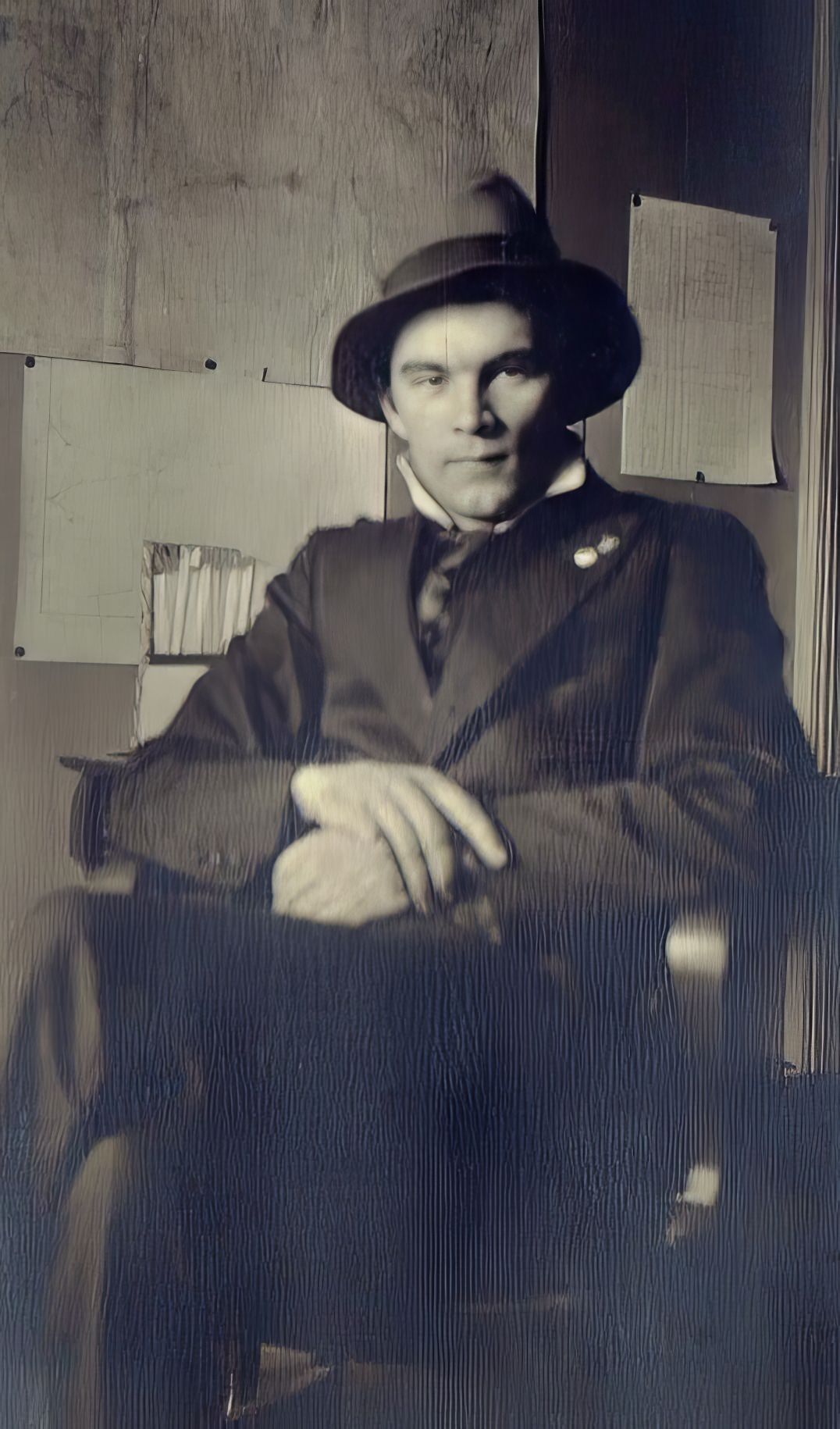
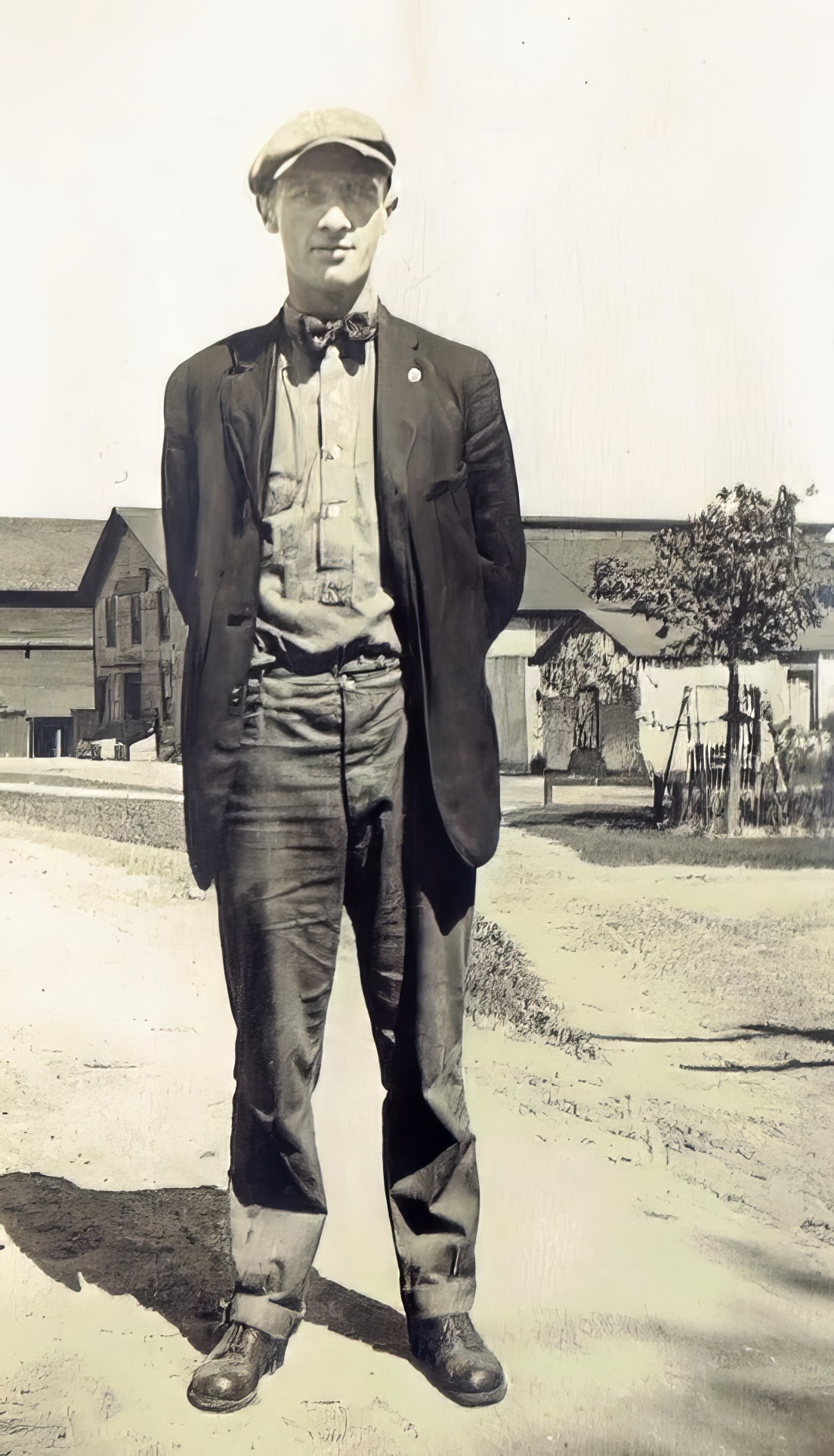
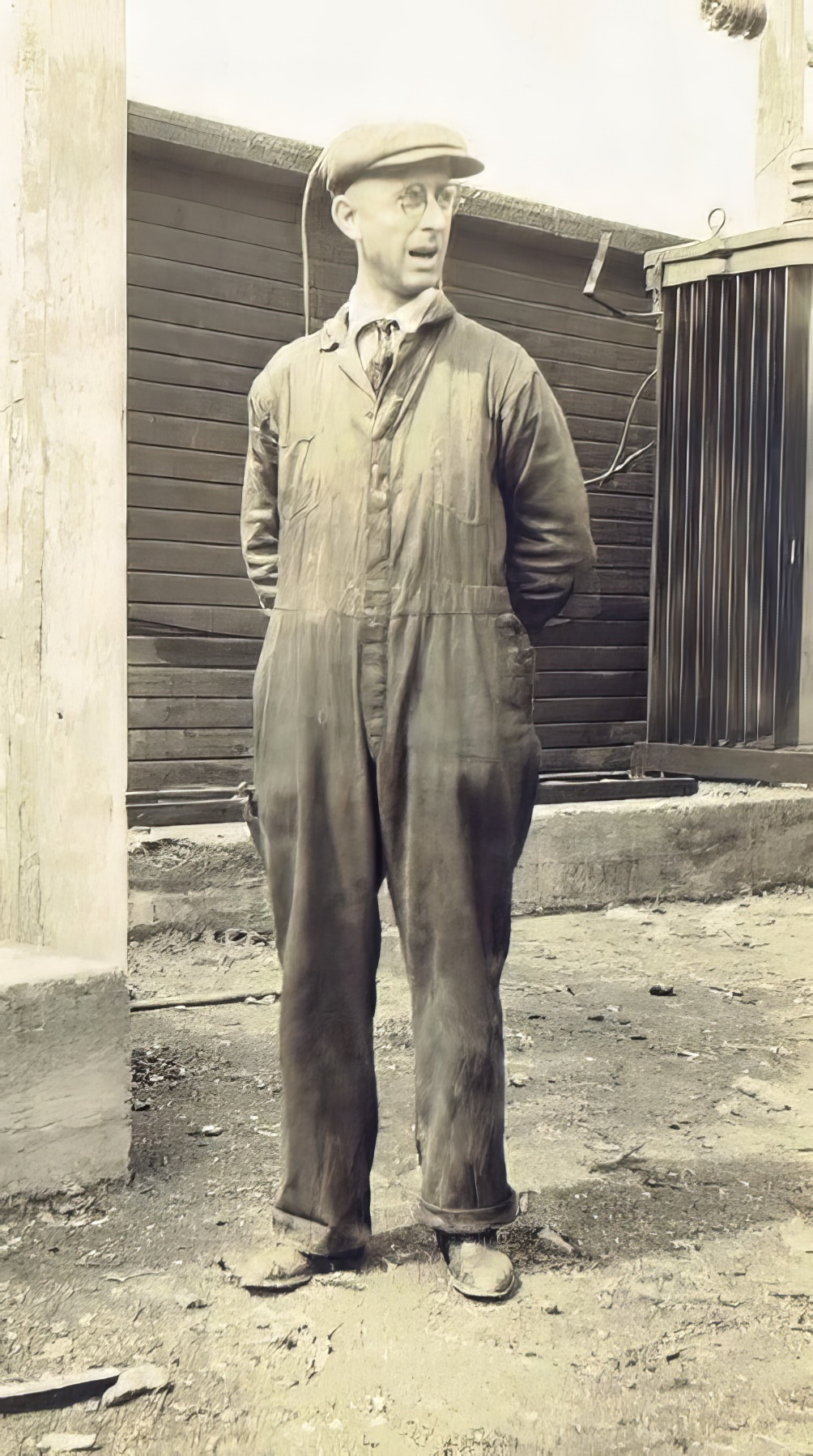
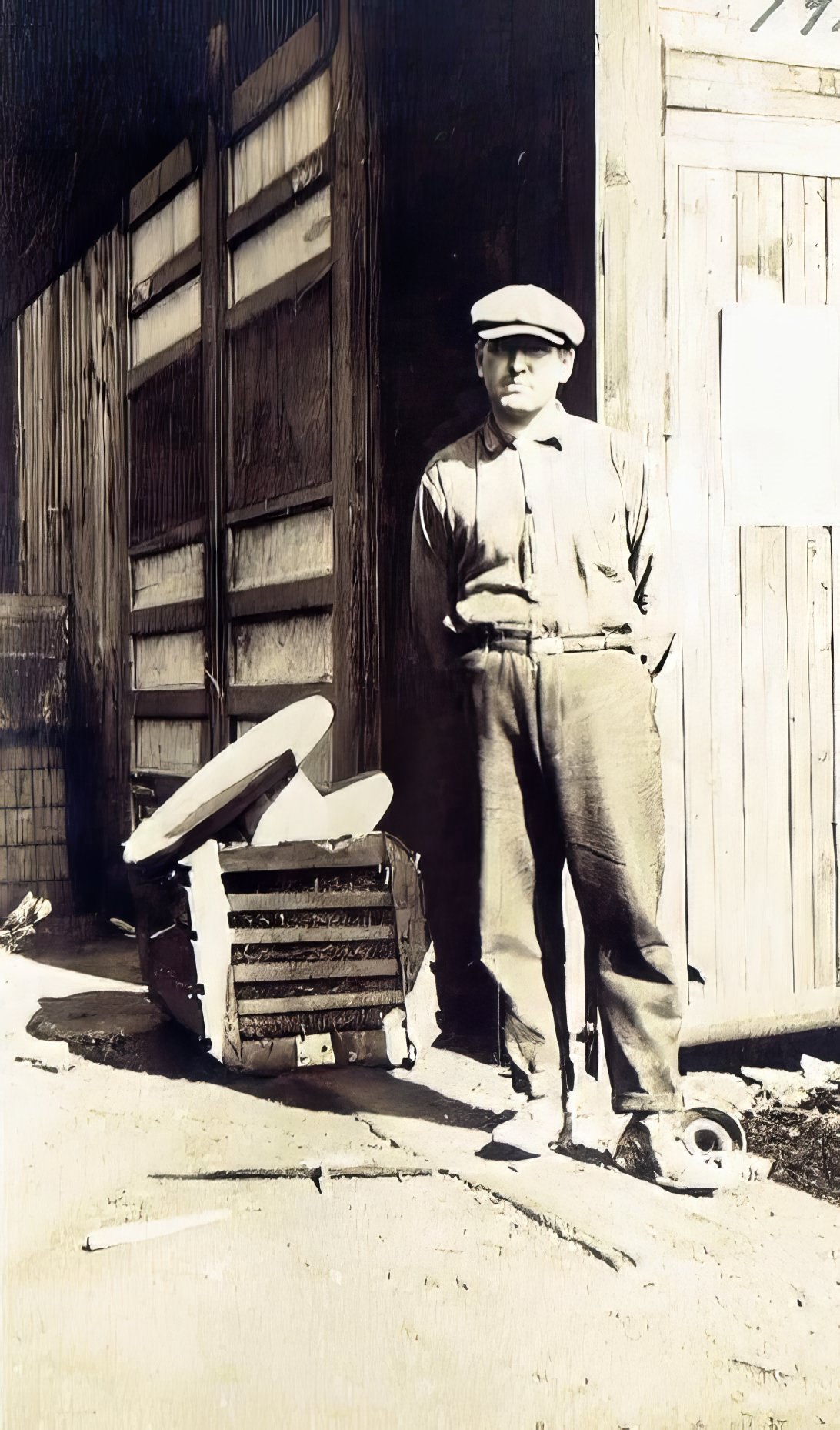
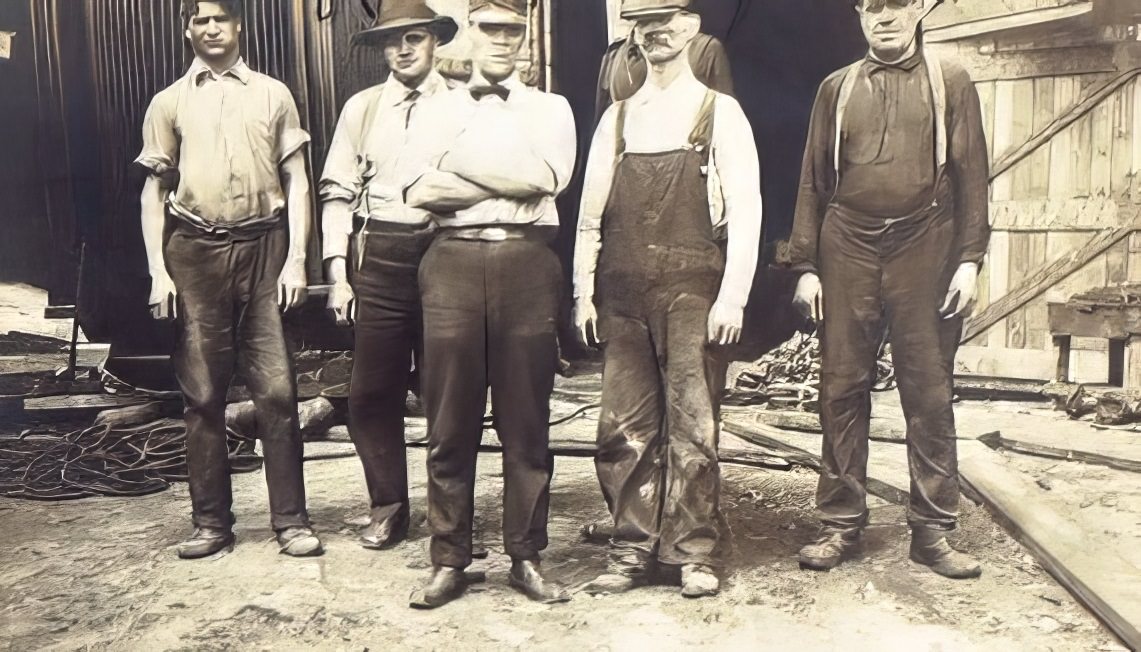
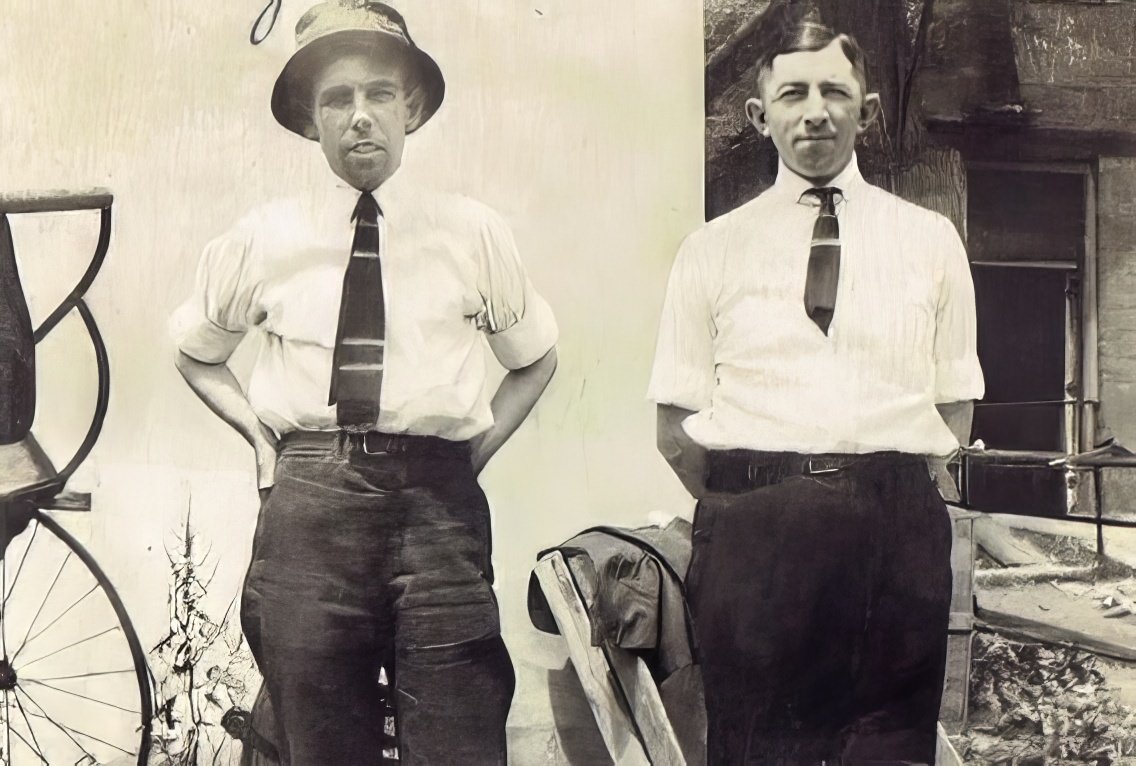
Group shots from 1918 show crews working together, often alongside company trucks and equipment. Thomas Welch, Abe Fields, and Charles McCoy appear together on a company truck, while a larger crew photo of Tony Schiera, Compson, L.W. Lilley, Haberfield, and C. Alting documents team operations in Geneva. The Meter Department portrait of James Lytle and Gilbert Morse is one of the most specific, tying individuals directly to their department.