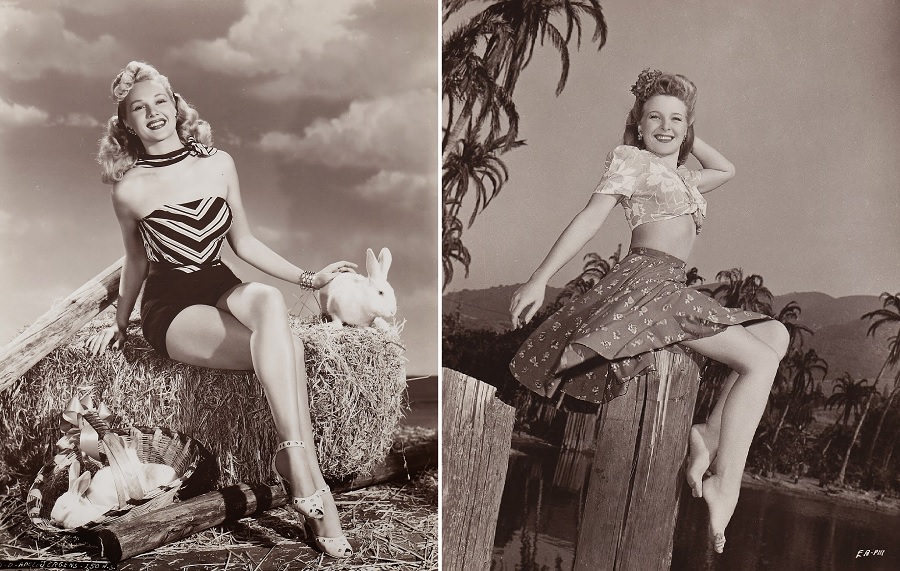
Ella Raines was one of Hollywood’s most striking talents of the 1940s. Born in 1920 in Snoqualmie Falls, Washington, she began her path to stardom through small stage plays and local theater. Her natural screen presence caught the eye of director Howard Hawks, who signed her to his production company and set her on course for a film career. In 1943, she made her screen debut in the war drama Corvette K-225.
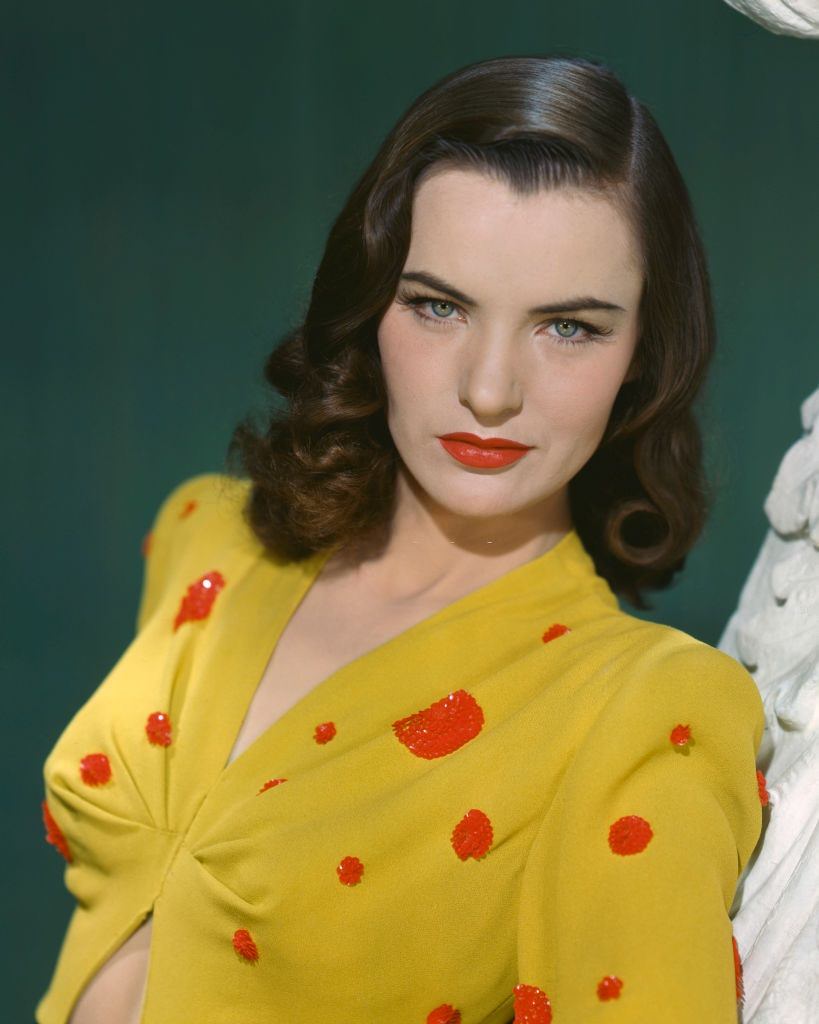
Her real breakthrough came with the 1944 noir thriller Phantom Lady, in which she played Carol Richman — a woman determined to prove her boss innocent of murder. The role earned her serious recognition across Hollywood and cemented her as a leading lady worth watching. That same year, in February 1944, her face appeared on the cover of Life magazine, one of the most widely read publications in the country at the time.
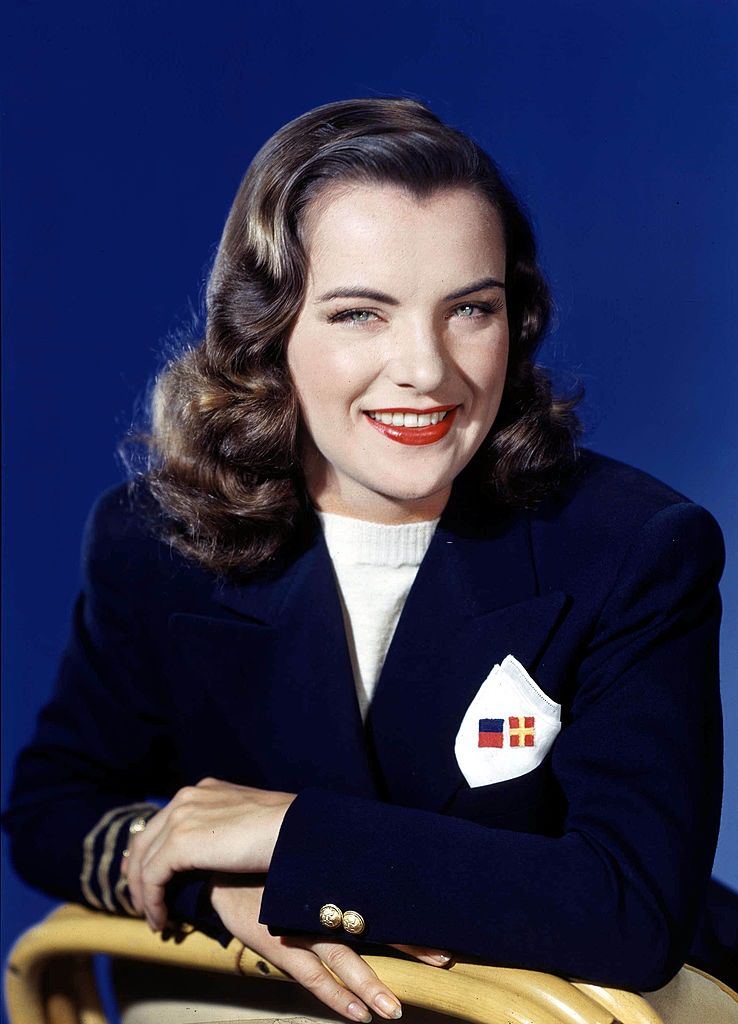
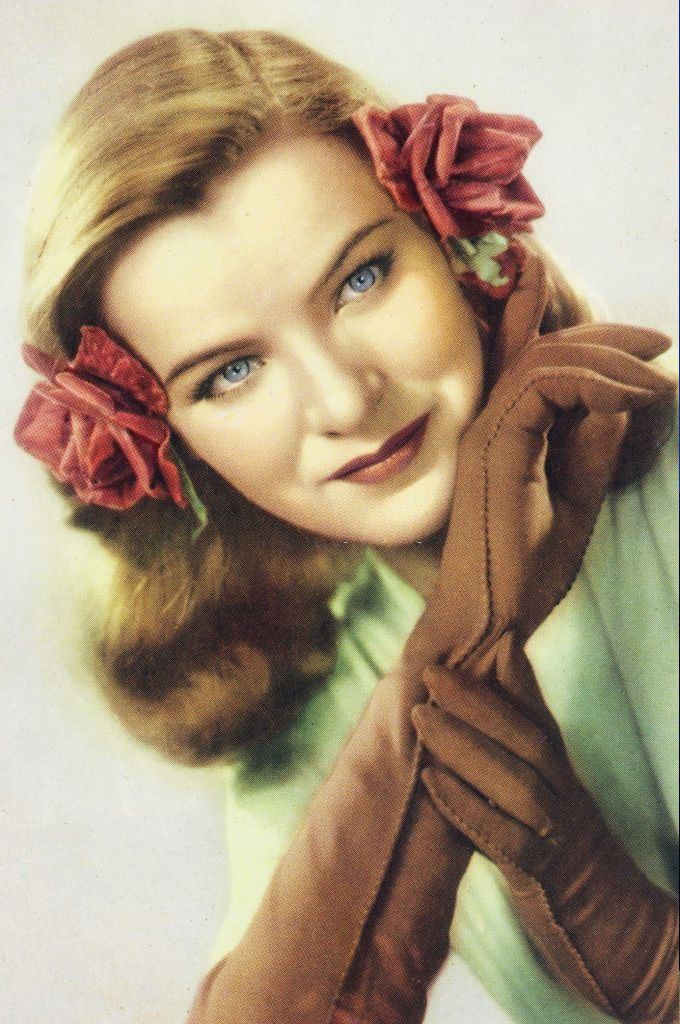
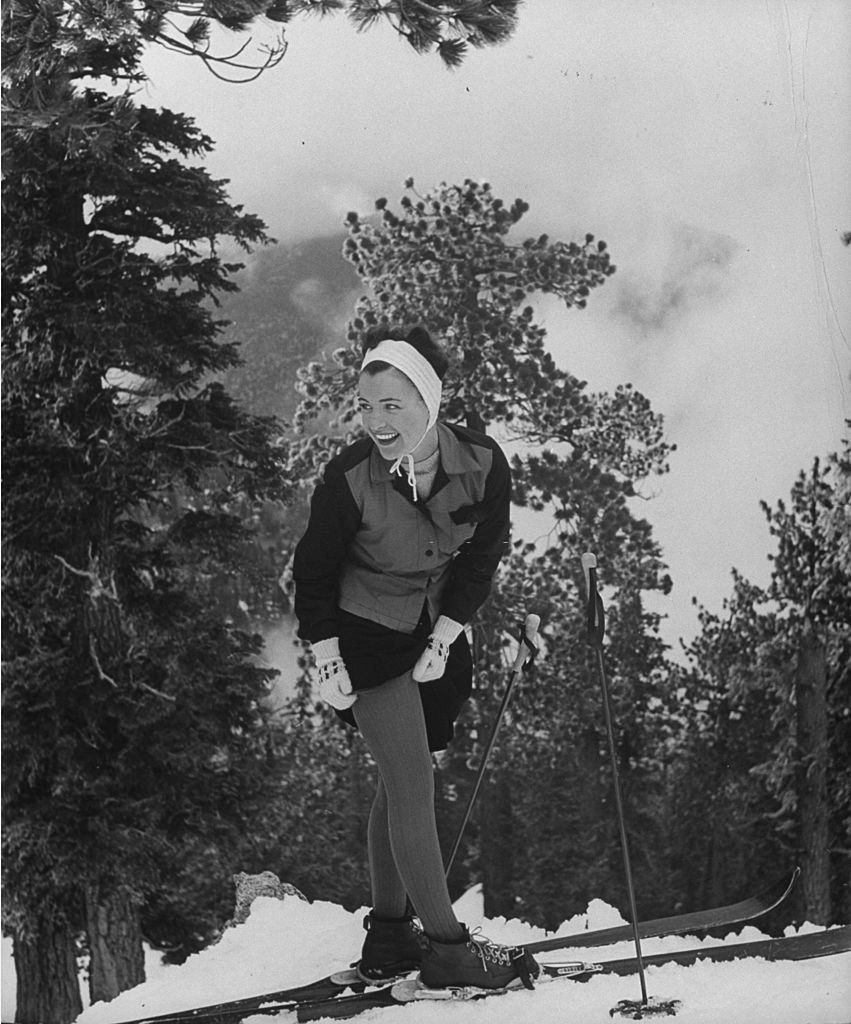
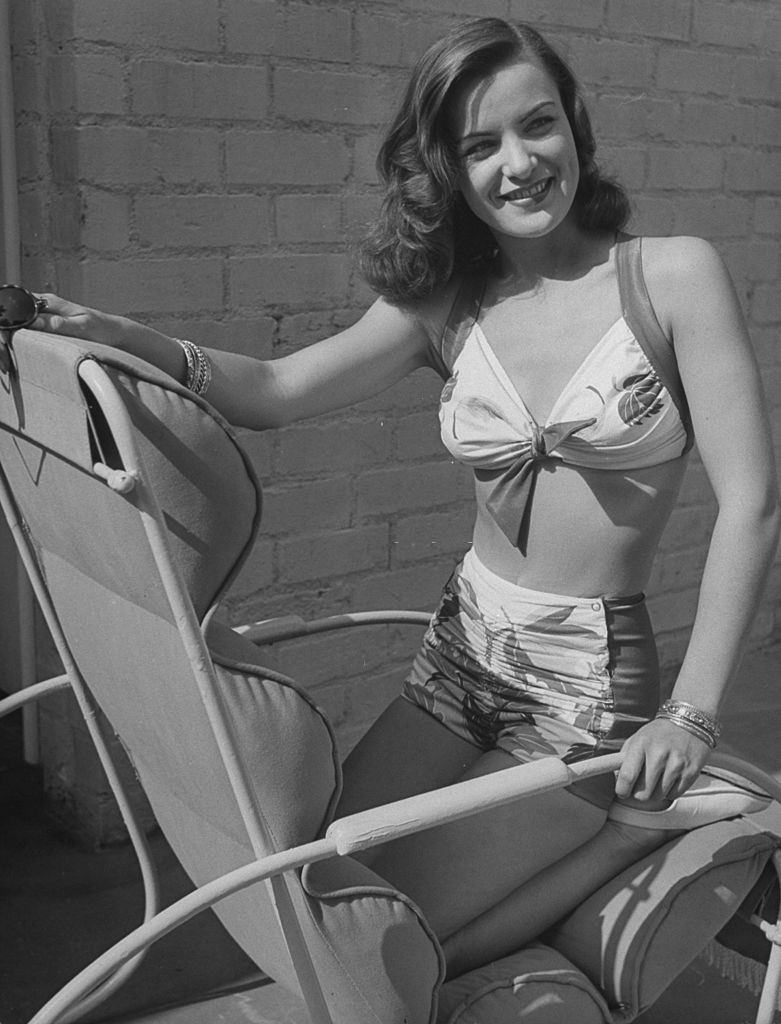
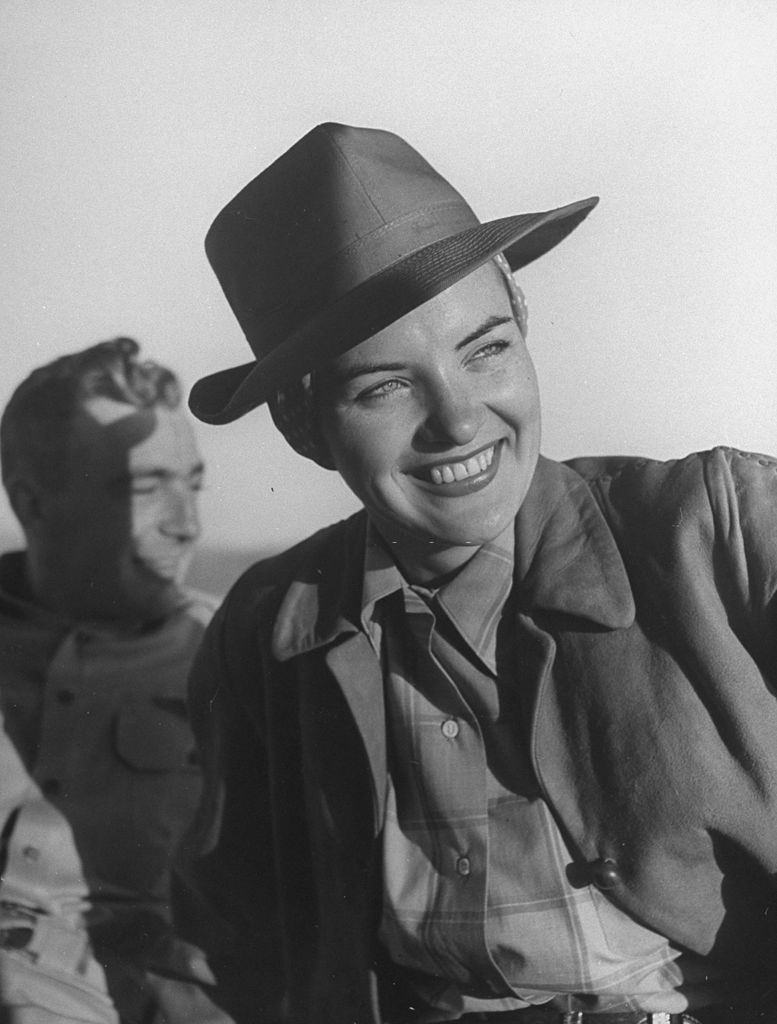
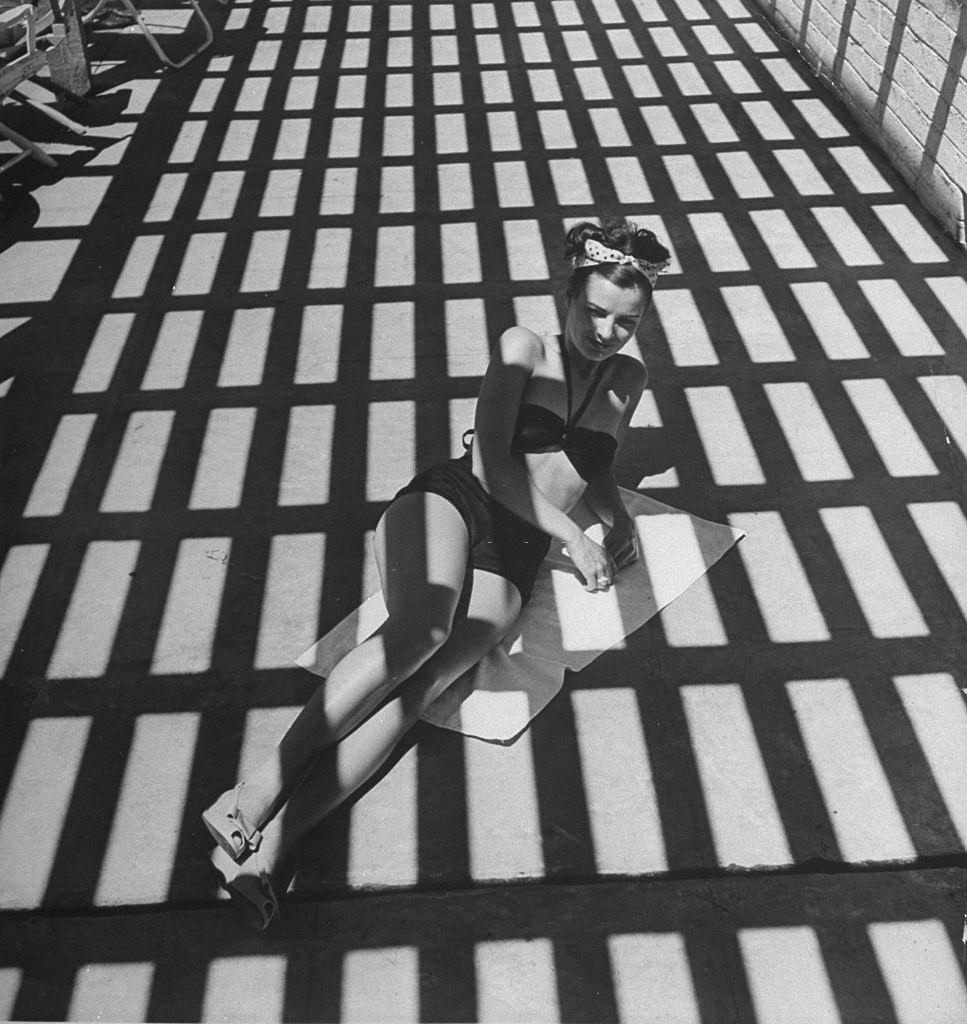
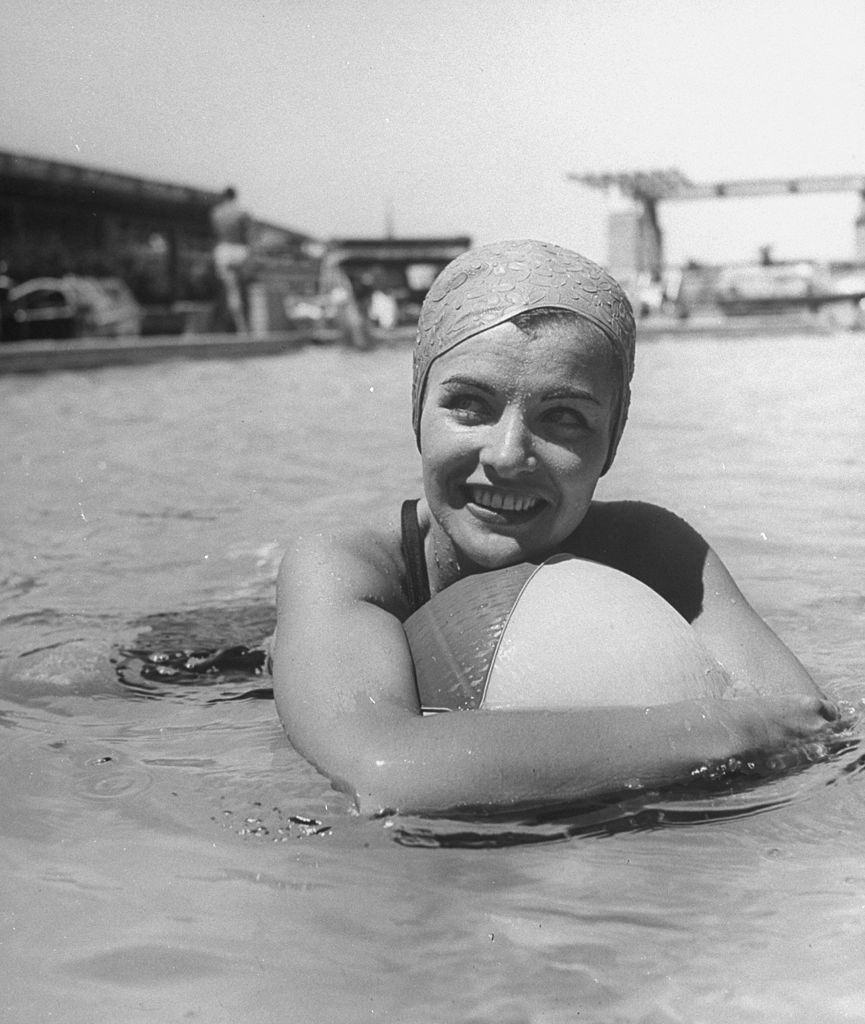
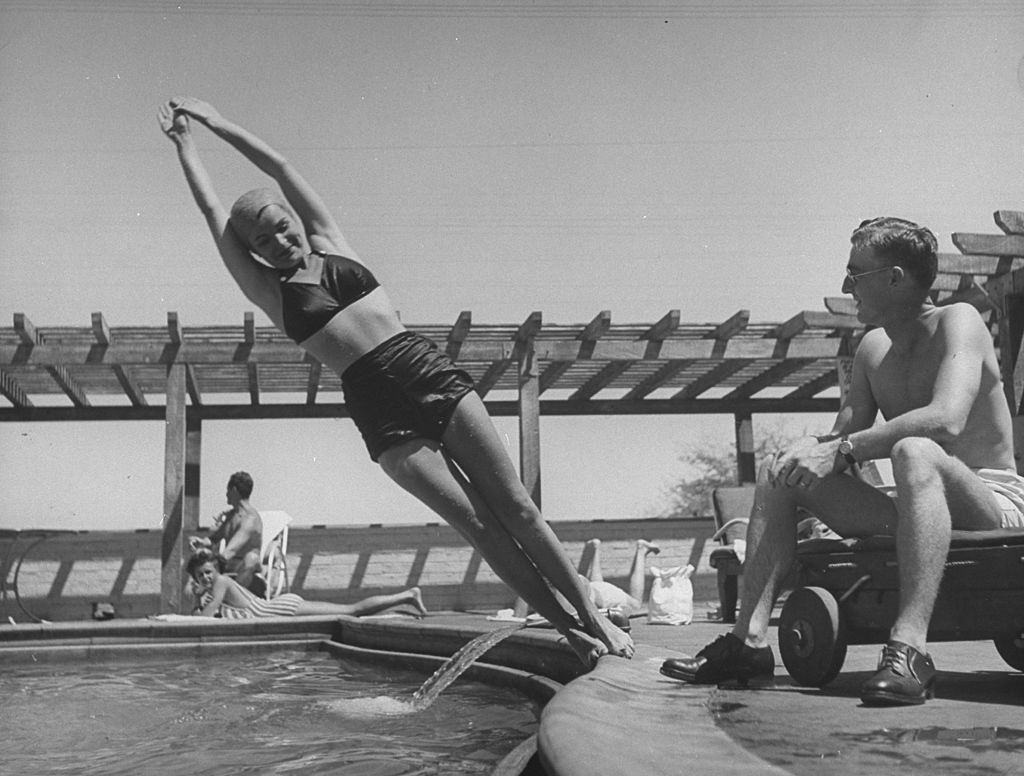
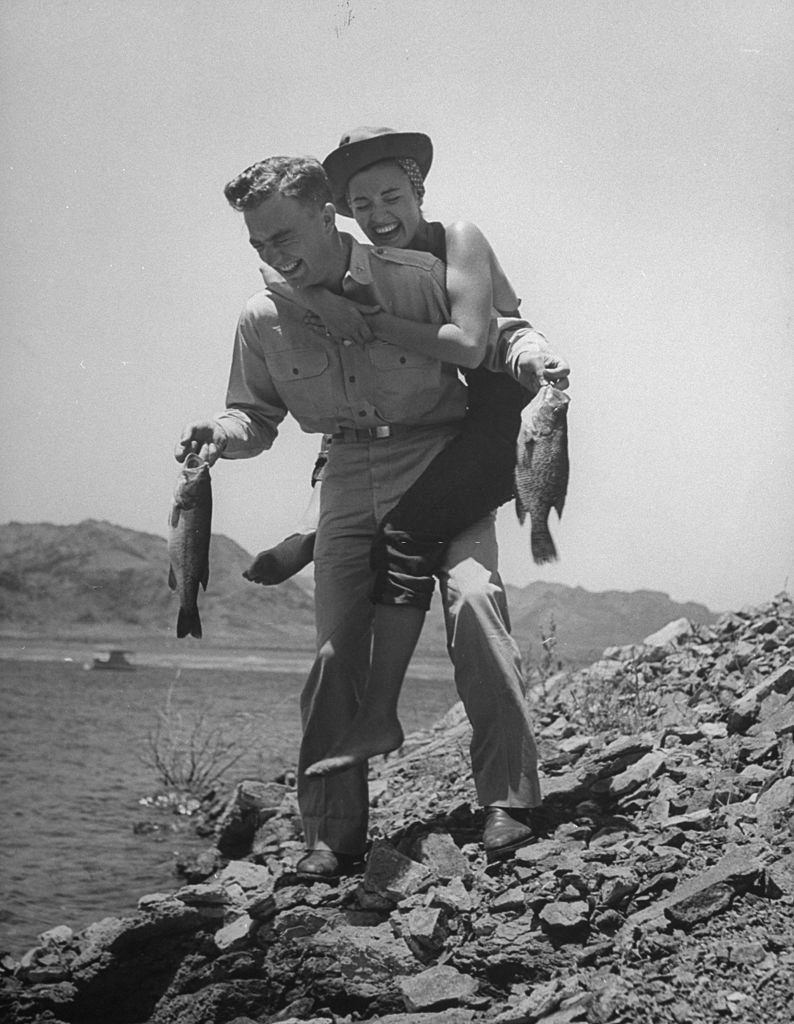
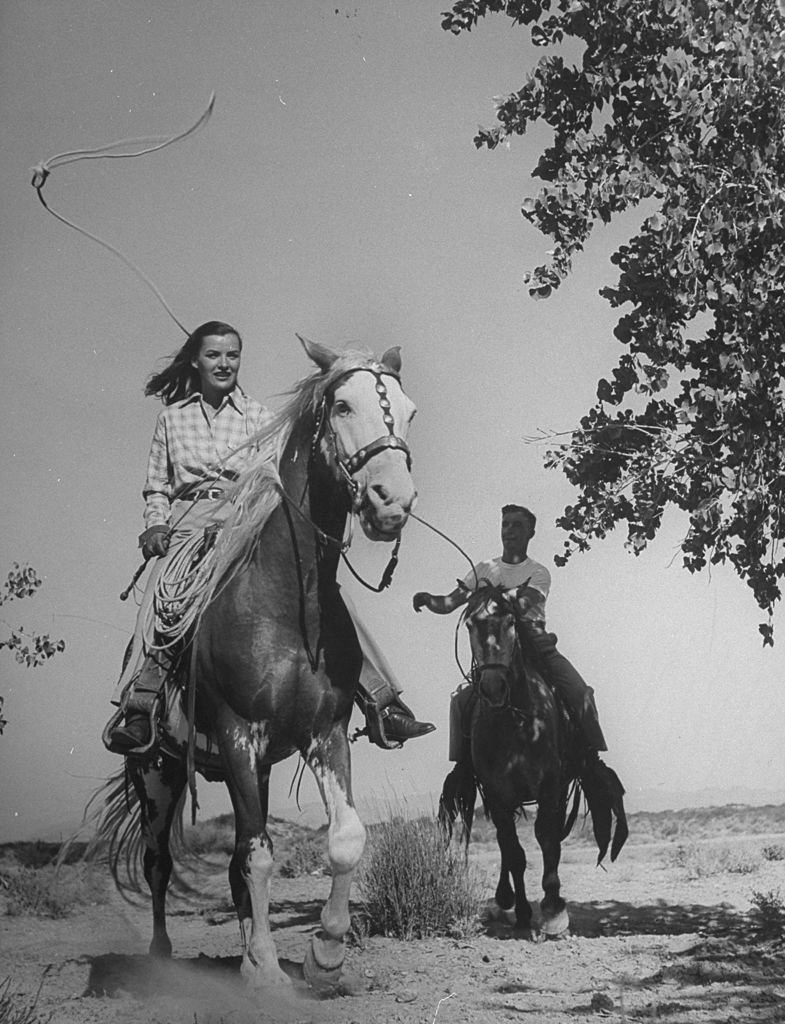
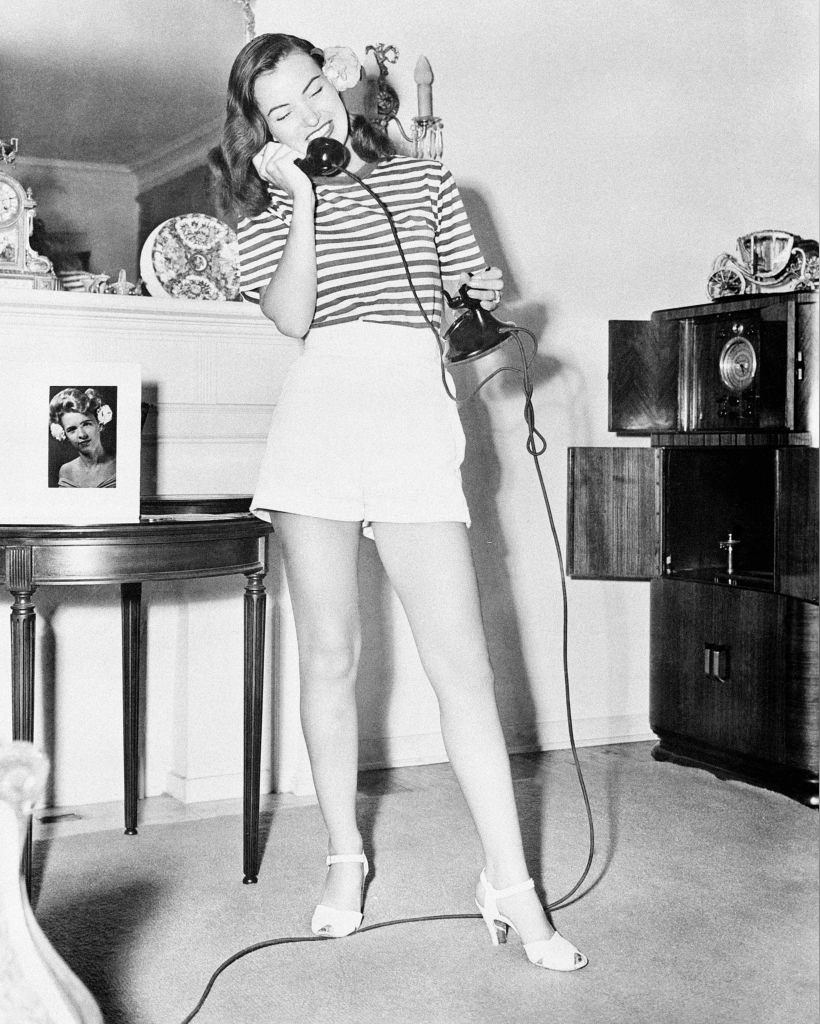
Away from the camera, Raines had a life full of activity. She was known for being athletic, outdoorsy, and comfortable in front of a lens in nearly any setting. Studio photographers frequently captured her in casual, candid moments that showed a side of Hollywood stars rarely seen on screen.
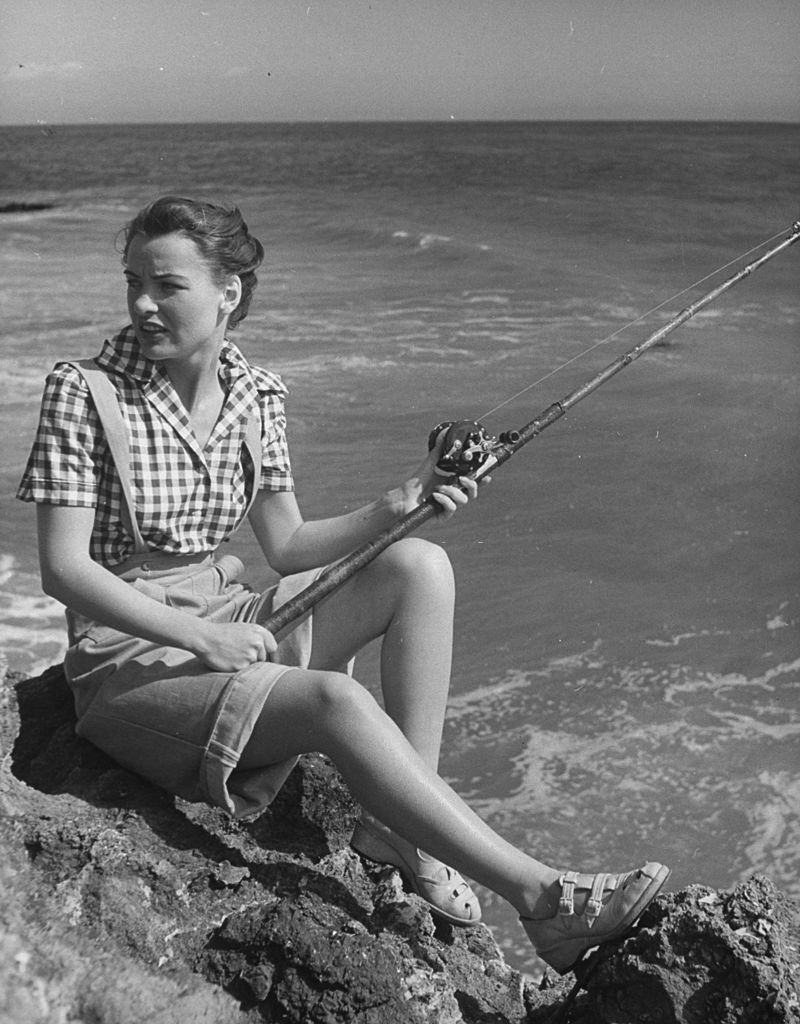
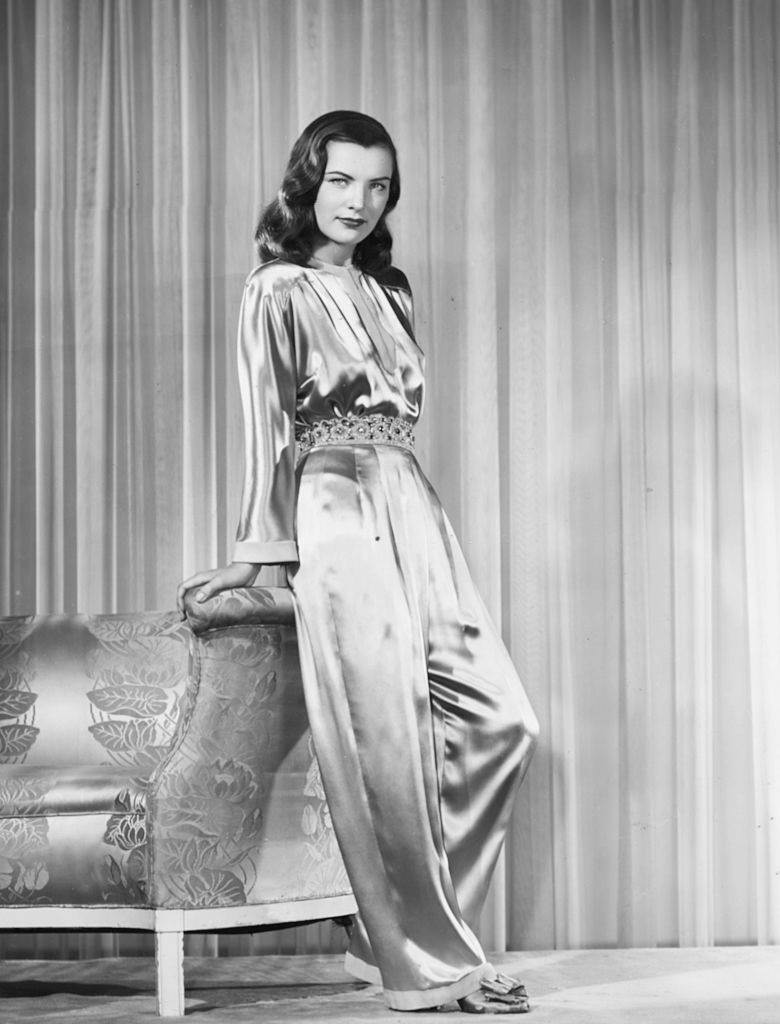
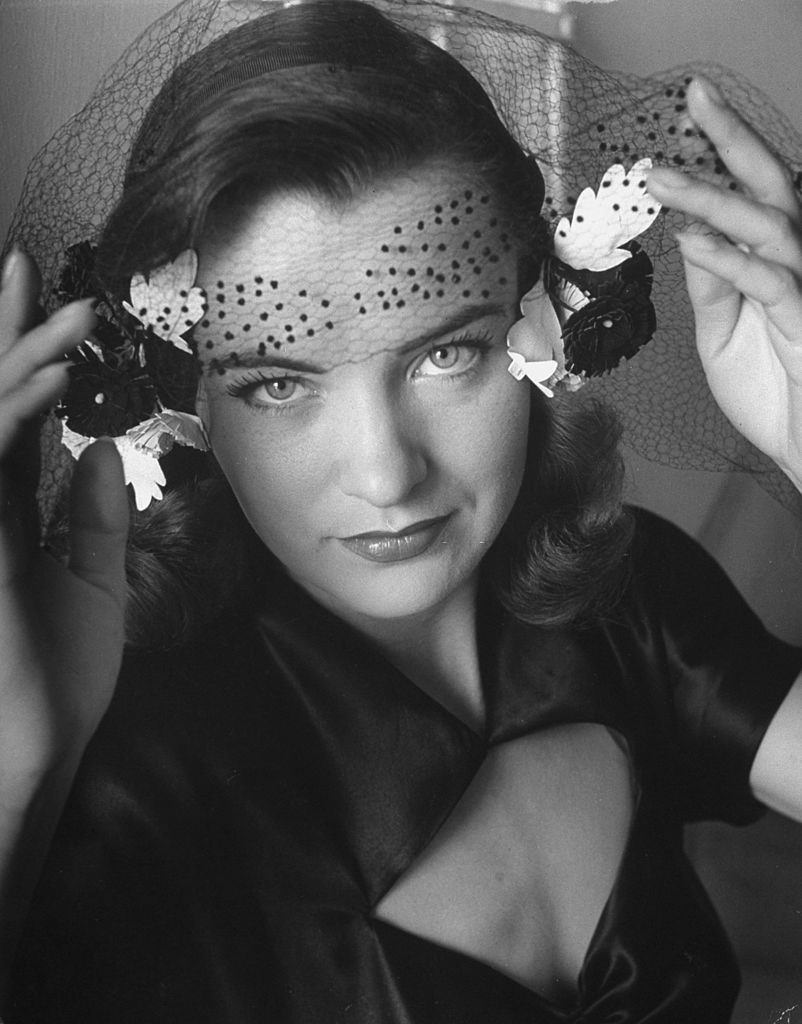
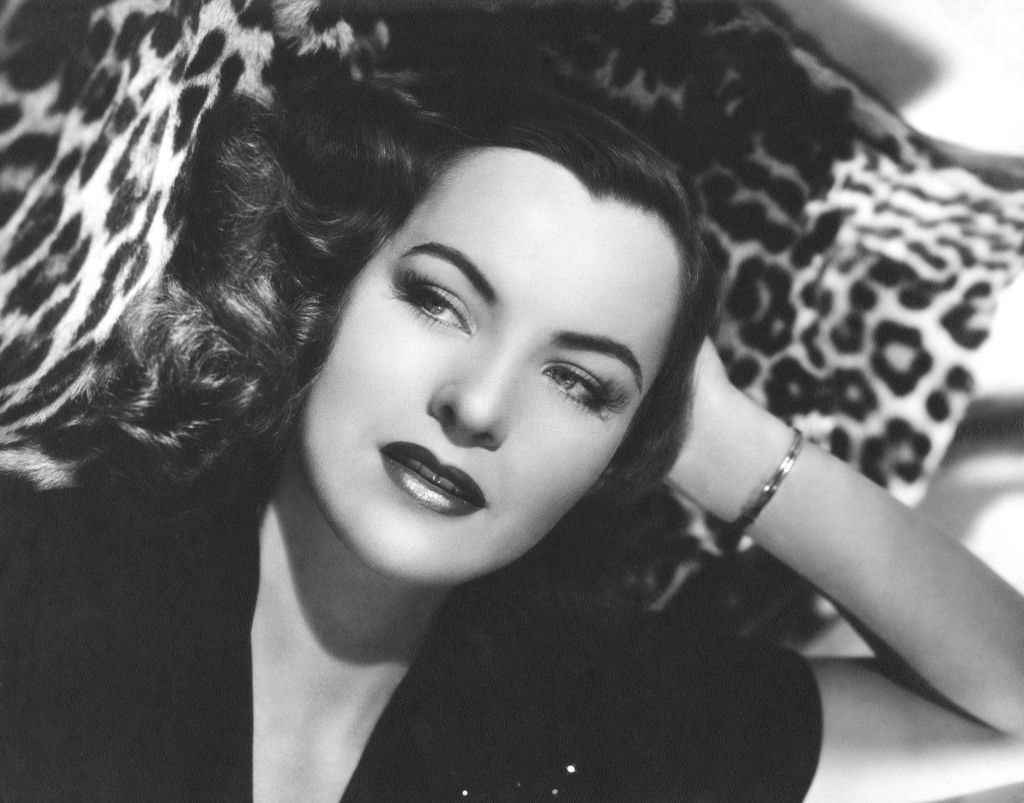
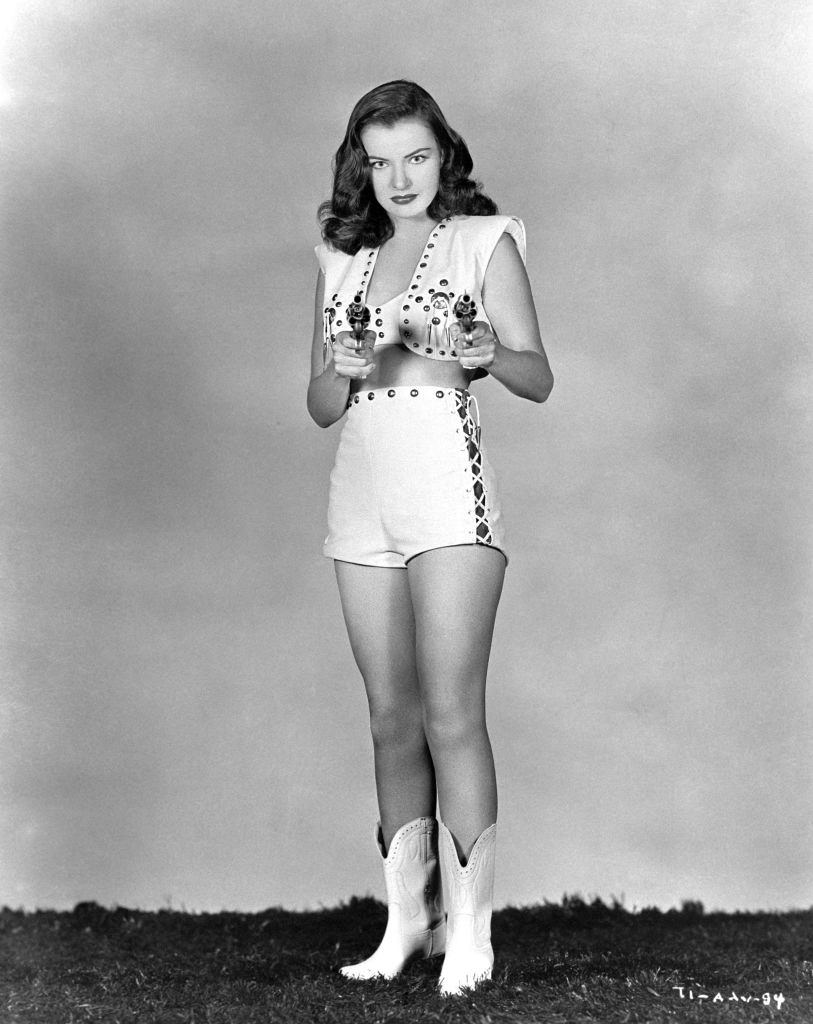
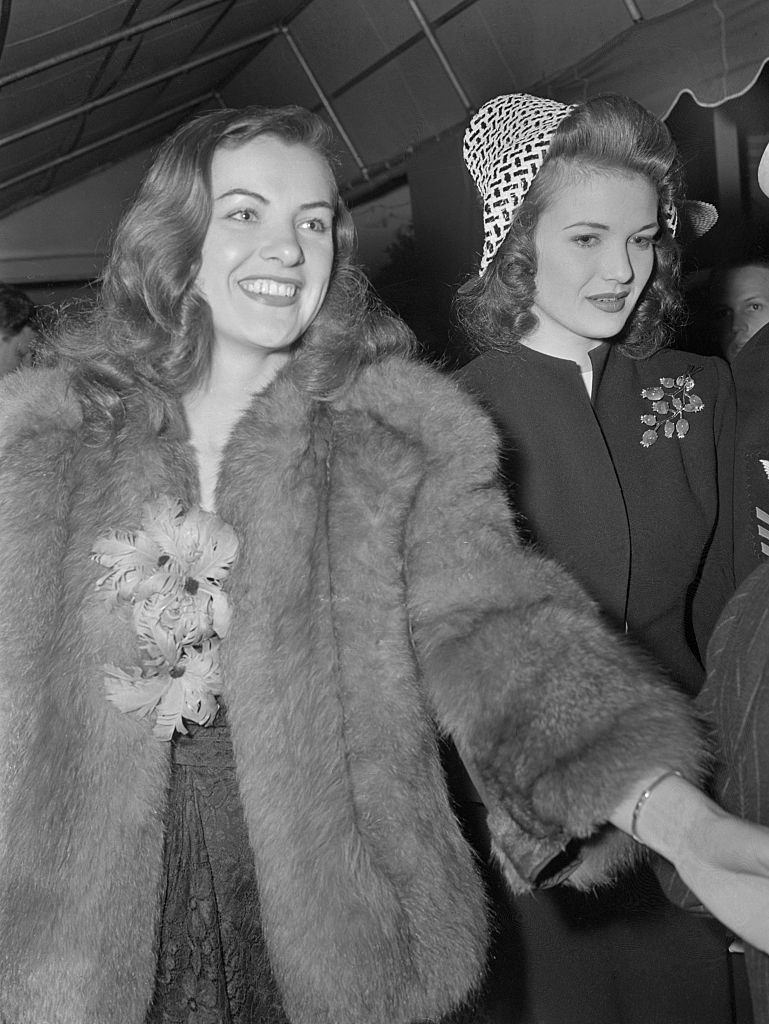
By 1943, Raines was already well established within the studio system and was appearing in promotional materials and photo shoots regularly. The photos from this era show a young actress fully in command of her image — glamorous, confident, and versatile.
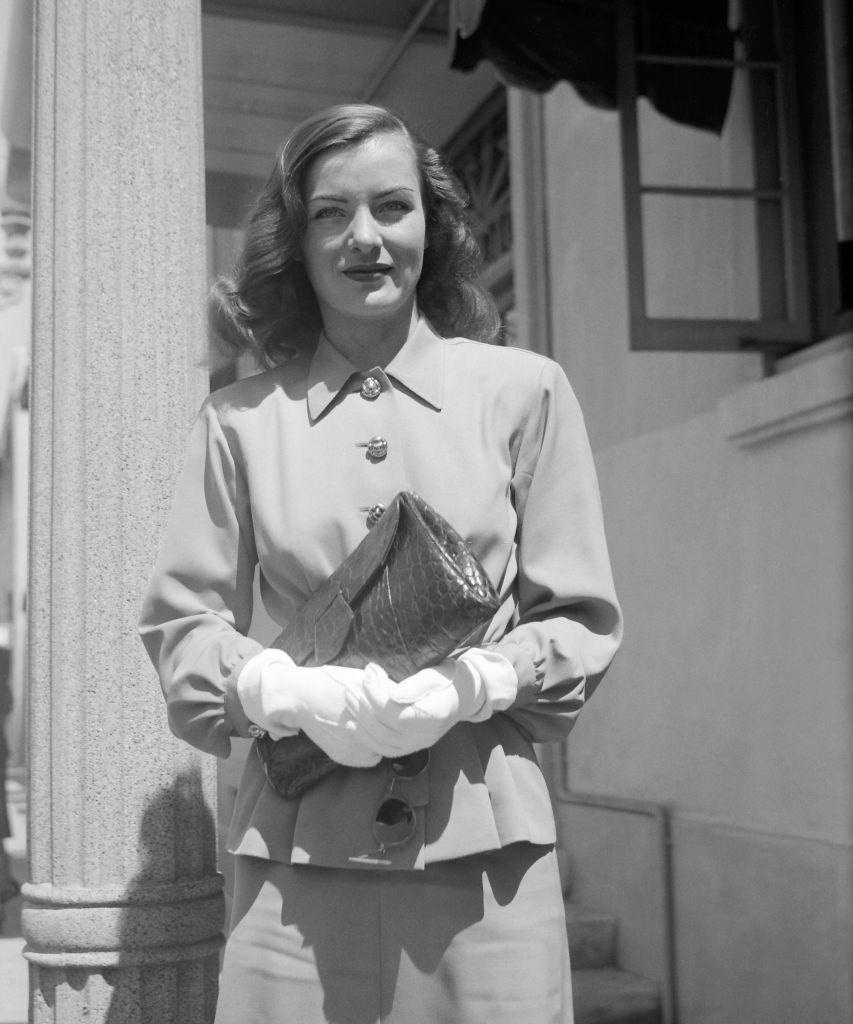
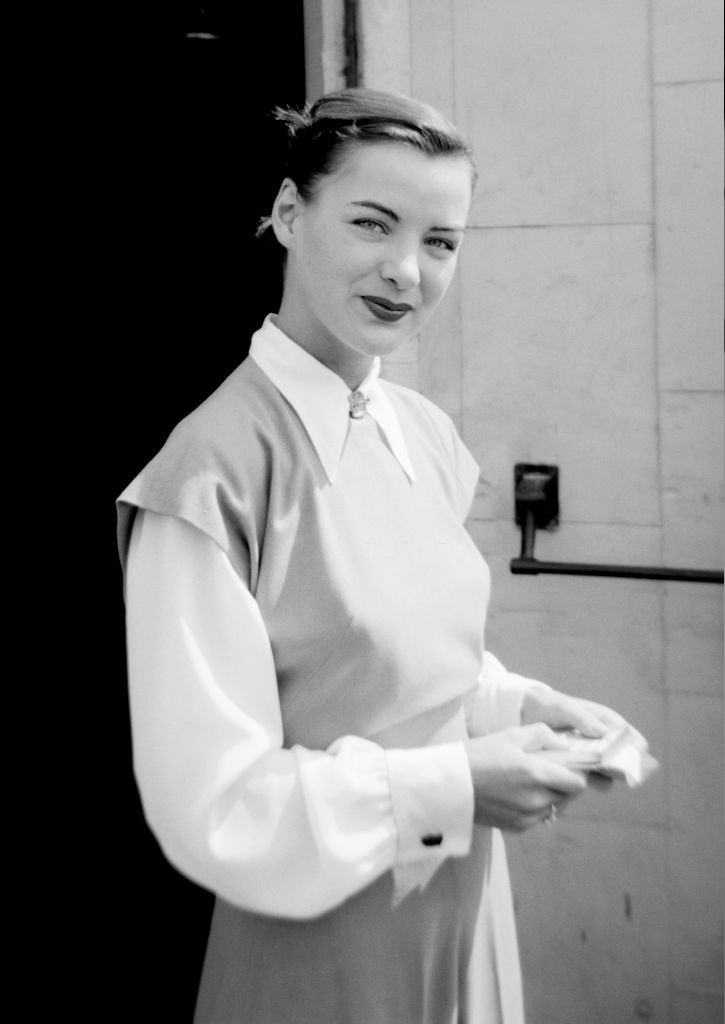
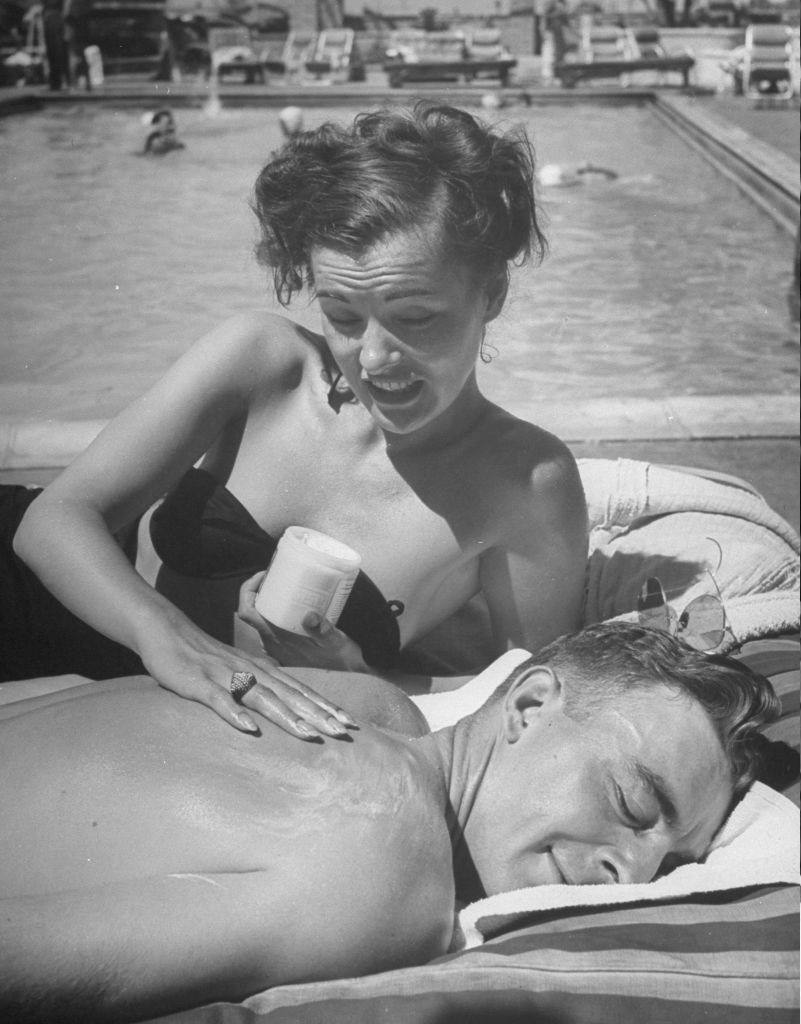
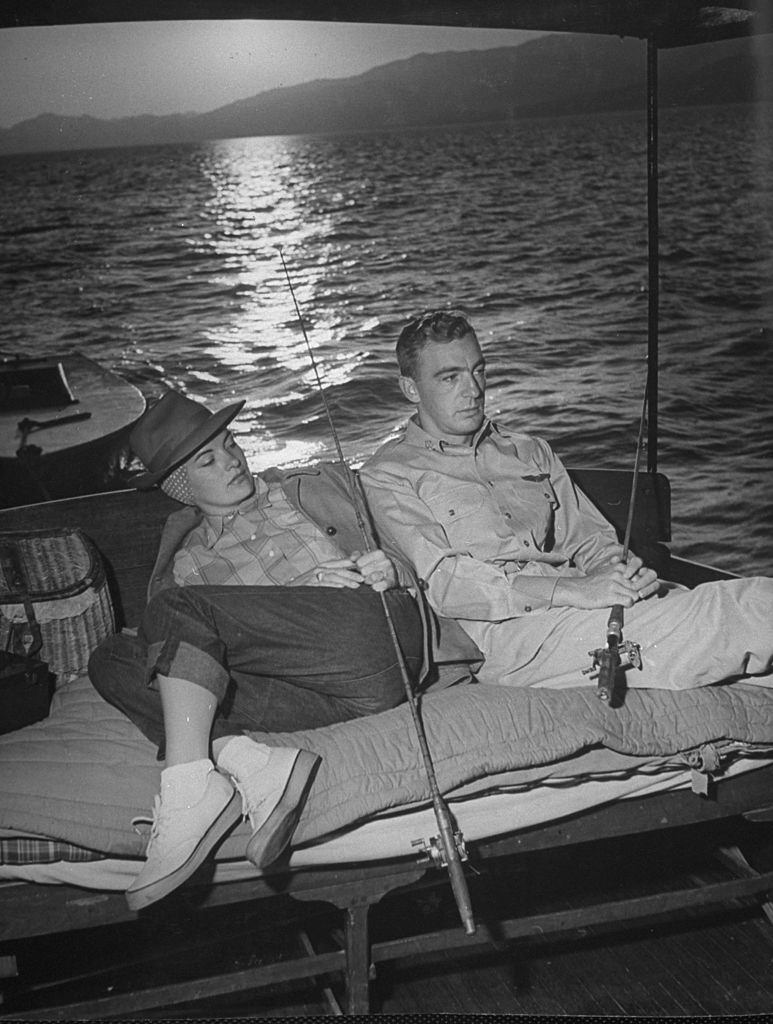
Raines married Kenneth William Trout in 1942. Trout held the rank of Major, and the two were photographed together frequently during the early 1940s. The marriage lasted two years before the couple separated. Despite the brief union, the photographs from that period show a relaxed, happy dynamic between them.
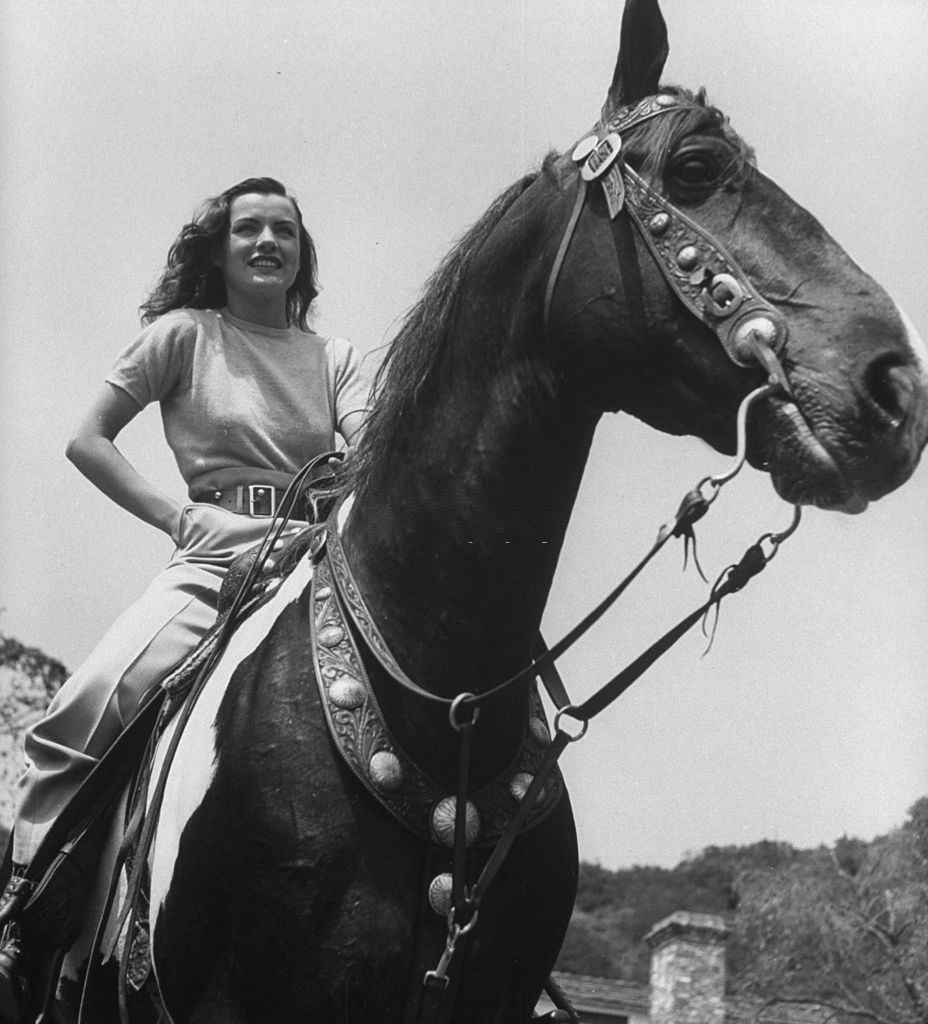
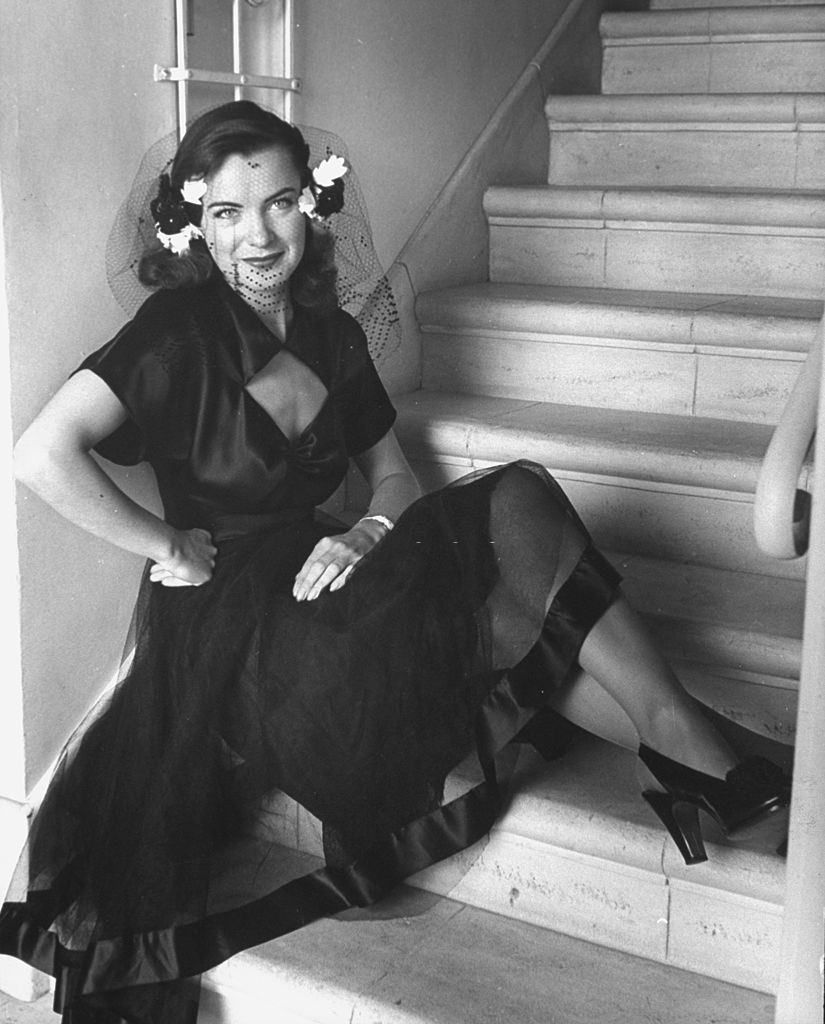
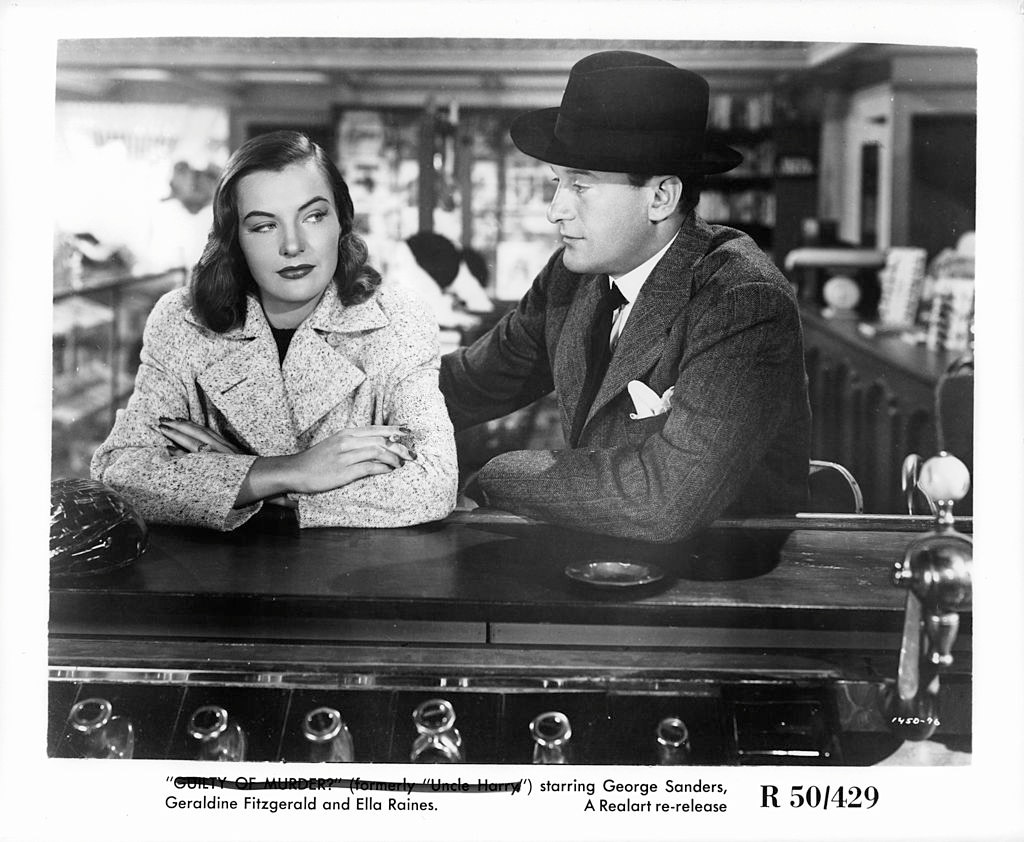
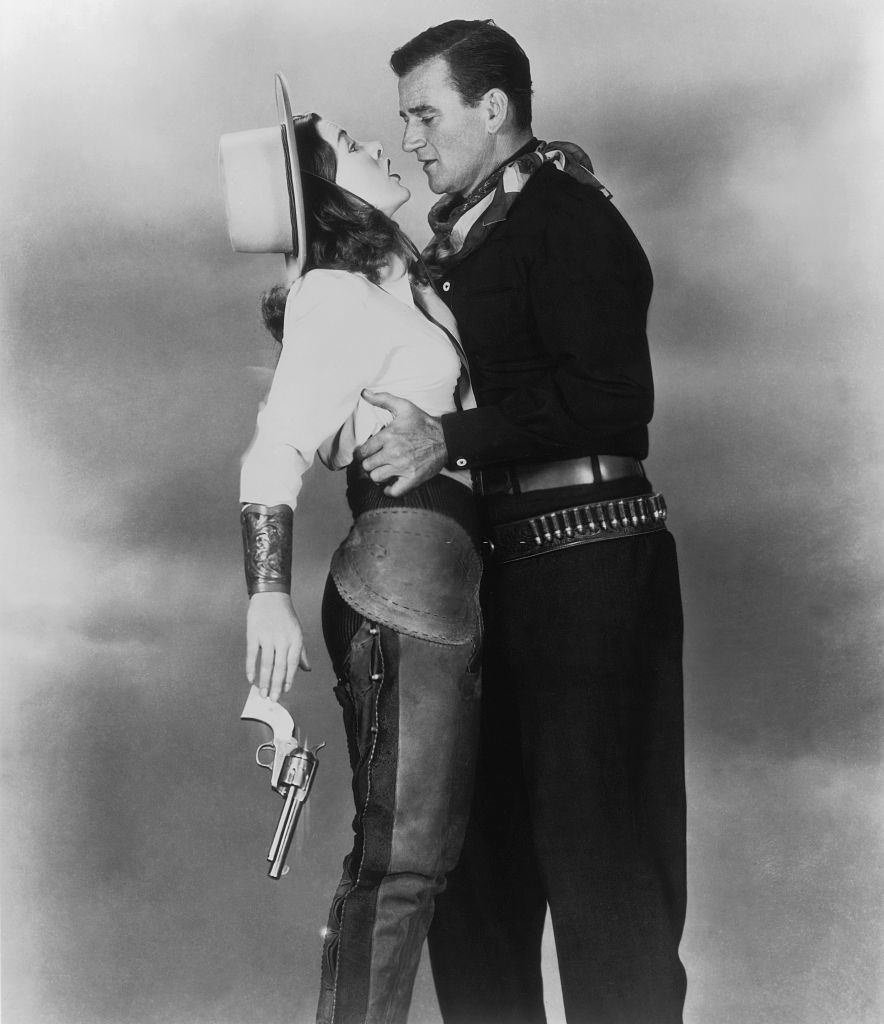
On screen, Raines kept a busy schedule throughout the mid-1940s. She appeared in The Suspect (1944), Hail the Conquering Hero (1944), and The Strange Affair of Uncle Harry (1945), the latter alongside actor George Sanders. She also starred opposite John Wayne in Tall in the Saddle (1944), directed by Edwin L. Marin. Each role showed her range — from noir thriller to wartime comedy to Western.
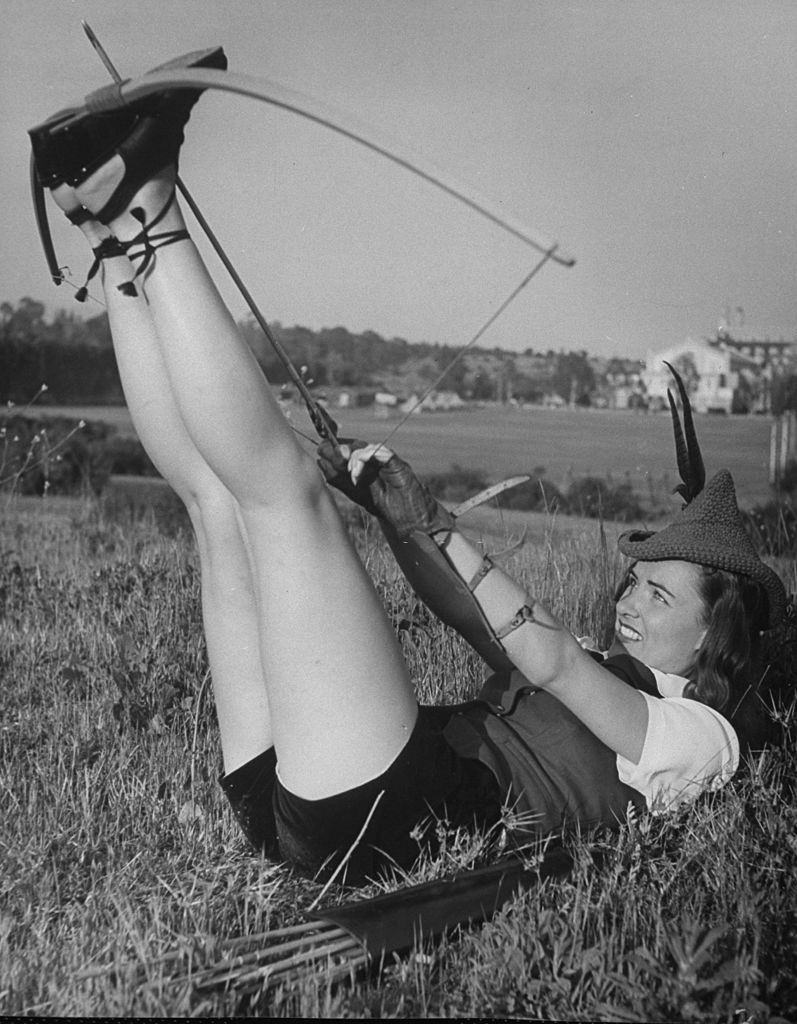
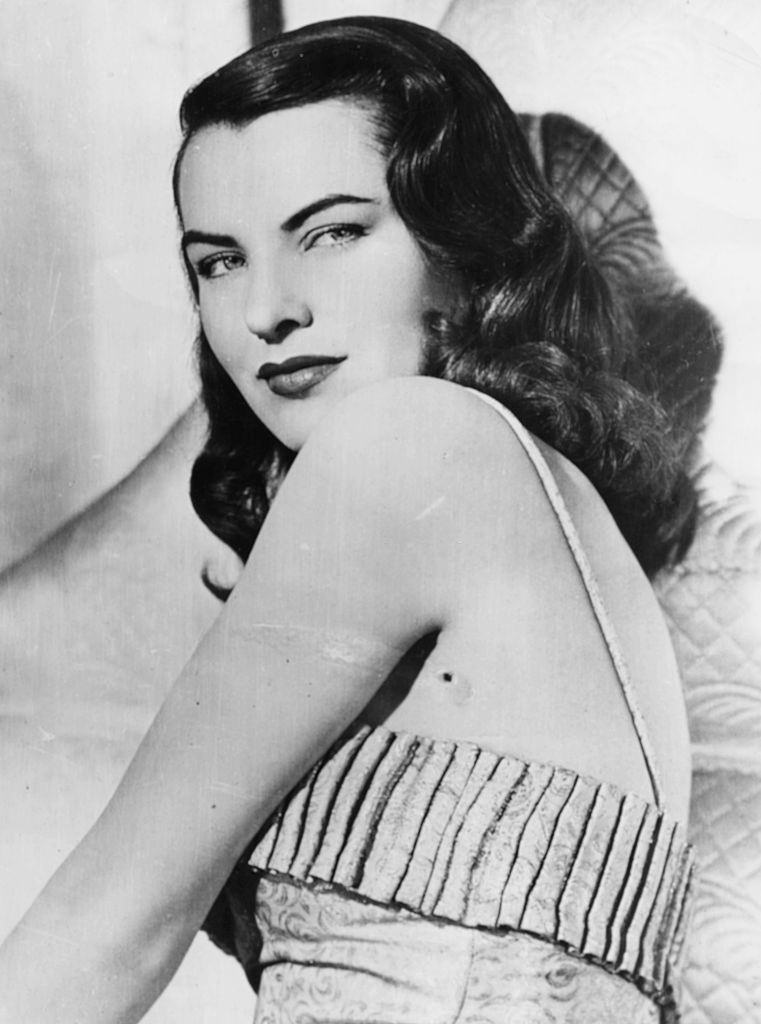
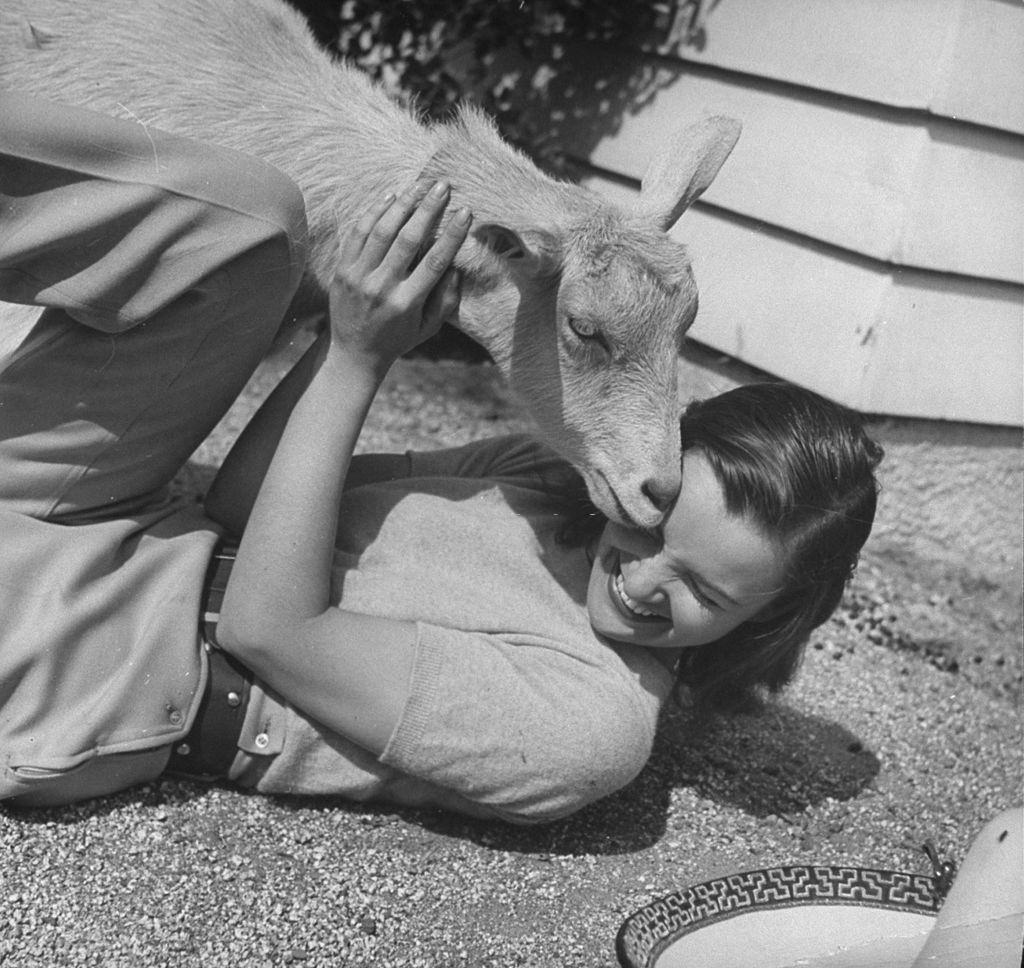
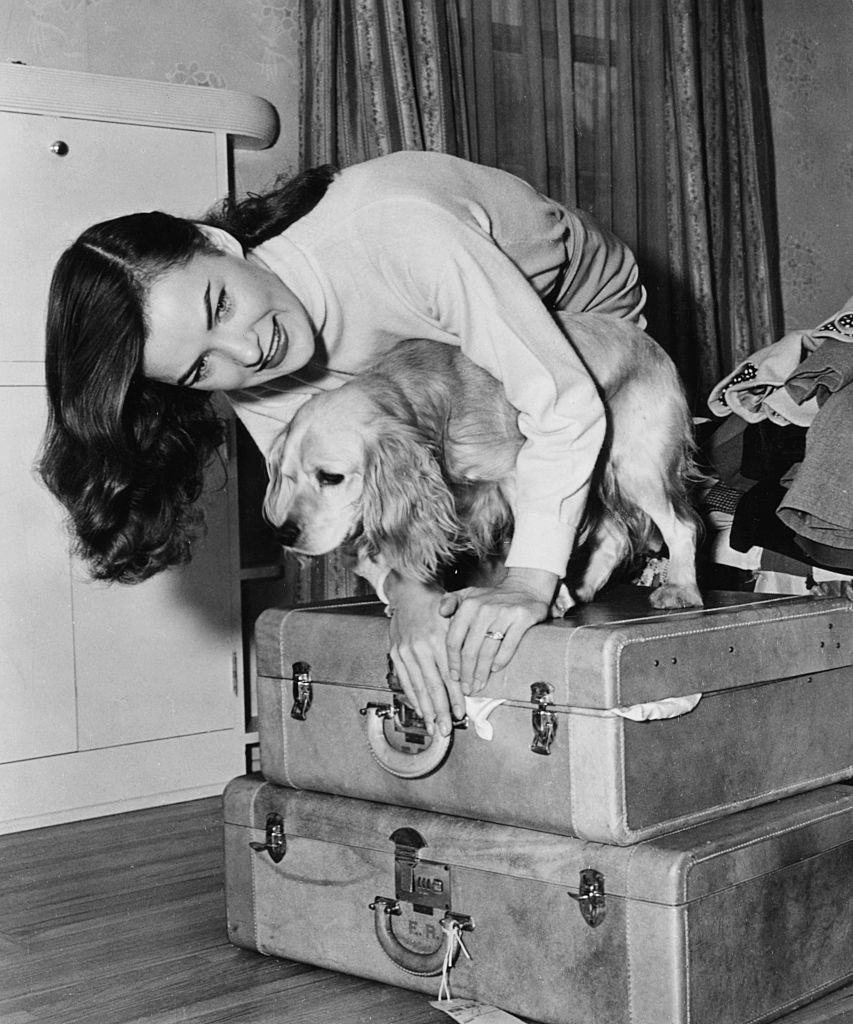
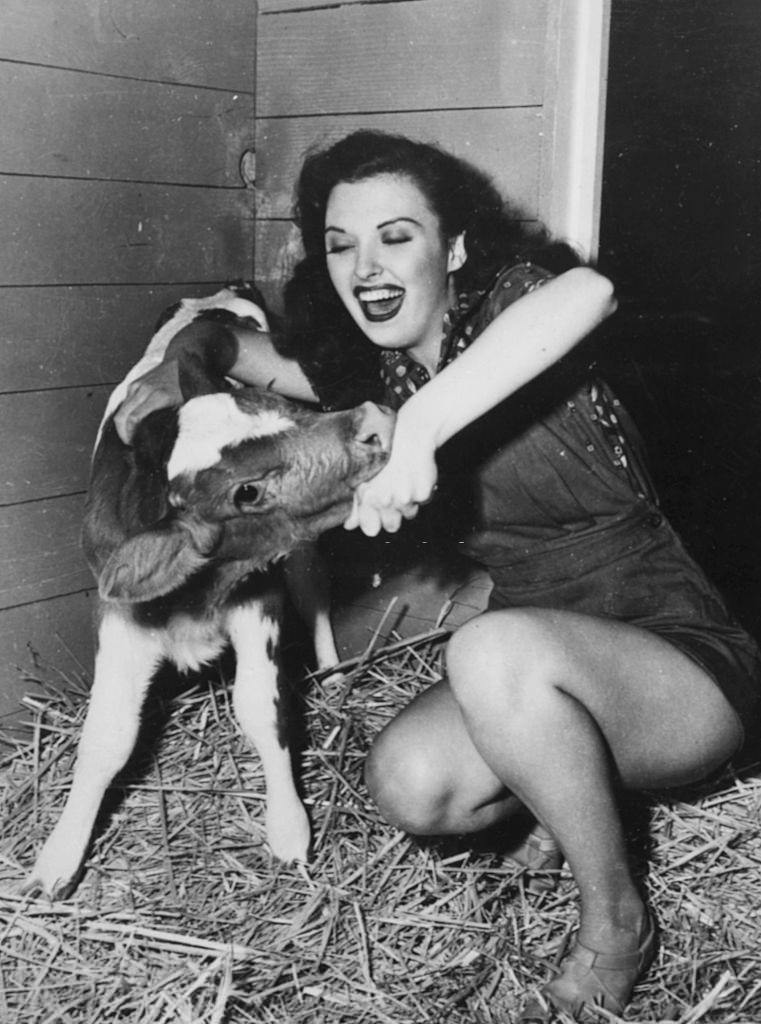
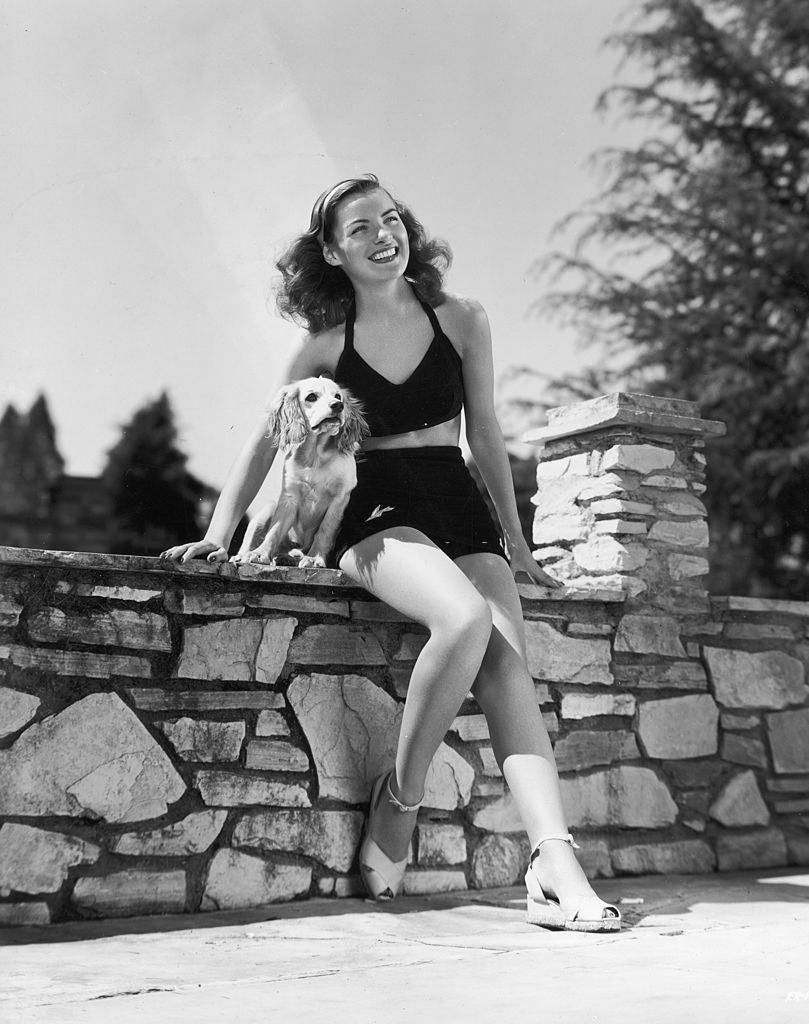
Off set in 1945, Raines was photographed in relaxed, everyday settings — playing with animals on a farm, spending time with her cocker spaniel Poochie, and enjoying the California lifestyle. These images were a common part of the Hollywood publicity machine, designed to make stars feel approachable to their audiences.
Photographs with her first husband Kenneth Trout captured the couple in leisurely moments — on boats, at the beach, and relaxing outdoors. Trout’s military status made him a recognizable figure in these wartime-era images. The couple divorced in 1944.
Her work continued into 1946 and beyond, with roles in films like Brute Force (1947), where she appeared in a notable smoking scene. By 1947, she had also married her second husband, World War II fighter-pilot ace Robin Olds. Olds was a decorated military officer, and the couple went on to have three children together.
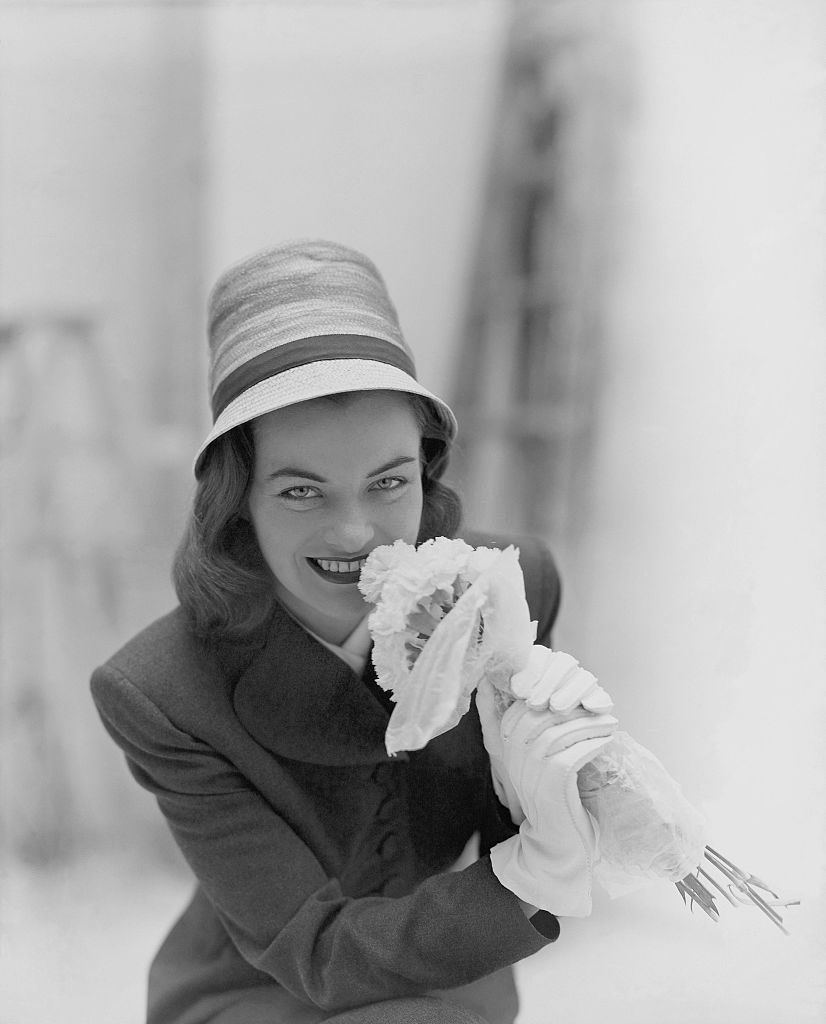
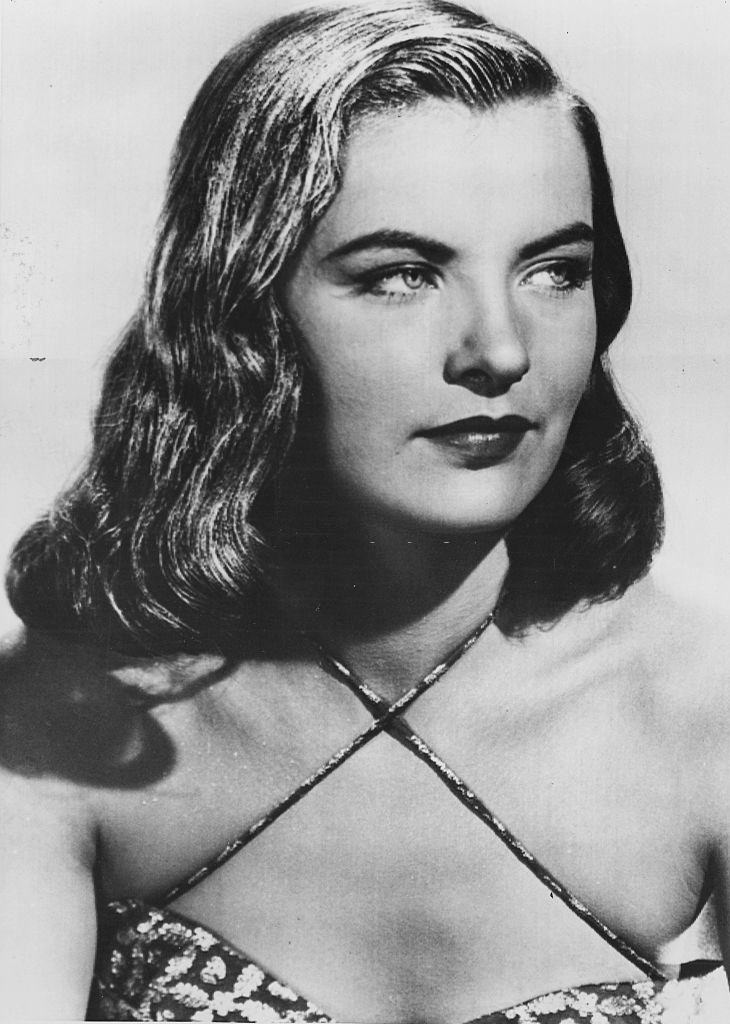
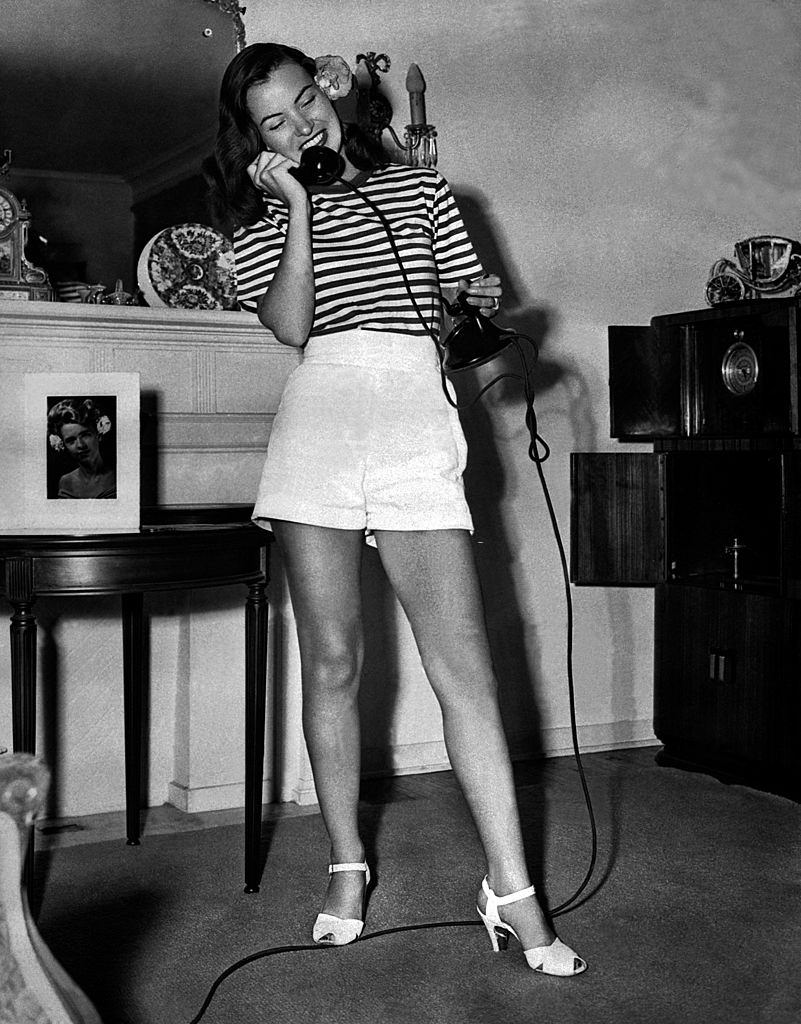
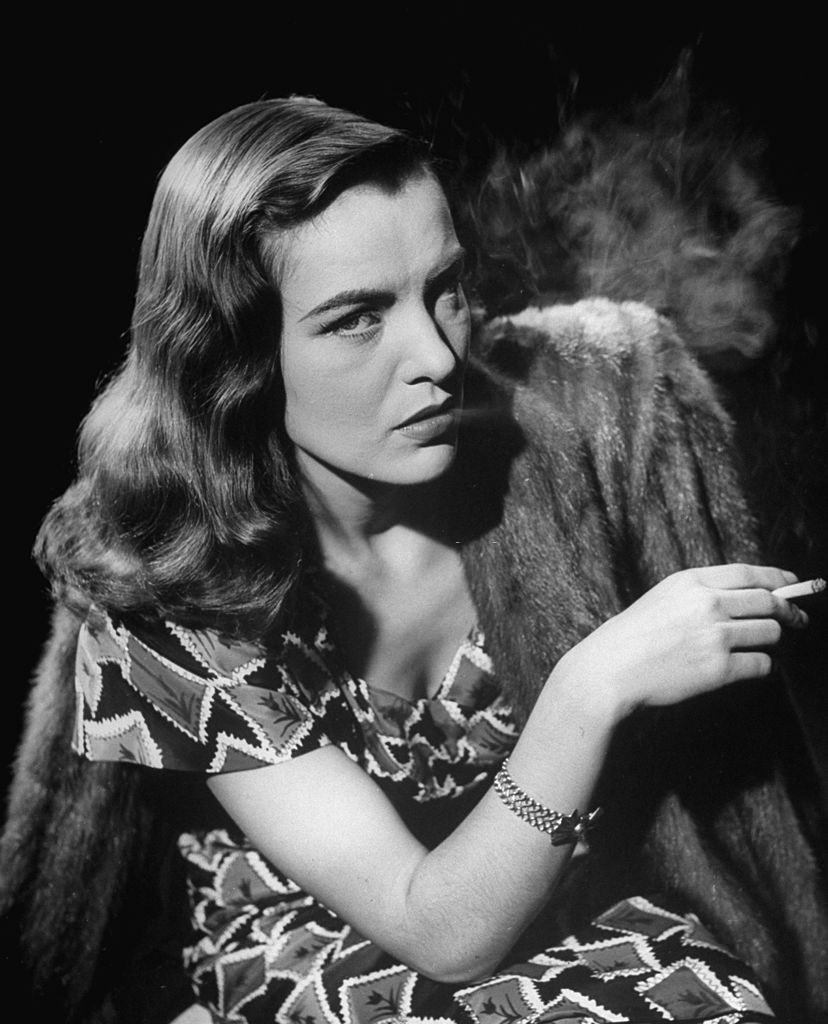
As the 1940s gave way to the next decade, Raines transitioned to television. From 1953 to 1954, she starred in Janet Dean, R.N., a TV series in which she played a nurse navigating the human dramas of her patients. It was one of the earlier dramatic series to feature a professional woman as the central character. Her 1953 photo shoot showed her looking as polished and composed as ever.
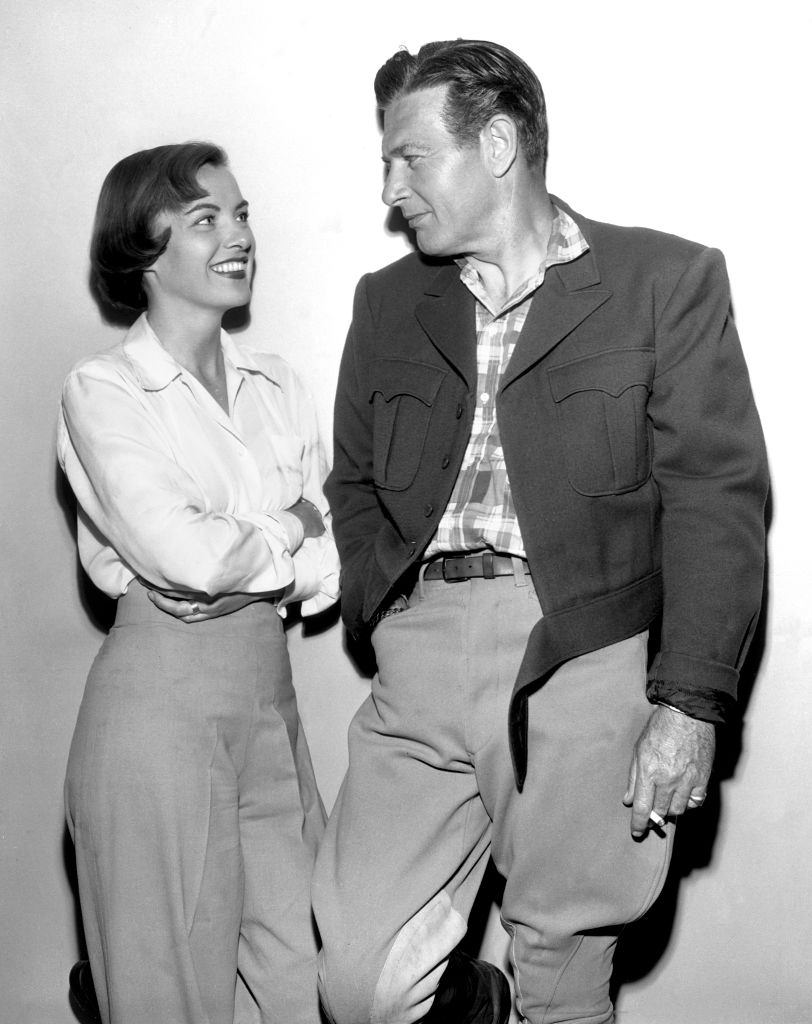
Raines and Robin Olds separated in 1975, and their divorce was finalized in 1976 after nearly three decades of marriage. In the mid-1970s, she returned to the University of Washington in Seattle — her alma mater — to teach drama. She died in 1988 in California from throat cancer at the age of 67. The photographs she left behind capture a woman who was equally at home on a film set, on horseback, or on a ski slope.