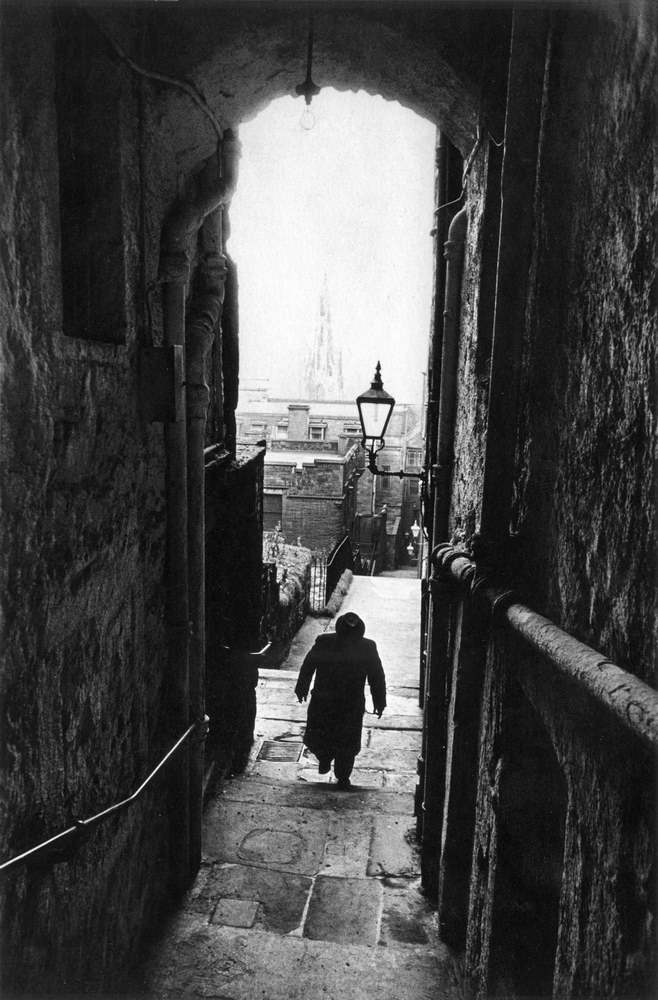
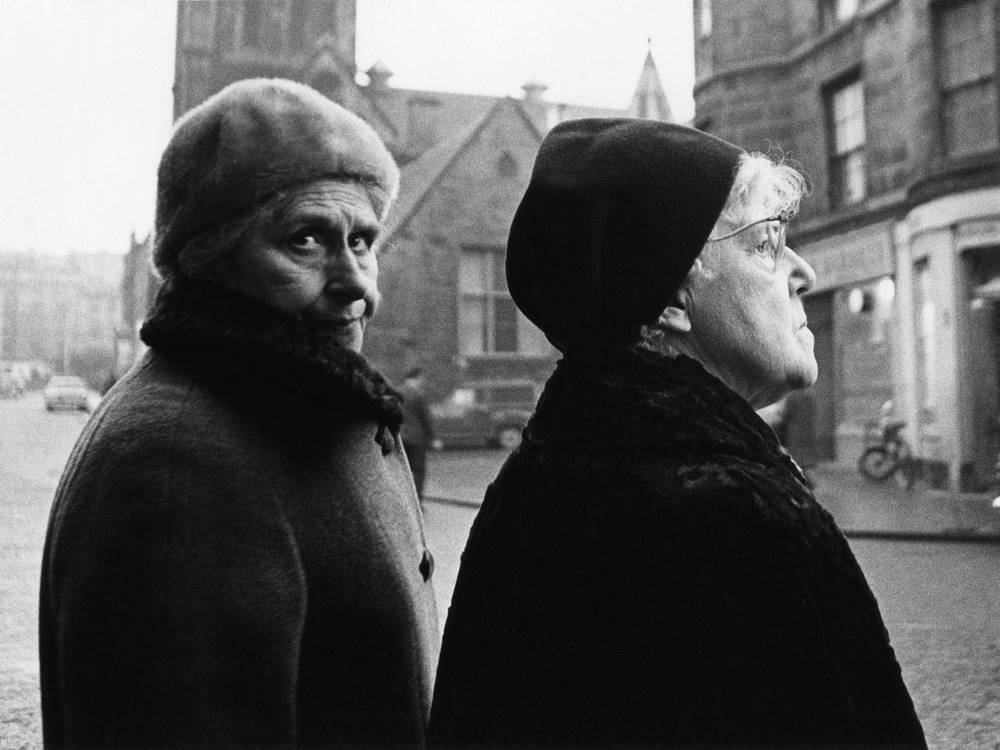
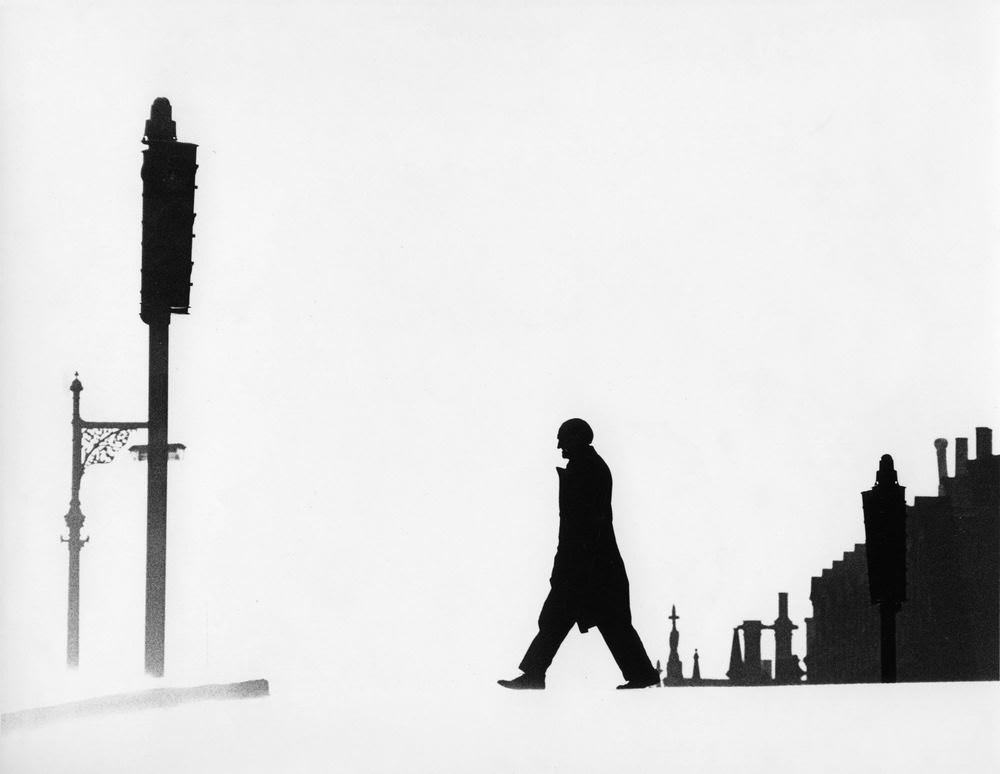
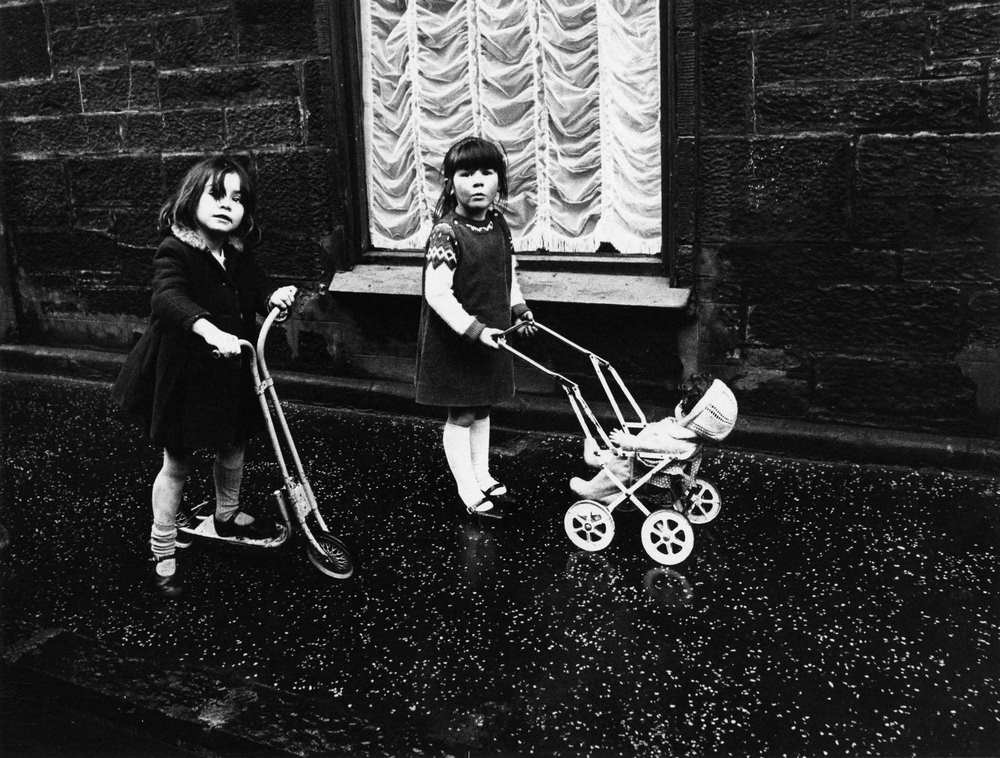
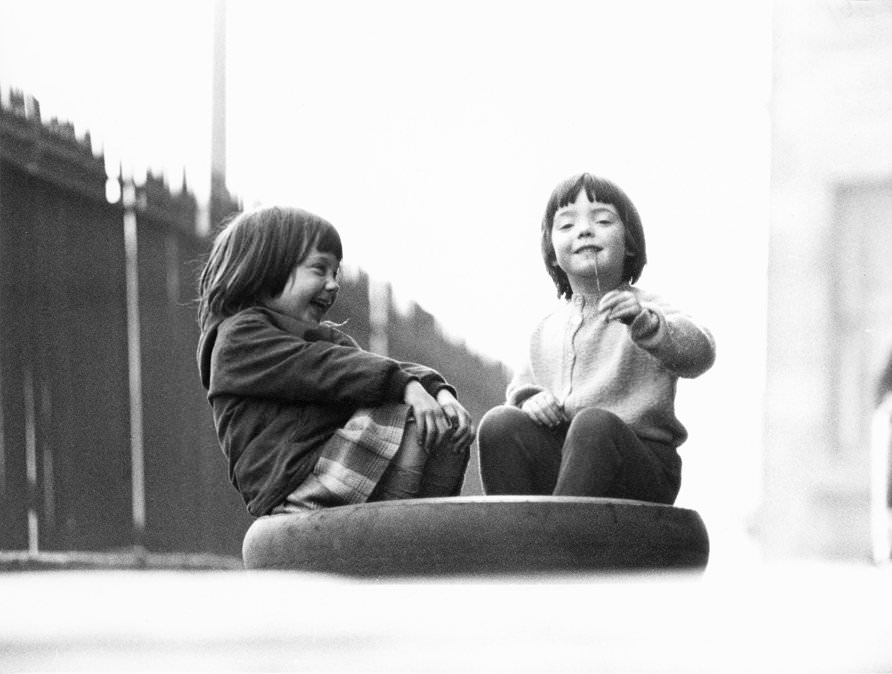
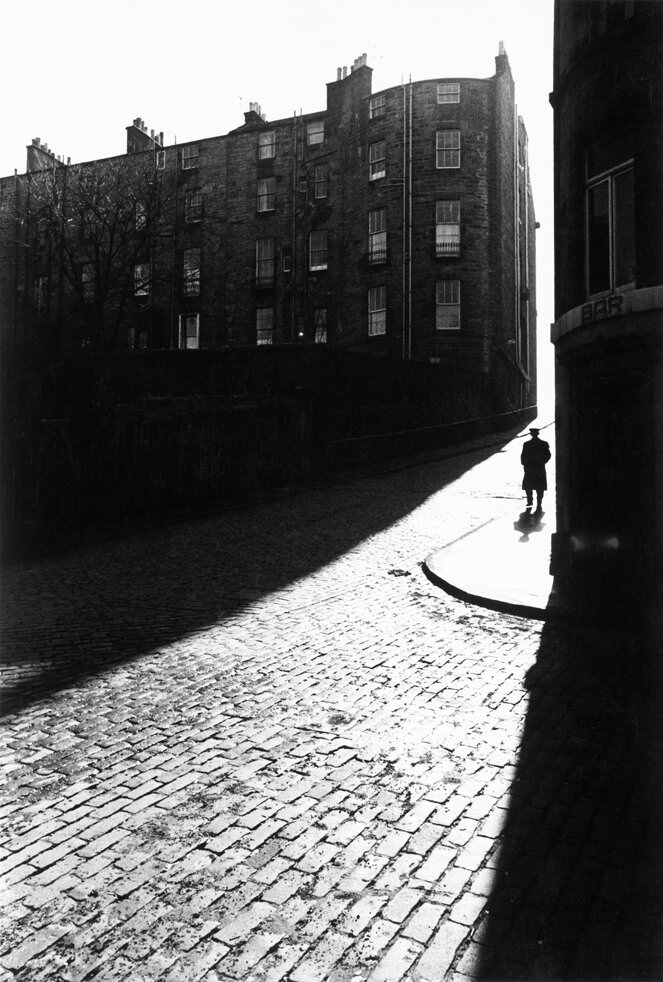
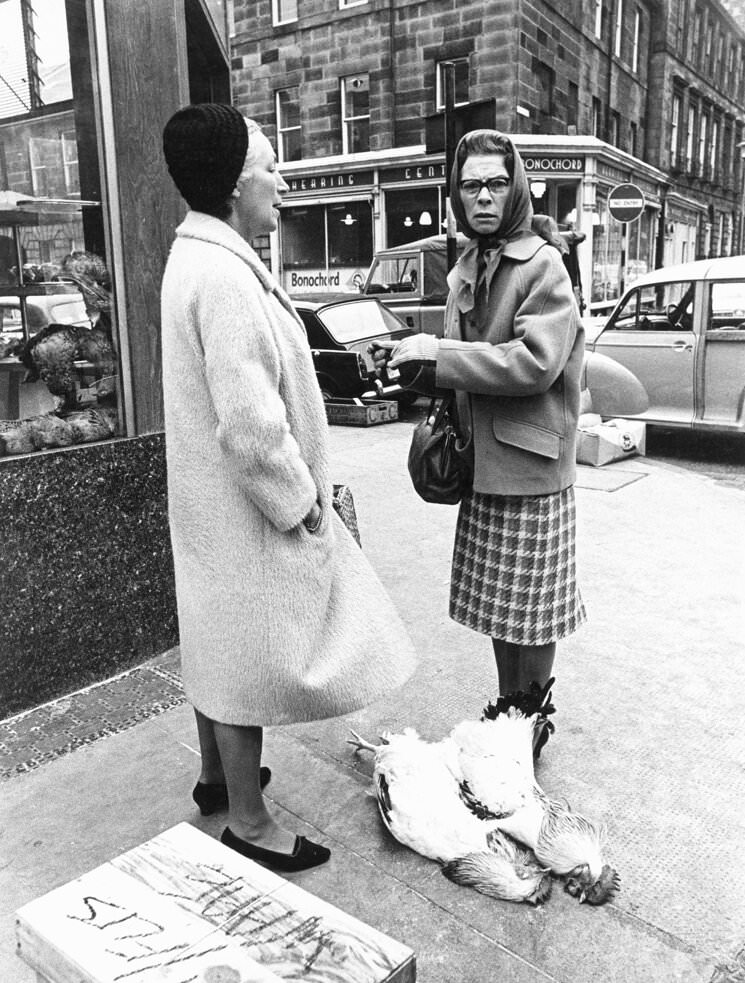
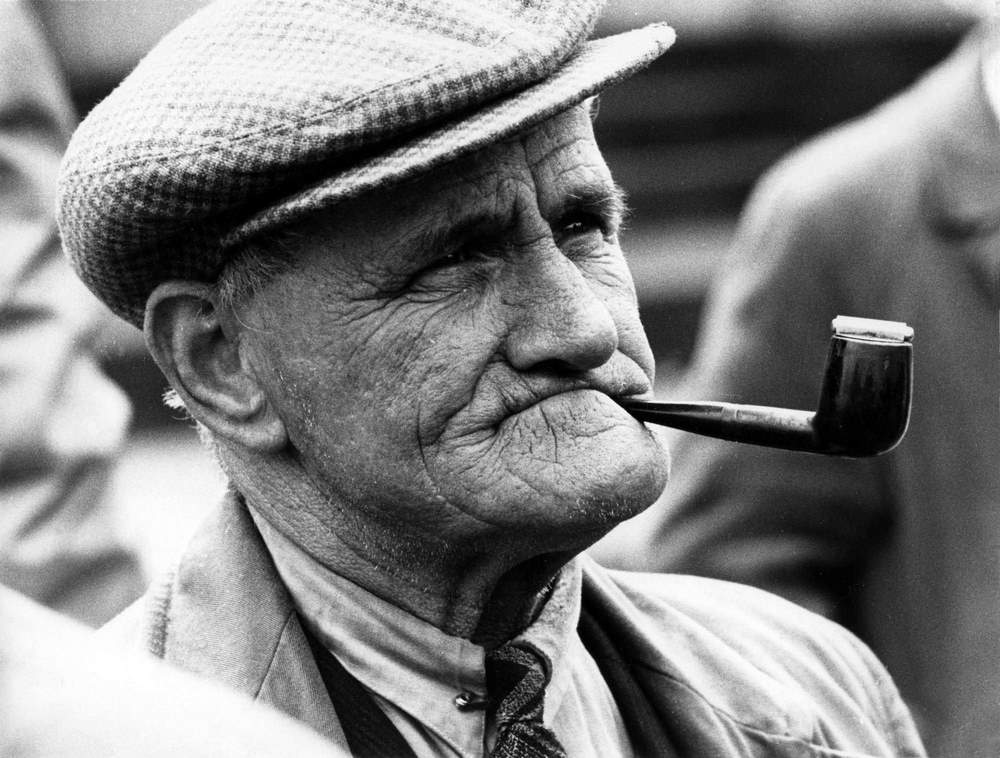
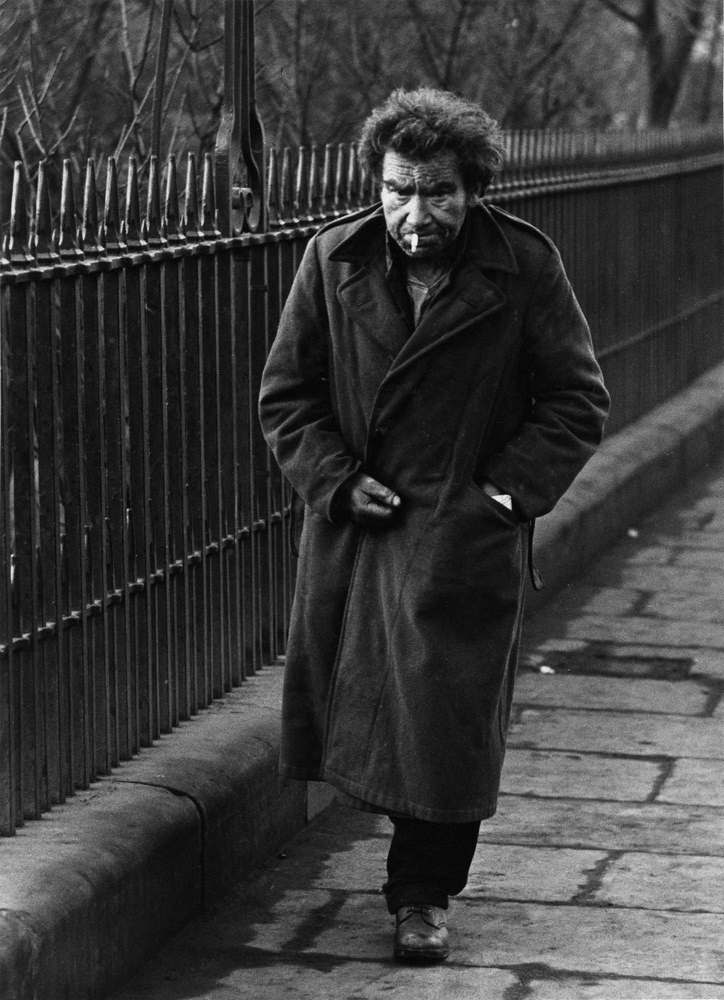
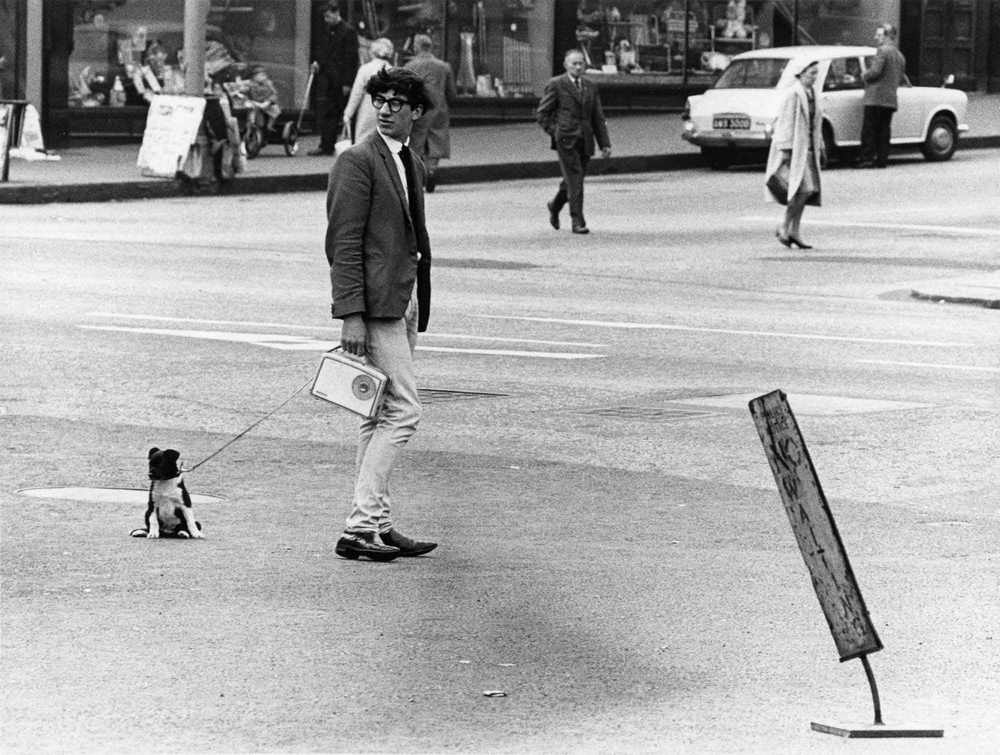
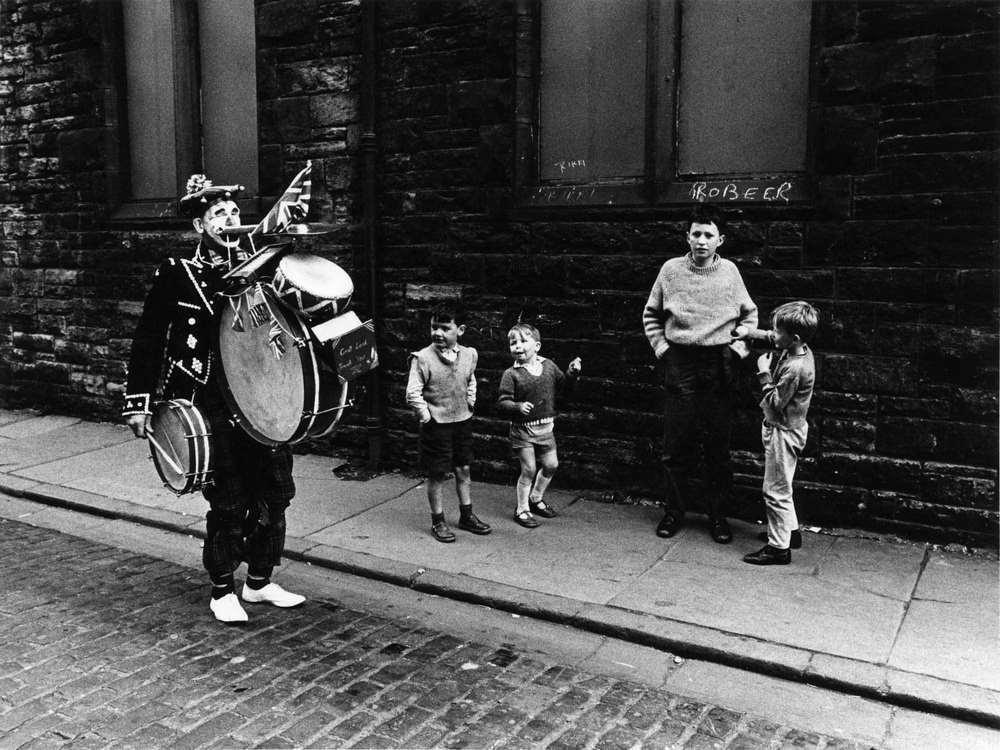
Robert Blomfield was a British street photographer who documented everyday life from the 1950s through the 1970s. He worked with a fly-on-the-wall approach, blending into his surroundings to capture candid, unguarded moments in a world still reshaping itself after the Second World War. His camera caught the ordinary and the amusing in equal measure — pub regulars, children at play, market shoppers, and open-air speakers — all set against the stone streets and grey skies of Edinburgh.
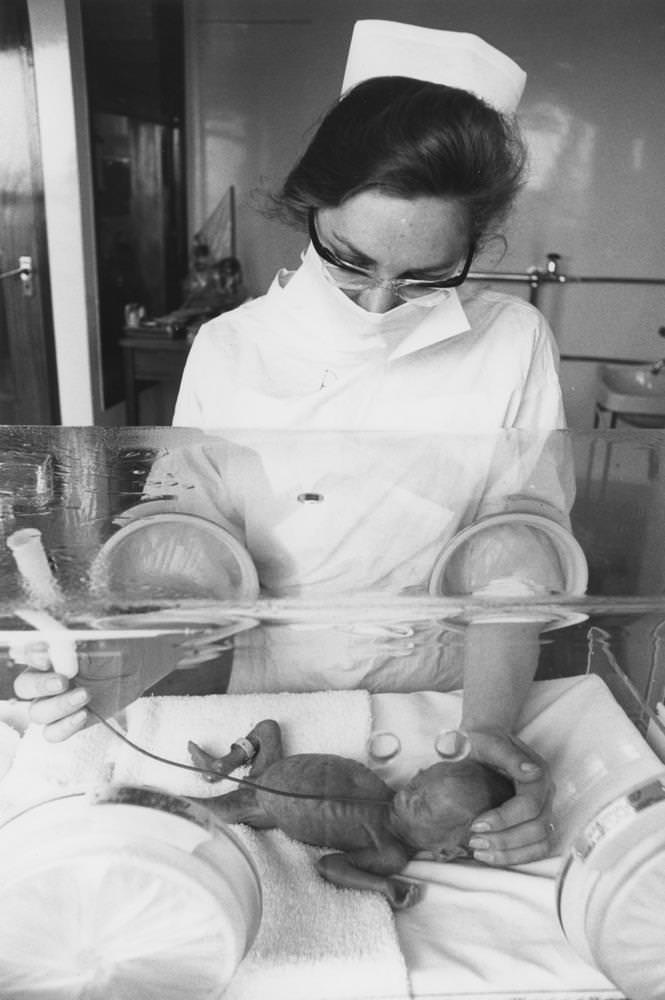
What makes Blomfield’s archive remarkable is the context behind it. He was not a professional photographer. These images were taken alongside his medical studies at the University of Edinburgh and, later, during his years as a junior doctor in London. Photography was a personal pursuit, not a career. He never sought recognition for the work, and as a result, his extensive collection remained almost entirely unknown for decades.
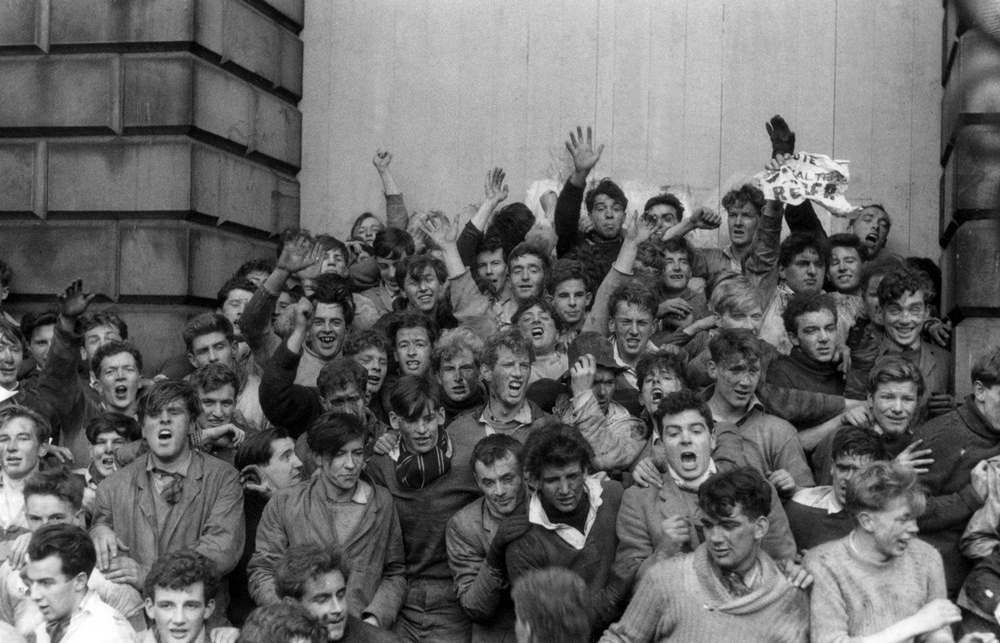
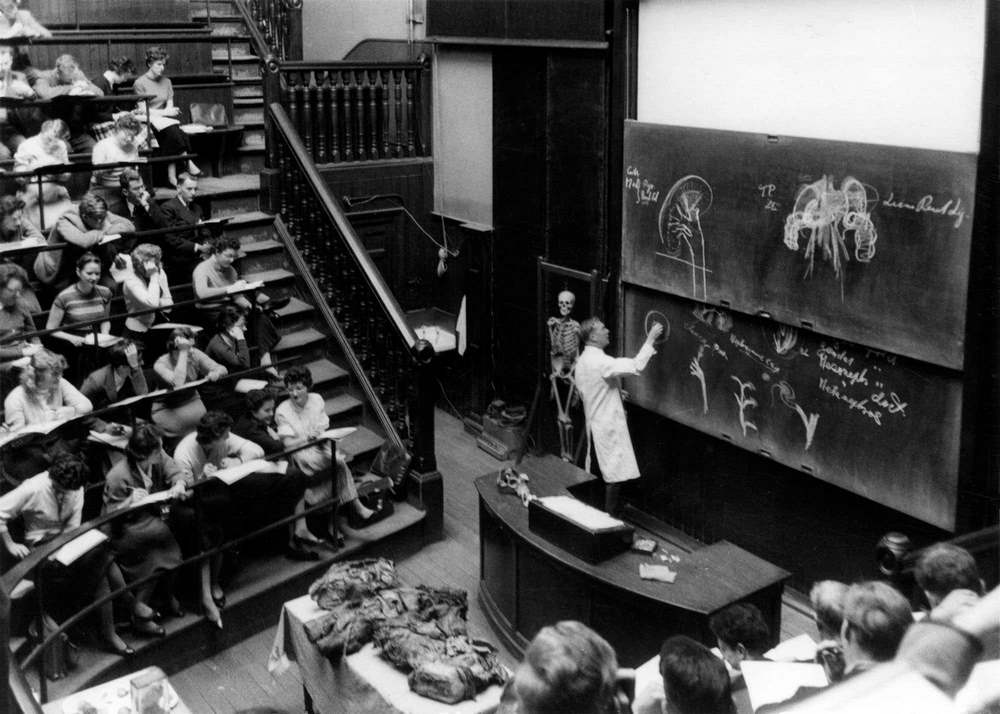
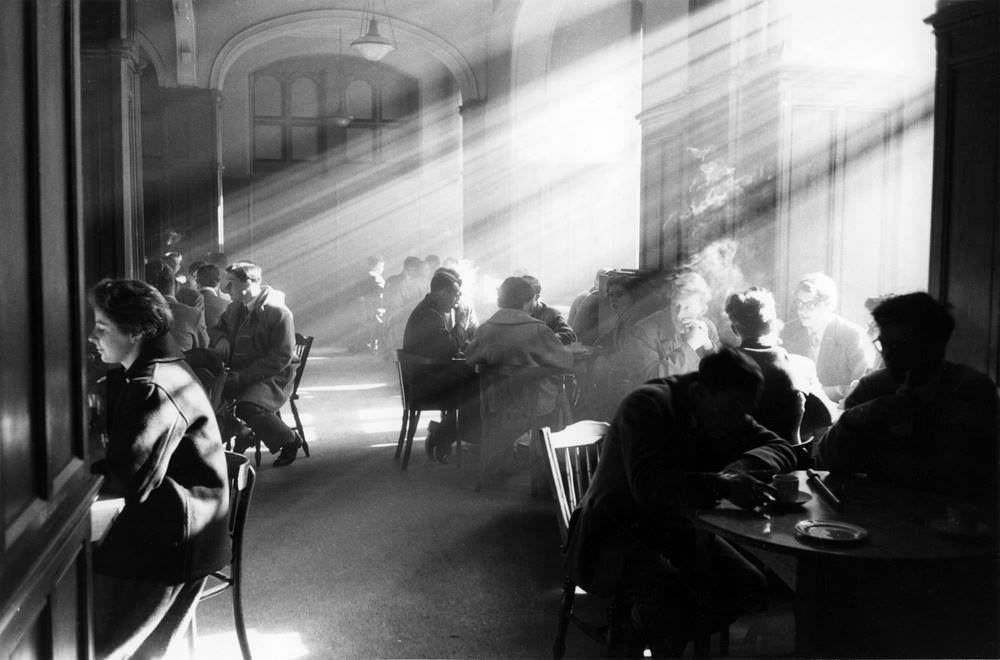
His earliest Edinburgh photographs date to his student years in the late 1950s. University life — elections, anatomy classes, and charity events — featured prominently in the lens of a young medical student observing his own world as much as the city around him.
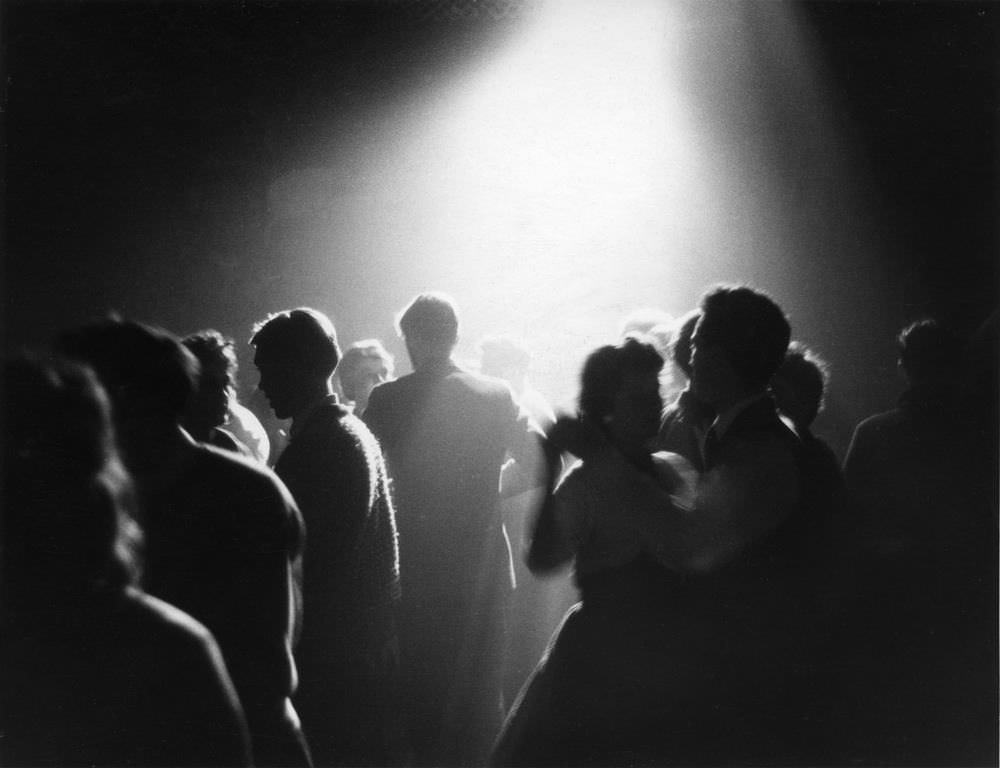
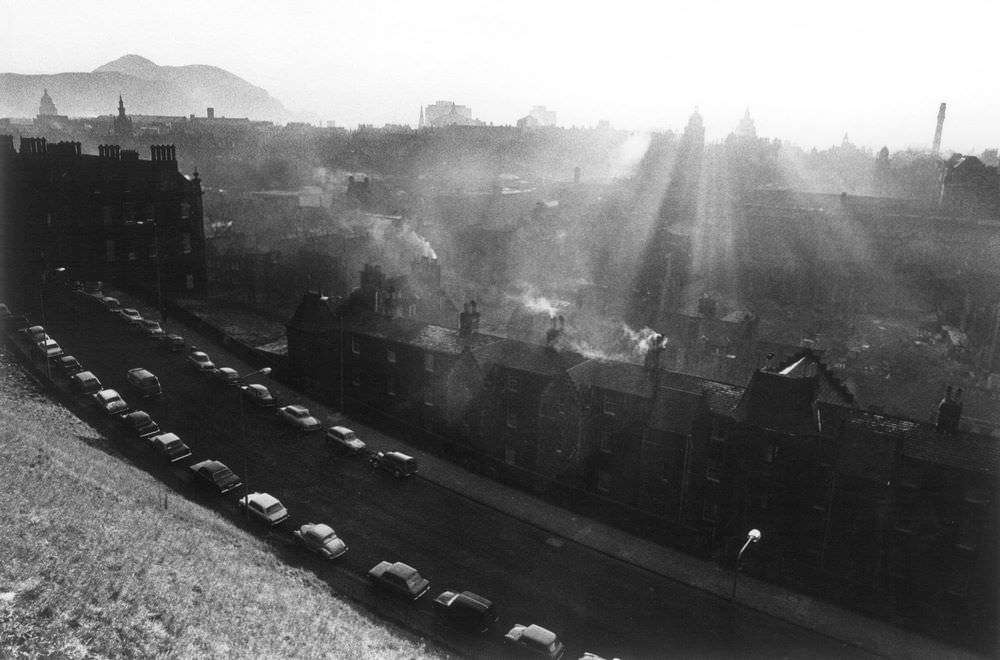
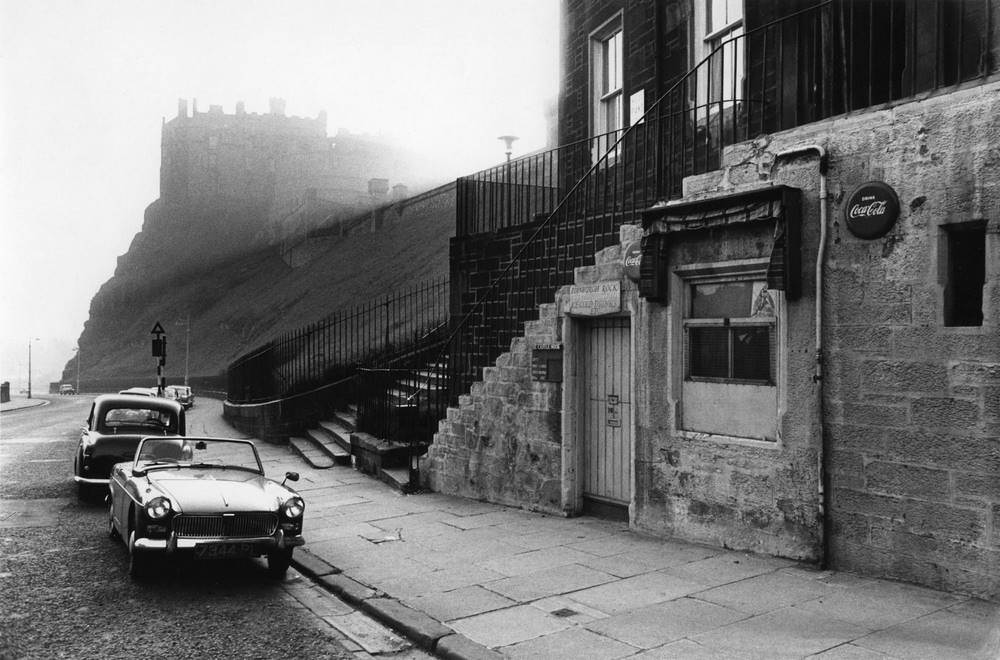
By 1959 and into the early 1960s, Blomfield had turned his attention to the broader city. Edinburgh was a place of contrasts — ancient architecture sitting alongside postwar modernity, working-class neighbourhoods pressed up against civic grandeur. He photographed all of it.
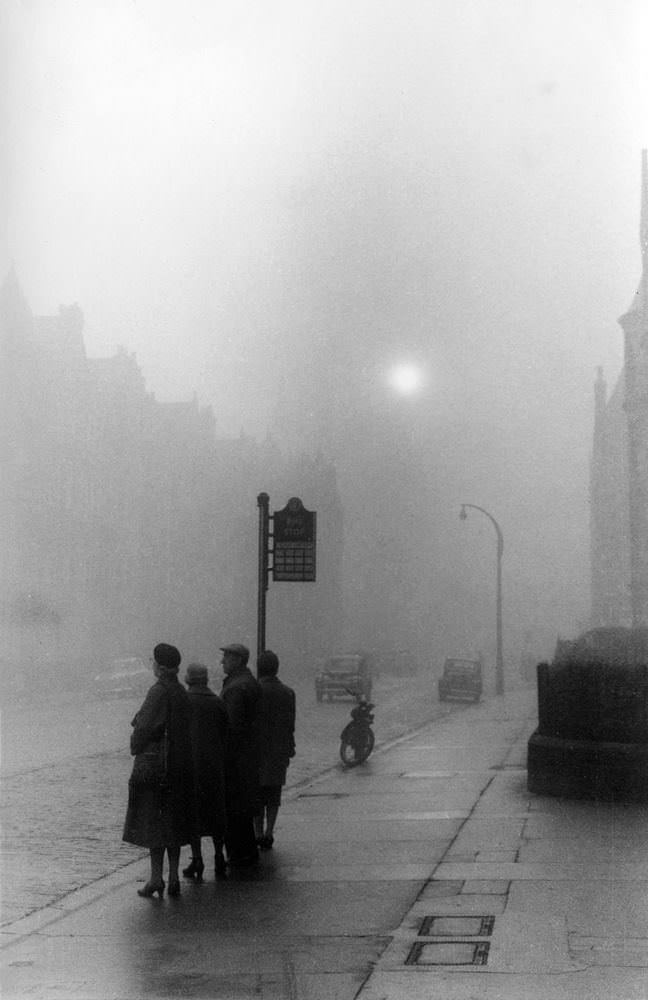
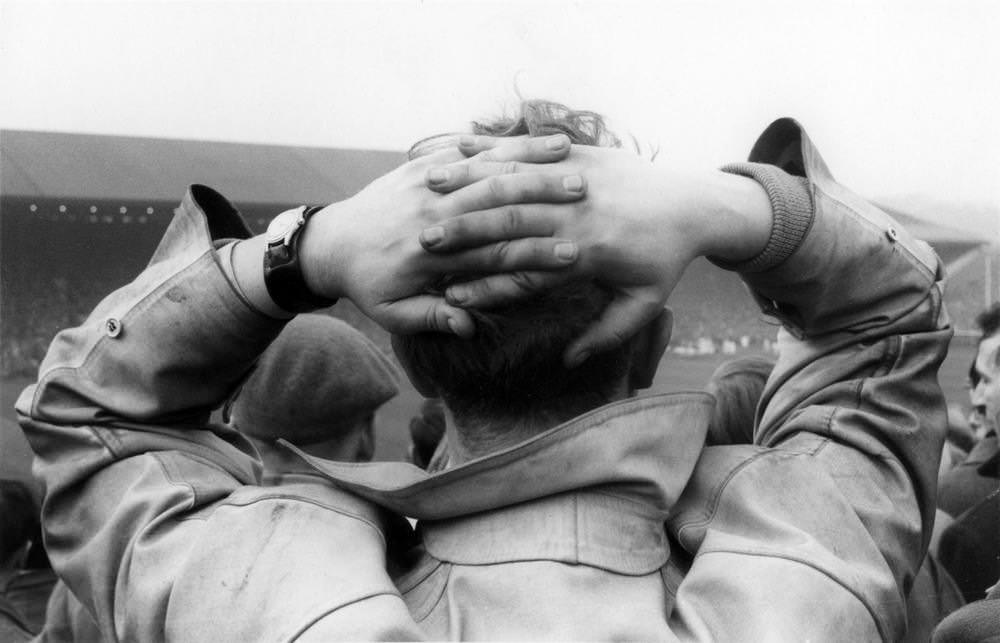
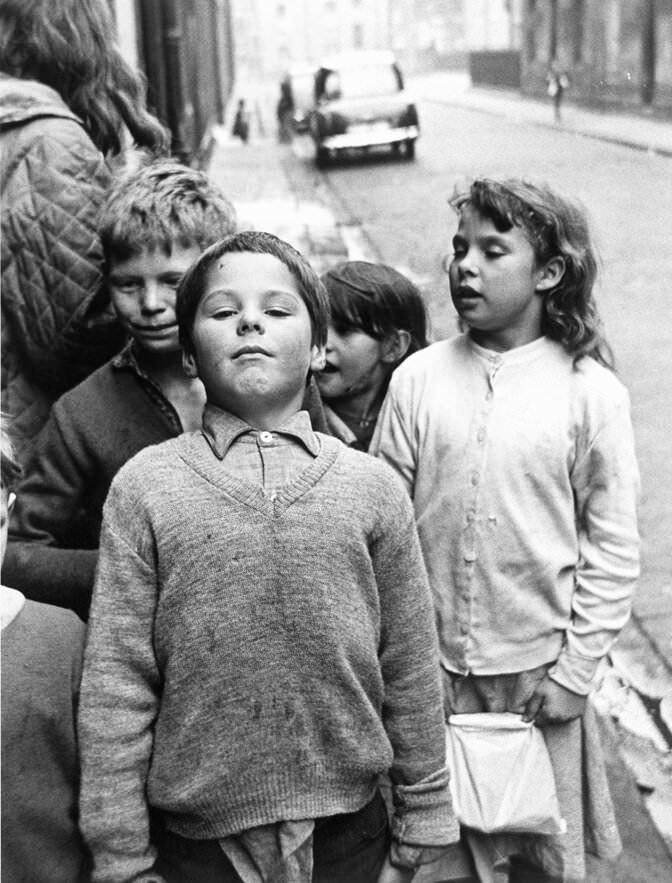
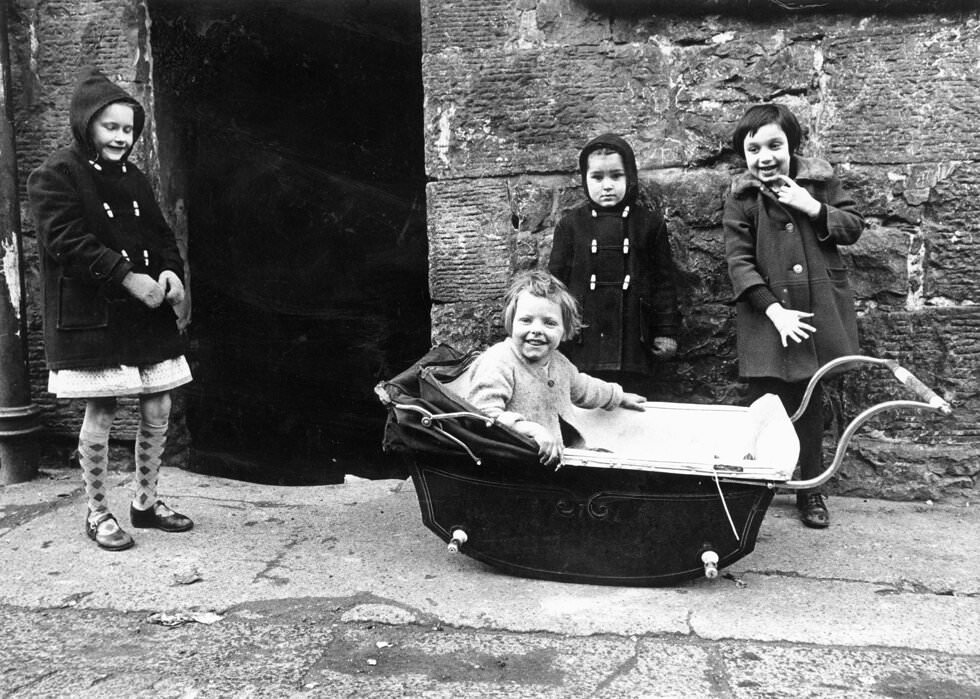
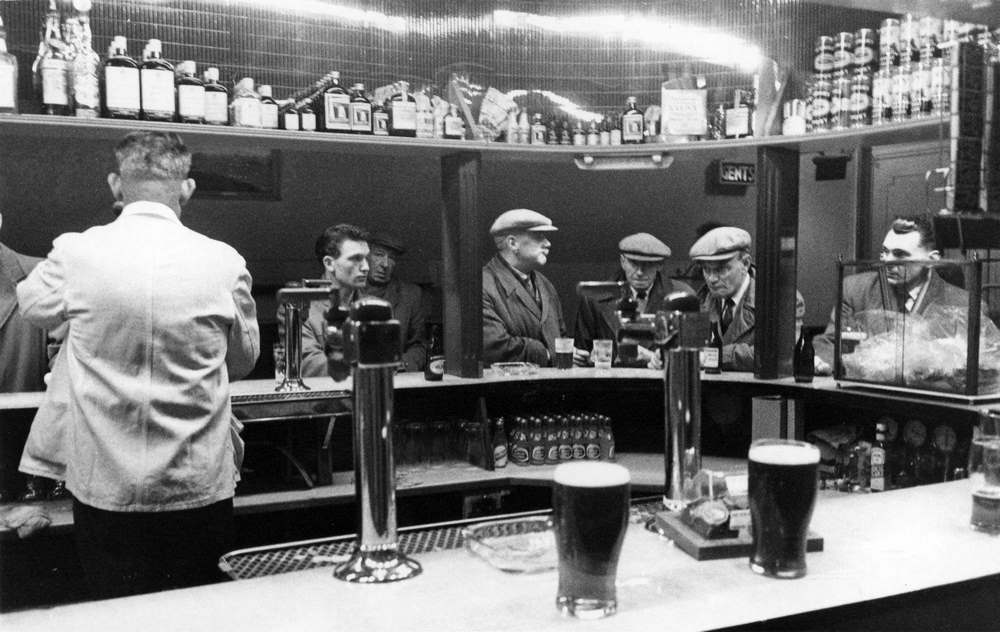
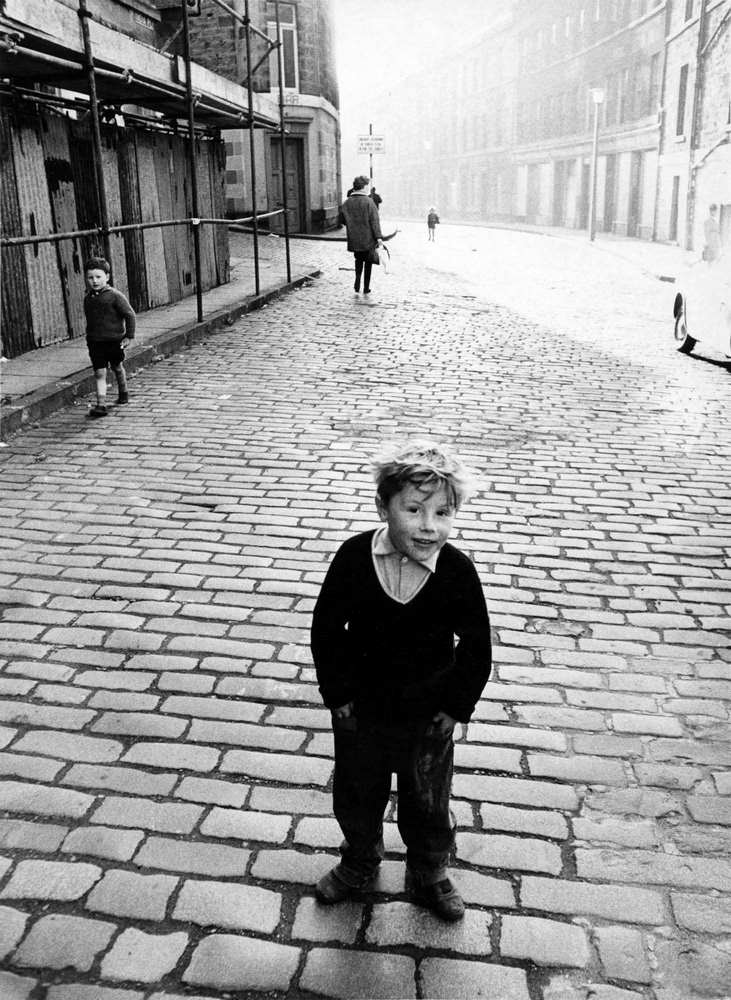
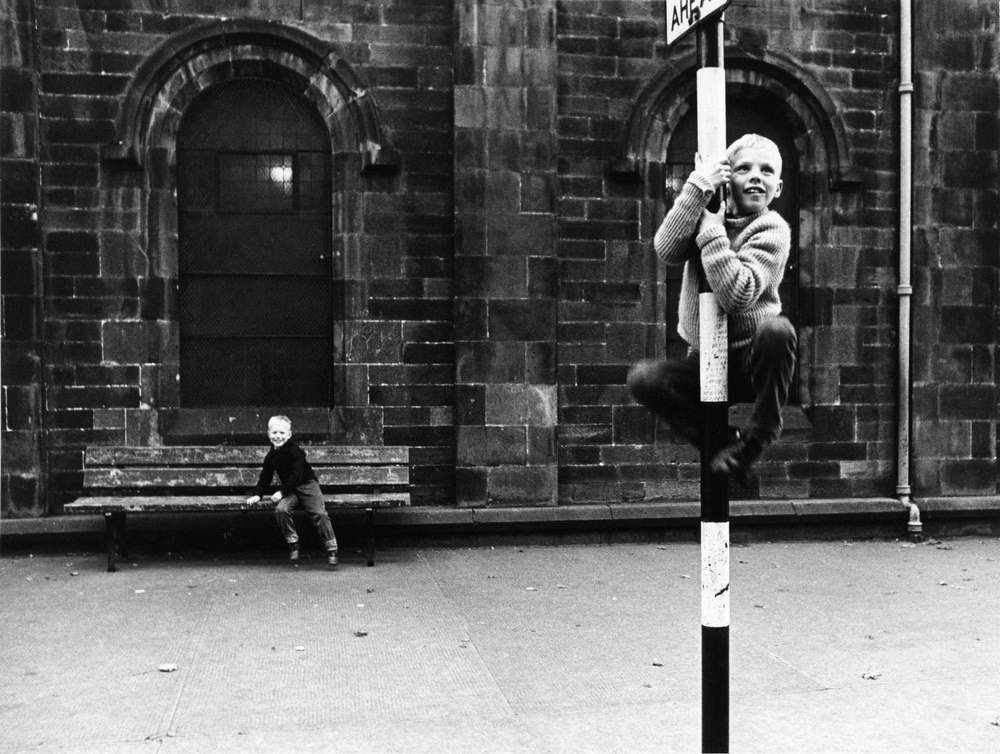
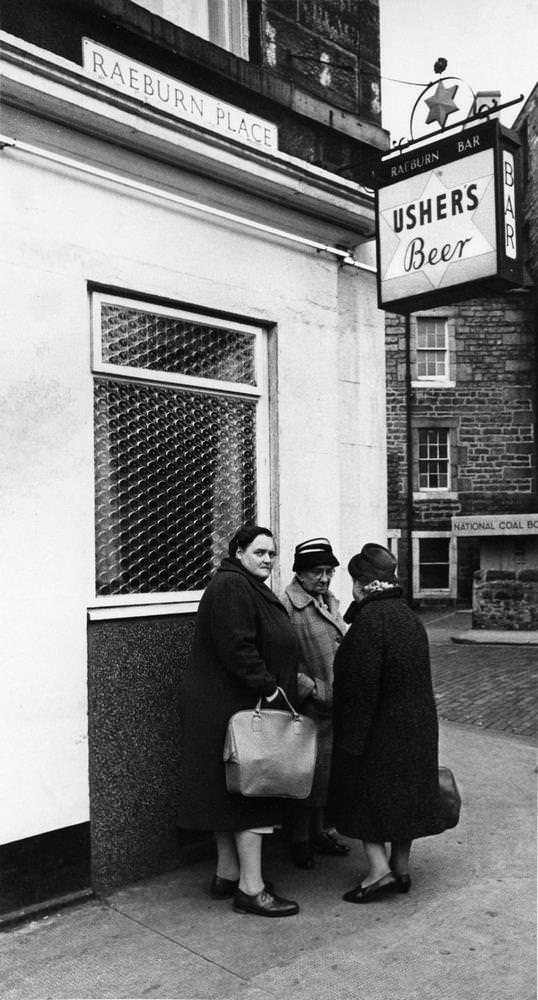
The streets of 1960 Edinburgh were busy and tactile. Shoppers crowded markets, children filled doorways and pavements, and local pubs anchored neighbourhood life. Blomfield caught all of this without staging a single frame.
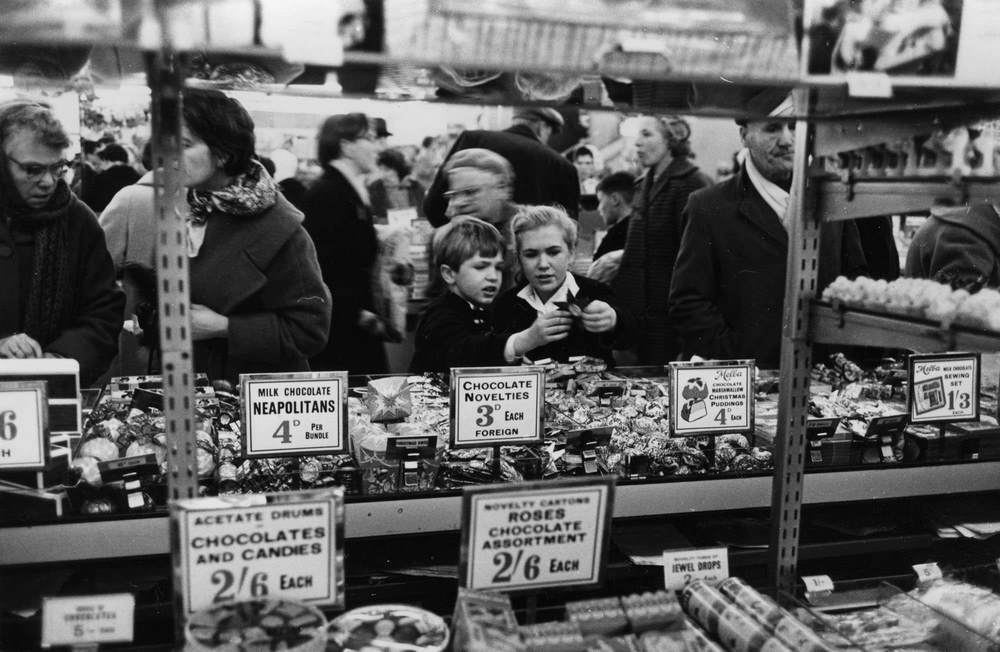
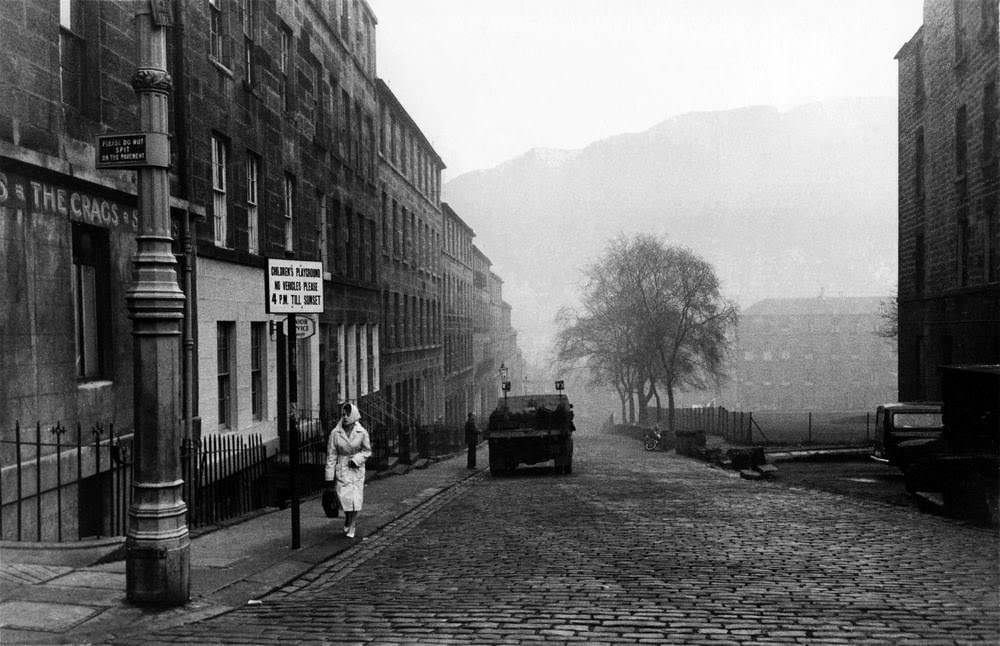
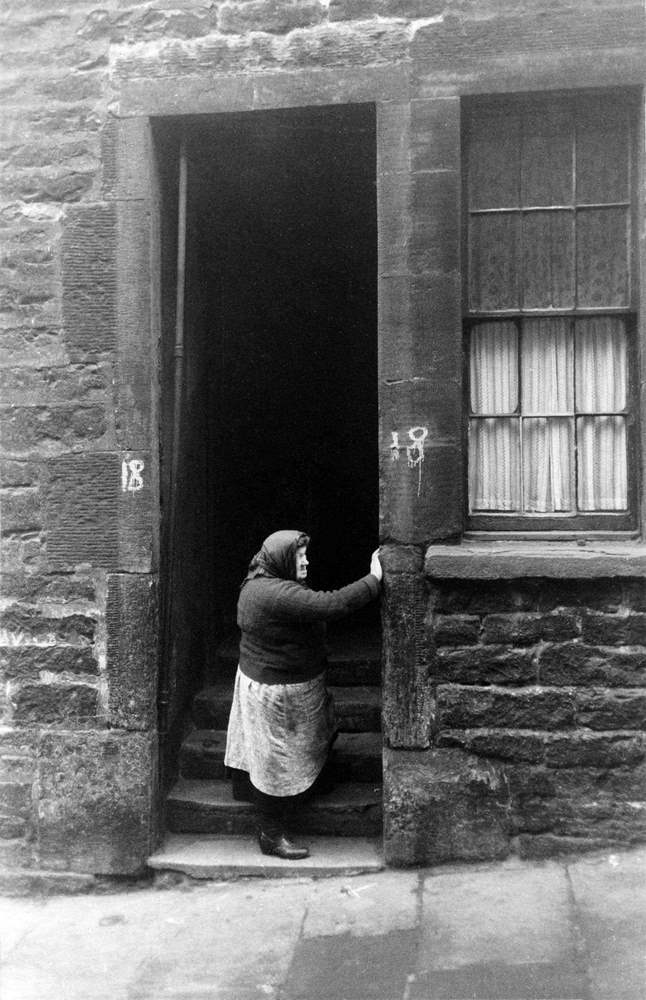
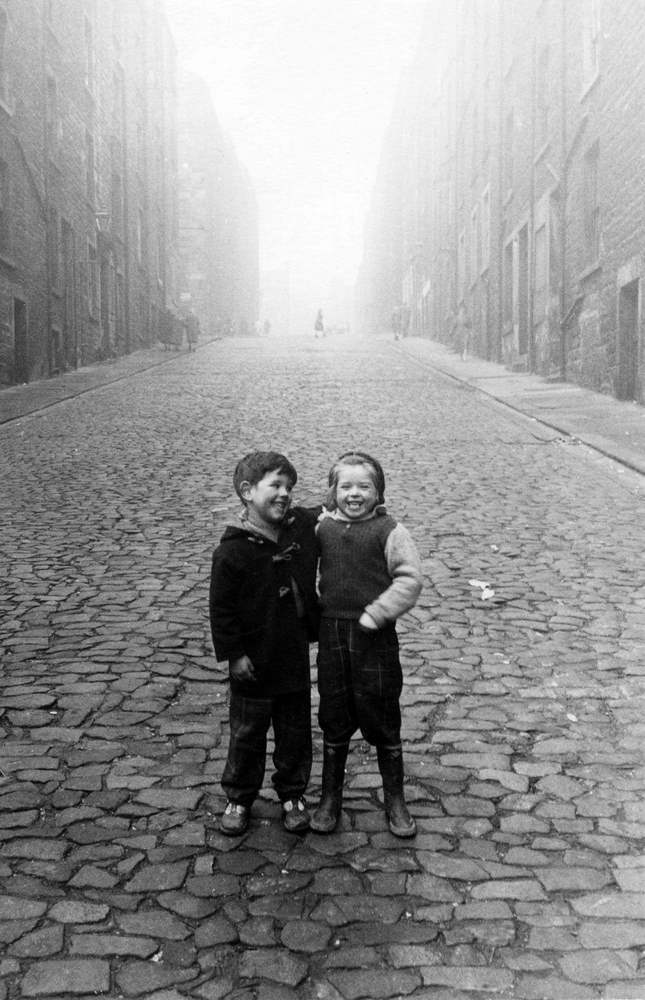
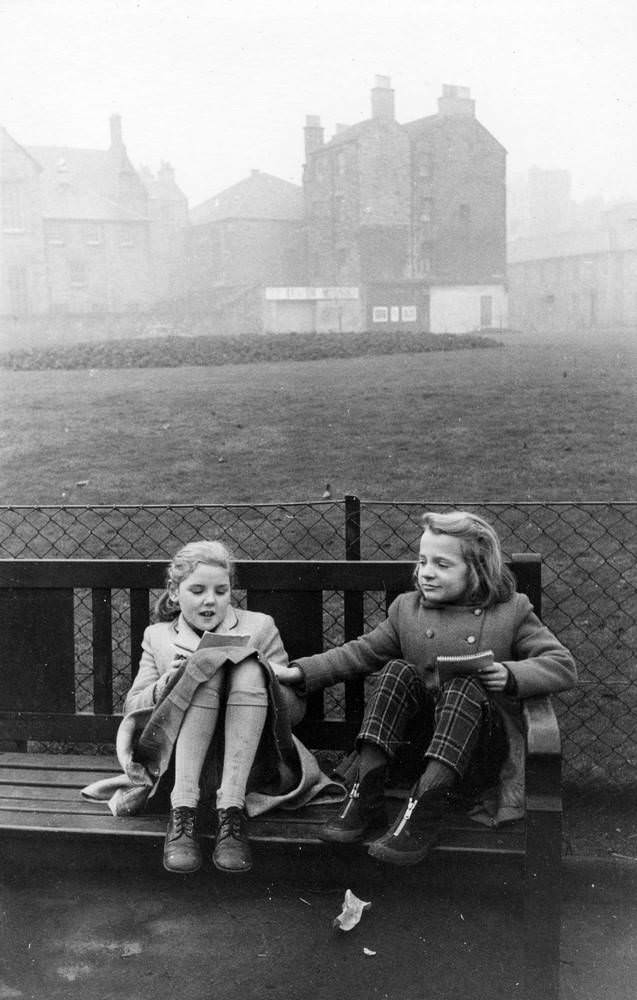
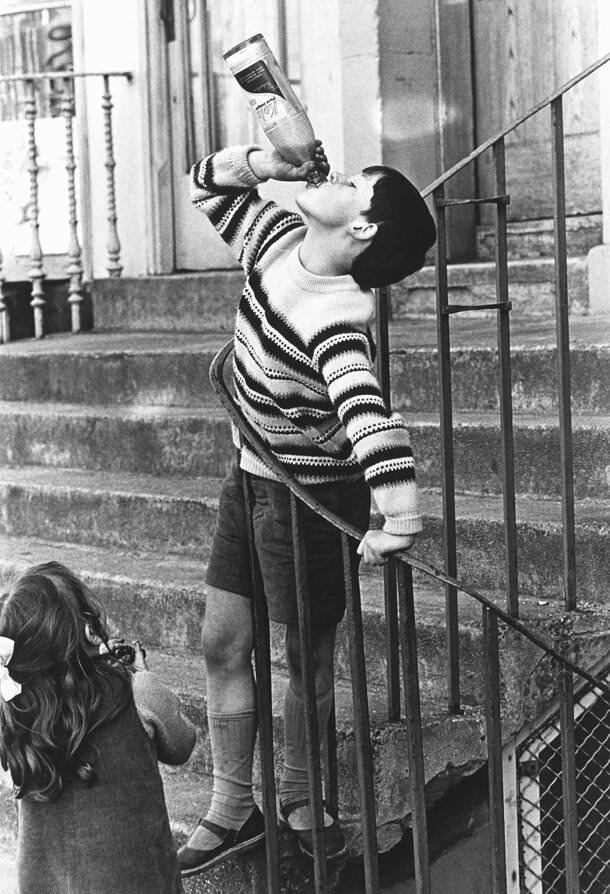
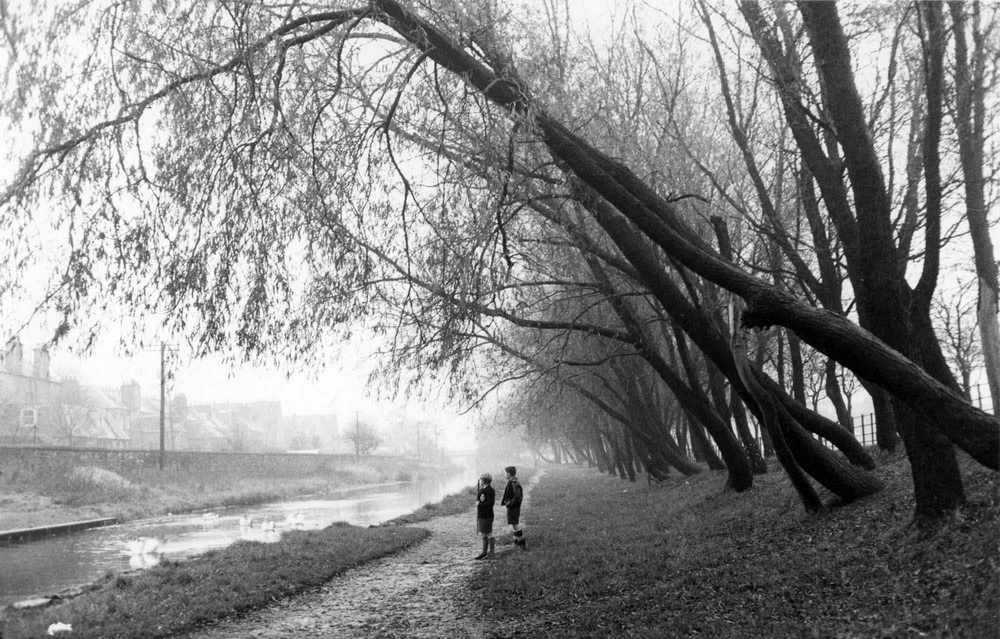
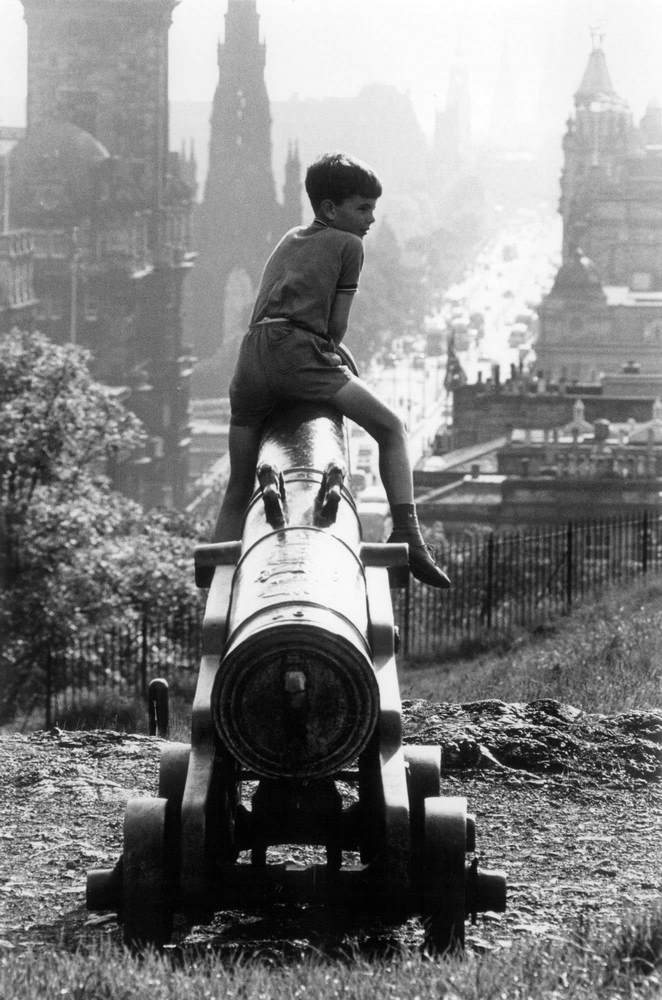
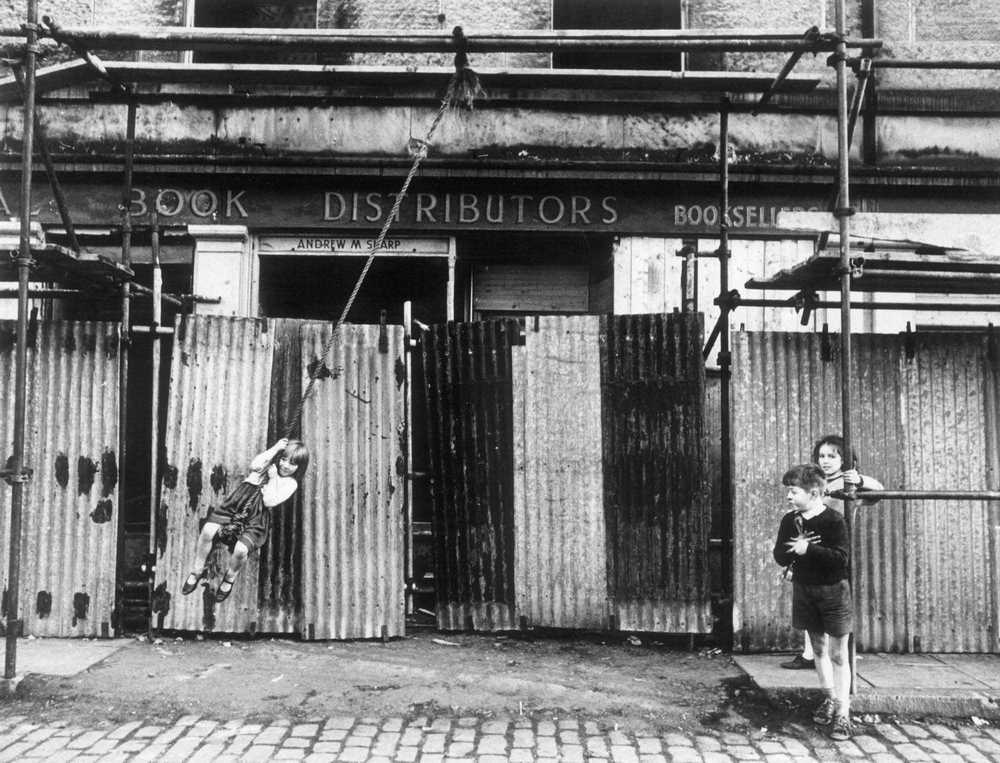
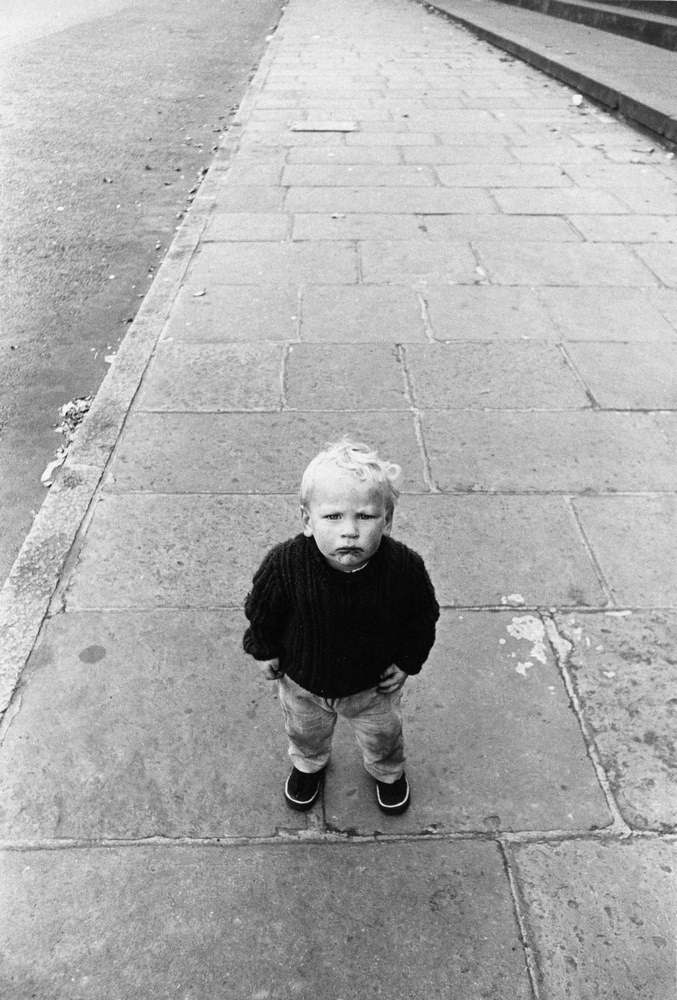
Children appear throughout his work not as subjects posed for the camera but as participants in their own world. Near Harrison Road, kids gathered at the canal to watch swans among the willows. On Princes Street, a boy climbed up onto a cannon. These were real moments, unrehearsed.
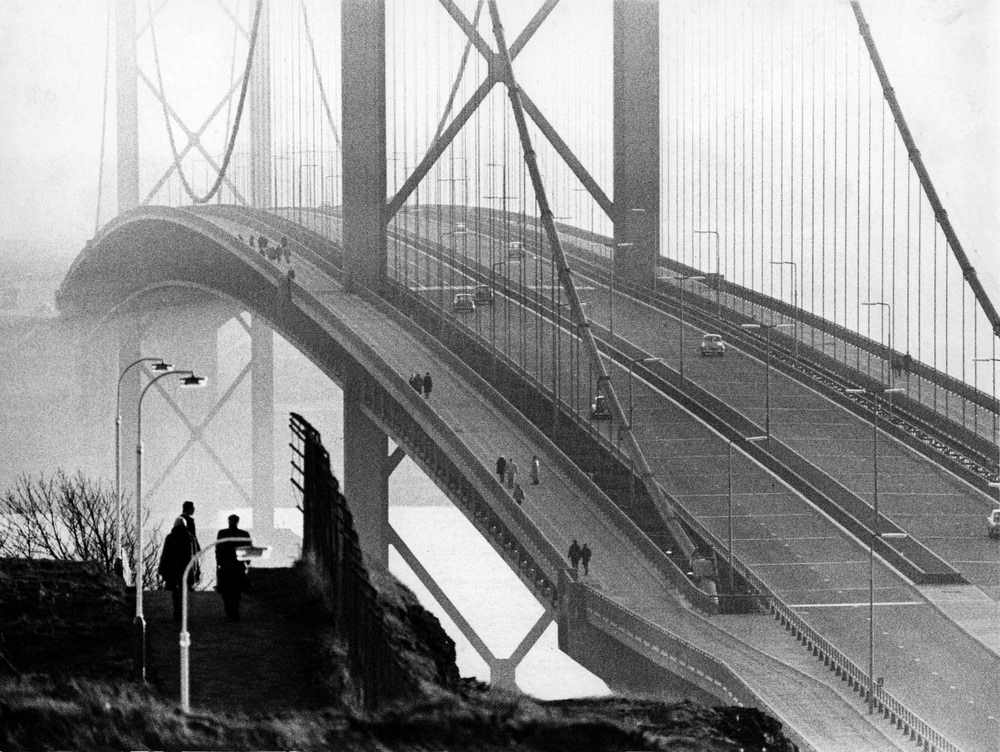
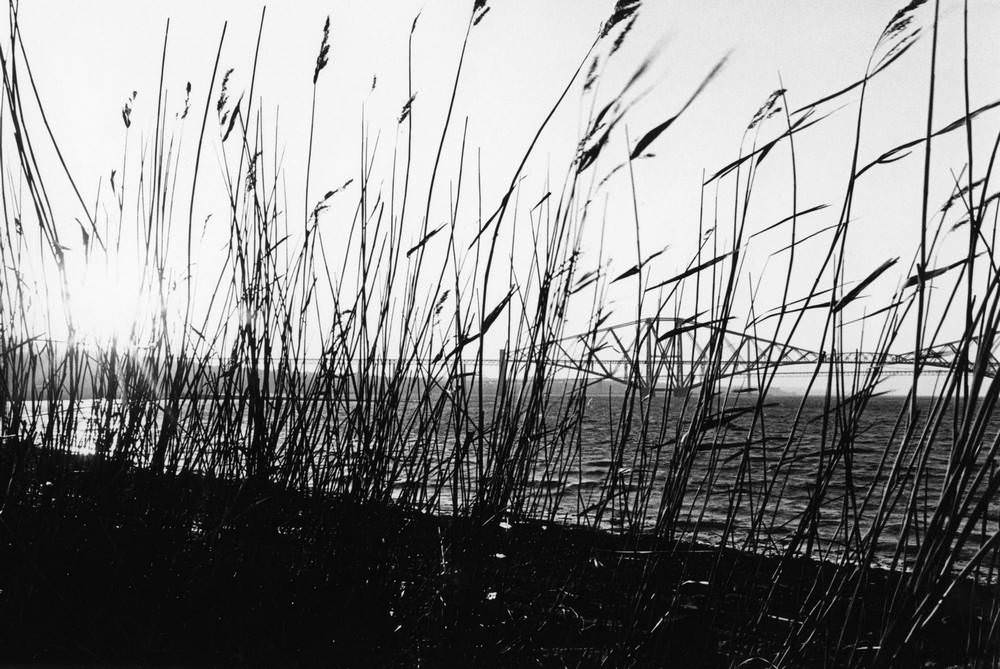
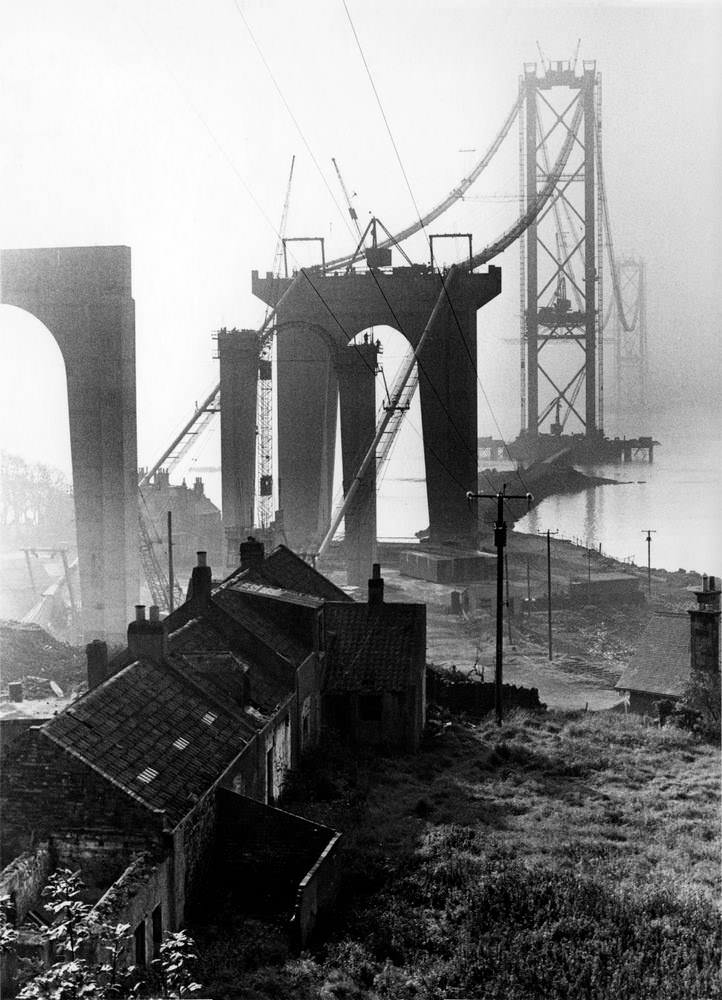
By 1962, major construction was reshaping the Forth estuary. Blomfield photographed the Forth Road Bridge as it was being built — a steel landmark that would open two years later in 1964 and stand as one of Scotland’s great engineering achievements.
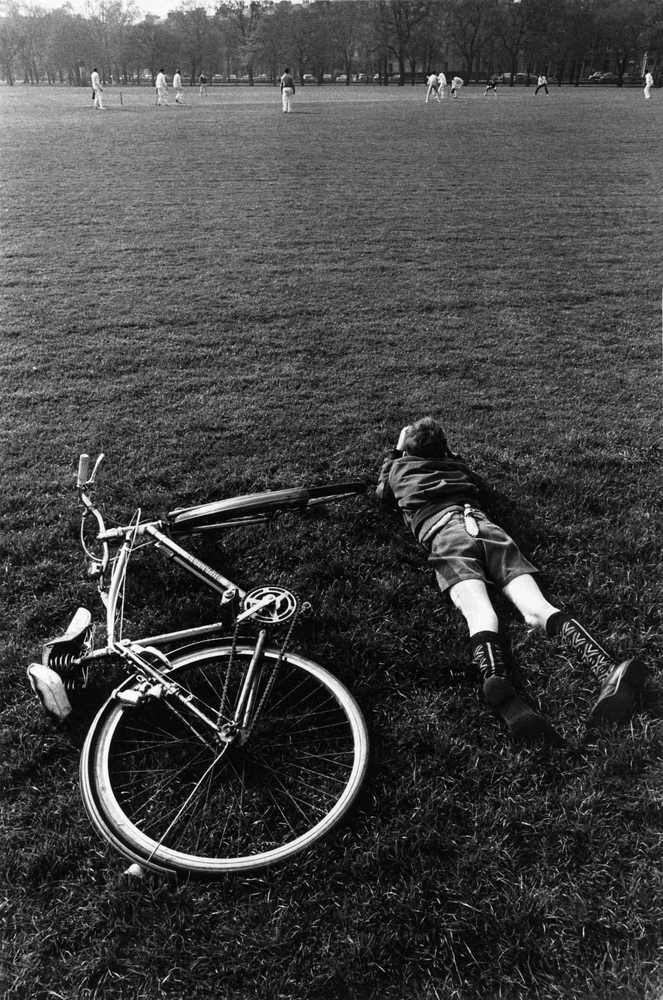
The mid-1960s produced some of Blomfield’s most varied work. He moved across the city — from Princes Street Gardens to the Mound, from Stockbridge’s tight residential streets to the open ground of the Meadows. Each location had its own rhythm and its own cast of characters.
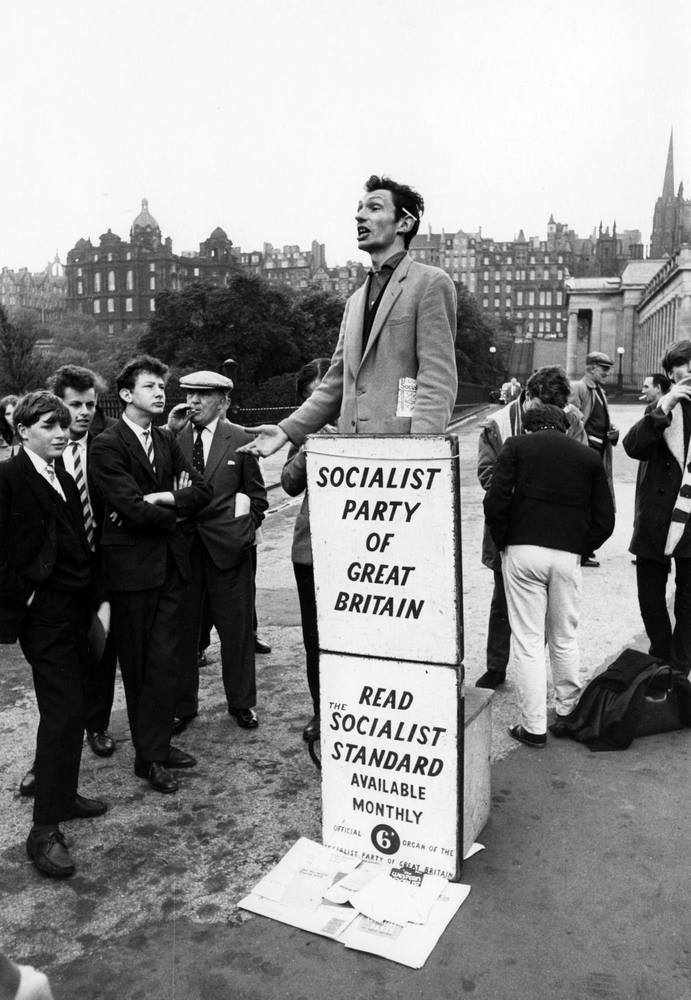
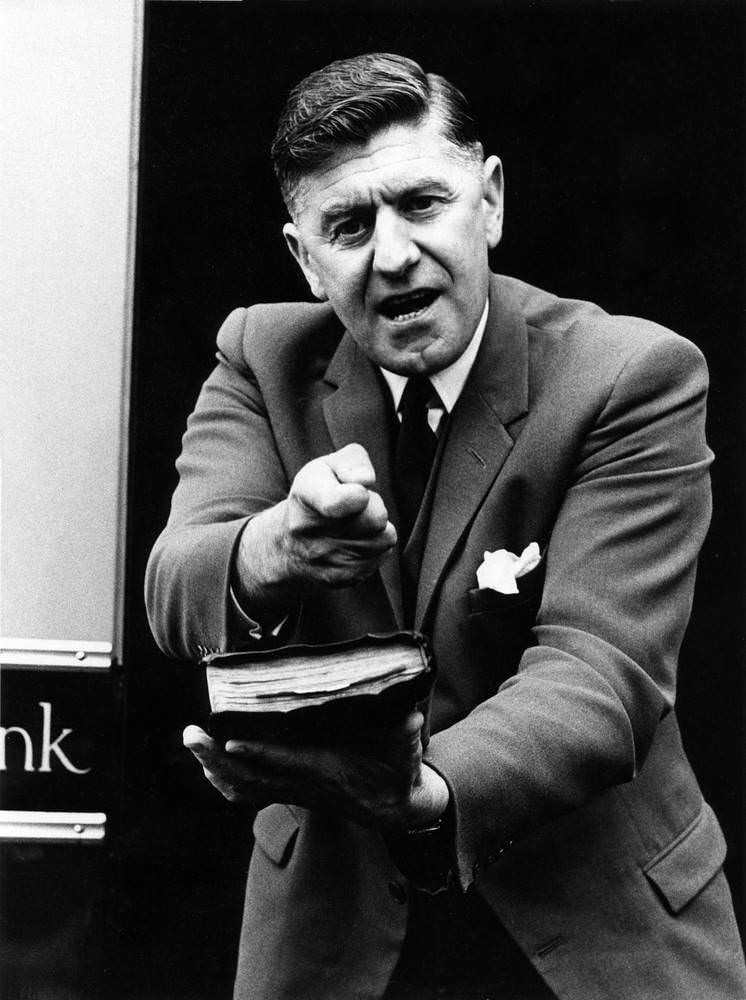
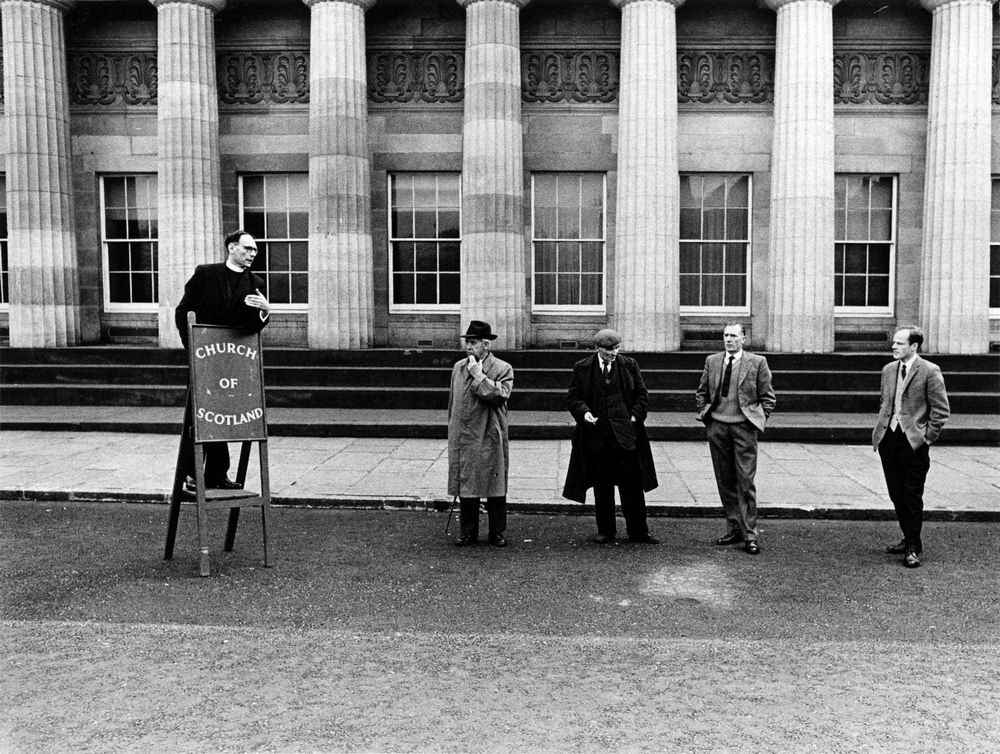
The Mound was a particular focal point. Open-air speakers set up there regularly, drawing small crowds and occasional hecklers. Blomfield photographed both socialist speakers and Bible preachers at the same spot across different years, capturing a tradition of public debate that ran through Edinburgh’s civic life.
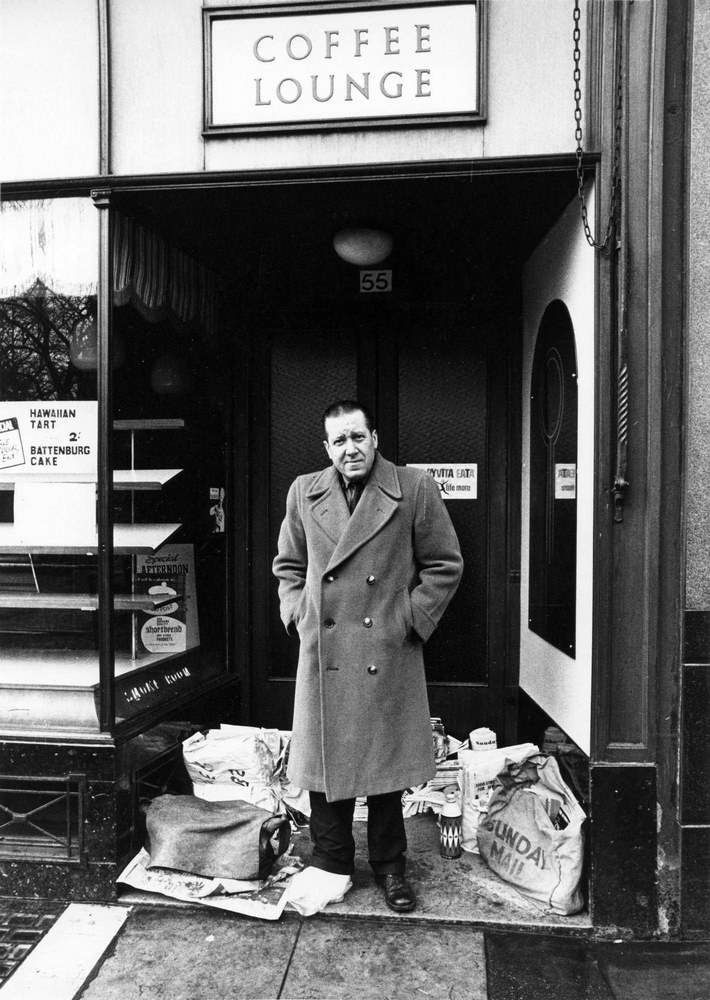
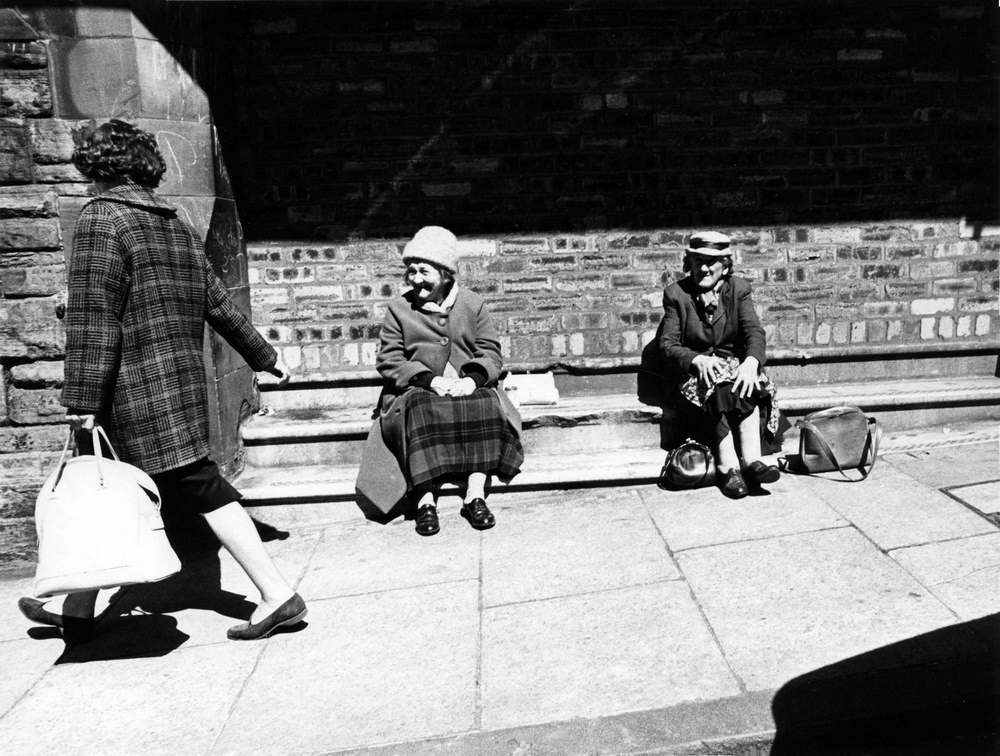
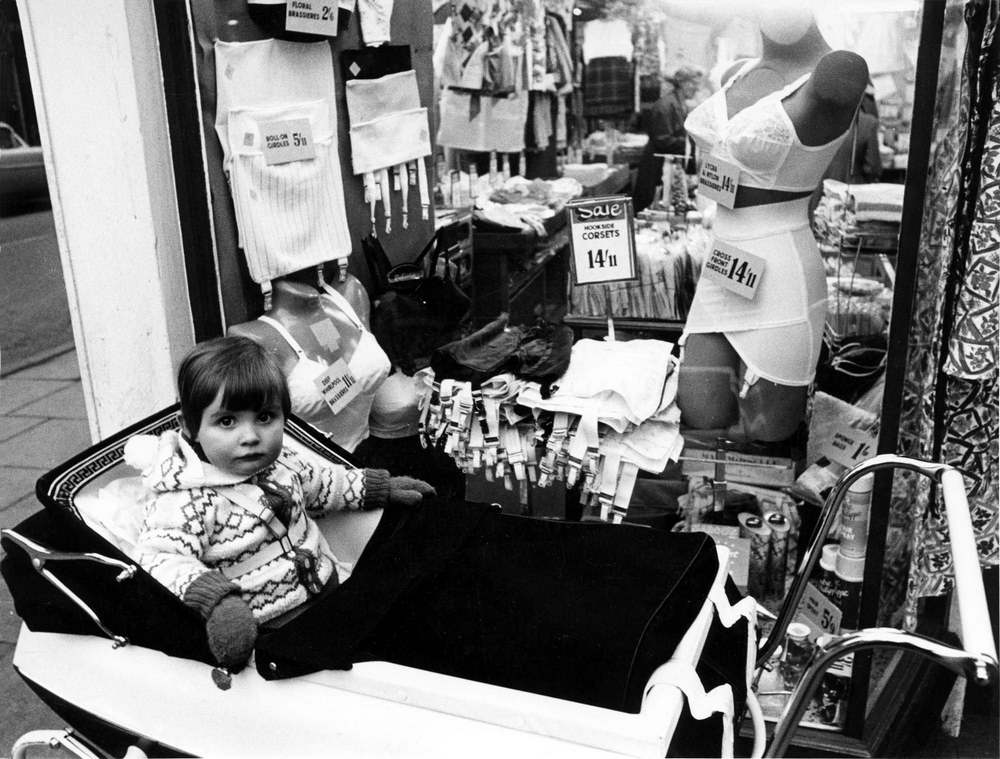
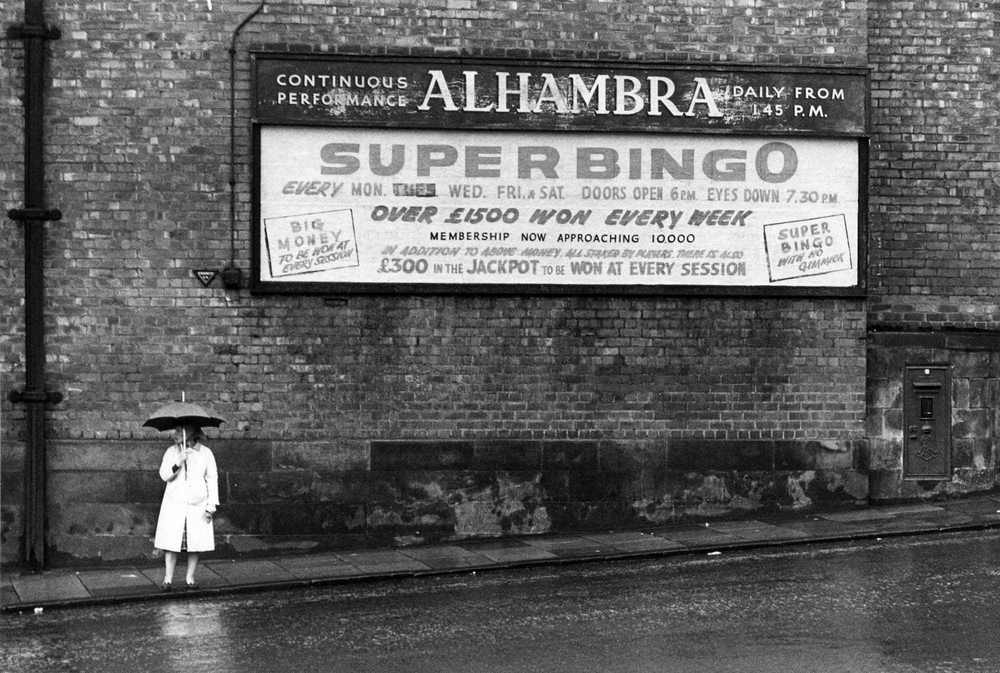
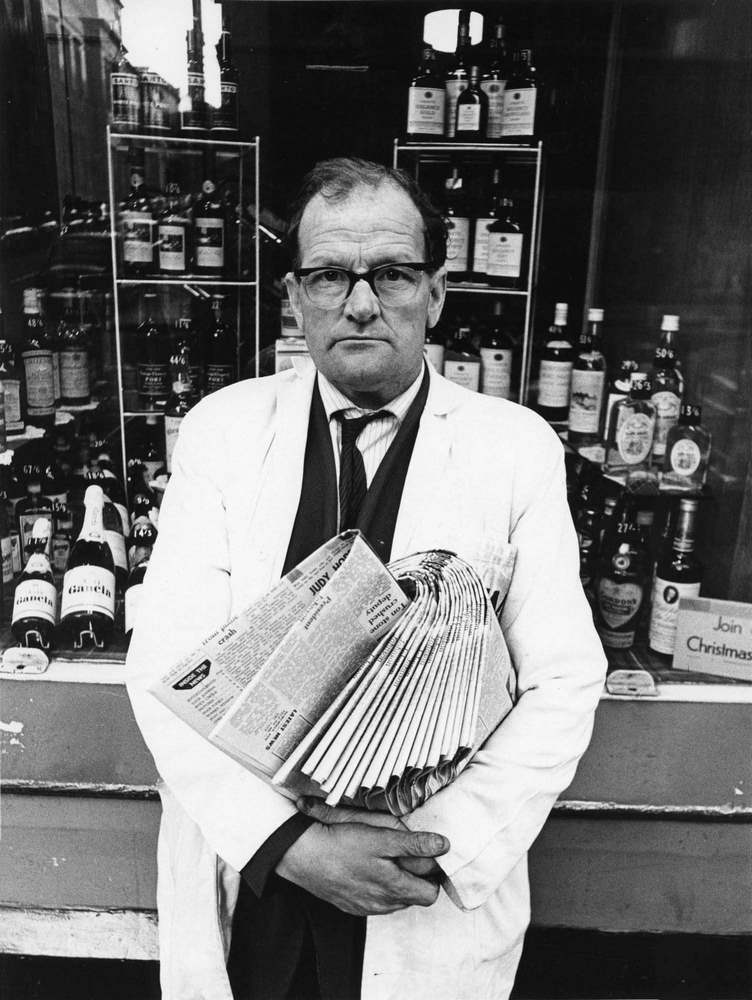
By 1965, Blomfield’s output had grown considerably. He photographed the texture of daily commerce — a laughing newsagent, a pawnbroker’s shopfront at Queen and Frederick Streets, a lingerie shop window, and women walking home with full shopping bags. These were the unremarkable details that defined a decade.
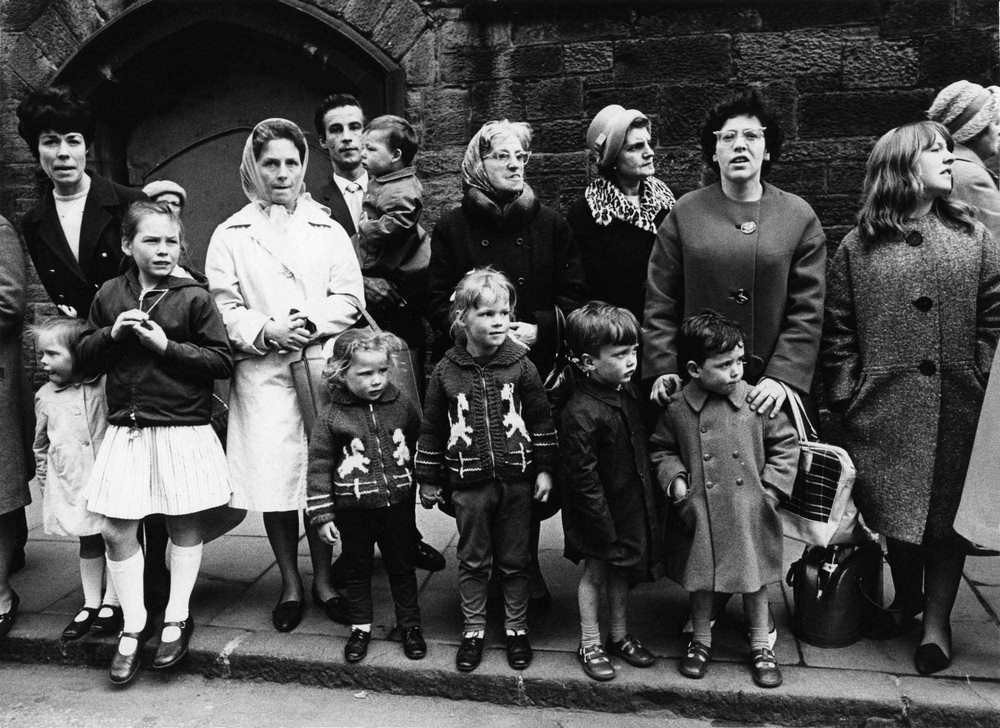
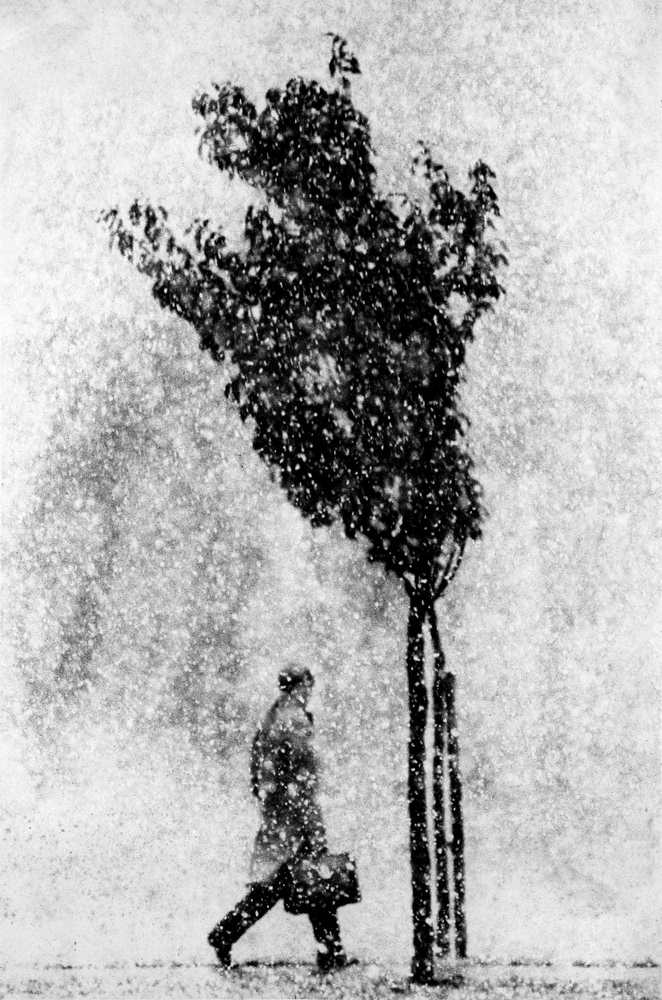
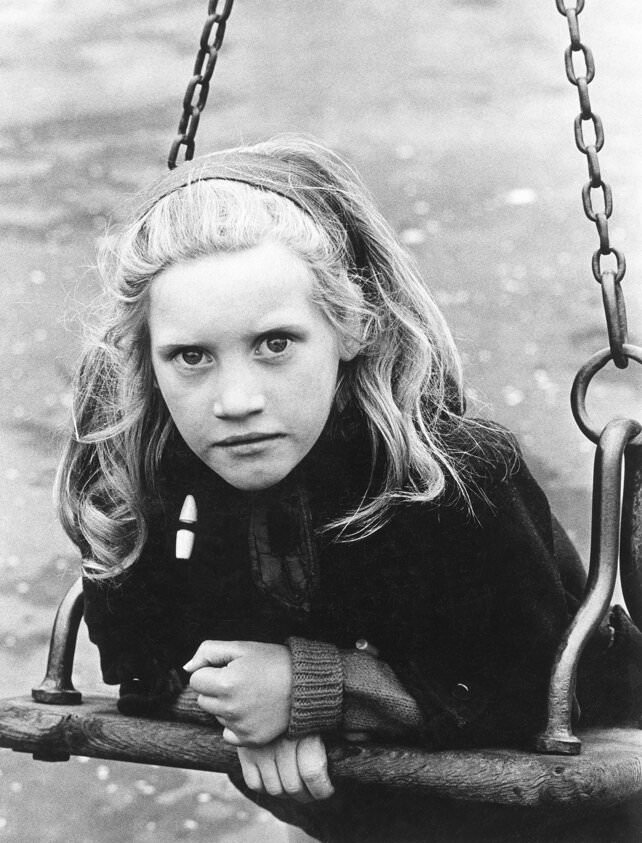
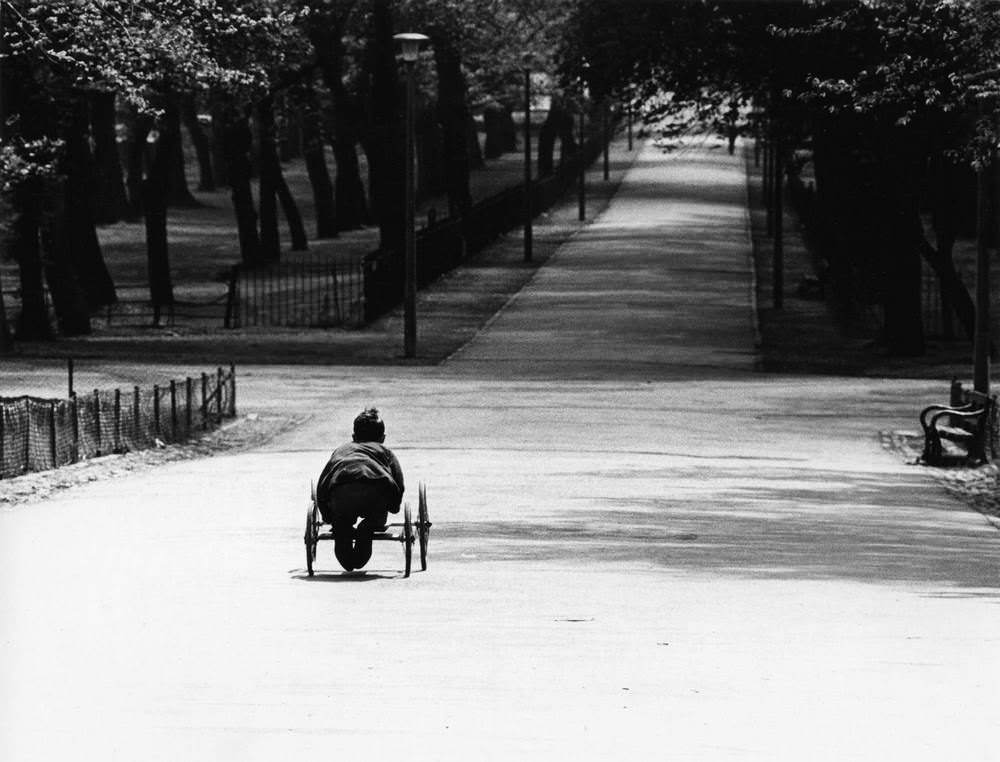
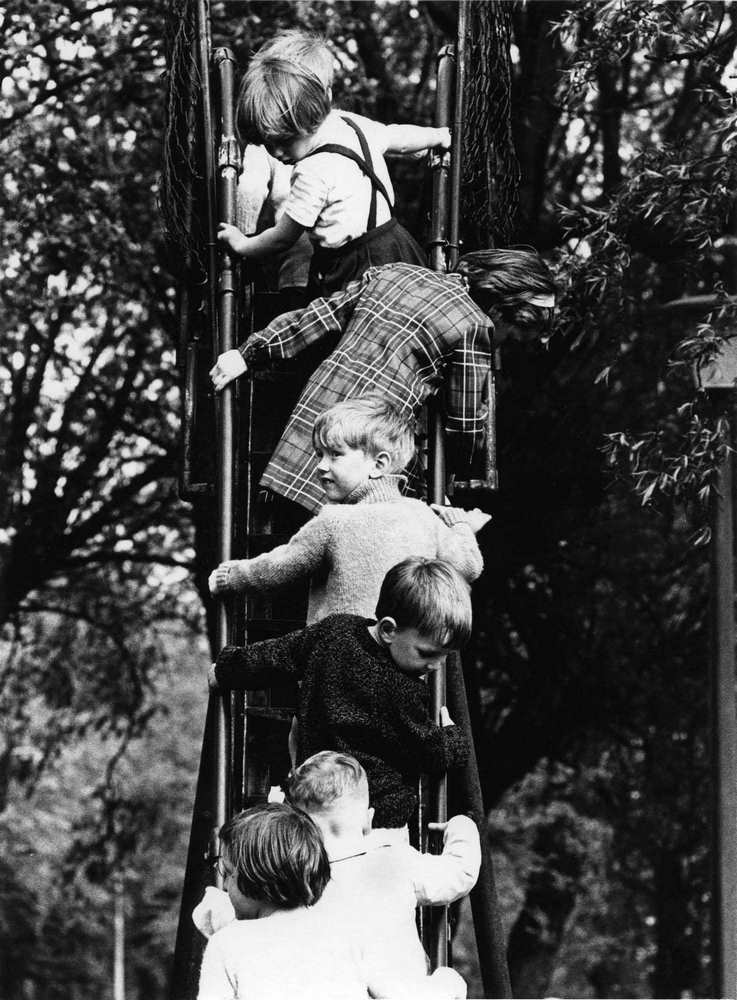
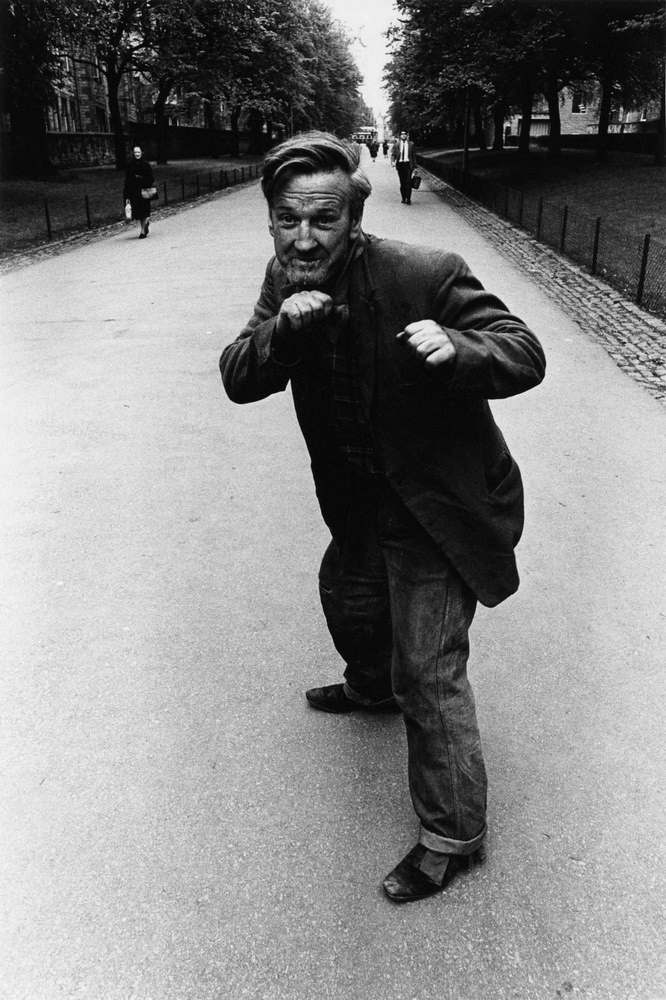
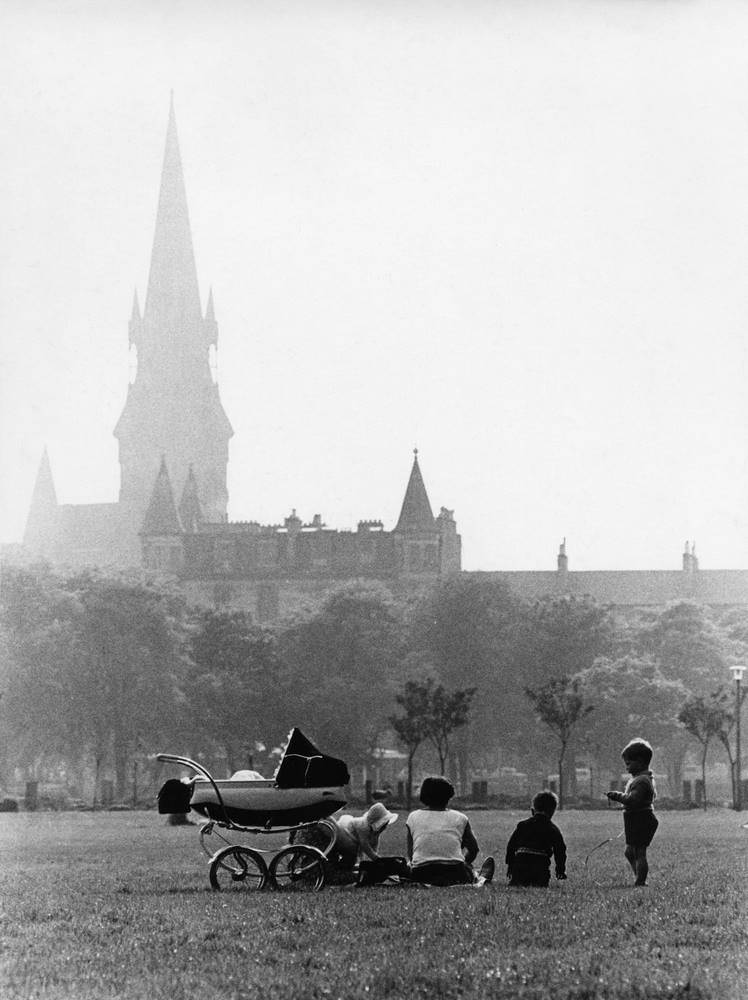
The Meadows, a large public park in the south of the city, gave Blomfield open space and a different kind of subject. Children used go-carts, rode rope swings, and played on slides. A boxer practiced near Middle Meadow Walk. A snowstorm swept through and he was there to photograph it.
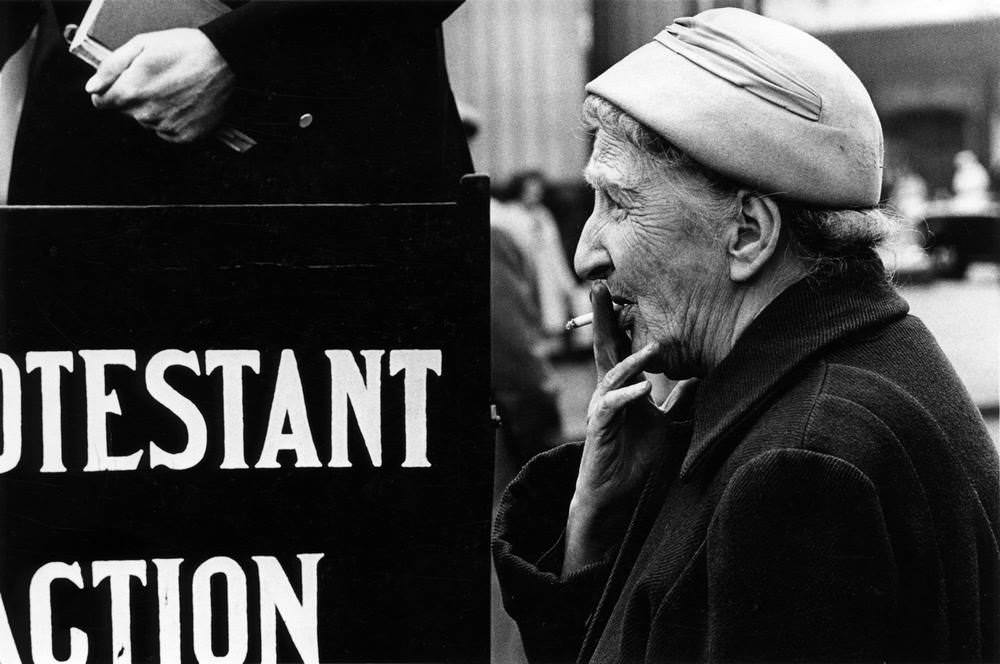
Religion and public life overlapped naturally in 1960s Edinburgh. The Church of Scotland, the National Gallery steps, and the Mound all served as gathering points. Blomfield documented them all — including a Bible speaker drawing a crowd in 1965, just one year after the socialist orator he had photographed in the same location.
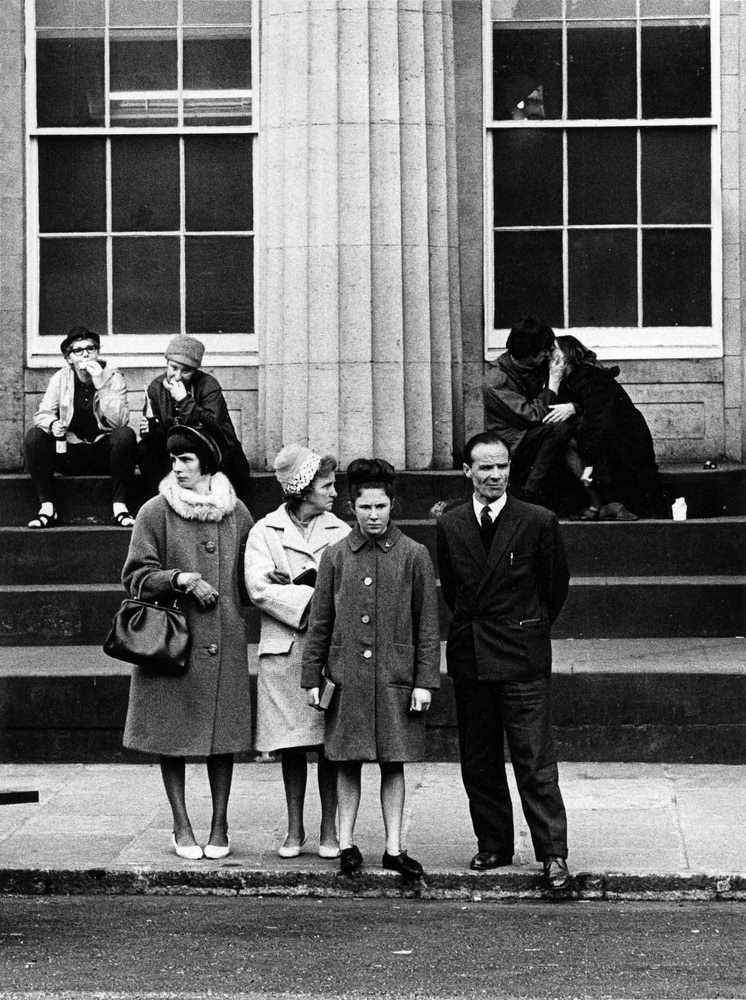
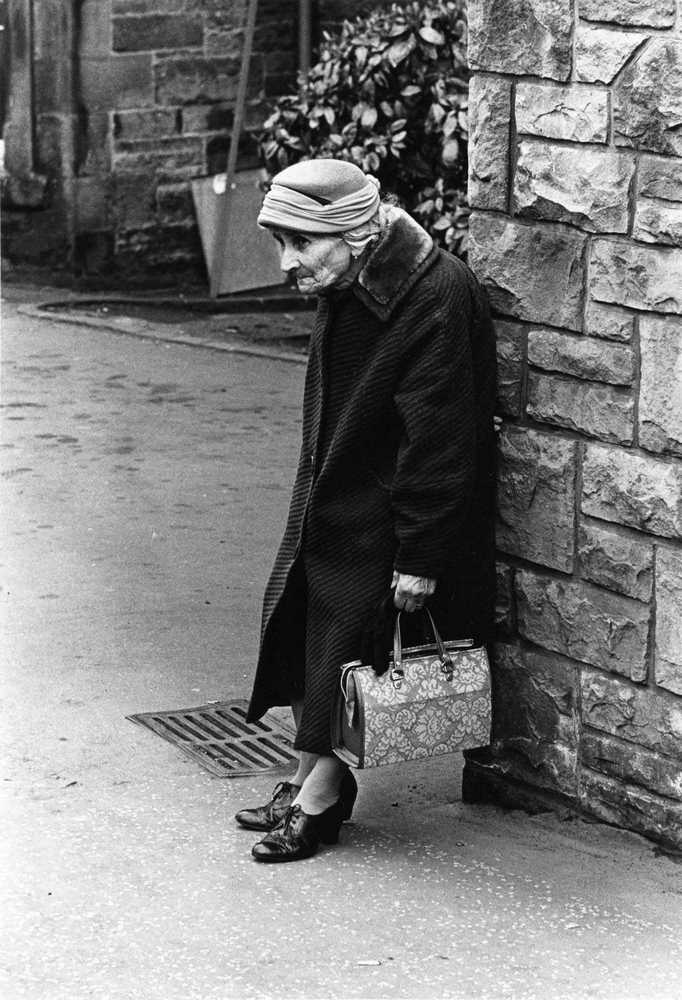
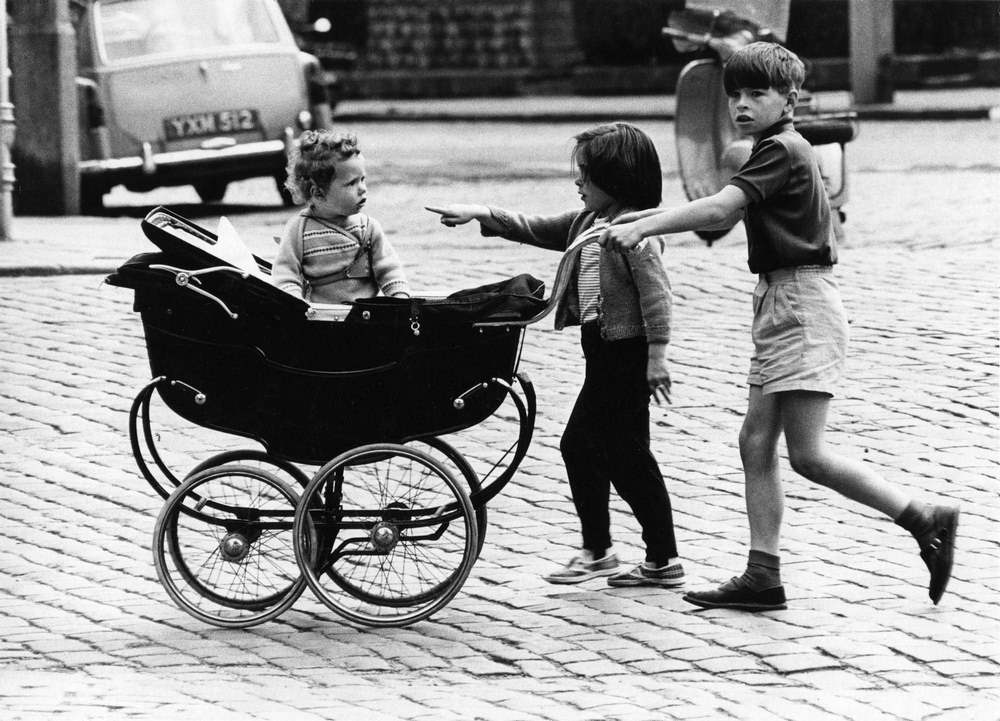
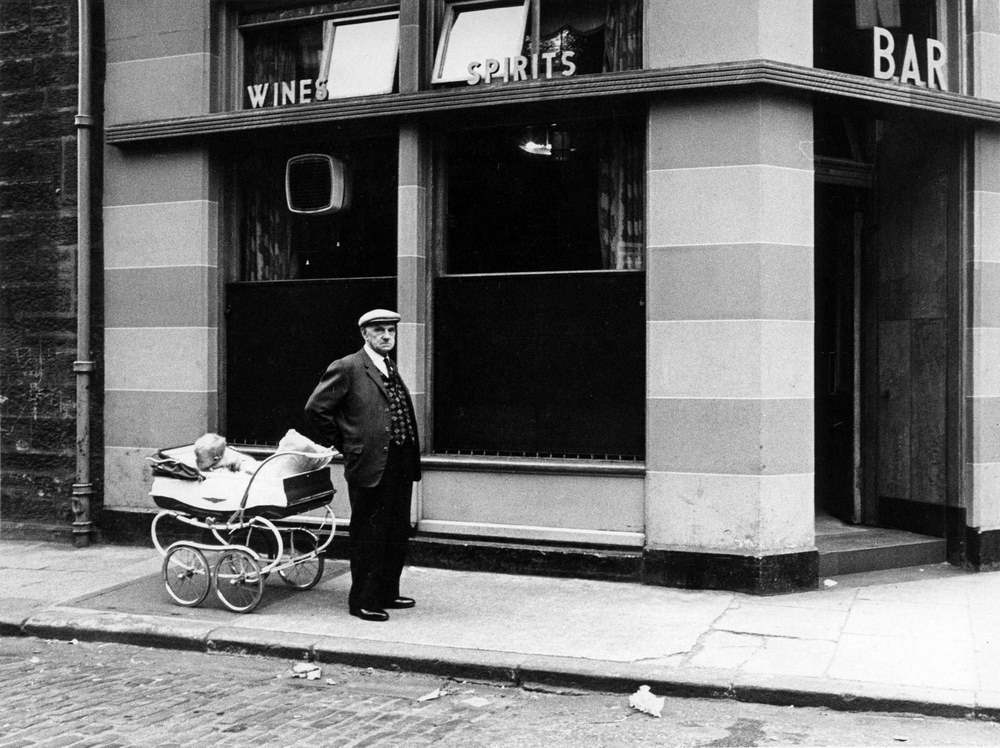
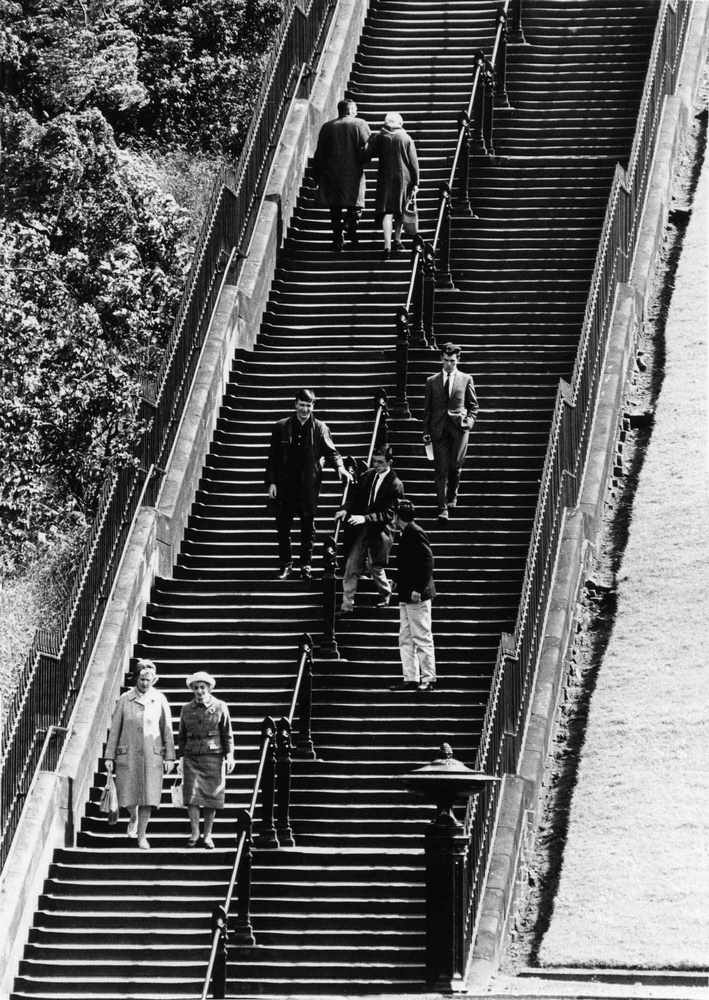
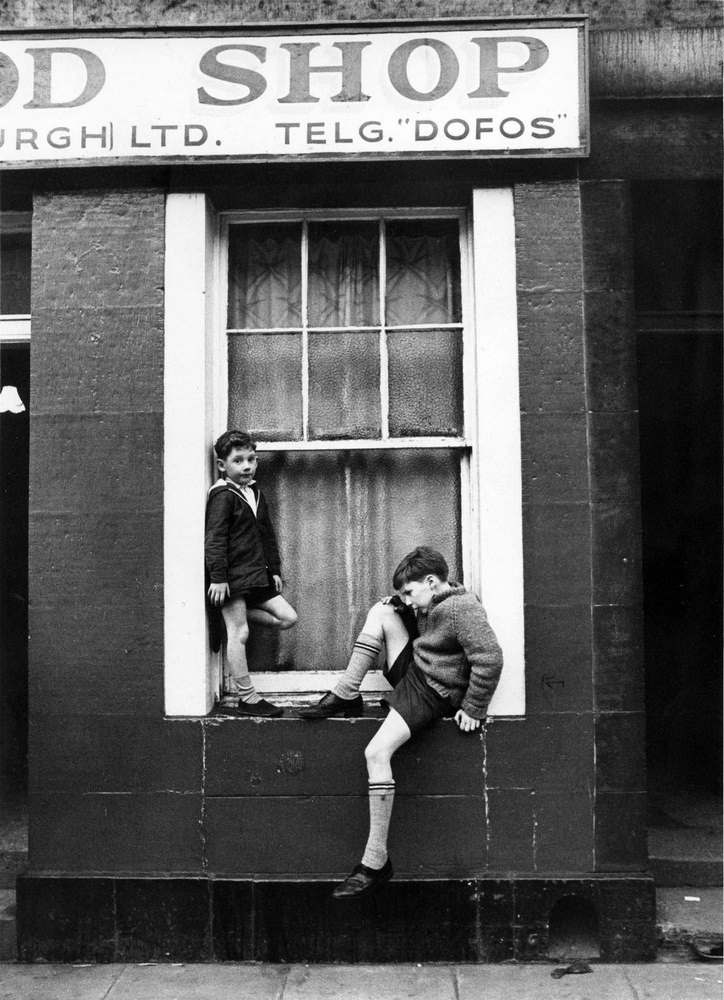
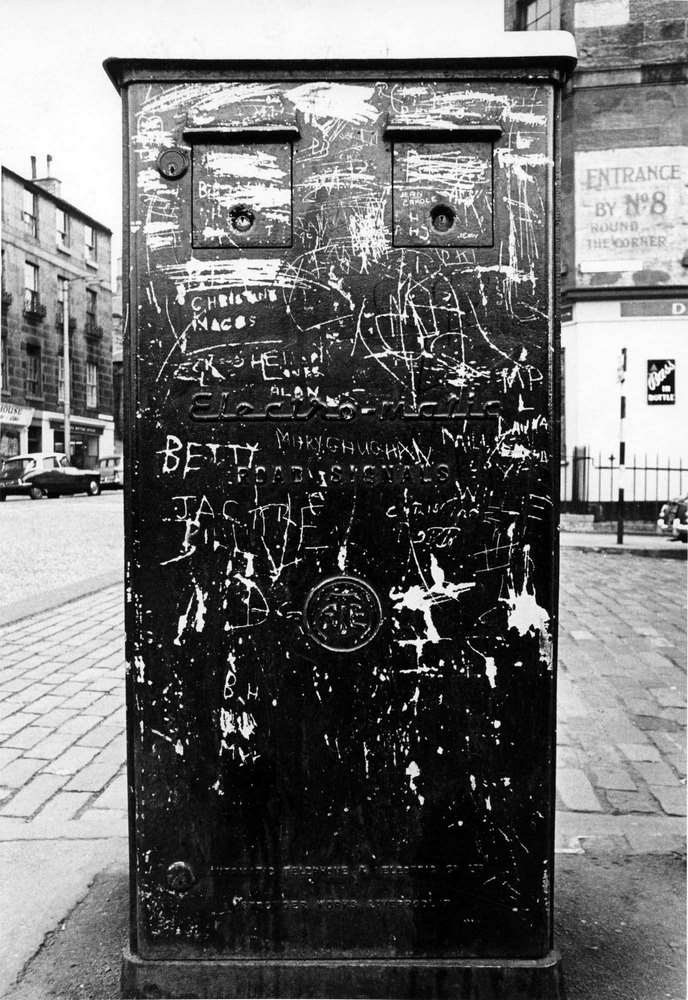
Stockbridge, a village-like neighbourhood north of the city centre, drew Blomfield back repeatedly. He photographed its junk shops, pubs, traffic control boxes, and street signs — as well as the children who treated its pavements and railings as their playground. India Place and Saunders Street appear multiple times across his 1965 work.
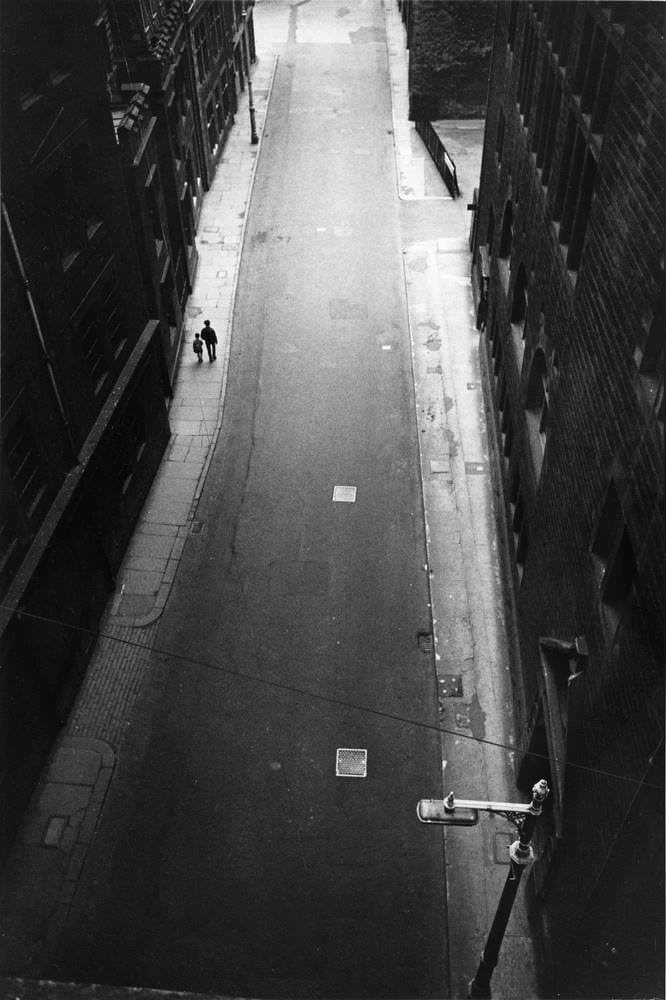
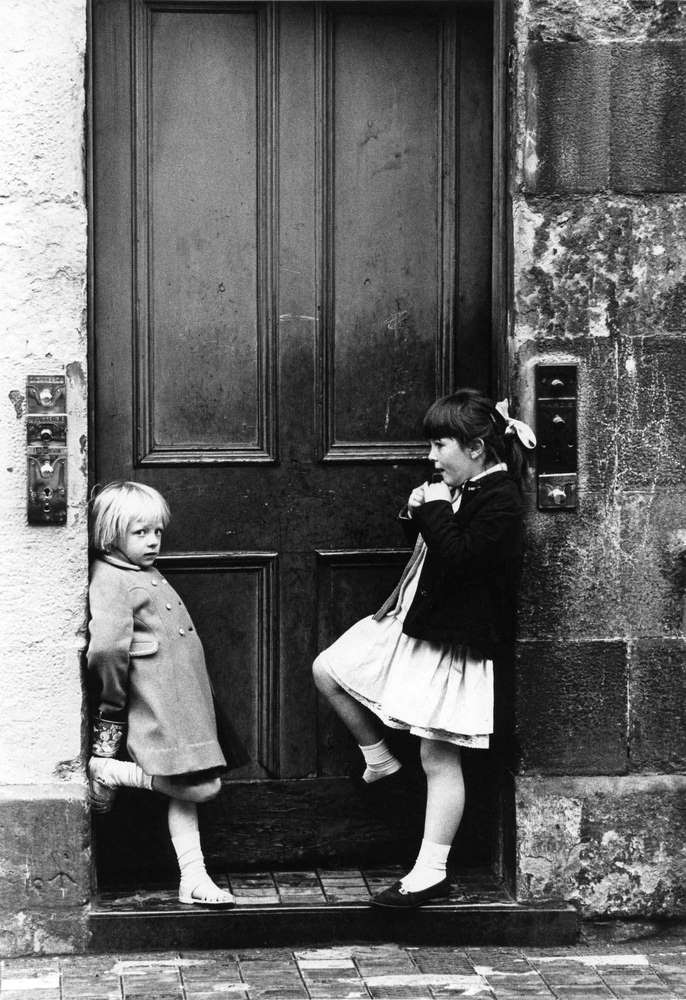
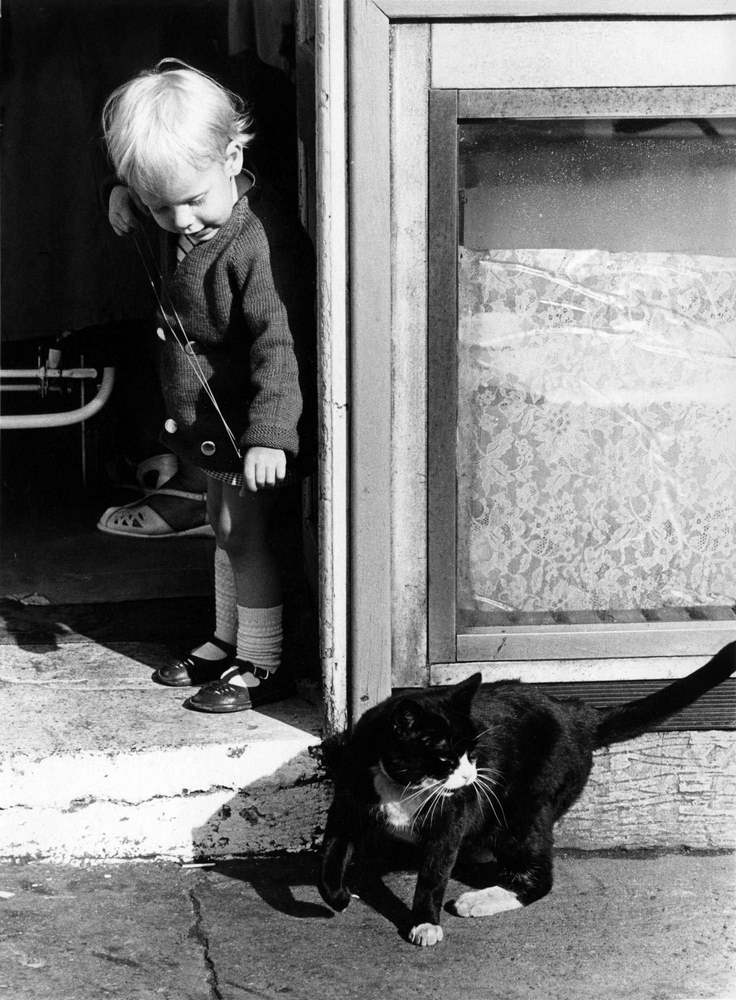
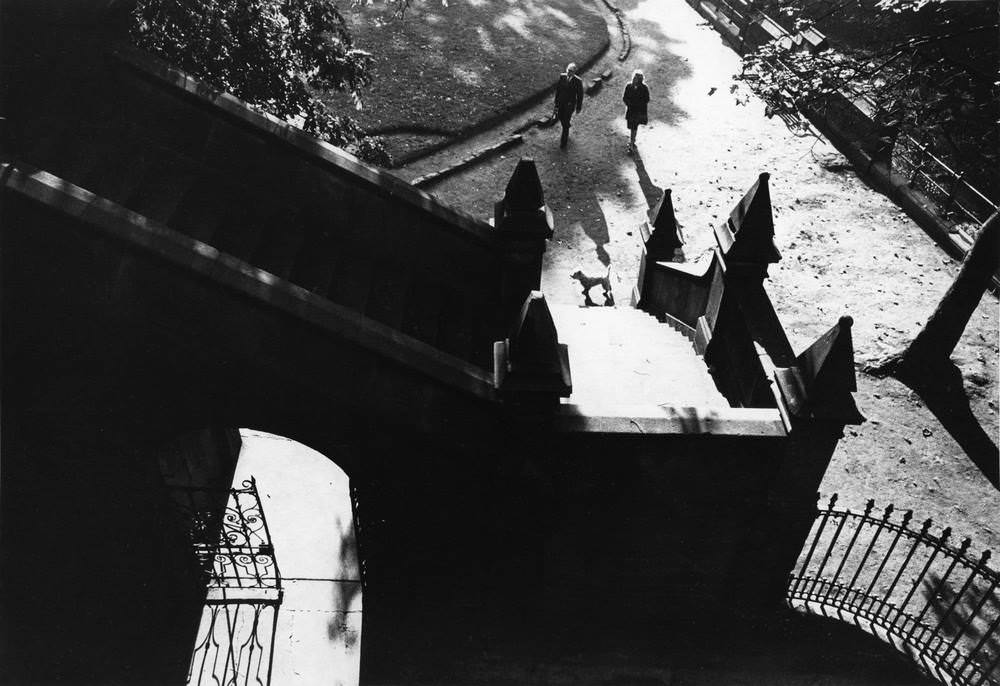
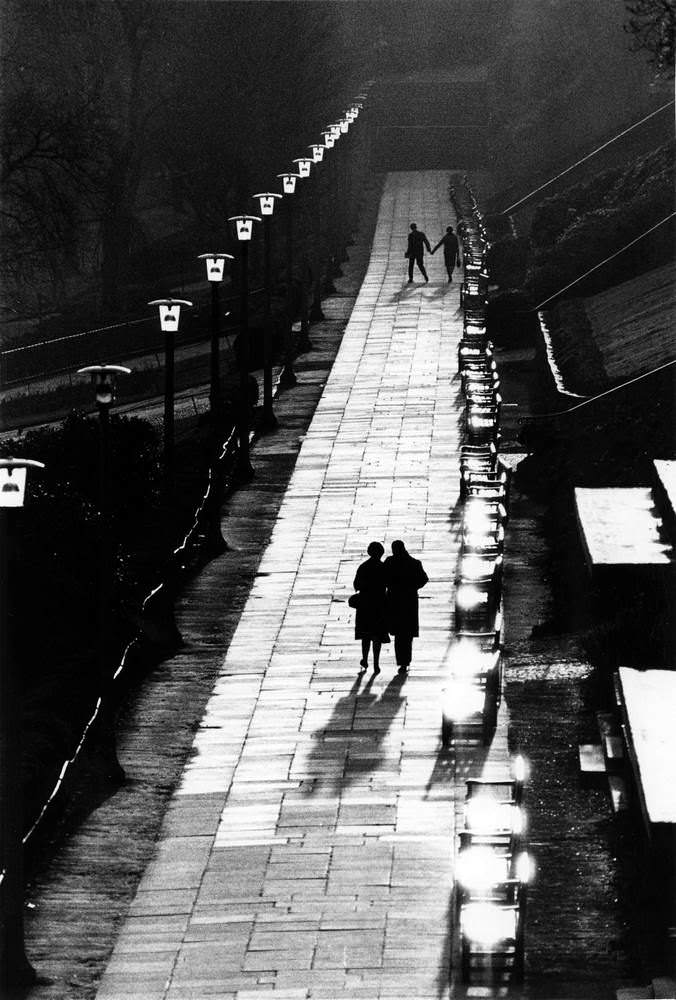
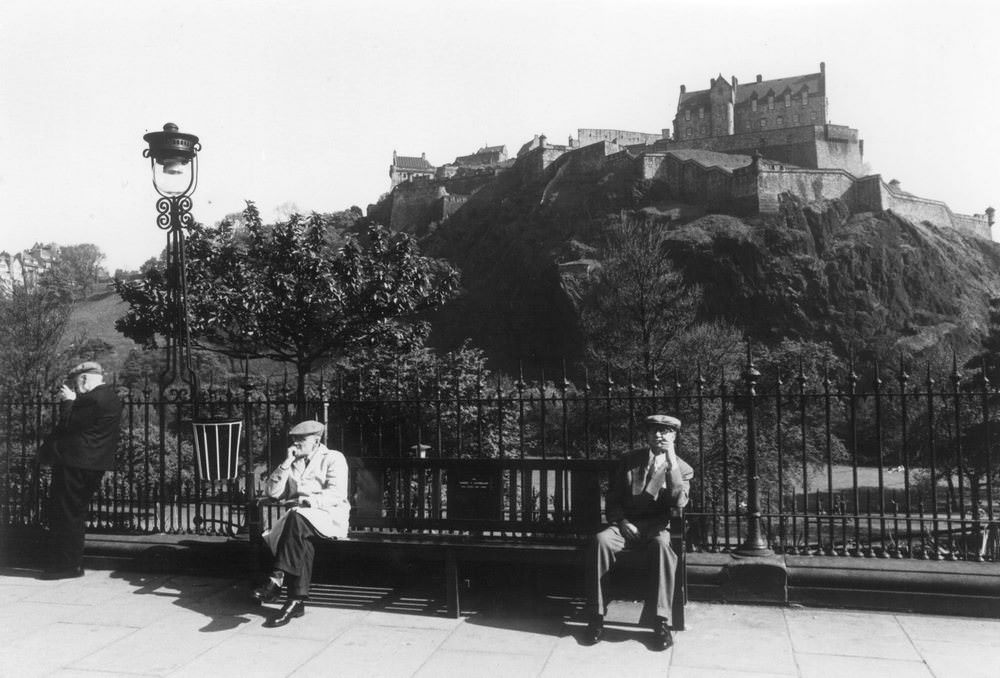
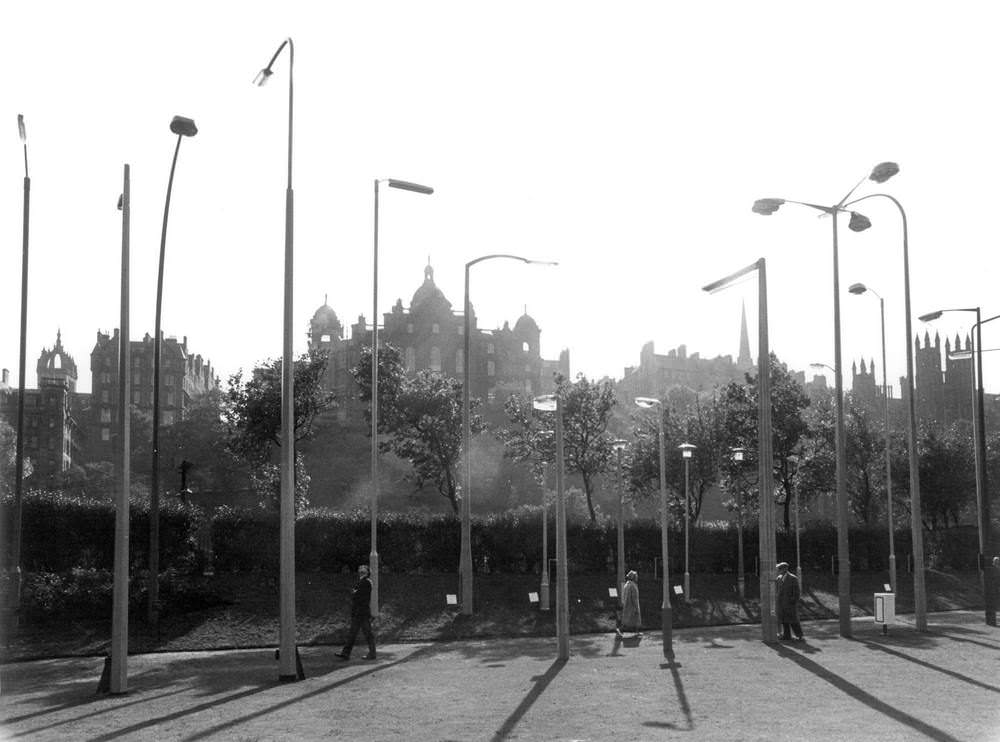
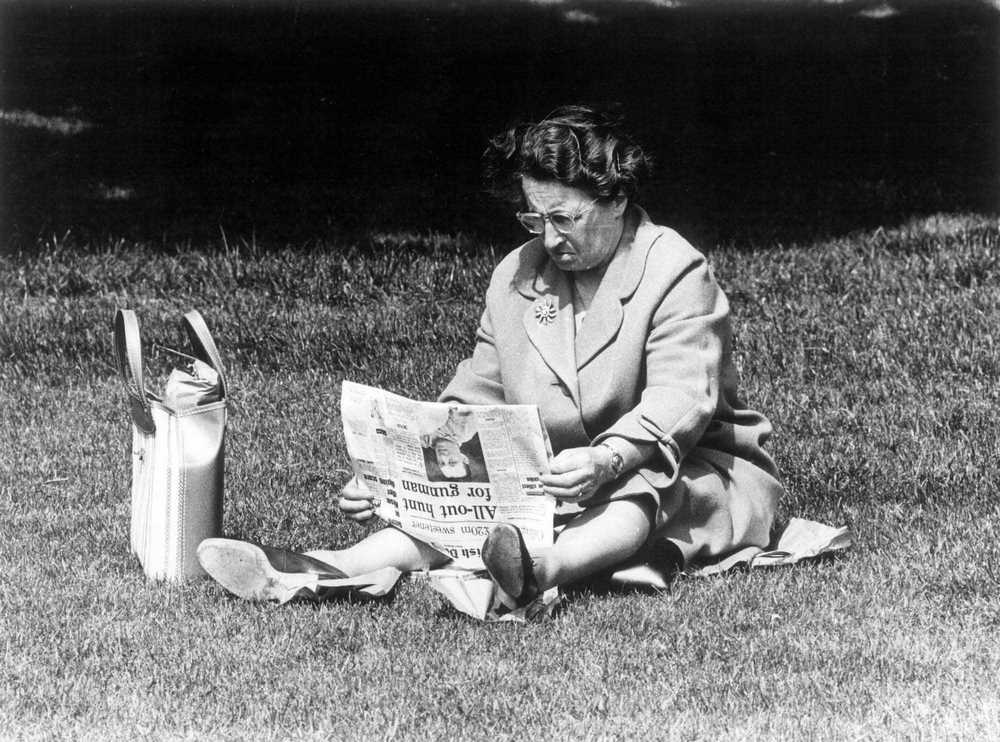
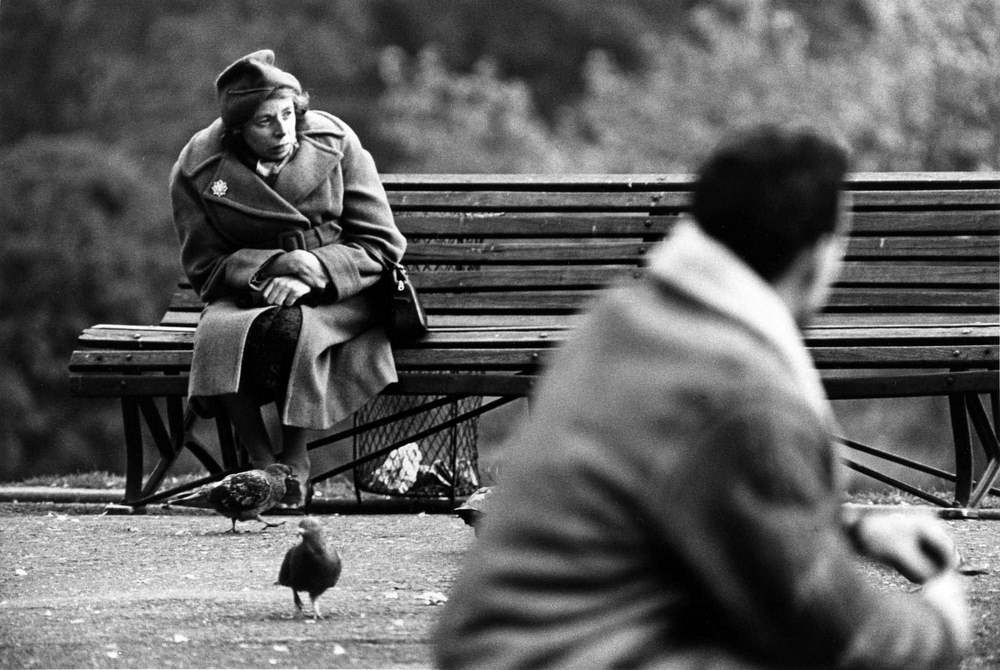
Princes Street Gardens offered a quieter side of the city. Two women sat on a park bench. A couple walked the main street. A child explored the grounds of the National Gallery. These images are less dramatic than the market scenes or the Mound crowds, but they carry the same careful attention to human presence that runs through all of Blomfield’s work.
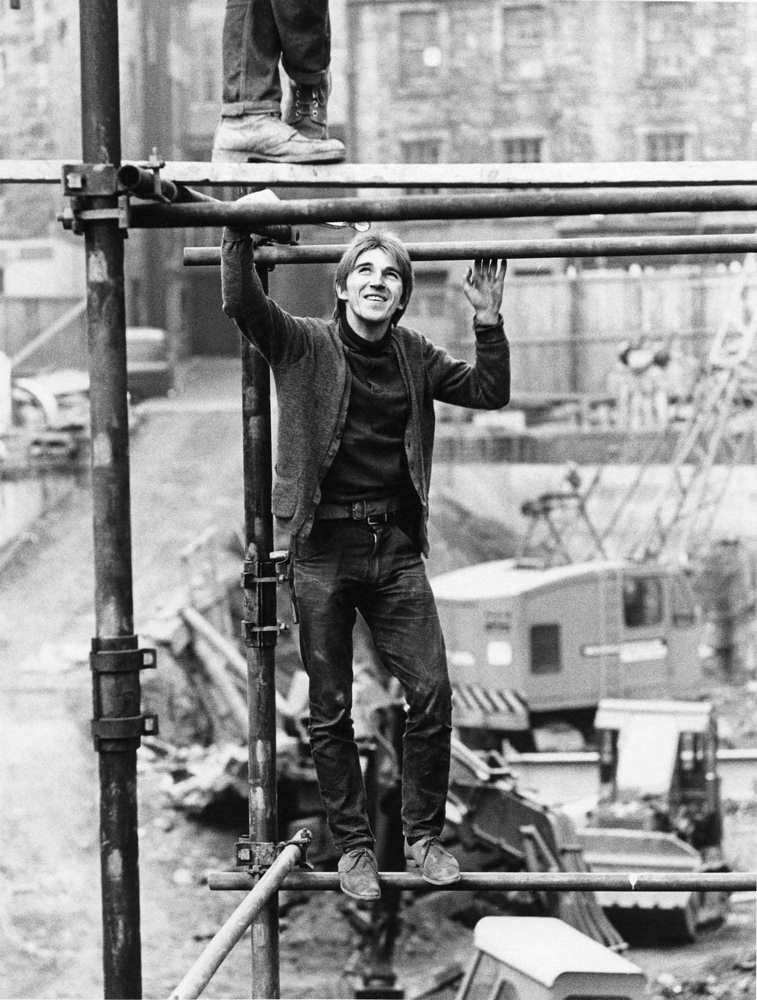
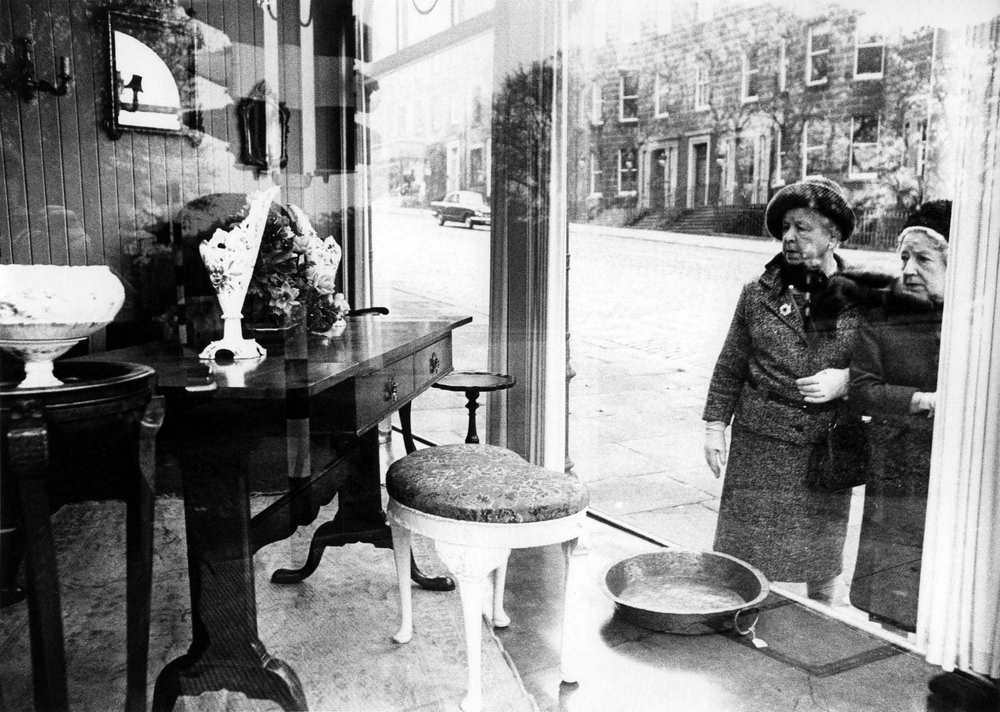
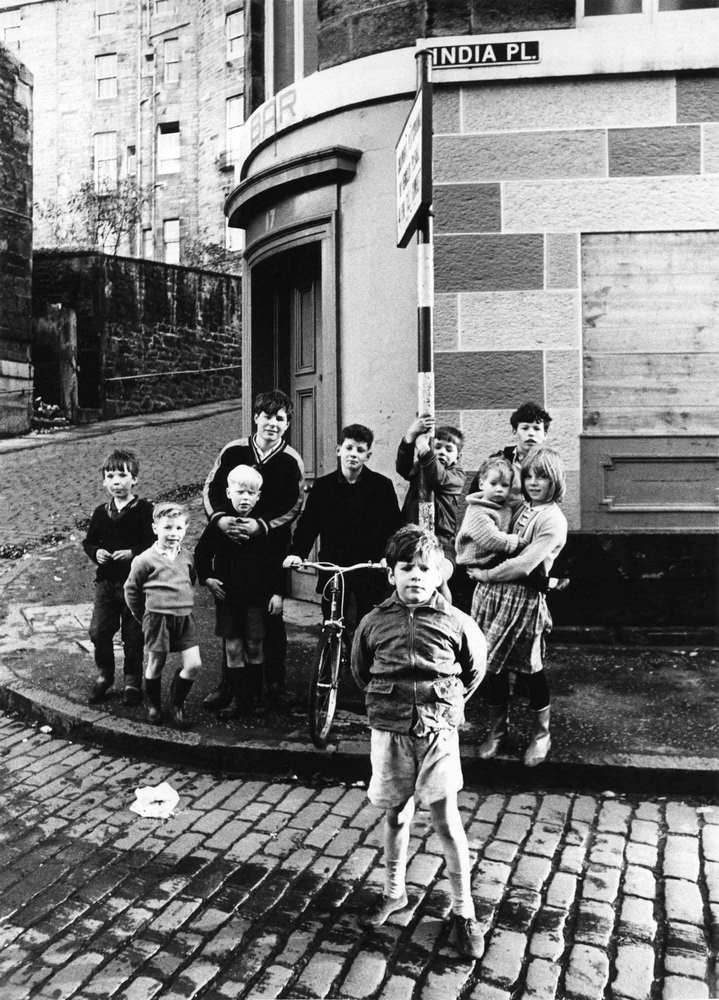
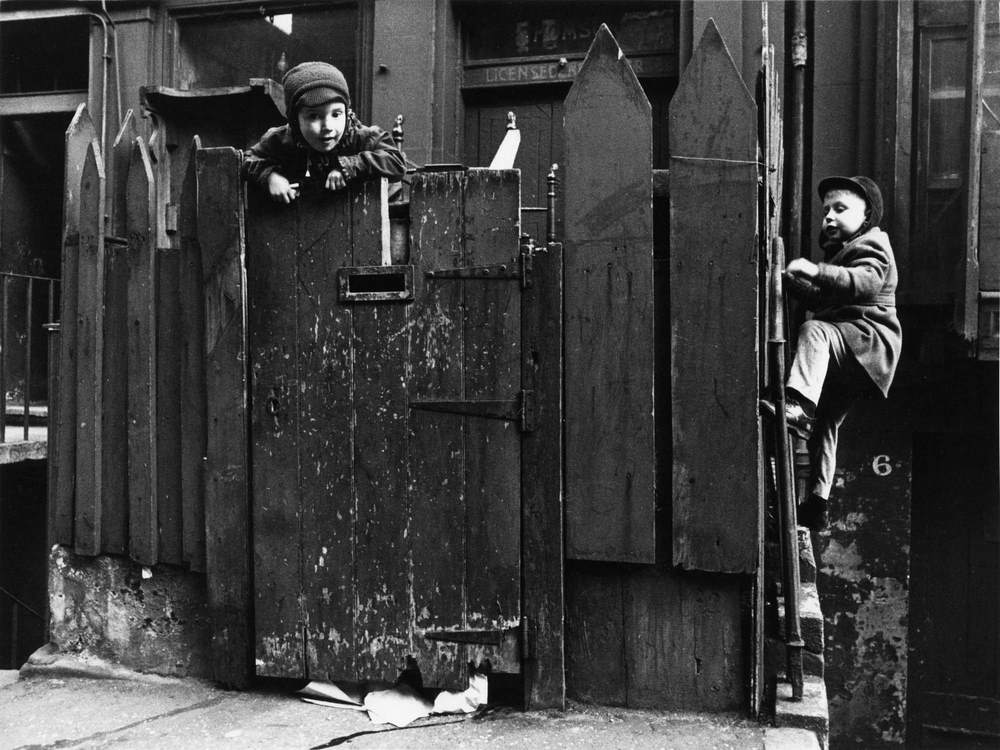
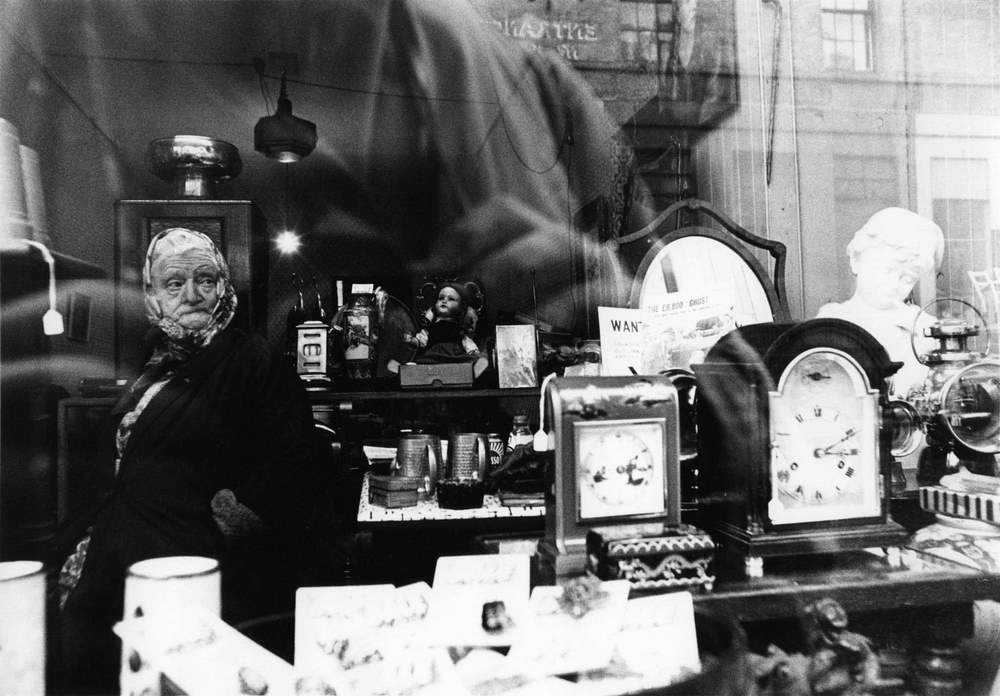
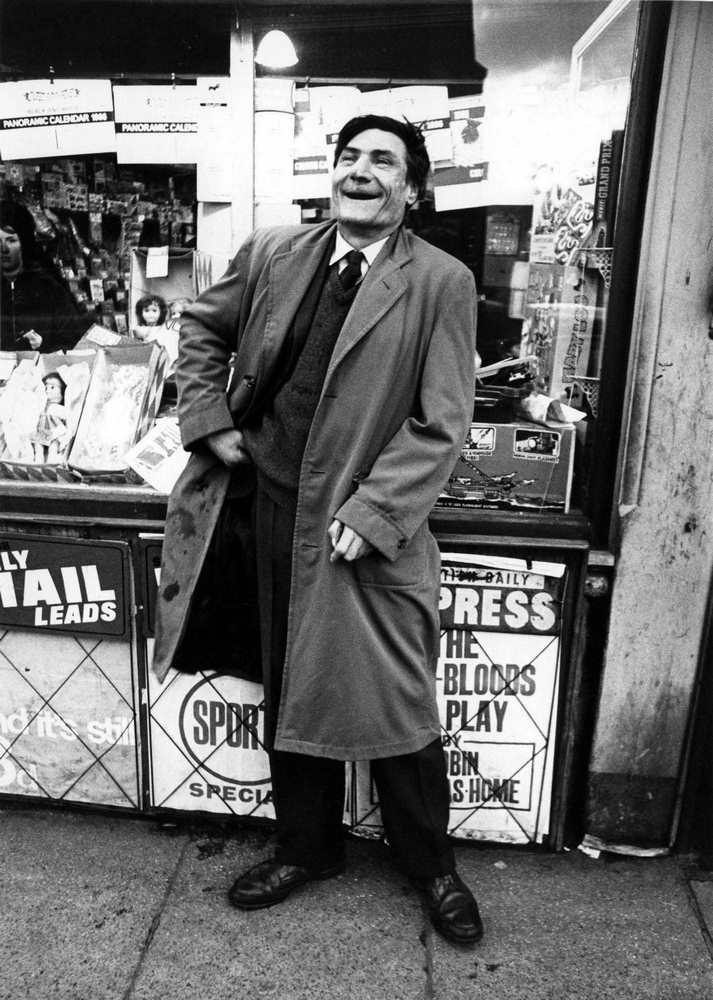
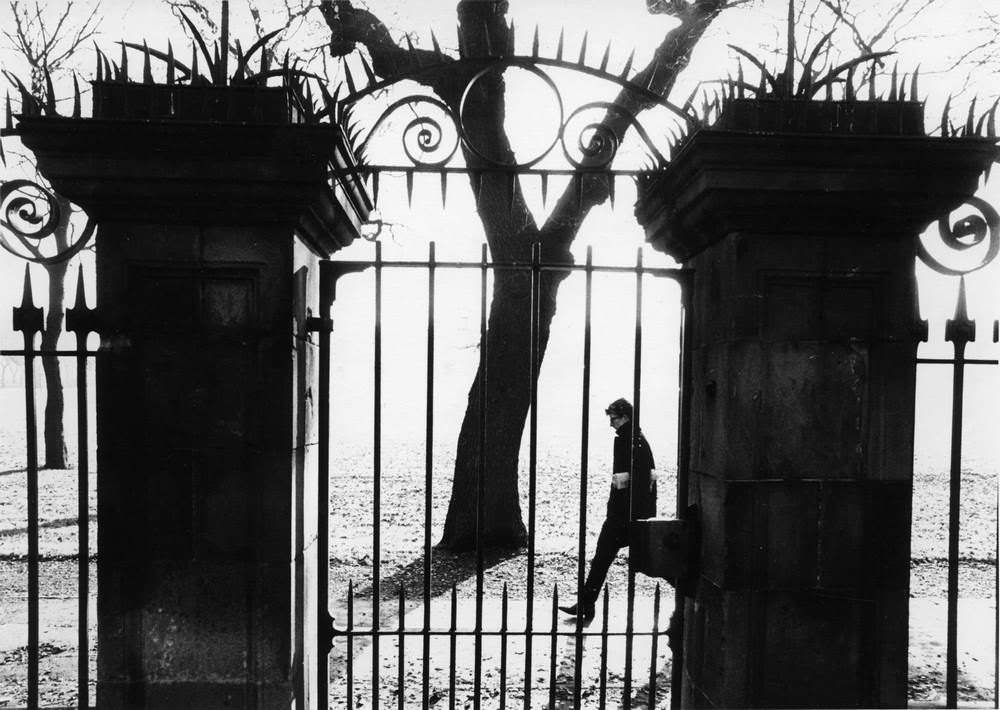
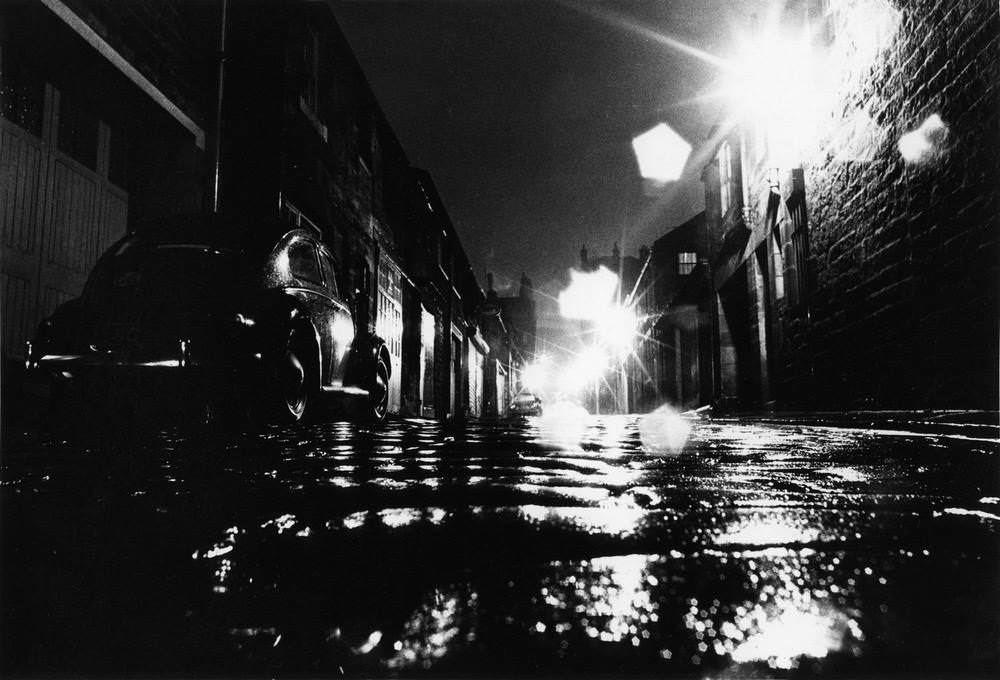
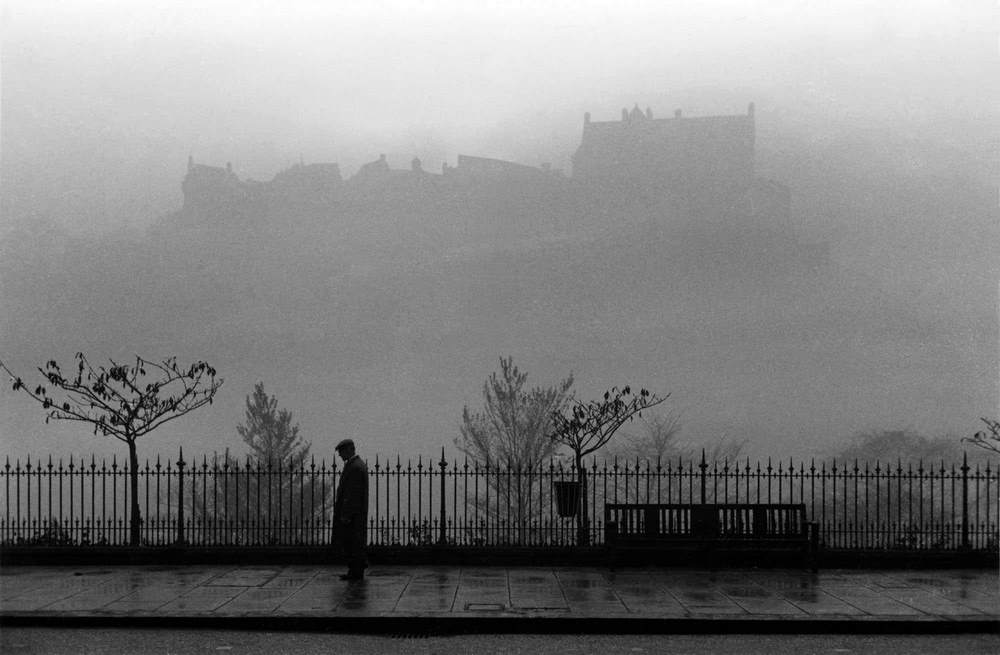
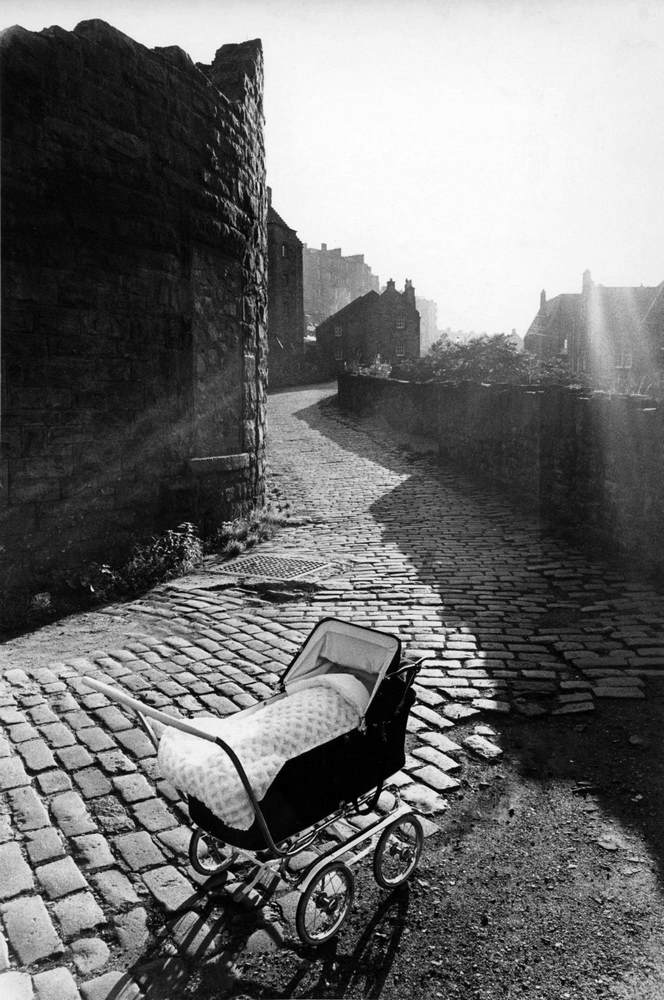
Winter and summer, dry streets and wet ones — Blomfield photographed Edinburgh in all conditions. A snowstorm across the Meadows, a man caught in a shaft of sunlight, wet cobblestones reflecting the grey sky. The weather was never an obstacle; it was part of the picture.