
Jacques Henri Lartigue began photographing the world around him at the age of seven. Born into a wealthy French family, he grew up with a camera in hand and an eye for the extraordinary in everyday life. By the time he reached adulthood, he had built an extraordinary archive of images that documented French life across the first half of the twentieth century. His work as both a photographer and painter earned him recognition far beyond France, but it is his candid sports photography that remains among his most striking achievements.

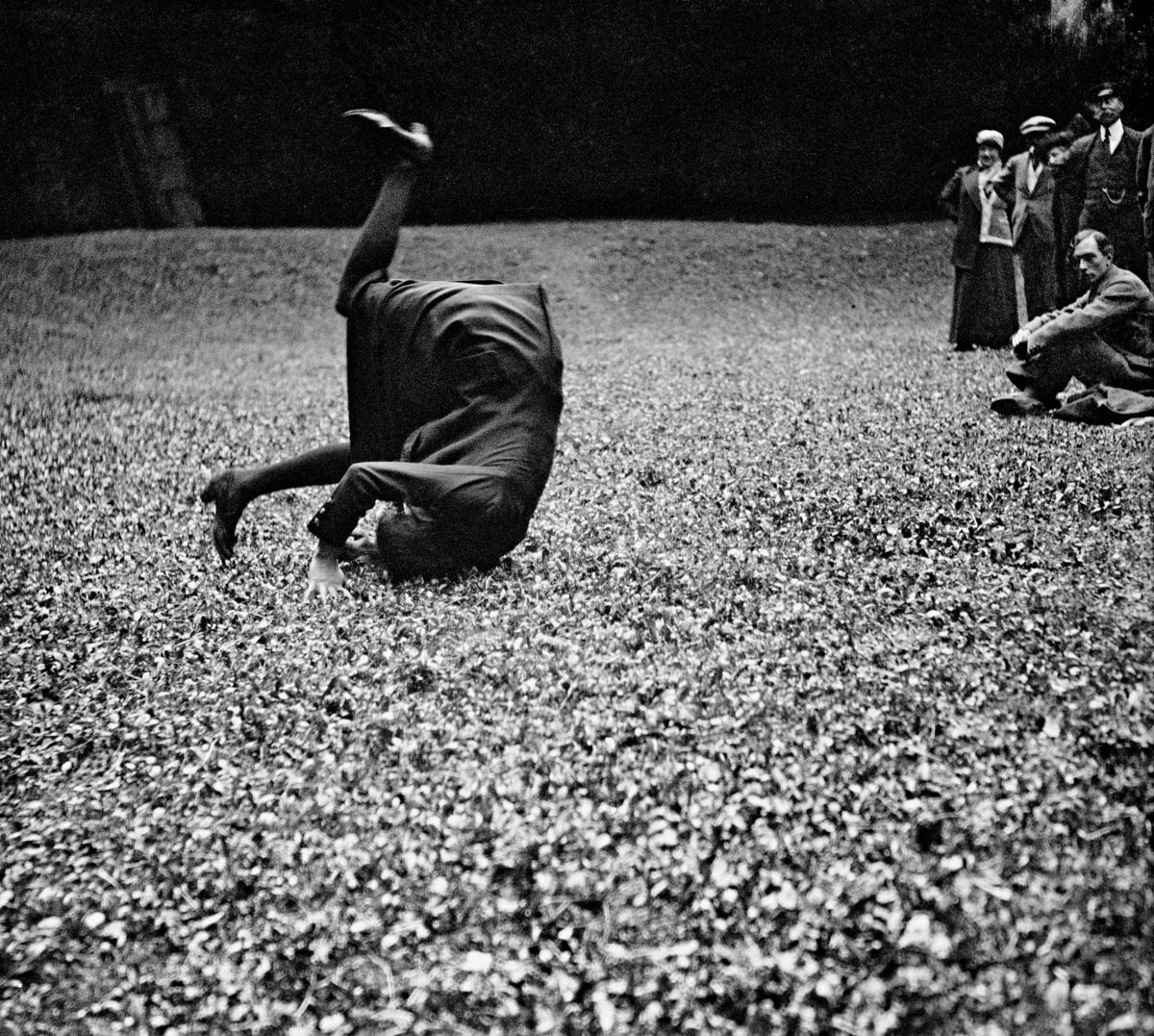
Lartigue was deeply interested in sport as a growing middle-class pastime. In the early 1900s, activities like tennis, skiing, racing, gymnastics, and hang gliding were becoming popular leisure pursuits for people with both the time and money to enjoy them. Lartigue moved freely within these social circles and brought his camera along wherever the action took him. His images were never stiff or posed. He caught people mid-motion, mid-laugh, mid-effort — exactly as they were.

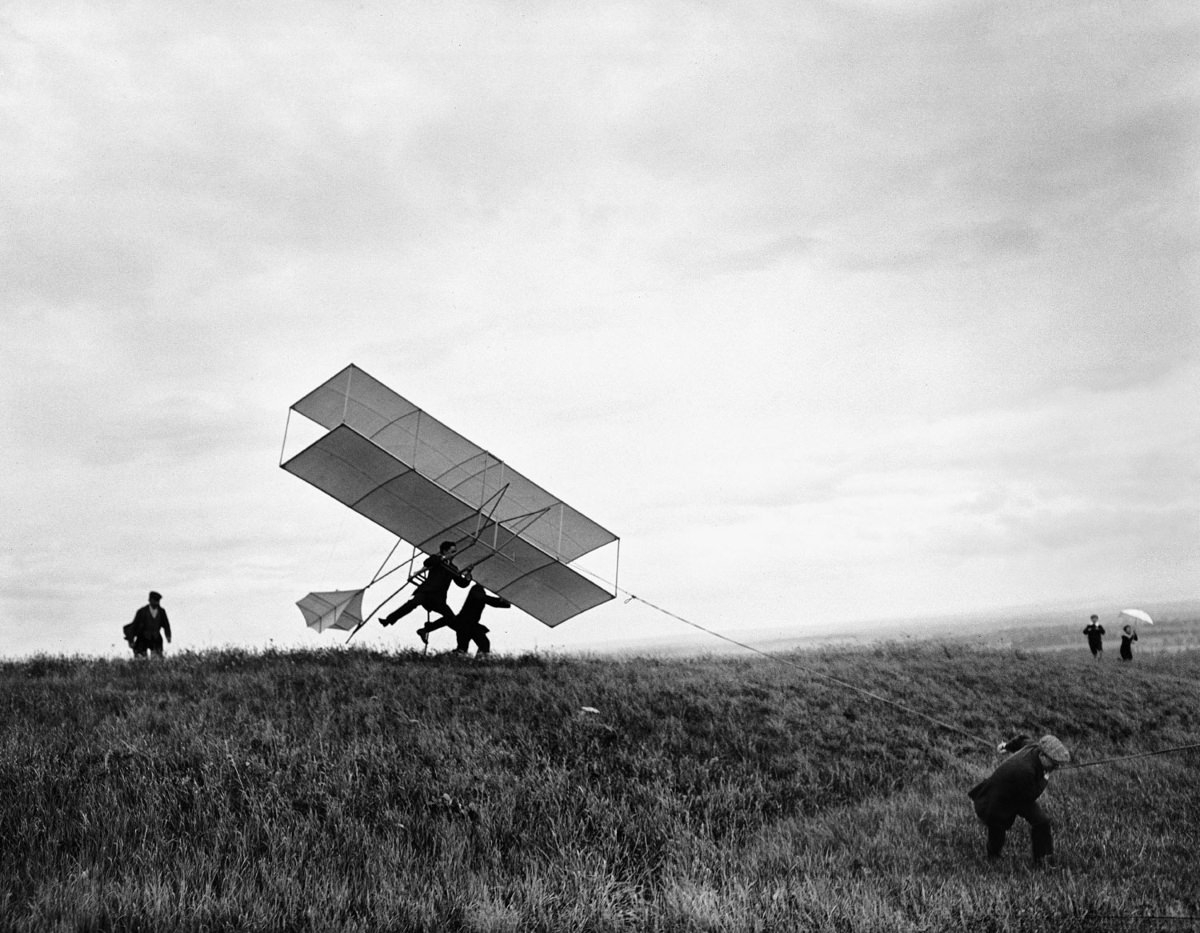
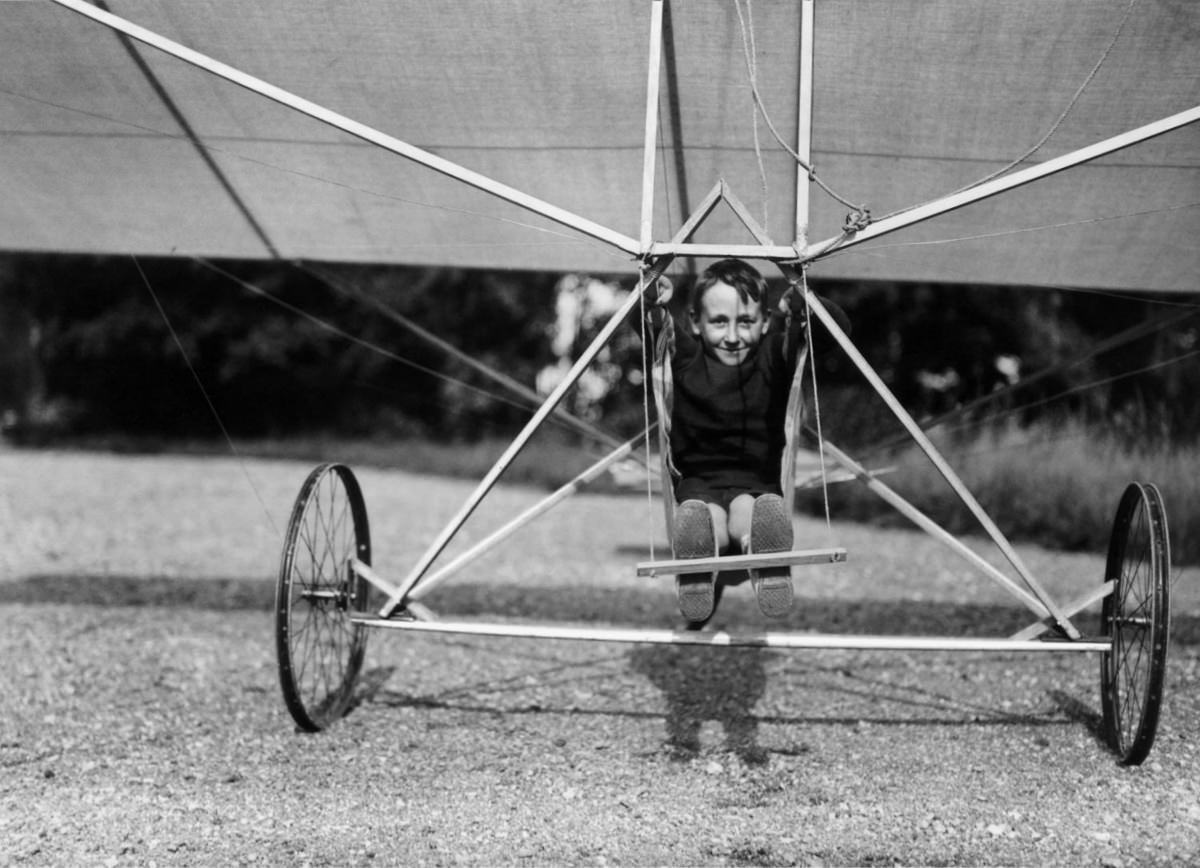
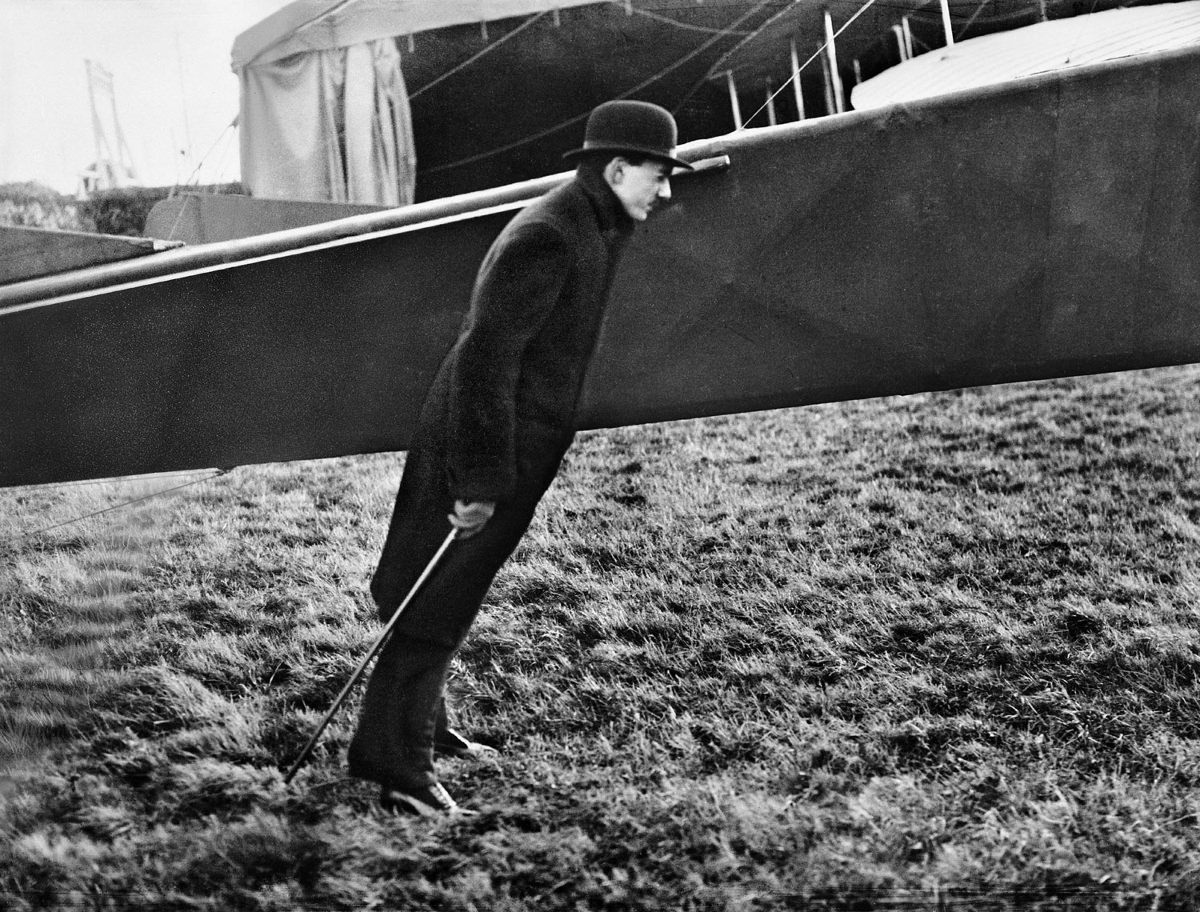
The grounds of Rouzat, a country estate where Lartigue and his family spent time, became a testing ground for amateur aviation experiments. Groups of friends and cousins launched gliders and flying contraptions with varying results. Lartigue documented these attempts with obvious delight, freezing moments of airborne ambition that are equal parts thrilling and absurd.


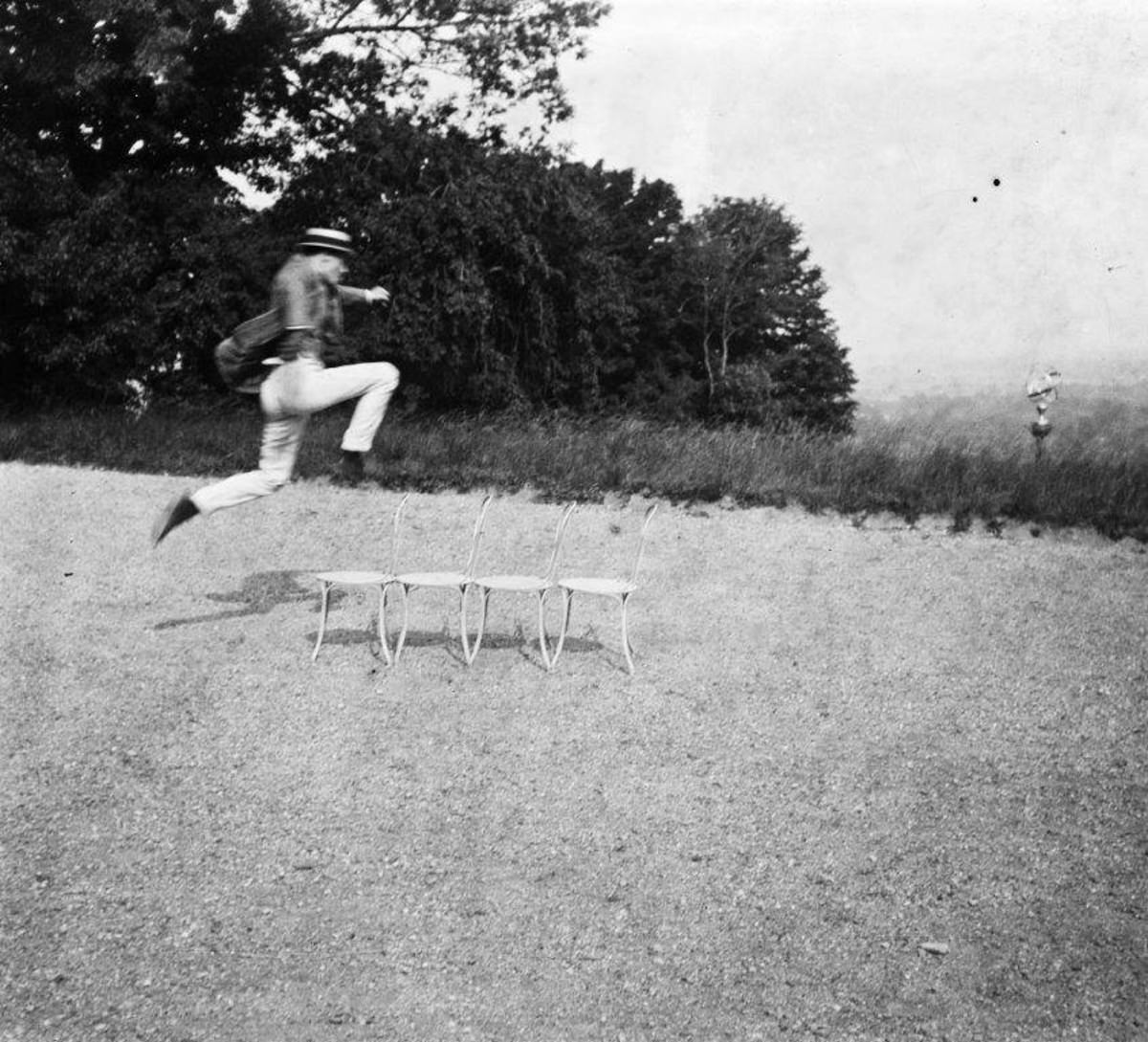
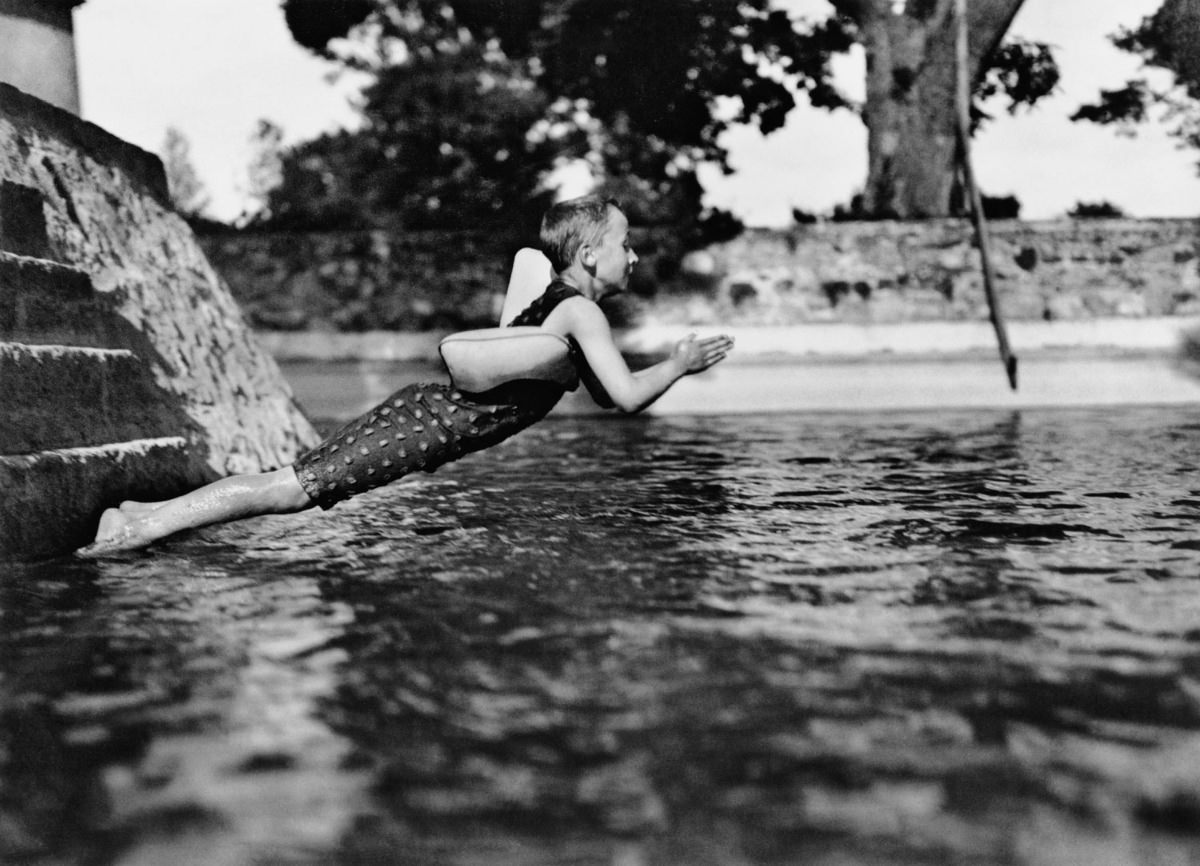
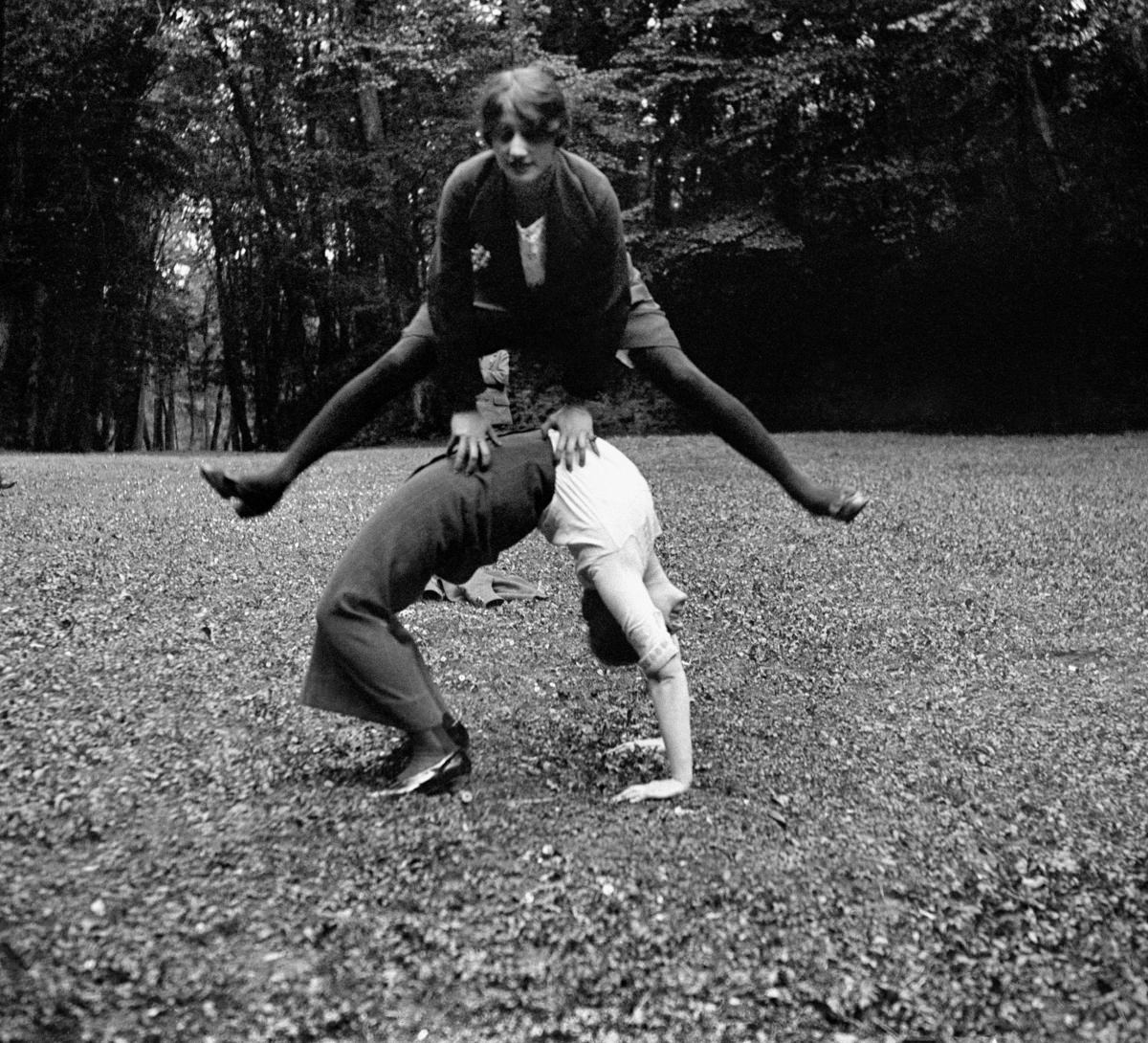
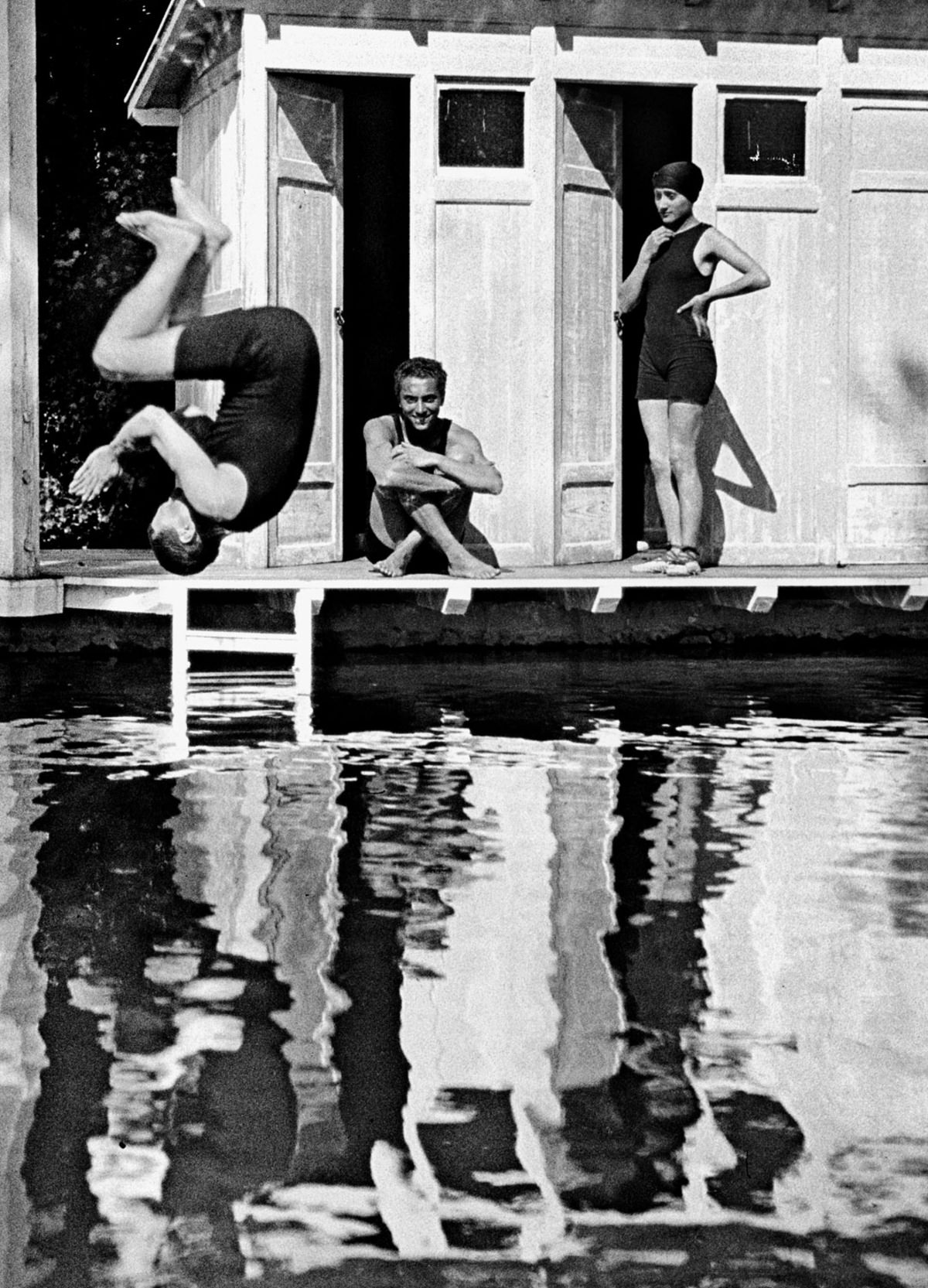
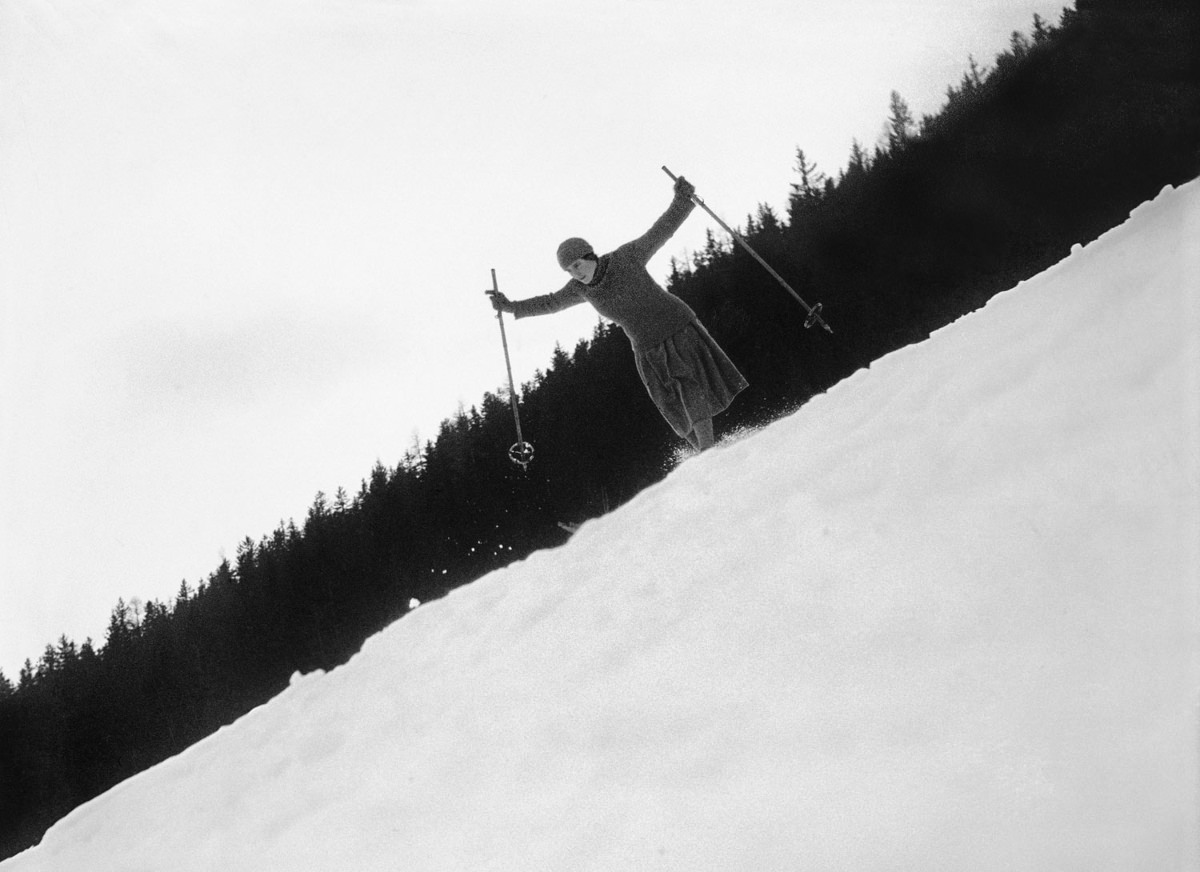
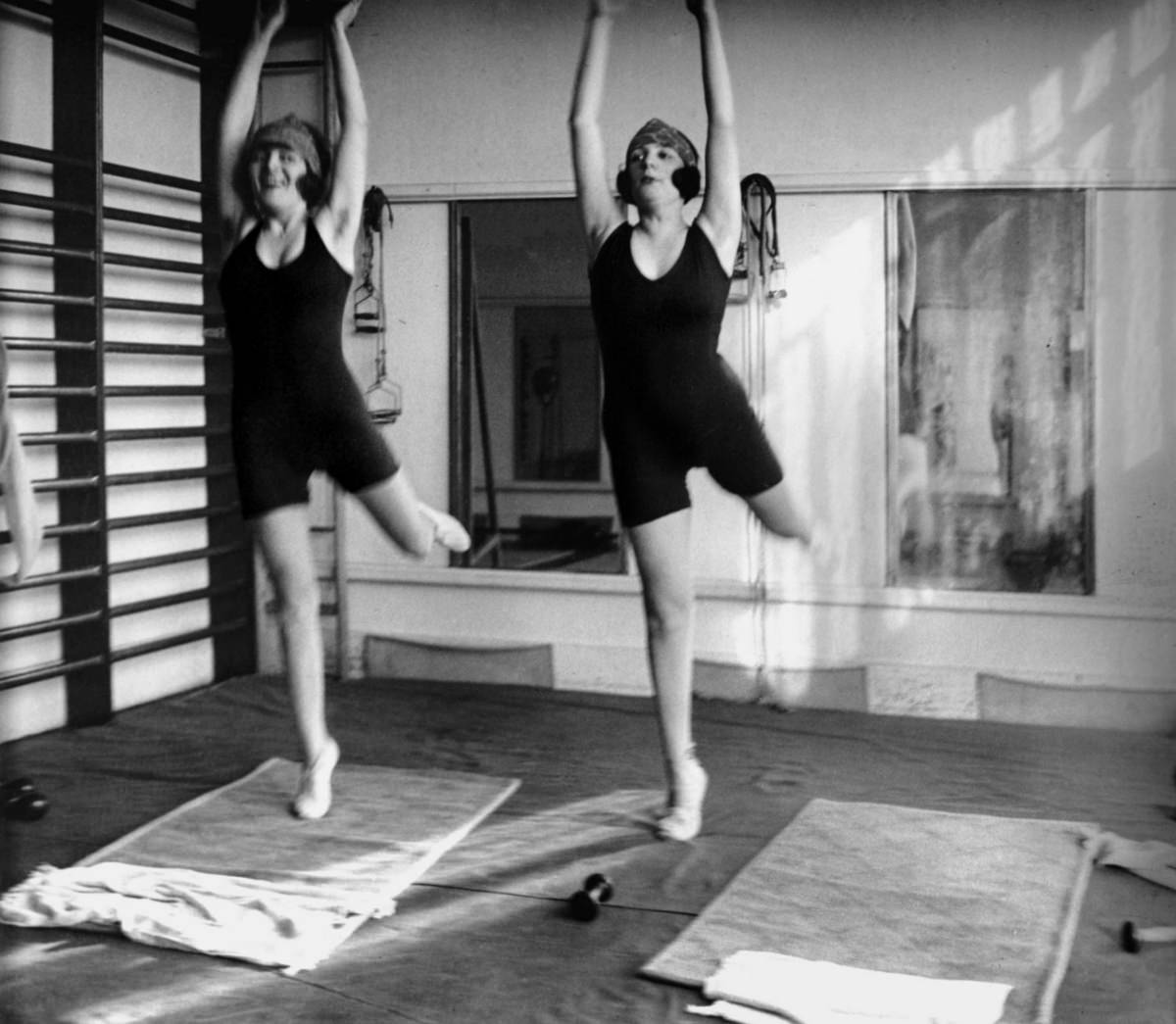
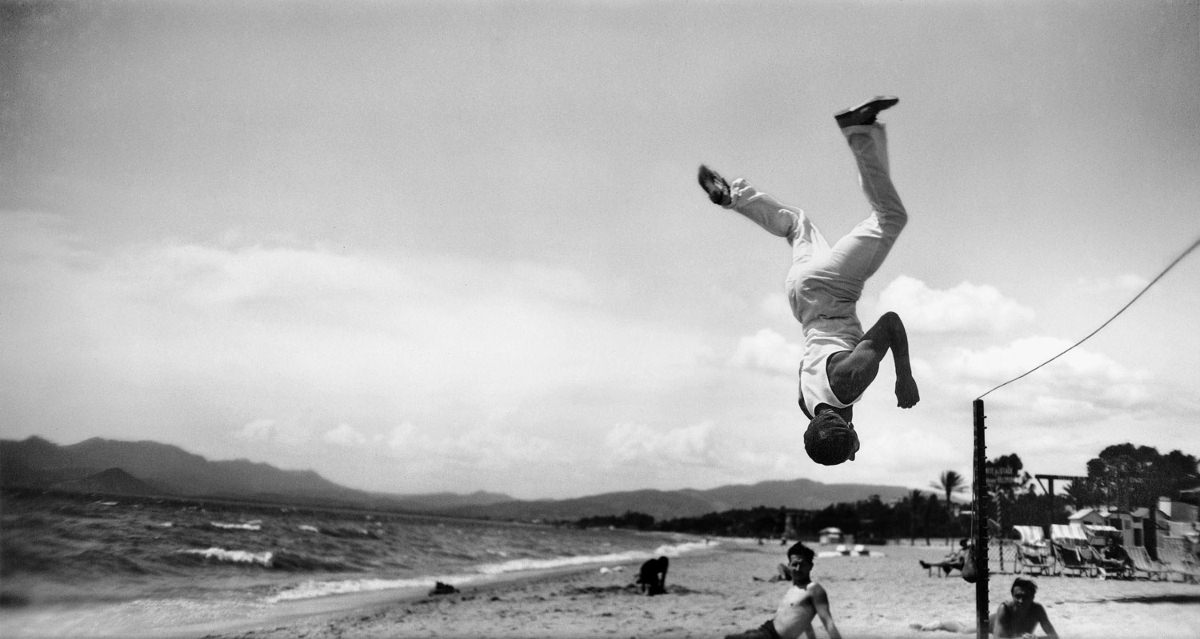
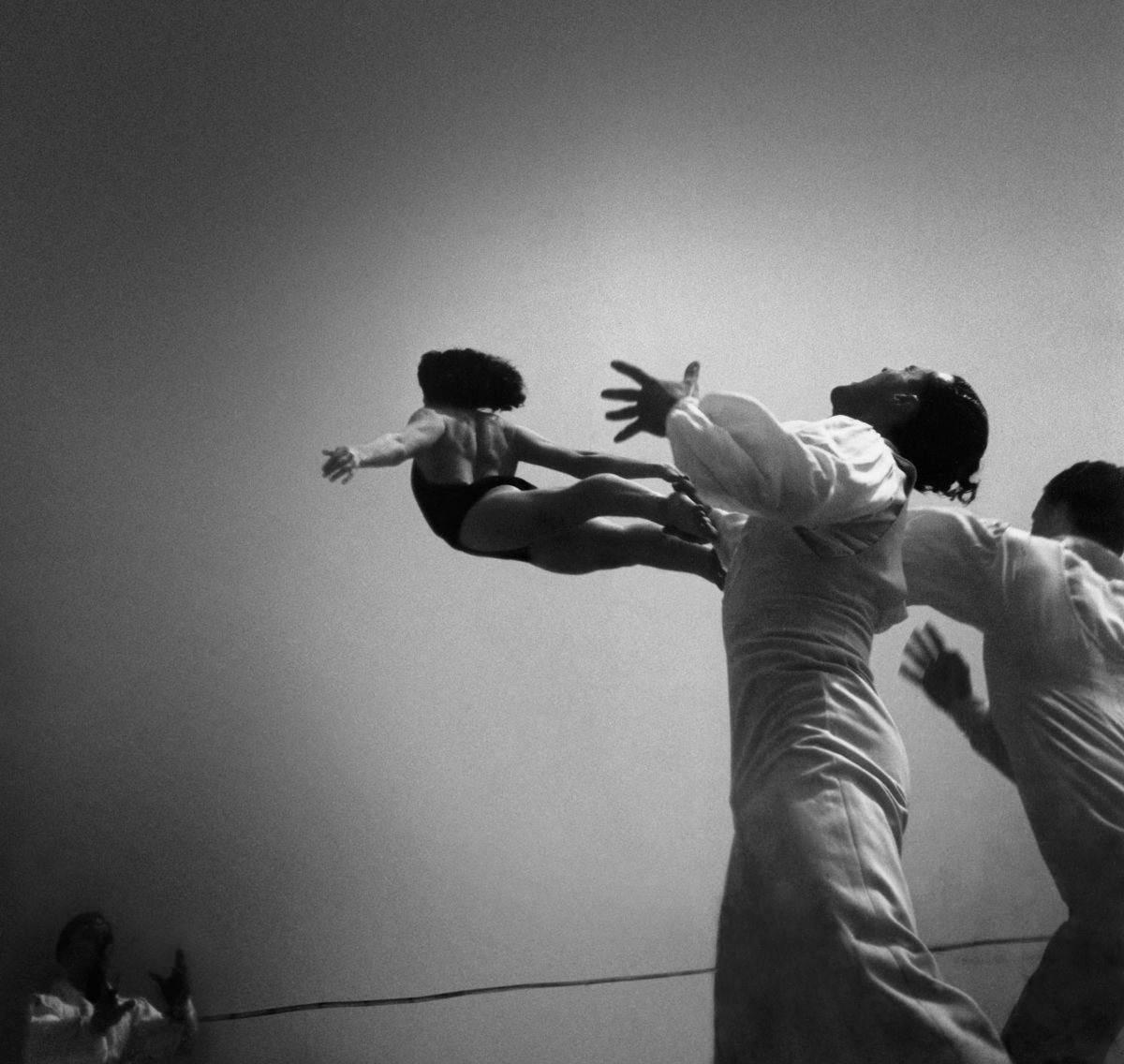
What makes Lartigue’s sports photographs so compelling is how well they capture the human body in action. Arms stretch wide, legs kick out at sharp angles, and faces scrunch with effort or burst into grins. He had a rare ability to find the exact frame that communicated both the physical strain and the joy of athletic movement. These weren’t athletes performing for a crowd — they were people genuinely absorbed in what they were doing.


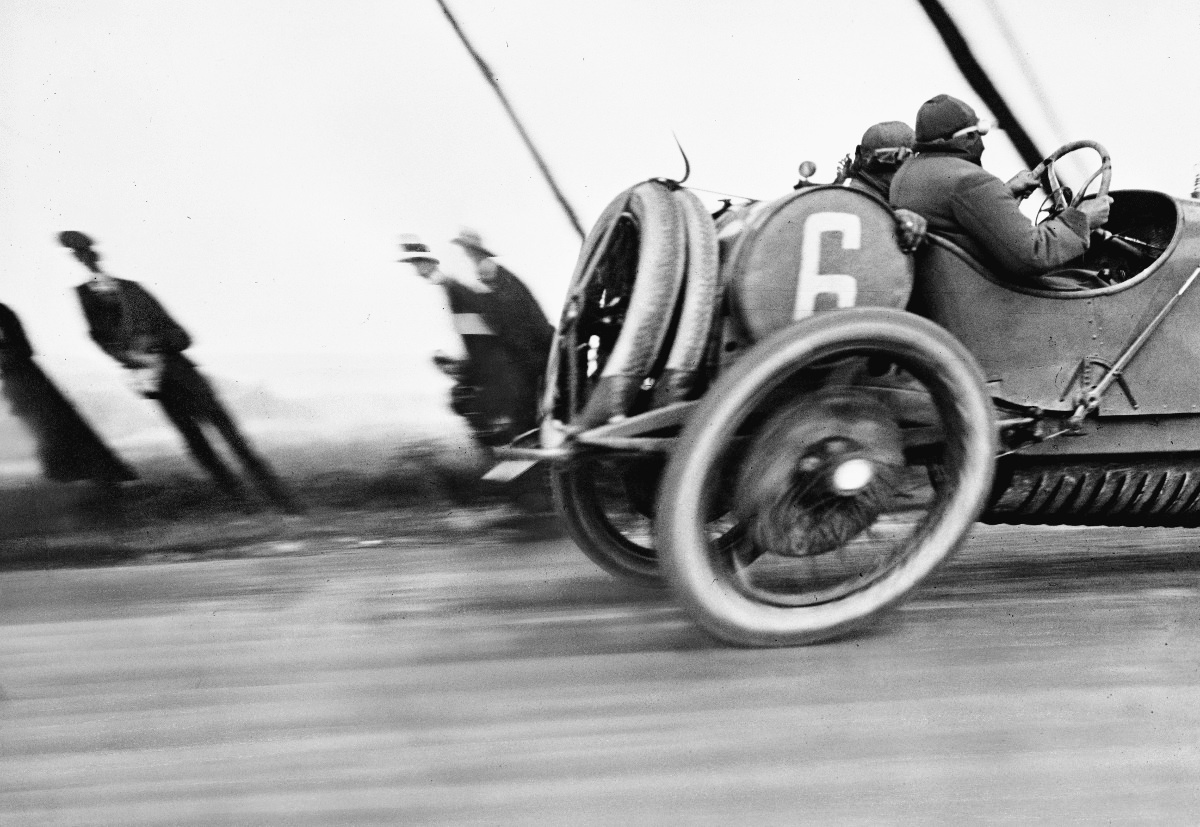
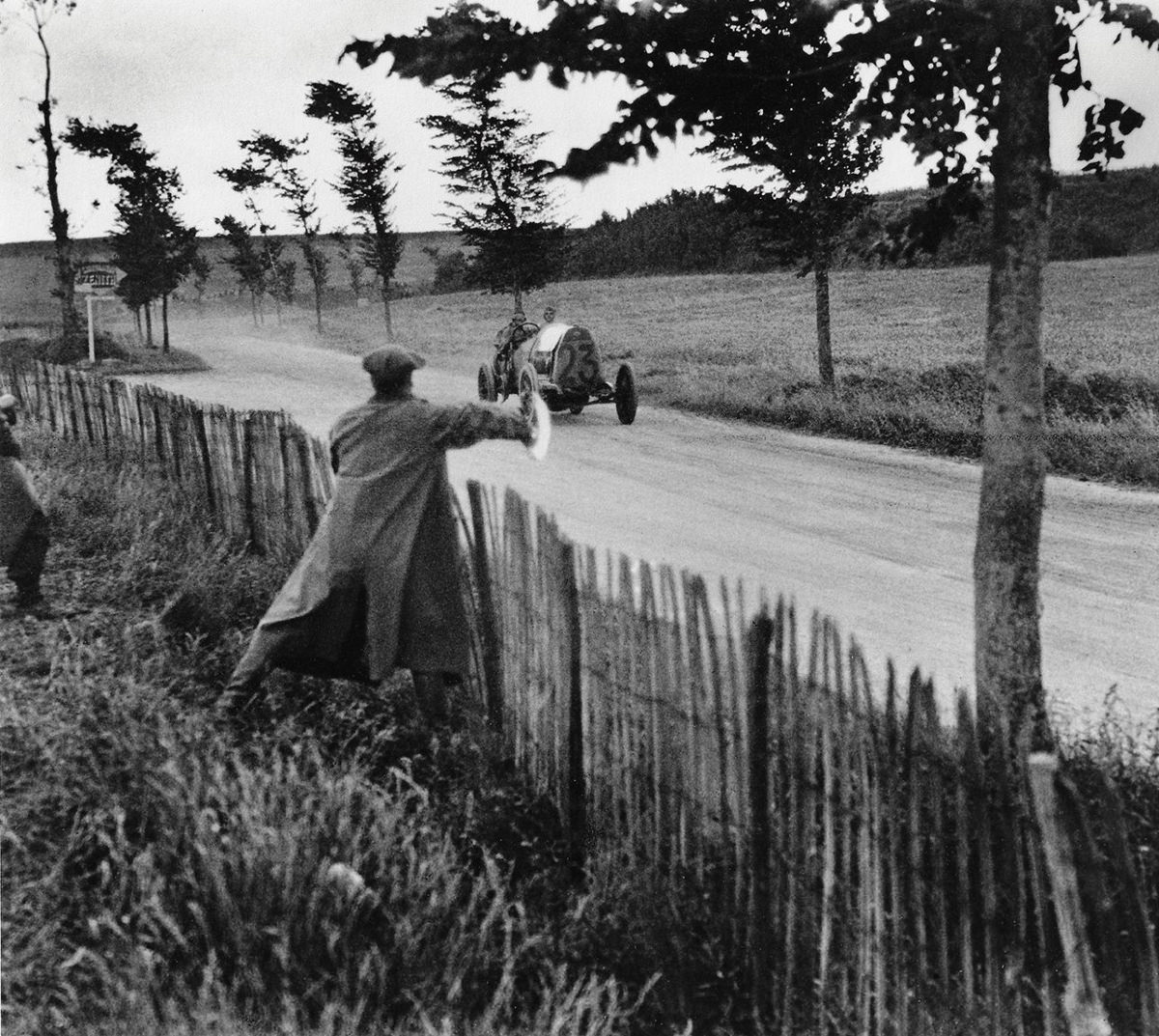
By 1912, Lartigue was photographing the Grand Prix de l’Automobile Club de France — one of the premier motorsport events of the era. The races drew huge crowds and the fastest machines of the day. His photographs from the circuit captured the blur and dust of early racing cars, transforming raw speed into still images that feel electric even now.


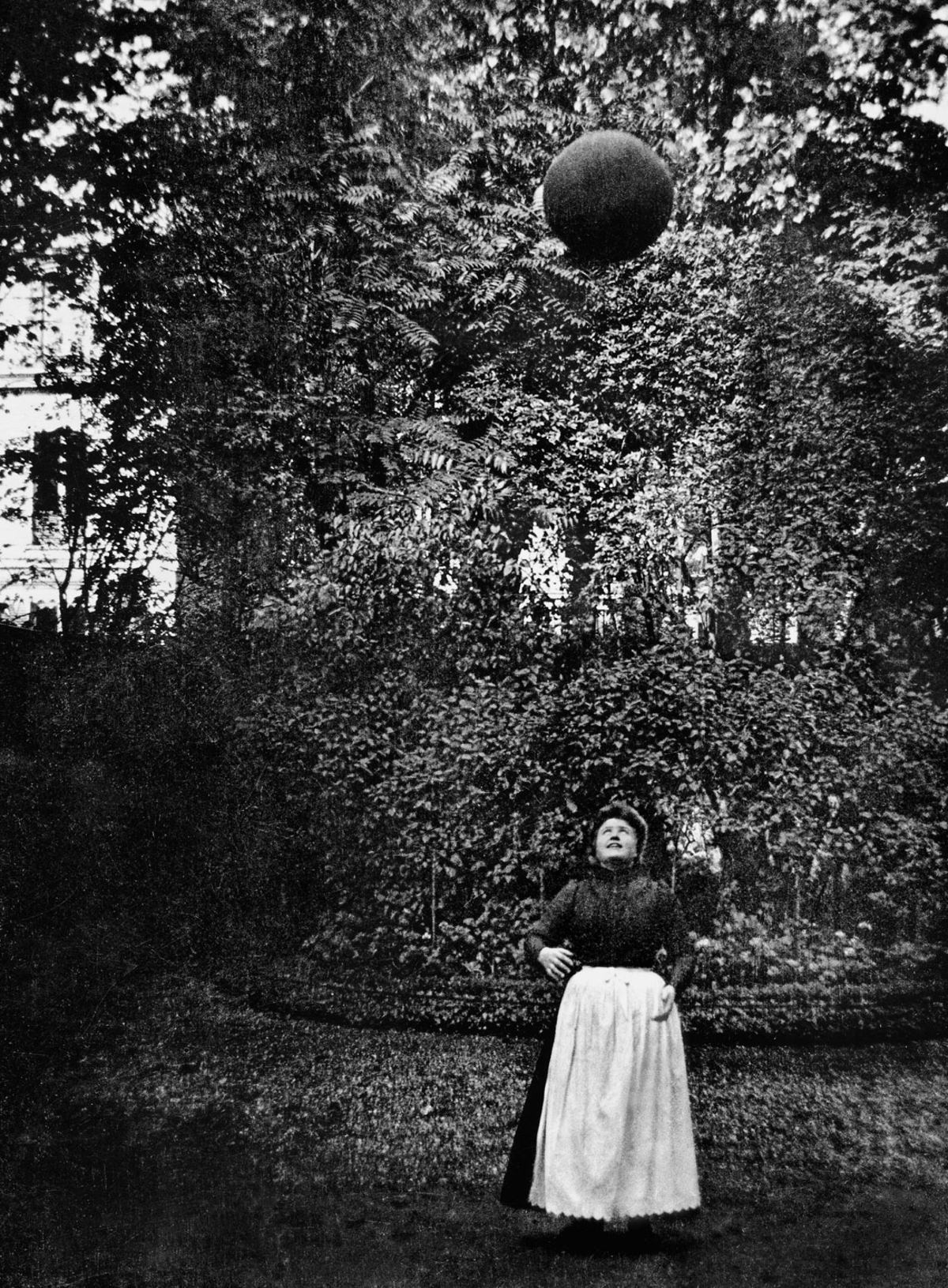
Away from the racetrack, Lartigue turned his lens to forests, hillsides, and country roads. Friends and family appear throughout his work as recurring subjects — caught cycling, jumping, or simply posing in the open air. These personal photographs carry a warmth and familiarity that formal sports photography rarely achieves.


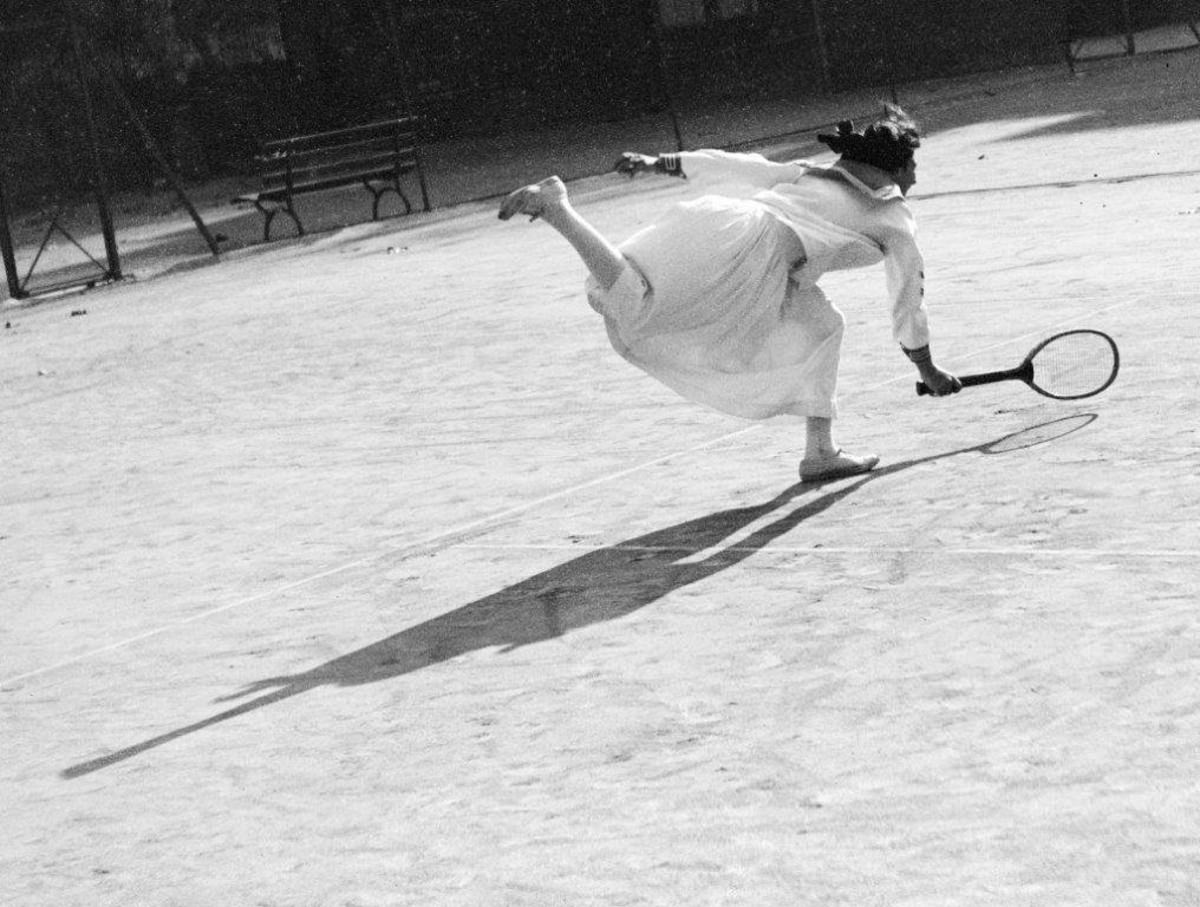
One of Lartigue’s most celebrated subjects was tennis star Suzanne Lenglen. He photographed her training in Nice in November 1915, years before she became a dominant force on the international tennis circuit. His images of Lenglen show a young athlete working with fierce focus — her form precise, her movement fluid. It is a rare early document of one of sport’s great figures.

Winter sports also featured prominently in Lartigue’s work. Snow-covered mountains gave him new backdrops and new kinds of movement to capture — the speed and balance demanded by skiing had a visual drama all its own.

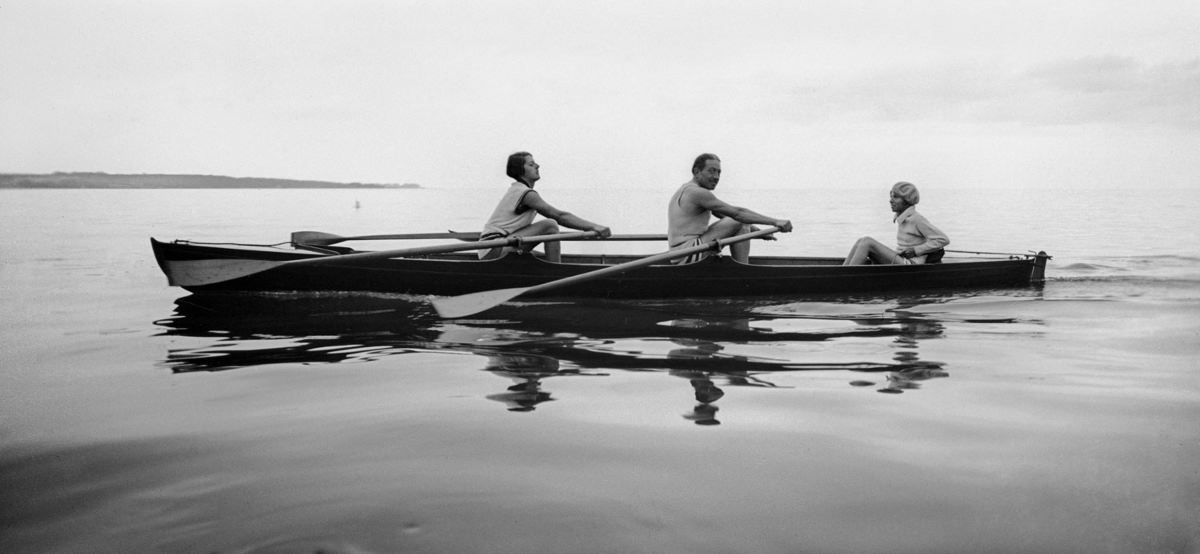
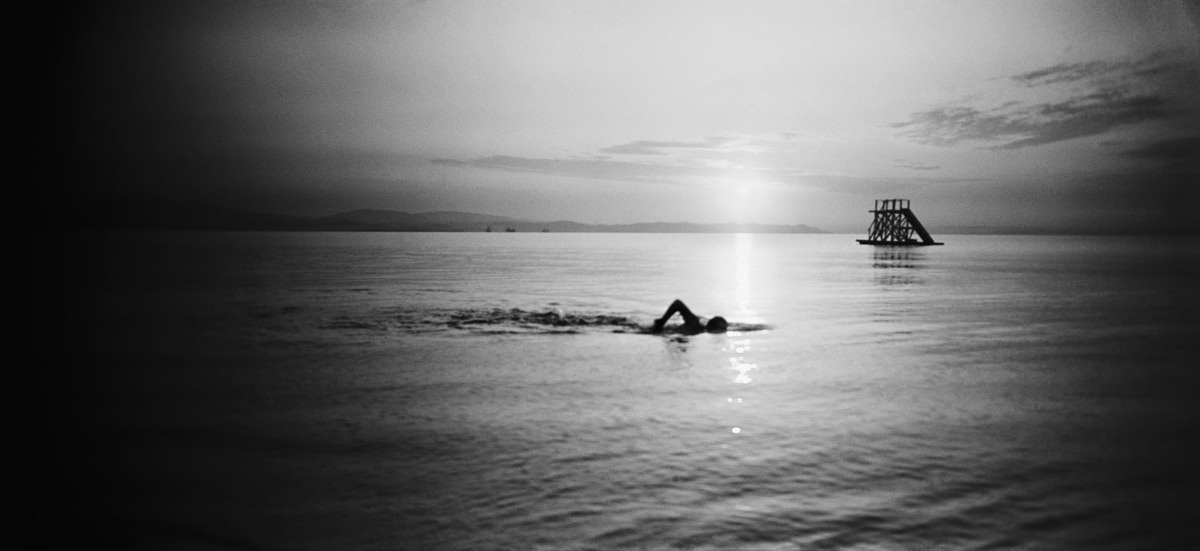
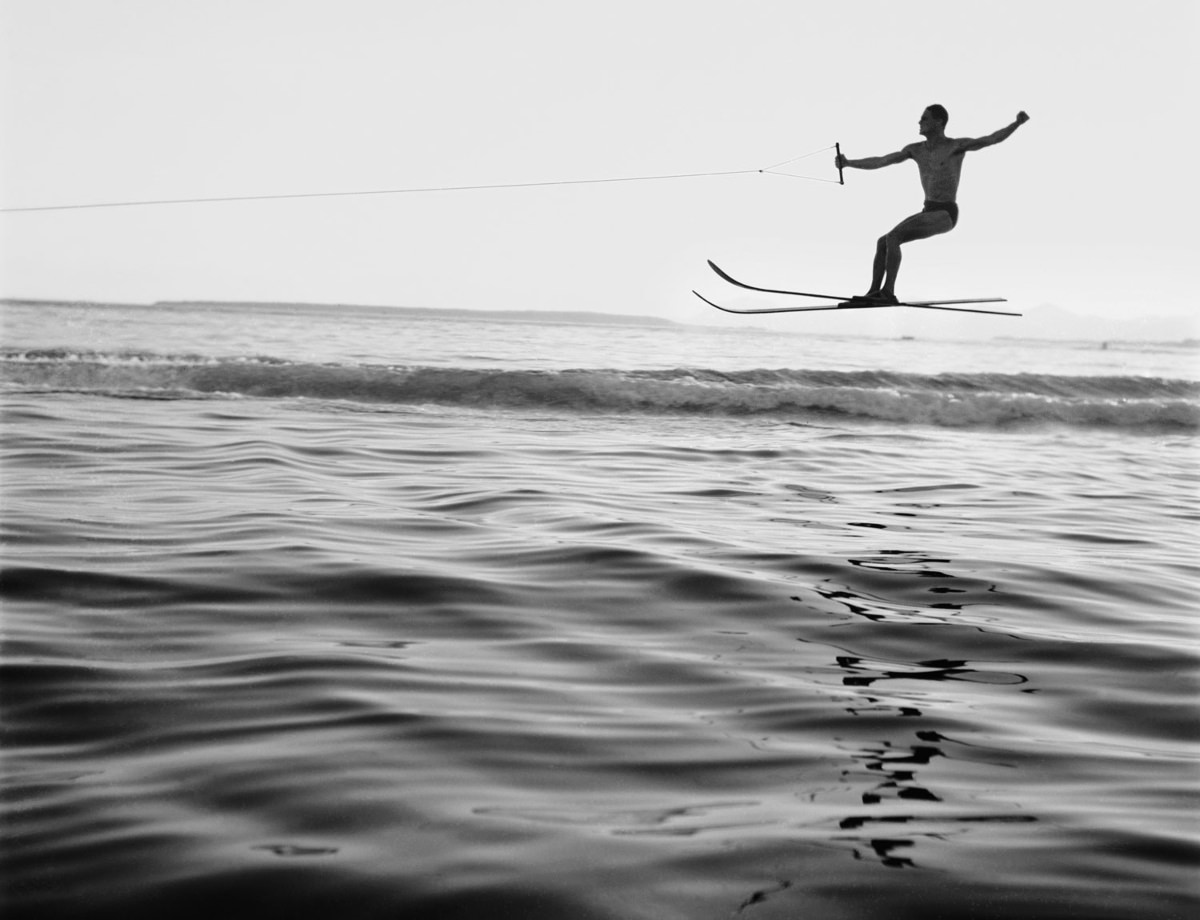
Through the 1920s and into the 1930s, Lartigue continued shooting at beaches, estates, and resort towns along the French Riviera. The settings changed but his approach didn’t — always candid, always precise, always alert to the moment just before or after the obvious shot.


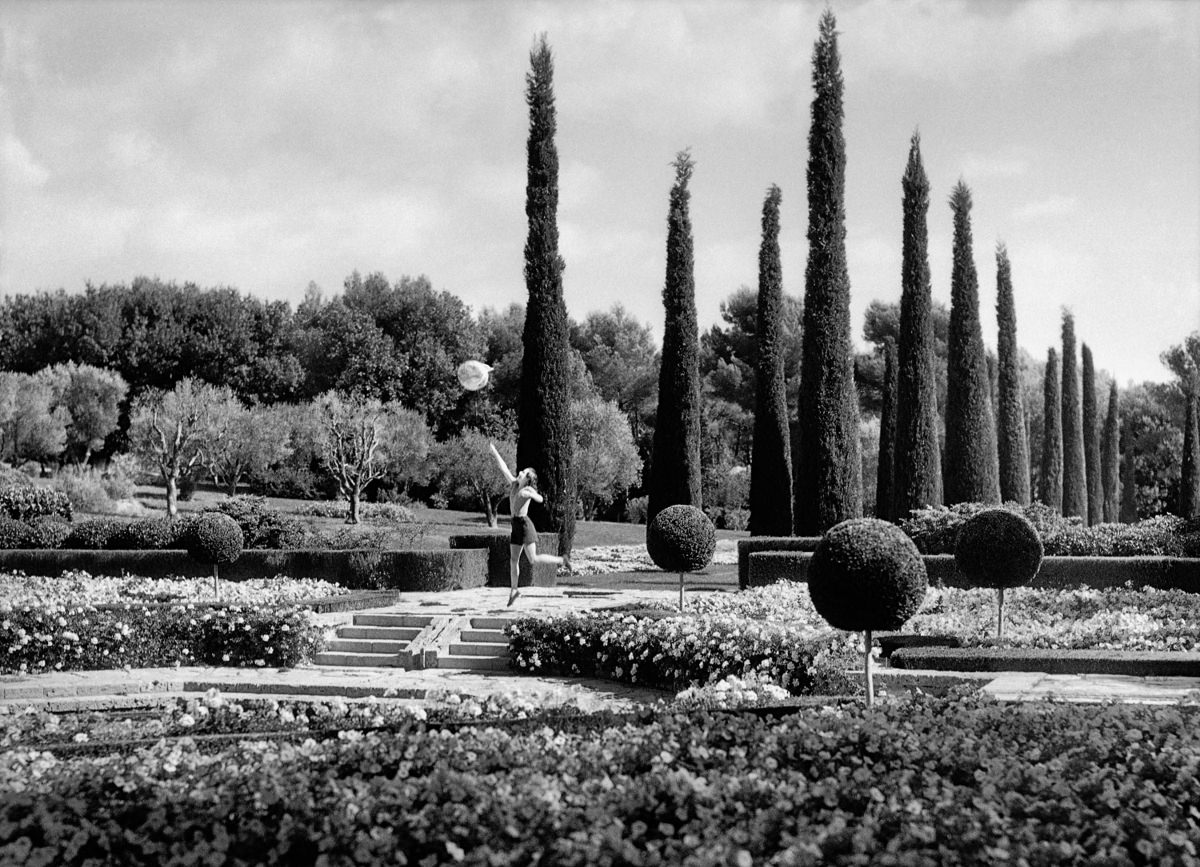
By the late 1930s, Lartigue was still working with the same restless curiosity he had shown as a child. Whether photographing a figure on a private estate in Antibes or the energy of a summer day in Deauville, he remained committed to capturing life as it actually unfolded — unscripted and alive.


His photographs from the 1938 World Ski-Jumping Championships in Juan-les-Pins stand as a fitting example of everything that defined his sports photography. Athletes suspended in mid-air, the crowd watching below, the mountains behind — Lartigue framed it all with the instincts of someone who had spent decades learning exactly when to press the shutter.