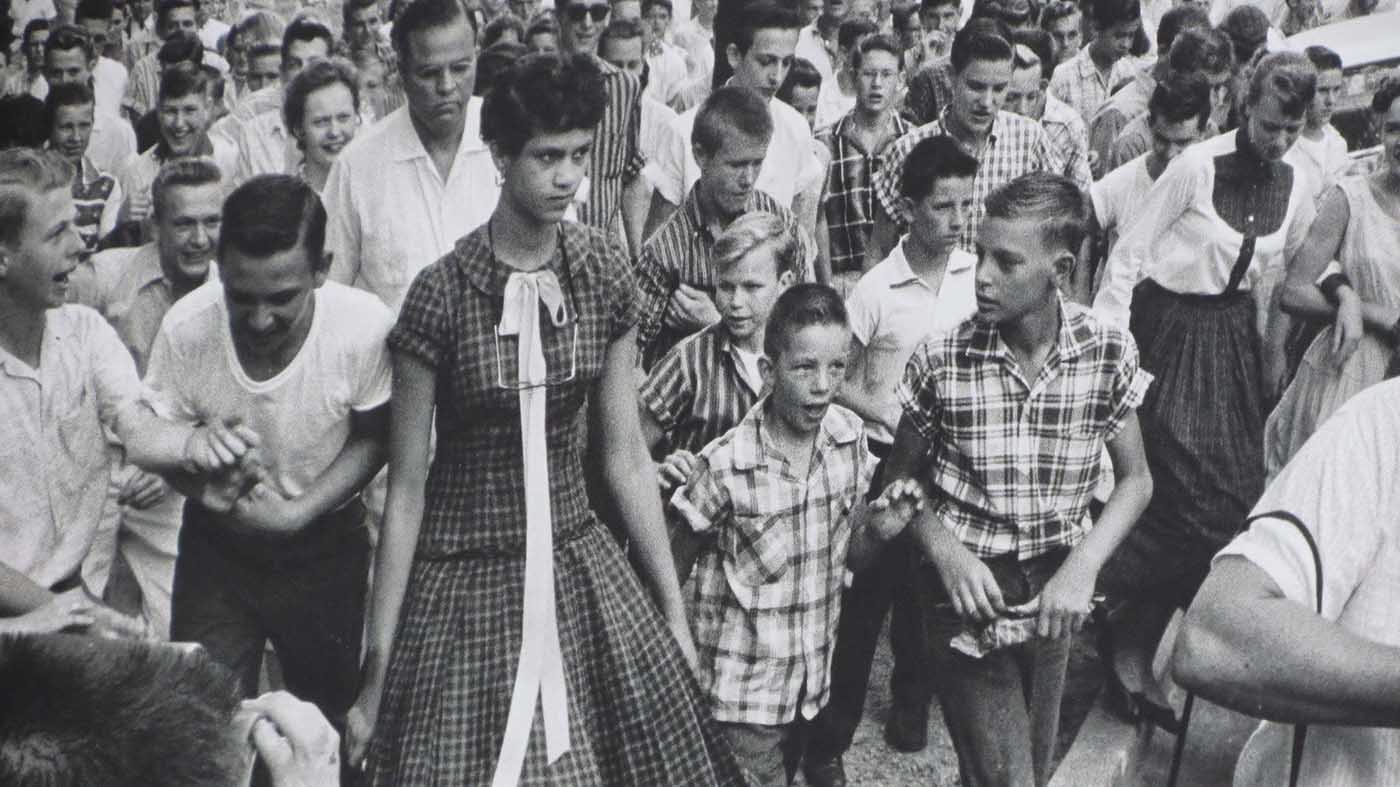
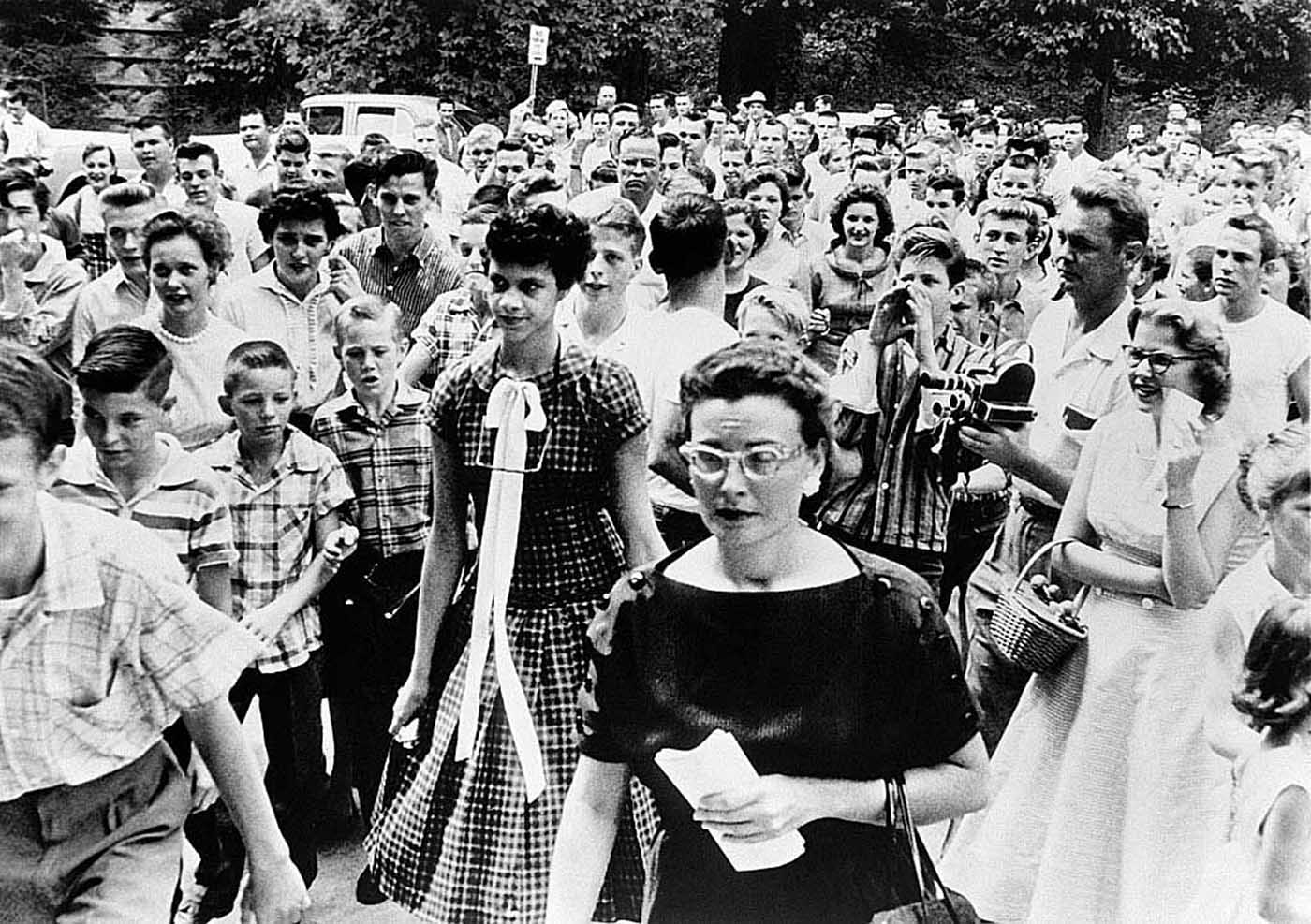
In September 1957, a 15-year-old girl named Dorothy Counts walked through a crowd of 200 to 300 screaming people to attend her first day of high school. She carried her books, kept her chin up, and did not run. Nearly three years had passed since the Supreme Court’s ruling in Brown v. Board of Education struck down school segregation across the United States, but the reality on the ground looked nothing like the law on the books. Harry Harding High School in Charlotte, North Carolina, had just been desegregated, and Dorothy Counts was one of the first Black students to enroll.
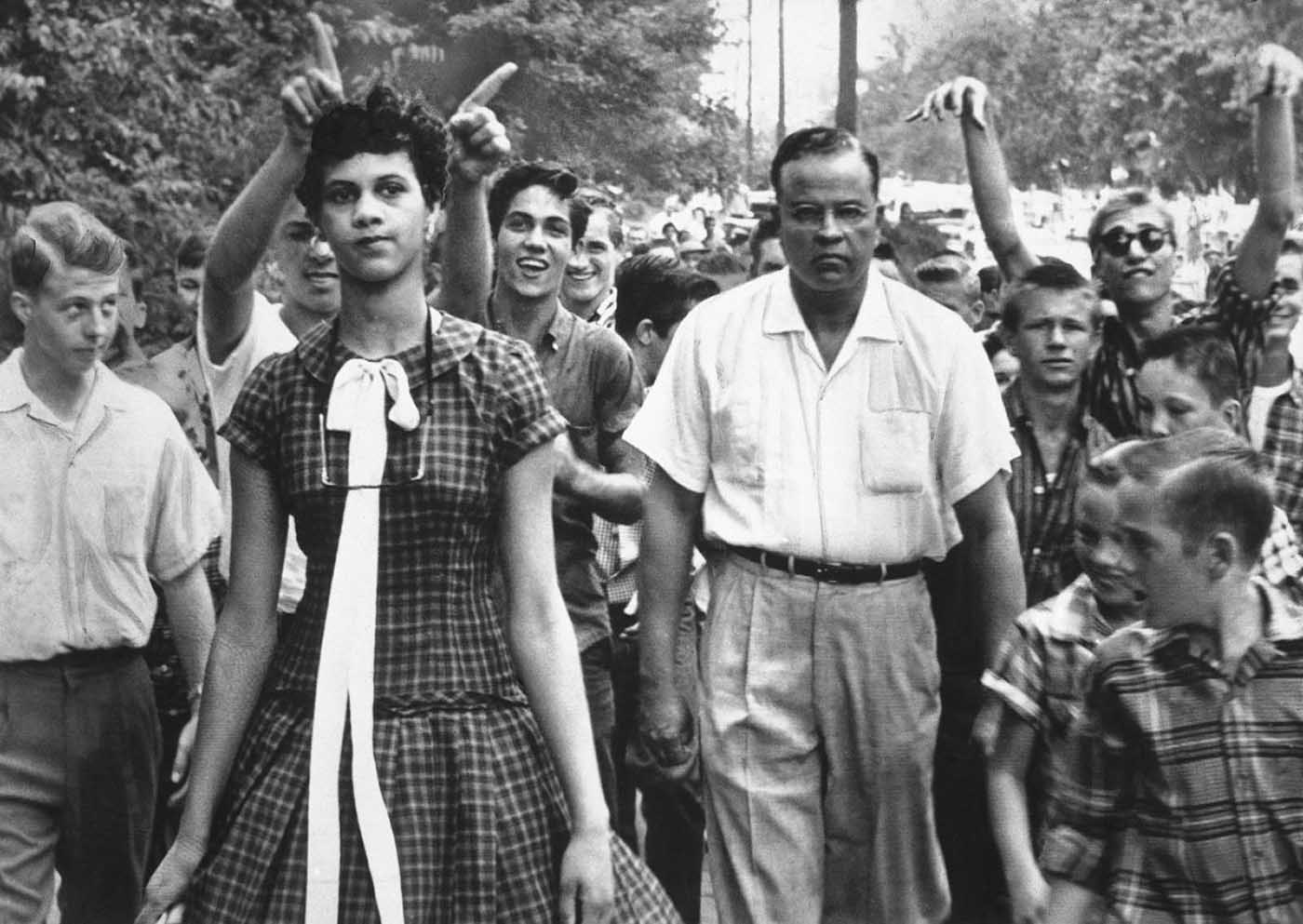
On that first morning, a family friend named Edwin Thompkins drove Dorothy to school. The car could not pull all the way up to the front entrance, so Edwin walked her toward the building while her father found a place to park. Before she stepped away, her father called out to her: “Hold your head high. You are inferior to no one.” Those words would carry her through one of the most hostile walks any teenager has ever had to take.
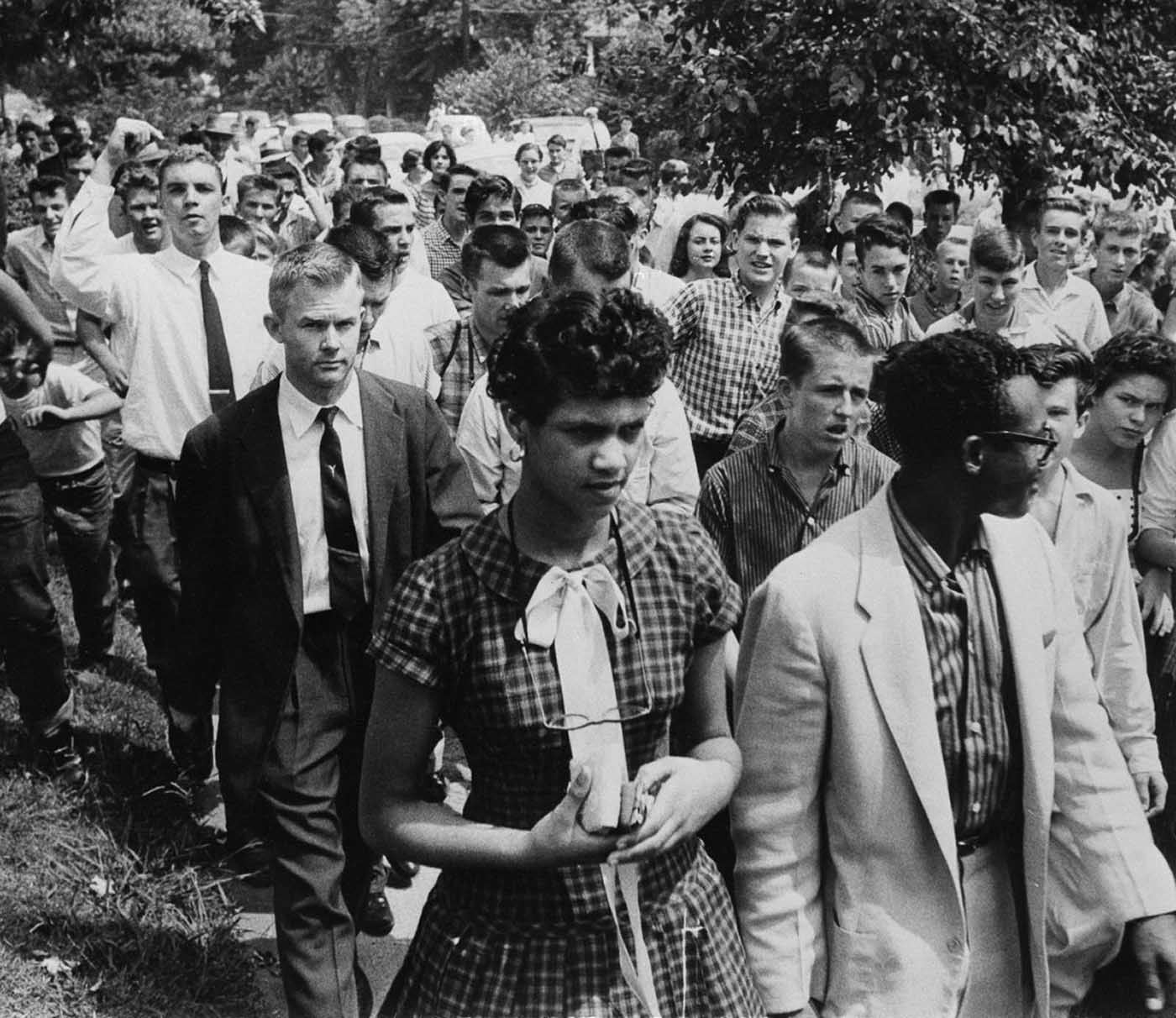
The crowd waiting outside Harding was made up of students and adults alike, including members of the local White Citizens’ Council. They screamed racial slurs, spat on her, and threw rocks and sticks. Most of the thrown objects landed just in front of her feet. Groups of students formed walls in her path, only parting at the last second to let her through. Through all of it, Dorothy walked without flinching.
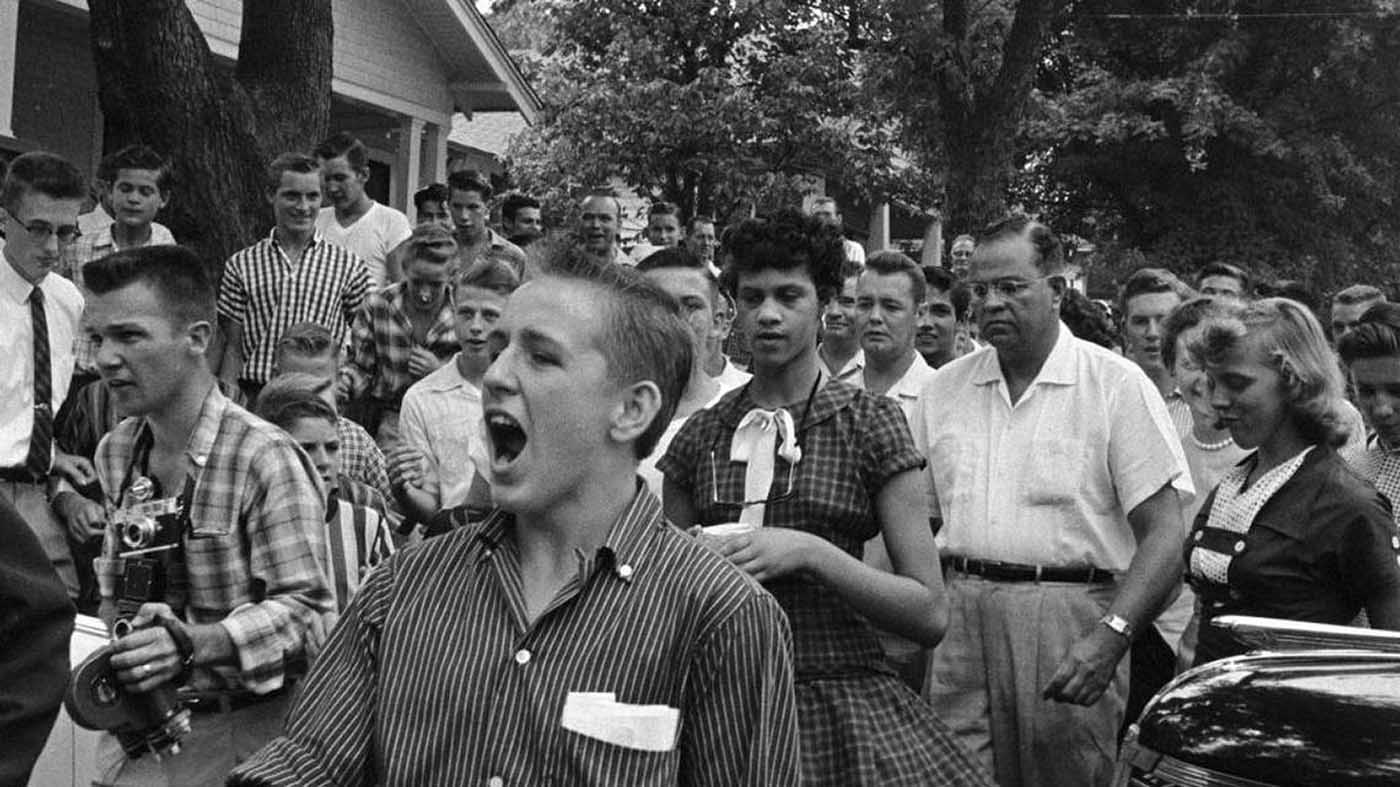
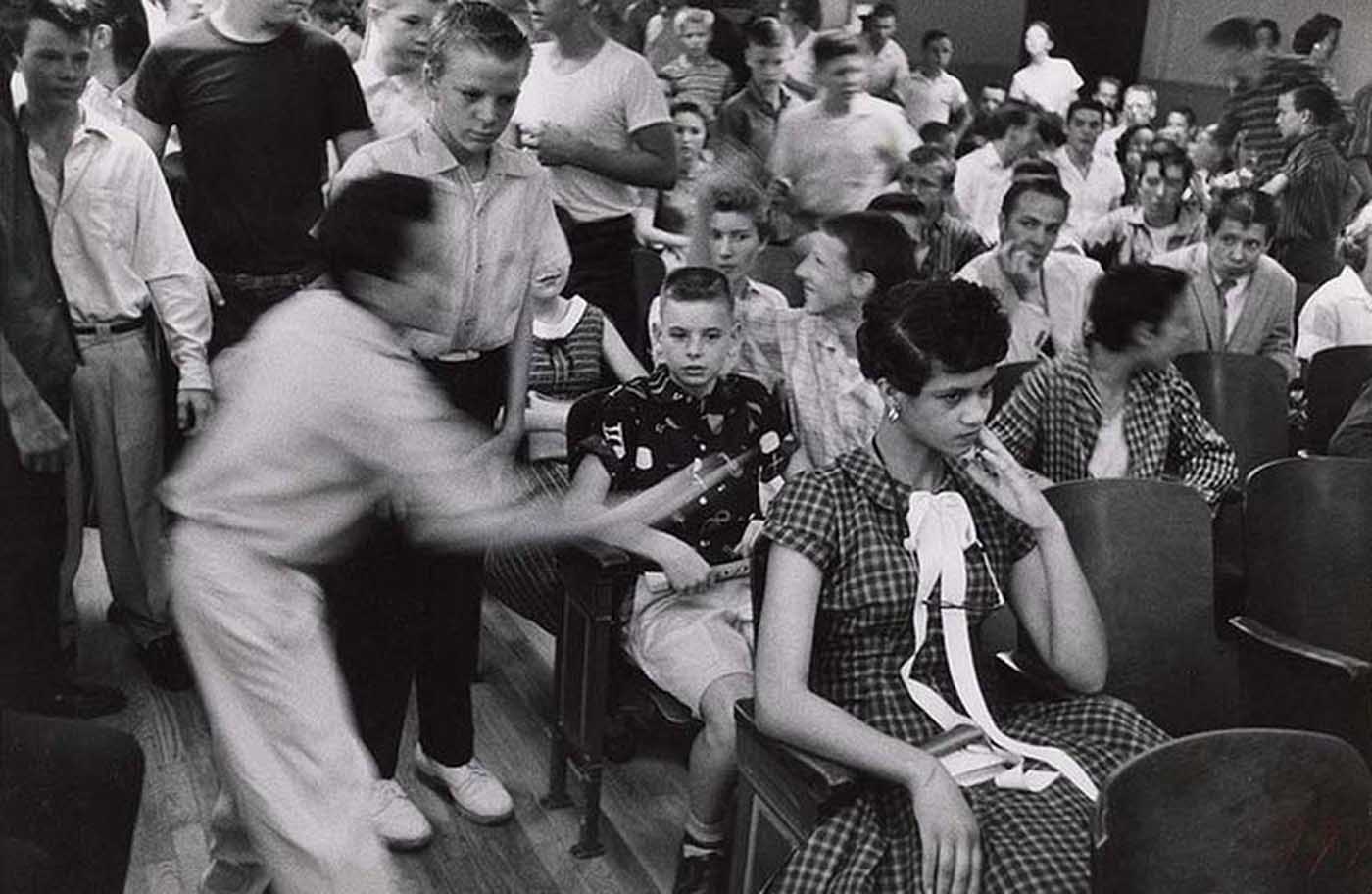
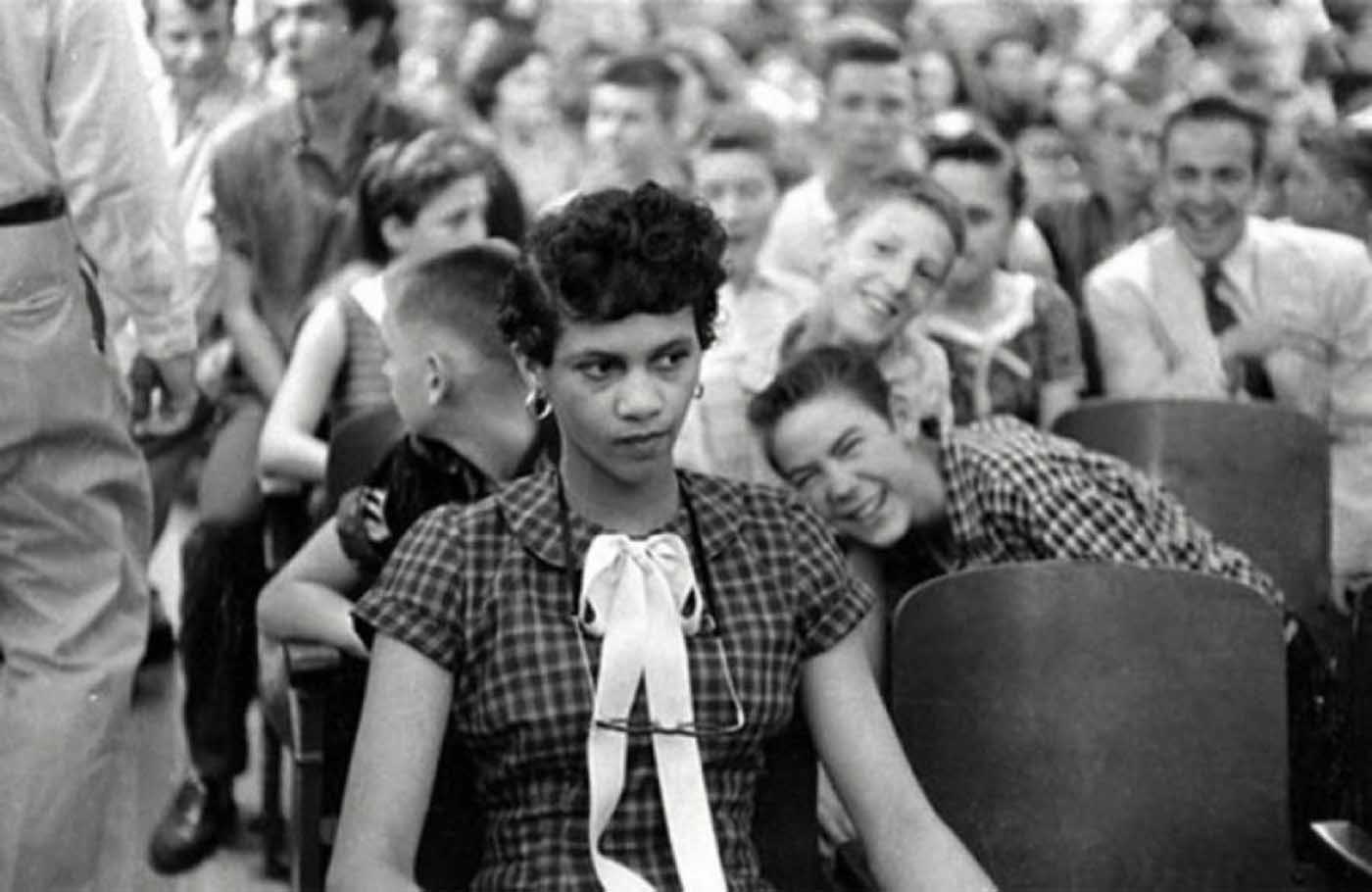
Inside the school, the hostility did not stop — it simply changed form. When Dorothy went to her homeroom to collect her books and schedule, she was ignored completely. She sat in the auditorium with her class and was met with racial slurs. No teacher or staff member stepped in to protect her. She was forced to sit at the back of the classroom, and her teacher refused to acknowledge her during lessons. At lunch on Tuesday, a group of boys spat in her food.
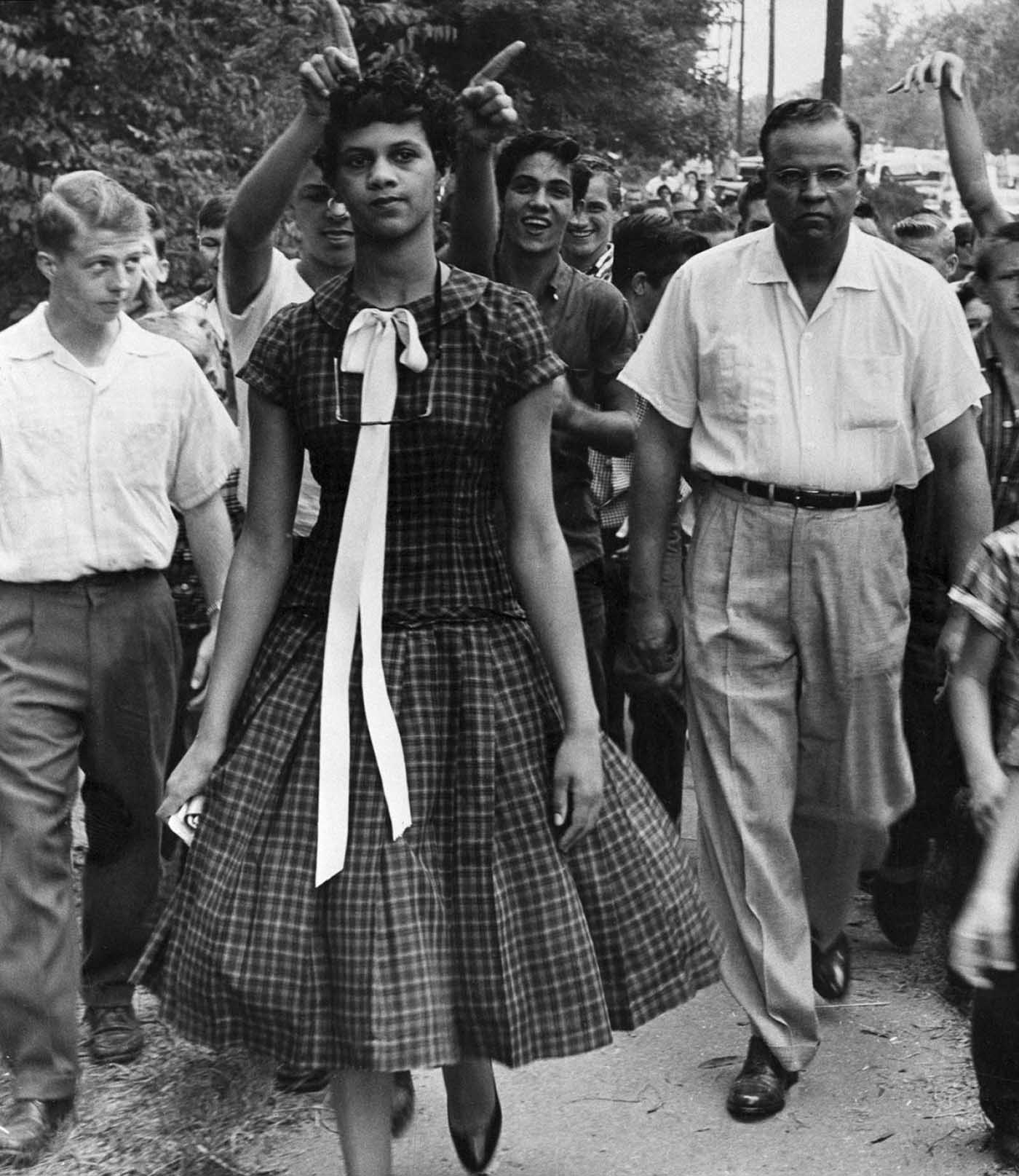
By midday on her first day, Dorothy’s parents asked whether she wanted to keep attending Harding. She said yes. She wanted to go back and make friends. The next day she fell ill with a fever and a sore throat and missed school on Friday, but she returned the following Monday. There was no crowd outside that time, but the harassment inside continued. Students and faculty met her return with the same cold rejection.
One moment of connection came when Dorothy met a new student who had recently moved to Charlotte. That brief friendship gave her something to hold onto. Her parents arranged for her to be picked up during lunch so she could eat away from the harassment. But the brief sense of relief did not last. On Wednesday, the girl she had befriended passed her in the hallway and looked away, head down. That same day, someone hit Dorothy in the back of the head with a blackboard eraser. When she went outside to meet her brother for lunch, she found a crowd surrounding the family car — its rear windows smashed.
That was the moment Dorothy said she felt fear for the first time. Not for herself, but because her family was now being targeted. After four days of unrelenting harassment, with no protection from the school and direct threats to her family’s safety, Dorothy withdrew from Harry Harding High School. The images captured during those four days, however, had already traveled far beyond Charlotte.
Photographer Douglas Martin’s photograph of Dorothy walking through the jeering crowd on her first day won the 1957 World Press Photo of the Year award. The image showed a composed young girl surrounded by mocking faces — a picture that put the ugliness of American school segregation on display for the entire world to see. It ran in newspapers across the globe.
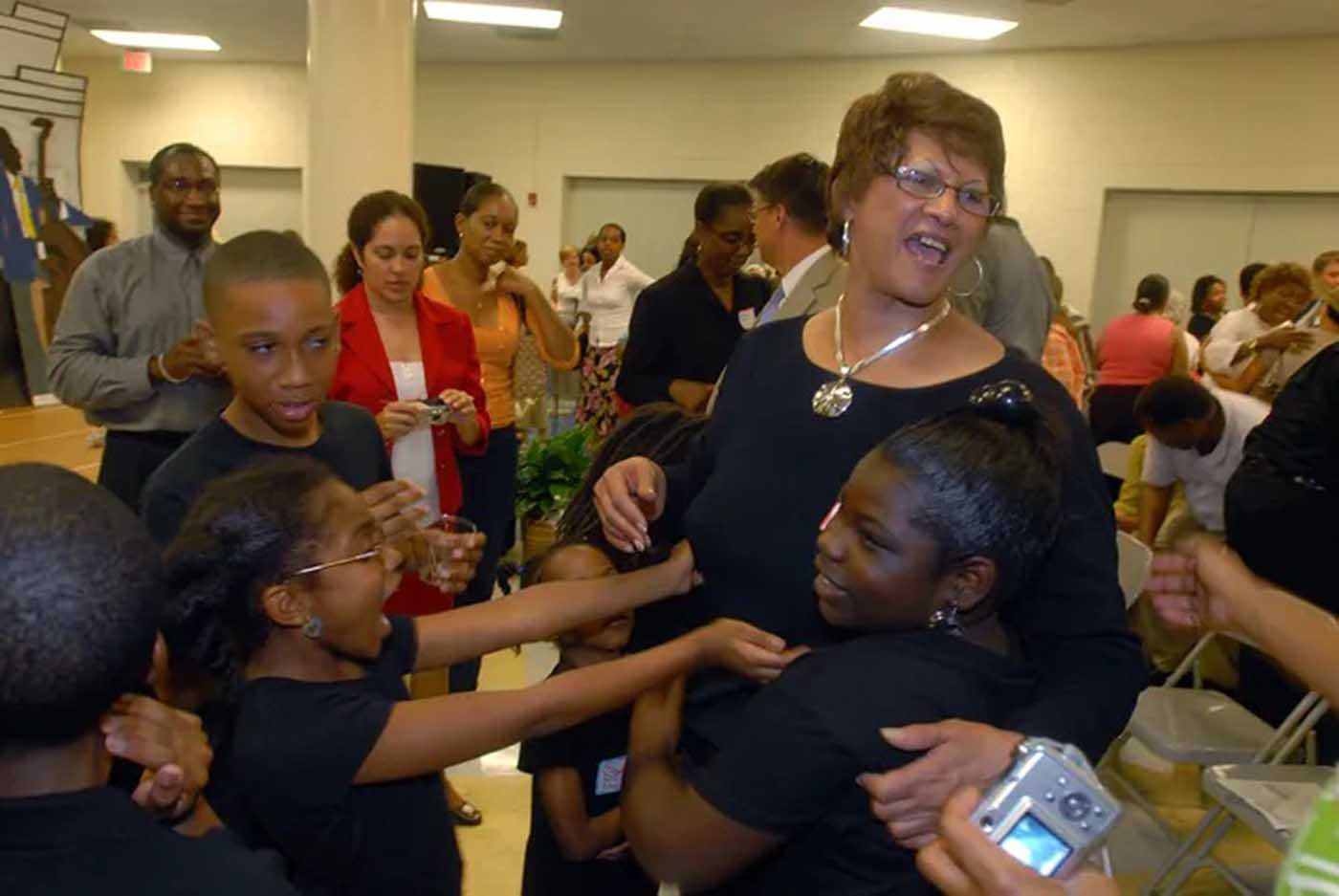
Dorothy and her family moved to Philadelphia, where she attended an integrated high school without incident. After returning to Charlotte, she earned a degree from Johnson C. Smith University. She went on to work as a preschool teacher and education advocate, dedicating her career to serving children from low-income families through nonprofit work in Charlotte.
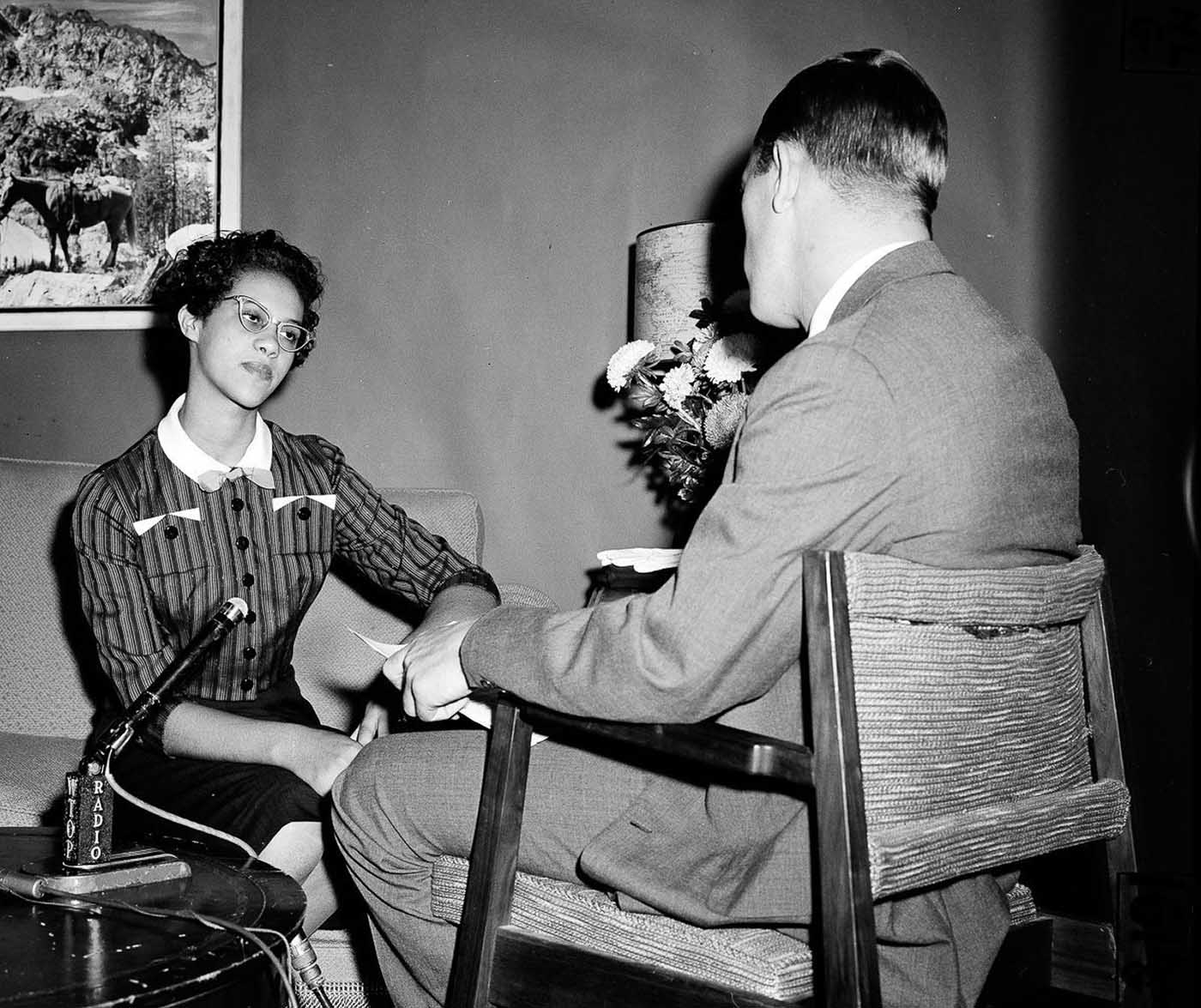
In 2006, nearly five decades after those four days at Harding, Dorothy received an email from a man named Woody Cooper. He had been one of the students in the crowd who mocked her. He wanted to apologize. They met for lunch, and Dorothy told him plainly: “I forgave you a long time ago. This is an opportunity to do something for our children and grandchildren.” The two agreed to tell their story together, and they went on to give interviews and speak at events as a pair.
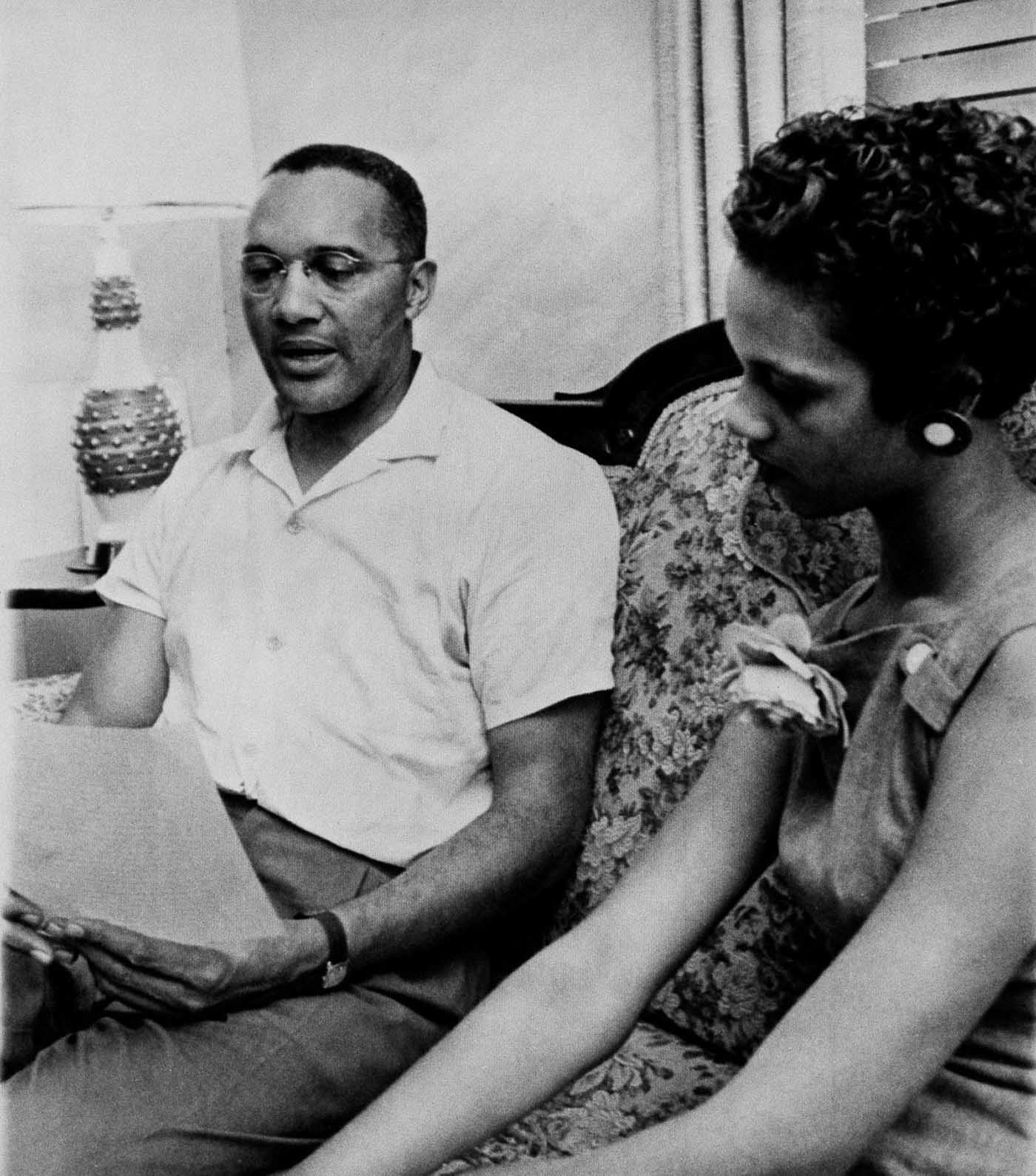
Dorothy Counts — now Dorothy Counts-Scoggins — has spent decades working directly with Charlotte’s youth. Her story is not one of distant history. It is documented in photographs, recorded in press interviews given when she was still a teenager, and carried forward in the work she has done ever since. She walked into one of the most hostile environments imaginable at 15 years old, and she did it with her head held exactly as her father told her to.