Divorce in the early 20th century was rare, legally difficult, and socially damaging. Most states required one spouse to prove the other had done something seriously wrong — adultery, abandonment, or cruelty — before a judge would grant a separation. In the late 1800s, divorce rates sat below one per 1,000 people in most states. By the early 1900s, those numbers began to climb as laws slowly loosened and attitudes toward marriage started to shift.
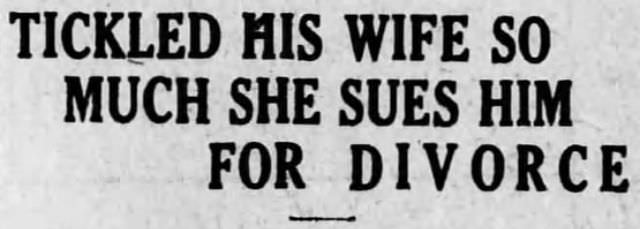
Even as divorce became slightly more accessible, it carried a heavy social price. Divorced men faced judgment, but divorced women bore the worst of it. Society often labeled them as failures, and many struggled to support themselves or their children without a husband’s income. The courtroom was not just a legal arena — it was a public stage where private lives were put on trial.
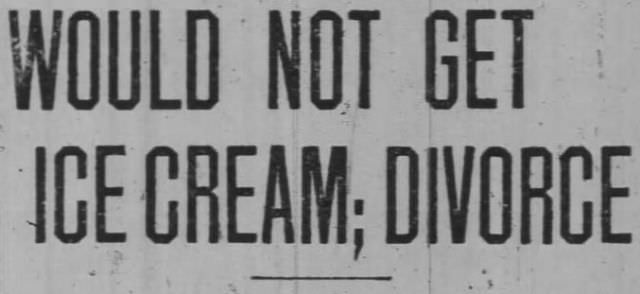
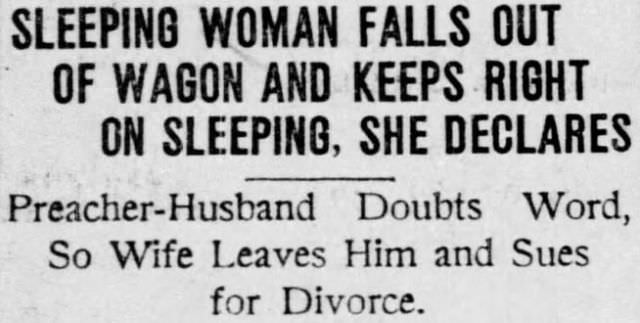
Yet buried inside courthouse records and newspaper columns from this era are divorce cases that read more like comedy sketches than legal proceedings. The reasons some spouses gave for seeking a divorce were, by any measure, extraordinary. Newspapers across the country eagerly printed these stories, and readers couldn’t get enough of them.
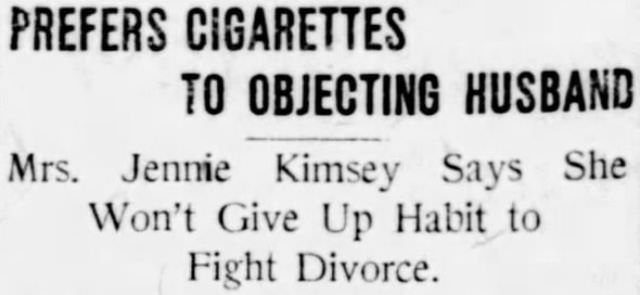
In 1911, a New York woman filed for divorce because her husband refused to stop playing the banjo at night. She told the court that the constant noise was robbing her of sleep and making her physically ill. The husband apparently saw nothing wrong with his late-night performances.
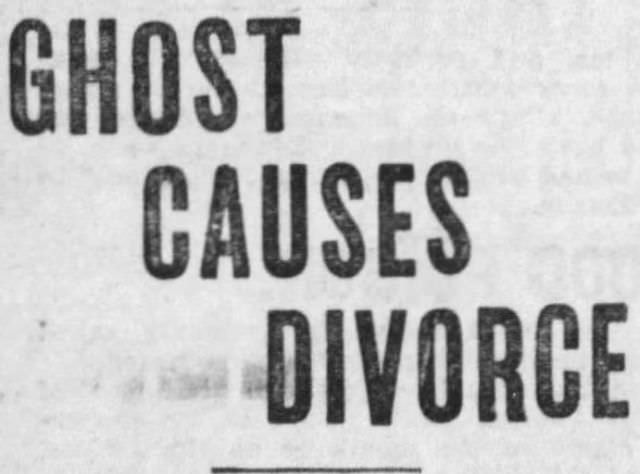
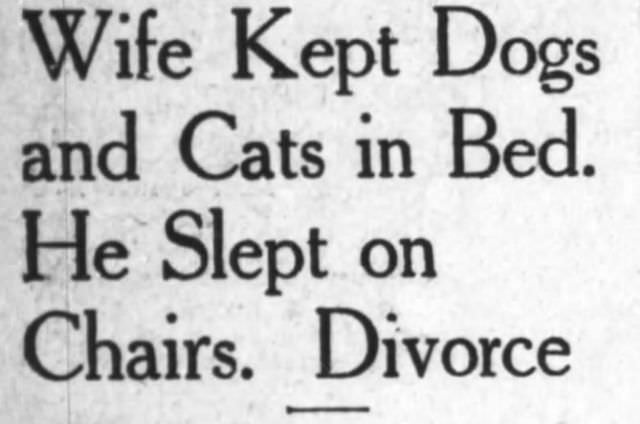
Card games caused their own share of marital wreckage. In 1922, an Indiana man filed for divorce after his wife became consumed by the game of bridge. He argued that she was neglecting her responsibilities as a wife and mother in favor of the card table. The case made headlines across several states.
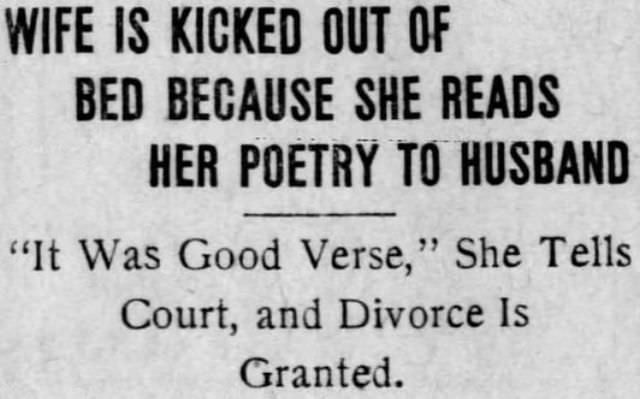
Personal hygiene also found its way into divorce filings. In 1921, a man petitioned for divorce on the grounds that his wife had a repugnant body odor. He told the court he had endured it for years but could no longer stand it. The judge had to take the complaint seriously — this was, after all, a legal proceeding.
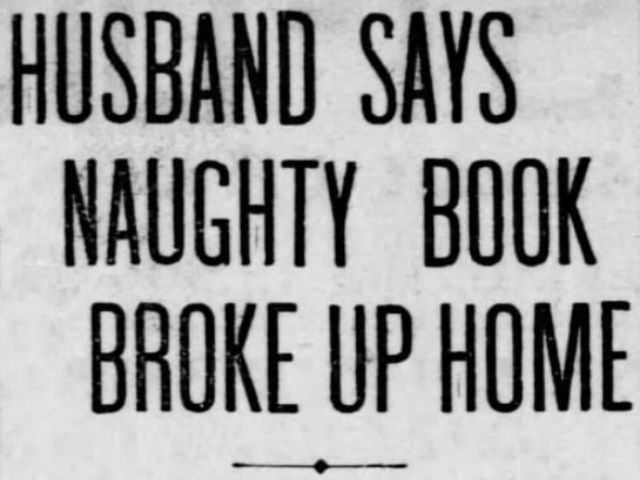
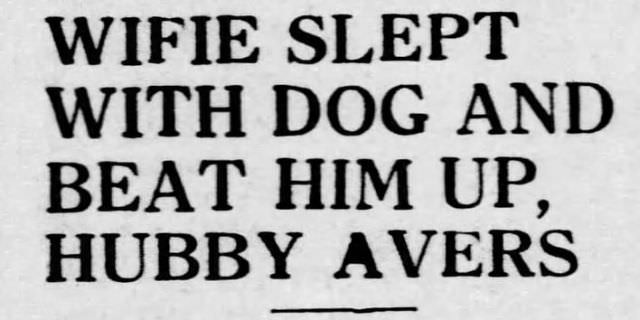
The St. Louis Post-Dispatch was one of the most active newspapers in reporting these unusual cases. Its pages from the late 1900s through the 1910s contain a string of filings that reflect just how wide the definition of marital suffering had become in the eyes of ordinary Americans.
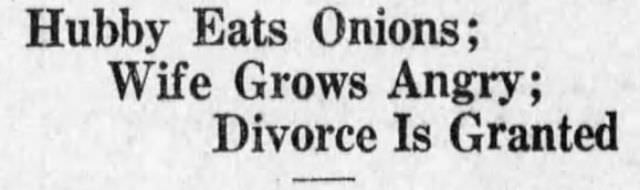
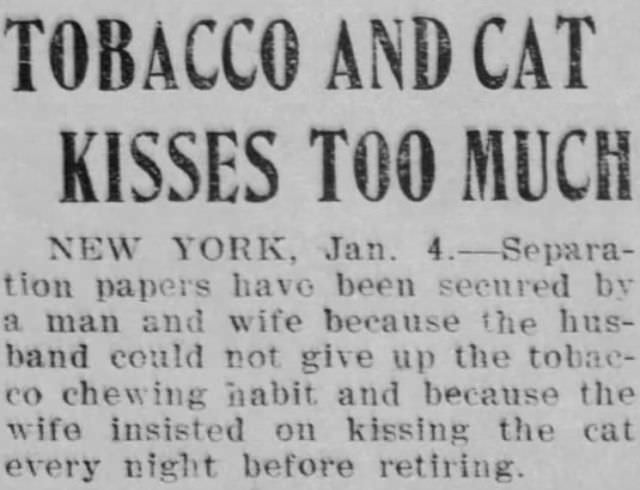
What makes these cases fascinating is not just the reasons themselves, but what they reveal about daily life. A husband who played banjo all night. A wife who chose bridge over housework. These were real people navigating real frustrations inside a legal system that demanded they frame their unhappiness as someone else’s fault.
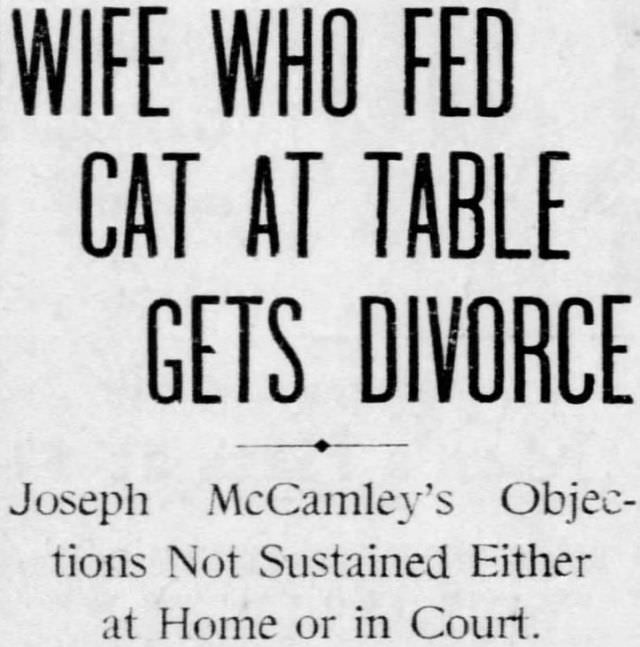
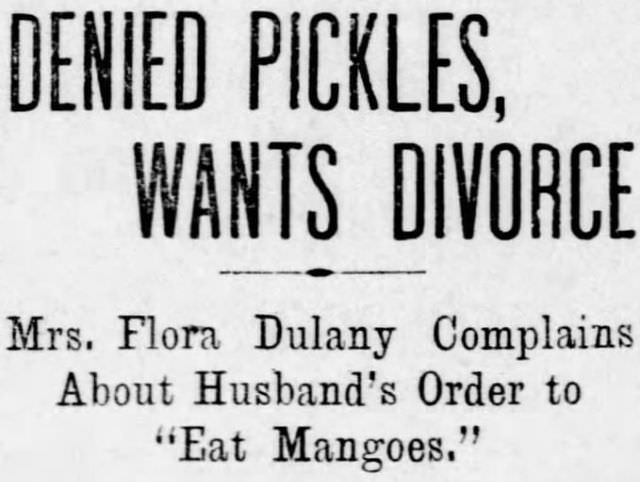
Because most states did not offer no-fault divorce, couples had to invent or exaggerate grievances to meet the legal standard. A habit became cruelty. An annoyance became grounds. Lawyers coached clients on what the law would accept, which is part of why some filings read so dramatically.
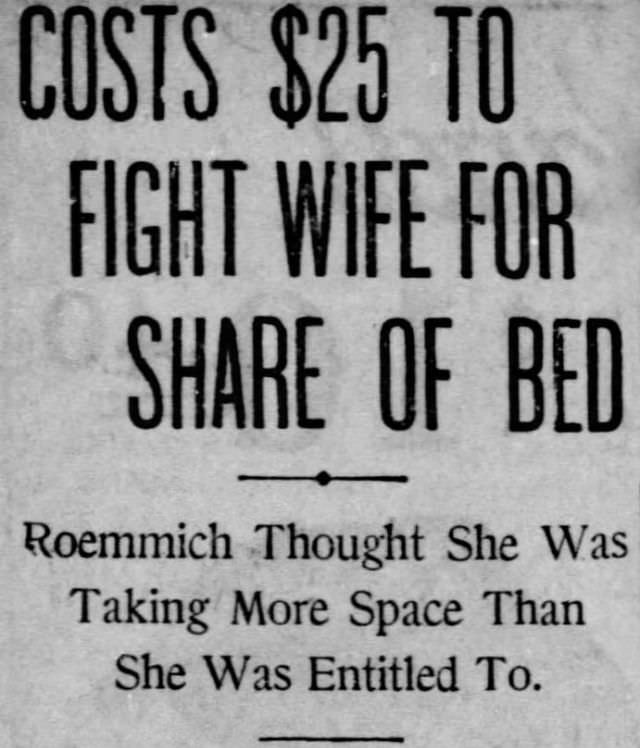
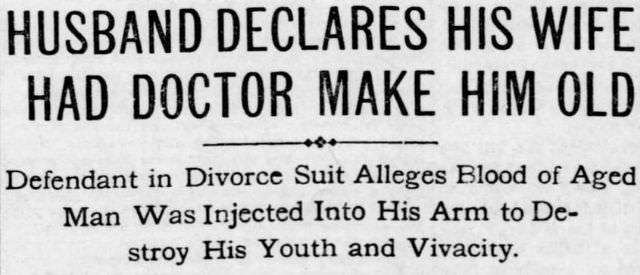
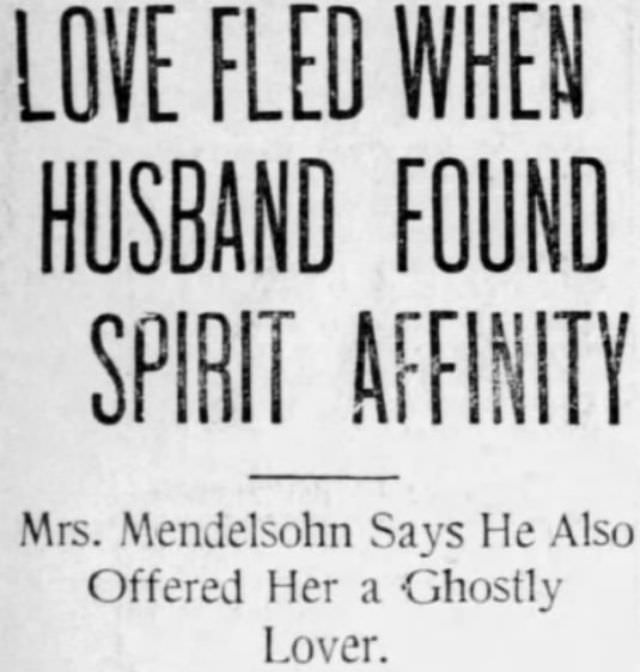
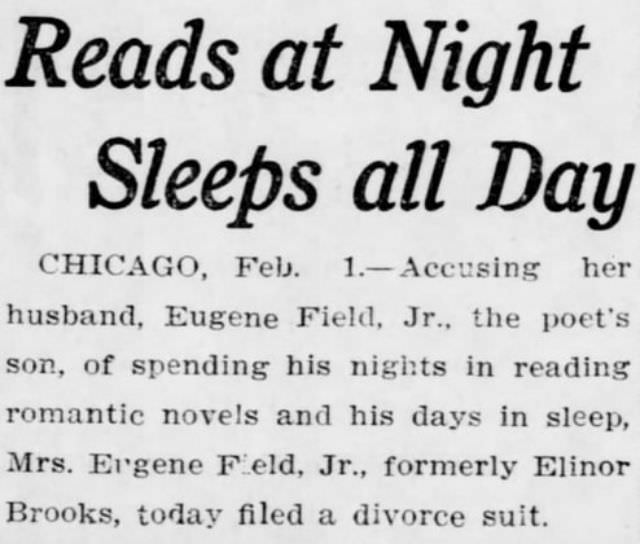
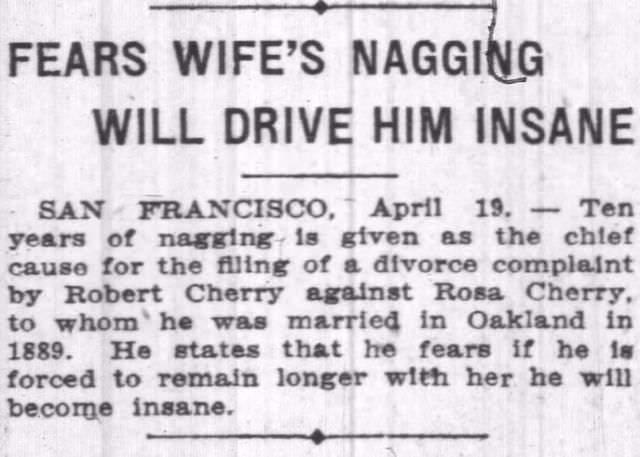
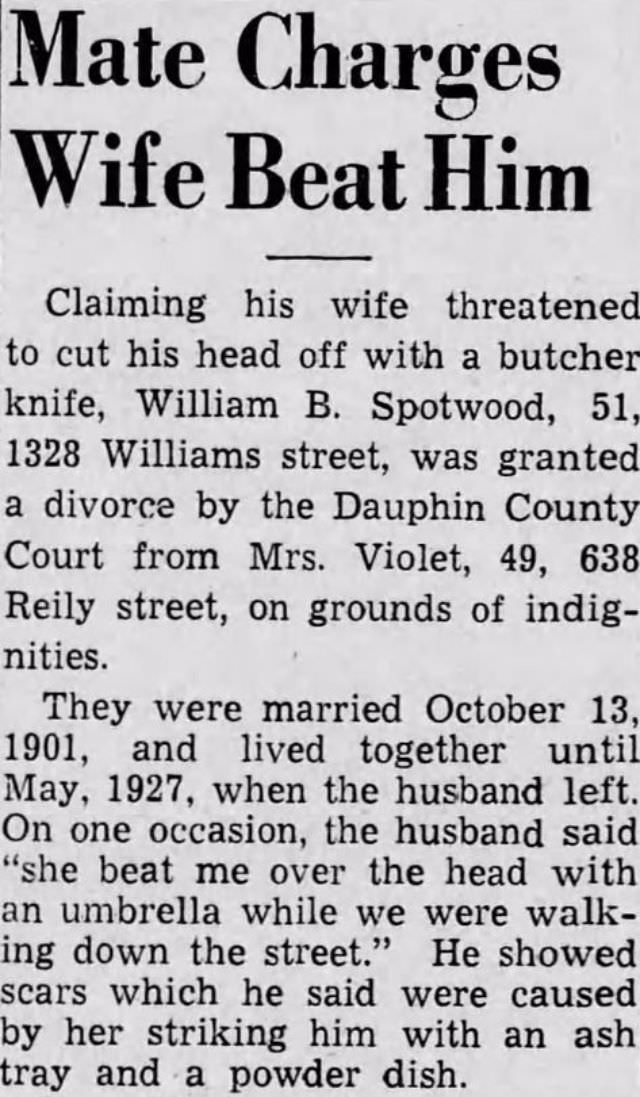
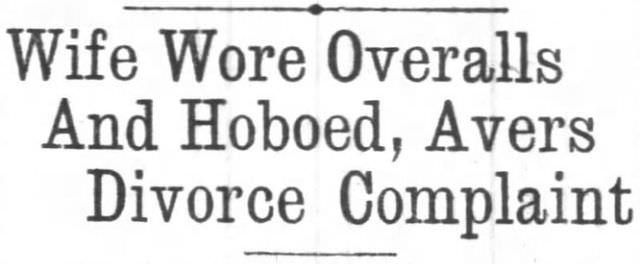
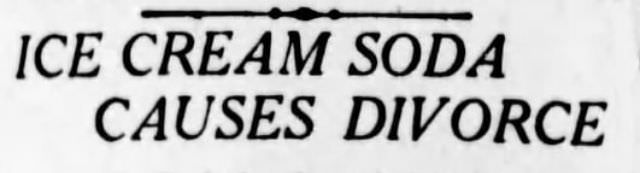
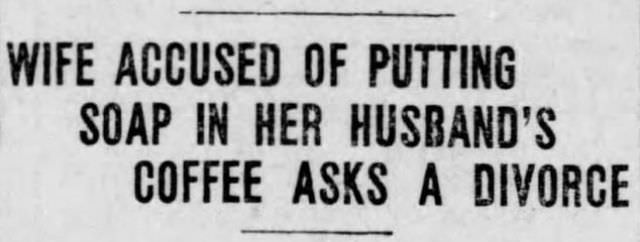
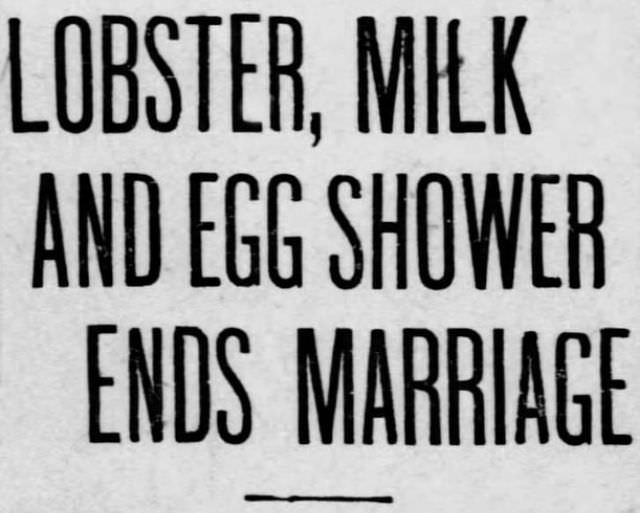
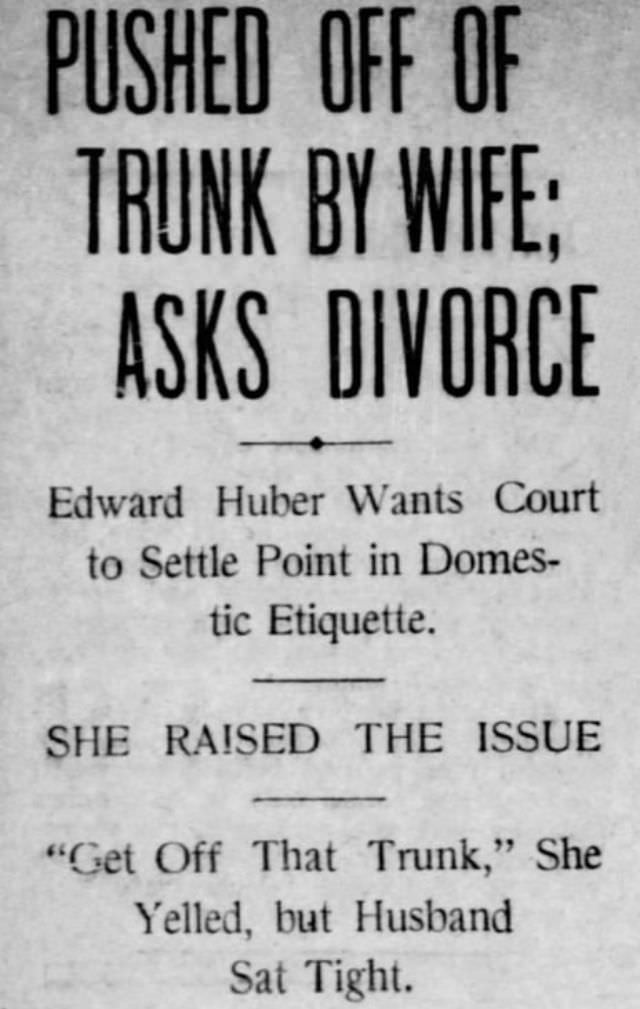
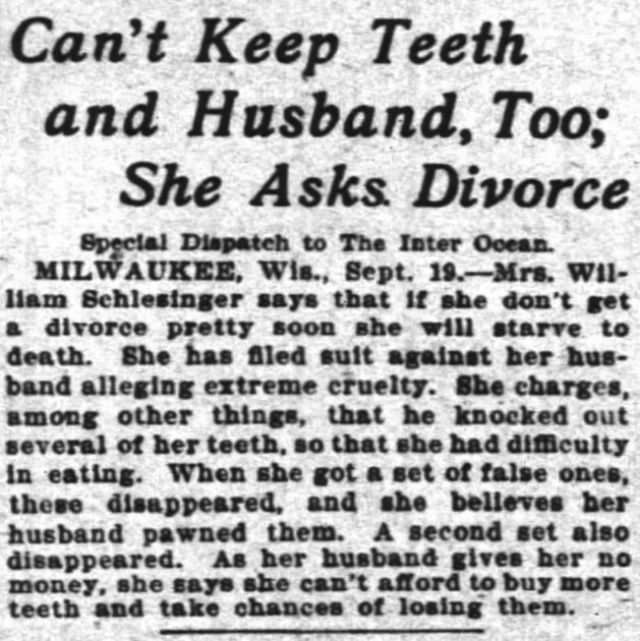
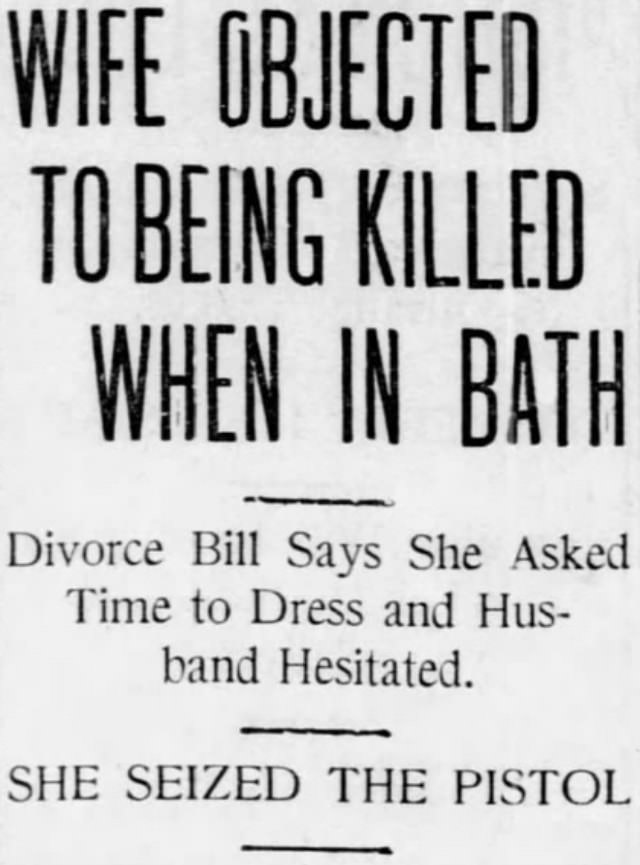
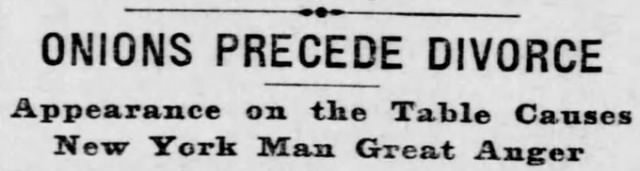
Below is a collection of real divorce cases reported in newspapers from across the United States and Canada during the early 20th century. Each one was filed in an actual court, printed in the press, and debated by the public. They range from the petty to the genuinely painful — a window into how marriages unraveled in an era when walking away was anything but simple.