
In 1939, Adolf Hitler offered nonaggression pacts to several Scandinavian countries. Denmark accepted and signed the treaty, believing it would keep the country out of the coming war. When fighting broke out across Europe, Copenhagen officially declared neutrality. That neutrality meant nothing to Germany.
On the morning of April 9, 1940, German forces crossed into Denmark. The invasion came with a blunt ultimatum: offer no resistance. The Danish government, outgunned and caught off guard, complied. Within hours, one of Europe’s smallest nations was under occupation. For the next five years, around 7,000 Danish lives would be lost before it was over.
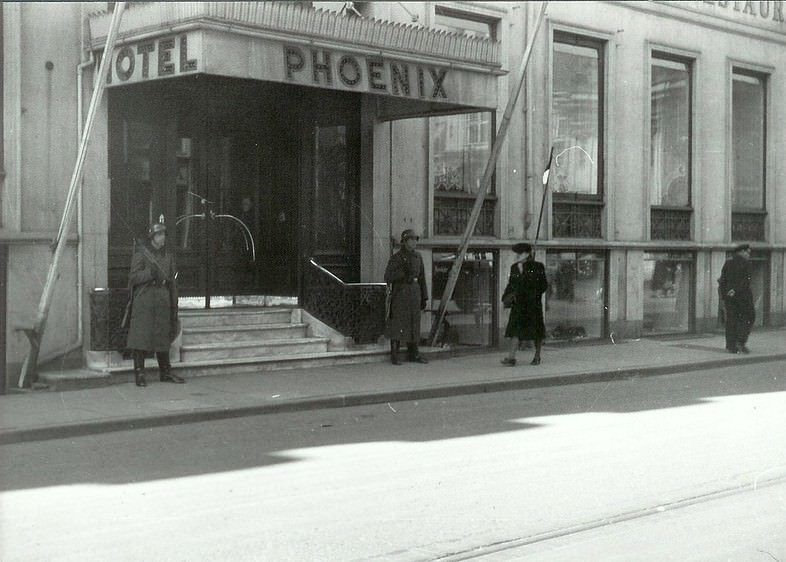
German soldiers quickly made themselves at home in Copenhagen’s streets, hotels, and public buildings. The Hotel Phoenix on Bredgade was converted into the German Marine’s headquarters. Armed guards stood outside civilian landmarks that had, just days earlier, been ordinary parts of city life. For Danes walking past, the sight was a daily reminder of who now controlled their country.
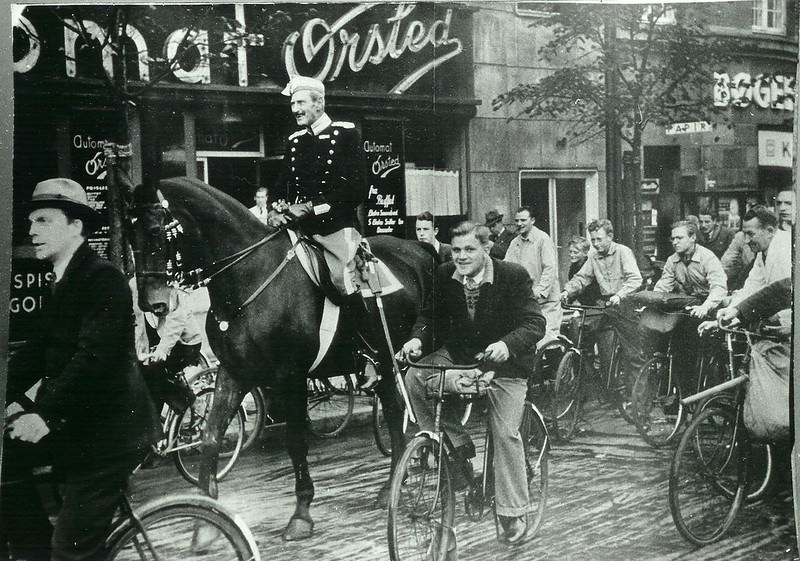
King Christian X remained in Denmark throughout the occupation. He became a quiet symbol of Danish dignity, continuing his daily horseback rides through Copenhagen without a German escort. Ordinary citizens saw his presence in the streets as an act of defiance. He refused to abandon his people even when the pressure from Berlin intensified.
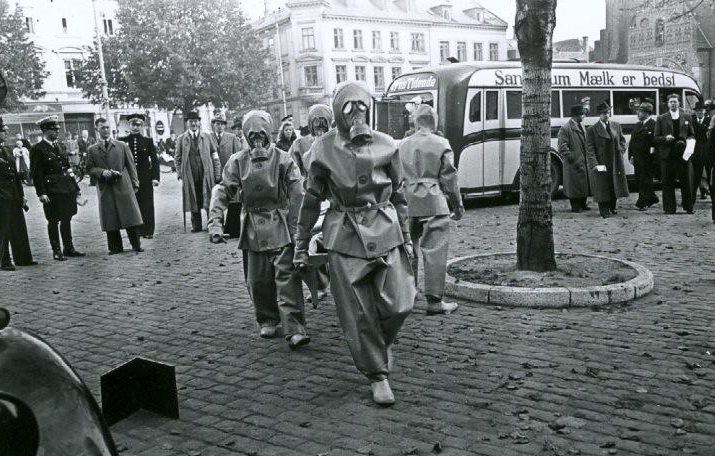
In 1940, Danish cities began running air-raid drills. Residents practiced what to do if bombs fell. These exercises reflected a growing awareness that occupation brought danger far beyond armed soldiers on street corners. The threat could come from the sky as well.
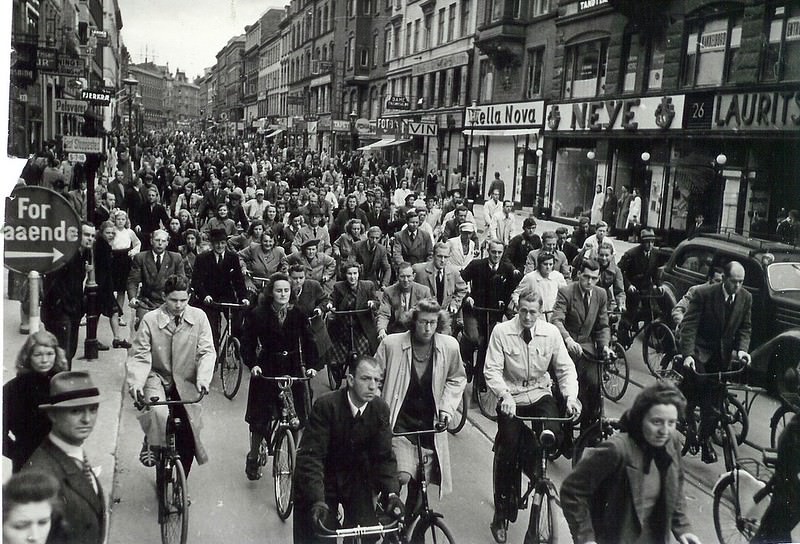
Despite the occupation, daily life pressed forward. With fuel heavily restricted, bicycles became the primary way most Danes got around. Copenhagen’s streets filled with cyclists where cars once dominated. The bike was no longer just a convenience — it was a necessity. This scene played out across Denmark for the entire duration of the war.
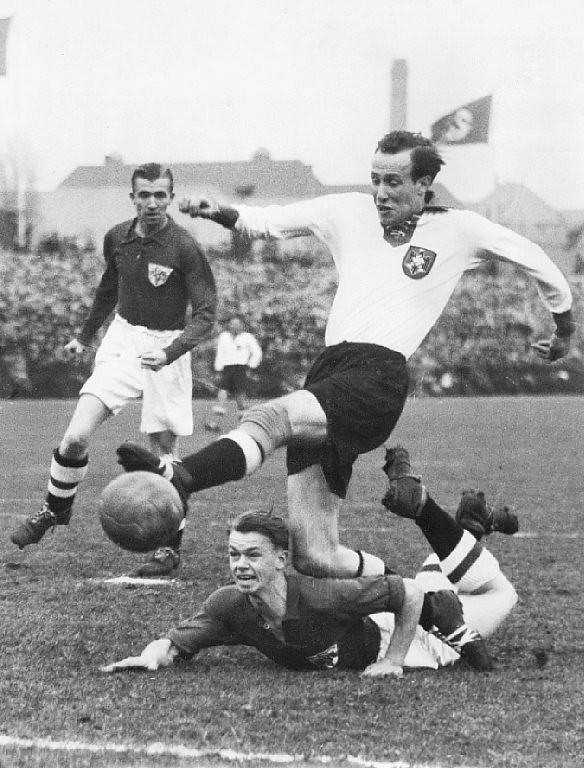
Even sports carried political weight during the occupation. In November 1940, the Danish national soccer team traveled to Hamburg to face Germany. Germany won 1-0. For many Danes, seeing their team compete against the occupying nation was a complicated experience — a reminder that normal life and wartime reality were constantly colliding.
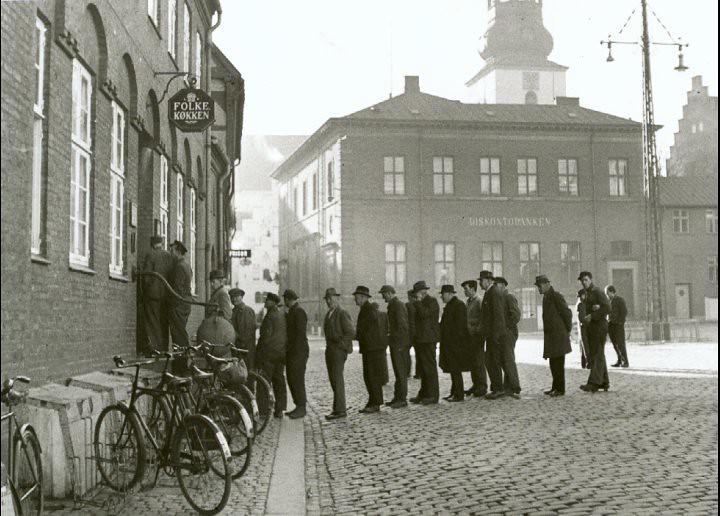
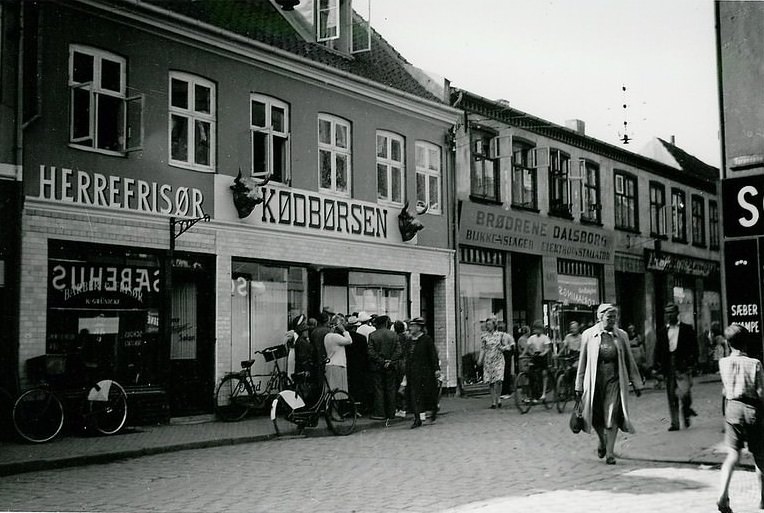
By 1943, shortages had become severe. Long queues formed outside soup kitchens, butcher shops, and banks. Rationing controlled access to meat, cigarettes, and basic goods. The German occupation drained Danish resources, and ordinary families bore the cost in empty shelves and longer waiting lines.
That same year, Germany’s demands on Denmark crossed a line the Danish government refused to accept. Berlin pushed for emergency powers, the death penalty for saboteurs, and a ban on strikes. The Danish government rejected every demand and resigned in August 1943. Germany declared martial law and assumed direct control of the country. The fragile arrangement that had kept some Danish autonomy intact was finished.
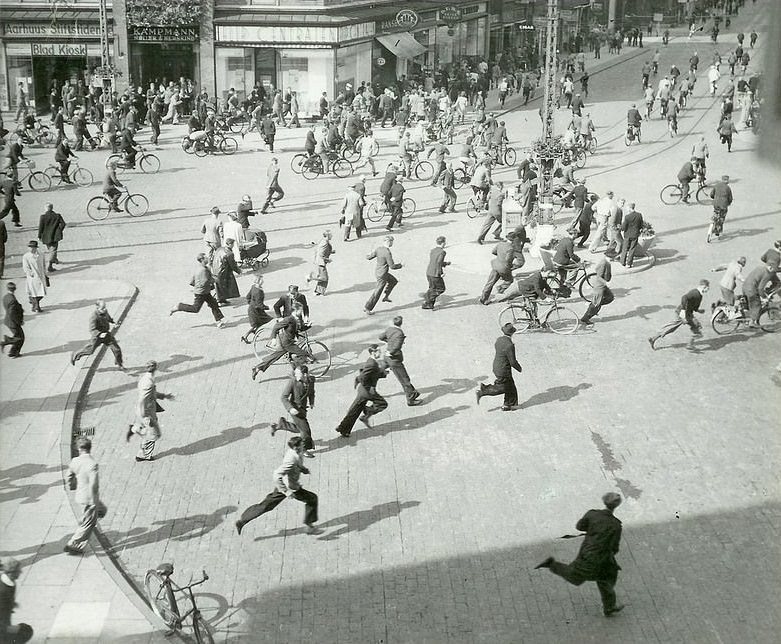
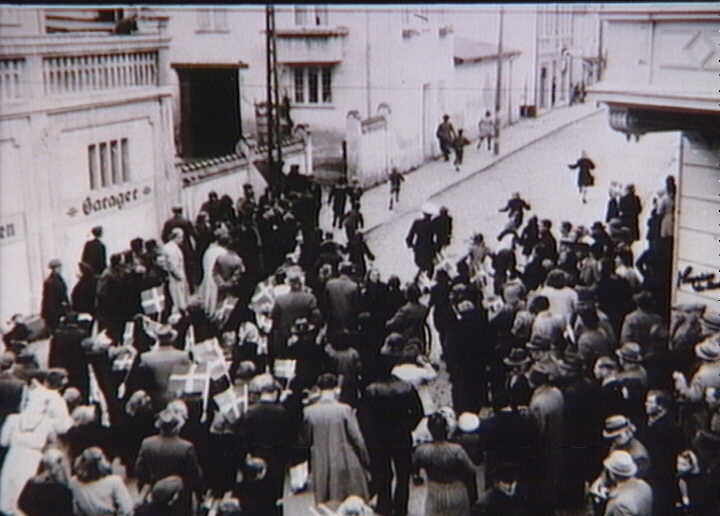
The streets of Aarhus told the story on August 26, 1943. People ran from the central station as German forces moved to enforce martial law. The sense of panic that had been held at bay for three years was now openly visible. Denmark was no longer a partner under duress — it was a fully occupied territory.
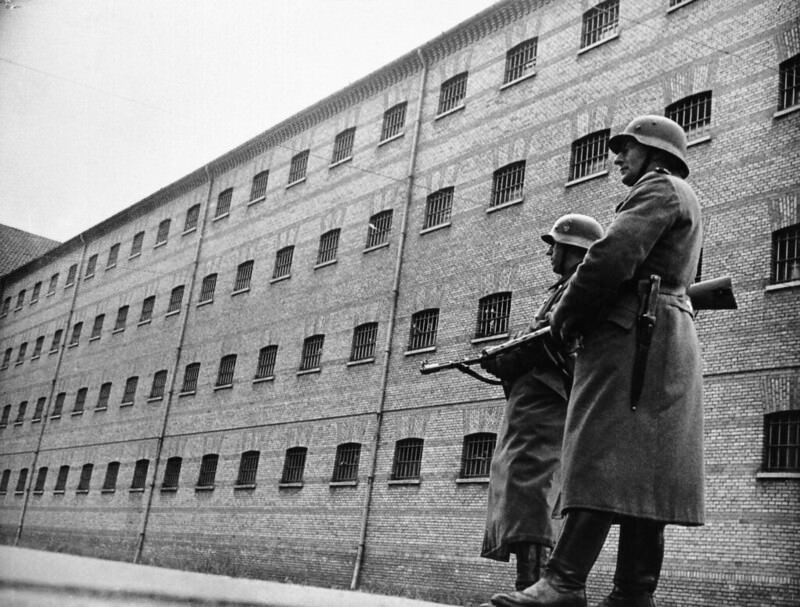
Vestre Fængsel, Copenhagen’s main prison, became a key tool of German control. German guards stationed there held Danish citizens arrested for resistance activities, strikes, and political offenses. Many prisoners were later transferred to concentration camps in Germany.
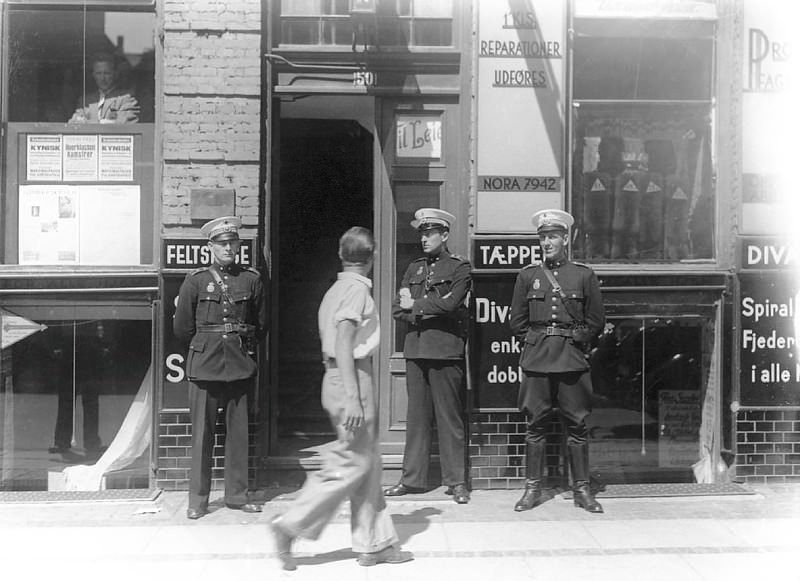
German authorities targeted political organizations they viewed as threats. Danish communists were among the first to face crackdowns. Police officers were photographed outside the Communist Party’s Copenhagen headquarters at Griffenfeldtsgade 50, a visible sign of how political life was policed under the occupation.
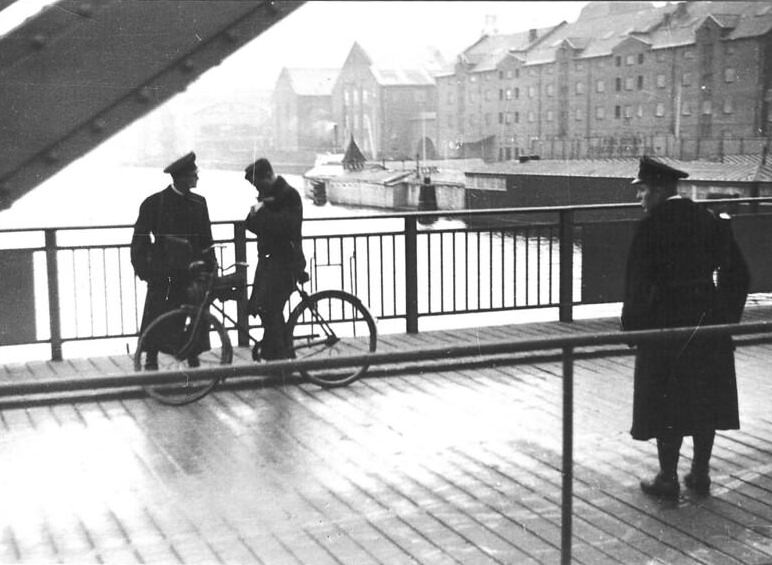
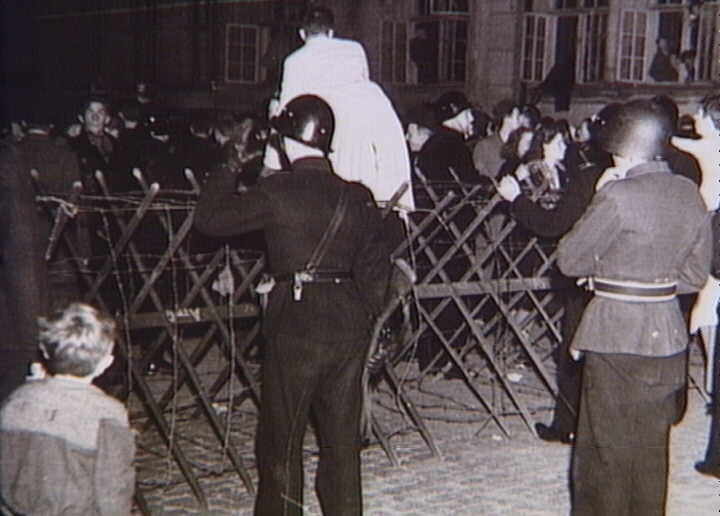
The HIPO corps — Danish collaborators who worked alongside the Gestapo — became one of the most despised groups in the country. They operated checkpoints, inspected identity cards, and carried out arrests. Crossing a bridge in Copenhagen meant stopping for HIPO officers who answered to Germany, not to Denmark.
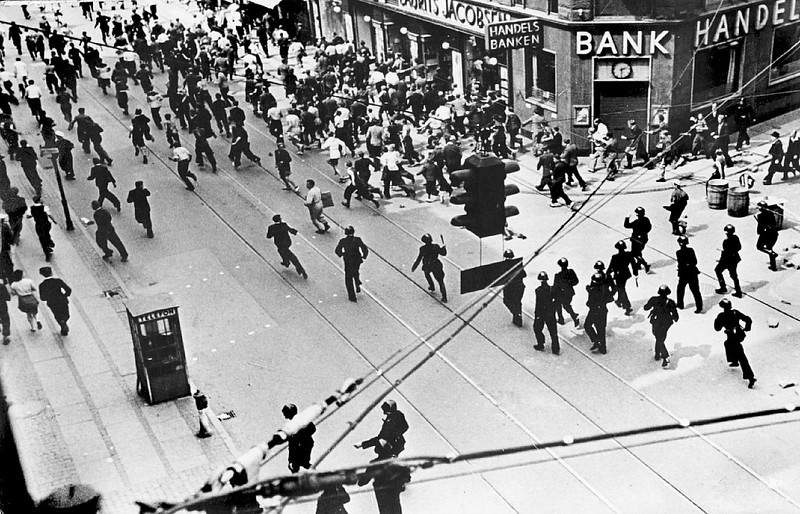
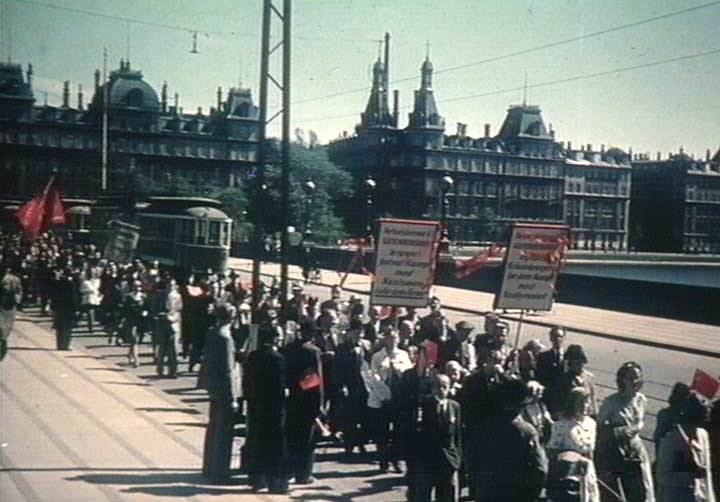
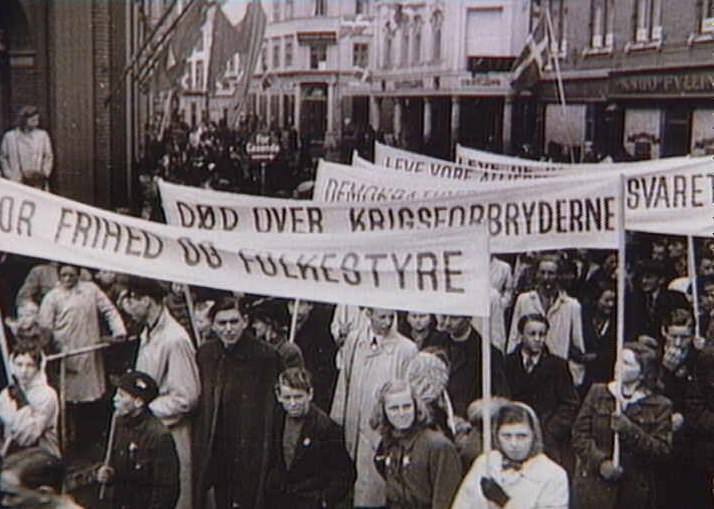
Danish workers launched a major general strike in the summer of 1944. Thousands walked off the job in Copenhagen. Police were deployed to clear Nørrebrogade and restore order. The strike was a direct act of defiance against German rule, and it forced German authorities to negotiate rather than simply crack down. It was one of the most significant acts of civilian resistance during the occupation.
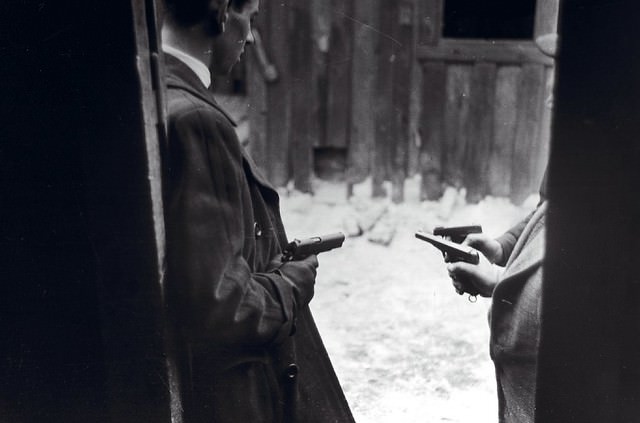
While strikes disrupted the German war machine from the inside, armed saboteurs struck from the shadows. Resistance fighters — many of them ordinary workers, students, and professionals — targeted factories, rail lines, and German facilities. By 1945, sabotage operations had grown bolder and more frequent.
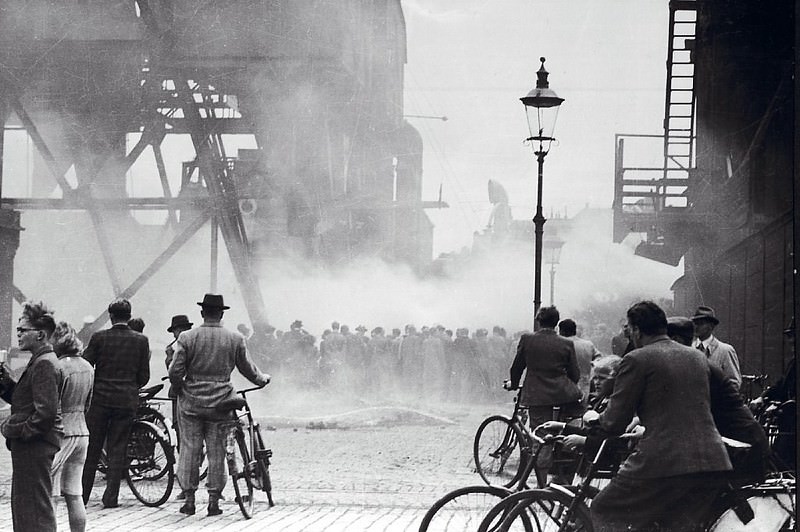
On March 27, 1945, Copenhageners gathered to look at Langebro bridge after a sabotage attack. Crowds formed on the street, staring at the damage. These moments became part of the city’s lived experience — every act of sabotage was a public statement, and people came out to witness the results.
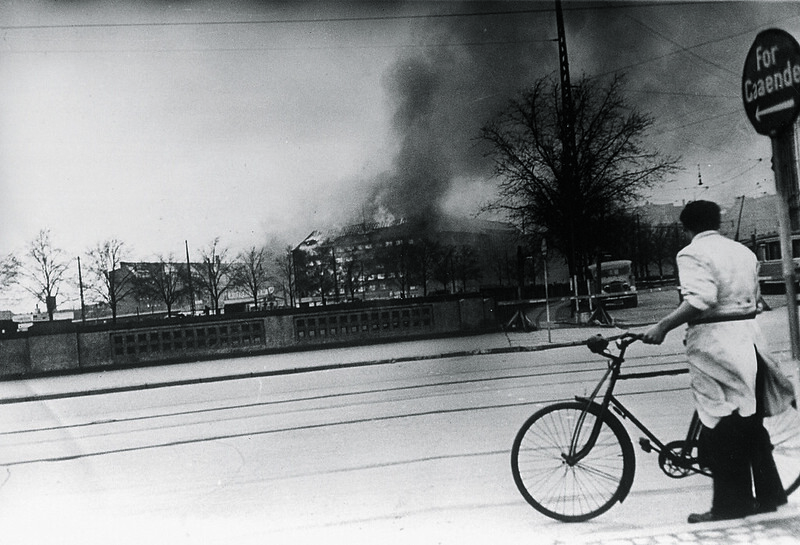
The RAF also struck directly at German operations in Denmark. On March 21, 1945, British aircraft attacked the Shellhouse in Copenhagen — the Gestapo’s headquarters. The raid killed Gestapo personnel and destroyed records, though bombs also hit a nearby school. A lone cyclist was photographed looking at the building still burning after the attack.
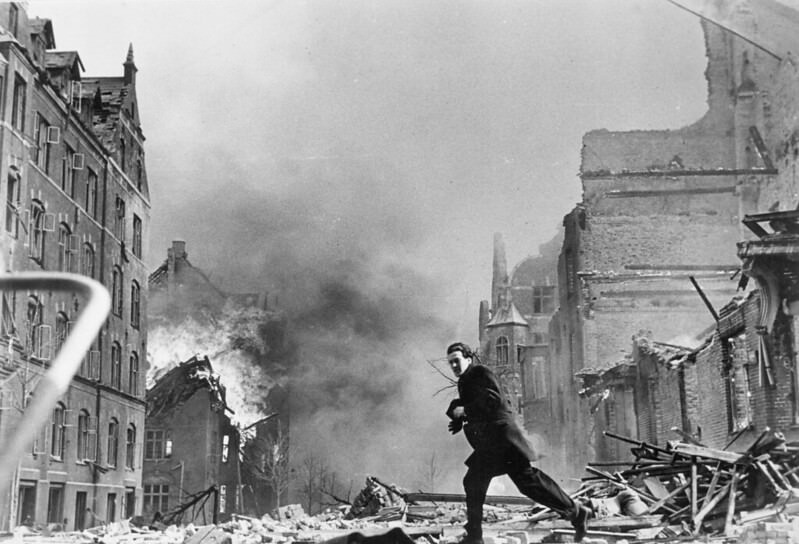
The Jeanne d’Arc School on Maglekildevej in Frederiksberg caught fire on March 21, 1945, struck during the RAF raid on the Shellhouse. The attack’s precision had limits, and civilians paid the price. It was one of the darkest moments of the resistance period — an operation aimed at freeing Danish prisoners that also claimed innocent lives.
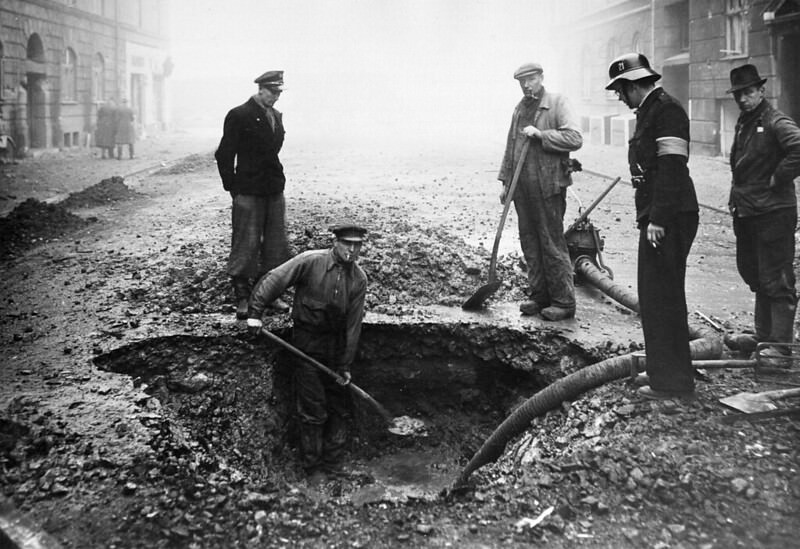
The Burmeister & Wain shipyard, known as B&W, was another RAF target. The yard had been forced to produce equipment for the German war effort. A bomb crater at Njalsgade showed the scale of the strike. Each attack on Danish industry under German control was calculated to slow the occupation’s grip on the country’s resources.
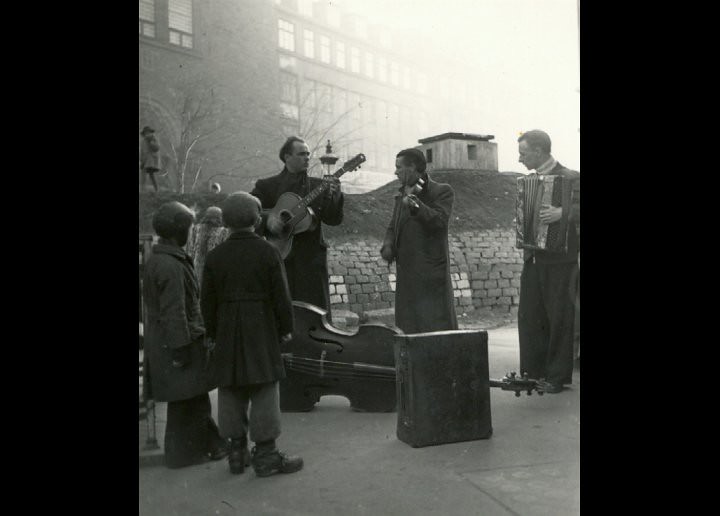
Even in March 1945, with the war grinding toward its end and sabotage operations intensifying, musicians played in the streets of Vesterbro. Life did not stop completely. People went out, gathered, and found moments of normalcy amid occupation. These small acts of ordinary living were their own form of resistance.
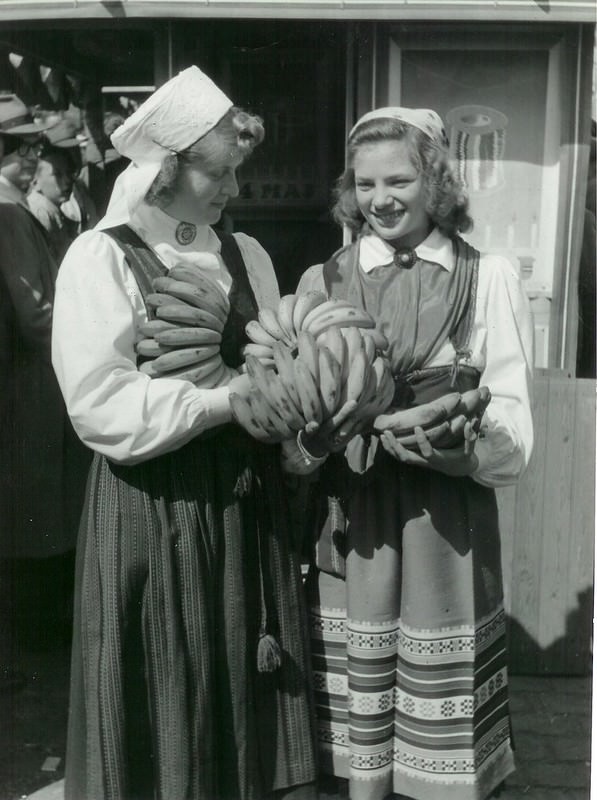
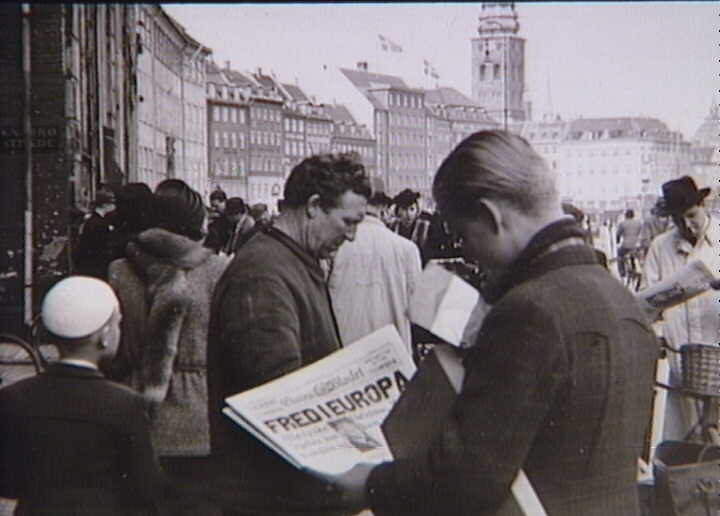
On the evening of May 4, 1945, BBC Radio broadcast the news that German forces in Denmark, the Netherlands, and northwestern Germany had surrendered. Across Denmark, people lit candles in their windows. The occupation was over. What followed in the streets was unlike anything the country had seen in five years.
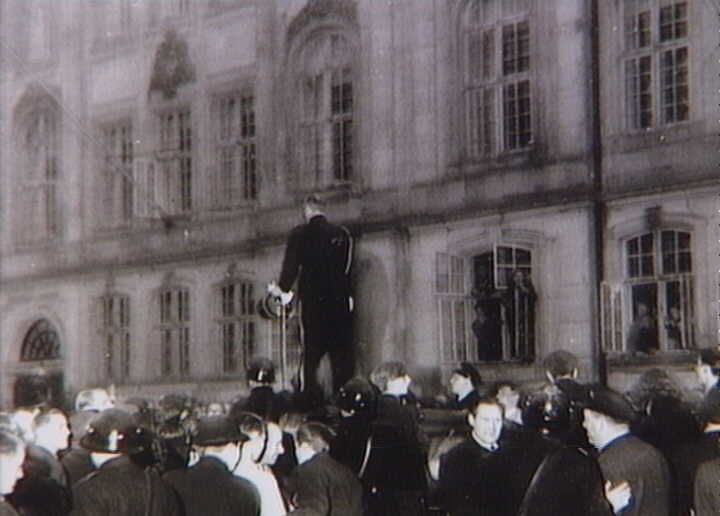
Crowds surged toward Amalienborg Palace on the night of May 4, desperate to see King Christian X. The king’s aide-de-camp, Captain Henningsen, stepped outside to address the gathered people and inform them that the king had already gone to bed. The crowd stayed anyway. After five years of occupation, no one wanted to go home.
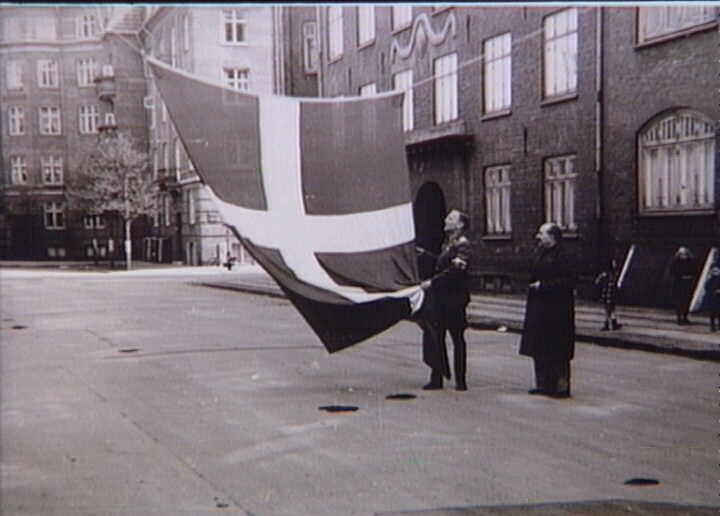
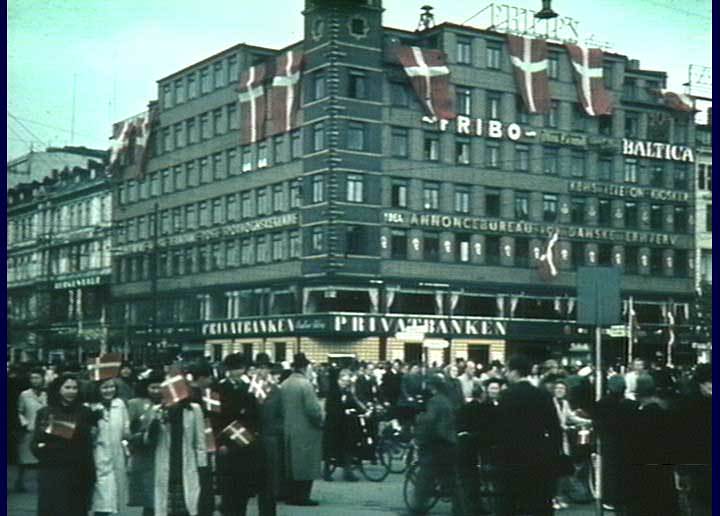
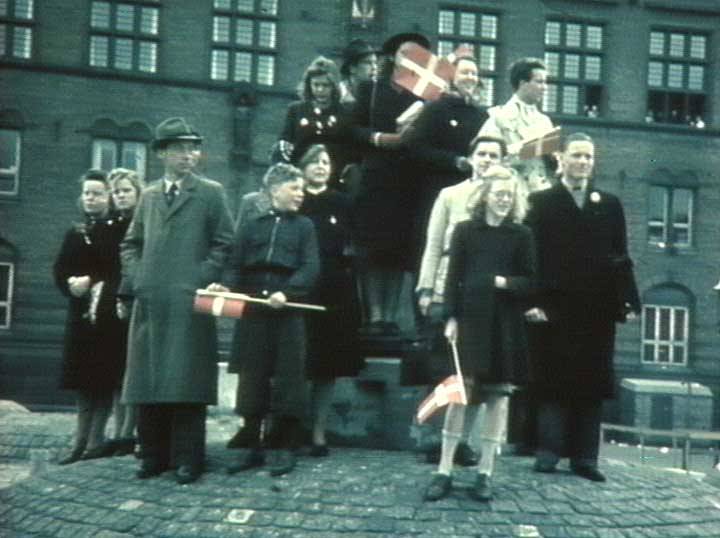
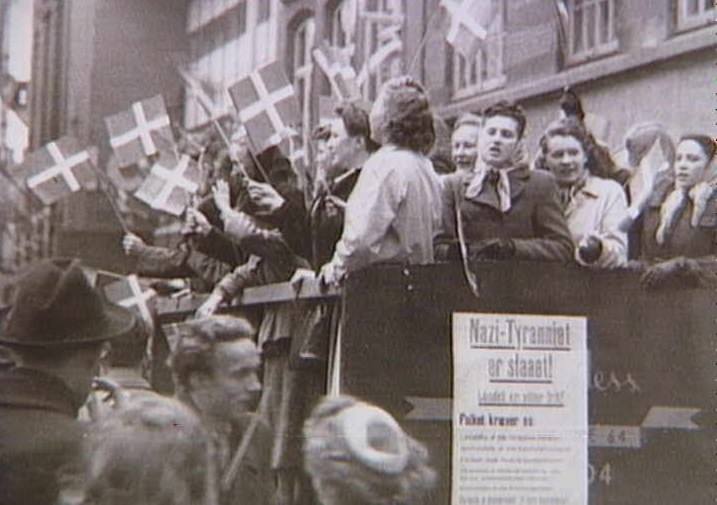
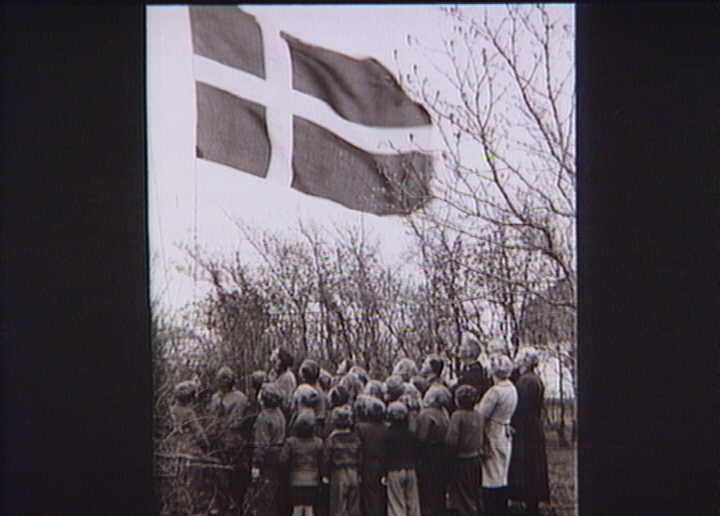
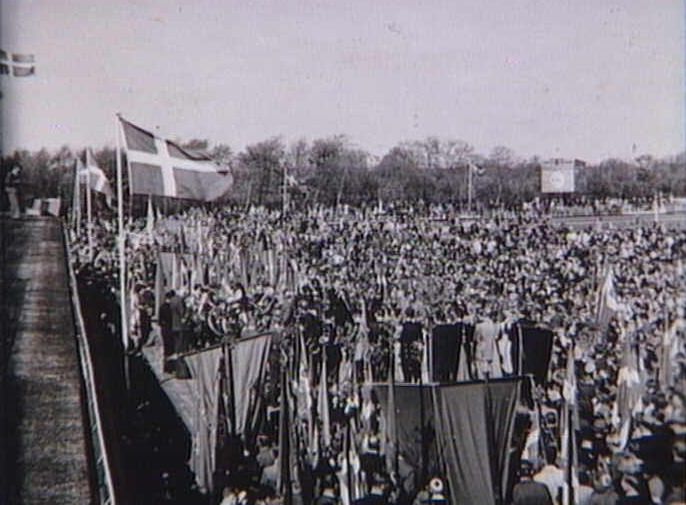
May 5, 1945 was the day German troops in Denmark formally surrendered to British forces. The Dannebrog — the Danish national flag — appeared everywhere. Flags hung from windows, were carried through streets, and waved from every public square. The red and white became the color of liberation.
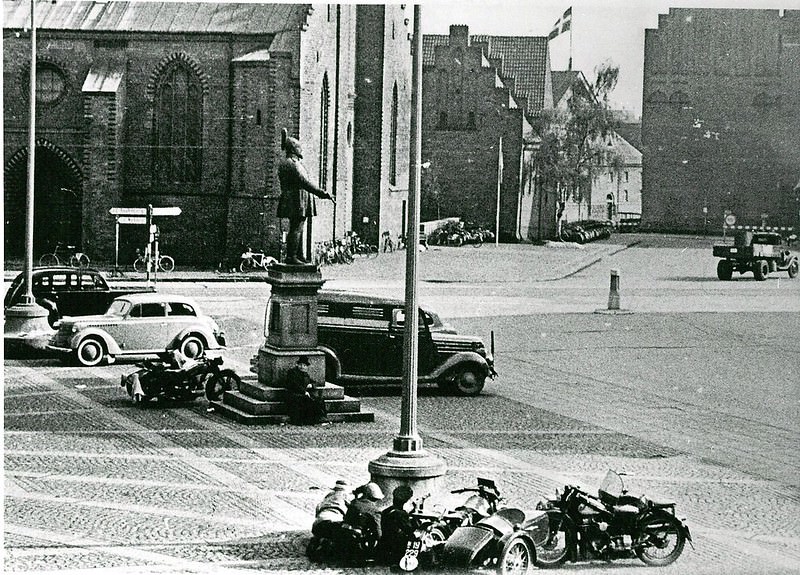
Liberation did not come without final violence. At Flakhaven in Odense on May 5, resistance fighters engaged German soldiers in open combat. Not all German units stood down immediately. These last clashes cost lives on the final day of occupation, even as the rest of the country celebrated.
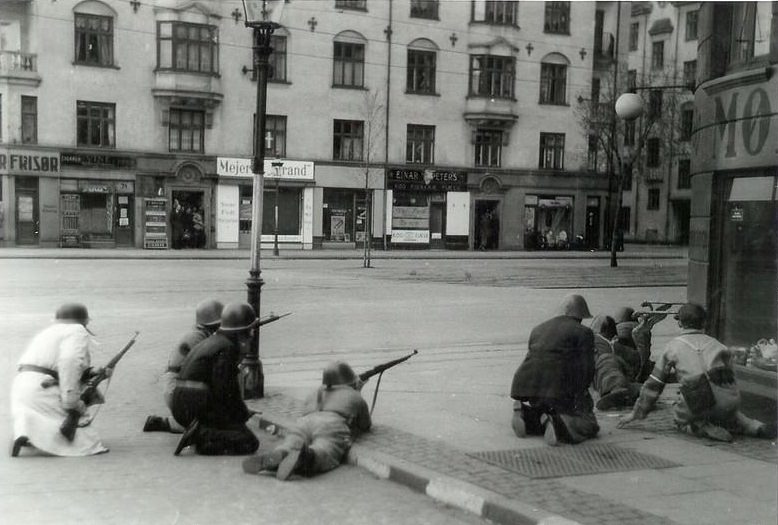
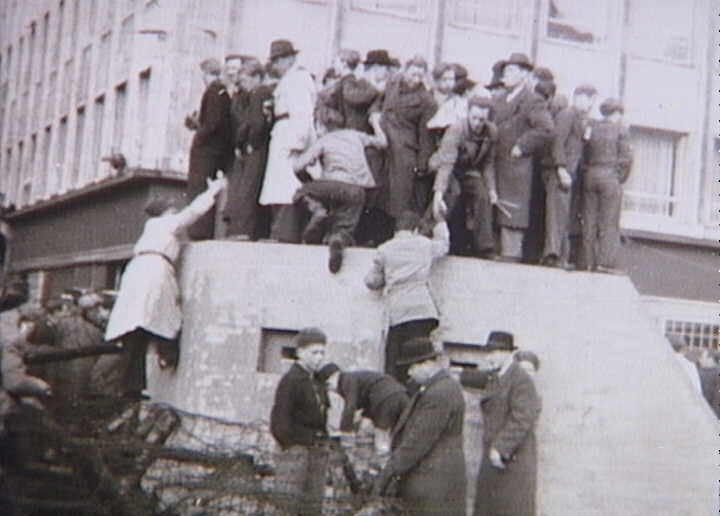
Freedom fighters emerged from hiding across Copenhagen on May 5. Armed men who had operated in secret for years now stood openly in the streets, wearing armbands and carrying weapons. They moved through neighborhoods, disarming collaborators and establishing order before Allied forces arrived in force.
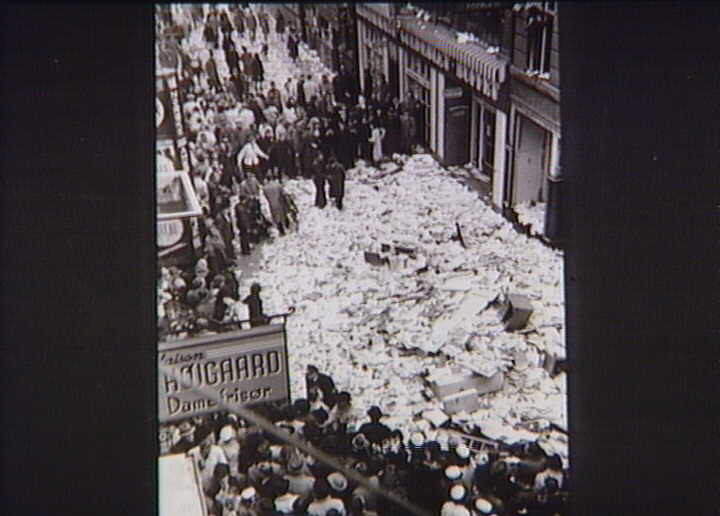
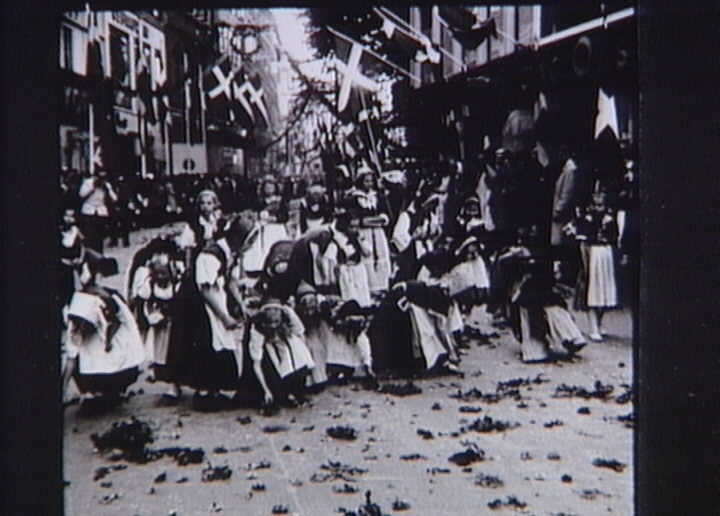
On the same day, crowds targeted symbols of the occupation. Books and papers from the German bookshop on Frederiksberggade were pulled out and scattered in the street. The German presence had reached into culture and commerce, and Danes wasted no time dismantling it.
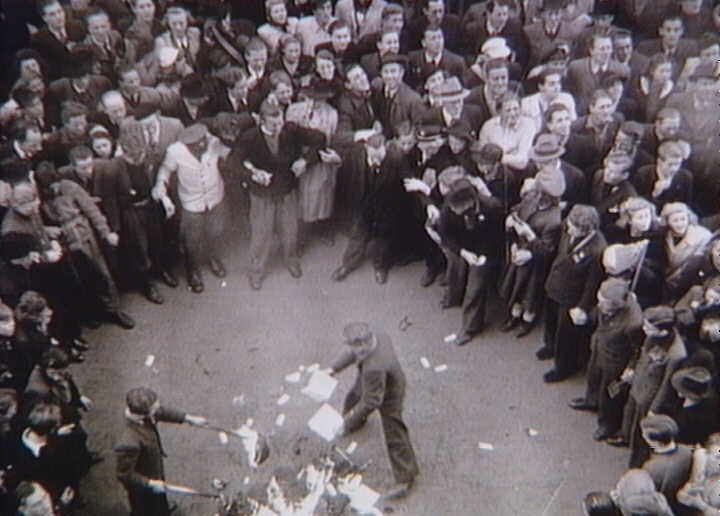
On May 6, crowds gathered outside Dagmarhus — the building that had served as Germany’s administrative headquarters throughout the occupation. People pulled documents from the building and burned them in the street. It was a public destruction of the occupation’s paperwork, a physical ending to five years of German administration.
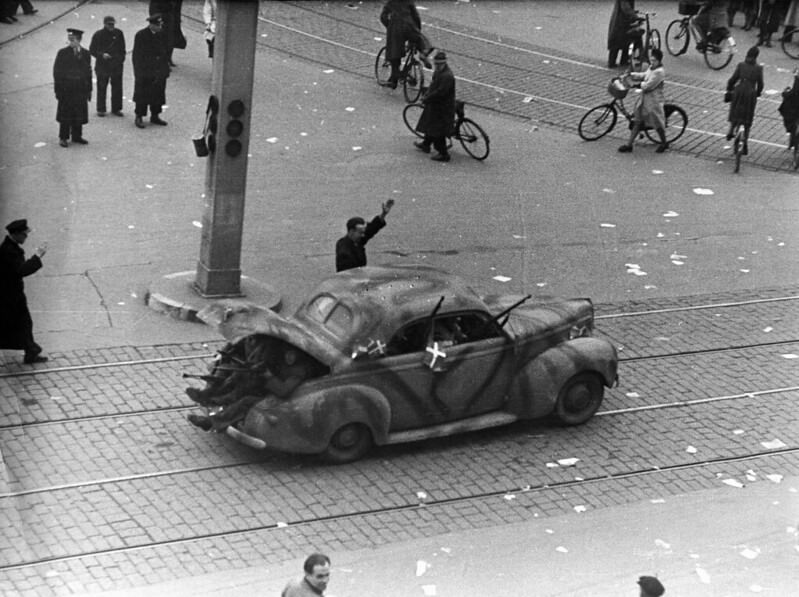
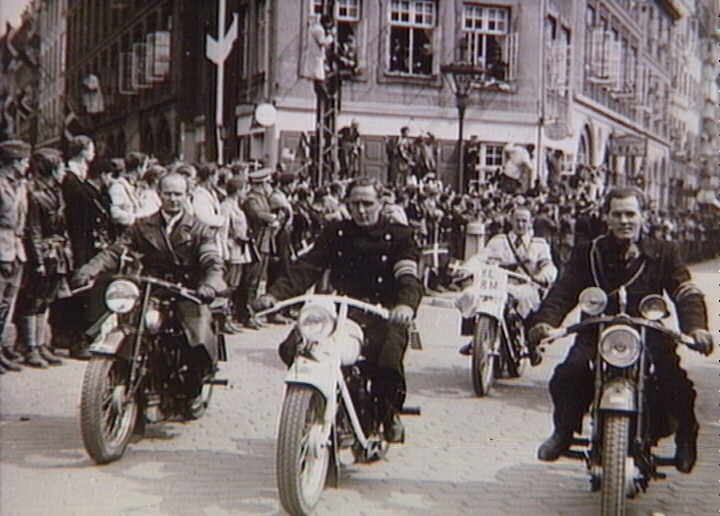
Freedom fighters drove captured German vehicles through Rådhuspladsen — Copenhagen’s central square — to the cheers of thousands. The square had been a place of German parades and checkpoints. Now it belonged to the Danes again, and the men who had fought in secret were driving through it in plain sight.
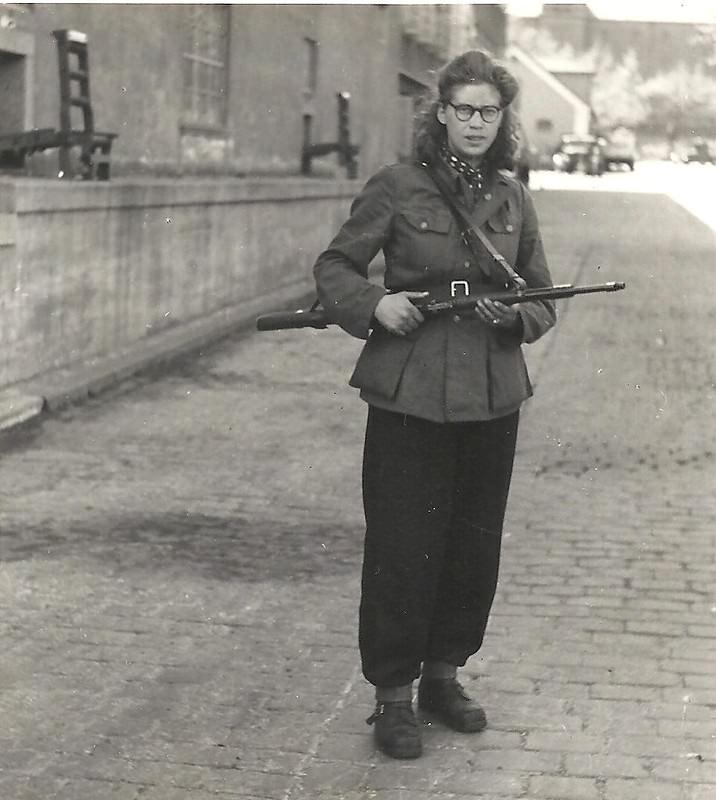
Women played active roles in the resistance. A female freedom fighter was photographed holding a rifle at the Carlsberg Breweries in May 1945. The brewery had been a site of resistance activity, and women had served as couriers, organizers, and armed fighters throughout the occupation.
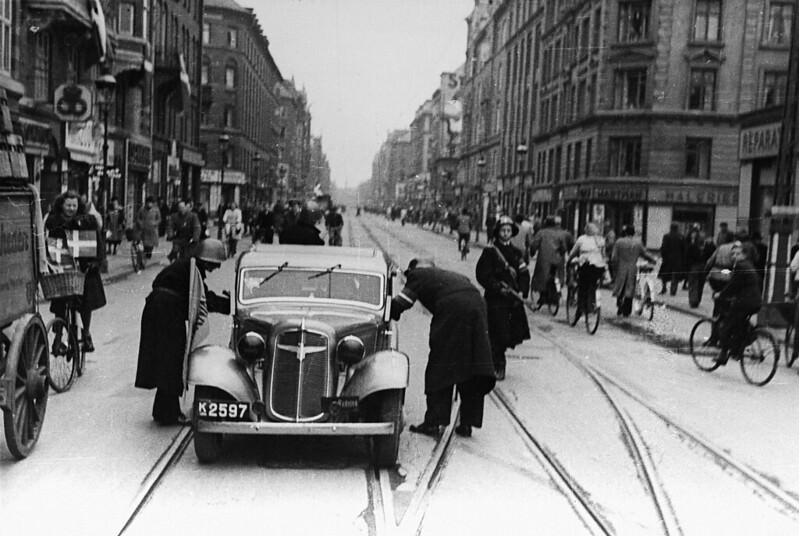
On Nørrebrogade — the same street where police had cleared striking workers just a year earlier — freedom fighters now ran their own checkpoints. They stopped and inspected cars, looking for fleeing collaborators and German personnel. The roles had completely reversed.
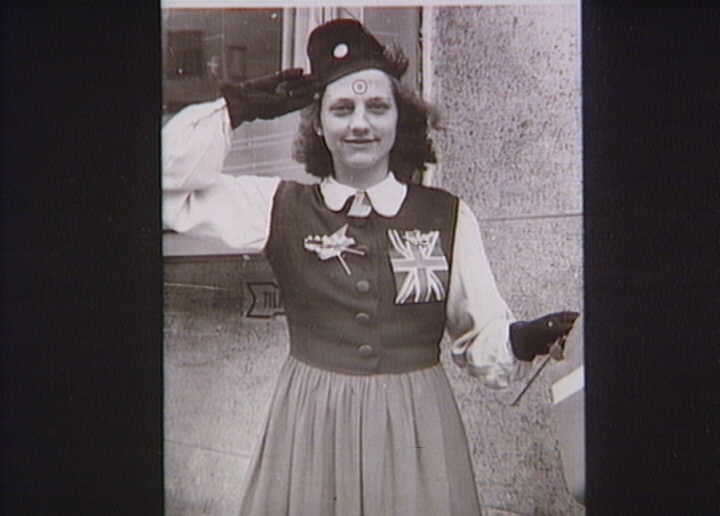
On May 5, a woman was photographed wearing RAF badges alongside the Danish flag. The British Royal Air Force had carried out several key strikes against German operations in Denmark, and Danes felt deep gratitude toward Britain. Wearing RAF insignia that day was a way of honoring an ally.
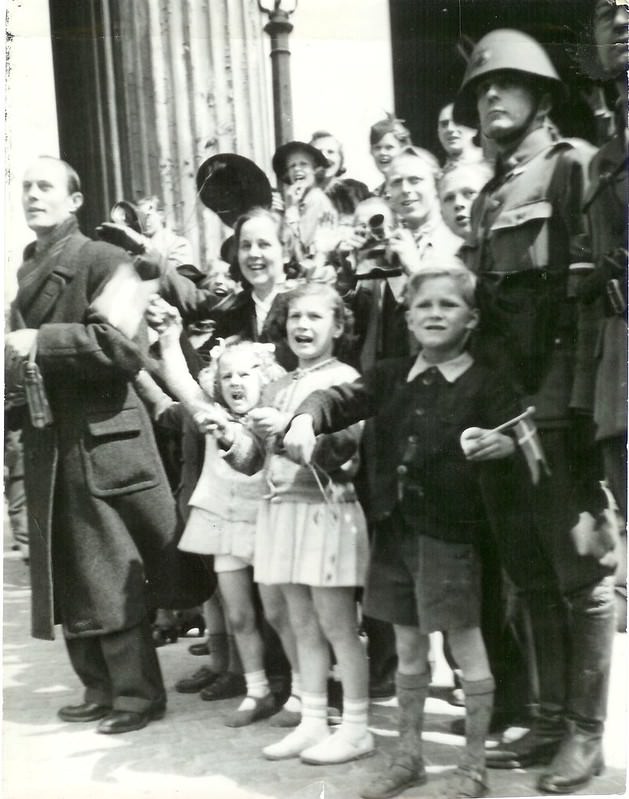
Outside Vor Frue Kirke — the Church of Our Lady in Copenhagen — crowds gathered with flags raised. Churches became gathering points for communities processing both grief and relief. Five years of occupation had ended, and people filled the streets around the city’s most recognizable buildings to mark the moment together.
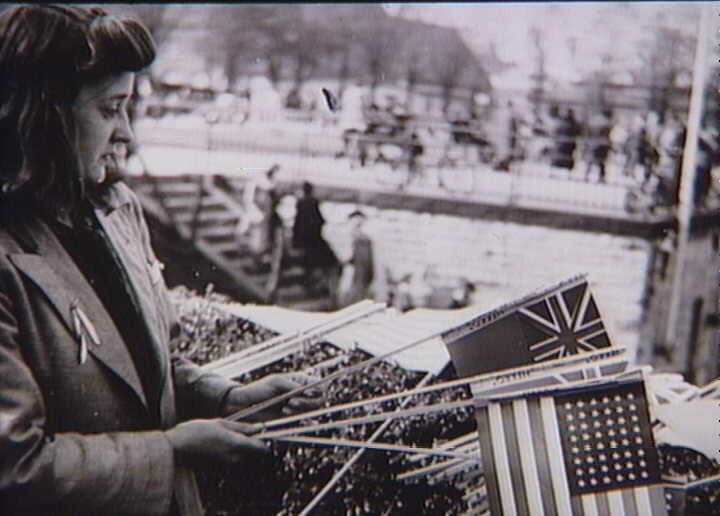
Along Langelinje, a woman sold Danish flags to passersby in May 1945. The demand was immediate and enormous. Every person who bought a flag and carried it through the streets was participating in the same collective act — reclaiming Danish identity after five years of suppression.
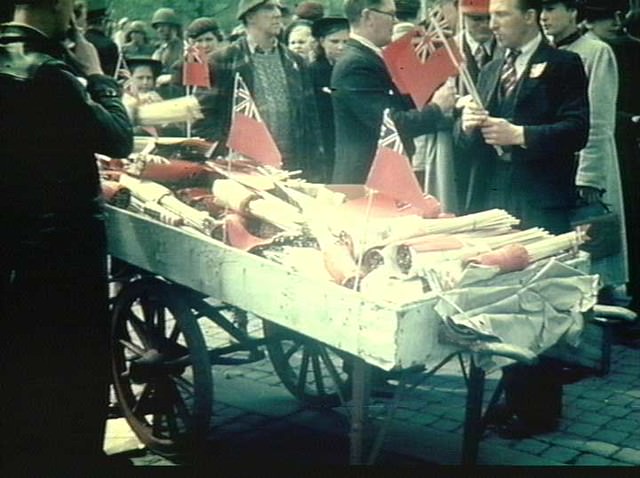
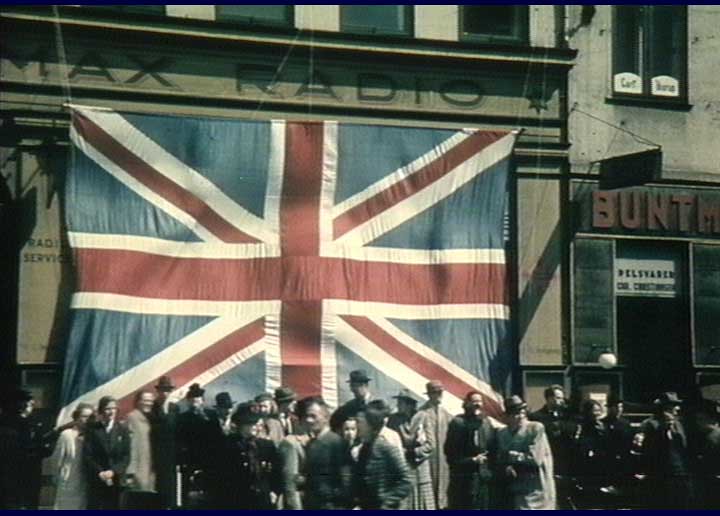
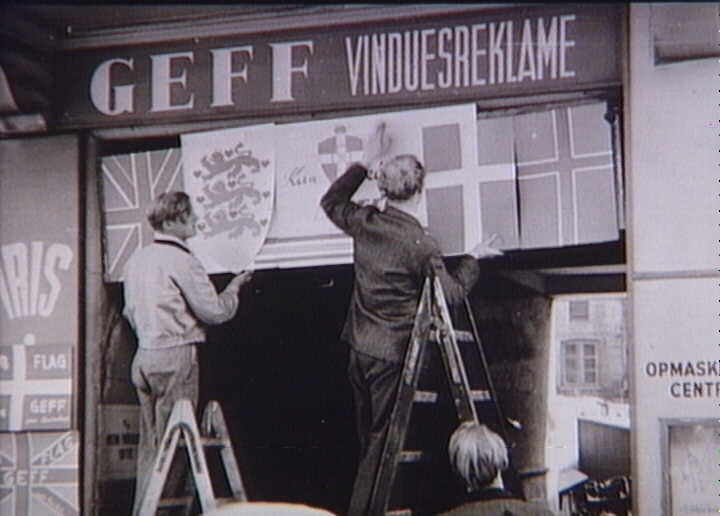
British flags also filled Copenhagen’s streets in May 1945. Vendors pushed barrows loaded with Union Jacks. German troops in Denmark surrendered formally to British forces on May 5, and the connection between Danish liberation and British military action was recognized openly and enthusiastically.
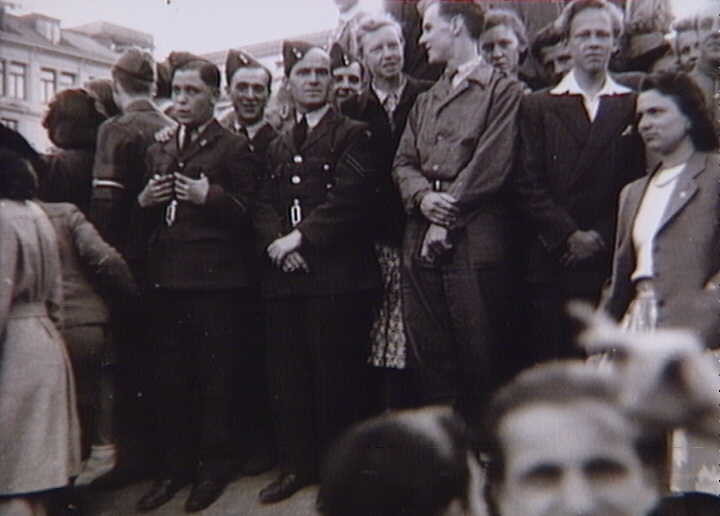
Copenhagen’s central square filled with people throughout May 1945. The celebrations were not a single day’s event — they stretched across weeks as the reality of liberation settled in, Allied soldiers arrived, and Danes slowly rebuilt a sense of what peacetime looked like.
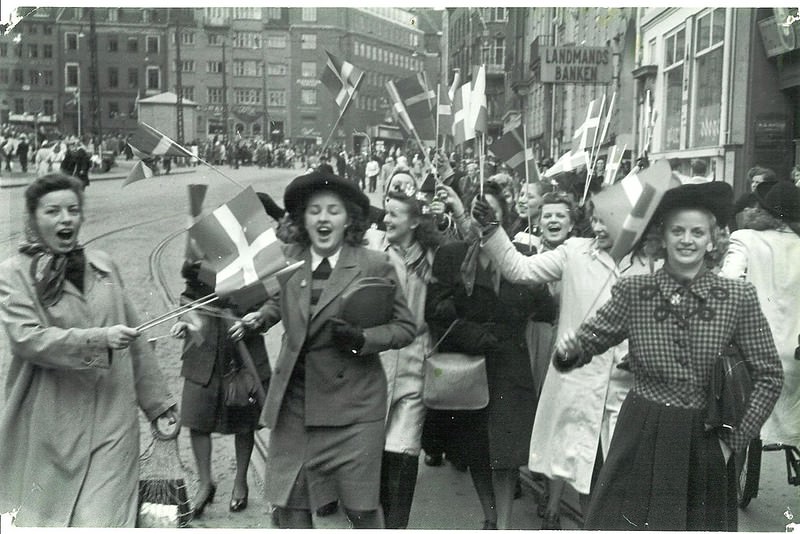
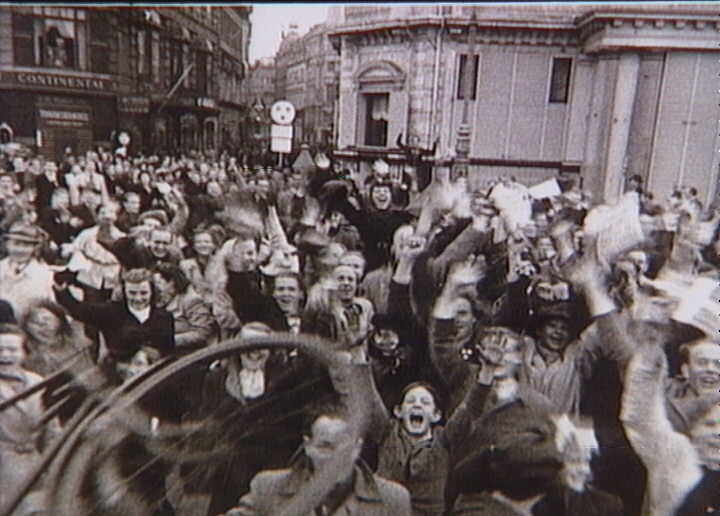
The scenes of celebration on May 5 were unlike anything Denmark had witnessed. After years of curfews, checkpoints, rationing, and fear, entire cities broke into open joy. People embraced strangers, sang in the streets, and stayed outside well into the night.
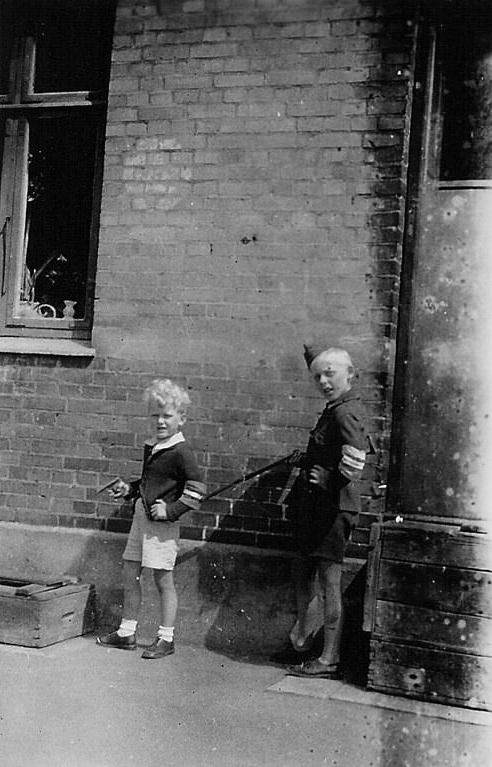
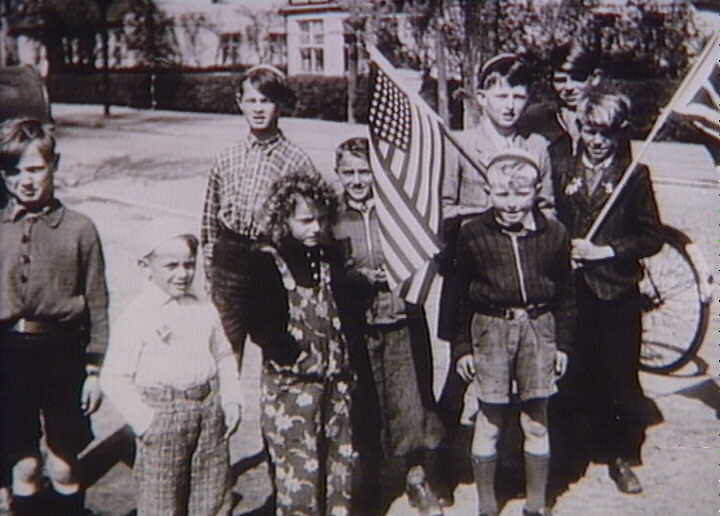
Children in Odinsgade were photographed playing freedom fighters in May 1945. They had grown up during the occupation, watching armed men move through their neighborhoods. Now they reenacted what they had seen, playing at liberation in the streets where the real thing had just happened.
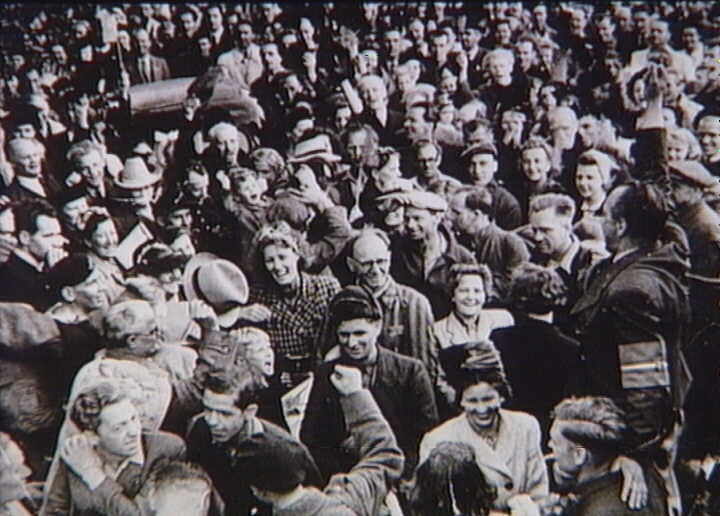
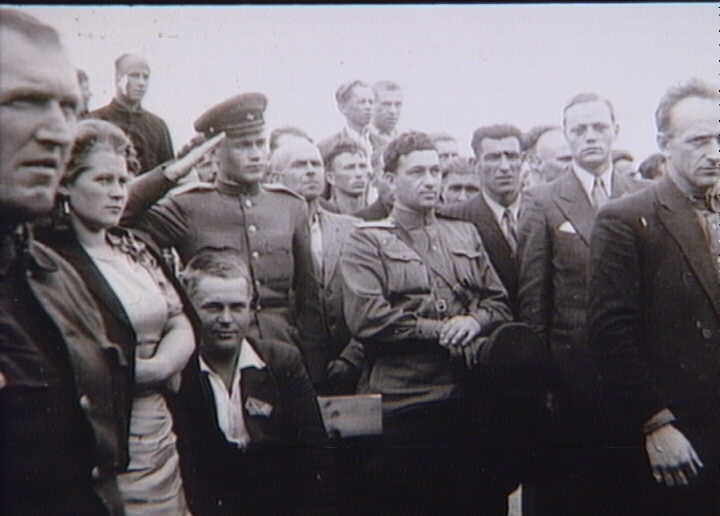
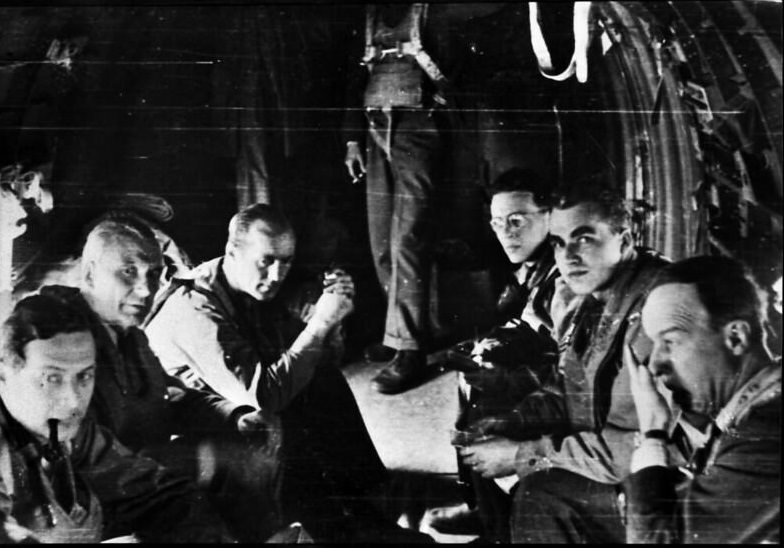
Not everyone came home to celebration. On June 2, 1945, survivors of the Stutthof concentration camp arrived in Copenhagen. They had been arrested during the occupation and transported to Nazi camps in Germany and occupied Poland. Their return brought the full weight of what the occupation had cost into plain view.
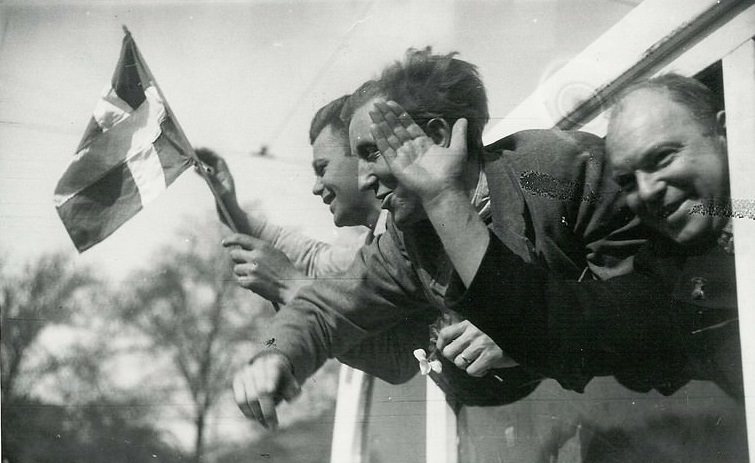
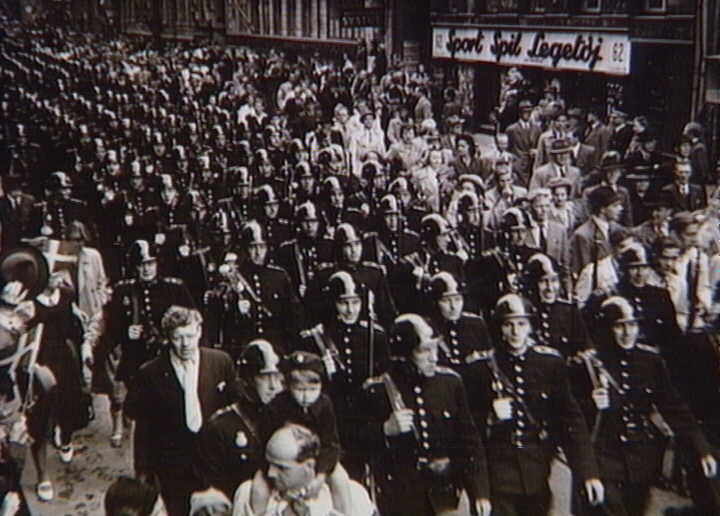
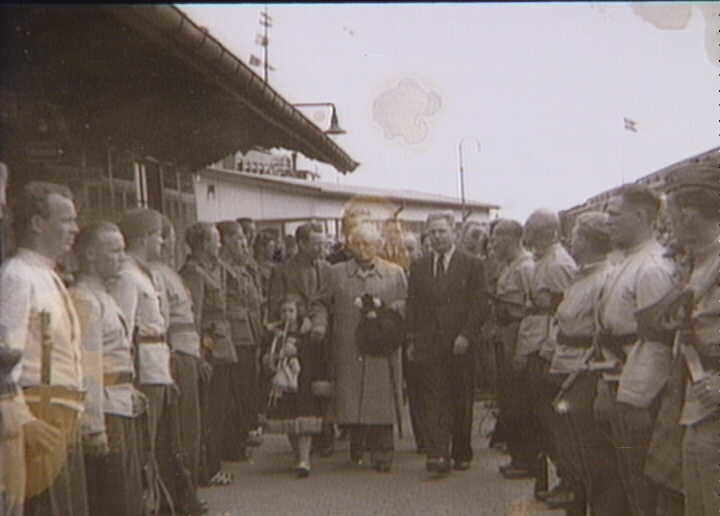
Danish police officers were among those deported. In September 1944, Germany had arrested the entire Danish police force. Many were sent to concentration camps in Germany. In 1945, survivors made their way back through Sweden. The photograph of their return captured the scale of what had been done to Denmark’s own civil institutions.
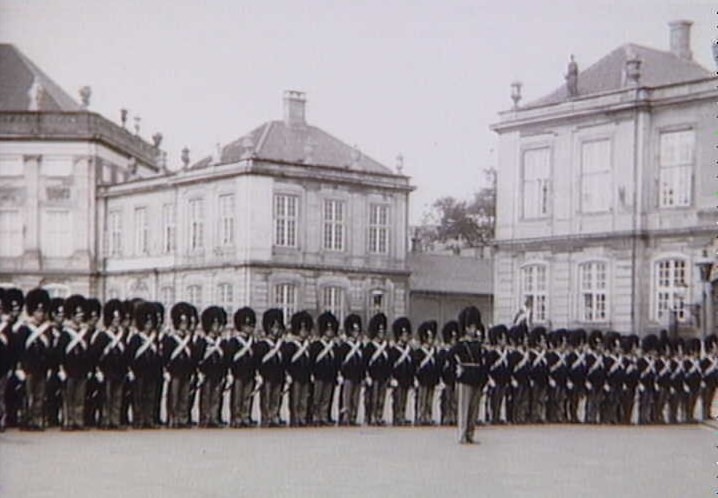
On June 10, 1945, the Royal Guard formally resumed its post at Amalienborg Palace, replacing the temporary arrangements that had been in place. With the police force returning from camps and exile, Danish institutions were being rebuilt one by one. The guard at the palace was a visible sign of normalcy returning.
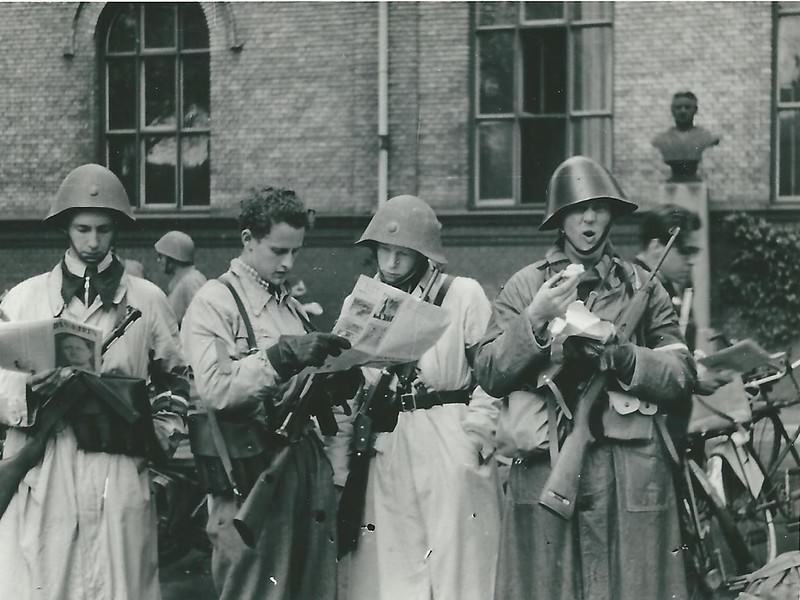
The Academic Rifle Club — Akademisk Skytteforening — provided some of the organized armed units that helped maintain order during the transition period after liberation. Kompagni Vest, one of their groups, was photographed during the Slotsholm detachment. These were civilians who had trained in secret and now stepped into a public role.
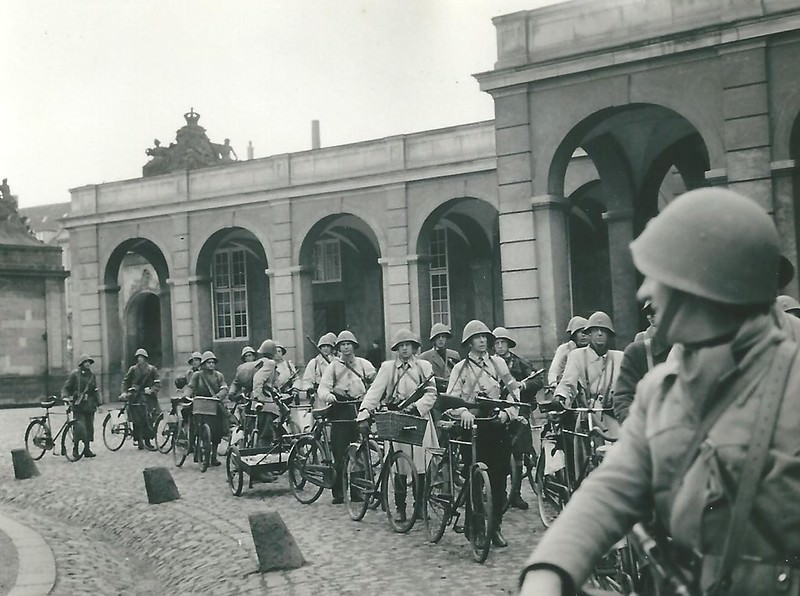
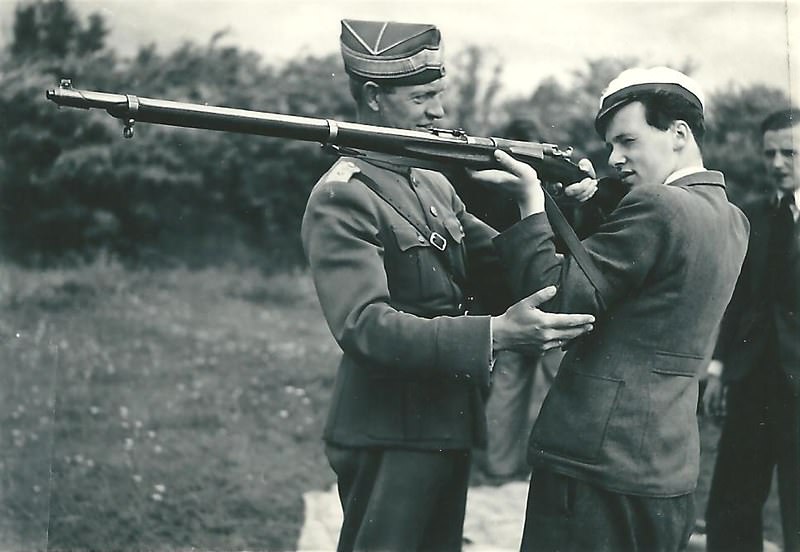
Harald Heering was one of the club’s members, trained under Captain Hingel, a small arms instructor. The Academic Rifle Club represented the kind of organized civilian resistance that operated beneath the surface throughout the occupation — structured, disciplined, and ready to act when the moment came.
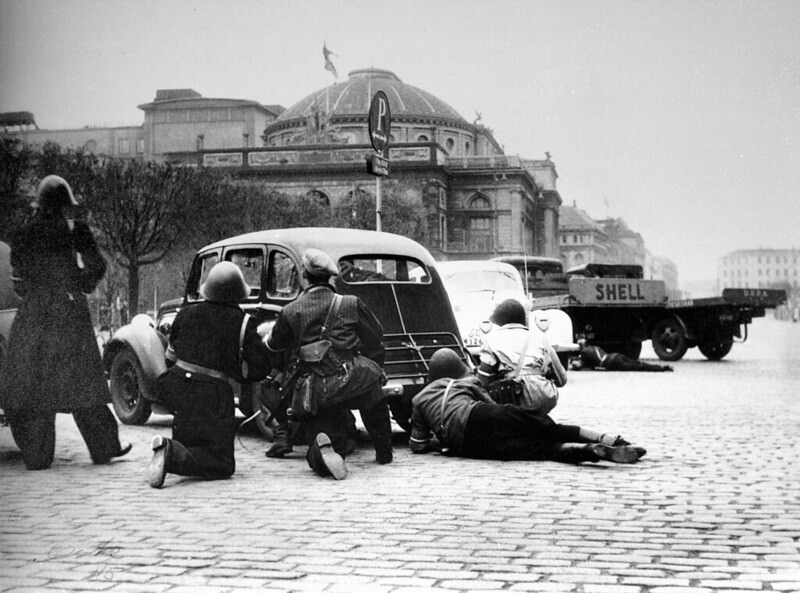
Freedom fighters gathered at Kongens Nytorv — one of Copenhagen’s largest public squares — in the days following liberation. Groups of armed men stood together in the open, something that would have been impossible just weeks earlier. The square had been a transit point for German military vehicles. Now it held the people who had fought against them.
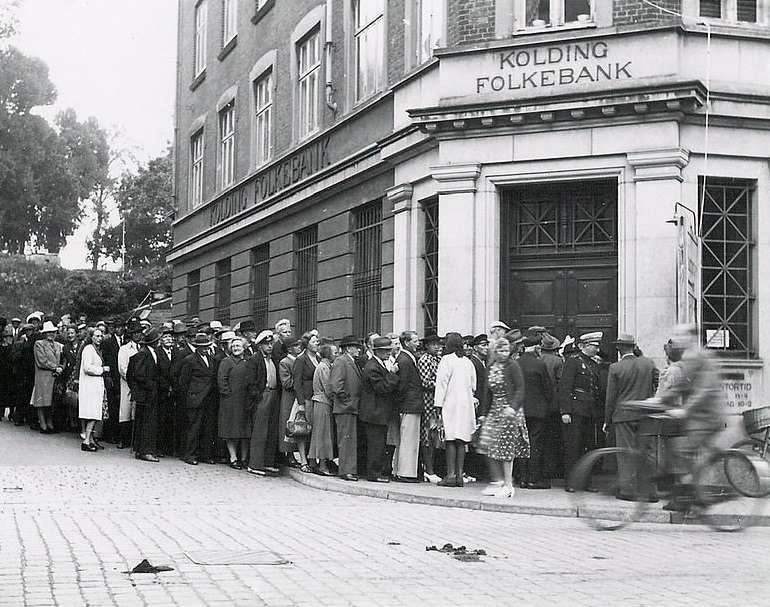
Liberation brought its own practical challenges. On July 23, 1945, a currency reform required Danes to exchange their existing money at banks. Long queues formed outside banks in cities like Kolding. The postwar economic adjustment was immediate and felt by everyone.
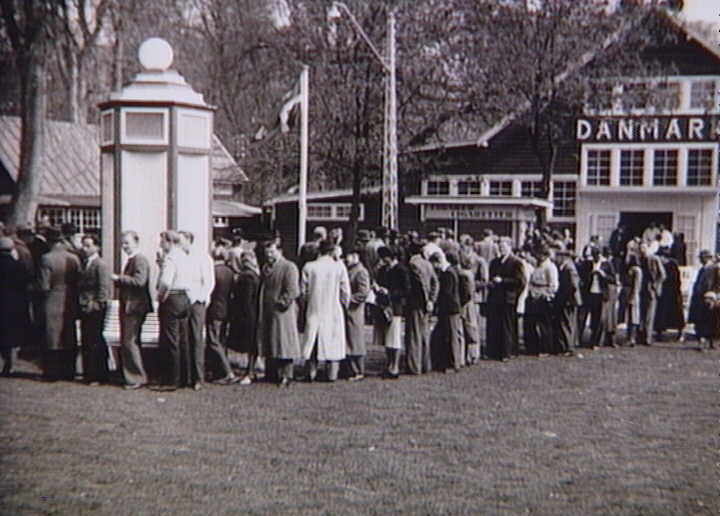
Even at Bakken — Denmark’s famous amusement park in Klampenborg — queues formed in summer 1945 outside the cigarette shop. After years of rationing, demand for basic goods surged the moment restrictions lifted. People lined up for cigarettes the same way they had lined up for bread during the occupation.
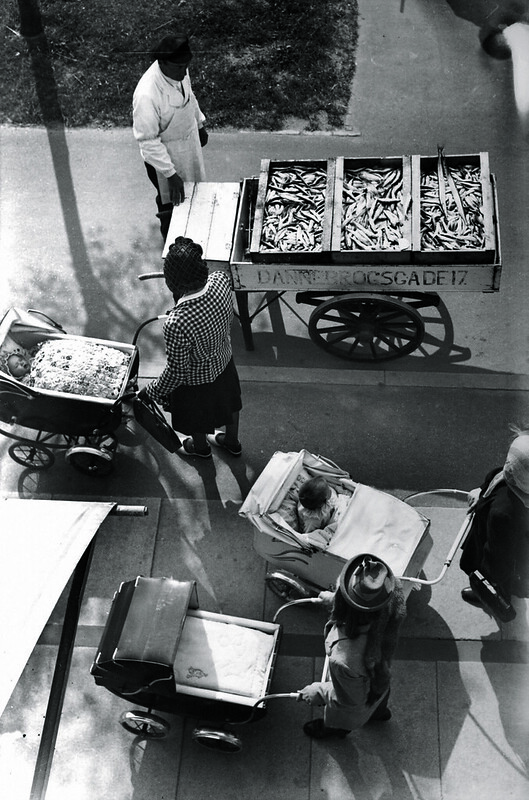
Street vendors and ordinary foot traffic returned to areas near Aarhus Station. A salesman with a barrow moved through a crowd of women with prams — a scene that would have looked unremarkable before 1940 but now represented the texture of life reasserting itself after occupation.
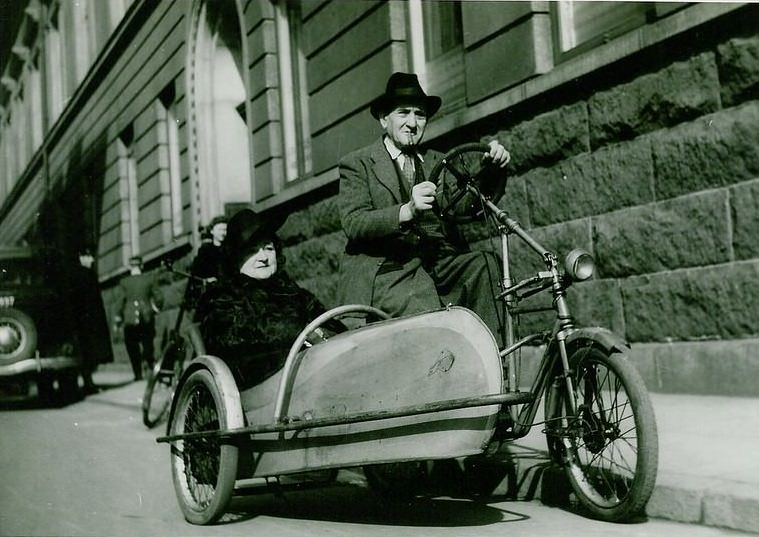
Throughout the occupation, Danes found practical solutions to wartime restrictions. A bicycle fitted with a sidecar was one such adaptation — a way to carry goods, passengers, or equipment when fuel was unavailable and motor vehicles were either seized or unusable. These improvised vehicles became common on Danish roads from 1940 to 1945.
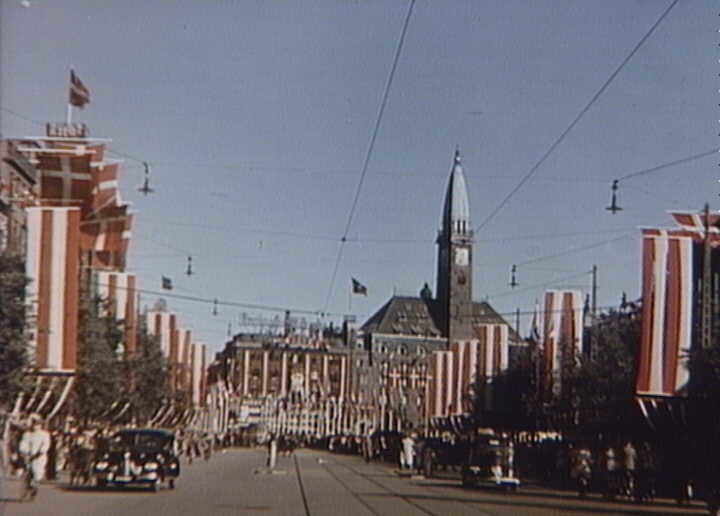
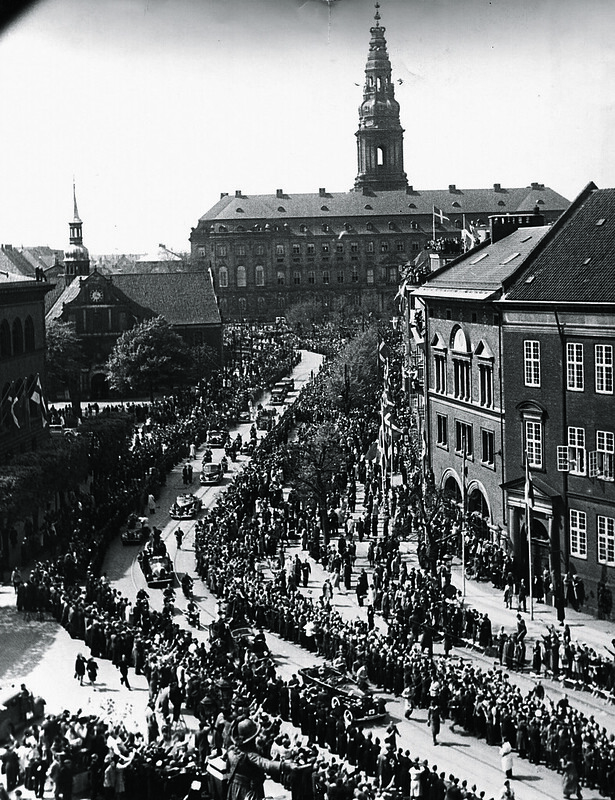
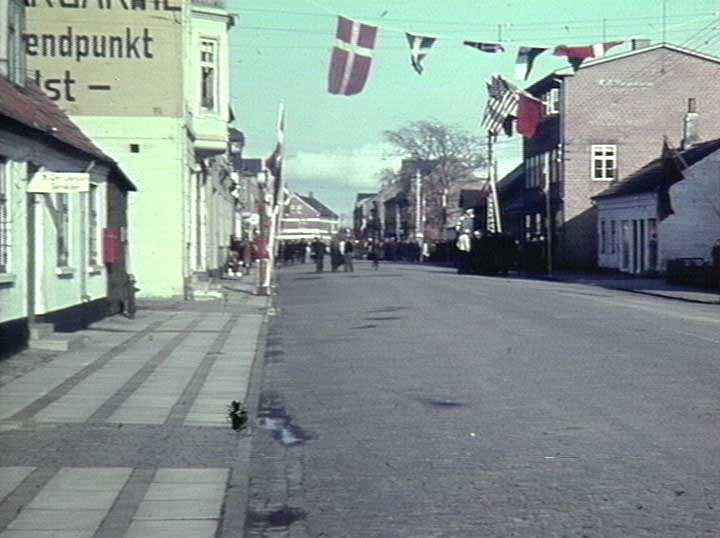
On September 26, 1945, King Christian X celebrated his birthday. Vesterbrogade was lined with Danish flags. The occasion was the first peacetime royal birthday since 1939, and Copenhageners marked it with the same flag-flying enthusiasm that had defined the liberation months earlier.
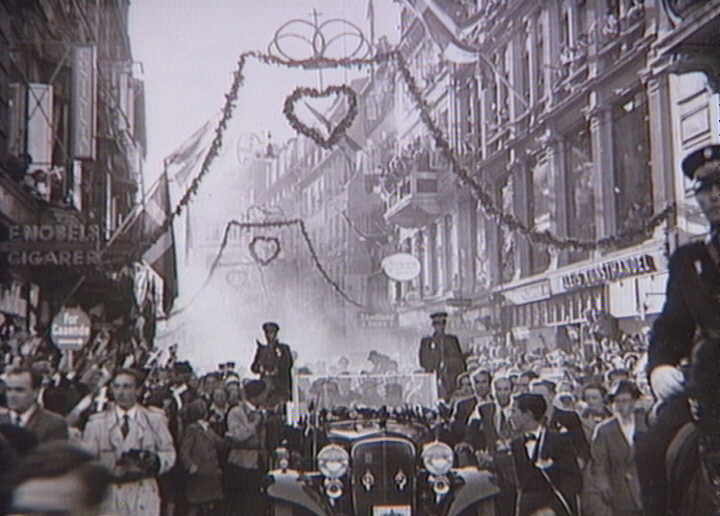
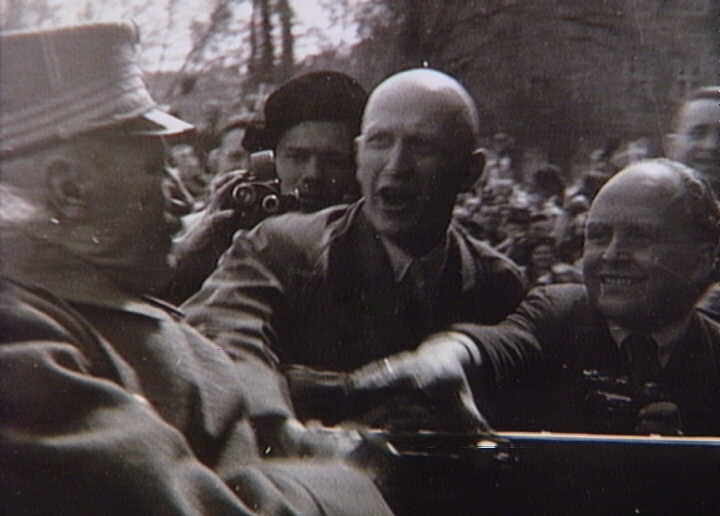
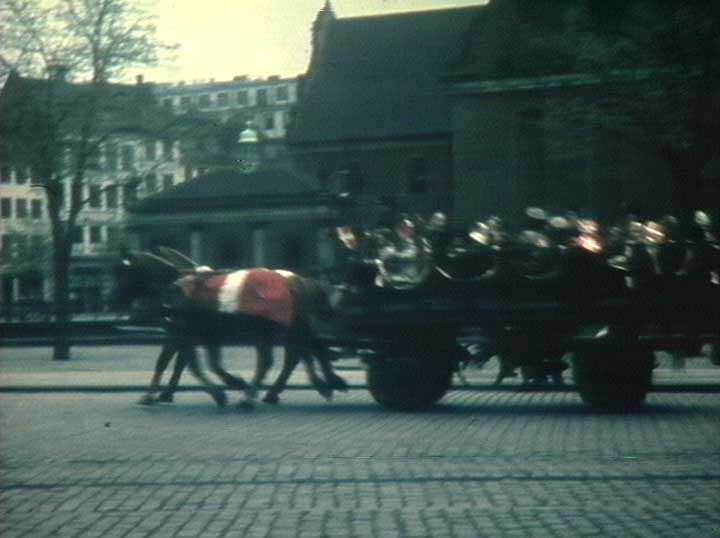
The king’s car was photographed moving along Strøget — Copenhagen’s main pedestrian street — on his birthday. Crowds gathered along the route. Christian X had walked and ridden through occupied Copenhagen for five years as a symbol of Danish endurance. His birthday in 1945 was a celebration of both the man and the country’s survival.



Wow, amazing photos.
Exciting pictures.
Now, this is something I needed it.