New York City in the mid-to-late 1970s was raw, loud, and alive in a way that’s hard to fully describe. The streets of Manhattan carried a constant current of danger and creativity. Rent was cheap, rules were loose, and the art, music, and fashion that came out of that era changed everything. Right at the center of it stood Debbie Harry — the face and voice of Blondie, and one of the most compelling figures the city ever produced.
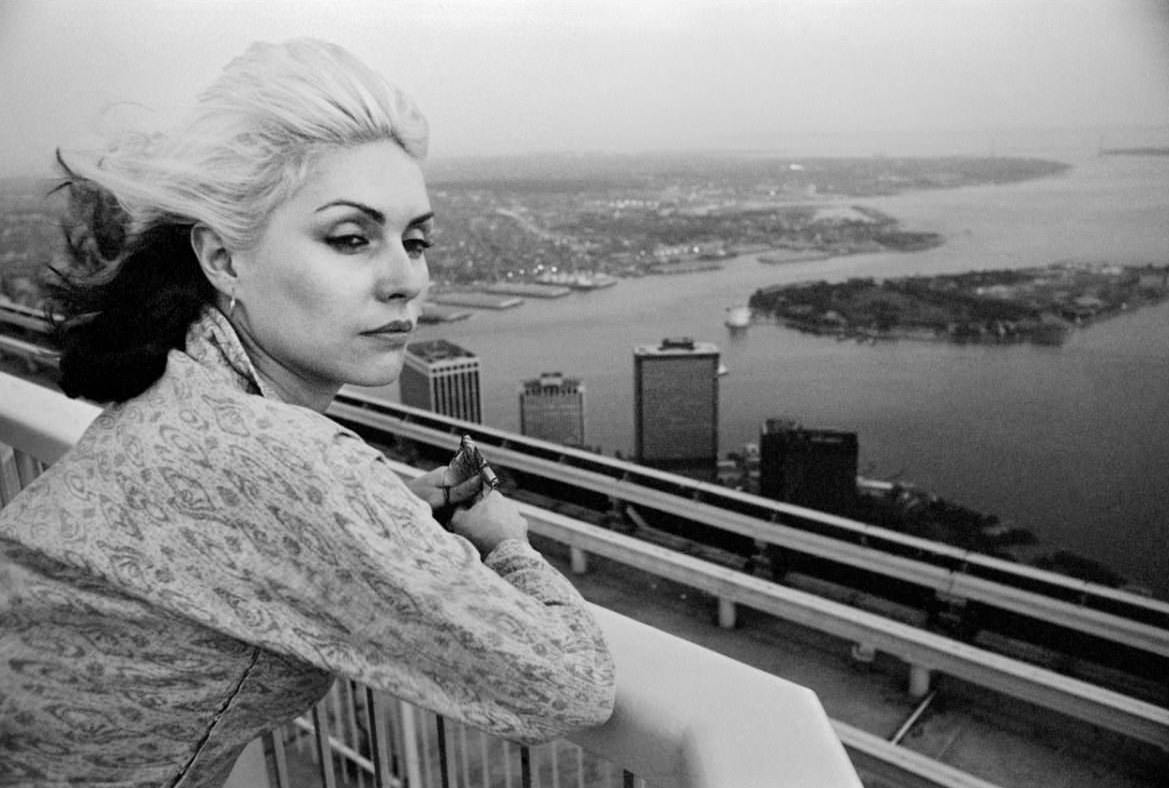
The photographs in this series were taken by Chris Stein, co-founder, guitarist, and chief songwriter of Blondie. Stein and Harry were romantic partners for much of the 1970s and into the 1980s, and his camera was rarely far away. He documented Harry — and the world surrounding her — with an intimacy that few outsiders could have accessed. Harry once joked about Stein’s instinct for observation: “I had no idea that Chris was a voyeur when I met him. How could I know? His mother told me when we met that his personality was fully intact as a tiny baby.”
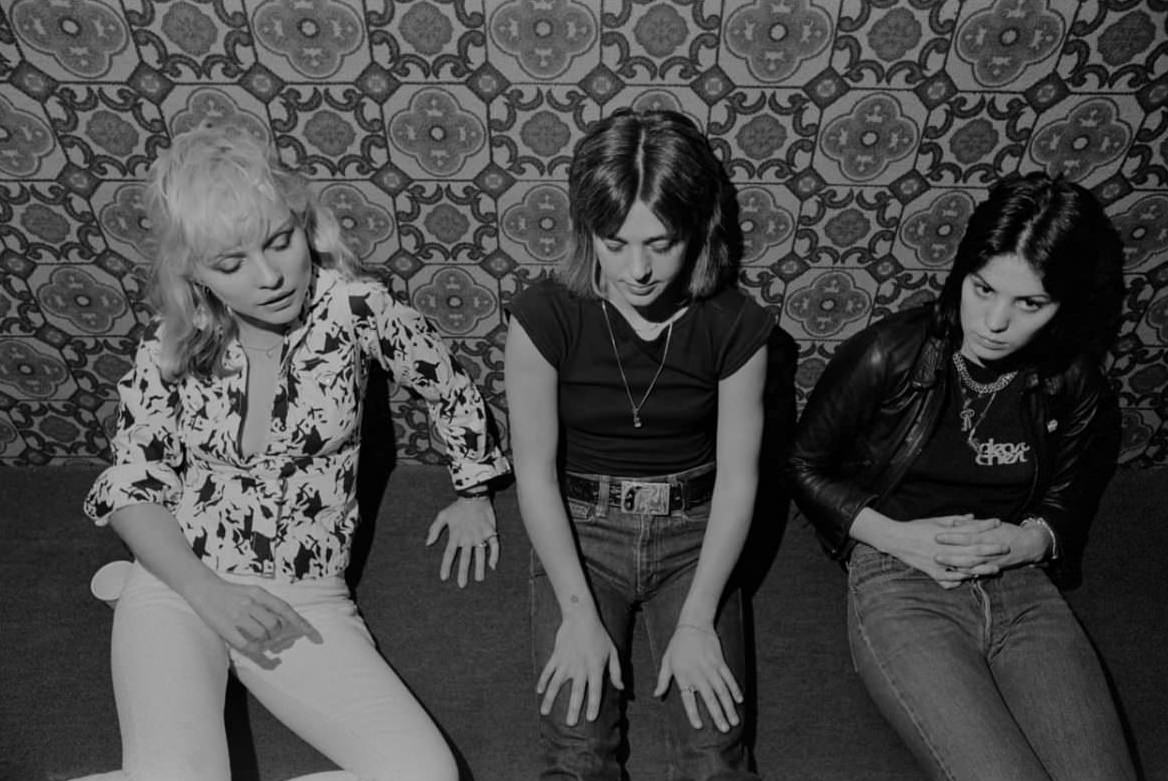
Blondie’s social circle in those years was a who’s who of punk, new wave, and glam rock. Harry crossed paths — and shared stages and studios — with some of the most important musicians of the decade. One of those encounters brought her together with two fellow female rock icons.
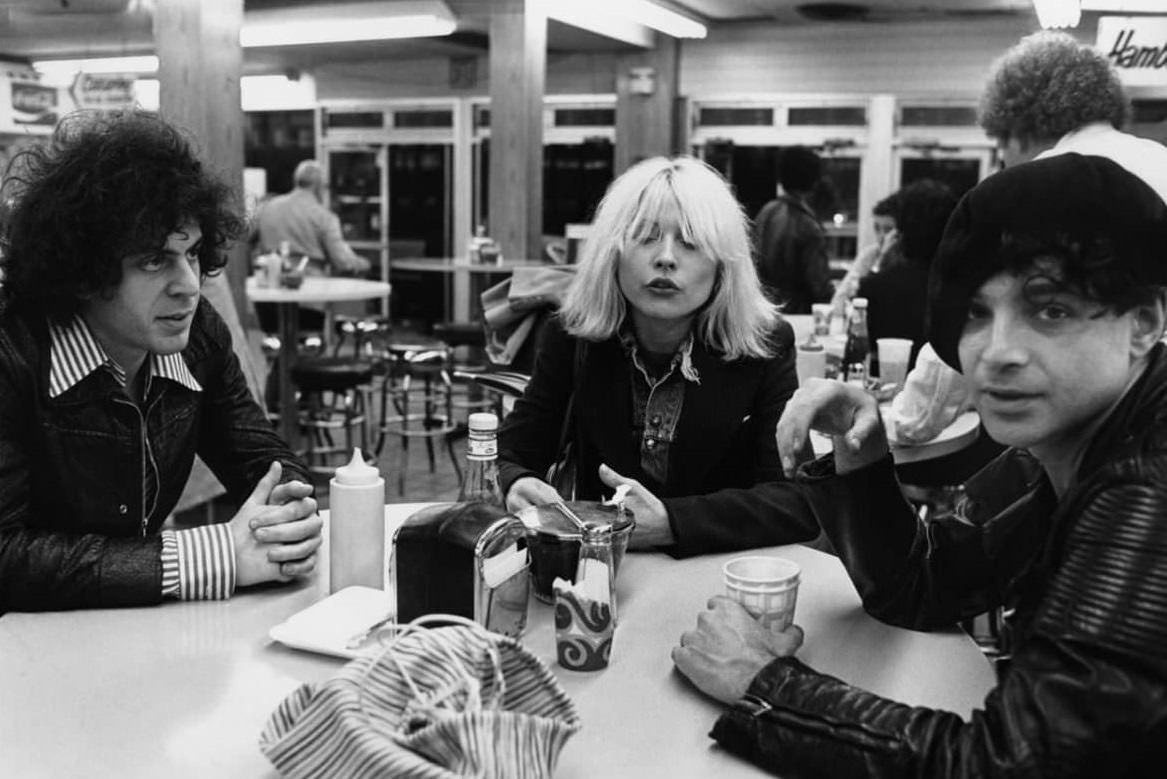
The downtown New York underground scene was full of acts pushing sound in new directions. Among the most provocative were Martin Rev and Alan Vega, the duo behind Suicide. Their confrontational performances and electronic noise were unlike anything else happening at the time, and Blondie moved in the same circles.
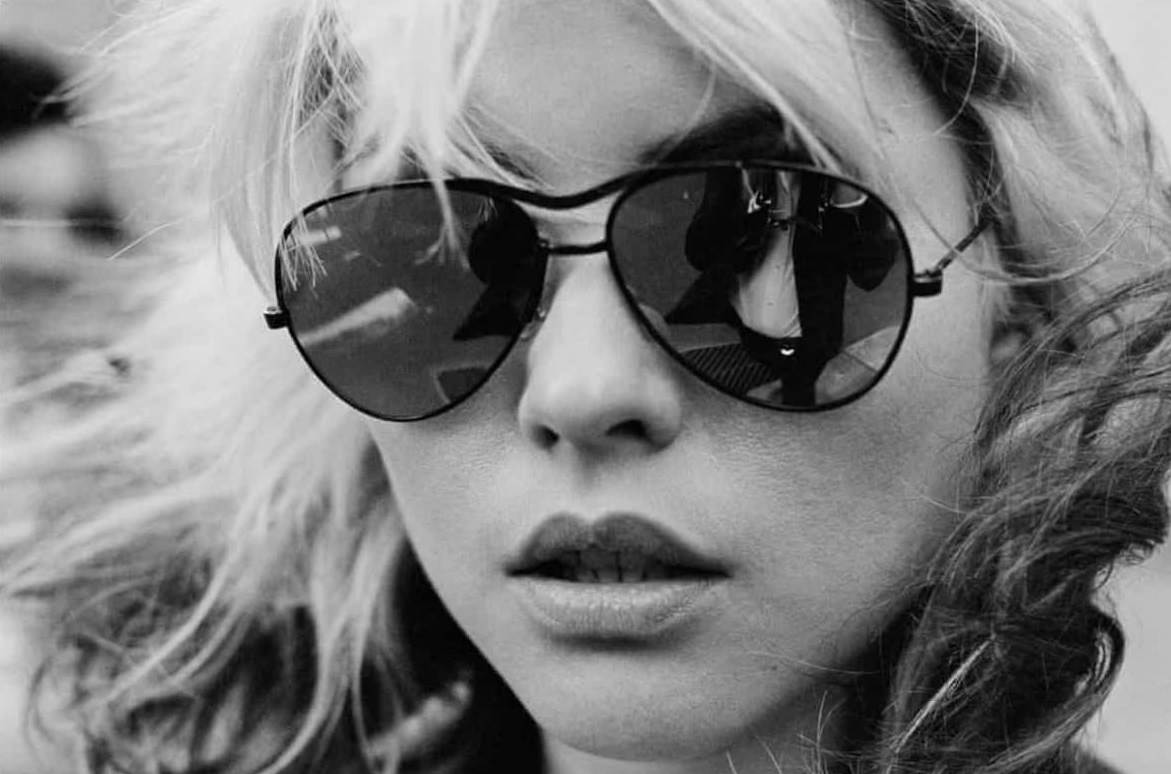
Stein’s role as photographer placed him in a unique position. He wasn’t just documenting Harry as a rock star — he was capturing her as a person, often in unguarded moments. One photo in this collection makes that relationship visible in an almost playful way.
The New York that Blondie inhabited during these years was a city defined by style and spontaneity rather than corporate polish. Neighborhoods like the Bowery and Chelsea were full of artists, musicians, and misfits who had little money but enormous creative energy. That version of the city — gritty, open, and unpredictable — is preserved in Stein’s photographs in ways that later decades could never replicate.
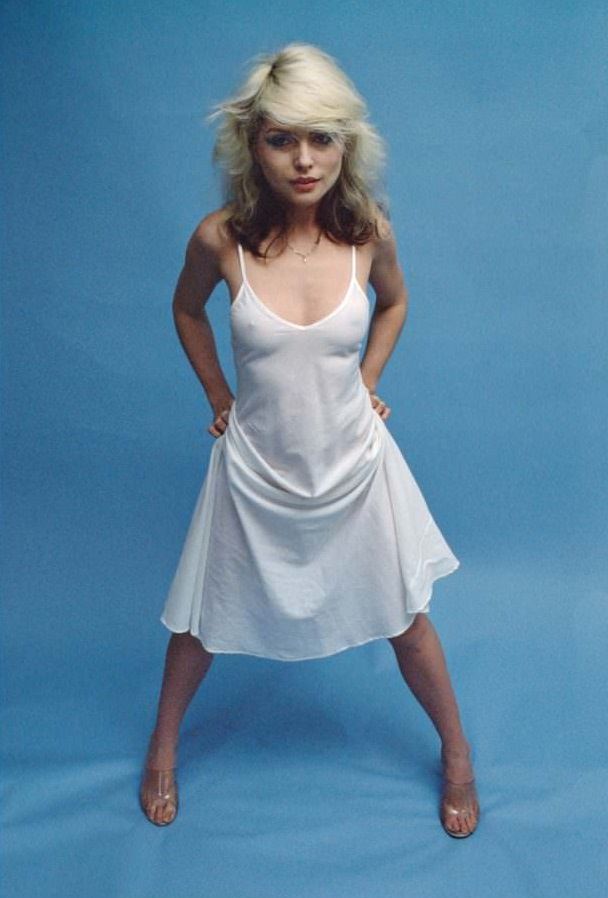
Blondie’s reach extended well beyond New York. By 1977, Harry was rubbing shoulders with some of the biggest names in rock on an international level. That year, she appeared backstage with David Bowie during one of his most celebrated tours.
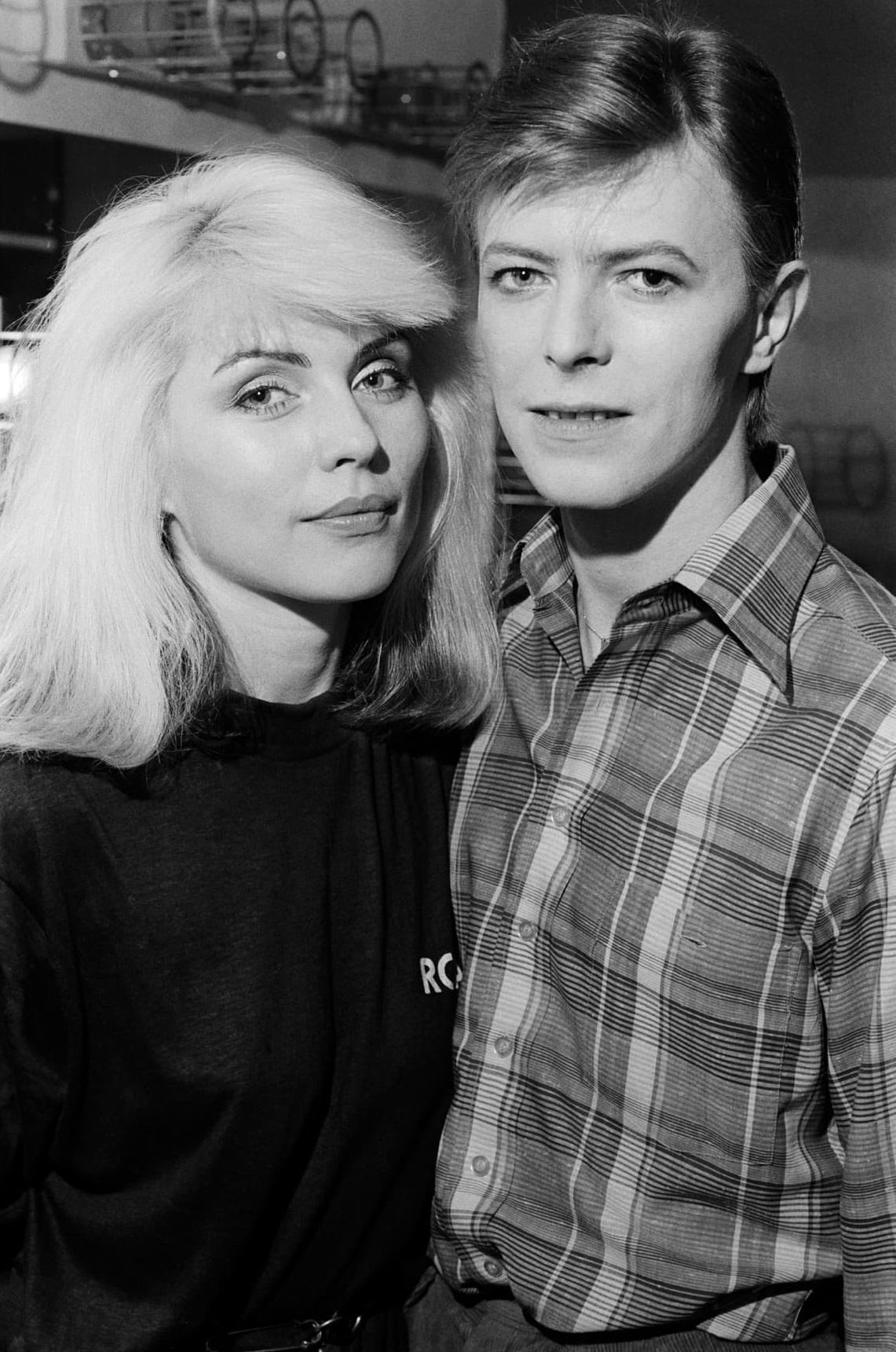
Not everything from those years was glamorous. Stein and Harry lost their apartment on 17th Street off Sixth Avenue to a fire while they were out on tour. Harry’s mother delivered the news over the phone. The two never lived there again. In a striking move, they later returned to the gutted space and staged a photo shoot among the ruins. Stein recalled that Harry wore a dress in the shoot that was allegedly once owned by Marilyn Monroe — though he admitted it could never be proven.
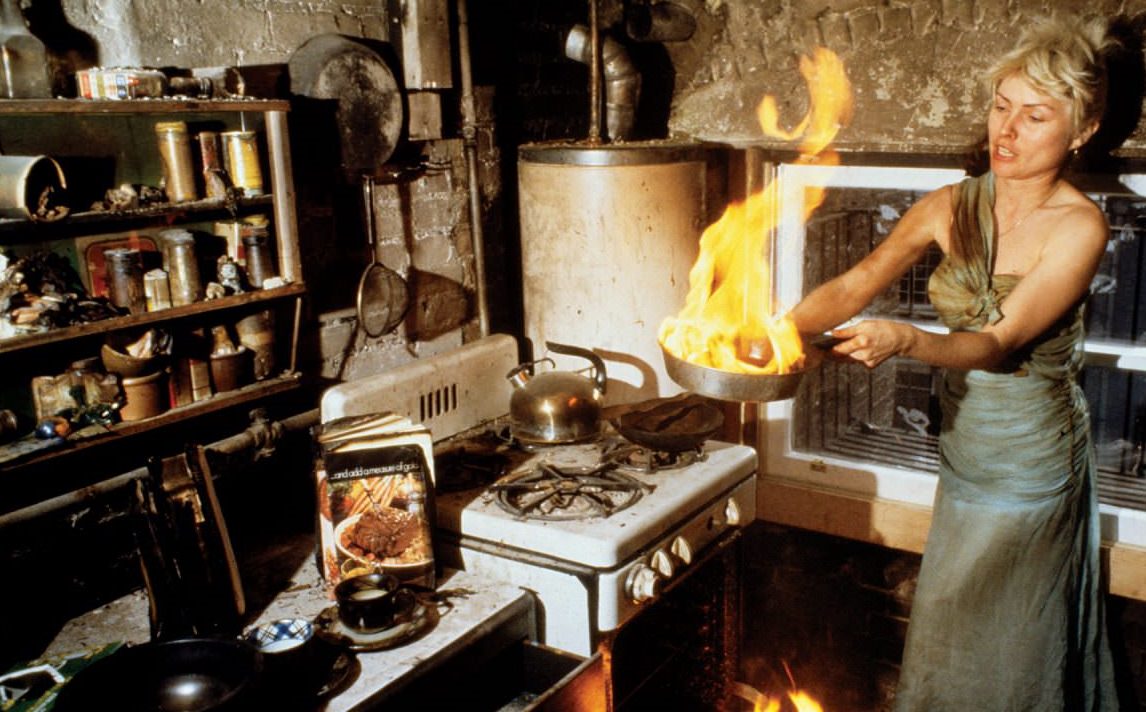
In 1978, Blondie took their music to Europe. They toured alongside British punk band The Buzzcocks, bringing their hybrid sound of punk, pop, and new wave to audiences across the continent. The tour brought Harry into close contact with the core of the UK punk movement.
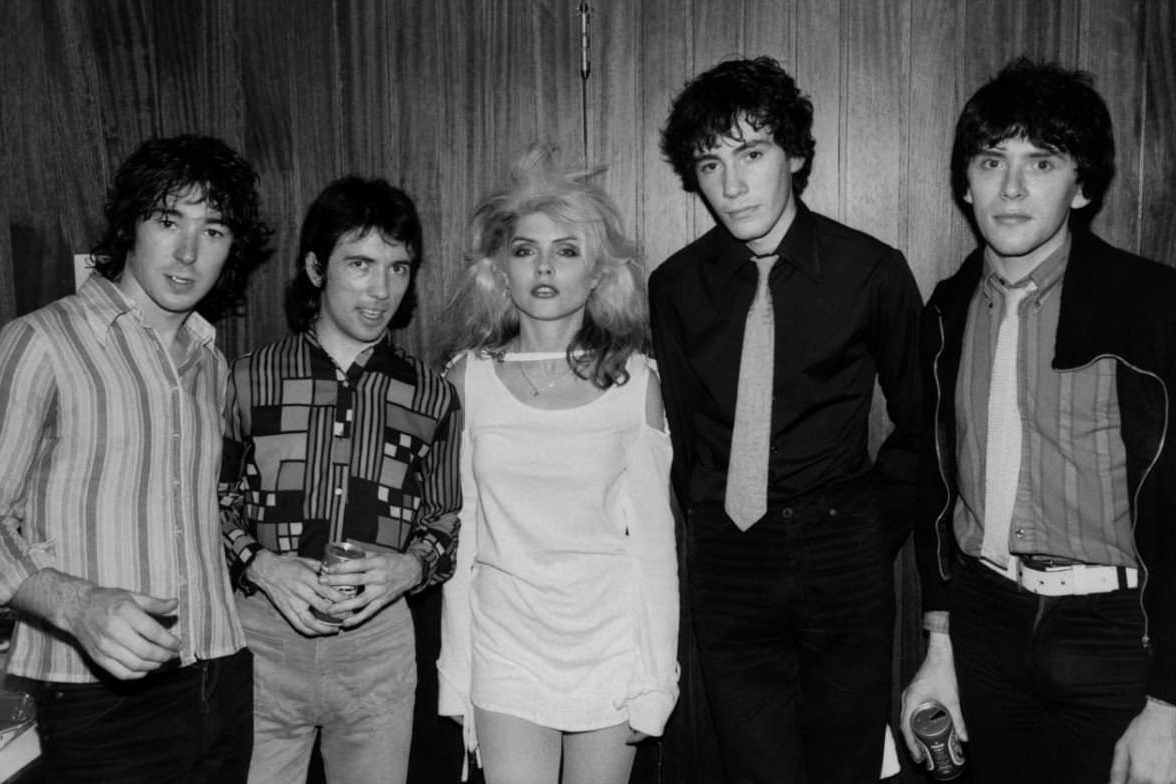
By this point, Blondie was a genuine international act. Harry’s image — bleached blonde hair, sharp style, and an air of cool detachment — had become iconic. But the band never entirely left behind the underground roots that had shaped them in downtown Manhattan.
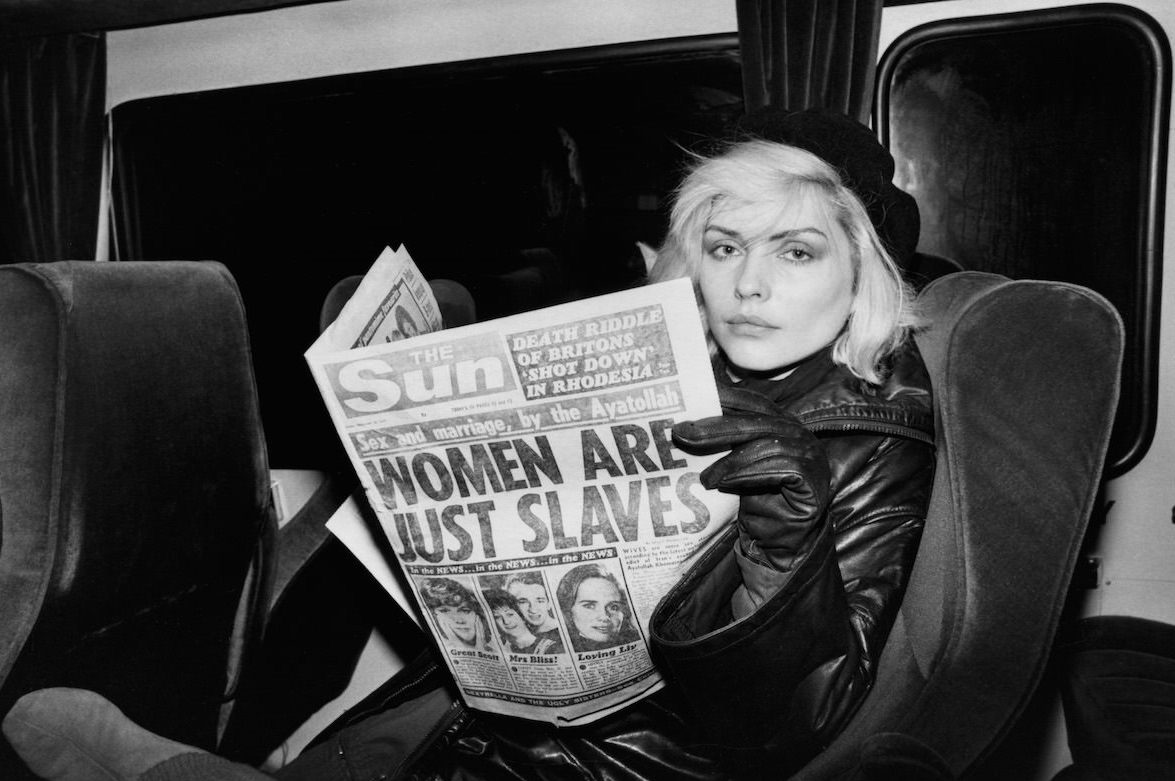
Stein continued photographing Harry and the people around her well into the early 1980s. These images capture more than just a musician — they document an entire ecosystem of artists, venues, friendships, and ideas that defined a particular moment in music history.
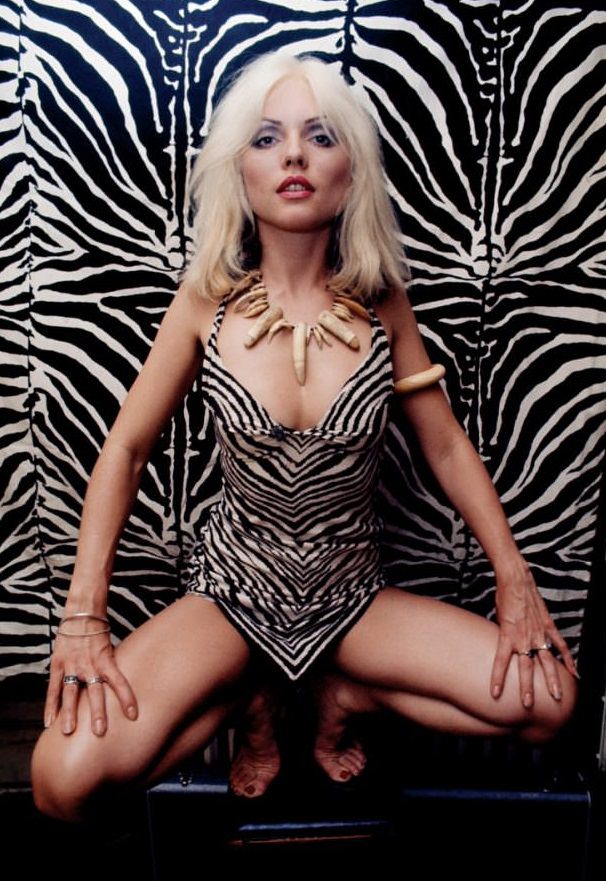
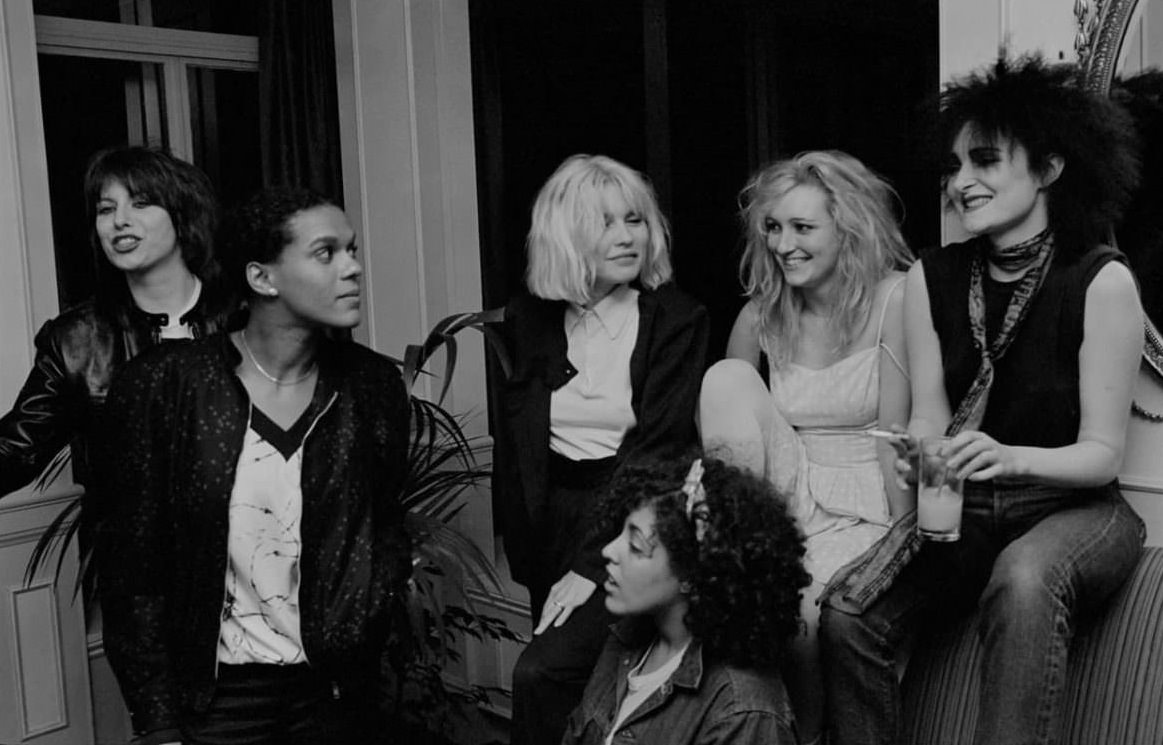
In London in 1980, Harry appeared alongside some of the most important women in rock at the time. The gathering brought together voices from punk, ska, and new wave in a single frame — a remarkable snapshot of female artists who were each reshaping their respective genres.
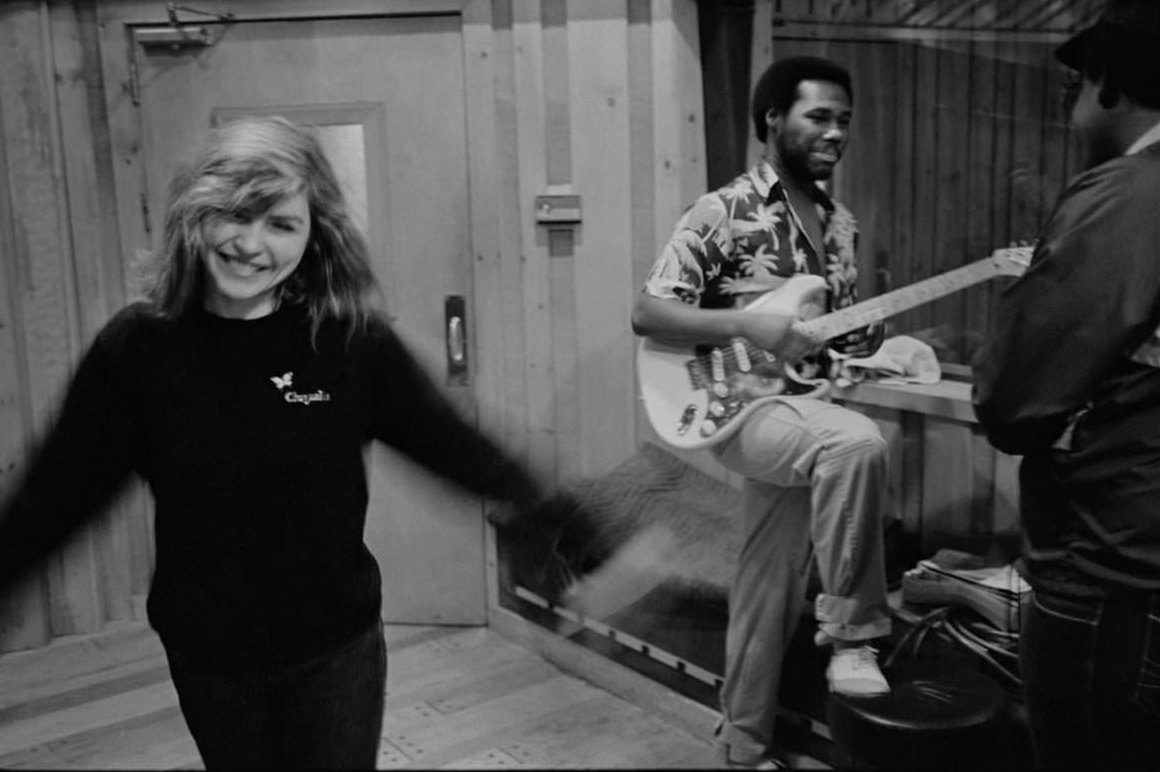
In 1981, Harry stepped outside of Blondie to record her first solo album, KooKoo. For the project, she worked with Nile Rodgers and Bernard Edwards of Chic — two of the most sought-after producers in the world at the time. The collaboration brought Harry’s punk and new wave sensibilities into contact with the precision and groove of disco-era funk.
Taken together, Stein’s photographs form a living record of one of music’s most creatively dense periods. Harry stands at the center — connected to punk, new wave, art rock, funk, and the chaotic energy of 1970s New York — a figure who moved through all of it with unmistakable confidence.