Amsterdam has earned its reputation as one of the world’s great cycling cities. Its streets are laced with dedicated bicycle paths, guarded parking stations, and traffic-calmed roads built specifically to keep riders safe and moving. But the city’s relationship with the bicycle goes back much further than its modern infrastructure. Long before protected bike lanes became a planning priority, Amsterdammers were already living their daily lives on two wheels — commuting, shopping, racing, and simply getting around. These historical photographs, spanning the 1920s through the 1980s, offer a vivid look at how deeply cycling was woven into the fabric of the city.
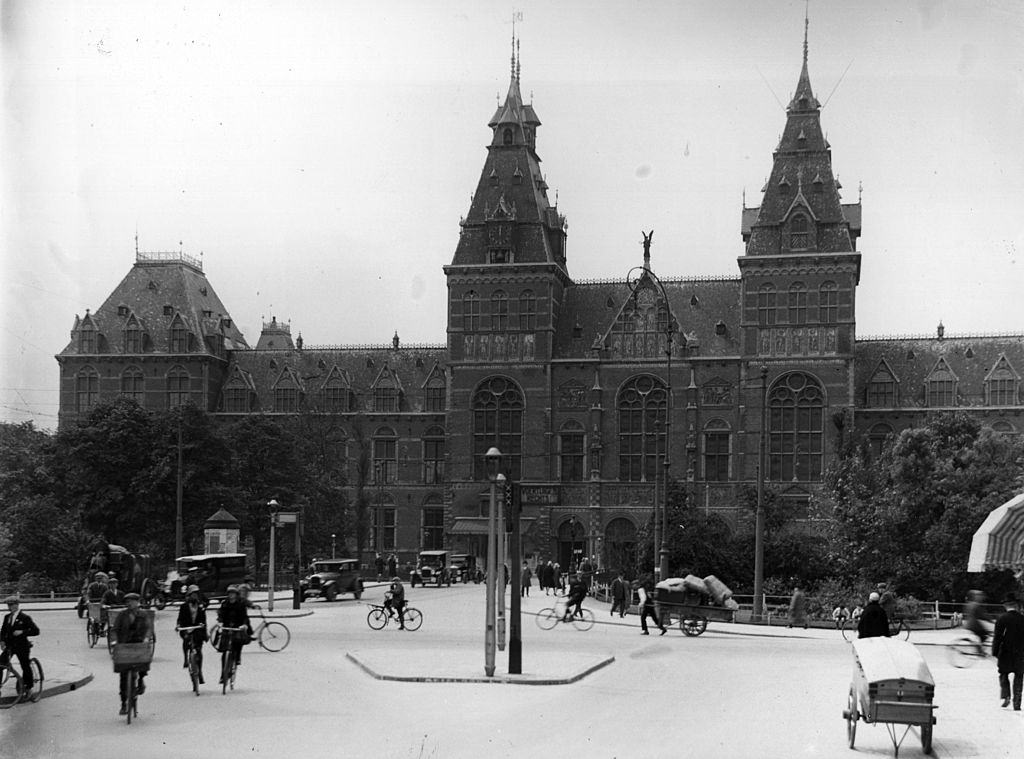
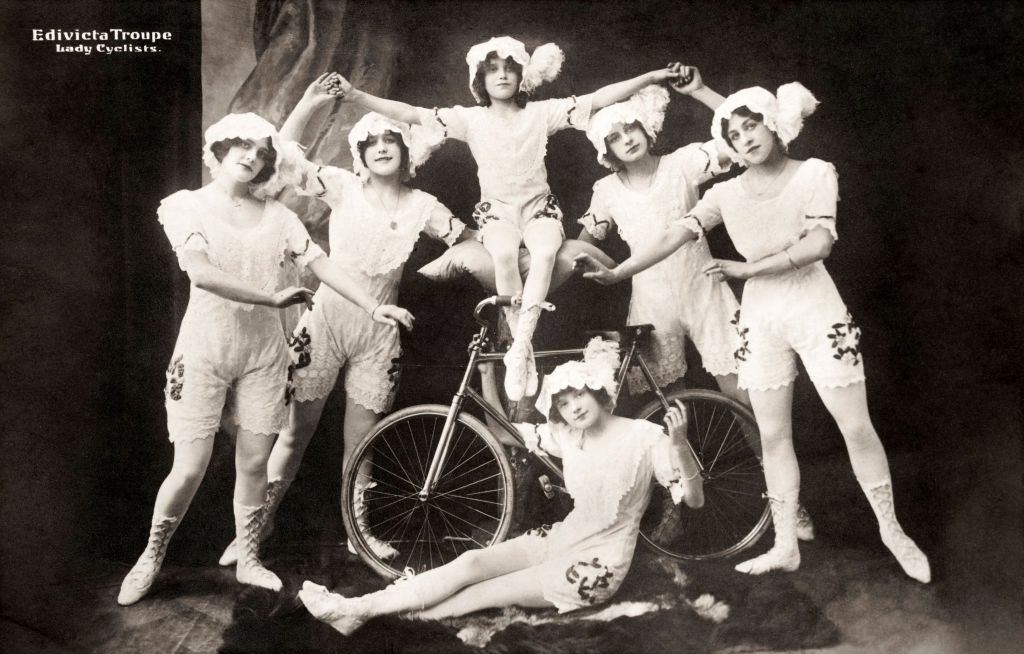
By the 1920s, the bicycle was already a common sight on Amsterdam’s streets. It wasn’t a novelty or a sport — it was simply how people got from one place to another. The city’s flat terrain made cycling practical for nearly everyone, regardless of age or fitness. Alongside the everyday commuter, cycling also had a performance and entertainment side. Trick cycling acts drew crowds, and performing cyclists were a recognized form of public spectacle.
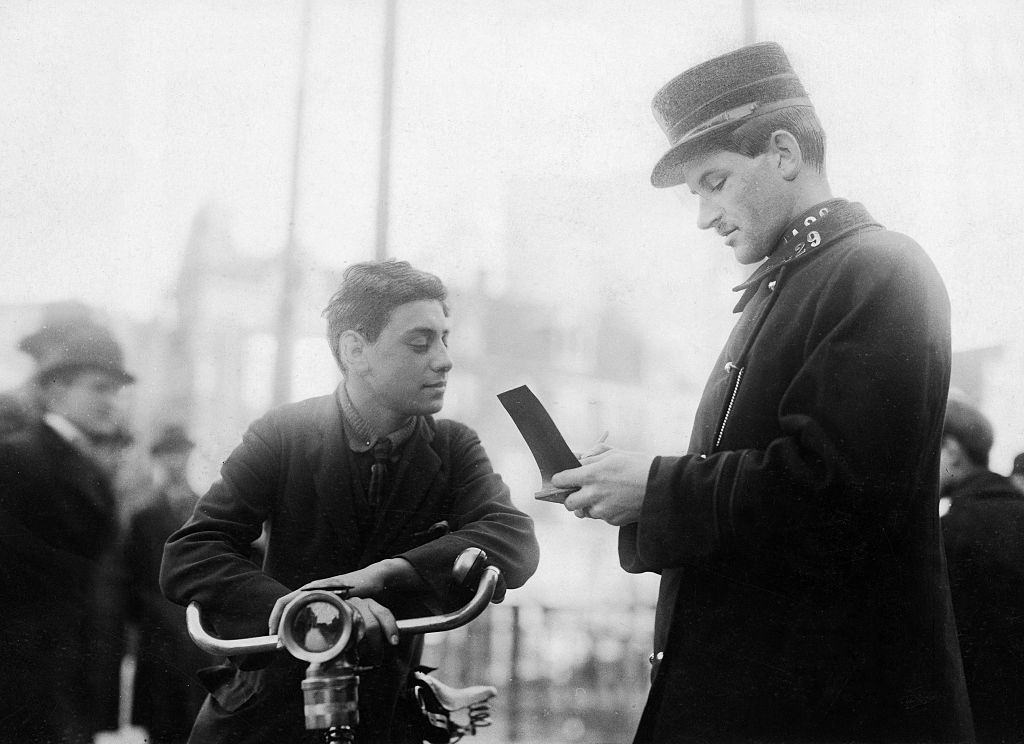
With so many cyclists on the streets, the city also had to manage the rules of the road. As early as 1924, Amsterdam police were enforcing cycling regulations — a sign that the volume of bicycle traffic had grown large enough to require real oversight.
The 1930s brought both growth and hardship to Amsterdam. Even so, cycling remained central to daily life. A dedicated bicycle market served the city’s riders, offering everything from new frames to replacement parts. For those who rode through the cold Dutch winters, small innovations like handlebar hand warmers made the commute more bearable. The bicycle wasn’t a fair-weather hobby — it was a year-round necessity.
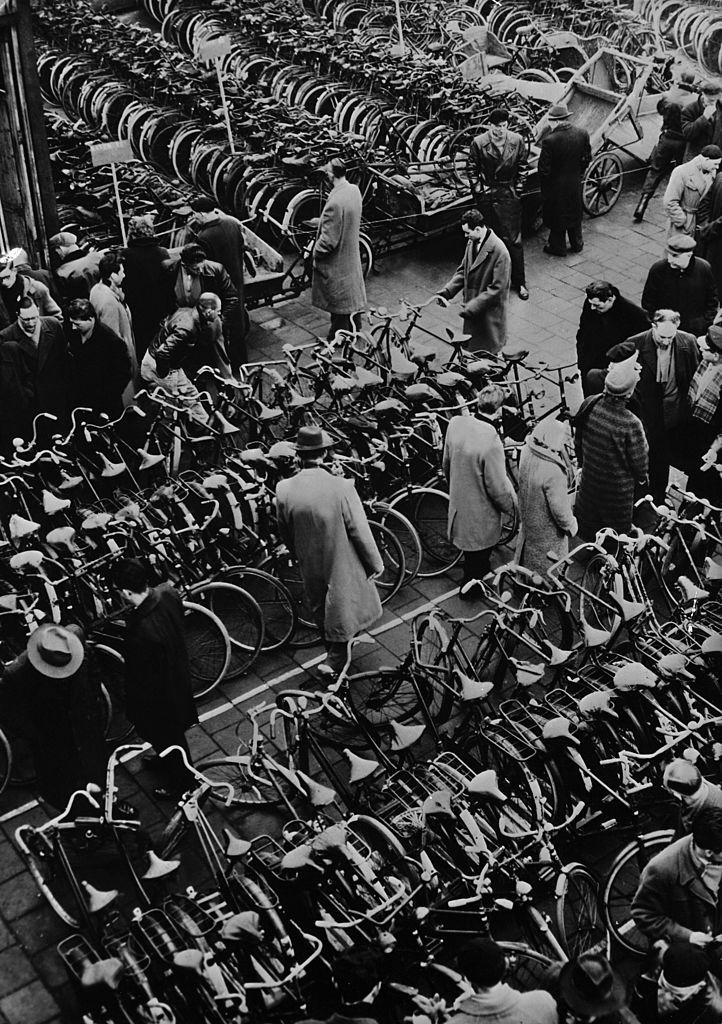
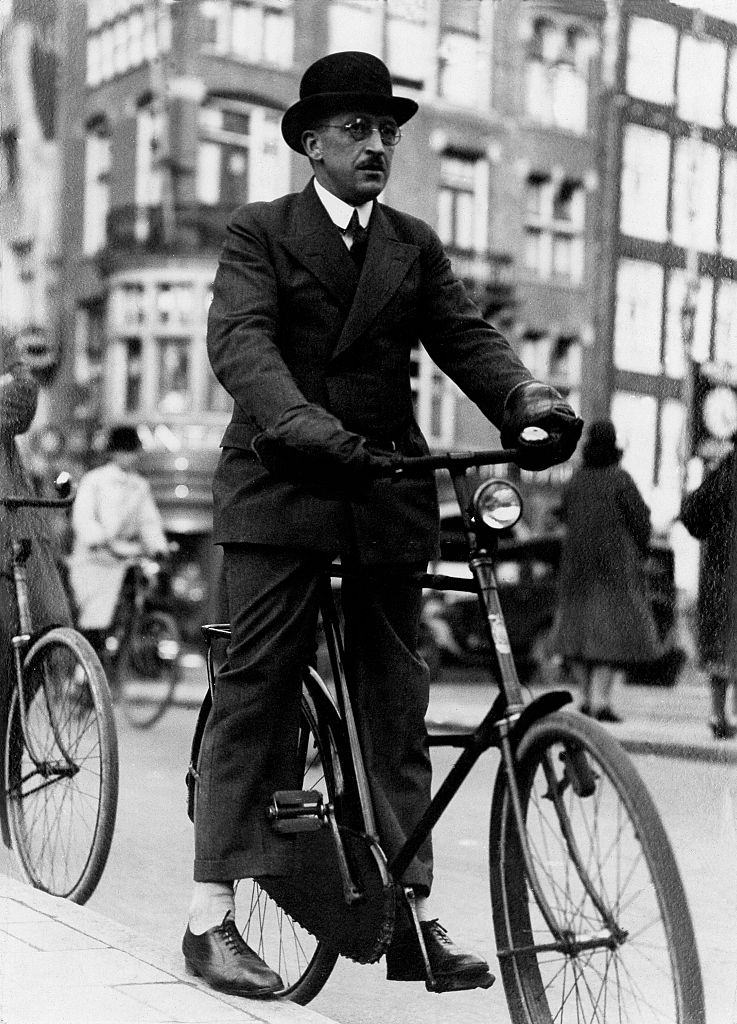
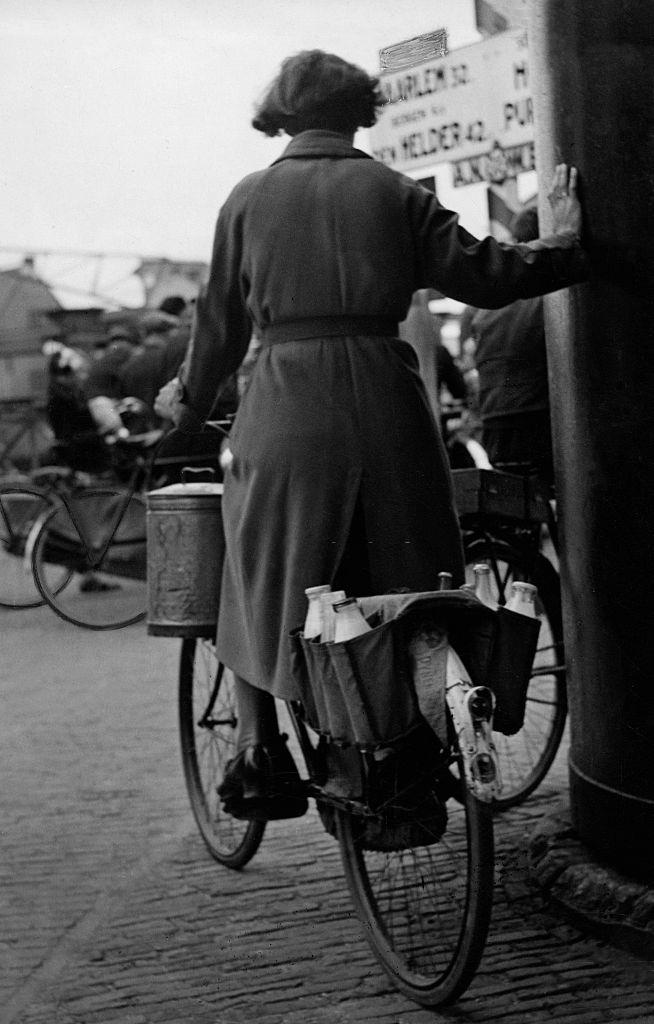
By the late 1930s, the bicycle had become an essential tool for carrying out daily tasks. Amsterdammers used their bikes not just to travel, but to carry goods, groceries, and children. The city’s canals and narrow streets made the bicycle faster and more practical than a car for most errands.
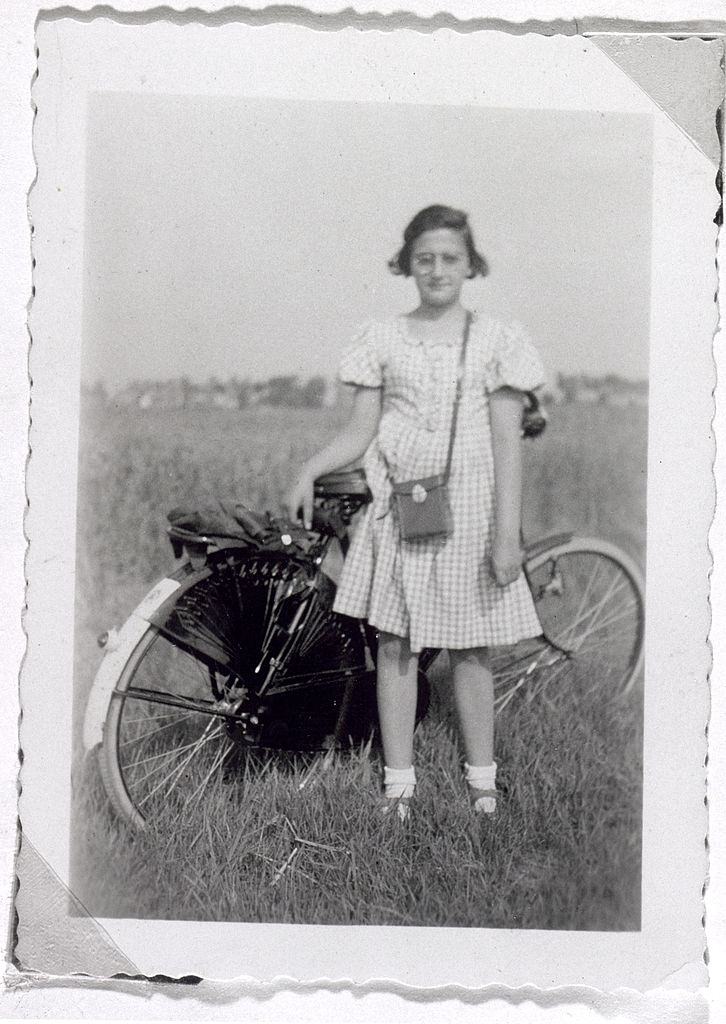
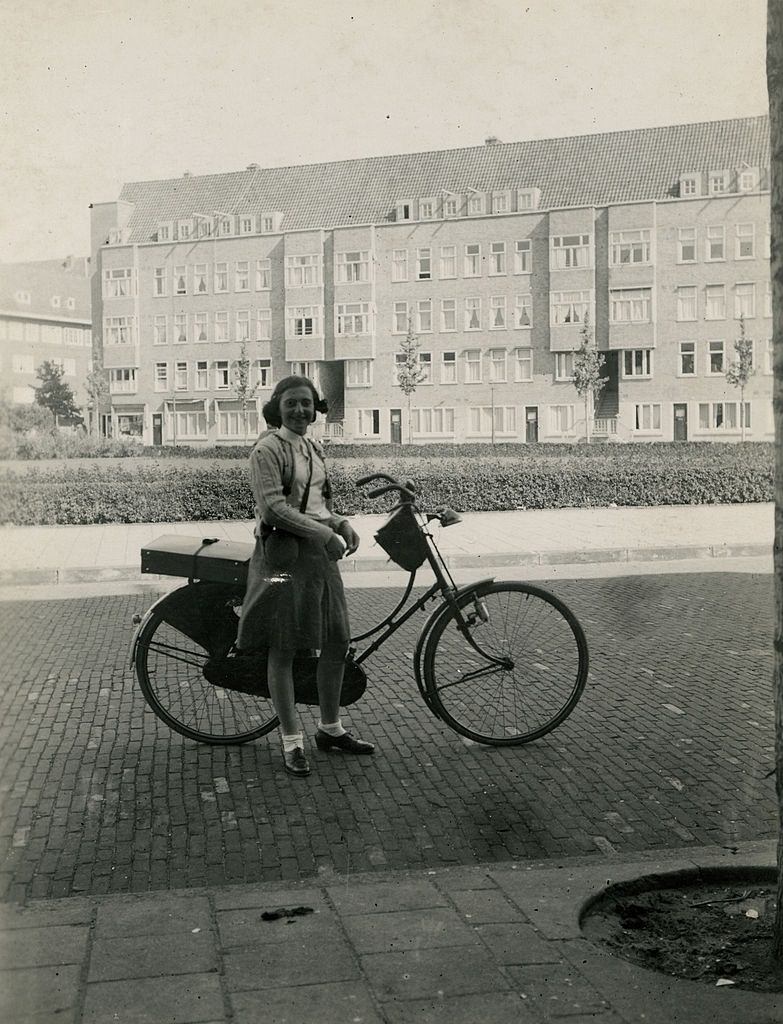
Among those who cycled Amsterdam’s streets in 1938 and 1939 was Margot Frank, the older sister of Anne Frank. The Frank family lived in the Merwedeplein neighborhood, and like most Amsterdam residents of the era, Margot rode her bicycle as a matter of course. These photographs of her stand as quiet, personal documents of ordinary life in Amsterdam just before the German occupation would transform everything.
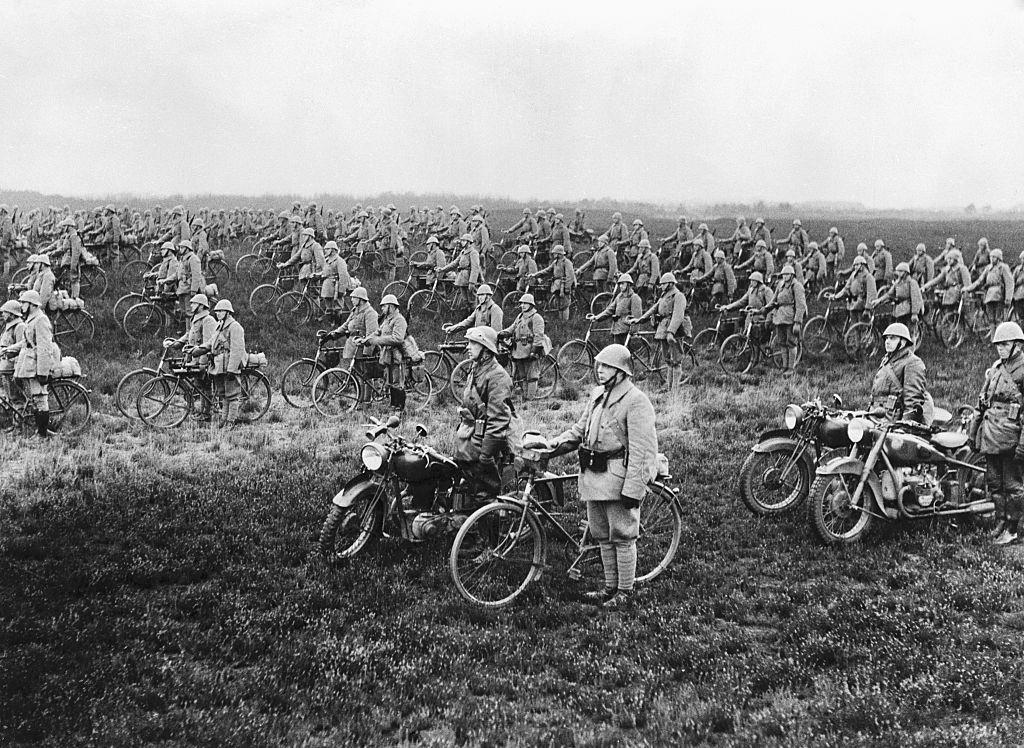
In 1940, as the Netherlands fell under German occupation, the Dutch military’s bicycle regiment was still a functioning part of the country’s armed forces. The Netherlands had long recognized the bicycle’s tactical value — units could move quickly and quietly without relying on fuel. The regiment at attention in Amsterdam that year represented a military tradition that had been built around the practical strengths of the bicycle.
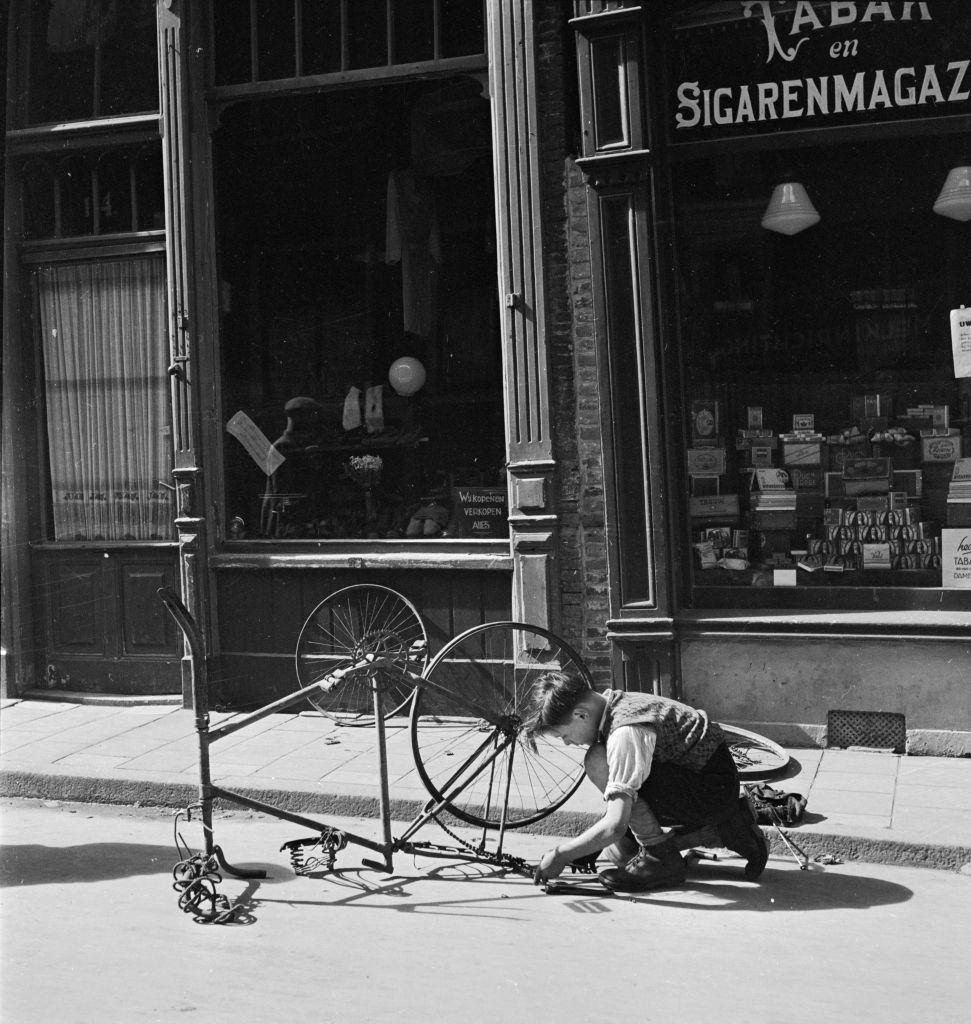
After the war, Amsterdam rebuilt and so did its cycling culture. Children who had grown up during the occupation years returned to the streets. A boy fixing his own bicycle on an Amsterdam road in 1946 captures that postwar spirit of self-reliance and resilience — the city getting back on its feet, one repair at a time.
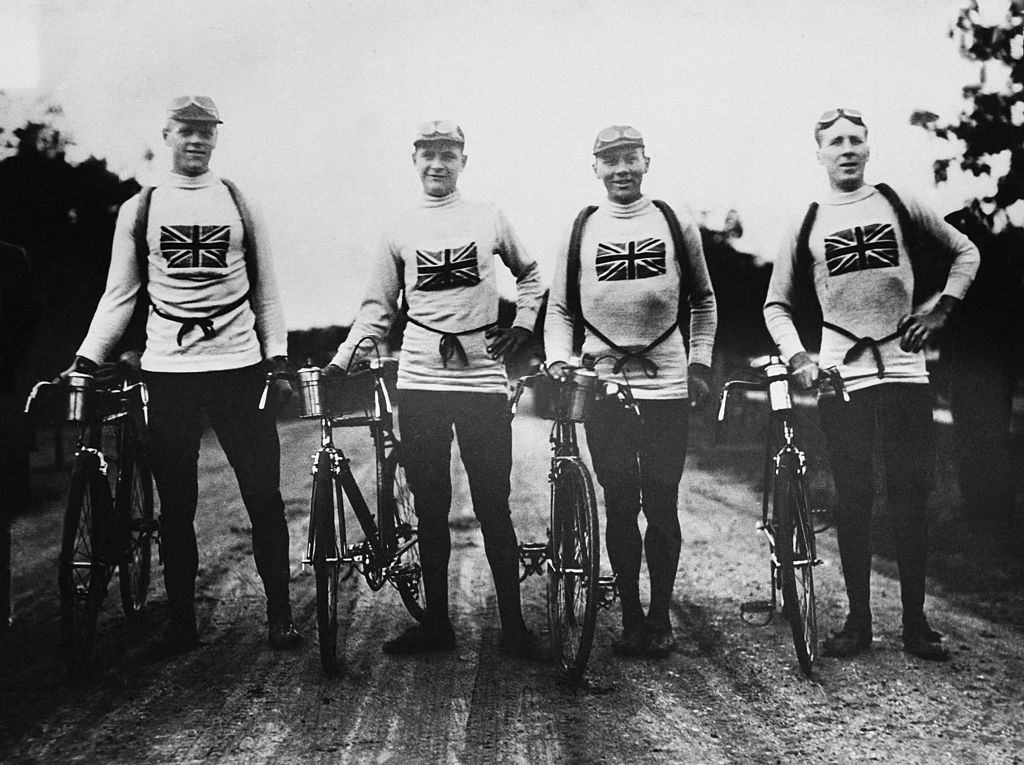
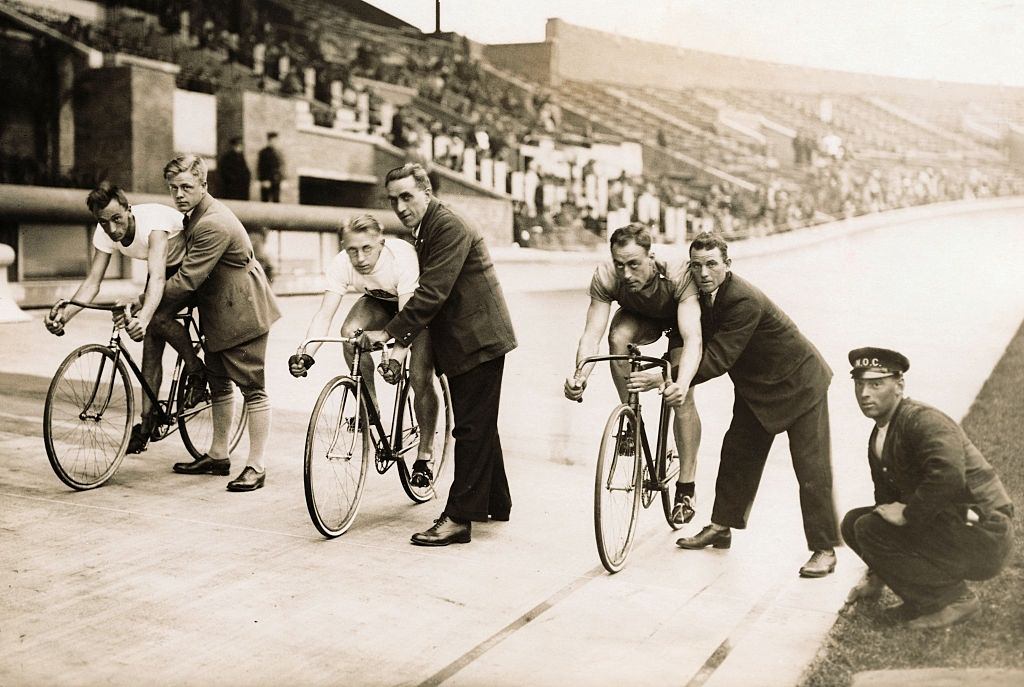
The 1950s brought competitive cycling back into the spotlight. Amsterdam hosted major international racing events, drawing riders and spectators from across Europe. The city’s streets became a stage for both the World Championship Road Race and track sprint events, showcasing elite-level cycling at its fastest.
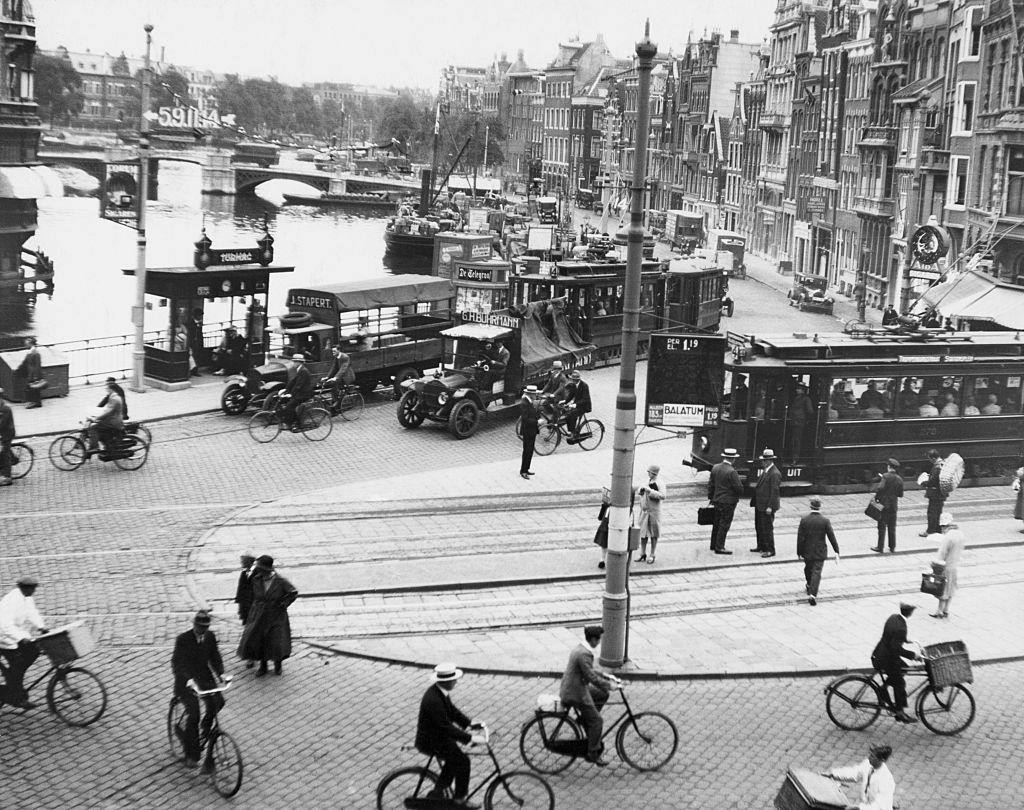
Away from the race tracks, the streets of central Amsterdam in the 1950s showed a city in full motion. Bicycles shared the road with automobiles, trolleys, buses, trucks, and even freight boats moving along the canals. The bicycle was just one part of a dense, layered urban transport system — but it remained one of the most common.
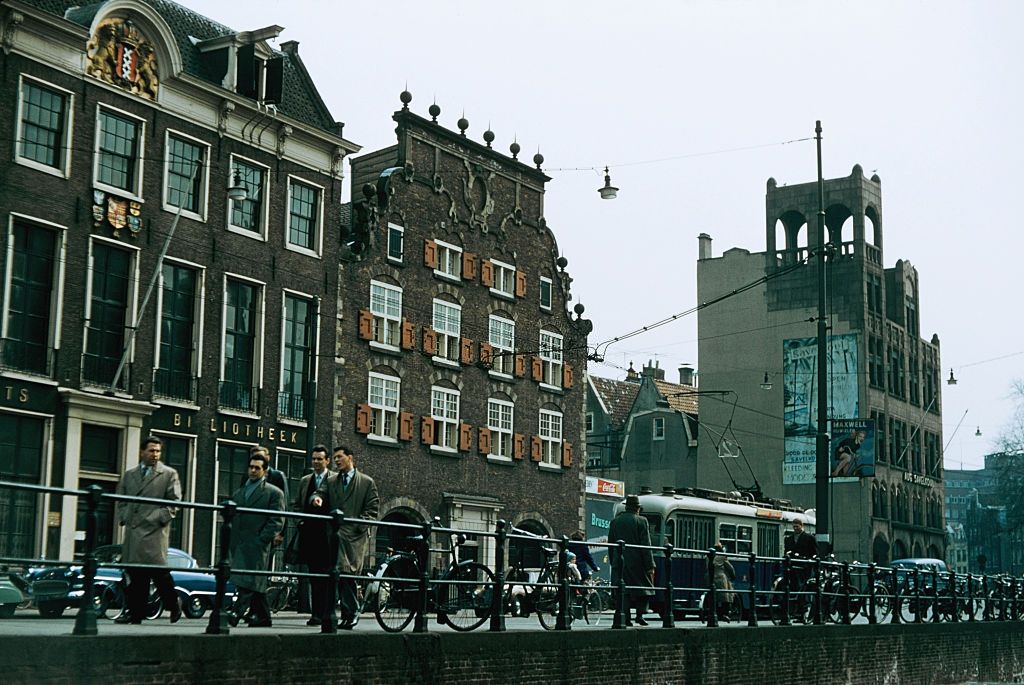
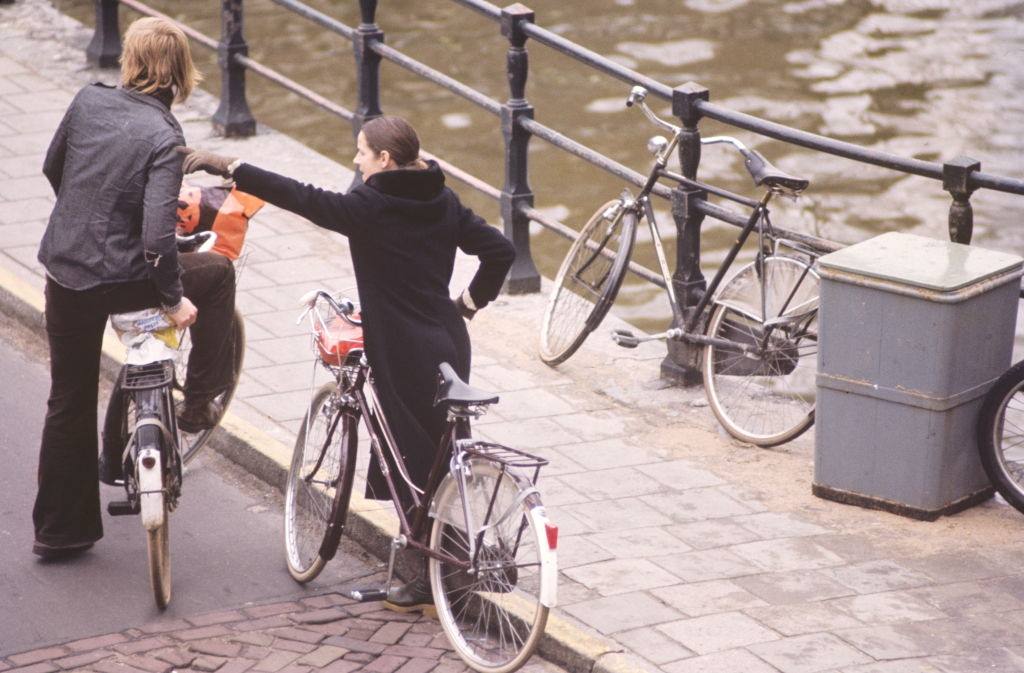
By the 1960s, Amsterdam’s canals were flanked by rows of parked bicycles, a sight that had become as characteristic of the city as the water itself. The bicycle was embedded in Amsterdam’s identity in a way that no other form of transport was.
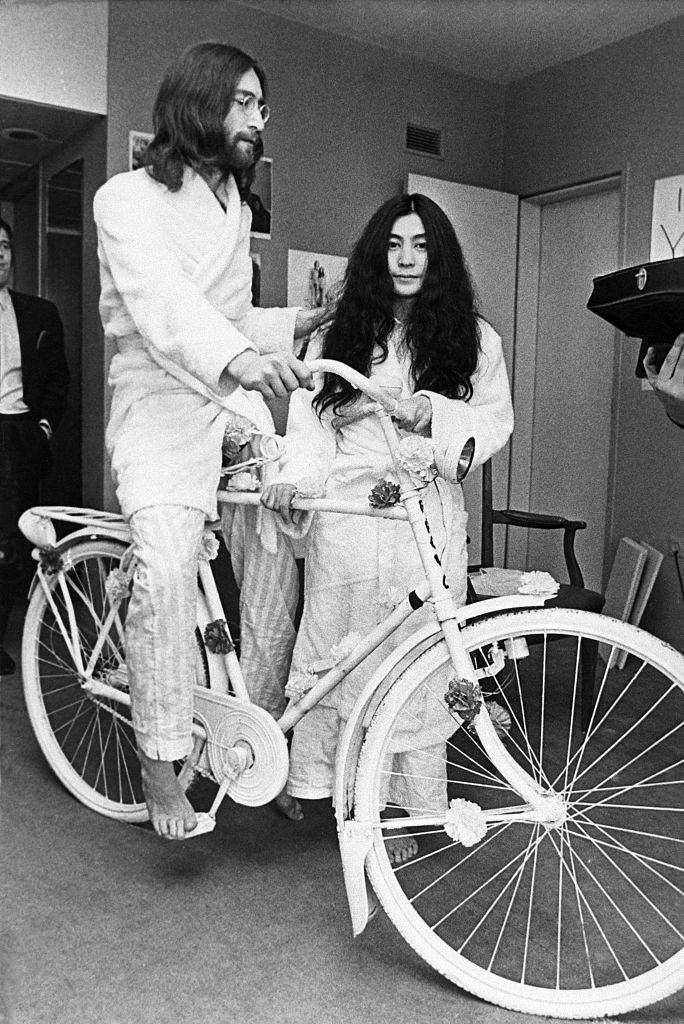
In March 1969, John Lennon and Yoko Ono staged their famous ‘Bed-In for Peace’ at the Amsterdam Hilton. During their stay, Lennon received a bicycle as a gift and was photographed taking it for a spin while Yoko watched. The image became one of many that captured the couple’s time in Amsterdam — a city that suited their public, unconventional style.
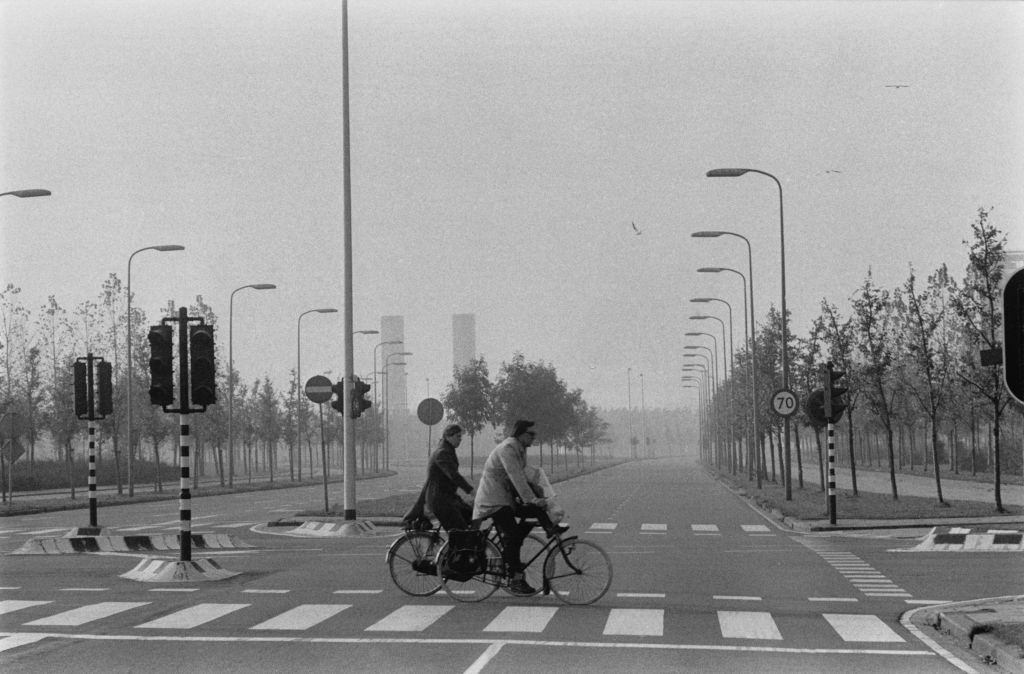
The 1973 oil crisis produced one of the most striking images in Amsterdam’s cycling history. When fuel shortages caused by the OPEC oil embargo left the city’s streets largely empty of cars, cyclists took over. On roads that would normally be packed with motor traffic, riders moved freely and undisturbed. The crisis sharpened Dutch public debate about car dependency and gave a significant boost to bicycle advocacy that would shape the city’s transport policy for decades.
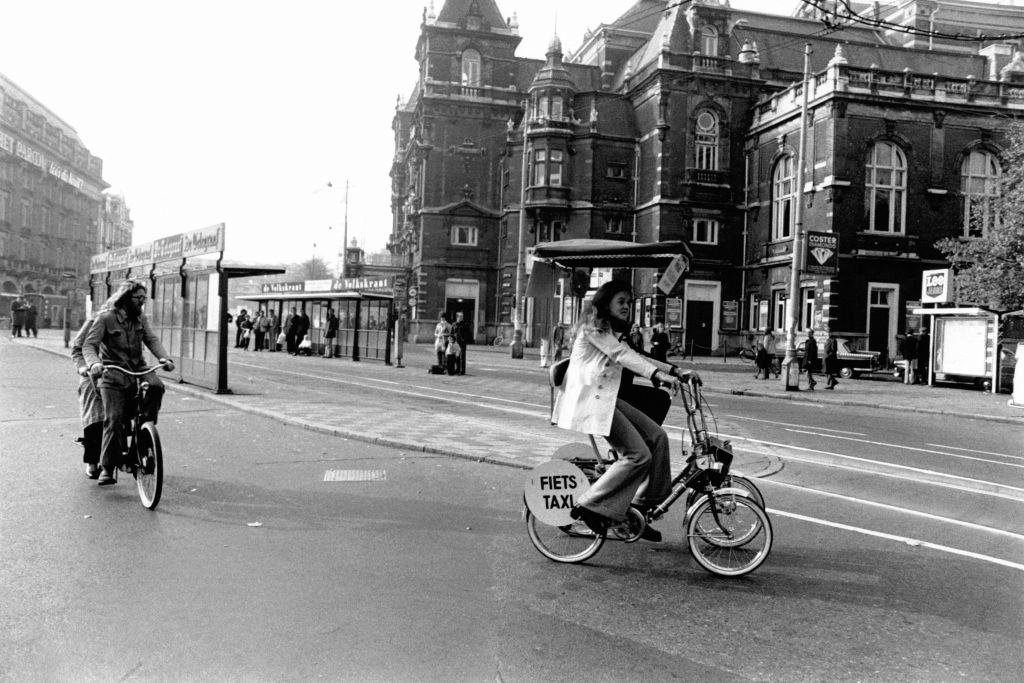
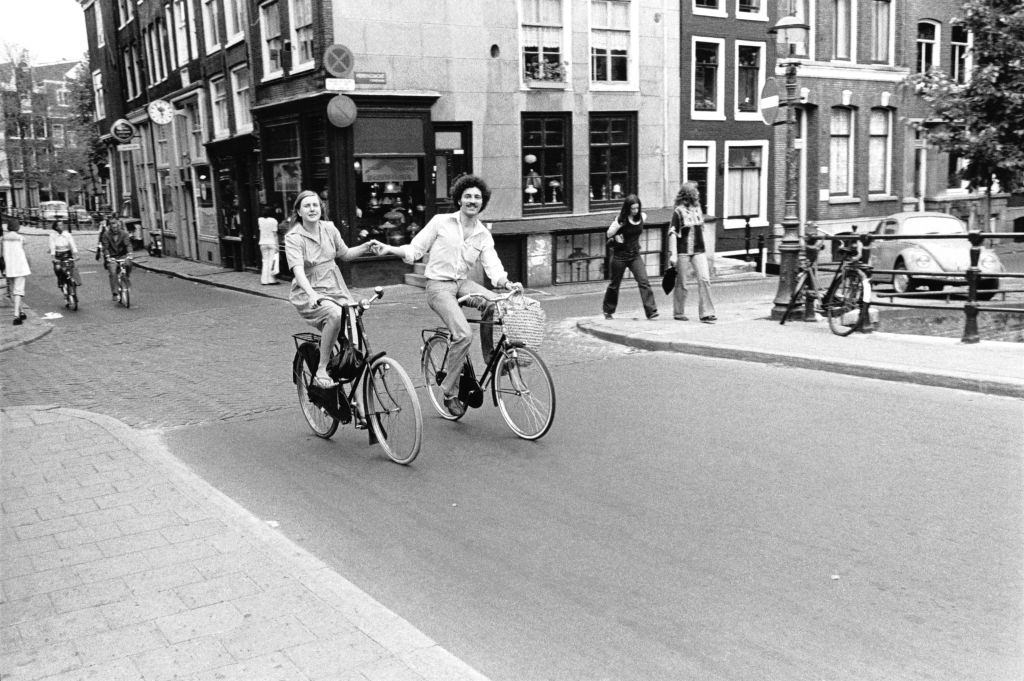
By the mid-1970s, Amsterdam’s cycling population was as diverse as the city itself. Parents carried children, elderly riders kept their independence, and cyclists adapted their rides to the weather with quiet ingenuity — including riding one-handed while holding an umbrella through Amsterdam’s frequent rain. Vondel Park became a popular route for recreational cyclists, including at least one man who used his daily ride to take his poodle along for the outing.
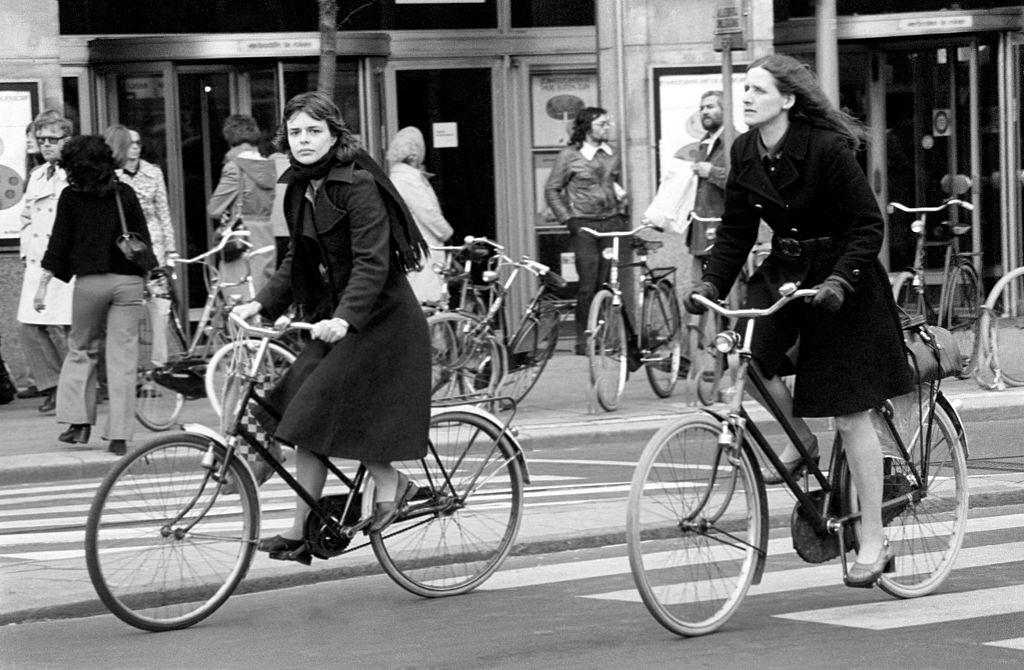
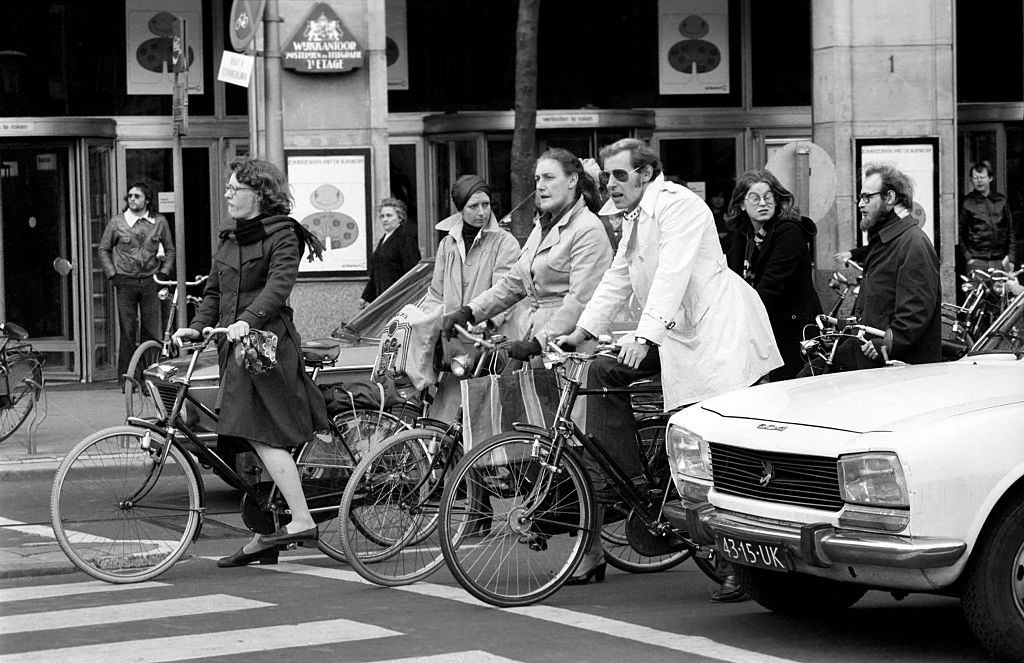
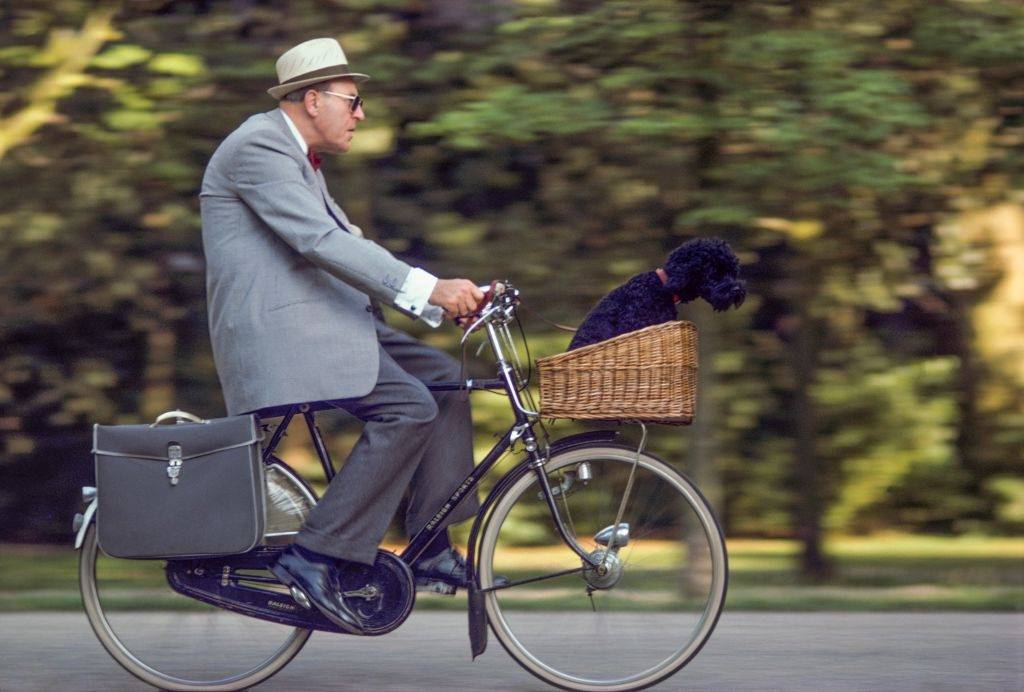
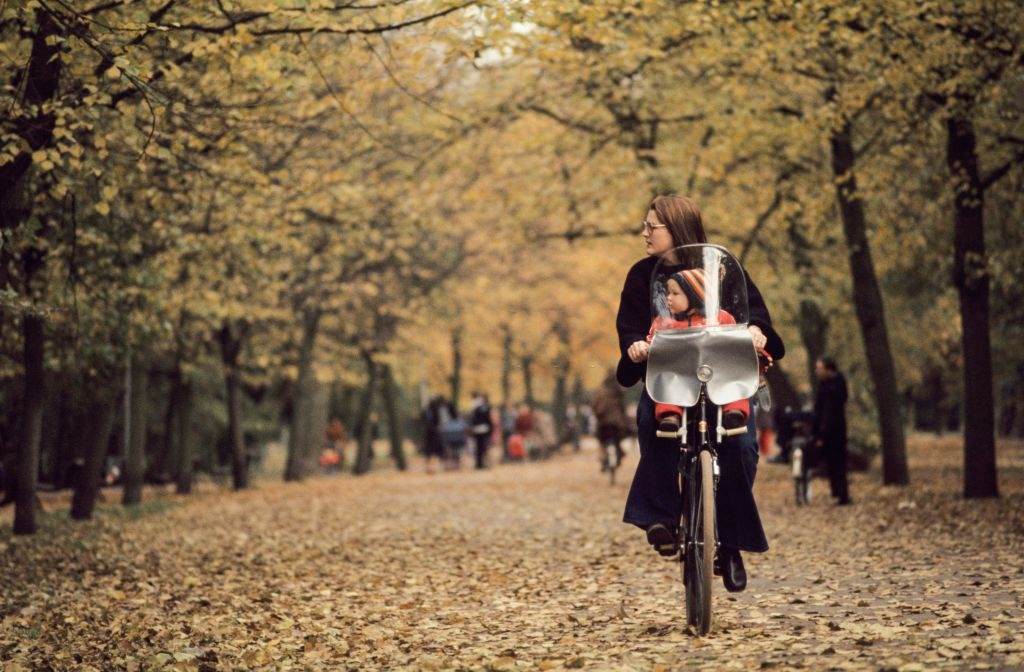
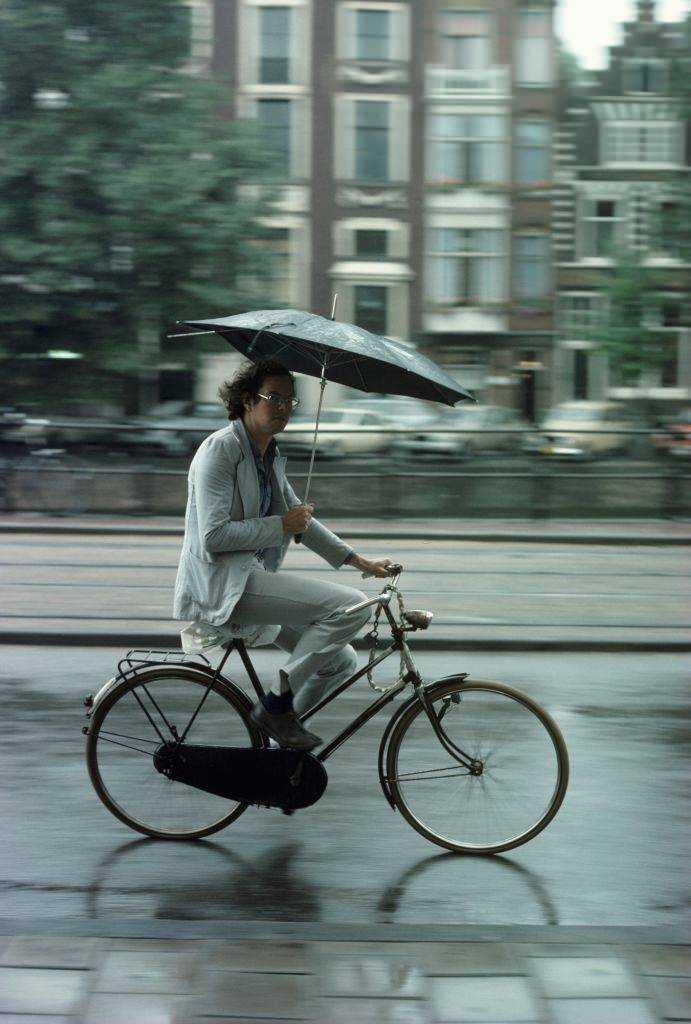
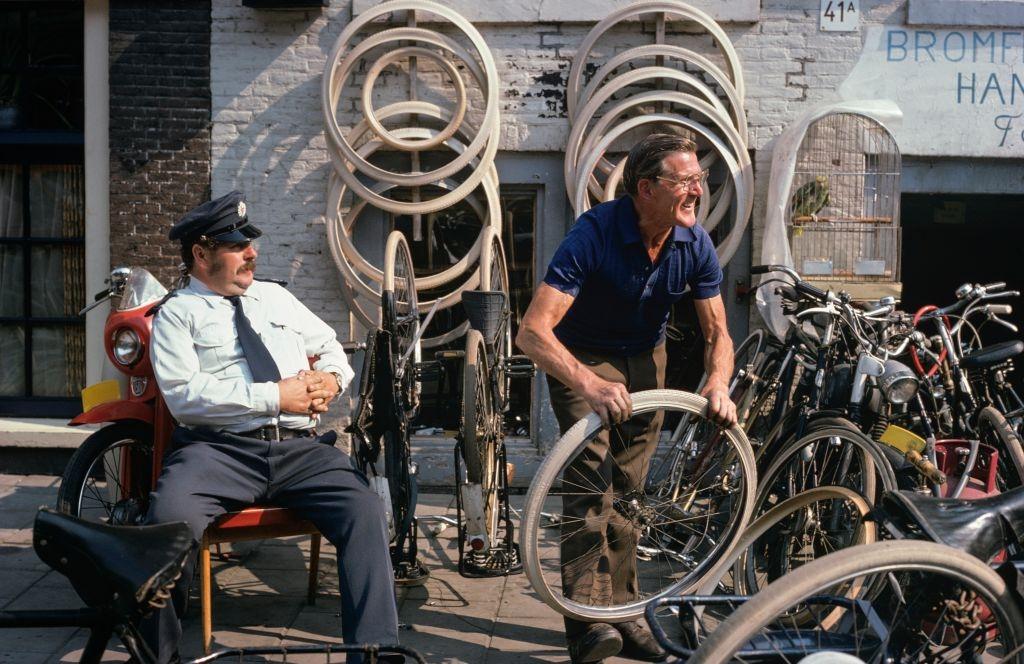
The most popular bicycle in Amsterdam across this entire era was the Omafiets — a Dutch-style roadster with a step-through frame that made it easy for riders of all ages to mount and dismount. Its upright riding position, durable construction, and simple mechanics made it ideal for city use. Alongside it, city bikes, road bikes, and even recumbent bicycles all found riders in Amsterdam. The city’s bicycle repair shops stayed busy keeping all of them running.
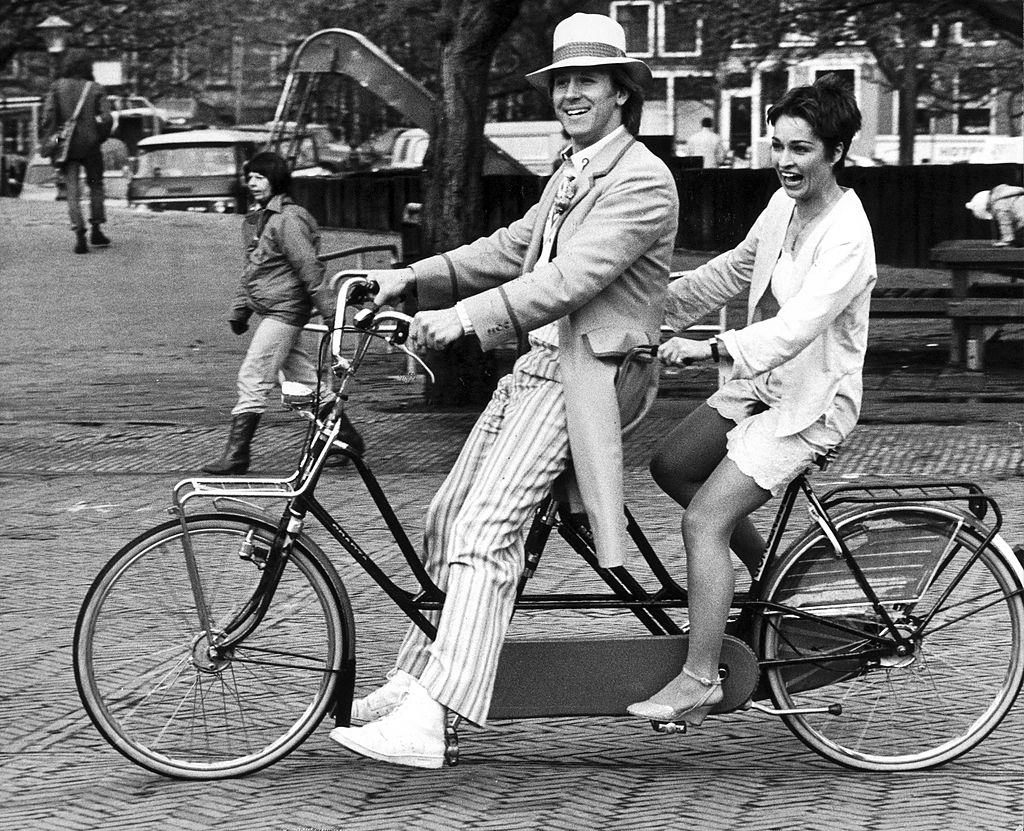
Amsterdam’s cycling culture attracted visitors and celebrities alike. In 1982, actors Peter Davison and Janet Fielding — known at the time for their roles in the British television series Doctor Who — were photographed cycling through the city together. For them, as for millions of tourists before and after, getting on a bicycle was simply the best way to experience Amsterdam.