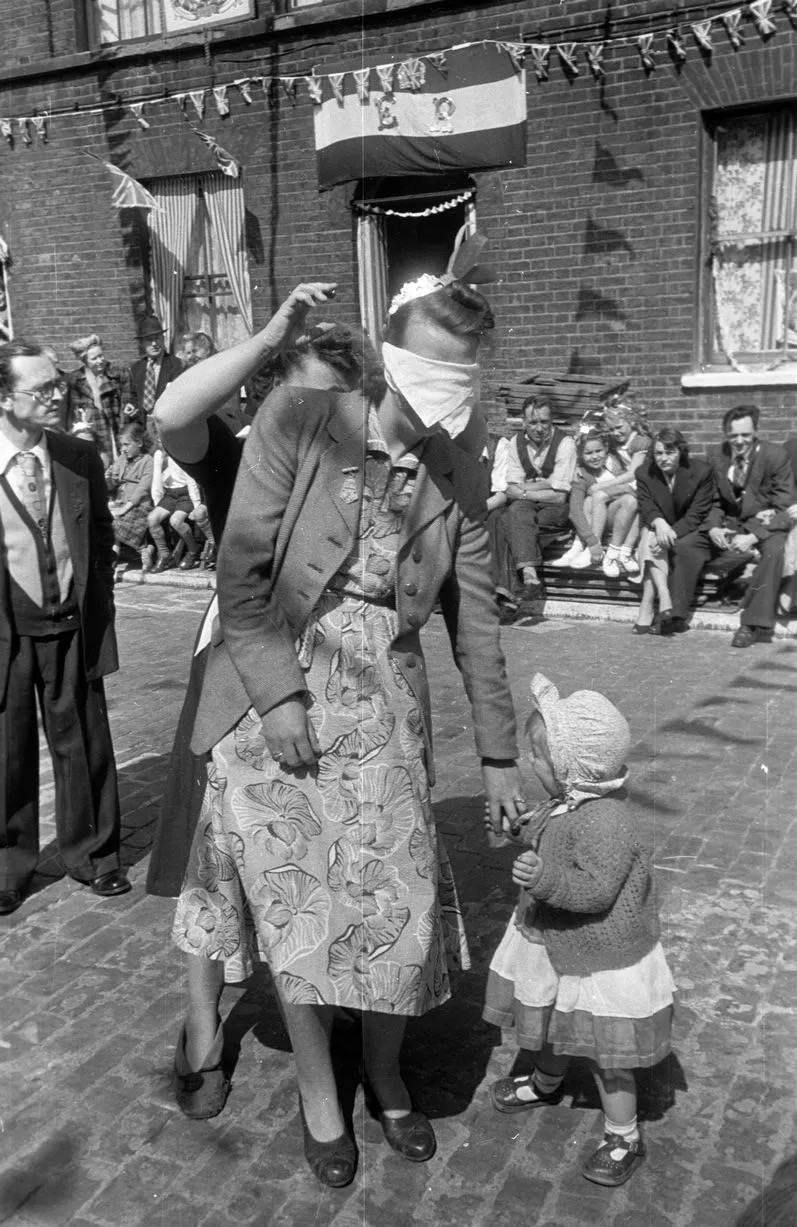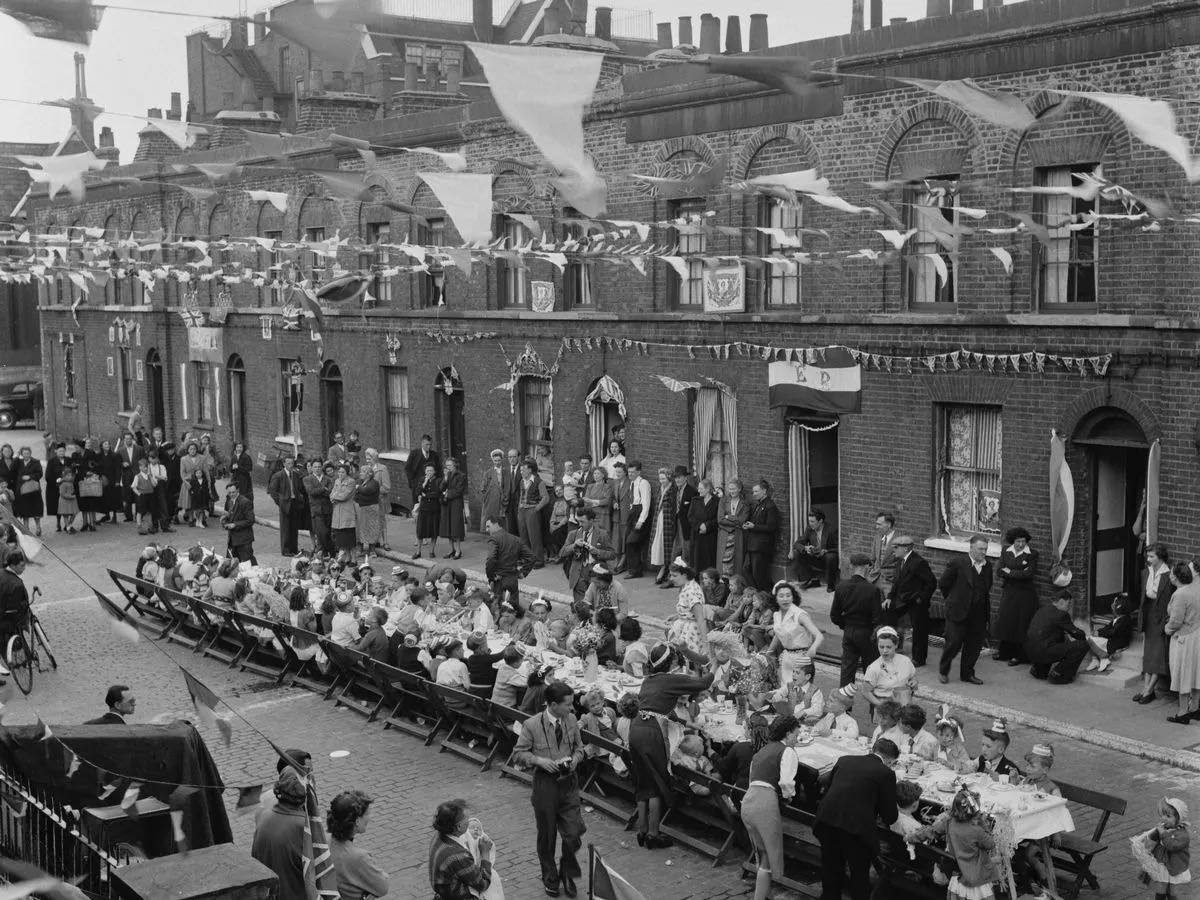
On June 2, 1953, Queen Elizabeth II was crowned at Westminster Abbey. Across Britain, streets filled with bunting, food, and music. In Bethnal Green, deep in London’s East End, Morpeth Street threw one of those parties — and photographer John Chillingworth was there to document every moment of it.
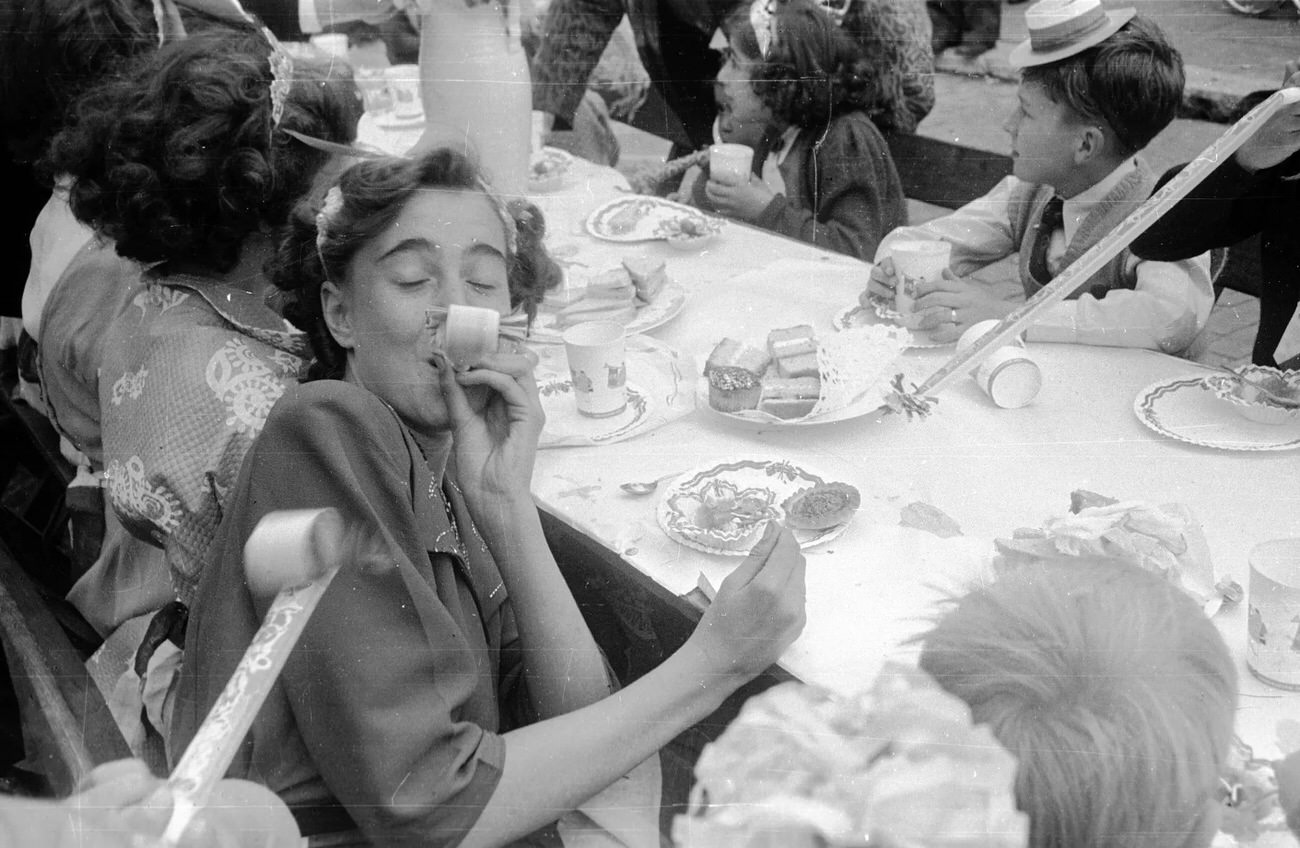
Morpeth Street had taken a severe beating during the Blitz. Bombed-out buildings and bare lots were still visible in 1953, eight years after the war had ended. The physical damage was a constant reminder of what the neighborhood had lived through. Rationing had only fully ended the year before, and many families were still rebuilding their lives from scratch.
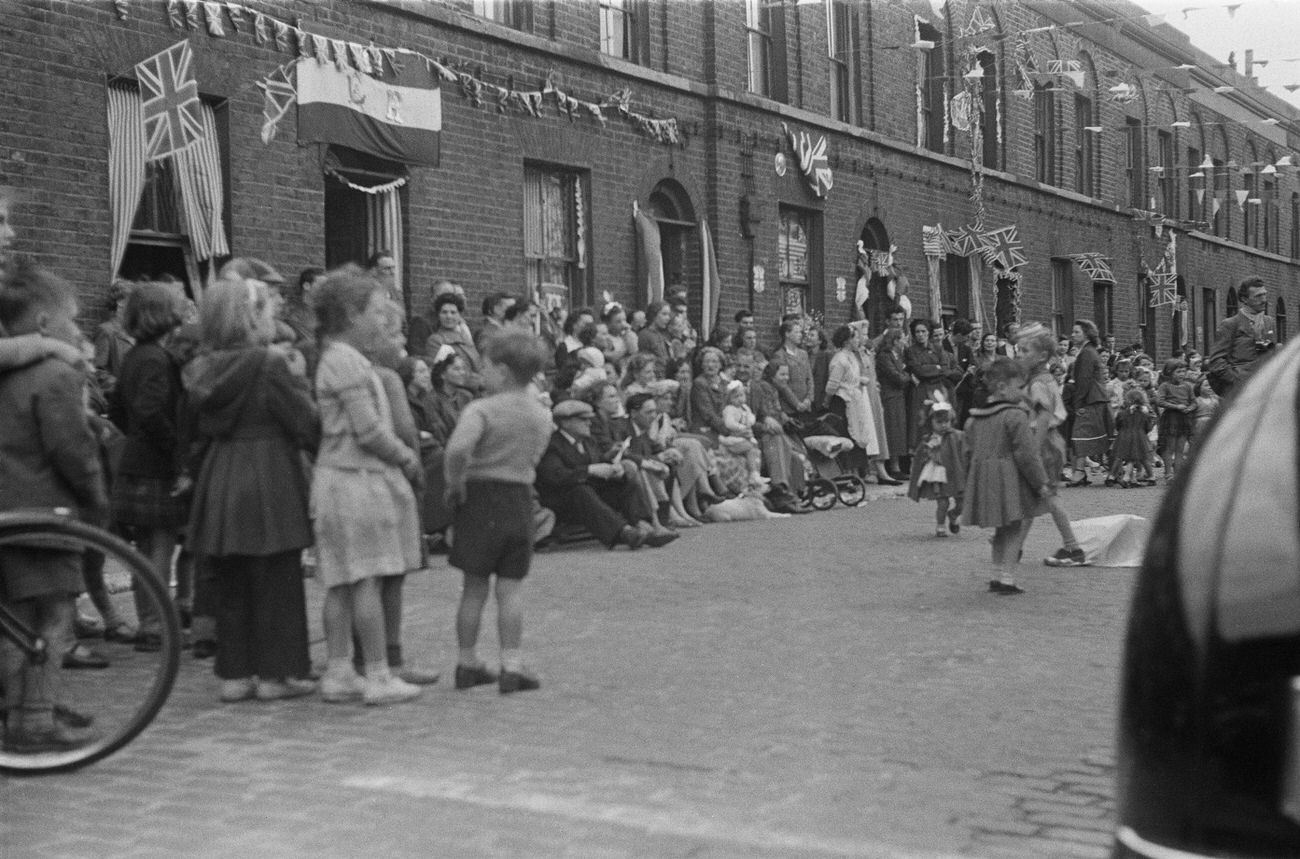
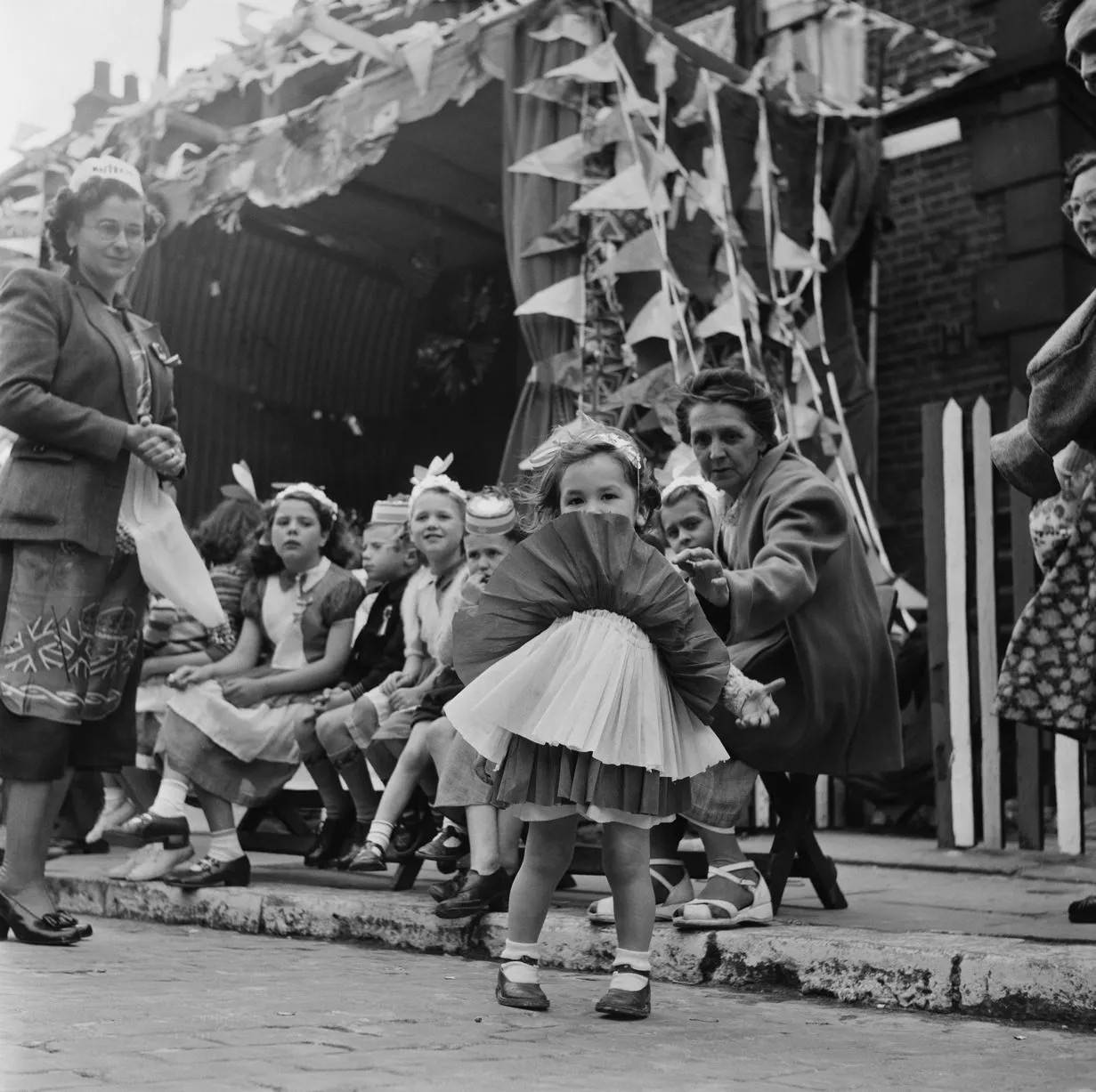
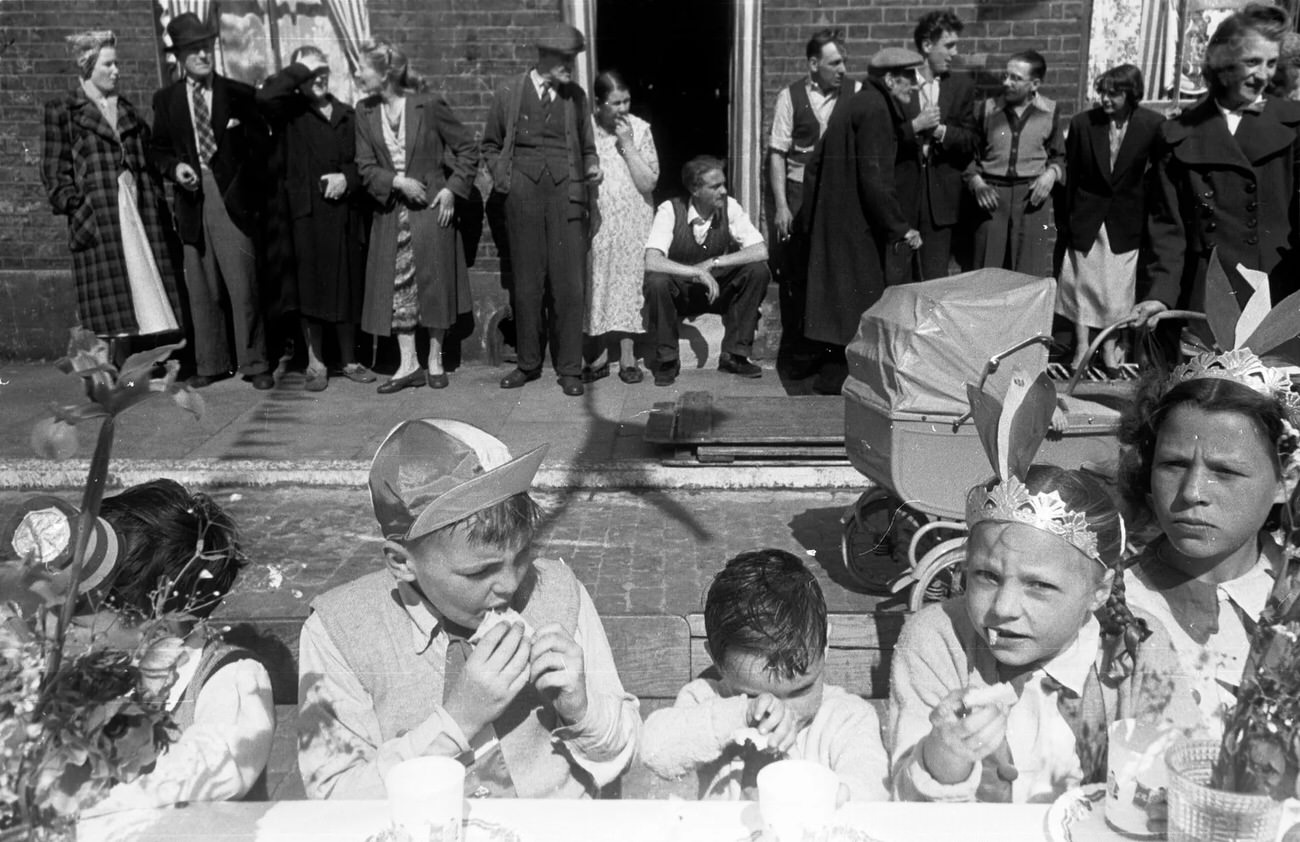
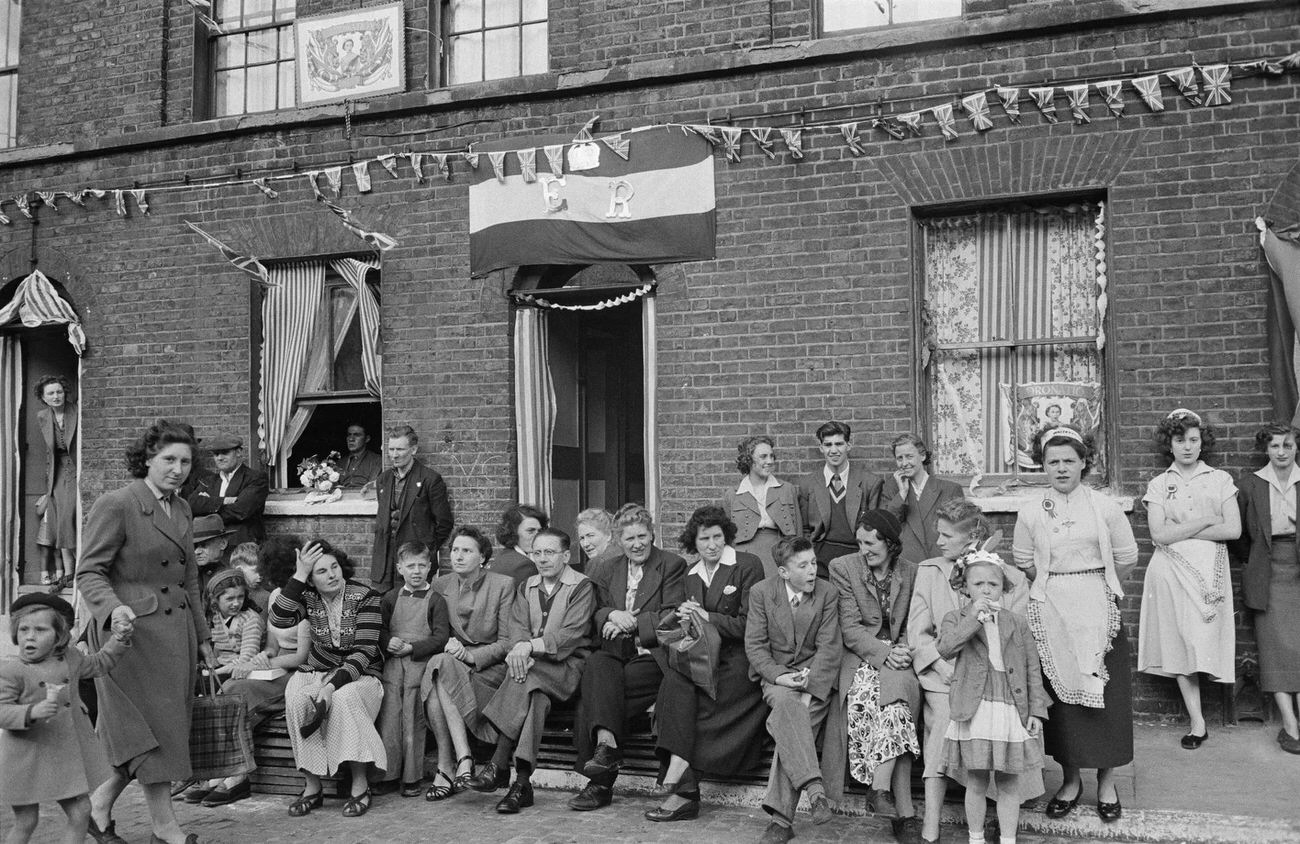
Yet on coronation day, the street looked nothing like a place still recovering from war. Tables ran the full length of the road, loaded with sandwiches, cakes, and jellies — most of it homemade. Neighbors had pooled their resources to pull it off. Bunting stretched from window to window overhead.
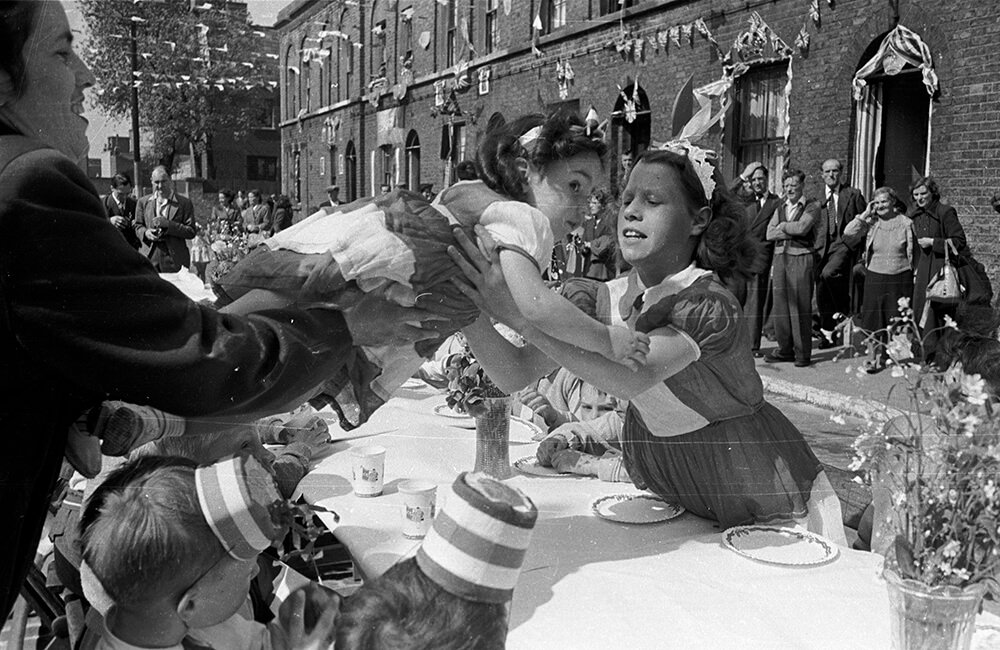
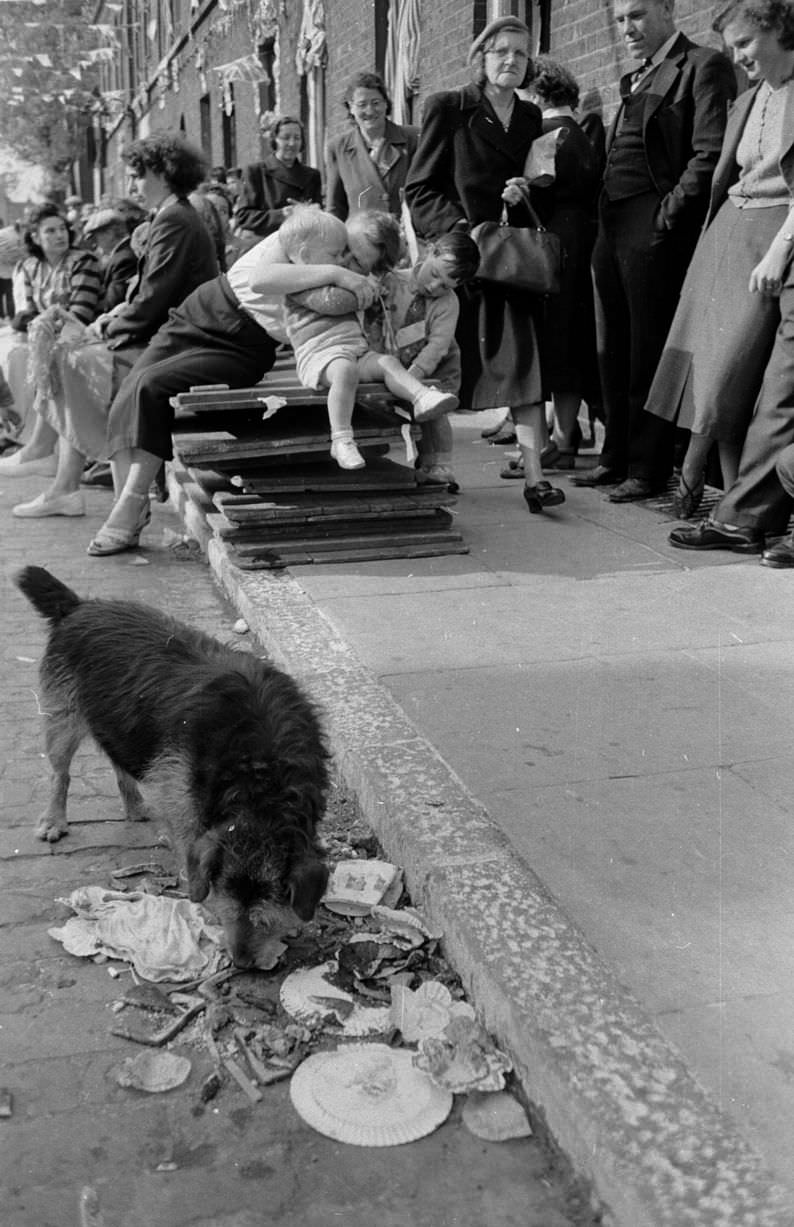
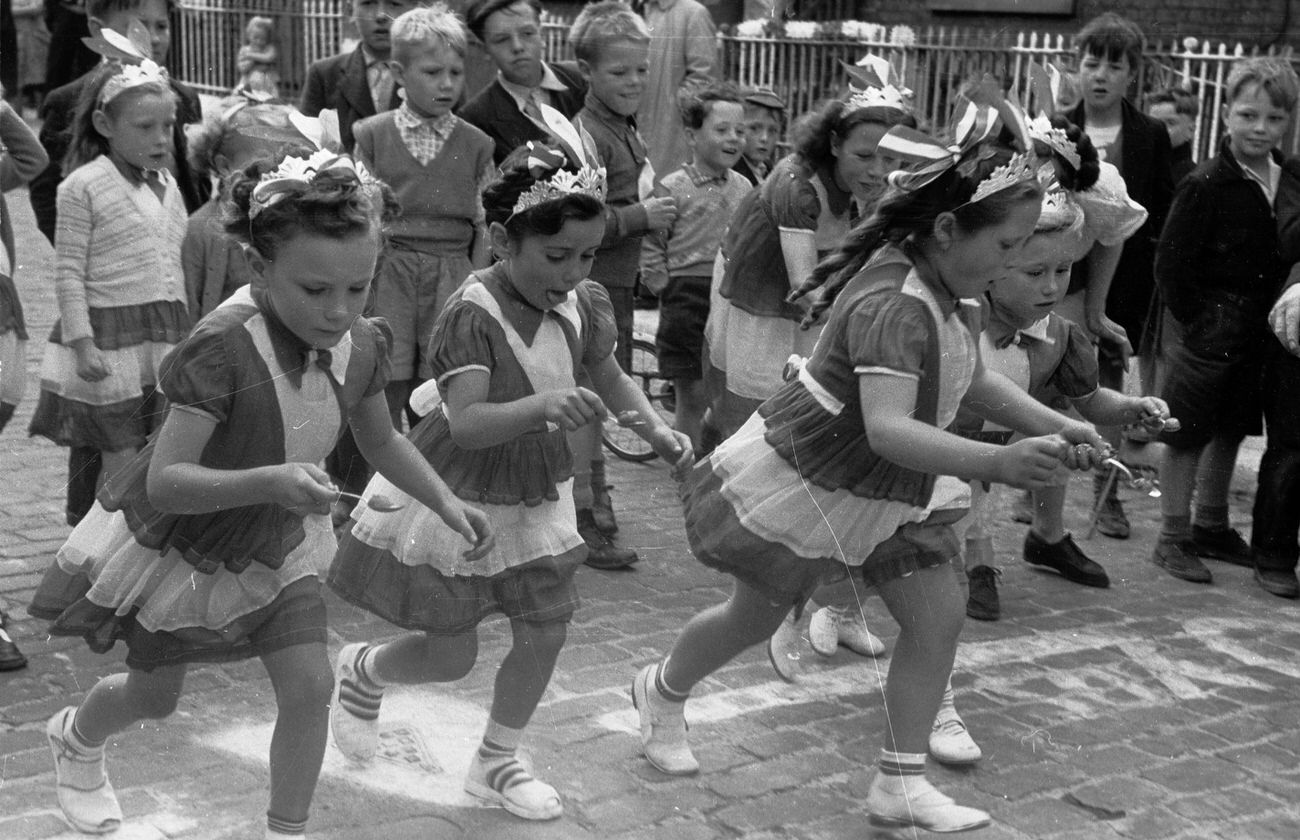
The same people who had shared air raid shelters during the bombings now sat side by side at long communal tables. Elderly women dressed in their best clothes chatted over cups of tea. Younger residents danced in the road. Children ran between the tables and played games in the open street.
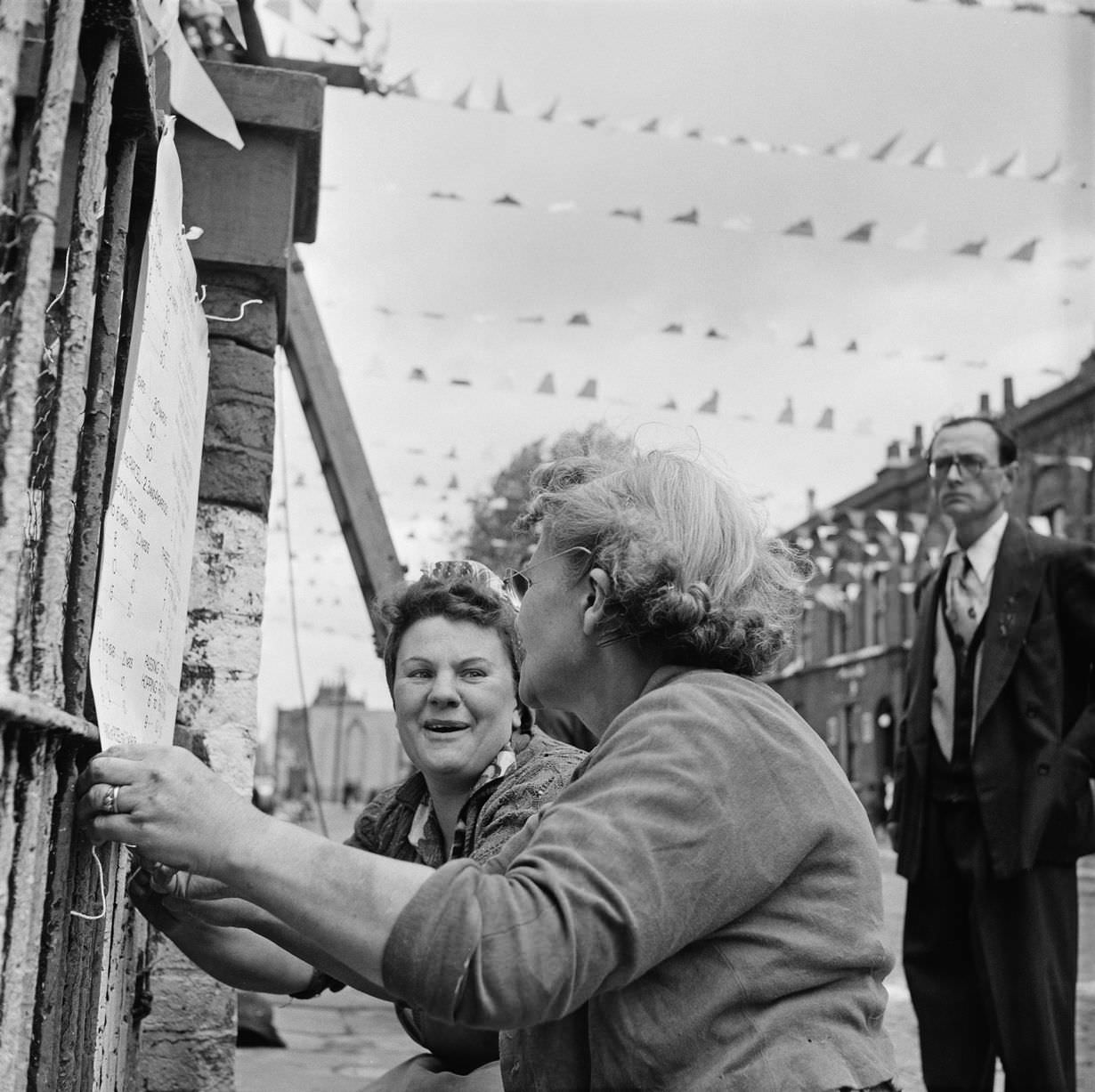
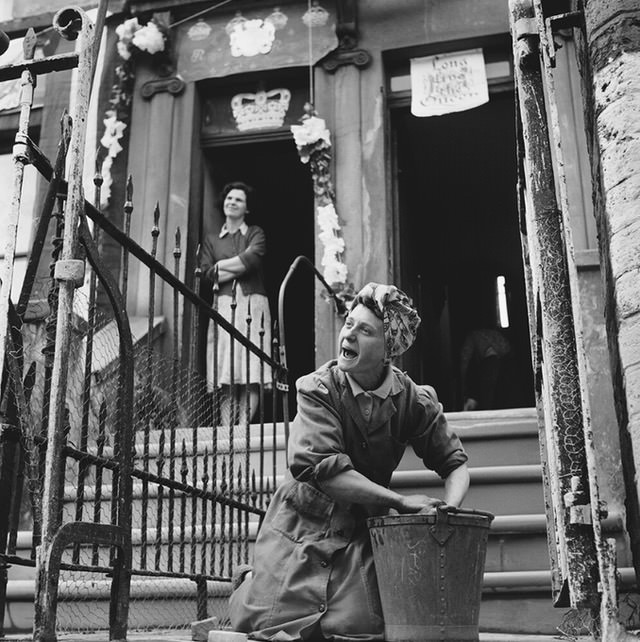
Chillingworth’s photographs captured the residents of Morpeth Street as individuals, not just a crowd. His lens found the older men standing together with their pints, the mothers watching their children from folding chairs, and the teenage girls laughing at the edge of the dancing. Each face told its own story of the previous decade.
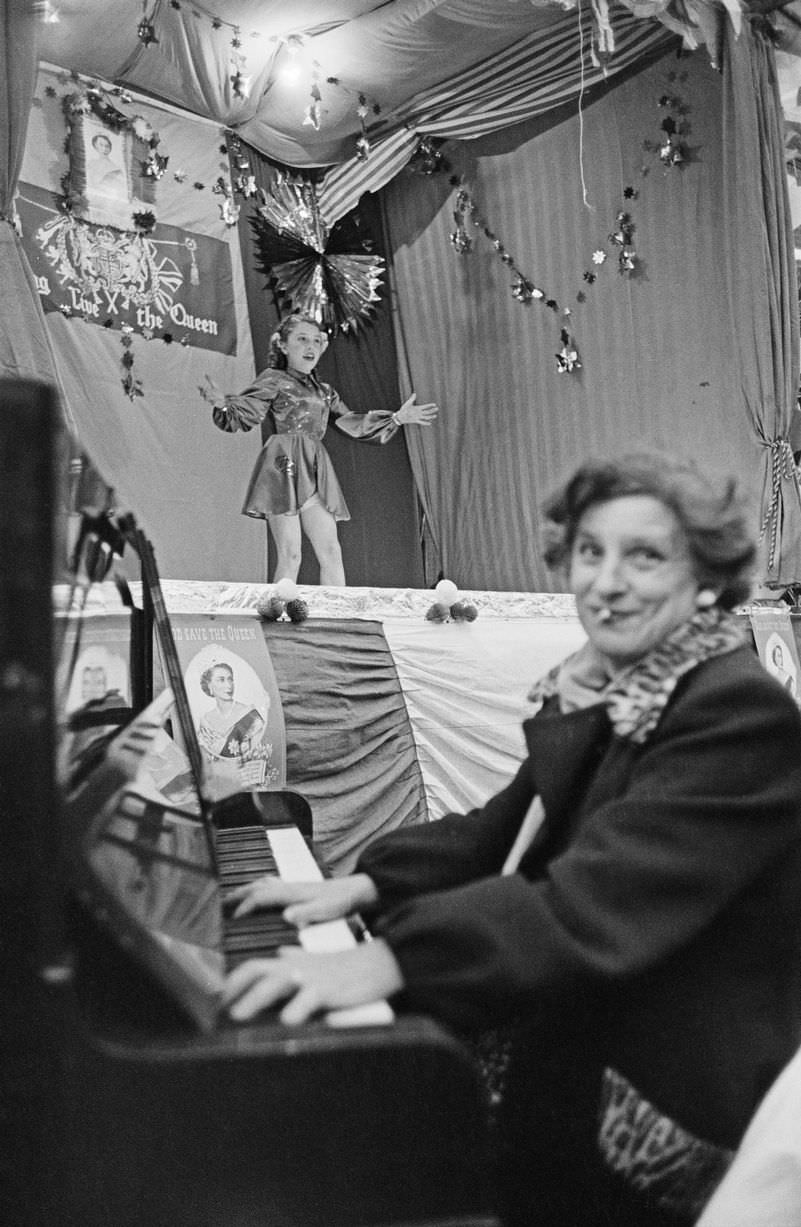
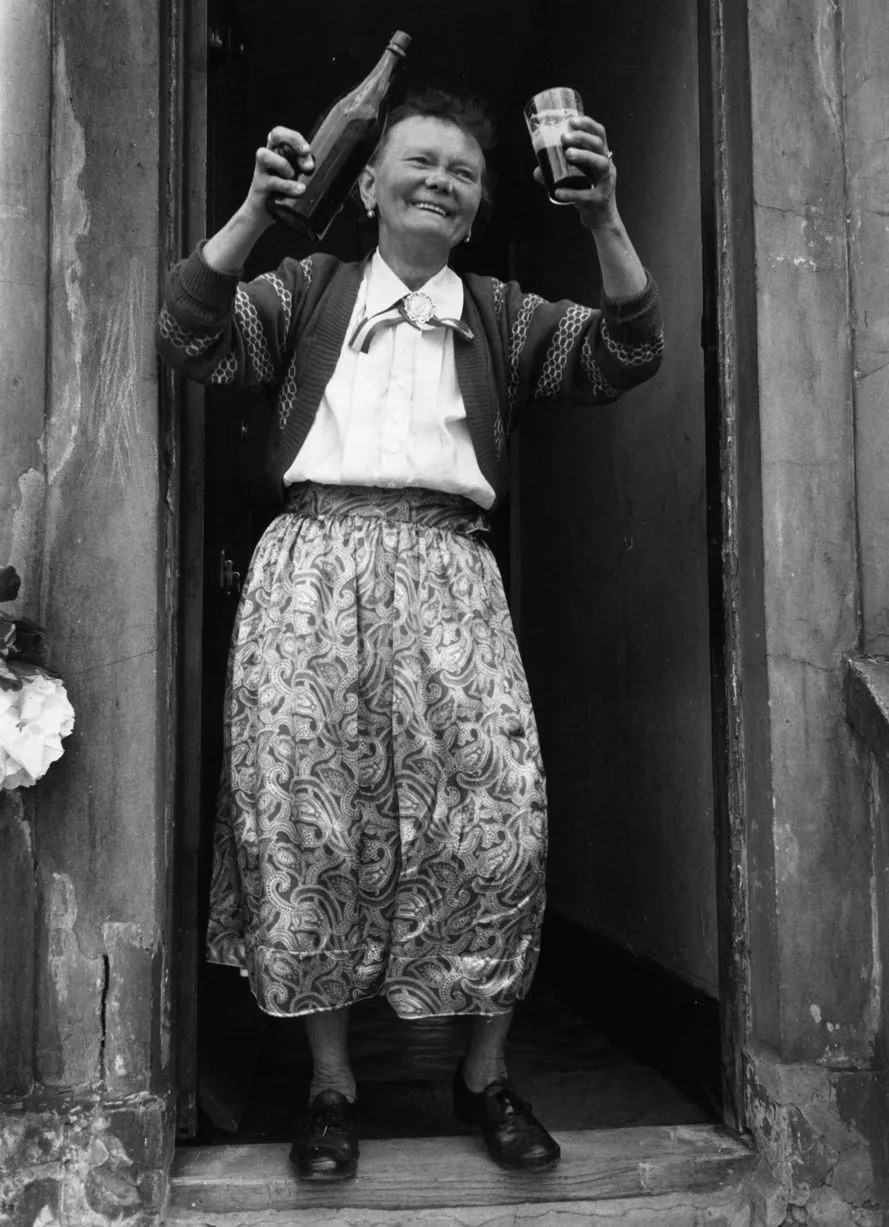
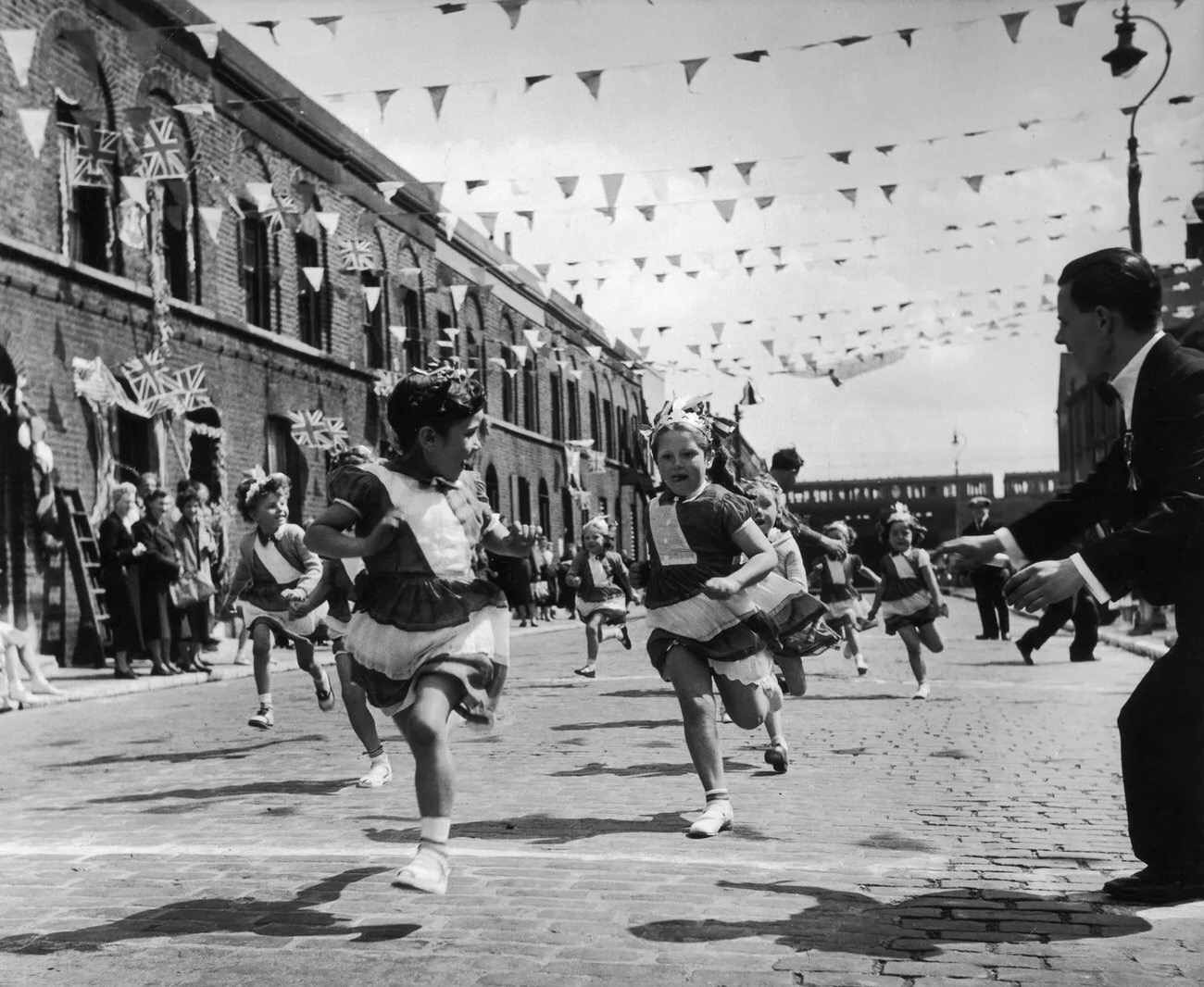
Bethnal Green was one of the most densely populated areas of East London. Its residents were working-class, tightly knit, and accustomed to hardship. The coronation gave them a shared reason to stop, gather, and mark the moment together — something the community had always done well, even in the worst of times.
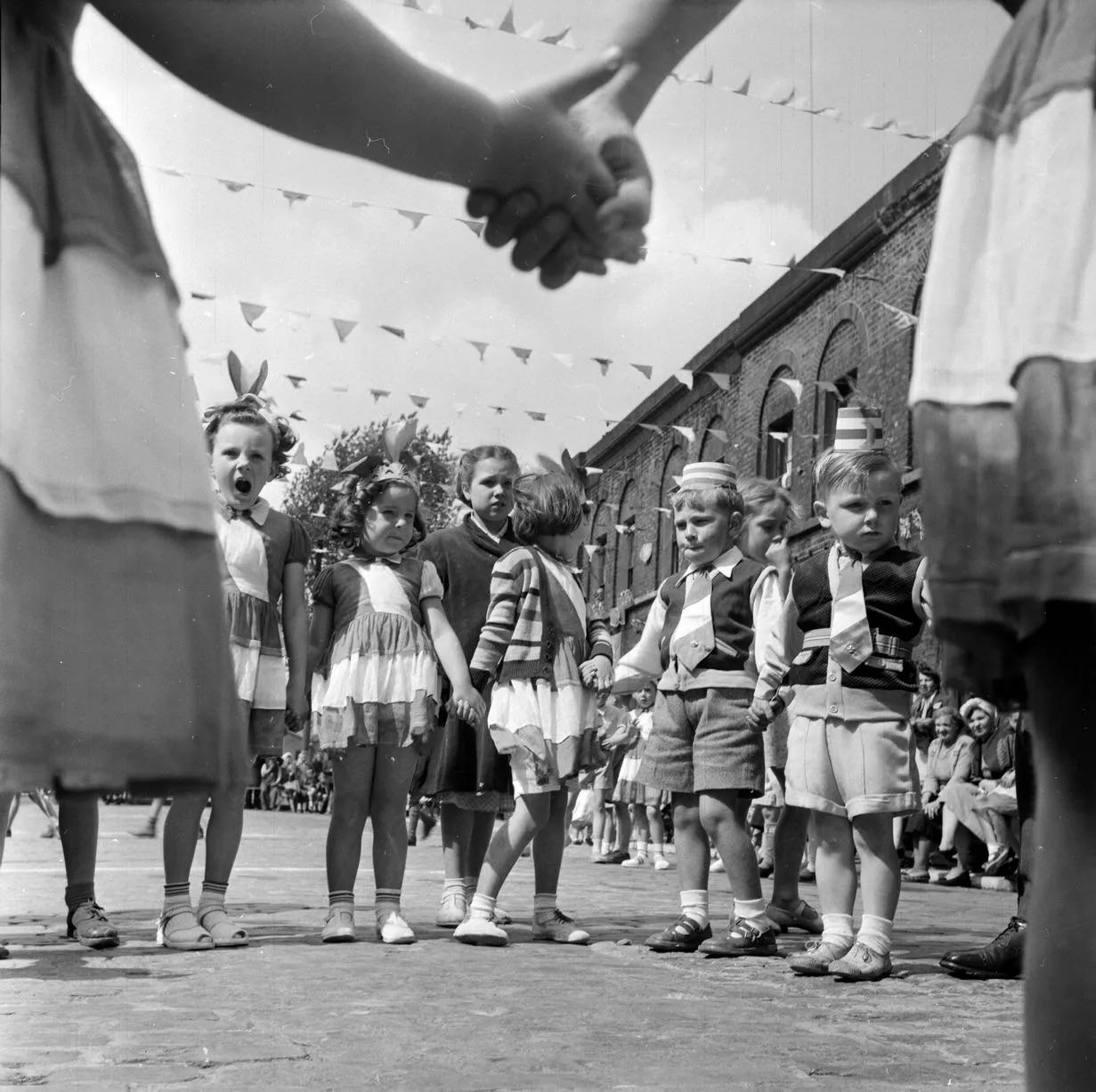
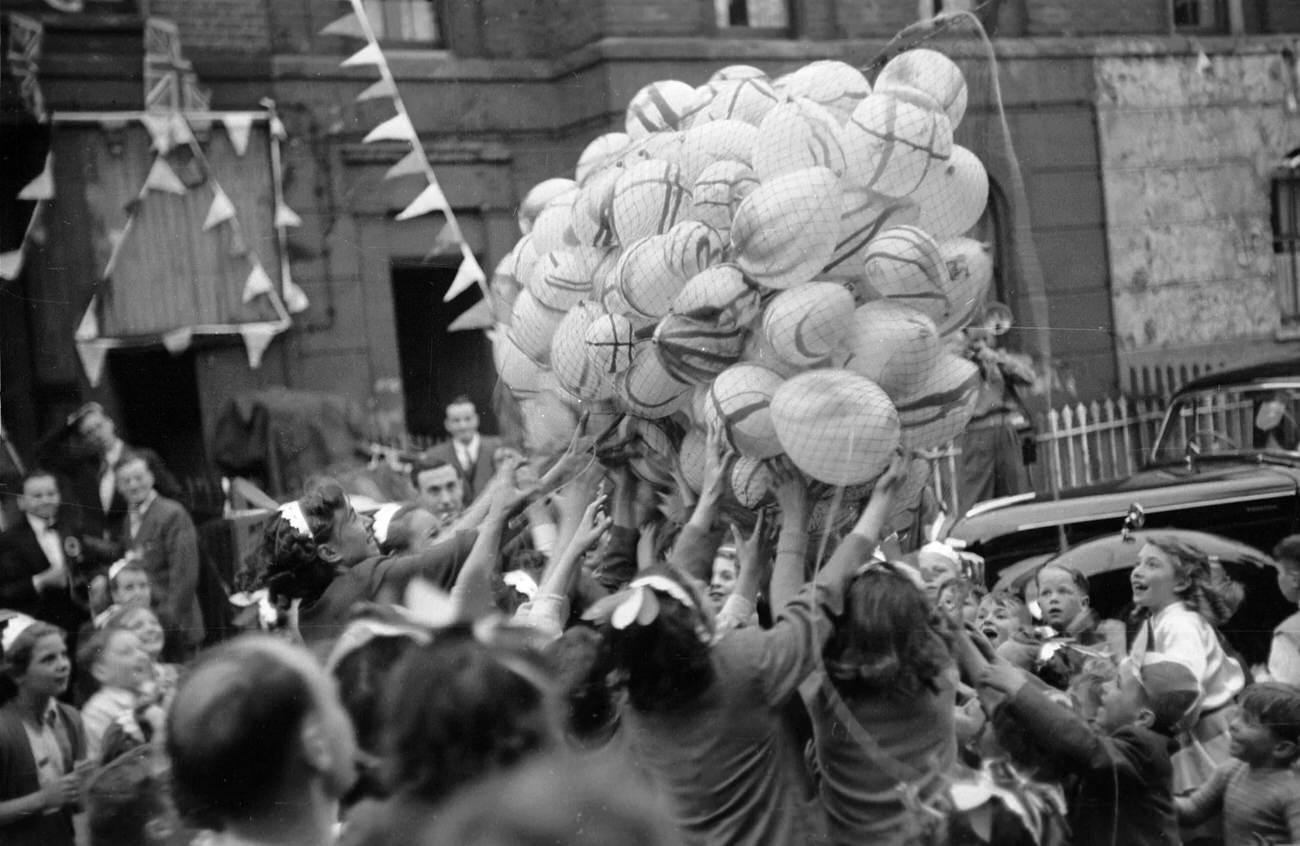
For the children of Morpeth Street, the party was pure celebration with no weight of wartime memory attached to it. They had grown up hearing the stories, but this day was entirely theirs — games, sweets, music, and the rare thrill of a street closed off just for them.
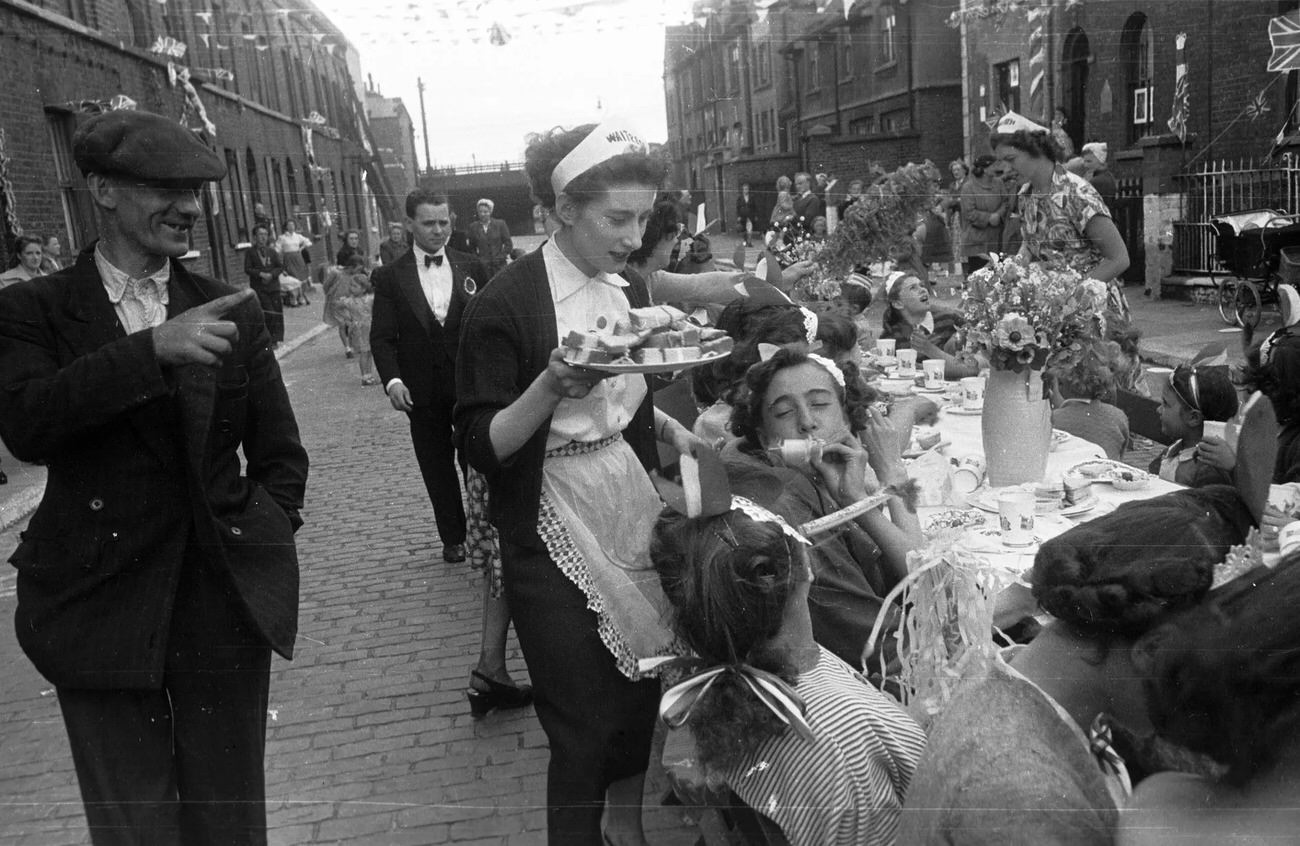
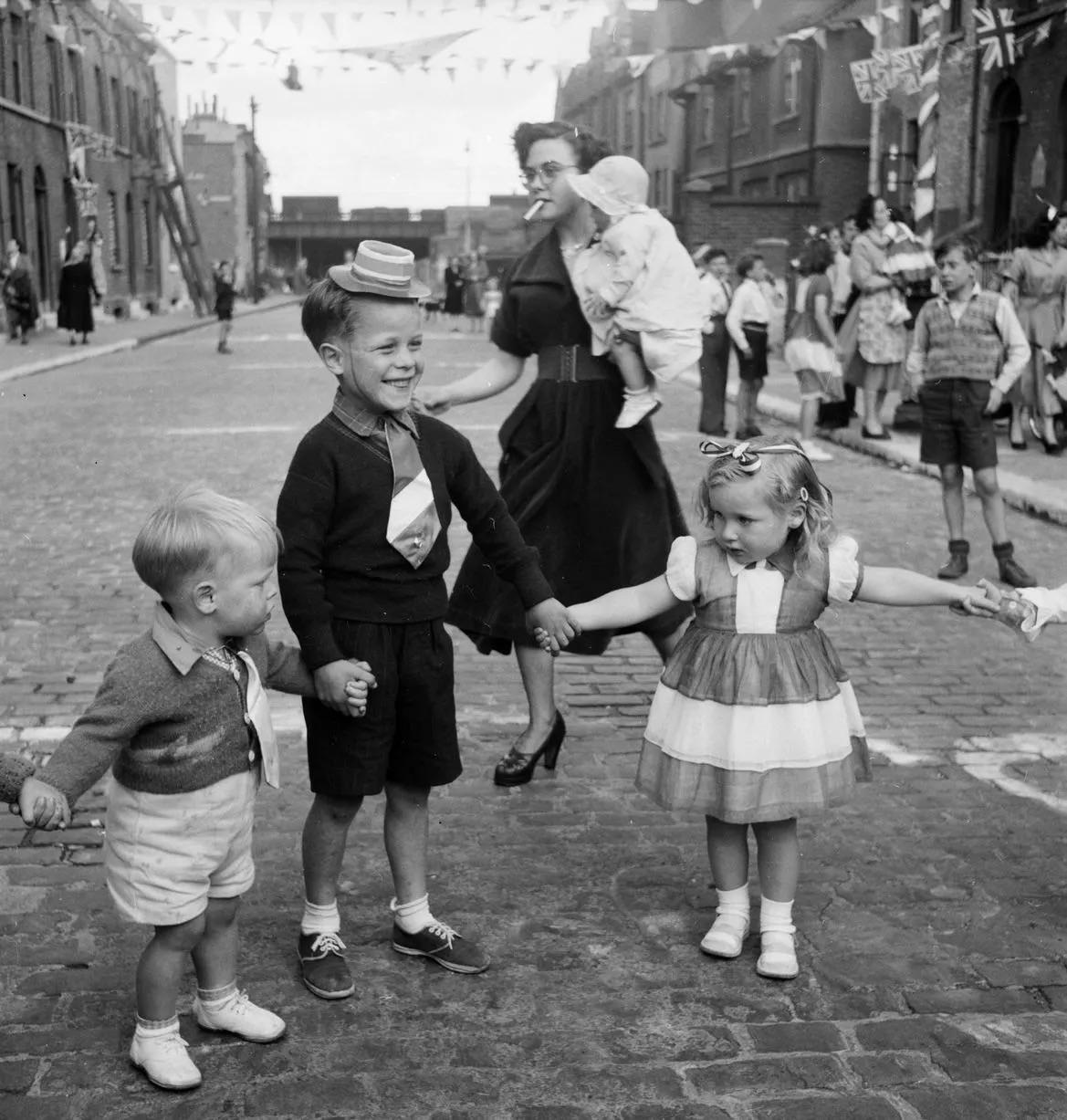
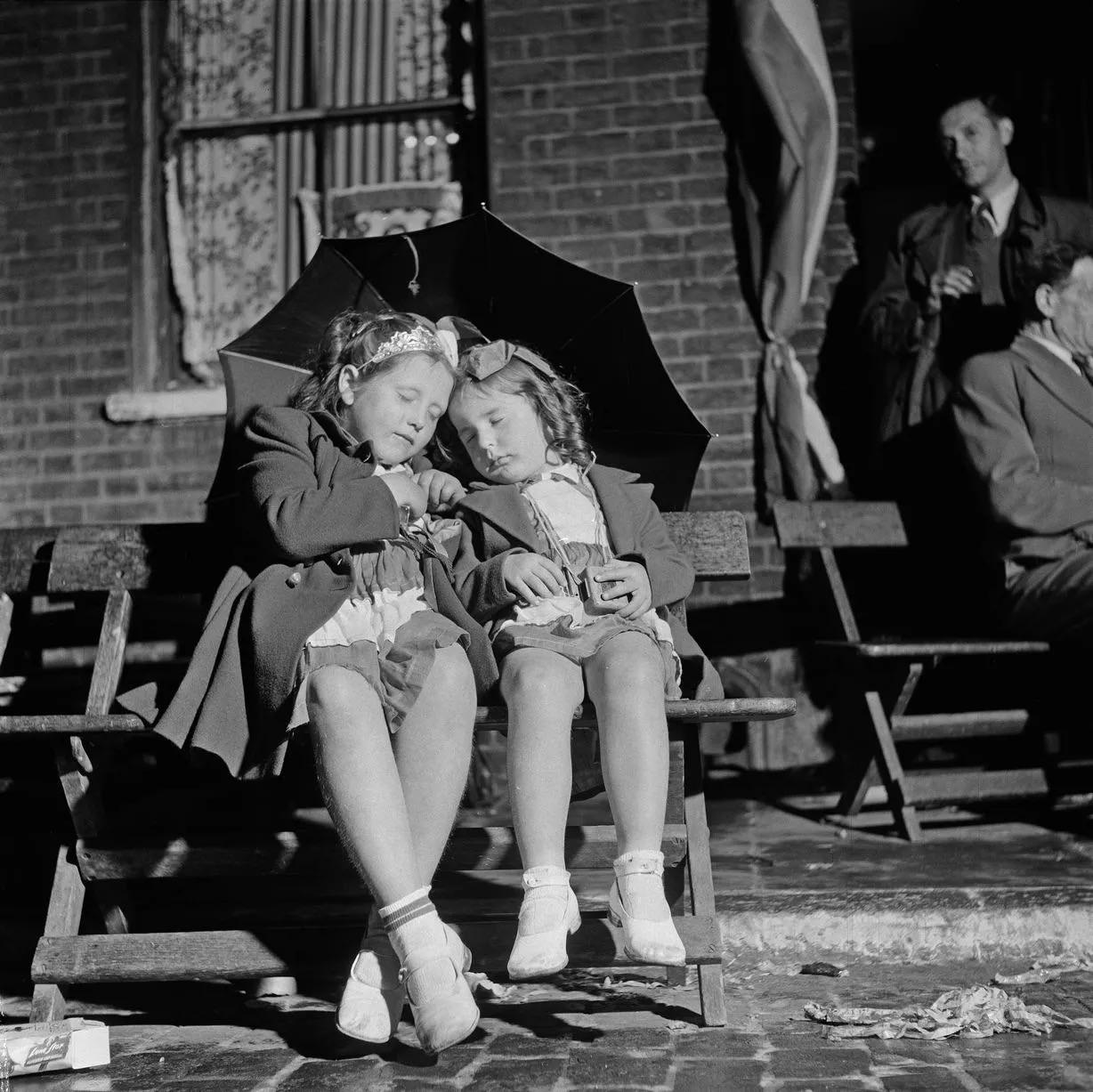
Chillingworth worked for Picture Post, one of Britain’s most respected photojournalism magazines of the era. His assignment on coronation day sent him into the streets rather than the abbey. The result was a ground-level record of how ordinary East Enders marked one of the biggest days in modern British history.
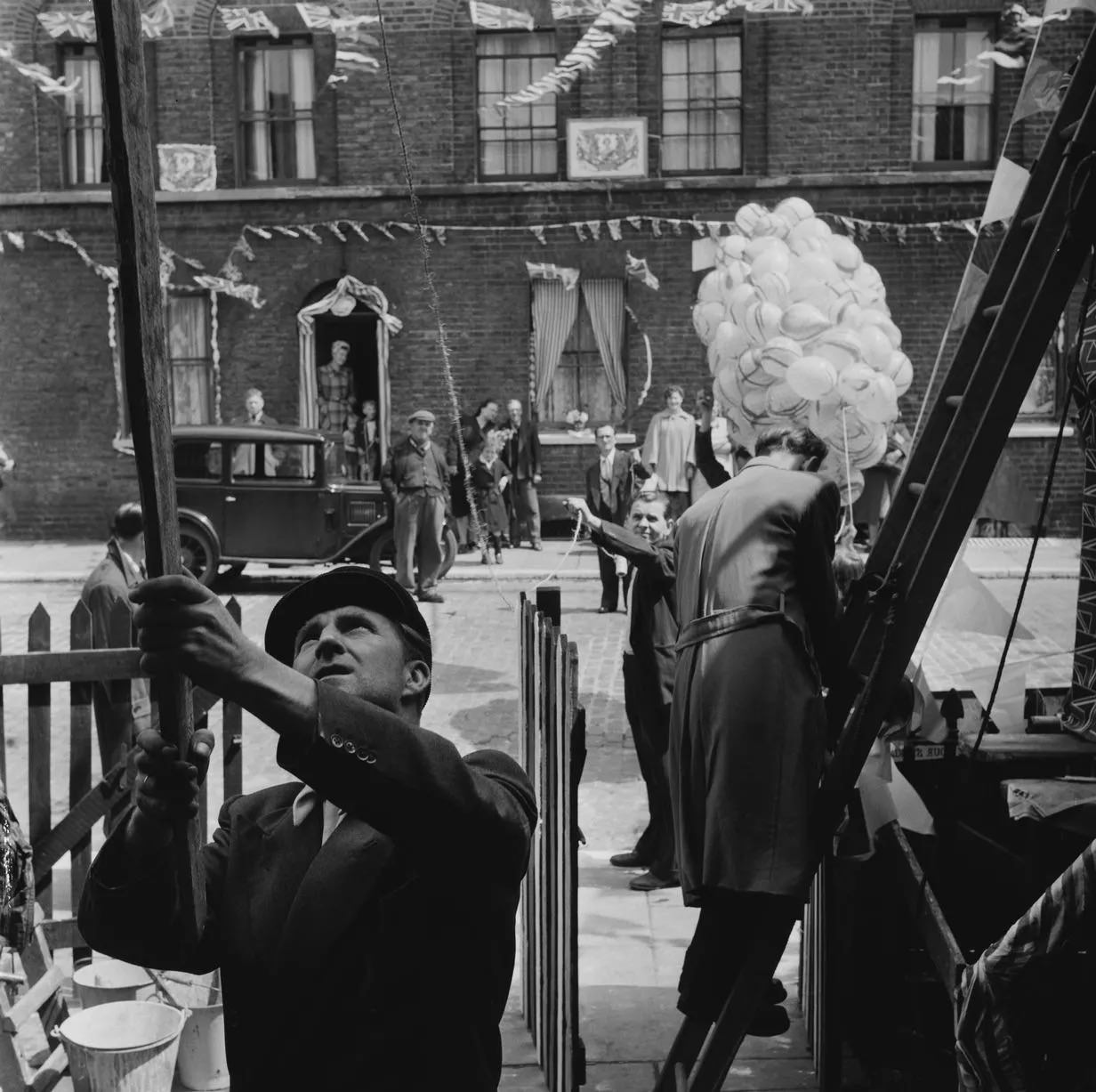
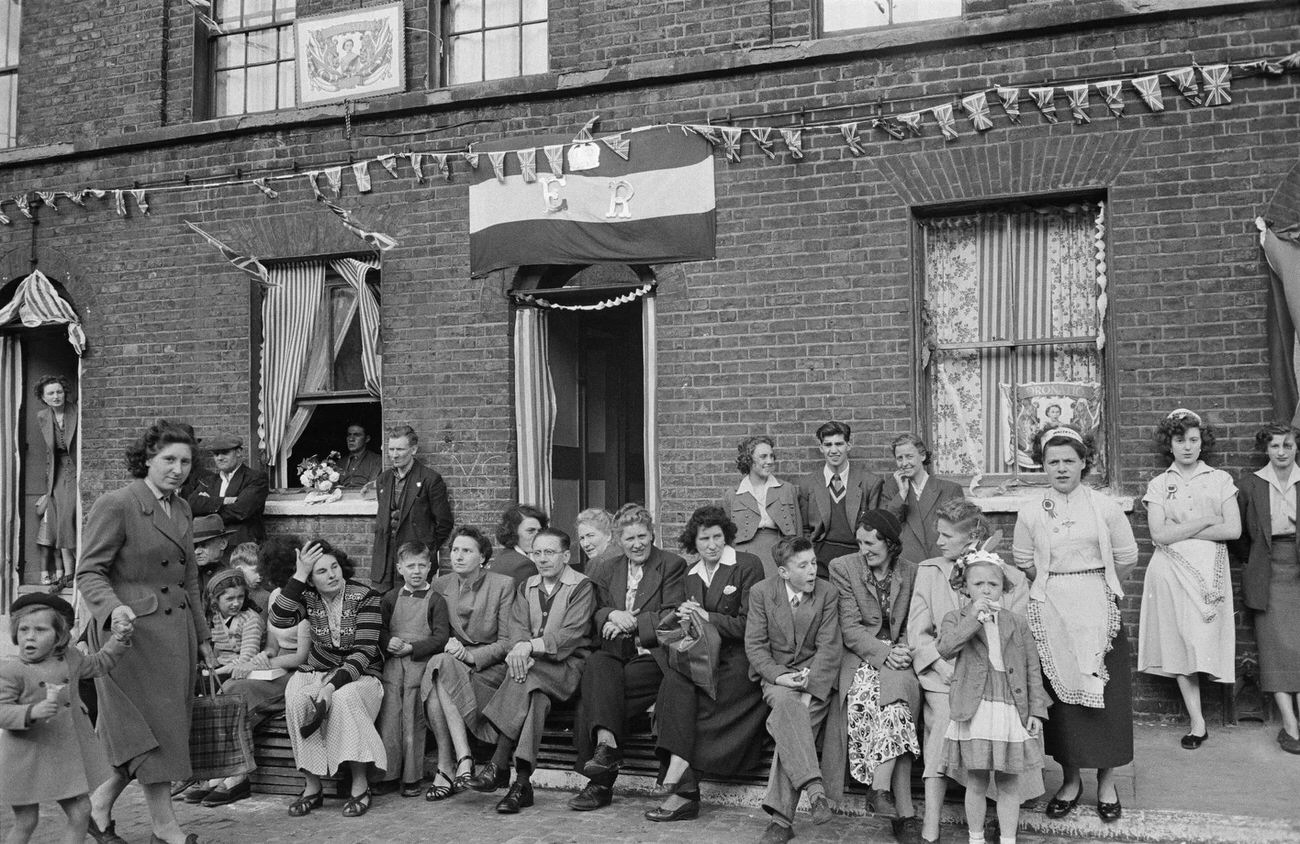
As the afternoon wore on, the party on Morpeth Street continued well into the evening. Music played, more food appeared, and the street stayed full. For one day, the gaps left by bombed buildings and absent neighbors were filled with noise, color, and the faces of a community very much still standing.