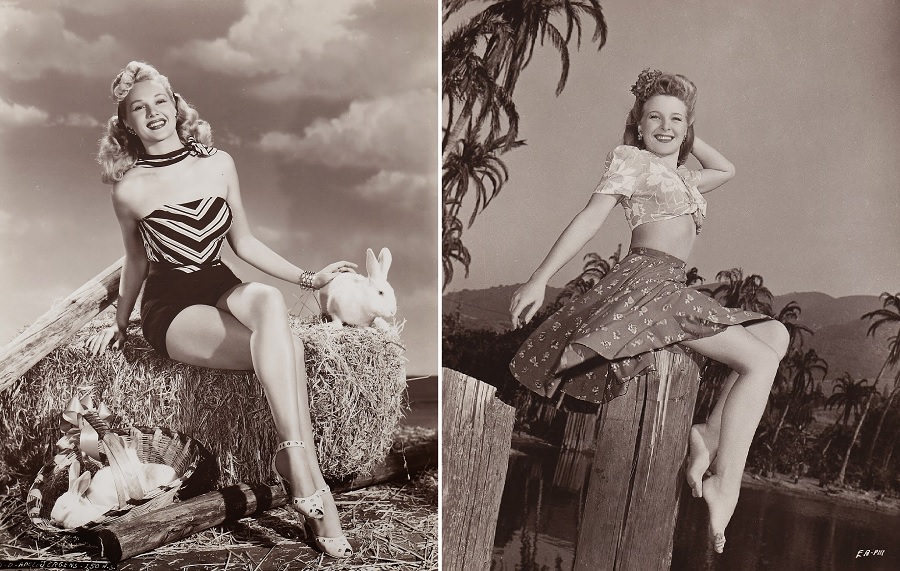
Some of the most entertaining photographs ever taken weren’t staged for a movie or polished for a magazine shoot. They were candid, spontaneous, and completely real. The vintage photos collected here capture comedy legends at work, at play, and occasionally covered in cream pie. Together, they form a vivid window into the golden age of American comedy — from vaudeville stages to early television studios to the back rooms of famous nightclubs.
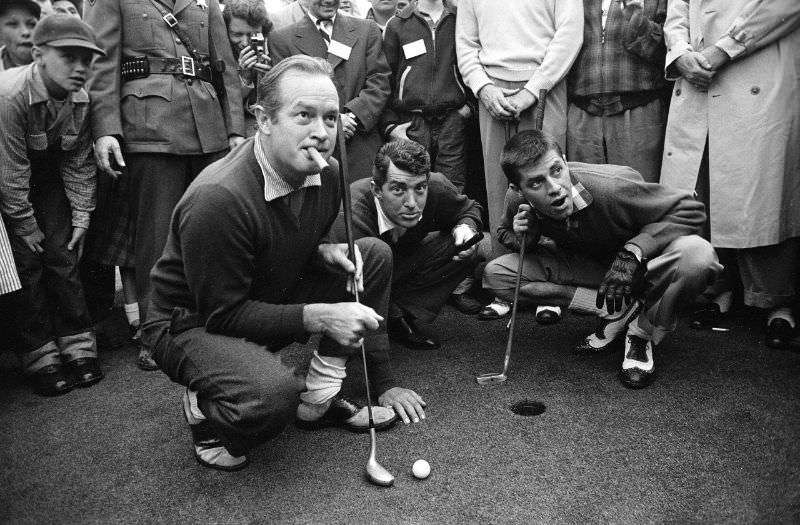
Bob Hope was one of the most recognizable faces in American entertainment for decades. By 1950, he was already a major star in radio, film, and television. Here he appears alongside Dean Martin and Jerry Lewis — two performers who, just a year earlier, had taken the Copacabana by storm as a comedy duo.
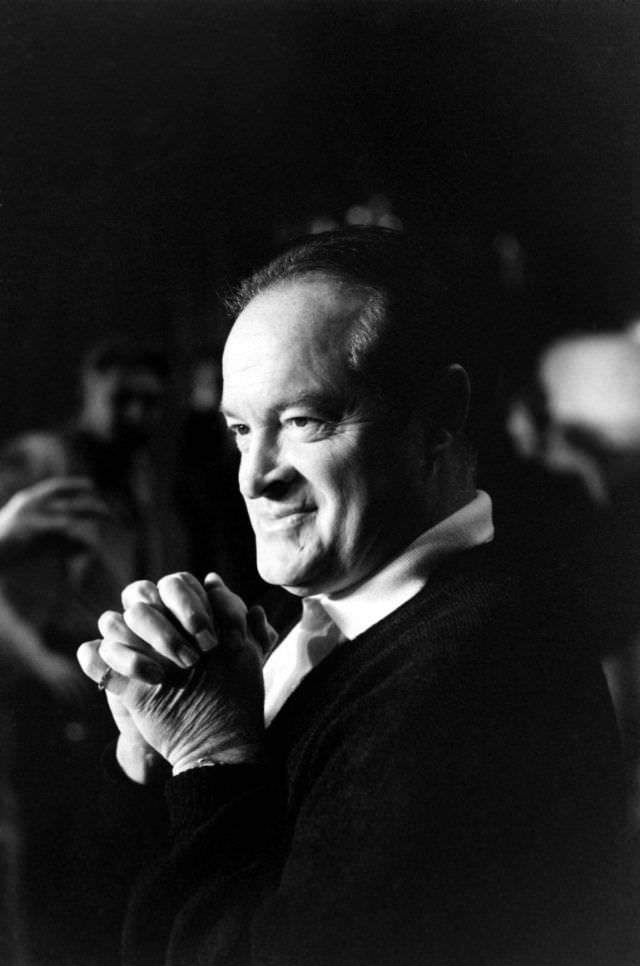
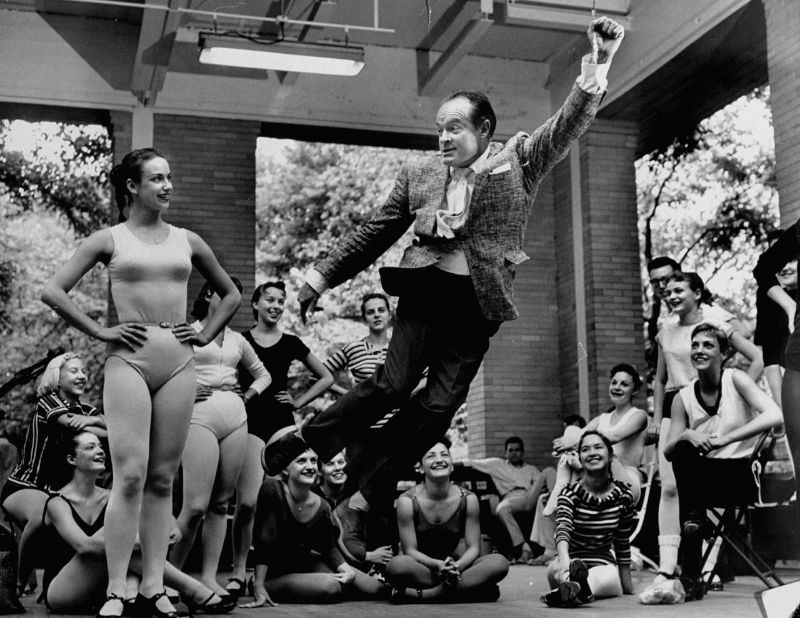
Hope hosted the Academy Awards more times than any other person in history — 19 times in total. His 1958 rehearsal captures the level of preparation behind what always looked effortless. That same year, he appeared in the television adaptation of Roberta, the classic musical originally staged on Broadway in 1933.
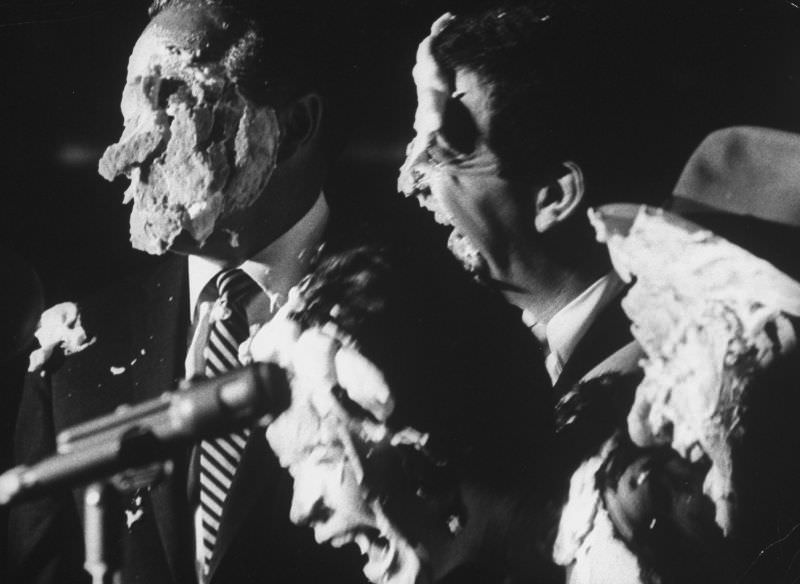
Slapstick had no age limit. In 1962, Hope joined Soupy Sales — television’s reigning pie-in-the-face king — and actress Shirley MacLaine for a stunt that left all three wearing cream pie. Sales reportedly had pies thrown at him over 20,000 times during his career. Milton Berle, meanwhile, was better known for taking bows than taking pies. Dean Martin once quipped: “Show Miltie a curtain, he takes a bow.”
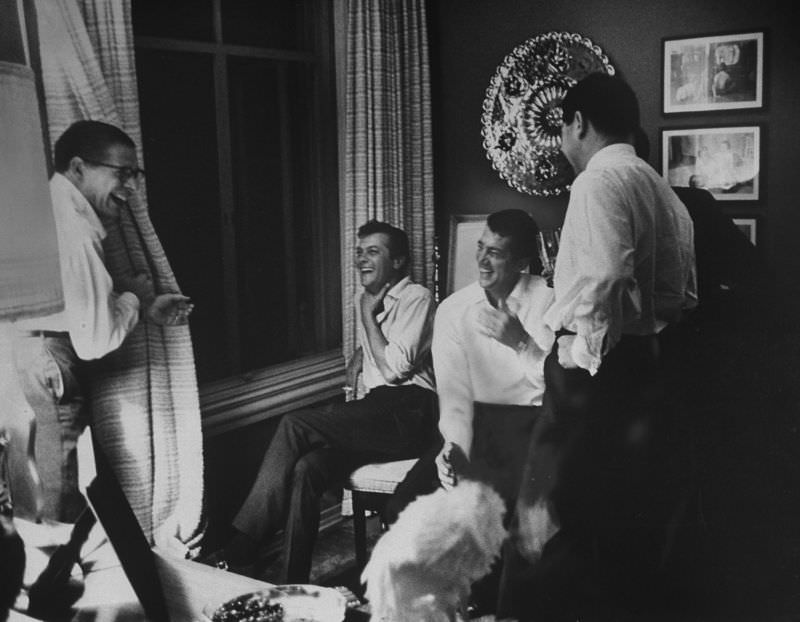
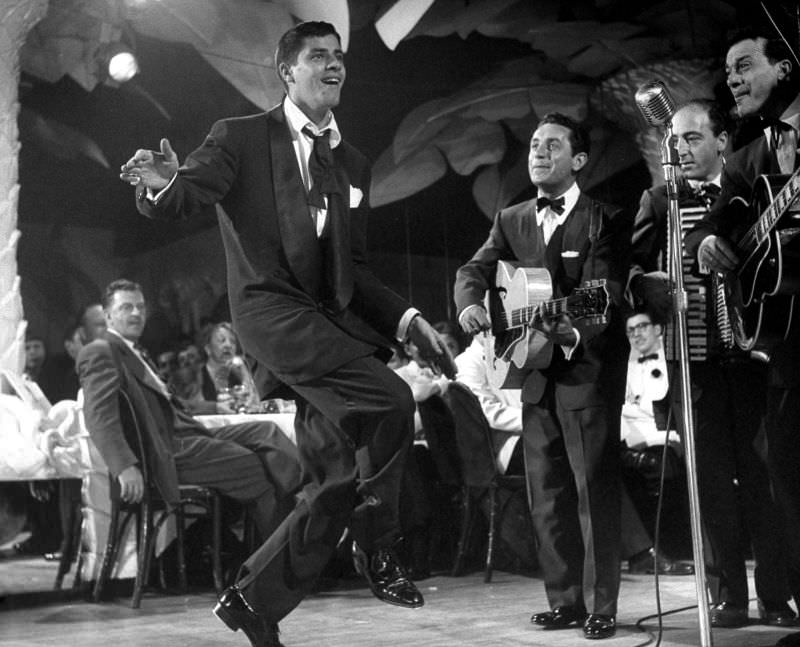
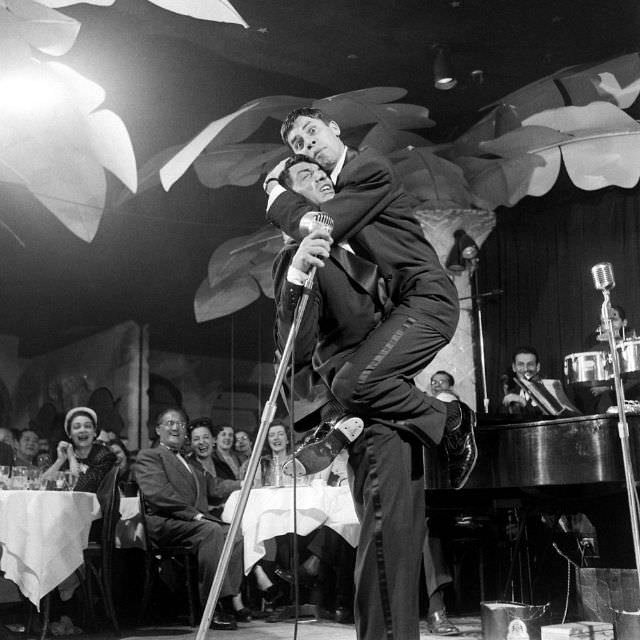
Dean Martin and Jerry Lewis built one of the most successful comedy partnerships in entertainment history. Their act at the Copacabana in 1949 blended Lewis’s physical chaos with Martin’s smooth, unshakeable cool. Audiences couldn’t get enough.
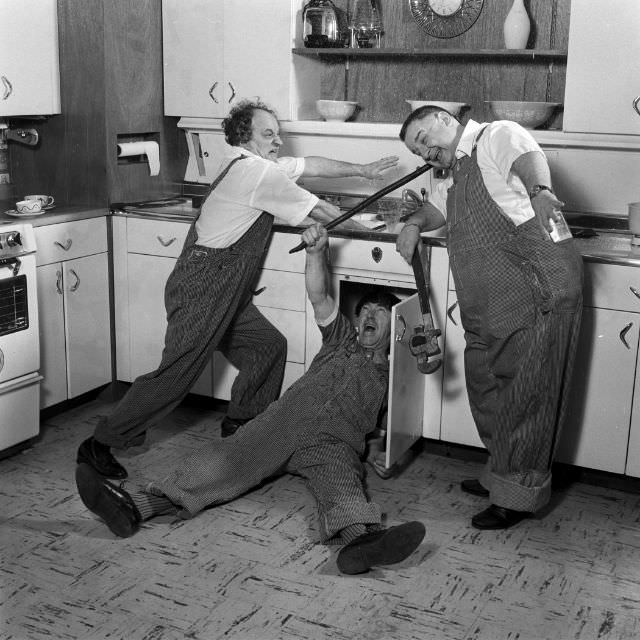
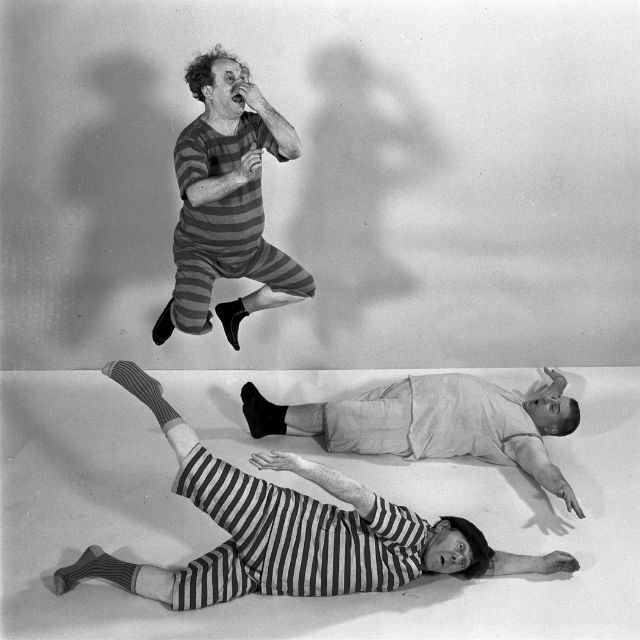
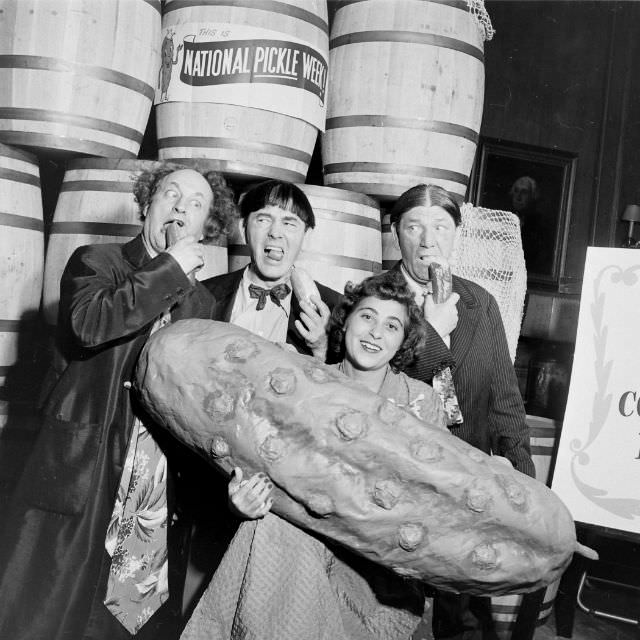
The Three Stooges were still performing and filming well into the late 1950s. By 1959, the original lineup had shifted — Curly Howard had died in 1952, and Shemp Howard passed in 1955. Joe DeRita had taken on the role of the third Stooge by this point, helping the act reach a new generation of fans through television reruns and short films.
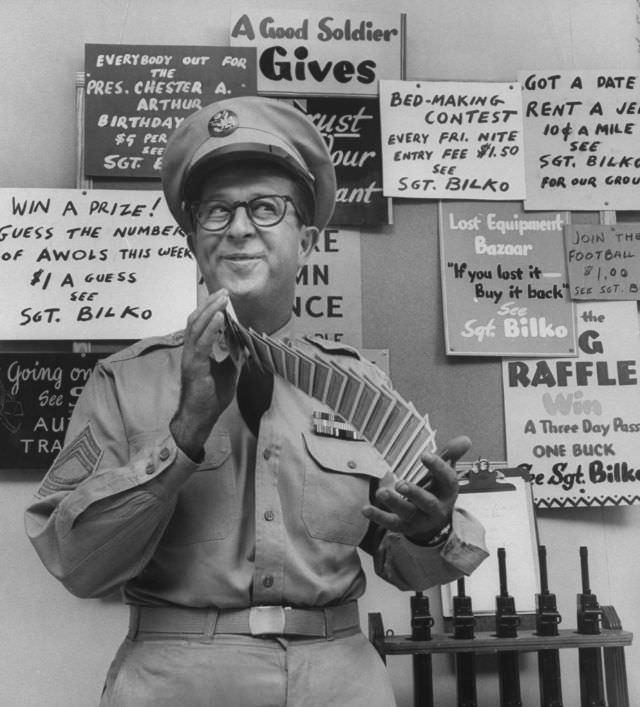
Phil Silvers created one of television’s most memorable comic characters with Sergeant Bilko — a fast-talking Army sergeant always running some kind of scheme. The show, which aired from 1955 to 1959, earned Silvers an Emmy Award and made Bilko a household name. His card-shuffling here is pure character.
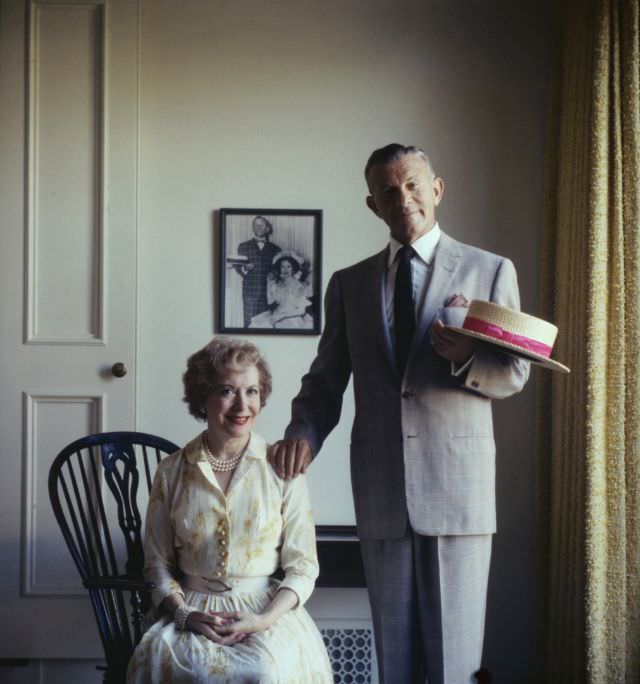
George Burns and Gracie Allen were a team for over three decades, first in vaudeville, then radio, and finally television. The photo of them in 1958 with a vaudeville-era portrait visible on the wall behind them tells the whole story of their career in a single frame — two people who stayed exactly themselves across every era.
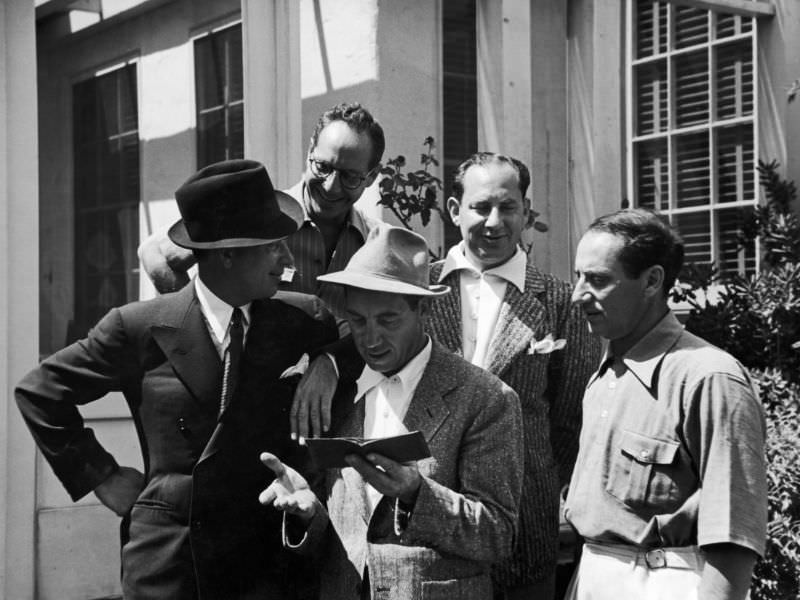
The Marx Brothers were already legendary by 1938. All five brothers — Harpo, Chico, Groucho, Zeppo, and Gummo — appear here, though Zeppo and Gummo had largely stepped back from performing by this point. Groucho, Harpo, and Chico remained the active trio behind the classic films.
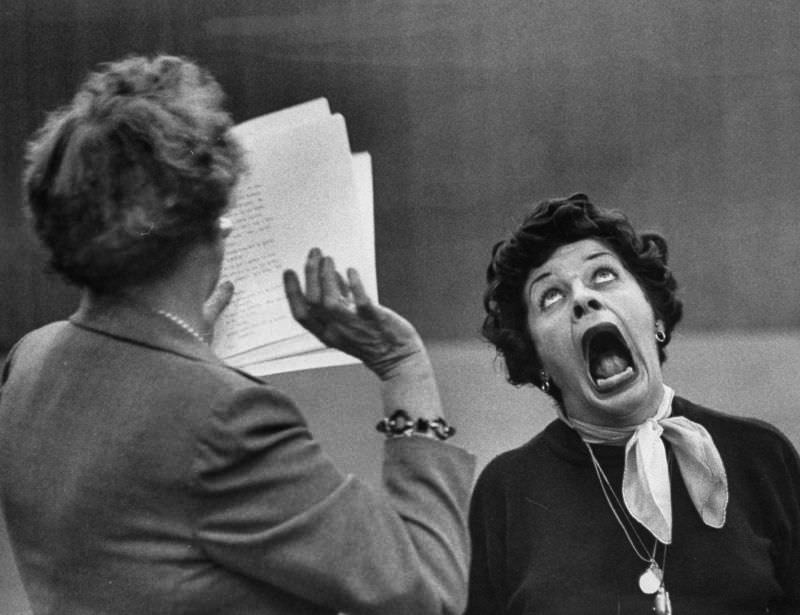
Martha Raye was known for her enormous mouth, explosive physical comedy, and a voice that could fill any room. Her television show in 1954 gave her a platform to showcase all of it. These photos from rehearsal and broadcast show the energy she brought to every performance — relentless and completely committed.
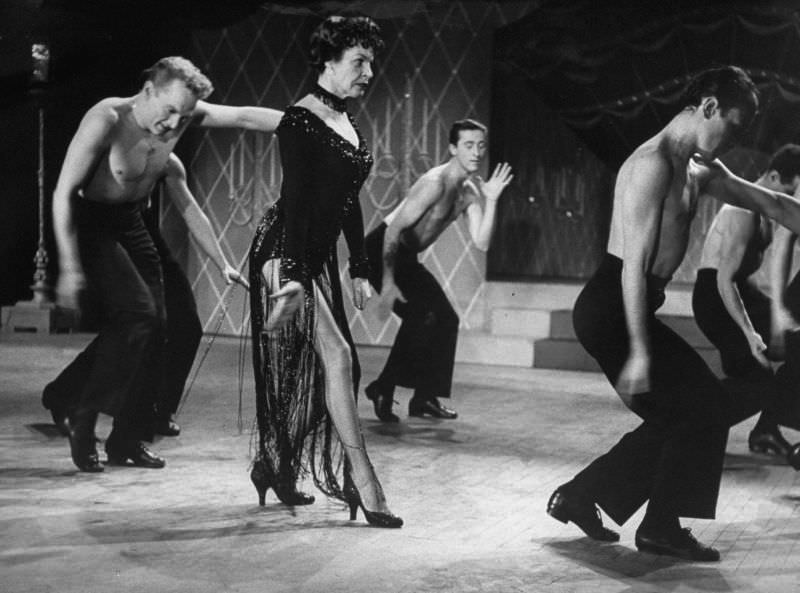
Dick Gregory was one of the first Black comedians to perform for white audiences in mainstream venues. In 1961, he broke through at the Playboy Club in Chicago and became a national figure almost overnight. His comedy addressed race directly and without apology, which was a radical act at the time.
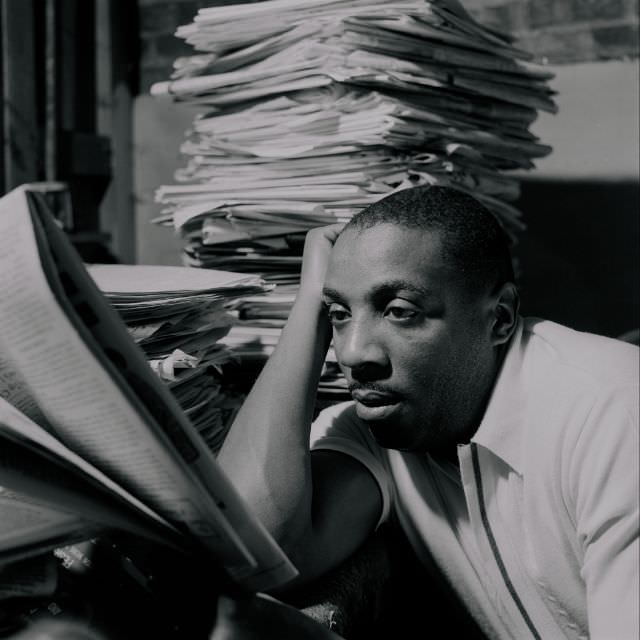
Jack Lemmon’s performance in The Apartment (1960) earned him an Academy Award nomination for Best Actor. The film, directed by Billy Wilder, blended sharp comedy with genuine emotional weight. Lemmon played C.C. Baxter, a low-level insurance employee who lends out his apartment to company executives — a premise that unravels in darker directions than it first suggests.
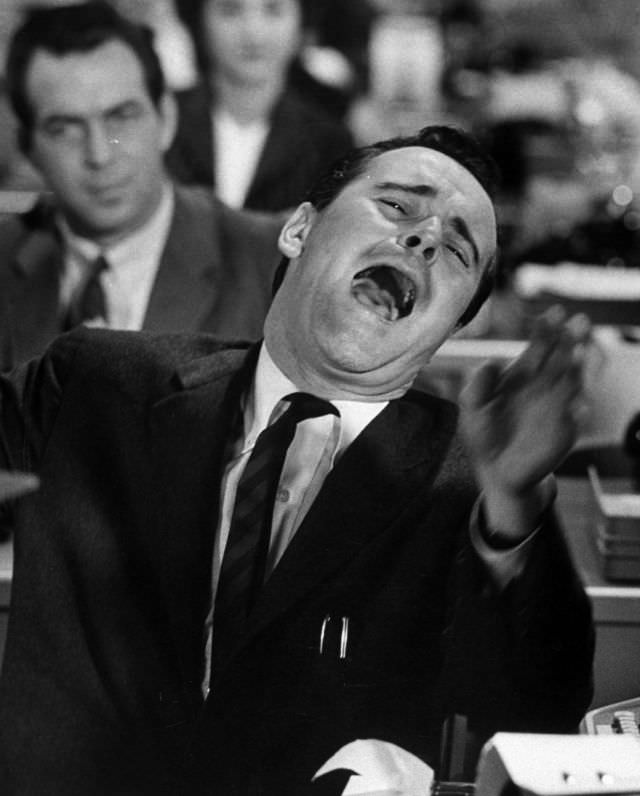
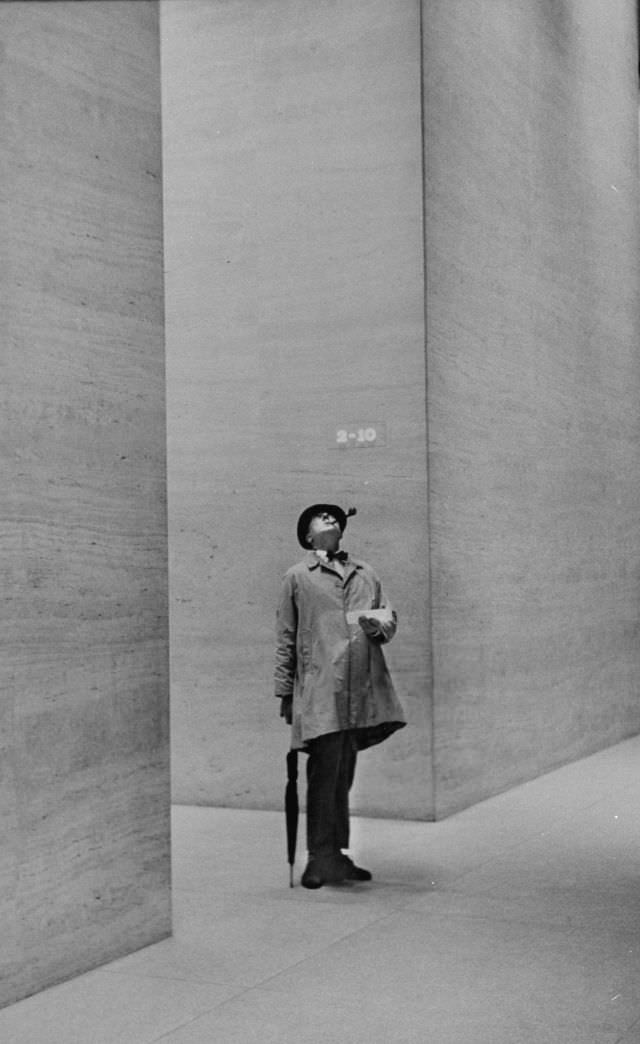
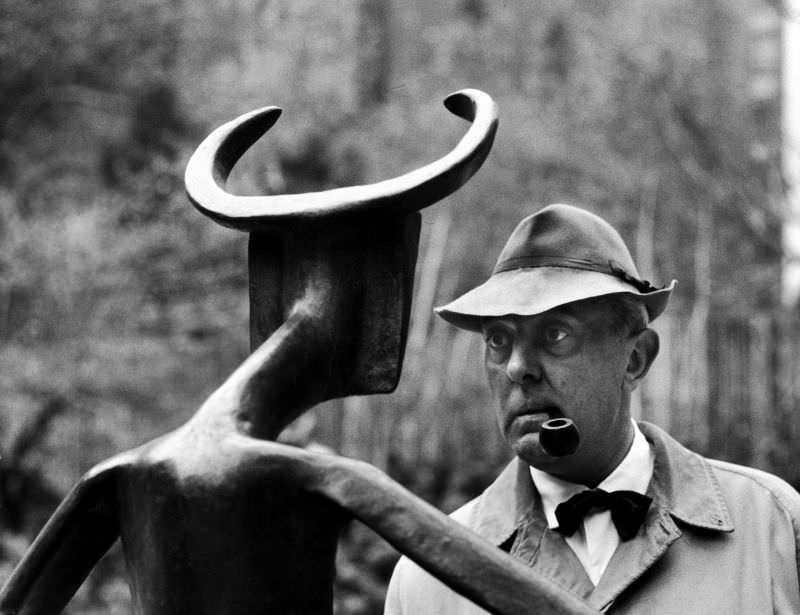
French filmmaker and comedian Jacques Tati visited New York City in 1958 to promote his film Mon Oncle, which won the Academy Award for Best Foreign Language Film that year. His character, Monsieur Hulot, was defined by a quiet, observational style — completely at odds with the loud, modern world around him. His reaction to a New York City lobby ceiling says everything about that character.
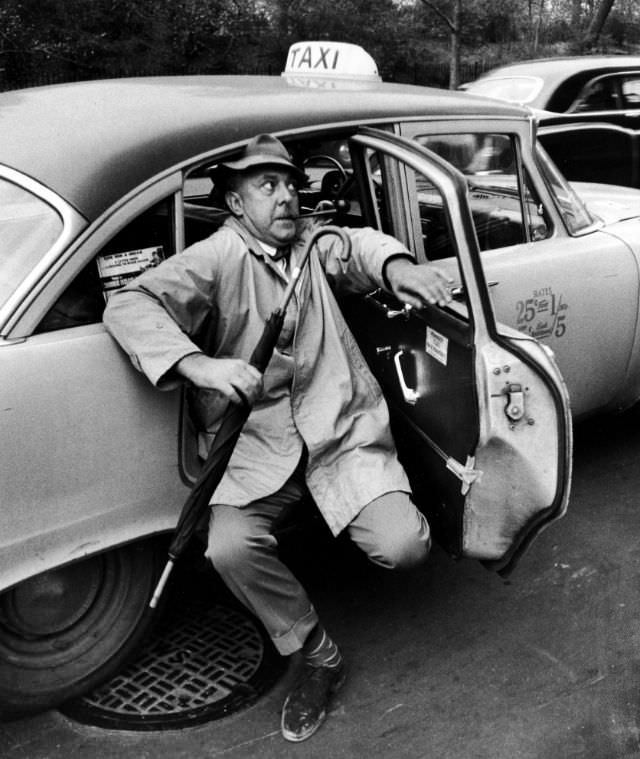
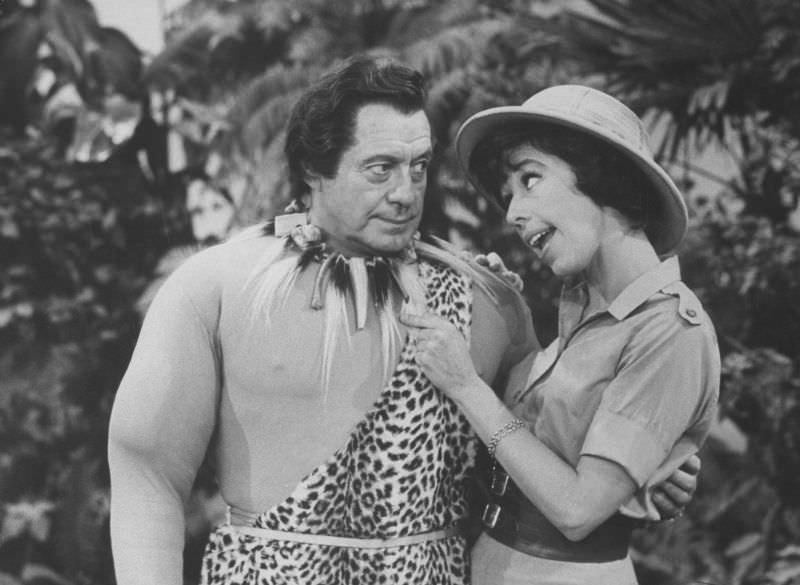
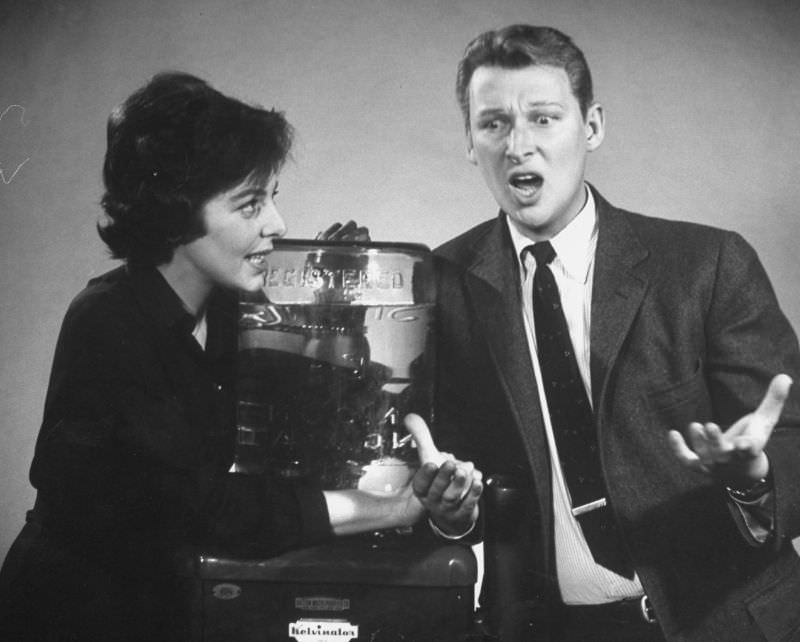
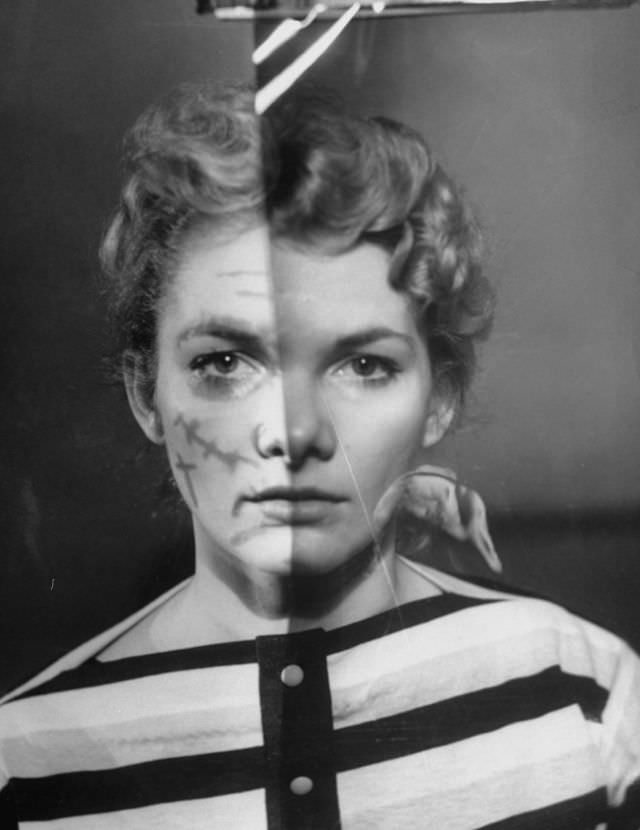
Mike Nichols and Elaine May were the sharpest improvisational comedy duo of their era. Their 1960 “Fabulous Fifties” television special featured a skit on TV quiz show scandals — a topic that was raw and current, since the quiz show fraud revelations had only just broken in 1959. Nichols and May had a gift for making audiences laugh at things that made them slightly uncomfortable.
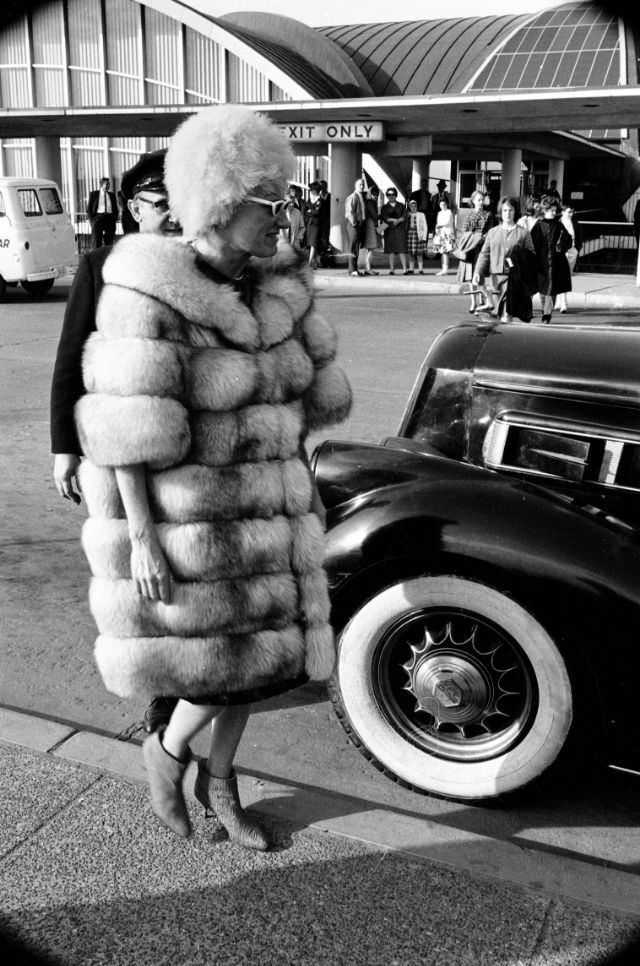
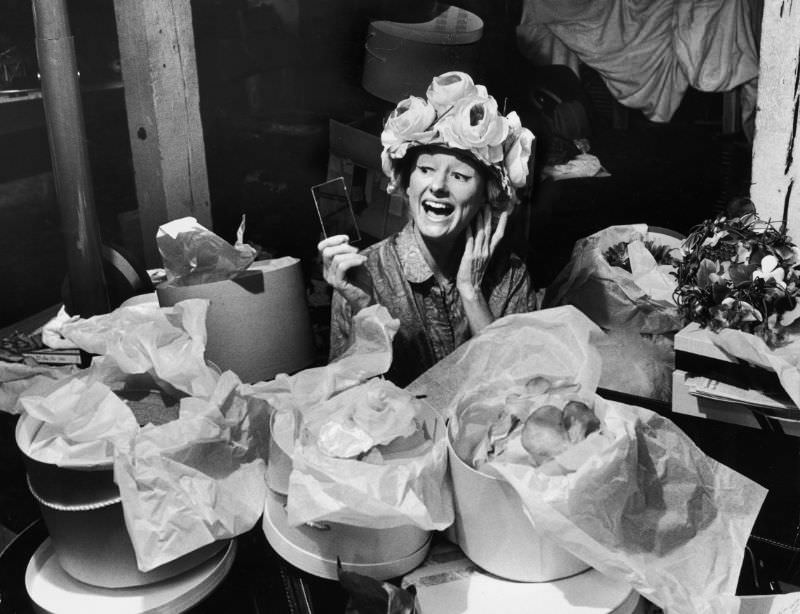
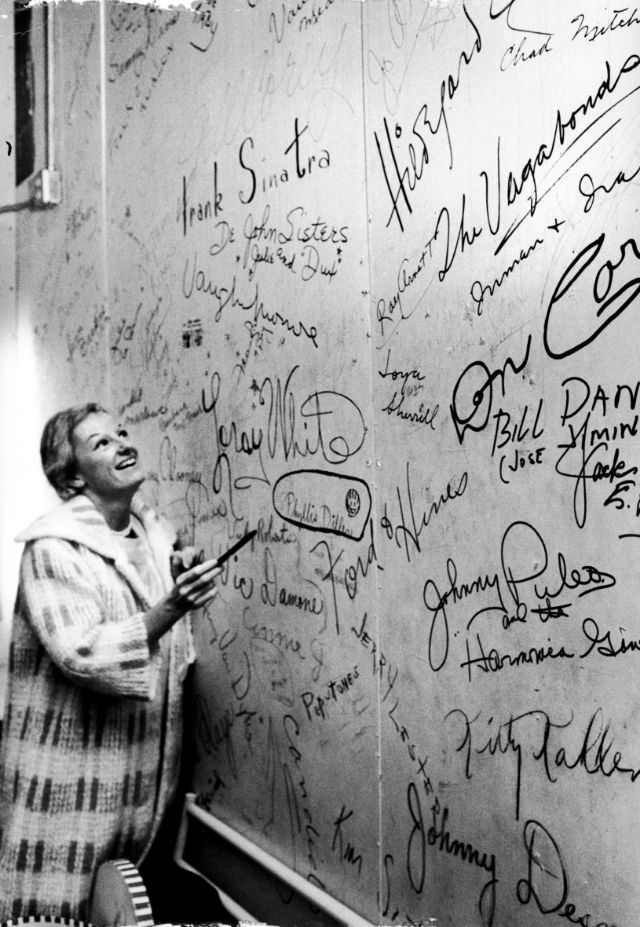
Phyllis Diller’s arrival on the comedy scene in the late 1950s was a genuine disruption. She was one of the first women to succeed as a stand-up comedian in a field almost entirely dominated by men. By 1963, she was performing regularly and building the chaotic, self-deprecating persona — wild hair, outrageous outfits, cackling laugh — that made her famous.
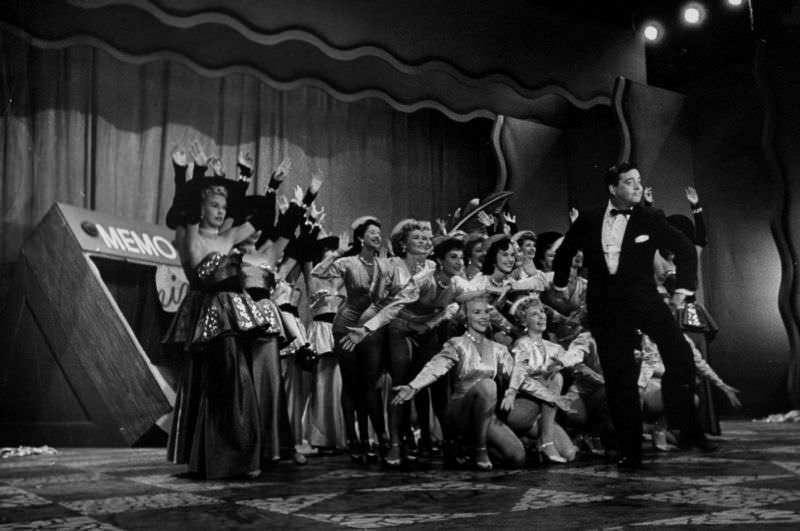
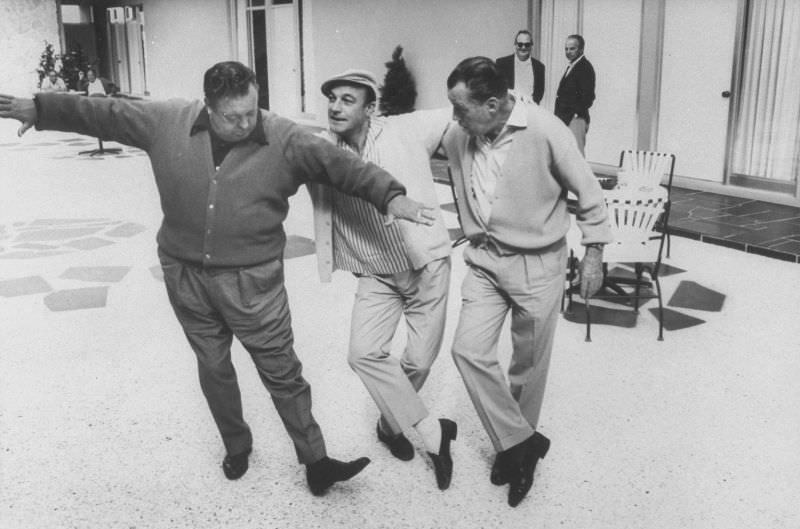
Jackie Gleason was as much a performer as he was a showman. His “How Sweet It Is” dance became a signature moment — a big man moving with surprising lightness, arms wide, completely in his element. By 1967, he was sharing a stage with Gene Kelly, one of Hollywood’s greatest dancers, for a casual tap routine during an Ed Sullivan visit to Gleason’s studio.
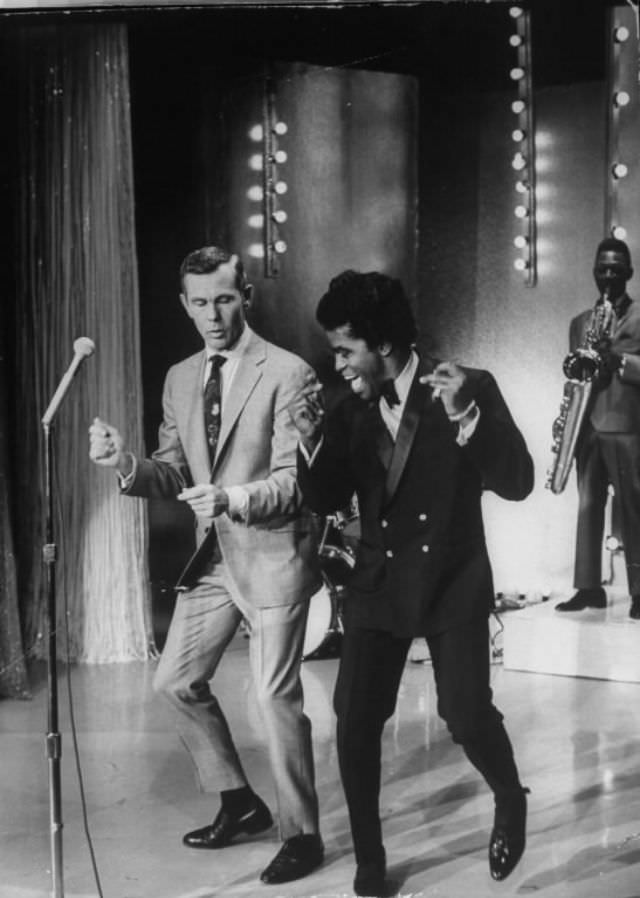
In 1967, James Brown — the hardest-working man in show business — gave Johnny Carson an impromptu dance lesson on television. Carson, the composed and quick-witted host of The Tonight Show, was not exactly known for his footwork. The contrast between the two men made for one of the more genuinely funny moments in late-night history.
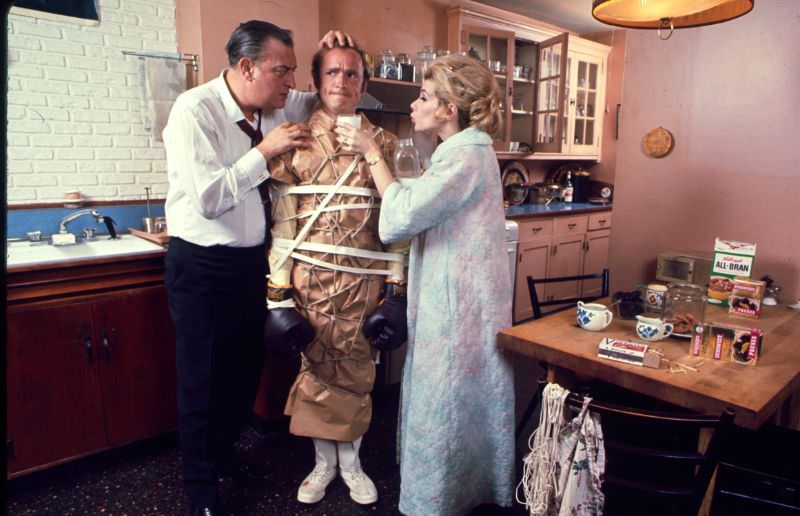
By 1969, Rodney Dangerfield and Joan Rivers were both rising stars in the stand-up world, each with a distinct persona built on self-deprecation and sharp timing. Their appearance together in a scene from Portnoy’s Complaint — alongside Dick Cavett — placed them in the orbit of one of that year’s most talked-about cultural moments, Philip Roth’s controversial novel having just been adapted.
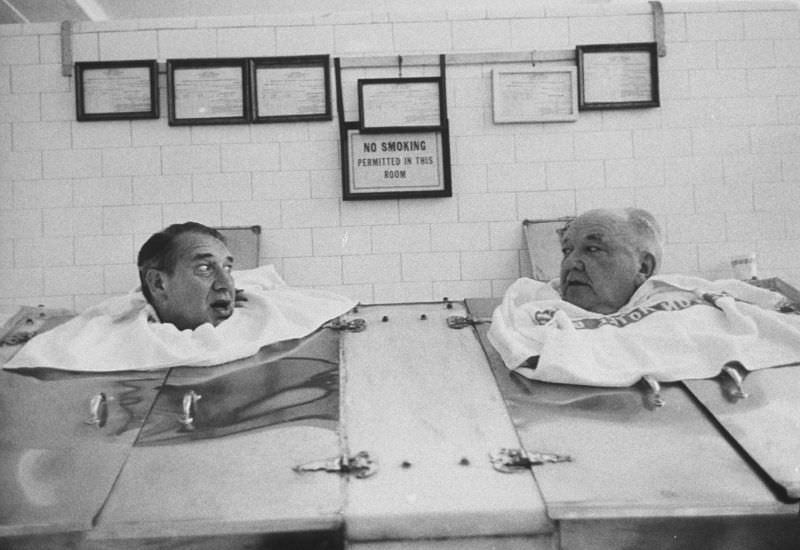
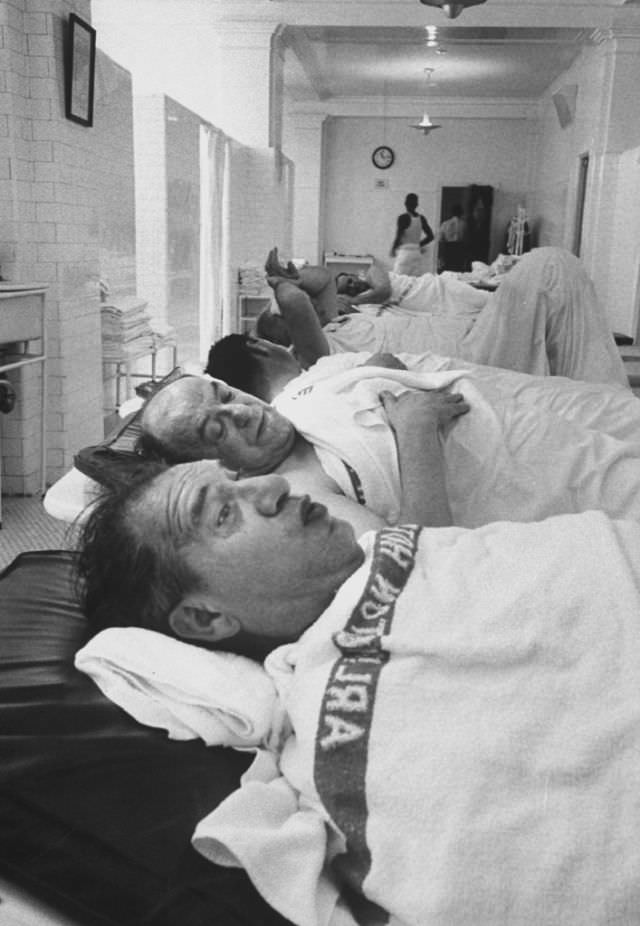
Henny Youngman, famous for one-liners like “Take my wife… please,” spent time in 1960 at the baths in Hot Springs, Arkansas. The steam cabinet photos are a rare glimpse of a comedian completely off-duty — no audience, no punchline, just a comedian sweating it out like everyone else.