Colombia sits at the northwestern edge of South America, where the continent meets Central and North America. Panama borders it to the northwest, separating the Caribbean Sea from the Pacific Ocean. Venezuela and Brazil share its eastern borders. The country stretches across 1,000 miles of Caribbean coastline to the north and 800 miles of Pacific coastline to the west. That geography alone tells you how much variety exists within a single nation.
Colombia’s population reflects centuries of mixing between three main groups: Indigenous peoples, Africans brought over as slaves during the colonial era, and Europeans. That blend shaped everything — food, music, dance, and art. In 1959, photographer Ernst Leonhardt traveled through Colombia and captured daily life in remarkable detail. His photos show cities tucked against mountain slopes, open-air markets overflowing with produce, and ordinary people going about their routines.
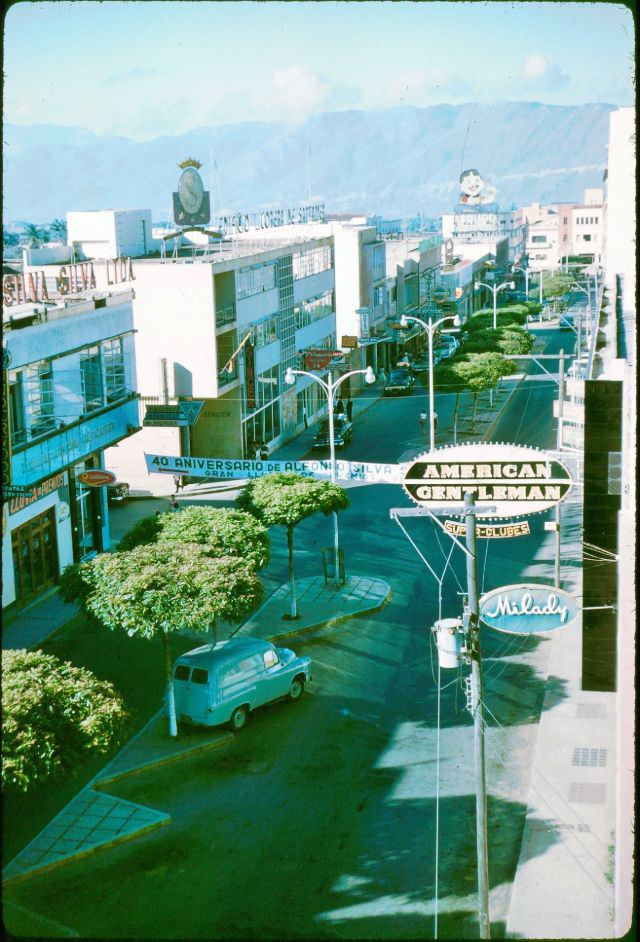
Bucaramanga sat at 1,018 meters above sea level, framed by mountains on every side. It struck Leonhardt as clean and well-organized — a city that carried itself with a sense of order. Not far away, the town of San Gil offered a different kind of scene, built around the rhythms of commerce and trade.
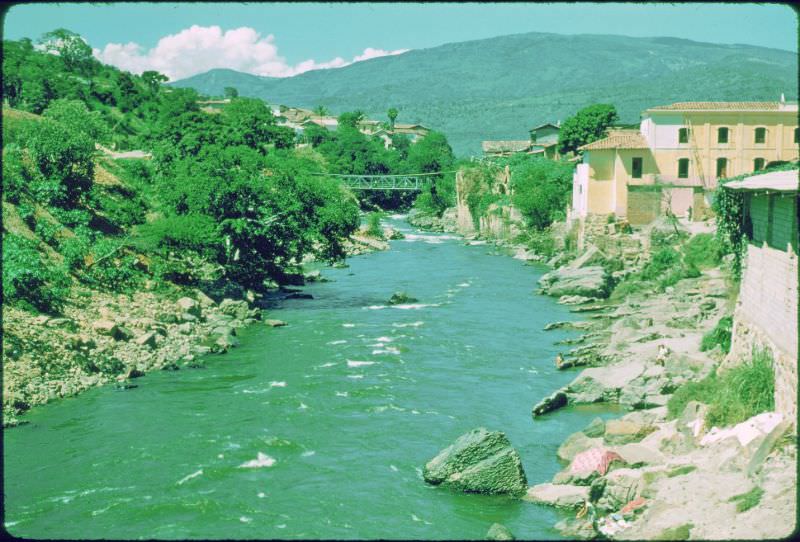
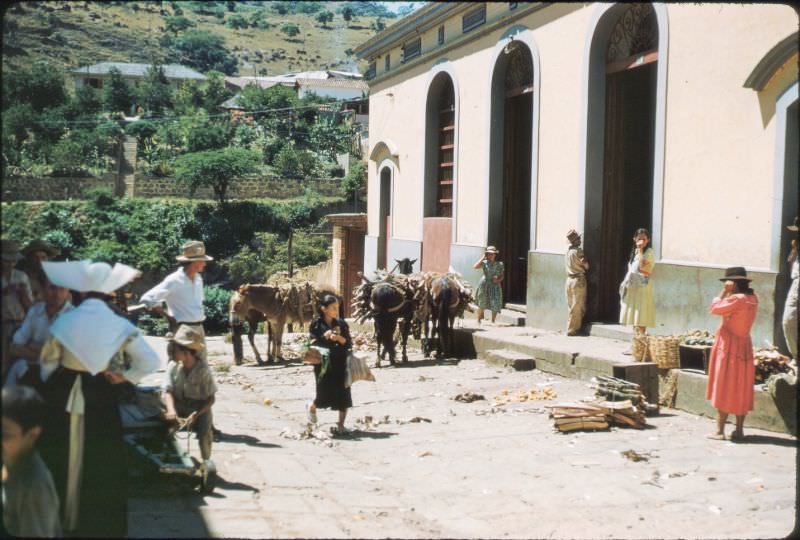
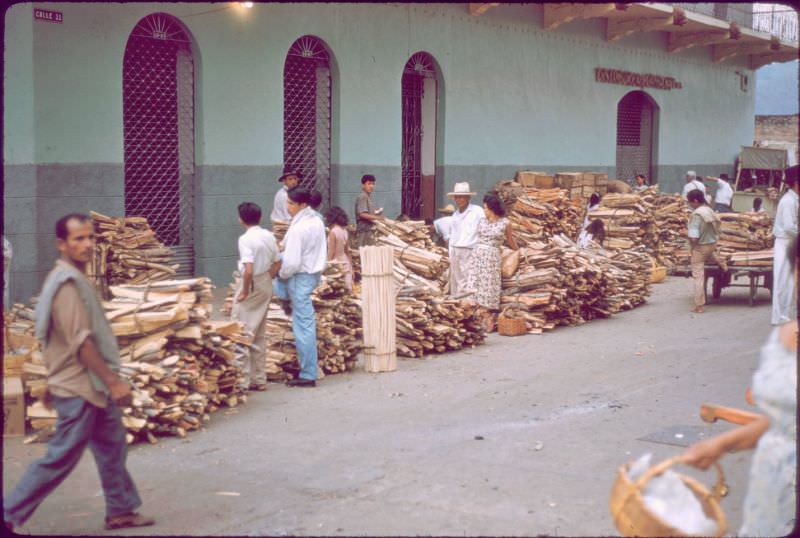
The Rio Fonce flowed just outside San Gil, crossed by a bridge that connected the town to the wider region. San Gil’s markets were active and varied. Fruit, meat, and firewood each had their own dedicated sections, serving a community that depended on local trade for nearly everything.
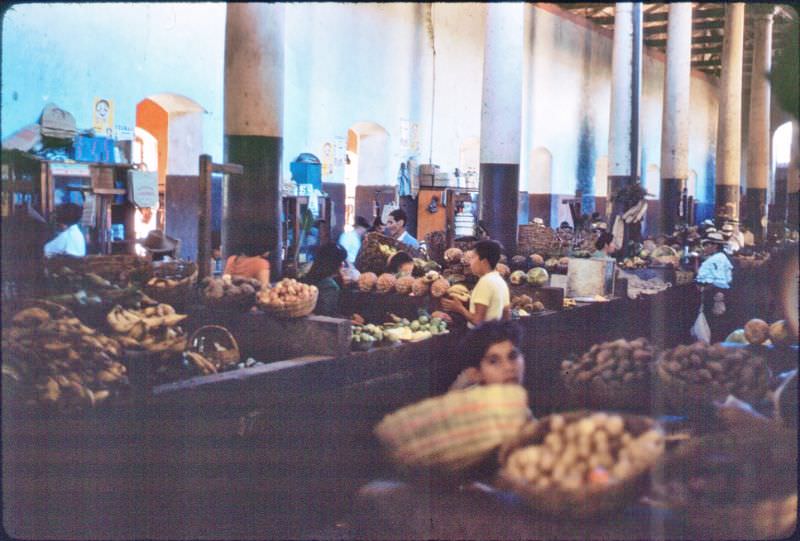
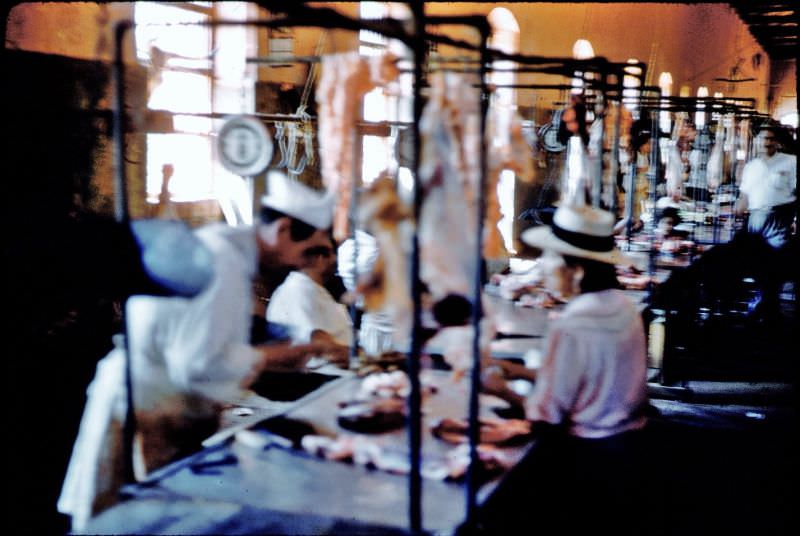
Firewood was not a minor concern in the Andes. At high elevations, fuel for cooking and heating was a constant challenge. The wood market in San Gil reflected how central this need was to everyday survival in the mountains.
Girardot, lower in elevation and warmer in climate, had a character all its own. The Rio Magdalena served as a watery highway, moving goods into the city’s busy market. Tropical fruit arrived in great quantities, piled alongside pottery, wood, and an assortment of other goods.
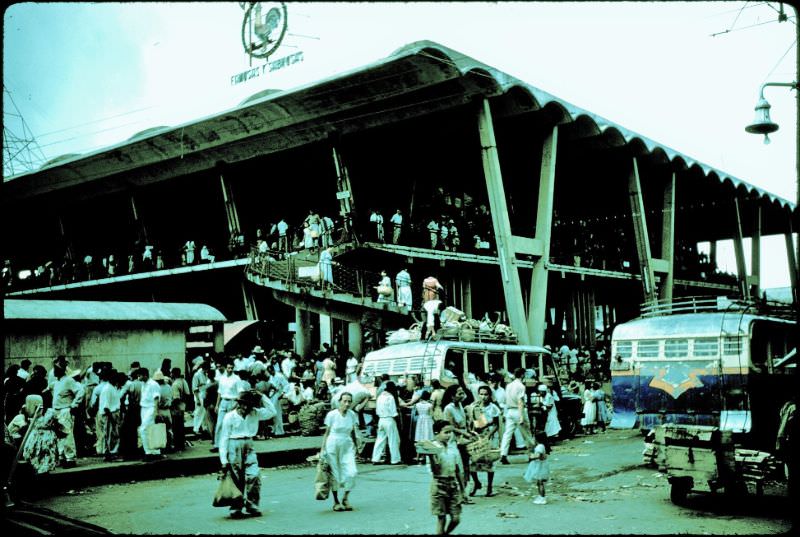
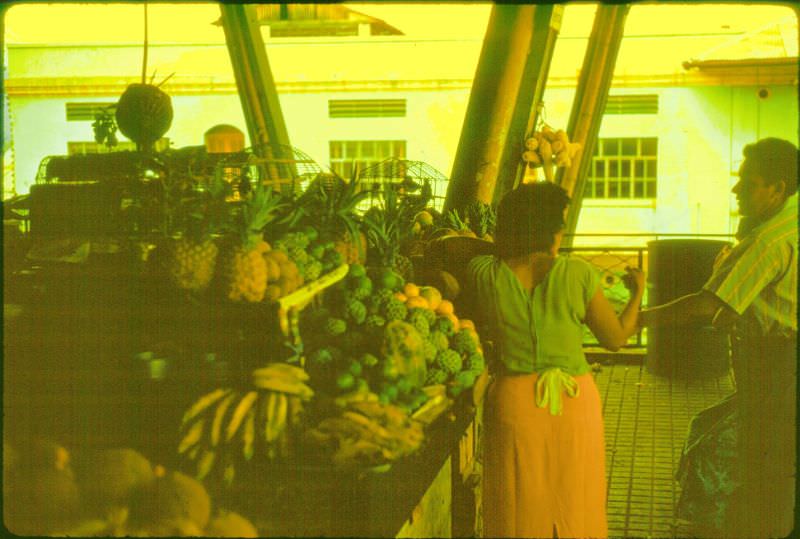
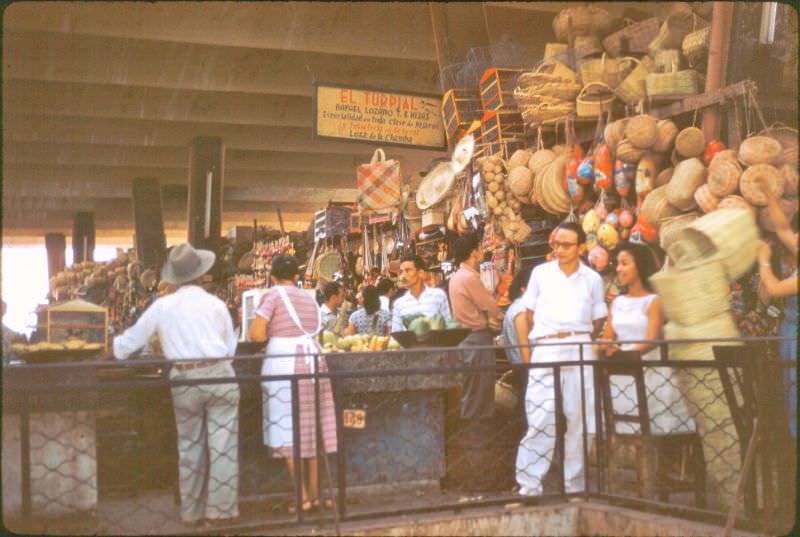
Food was both a livelihood and a daily struggle for many Colombians in 1959. Staples like cabbage, rice, beans, and cornmeal made up the foundation of most diets. Some people in Leonhardt’s photos wore clothing that had been patched and re-patched, a clear sign of the economic hardship many faced.
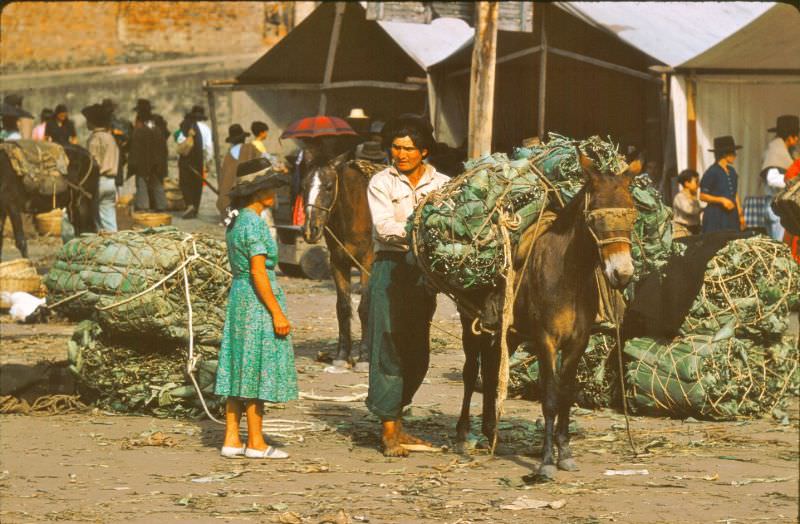
The market town of Moniquira drew crowds on market day, filling its streets with vendors and buyers. By the time Leonhardt photographed it, the day’s trading was beginning to wind down. On the edge of town, a Romani camp had set up, and the community’s presence was unmistakable.
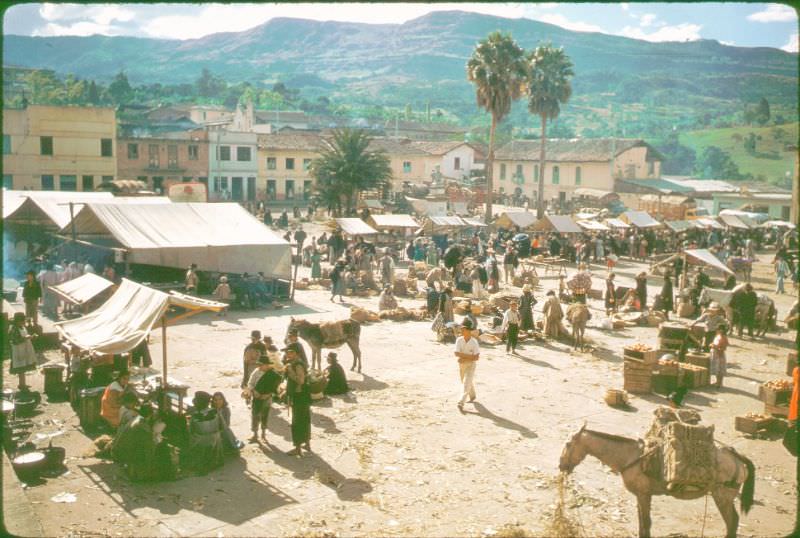
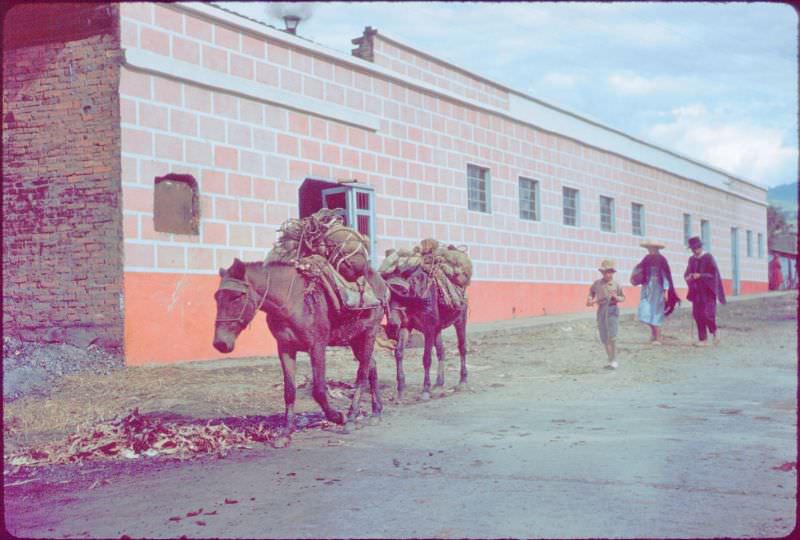
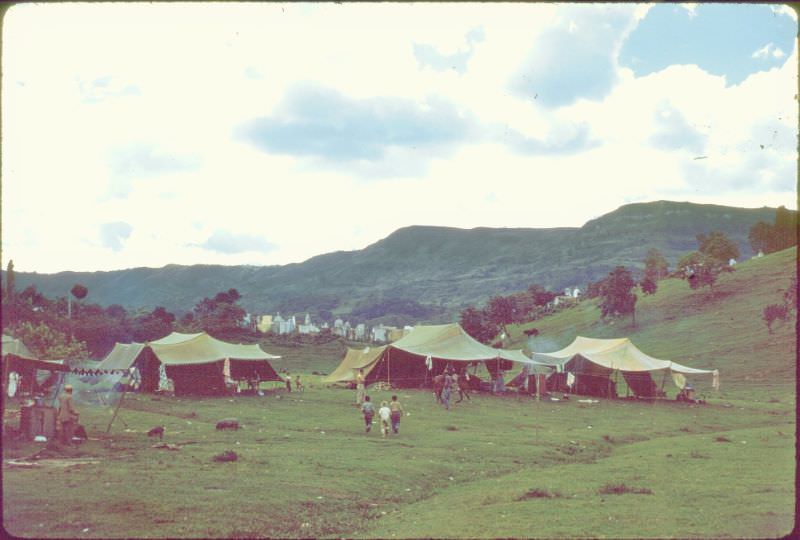
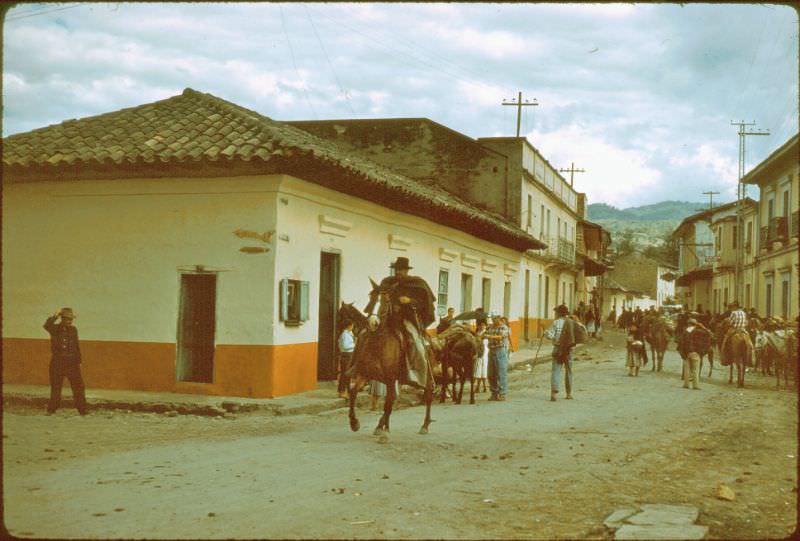
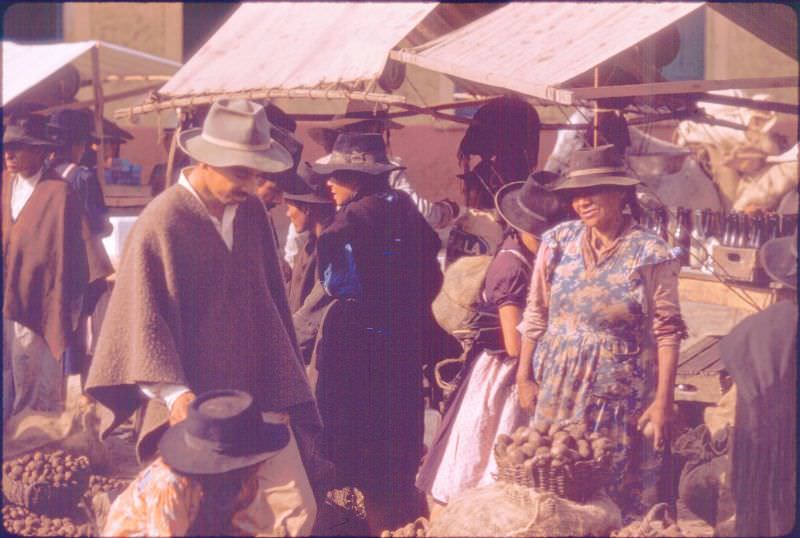
The Romani community’s leader made his presence known by parading down Moniquira’s main street, drawing attention as he went. Meanwhile, market vendors continued their work — including a woman selling potatoes, a common sight at any Colombian market of the era.
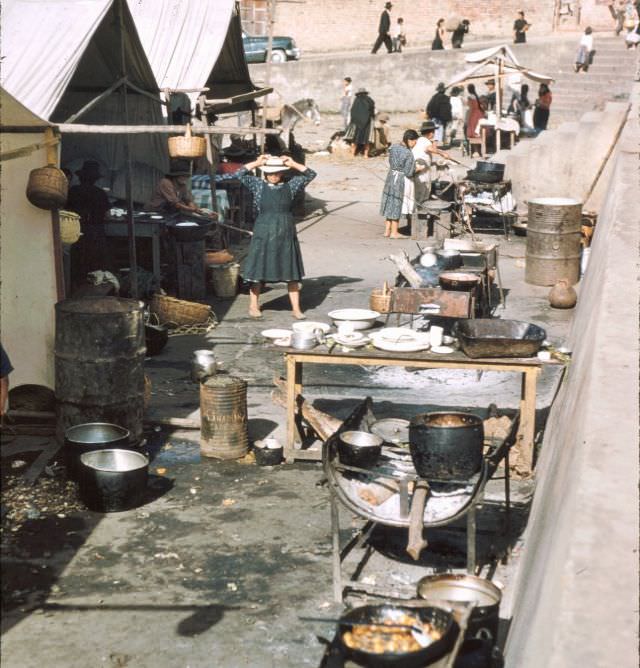
The market’s restaurant area was a world unto itself. Tents covered rows of tables where vendors served goat, lamb, sausages, chicken, and fried potatoes to hungry shoppers. It was a practical, no-frills setup that fed the crowds who traveled in for market day.
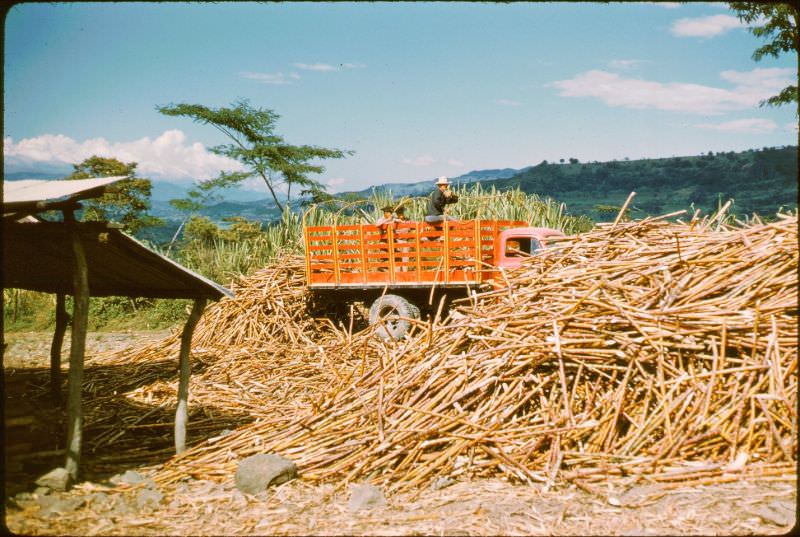
Agriculture was the backbone of the regional economy. Near Barbosa, a rail hub for the surrounding area, workers unloaded sugarcane to be transported to factories in Bogotá. Tobacco also moved through the area, loaded up after market and carried along the routes that connected rural producers to urban buyers.
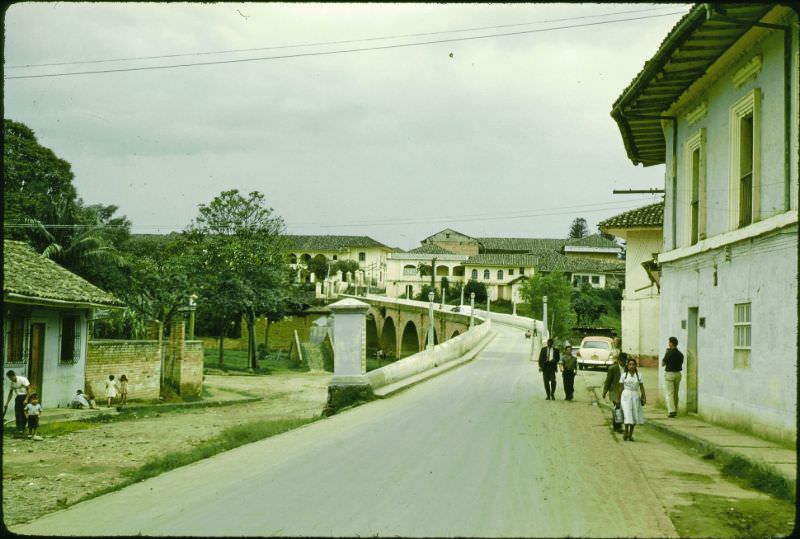
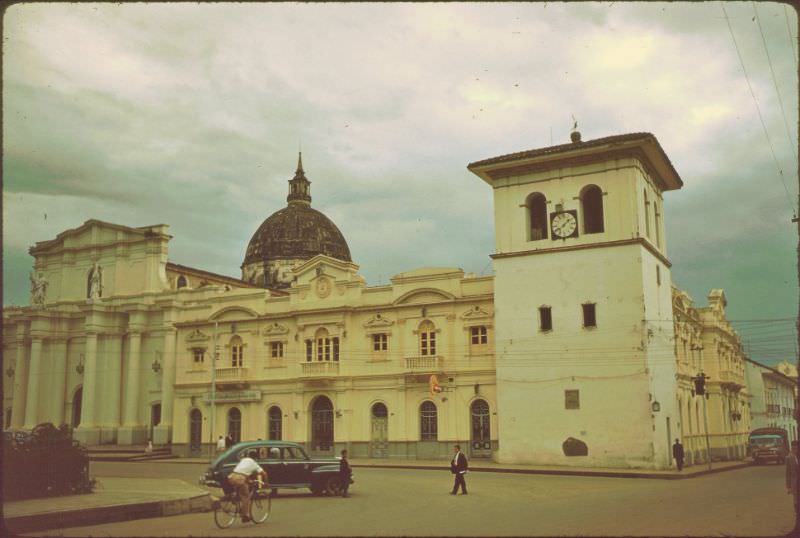
Popayán offered a different atmosphere entirely. The city was known for its Spanish colonial architecture, and a narrow old bridge marked the entrance into town. A large Spanish cathedral stood as one of its most recognizable landmarks, a reminder of the deep European influence on Colombian urban life.
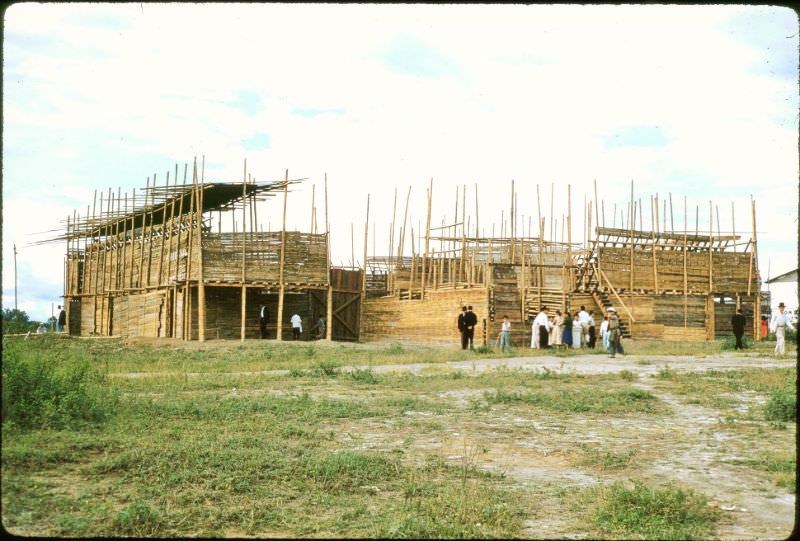
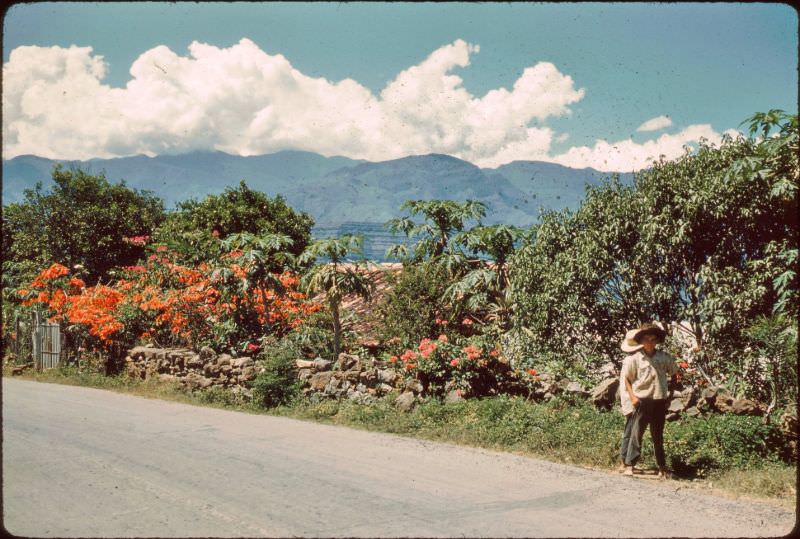
Armenia had its own local traditions, including a bullring built entirely from bamboo — a practical use of a widely available material and a reflection of the region’s connection to the sport. Poinsettias, which are native to the Americas, grew in vivid red clusters, thriving naturally in Colombia’s climate.
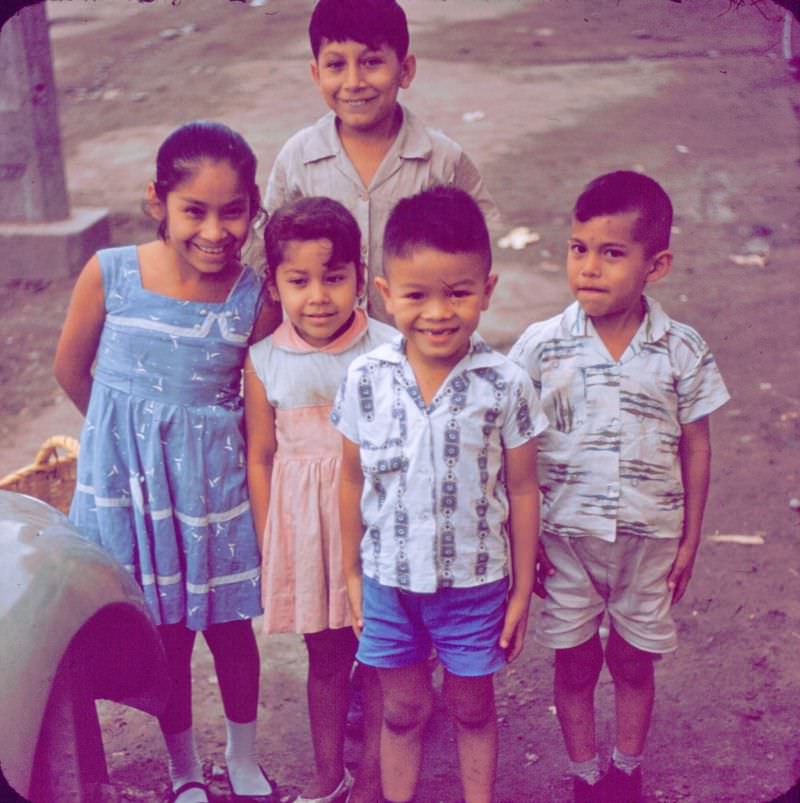
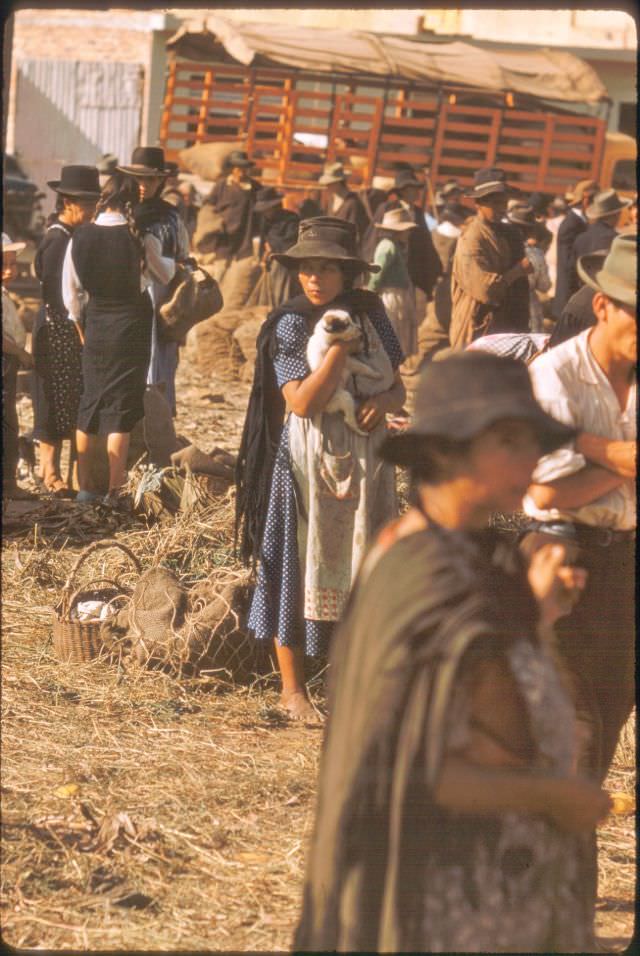
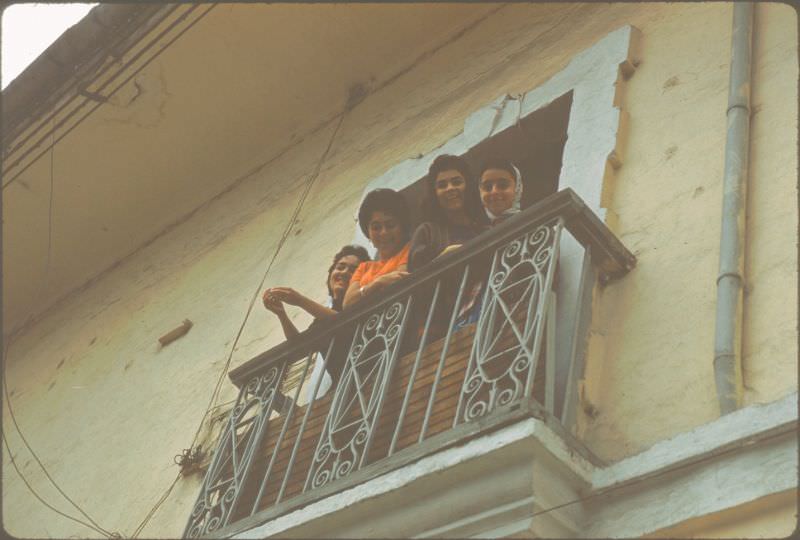
Children appear throughout Leonhardt’s collection, their faces grounding the broader story of Colombian life in something immediate and personal. A puppy for sale in the market adds another small, vivid detail to the picture of daily commerce Leonhardt documented across the country.