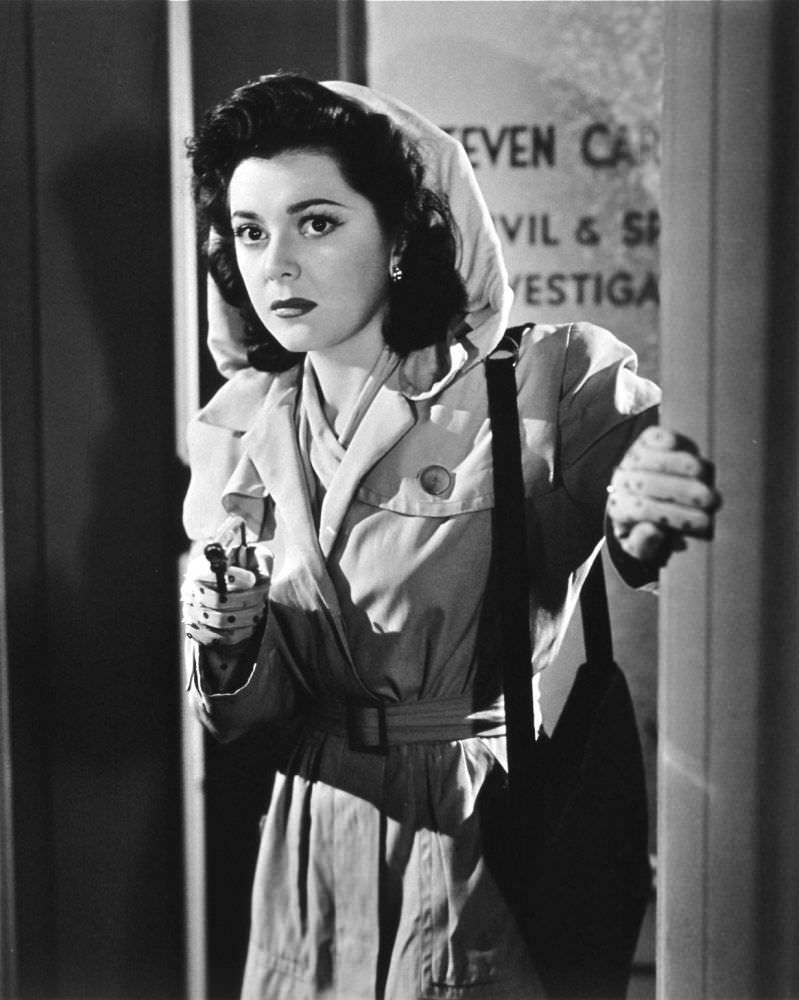
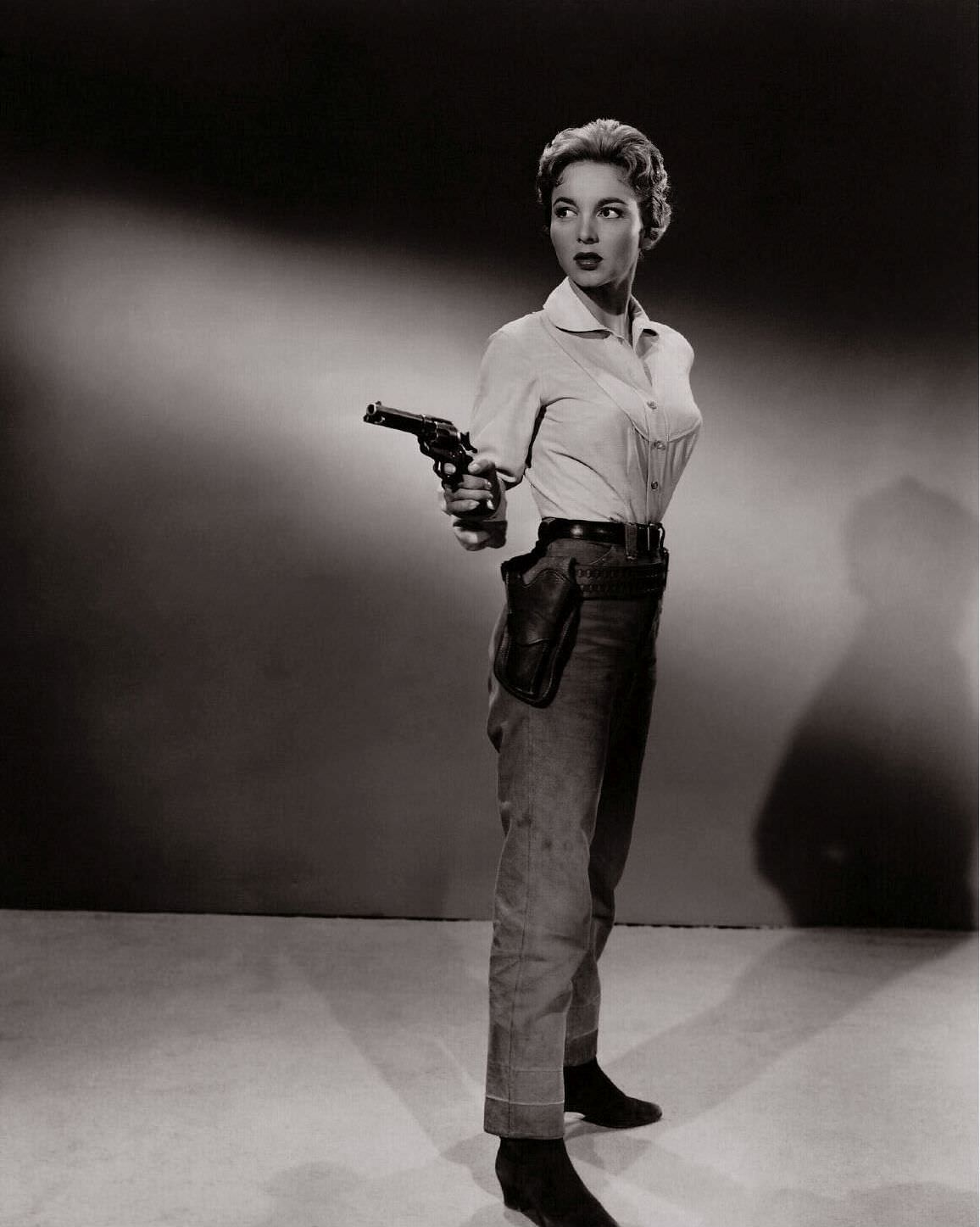
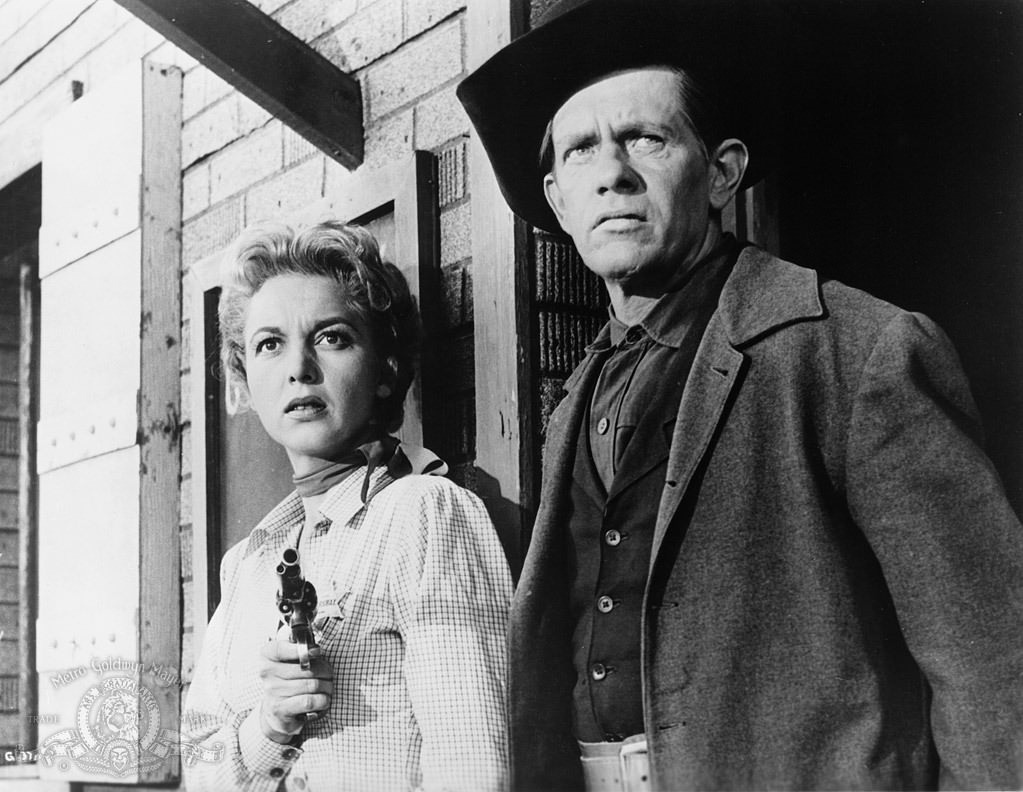
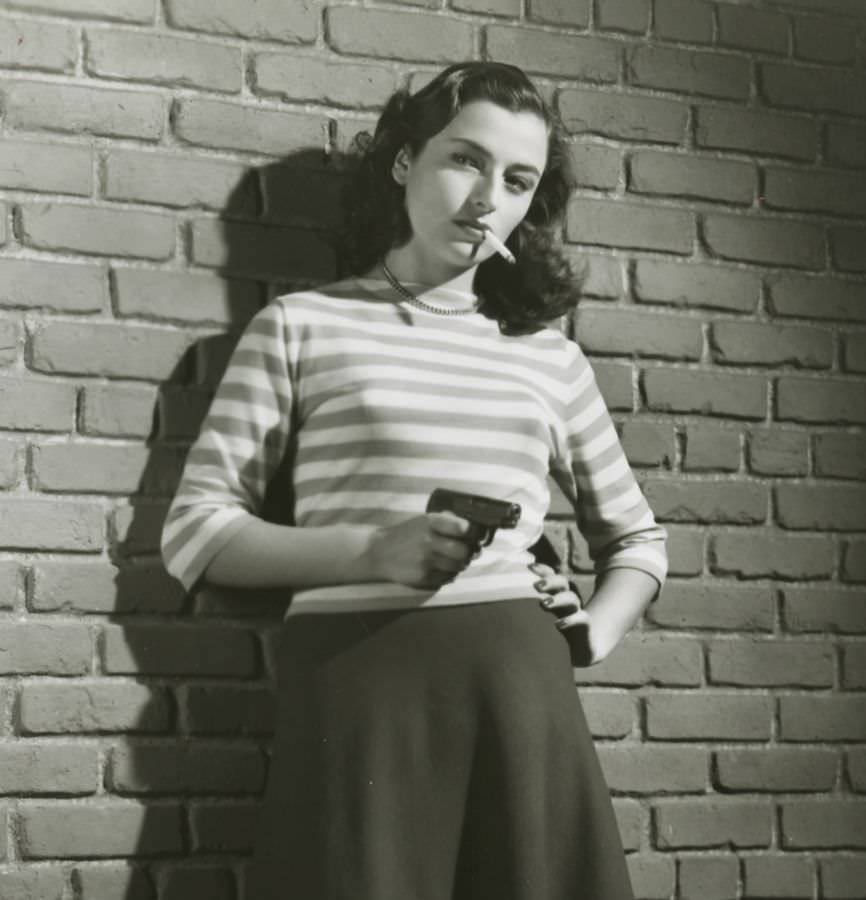
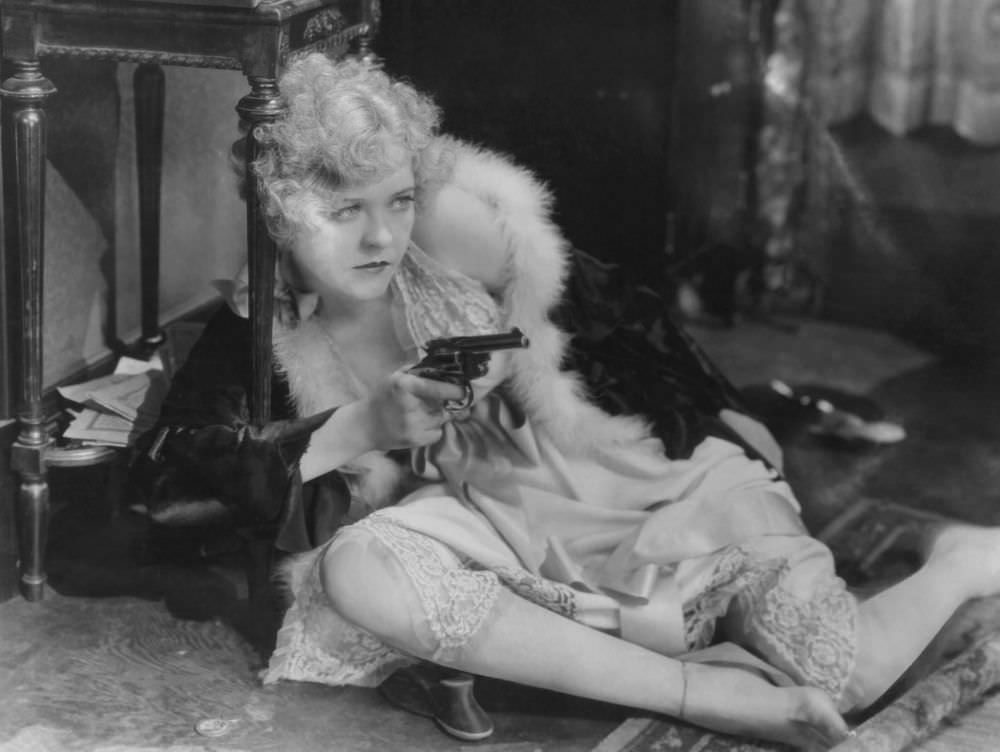
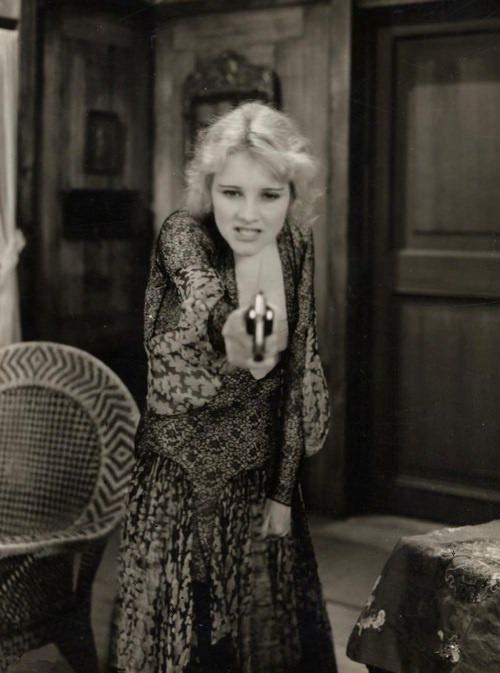
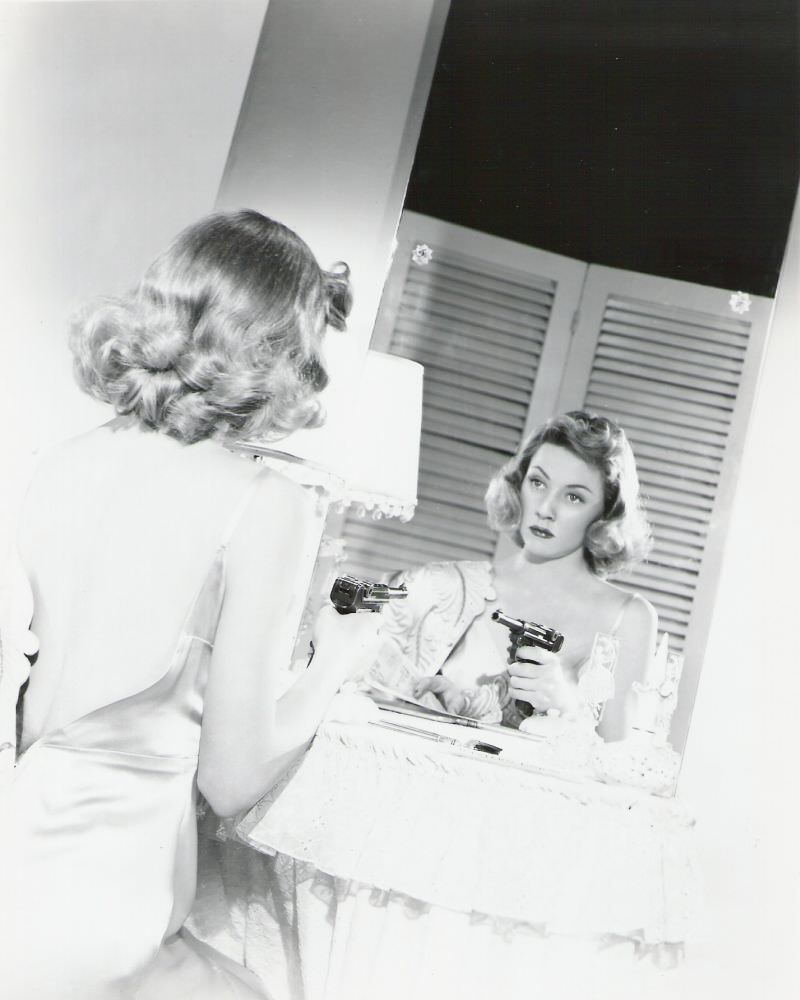
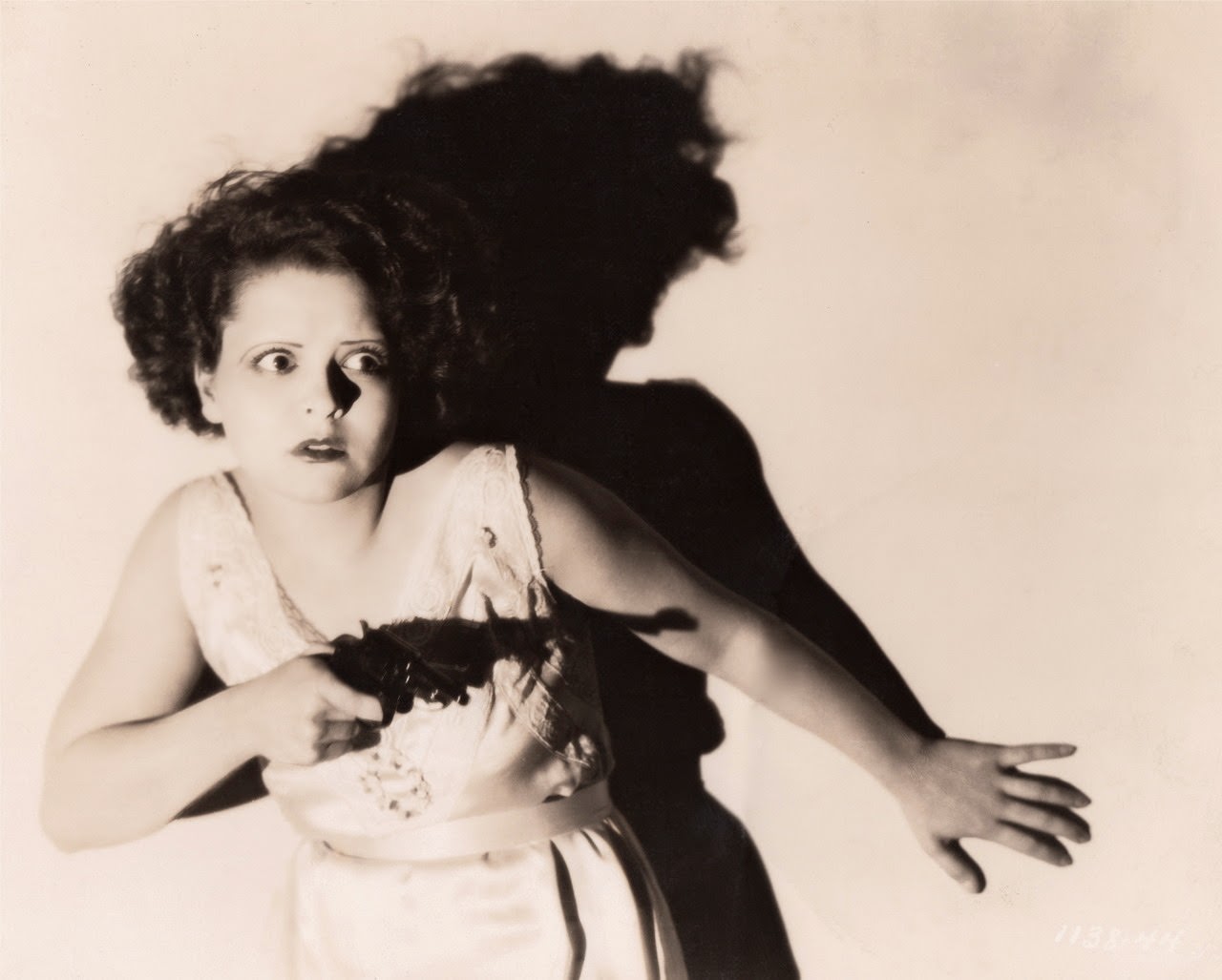
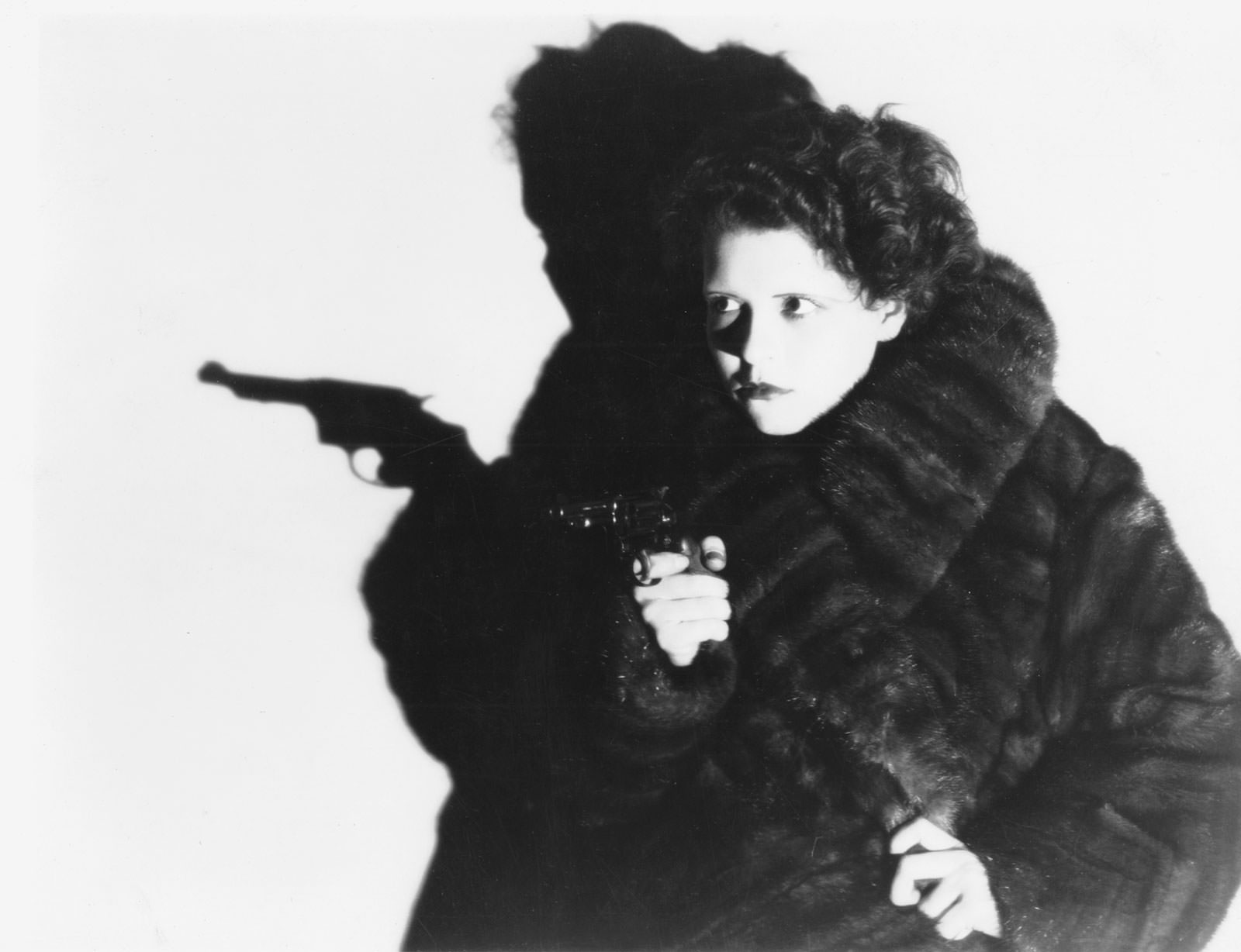
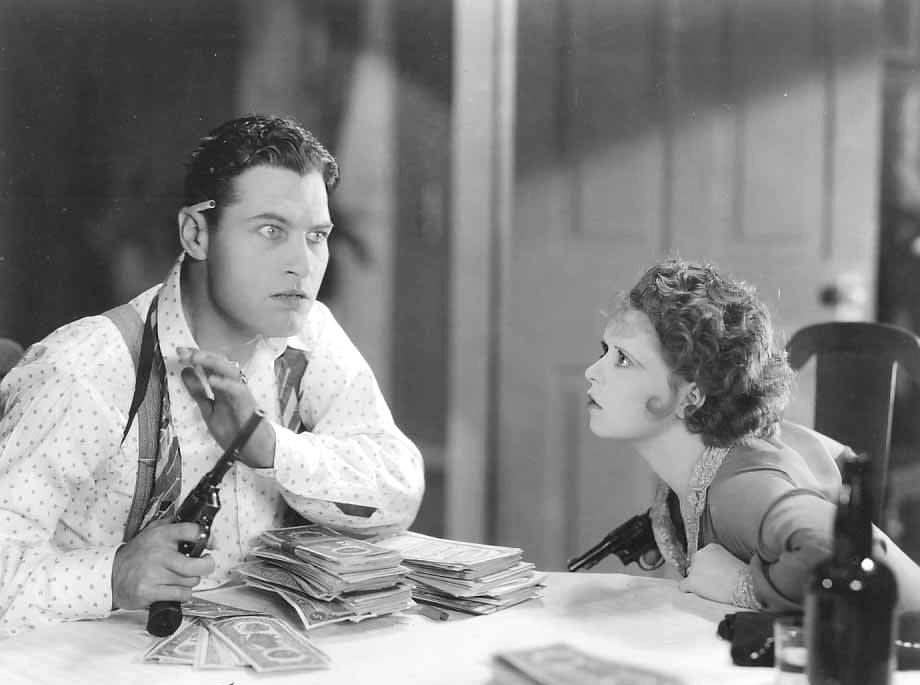
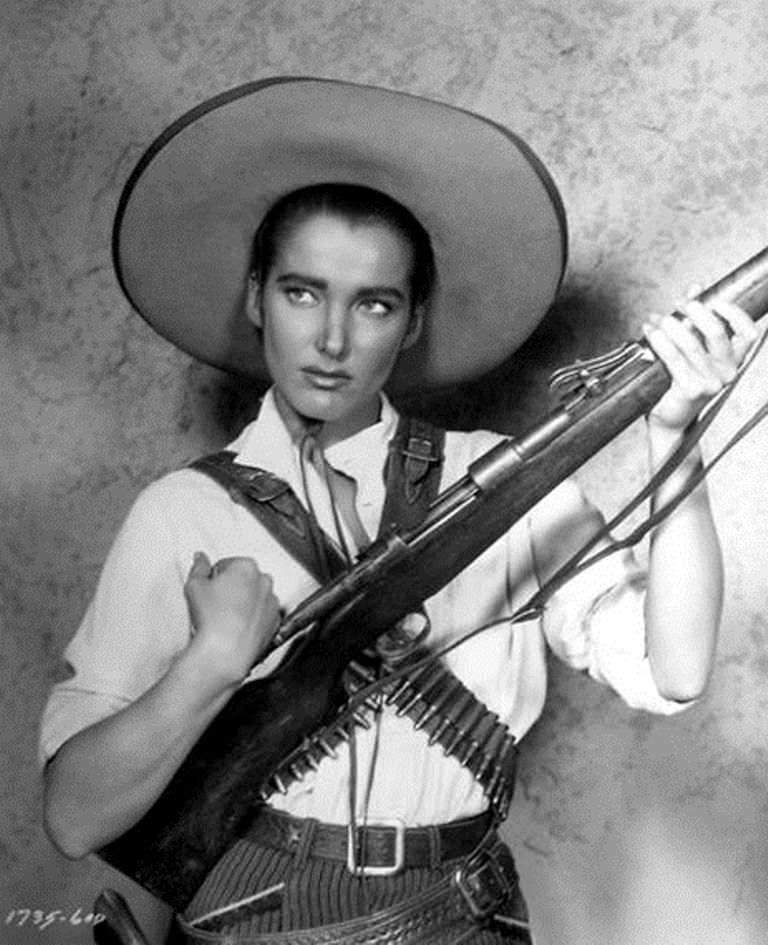
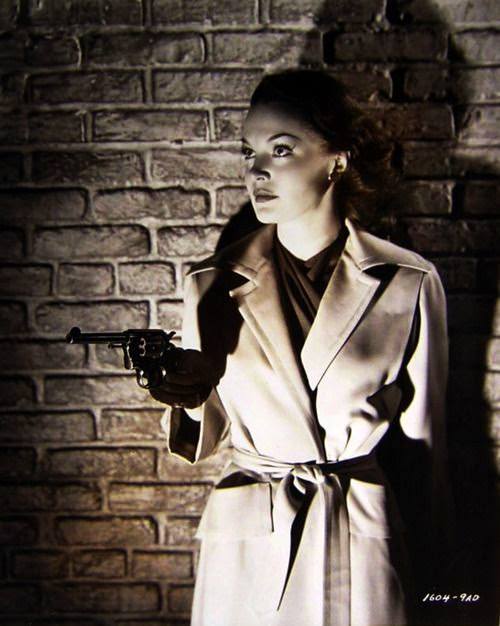
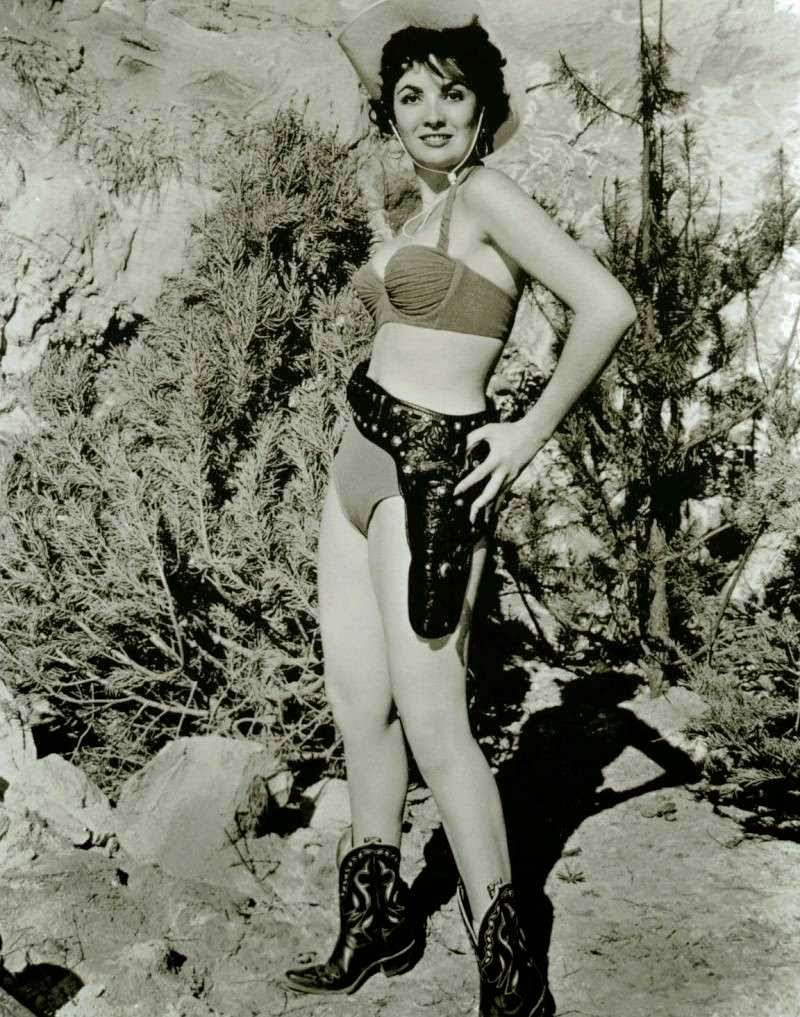
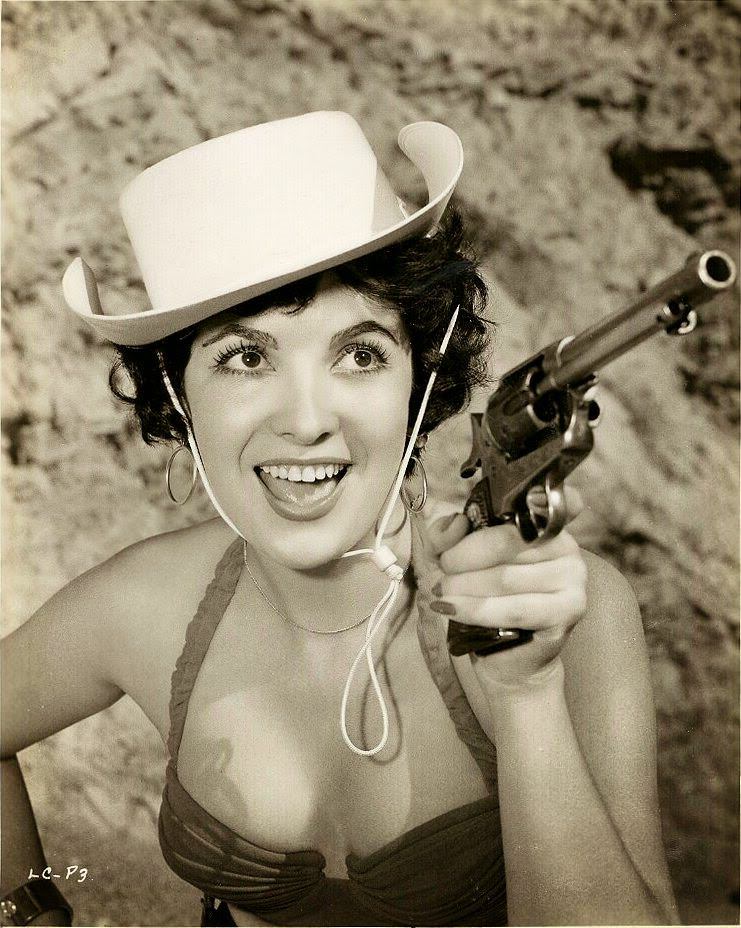
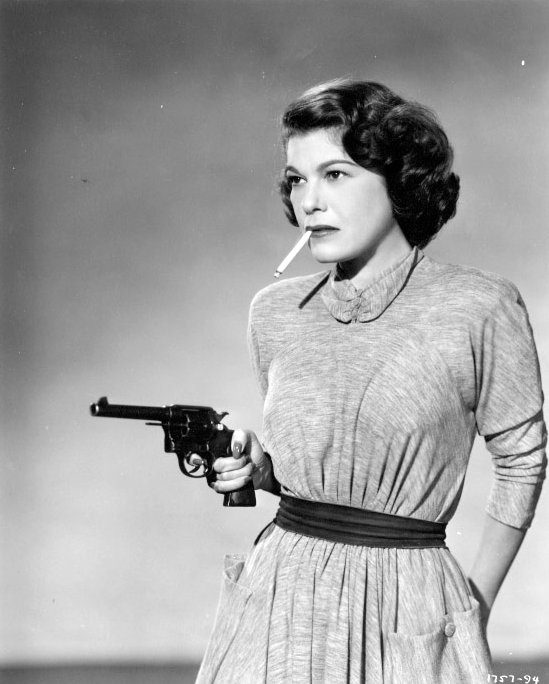
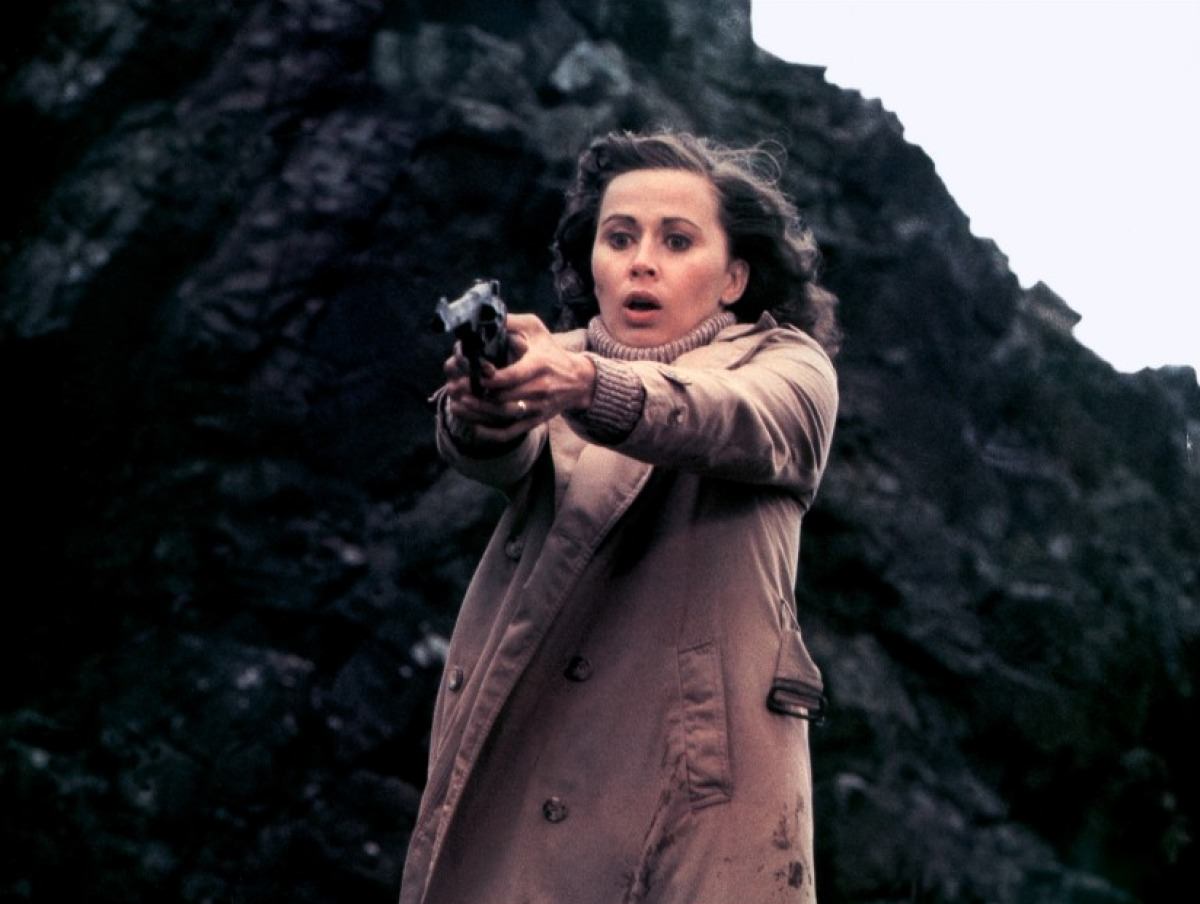
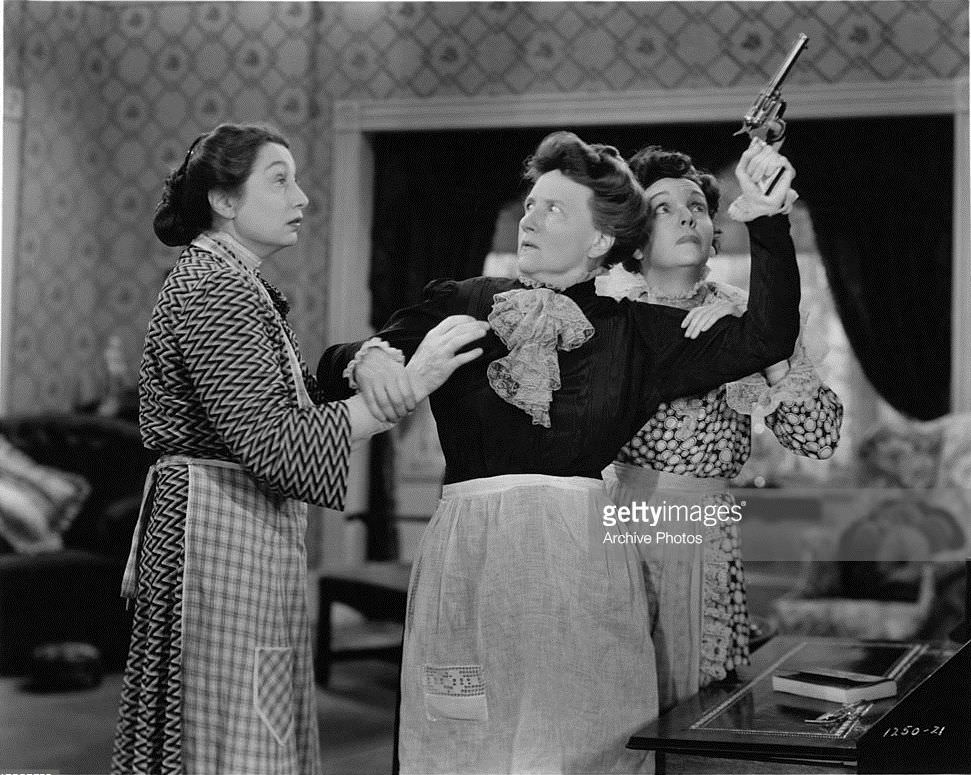
Hollywood put guns in the hands of actresses almost as soon as movies existed. Even before sound arrived, silent films featured women clutching revolvers, rifles, and pistols on screen. The results, however, were uneven. Early filmmakers struggled to make gun scenes feel real. Cameras focused heavily on facial expressions and broad gestures rather than crisp action, and the sense that a scene existed beyond the camera frame was often missing entirely. Realism was the biggest weakness of the classic era, and it showed most clearly in scenes built around weapons.
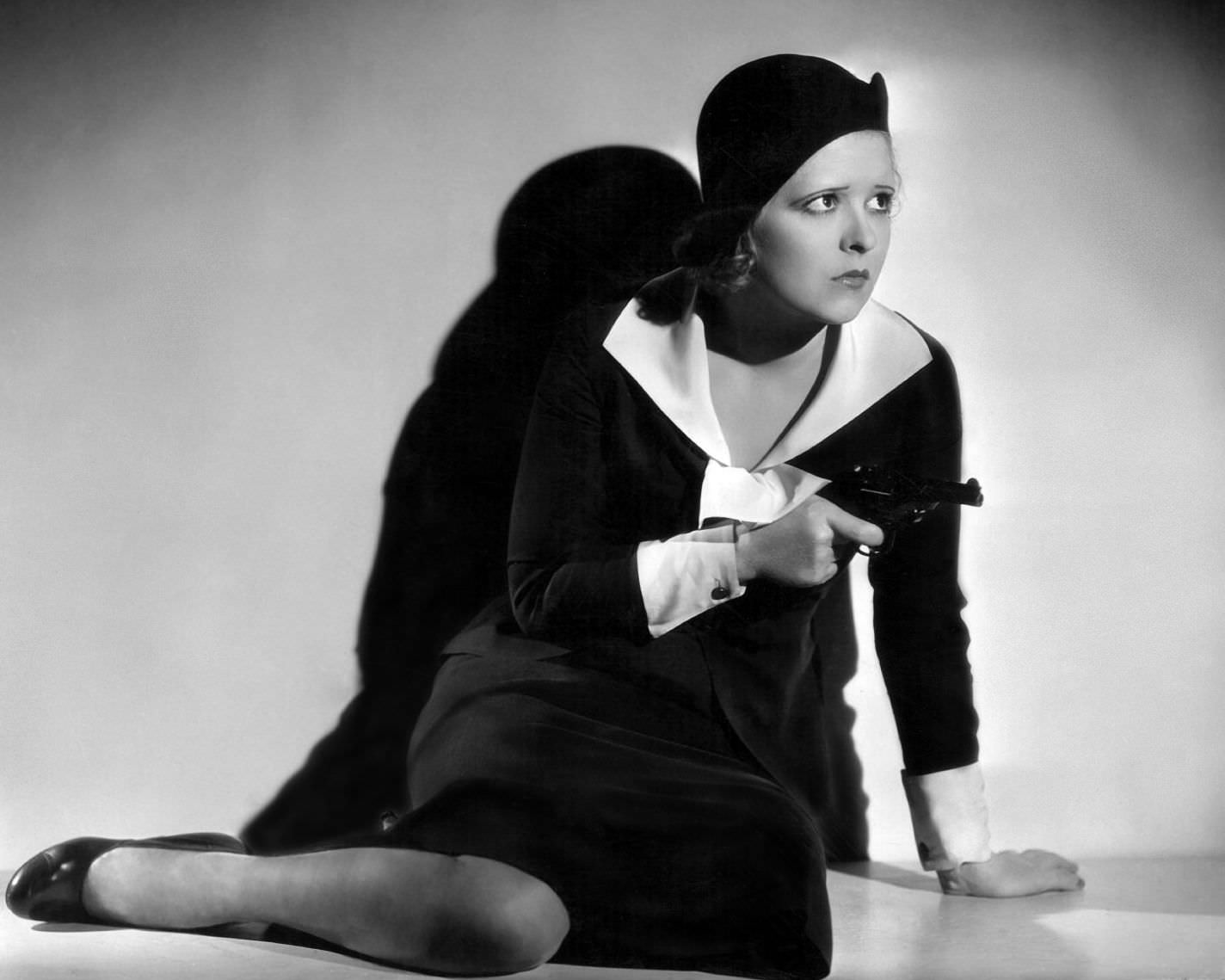
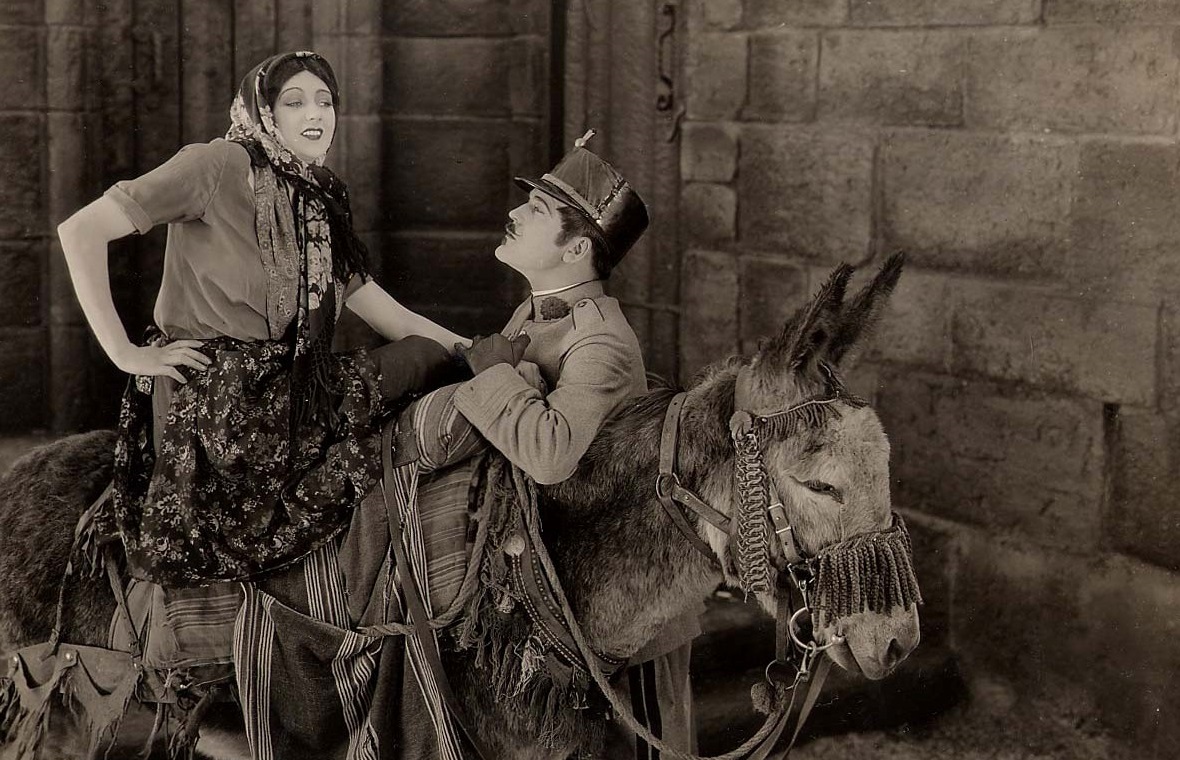
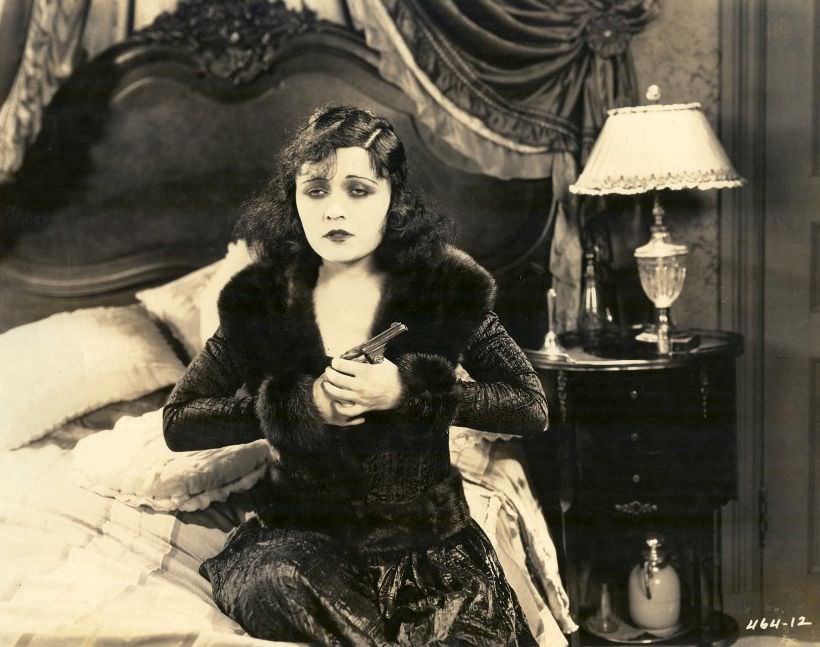
The 1920s and 1930s gave audiences some of the earliest examples of women on screen with firearms. Pola Negri, one of the biggest stars of the silent era, appeared armed in Woman from Moscow in 1928. That same year, Clara Bow took up a gun in Ladies of the Mob, a film that placed her squarely in the crime genre. Phyllis Haver played the gun-toting Roxie Hart in the 1927 silent version of Chicago, a role that would later become iconic. Jeanne Eagels fired a gun in the 1929 drama The Letter, one of the era’s most intense portrayals of a woman committing violence.
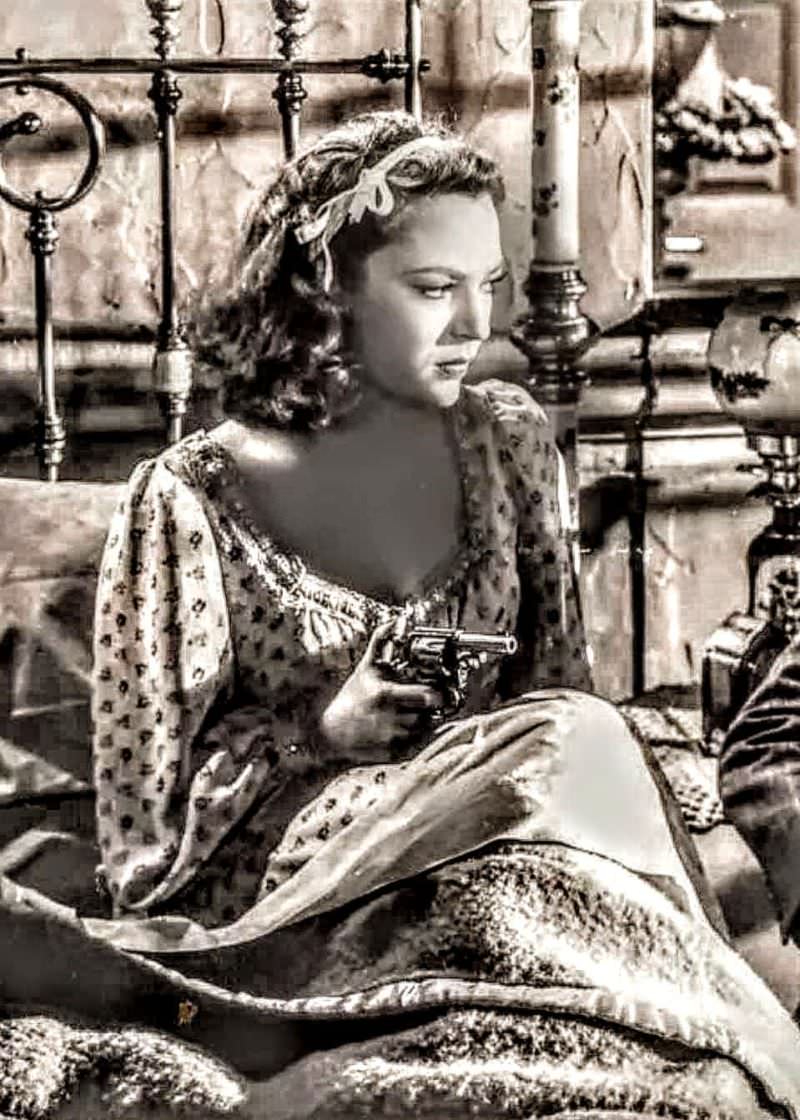
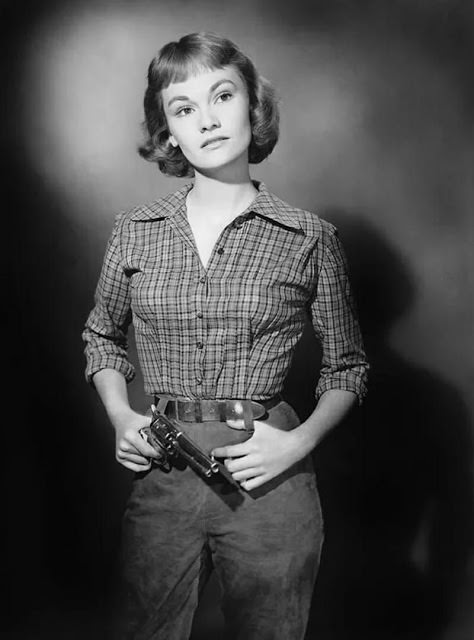
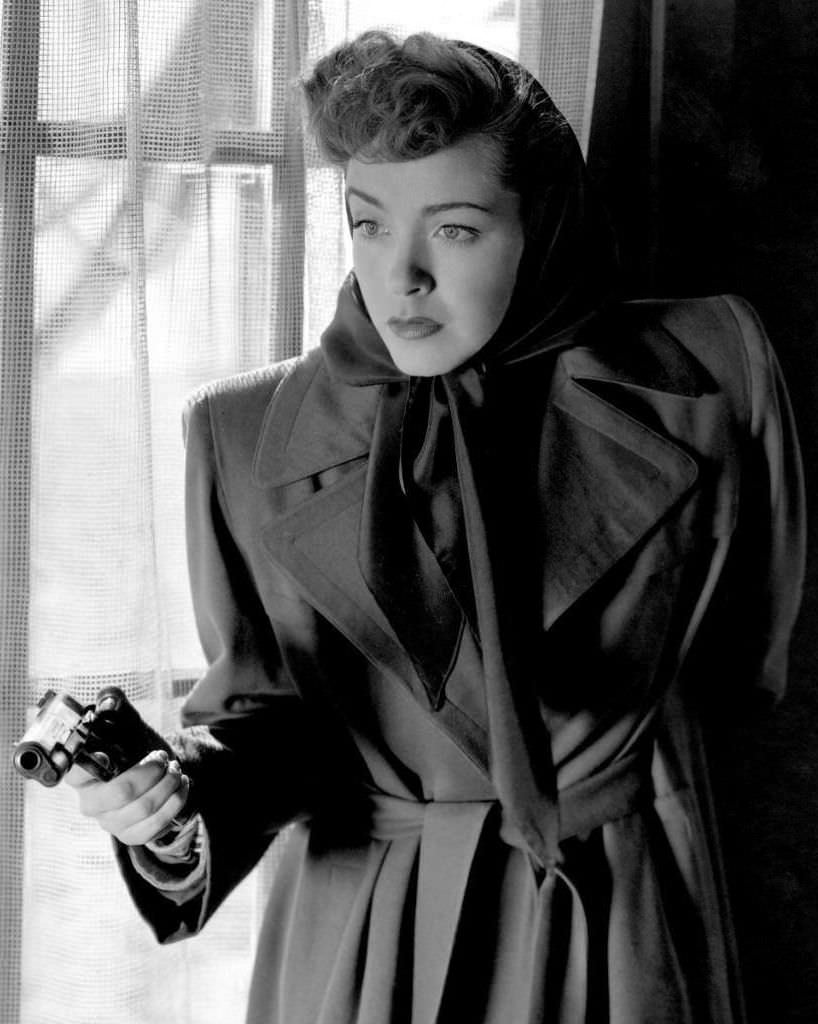
By the 1930s and into the 1940s, guns in the hands of women became a more deliberate cinematic choice. Bette Davis appeared armed in Satan Met a Lady in 1936. Gale Sondergaard held a gun in The Cat and the Canary in 1939, the same year Olivia de Havilland appeared in Raffles. Valerie Hobson carried a weapon in the 1935 crime film Chinatown Squad. These roles ranged from villains to victims to women trying to survive, showing how varied the context for these scenes could be.
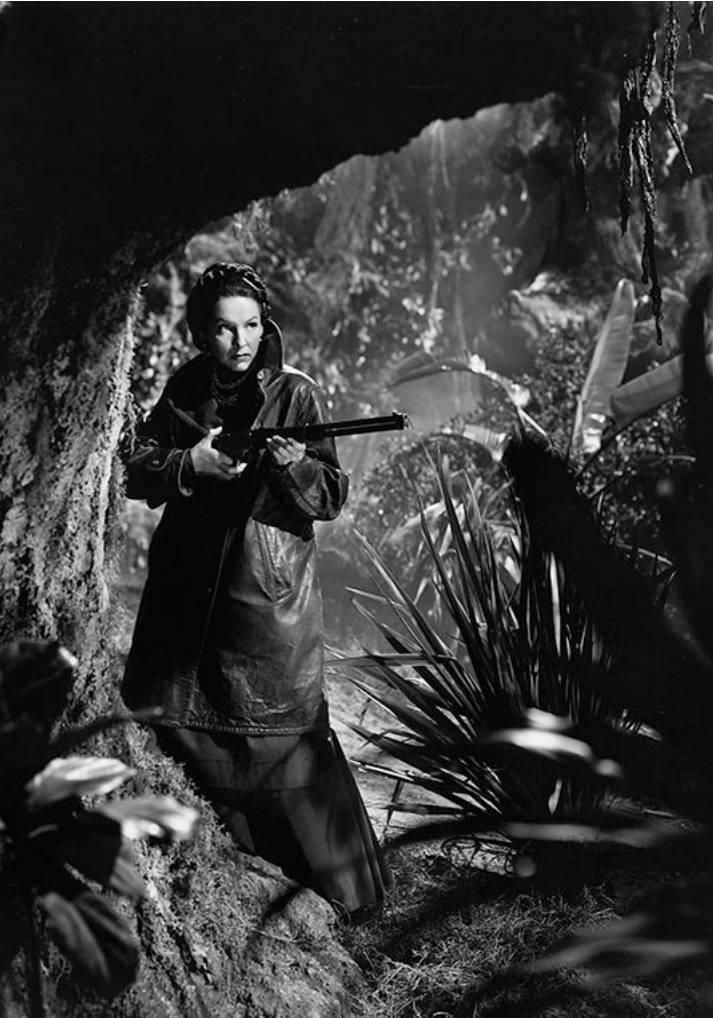
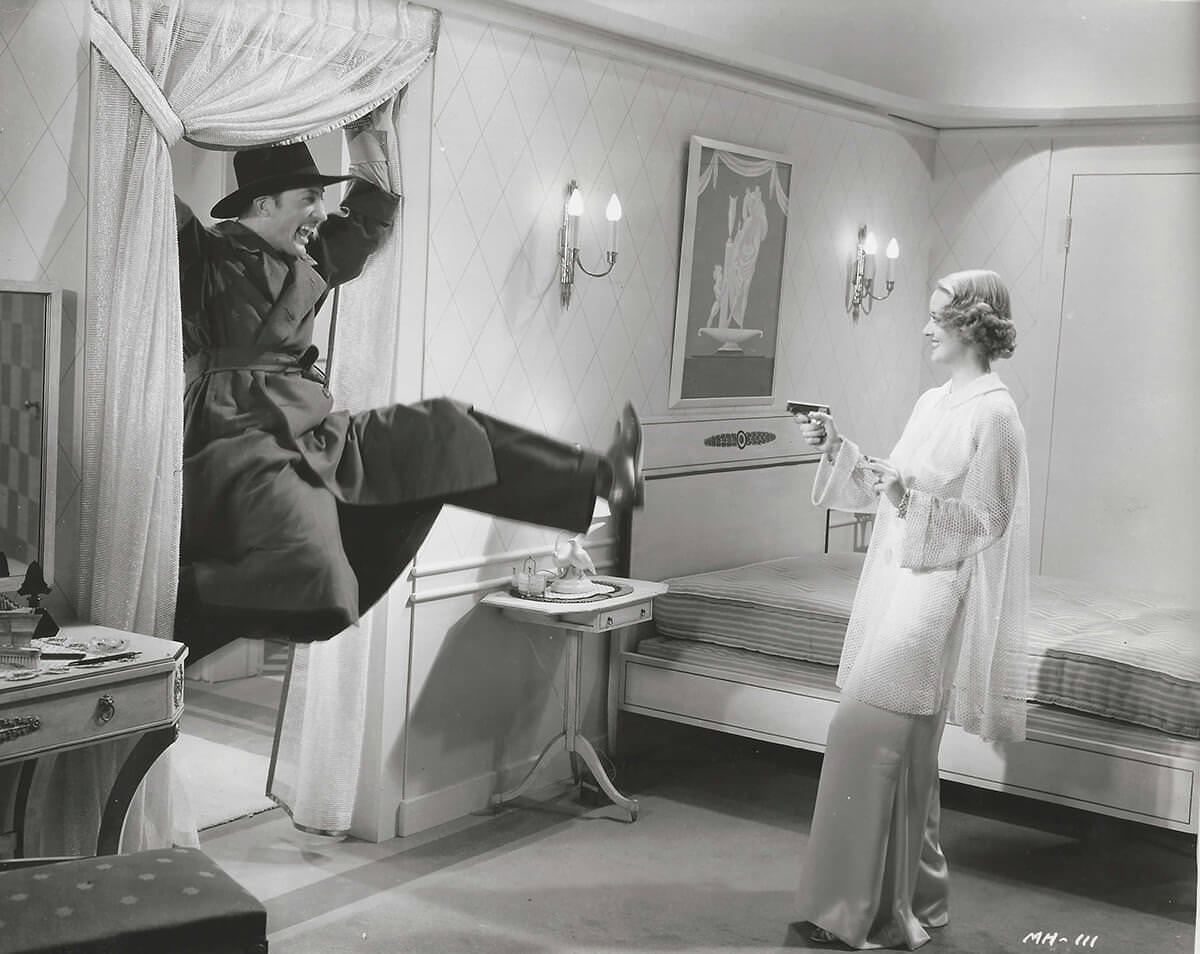
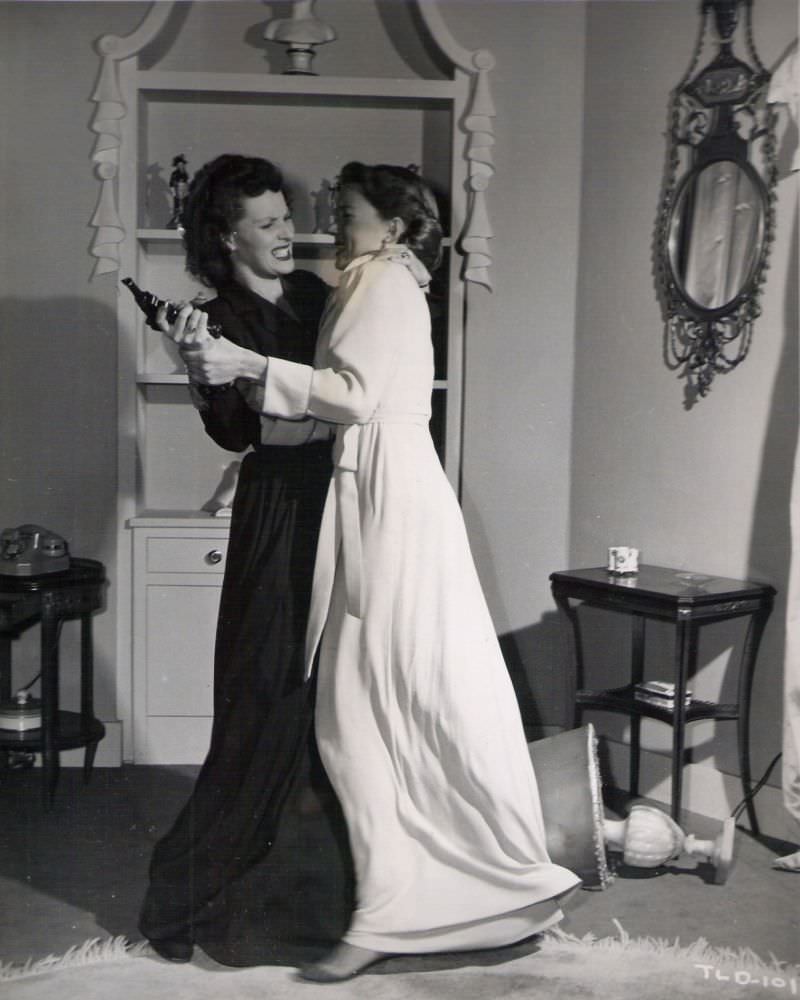
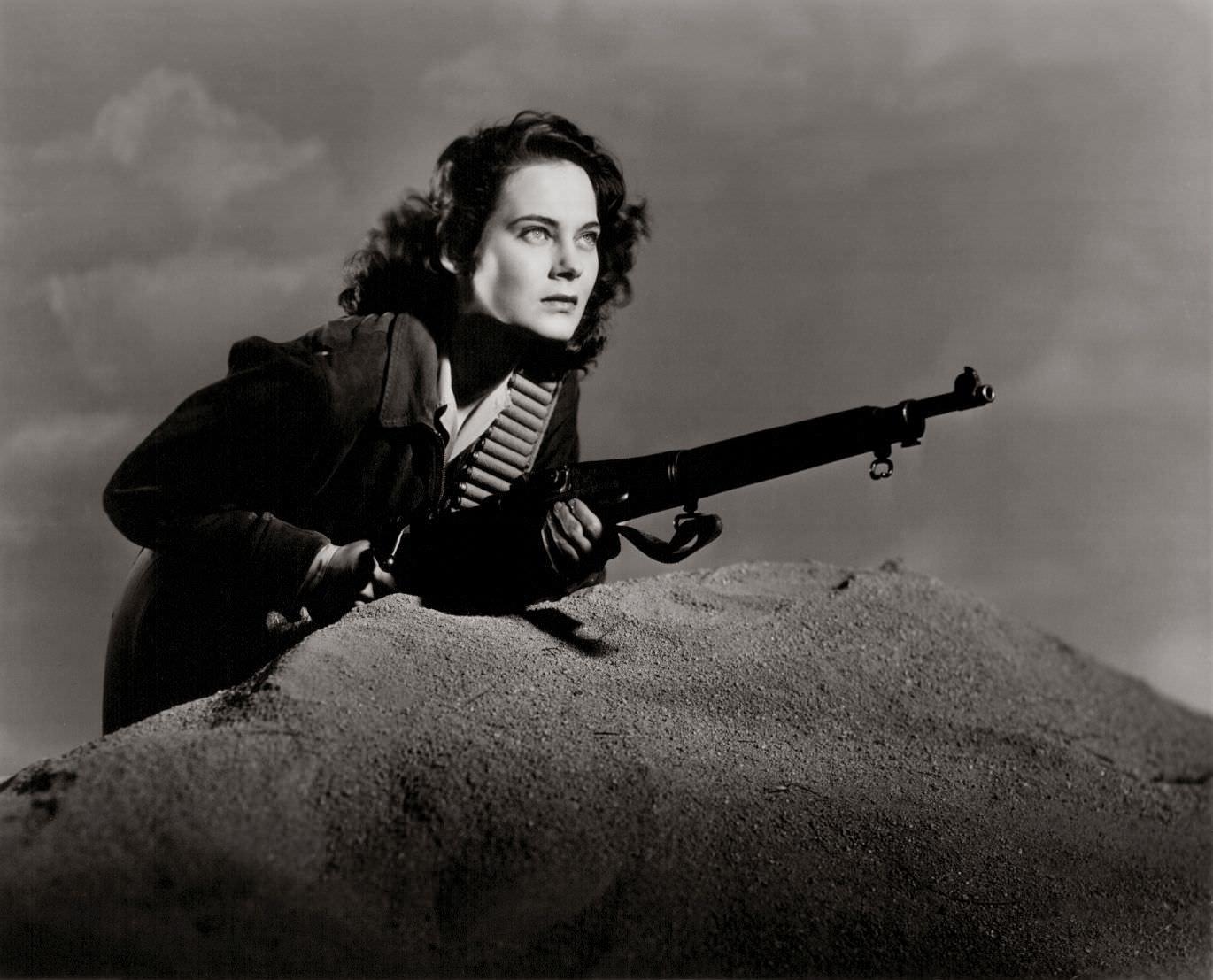
The 1940s brought a wave of noir and war films that put more guns on screen than ever before. Marsha Hunt appeared armed in T-Men in 1947, a gritty Treasury Department crime film. Ann Rutherford held a pistol in the 1944 mystery Bermuda Mystery. Joan Leslie shot a gun in Repeat Performance in 1947, and Anne Baxter appeared in the rugged Western Yellow Sky in 1948. Marta Toren’s appearance in Sword in the Desert that same year added another wartime dimension to these scenes.
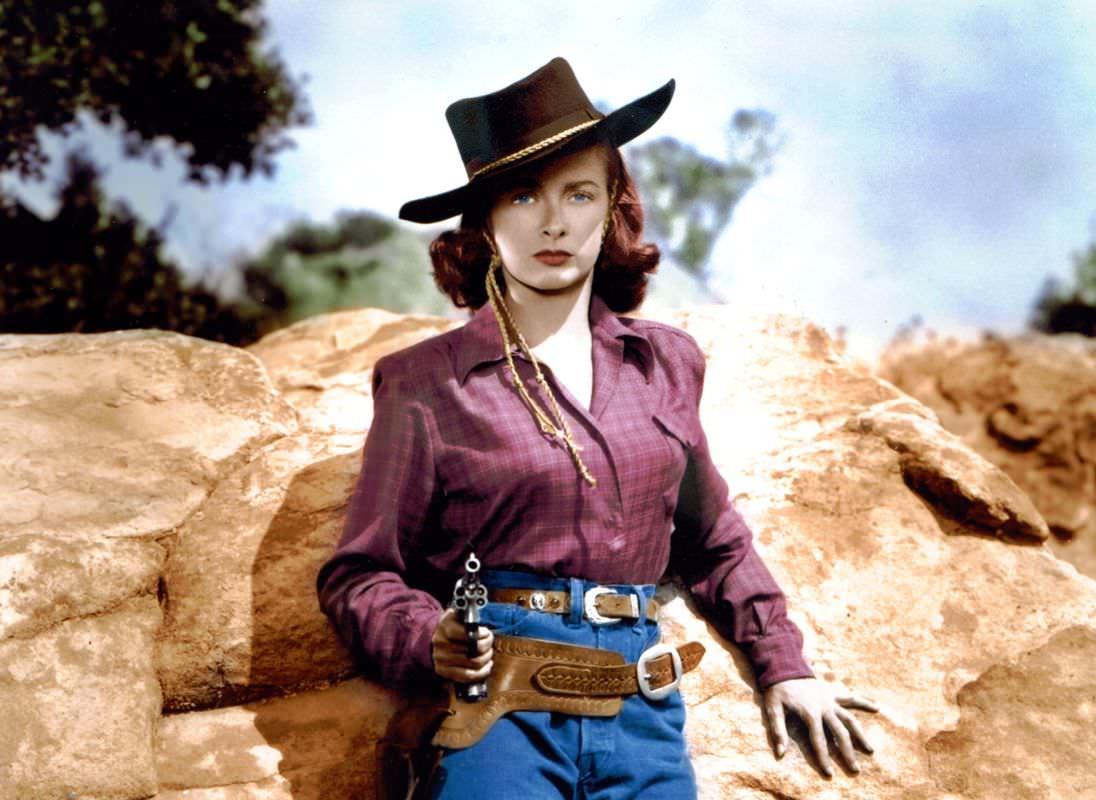
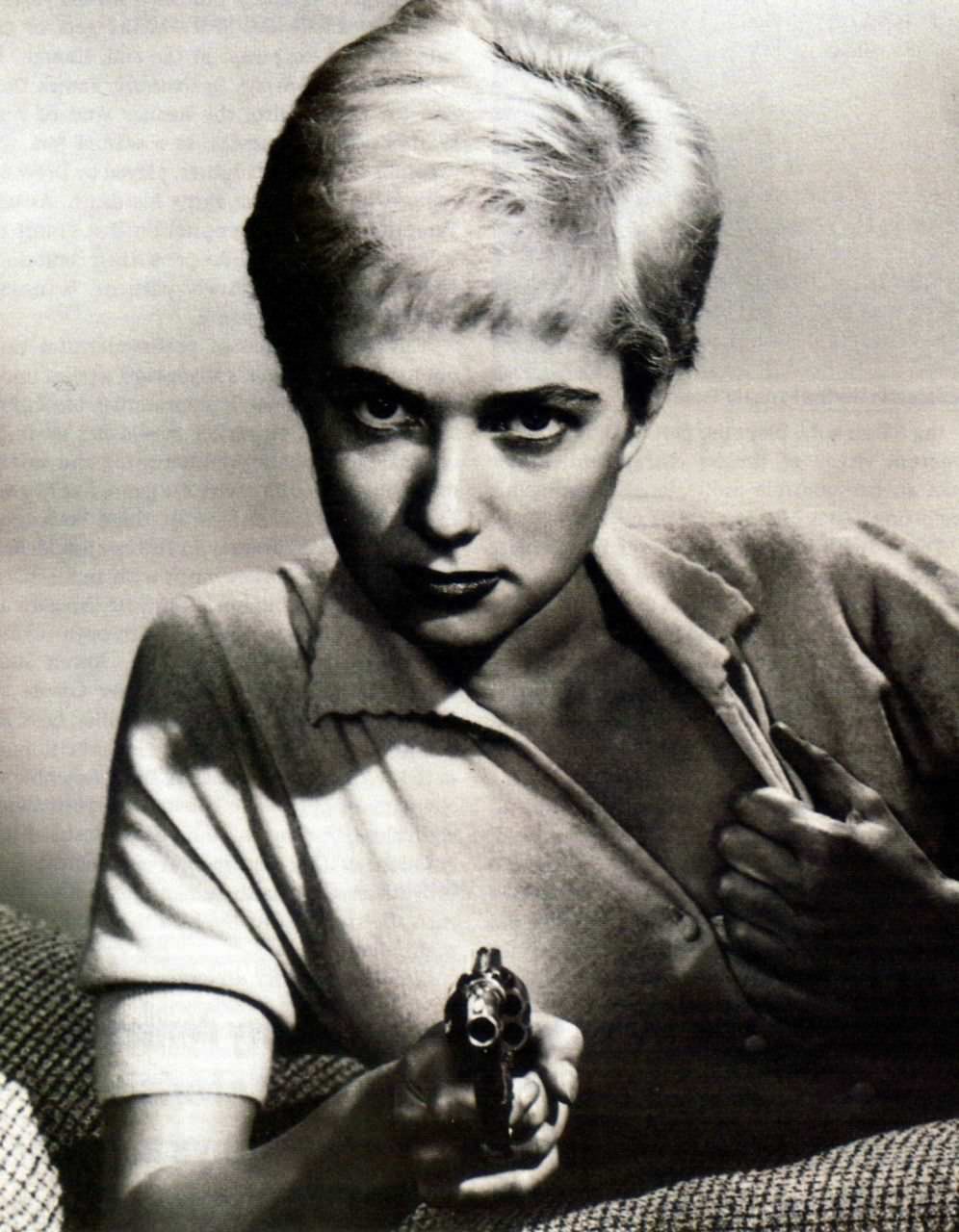
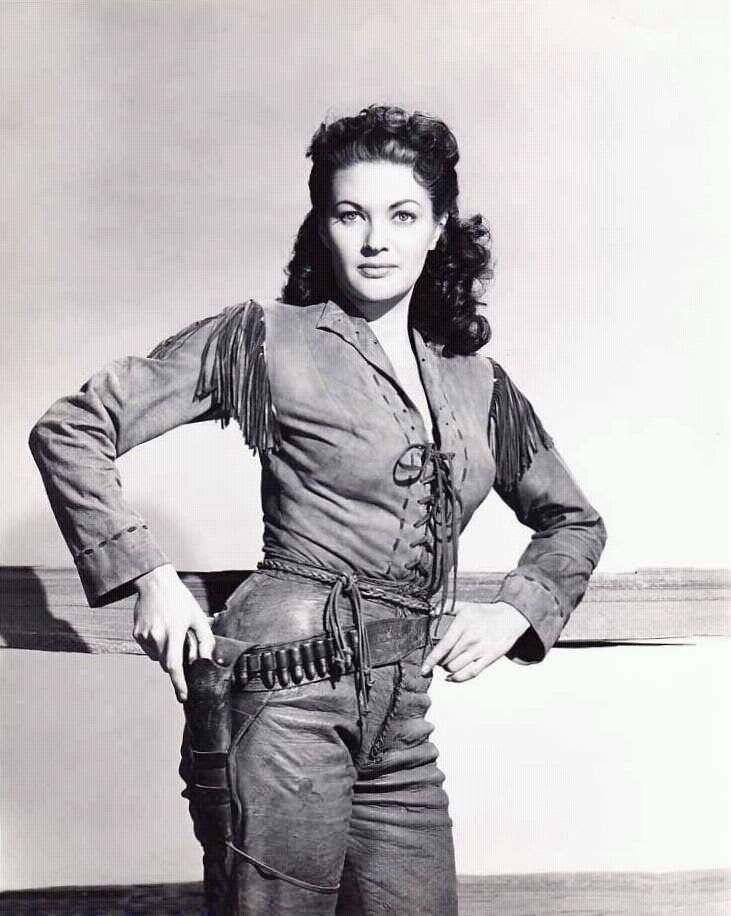
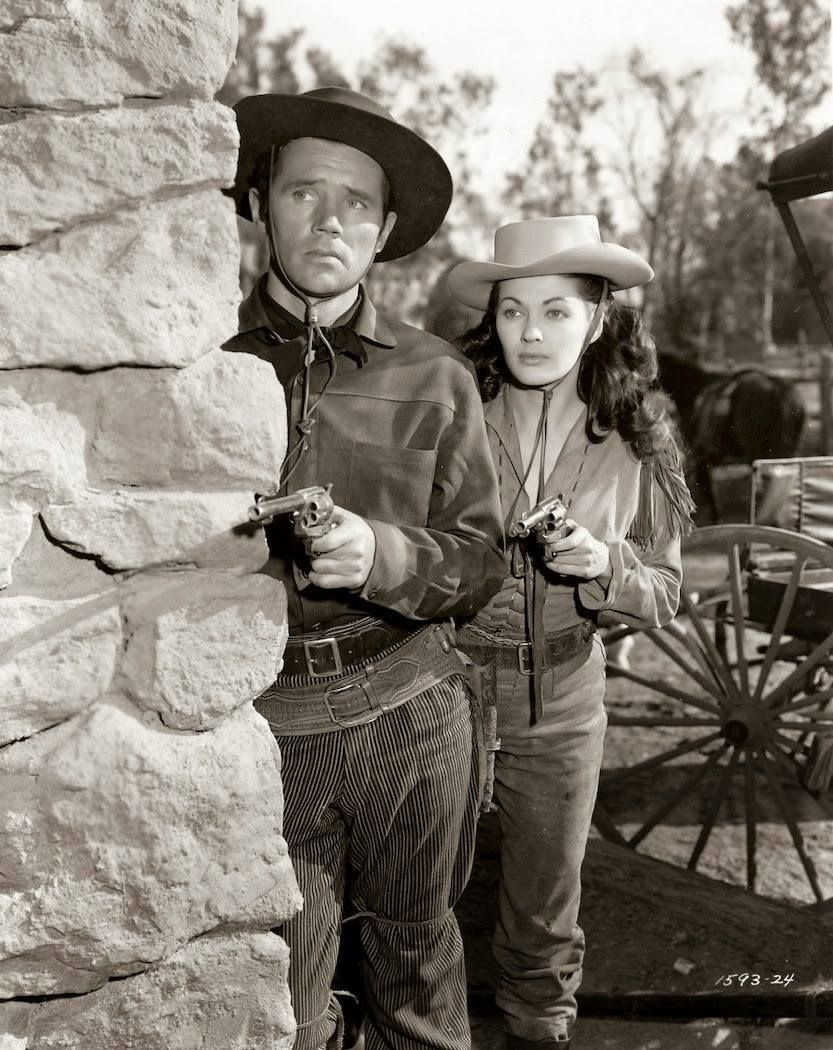
Westerns gave many actresses a natural setting for gun scenes. Yvonne de Carlo appeared as Calamity Jane in the 1949 Western Sam Bass, a role that had her handling firearms throughout. Noel Neill took up a gun in the 1951 Western Abilene Trail. Beverly Garland starred in the 1956 Roger Corman Western Gunslinger, appearing both alone and alongside George Offerman Jr. in key scenes. Merry Anders appeared in The Dalton Girls in 1957, a film centered entirely on outlaw women.
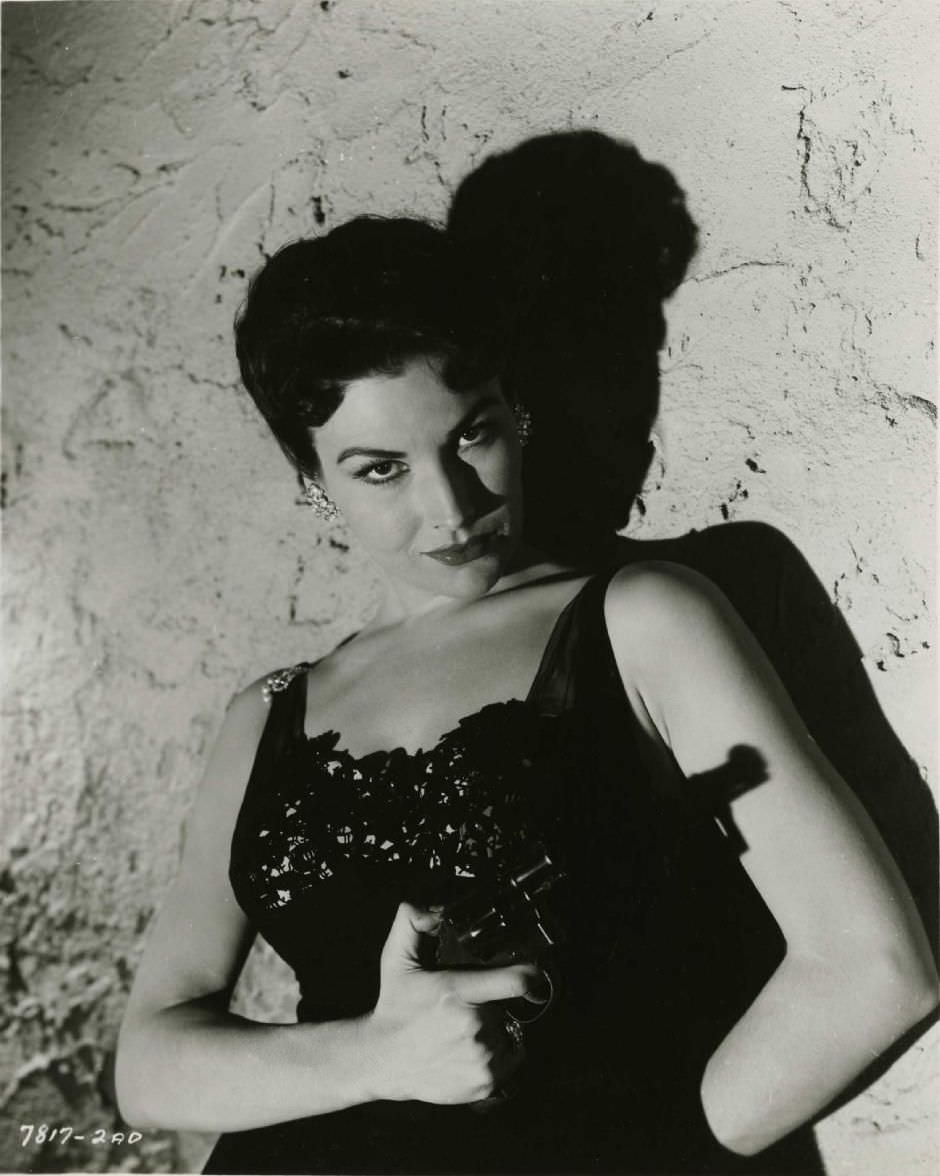
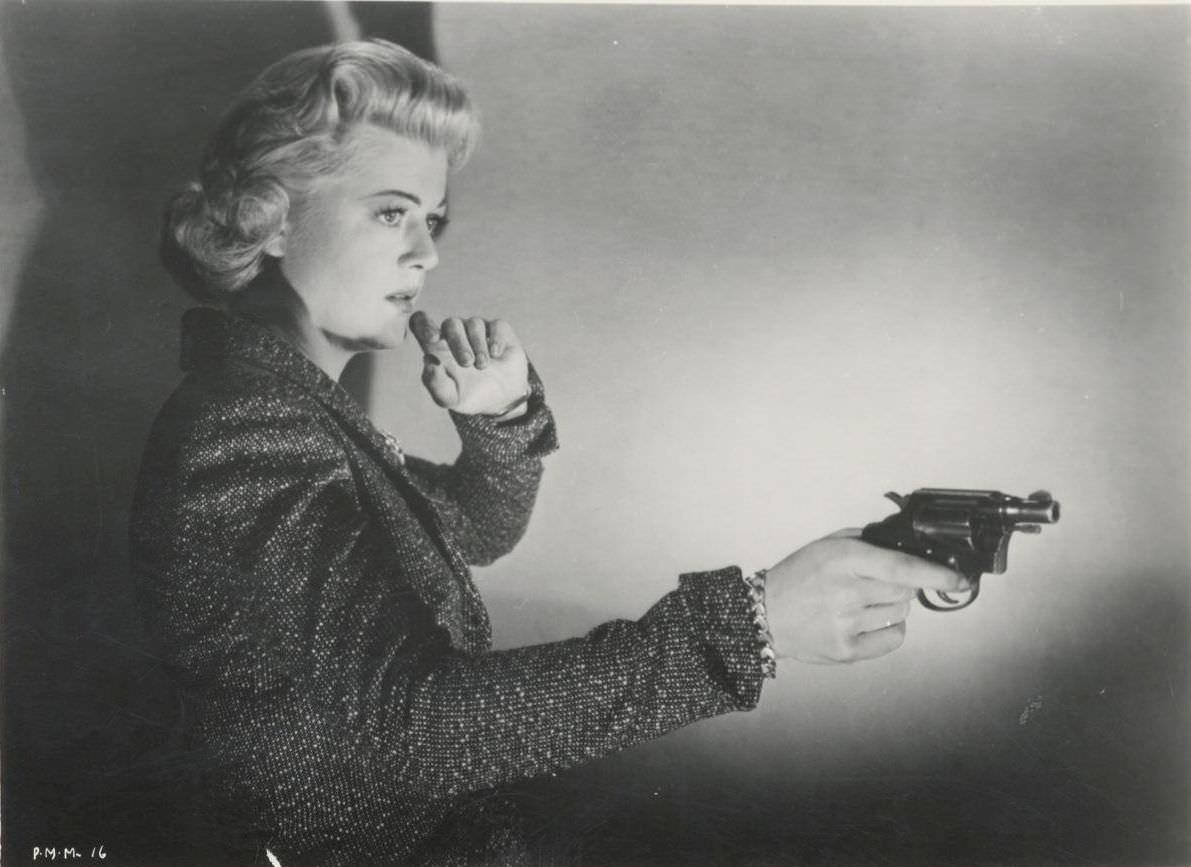
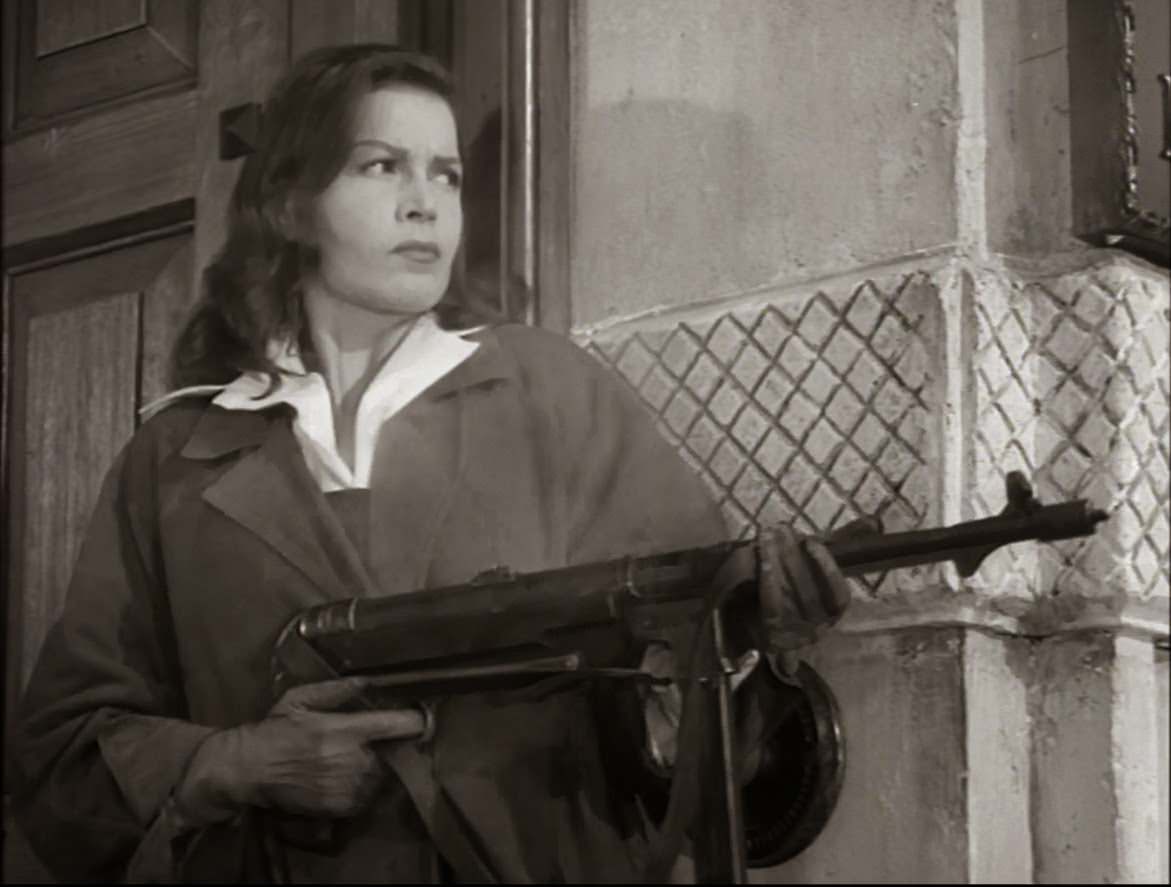
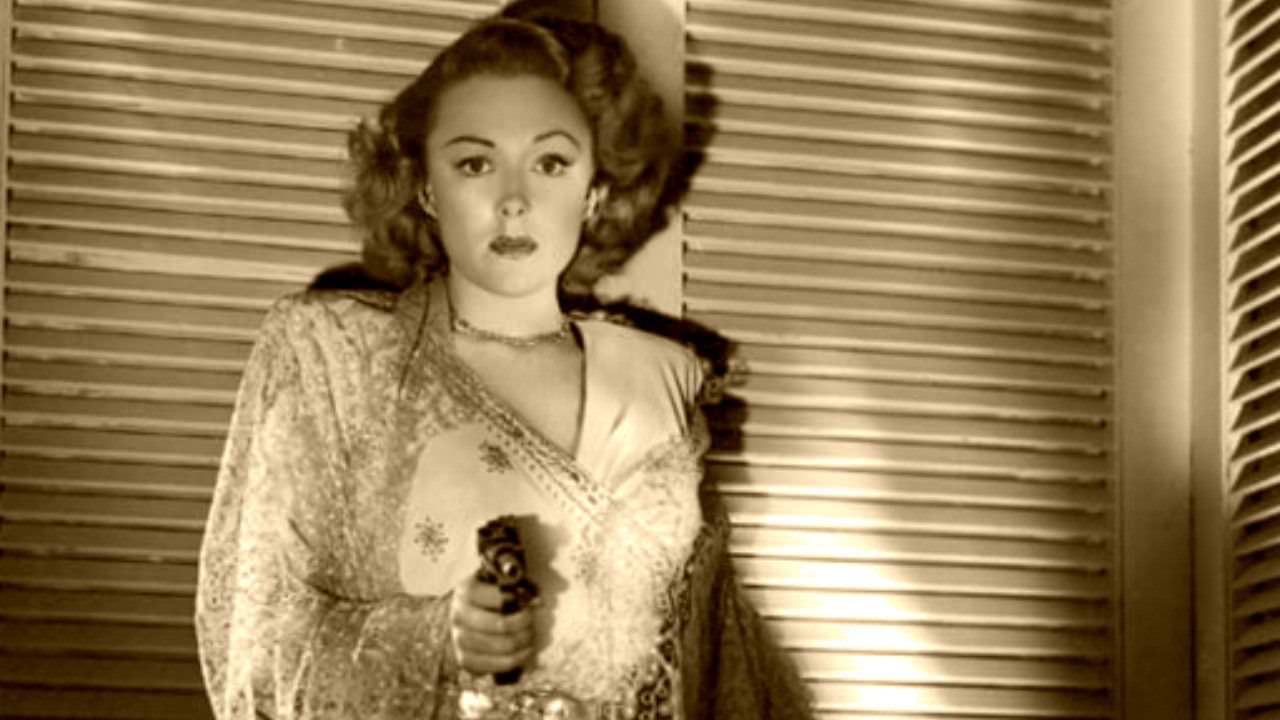
The 1950s saw a sharp improvement in how gun scenes were filmed. After years of stiff staging and theatrical framing, directors began shooting action with more urgency and precision. Gaby Rodgers delivered one of the decade’s most memorable gun moments in the 1955 noir Kiss Me Deadly. Angela Lansbury appeared with a weapon in the 1956 crime film Please Murder Me! Gloria Grahame and Maureen O’Hara both appeared in A Woman’s Secret, a 1949 film that opened with a shooting scene central to the plot.
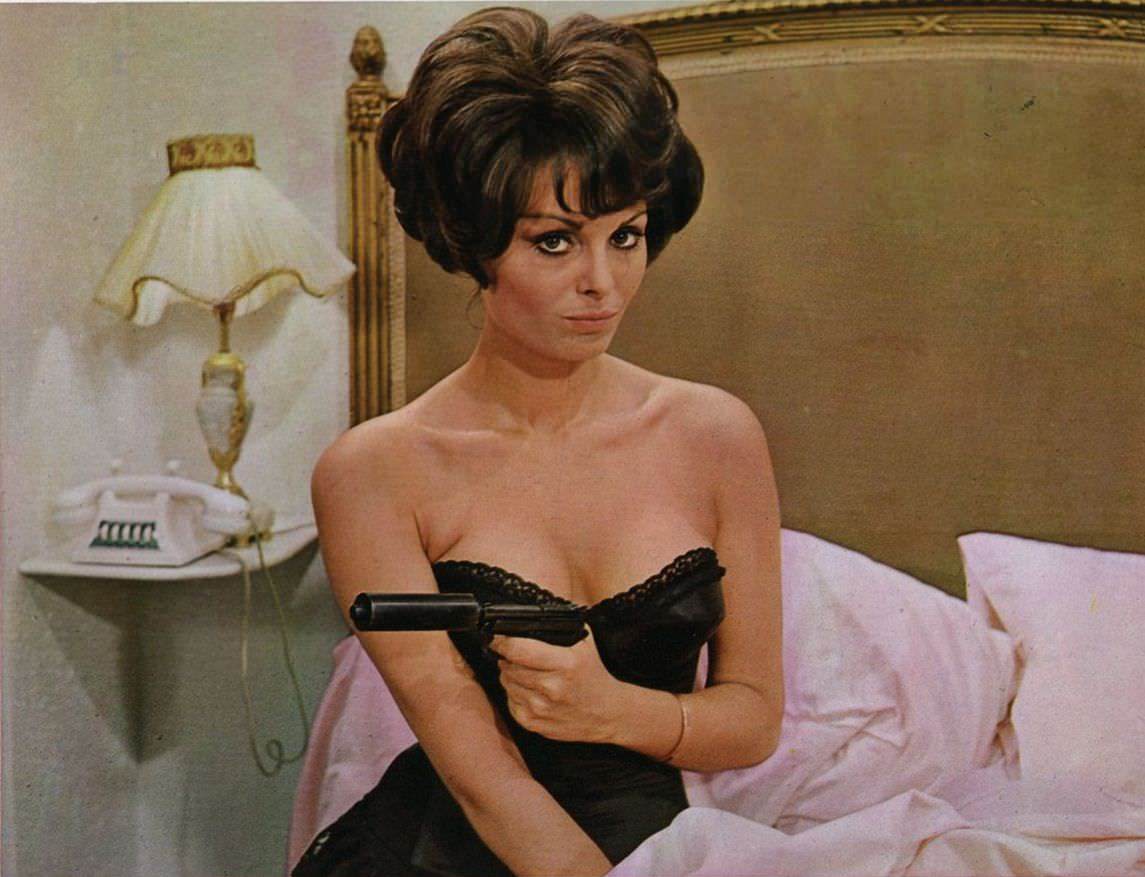
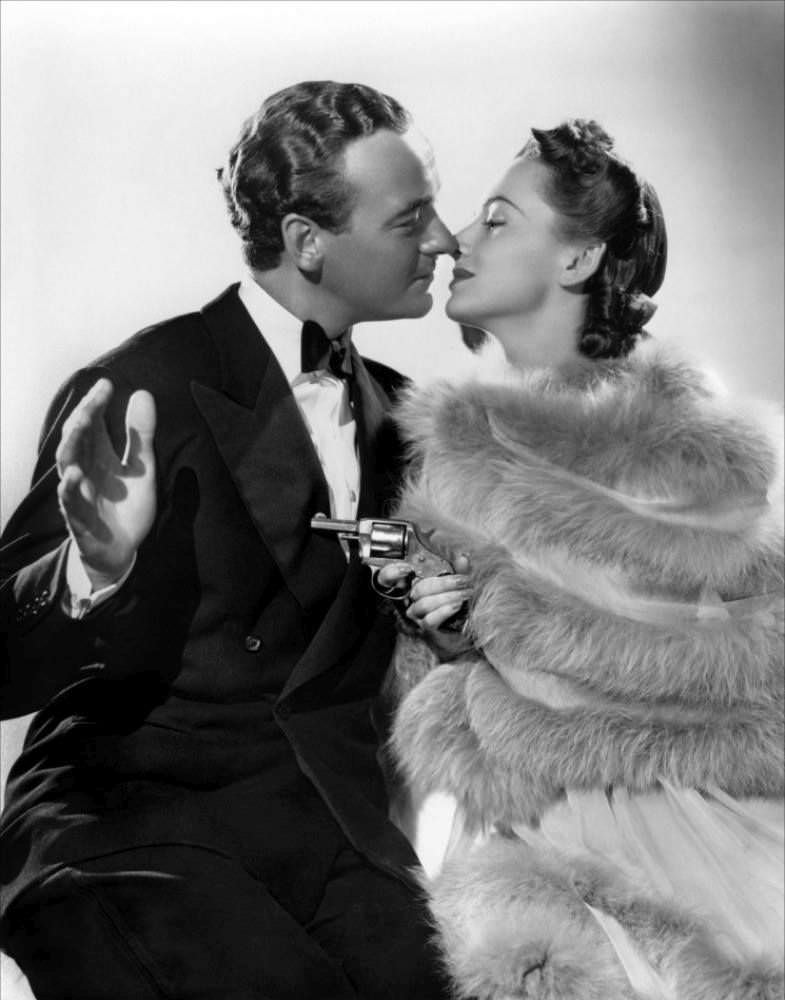
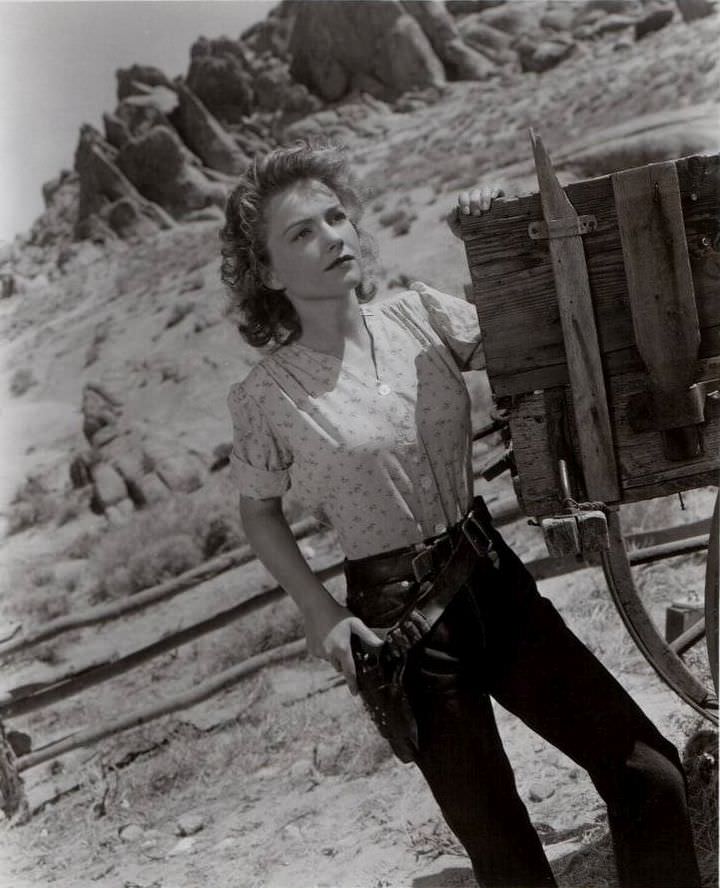
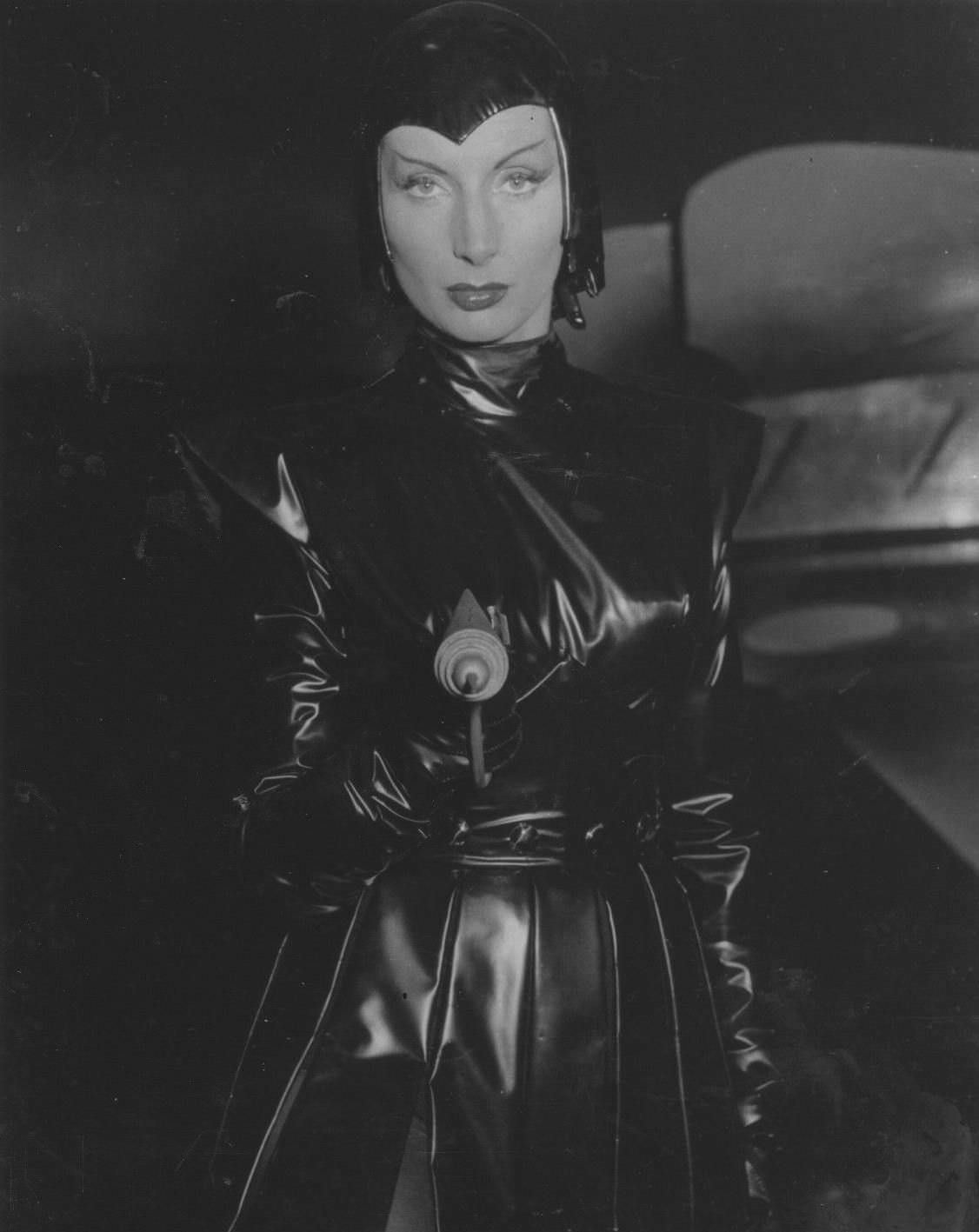
Science fiction and spy films added new dimensions to how women with guns appeared on screen. Patricia Laffan wielded a futuristic weapon as the alien villain in the 1954 British film Devil Girl from Mars. Janet Leigh appeared armed in the 1966 spy film The Spy in the Green Hat, part of the Man from U.N.C.L.E. franchise. Daliah Lavi appeared in The Spy with a Cold Nose the same year. These films reflected the era’s growing interest in women as active agents in high-stakes action stories.
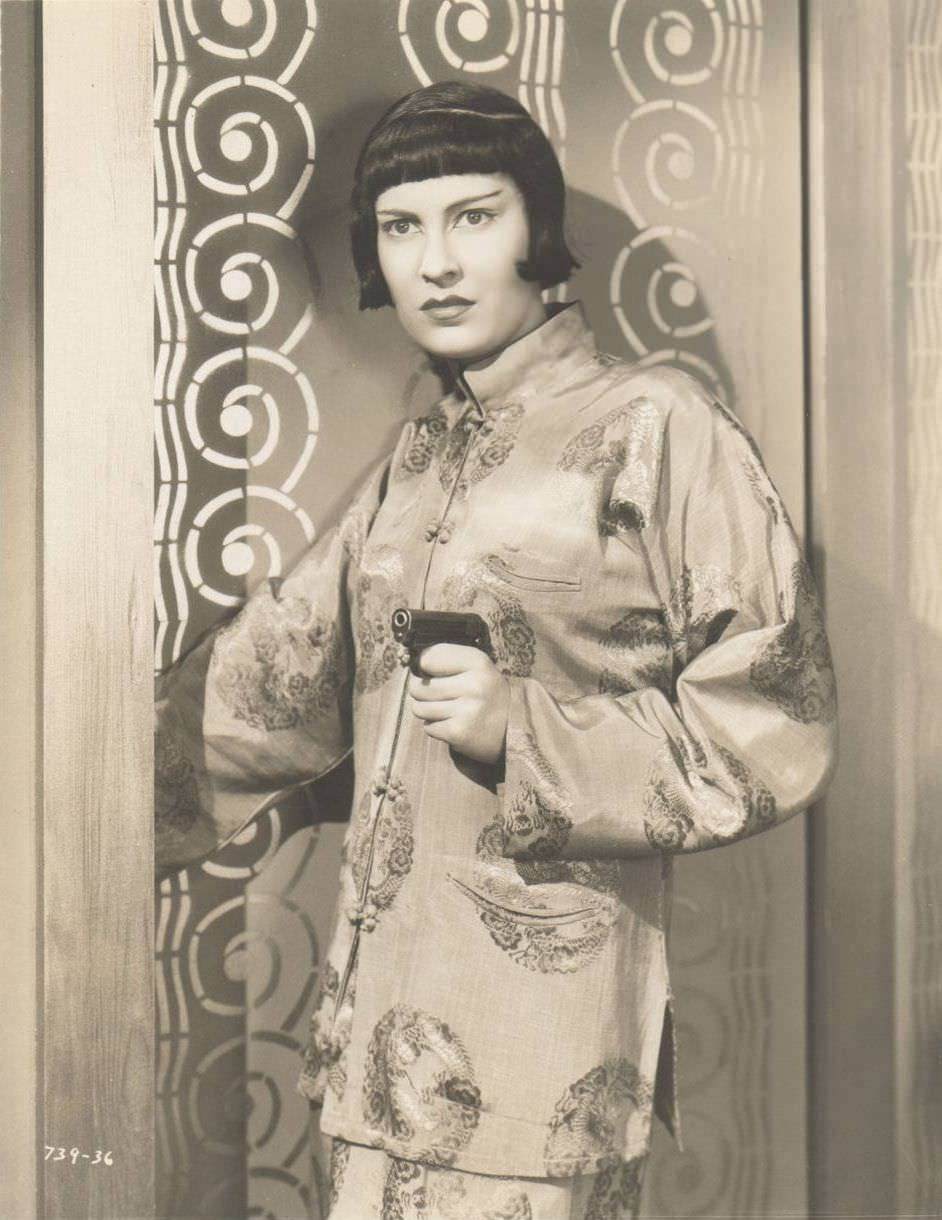
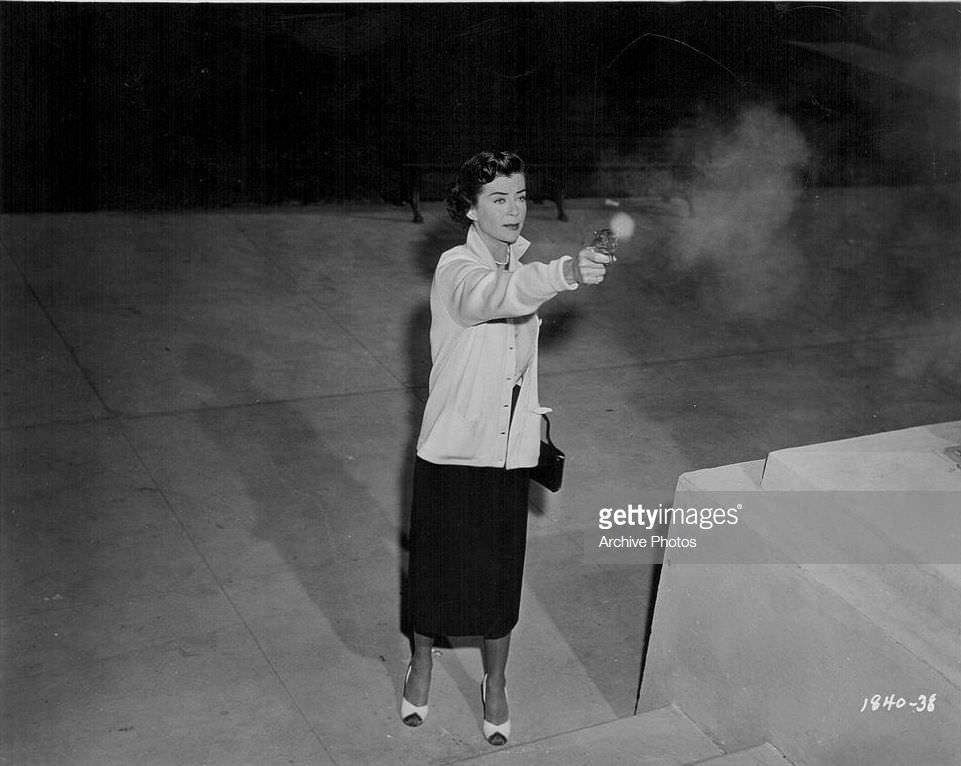
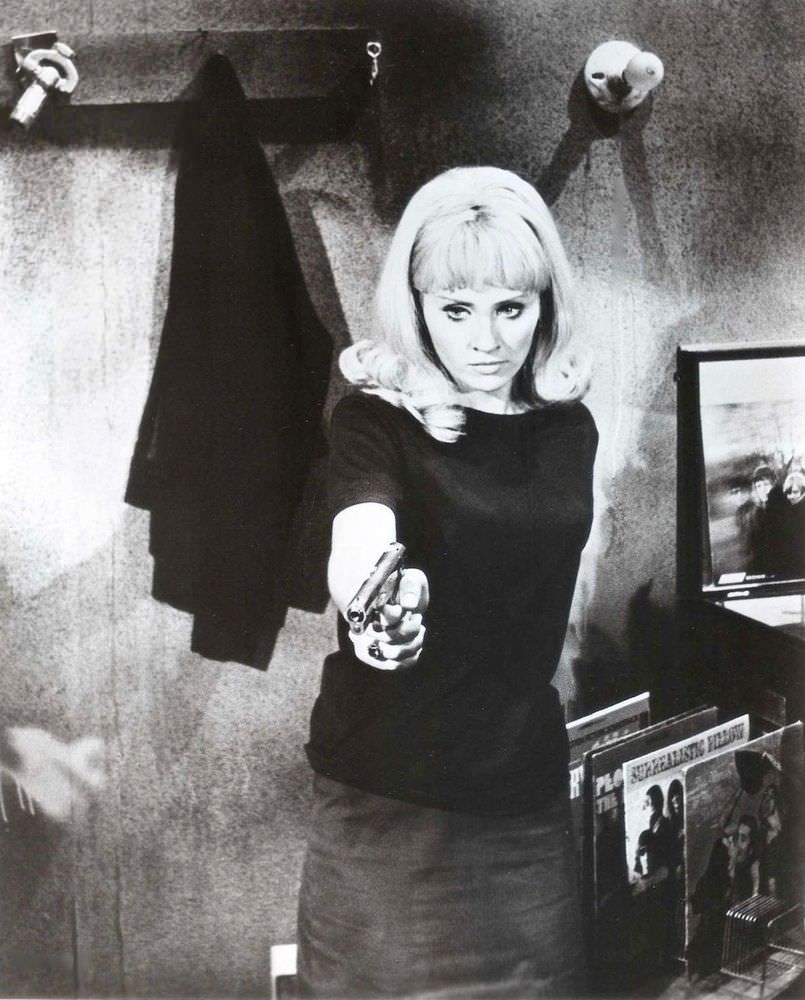
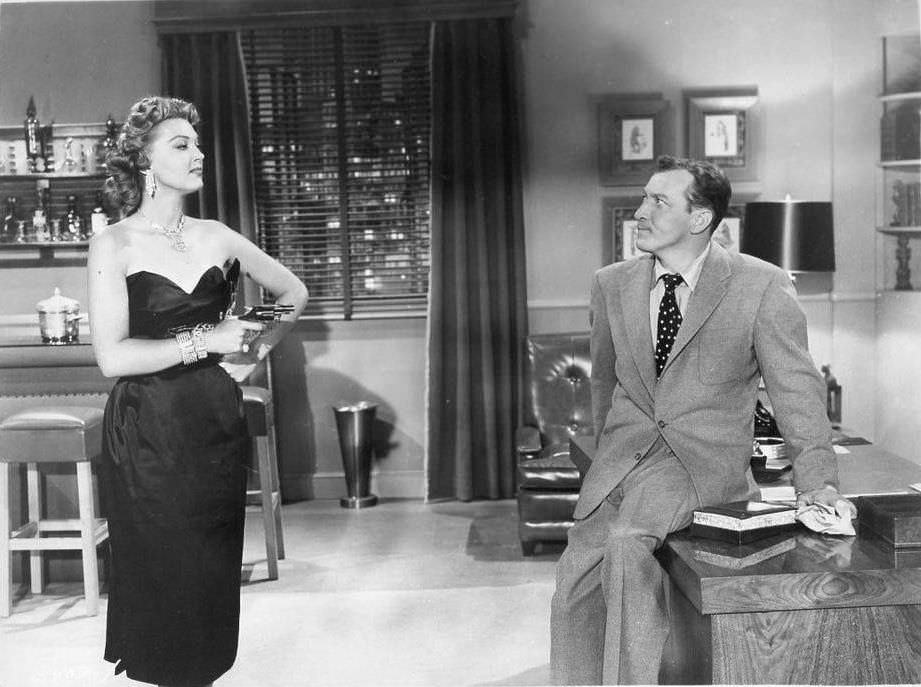
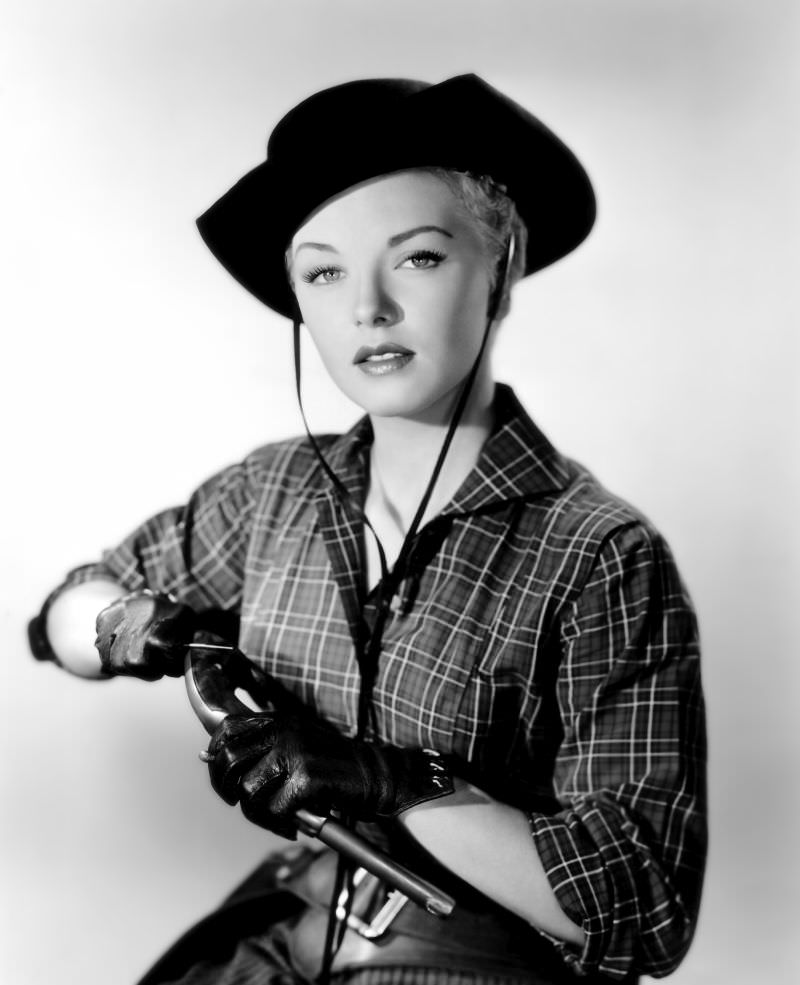
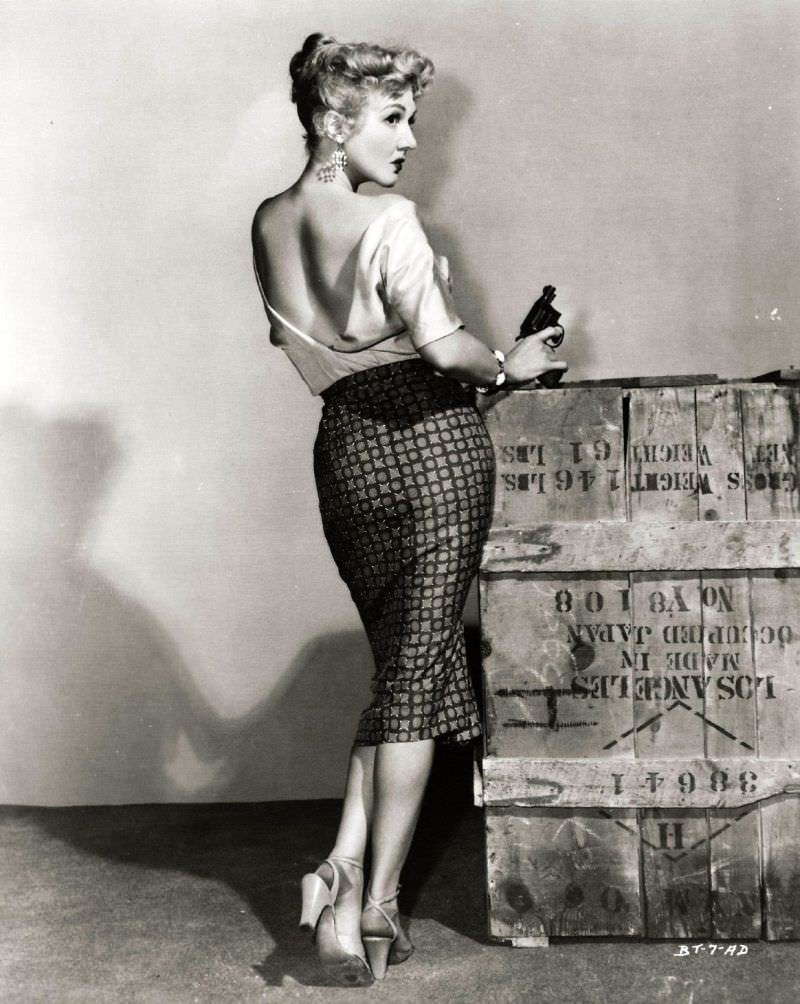
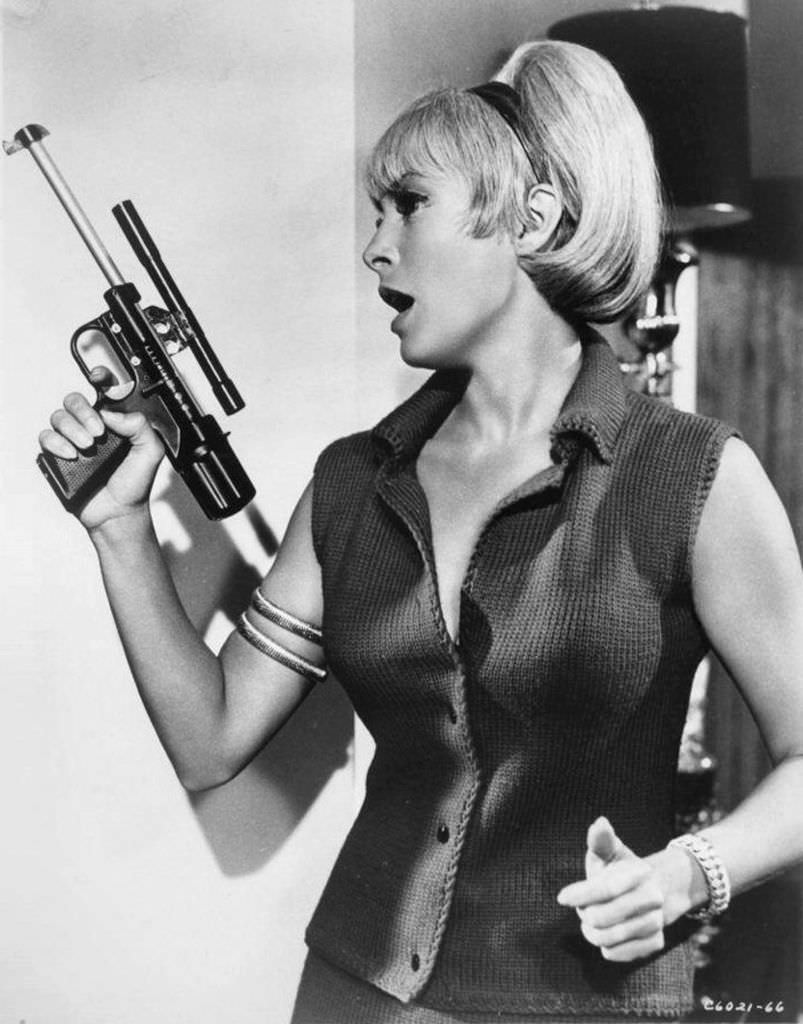
Anne Francis appeared in two notable gun roles within the decade. She played a supporting part in the 1957 Western The Hired Gun, then took the concept further as the lead in the 1965 television series Honey West, where she played a female private detective who regularly carried and used firearms. Alexis Smith appeared twice in scenes from the 1950 crime film Undercover Girl, where she played a woman infiltrating a drug ring. These roles pushed the on-screen image of armed women from passive to purposeful.
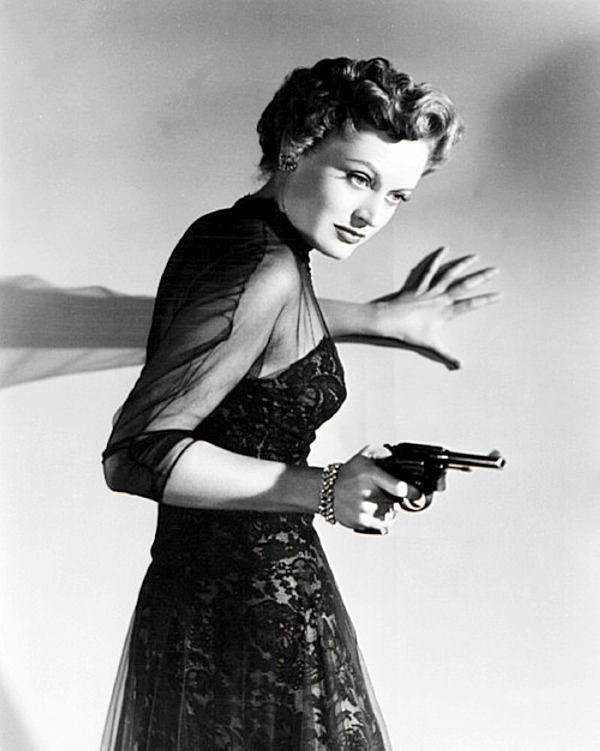
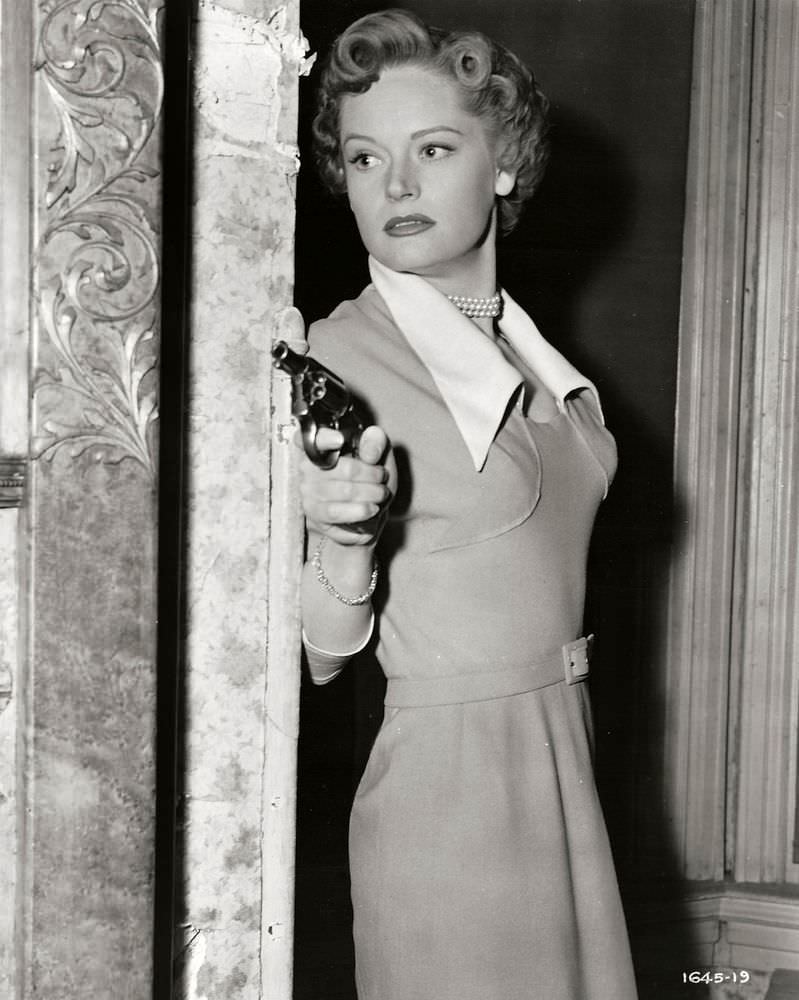

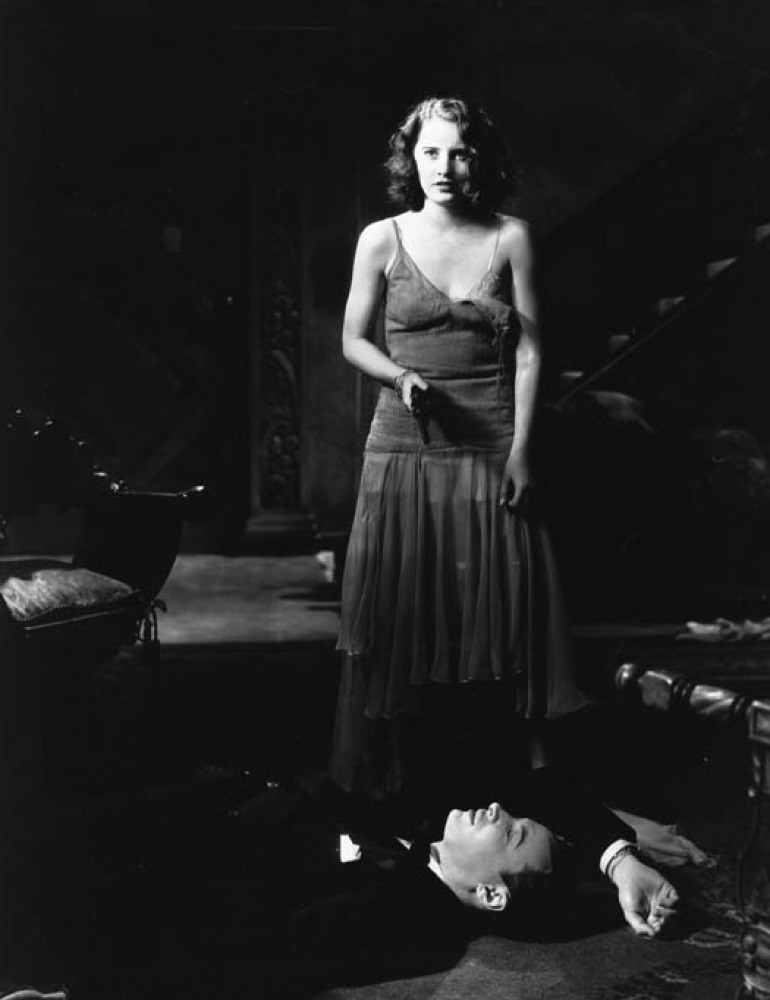
Barbara Stanwyck’s early career included one of the starkest gun scenes of the early sound era. In The Locked Door from 1929, she appeared alongside an expired Rod La Rocque in a scene that made no attempt to soften the violence. Jean Parker held a gun in the 1954 crime film Black Tuesday, a brutal crime drama starring Edward G. Robinson. Dorothy Hart appeared armed in the anti-communist drama I Was a Communist for the FBI in 1951, a film rooted in Cold War fears.
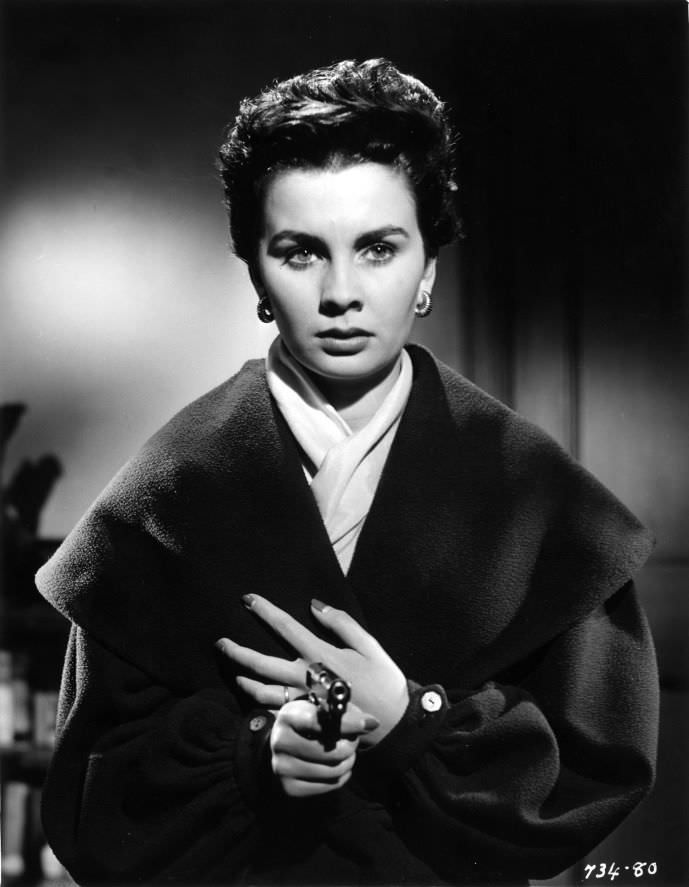
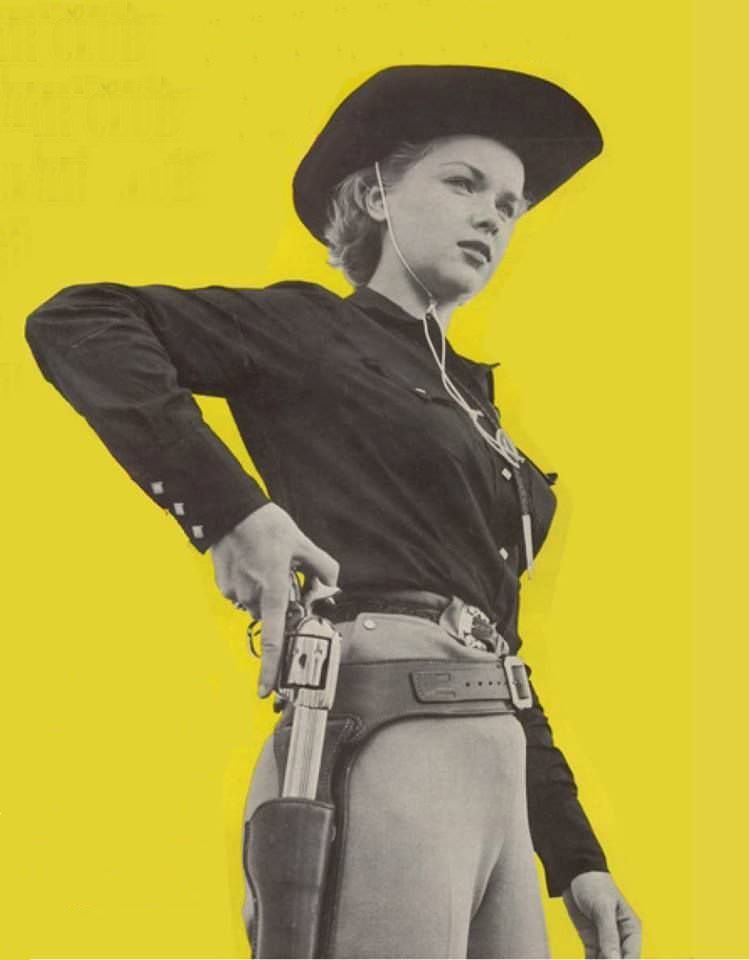
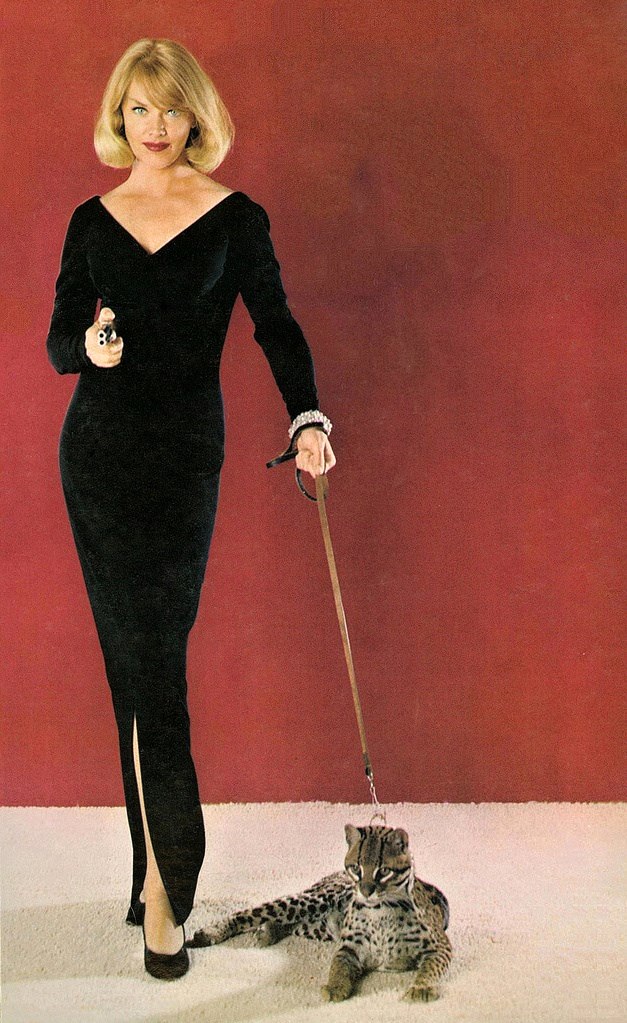
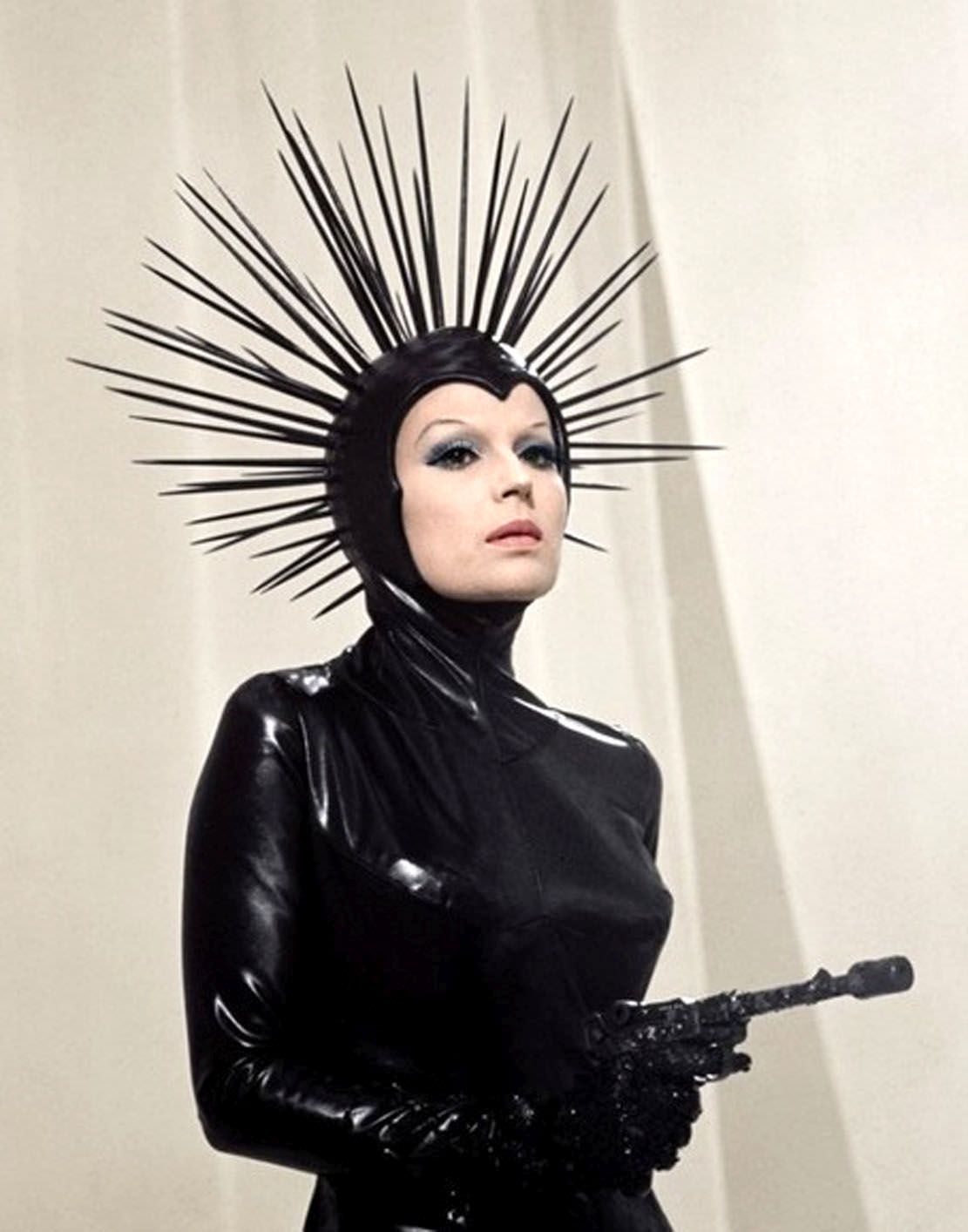
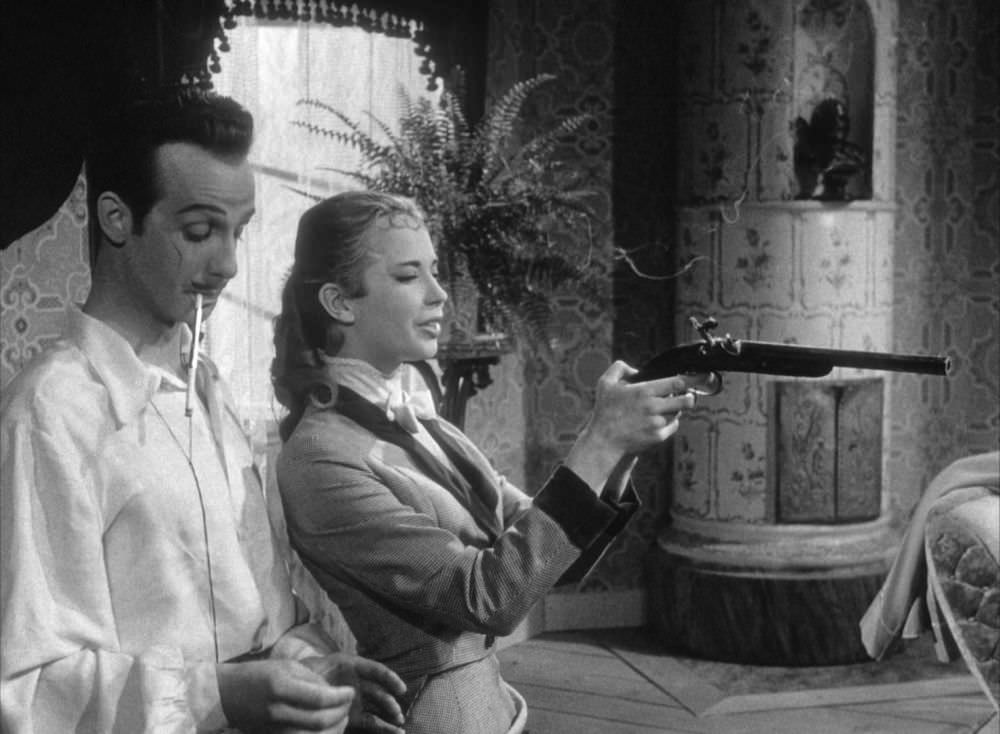
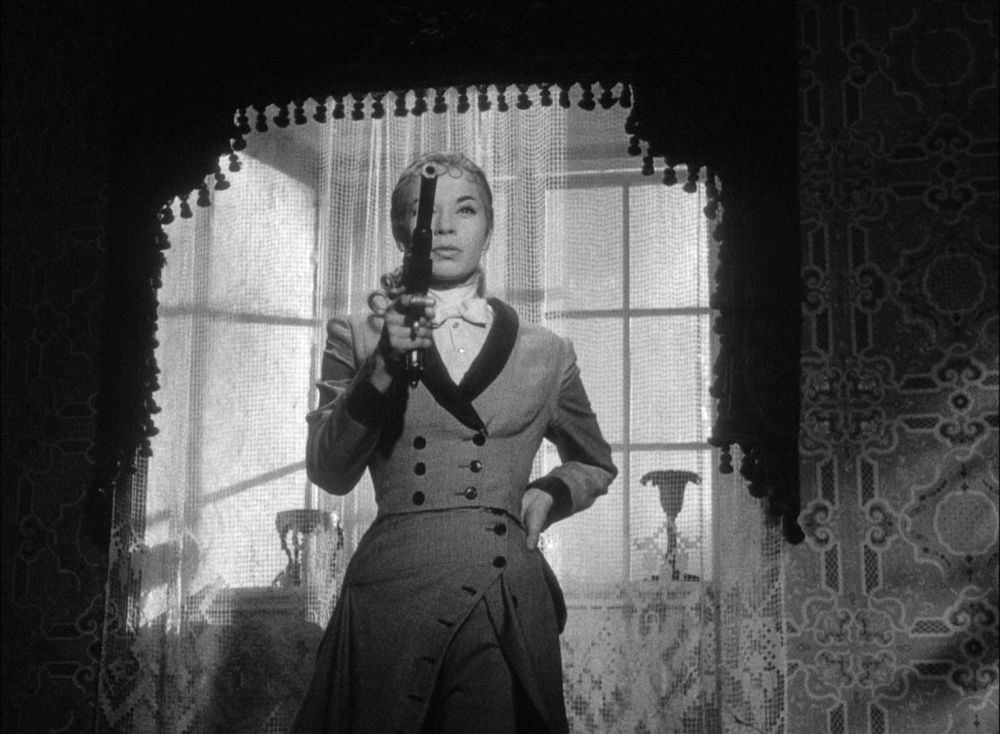
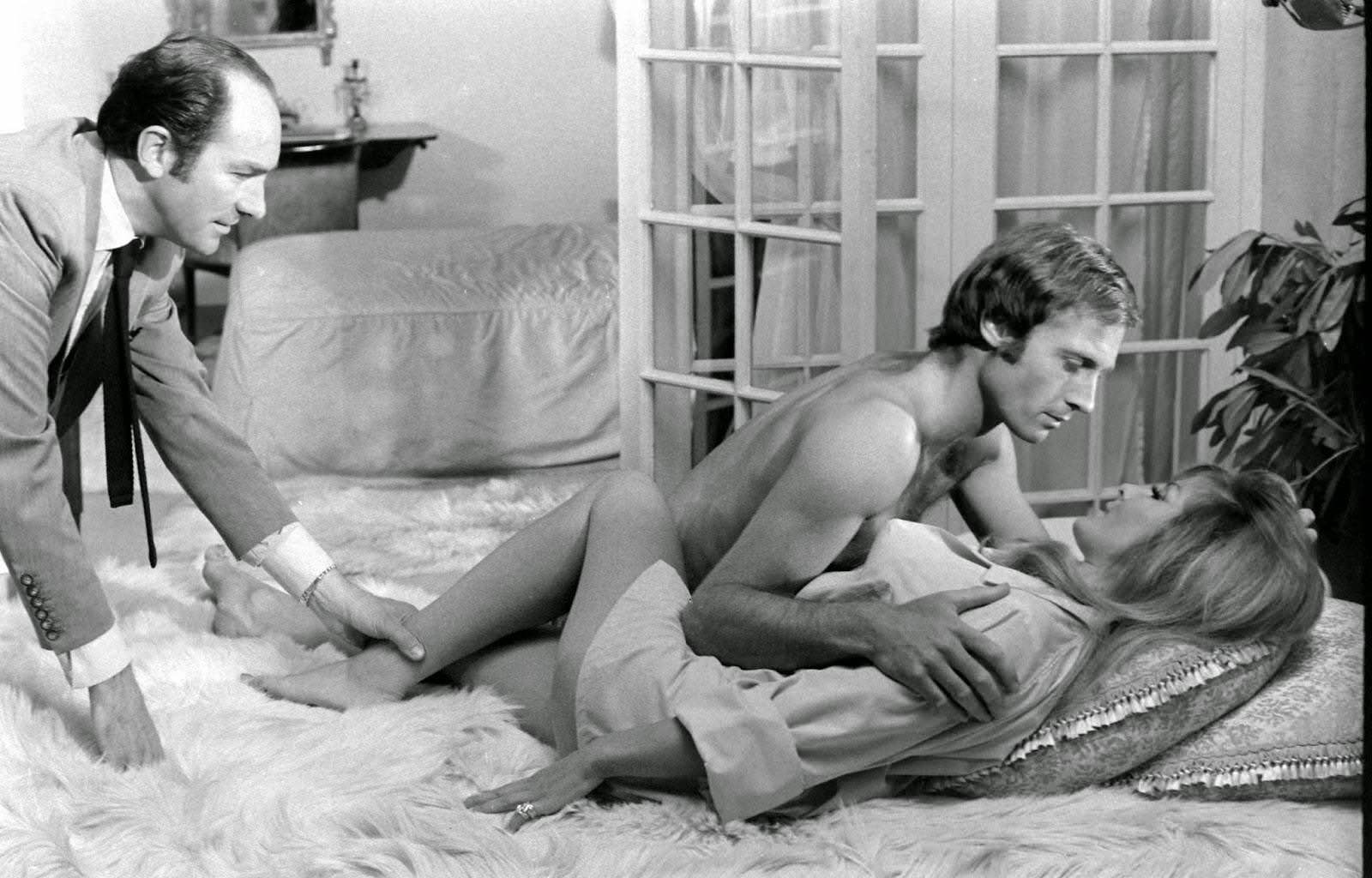
European cinema contributed its own set of armed-actress scenes to this collection. Margit Carlqvist appeared in Ingmar Bergman’s Smiles of a Summer Night in 1955, both alone and alongside co-star Jarl Kulle, in a scene that used a gun for dark comedic tension rather than action. Jean Simmons held a weapon in the 1950 British film Cage of Gold. Eva Bartok appeared armed in Operation Amsterdam in 1959, a heist film set during the German invasion of the Netherlands. Silvana Mangano took up a gun in the 1967 Italian anthology film The Witches.