
For nearly a thousand years, young girls across China had their feet deliberately broken and bound. The practice lasted from the tenth century to the early twentieth, spanning dynasties, social classes, and generations of women who spent their lives walking on permanently deformed feet. It was not a fringe custom. At its height, foot binding was considered a mark of beauty, status, and femininity — and refusing it carried serious social consequences.
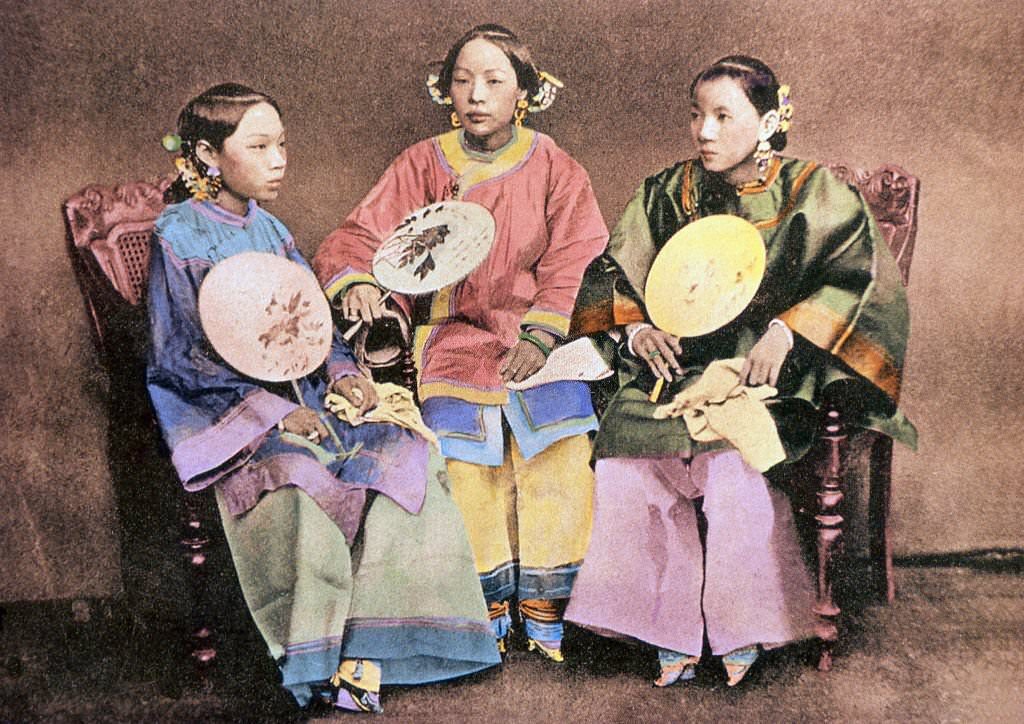
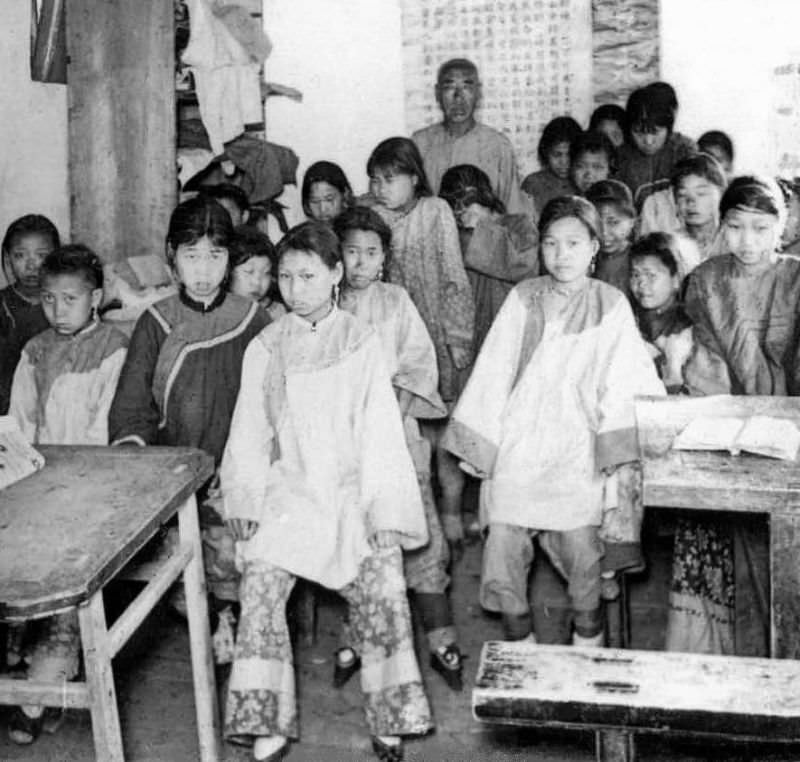
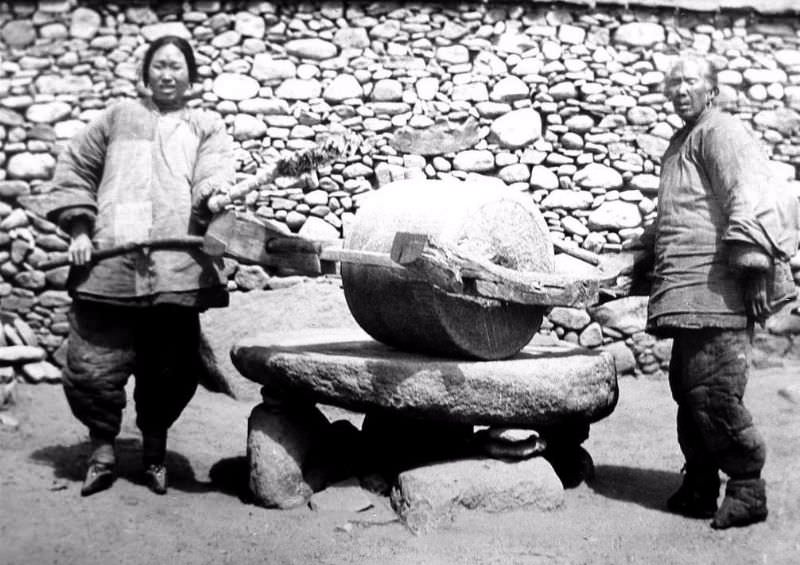
The origins of foot binding trace back to the court of the Southern Tang dynasty in Nanjing, where dancing girls were celebrated for their tiny feet and delicate bow shoes. During the broader Song Dynasty (960–1279), the practice spread from court entertainers to the scholarly class — the educated elite who governed China. From there, it moved outward into the rest of Chinese society. Initially, foot binding was concentrated in the wealthier northern regions of China. By the time of the late Qing Dynasty, it had reached nearly every social class except the very poorest, whose families depended on women to perform hard physical labor in the fields.
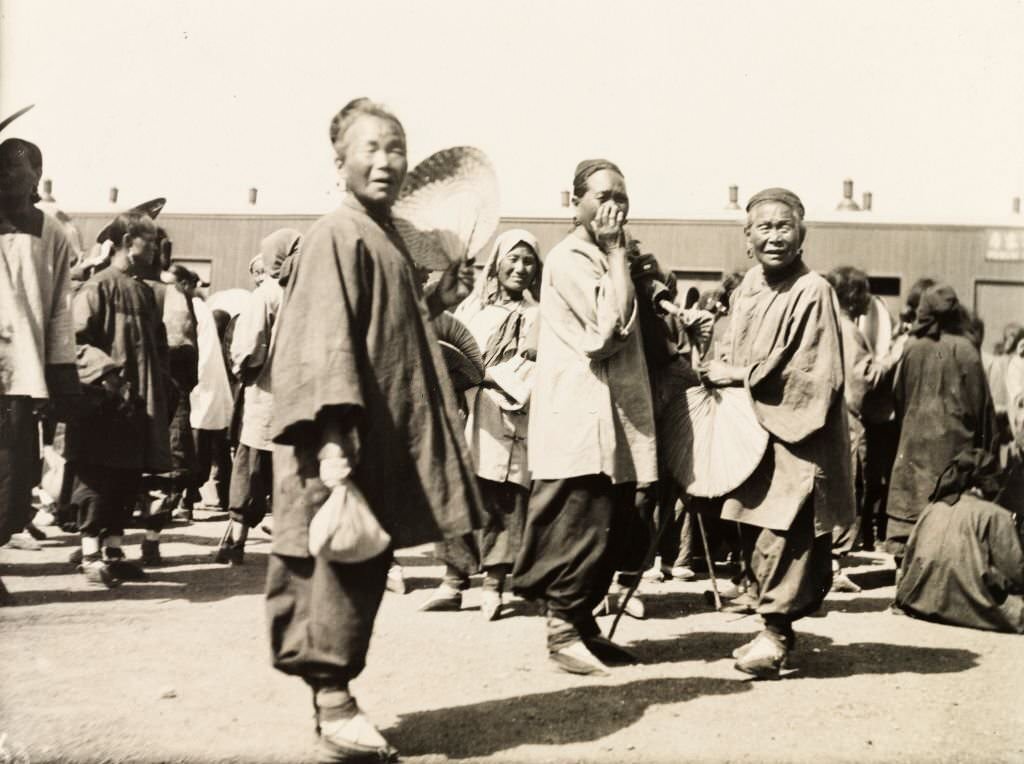
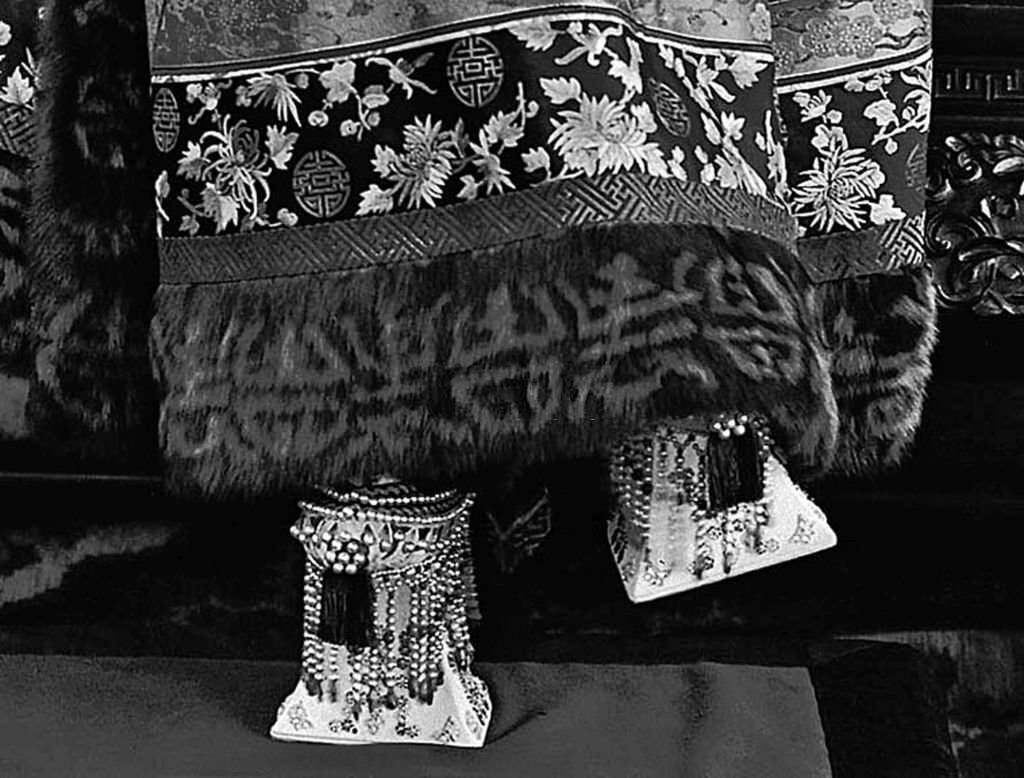
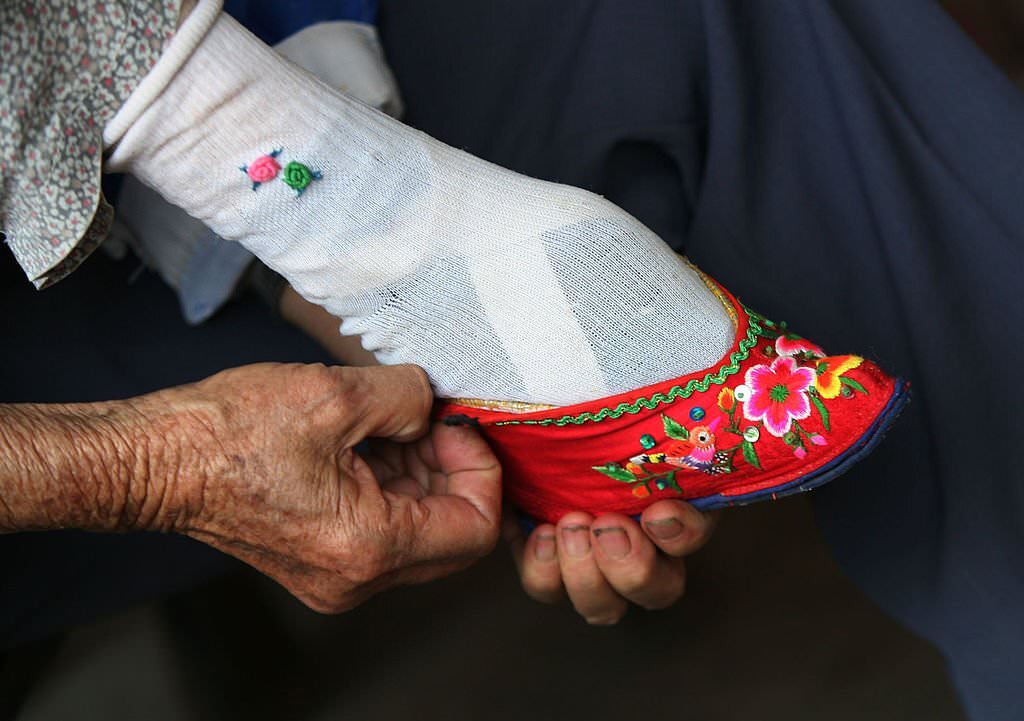
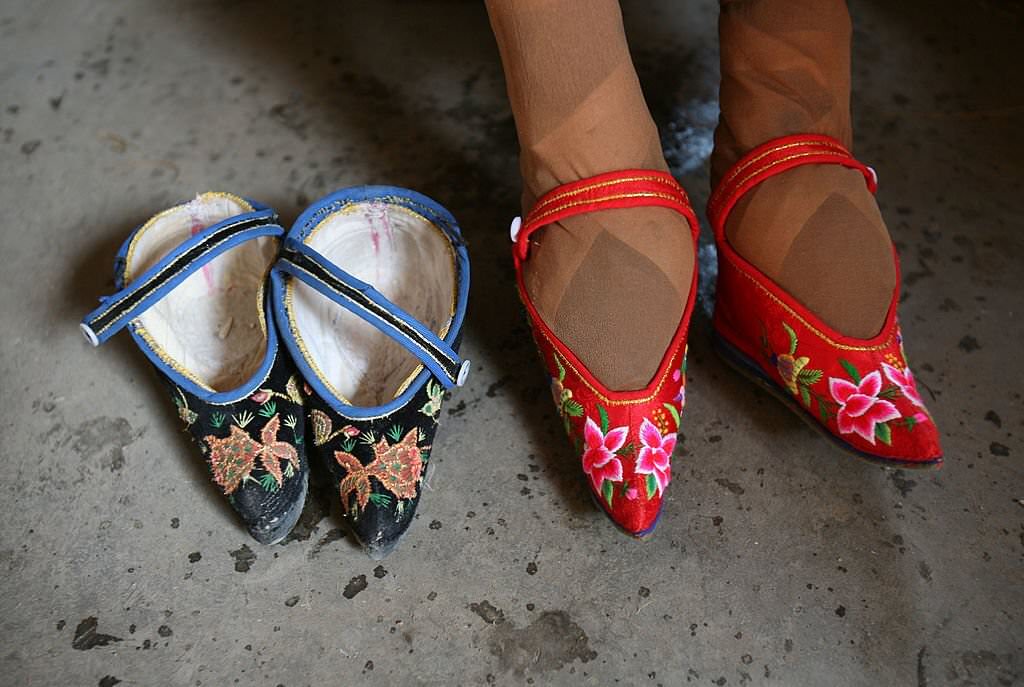
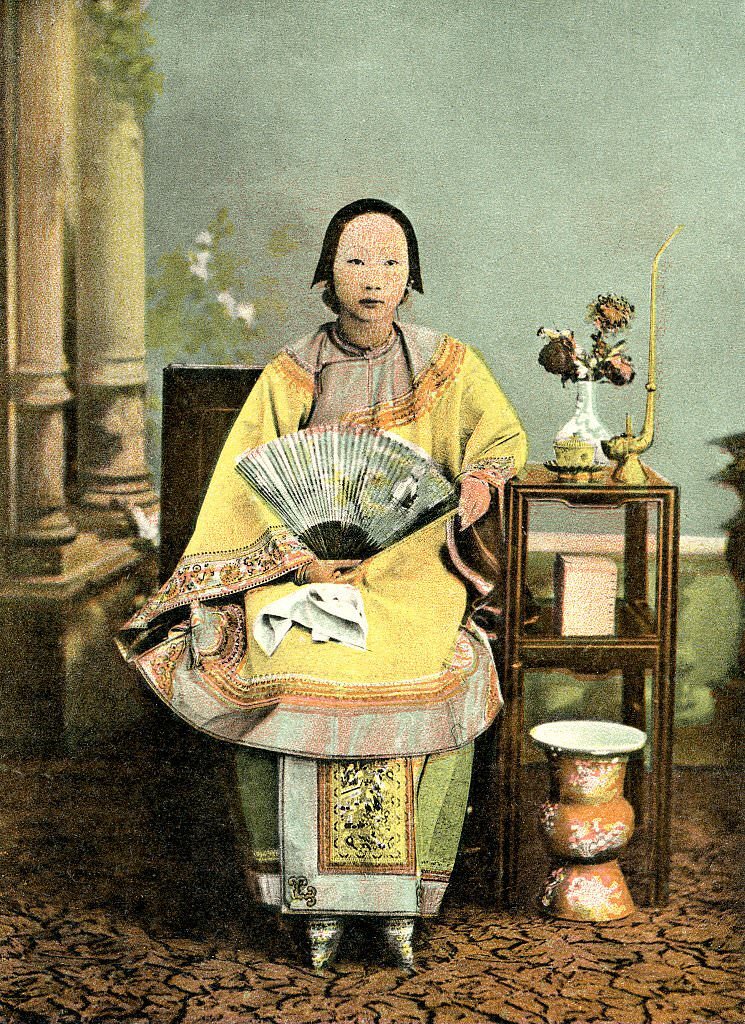
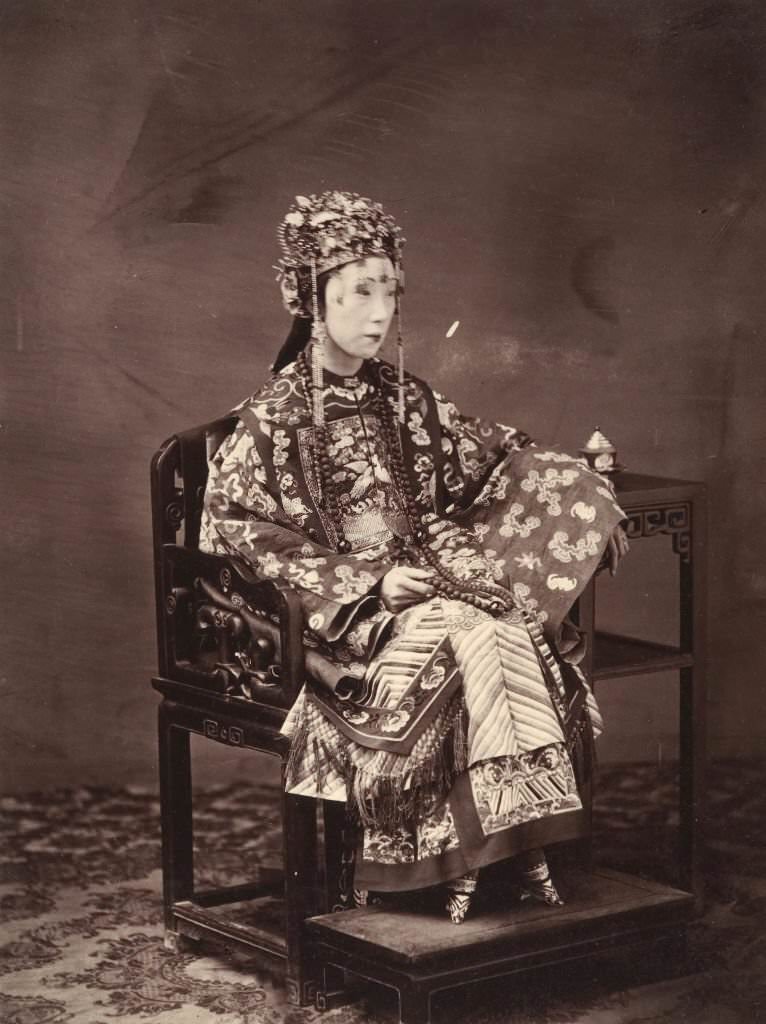
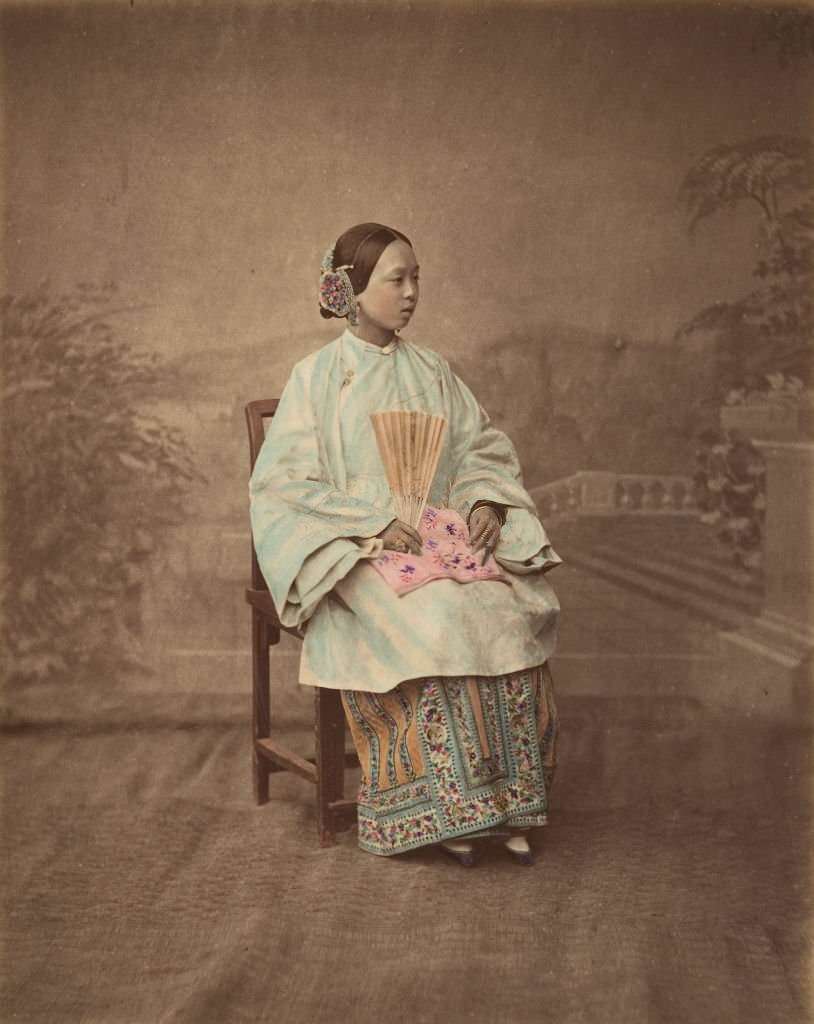
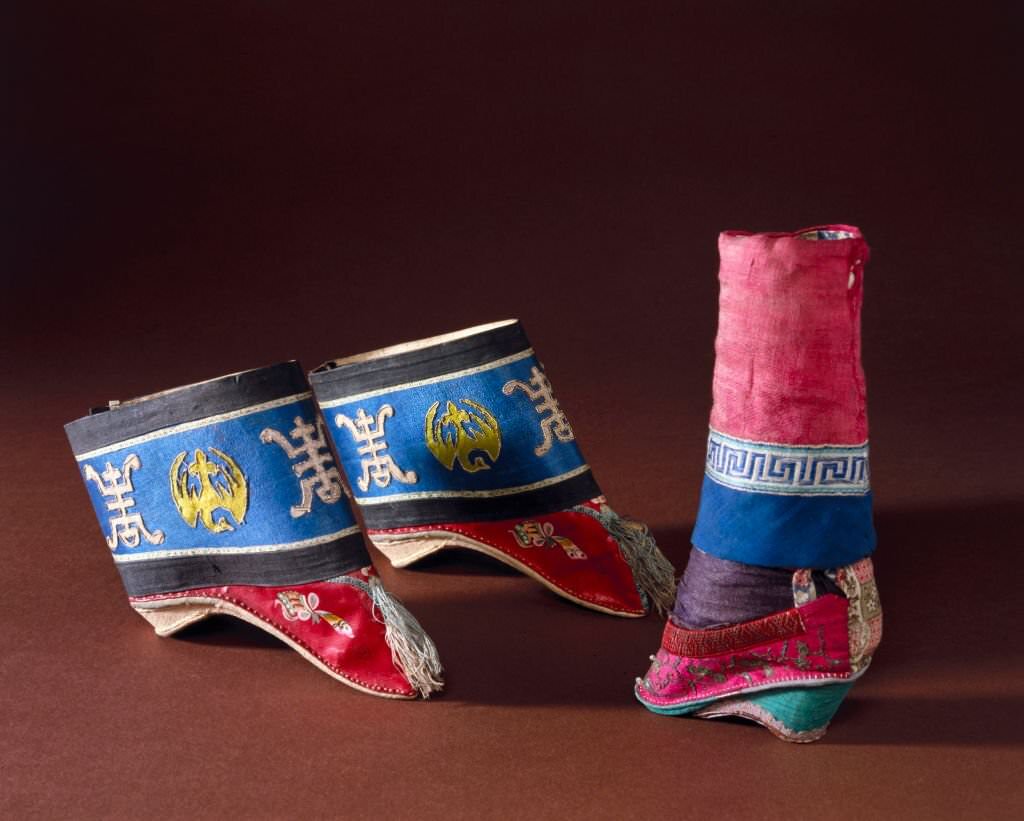
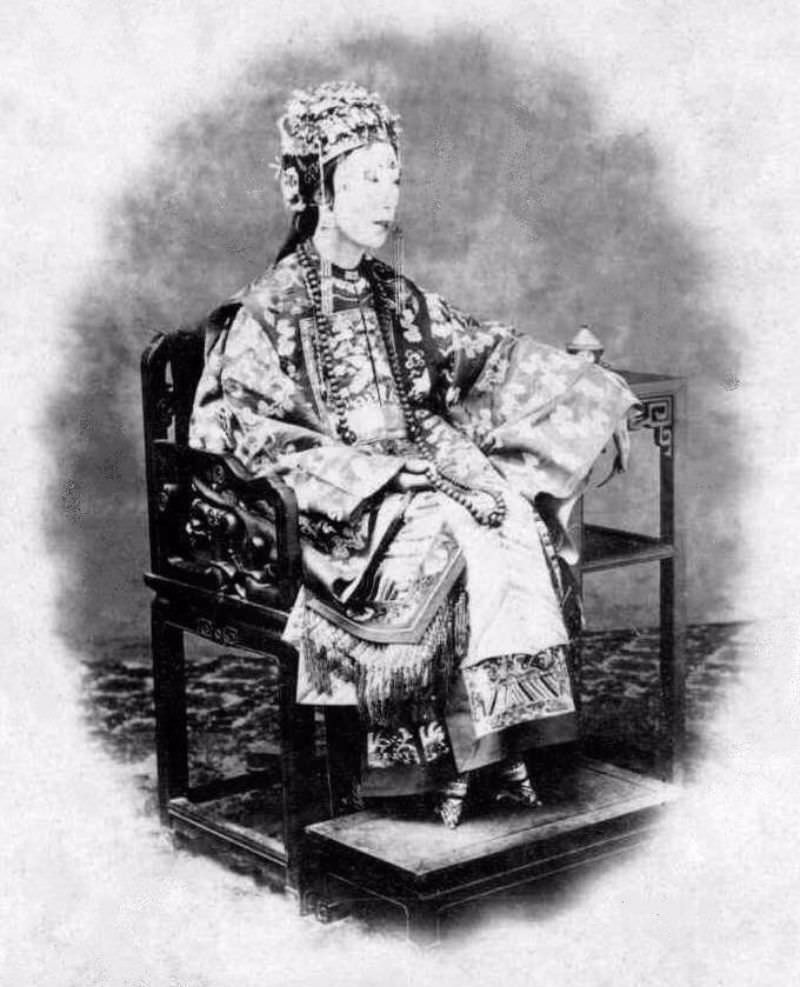
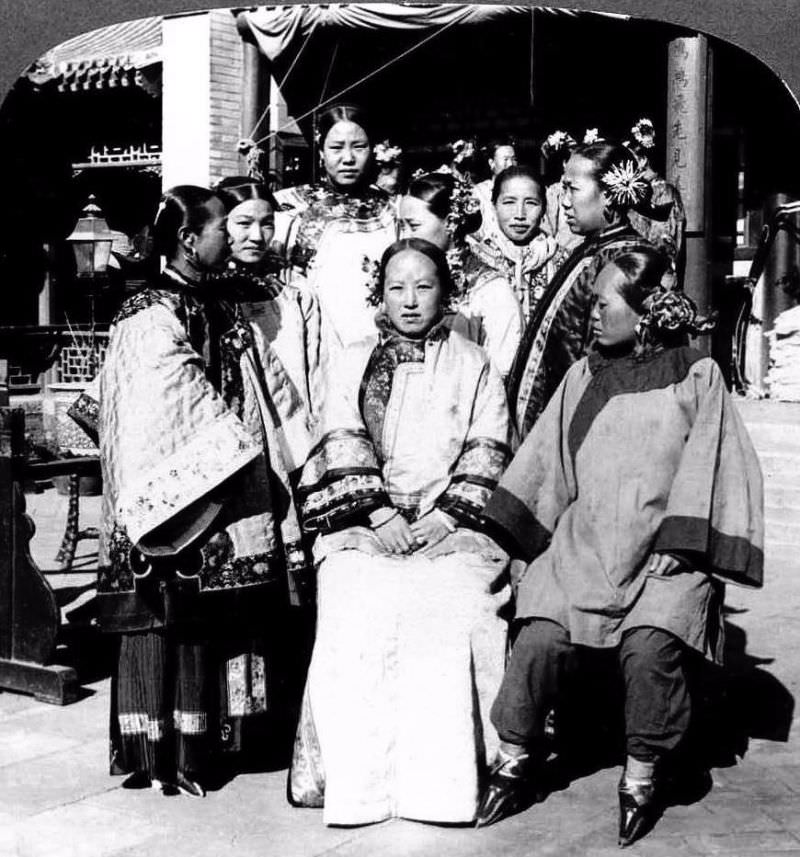
Bound feet carried powerful social meaning. A woman with tiny, perfectly shaped feet was seen as refined and desirable. Because she could not perform heavy labor, her bound feet signaled that her family was wealthy enough that she did not need to work. These women wore elaborately embroidered shoes, often just three to four inches long, crafted with great care and skill. For a family with a daughter, having her feet bound significantly raised her chances of securing a favorable marriage and a higher bride price.
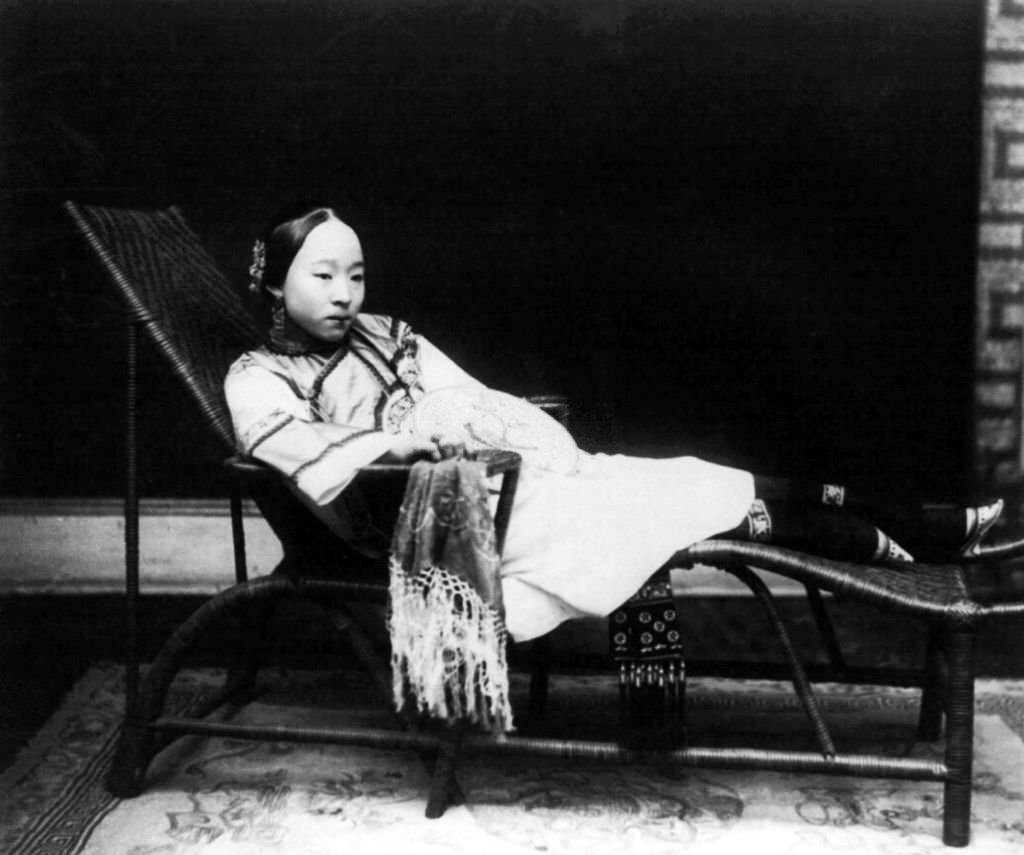
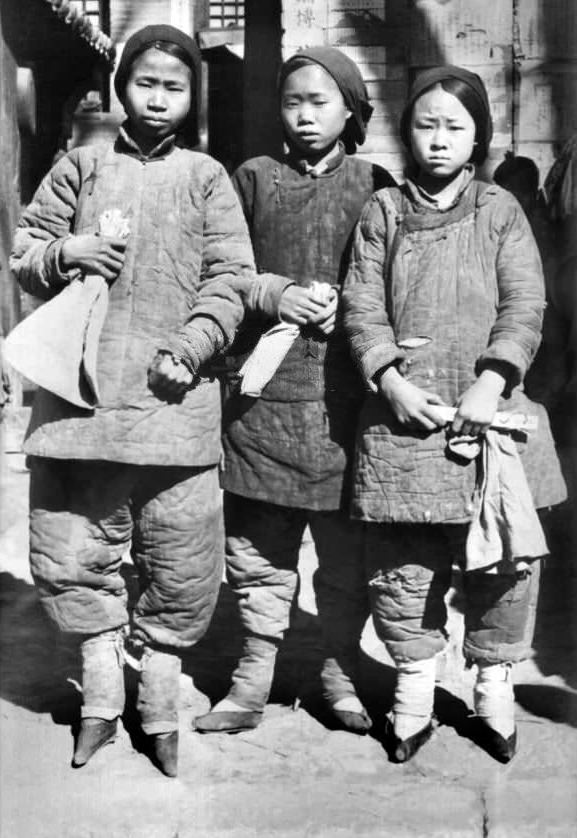
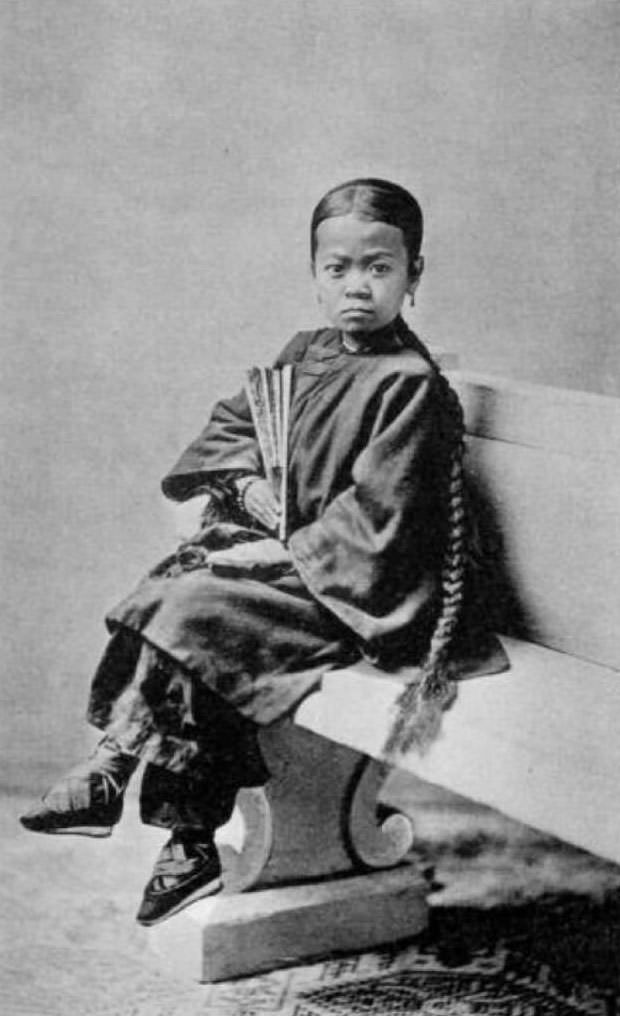
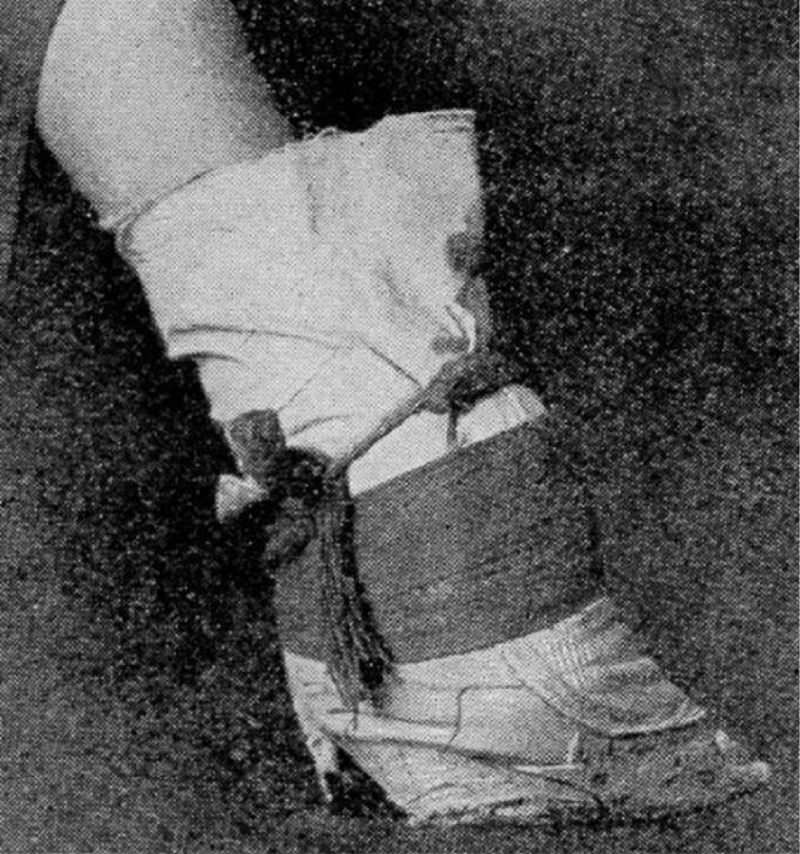
The binding process began when a girl was between three and eight years old — young enough that the bones were still soft and easier to reshape. The four smaller toes on each foot were folded downward toward the sole. Long strips of cloth were then wrapped tightly around the foot, pressing the toes under and forcing the arch of the foot upward. These bandages were removed and rewrapped every one to two days, each time pulled tighter than before. The goal was to prevent the foot from growing and to create a specific curved shape known as the “lotus foot.”
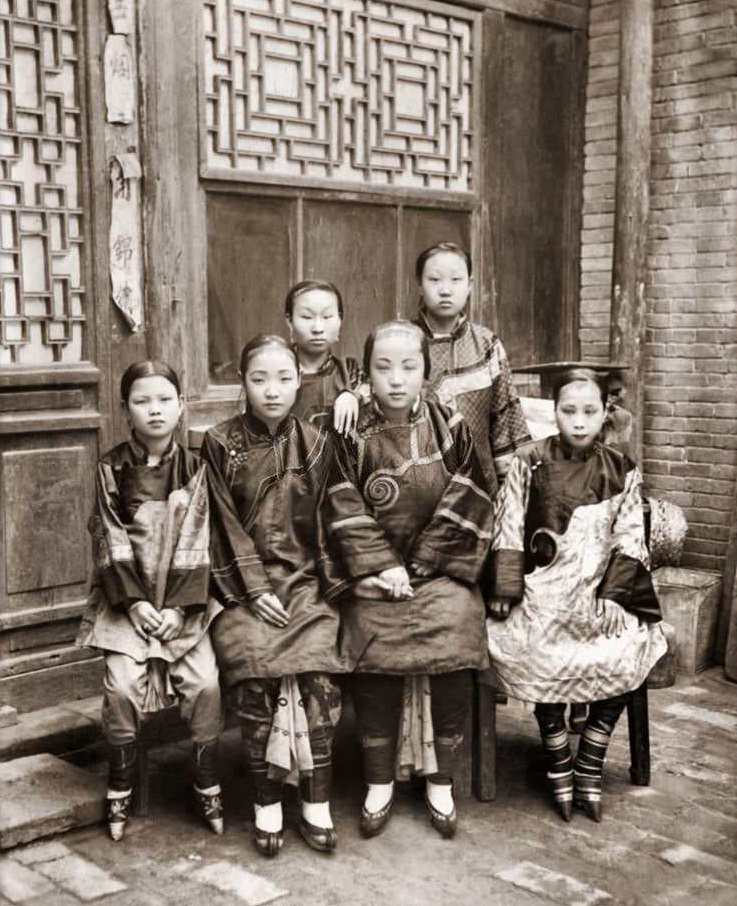
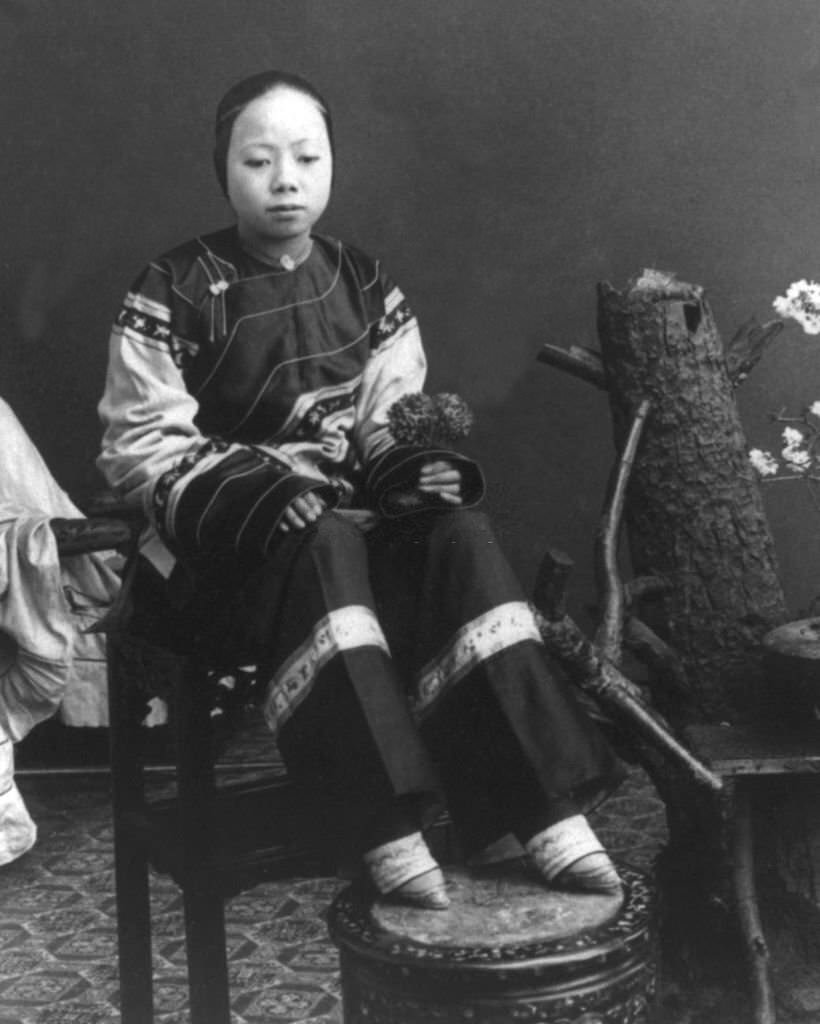
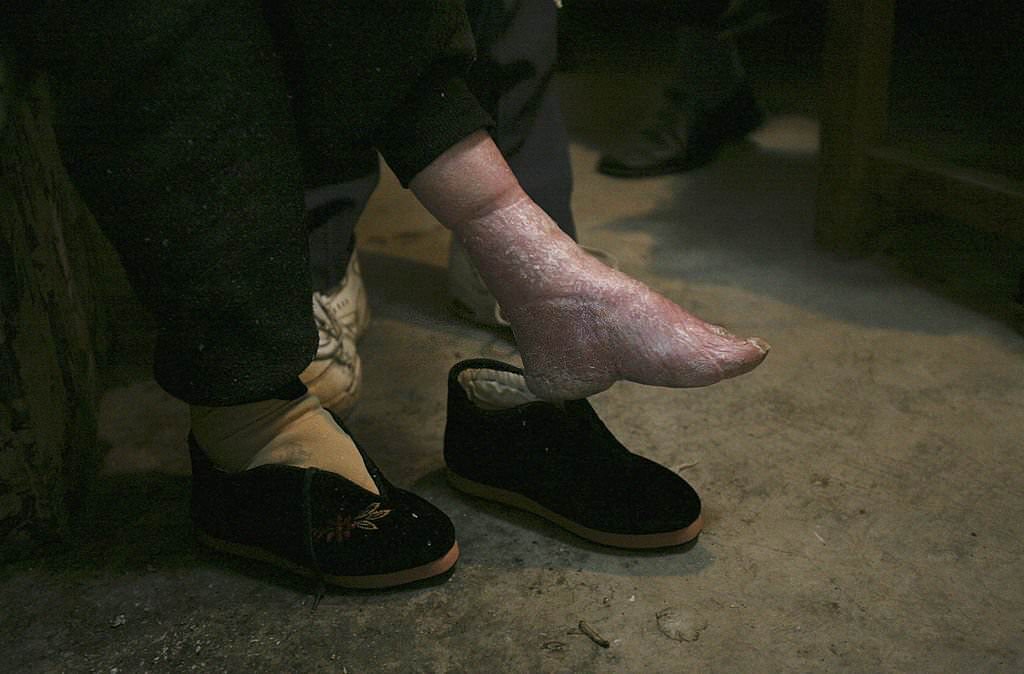
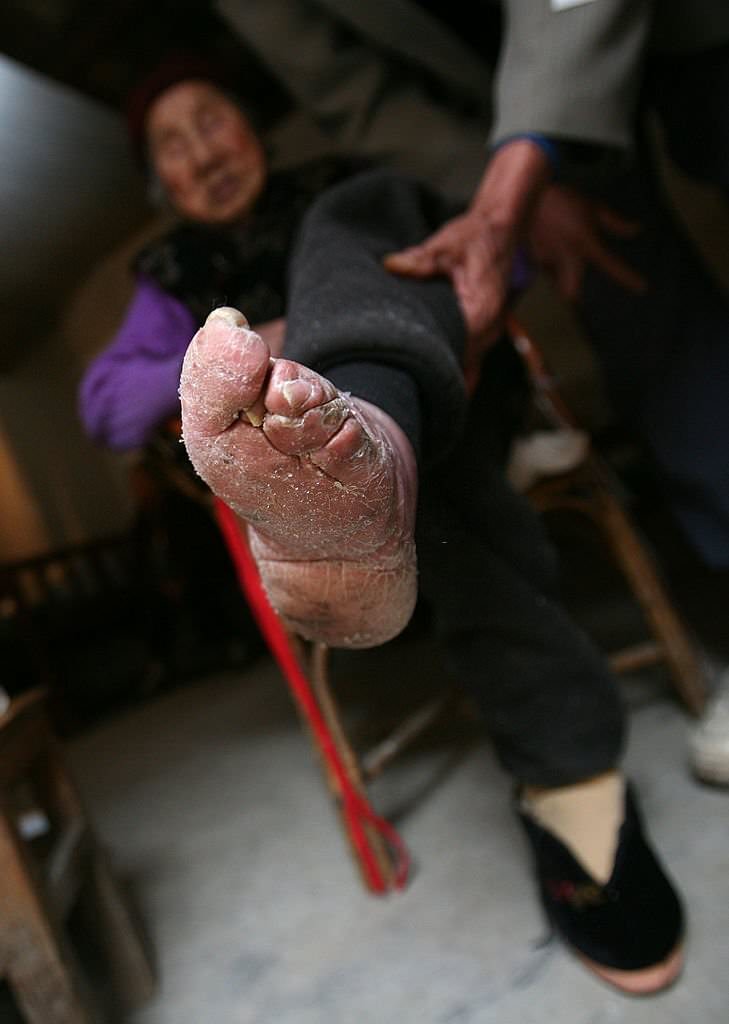
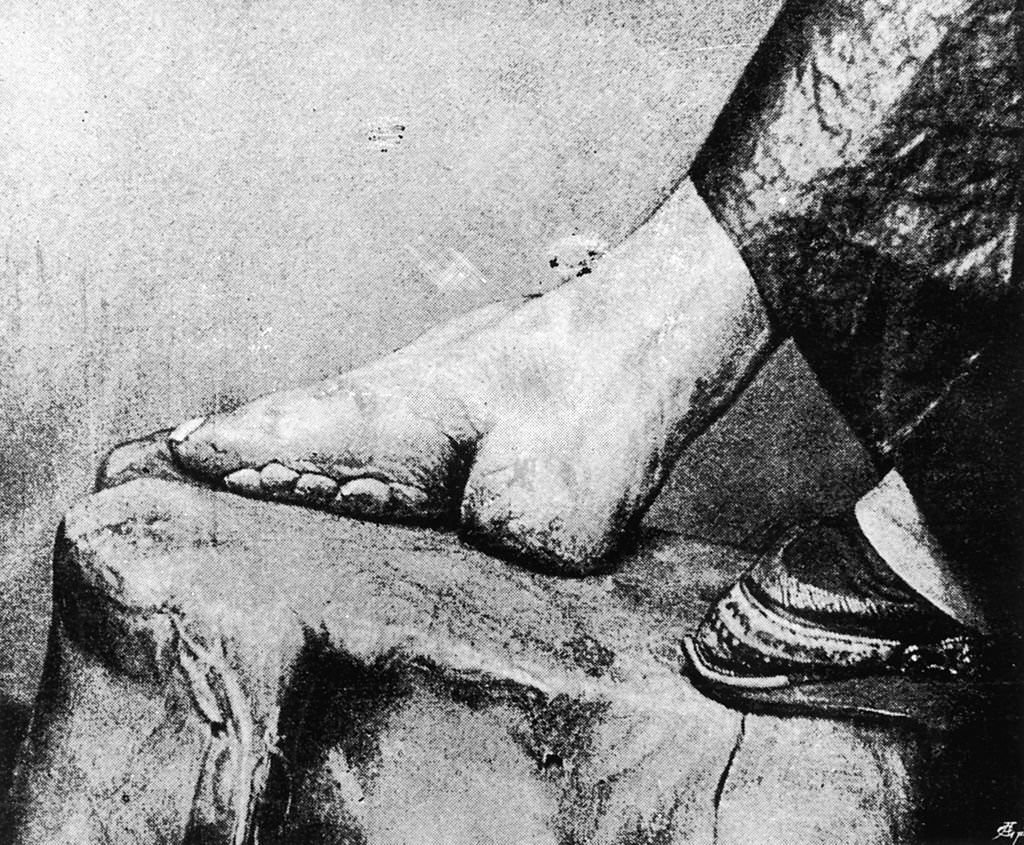
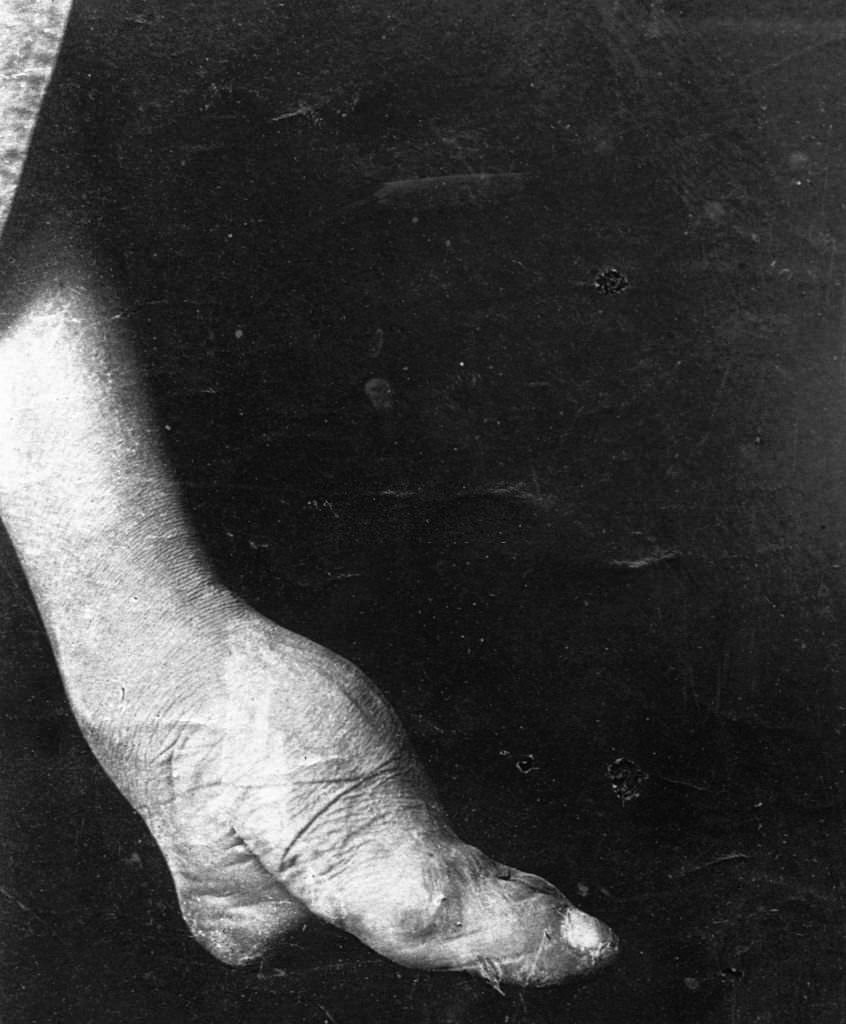
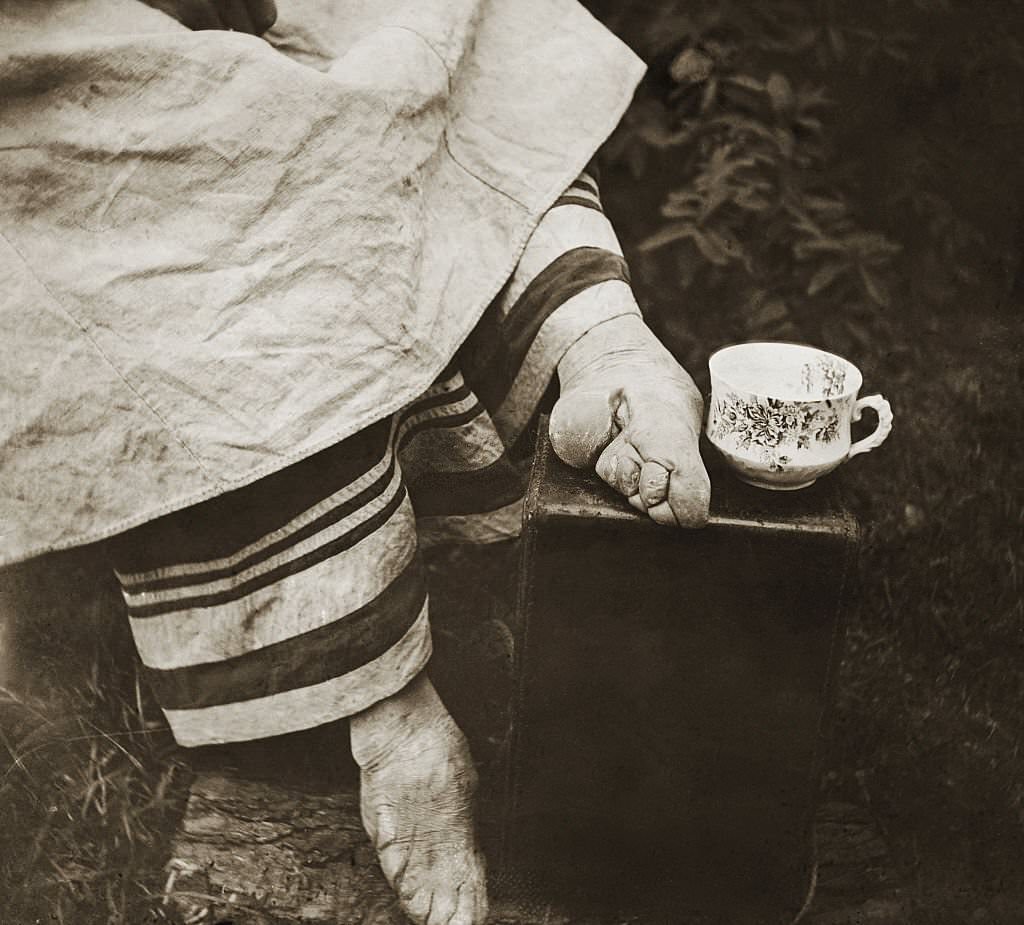
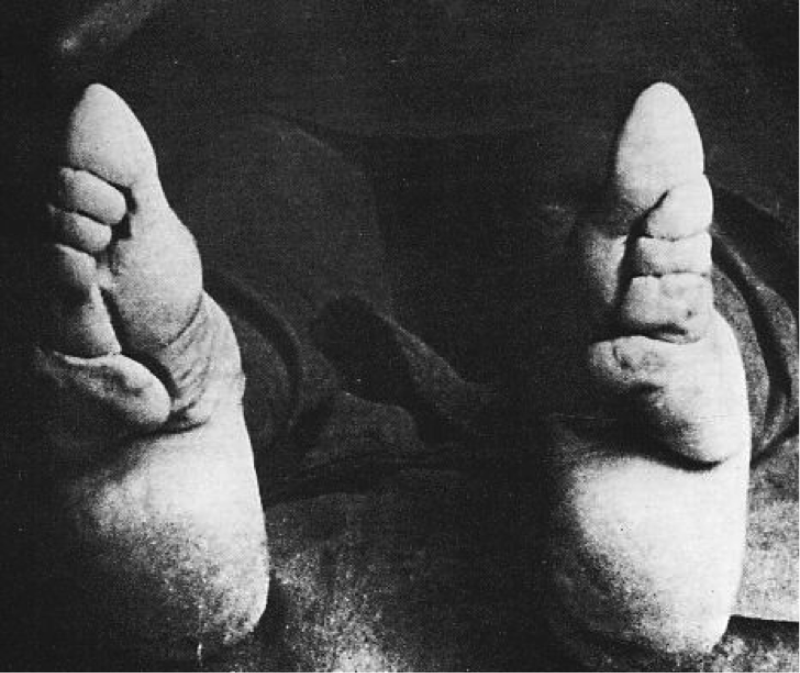
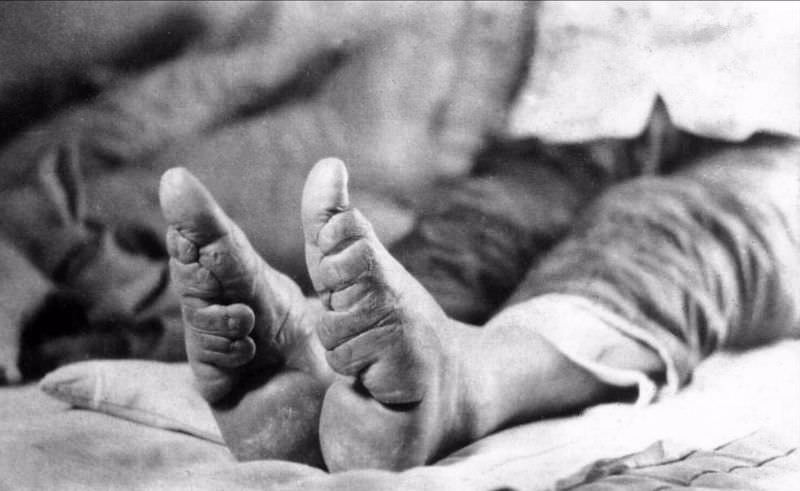
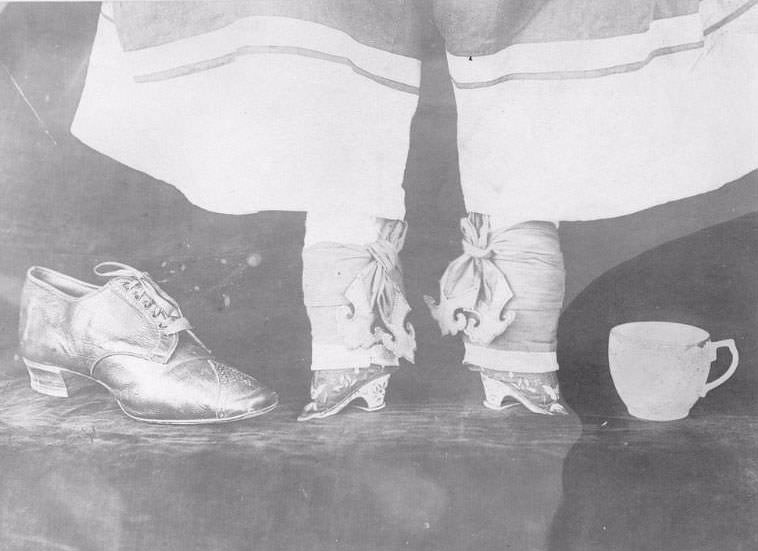
The pain was severe and unrelenting. As the bandages were tightened over weeks and months, the bones in the foot broke under the pressure. The arch rose sharply upward while the toes were crushed beneath. Infections were common, and in some cases girls lost toes entirely due to tissue death caused by the constant compression. The process took years. When it was complete, the adult woman was left with feet measuring no more than three to six inches — permanently deformed and largely non-functional for anything beyond slow, careful walking.
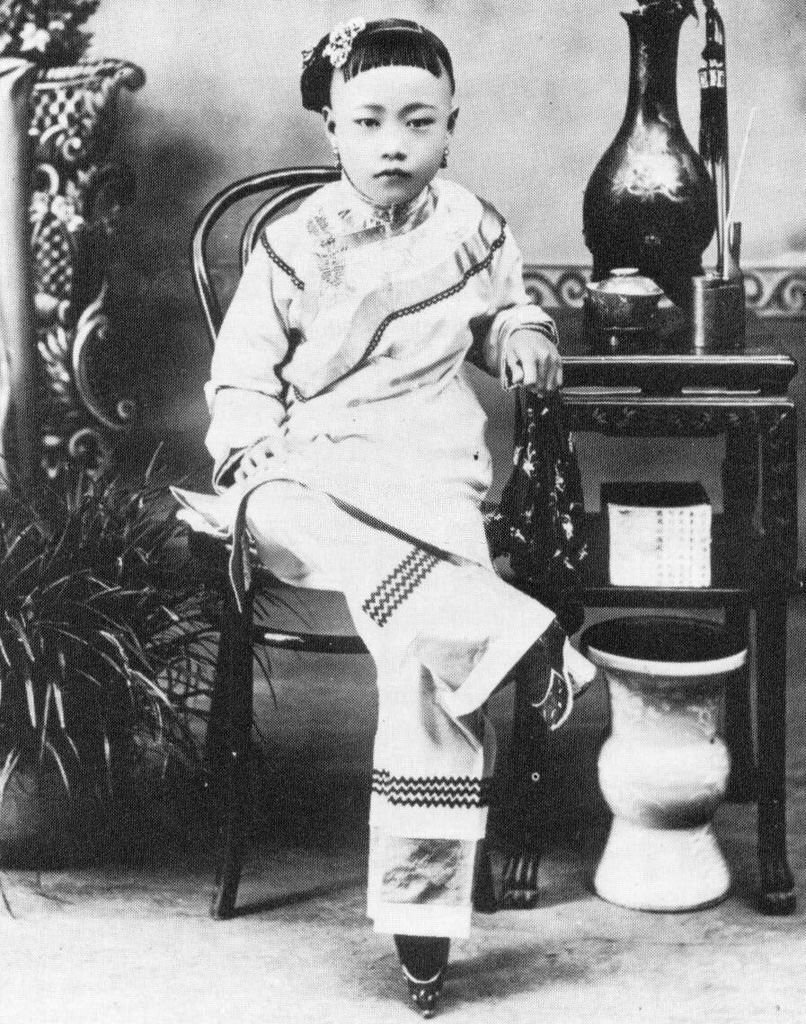
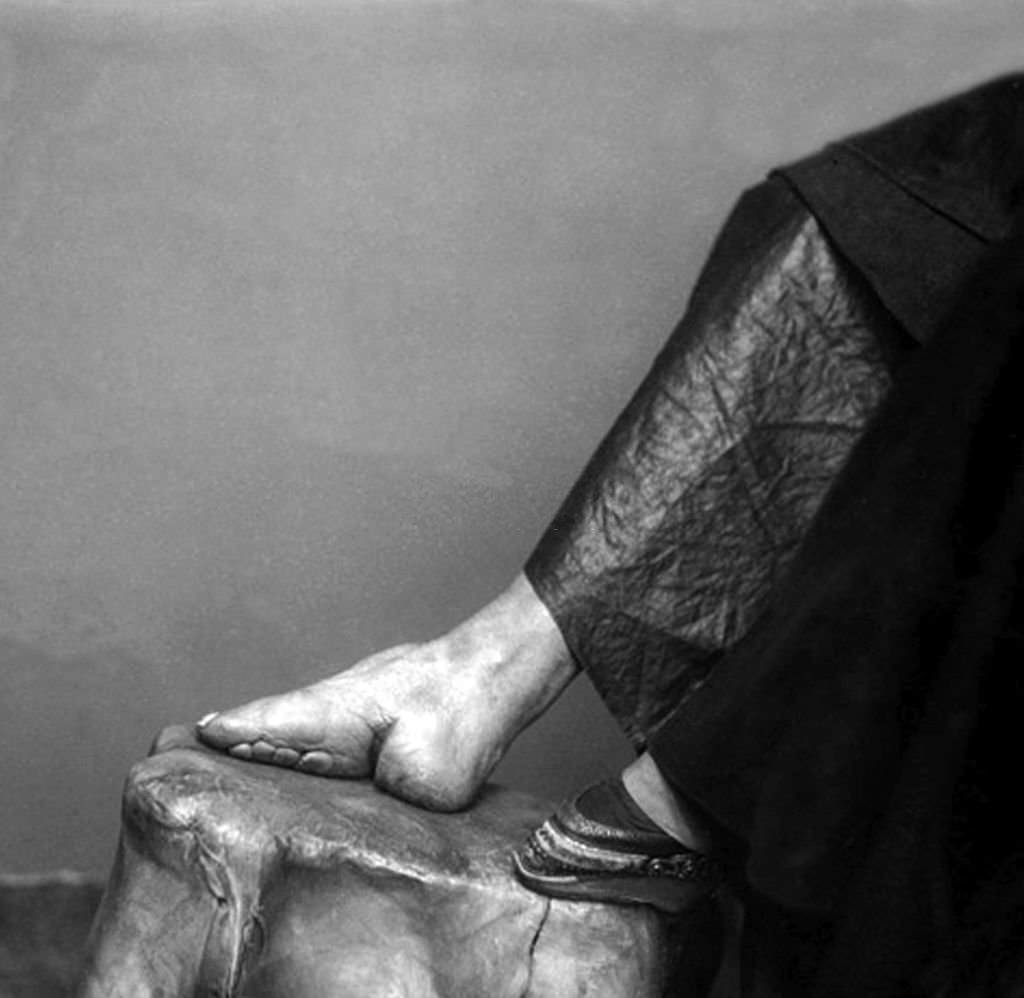
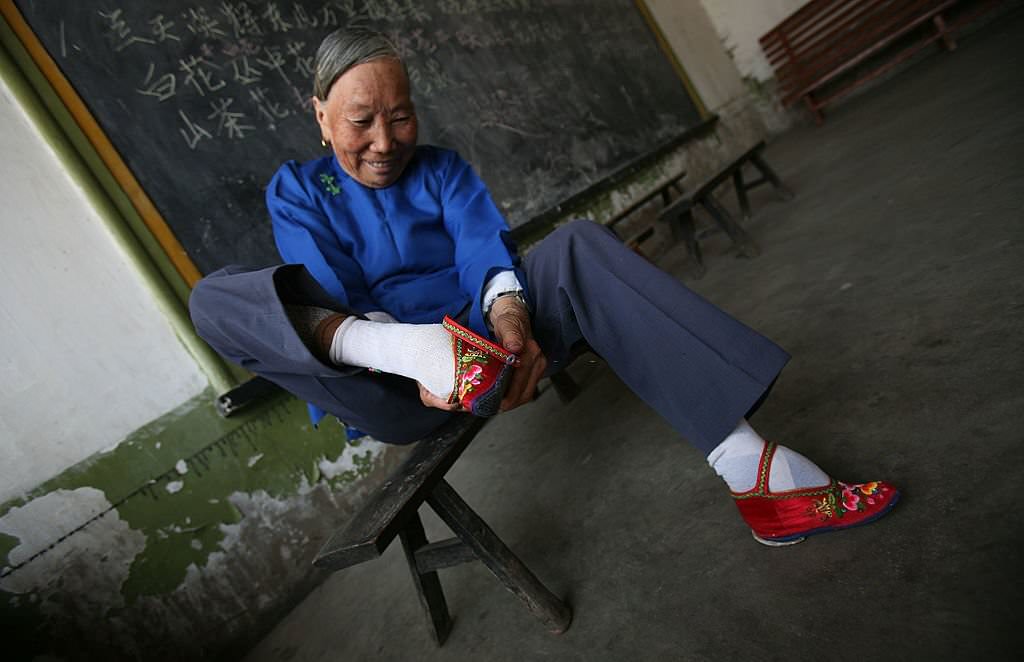
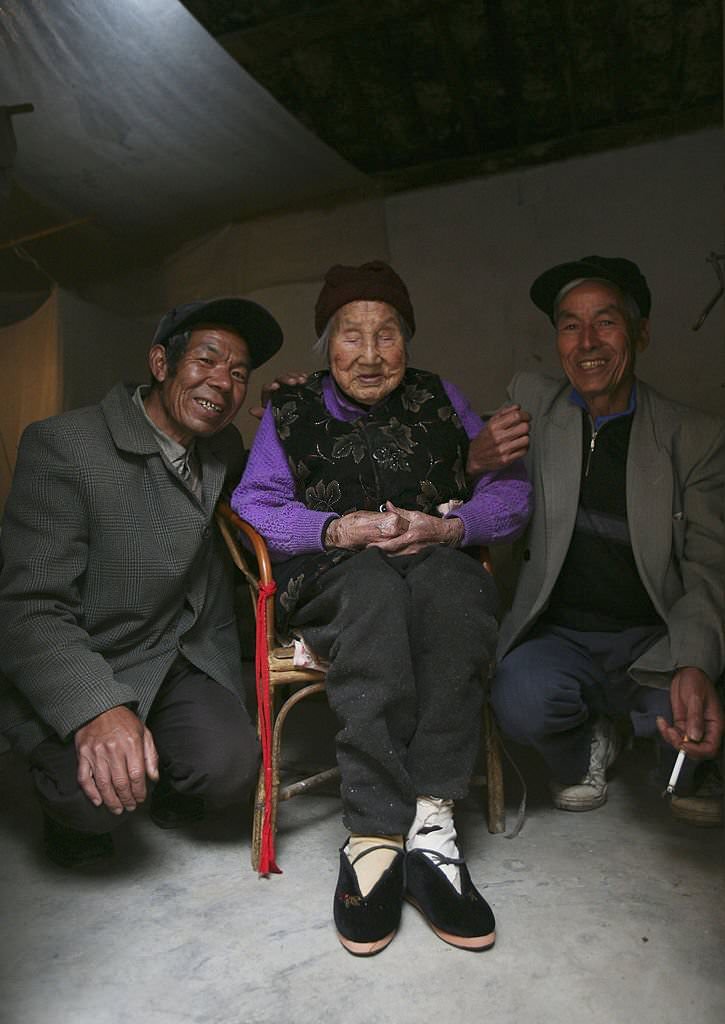
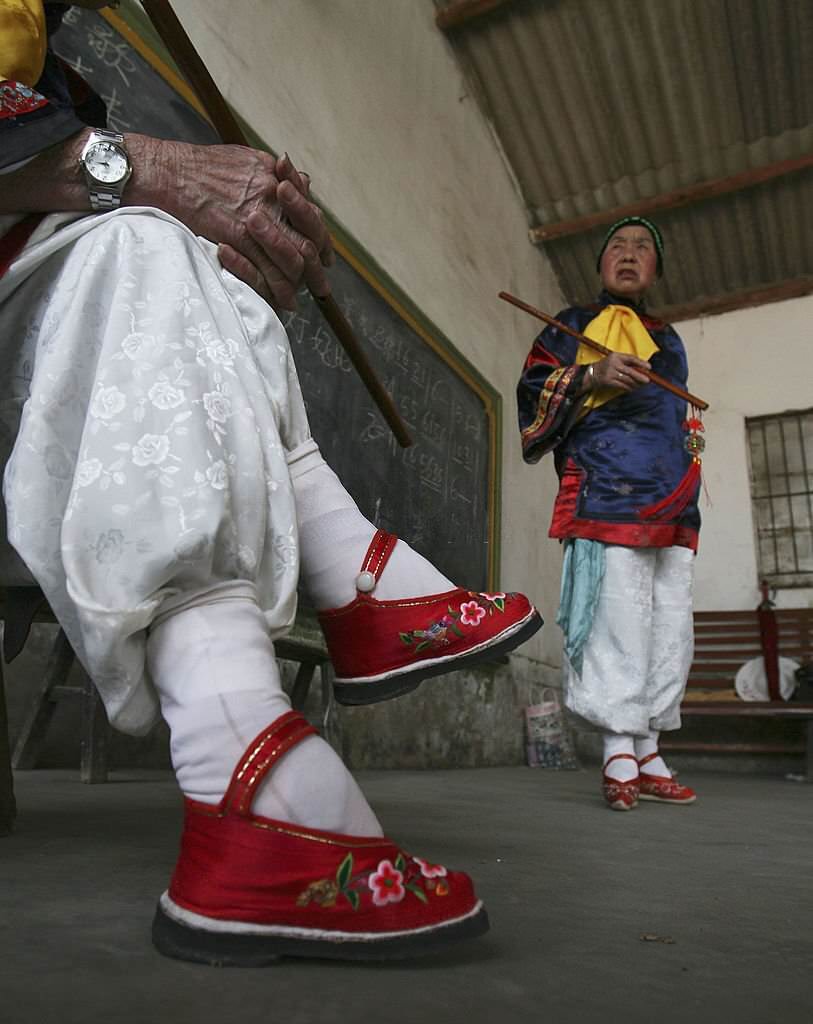
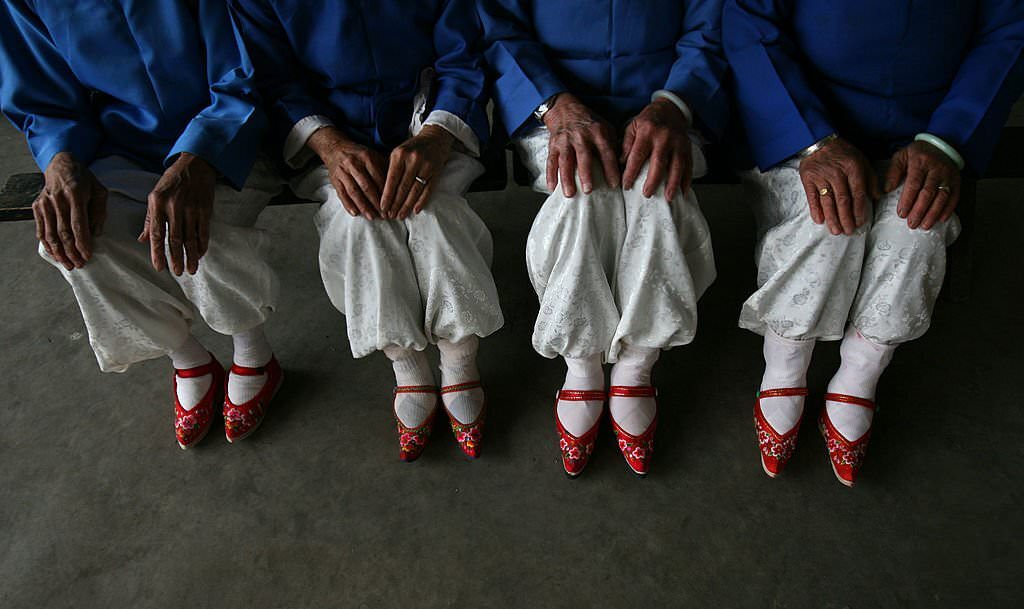
The ideal result was called the “Three-Inch Golden Lotus” — a foot no longer than three Chinese inches, or roughly ten centimeters. This was considered the most beautiful and most desirable outcome. Shoes made for these feet were tiny works of embroidered art, often sewn by the women themselves. The shoes were an important part of feminine identity and craftsmanship. An 82-year-old woman photographed in 2007 at Liuyi Village was still displaying the “Three Cuns Golden Lotus” shoes she had made by hand.
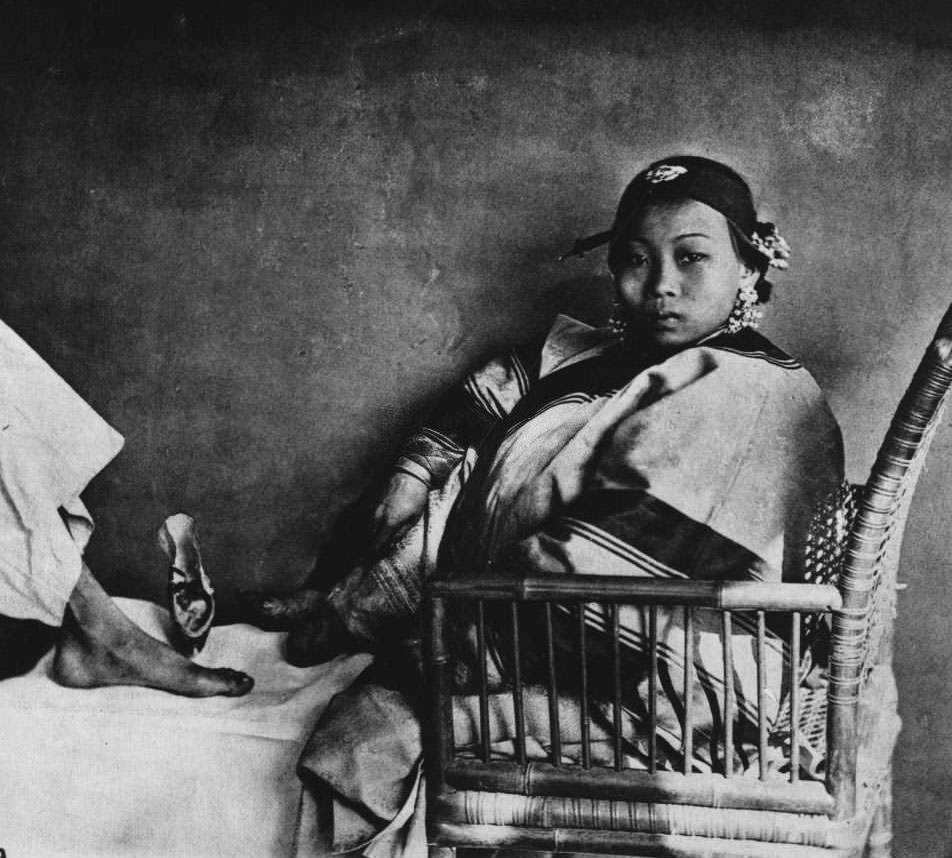
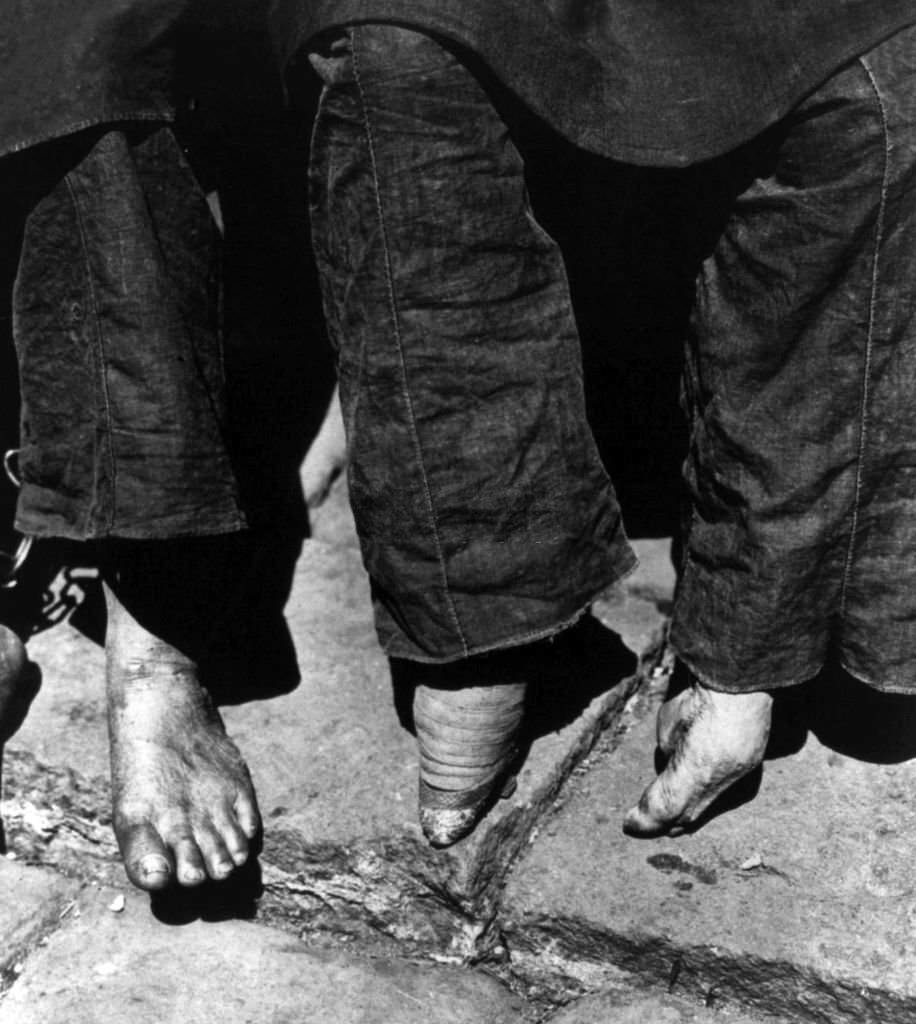
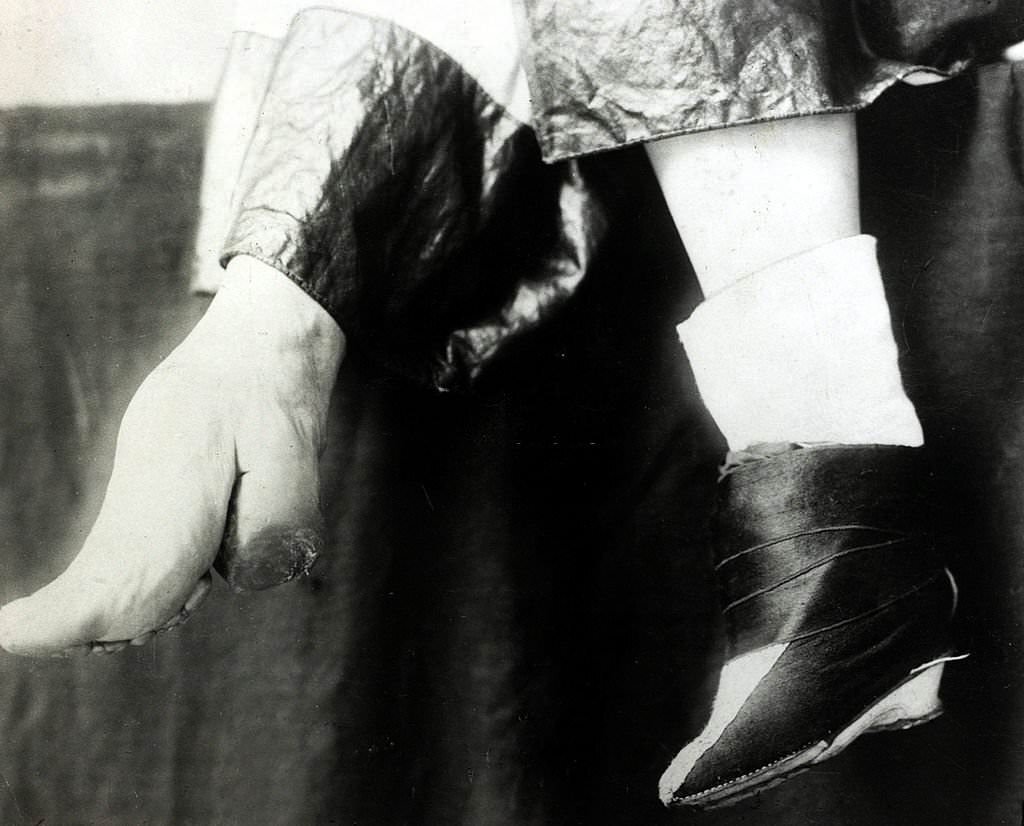
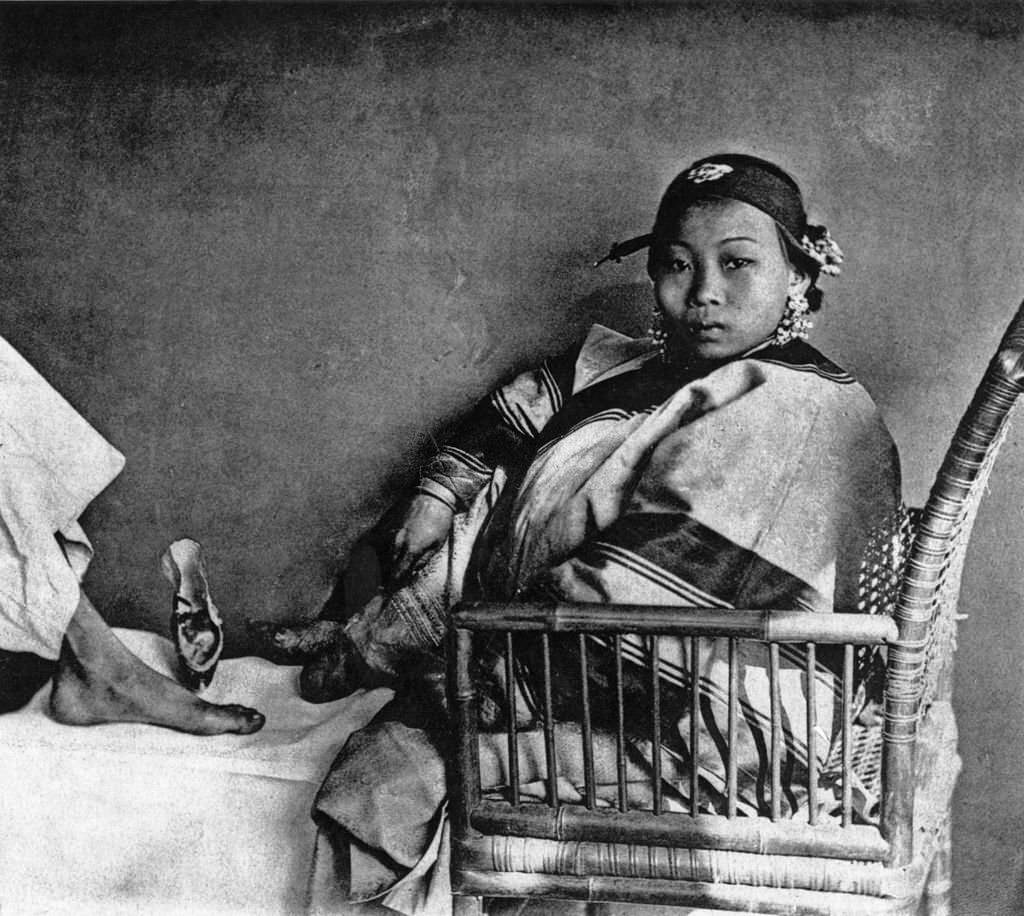
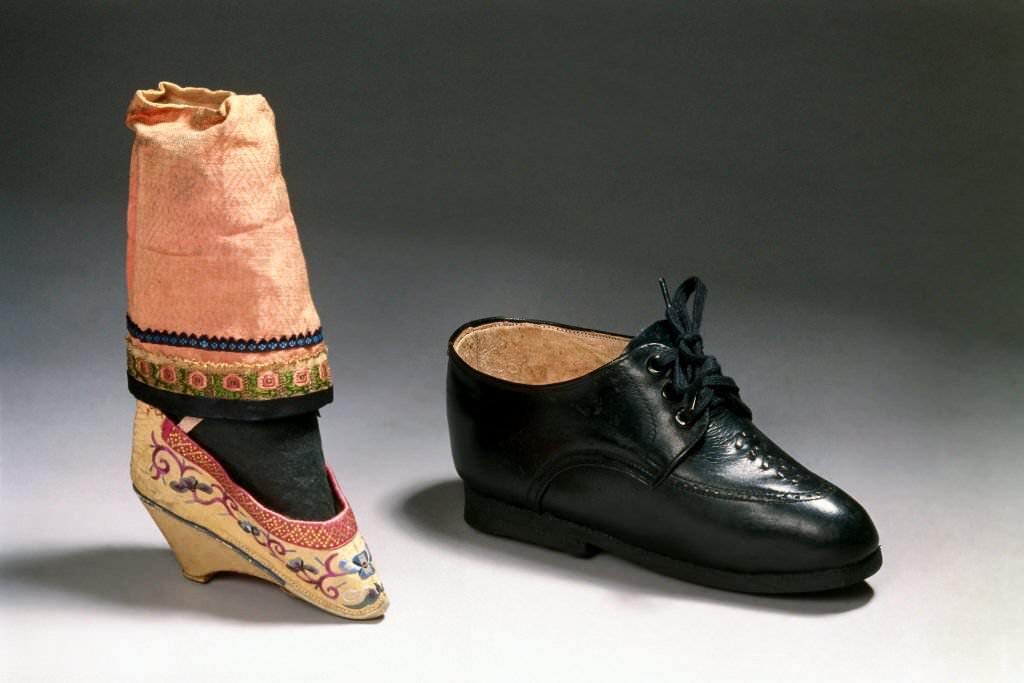
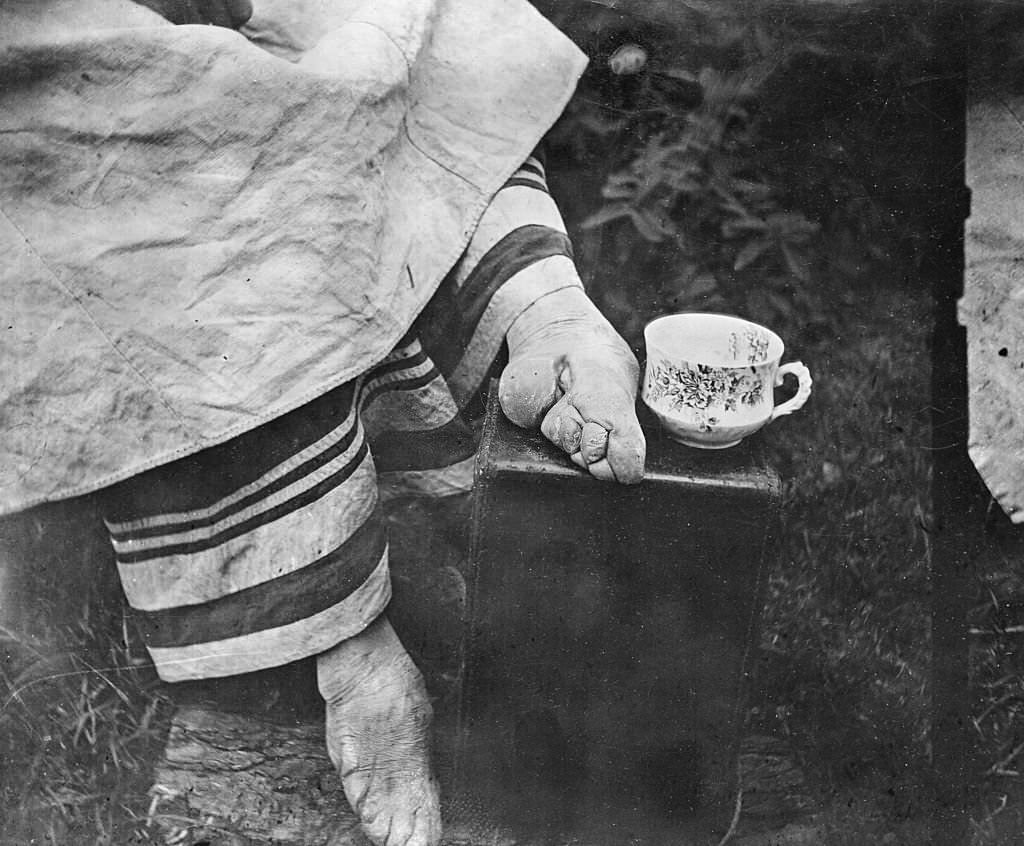
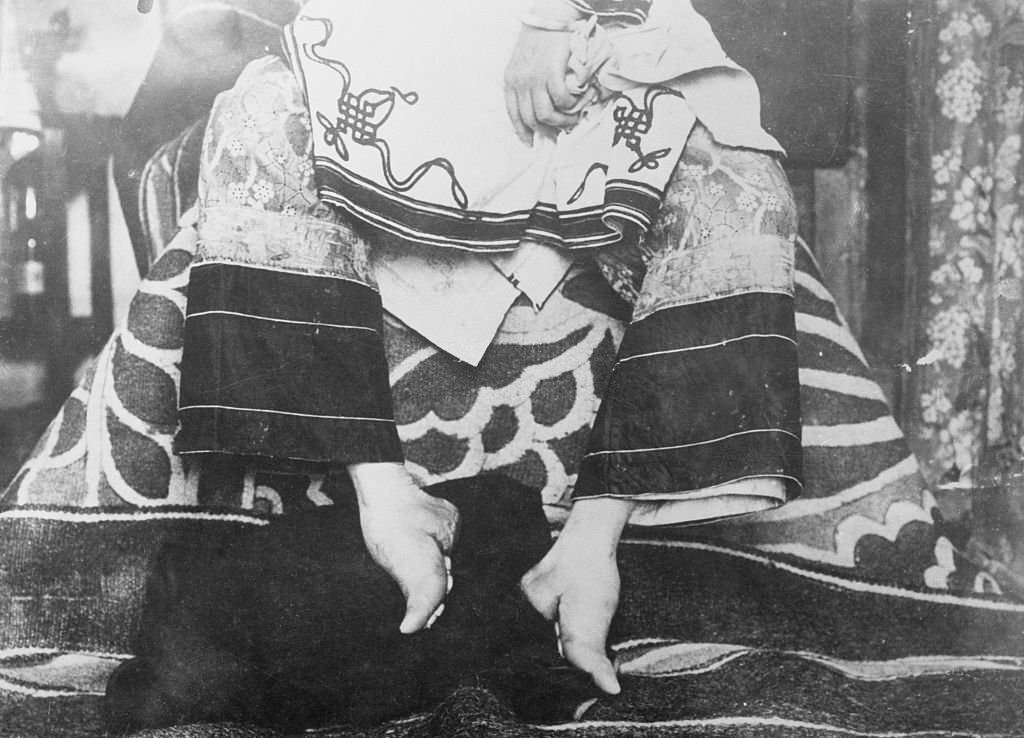
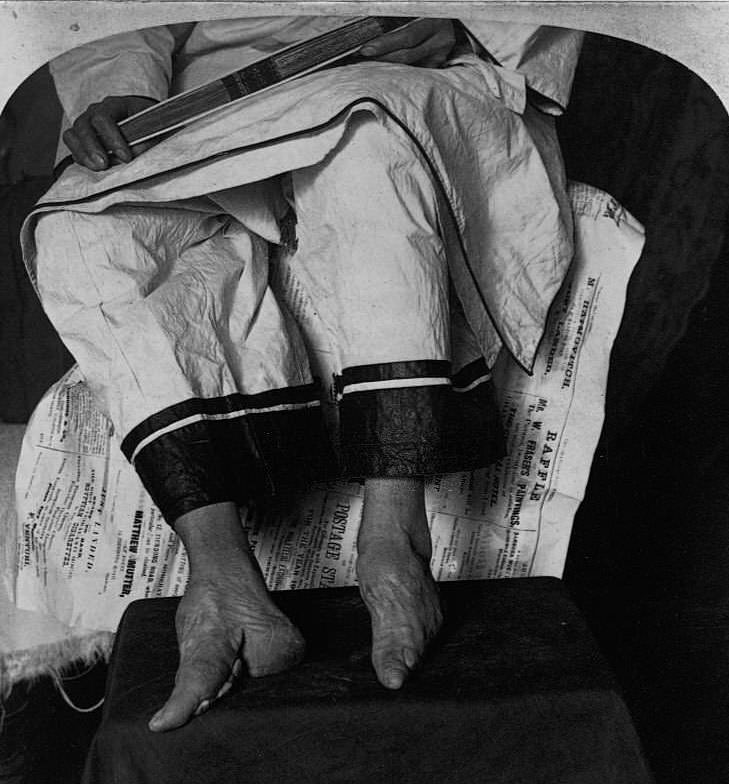
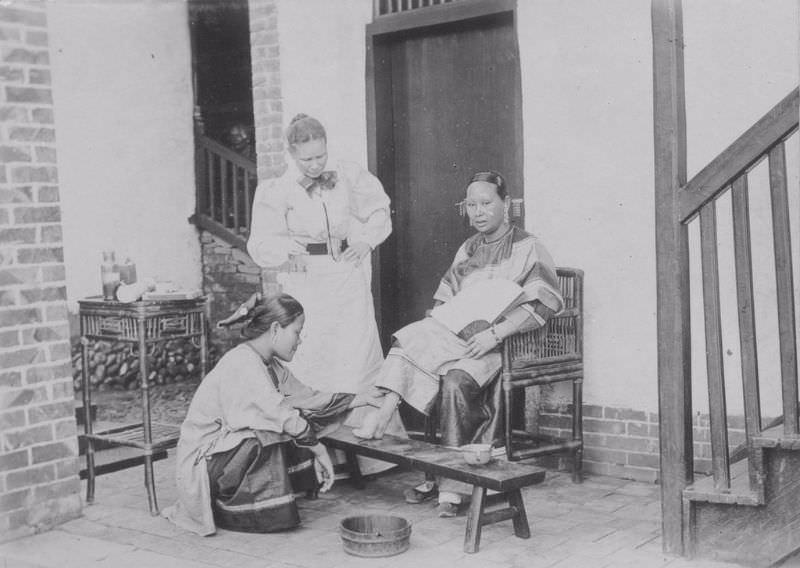
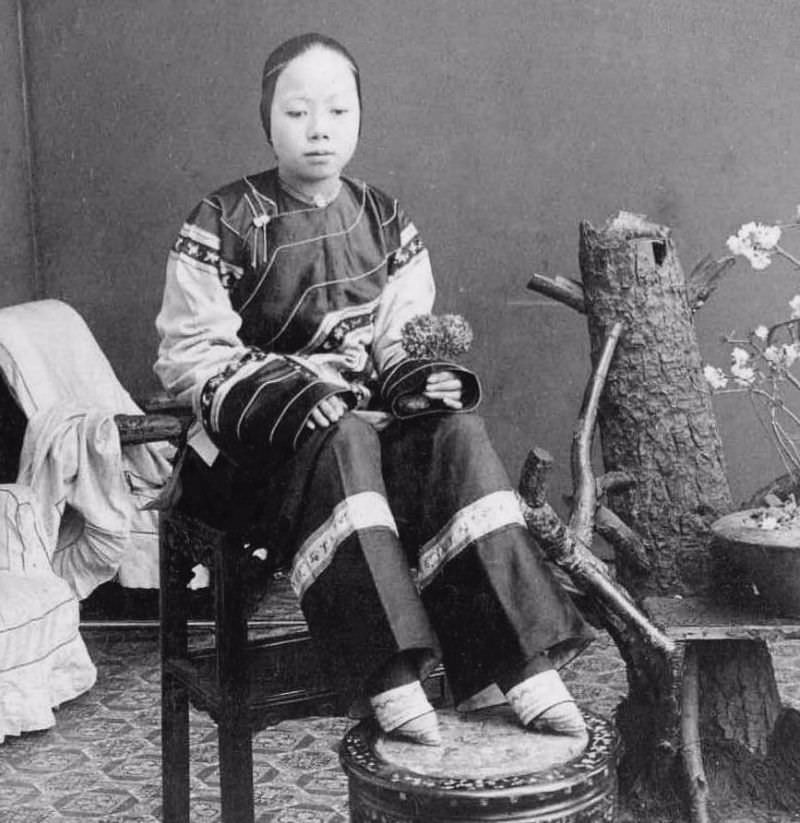
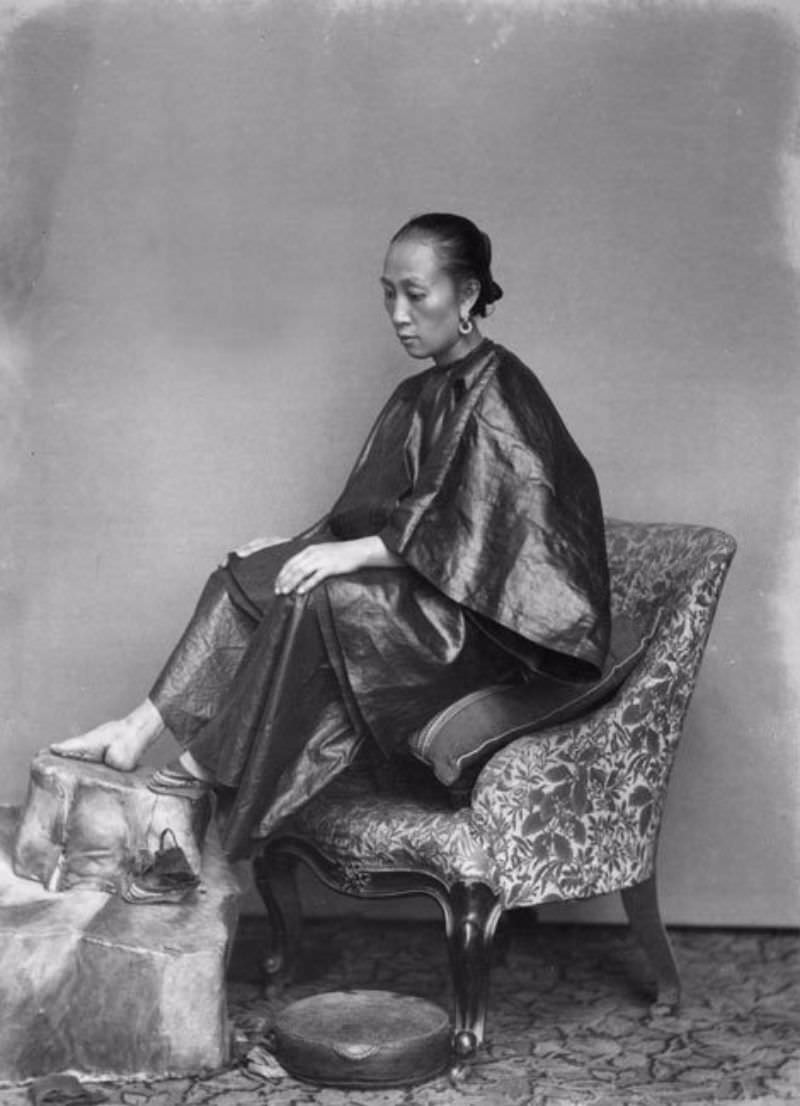
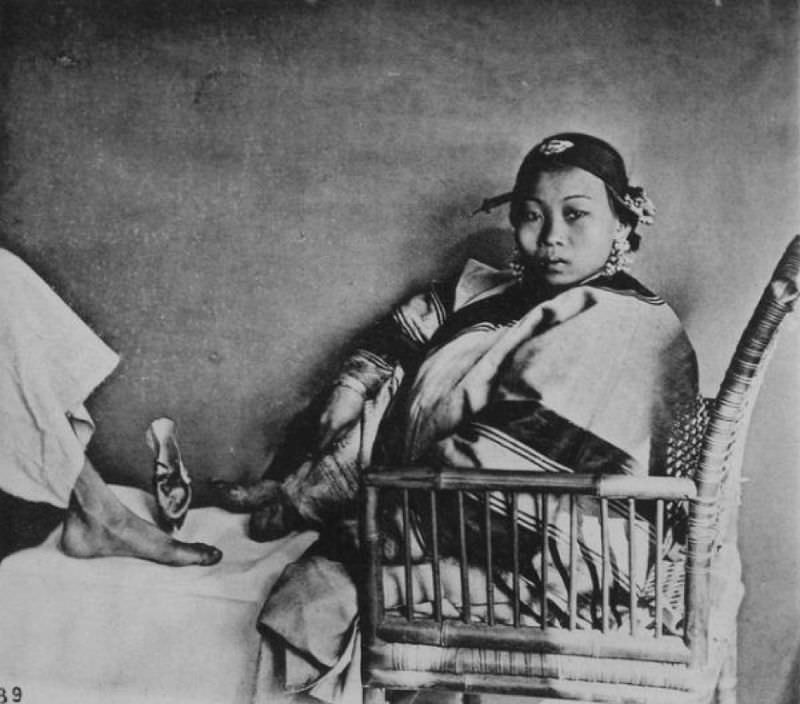
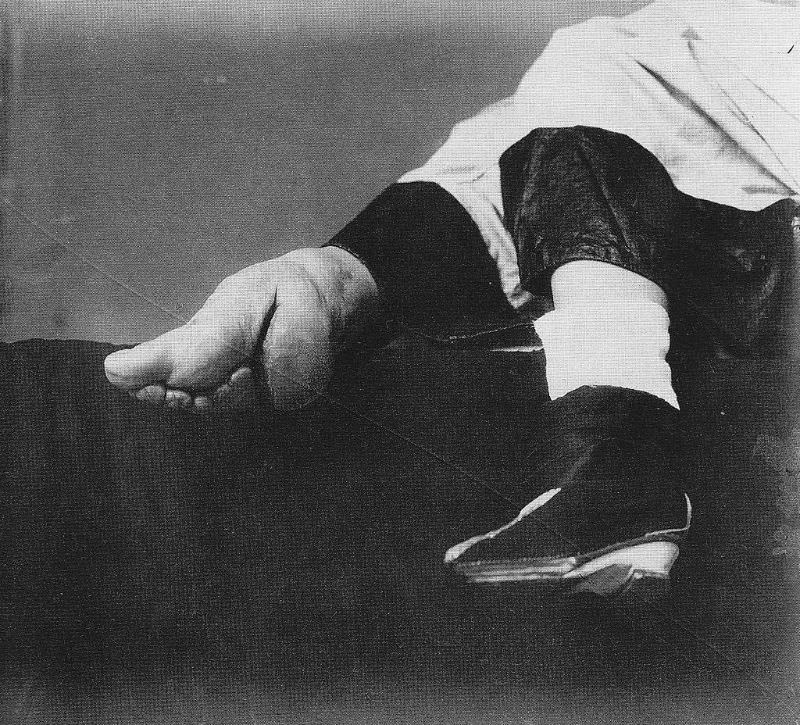
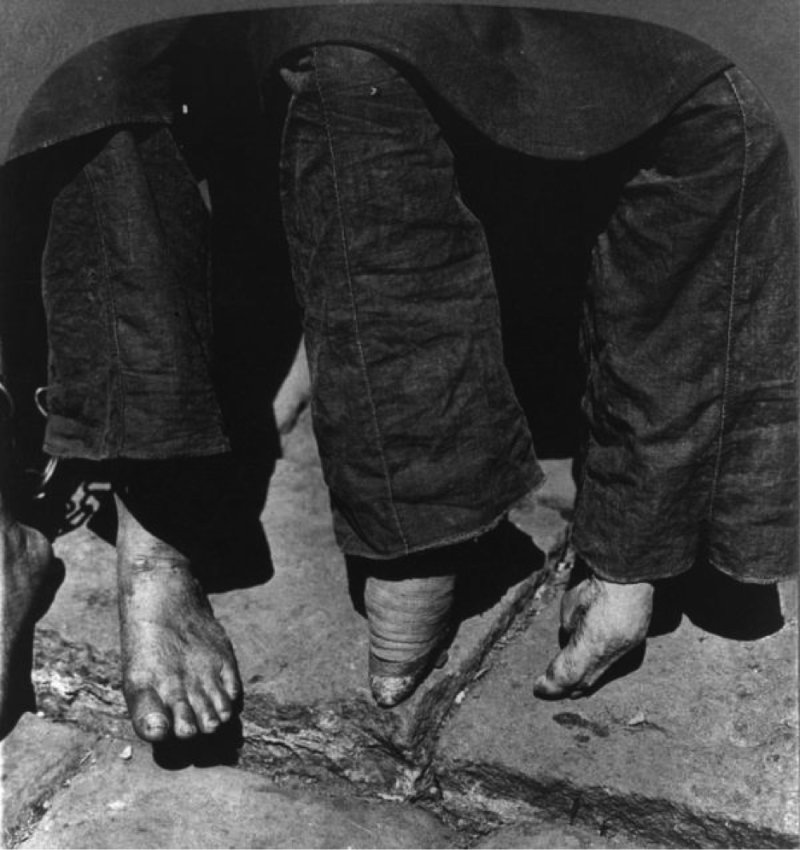
Photographs from the late 1800s and early 1900s document just how extreme the physical transformation was. Side-by-side comparisons of bound and unbound feet show the full extent of the deformity. The bound foot curves sharply downward, with the heel and the ball of the foot drawn unnaturally close together. The toes are folded underneath and hidden. The foot no longer resembles a normal human foot. These images were taken by photographers in cities like Amoy (modern Xiamen) and by Western visitors who wanted to document what they were witnessing.
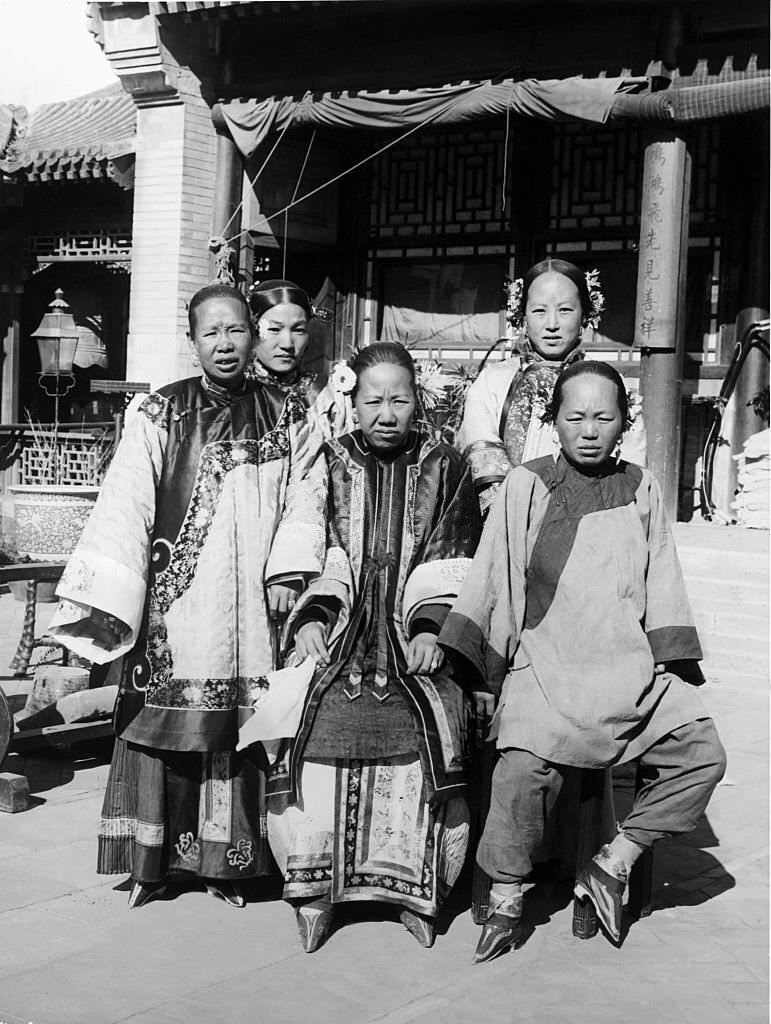
Foot binding was not practiced by all ethnic groups in China. The Manchu, who ruled during the Qing Dynasty, did not bind their women’s feet. Manchu women instead wore platform shoes that elevated their heels and mimicked the gait of women with bound feet, without causing the same physical damage. The Han Chinese, however, practiced foot binding widely across regions. Ethnic groups such as the Hakka also largely avoided the custom.
By the late nineteenth century, opposition to foot binding was growing from multiple directions. Chinese reformers argued that the practice weakened the nation by making half its population physically disabled. Western missionaries and foreign observers campaigned loudly against it, writing and speaking publicly about the suffering it caused. Anti-foot-binding societies formed in China, collecting pledges from families who agreed not to bind their daughters’ feet or to allow their sons to marry women with bound feet. These societies spread through the educated class and began to shift attitudes.
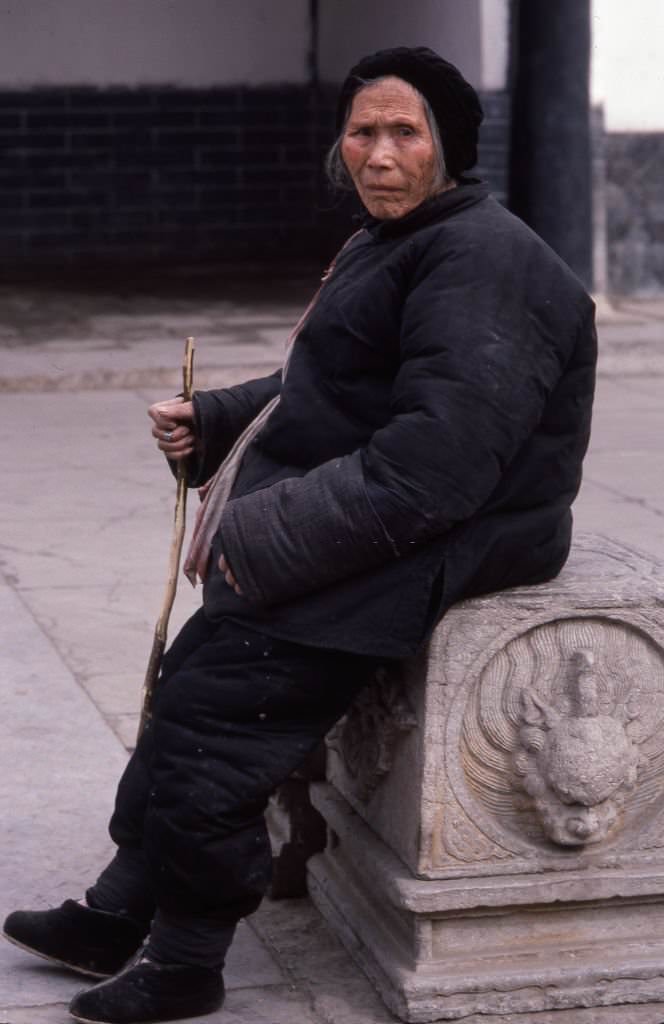
The Qing government issued an edict banning foot binding in 1902, though it was only inconsistently enforced. After the fall of the Qing Dynasty in 1912, the new nationalist government pushed harder against the practice. The Communists, who came to power in 1949, banned it outright and enforced that ban aggressively. By the mid-twentieth century, foot binding had effectively ended in mainland China. However, the last women to have undergone binding as children were still alive well into the twenty-first century.
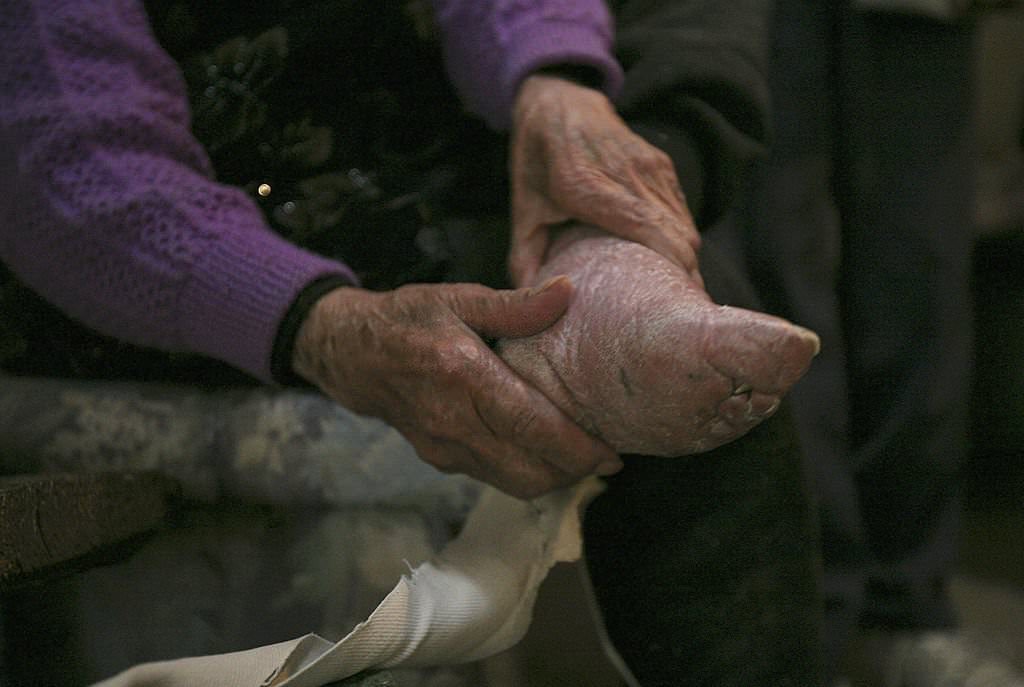
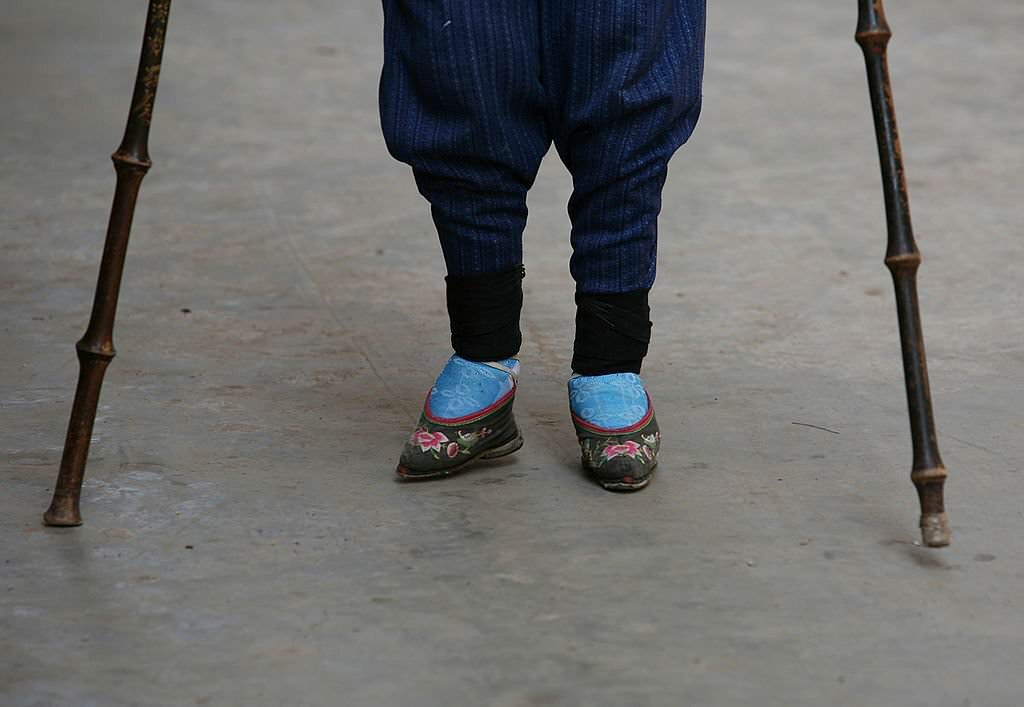
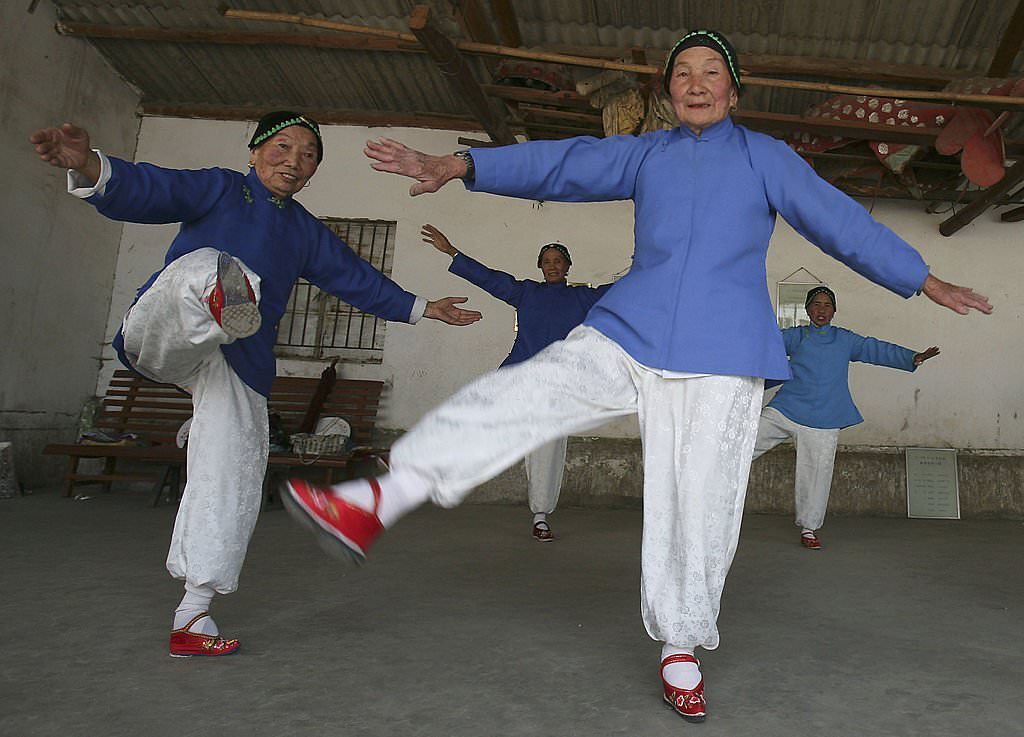
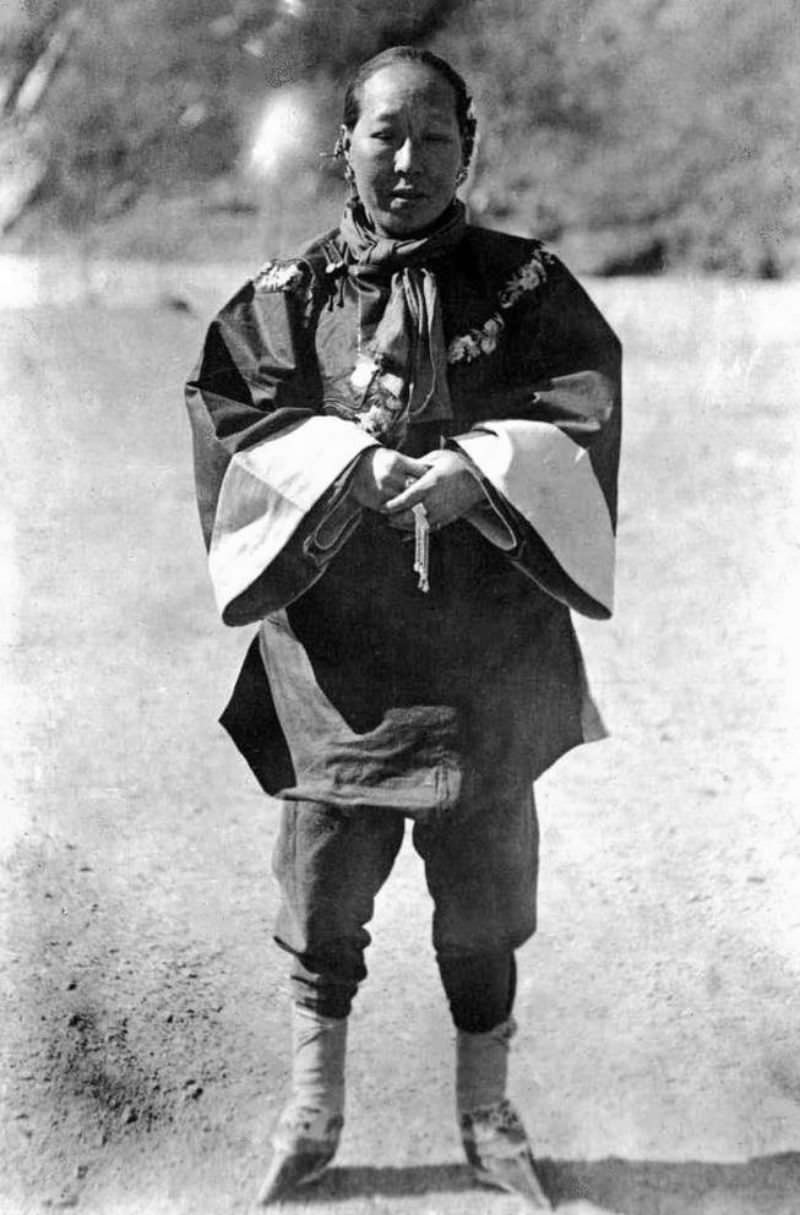
At Liuyi Village in Yunnan Province, a group of elderly women with bound feet formed a dancing team that was still performing in 2007. These women, some over a hundred years old, had been bound as young children in the early twentieth century — the last generation to go through the practice. Their feet bore the full marks of what had been done to them decades earlier: the compressed arch, the folded toes, the permanent deformity. They walked with a distinctive, careful gait that had defined the lives of tens of millions of Chinese women before them.
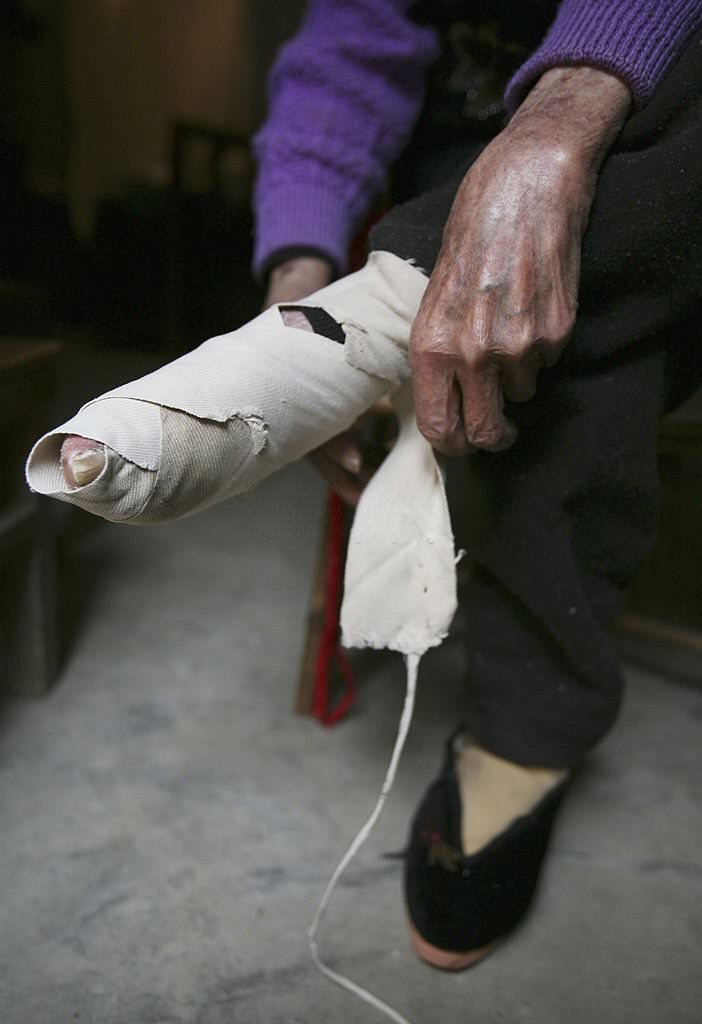
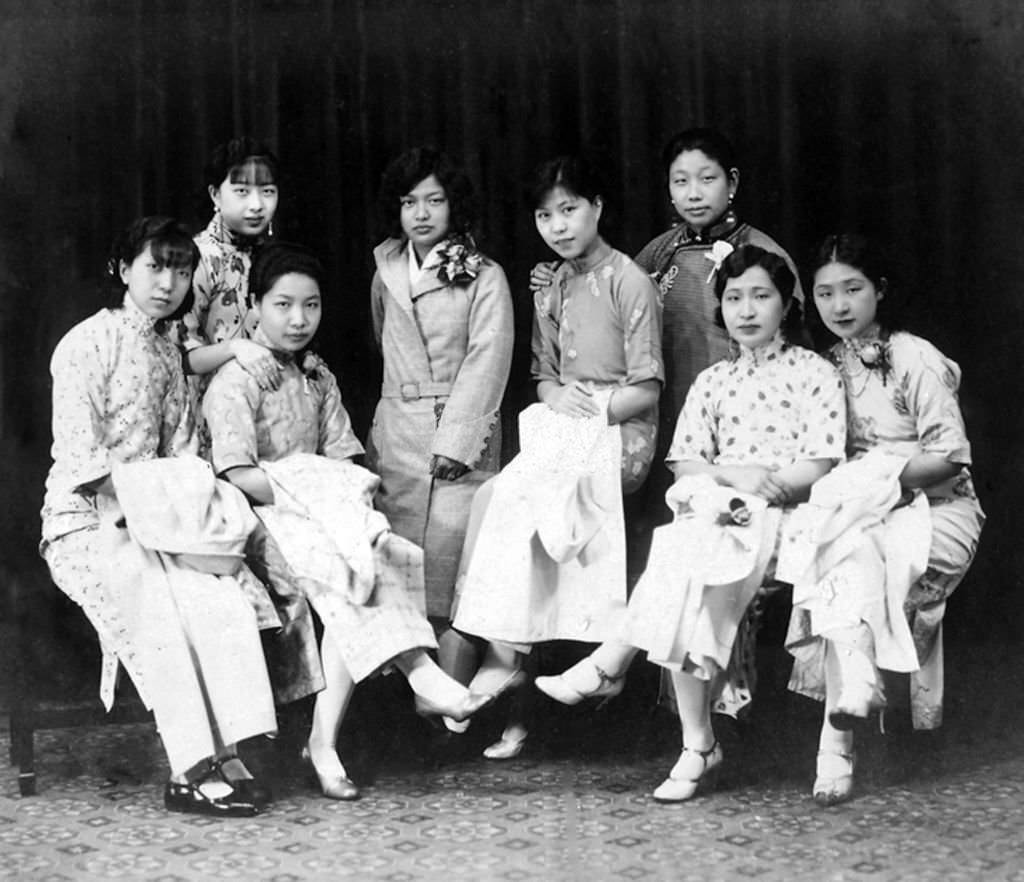
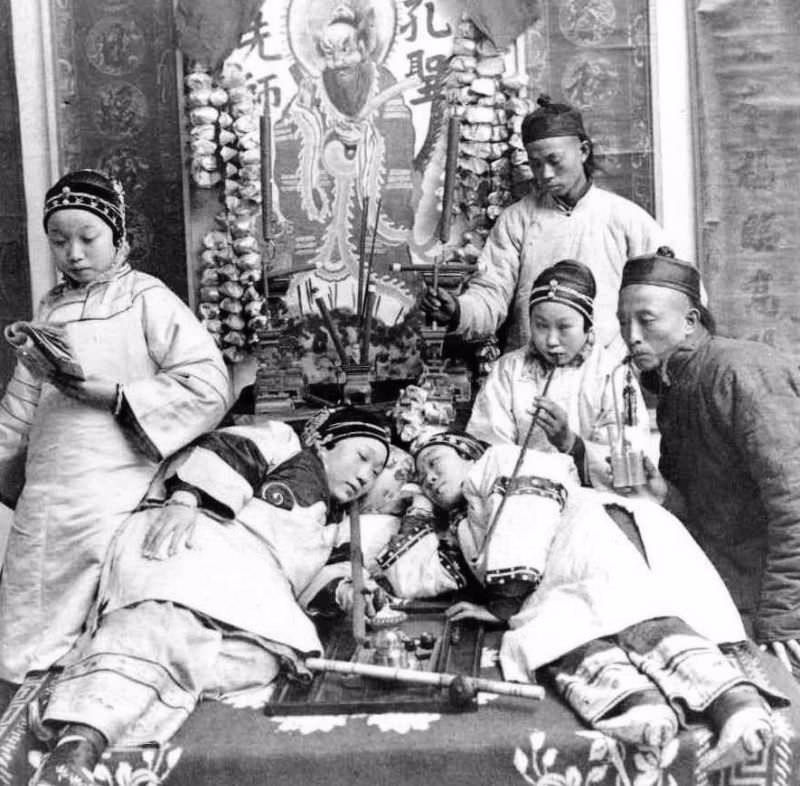
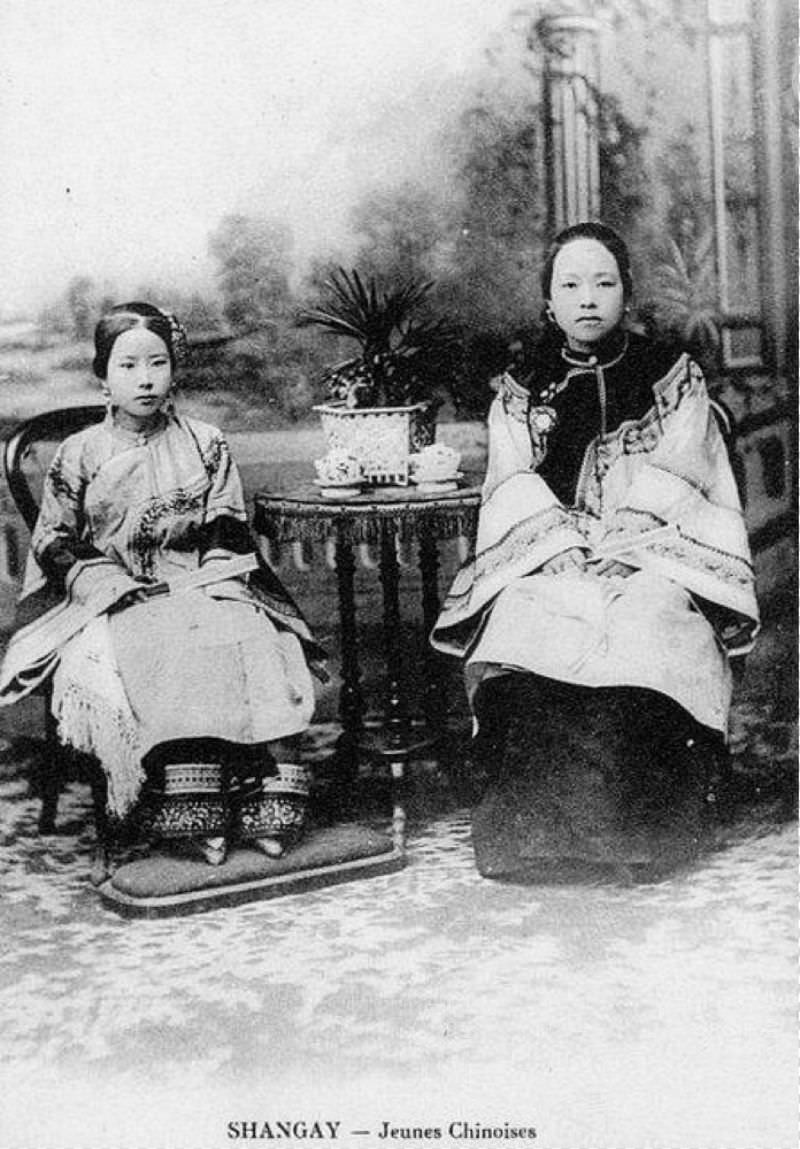
Bound feet also persisted in Shanghai’s brothels and entertainment establishments well after the official ban at the end of the Qing Dynasty. In those settings, tiny feet remained a commercial attraction tied to older ideals of femininity. The shoes made for bound feet — some casual, some highly decorative — were produced throughout the practice’s long history and are now preserved in museum collections. A plaster cast of a bound foot with its shoe and stocking still intact gives a precise record of the final shape the binding process created.
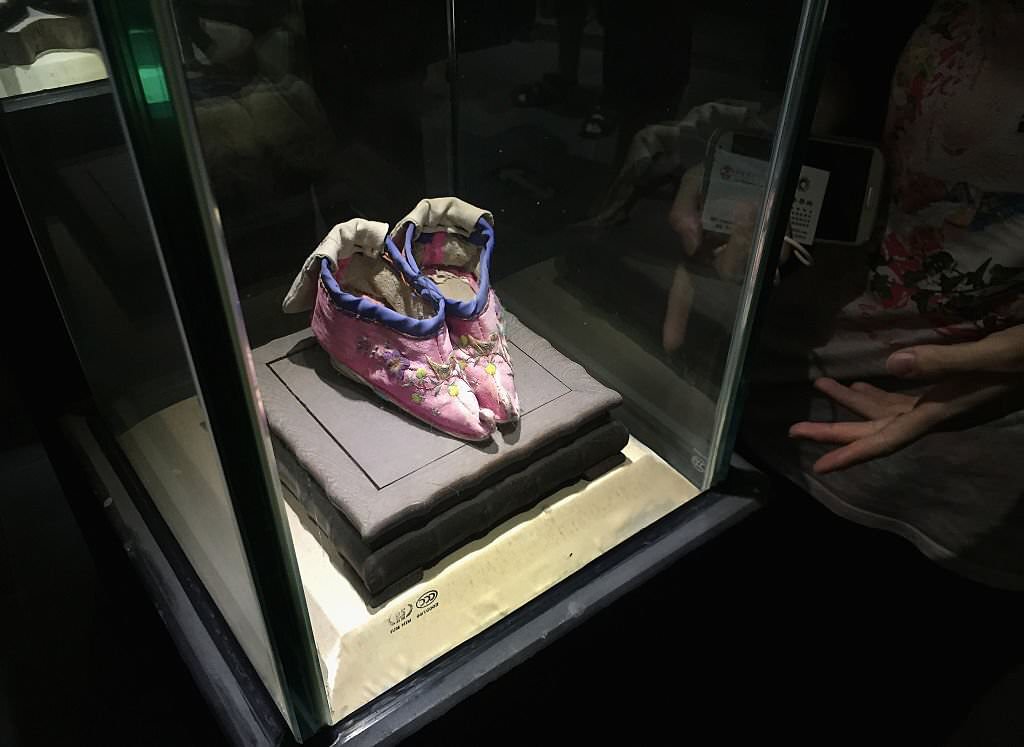
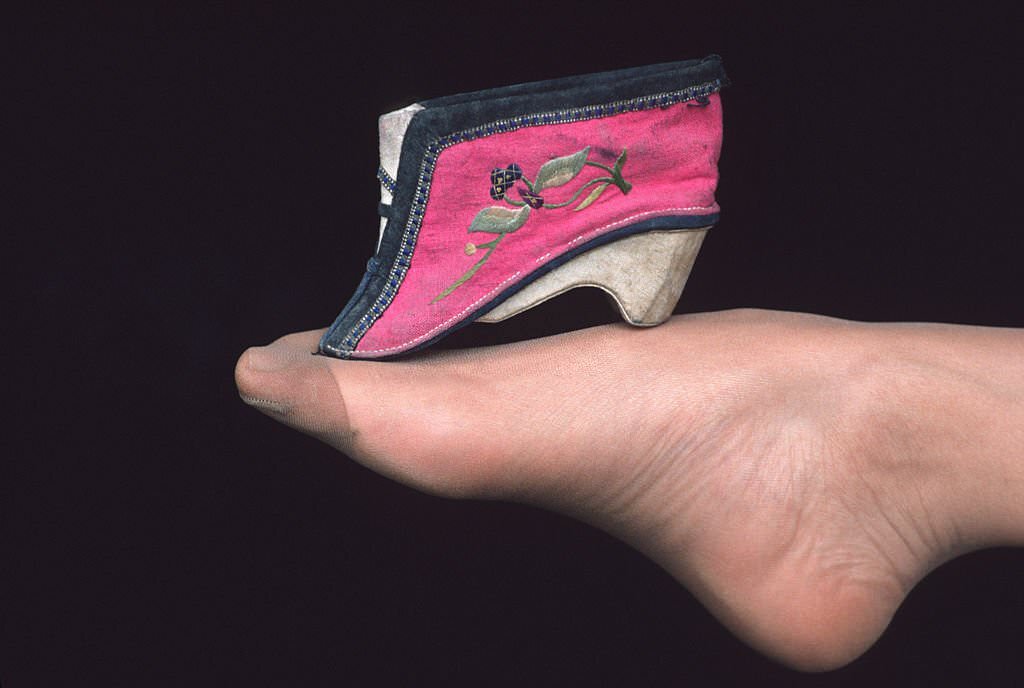
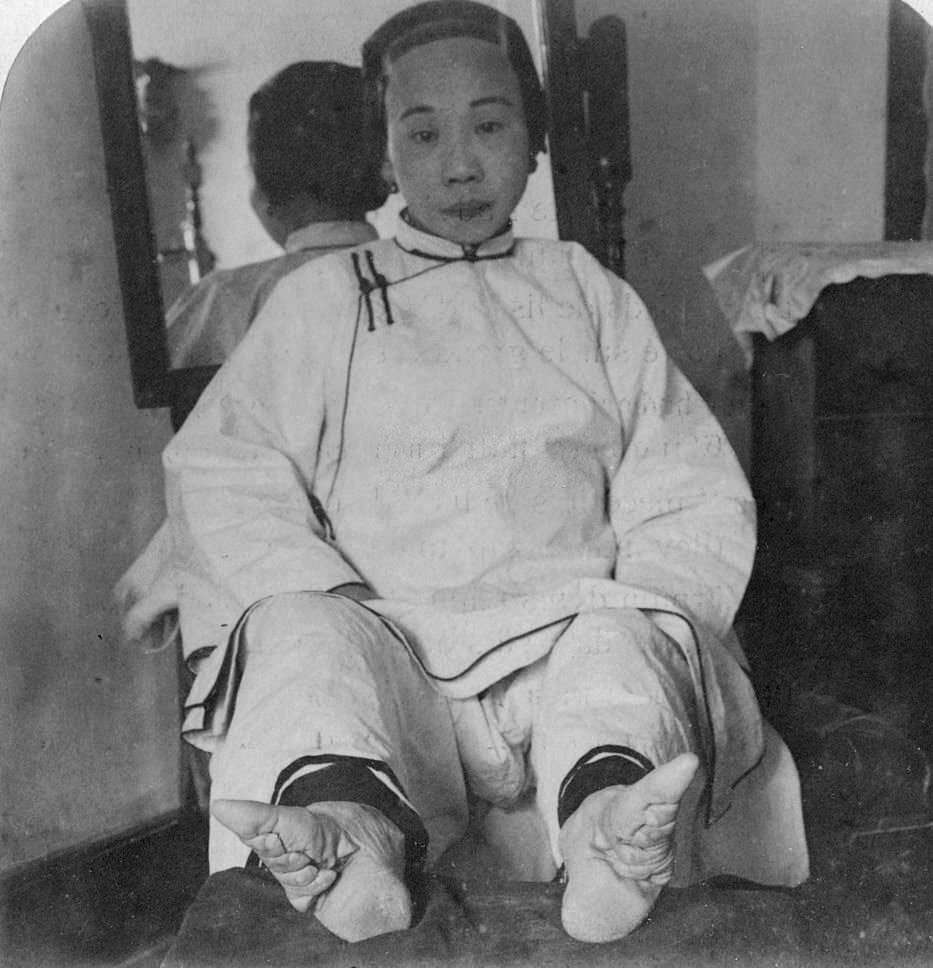
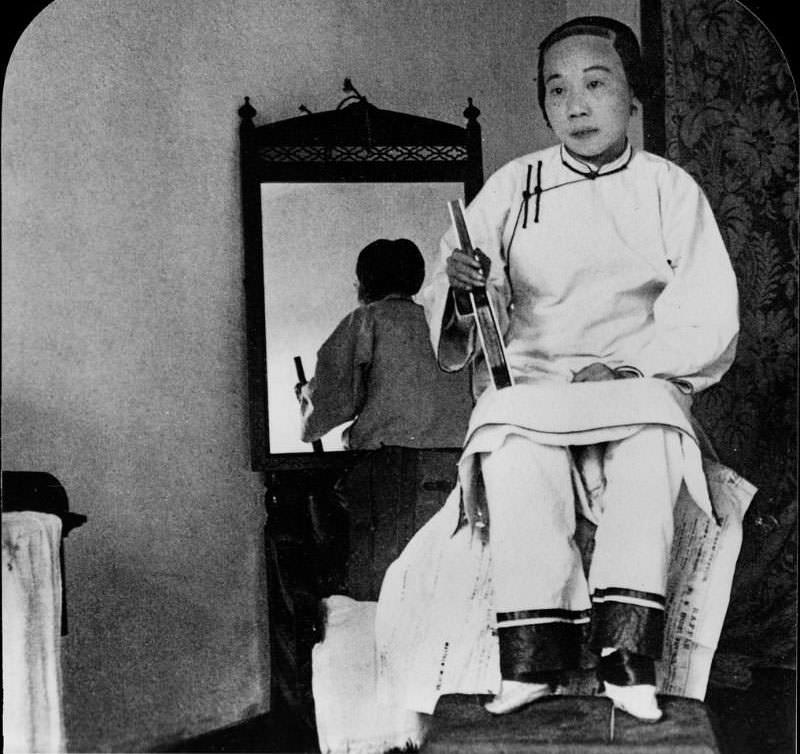
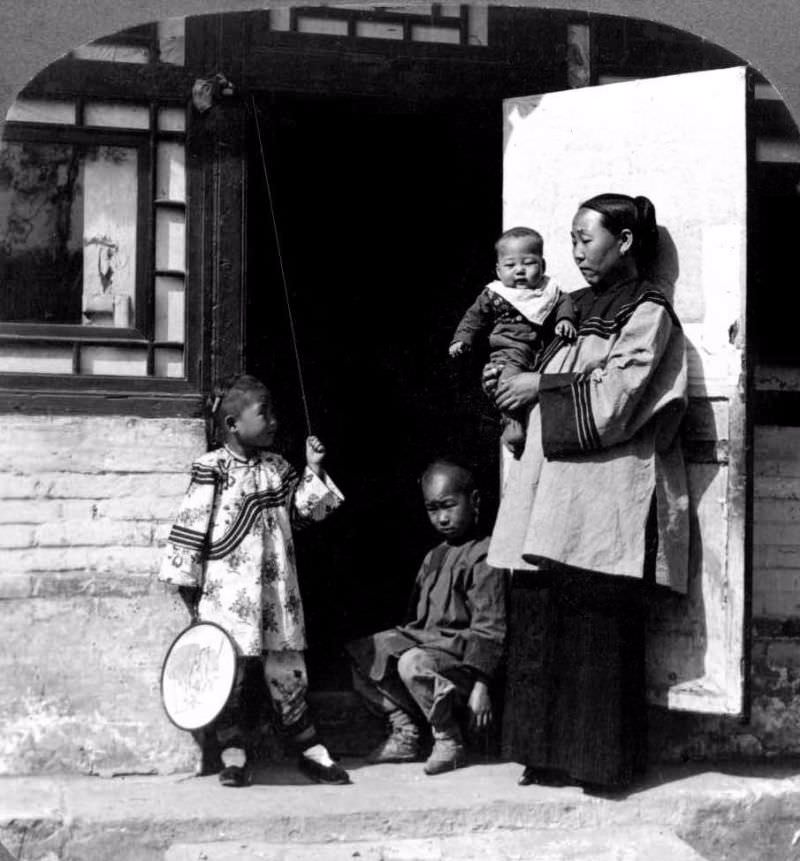
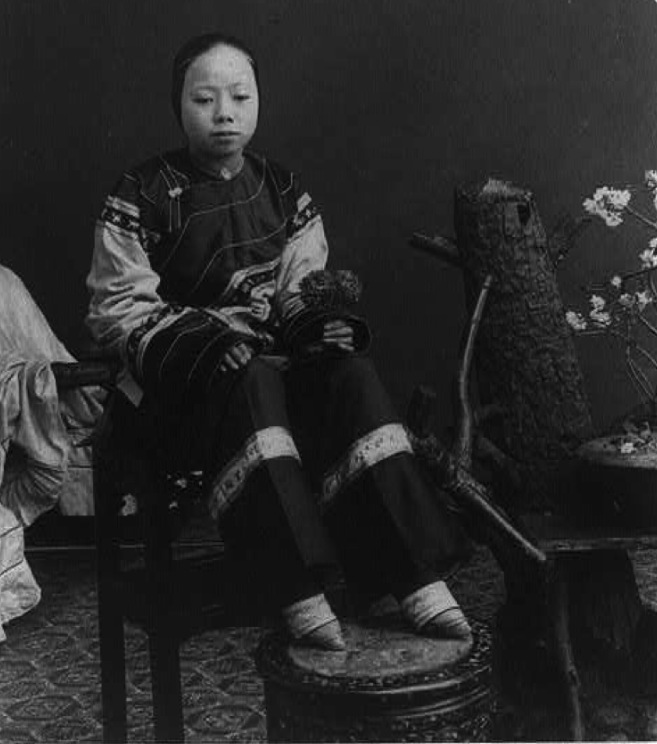
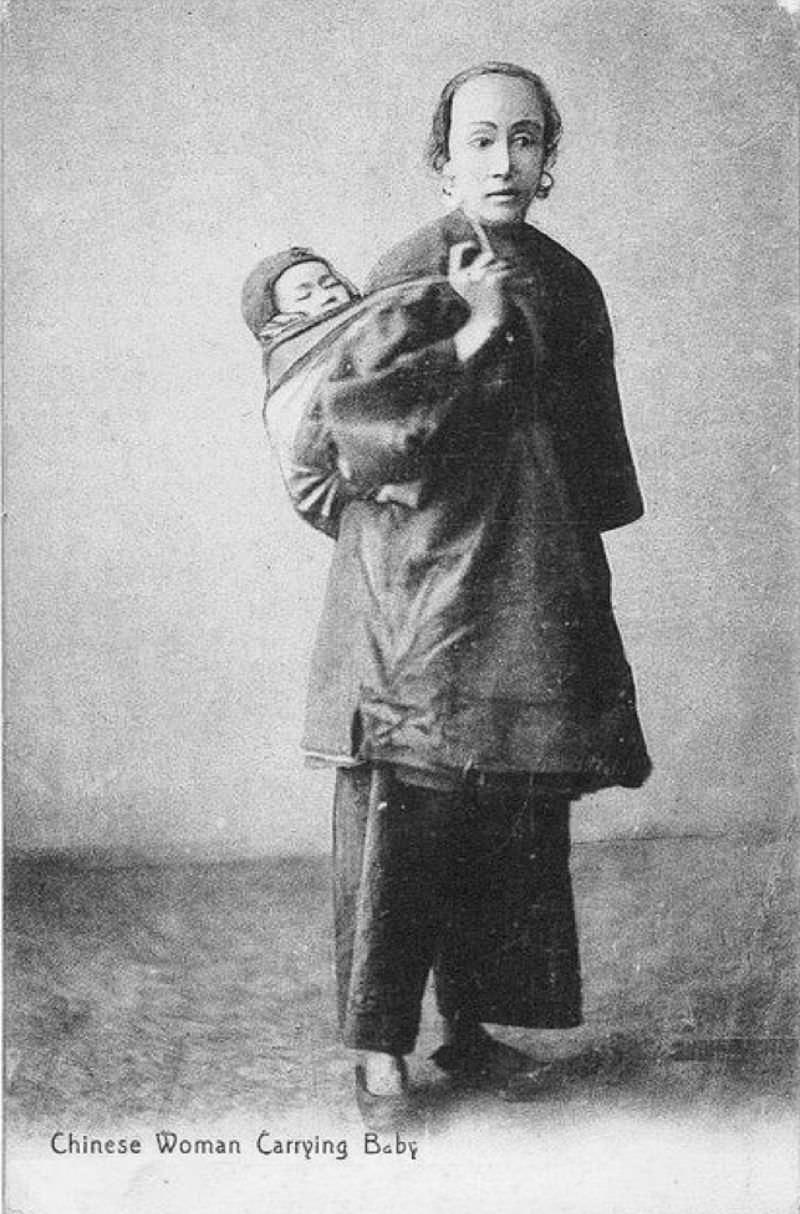
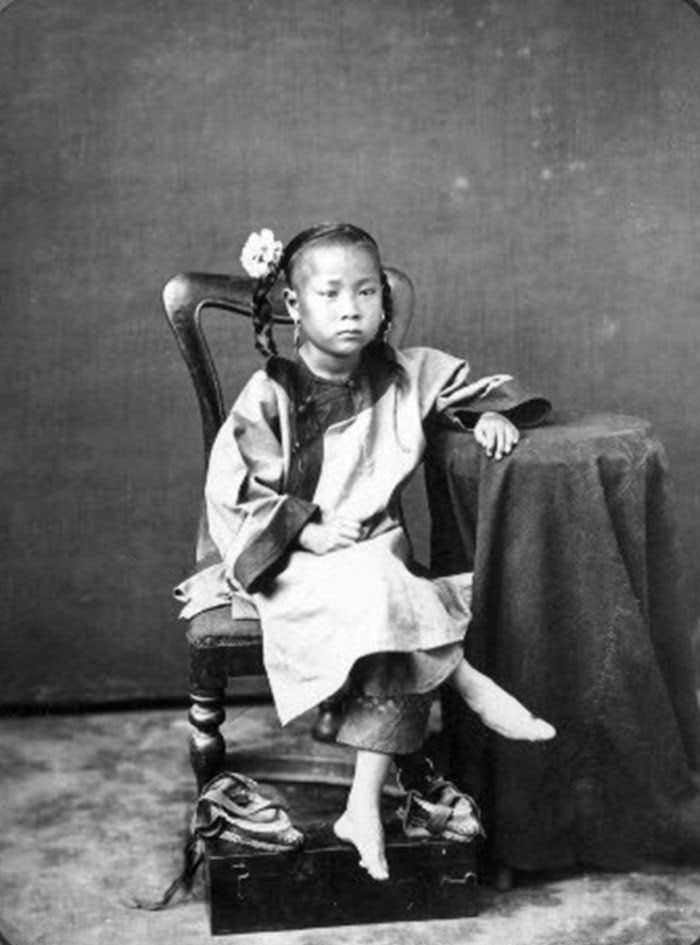
The physical evidence left by foot binding is unambiguous. Photographs from the late nineteenth and early twentieth centuries show feet that have been radically altered — the toes bent permanently under the sole, the arch broken and reshaped into a steep curve, the whole foot compressed into a fraction of its natural length. These images were taken in every region of China where the practice was common, from Fujian province on the southeast coast to Shanxi in the north and Yunnan in the southwest.
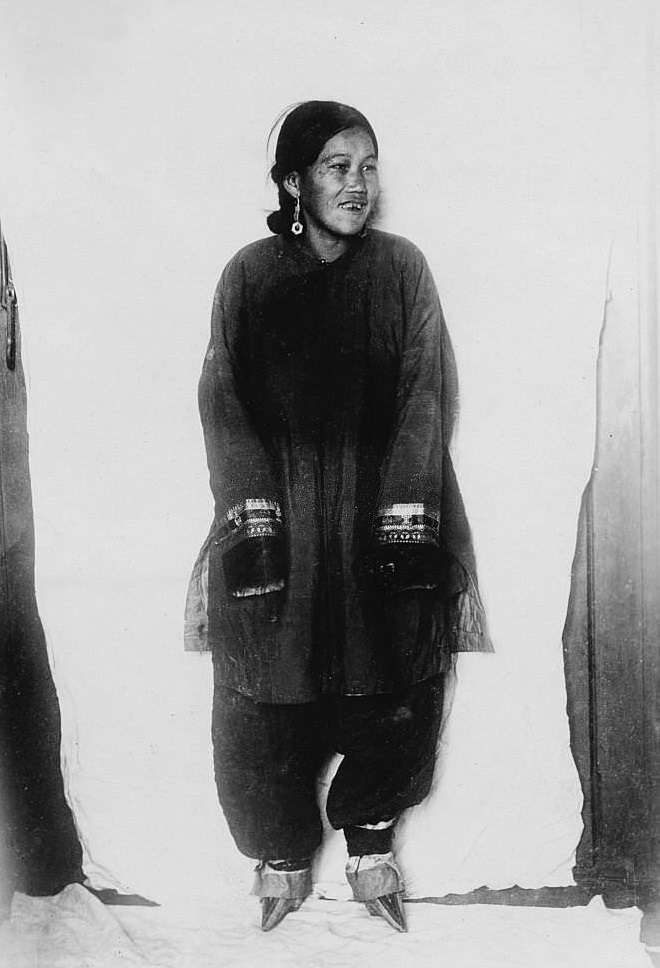
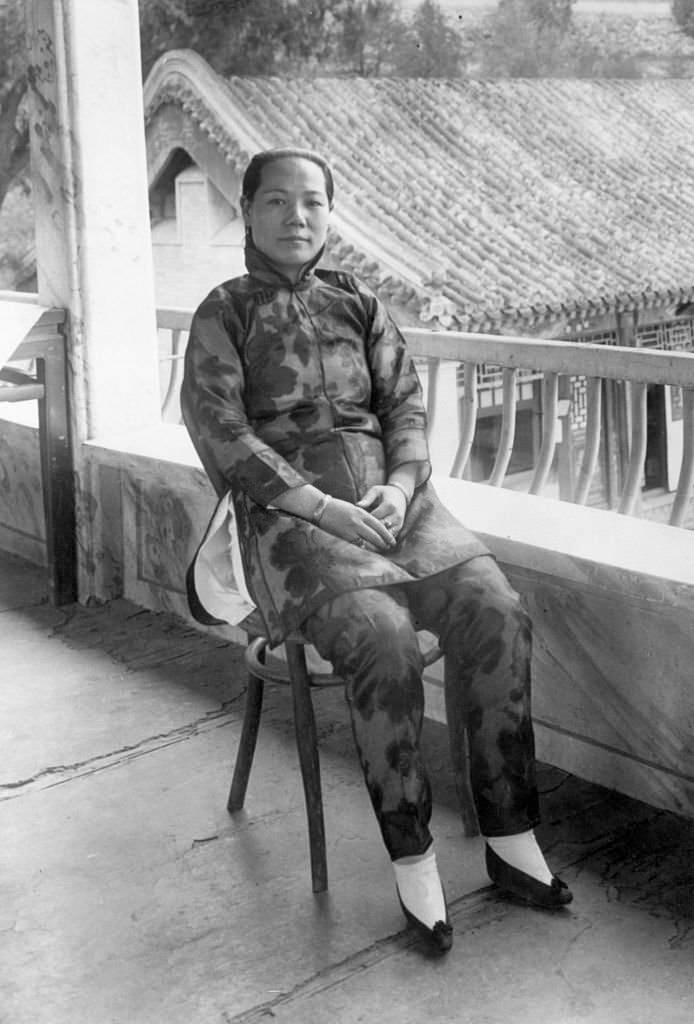
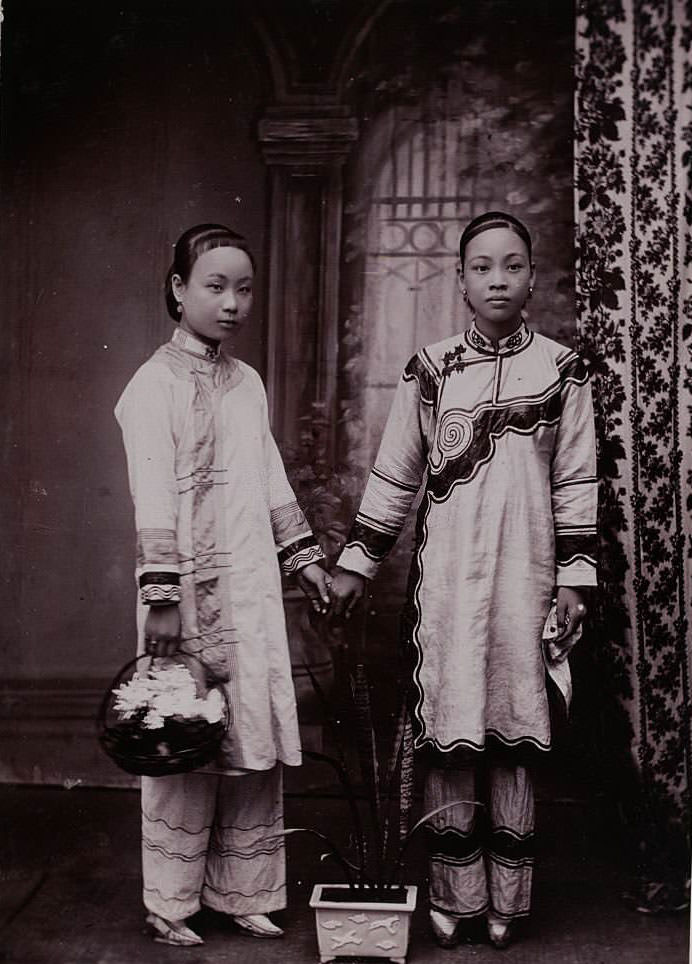
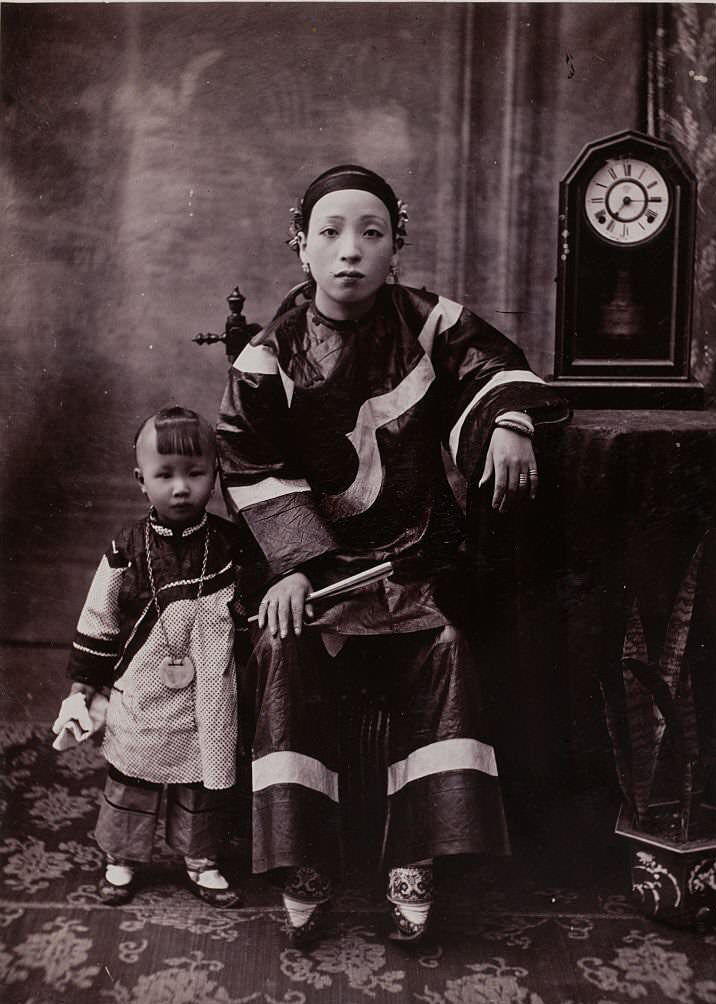
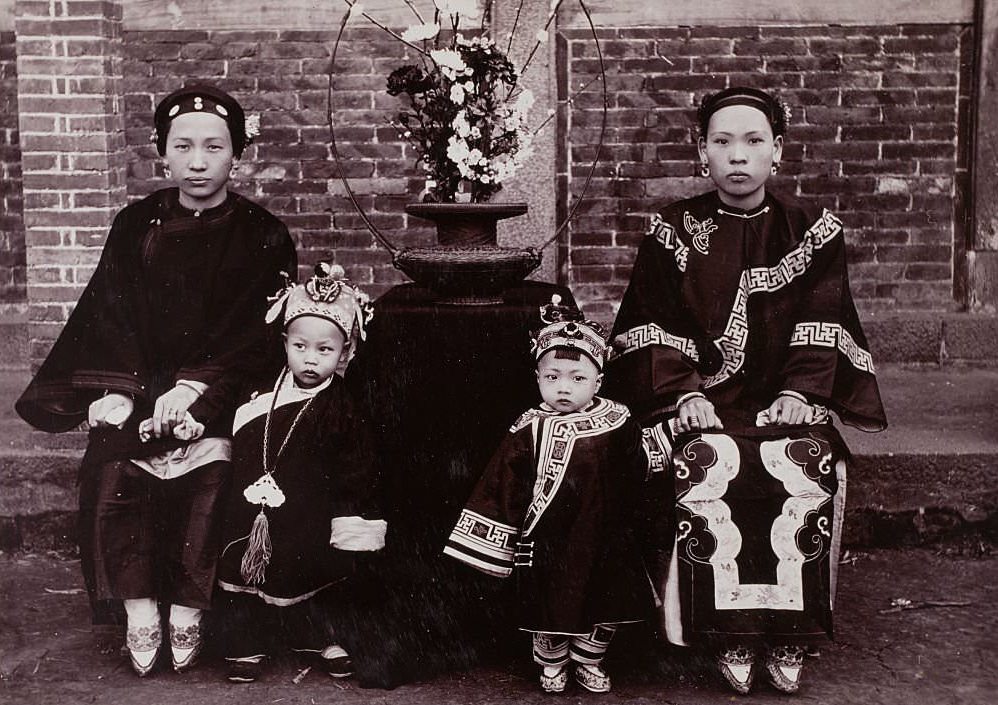
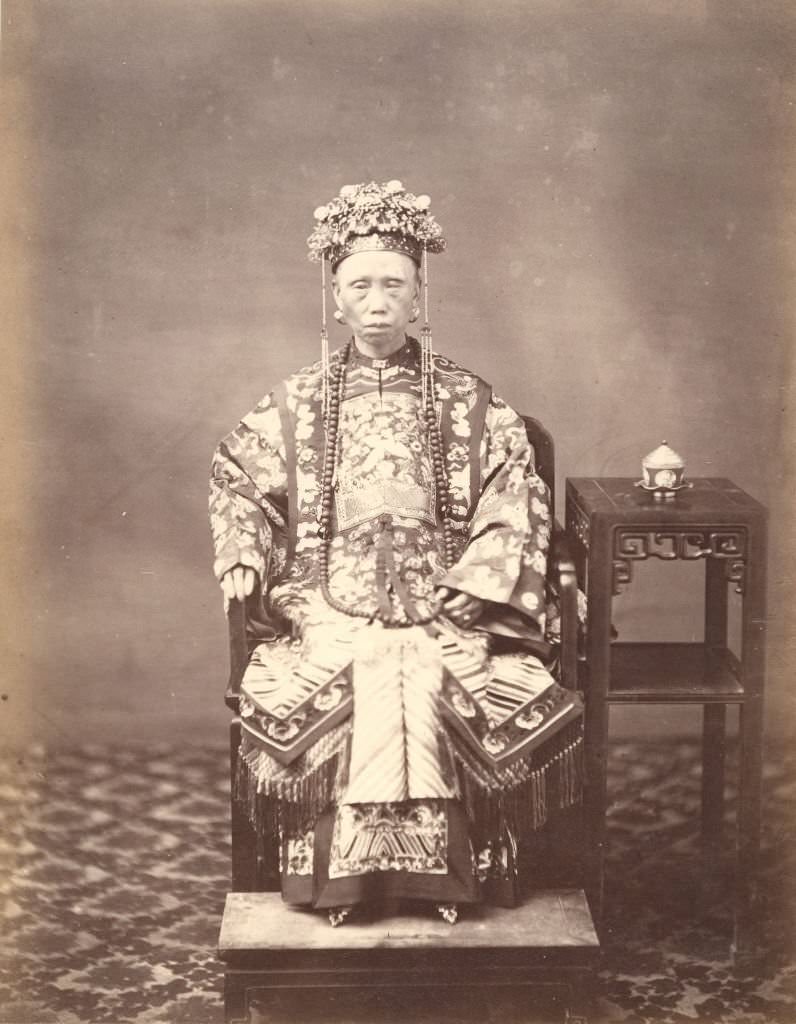
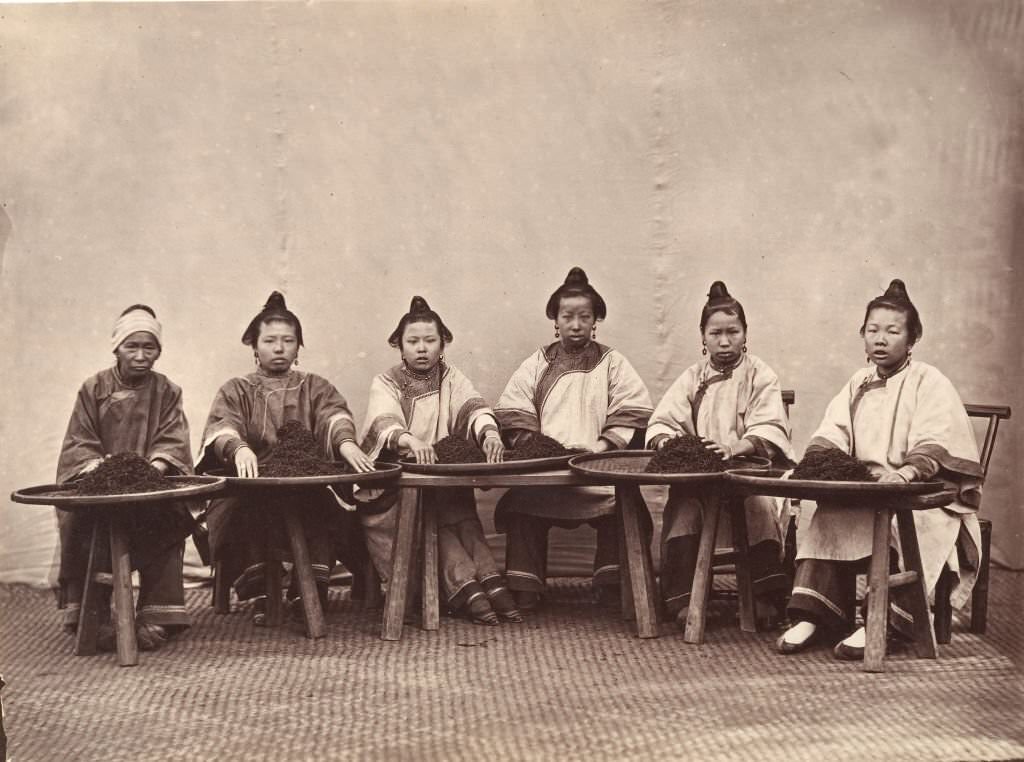
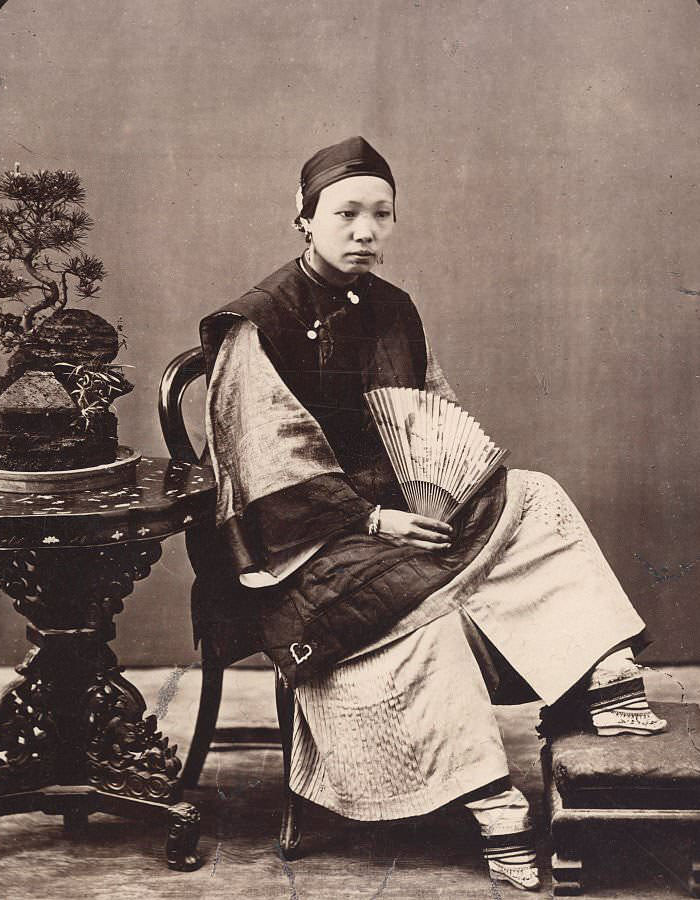
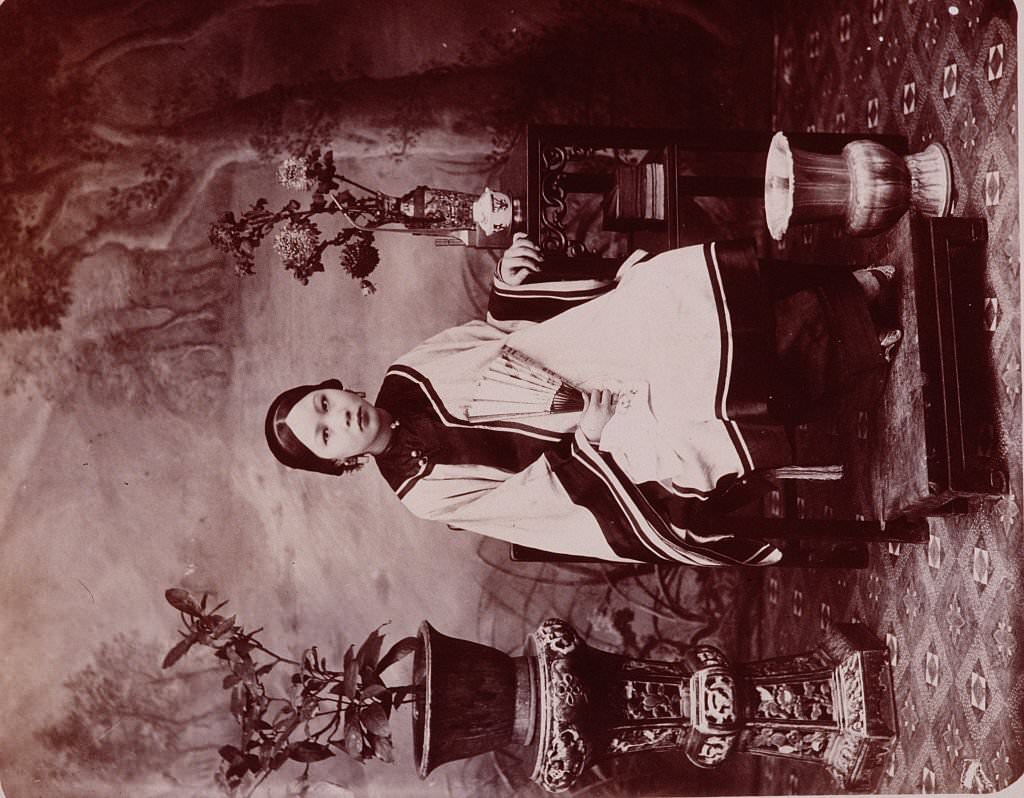
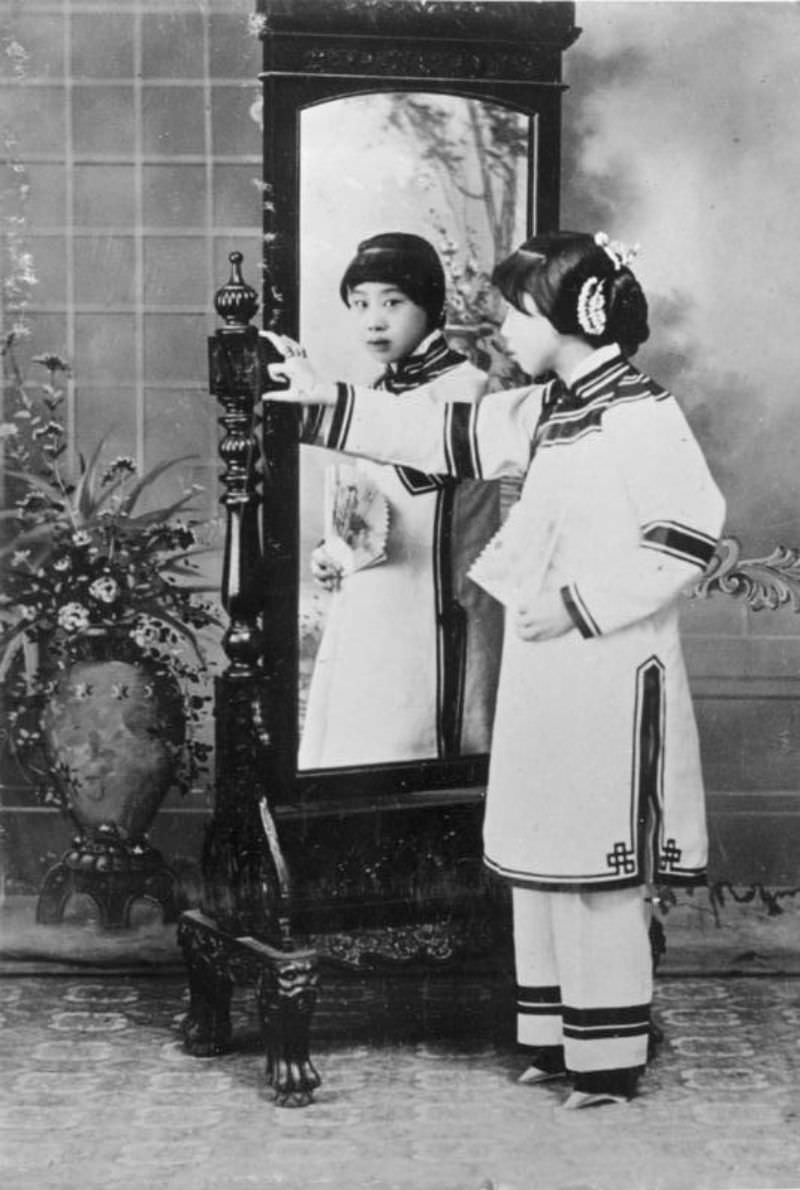
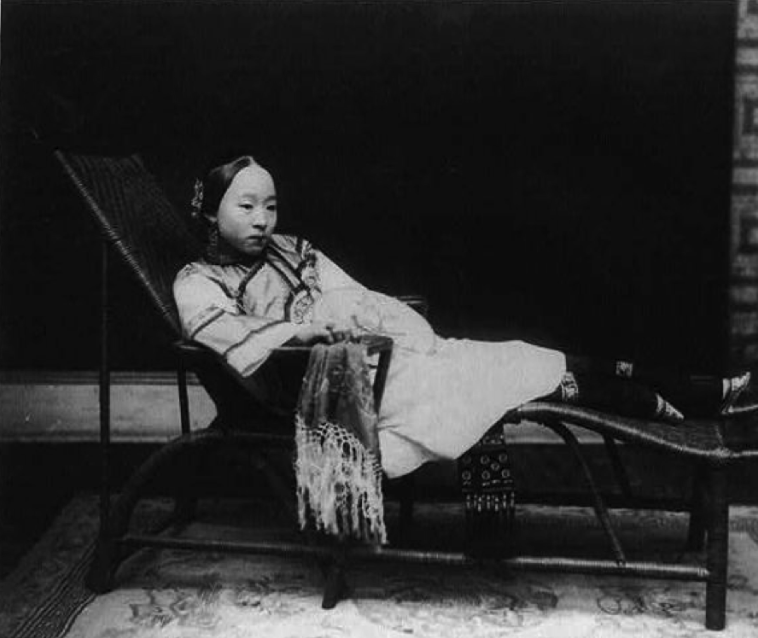
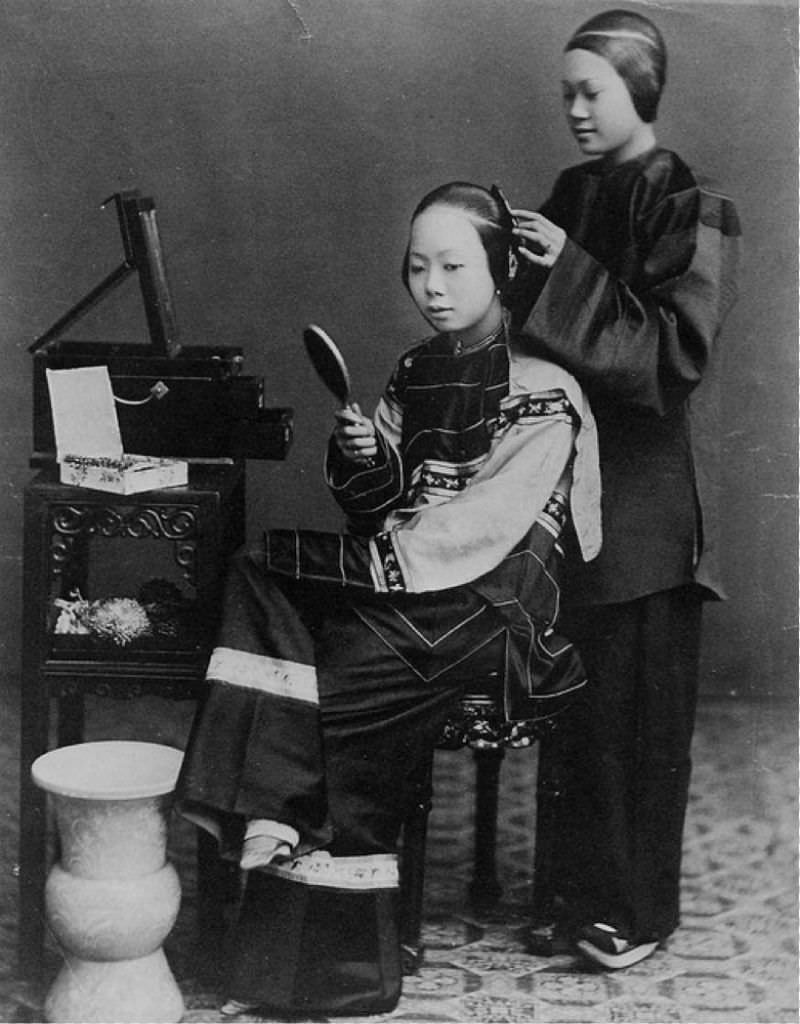
Wealthy women with bound feet were photographed frequently, both by Chinese and Western photographers. These portraits show women in fine silk clothing, sitting in chairs or reclining, their small shoes just visible at the hem of their robes. The bound foot was not hidden — it was displayed. It was a visual statement about social rank. The smaller the foot, the greater the prestige.



It’s interesting to see this posted as long lost knowledge. This was common knowledge when I was growing up
Feet were bound to control and harm women to make them more attractive to men, but who the hell decided that tiny, folded feet were desirable??