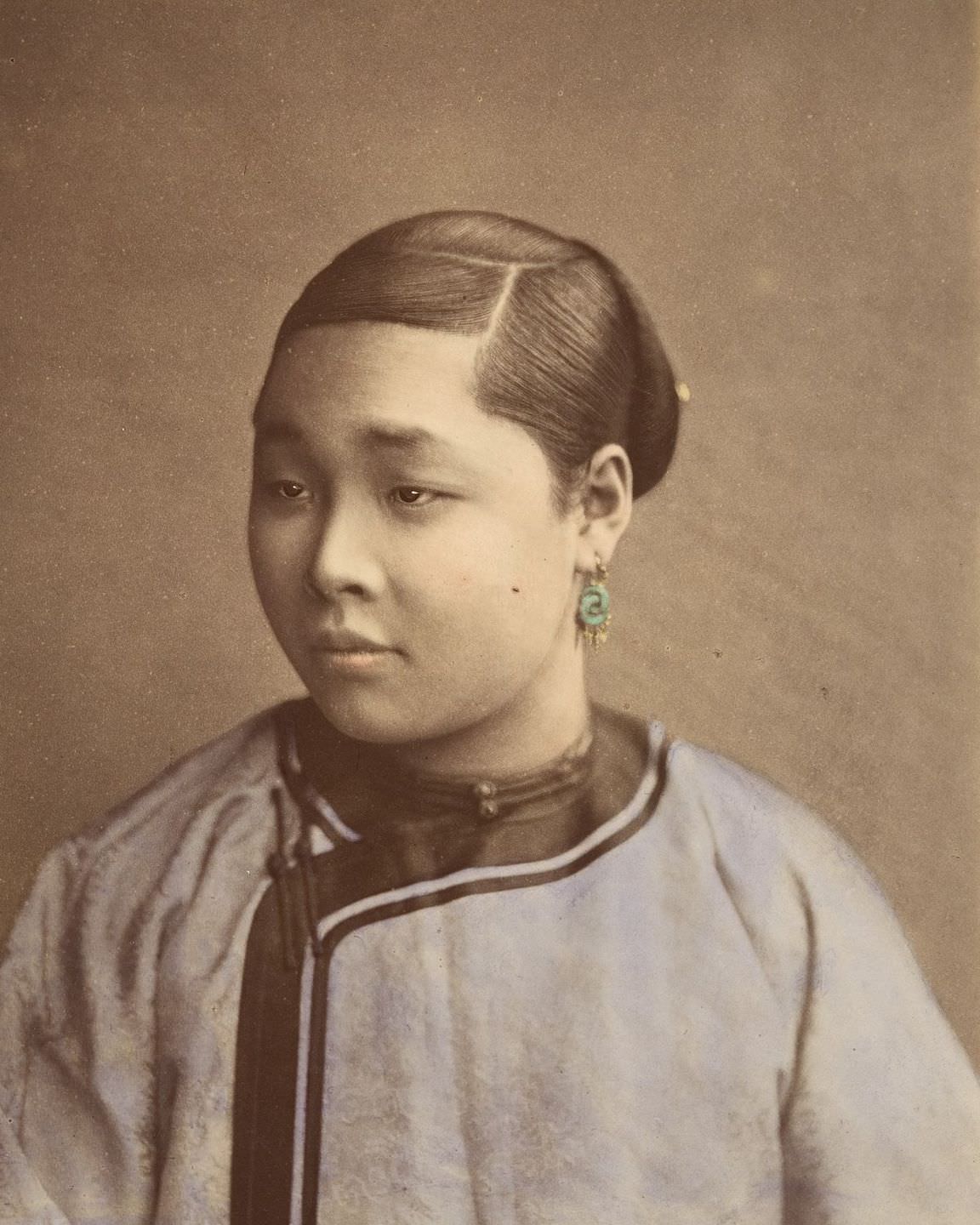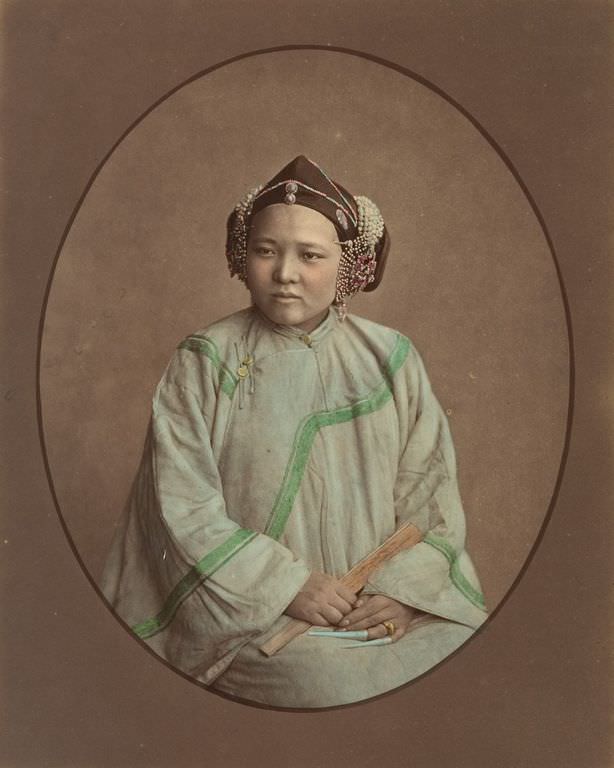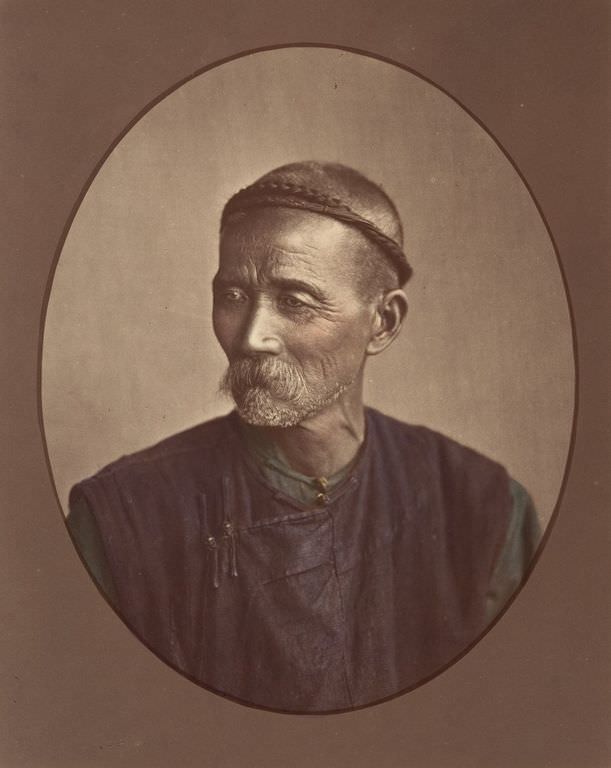
Baron Raimund von Stillfried spent his early years traveling the world before settling into a career behind the camera. He opened a photography studio in Yokohama, Japan, where he built a reputation for producing carefully hand-colored portraits of traditional subjects. His technique was precise — each photograph was painted by hand to add rich, lifelike color to black-and-white images.
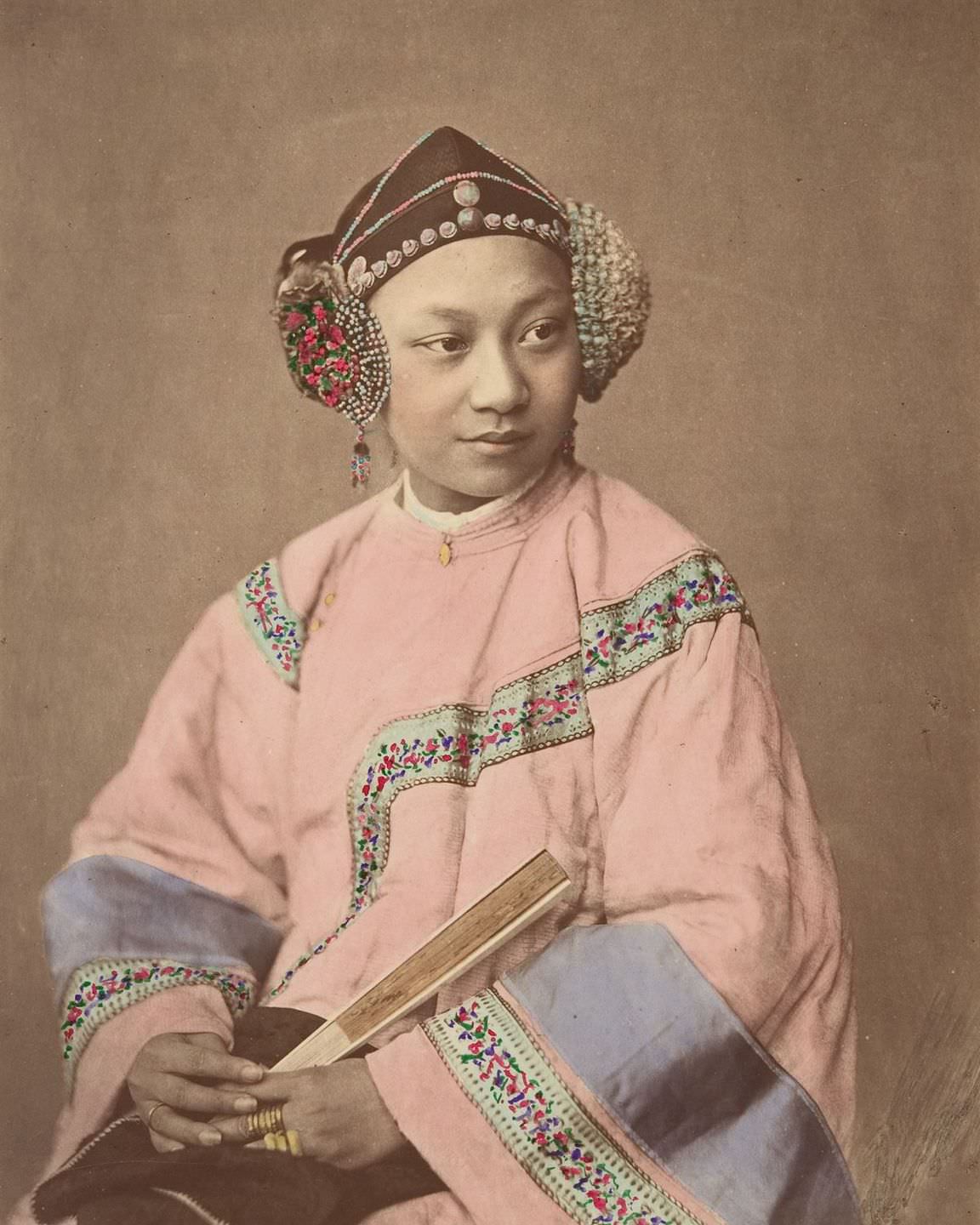
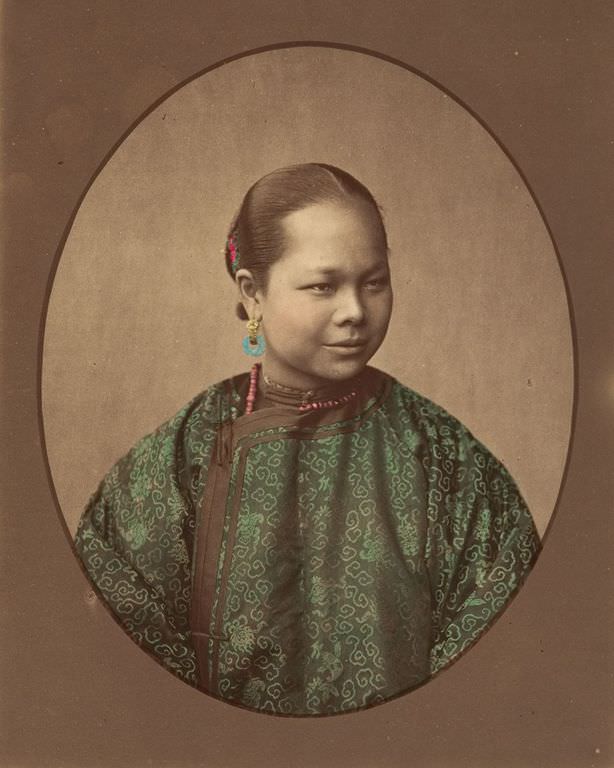
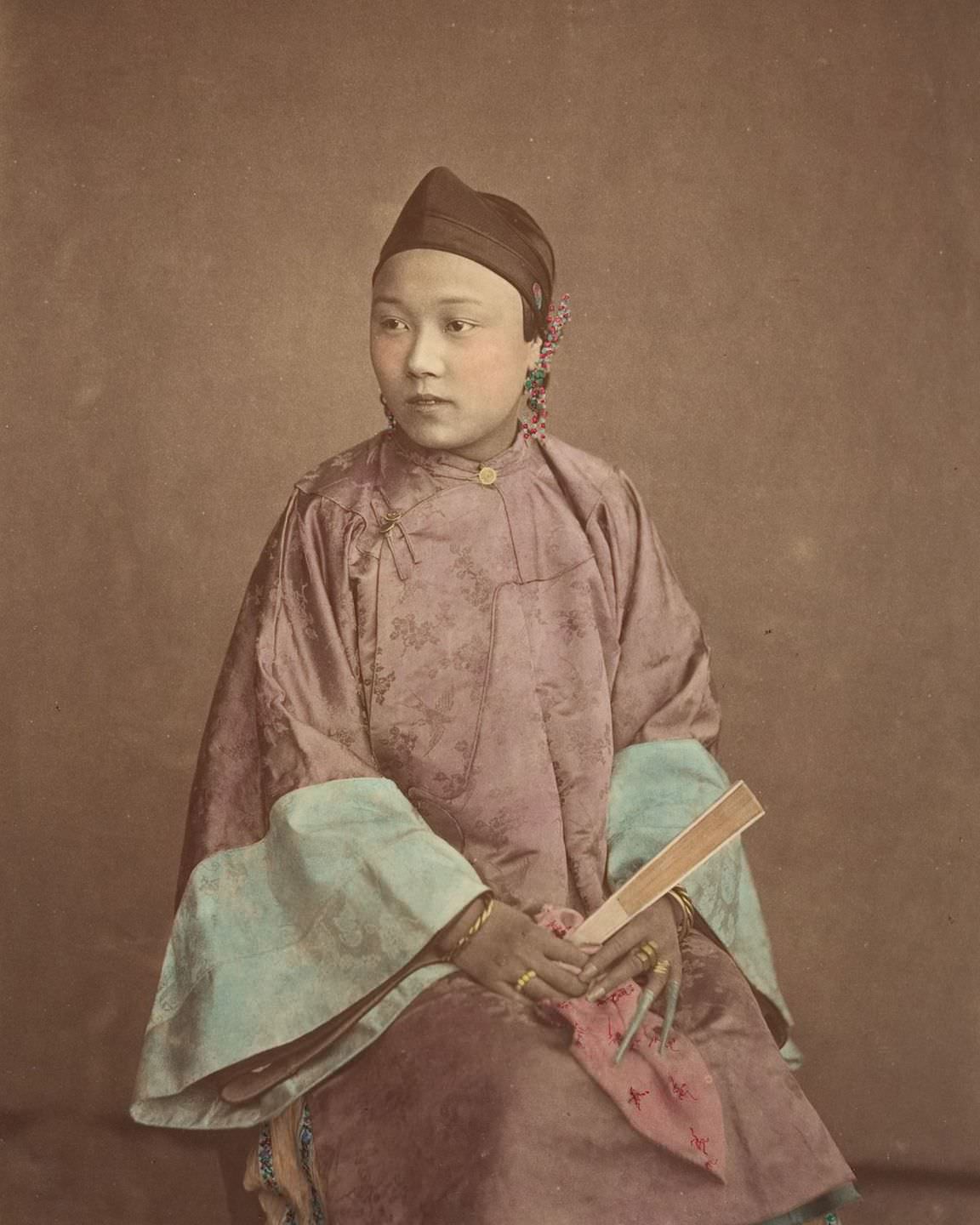
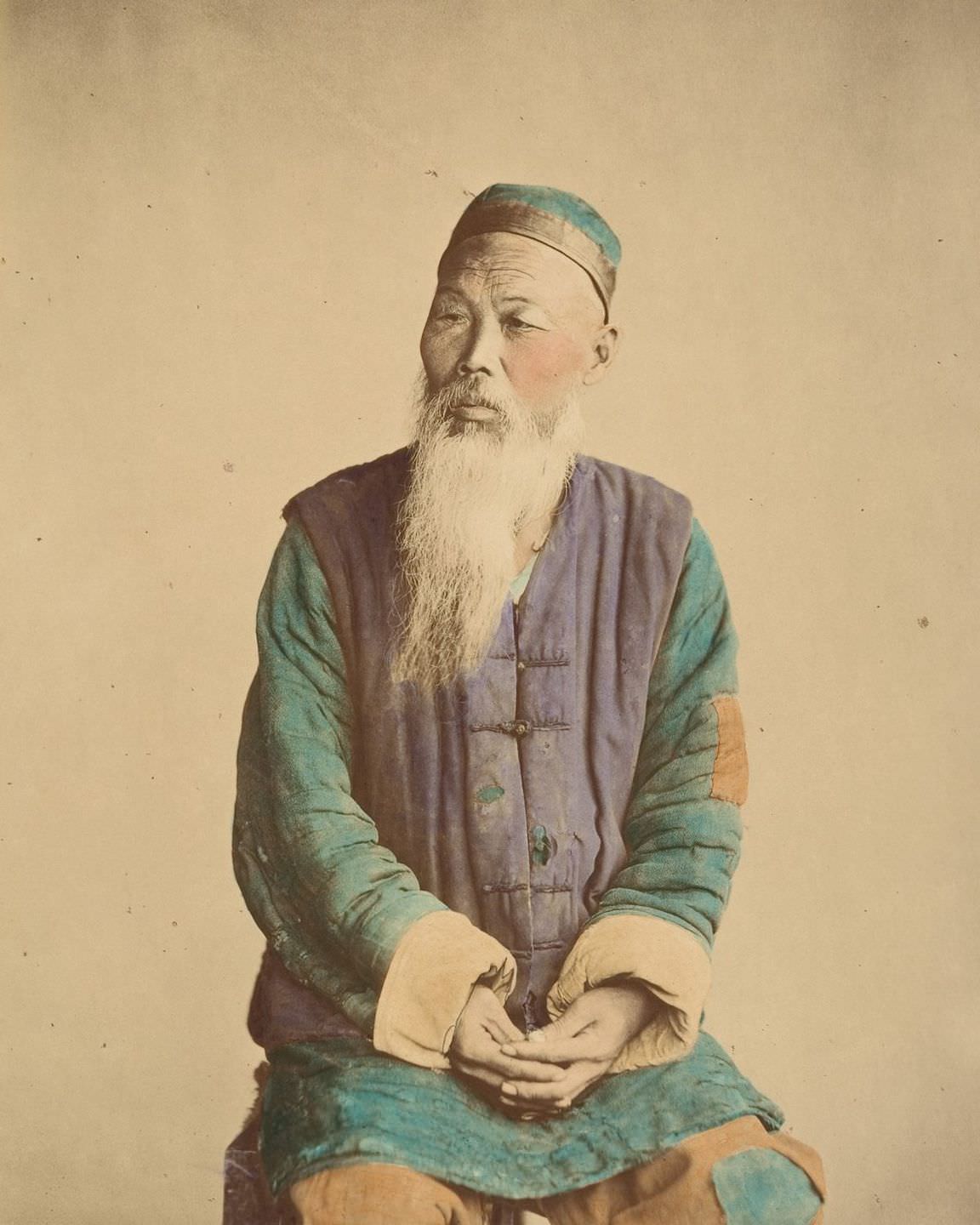
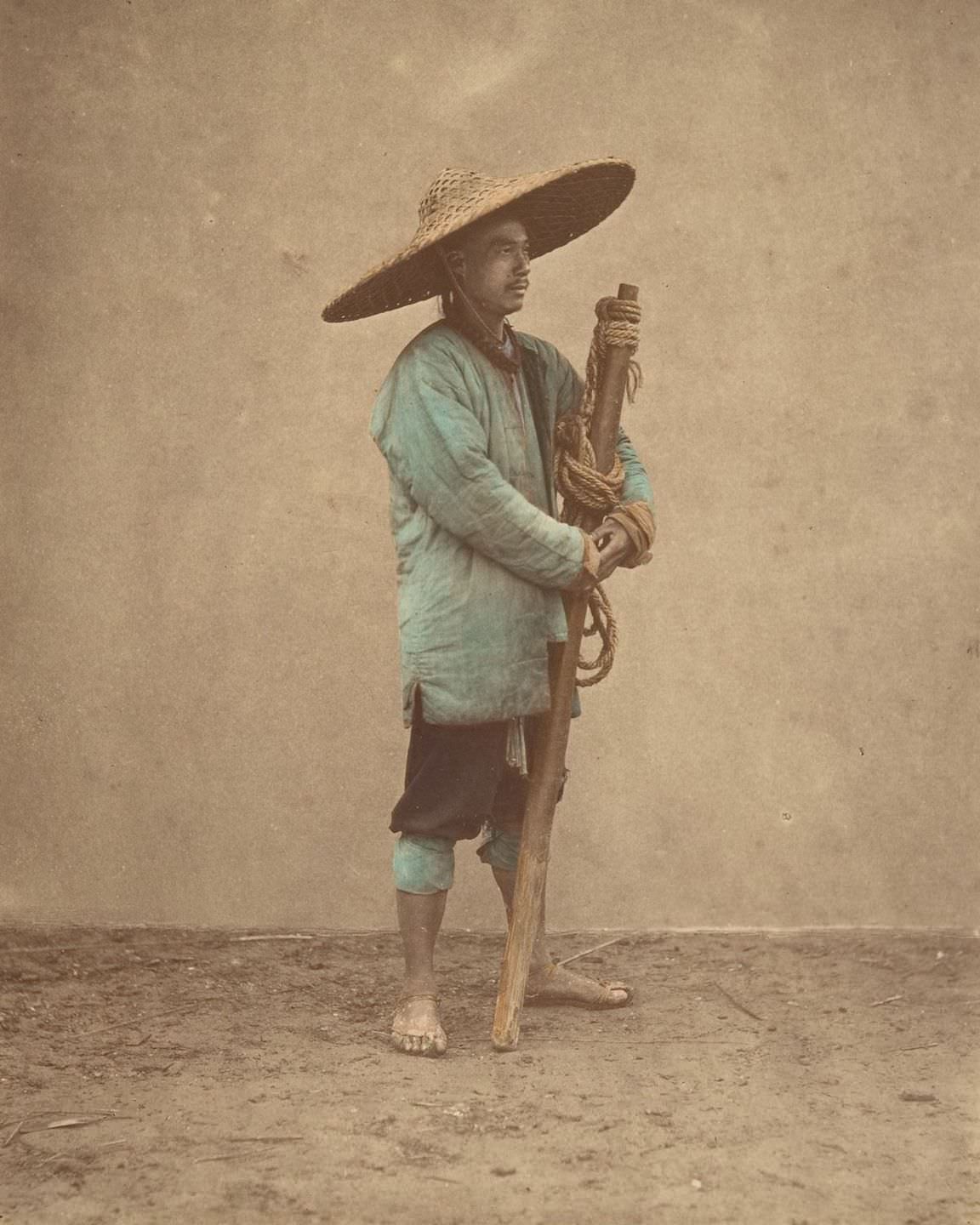
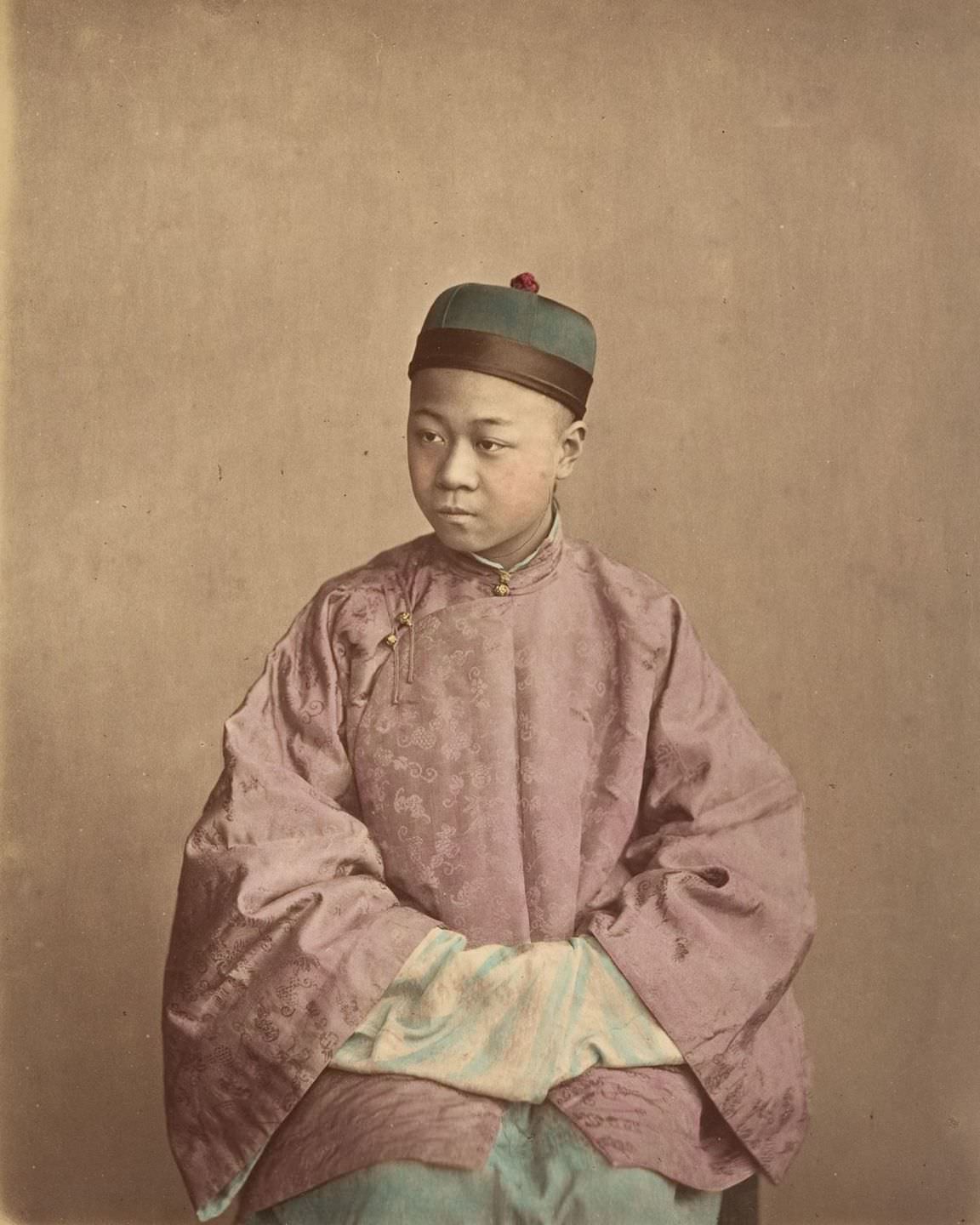
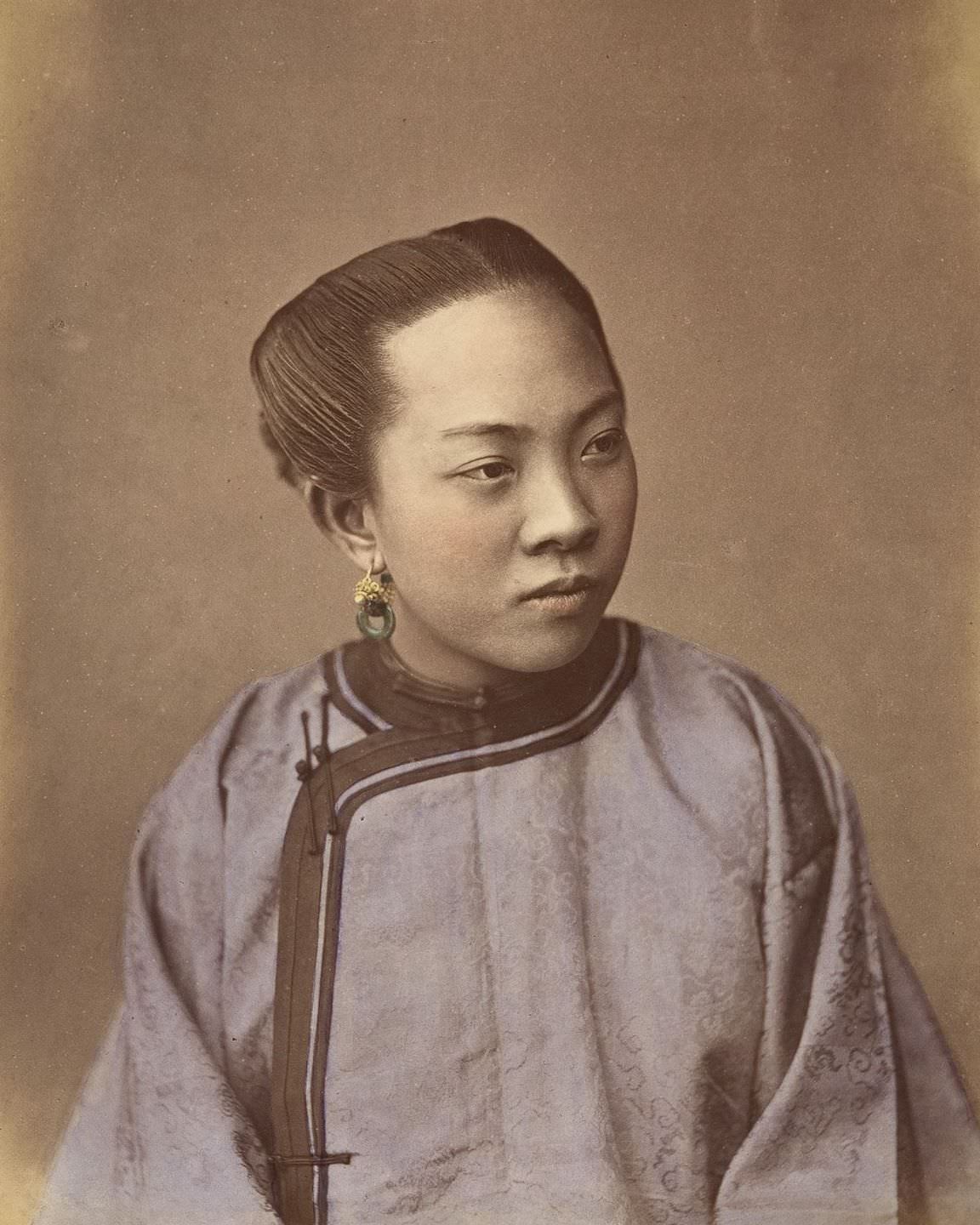
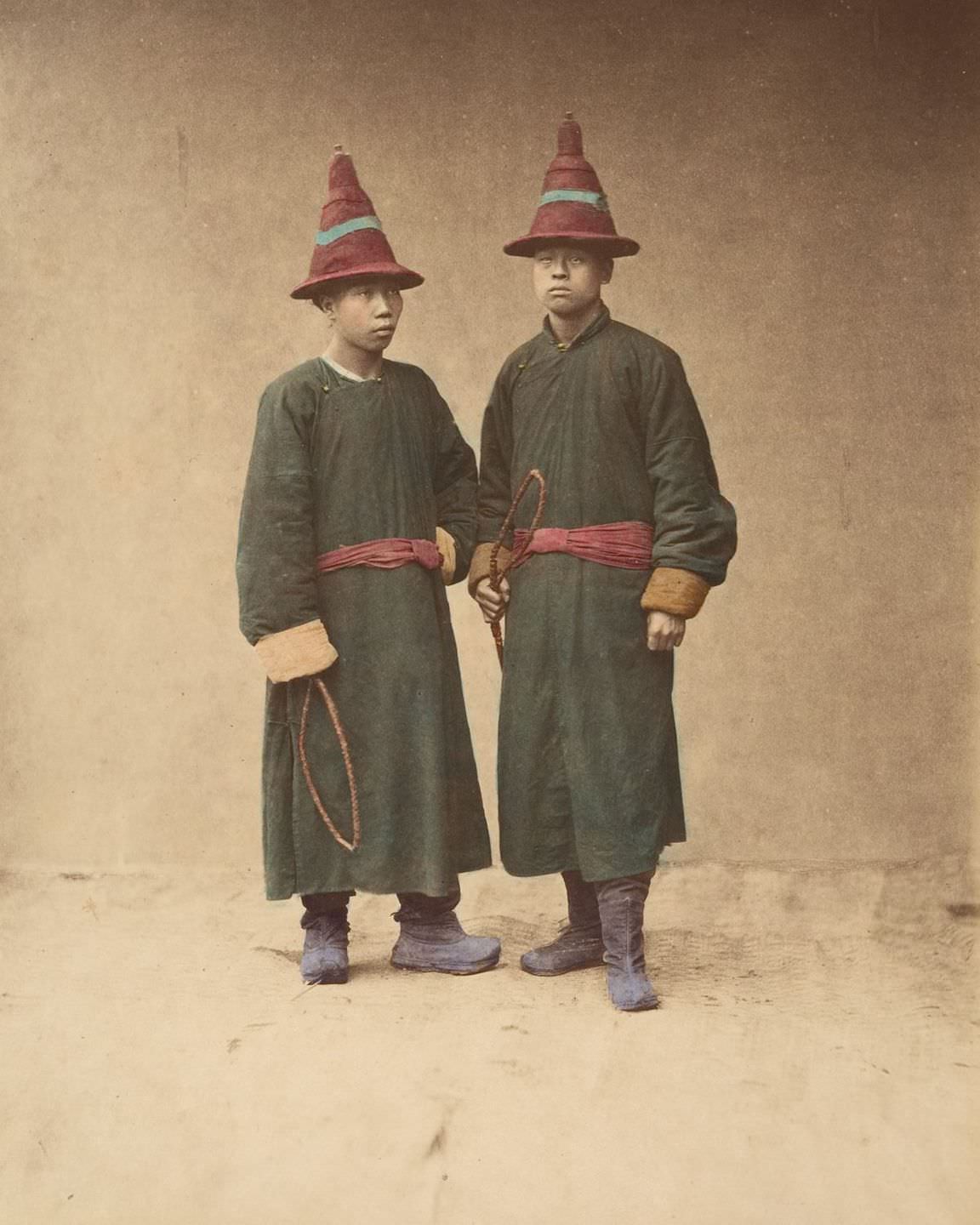
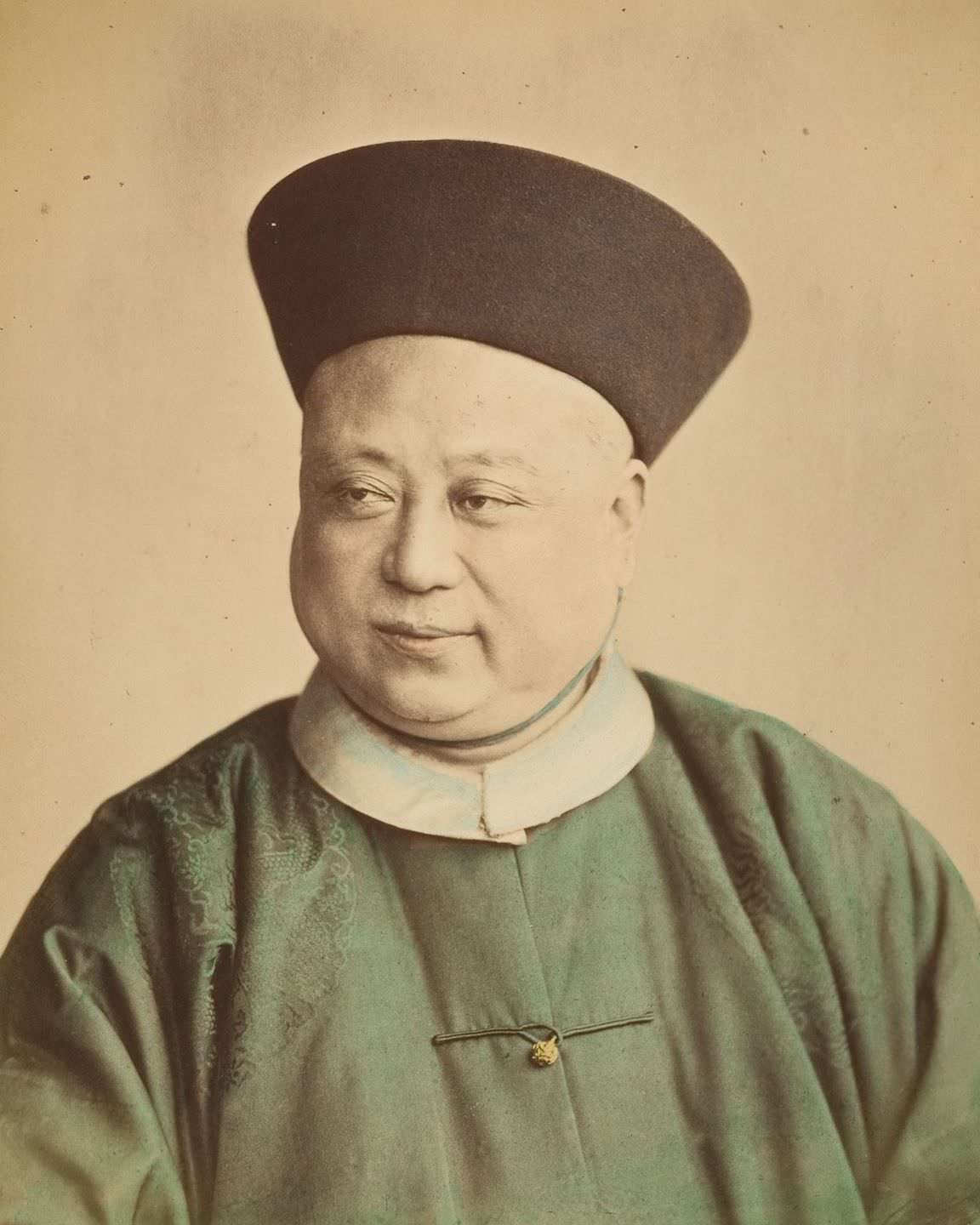
In the mid-1870s, Stillfried turned his lens toward China. He applied the same staged, deliberate aesthetic he had perfected in Japan to a wide range of Chinese subjects. His portraits covered the full breadth of Chinese society — beggars on the street, laborers at work, and wealthy members of the upper class. Each subject was carefully posed in front of the camera.
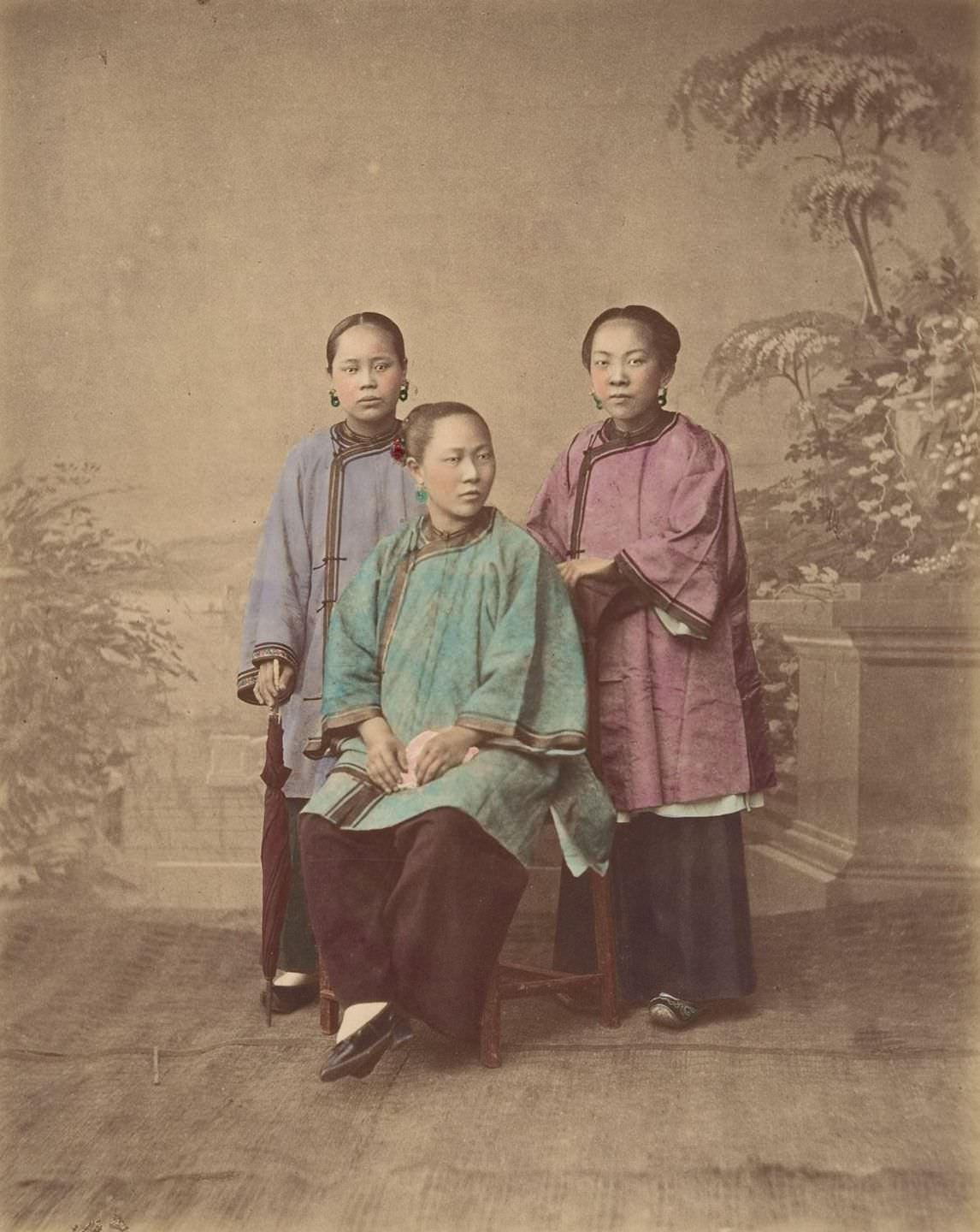
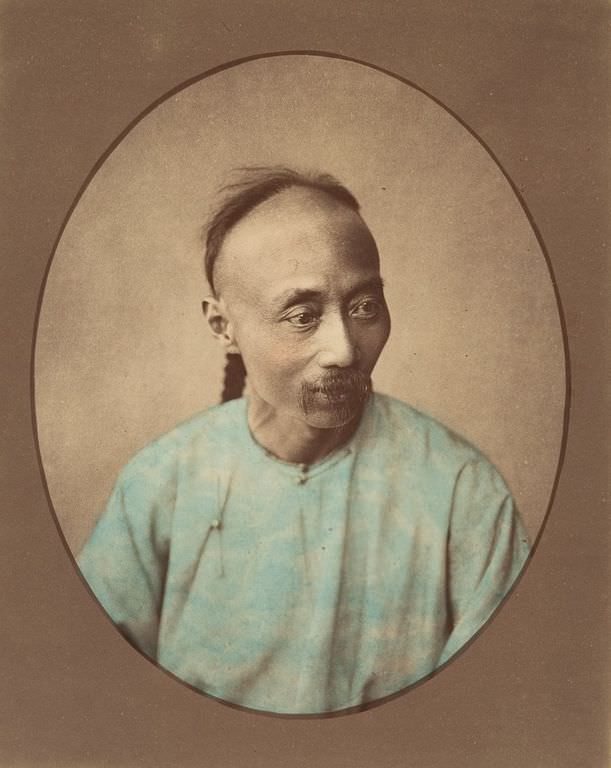
These were not candid snapshots. Stillfried arranged his subjects in controlled studio settings, using costumes and props to represent what he called Chinese “types.” The goal was to show European audiences a cross-section of Chinese life and culture as he interpreted it.
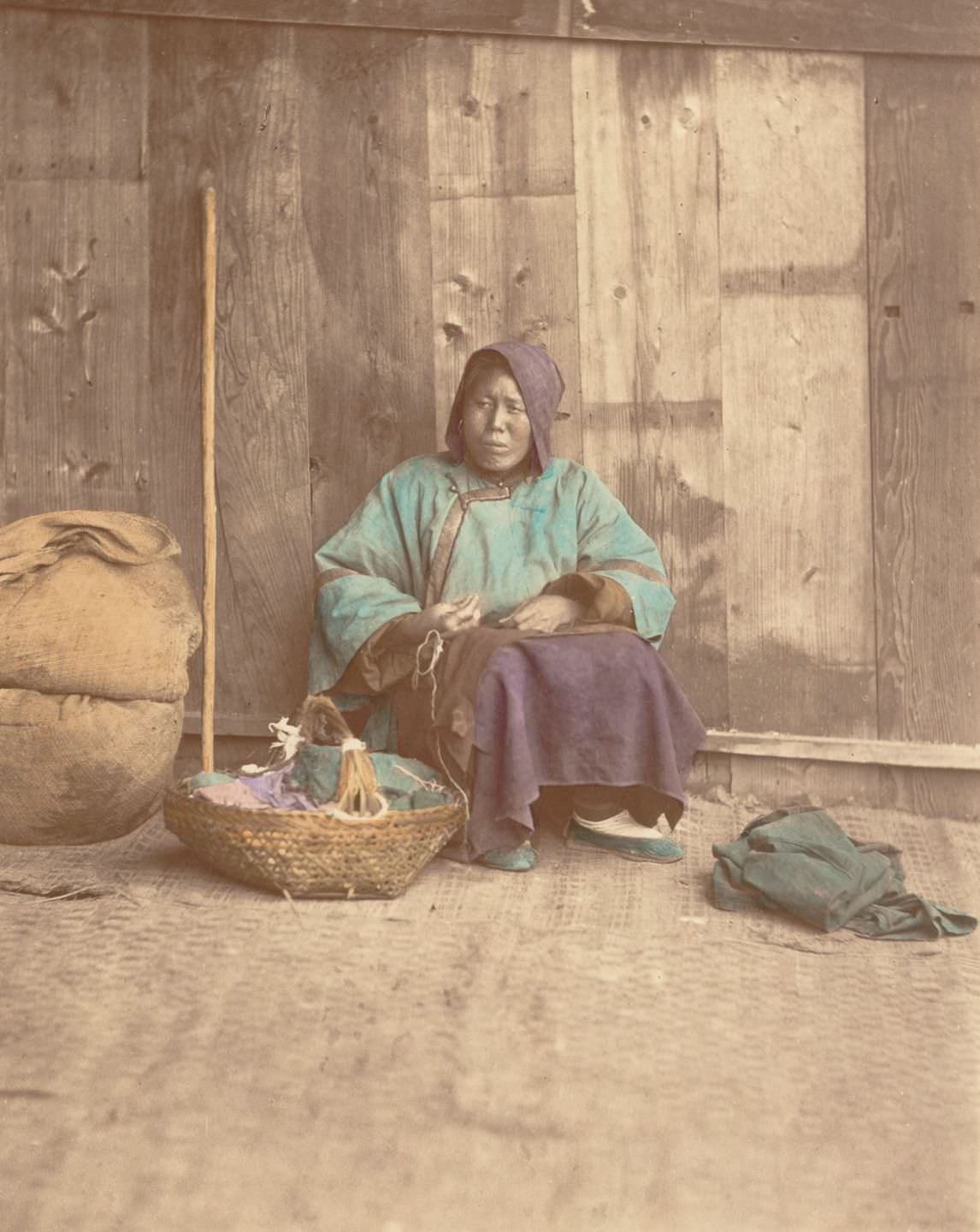
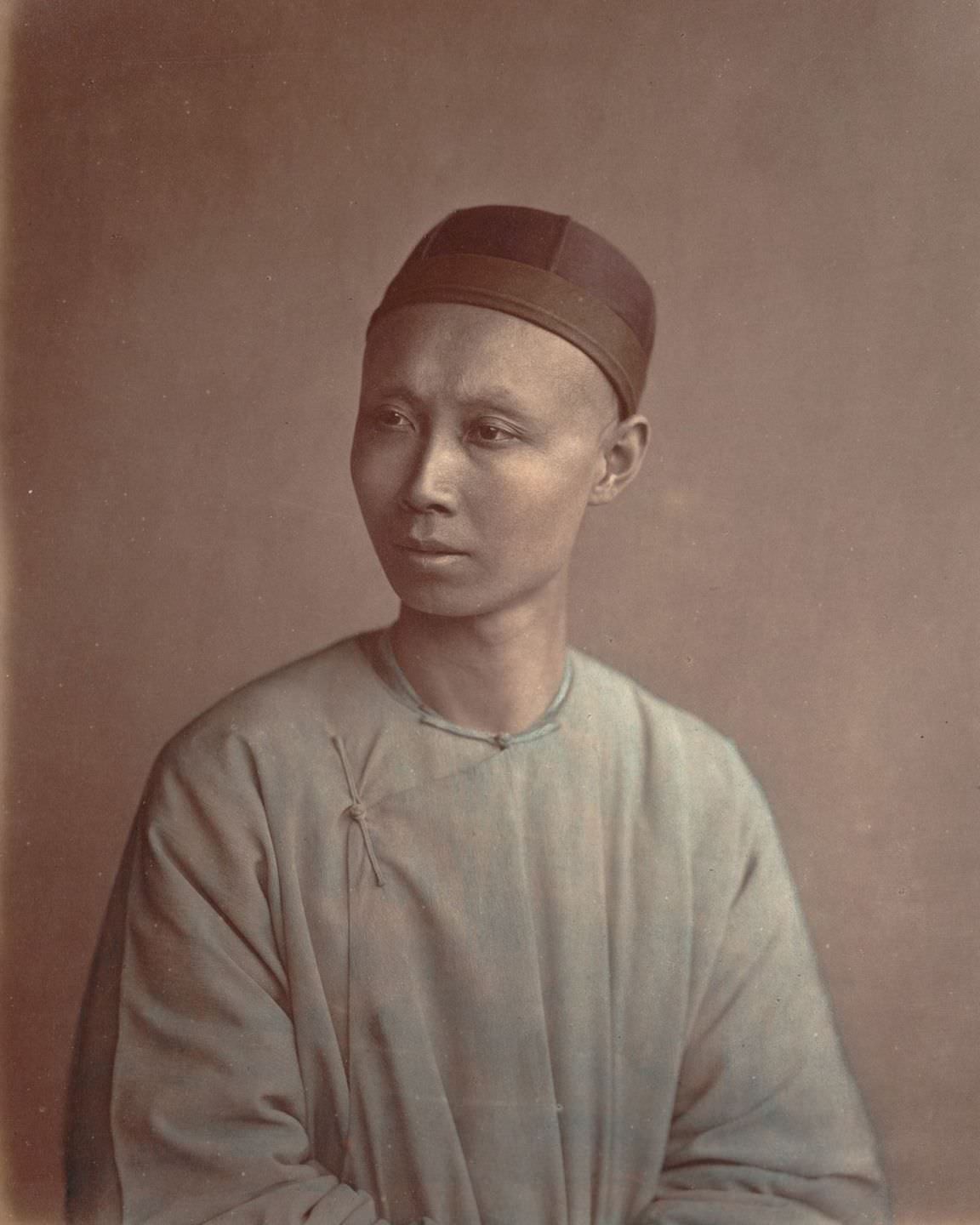
The hand-coloring process itself was labor-intensive. Skilled artists applied thin layers of color directly onto the photographic print, giving garments, skin, and backgrounds a warm, painted quality. The results looked almost like illustrations, yet carried the documentary weight of a photograph.
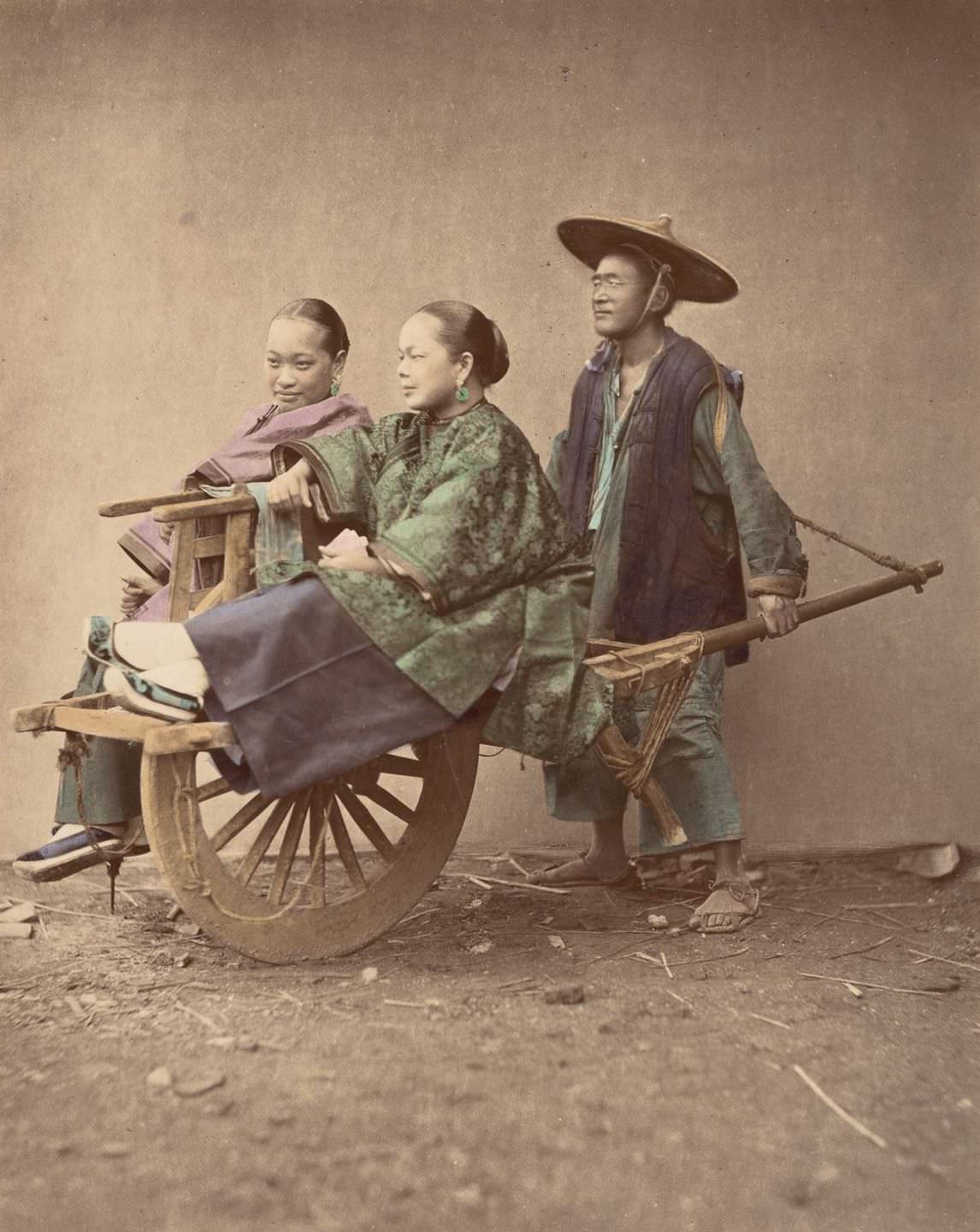
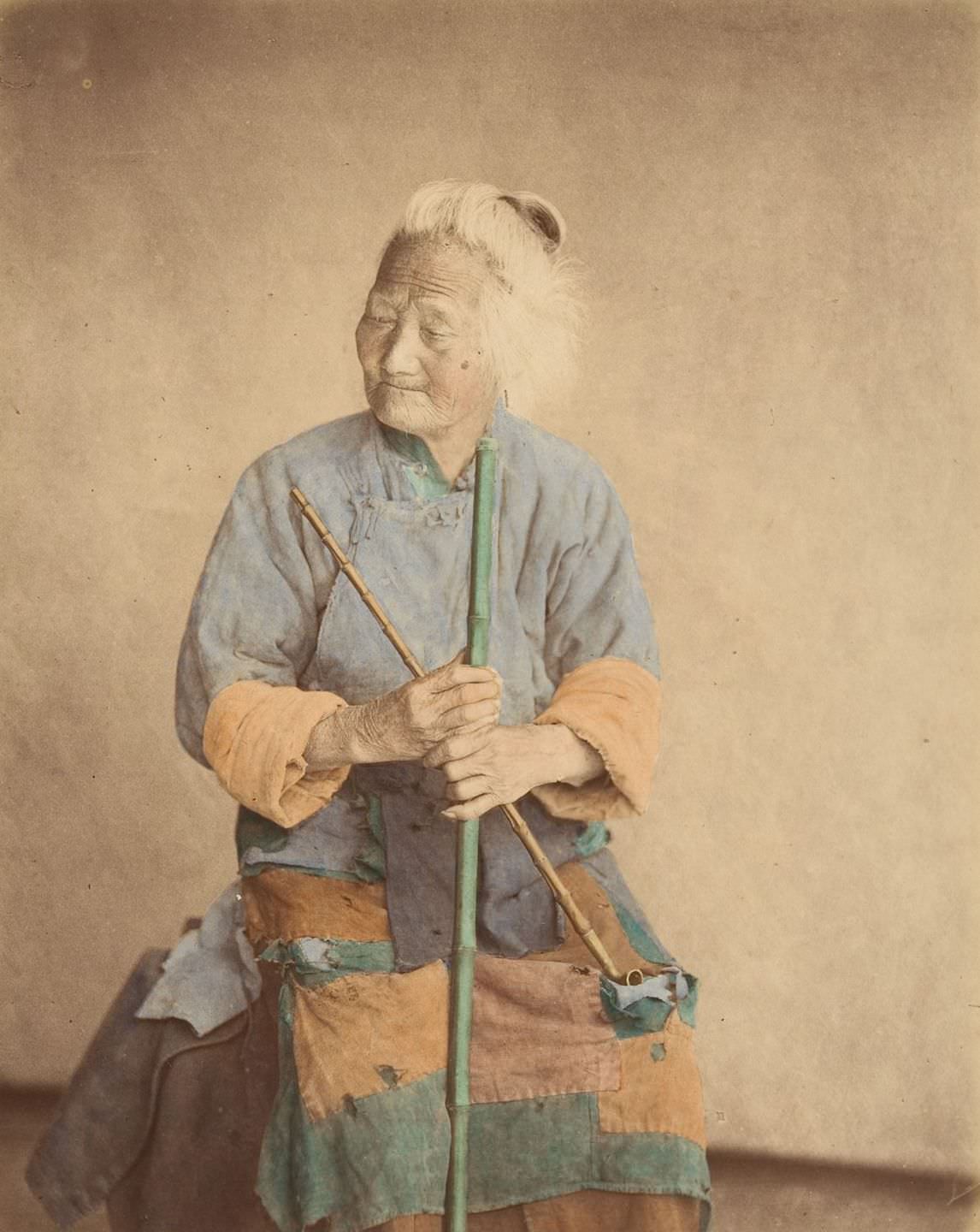
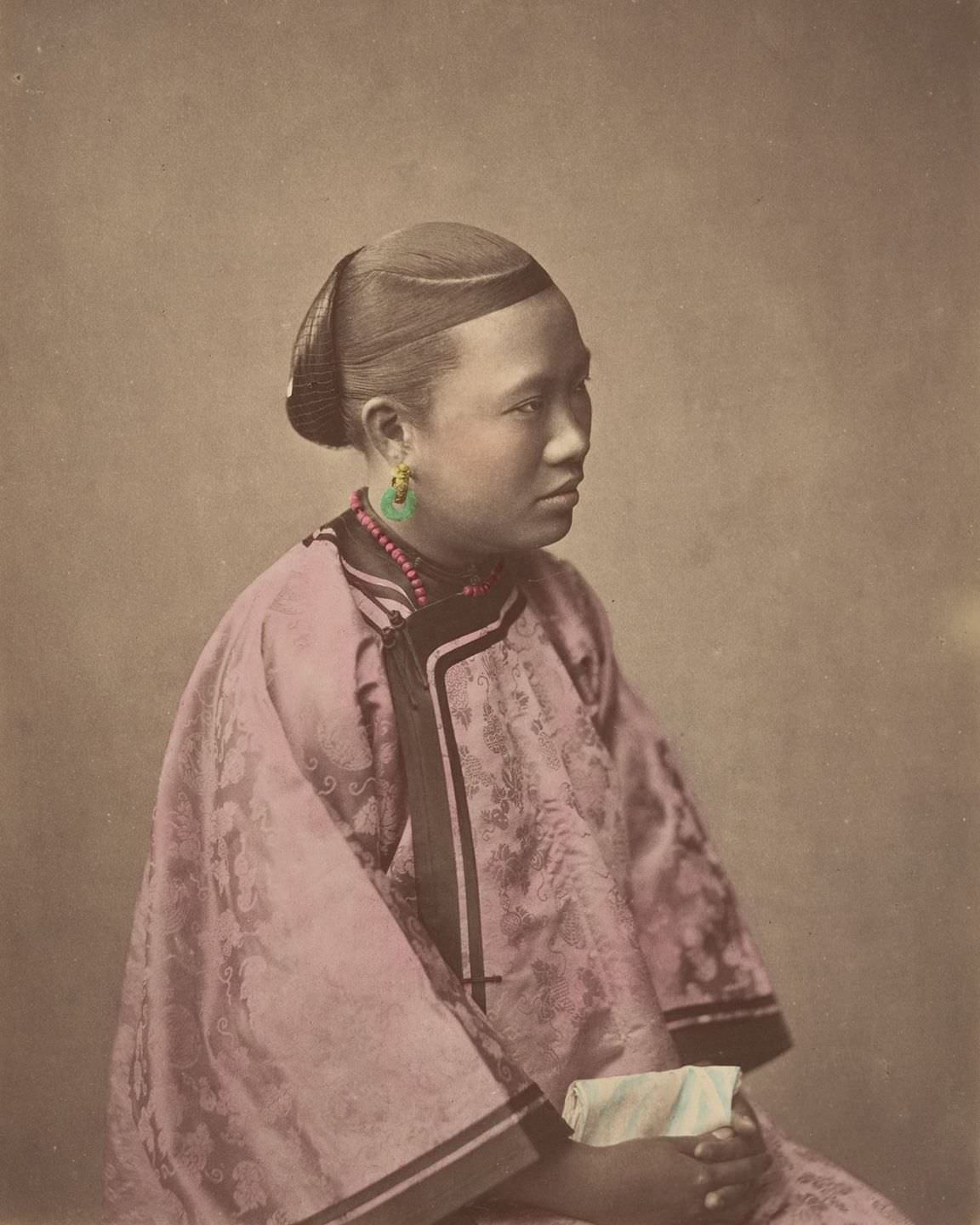
These portraits circulated widely in Europe, where most people had never seen China firsthand. Stillfried’s images shaped how Europeans visualized Chinese dress, customs, and social hierarchy during this period.
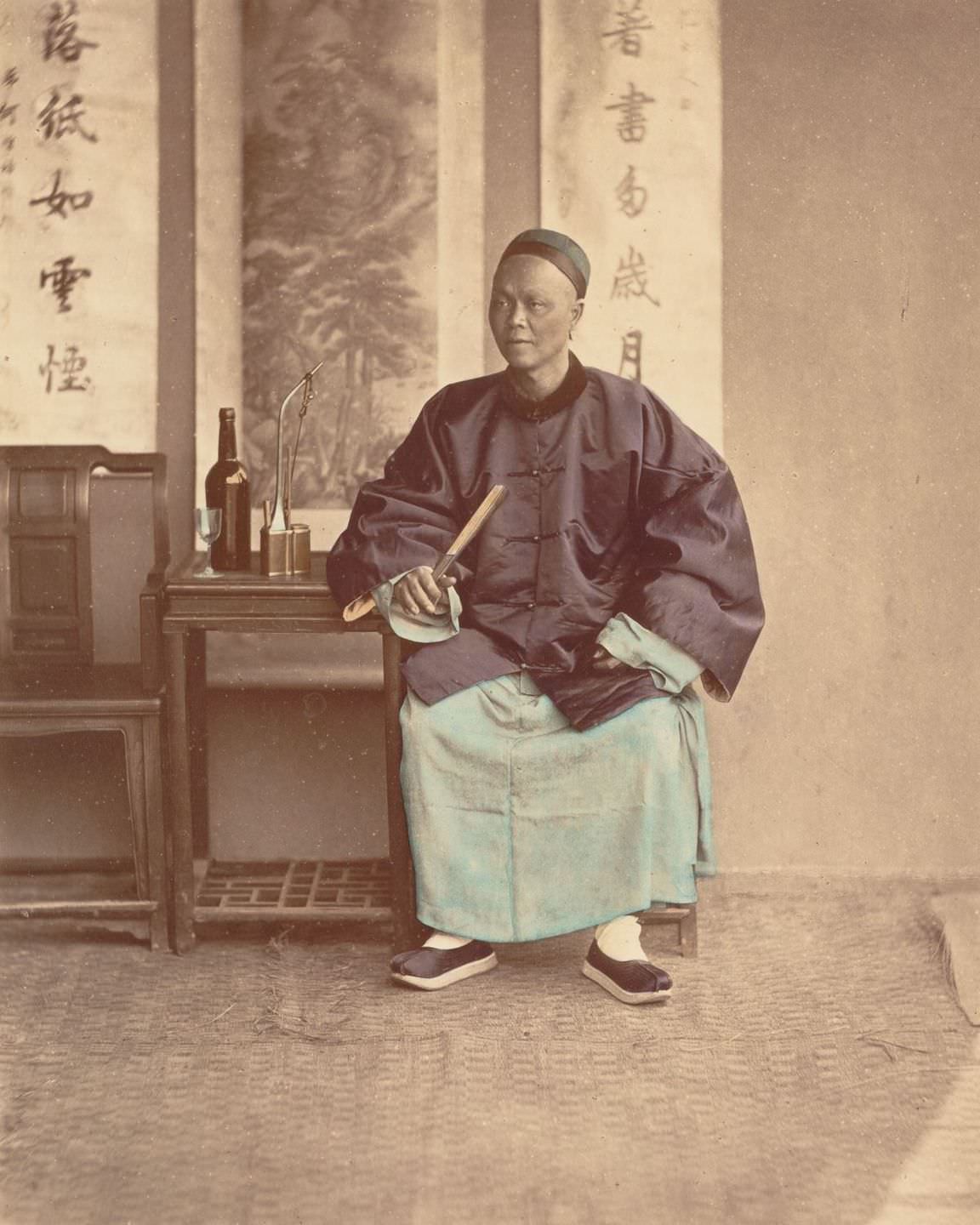
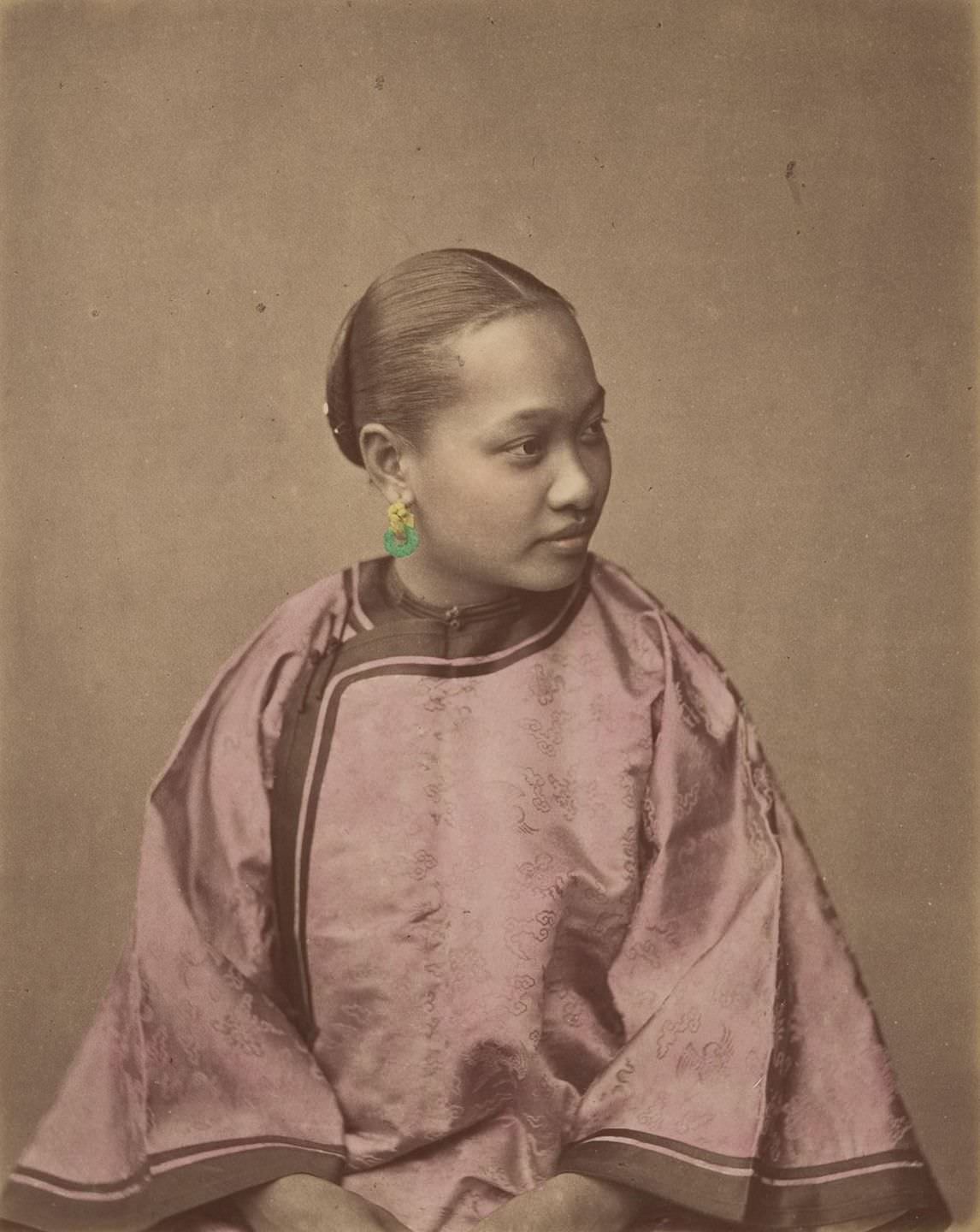
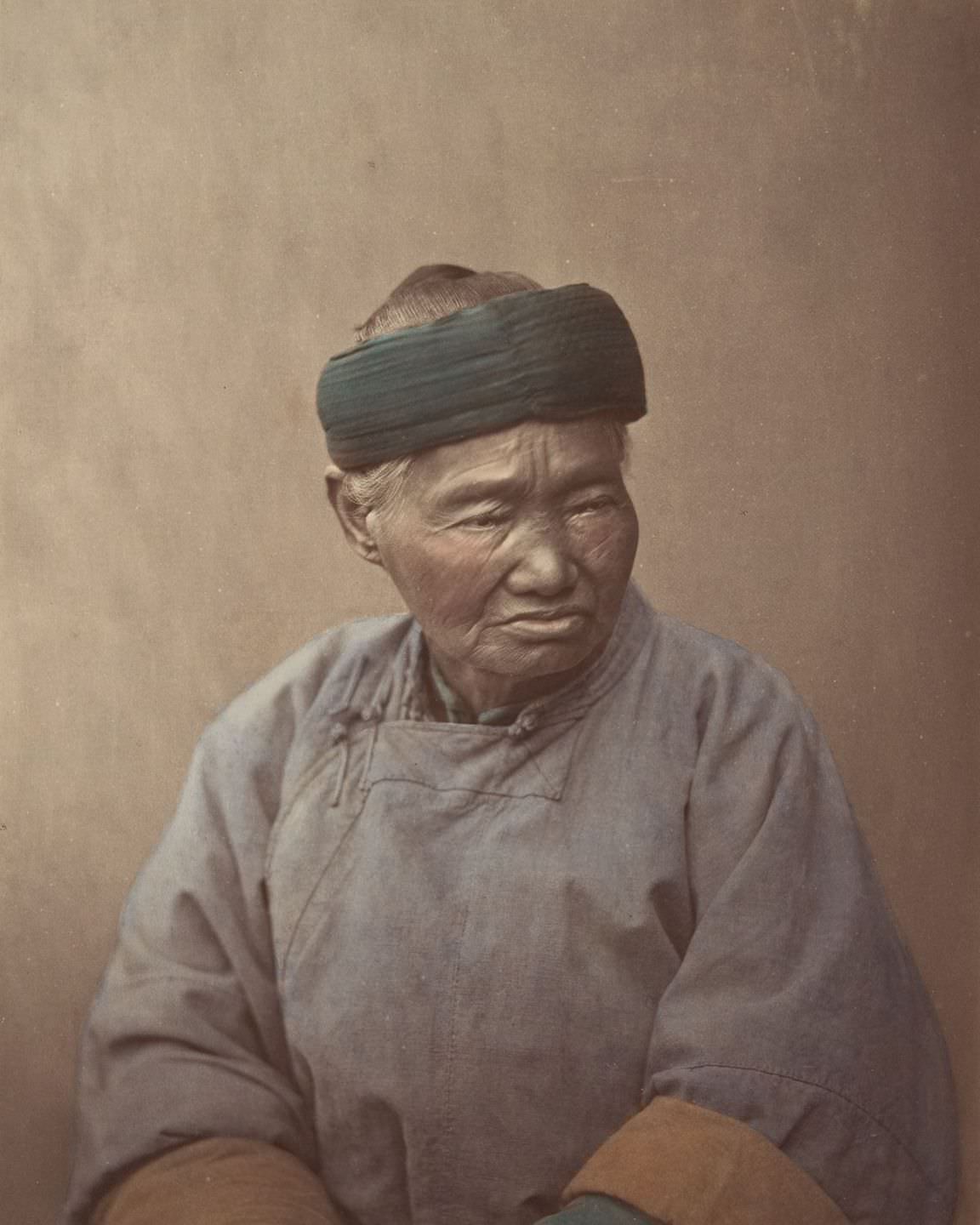
The portraits of lower-class subjects — beggars and street workers — were posed just as formally as those of the wealthy. A beggar might be arranged with the same compositional care as a nobleman, creating a visual record that treated each social class as equally worthy of documentation.
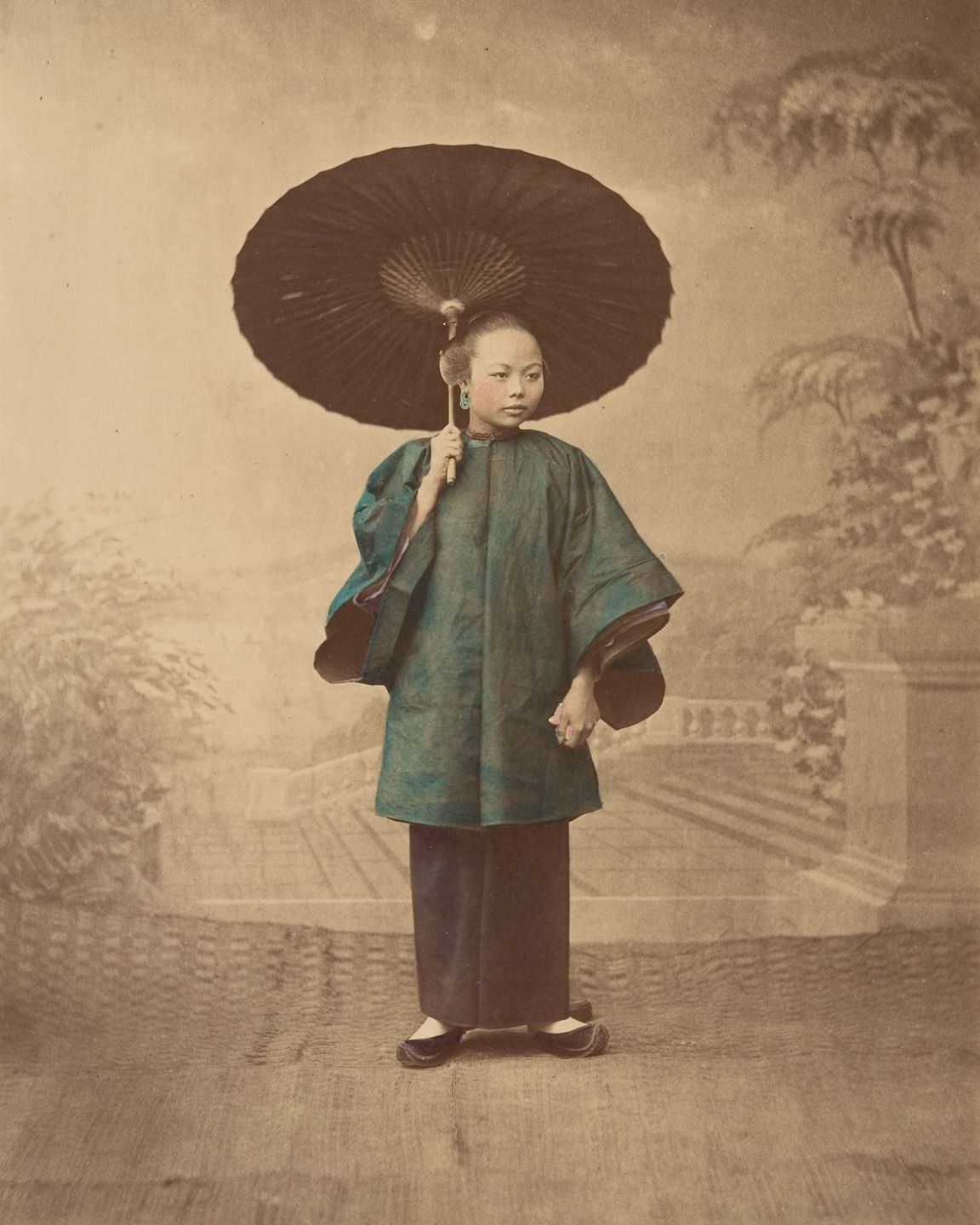
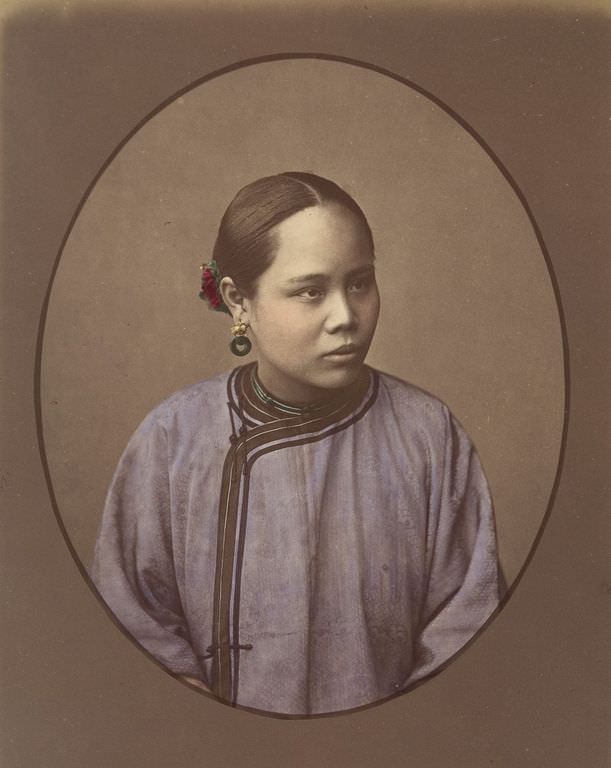
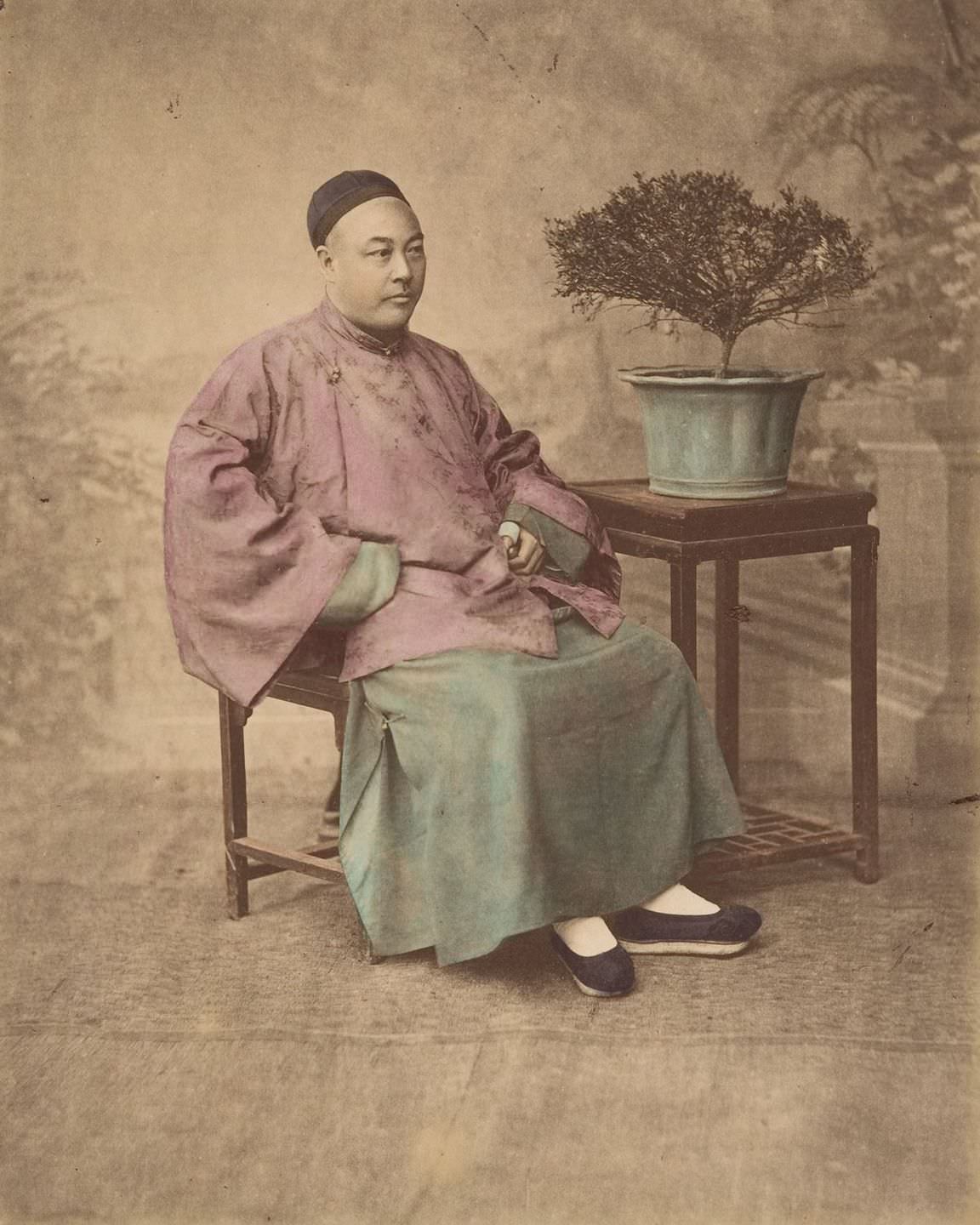
High-society subjects wore elaborate silk robes and formal accessories. Their portraits emphasized status through clothing, posture, and setting. These images gave European buyers a clear — if curated — window into Chinese aristocratic culture of the 1870s.
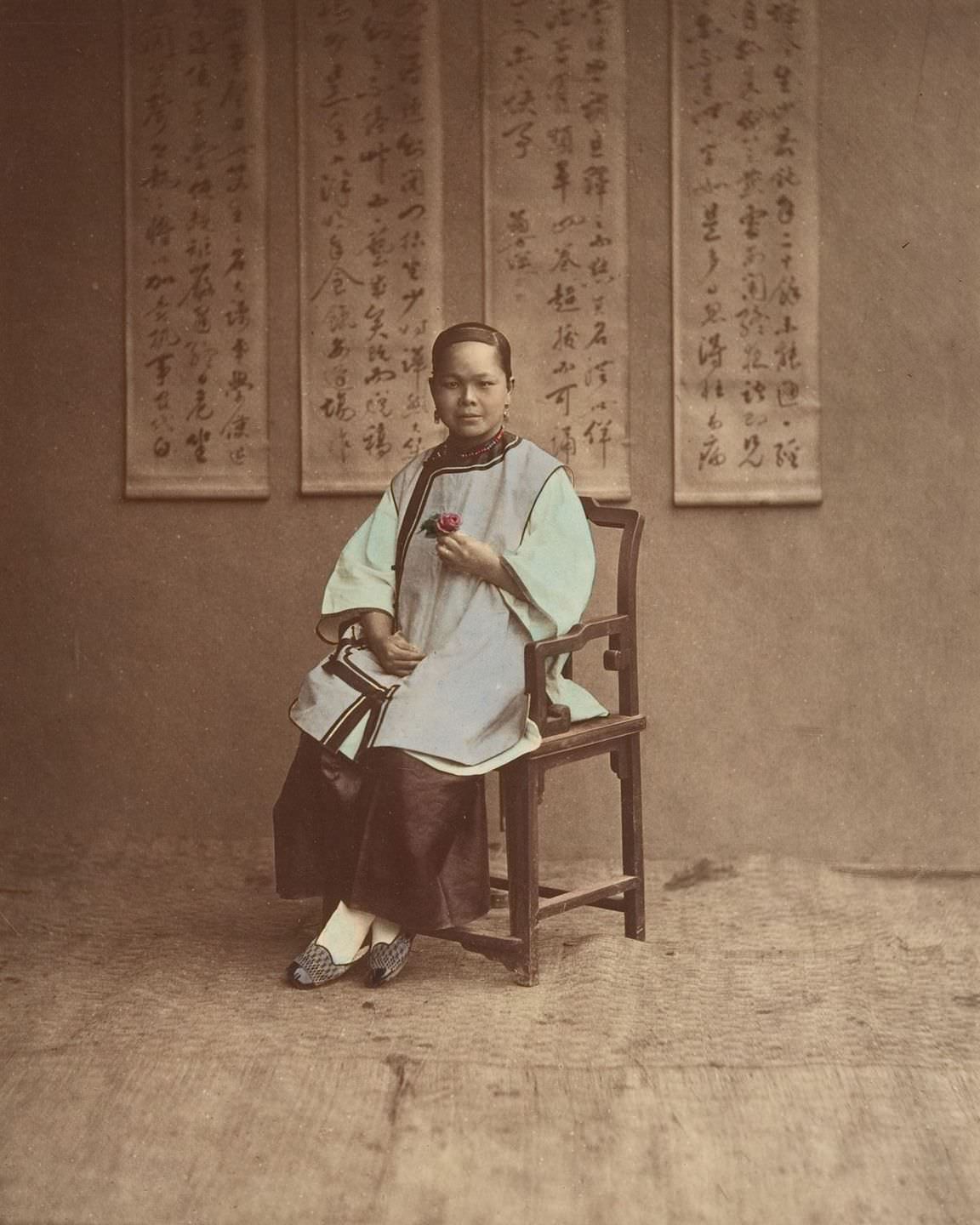
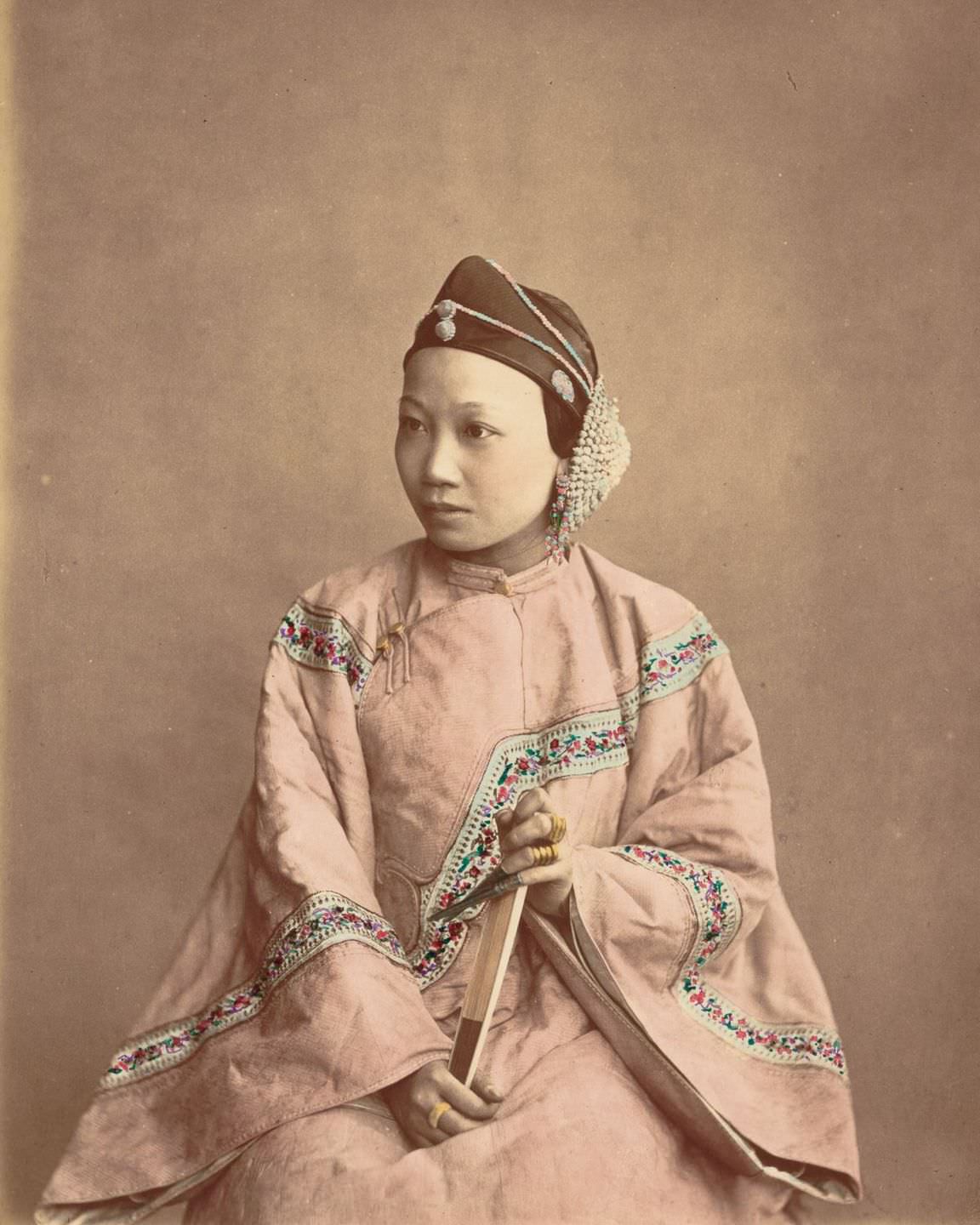
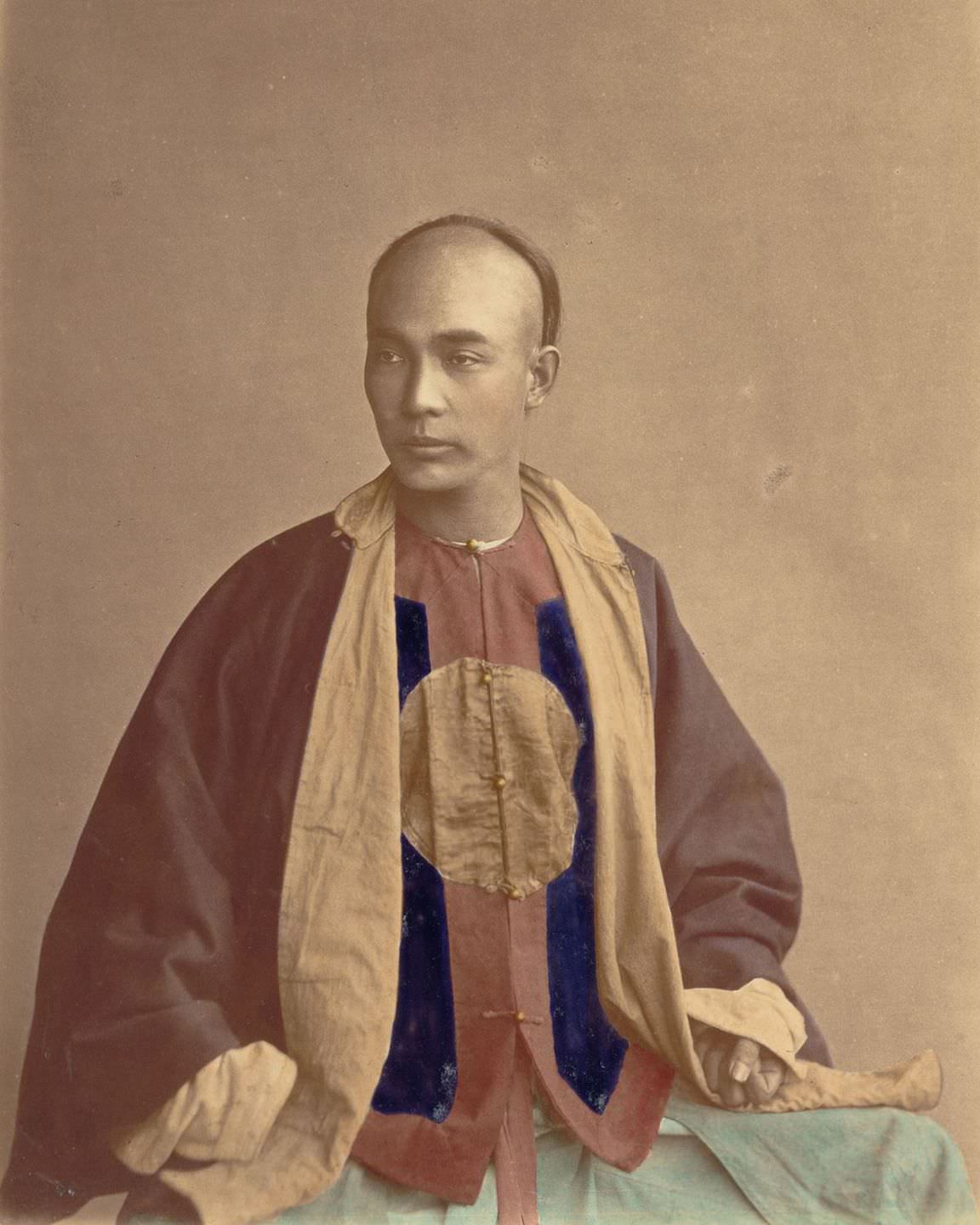
Stillfried’s body of work from this period stands as a rare visual archive. The combination of photographic realism and hand-applied color produced images that remain striking over 150 years later.