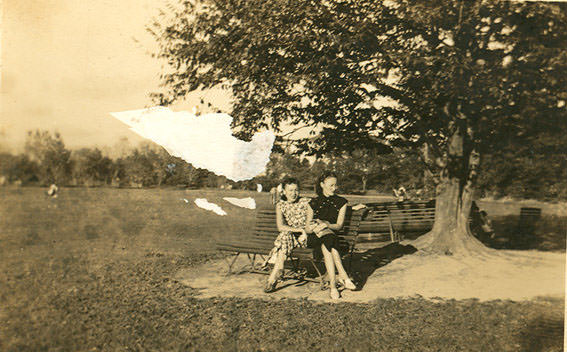
China in the 1930s was a country caught between rapid change and deep instability. Industrialization was slowly taking hold in the cities, but it never moved fast enough to lift the broader population. Three competing forces — the Nationalist government based in Nanjing, the Chinese Communist Party, and a loose network of regional warlords — kept the country in a constant state of political tension. These rare photographs capture the lives of ordinary people living through one of the most turbulent decades in Chinese history.
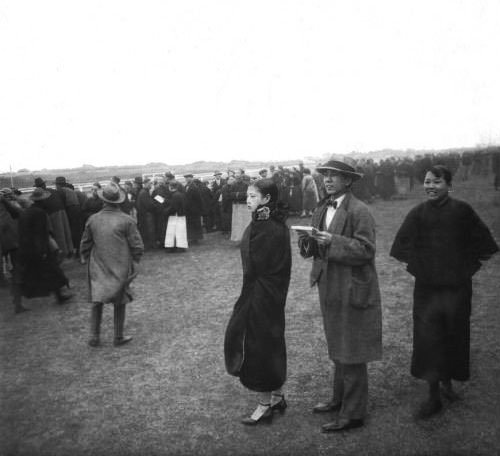
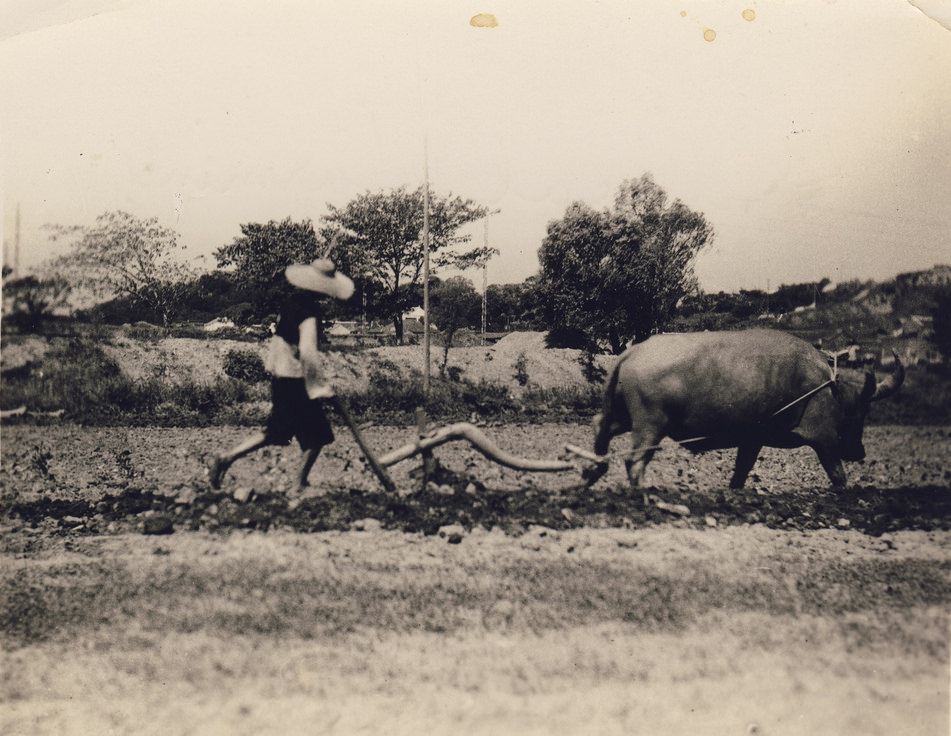
The global Great Depression hit China’s rural communities with brutal force. Western countries were producing far more food than their own markets could absorb, so large quantities of grain, rice, and other agricultural goods were shipped and sold cheaply in China. The flood of cheap imports crushed local farmers. China imported 21 million bushels of rice in 1931, compared to just 12 million in 1928. Grain imports told an even starker story — rising from 900,000 bushels in 1928 to 15 million bushels by 1932.
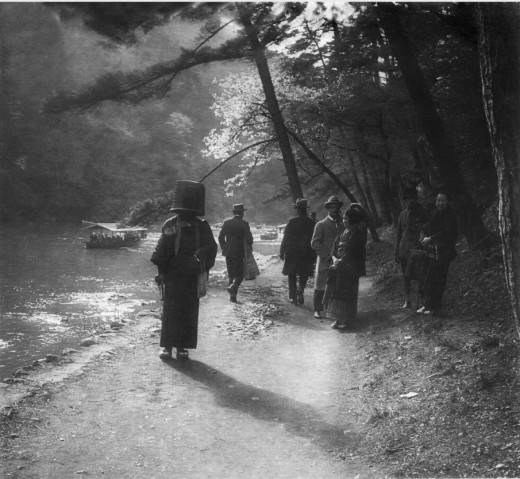
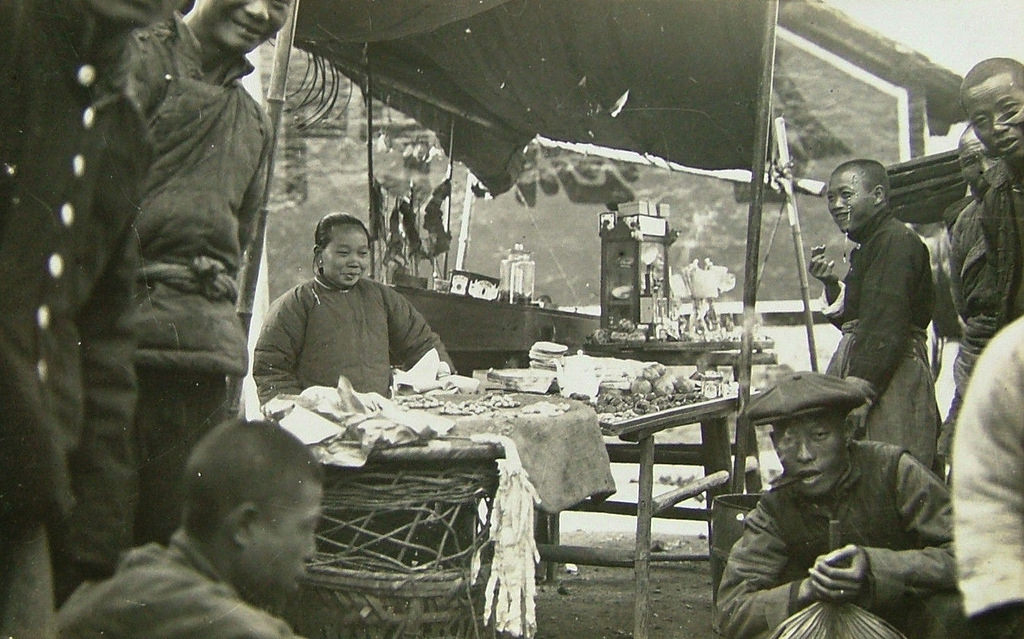
Farmers had no way to compete. Agricultural prices across China fell 41% between 1921 and 1932. In some rural areas, family incomes dropped to just 57% of what they had been in 1931 alone. People who had survived modest but stable lives found themselves unable to cover basic costs. Markets that once buzzed with local trade grew quieter as money dried up.
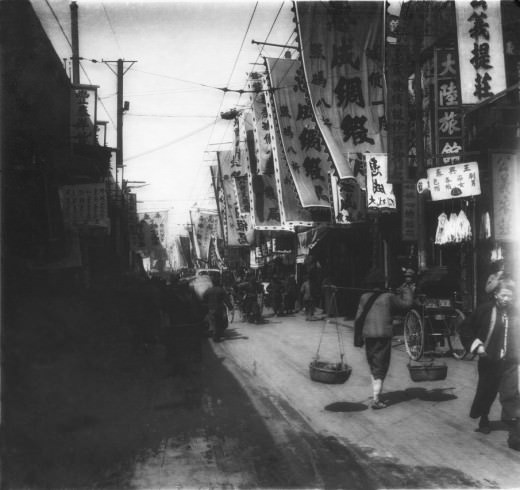
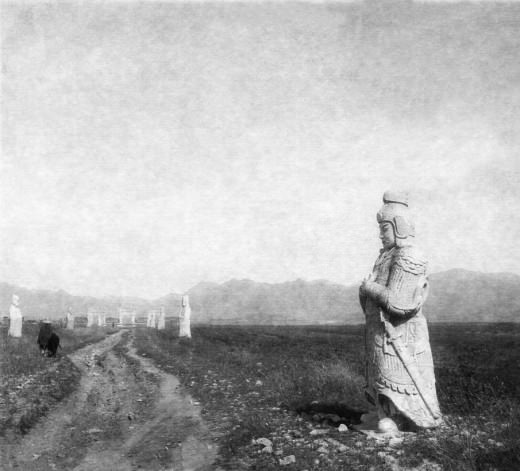
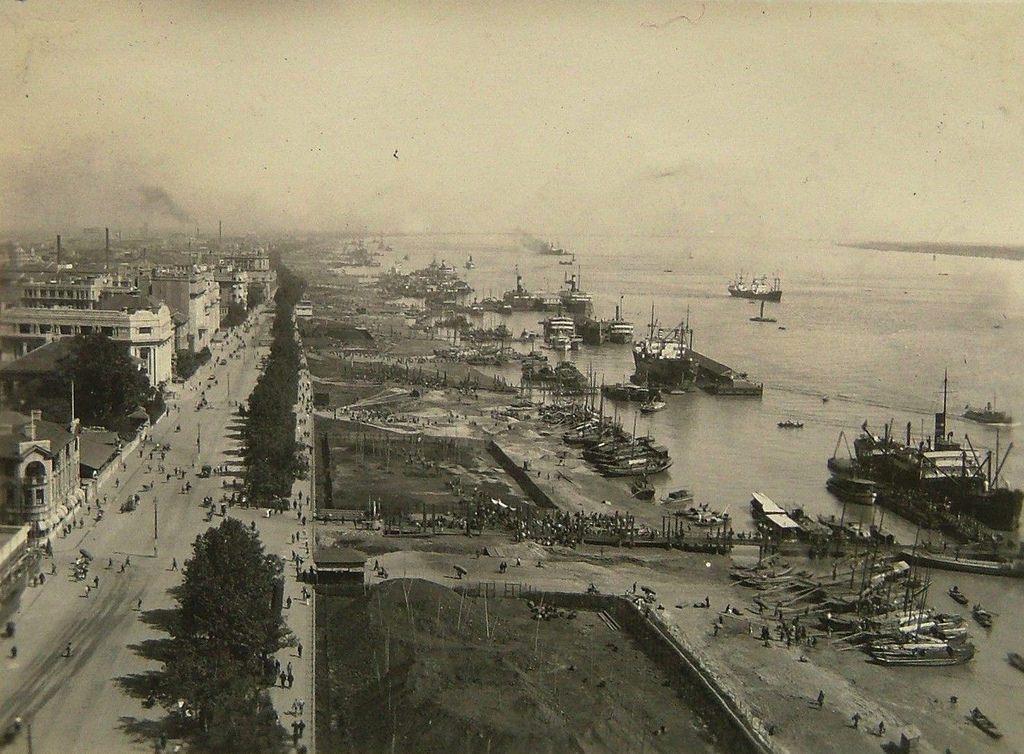
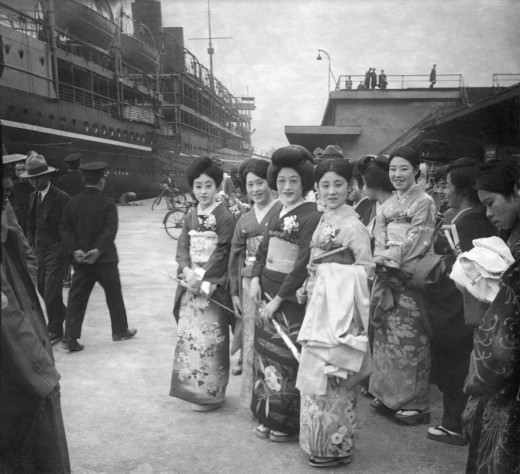
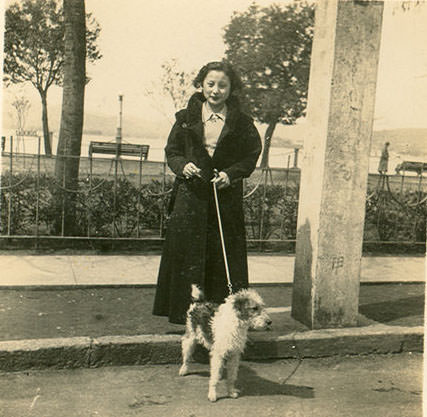
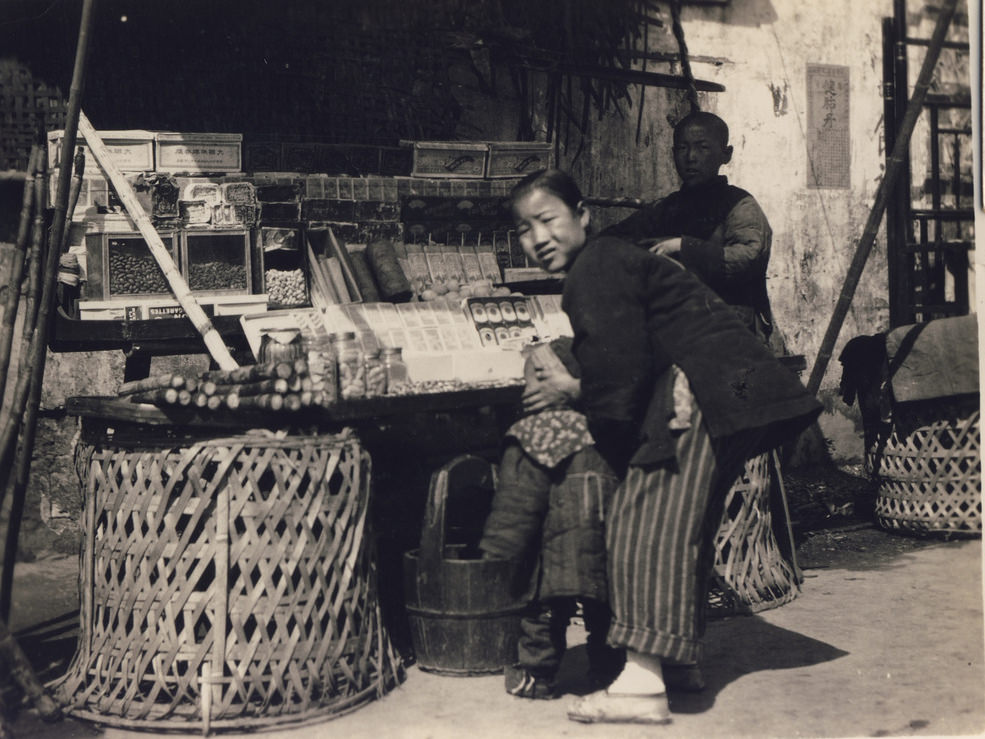
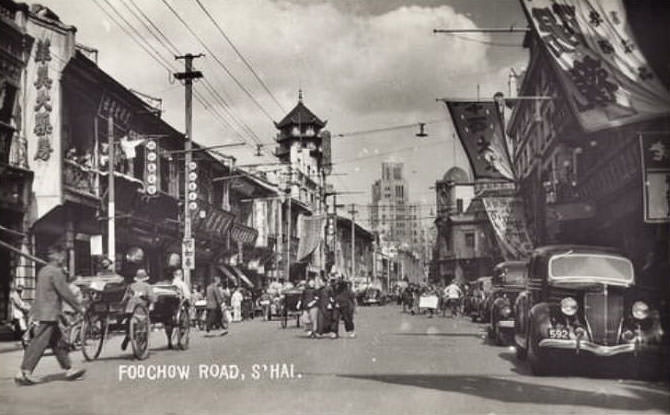
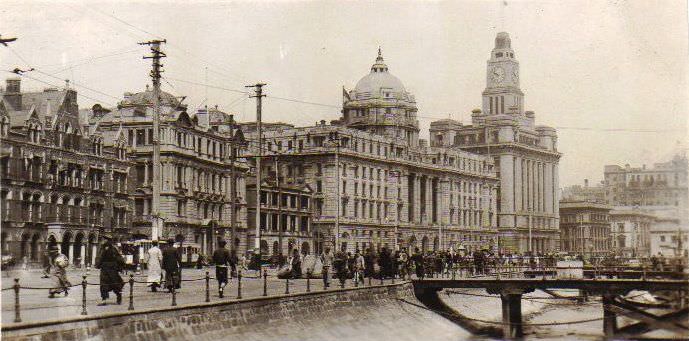
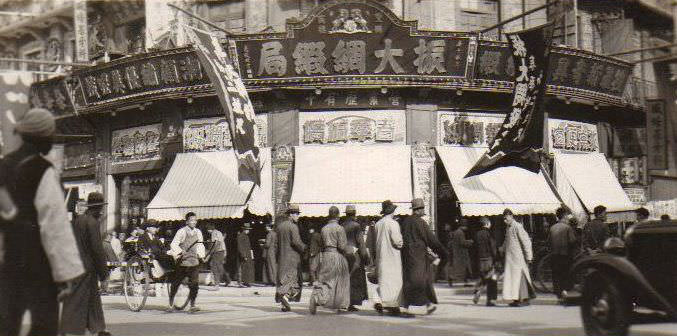
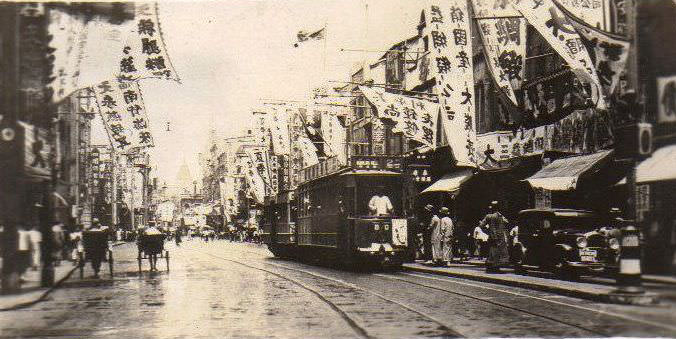
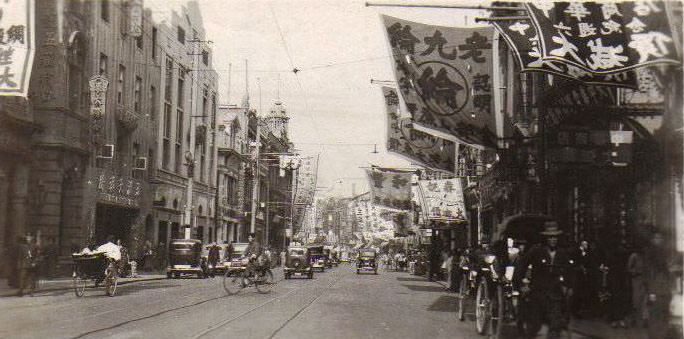
City life looked very different from the countryside. China’s urban centers, especially along the eastern coast, were developing pockets of modern commerce, transport, and industry. Shanghai in particular had become one of Asia’s most active trading cities, mixing Chinese tradition with foreign business influence. These photographs show that contrast clearly — street vendors beside motor vehicles, traditional dress alongside Western styles.
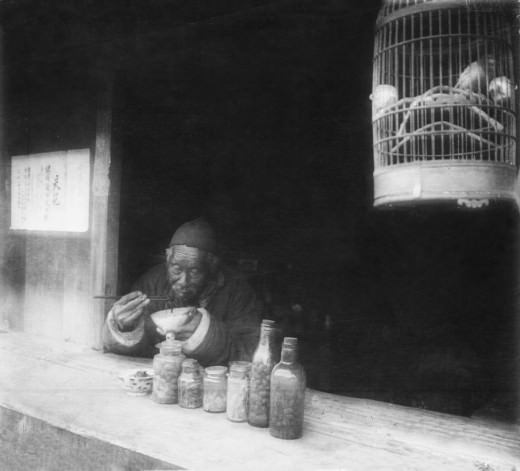
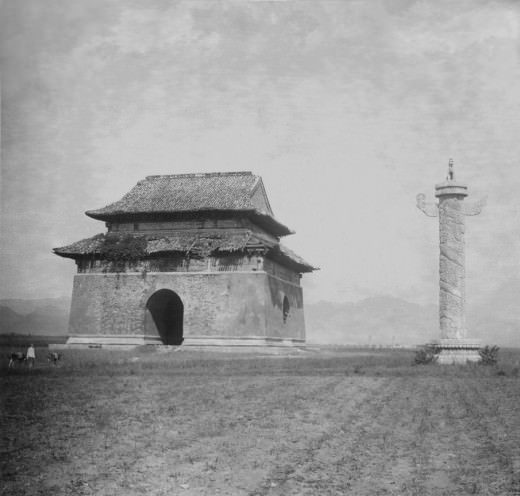
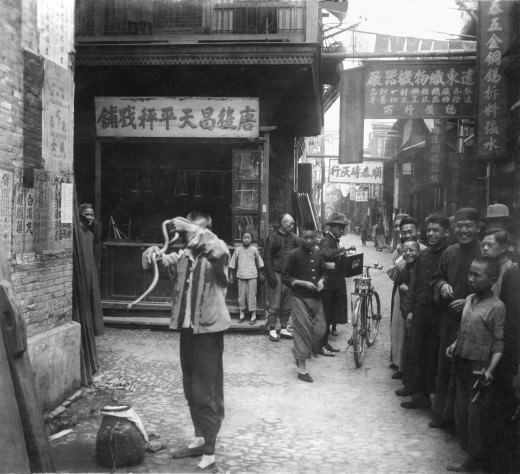
Daily life carried on in the midst of political uncertainty. Markets operated, children attended school, and workers filled the streets. But the tension was never far away. Japan had seized Manchuria in 1931, and the threat of further invasion loomed over the entire country through the mid-1930s.
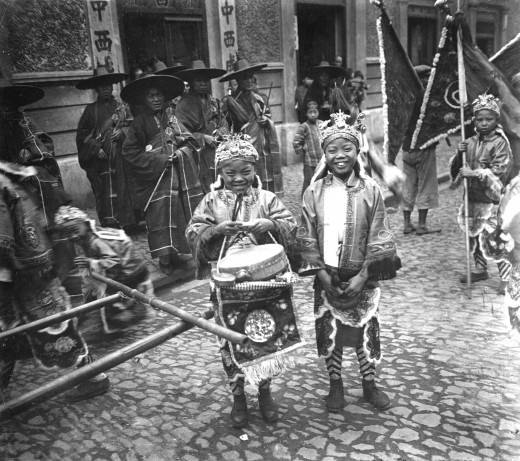
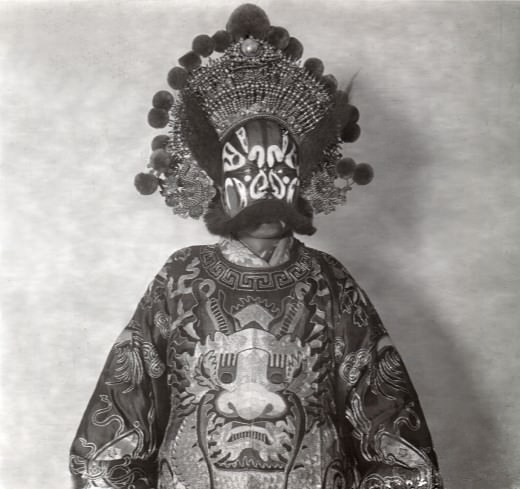
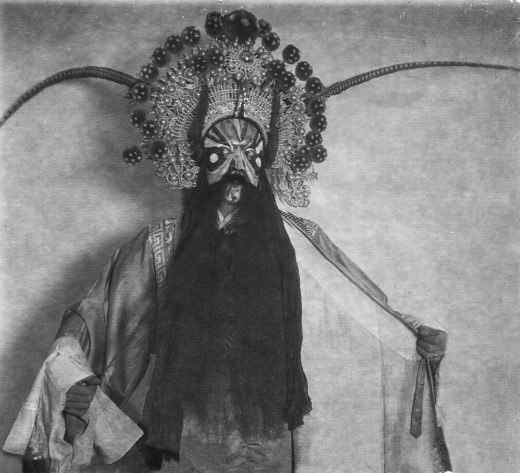
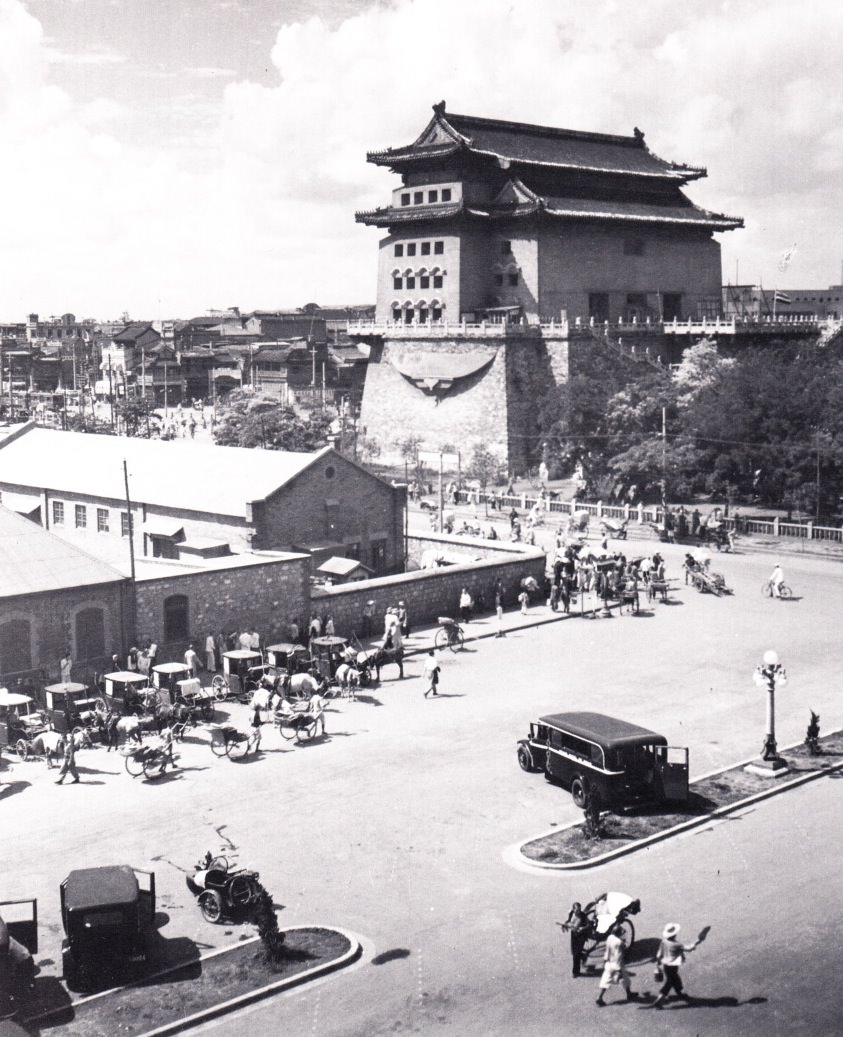
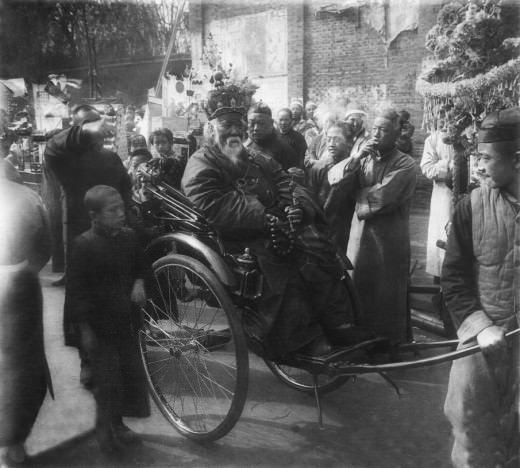
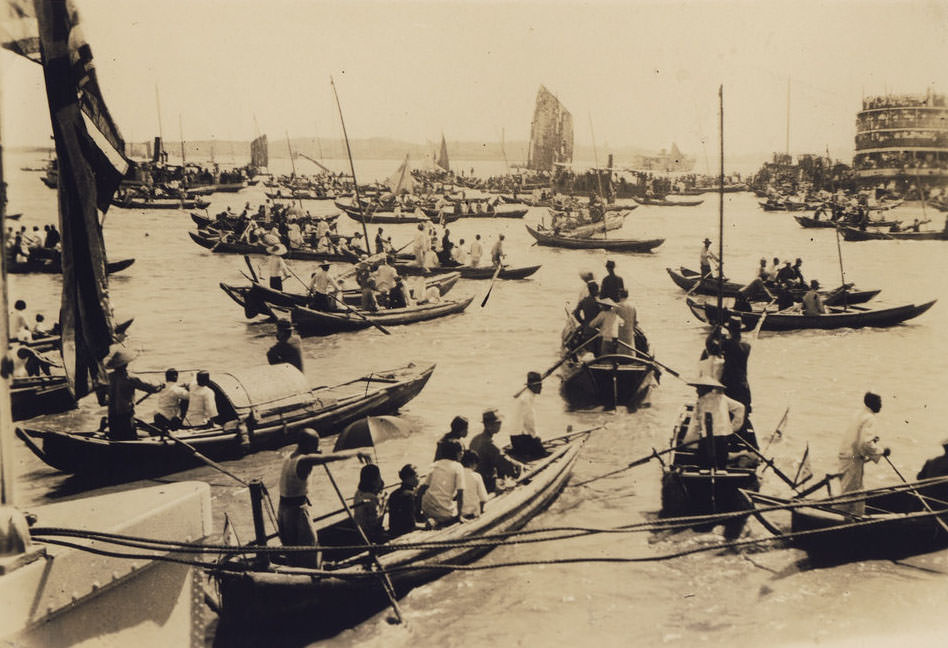
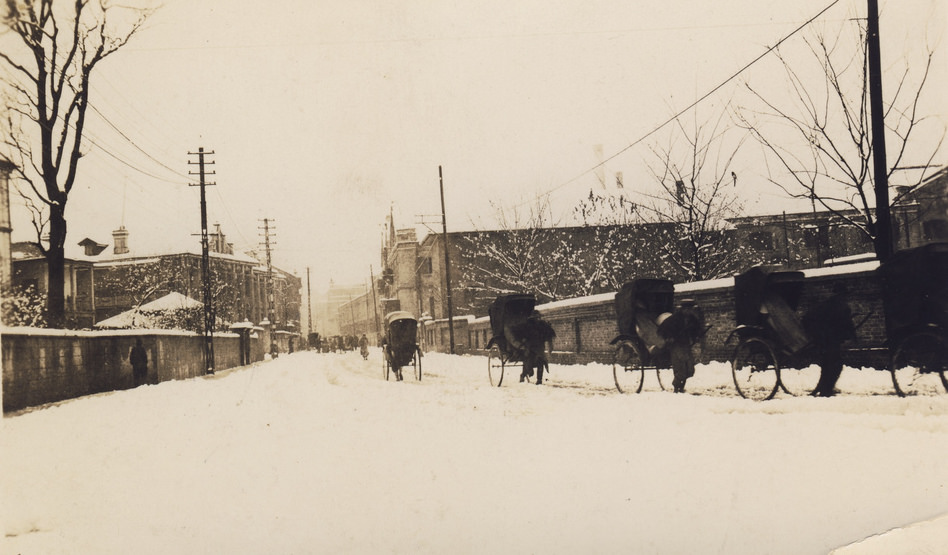
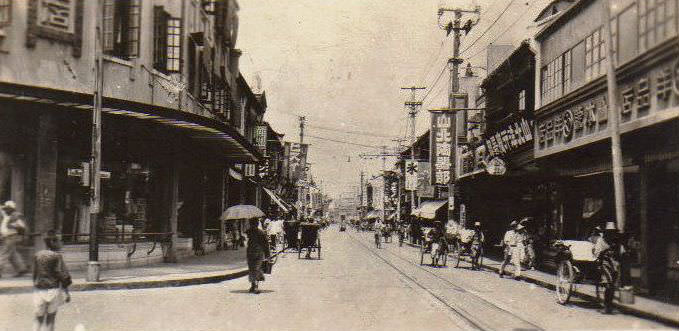
Transportation across China in the 1930s ranged from ancient to modern. Rickshaws pulled by hand shared roads with early automobiles and horse-drawn carts. Rivers and canals remained vital for moving goods, particularly in the south. Many rural communities still relied entirely on foot travel and animal labor.
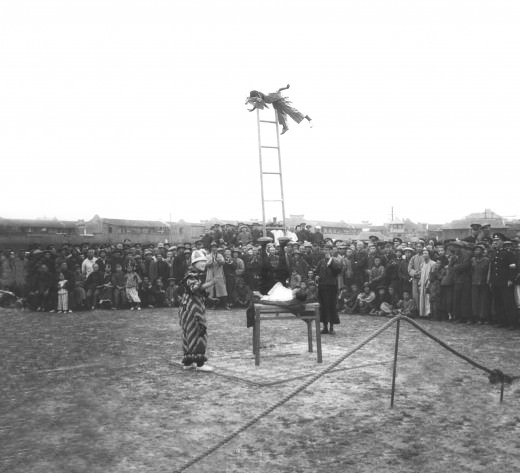
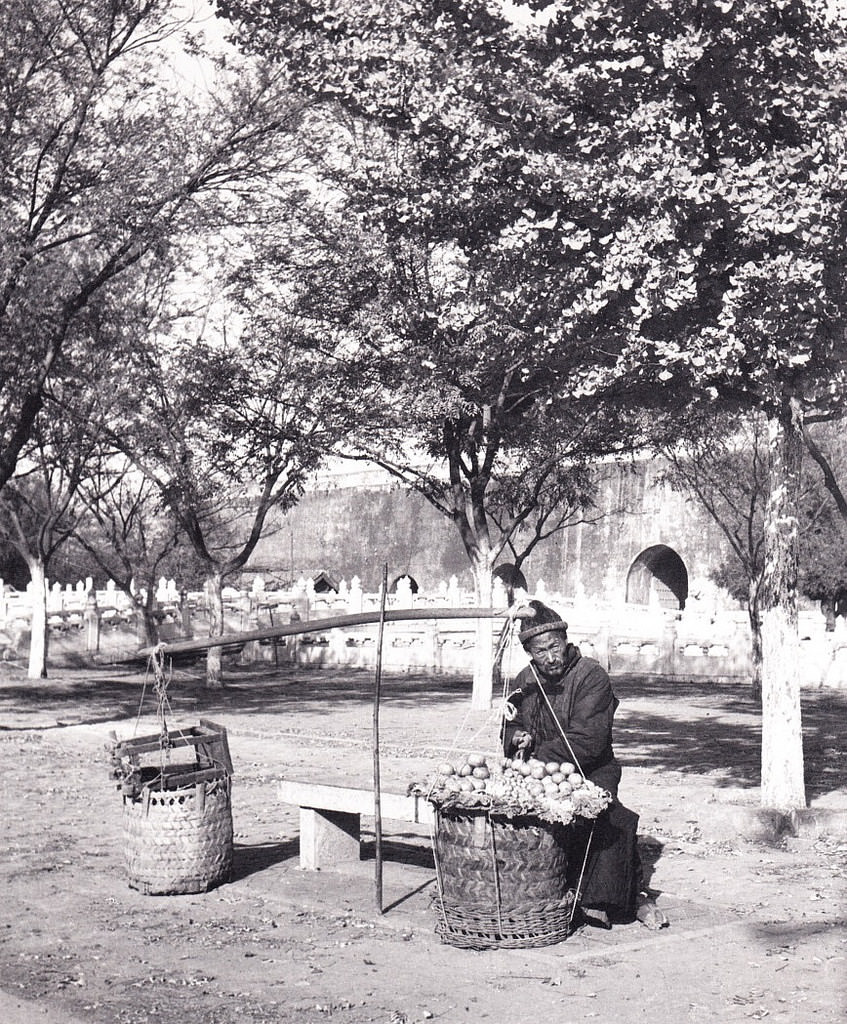
Trade and commerce in Chinese cities depended heavily on small family-run shops and open-air markets. Goods like silk, tea, pottery, and food staples changed hands daily in scenes that had remained largely unchanged for centuries. Yet even these traditions were being squeezed by cheaper foreign imports and falling consumer spending power.
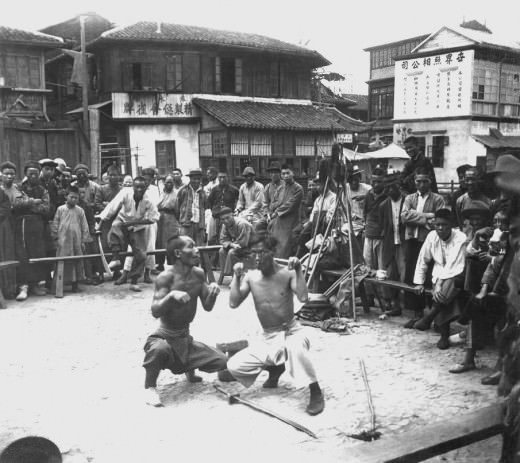
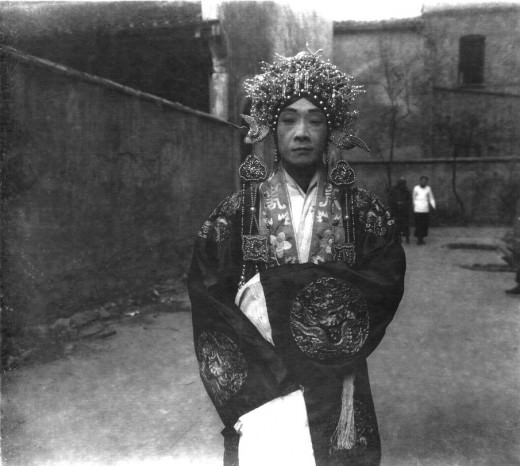
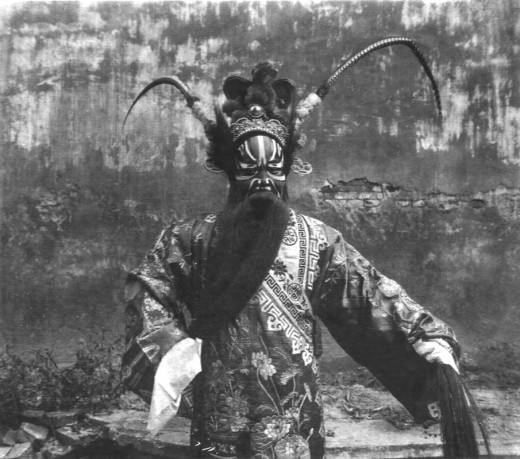
Religion and tradition remained central to everyday Chinese life throughout the decade. Temples drew steady crowds, and festivals tied to the lunar calendar structured the year for millions of families. These customs provided community and continuity even as the political world shifted around them.
In 1937, a skirmish at the Marco Polo Bridge near Beijing between Chinese Nationalist troops and Japanese soldiers escalated into a full-scale war. Japan launched a sweeping invasion, quickly overrunning much of eastern China. The prosperous coastal cities and provinces that had driven China’s limited industrial growth fell under Japanese military control.
The Japanese occupation brought extraordinary violence. The Nanjing Massacre, carried out by Japanese forces in December 1937, resulted in the mass killing of Chinese civilians and soldiers over a period of weeks. The city, which had served as the seat of the Nationalist government, was devastated. Estimates of those killed range from tens of thousands to over 200,000.
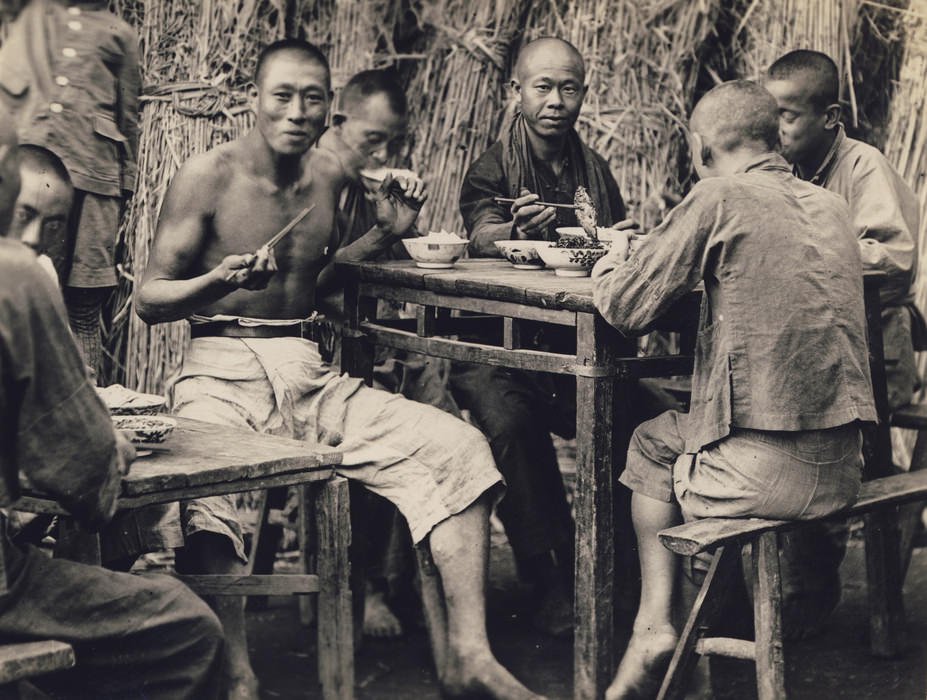
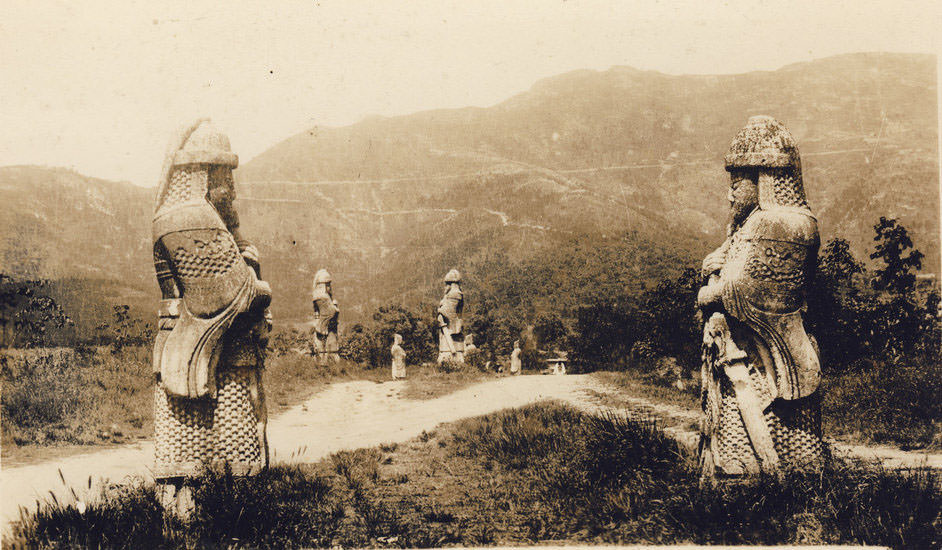
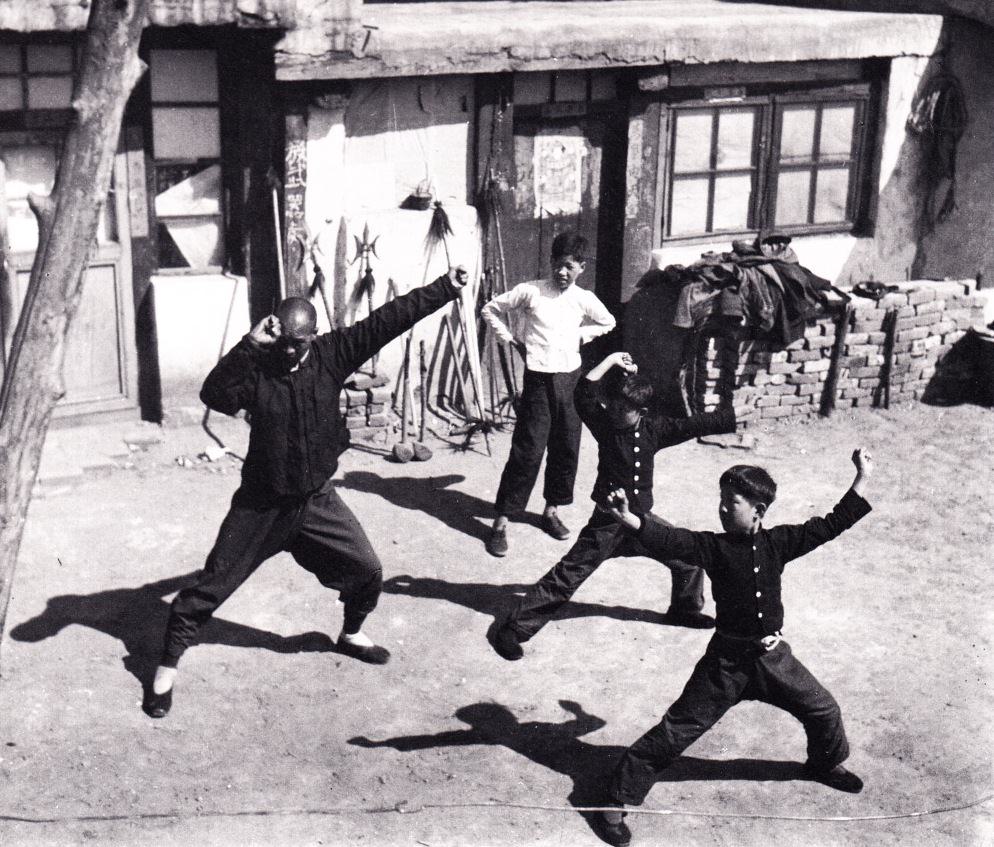
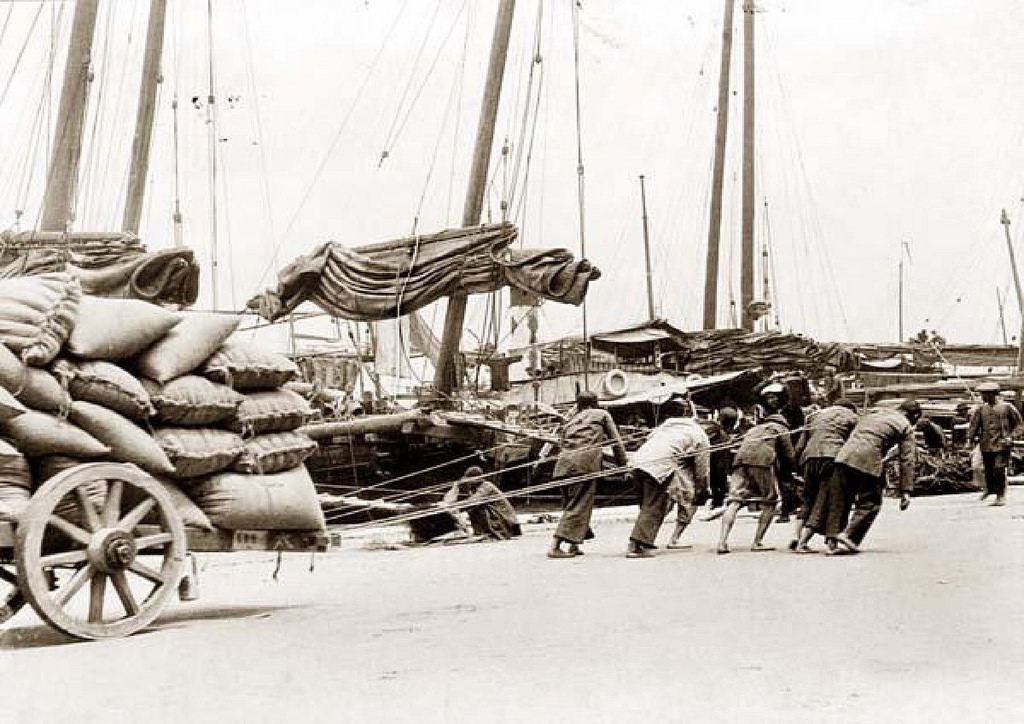
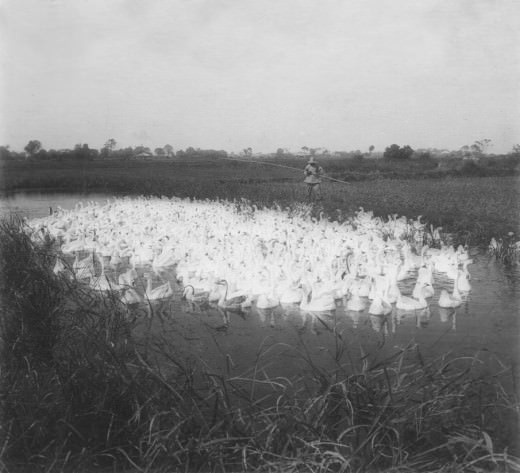
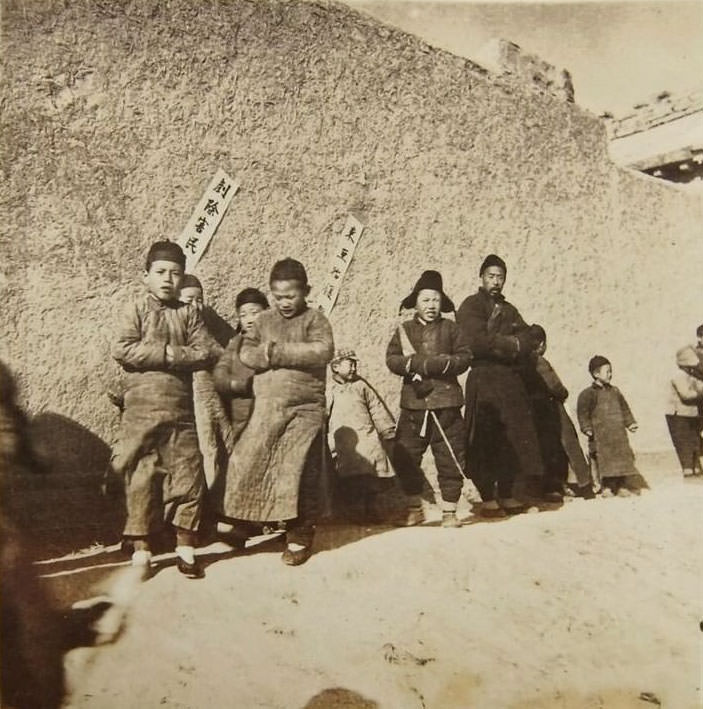
Before the war reshaped everything, photographers documented a China that was complex and layered. Workers hauled goods through narrow alleyways. Fishermen cast nets in rivers that had fed generations. Children played in courtyards outside homes that had stood for hundreds of years.
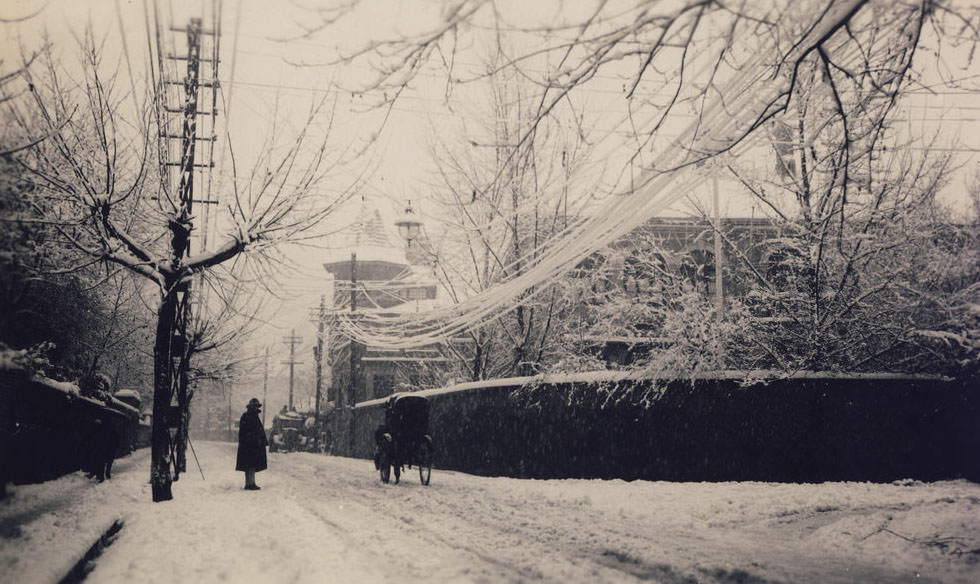
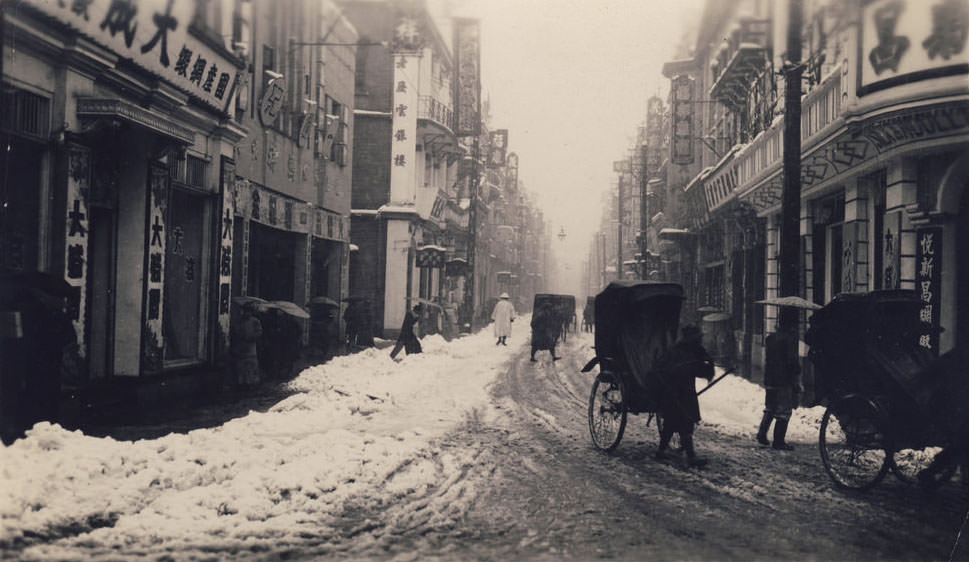
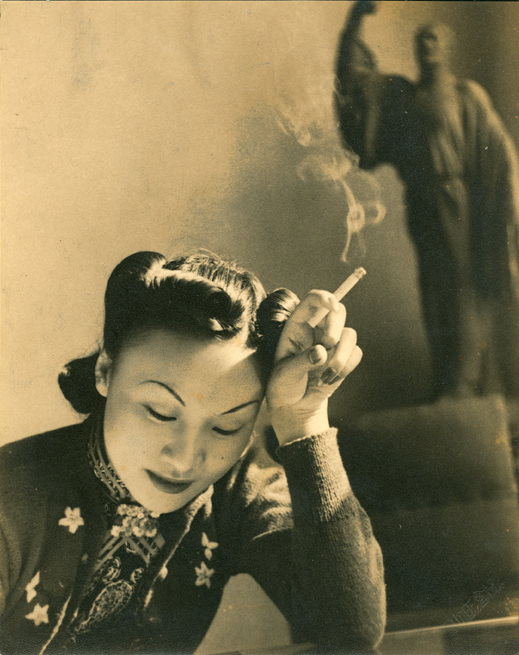
Women’s roles in 1930s China varied widely by region and class. In cities, some women worked in factories or attended universities. In rural areas, women’s labor was essential to farm survival, from tending crops to managing household production like weaving and food preservation. The photographs from this era capture both worlds.
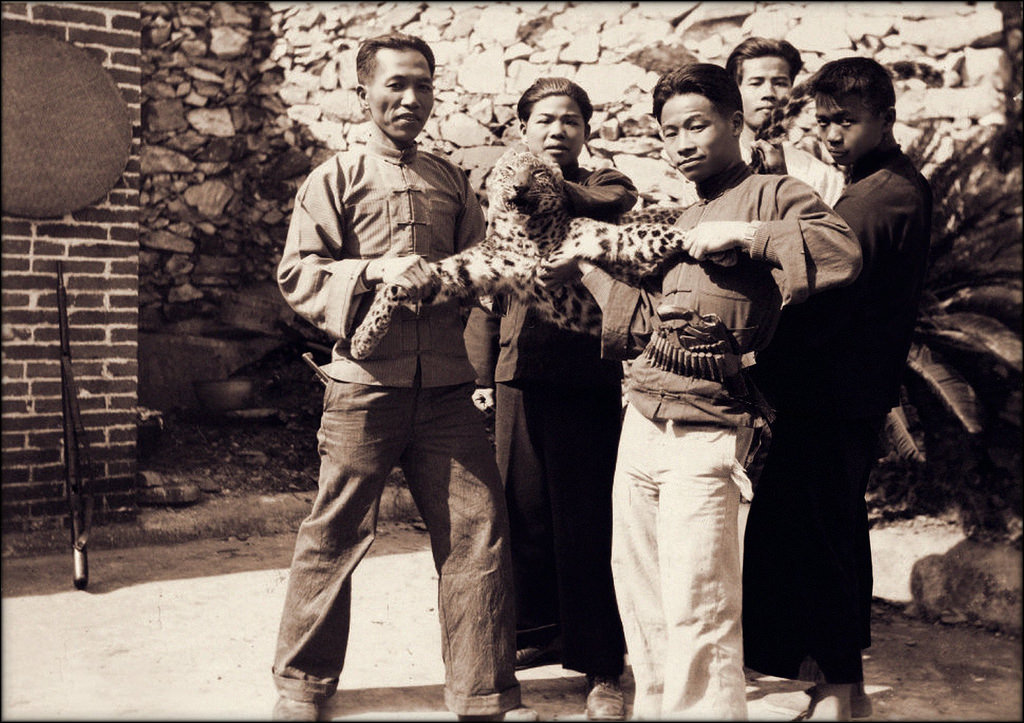
China’s military in the 1930s was divided and underequipped. The National Revolutionary Army fought both internal enemies and the Japanese. Nationalist forces were often poorly supplied, and coordination between regional commanders was inconsistent. Despite this, resistance to Japanese forces continued across multiple fronts throughout the decade.
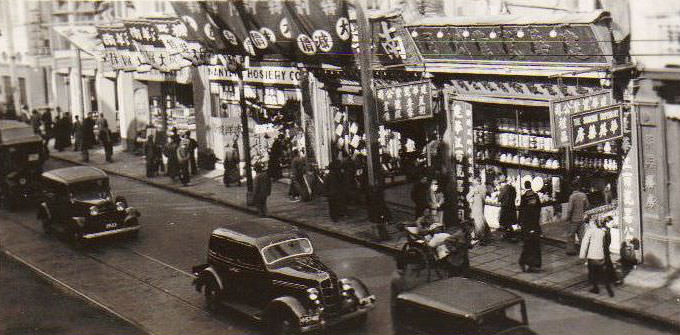
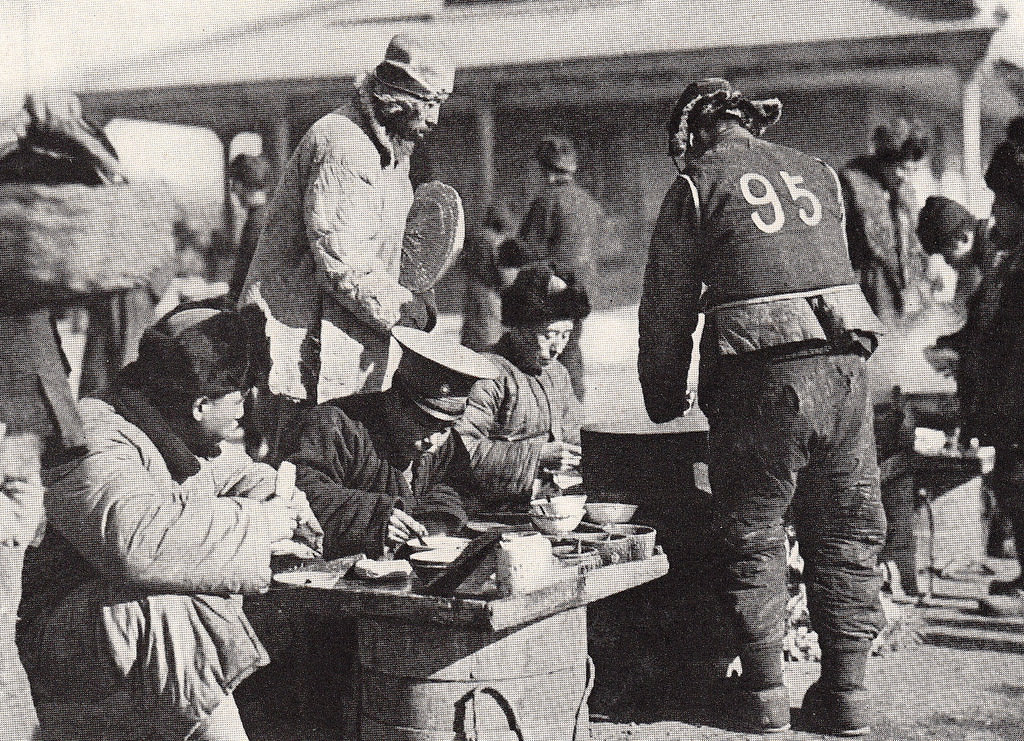
Street food and communal eating were fixtures of Chinese urban life. Vendors set up coal-fired stoves along busy thoroughfares, serving noodles, dumplings, and grilled meats to workers and passersby. These informal food networks fed large numbers of people in cities where formal dining was beyond the budget of most residents.
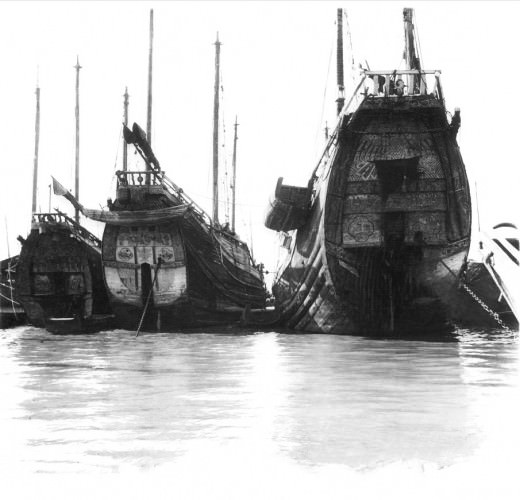
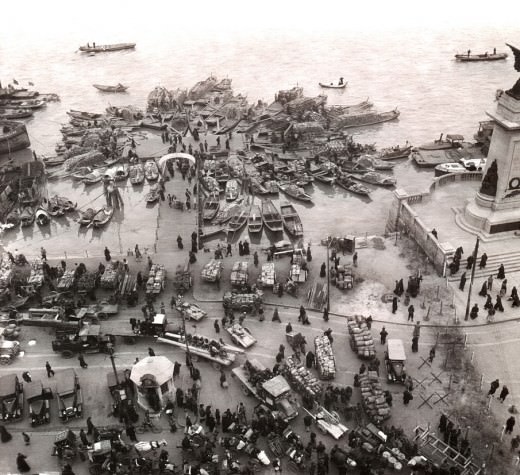
China’s waterways served as highways for both people and goods. The Yangtze River alone connected dozens of major settlements and carried enormous volumes of trade. Junks — traditional flat-bottomed wooden boats — were a common sight, loaded with cargo and navigated by families who lived and worked on the water full-time.
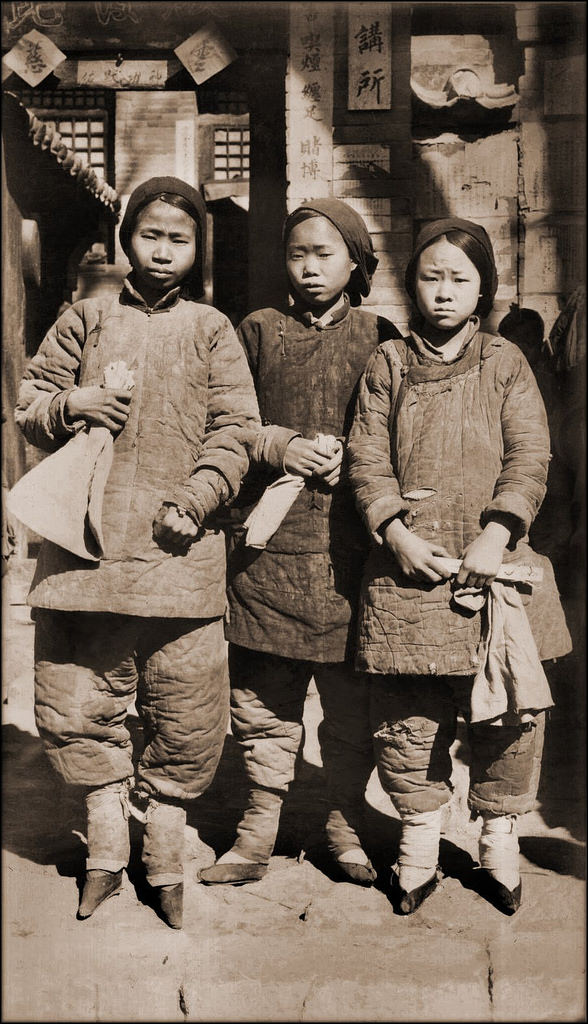
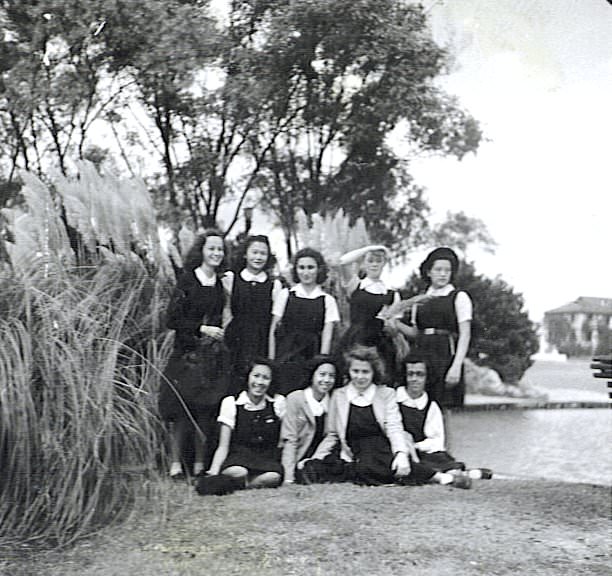
Education was expanding slowly in 1930s China, particularly in cities. The Nationalist government pushed for wider schooling, though access in rural areas remained limited. Literacy rates were low outside urban centers, and many children worked alongside their parents rather than attending school regularly.
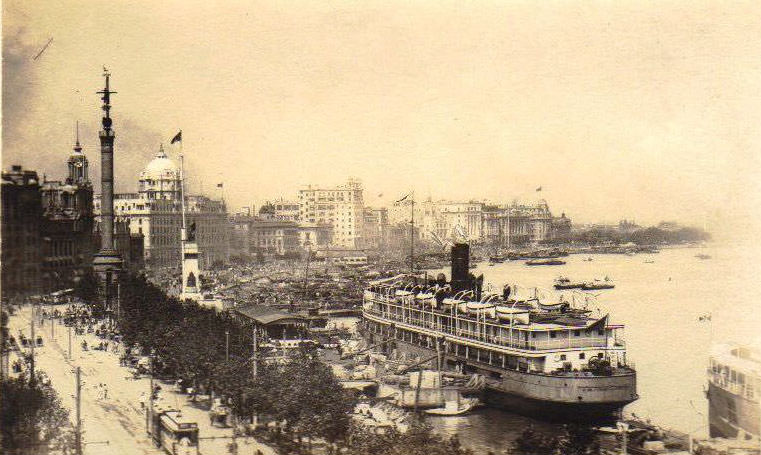
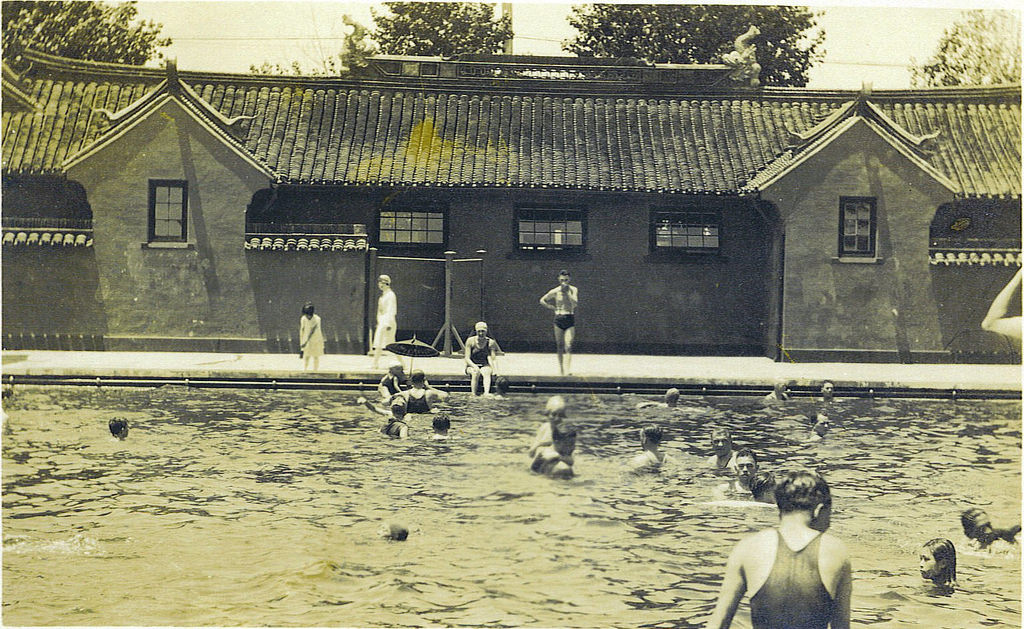
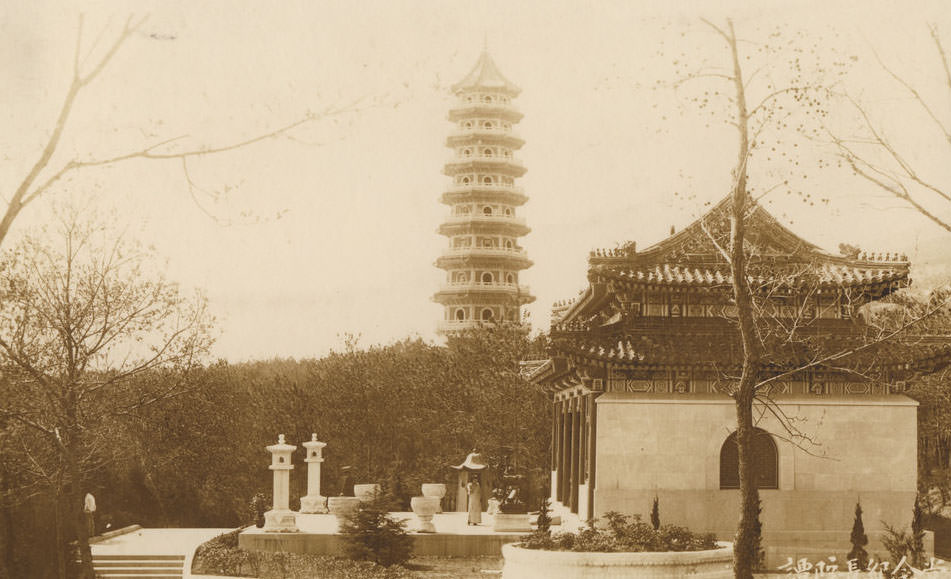
Architecture in Chinese cities during the 1930s often blended classical and modern styles. Traditional curved-roof buildings sat beside concrete structures influenced by Western design. Foreign concessions in cities like Shanghai had introduced European-style buildings decades earlier, and their presence was still visible across the urban skyline.
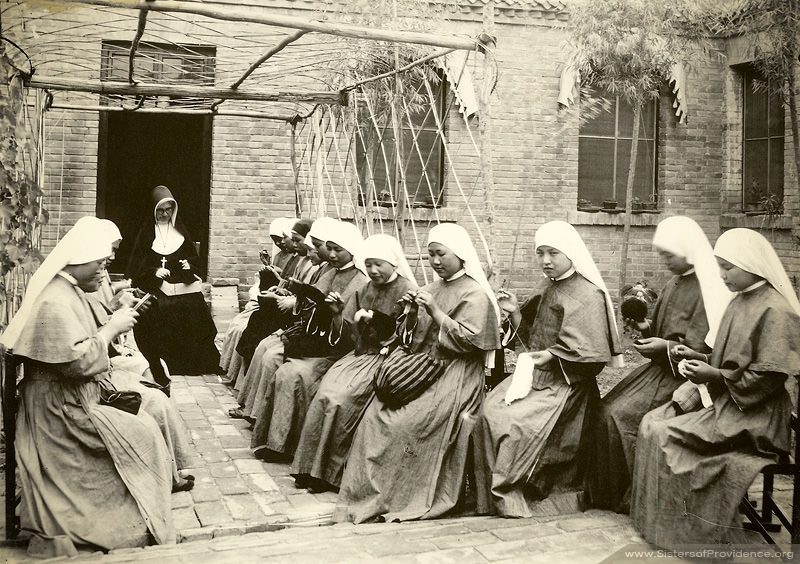
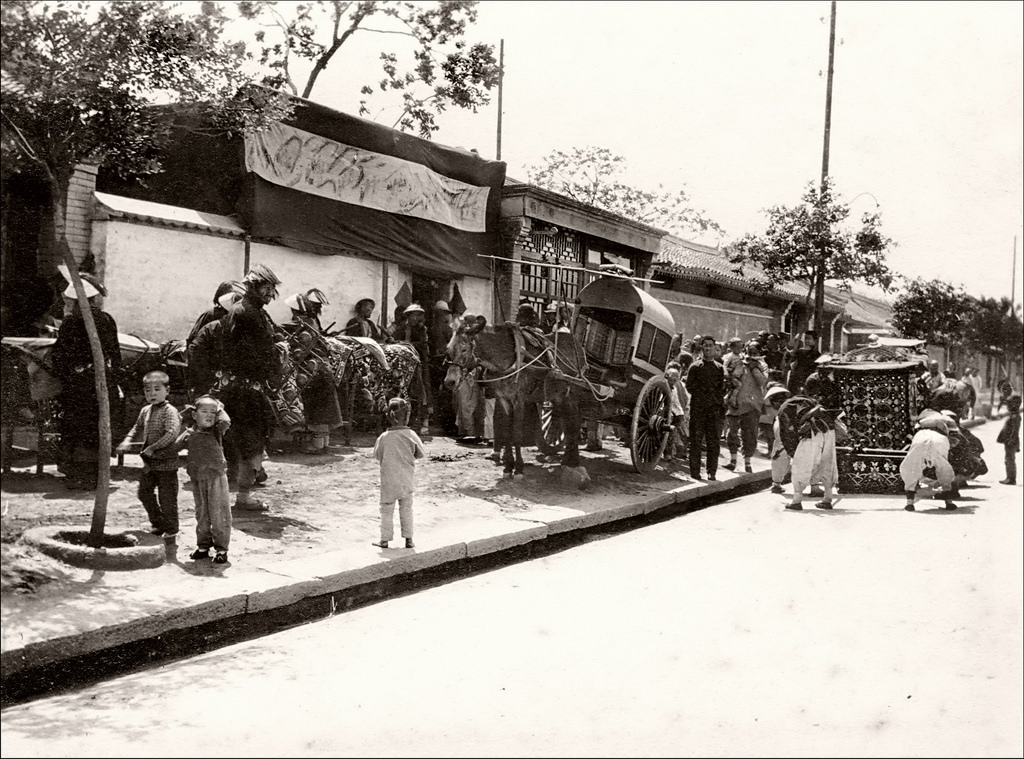
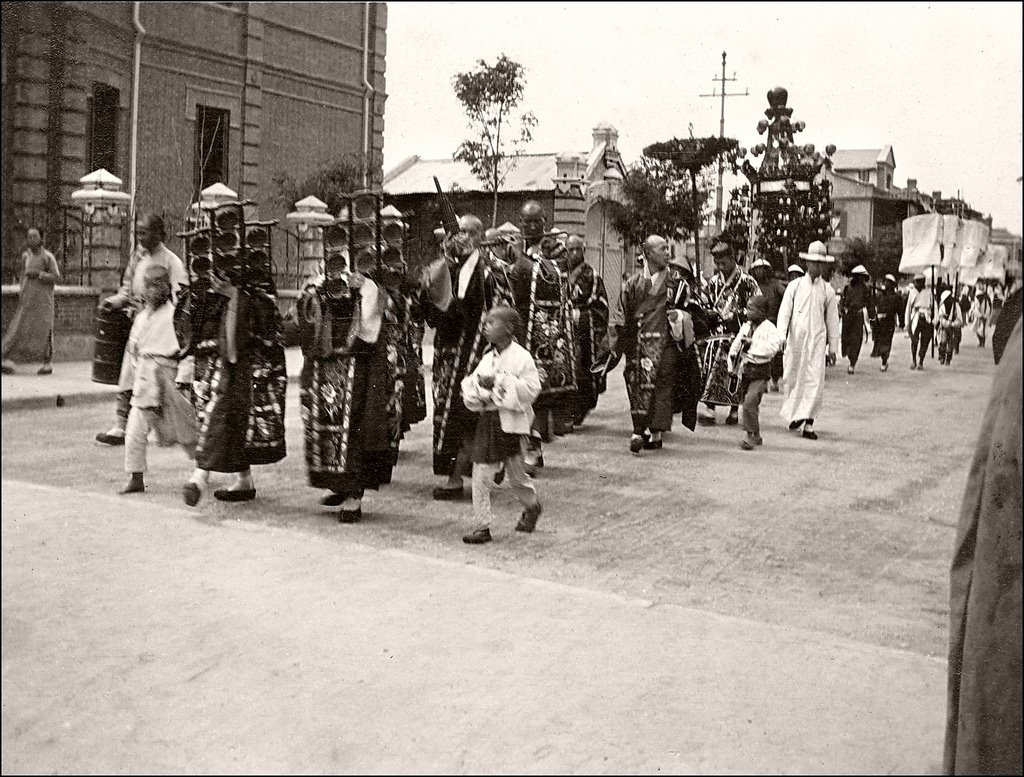
The photographs from this era serve as a direct visual record of a world on the edge of dramatic change. They show farmers, merchants, soldiers, children, and city workers — people going about their lives in a country under immense pressure. Each image is a fixed moment from a decade that would end with China transformed by war, displacement, and loss.