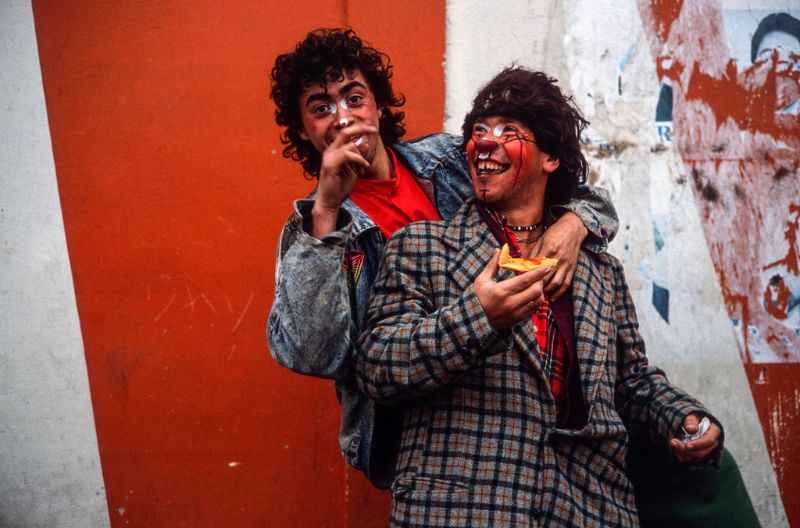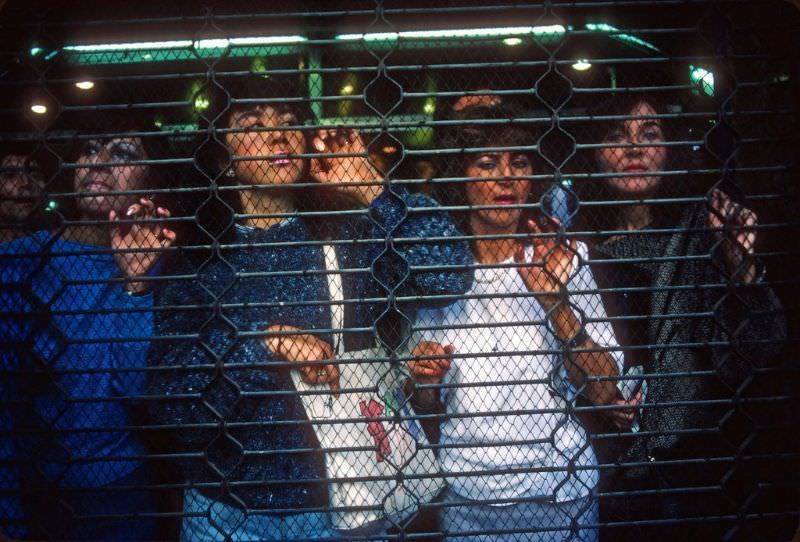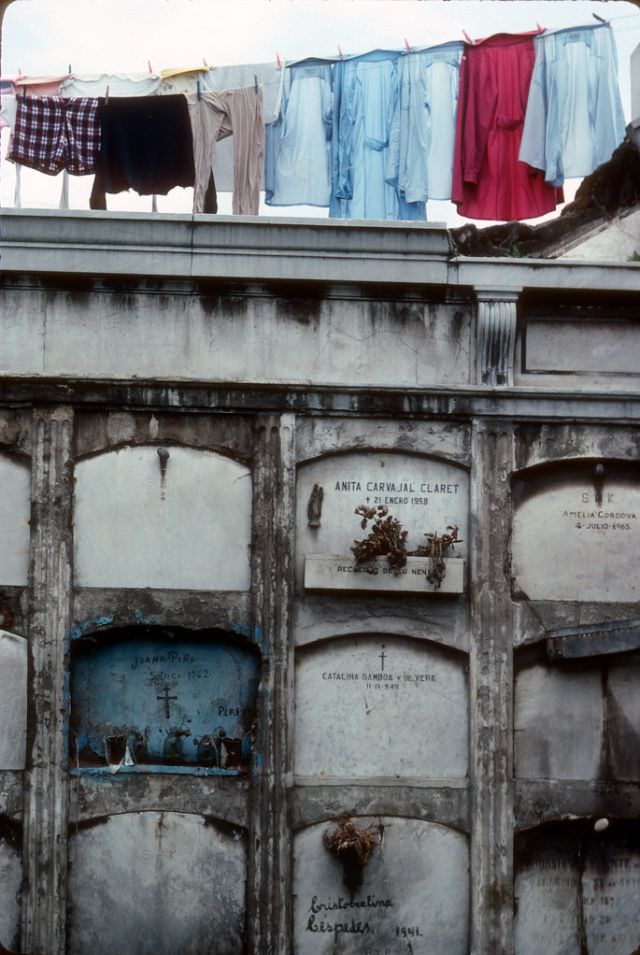
In 1988, Chile stood at a crossroads. General Augusto Pinochet had ruled the country since the 1973 military coup that overthrew elected President Salvador Allende. By 1988, he had been in power for fifteen and a half years, and a legally binding vote was coming that would decide whether he would stay for eight more. The October 5th National Plebiscite gave Chileans a simple choice: “Yes” to extend Pinochet’s rule through 1996, or “No” to end it. The “No” side won with nearly 56% of the vote, and Chile’s political course changed permanently. Photographer Marcelo Montecino was there to capture it all — not just the politics, but the full texture of Chilean life in that extraordinary year.
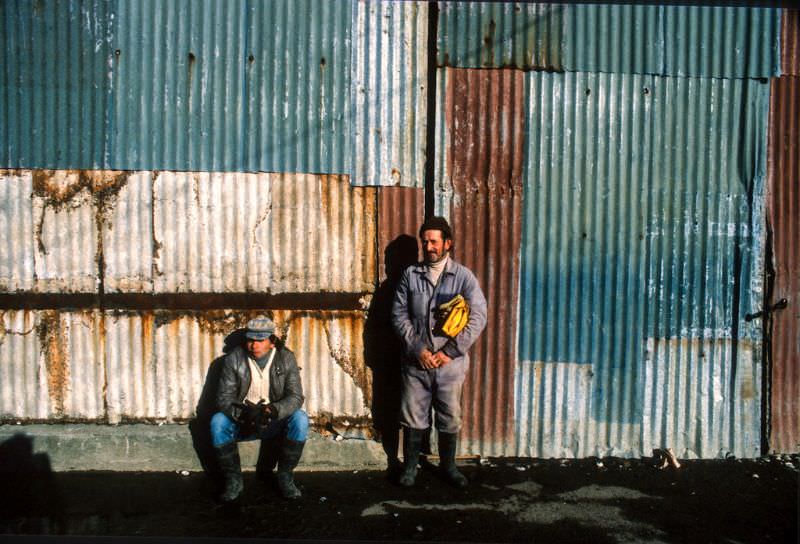
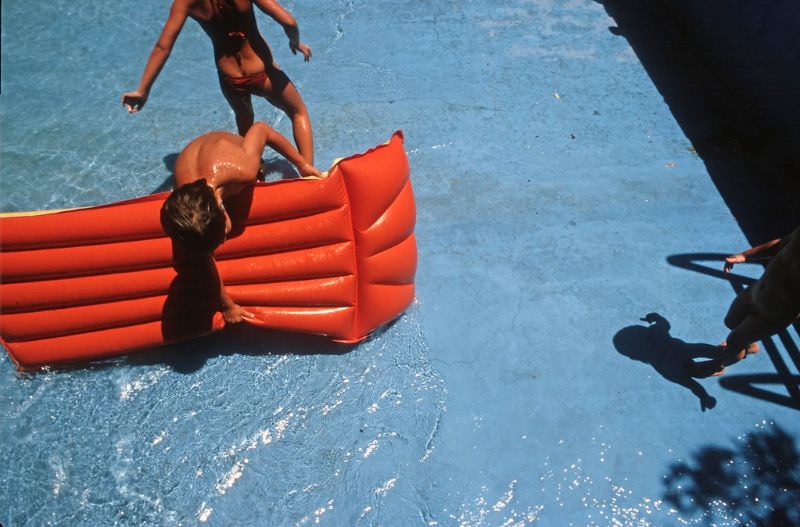
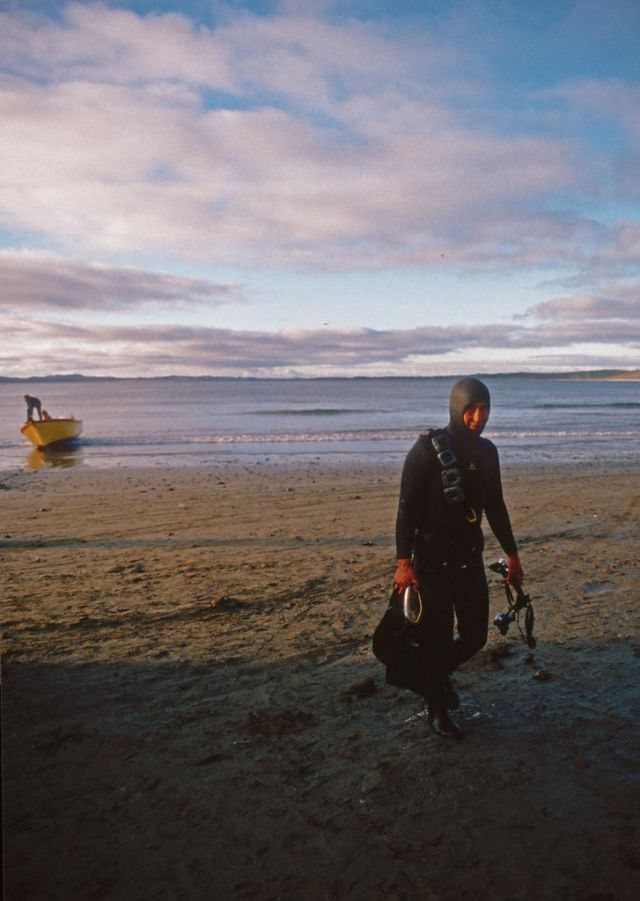
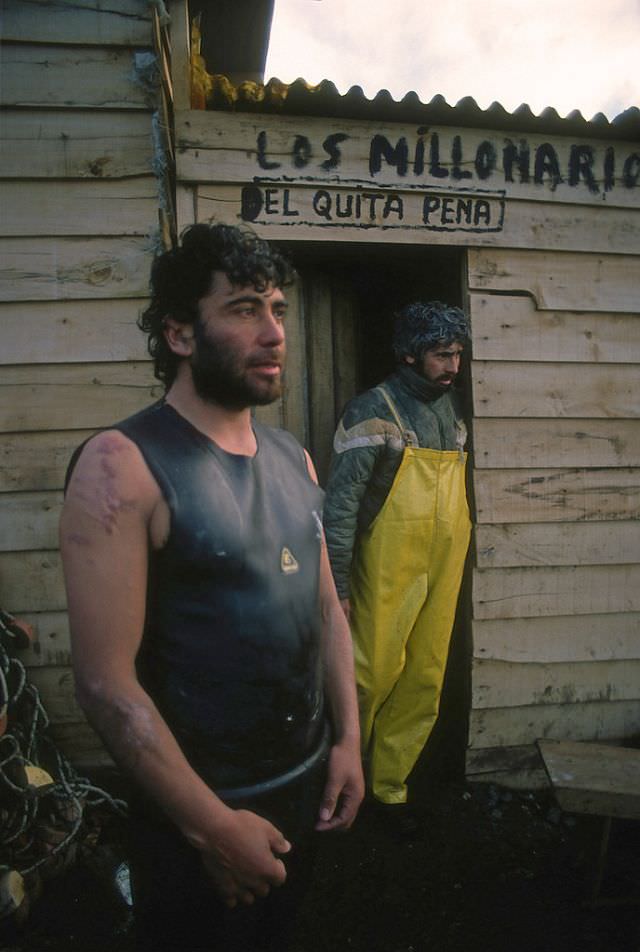
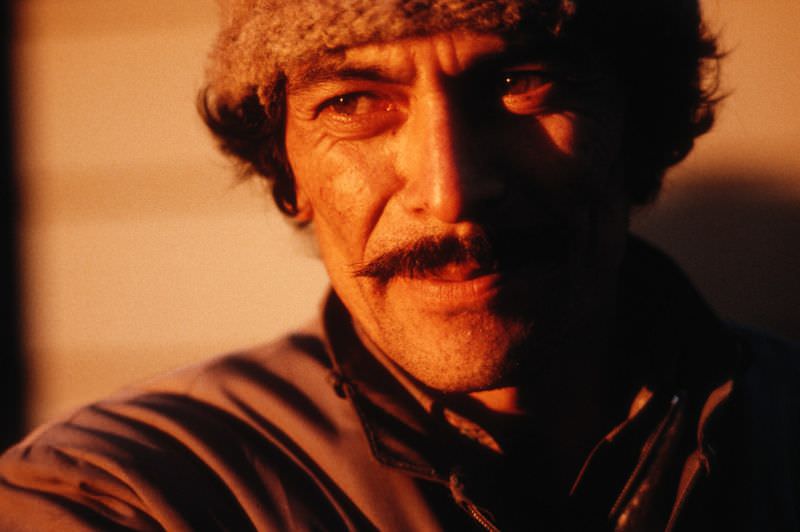
Chile’s coastline remained a world apart from the political battles unfolding in Santiago. Fishing communities along the coast and on Chiloé Island continued their daily routines — pulling in catches, diving for abalone, and working the cold Pacific waters the same way they always had. Life in these places was shaped more by tides and weather than by government decrees.
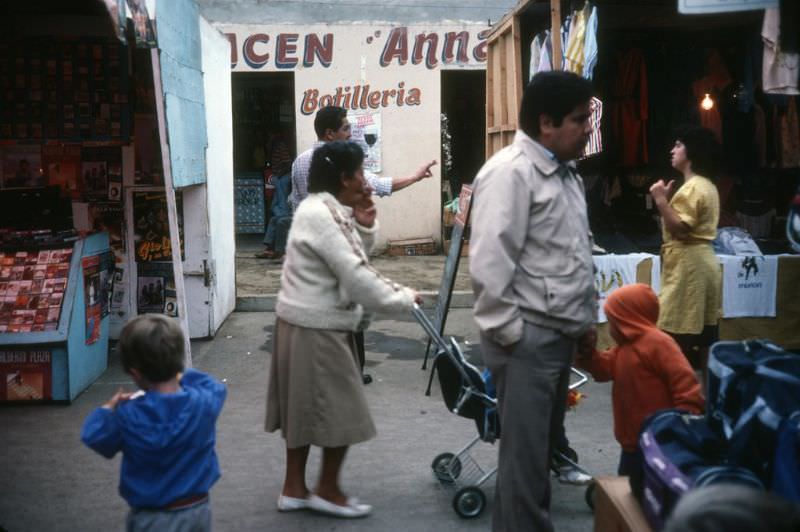
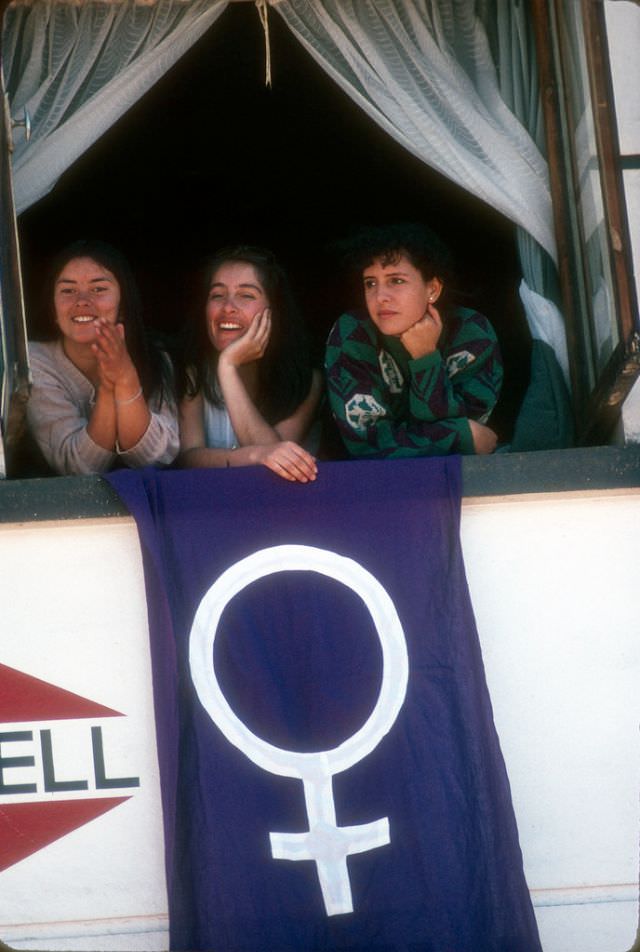
Back on the mainland, women were organizing. Feminist groups held rallies in cities like Concepción, pushing for rights and visibility in a country where political repression had silenced so many voices for over a decade. Their presence in the streets in 1988 was a sign that civil society was reasserting itself ahead of the vote.
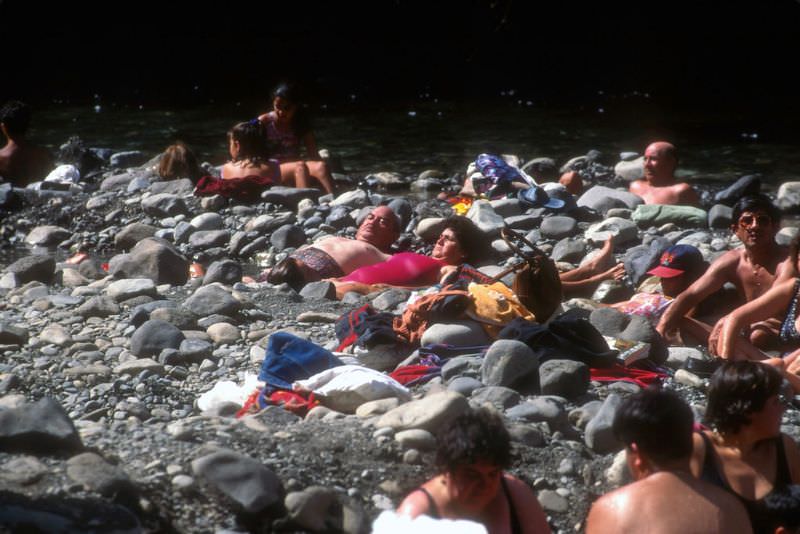
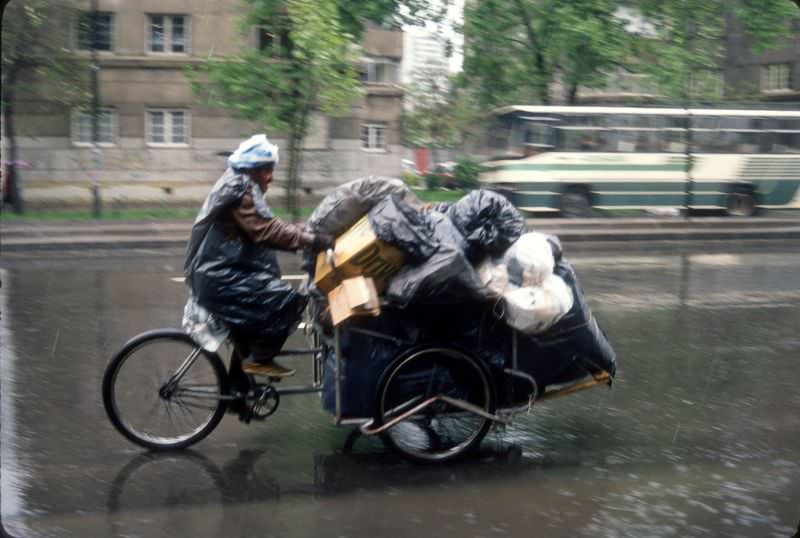
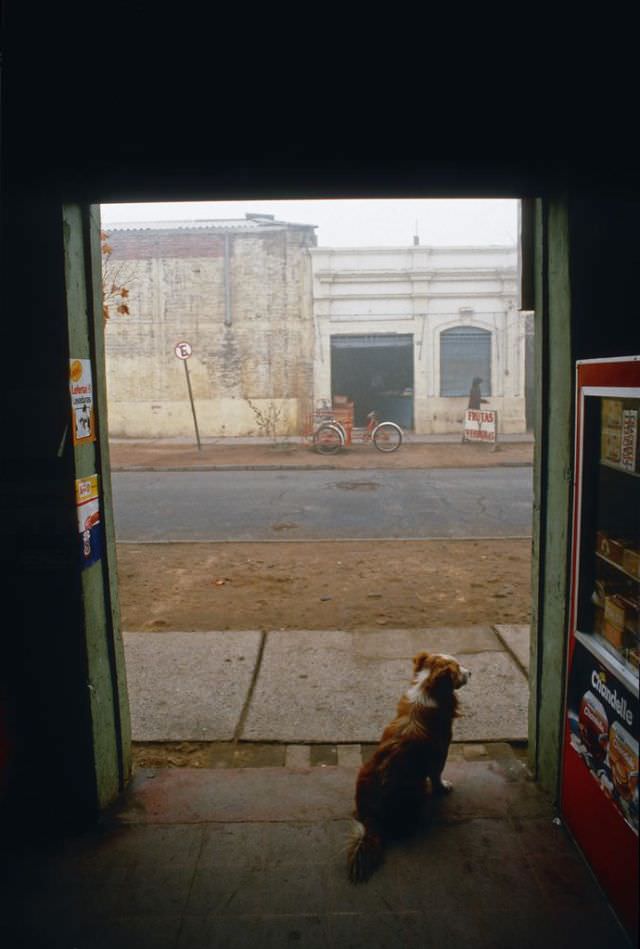
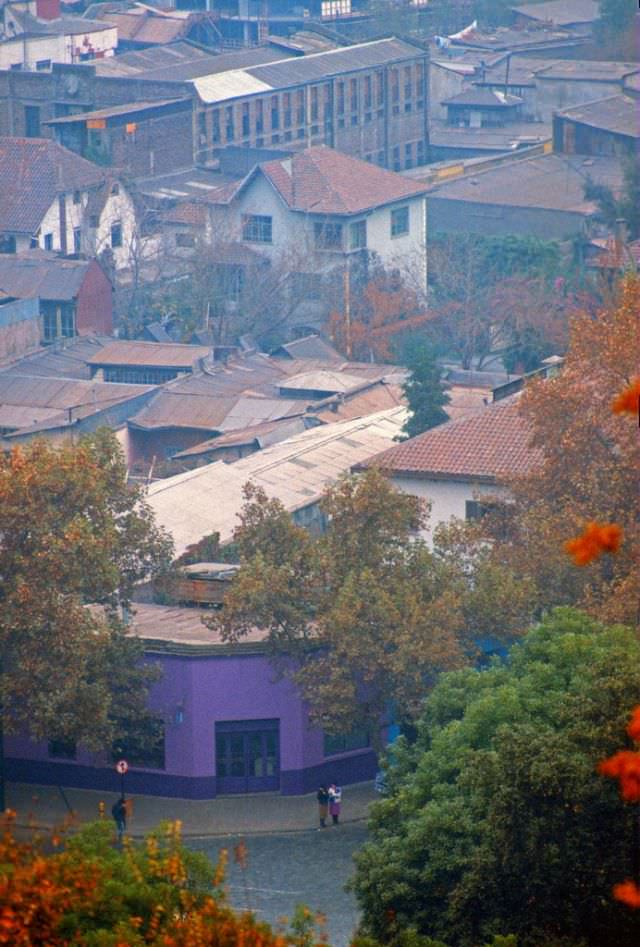
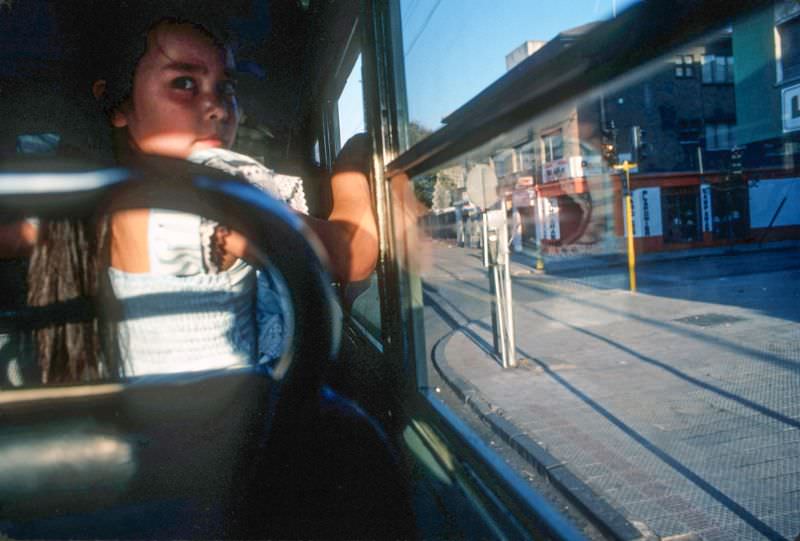
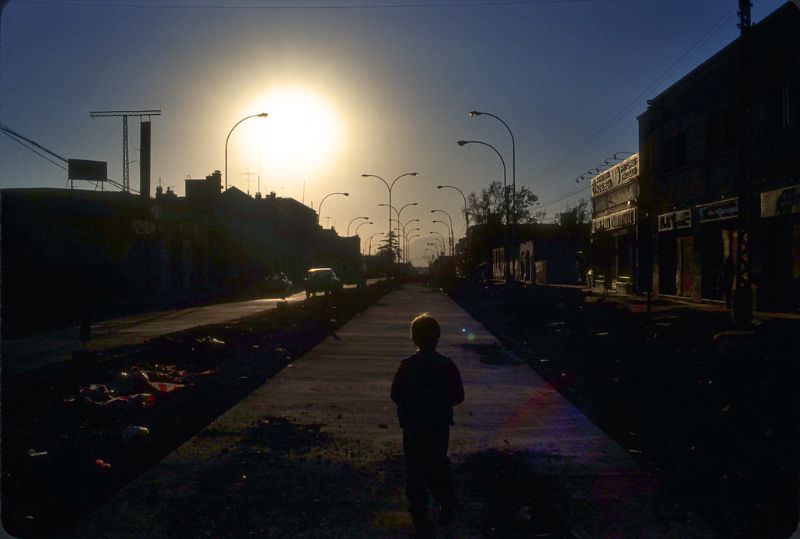
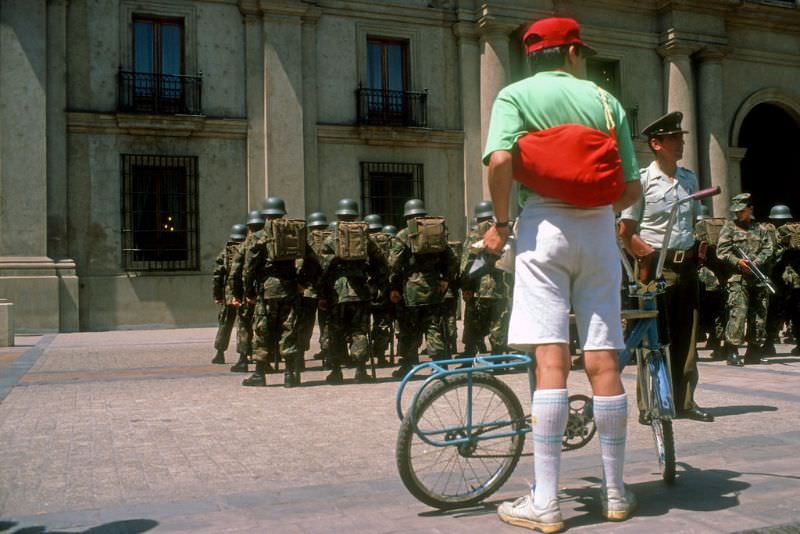
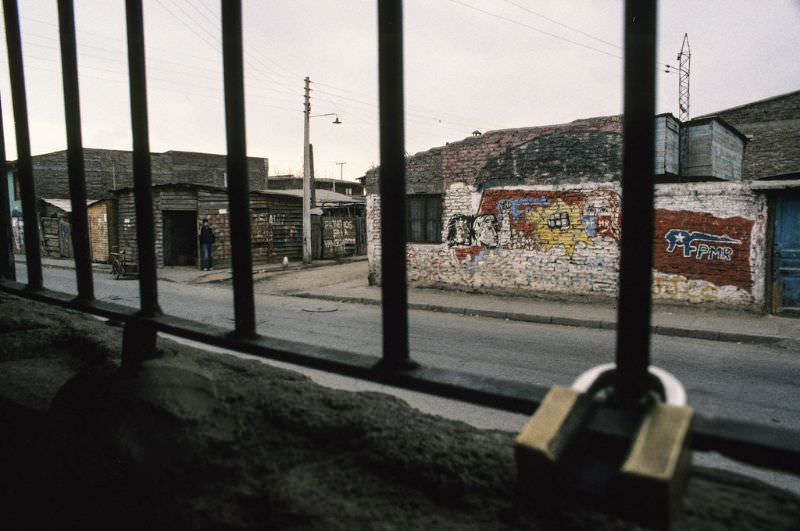
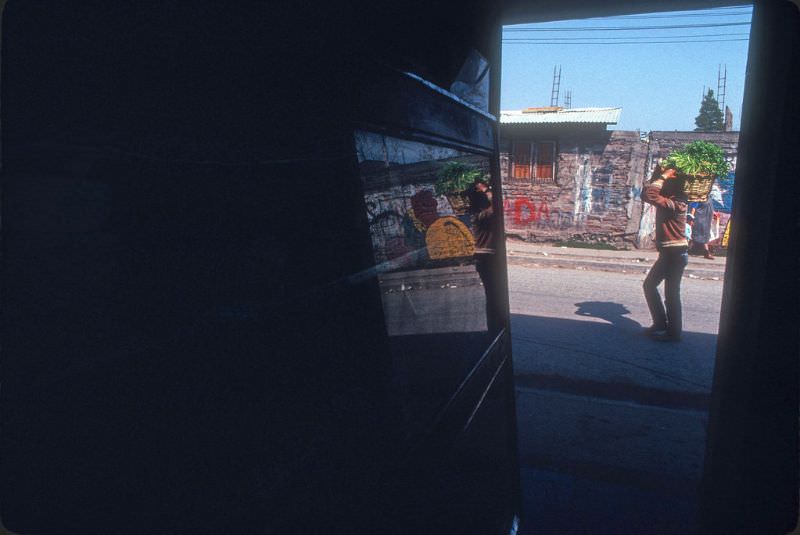
In Santiago, the capital, daily life carried on against a backdrop of political tension. Street scenes, markets, and neighborhoods told their own stories. The city’s working-class and poor communities — the poblaciones — had endured the harshest economic and social pressures of the Pinochet years. Unemployment, poverty, and state violence had hit these areas hardest.
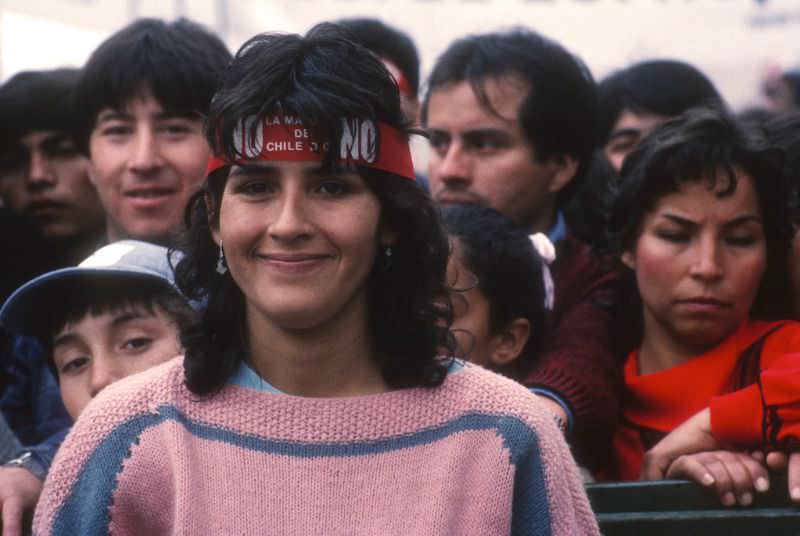
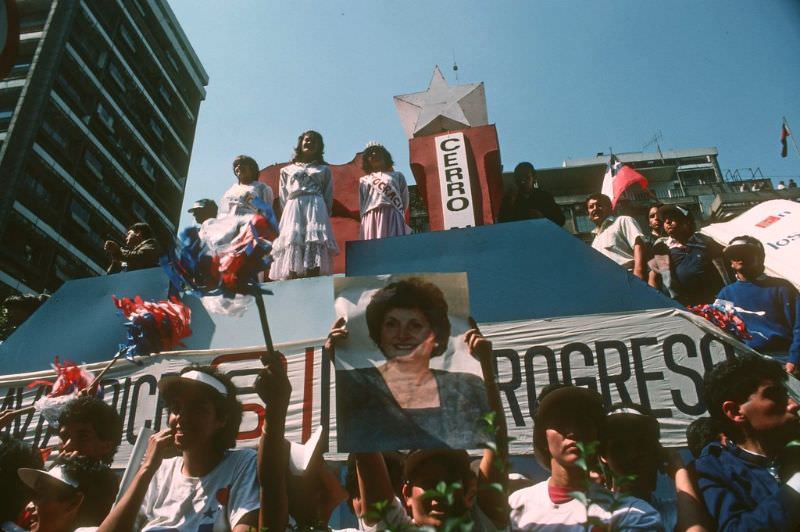
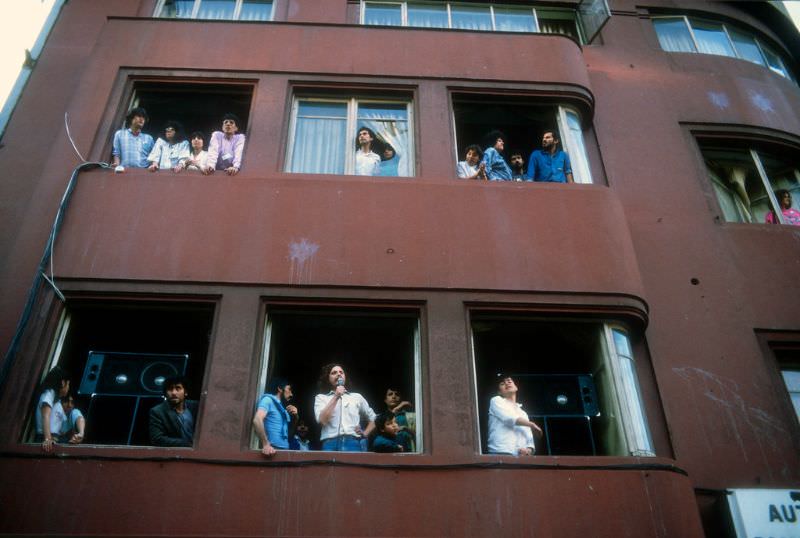
The “No” campaign was energetic and visible. Rallies drew large crowds across Santiago, with people openly calling for the end of military rule. The campaign’s famous rainbow logo and jingle were designed to be hopeful rather than angry — a deliberate strategy to reassure moderate voters. Events like the “Acto por el No” brought together opposition figures, artists, and ordinary citizens united by a single goal.
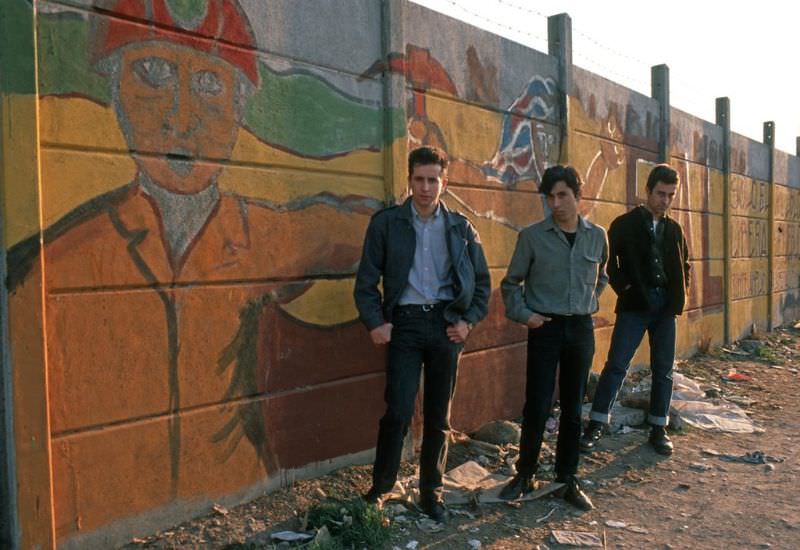
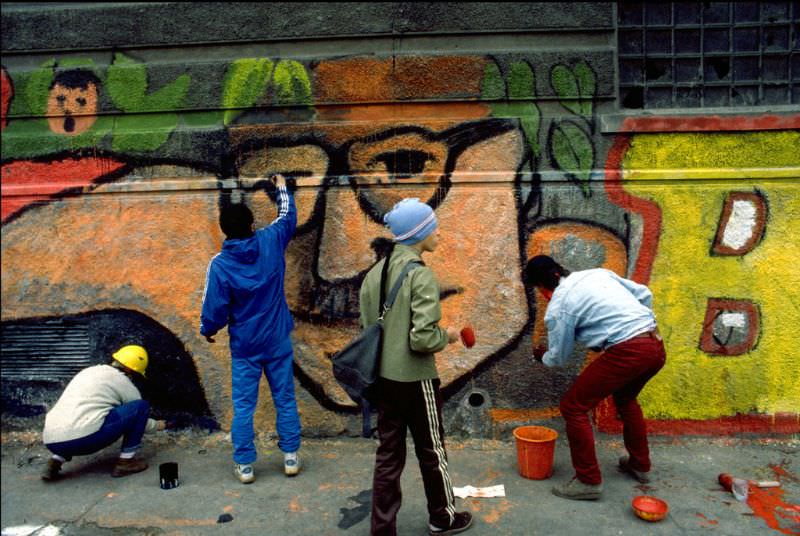
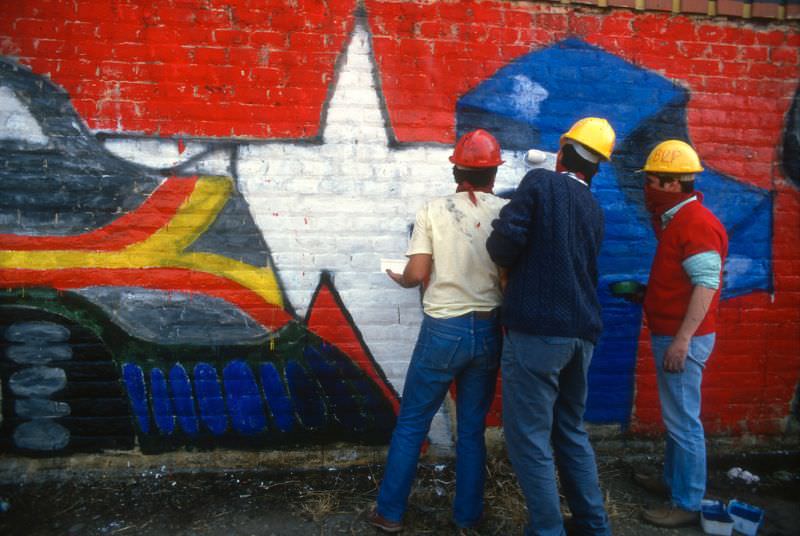
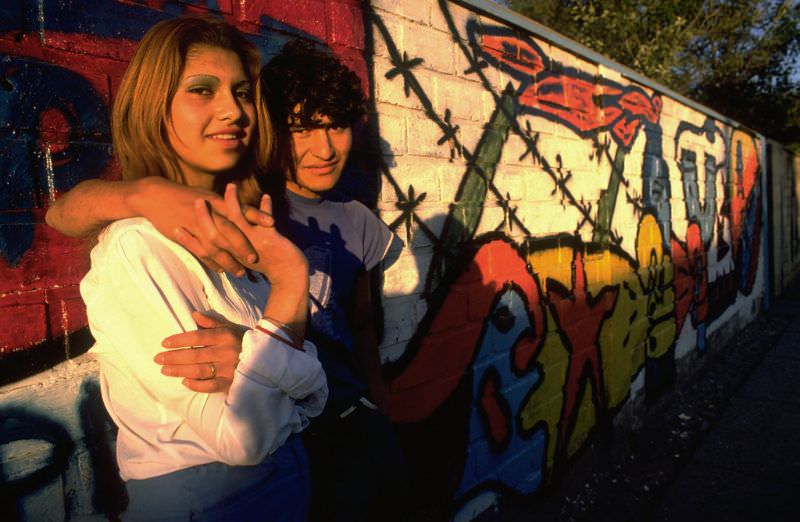
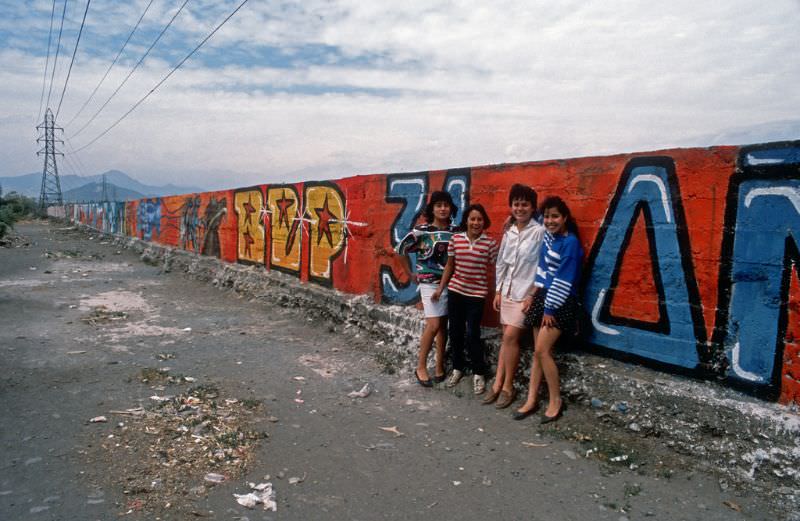
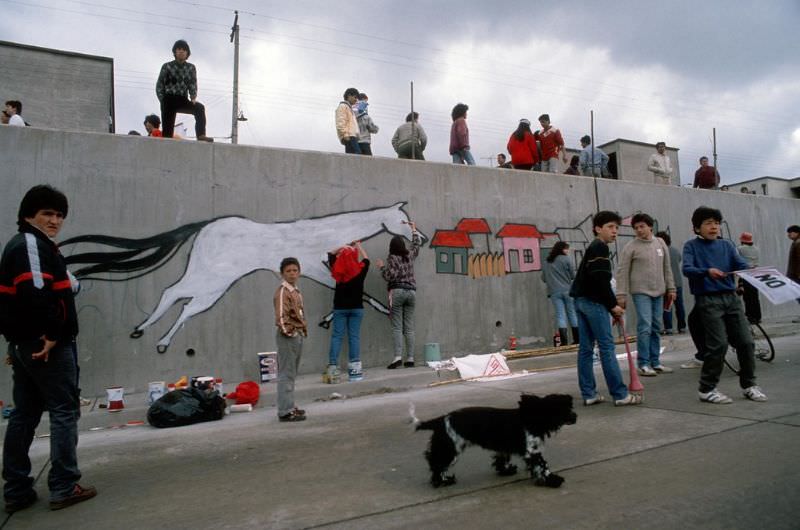
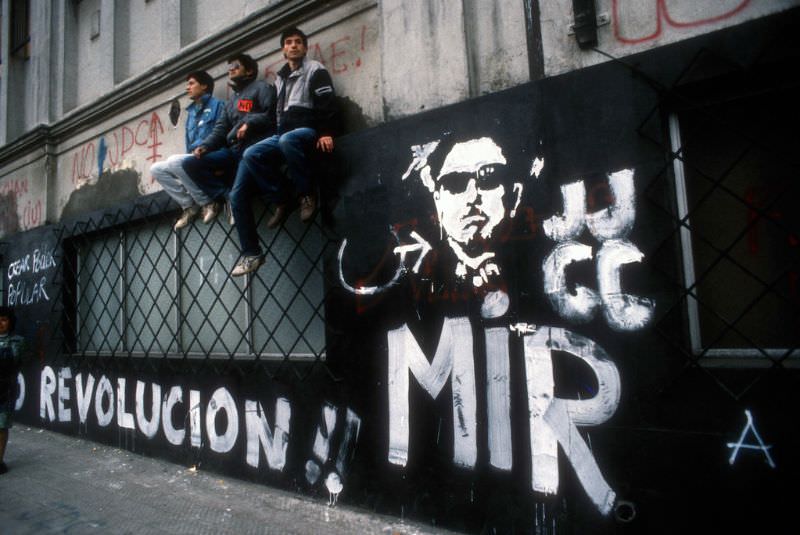
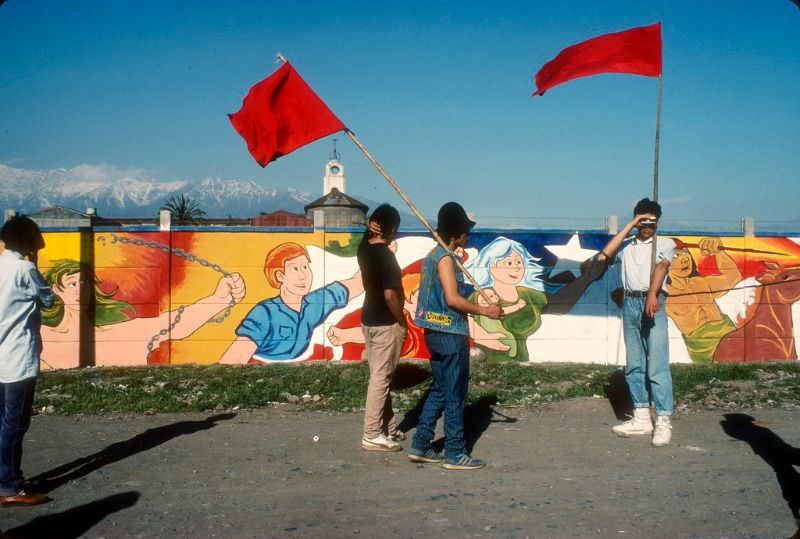
Murals were everywhere in Santiago’s streets. Images of Salvador Allende, the socialist president killed during the 1973 coup, appeared on walls across the city — painted by mural brigades who risked arrest to keep his memory alive. The Communist Party’s Brigada Ramona Parra (BRP) was one of the most active, using public art as a form of political expression that could not easily be silenced.
La Victoria was one of Santiago’s most well-known shantytowns. It had a long history of resistance to the dictatorship and paid a heavy price for it. French priest André Jarlan was shot and killed there in 1984 by a Carabinero — a Chilean national police officer — bullet that came through the wall of his room while he was reading the Bible. By 1988, his memory was still very much alive in the neighborhood that mourned him.
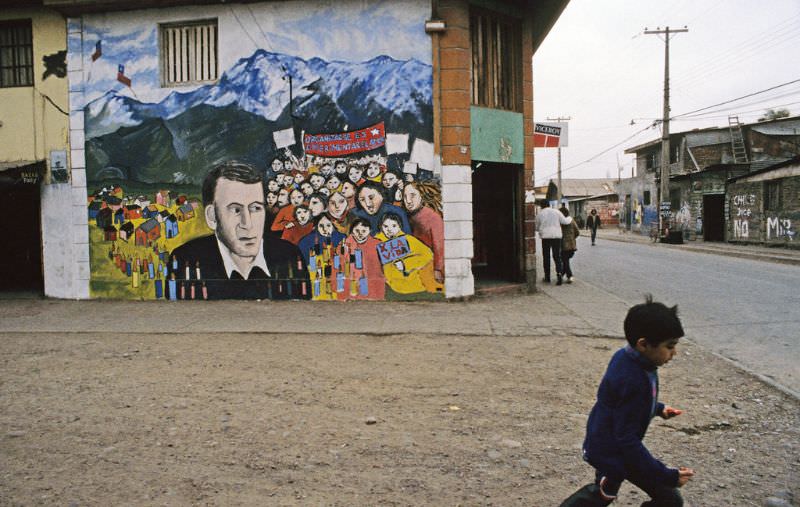
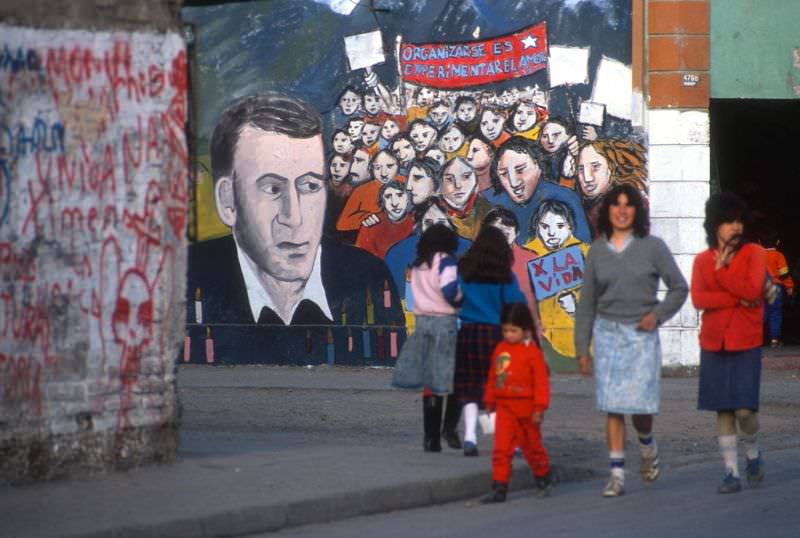
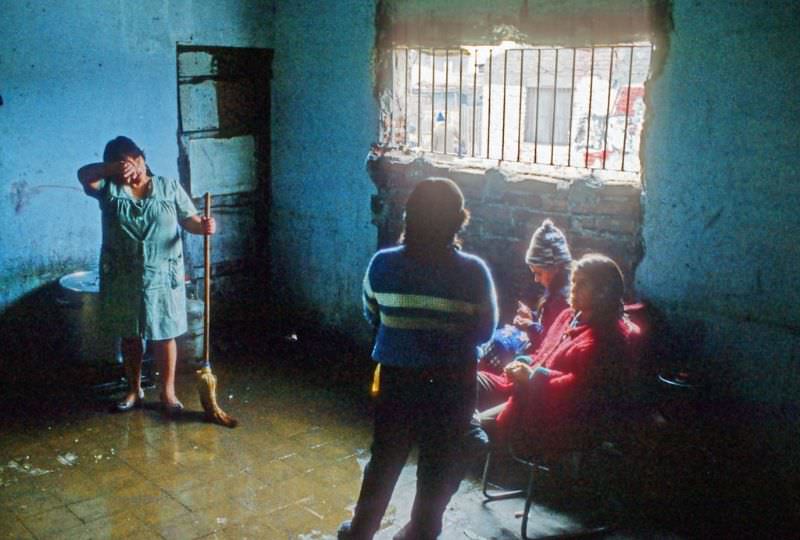
Inside La Victoria, soup kitchens fed families who had no other reliable source of meals. These community kitchens, known as ollas comunes, were run largely by women and had become a fixture of life in the poblaciones throughout the Pinochet years. They were both a survival mechanism and a form of community solidarity in neighborhoods ground down by poverty.
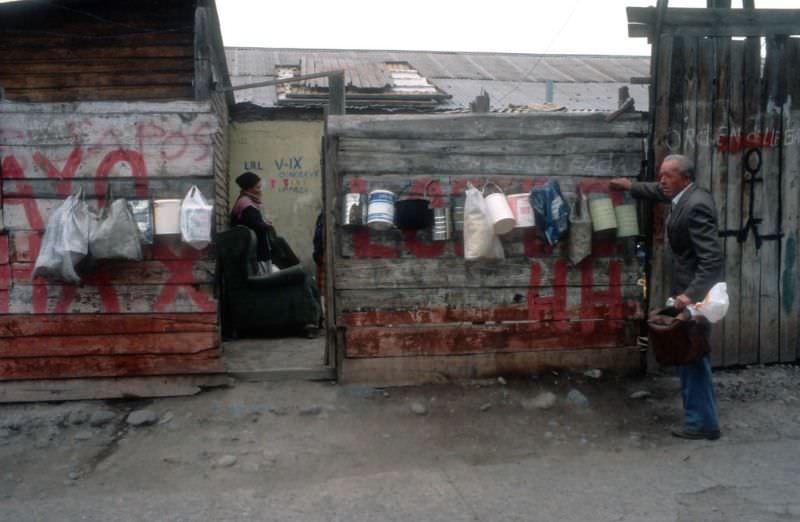
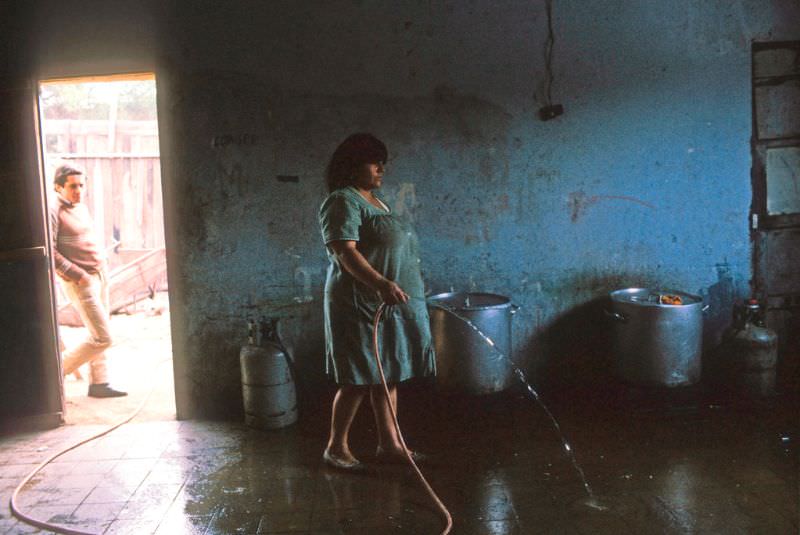
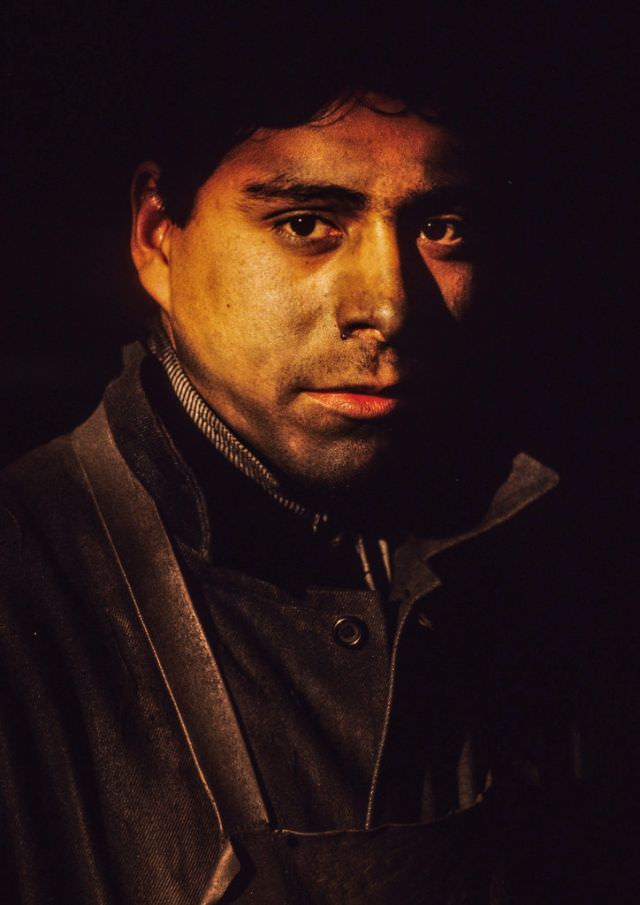
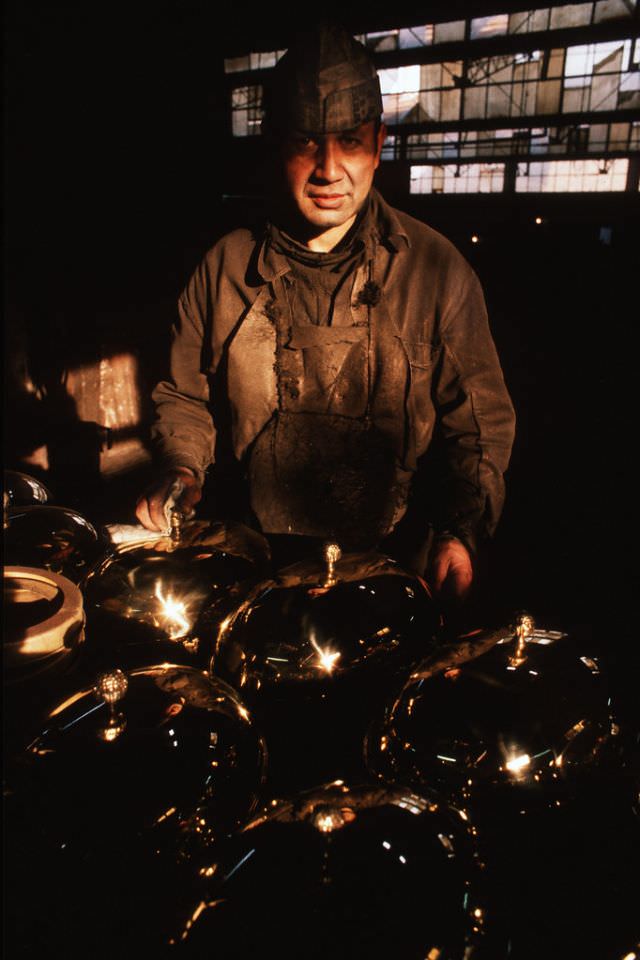
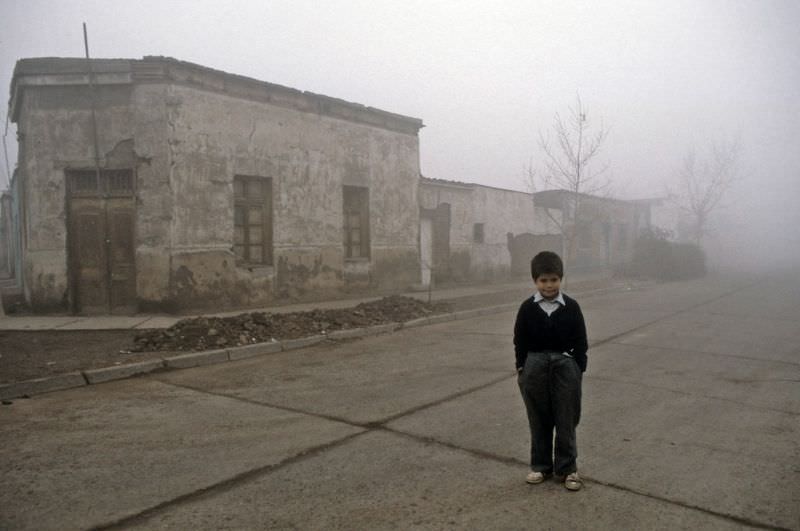
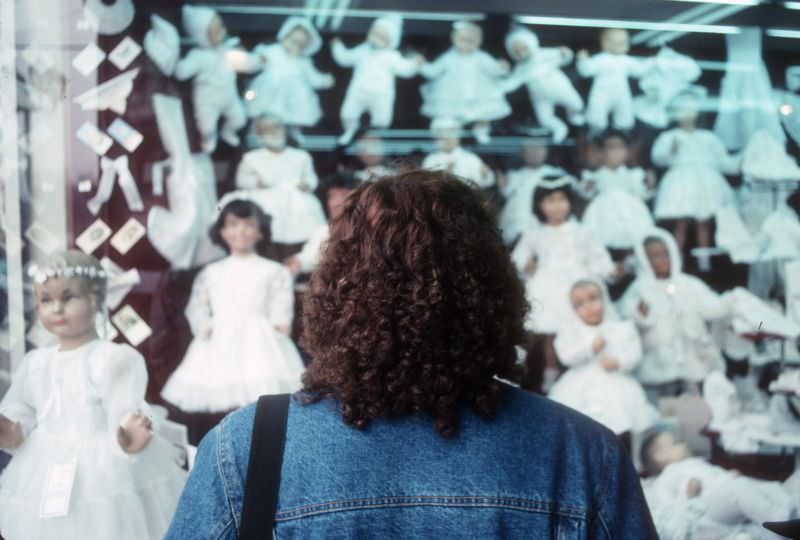
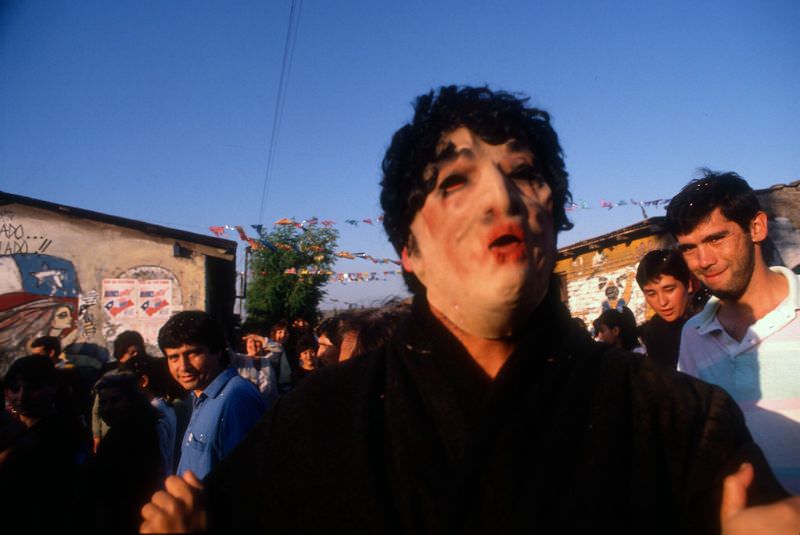
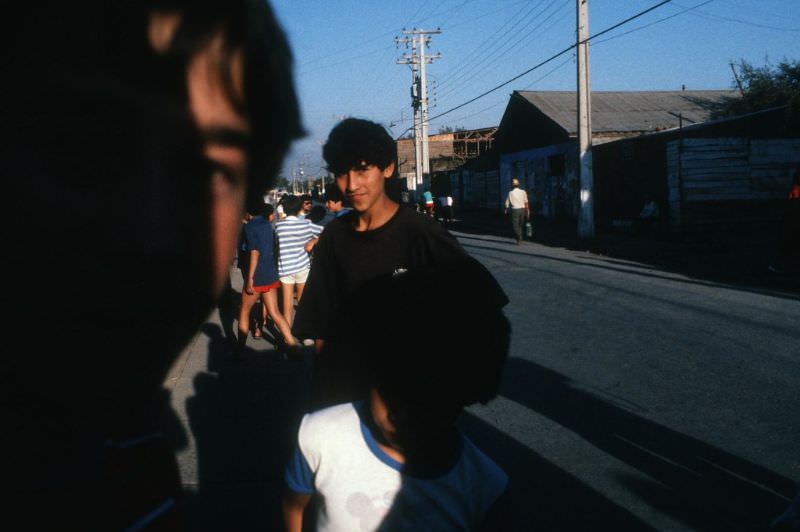
Couples, children, and shopkeepers filled out the portrait of La Victoria and neighborhoods like Cerro Navia. Ordinary life pressed on alongside political upheaval. A first communion in Santiago, children playing in the streets, a silversmith at his workbench — these moments existed in the same city and the same year as tear gas, rallies, and riot police.
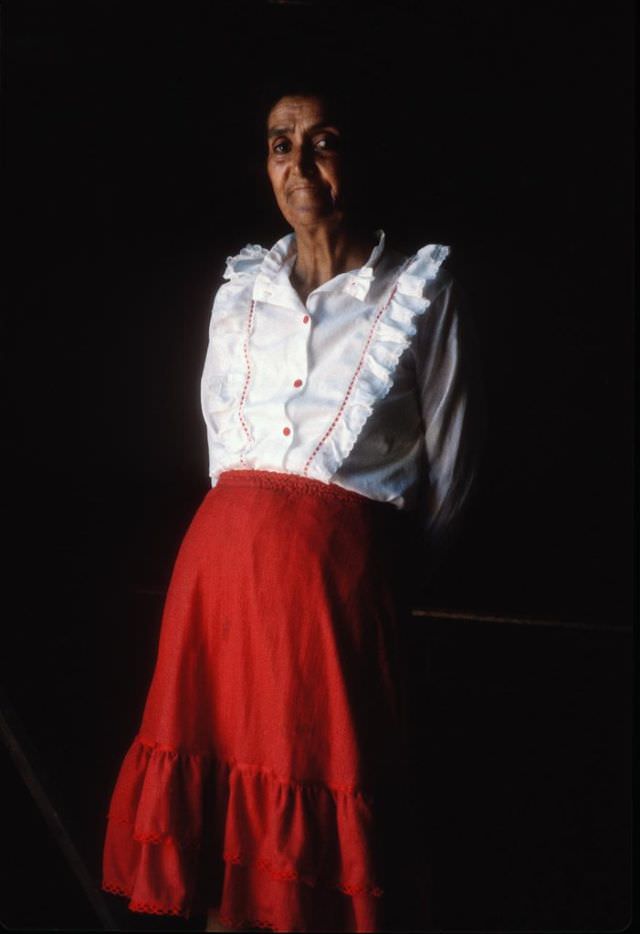
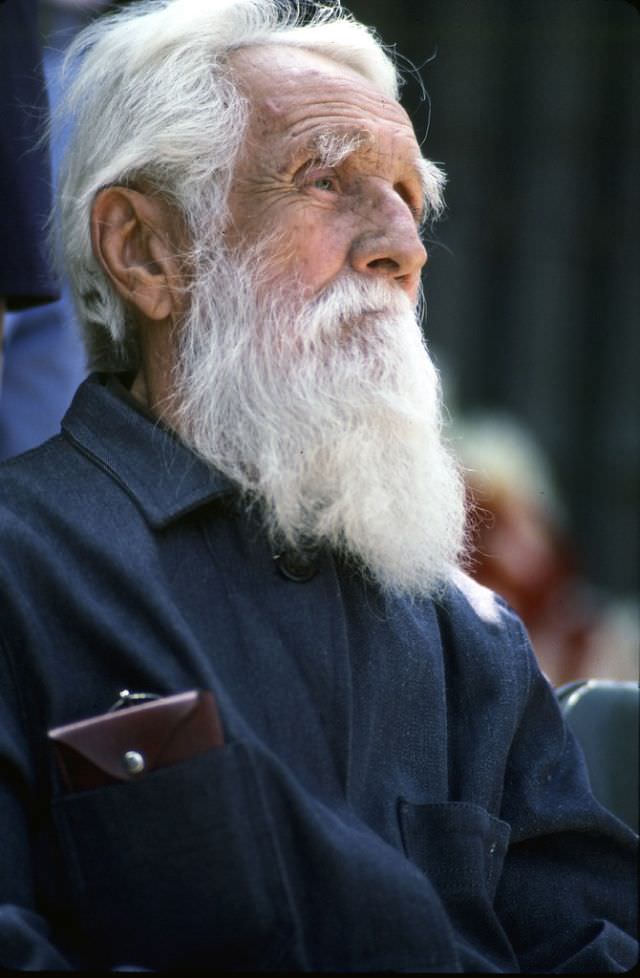
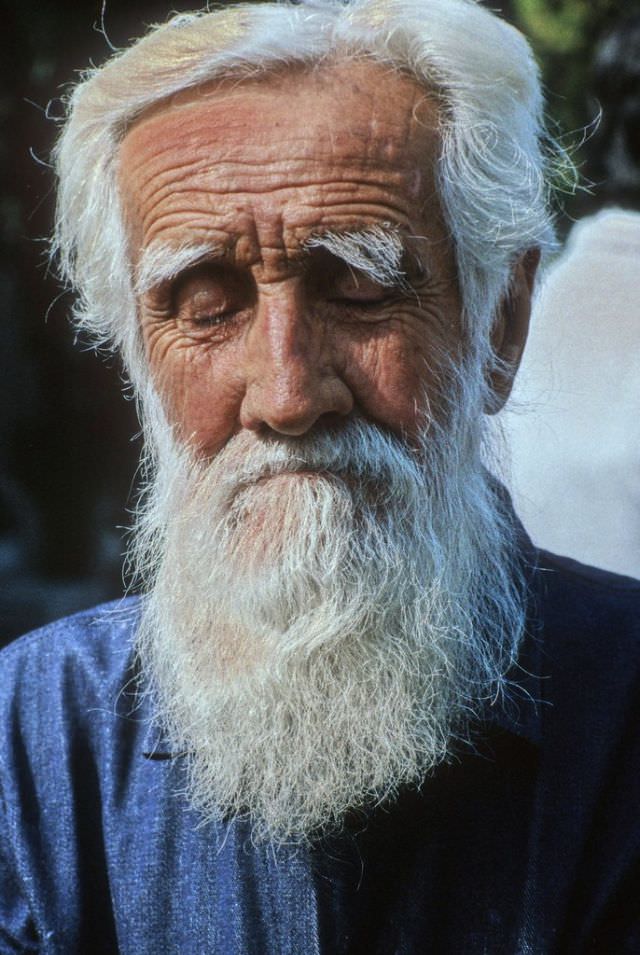
Clotario Blest was one of the most respected figures at the “No” rallies. A founder of Chile’s modern labor movement and a lifelong human rights activist, Blest had opposed the dictatorship from the start. By 1988 he was in his eighties and still showing up. His presence at the rallies carried enormous symbolic weight for those who had been fighting for change since 1973.
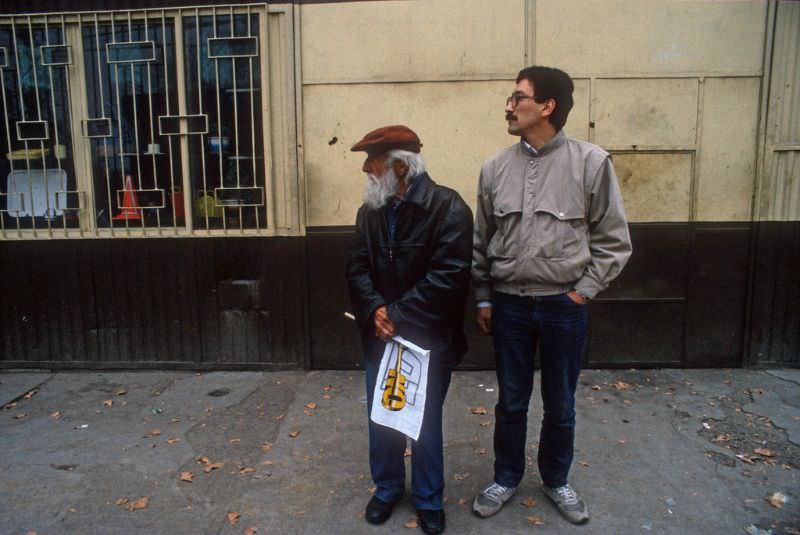
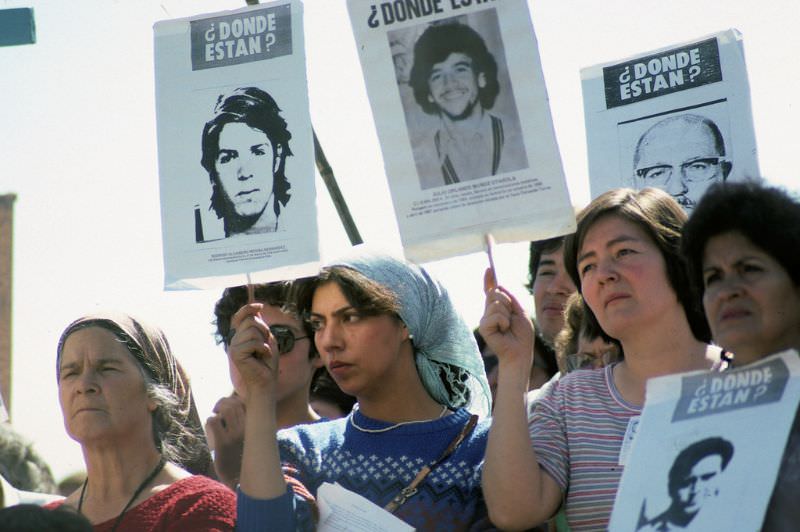
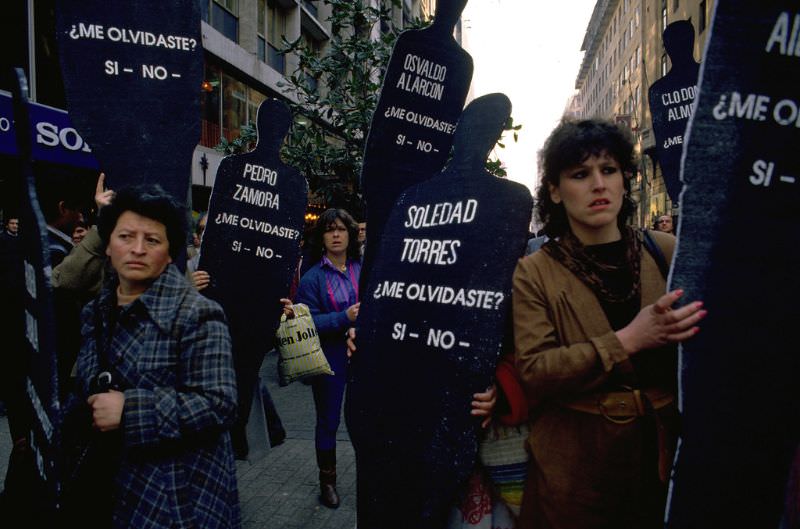
The relatives of the disappeared also took to the streets. On May Day 1988, family members of those who had been killed or vanished under the dictatorship marched alongside workers and activists. The issue of the disappeared — people detained by state security forces who were never seen again — was a defining wound of the Pinochet era, and these families refused to let it be forgotten.
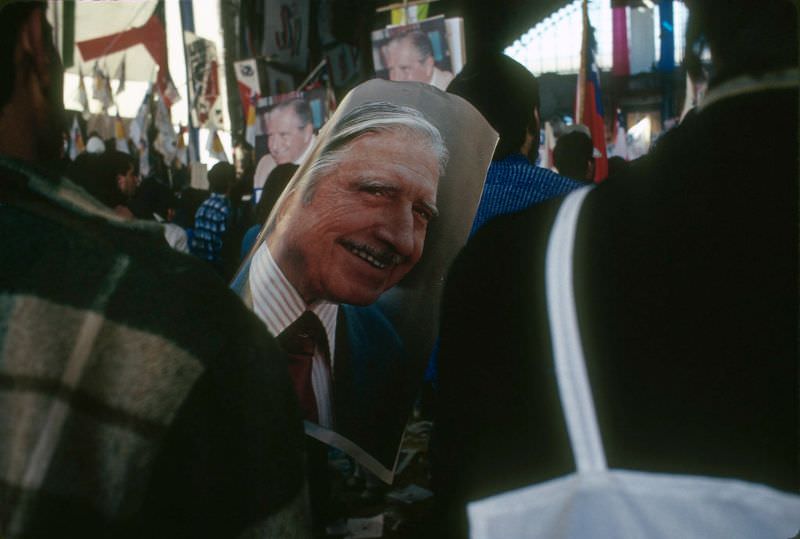
Not everyone was on the “No” side. Pinochet still had genuine supporters, and pro-government rallies filled the streets too. Photographs from the year capture both sides of a deeply divided country — “No” campaign events in Peñalolén and central Santiago alongside Pinochetista rallies where supporters turned out in force to back their leader.
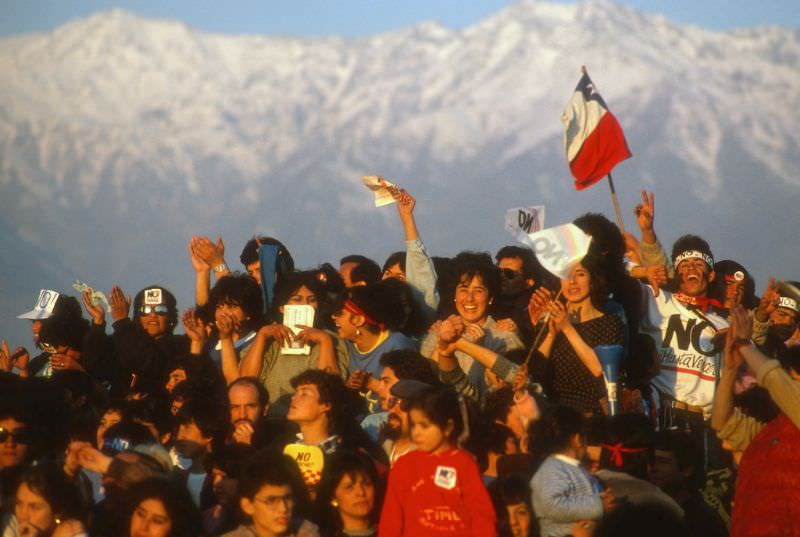
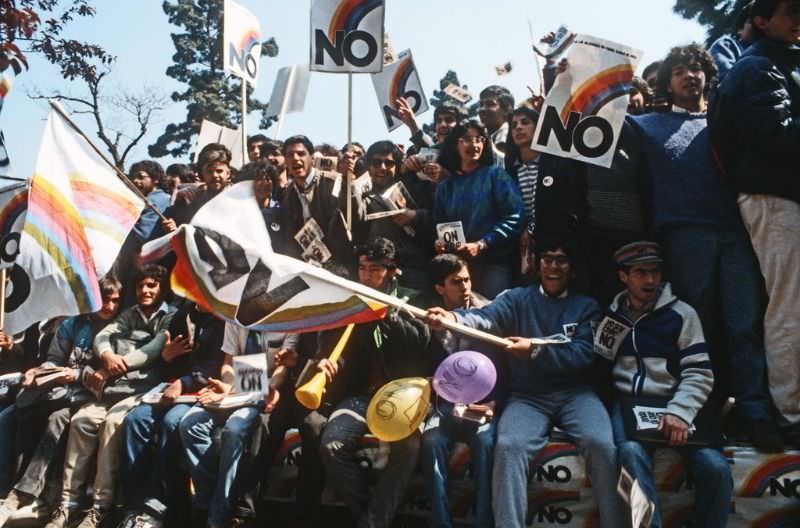
When the results came in on the night of October 5th, the “No” side had won decisively. Celebrations broke out across Santiago. According to declassified documents, Pinochet was furious. He summoned the military junta to his office and demanded they overturn the results. He made the same demand to individual generals. All of them refused. With no support from within his own military for nullifying the vote, Pinochet accepted the outcome.
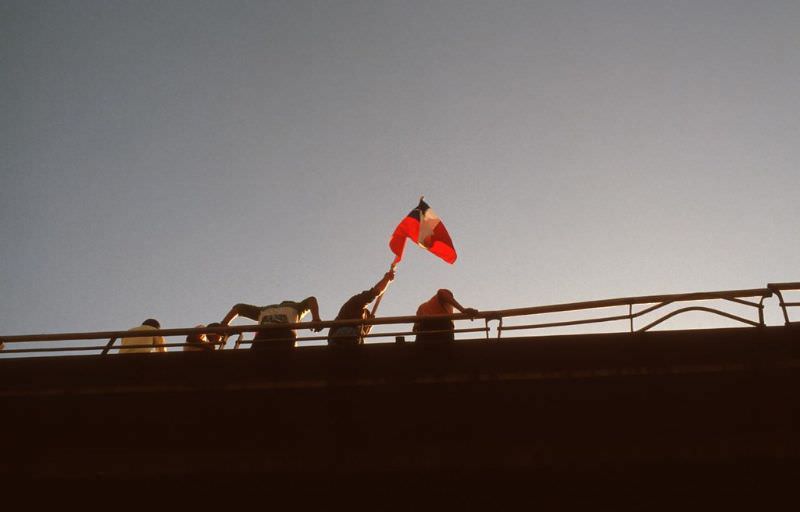
As a result of international pressure, the opposition of major business interests, and growing unease within the dictatorship itself about extending Pinochet’s personal rule, the government honored the result. Chile held a presidential election in 1989, and in March 1990, Pinochet handed power to elected civilian president Patricio Aylwin, ending seventeen years of military rule.