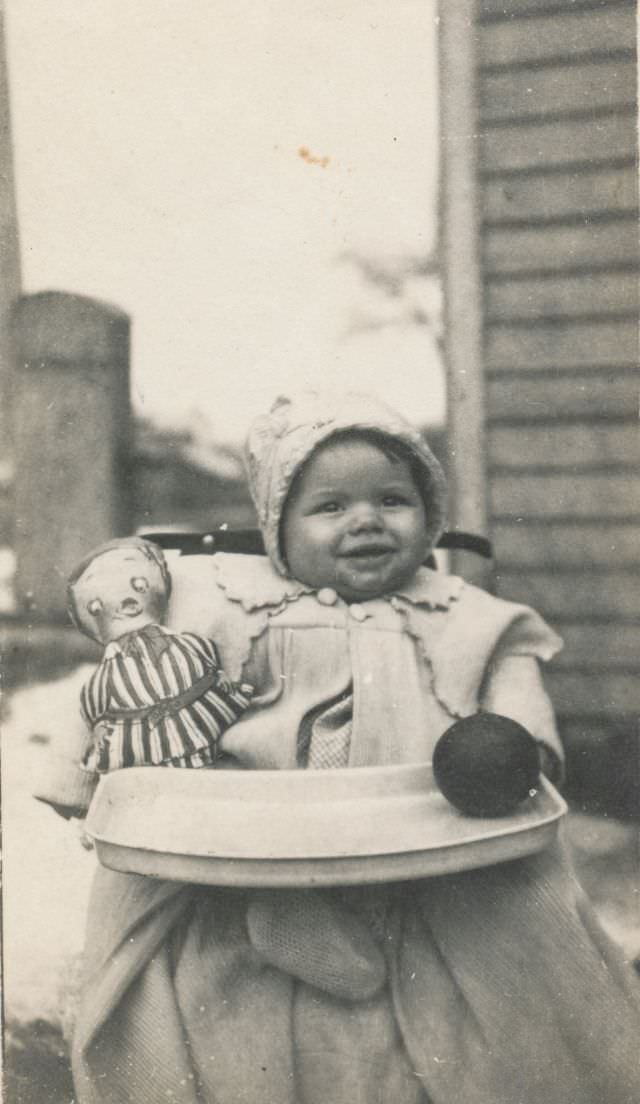
Long before video games and smartphones, children found joy in a much simpler set of objects. Dolls, stuffed animals, rocking horses, toy trucks, and board games filled their days. These toys weren’t just playthings — they were often among a child’s most prized possessions. Families didn’t always have money to spend on extras, so a single well-loved doll or teddy bear could last for years, passed down and handled with real care.
Photography was also a special event in the early 1900s. Having your picture taken wasn’t a daily habit. When families posed for a photo, they often included the things that mattered most — and for children, that meant their toys. The images from this era capture something genuine: kids clutching their favorites, proud of what they had.
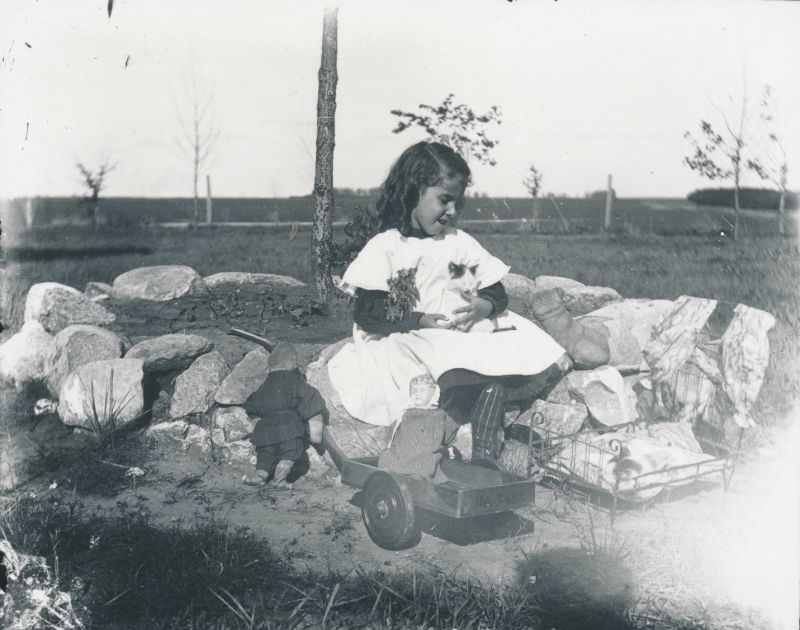
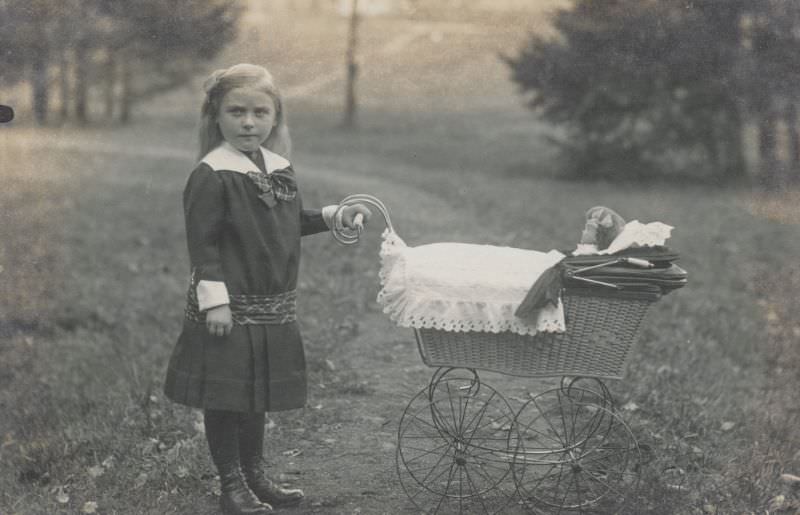
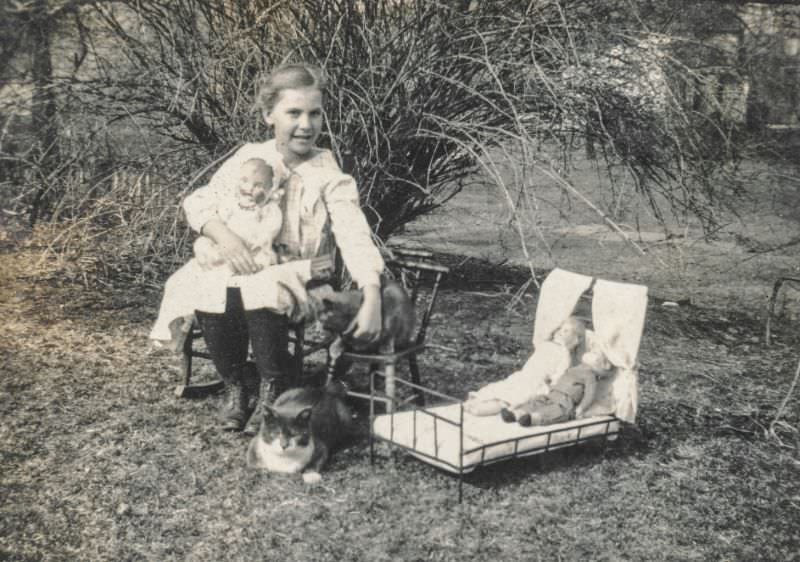
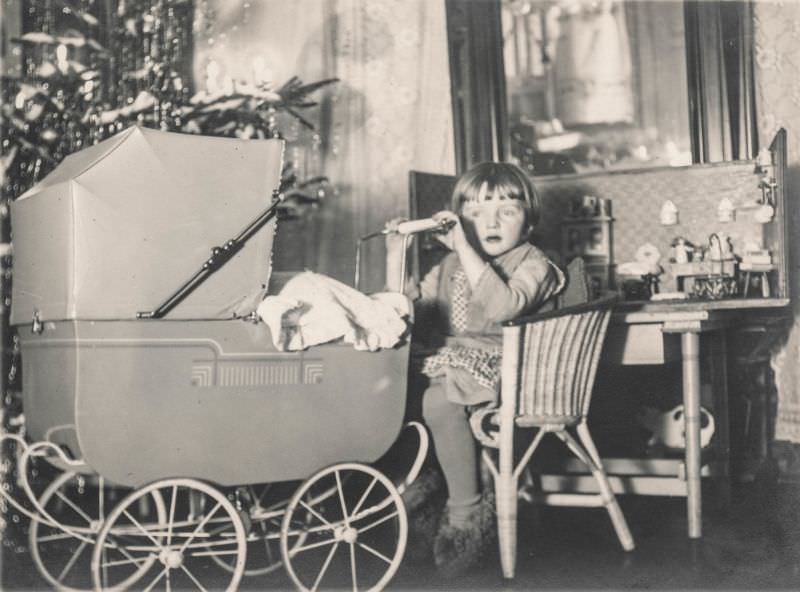
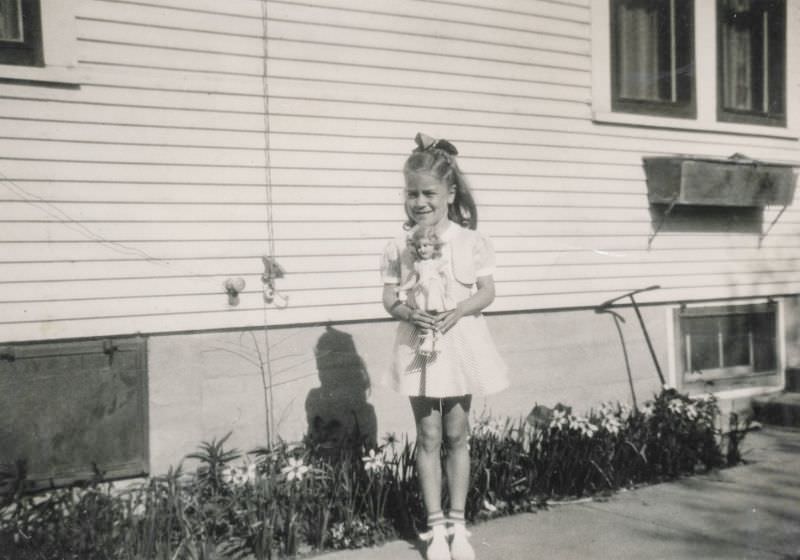
In the early 1900s, dolls were the most common toy for young girls. They came in many forms — porcelain, cloth, or bisque — and were often dressed in detailed clothing. Girls pushed them in miniature strollers, sat them beside real pets, and carried them everywhere. These early dolls had a stiff, formal look compared to modern ones, but children treated them with the same fierce affection kids show their toys today.
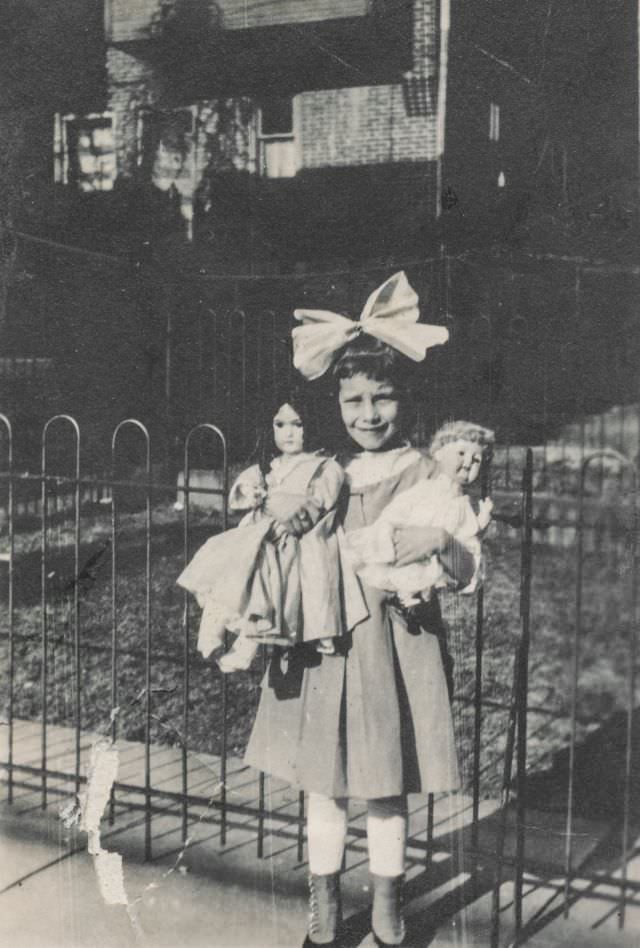
Cats and dogs appeared regularly alongside children and their toys in these old photos. Pets were a natural part of play, and many children grew up treating their animals almost like living versions of their stuffed toys. The combination of a real kitten and a porcelain doll in the same frame says a lot about how children built their own small worlds out of whatever was around them.
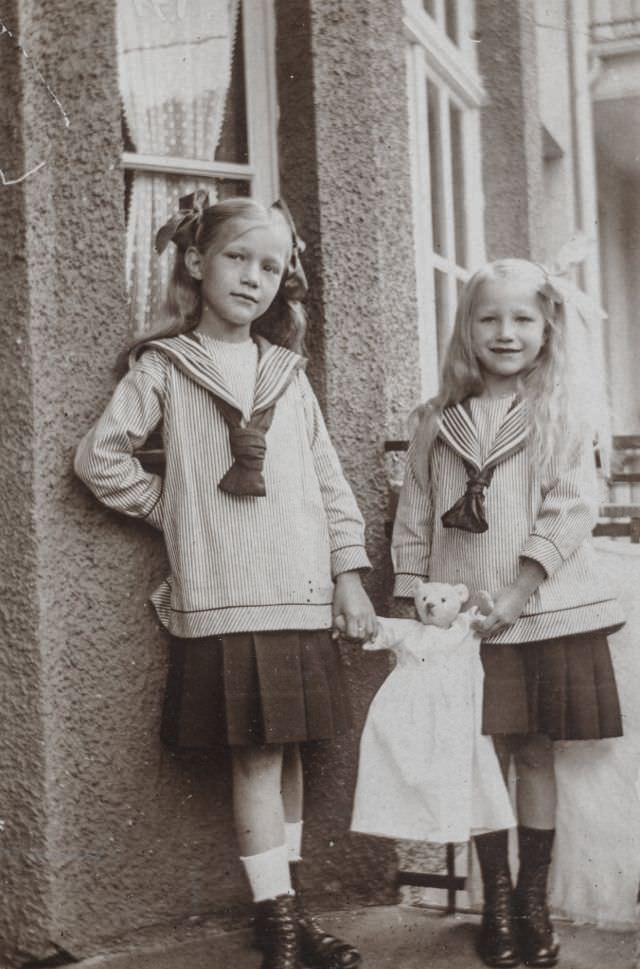
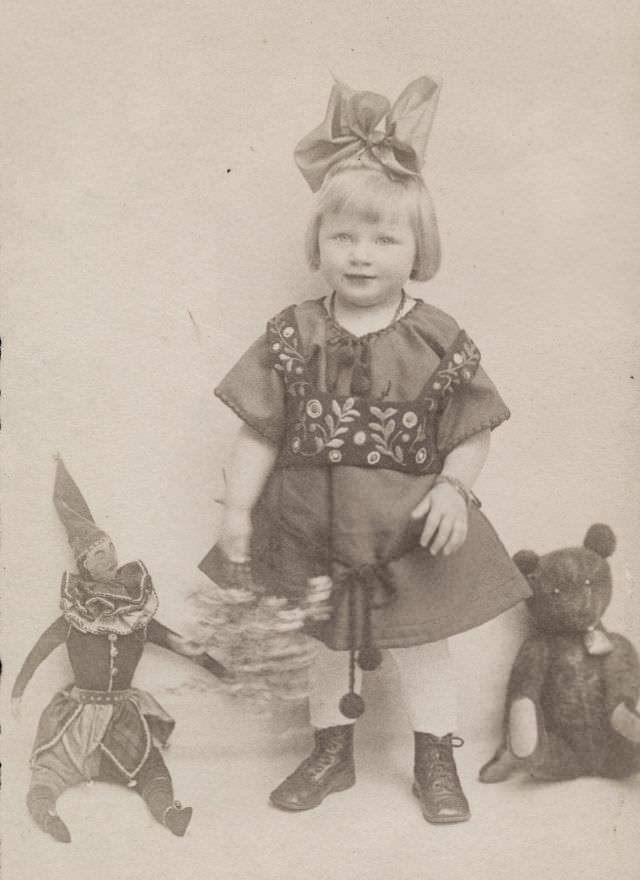
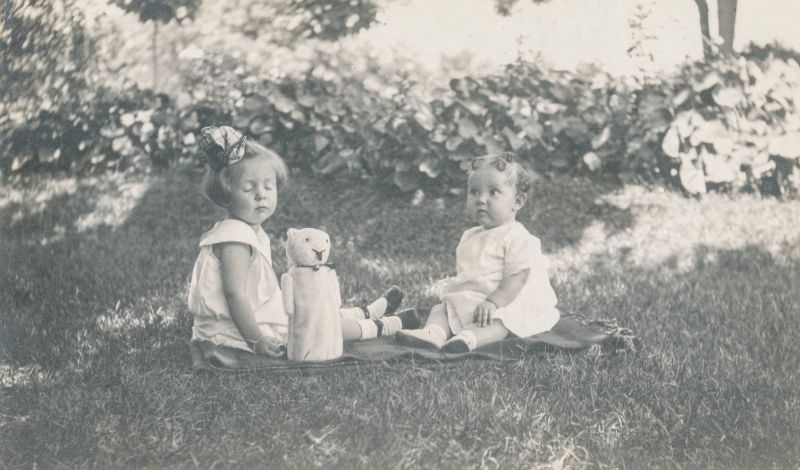
The teddy bear became a cultural icon after President Theodore Roosevelt famously refused to shoot a bear on a hunting trip in 1902. Within a few years, stuffed bears were being mass-produced and sold across the country. By the 1910s and 1920s, they were one of the most recognizable toys in any child’s collection, showing up in photos both indoors and out.
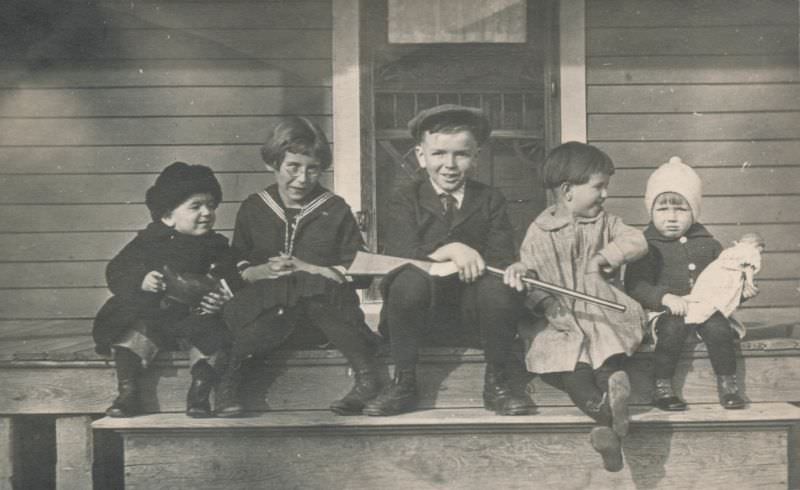
Dollhouses were a serious investment for families who could afford them. These miniature homes were built with real detail — tiny furniture, small kitchens, working doors. Girls spent hours arranging and rearranging the pieces. Baby carriages made specifically for dolls were also a staple, giving children a way to act out caregiving roles they saw modeled by the adults around them.
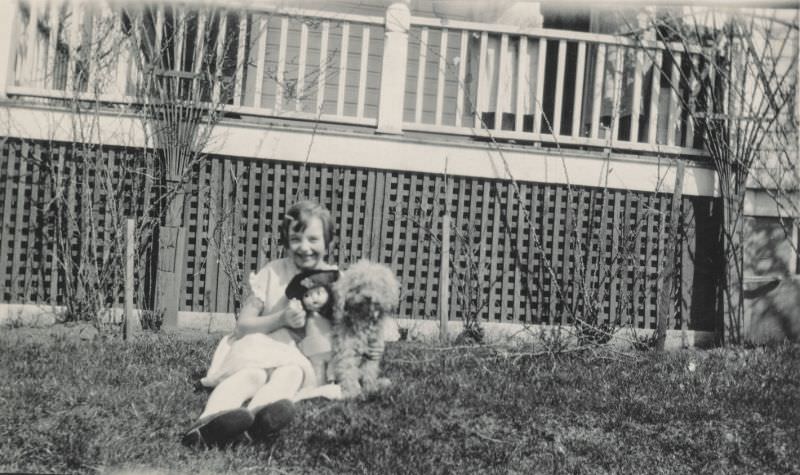
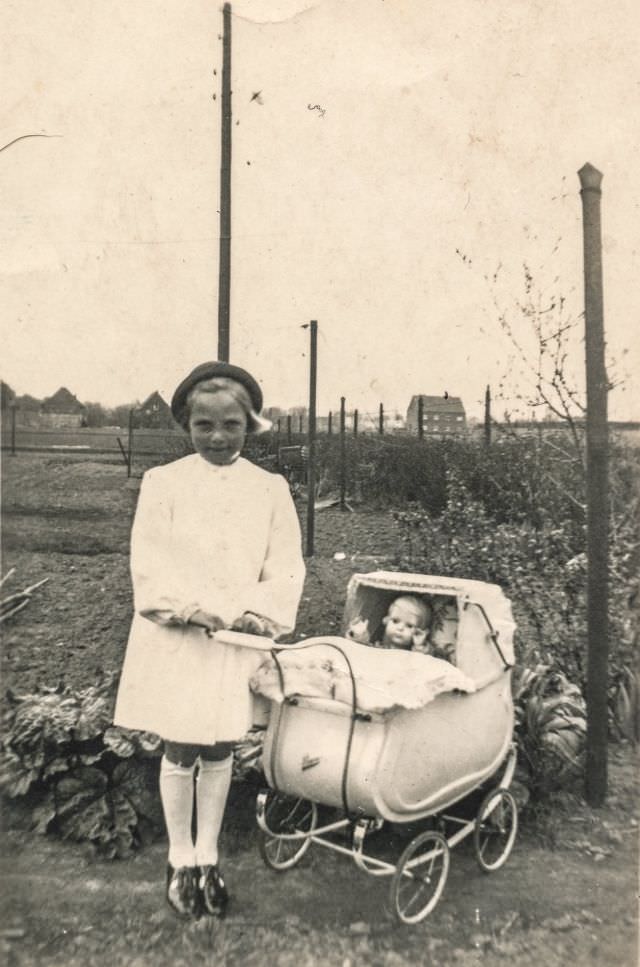
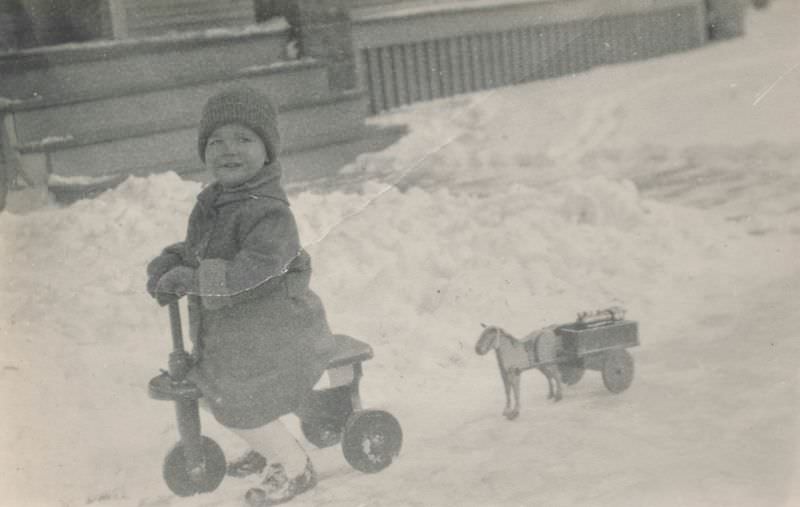
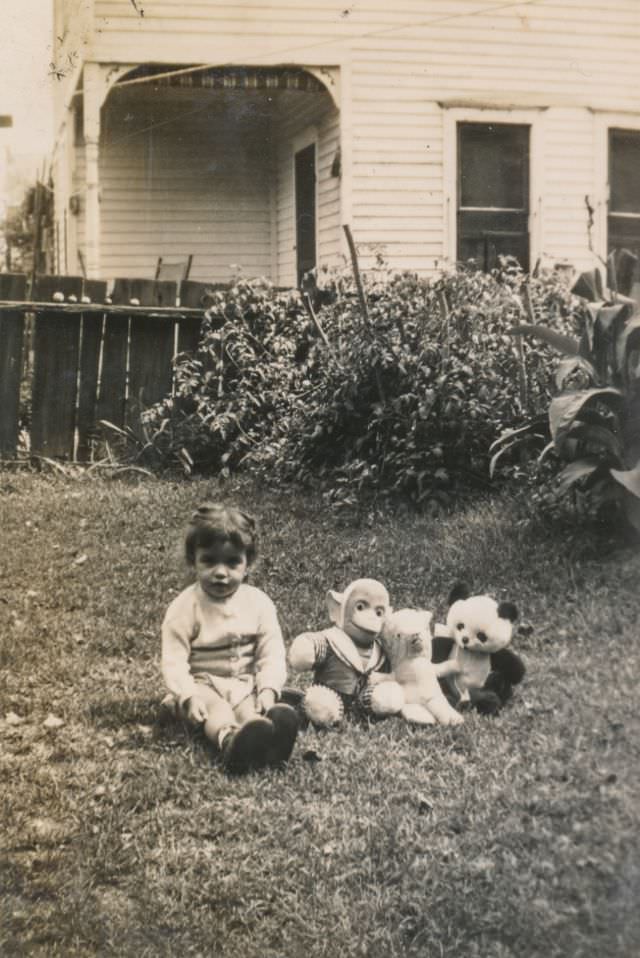
Outdoor play was the standard in the 1920s. Yards, sidewalks, and grassy fields were the playgrounds. Children brought their toys outside with them — stuffed animals propped up on blankets, dolls seated in the grass, tricycles ridden down dirt paths. There was no separation between the toy and the environment; everything blended together.
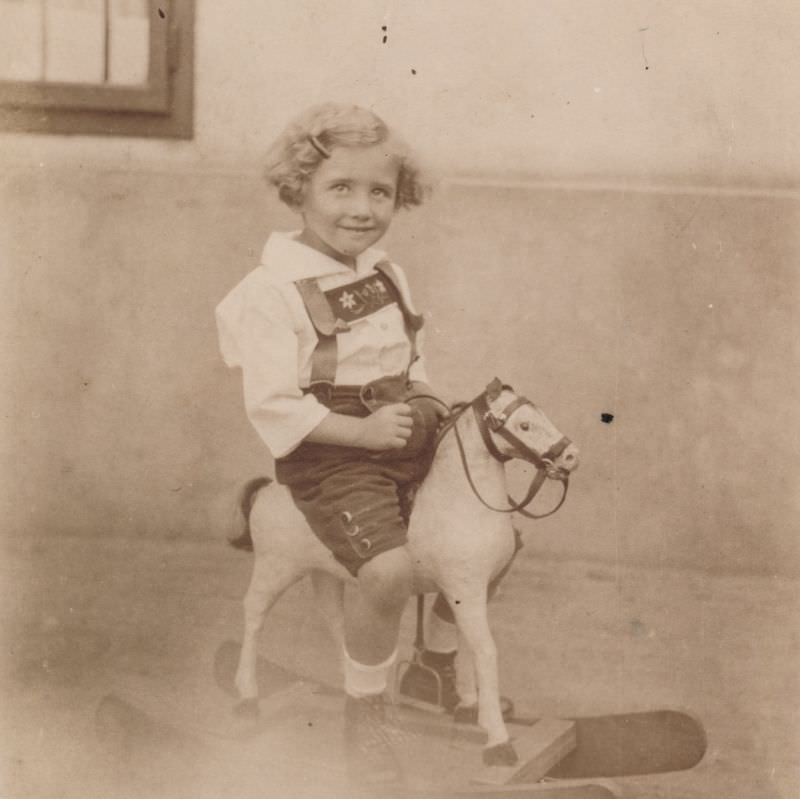
The rocking horse was a fixture in homes from the 19th century well into the mid-20th century. Early versions were carved from solid wood and painted in bright colors. Some were large enough for two children to ride at once. They represented a kind of adventure that children in cities, far from real horses, could still experience in their own living rooms or on the front porch.
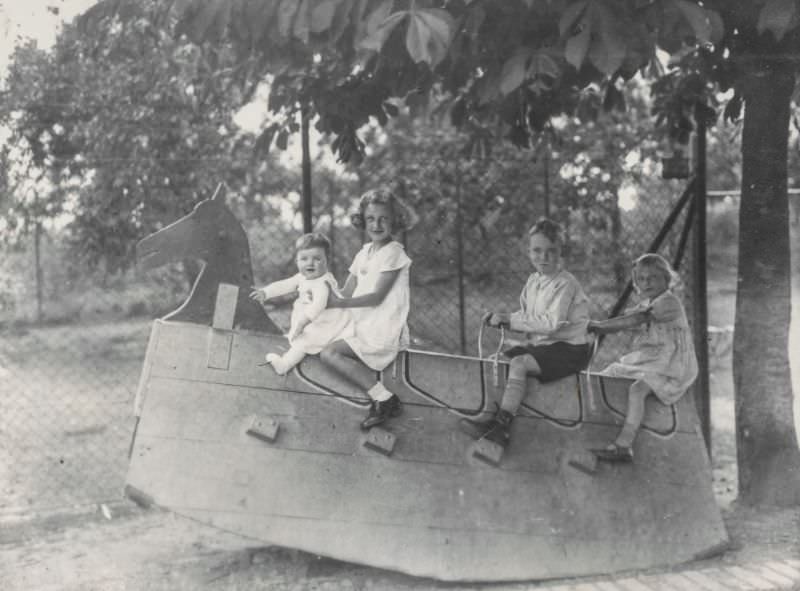
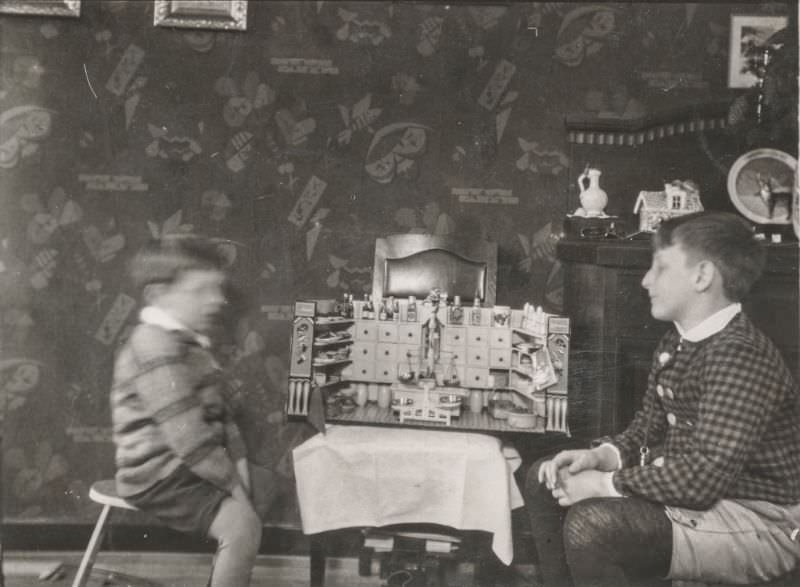
Not all toys followed strict gender lines, even in the early 20th century. Boys played with toy kitchen sets, dolls, and stuffed animals just as girls did. At the same time, toy manufacturers began marketing more aggressively toward boys in the 1930s — producing cast iron cars and buses, building block sets, and military toys that reflected the era’s anxiety about war.
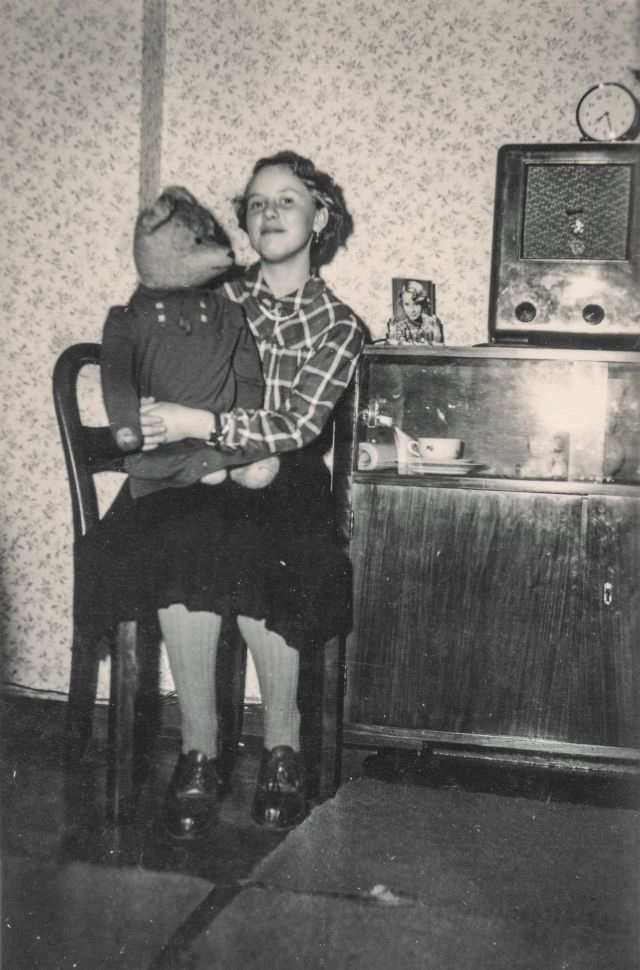
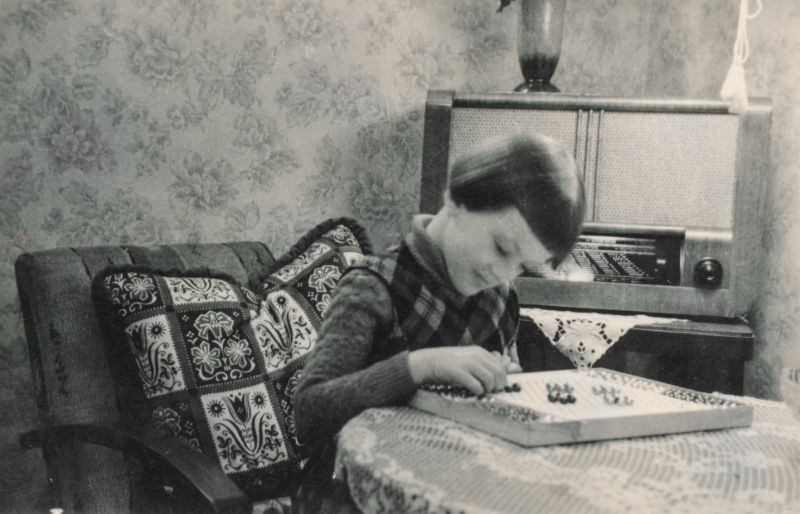
Board games grew in popularity through the 1930s as a form of indoor entertainment during the Great Depression, when families spent more time at home and had little money for outside activities. Games like checkers, Parcheesi, and later Monopoly gave children structured ways to compete and cooperate. A child hunched over a board game in a photo from this period represents an entire era of stay-at-home resourcefulness.
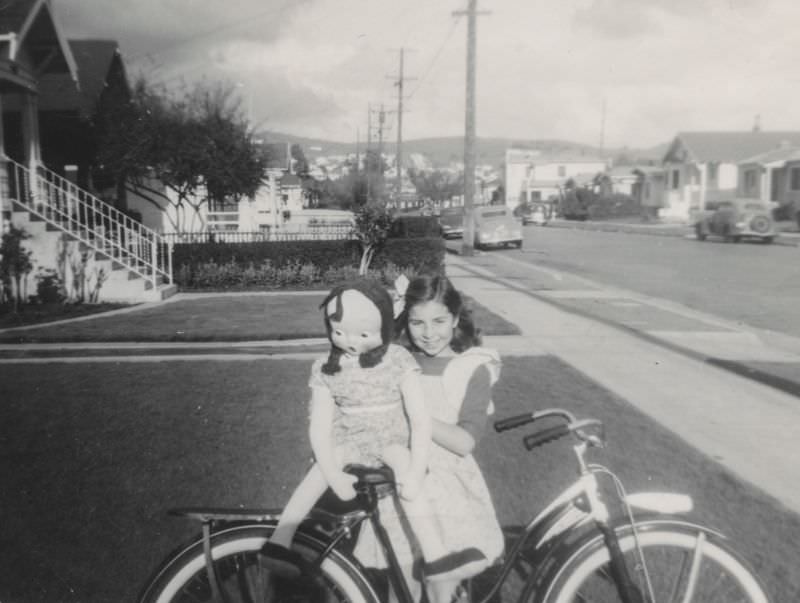
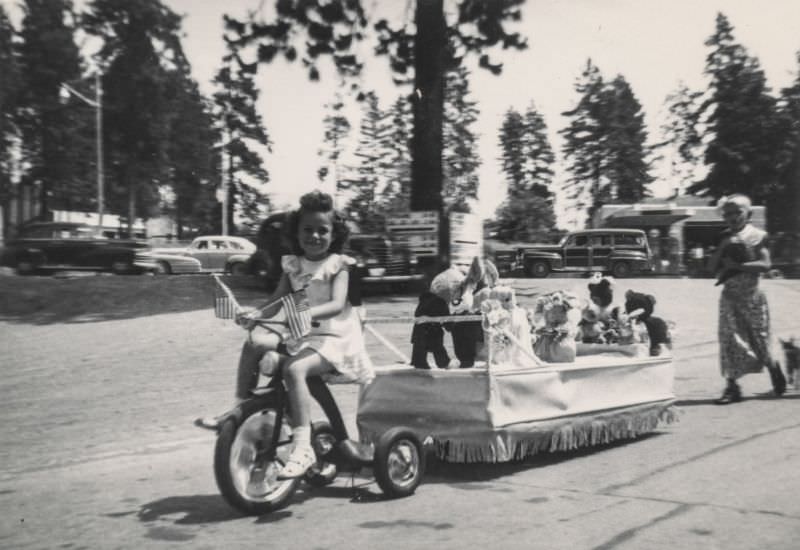
Bicycles and tricycles became symbols of childhood freedom in the 1940s. Even during World War II, when metal was rationed for the war effort, children treasured whatever wheels they had. Some photos from this period show children attaching decorations to their bikes and tricycles, turning neighborhood rides into small parades — a testament to how much fun could be made from very little.
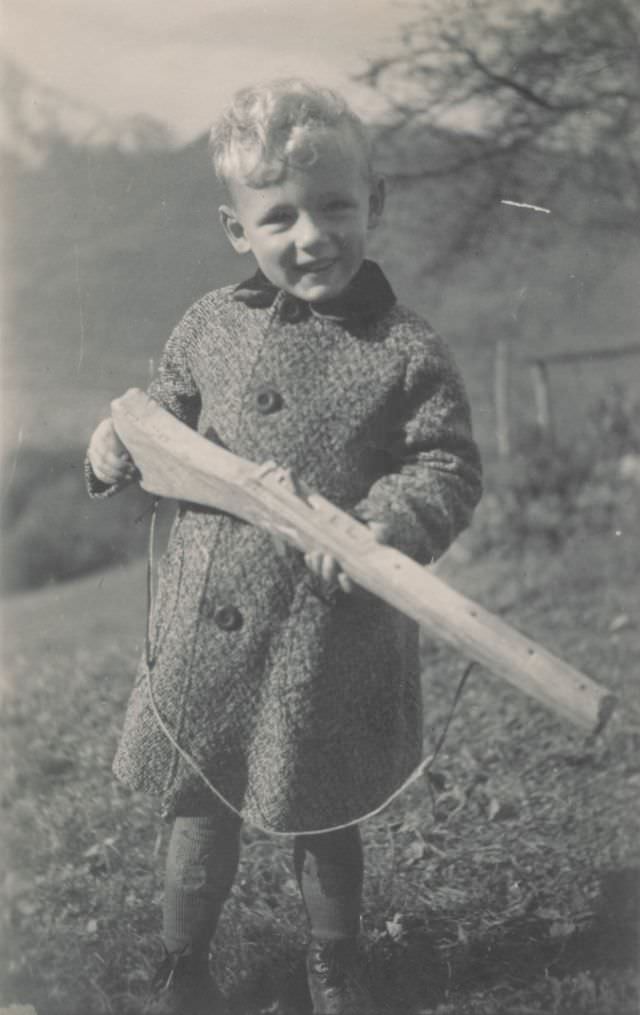
Toy guns and military equipment were extremely common playthings during World War II. With real soldiers overseas and war dominating the news, children’s toys reflected what was happening in the world. Toy rifles, tanks, and military vehicles sold in large numbers. Boys grew up playing war in the same years their fathers and older brothers were fighting one.
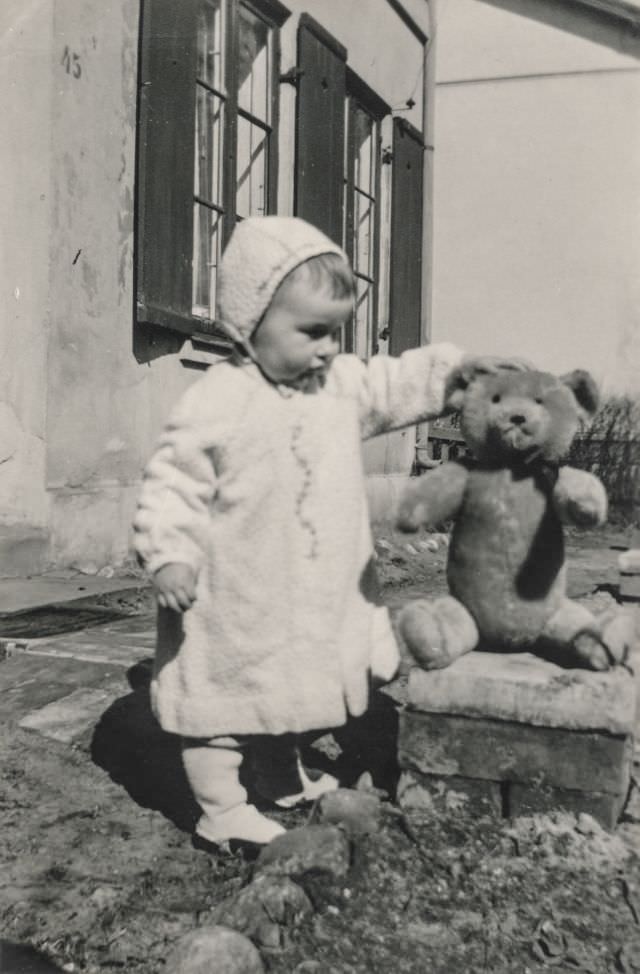
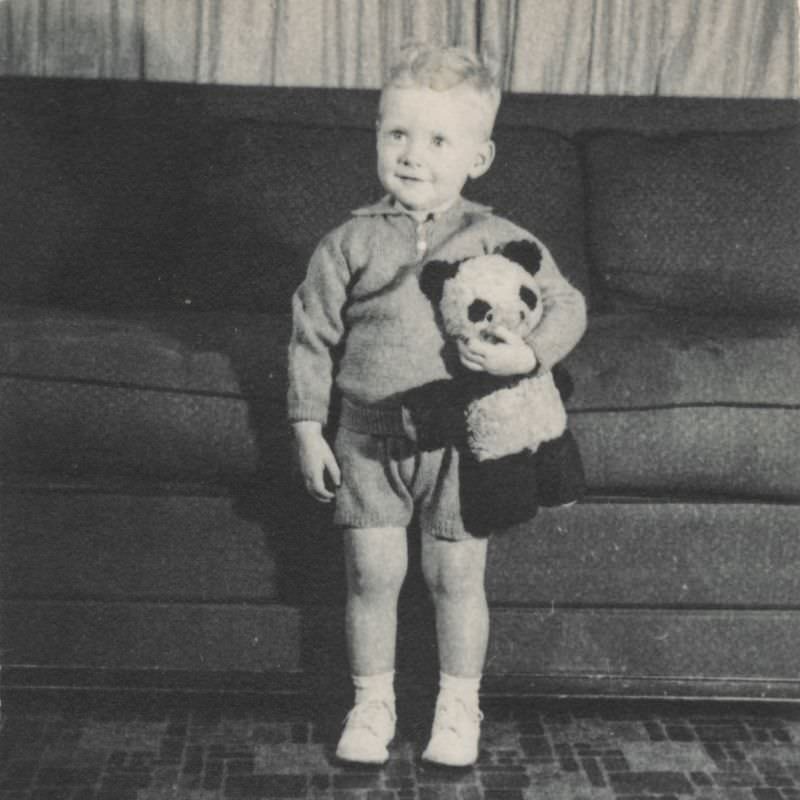
The postwar baby boom of the late 1940s and 1950s brought a surge in toy production. Factories that had built military equipment quickly shifted to consumer goods, and toy stores expanded rapidly. Stuffed animals, especially bears and monkeys, remained perennial favorites. Photos from the 1950s show children holding them with the same tight grip that children in 1910 had — some things didn’t change at all.
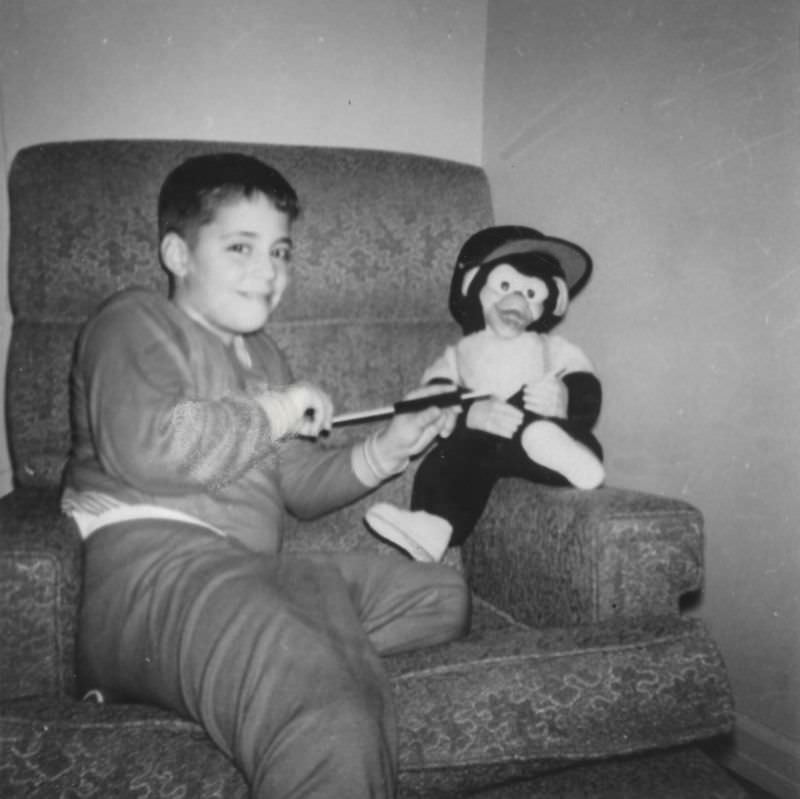
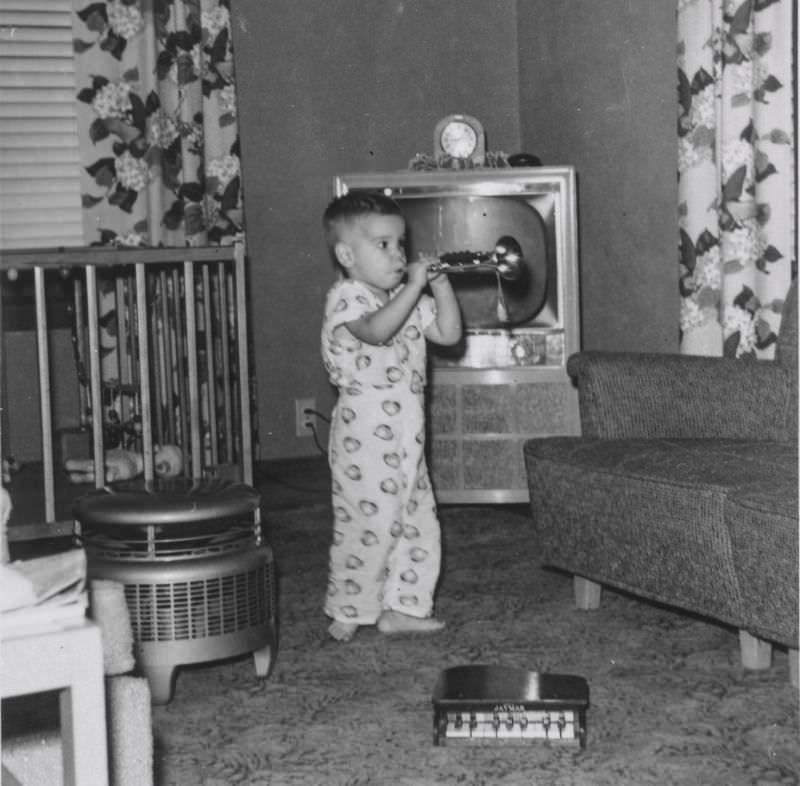
Musical toys were popular throughout the mid-20th century. Toy trumpets, drums, and xylophones gave children a way to make noise and act out what they saw on television or heard on the radio. The 1950s also brought a wave of novelty toys tied to popular culture — cap guns inspired by Western TV shows, space-themed toys linked to the early space race, and musical instruments inspired by rock and roll.
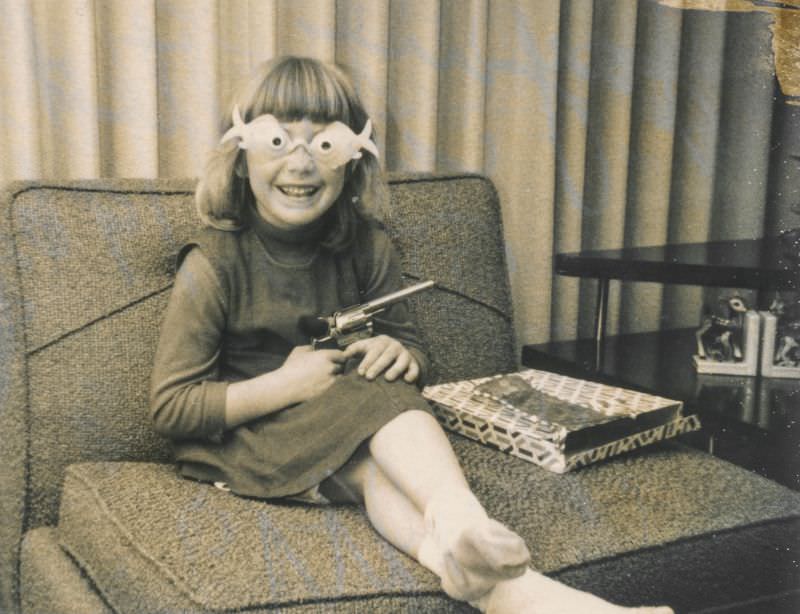
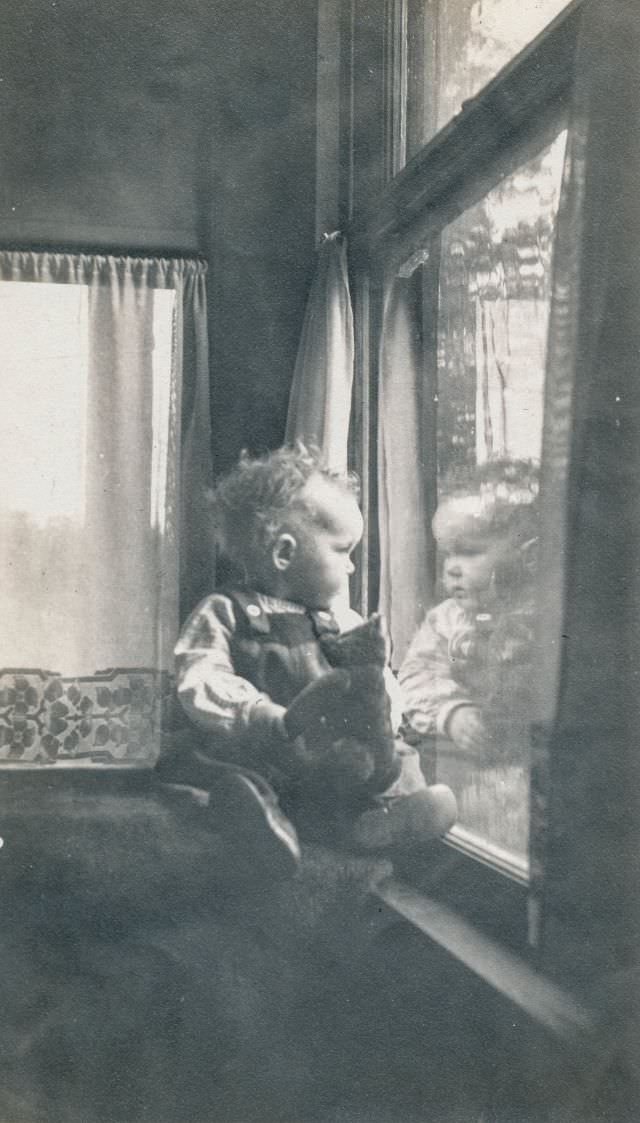
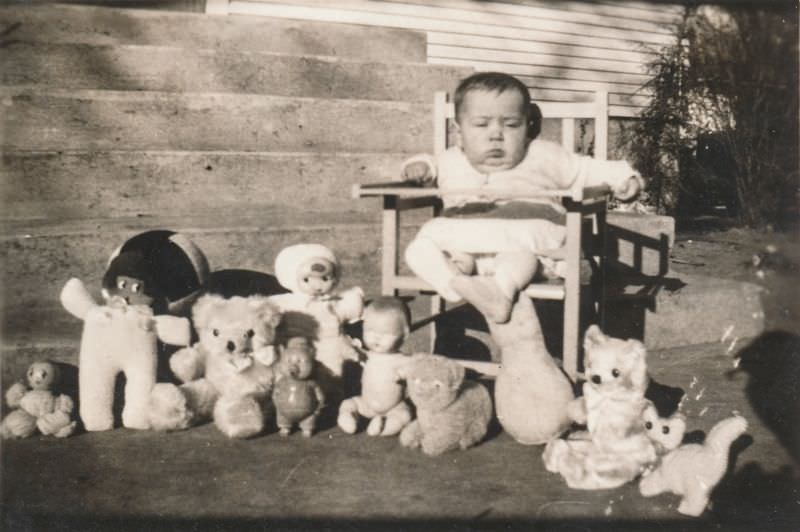
Some of the most enduring images from this collection have no date attached. A baby at a window with a teddy bear, a toddler surrounded by stuffed animals, a child riding a tricycle through the snow — these moments weren’t staged for history. They were just ordinary afternoons, caught by a camera and preserved by accident. That’s exactly what makes them worth looking at.
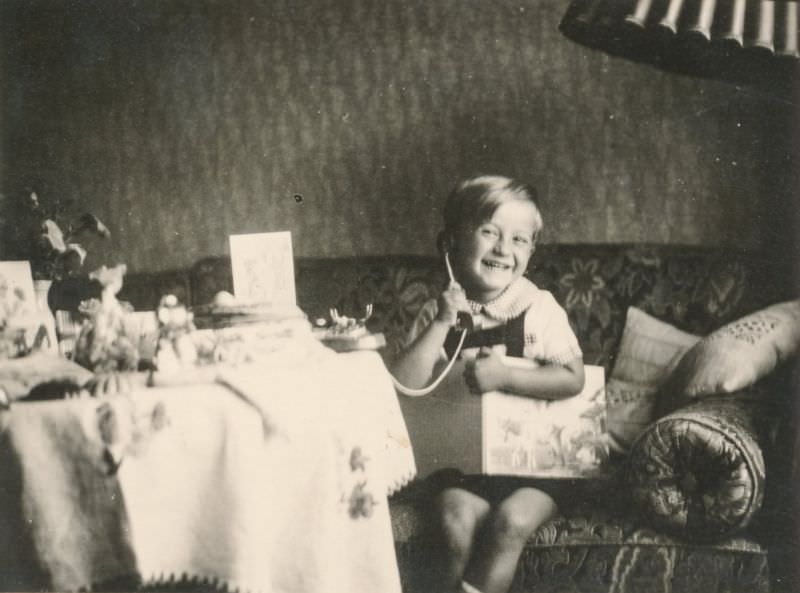
Toy telephones became popular in the 1930s and 1940s as real telephones moved into more American homes. Children mimicked the conversations they overheard from adults, dialing and pretending to talk. It was one of the earliest examples of children using toys to role-play adult technology — a pattern that continued with toy computers decades later.
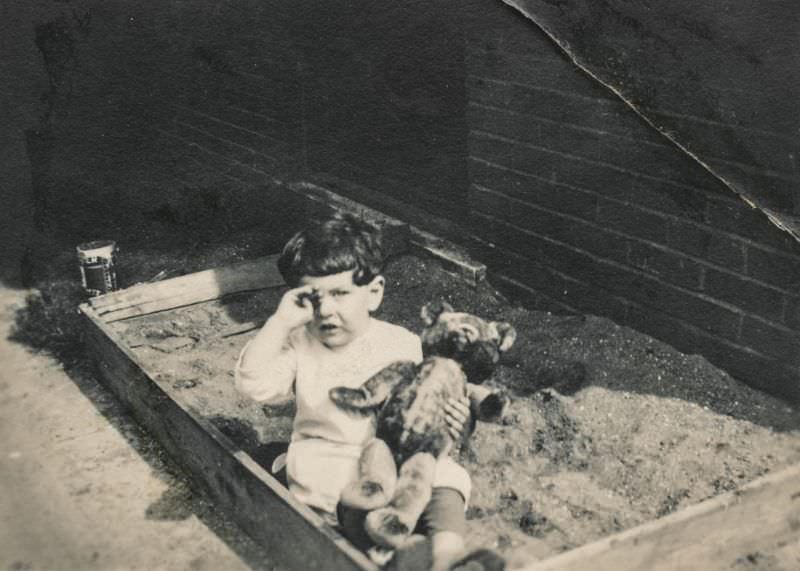
Not every photo from childhood is a happy one. A crying boy in a sandbox with a teddy bear clutched to his chest is just as honest a record as any smiling portrait. Sandboxes were a standard backyard feature from the early 20th century onward, giving children a space to dig, build, and destroy small worlds of their own making.
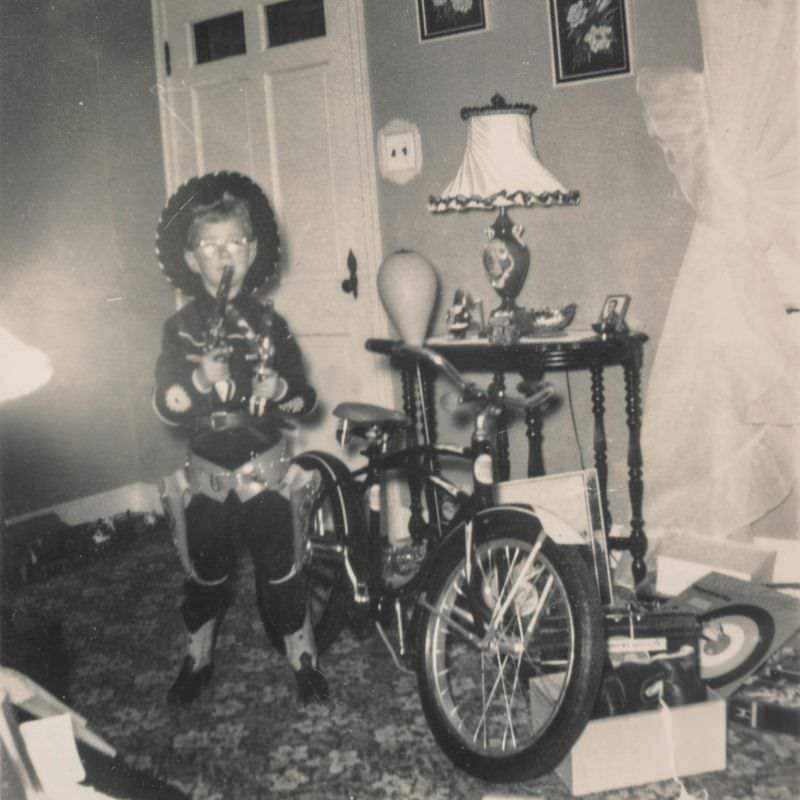
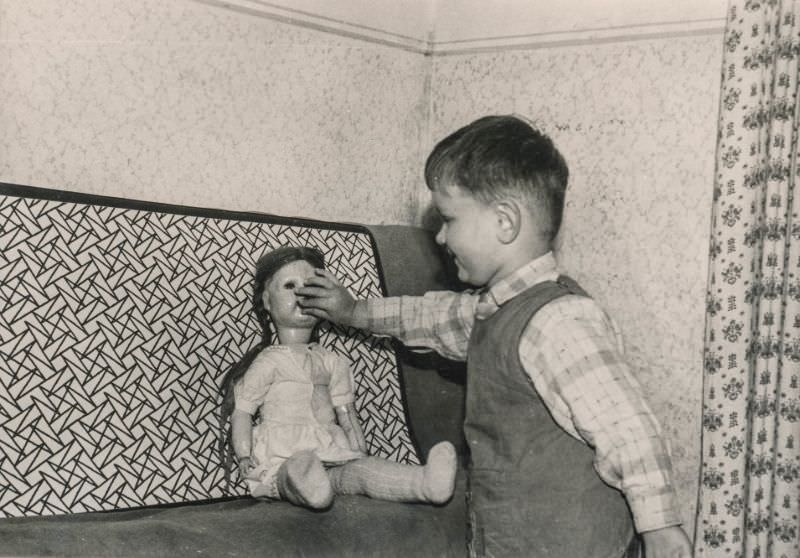
Cowboys were one of the most popular childhood personas through the 1940s and 1950s, fueled by Western films and radio serials. Boys dressed in cowboy hats and boots, armed with cap guns, were a regular sight in neighborhoods across America. The cowboy aesthetic crossed over into bikes, wagons, and even lunchboxes — it was one of the first real examples of licensed character merchandise for children.
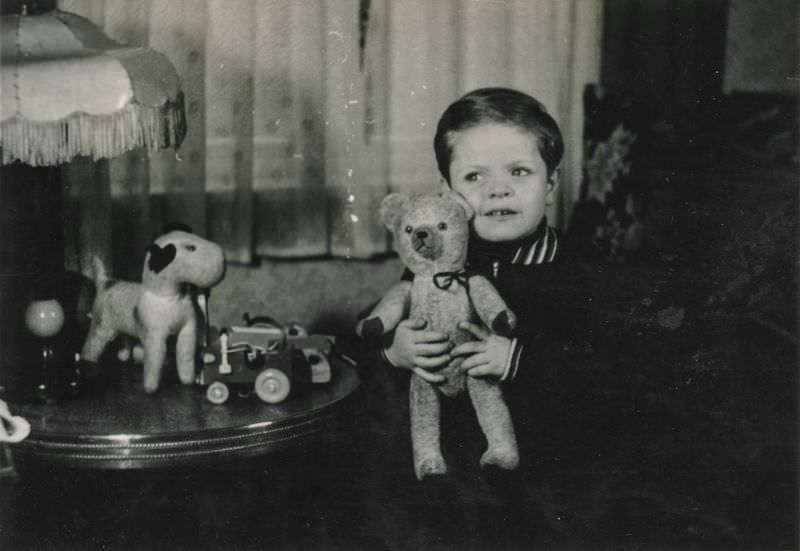
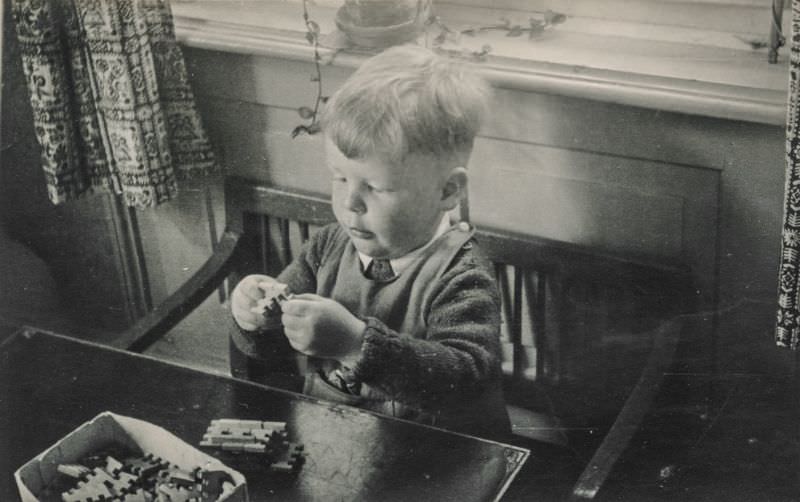
Building blocks have been a children’s toy since the 18th century. By the early 1900s, they were mass-produced in wood and sold in sets of dozens. Children stacked them into towers and knocked them down, built walls and roads, and sorted them by color and size. They were one of the few toys that worked equally well for toddlers and older children.
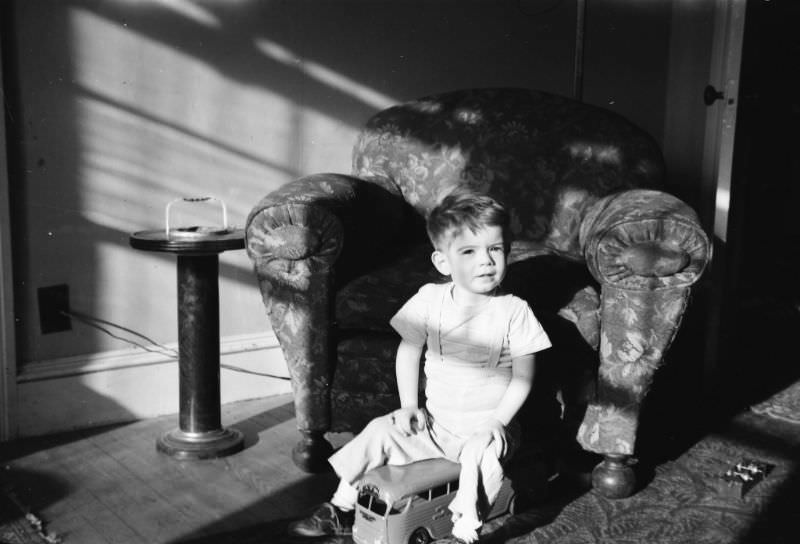
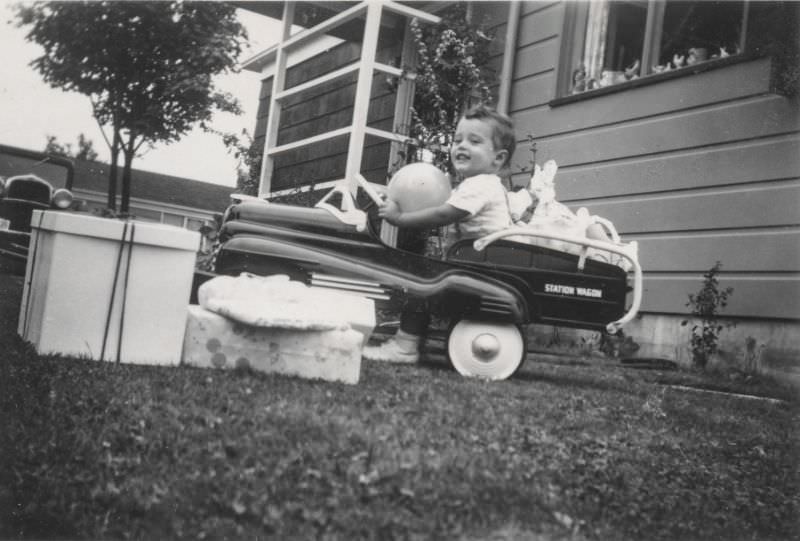
Cast iron toy vehicles were built to last. Made in American foundries from the late 1800s through the early 1940s, these toys were heavy, detailed, and nearly indestructible. Toy buses, cars, fire trucks, and trains replicated real vehicles with impressive accuracy. After World War II, cheaper pressed steel and later plastic versions replaced them, but the cast iron originals became collector’s items.
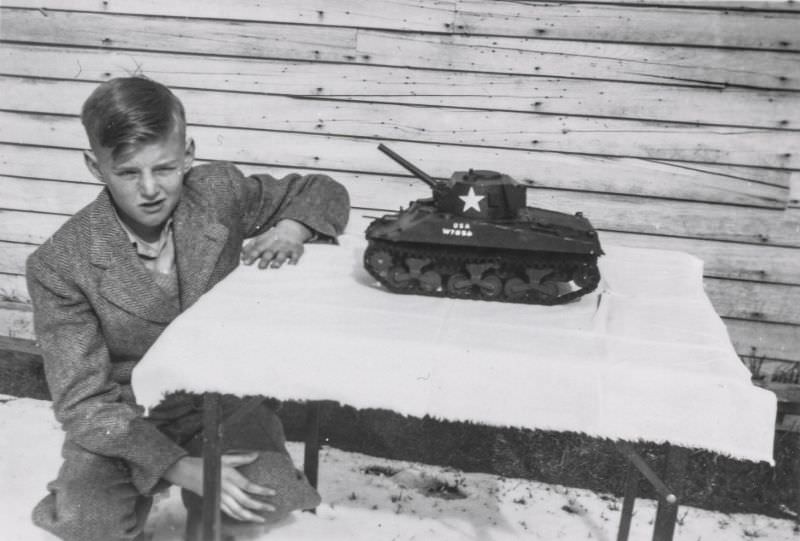
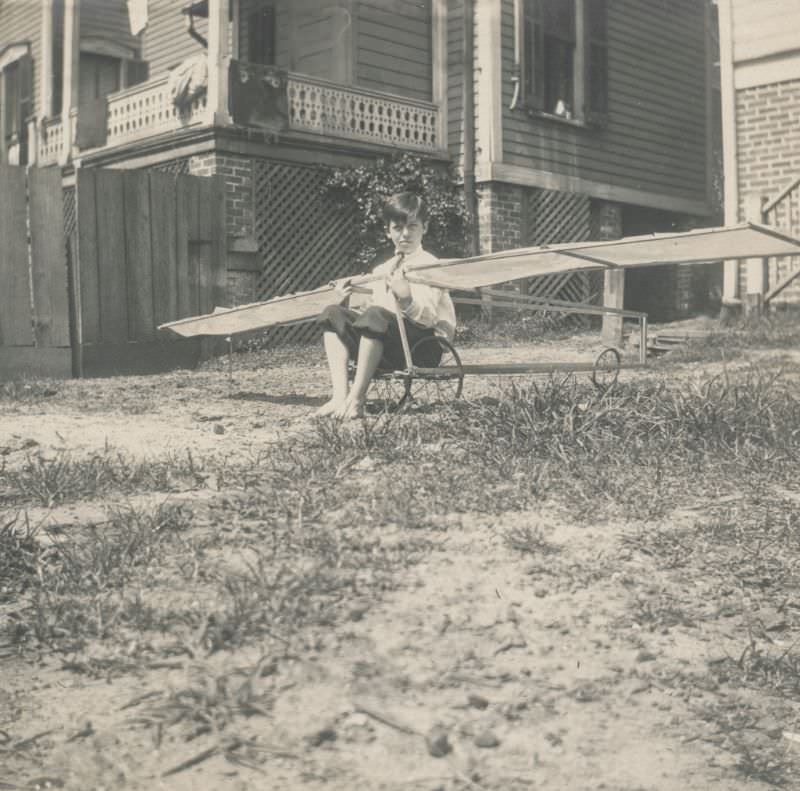
Toy airplanes and tanks reflected the military technology children grew up watching in newsreels and newspapers. After World War I and especially during World War II, these toys were everywhere. A boy showing off a toy tank or holding a model airplane was participating in a form of play deeply connected to what was happening in the real world.
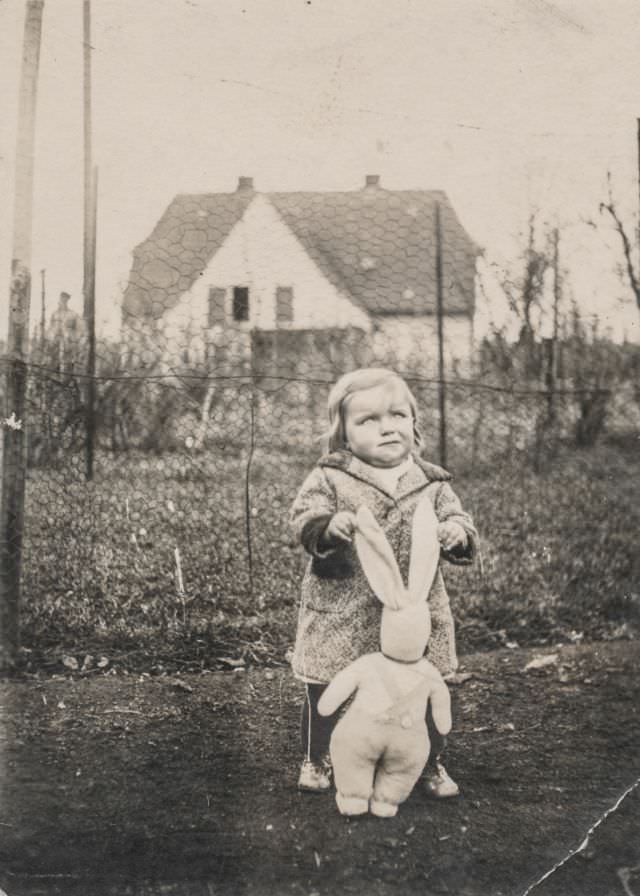
Stuffed rabbits ranked alongside bears as one of the most beloved soft toys of the early 20th century. Easter traditions helped cement the rabbit as a child-friendly symbol, and toy manufacturers produced them in cloth, velvet, and mohair. A girl in a garden with a stuffed rabbit was a common enough scene to appear in countless family albums from the 1910s through the 1950s.
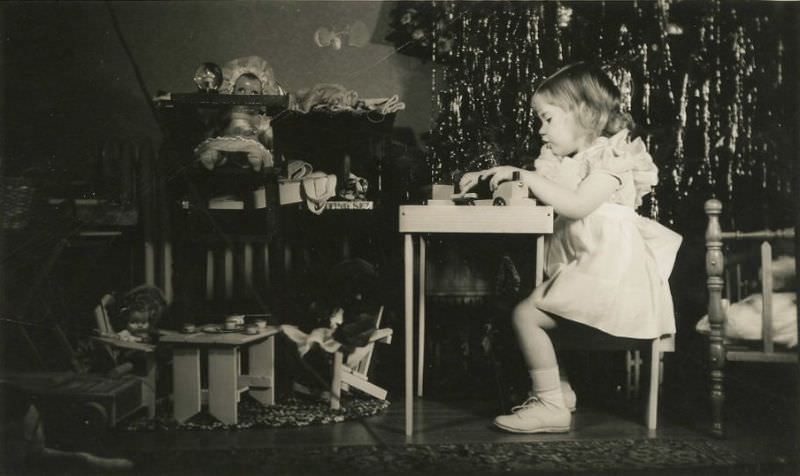
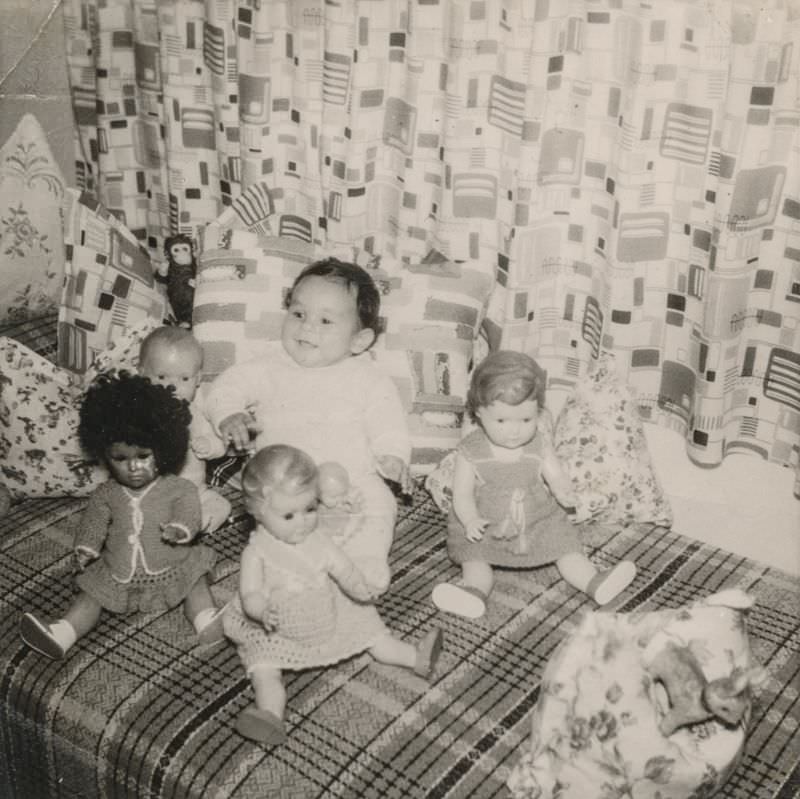
Some children accumulated large collections of dolls. These weren’t always bought new — many were handed down from older siblings or cousins, repaired, re-dressed, and kept in circulation for years. A girl surrounded by her dolls in a photograph was displaying something real: the full inventory of her toy life, each one with its own name and history.