
Every child knows the feeling of waking up in a cold sweat, heart pounding, from a nightmare that felt completely real. In the 1960s, photographer Arthur Tress decided to do something unusual with that feeling — he tracked it down, documented it, and turned it into art. The result was a striking photo series called “The Dream Collector,” a body of work that brought the darkest corners of childhood imagination into sharp, unsettling focus.
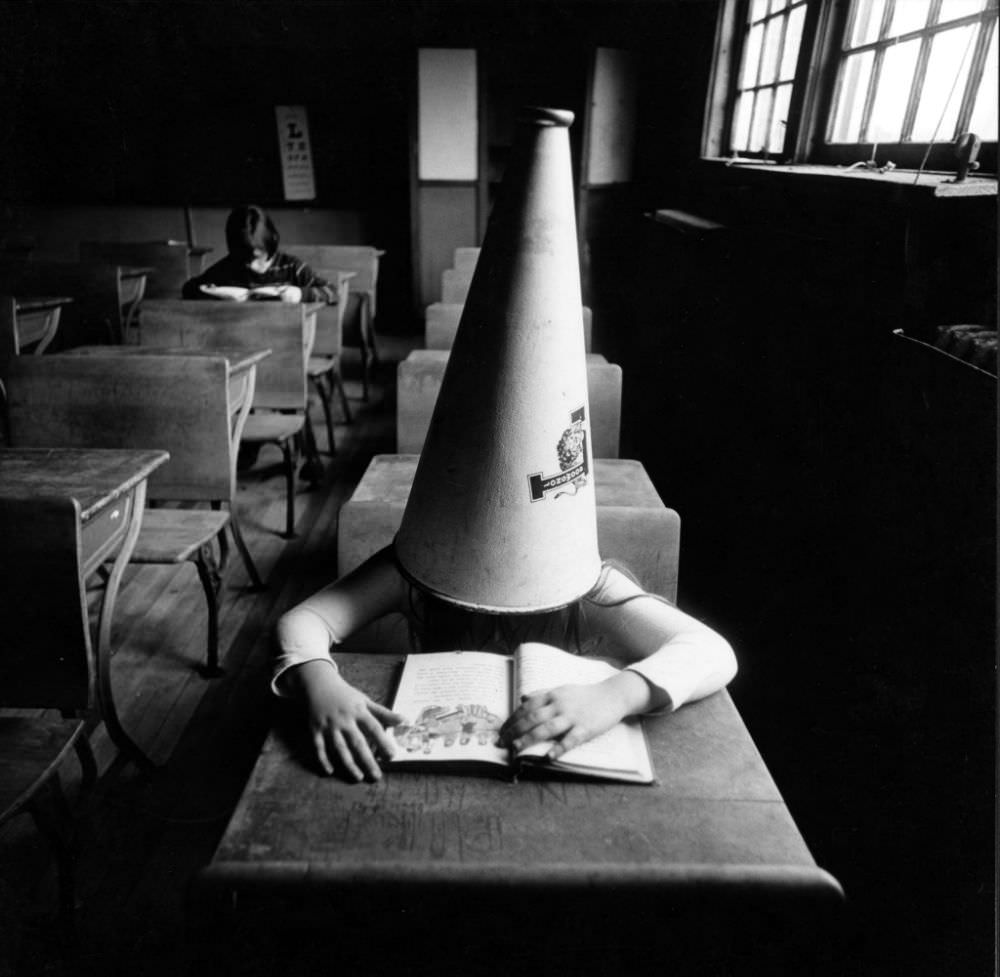
Tress didn’t simply guess at what children feared. He went directly to the source. He sat down with kids and asked them to describe their bad dreams in detail — the monsters, the settings, the feelings of being trapped or chased or humiliated. He listened carefully, took notes, and then used those descriptions as a blueprint for his photographs.
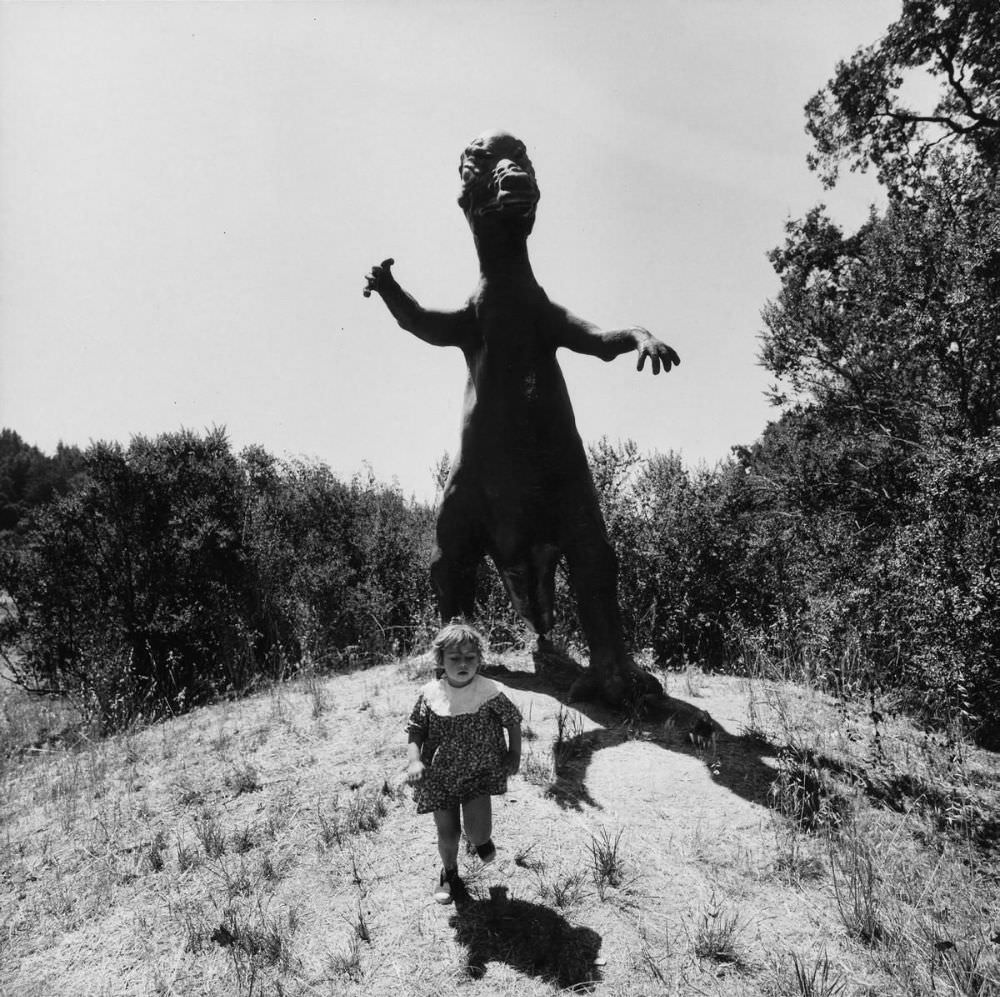
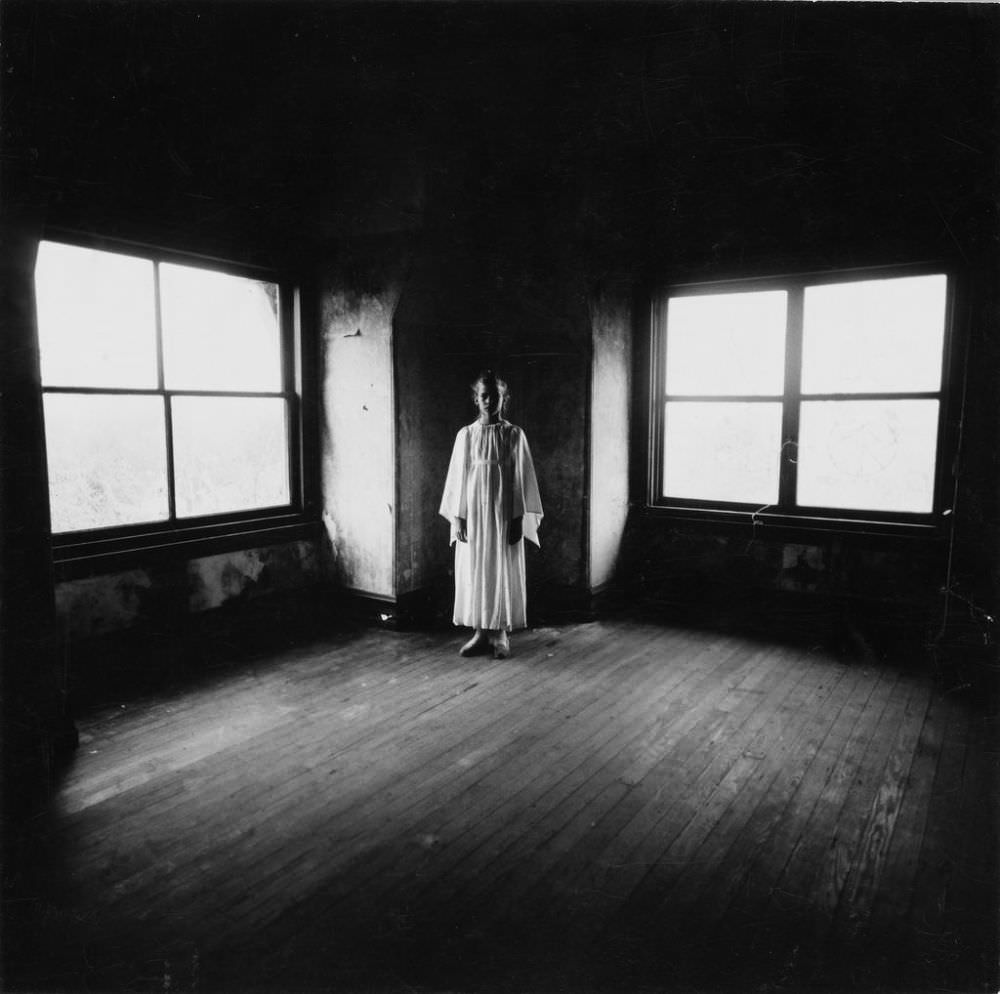
The series covered a wide range of fears. Some were concrete and specific — a monster lurking outside a bedroom window, a child falling from a tall tower, or the terror of being buried alive. Others captured the shame and anxiety of everyday life, like failing in front of a classroom full of peers. These were not abstract fears. They were the exact scenarios children described, rebuilt on camera with careful staging and real locations.
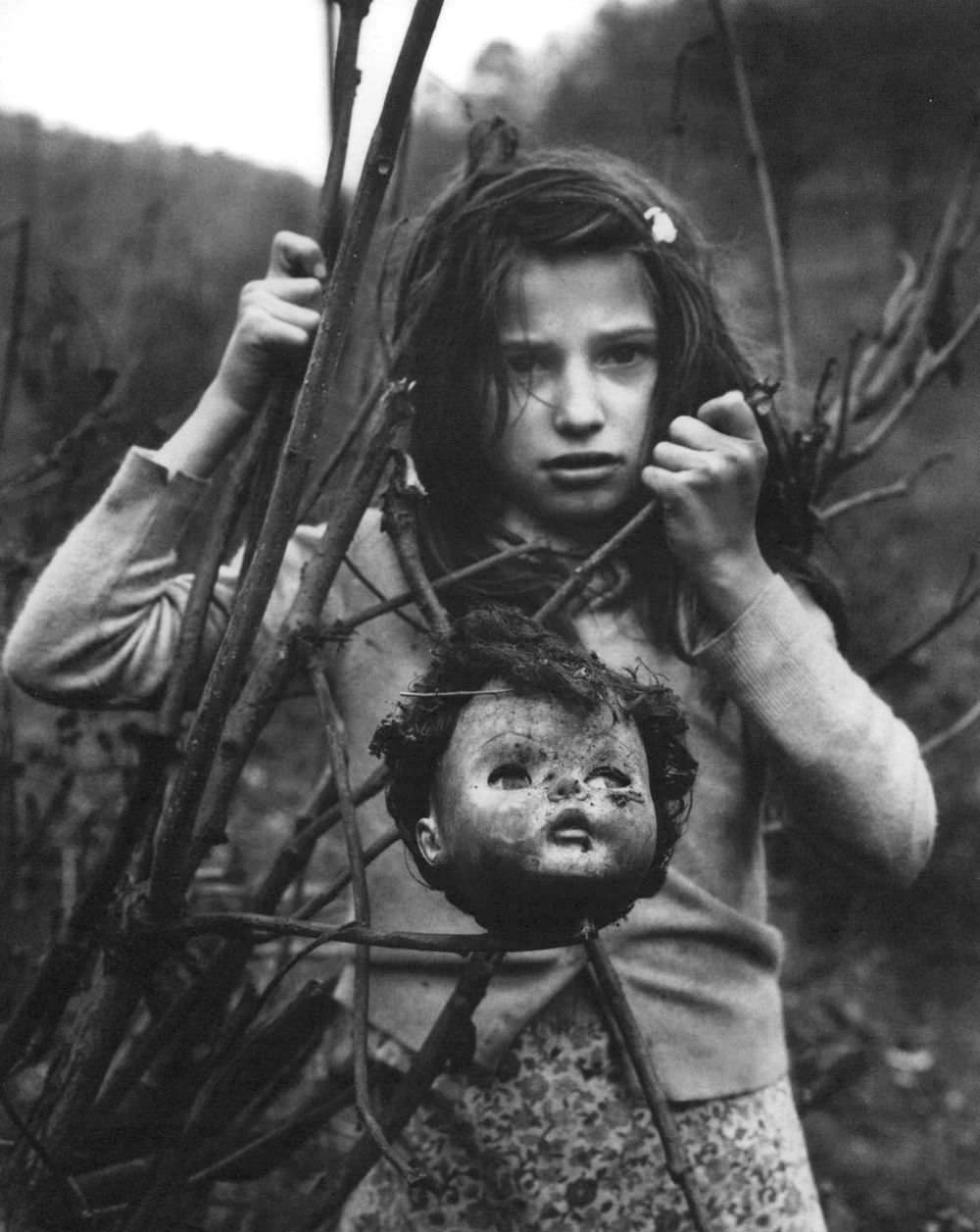
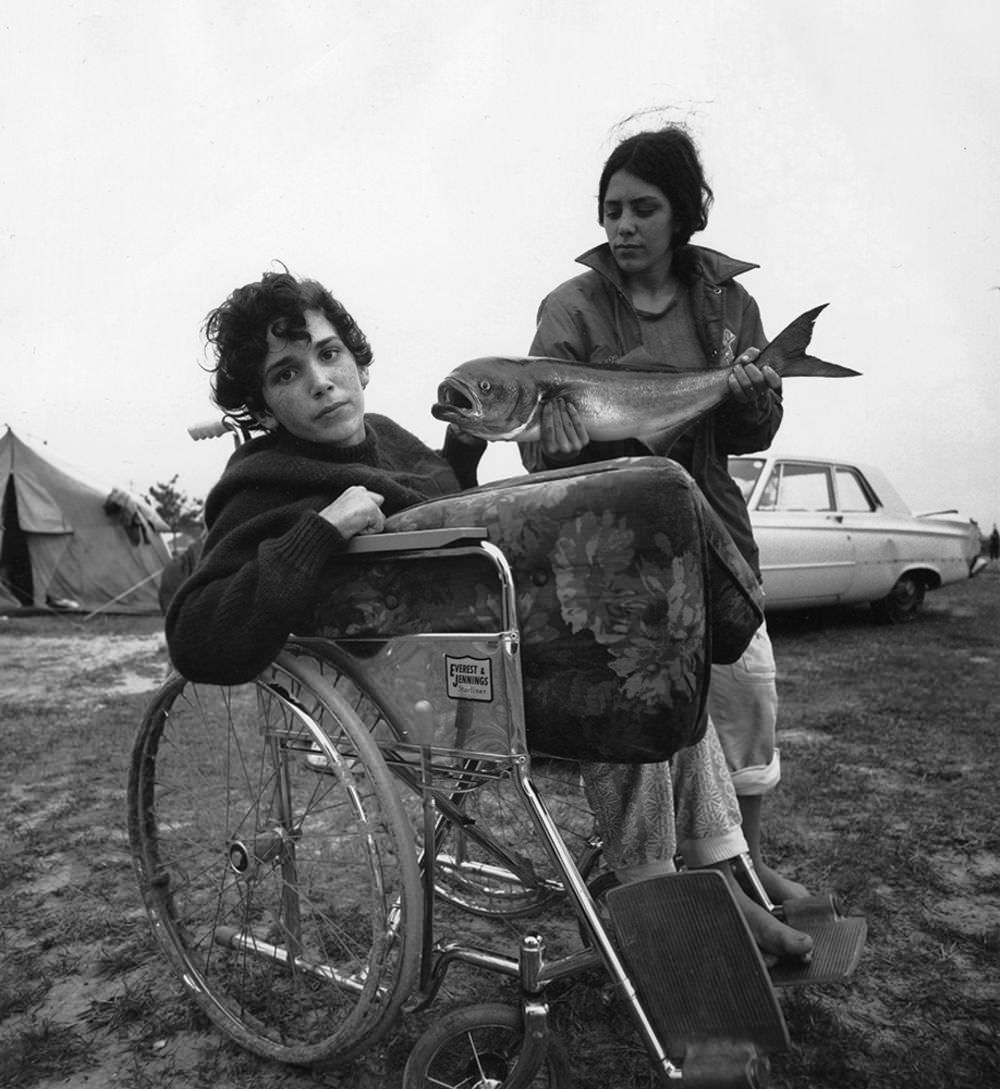
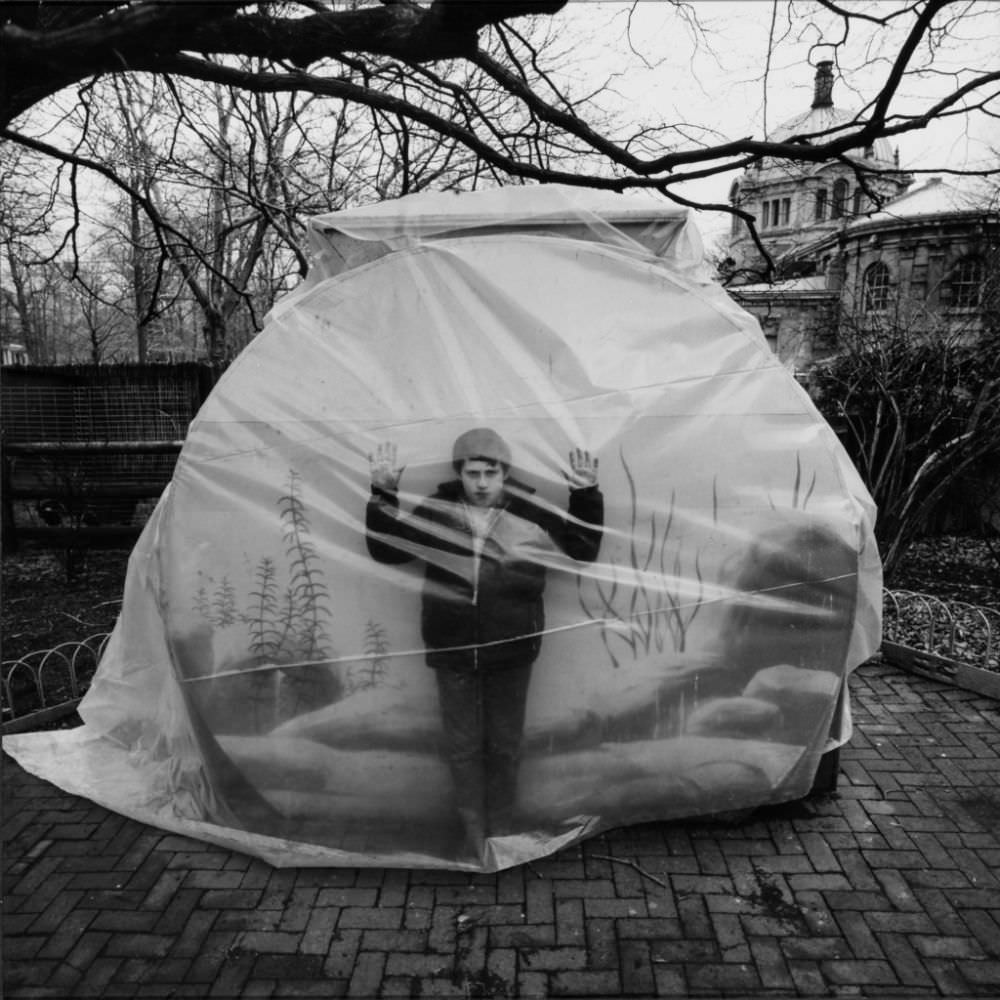
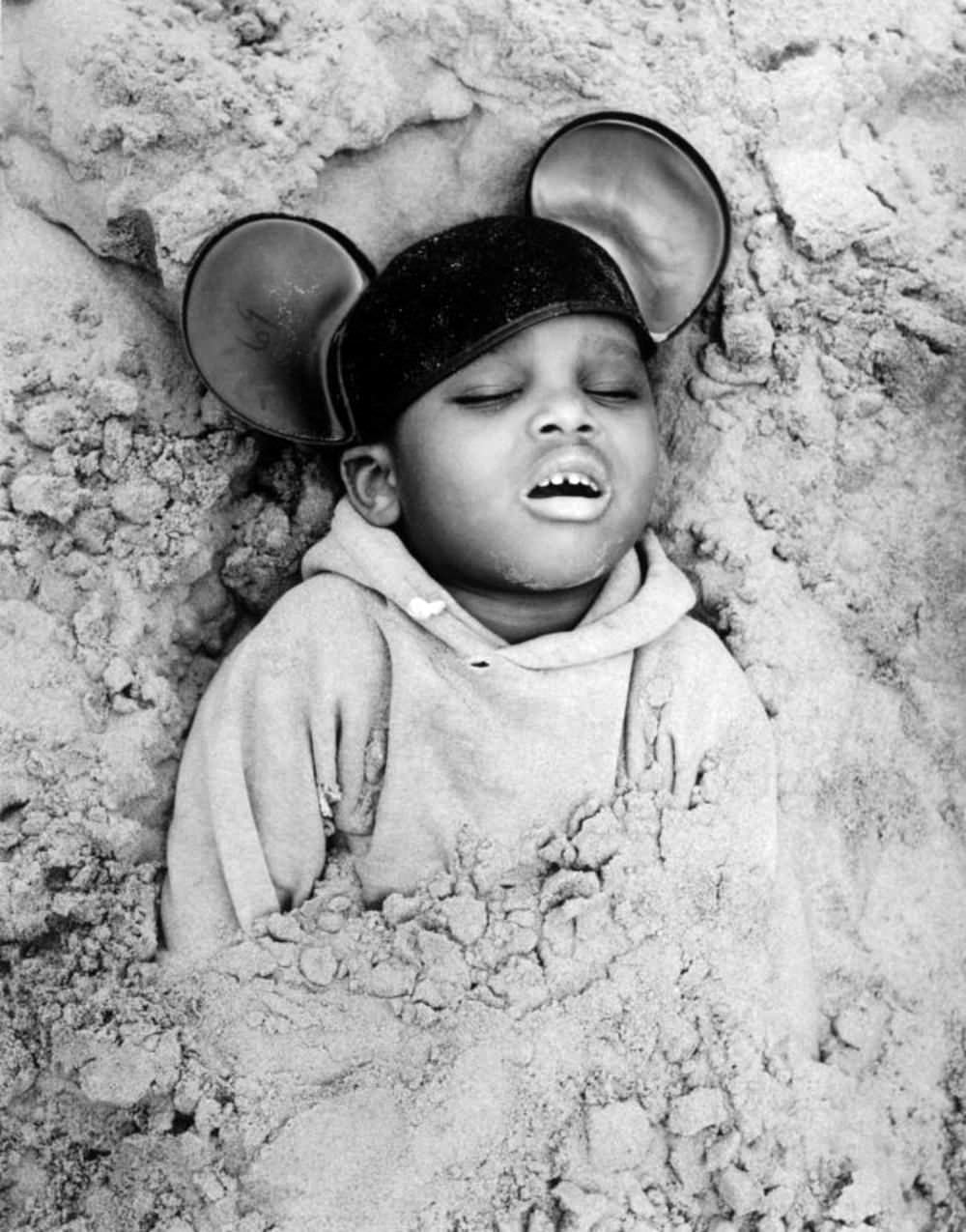
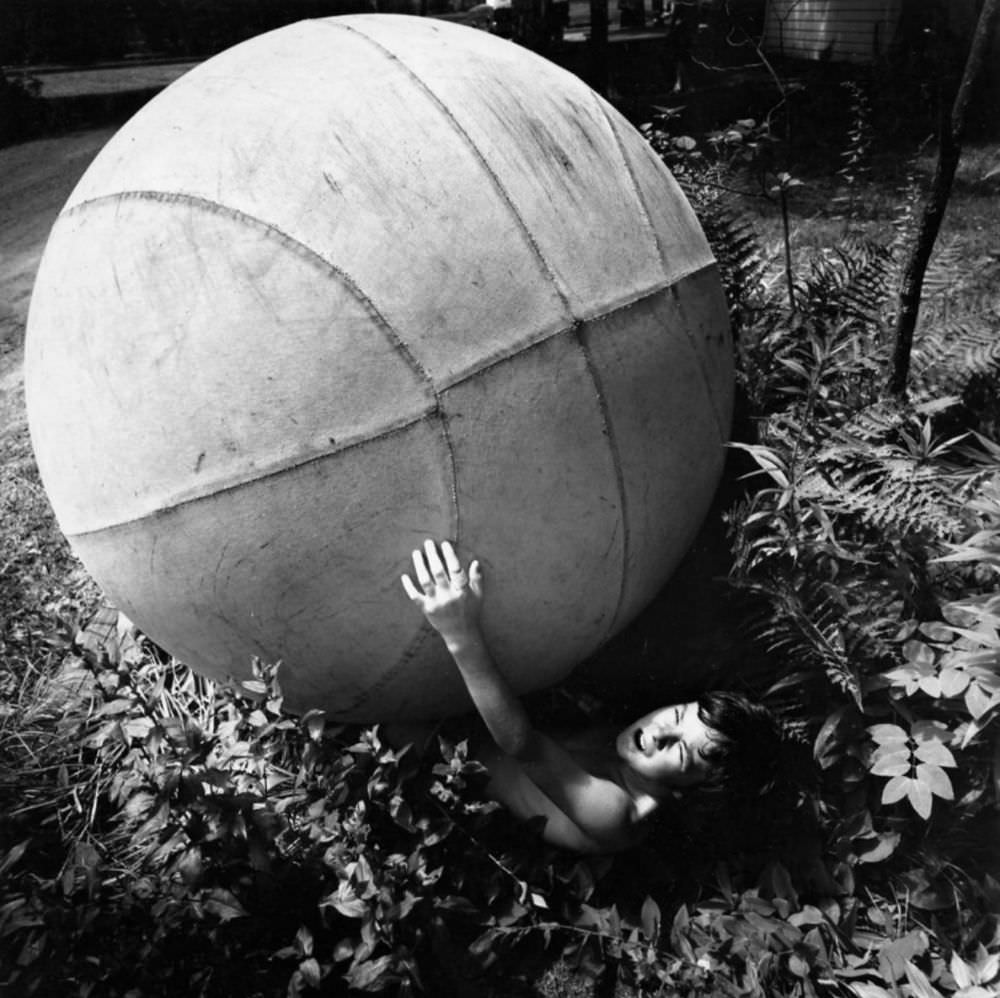
Tress also explored fears that were harder to name. Claustrophobia and physical restriction appeared throughout the series — images of children squeezed into tight spaces, bound, or unable to move freely. The sensation of drowning was another recurring theme. These photographs didn’t need a clear narrative to be disturbing. The feeling they produced was enough.
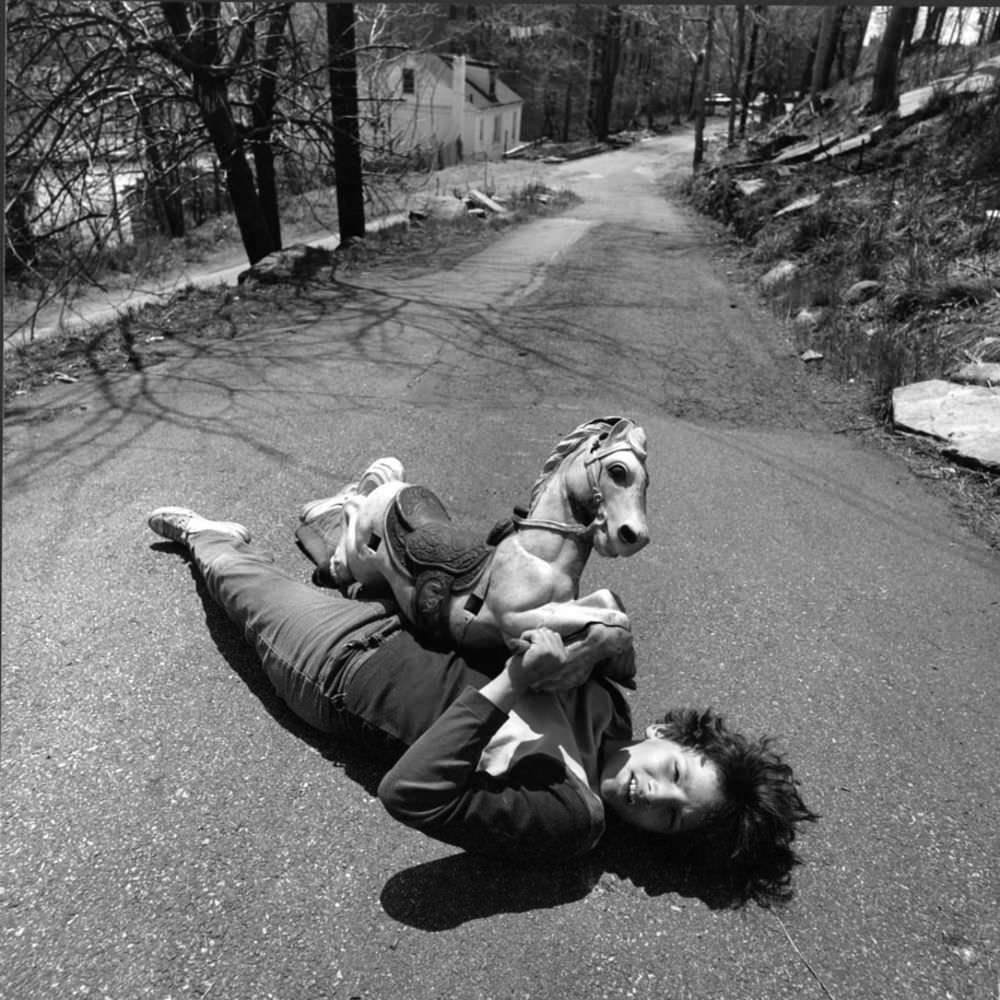
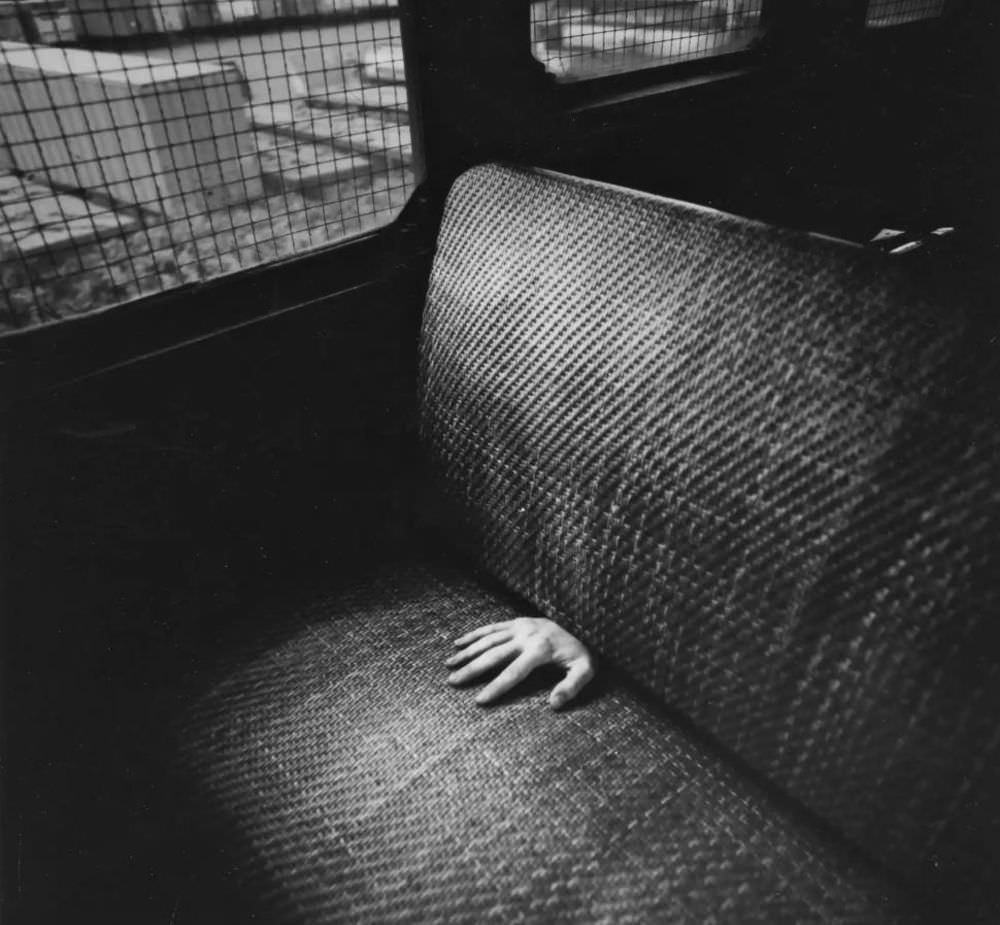
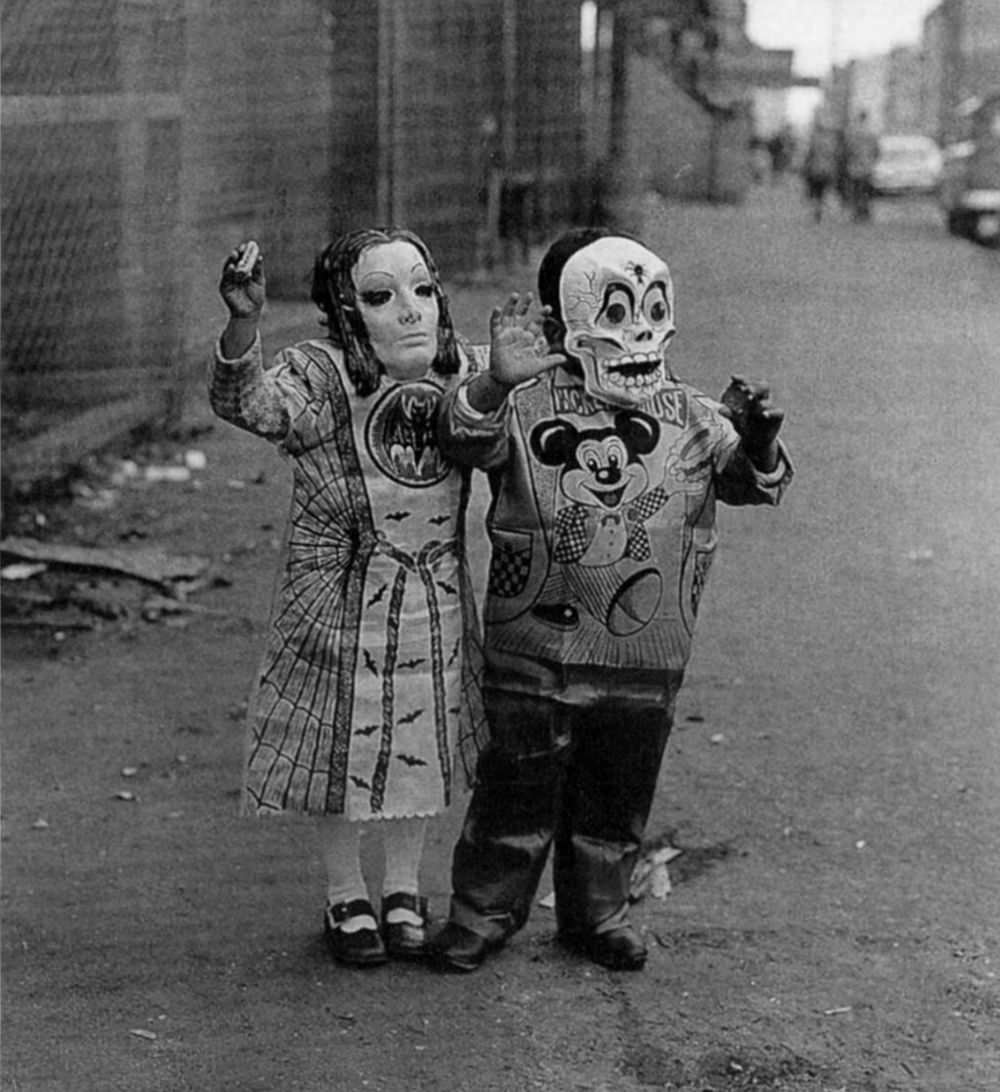
What made the series psychologically interesting was its approach. Tress treated children’s nightmares the way a psychoanalyst might — as meaningful, symbolic, and worth examining closely. The fears children described weren’t random. They reflected real anxieties about powerlessness, danger, embarrassment, and the unknown. By staging them as photographs, Tress gave those fears a physical form they had never had before.
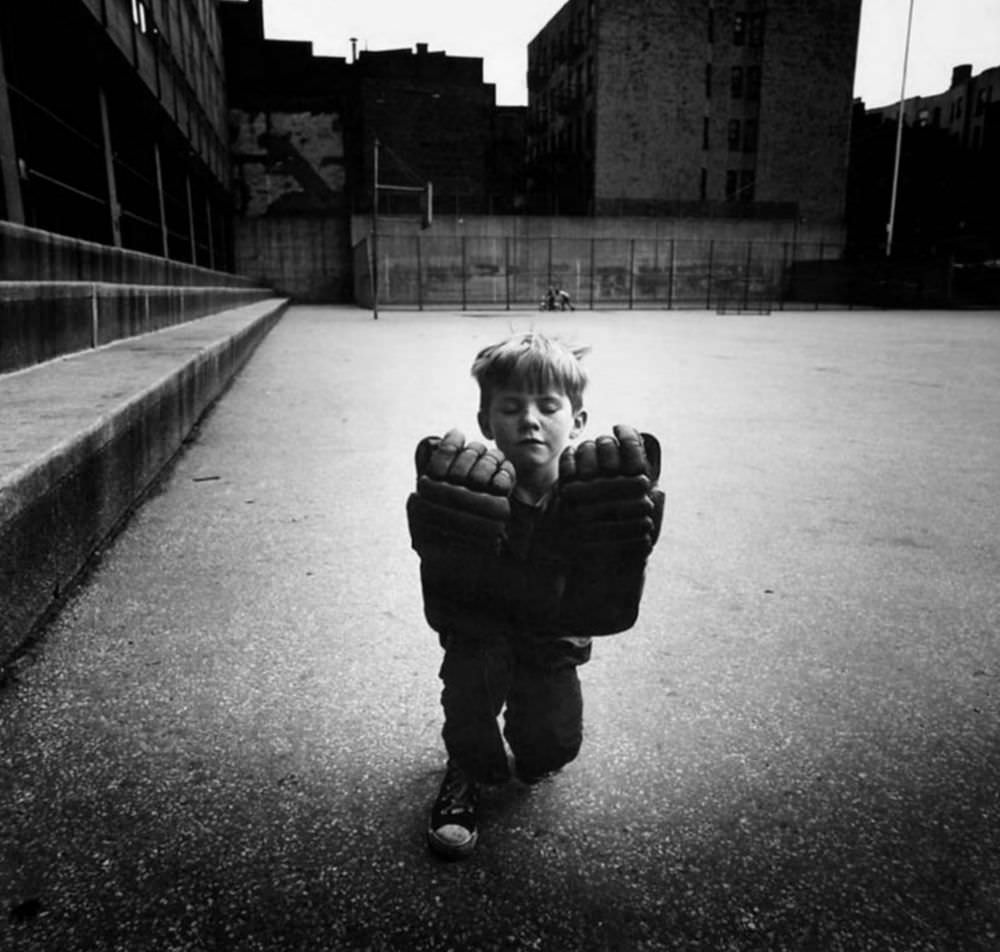
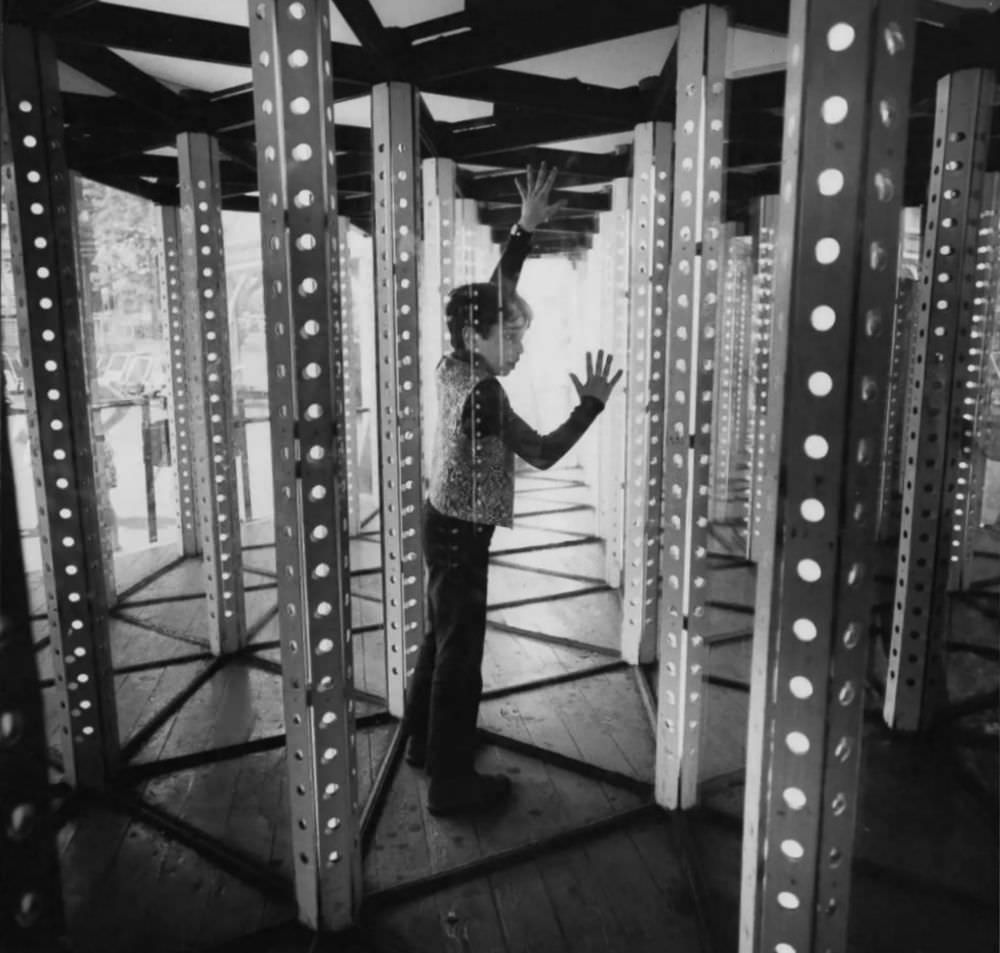
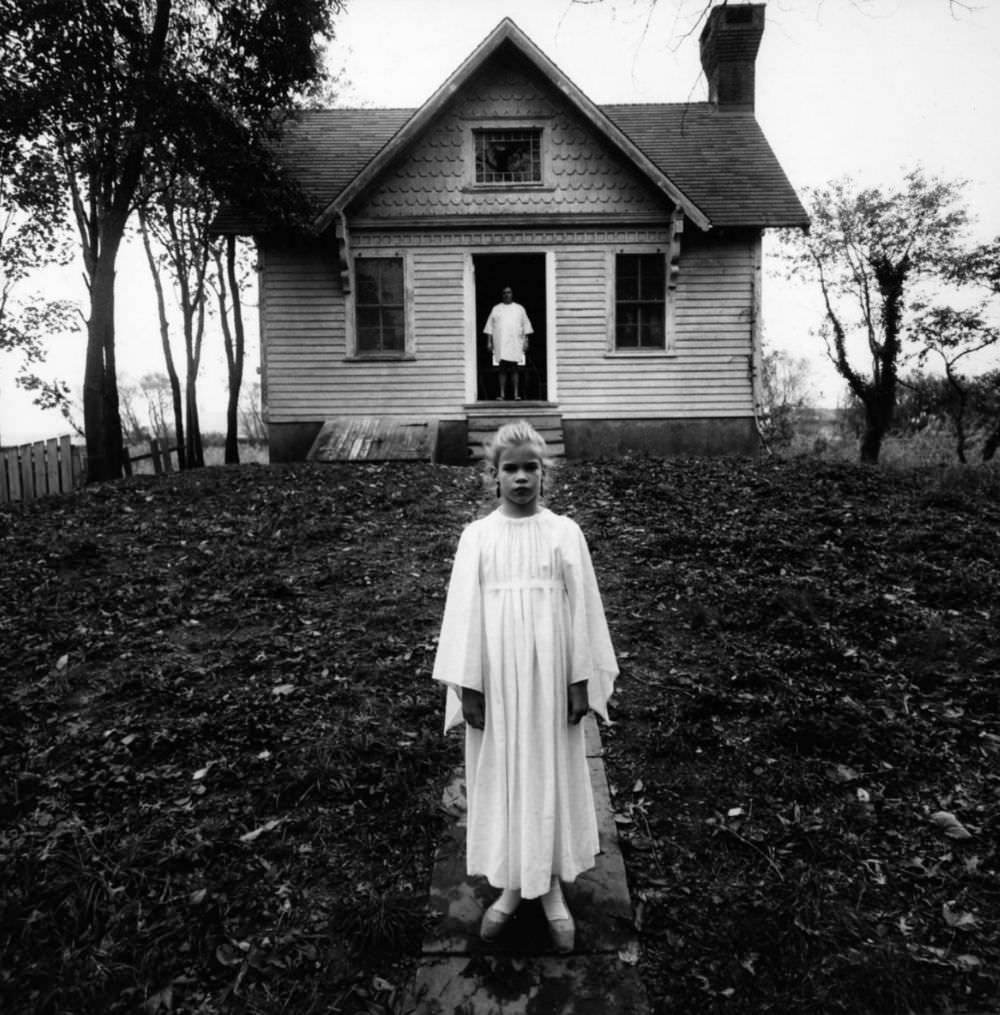
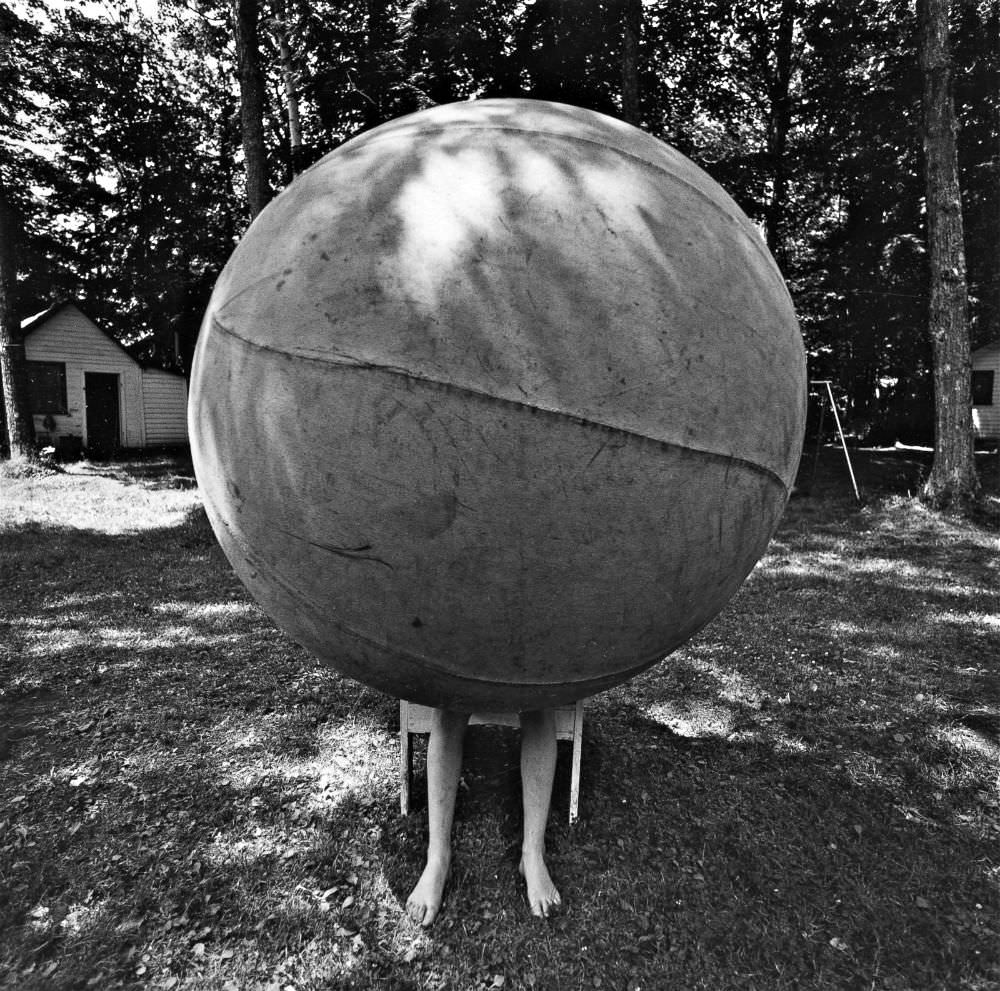
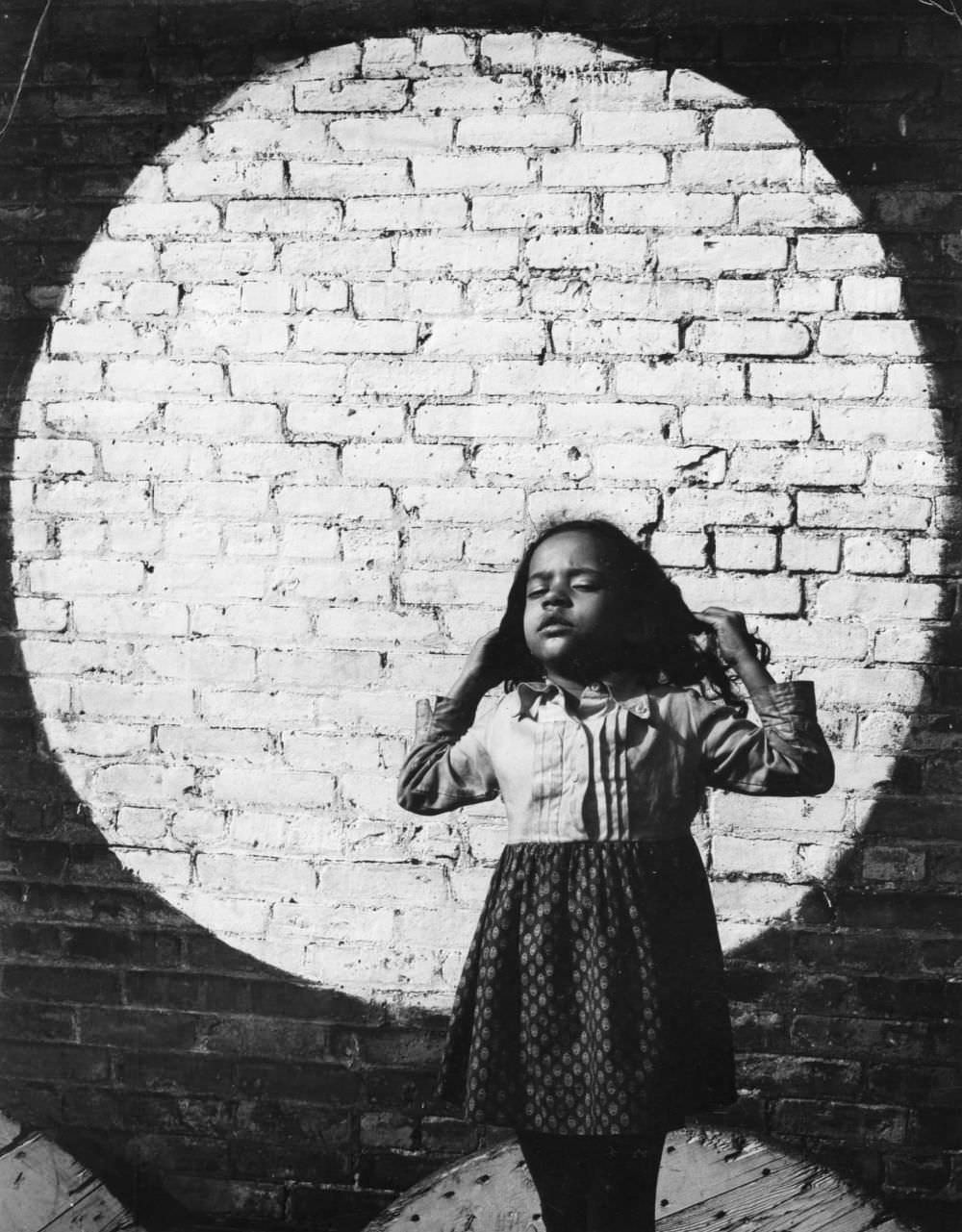
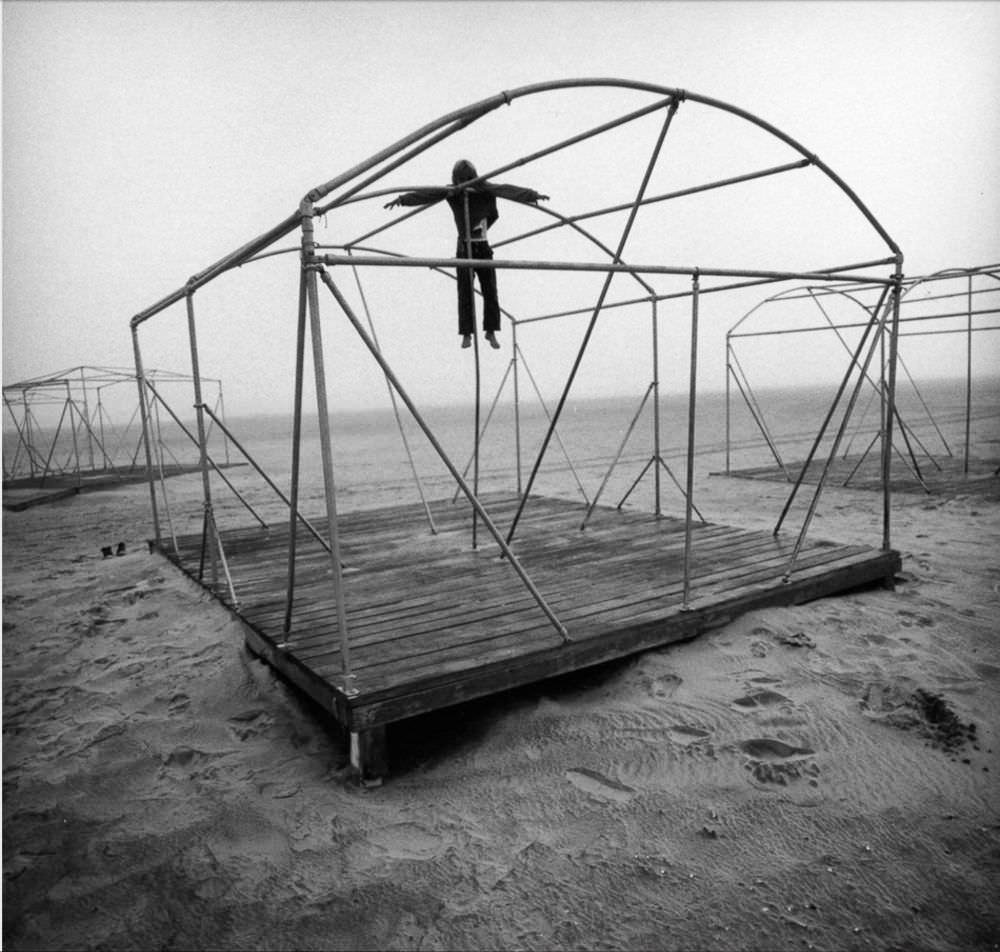
Many of the images in “The Dream Collector” don’t tell a clear story. They work on a different level — evoking a mood, a sensation, or a half-remembered feeling rather than a specific event. A figure standing alone in a strange landscape. A shadow that doesn’t belong. A child frozen in a moment of dread. These photographs tap into something universal, the vague but powerful feeling that something is deeply wrong, without being able to say exactly what.
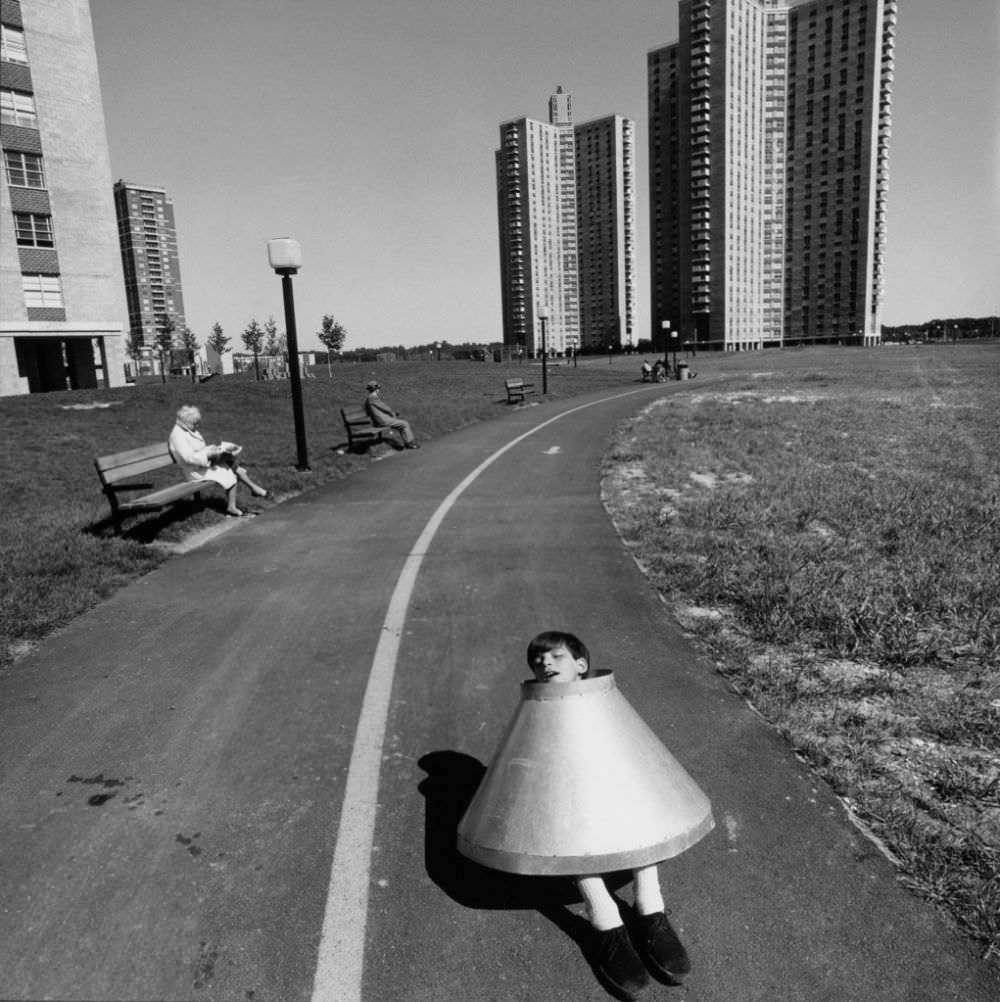
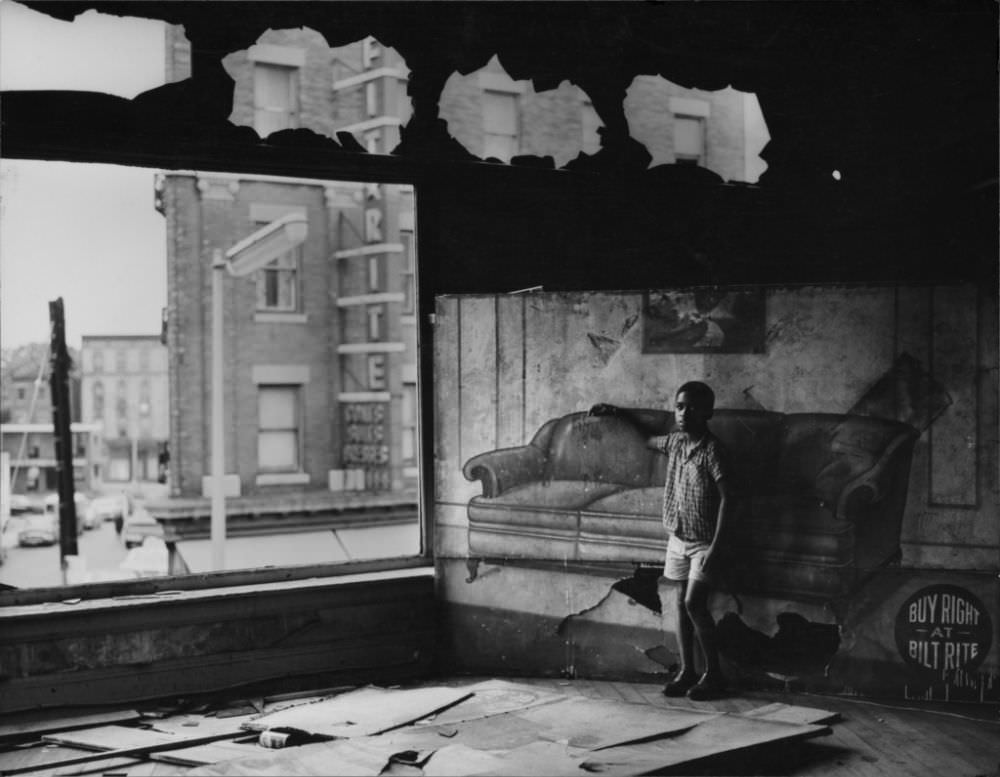
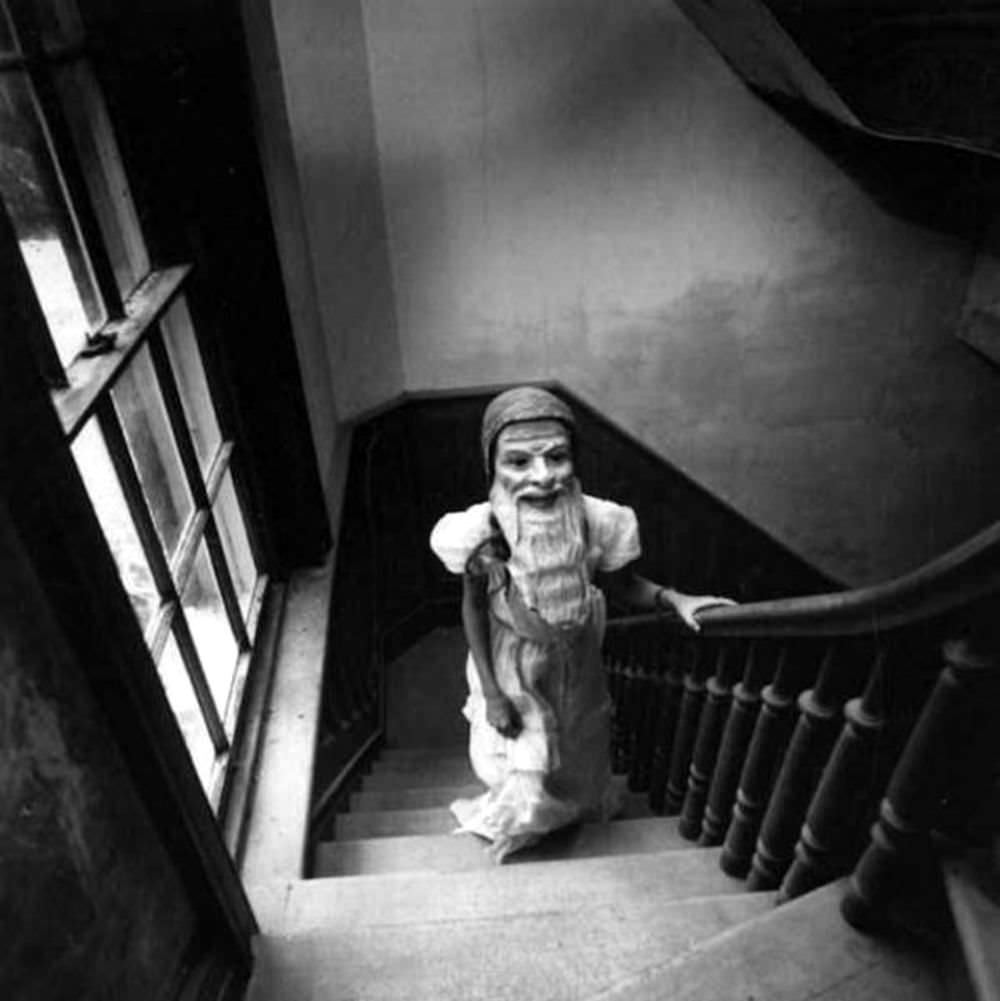
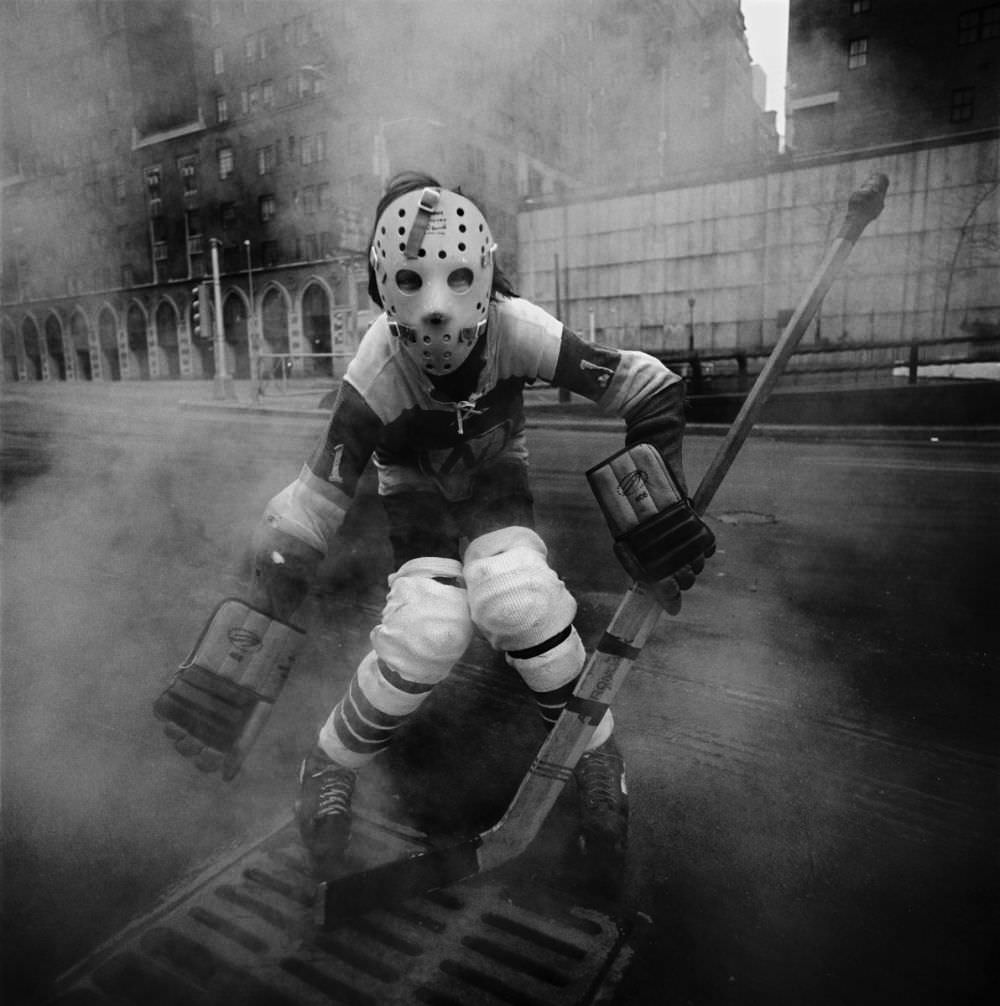
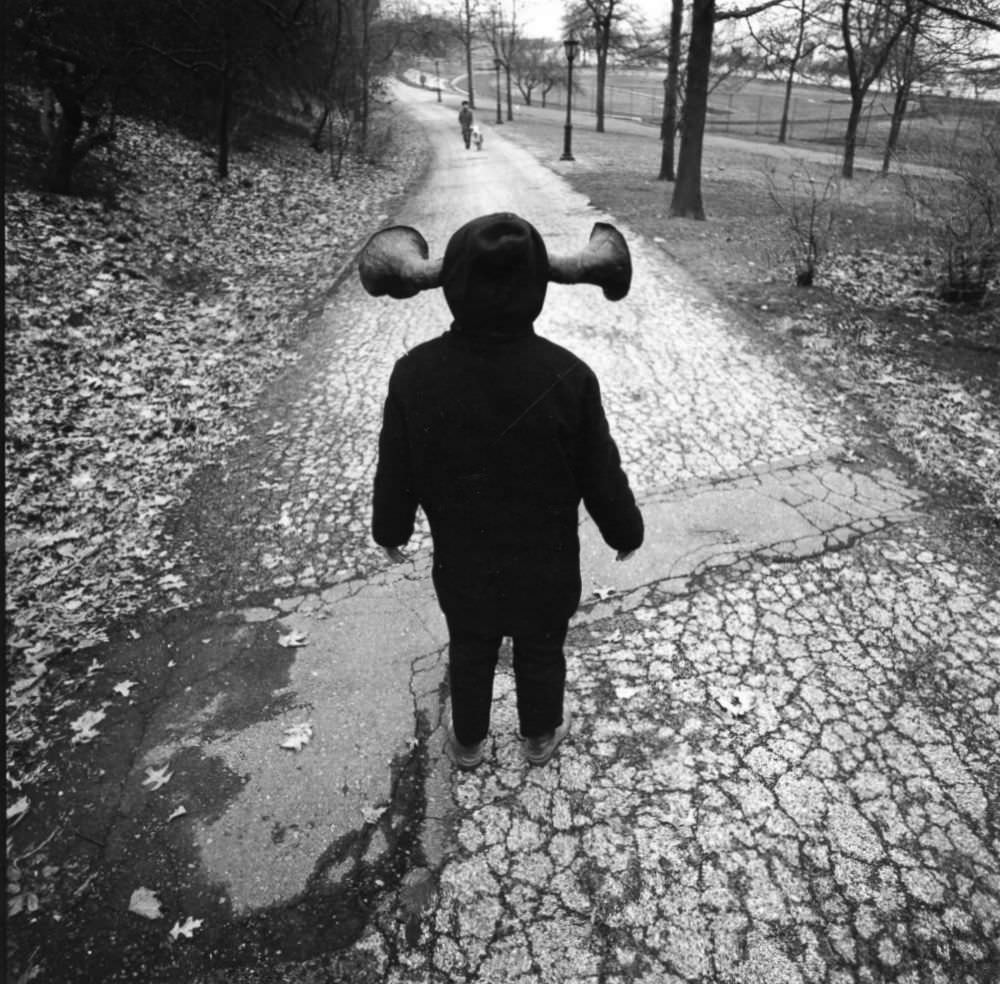
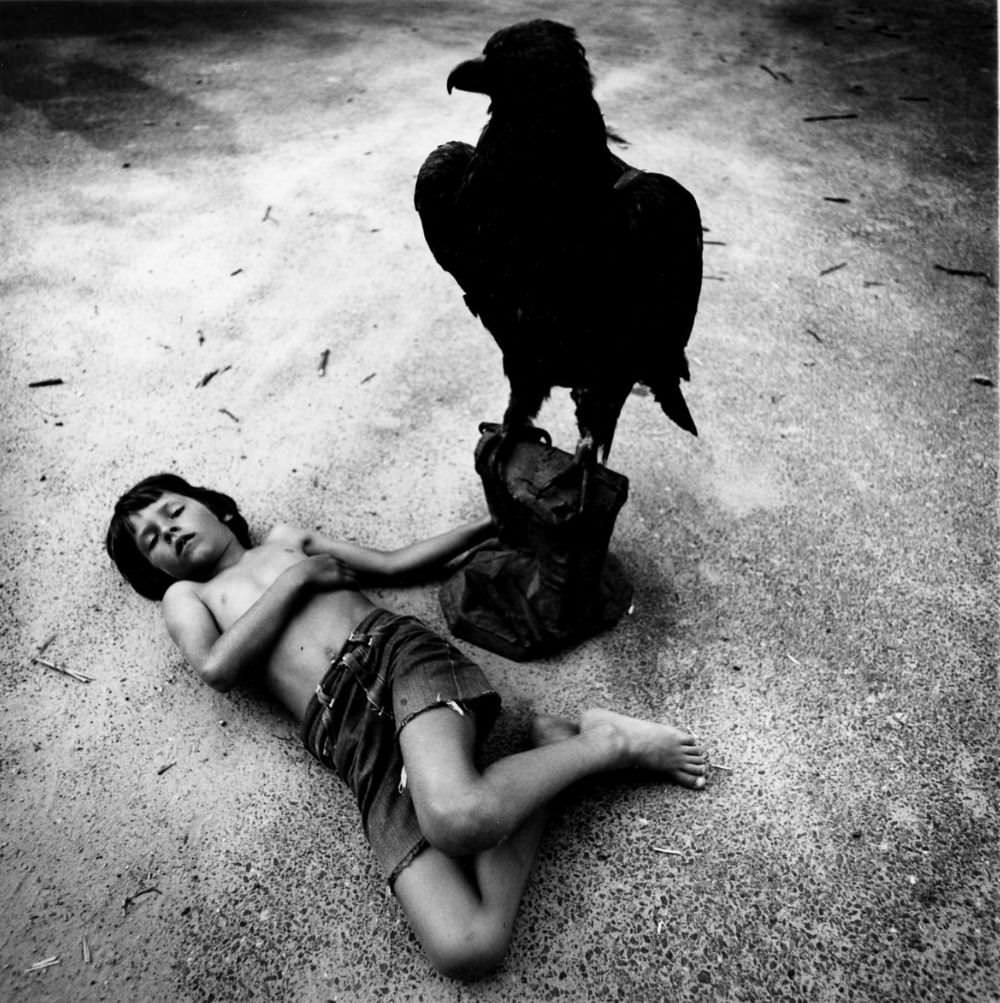
Monsters were a major presence in the series. Children described creatures chasing them, blocking their path, or appearing without warning in familiar places. Tress recreated these encounters with costumes, masks, and real outdoor settings, giving the monsters a physical reality that made them far more unsettling than any drawing or description could. Seeing a costumed figure in a real environment, photographed in black and white, triggers a reaction that is hard to shake.
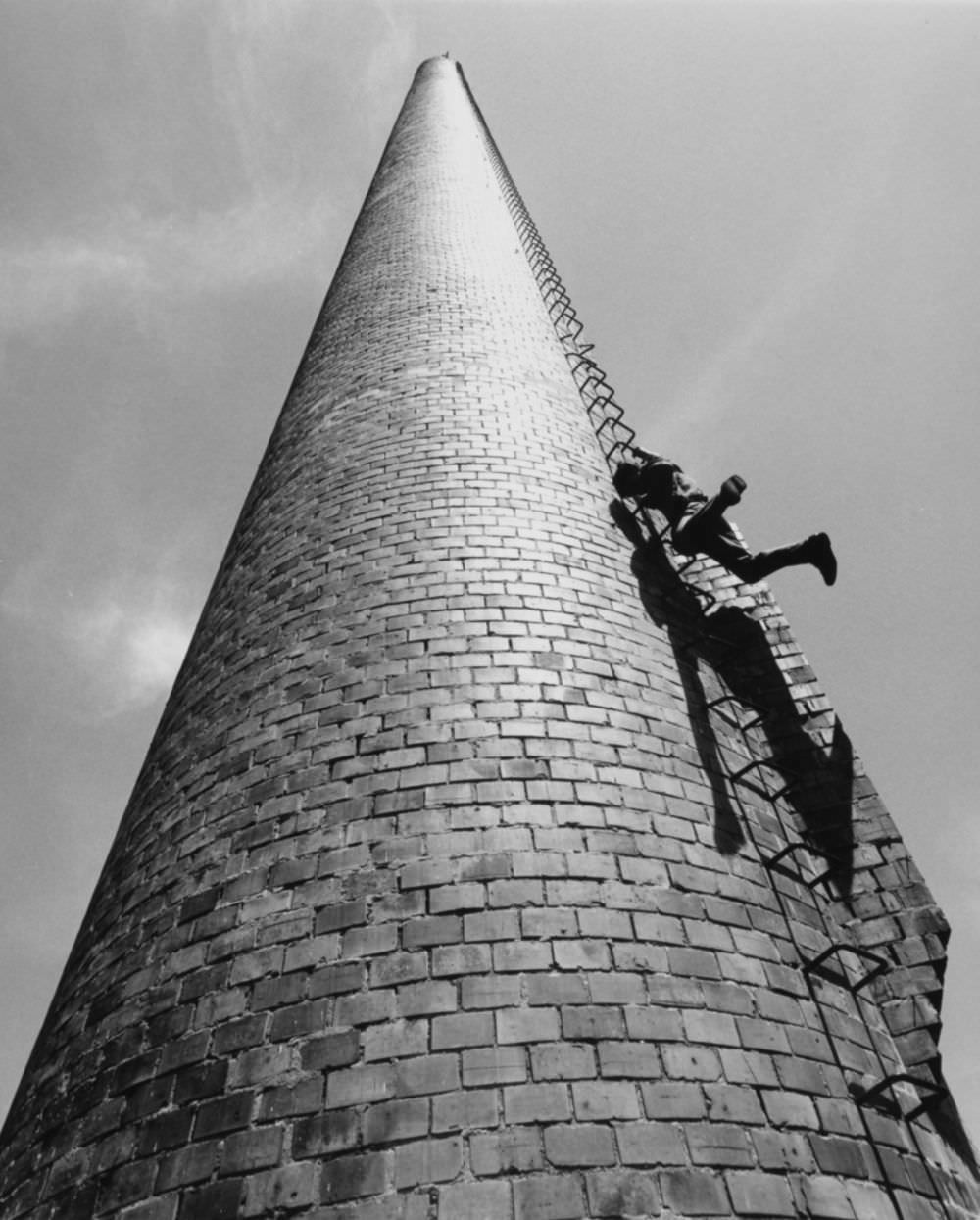
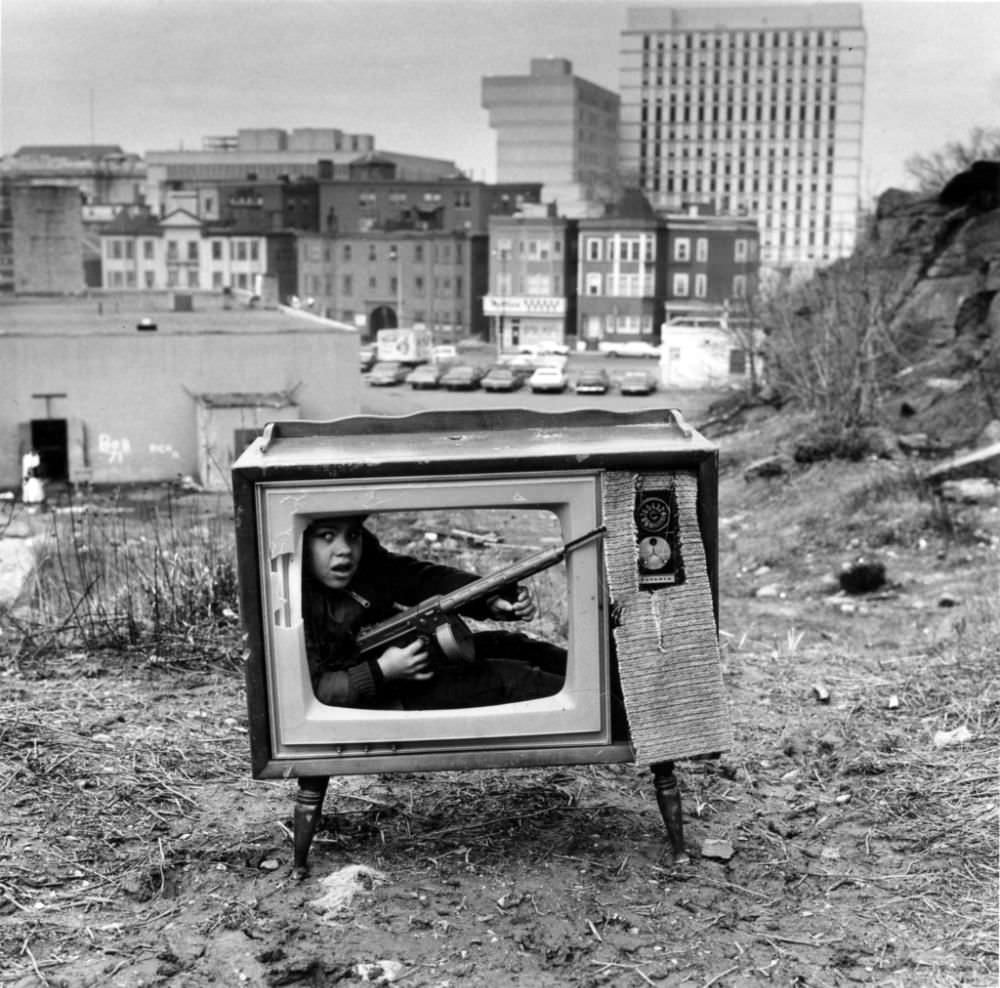
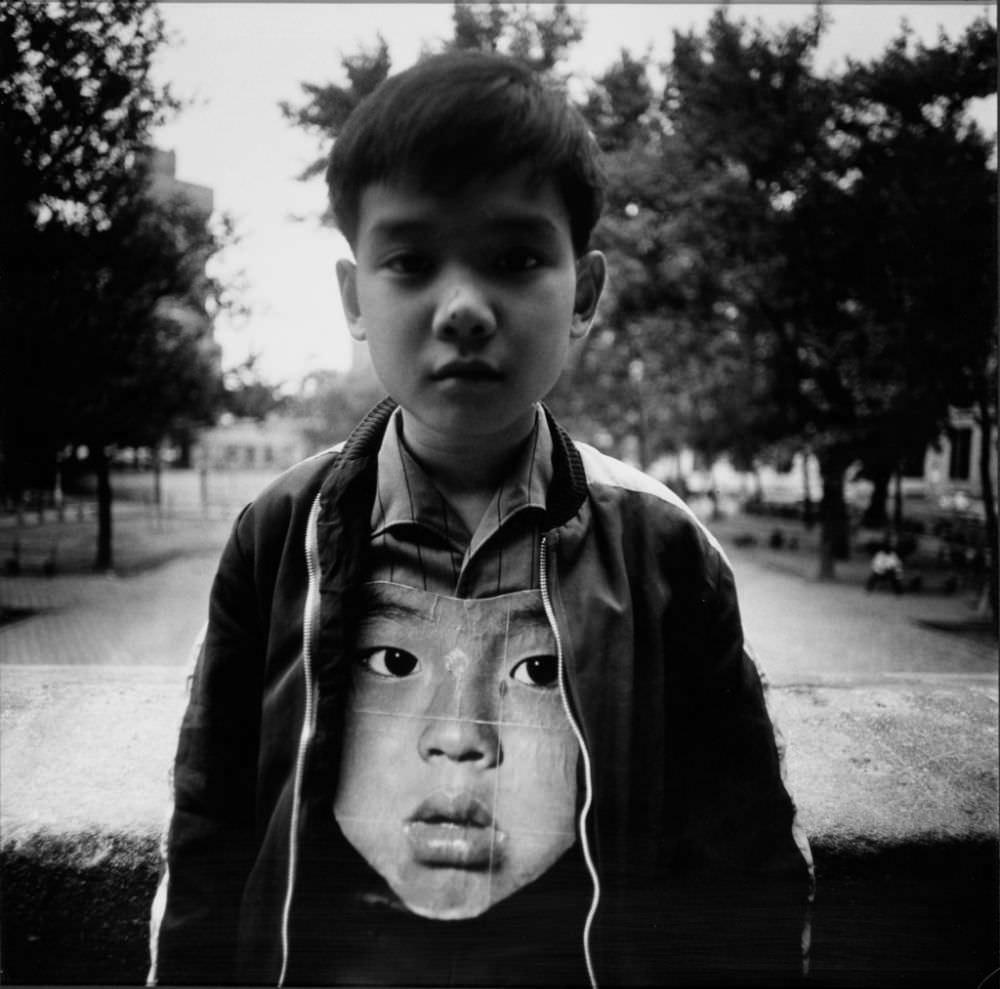
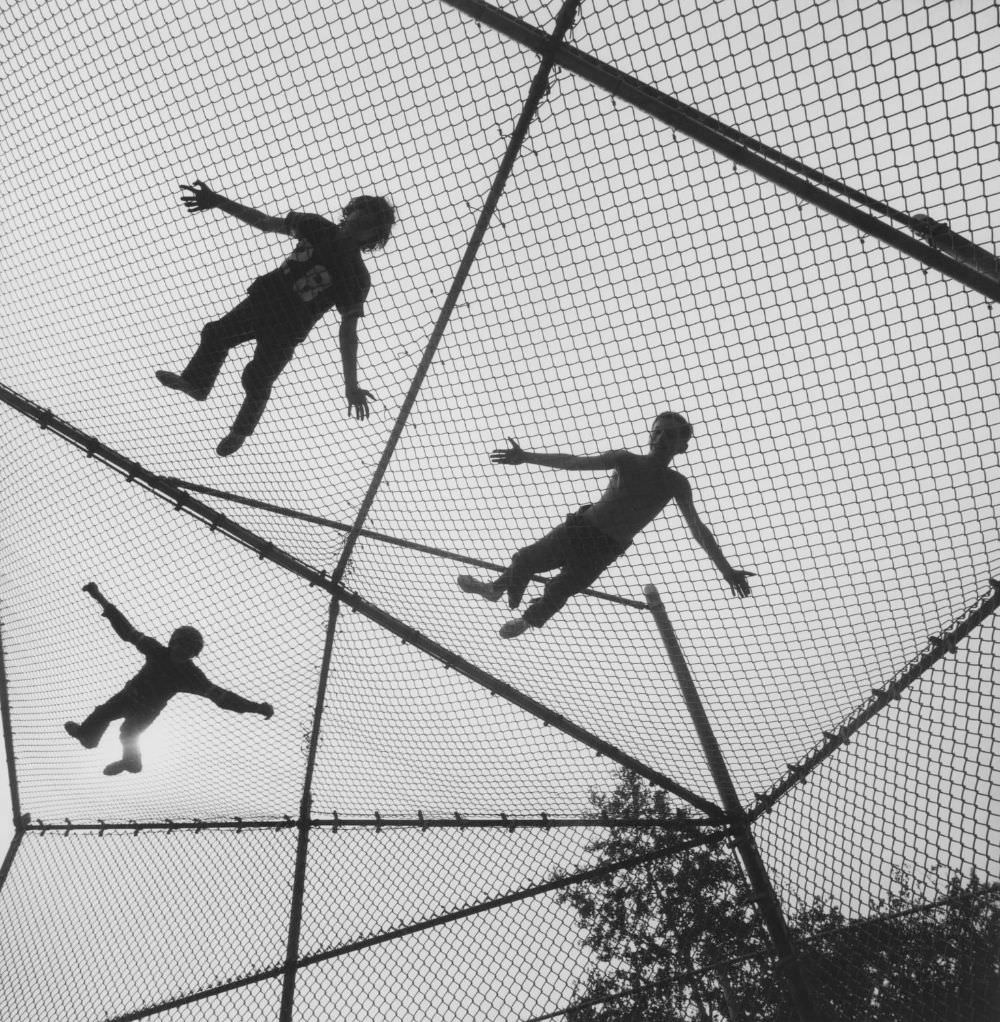
The photographs also captured nightmares that centered on height and falling. Being at the top of a tower, looking down, with no safe way back — this fear appeared in multiple children’s accounts. Tress staged these scenes at real locations, using actual heights to give the images a genuine sense of danger. The children in the photographs weren’t pretending to be scared. The settings did that work for them.
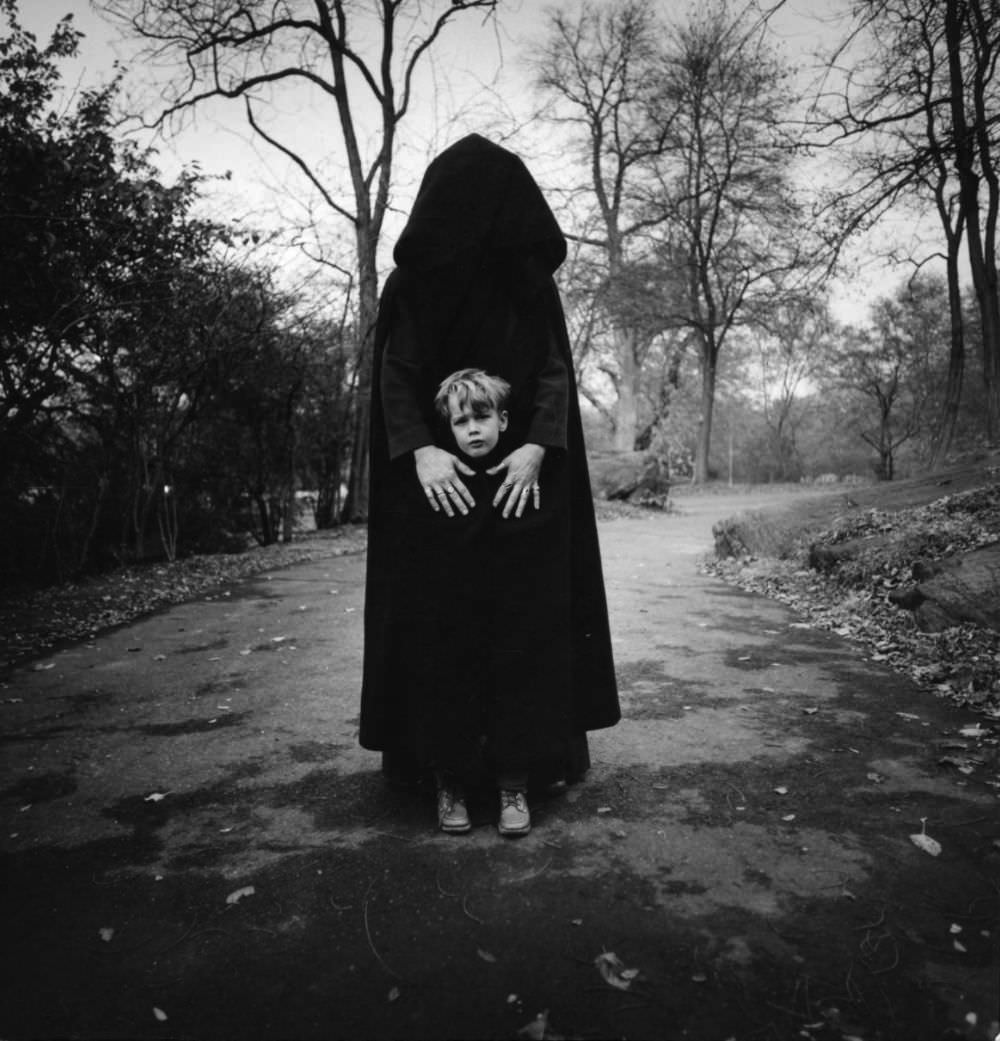
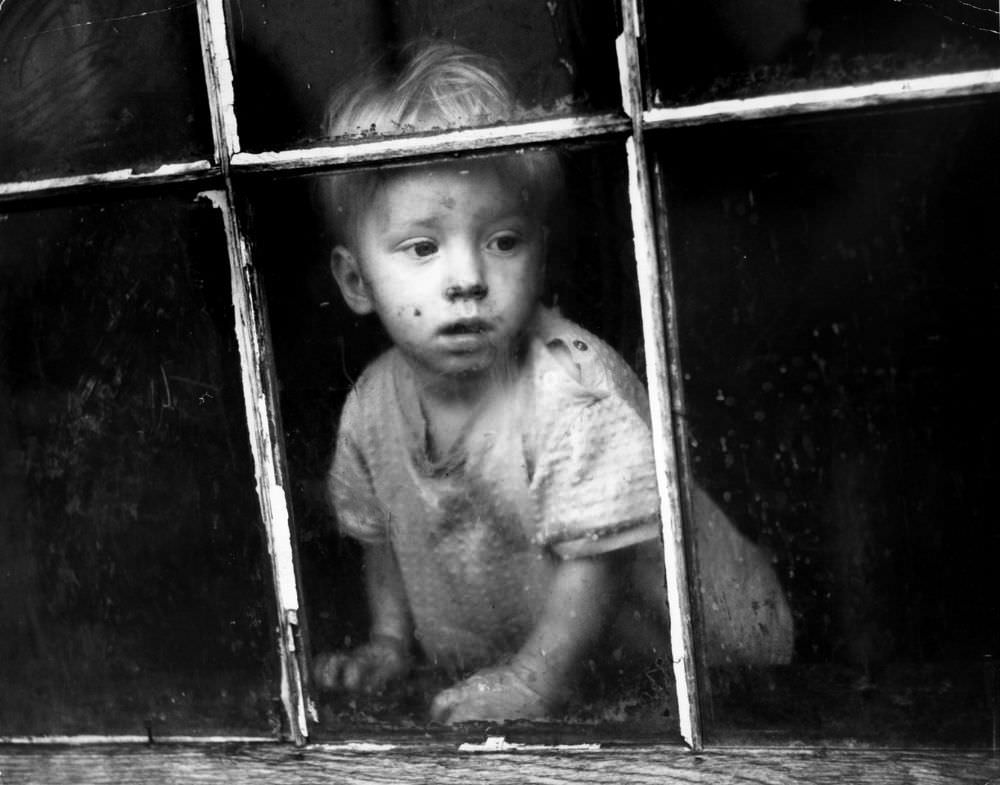
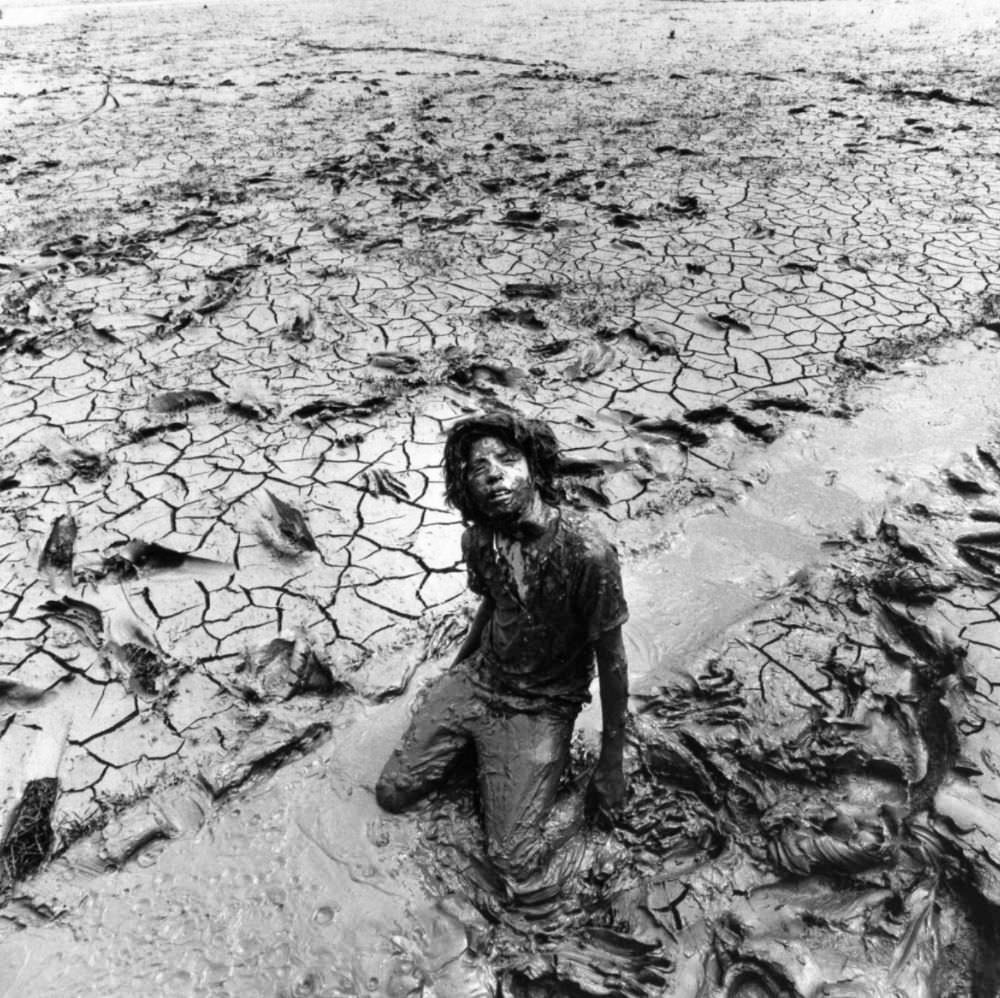
Tress worked during a time when photography was increasingly being used to explore psychological and social themes. His willingness to engage directly with children and take their inner lives seriously set his approach apart. Most adults dismiss children’s nightmares as unimportant. Tress treated them as valid, complex experiences that deserved the same attention as any adult subject.
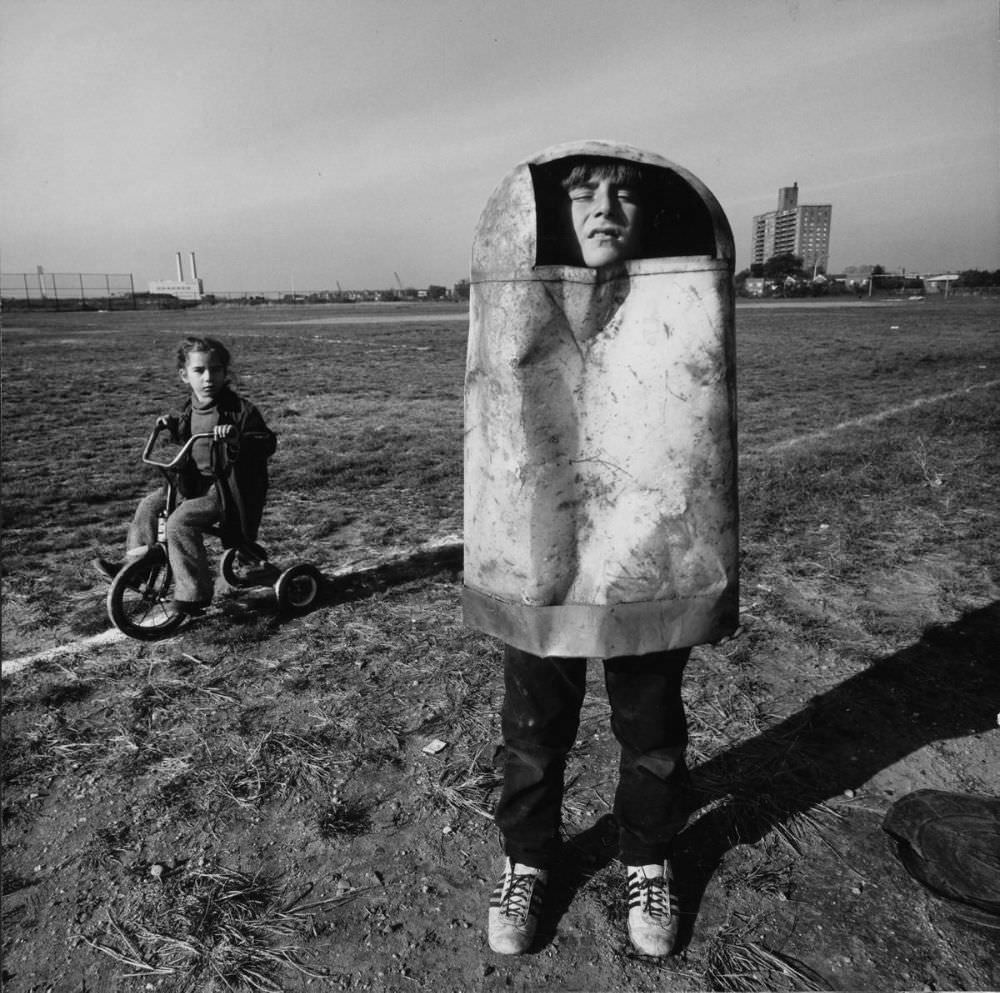
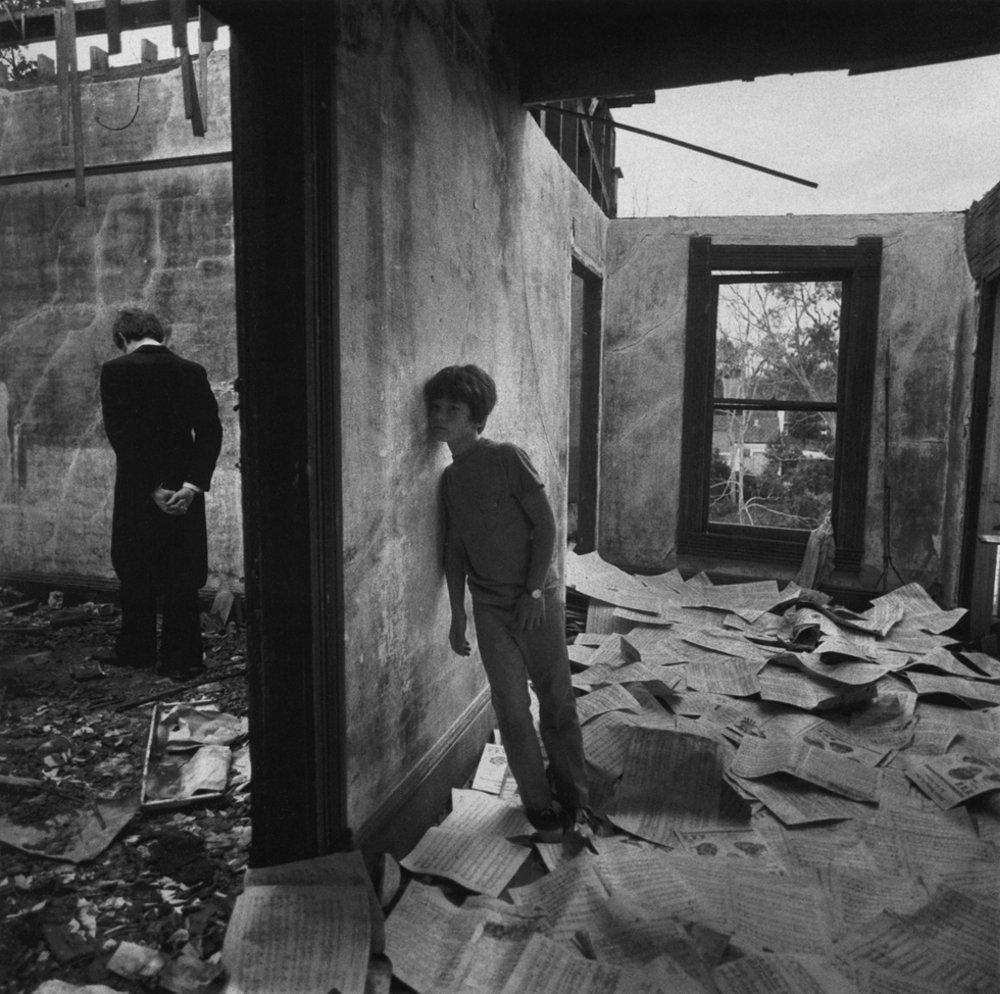
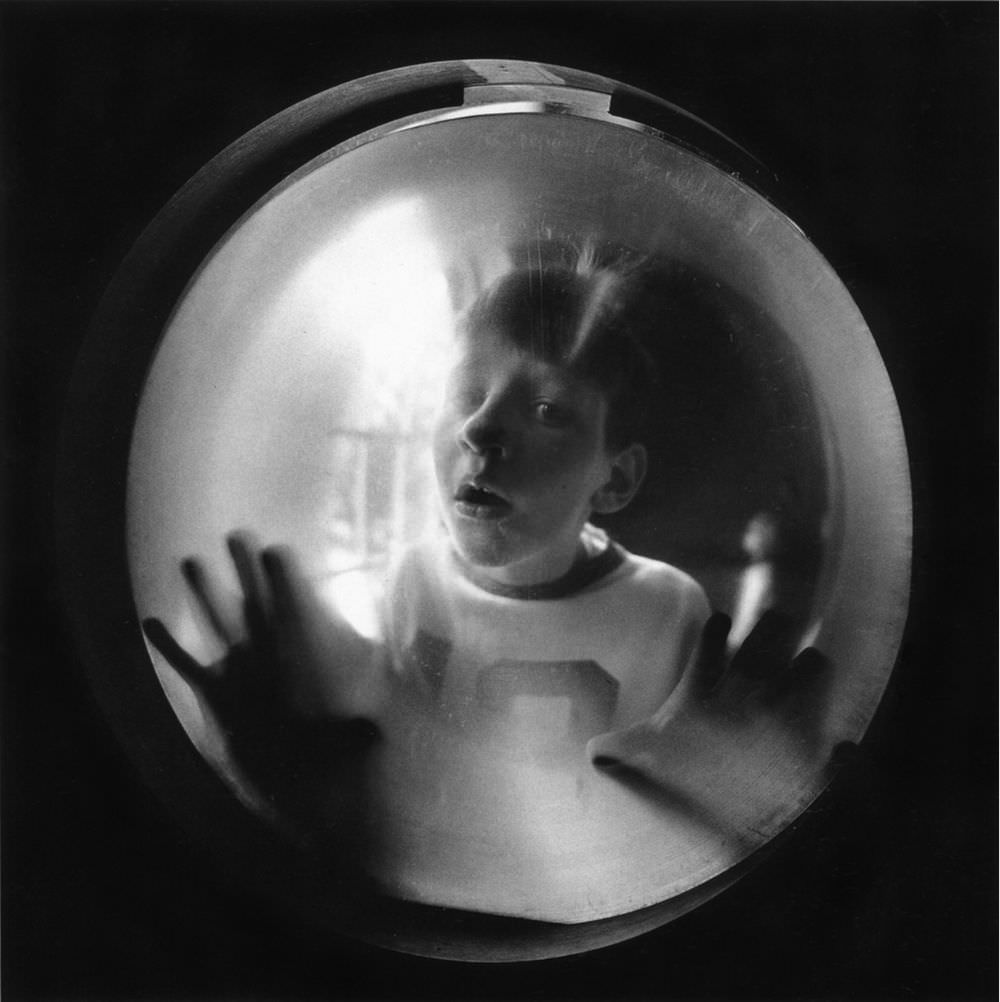
Some photographs in the series feel almost surreal. Strange combinations of objects, odd compositions, and unexpected scales give certain images a dreamlike quality that goes beyond simple staging. These were the less specific fears — the ones children struggled to put into words, described as a feeling rather than a scene. Tress translated those feelings into visuals with remarkable precision.
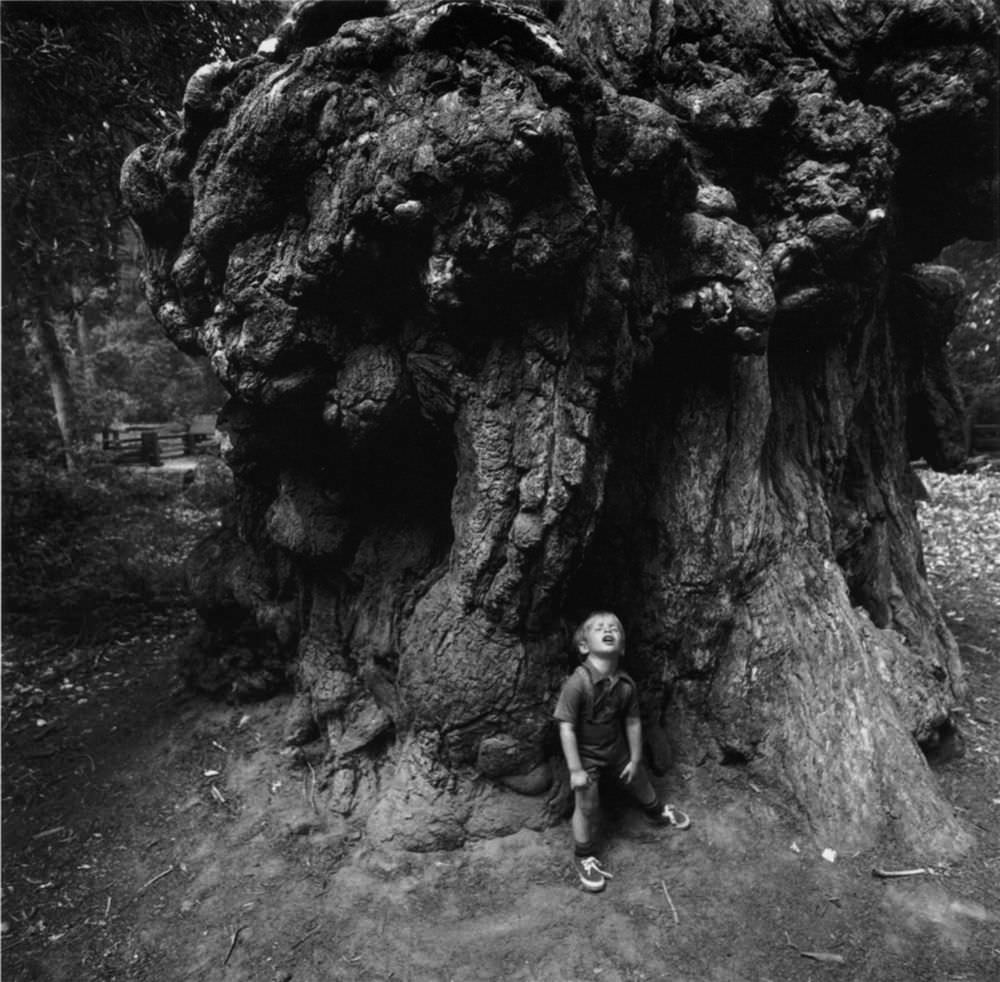
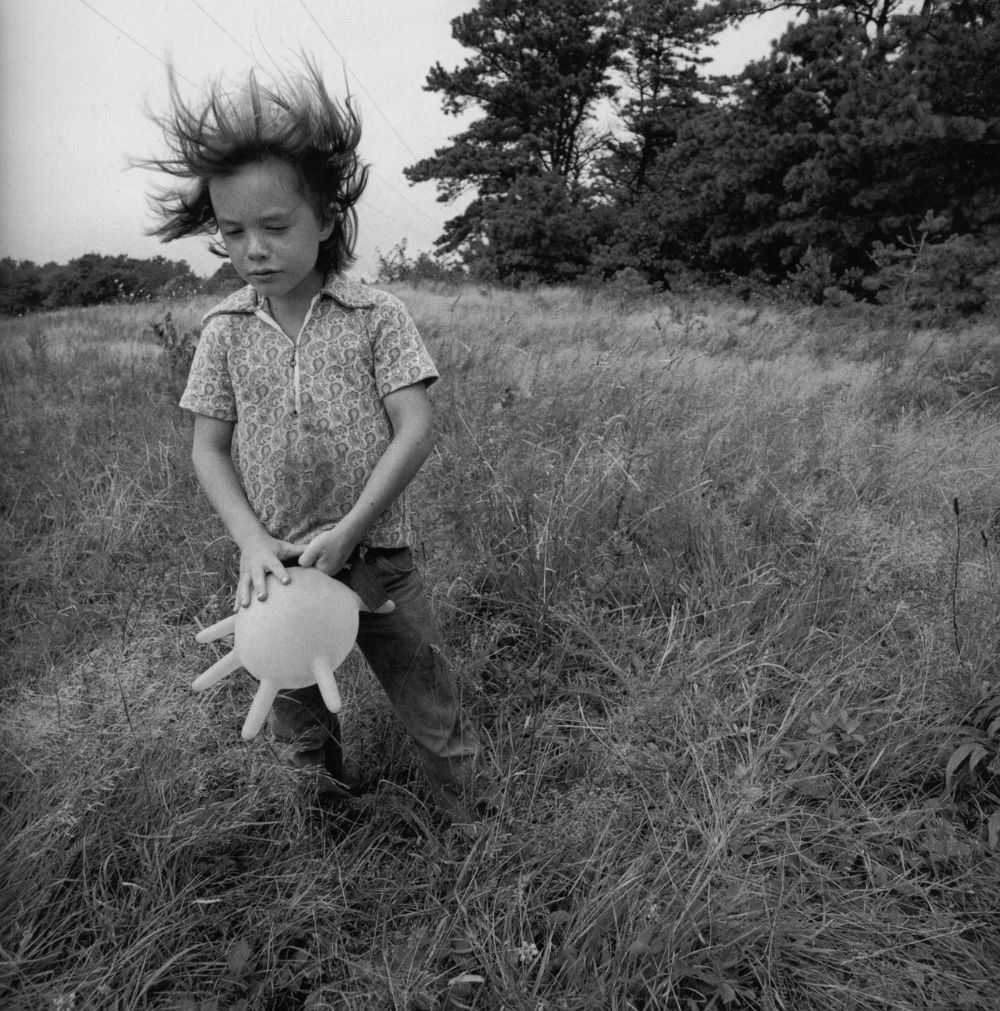
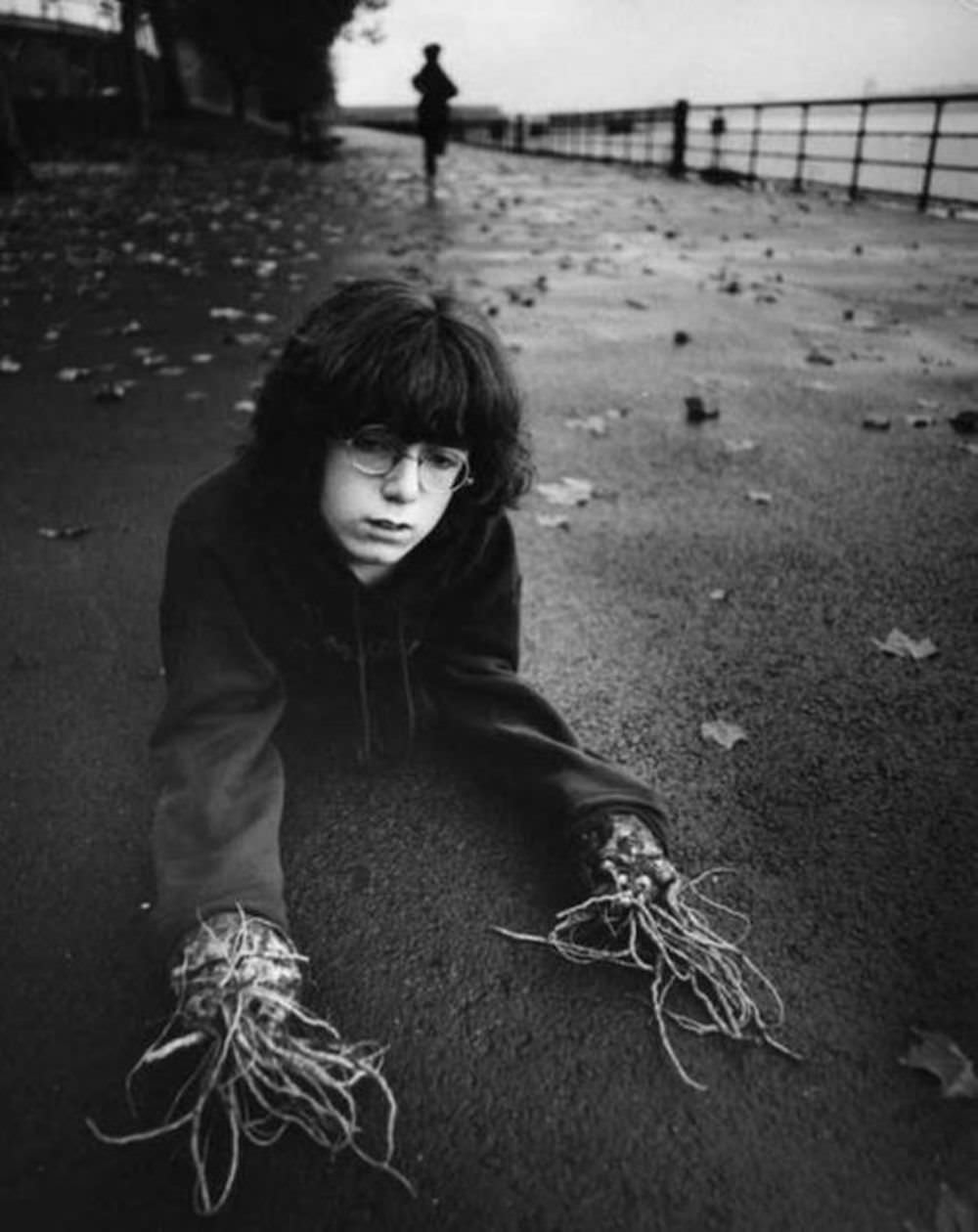
The classroom nightmare was another theme Tress documented. The fear of public failure — standing at the front of the room, unable to answer a question, while classmates watch — is one of the most commonly reported childhood dreams. It speaks to a deep anxiety about judgment, performance, and social belonging. Tress brought this scenario into his series without softening it.
Water and drowning appeared throughout the series as well. Children described dreams of being pulled under, unable to breathe, surrounded by water with no way out. Tress staged these scenes with the same directness he brought to every other fear, using real water and real physical tension to give the photographs their weight.
What runs through the entire series is a respect for the children’s experiences. Tress never played their fears for laughs or reduced them to simple spectacle. Each photograph is constructed to make the viewer feel what the child described — the weight of the fear, not just its surface appearance. That commitment is what gives “The Dream Collector” its lasting power as a documentary and artistic project.
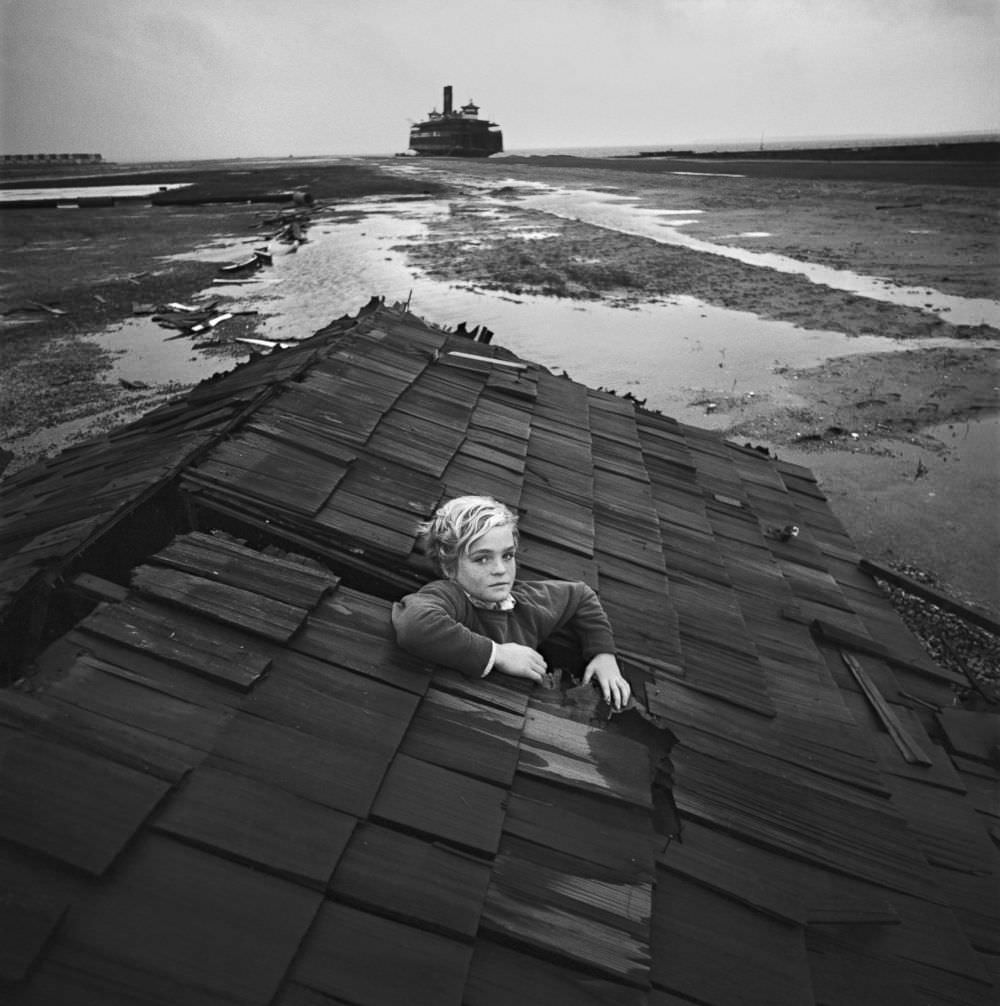



These are fantastic
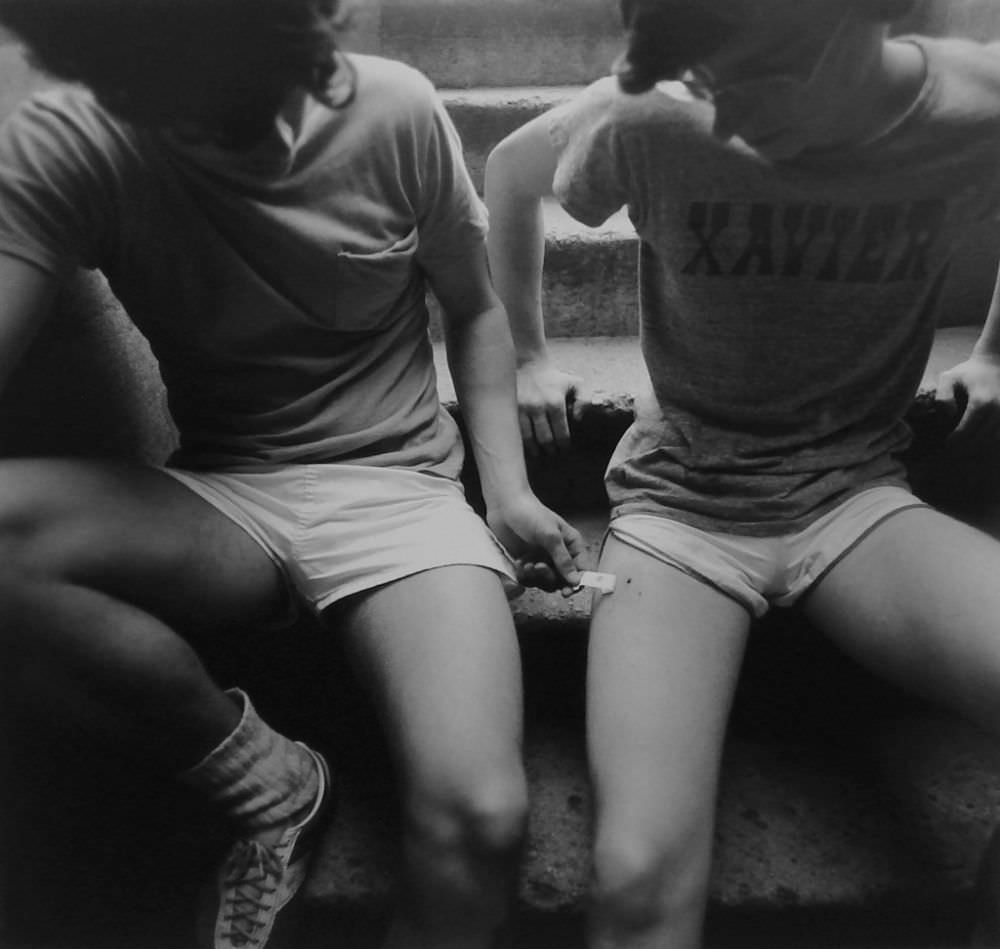
I don’t understand what is happening in the last one.