Chicago’s restaurant scene in the 1950s and 1960s was unlike anything the city had seen before — or has seen since. Hotel dining rooms dripped with elegance. Neighborhood steakhouses drew loyal regulars. Tiki lounges transported guests to another world entirely. The postcards that restaurants printed during this era were more than marketing tools. They were miniature windows into a world of carefully designed interiors, ambitious menus, and a postwar American appetite for dining out as a true event.
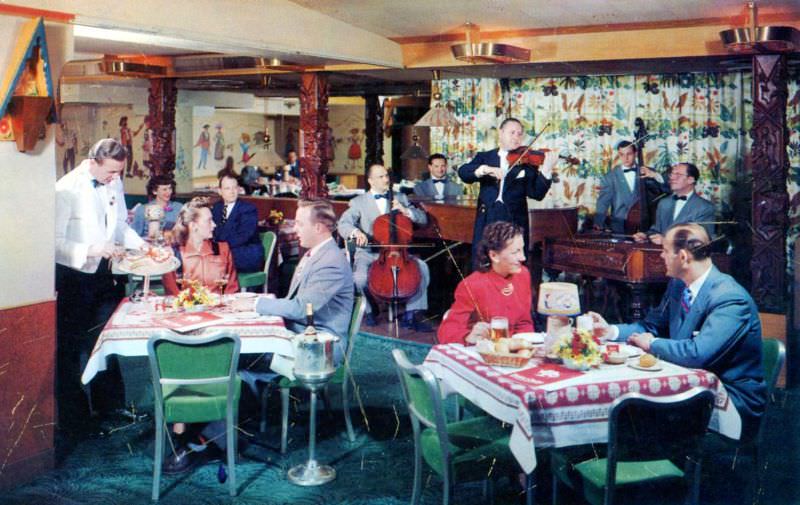
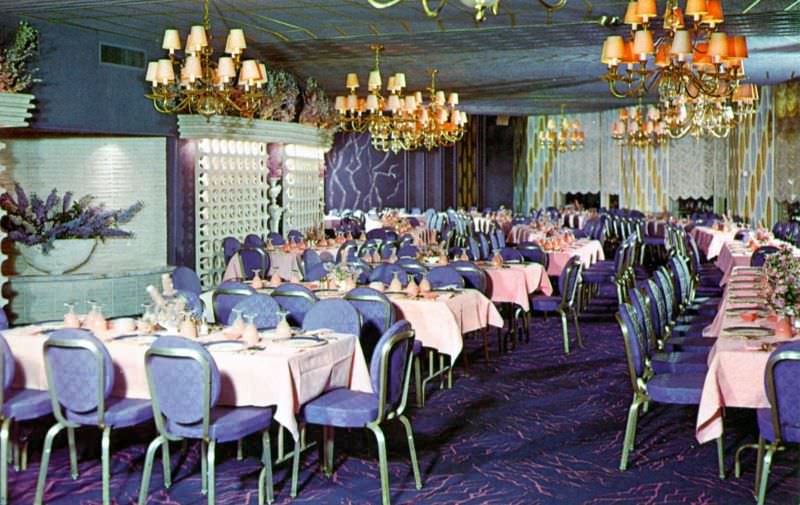
The Bismarck Hotel was one of Chicago’s grand addresses, and its Swiss Chalet dining room matched the building’s reputation for refinement.
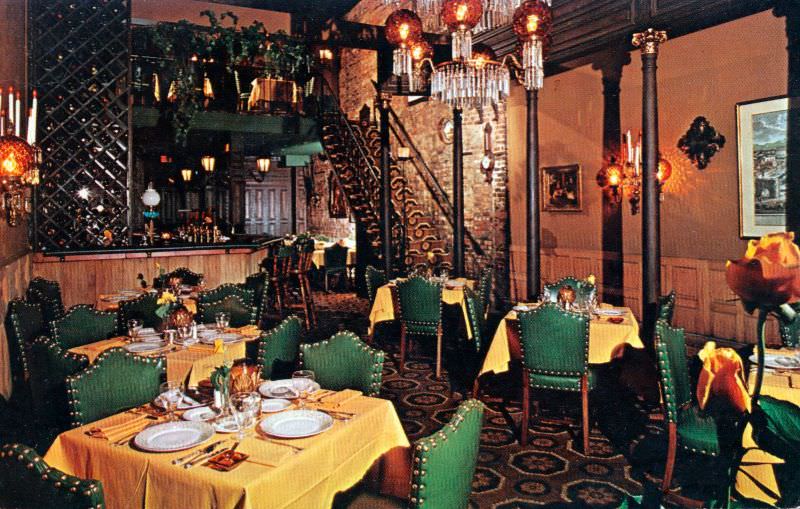
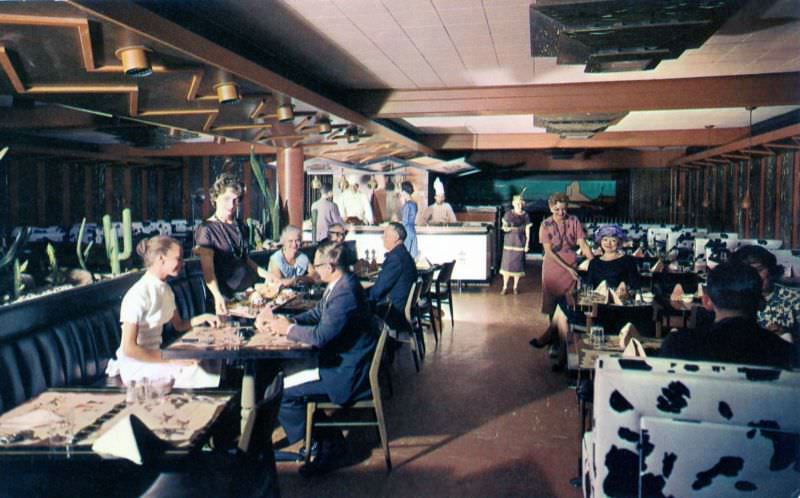
Not far away, on North Wells Street in the Old Town neighborhood, Antonio’s Steak House offered a more intimate setting. Steakhouses like Antonio’s were a fixture of Chicago’s dining culture, catering to a clientele that expected thick cuts of beef and no-nonsense service.
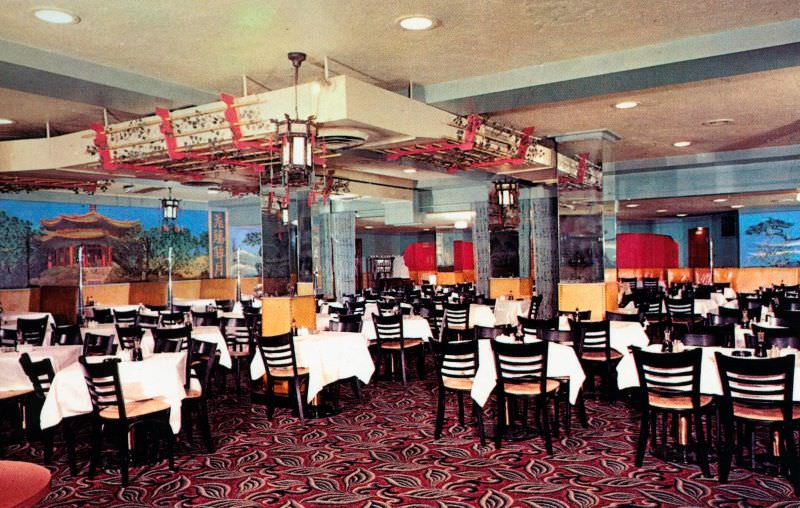
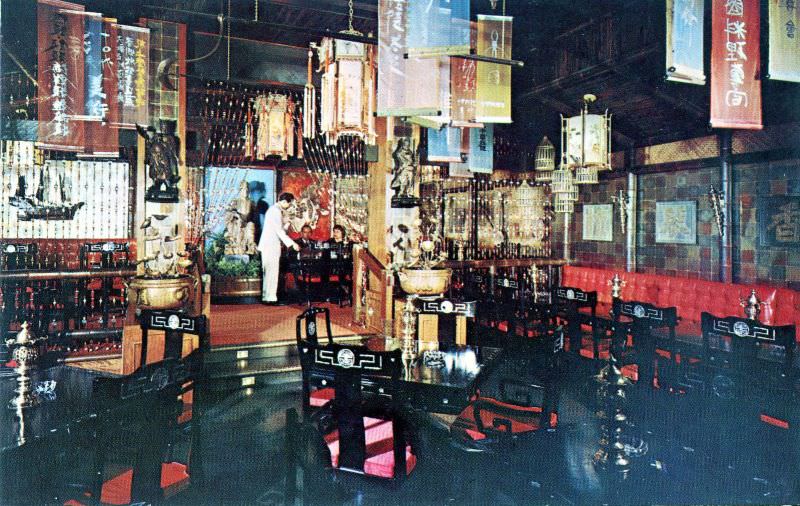
When American servicemen returned from the South Pacific after World War II, they brought back a fascination with tropical culture that quickly turned into a national craze. By the late 1940s and into the 1960s, tiki bars and Polynesian-themed restaurants had spread across the country. Chicago was no exception. The Bamboo Inn Restaurant and Cocktail Lounge on North Clark Street was one such establishment, offering customers an exotic escape right in the heart of the city.
Chicago’s grand hotels competed fiercely for dining business. The Sheraton Blackstone Hotel housed the Cafe Bonaparte, a French-inspired room that brought European sophistication to South Michigan Avenue.
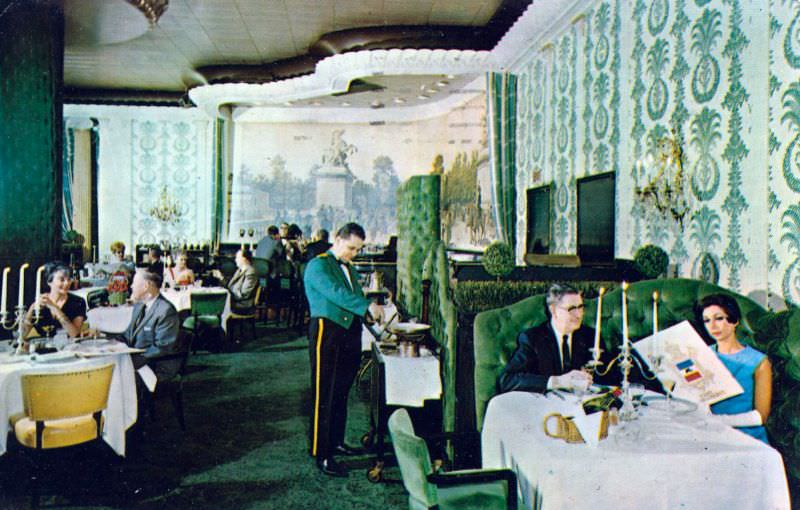
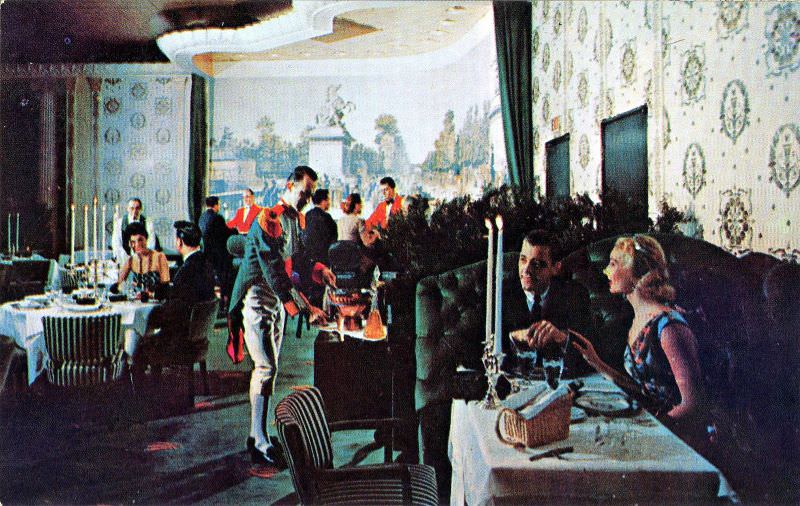
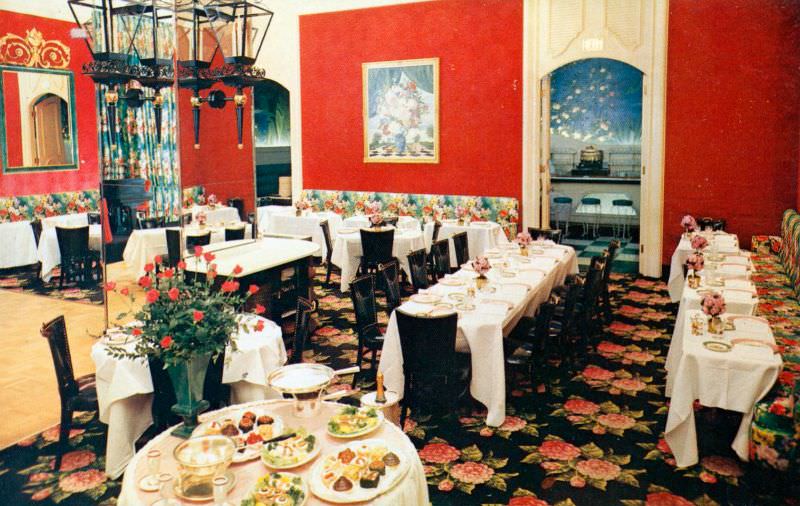
The Drake Hotel, one of Chicago’s most storied luxury addresses, operated two very different dining rooms under the same roof. The Camellia House offered bright, airy elegance for daytime and evening dining.
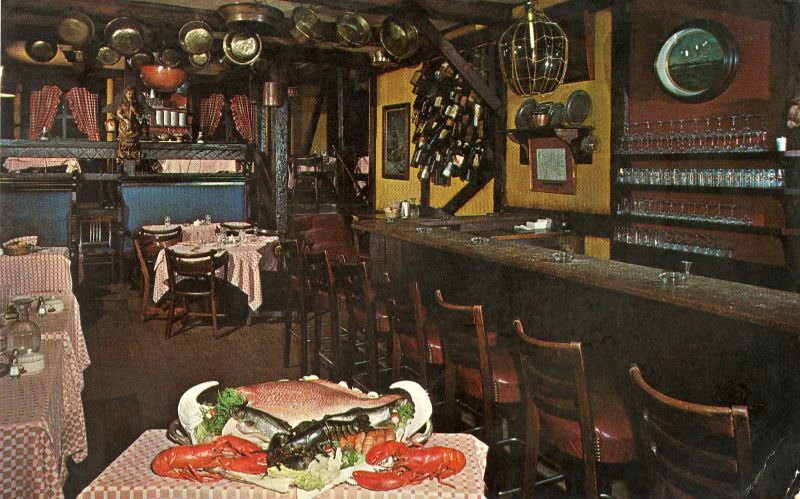
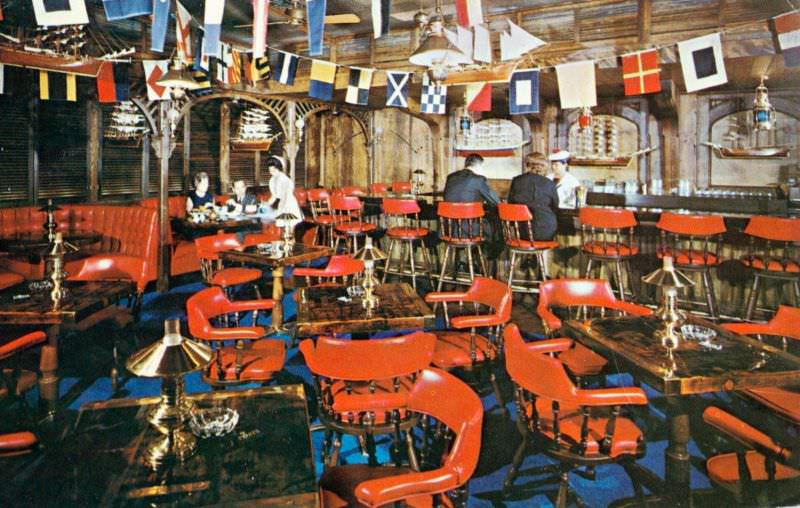
Down the hall, the Drake’s Cape Cod Room told a completely different story. Opened in 1933, the Cape Cod Room became one of the most celebrated seafood restaurants in the Midwest. Its dark wood paneling, ship lanterns, and checkered tablecloths created an atmosphere that felt as though it had been lifted from a New England fishing village and dropped onto Chicago’s Gold Coast.
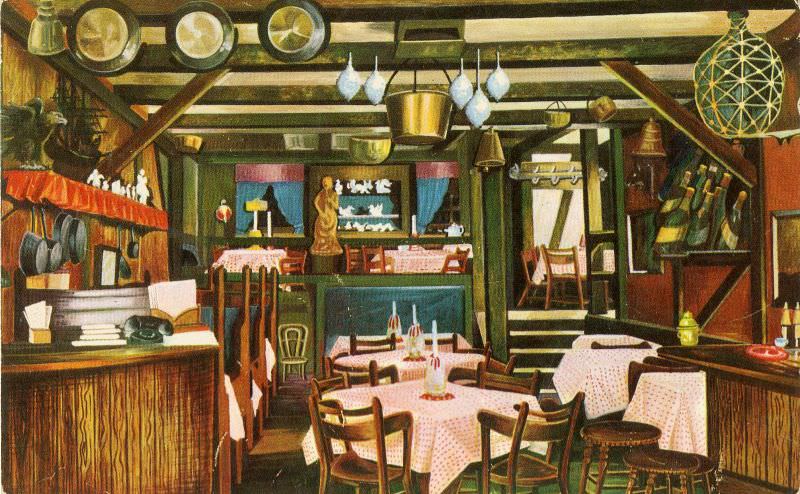
Away from the hotel circuit, neighborhood restaurants served their own communities. Club El Bianco on West 63rd Street on the South Side was one such spot, providing a local gathering place well outside the downtown dining corridor.
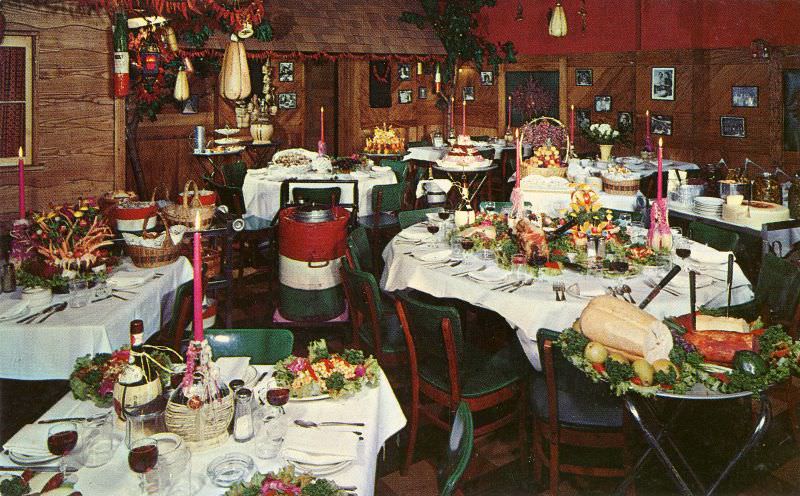
The Congress Hotel on South Michigan Avenue was another address with serious dining pedigree. Its Elizabethan Room leaned into old-world European styling, while the Glass Hat offered a lighter, more cocktail-forward atmosphere within the same building.
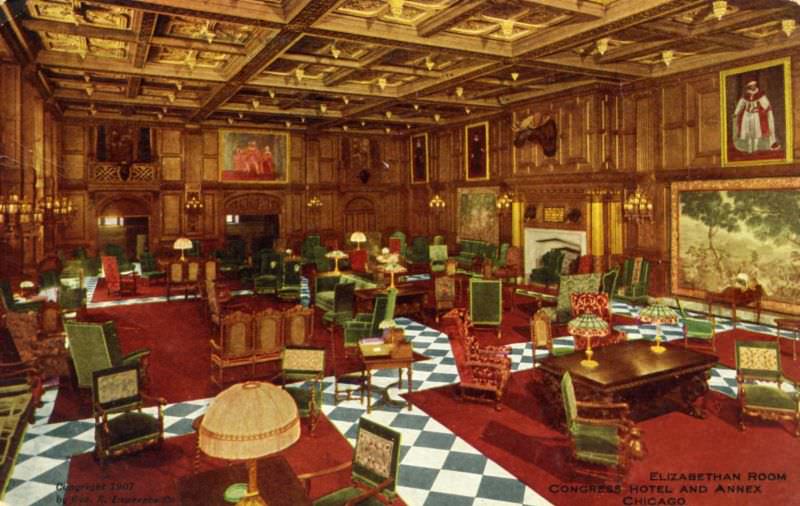
Back in Old Town, the Fireplace Inn on North Wells Street sat just steps from Antonio’s Steak House. The two establishments anchored a stretch of Wells Street that would become one of the city’s most distinctive dining neighborhoods through the 1960s.
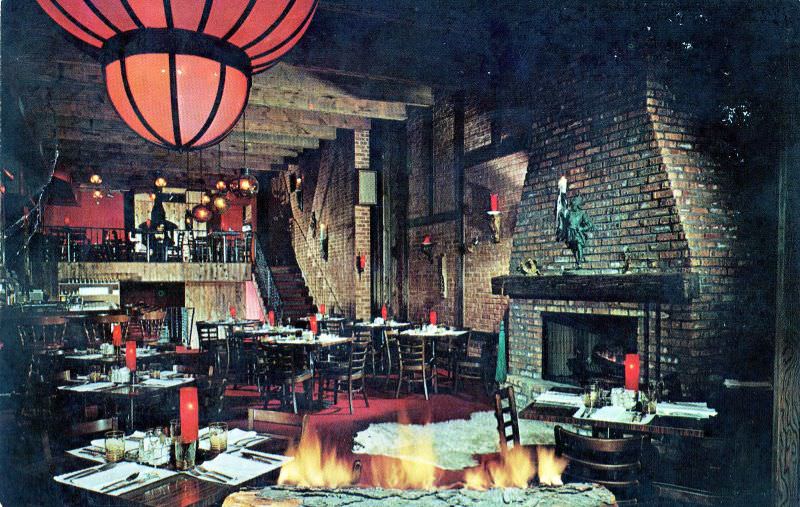
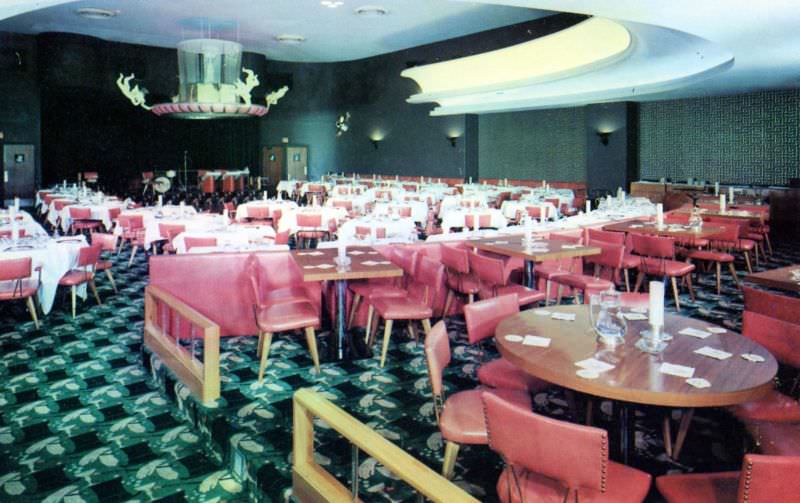
Henrici’s on West Randolph Street was one of Chicago’s longest-running restaurants, having first opened in the 19th century. By the 1950s it was a Loop institution, popular with theatergoers and business lunchers alike. Its longevity was a testament to consistent quality in a city that always had plenty of competition.
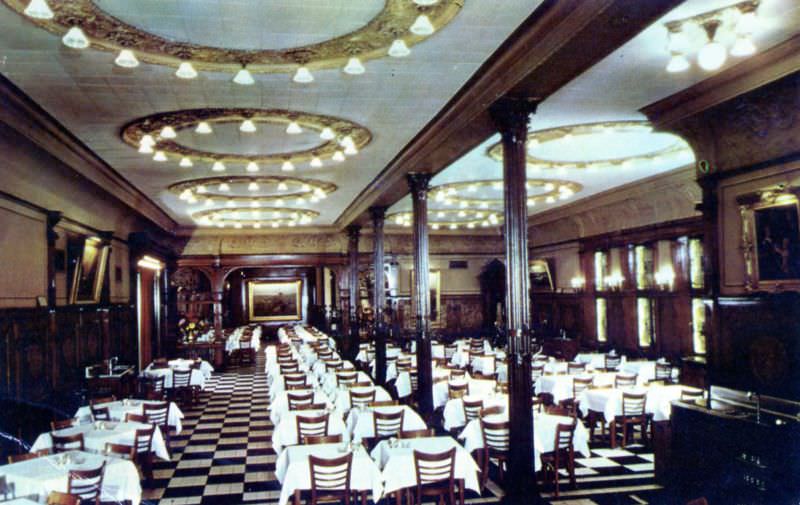
The tiki trend took many forms across Chicago. Honolulu Harry’s Waikiki on Wilson Avenue brought Hawaiian themes to the North Side, while the Kon-Tiki Ports Restaurant inside the Sheraton-Chicago Hotel on North Michigan Avenue offered one of the most elaborate Polynesian dining experiences in the entire city. The Kon-Tiki Ports concept, developed by hotelier Sheraton, was designed to feel like a journey through multiple Pacific island ports in a single evening.
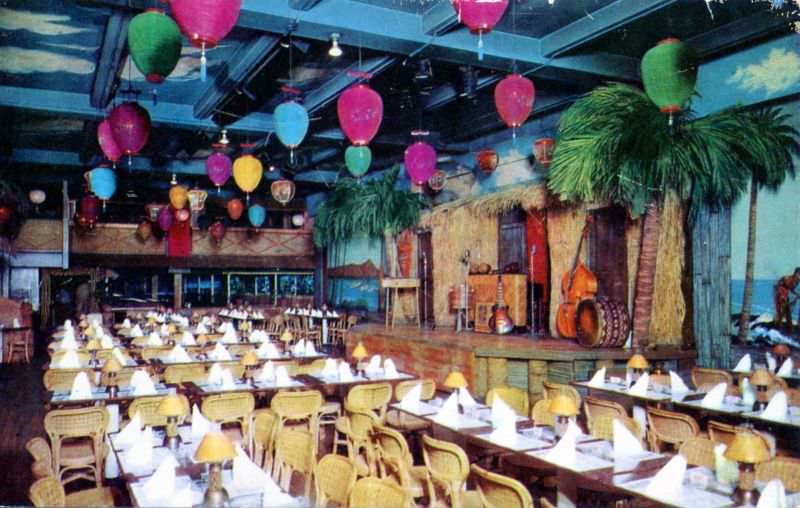
For fine French dining away from the hotel scene, Jacques French Restaurant on North Michigan Avenue was a reliable destination. French cuisine held enormous prestige in mid-century America, and Jacques delivered the experience that discerning Chicagoans expected.
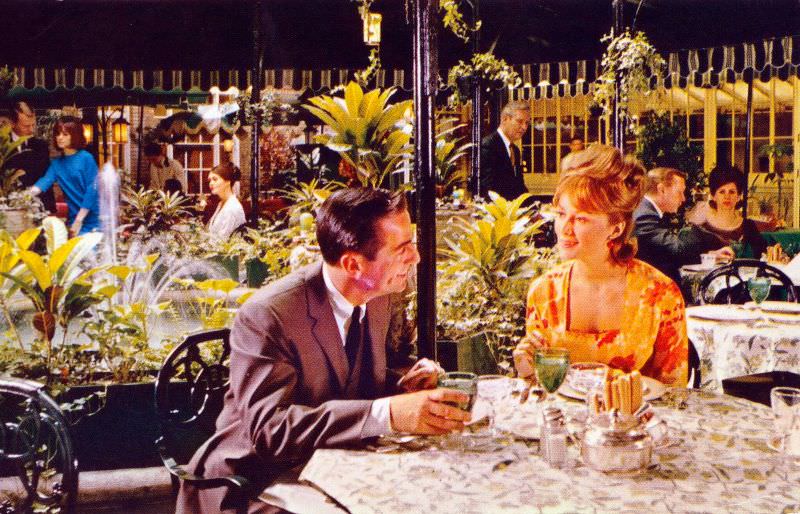
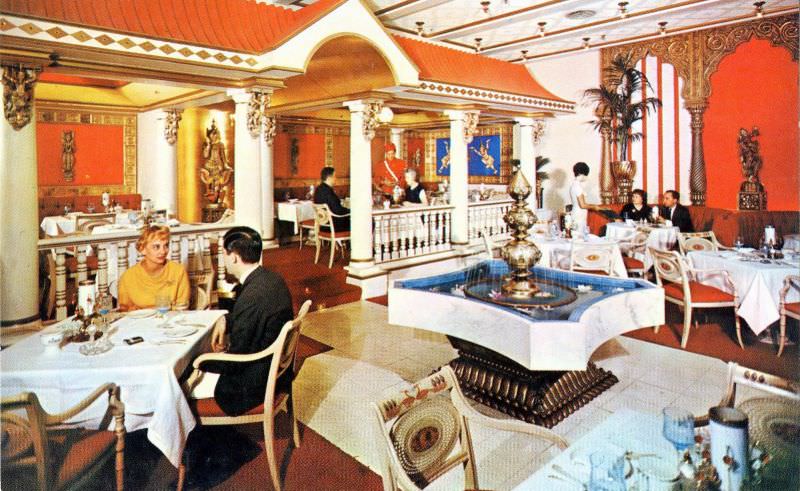
Chicago’s immigrant communities also left a permanent mark on the city’s dining landscape. The Kungsholm Scandinavian Restaurant on East Ontario Street was a beloved institution that drew diners seeking Swedish and Scandinavian cuisine. It was also famous for its miniature opera productions performed for guests during their meals. Sayat Nova on North Sheridan Road brought Armenian cuisine to Chicago, one of the few restaurants in the country dedicated to that culinary tradition at the time.
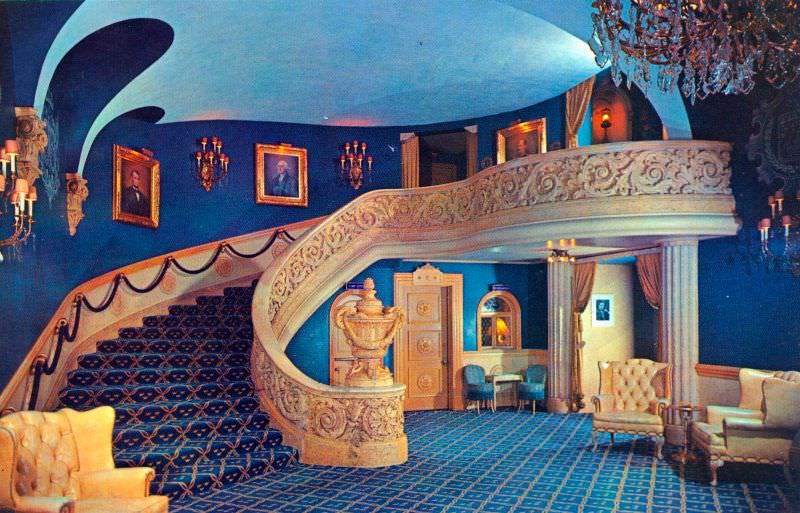
French themes appeared across the city in different forms. La Tour Cafe Francais and the Cafe Bonaparte both pursued European elegance, while the Martinique Restaurant paired dining with live entertainment through its connection to Drury Lane Theatre.
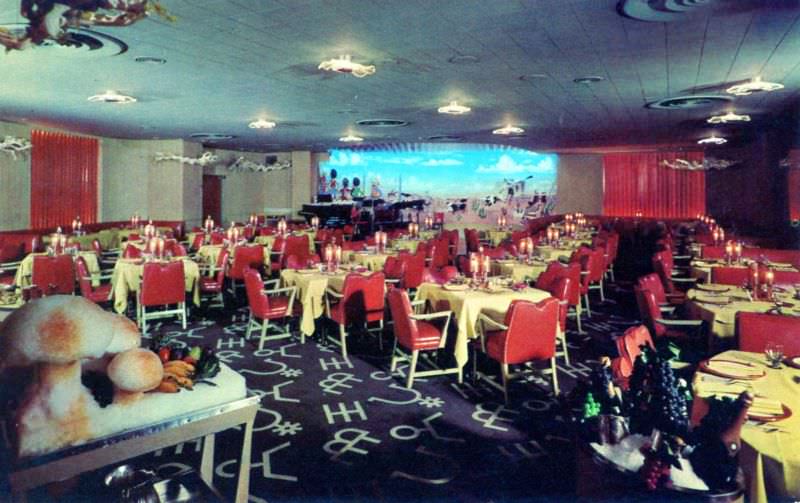
The Blackhawk Restaurant was one of Chicago’s most famous dining destinations for decades. Its Indian Room and Myrtlewood Bar were distinct spaces within a larger complex that became a Loop landmark. The Blackhawk was especially known for its spinning salad bowl service, a tableside ritual that regulars came to expect.
The Sherman Hotel’s College Inn was another Chicago institution with serious history. Its Porterhouse Room catered to a clientele that wanted a classic steakhouse experience in a hotel setting. The Sherman itself had long been a political and social hub for the city.
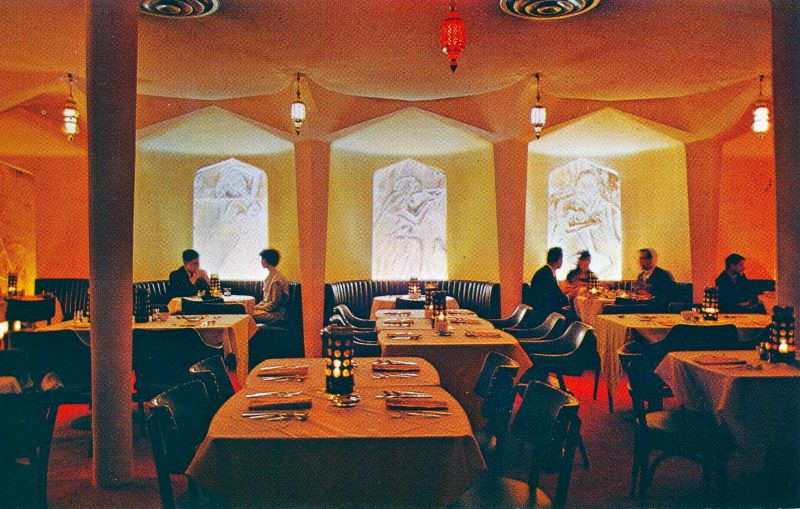
Chicago’s Greek community also made its mark on the city’s food history in a very specific way. Flaming saganaki — fried cheese flambéed tableside in brandy — was developed in Chicago, not in Greece. Owner Chris Liakouras introduced the dramatic tableside preparation, and the dish became a defining feature of Greek dining in the city. It spread from Chicago to Greek restaurants across the country.
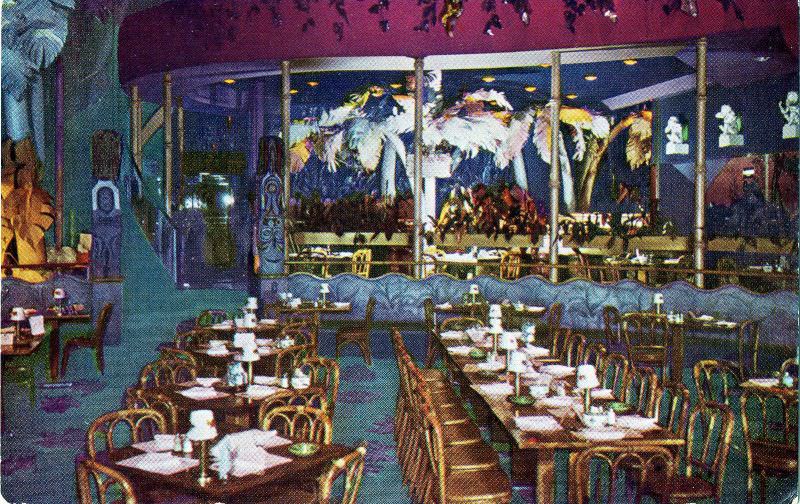
On the Southwest Side, the Southwest Inn on South Cicero Avenue served a residential neighborhood far removed from the downtown hotel corridor. Restaurants like this one were the backbone of Chicago’s dining culture — not glamorous, but reliable and deeply rooted in their communities.
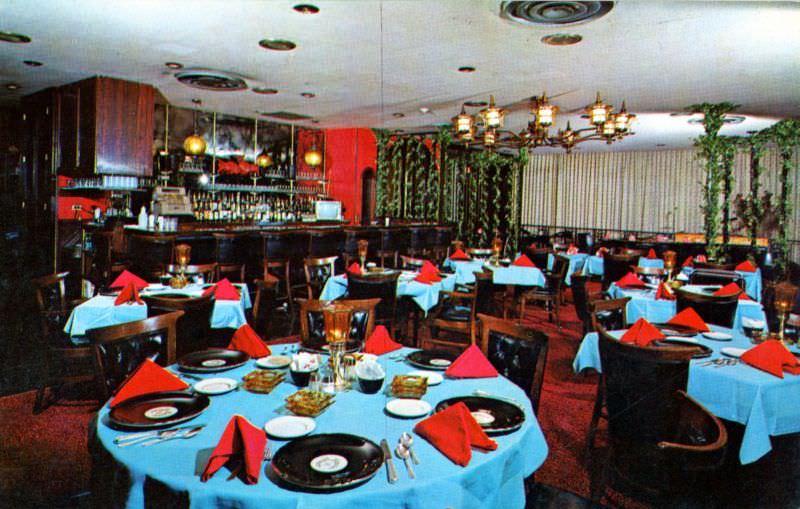
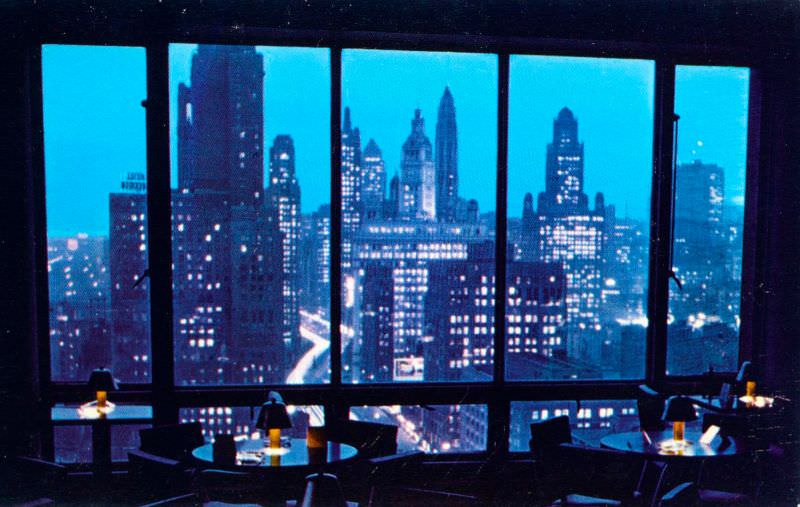
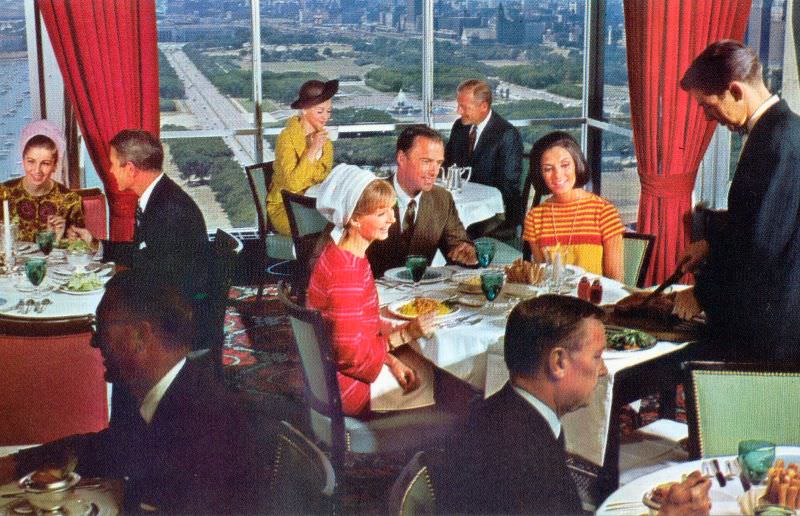
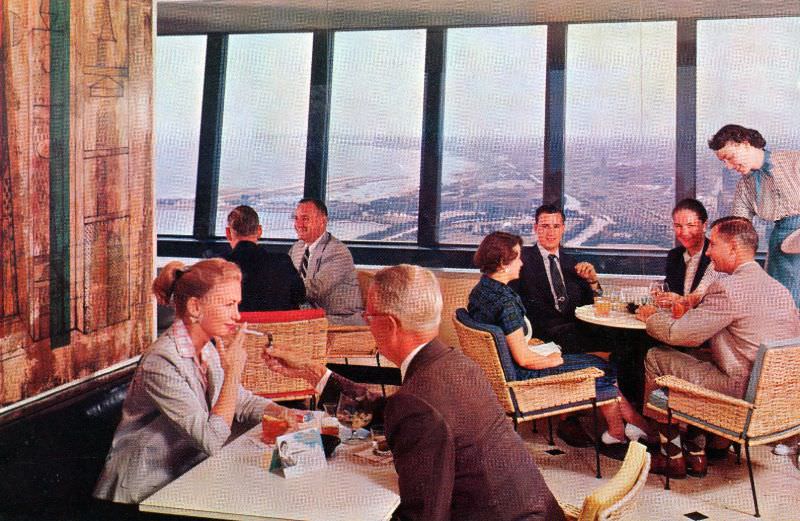
For a meal with a view, few options in 1950s Chicago matched Stouffer’s Top of the Rock inside the Prudential Building. The Prudential Building, completed in 1955, was the first major skyscraper built in Chicago after World War II. Its rooftop restaurant gave diners a sweeping view of the city’s lakefront and skyline that was genuinely unmatched at the time.
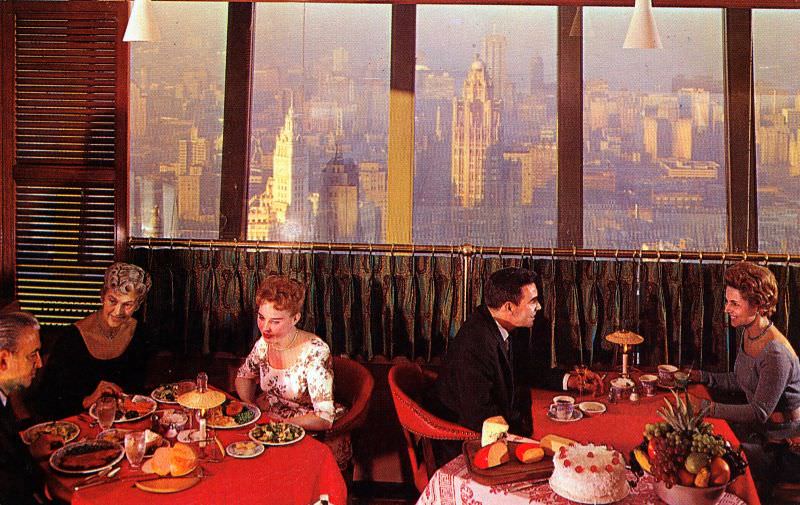
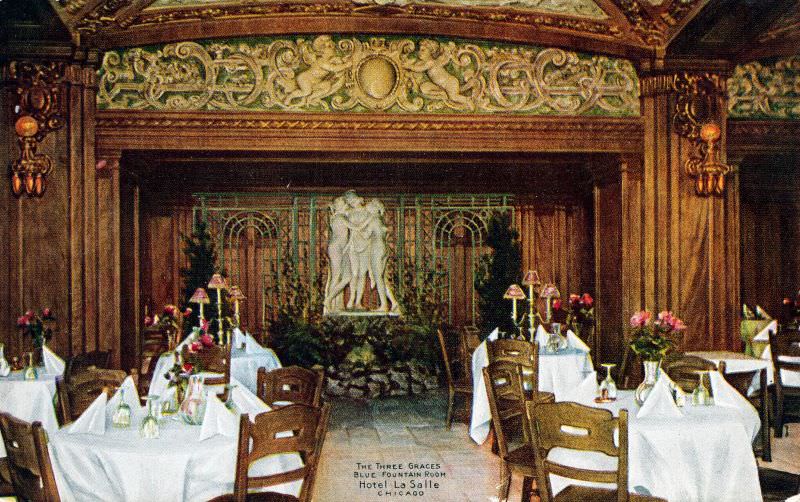
Hotel La Salle’s Three Graces Blue Fountain Room was one of the Loop’s most elegant dining spaces. The Blue Fountain Room had hosted Chicago’s social elite for decades and remained a destination for special occasions well into the postwar years.
High above the street, the Allerton Hotel’s Tip Top Tap Cocktail Lounge offered something different from the formal dining rooms below. Perched at the top of the Allerton on North Michigan Avenue, it gave guests a cocktail-hour view of the Magnificent Mile that made the price of a drink feel entirely justified.