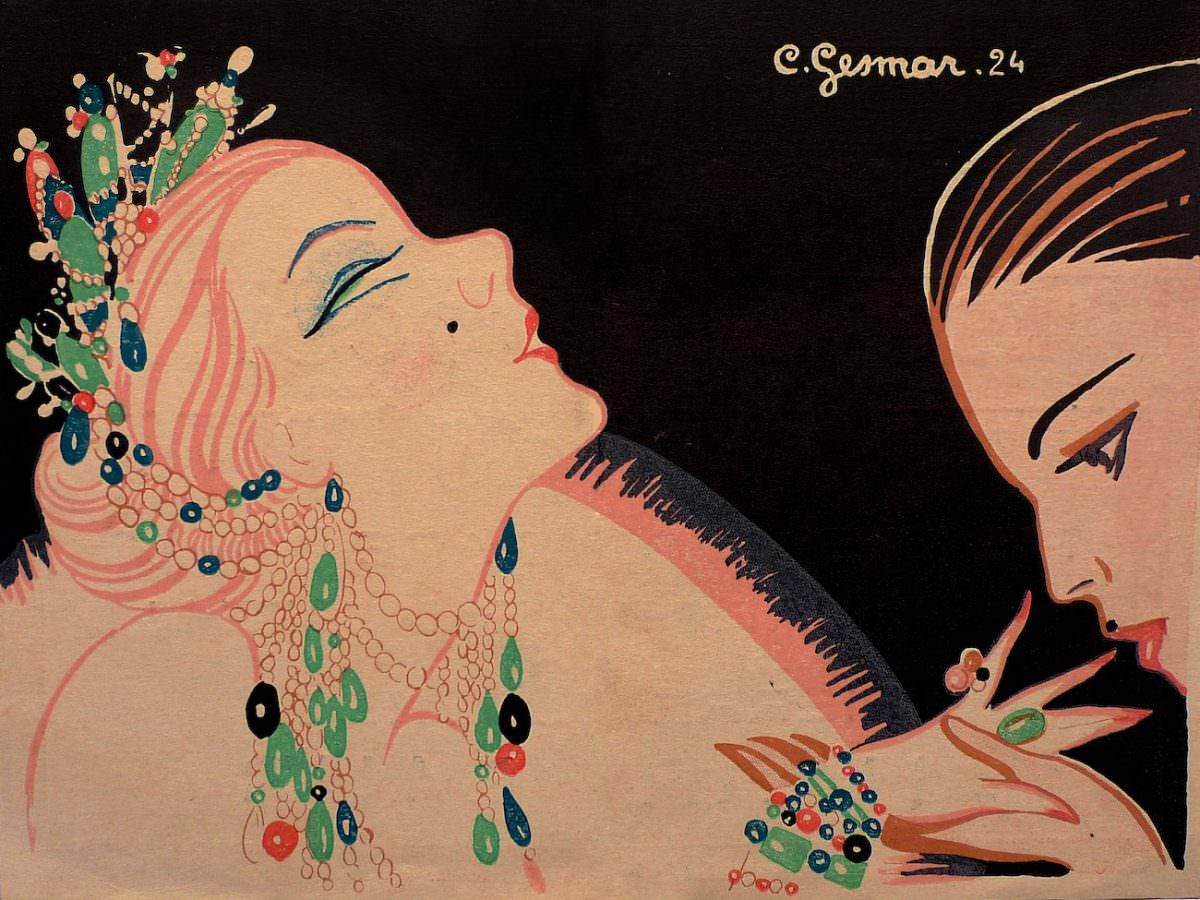
Charles Gesmar, born Charles Gesimar in May 1900, packed an extraordinary artistic career into a very short life. Before he turned sixteen, he was already designing costumes for Mademoiselle Spinelly, a prominent singer, dancer, and actress on the Paris stage. His rise was swift, but his time with Spinelly ended abruptly after a heated argument in which he attempted to shoot himself, missed, struck a toilet cistern, and flooded the house. Spinelly dismissed him on the spot.
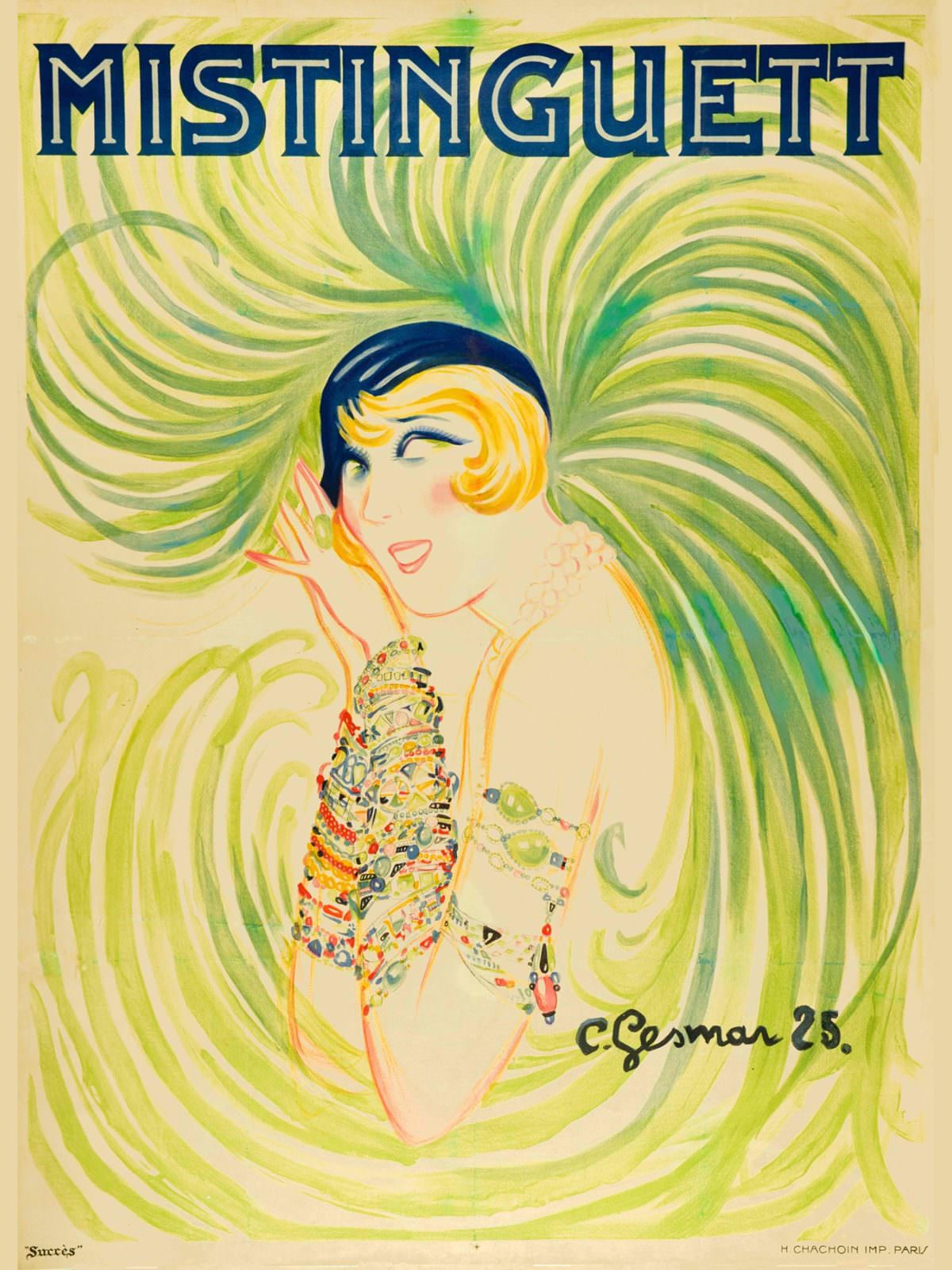
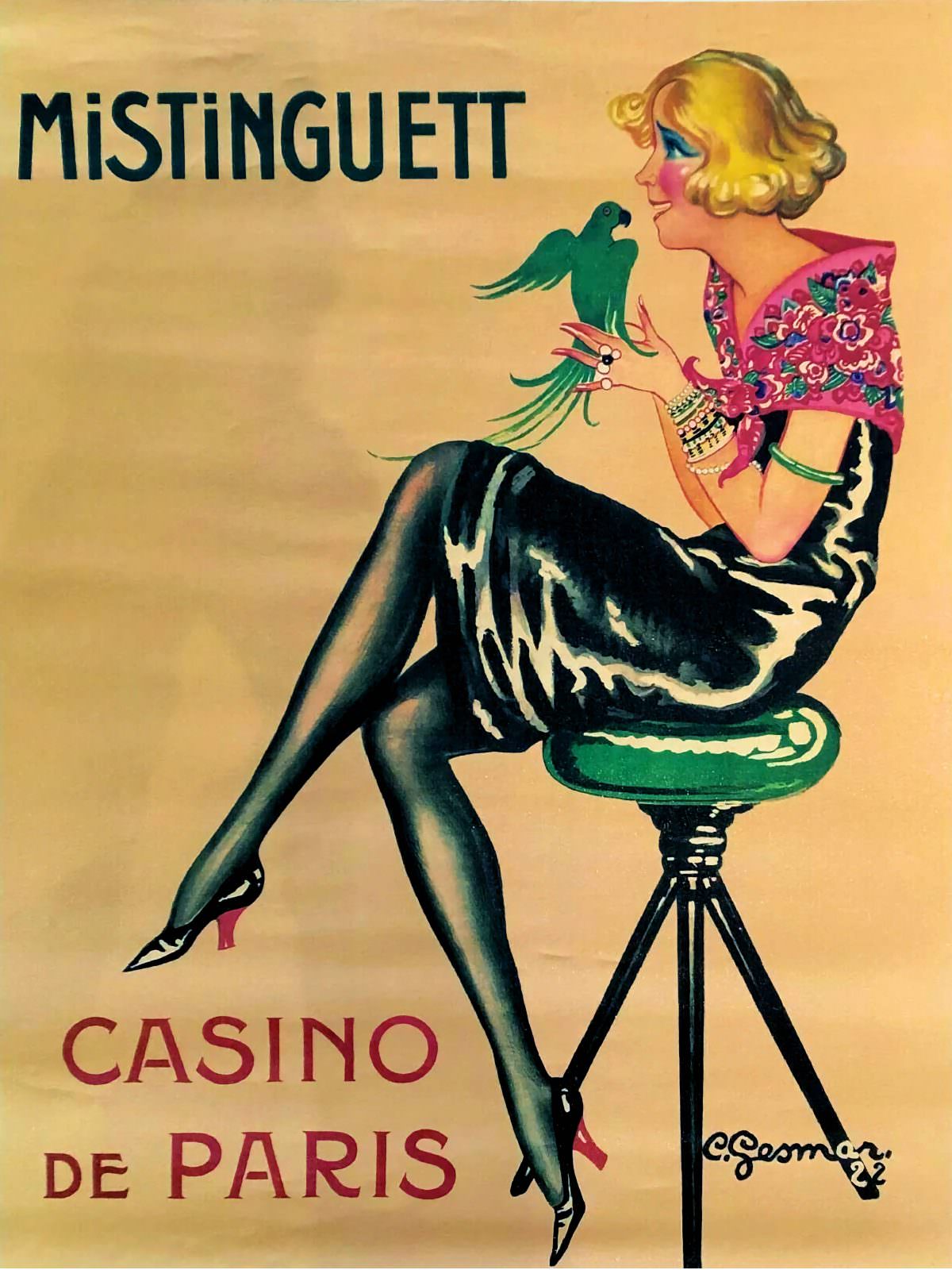
That dismissal opened a far bigger door. Mistinguett — born Jeanne Florentine Bourgeois and known as the “Queen of the Paris Music Hall” — spotted Gesmar’s talent and brought him into her orbit. The pairing proved electric. He designed costumes for her that functioned as full works of art, layered with intricate detail and vivid color.
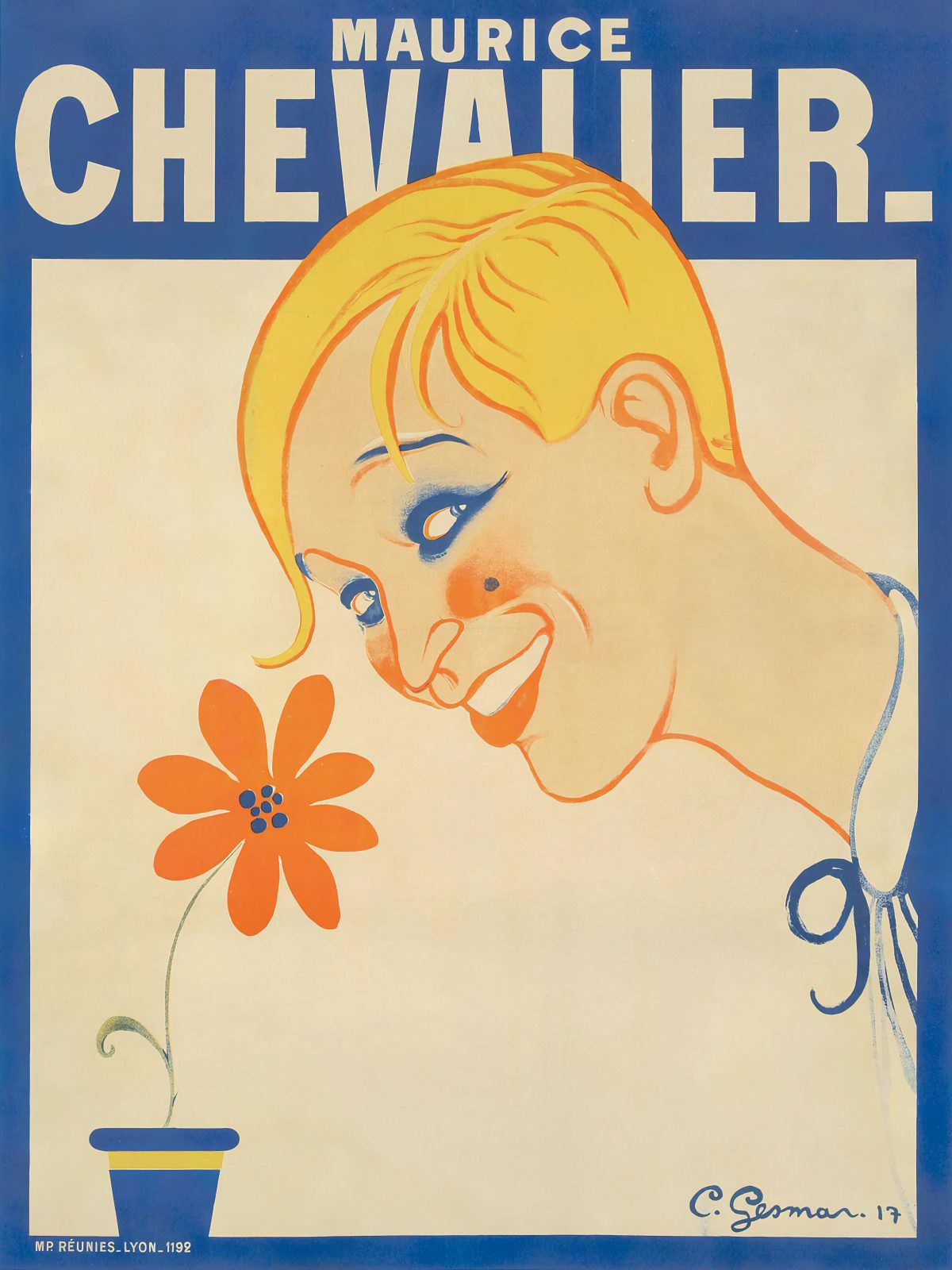
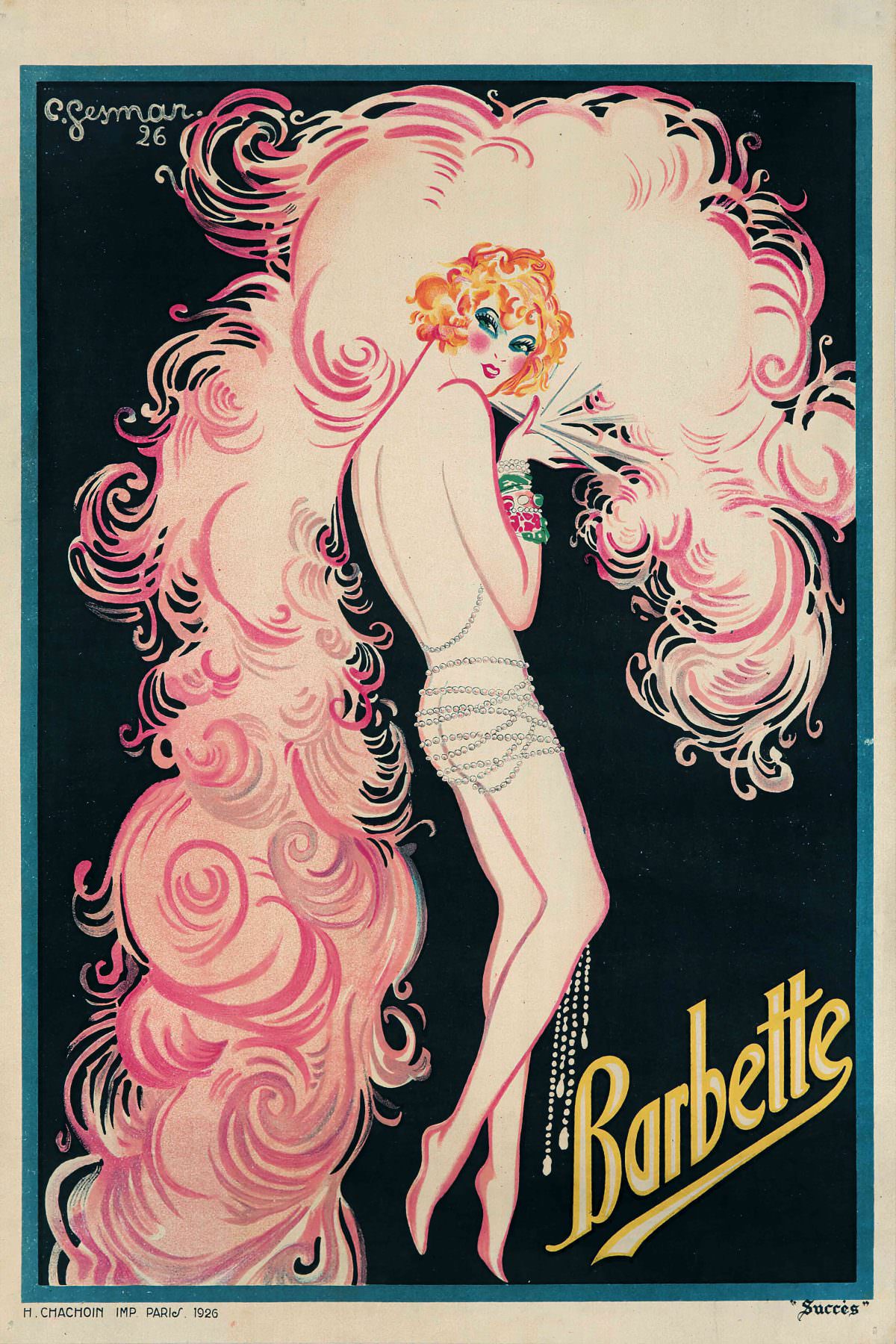
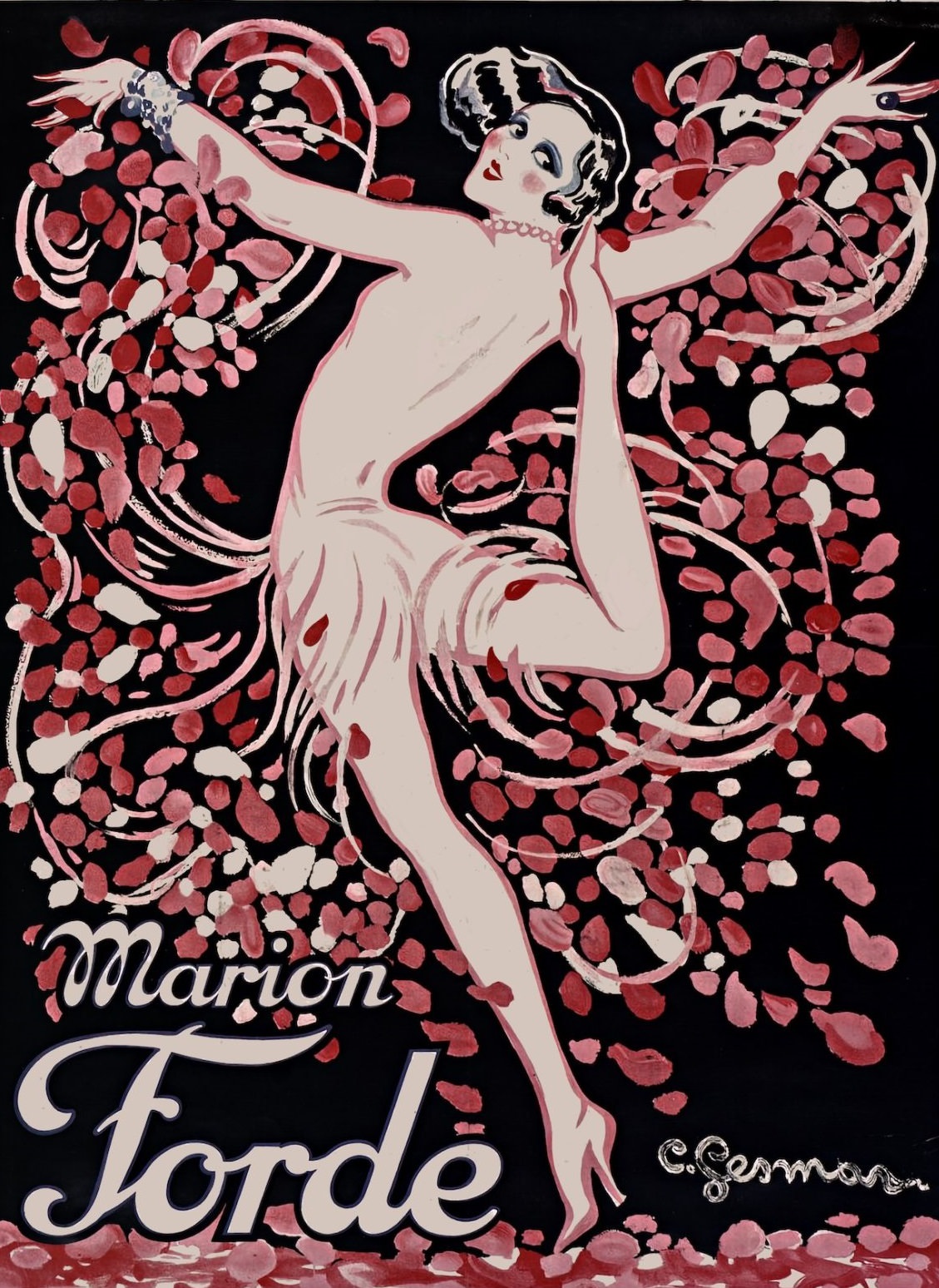
Mistinguett once described Gesmar as “one of those gentle, ultra-sensitive lads, so feminine that you felt one harsh word would have shattered him.” That sensitivity translated directly onto canvas and fabric. His theater posters were bold, expressive, and built around dynamic compositions that pulled viewers in from across the street.
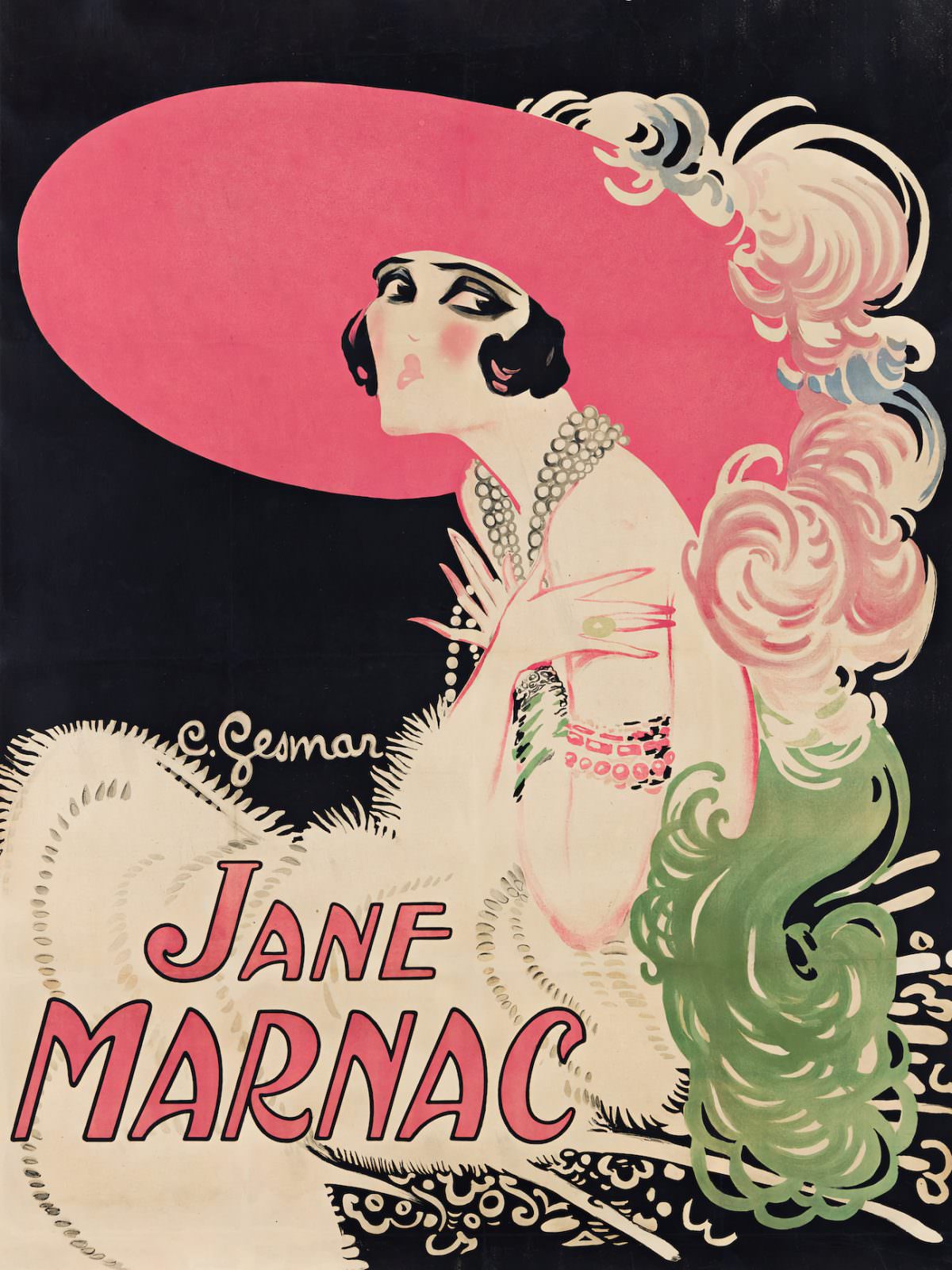
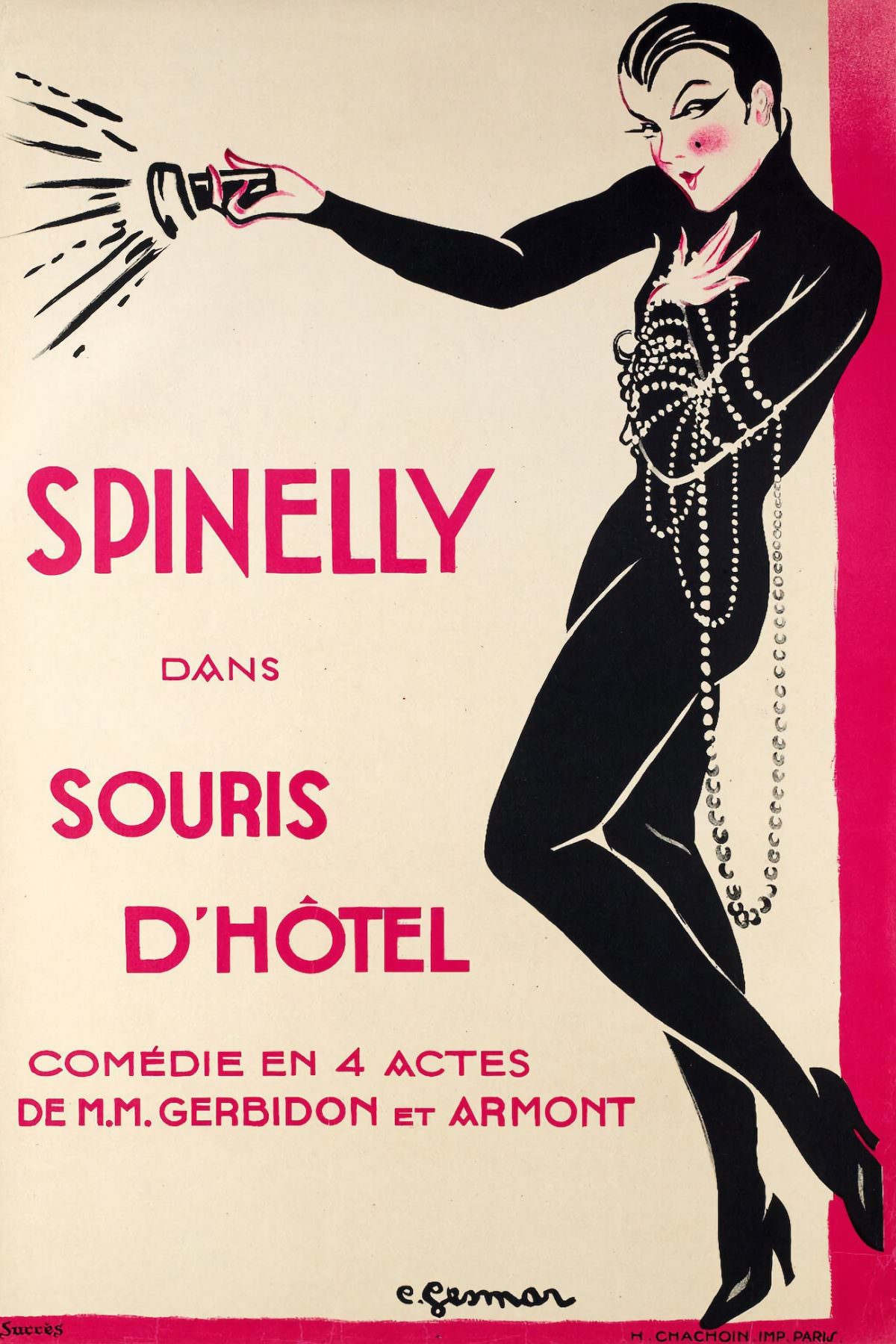
Paris in the early 1900s was a city alive with artistic energy, and Gesmar sat at its center. His posters advertised performances at venues like the Moulin Rouge and the Casino de Paris, each one bursting with the color and drama of the shows inside. They were not mere advertisements — they were the first act of every performance.
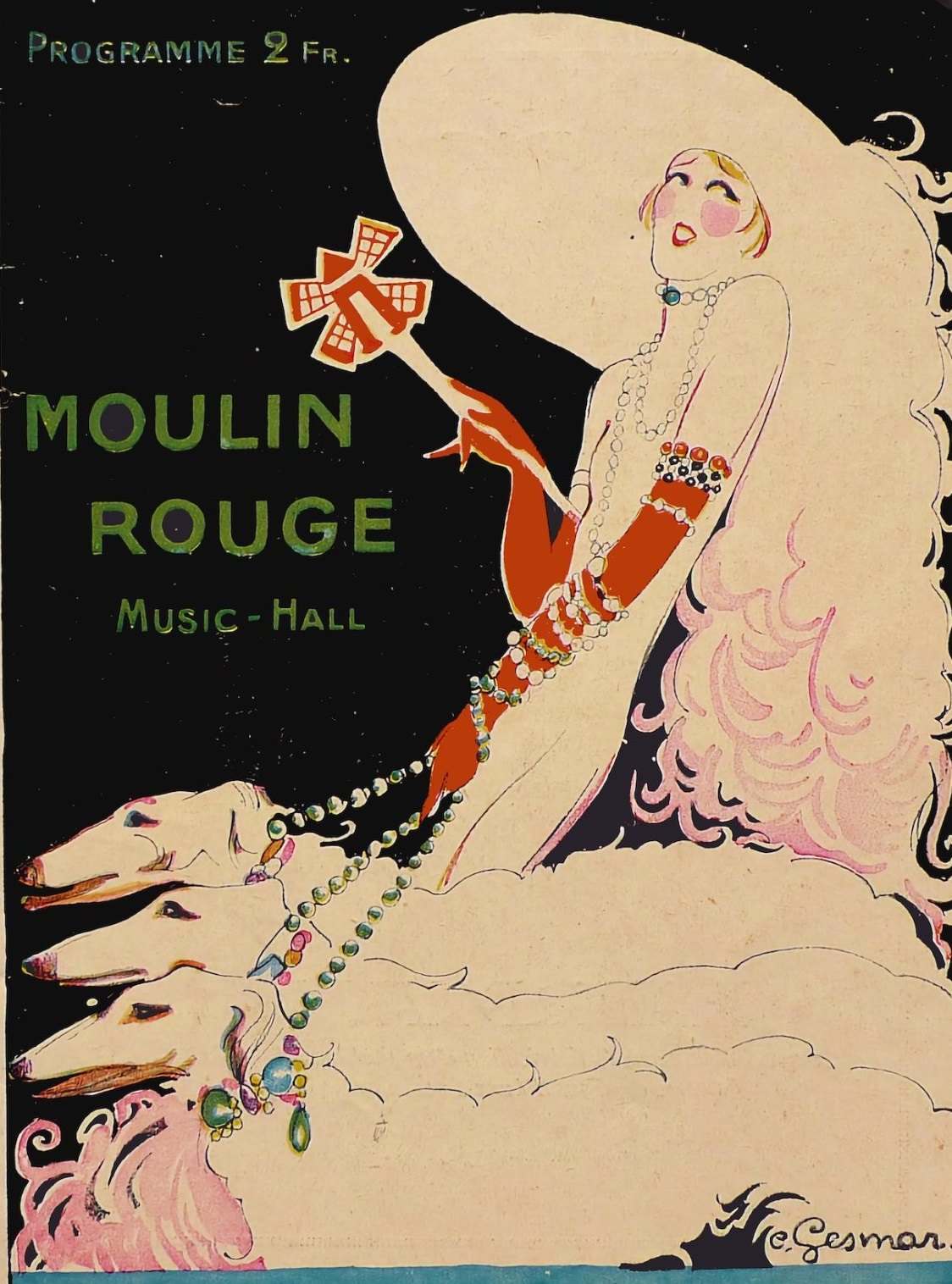
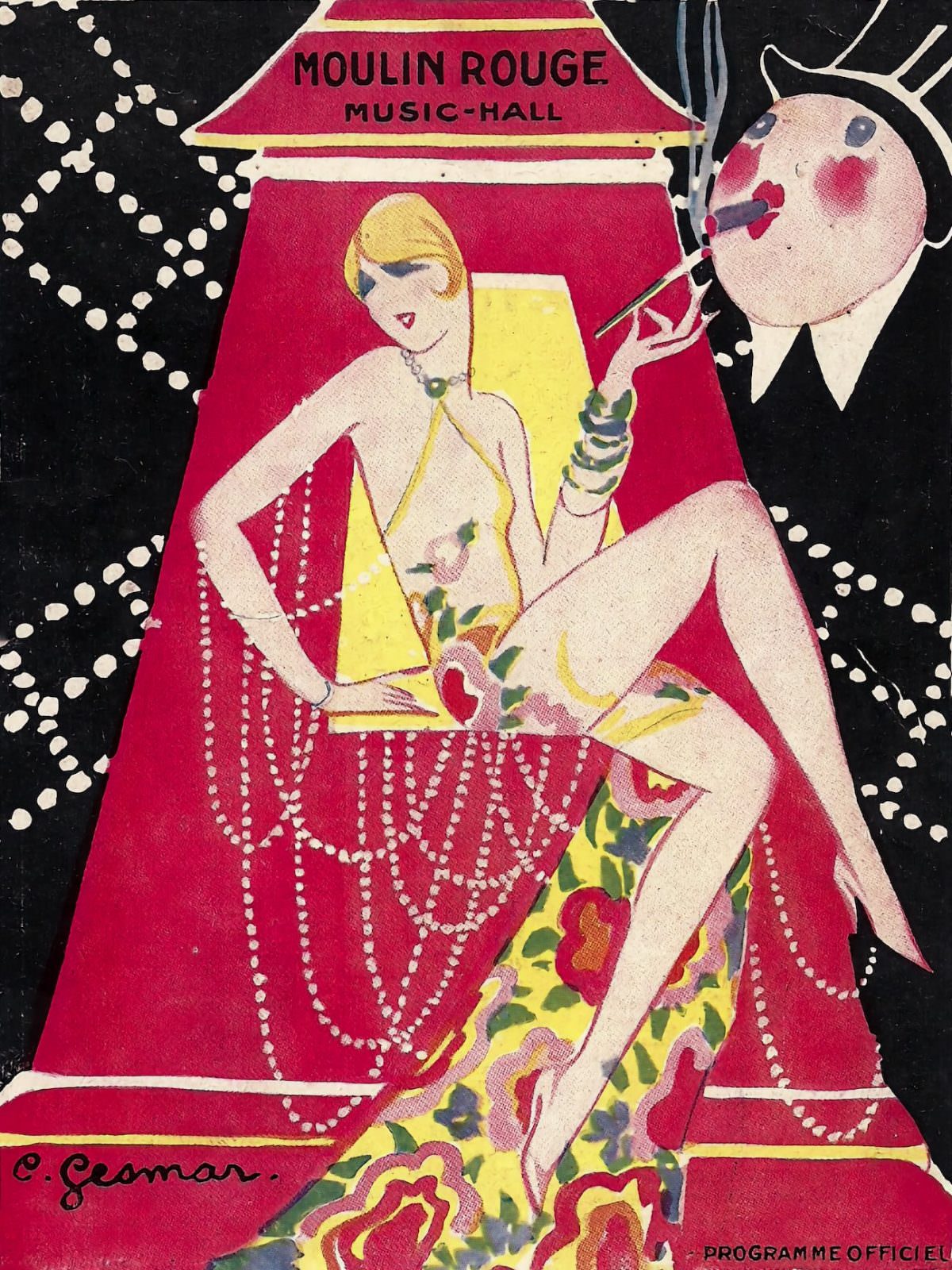
Gesmar’s use of color was deliberate and precise. Strong hues created immediate emotional impact, drawing the eye and signaling the glamour of the music hall world. His attention to detail was equally disciplined — every facial expression, every decorative flourish was considered and placed with care.
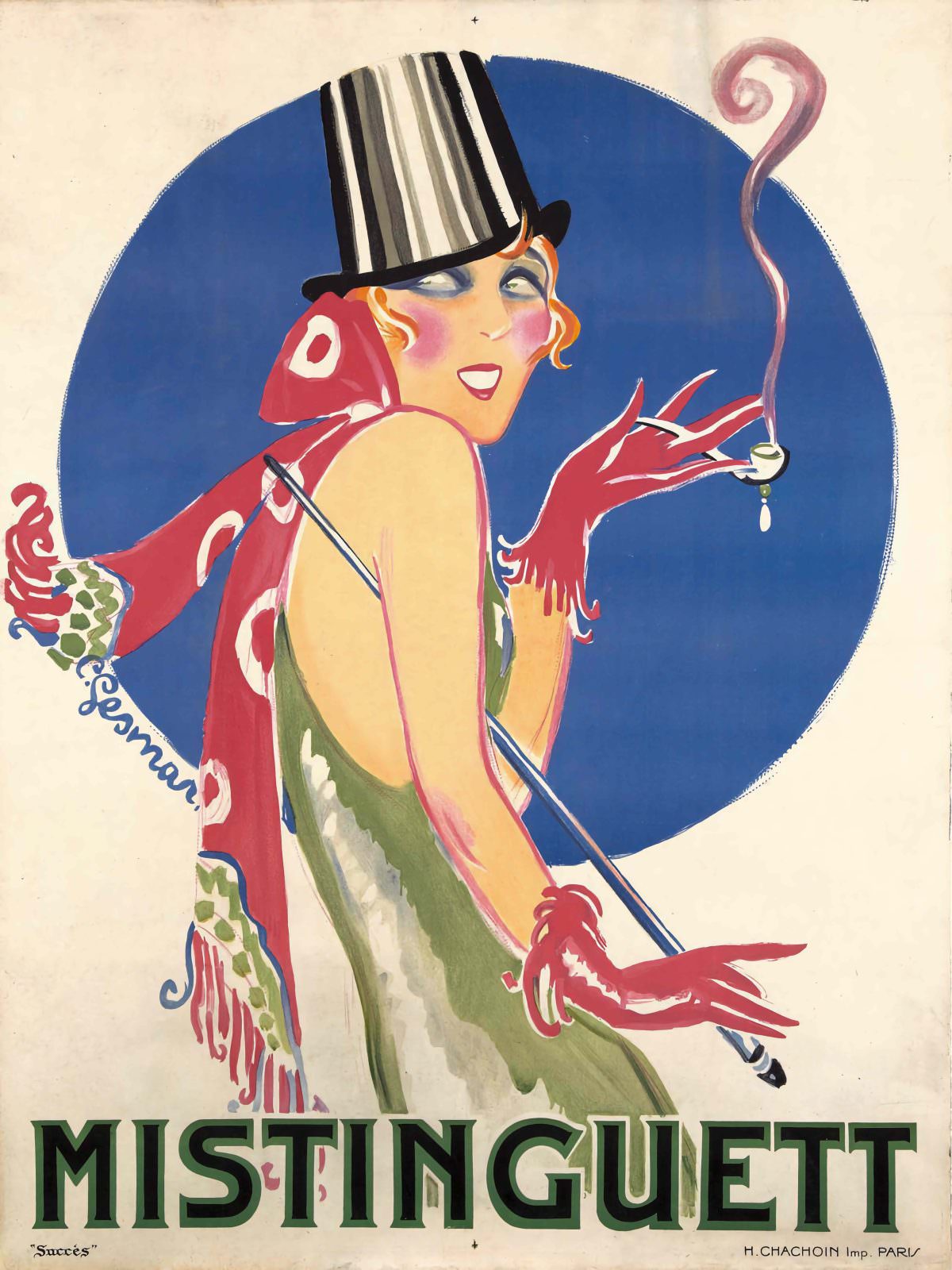
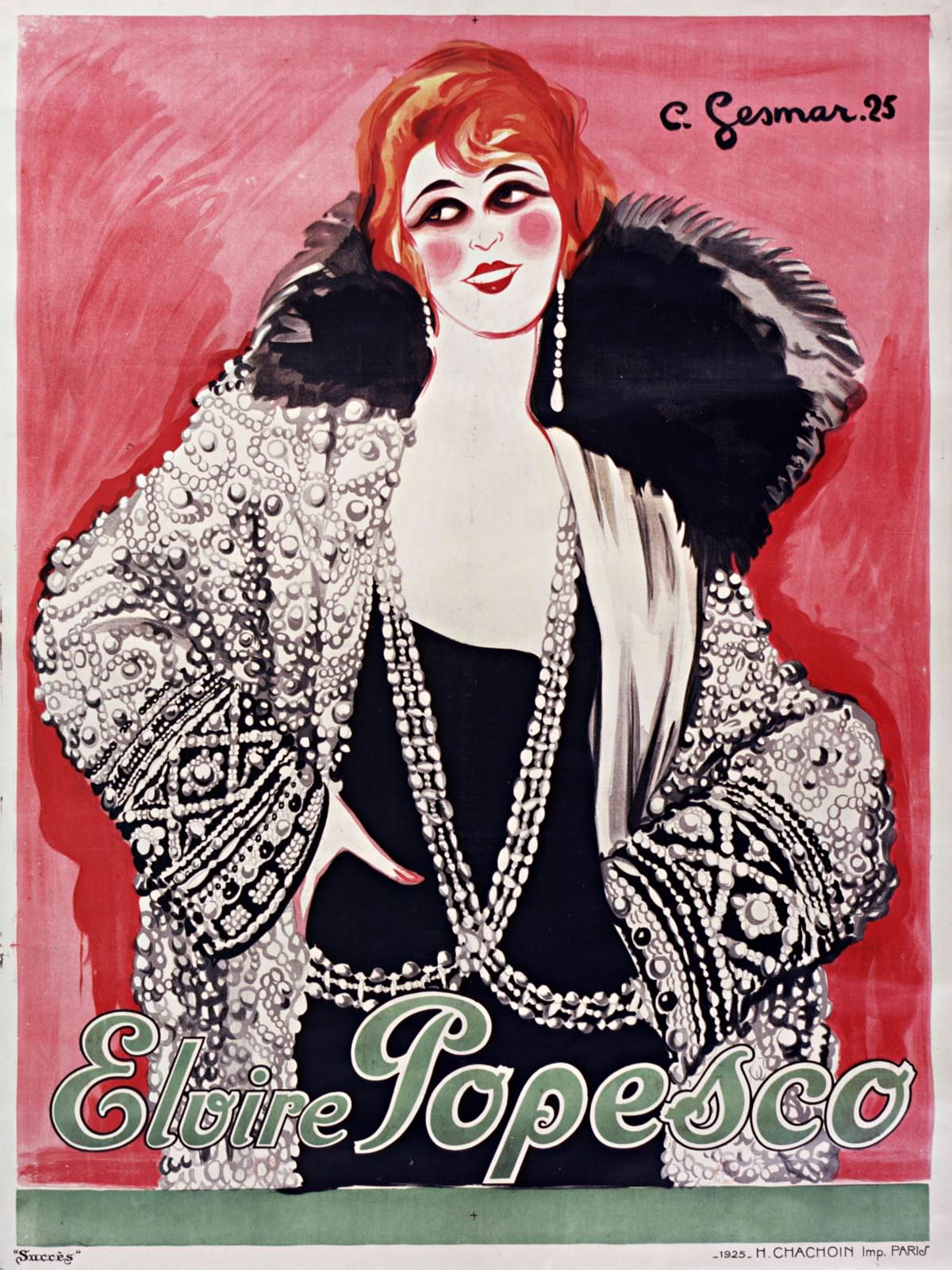
His subjects ranged widely across the Paris entertainment world — performers, dancers, and international stars all sat for his stylized treatment. Each portrait carried a distinct personality, shaped by Gesmar’s sharp eye for character.
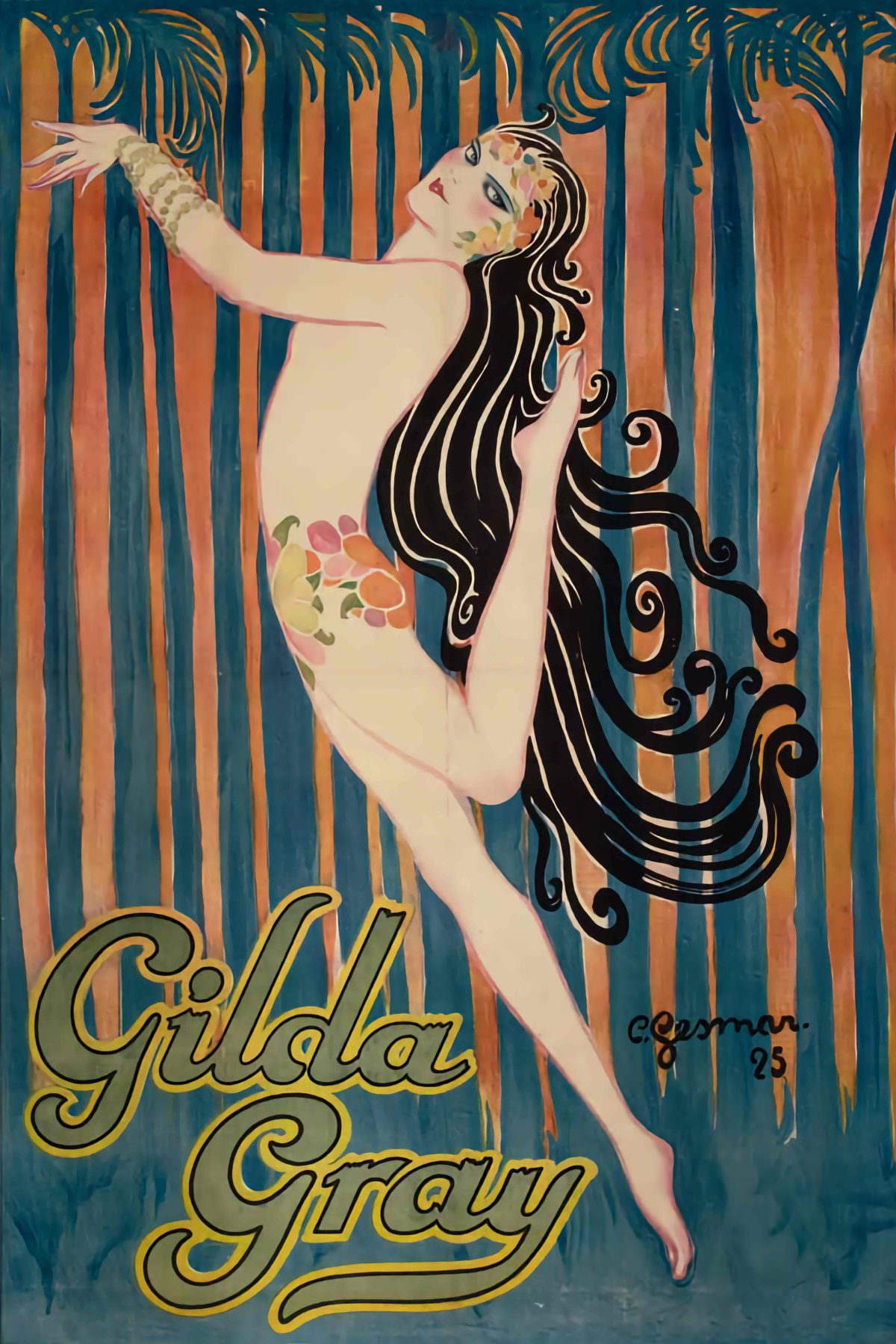
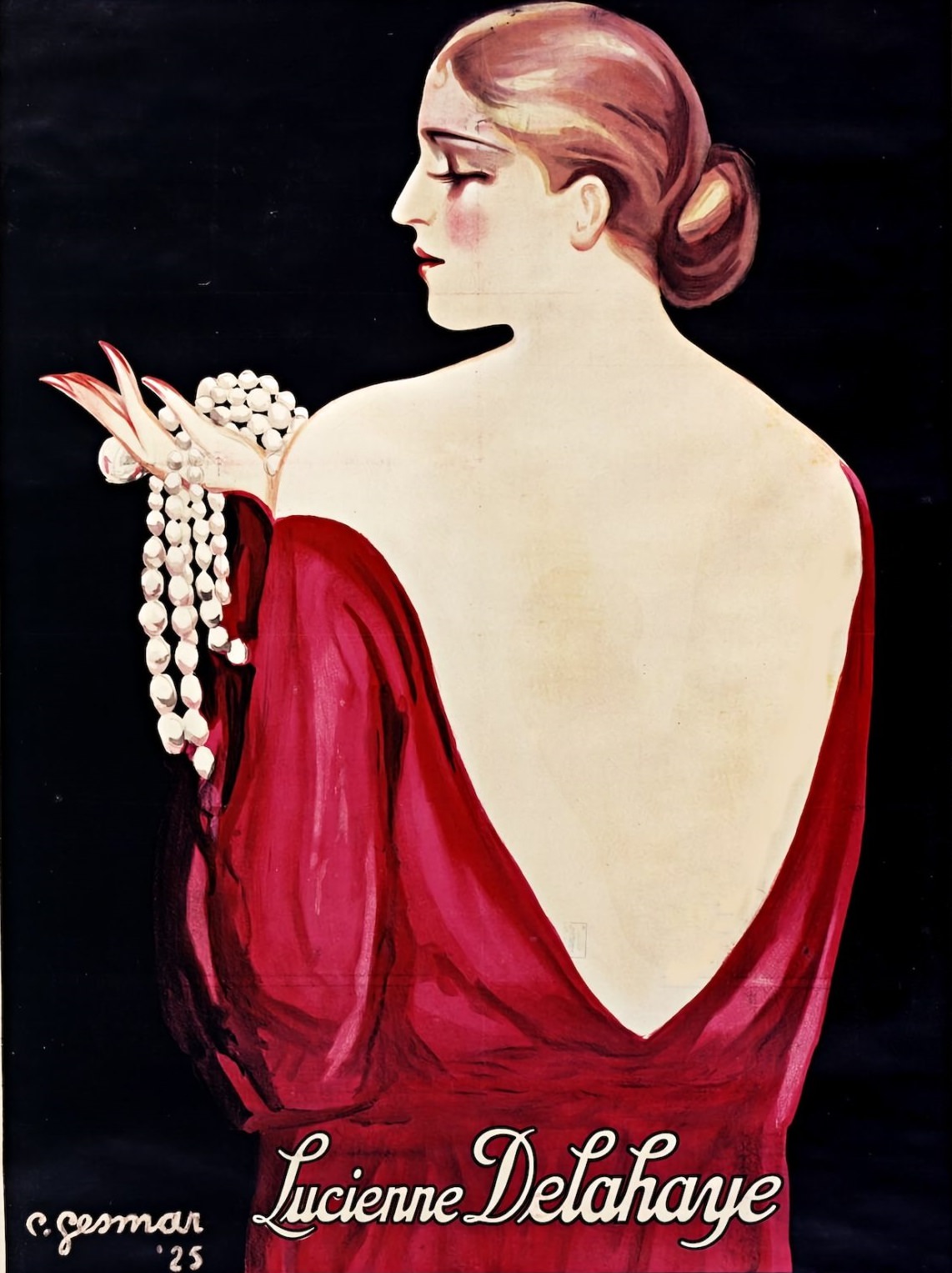
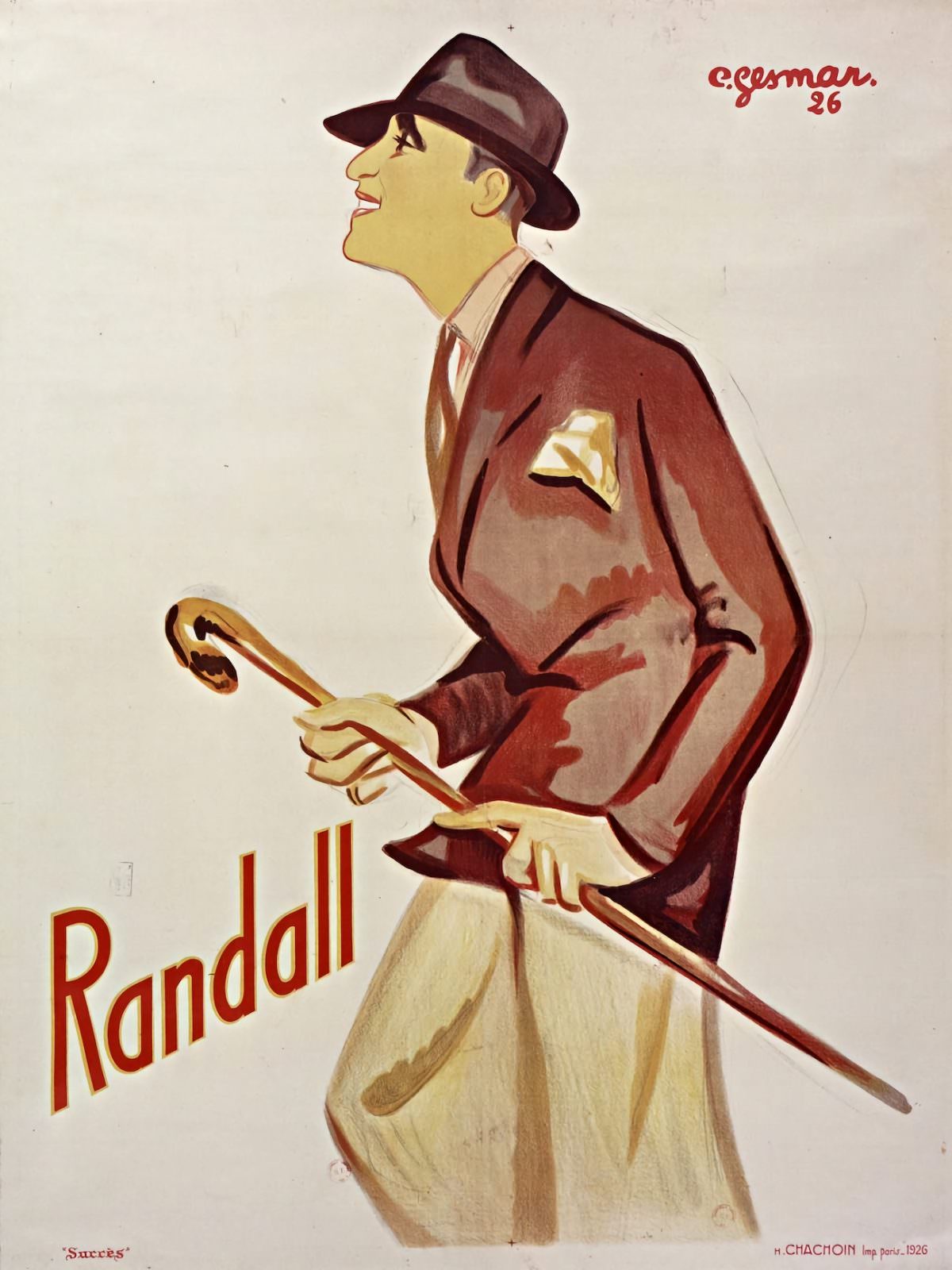
Beyond individual portraits, Gesmar produced programme covers and theatrical illustrations that defined how Parisian audiences visualized live entertainment. His designs merged fashion, fine art, and performance into a single image.