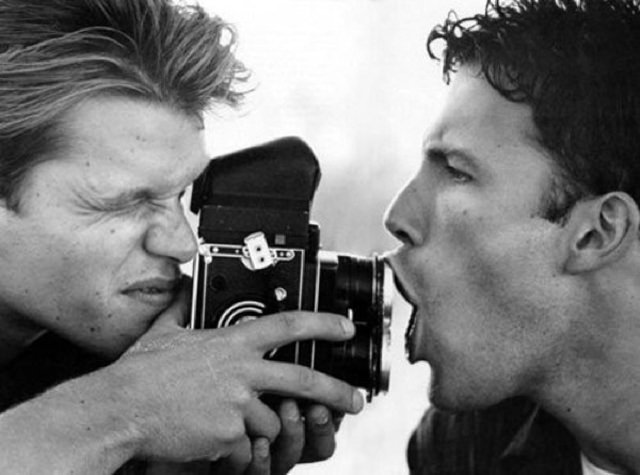
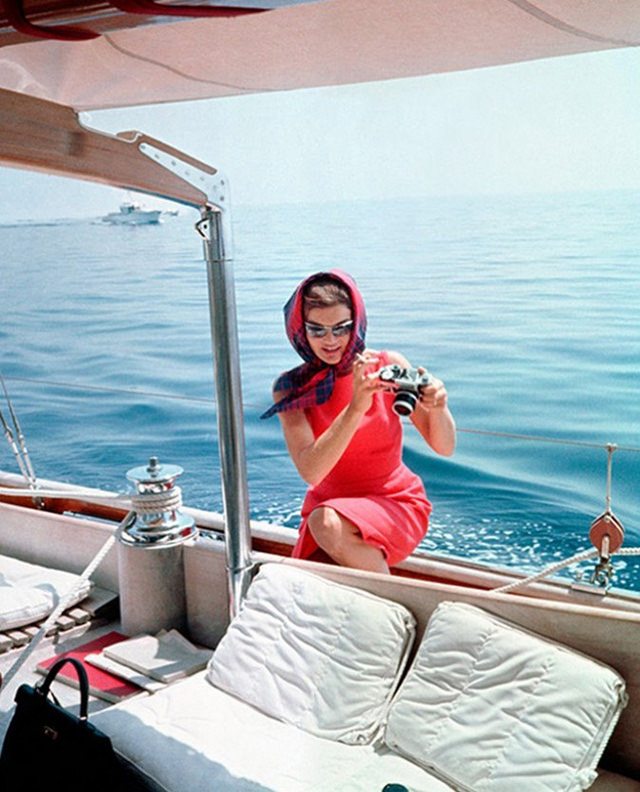
Before smartphones put a camera in every pocket, photography took real effort. You needed the right gear, a steady hand, and a good eye. These vintage photos show some of the world’s most famous faces on the other side of the lens — not posing for a shoot, but actively framing one.
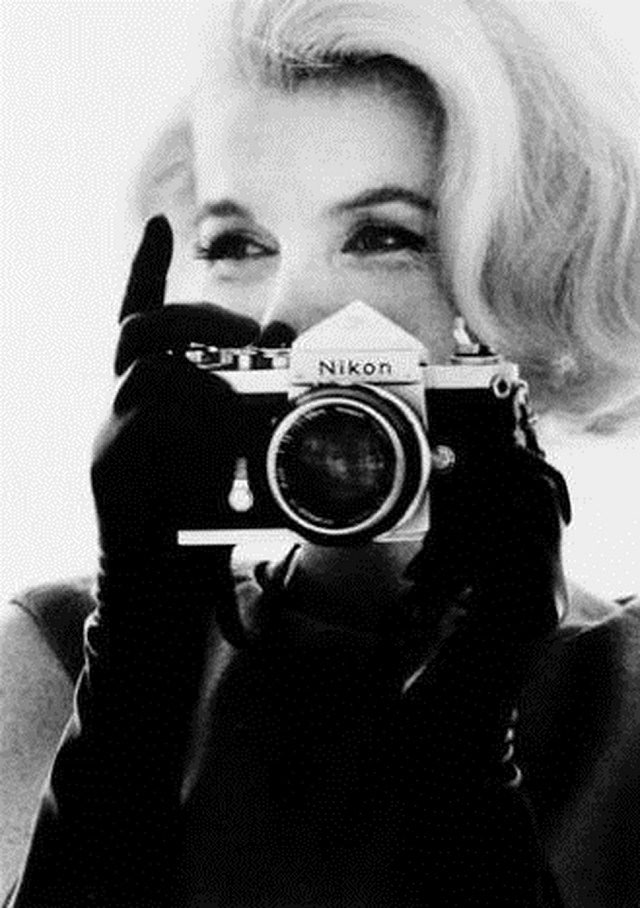
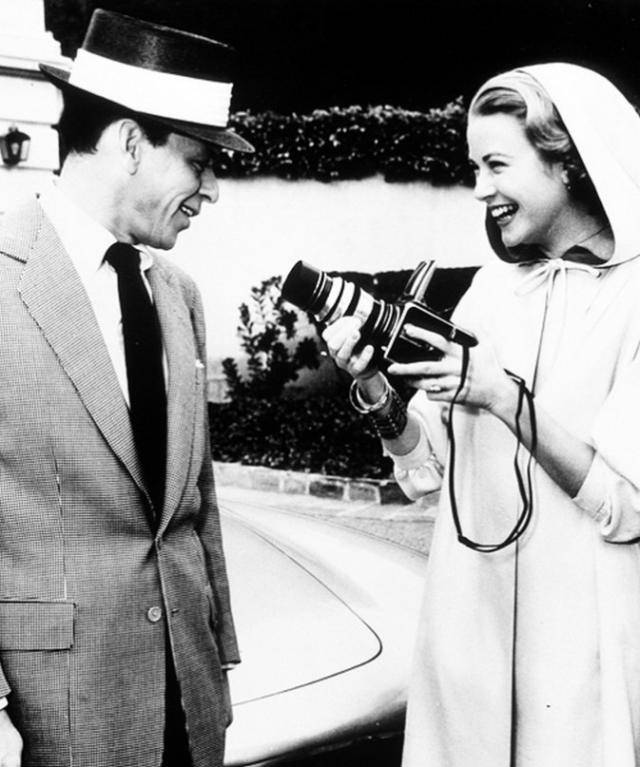
Marilyn Monroe with a Nikon and Grace Kelly with a Hasselblad — two of Hollywood’s biggest stars, both drawn to serious photographic equipment. These weren’t props. Cameras like these required knowledge to operate well.
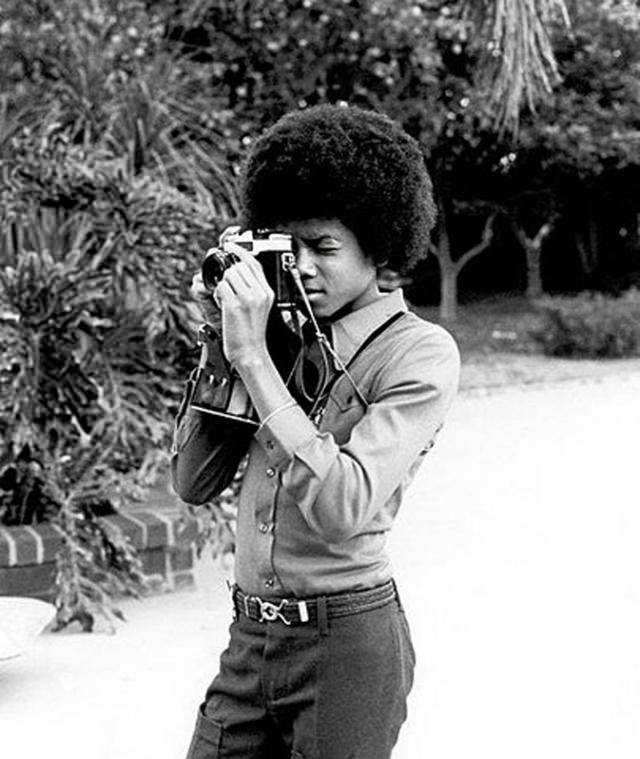
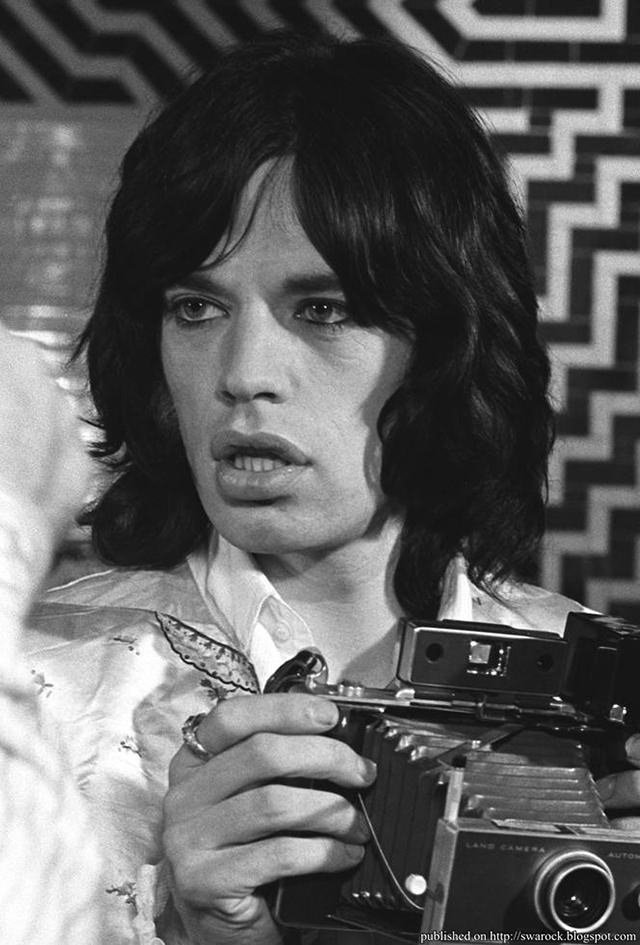
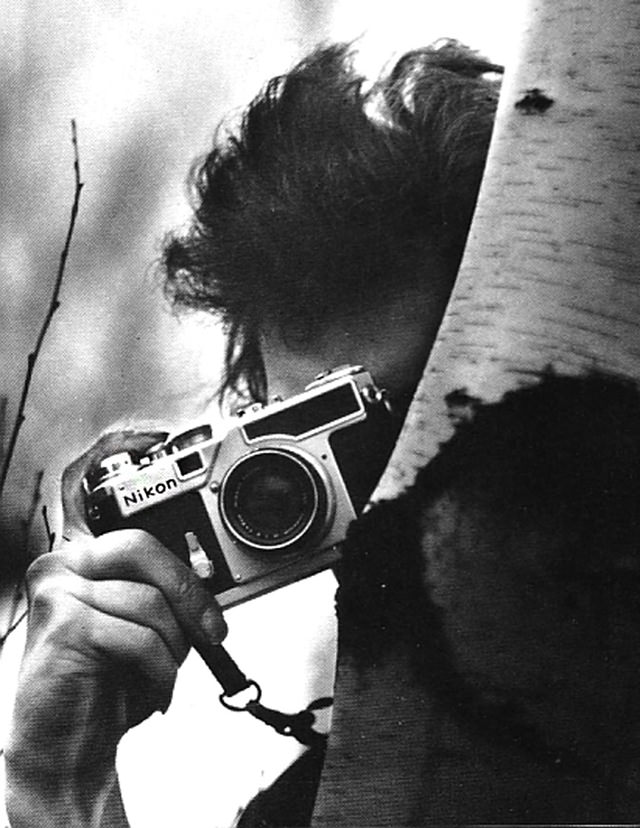
Mick Jagger favored the instant gratification of a Polaroid, while Bob Dylan was spotted with a precision Nikon SP rangefinder. Two very different cameras that say a lot about two very different personalities.
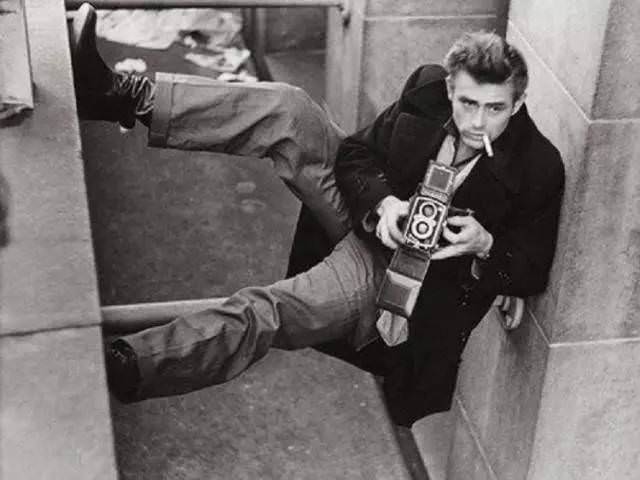
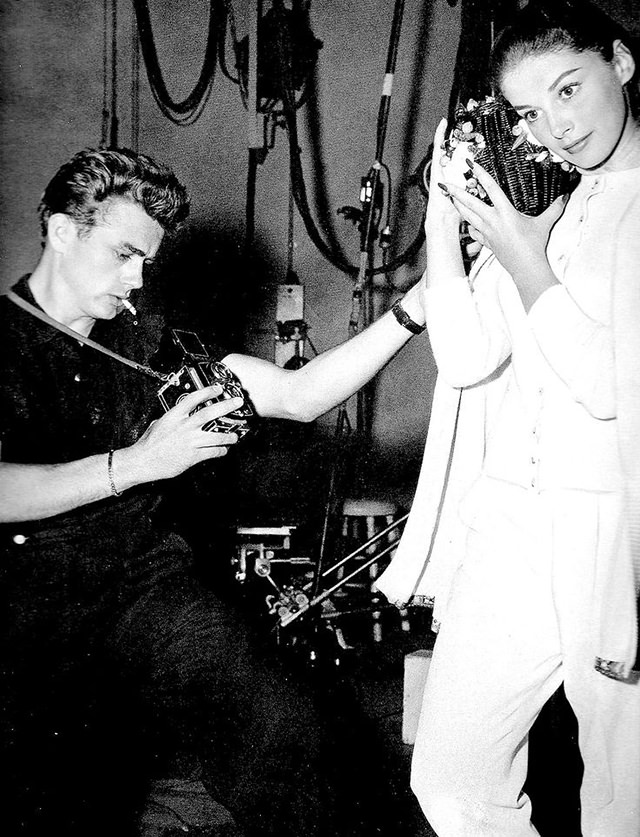
James Dean photographed with a Rolleiflex — a twin-lens reflex camera popular in the 1950s. The Rolleiflex demanded you look down into the viewfinder rather than through it, a uniquely deliberate way to compose a shot.
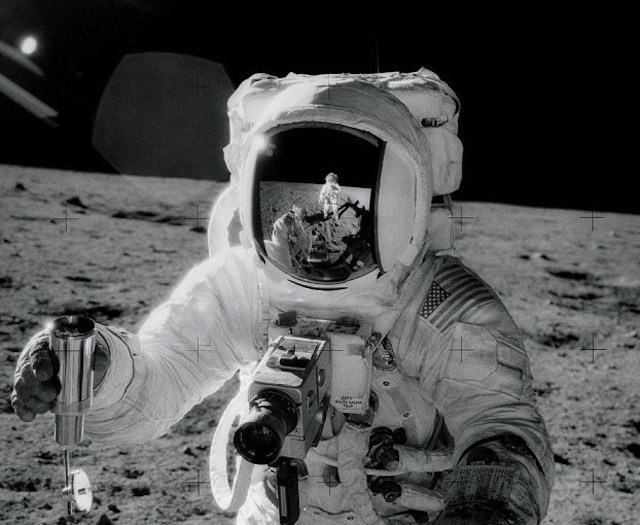
One of the most remarkable images in this collection comes from the moon. During the Apollo 11 mission, Neil Armstrong photographed Buzz Aldrin on the lunar surface using a Hasselblad — and Aldrin is holding one too. Armstrong’s reflection is visible in Aldrin’s helmet visor.
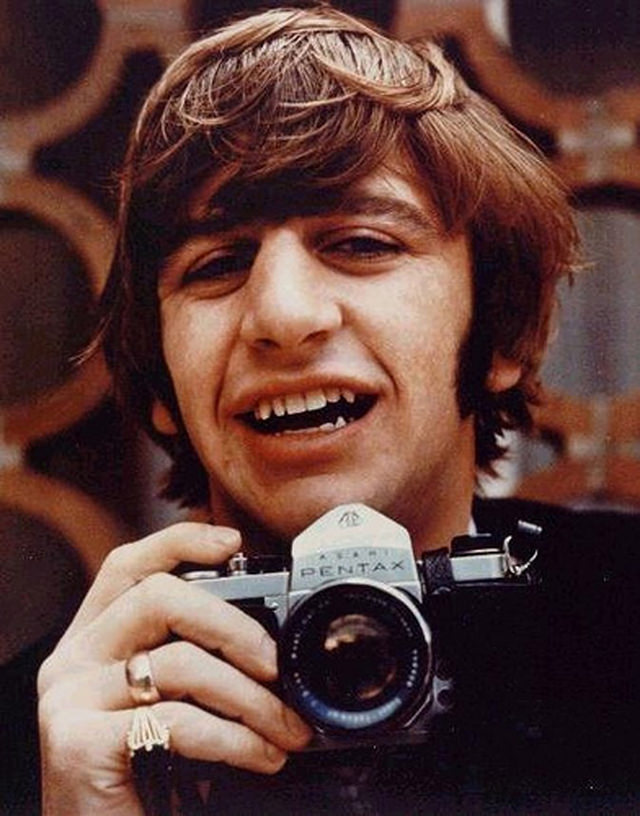
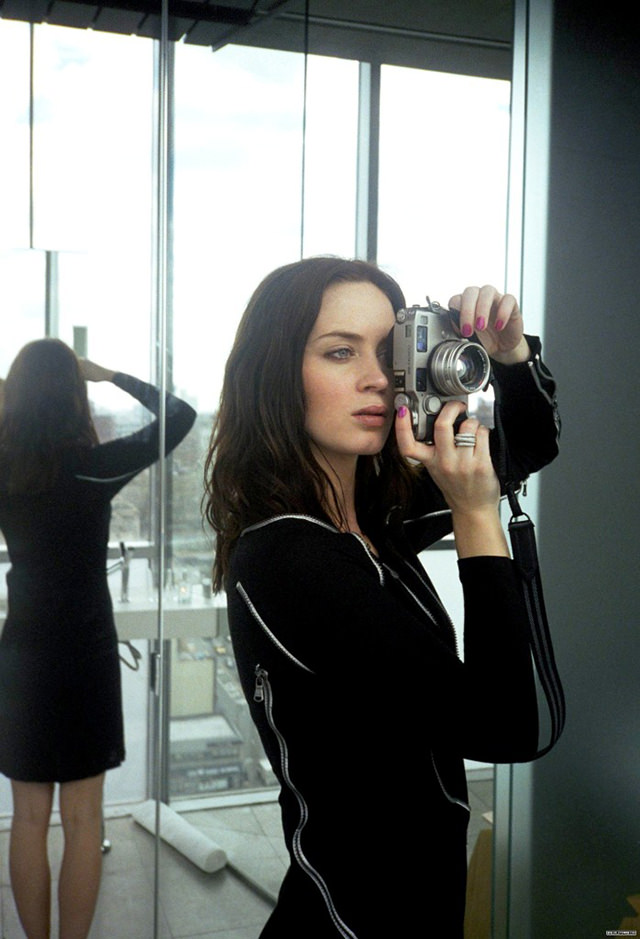
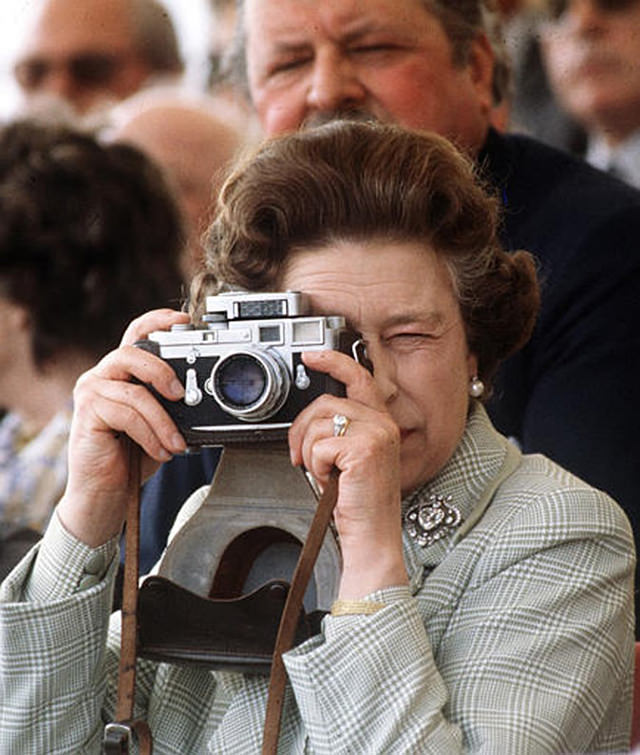
Emily Blunt with a Contax G2 and Queen Elizabeth II with a Leica show that camera enthusiasm crossed generational lines. The Leica in particular has long been the camera of choice for discerning photographers.
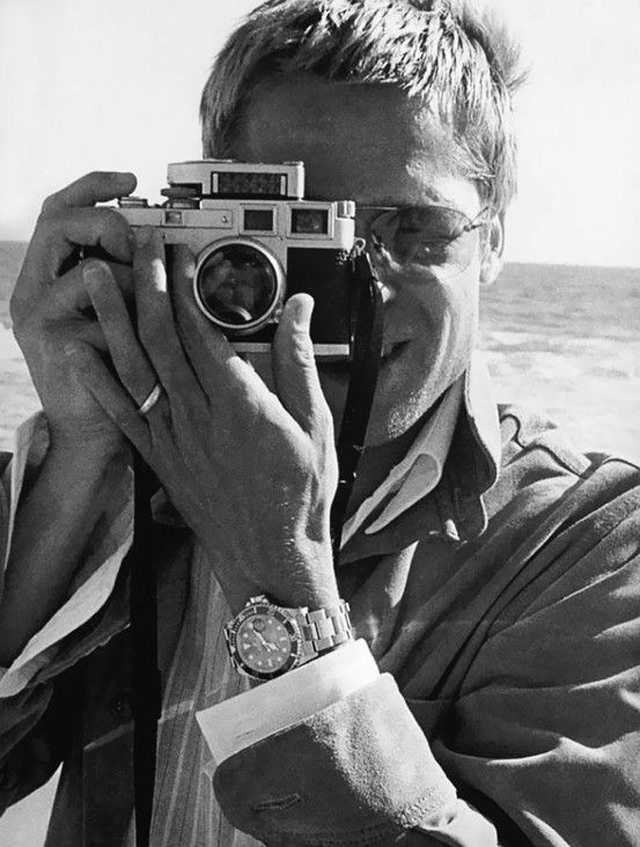
Brad Pitt has spoken openly about his love of photography, and his Leica M3 reflects that passion. The M3, first released in 1954, is widely considered one of the greatest 35mm cameras ever made.
Linda McCartney became a respected professional photographer in her own right, shooting for Rolling Stone and documenting life on the road with the Beatles. Her personal photos of Paul and the family carry the same candid warmth as her published work.
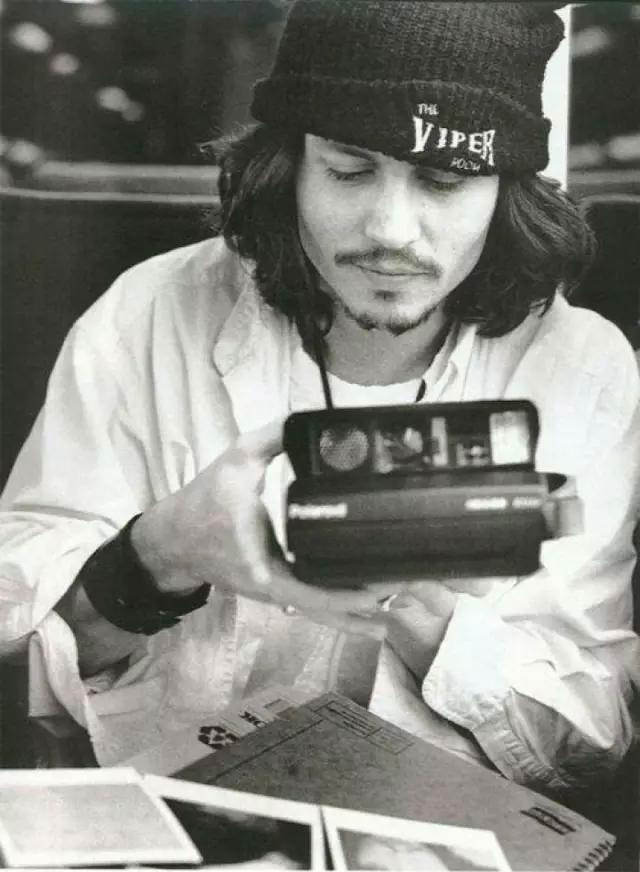
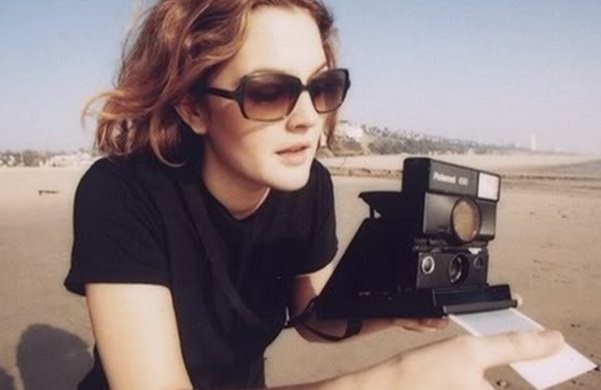
Johnny Depp and Drew Barrymore both reached for Polaroids — cameras that spit out a physical print within minutes. That immediacy made Polaroids a favorite among celebrities who wanted a photo they could hold, share, or keep private.
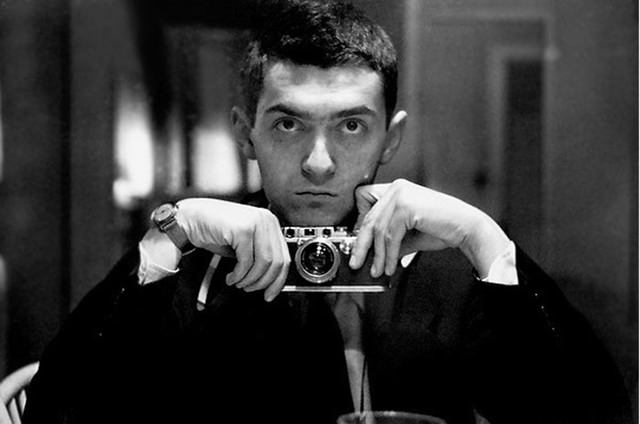
Stanley Kubrick’s presence in this collection is no surprise. Before directing films like 2001: A Space Odyssey and The Shining, he worked as a professional photographer for Look magazine in the late 1940s. Photography was his first career.
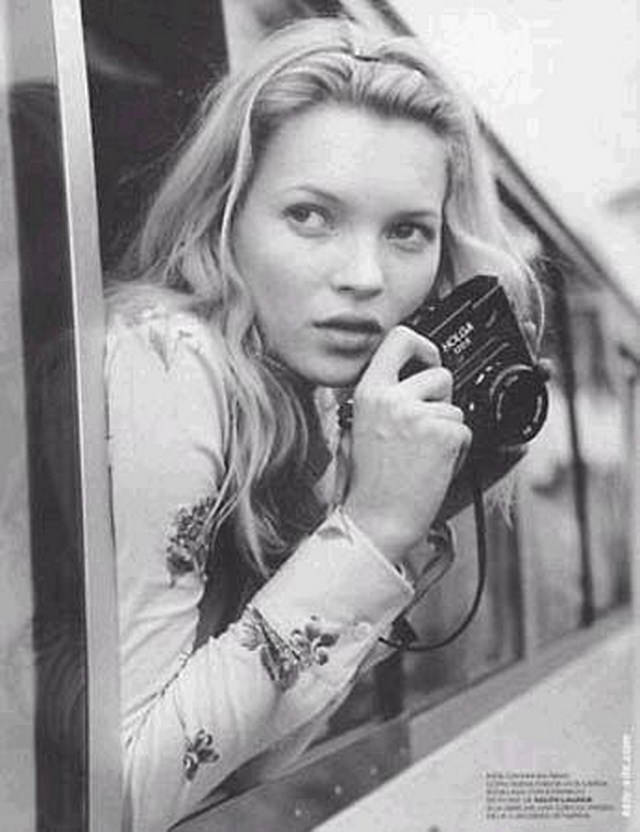
Leonard Nimoy — best known as Spock — was also a dedicated photographer who published several photo books. His Nikon F was a workhorse camera used by photojournalists worldwide throughout the 1960s and 70s.
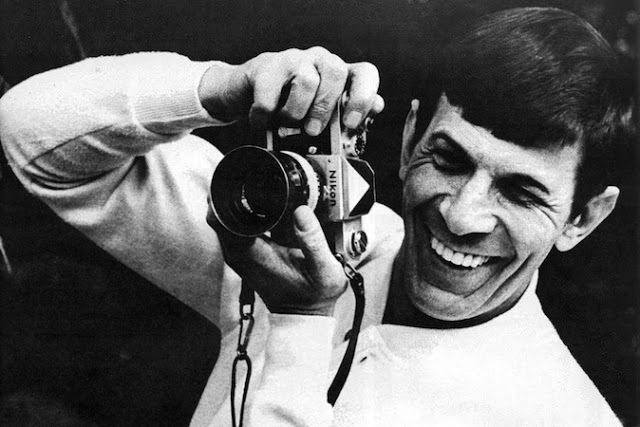
Richard Avedon was one of the most influential fashion and portrait photographers of the 20th century. Seeing him alongside Fred Astaire puts two giants of their crafts side by side.
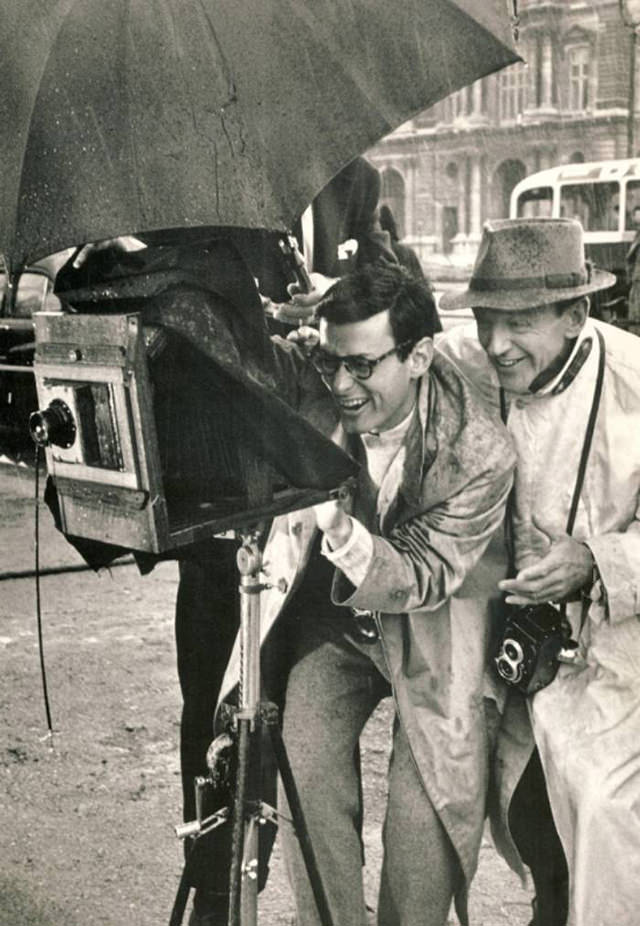
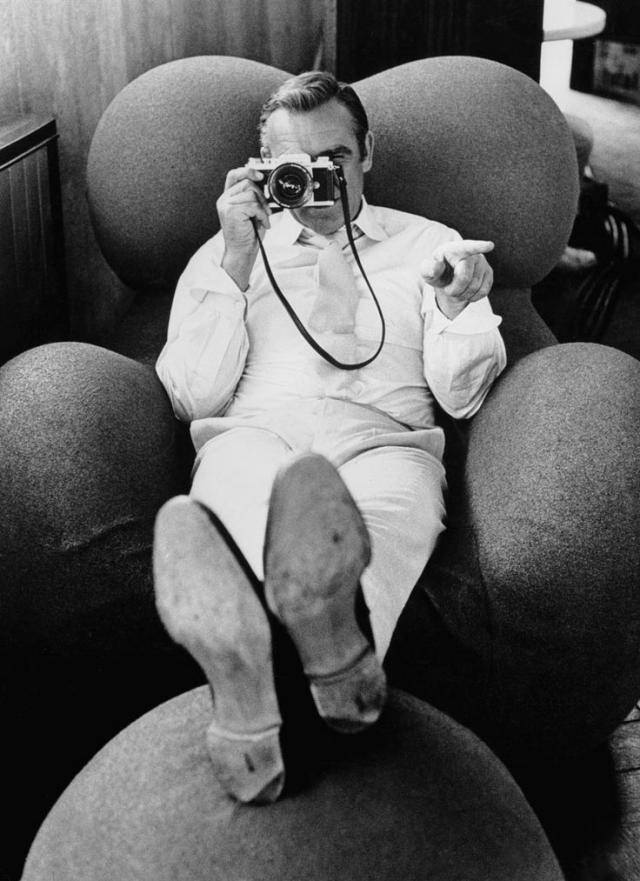
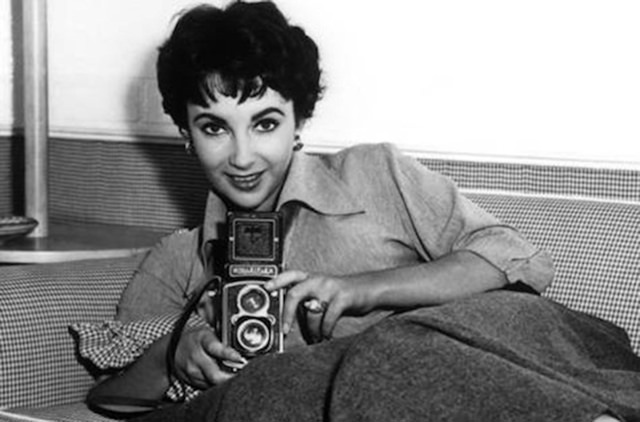
Elizabeth Taylor with a Rolleiflex and James Dean photographing his girlfriend Anna Maria Pierangeli with one — the Rolleiflex clearly had its fans in 1950s Hollywood.
Angelina Jolie’s large-format bellows camera is one of the most striking choices in this set. Large-format cameras use sheet film and produce extraordinary detail, but they are slow and cumbersome to use — a deliberate, committed way to take a photograph.

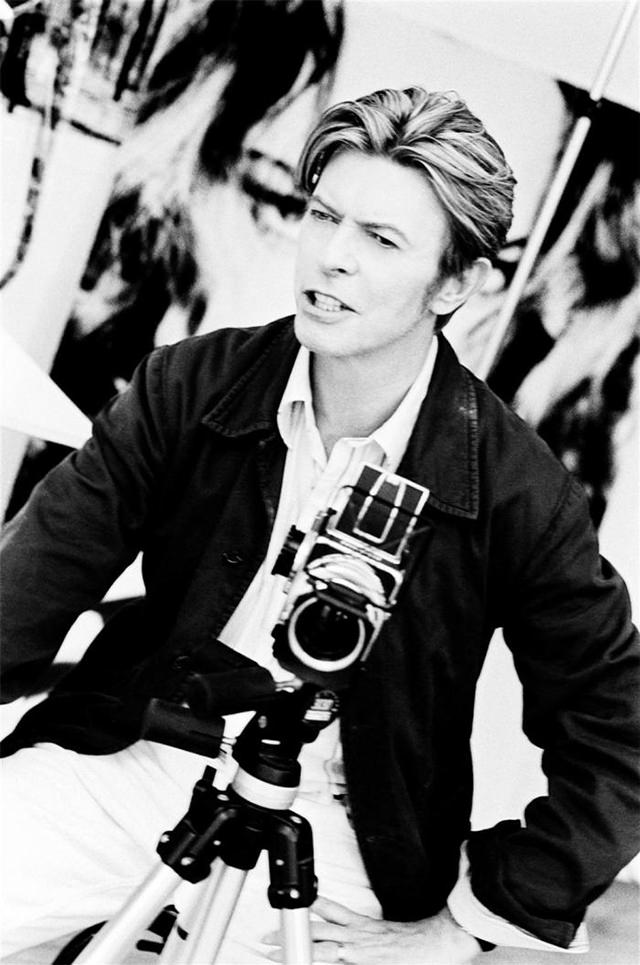
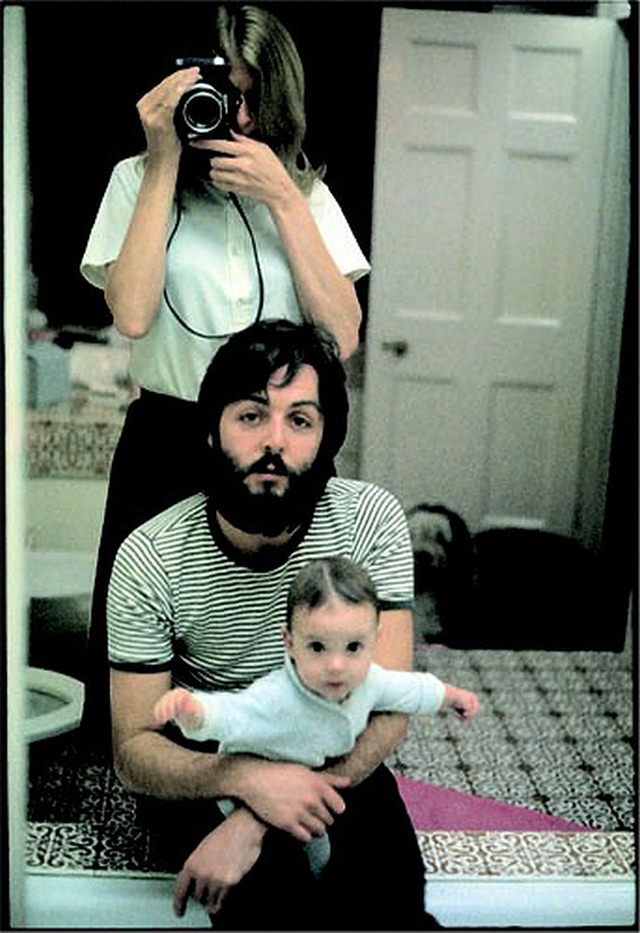
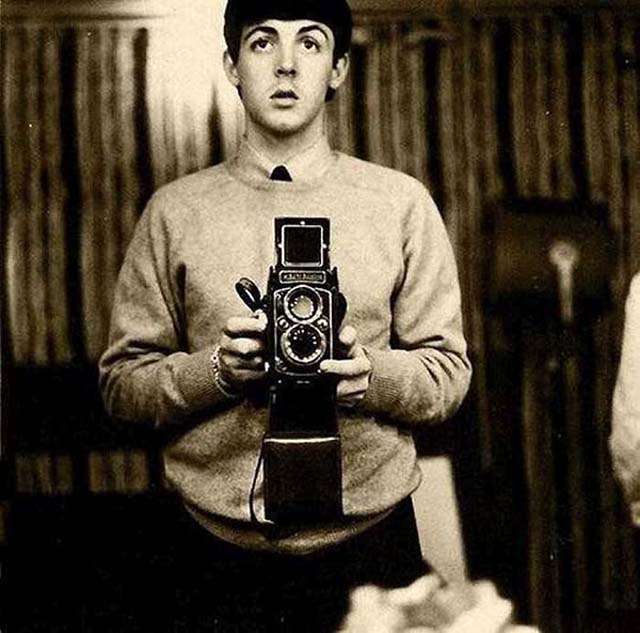
Paul McCartney’s self-portrait with a twin reflex camera is a study in technique — using a mirror to turn the camera back on yourself long before “selfie” entered the vocabulary.
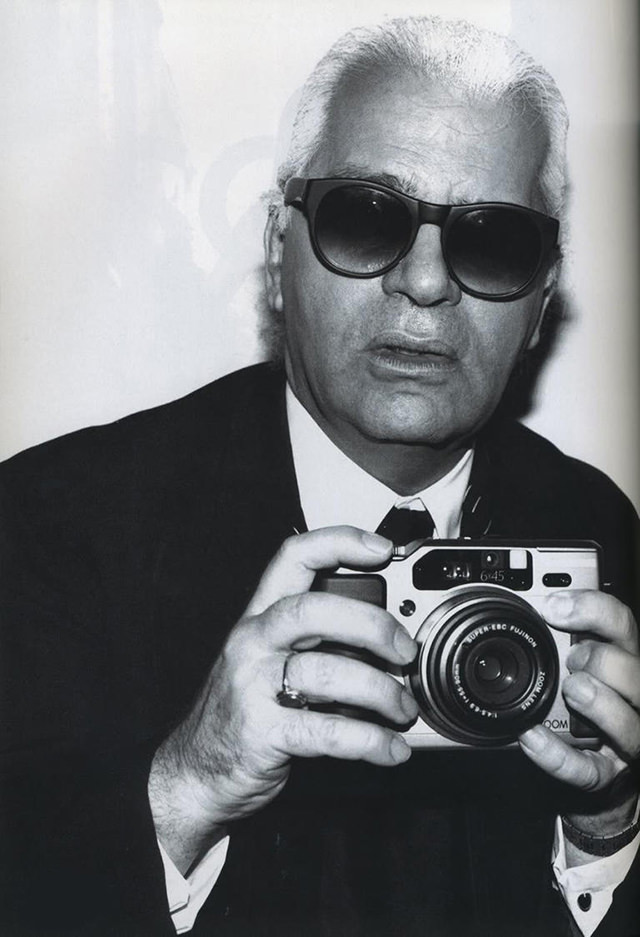
Karl Lagerfeld chose the Fujifilm GA645Zi, a compact medium-format camera — practical enough to carry everywhere, powerful enough to produce high-quality images. A fitting pick for someone known for precise, controlled aesthetics.
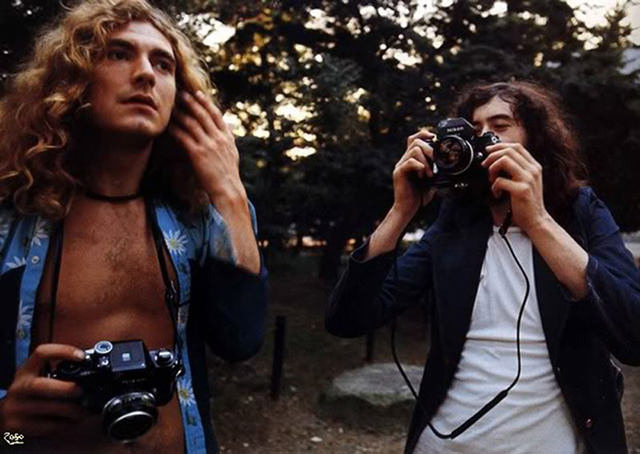
Robert Plant and Jimmy Page of Led Zeppelin, both holding Nikon F2 cameras on what appears to be a tour. Rock stars with matching cameras is not something you see every day.
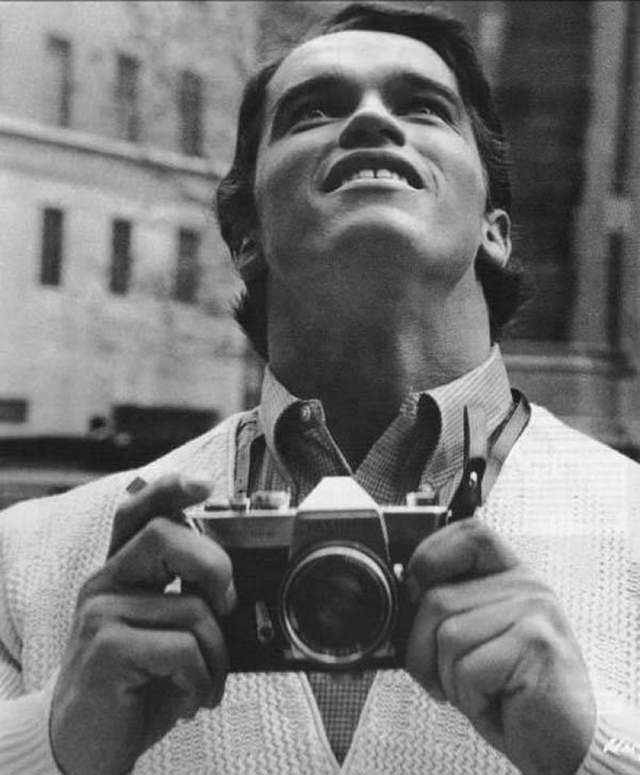
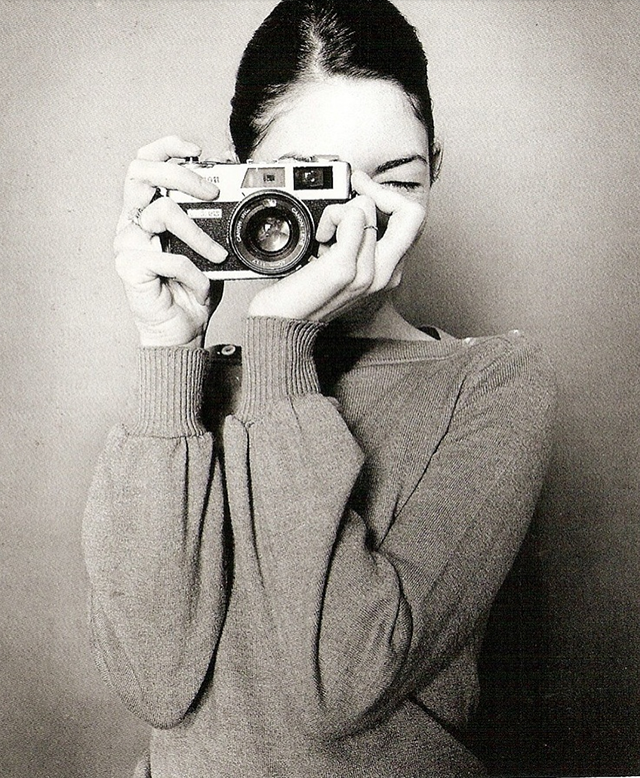
Sofia Coppola rounds out the collection with a Canon Canonet QL 17 GIII — a compact 35mm rangefinder popular with street photographers. As a filmmaker, her eye for a frame carries over naturally to still photography.