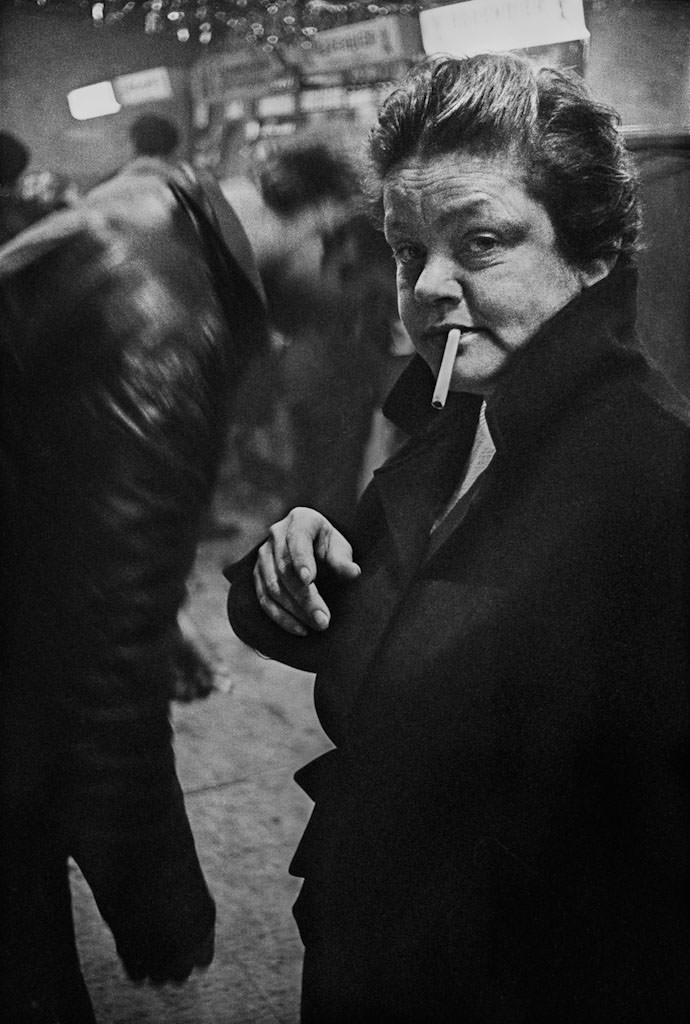
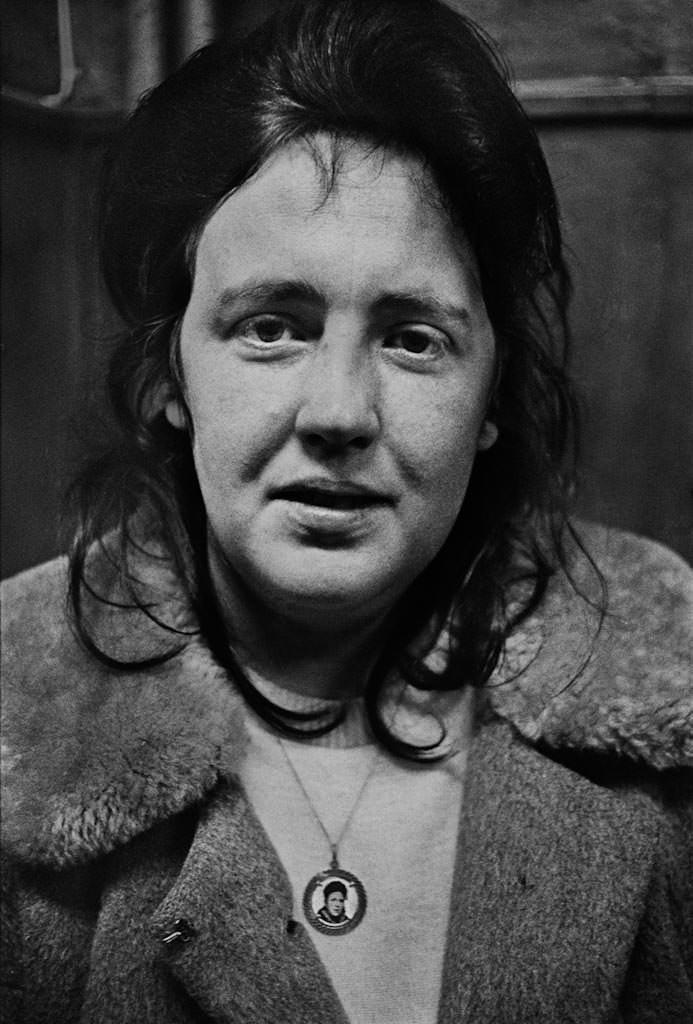
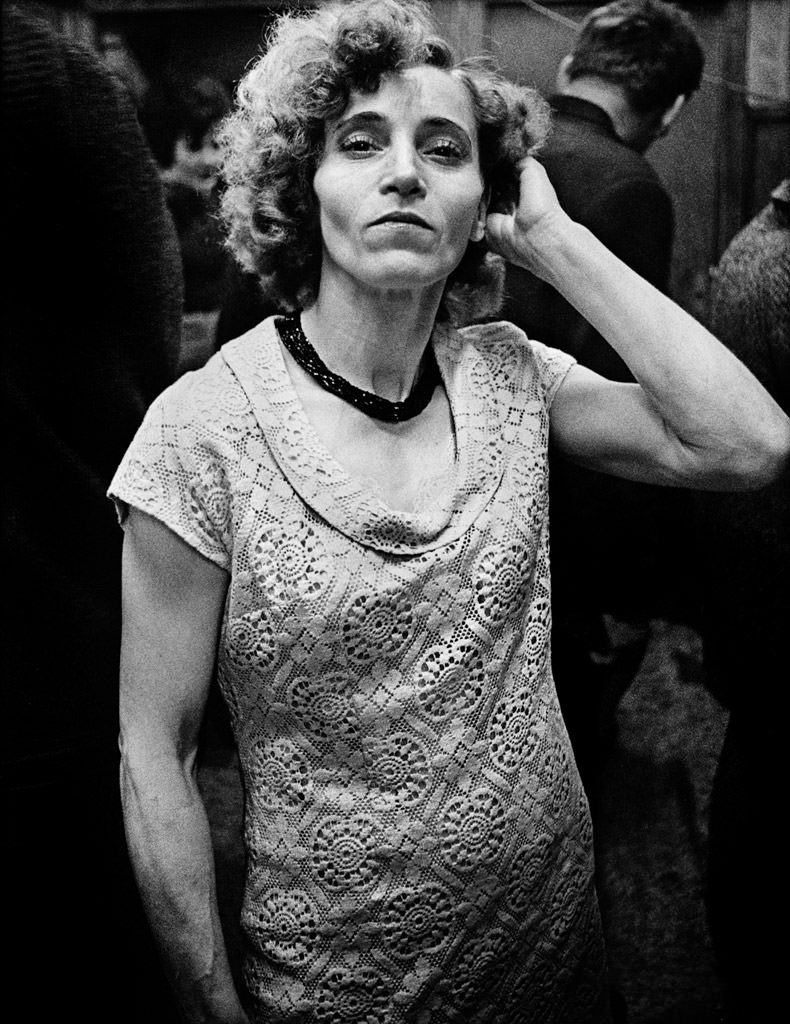
Tucked inside Hamburg’s red-light district, Cafe Lehmitz was not a glamorous place. It was a simple beer joint — the kind of bar that never closed its doors to anyone. Prostitutes, pimps, transvestites, day laborers, and petty criminals all shared the same barstools and tables. In the social climate of 1960s West Germany, this crowd was often labeled “asocial” and pushed to the edges of public life. At Lehmitz, they had a place of their own.
In 1962, an 18-year-old Swedish photographer named Anders Petersen walked into Cafe Lehmitz for the first time. He didn’t come as an outsider looking in — he stayed. Over the following years, he built real relationships with the regulars, eating with them, drinking with them, and becoming a trusted face in the crowd. That foundation of trust would later define everything about his photographs.
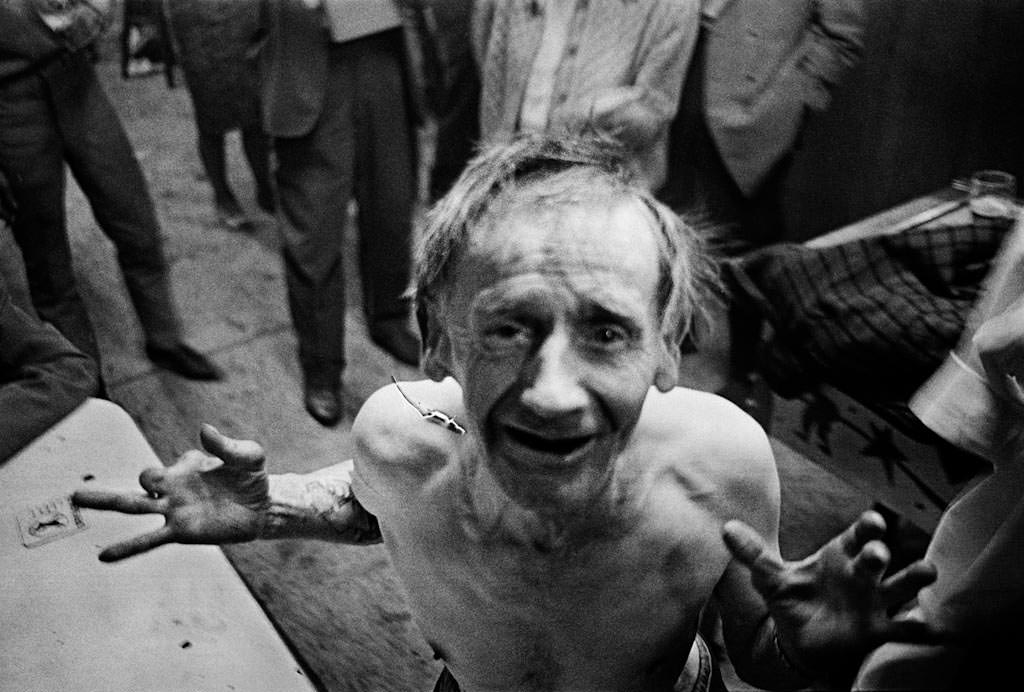
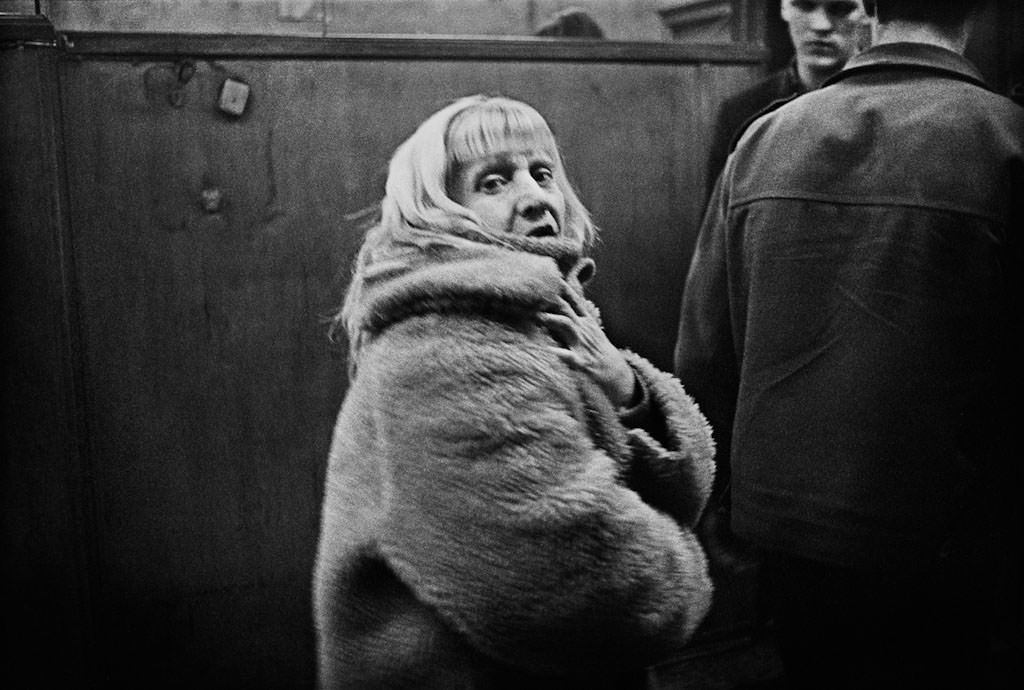
Petersen returned to Lehmitz in 1968 with a 35mm camera and a clear sense of purpose. He worked at close range, pressing into the personal space of his subjects to capture raw, unguarded moments. The results were not polished or flattering. They were honest. A couple locked in a desperate embrace. A woman staring into a glass. A man laughing loudly at nothing in particular. Each frame holds a full human life.
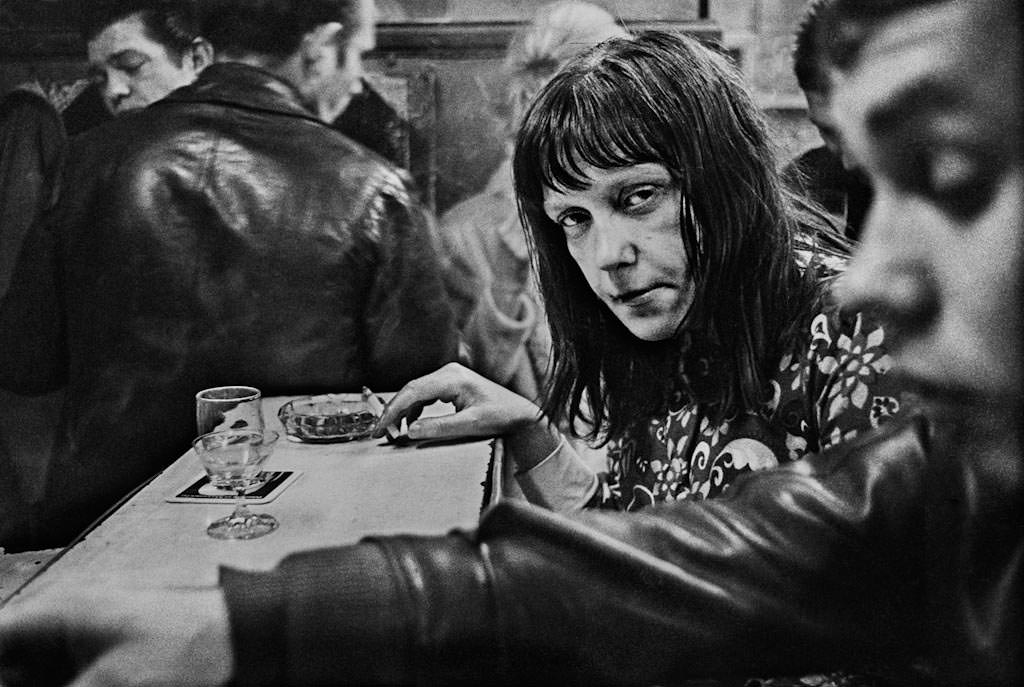
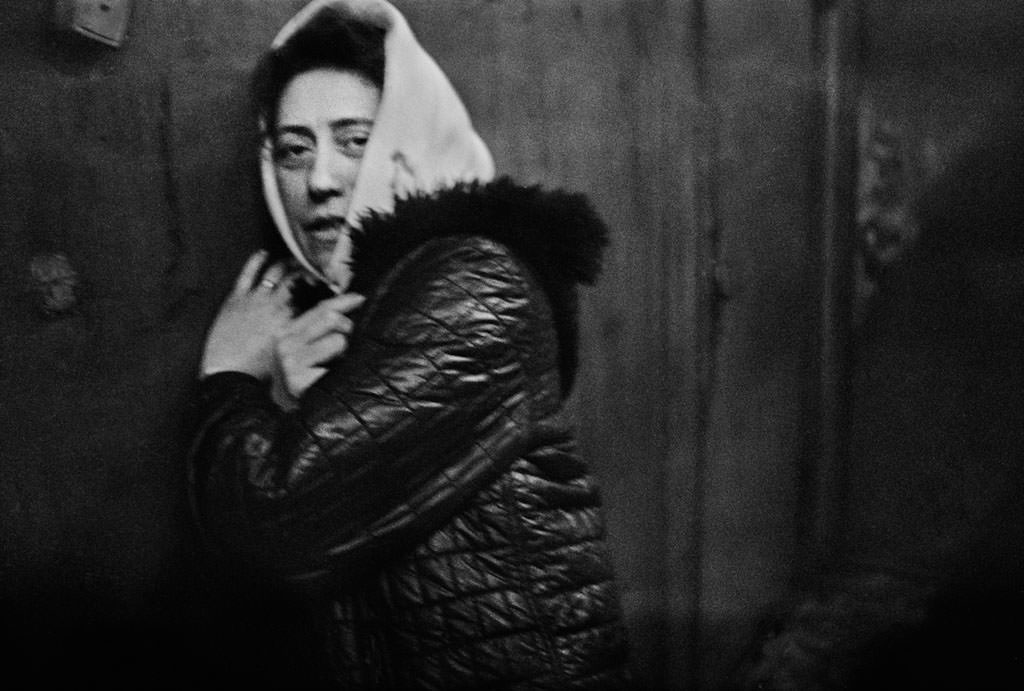
What separates Petersen’s work from other street photography of the era is the absence of pity. His subjects are not presented as victims. They laugh, argue, embrace, and perform. They have a self-image and they protect it. Petersen’s camera recorded that dignity without softening the harder edges of their world.
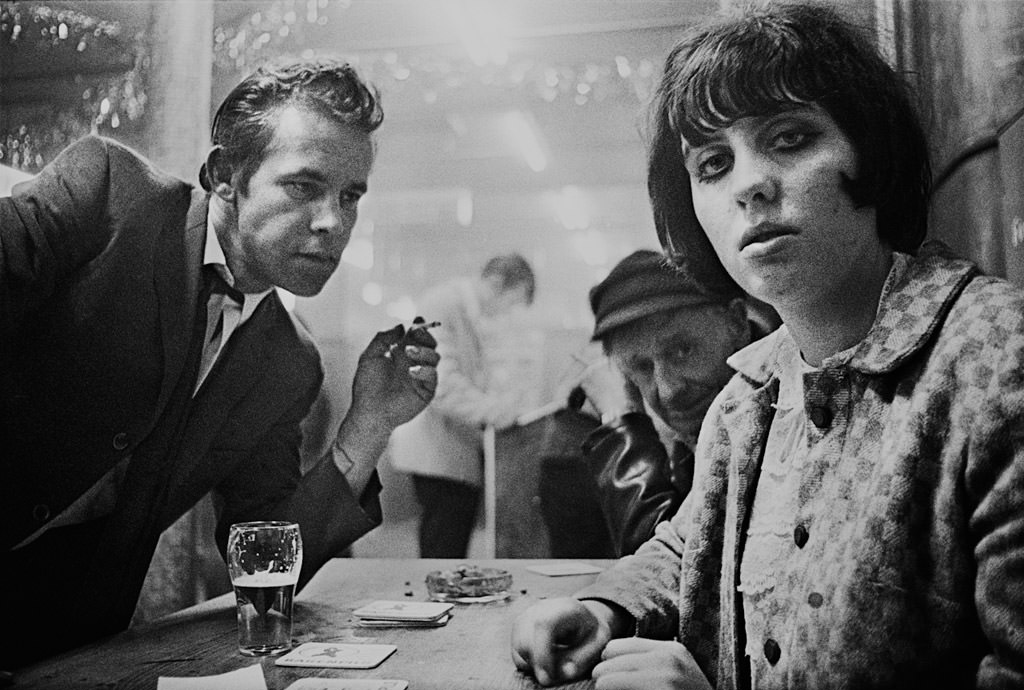
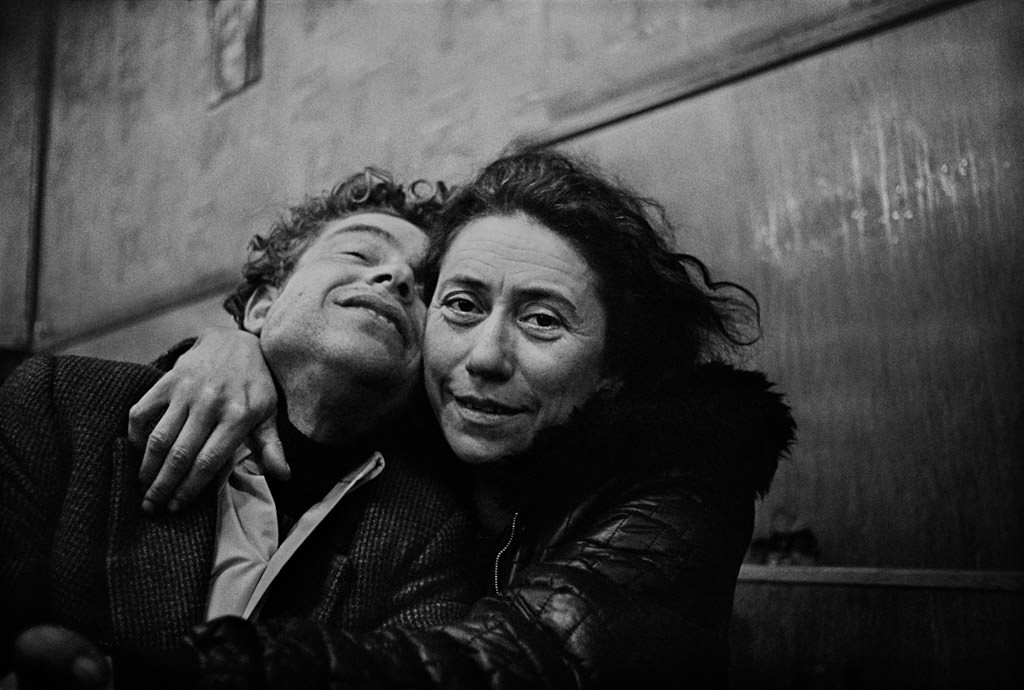
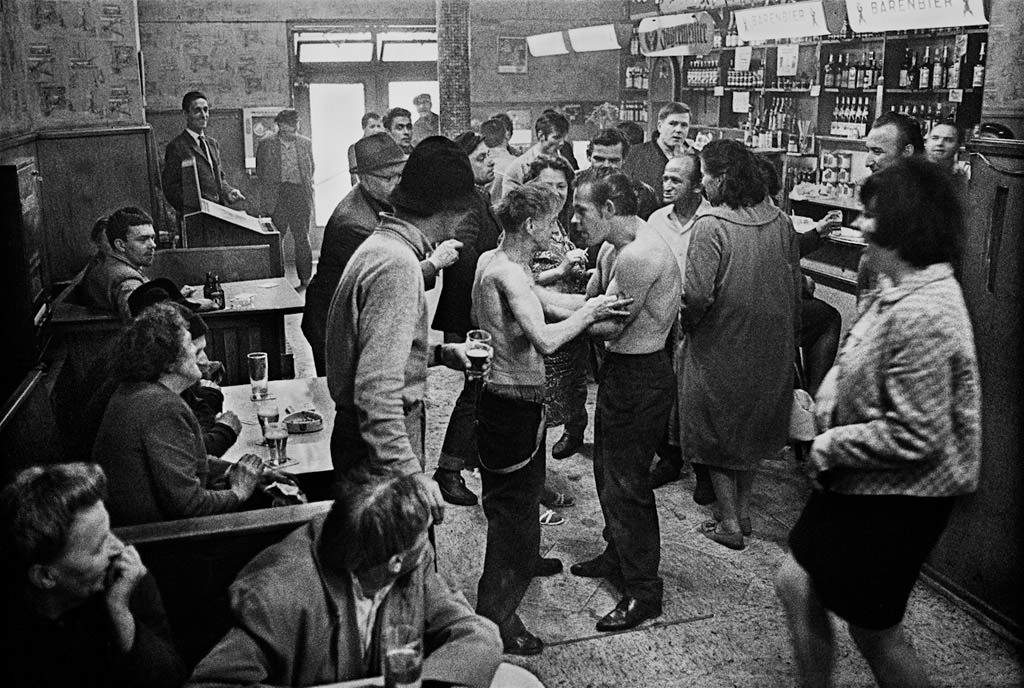
The physical space of Lehmitz itself becomes a character in the photographs. Low ceilings, dim light, crowded tables, and thick cigarette smoke frame every image. The bar was small enough that everyone knew each other, and that familiarity shows. People lean into one another, share drinks, and claim the space as their own territory.
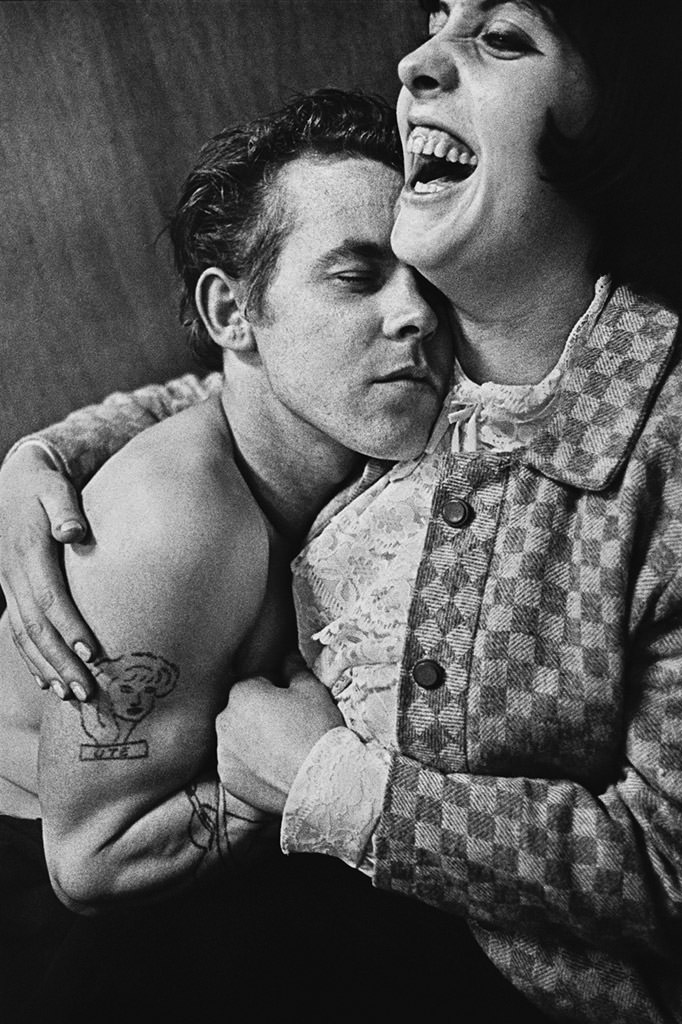
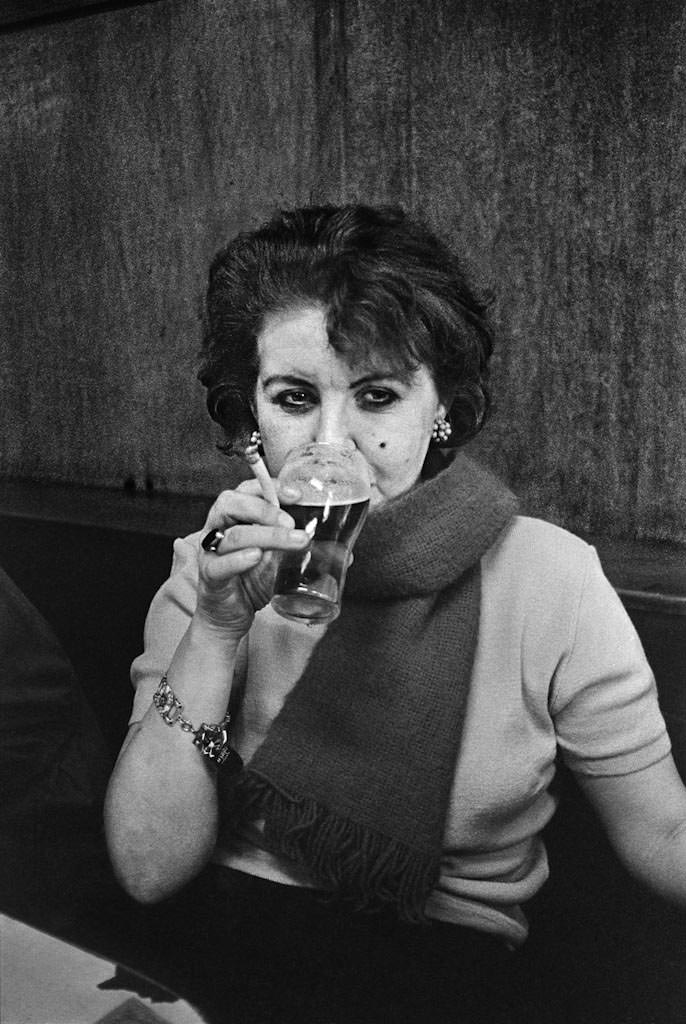
Petersen’s closeness to his subjects was not accidental. Six years of regular visits meant that when he finally raised the camera, people largely ignored it. He was not a journalist parachuting in for a story. He was a familiar presence, and the photographs carry that ease. Subjects look through the lens rather than performing for it.
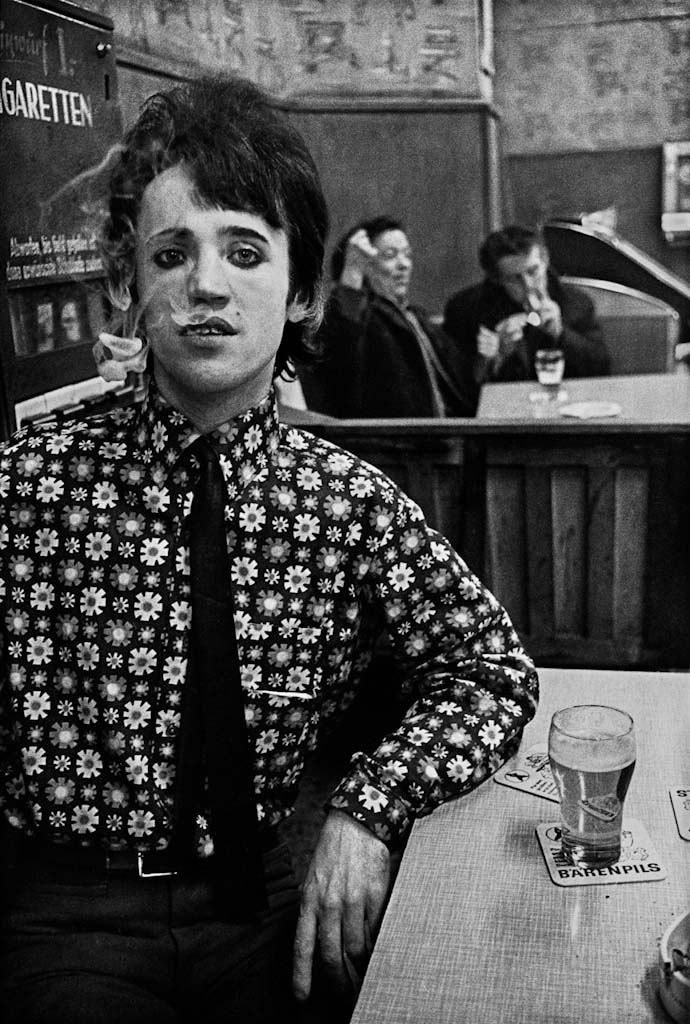
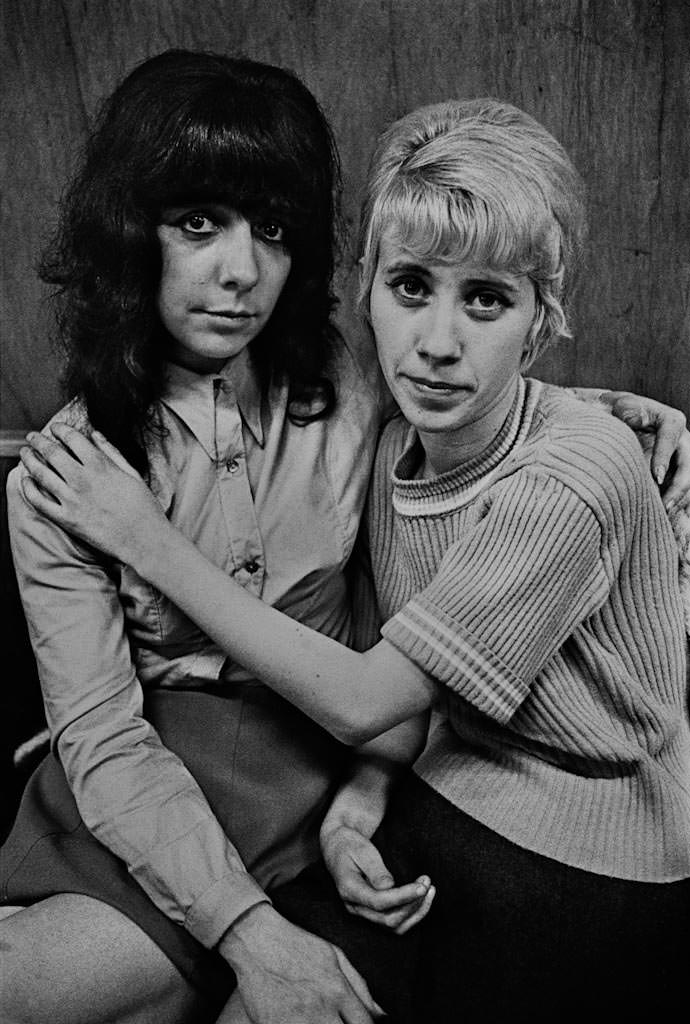
The community at Lehmitz operated by its own rules. Rivalries existed, as did strong loyalties. Petersen documented both. A fight captured mid-swing carries the same weight as a tender moment between friends. Neither is sensationalized. Both are treated as equally ordinary parts of life inside the bar.
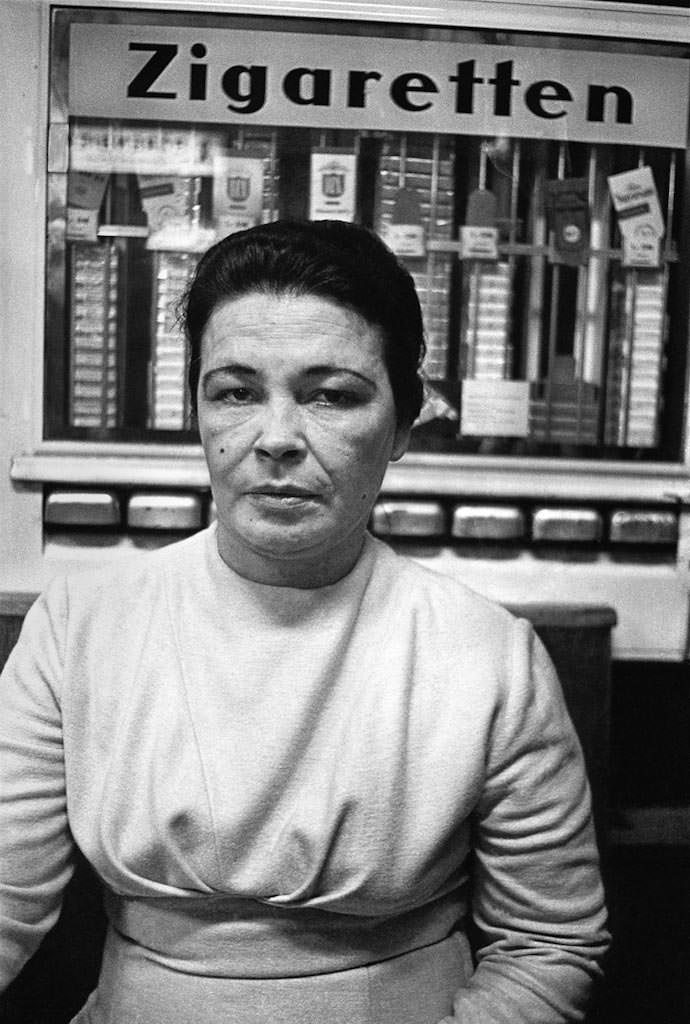
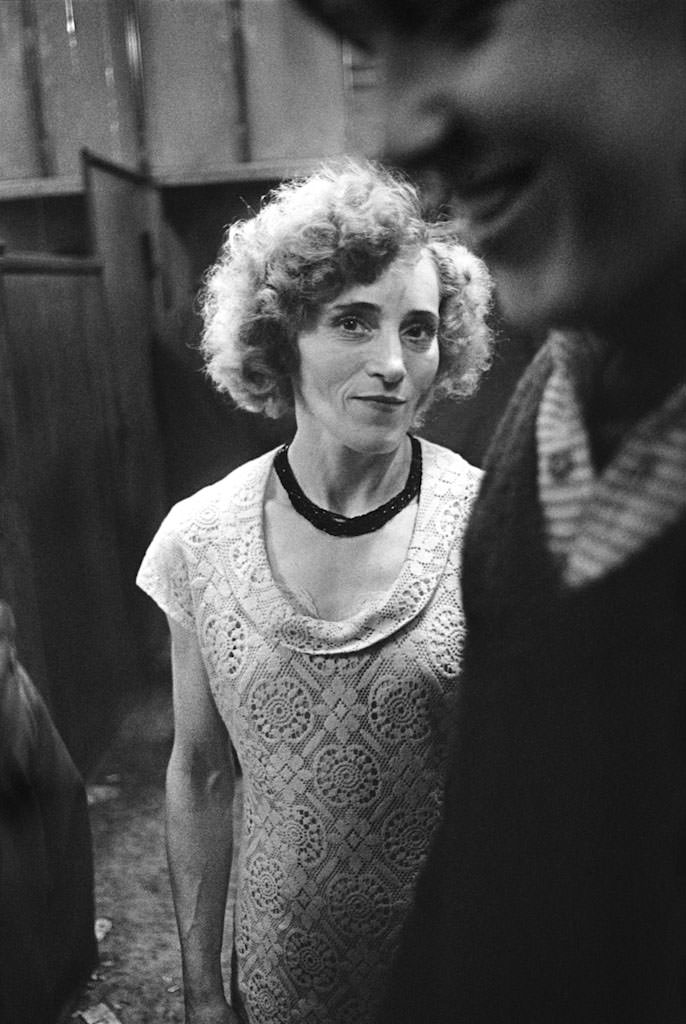
The gritty grain of Petersen’s black-and-white film reinforced the atmosphere of the place. High contrast and deep shadows gave his images a tactile, almost cinematic quality. There was no attempt to make Lehmitz look better or worse than it was. The aesthetic choices matched the subject matter directly.
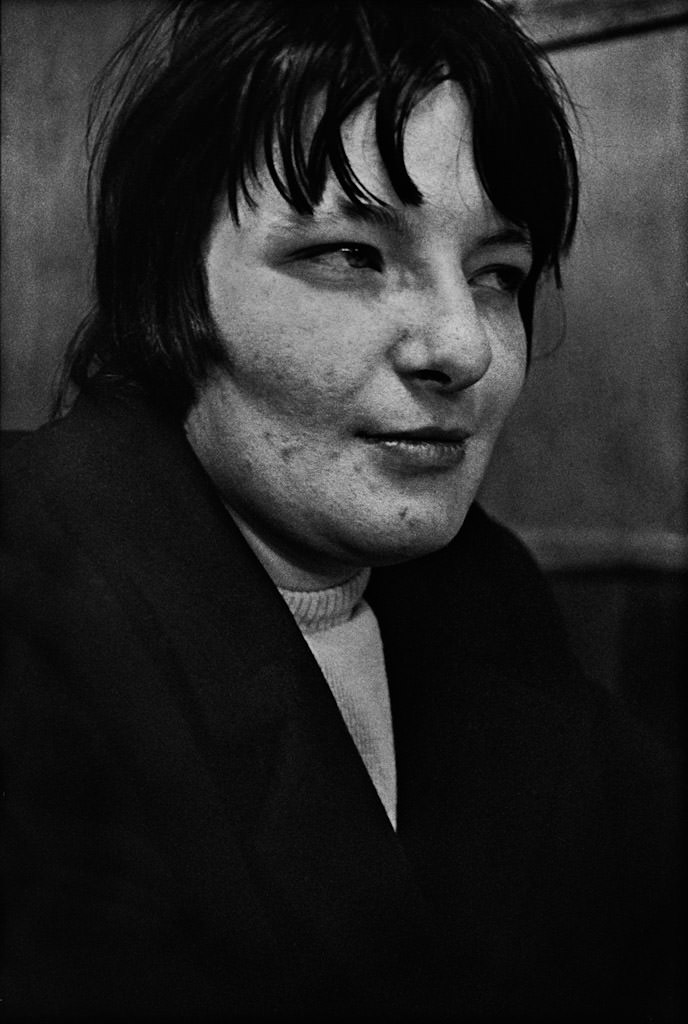
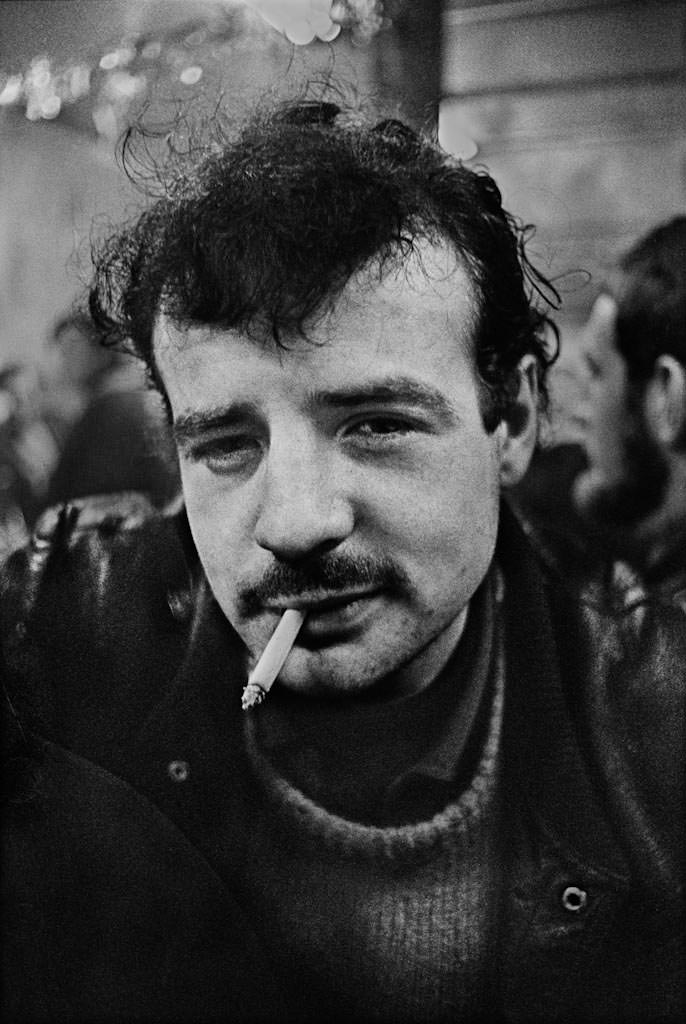
Petersen’s photographs of Cafe Lehmitz stand as a precise record of a specific community at a specific moment in time. The bar gave Hamburg’s most marginalized residents a nightly gathering point where identity was not something to hide. Petersen’s work made sure that community was not forgotten.