

Anthony Catalano grew up in Brooklyn, New York, and spent much of the 1970s pointing his camera at the world right outside his door. The result is a deeply personal archive of street life, neighbors, transit lines, storefronts, and everyday moments that capture a borough in a specific and unrepeatable moment in time.
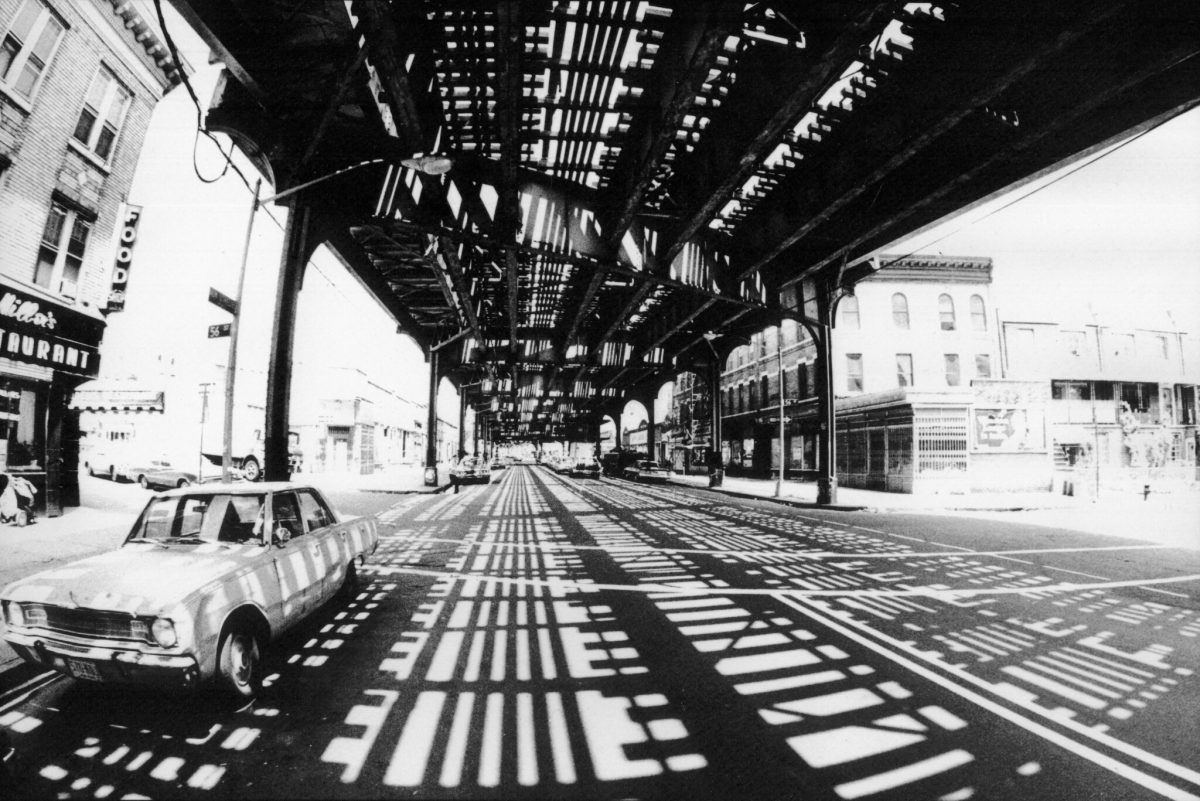
Brooklyn in the 1970s was a place defined by texture. Graffiti covered stoops, subway cars, and walls. Mom-and-pop shops lined the avenues of neighborhoods like Boro Park and Bay Ridge. Tall buildings were rare, and the skyline was dominated by elevated train lines rather than glass towers. Crime rates across New York City — and Brooklyn in particular — were extremely high throughout the decade, giving the streets a raw, unfiltered energy that Catalano’s lens captured without flinching.
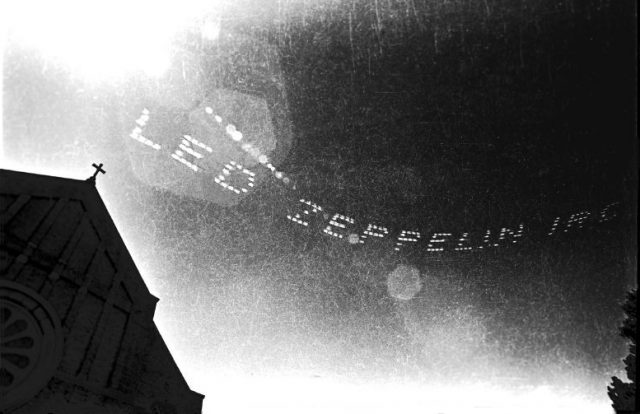
Not all advertising in 1970s Brooklyn appeared on billboards or bus shelters. This 1977 shot shows skywriting above the borough promoting Led Zeppelin via IROCK FM — a vivid reminder of how rock and roll was woven into the fabric of daily life. Catalano noted the stunt inspired him to go get tickets.
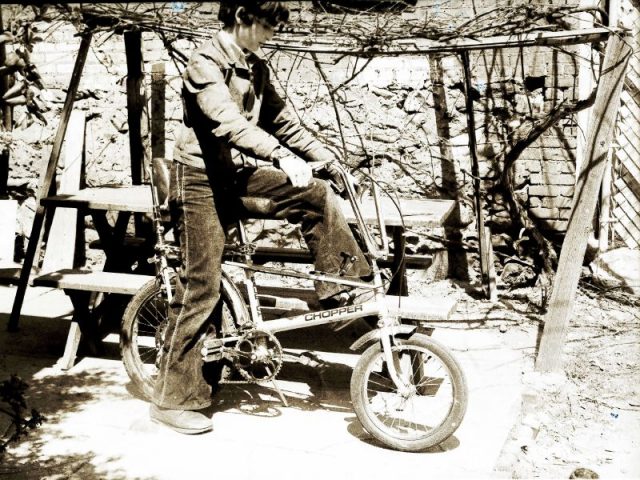
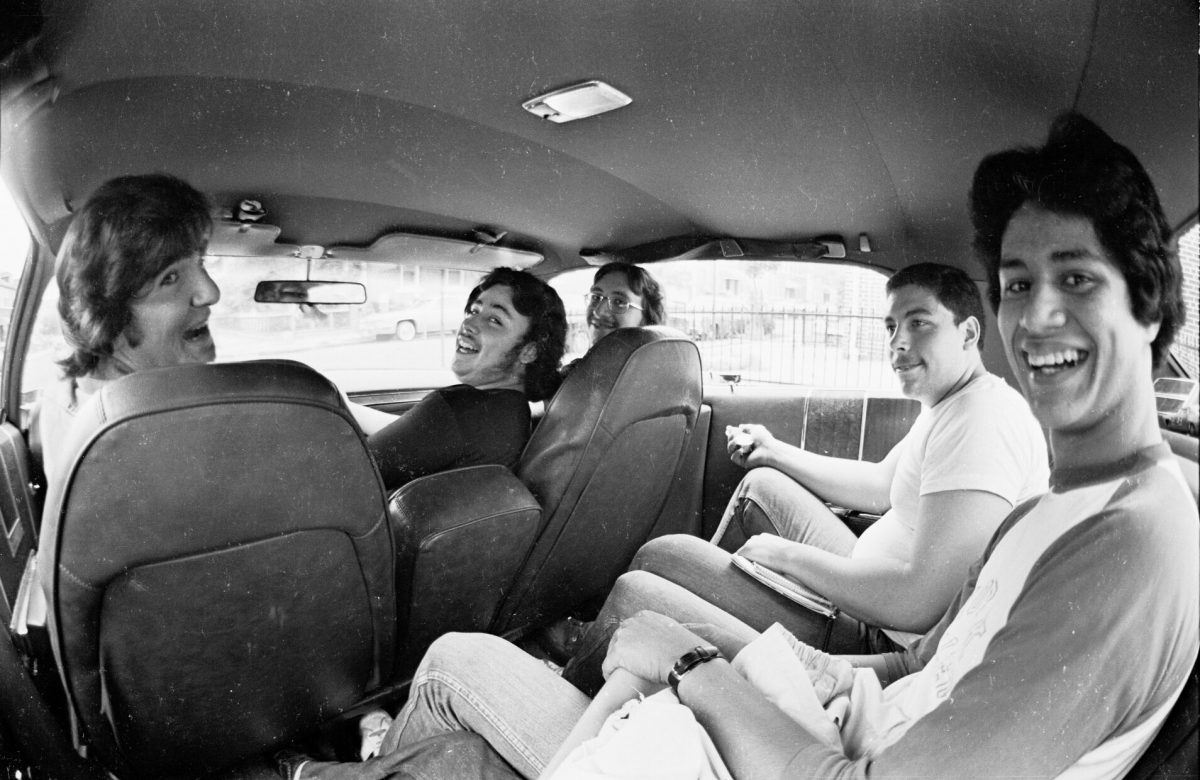
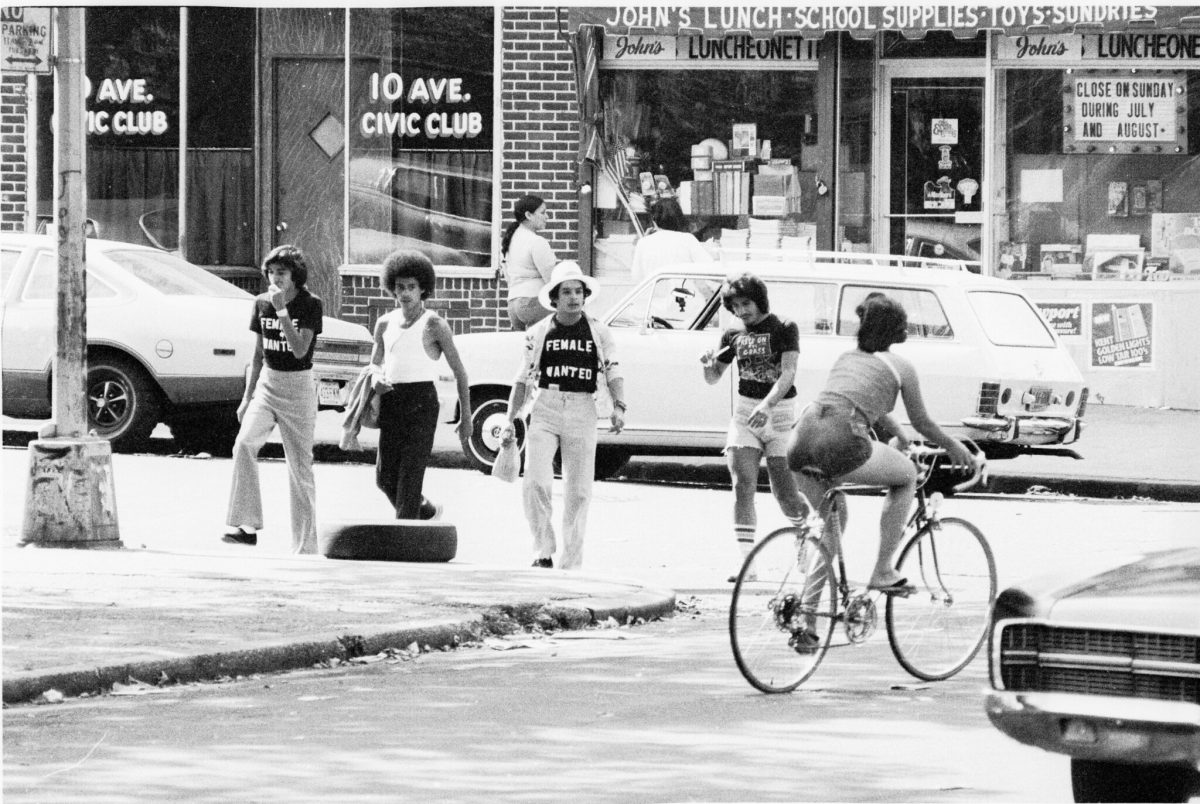
The clothing and gear of the era are on full display throughout Catalano’s work. Bell bottoms, platform shoes, and the iconic Raleigh Chopper bicycle were staples of Brooklyn youth culture in the mid-1970s. These weren’t fashion choices made in isolation — they were the standard uniform of the streets.
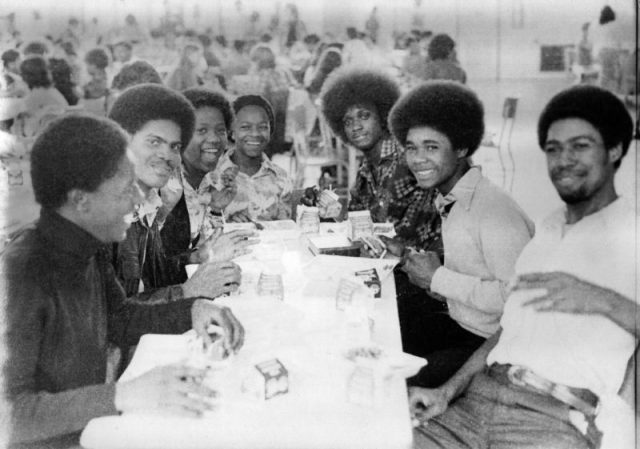
Catalano attended Franklin D. Roosevelt High School in Bensonhurst, and several of his photographs document life inside and around the school. FDR was a large public school serving the working-class neighborhoods of southern Brooklyn.
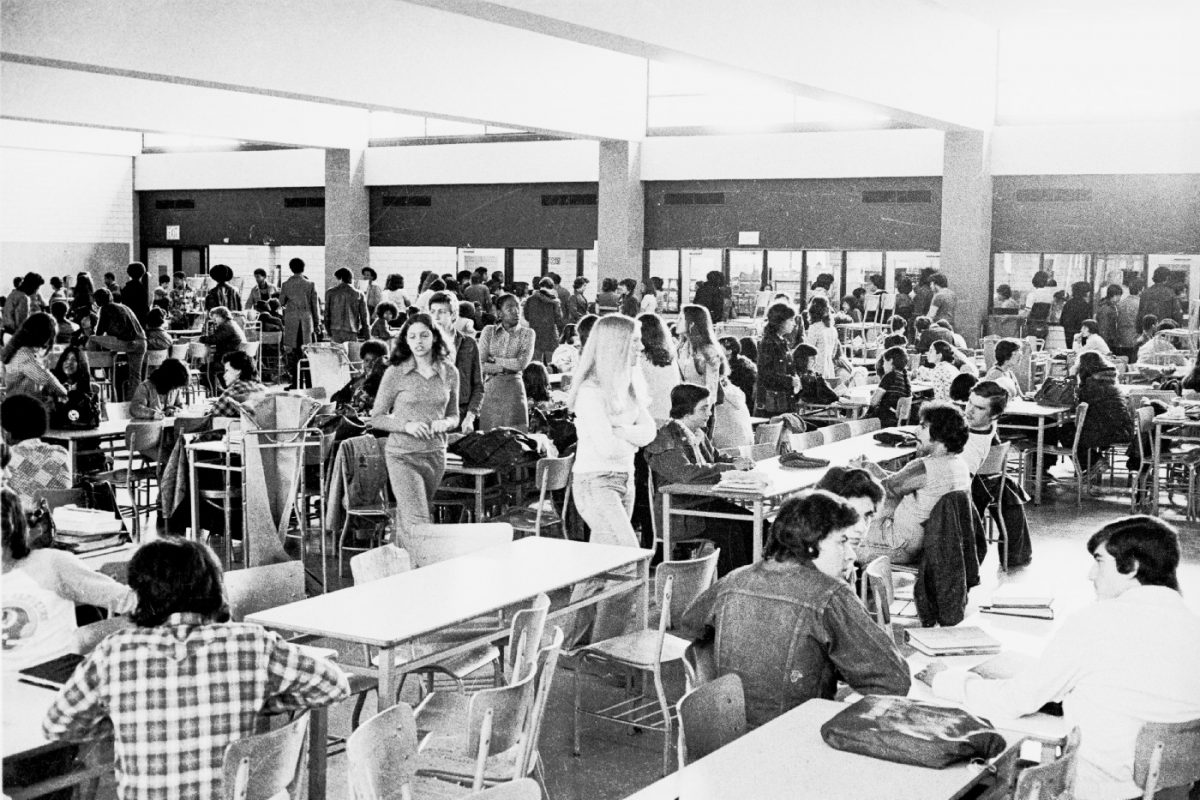
The school cafeteria in 1975 looks exactly like what it was — a crowded, utilitarian space where students ate, socialized, and passed the time between classes. Catalano’s eye for candid moments gives the image an immediacy that a posed school photo never could.
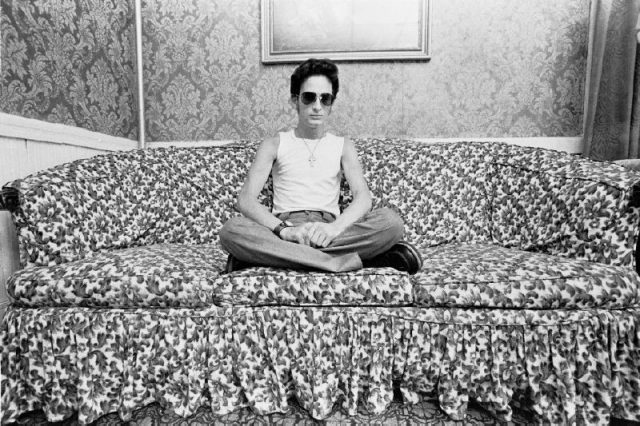
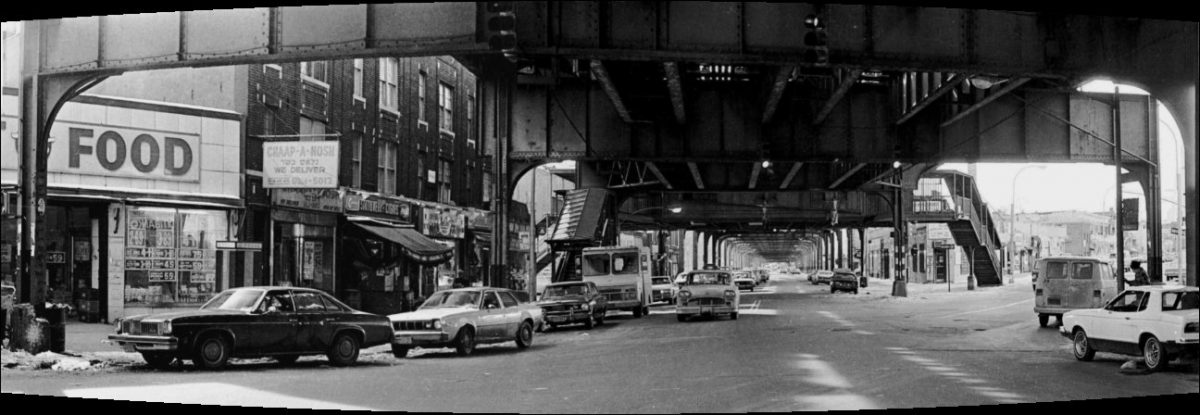
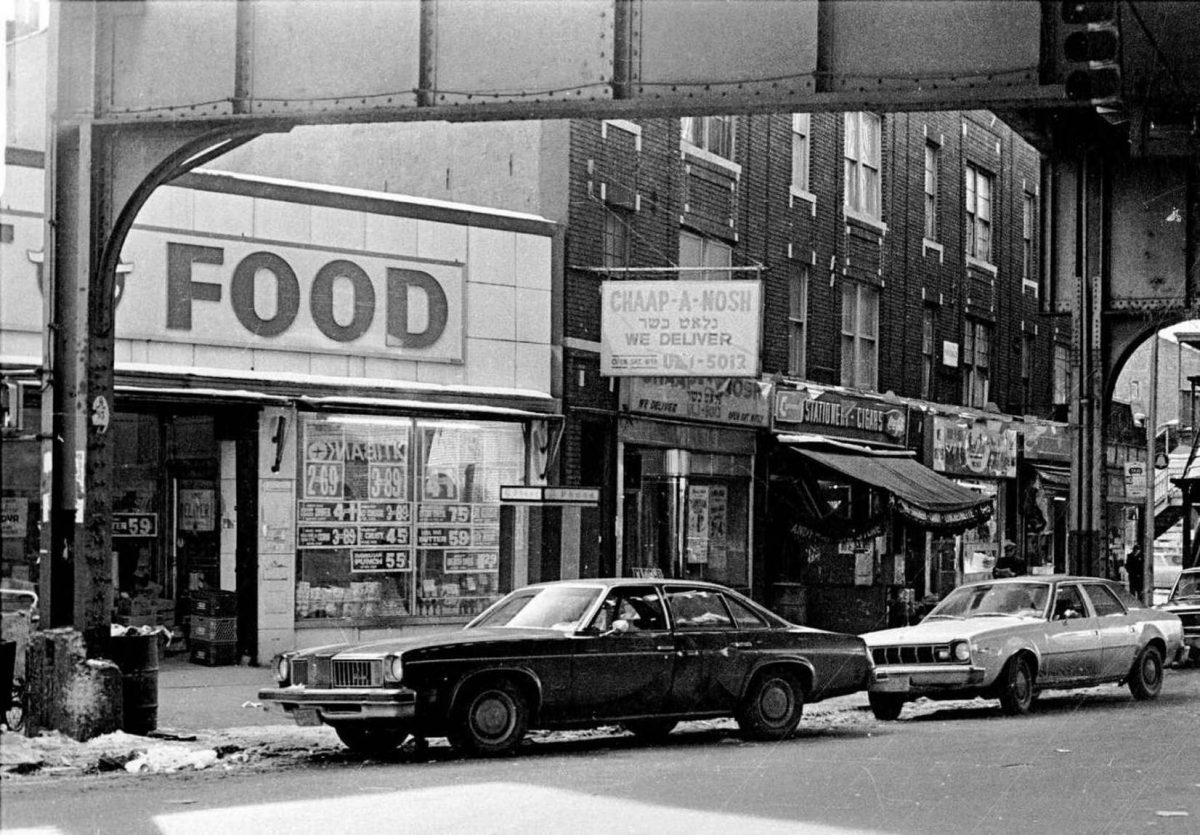
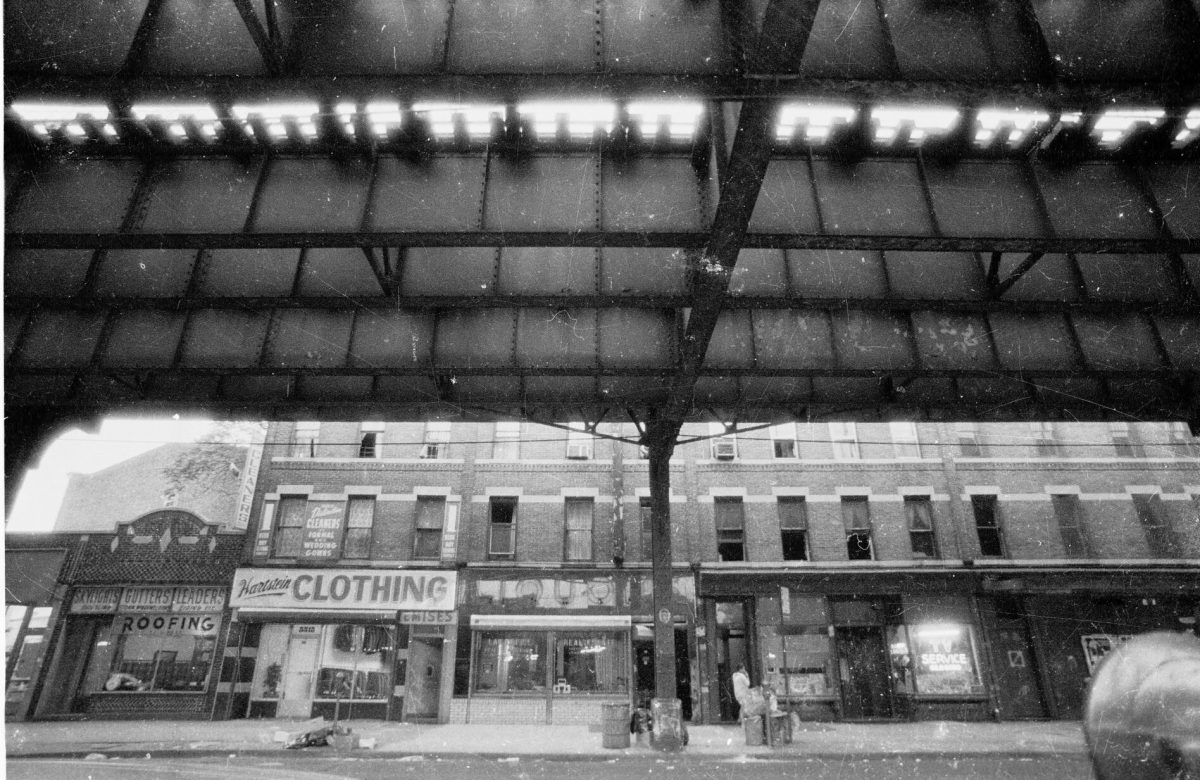
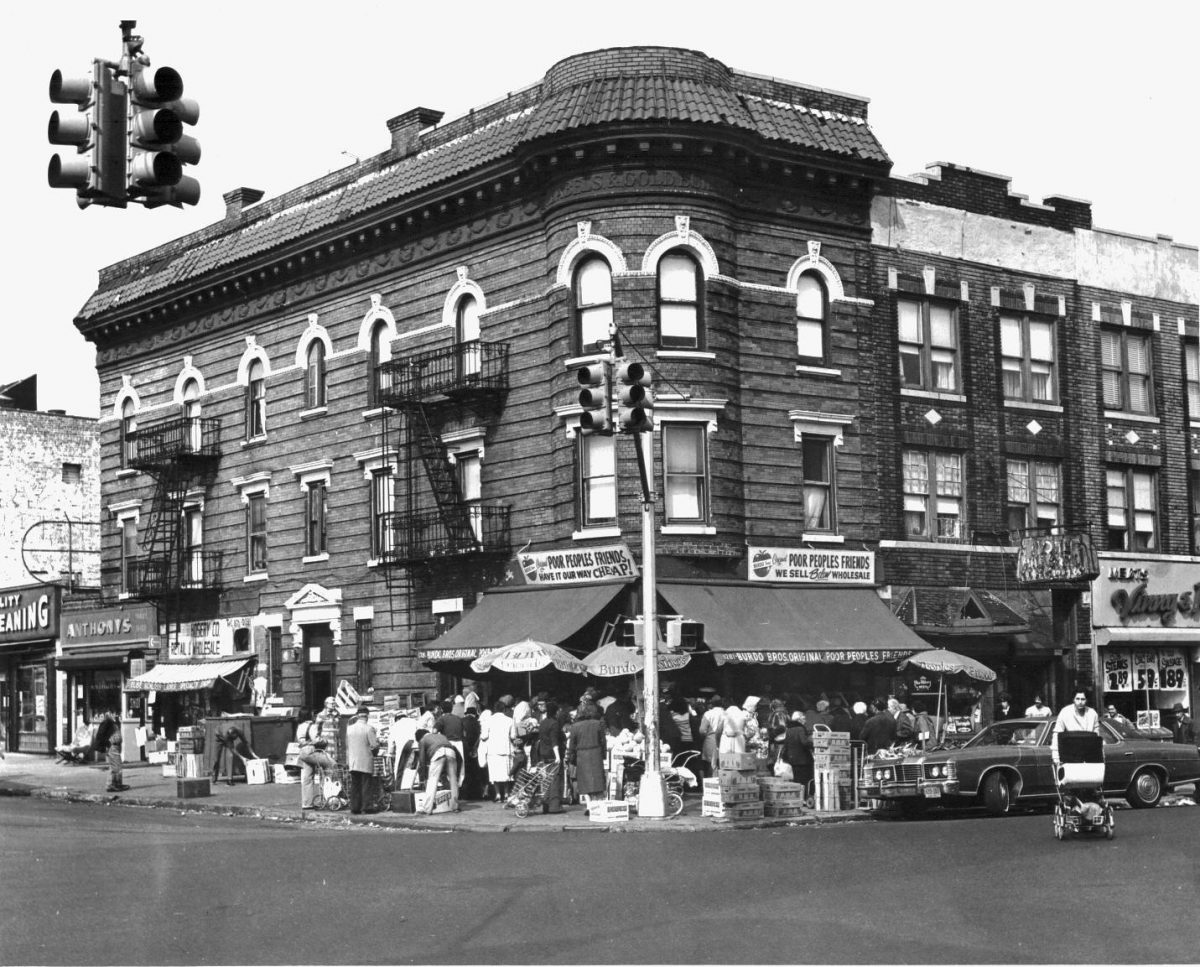
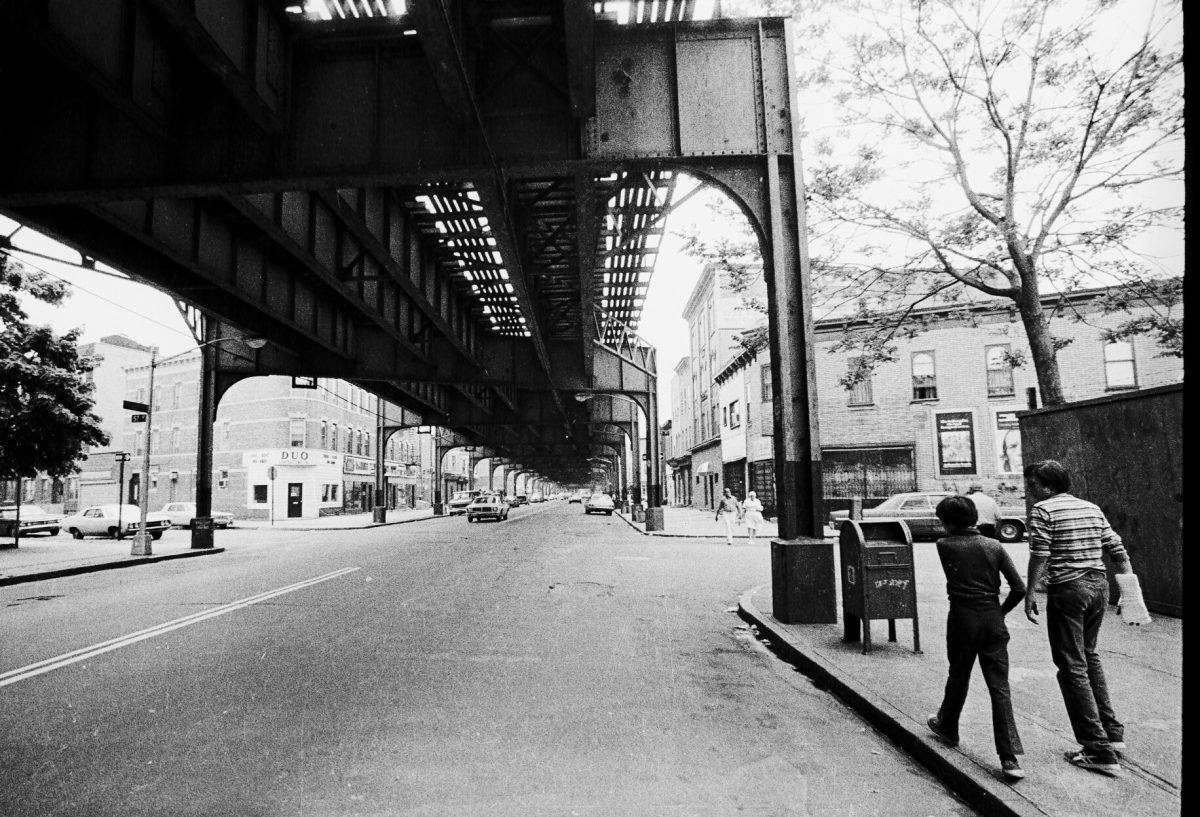
Boro Park was one of Catalano’s primary subjects. The neighborhood, centered around 13th Avenue and New Utrecht Avenue, was a dense, working-class community packed with small businesses, religious institutions, and families who had lived there for generations. The elevated B Train running along New Utrecht Avenue was a constant presence overhead.
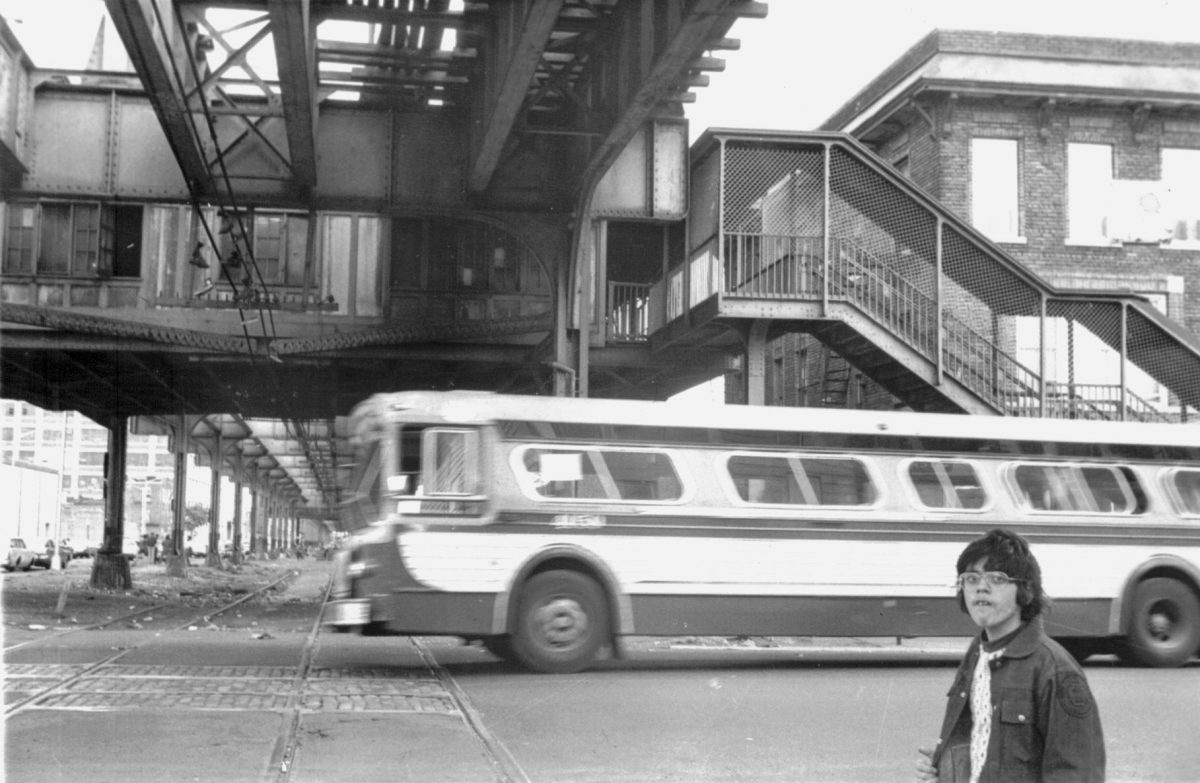
The subway system was central to Brooklyn life, connecting the borough to Manhattan and the rest of the city. In the 1970s, the MTA was struggling financially, and the subway showed it — cars were aging, stations were dirty, and graffiti covered nearly every surface.
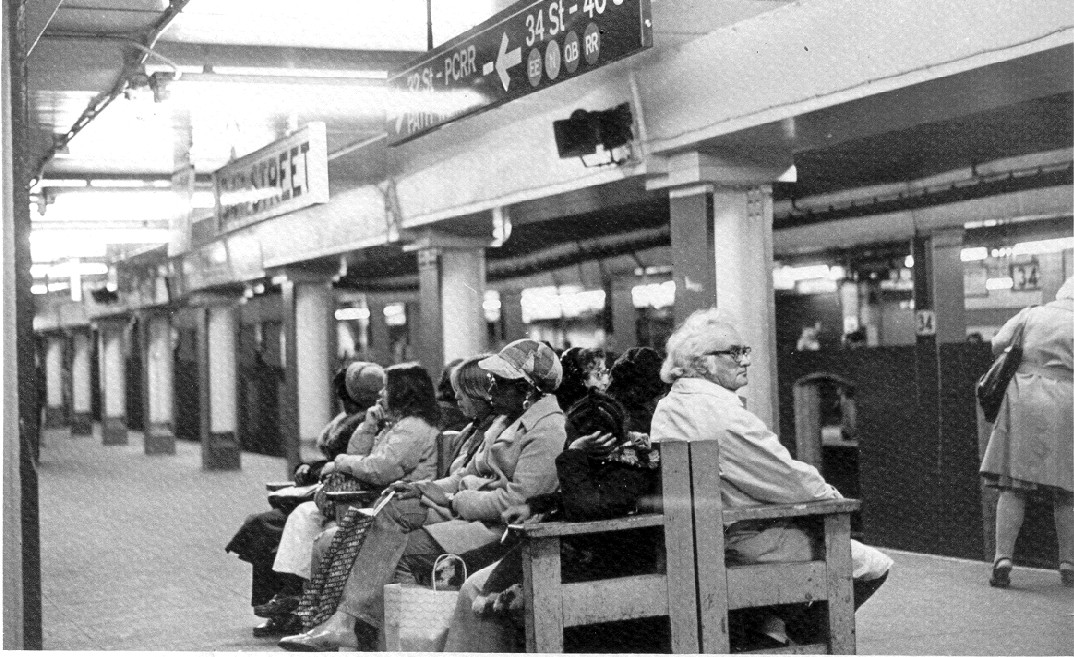
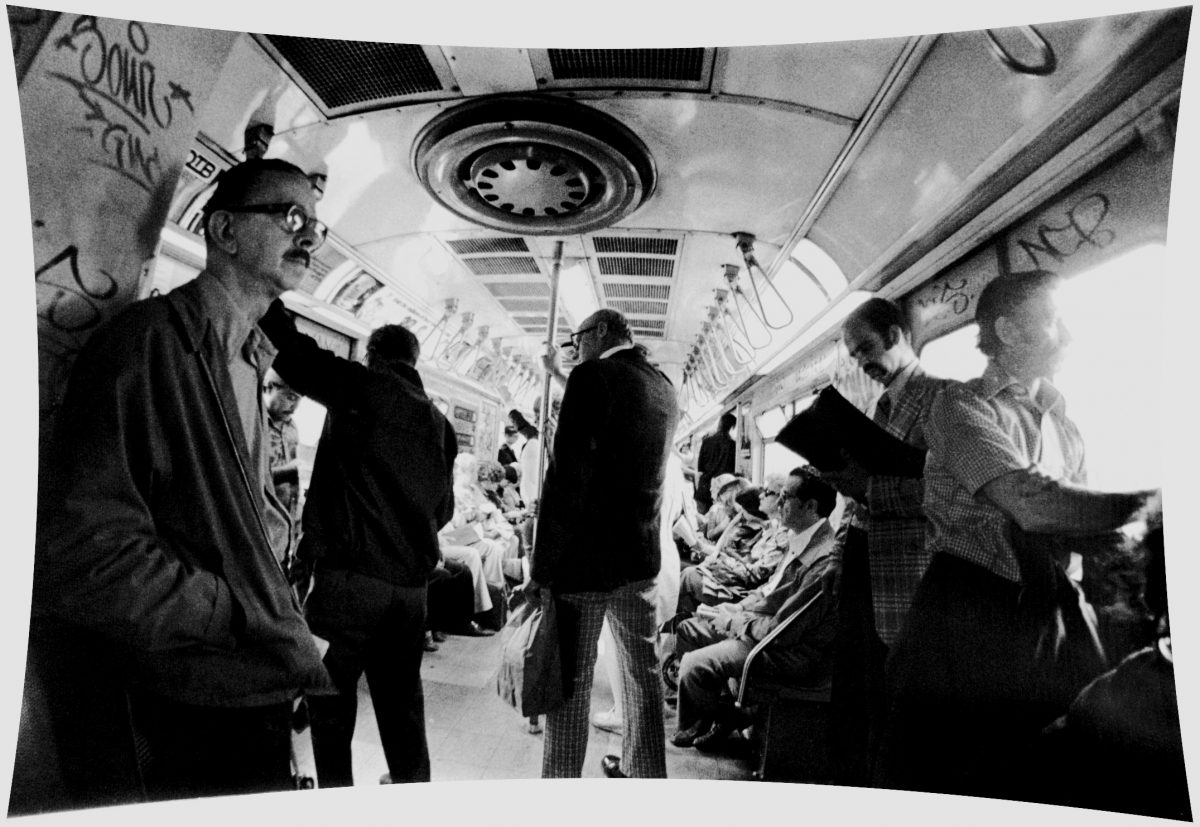
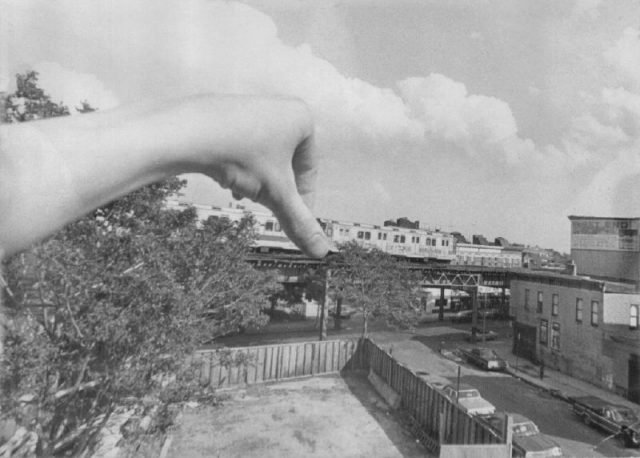
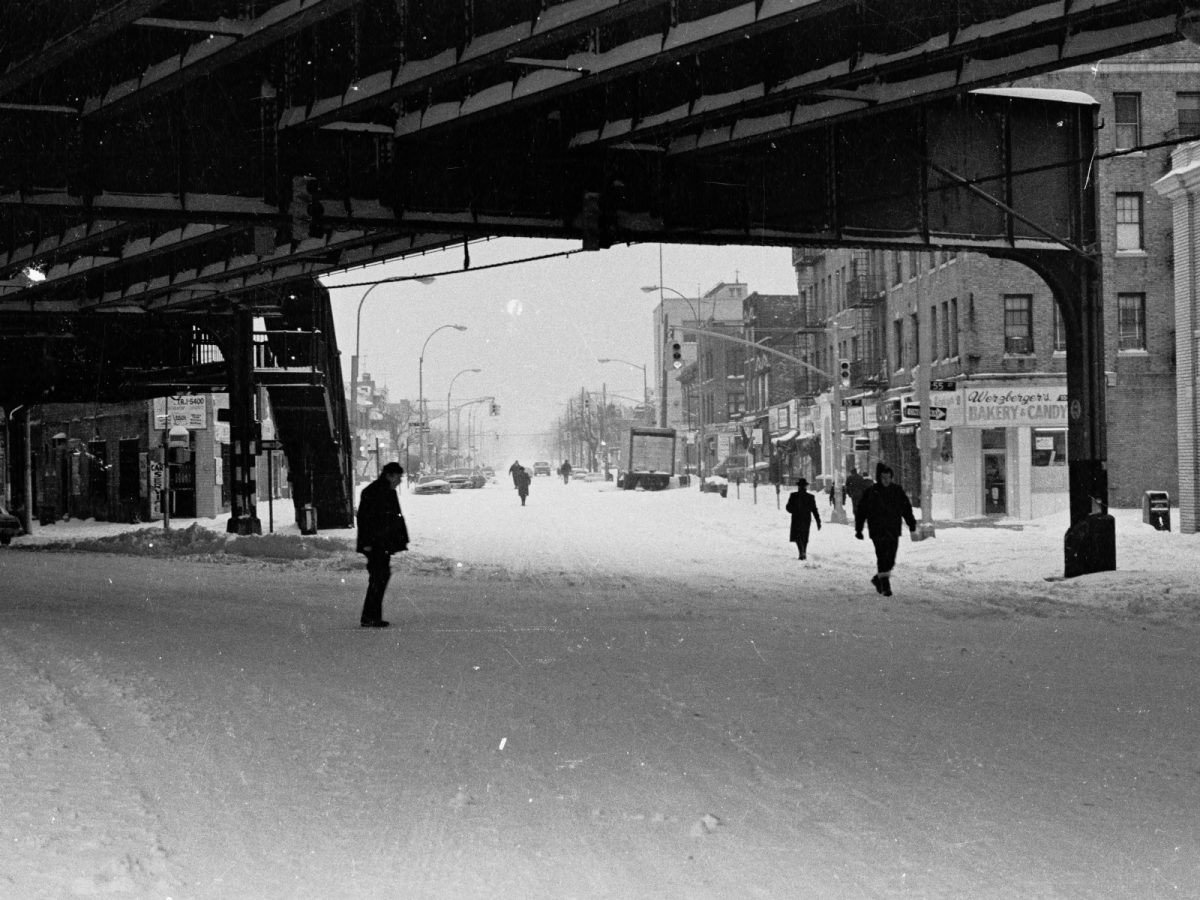
Brooklyn’s elevated train lines were a defining feature of its streetscape. The BMT structure cast shadows over the avenues below, creating a gritty, industrial atmosphere that became one of the most recognizable visual signatures of the borough.
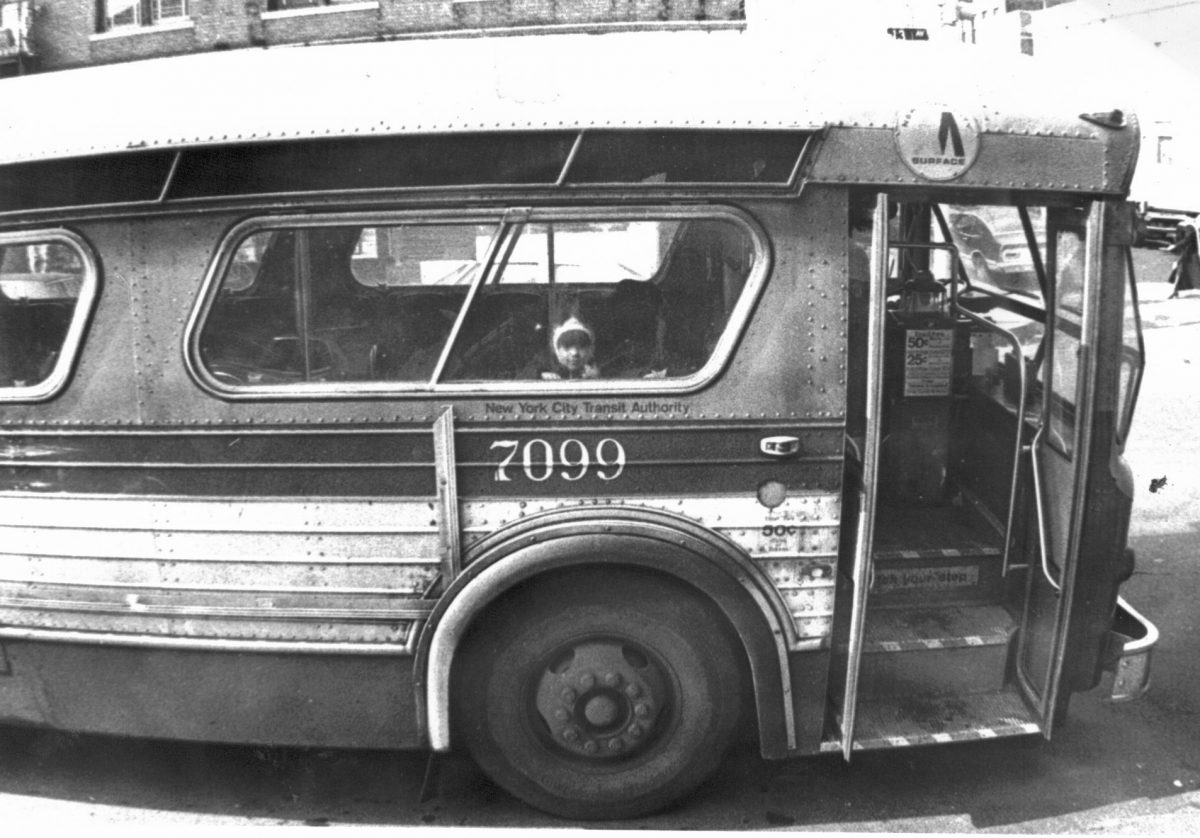
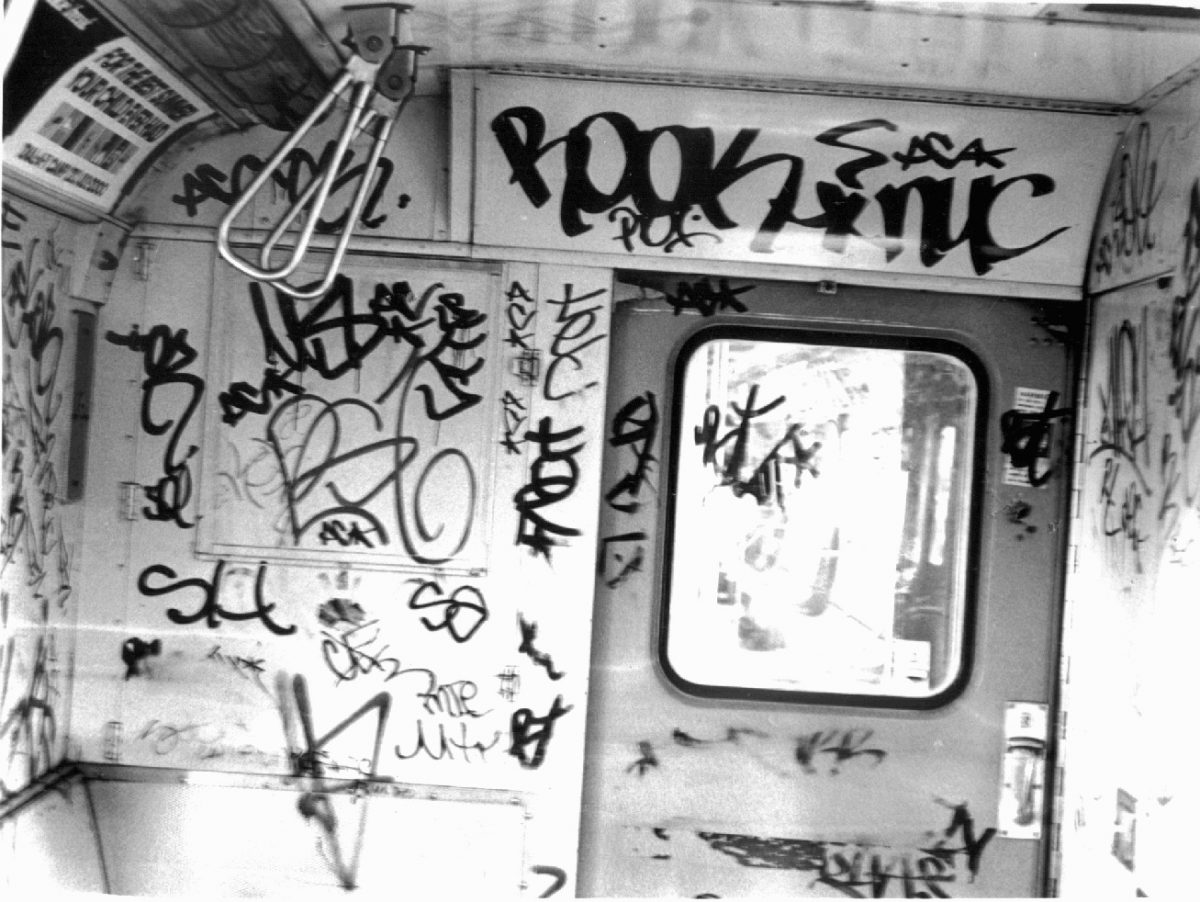
By 1978, graffiti had taken over the subway system almost entirely. Writers tagged the interiors and exteriors of cars from end to end. The city treated it as a crime problem, but for many Brooklyn teenagers, it was a form of public art and neighborhood identity.
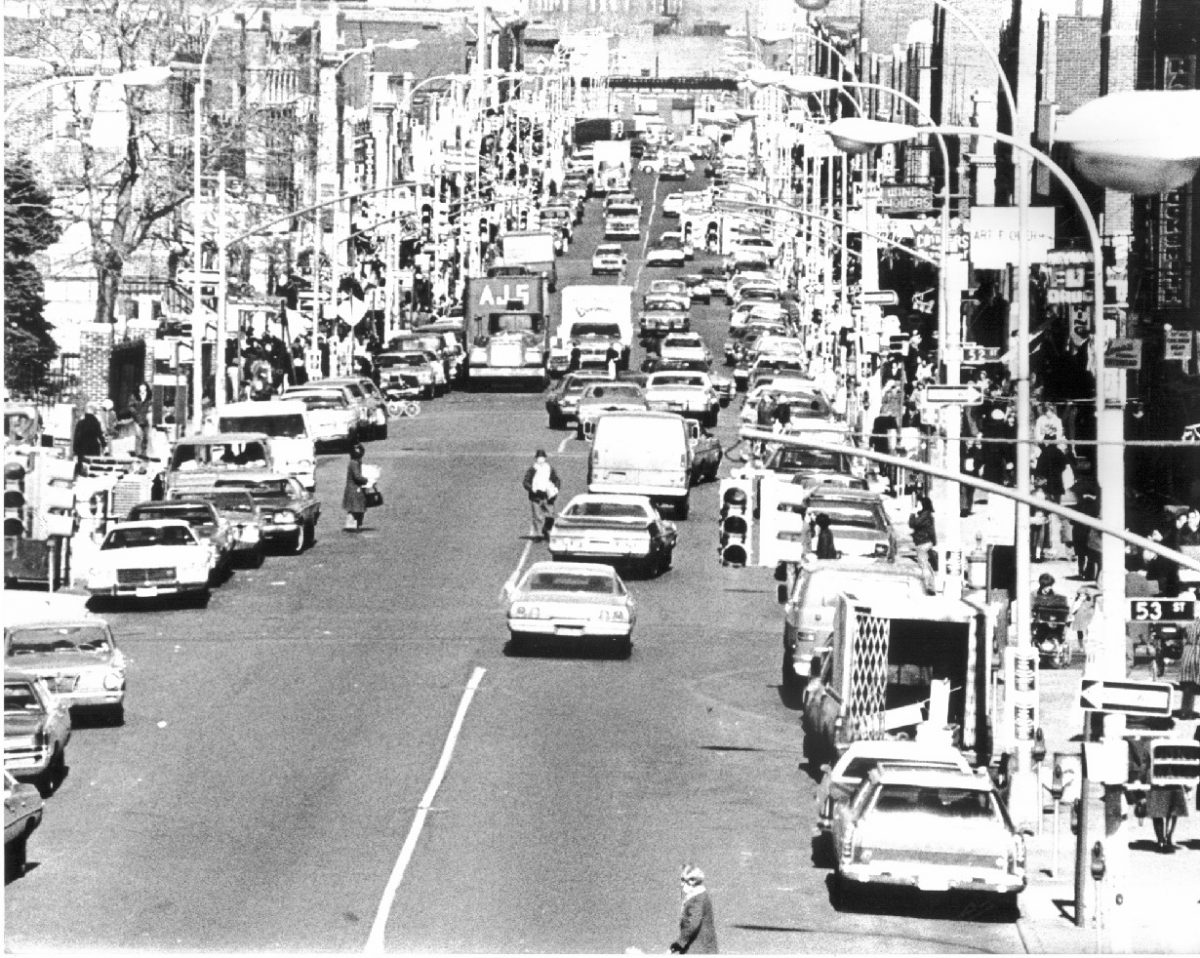
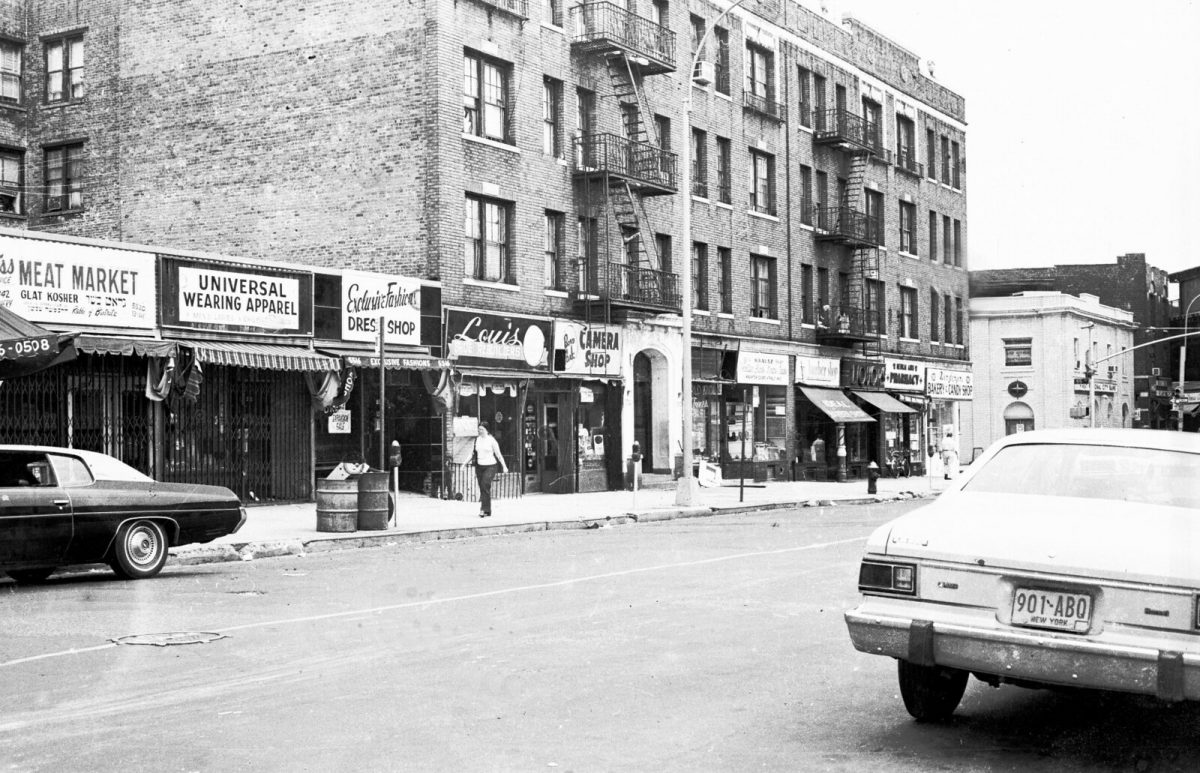
13th Avenue in Boro Park was the commercial spine of the neighborhood. Butchers, bakeries, delis, and clothing shops sat side by side along the avenue. This 1976 view from the 55th Street station shows the streetscape stretching south — a dense corridor of small businesses and foot traffic.
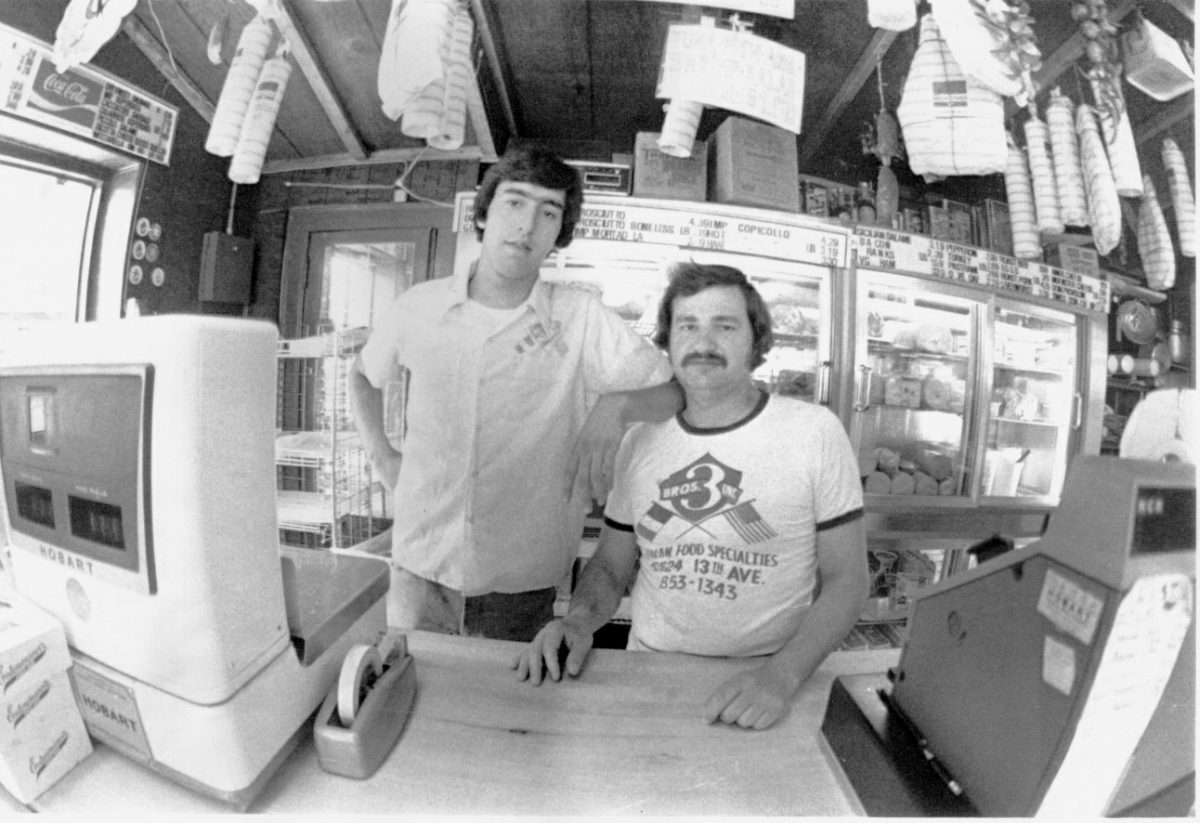
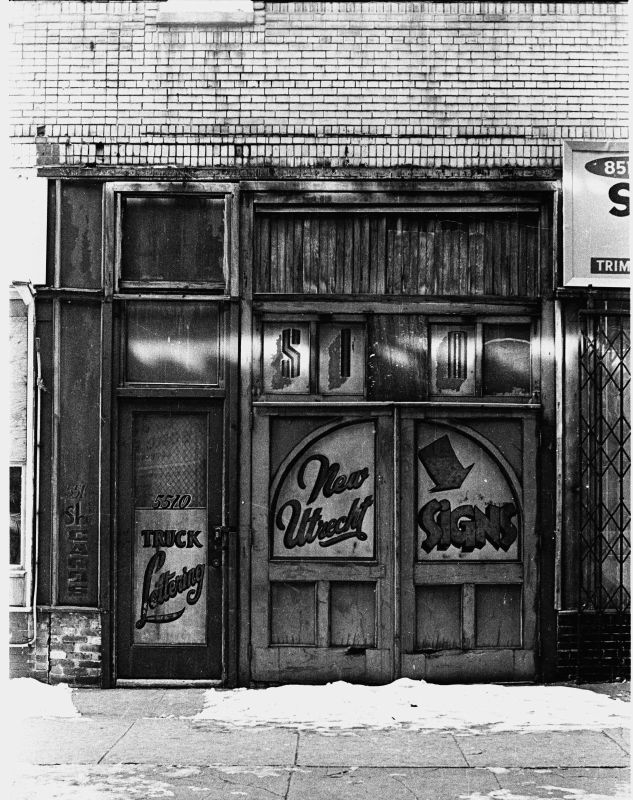
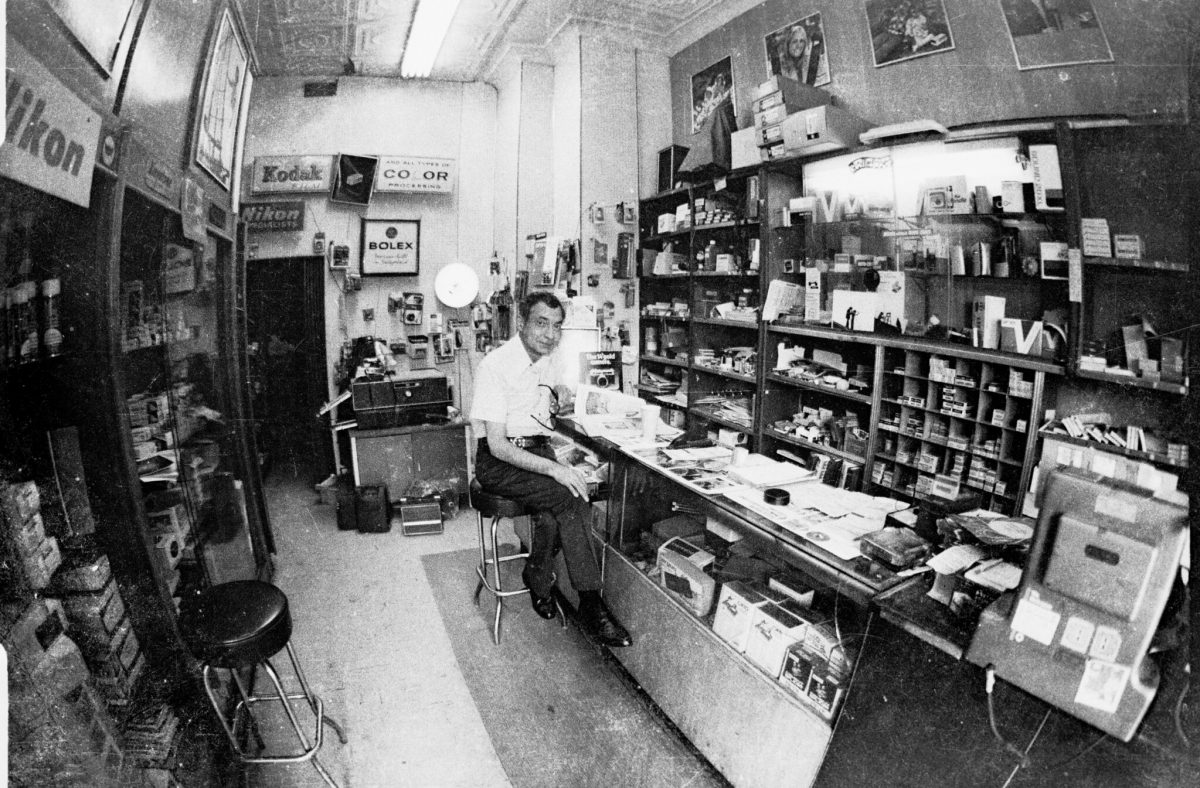
The small businesses of Boro Park were hand-lettered, personally run, and deeply local. Sign shops, salumerias, and specialty stores served the immediate community. National chain stores were largely absent from these blocks.
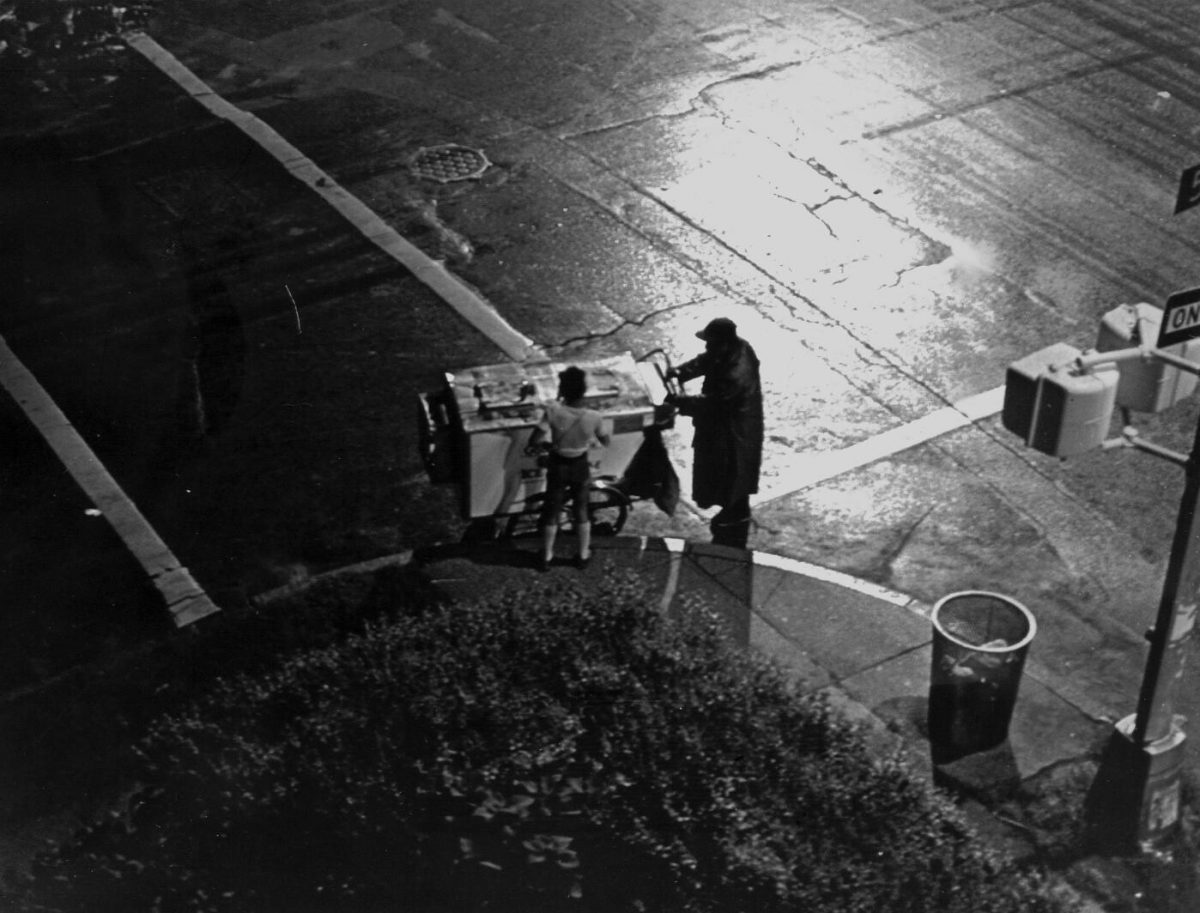
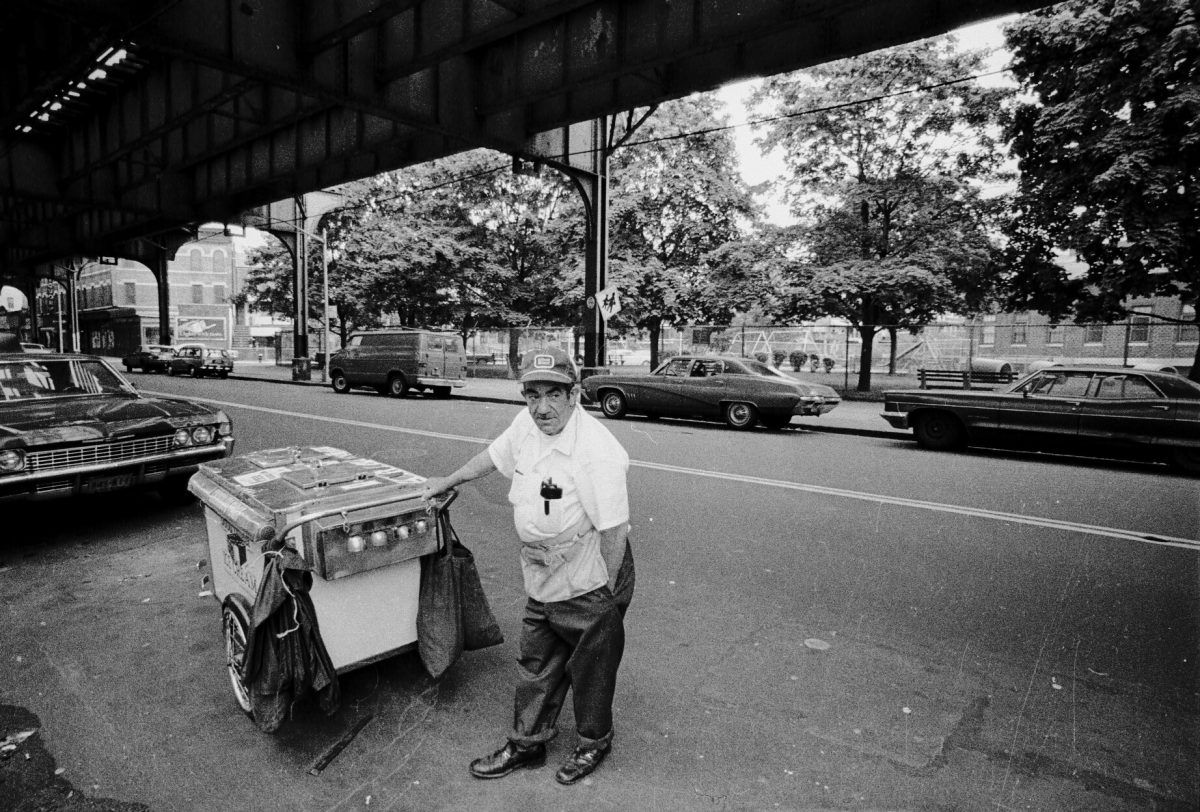
Summer brought ice cream vendors to the streets, a ritual that defined warm-weather life in Brooklyn. Catalano photographed two of them — Walter and Bruno — who worked routes through Boro Park in the mid-1970s.
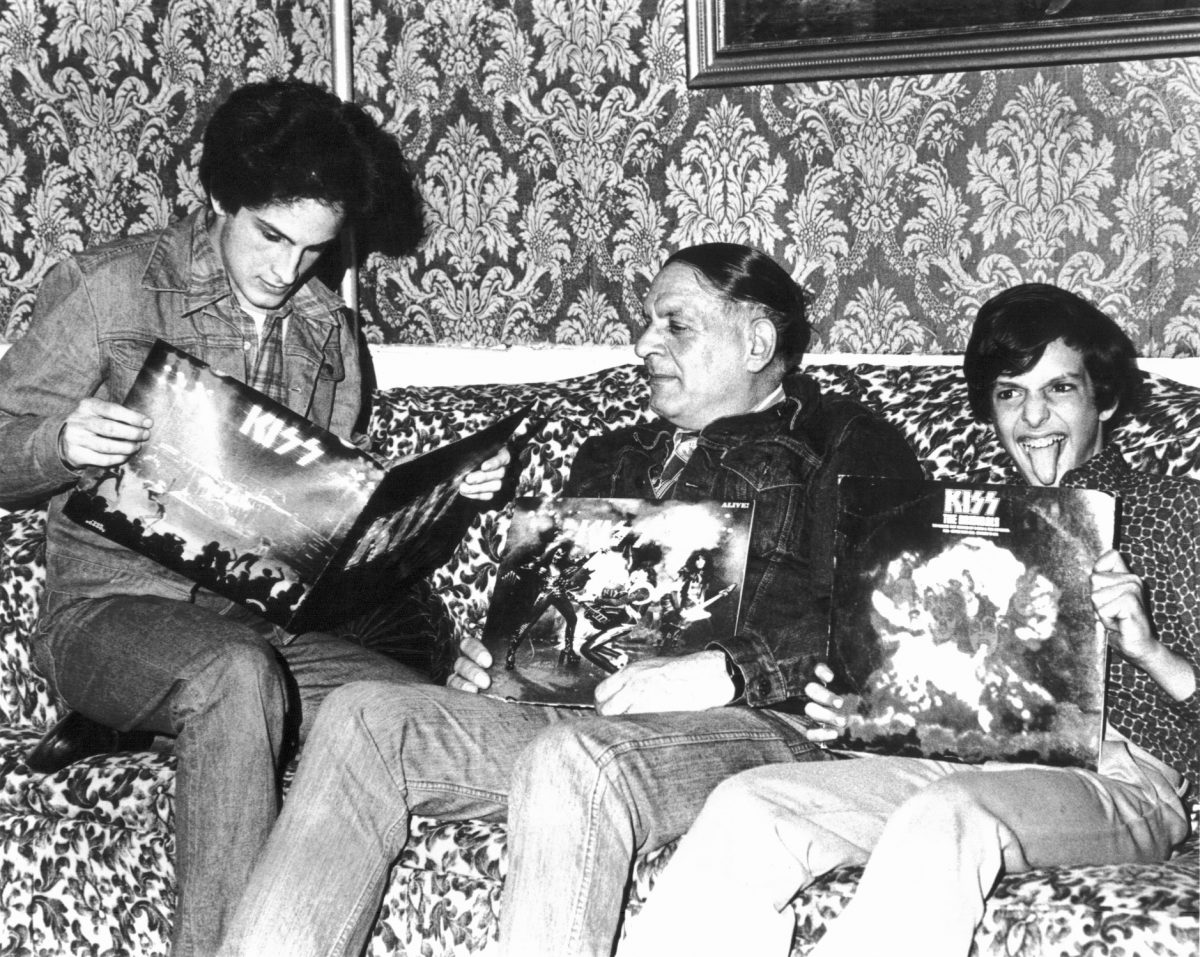
Pop culture was a constant presence in Brooklyn homes. KISS was one of the biggest bands of the late 1970s, and their albums were everywhere. Catalano photographed his father John with a stack of KISS records in 1978 — a casual domestic shot that doubles as a document of the era’s musical tastes.
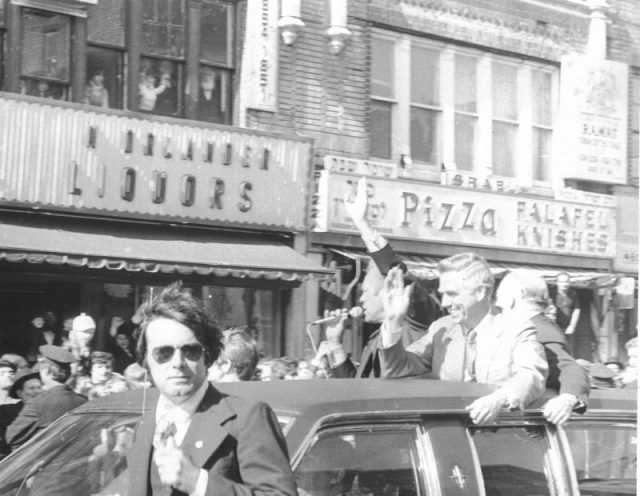
In 1976, President Gerald Ford’s motorcade ran south along 13th Avenue through Boro Park. Catalano was there with his camera. It was an unusual sight for a Brooklyn street corner — a presidential convoy rolling through the same blocks where neighbors shopped, kids played, and the elevated train rumbled overhead.
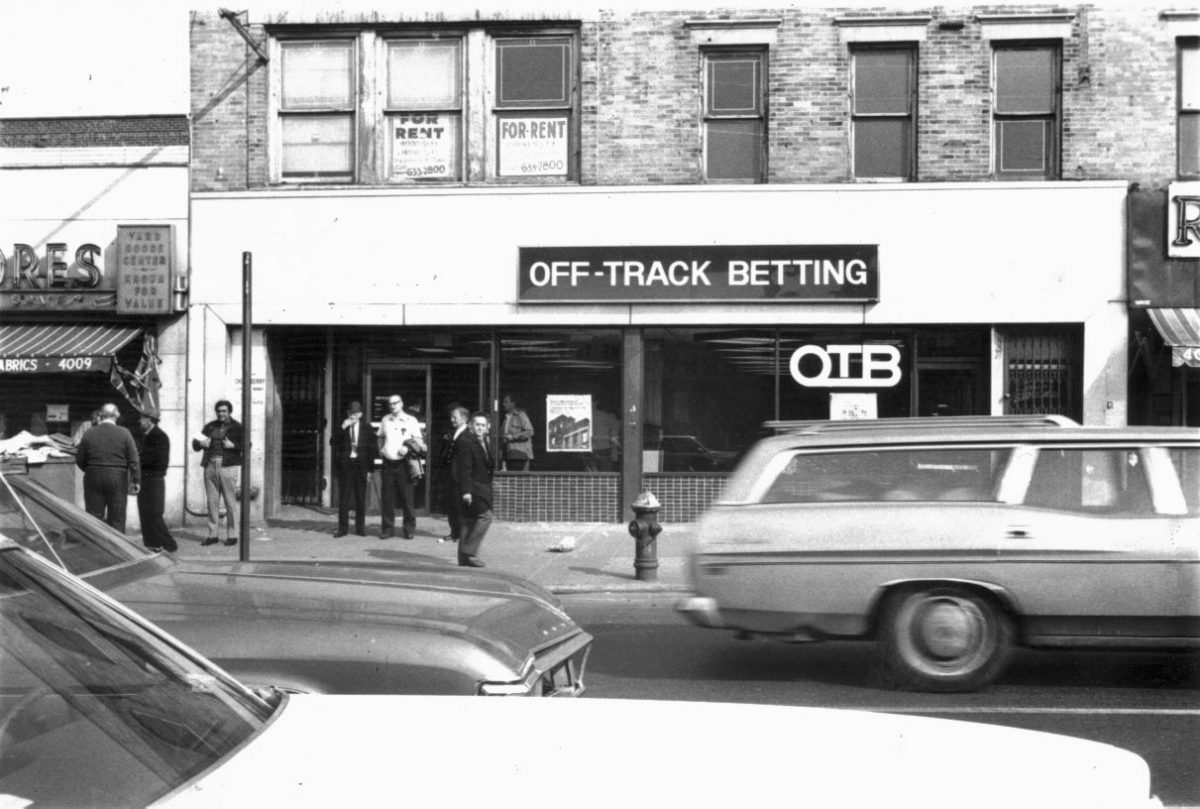
Off-Track Betting parlors, known as OTBs, opened across New York City in the early 1970s as a way for the state to capture revenue from horse racing. They became a fixture of Brooklyn commercial strips, drawing a steady crowd of regulars.
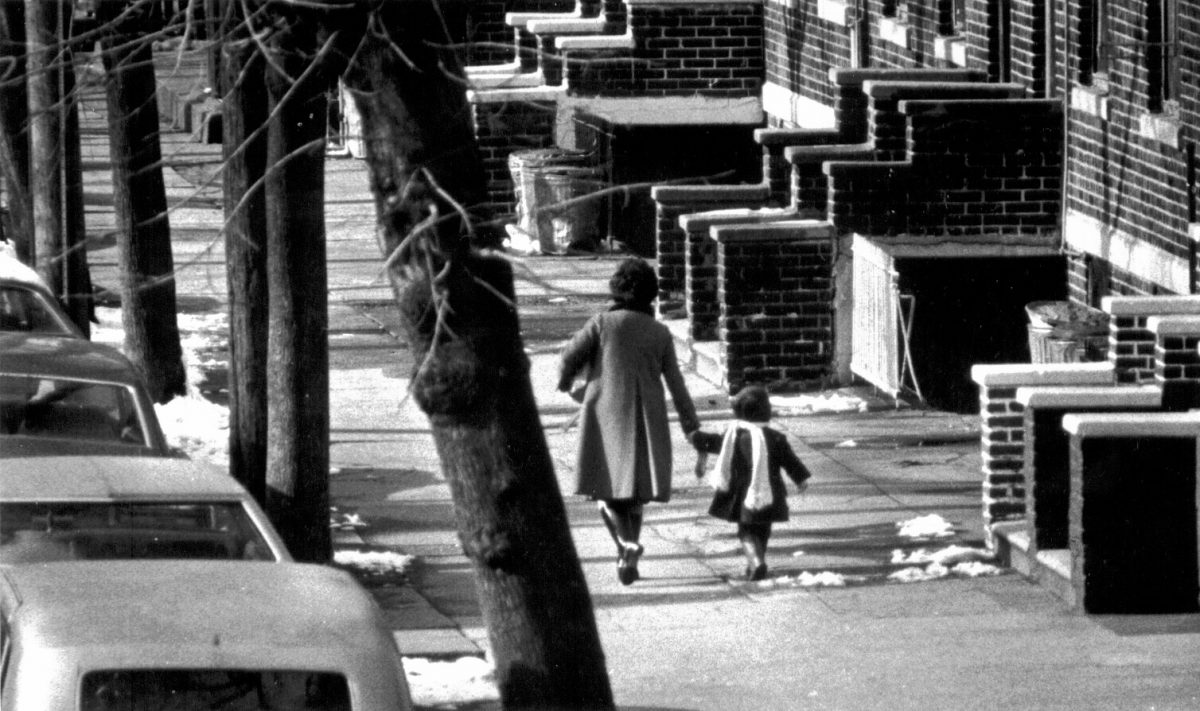
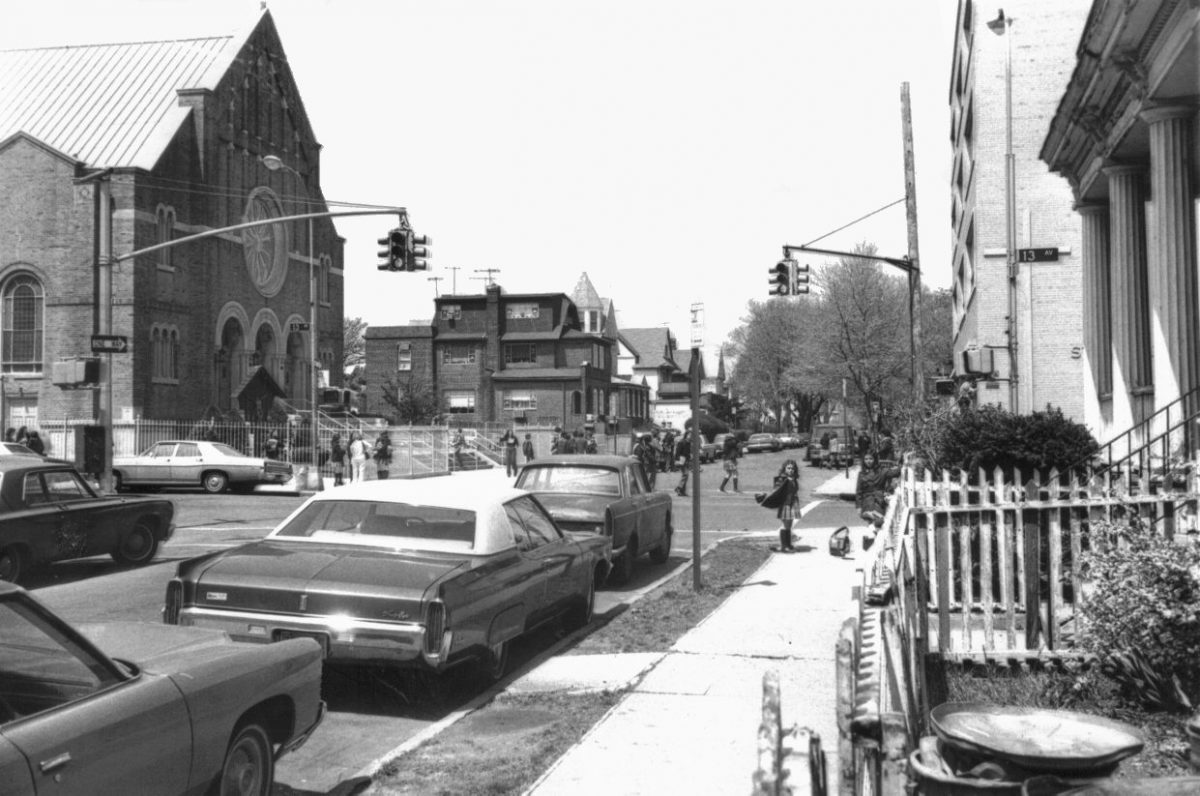
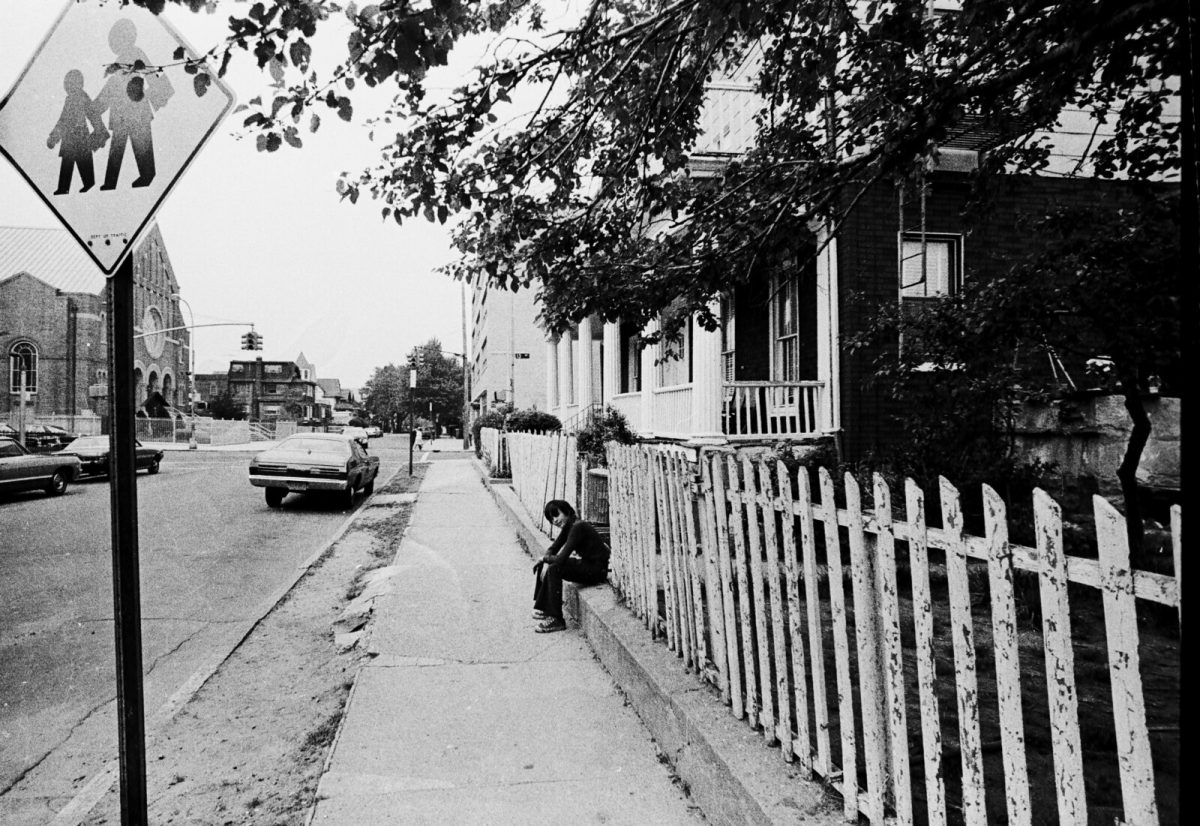
Catholic parochial schools were a central institution in Brooklyn neighborhoods like Boro Park and Bensonhurst. St. Frances de Chantal was one of many such schools educating the children of Italian, Irish, and other Catholic immigrant families who made up the backbone of southern Brooklyn’s population.
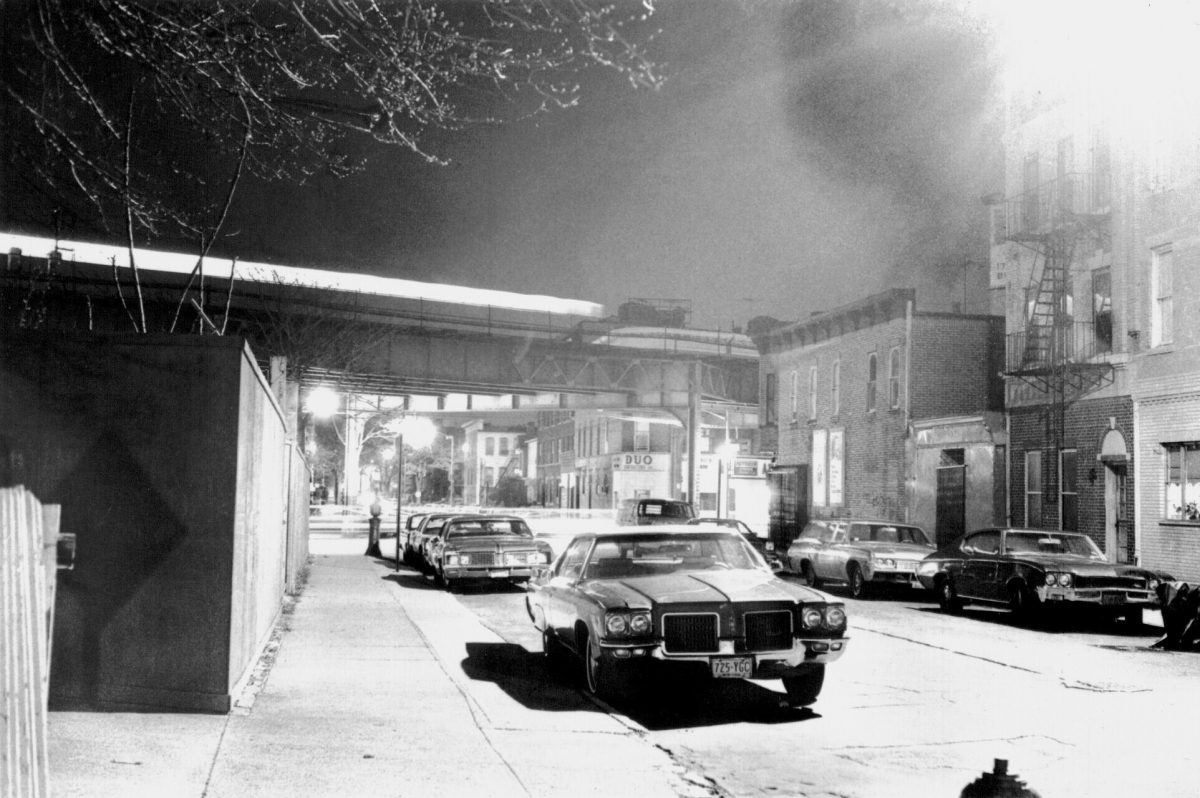
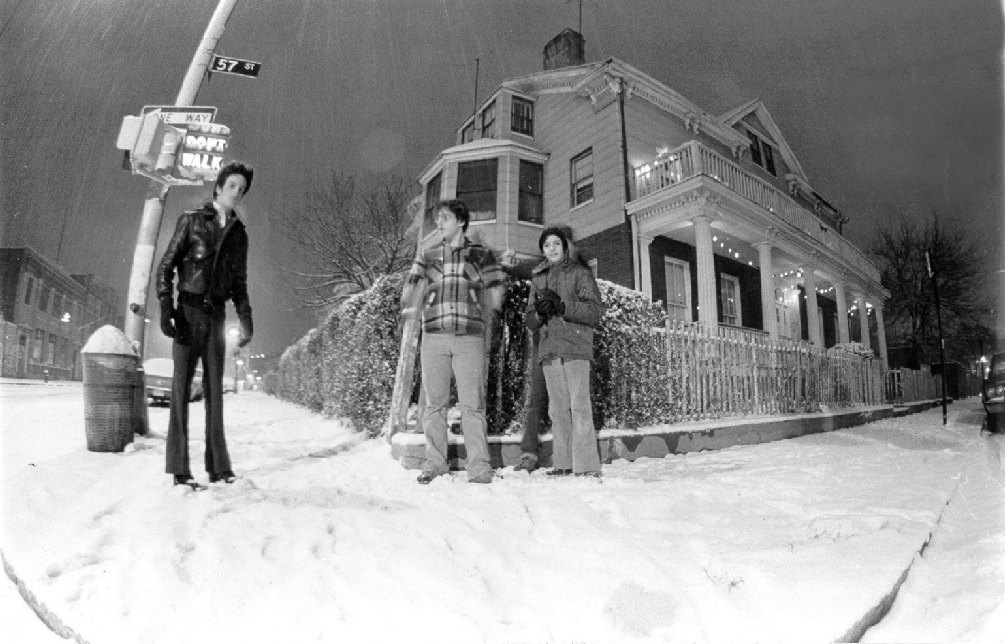
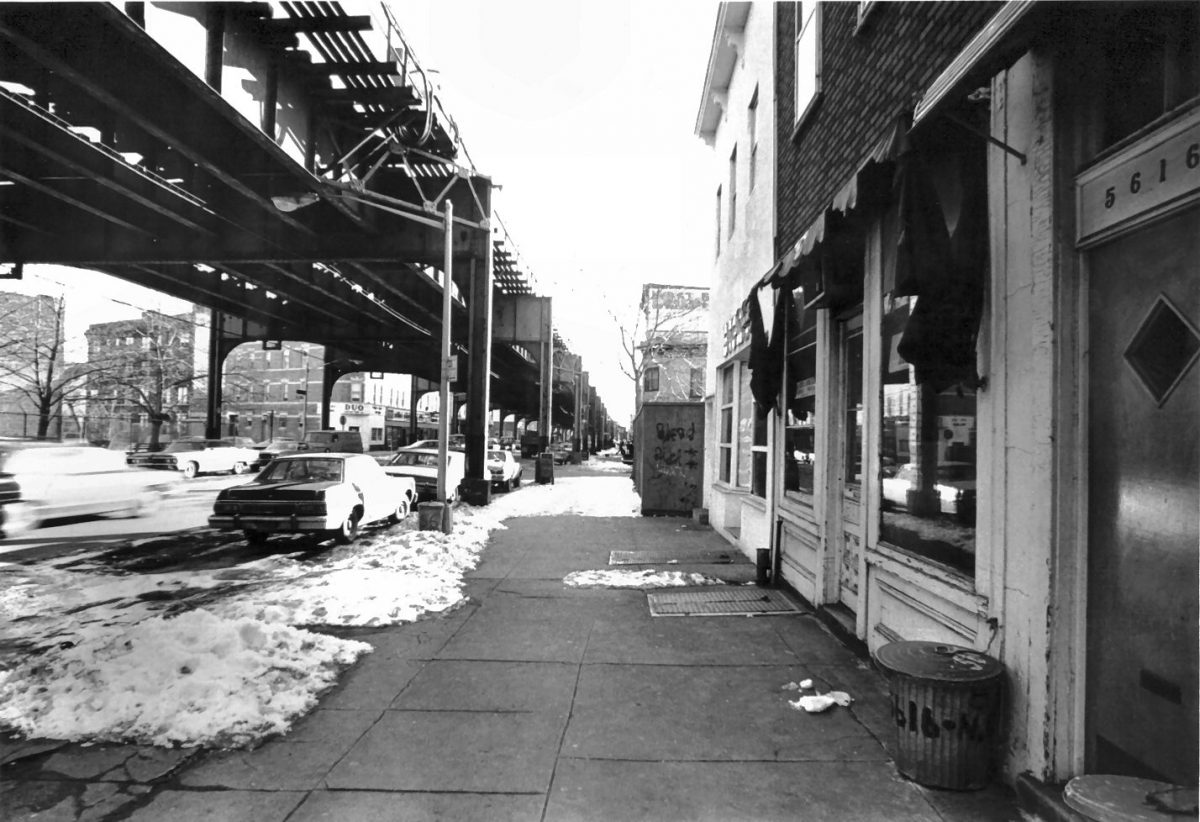
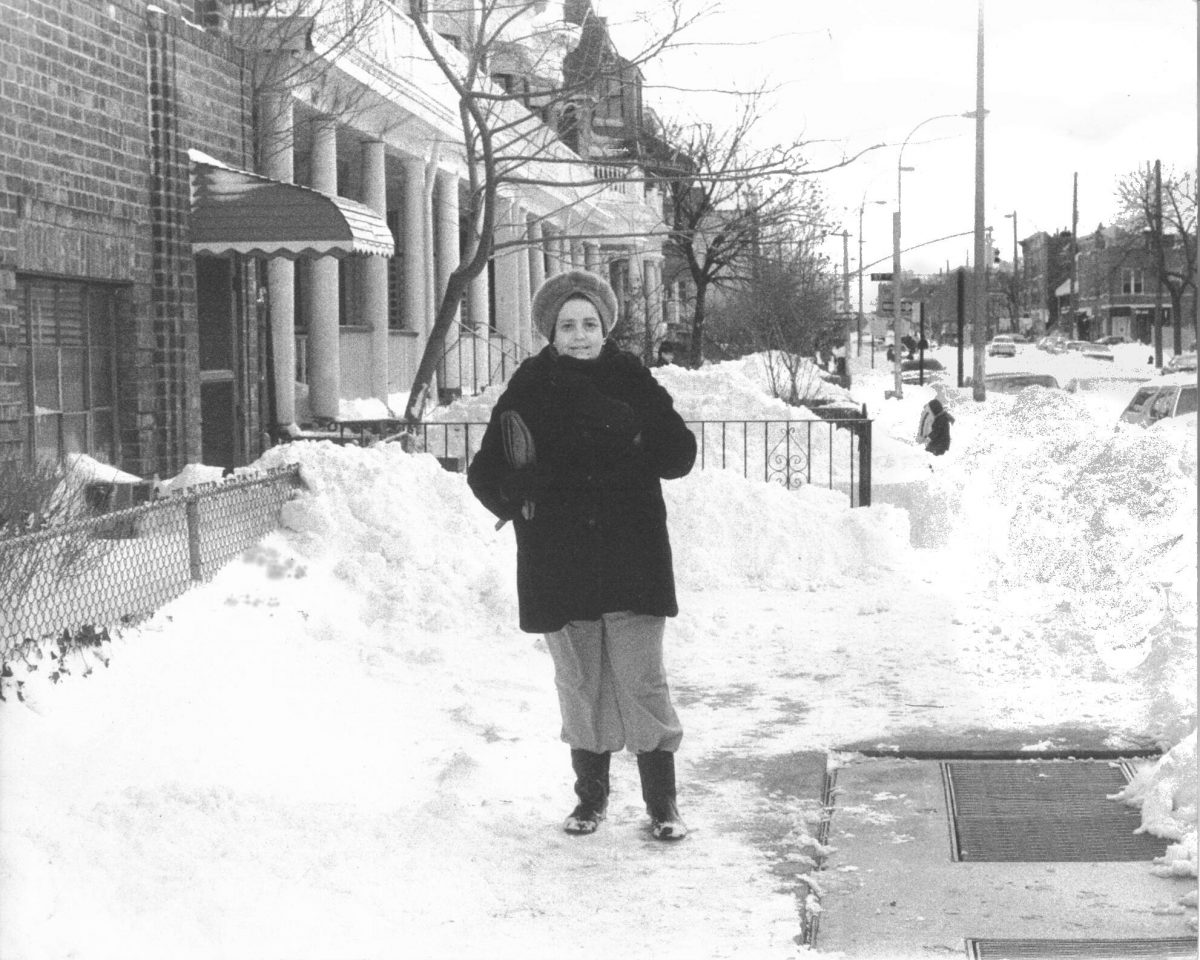
The Blizzard of 1978 struck New York City on February 5th through 7th and buried Brooklyn under heavy snow. Catalano photographed the aftermath along New Utrecht Avenue in Boro Park, where the storm transformed familiar blocks into a white, muffled stillness that contrasted sharply with the usual noise of the neighborhood.
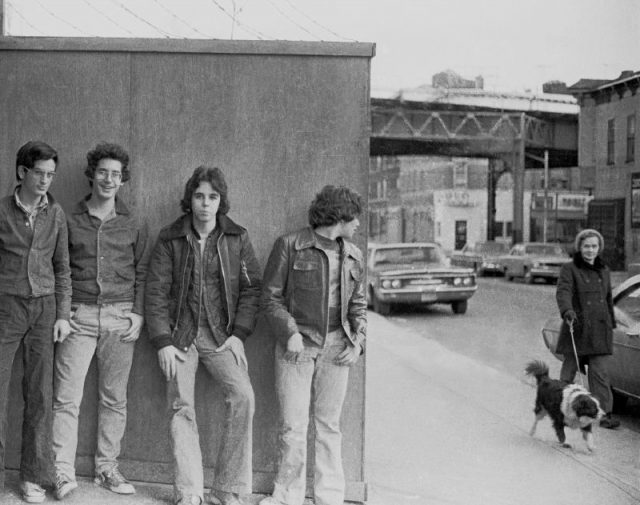
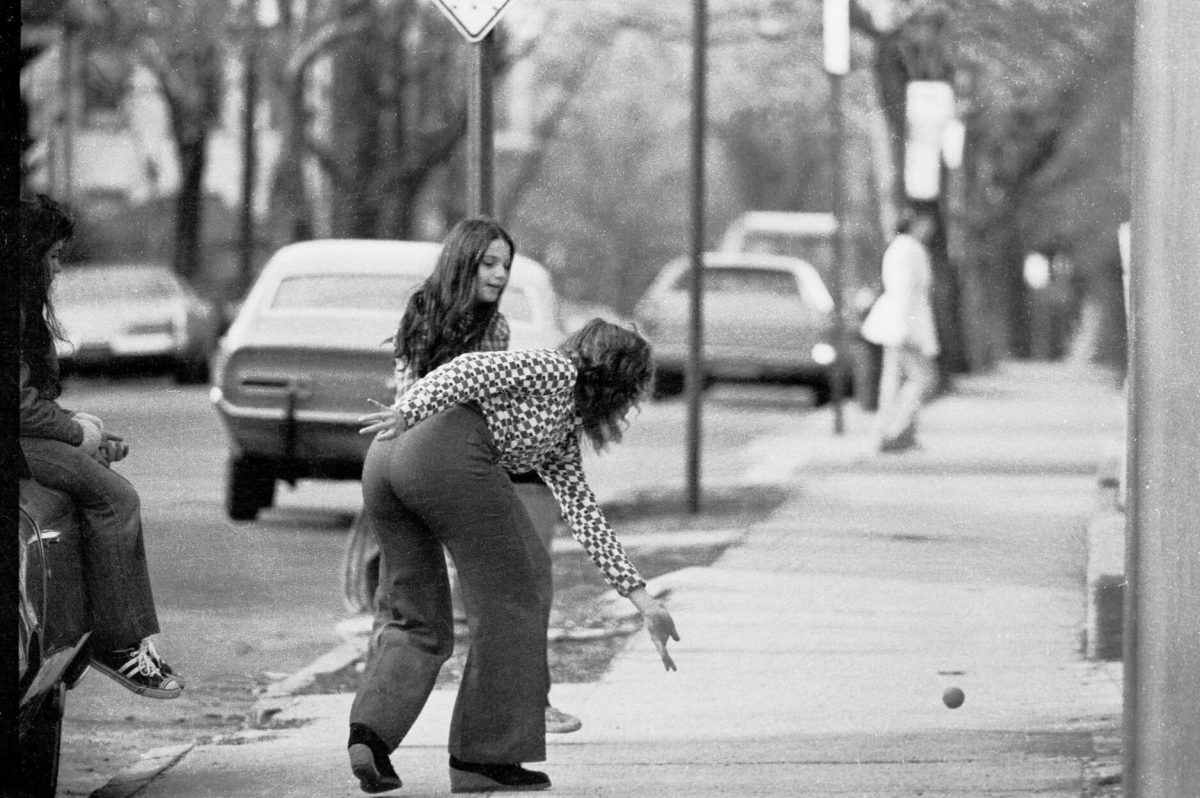
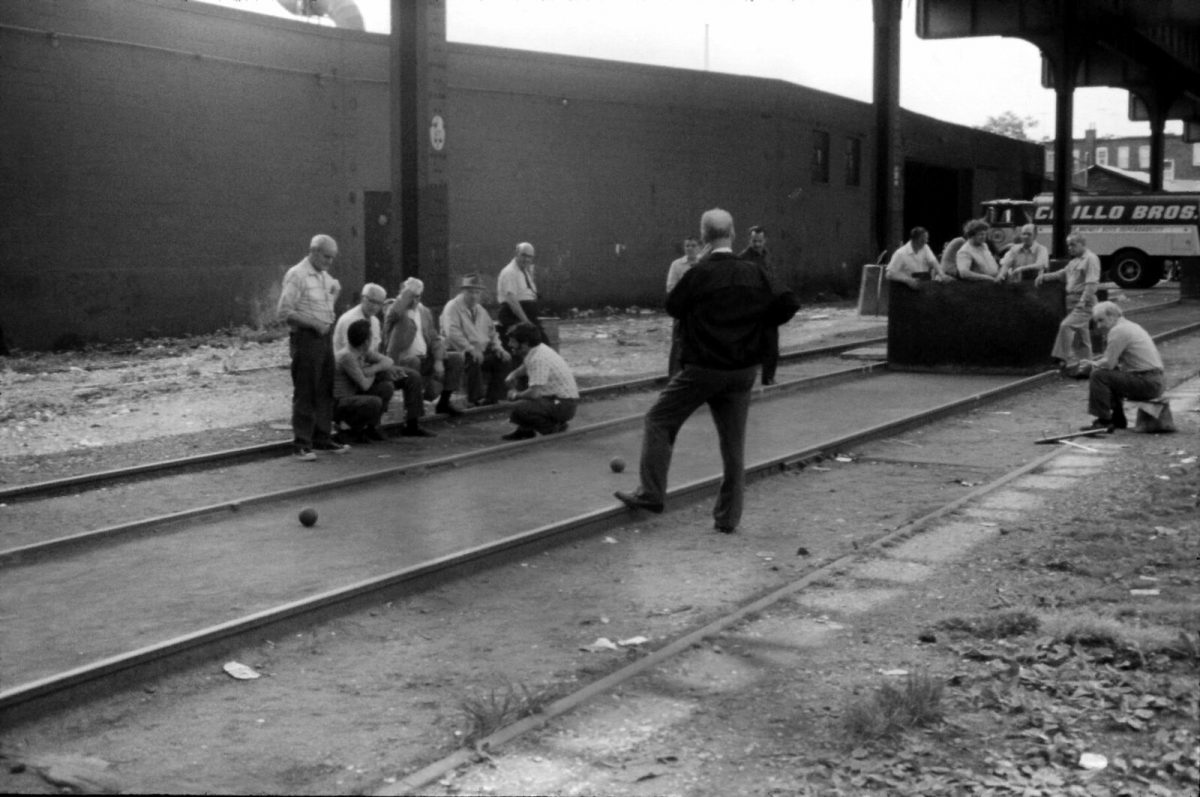
Street games were a fundamental part of growing up in Brooklyn. With limited indoor space and no video games, kids played stickball, stoop ball, and bocce on the sidewalks and under the elevated train lines. Catalano documented these games repeatedly, often photographing the same friends and corners across multiple years.
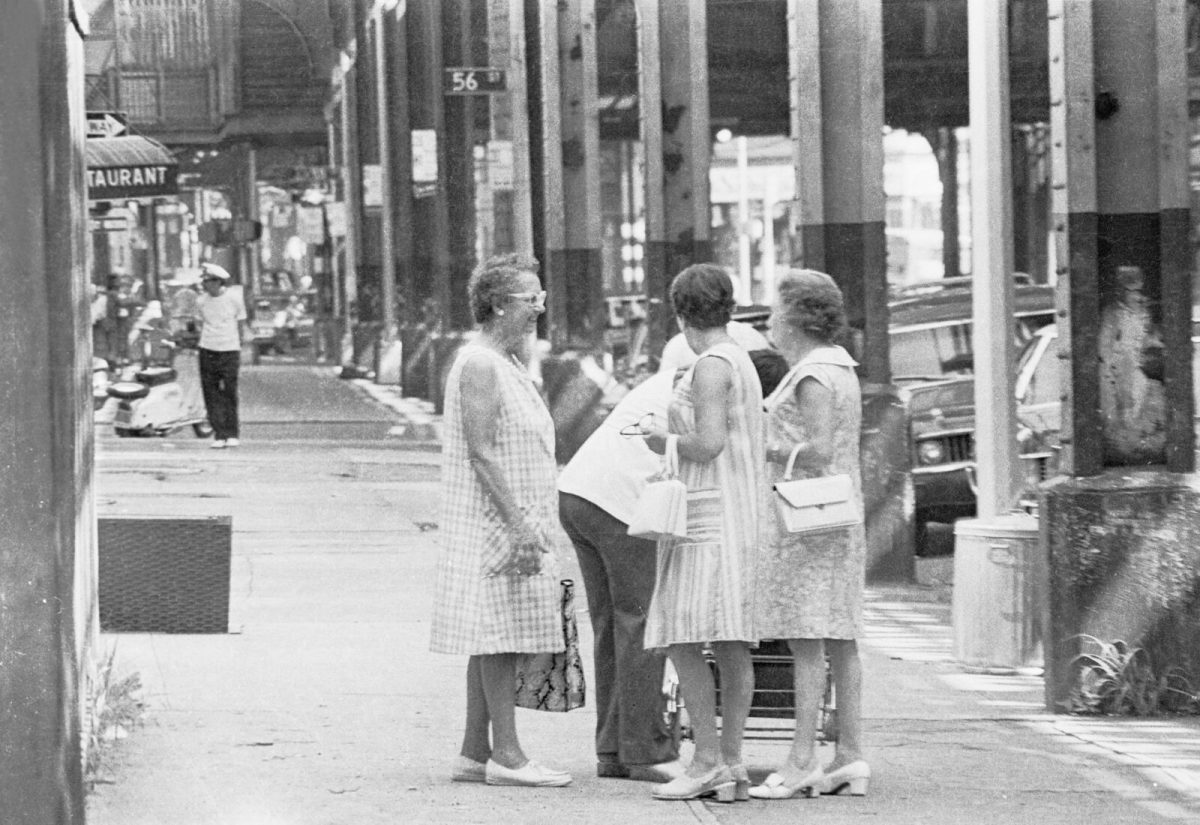
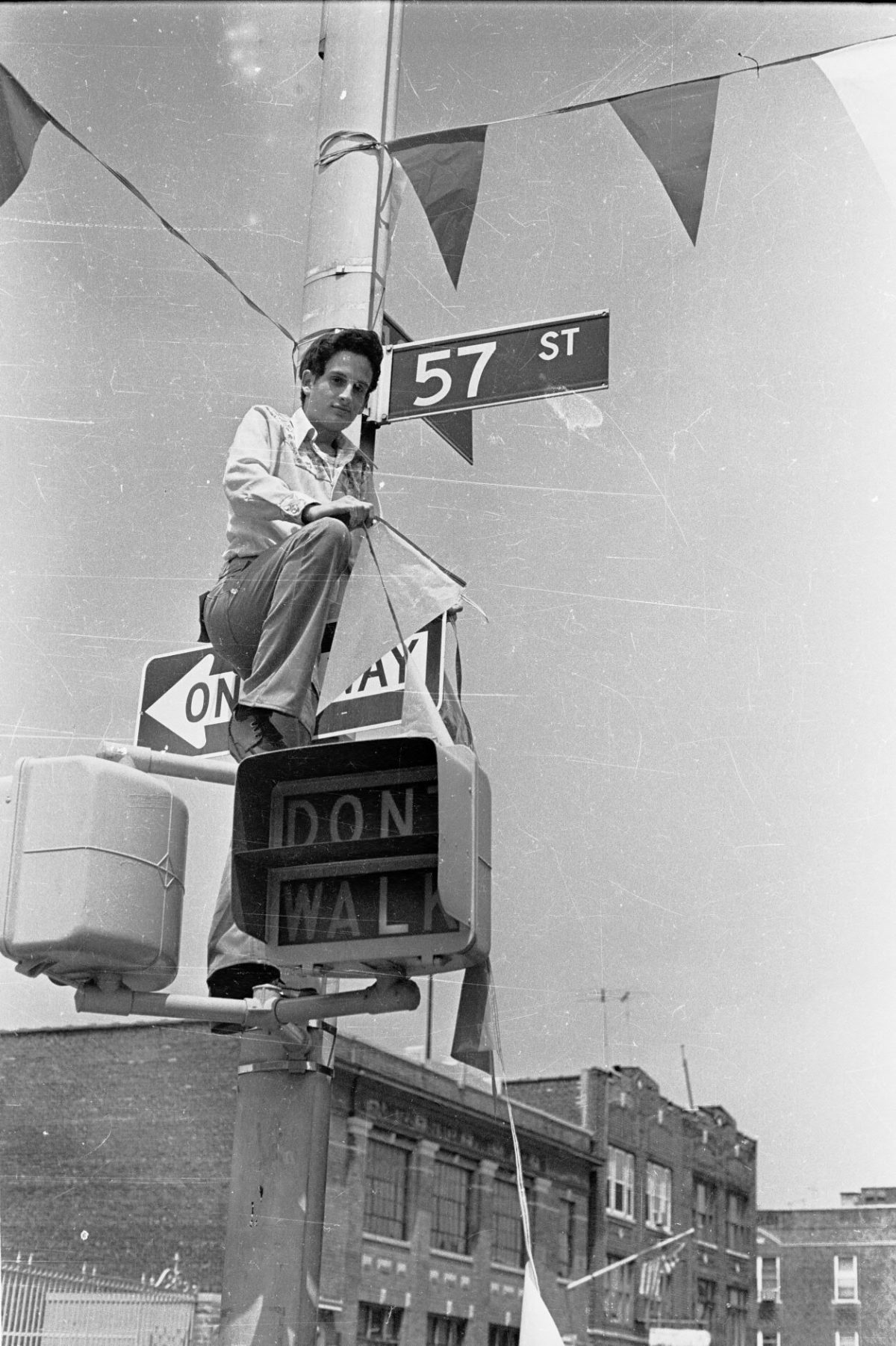
Block parties were a warm-weather tradition in Brooklyn throughout the 1970s. Streets were closed off, flags and banners were hung, and neighbors gathered for food, music, and games. The 1976 bicentennial gave block parties an extra patriotic charge that year.
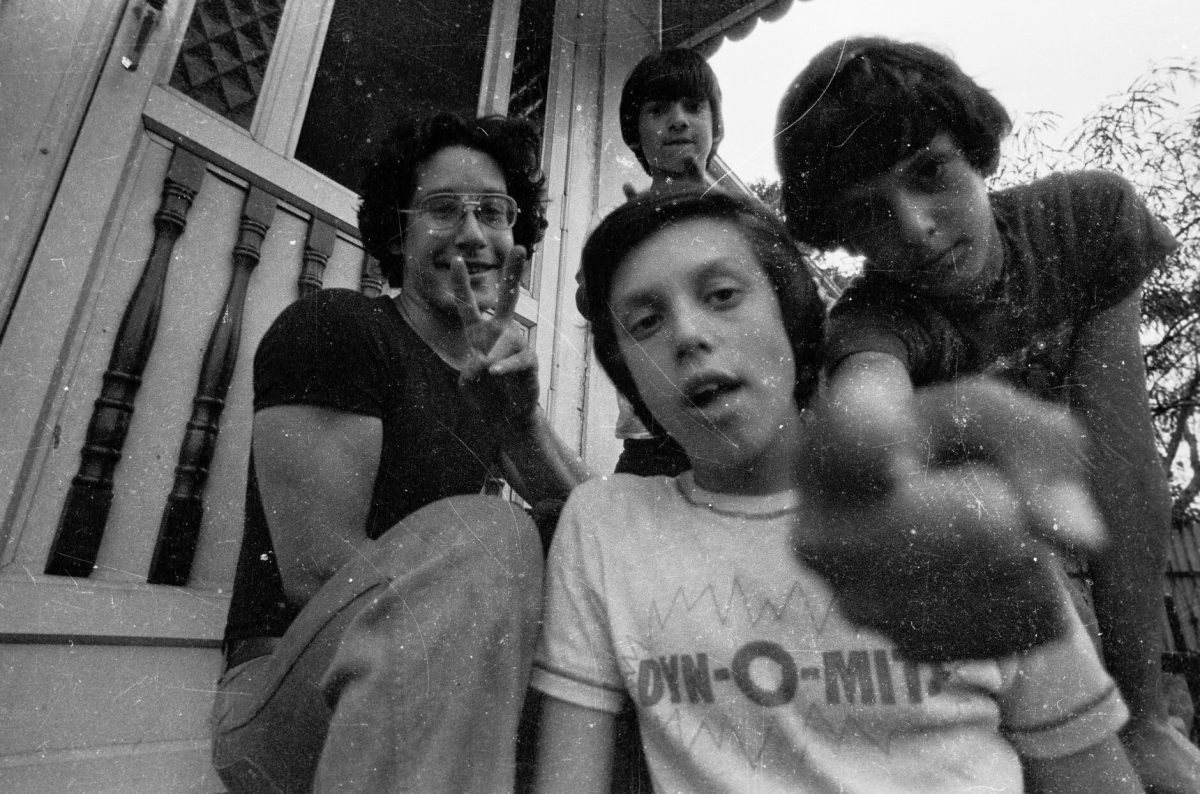
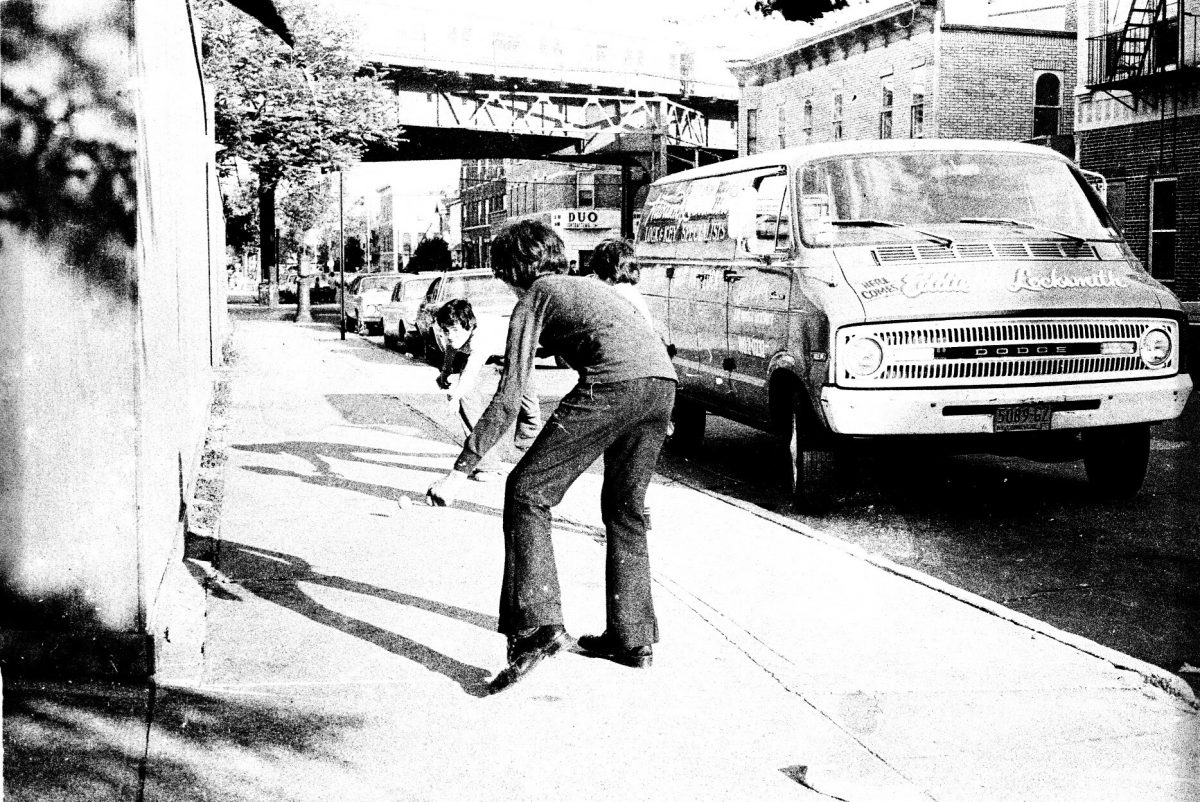
The Spalding rubber ball — known in Brooklyn as a “Spaldeen” — was the standard equipment for dozens of street games. Catalano’s 1975 photograph of kids with their Spaldeen near 13th Avenue is a small but precise document of how children in Boro Park spent their time.
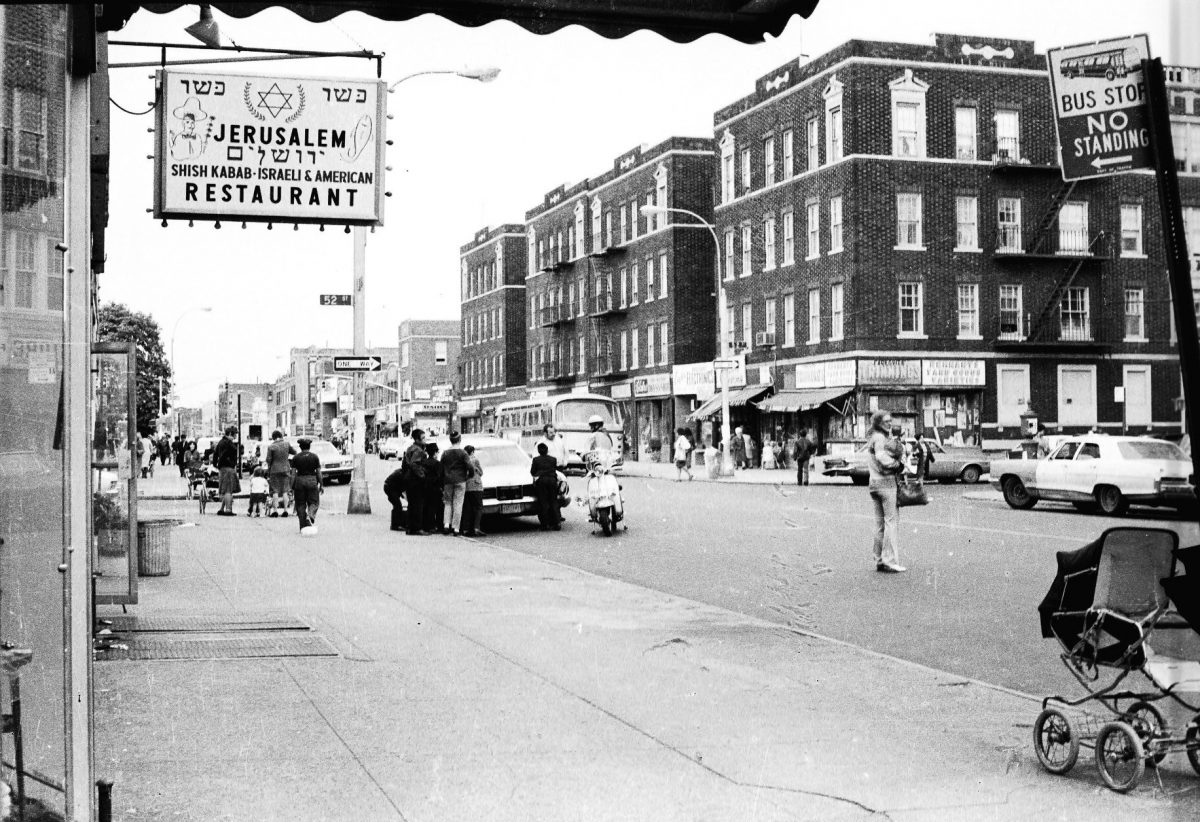
Jerusalem Bakery on 13th Avenue was one of the neighborhood’s well-known storefronts. It appears in Catalano’s 1975 street scene as part of a bustling block — a reminder that Boro Park’s commercial character was already beginning to reflect the Jewish community that would come to define the neighborhood in the decades that followed.
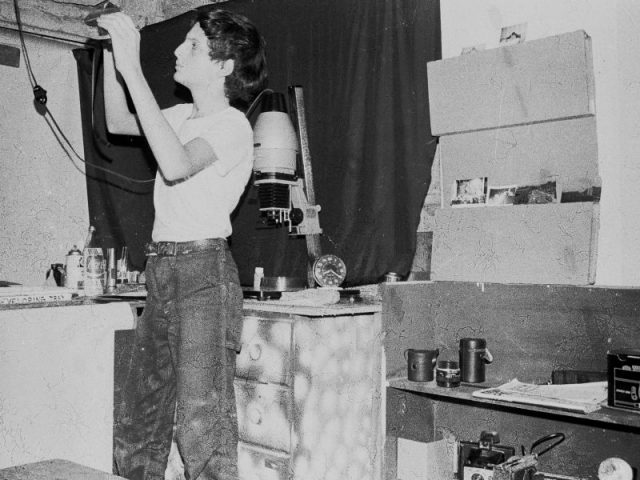
Catalano developed his photographs in a darkroom he built in his own basement. That setup — a teenager processing film by hand in a Brooklyn rowhouse — is where this entire archive began.

These are amazing! What a wonderful slice of life.
Very atmospheric
Even without a flash you could take beautiful black and white photos back then with a decent camera.
There are plenty of options for printing and processing film photography. The majority of decent-sized cities have photo labs, and most of them accept film by mail for processing and printing if you don’t live close by. Even the most advanced digital camera can’t match the resolution of a medium format film photograph. It’s also much cheaper. Even if you are an expert photographer, you can’t take decent film photos automatically, or use the “spray and pray” 300 exposures a minute method like you can with digital cameras. However, the results have a more artistic feel to them.
This was a truly brilliant set of photos. I was delighted.
I feel nostalgic for a place I’ve never visited. Great stuff…evocative and personal.