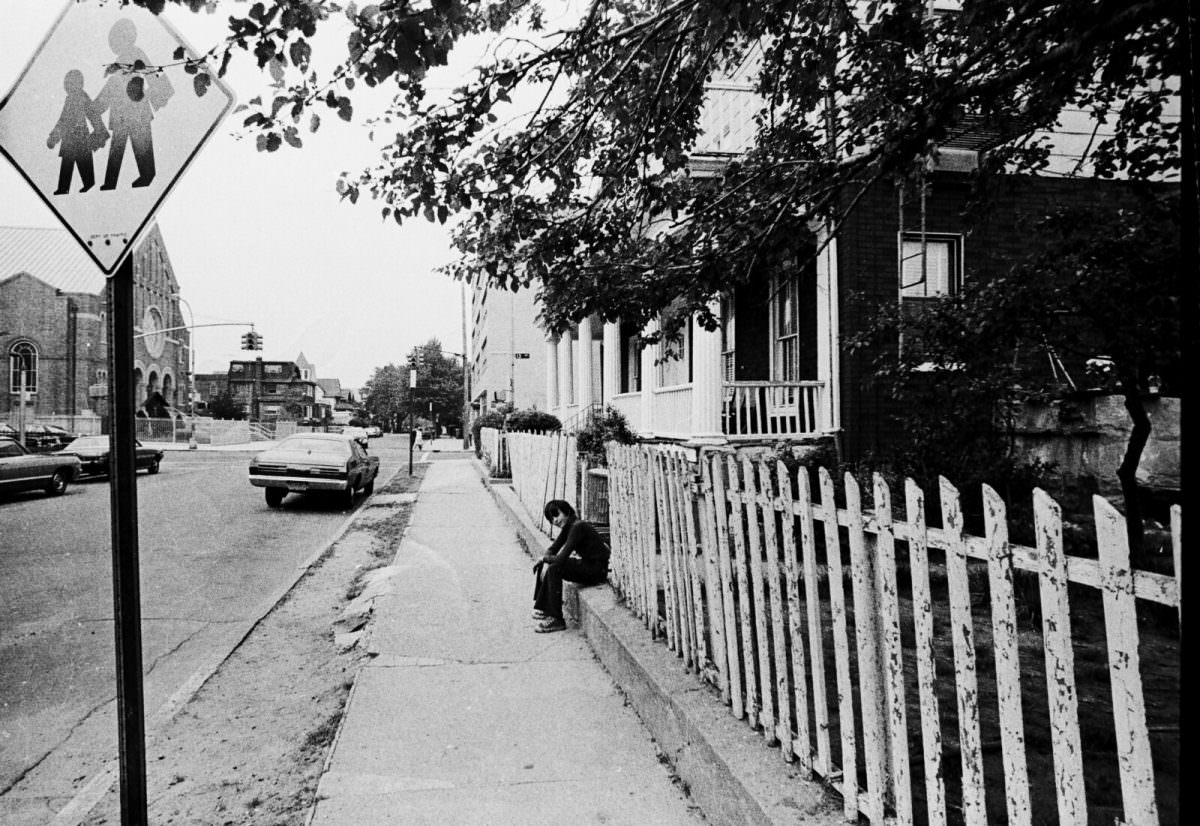
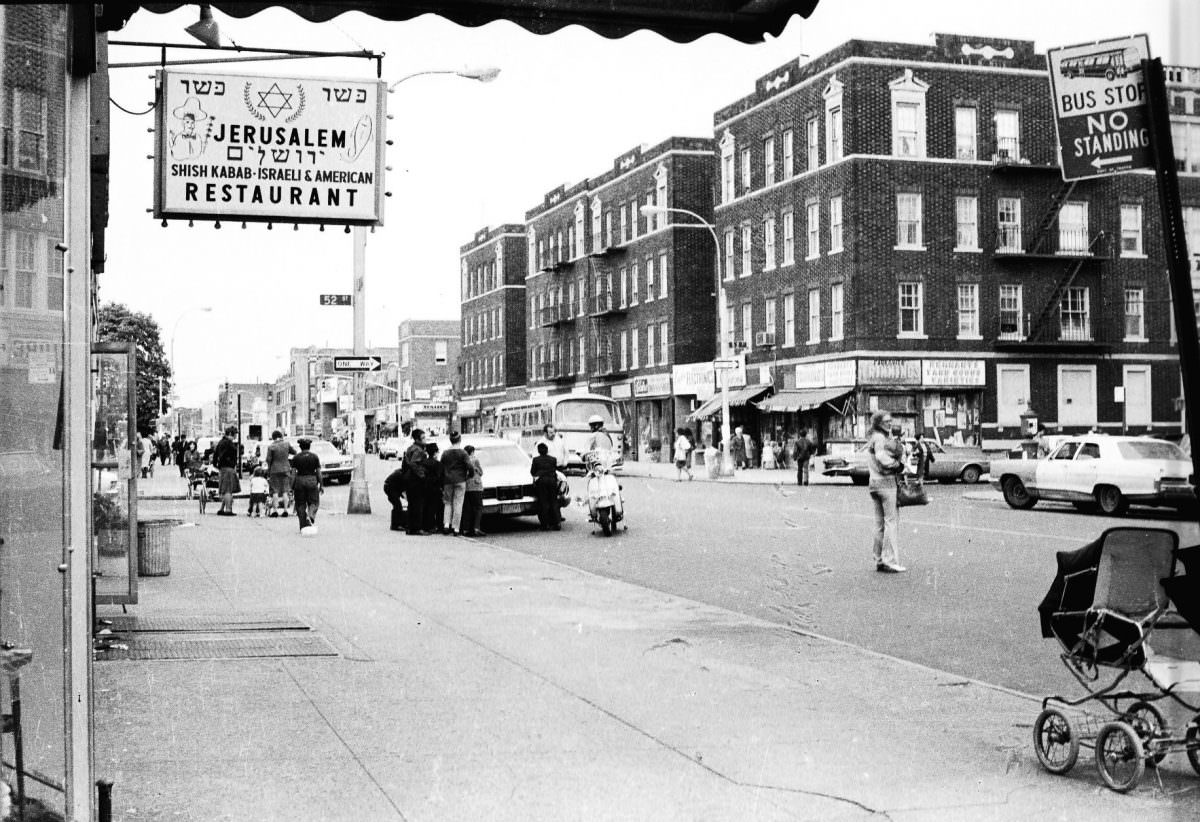
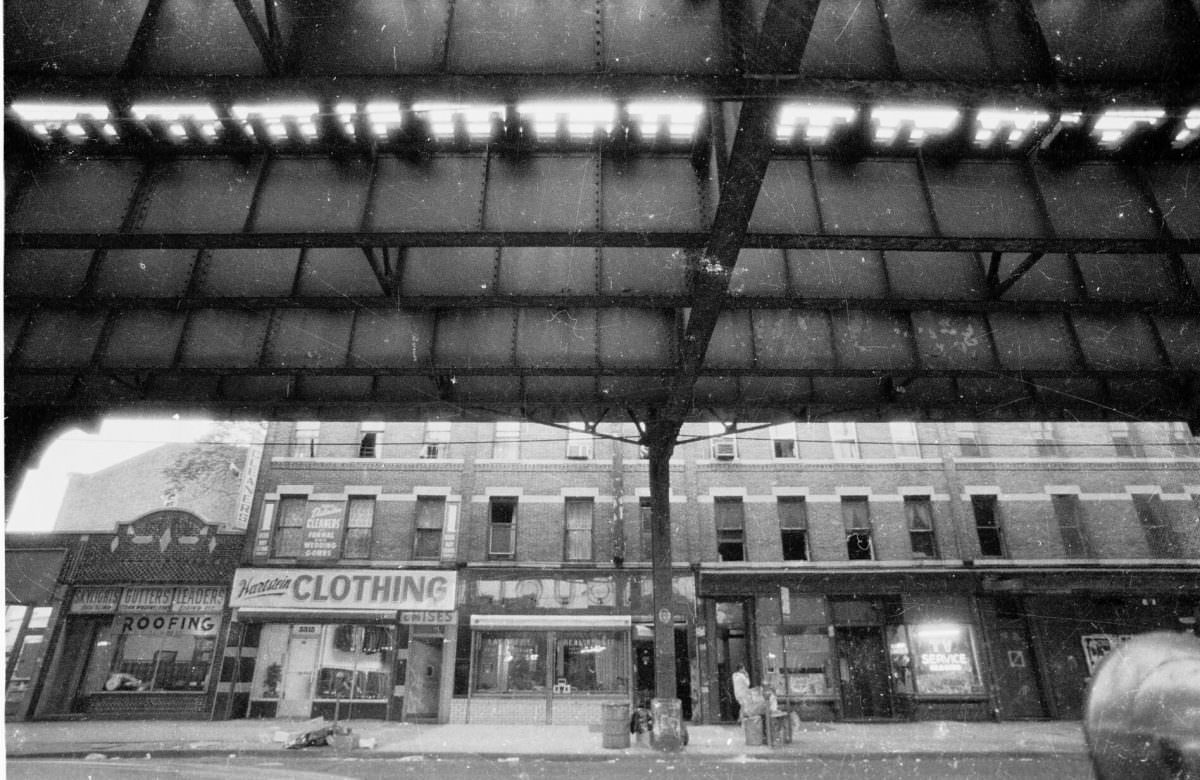
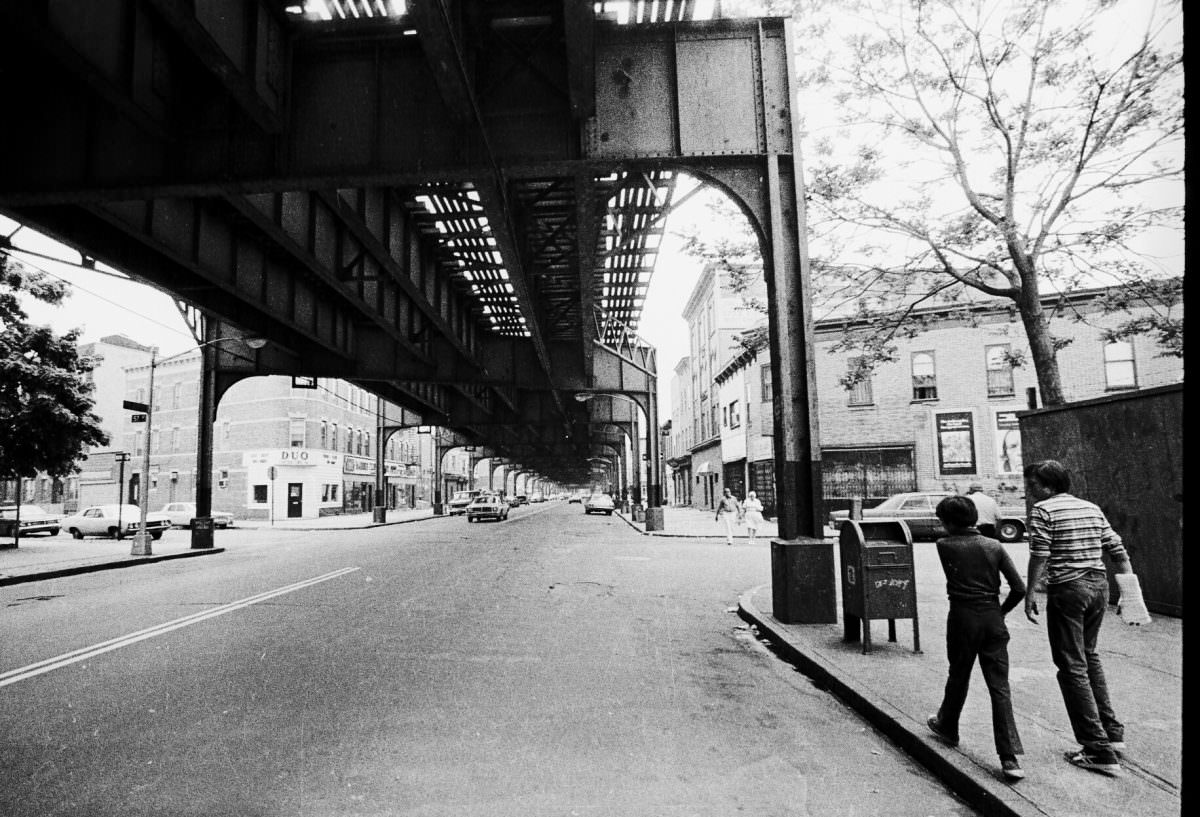
In the mid-1970s, Brooklyn was loud, layered, and alive. Teenagers played stickball in the streets, elevated trains rattled overhead, and corner shops buzzed with daily life. Anthony Catalano, a teenager living in Boro Park, pointed his camera at all of it.
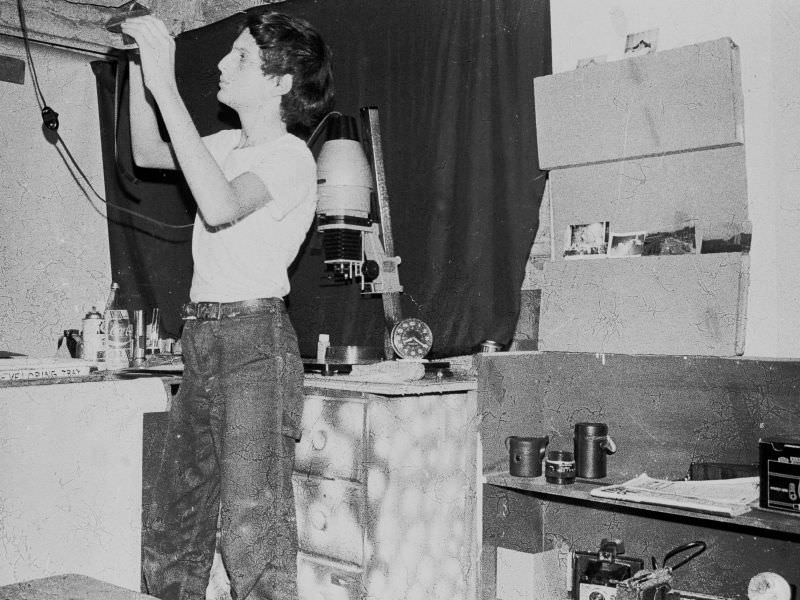
Catalano developed his photographs in a darkroom he built himself in Boro Park. His images were not staged or polished — they were pulled straight from real moments in his neighborhood and school. Thanks to his surviving brother, John Catalano, the photos have been preserved.
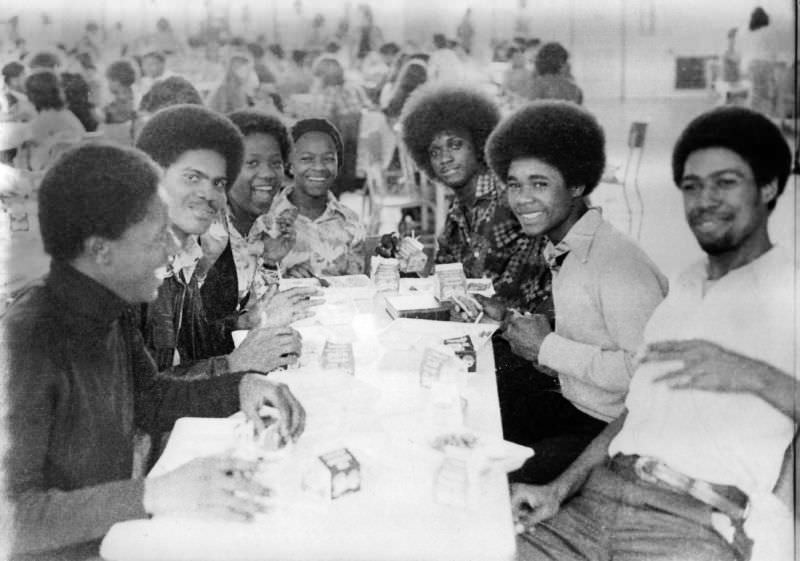
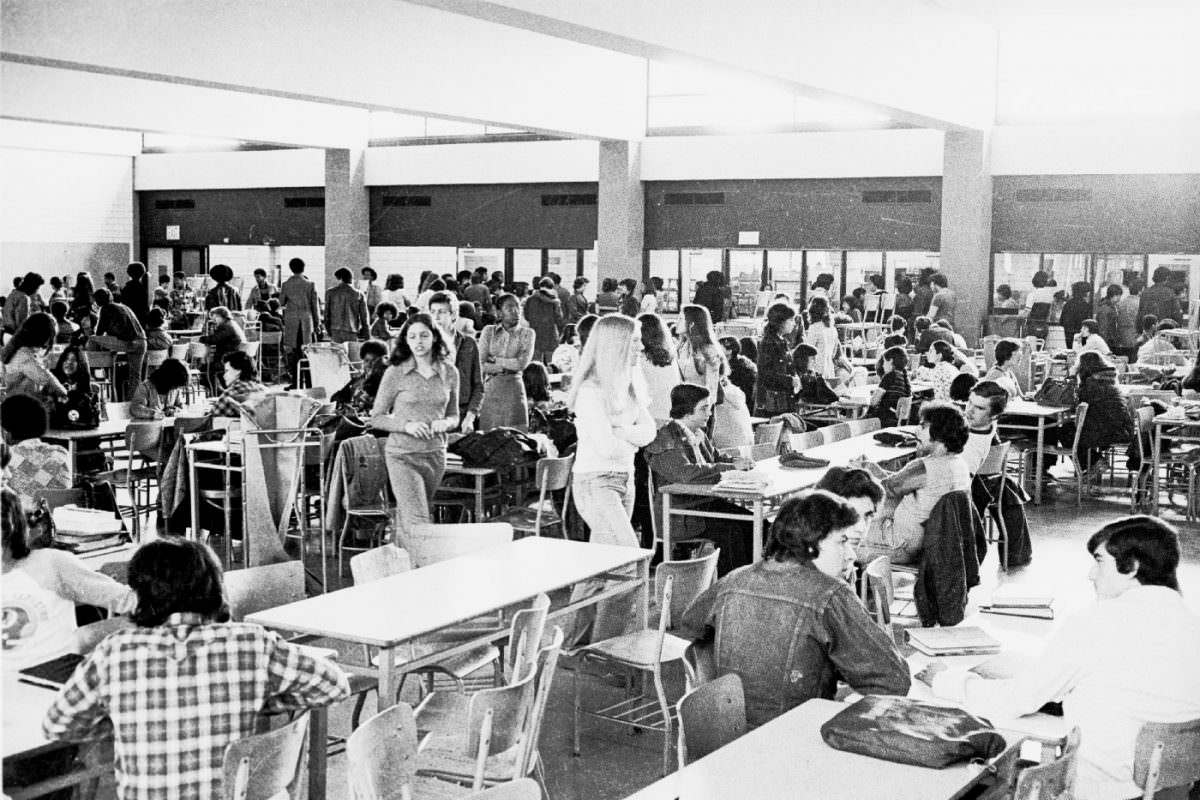
FDR High School in Bensonhurst shows up repeatedly in his work. He photographed the lunchroom, the cafeteria, and the graphic arts class — the ordinary spaces where teenage life actually happened.
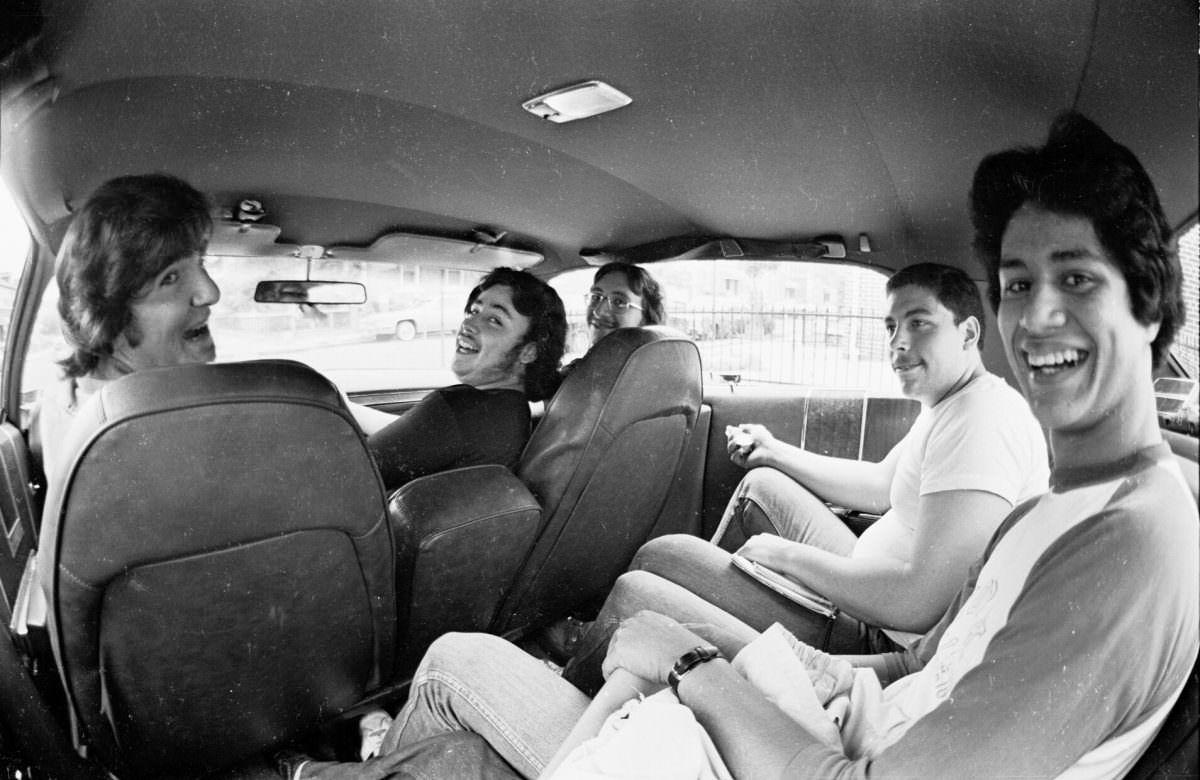
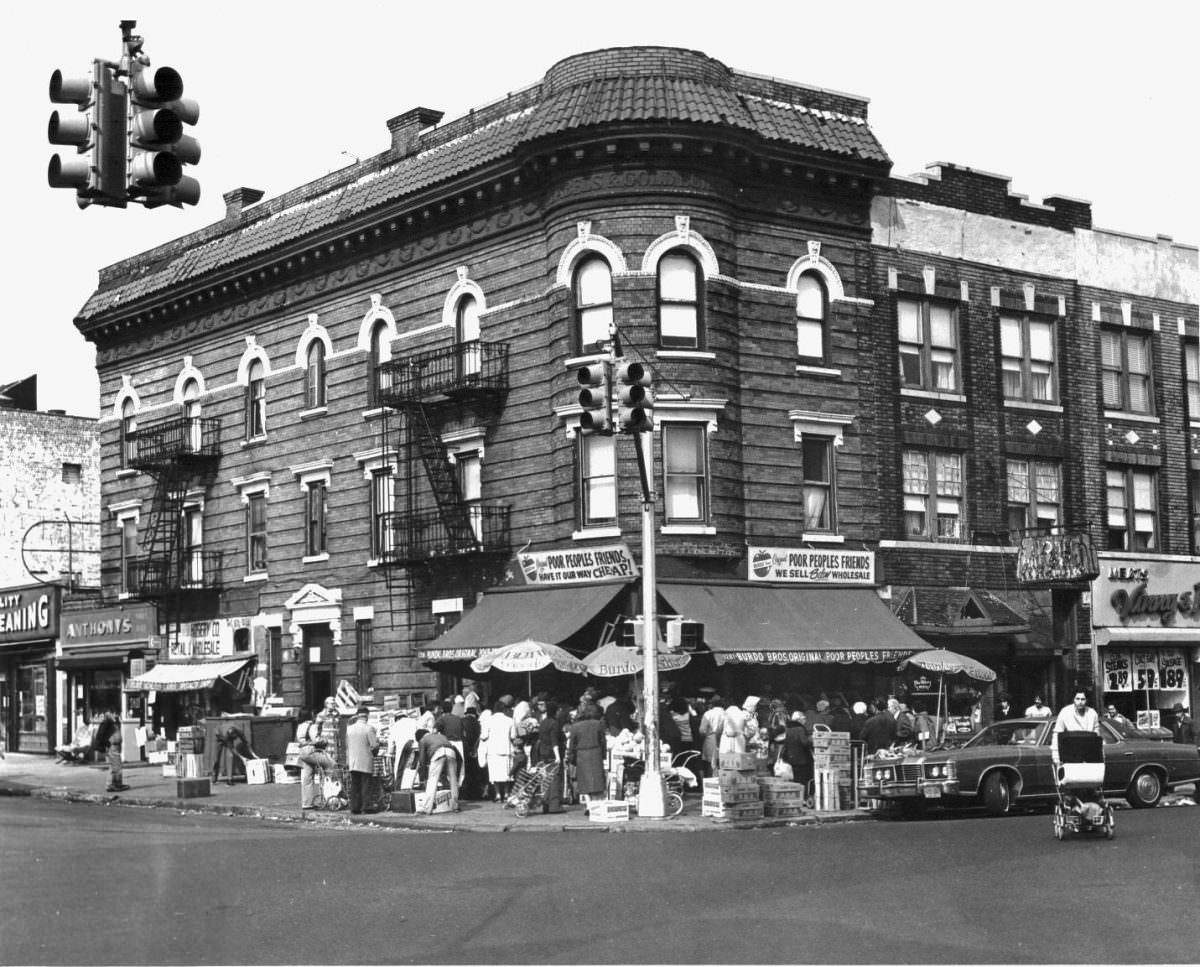
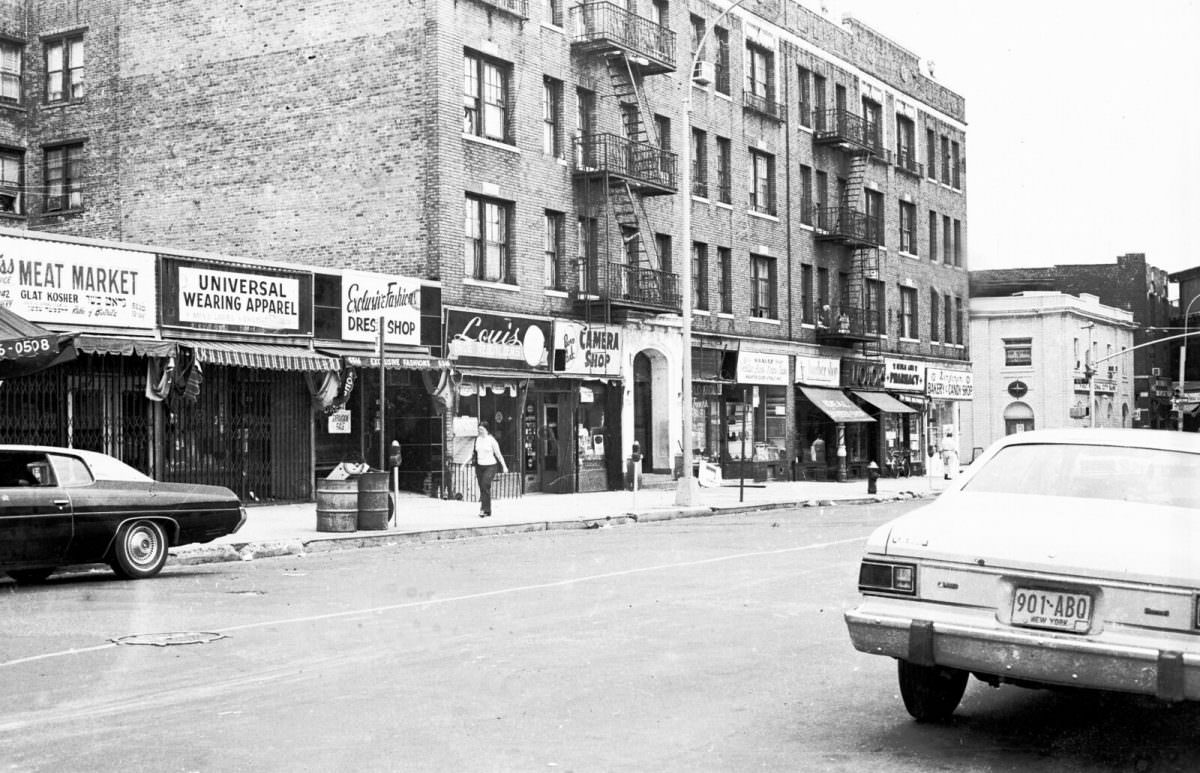
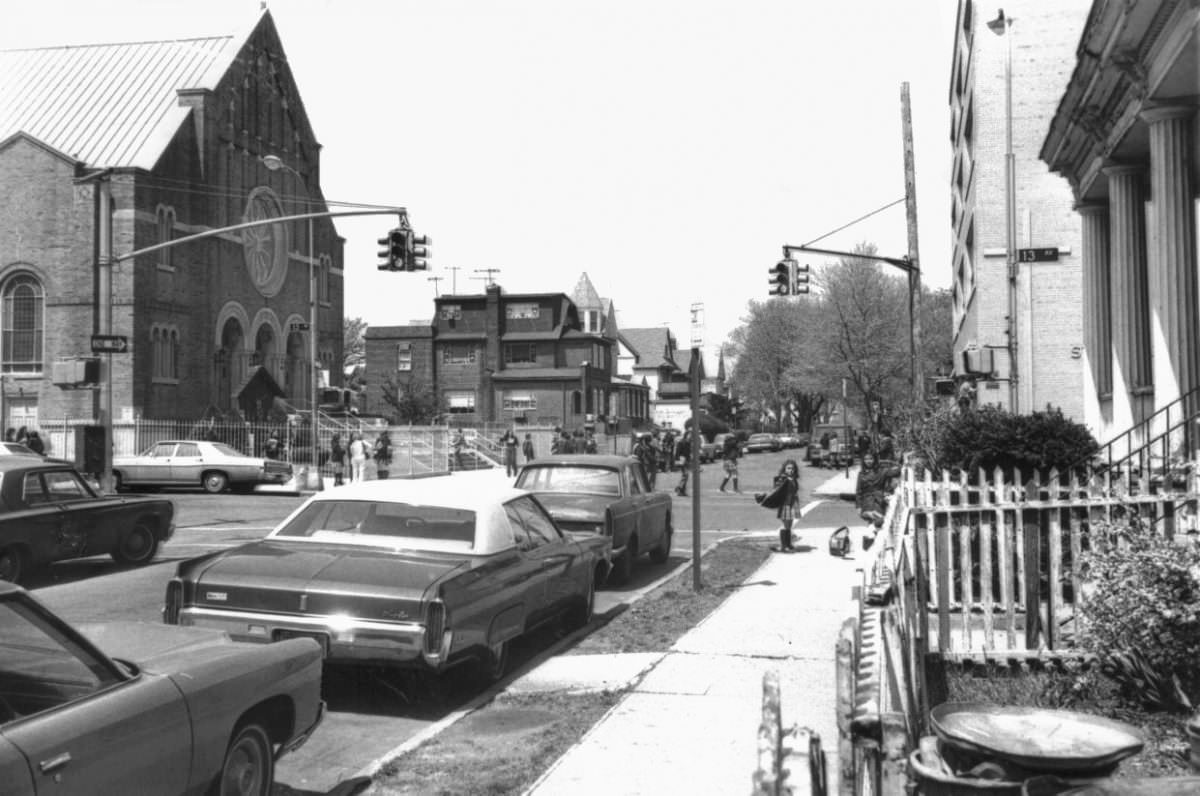
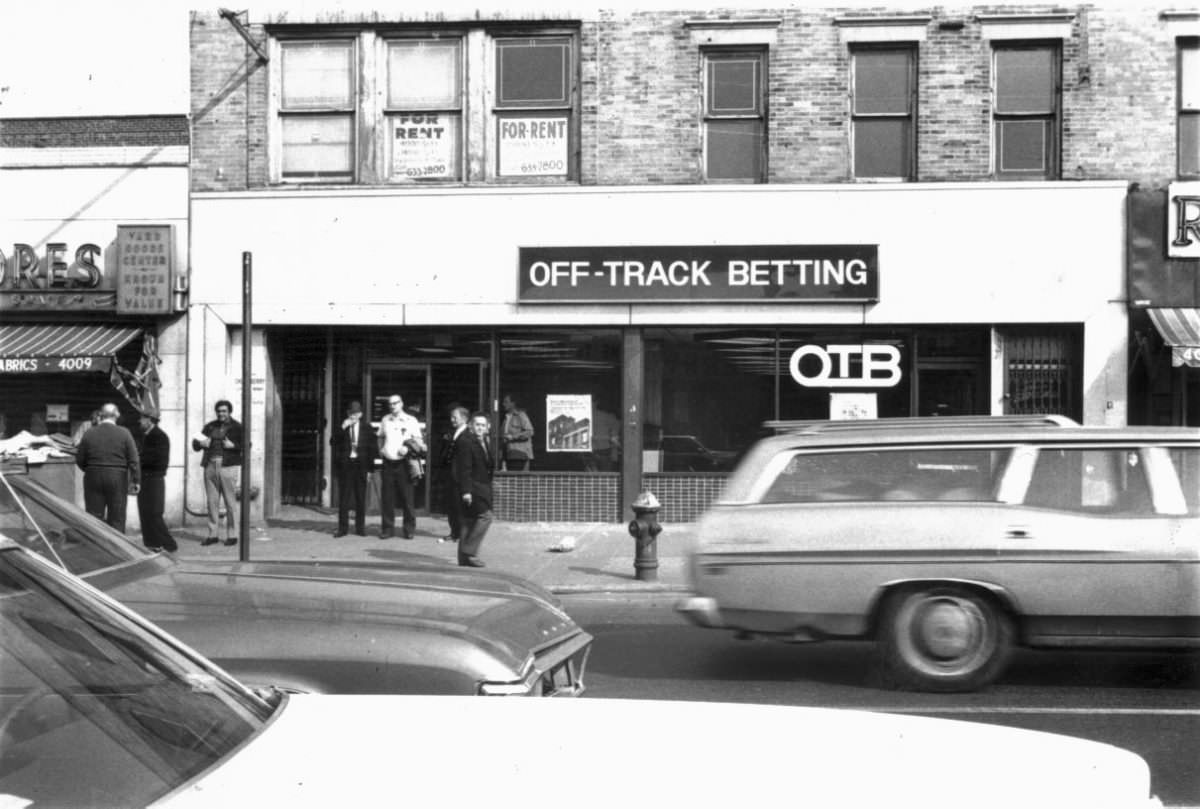
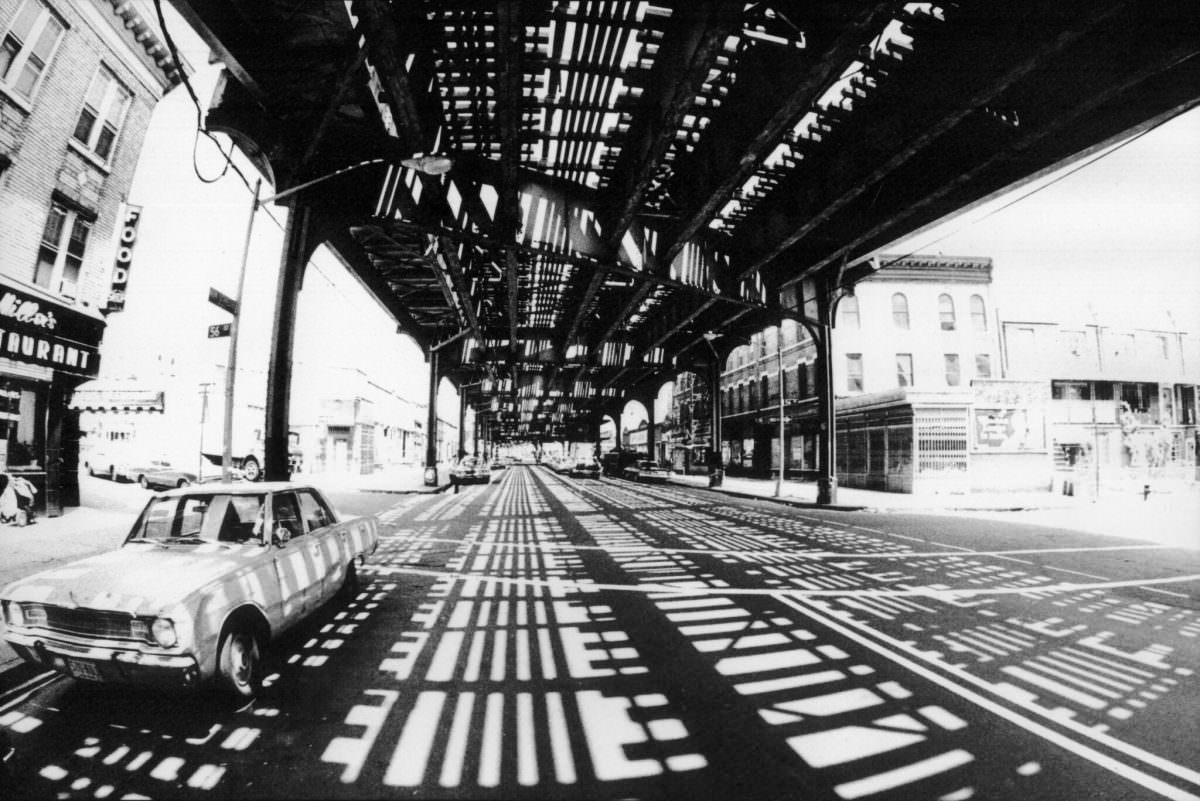
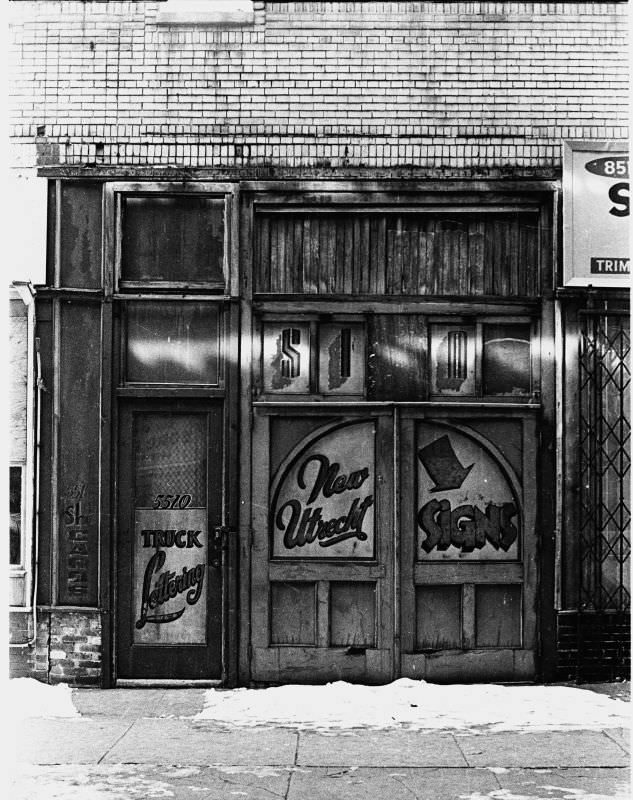
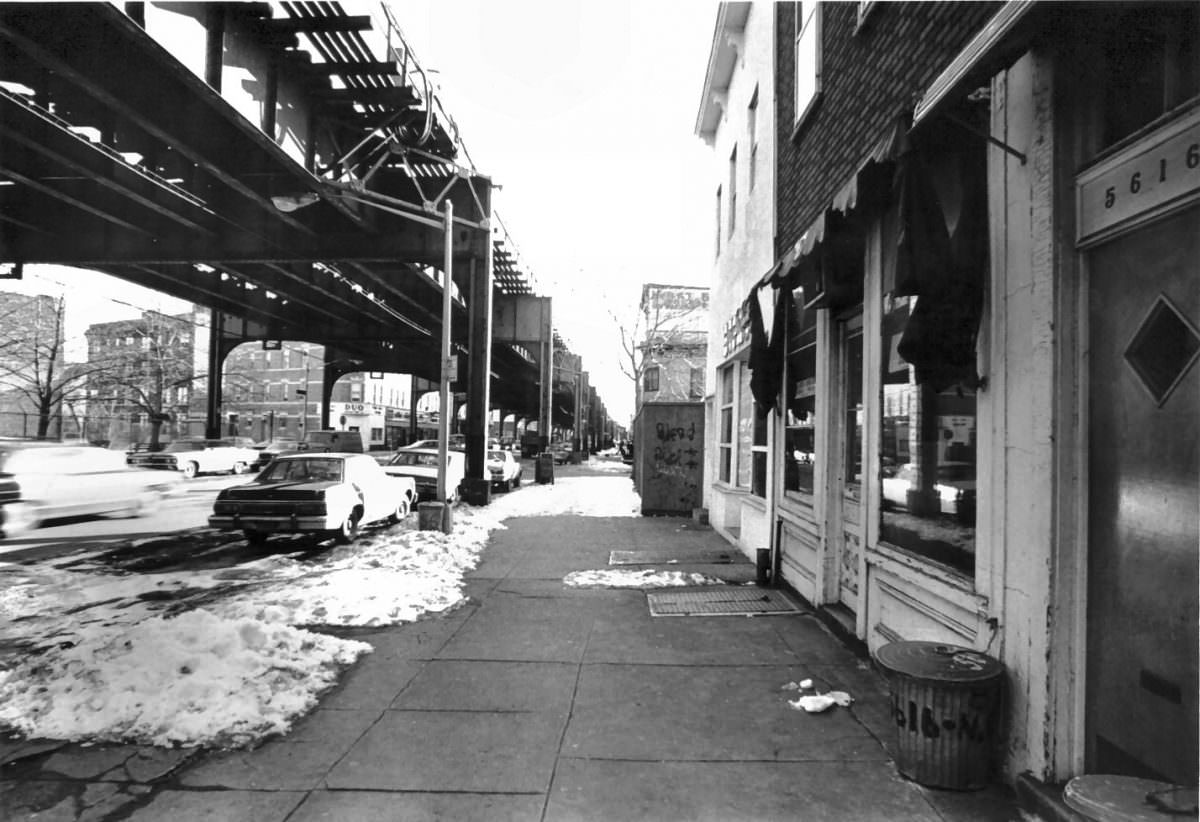
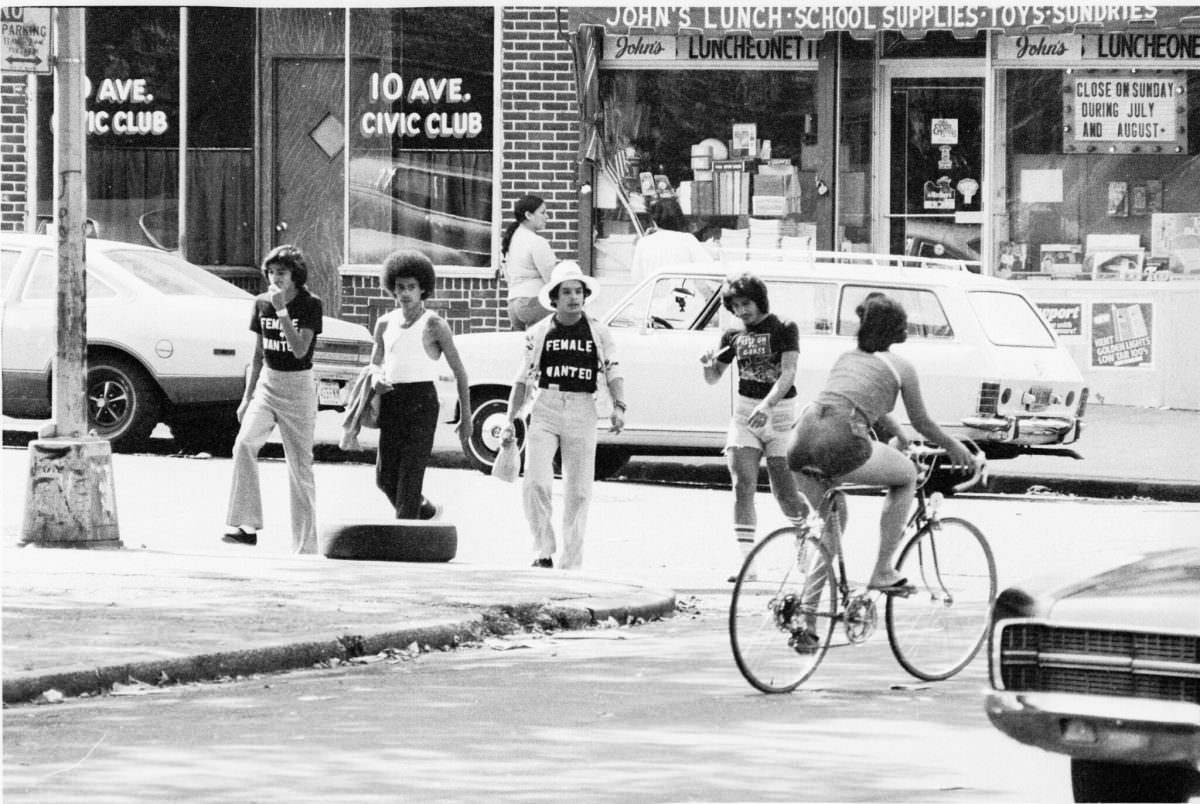
Outside of school, Boro Park’s streets were his studio. The intersection of 13th Avenue and New Utrecht Avenue appears in multiple shots, showing storefronts, pedestrians, and the rhythm of a working neighborhood.
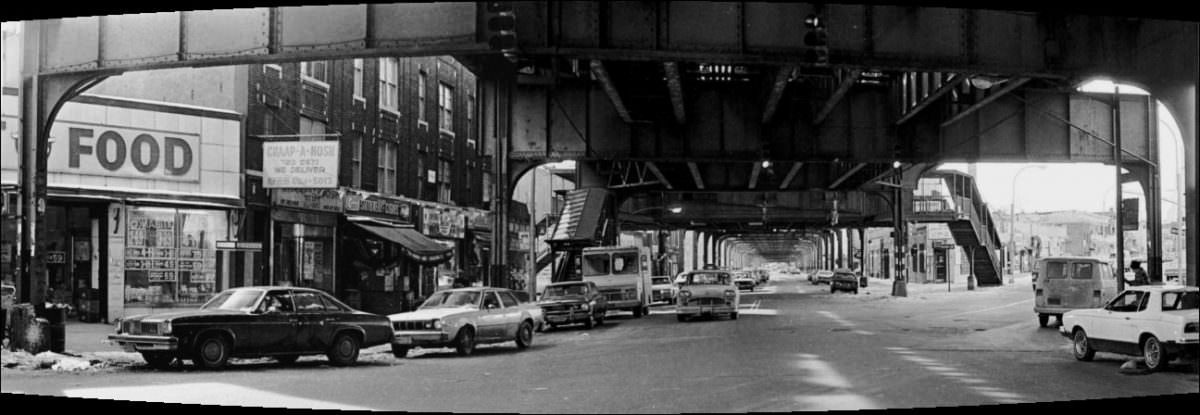
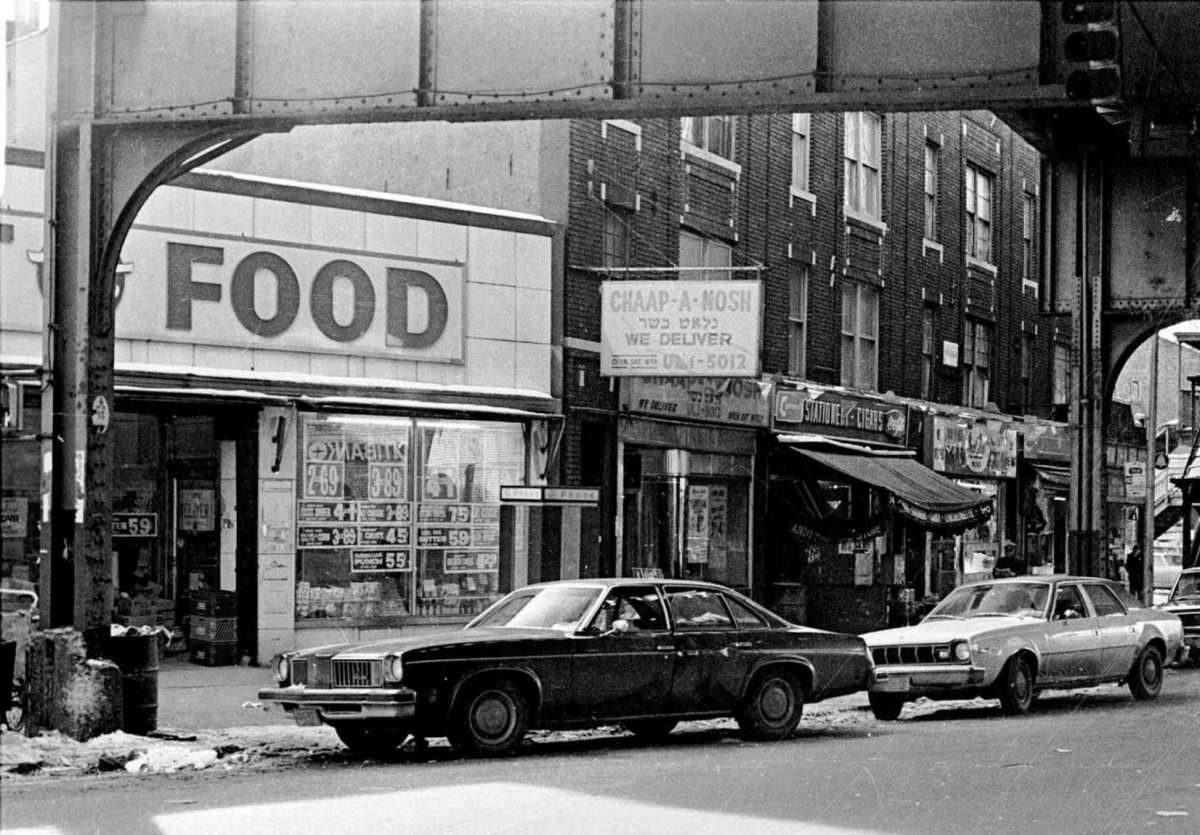
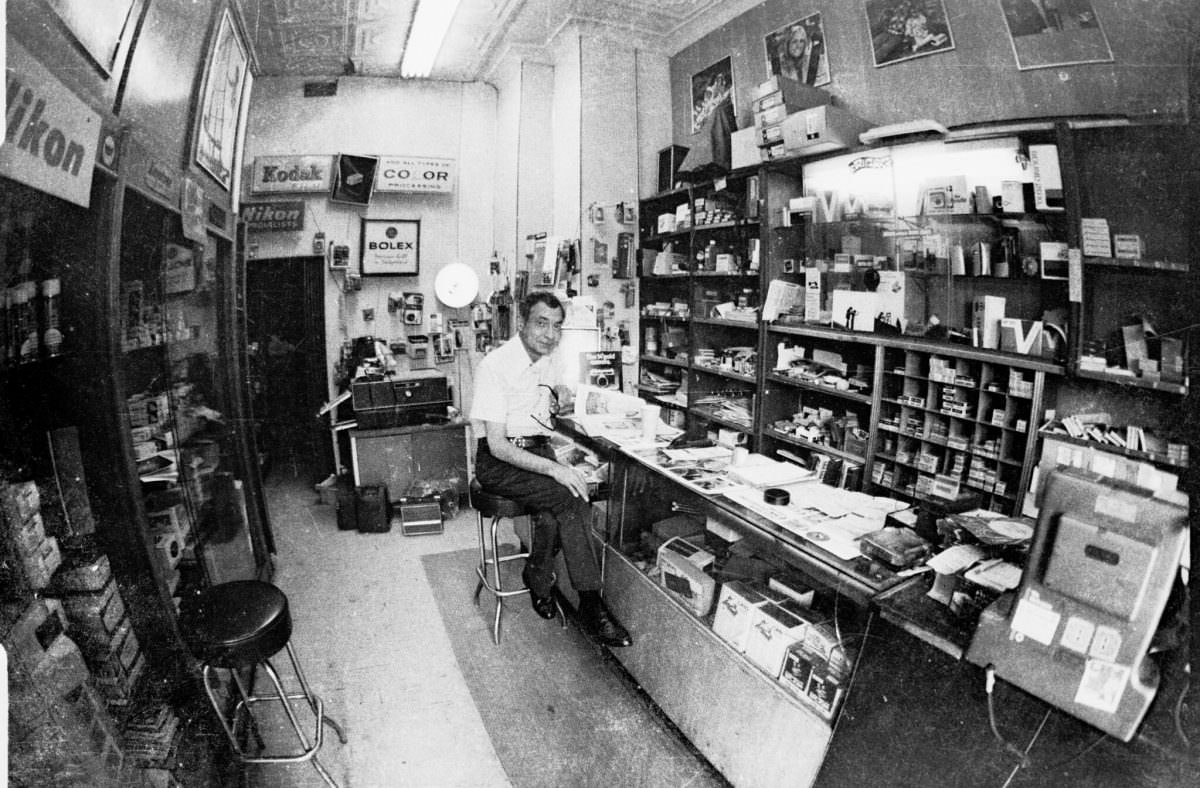
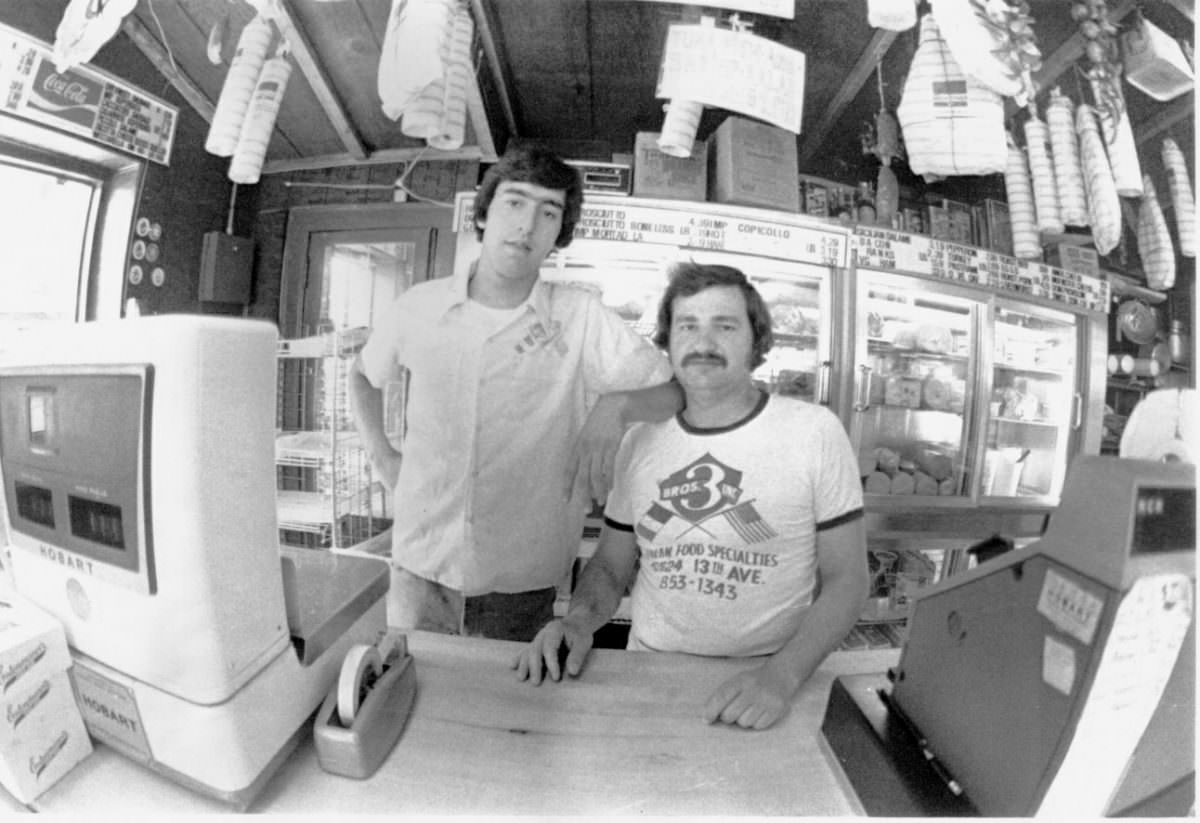
Local businesses anchored the community. Catalano photographed Paulie’s camera shop on 13th Avenue, a sign shop on New Utrecht Avenue, and Two Brothers Grocery — real places where neighbors knew each other by name.
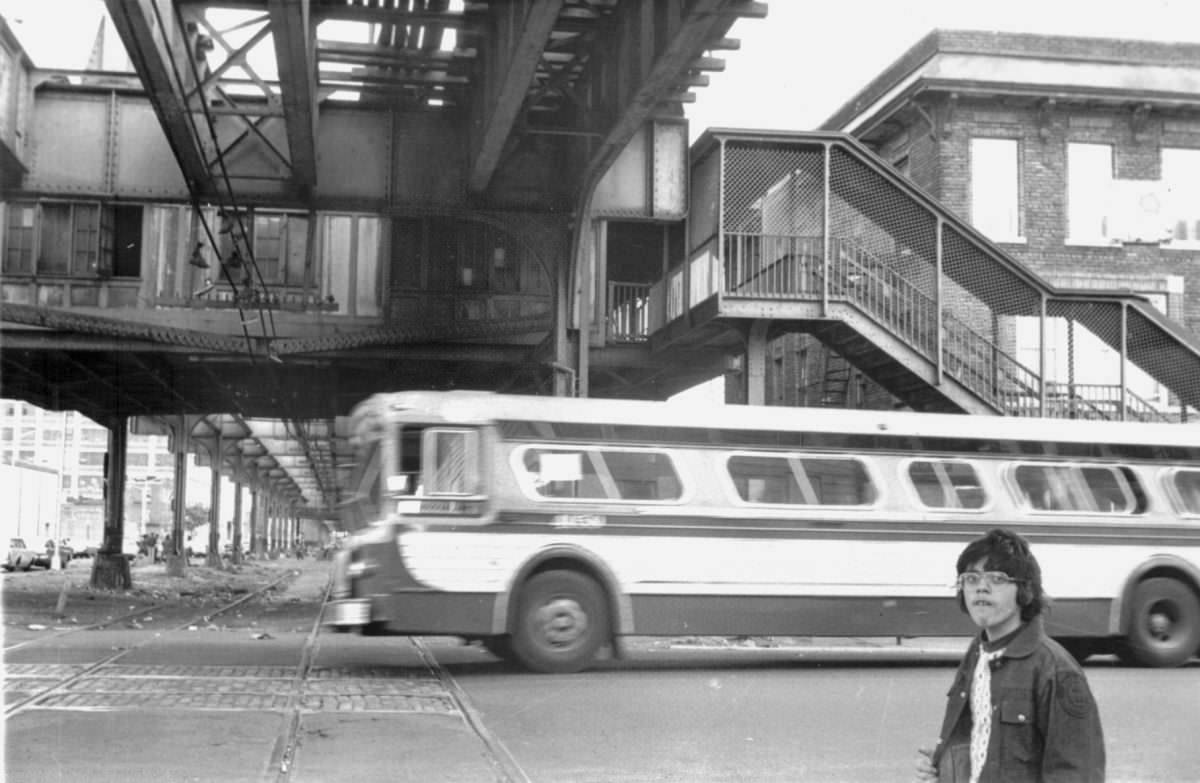
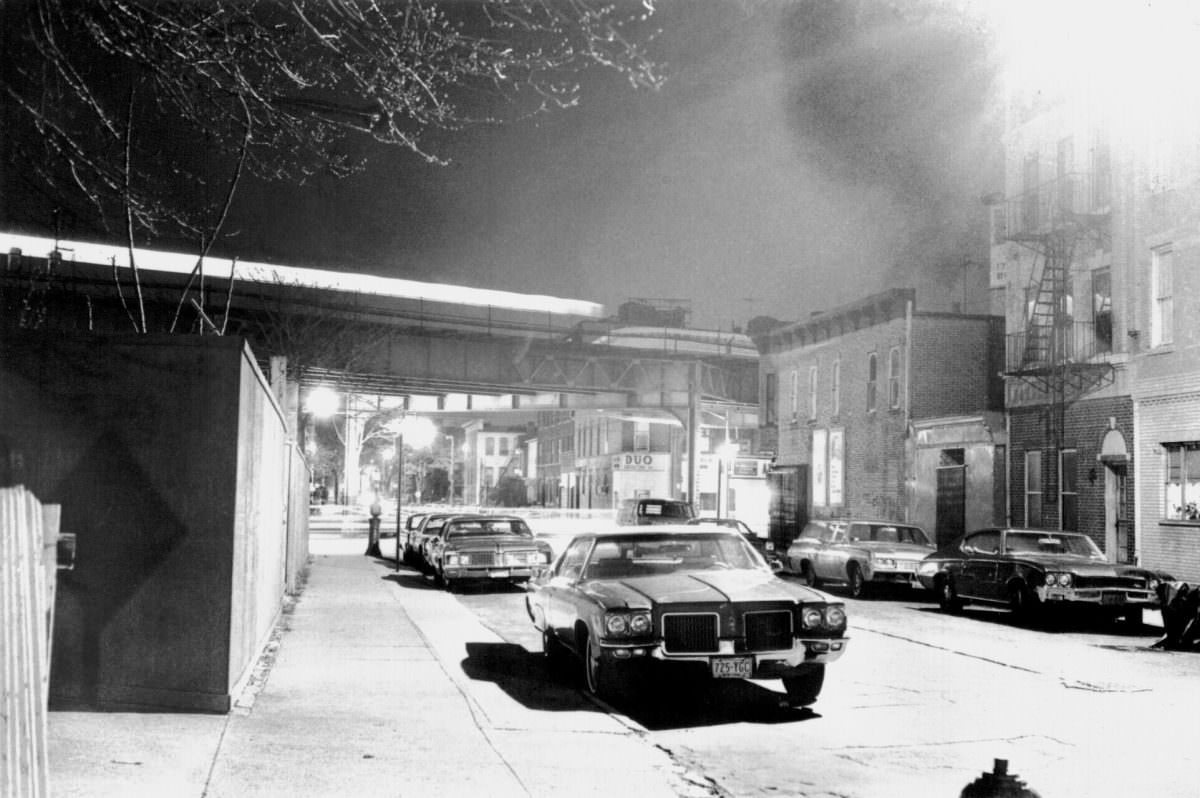
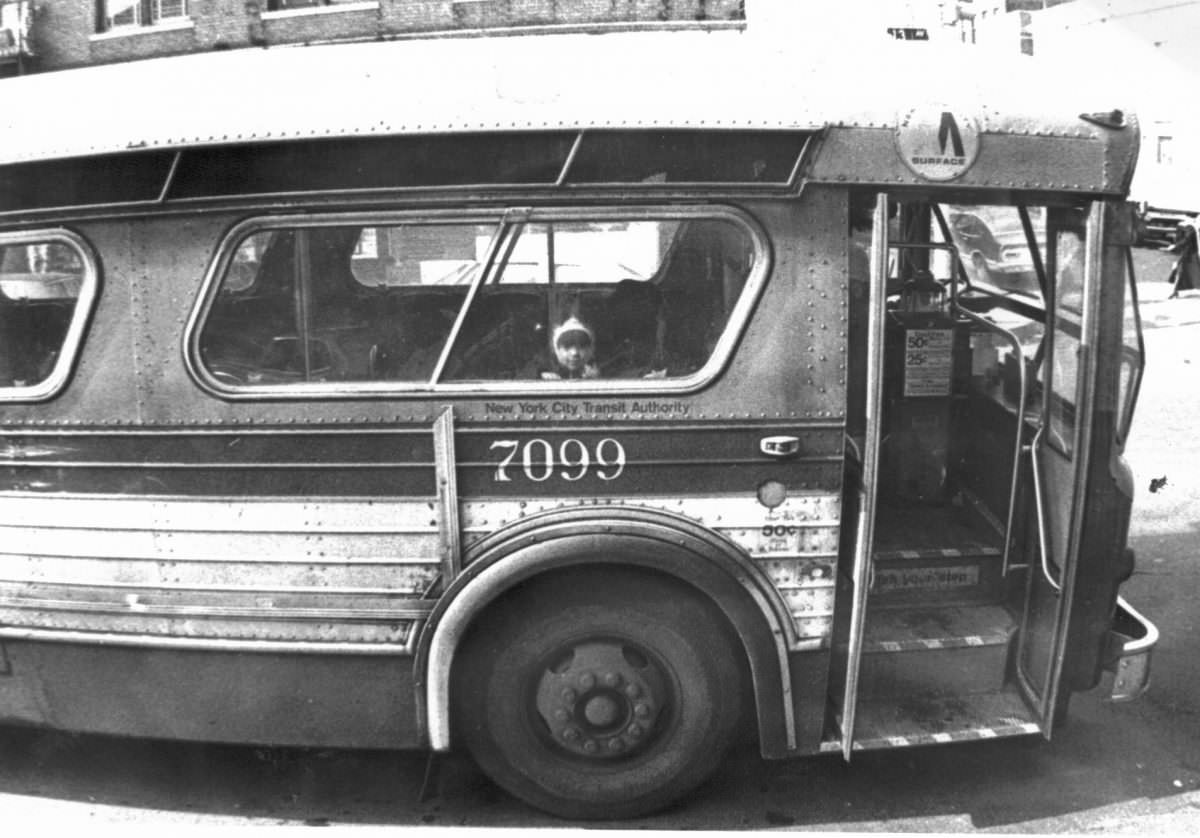
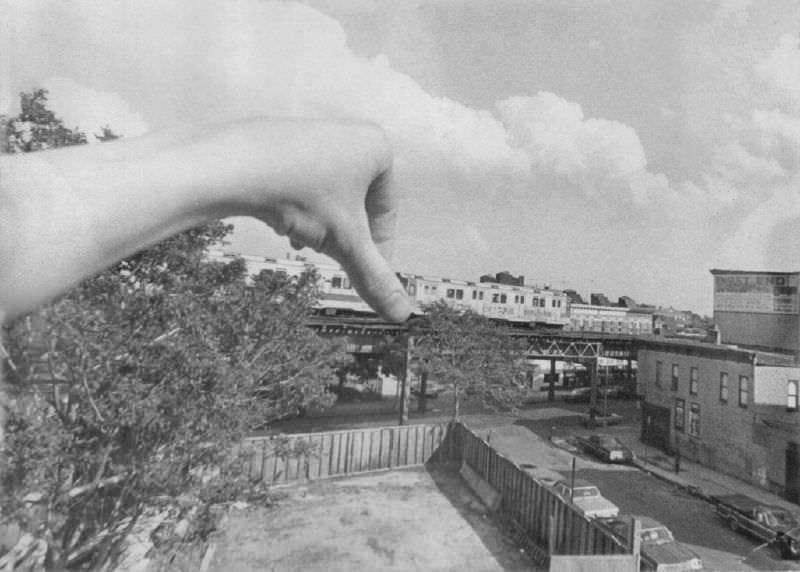
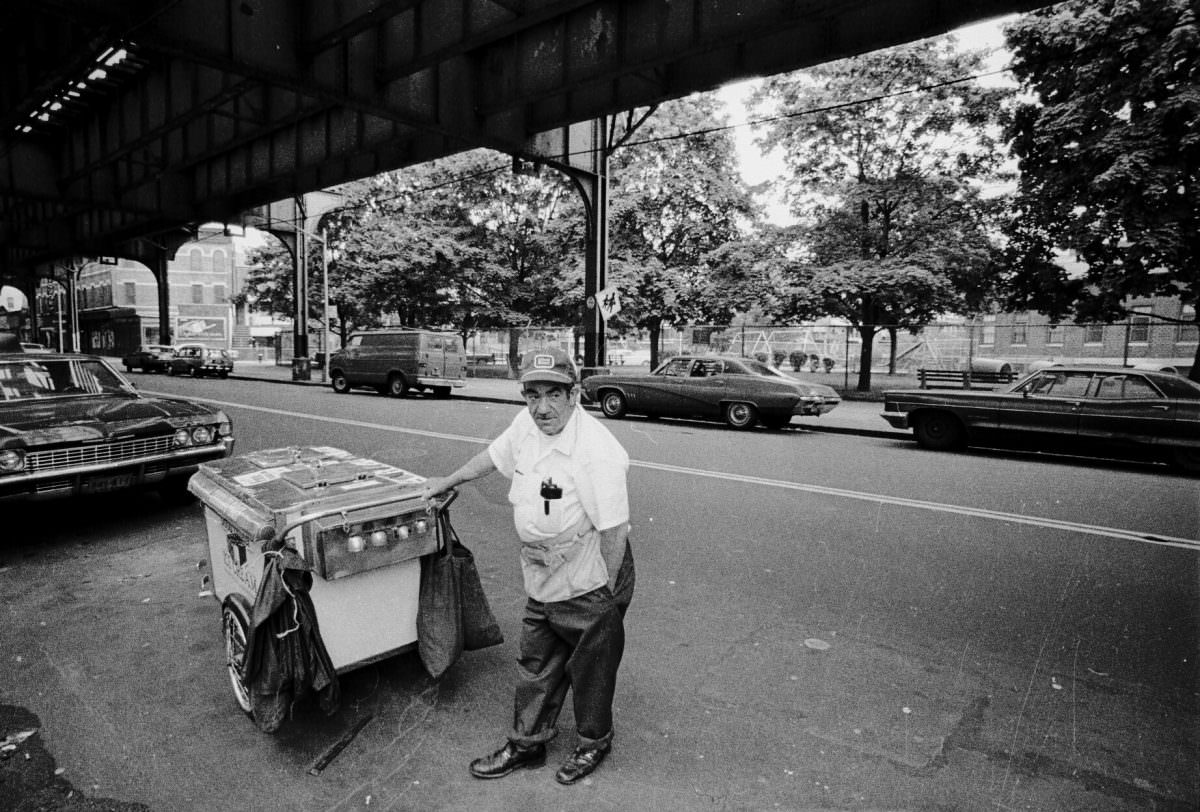
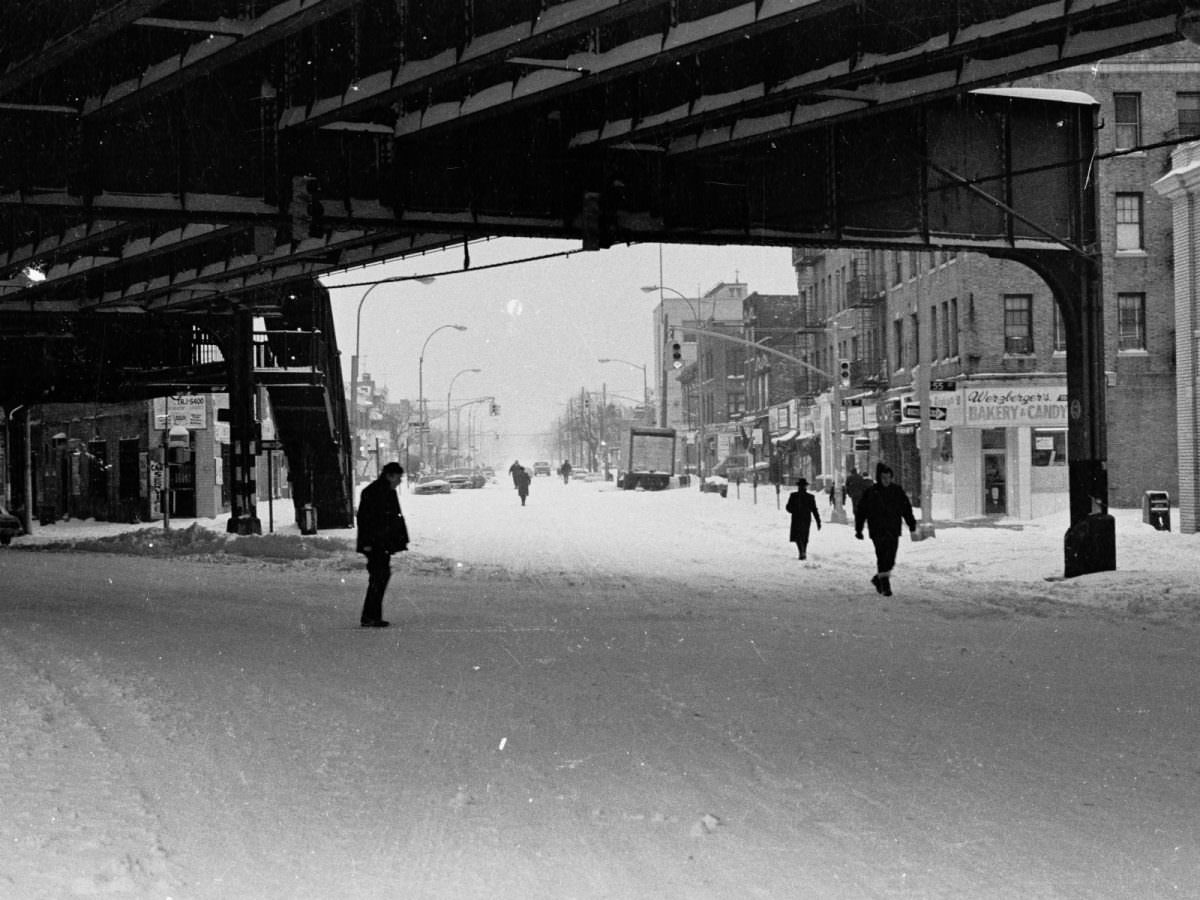
The elevated train lines were a constant presence in Brooklyn. Catalano photographed them from street level and from station platforms, capturing the BMT lines that defined the borough’s transit landscape.
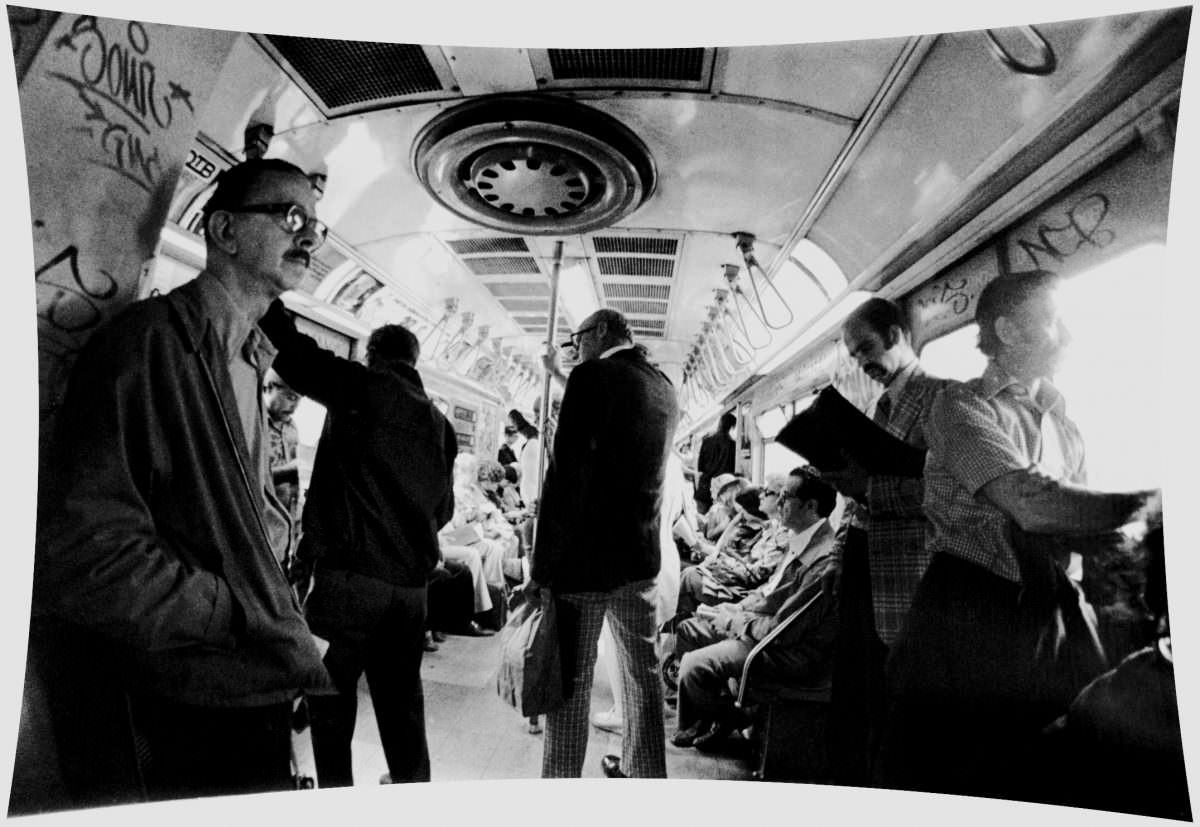
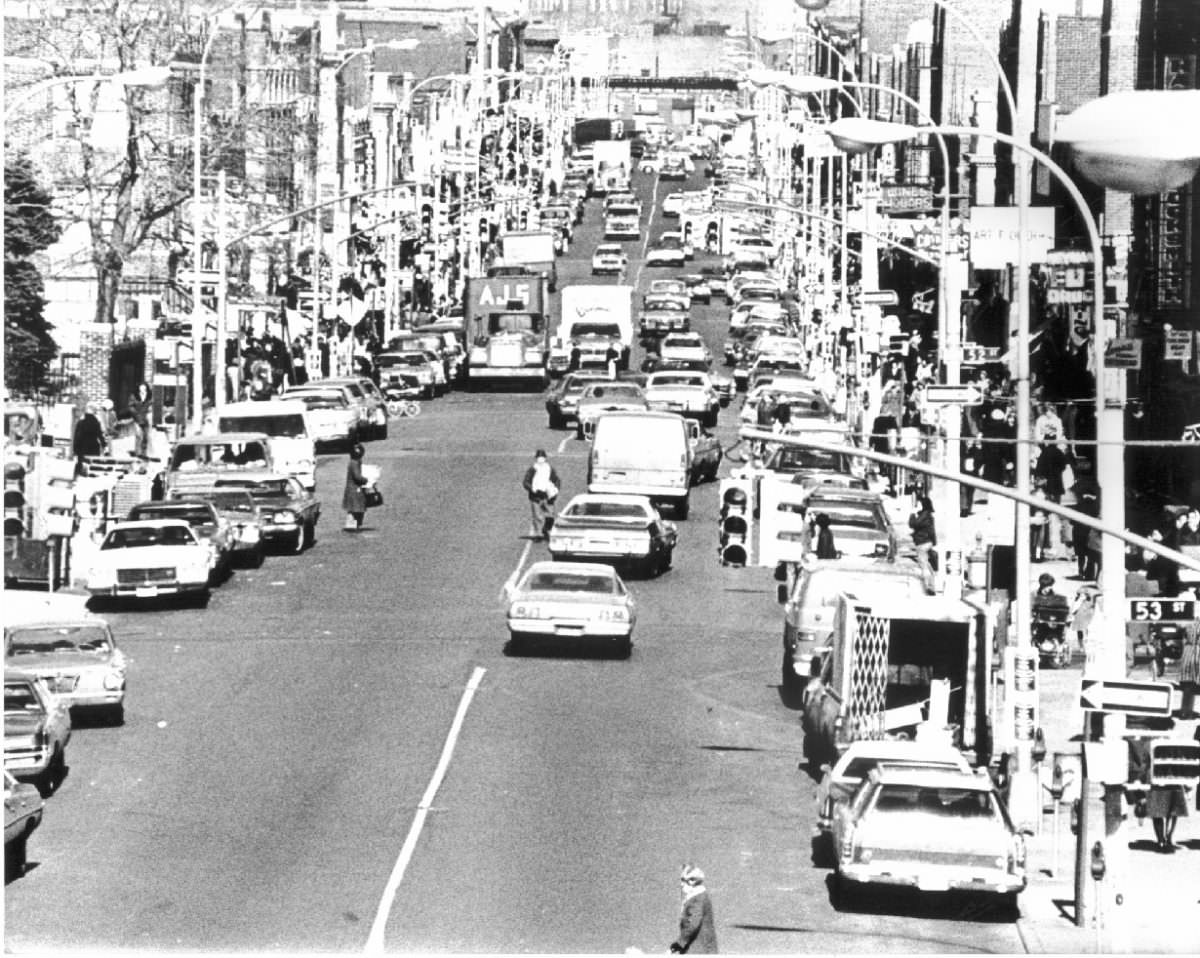
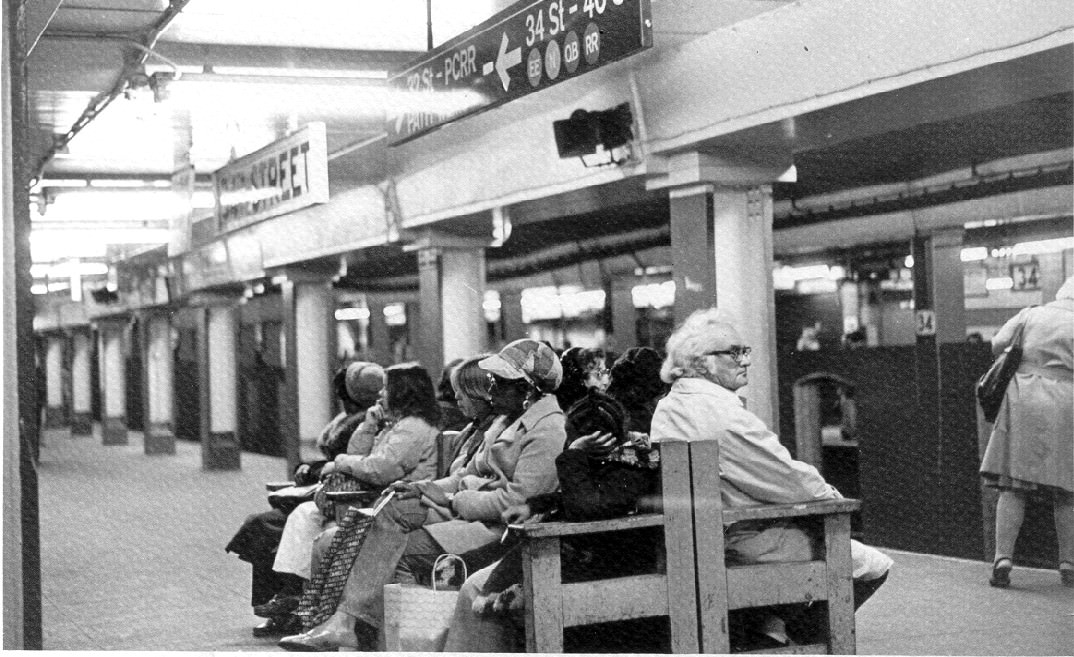
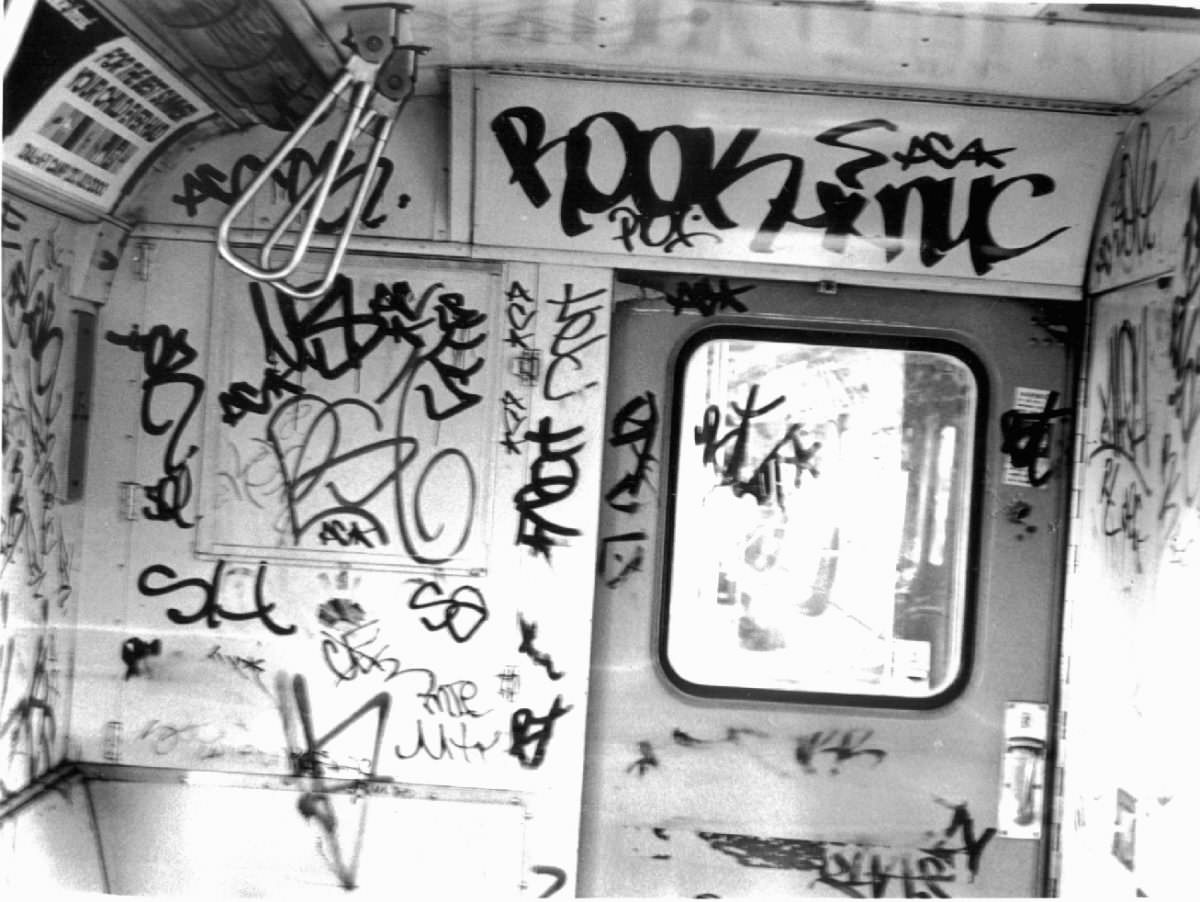
By the late 1970s, New York City’s subway cars were covered in graffiti from end to end. Catalano documented this too, shooting the tagged trains that became one of the era’s most recognized images.
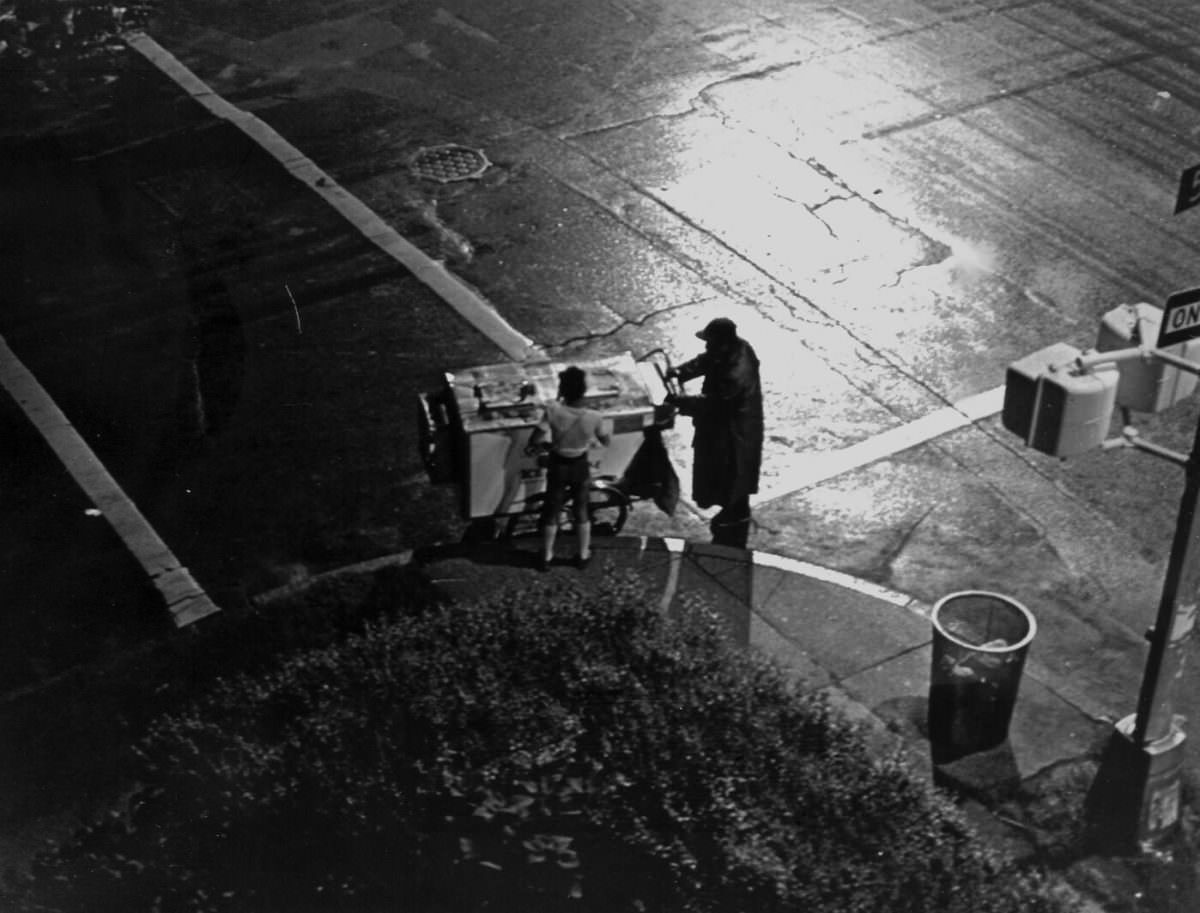
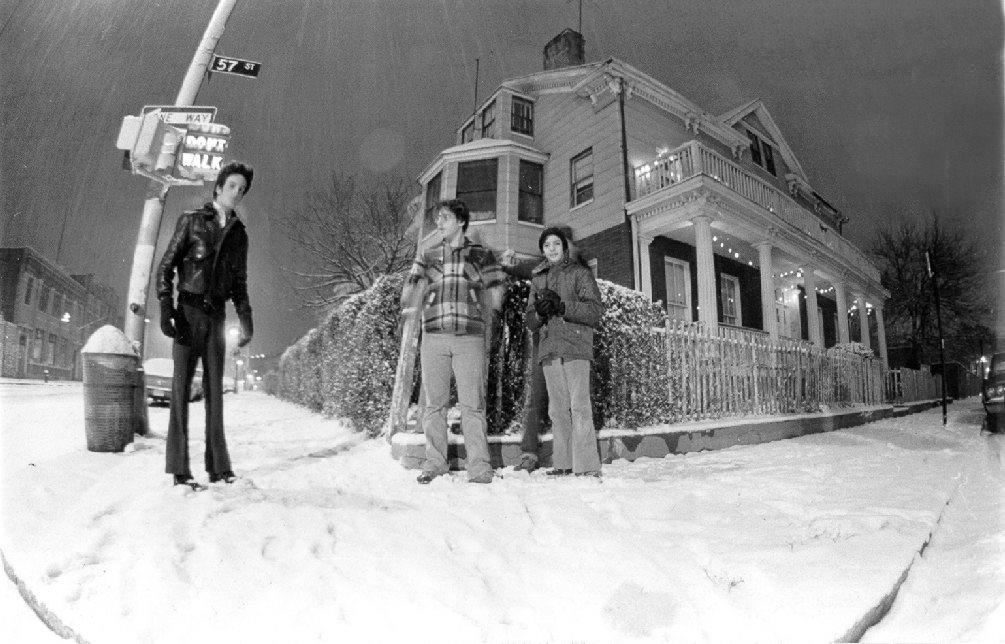
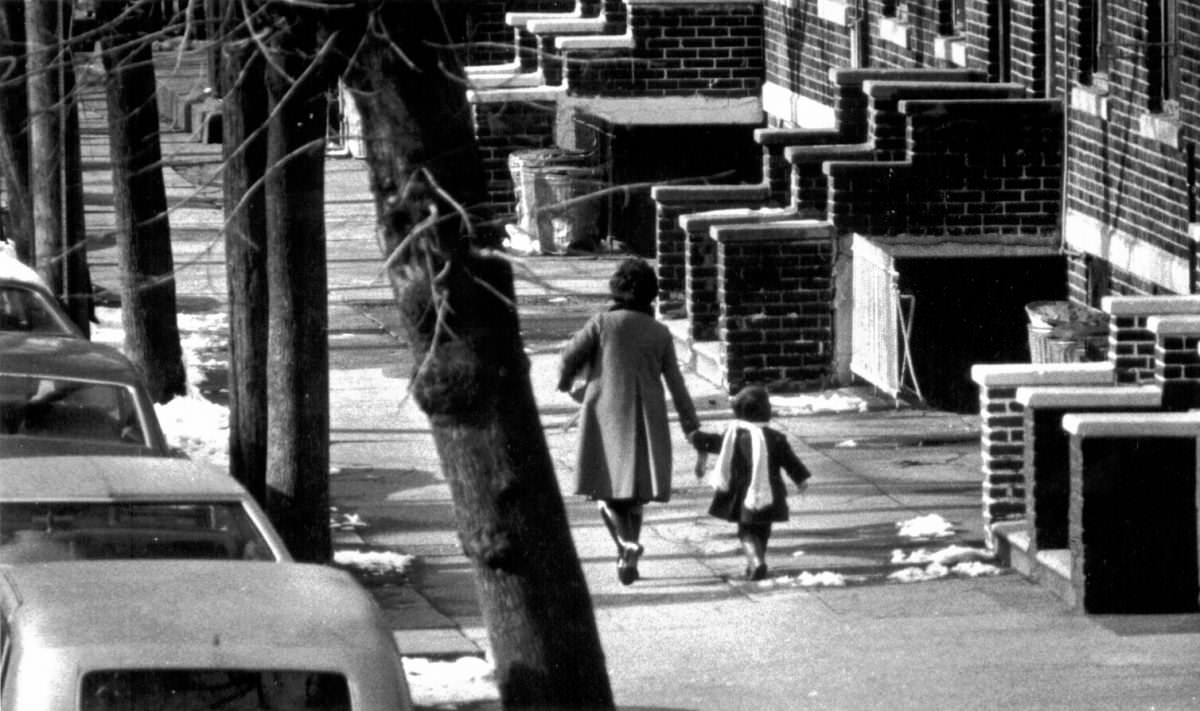
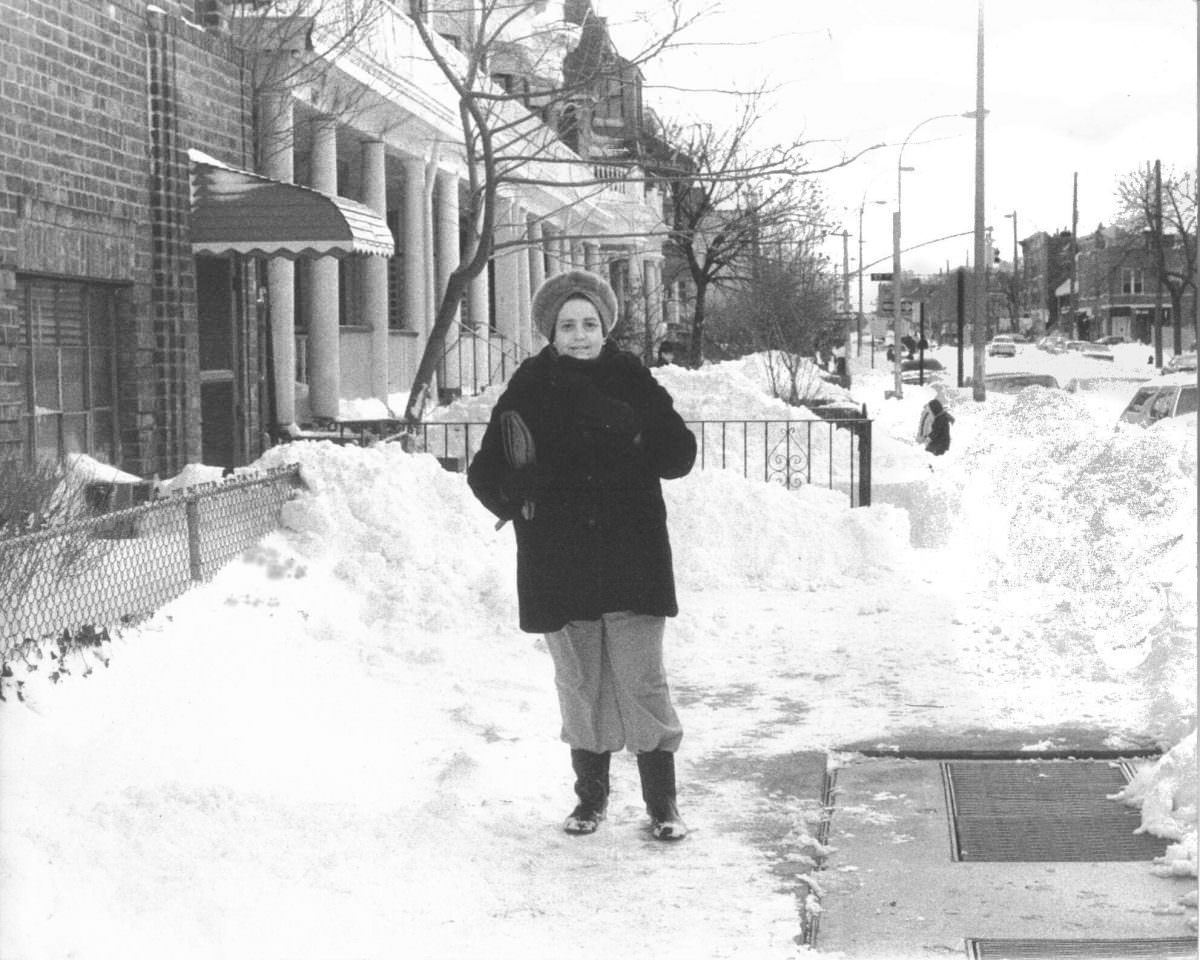
Street life in Boro Park had its own cast of characters. Walter and Bruno, two local ice cream men, appear in separate photographs. A family poses in front of their home. Women shop along 13th Avenue. A mother and daughter walk together down a Brooklyn street.
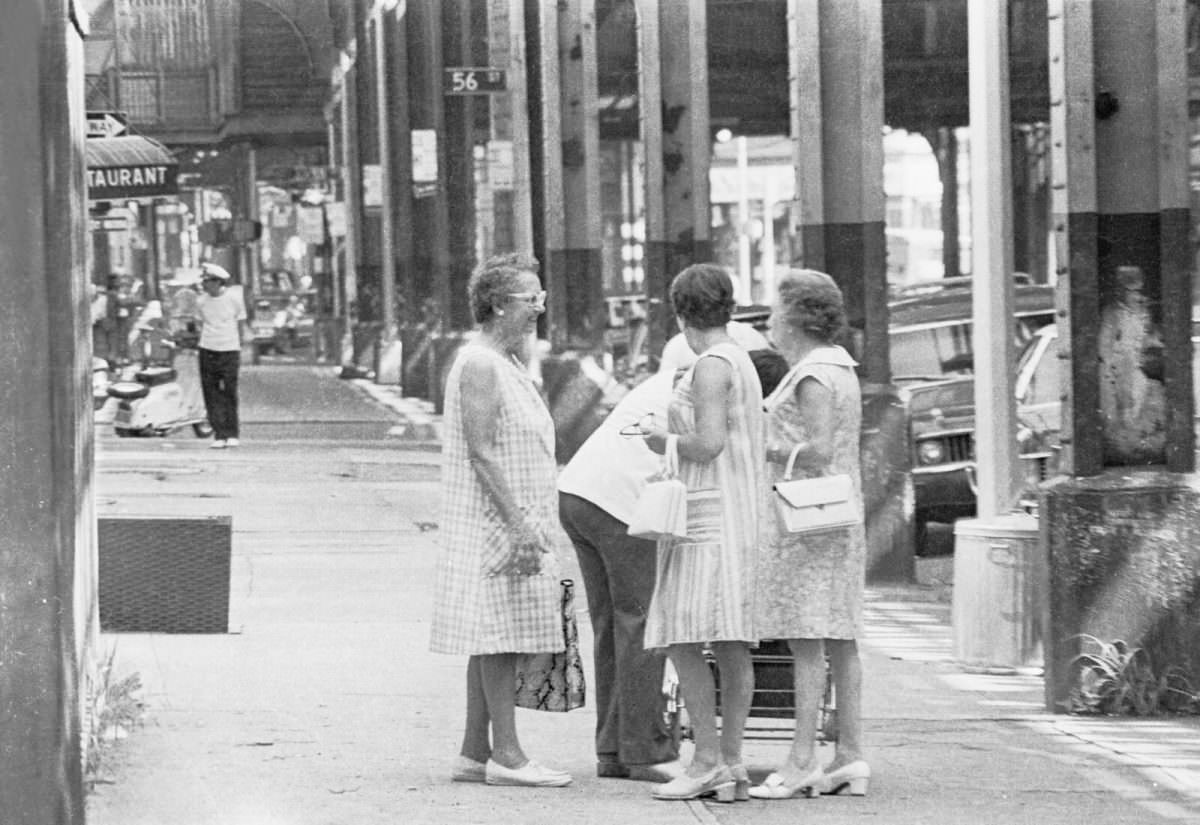
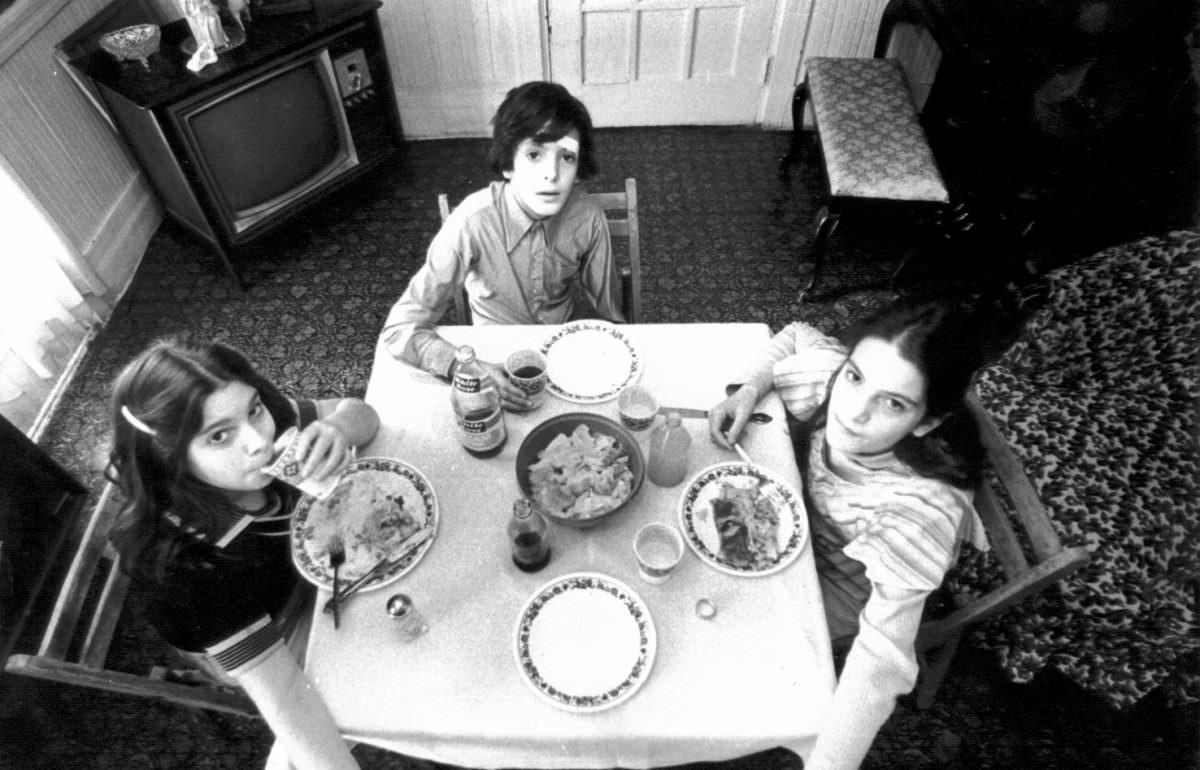
Gatherings were a regular part of Boro Park life. Catalano photographed block parties, Thanksgiving dinners, and groups of friends hanging out together. These were not special occasions — they were just Tuesdays and Saturdays in Brooklyn.
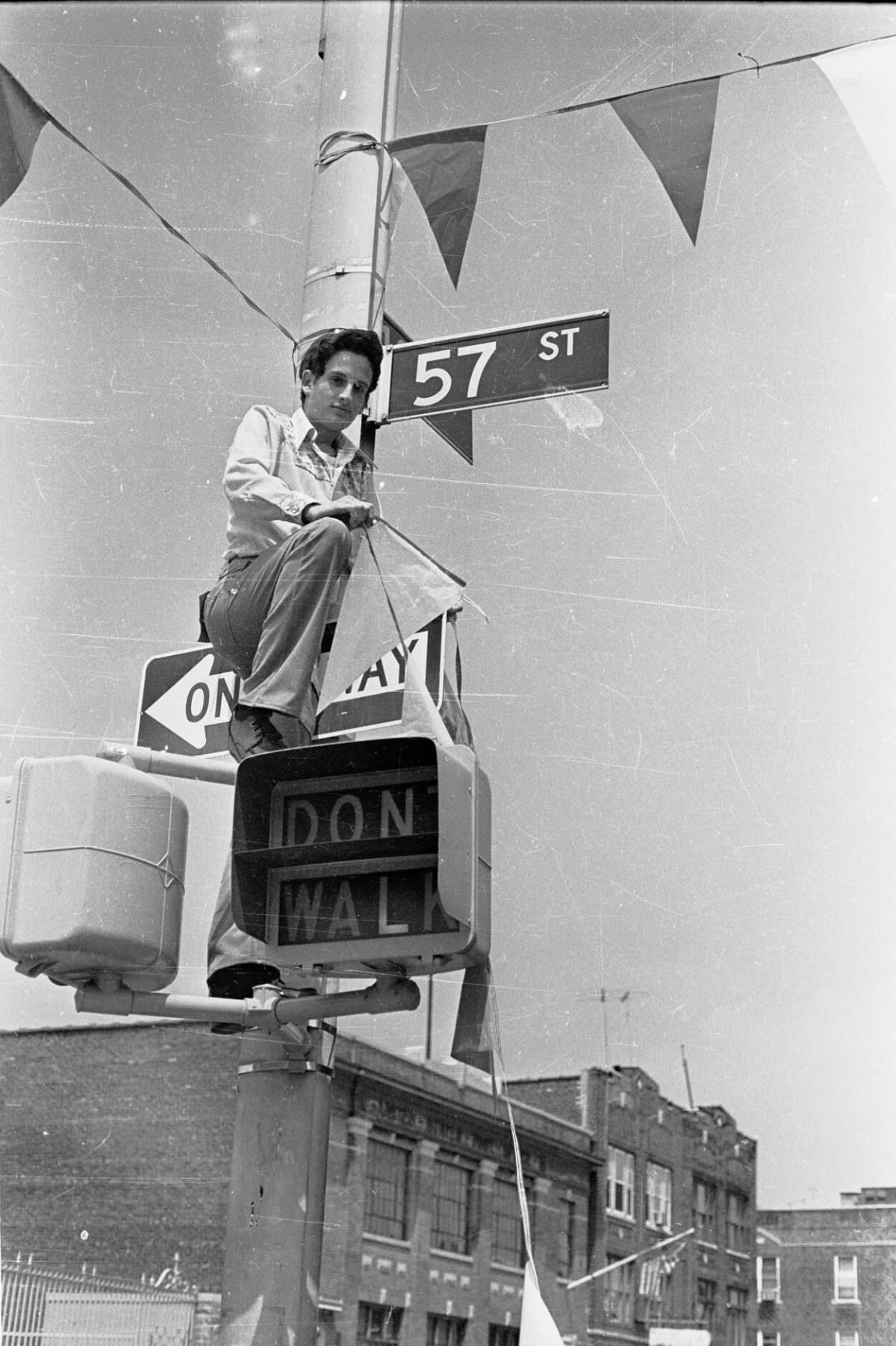
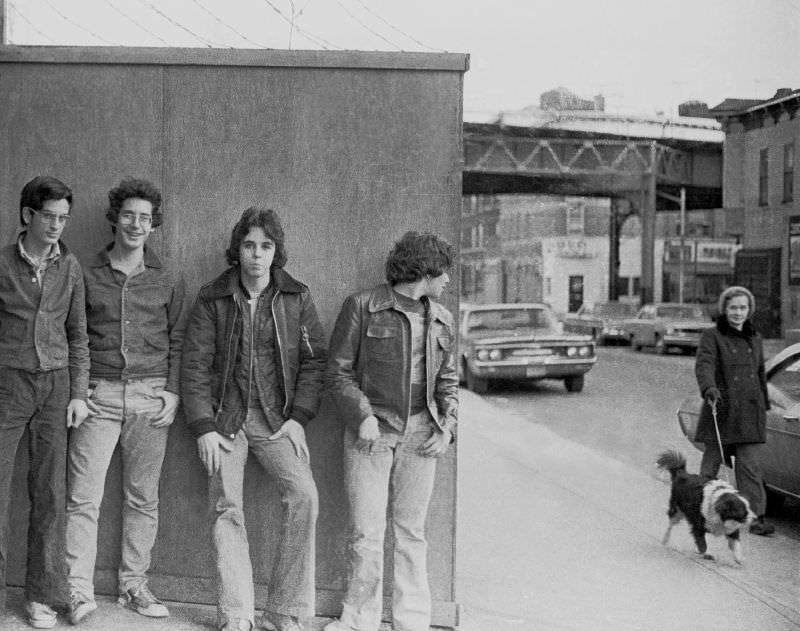
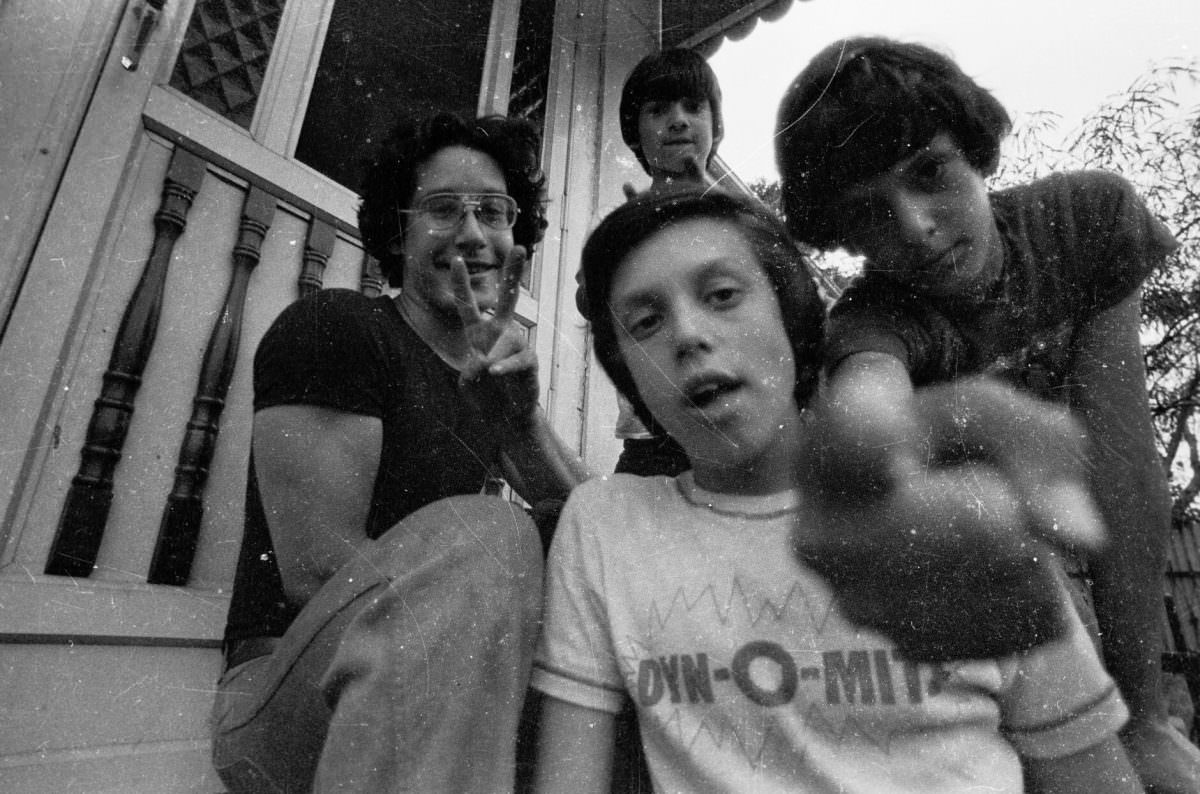
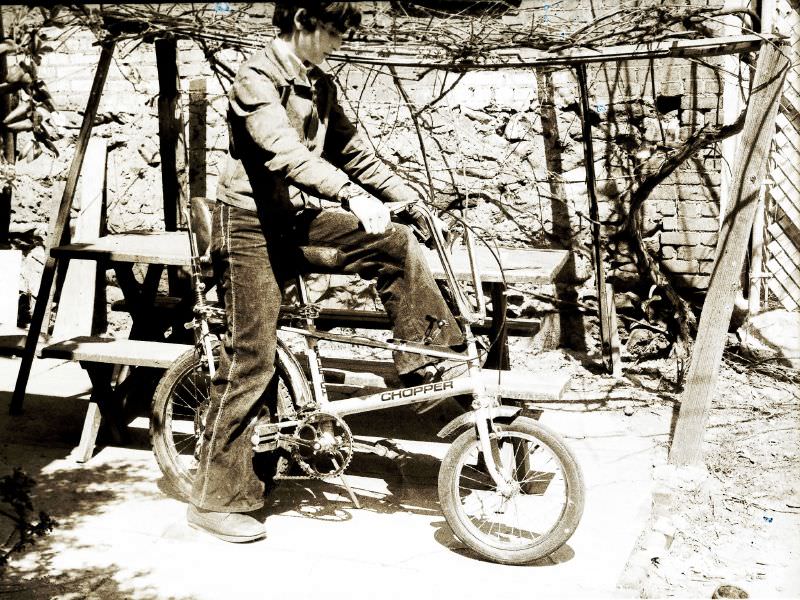
Kids filled the streets with games. Stickball, street games, bocce ball — Catalano caught them all in progress. A group of boys posed with their bicycles. Others squared off in a street game on a summer afternoon.
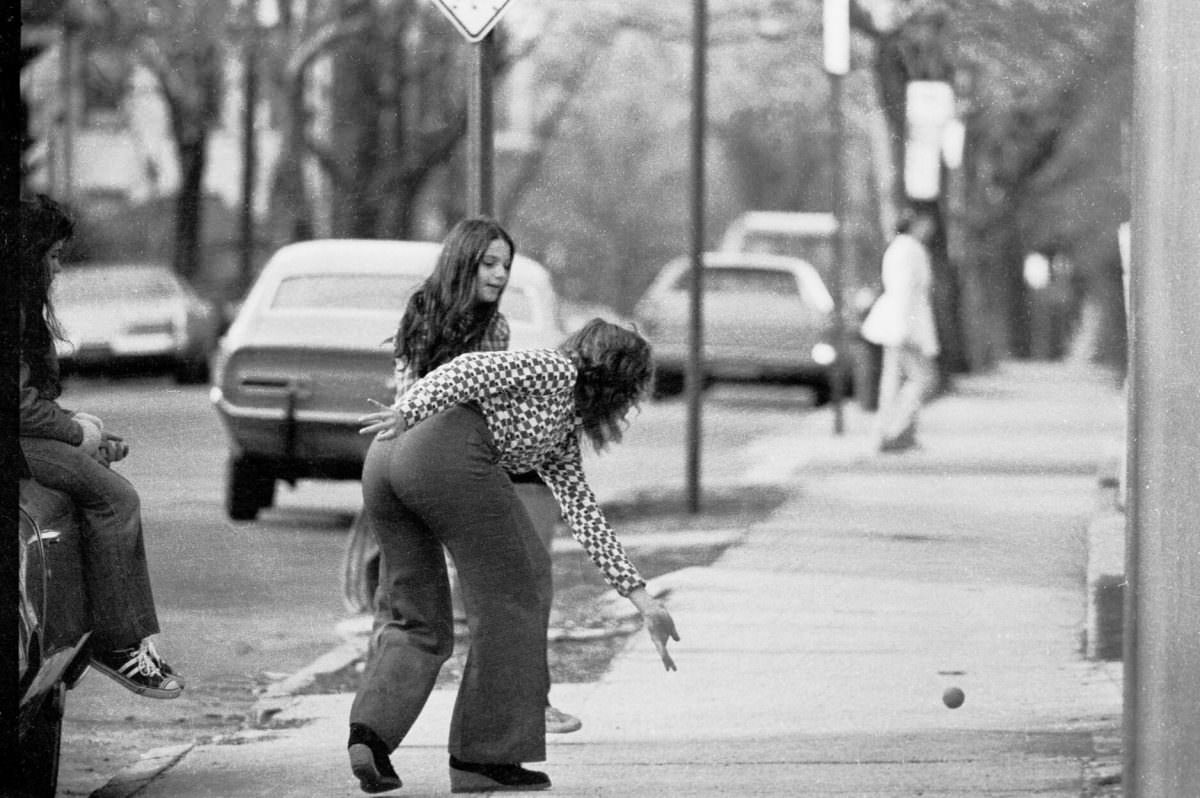
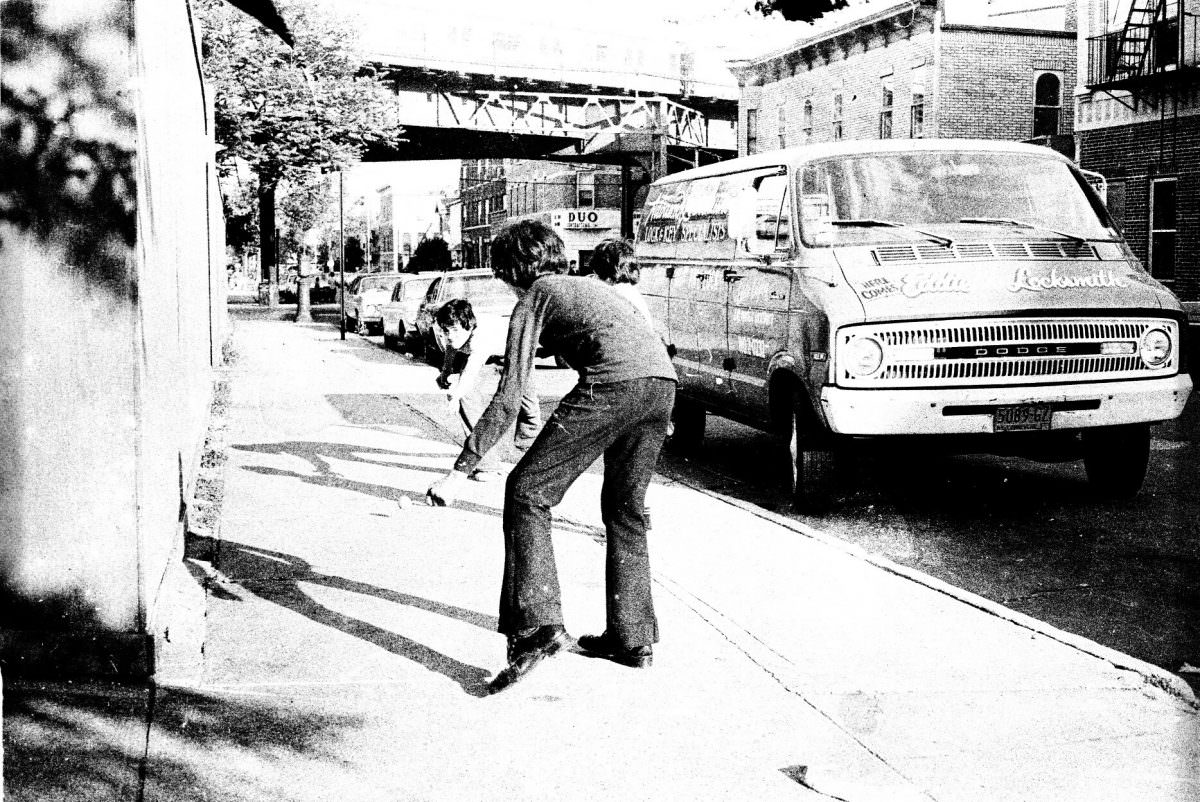
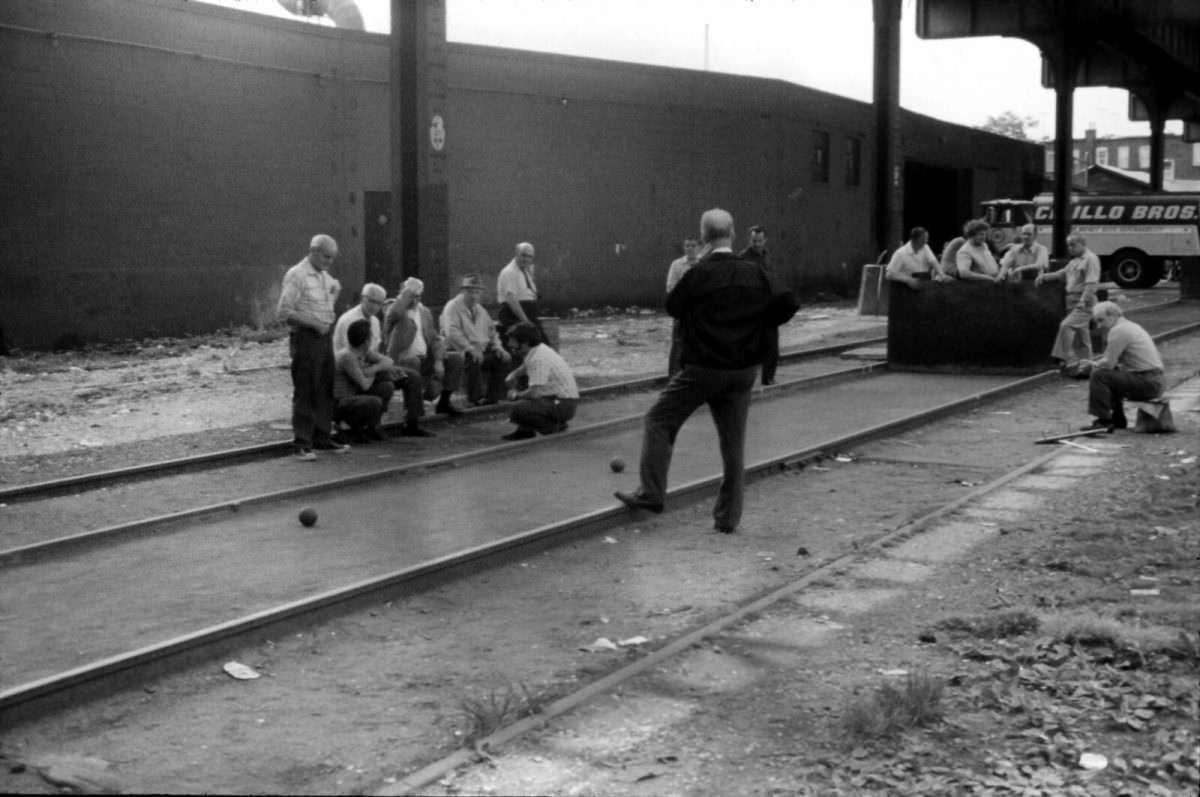
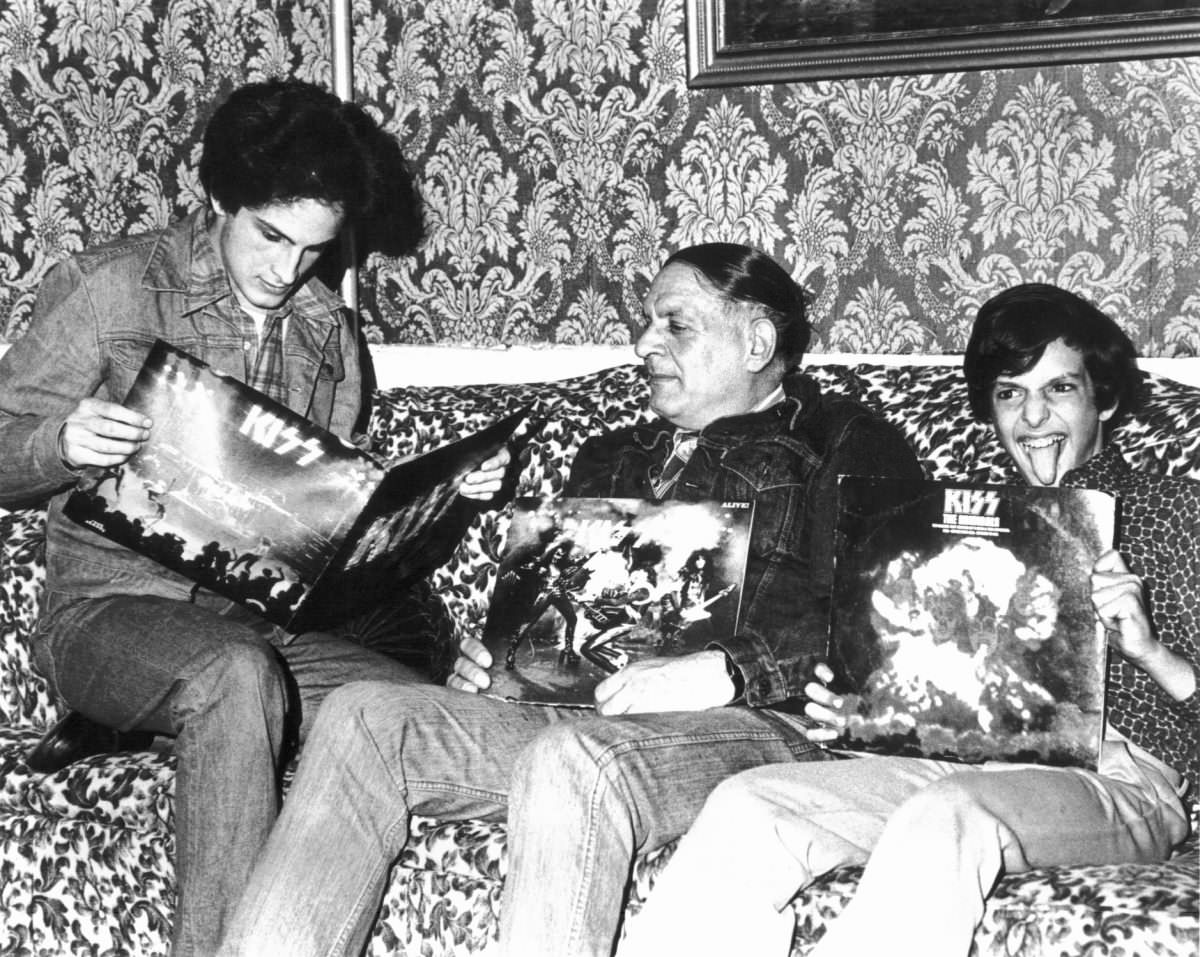
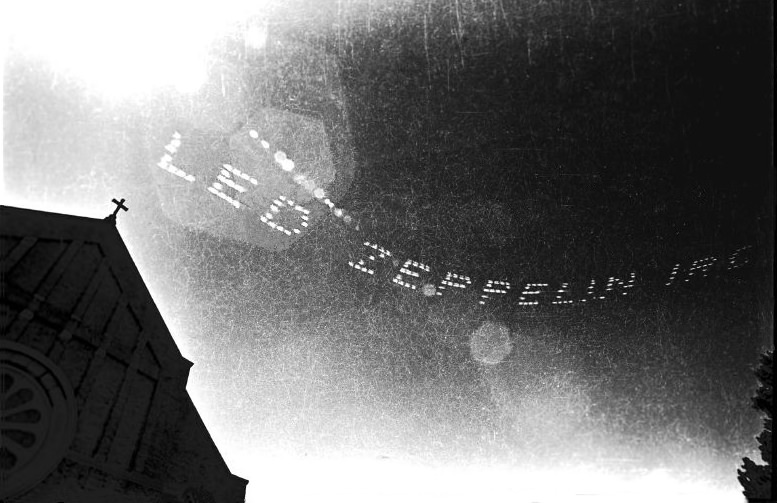
Pop culture left its mark on his collection. One photo shows a father proudly posing with a stack of KISS albums. Another captures a Led Zeppelin skywriting advertisement traced across the New York sky in 1977.
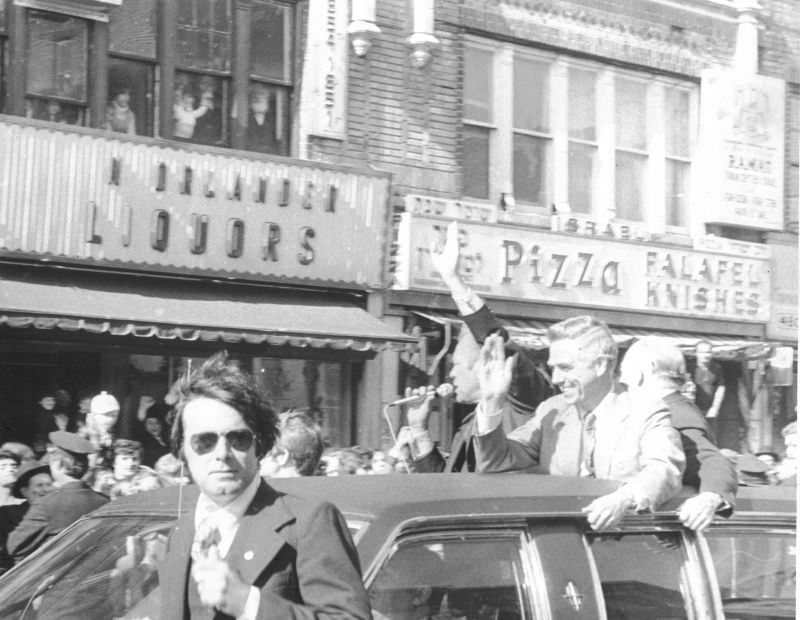
History also found its way into his lens. In 1976, President Gerald Ford’s motorcade passed through Brooklyn, and Catalano was there to photograph it. It was a fleeting piece of national history shot from a teenager’s vantage point on a Brooklyn curb.
Winter brought its own drama to the borough. The blizzard of 1978 buried the streets, and Catalano photographed the aftermath — snowplows pushing through Boro Park and the familiar neighborhood transformed under a heavy snowfall.
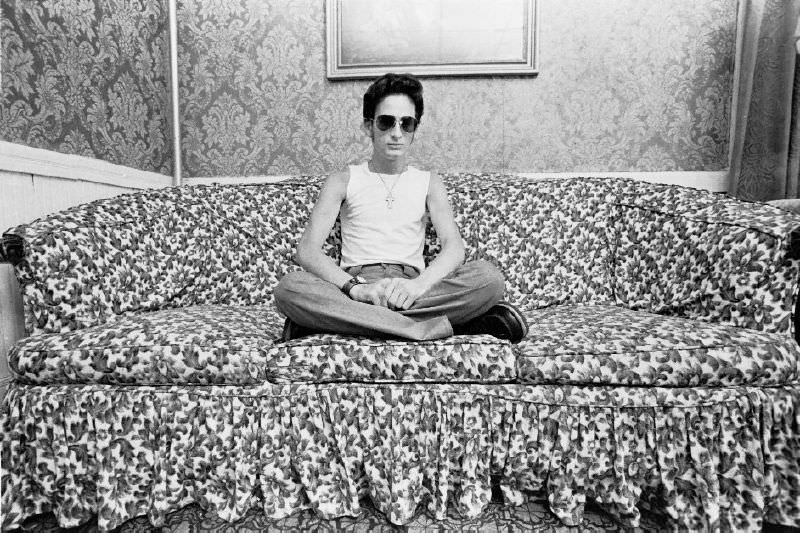
Across every photograph, the same Brooklyn emerges — gritty, close-knit, and full of energy. Catalano moved through it not as an outsider documenting a place, but as a kid who lived there, capturing his own world one frame at a time.