Jules Aarons (1921–2008) led two remarkable lives at once. By profession, he was an American physicist born in New York City who built a respected career studying radio waves. By passion, he was a street photographer who spent decades documenting the human side of Boston — the city where he lived most of his life. He carried his camera on scientific trips around the world, but it was Boston’s own neighborhoods that drew his most powerful and lasting work.
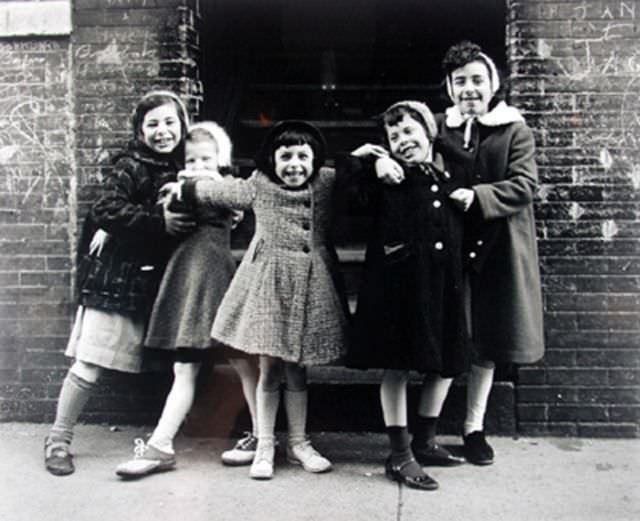
In the late 1940s and early 1950s, Aarons focused his lens on two of Boston’s most distinct neighborhoods: the West End and the North End. The West End was home to a mix of ethnic communities living in close quarters — immigrants and working-class families who filled the streets with daily life. The North End, by contrast, was predominantly Italian, a tight-knit community with its own rhythms, markets, and traditions.
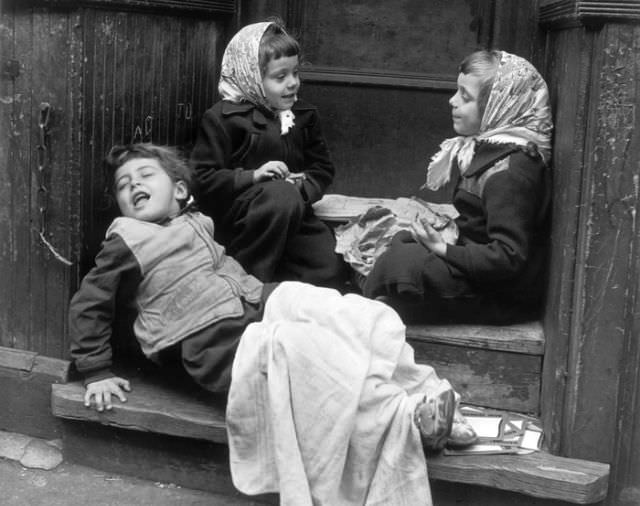
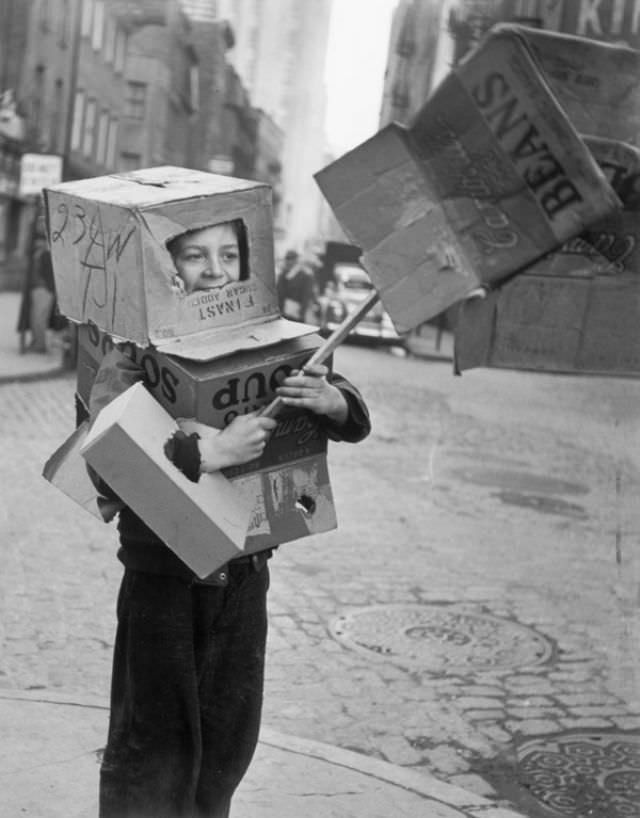
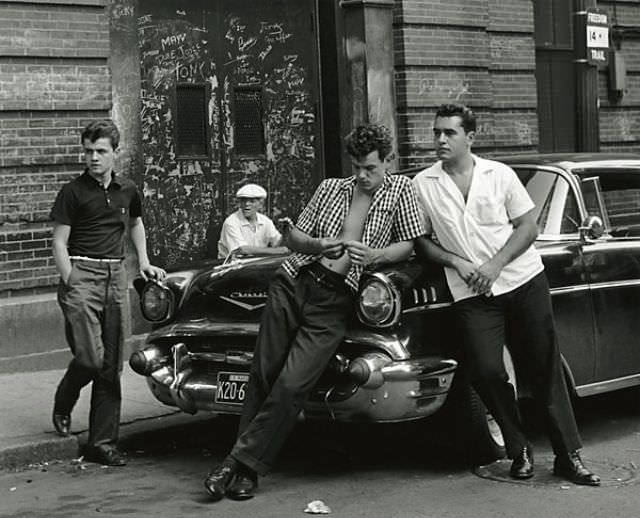
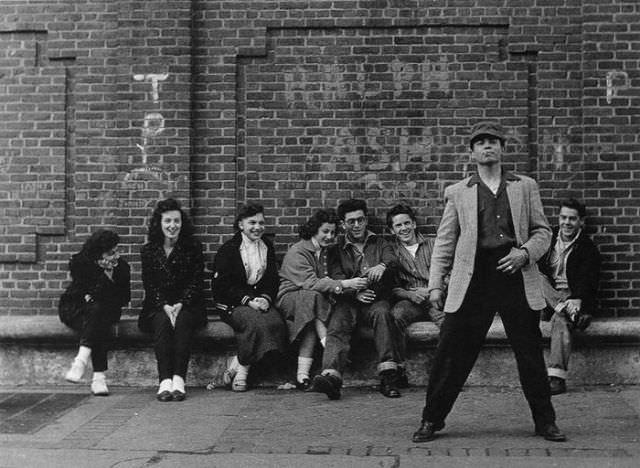
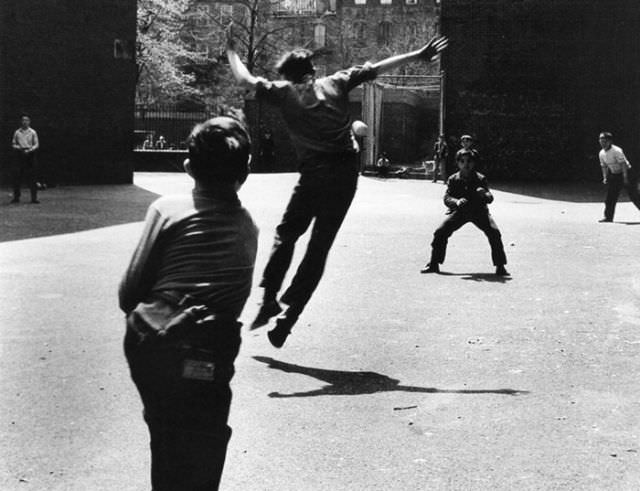
Aarons photographed ordinary moments — children playing on sidewalks, vendors at work, neighbors gathered on stoops. There was nothing staged about his images. He moved through these streets like a resident, not a tourist, and the people he photographed seem largely unaware of or unbothered by his camera.
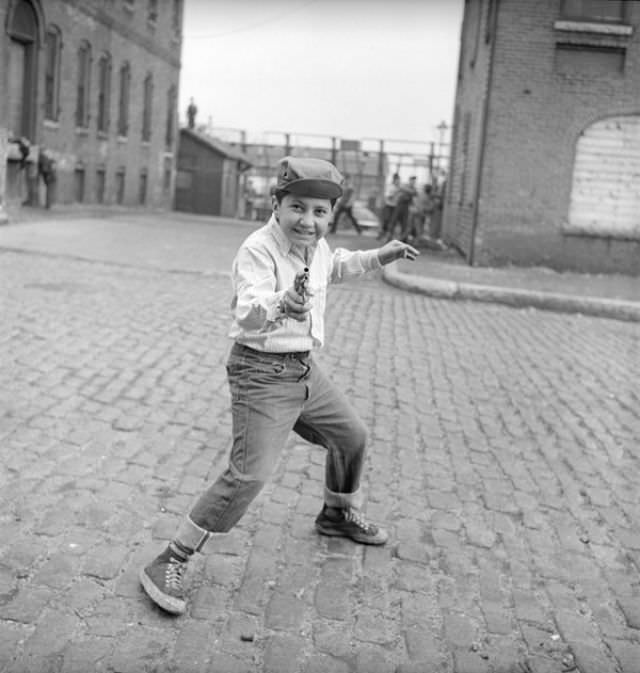
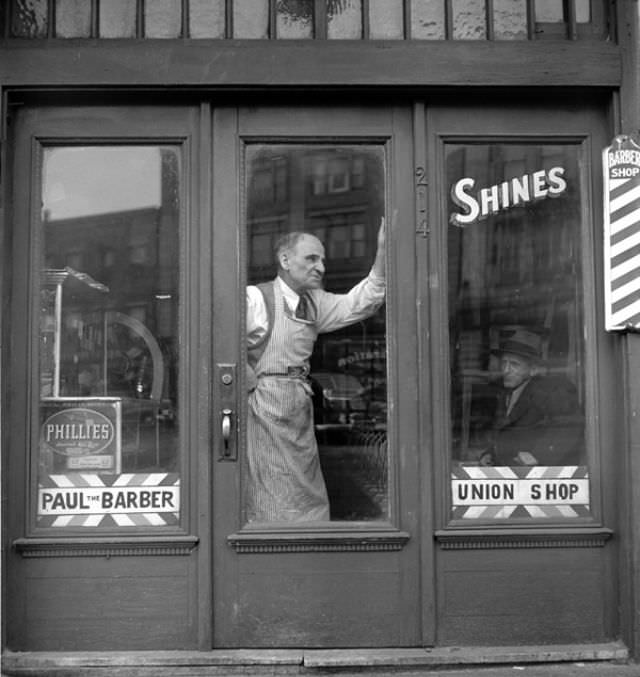
His photographs of the West End carry a particular historical weight. In the late 1950s, the city of Boston demolished much of the West End as part of an urban renewal program. Entire blocks of housing were torn down, and thousands of residents were displaced. What Aarons captured in the years before that demolition stands as one of the few detailed visual records of the neighborhood as it actually existed.
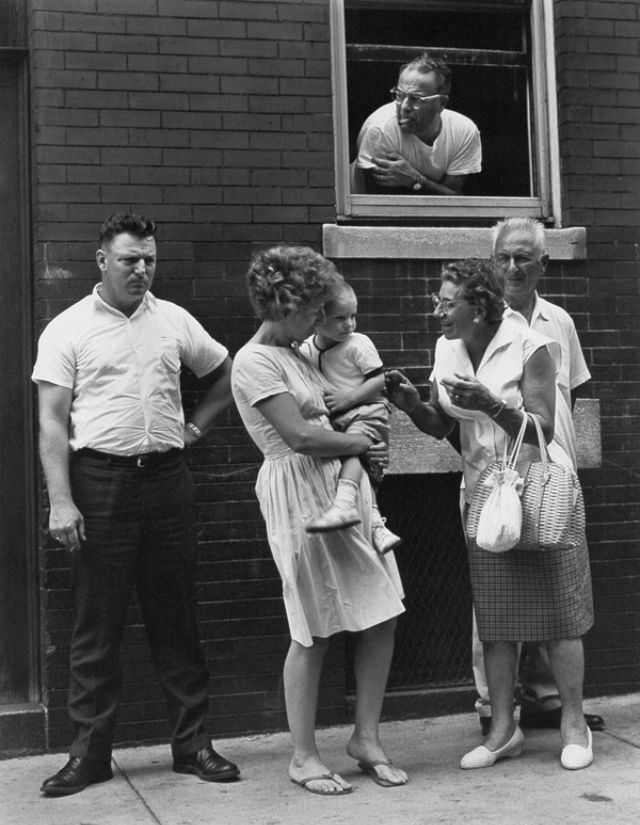
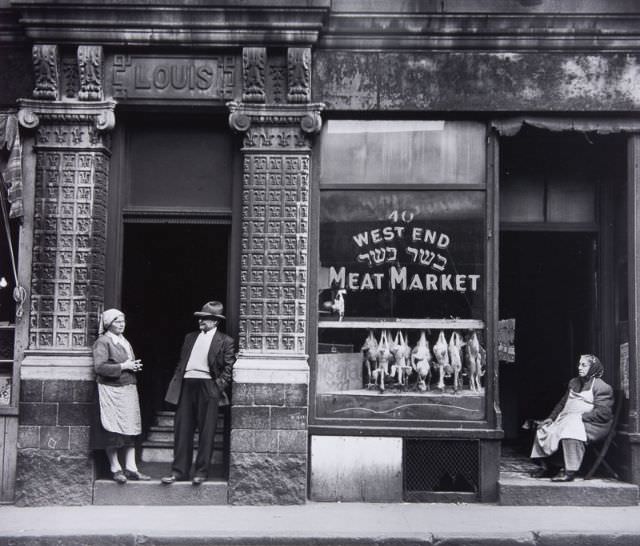
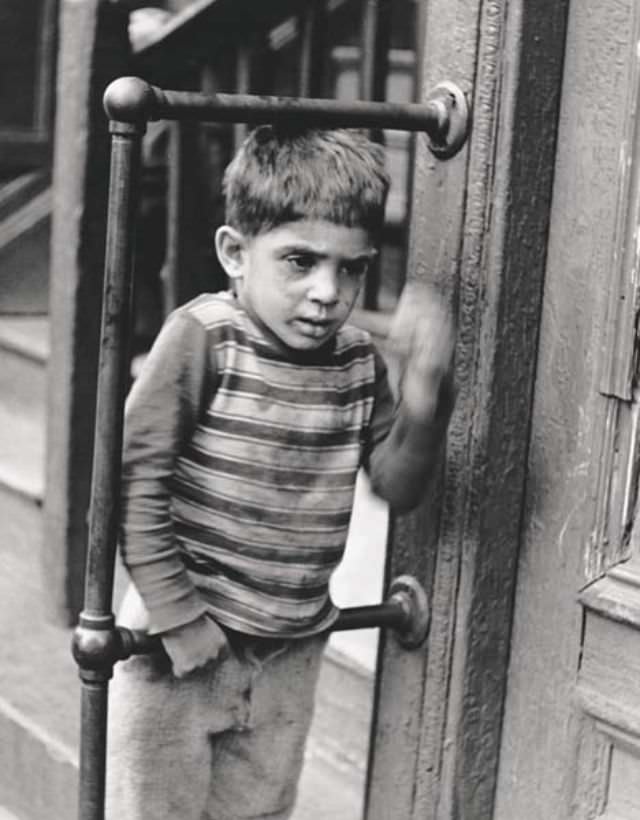
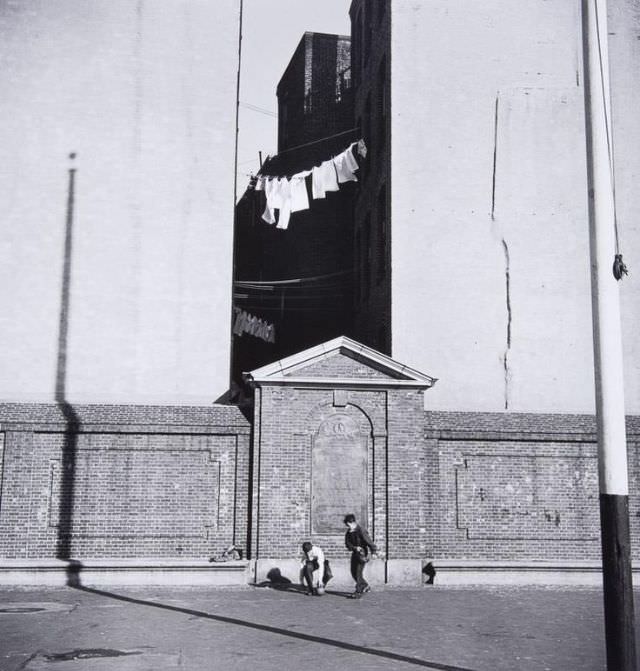
The streets themselves were central characters in his work. Cobblestones, fire escapes, narrow alleys, and corner shops all appear regularly. These were not glamorous settings, but they were full of life — and Aarons understood that.

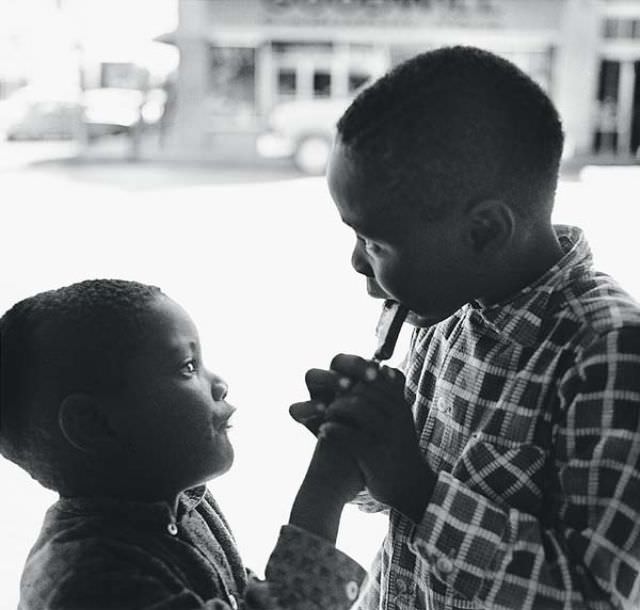
Children appear in many of his frames, often at play in spaces that today would seem unusually public for young kids — open streets, open lots, fire hydrants in summer. Adults, too, fill his photos in unhurried ways: sitting outside, watching the street, talking with neighbors. The pace of life in these images feels deliberate and communal.
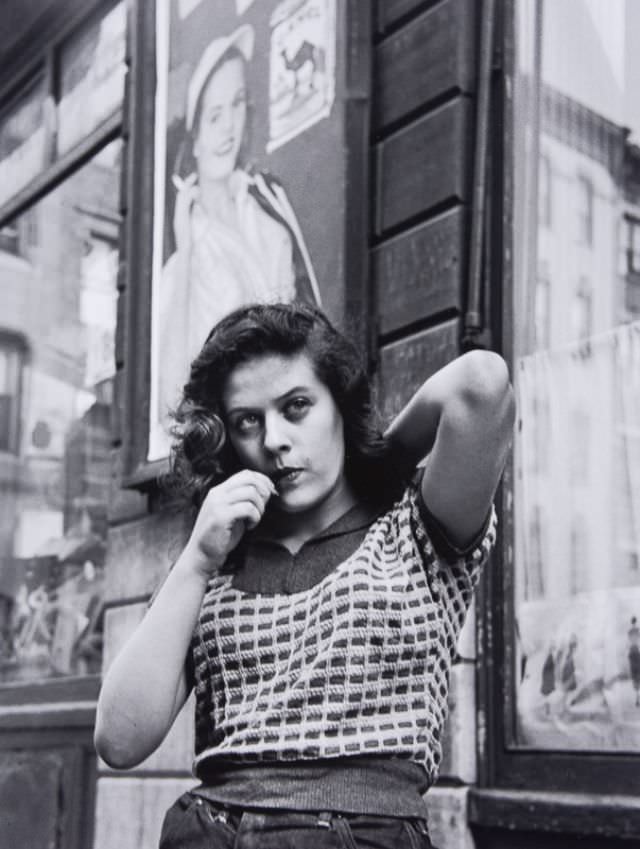

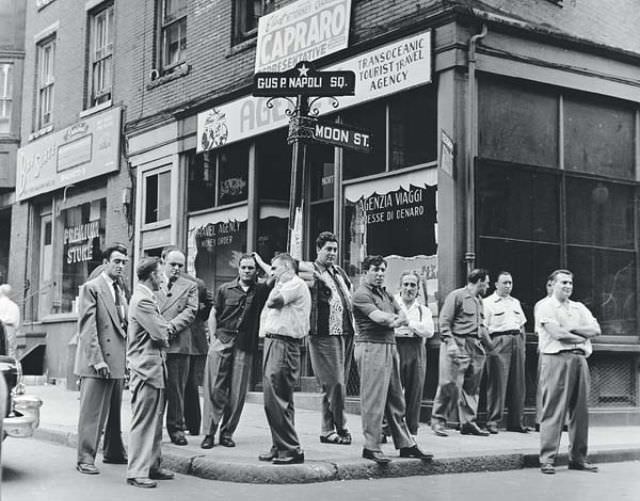
Aarons never gave up his scientific career to pursue photography full time. The two ran in parallel throughout his life. His scientific background may have sharpened his eye — the precision required in physics and the patience required in street photography are not entirely different skills.
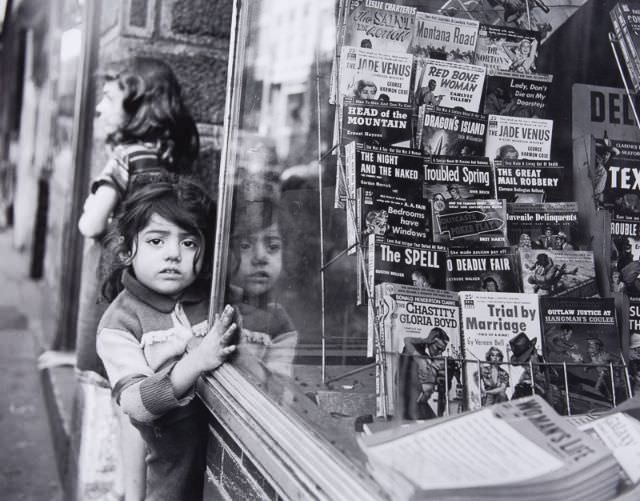
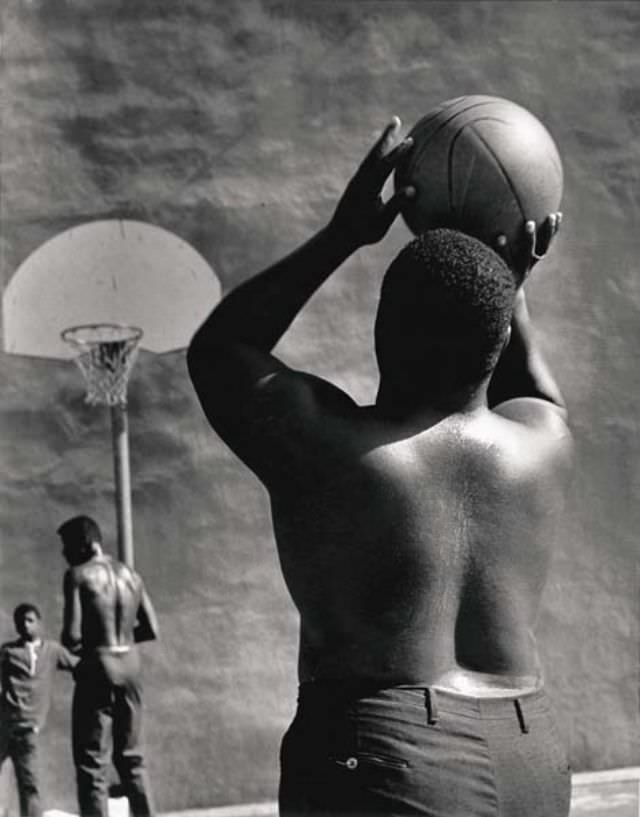
The North End images show a neighborhood that, unlike the West End, survived urban renewal largely intact. Even so, the 1950s version of the North End that Aarons photographed was quite different from what it would become in later decades. The community was denser, more working-class, and more rooted in immigrant culture than it is today.
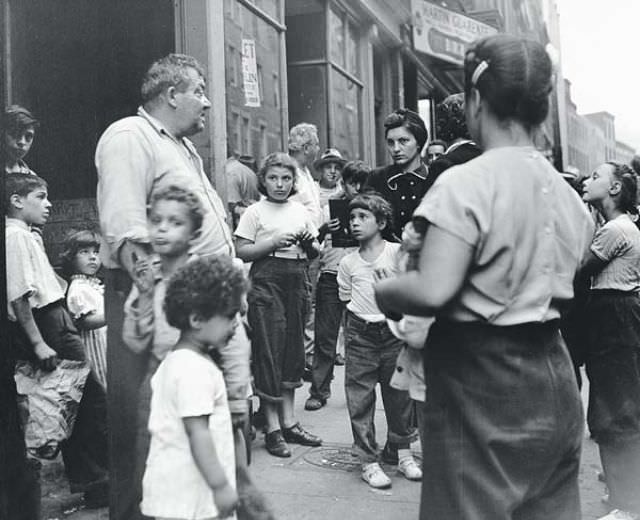
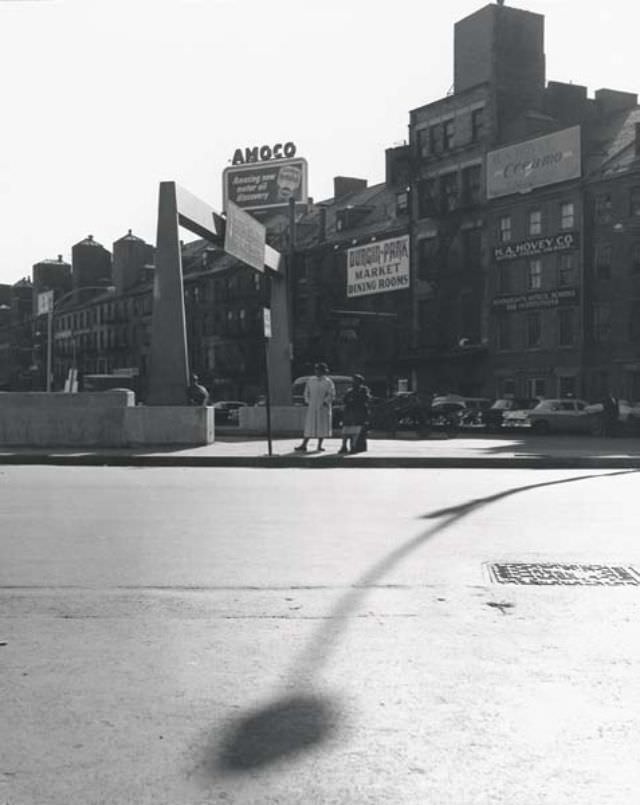
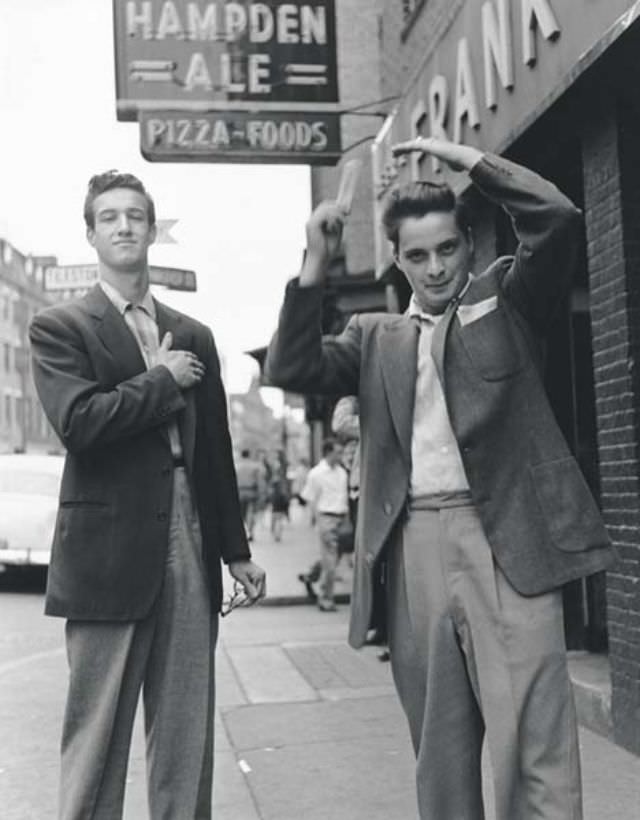
Vendors, markets, and small businesses appear throughout his work. These were neighborhood economies built on foot traffic and personal relationships. A customer was likely also a neighbor. Aarons caught that familiarity in the way people interacted — the nods, the conversations held at shop doorways, the ease of it all.
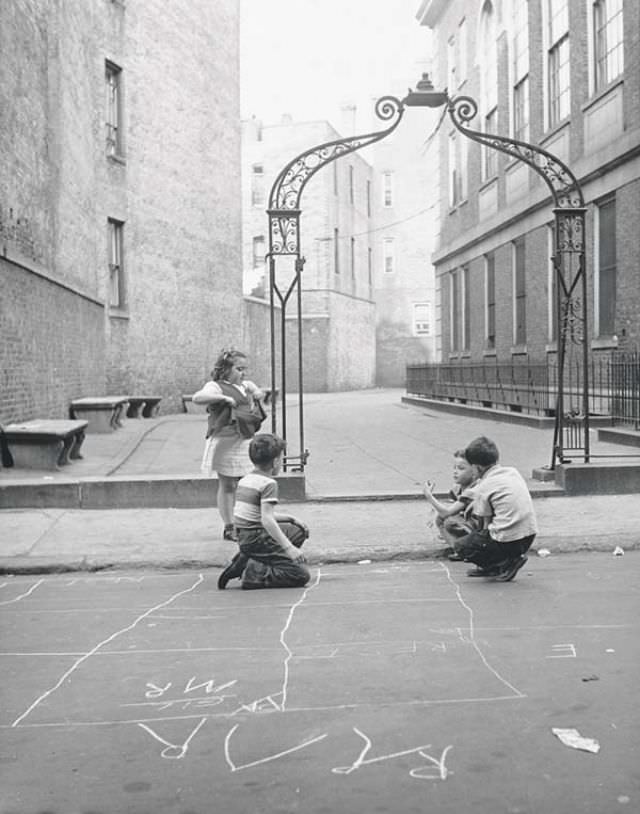
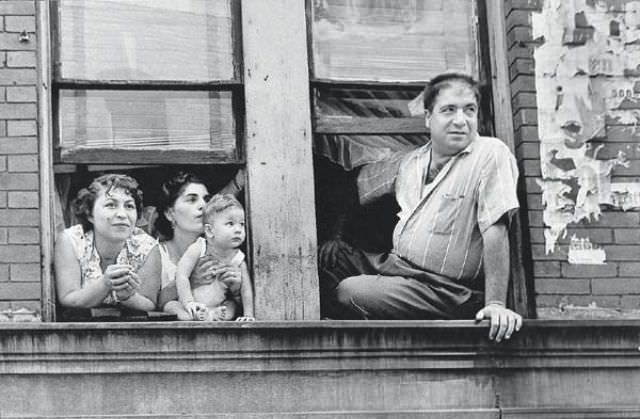
His work was also a record of American immigrant life at a specific moment — before television fully took hold of the living room, before the suburbs pulled families out of urban neighborhoods, and before postwar prosperity reshaped city life entirely. The 1950s Boston in his photos is a world still tied to the street corner and the front stoop.
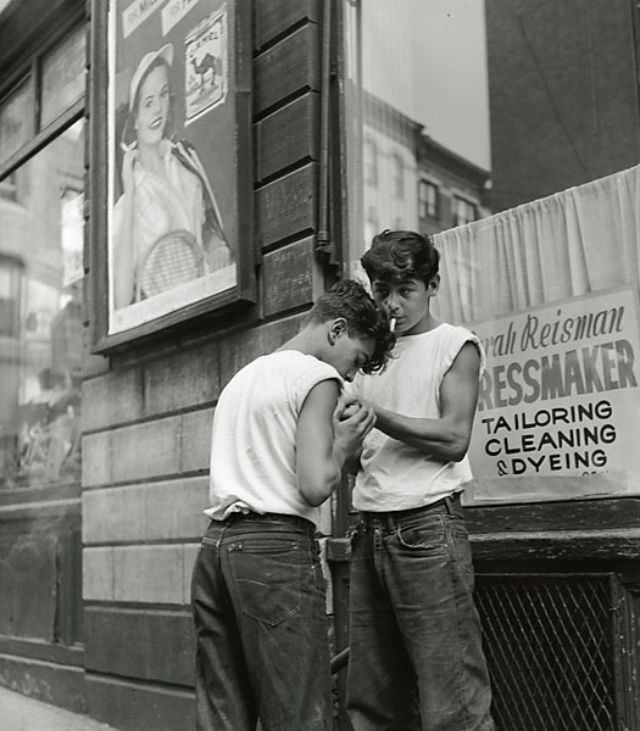
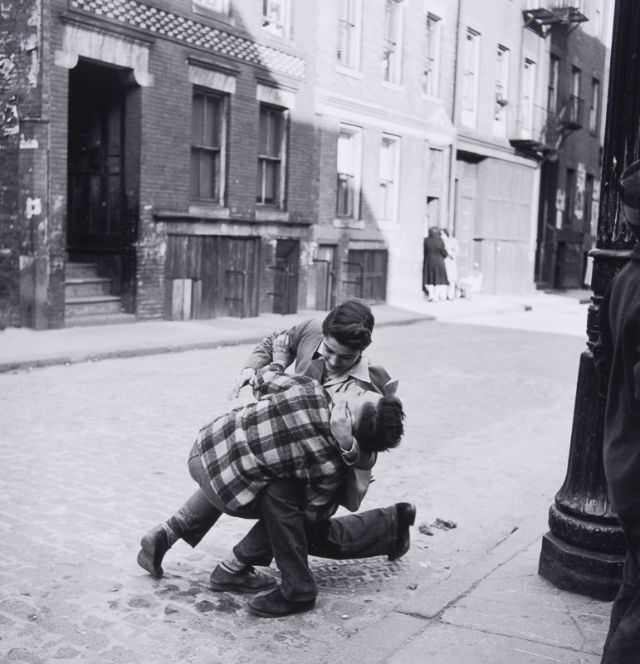
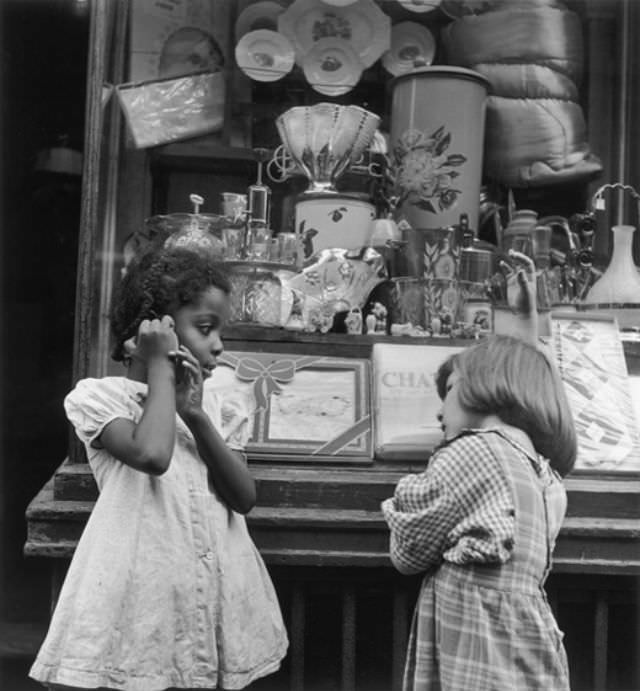
The following photographs are drawn from that body of work. Each one is a direct window into Boston street life as it was — unfiltered, unposed, and precisely observed by a man who knew how to look.