Birmingham in the 1960s was a city in the middle of reinventing itself. Old streets stood alongside building sites. Traditional markets buzzed with traders while modern concrete structures rose up around them. It was a decade of rapid change — new roads, new universities, new shopping centres — and through it all, everyday life carried on in the city’s neighbourhoods, high streets, and alleyways. Photographer Phyllis Nicklin captured all of it, walking through Birmingham’s streets with a camera and an eye for the ordinary moments that history tends to forget.
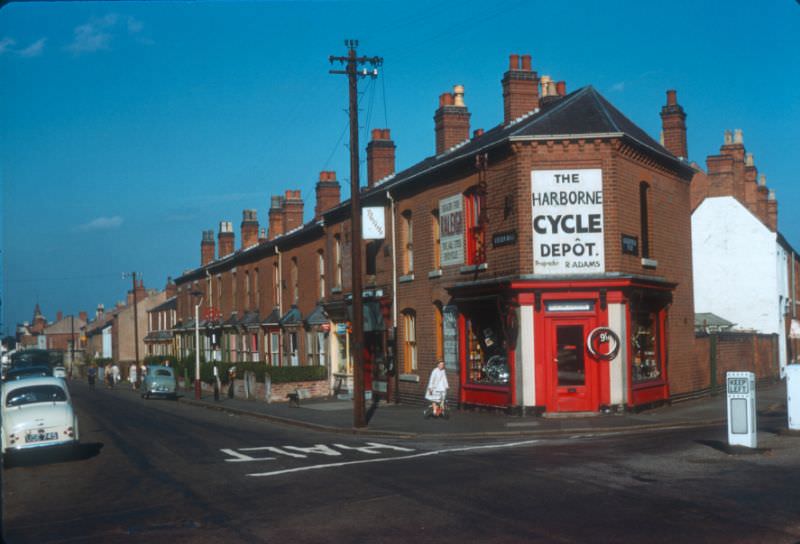
Nicklin’s earliest photos in this collection date to 1961, when she turned her lens on Harborne, one of Birmingham’s quieter suburban districts. The corner of Vivian Road shows the kind of residential calm that still existed on the city’s edges during a period when the centre was being torn up and rebuilt.
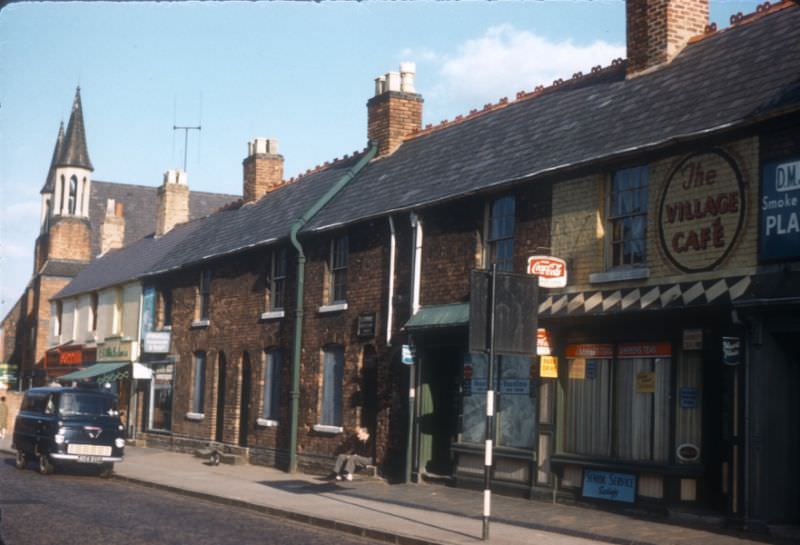
Just a short walk away, Harborne High Street in 1961 still had the feel of a village centre — modest shopfronts, a human scale to the buildings, and pedestrians going about their day without the urgency of the city centre crowds.
By 1963, Nicklin was documenting events further south. The King’s Norton Mop Fair was one of Birmingham’s oldest surviving traditions, a hiring fair with roots going back centuries. By the 1960s it had become a community celebration, drawing crowds from across the area each autumn.
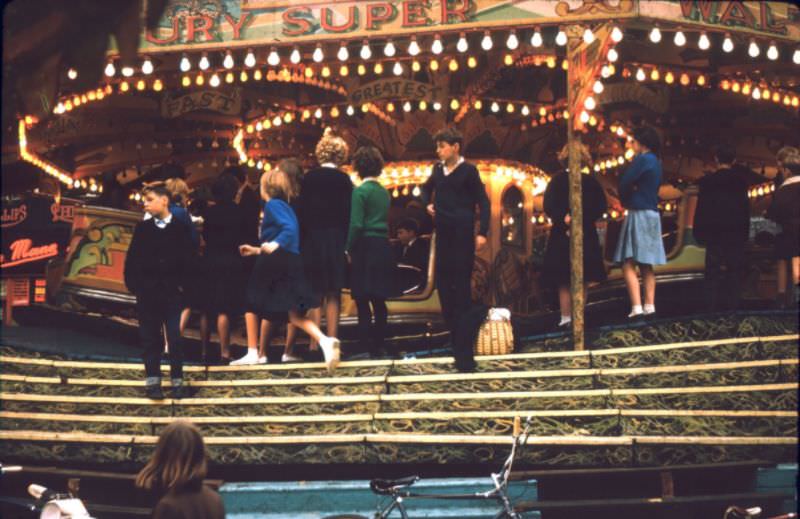
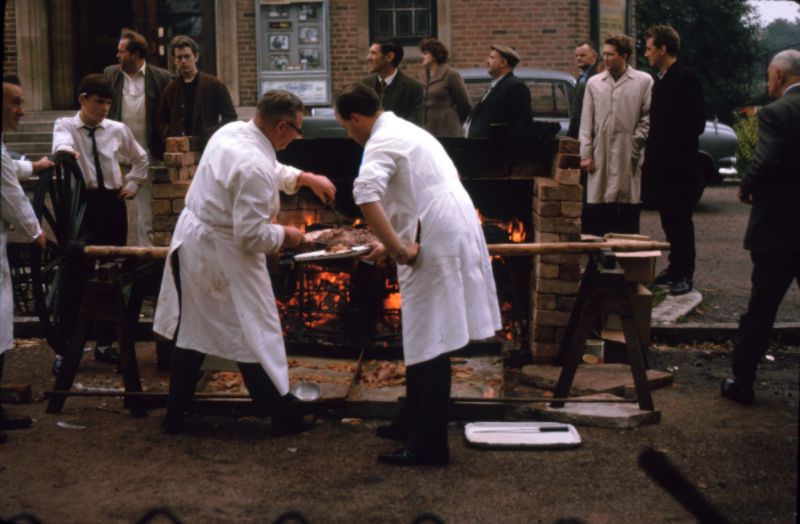
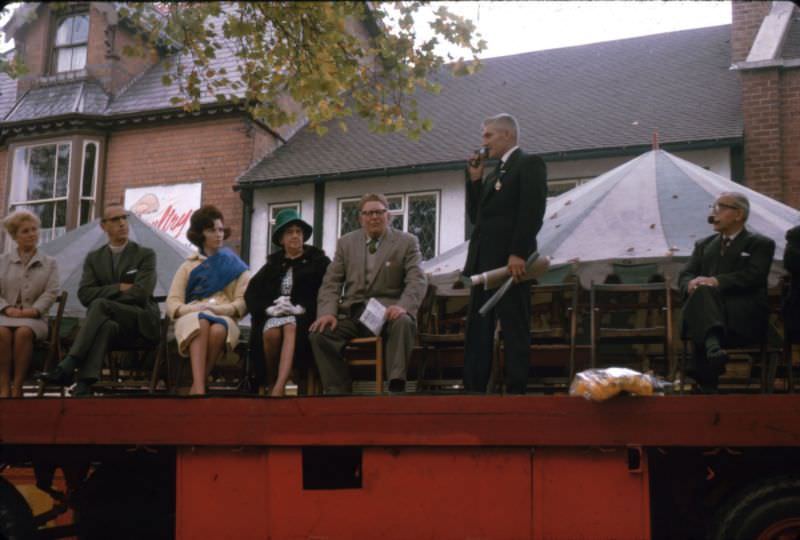
The fair returned in 1964, this time with a formal opening ceremony. These gatherings were a fixture in the social calendar for local families and carried a sense of continuity even as the wider city changed at speed around them.
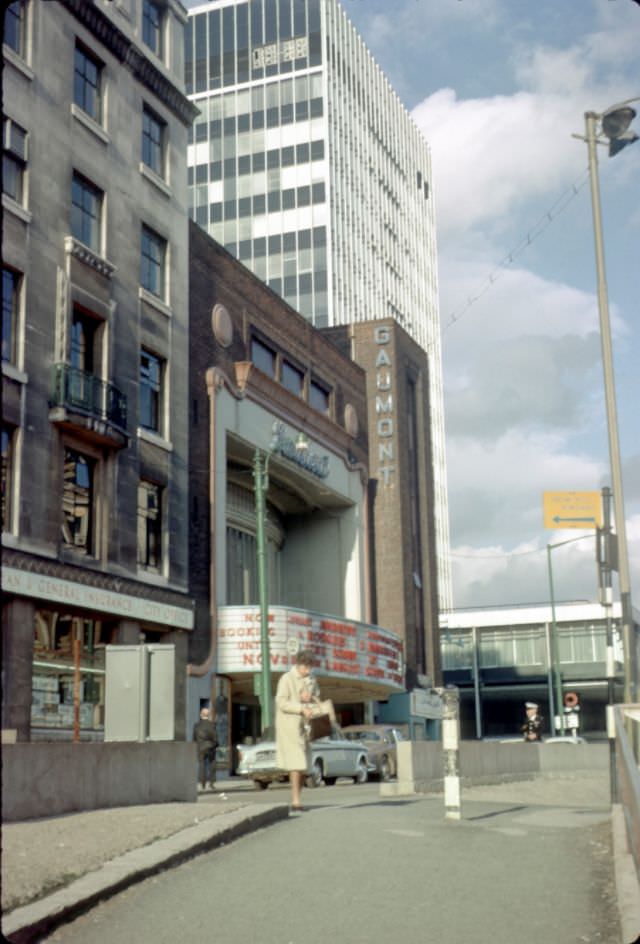
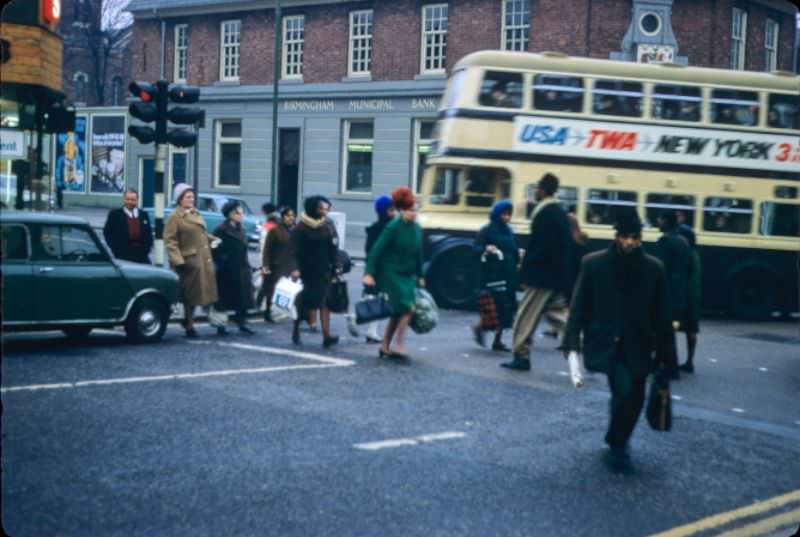
The mid-1960s saw Birmingham’s city centre transformed on a large scale. Construction of the inner ring road began in 1964. The Bull Ring shopping centre opened the same year. New Street station was redeveloped. Aston University was founded in 1966, and a statue named Hebe was erected in Holloway Circus that same year. The Fewtrell brothers added to the city’s nightlife by opening large clubs on Lower Severn Street and Broad Street. Meanwhile, the Gaumont cinema in Colmore Circus remained one of the city’s landmark buildings — a reminder of the entertainment culture that existed before the decade’s redevelopment reshaped the skyline.
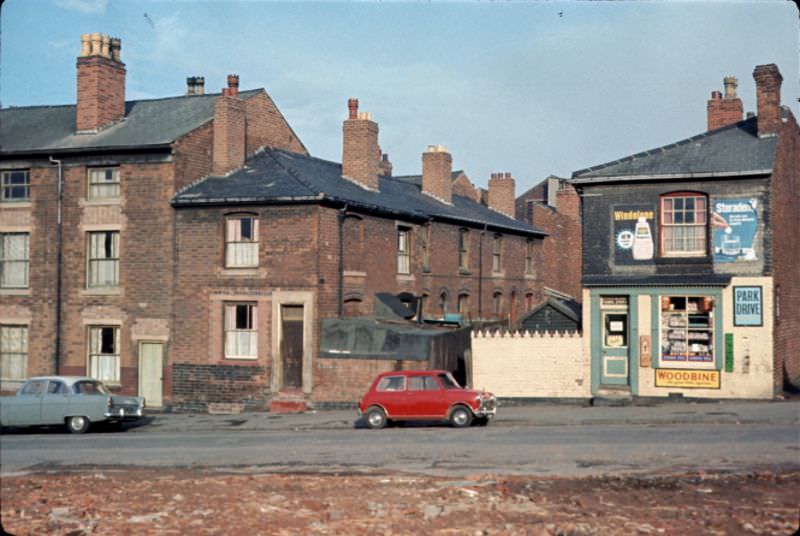
Birmingham’s music scene in the 1960s matched anything coming out of Liverpool. Groups like The Spencer Davis Group, The Moody Blues, The Move, Traffic, and the Electric Light Orchestra put the city on the international music map. Their success ran deep into the 1970s and shaped the direction of British rock and pop for years. But while these bands were making headlines, life in Birmingham’s working-class neighbourhoods continued at its own quieter pace. Nicklin photographed Great Russell Street in Newtown in 1967, documenting a district that was beginning to show the wear of post-war urban decline.
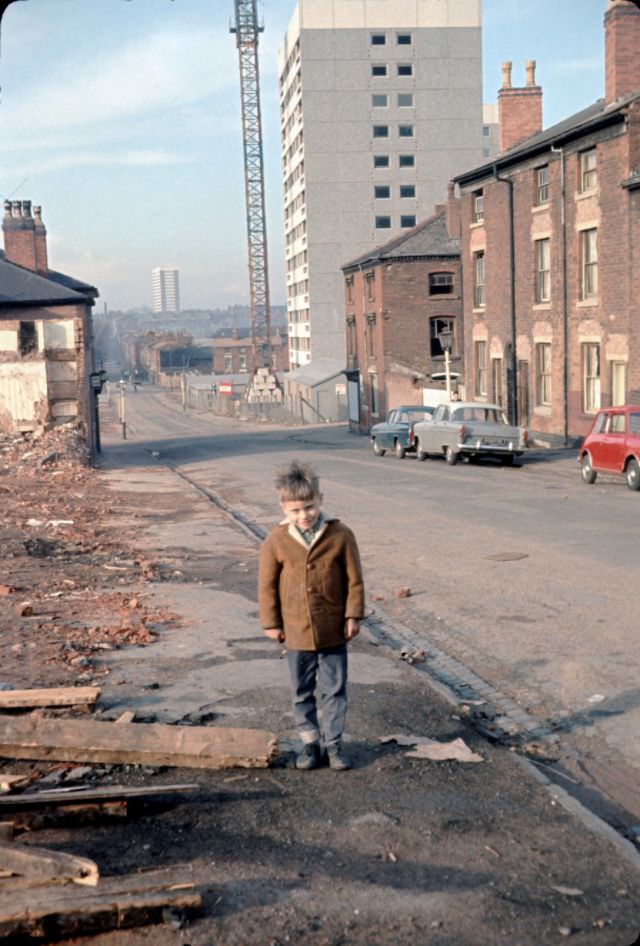
In Ladywood in 1968, children played out on Anderton Street the way kids had done for generations — the street itself serving as the playground. These images carry an immediacy that formal portraits never could. The children aren’t posed. They’re simply there, living in the frame.
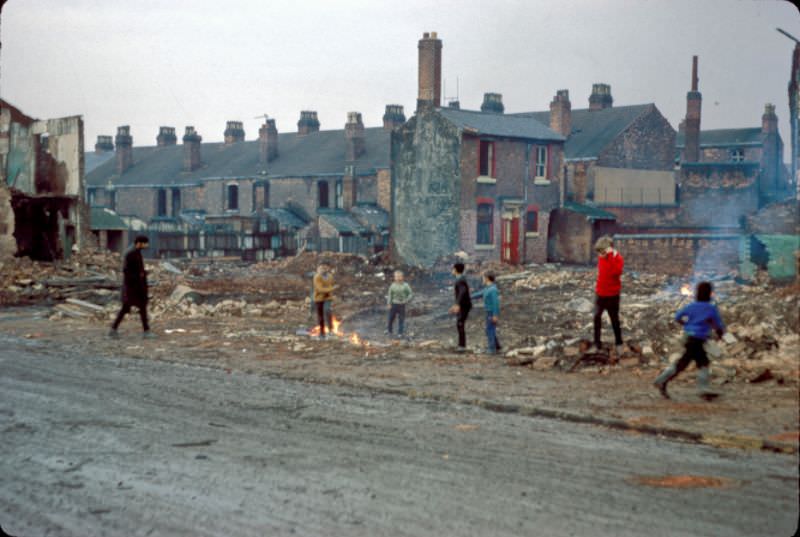
The street corner at Anderton Street, Alexandra Street, and King Edward’s Road gives a sense of how densely packed these inner-city neighbourhoods were. Terraced housing ran right to the kerb. Corner buildings anchored the intersections like anchors of community life.
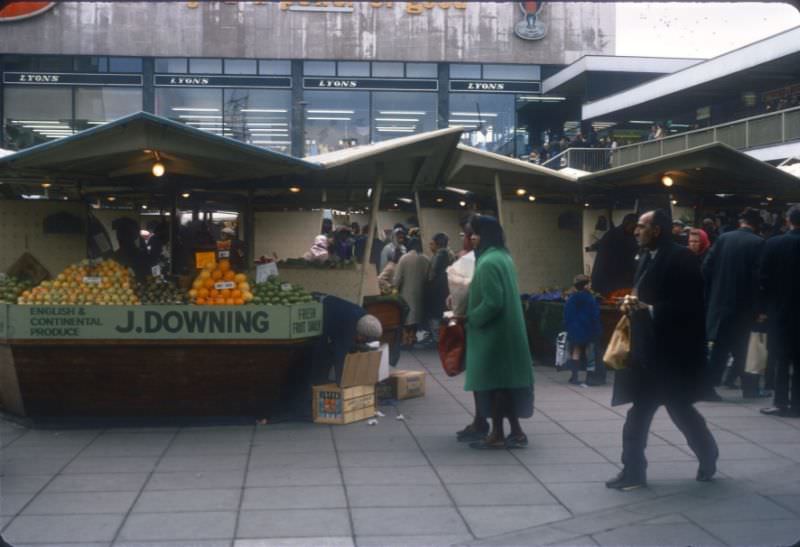
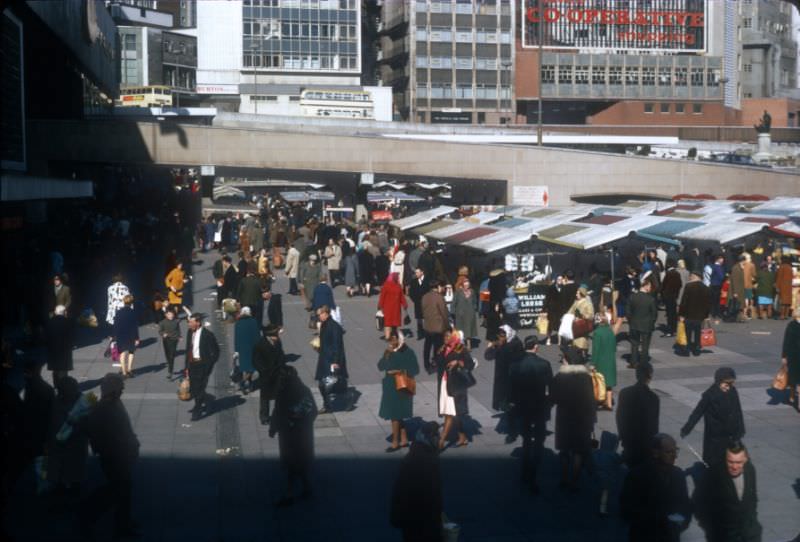
The Bull Ring Market in 1968 was a different world from the gleaming shopping centre that had opened nearby four years earlier. The outdoor market was loud, crowded, and full of traders calling out to shoppers. It was one of Birmingham’s oldest commercial spaces, and it retained its chaotic energy well into the decade.
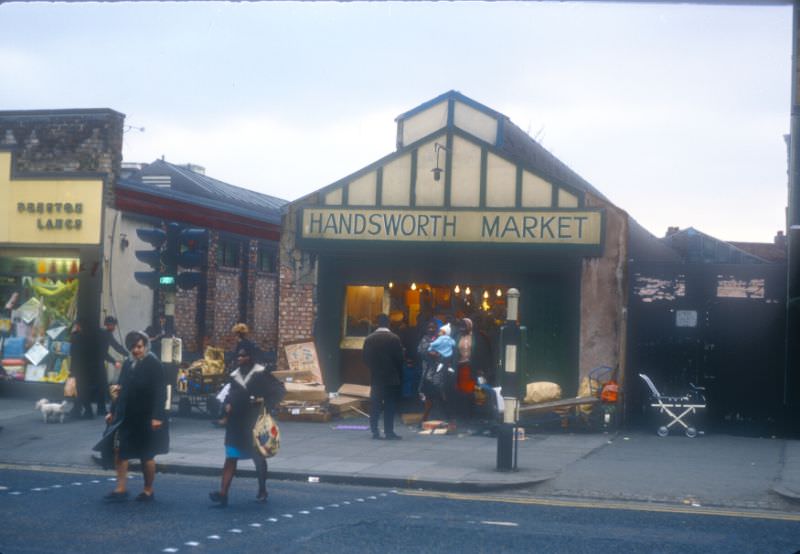
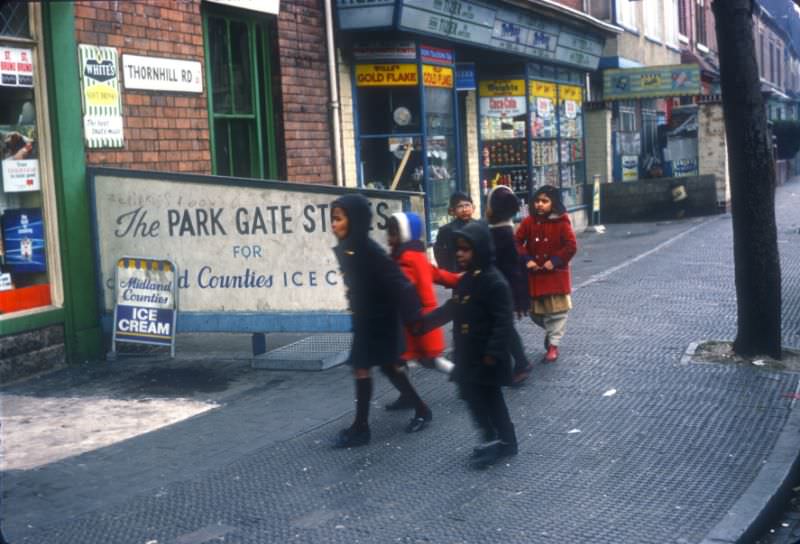
Handsworth in 1968 was a district undergoing significant demographic change. By this point it had become home to a large Caribbean community, many of whom had arrived in Birmingham during the 1950s and early 1960s as part of the post-war migration from the Commonwealth. Nicklin’s photos from Handsworth that year show a neighbourhood with a distinct character — its markets, corner shops, and streets reflecting the community that had made it their own.
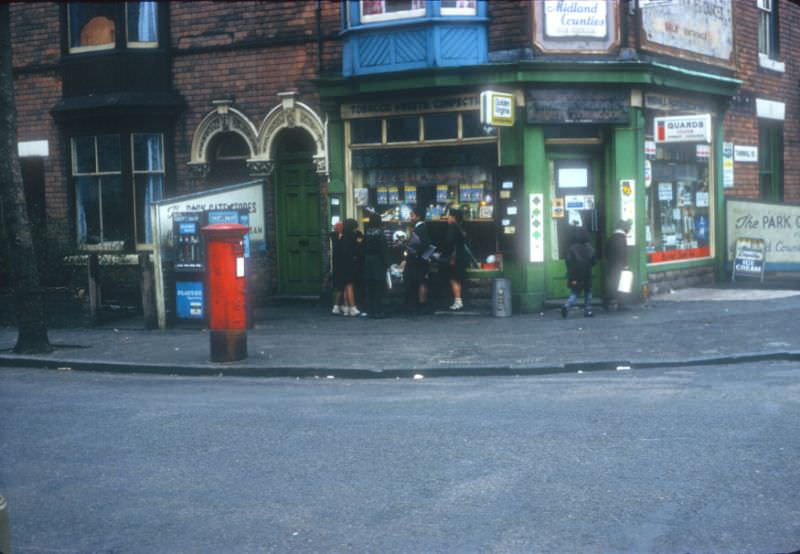
On Thornhill Road in Handsworth, children gathered outside a corner shop — one of the neighbourhood’s most important social hubs. These small shops were more than just retail spaces. They were meeting points, credit sources for families between pay days, and a place where news passed between neighbours.
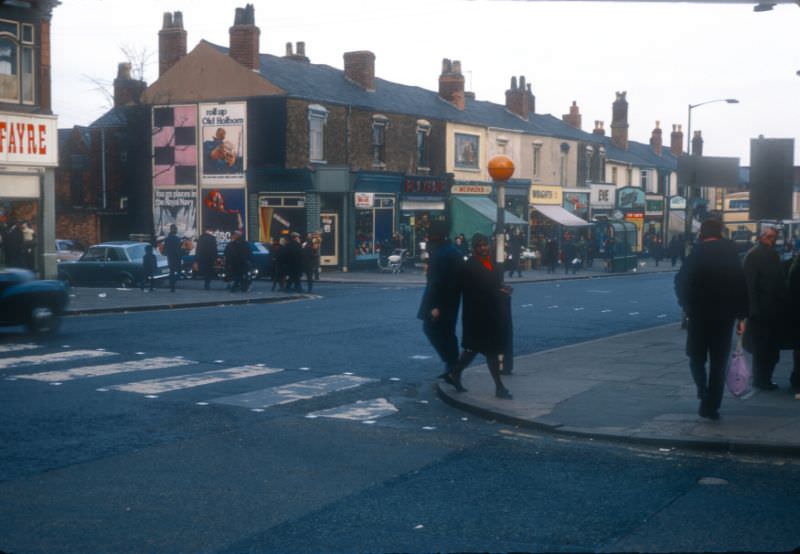
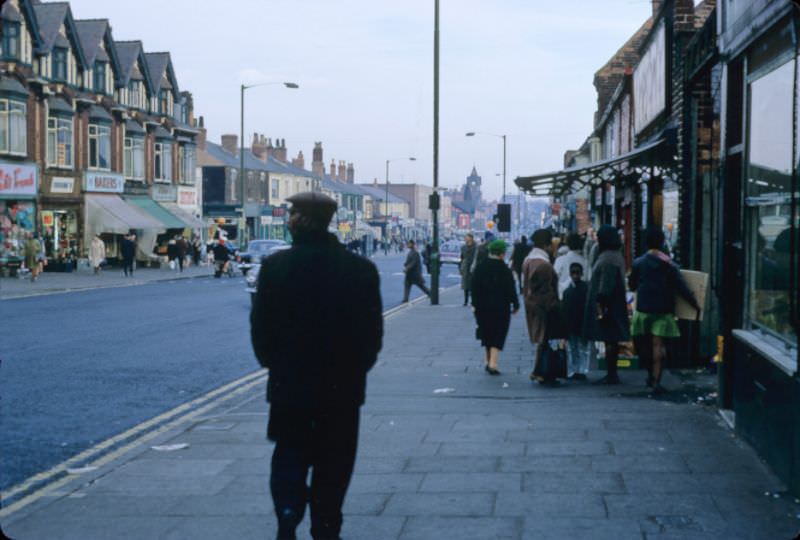
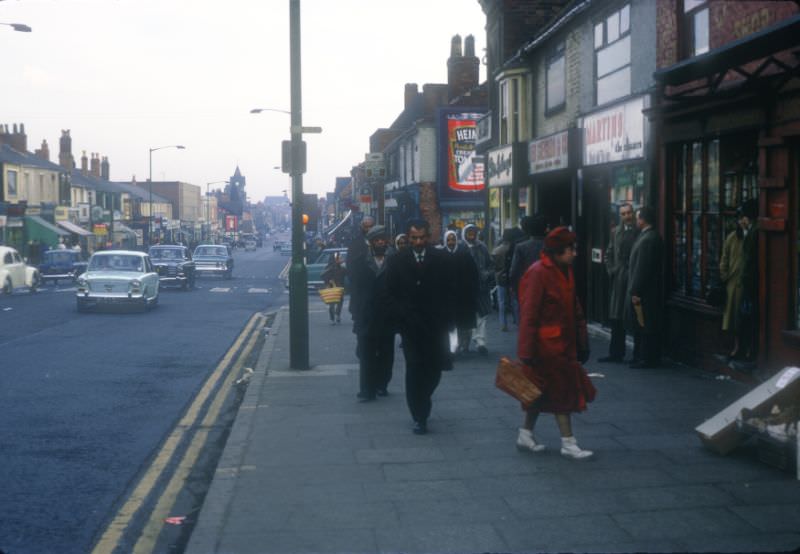
Soho Road near Boulton Road was one of Handsworth’s main commercial arteries. Nicklin photographed it multiple times in 1968, capturing different angles and moments along the same stretch of street. The sequence shows how much activity a single road could hold — shops, pedestrians, vehicles, and the general energy of a working urban thoroughfare.
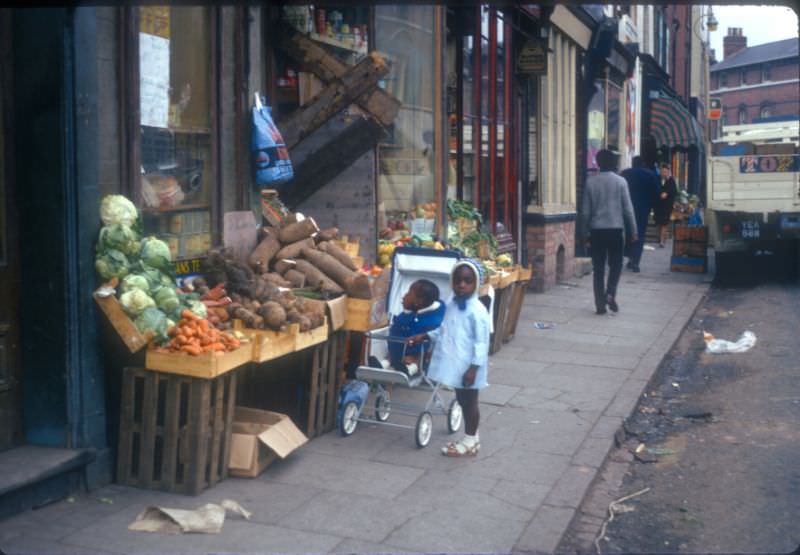
In Balsall Heath, children stood outside the Eastside Vegetable Shop on Longmore Street. Small greengrocers like this one were a staple of Birmingham’s inner-city streets, supplying affordable produce to densely populated areas where large supermarkets hadn’t yet taken hold.
At a store on Edgbaston Street, a conveyor belt carried fruit directly into the building — an early piece of mechanical efficiency in what was otherwise a very manual trade. It’s a small detail, but it points to the way even traditional market businesses were beginning to modernise.
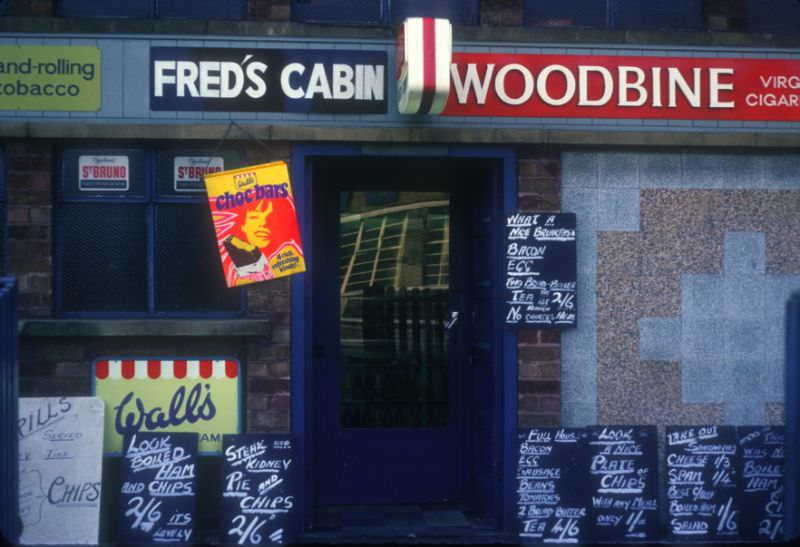
Fred’s Cabin on Kings Road in Tyseley offers a glimpse into the smaller, more informal businesses that operated on Birmingham’s residential streets. These weren’t grand shops — they were simple setups that served their immediate communities without fanfare.
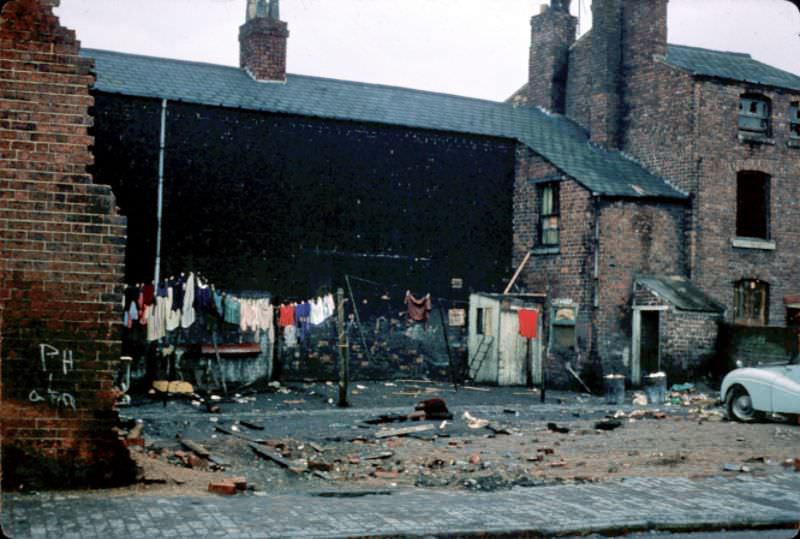
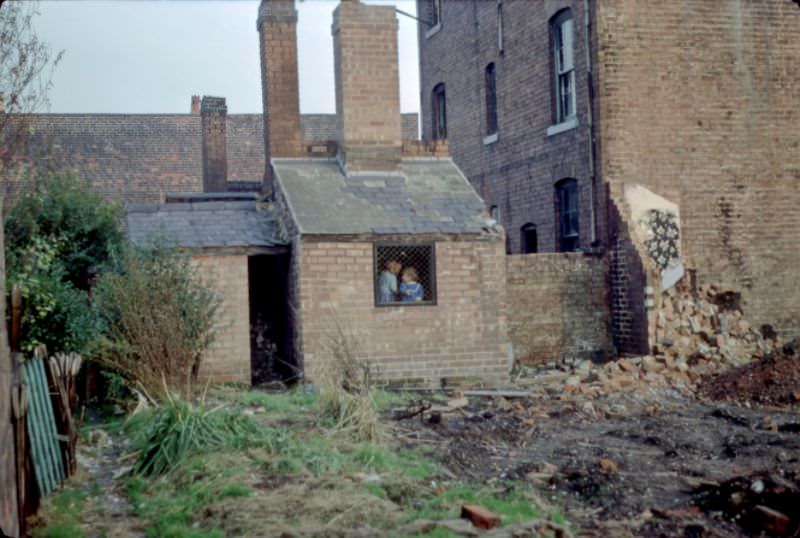
Back in Newtown, the so-called ‘adventure playground’ behind Gower Street and Guildford Street was a far cry from modern play areas. It was a rough, open space where children made their own entertainment among rubble and cleared land — the byproduct of demolition as much as deliberate design.
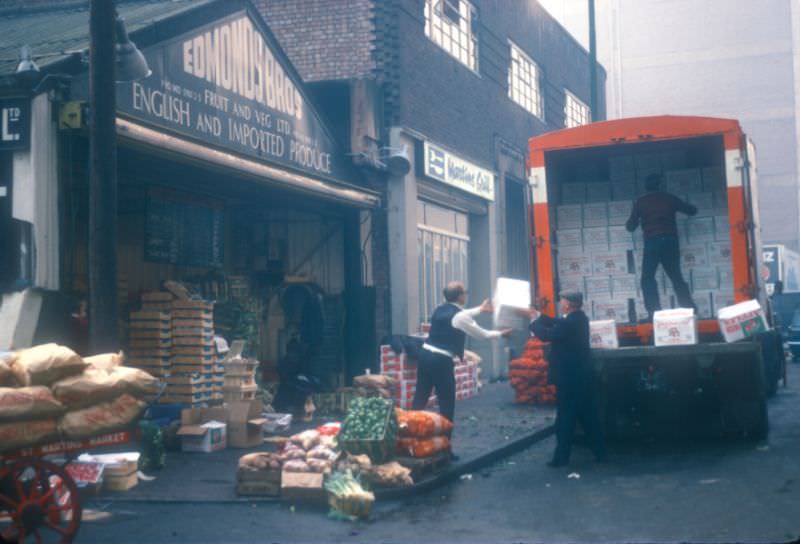
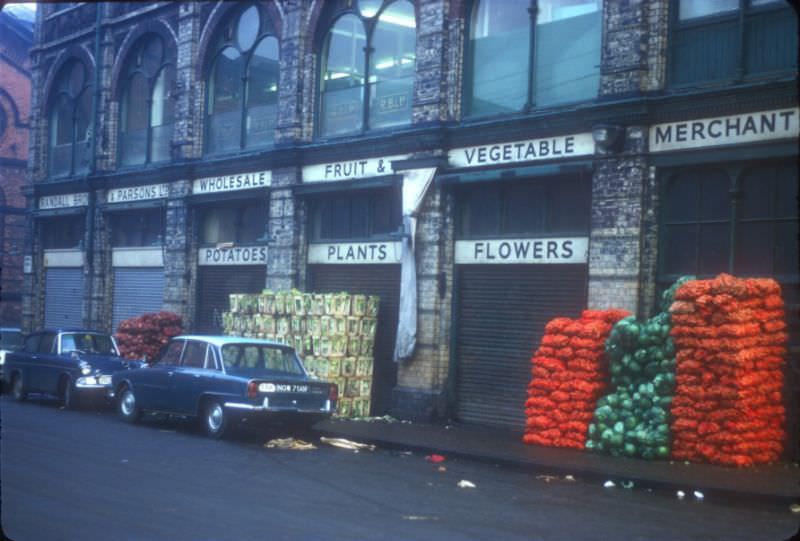
Jamaica Row in the city’s market district was the hub of Birmingham’s wholesale food trade. Fruit and vegetable merchants worked the area in the early morning hours, moving stock before the retail markets opened. The scale of the operation was considerable — crates stacked high, lorries loading and unloading, traders negotiating prices in the cold.
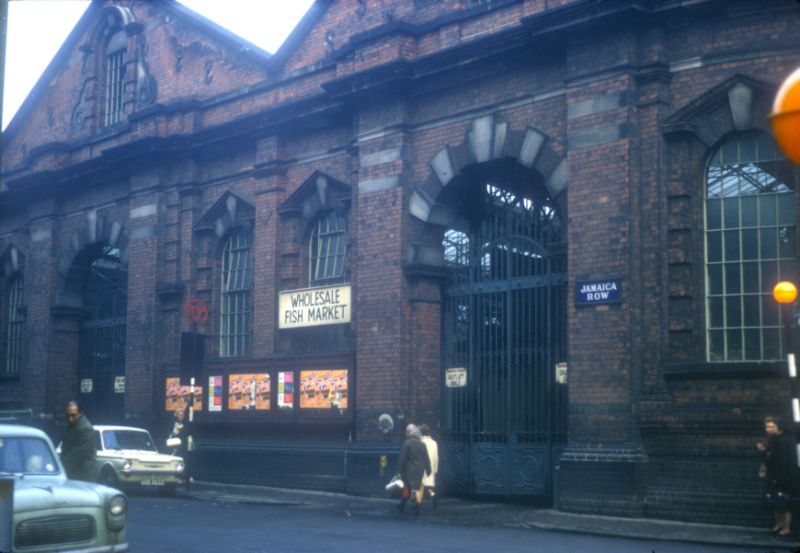
The Wholesale Fish Market on Jamaica Row was another key part of this commercial network. Fish arrived from ports across Britain and was distributed from here to fishmongers, restaurants, and market stalls throughout Birmingham and the surrounding region.