In 1970, Berlin was unlike any other city on Earth. Sitting deep inside East Germany, West Berlin was a pocket of Western life surrounded entirely by socialist territory. The Berlin Wall had been standing for nearly a decade, and the divide between the two halves of the city was not just physical — it was visible in every street, every face, and every neon sign.
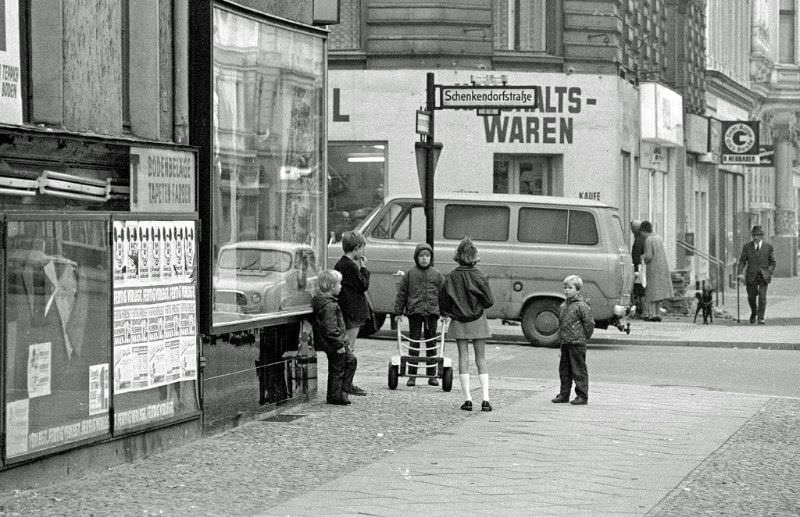
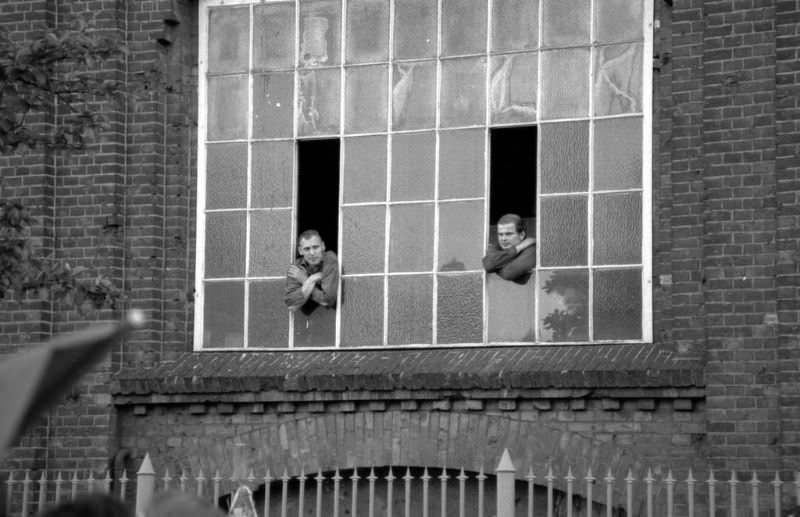
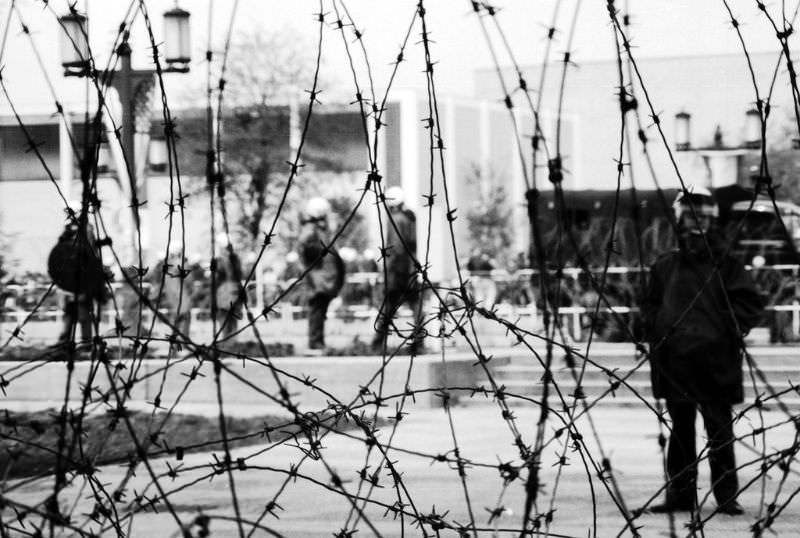
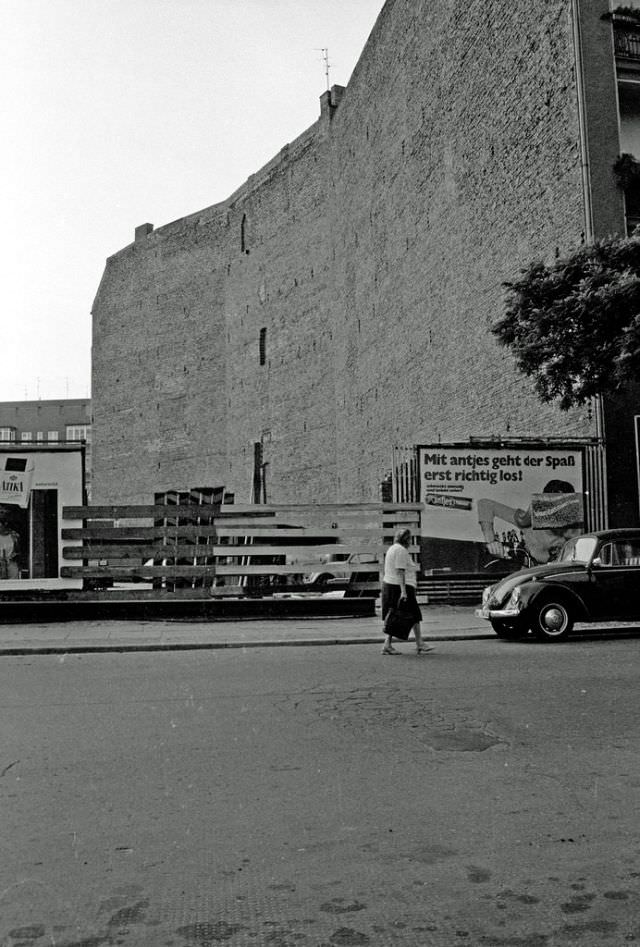
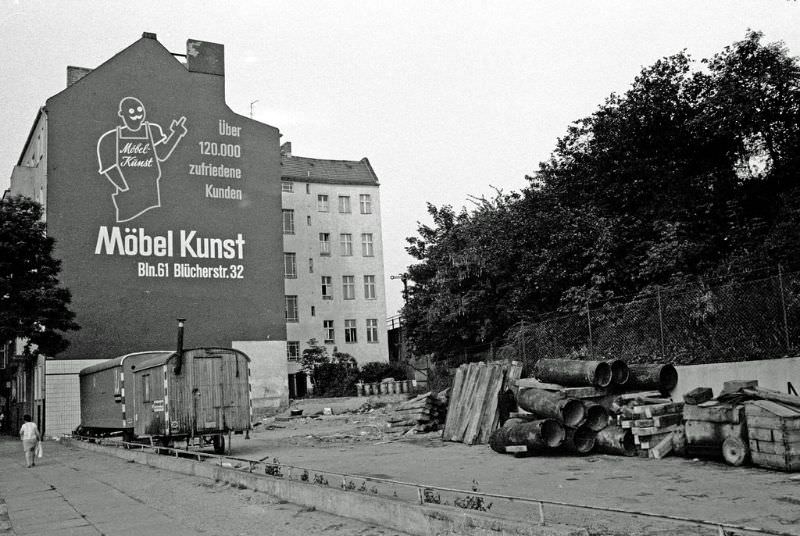
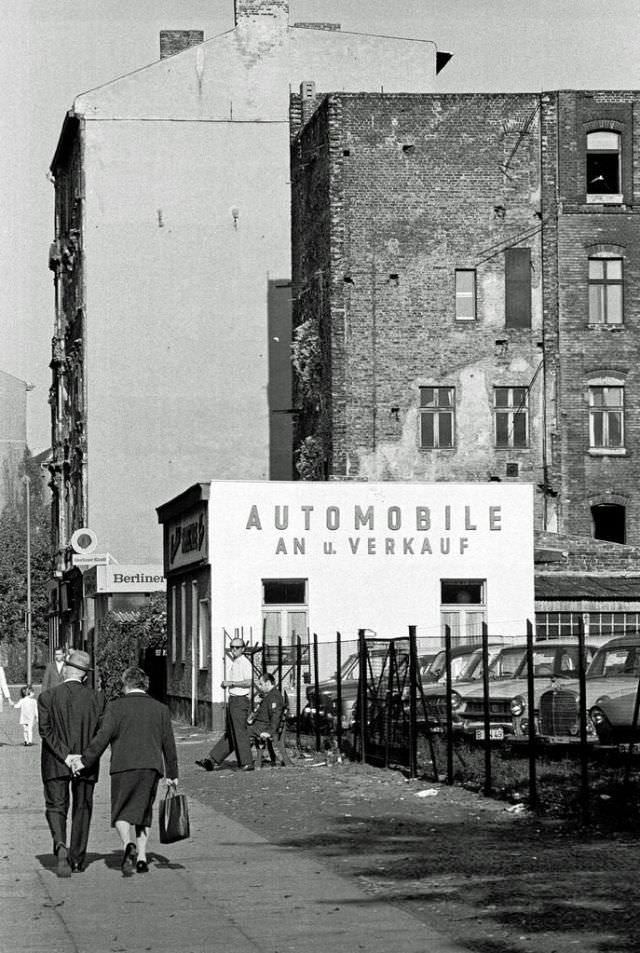
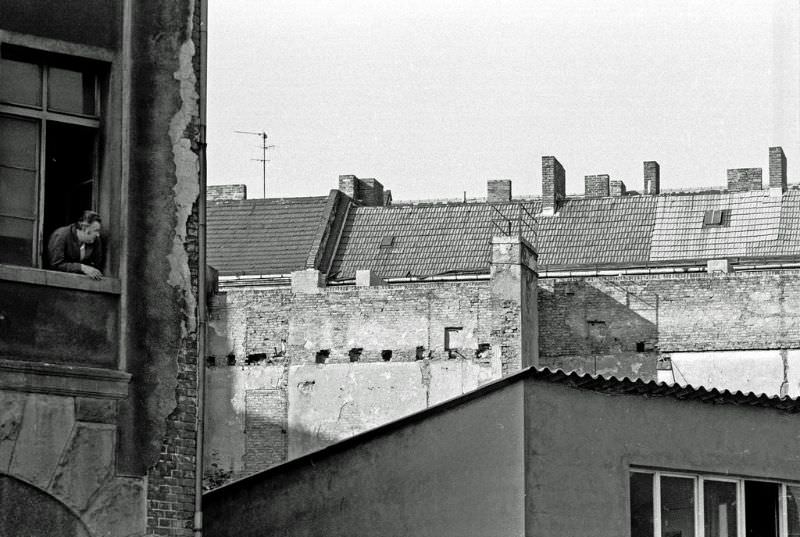
German photographer Heinrich Klaffs captured this divided world through a black-and-white lens in 1970. His photos document everyday life on both sides — the textures of the streets, the people going about their routines, and the sharp differences that a single wall could create between two ways of life.
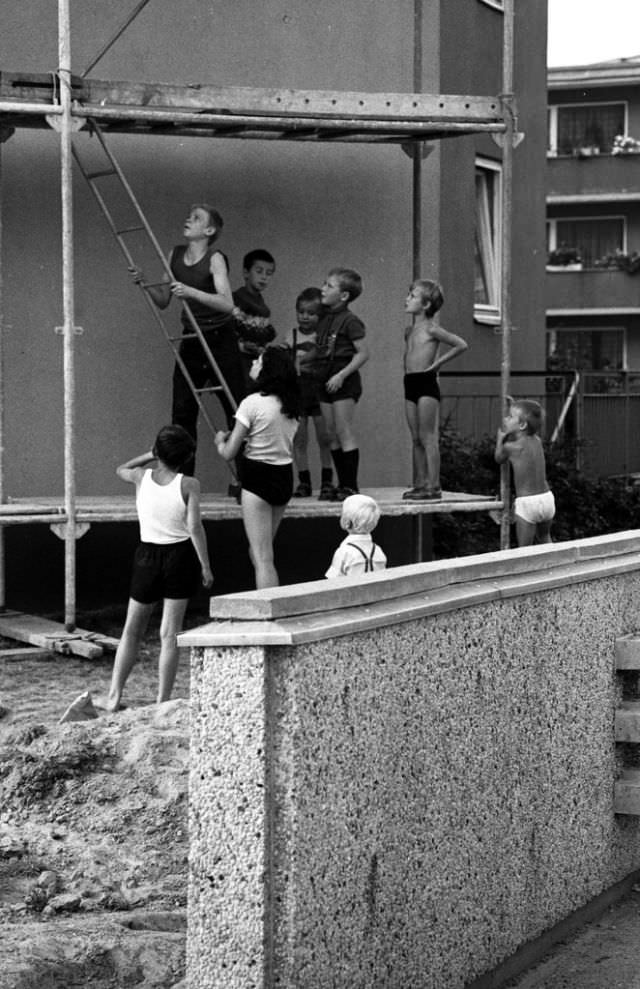
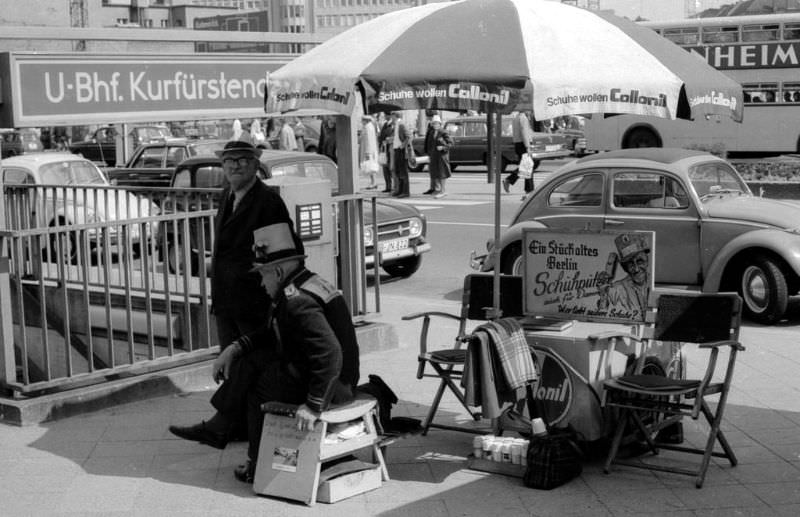
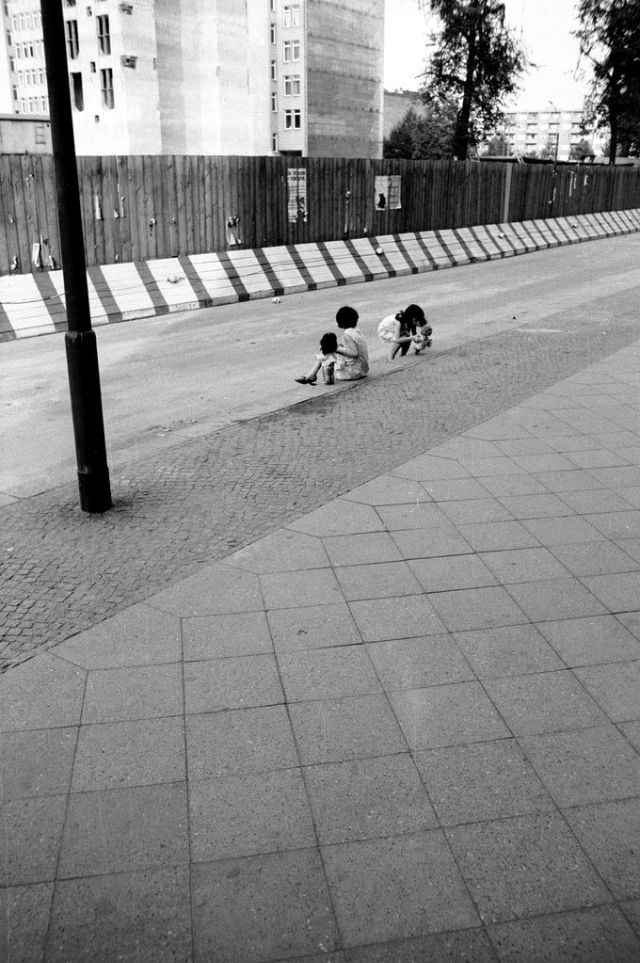
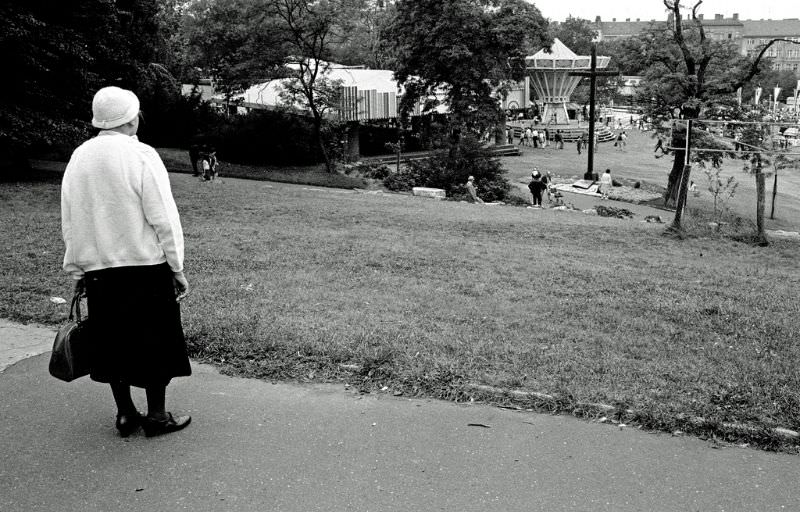
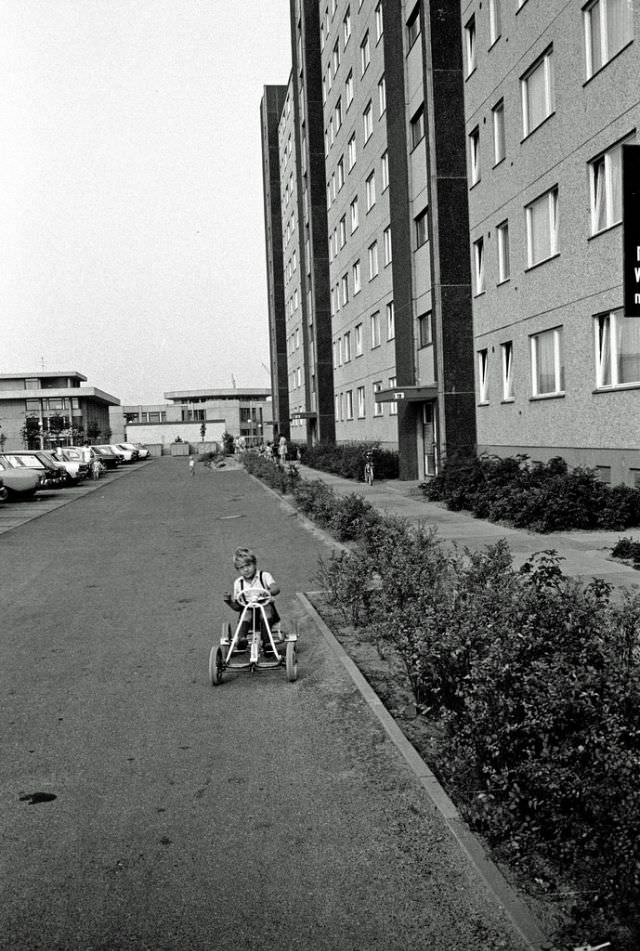
East Berlin operated under strict socialist order. People dressed plainly, streets were quiet, and the city shut down well before midnight. There was little commercial activity to light up the night. The atmosphere was controlled and subdued.
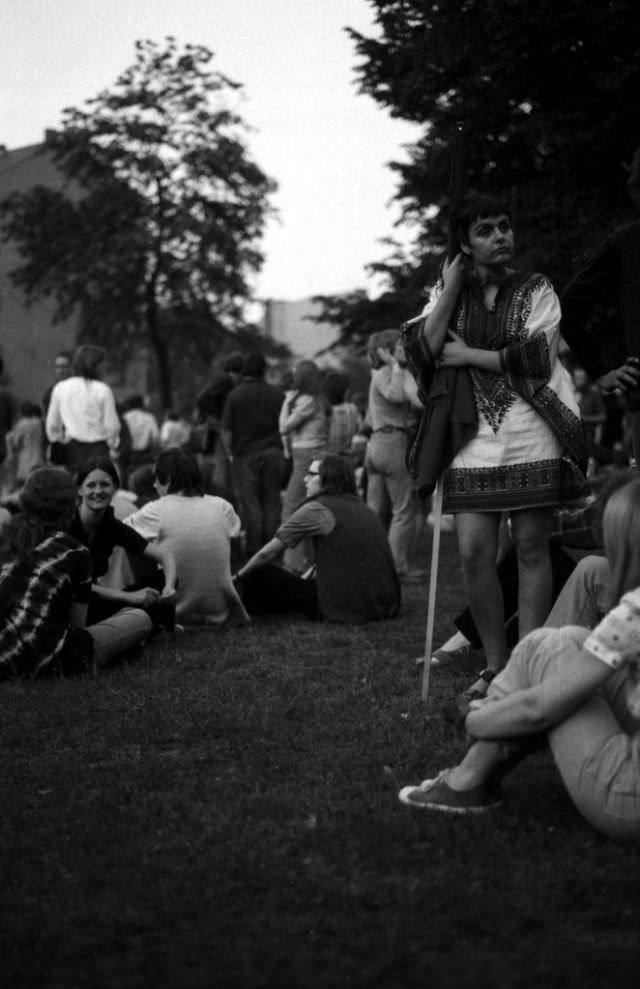
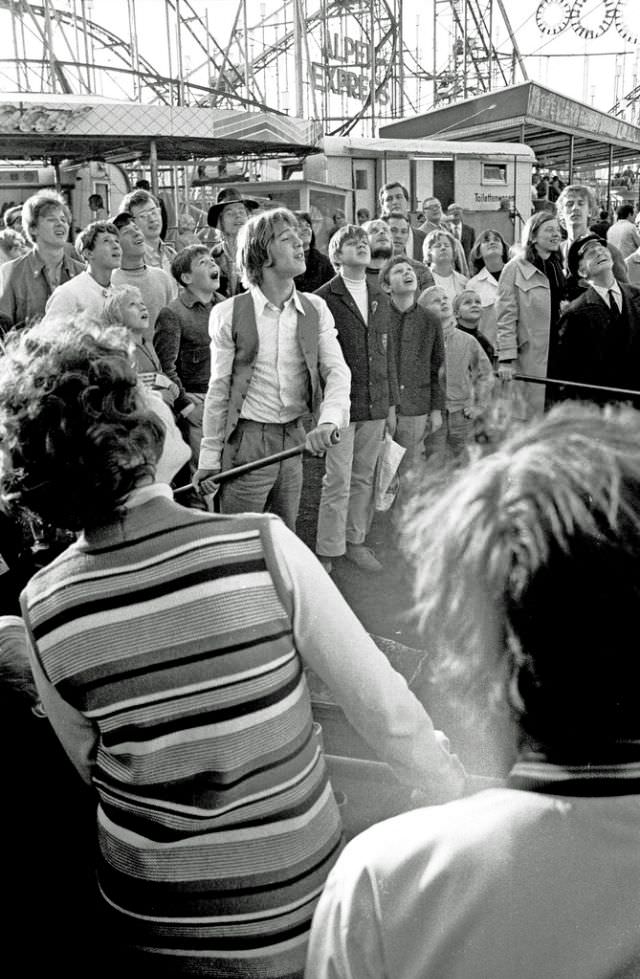
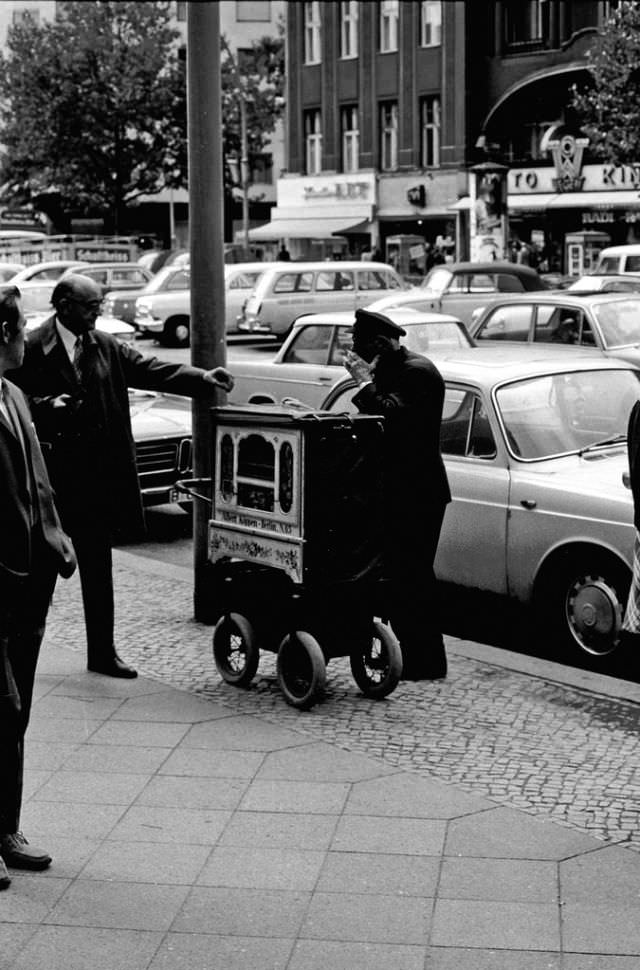
West Berlin was the opposite. It ran on neon light and nightlife. Bars, clubs, and shops stayed open late. The city had a restless, youthful energy that set it apart not just from the East, but from most Western cities too.
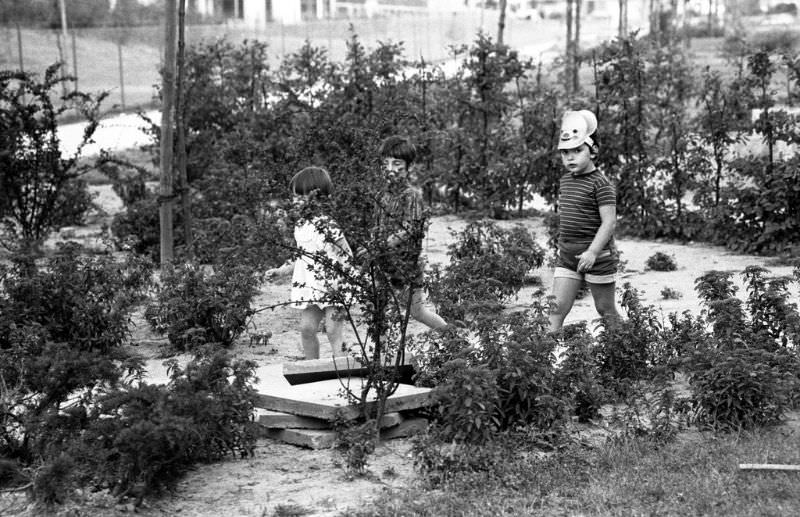
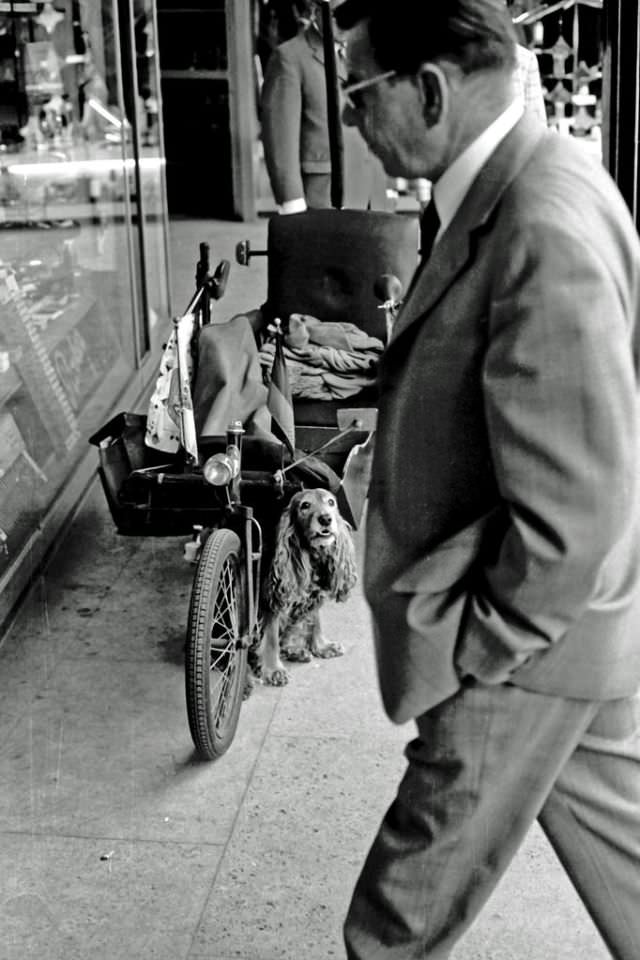
One reason West Berlin skewed young was its military exemption policy. West German men who lived in West Berlin were not required to serve in the West German military. Young men moved there by the thousands to avoid the draft, which gave the city a distinct, countercultural character.
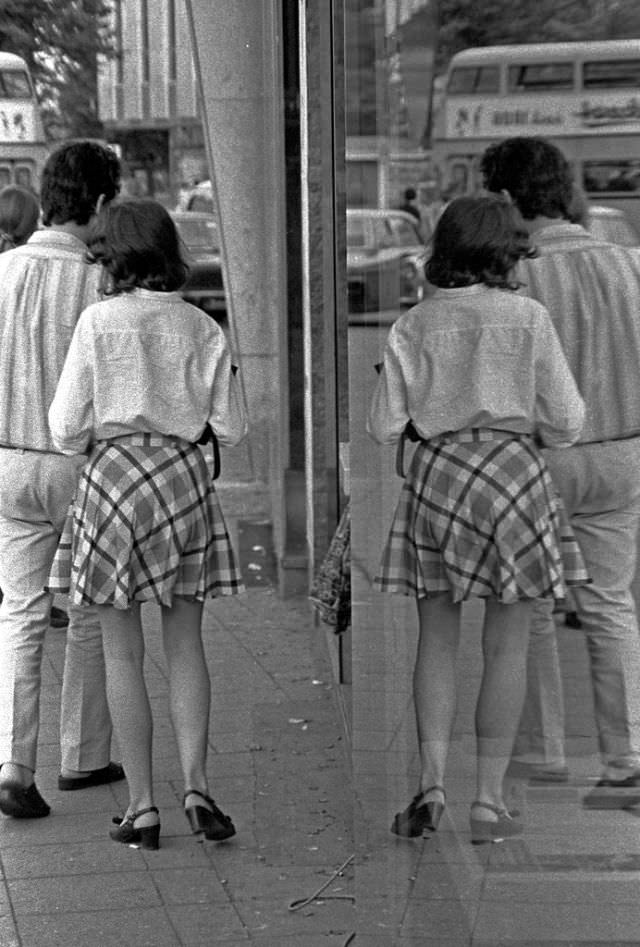
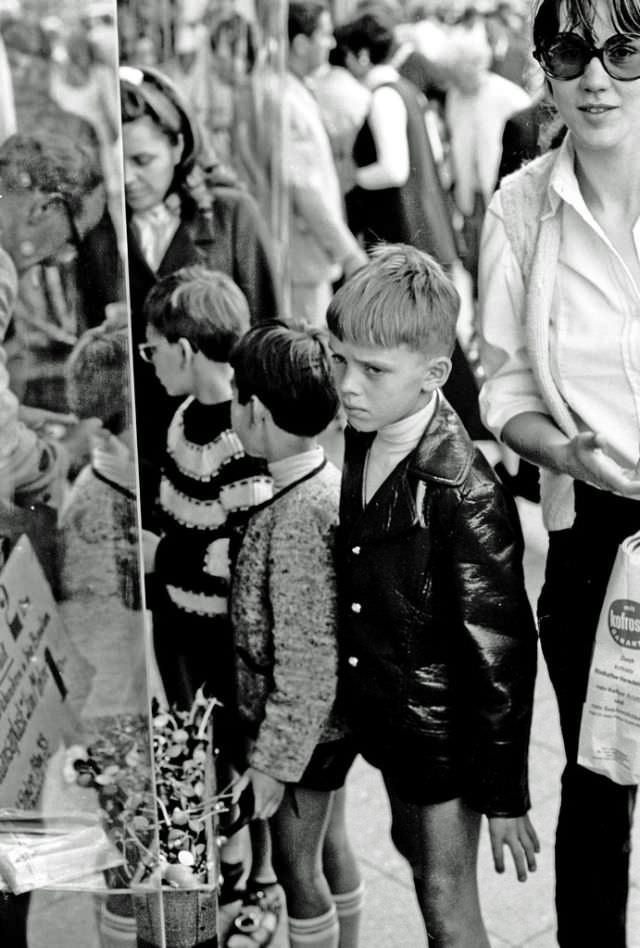
Crossing from East to West was a jarring experience. After spending time in the quieter, grayer streets of the East, stepping back into West Berlin felt like entering a different century. The contrast was immediate and impossible to ignore.
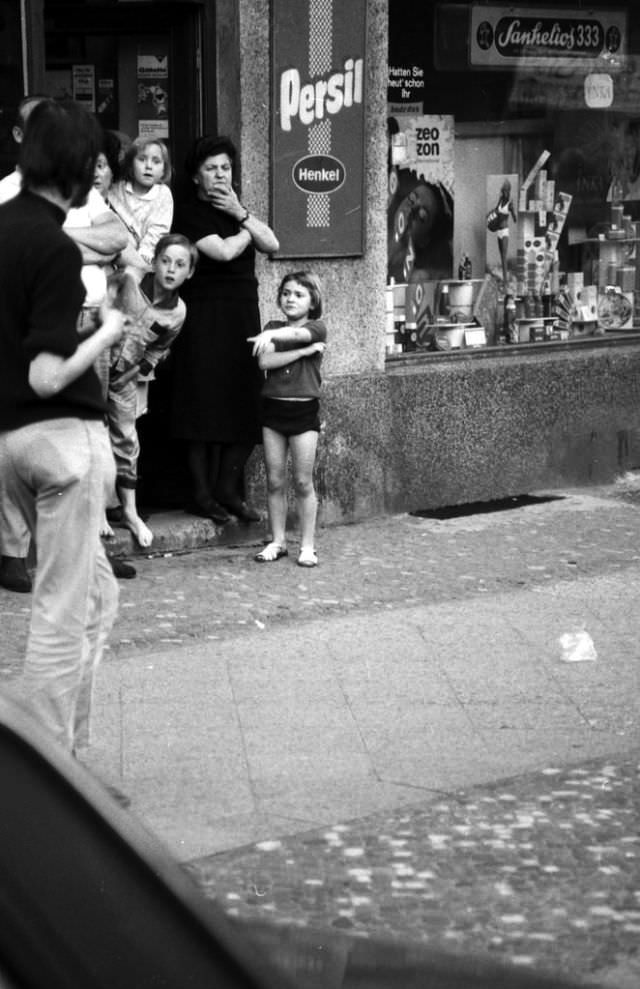
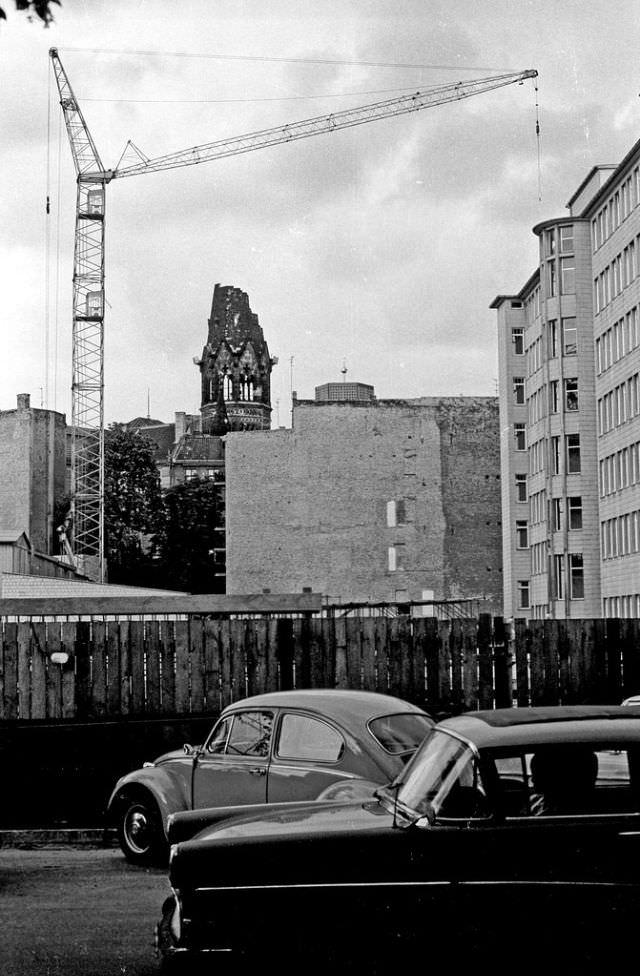
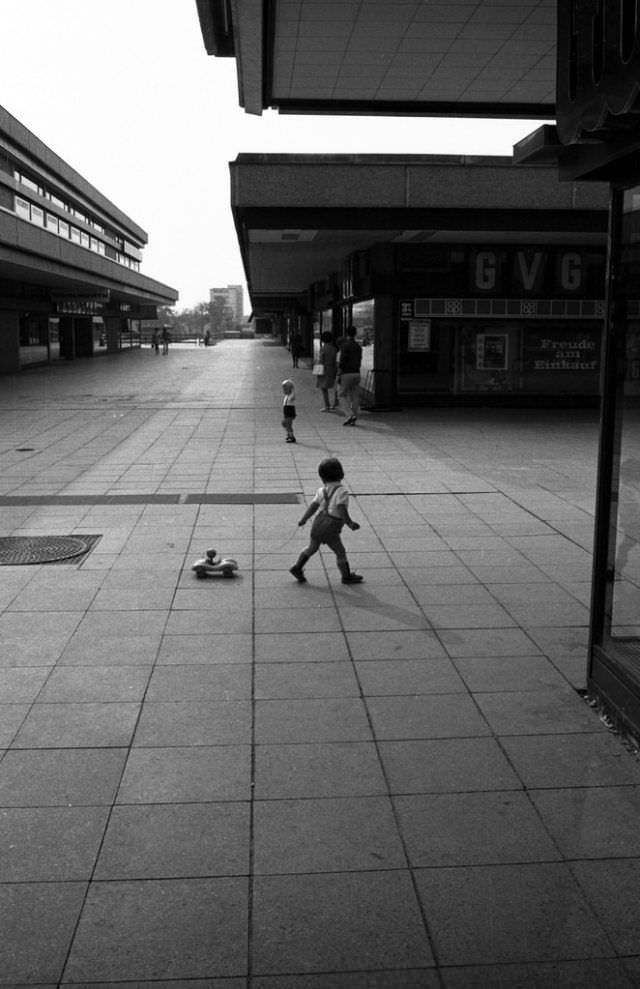
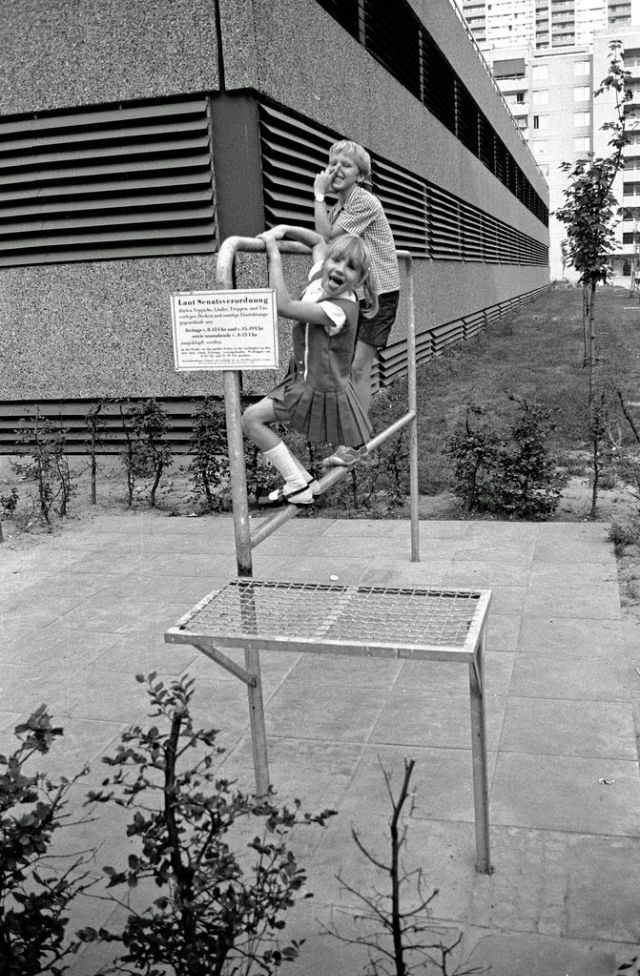
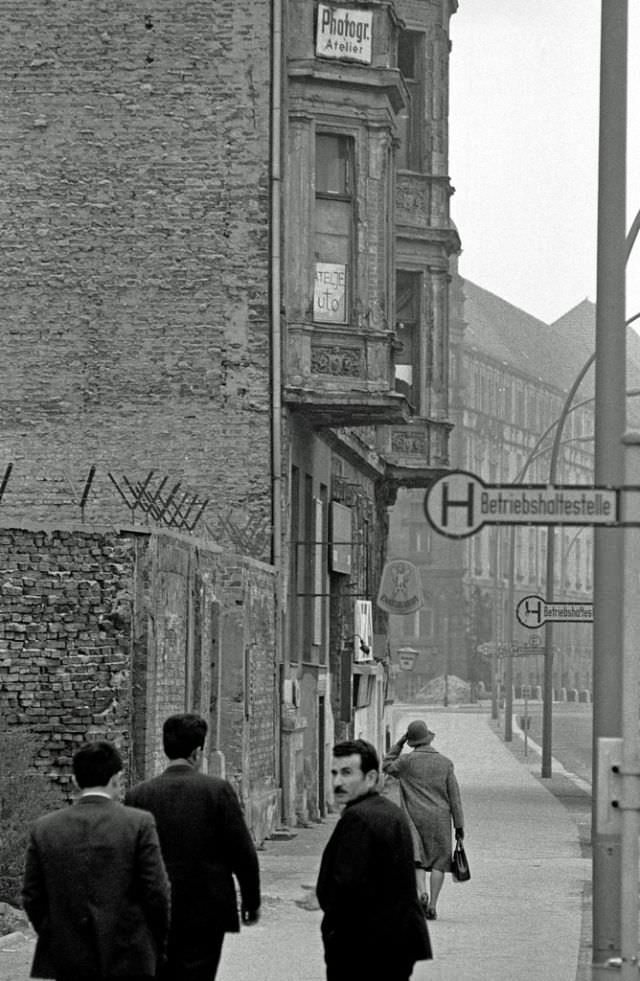
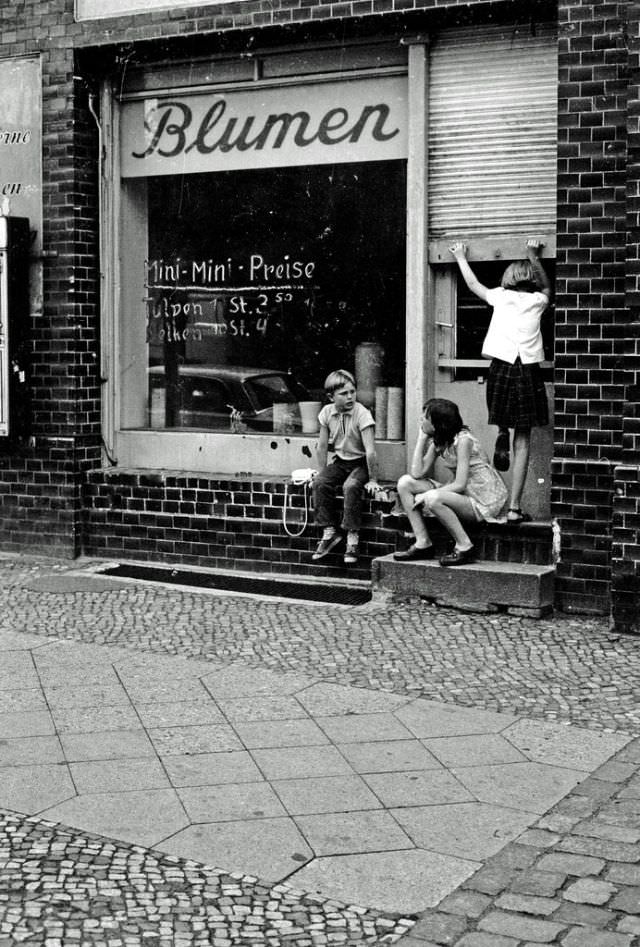
Klaffs documented ordinary moments — people on sidewalks, storefronts, public spaces — that together paint a detailed portrait of a city living under extraordinary circumstances. His black-and-white photography strips away distraction and puts the focus squarely on the people and places themselves.
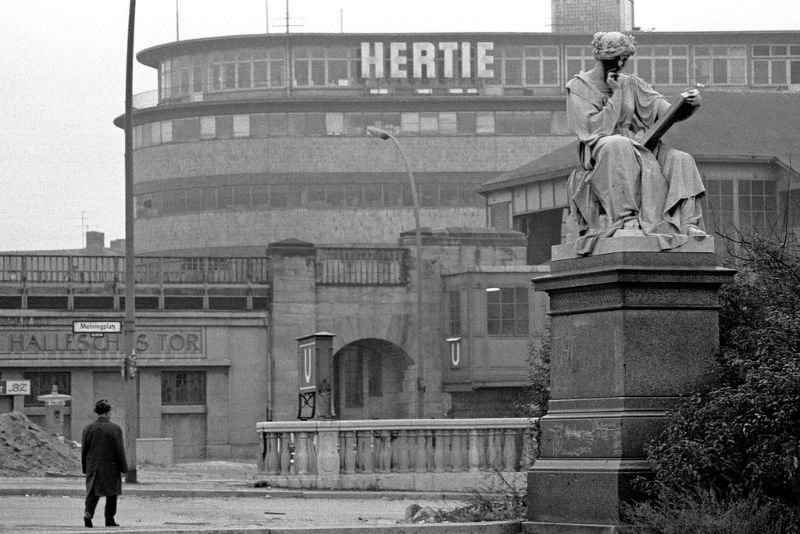
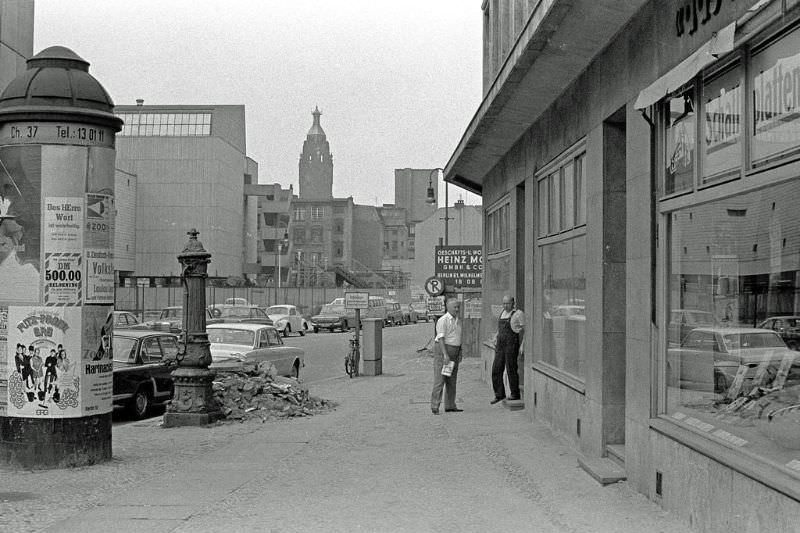
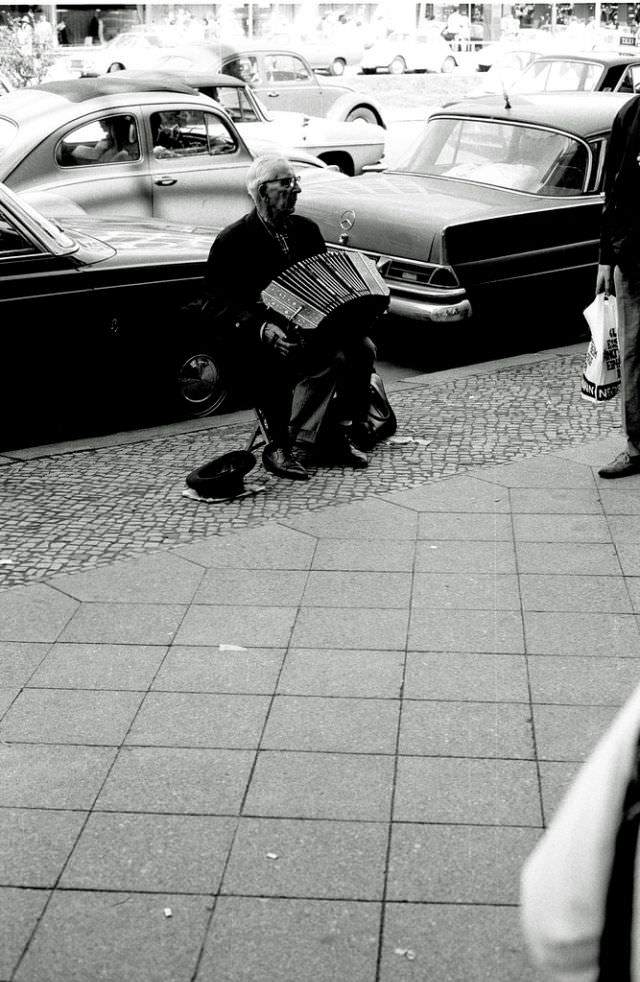
By 1970, socialist East Germany still operated with full confidence in its system. There was no widespread sense that the regime would eventually collapse. The rules, the uniforms, the rigid daily structure — all of it felt permanent to those living inside it.
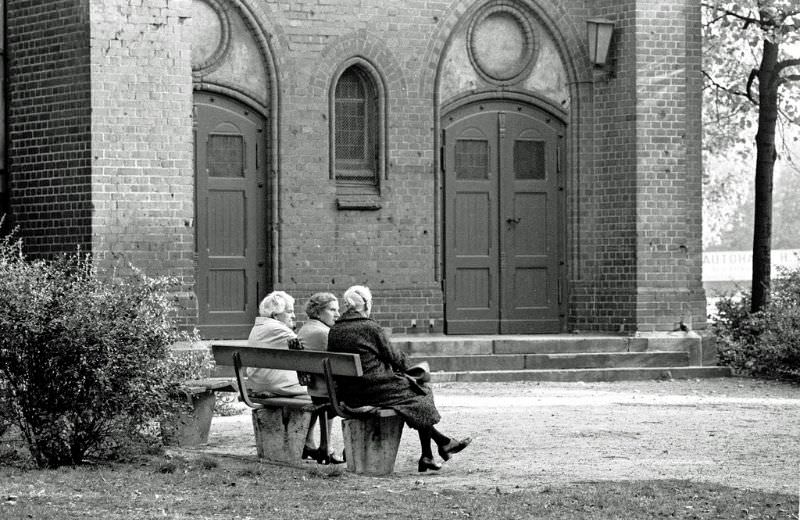
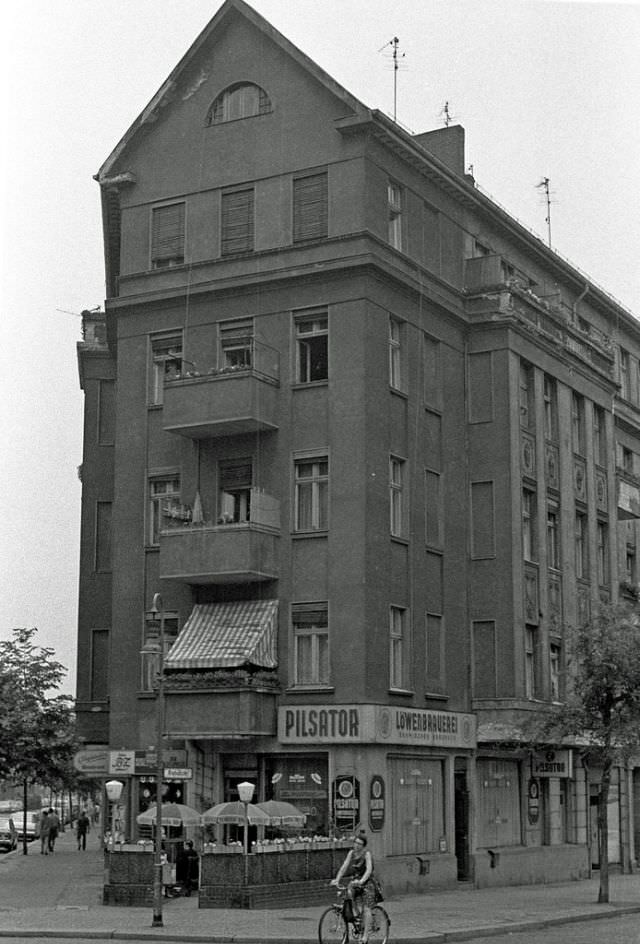
West Berlin, meanwhile, was a city that knew it was on display. Western governments and media pointed to it as proof that liberal democracy produced a better quality of life. The city’s vibrancy was both genuine and symbolic.
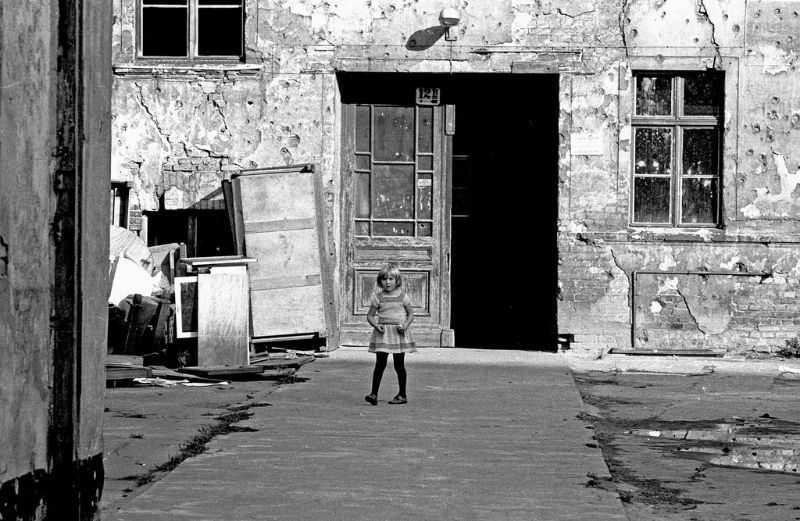
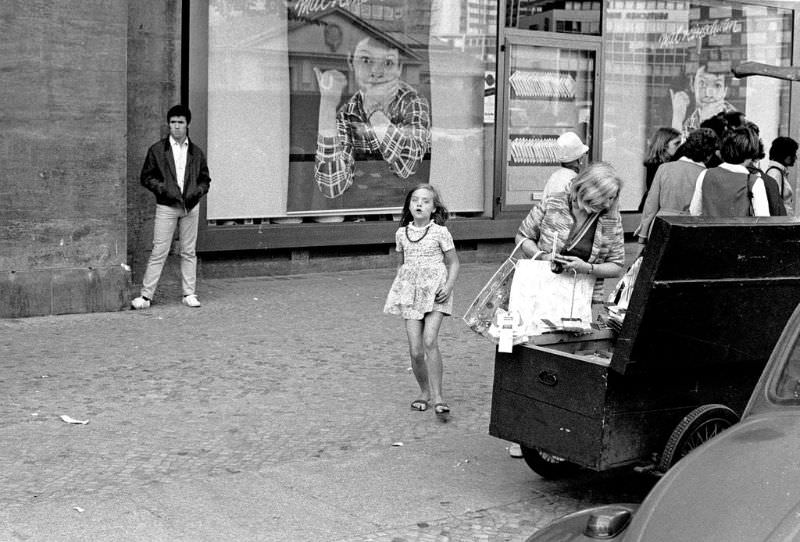
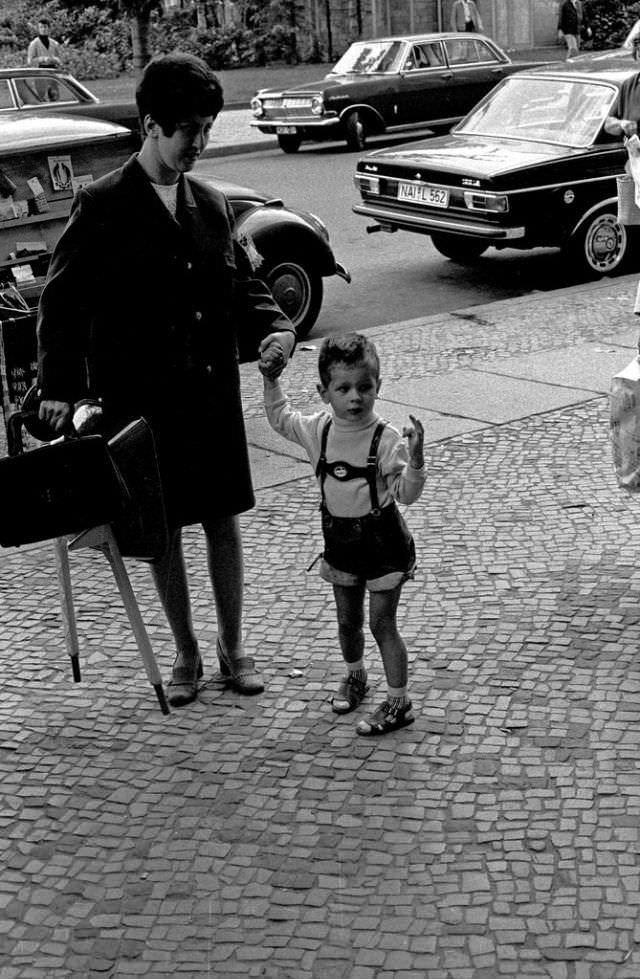
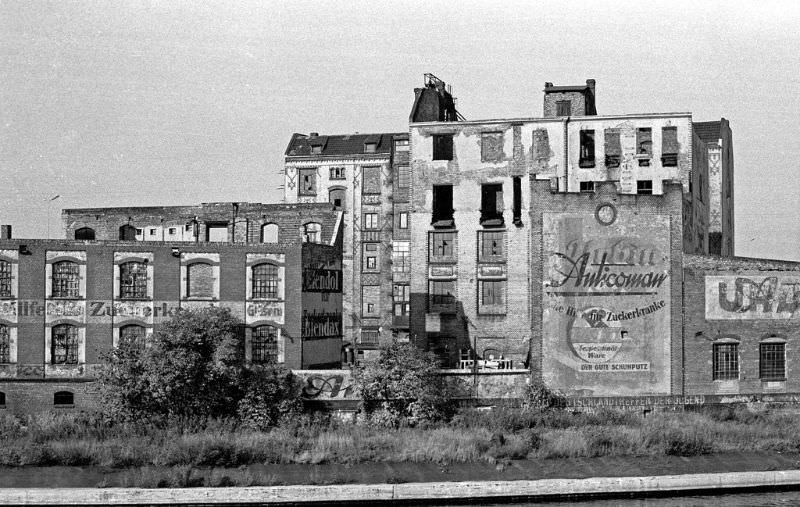
Klaffs photographed both sides without heavy editorial framing. The images speak for themselves — a street scene here, a crowd there, a building facade that tells you immediately which side of the Wall you’re looking at.
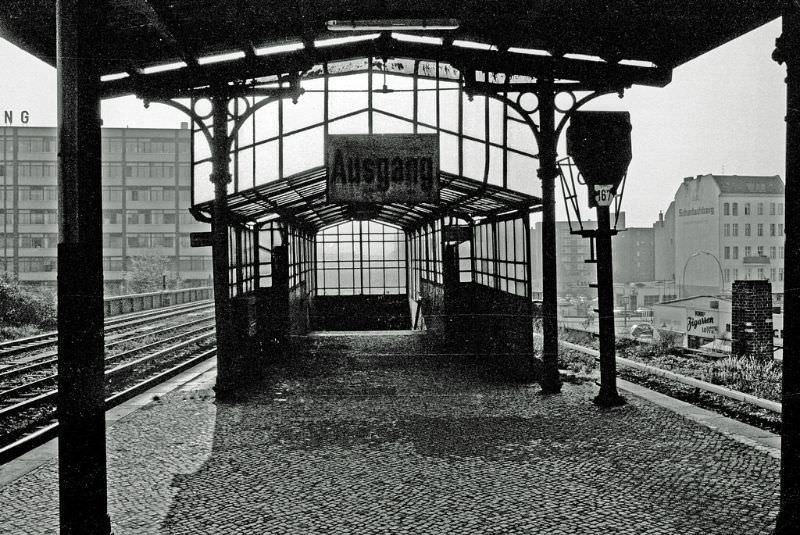
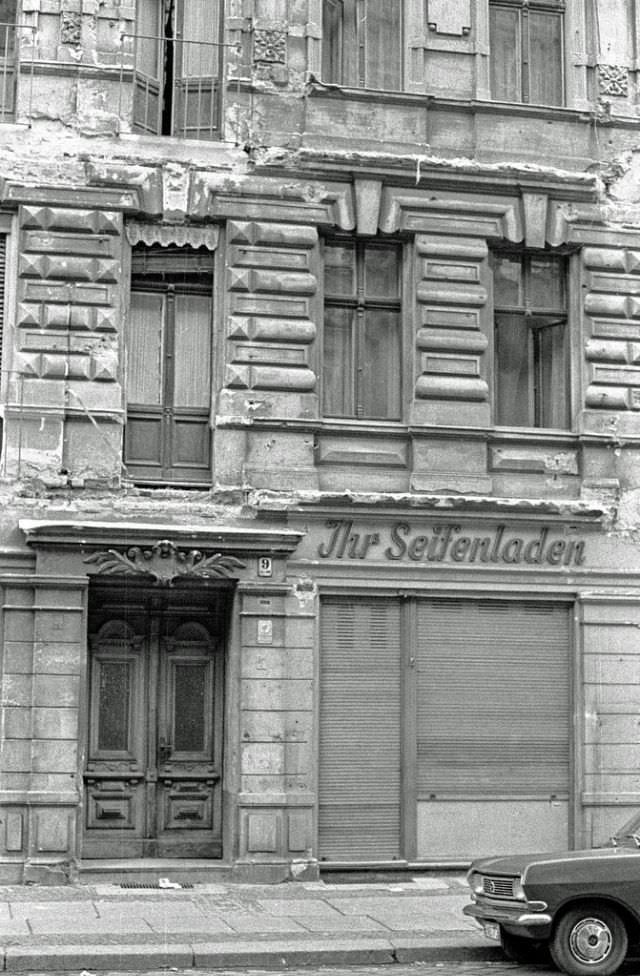
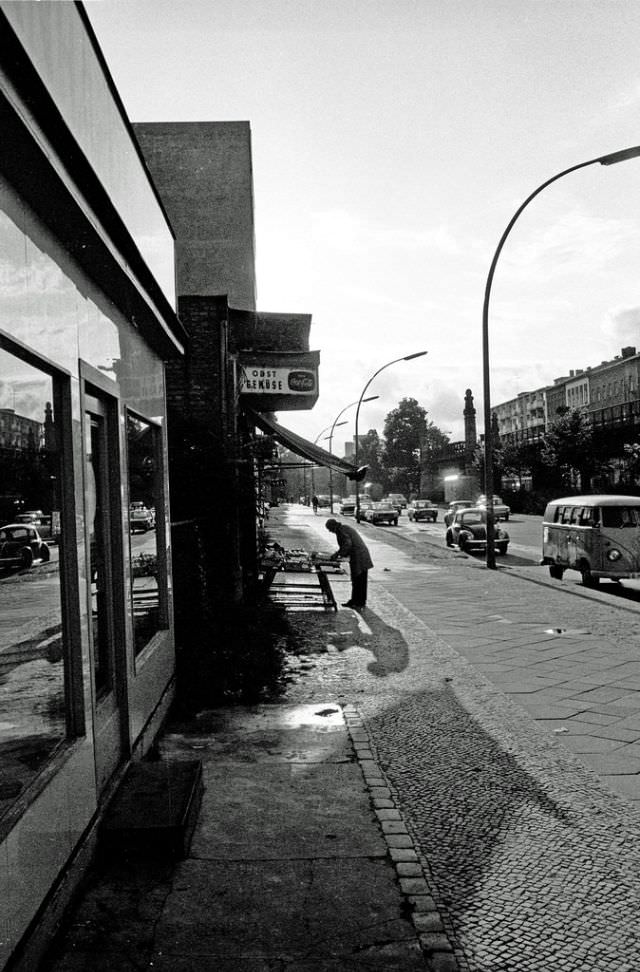
The collection covers a wide range of subjects. Some photos focus on architecture — the difference between East Berlin’s austere postwar construction and West Berlin’s more commercial streetscapes. Others zero in on people: their clothing, their posture, the way they occupy public space.
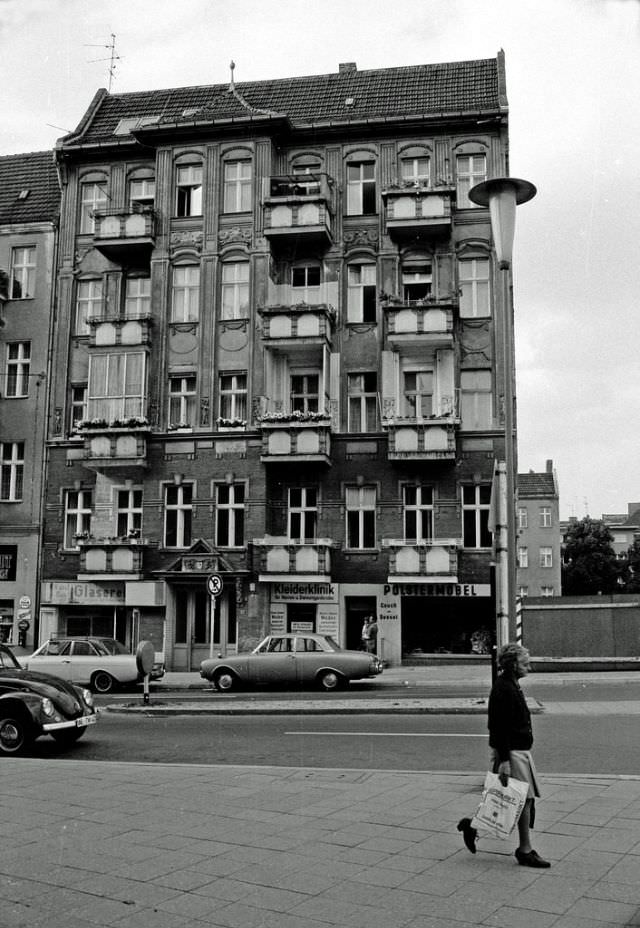
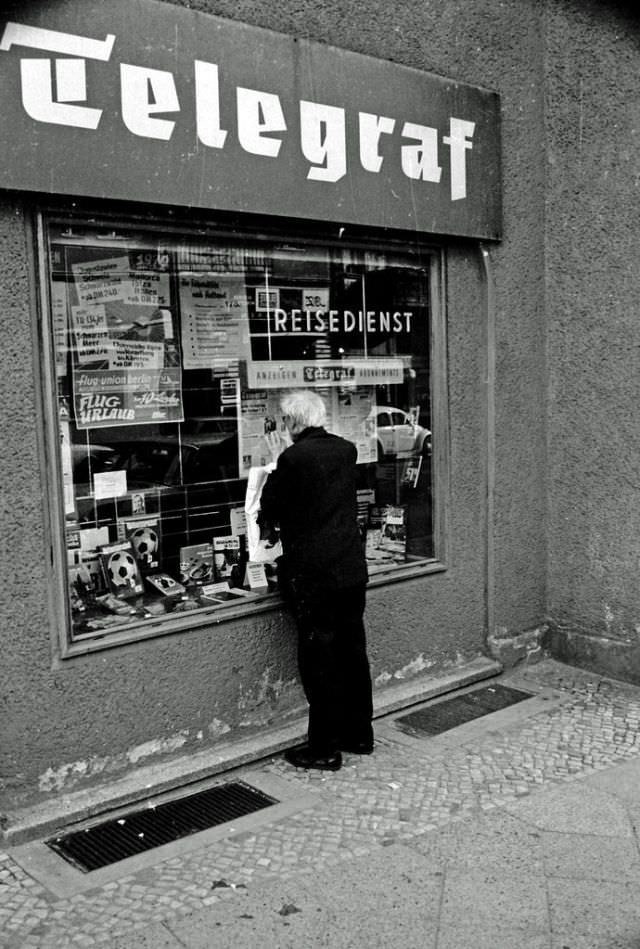
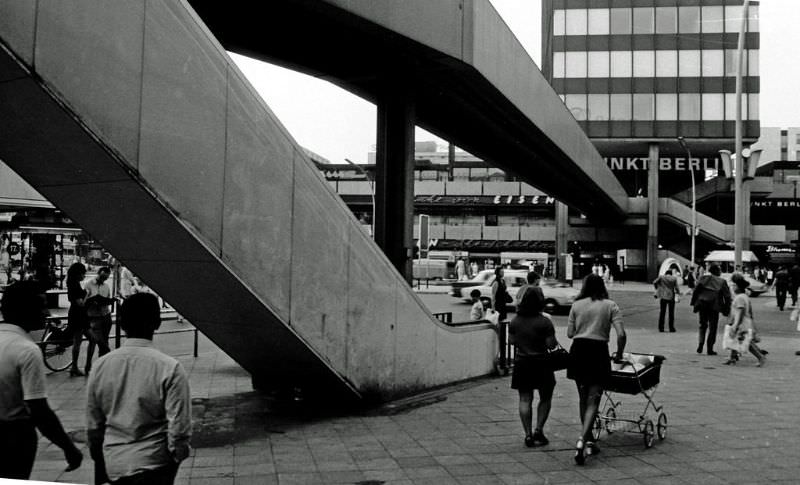
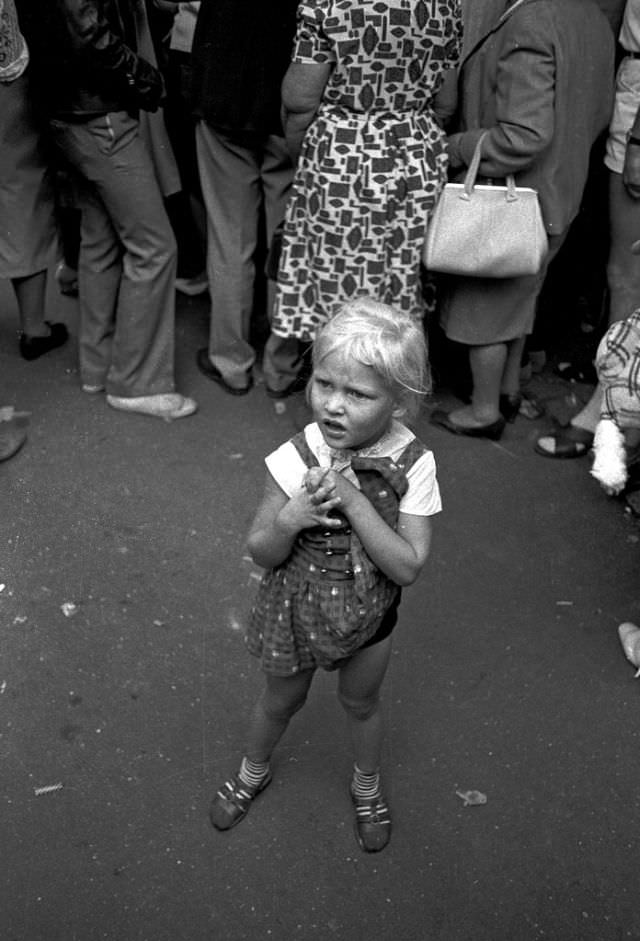
East Berliners in Klaffs’ photos often appear in plain, practical clothing. West Berliners show more variety — longer hair, more expressive styles reflecting the broader cultural shifts happening across Western Europe and North America at the time.
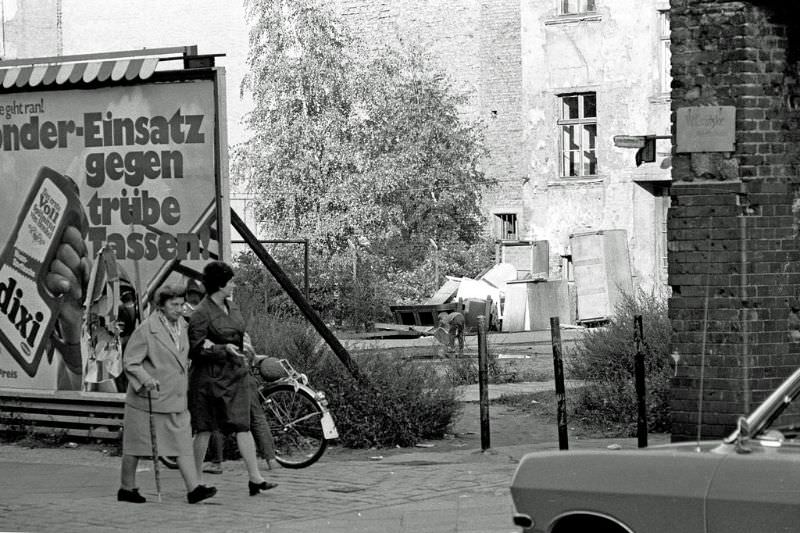
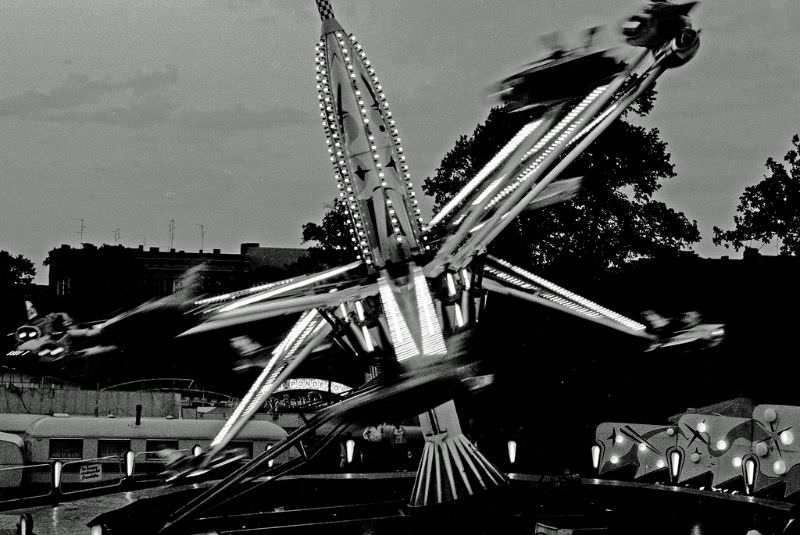
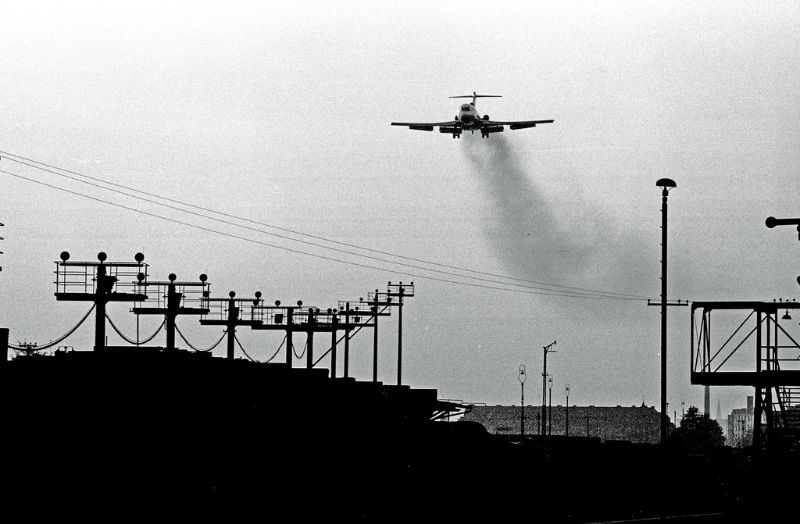
The streets of East Berlin in 1970 were not dangerous or chaotic — they were simply quiet in a way that felt enforced rather than natural. Wide roads, few advertisements, and sparse pedestrian traffic defined the visual landscape.
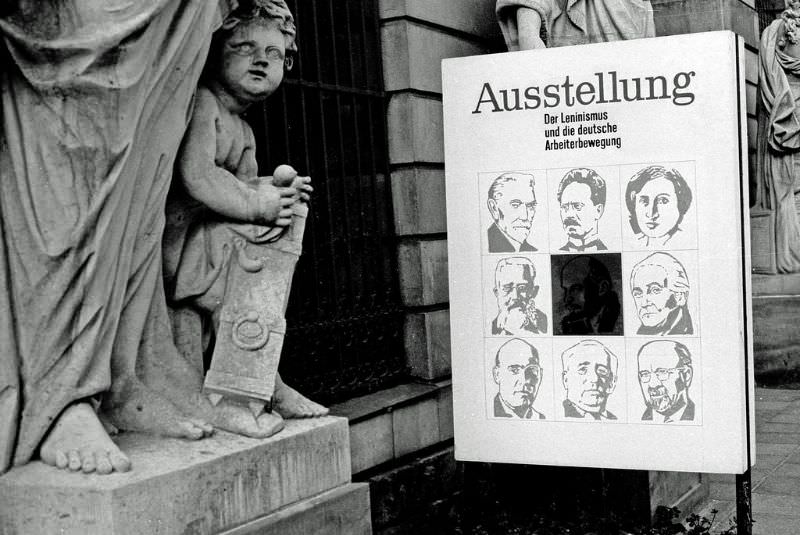
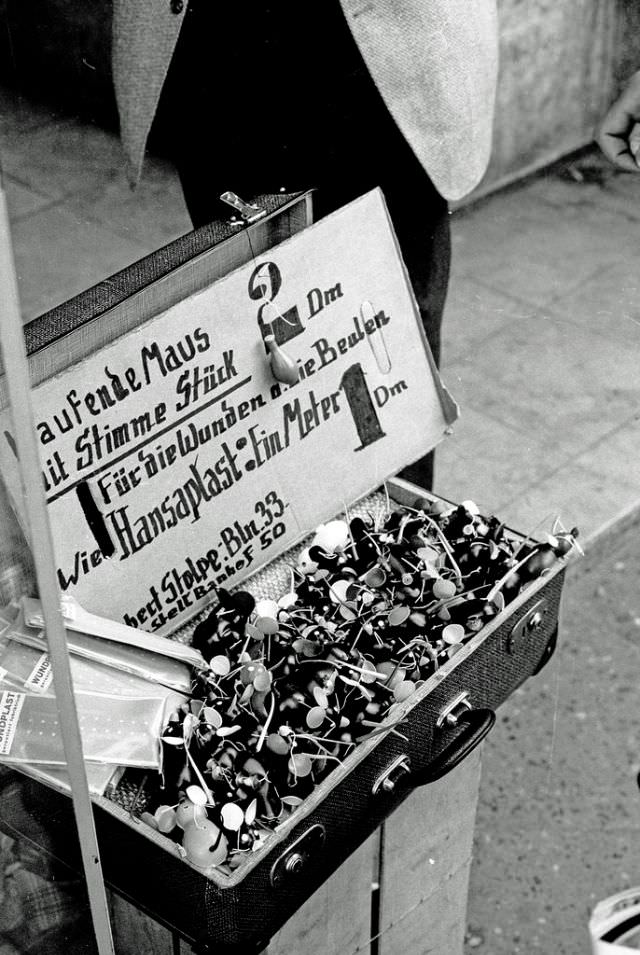
West Berlin’s streets told a different story. Advertising, foot traffic, and the general clutter of a market economy filled every corner. The Wall may have been close, but inside West Berlin, it was easy to forget the city was an island.
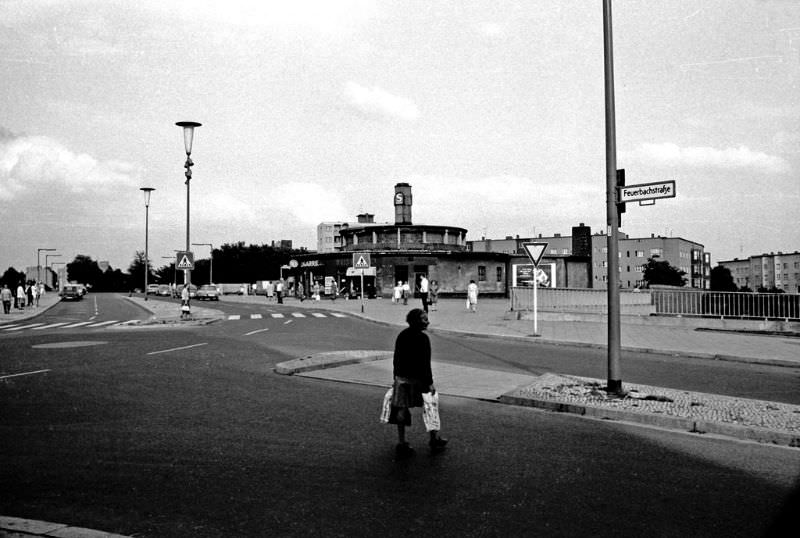
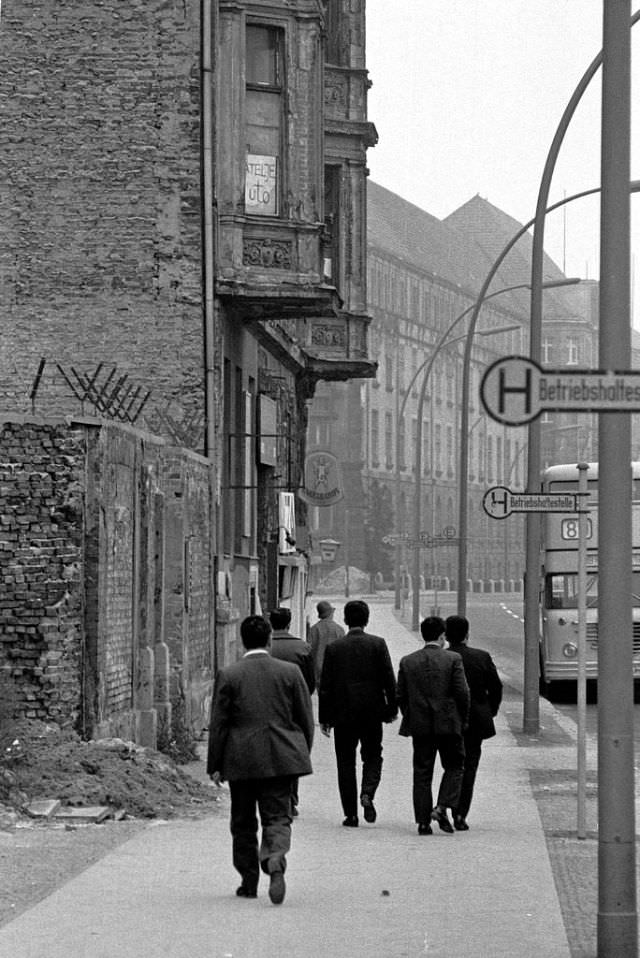
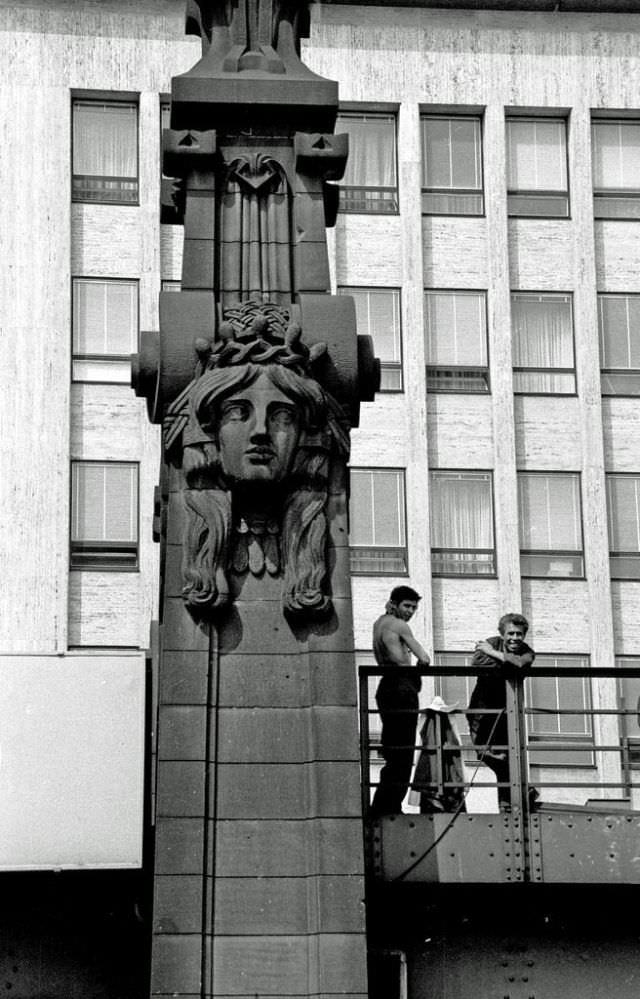
Klaffs’ work from this year stands as a precise historical record. These were not staged photographs or propaganda images. They were candid documentation of a divided city at a specific moment in time — a moment when the division seemed fixed and permanent.
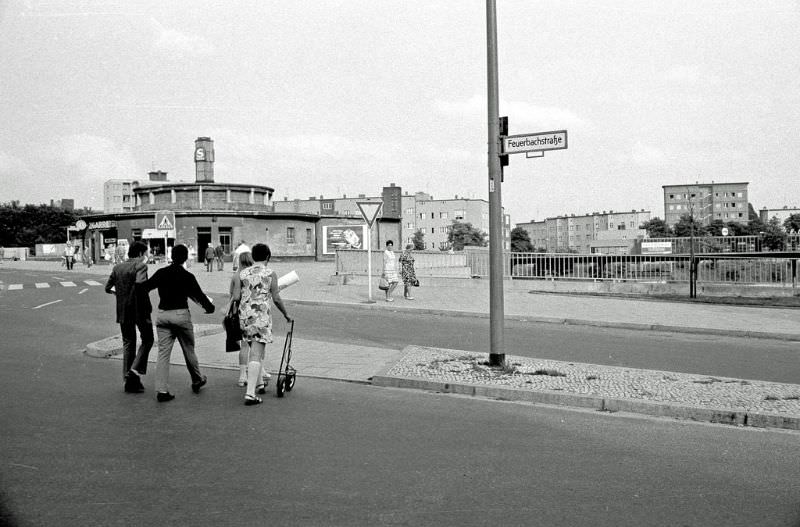
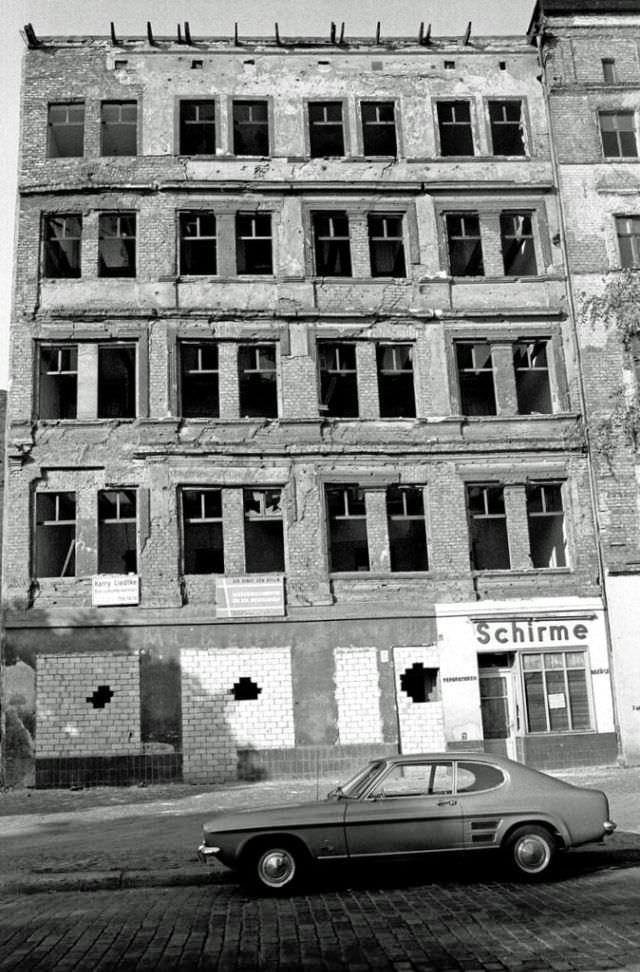
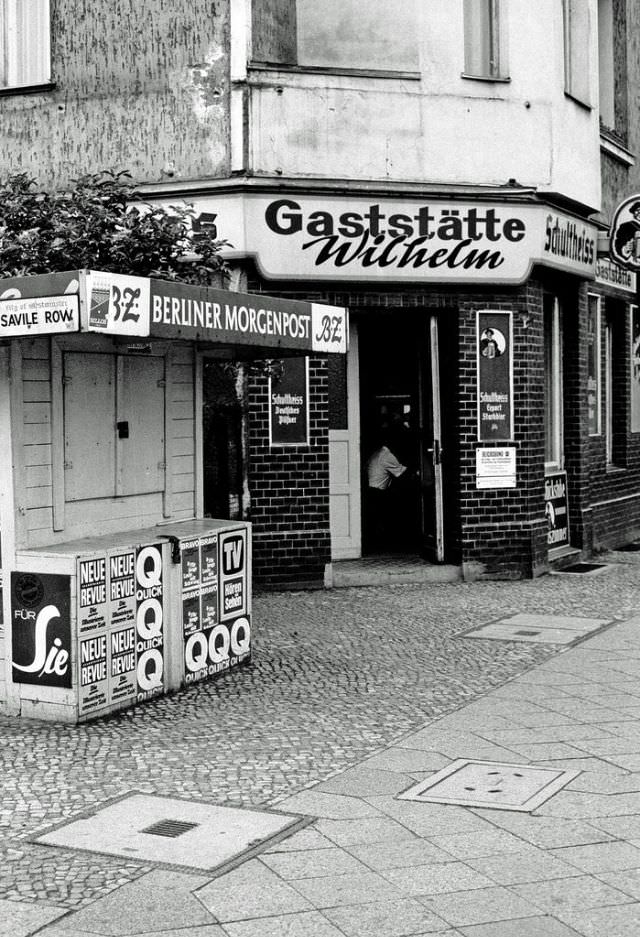
The images capture details that words alone struggle to convey. The texture of a cobblestone street, the way light falls on a building, the expression on a pedestrian’s face — all of it tells you something specific about what Berlin looked and felt like in 1970.
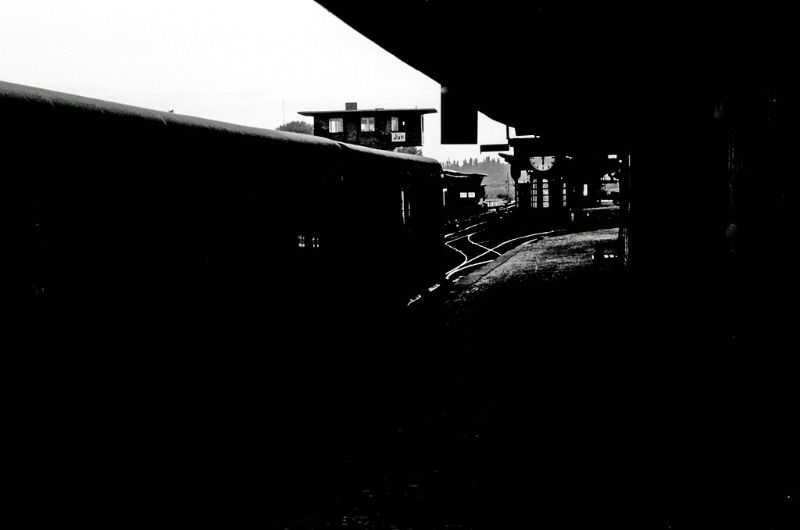
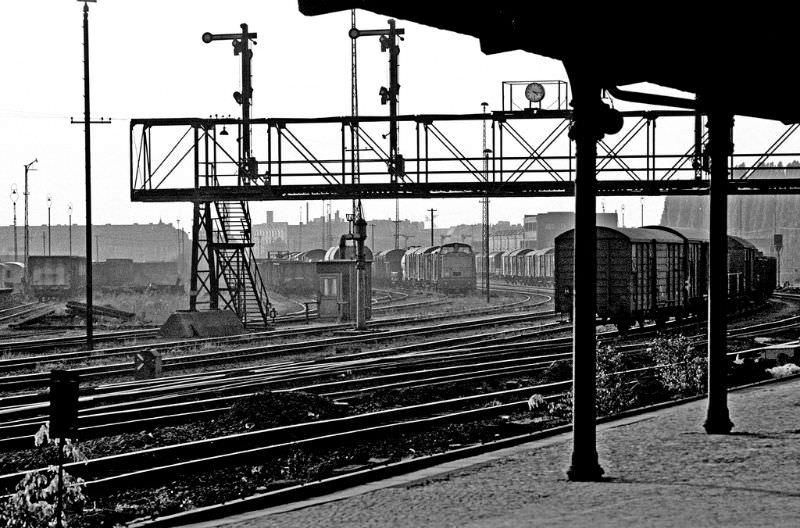
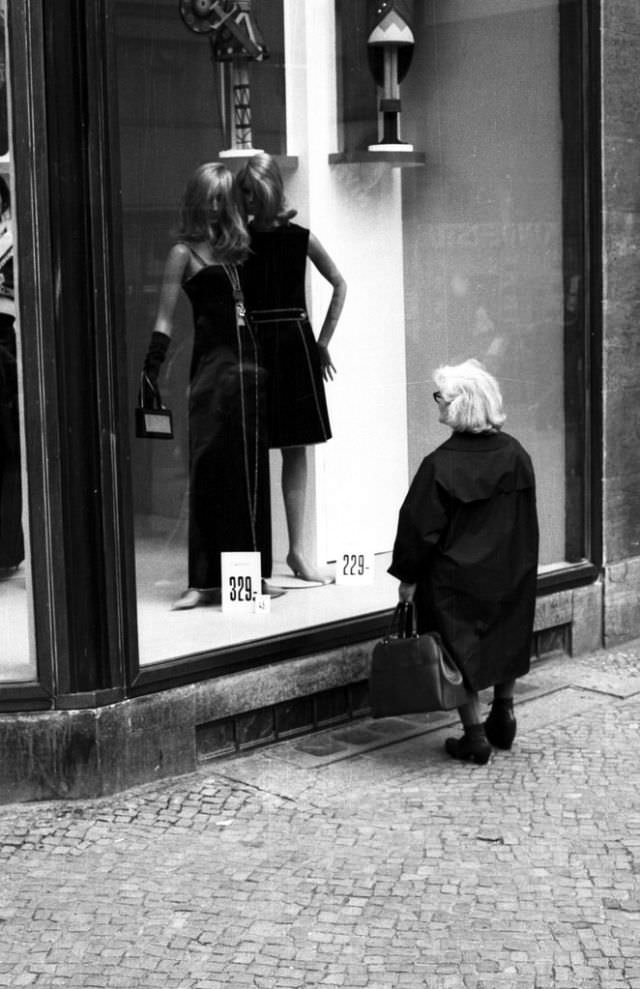
What makes these photos so valuable today is their specificity. Klaffs wasn’t trying to make a grand political statement. He was recording what he saw. That straightforward approach makes the photos more honest and more revealing than any deliberate piece of political photography could be.
Berlin in 1970 was a city of two realities existing a few hundred meters apart. One was shaped by state control and socialist planning. The other was driven by commerce, youth culture, and Western freedom. Klaffs photographed both with equal attention and let the contrast do the talking.