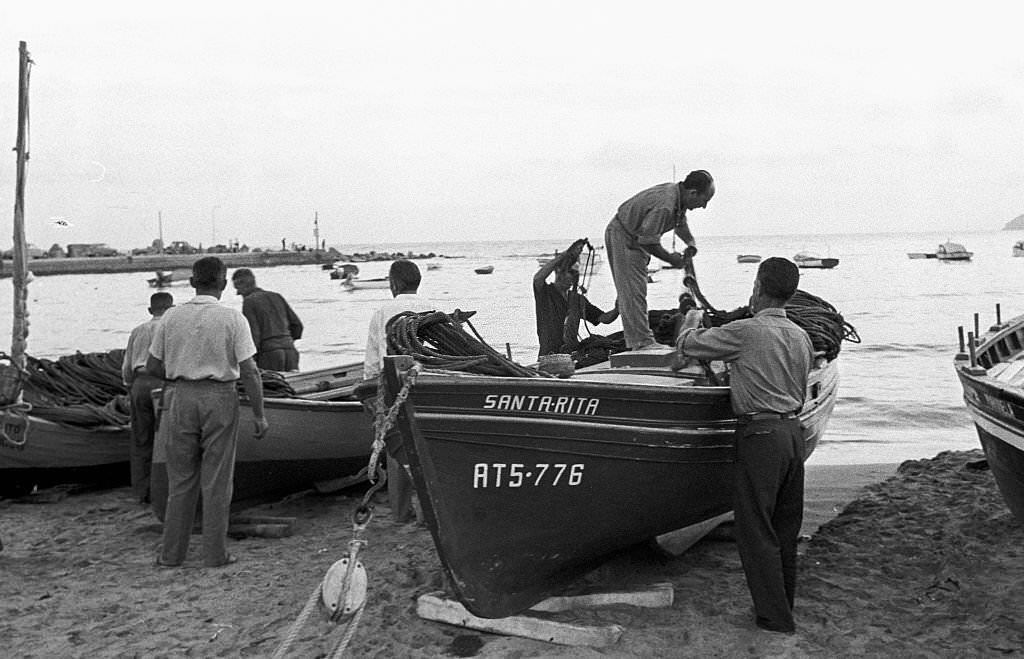
Benidorm sits on the Mediterranean coast of Spain, in the province of Alicante. Today it’s known for its towering hotels and packed beaches. But long before the skyscrapers arrived, it was a modest fishing town with deep roots in the sea. The earliest known settlements in the area were on Montbenidorm, a hill in Cala Finestrat visible from the end of Poniente beach. Archaeologists found burial grounds and the remains of an Iberian settlement there dating back to the first century BC — along with fishing nets, placing the town’s connection to the sea at its very beginning.
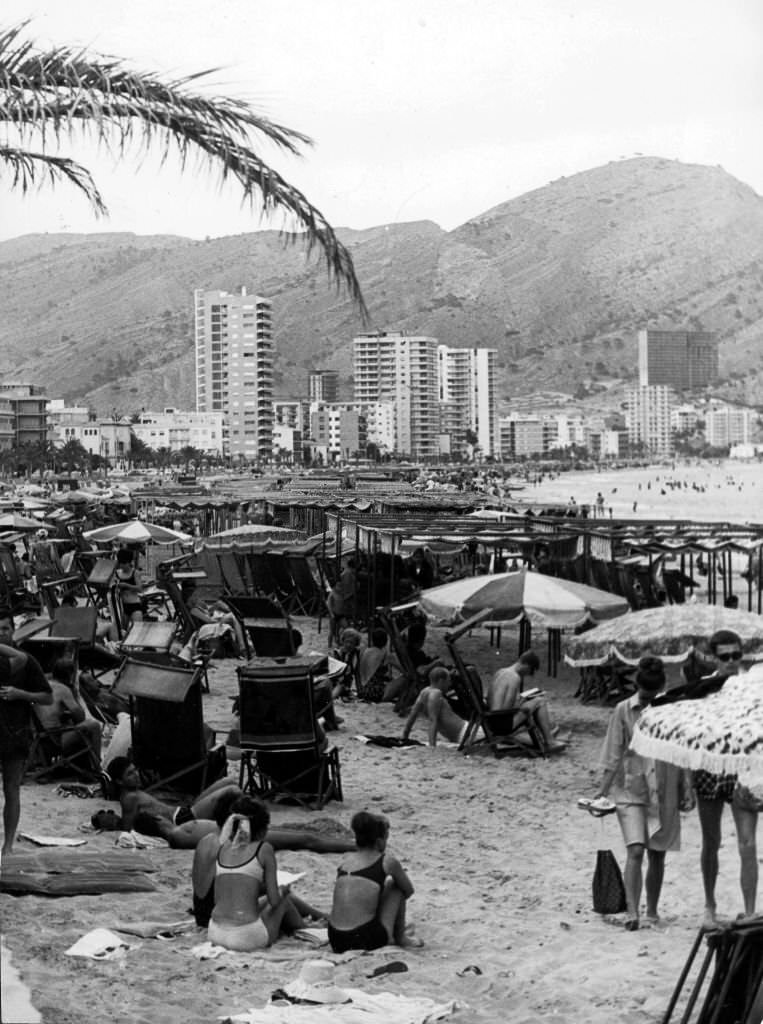
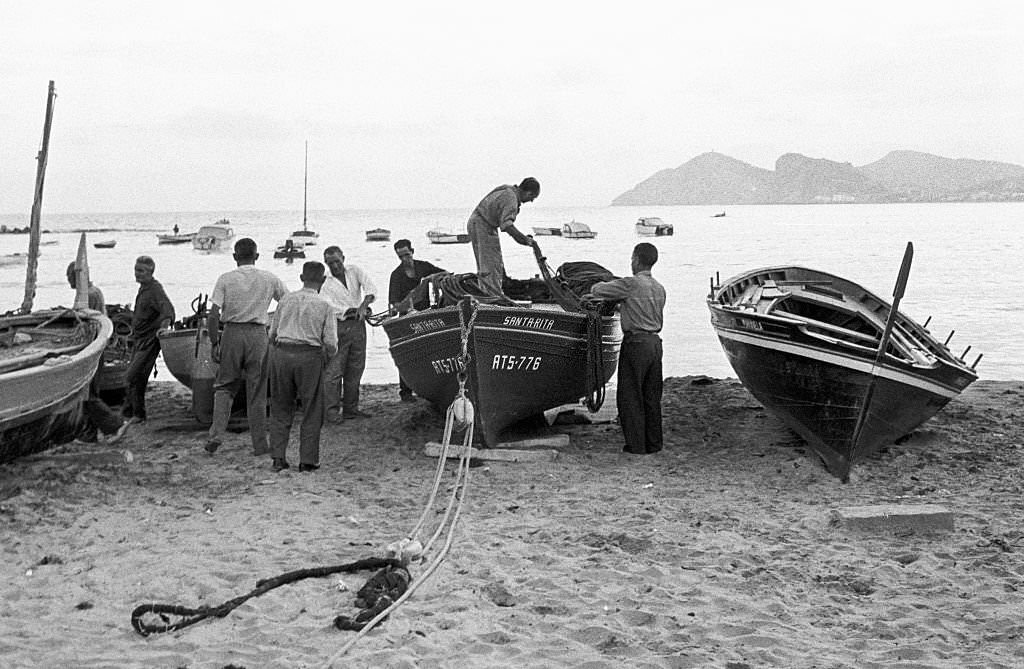
By the 18th century, Benidorm’s fishermen were known all across Spain and beyond. Tuna was their main catch, and they used the ancient almadraba technique — a method of trapping tuna in nets that dates back to the Islamic era. Combined with stronger agricultural output, fishing kept the local economy healthy. Sea captains made Benidorm their home base, and coastal trade brought steady wealth to the town.
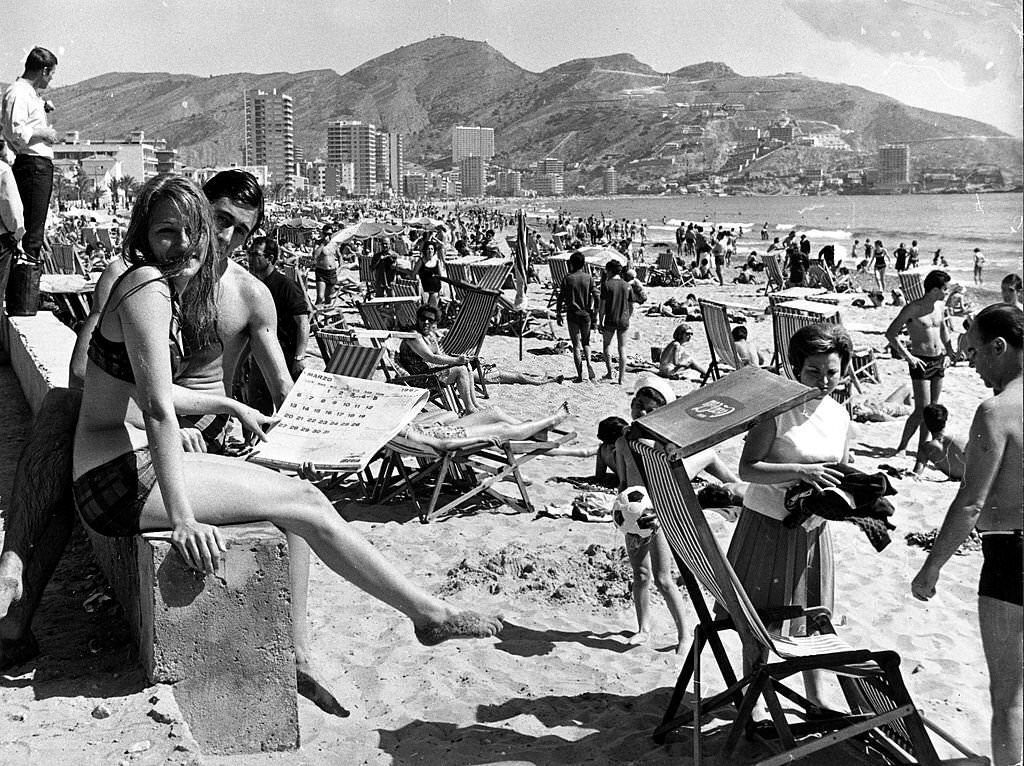
That era came to an end in 1952, when Benidorm’s fishing industry collapsed. Town leaders responded with new development plans focused entirely on tourism. The shift worked. Through the early 1960s, visitors began arriving in growing numbers, drawn by the warm Mediterranean climate and clean beaches. The town was still relatively quiet at this point — a far cry from the resort giant it would soon become.
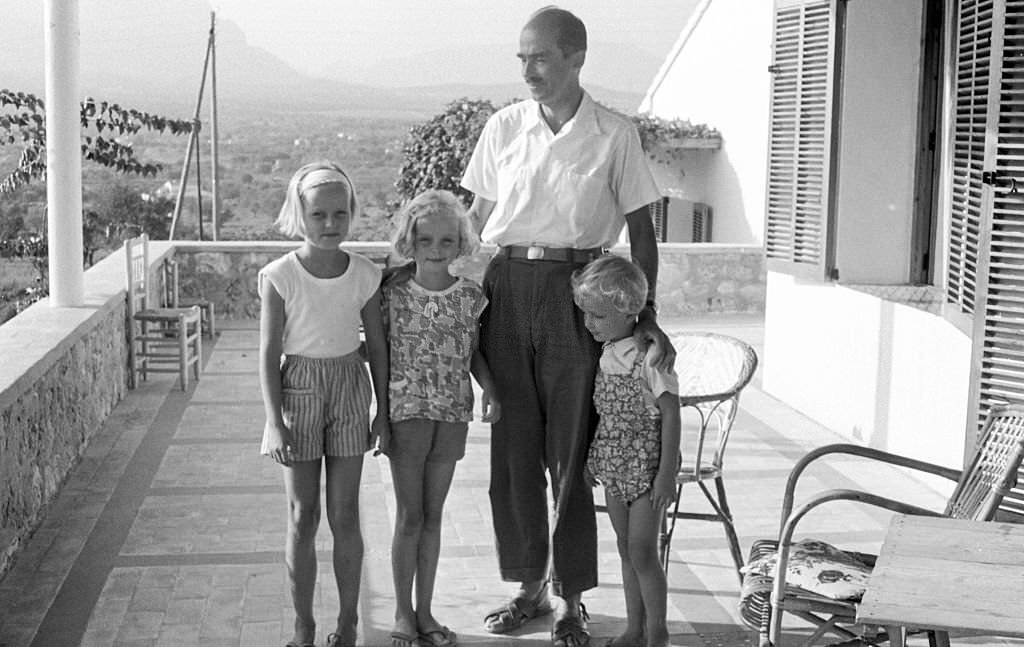
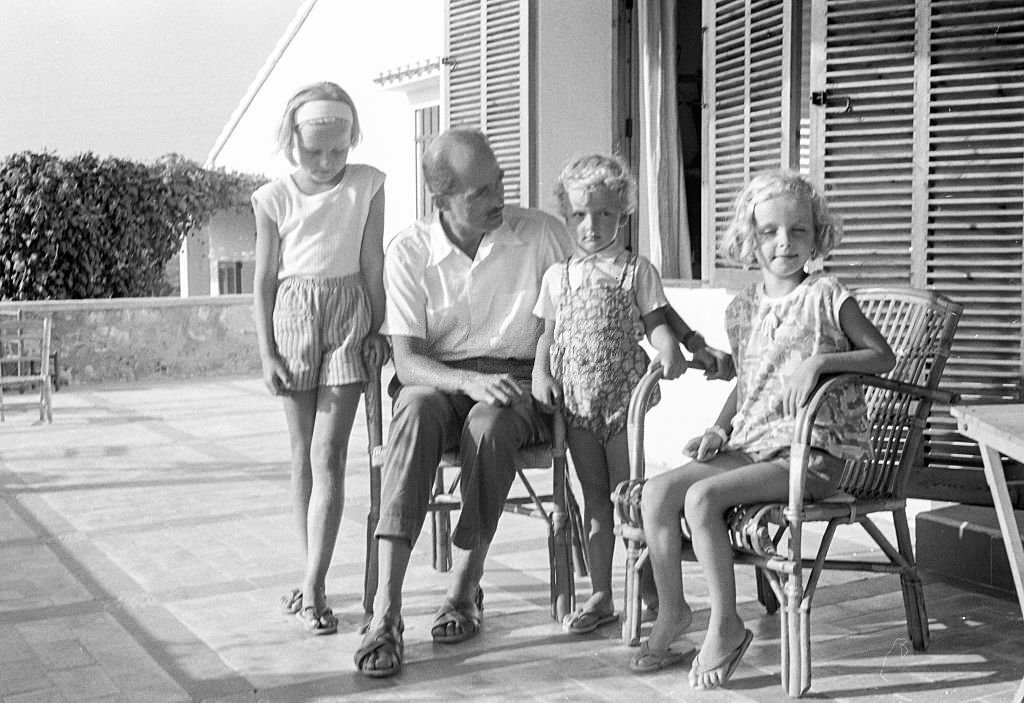
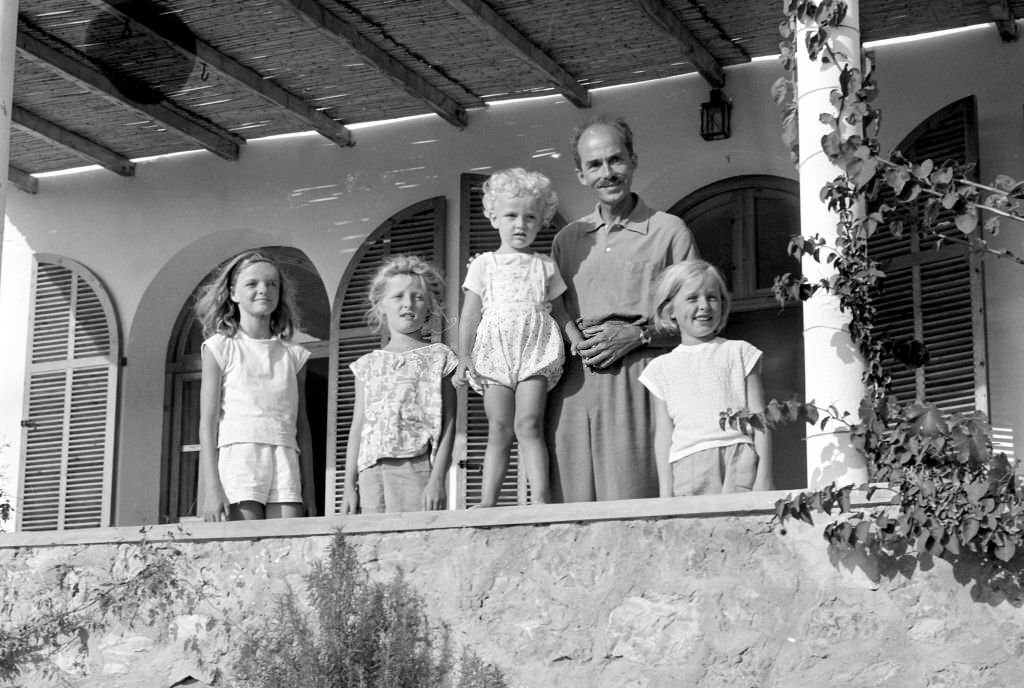
Among the notable visitors in the early 1960s was Otto von Habsburg, son of Charles I, the last Emperor of Austria. Otto brought his children to Benidorm in 1963 for a family holiday — a sign that the town was already attracting well-known European figures even before its full tourist boom.
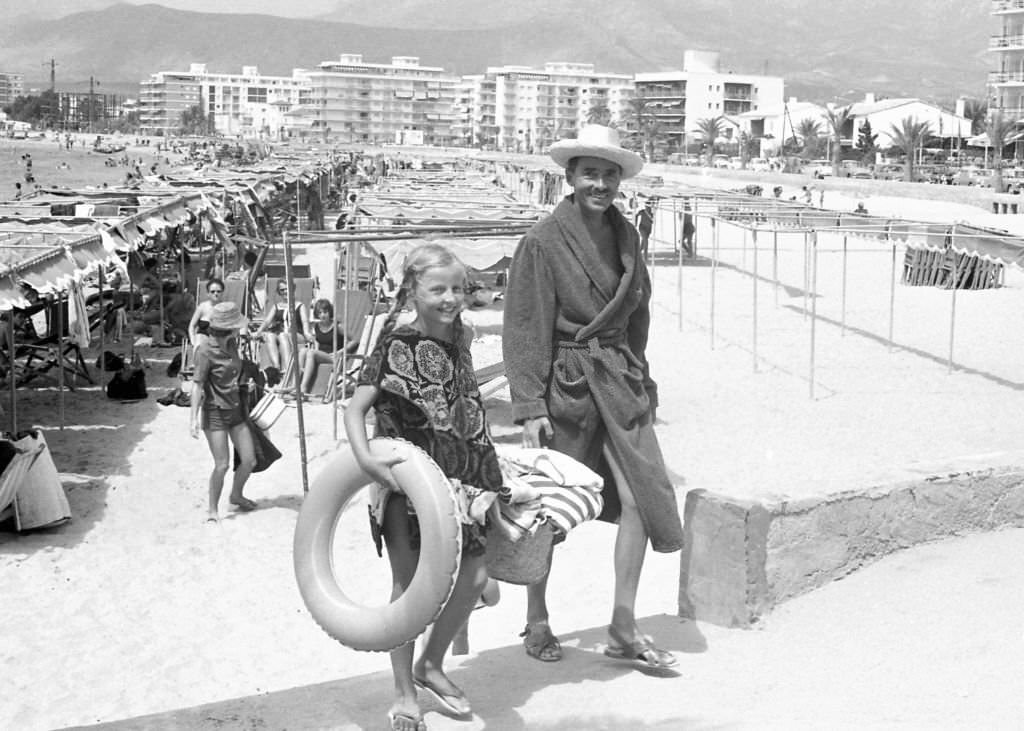
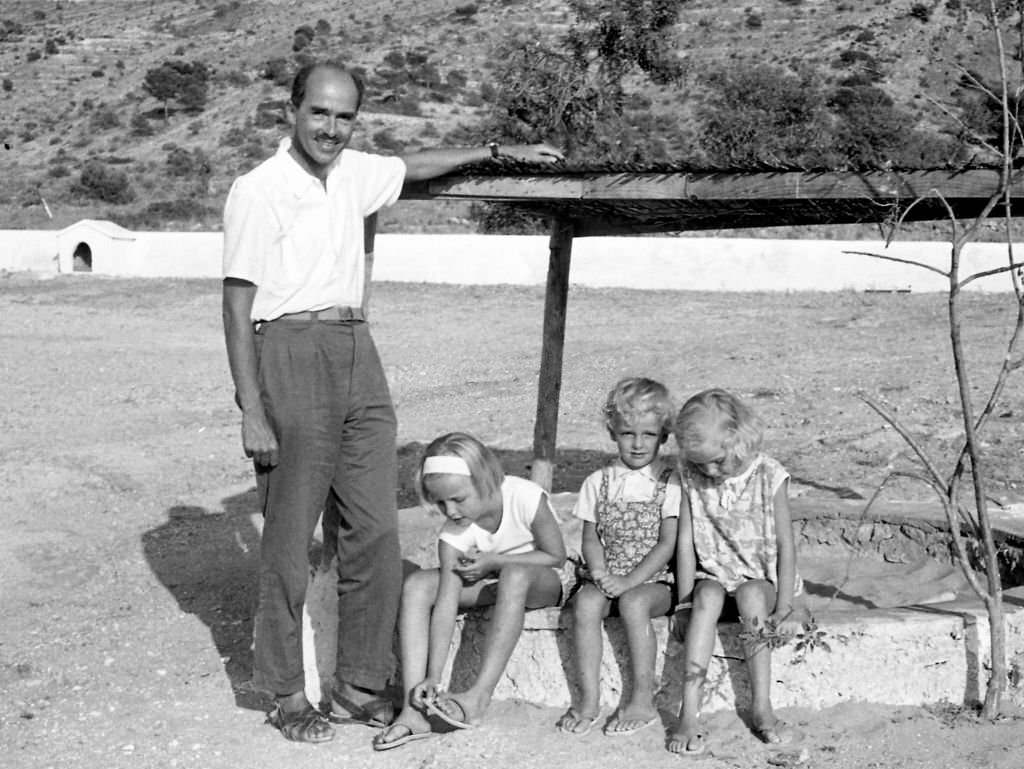
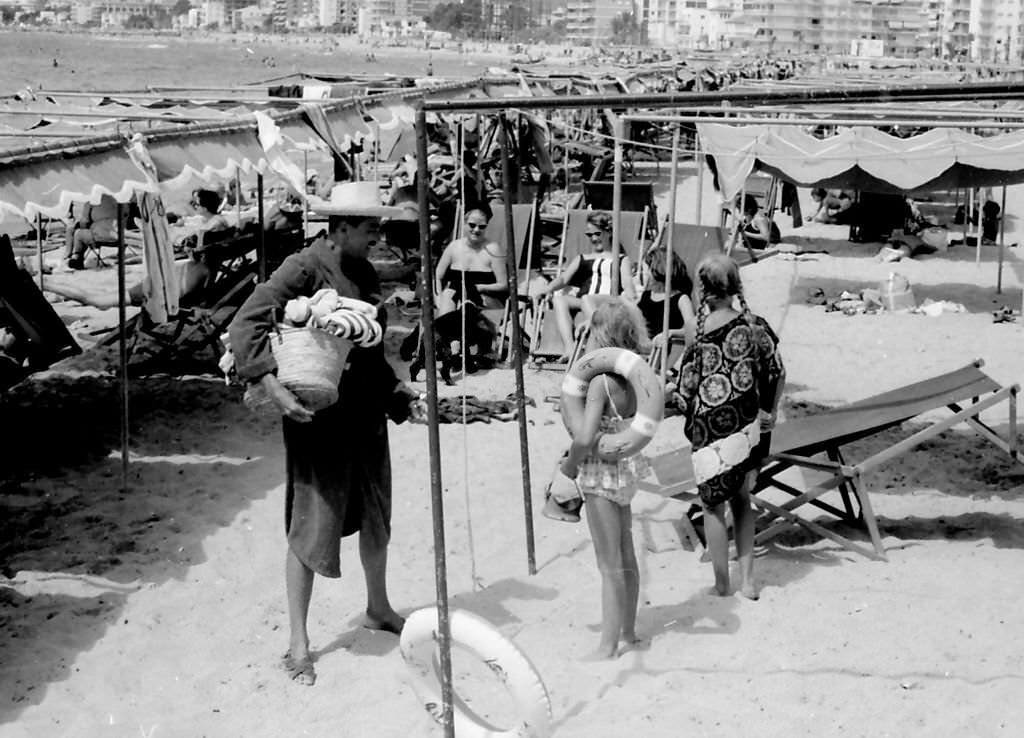
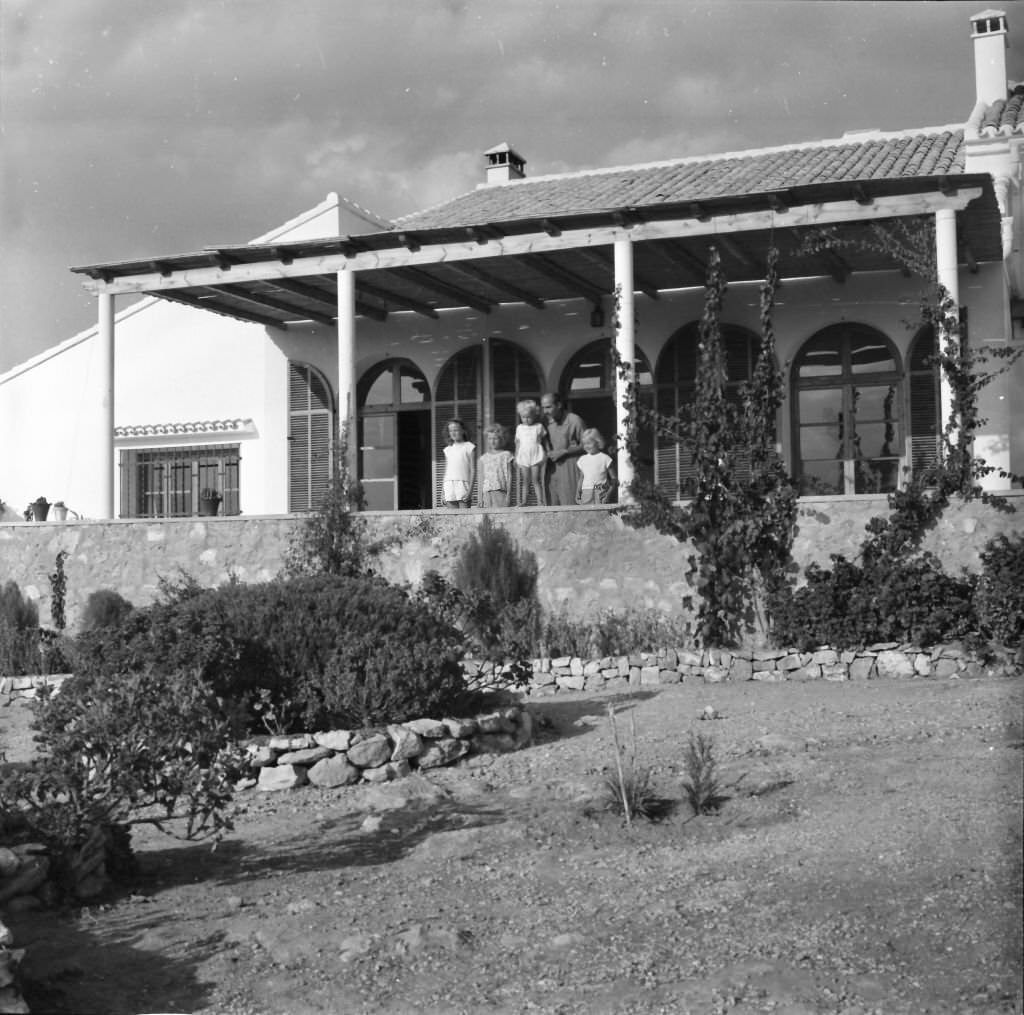
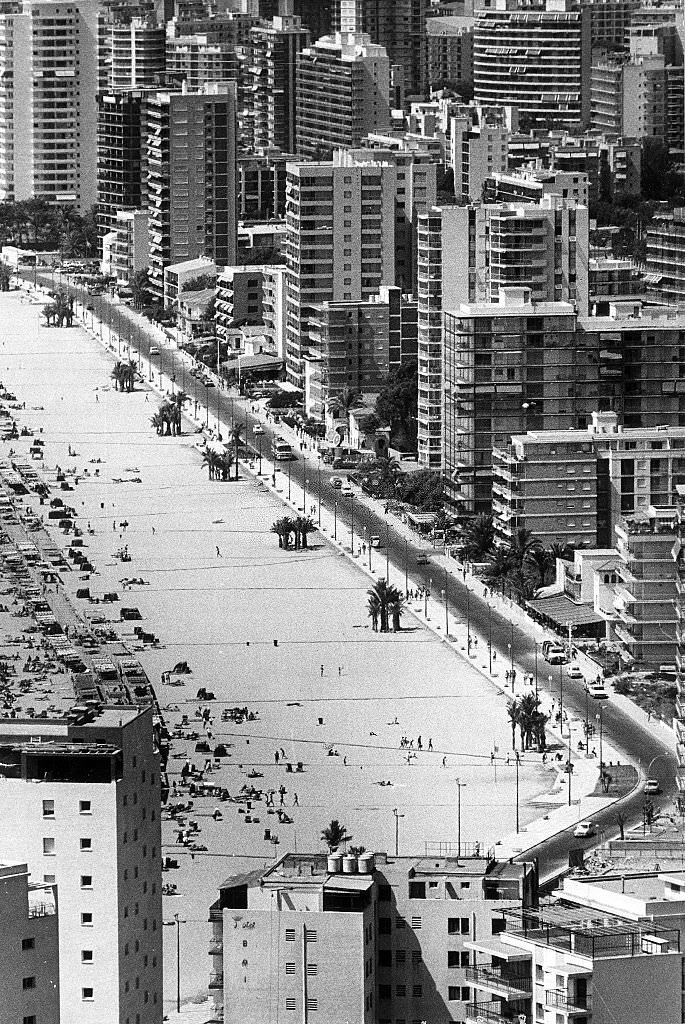
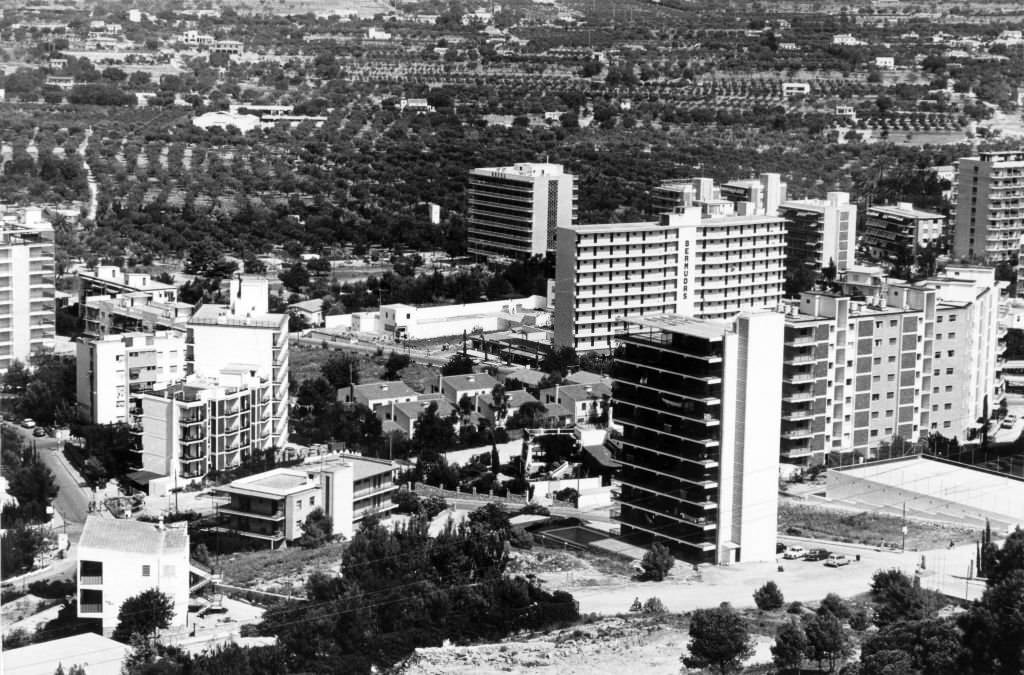
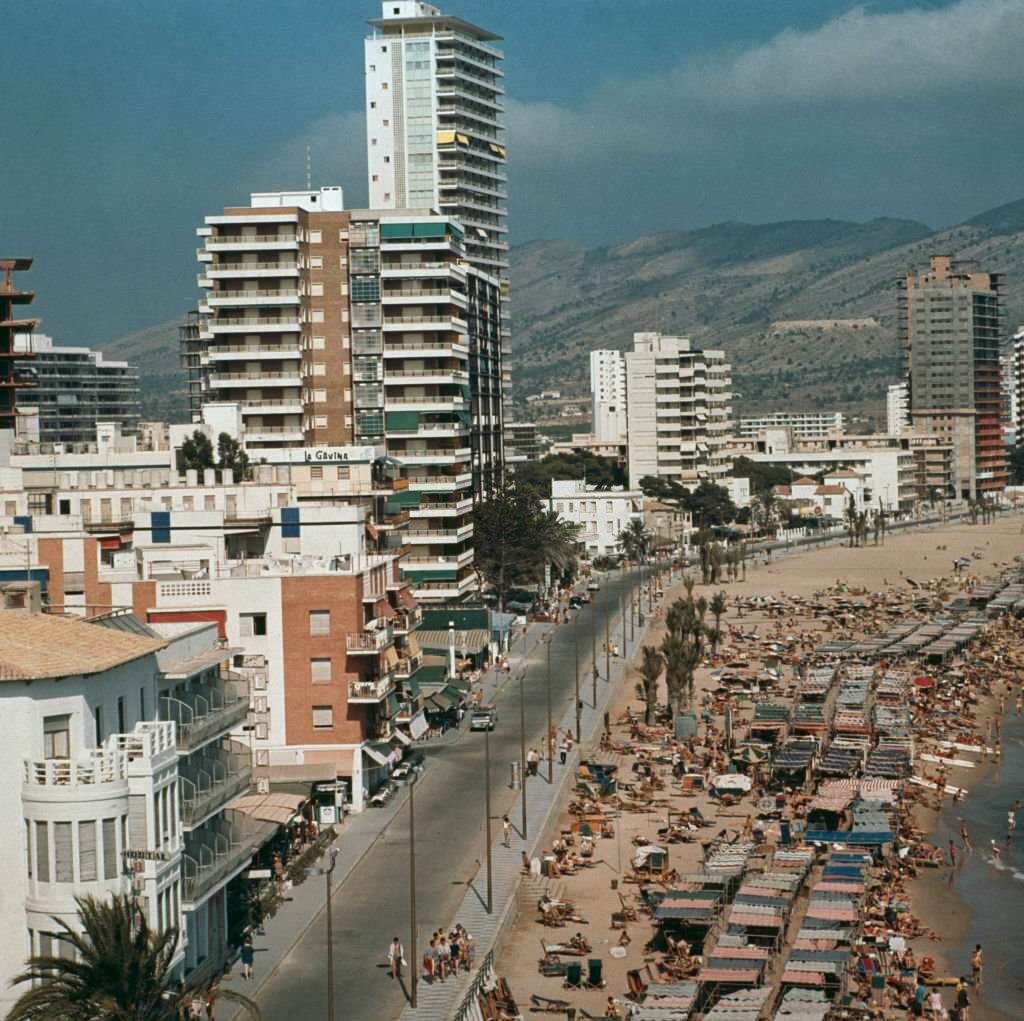
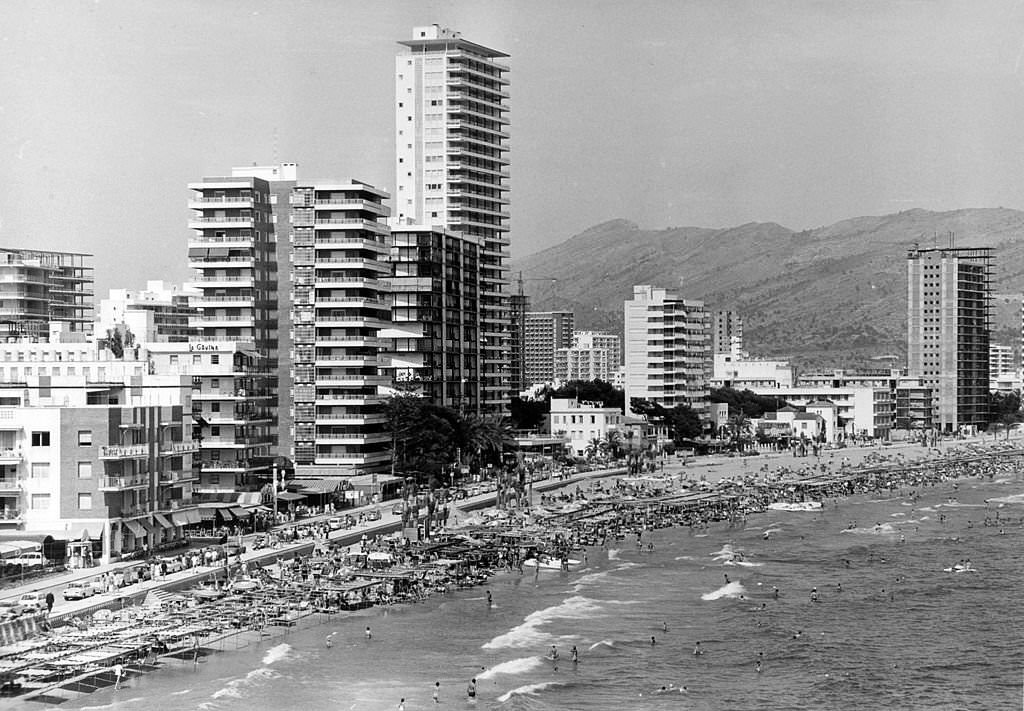
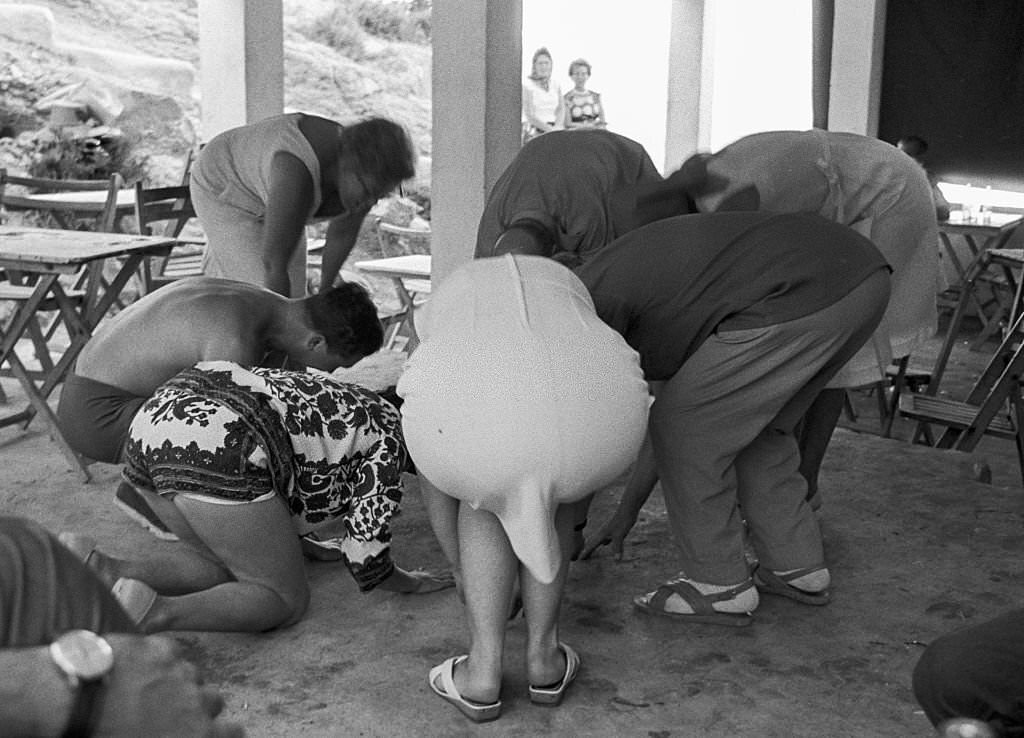
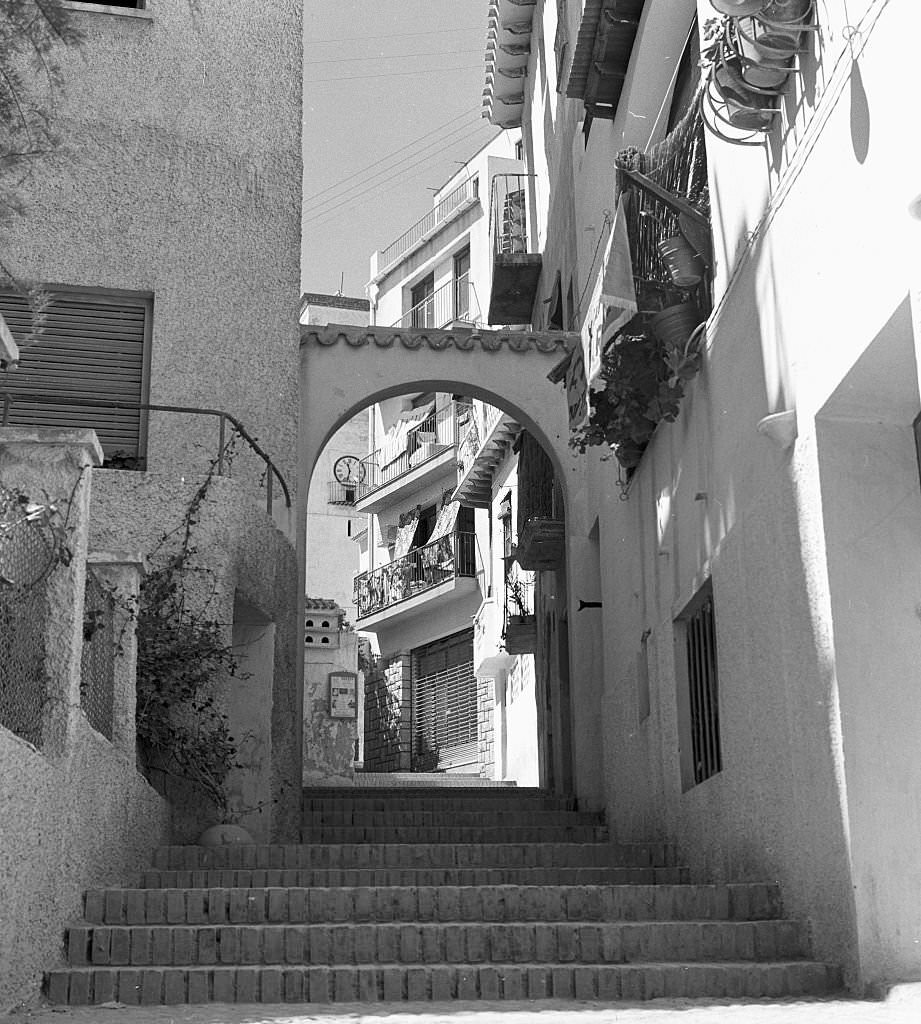
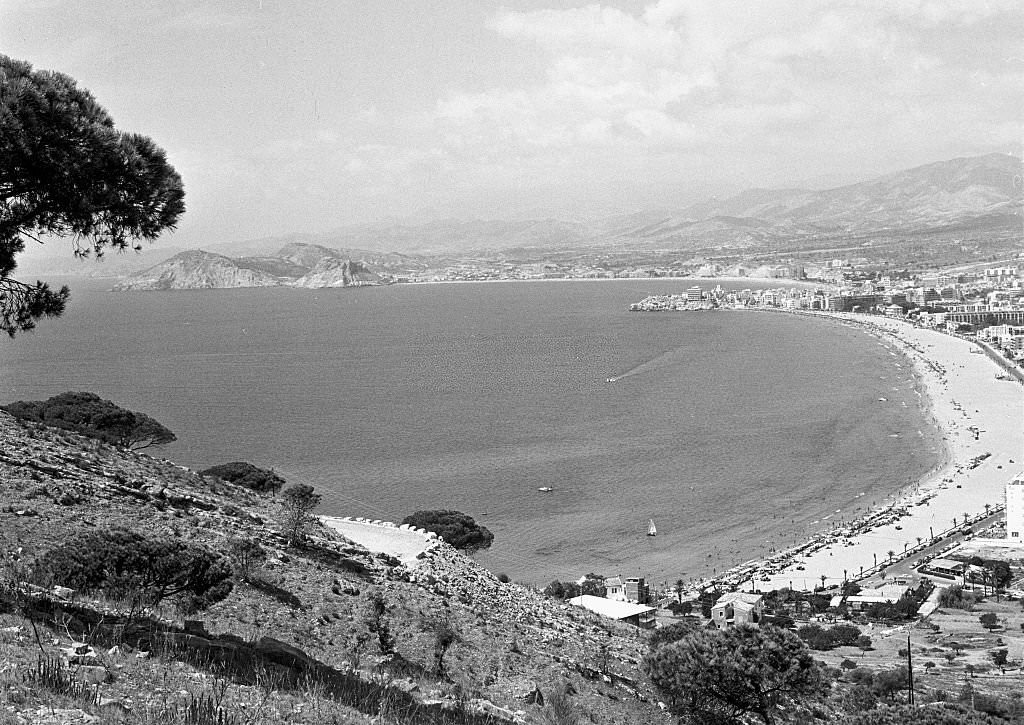
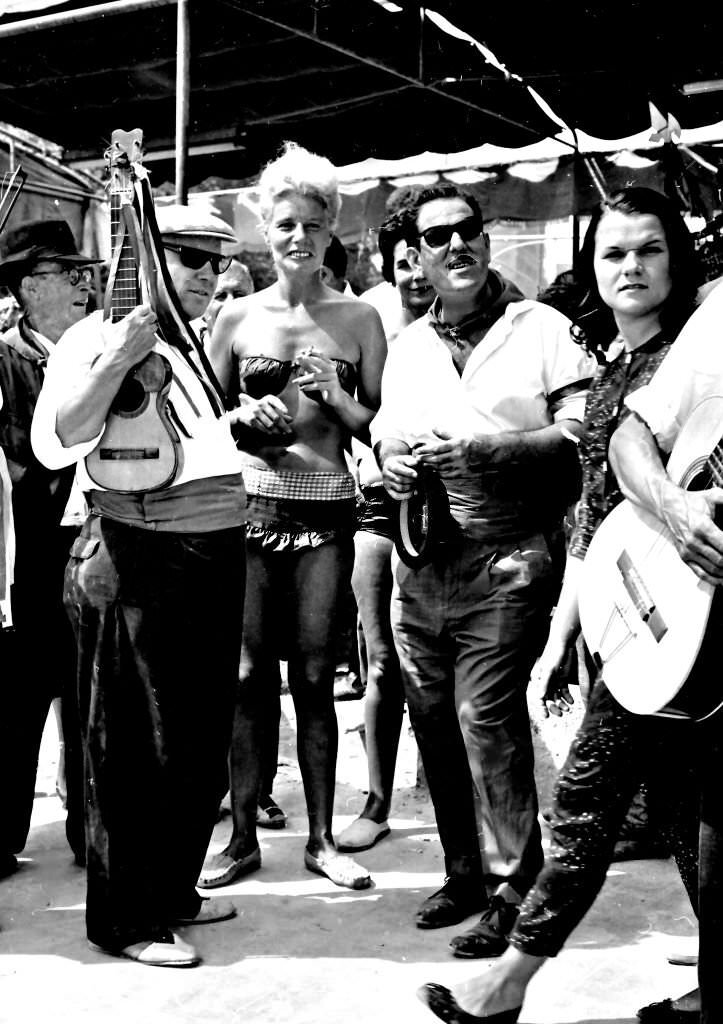
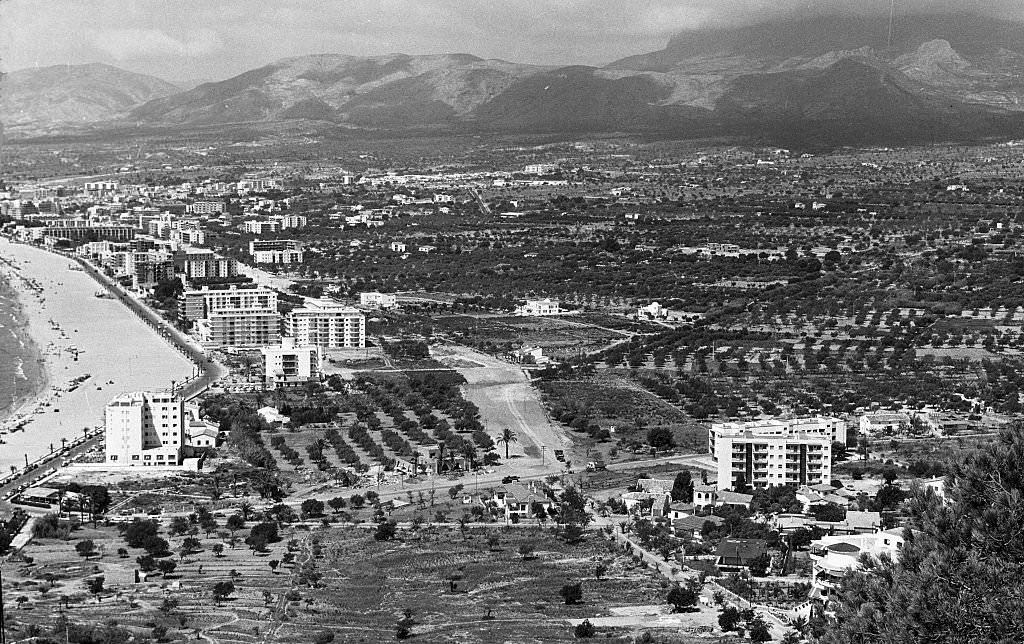
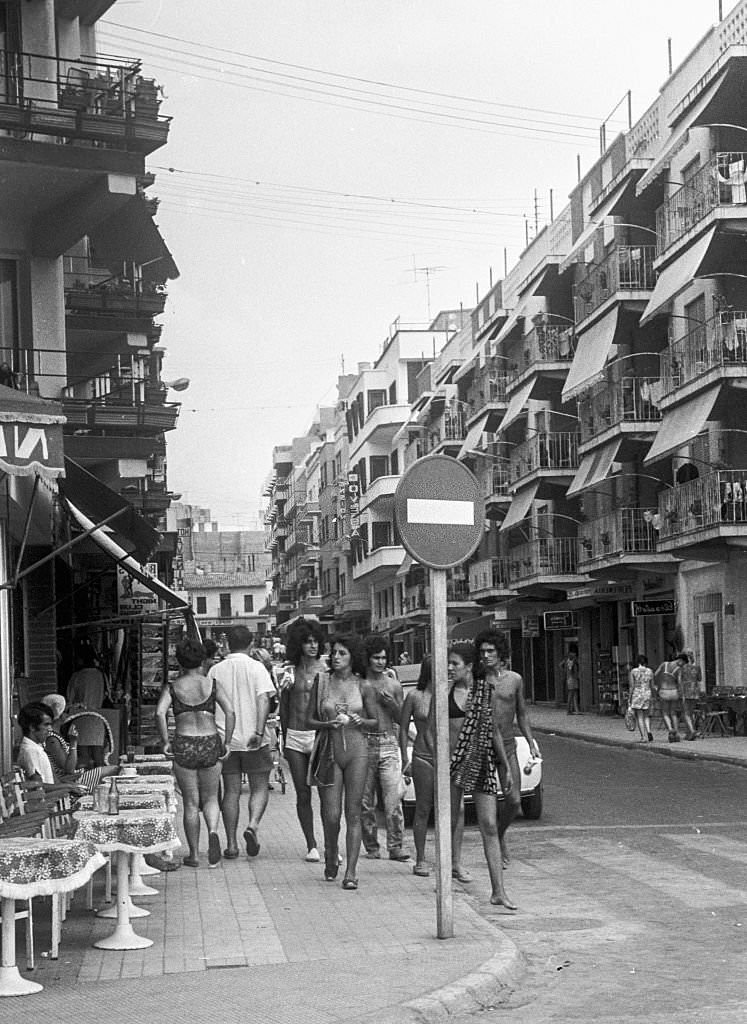
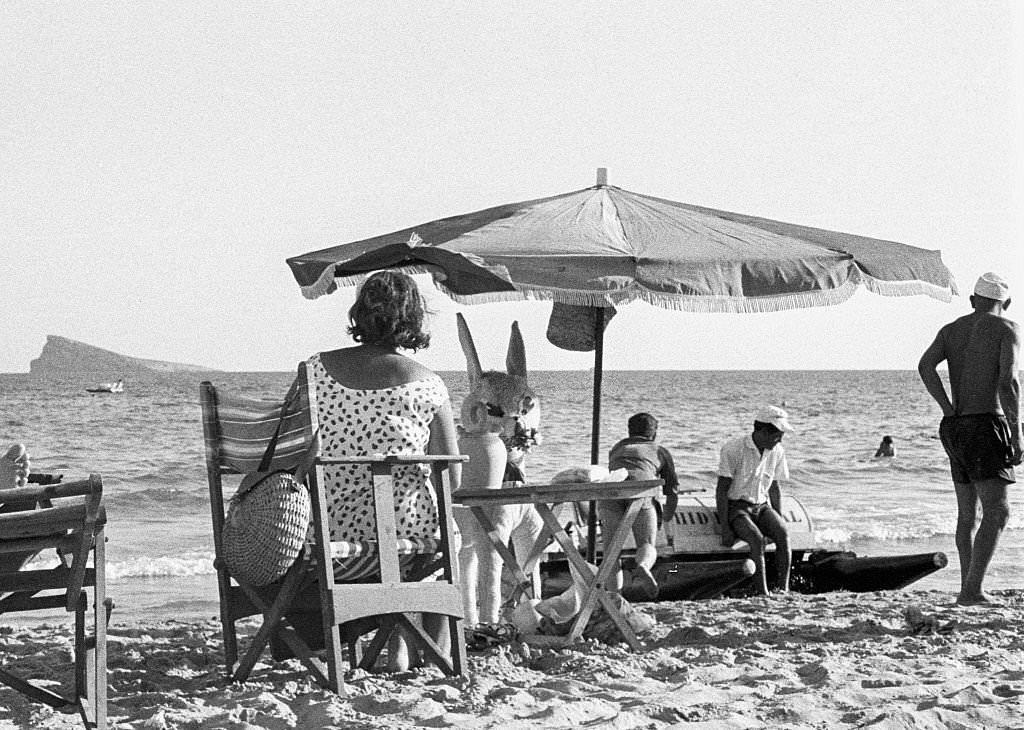
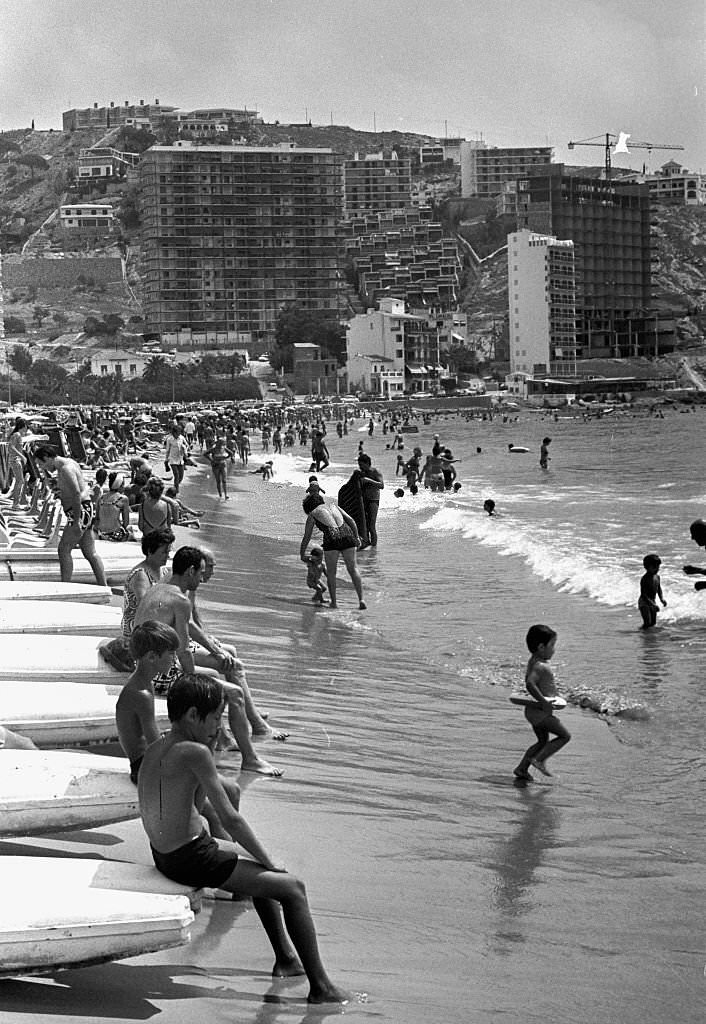
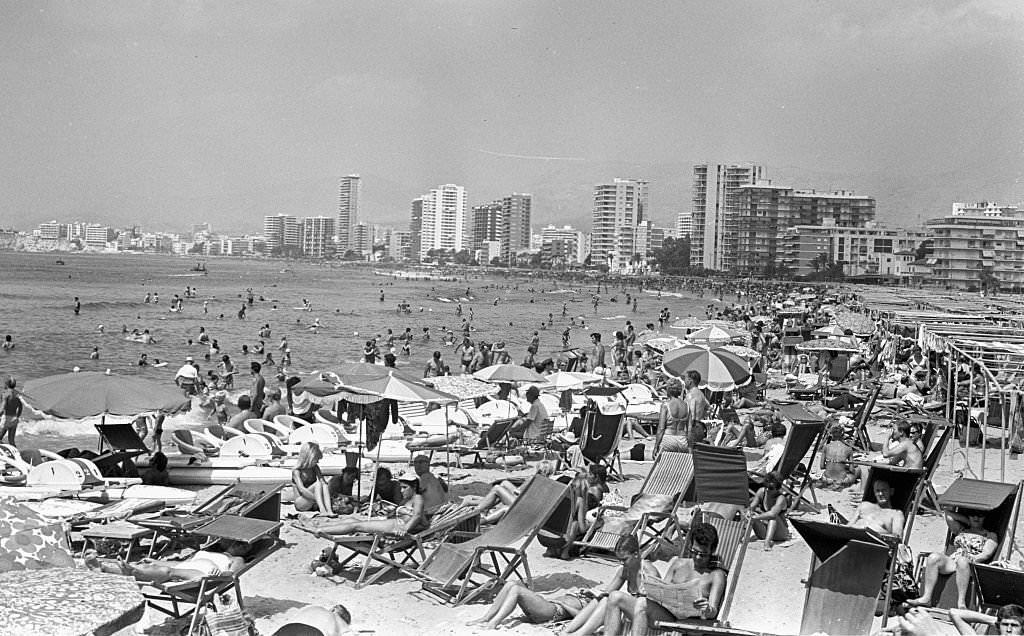
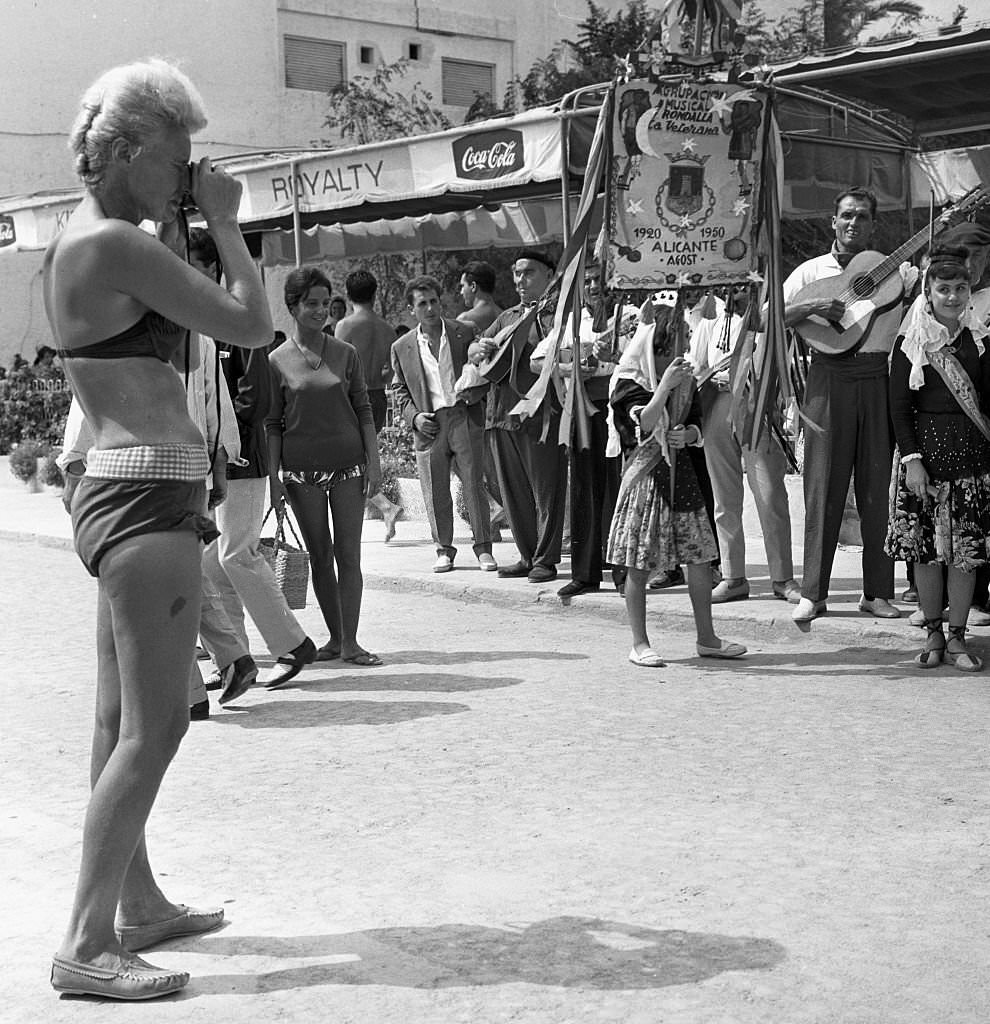
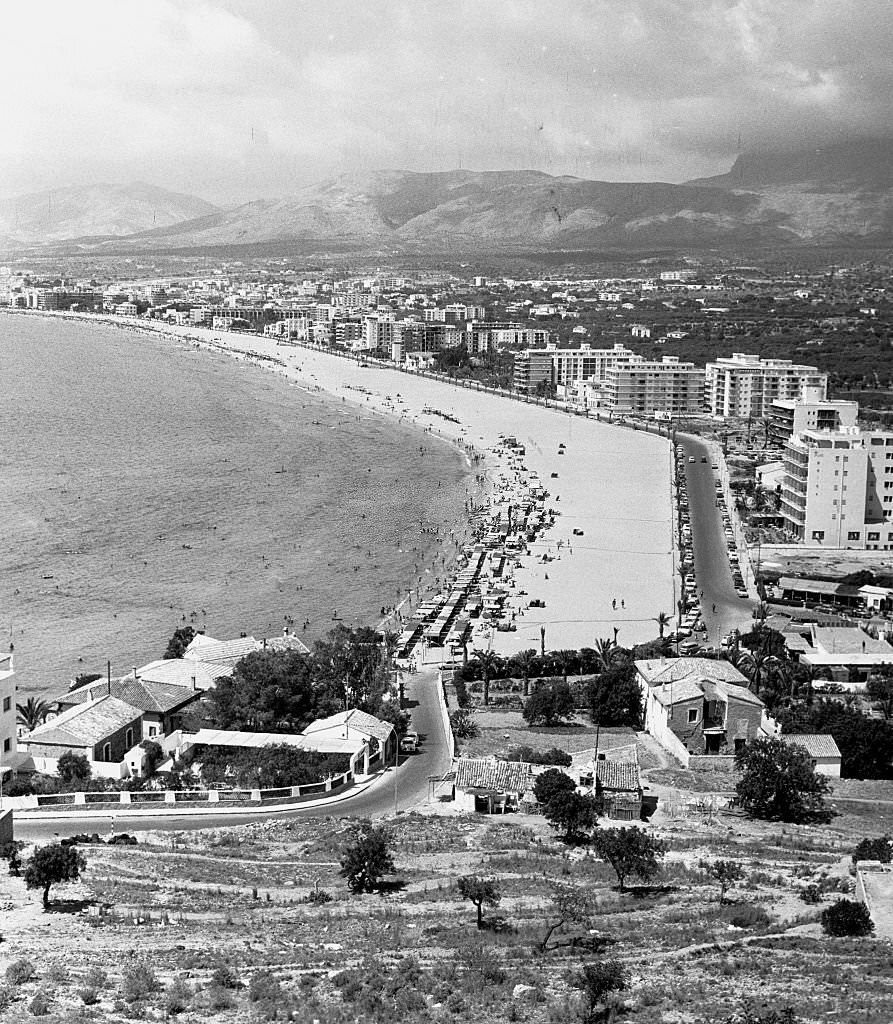
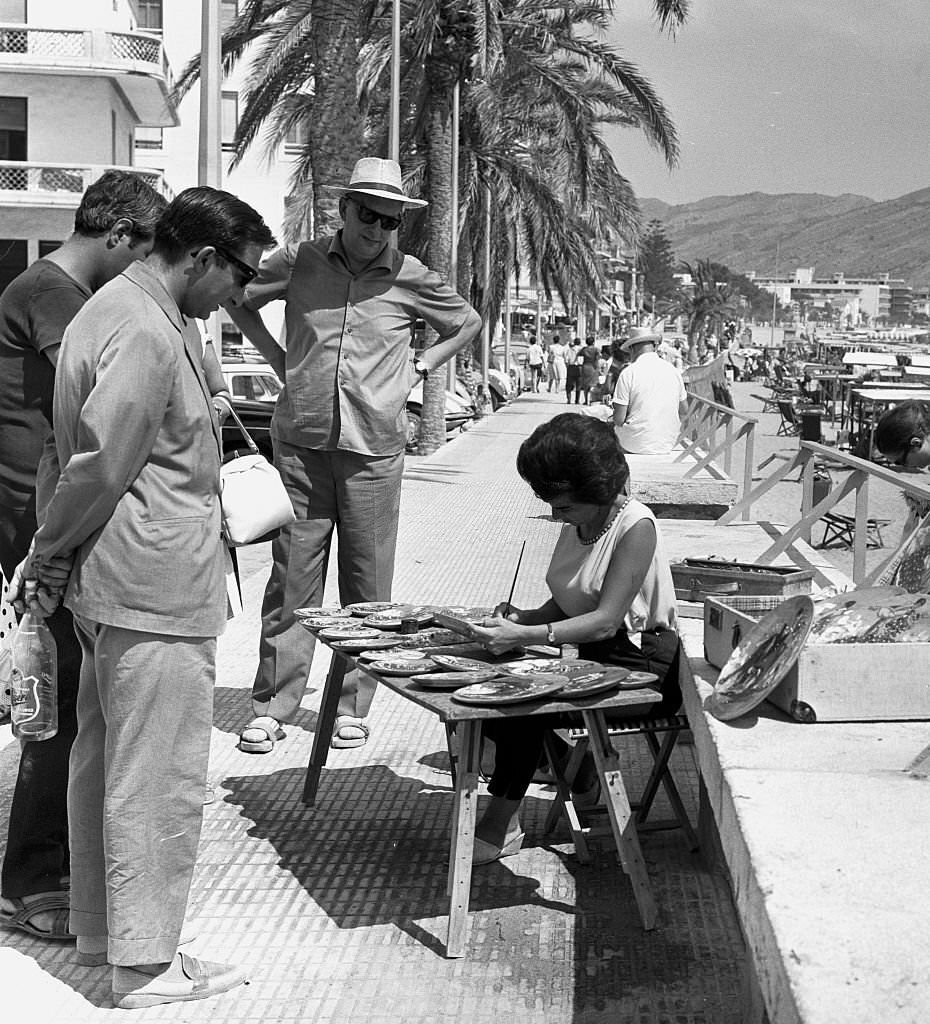
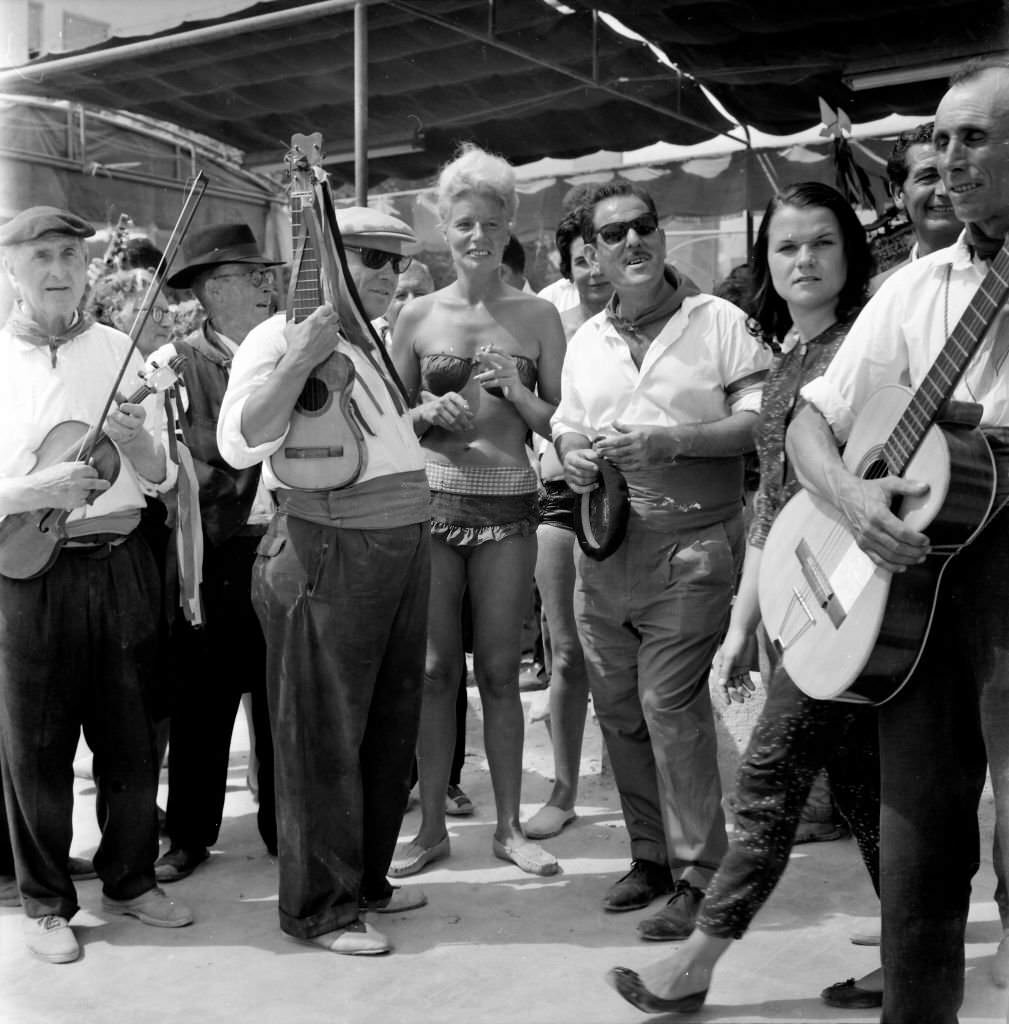
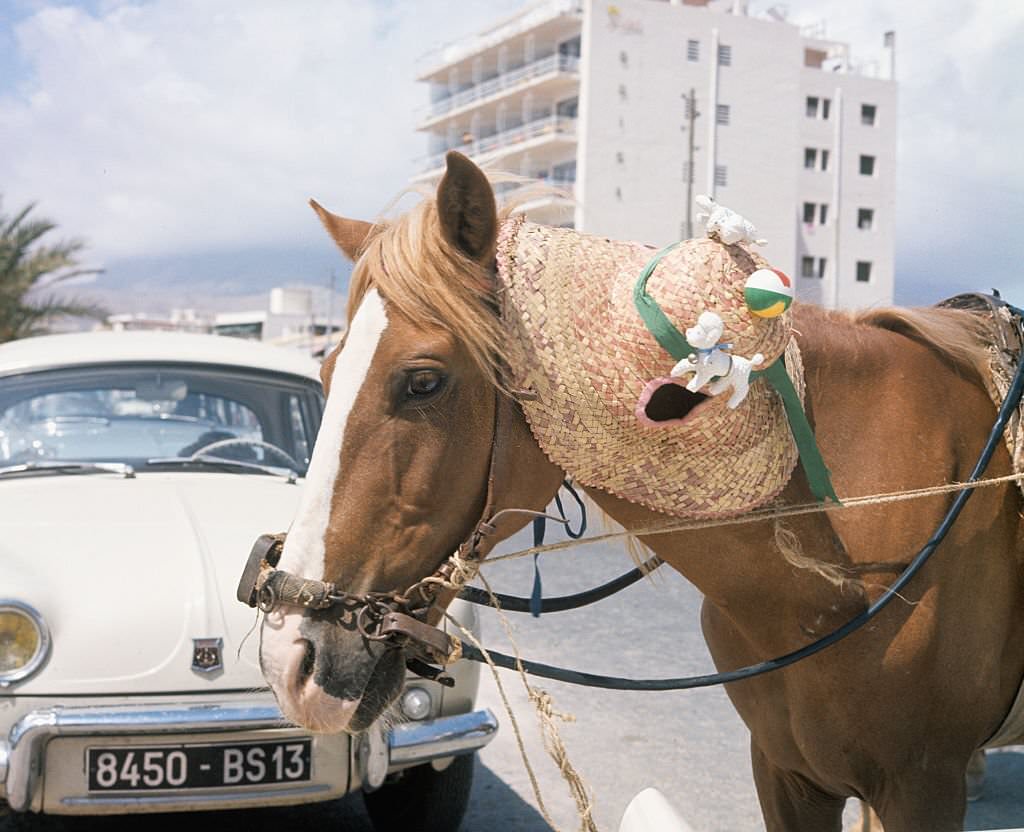
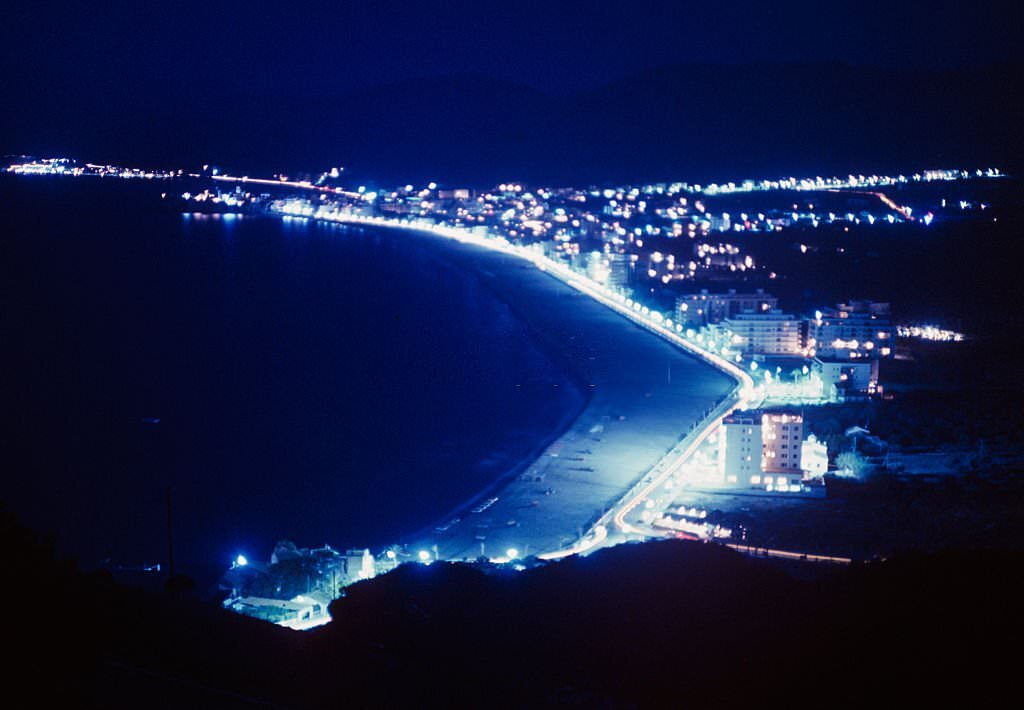
These photos from 1963 show a Benidorm that feels worlds apart from what stands there today. The beaches were open and uncrowded. The streets were narrow and unhurried. Hotels were small, and high-rise construction had barely begun. Visitors could look out over the bay and still see the shape of the old fishing village beneath the new tourist town taking form.
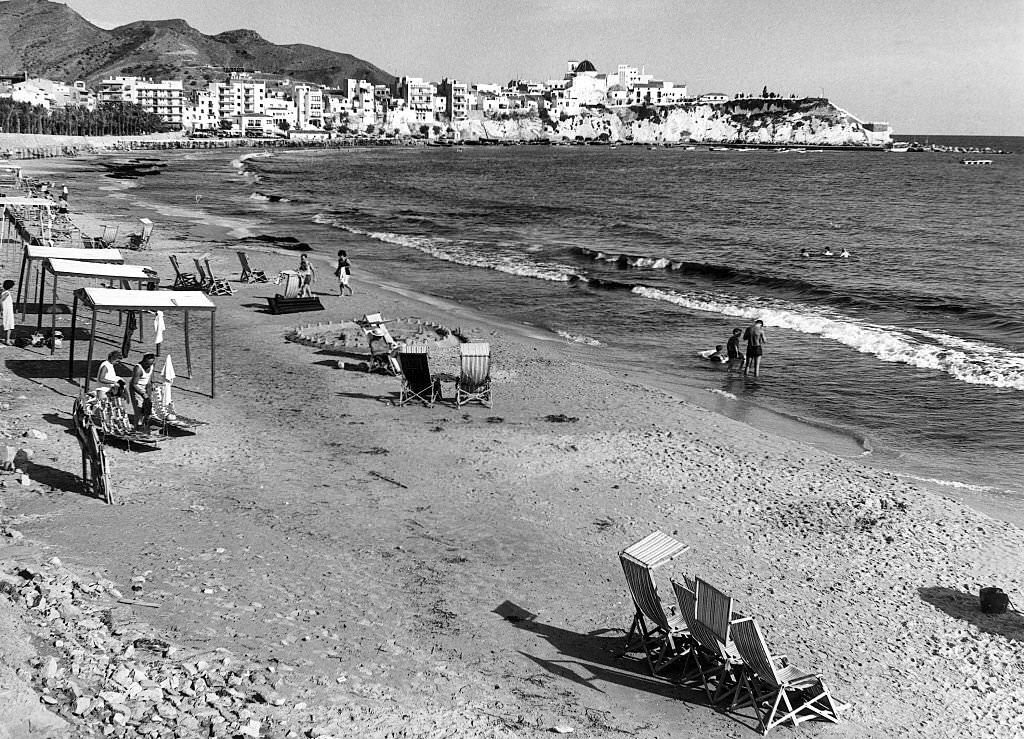
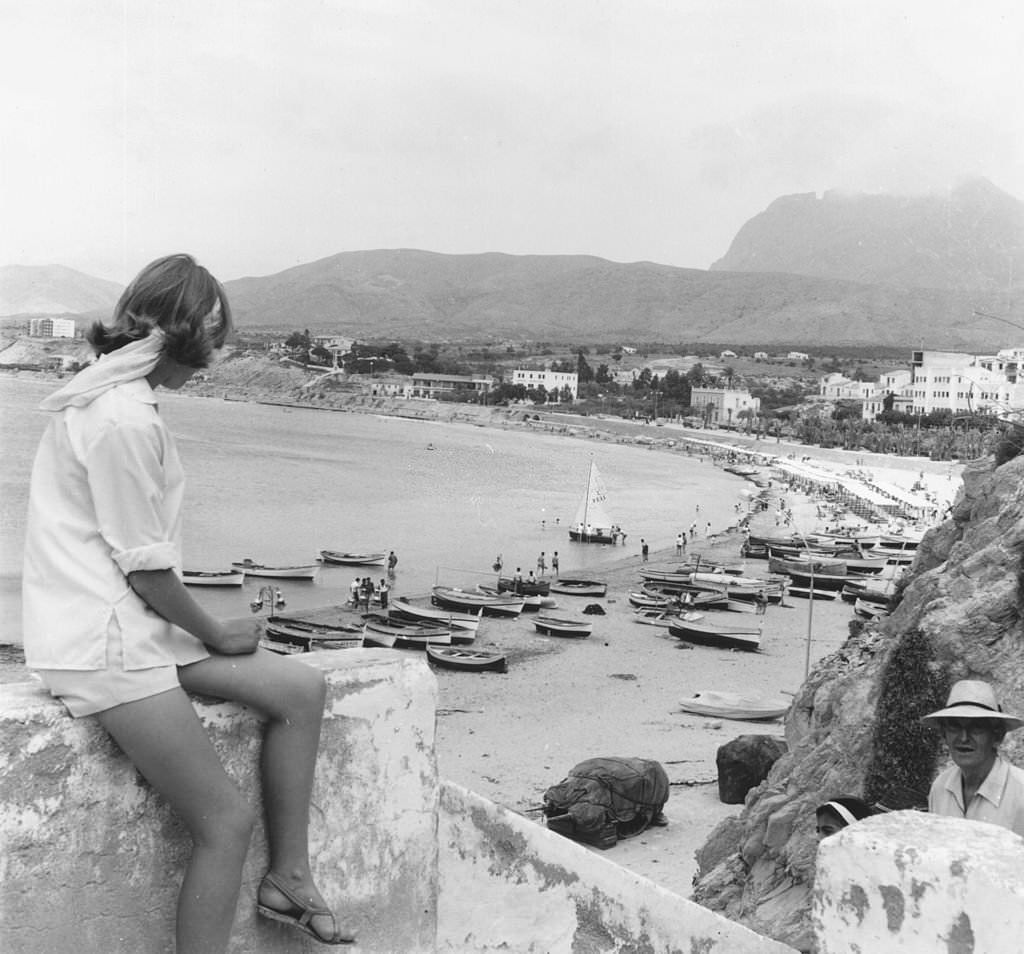
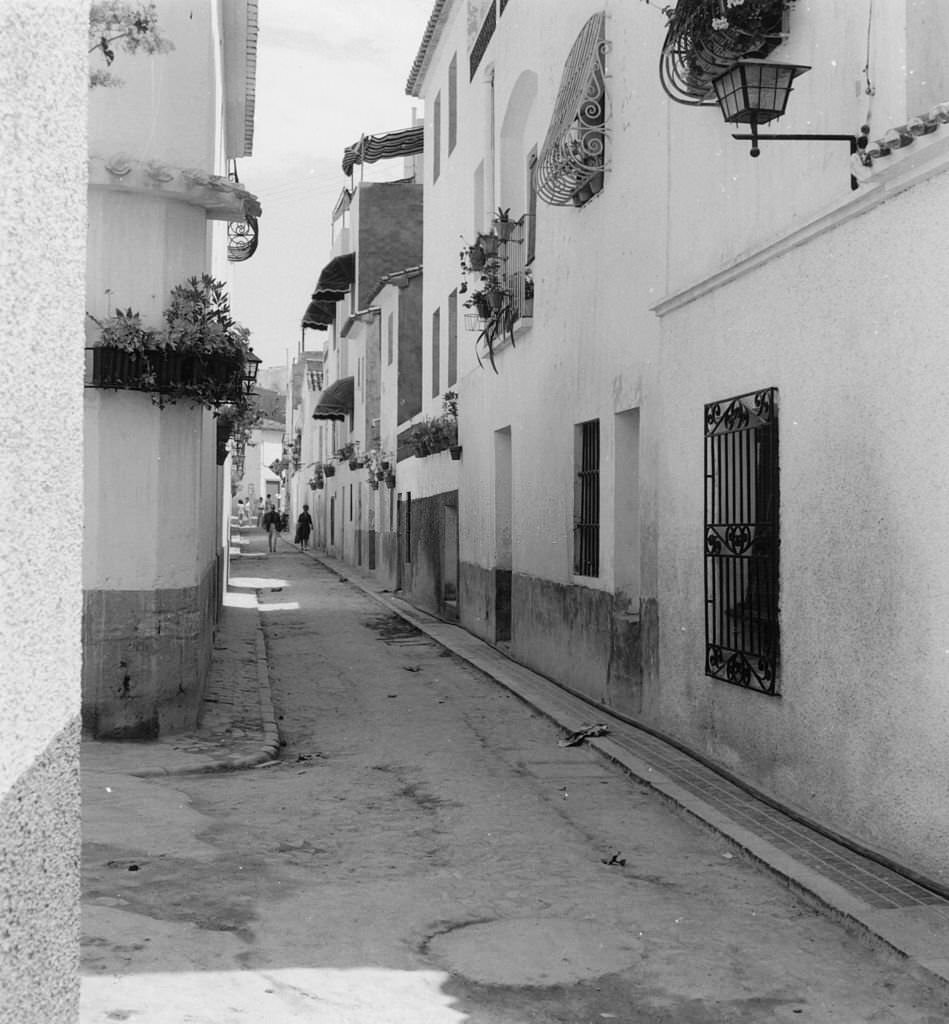
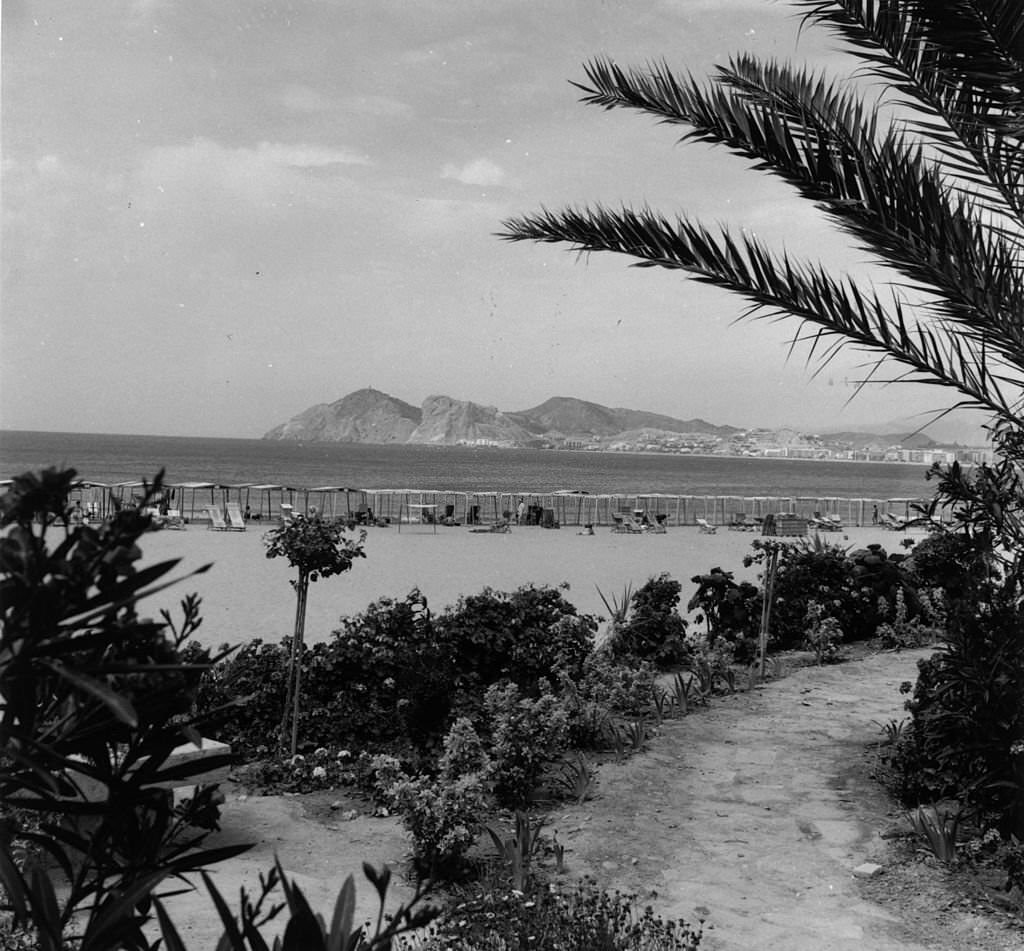
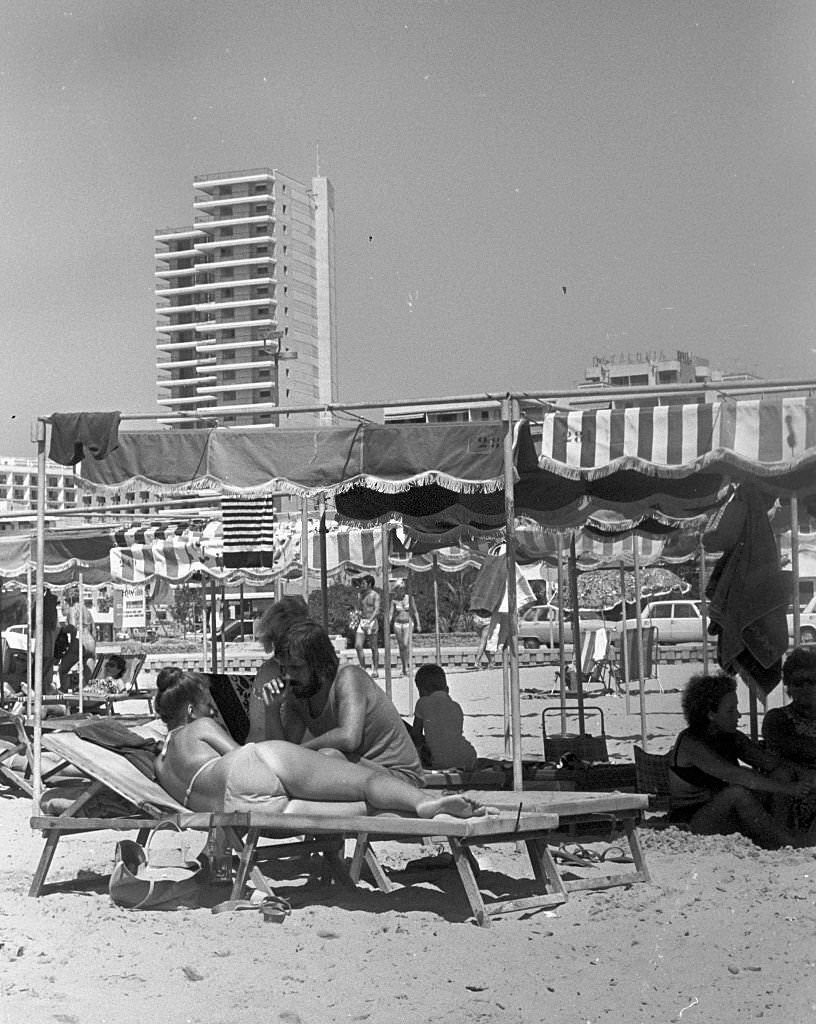
By 1964, Benidorm was changing fast. Construction crews were busy, and the beach was filling up with tourists from across Europe. These images from 1964 capture a town in transition — somewhere between the quiet fishing village it had been and the booming resort it was rapidly becoming. The coastline still had stretches of calm, and the skyline was low compared to what would come.

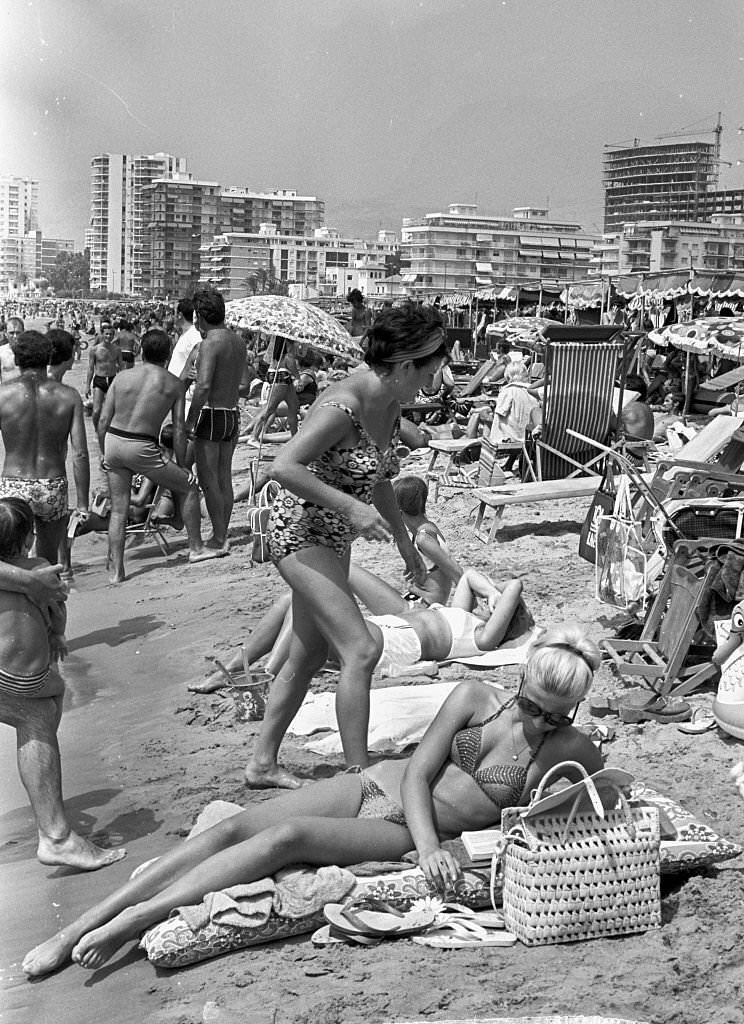
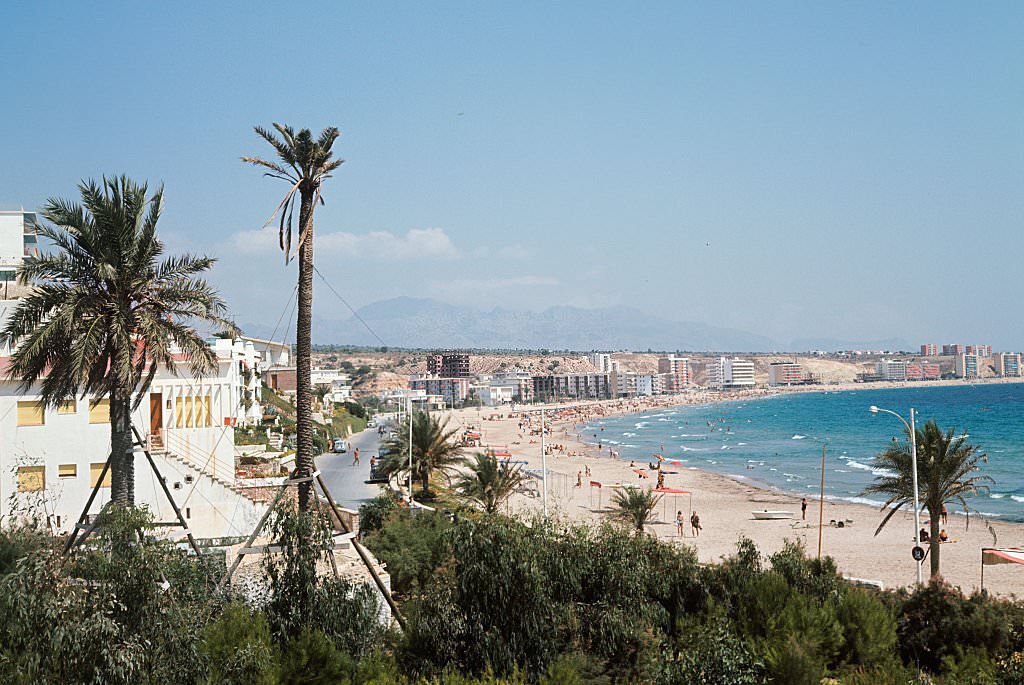
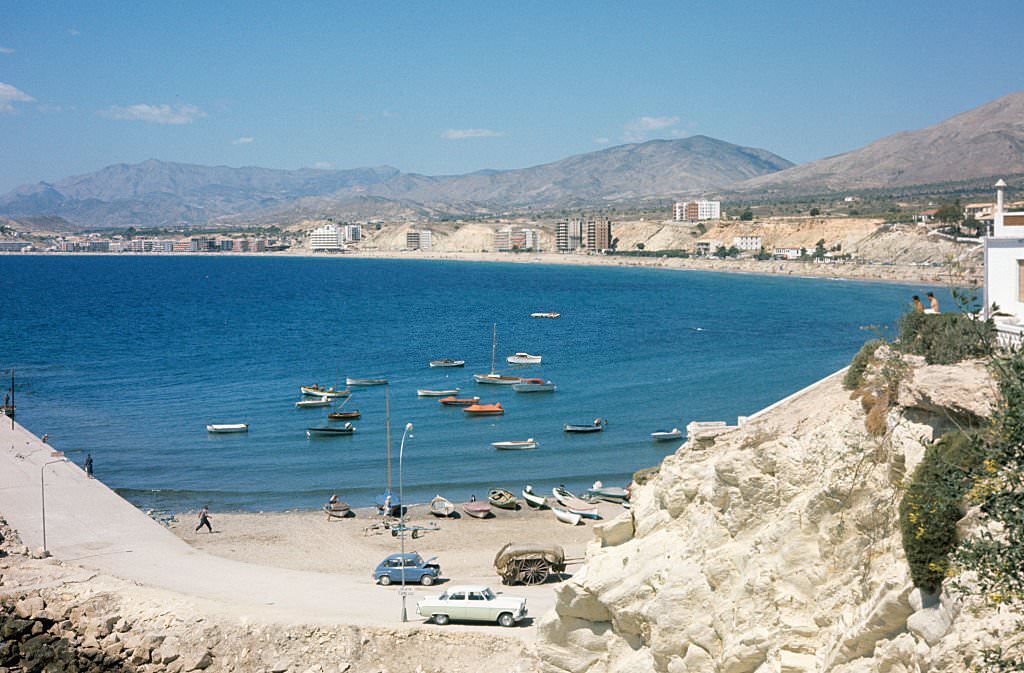

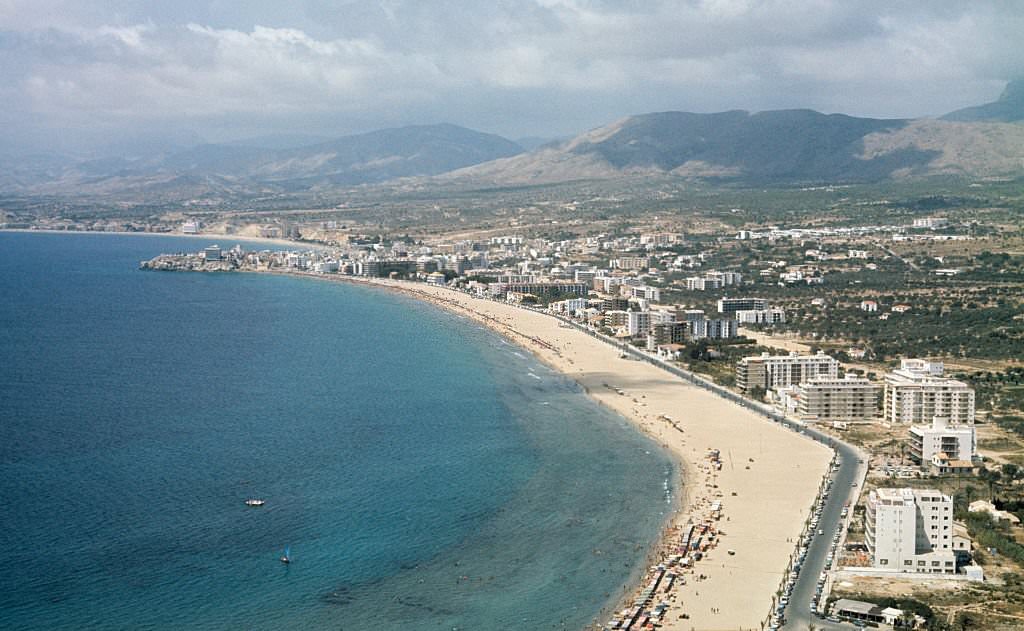
The single event that accelerated Benidorm’s growth more than any other was the opening of Alicante Airport in 1967. Suddenly, visitors from Britain, Germany, and the rest of northern Europe could reach the Costa Blanca directly by plane. Package holidays — where flights, accommodation, and transfers were bundled into one affordable deal — made Benidorm accessible to working-class families for the first time. Hotels went up quickly to meet the demand.
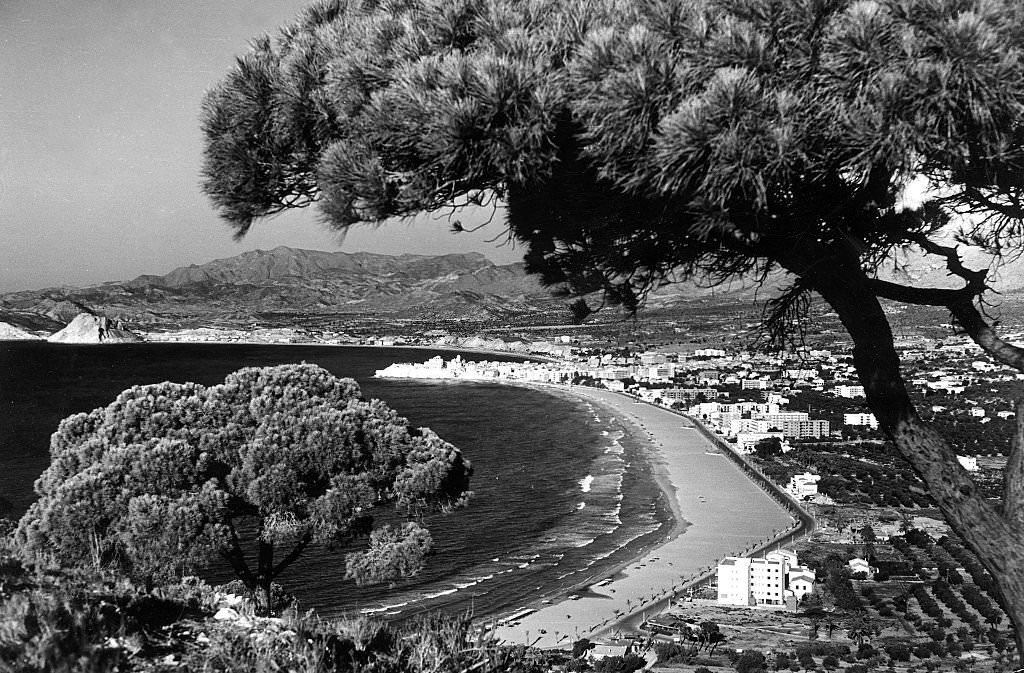
To understand just how dramatic the change was, photos from 1950 tell the whole story. The town was tiny. The beach was almost empty. Buildings were low and simple. There was no sign of what was coming.
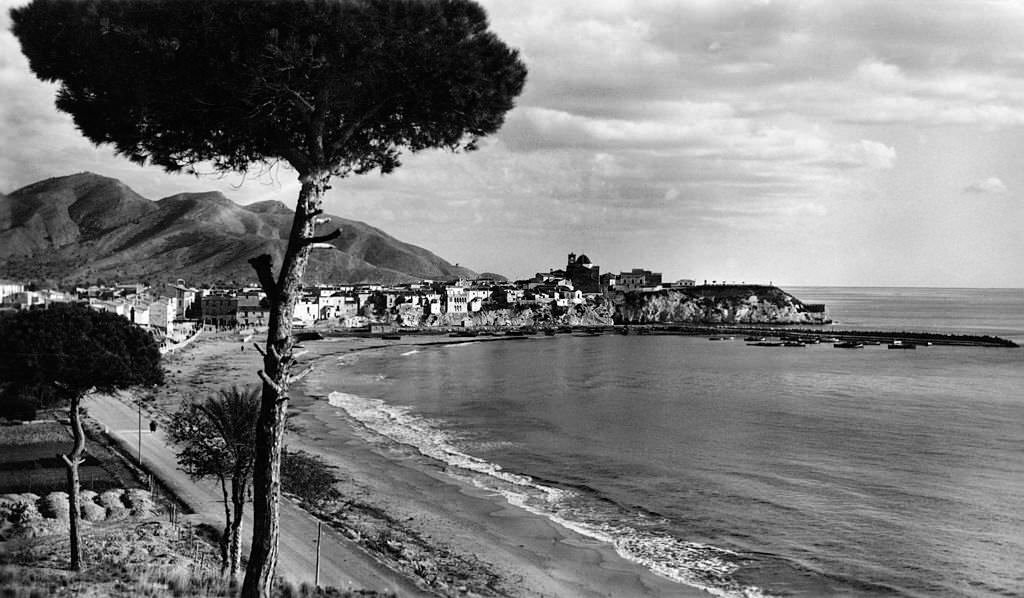
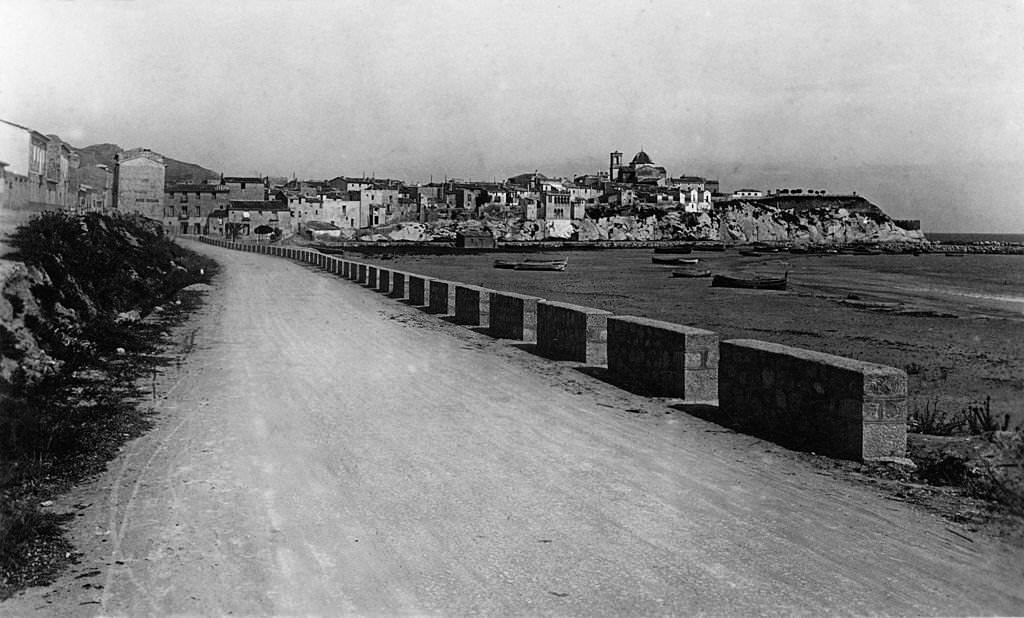
By the late 1960s, the new Benidorm was taking clear shape. High-rise hotel towers began rising along the beachfront, reshaping the skyline block by block. The Avenida de Alcoy, running along the seafront, became a hub of activity. What had been a quiet Mediterranean town was now one of Spain’s most-visited coastal resorts.