
Bob Willoughby changed the way Hollywood was photographed. Working for Warner Brothers in the early 1950s, he became the first photographer to document the film industry in a true documentary style. While other photographers staged their shots, Willoughby moved freely through sets, dressing rooms, and rehearsal spaces, catching the world’s biggest stars in completely unguarded moments. His camera found the real person behind the performance.
His technical skills set him apart from anyone else working in film photography at the time. He pioneered the use of a silent blimp — a soundproofing housing for 35mm cameras — so his shutter wouldn’t disrupt a live take. He was also the only still photographer on film sets using radio-controlled cameras, which let him place a camera somewhere no human could physically stand and fire it remotely. He built custom brackets to mount his still cameras directly onto Panavision film cameras, giving him angles that were simply not available to anyone else.
One of his defining qualities was his understanding of what photo editors needed. No matter how many magazines he shot for simultaneously, he instinctively knew how each publication wanted to use an image — from the editorial angle to the design layout. That kind of versatility made him one of the most sought-after photographers in the industry. His work was eventually honored with a major retrospective by Hollywood’s Academy of Motion Picture Arts and Sciences. In 2004, he received the Lucie Award for Outstanding Achievement in Still Photography in New York. His photographs are also held in the permanent collection of the National Portrait Gallery in Washington, D.C.
Willoughby’s access to directors was just as remarkable as his access to stars. He was present on sets where major films were being shaped in real time, capturing the people who made creative decisions as freely as he captured the actors who carried them out.
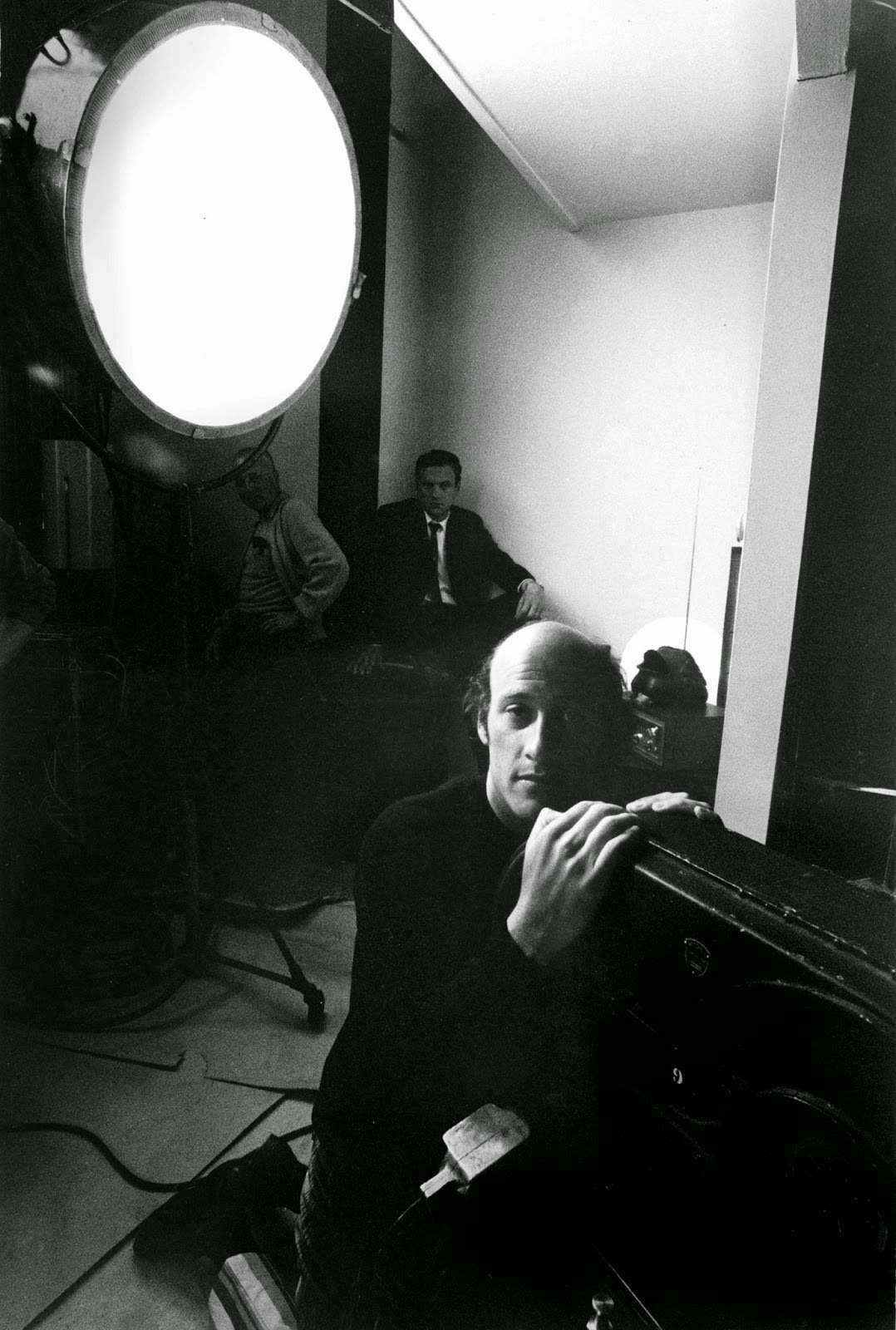
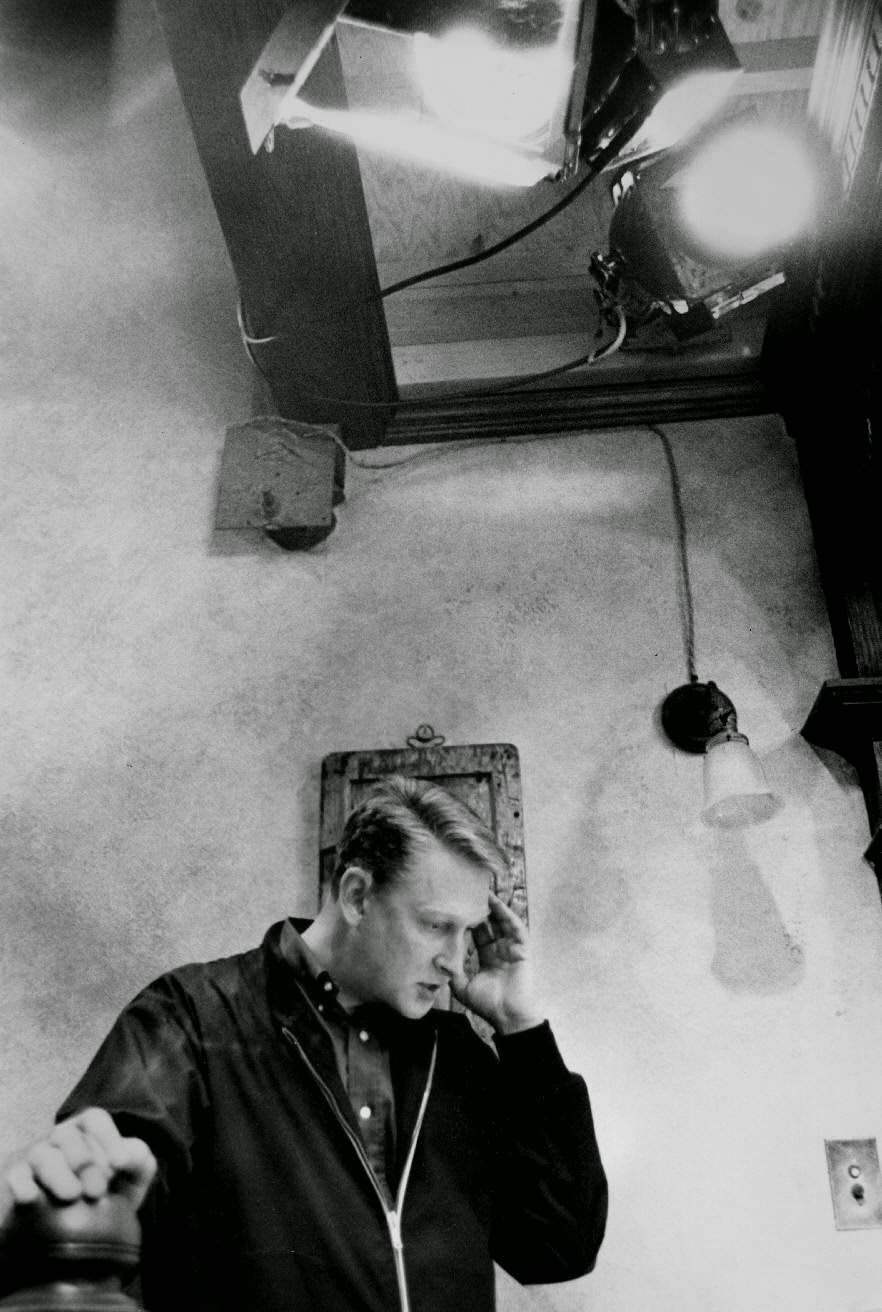
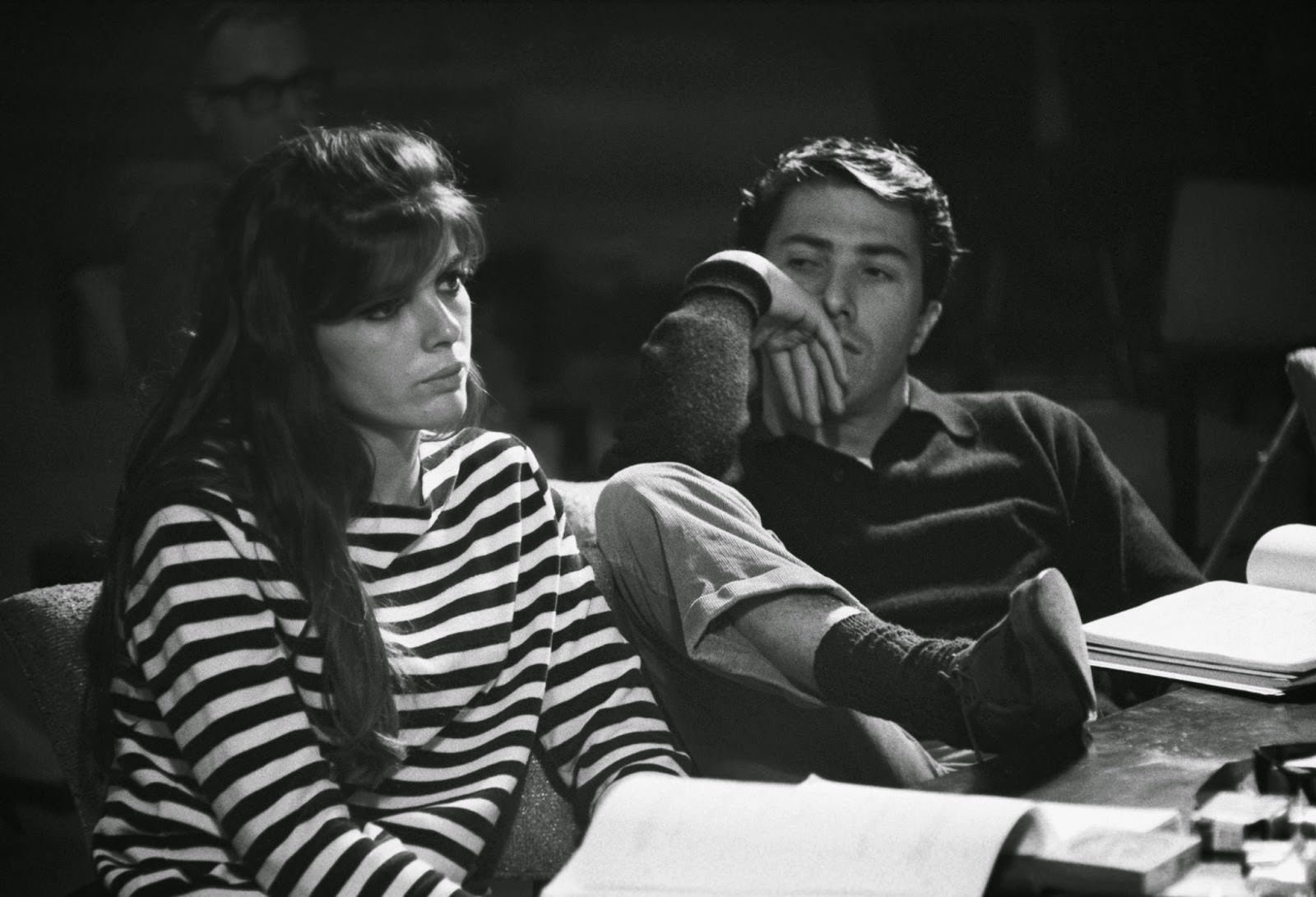
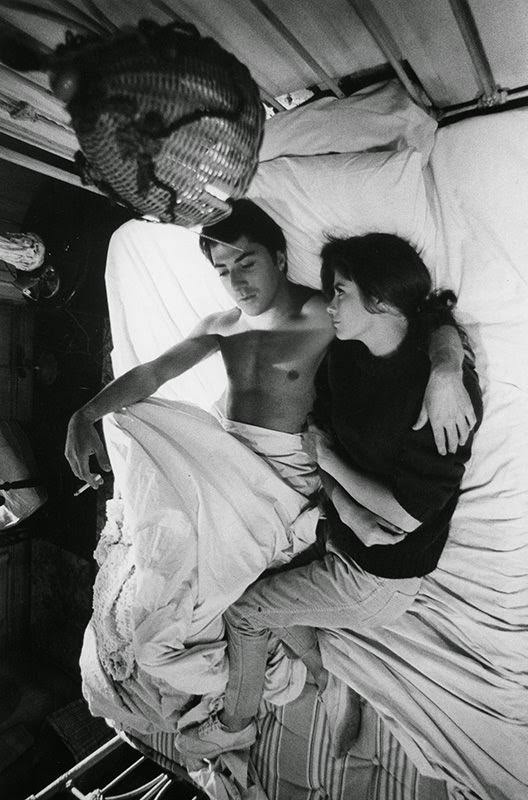
Mike Nichols was among the directors Willoughby photographed most closely. During the production of “Who’s Afraid of Virginia Woolf?” in 1965, Willoughby documented Nichols both at work and in quiet in-between moments on set. The following year, he was back with Nichols for “The Graduate,” photographing early rehearsals with the cast.
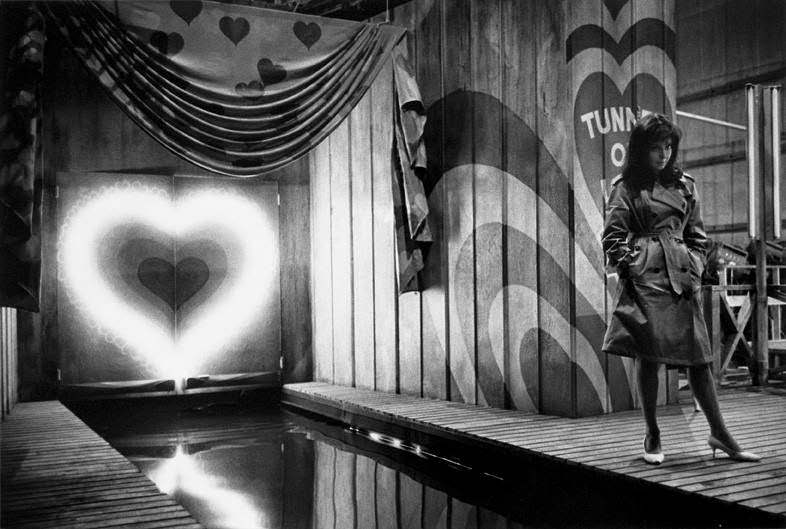
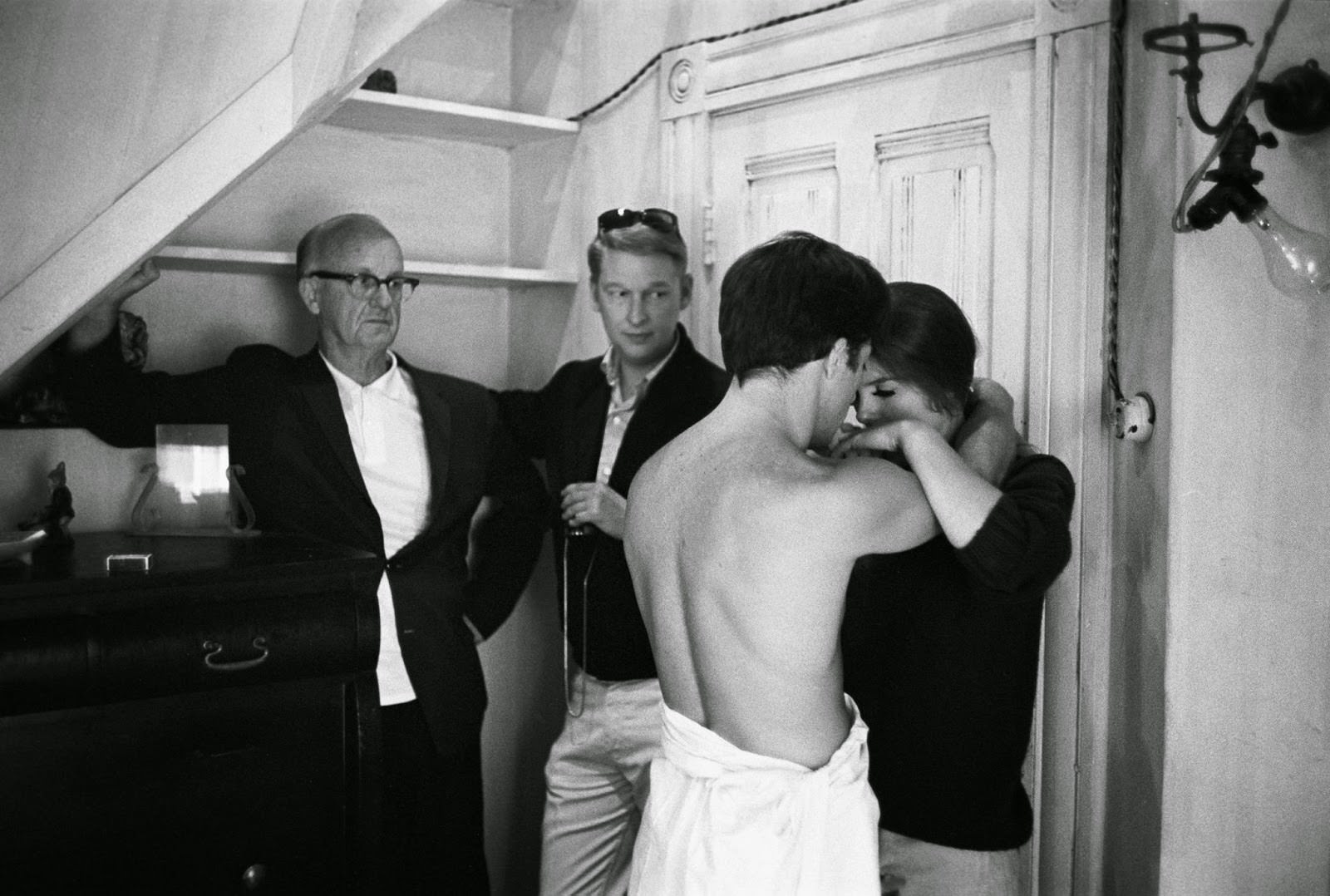
“The Graduate” gave Willoughby some of his most memorable set photographs. Dustin Hoffman and Katharine Ross were both early in their careers, and Willoughby was there to document their rehearsals and their on-screen chemistry as it developed in real time.
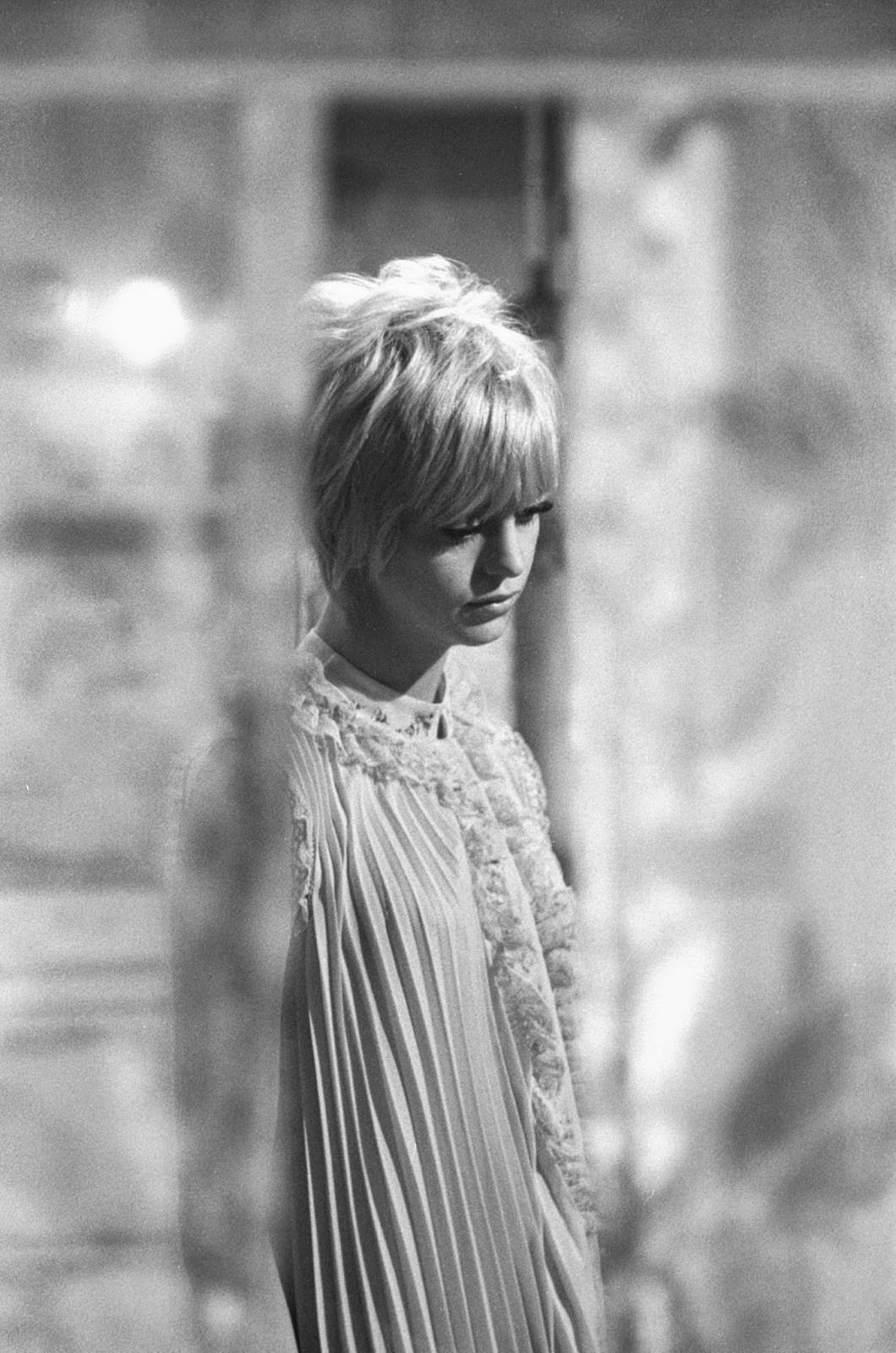
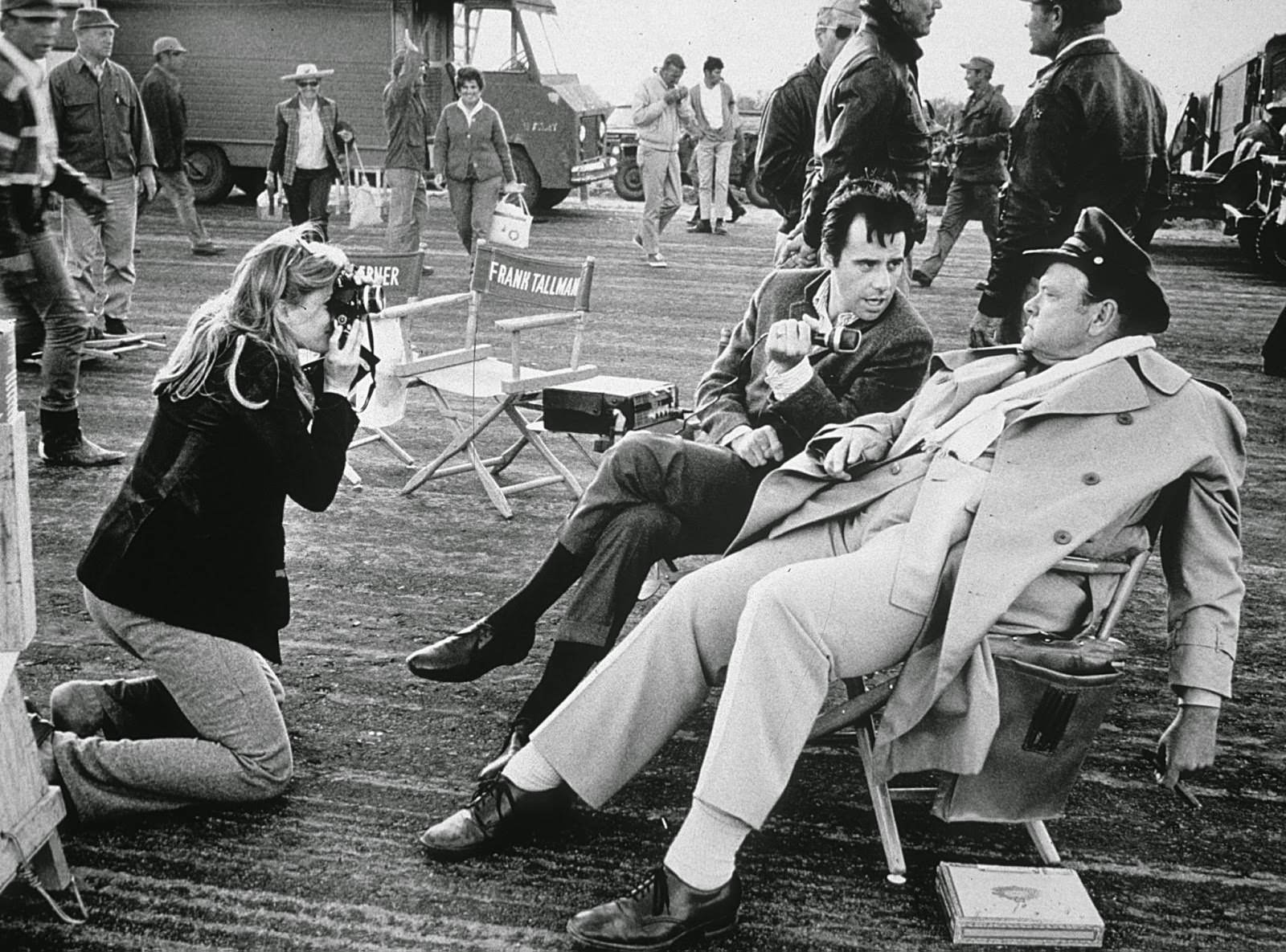
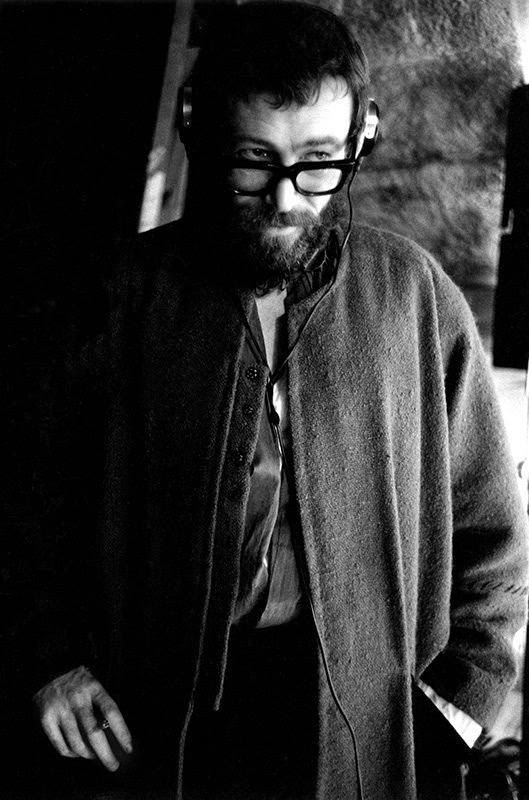
Willoughby’s early years in Hollywood brought him into contact with some of the era’s most enduring names. Richard Burton was already building his screen reputation in the early 1950s, and Willoughby found him in a reflective moment during production at 20th Century Fox.
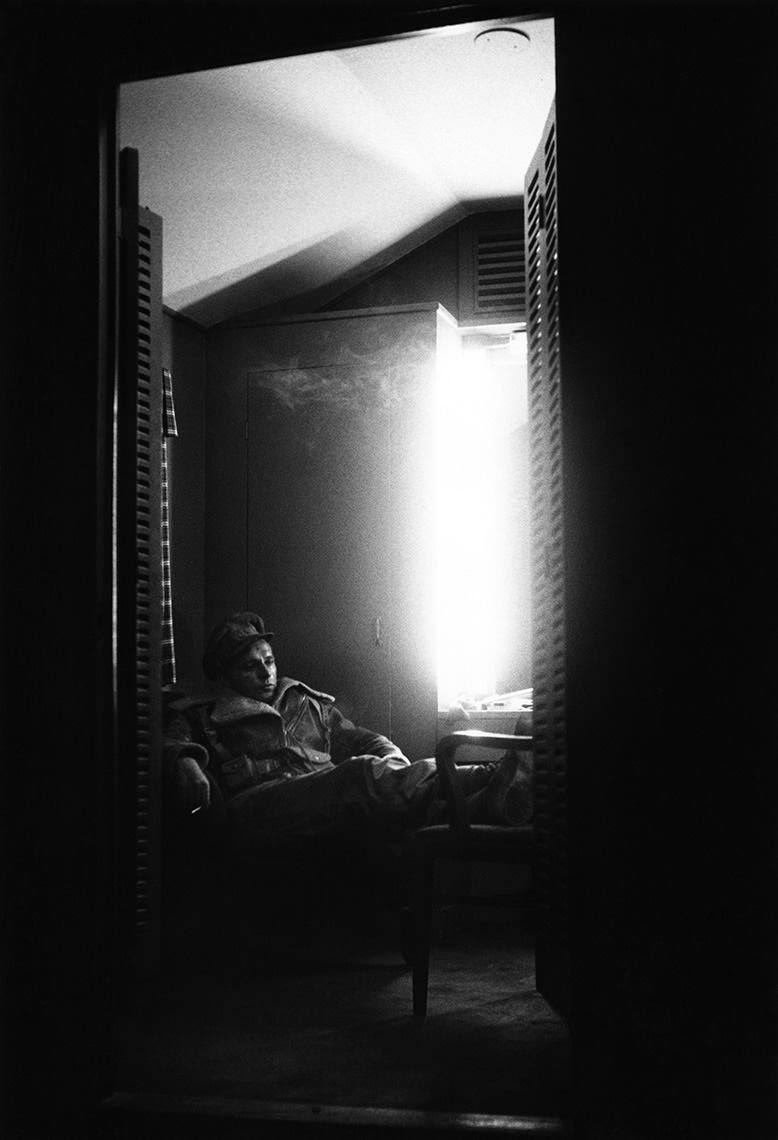
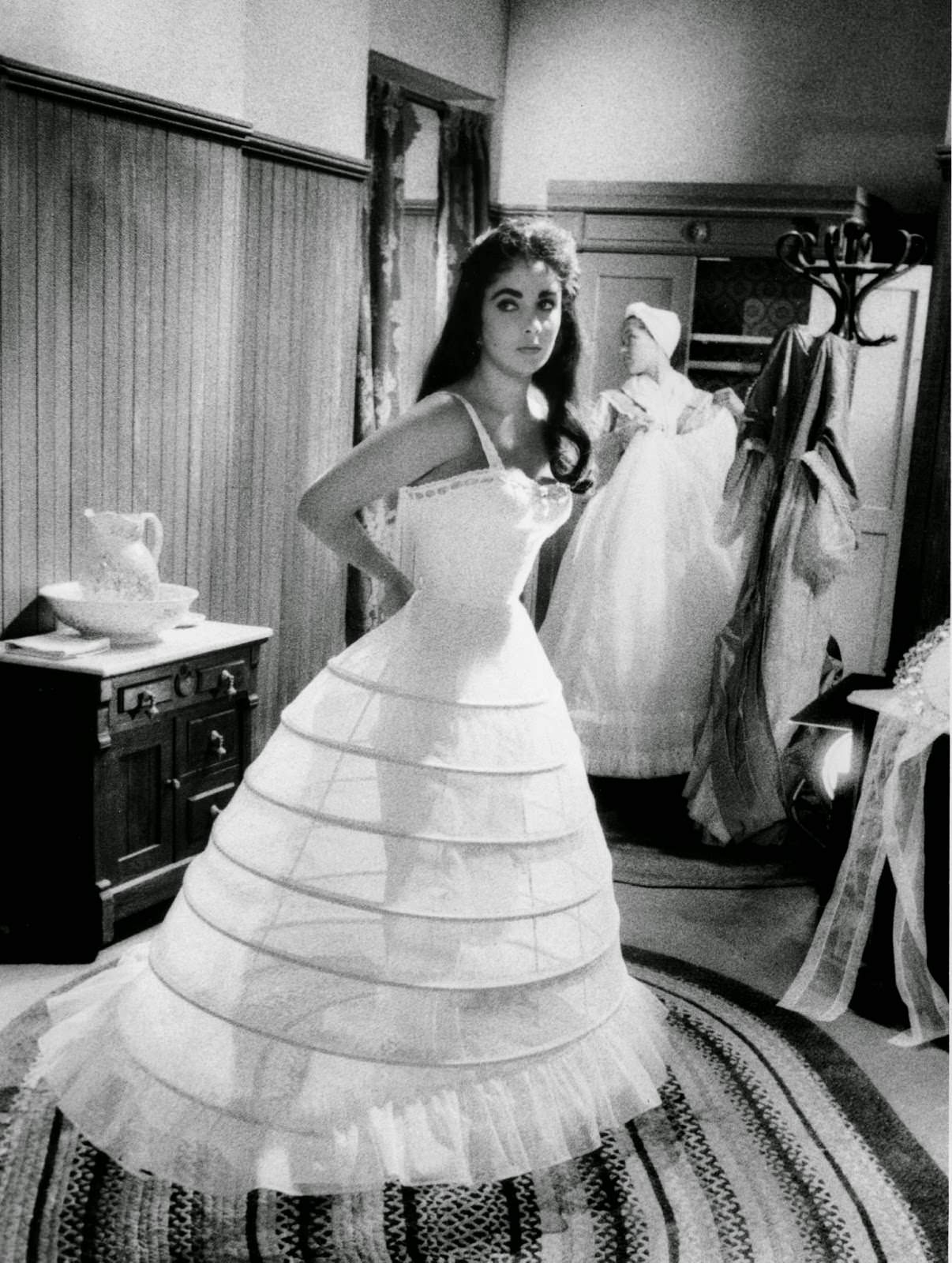
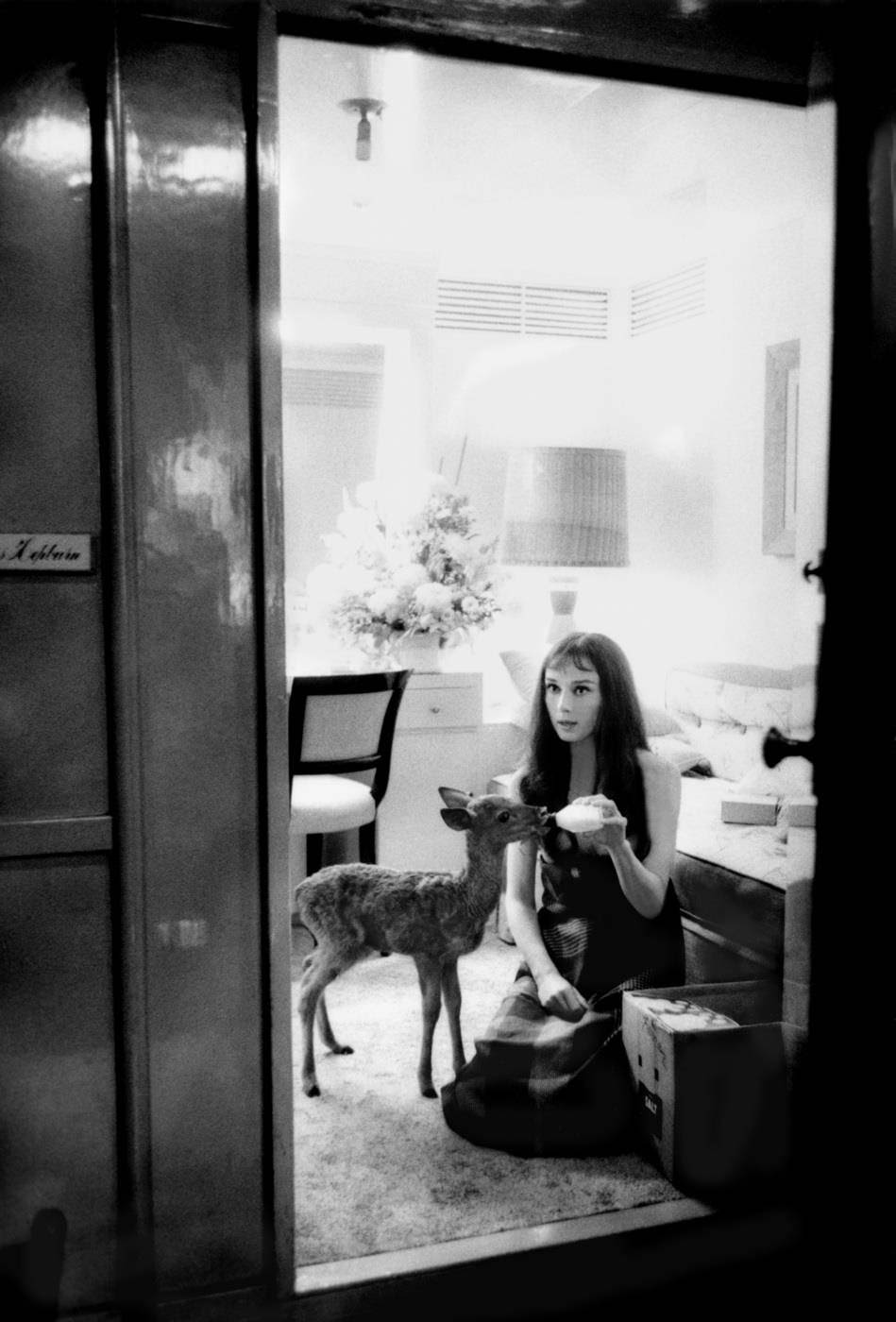
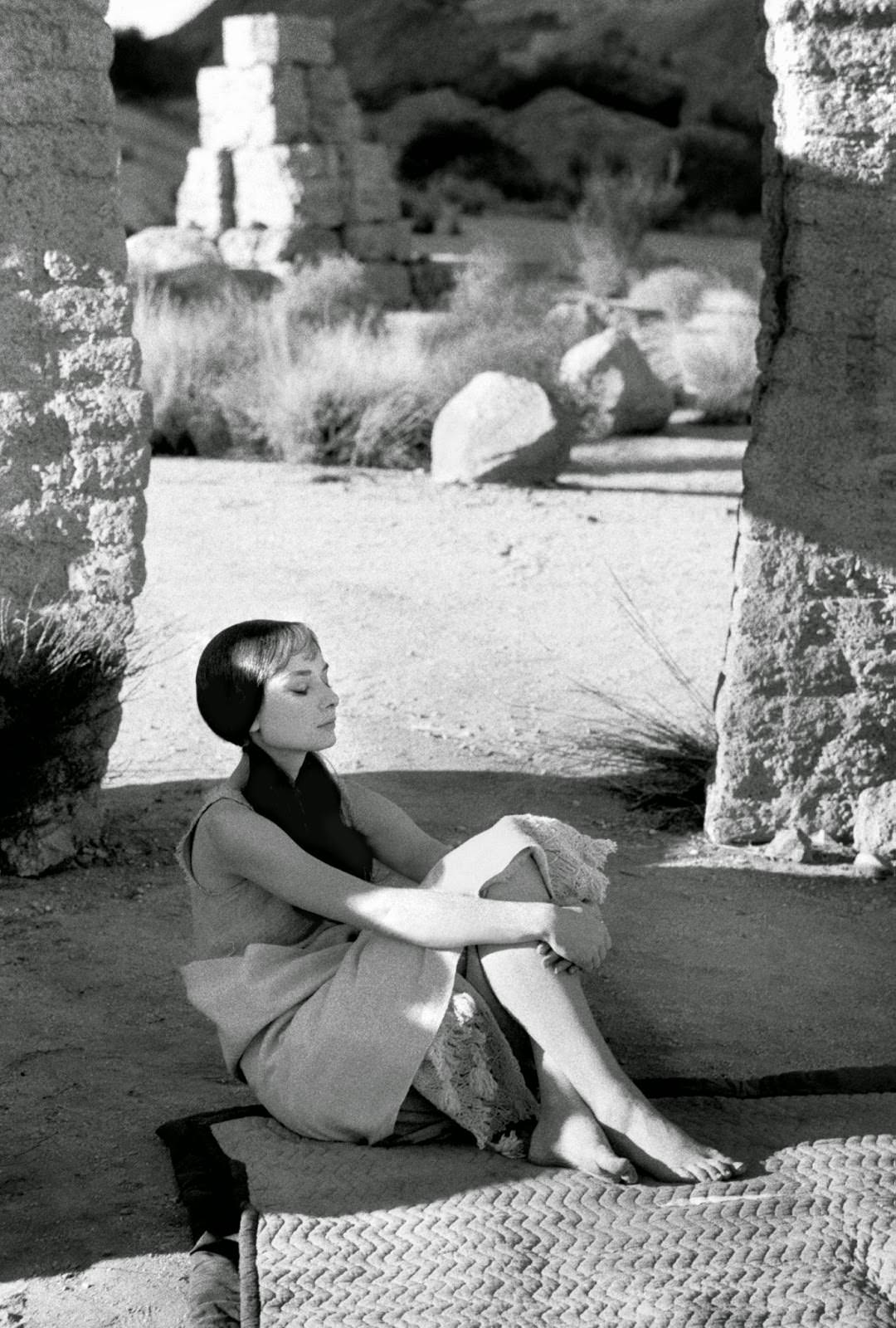
Audrey Hepburn was one of Willoughby’s most photographed subjects. He first encountered her in 1953 when she arrived in Los Angeles fresh from filming “Roman Holiday.” The two developed a lasting professional relationship, and he followed her through multiple productions over the following decade. On the set of “Green Mansions” at MGM in 1958, he documented her feeding her pet deer Ip during a break between scenes.
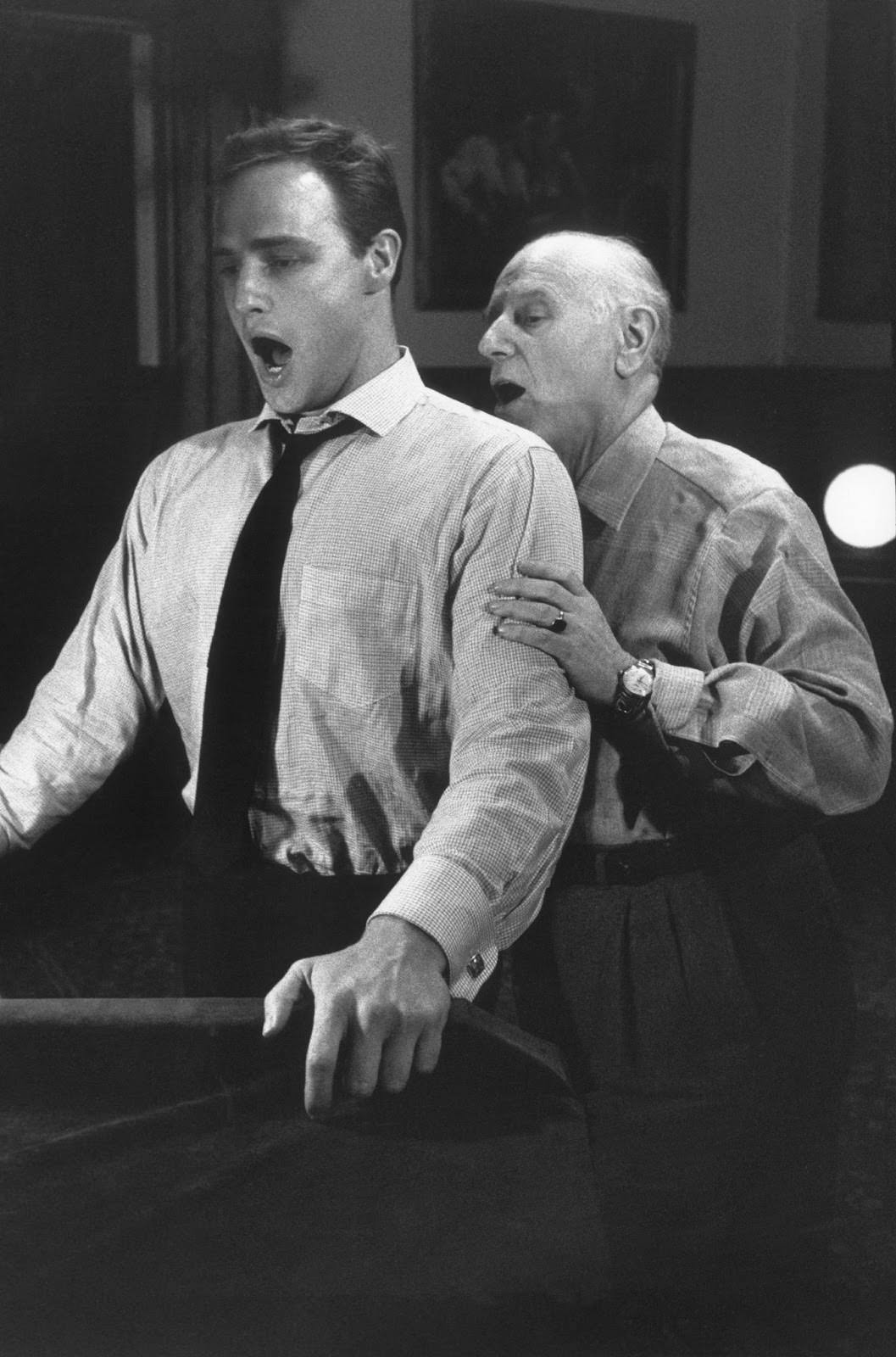
Willoughby also photographed Marlon Brando preparing for a demanding musical role. At Goldwyn Studios in 1955, he documented Brando working with his singing coach in preparation for “Guys and Dolls” — a role that required a very different skill set from his earlier dramatic work.
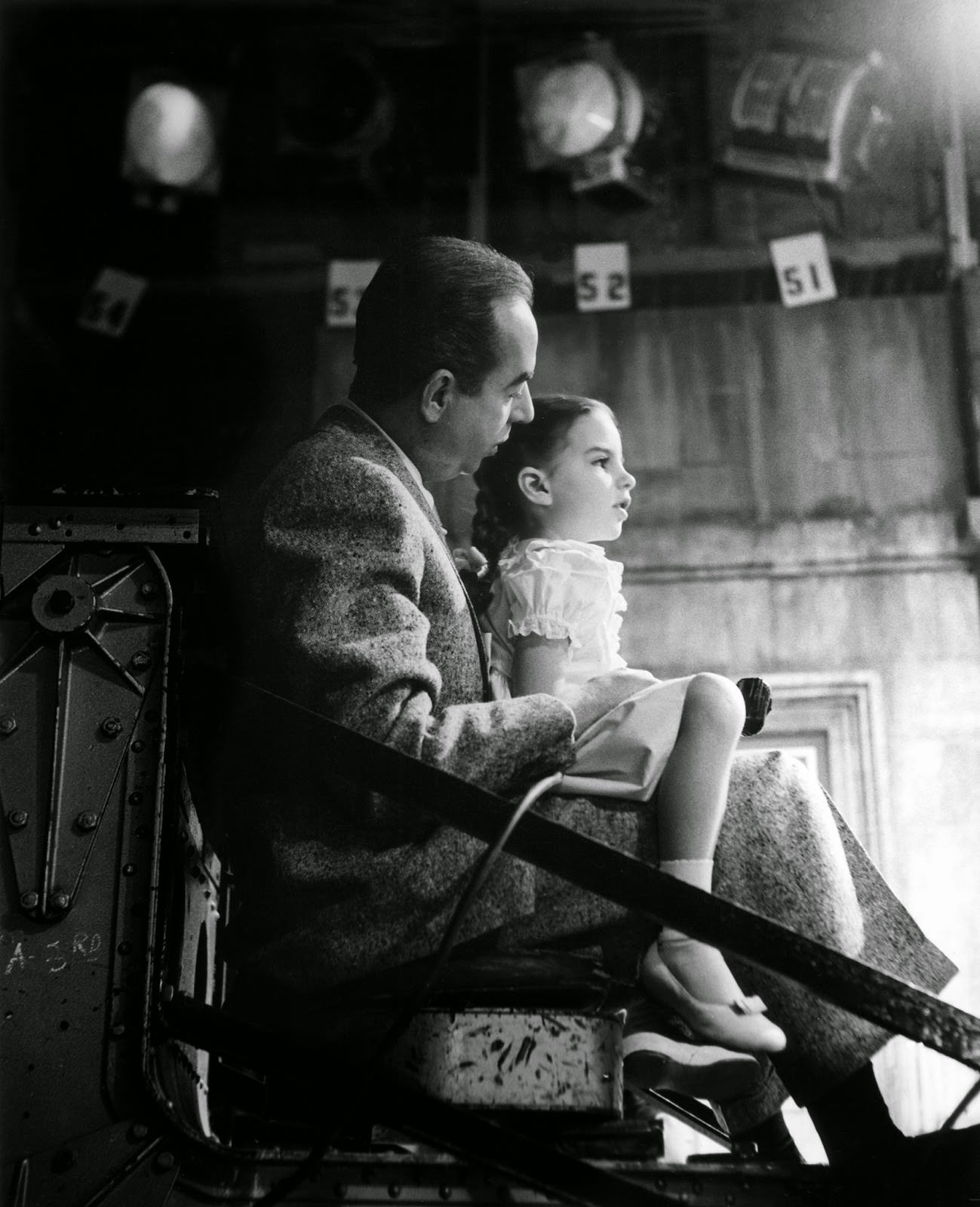
Some of Willoughby’s most personal photographs involve family moments that happened to unfold on or near a film set. In 1951, he photographed director Vincente Minnelli taking his young daughter Liza for a ride high on the Chapman crane on the MGM lot — a candid glimpse of a father-daughter moment during a working day.
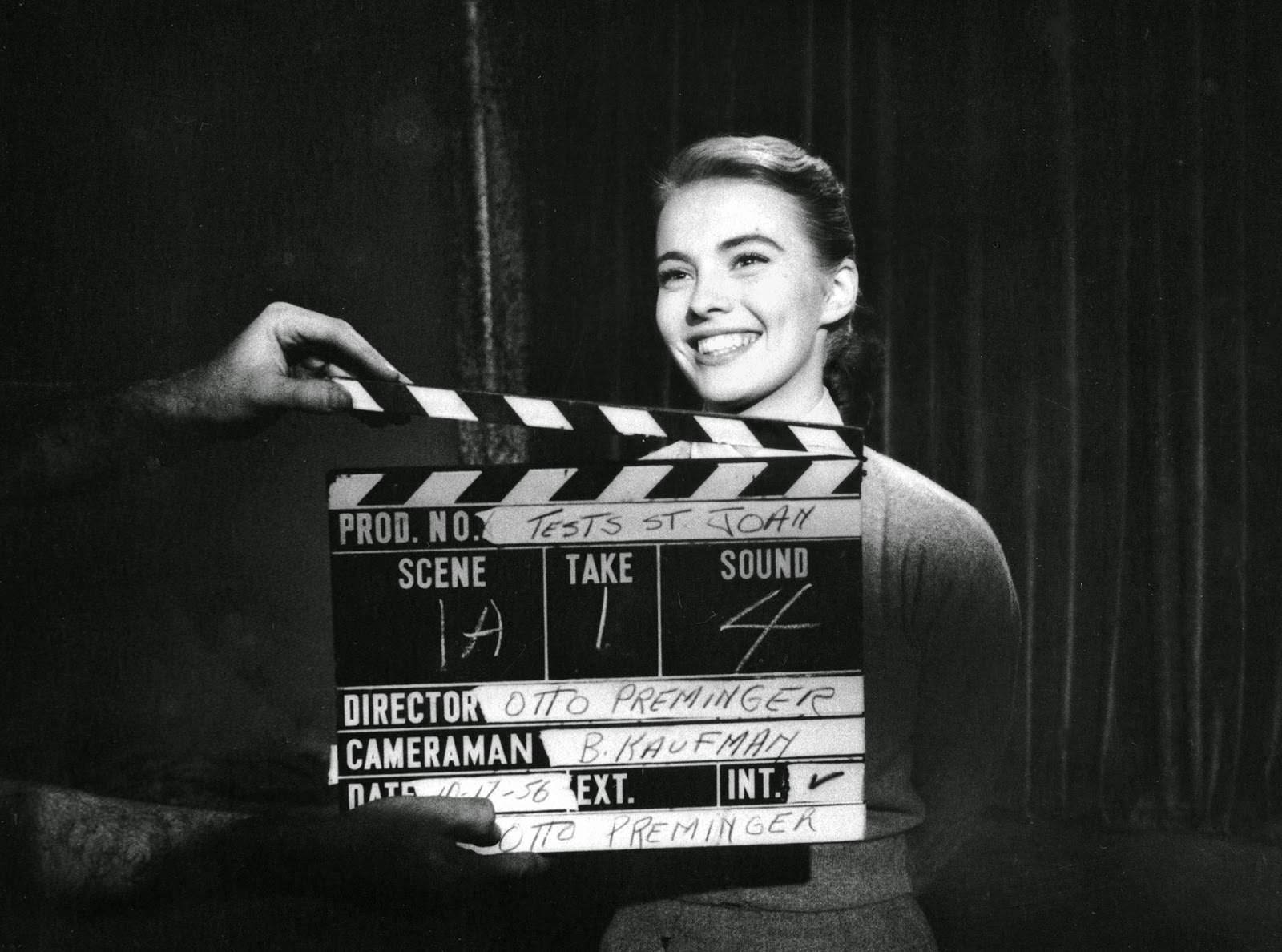
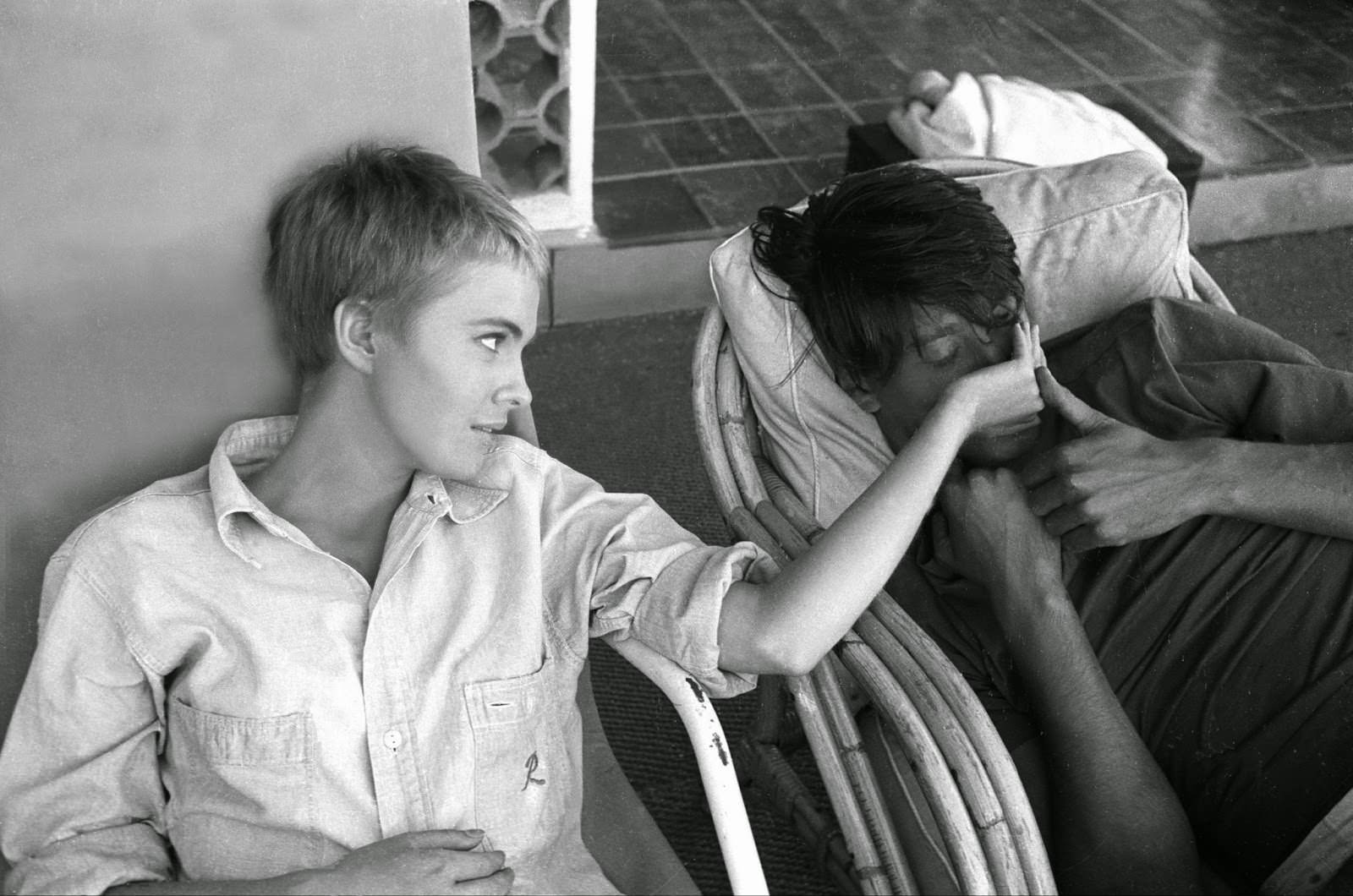
Jean Seberg was another recurring subject across multiple productions. Willoughby photographed her before her iconic haircut, at her screen test for “Saint Joan” in 1956, and then followed her to France for the filming of “Bonjour Tristesse” in 1957, capturing her both on set and in relaxed off-set moments.
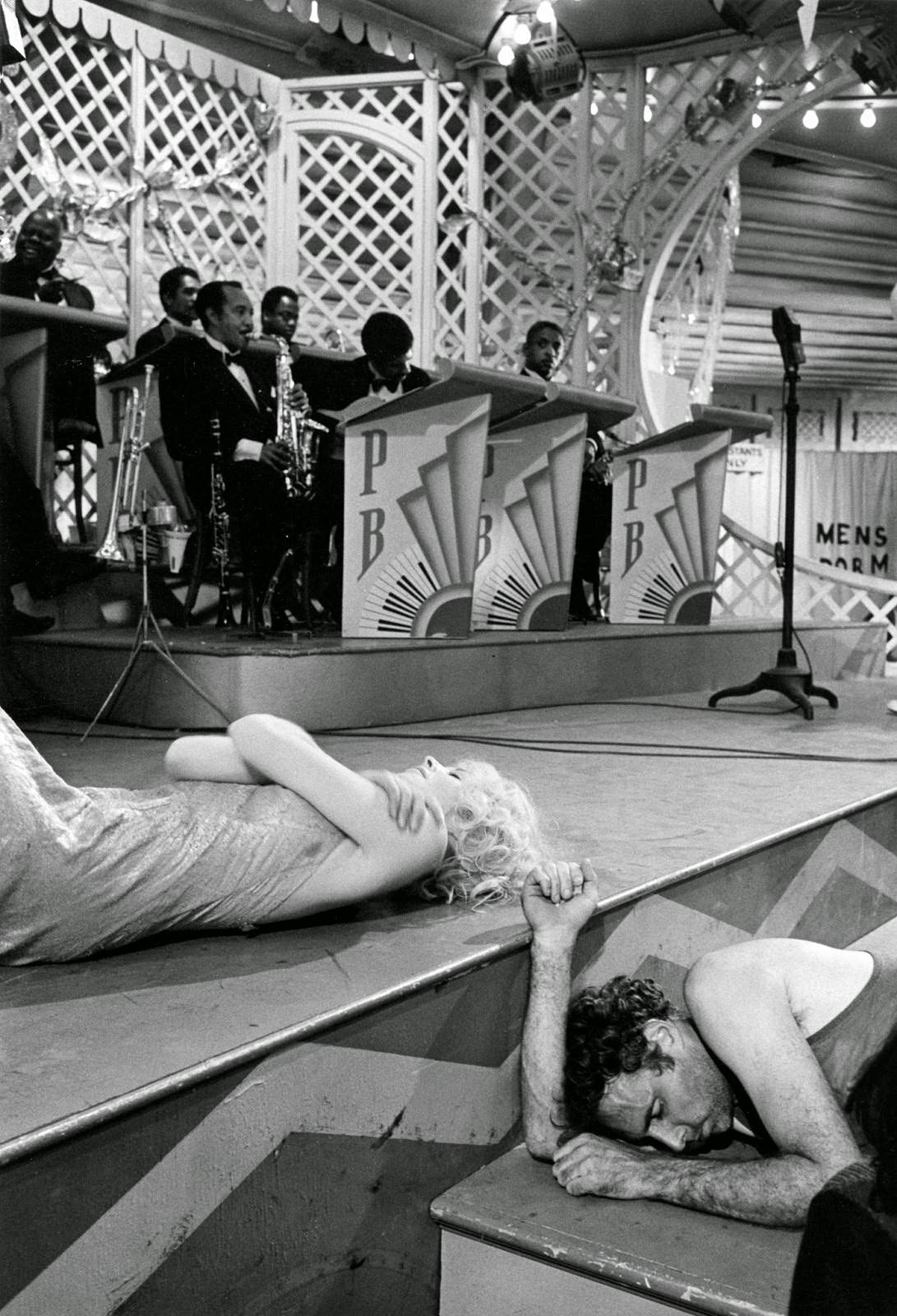
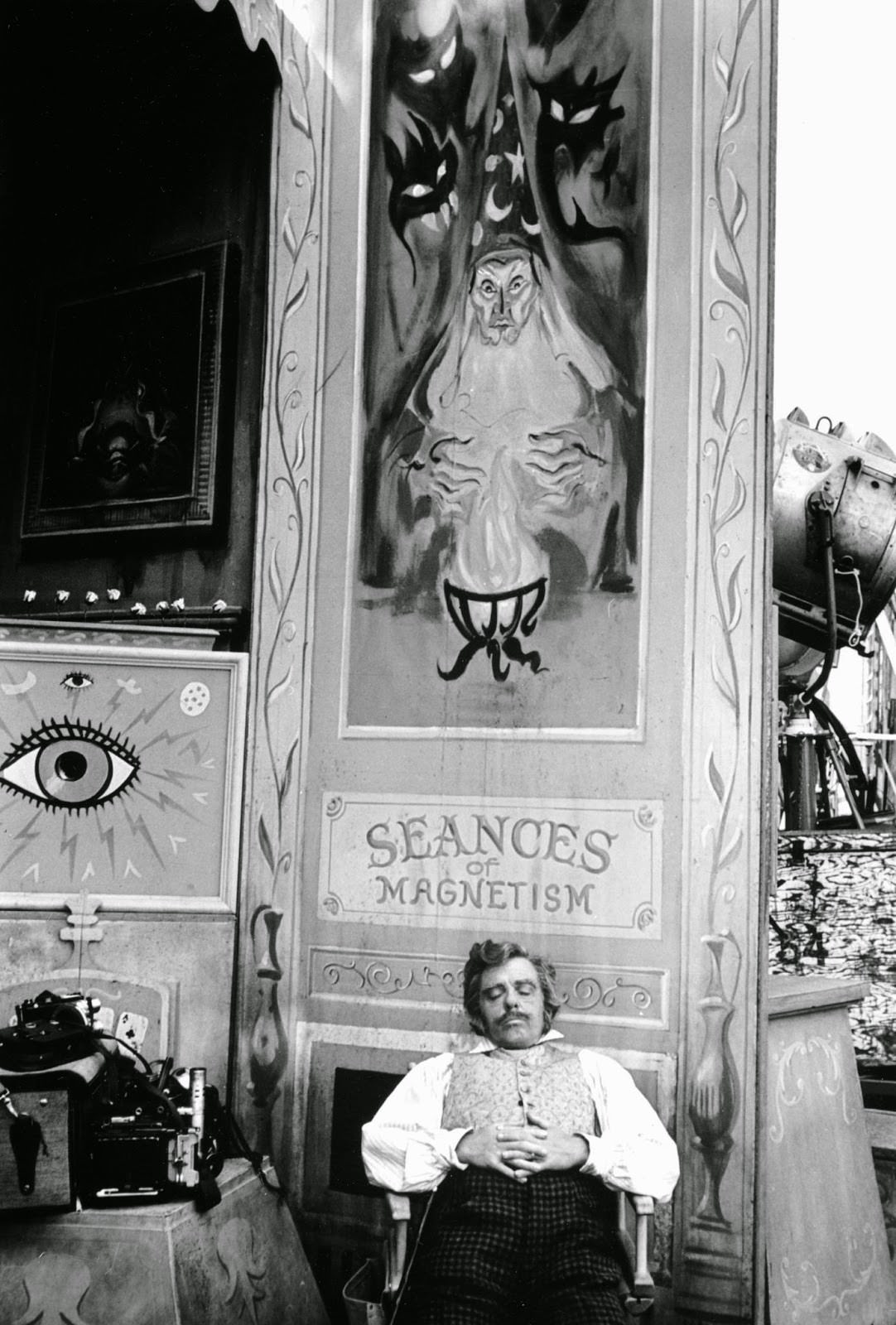
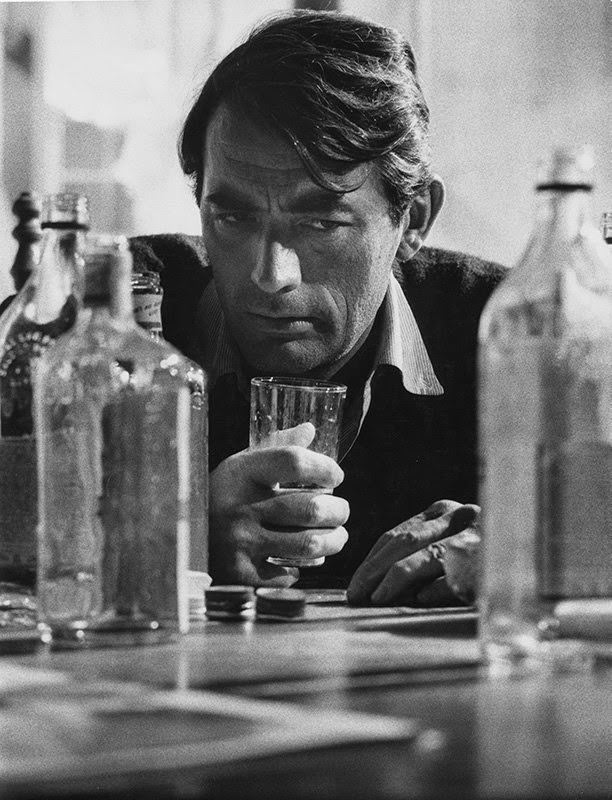
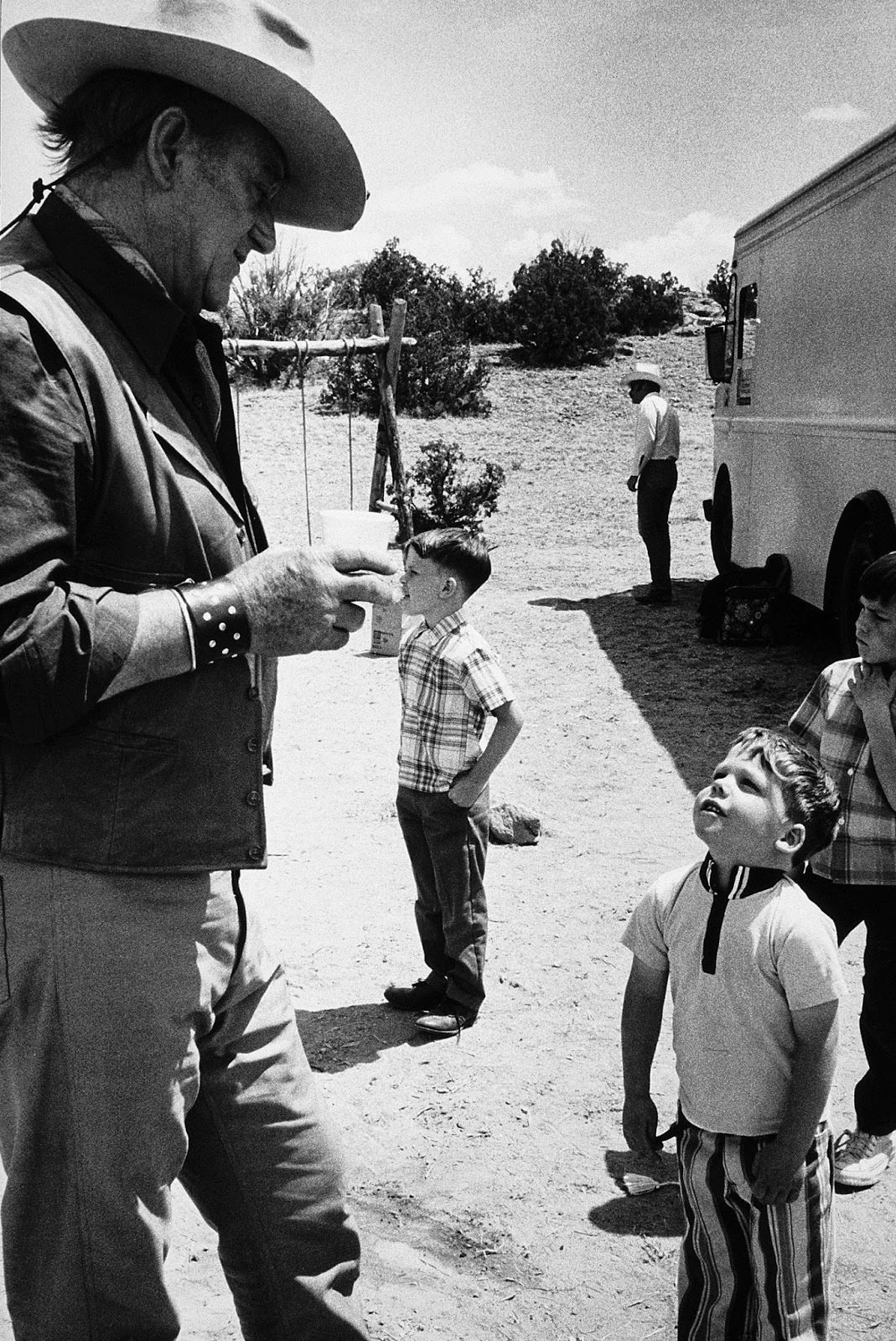
Location shoots gave Willoughby some of his most informal images. Richard Attenborough was photographed asleep at the Disney Ranch during the long production of “Doctor Dolittle” in 1966. Gregory Peck was captured in a quiet moment on the Fox lot during “Beloved Infidel” in 1959. These were not publicity shots — they were documents of real working conditions.
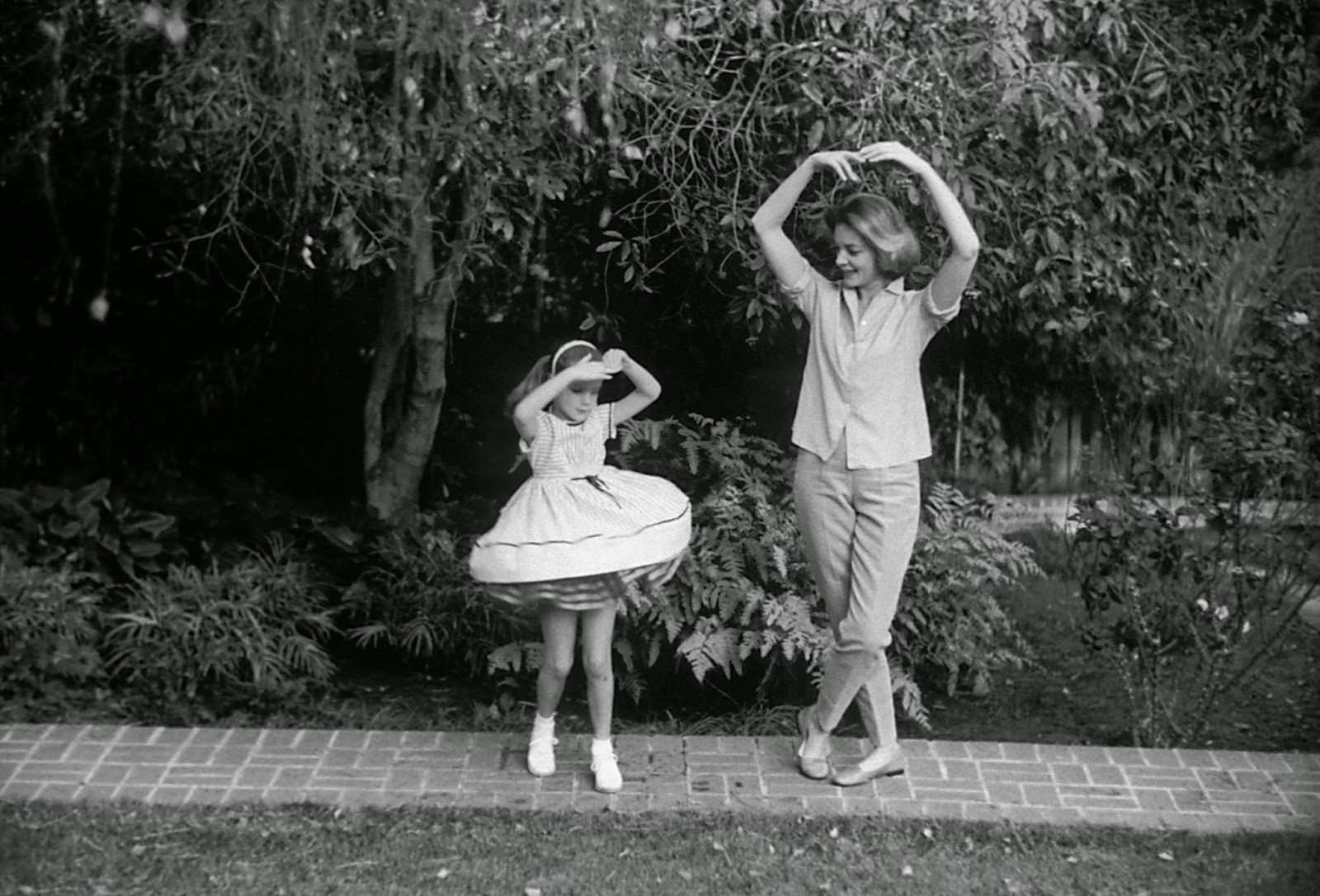
Willoughby’s lens extended beyond the studio walls. In 1958, he photographed Lauren Bacall at home in Beverly Hills with her daughter Leslie Bogart, offering a rare window into the private life of one of Hollywood’s most prominent actresses following the death of Humphrey Bogart the previous year.
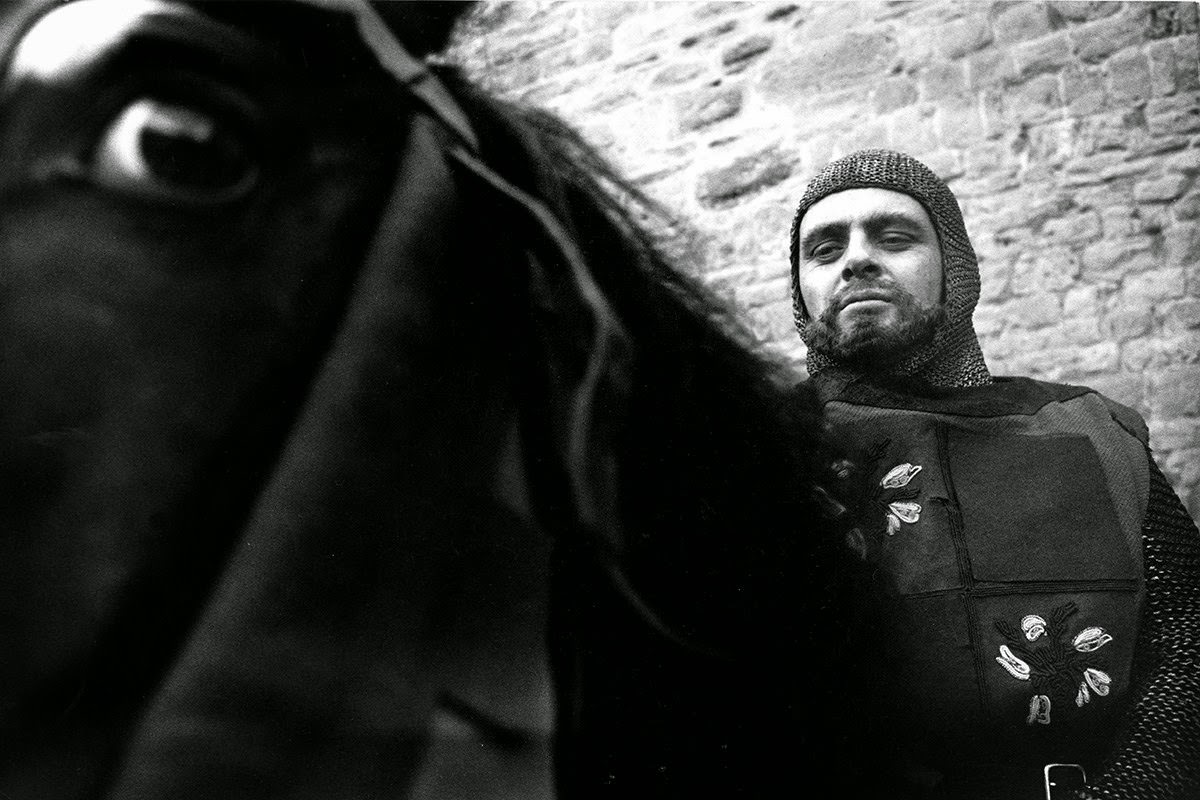
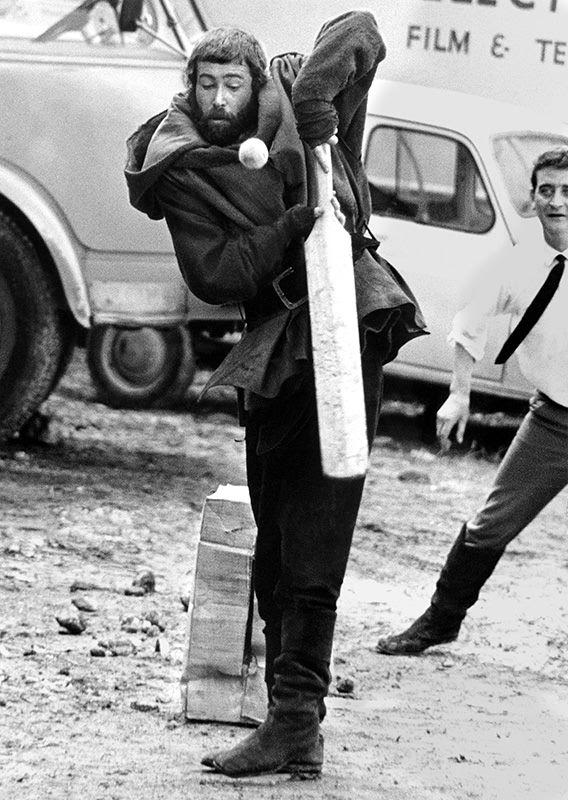
Willoughby was present for the screen debut of actors who would later define their era. Anthony Hopkins appeared on camera for the first time in “The Lion in Winter” in 1967, playing Richard Coeur de Lion. Willoughby photographed him during that production, as well as Peter O’Toole, who was playing King Henry II and used downtime between scenes to play cricket on the French location.
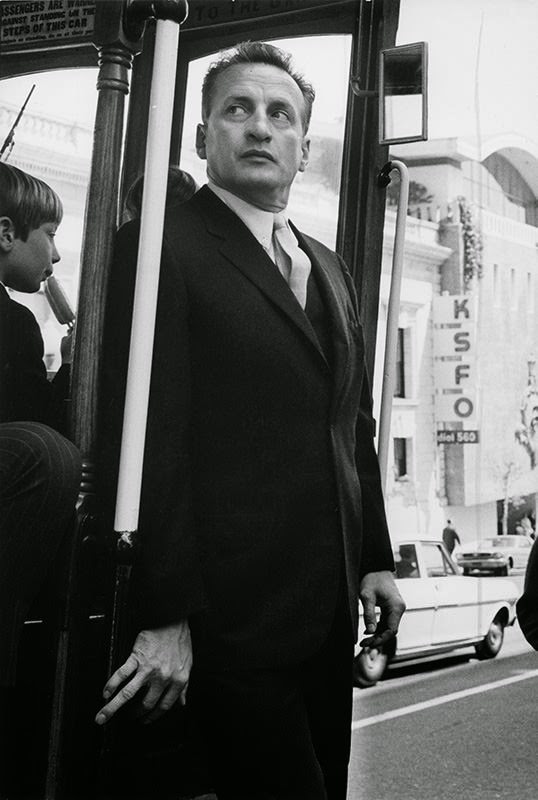
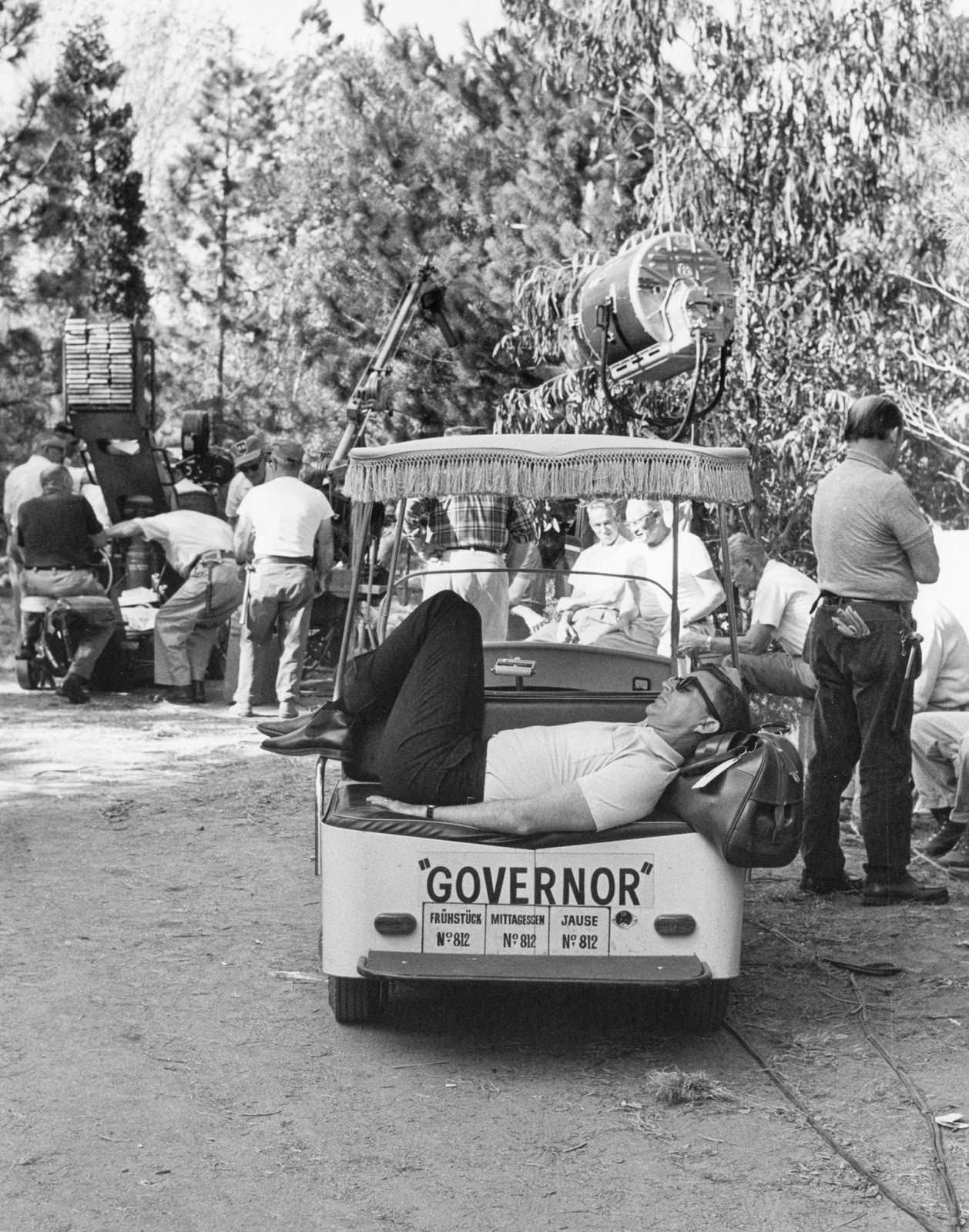
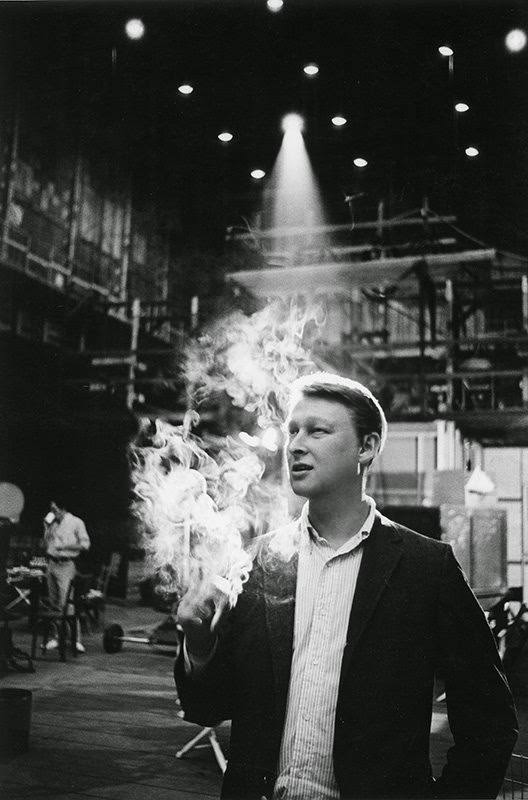
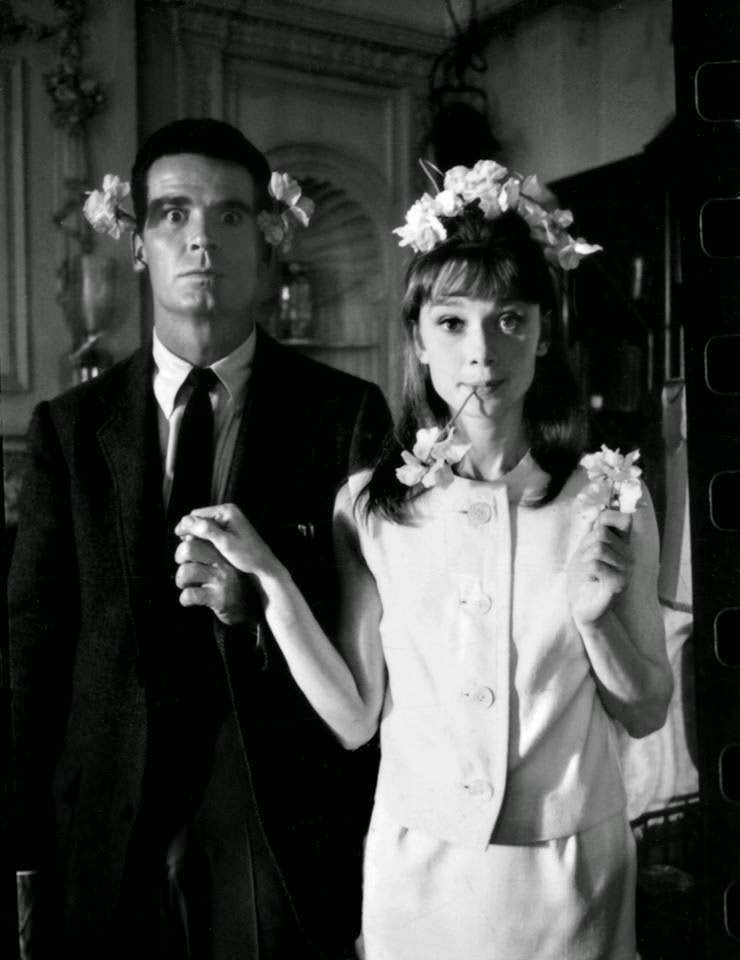
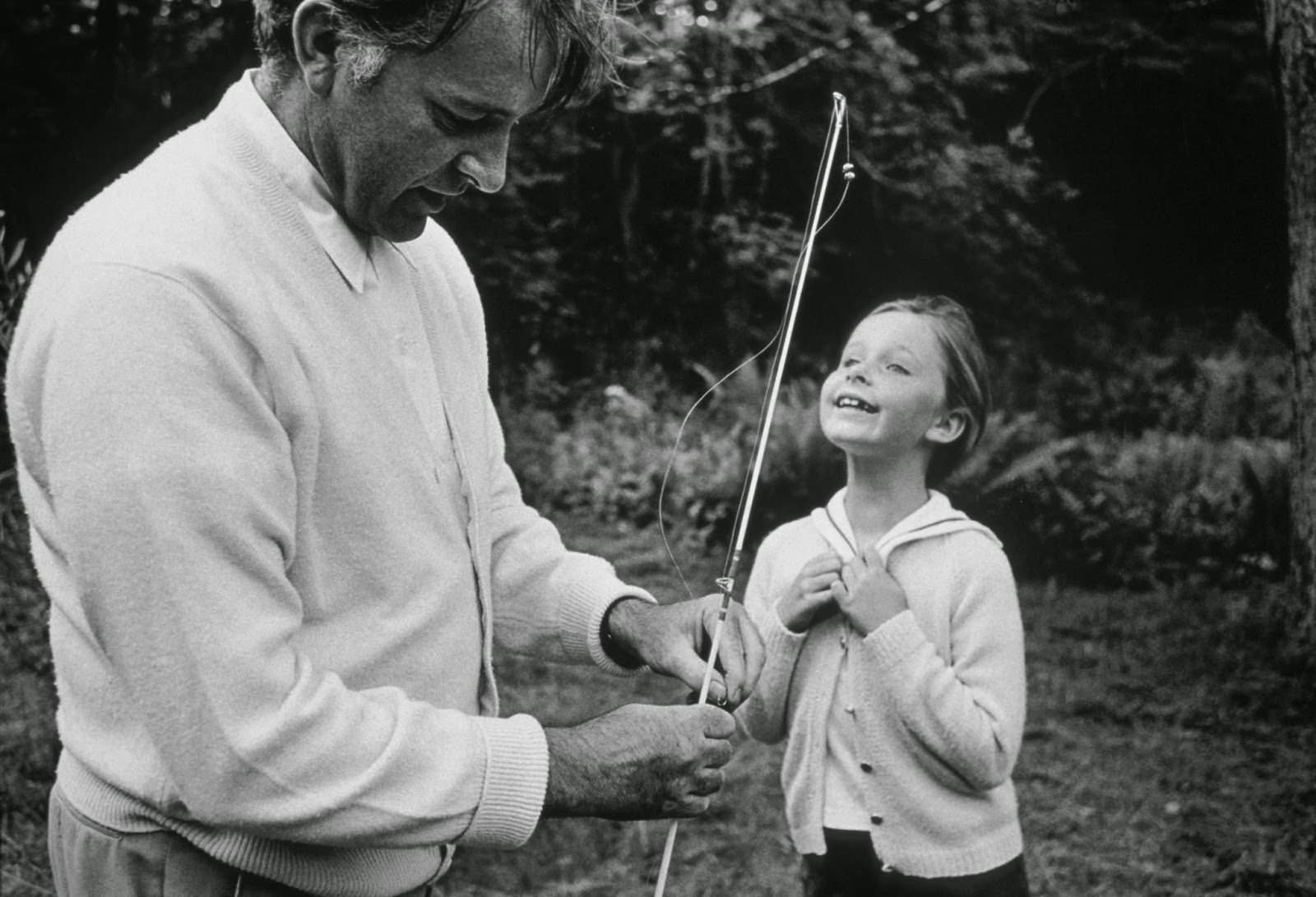
William Holden and Audrey Hepburn were photographed together at Boulogne Studios in Paris during the 1962 production of “Paris When It Sizzles.” Richard Burton, also photographed during the same era, was captured in an entirely different setting in 1965 — teaching his daughter Kate to fish on location in Northampton, Massachusetts, while filming “Who’s Afraid of Virginia Woolf?”
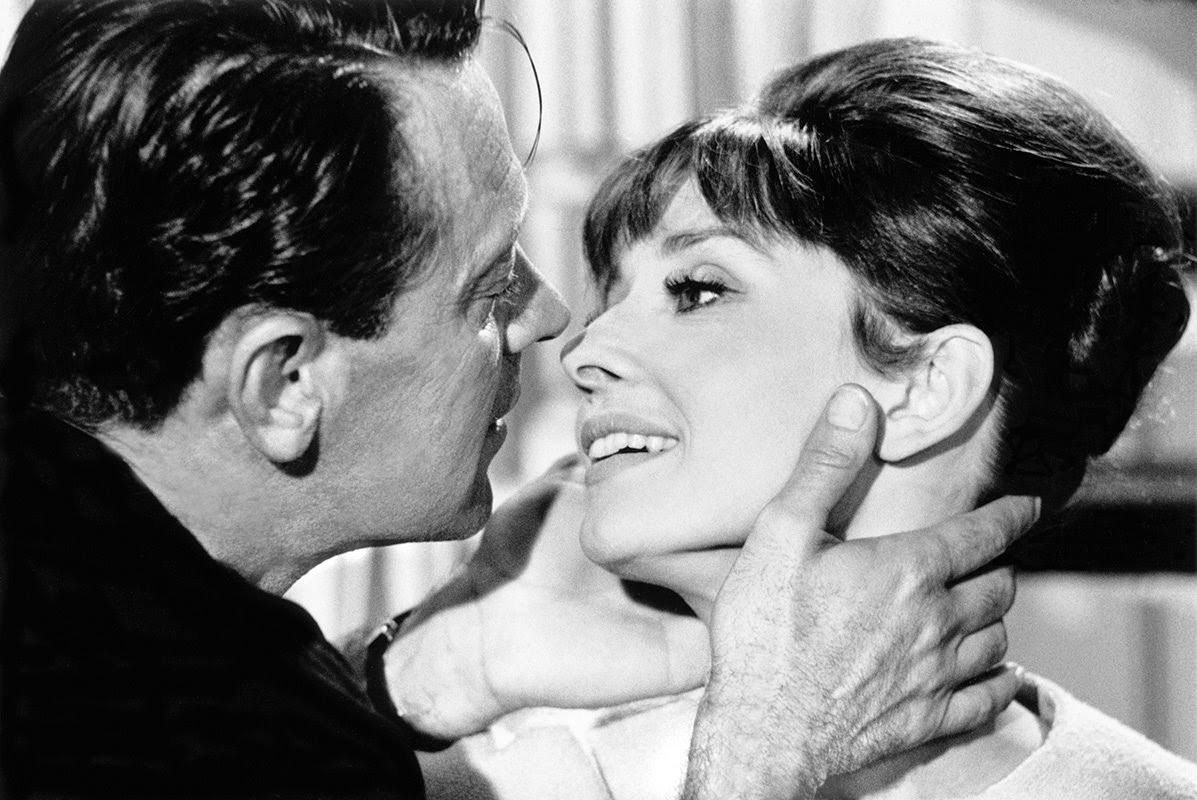
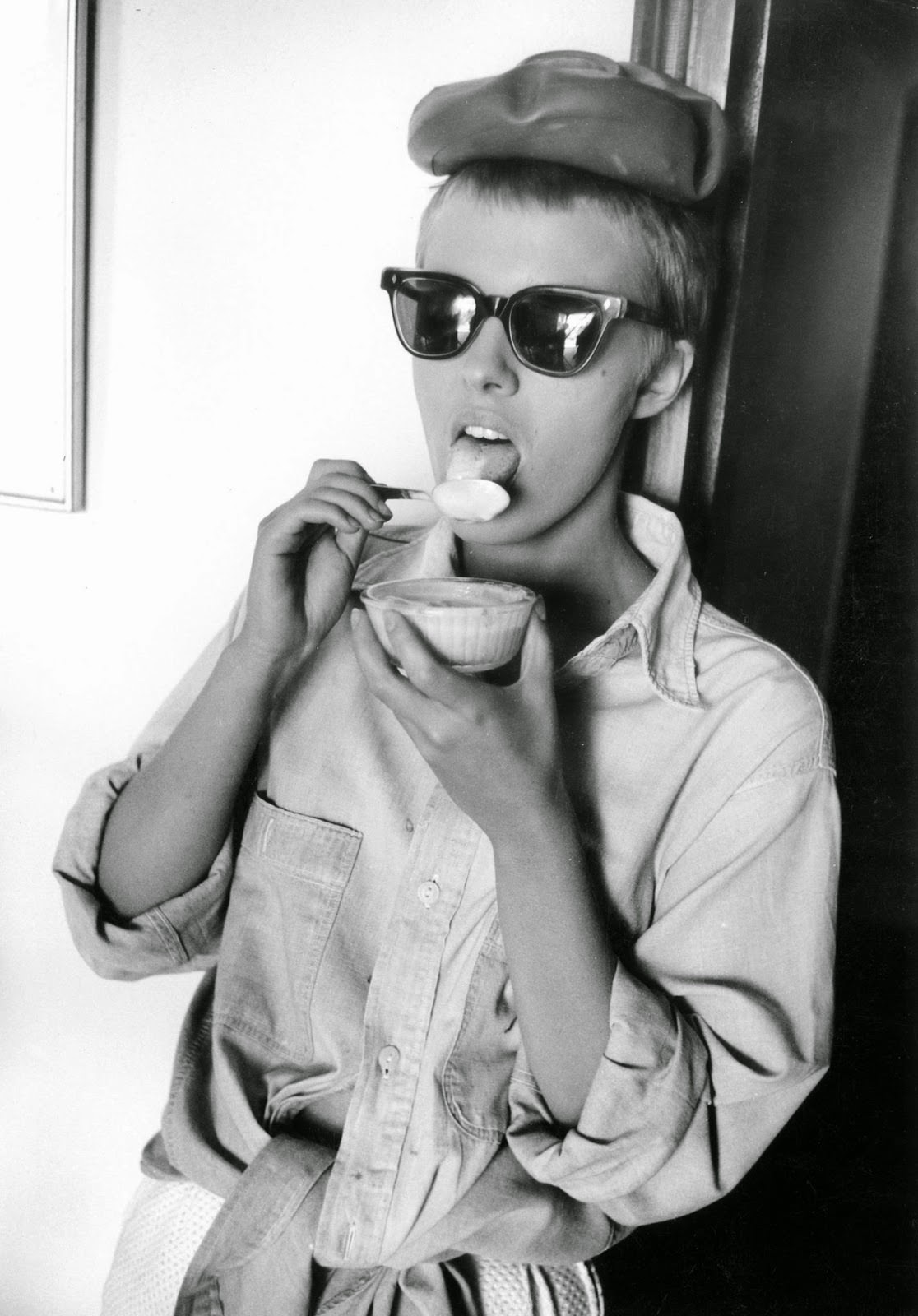
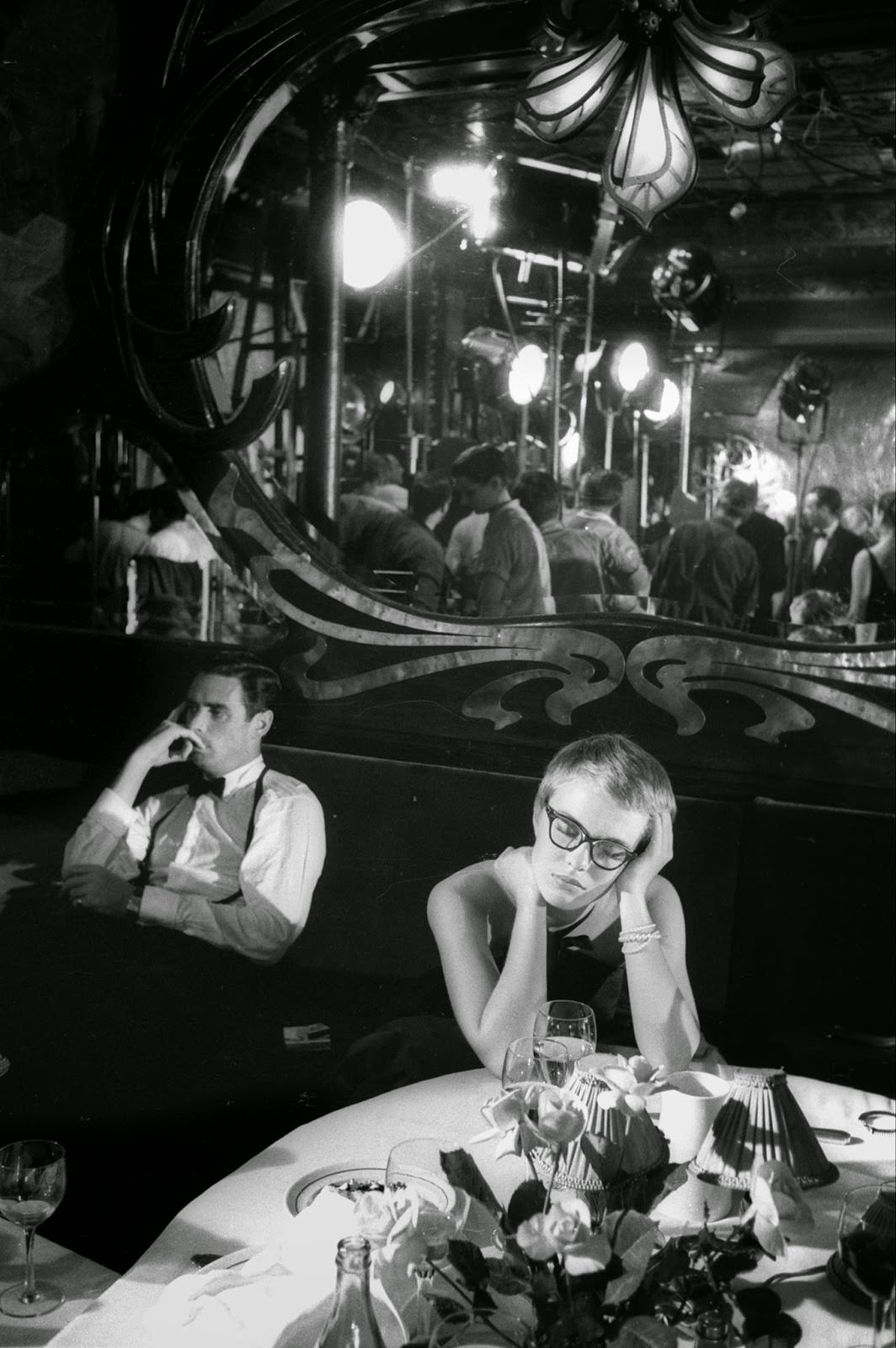
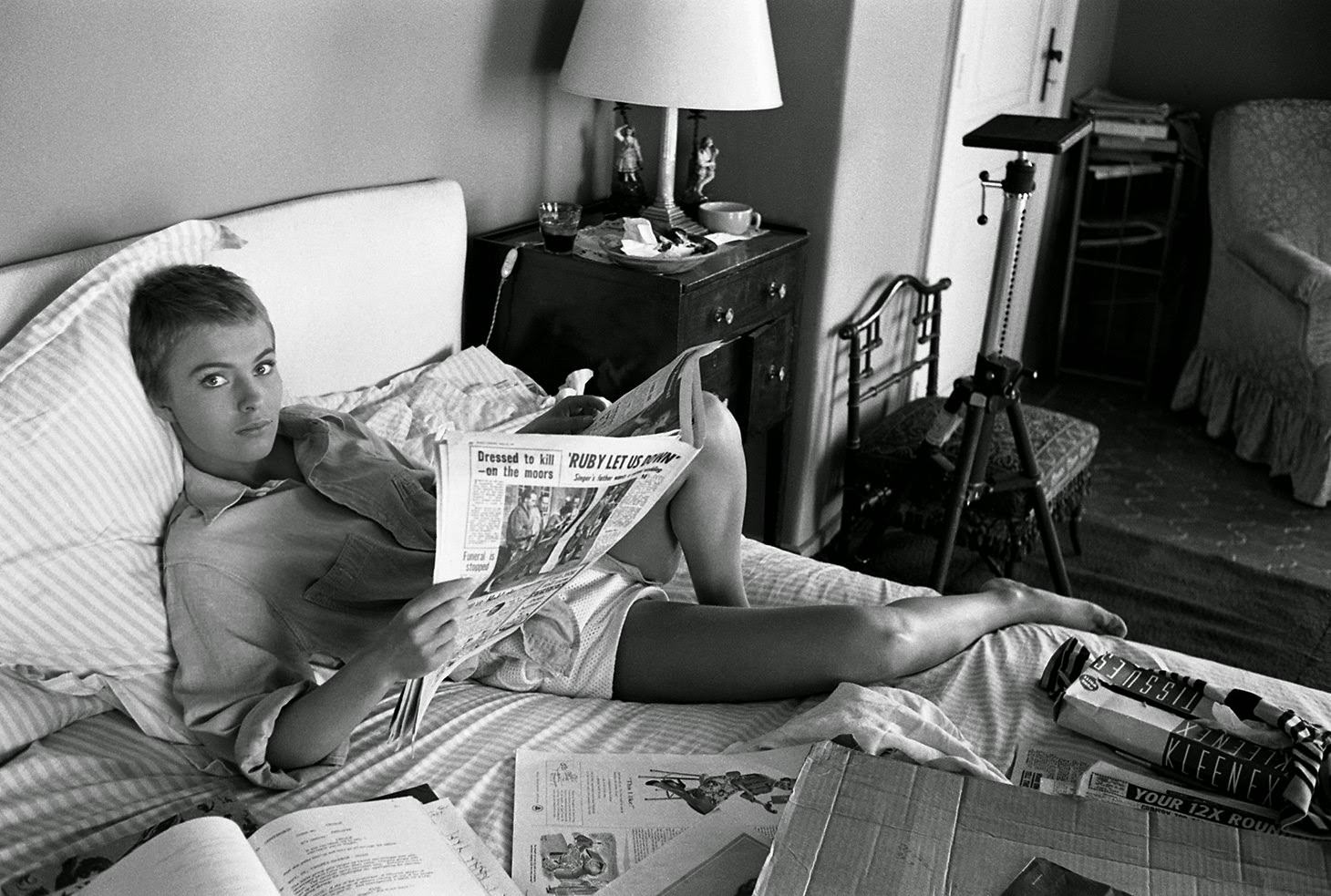
Willoughby’s Jean Seberg photographs form one of the most complete portrait sequences in his body of work. He followed her from her screen test in 1956 to multiple locations across France the following year — on set, at Maxim’s restaurant in Paris, and in quieter moments reading in bed between shoots.
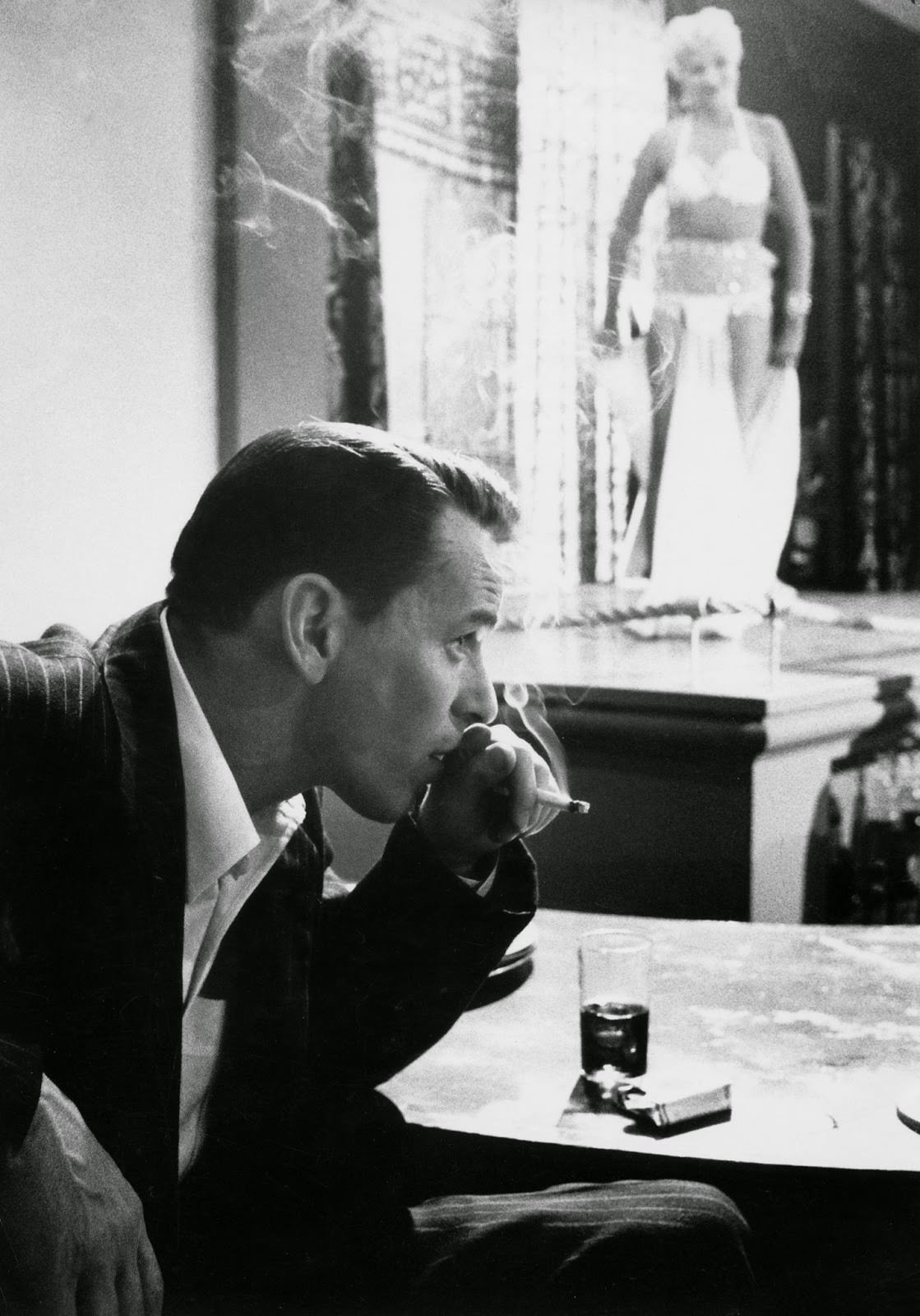
Frank Sinatra was photographed at RKO Studios in 1955 during the production of “The Man with the Golden Arm” — a film that pushed against the limits of what Hollywood was willing to depict on screen at the time. Willoughby’s image of Sinatra on that set is one of the more striking portraits from his mid-decade work.
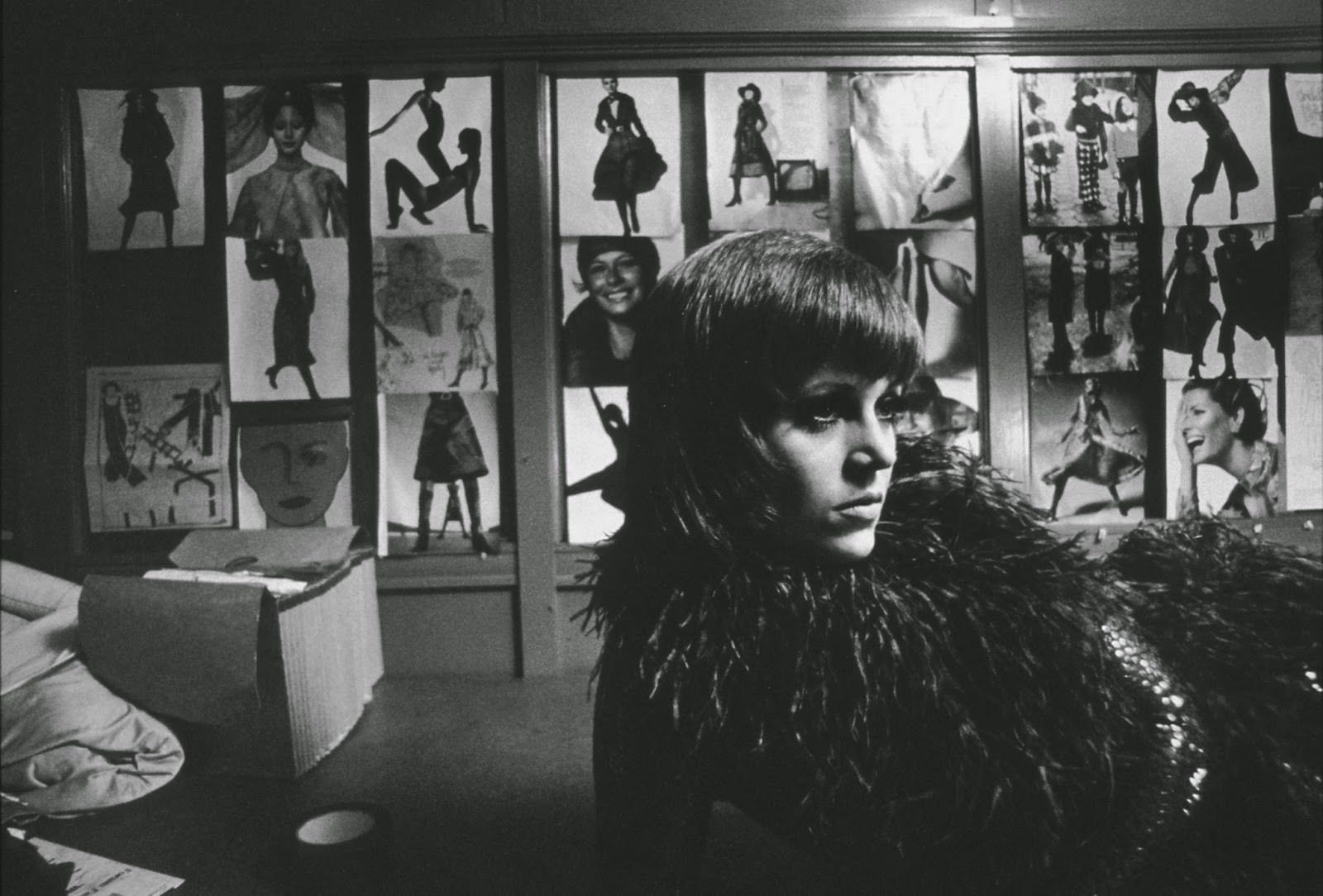
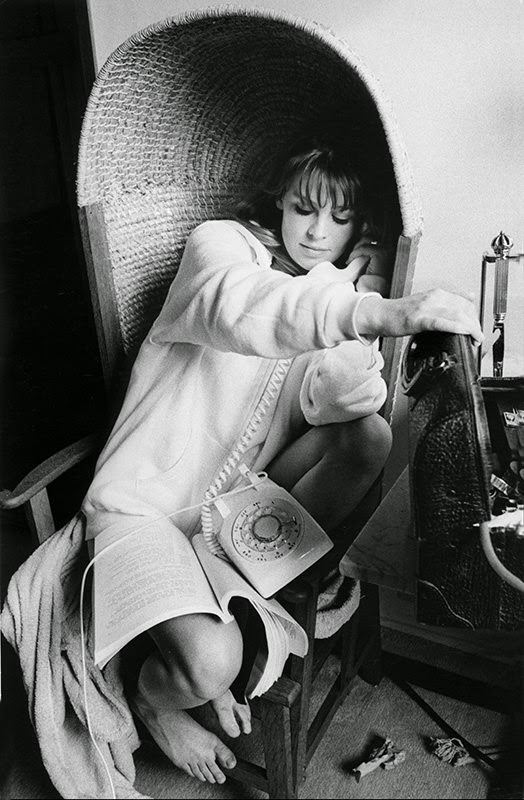
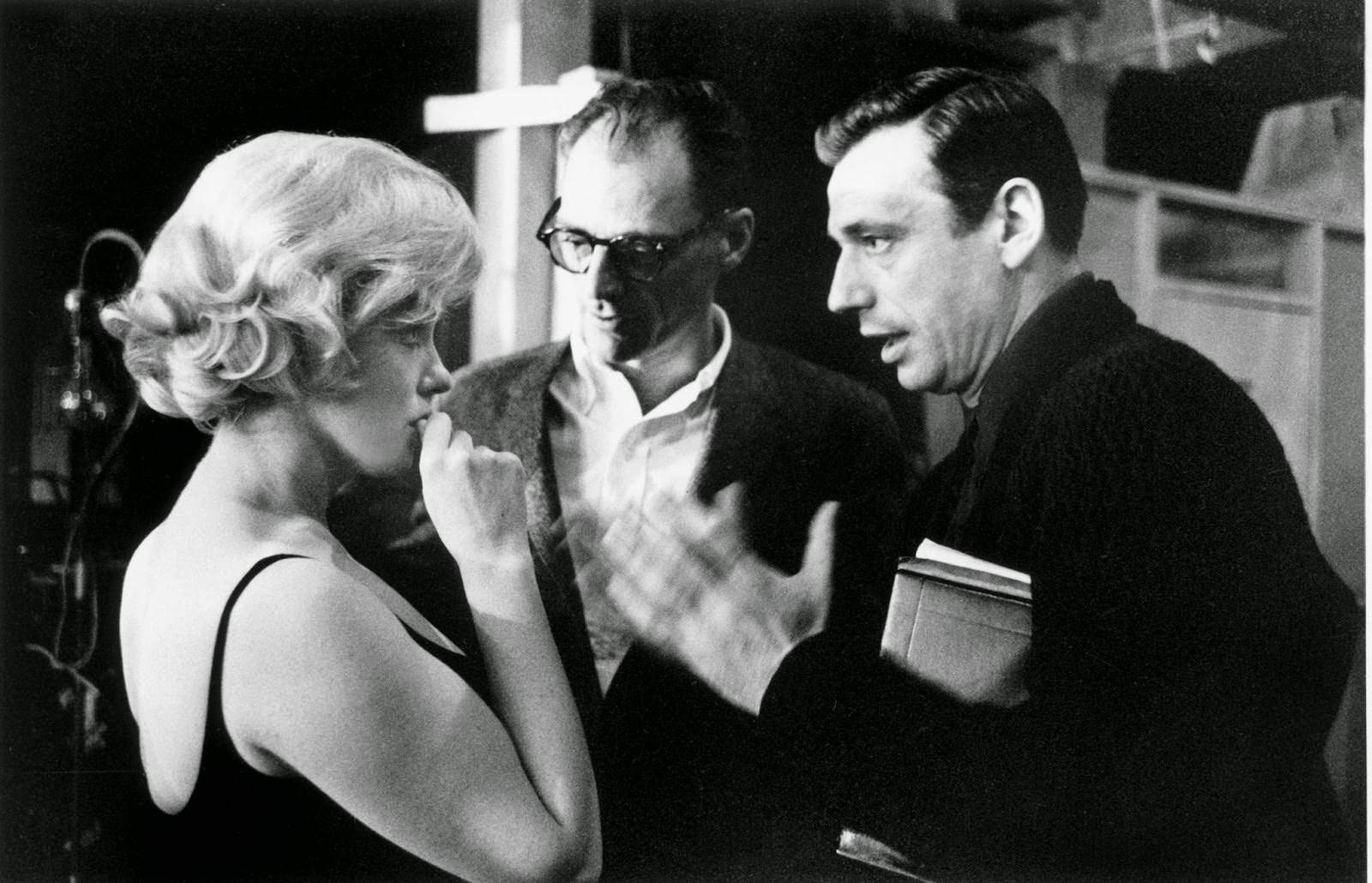
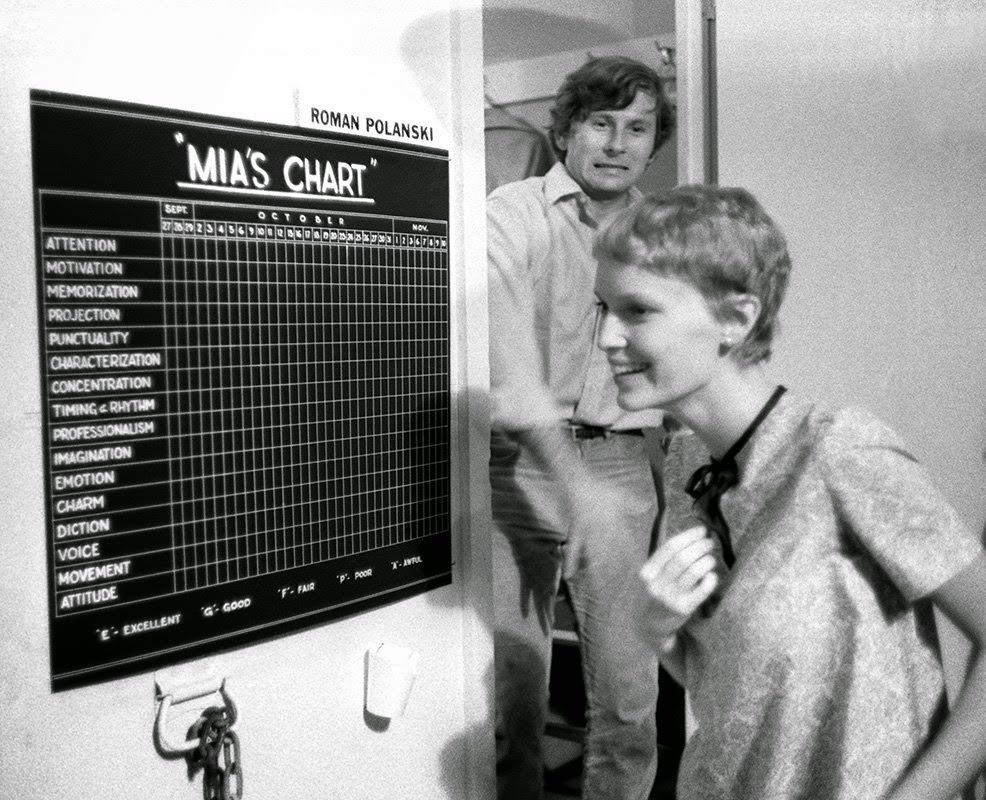
The late 1960s brought Willoughby to some of his most dynamic sets. He photographed Julie Christie studying her script for “Petulia” in 1967, and Roman Polanski directing Mia Farrow on the Paramount set of “Rosemary’s Baby” the same year. Marilyn Monroe, photographed in 1960 with Yves Montand and Arthur Miller on the set of “Let’s Make Love,” appears absorbed in discussion — one of the most loaded frames in the entire collection.
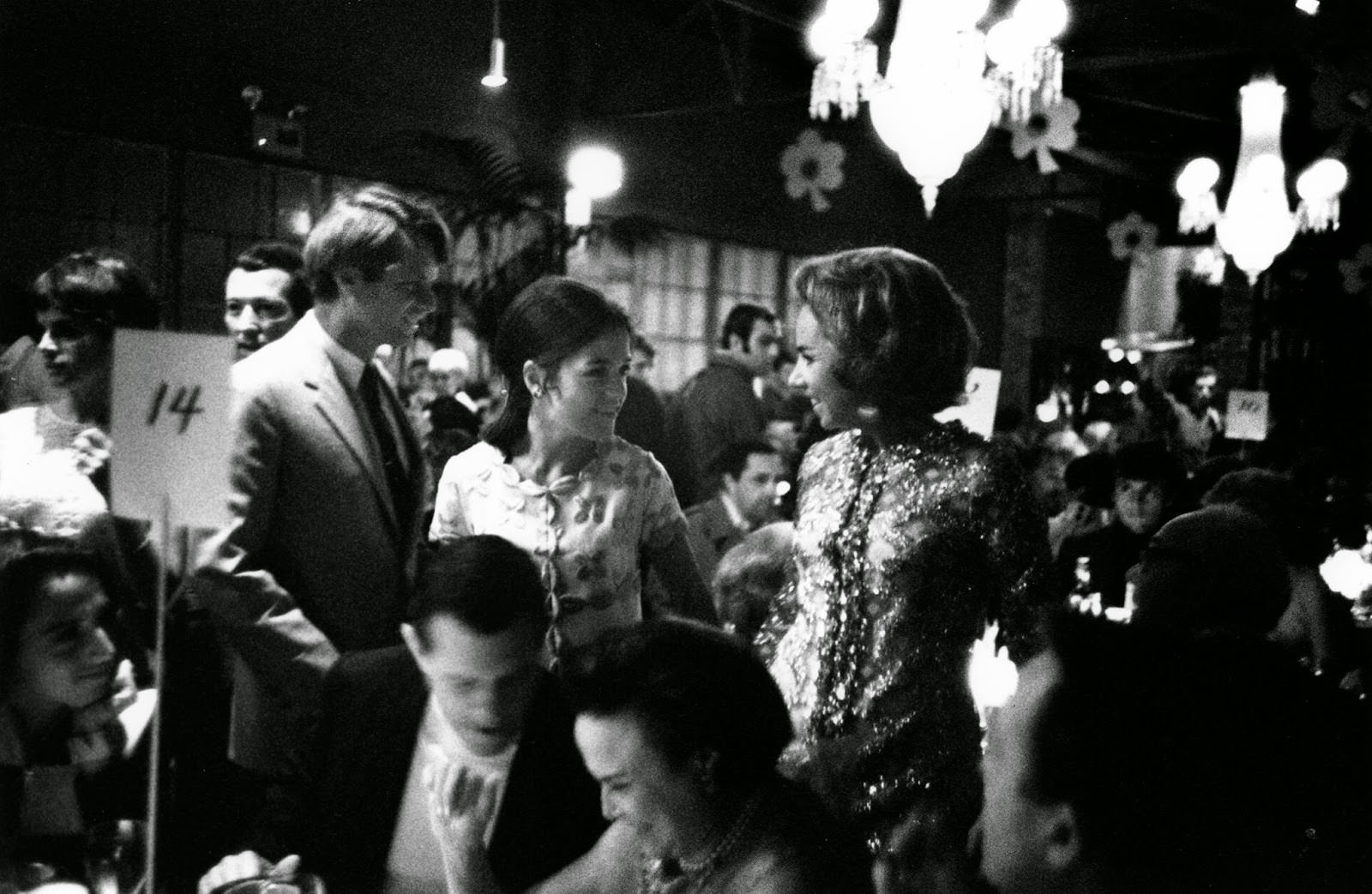
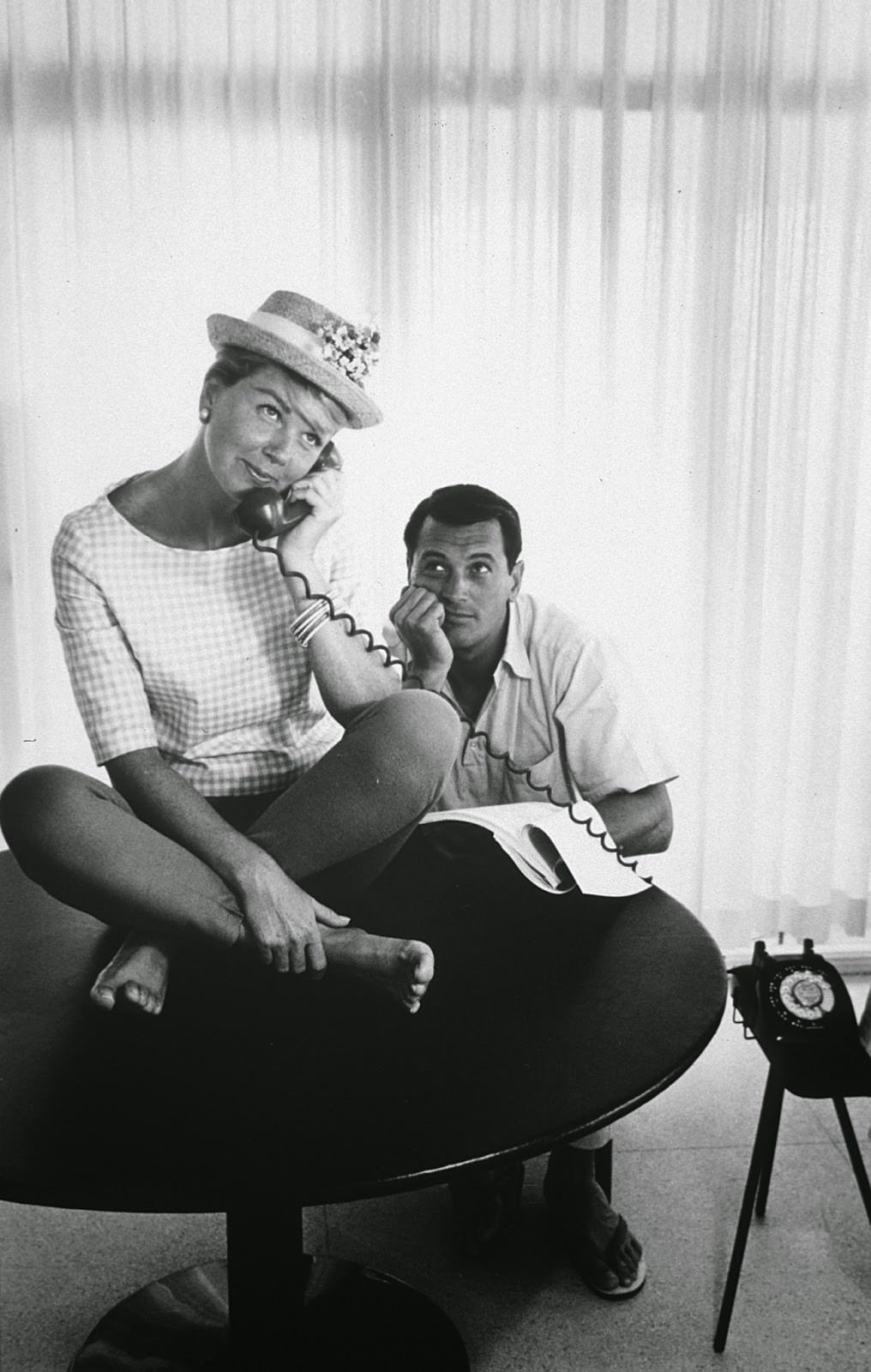
Willoughby also photographed outside of film productions entirely. In 1967, he captured Robert and Ethel Kennedy at a Los Angeles charity event, and he photographed Doris Day and Rock Hudson in an advertising shot for “Pillow Talk” in 1959. His range across genres, settings, and subjects was consistent throughout his career.
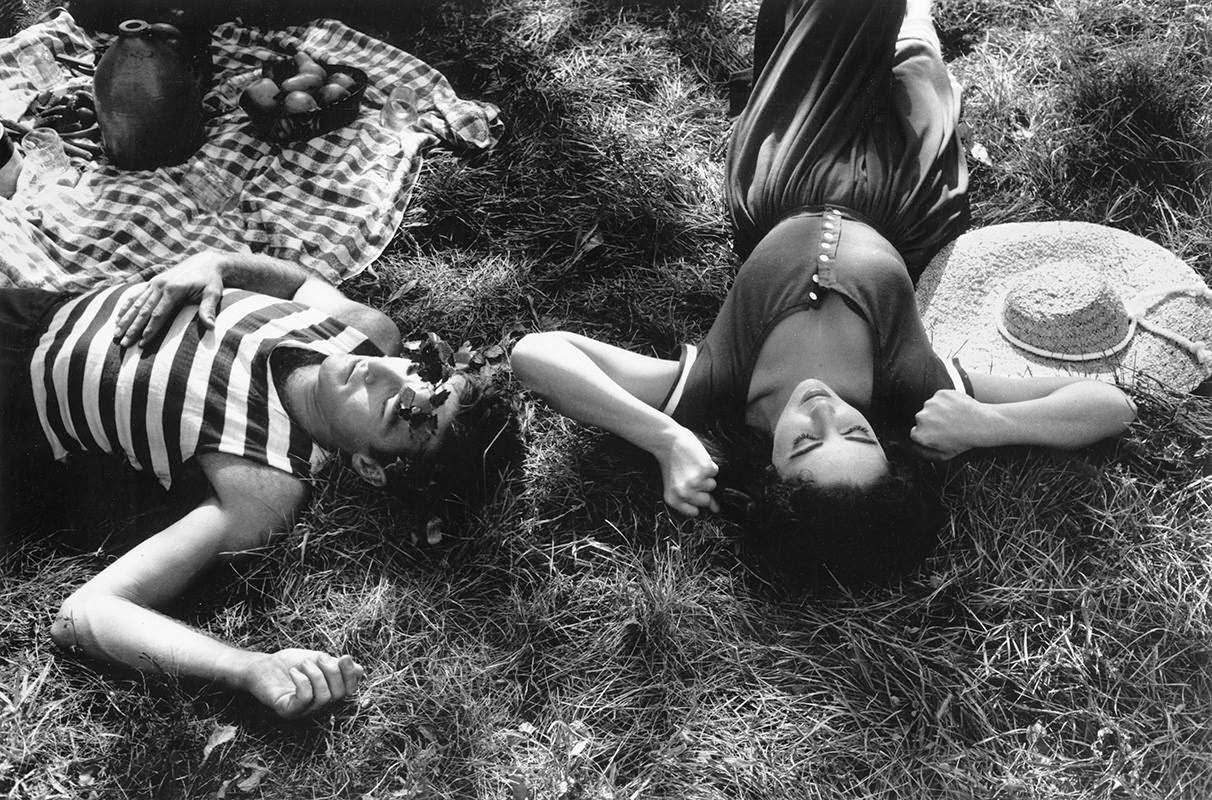
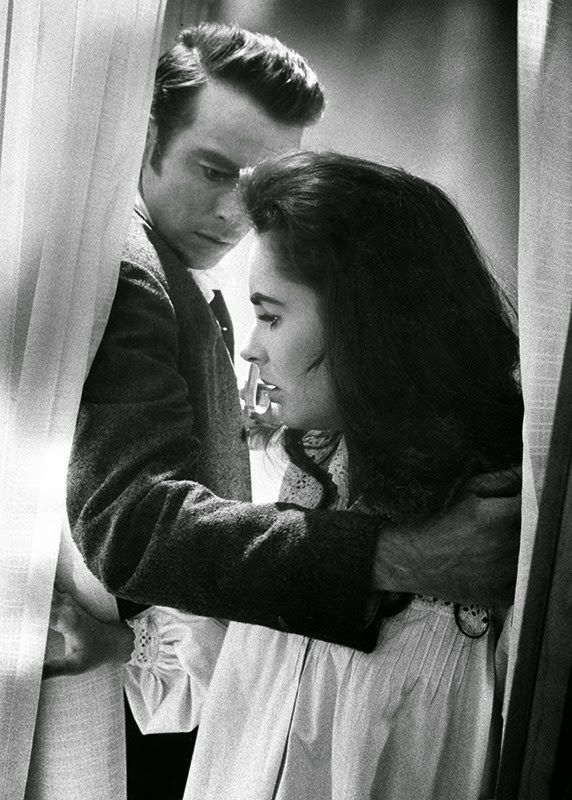
Montgomery Clift and Elizabeth Taylor were photographed together multiple times on the MGM set of “Raintree County” in 1956. Willoughby captured them in natural interaction between takes — images that carry a different weight given the serious car accident Clift suffered during that same production.
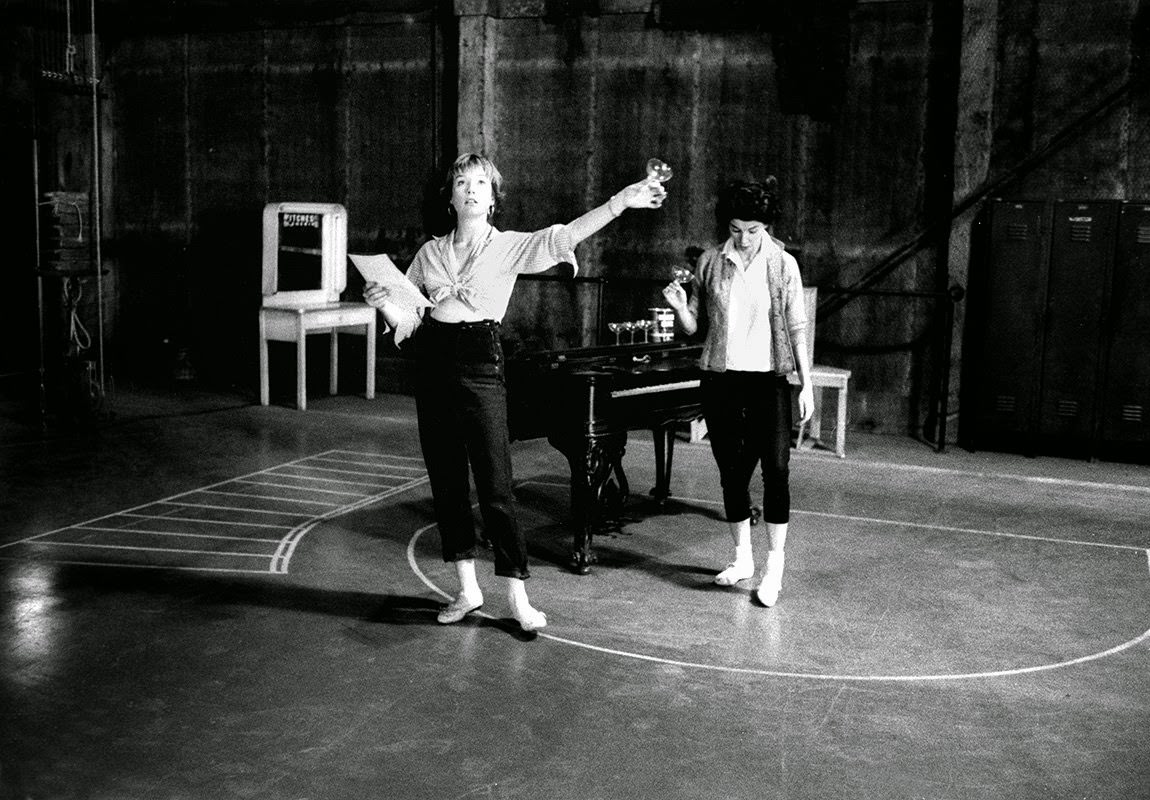
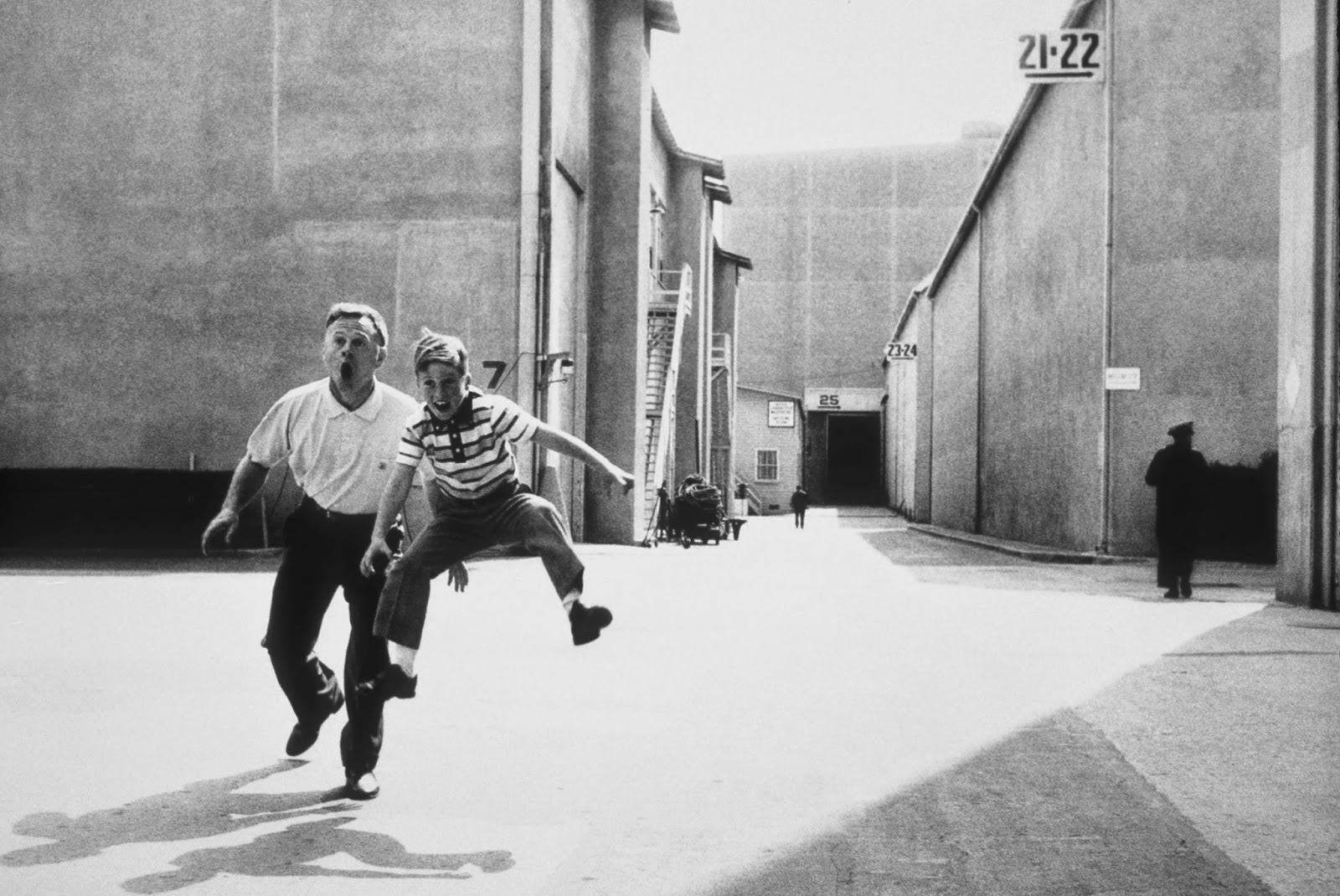
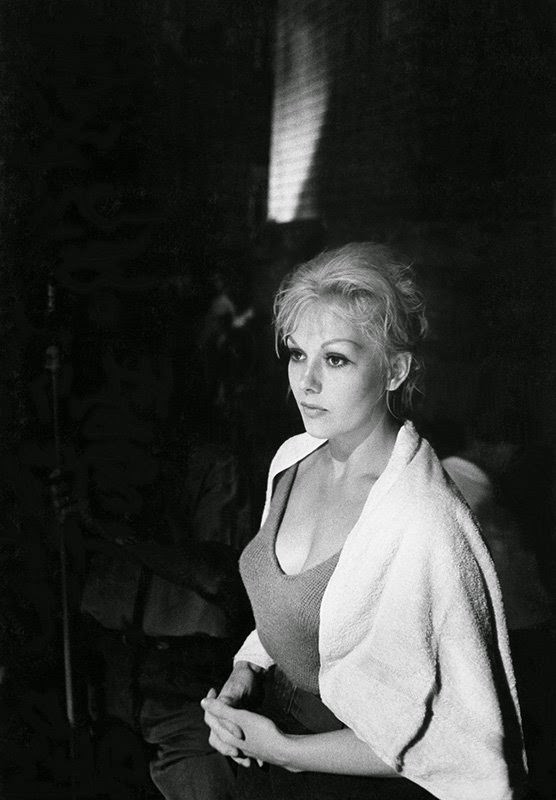
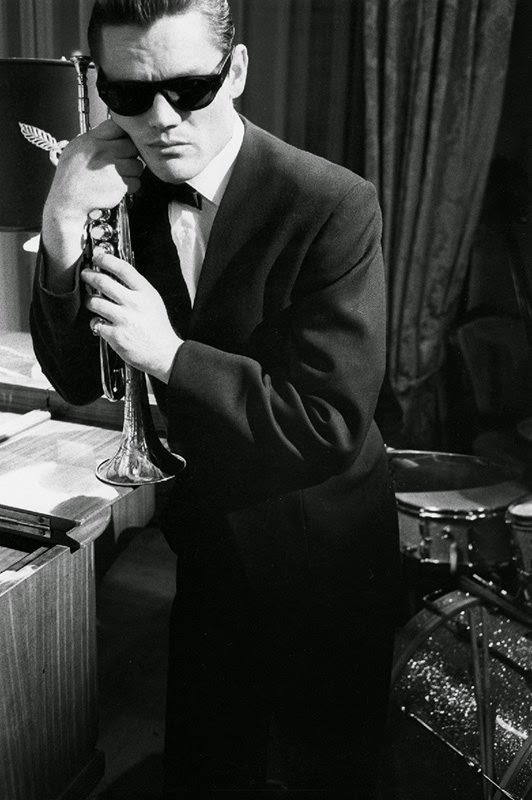
Mickey Rooney was photographed with his son Teddy on the MGM lot in Culver City in 1958. Kim Novak appeared on the Columbia Studios set of “The Notorious Landlady” in 1961. Chet Baker — better known as a jazz musician — was documented on the location set of “Summer Flight” in Fowey, Cornwall in 1962, one of the more unexpected subjects in Willoughby’s filmset archive.
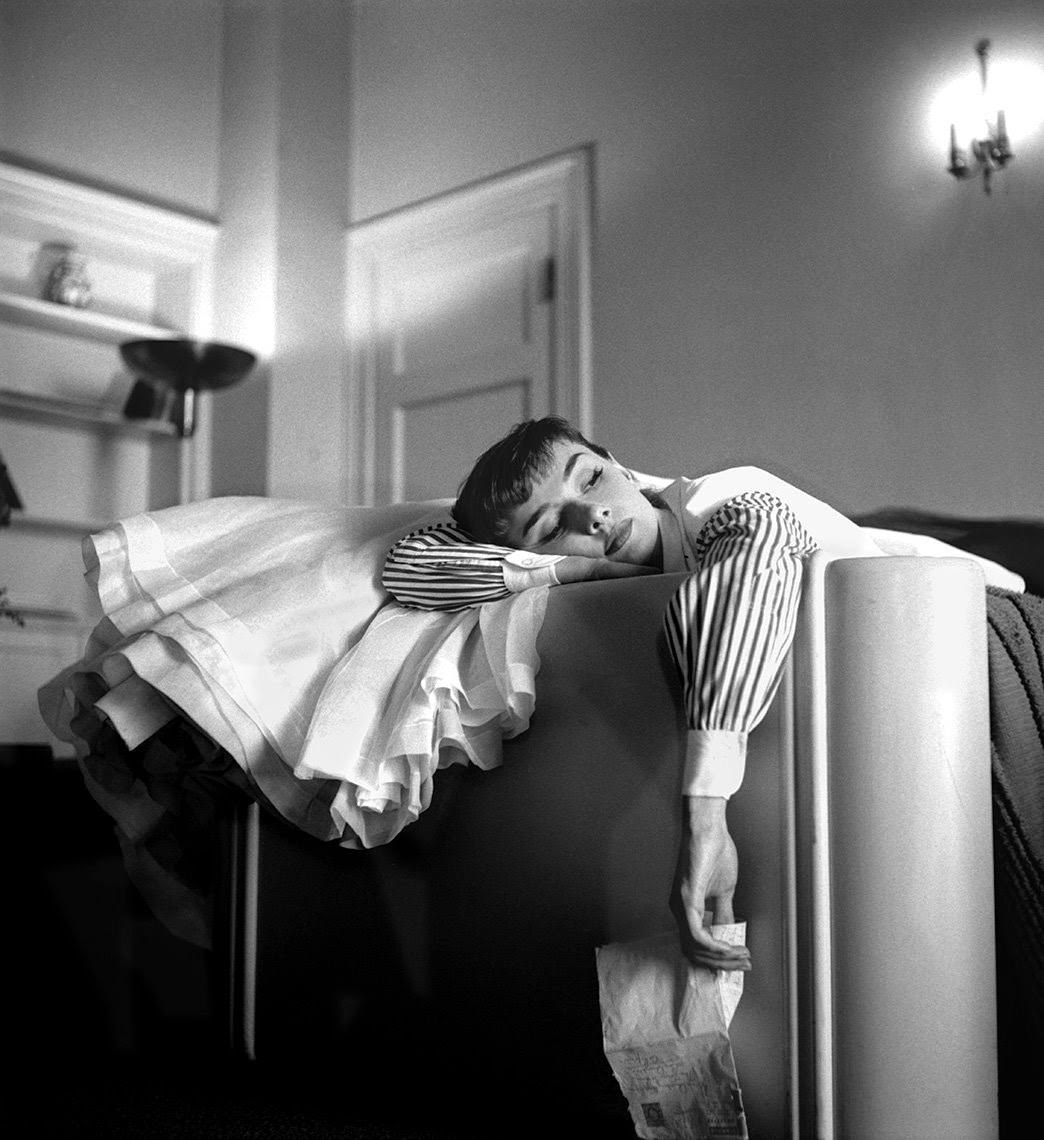
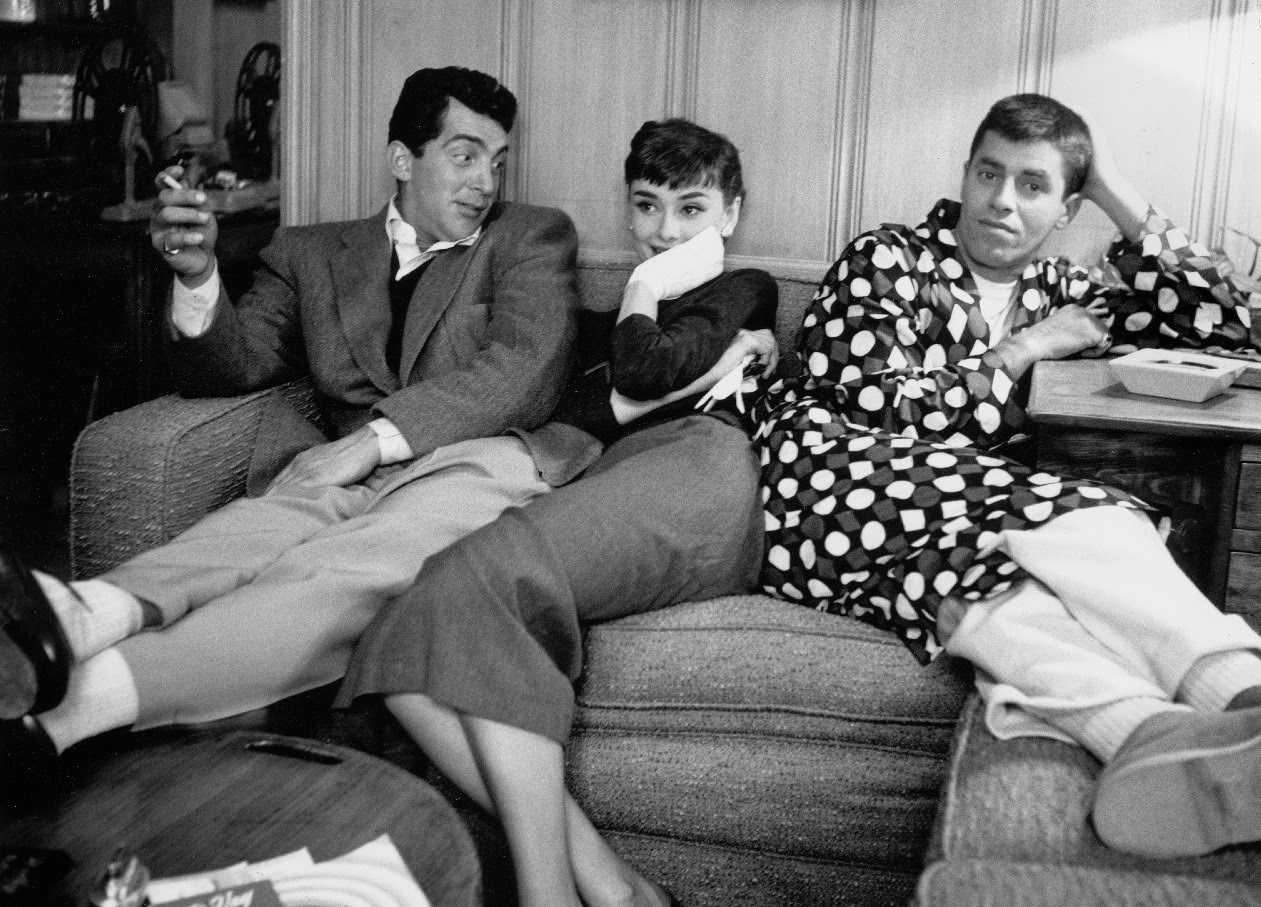
Willoughby’s earliest photographs of Audrey Hepburn, taken in 1953 when she was just arriving in Hollywood, show a young actress at the very start of what would become one of cinema’s great careers. He photographed her in her hotel room during that first trip, and later the same year caught her socializing with Dean Martin and Jerry Lewis at Paramount Studios — a scene that neatly captures the overlapping worlds Willoughby moved through every day.
Those are some great pictures to admire. Thanks for sharing!